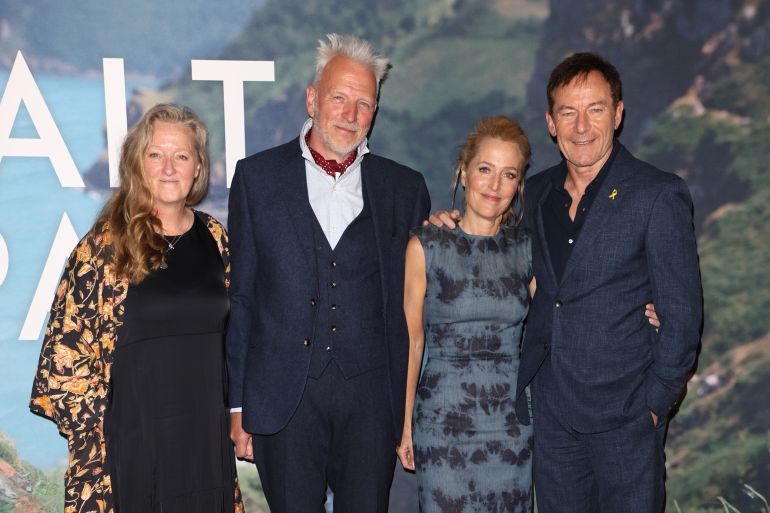
In 2025, personal memoirs proved their power and popularity, repeatedly making headlines. However, several scandals raised serious questions about the future of memoir literature.
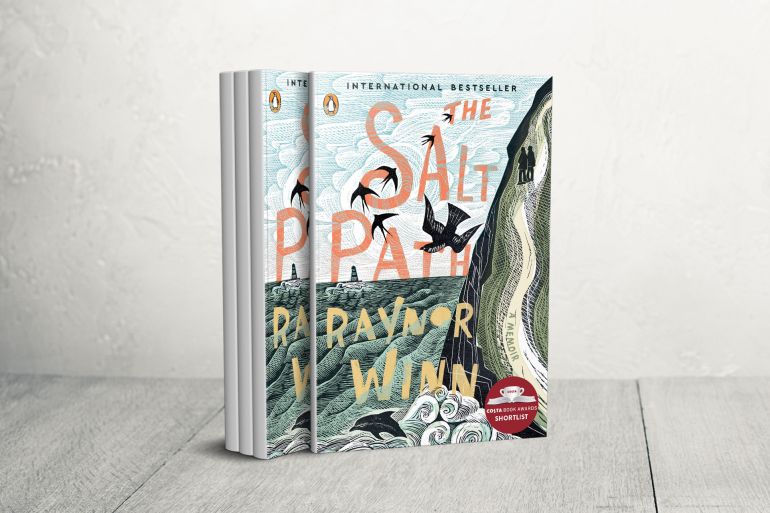
In the second half of the year, a cultural earthquake hit British literary circles following accusations that Raynor Winn’s memoir, “The Salt Path,” contained misinformation and falsified facts.
This came after an investigative report published last July revealed that the narrative Winn presented about losing her home and farm in Wales due to a friend’s betrayal and a failed investment was inaccurate. Instead, it was reportedly behind financial disputes and legal breaches on her part.
The book, which sold nearly two million copies and topped global bestseller lists since its release in 2018, now faces unprecedented legal and literary scrutiny.
Doubts also extended to the most impactful part of the book: her husband Moth’s illness described as “cortical and motor system damage.” The investigation indicated that Moth remained in good health and was capable of walking long distances years later, raising medical questions.
Repercussions of the “The Salt Path” Earthquake
In the wake of this crisis, publishers began reviewing contracts signed with memoir writers. The “The Salt Path” crisis was not the only one in 2025; it was part of a wave of literary scandals that affected works nominated for prestigious awards and caused widespread controversy.
The book “Shadows of Summer” emerged as one of the books that faced a similar fate. It became clear that the author had plagiarized entire passages from an old French soldier’s memoir, uncovered by modern detection techniques.
In the film industry, these revelations caused a shock, especially since the film adaptation of “The Salt Path” was expected to generate huge revenues. This prompted production companies to include penalty clauses in adaptation contracts to protect their rights in case the original story was proven false or distorted.
Between Creativity and Documentation
In response, Raynor Winn’s publisher defended its position, asserting that a memoir remains a creative work aimed at conveying a human message. The publishing house stated in an official statement that errors in some details do not negate the spiritual value of the couple’s experience and emphasized the need to distinguish between documentary and literary biographies.
Meanwhile, critics pointed out that the problem lies in the public’s constant desire to hear “miracle” stories. Analysts noted that publishers prefer stories with happy and ideal endings, even if it requires manipulating facts to increase the book’s appeal and marketability.
The “The Salt Path” crisis also brought back to mind a long history of literary scandals that shook readers’ trust in memoirs. These include the famous case of Misha Defonseca’s memoir “Misha: A Mémoire of the Holocaust Years,” in which she claimed to have lived with wolves while fleeing the Nazis. Subsequent investigations revealed the story was entirely fabricated, which was a major shock to publishers who had marketed the book as an unquestionable historical truth.
In this context, 2025 is considered a turning point in publishing history. There are growing calls from readers for independent reviewers to verify the credibility of autobiographies before publication. Some digital platforms have already begun placing warning labels on books surrounded by doubts. This year is likely to be etched in literary memory and may change the face of literature.