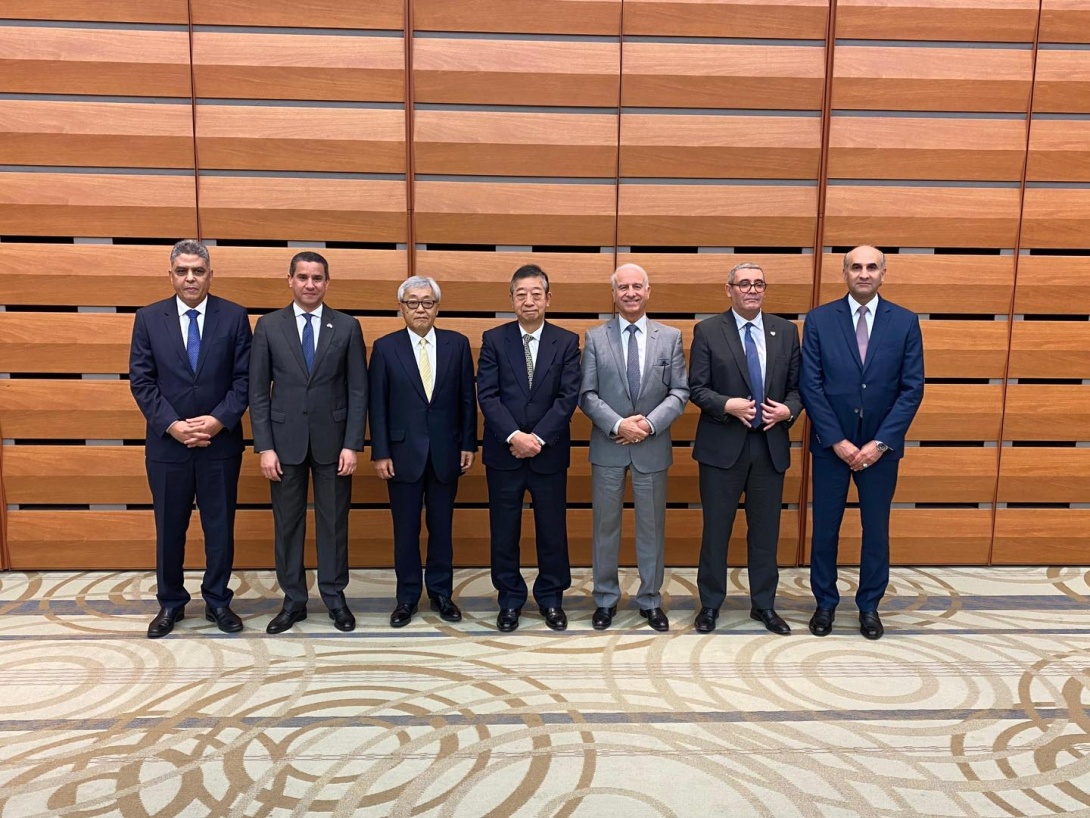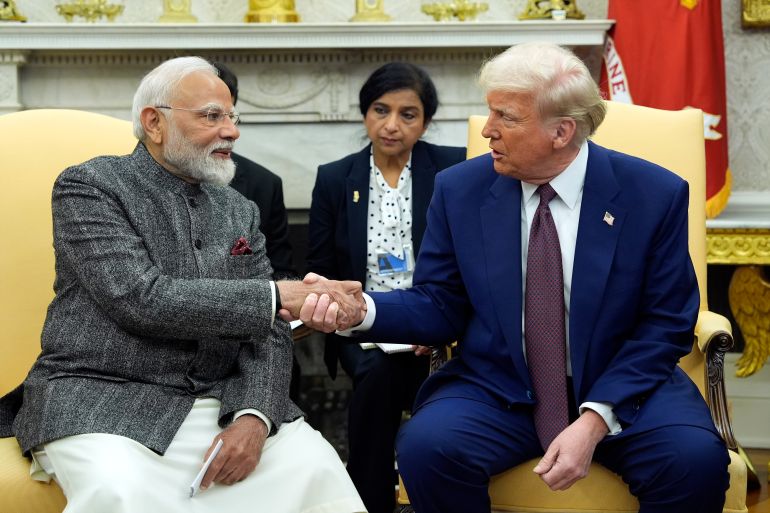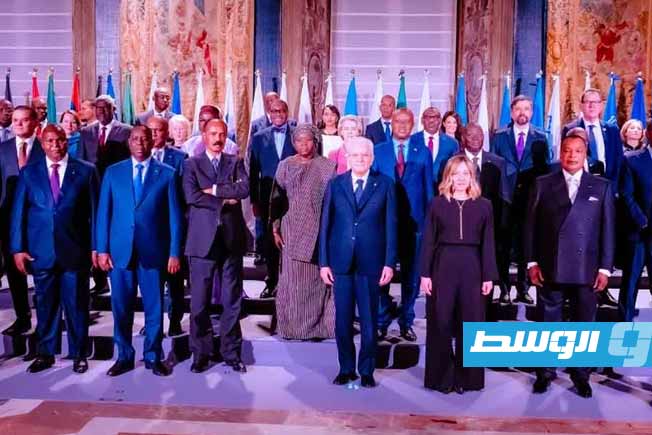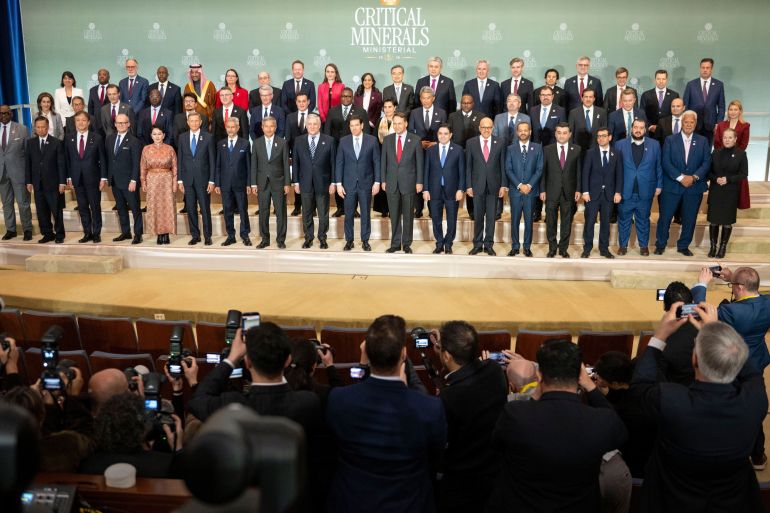
Washington witnessed a major international ministerial meeting this past Wednesday, bringing together 55 countries to discuss the future of supply chains. This moment reflects the transition of this issue from a technical industrial matter to a structural element of global economic stability.
The debate is no longer solely about production volume or diversifying rare earth mines, but also about how the market itself functions and how risks associated with the concentration of industrial capabilities in specific links of the value chain are managed, according to reports on the meeting and related developments.
The countries participating in the ministerial meeting at the U.S. State Department treated rare earth minerals as strategic inputs affecting renewable energy, electric transportation, digital industries, and defense applications.
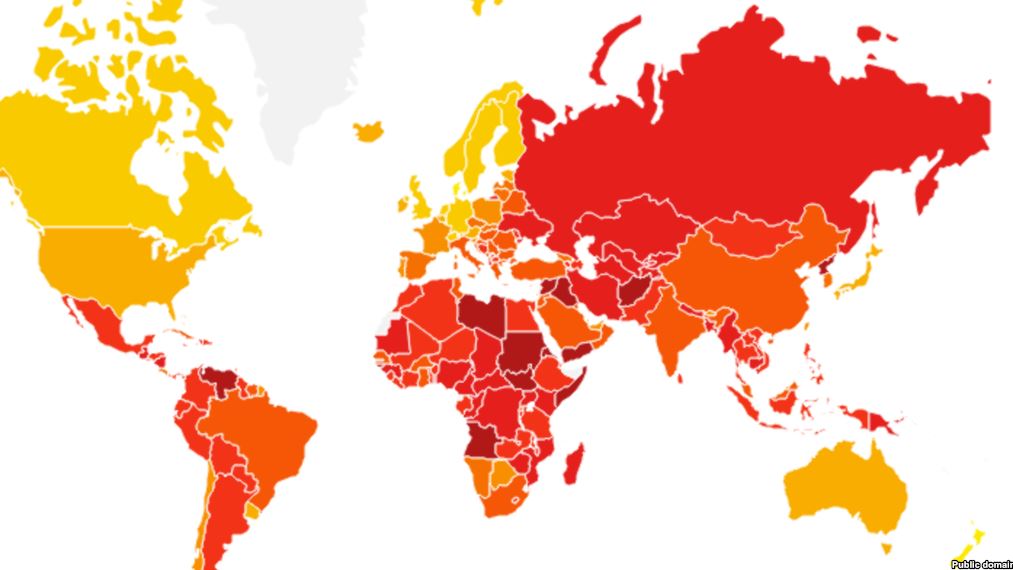
This approach comes in the context of data showing a steady increase in the concentration of refining and processing. Estimates indicate that the share of the top three countries in refining strategic minerals rose from about 82% in 2020 to 86% in 2024, with China remaining the largest player within this group, according to analyses on the concentration of supply chains for minerals linked to clean energy.
However, this concentration should not be read solely as a result of unilateral political decisions; it is also linked to factors of industrial efficiency, lower production costs, accumulated technical expertise, and integrated infrastructure. These are elements often cited in industry reports and international economic analyses when explaining the dominance of certain countries in specific industrial segments.
Therefore, recent moves reflect a redistribution of risks within an interconnected economic system, not an inevitable rupture or a zero-sum confrontation. This description aligns with broader institutional readings of the nature of entanglement in global value chains.
Pricing Efficiency and Investment Stability
The meeting discussed the concept of “reference prices,” which aims to reduce the sharp volatility of rare earth mineral prices that hinders long-term investment. Some policymakers view this mechanism as a financial stabilization tool that gives investors a clearer view of expected returns, especially in a sector that requires billions of dollars in capital investments and long development periods, according to coverage of proposals related to reorganizing the vital minerals market.
Rare earth projects outside China face difficulty attracting financing when prices experience sharp declines, leading to projects shutting down before commercial production begins. This is a problem often highlighted by analysts when discussing the role of price volatility in disrupting investment in capital-intensive commodities.
Conversely, however, low prices do not necessarily indicate market dumping; they can also result from economies of scale, lower energy costs, or supply chain efficiency. These are structural factors typically used to explain cost differences between countries in extractive and processing industries.
This contrast clarifies that the debate revolves around the limits of state intervention in correcting market failures without creating new distortions.
Market analyses reflect this debate, highlighting two viewpoints:
- The first sees price stability for rare earths as a condition for building production capacity outside dominant centers.
- The second warns of the risks of politicizing pricing and weakening market signals.
The Industrial Center of Gravity
Industrial studies focus on the fact that the higher-value links of this industry (chemical separation, refining, alloy production, and magnet manufacturing) represent the true center of influence. These stages require specialized technologies, intensive capital investment, and strict environmental compliance.
Data indicates that China controls between 85% and 90% of global rare earth element refining capacity, while its share in heavy rare earth elements exceeds 95%. These numbers reflect a long-term industrial trajectory, not a circumstantial development.
Analyses of planned projects outside China show that new capacities in processing and magnets remain limited compared to projected demand. This means the rebalancing process will take years, even with strong industrial policy support.
Entanglement and Interdependence
Trade data reflects a more complex picture than the concept of “unilateral dependence.” America, Europe, and Japan depend on China for some intermediate inputs, while China depends on advanced markets to sell high-value-added final products.