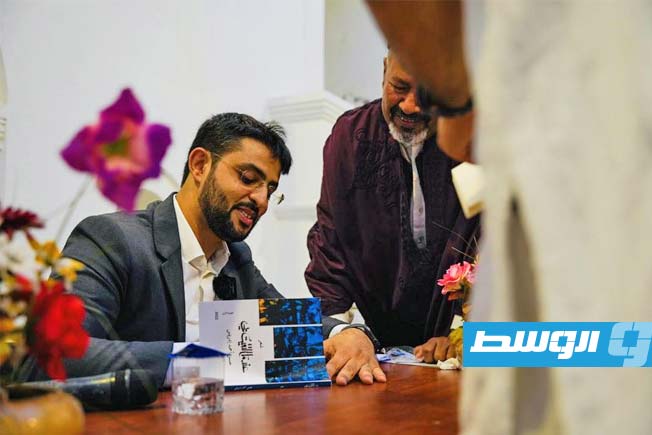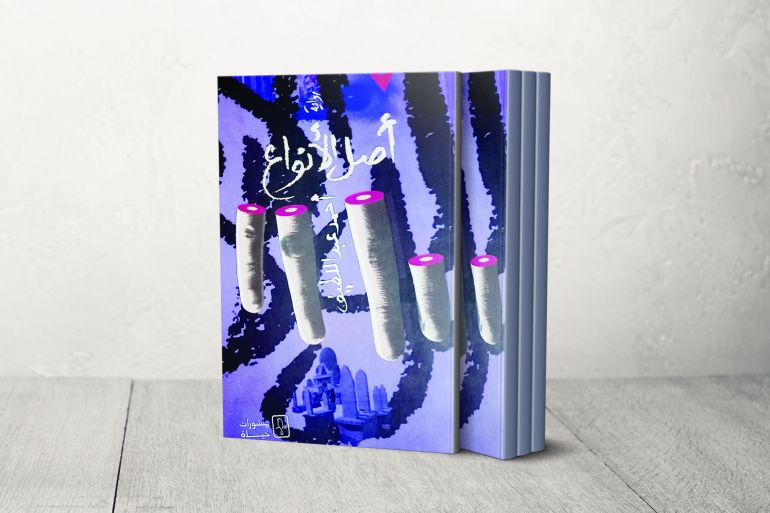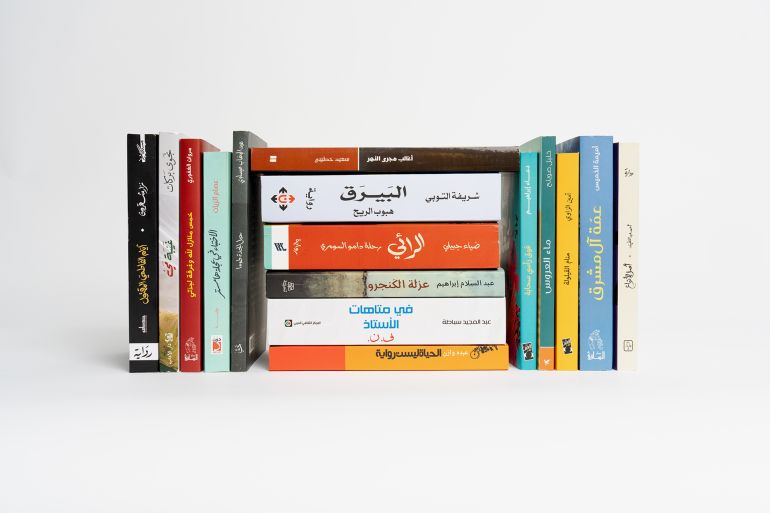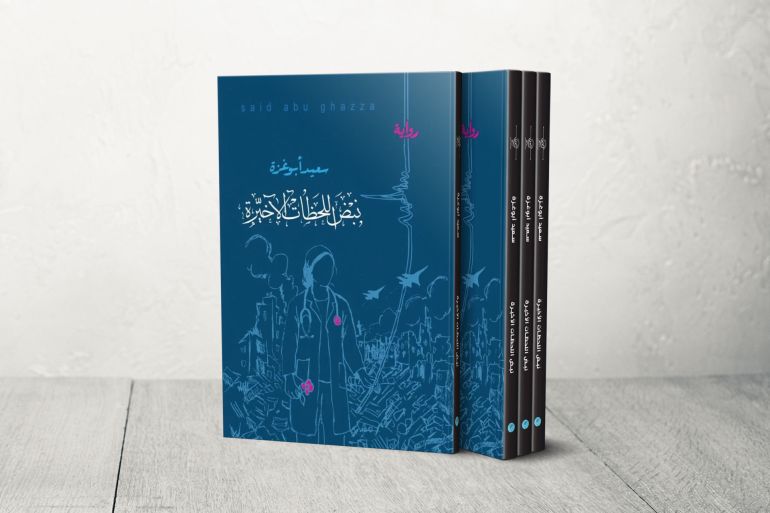
Gaza– The novel “The Pulse of the Final Moments” emerges as a literary and humanistic work that evokes one of the harshest moments in contemporary Palestinian history, where war intertwines with medicine, death coexists with love, and devastation tests human values at their extreme limits.
The novel is inspired by real events that occurred during the war, but it does not settle for mere direct documentation. Instead, it is presented within a multi-voiced narrative structure, giving the text a deeper artistic and emotional dimension and opening the door to questioning the meaning of humanity in a time of total collapse.
It is emphasized that the novel does not aim to record facts as much as it seeks to delve into the psychological and moral experience of its characters, especially those who found themselves on the front lines: doctors, nurses, paramedics, and the wounded. Through these characters, the work poses its central question: how can a person preserve their moral essence at a moment when life itself is violated?
The Blurring of Boundaries Between Civilian and Military, Life and Death
The events of the novel “The Pulse of the Final Moments” take place in the city of Khan Younis in the southern Gaza Strip, with hospitals, particularly the Al-Amal Hospital of the Palestinian Red Crescent Society, alongside Al-Khair Hospital, serving as the primary spatial setting. Both hospitals were actually stormed by soldiers.
As for the time in the novel, it is the time of an open-ended war with no horizon, where days and nights blur under bombardment, and time itself becomes an additional enemy pursuing everyone.
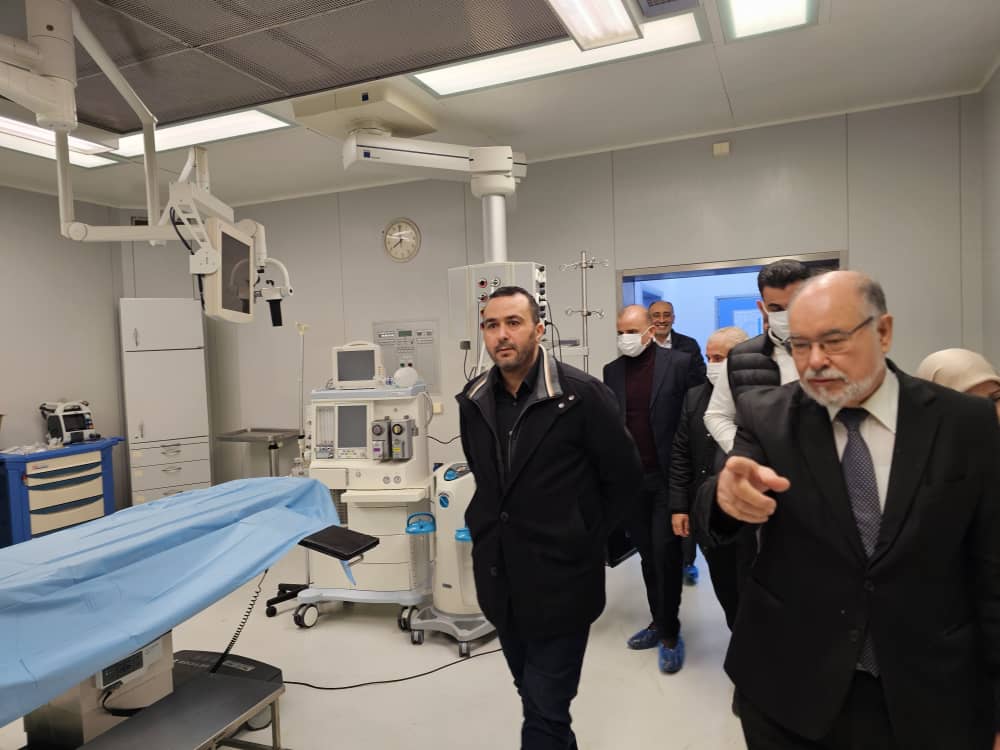
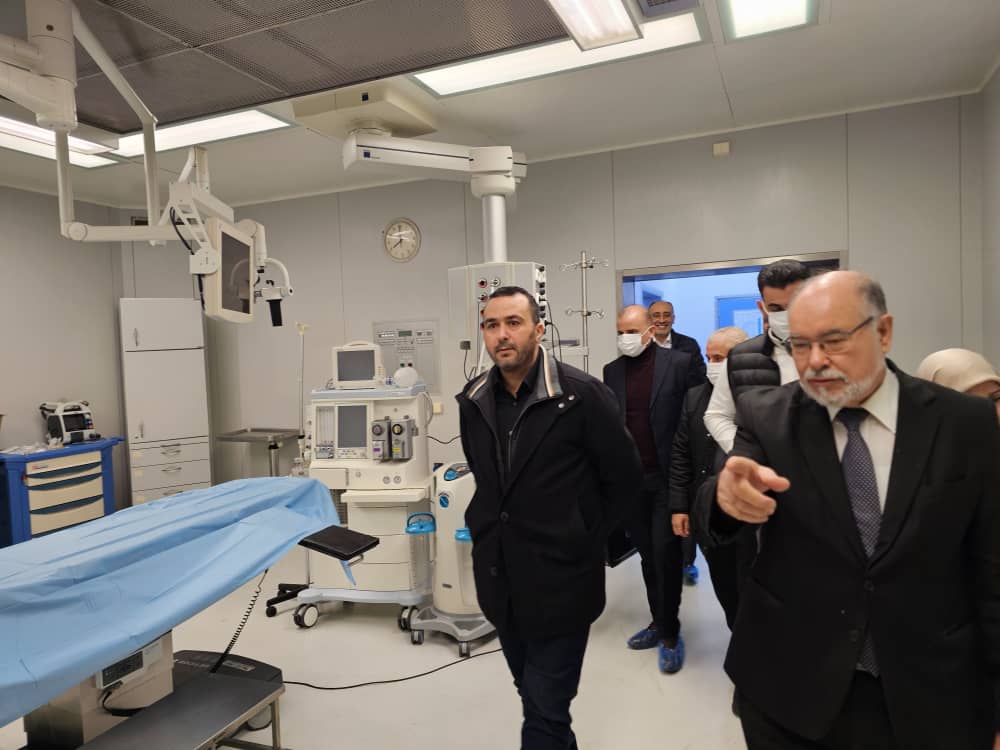
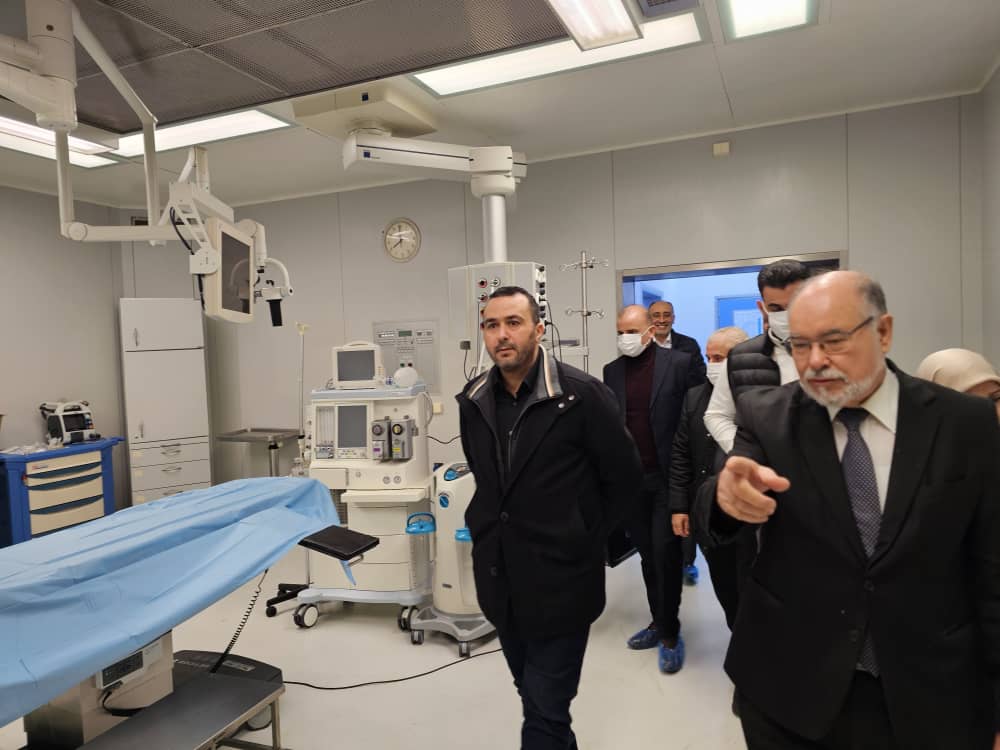
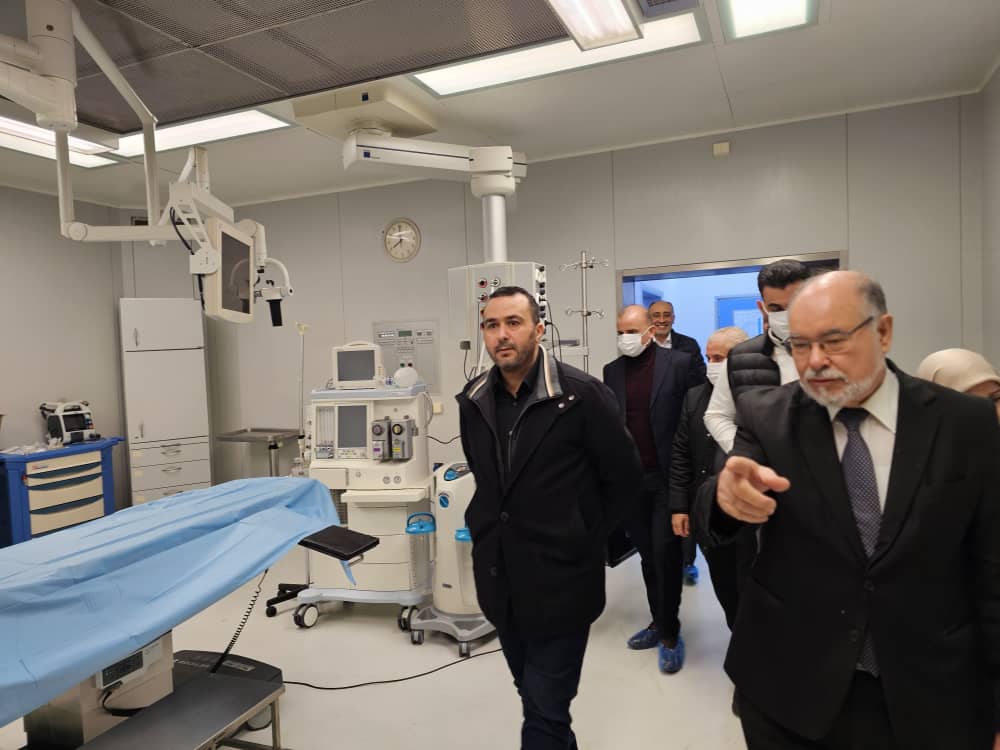
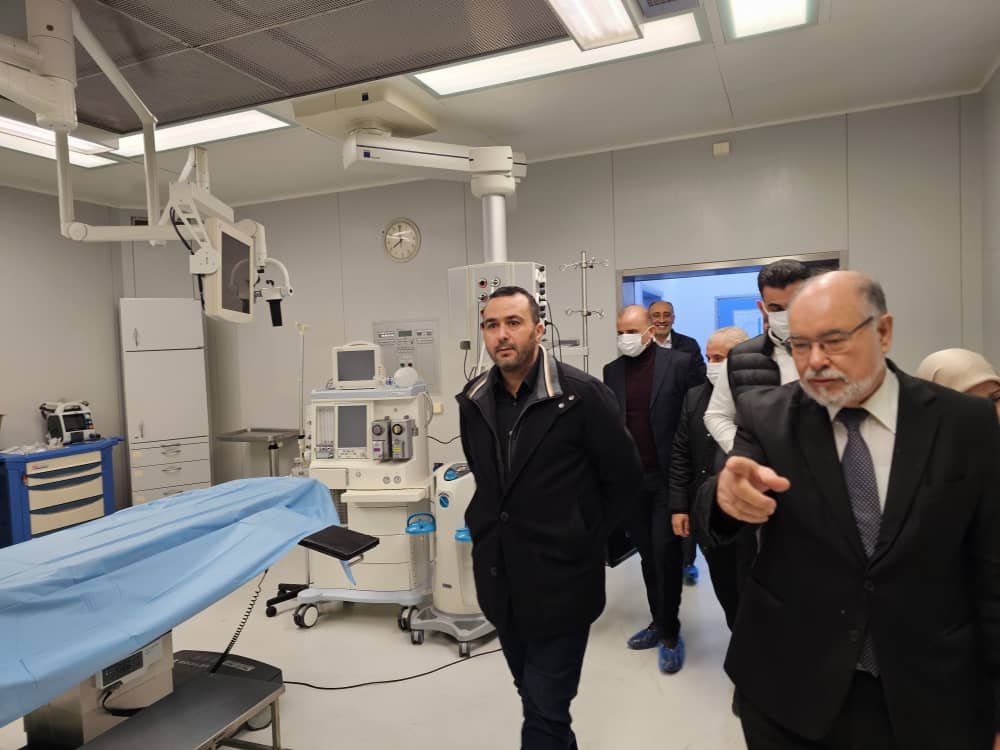
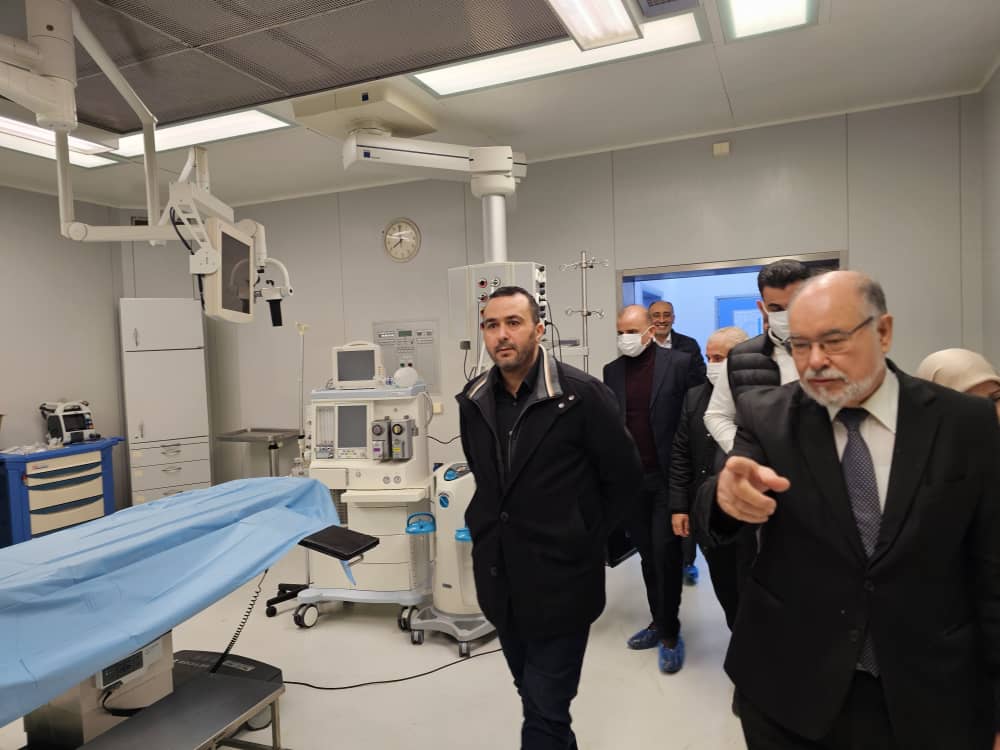
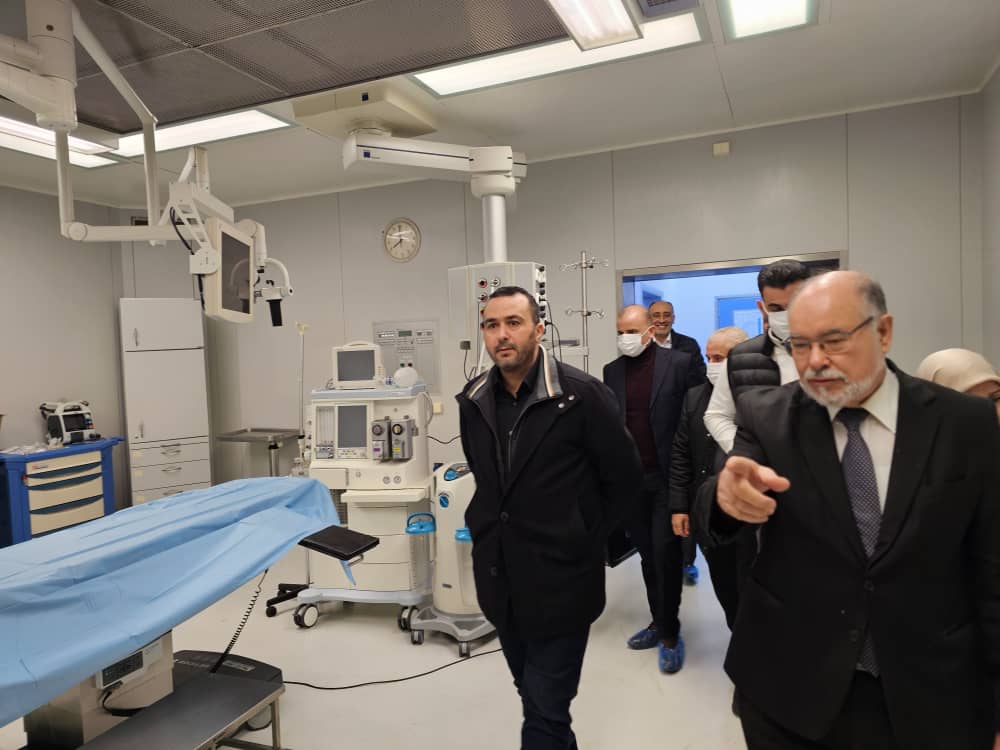
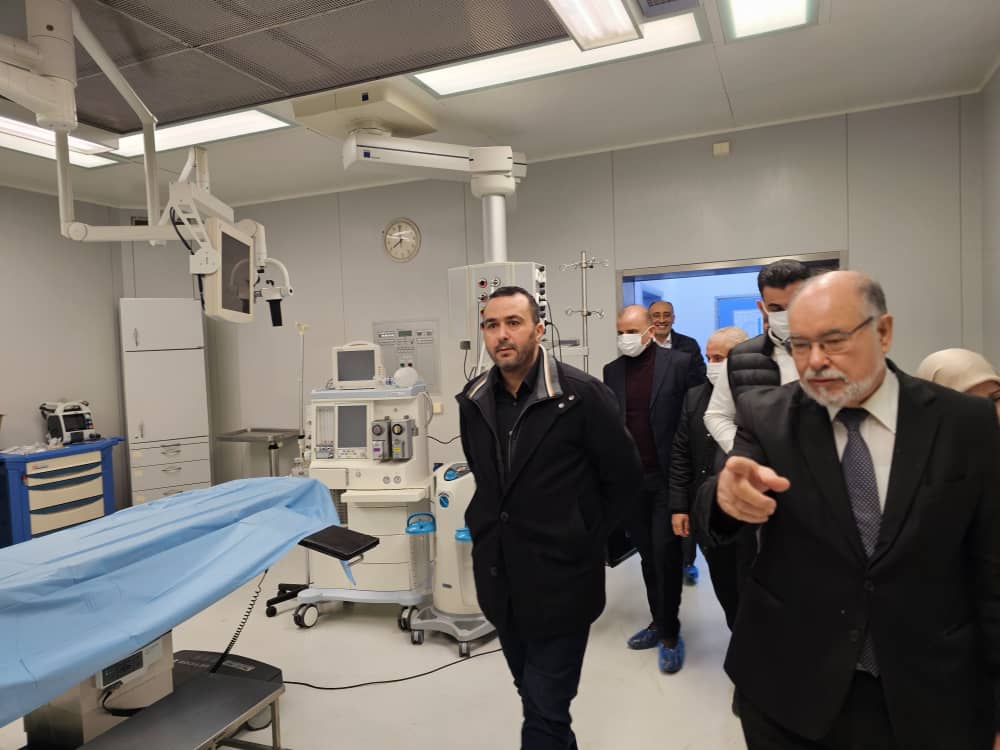
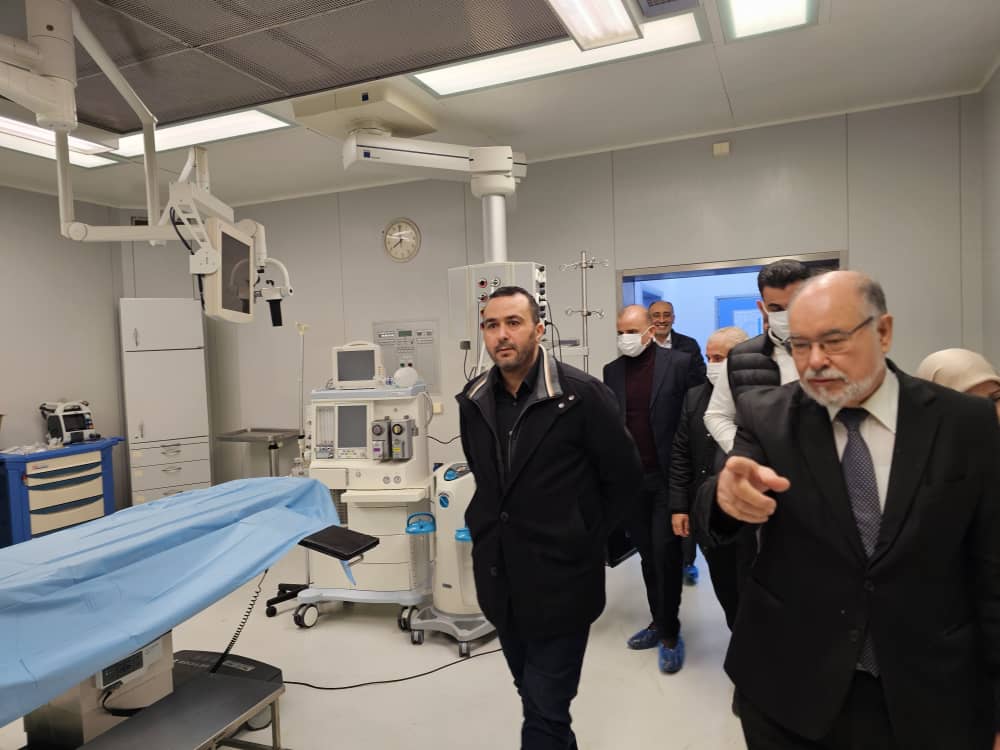
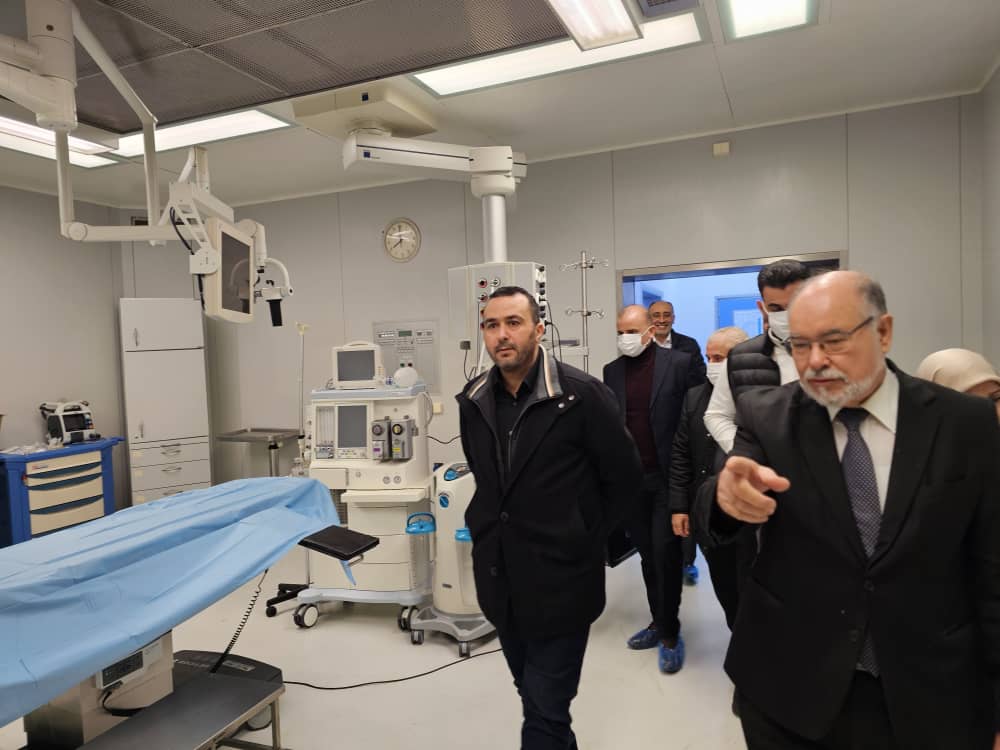
The hospital in the novel is presented not merely as a place designated for treatment, but as a living entity groaning under siege, a direct witness to the crime. Operating rooms, narrow corridors, ambulances, and surrounding rubble are evoked through an intense, cinematic language that makes the reader a part of the experience, not just a recipient of it.
In this space, it is said, the boundaries between civilian and military, and between life and death, dissolve, making the act of rescuing the wounded an act of resistance in itself.
A Doctor Facing Extraordinary Choices
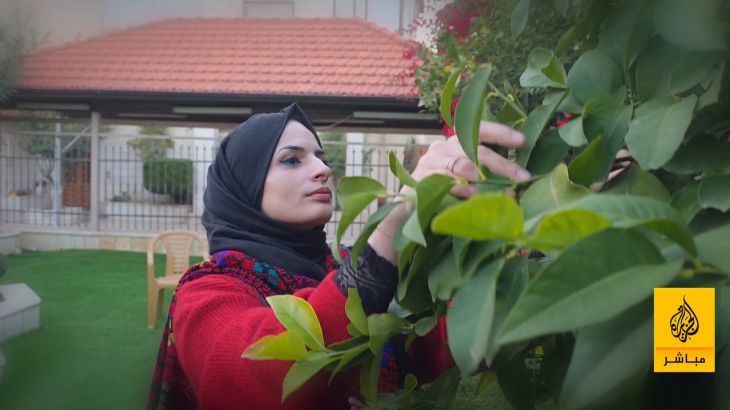
The novel deals with the character of Dr. Yusra, who represents the beating heart of the narrative work. She is not a mythical heroine, but an ordinary woman who finds herself facing extraordinary choices: staying in the besieged hospital or saving herself, rescuing the wounded or protecting her family. Yusra chooses to stay, not out of heroism, but out of a deep belief that abandoning the wounded is abandoning herself.
Alongside Yusra, a broad human tapestry is drawn, including doctors and nurses who continue their work despite exhaustion and lack of equipment, and wounded children who have lost their families and seek safety in the arms of a doctor. Characters of wounded individuals and resistance fighters facing death with dignity, bidding farewell to their loved ones in fleeting moments, also emerge, alongside mothers, paramedics, and ambulance drivers who represent the popular extension of the tragedy. Testimonies from children recounting their stories of fleeing death on foot, from northern Gaza through the horrific Israeli checkpoint, are also revealed.
In contrast, the novel presents the character of the Israeli officer as a moral antithesis, not as a traditional antagonist, but as an image of a value void. This contradiction is manifested when he is shaken by a phrase engraved on a martyr’s pendant: “The lover does not surrender,” turning the sentence into an internal rift that reveals the fragility of the logic of naked force.
Love and Resistance
The novel proposes a profound concept of love as an