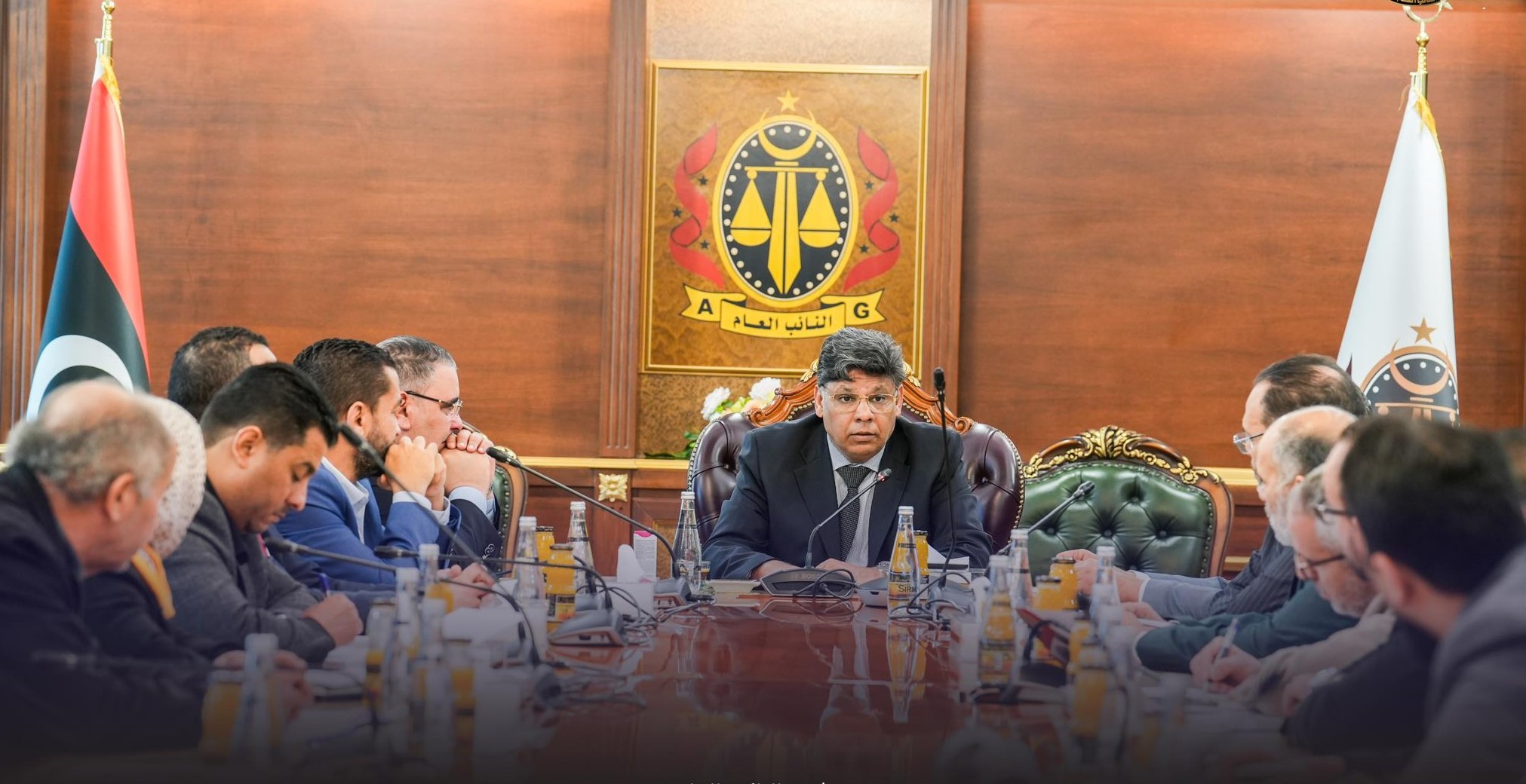
Tripoli, December 20, 2025 – The Attorney General confirmed that investigation results revealed the absence of reliable administrative systems to ensure the sustainable access of the population to essential medicines, in addition to the ineffectiveness of procedures for examining, accepting, and verifying the quality of medicines entering the supply chain.
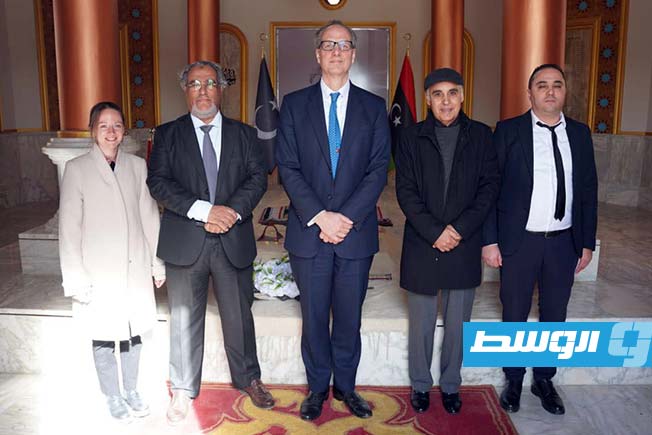
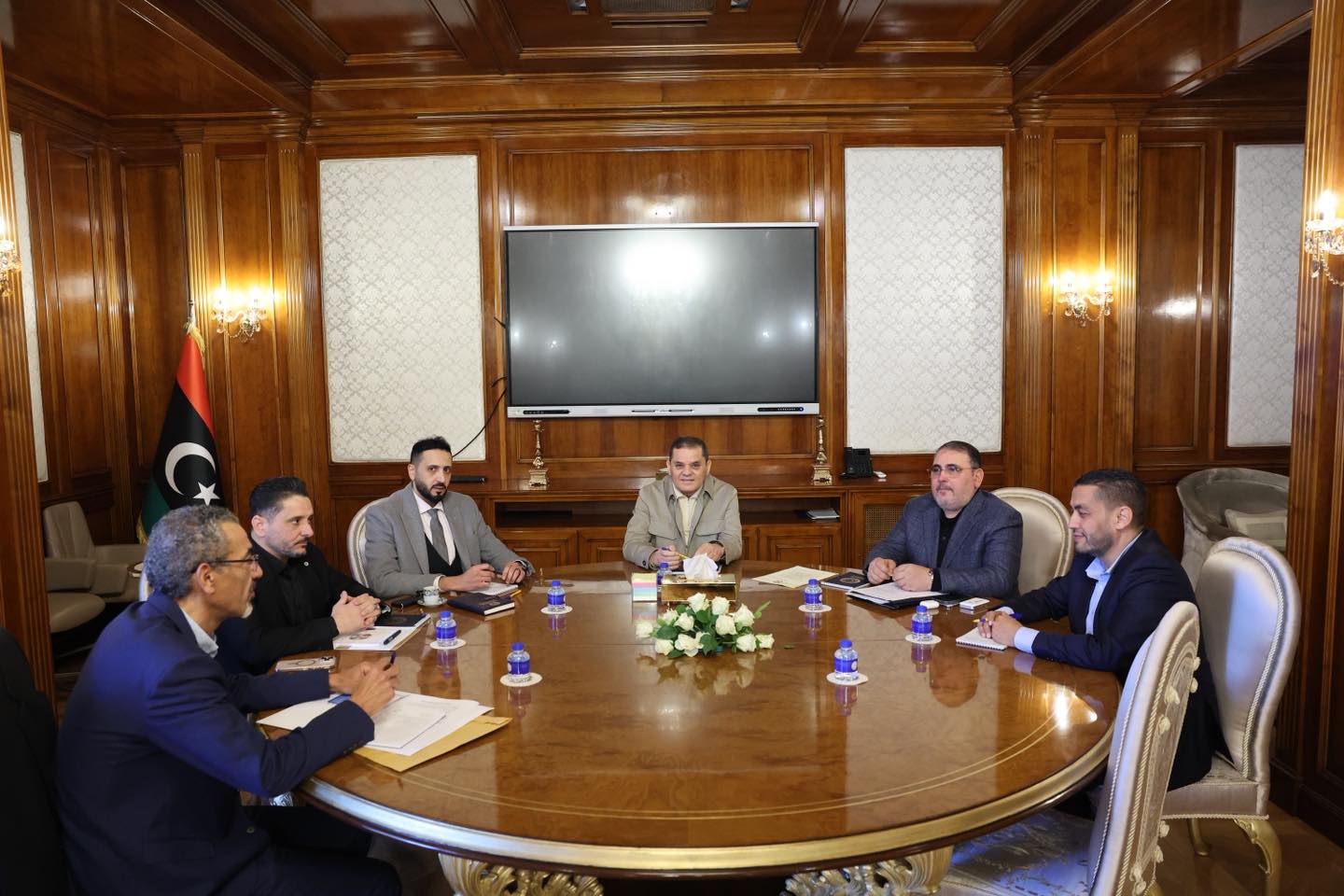
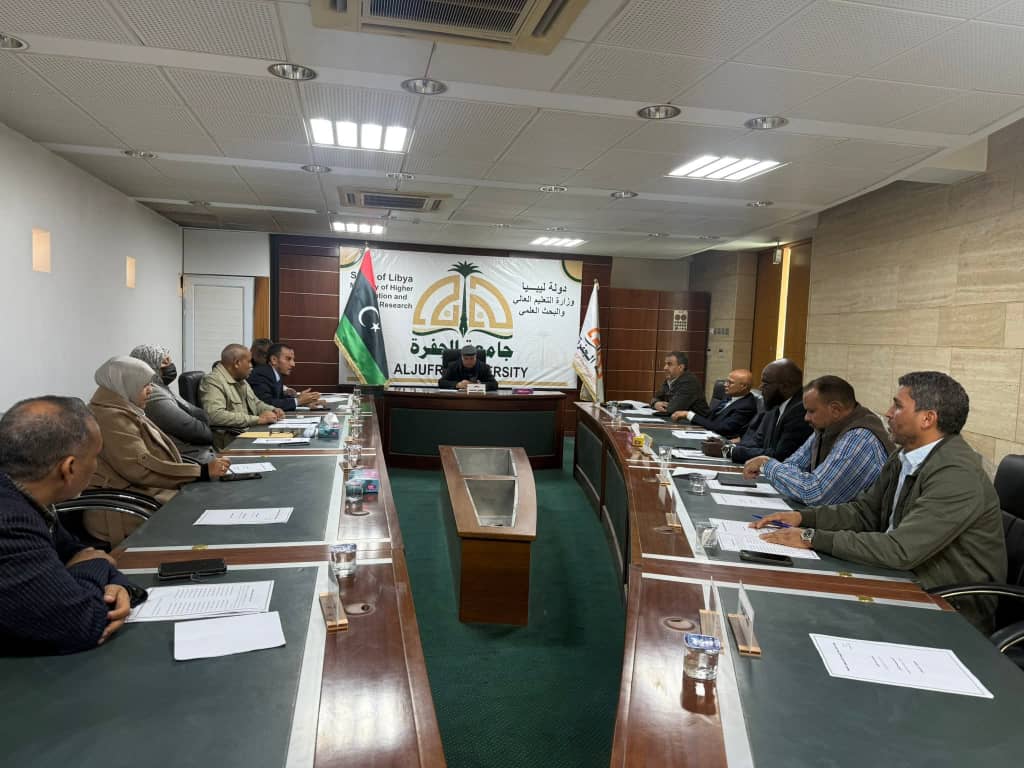
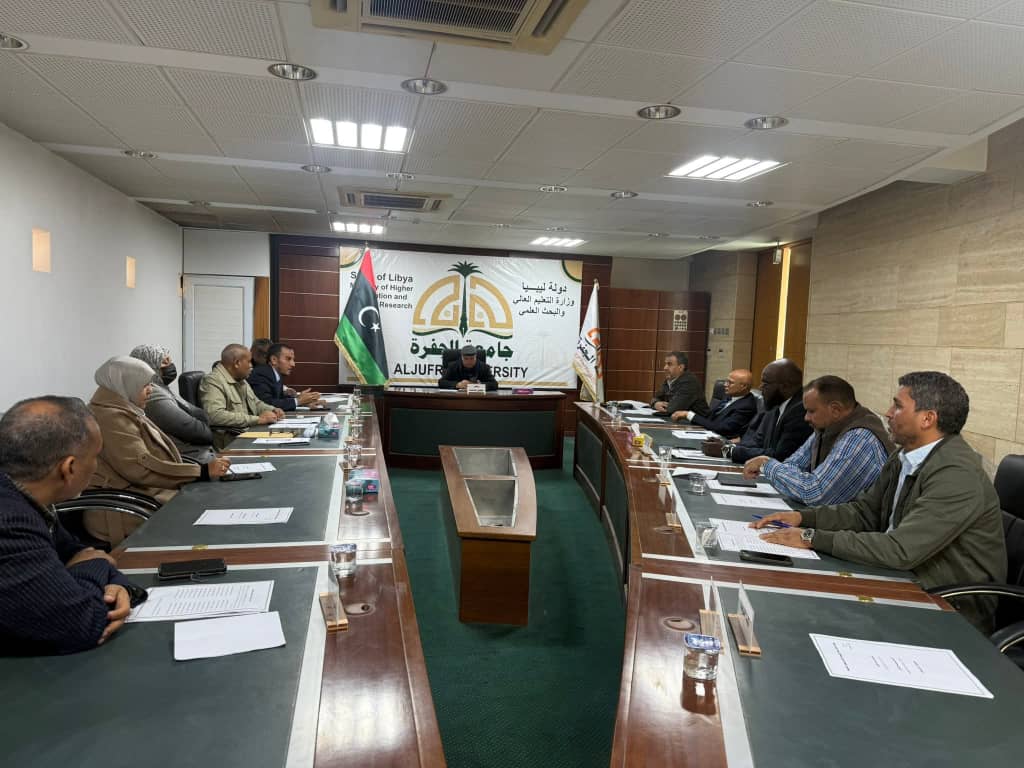
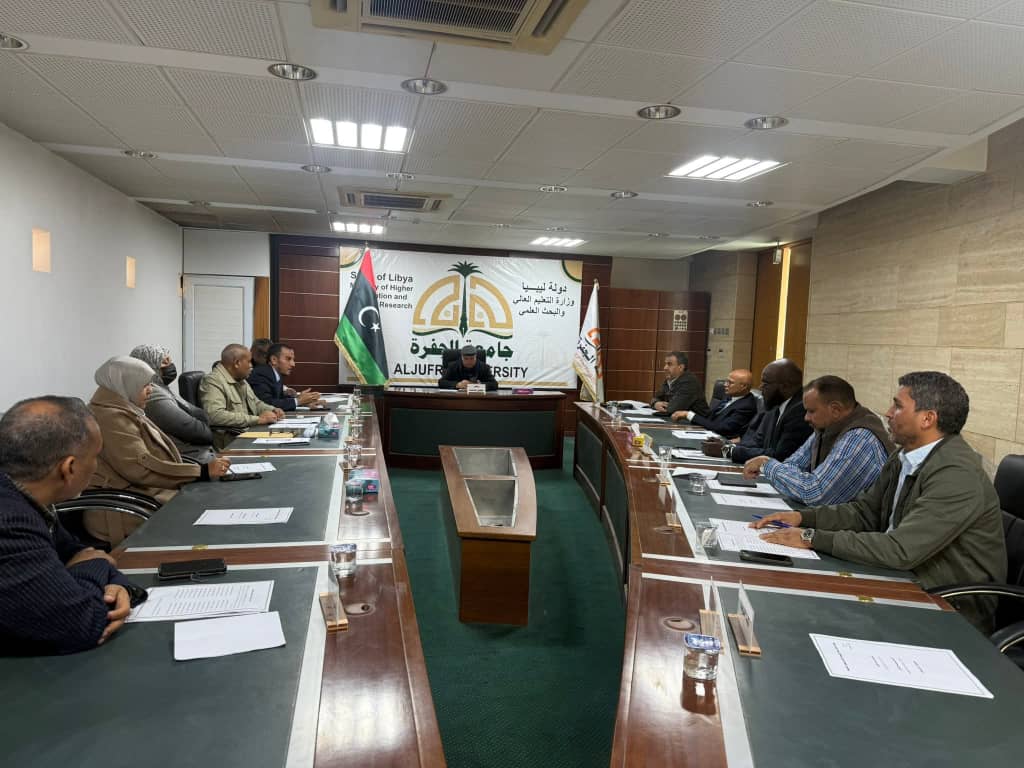
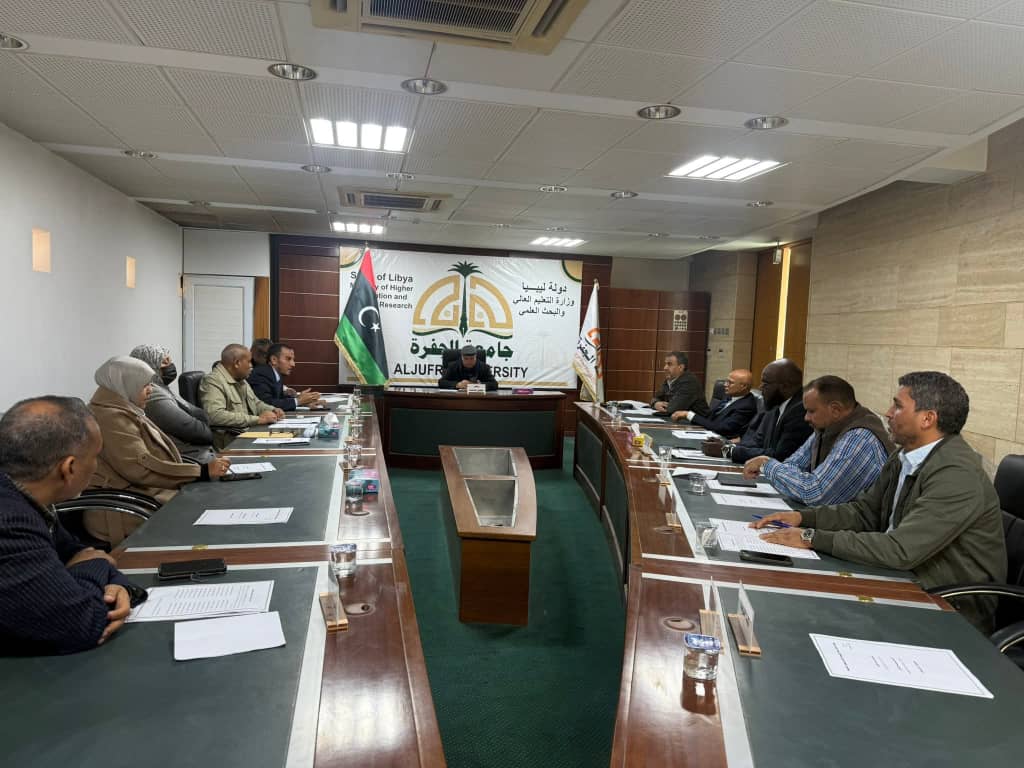
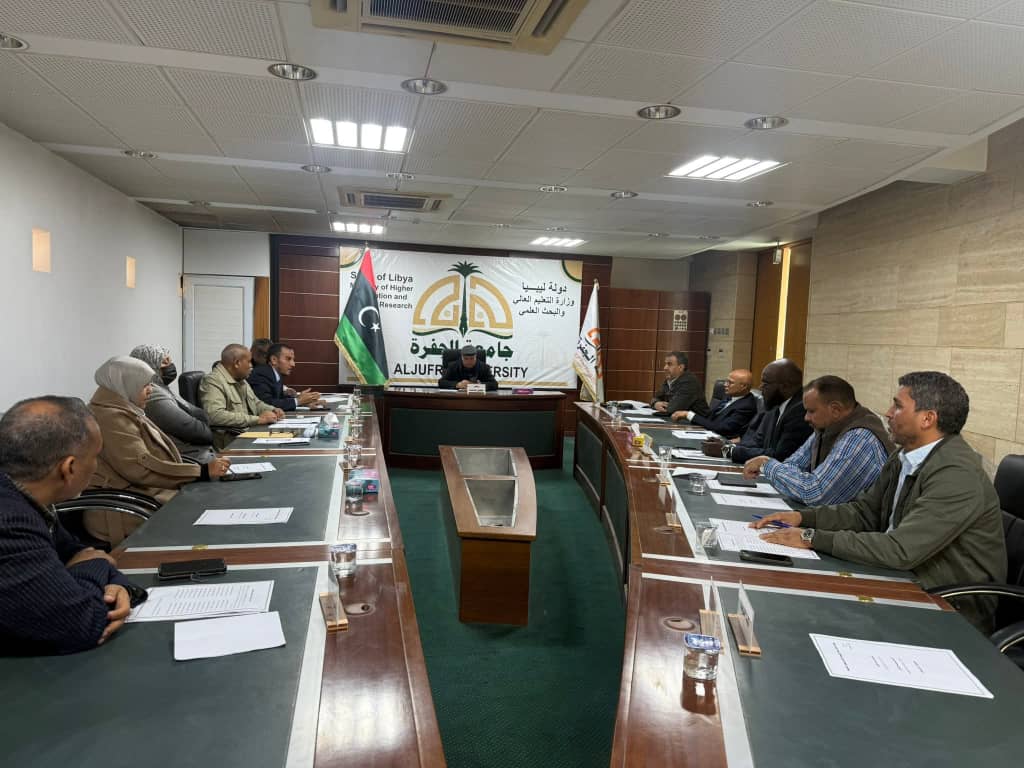
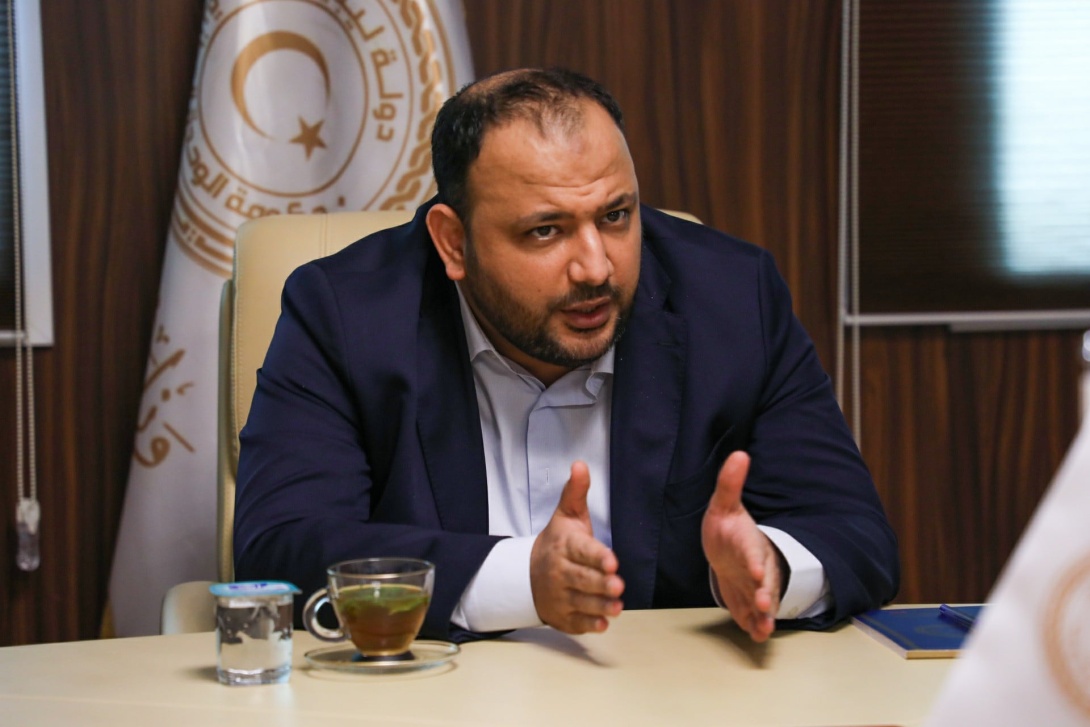
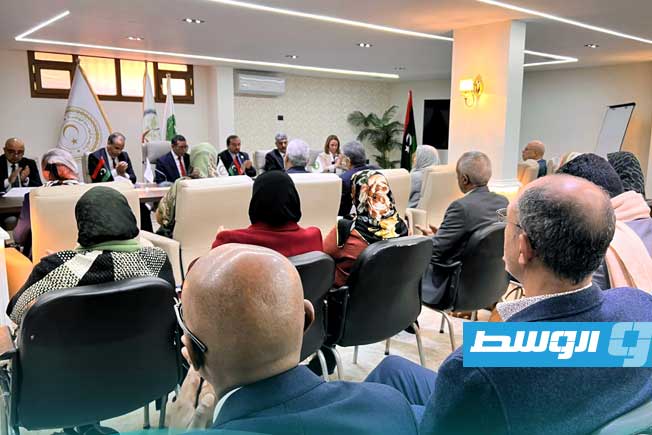
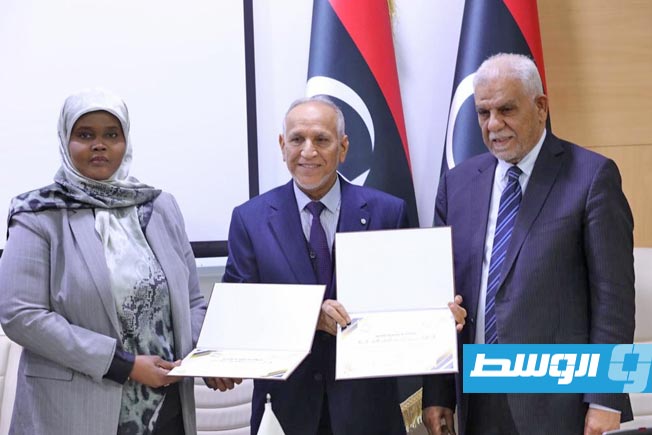
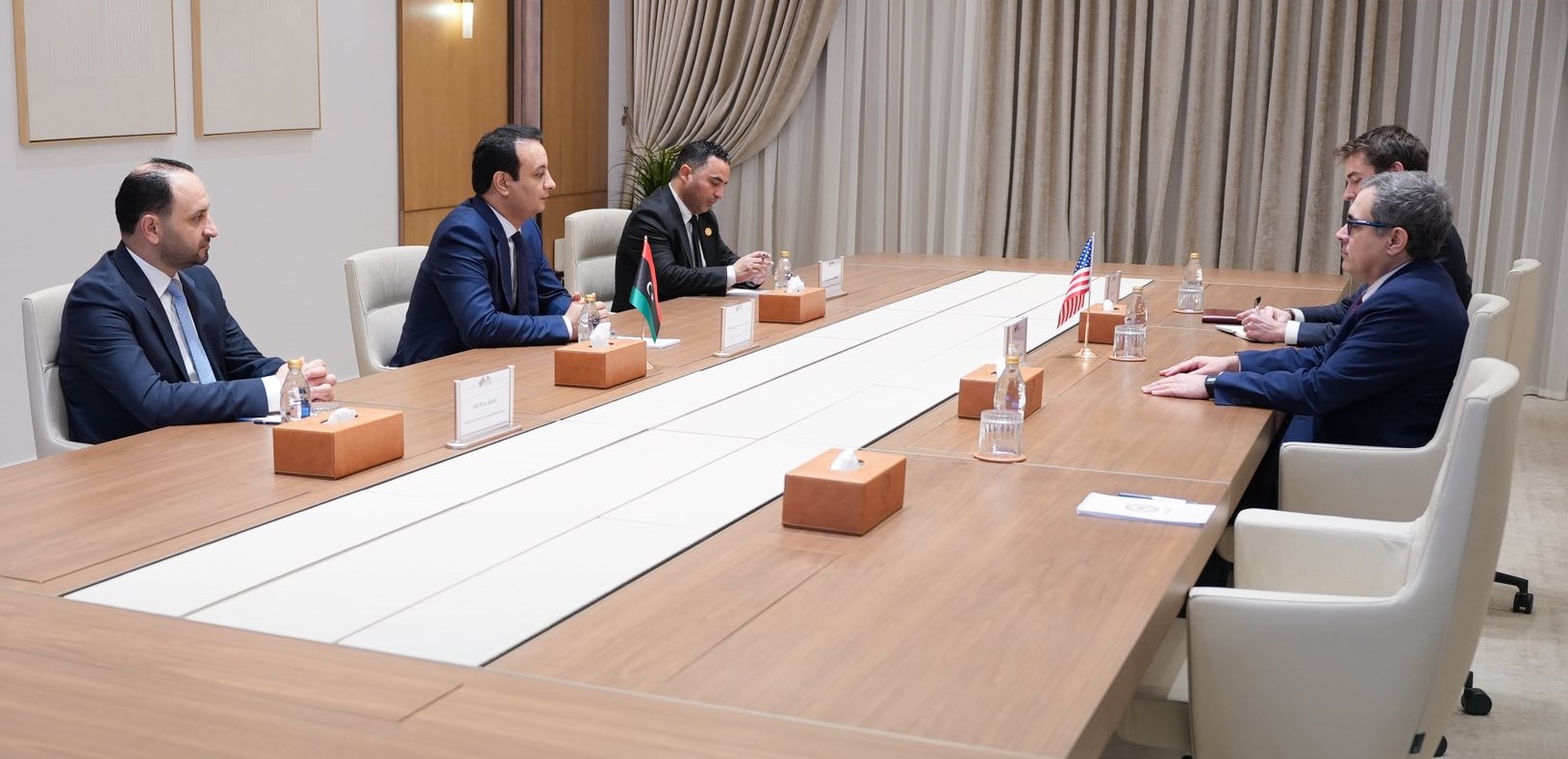
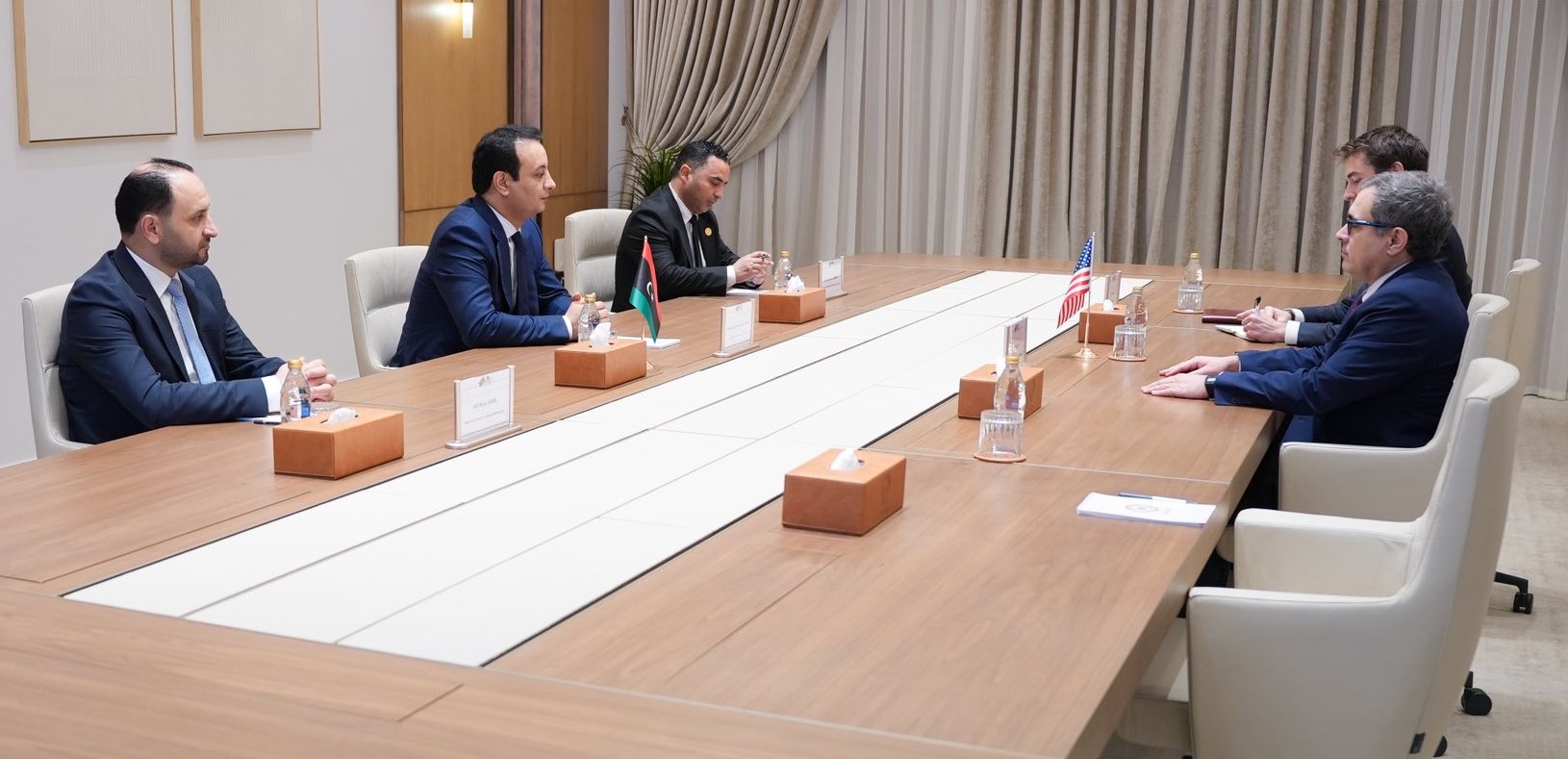
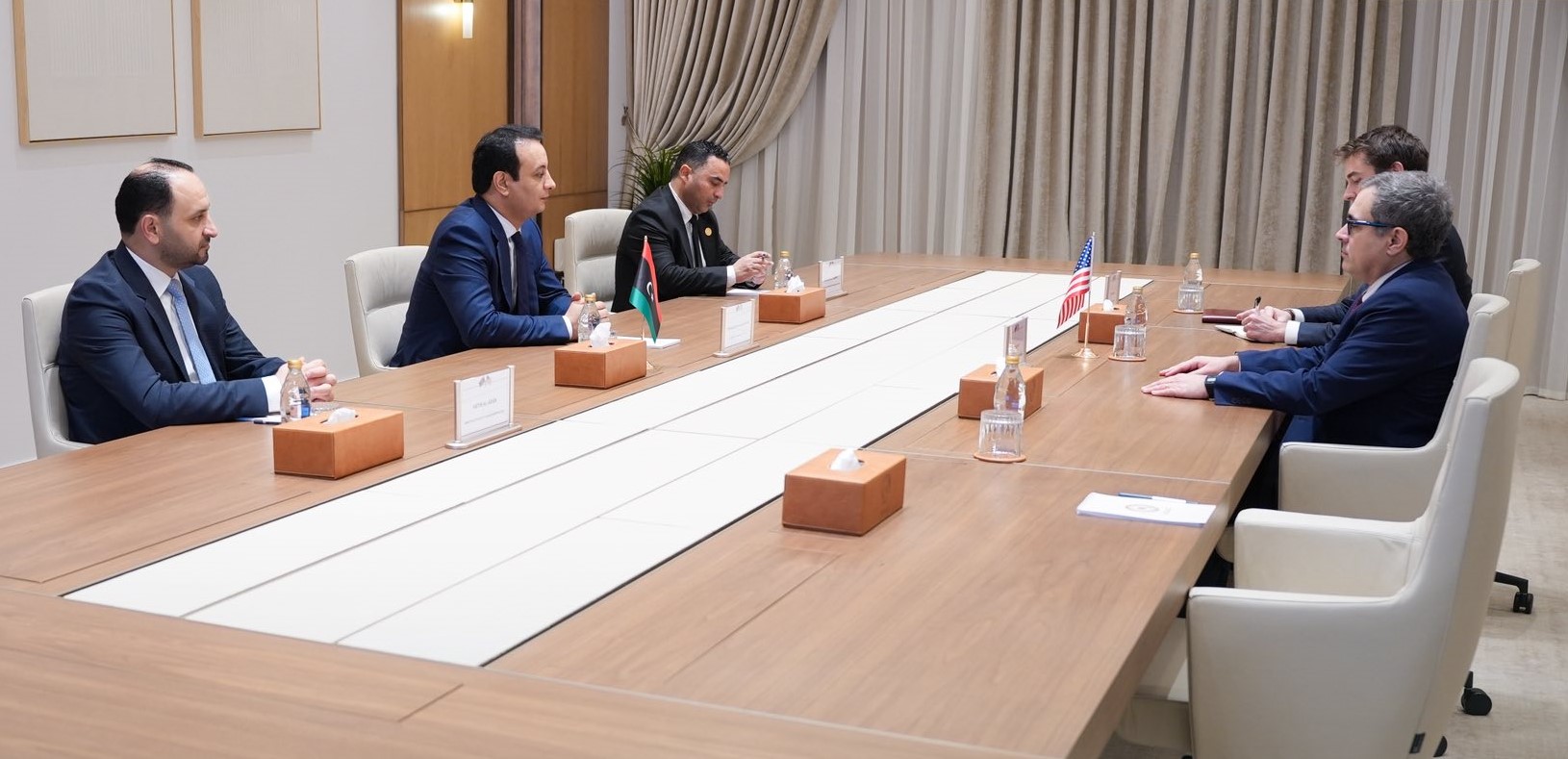
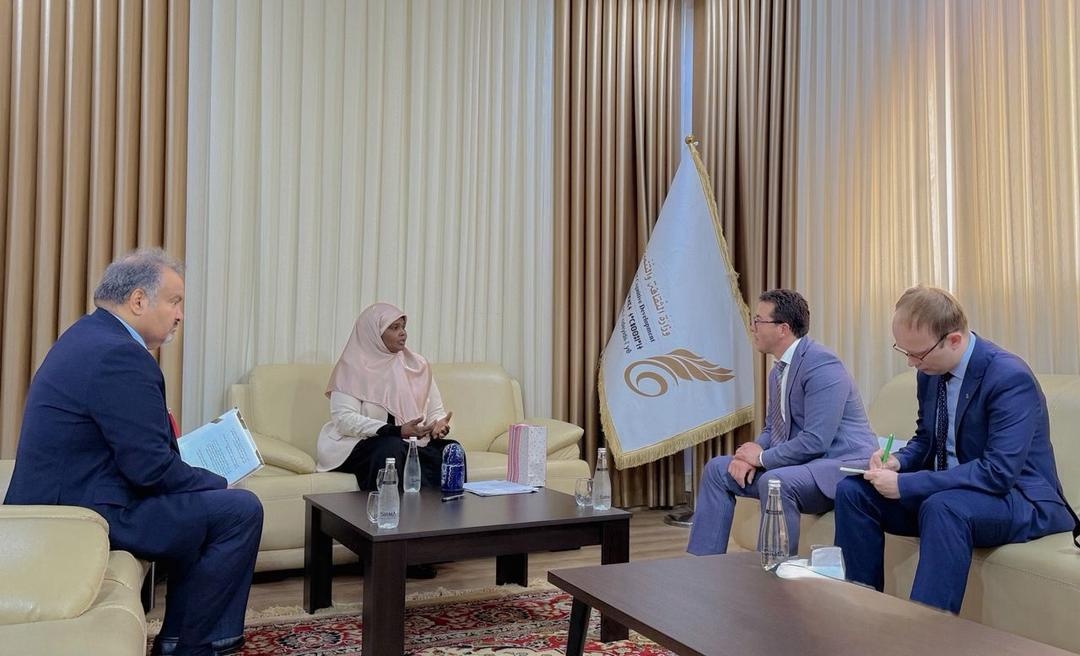
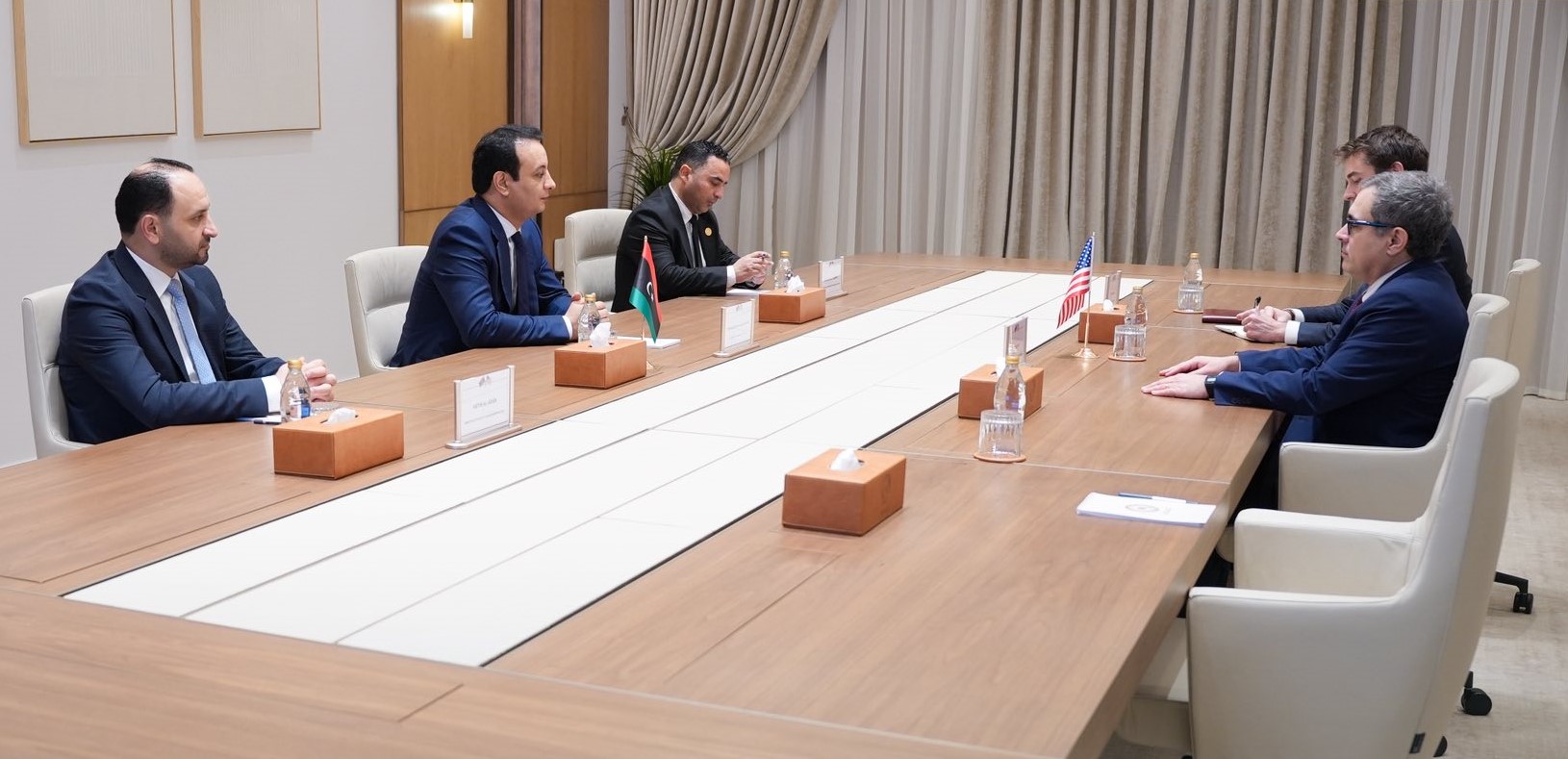
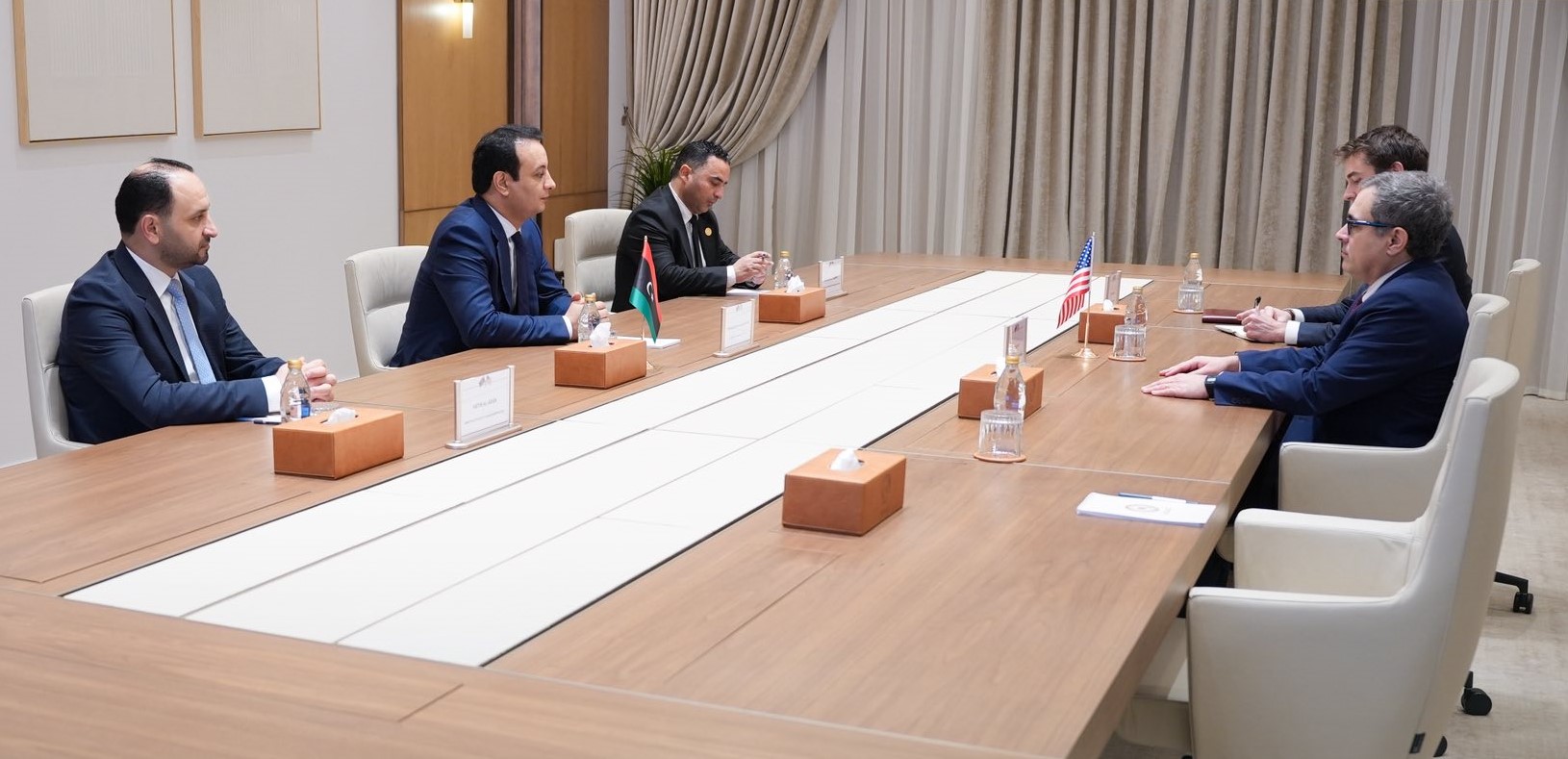
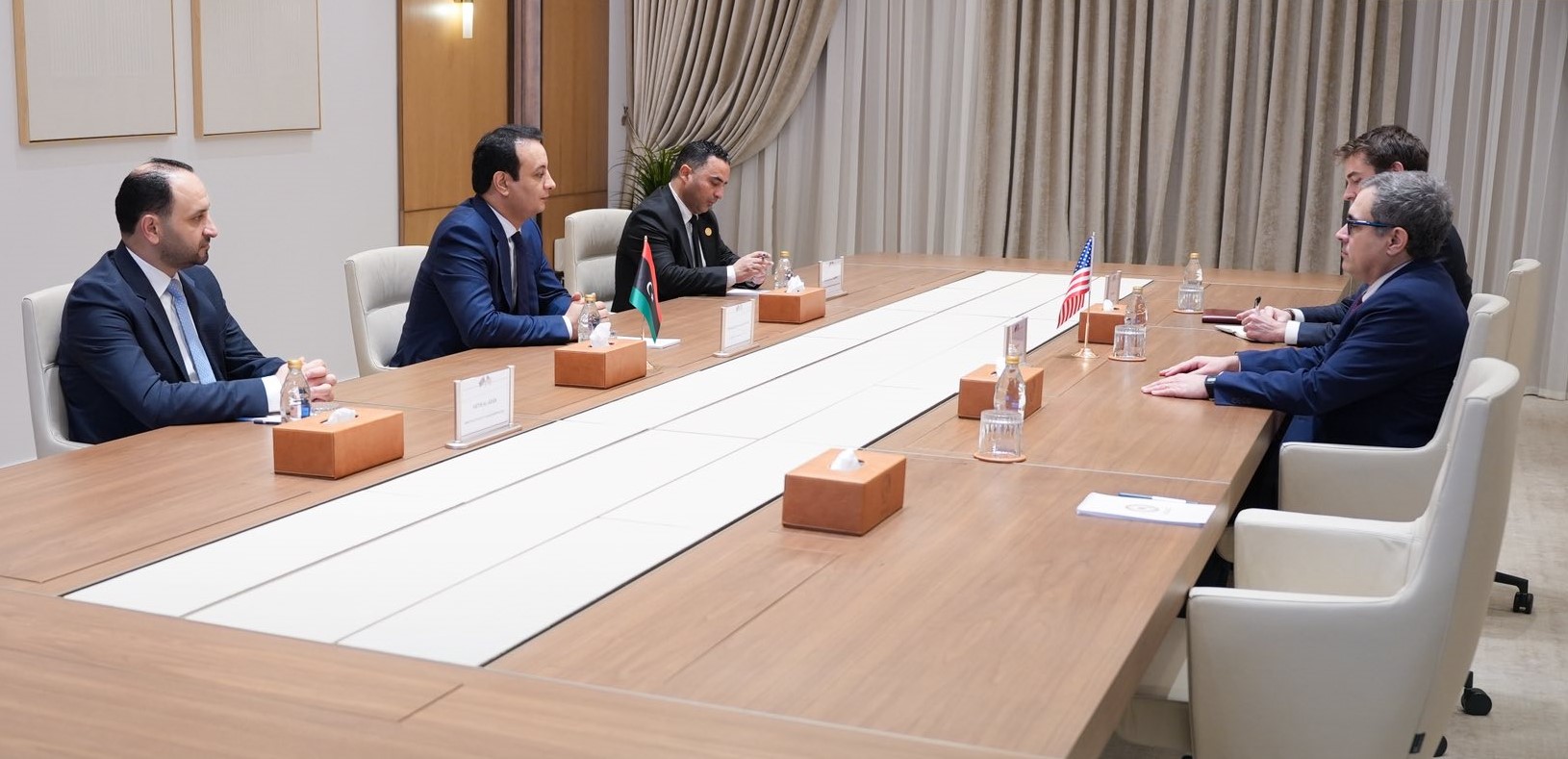
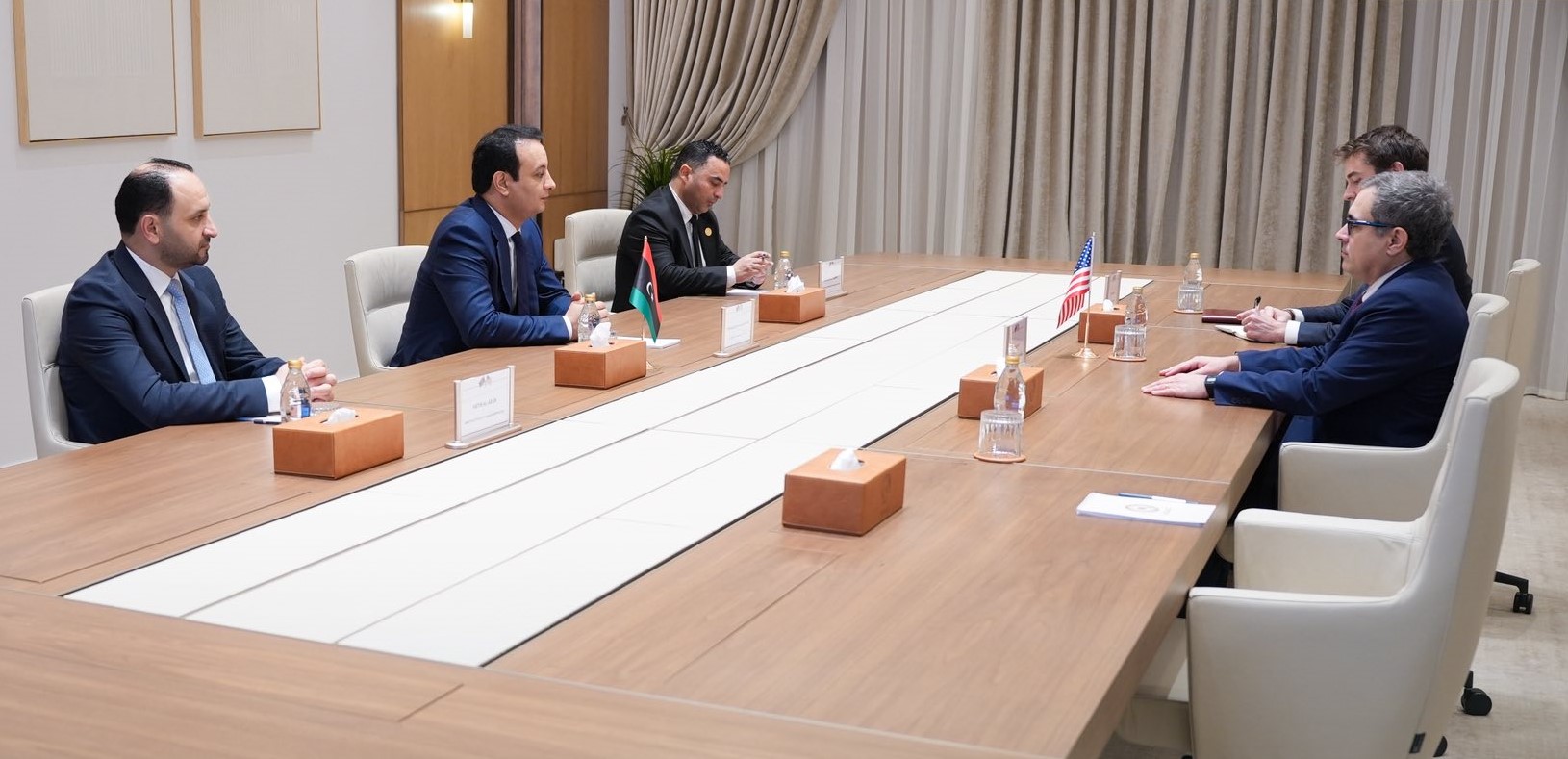
This came during a meeting that included the Acting Minister of Health, the Secretary-General of the Council of Ministers, the Head of the Medical Supply Apparatus Management Committee, the Director of the Pharmacy Department at the Ministry of Health, and the Head of the Public Tender Committee.
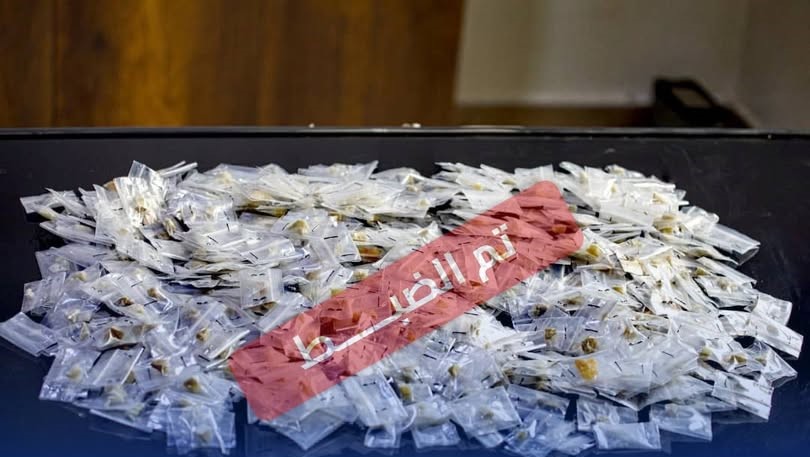
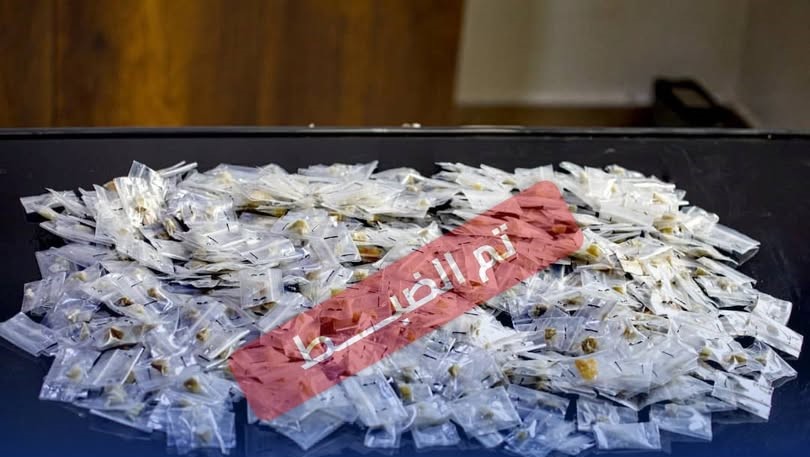
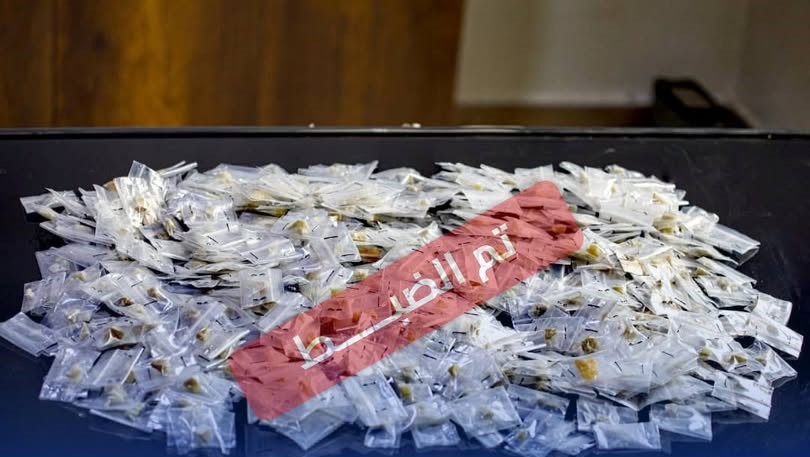
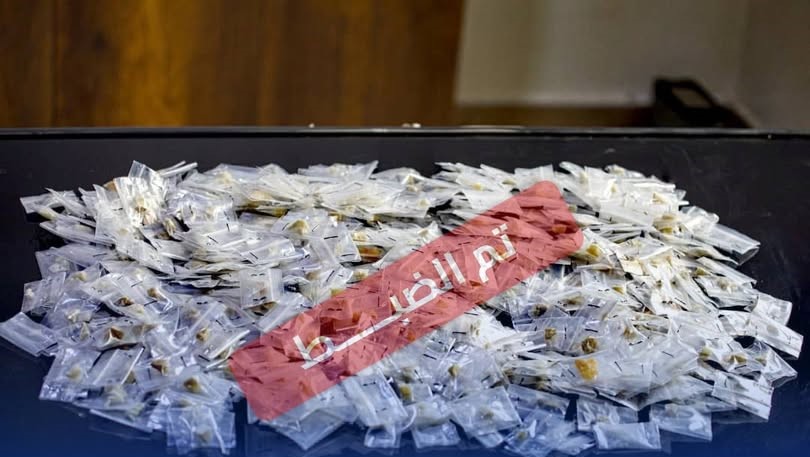
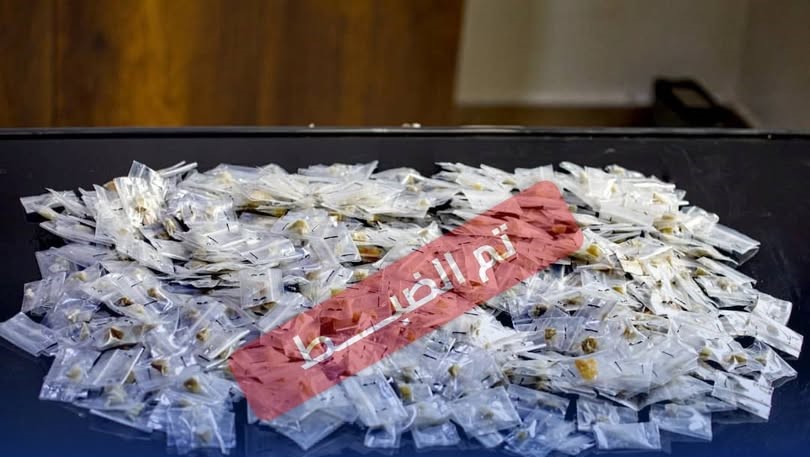
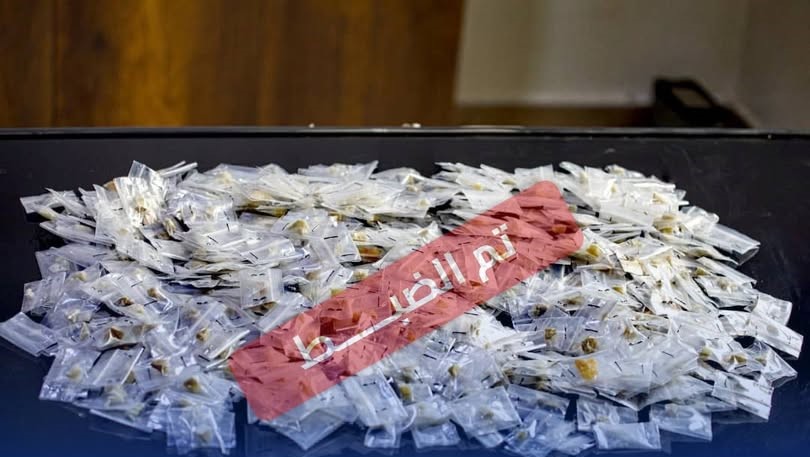
During the meeting, the Attorney General reviewed the results of investigations concerning medicines that were licensed for entry into the country despite lacking the characteristics that ensure the required therapeutic effect. The meeting also addressed the failure to fulfill the duty of guaranteeing the quality and physical safety of medicines.
The Attorney General stressed that activating the full right to health requires forming purposeful institutional cooperation to ensure the sustainability of the population’s supply chain for priority medicines, while considering quality and appropriate timing.
He also called for expediting public tender procedures in the health sector to avoid the negative effects resulting from weak prior verification of drug stability and safety of use, the lack of transparency in country-of-origin data, the tools for implementing supply contracts, and the quantities of medicines under contract.
The Attorney General’s office clarified that the meeting, held last Monday, concluded with a discussion of developments in public tender procedures in the health sector and related observations.
…