The President of the Presidential Council receives congratulatory cables on the occasion of Libya’s Independence Day and the New Year.
libyawire.org > News > Science > The President of the Presidential Council receives congratulatory cables on the occasion of Libya’s Independence Day and the New Year.
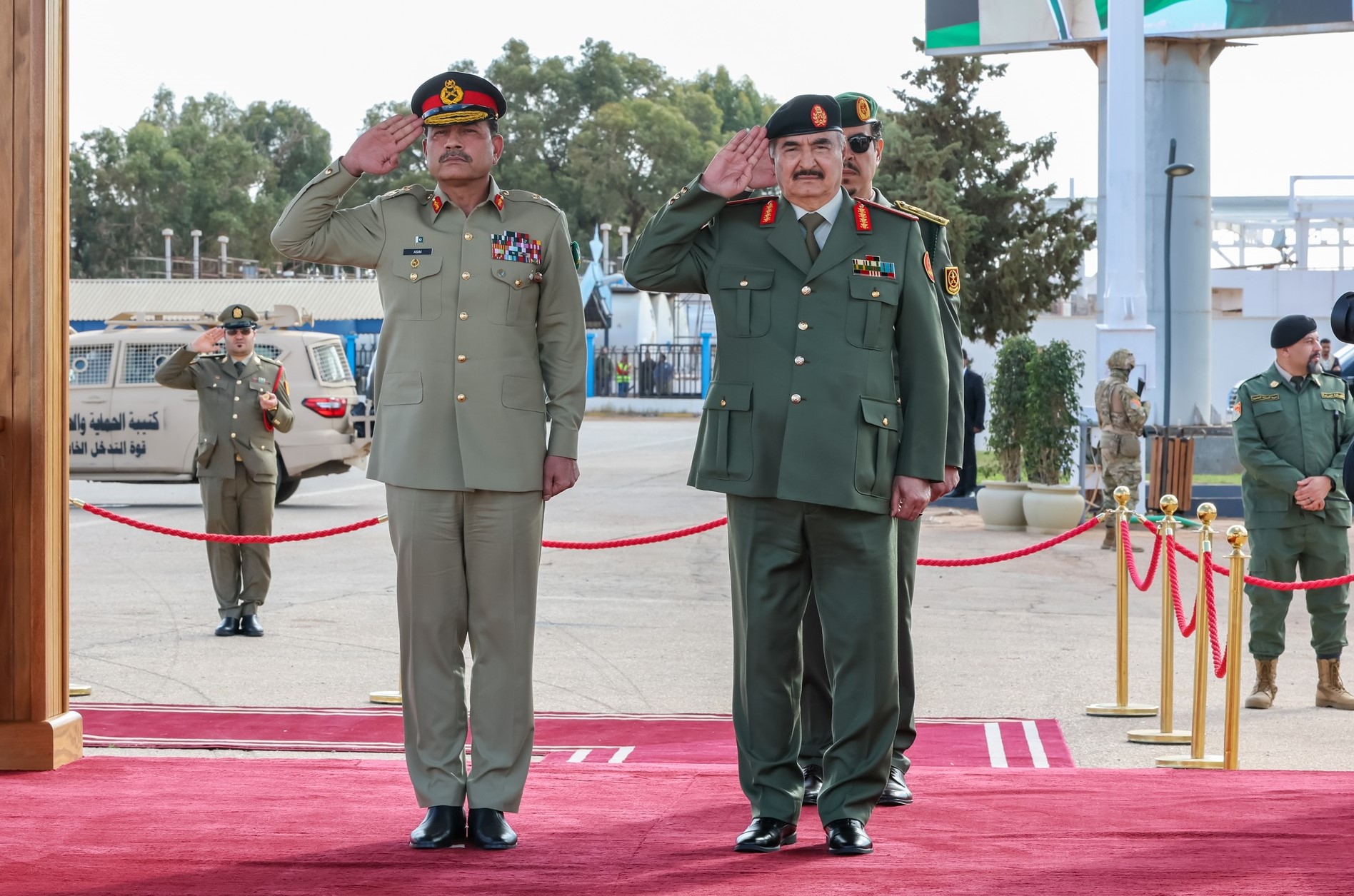
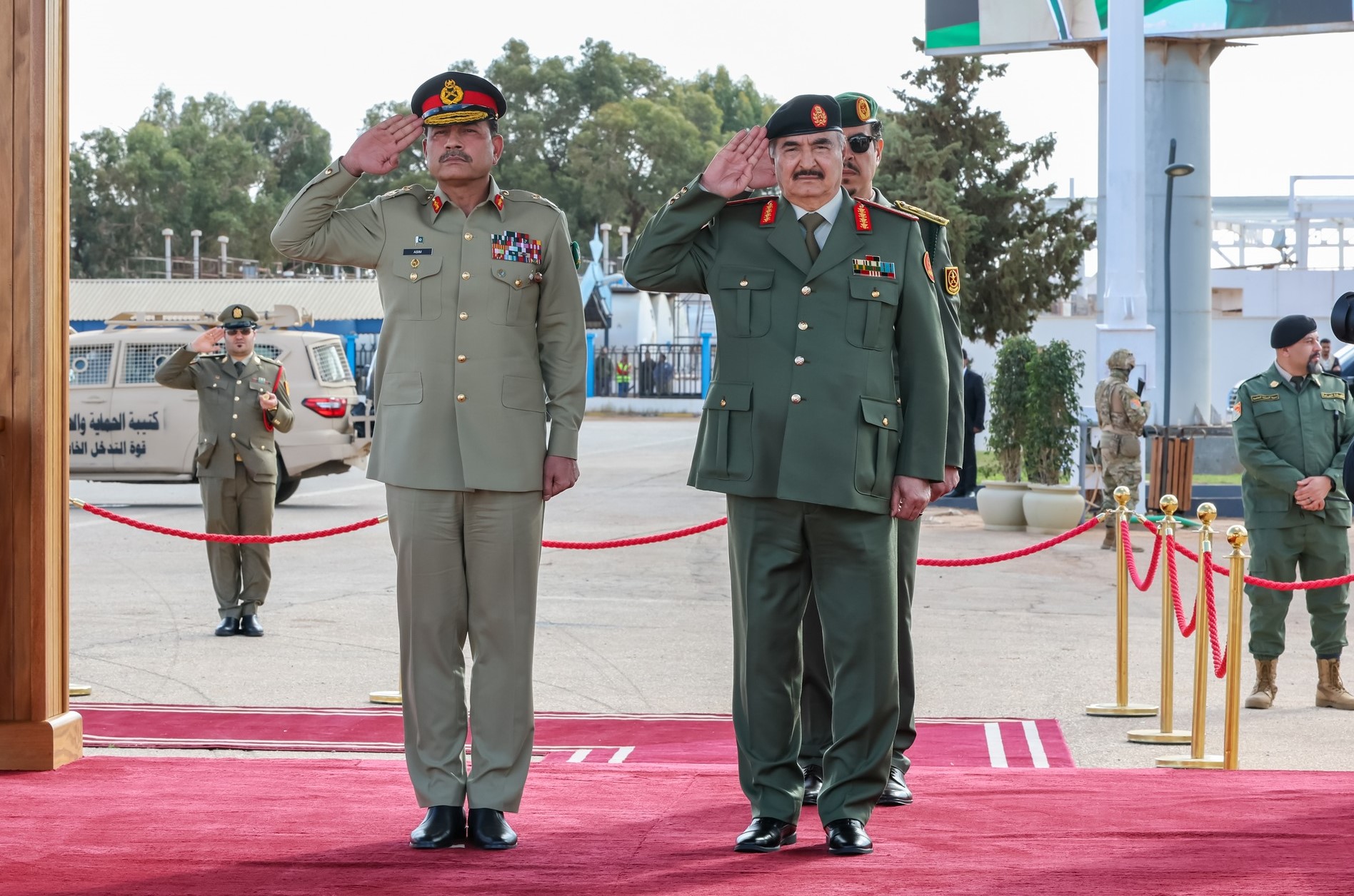
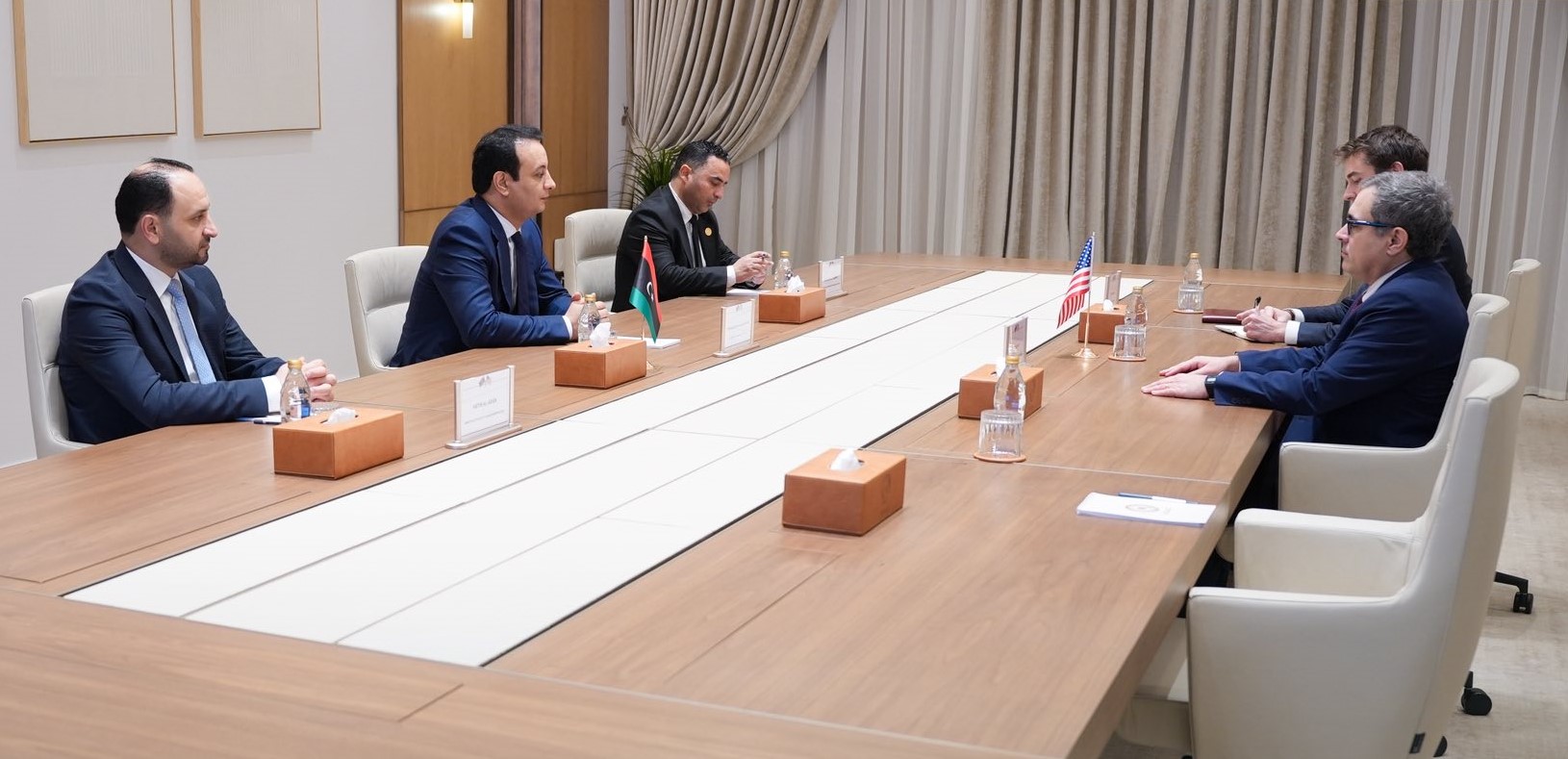
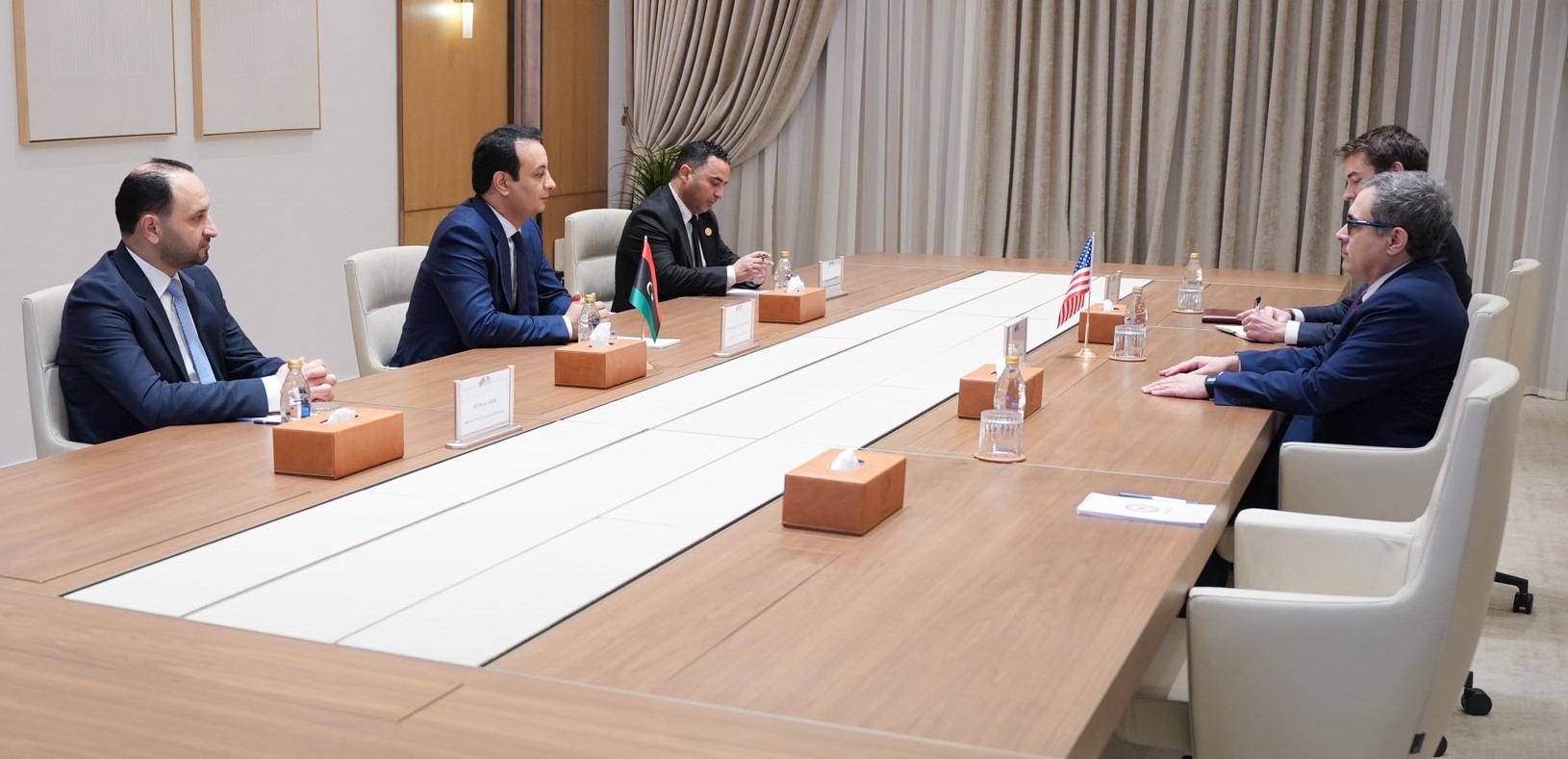
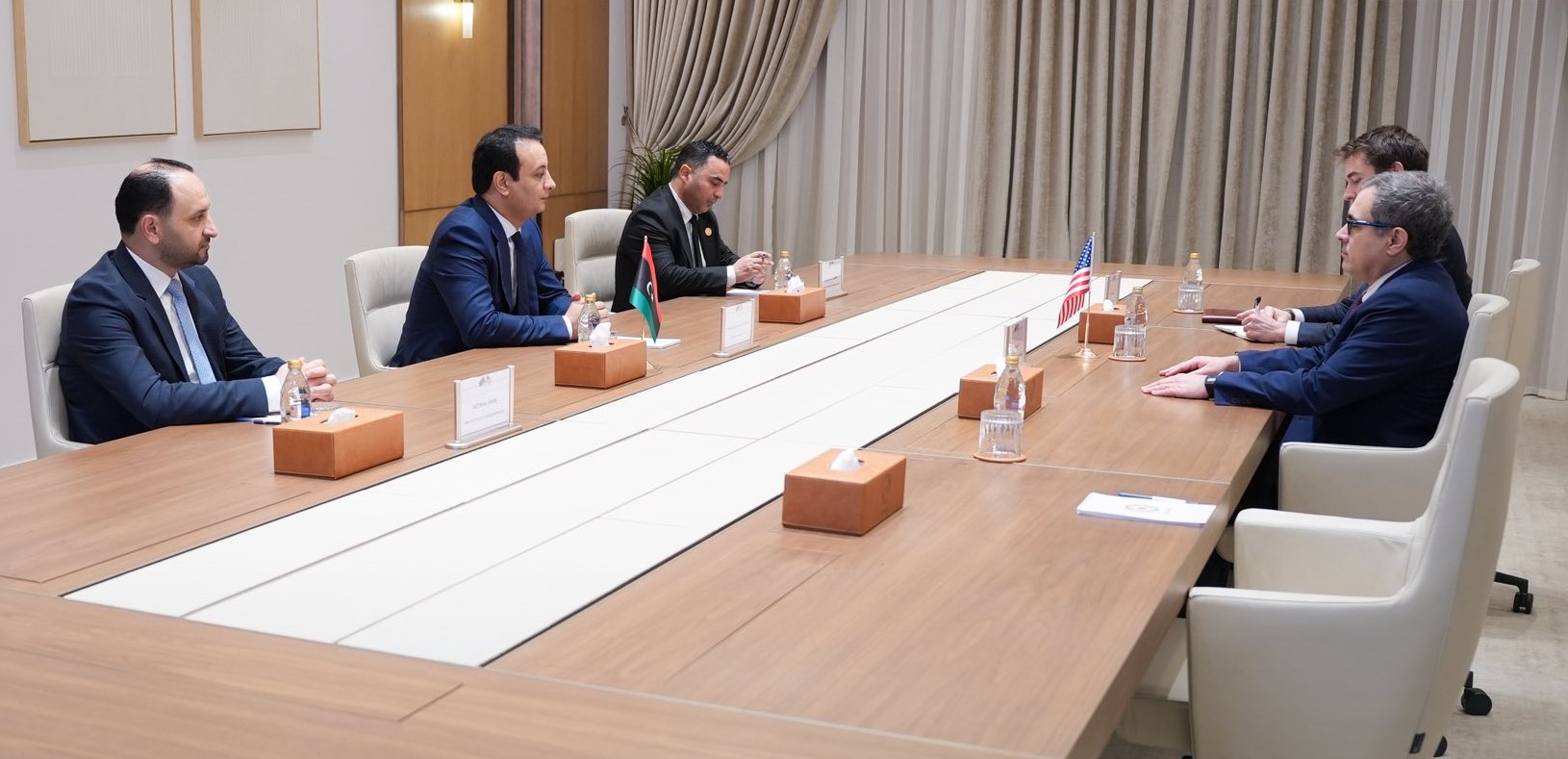
Tripoli, December 31, 2025 – The President of the Presidential Council received a number of congratulatory cables from kings, presidents, and leaders of countries around the world on the occasion of the 74th anniversary of Libya’s independence and the arrival of the new Gregorian year.
The congratulatory cables expressed sincere congratulations and best wishes to the Libyan people on this immortal national occasion, praising the depth of historical ties and relations of friendship and cooperation that unite their countries with the State of Libya. They affirmed their keenness to strengthen the bonds of joint cooperation in various fields, serving mutual interests and contributing to supporting security, stability, and development.
Congratulatory cables were received from:
– The King of the Kingdom of Saudi Arabia – The Crown Prince and Prime Minister of the Kingdom of Saudi Arabia – The King of the Kingdom of Sweden – The King of the United Kingdom – The King of the Kingdom of the Netherlands – The King of the Kingdom of Morocco
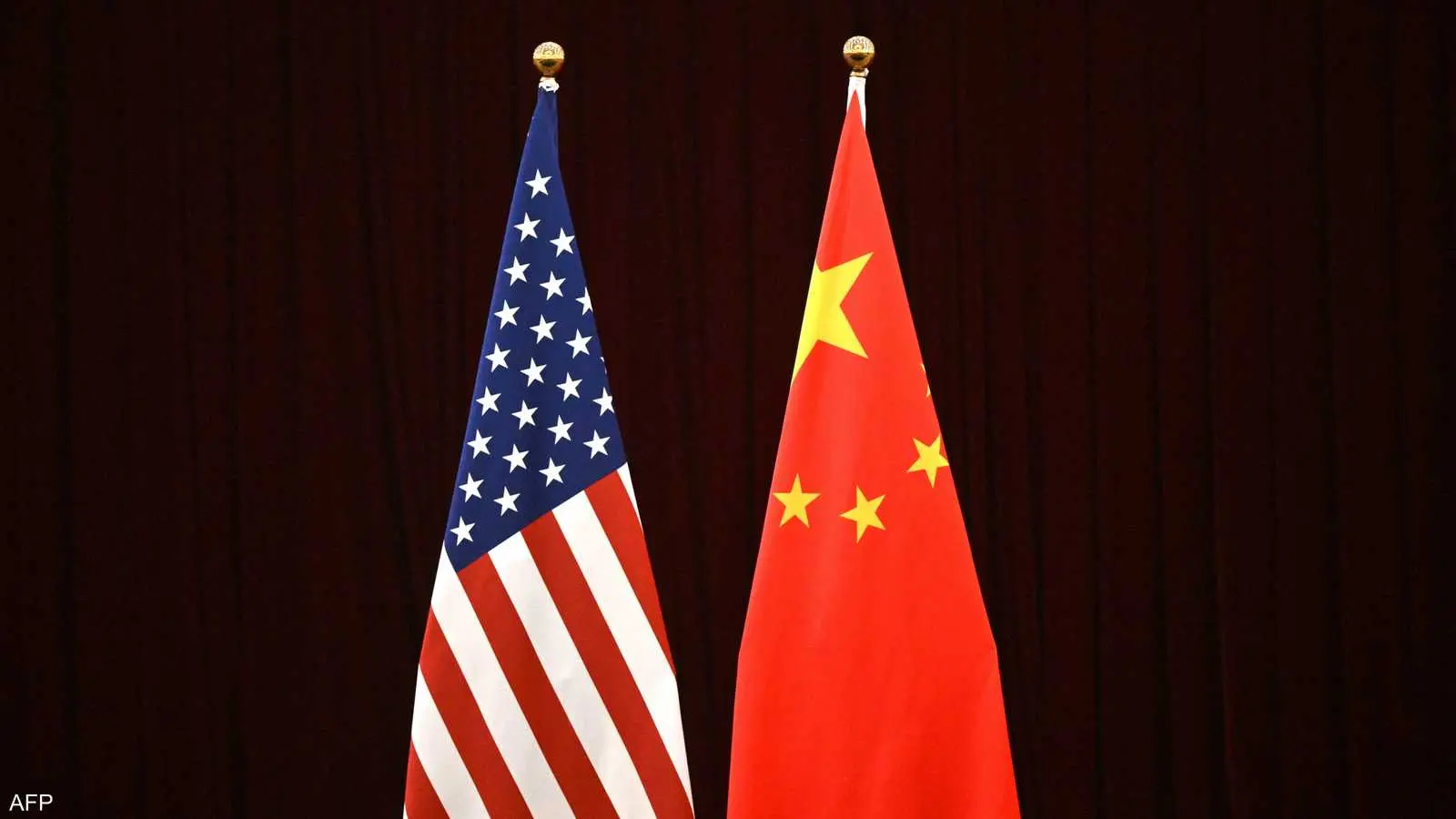
The President of the Presidential Council also received cables from the heads of state of: Chad, South Africa, Switzerland, Turkey, the Federal Republic of Germany, the Arab Republic of Egypt, the Sultanate of Oman, the People’s Republic of China, Ukraine, the United Arab Emirates, the People’s Democratic Republic of Algeria, the State of Palestine, the Republic of Tunisia, Romania, Bulgaria, Benin, Senegal, Zambia, as well as from the Vice President and Prime Minister of the UAE, Ruler of Dubai, and the UAE’s Vice President, Deputy Prime Minister, and Head of the Presidential Office.
The President of the Presidential Council also received congratulatory cables on the occasion of the arrival of the new Gregorian year from the heads of state of the People’s Republic of China, the Republic of Belarus, and the State of Kuwait, wishing the Libyan people a new year full of goodness, stability, progress, and prosperity.
Tripoli
Tripoli is the capital and largest city of Libya, with a history dating back to the 7th century BC when it was founded by the Phoenicians. It later became a significant part of the Roman Empire, the Ottoman Empire, and an Italian colony, which is reflected in its diverse architecture, such as the historic Medina and the Red Castle (Assai al-Hamra).
Libya
Libya is a North African country with a rich history rooted in ancient civilizations like the Phoenicians and Romans, followed by centuries of Arab and Ottoman influence. In the modern era, it was an Italian colony before gaining independence in 1951, later becoming known for Muammar Gaddafi’s lengthy rule from 1969 until the 2011 revolution.
Kingdom of Saudi Arabia
The Kingdom of Saudi Arabia, founded in 1932 by King Abdulaziz Al Saud, is a modern nation built upon the historical regions of Najd, Hejaz, Al-Ahsa, and ‘Asir. It is globally significant as the birthplace of Islam, housing the religion’s two holiest cities, Mecca and Medina, and its history is deeply intertwined with the ancient trade routes and empires of the Arabian Peninsula.
Kingdom of Sweden
The Kingdom of Sweden is a constitutional monarchy and one of the Nordic countries in Northern Europe, with a history dating back to the Viking Age. It emerged as a unified kingdom in the 12th century and became a major European power during the 17th century before adopting its modern policy of neutrality and comprehensive social welfare in the 20th century.
United Kingdom
The United Kingdom is a sovereign nation comprising England, Scotland, Wales, and Northern Ireland, with a history shaped by the Roman occupation, the formation of the Kingdom of Great Britain in 1707, and the expansion and dissolution of the British Empire. It is a constitutional monarchy with a rich cultural heritage, known for its global influence in language, law, and parliamentary democracy.
Kingdom of the Netherlands
The Kingdom of the Netherlands is a sovereign state comprising four constituent countries: the Netherlands, Aruba, Curaçao, and Sint Maarten. It originated from the Congress of Vienna in 1815, which established the United Kingdom of the Netherlands, and its modern structure was formalized in 1954 with the Charter for the Kingdom, granting autonomy to the Caribbean nations.
Kingdom of Morocco
The Kingdom of Morocco is a North African nation with a rich history shaped by indigenous Amazigh (Berber) cultures, successive Arab dynasties, and historical influences from the Romans and French. It is known for its imperial cities like Marrakech and Fez, which were founded as political and cultural capitals of powerful medieval sultanates. The modern constitutional monarchy gained independence from France in 1956.
Chad
Chad is a landlocked country in north-central Africa, with a history shaped by ancient empires like the Kanem-Bornu, followed by French colonial rule before gaining independence in 1960. Its notable cultural site is the Lakes of Ounianga, a UNESCO World Heritage series of saline and freshwater lakes in the Sahara Desert, sustained by an ancient fossil aquifer.
South Africa
South Africa is a country located at the southern tip of the African continent, known for its diverse cultures, languages, and dramatic landscapes. Its modern history is profoundly shaped by colonialism and the institutionalized racial segregation of apartheid, which ended in 1994 with the country’s first democratic elections and the presidency of Nelson Mandela.
Switzerland
Switzerland is a landlocked country in Central Europe known for its long history of neutrality, which dates back to the Treaty of Paris in 1815. It is a federal republic comprised of 26 cantons and is globally recognized for its political stability, direct democracy, and its role as host to numerous international organizations.
Turkey
Turkey is a transcontinental nation bridging Europe and Asia, with a rich history rooted in the ancient Anatolian civilizations, the Byzantine Empire, and later the powerful Ottoman Empire, which was succeeded by the modern Republic of Turkey in 1923. Its cultural landscape is a unique blend of these influences, visible in iconic sites like the Hagia Sophia in Istanbul and the ancient ruins of Ephesus.
Federal Republic of Germany
The Federal Republic of Germany, commonly known as Germany, is a federal parliamentary republic in Central Europe. Founded in 1949 in the aftermath of World War II, it initially comprised the Western Allied occupation zones before German reunification in 1990 integrated the former East German states.
Arab Republic of Egypt
The Arab Republic of Egypt is a transcontinental nation in North Africa and the Middle East, home to one of the world’s oldest civilizations. Its history spans over 5,000 years, from the ancient Pharaonic dynasties that built the Pyramids of Giza to successive periods of Greek, Roman, Arab, Ottoman, and modern rule.
Sultanate of Oman
The Sultanate of Oman is a nation on the southeastern coast of the Arabian Peninsula with a rich maritime history as a powerful trading empire. Its modern era began in 1970 with Sultan Qaboos bin Said, who initiated a period of rapid modernization and development while maintaining the country’s distinct cultural heritage.
People’s Republic of China
The People’s Republic of China (PRC) was officially founded on October 1, 1949, following a civil war, establishing a socialist state under the leadership of the Communist Party of China. It is the world’s most populous country and has undergone significant economic transformation and development since the late 20th century.
Ukraine
Ukraine is a country in Eastern Europe with a long and complex history, having been a center of early Slavic statehood with the medieval Kyivan Rus’. It experienced centuries of foreign rule before gaining independence in 1991 following the dissolution of the Soviet Union. The nation is known for its rich cultural heritage, including Orthodox Christian cathedrals, Cossack traditions, and a distinct language and literature.
United Arab Emirates
The United Arab Emirates (UAE) is a federation of seven emirates on the Arabian Peninsula, established in 1971 following the end of British protectorate treaties. Historically a region of pearl diving, fishing, and trade, it has transformed rapidly into a global hub known for its modern cities, such as Dubai and Abu Dhabi, and its significant oil and gas reserves.
People’s Democratic Republic of Algeria
The People’s Democratic Republic of Algeria is a North African nation that gained independence from France in 1962 after a prolonged and brutal war of liberation. Its rich history includes ancient Berber civilizations, Roman rule, and periods as a center of Islamic scholarship and Ottoman influence.
State of Palestine
The State of Palestine is a partially recognized sovereign state in the Middle East, with historical claims to the West Bank and Gaza Strip. Its establishment was declared in 1988 by the Palestine Liberation Organization (PLO), following a long history of conflict and displacement stemming from the 1948 Arab-Israeli war and the subsequent Israeli occupation of Palestinian territories.
Republic of Tunisia
The Republic of Tunisia is a North African nation whose history is deeply marked by ancient Carthage, Roman rule, and later Arab-Islamic influence following the 7th-century conquest. It became a French protectorate in the late 19th century before gaining independence in 1956, establishing itself as a republic with a rich cultural heritage that blends Berber, Arab, and Mediterranean elements.
Romania
Romania is a country in Southeastern Europe, historically formed from the principalities of Moldavia, Wallachia, and Transylvania. It is known for its rich cultural heritage, including medieval castles like Bran Castle (associated with the Dracula legend) and the well-preserved painted monasteries of Bucovina. The modern Romanian state was unified in 1859 and gained full independence from the Ottoman Empire in 1877.
Bulgaria
Bulgaria is a country in Southeast Europe with a rich history dating back to ancient Thracian, Roman, and Byzantine civilizations. It was founded as a state in the 7th century and is known for cultural sites like the medieval Boyana Church and the rock-hewn churches of Ivanovo, both UNESCO World Heritage sites.
Benin
Benin, historically the site of the powerful Kingdom of Benin (not to be confused with the modern Republic of Benin), was a major West African state from the 13th to 19th centuries, renowned for its sophisticated bronze and ivory artworks. The kingdom’s capital, also called Benin, was famed for its massive earthwork walls and complex urban planning before its destruction by a British punitive expedition in 1897.
Senegal
Senegal is a West African nation known for its rich cultural heritage, shaped by historic kingdoms like the Jolof Empire and French colonial rule until independence in 1960. It is renowned for its vibrant music, art, and religious traditions, as well as significant sites like Gorée Island, a UNESCO World Heritage site that memorializes the transatlantic slave trade.
Zambia
Zambia is a landlocked country in southern Africa, historically home to various Bantu-speaking groups before coming under British colonial rule as Northern Rhodesia until gaining independence in 1964. It is renowned for its vast natural wonders, most notably Victoria Falls (Mosi-oa-Tunya), a UNESCO World Heritage Site shared with Zimbabwe, and its significant wildlife reserves like South Luangwa National Park.
Dubai
Dubai is a major global city and emirate in the United Arab Emirates, historically known as a small fishing and pearling village. Its modern transformation began with the discovery of oil in the 1960s, which funded massive infrastructure projects and its development into a hub for trade, tourism, and finance. It is now famous for its ultramodern architecture, luxury shopping, and ambitious landmarks like the Burj Khalifa.
Republic of Belarus
The Republic of Belarus is a landlocked Eastern European nation with a history deeply shaped by its position between larger powers, having been part of the Grand Duchy of Lithuania, the Polish-Lithuanian Commonwealth, and the Russian Empire before becoming a founding Soviet republic. It gained independence in 1991 following the dissolution of the USSR and is known for its preserved forests, such as the Belovezhskaya Pushcha, and its significant cultural heritage from medieval castles to Soviet-era architecture.
State of Kuwait
The State of Kuwait is a sovereign Arab nation located at the head of the Persian Gulf, historically established as a sheikhdom in the 18th century by the Al Sabah family. Its modern history was shaped by the discovery of oil in the 1930s, which transformed it into a wealthy economy, and it regained full sovereignty in 1991 following liberation from a seven-month Iraqi occupation.