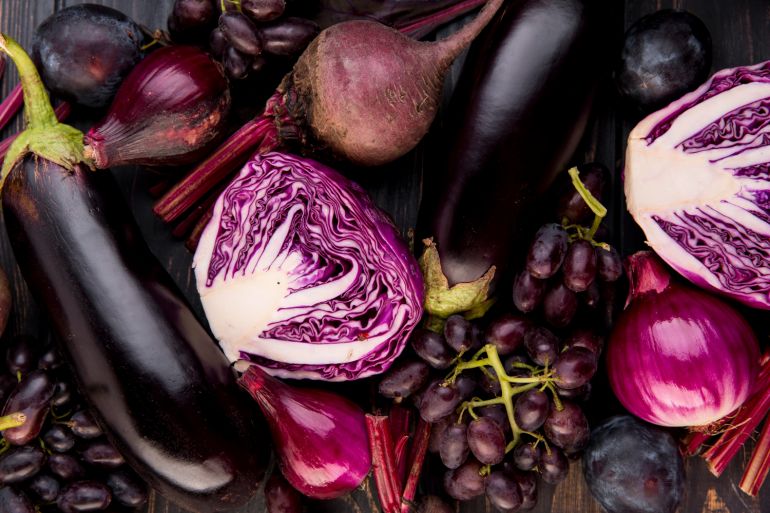
In today’s world of nutrition, choosing what we eat is no longer just a response to our daily needs; it has transformed into an art based on colors and their health implications. Foods with a purple or violet hue stand out as one of the most important examples, combining visual appeal with significant nutritional benefits. This is thanks to their content of anthocyanins, natural pigments that act as powerful antioxidants. These compounds help combat inflammation and prevent many chronic diseases, making purple foods a symbol of health and physical and mental vitality.
The Science Behind the Purple Color
The purple color in foods like berries or eggplant does not appear by chance; it is a clear indicator of their abundance in anthocyanin compounds. Plants produce these to protect themselves from harmful environmental factors and ultraviolet radiation. When humans consume these foods, their benefits are transferred directly to our cells, where they work to prevent cellular damage, promote regeneration, and support the body’s vital functions.
Anthocyanin levels vary from one food to another, which explains the diversity of color shades from light violet to dark purple. Their importance stems from their ability to combat free radicals that cause oxidative stress, a key factor behind aging and the onset of many chronic diseases.
Proven Benefits
-
Protecting the Heart and Blood Vessels
Anthocyanin compounds contribute significantly to heart health by helping to lower blood pressure and improve cholesterol levels by reducing the bad (LDL) and raising the good (HDL). They also work to reduce inflammation within blood vessel walls, which lowers the chances of atherosclerosis and reduces the risks of heart attacks and strokes. Thus, purple foods act as a natural shield that supports the heart and maintains its strength and vital functions.
-
Combating Chronic Diseases
Thanks to their high antioxidant capacity, anthocyanins play a fundamental role in confronting free radicals—molecules that lead to cell damage and increase oxidative stress linked to the emergence of numerous chronic diseases, such as cancer and heart disease. Being rich in these compounds, purple foods provide a natural means of protecting cells and limiting age-related damage.
-
Supporting Brain Health
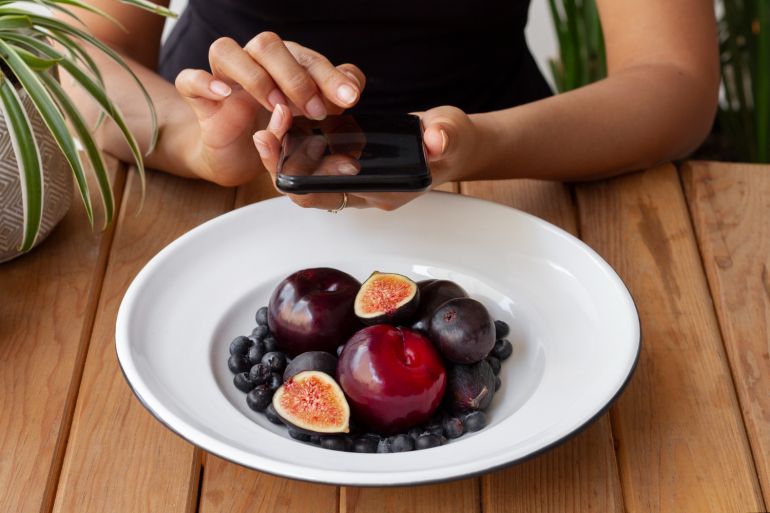
Recent research indicates that a diet rich in purple foods can have a positive impact on the brain, especially with advancing age. A 2022 study found that anthocyanin consumption is linked to a noticeable improvement in memory among older adults. These compounds have the ability to reach the hippocampus region of the brain, responsible for learning and memory, enhancing their role in preventing cognitive decline. A recent scientific review also confirmed that anthocyanins can contribute to improved cognitive performance and mood in adults.
-
Improving Digestive System Health
Purple foods are often rich in fiber and plant compounds that support beneficial gut bacteria, thereby enhancing digestive function. Furthermore, the fiber in many of these foods aids in digestive regularity and promotes a feeling of fullness.
-
Reducing Inflammation
Anthocyanins have anti-inflammatory properties, meaning they may reduce markers of inflammation in the body. This is important because chronic inflammation is linked to many diseases, such as diabetes, heart disease, and brain disorders.
Psychological Benefits… Food for the Mind and Mood
The benefits of purple foods are not limited to supporting physical health alone; they also extend to positively impacting mental and emotional health directly.
-
Improving Mood and Enhancing Focus
Purple foods rich in anthocyanin compounds enhance focus and memory by improving blood flow to the brain and activating regions responsible for memory. This supports mental performance and increases levels of serotonin and dopamine. This also helps reduce neural inflammation, playing a role similar to natural antidepressants and anti-anxiety agents, promoting feelings of comfort and psychological stability.
A study conducted in 2024 showed that anthocyanin intake is associated with reduced symptoms of depression, improved mood,