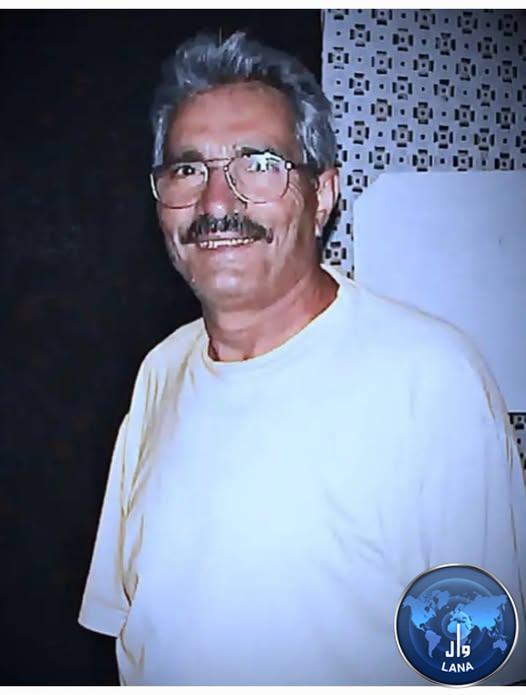
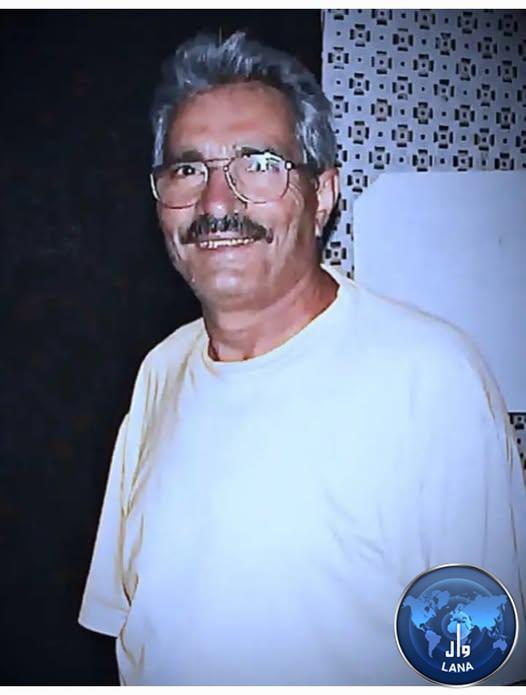
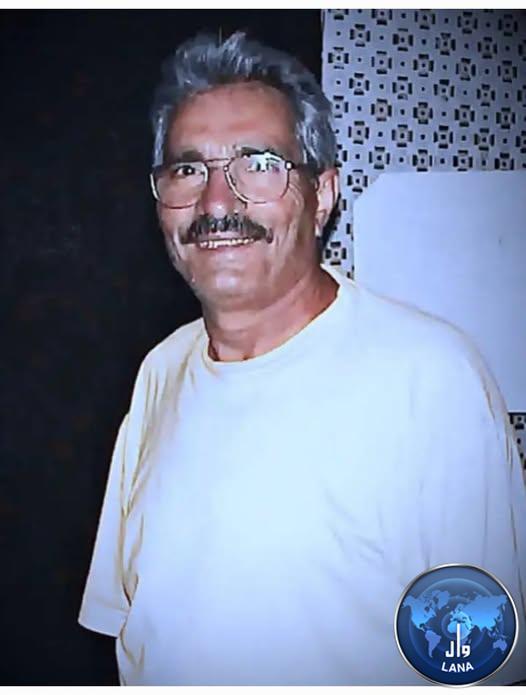
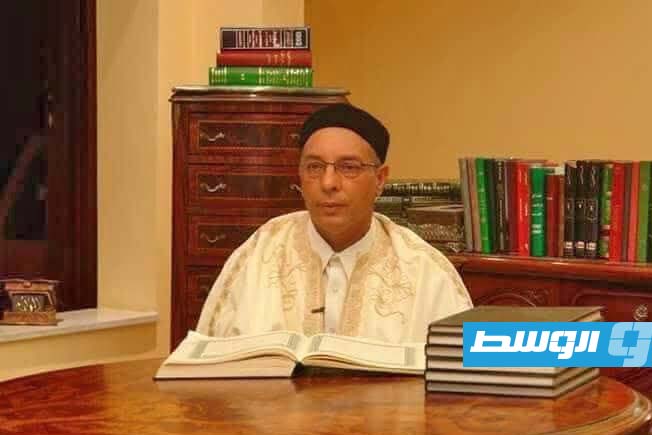
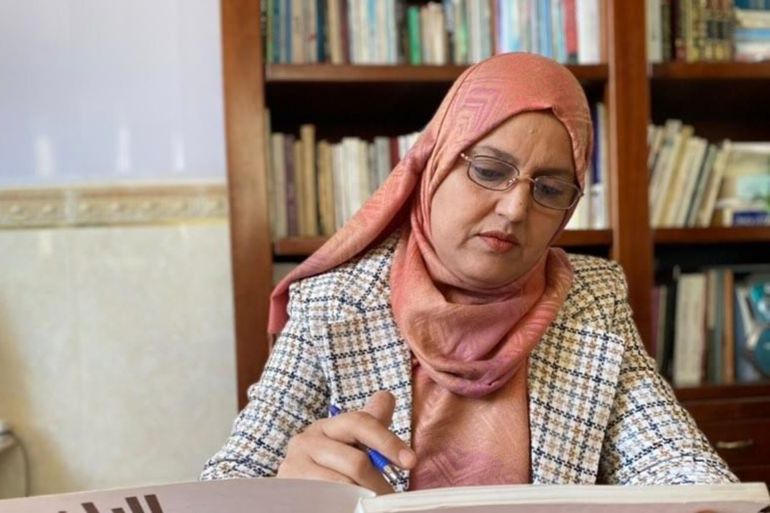
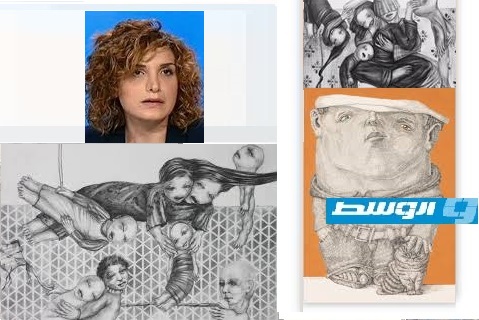
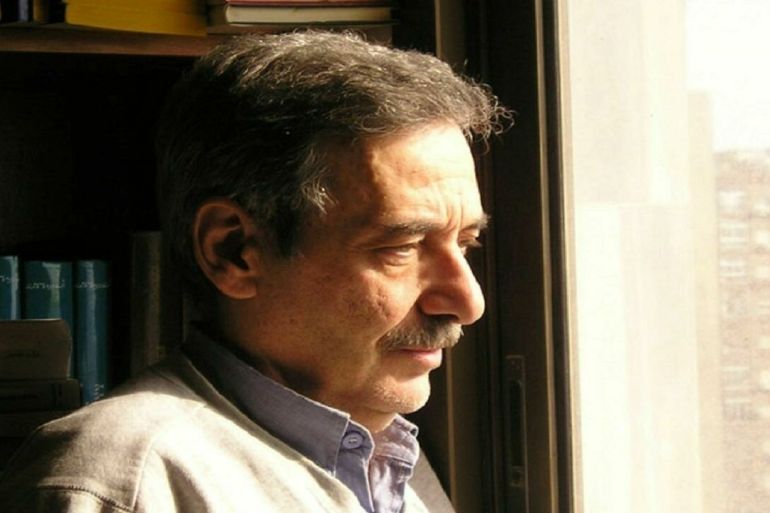
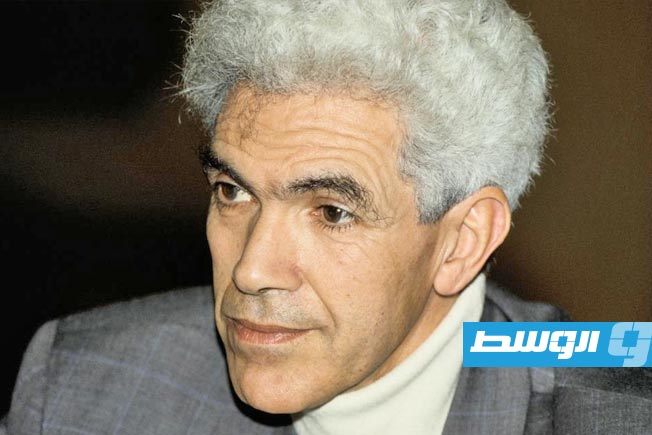
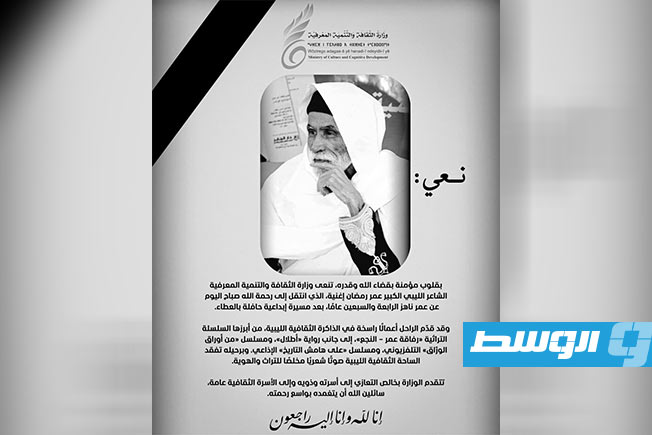
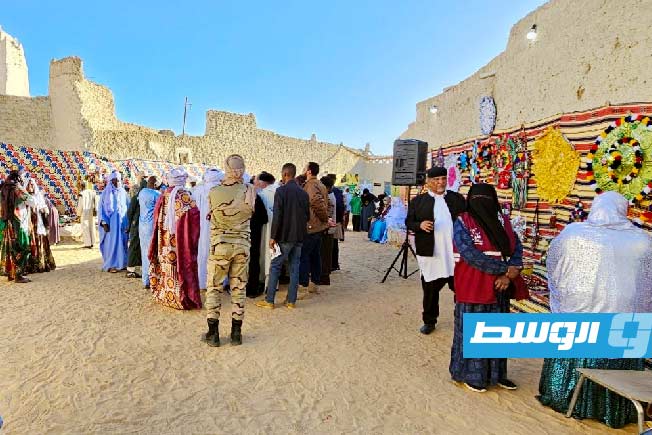
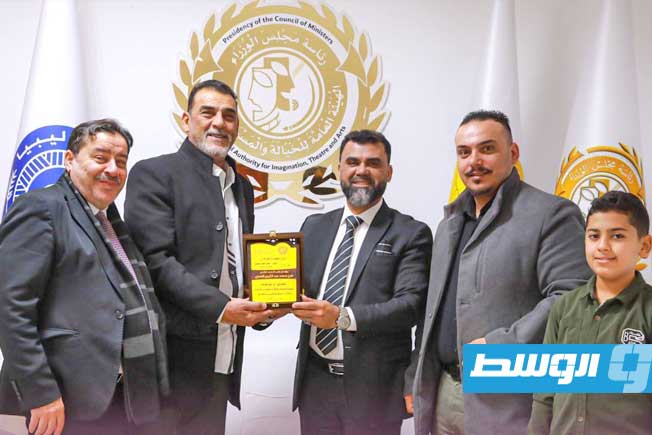
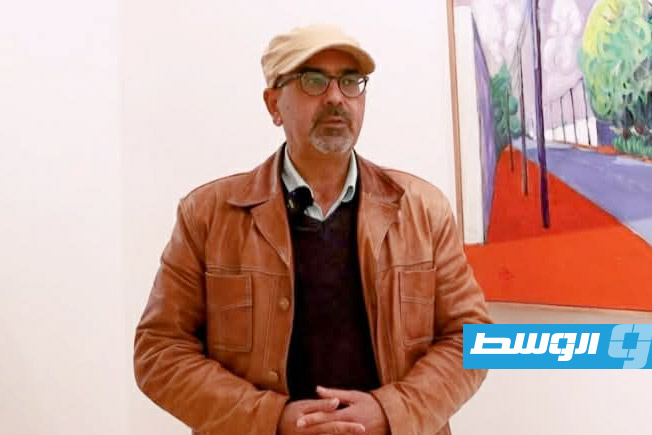
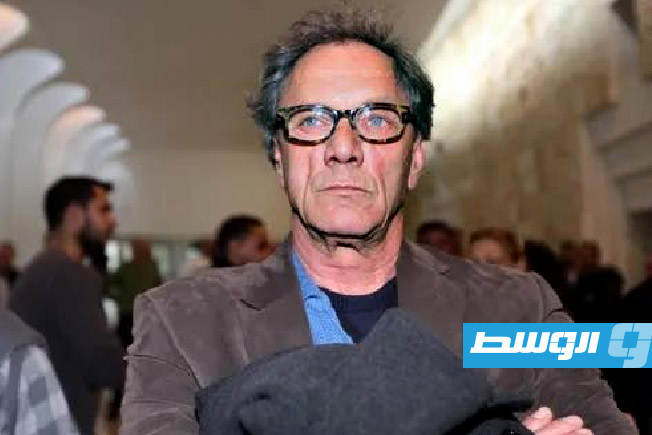
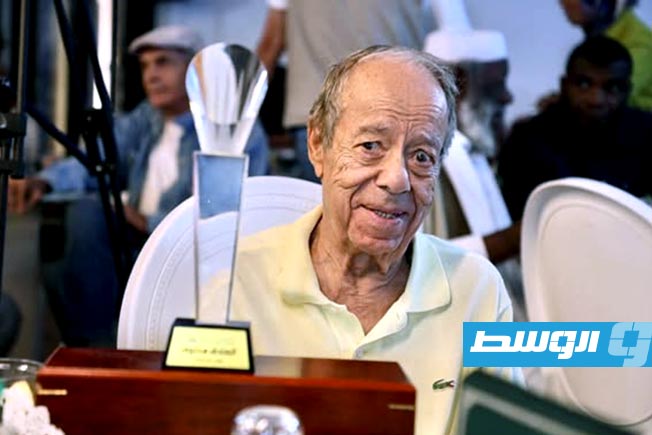
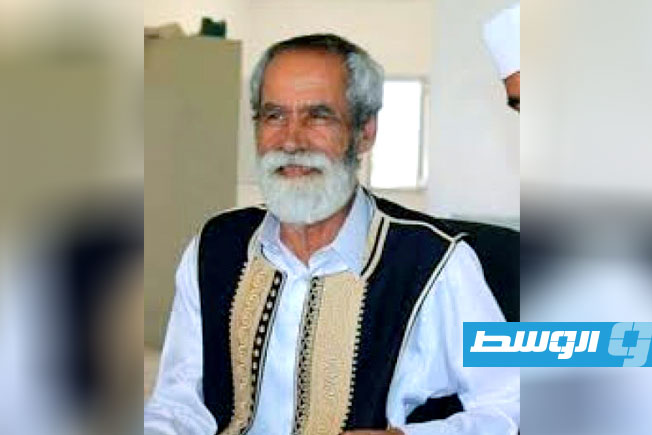
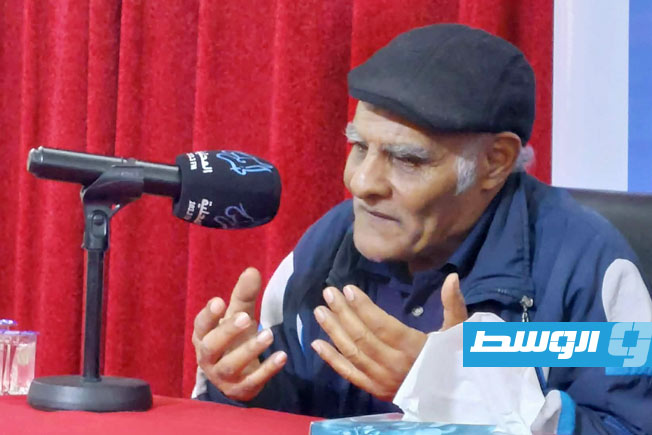
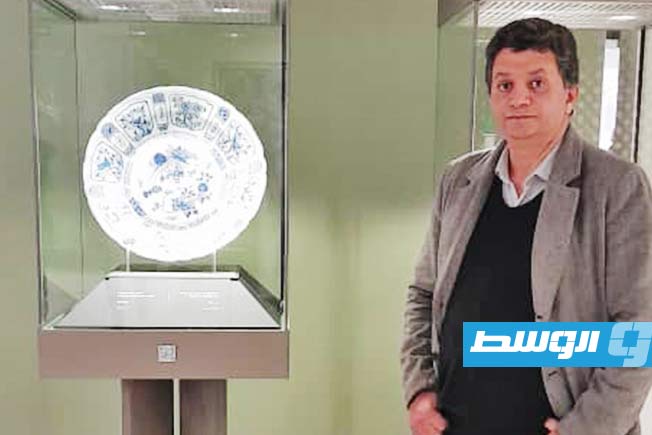
Sirte – January 4, 2026 – The Libyan poet and writer Omar Ramadan passed away today, Sunday, after a battle with illness, at the age of 73. He leaves behind a rich literary and artistic legacy that will remain a part of the Libyan cultural memory.
The late poet was born in 1952 in the city of Bani Walid and resided in Sirte. He was known by the title “Poet of the Homeland,” as his words were characterized by sincere patriotism and deep emotion. His works embodied authentic Libyan moral values and provided a vivid documentation of popular customs and traditions through poetry, media, and lyrical creativity.
He made significant contributions to the Libyan cultural and media landscape. He was among the founders of Radio Sirte and progressed in radio work to become one of the most prominent writers and authors, presenting a number of radio and television programs that left a clear impact on the audience. These programs included: “On the Margins of History,” “To the Core,” “Al-Bahi Bahi,” “May God Grant You a Good Morning,” and “For the Sake of Faith.”
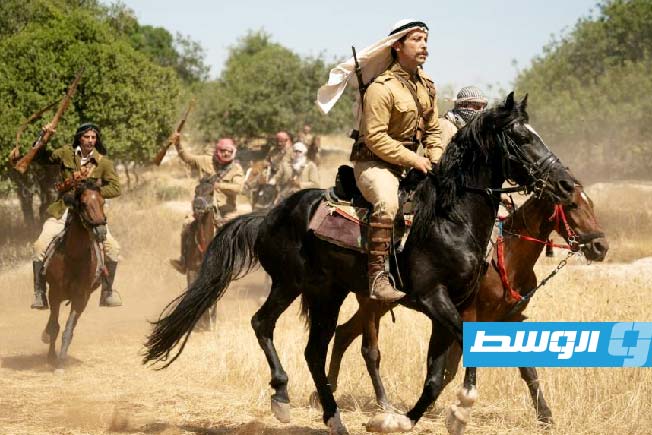
He also wrote the lyrics for the series “Rafaqat Omar,” alongside texts for the Hilali epic, which was transformed into a lyrical masterpiece presented by the great artist Mohamed Hassan. Additionally, he authored many other lyrical works performed by Libyan and Arab singers, all distinguished by their powerful expression and genuine emotion.
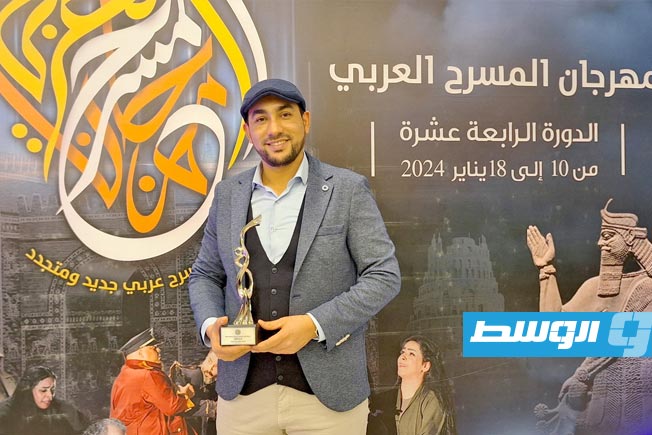
The late Omar Ramadan received a number of local and international awards and was honored at cultural forums both inside and outside Libya. His name remains present in the Libyan artistic taste, and his creative message and cultural contributions will remain engraved in the hearts of his admirers and successive generations.
…
Sirte
Sirte is a coastal city in Libya that gained prominence as the birthplace and stronghold of former leader Muammar Gaddafi, who developed it extensively during his rule. Historically a modest trading post, it was the site of intense fighting during the 2011 Libyan Civil War and again in 2016. Its modern significance is deeply tied to Gaddafi’s legacy and the subsequent conflicts that have shaped contemporary Libya.
Libyan
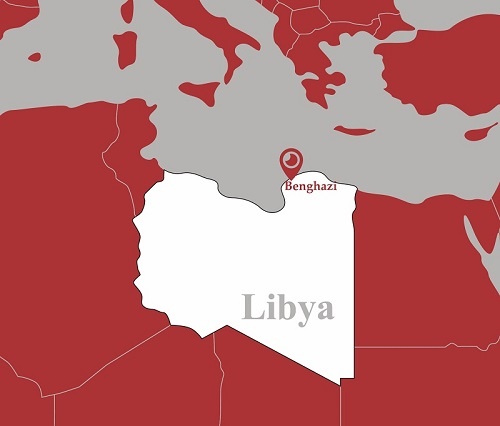
Libya is a country in North Africa with a rich history that includes ancient Phoenician and Greek settlements, later Roman rule, and a significant period as part of the Ottoman Empire. In the modern era, it was an Italian colony before gaining independence in 1951, followed by the lengthy rule of Muammar Gaddafi from 1969 until the 2011 revolution. Its cultural sites, such as the Roman ruins of Leptis Magna and the ancient Greek city of Cyrene, are UNESCO World Heritage Sites.
Omar Ramadan
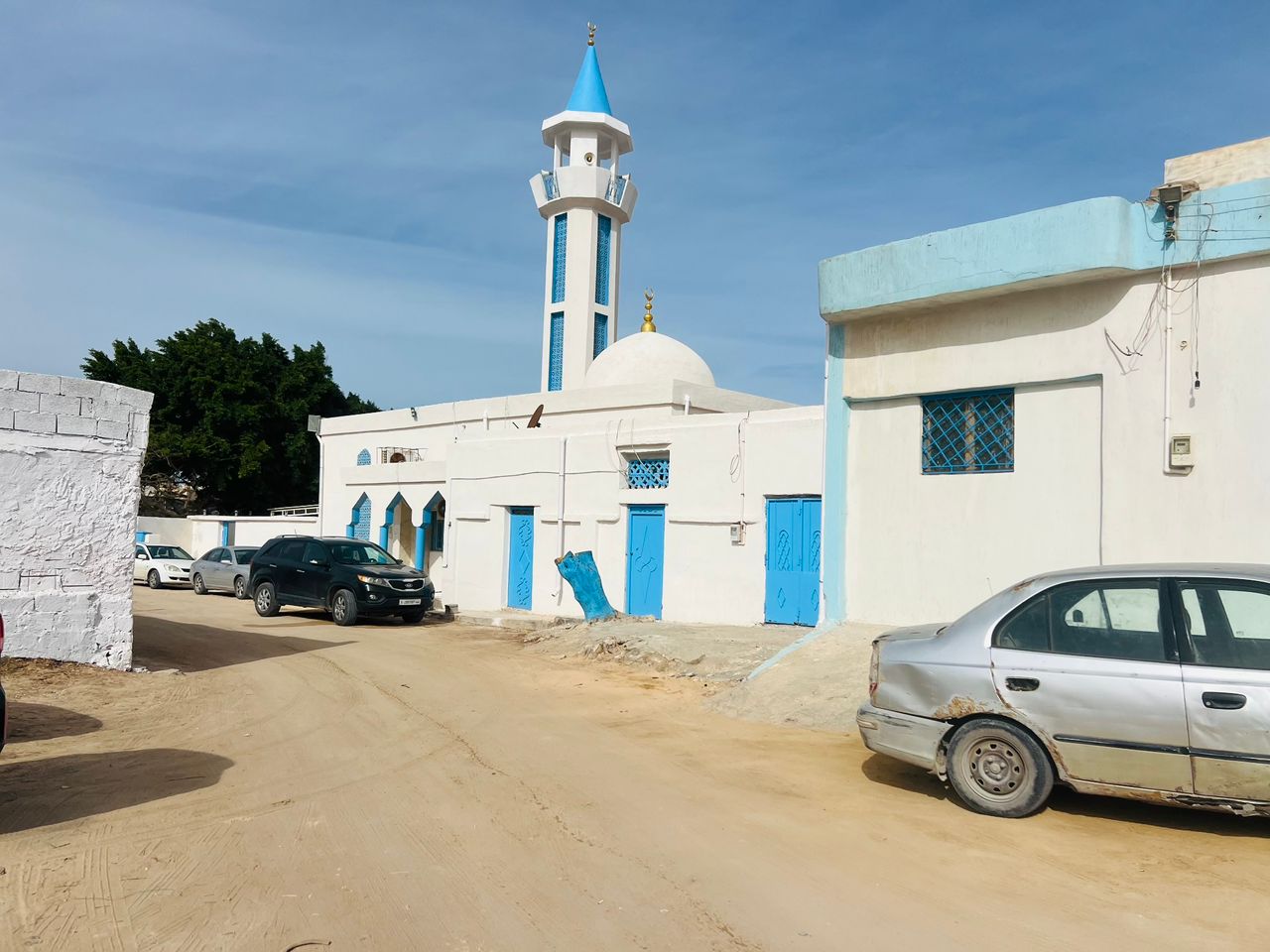
Omar Ramadan is a mosque located in the city of Tripoli, Lebanon. It was constructed in the early 20th century and is named after Omar Ibn al-Khattab, a prominent figure in early Islamic history. The mosque serves as a significant local religious and community center.
Bani Walid
Bani Walid is a city in northwestern Libya historically known as a stronghold of the Warfalla tribe and for its resistance during the 2011 Libyan Civil War. Its history is deeply tied to tribal dynamics and it served as one of the final major loyalist bastions during that conflict.
Radio Sirte
Radio Sirte was a state-run radio station based in Sirte, Libya, which historically served as a key propaganda outlet during Muammar Gaddafi’s rule, often broadcasting his speeches and promoting his government’s ideology. The station’s significance was closely tied to Gaddafi’s frequent presence in Sirte, his hometown, which he developed into a political capital. Its operations were disrupted following the 2011 Libyan Civil War and the fall of the Gaddafi regime.
Rafaqat Omar
“Rafaqat Omar” is not a widely recognized place or cultural site in available historical or travel references. It appears to be a personal name, possibly referring to an individual, rather than a location with a documented public history. Therefore, a summary about it as a cultural site cannot be provided.
Hilali epic
The Hilali epic is an oral poetic tradition from North Africa and the Middle East that recounts the migration of the Banu Hilal Bedouin tribe in the 10th–11th centuries. Recognized by UNESCO as part of humanity’s intangible cultural heritage, it is performed by skilled narrators and serves as a living record of Arab history, social values, and identity.
Mohamed Hassan
Mohamed Hassan is a mosque and cultural complex located in the El Nozha district of Cairo, Egypt. It was constructed in the early 21st century and is named after Sheikh Mohamed Hassan, a renowned Egyptian Quran reciter. The site serves as a prominent religious and community center in the area.
Libya
Libya is a North African country with a rich history that includes ancient Phoenician and Greek settlements, most notably at Cyrene, and later Roman rule. It was part of the Ottoman Empire before Italian colonization in the early 20th century, gaining independence as a kingdom in 1951 and later becoming a republic under Muammar Gaddafi from 1969 until the 2011 revolution. The country is home to five UNESCO World Heritage sites, including the extensive Roman ruins of Leptis Magna.