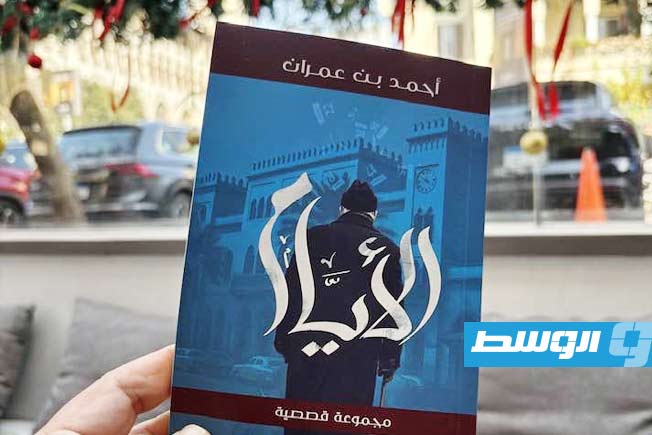
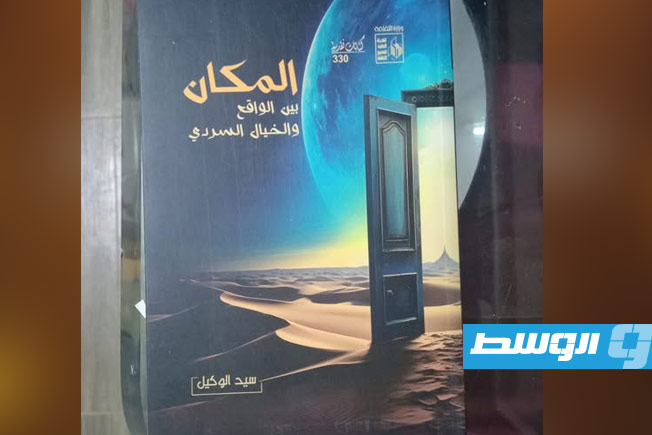
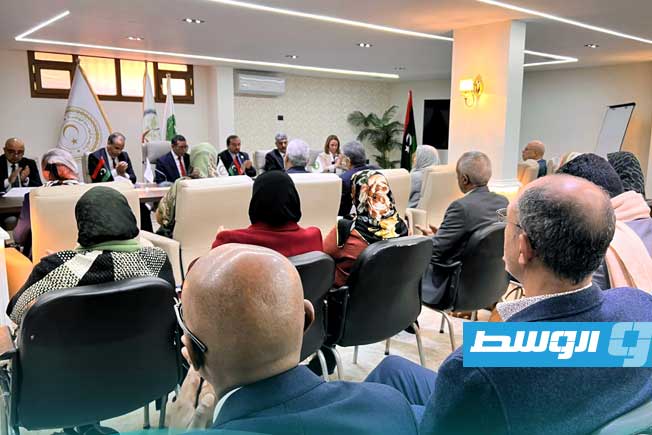
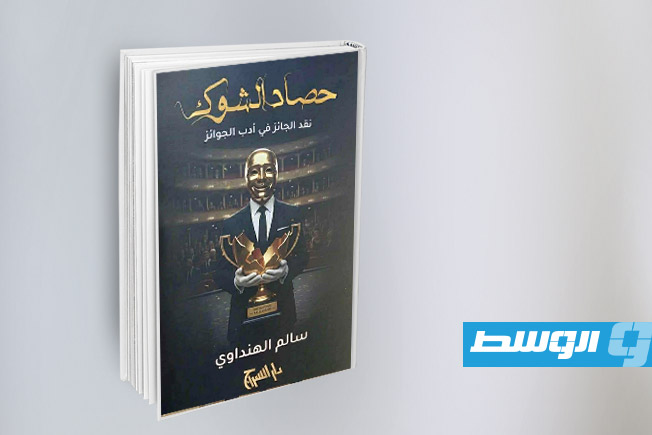
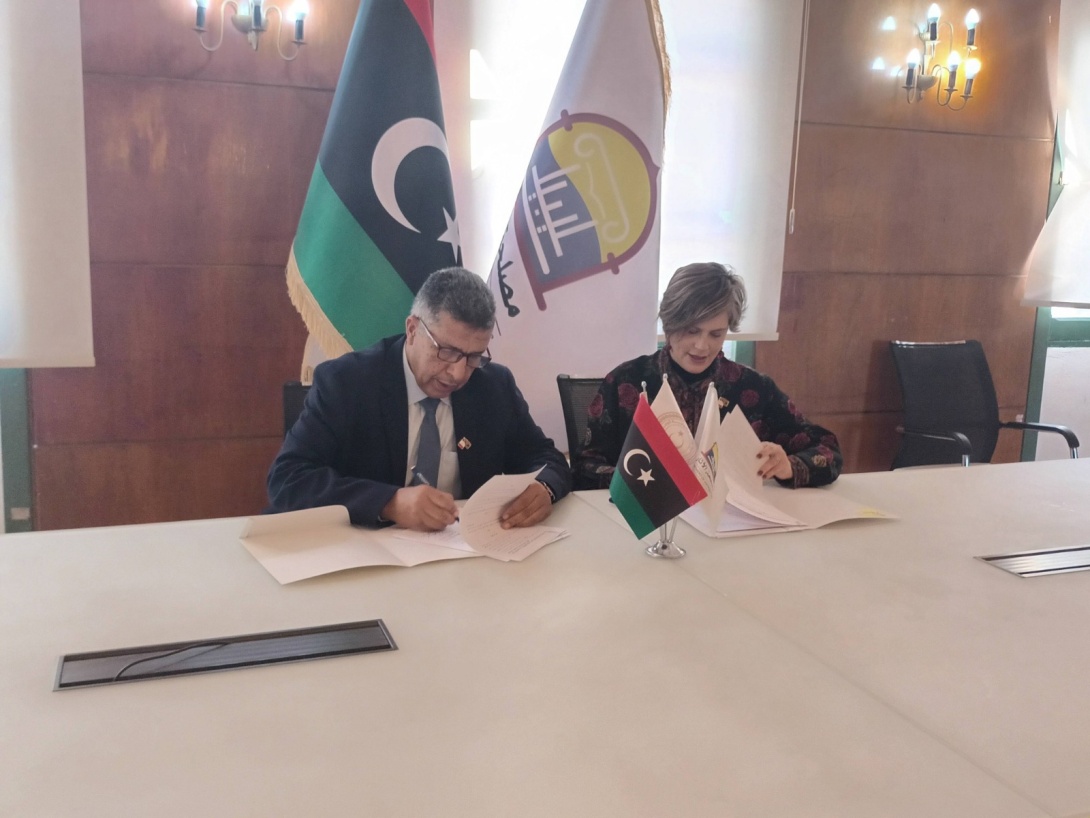
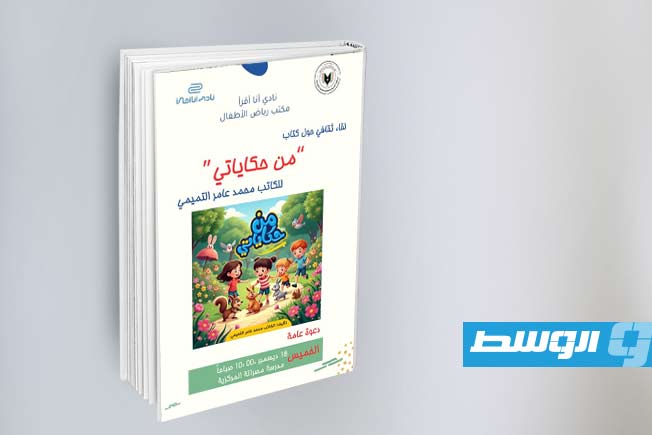
It was announced that the play “Book of Wishes” has become the subject of a PhD thesis in the Department of Arabic Language and Literature at Misurata University, titled “Experimentation in Children’s Theatre: The Play ‘Book of Wishes’ as a Model.”
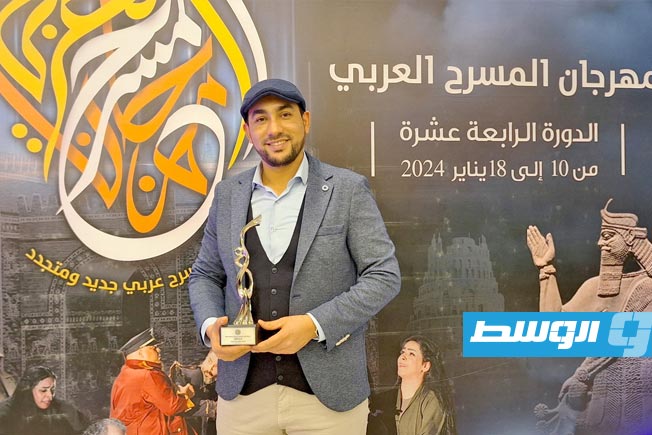
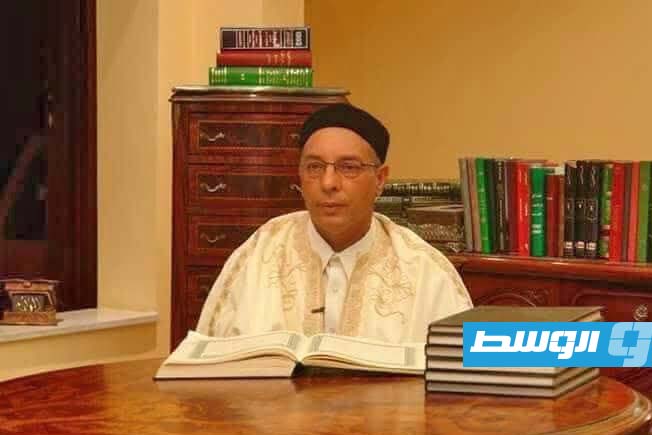
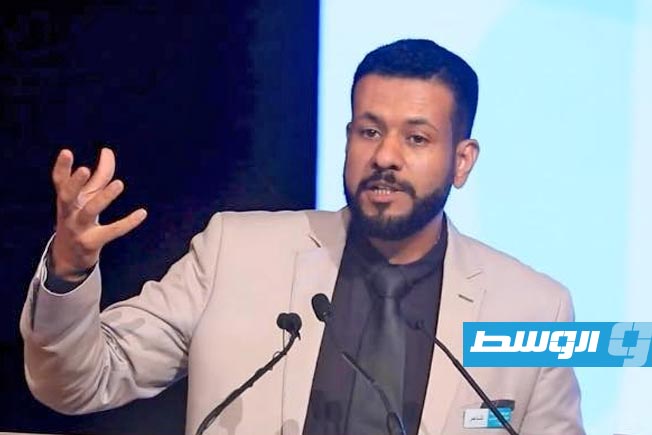
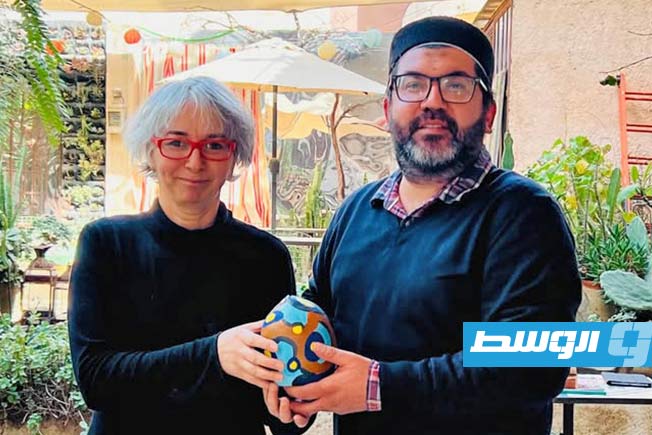
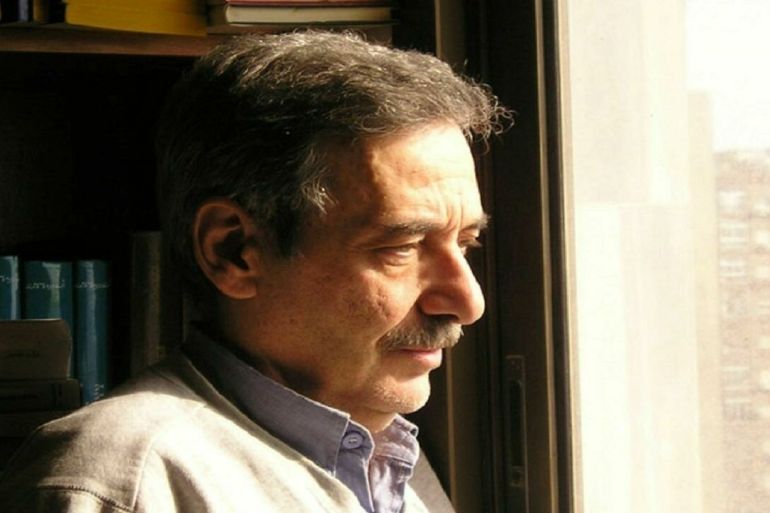
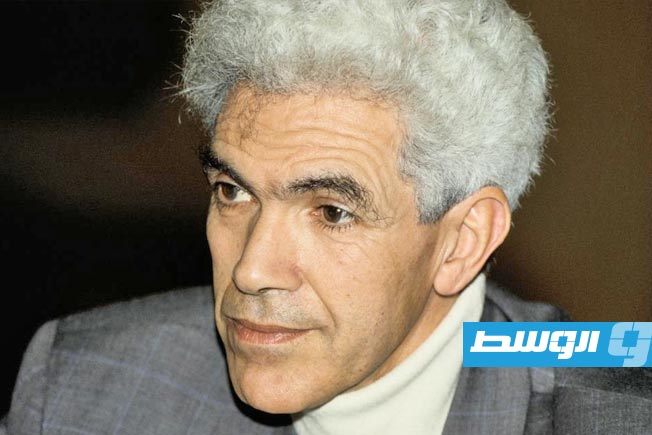
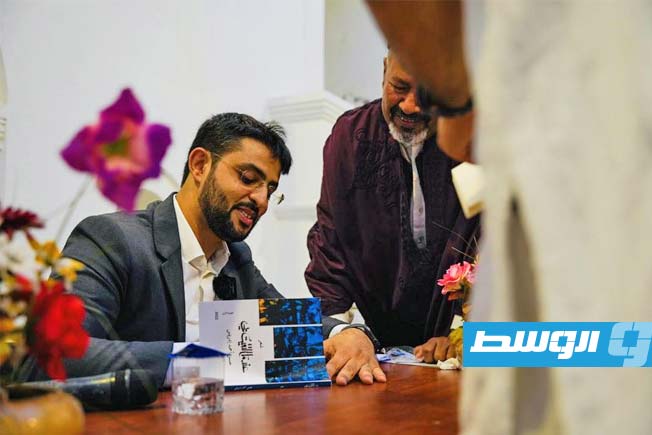
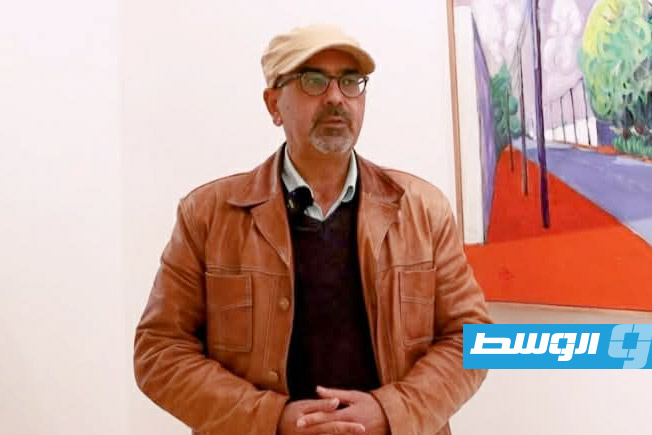
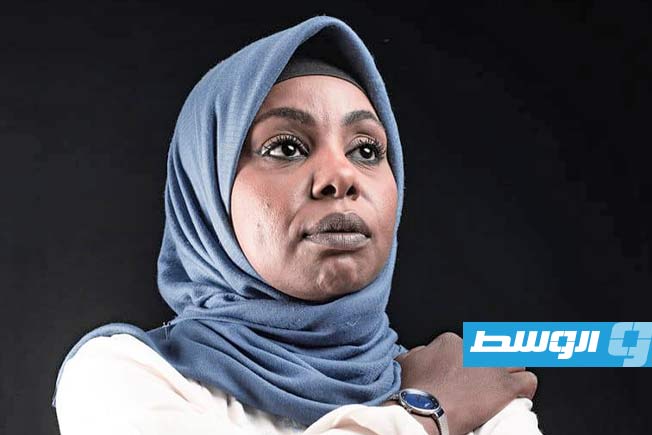
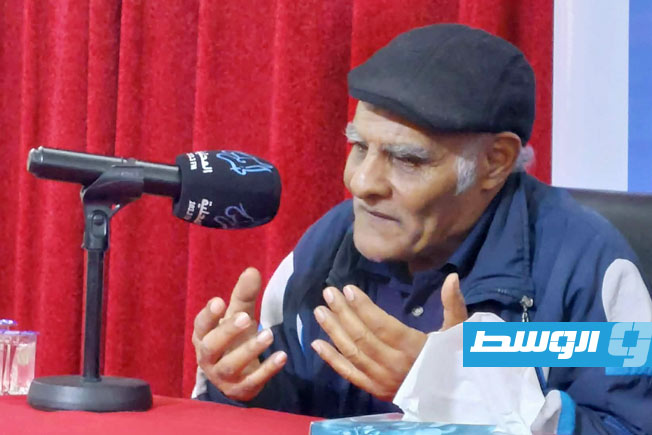
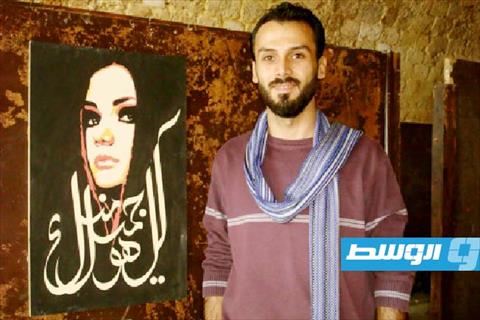
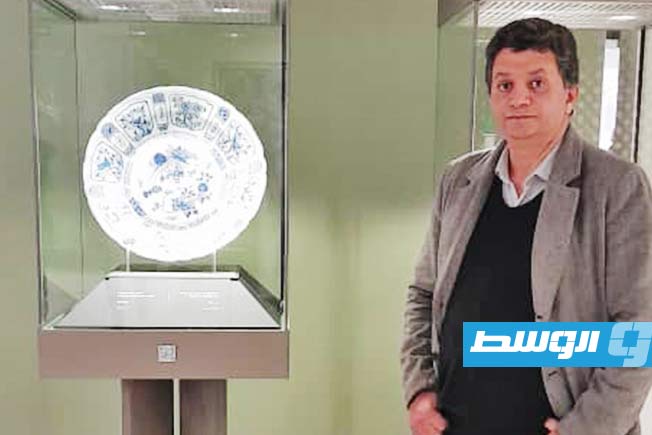
In a statement, the author expressed happiness and pride “to see his work move from the stage of imagination into the realm of academic research, to be read with a deep critical eye,” confirming that “this event represents the extension of an old dream to find a fitting place for Libyan children’s theatre in postgraduate studies and serious academic attention.”
Children’s Literature is No Longer Marginalized
The author clarified that the selection of his play for the thesis constitutes a personal honor, but at the same time confirms “that children’s literature is no longer marginalized, and that it now possesses a knowledge-based and artistic space worthy of study and contemplation.”
The statement concluded with thanks to the researcher for her work and wishes for success in her research journey, as well as gratitude for the precise supervision and continuous interest in Libyan literature, particularly children’s theatre, and support for every attempt to solidify its cultural and academic presence. Thanks were also extended to the postgraduate studies office at the Faculty of Arts, Misurata University.
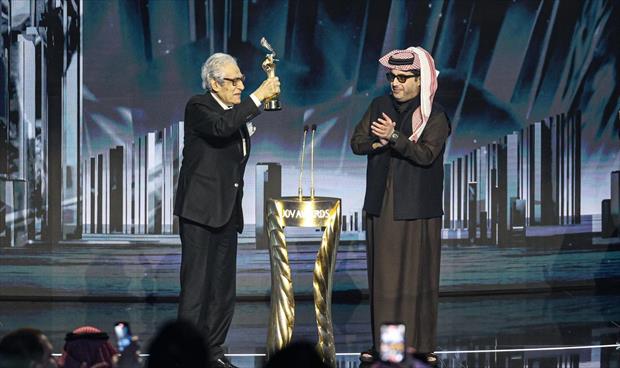
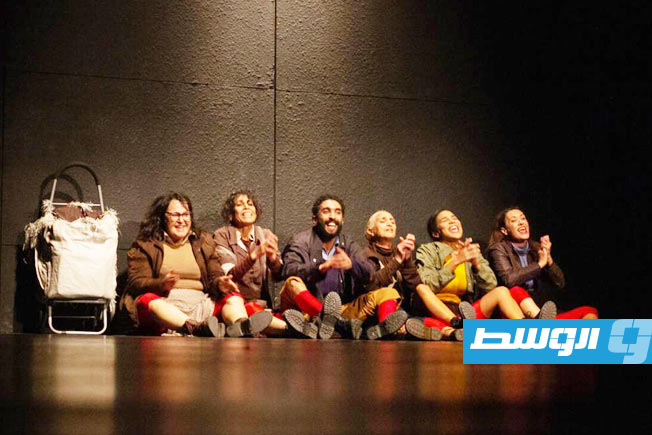
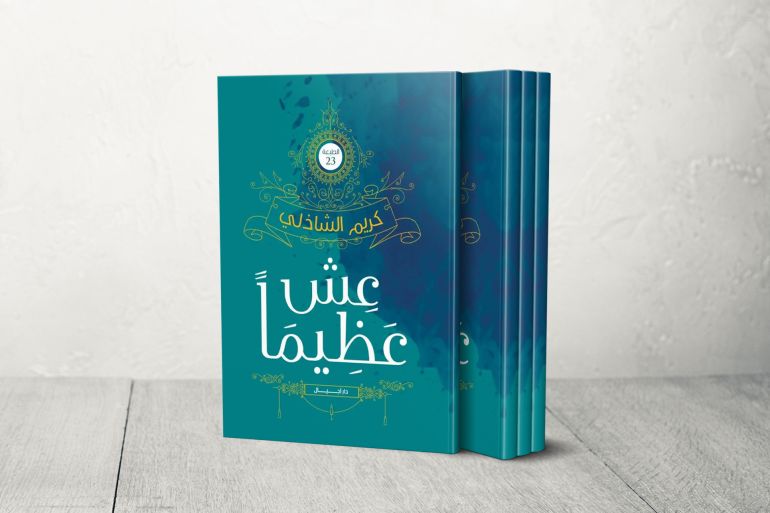
It is noted that the play “Book of Wishes” was published by the Arab Theatre Organisation after winning an award in a playwriting competition organised in Sharjah. It was later turned into a theatrical production directed by a director and produced by Dubai National Theatre. It participated in the UAE Children’s Theatre Festival, where it won significant awards and toured numerous stages across the United Arab Emirates.
About the Author
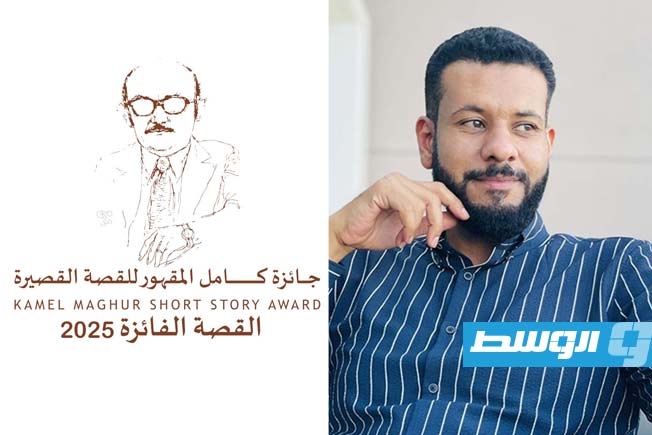
The author is a Libyan writer and playwright, interested in children’s theatre and literature aimed at youth. The play “Book of Wishes” has won Arab awards, and successful theatrical performances have been presented both inside and outside Libya. He is known for his artistic experimentation in his plays, which blend fantasy and reality, and he consistently strives to elevate the value of children’s literature in the Libyan cultural scene.
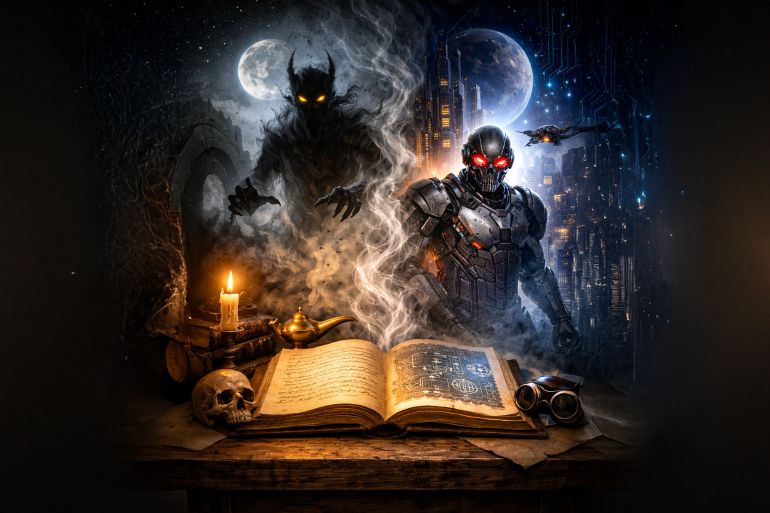
Book of Wishes
The “Book of Wishes” is a public art installation in Tbilisi, Georgia, created by Georgian artist Irakli Tsuladze in 2011. It consists of a large, metal-plated book where visitors can write their personal wishes on its pages, symbolizing hope and collective dreams. The sculpture has become a popular modern landmark, reflecting the city’s contemporary cultural spirit.
Misurata University
Misurata University is a public university located in the city of Misurata, Libya, founded in 1983. It has grown to become one of the country’s largest higher education institutions, comprising multiple colleges and research centers focused on fields like medicine, engineering, and the arts.
Department of Arabic Language and Literature
The Department of Arabic Language and Literature is an academic unit within a university dedicated to the study of Arabic linguistics, classical and modern literature, and cultural history. Such departments were formally established in modern universities during the 19th and 20th centuries, evolving from much older traditions of Arabic scholarly study in madrasas and literary circles. Their core mission is to preserve, analyze, and teach the rich linguistic and literary heritage of the Arab world.
Libyan children’s theatre
The Libyan Children’s Theatre, established in 1980 in Tripoli, was a pioneering cultural institution dedicated to producing theatrical performances for and often by young people. It played a significant role in the country’s cultural and educational landscape for decades, fostering creativity and artistic expression among Libyan youth.
Faculty of Arts, Misurata University
The Faculty of Arts at Misurata University is a key academic institution in Libya, established as part of the university’s expansion to provide higher education in the humanities and social sciences. It contributes to the cultural and intellectual landscape of the city of Misurata, offering programs in fields such as languages, history, and sociology.
Arab Theatre Organisation
The Arab Theatre Organisation is a cultural institution founded in 1966 in Damascus, Syria, with the aim of promoting and developing theatrical arts across the Arab world. It has historically organized festivals, workshops, and publications to support playwrights, actors, and theatrical production throughout the region.
Sharjah
Sharjah is one of the United Arab Emirates, known as its cultural capital for its deep commitment to preserving heritage and the arts. Historically a pearling and trading hub, it transformed significantly after the UAE’s formation in 1971, with its ruler championing educational and cultural institutions. Today, it is distinguished by its many museums, such as the Sharjah Museum of Islamic Civilization, and its UNESCO-listed heritage areas like Heart of Sharjah.
Dubai National Theatre
The Dubai National Theatre, opened in 1979, is one of the oldest and most prominent cultural venues in the United Arab Emirates. It was established to foster the performing arts, hosting a wide range of local and international theatrical productions, concerts, and cultural festivals.
UAE Children’s Theatre Festival
The UAE Children’s Theatre Festival is an annual cultural event established to nurture creativity and theatrical arts among young people in the United Arab Emirates. It features performances, workshops, and competitions, providing a dedicated platform for children to engage with and participate in the performing arts.
United Arab Emirates
The United Arab Emirates (UAE) is a federation of seven emirates on the Arabian Peninsula, established in 1971 following the end of British protection. Historically a region of pearl diving and trade, it has rapidly transformed into a global hub of commerce, tourism, and innovation, renowned for modern landmarks like Dubai’s Burj Khalifa and Abu Dhabi’s Sheikh Zayed Grand Mosque.
Libya
Libya is a North African country with a rich history rooted in ancient civilizations like the Phoenicians and Romans, followed by centuries of Arab and Ottoman influence. In the modern era, it was an Italian colony before gaining independence in 1951, later becoming known for Muammar Gaddafi’s lengthy rule from 1969 until the 2011 revolution. The country is home to UNESCO World Heritage sites, such as the ruins of Leptis Magna, which testify to its significant historical legacy.