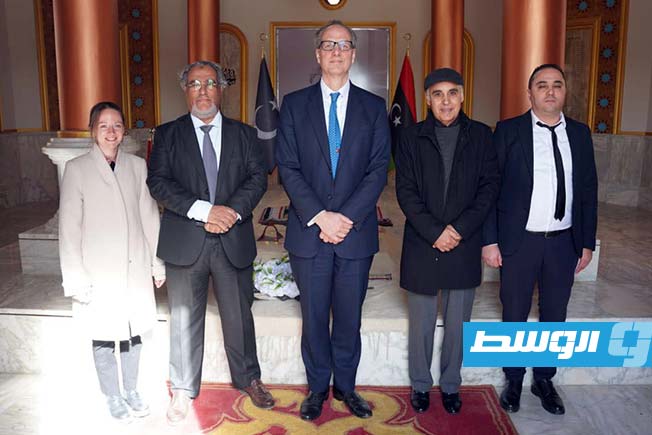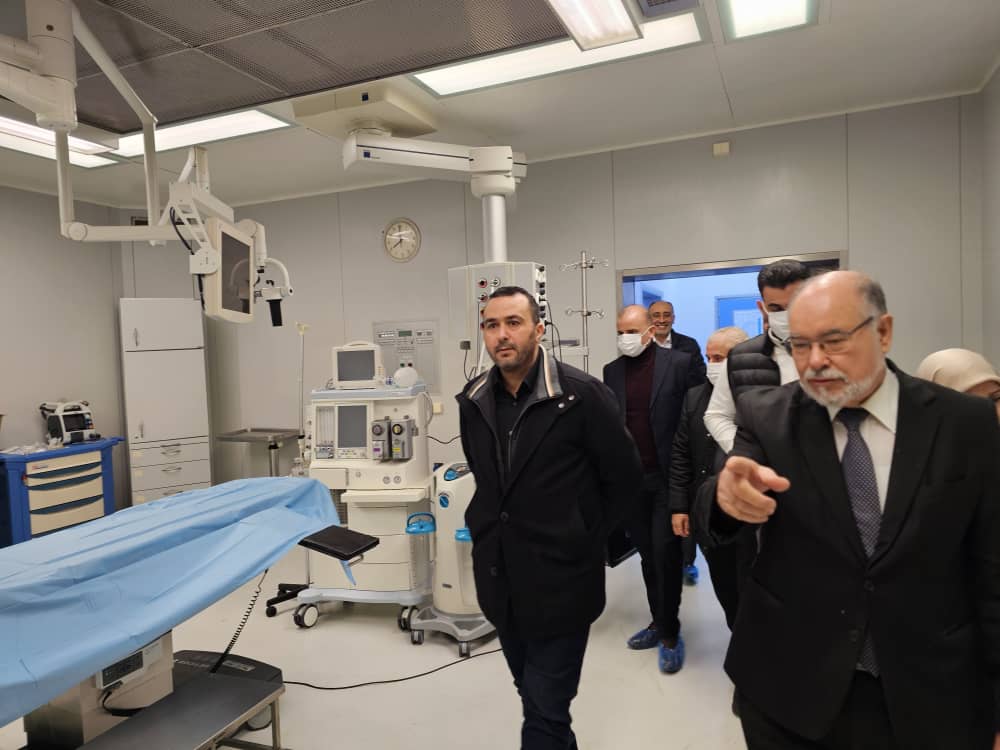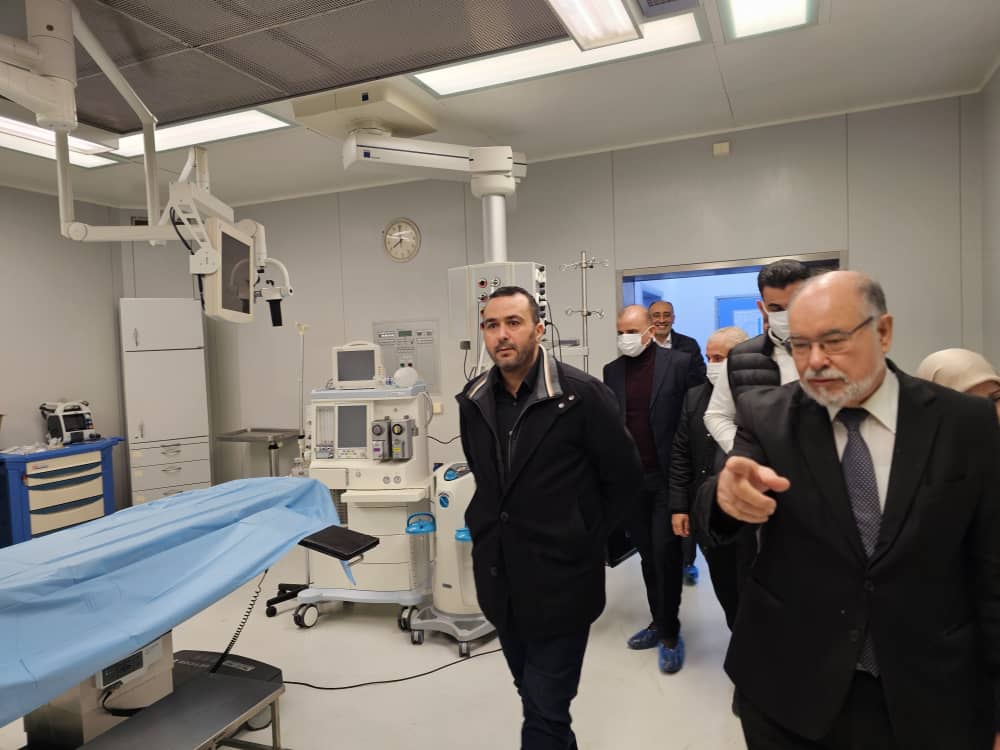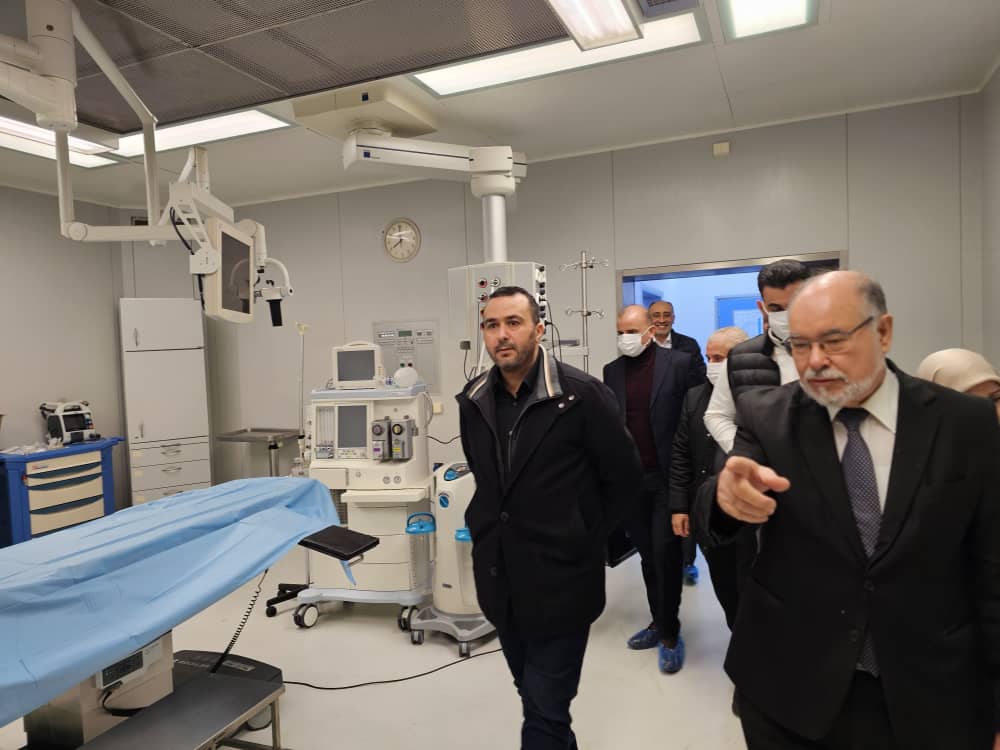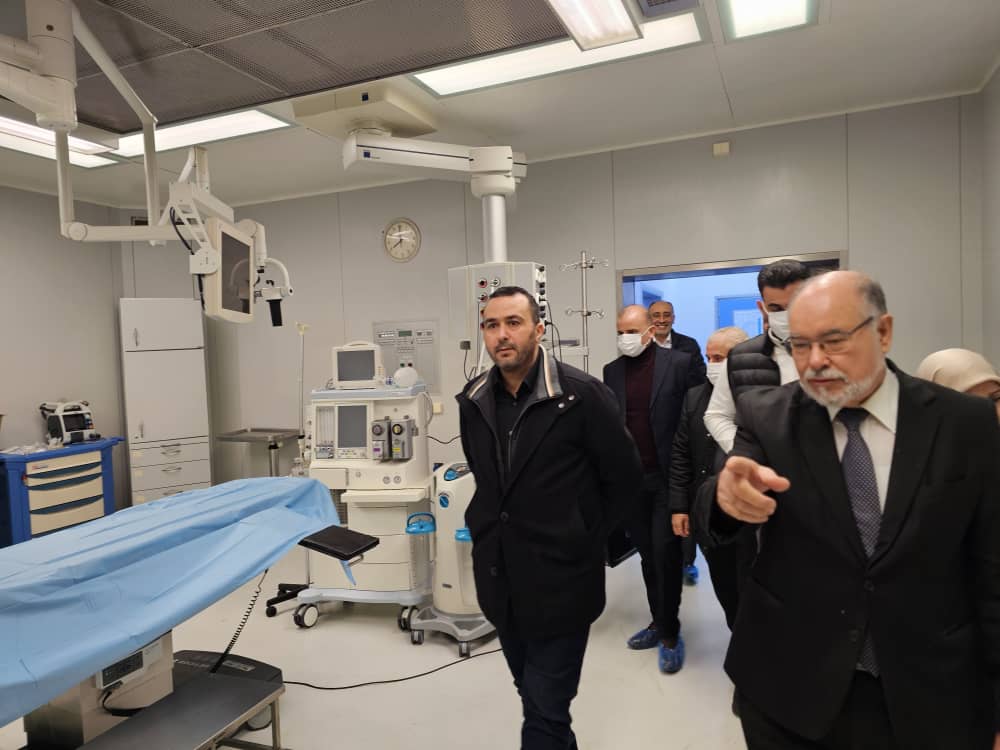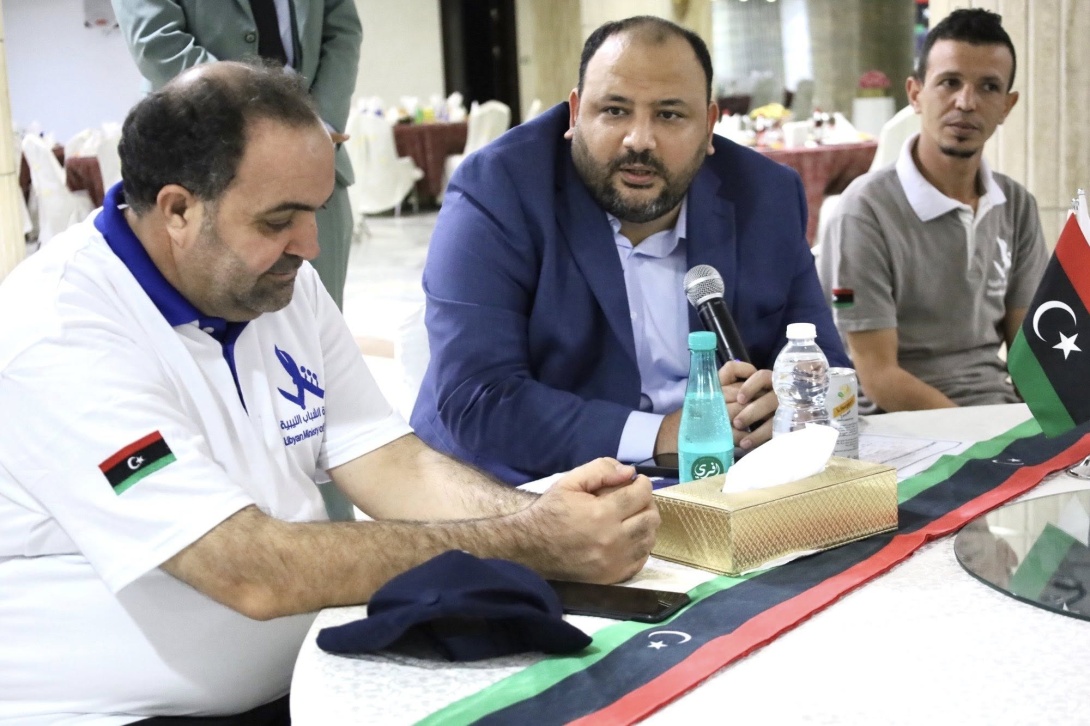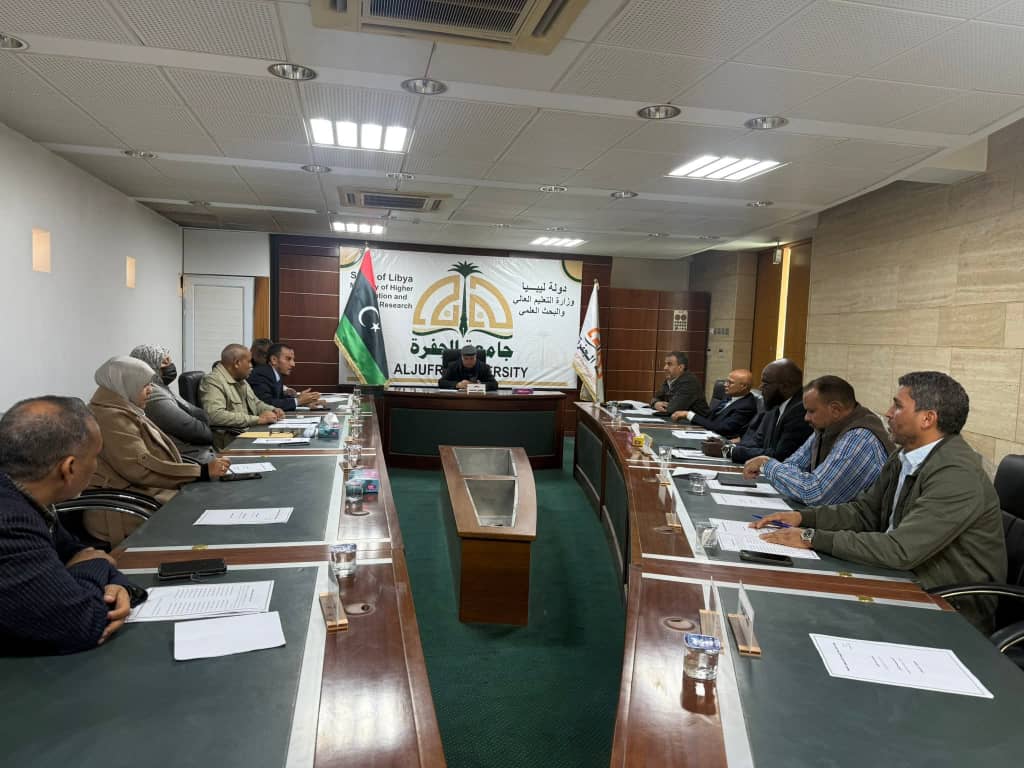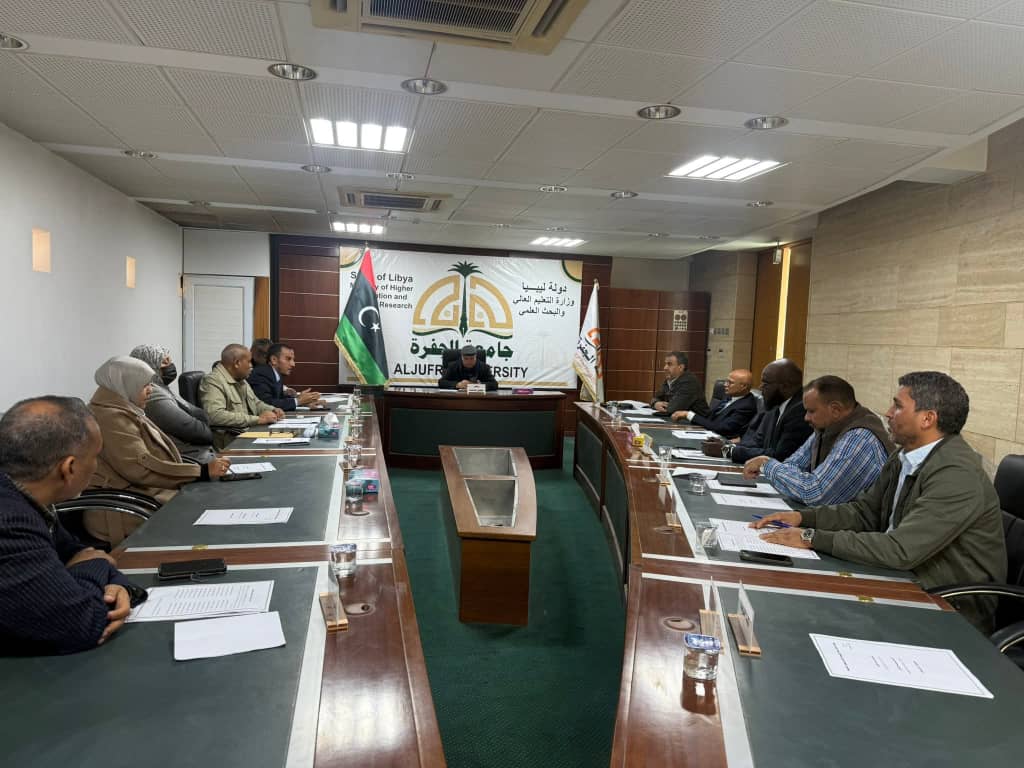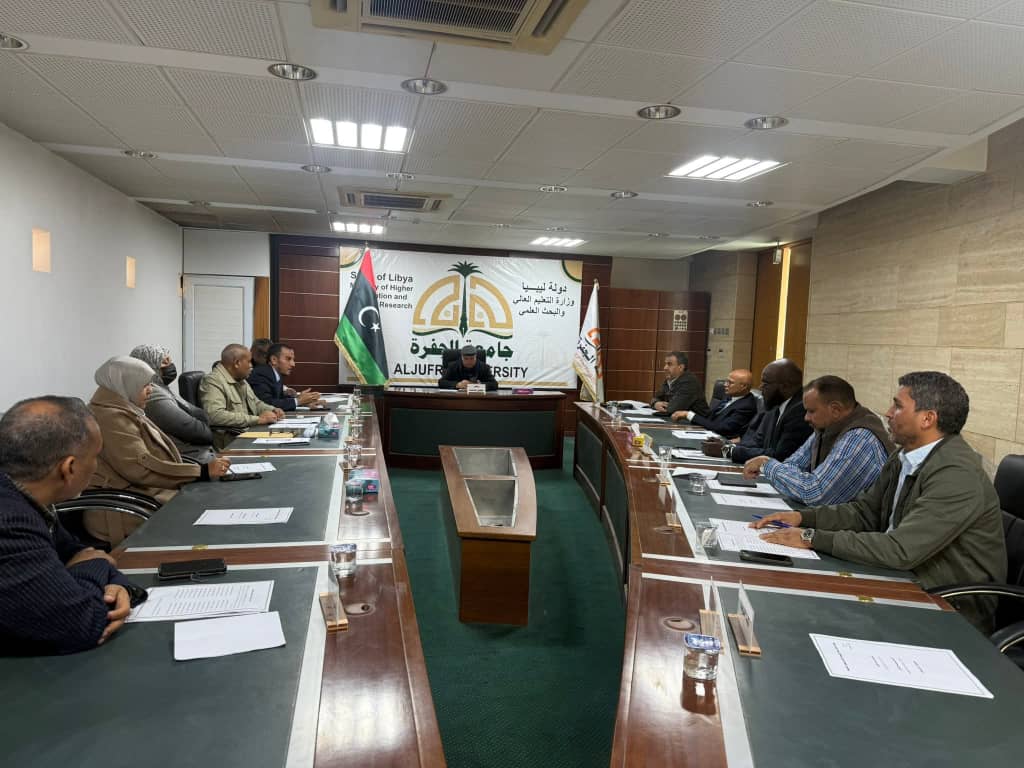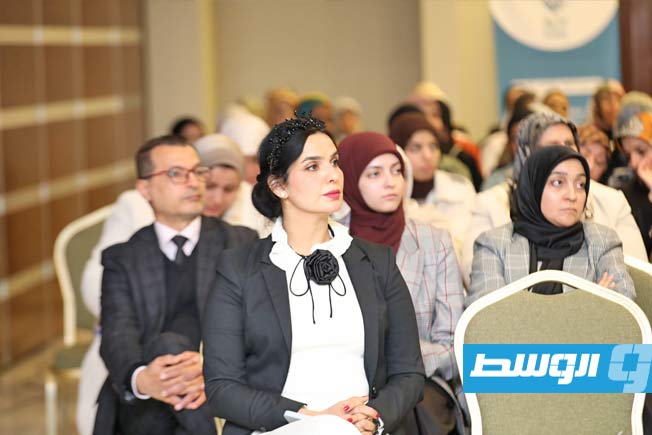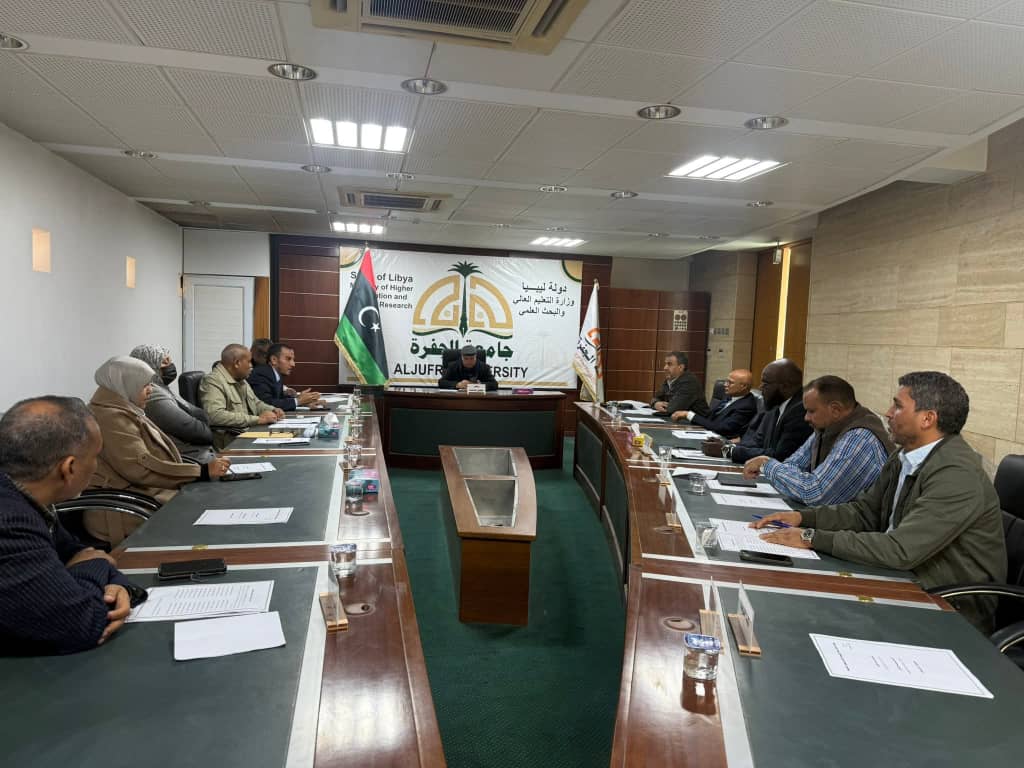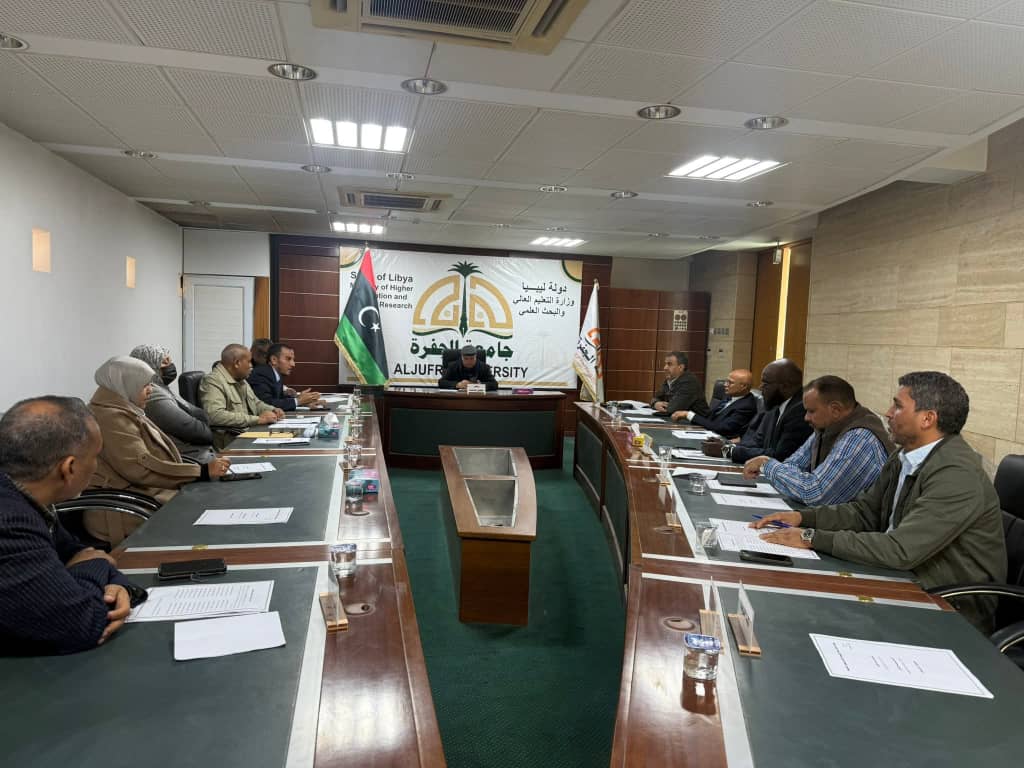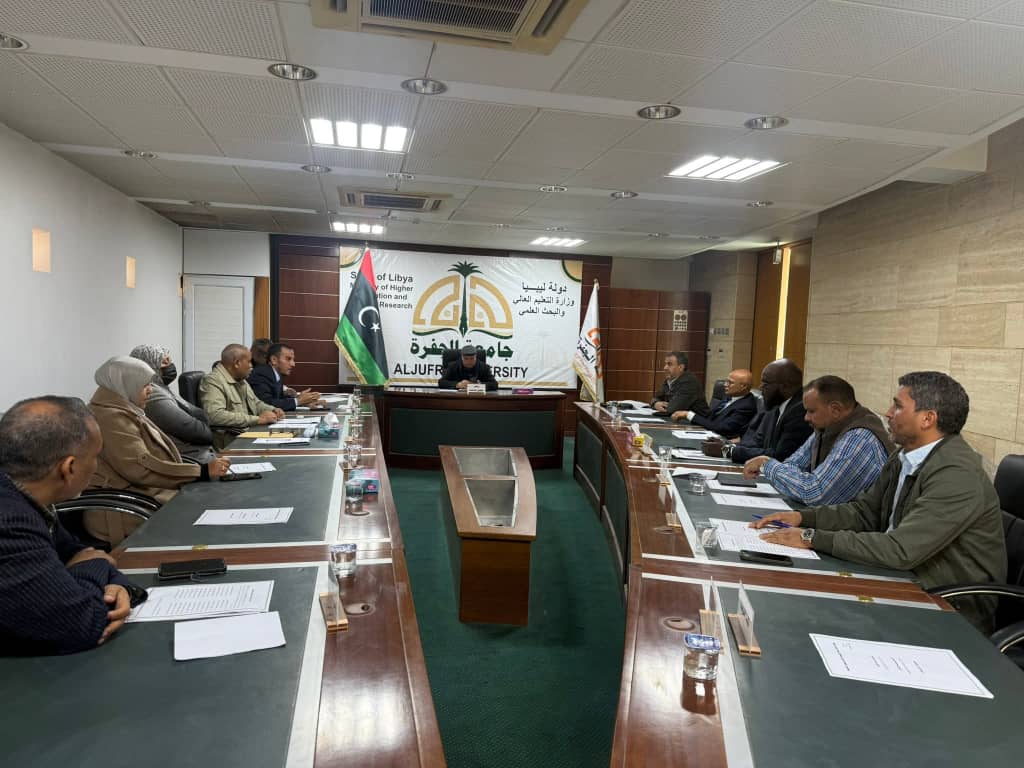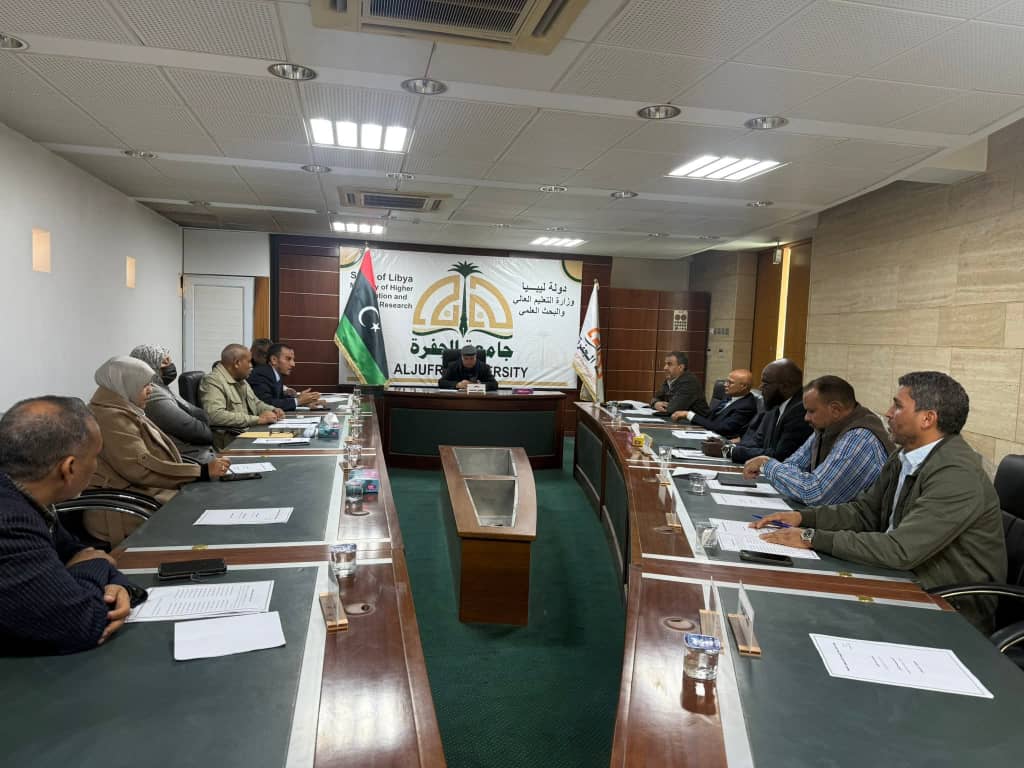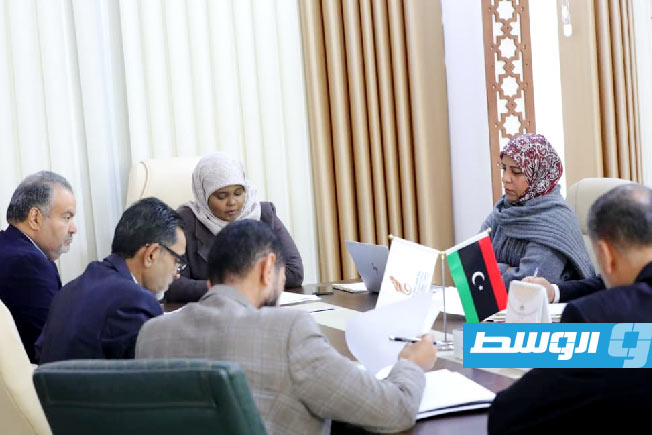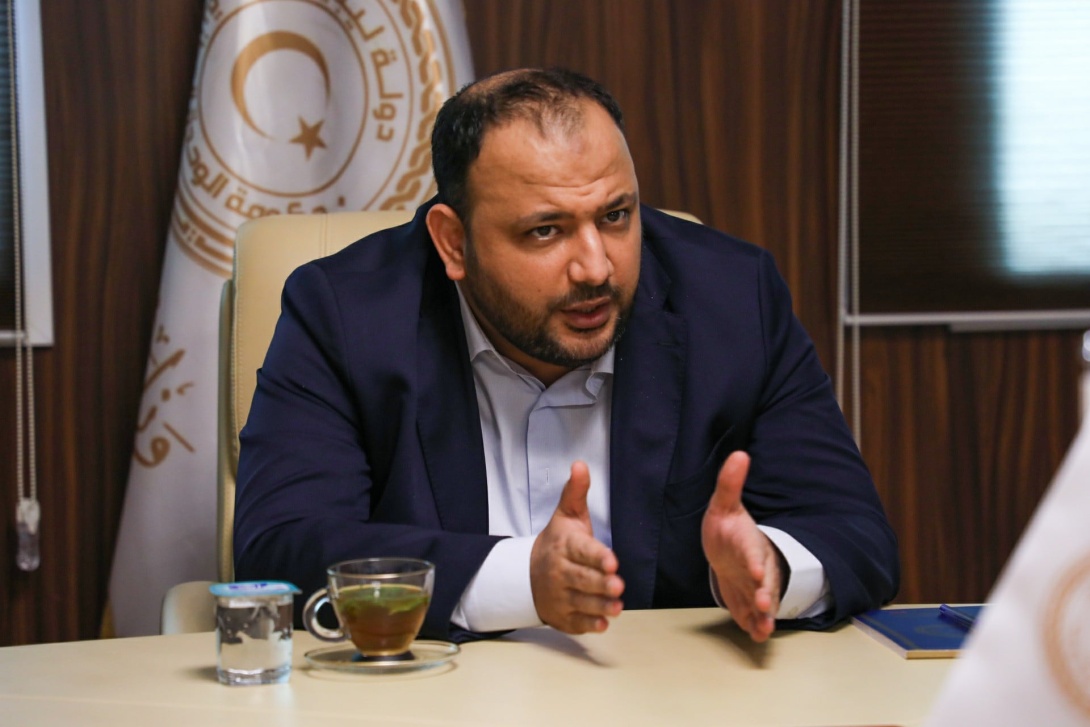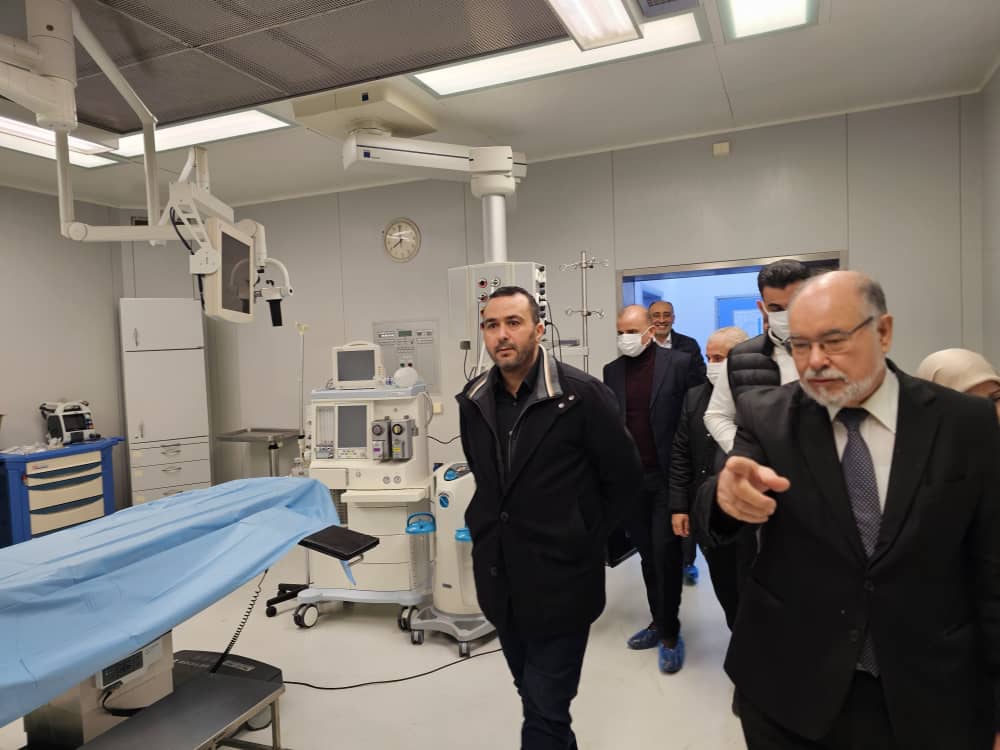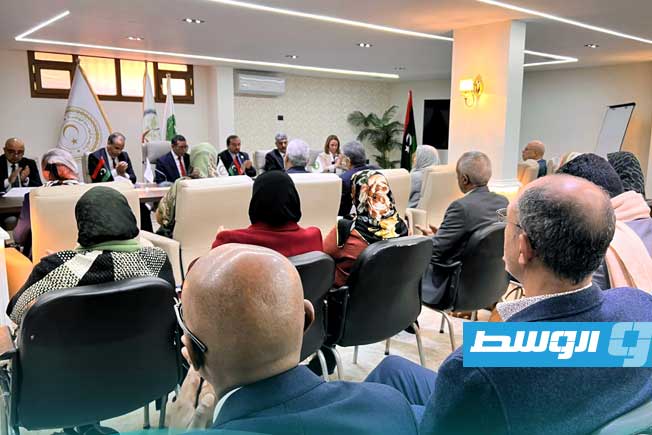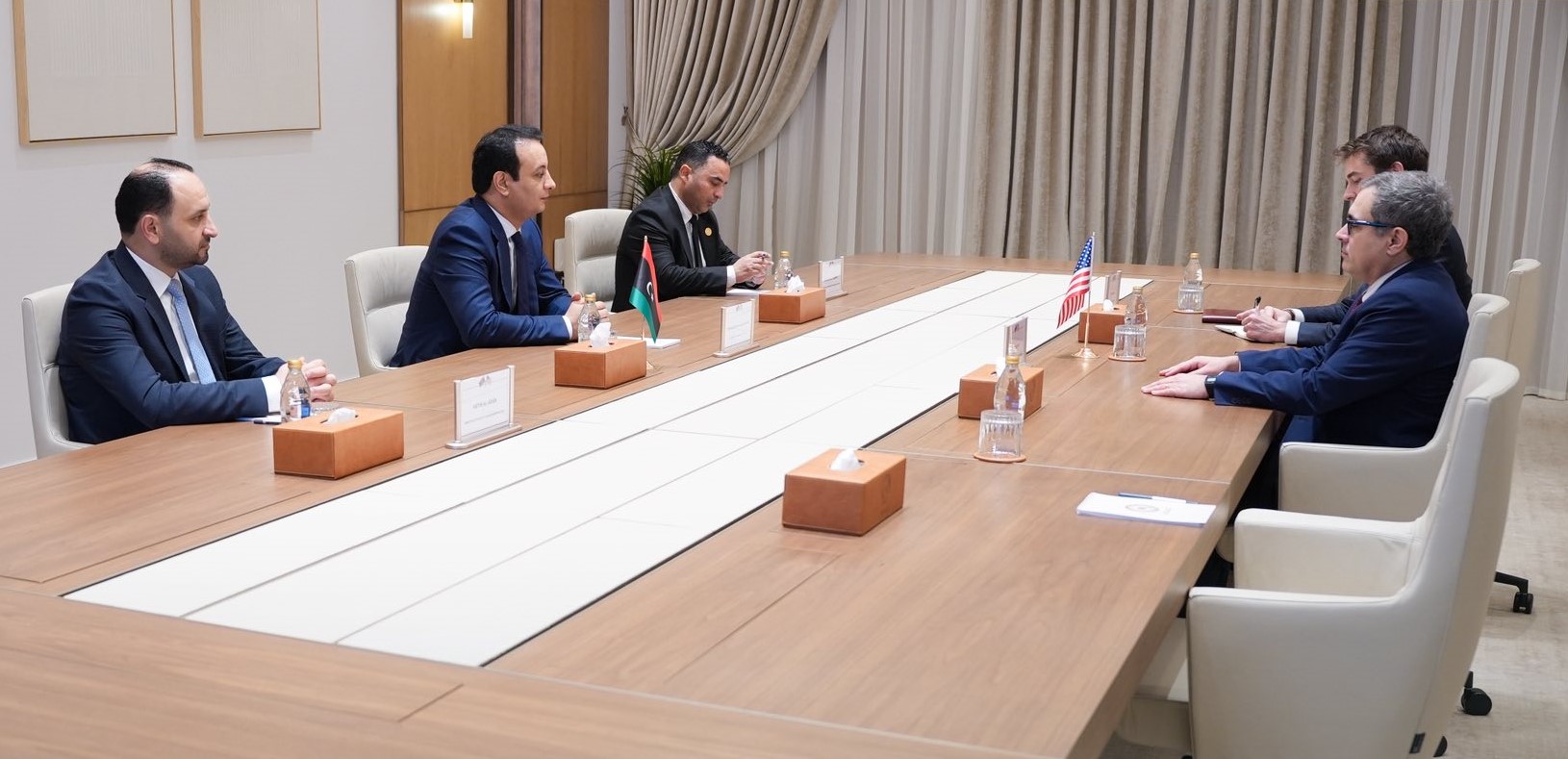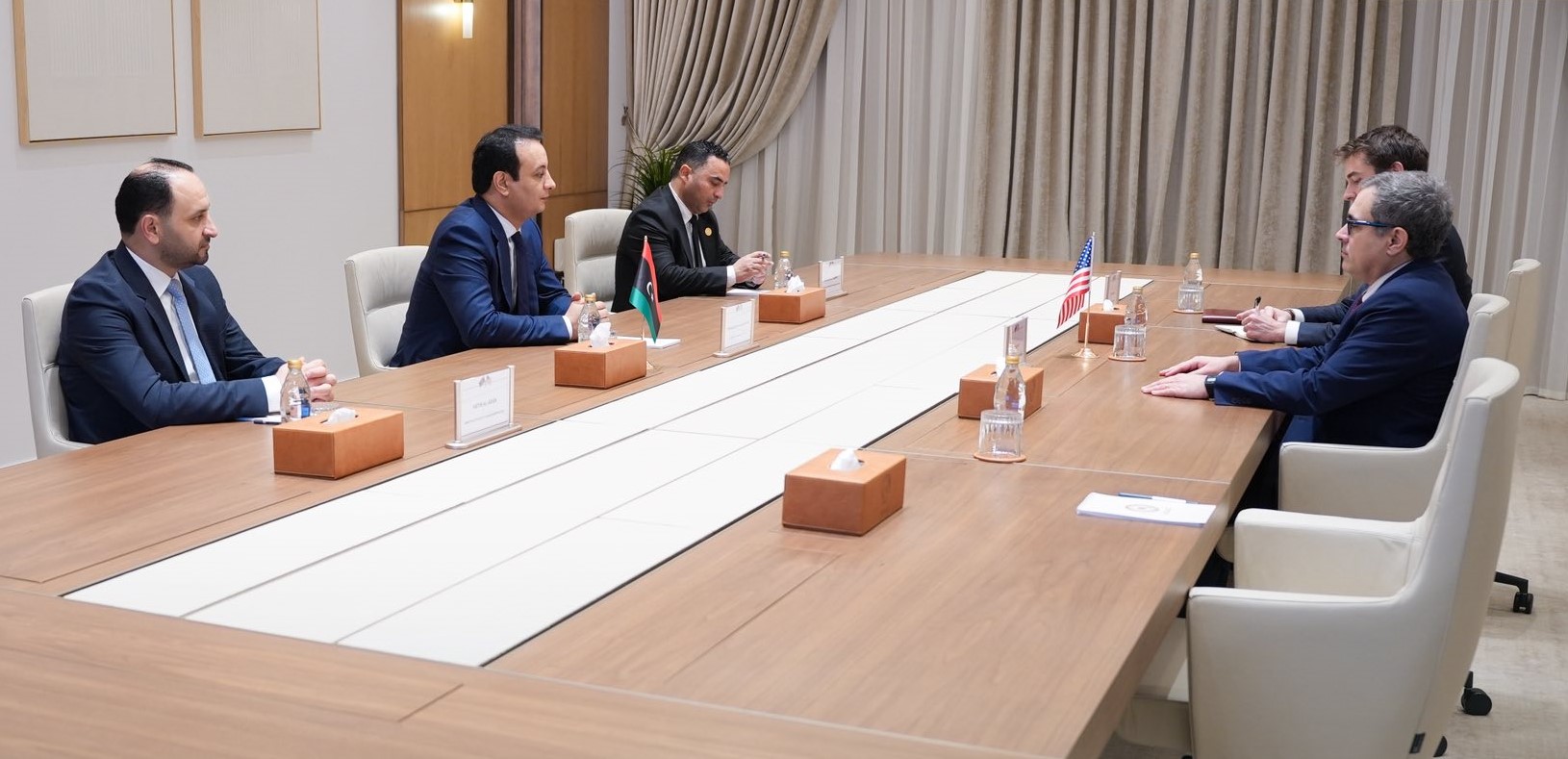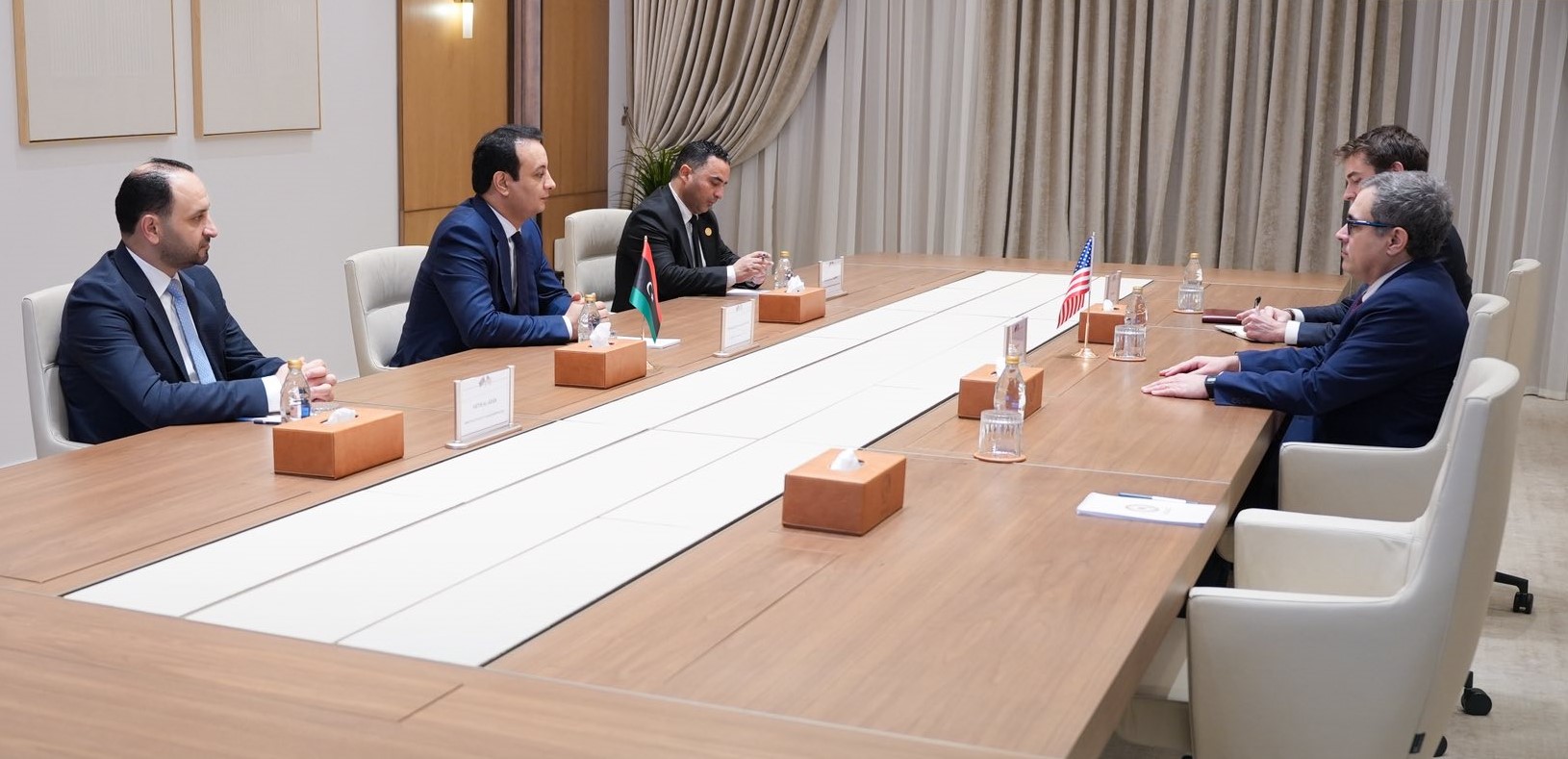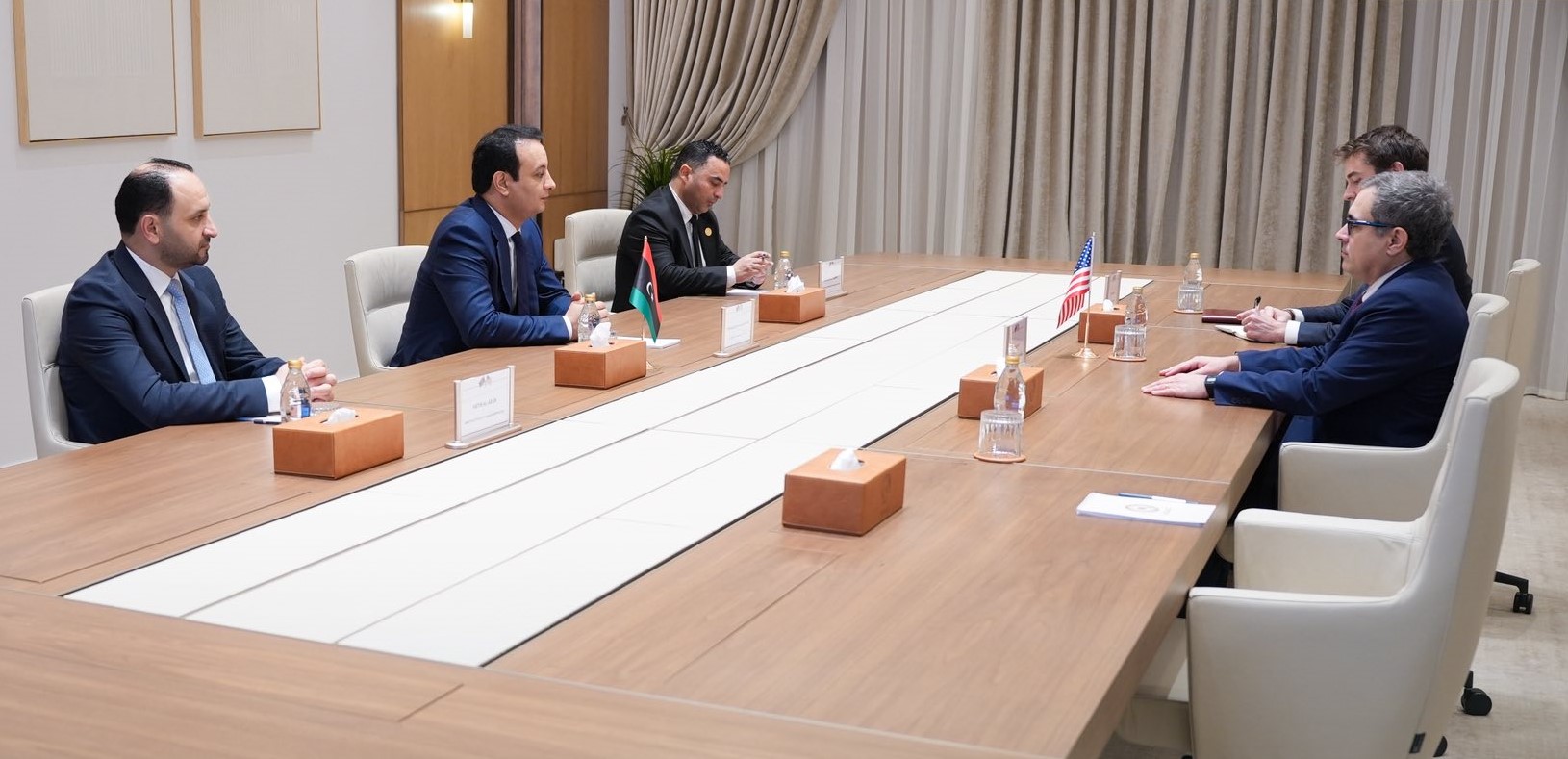
Tripoli, January 29, 2026 – Participants in the National Reconciliation and Human Rights track of the structured dialogue expressed deep concern regarding the implications of the ongoing conflict on the unity and independence of the judicial system. This concern follows recent rulings issued by the Constitutional Chamber of the Supreme Court in Tripoli and earlier rulings this month by the Constitutional (Supreme) Court in Benghazi.
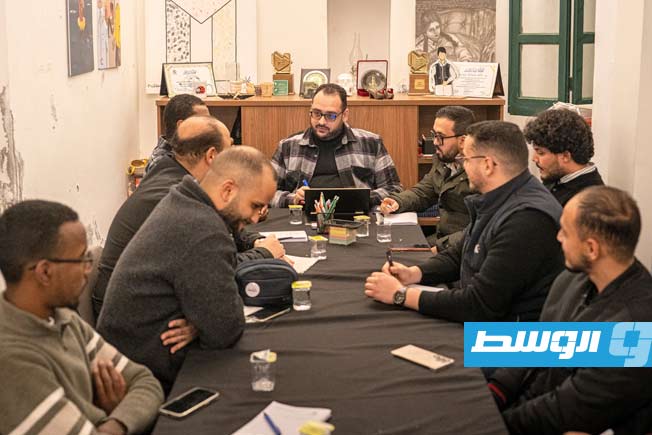
This came at the conclusion of the track’s five-day meetings, where participants placed a number of key topics at the heart of their deliberations. The most prominent of these were judicial independence, human rights, public freedoms, the civic space, and arbitrary detention. All of these elements are seen as directly impacting the credibility of any future electoral process.
Participants in the dialogue warned that these developments undermine the rule of law, public trust, and the entire political process.
They agreed that a unified and independent judiciary is a fundamental prerequisite, among other things, for holding credible elections, as well as for the general functioning of the state based on the rule of law.
Participants emphasized the necessity of shielding the judiciary from political interference and polarization. They called on all parties to prioritize dialogue over escalation, stressing that protecting the independence and unity of the judiciary is not only a shared national responsibility but also an essential condition for preserving state unity, ensuring justice and stability, and creating a genuine environment for national reconciliation based on human rights.
Over the past five days, participants discussed a number of issues, including the fragmentation of state institutions and the unchecked influence of armed formations as primary factors leading to human rights violations.
Key challenges highlighted included: arbitrary arrest and detention; the protection of civil society and journalists; and the right of Libyans to freedom of expression, peaceful assembly, and association.
Participants also concluded that the severe shortage of law enforcement agencies under civilian oversight represents a major obstacle. They noted that legislative gaps and the non-enforcement of judicial decisions by security agencies have contributed to a climate of impunity.
Participants identified preliminary recommendations aimed at ensuring a suitable and supportive environment for transparent elections. They agreed on a set of initial recommendations described as “fundamental” for Libya’s stability.
The recommendations included protecting the civic space. Participants recommended ensuring the protection of freedom of expression, freedom of the press, freedom of association, and assembly. They stressed that journalists, civil society workers, and human rights defenders must be able to operate freely in an open and safe civic space, including throughout the electoral cycle, without intimidation, harassment, or reprisals.
Participants recommended reviewing a number of key national legislations, including repealing discriminatory provisions and restrictions on civil society, and laws that allow for indefinite pre-trial or administrative detention. This is to ensure all laws align with constitutional guarantees and Libya’s international obligations.
Participants in this track demanded an end to arbitrary detention through the immediate closure of all unofficial detention facilities, particularly those run by armed groups. They called for the transfer of all detainees to official facilities under the exclusive authority of the Ministry of Justice, and the release of all those arbitrarily detained, including political activists.
Participants called for the establishment of effective accountability mechanisms to end impunity, restore public trust, and ensure state institutions operate transparently, in accordance with national law and Libya’s international human rights obligations.
Participants expressed deep skepticism about how their recommendations could be implemented under current conditions, affirming that actual implementation ultimately requires a unified government and a credible mechanism for monitoring, oversight, and follow-up.
The National Reconciliation and Human Rights track also identified key thematic areas focusing on human rights violations, national reconciliation and transitional justice, and judicial unity and independence. It pledged to lead efforts in communication and coordination with the governance, security, and economic tracks to address shared issues and ensure the comprehensive integration of human rights throughout the entire process.
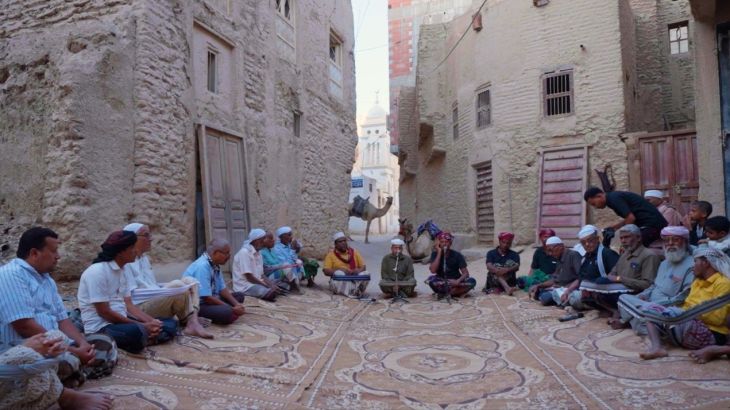
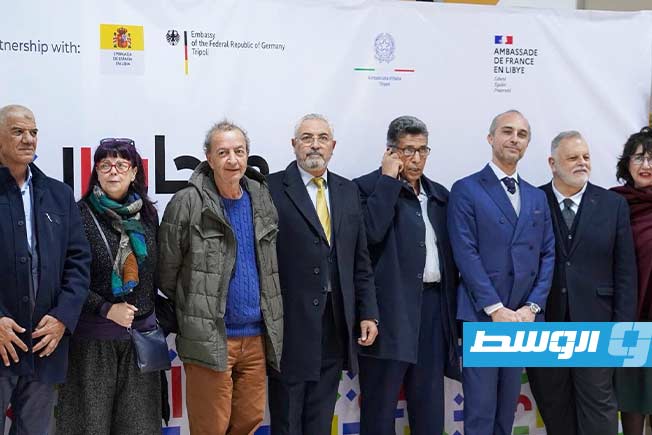
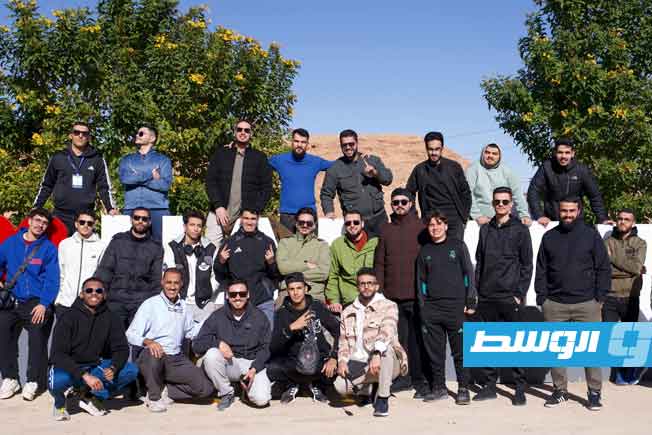
This track includes diverse Libyan parties, from legal experts and civil society actors to women’s rights defenders, youth, elders, and representatives of political parties, to address critical human rights challenges.
It was indicated that this track is scheduled to resume its meetings from February 8 to 12.