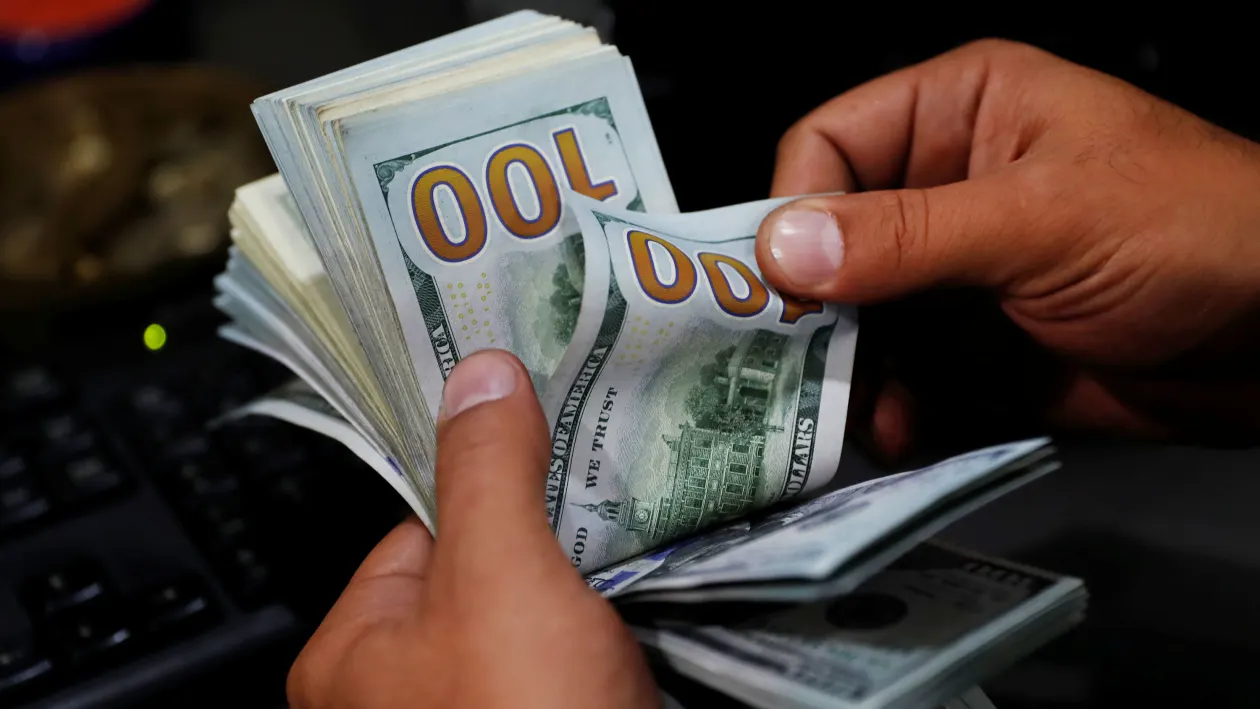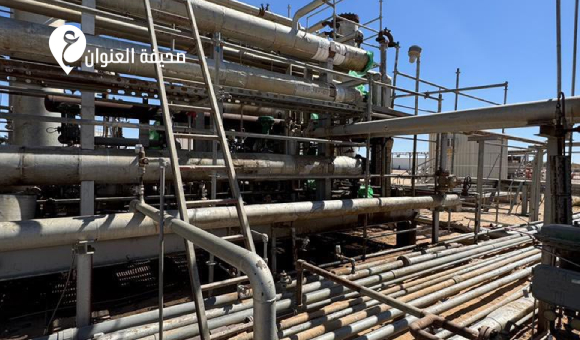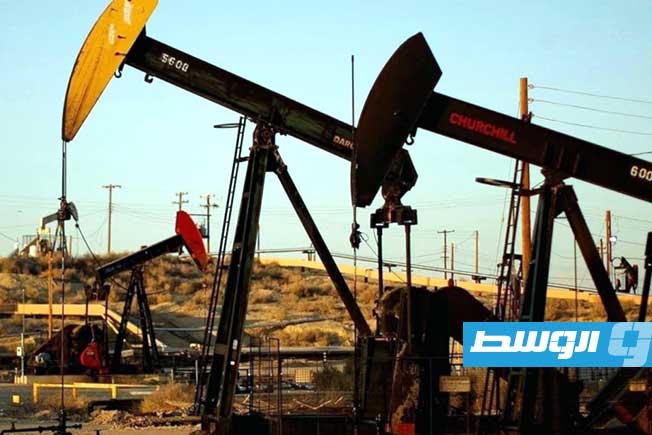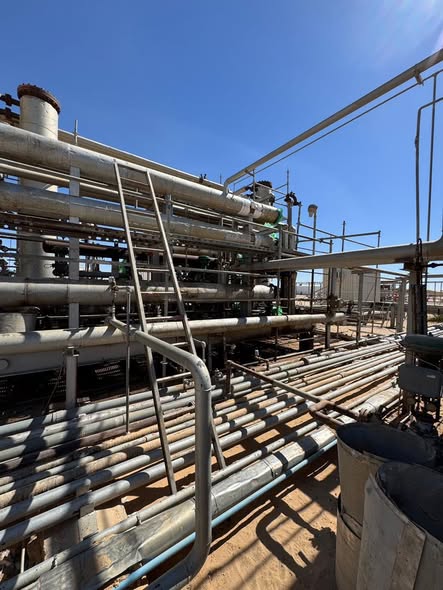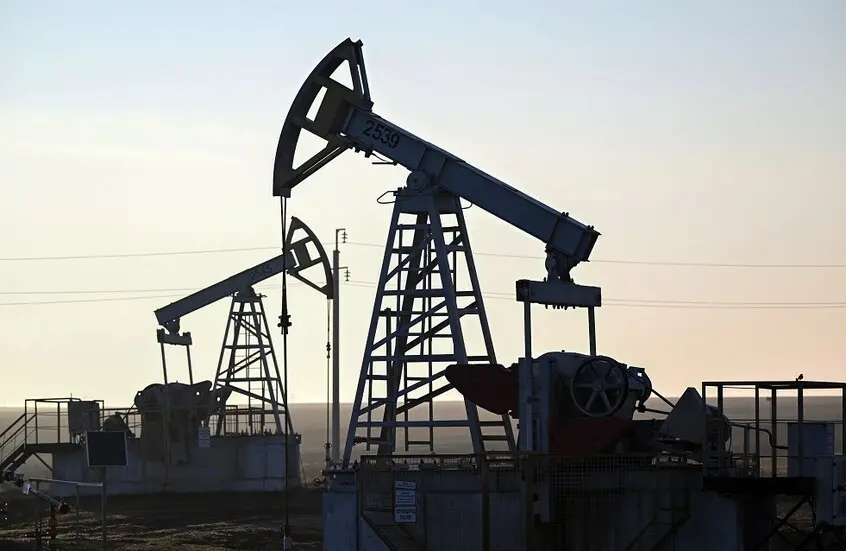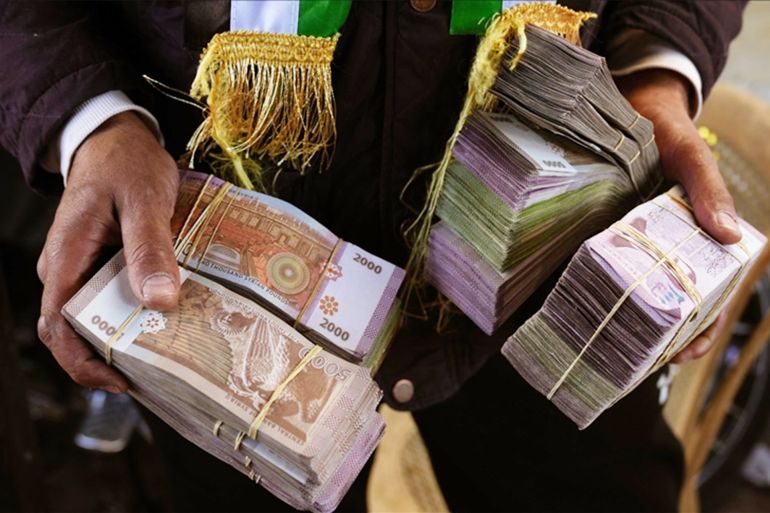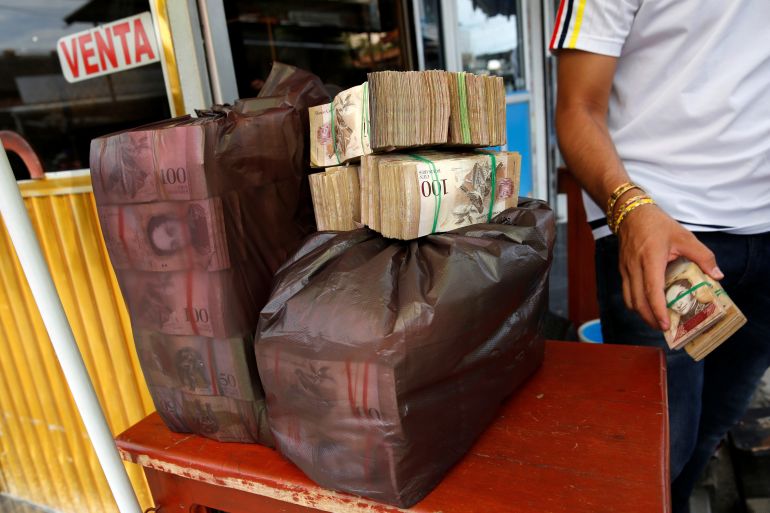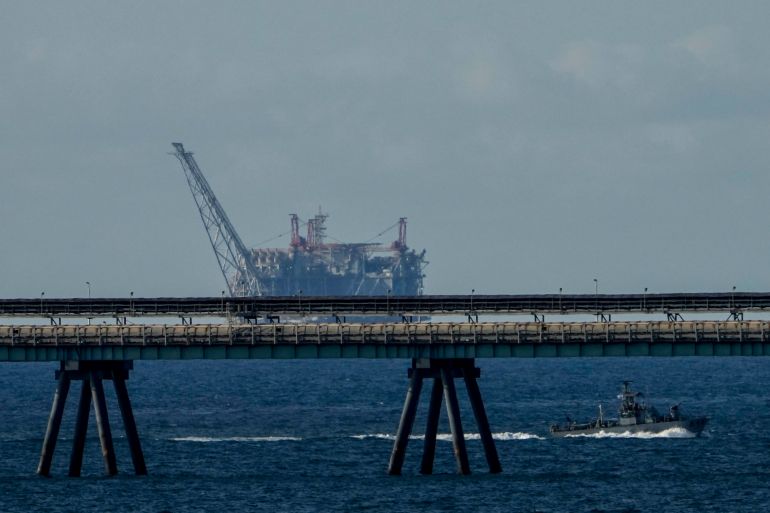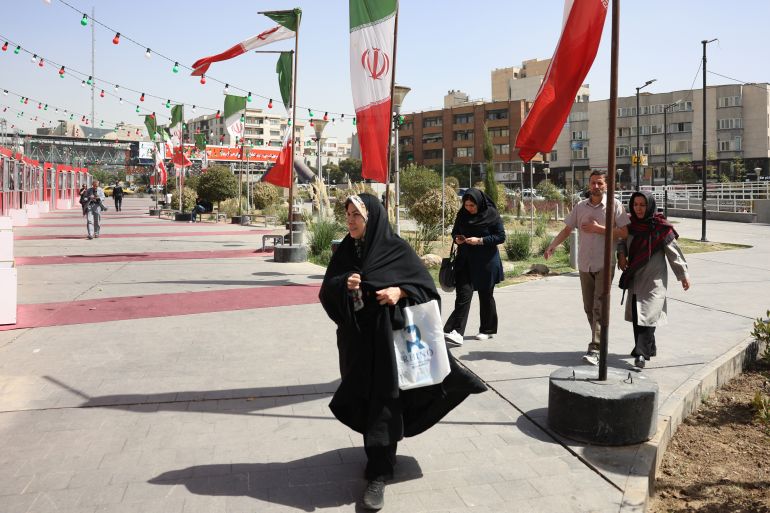
The Iranian government submitted the general budget bill for the new Iranian year 1405 to parliament, revealing significant numerical changes in the oil sector and public finances. The most prominent of these is a sharp reduction in crude oil sales revenues, countered by an increase in the share of sales and exports of petroleum products and an expansion of reliance on non-oil revenues, all amid continuing inflationary pressures and a decline in citizens’ purchasing power.
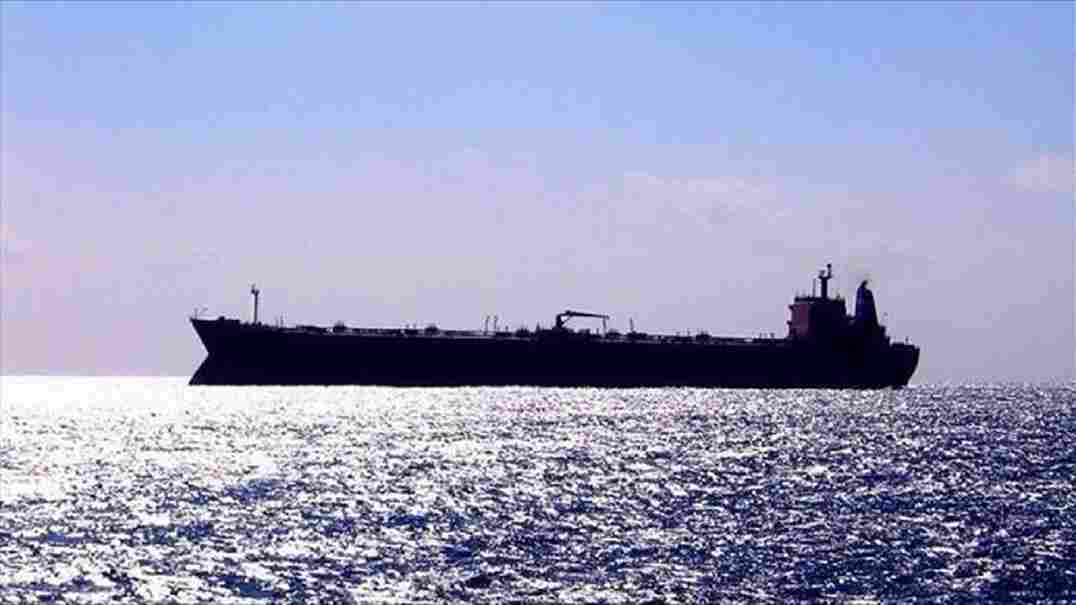
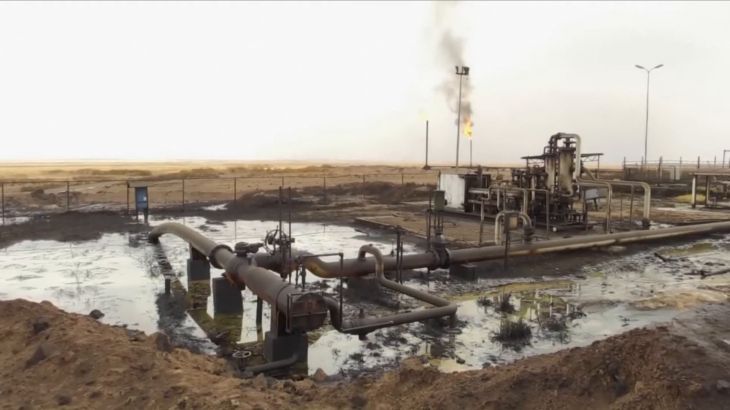
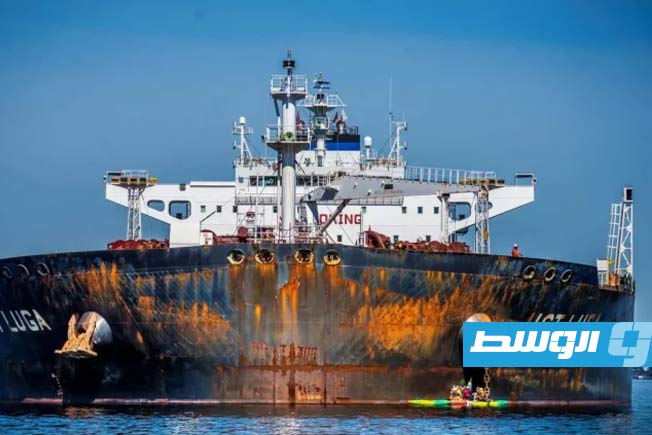
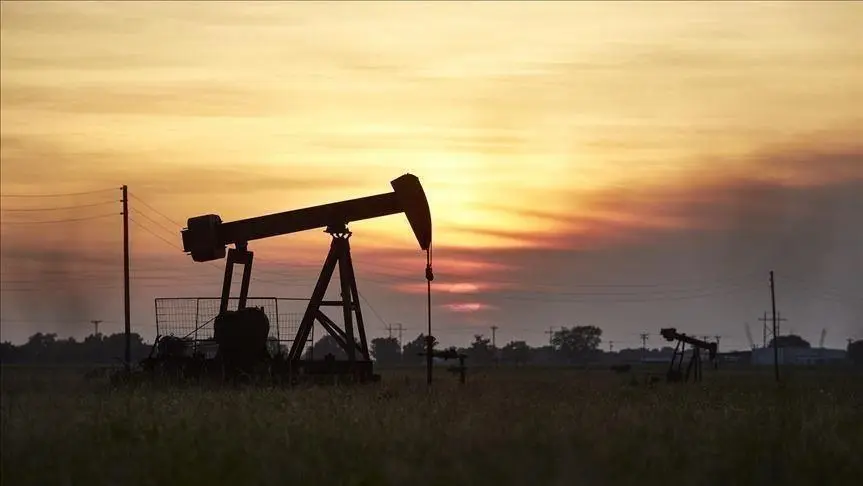
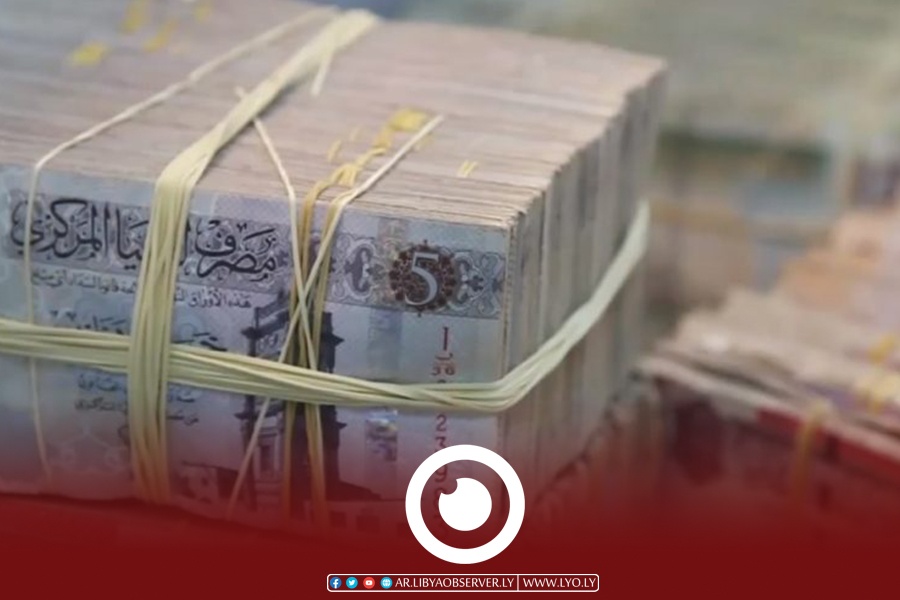
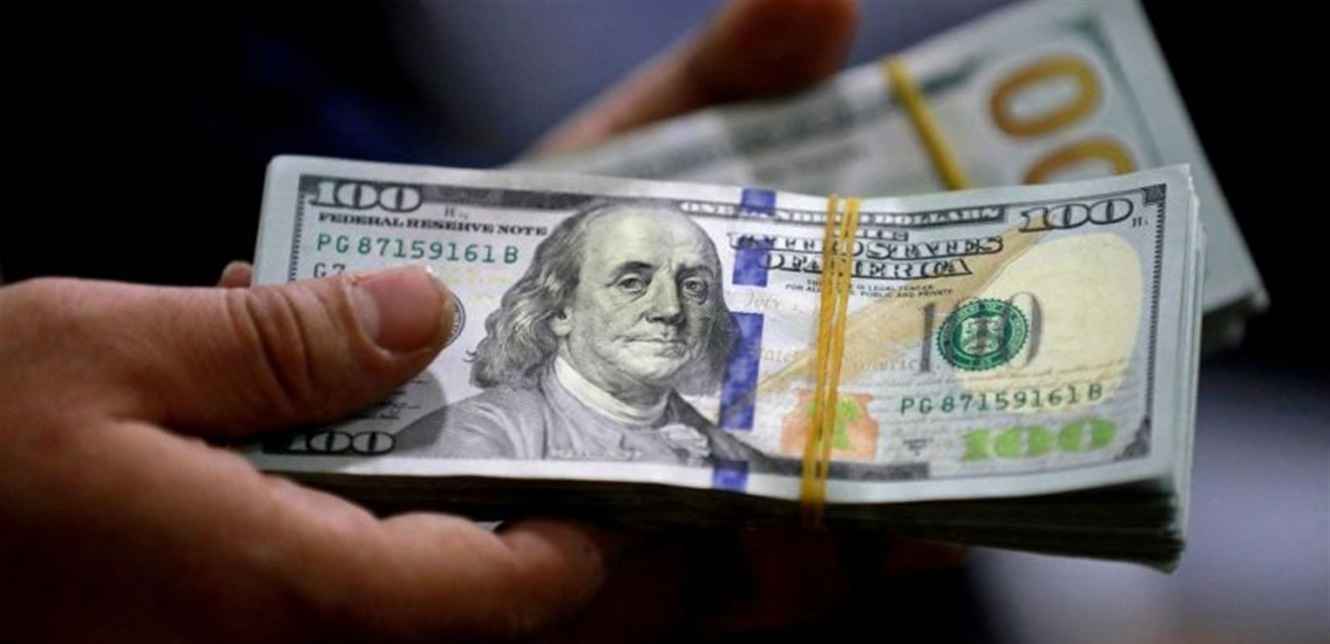
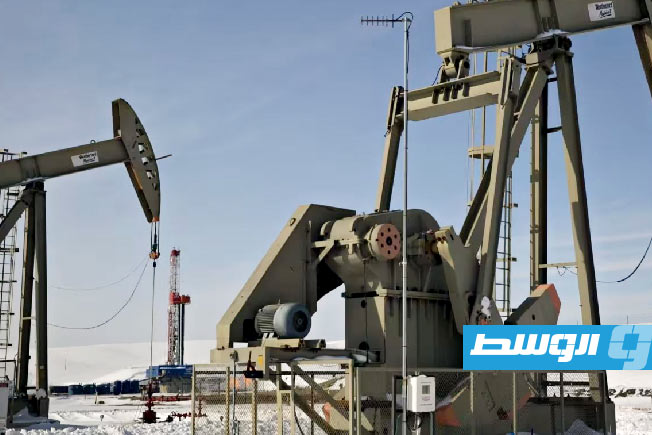
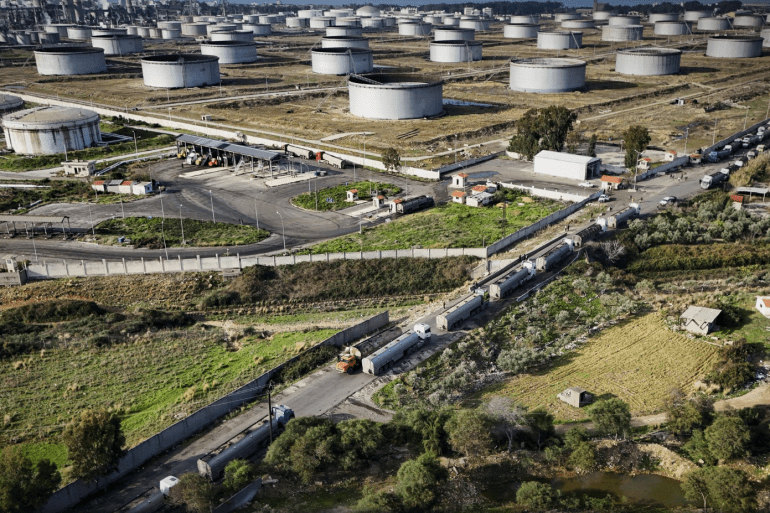
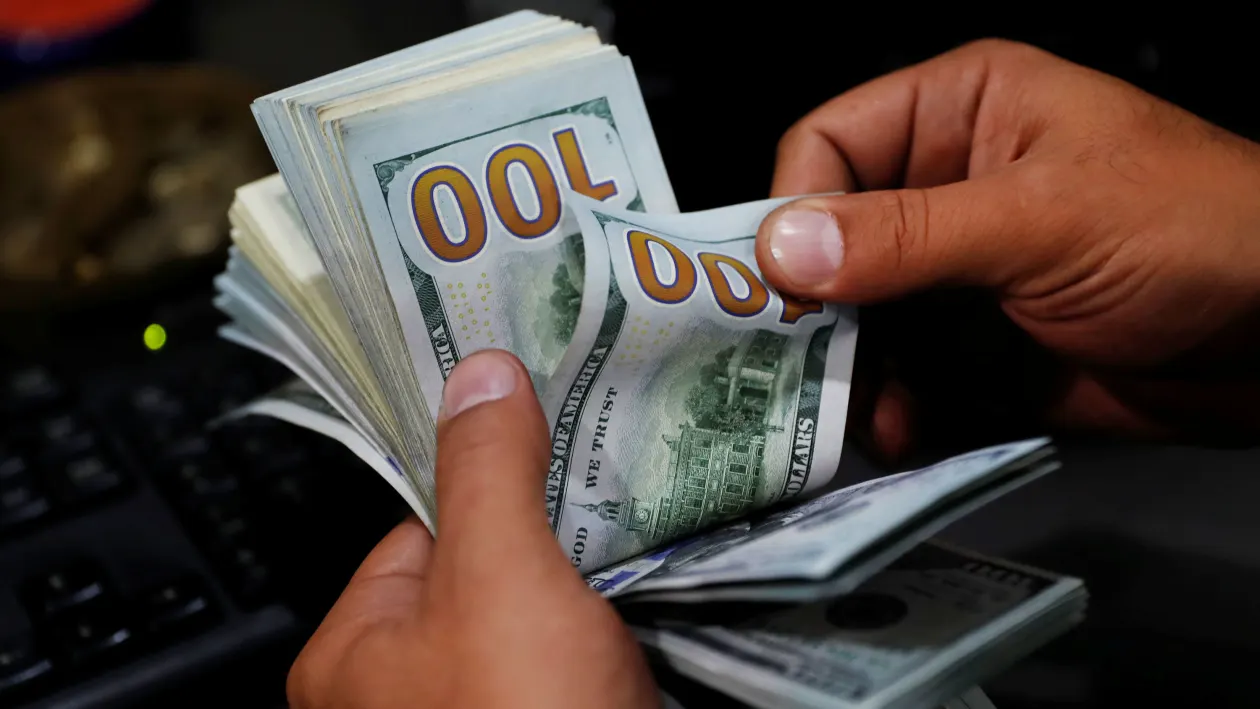
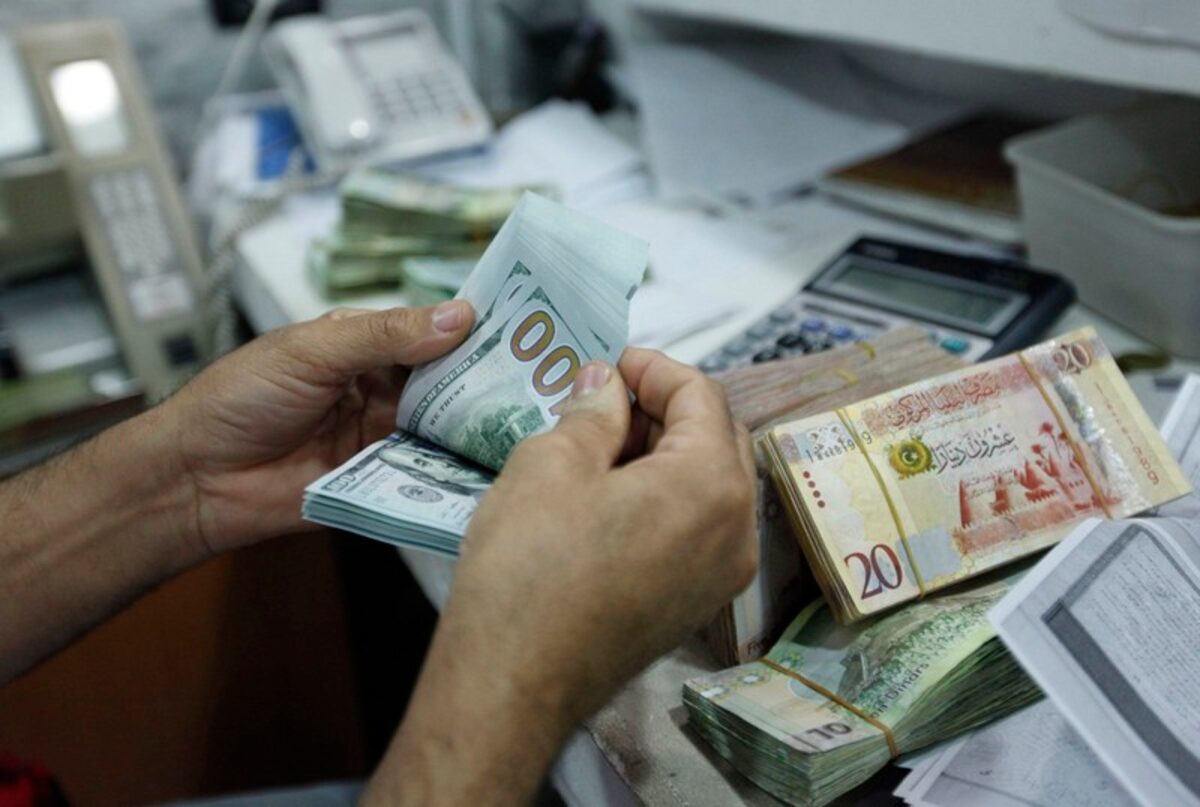
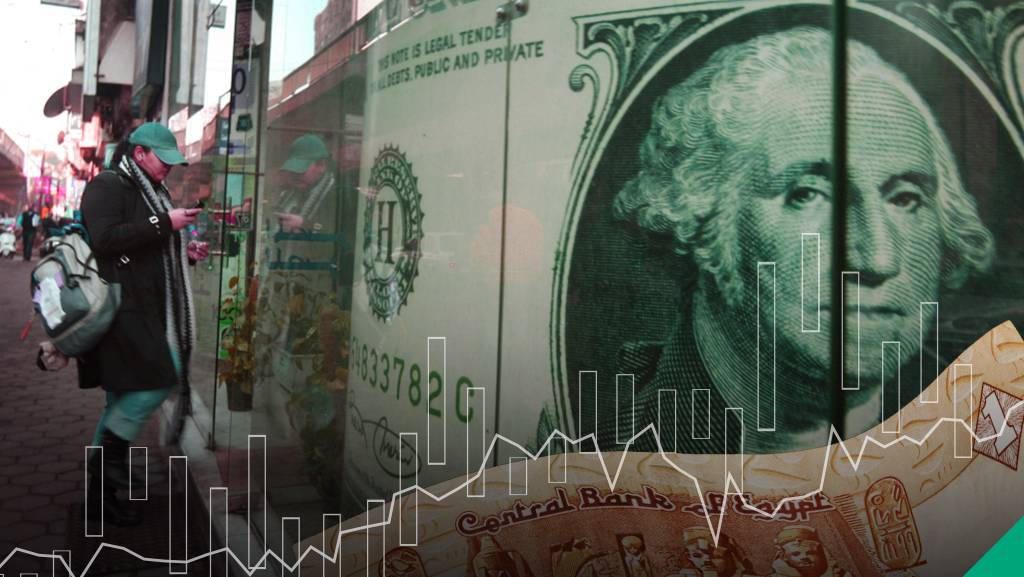
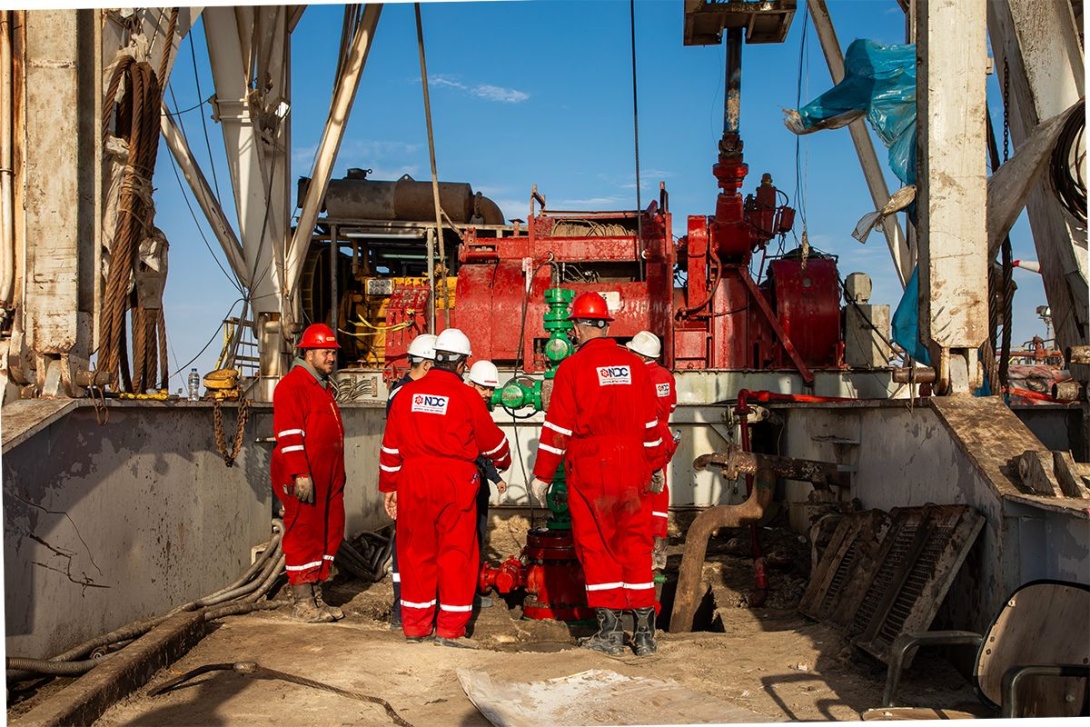
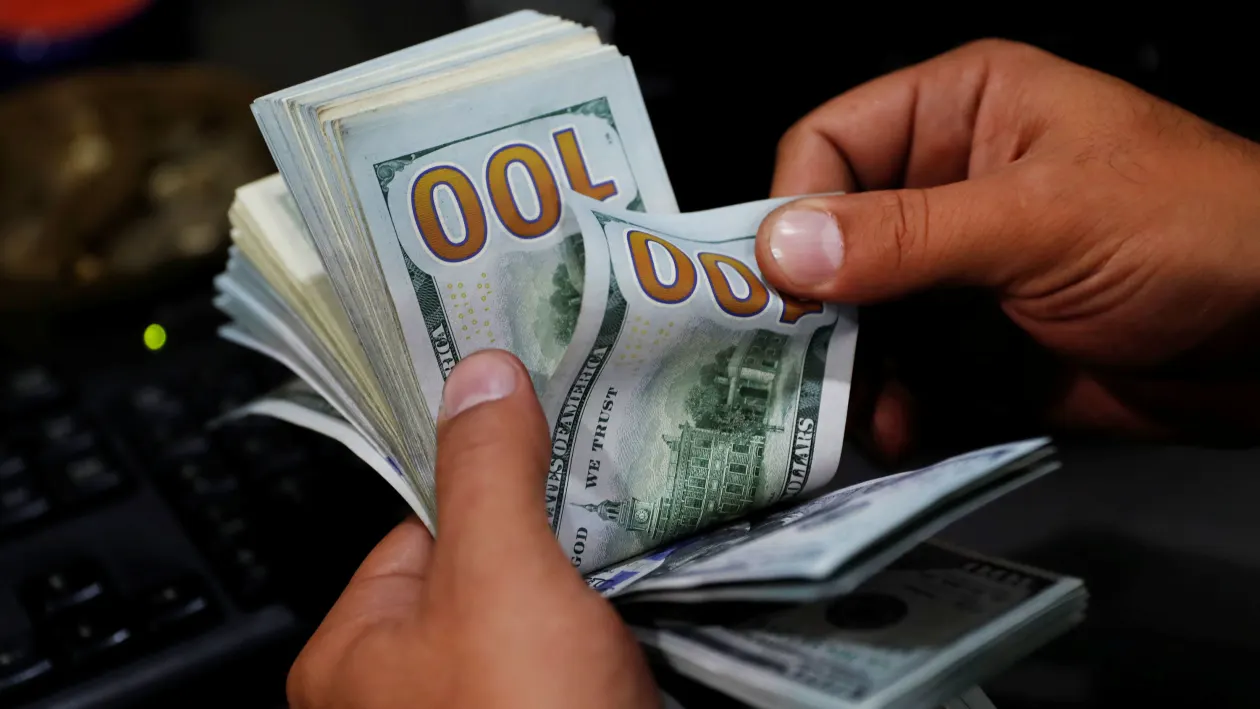
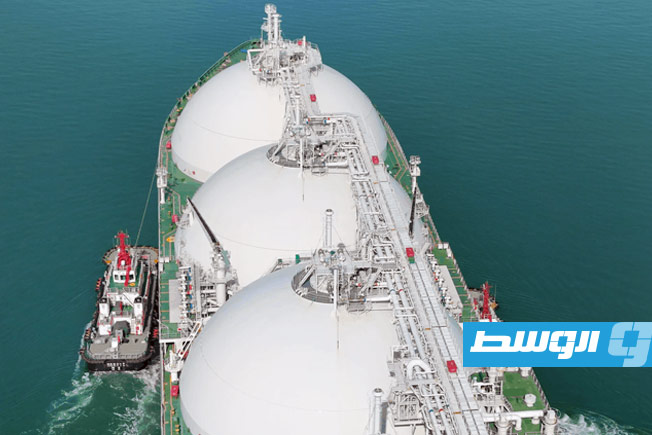
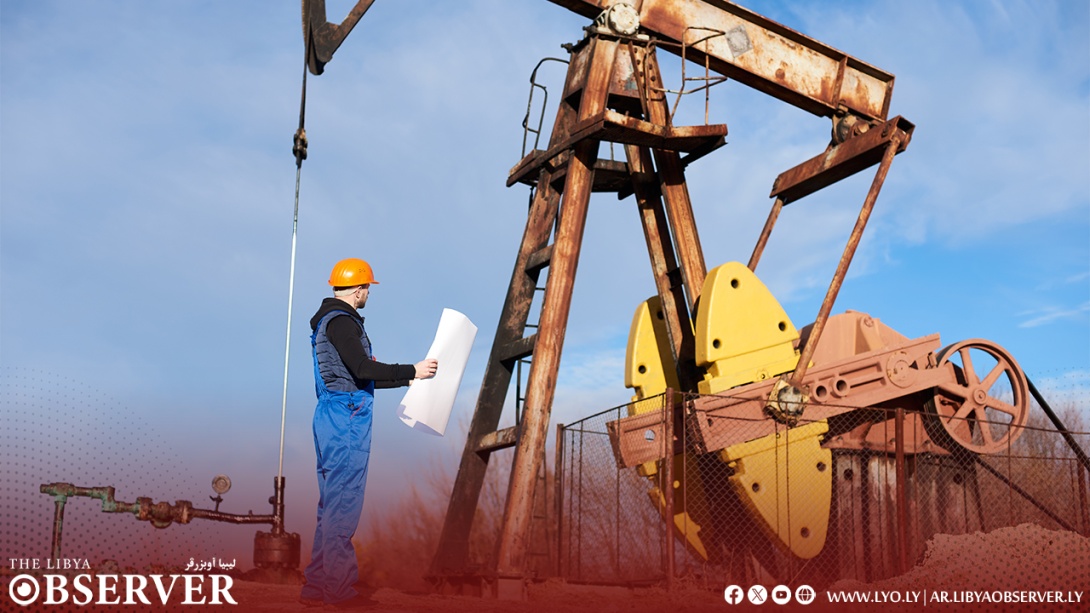
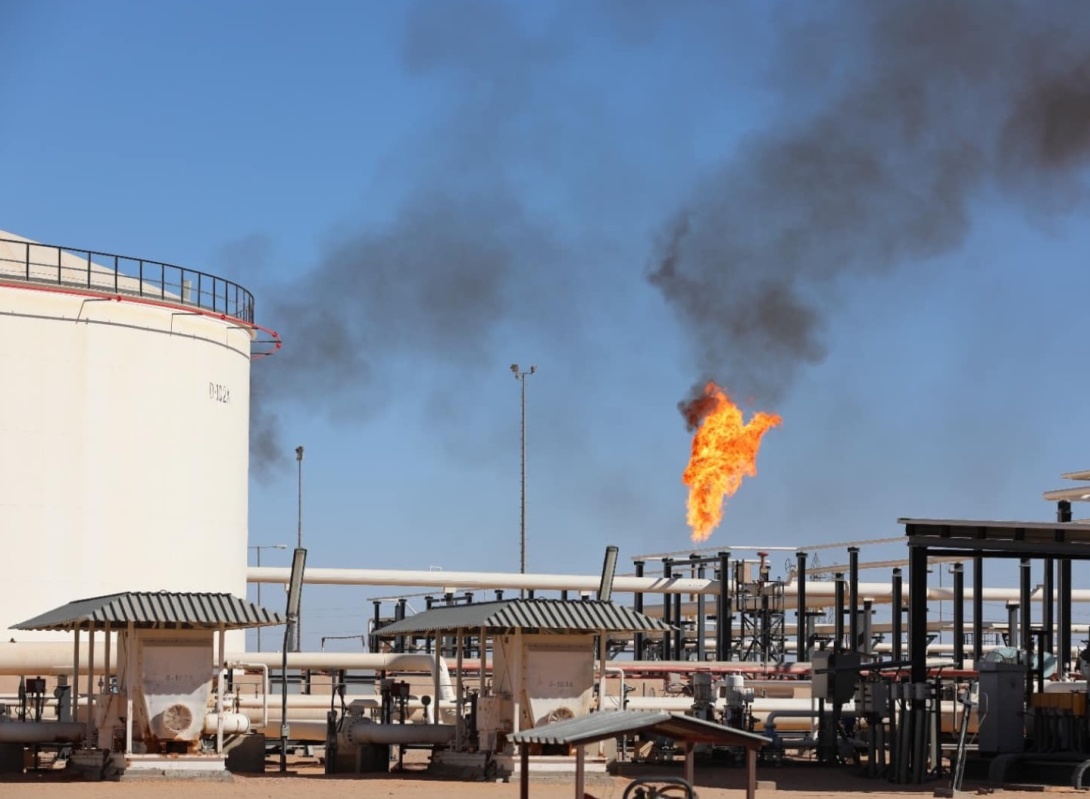
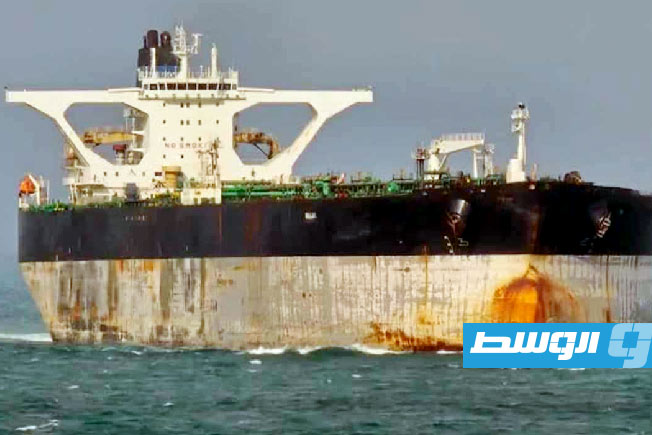
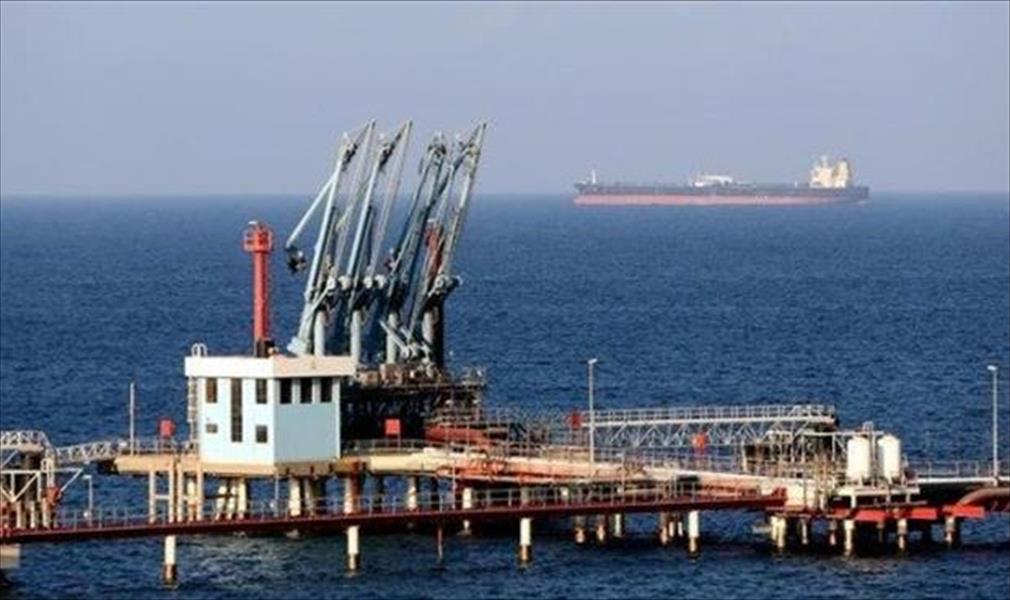
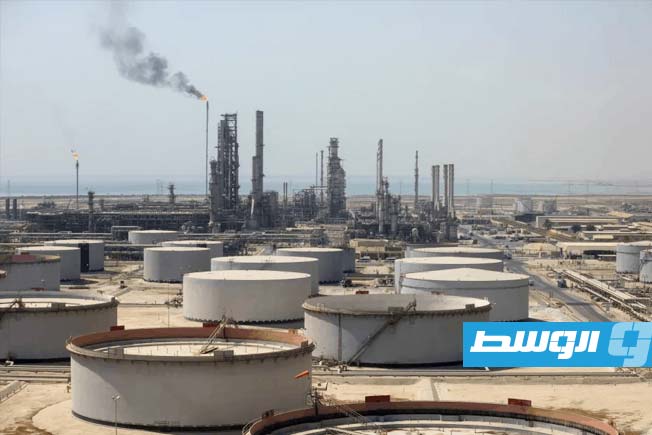
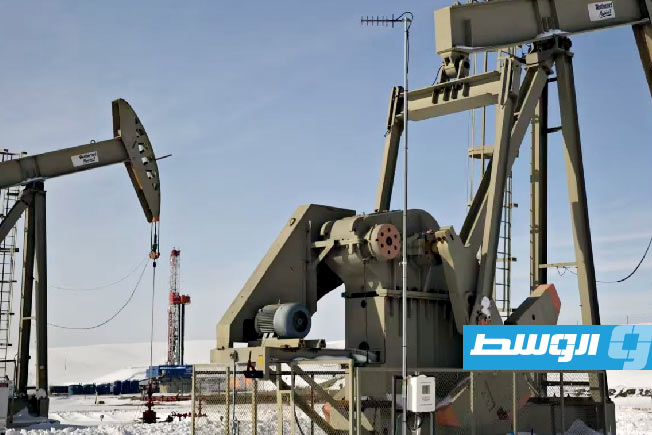
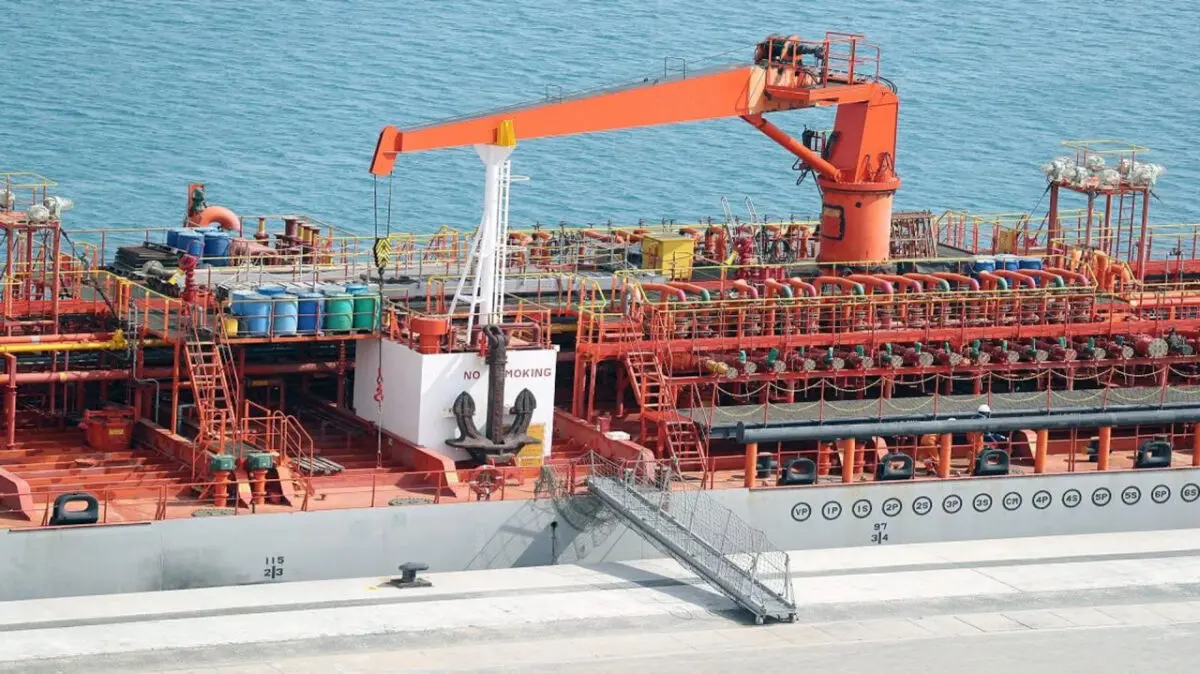
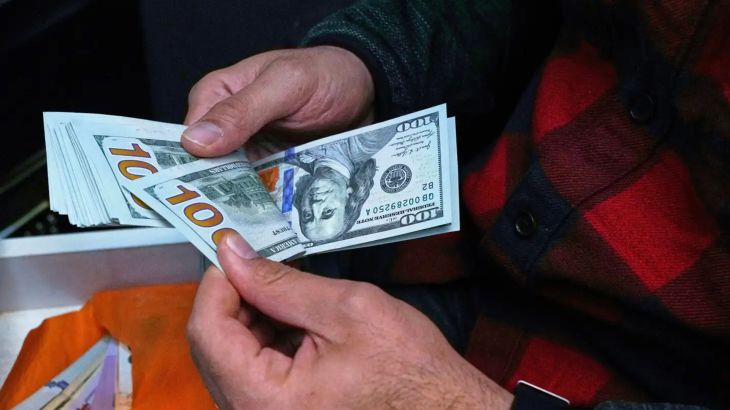
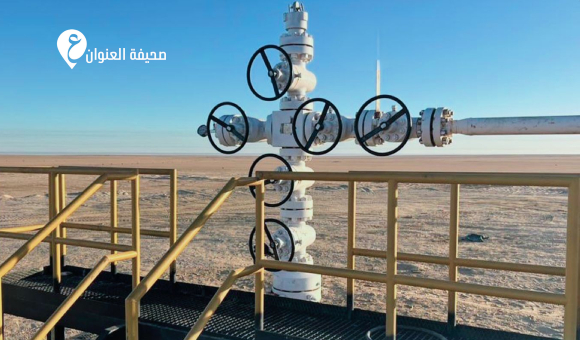
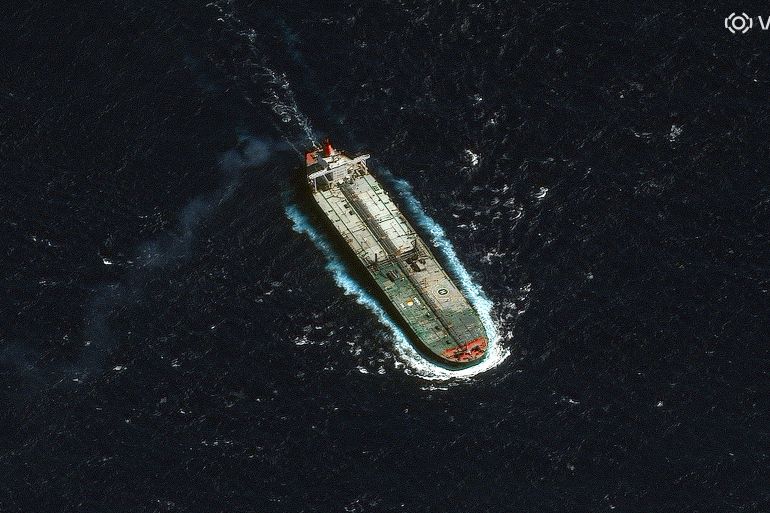
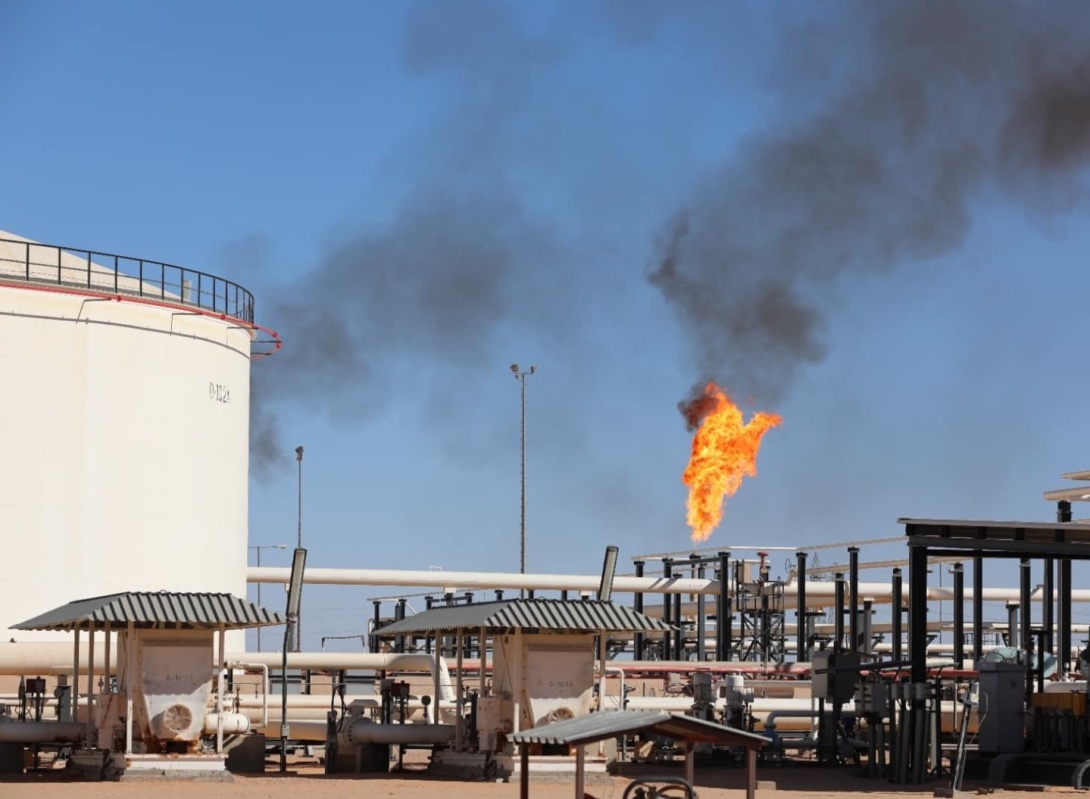
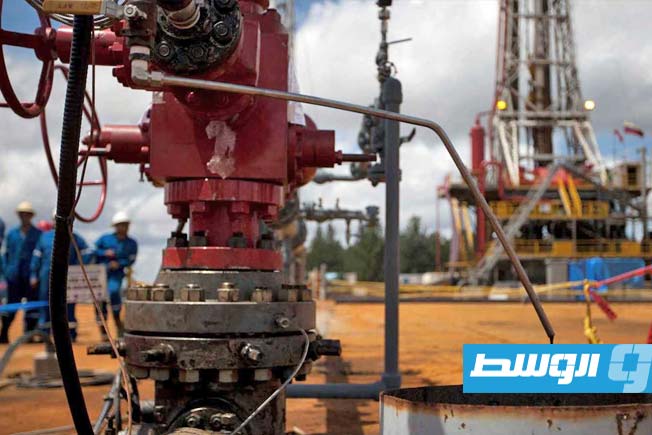
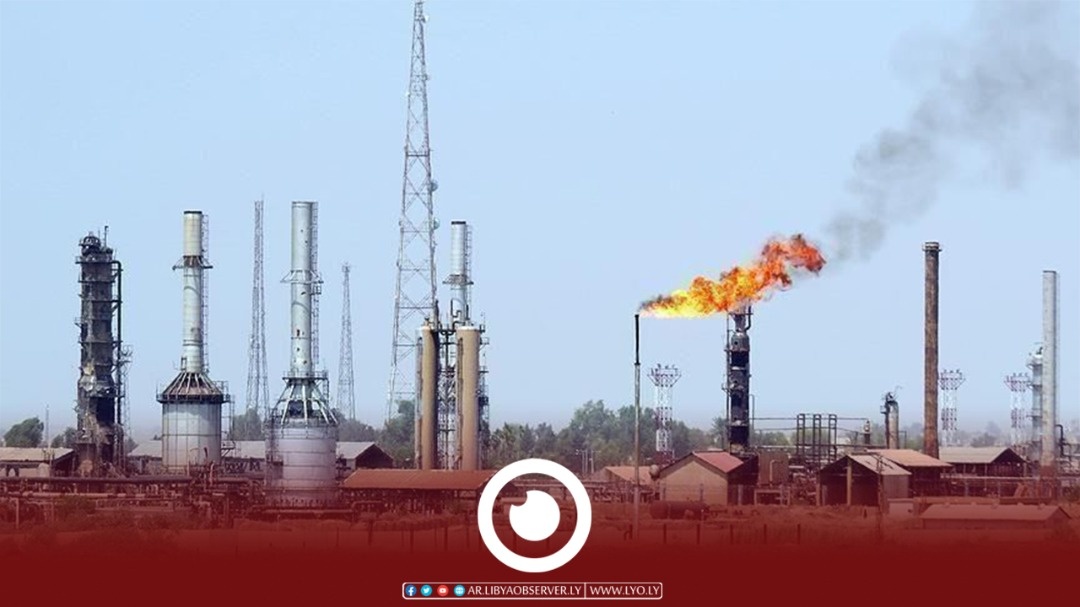
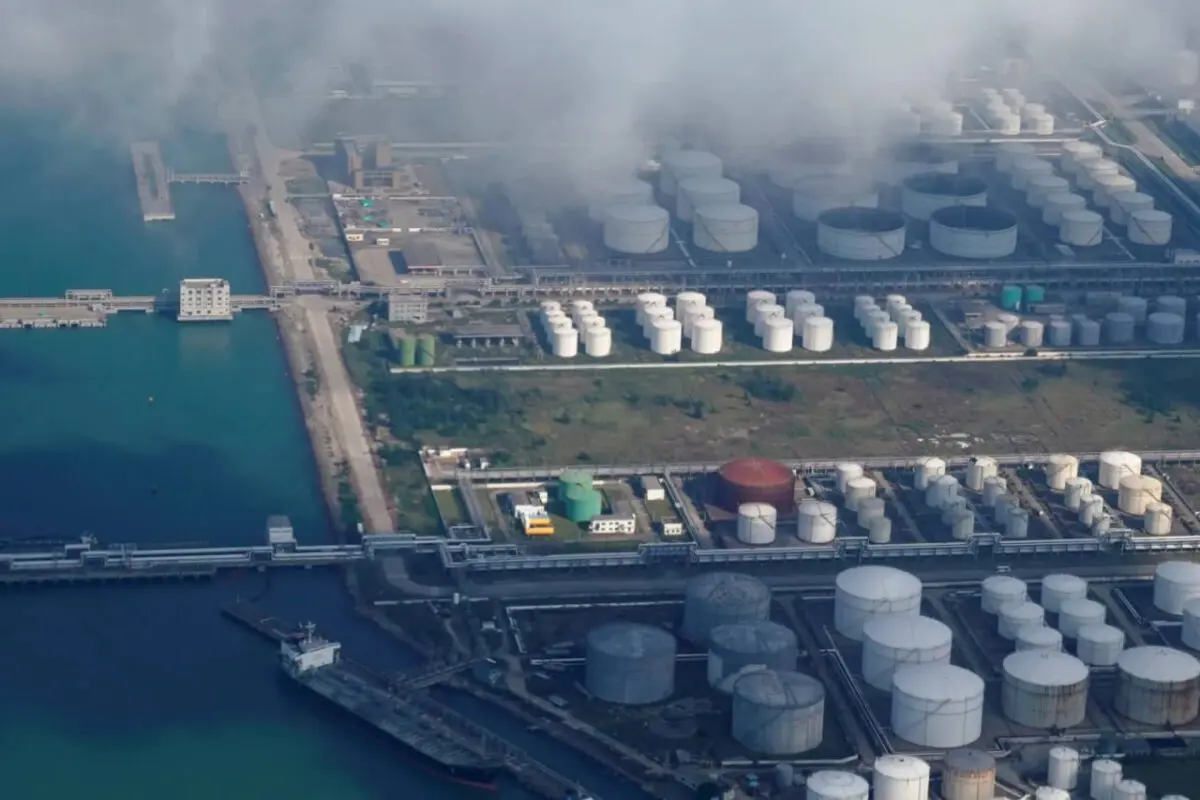
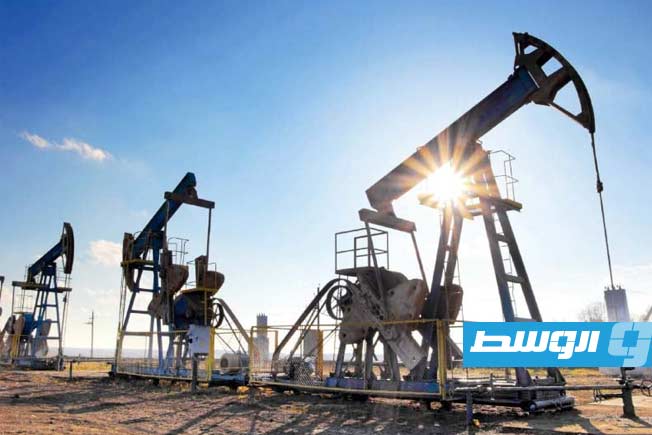
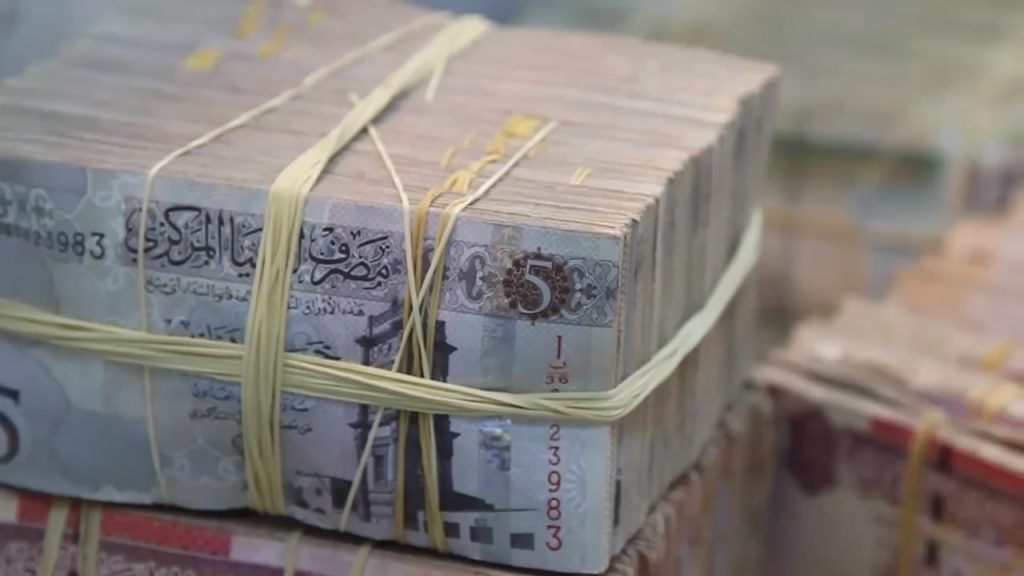
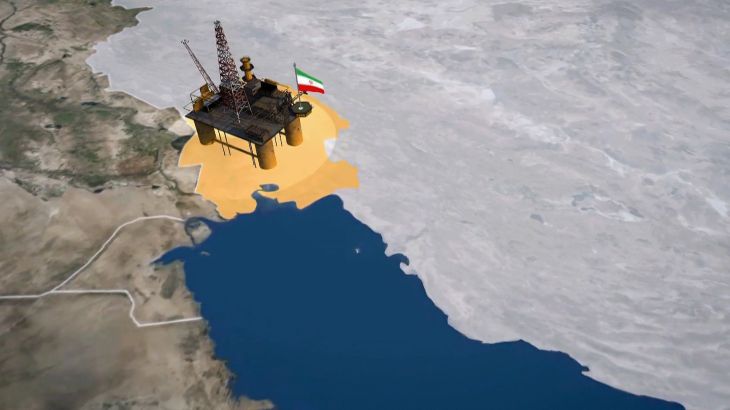
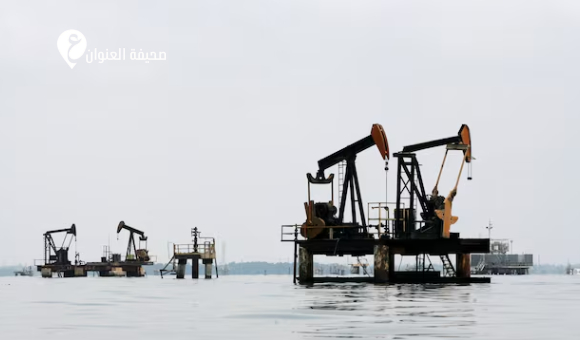
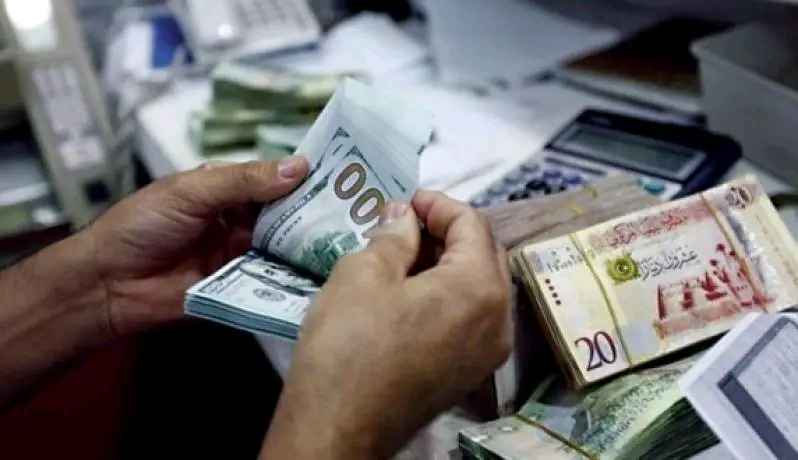
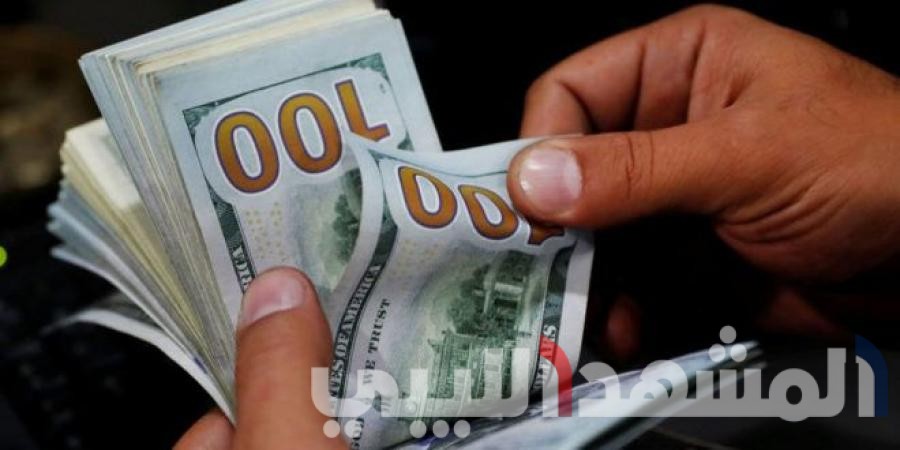
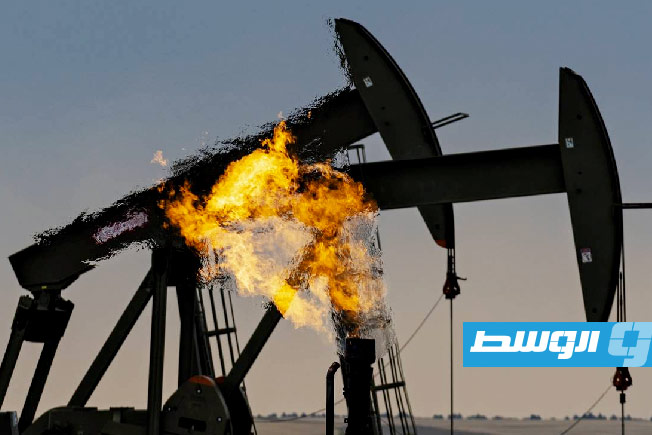
According to the published details of the budget bill, the government proposed cutting oil sales revenues by about 70% compared to last year. The expected resources from the “disposal of capital assets” item, which includes the sale of crude oil and condensates, fell from about 930 thousand billion tomans (equivalent to $7.44 billion) to approximately 275 thousand billion tomans (about $2.20 billion) in the 1405 budget.
This significant decline in revenues reflects a reduction in reliance on crude oil sales proceeds as a primary source for financing the state treasury.
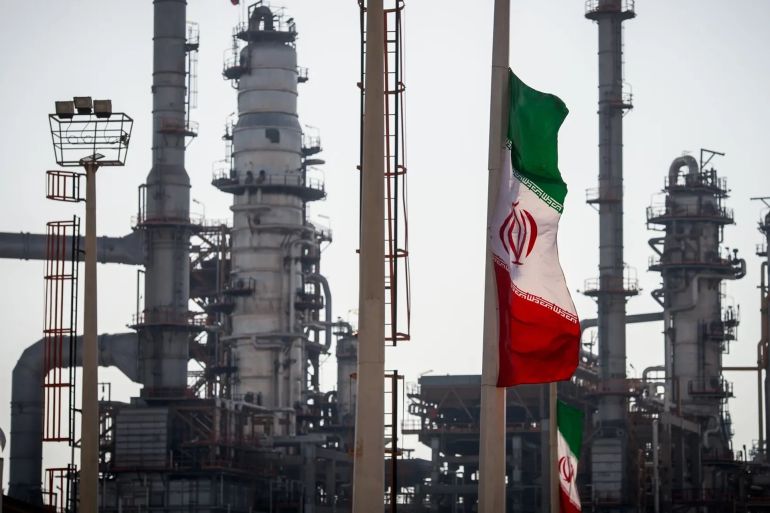
The Petroleum Products Item
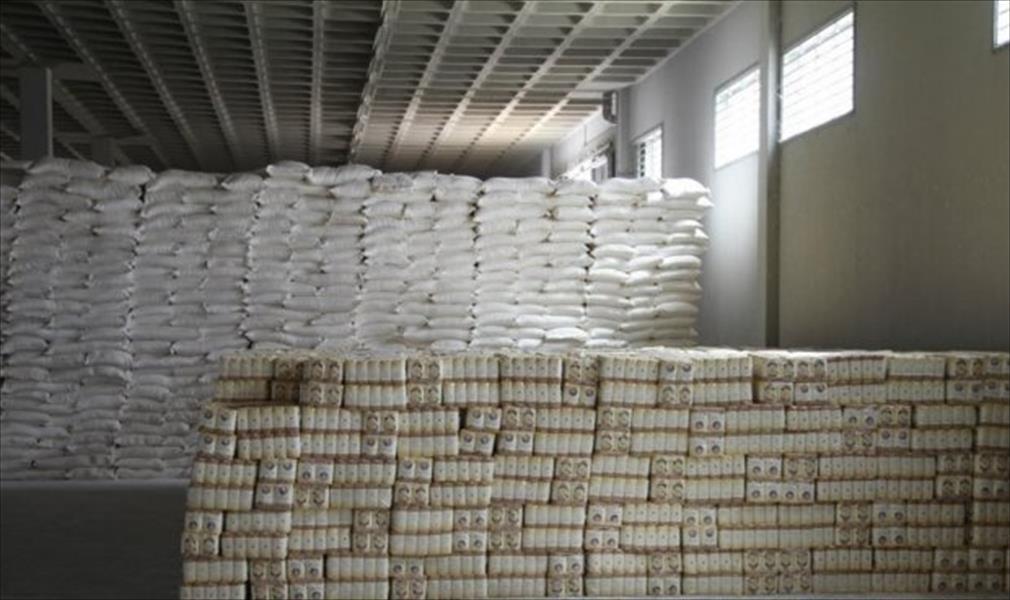
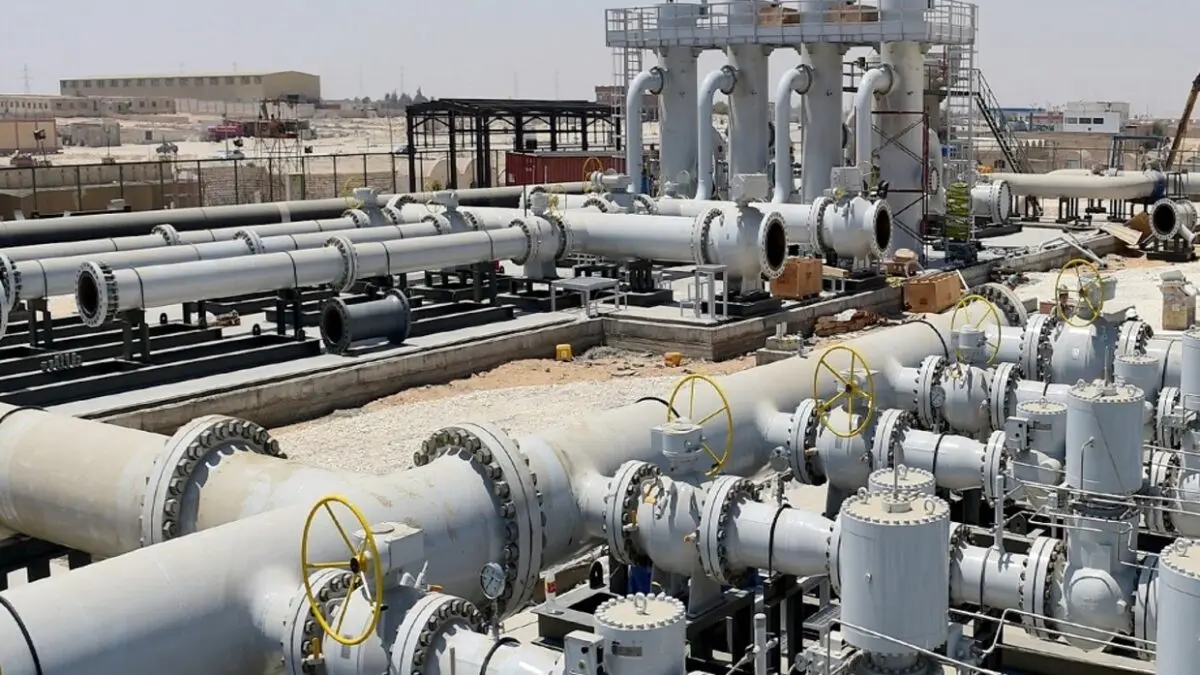
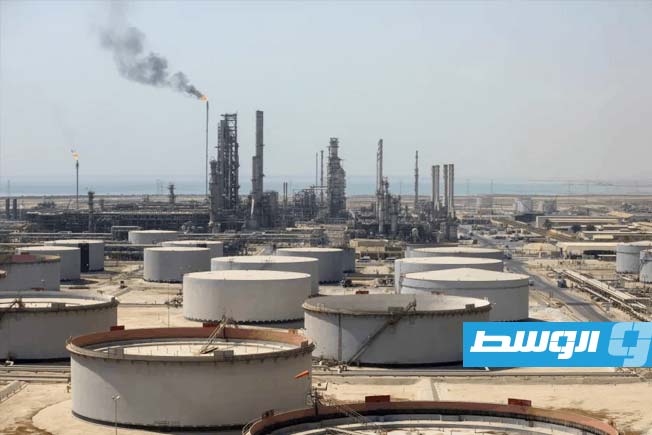
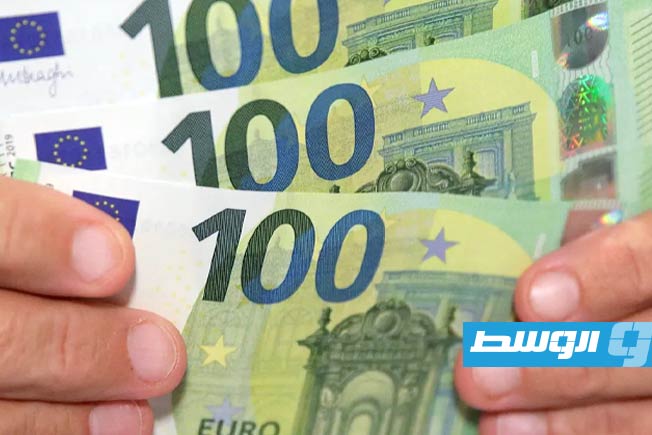
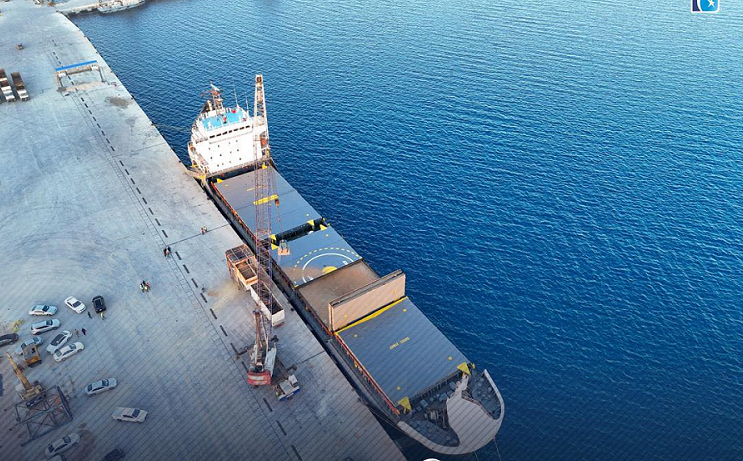
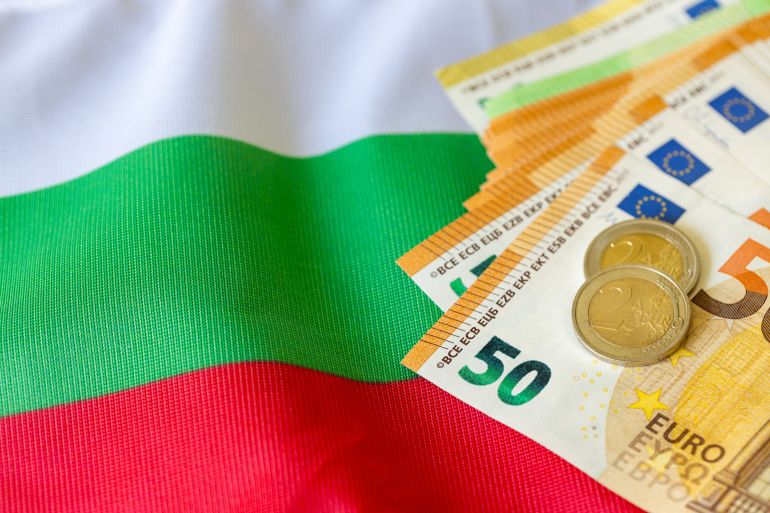
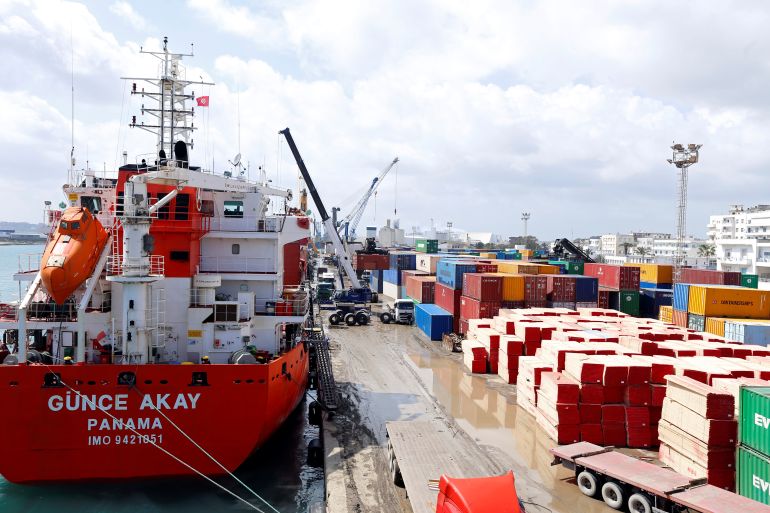
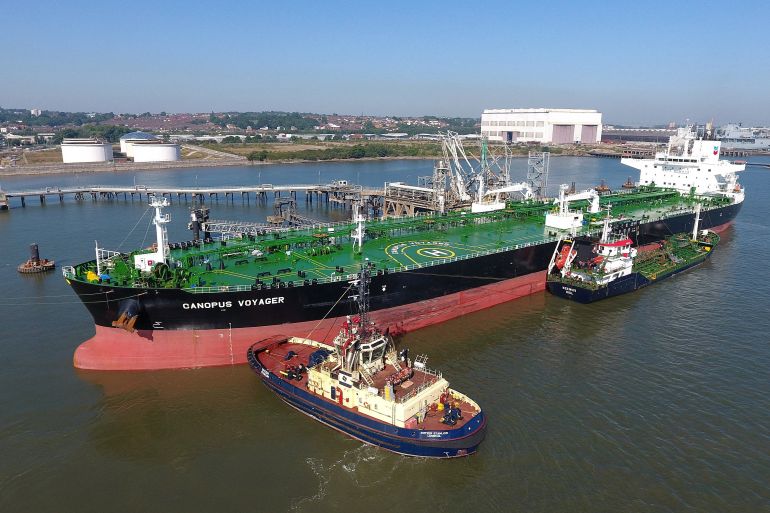
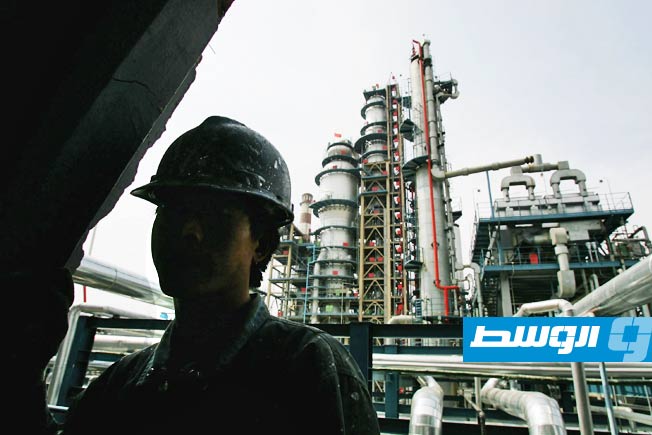
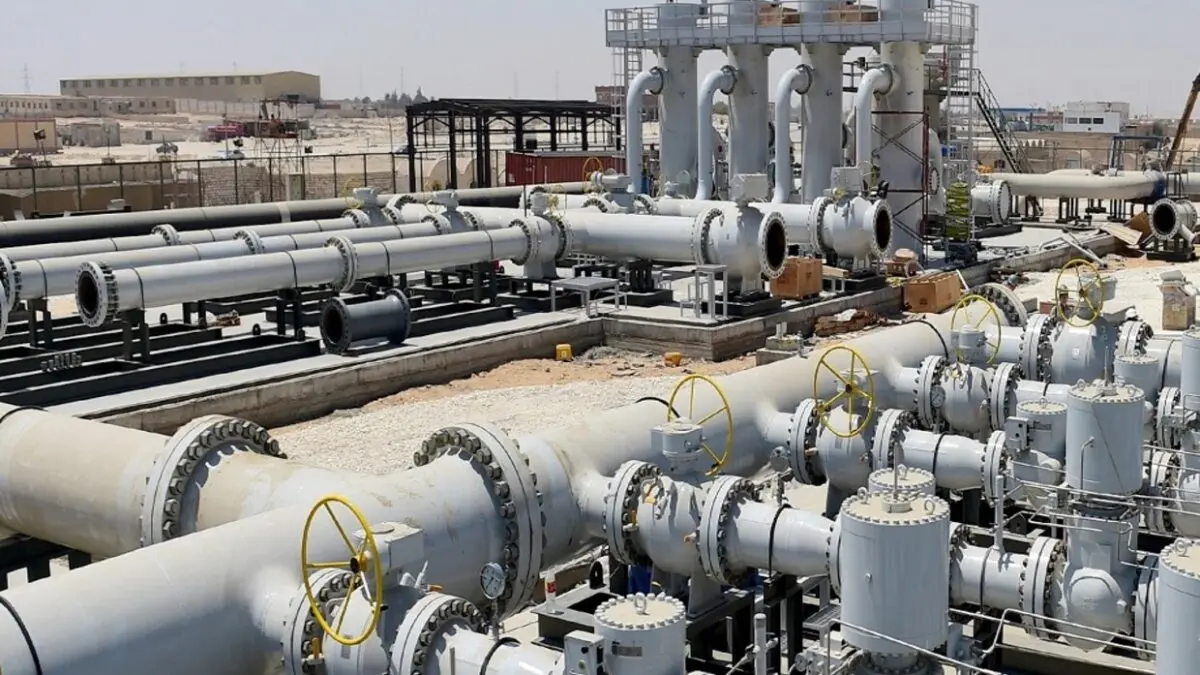
In contrast to the decline in crude oil revenues, the data from the new Iranian budget shows a clear increase in the share of sales, exports, and barter of petroleum products. According to the announced figures, the government set the ceiling for expected resources from the sale of oil and its derivatives at about 5.3 billion euros (approximately equivalent to $5.7 billion US dollars at current global exchange rates). These resources include:
- Sale of crude oil and condensates
- Sale of petroleum products
- Bartering oil for other goods with countries
This represents an expansion in the definition of oil revenues included in the budget compared to previous years.
In this context, an economic expert states that the 70% reduction in oil revenues and what the budget approach reflects indicates the state’s readiness to enter extremely difficult and deep conditions, especially given the possibility of tightening sanctions after the activation of new mechanisms that may limit Iran’s ability to sell oil.
Transferring Pressure to Society
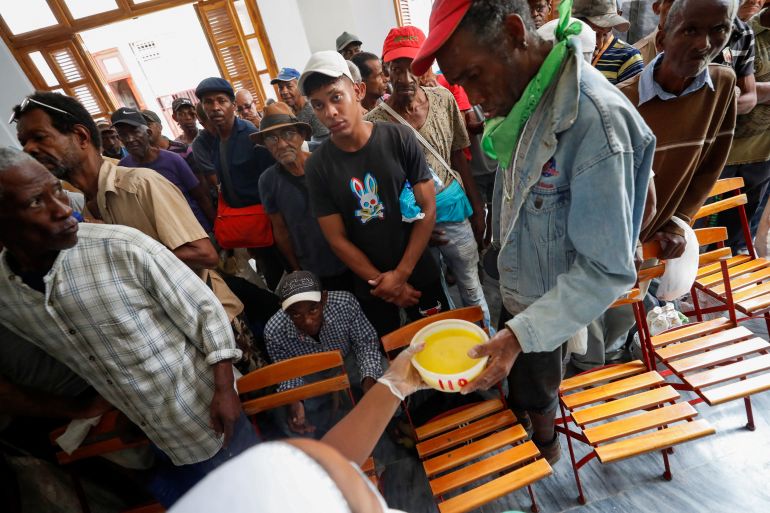
The expert added that this direction is clearly reflected in the increased reliance on tax revenues within the budget, pointing out that compensating for the decline in oil revenues through taxes practically means transferring economic pressure to society.
The same speaker explained that any tax increase in this economic structure places citizens under severe pressure, leading to deep recession and declining demand, and entraps the economy in a vicious cycle. He warned that the next phase may witness gradual increases in energy carrier prices, considering that this could lead to social crises by activating social fissures.
He concluded by saying that any shocking move in the economy, whether through jumps in the exchange rate, rising energy prices, or other forms of shock, directly affects people’s lives, and if accompanied by economic stagnation, it will inevitably lead to sharp social fissures in Iranian society.
No End to the Oil State
On the other hand, another economic expert believes that talk of the “end of the oil state” in the 1405 budget does not reflect the actual reality of the financial document, explaining that what is happening is not an exit from the oil economy, but rather a transfer of the cost of oil from the state to society.
The expert added that the approximately 70% decrease in crude oil sales revenues, if read from a propaganda angle, might be presented as a step towards reducing dependence on oil. However, scrutiny of the budget structure reveals that the state has not abandoned oil, but has only changed the method of collecting revenues, from exporting crude to selling petroleum derivatives and imposing energy-related taxes domestically.</