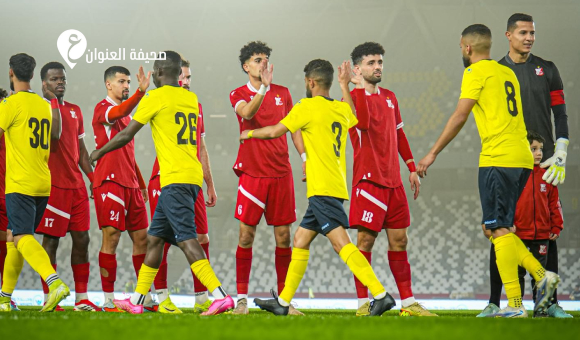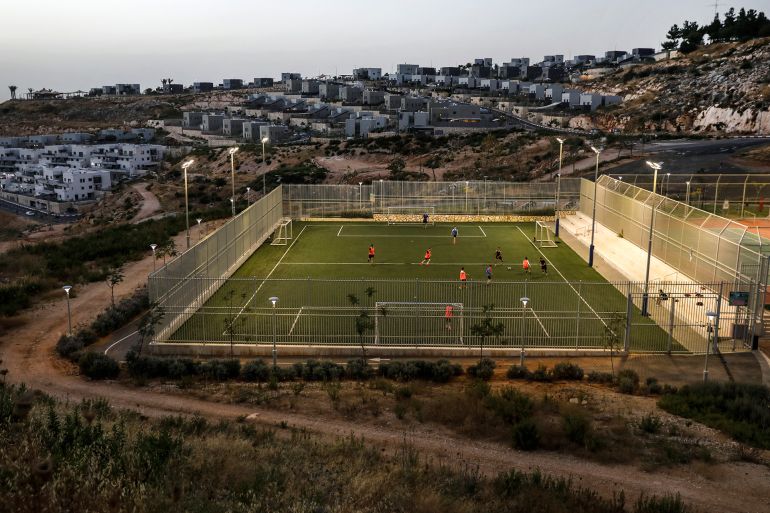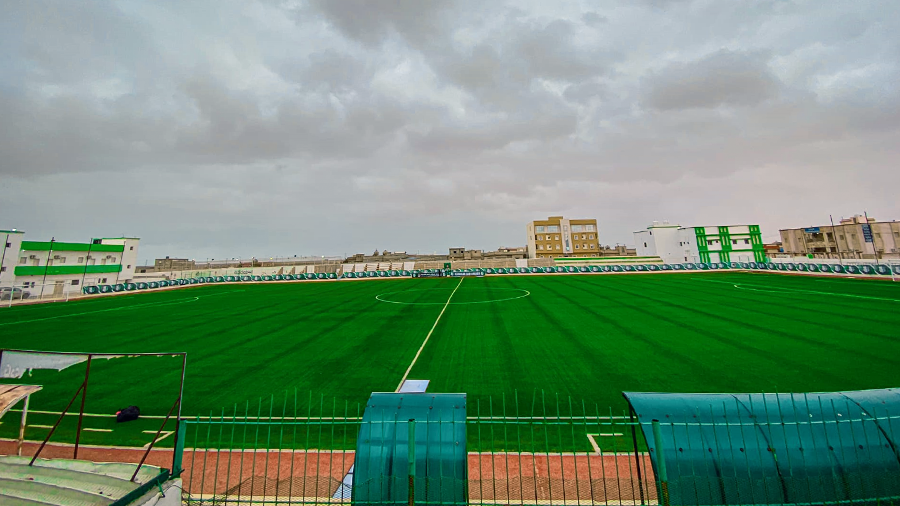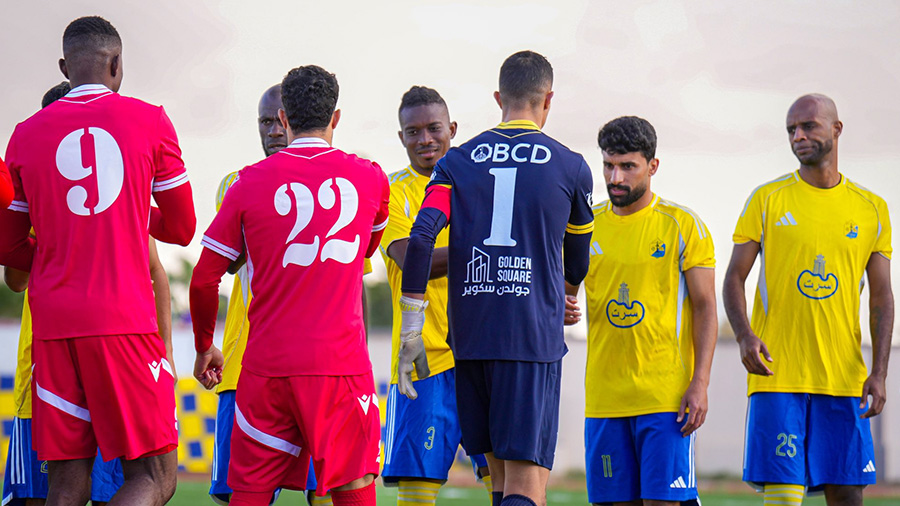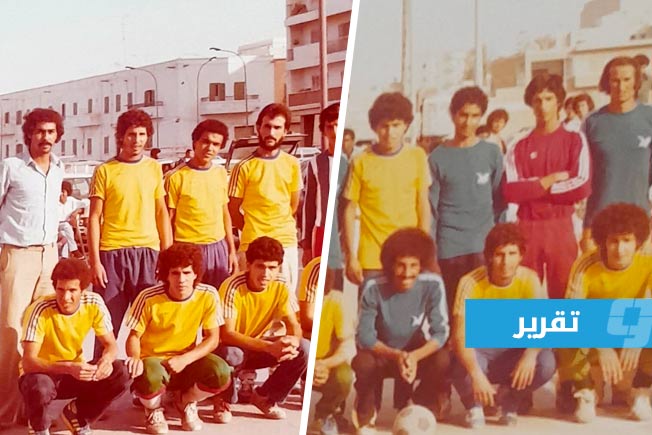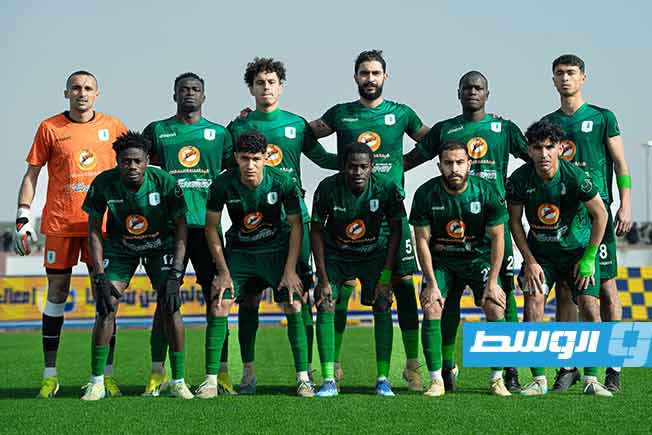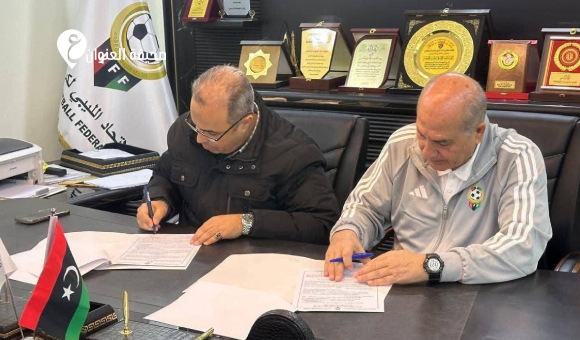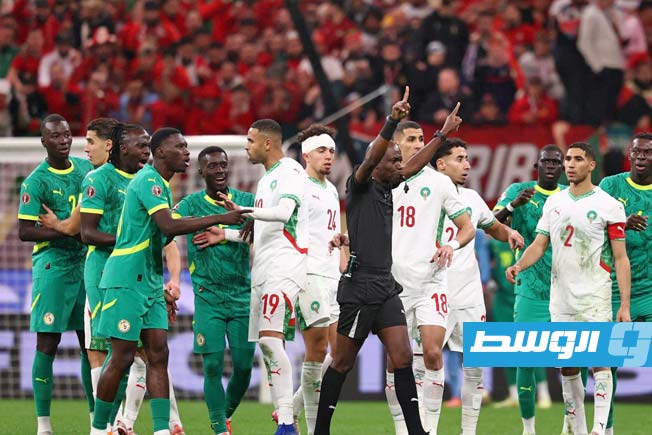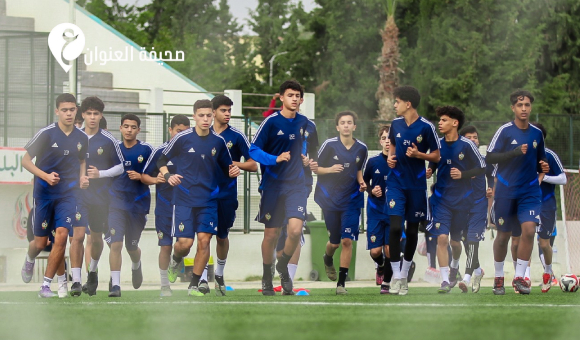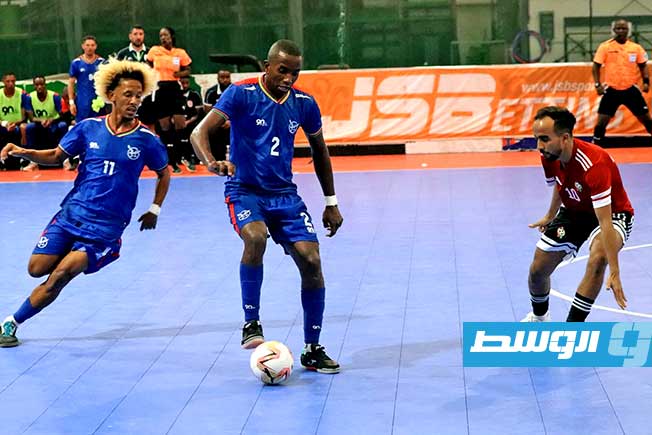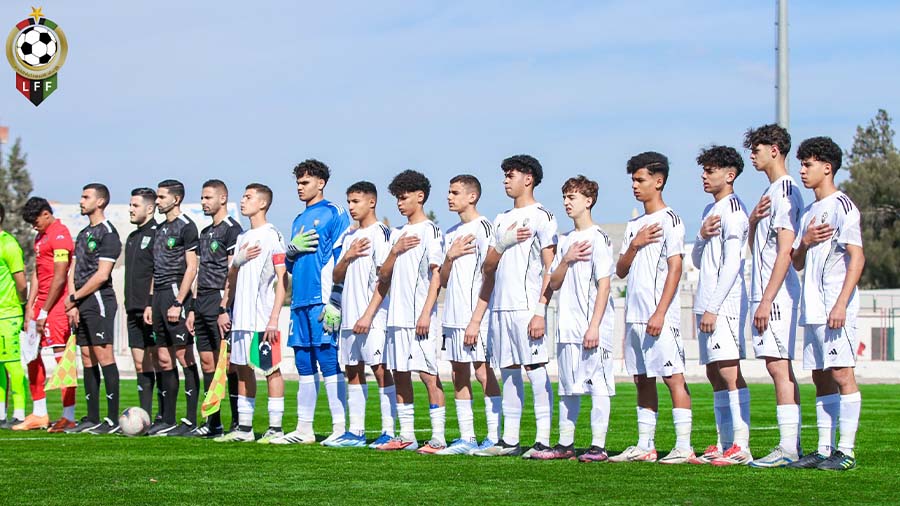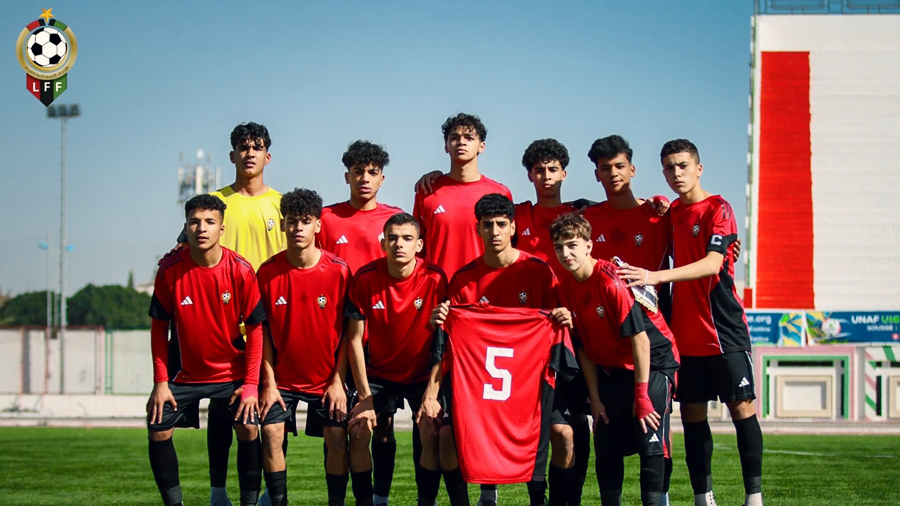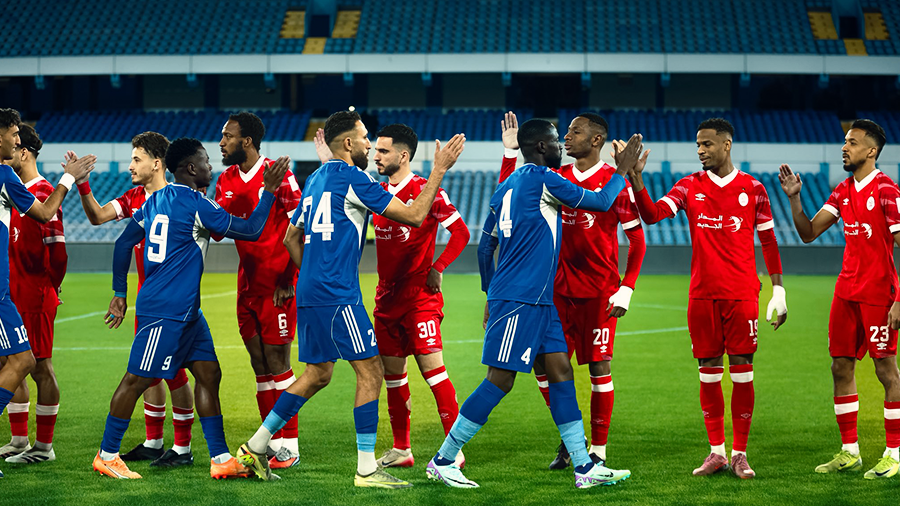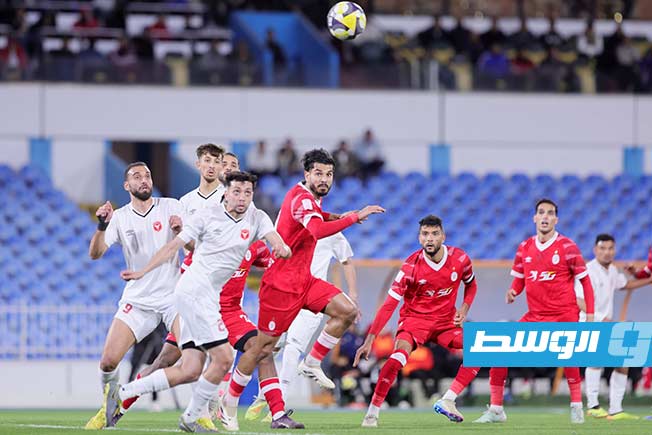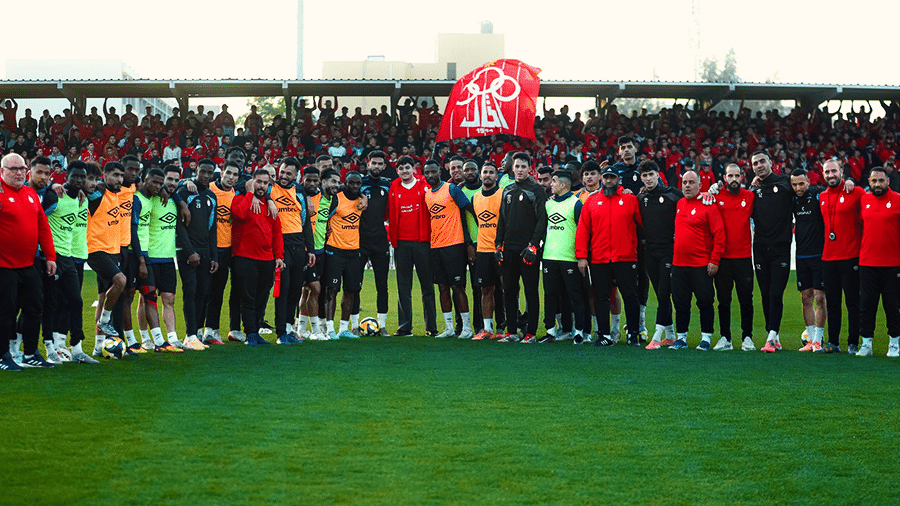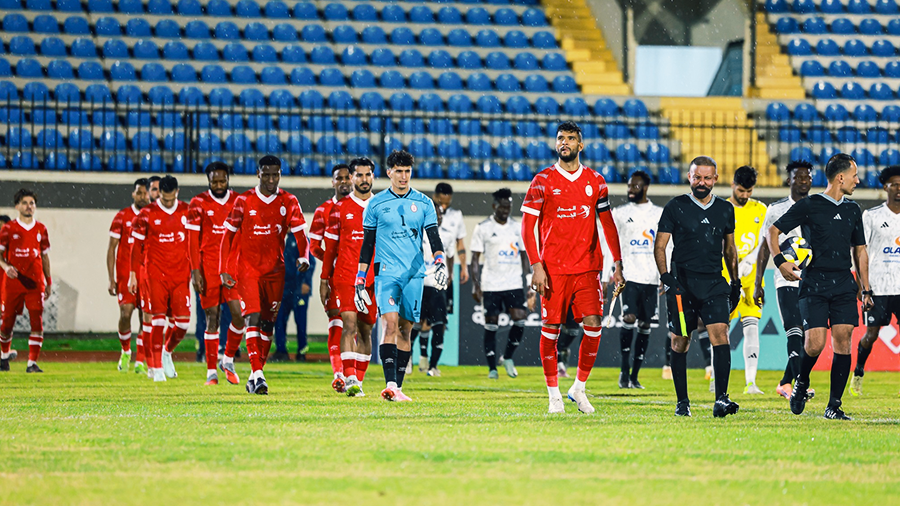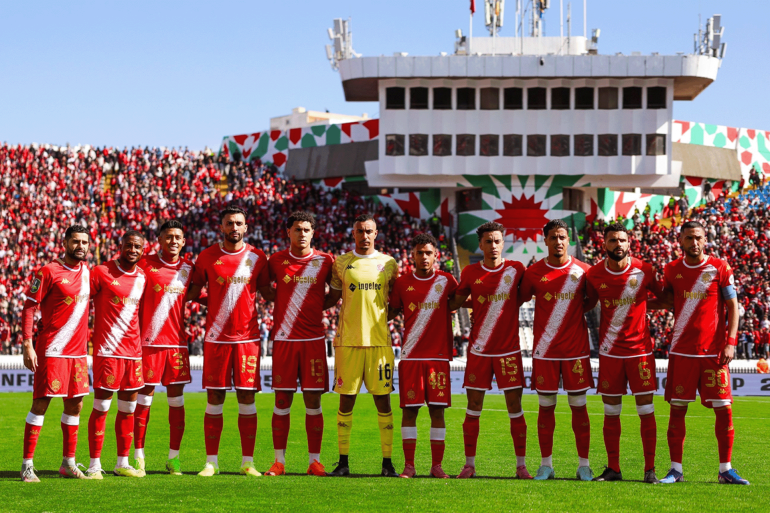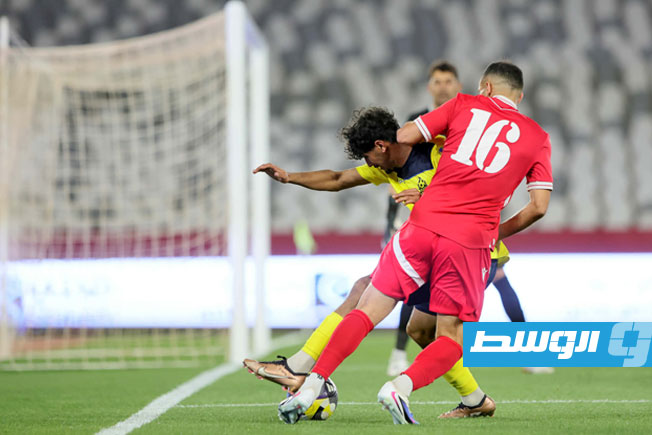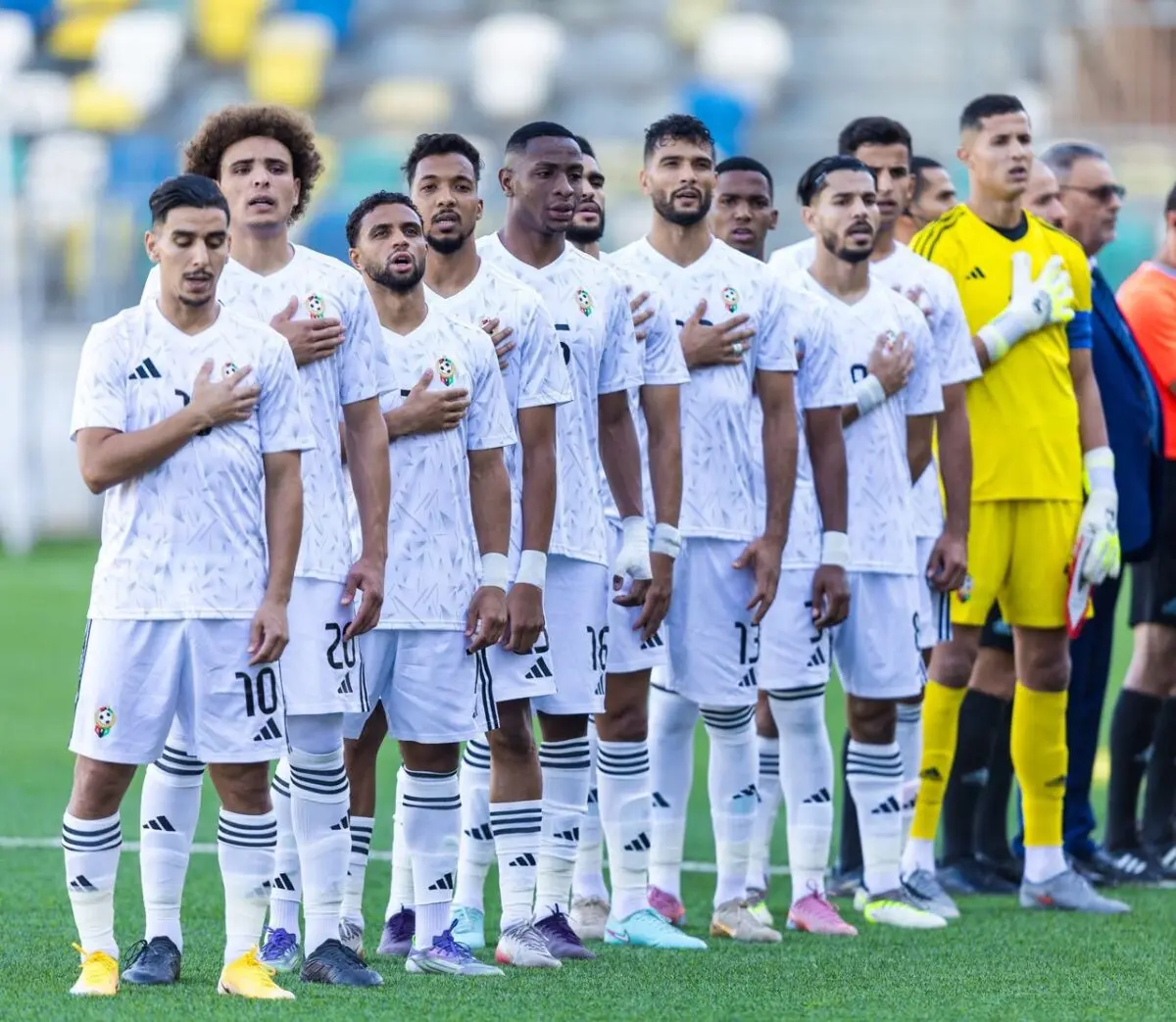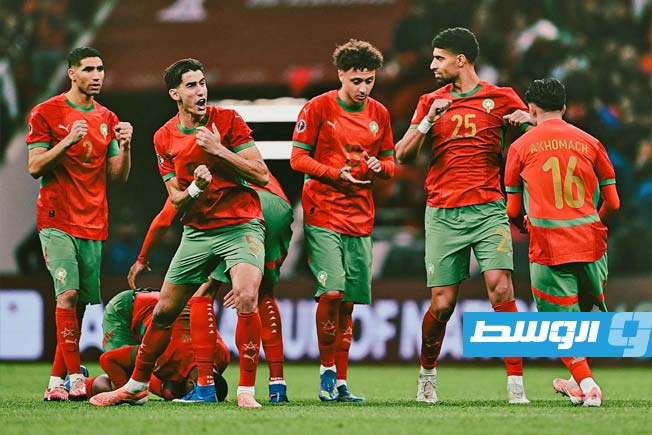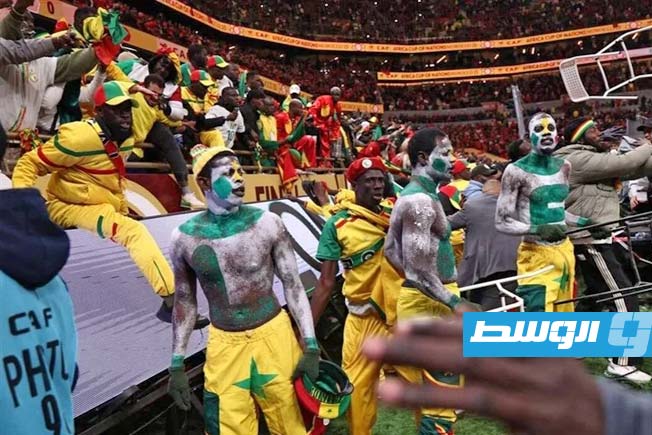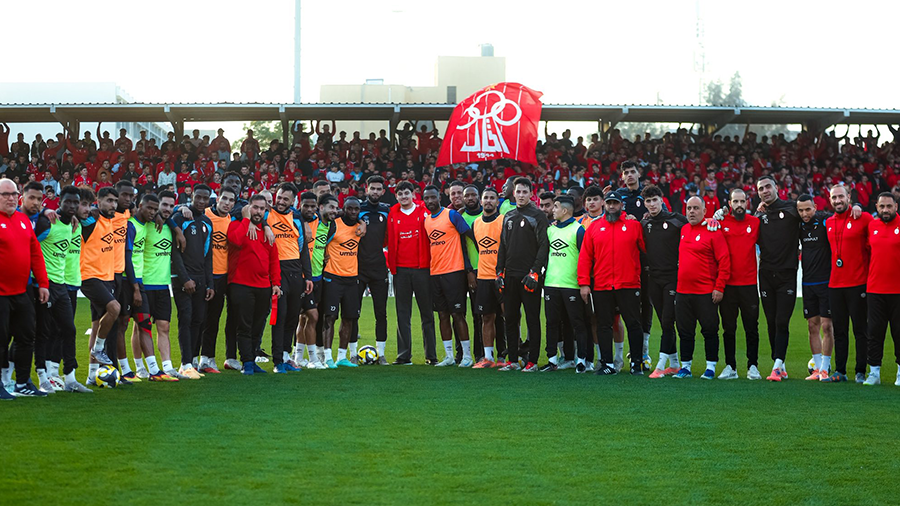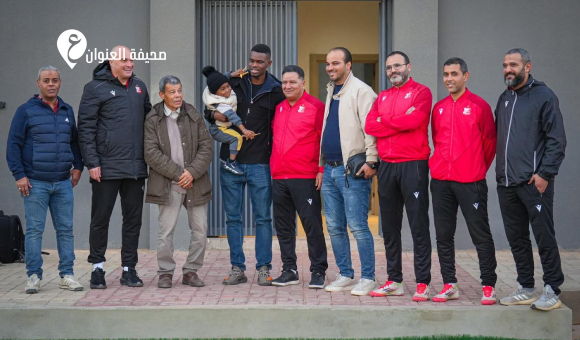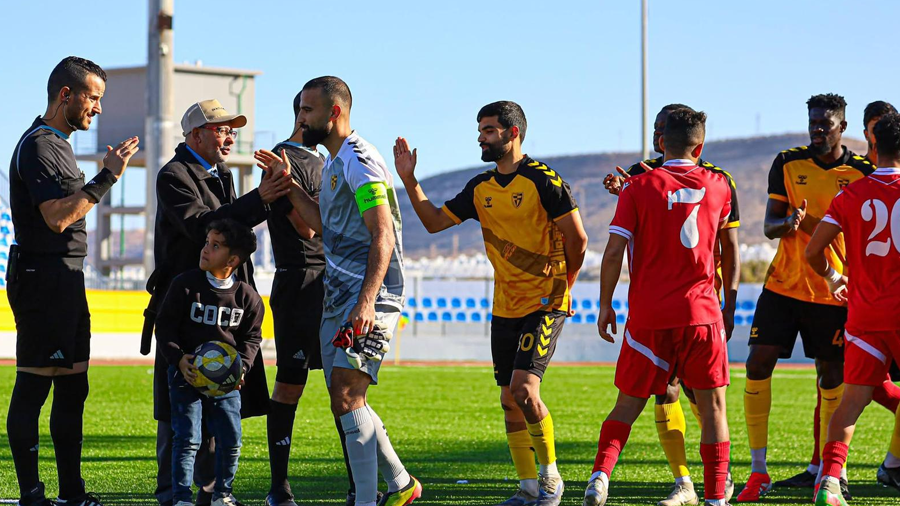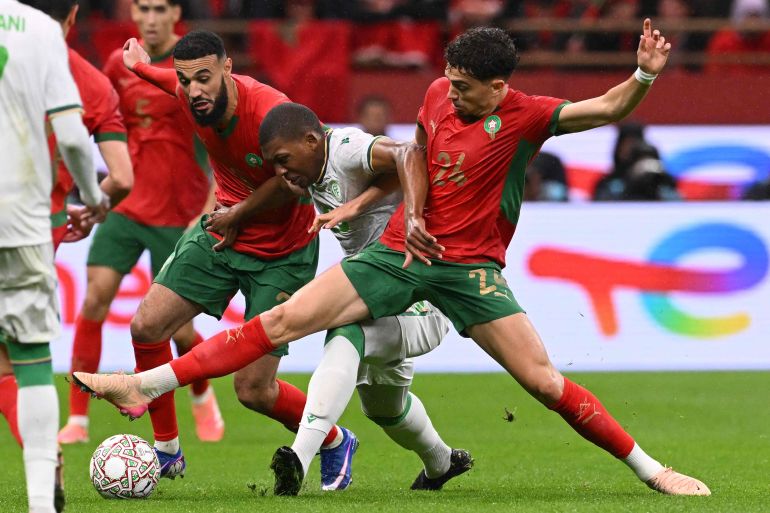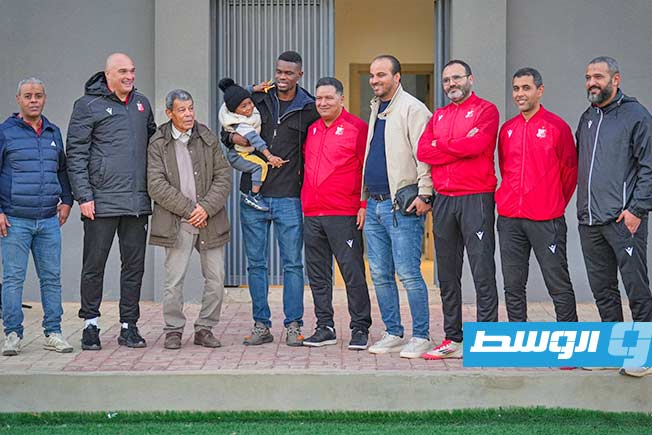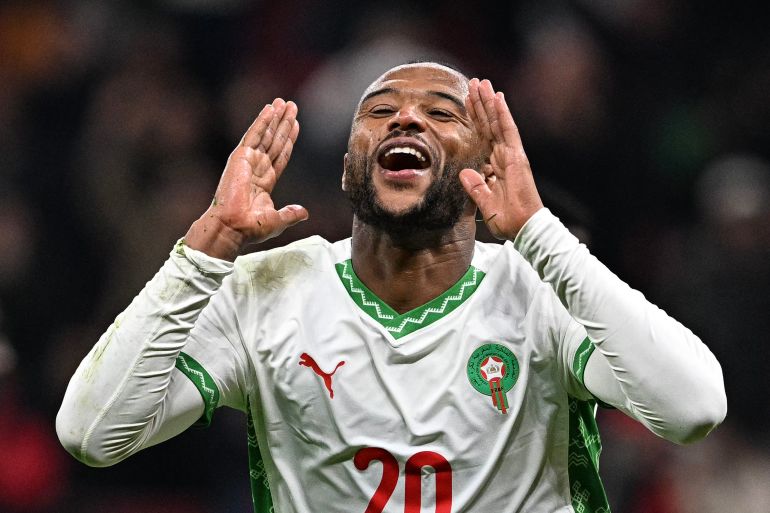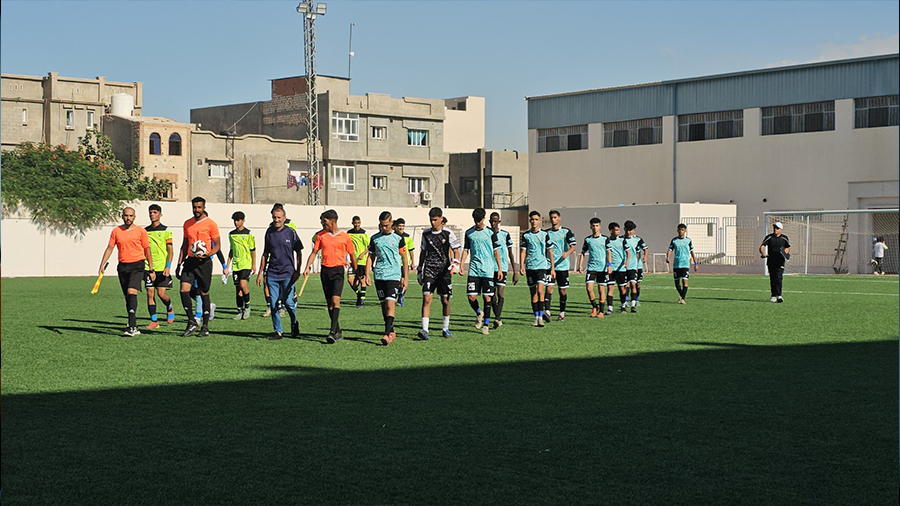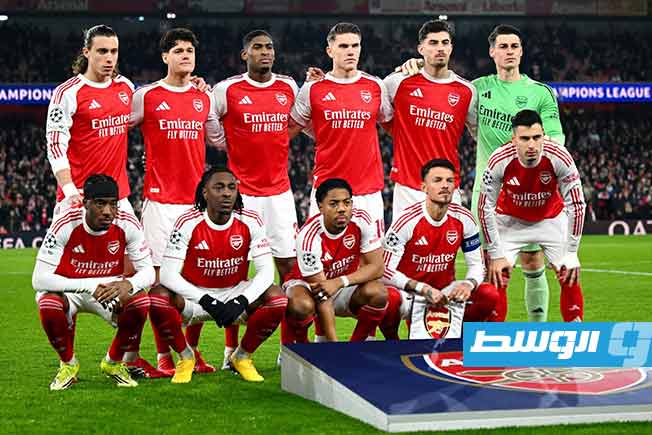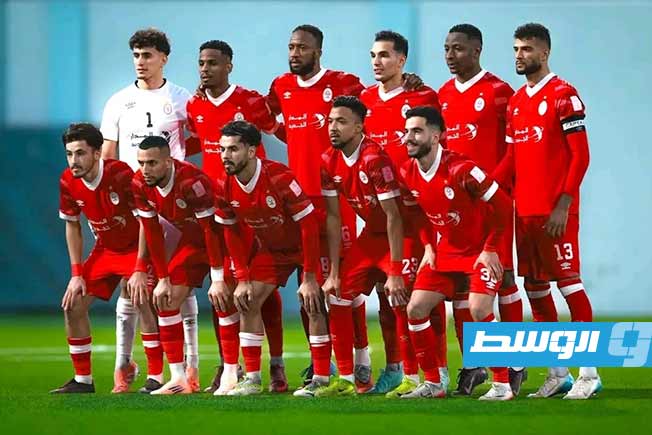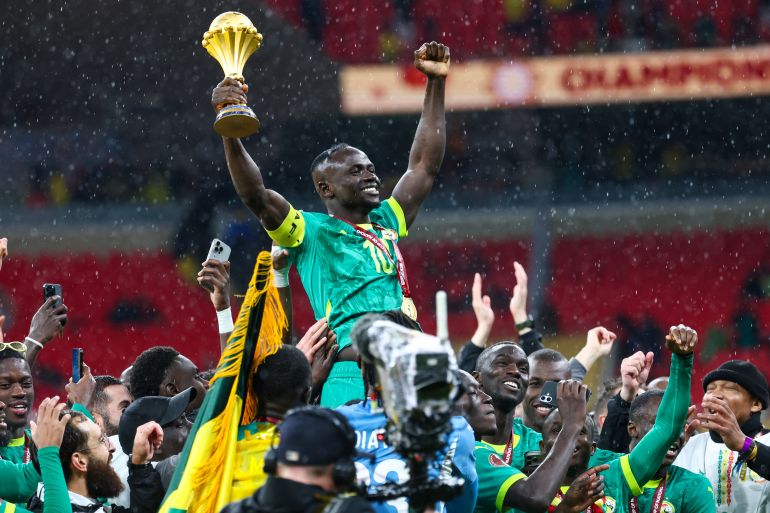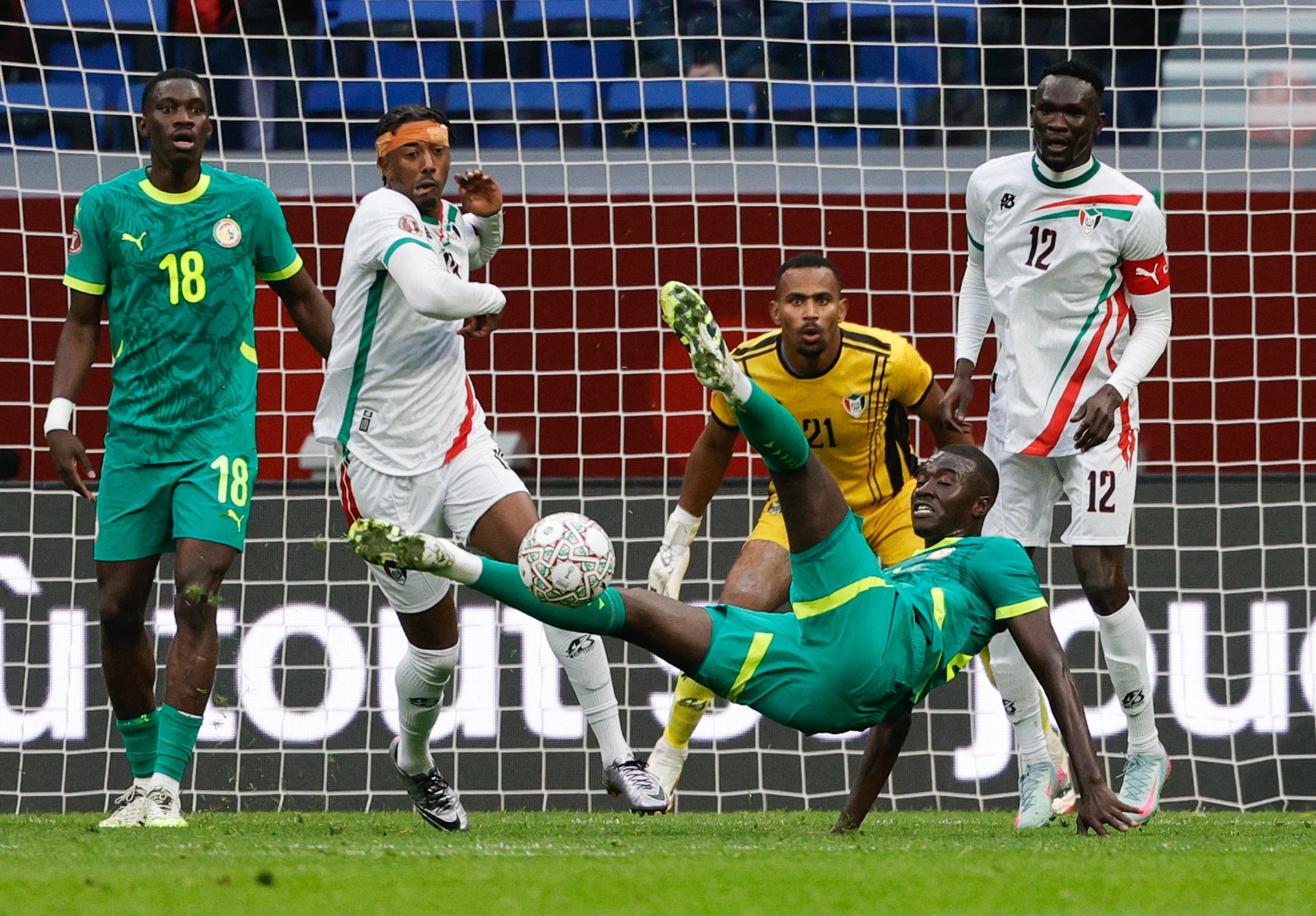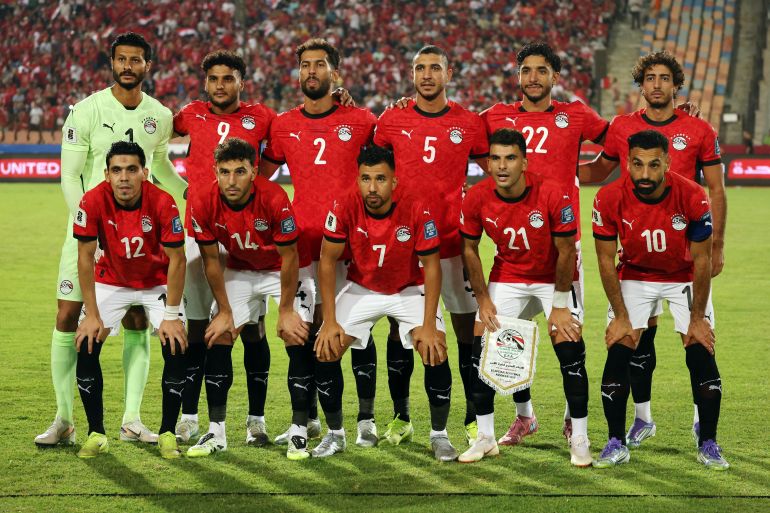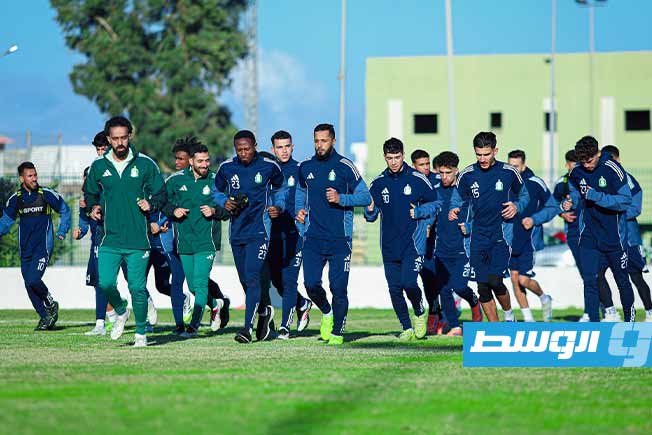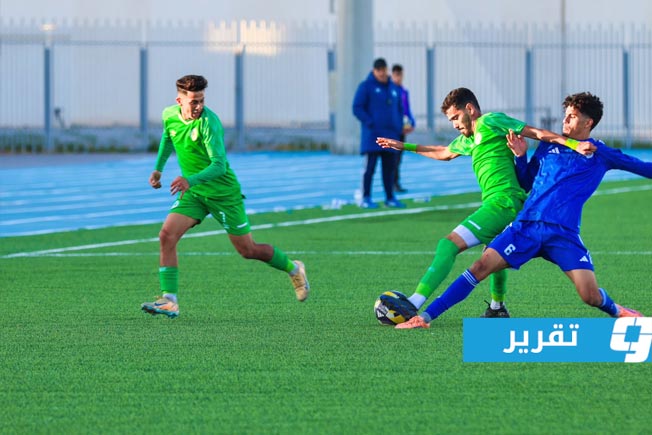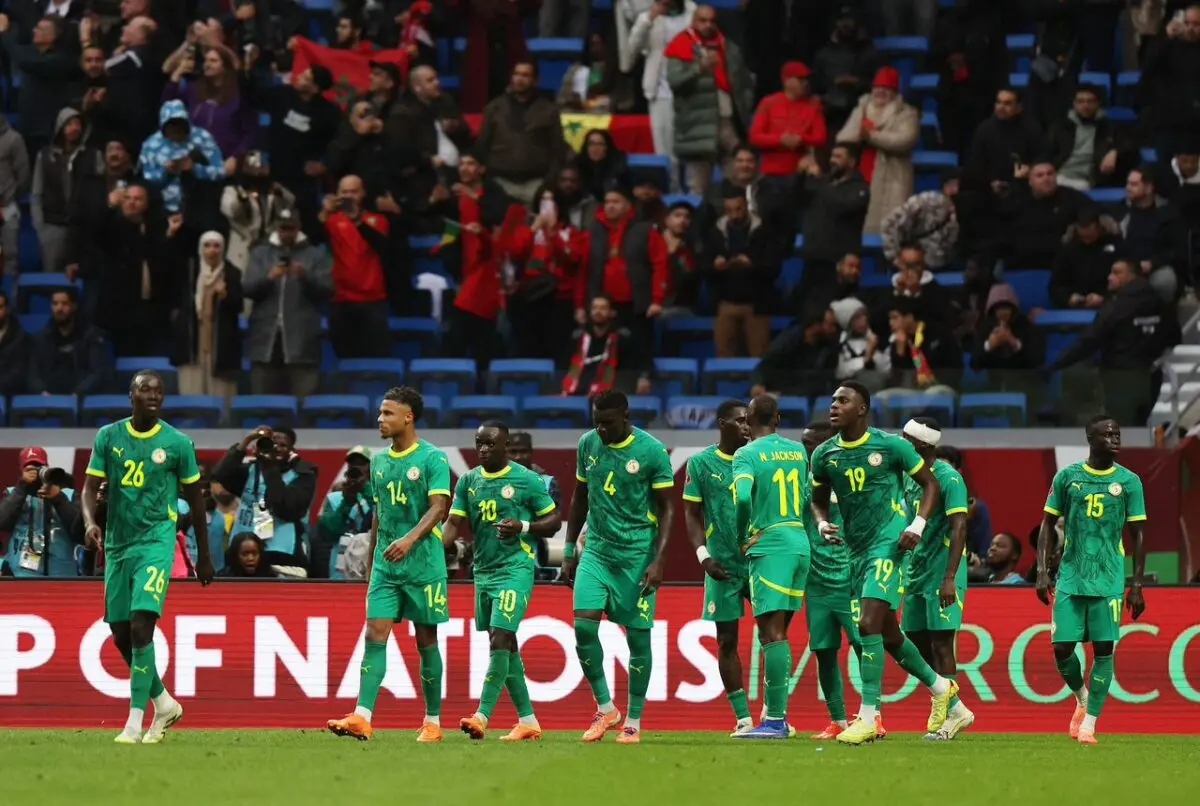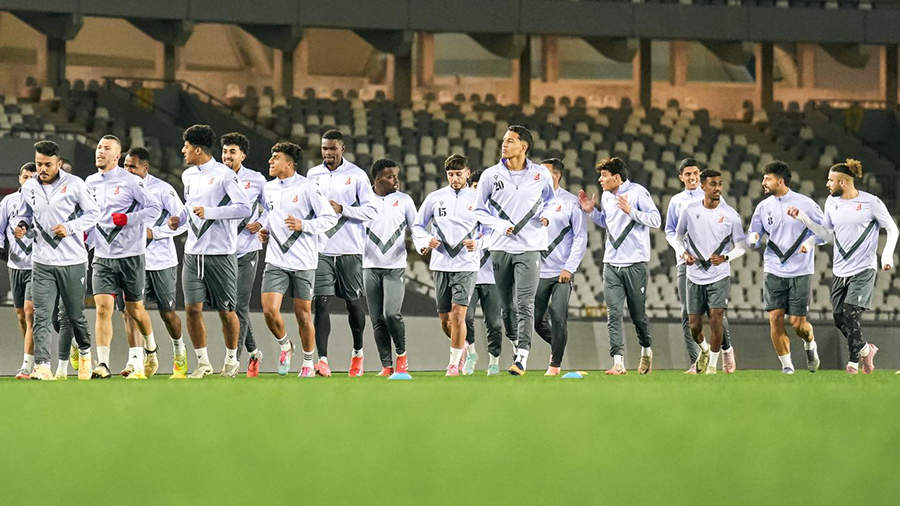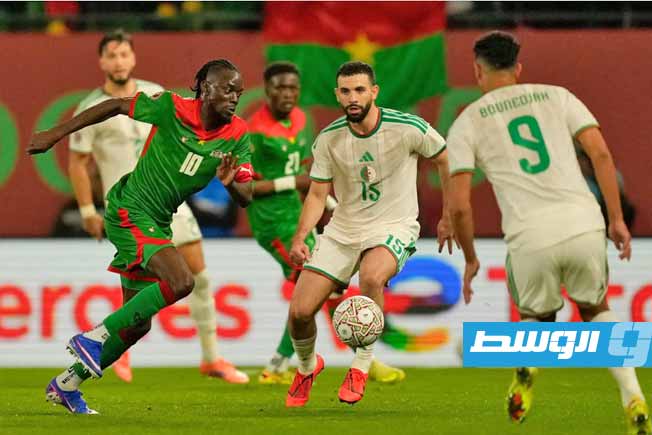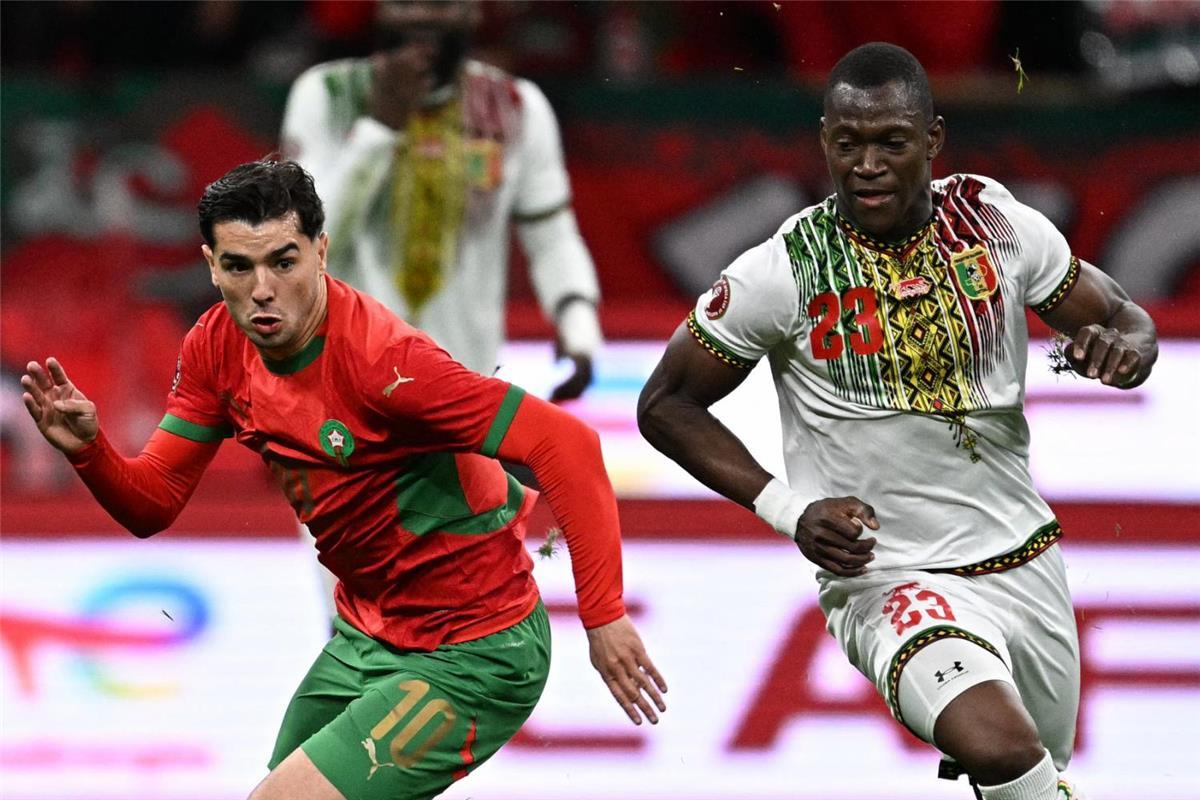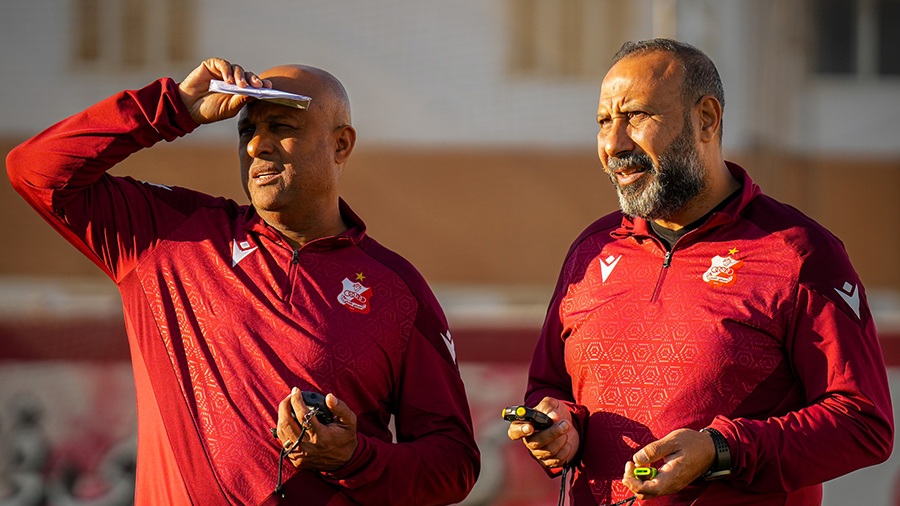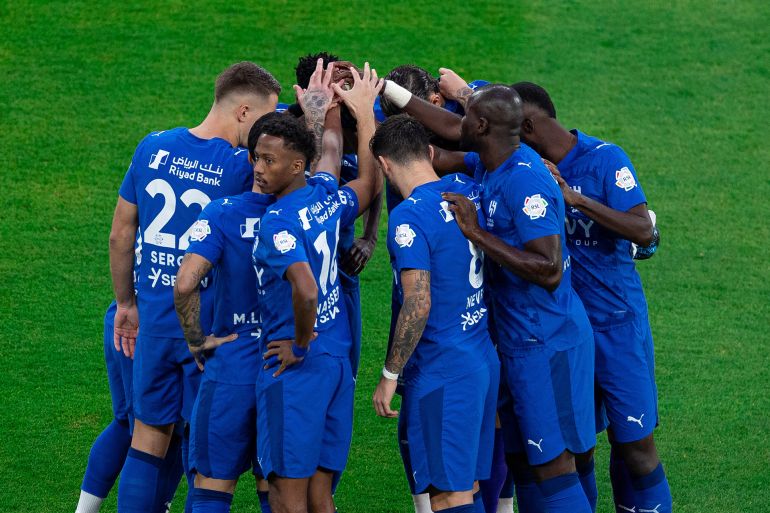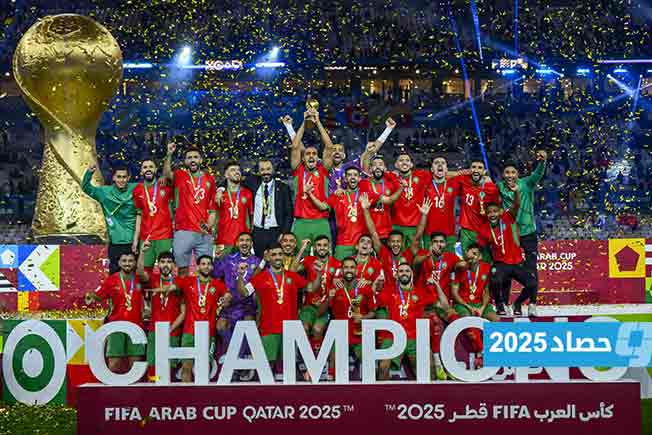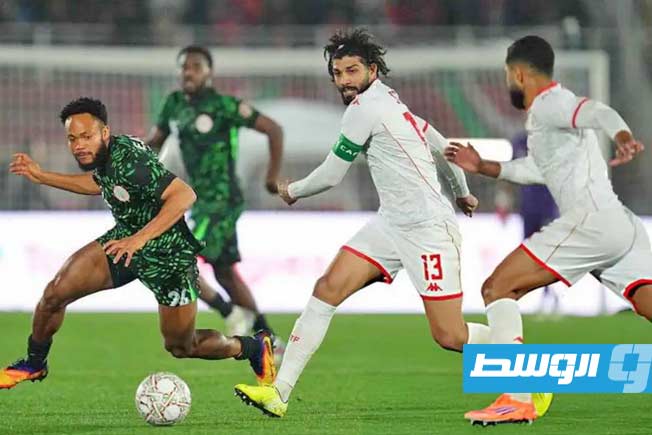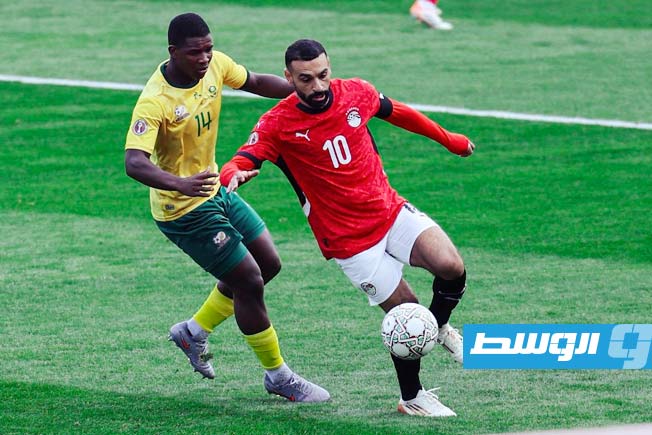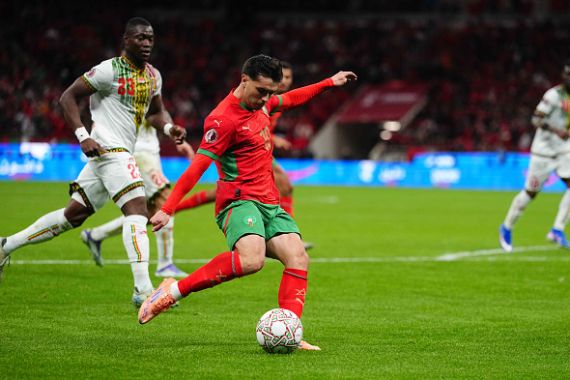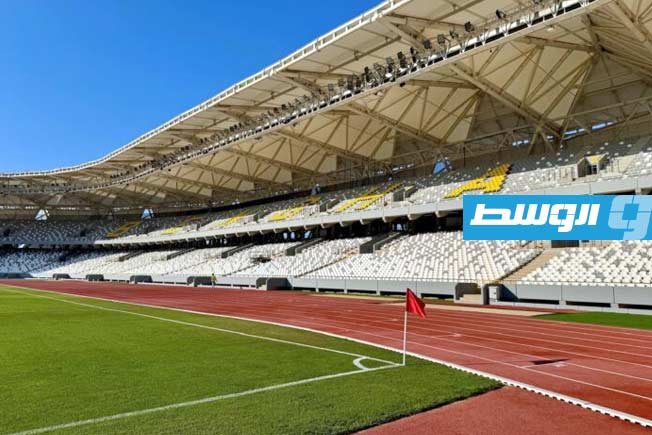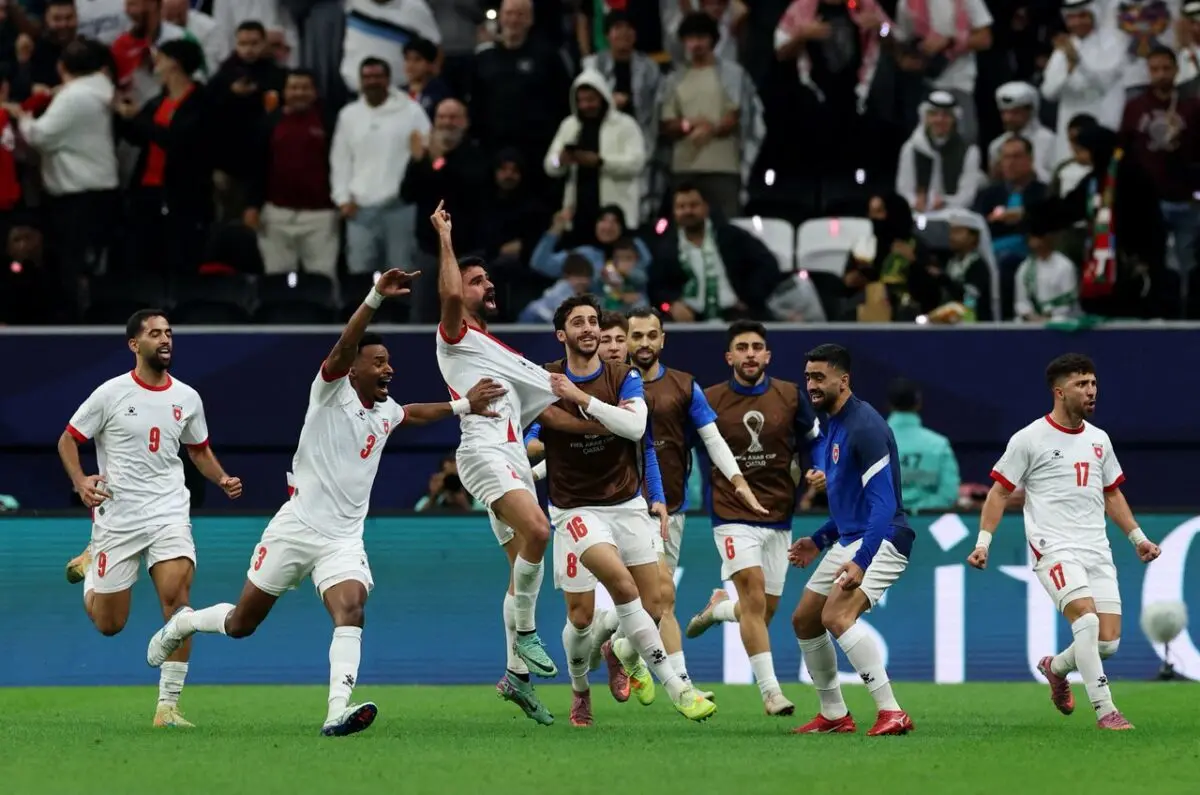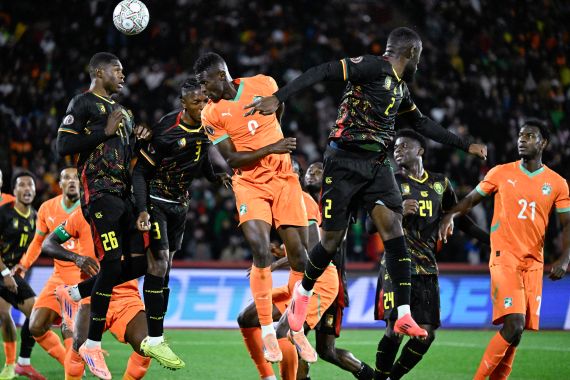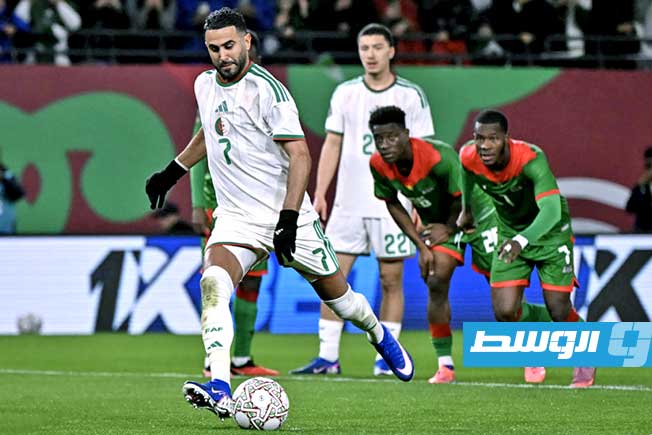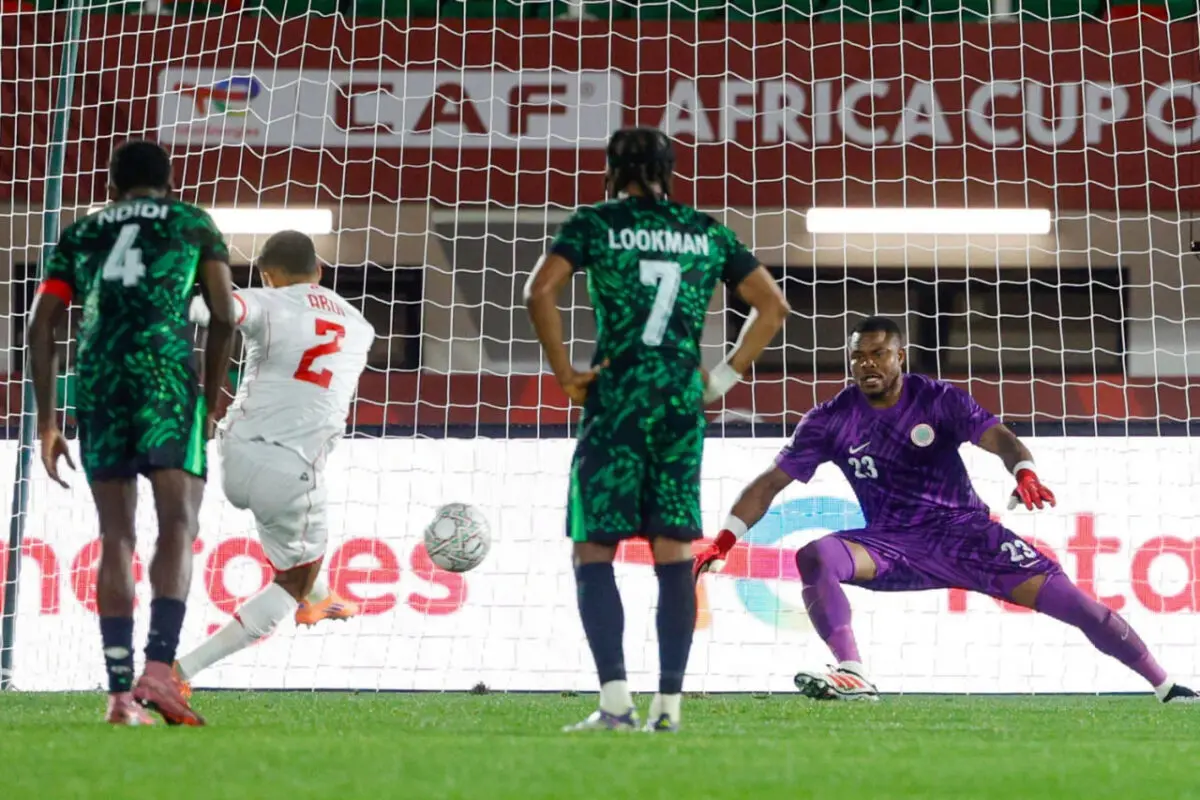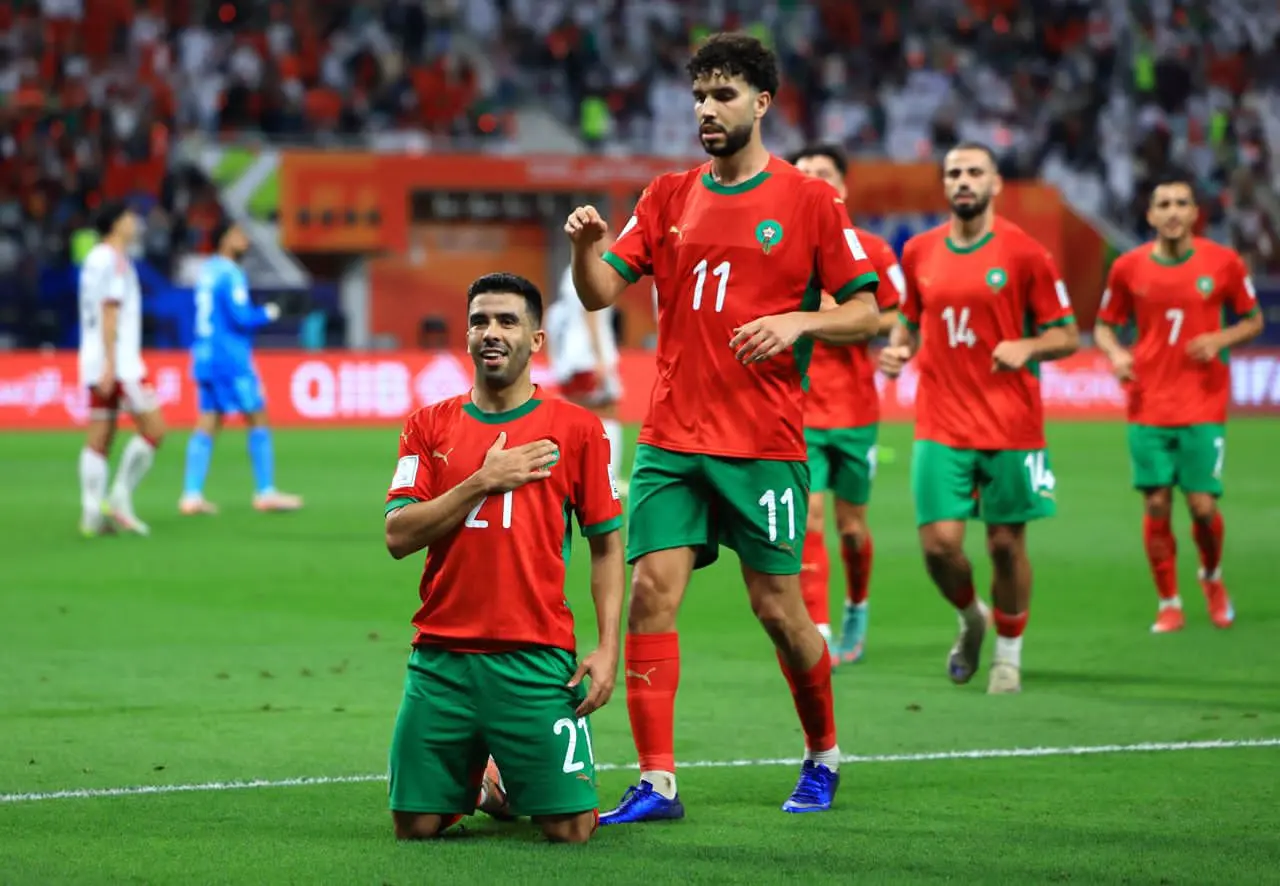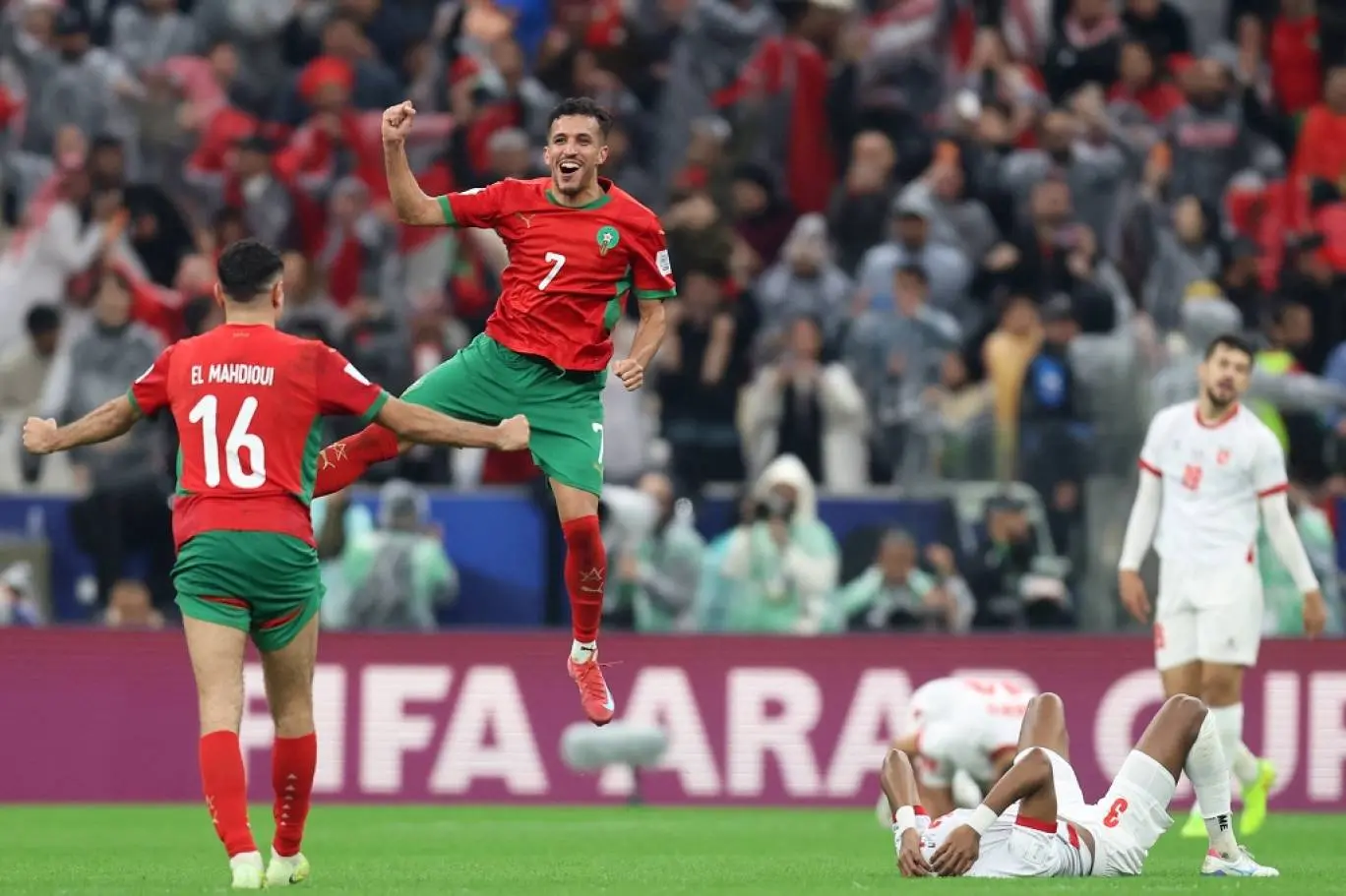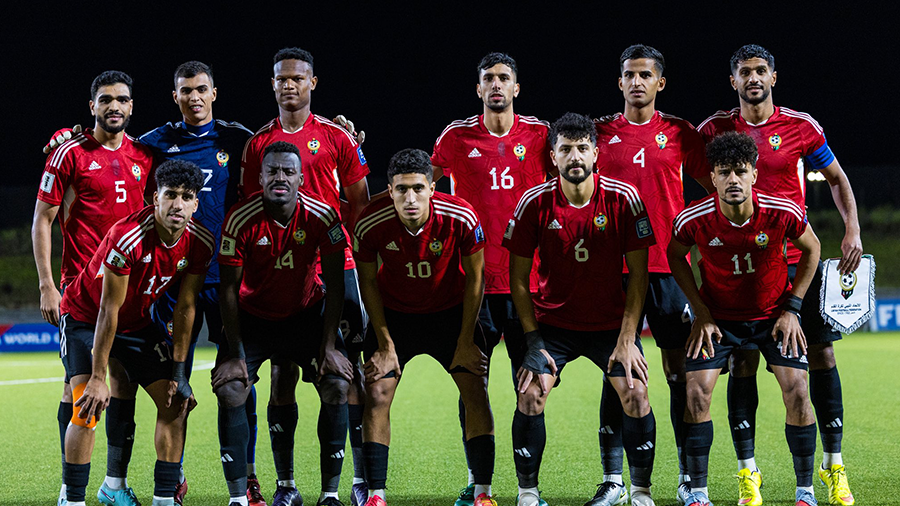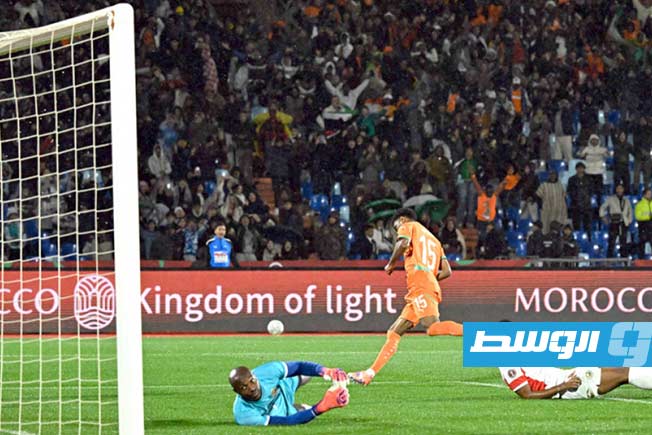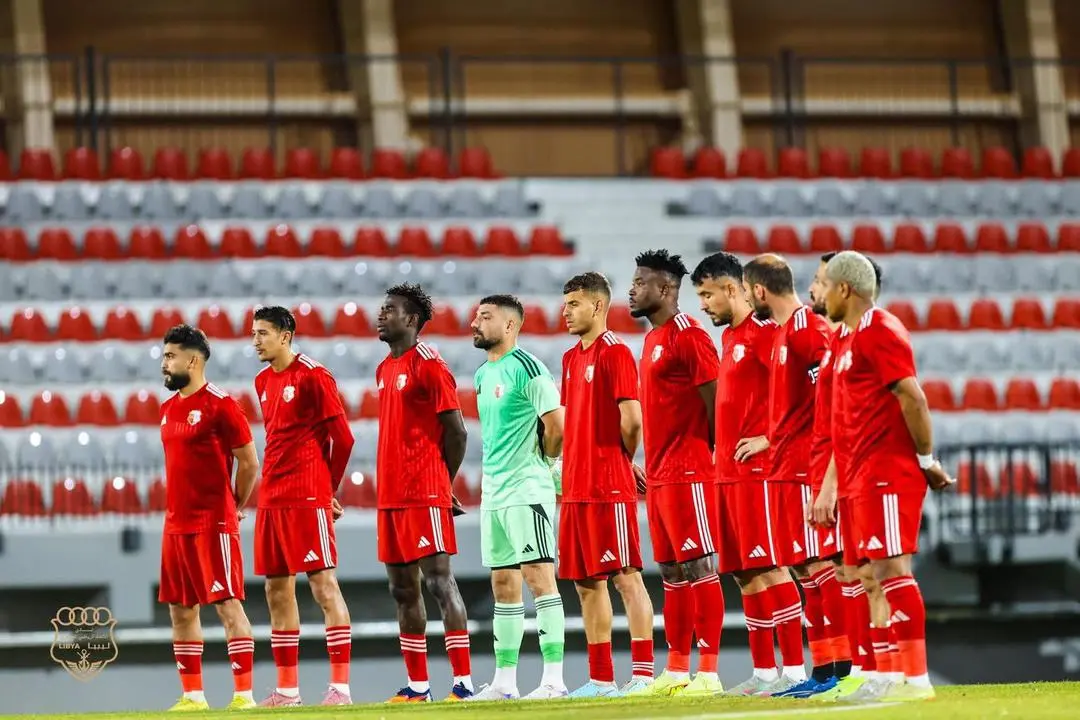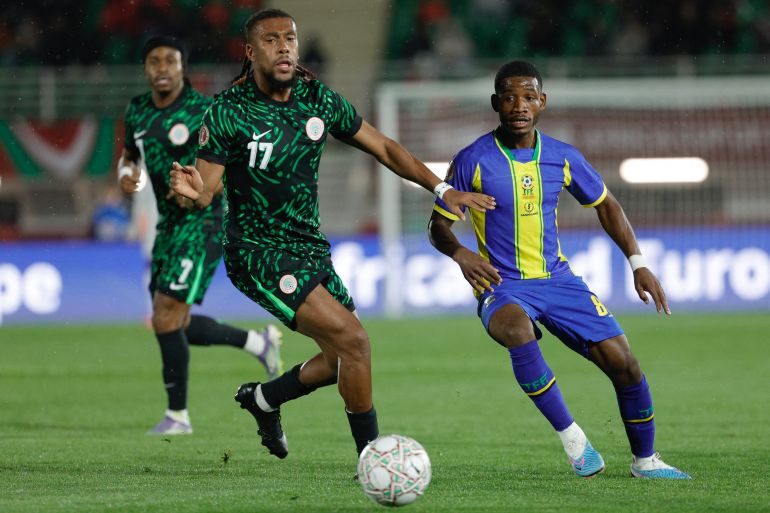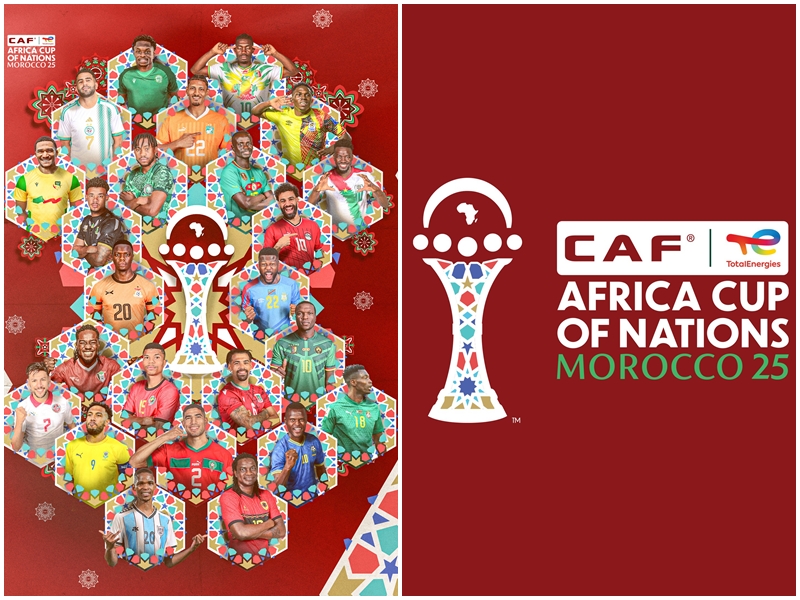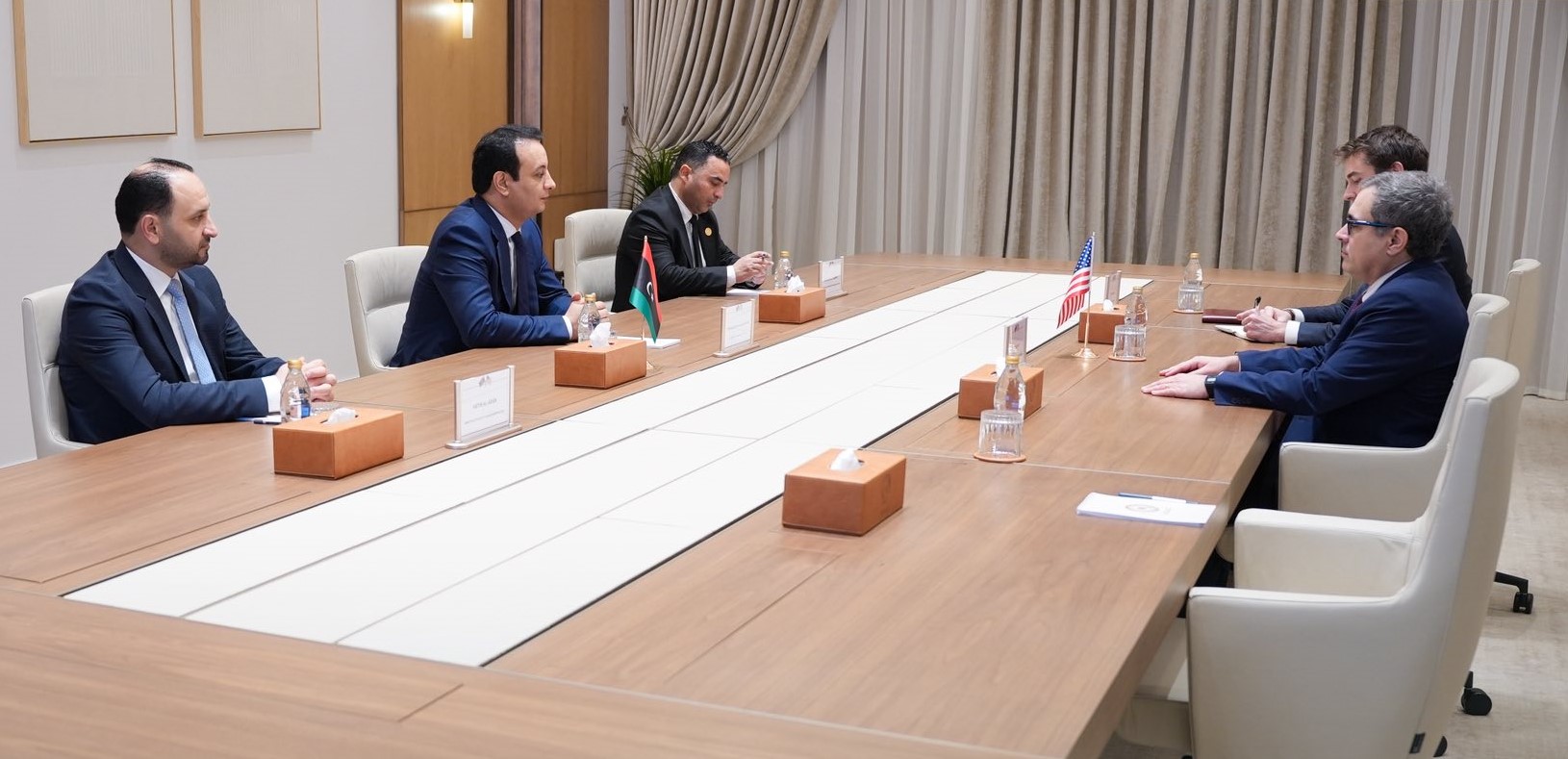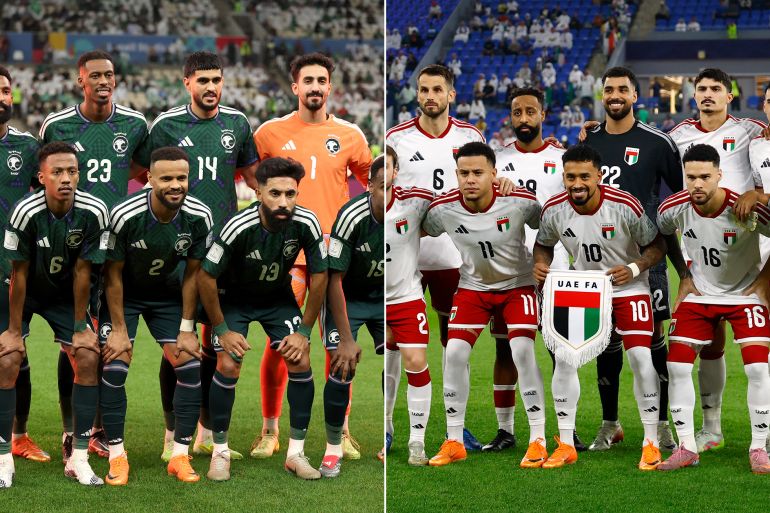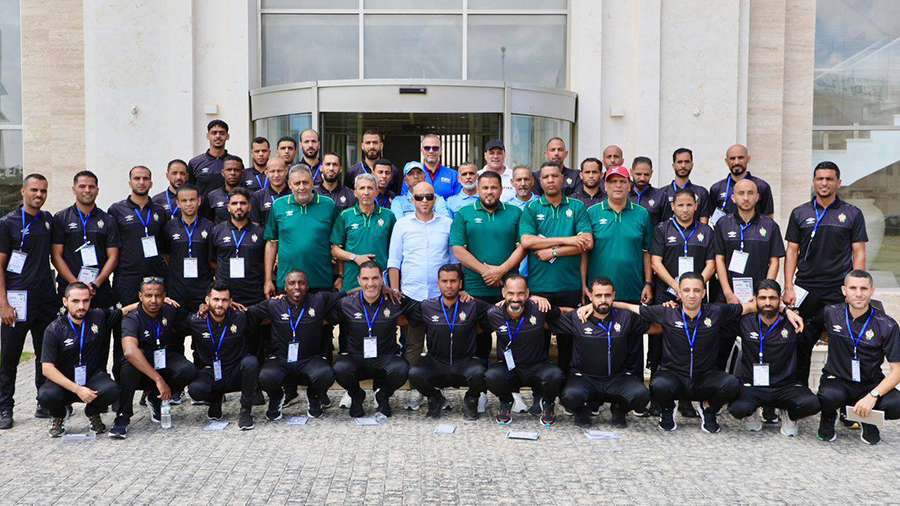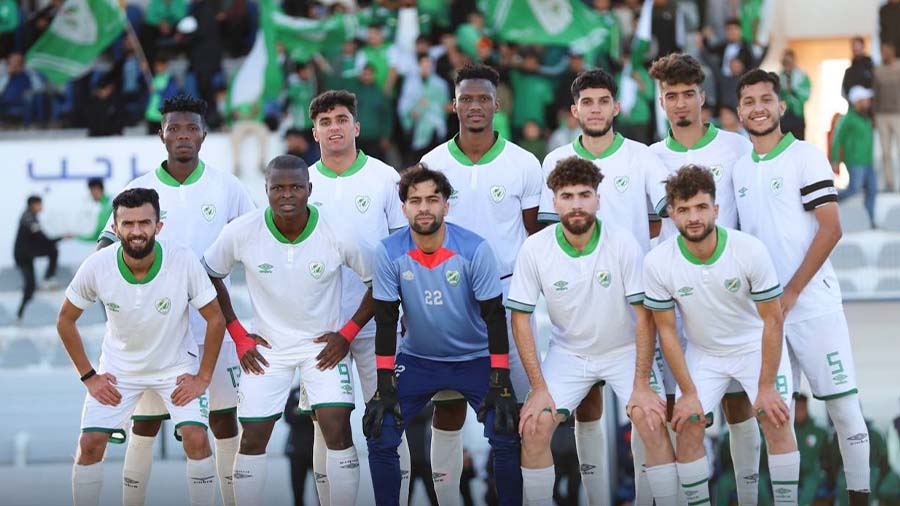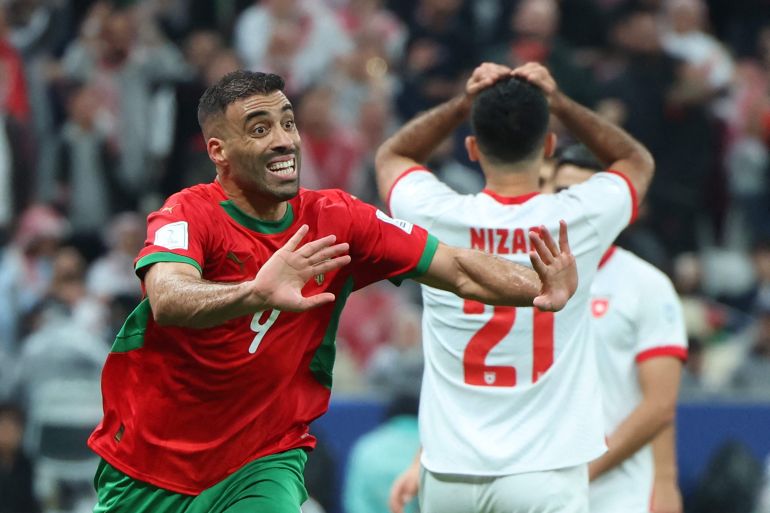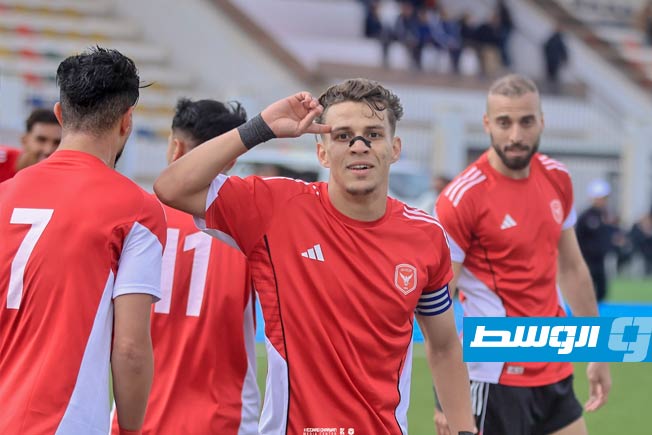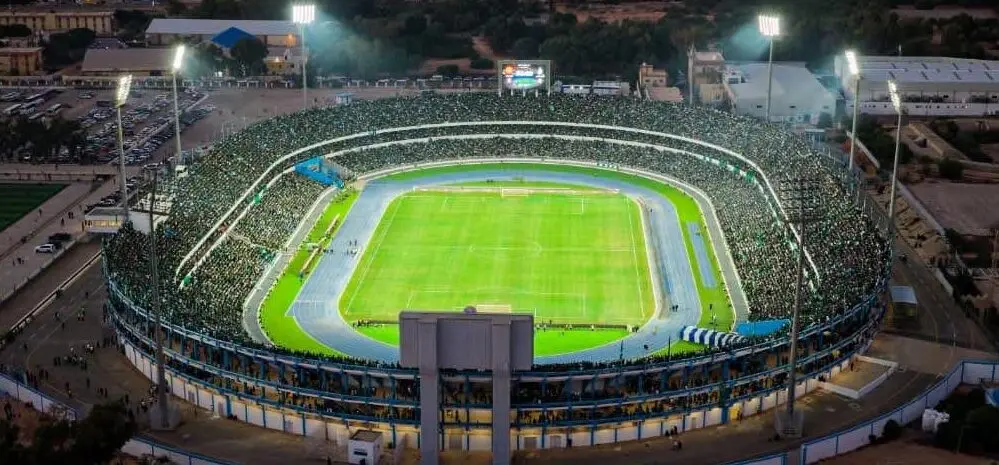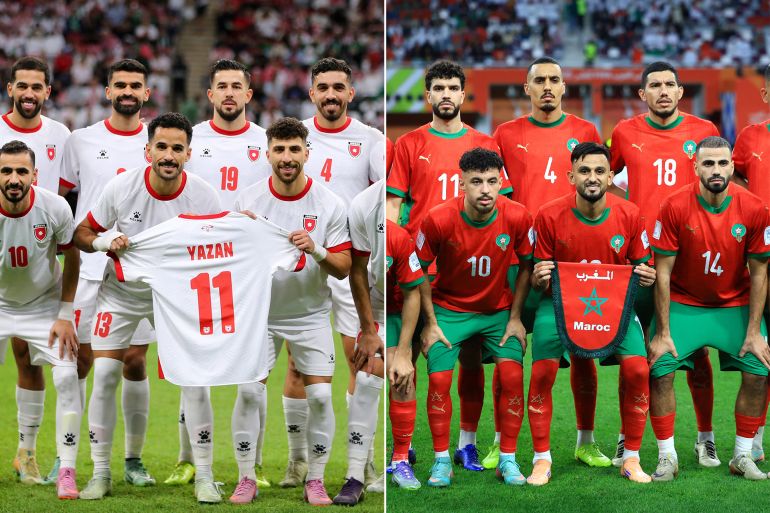
The national football team will enter a preparatory training camp in Morocco next March, in preparation for the Africa Cup of Nations qualifiers for the finals to be held in Kenya, Uganda, and Tanzania in 2027.
During its camp in Morocco, the national team is scheduled to play friendly matches against the national teams of Benin and Niger.
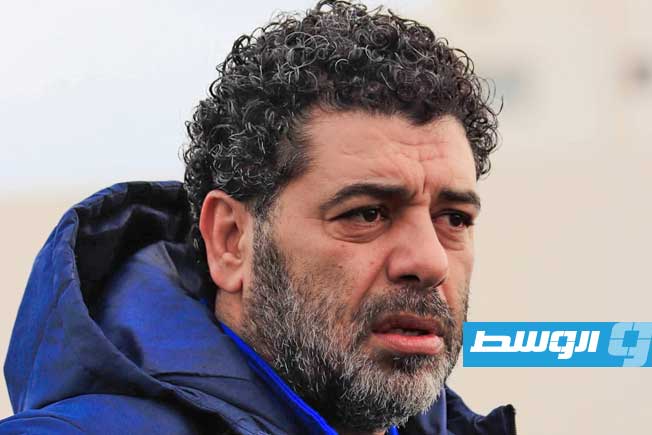
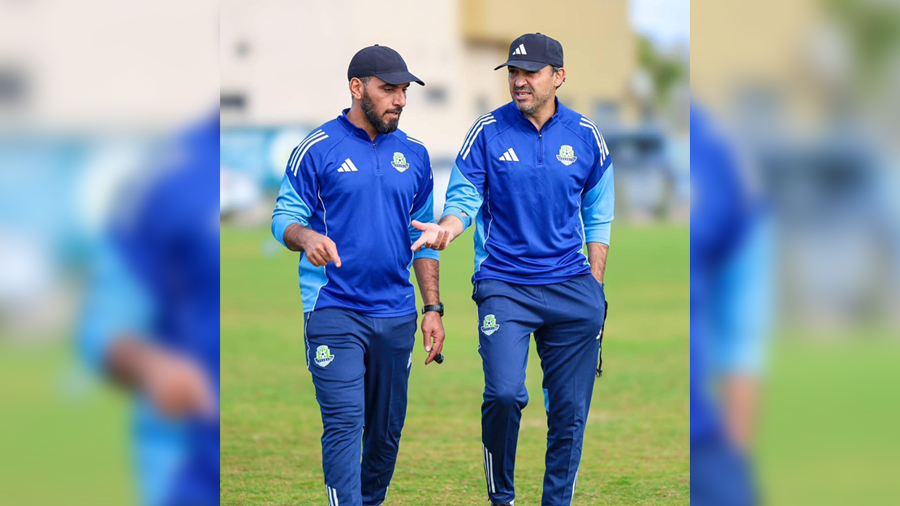
Through these two friendly matches, the national team coach aims to prepare his players optimally for the African qualifiers.
The national team coach is expected to announce the squad for the Africa Cup of Nations qualifiers next February. The qualifiers are scheduled to begin in September of this year.
Morocco
Morocco is a North African country with a rich history shaped by indigenous Amazigh (Berber) cultures, Arab influence from the 7th century, and successive dynasties like the Almoravids and Almohads. Its cultural sites, such as the ancient city of Fez and the Koutoubia Mosque in Marrakech, reflect this blend of Arab, Islamic, and Amazigh heritage. The country’s historic medinas, kasbahs, and varied landscapes from the Sahara Desert to the Atlas Mountains contribute to its distinct cultural identity.
Kenya
Kenya is a country in East Africa renowned for its diverse landscapes, wildlife reserves like the Maasai Mara, and a rich cultural heritage of over 40 ethnic groups. Its modern history is marked by British colonial rule until it gained independence in 1963, with its pre-colonial past featuring influential trade networks and powerful kingdoms along the Swahili Coast.
Uganda
Uganda is a landlocked East African nation known for its diverse landscapes, including the source of the Nile River and mountain gorilla habitats. Its history includes powerful pre-colonial kingdoms like Buganda, followed by British colonization until independence in 1962. The country has experienced significant political turmoil, notably under the regimes of Idi Amin and Milton Obote, and is currently led by President Yoweri Museveni.
Tanzania
Tanzania is an East African nation known for its rich cultural heritage and significant historical sites, such as the ancient port of Kilwa Kisoani, a UNESCO World Heritage Site that was a major Swahili trading hub from the 9th to the 19th centuries. It is also home to natural landmarks like Mount Kilimanjaro and the Serengeti, with its history deeply shaped by indigenous cultures, Arab trade, European colonization, and its 1961 independence.
Benin
Benin, historically the site of the powerful Kingdom of Benin (c. 1180-1897) in what is now southern Nigeria, is renowned for its sophisticated bronze and ivory artworks. The modern Republic of Benin, formerly known as Dahomey, gained independence from France in 1960 and takes its name from the neighboring Bight of Benin.
Niger
Niger is a landlocked country in West Africa named after the Niger River, with a history shaped by ancient trans-Saharan trade routes and powerful empires like the Songhai. It gained independence from France in 1960 and is known for its significant uranium deposits and diverse cultures, including the Tuareg and Hausa peoples. The country faces challenges such as desertification and political instability but is home to cultural and natural sites like the historic city of Agadez and the W National Park, a UNESCO World Heritage site.