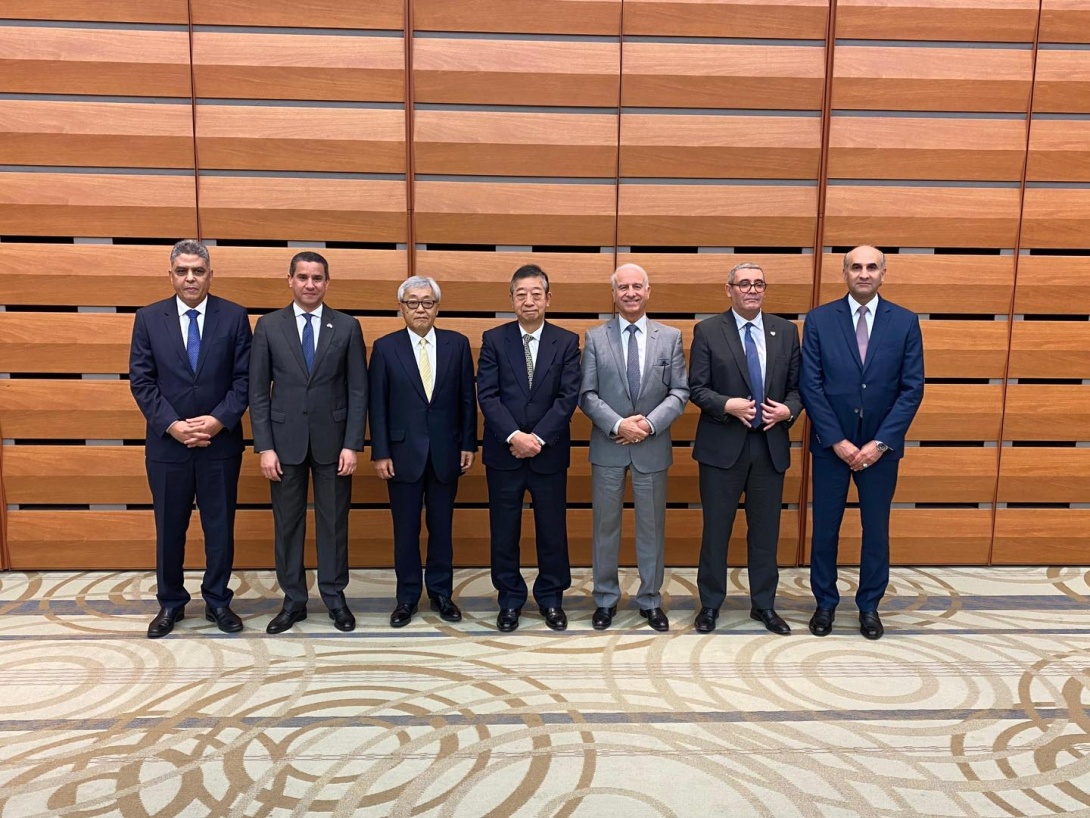
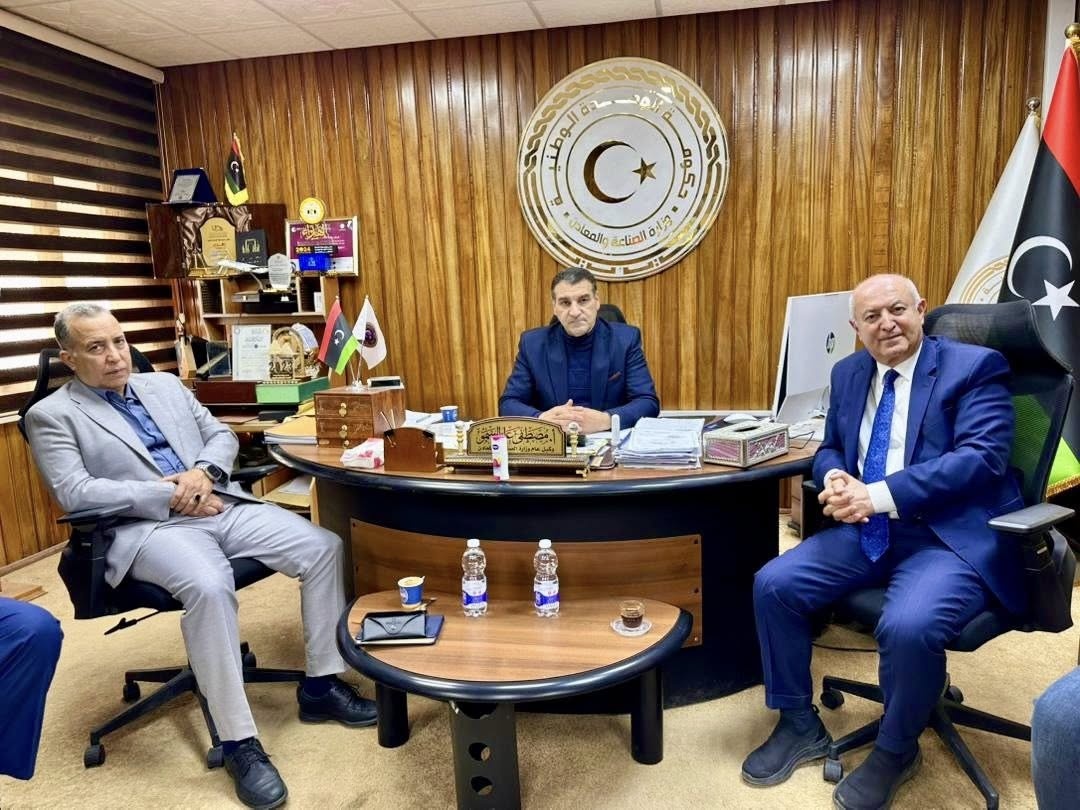
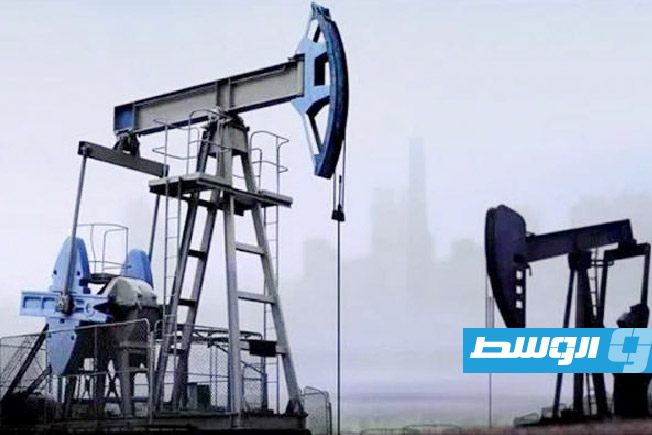
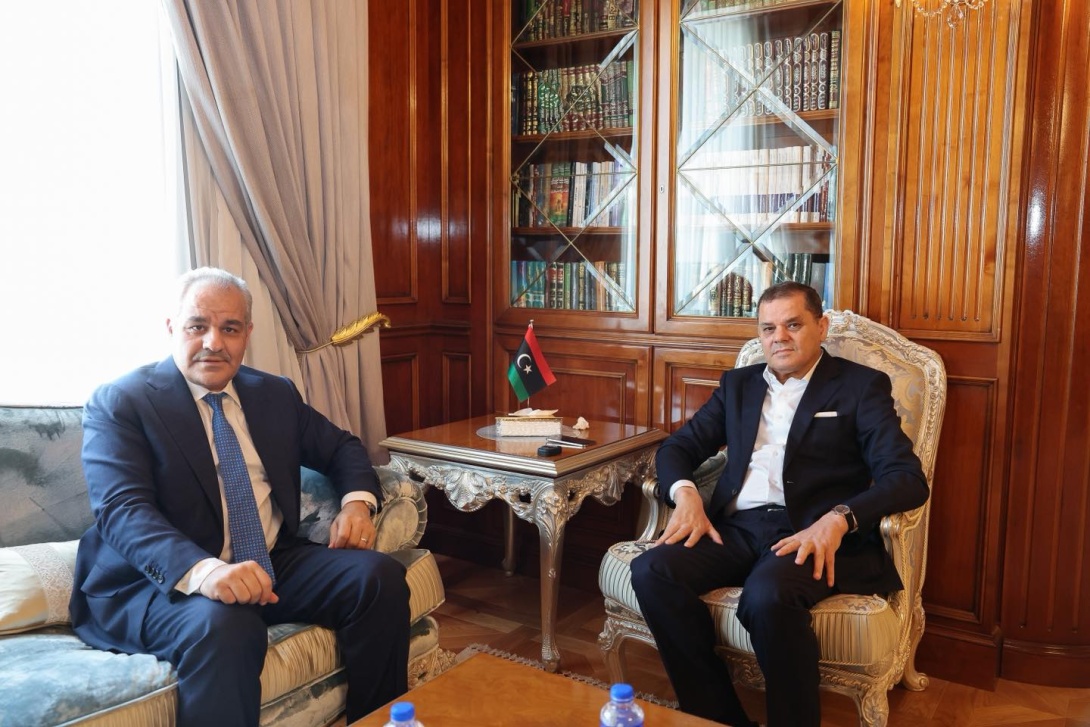
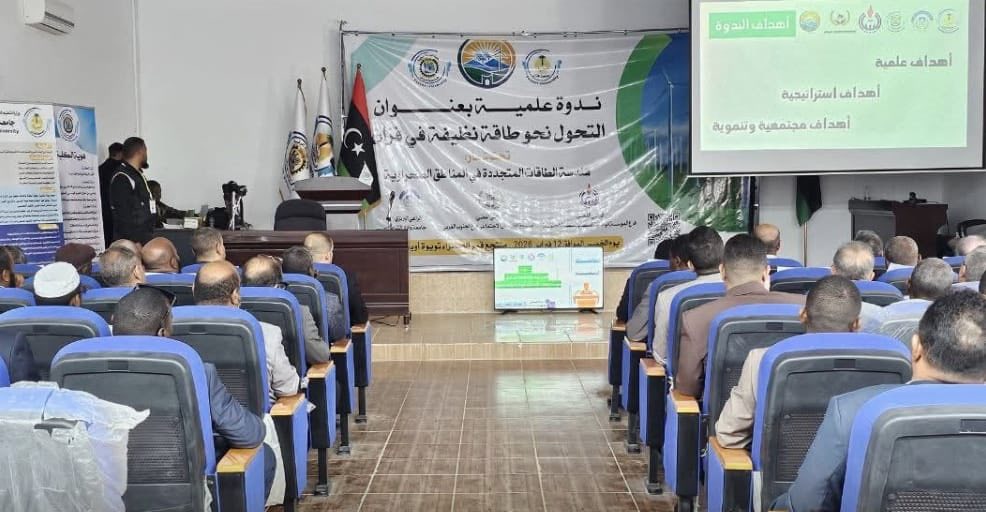
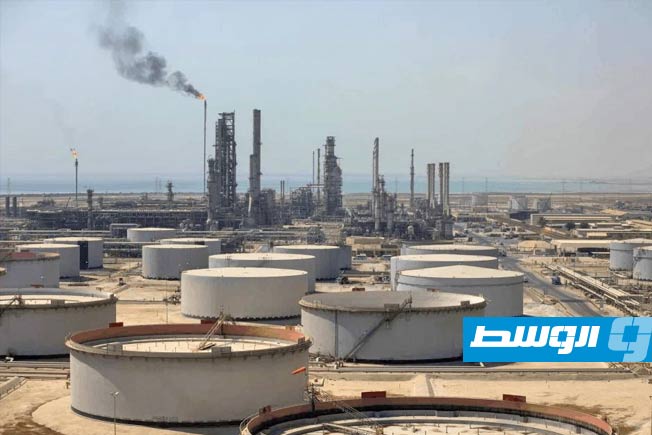
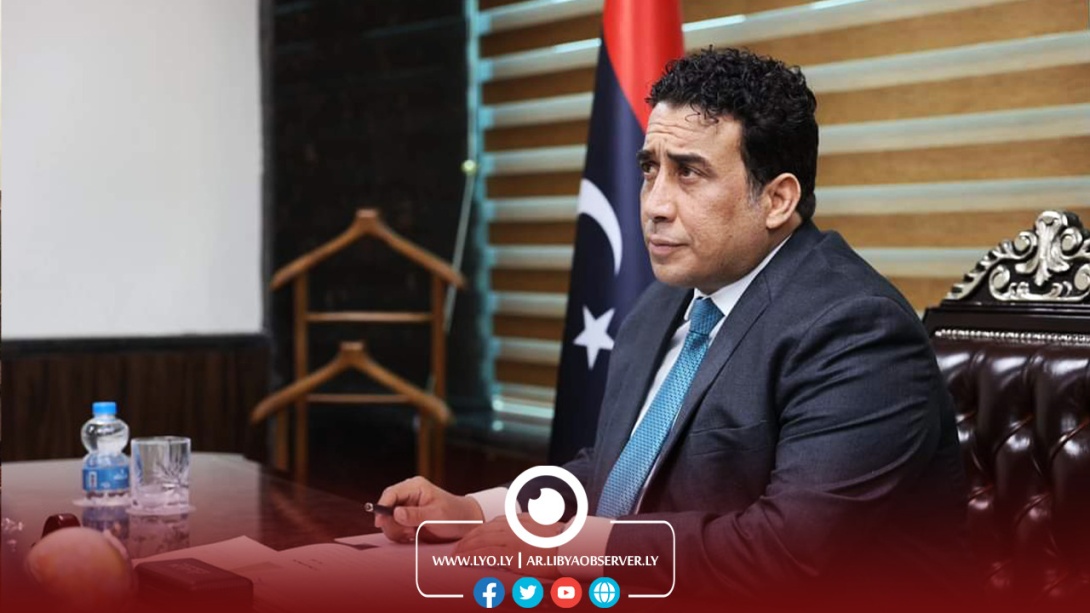
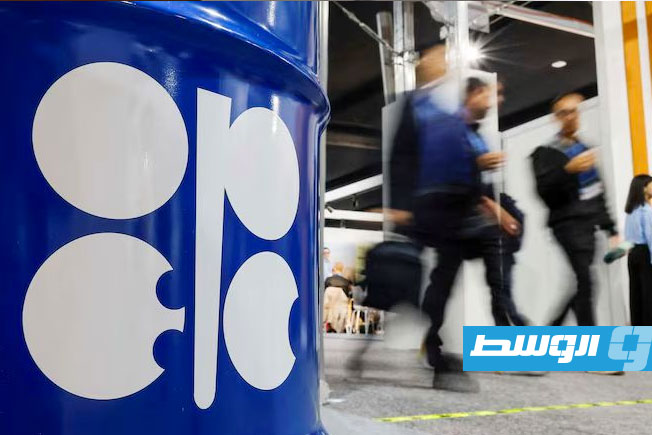
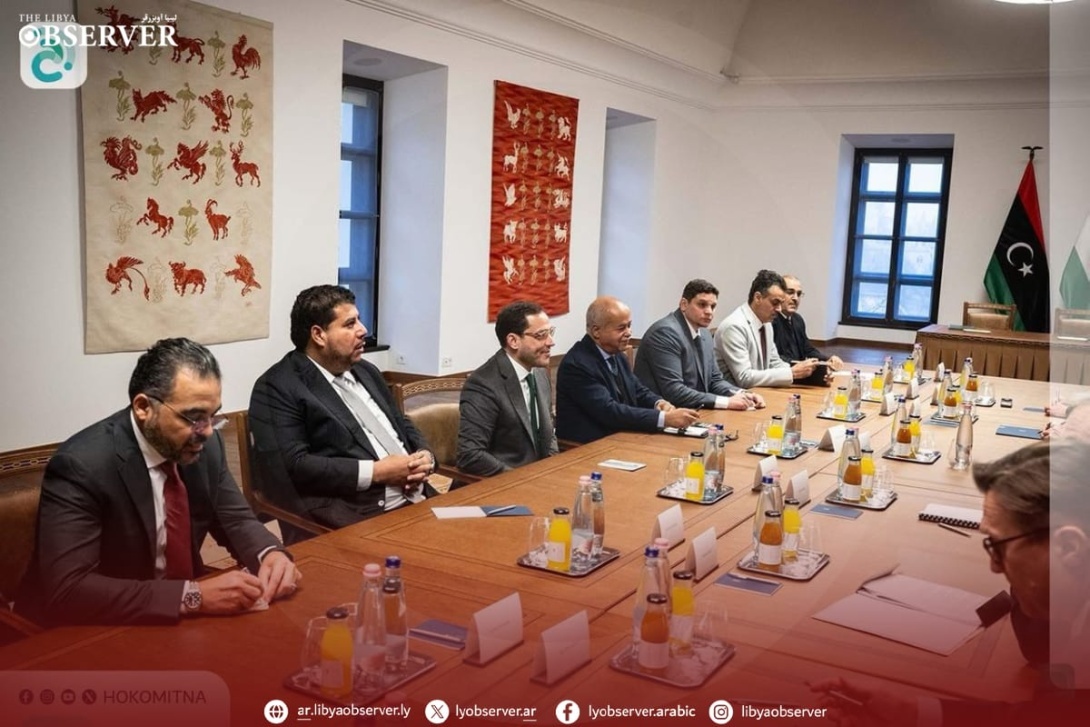
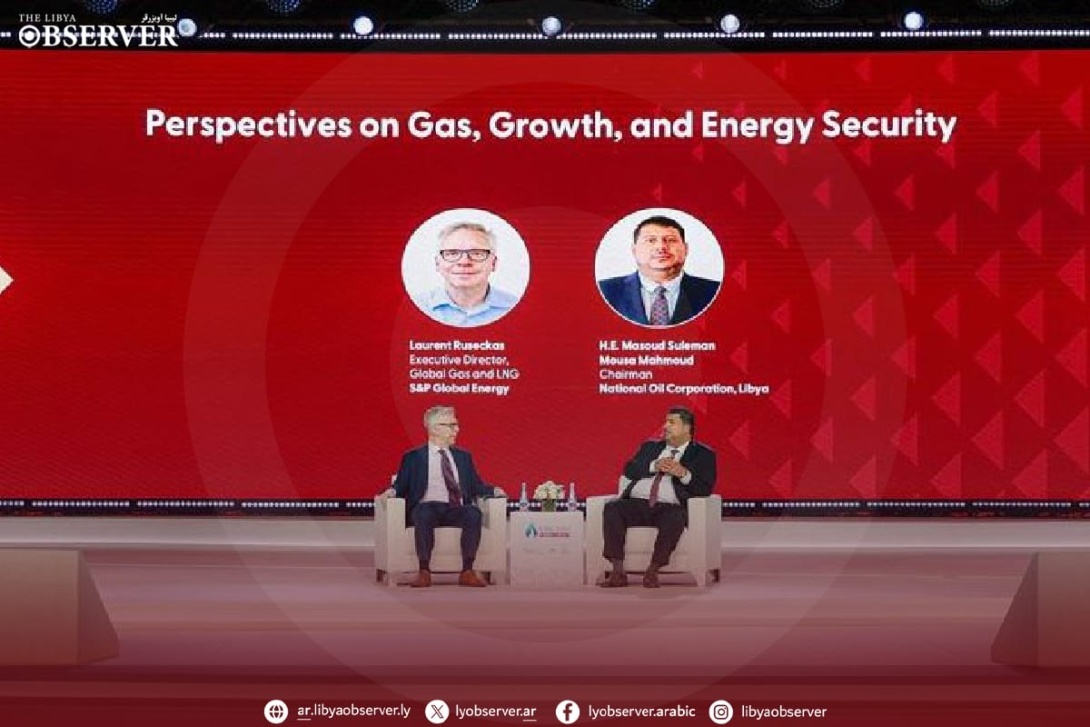
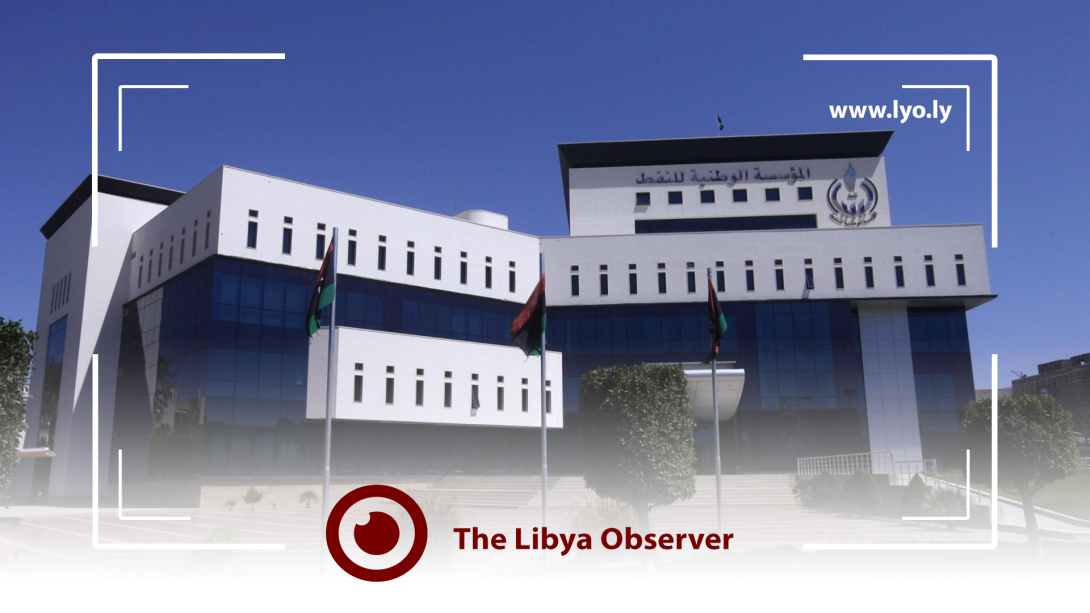
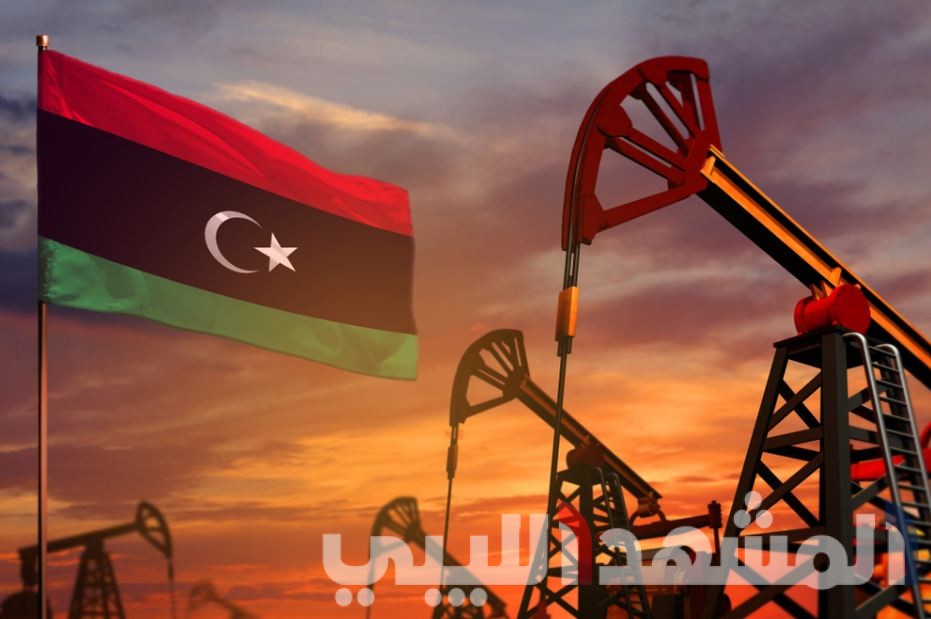
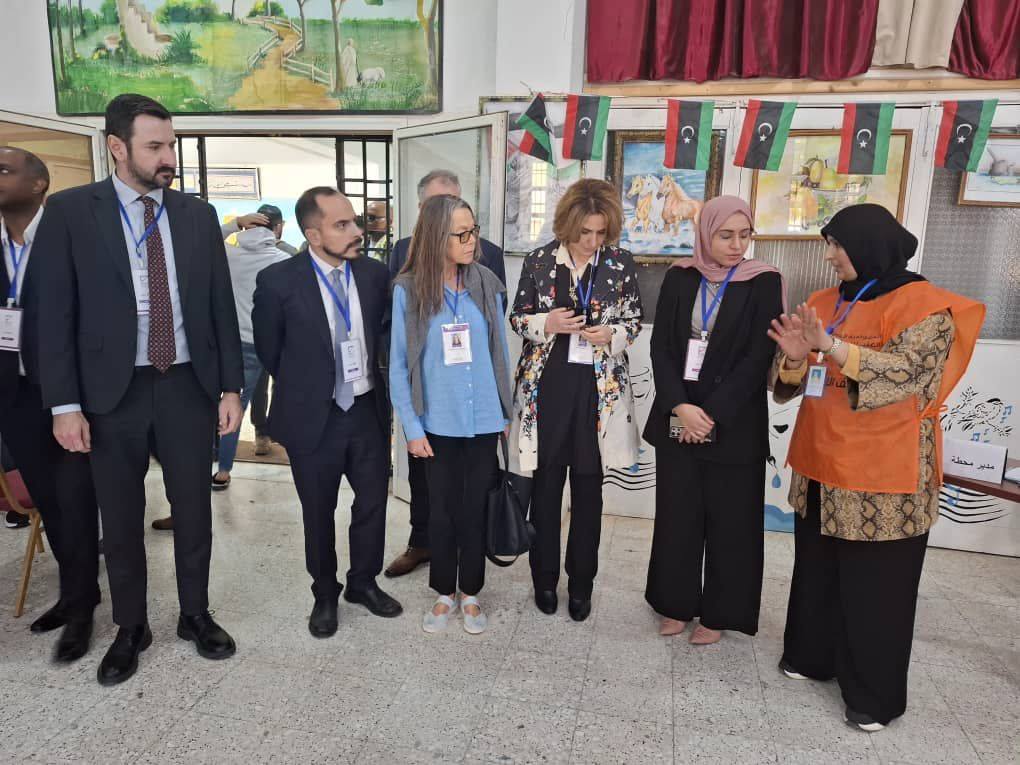
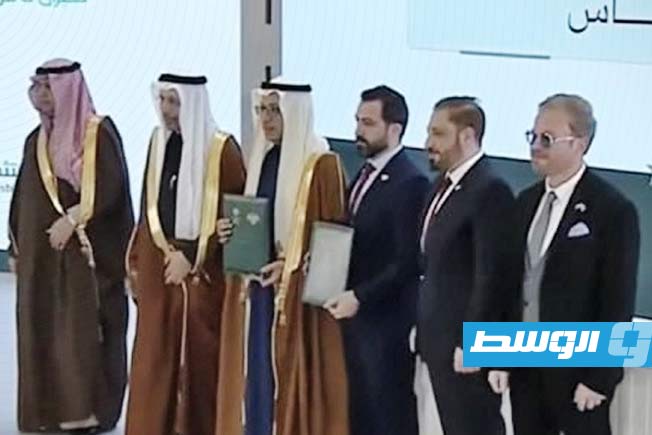
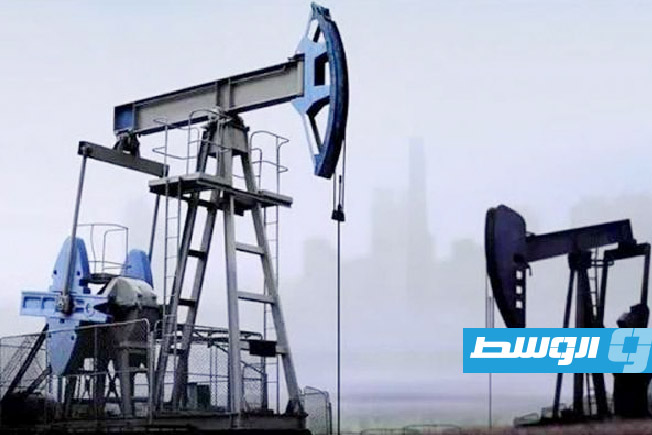
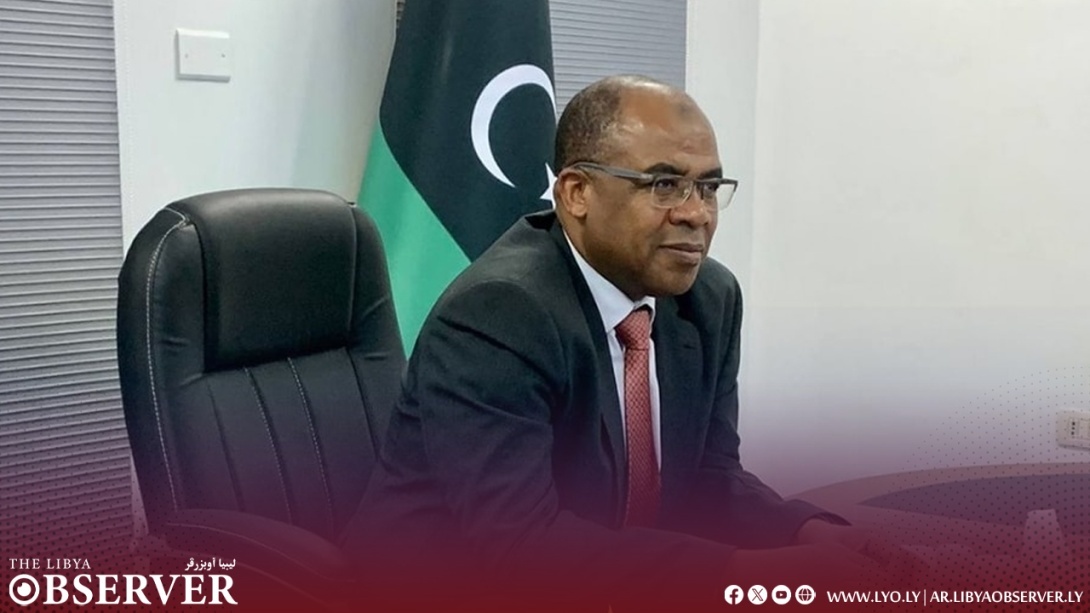
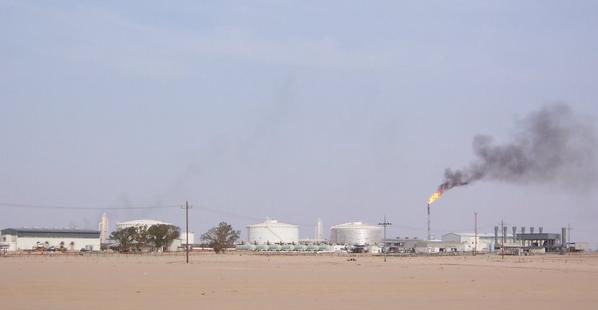
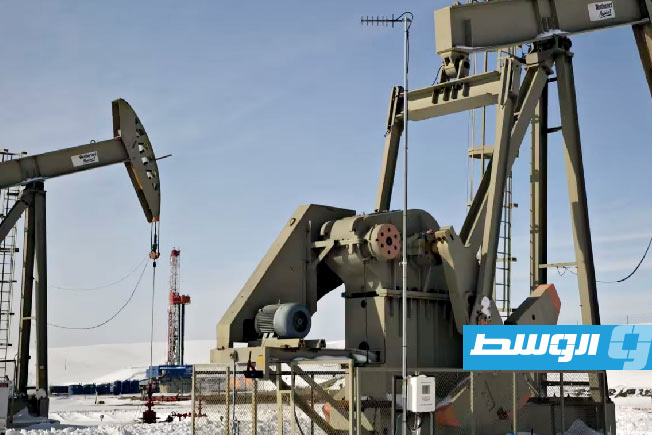
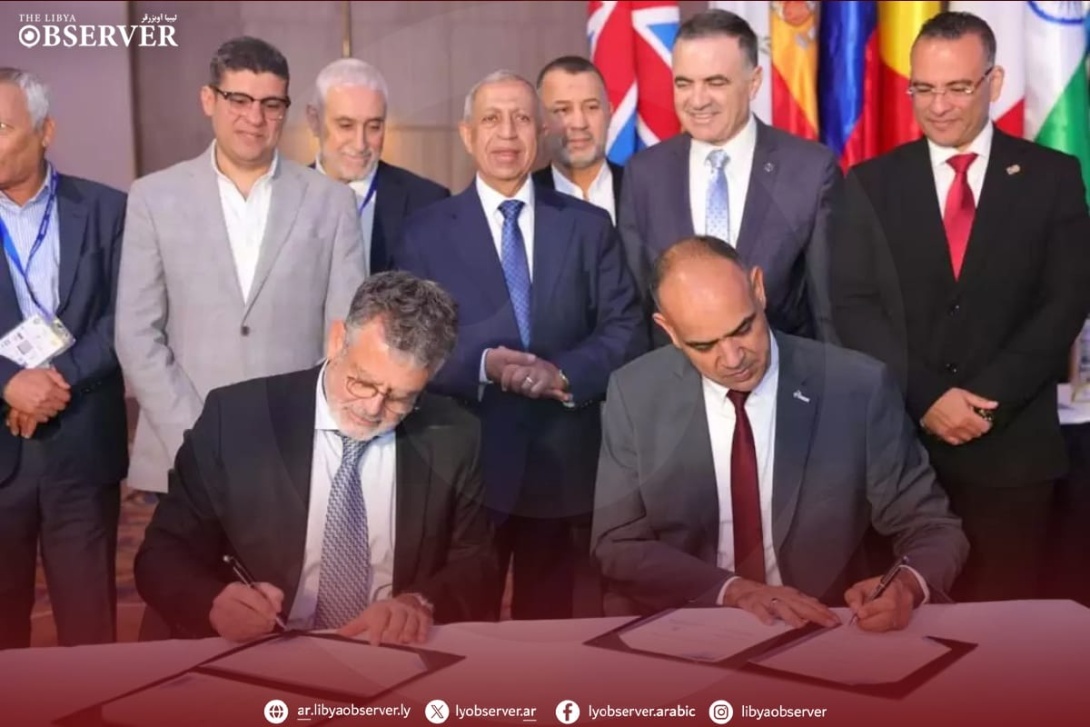
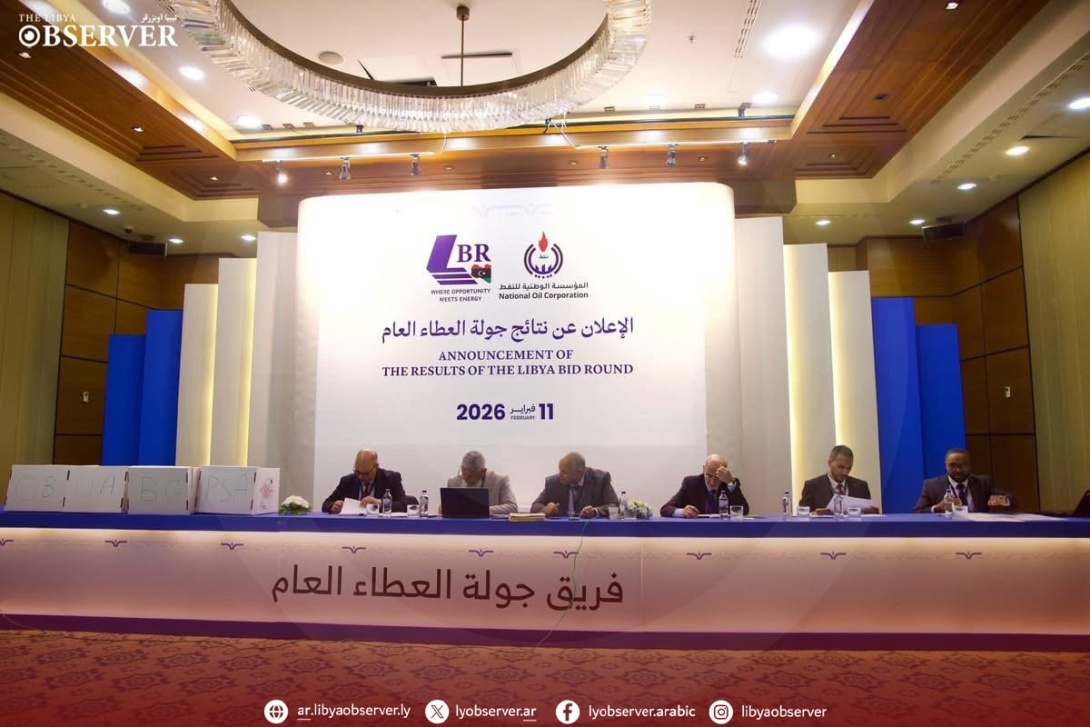
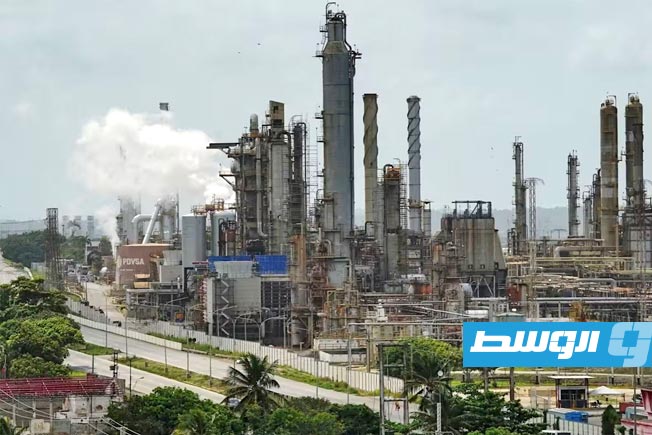
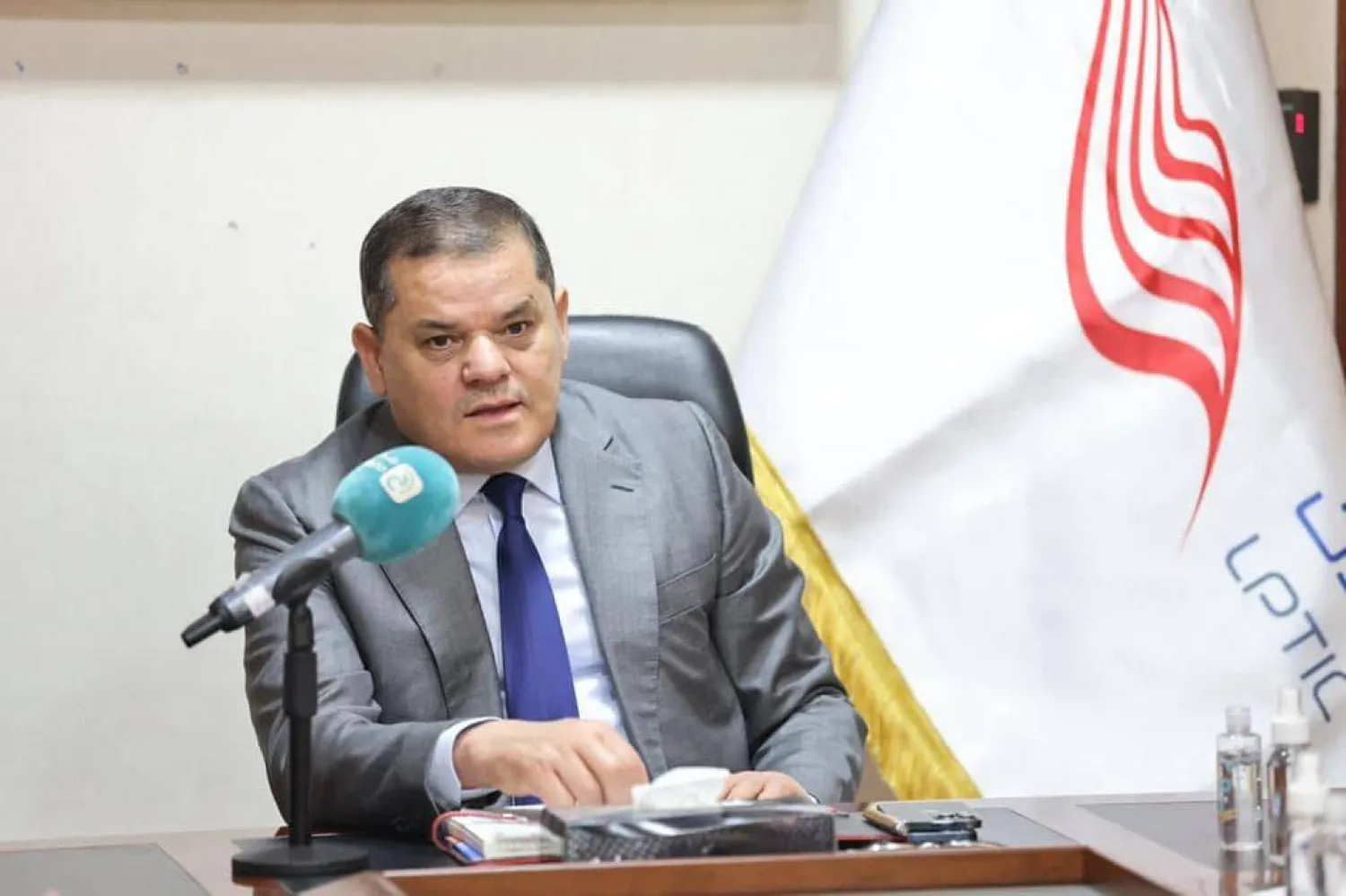
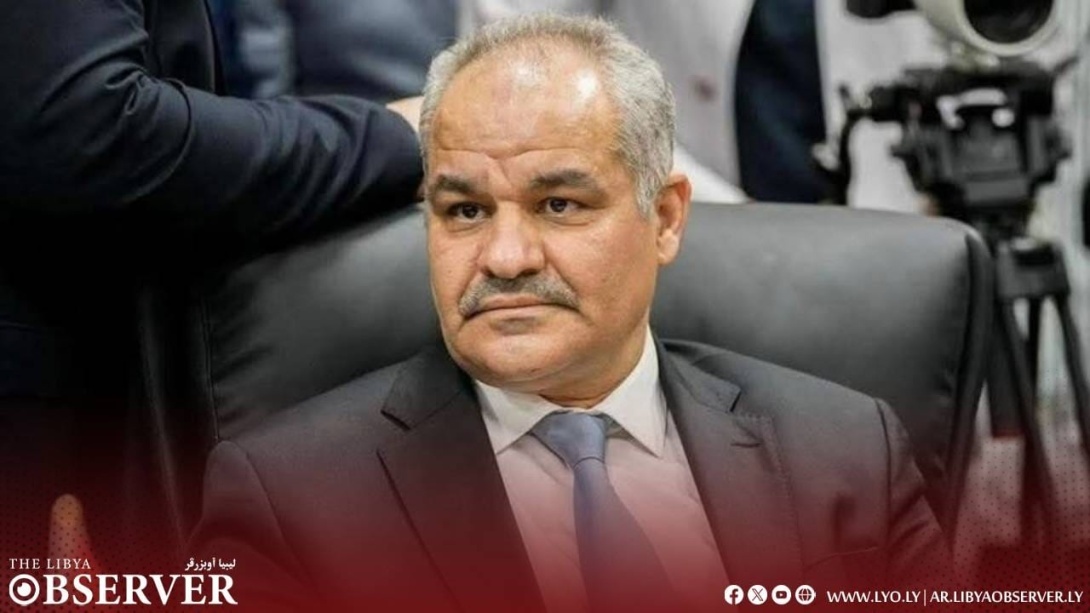
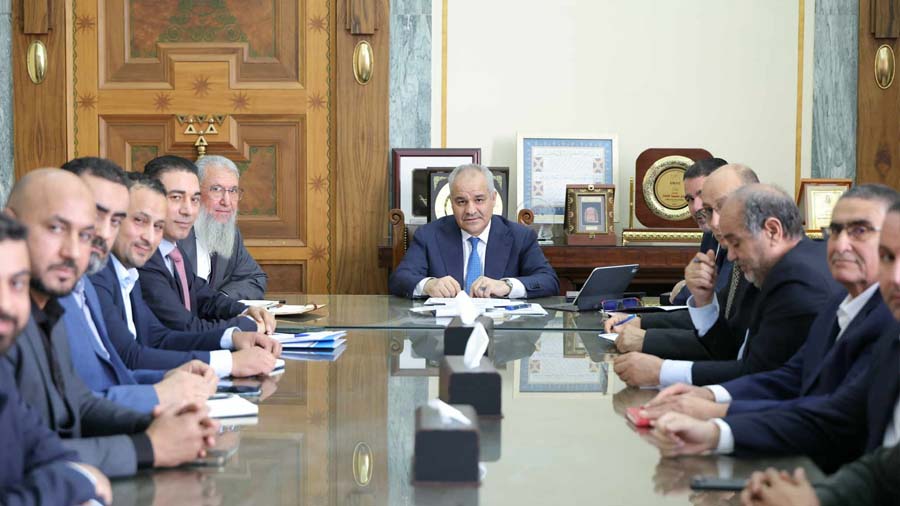
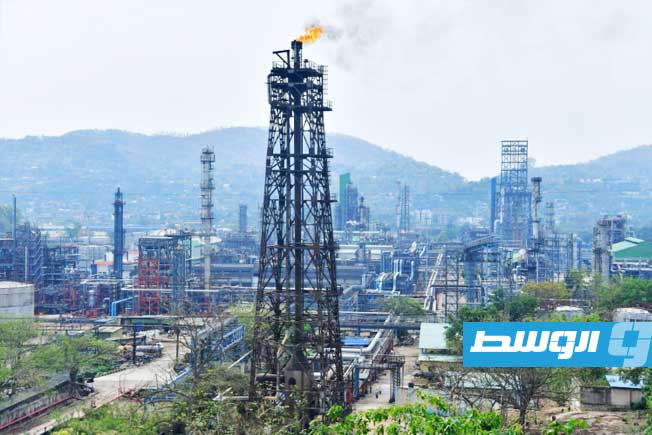
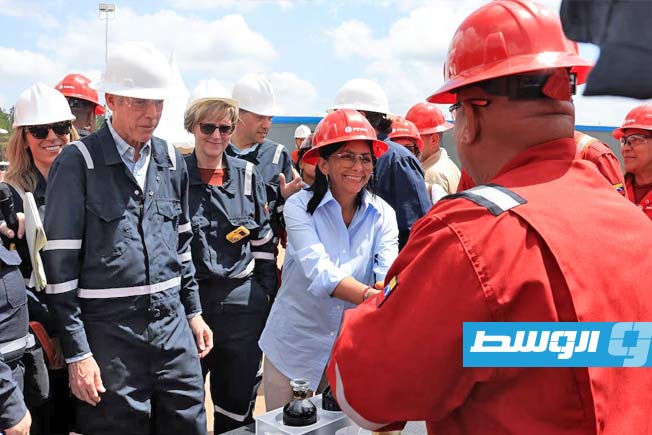
Tripoli, February 11, 2026 – The National Oil Corporation launched a public exploration bidding round on Wednesday after a hiatus of more than 17 years. This step aims to revitalize exploration activities and open the door for global companies to invest in Libya’s energy sector. The launch was attended by the head of the Government of National Unity and the acting Minister of Oil and Gas.
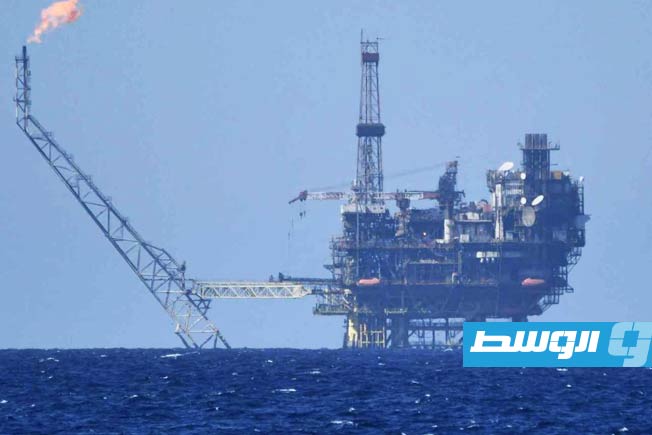
The round included the offering of 20 exploration areas, 11 of which are offshore. This represents an opportunity to attract major specialized companies to develop the country’s hydrocarbon resources. Additionally, the round’s committee opened the envelopes of the submitted company bids, aiming for disclosure, transparency, and ensuring the selection of the best offers based on a comprehensive evaluation mechanism.
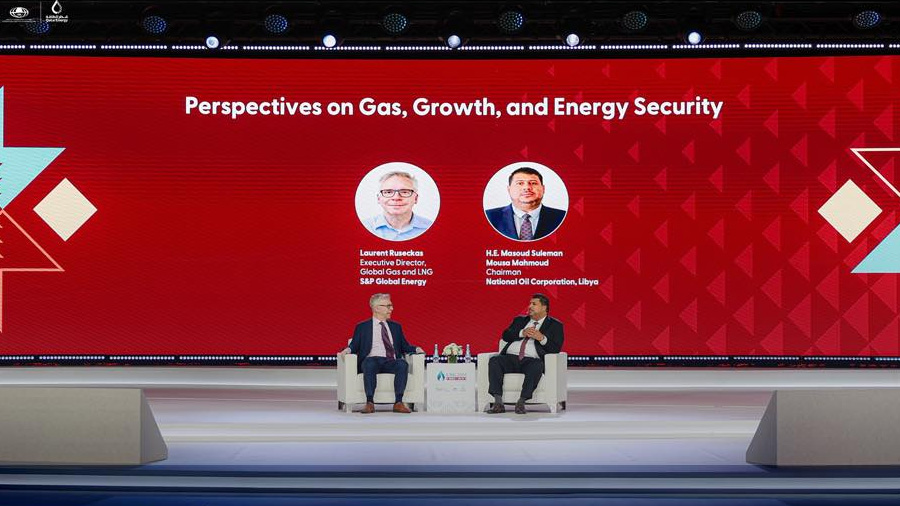
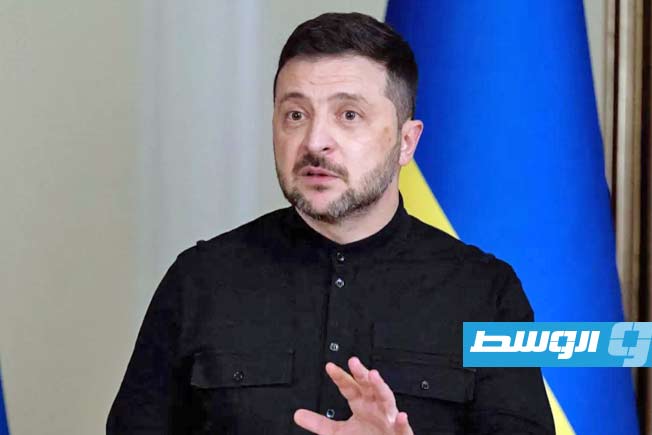
In a speech, the Chairman of the Board of Directors of the National Oil Corporation stated that managing the wealth of the Libyan people is a trust, protecting it is a national responsibility, and securing the rights of future generations is the primary driver. He added that Libya is capable of advancing its oil sector and restoring its natural role in the global energy market.
He pointed to the round’s success in awarding exploration and development contracts to 5 major international companies, while the number of registered and qualified companies reached 29 operating companies and 7 investing companies.
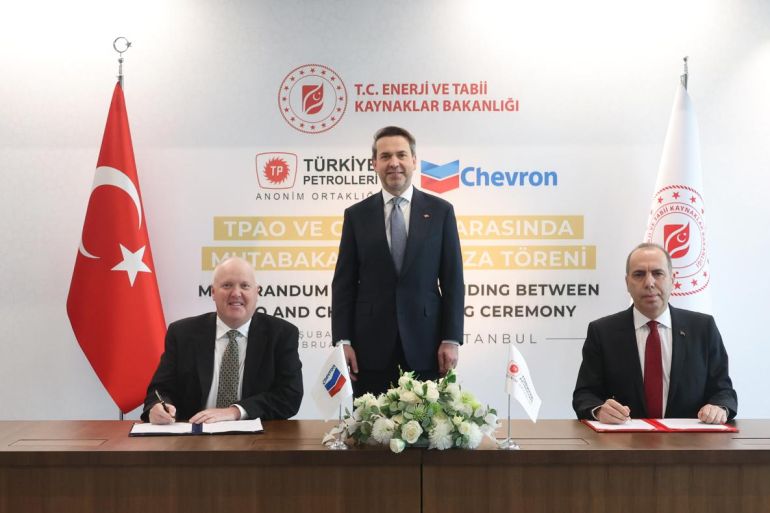
The round’s results led to a number of major global companies winning investment opportunities in the offered exploration blocks. These are a consortium of Repsol with its Turkish partner, the Hungarian company MOL, a consortium of Eni with QatarEnergy, in addition to the American company Chevron and the Nigerian company AITEO. This followed their fulfillment of the approved technical and financial evaluation criteria.
…
Tripoli
Tripoli is the capital and largest city of Libya, located on the country’s Mediterranean coast. Historically, it was founded by the Phoenicians in the 7th century BC and later became a significant Roman city, with its old town, the medina, showcasing a rich history of subsequent Arab, Ottoman, and Italian colonial rule.
Libya
Libya is a North African country with a rich history rooted in ancient civilizations like the Phoenicians and Romans, followed by centuries of Arab and Ottoman influence. In the modern era, it was an Italian colony before gaining independence in 1951, later becoming known for Muammar Gaddafi’s lengthy rule from 1969 until the 2011 civil war. Its cultural sites include the well-preserved Roman ruins of Leptis Magna, a UNESCO World Heritage site.
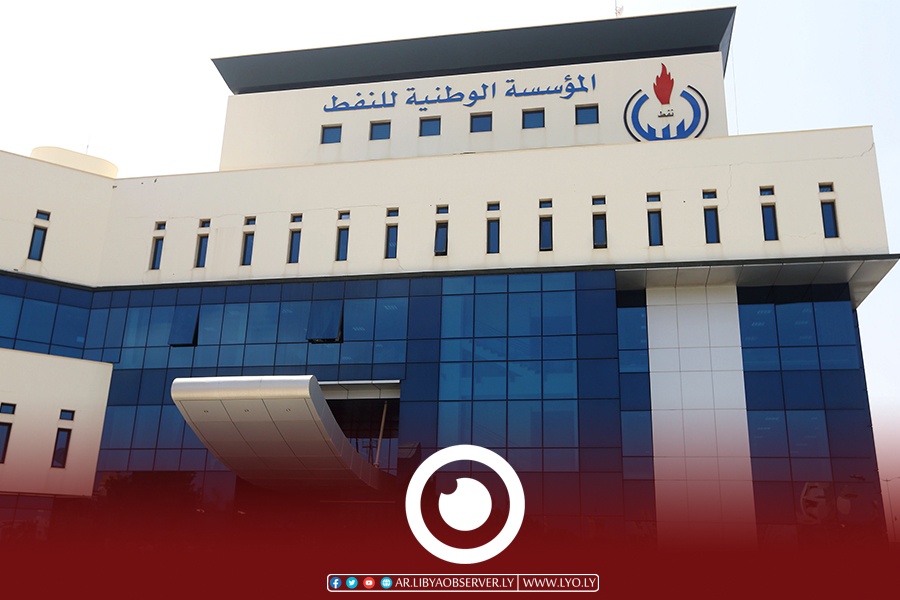
National Oil Corporation
The National Oil Corporation (NOC) is the state-owned oil company of Libya, established in 1970 to manage the country’s hydrocarbon resources. It oversees all aspects of Libya’s oil and gas production, from exploration to export, and has been a central pillar of the national economy since its founding.
Government of National Unity
The Government of National Unity (GNU) is a term most notably associated with the post-apartheid transitional government in South Africa, formed in 1994 following the country’s first multiracial elections. Led by President Nelson Mandela, it was a coalition government that included the African National Congress, the National Party, and the Inkatha Freedom Party, aimed at fostering reconciliation and stability during the nation’s democratic transition.
Repsol
Repsol is a Spanish multinational energy company founded in 1987, formed from the restructuring of the state-owned Instituto Nacional de Hidrocarburos. It is a major player in the oil and gas industry, operating across the entire value chain from exploration to marketing, and has expanded its focus to include renewable energy projects.
MOL
MOL is a Hungarian multinational oil and gas company headquartered in Budapest, founded in 1991 following the restructuring of the state-owned oil company. It has since grown through acquisitions to become a leading integrated Central European corporation in the energy sector.
Eni
Eni is a small village in the Republic of Dagestan, Russia, historically known as the site of the Eni Fortress. This fortress was constructed in the 19th century during the Russian Empire’s Caucasian War as a military stronghold to consolidate control over the region.
QatarEnergy
QatarEnergy is the state-owned petroleum company of Qatar, originally founded in 1974 as Qatar General Petroleum Corporation. It is central to the nation’s economy and is a global leader in the production and export of liquefied natural gas (LNG).
Chevron
Chevron is a multinational energy corporation headquartered in San Ramon, California, founded in 1879 as the Pacific Coast Oil Company. It grew through major mergers, including with Standard Oil of California and Texaco, to become one of the world’s largest integrated oil and gas companies.
AITEO
AITEO is a modern corporate entity, primarily known as Aiteo Group, an energy conglomerate founded in Nigeria in 2008. It emerged as a significant player in the African oil and gas sector following its acquisition of assets from Shell, and it is not a historical place or cultural site in the traditional sense.