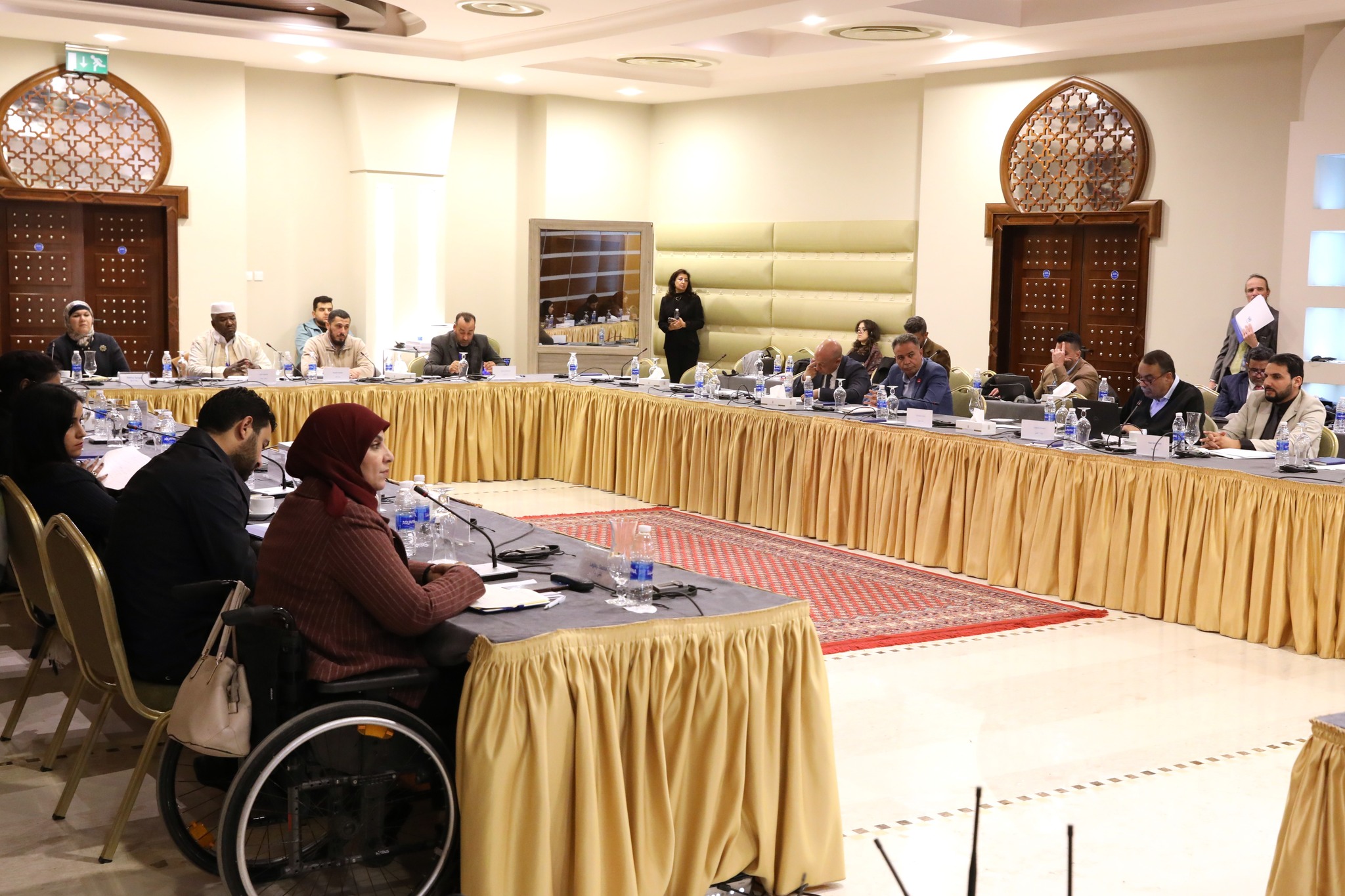
Tripoli, February 1, 2026 – The United Nations Support Mission in Libya announced the resumption of meetings for the Governance and Security tracks within the Structured Dialogue in Tripoli today, Sunday, to be held concurrently.
Over the course of four days, participants in these meetings will focus on a range of issues related to governance, conflict prevention, and stability, with the aim of reaching practical, implementable recommendations to create the necessary conditions, according to the Mission.
The Mission stated that the work of the Structured Dialogue aligns with its mandate to use its good offices to facilitate a comprehensive, Libyan-led and Libyan-owned political process. This aims to build consensus on creating a conducive environment for holding national elections, unifying state institutions and enhancing their capacities, and achieving long-term stability in Libya.
Tripoli
Tripoli is the capital and largest city of Libya, with a history dating back to the 7th century BC when it was founded by the Phoenicians. It later became a significant part of the Roman Empire, the Ottoman Empire, and an Italian colony, which is reflected in its diverse architecture in the old medina. Today, it serves as the country’s major political, economic, and cultural center.
Libya
Libya is a North African country with a rich history rooted in ancient civilizations like the Phoenicians and Romans, followed by centuries of Arab and Ottoman influence. In the modern era, it was an Italian colony before gaining independence in 1951, later becoming known for Muammar Gaddafi’s lengthy rule from 1969 until the 2011 revolution. Its cultural heritage includes UNESCO World Heritage sites such as the ancient Greek city of Cyrene and the Roman ruins of Leptis Magna.
United Nations Support Mission in Libya
The United Nations Support Mission in Libya (UNSMIL) is a political mission established in 2011 by the UN Security Council following the Libyan Civil War. Its mandate is to support Libyan national efforts in post-conflict stabilization, facilitating political dialogue, and promoting human rights and the rule of law.