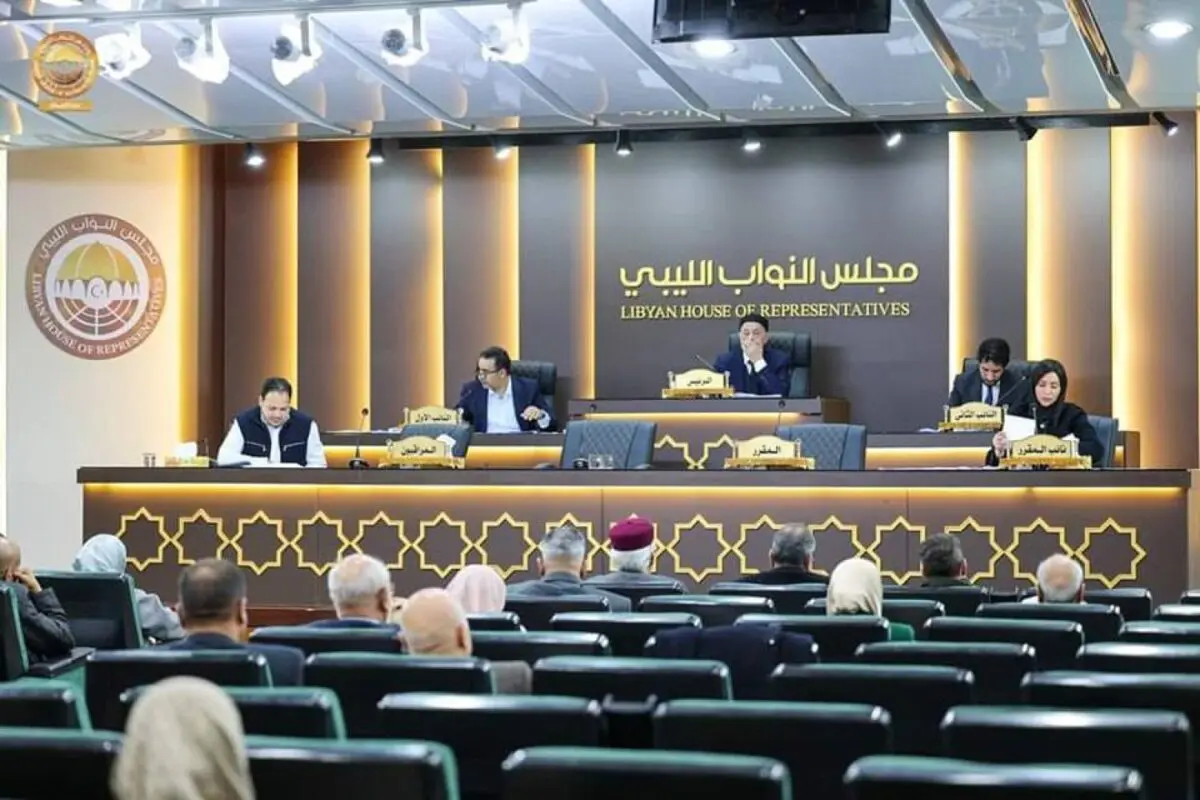
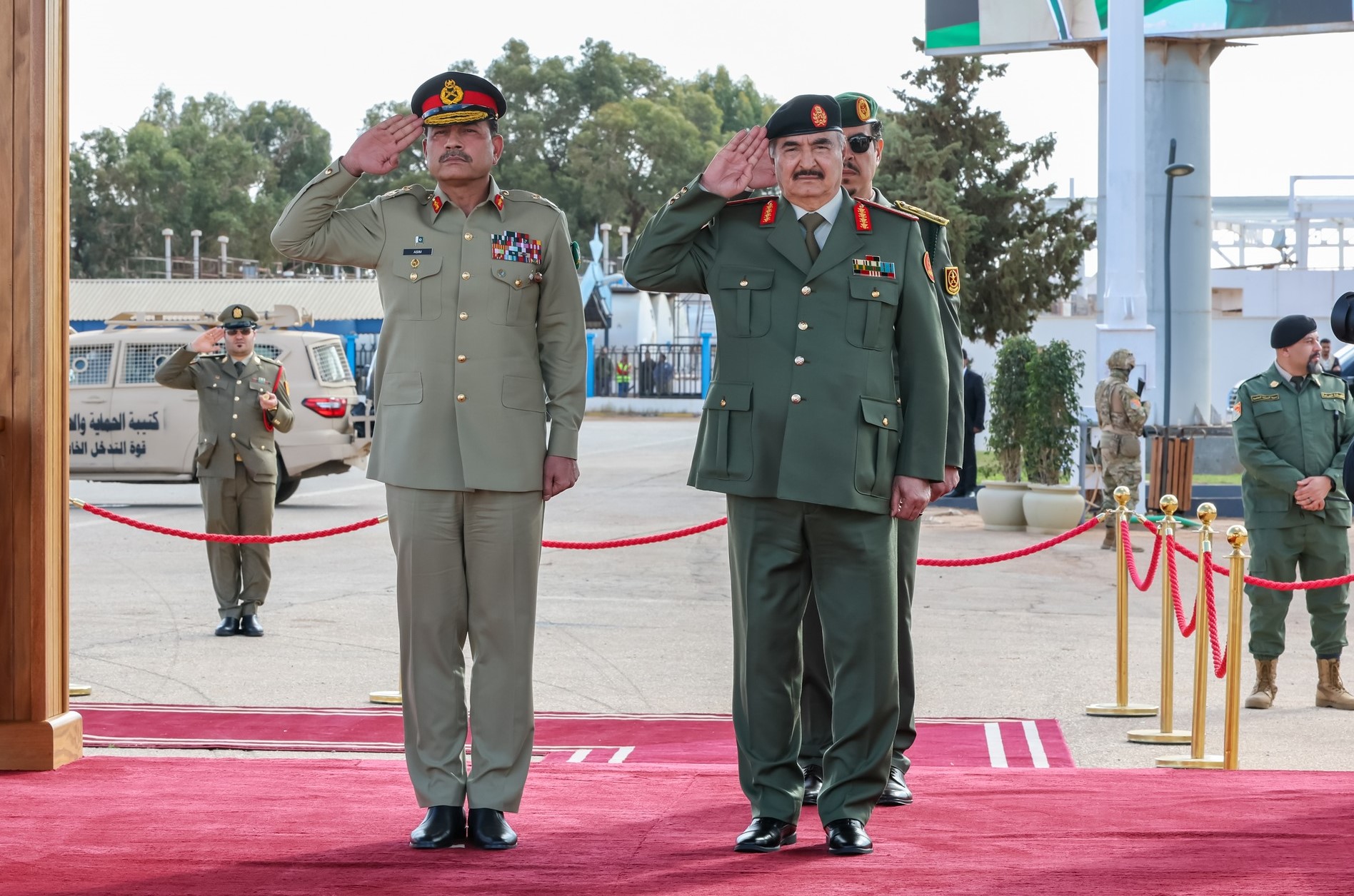
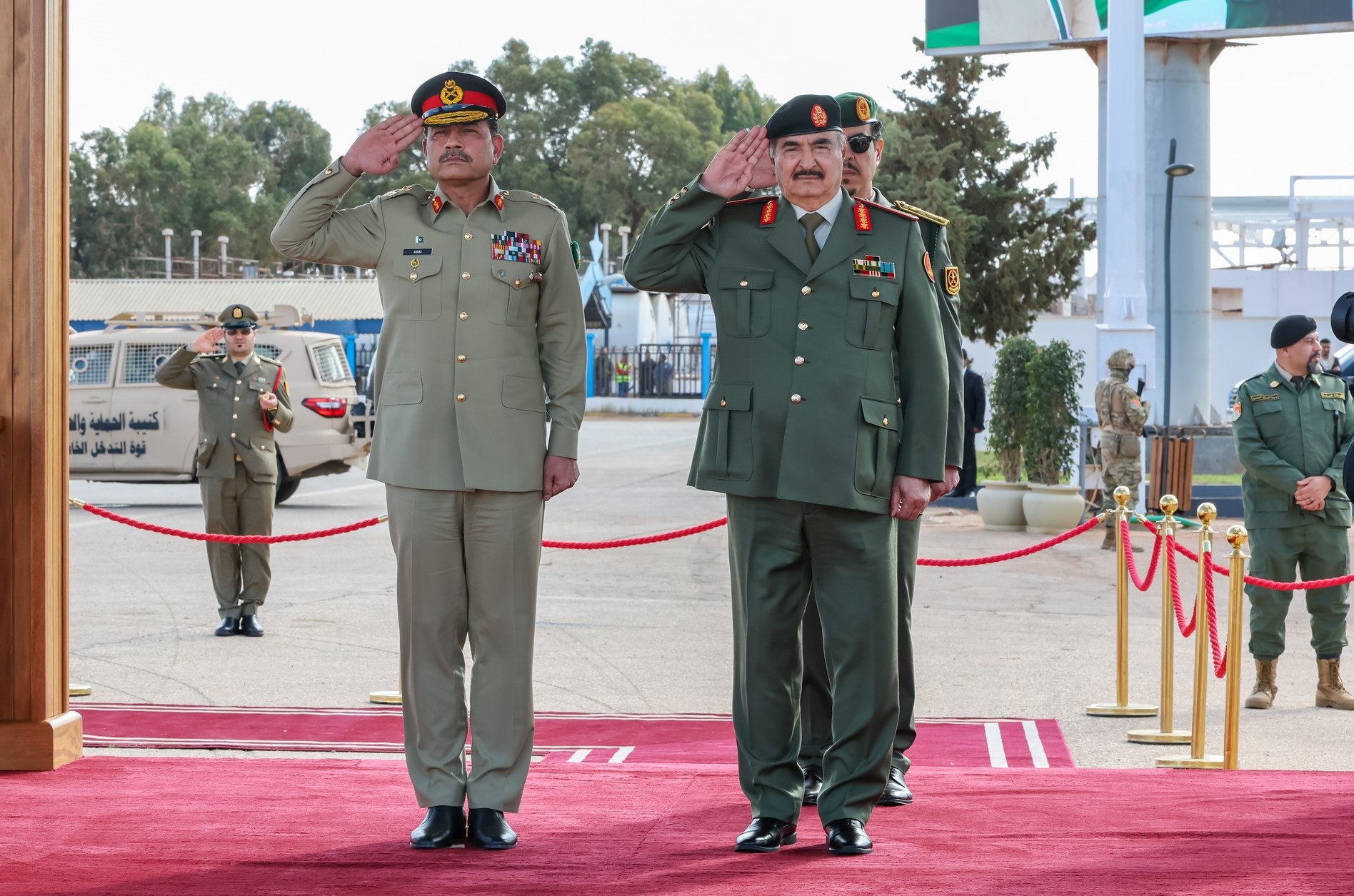
The National Defense and Security Committee in the House of Representatives condemns the attack on the Al-Tum border crossing.
libyawire.org > News > Economy > The National Defense and Security Committee in the House of Representatives condemns the attack on the Al-Tum border crossing.
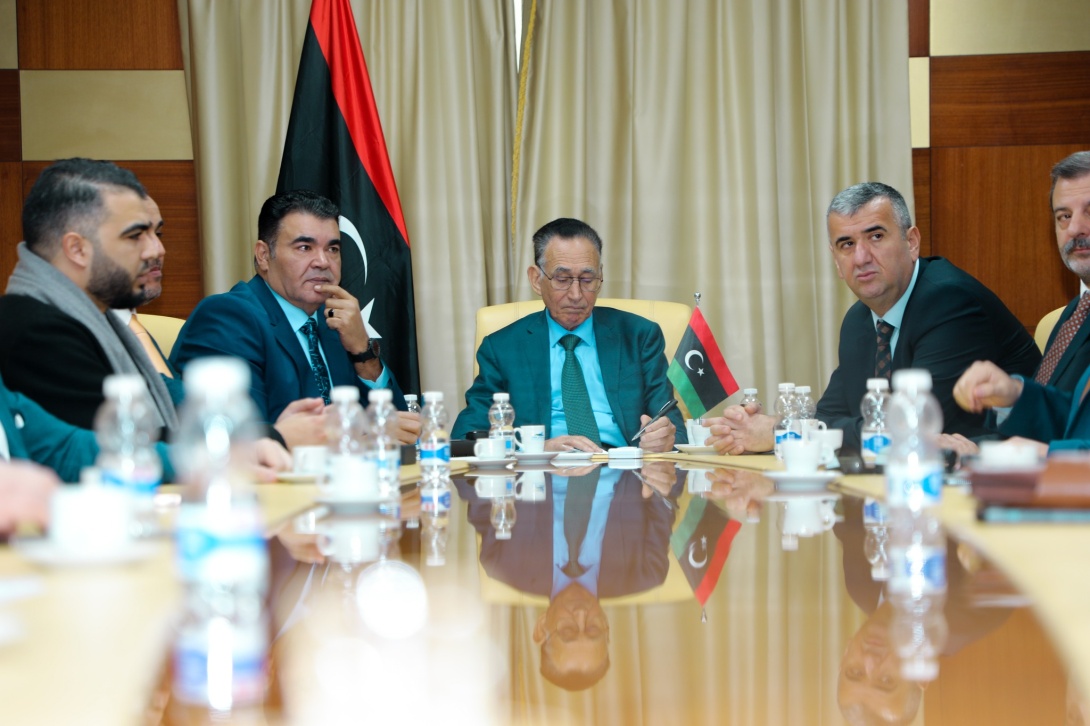
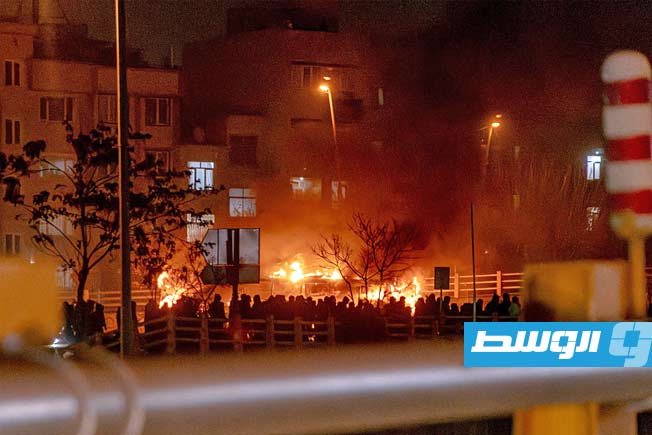
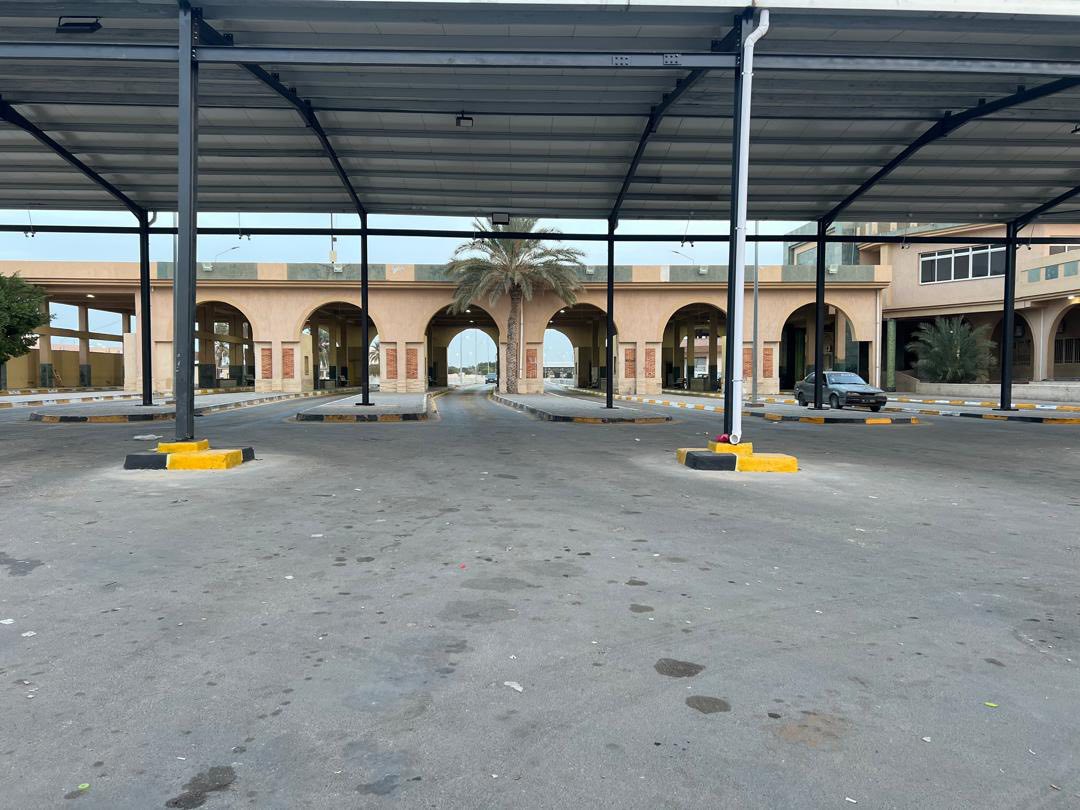
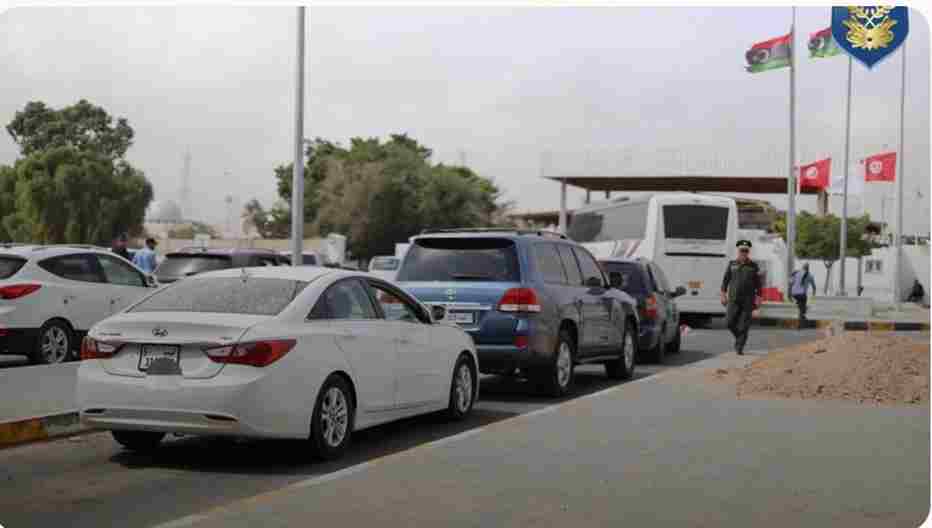
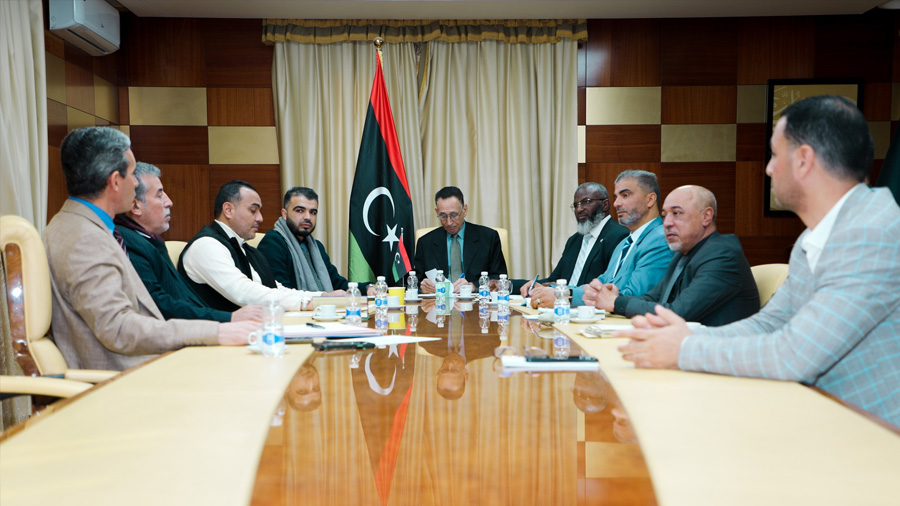
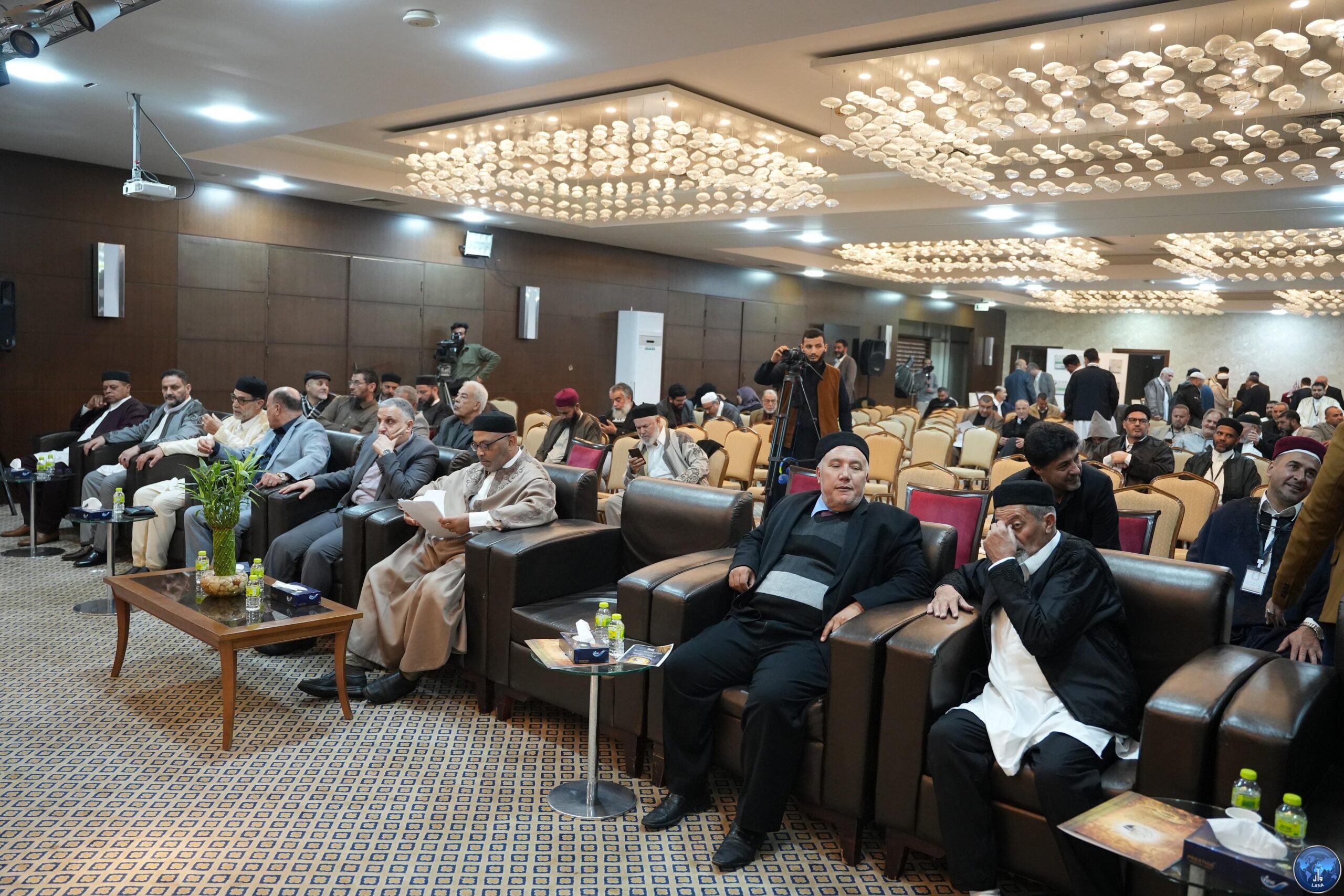
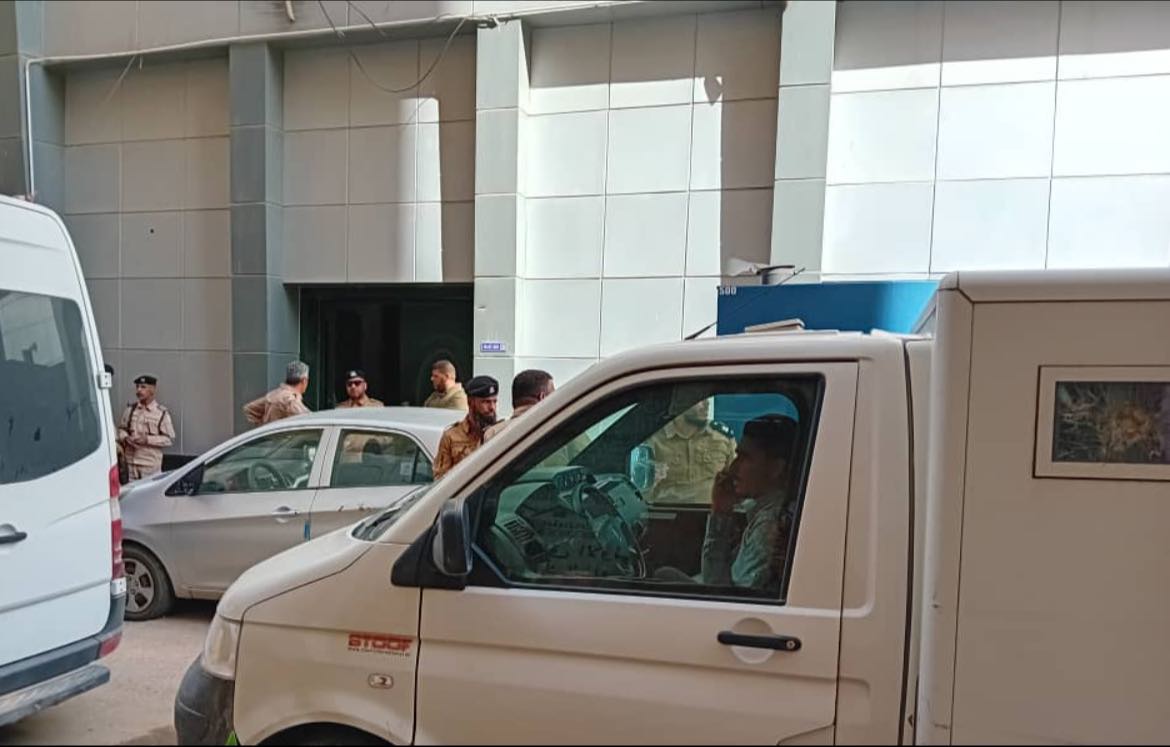
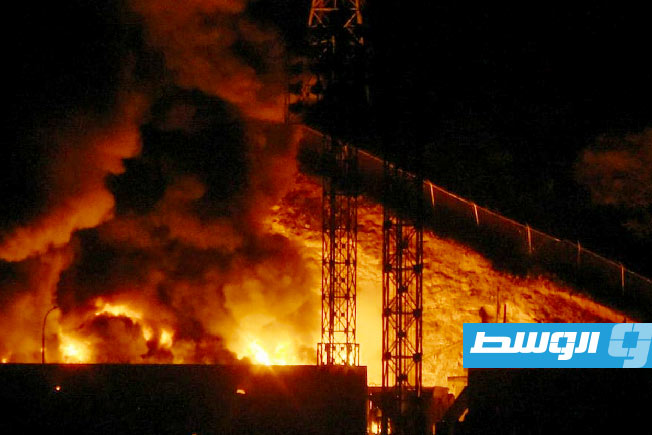
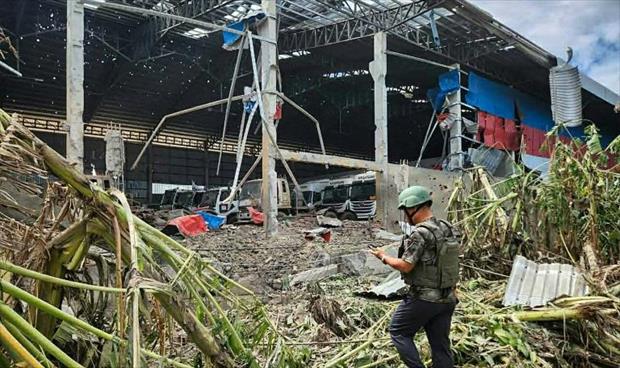
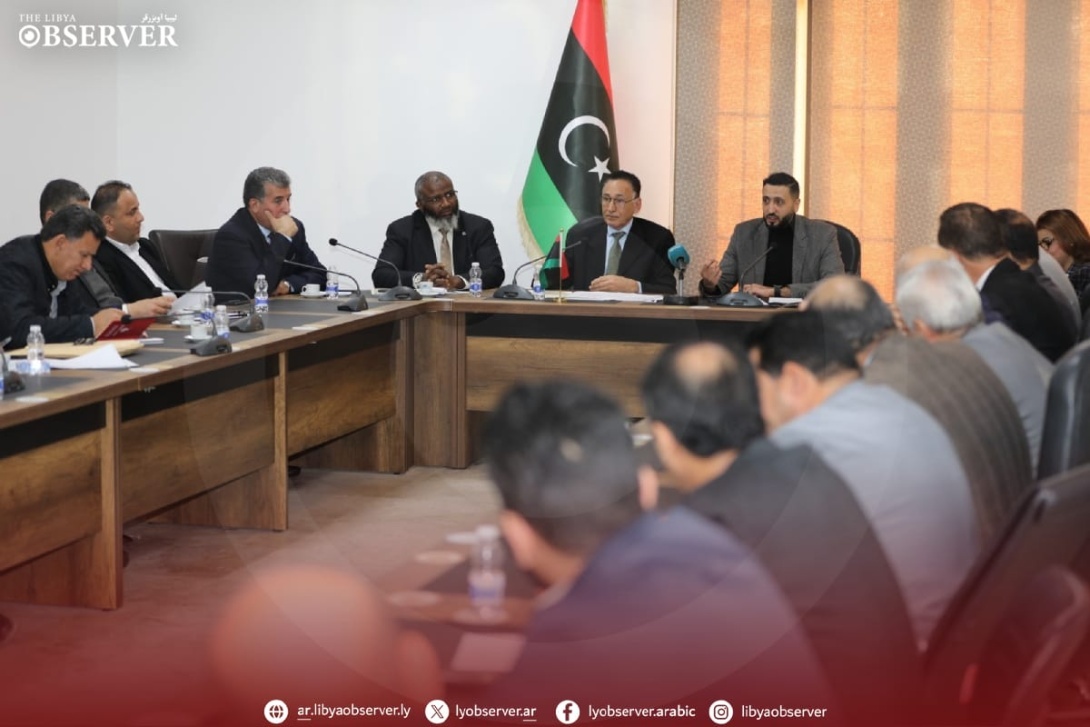
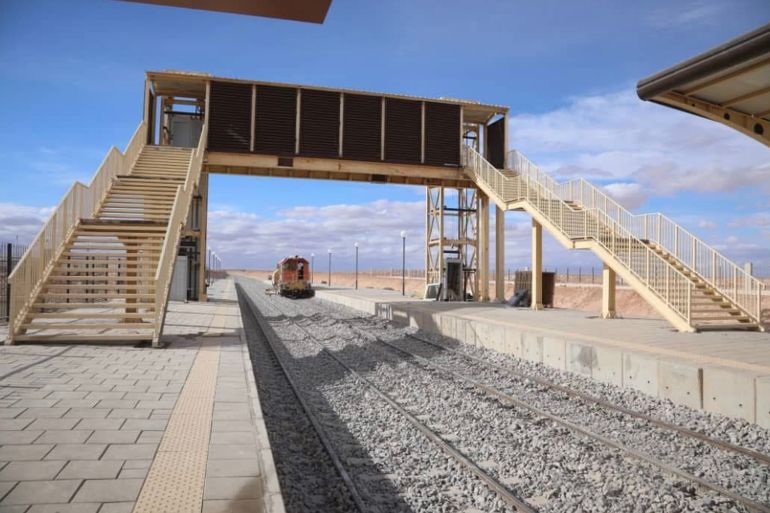
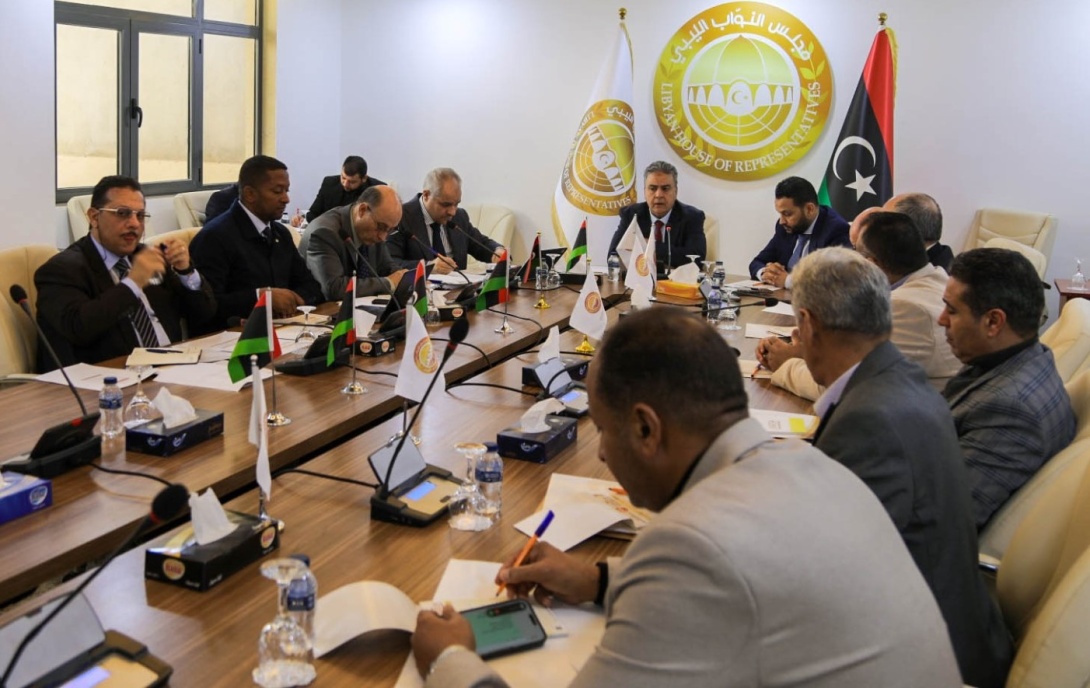
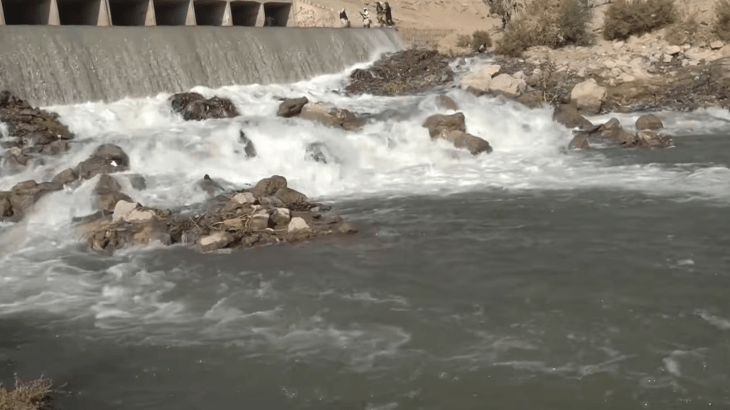
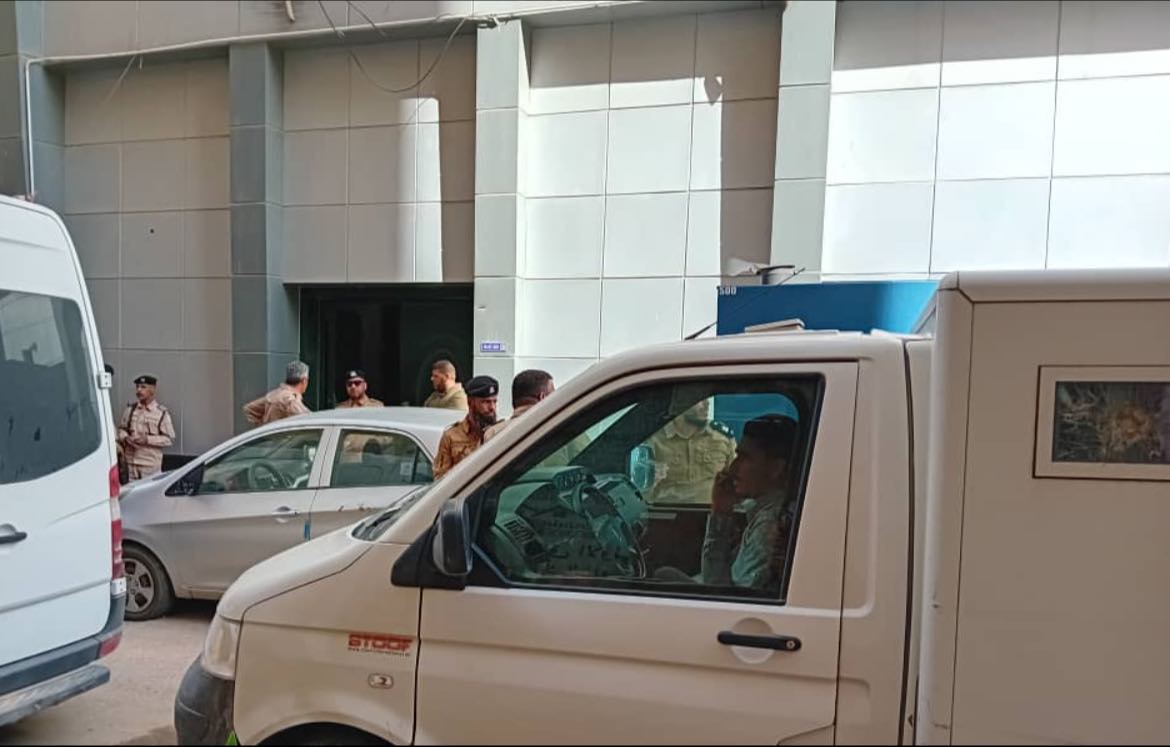
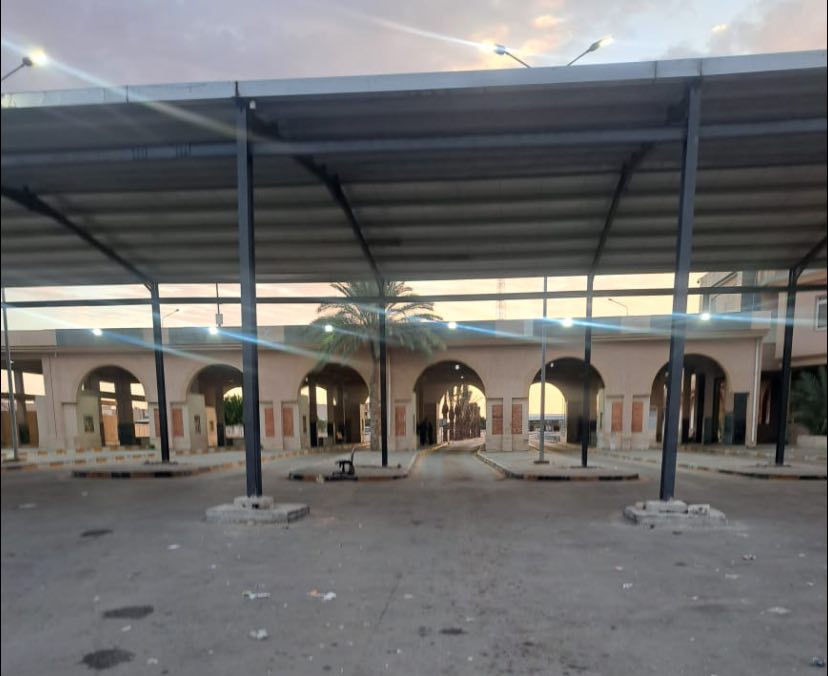
Benghazi, January 1, 2026 – The National Defense and Security Committee of the House of Representatives strongly condemned the treacherous attack that targeted the Al-Toum border crossing in southern Libya, considering this assault a failed attempt to destabilize the region.
The committee renewed, in a statement issued this Sunday, its heartfelt condolences to the families of the duty martyrs who died defending the homeland and protecting its borders, praying to God to accept them as martyrs and to grant the wounded a speedy recovery.
The committee stressed that any internal or external support for outlaw armed groups, which infringes on national sovereignty, will have serious repercussions on the security situation in the south and neighboring countries, calling on everyone to respect the principles of good neighborliness and adhere to international law.
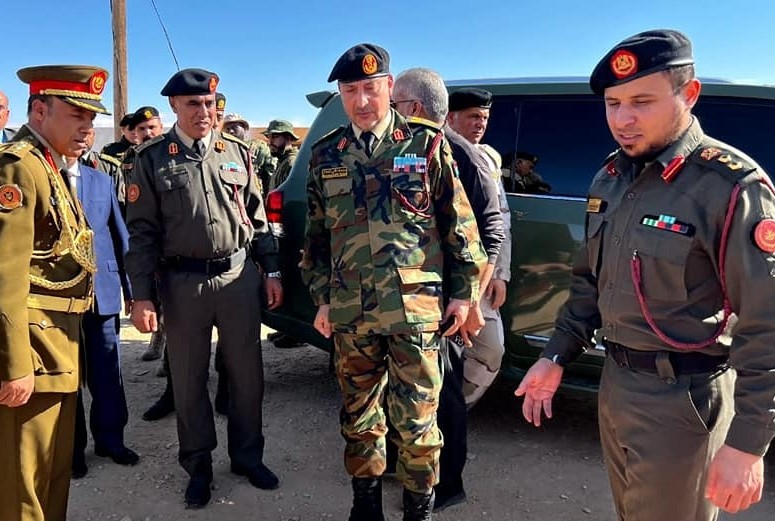
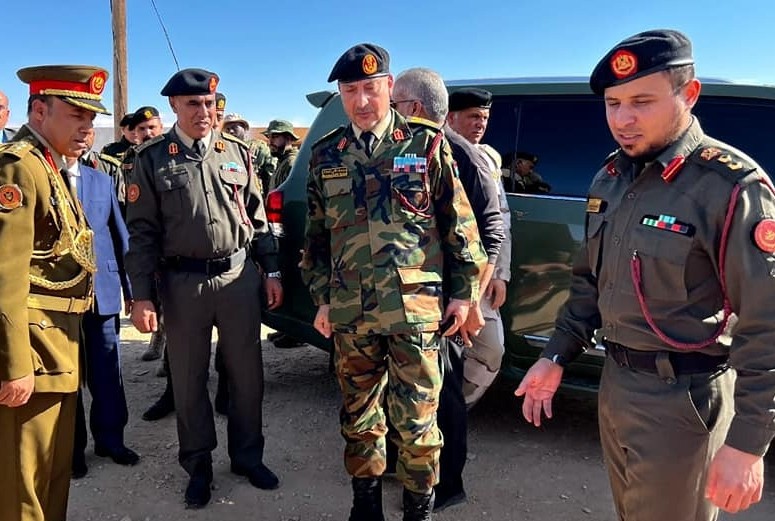
The statement pointed to the speed and decisiveness of the Libyan Armed Forces’ response, affirming that the valiant soldiers confronted the treacherous attack with full efficiency, and that the armed forces will always be on guard against anyone who attempts to undermine Libya’s sovereignty and security.
The committee confirmed that protecting national borders and maintaining security and stability in the south are top priorities, calling on citizens and the international community to cooperate in supporting the state’s efforts to confront any armed threats.
…
Benghazi
Al-Toum border crossing
The Al-Toum border crossing is a key land crossing point between Sudan and South Sudan, located in the disputed and oil-rich Abyei region. Its history is closely tied to the post-2011 separation of the two nations, serving as a vital but often tense transit route for trade, humanitarian aid, and population movement amid ongoing regional disputes.
Libya
Libya is a North African country with a rich history rooted in ancient civilizations like the Phoenicians and Romans, followed by centuries of Arab and Ottoman influence. In the modern era, it was an Italian colony before gaining independence in 1951, later becoming known for Muammar Gaddafi’s lengthy rule from 1969 until the 2011 revolution. Its cultural sites include the well-preserved Roman ruins of Leptis Magna, a UNESCO World Heritage site.
National Defense and Security Committee
The National Defense and Security Committee is a key legislative body, typically within a national parliament, responsible for overseeing military policy, intelligence matters, and broader national security strategy. Its history is often tied to the establishment of modern parliamentary systems, evolving to address contemporary defense challenges and ensure civilian oversight of the armed forces.
House of Representatives
The House of Representatives is the lower chamber of the United States Congress, established by the Constitution in 1789. It is composed of representatives elected from congressional districts, with representation based on state population, and it holds primary responsibility for initiating revenue bills and impeaching federal officials.
Libyan Armed Forces
The Libyan Armed Forces are the official military forces of Libya, originally established after the country gained independence in 1951. Following the 2011 revolution and the fall of Muammar Gaddafi’s government, the forces fragmented into various competing groups aligned with different political factions and governments.