The Ministry of Economy confirms that it does not prohibit the import of goods or services if they comply with Libyan specifications.
libyawire.org > News > Economy > The Ministry of Economy confirms that it does not prohibit the import of goods or services if they comply with Libyan specifications.
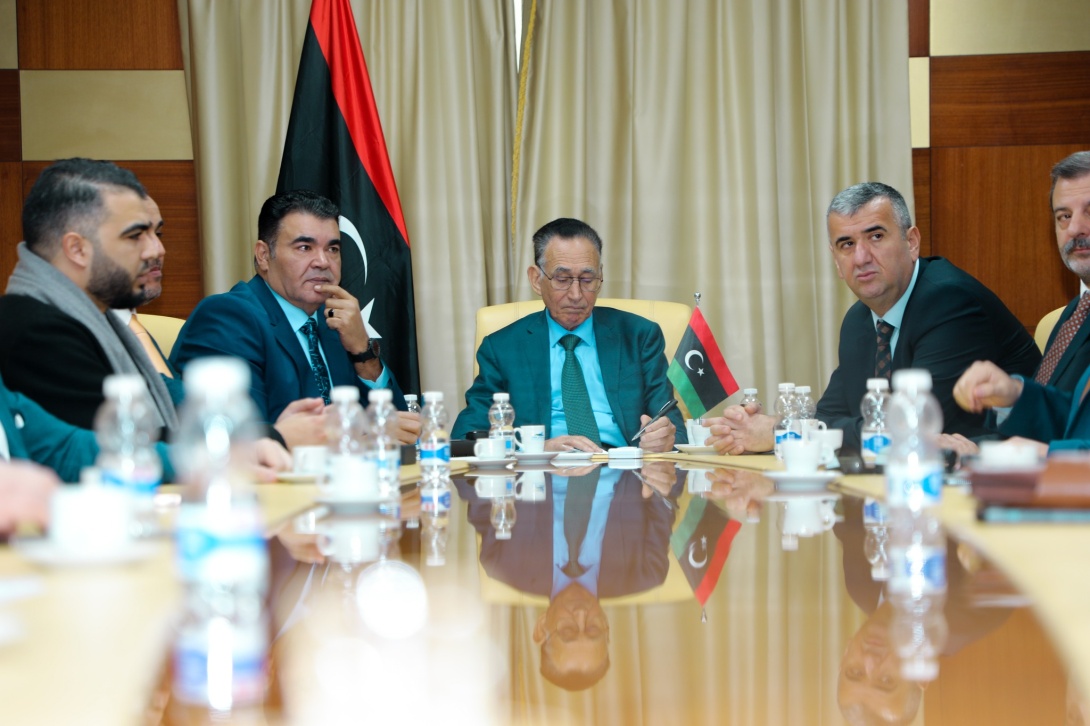
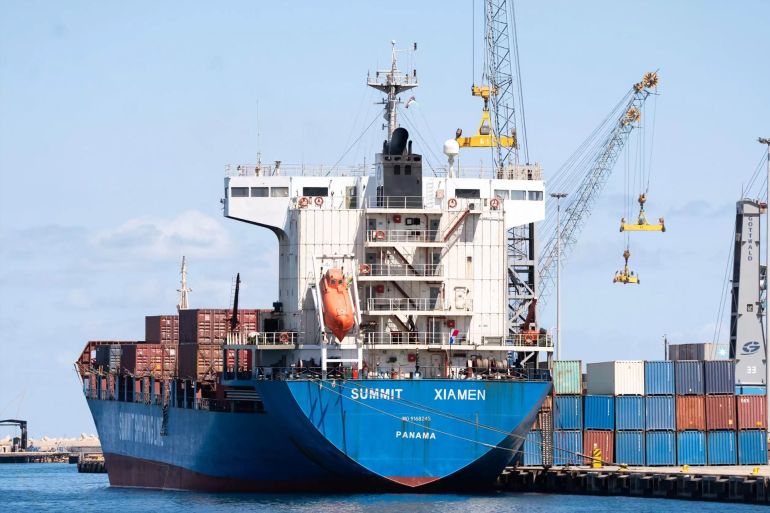
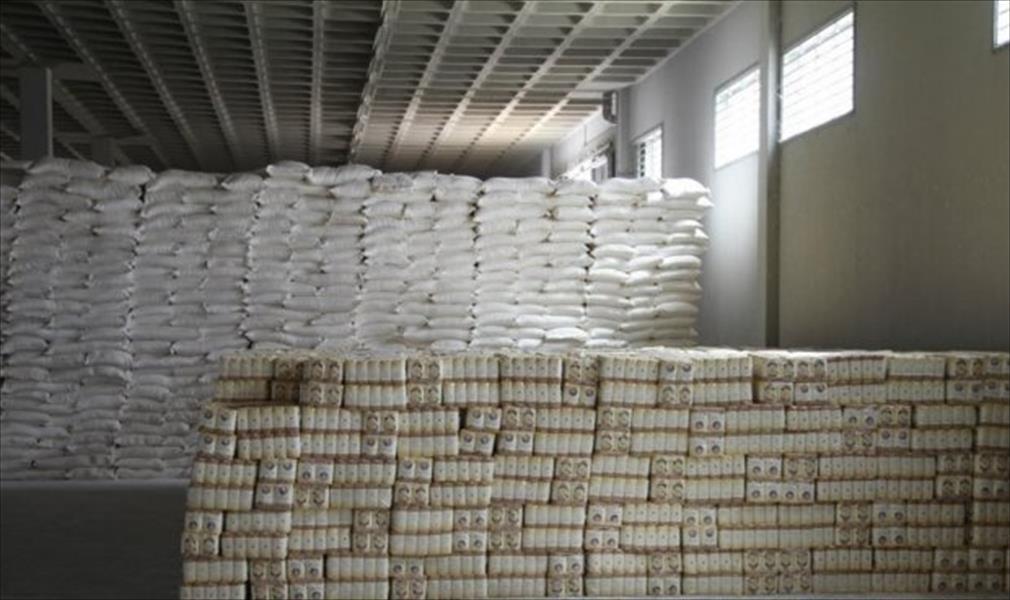
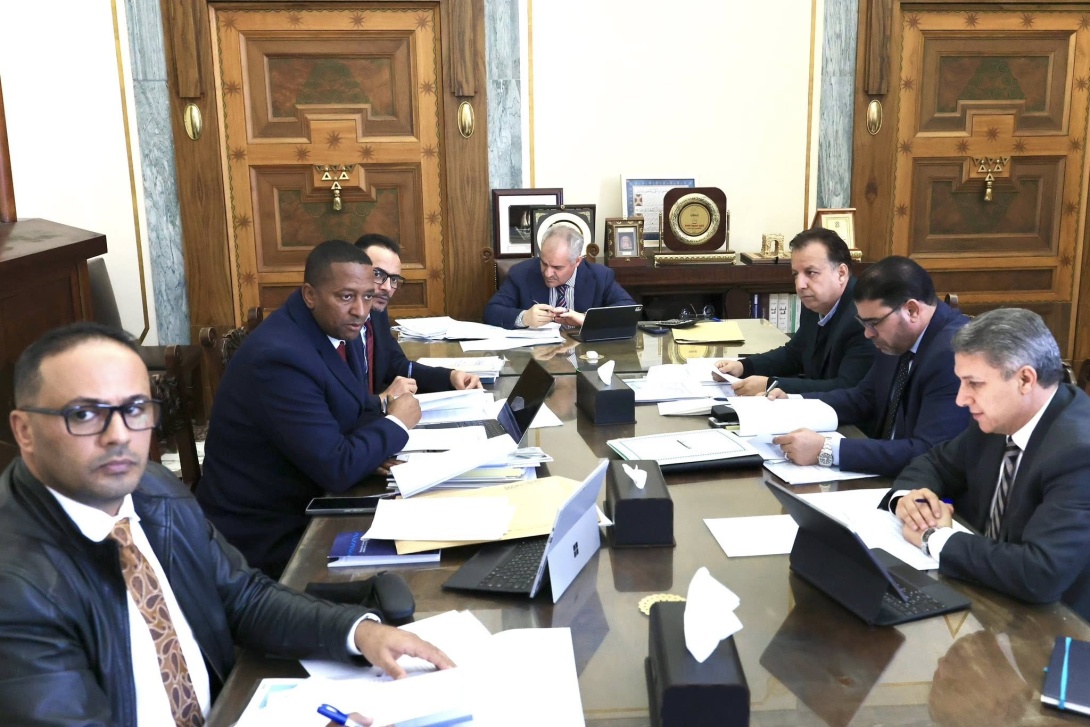
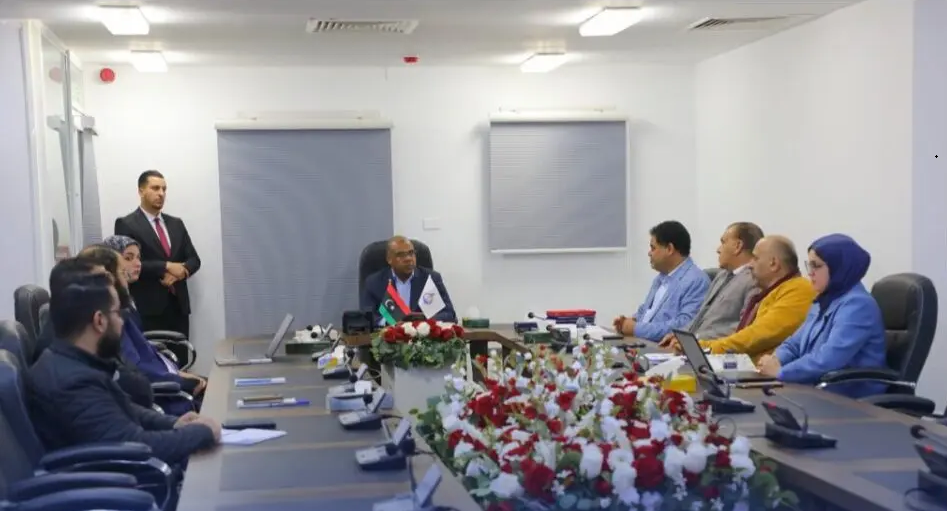
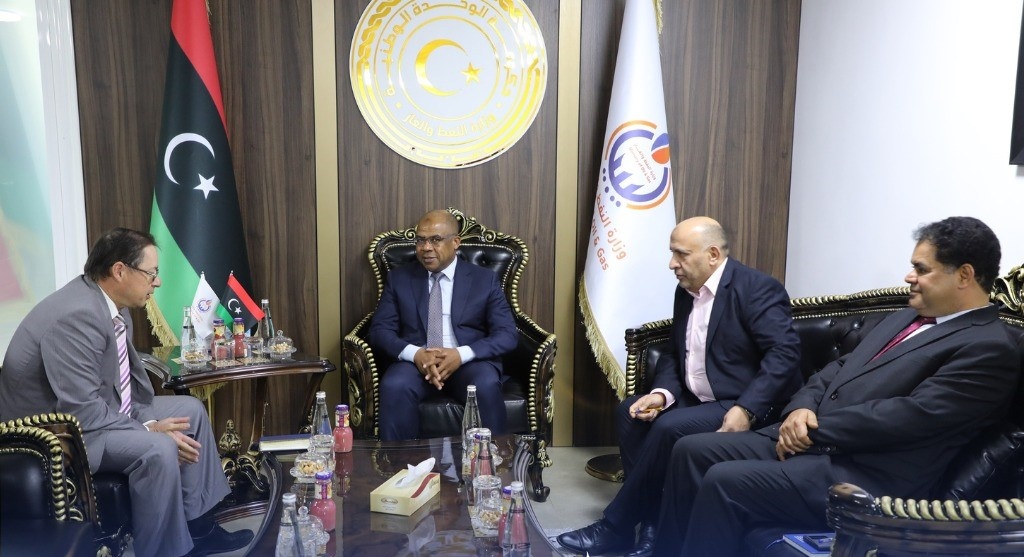
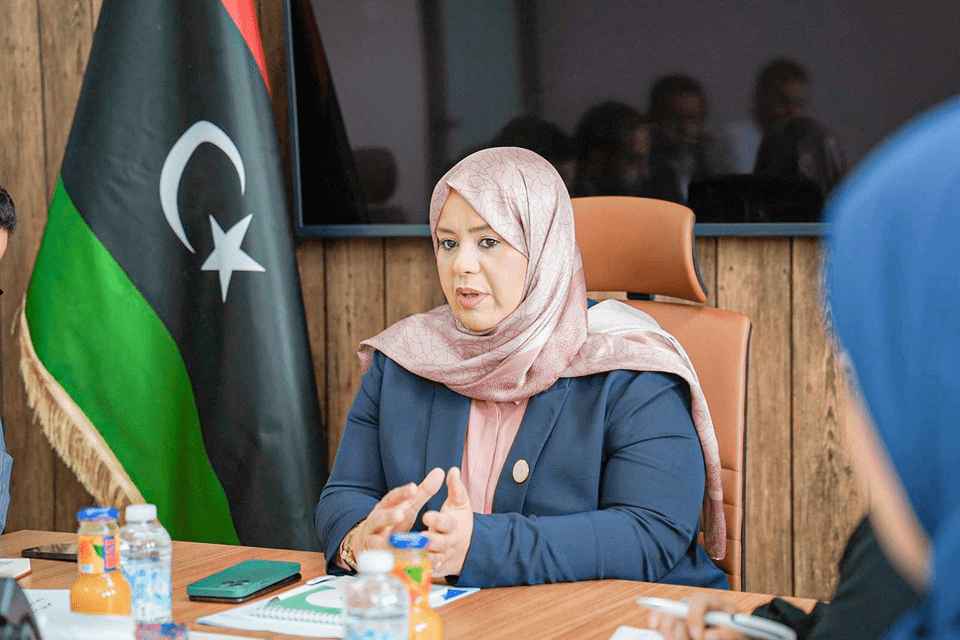
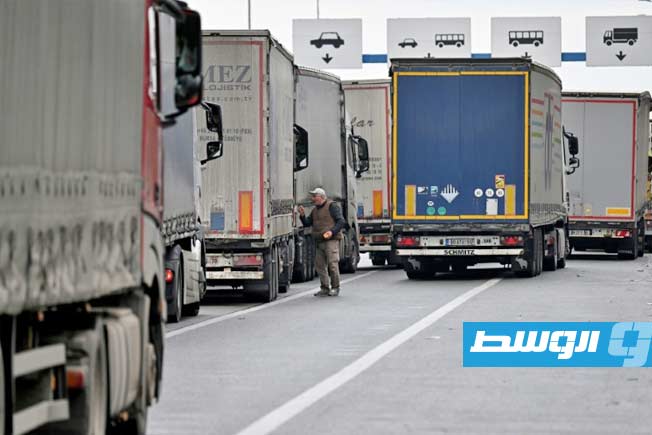
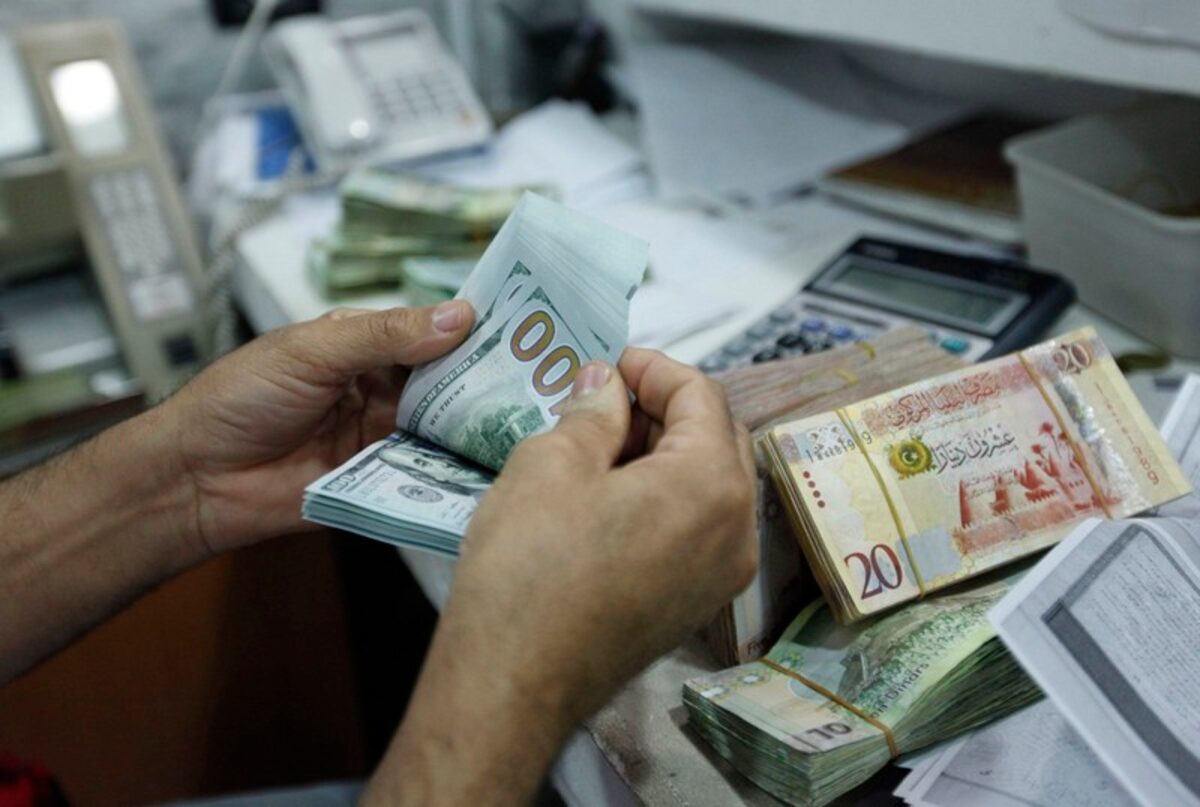
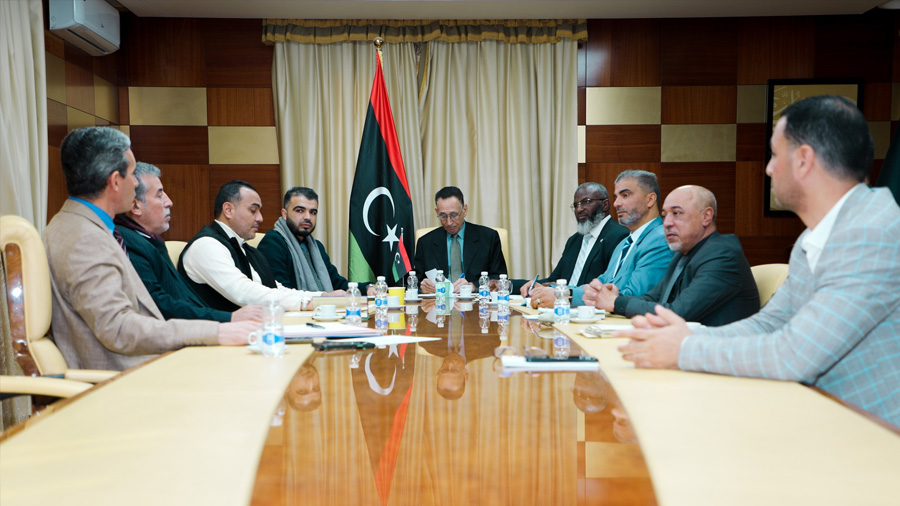
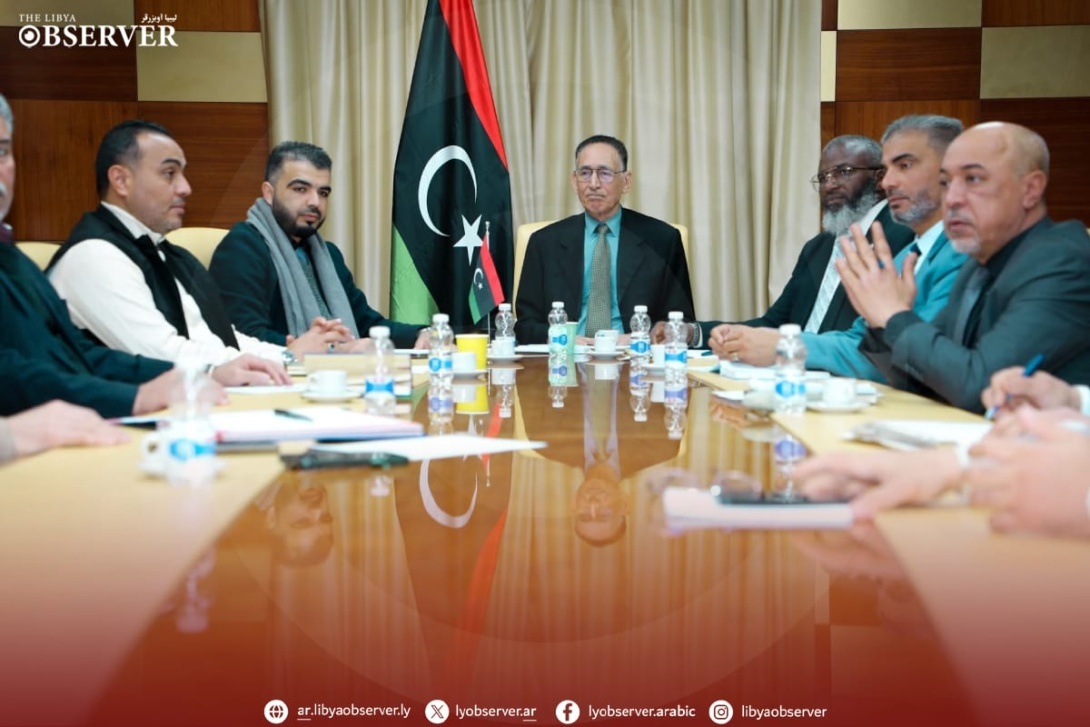
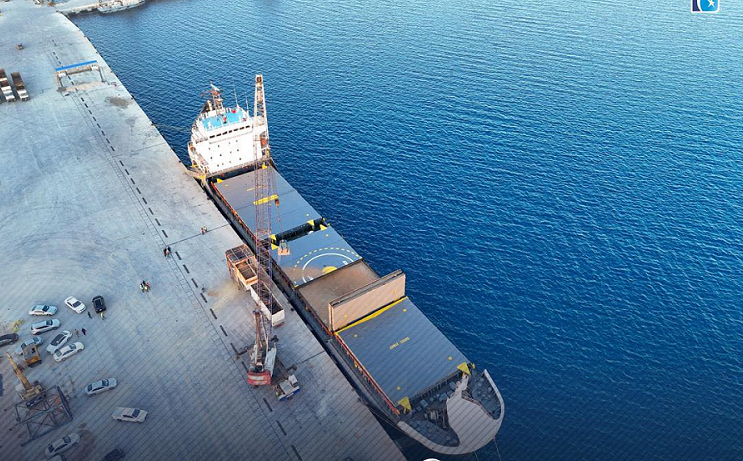
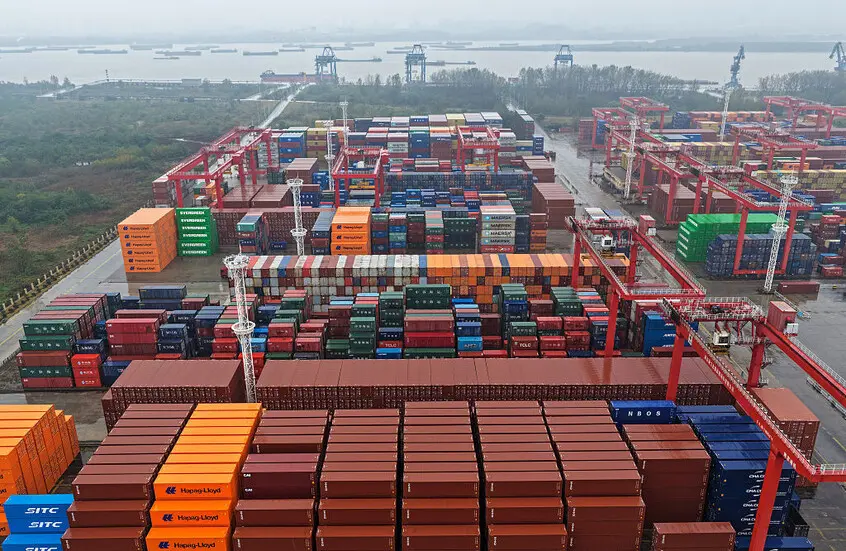
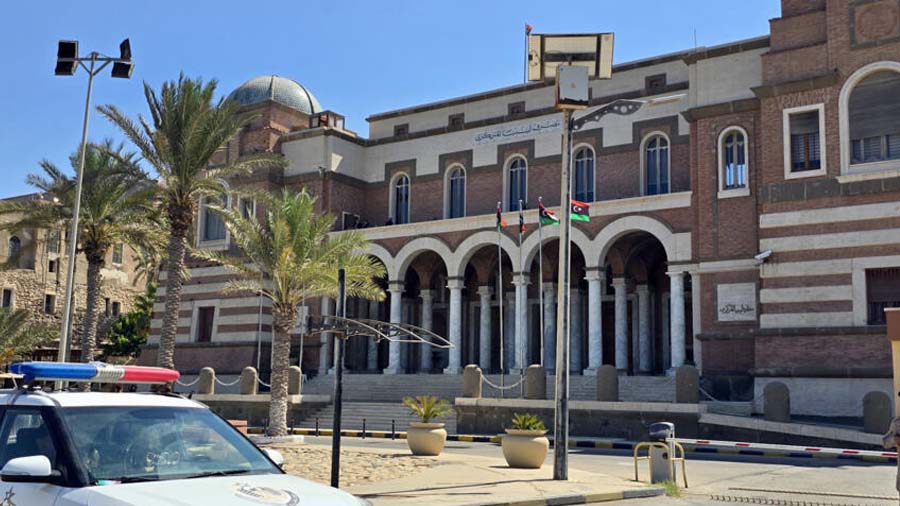
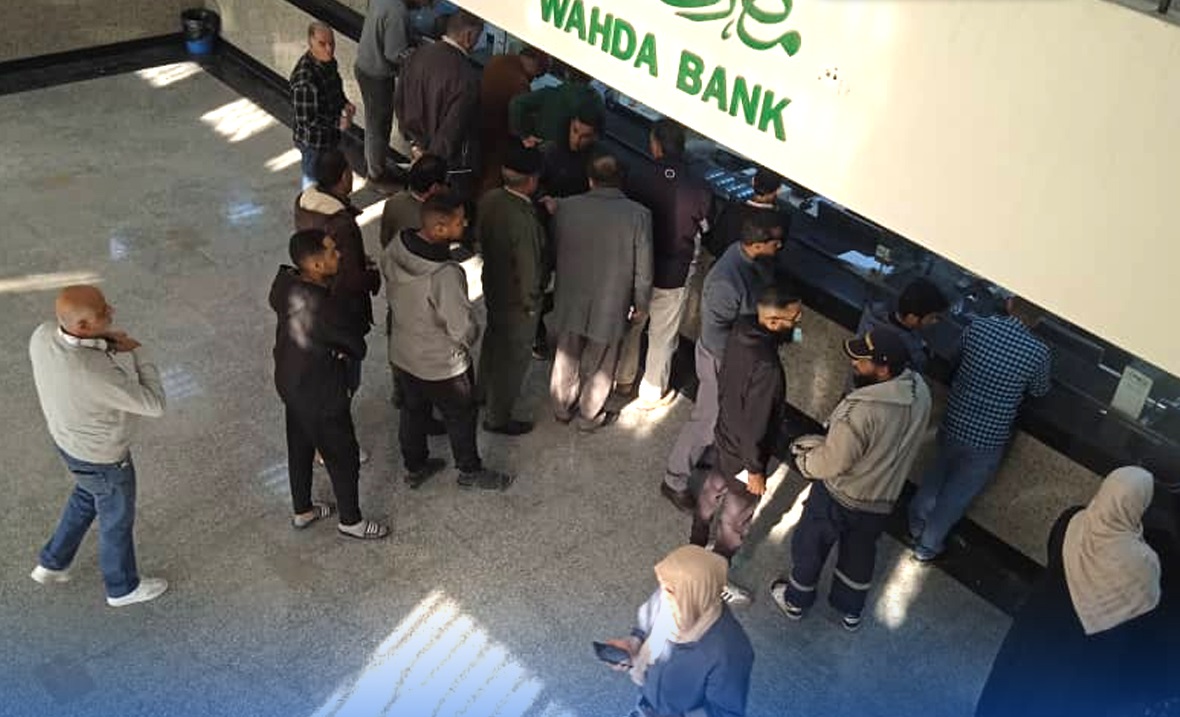
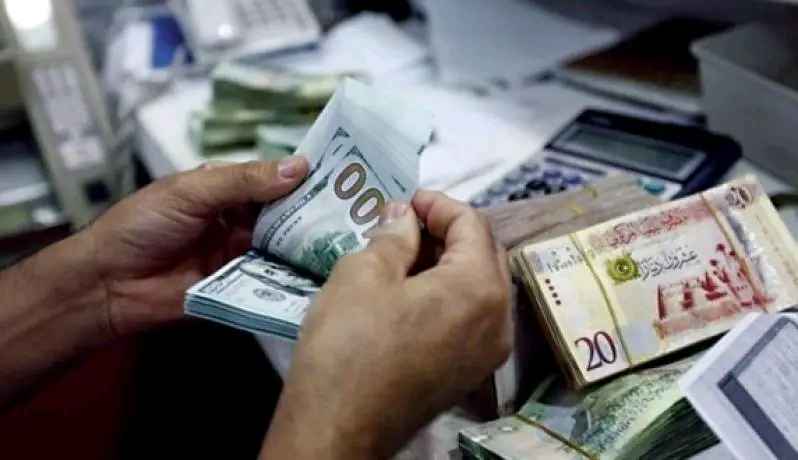
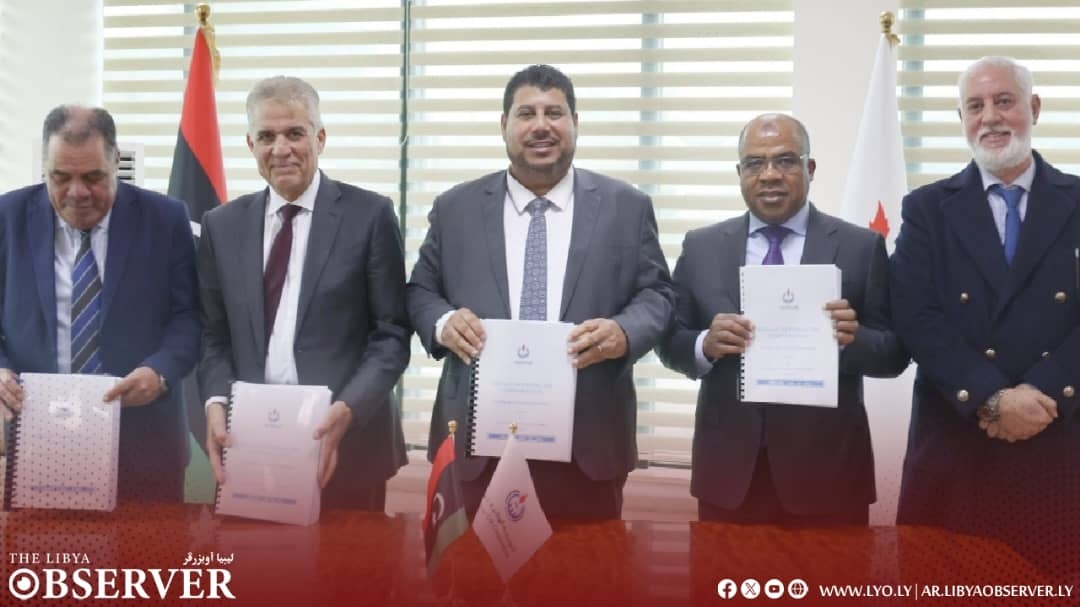
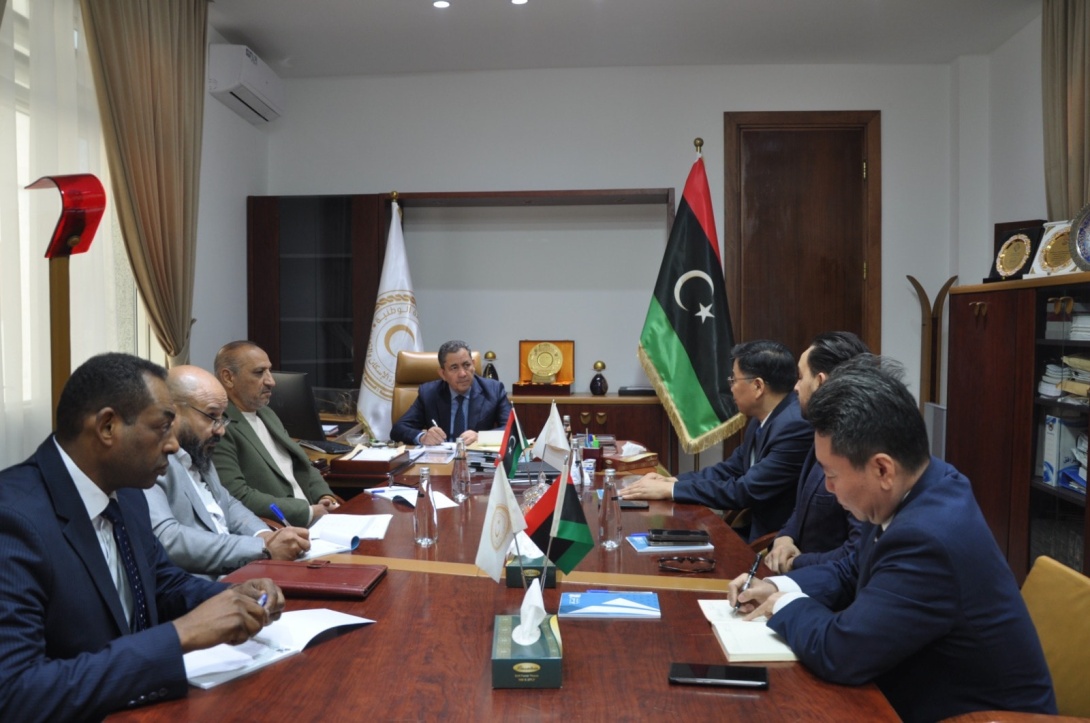
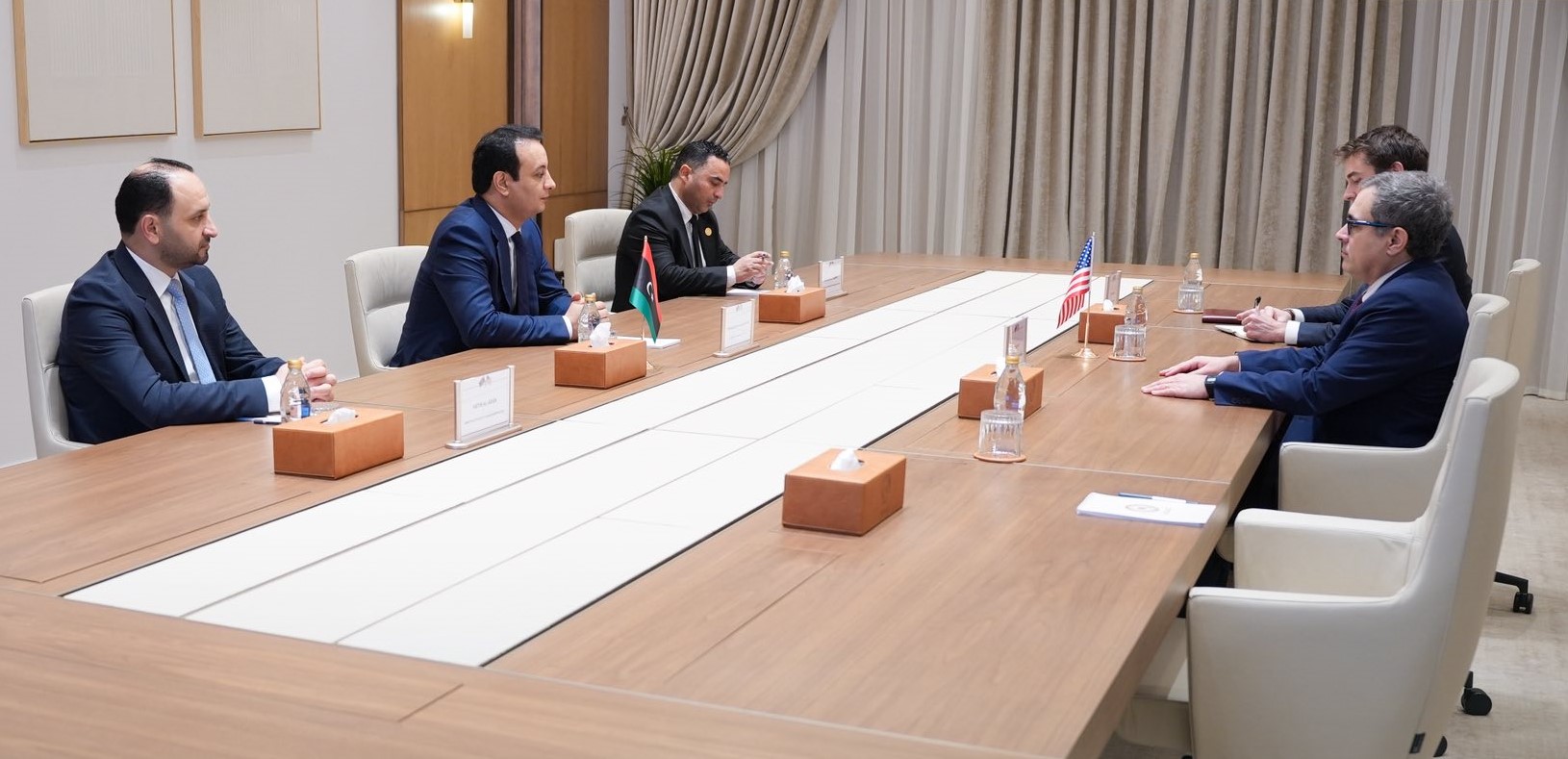
Tripoli, January 9, 2026 – The Ministry of Economy and Trade of the Government of National Unity announced that it does not grant approvals for opening documentary credits, nor does it restrict any supply operations for any type of goods or services, provided they comply with approved Libyan specifications.
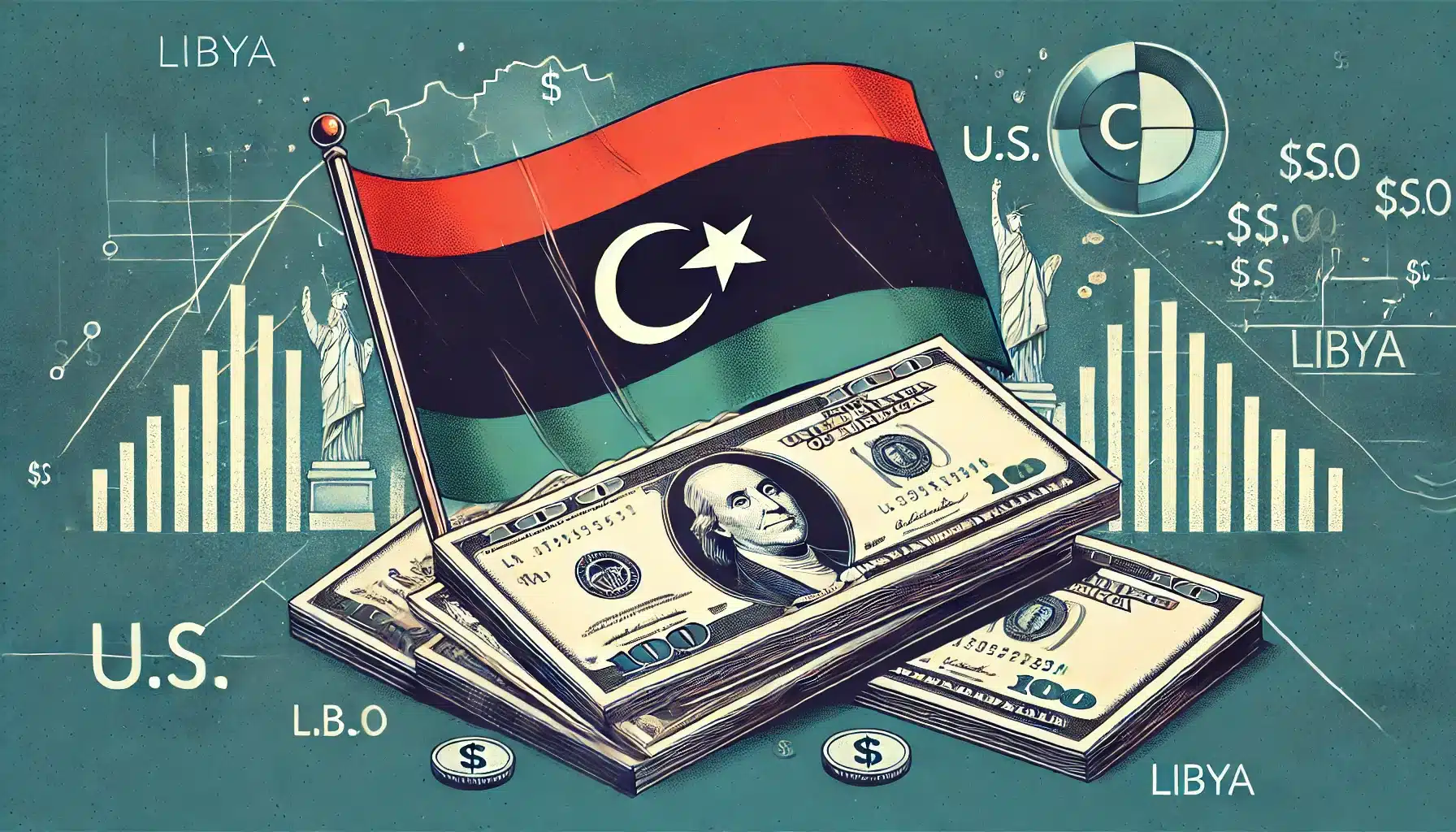
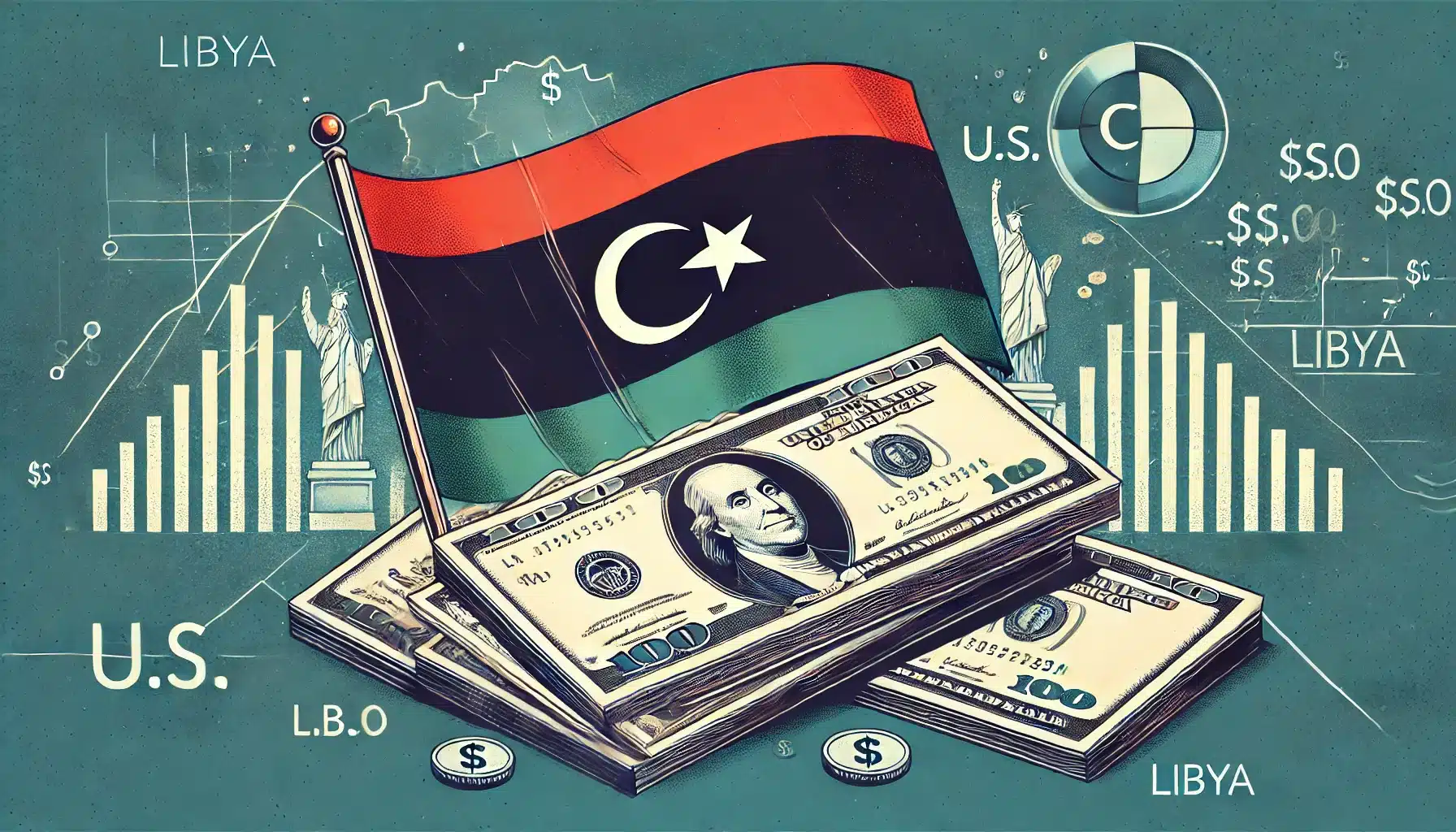
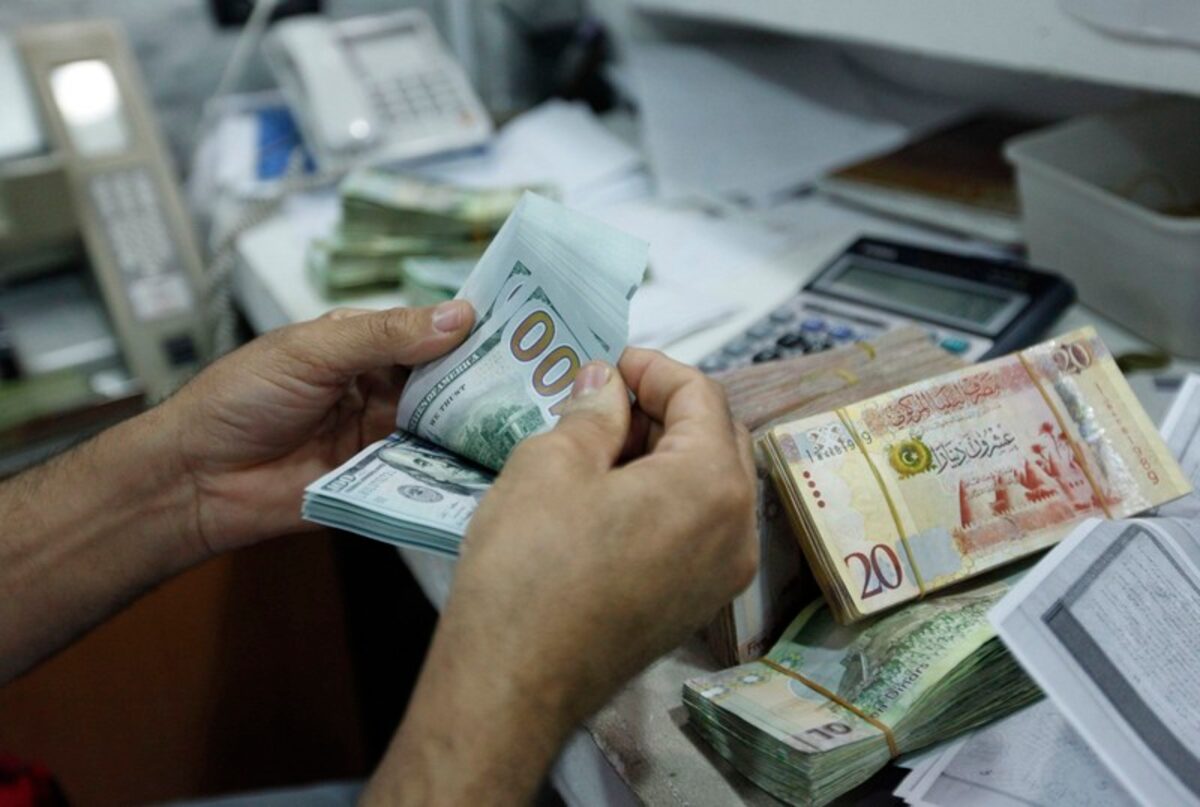
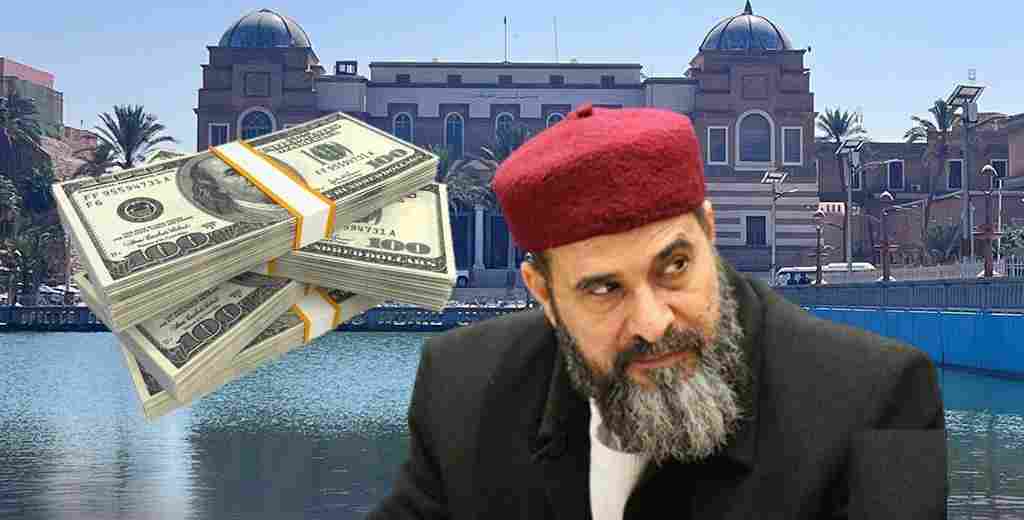
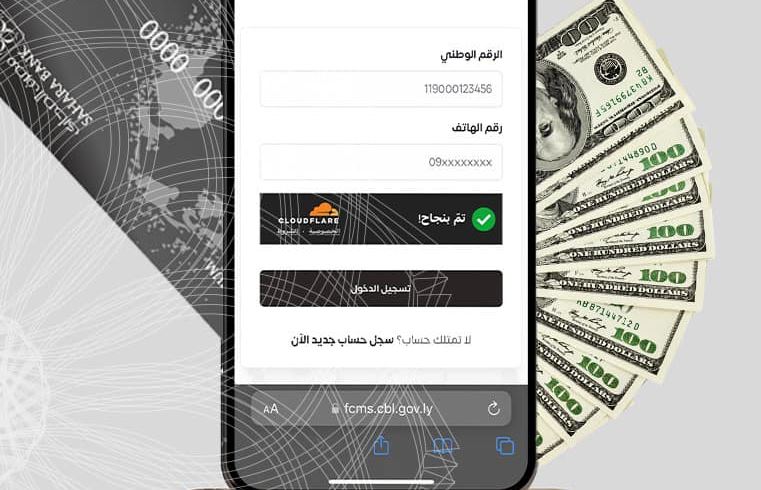
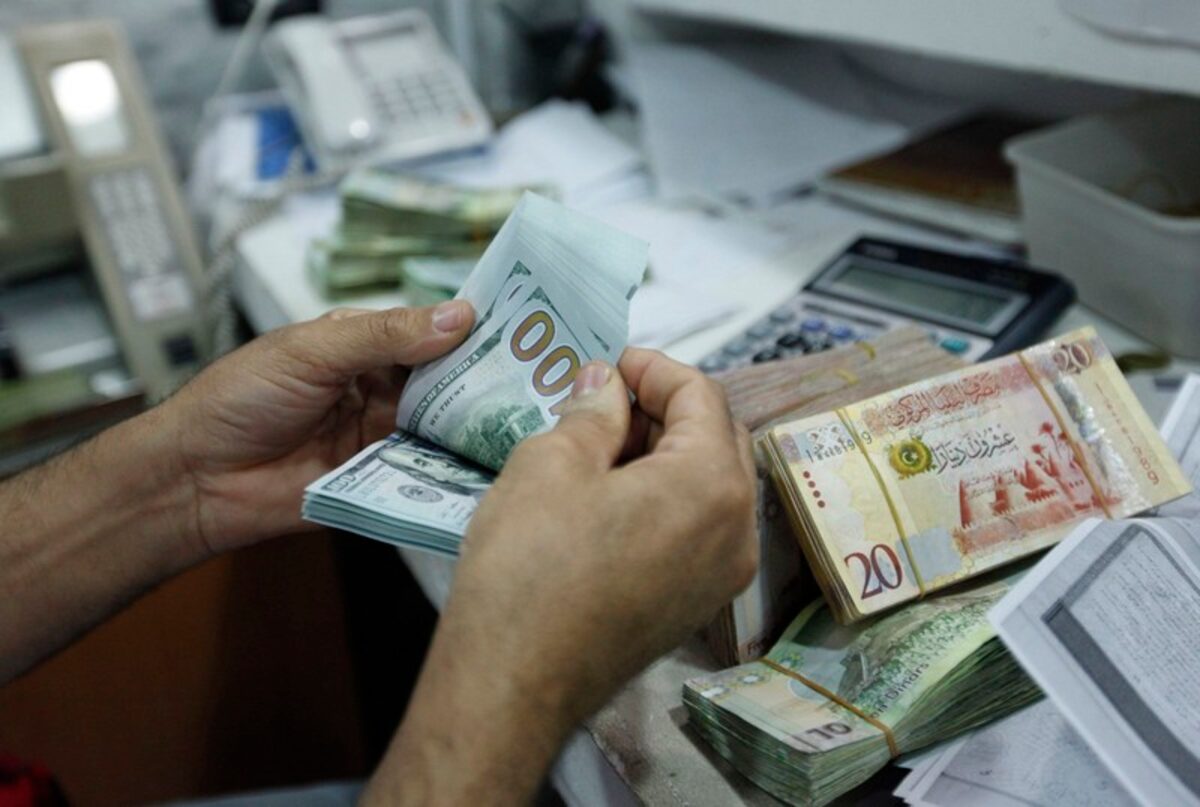
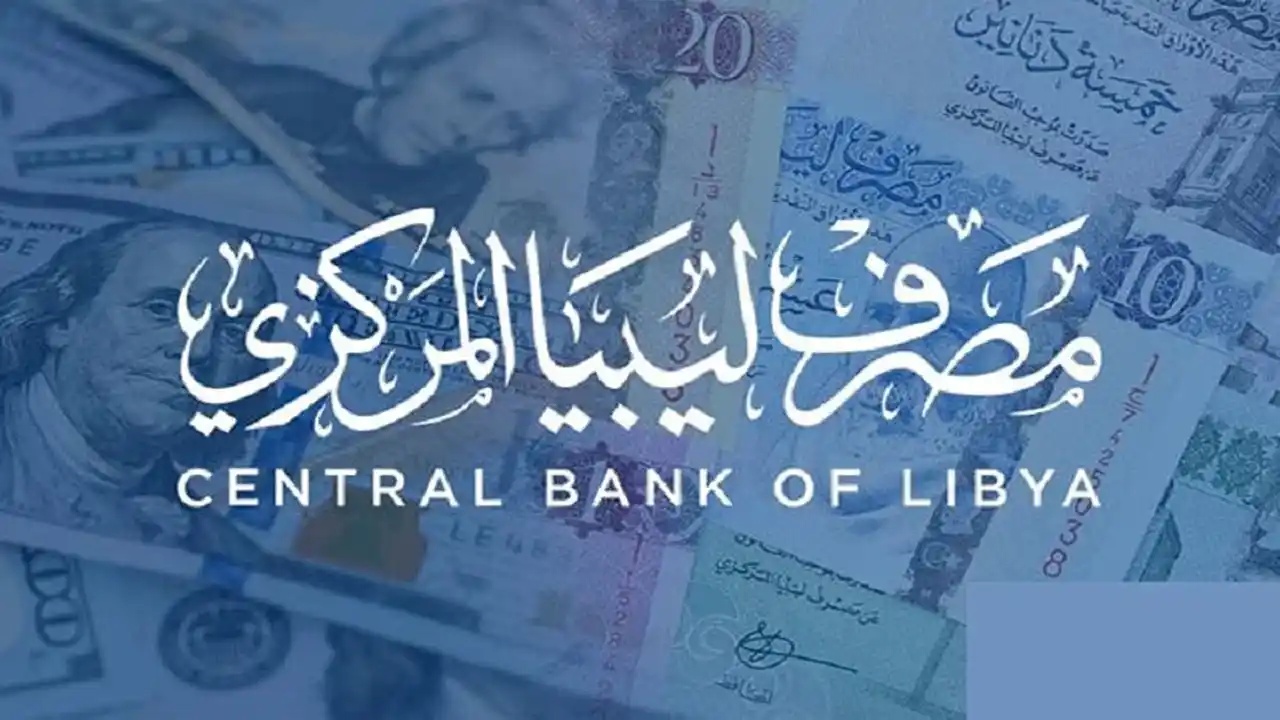
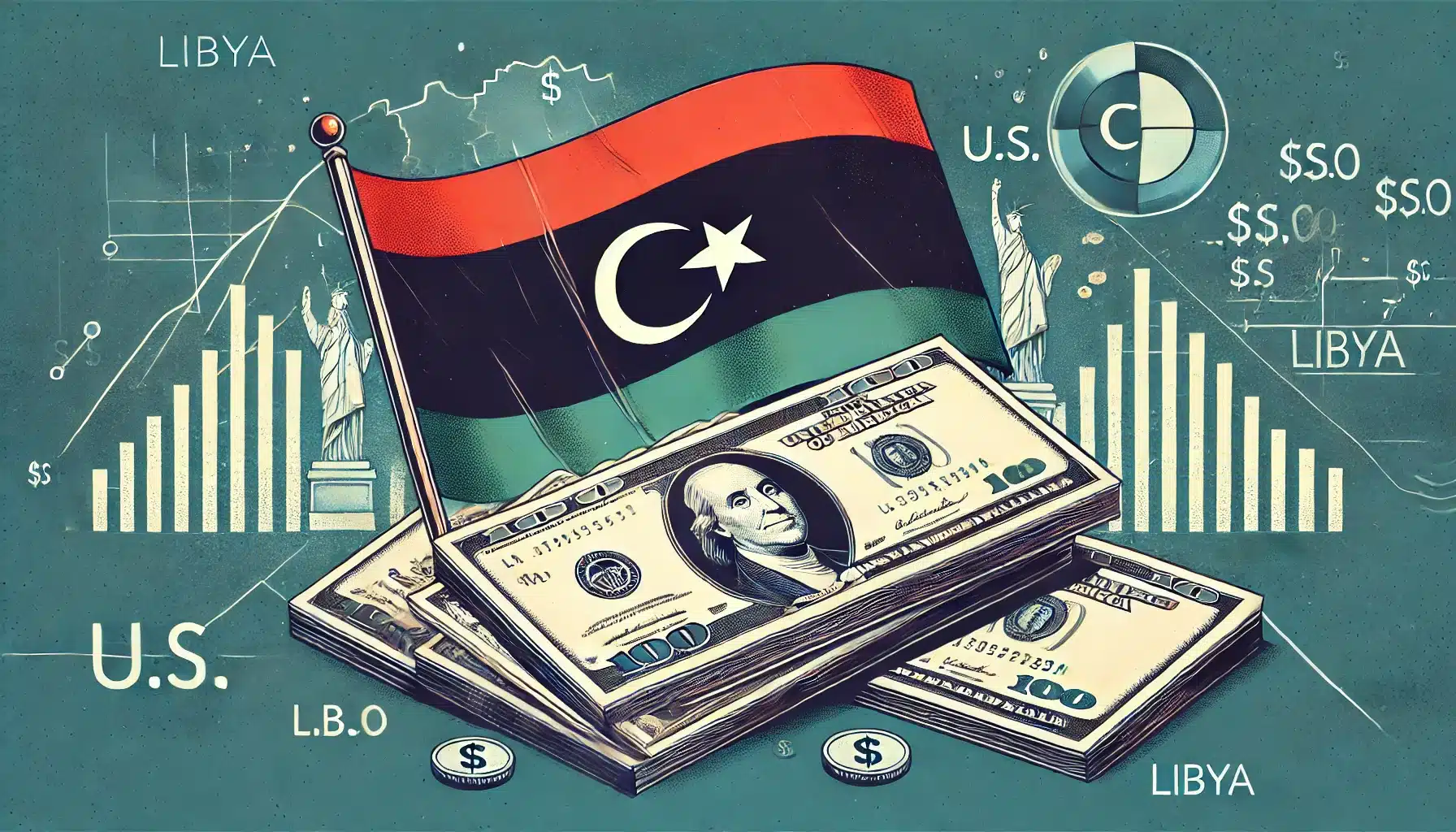
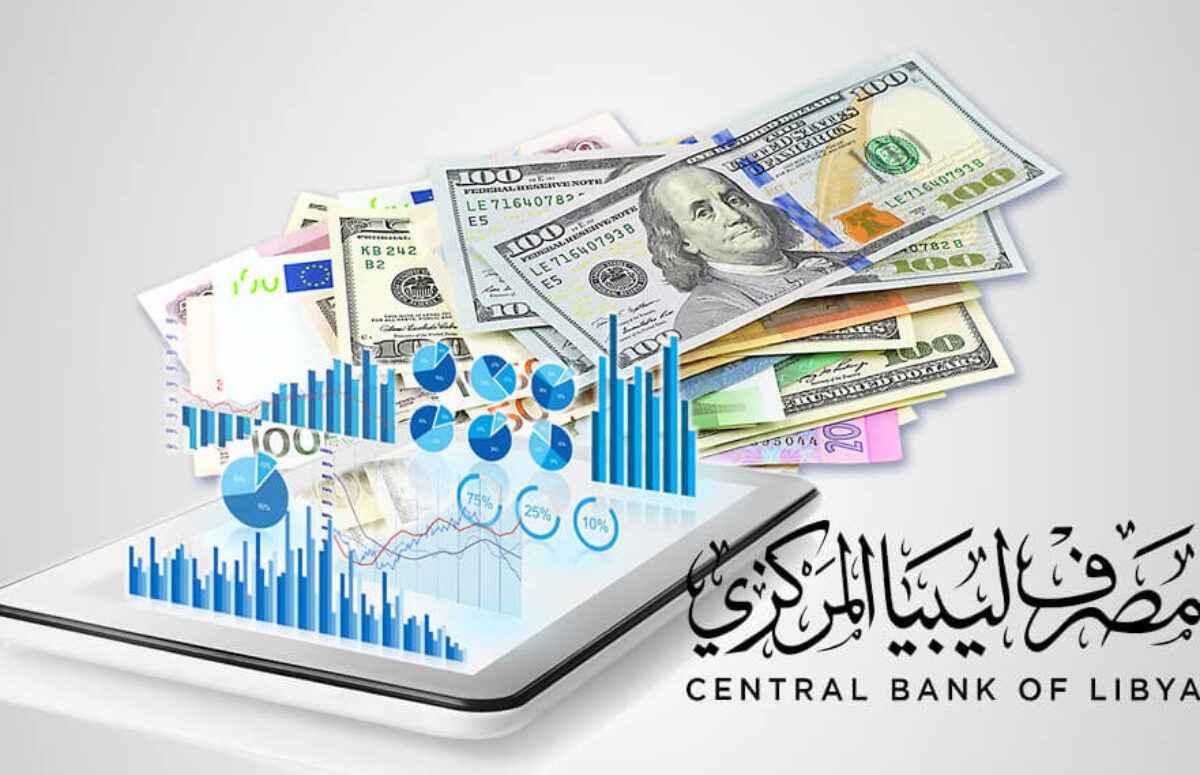
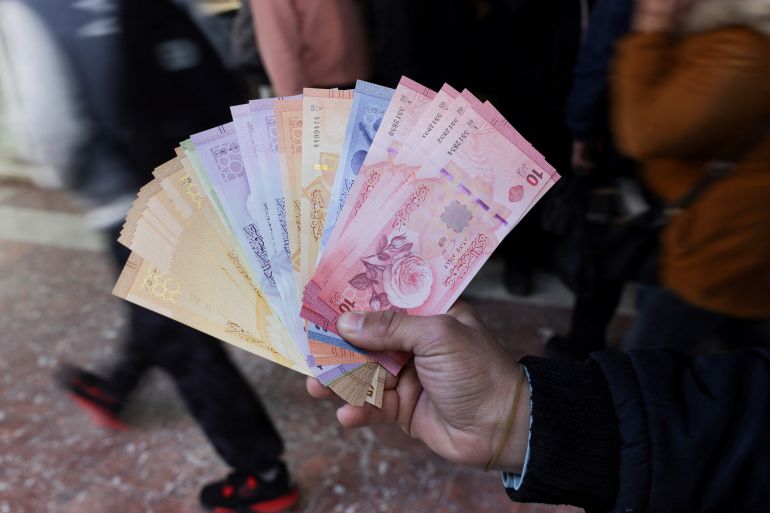
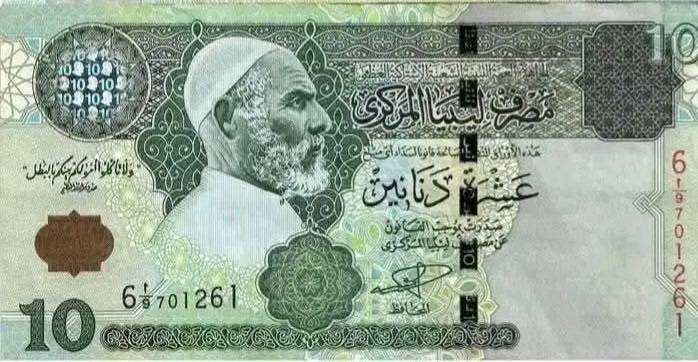
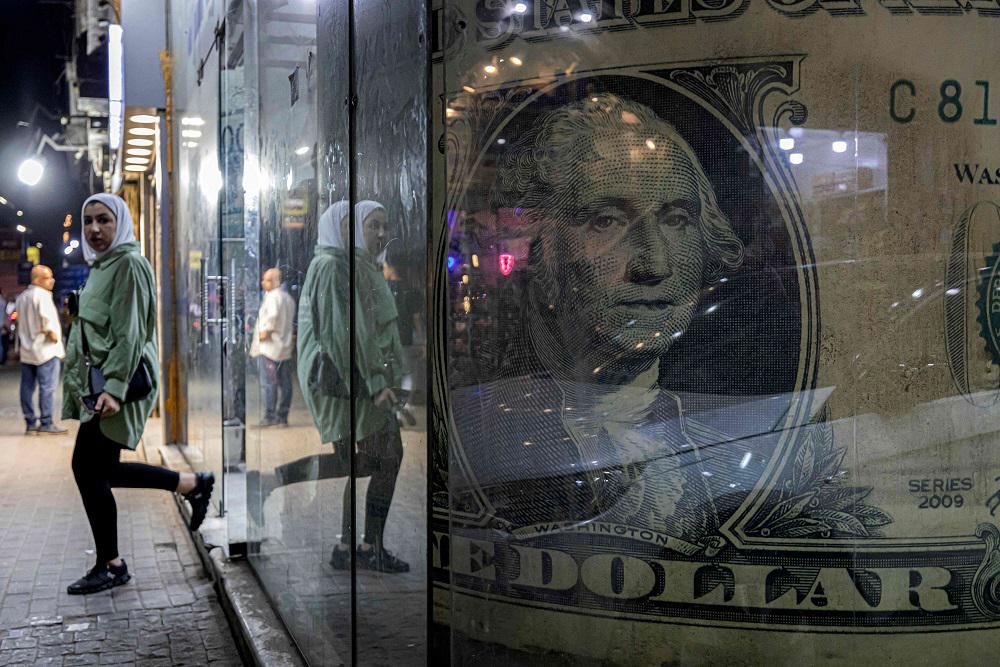
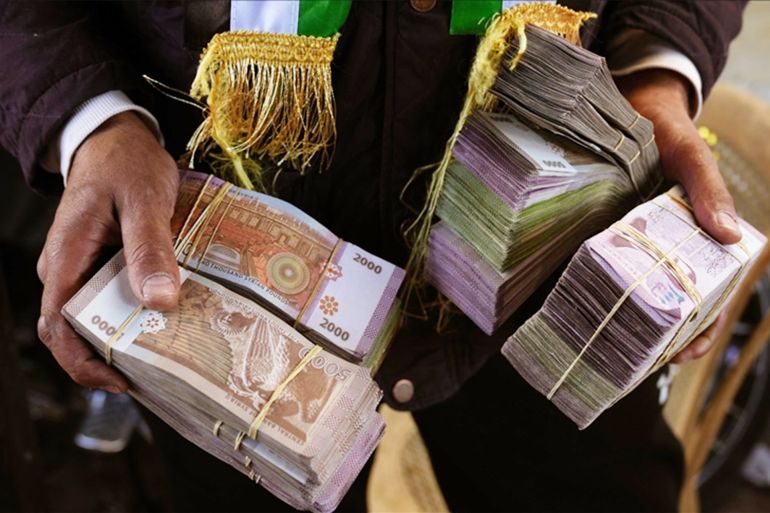
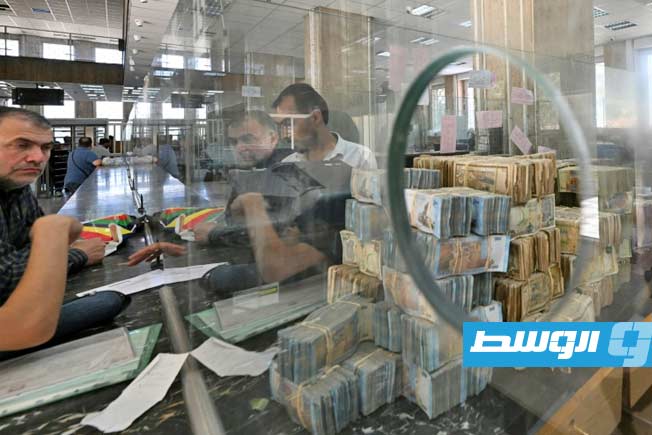
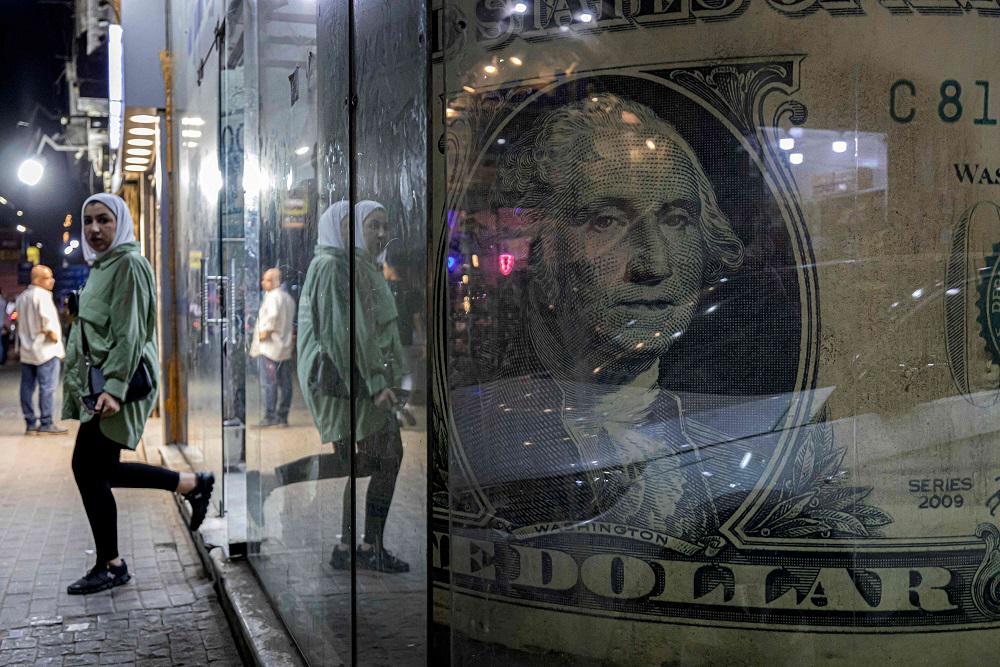
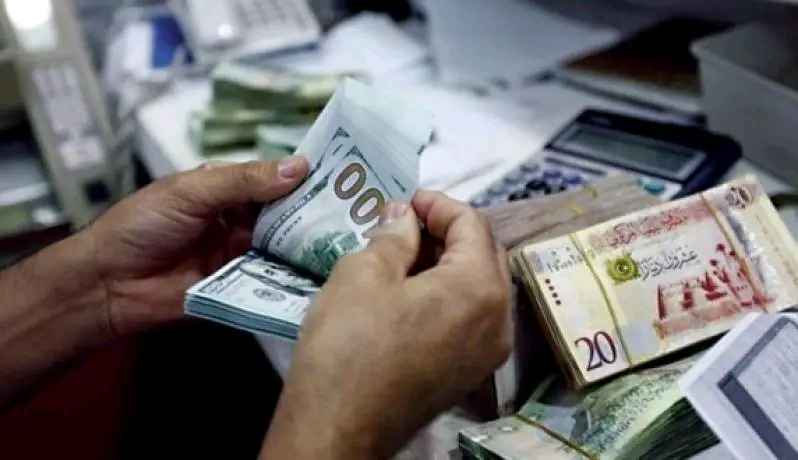
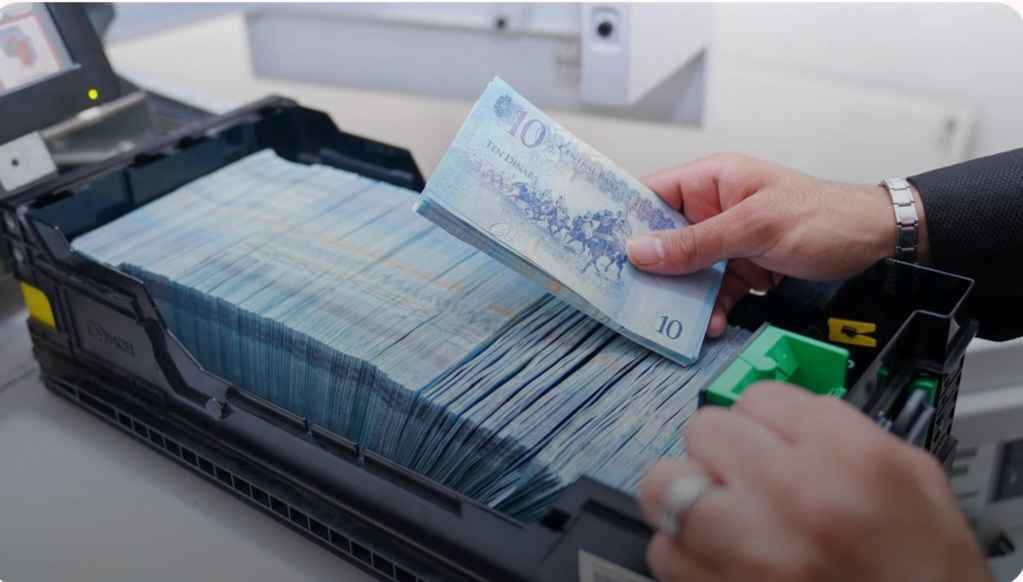
The Ministry clarified in a statement on Friday that focusing on the procedural reasons circulating in public opinion regarding the high demand for foreign currency, without seriously investigating the identity of the real beneficiaries of this demand, does not reflect the full picture of the problem nor addresses its economic roots.
The statement said that the Ministry has begun to clarify the real underlying causes of these phenomena and to address them fundamentally through microeconomic tools, in accordance with existing legislation, and without any bias or restriction except for the extent of actual benefit to the citizen and the national economy from the economic activities being addressed.
The Ministry of Economy and Trade reaffirmed its commitment to protecting the market, promoting fair competition, and ensuring that resources are directed in a way that serves economic stability and the public interest.
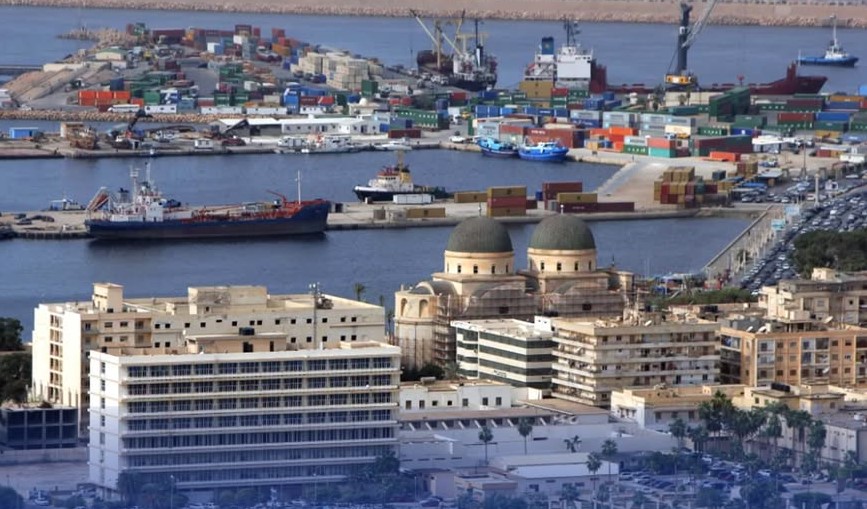
Tripoli
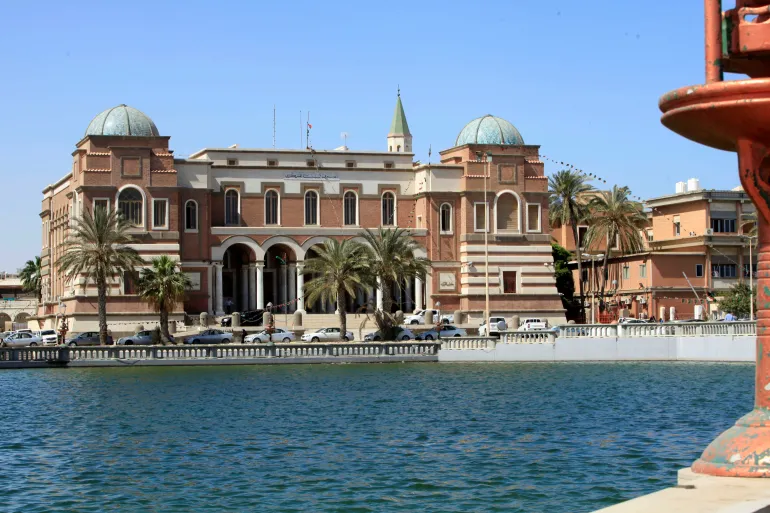
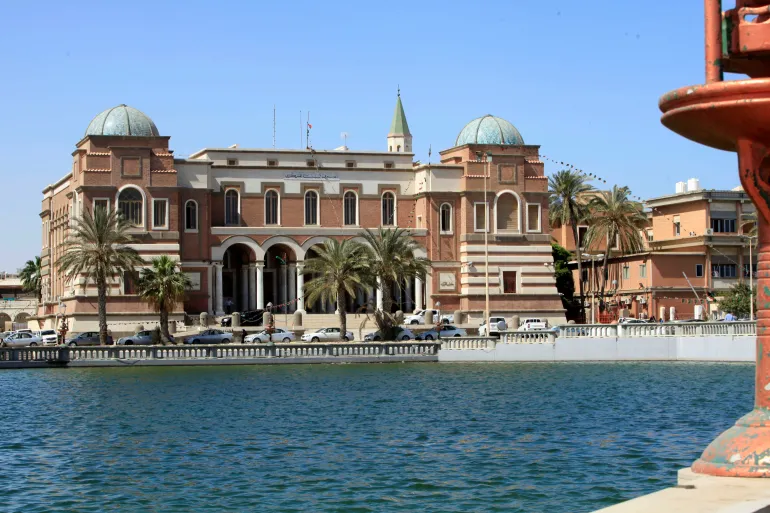
Tripoli is the capital and largest city of Libya, located on the country’s Mediterranean coast. Historically, it was founded by the Phoenicians in the 7th century BC and has since been ruled by the Romans, Arabs, Ottomans, Italians, and others, serving as a major port and cultural crossroads. Its historic core, the medina of Old Tripoli, contains significant architecture from these various periods.
Ministry of Economy and Trade
The Ministry of Economy and Trade is a government department typically responsible for formulating and implementing national economic and commercial policy. Its history is generally tied to the modern development of the state it serves, often evolving from earlier departments of commerce or industry to address the complexities of contemporary global trade.
Government of National Unity
The Government of National Unity (GNU) is a power-sharing arrangement, most notably formed in South Africa in 1994 following the end of apartheid, which brought together the African National Congress, the National Party, and the Inkatha Freedom Party in a coalition. Its primary historical purpose was to ensure a peaceful political transition and foster reconciliation by including former opponents in the post-apartheid government under President Nelson Mandela.
Libyan
Libya is a country in North Africa with a rich history that includes ancient Phoenician, Greek, and Roman settlements, most notably at the UNESCO site of Leptis Magna. Its modern history was significantly shaped by the long rule of Muammar Gaddafi from 1969 until the 2011 revolution. The nation’s culture reflects its Berber, Arab, and Mediterranean influences.