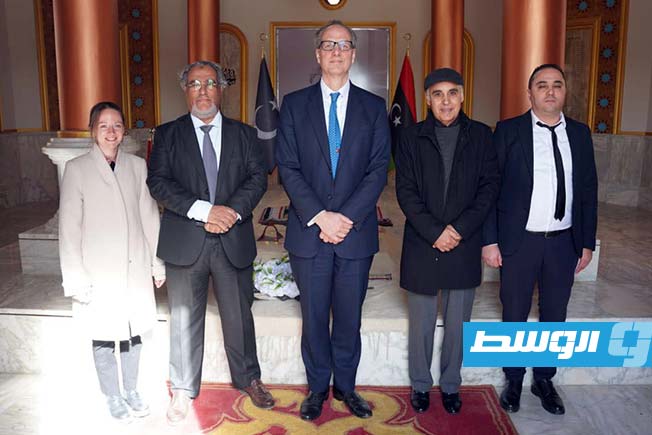
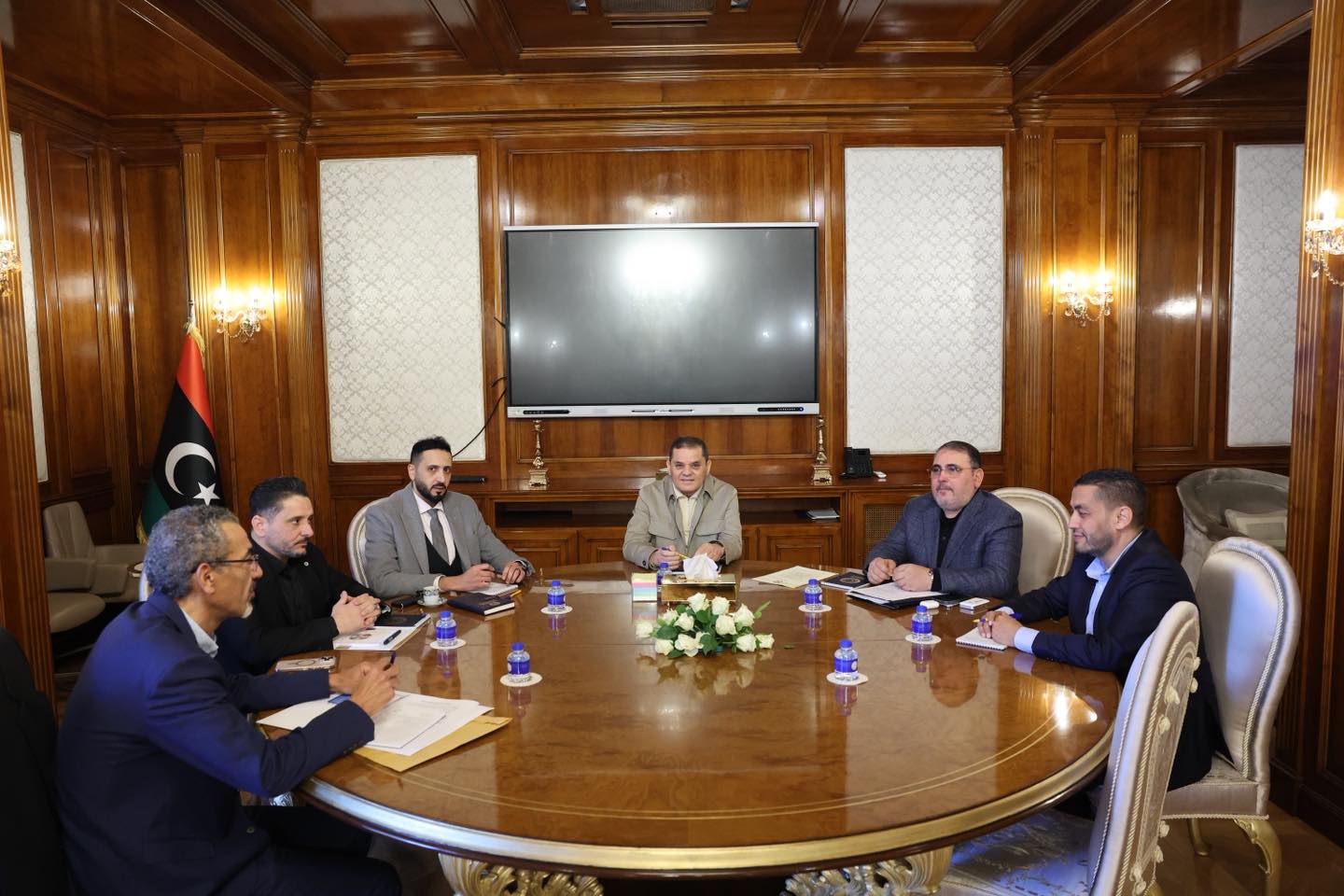
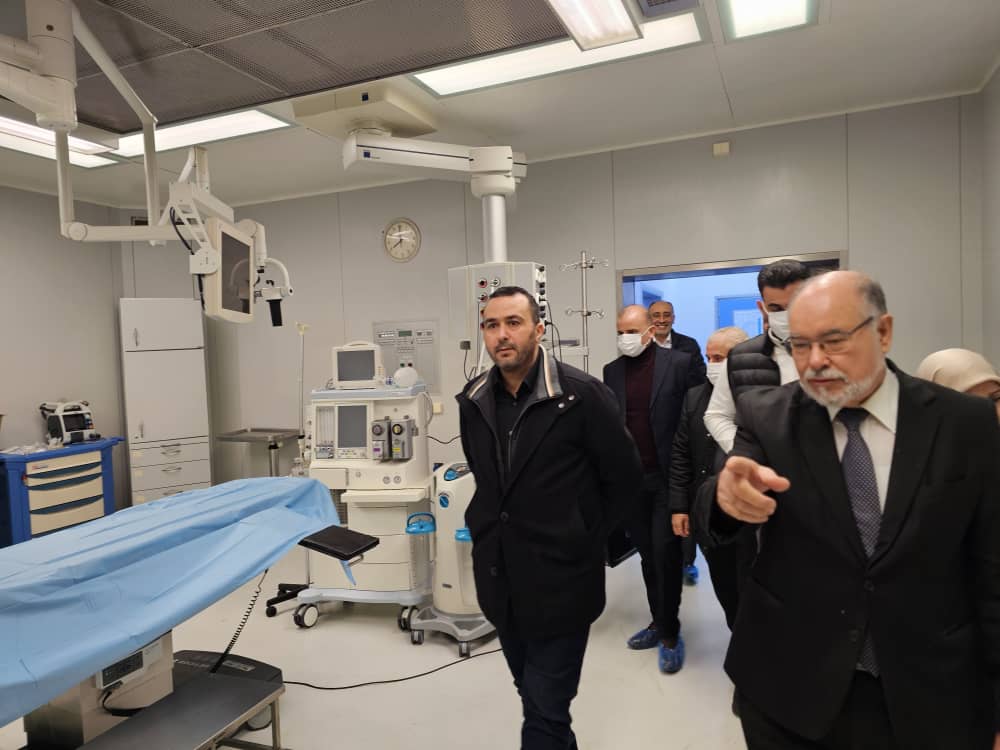
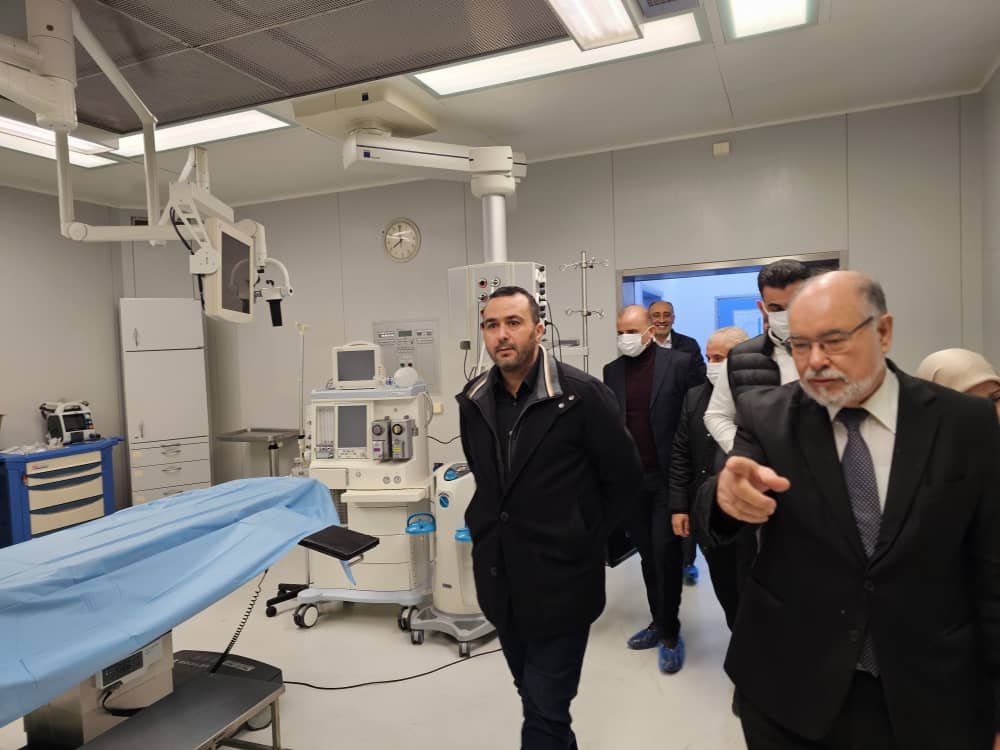
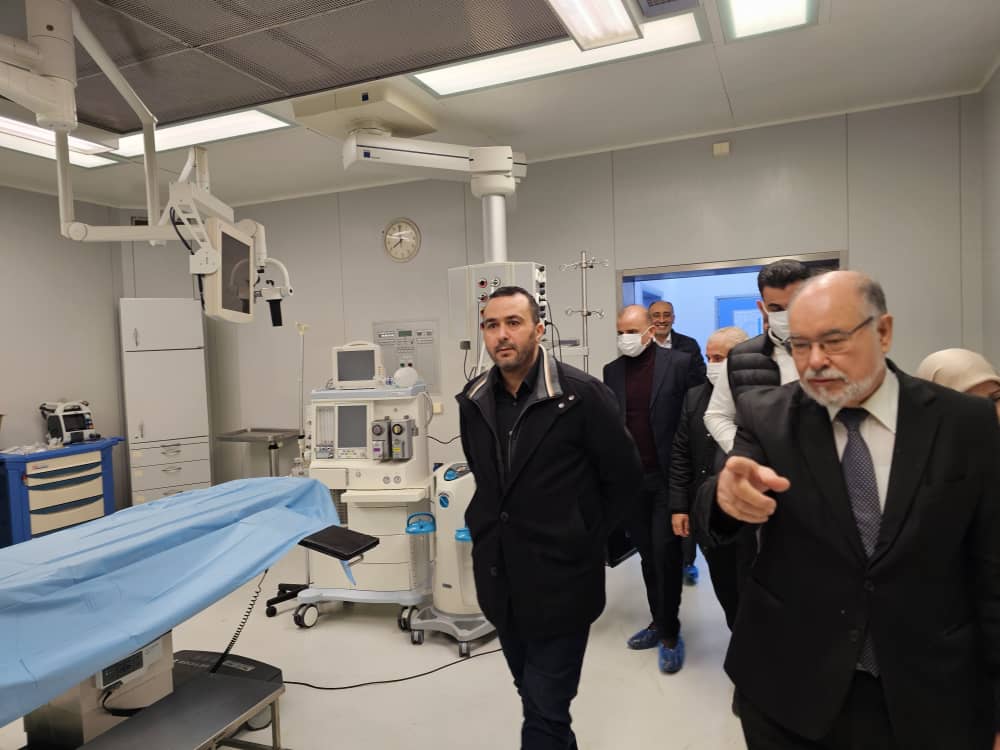
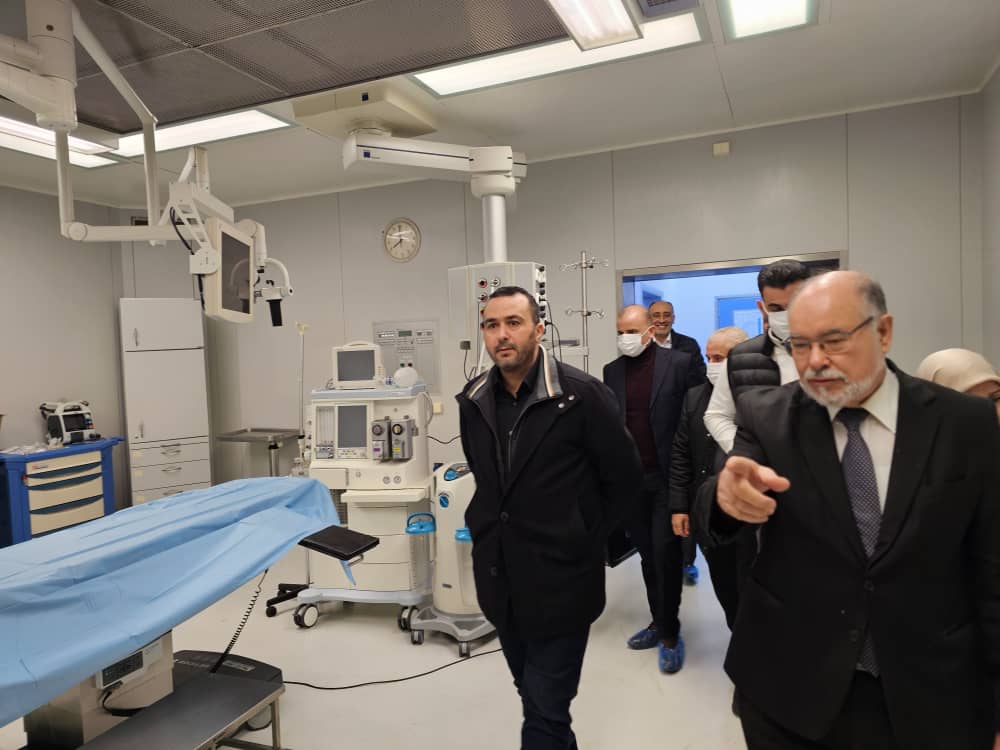
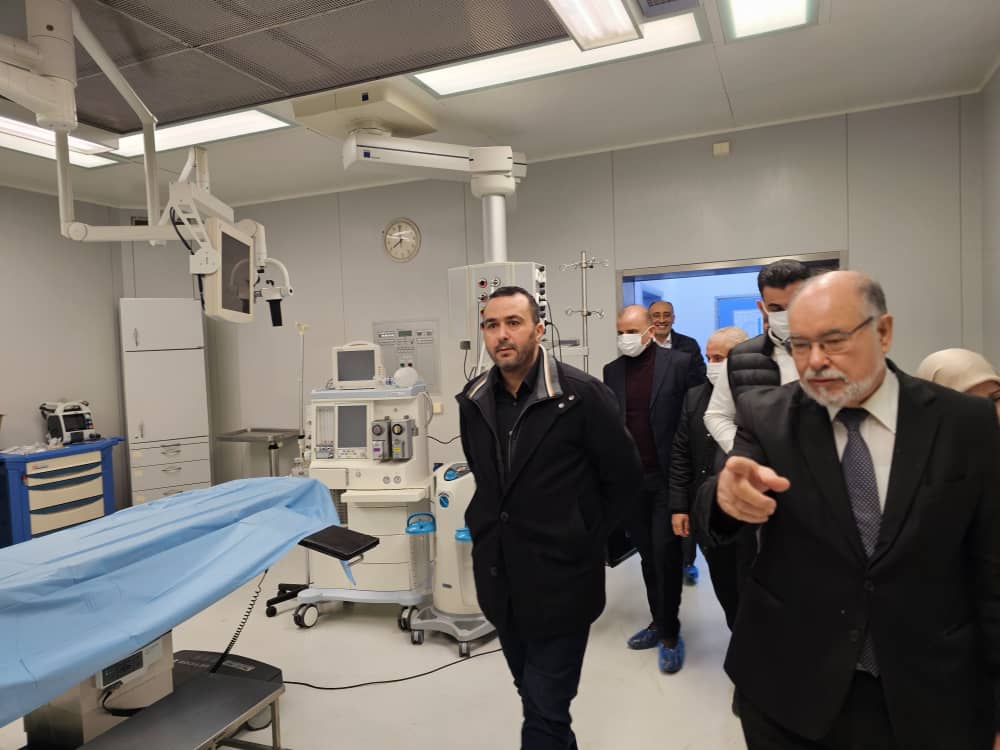
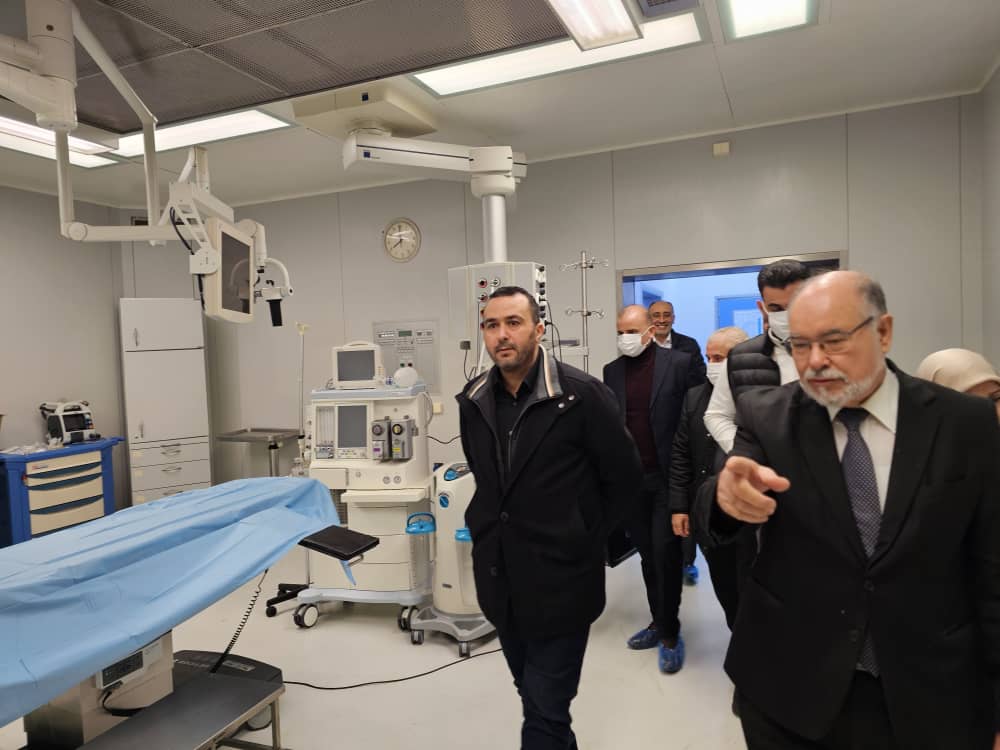
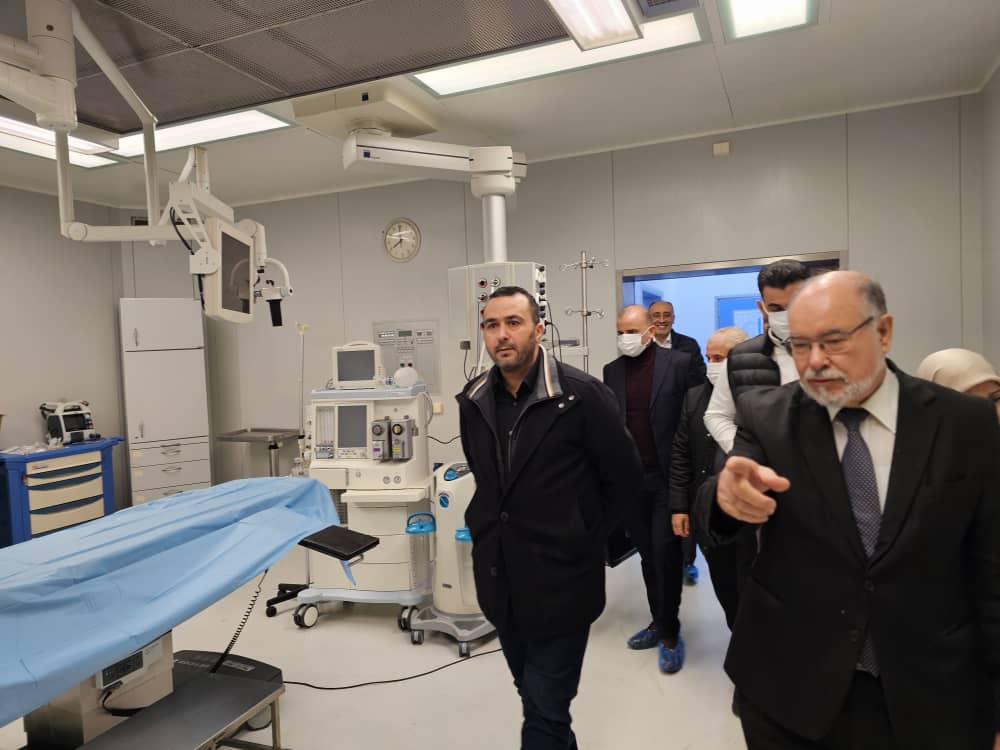
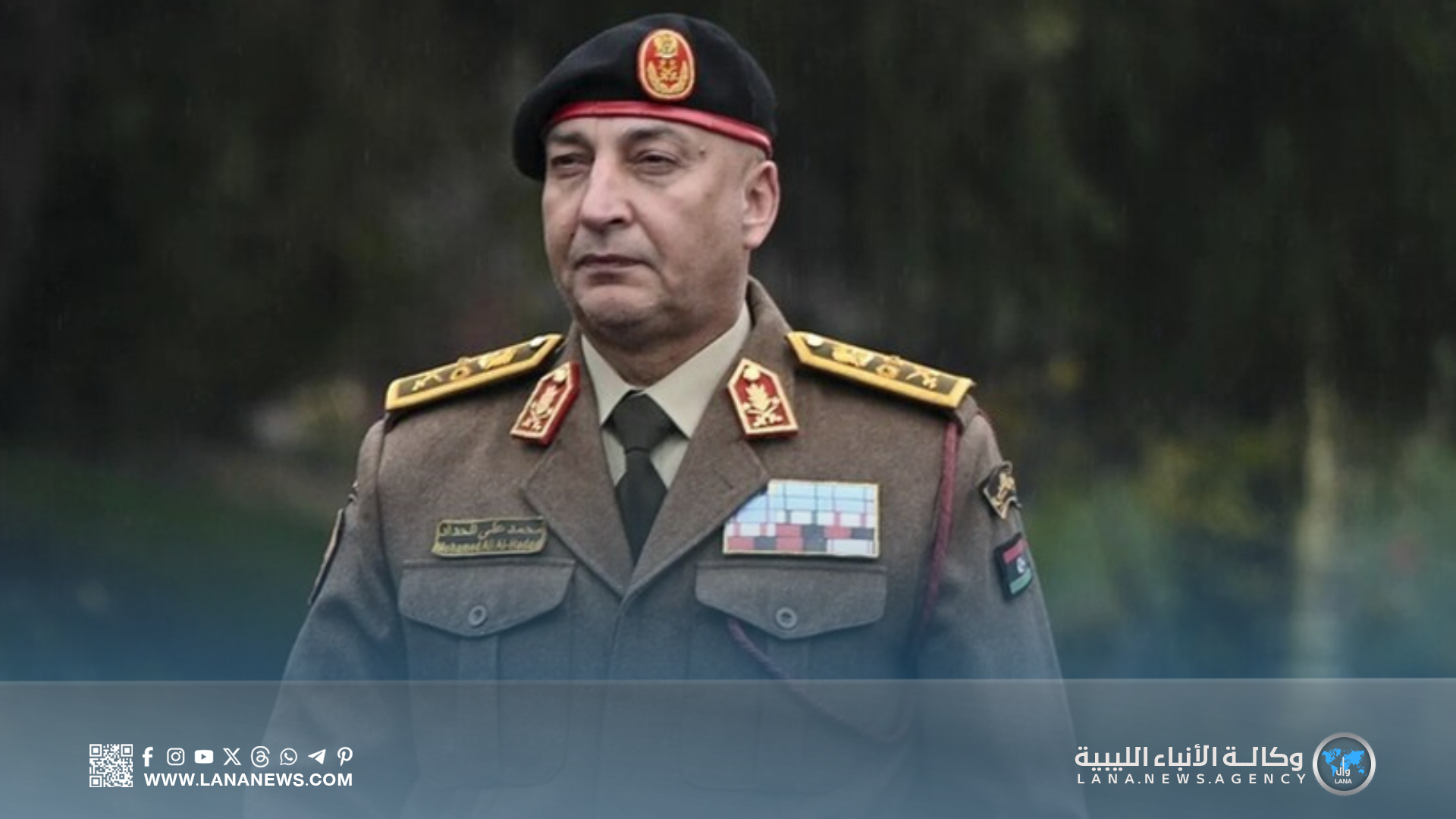
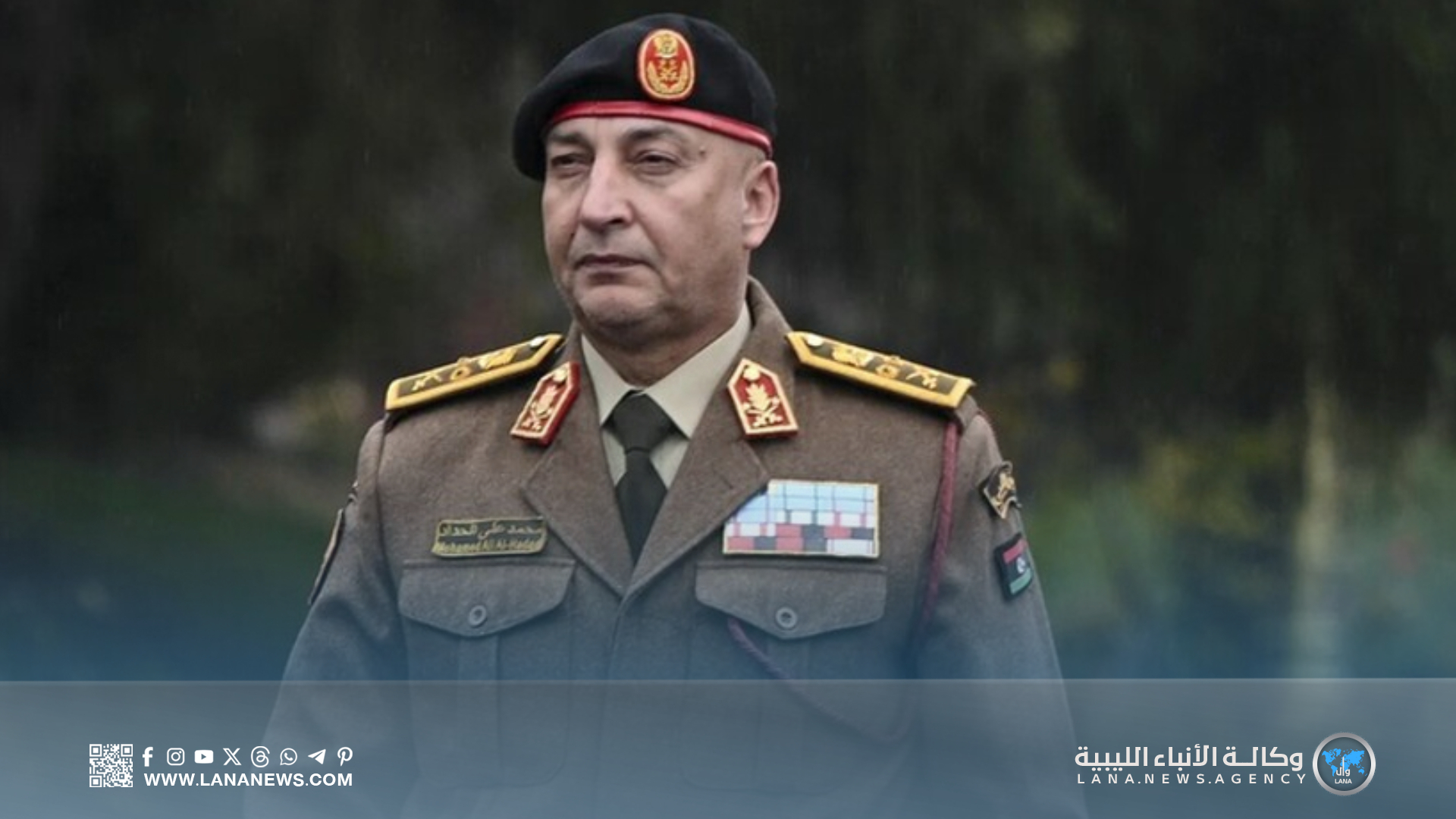
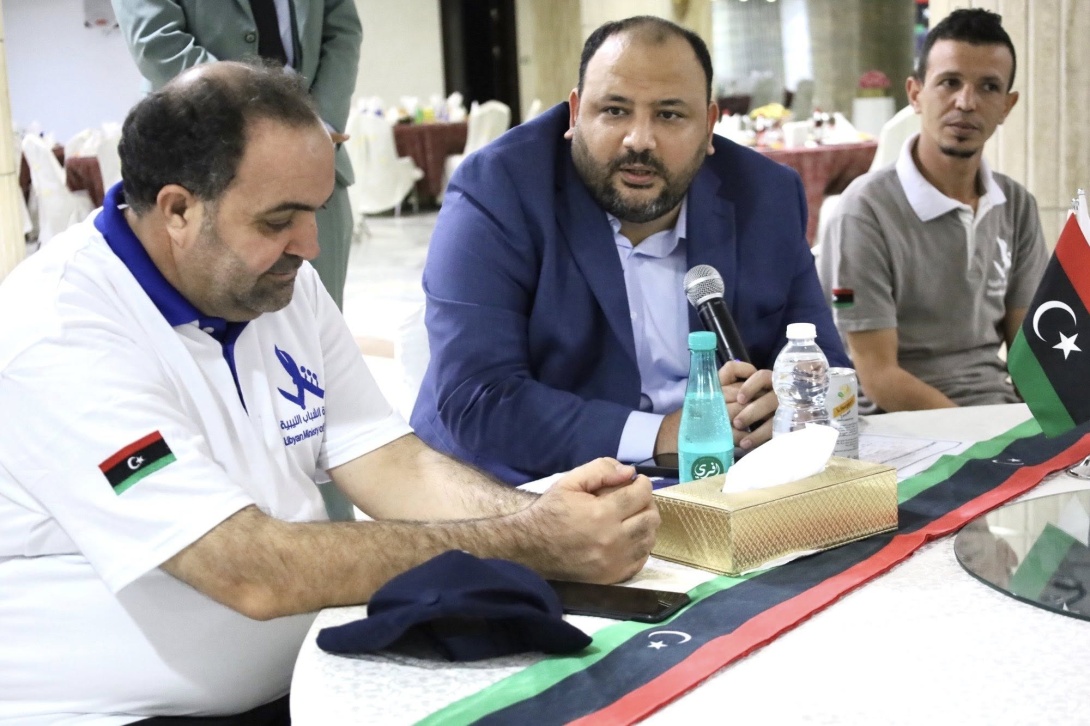
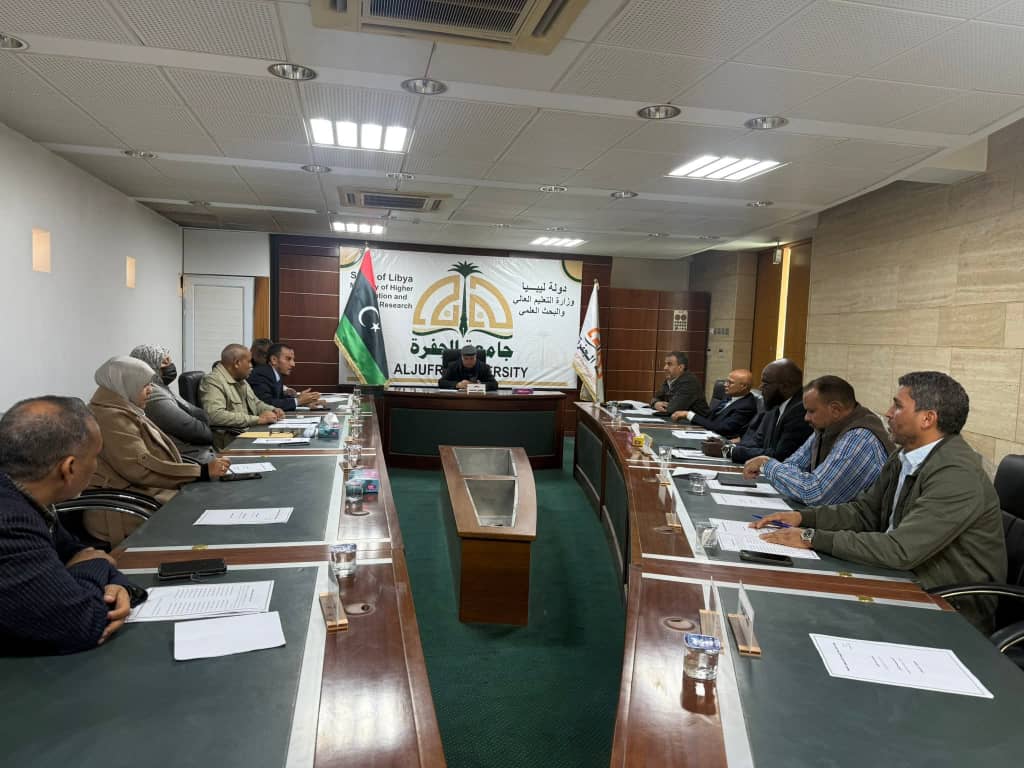
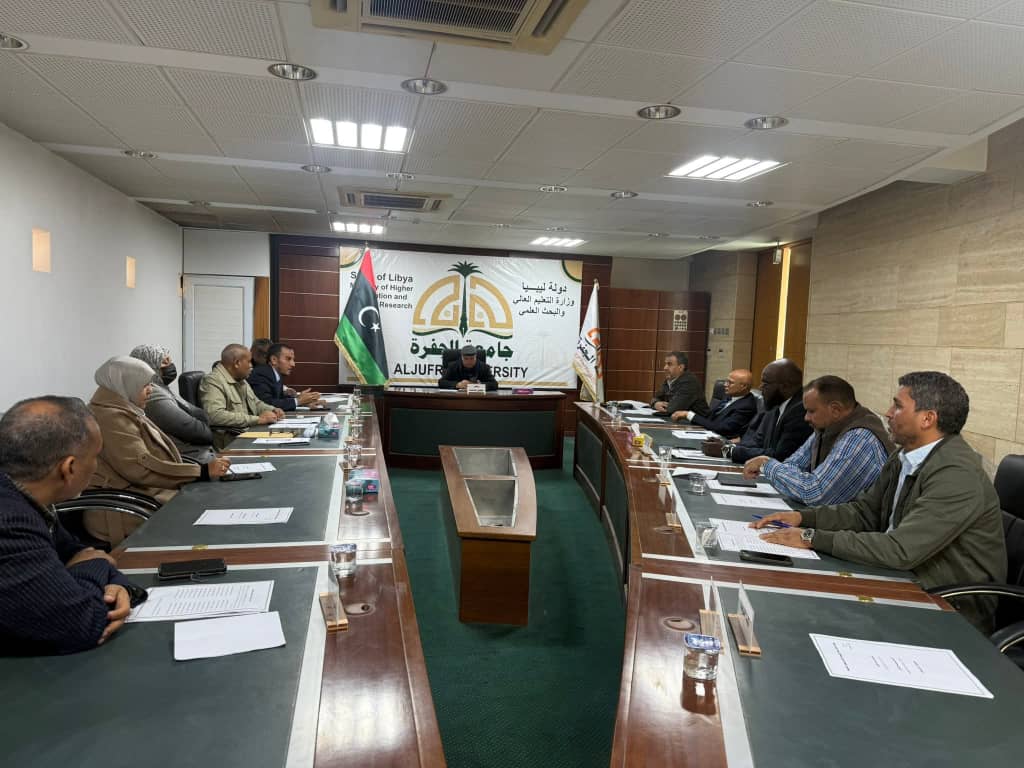
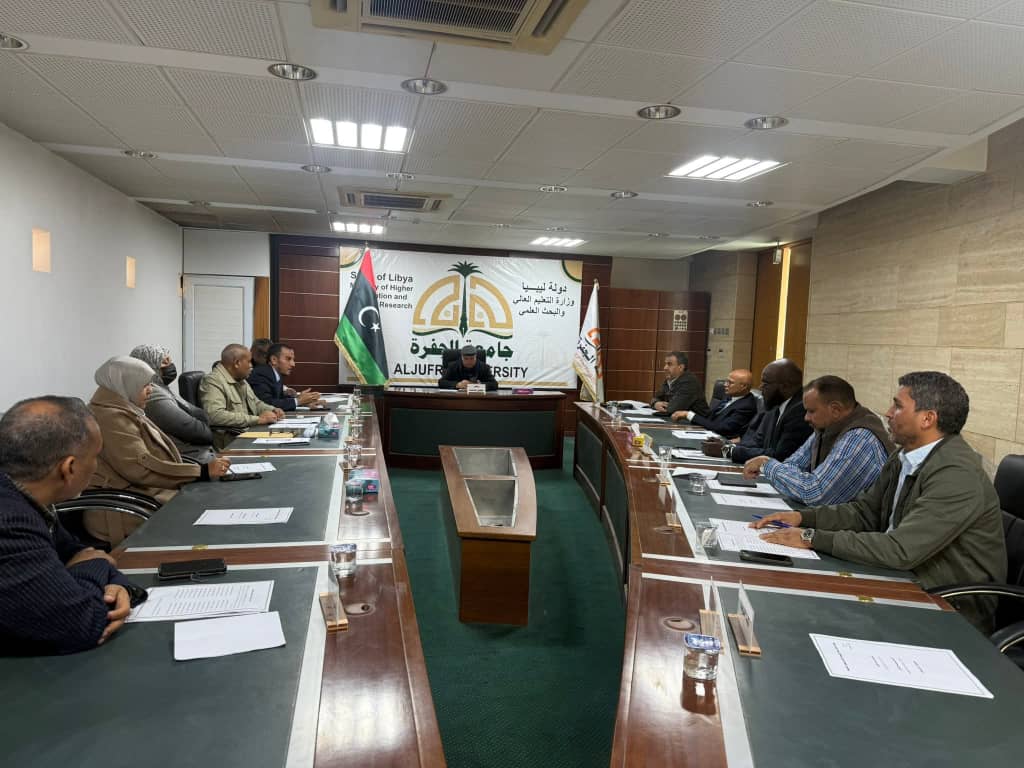
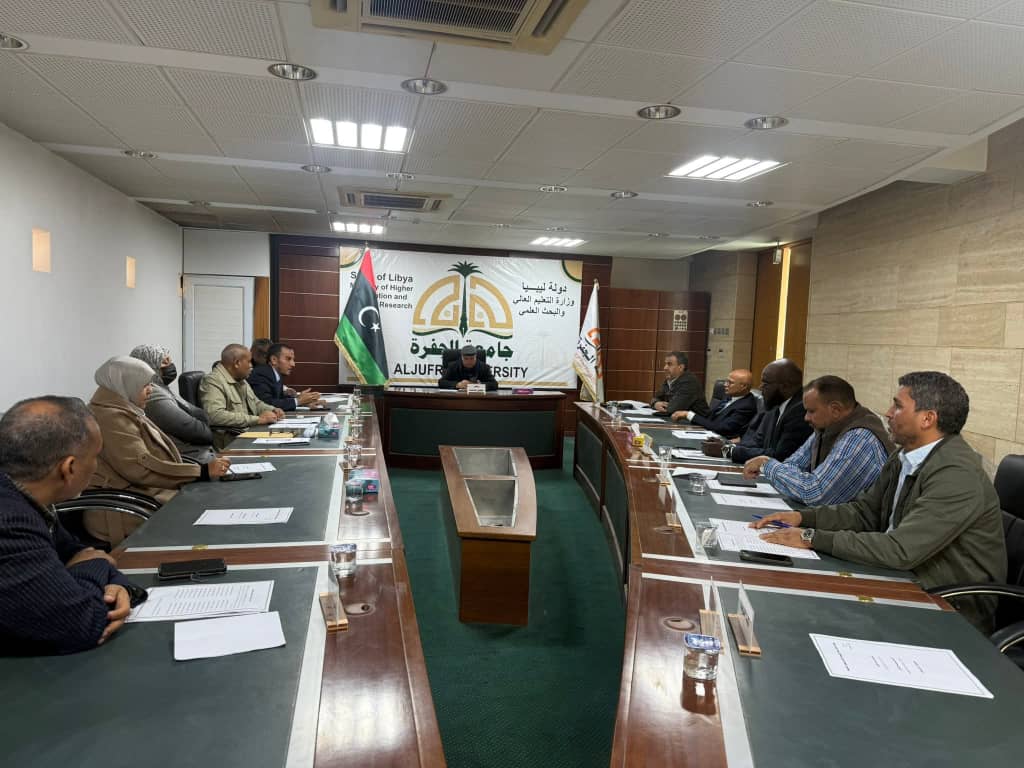
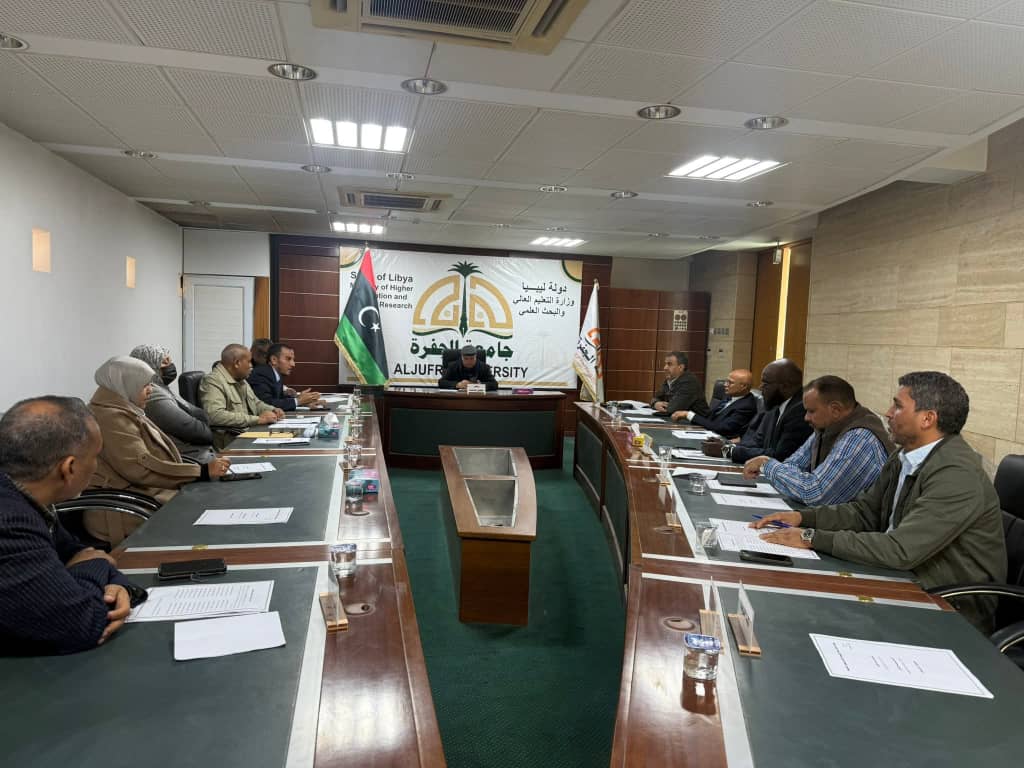
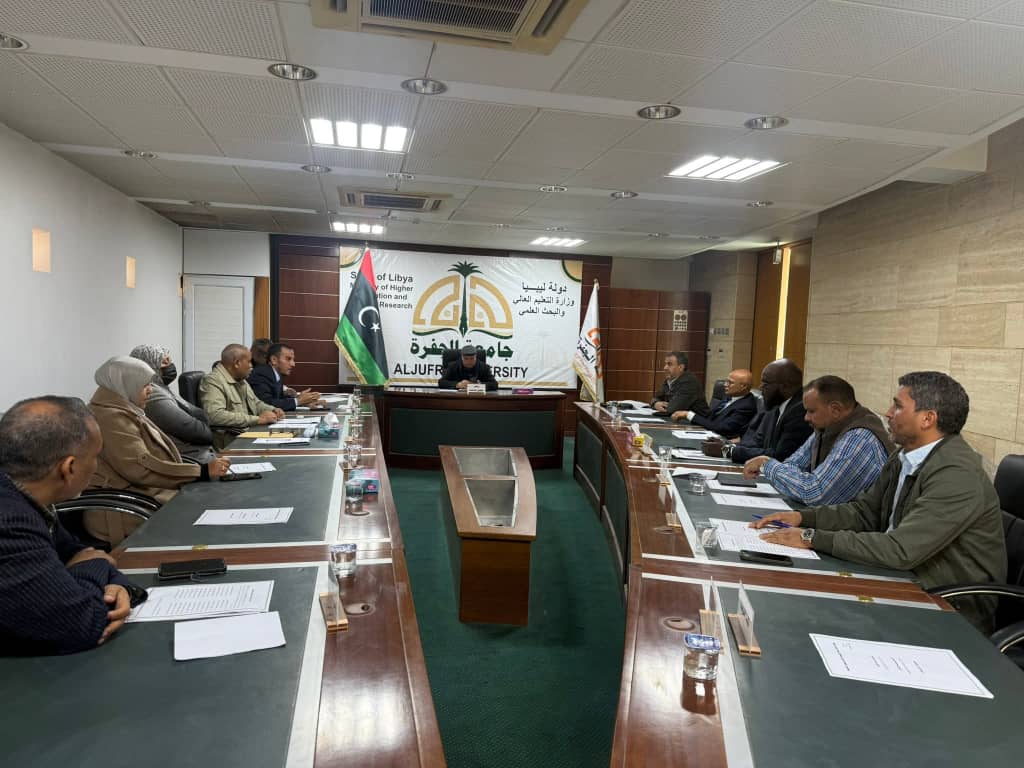
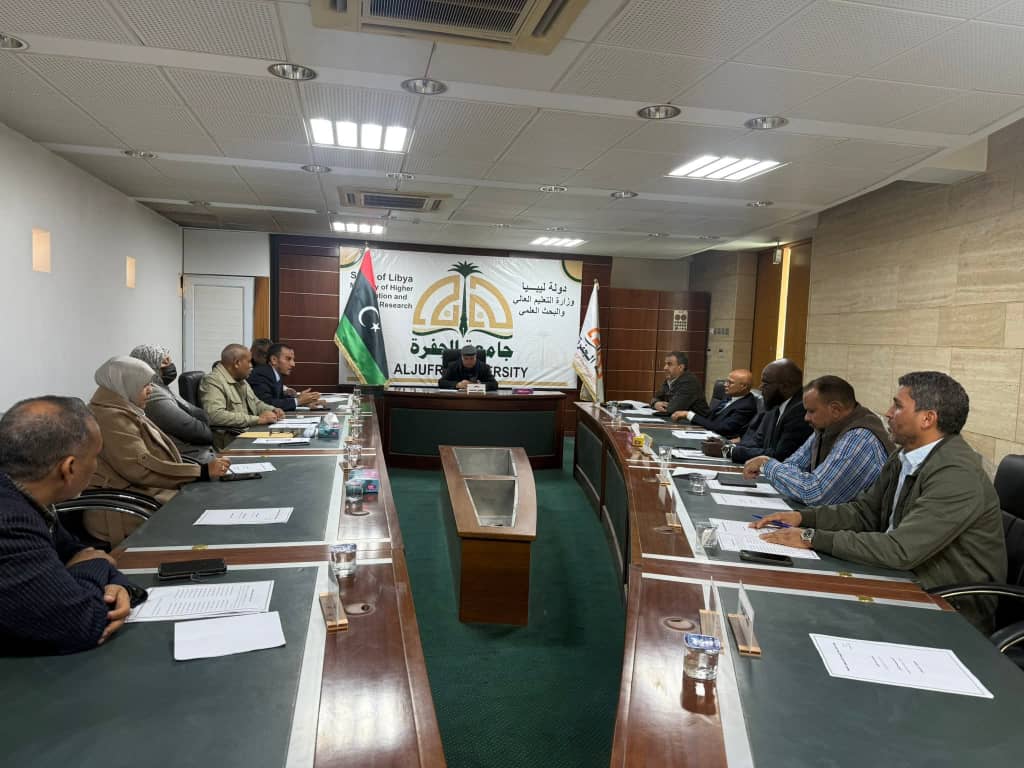
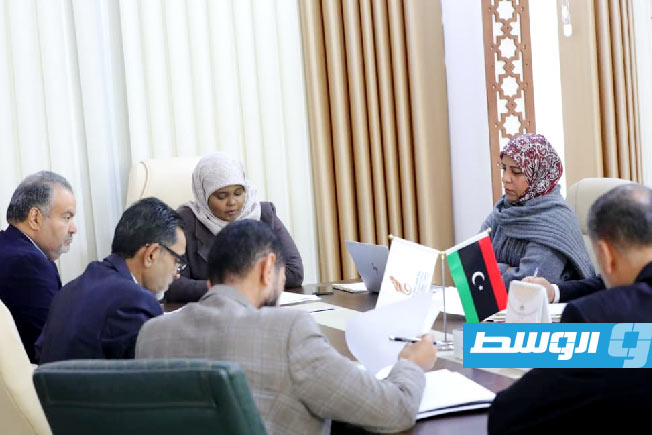
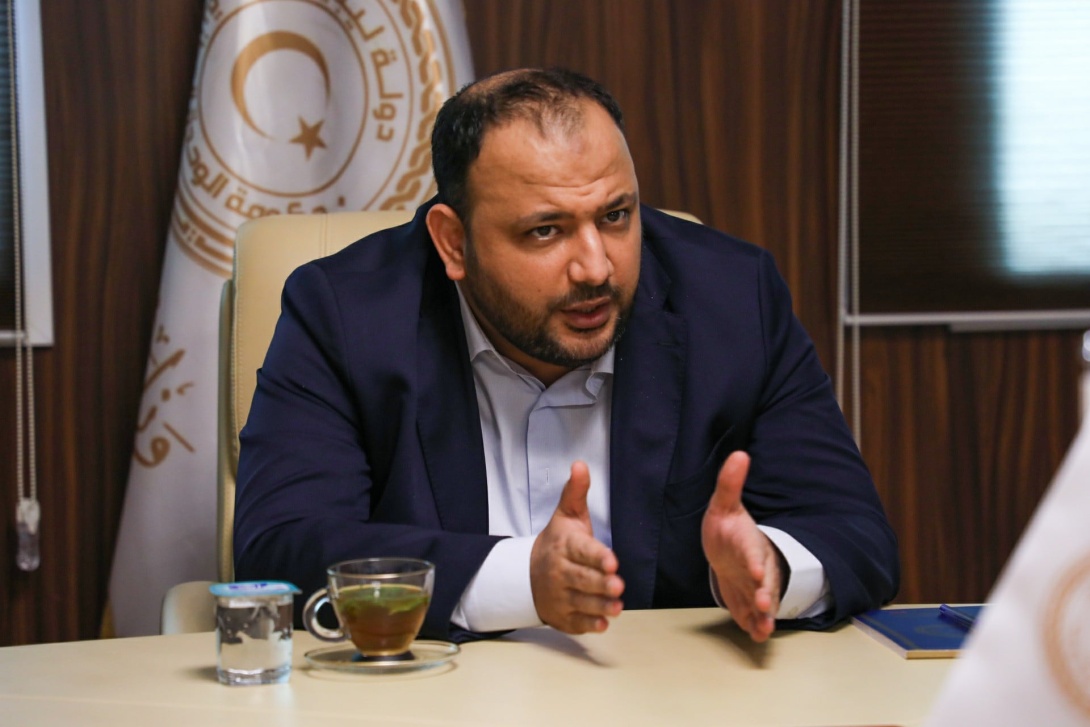
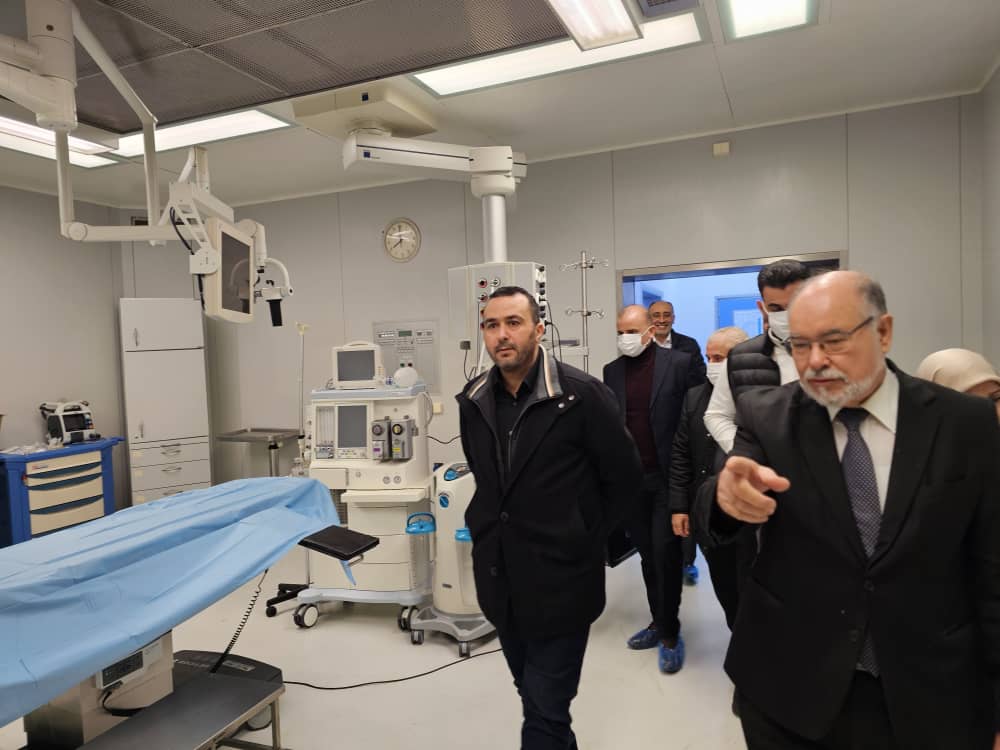
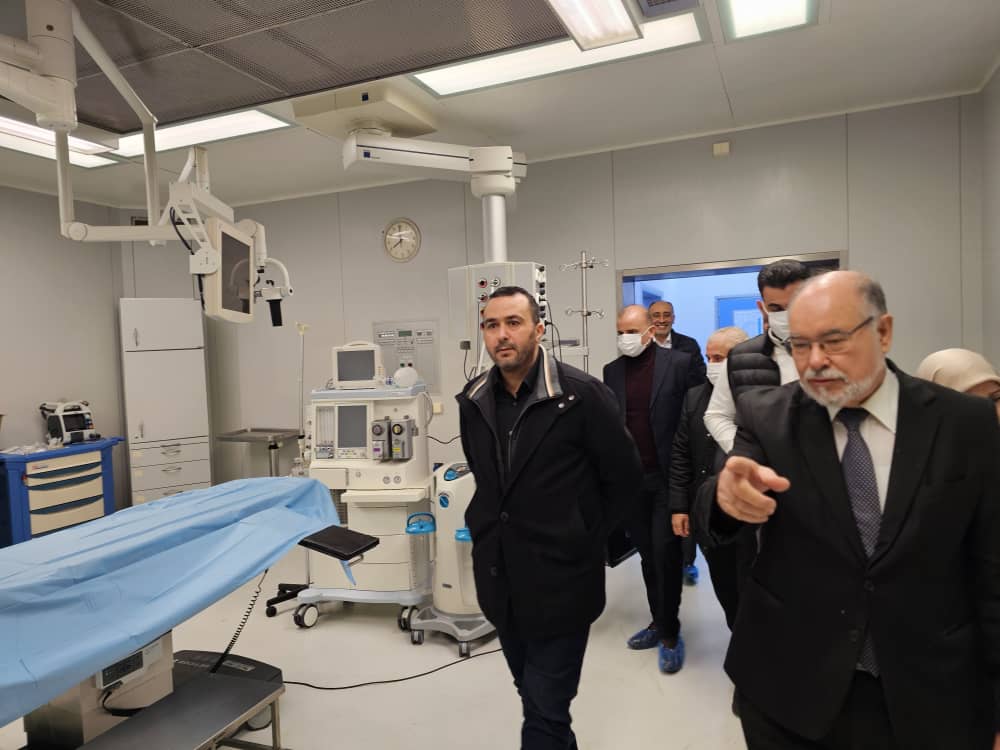
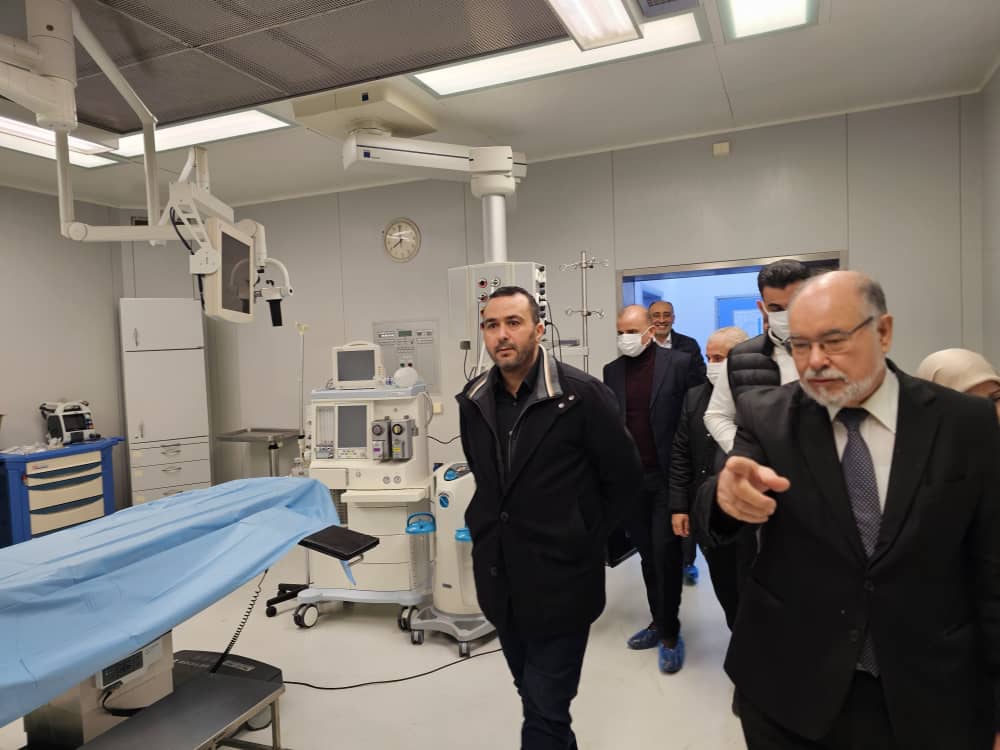
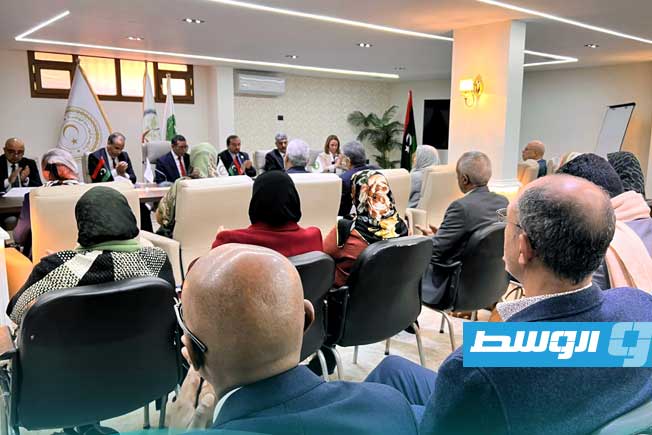
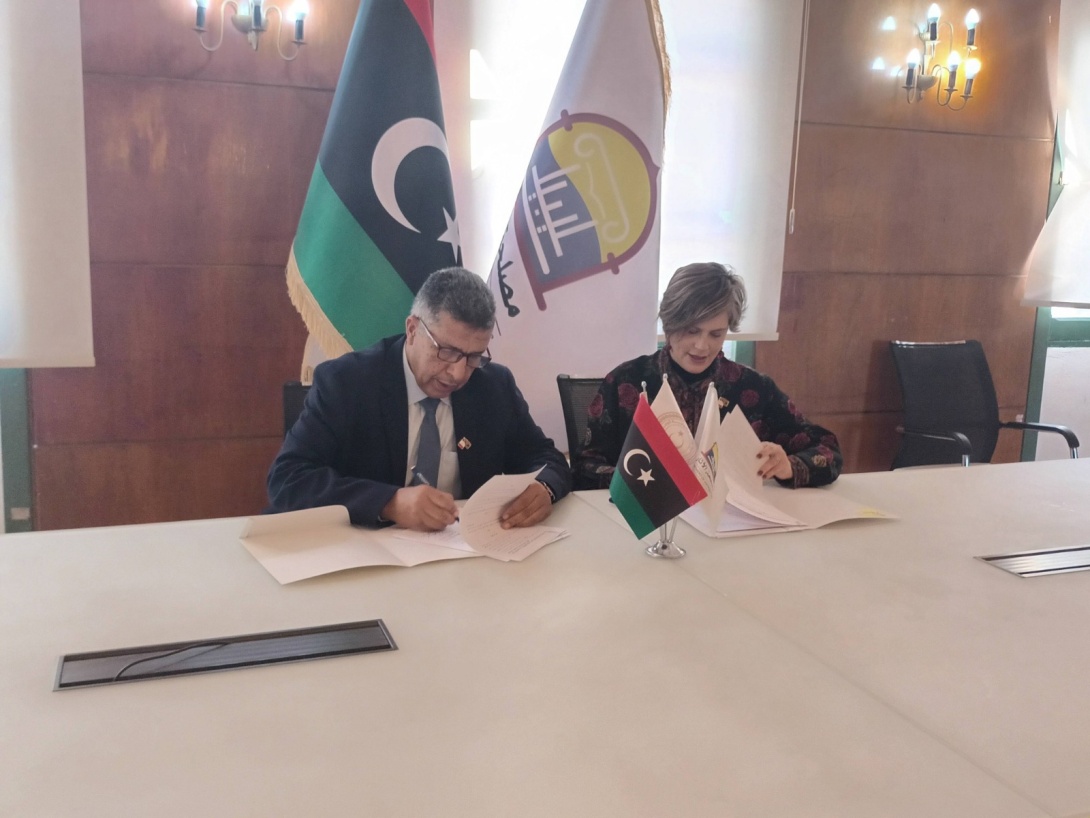
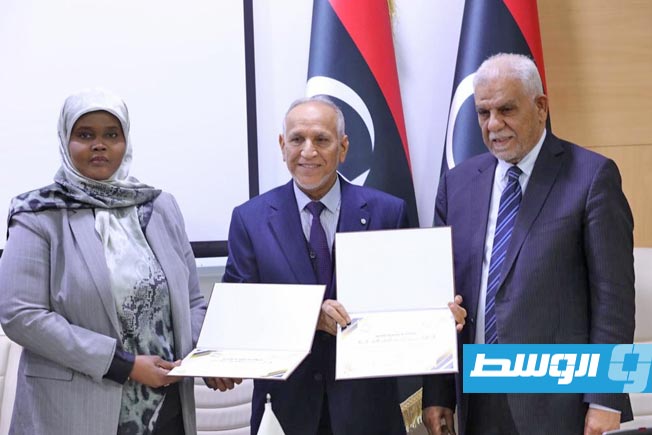
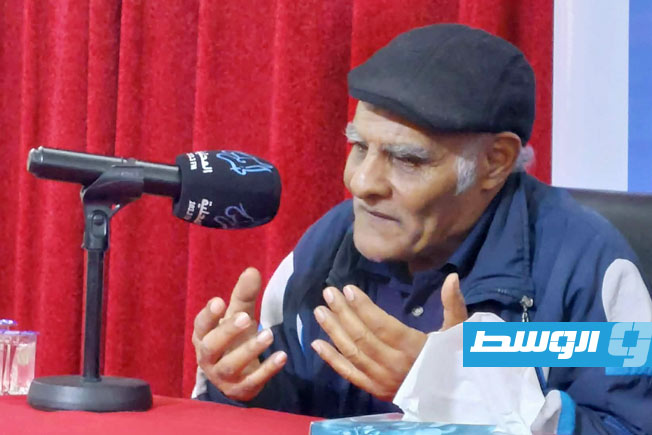
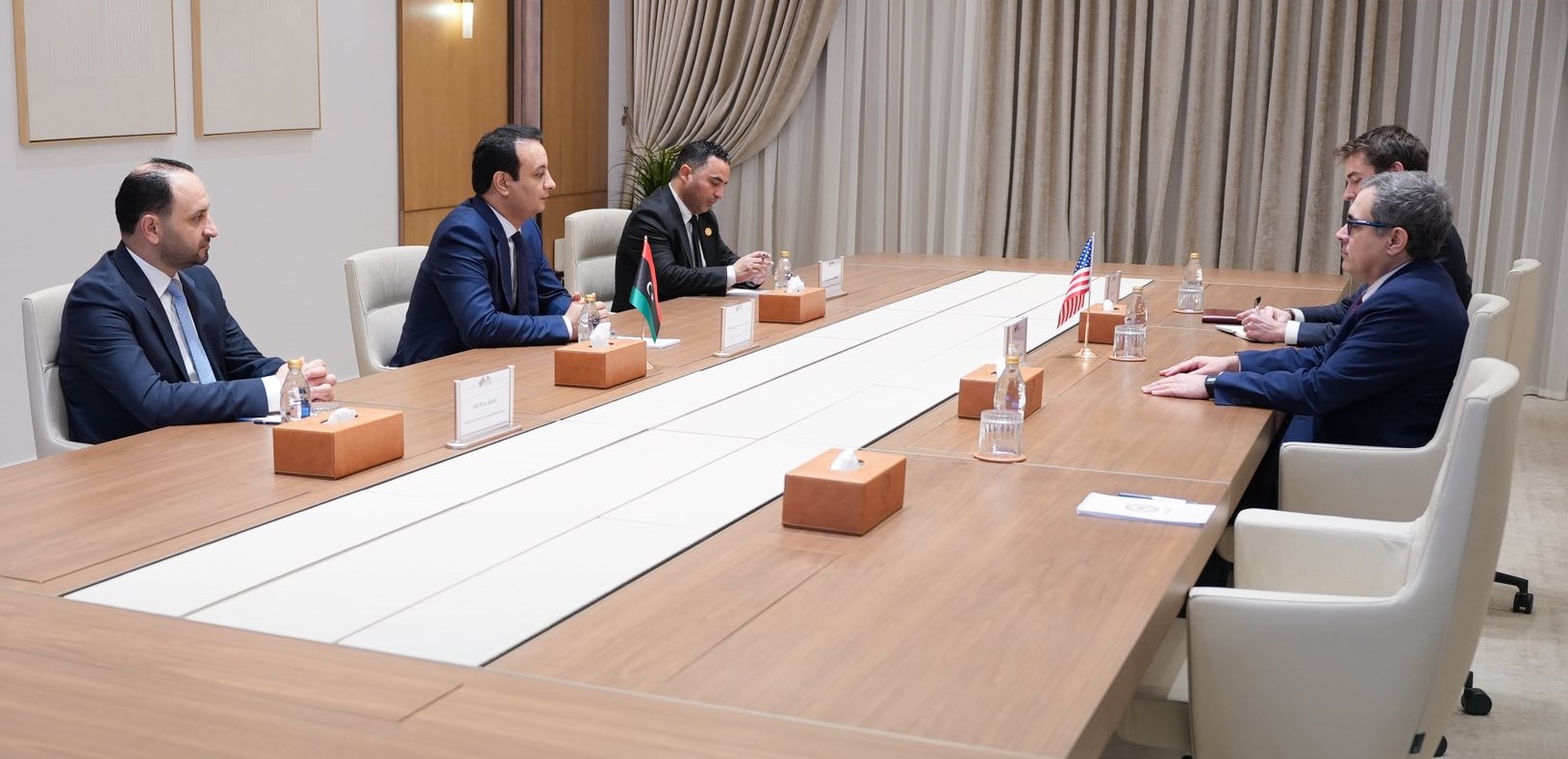
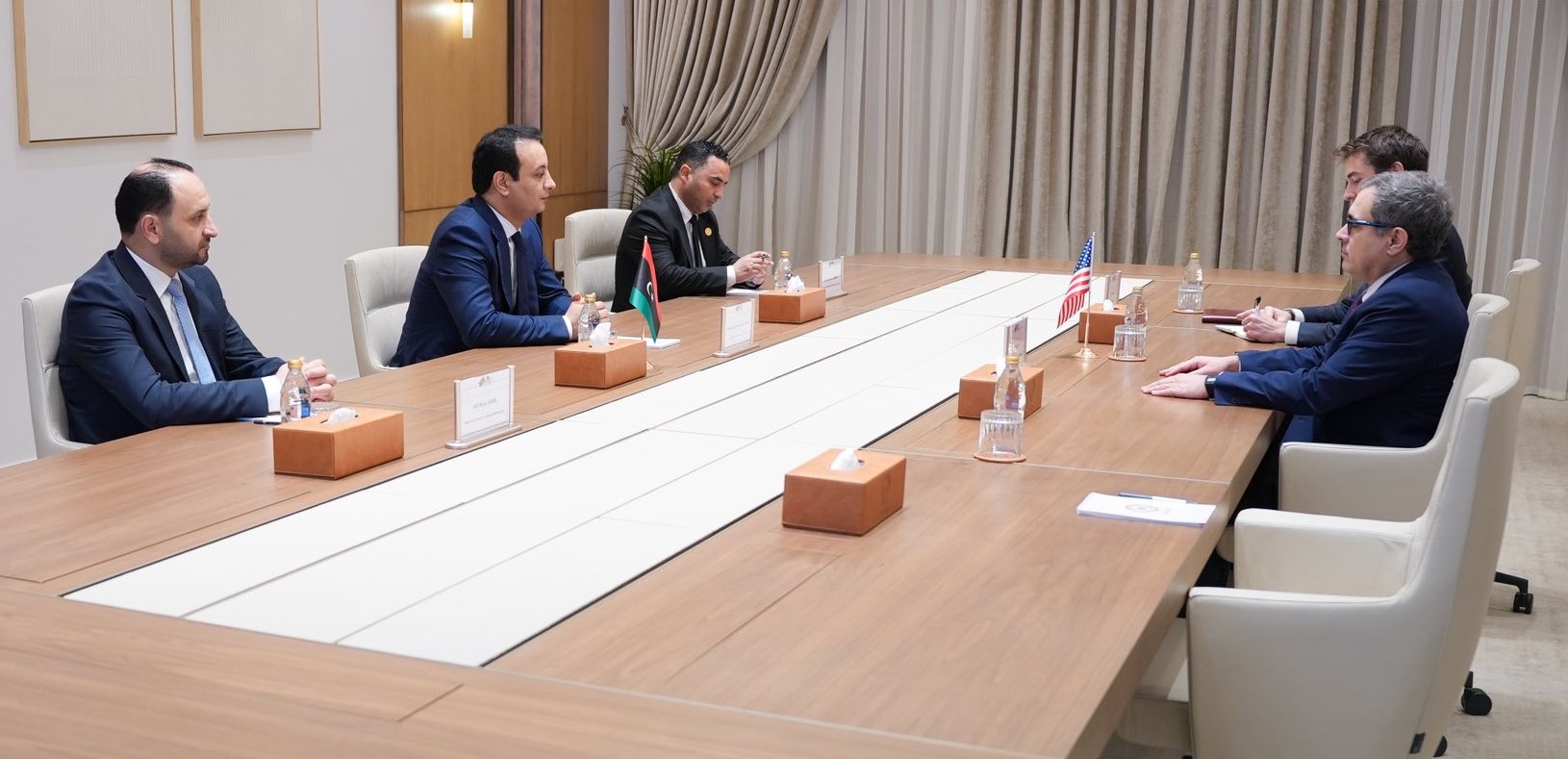
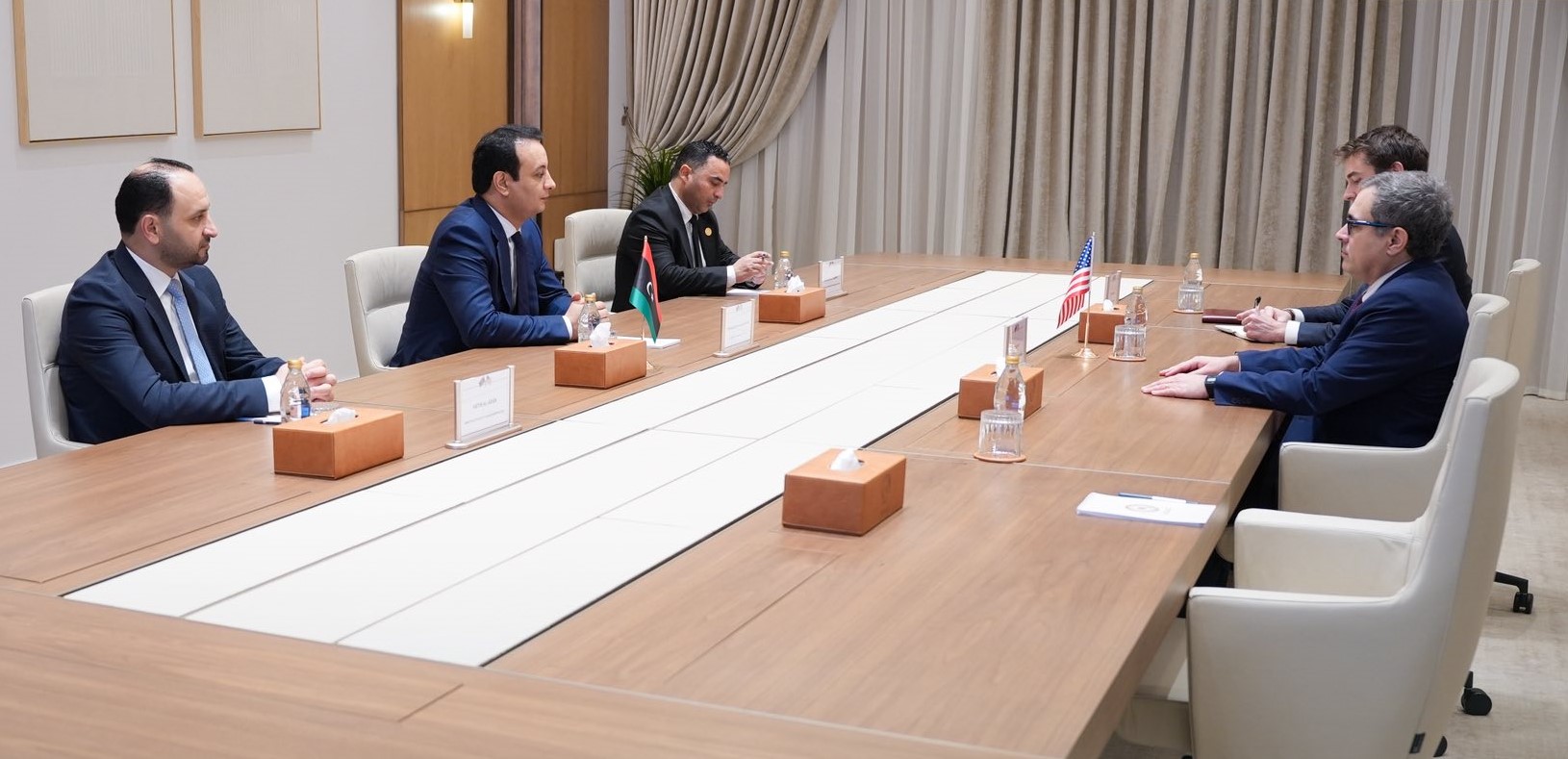
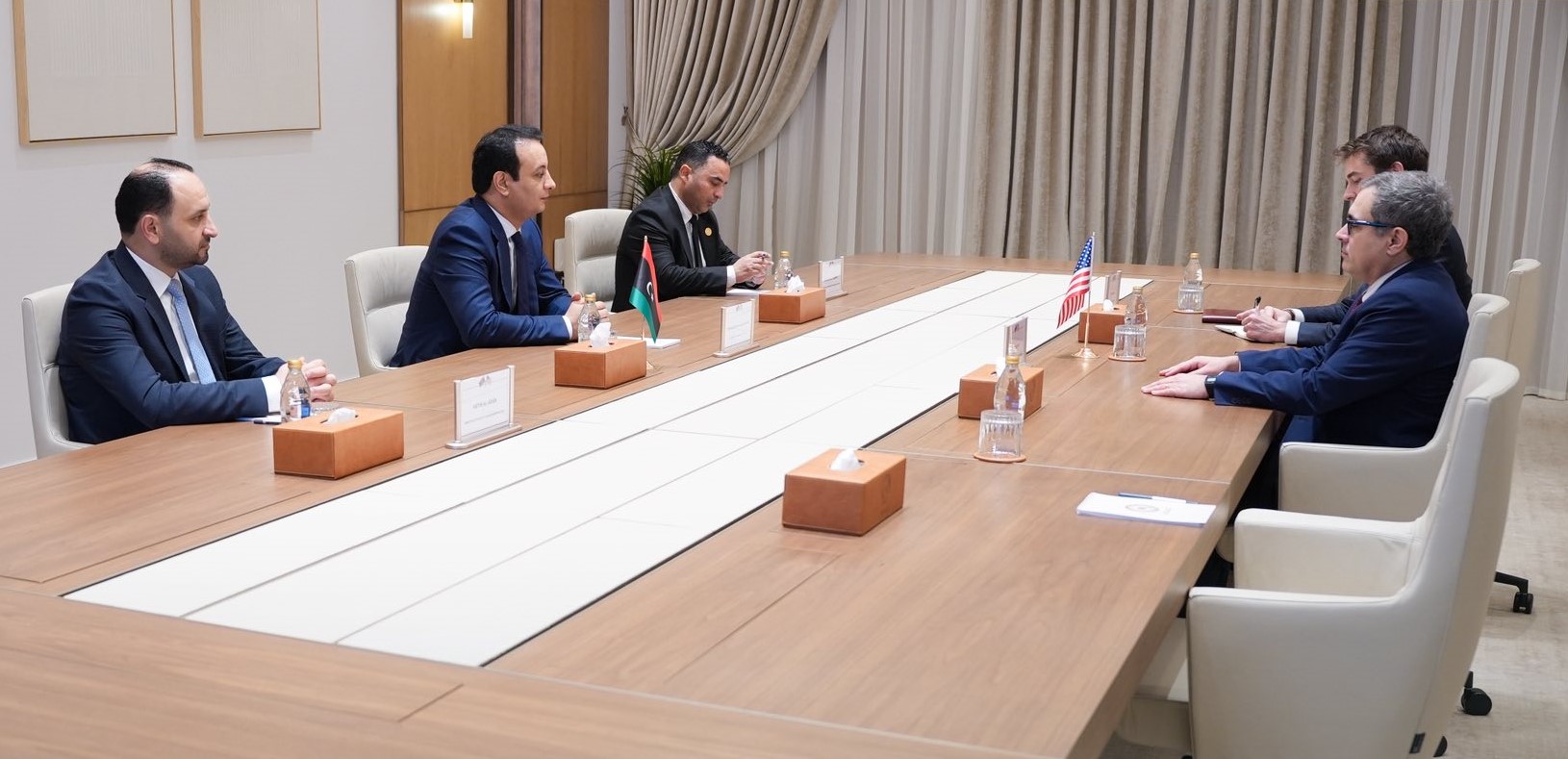
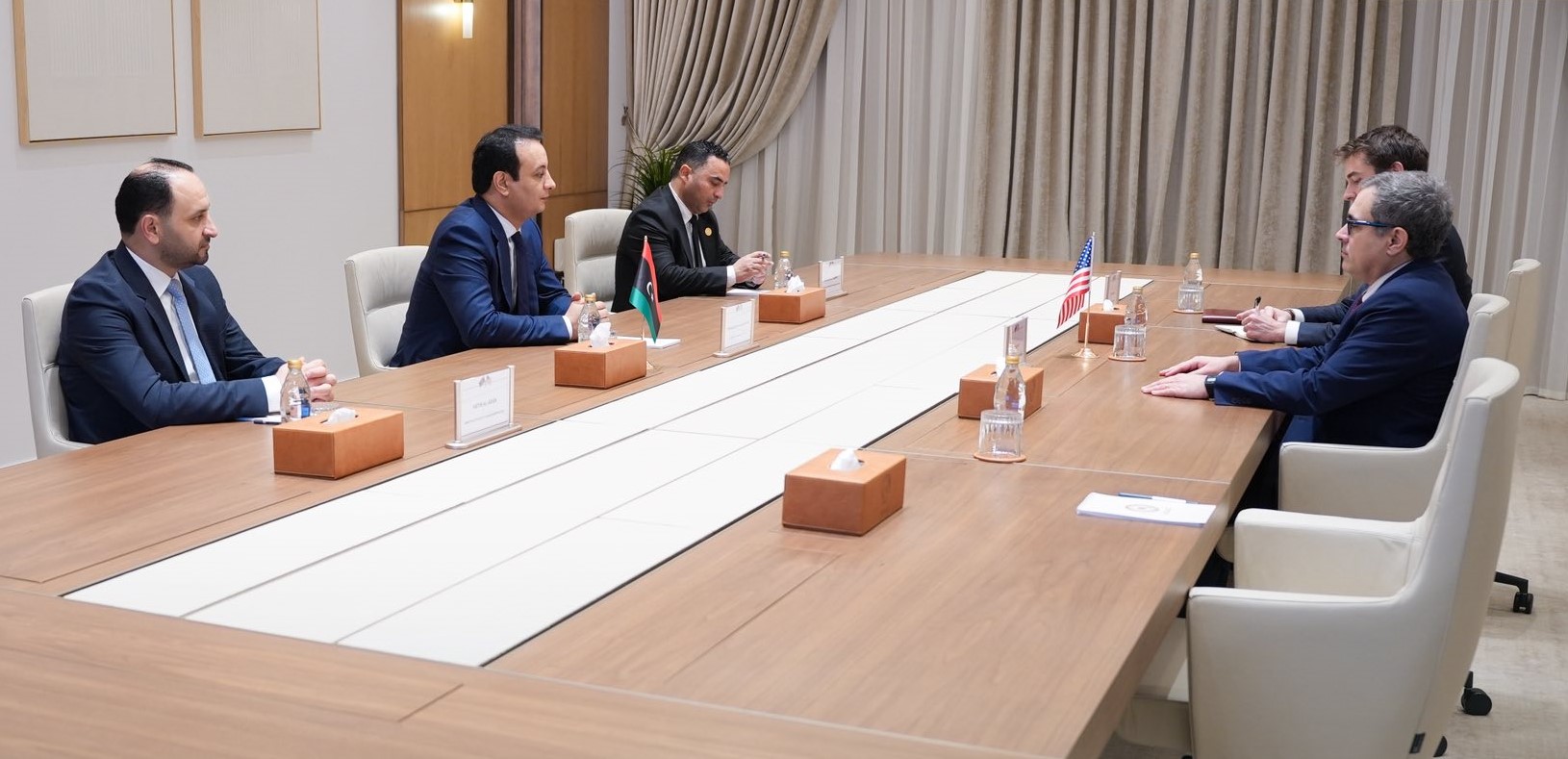
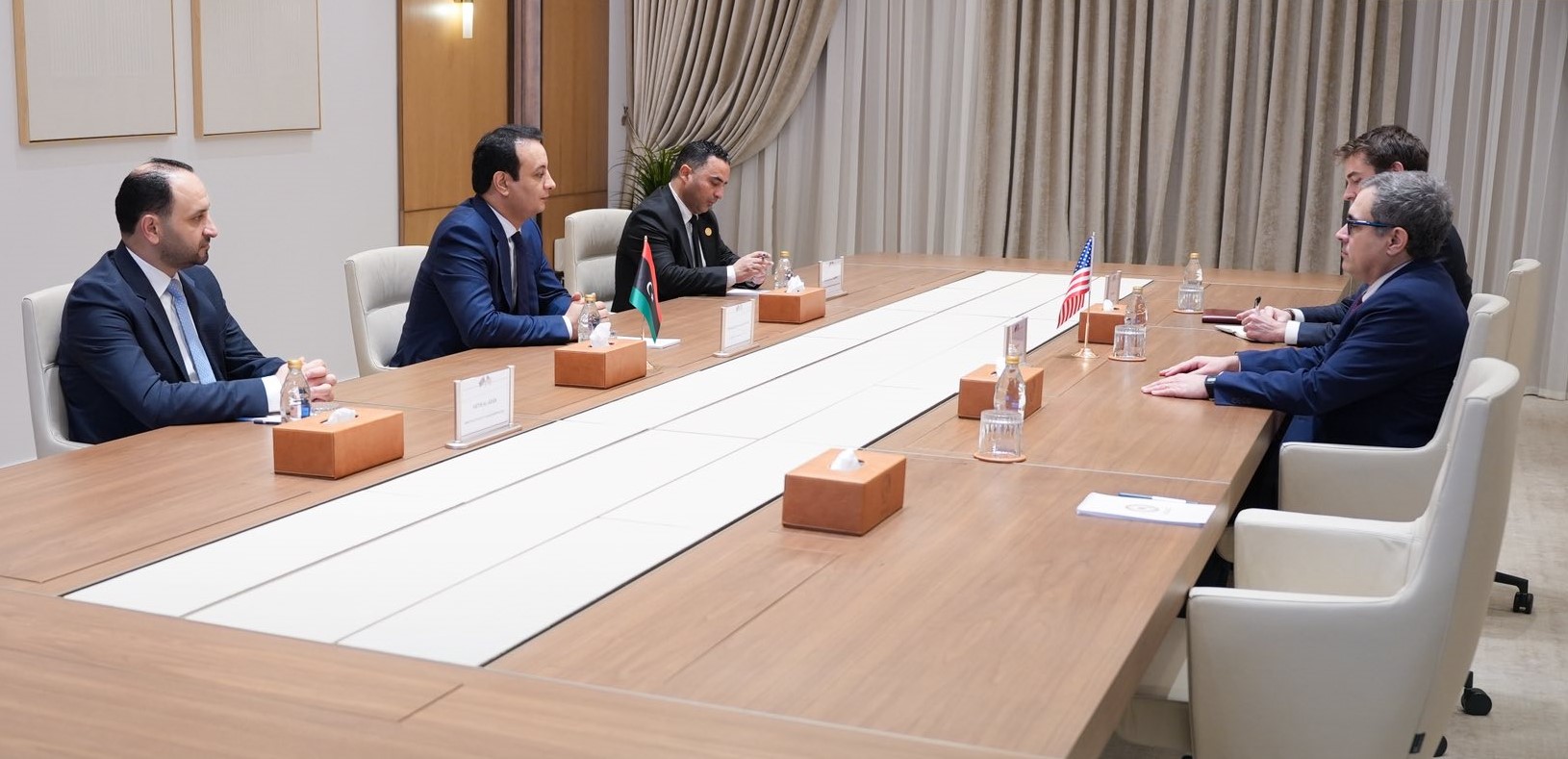
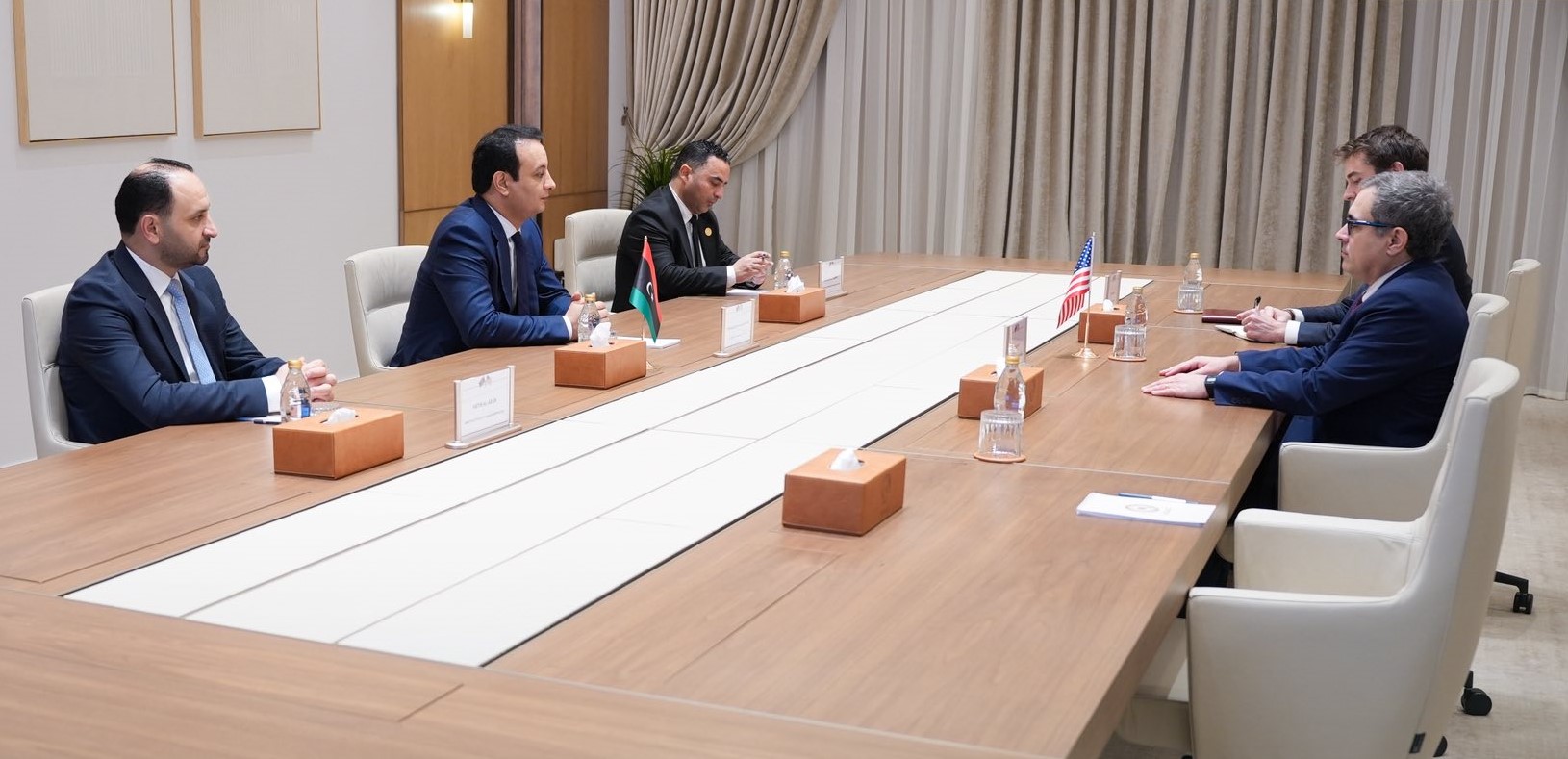
Tripoli, January 6, 2026 – The Chairman of the Supreme Council of State discussed the state’s general budget for the year 2025 with the Head of the Administrative Control Authority on Tuesday. The meeting reviewed the challenges and difficulties faced in implementing public spending items under the current economic and financial conditions, as well as the relevant observations based on the reports of the Control Authority.
The meeting also addressed the possibility of initiating early discussions regarding the 2026 budget, aiming to prepare a unified general budget in accordance with the budget law. This aims to enhance financial discipline, unify institutional pathways related to public finance management, and strengthen financial, administrative, and contract oversight tools in line with existing legislation.
Furthermore, the two sides discussed the file of increasing oil production rates, monitoring the performance of the National Oil Corporation, and ways to support it in raising production levels to contribute to increased oil revenues. This is due to the oil sector’s role as a primary resource and a fundamental pillar of the Libyan economy.
The meeting also touched on procedures related to oversight work and the importance of enhancing the role of oversight bodies in monitoring public spending, ensuring transparency, and the proper management of resources. This serves the public interest and preserves public funds.
Tripoli
Tripoli is the capital and largest city of Libya, historically founded in the 7th century BCE by the Phoenicians. It later became a significant Roman city and a major center under various empires, including the Ottomans, which left a lasting architectural and cultural influence visible in its old medina.
Supreme Council of State
The Supreme Council of State is the collective head of state of Bosnia and Herzegovina, established by the Dayton Peace Agreement in 1995. It consists of three members representing the country’s major constituent peoples: Bosniaks, Croats, and Serbs, with a rotating chairmanship every eight months. Its creation was a key part of the peace settlement to end the Bosnian War, designed to ensure ethnic representation in the country’s leadership.
Administrative Control Authority
The Administrative Control Authority is an Egyptian government body established in the 1960s, primarily responsible for combating corruption and ensuring integrity within state institutions. It operates with investigative and oversight powers to monitor administrative and financial conduct across the public sector.
National Oil Corporation
The National Oil Corporation (NOC) is the state-owned oil company of Libya, established in 1970 to oversee the country’s petroleum resources and manage all phases of oil production. It was founded following the nationalization of Libya’s oil industry after the 1969 revolution, consolidating control over a sector critical to the nation’s economy.
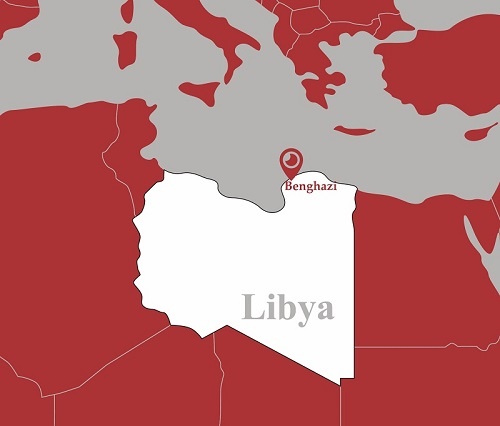
Libya
Libya is a North African country with a rich history that includes ancient Phoenician and Greek settlements, most notably at Cyrene, and later Roman rule. It was part of the Ottoman Empire before Italian colonization in the early 20th century, gaining independence as a kingdom in 1951 and later becoming a republic under Muammar Gaddafi from 1969 until the 2011 revolution. The country is home to five UNESCO World Heritage Sites, including the extensive Roman ruins of Leptis Magna.