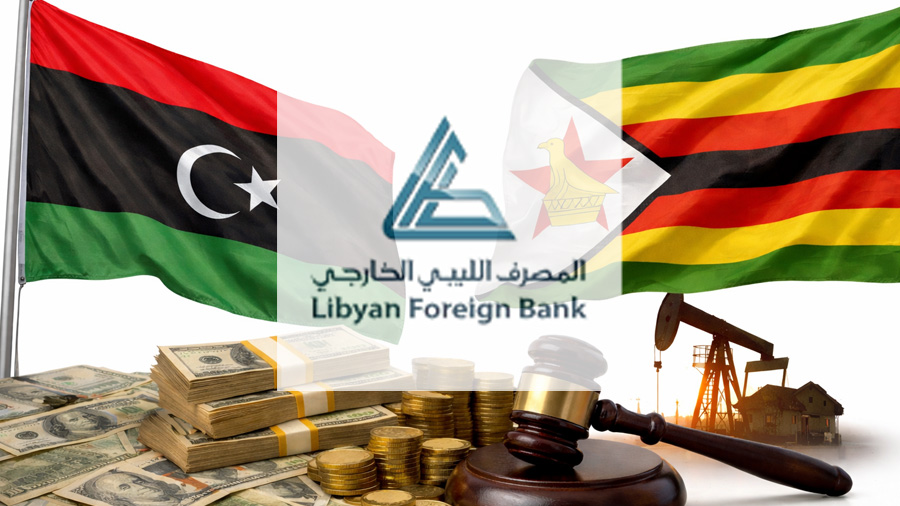
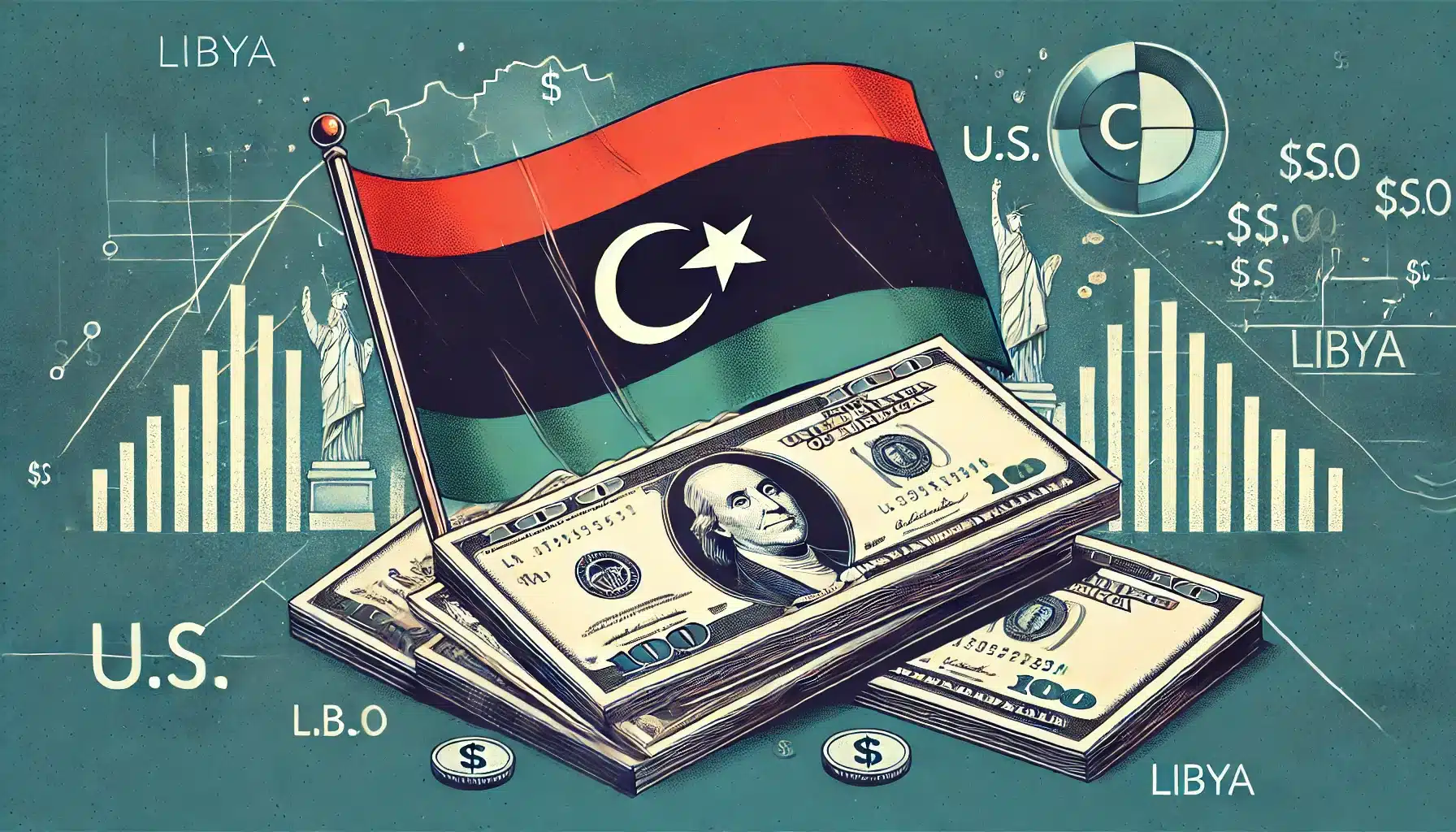
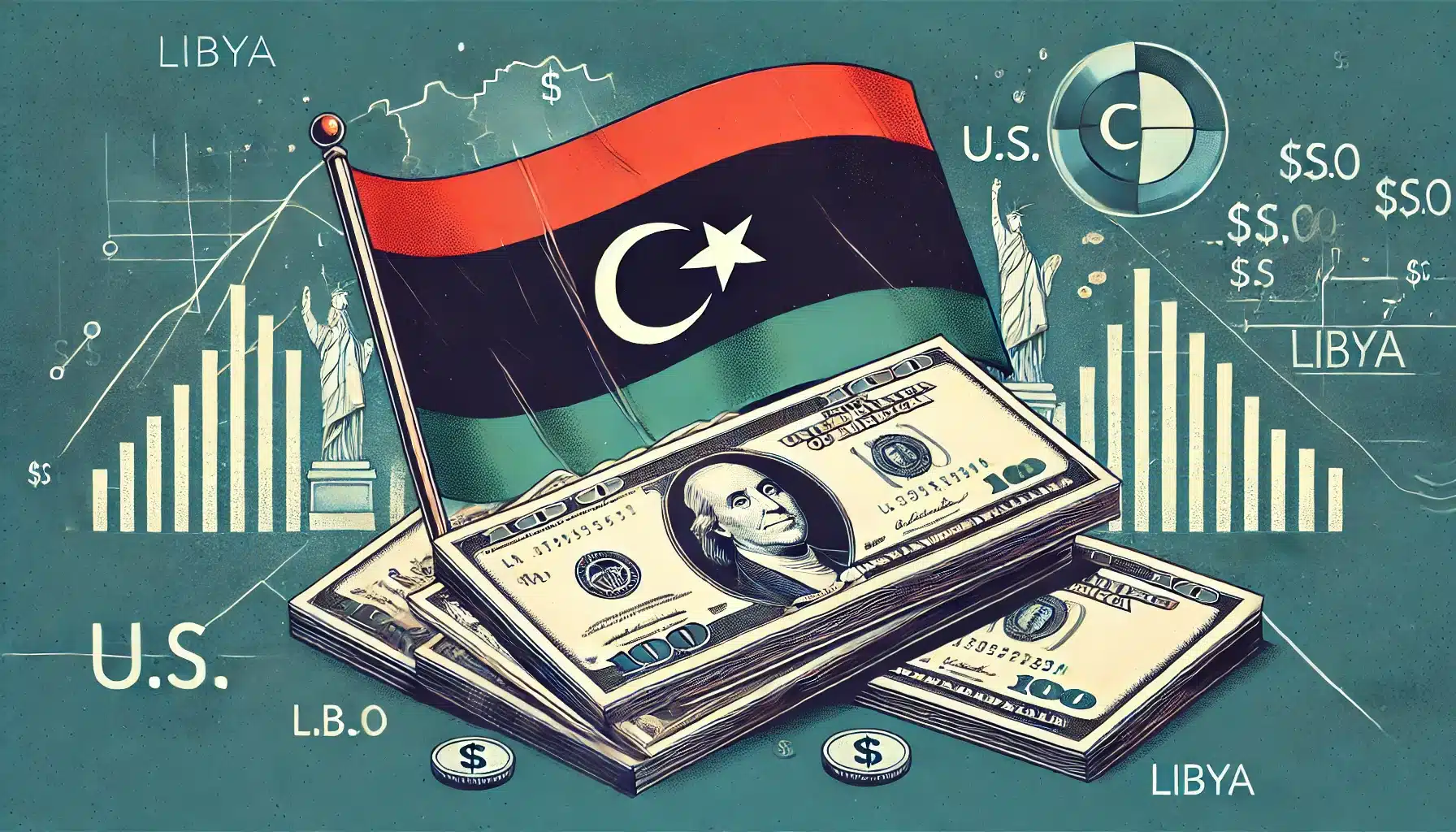
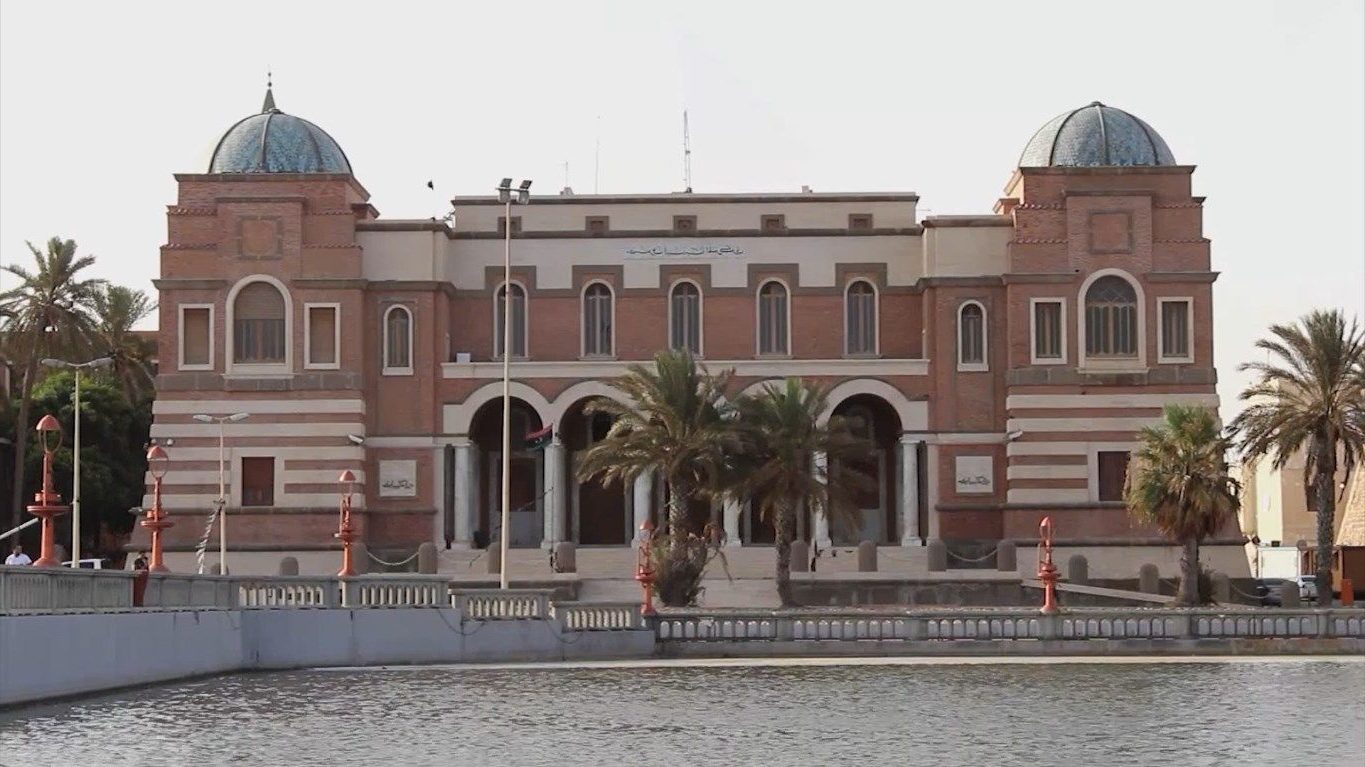
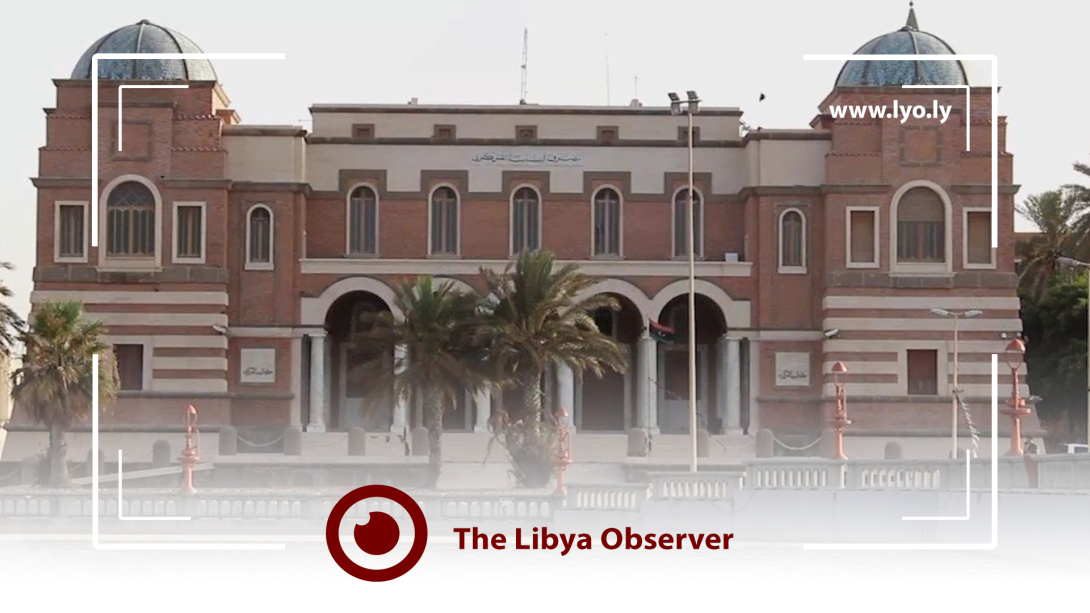
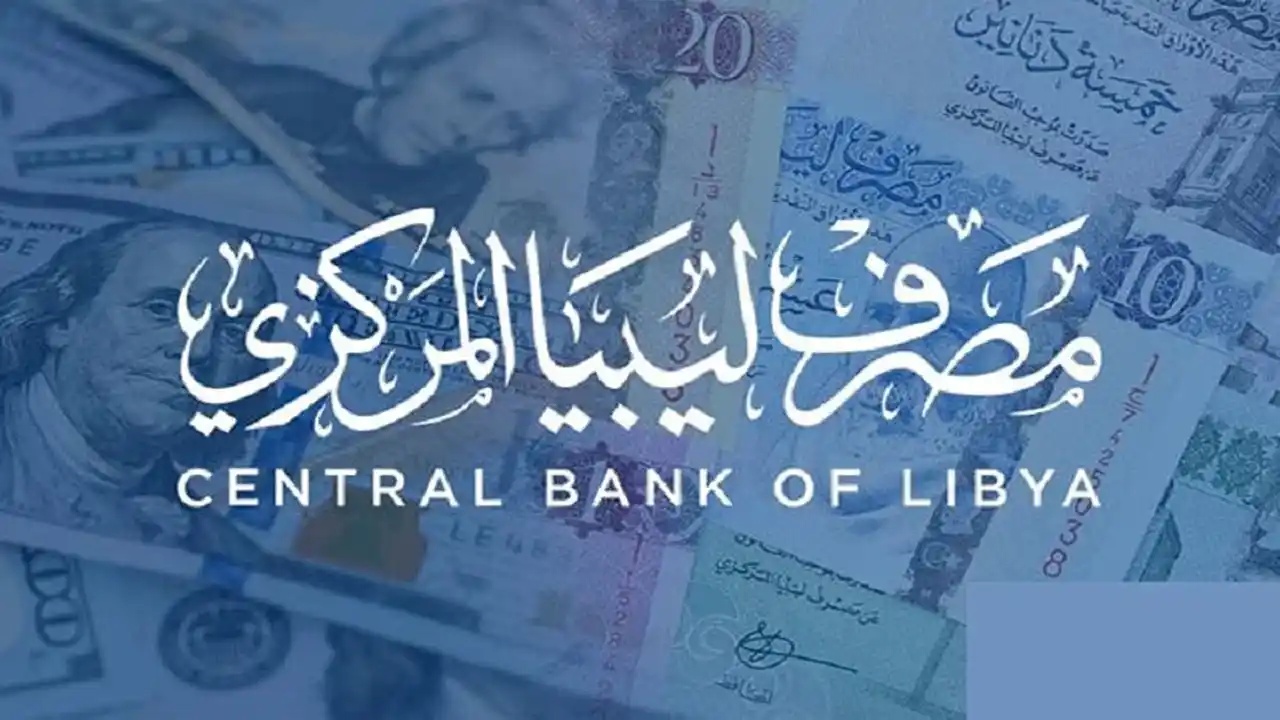
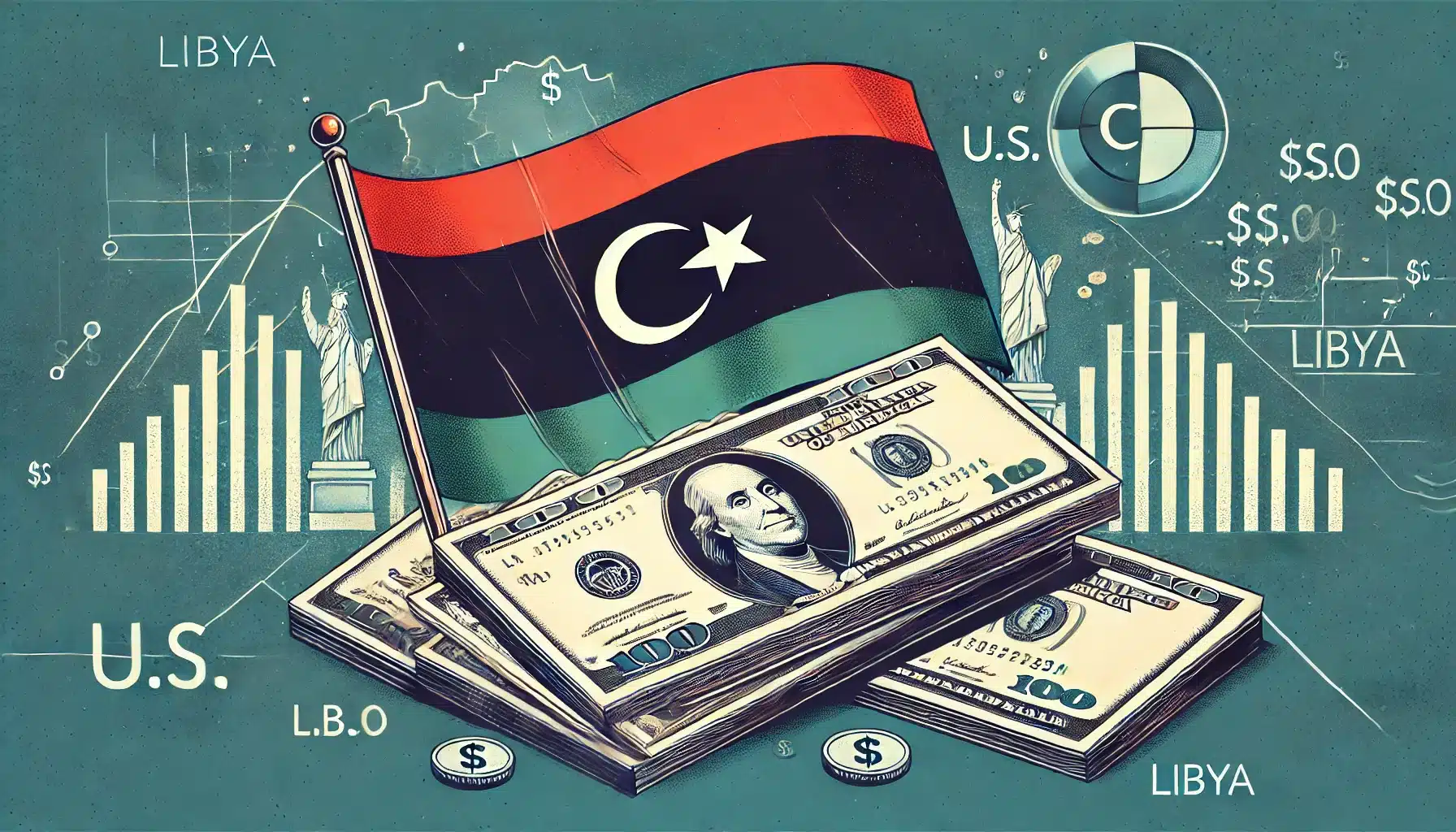
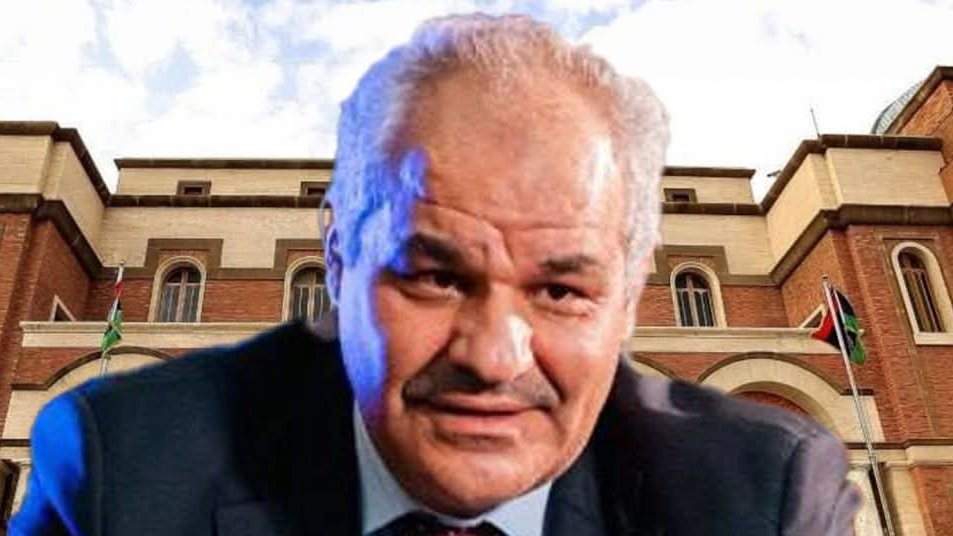
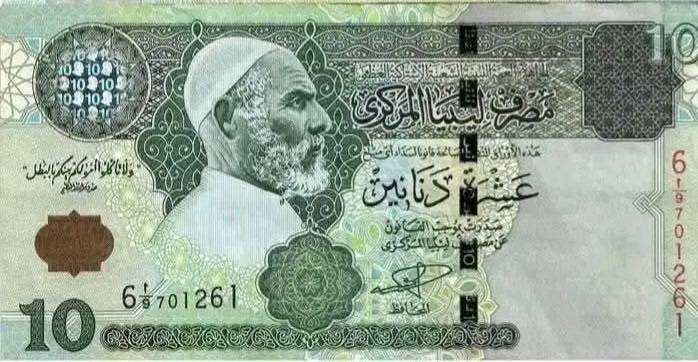
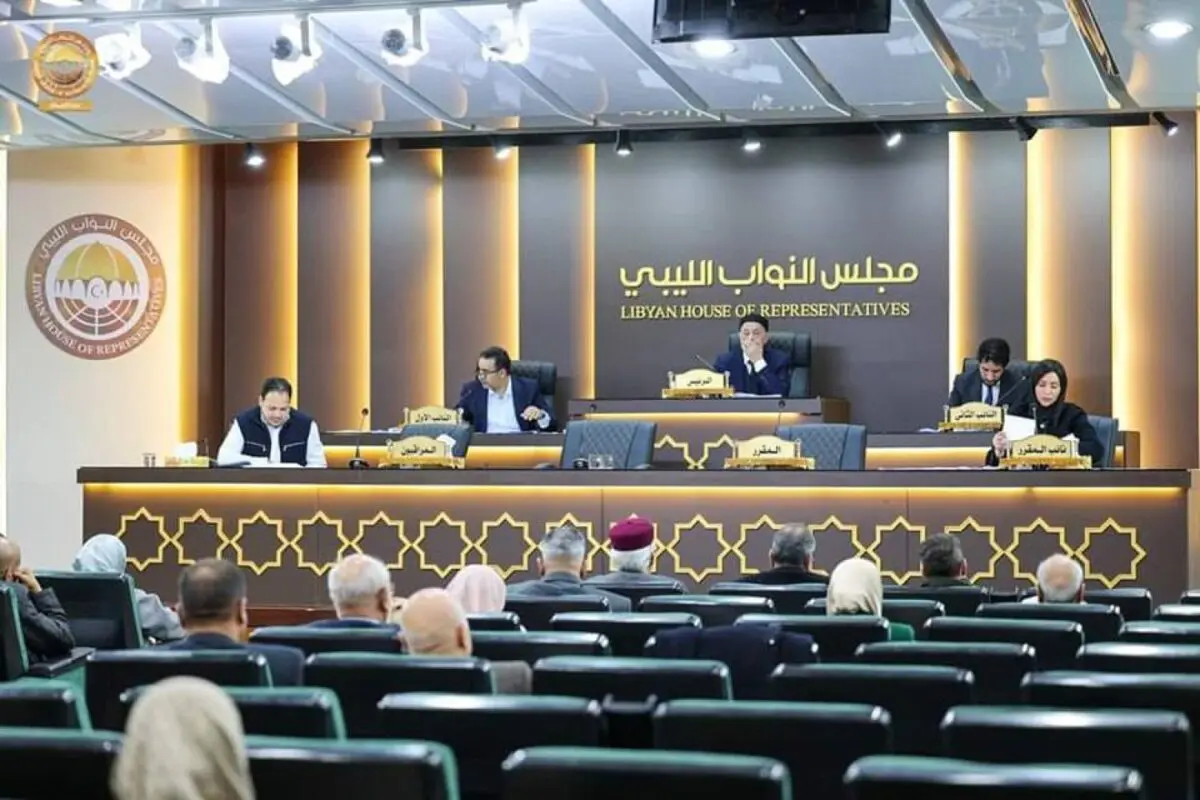
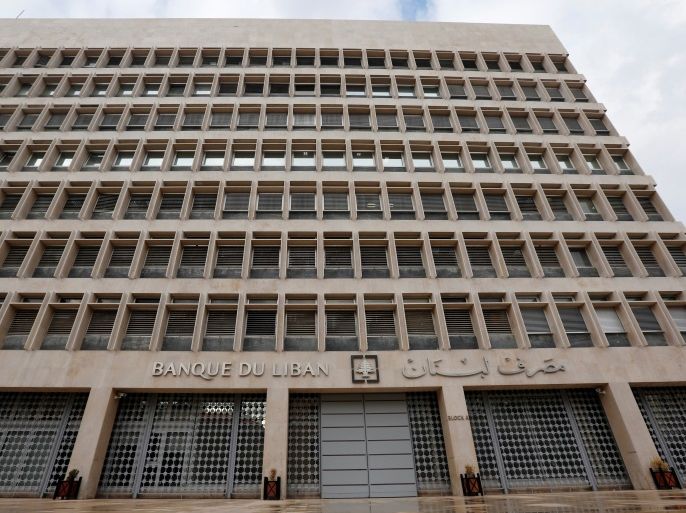
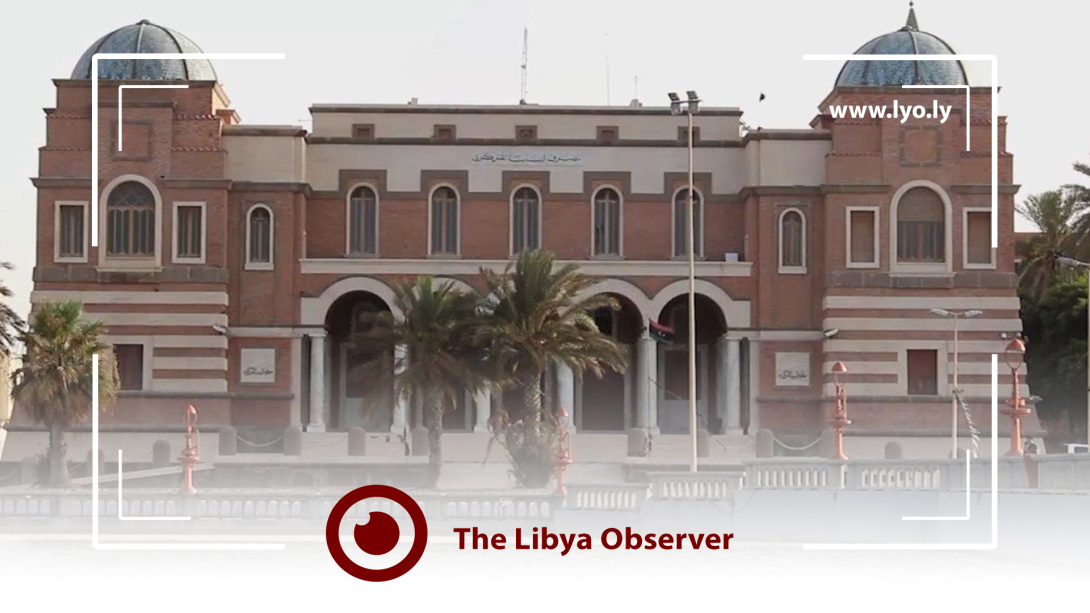
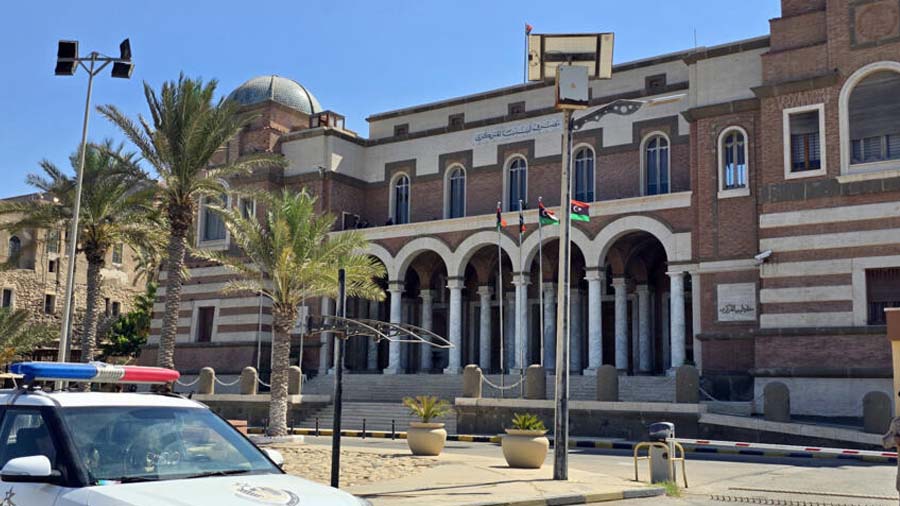
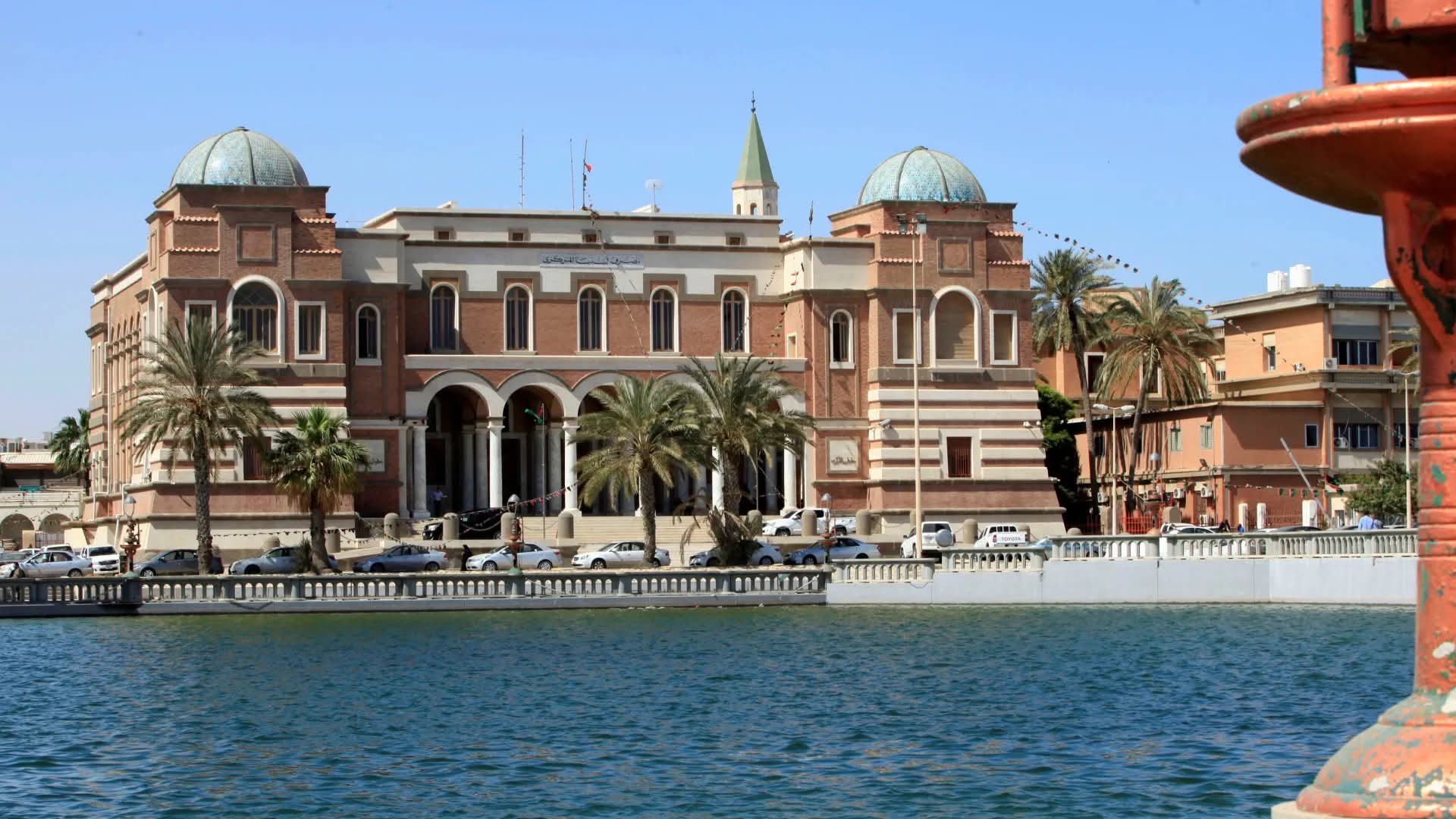
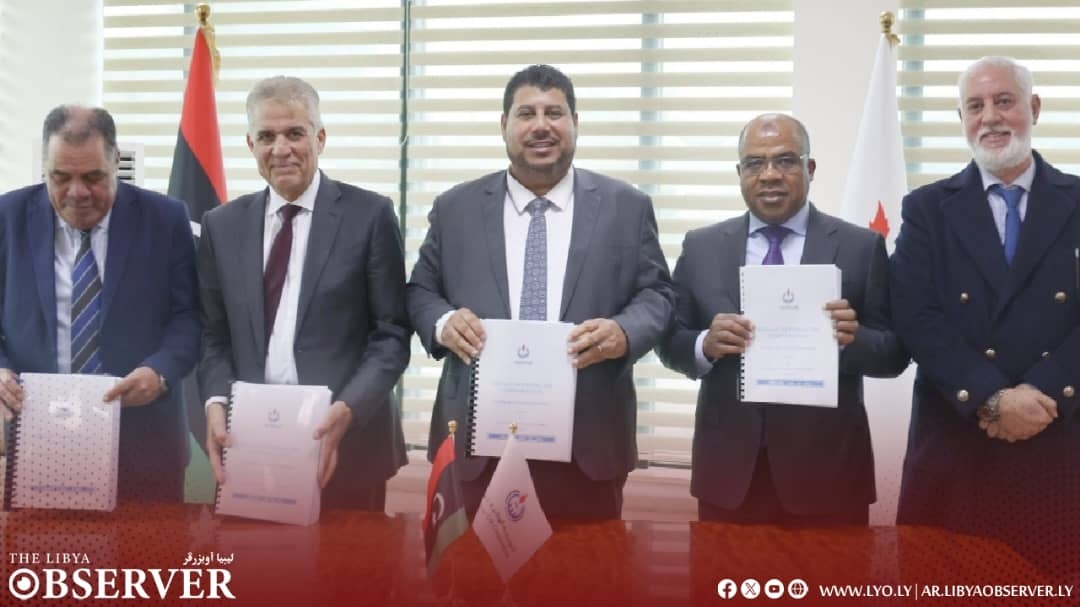
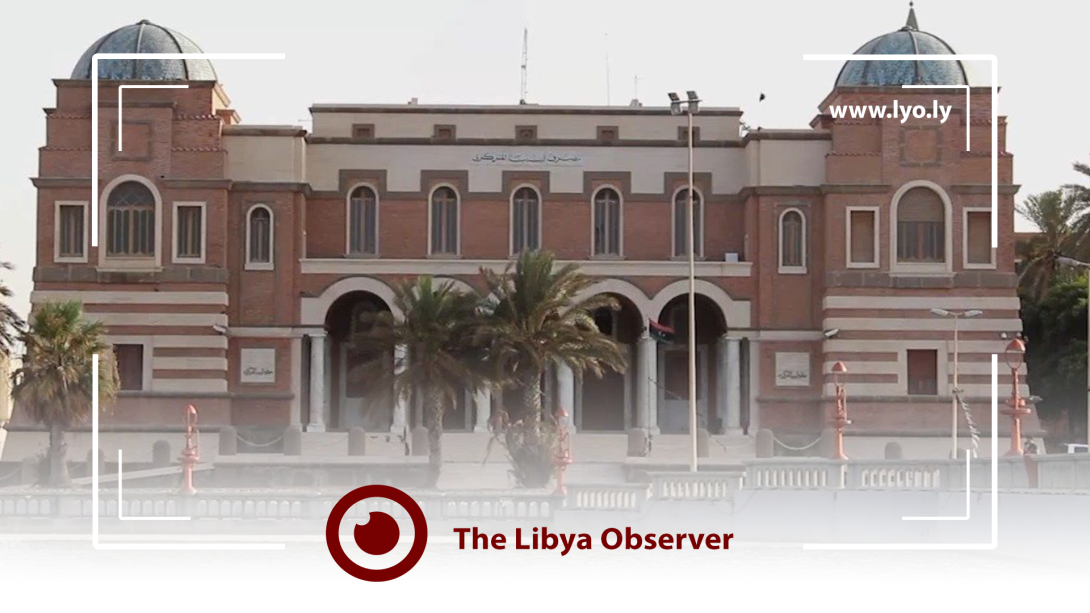
Bloomberg reported that the Libyan Foreign Bank has filed a lawsuit against Zimbabwe’s Finance Minister and the country’s national oil company, seeking repayment of debts exceeding $100 million.
The lawsuit was filed last November in a British court and relates to loans granted under a credit facility dating back to 2001.
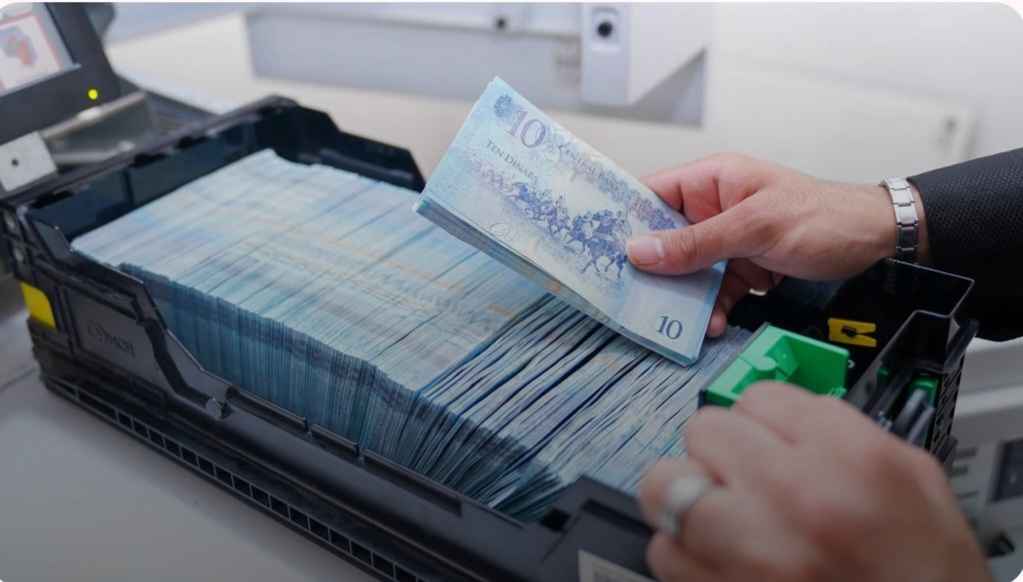
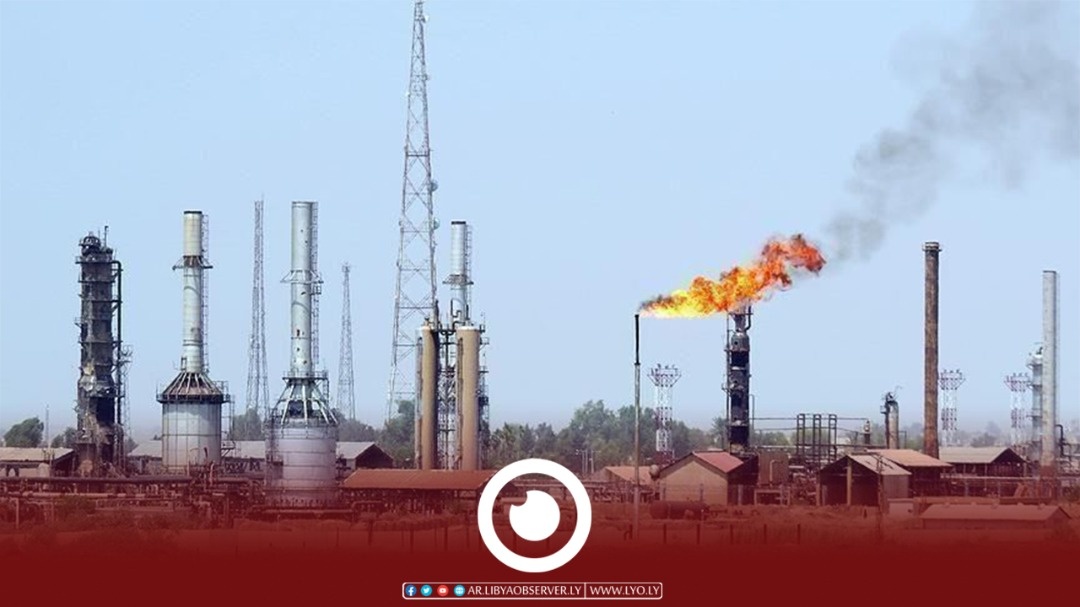
The Foreign Bank confirmed that Zimbabwe has failed to meet its financial obligations, noting that the Zimbabwean oil company repaid only $5.5 million in four installments between 2013 and 2023, while the current value of the outstanding debt with interest exceeds $100 million.
At the time of signing the agreement, Zimbabwe’s Finance Minister had agreed that his ministry would guarantee the debt, according to the Foreign Bank, which confirmed that Zimbabwean government officials have repeatedly acknowledged the existing debt since 2005 in official correspondence with the lender.
Zimbabwe faces near-total exclusion from international capital markets due to unpaid debts of at least $21 billion, including arrears owed to the World Bank and other multilateral lenders that have accumulated over 26 years.
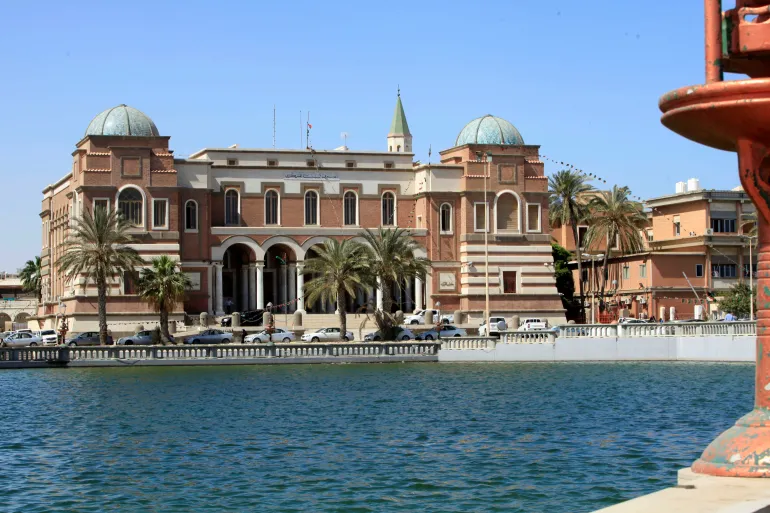
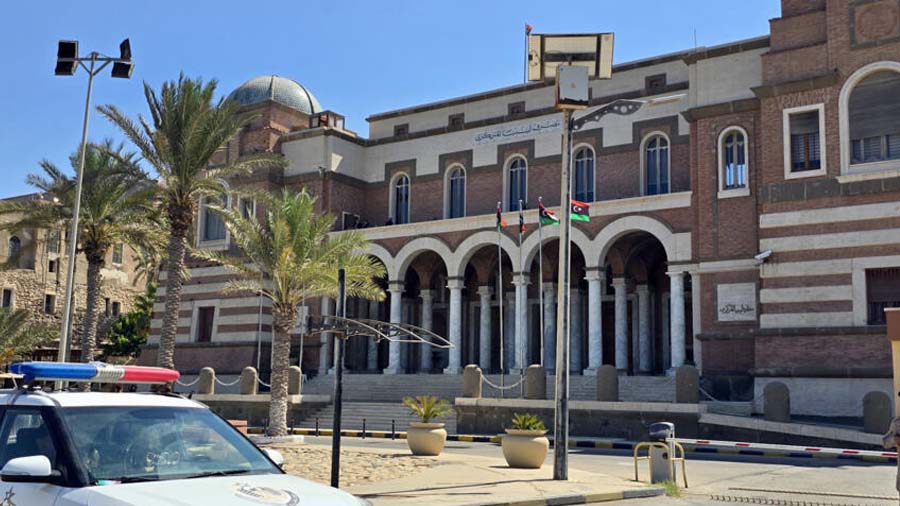
Libyan Foreign Bank
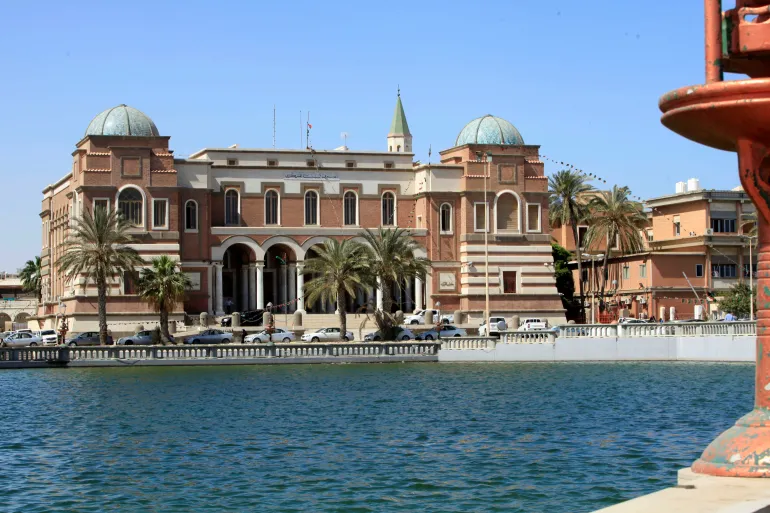
The Libyan Foreign Bank is Libya’s state-owned international financial institution, established in 1972 to manage the country’s foreign investments and overseas banking operations. Historically, it played a central role in channeling oil revenues into international markets and was a key instrument of Libyan economic policy abroad.
Zimbabwe
Zimbabwe is a country in southern Africa, named after the ancient city of Great Zimbabwe, a stone ruin from the 11th to 15th centuries that was the capital of a major trading empire. The modern state gained independence from British colonial rule in 1980, following a period of conflict. It is known for its diverse landscapes, including Victoria Falls, and a rich cultural heritage from the Shona and Ndebele peoples.
Finance Minister
The Finance Minister is a high-ranking government official responsible for overseeing a nation’s economic policy, budget, and treasury. Historically, the role has evolved from managing royal treasuries in ancient civilizations to formulating complex fiscal and monetary strategies in modern states. The specific powers and history of the position vary significantly by country and its system of government.
British court
The British court system, with roots in medieval common law, has evolved over centuries into a hierarchical structure headed by the Supreme Court of the United Kingdom. It is renowned for its adversarial process and the principle of judicial precedent, which has influenced legal systems worldwide.
World Bank
The World Bank is an international financial institution founded in 1944 to help rebuild nations after World War II. Its mission has since evolved to focus on providing loans and grants to the governments of low- and middle-income countries for the purpose of pursuing capital projects and reducing global poverty.