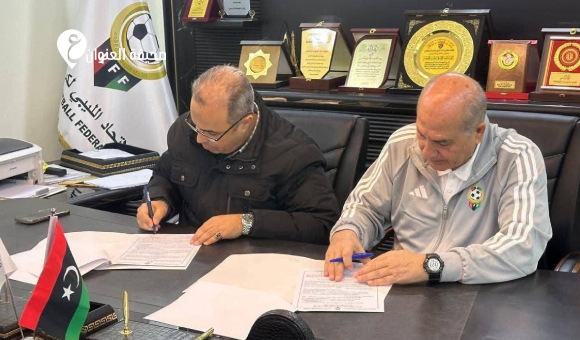
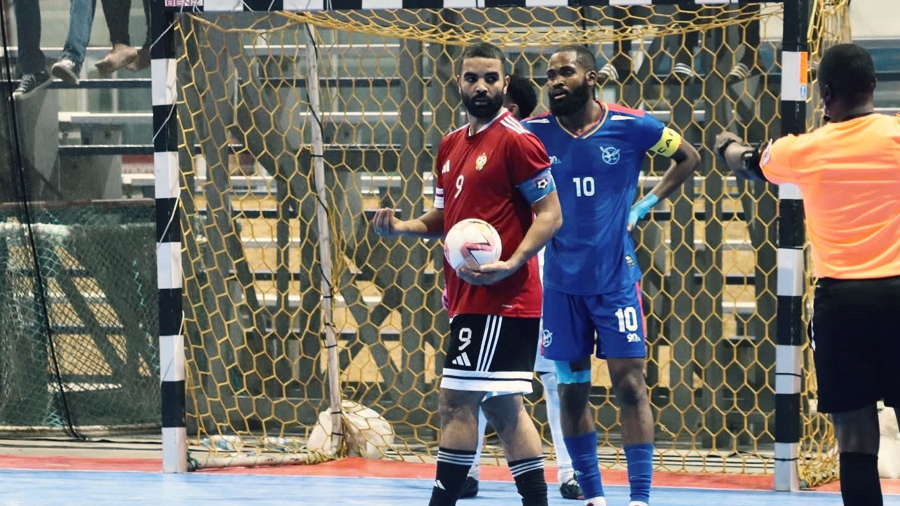
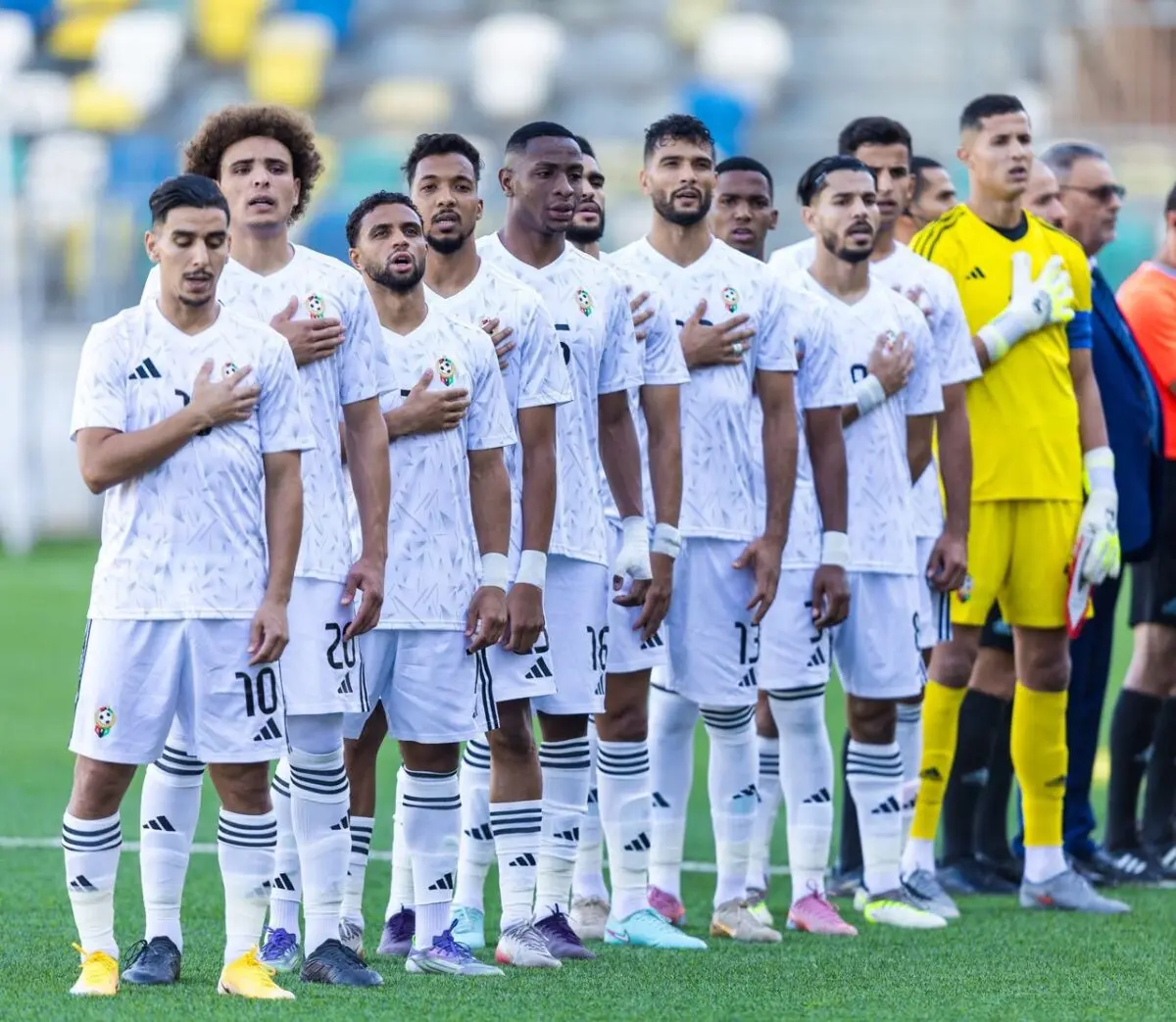
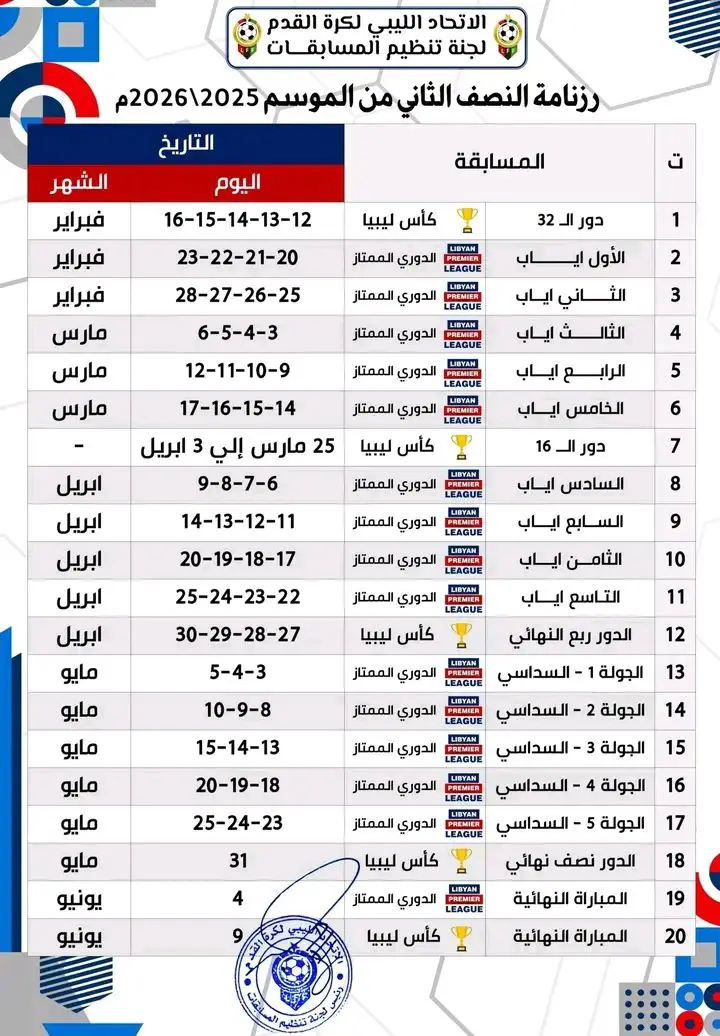
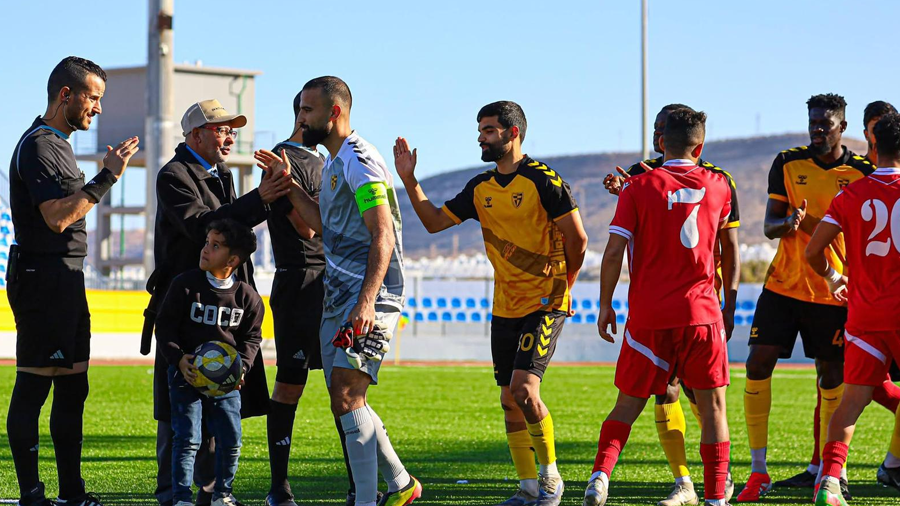
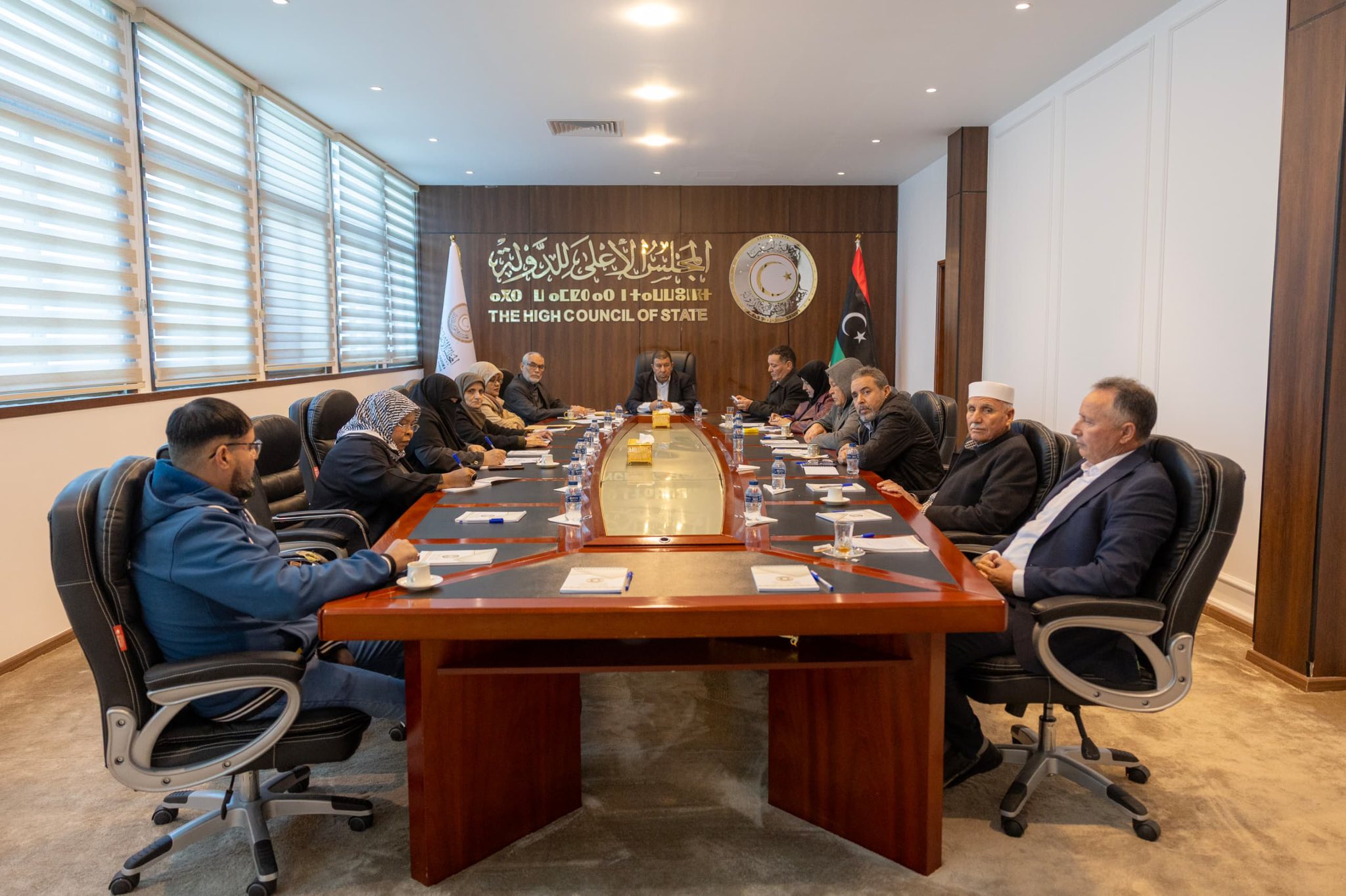
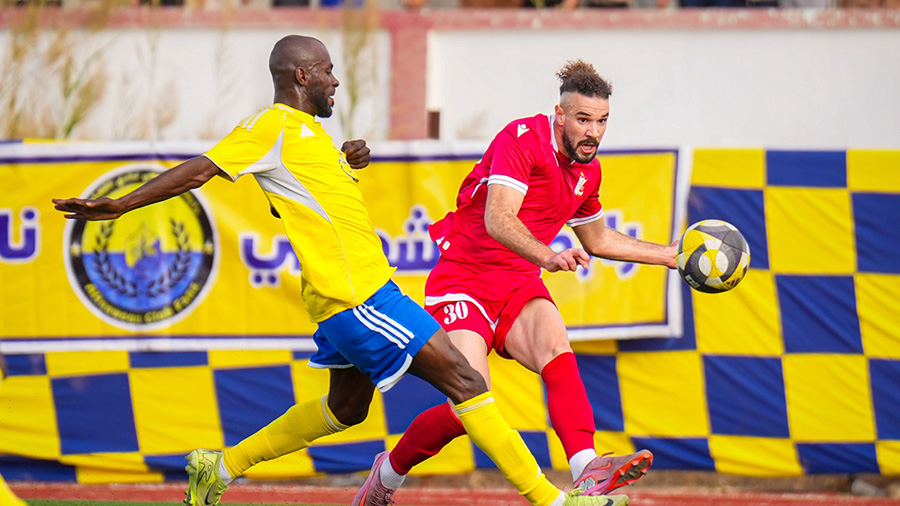
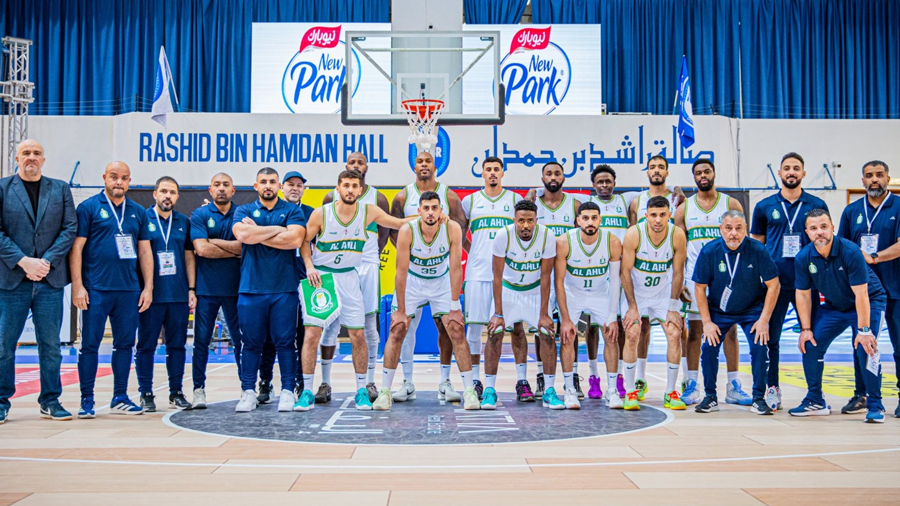
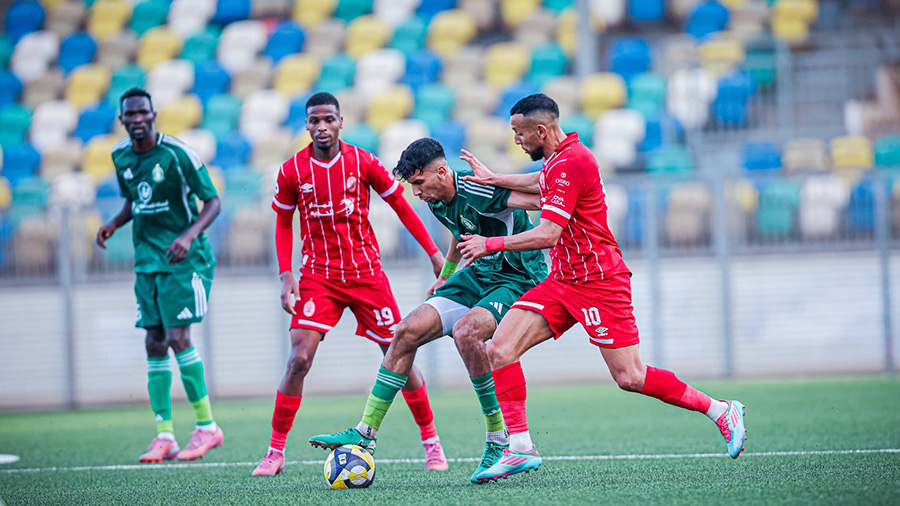
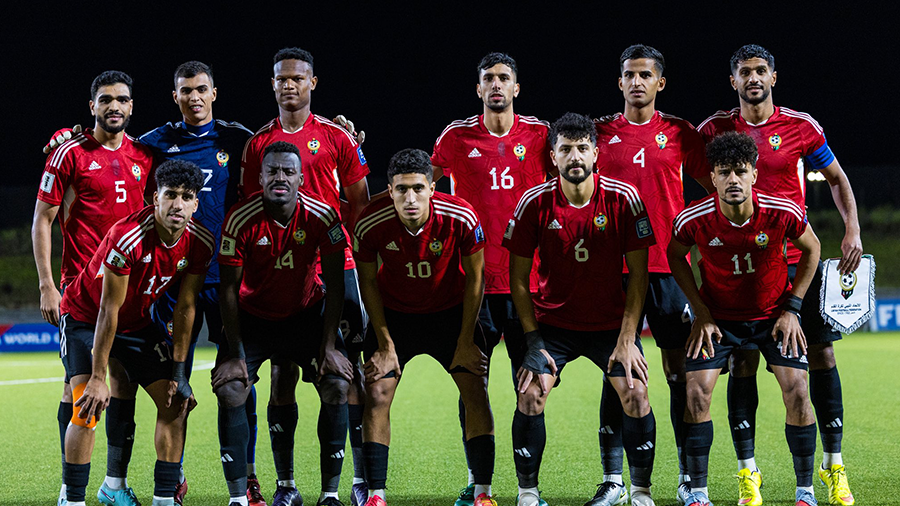
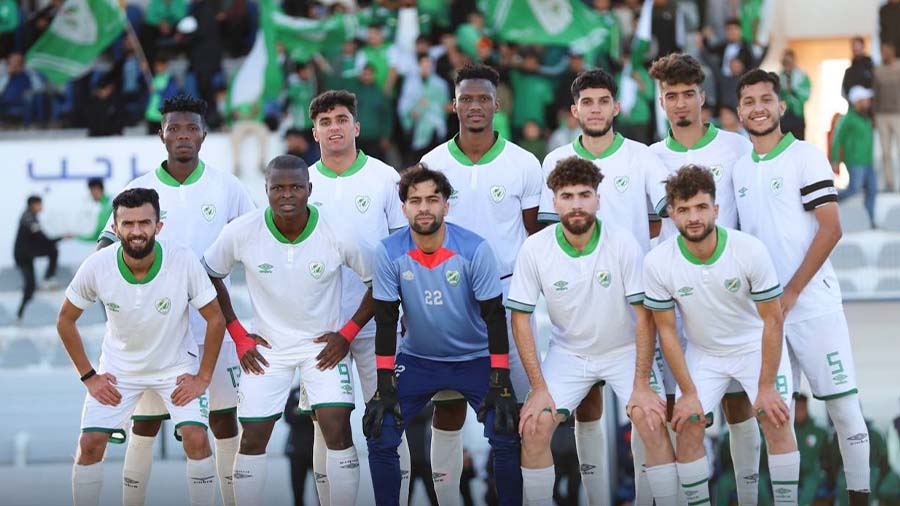
The Libyan Football Association implements the largest schedule for the (C) license and prepares for B and A courses in 2026.
libyawire.org > News > Sport > The Libyan Football Association implements the largest schedule for the (C) license and prepares for B and A courses in 2026.
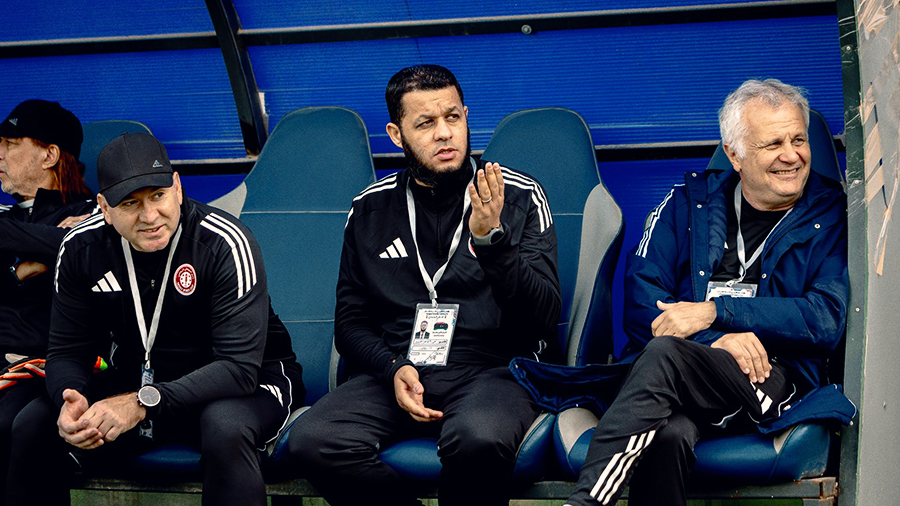
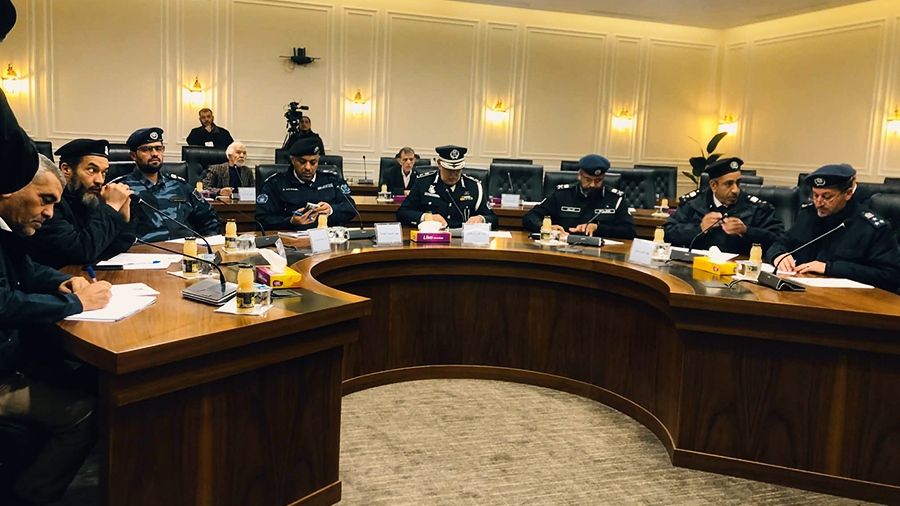
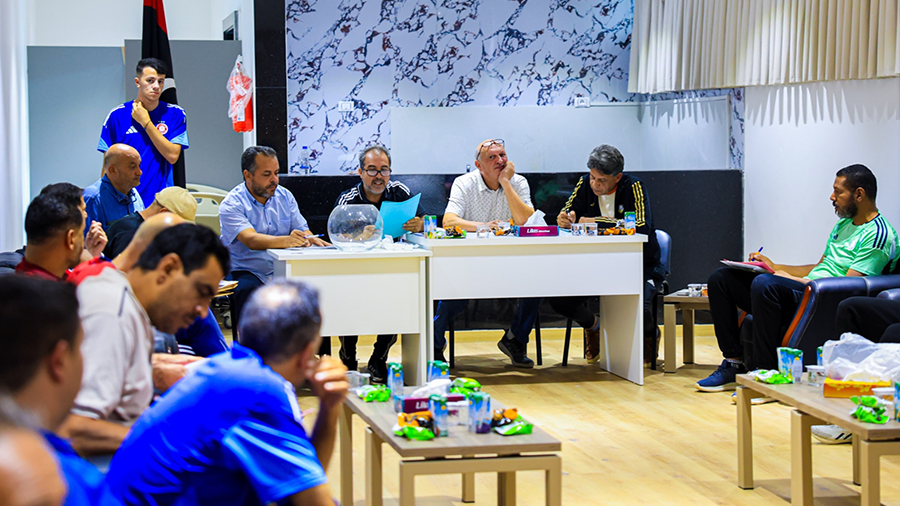
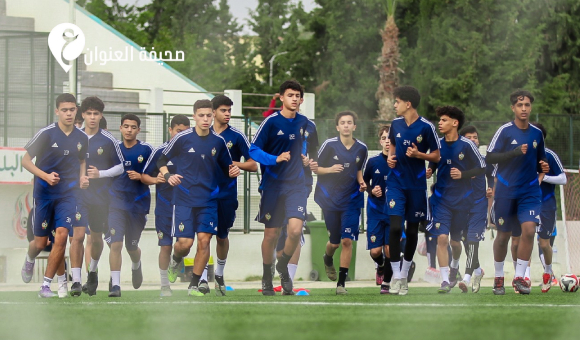
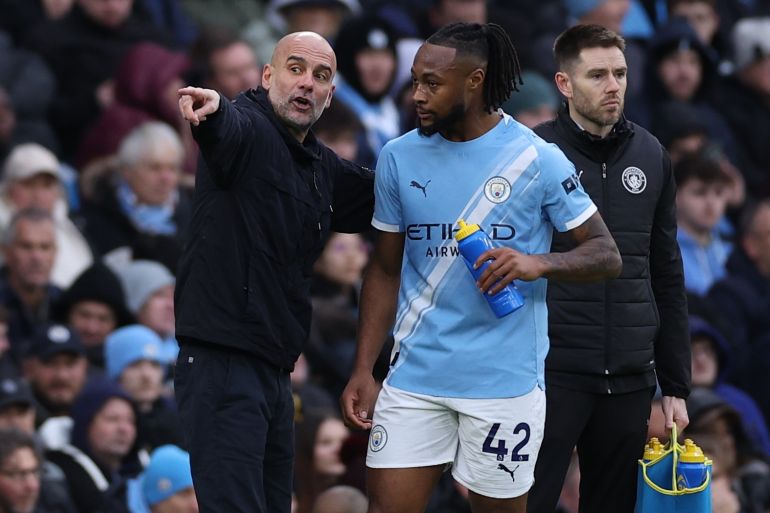
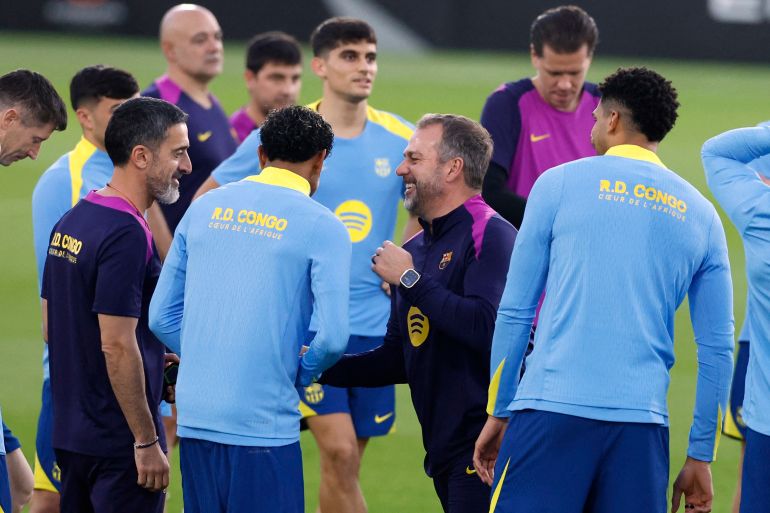
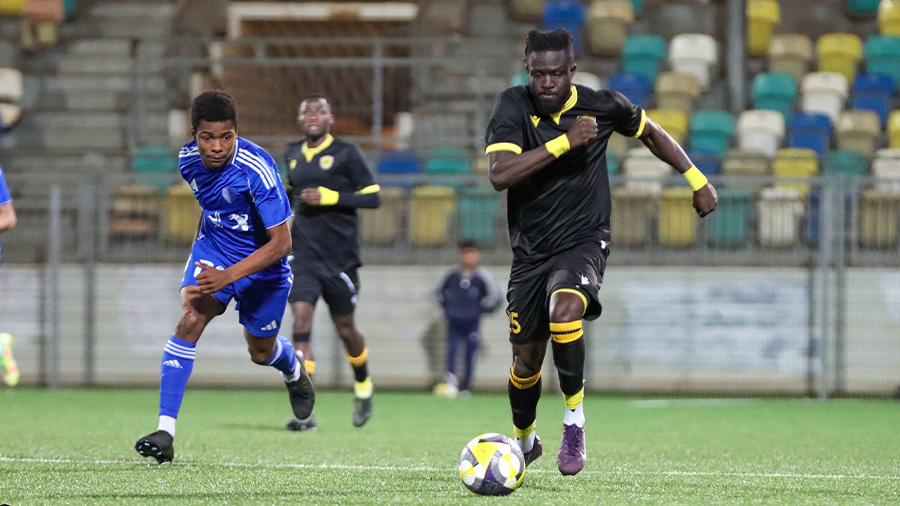
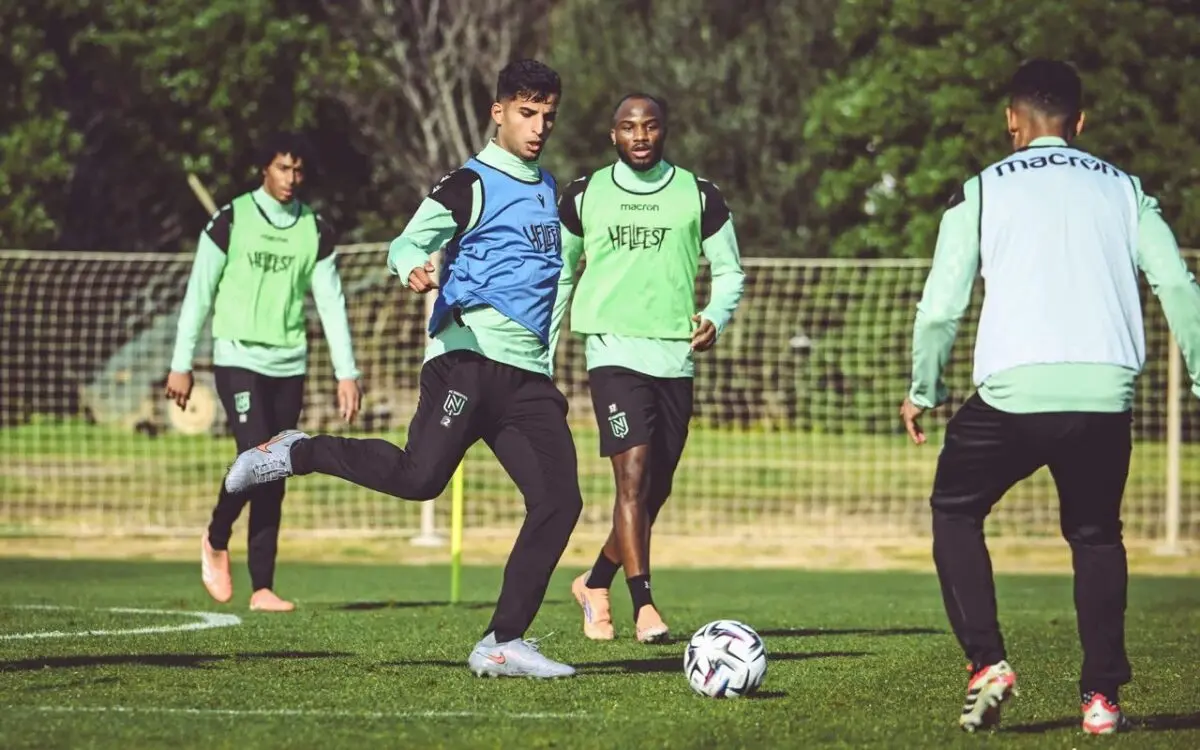
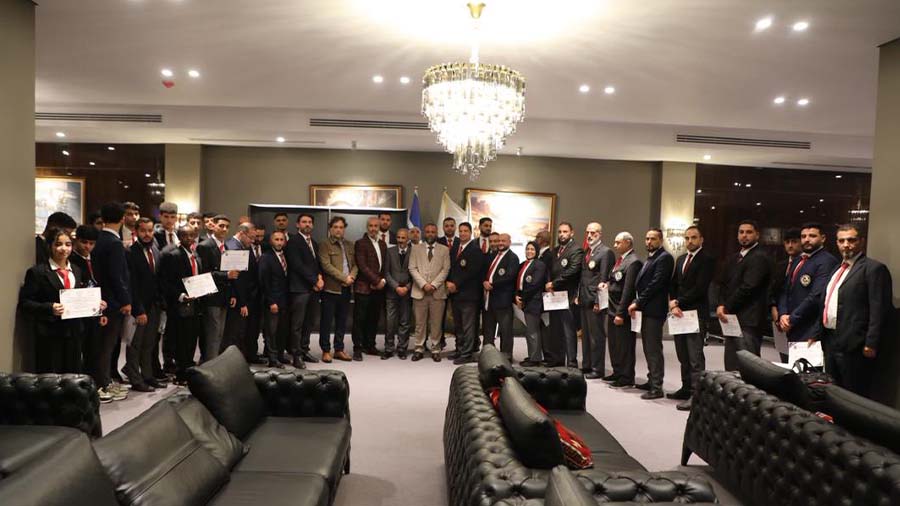
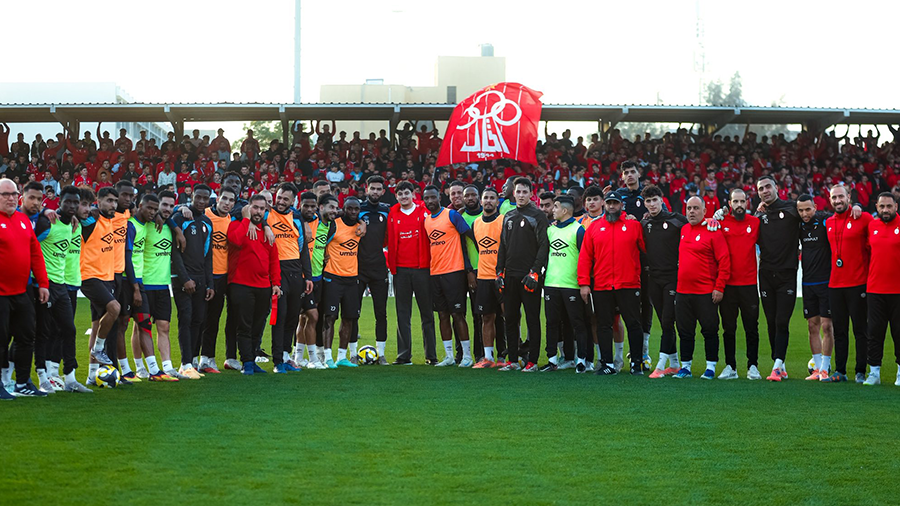
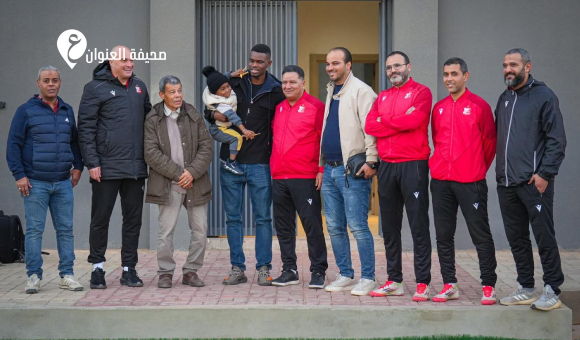
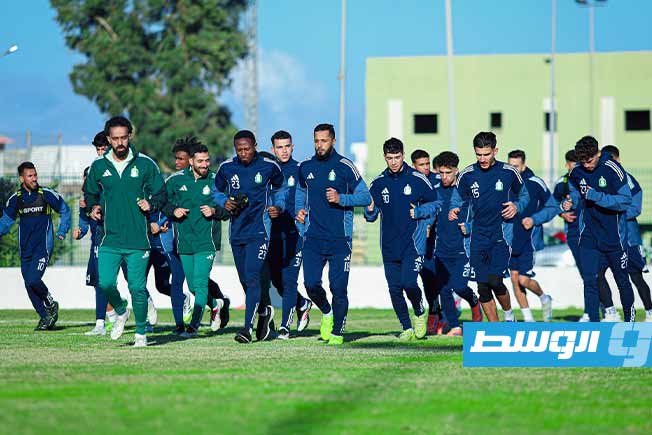
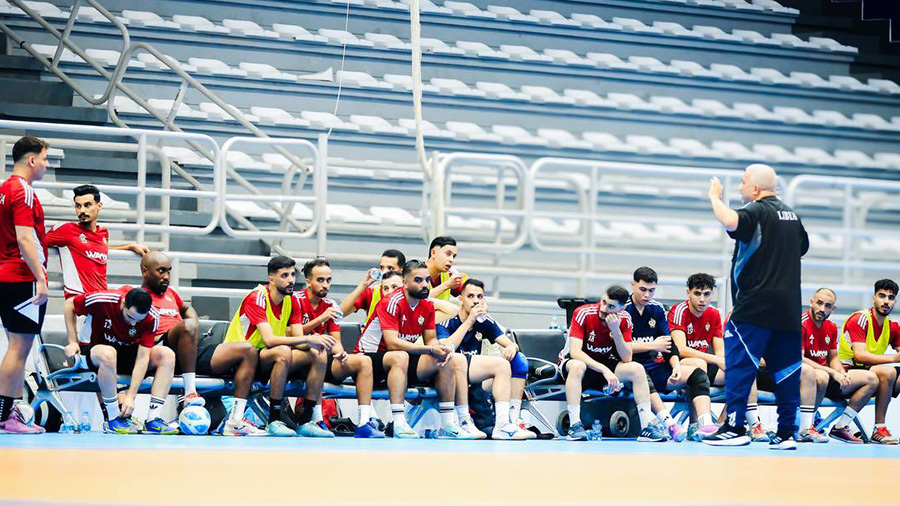
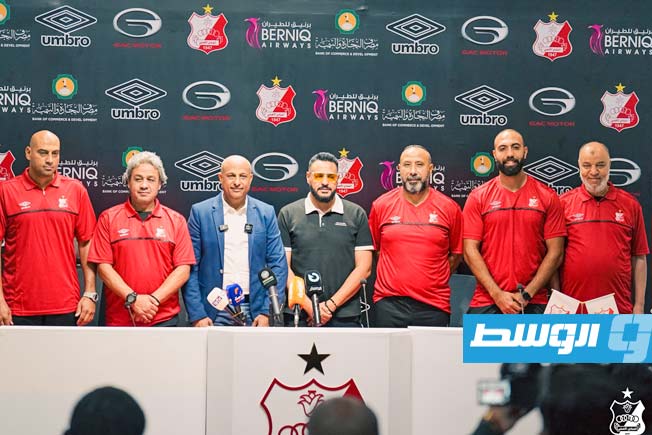
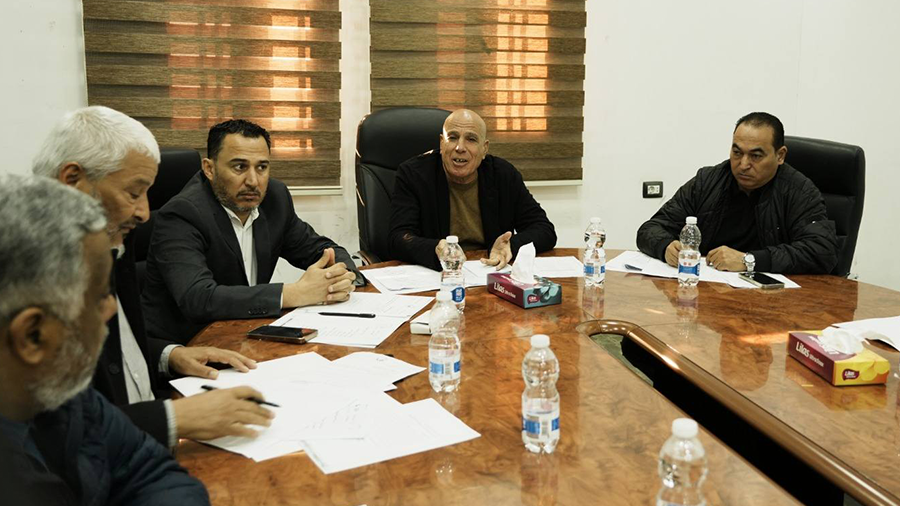
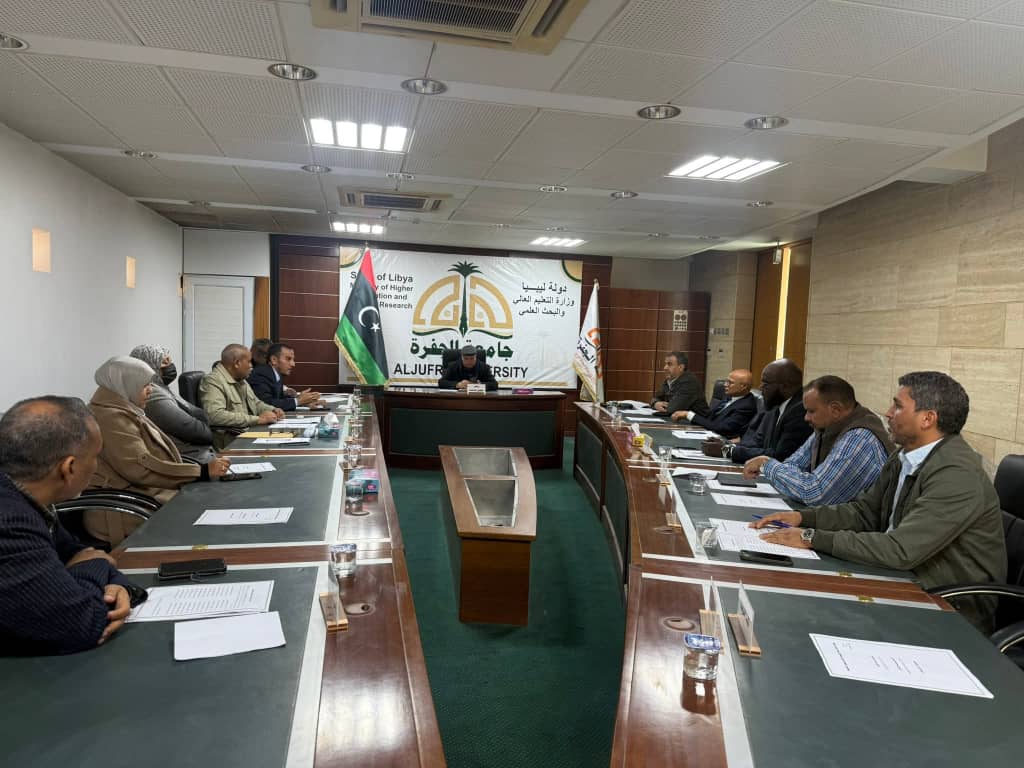
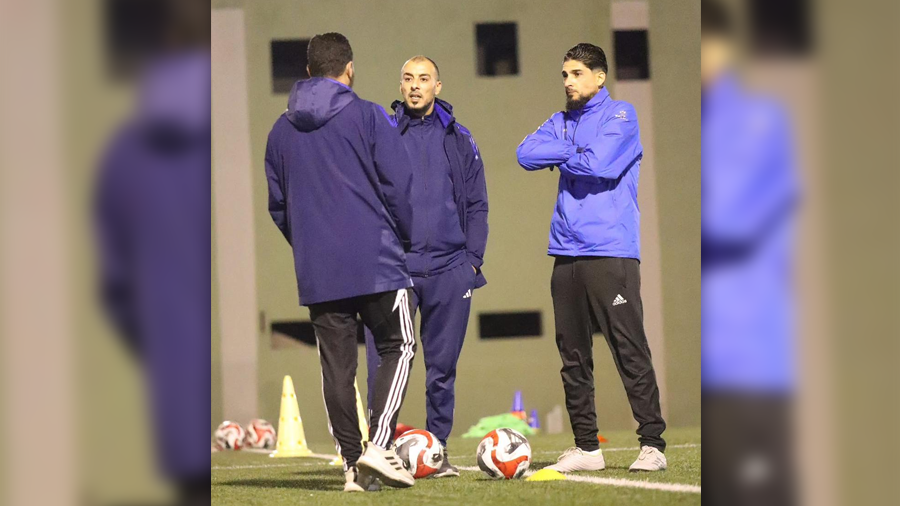
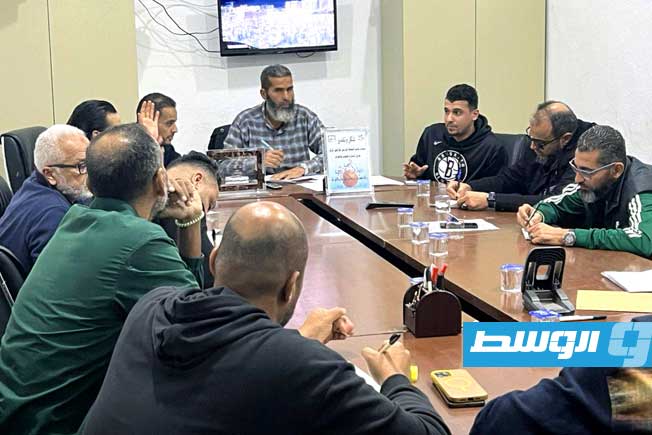
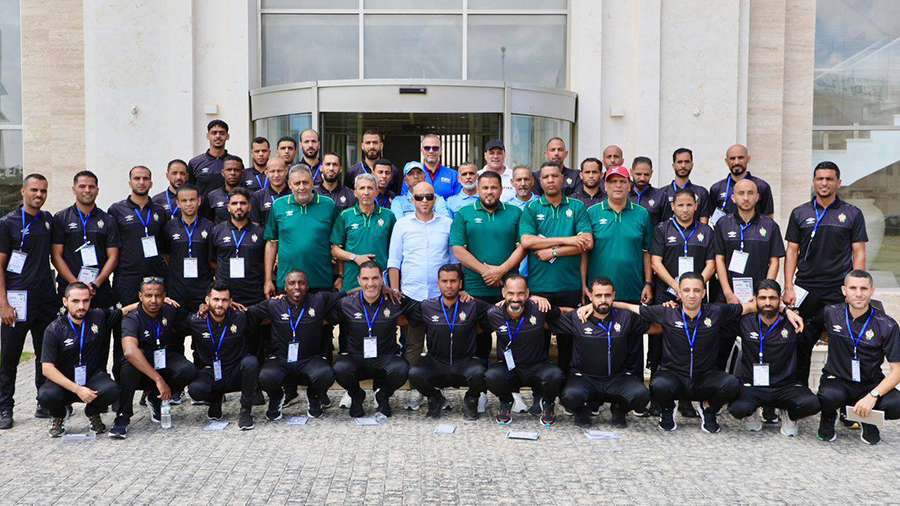
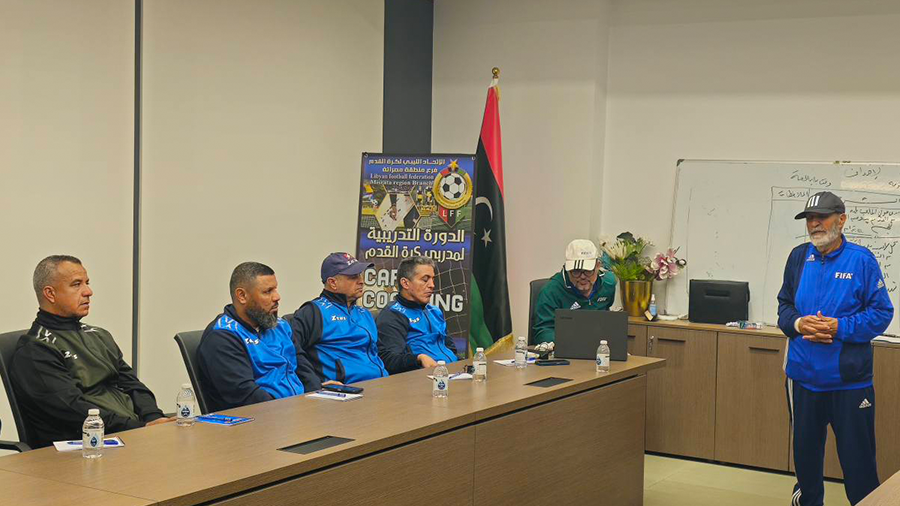
Tripoli, February 16, 2026 – The curtain has fallen on the implementation of the 2025 Training License (C) calendar, approved by the Confederation of African Football, as part of the strategy to develop and qualify the national coach according to the highest approved continental standards.
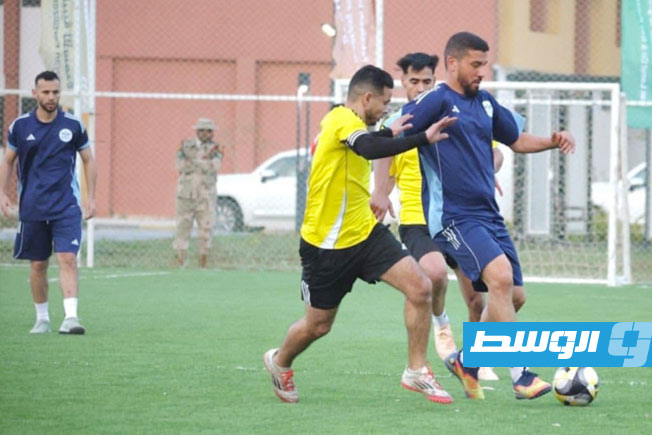
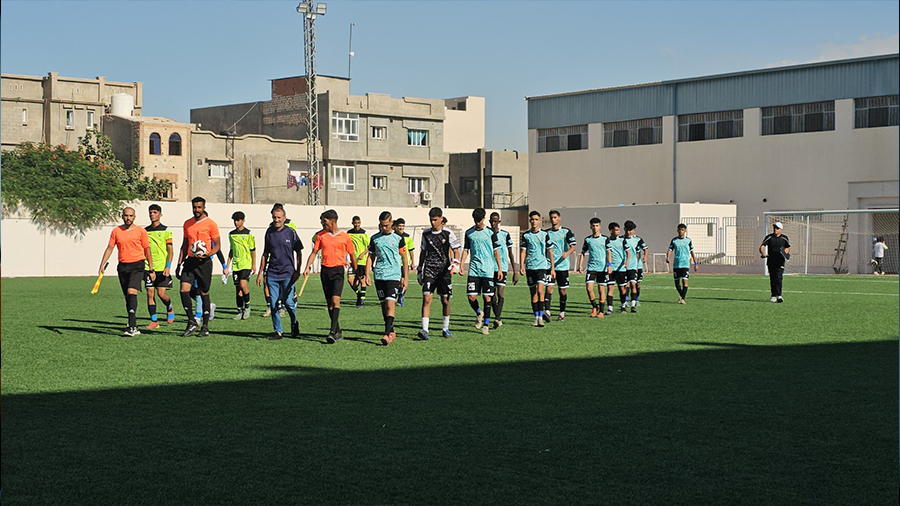
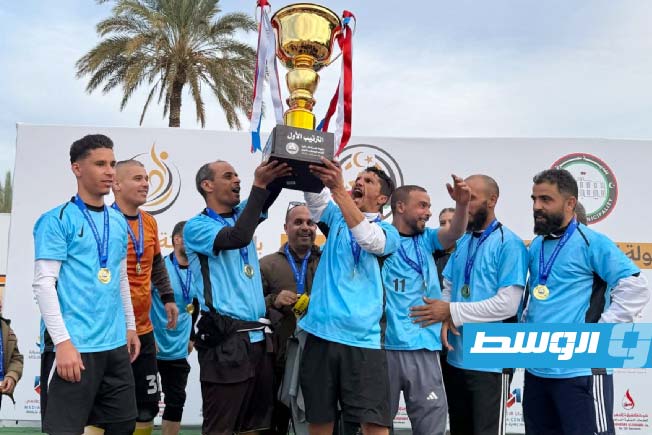
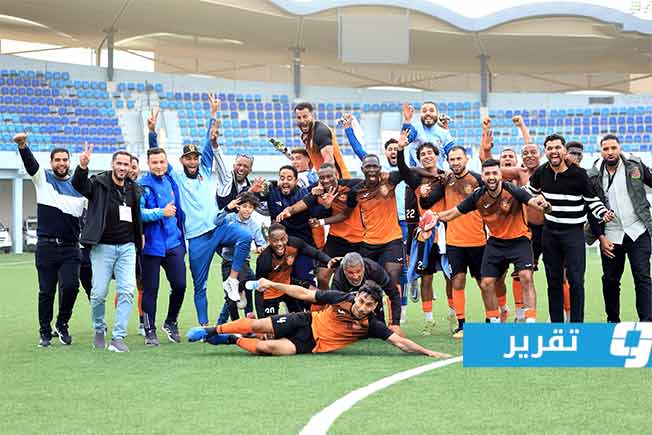
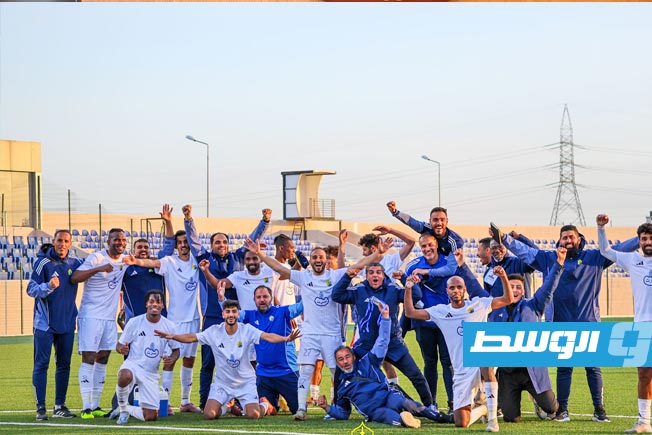
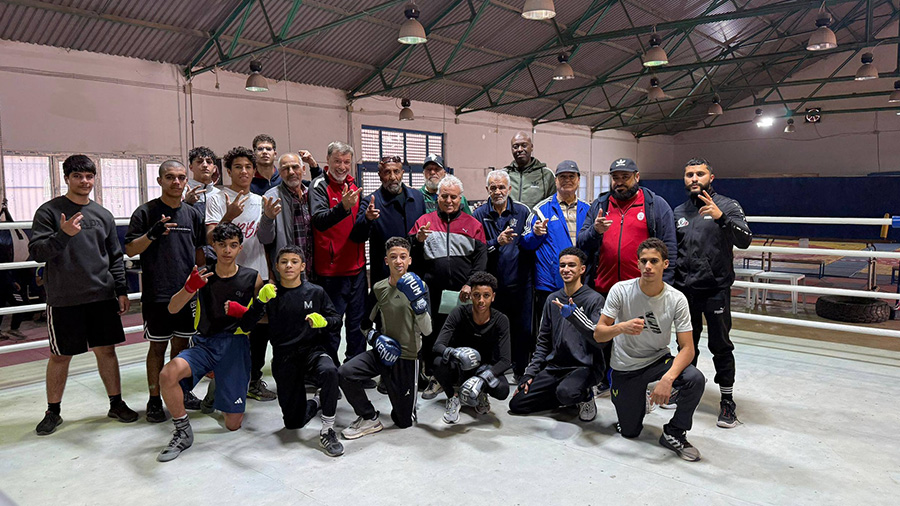
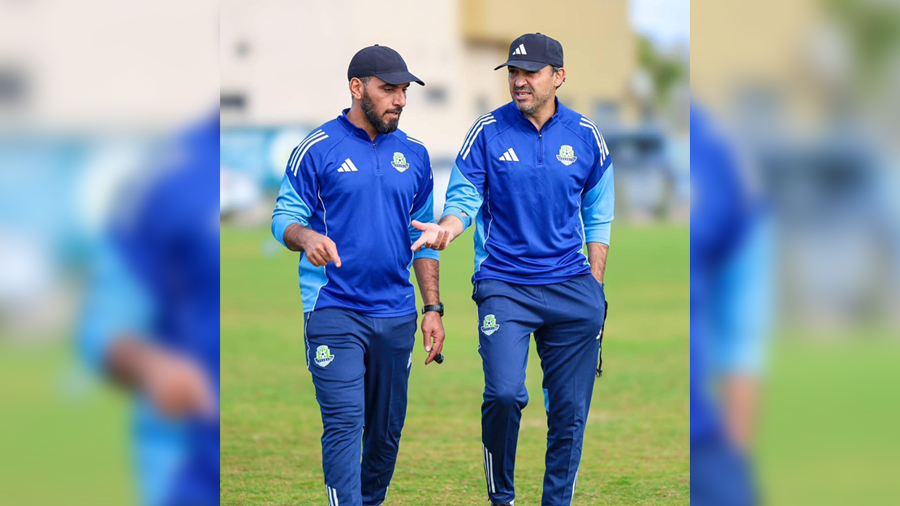
This achievement is a first in the history of Libyan football in terms of the number of courses and their geographical spread. The calendar included the organization of 8 training courses in cooperation with the branches of the Libyan Football Federation in five main regions: Tripoli, Benghazi, the Western Region, the Southern Region, and Misrata.
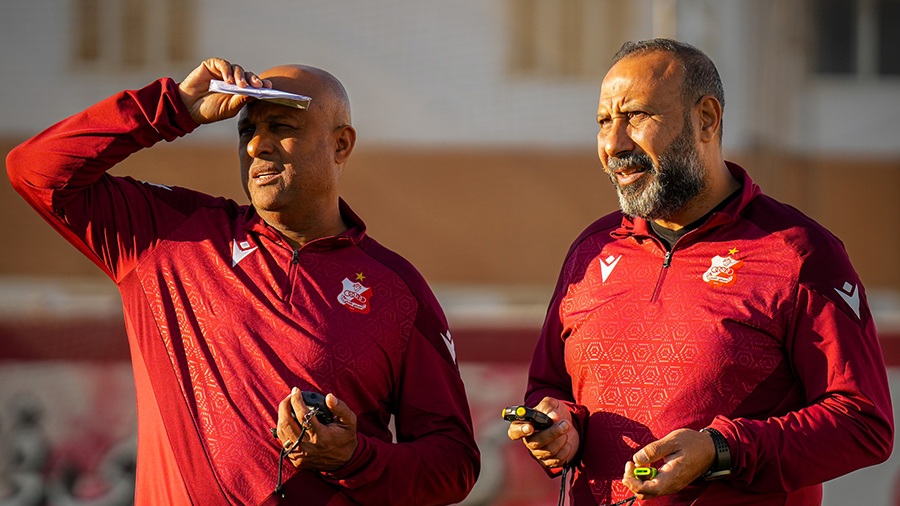
This step contributed to expanding the base of beneficiaries, raising the efficiency of coaches, and enhancing opportunities for professional qualification across different Libyan regions, supporting the path of developing the technical system in the country.
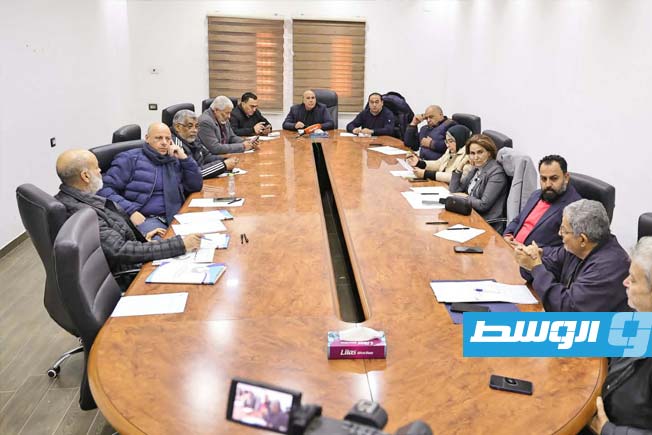
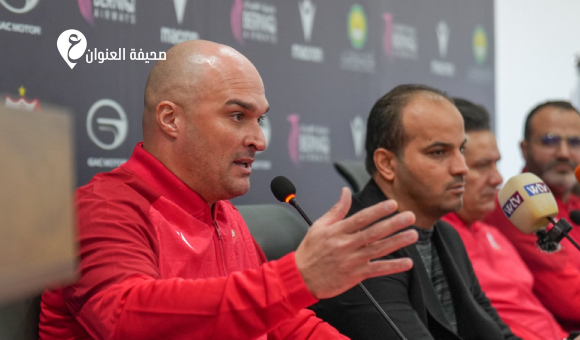
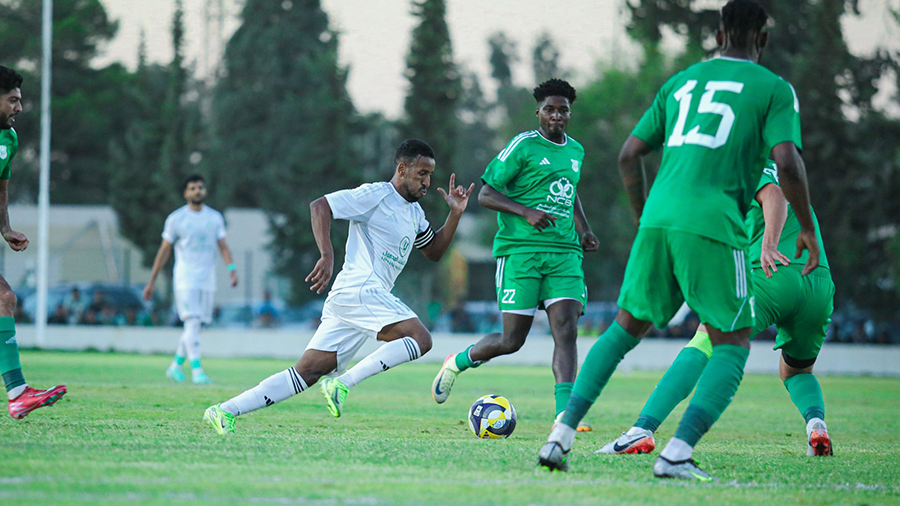
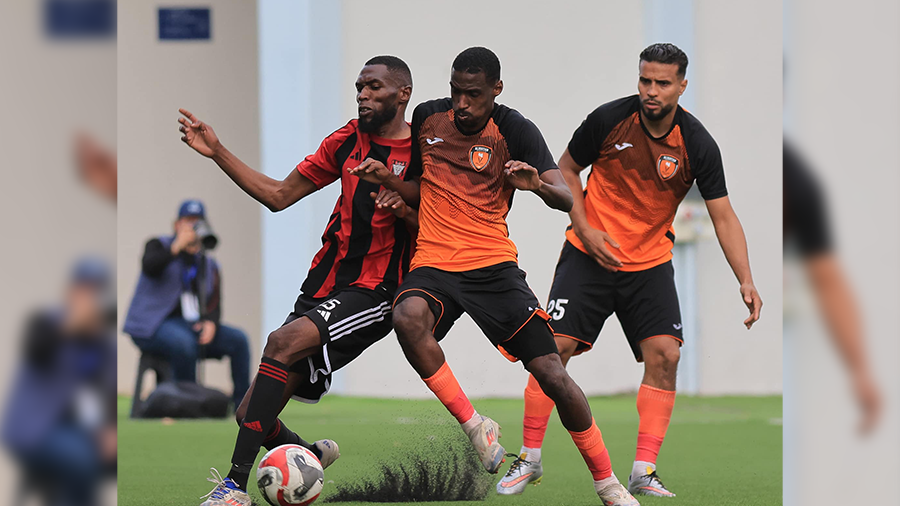
The Libyan Football Federation confirmed its continuation in implementing its plans aimed at developing the training system and refining national cadres, indicating that the 2026 calendar will be more advanced and ambitious. This will be achieved by working to organize training license courses at higher levels (B and A), which will enhance the readiness of the Libyan coach and support the aspirations of Libyan football towards professionalism and continental competition.
Tripoli
Tripoli is the capital and largest city of Libya, located on the country’s Mediterranean coast. Historically, it was founded by the Phoenicians in the 7th century BC and has since been ruled by the Romans, Arabs, Ottomans, and Italians, which is reflected in its diverse architecture like the ancient Red Castle (Assaraya al-Hamra).
Benghazi
Benghazi is a major city in eastern Libya, historically significant as a center of trade and culture since its founding as the Greek colony of Euesperides. It played a pivotal role in the 2011 Libyan Civil War as a key base for the uprising against Muammar Gaddafi.
Western Region
The Western Region was a short-lived administrative region of Ghana from 1956 to 1957, created from the merger of the Trans-Volta Togoland trust territory and the western part of the former British Togoland. It was established as part of the process leading to Ghanaian independence and was dissolved when the country became a republic.
Southern Region
The Southern Region is a broad geographical and cultural area often associated with the southern United States, historically shaped by plantation agriculture and the legacy of the Civil War. It is known for distinctive traditions in music, cuisine, and literature that have developed from a complex blend of Indigenous, African, and European influences.
Misrata
Misrata is a major port city on the Mediterranean coast of northwestern Libya, historically known as a key trading and commercial center since at least the 7th century. It gained significant international attention during the 2011 Libyan Civil War, where it endured a prolonged and pivotal siege, becoming a symbol of resistance against the Gaddafi government.
Libyan Football Federation
The Libyan Football Federation is the governing body for football in Libya, founded in 1962. It oversees national teams and domestic competitions, though its operations have been disrupted by political instability and conflict in the decades following Muammar Gaddafi’s rule.
Confederation of African Football
The Confederation of African Football (CAF) is the administrative and controlling body for association football in Africa, founded in 1957 in Khartoum, Sudan. It was established to promote and develop the game on the continent, organize major competitions like the Africa Cup of Nations, and represent African interests within FIFA.