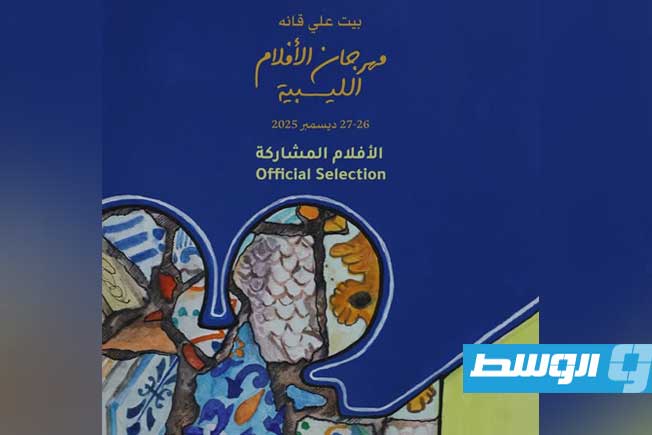
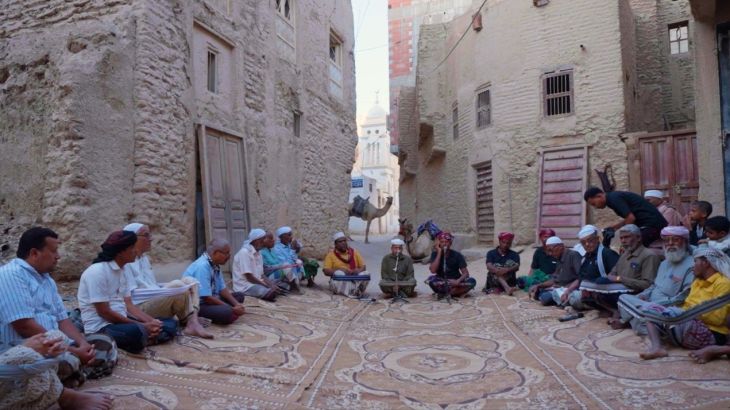
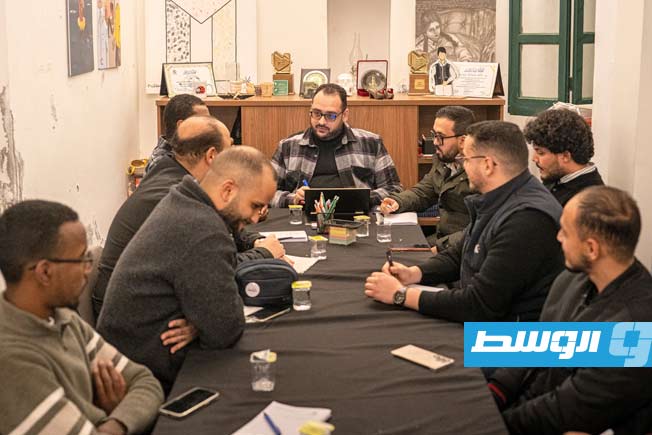
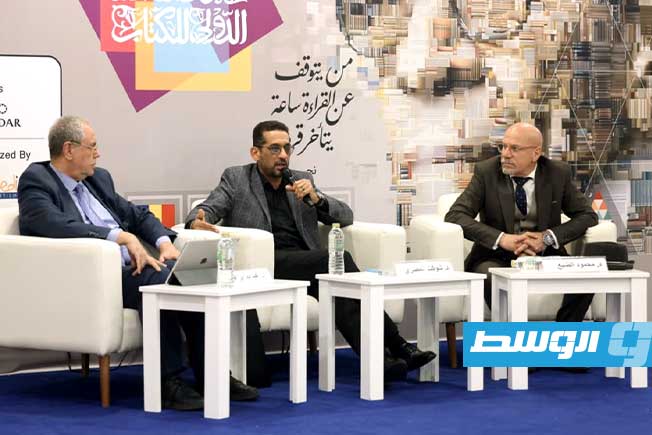
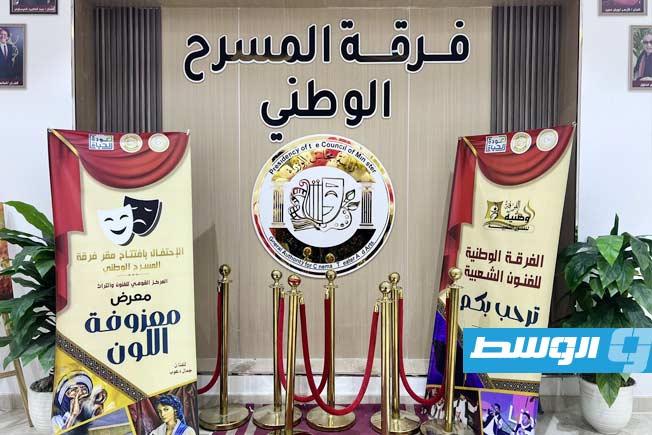
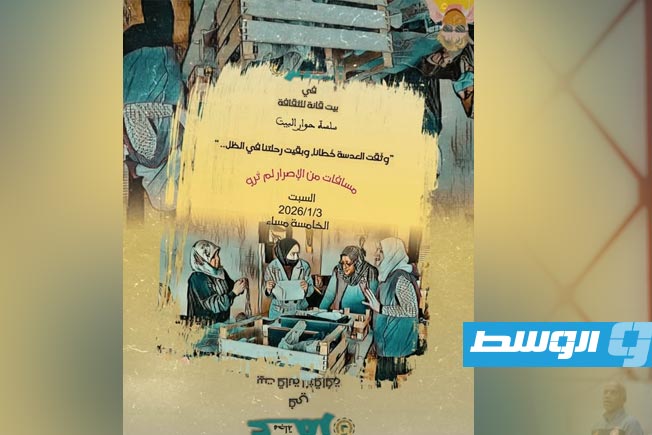
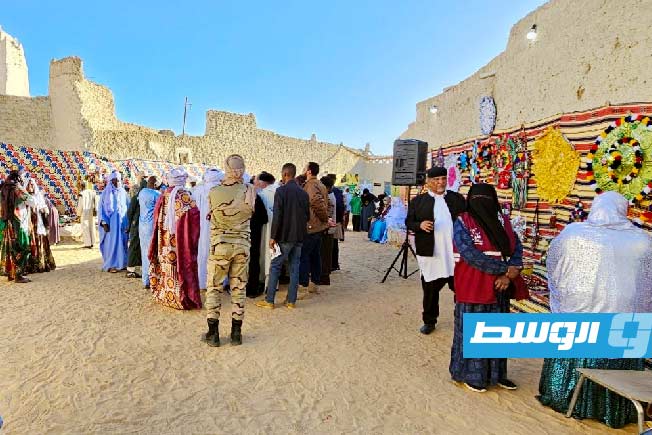
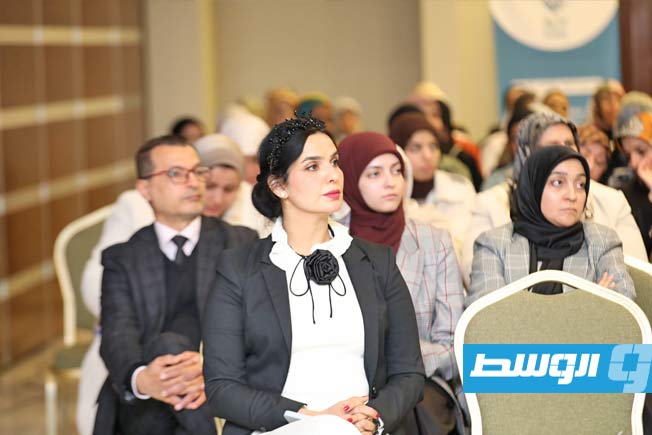
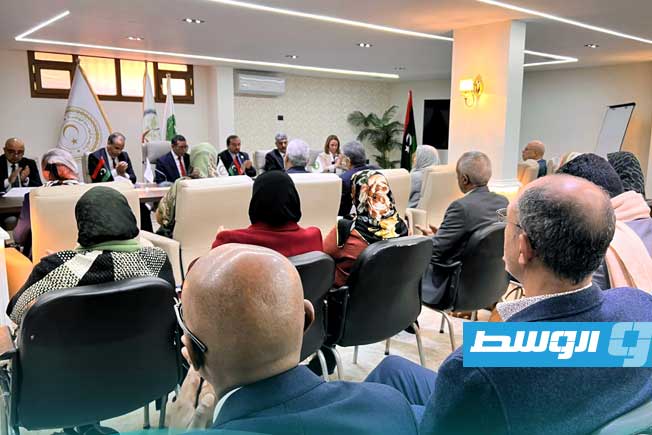
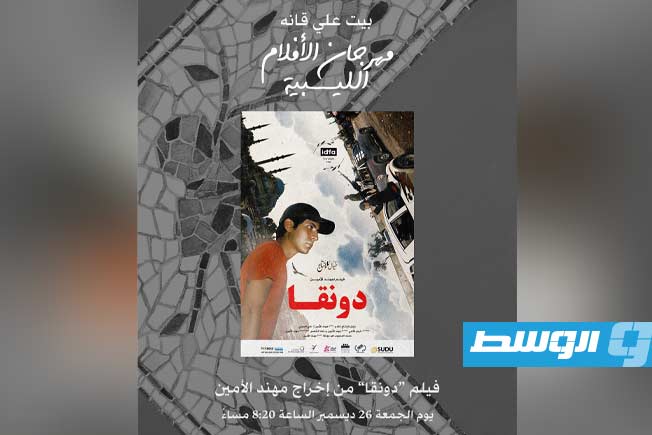
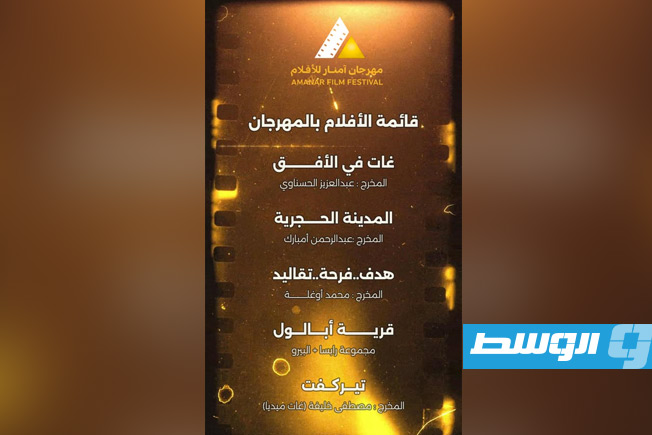
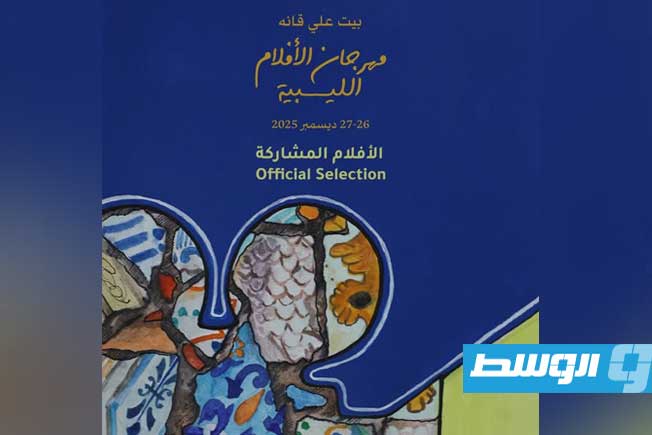
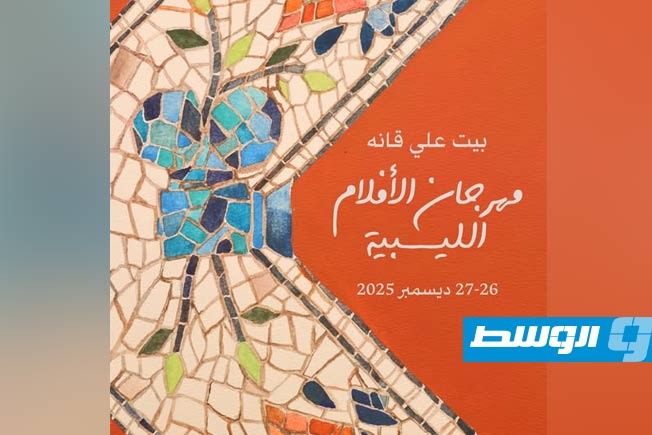
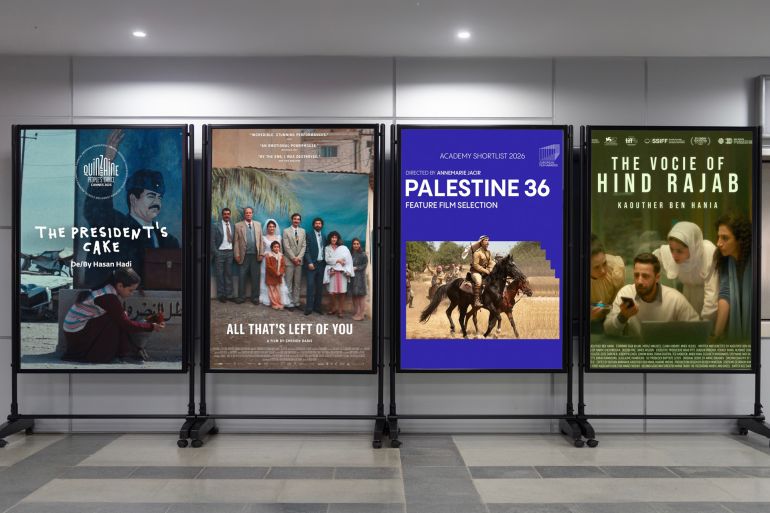
As part of the events of the “Libyan Film Festival” held at Beit Ali Qana, the festival management invites the public, filmmakers, and those interested in cinema to attend a series of open dialogue sessions. These sessions aim to discuss experiences in Libyan filmmaking and cinema, highlight the challenges facing this sector, and explore opportunities for its development and advancement.
These sessions provide an interactive space for dialogue, learning, exchanging experiences, and asking questions, contributing to enhancing communication between filmmakers and the audience and supporting the cultural and cinematic scene in Libya.
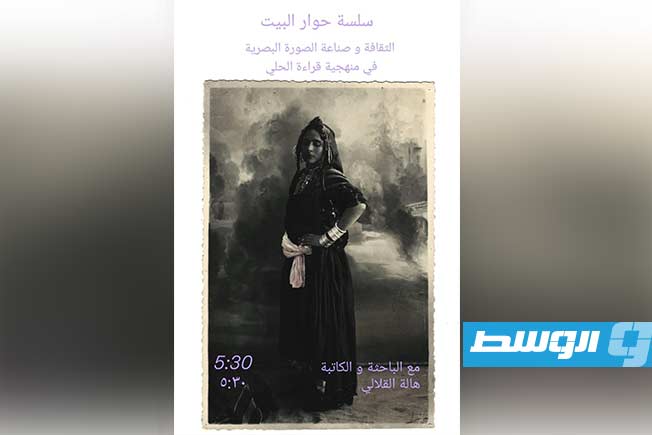
The sessions will be held on the 26th and 27th of December at Beit Ali Qana and include topics covering screenwriting, the role of cultural centers in supporting cinematic work, discussing the reality of Libyan cinema between the past and the future, and addressing co-production and the opportunities and challenges it presents.
The festival invites all interested parties to attend and participate, believing in the importance of cultural dialogue in building and developing the future of Libyan cinema.
Session Program
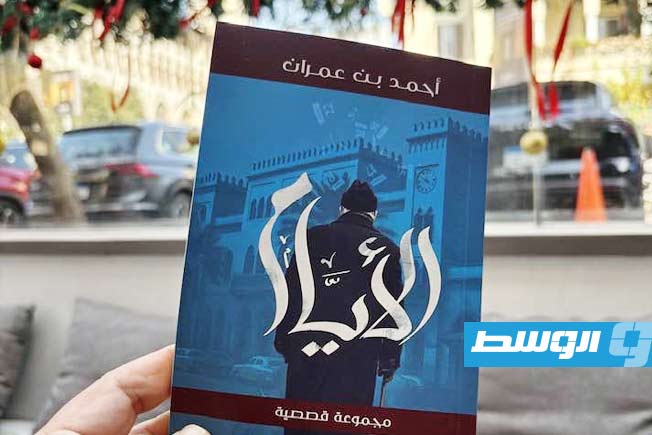
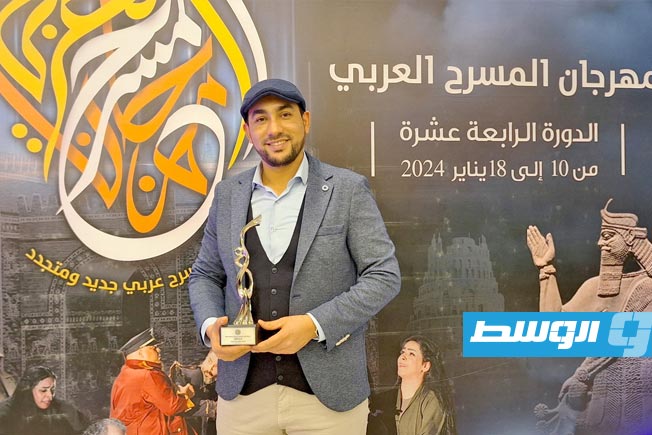
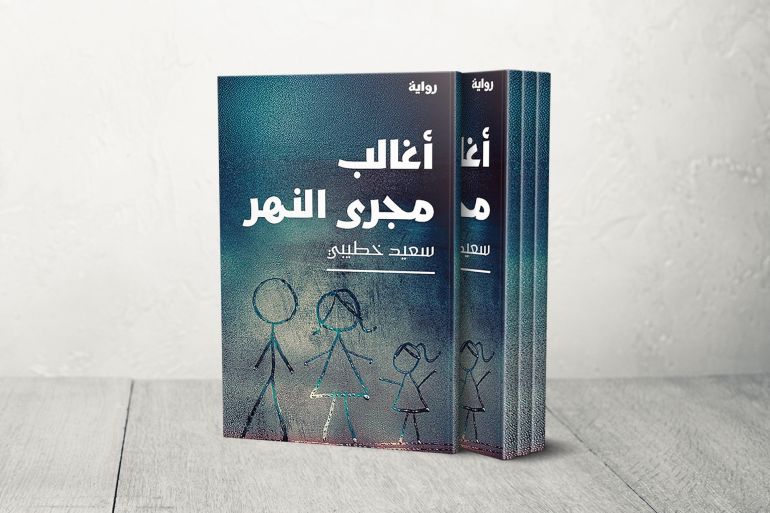
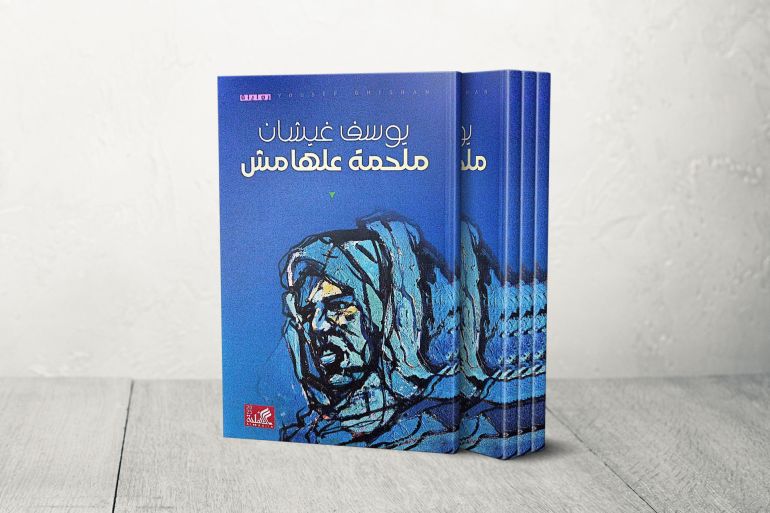
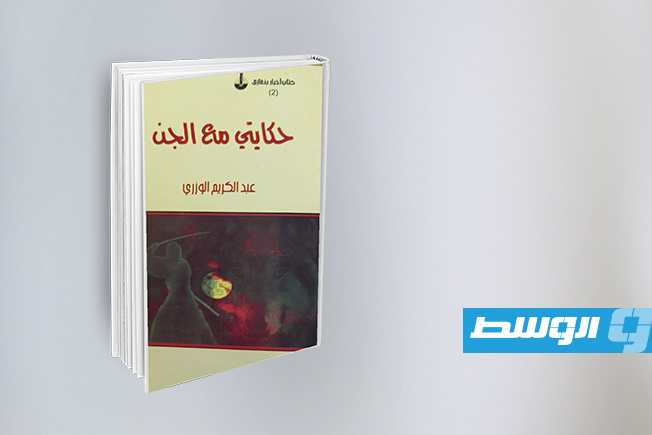
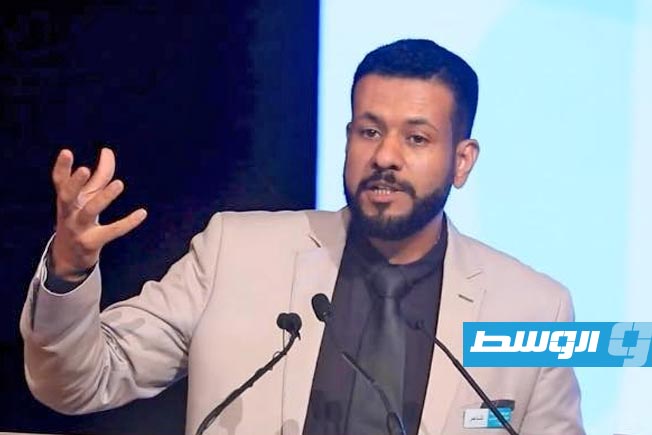
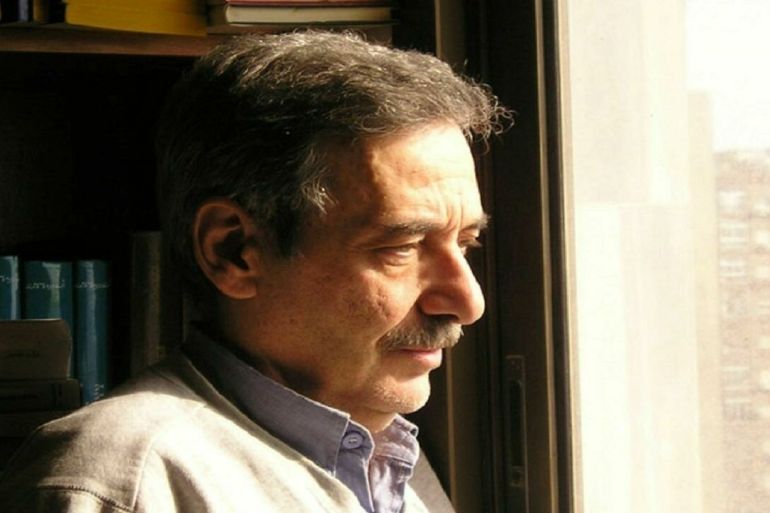
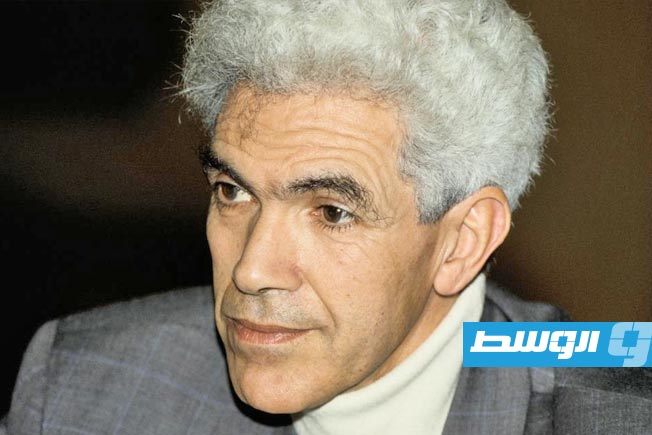
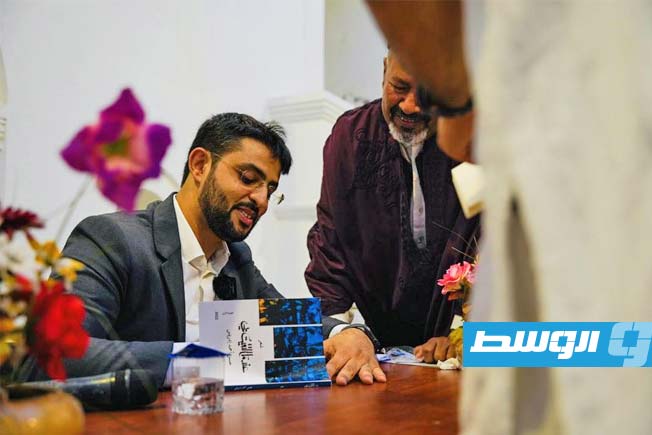
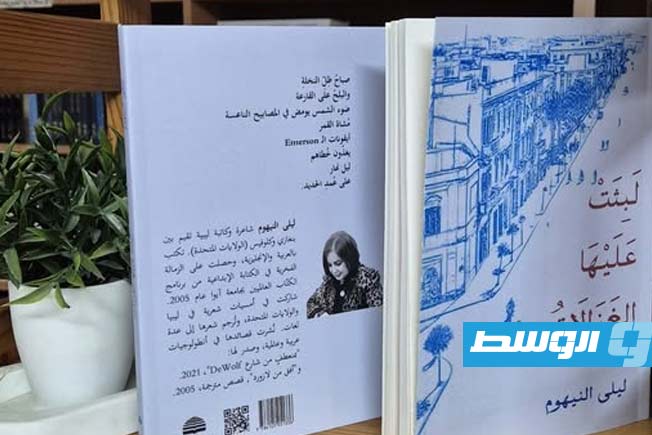
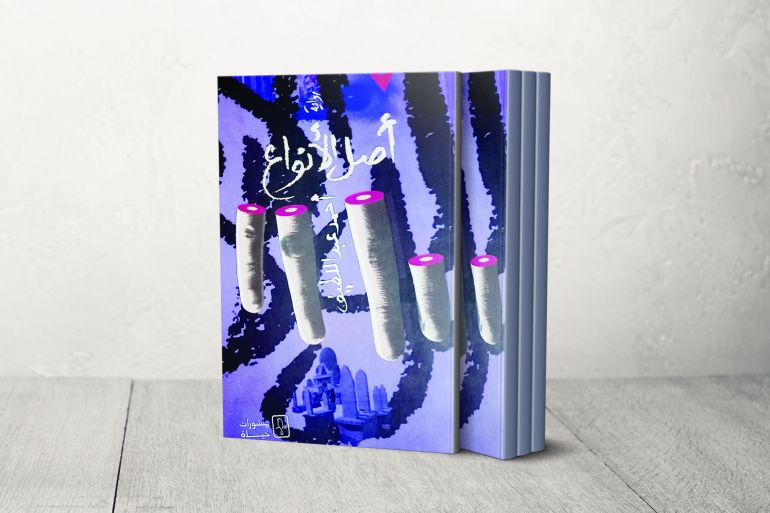
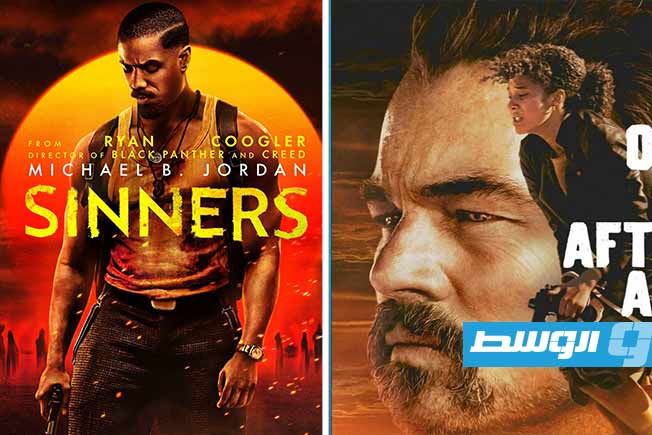
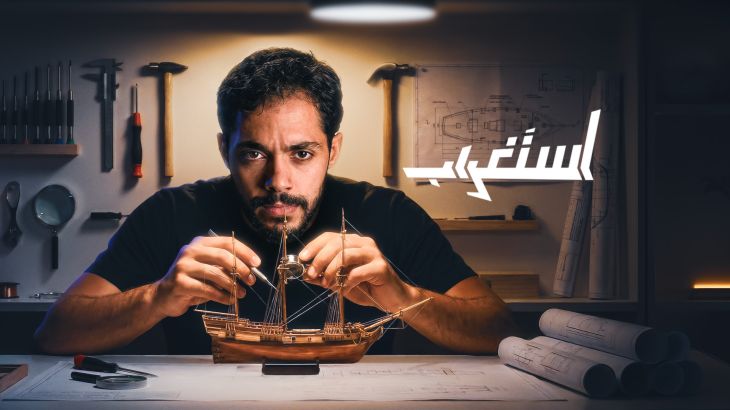
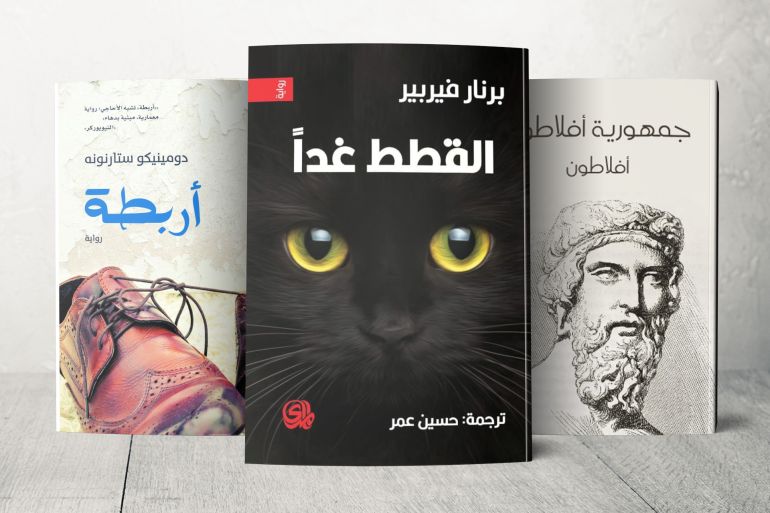
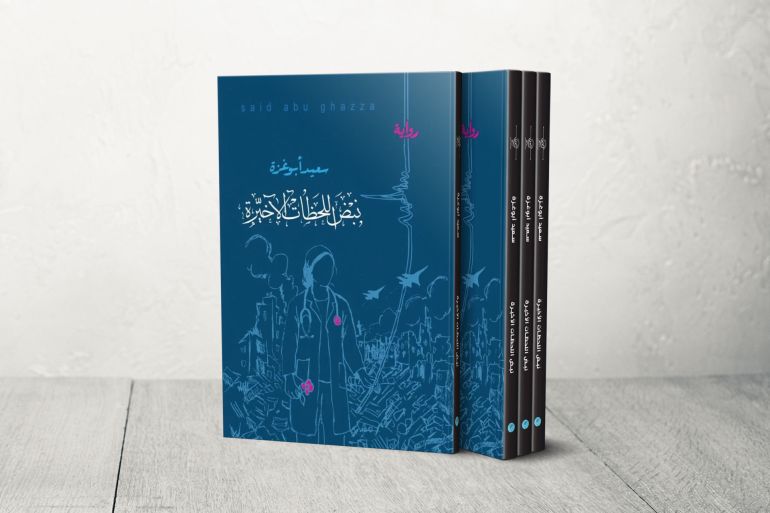
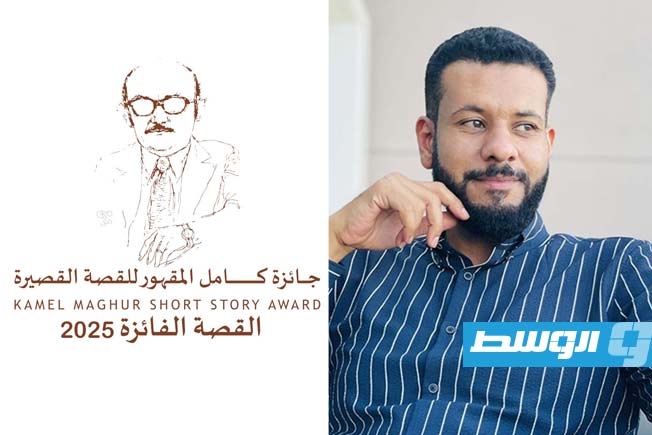
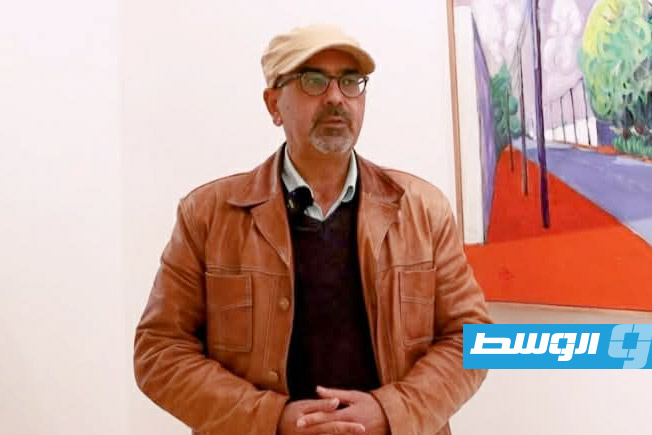
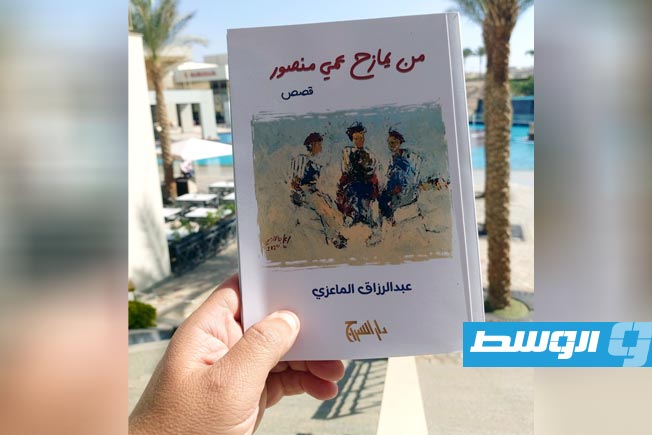
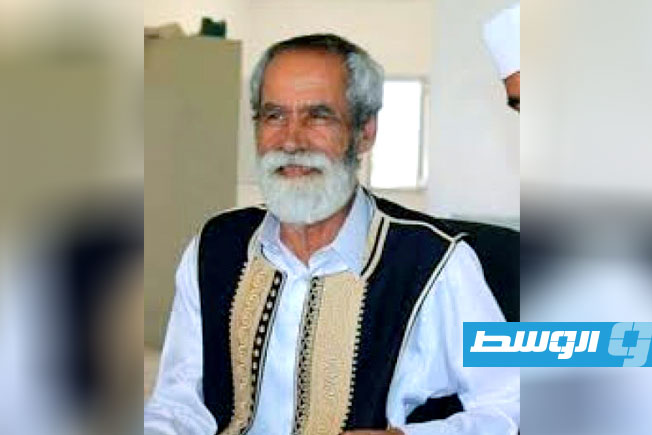
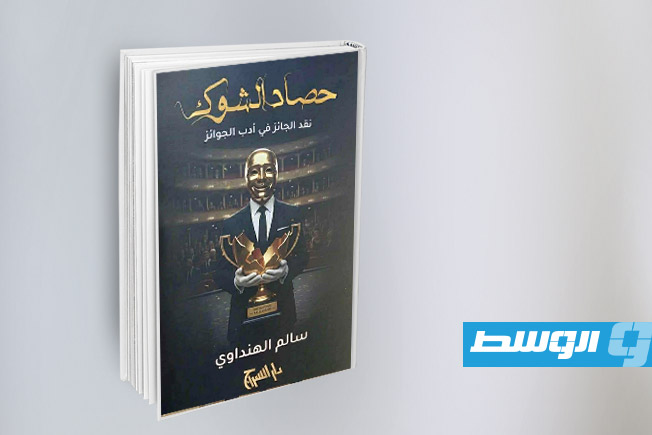
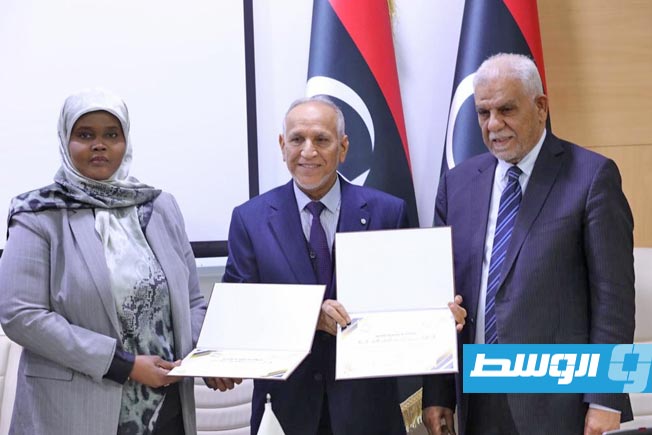
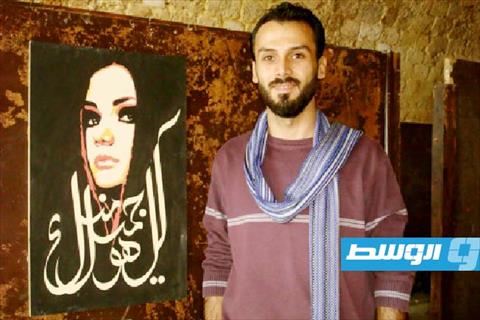
The dialogue session events include hosting a number of prominent filmmakers and writers. Among them is a Libyan writer and screenwriter, distinguished by a writing experience that blends folklore with modern drama, having transitioned from working in the banking sector to the world of writing. He has presented notable works including the series “Takhareef” and the story “Al-Qawdiyah,” which won international awards and was broadcast on Amazon Prime. He also published his short story collection “Beyond the Barrier,” which represents an extension of his literary world, and is currently developing international television and cinematic projects, most notably the film “The Gambler,” adapted from the novel “Bleeding of the Stone” by the world-renowned novelist.
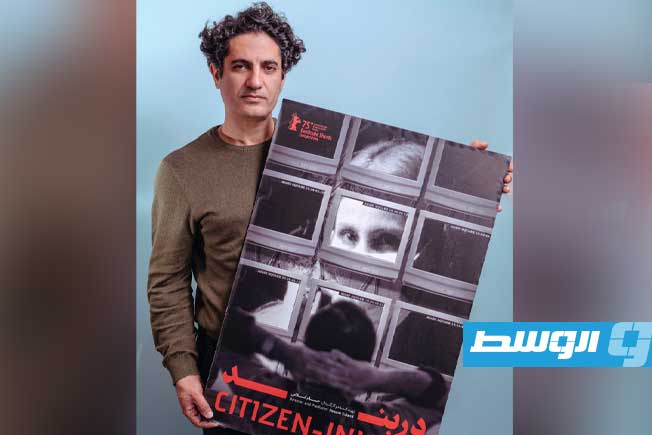
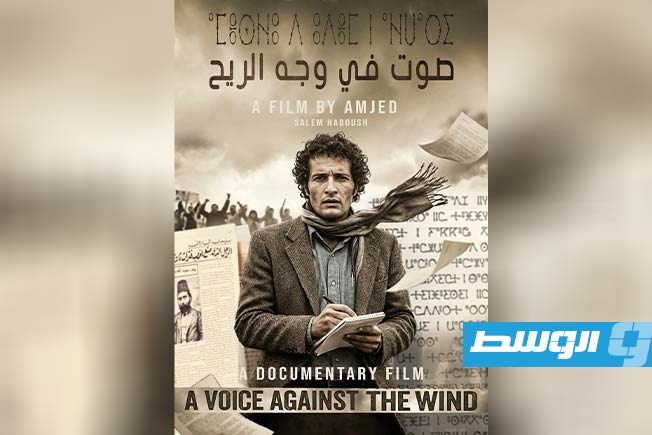
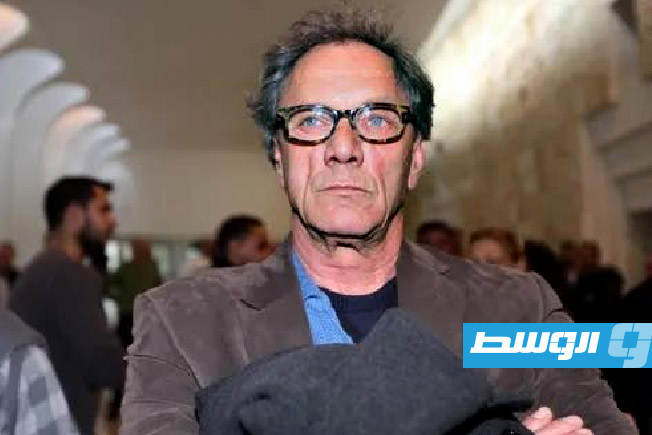
The sessions also host a Libyan filmmaker and journalist, whose works have been screened at international festivals including festivals in Marseille, Milan, and Tunis. His film “Escalation” won several awards, including the European Union Media Award on Migration and the Journalistic Solidarity Award from the “Thomson” Foundation. He also received a grant from Berlin in the field of media and communication and participated in specialized international development programs such as “Future Mentors Programme” and “IDFAcademy.” He is currently working on long documentary projects, including a work selected for international programs like “MEDIMED” and “DOK Leipzig,” scheduled for release in August 2026.
These hosting events come within the framework of the Libyan Film Festival’s endeavor to create a dialogue space that connects practical experience with academic knowledge and enhances the exchange of experiences between filmmakers and the audience, contributing to supporting and developing the Libyan cinematic scene.
Libyan Film Festival
The Libyan Film Festival is an annual cultural event founded in 2011, emerging after the fall of the Gaddafi regime to celebrate and promote Libyan cinema and storytelling. It provides a platform for Libyan filmmakers, both domestically and from the diaspora, to showcase their work and engage in dialogue about the nation’s social landscape and history.
Beit Ali Qana
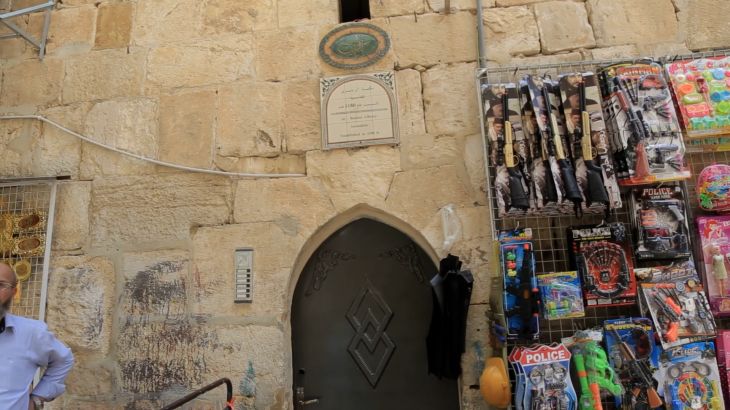
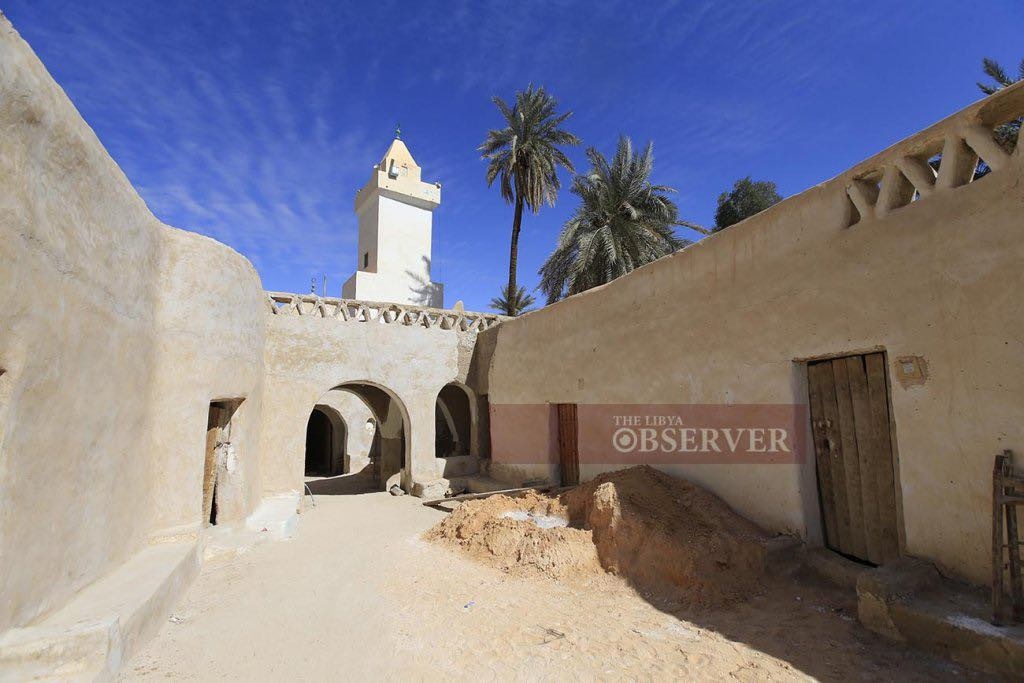
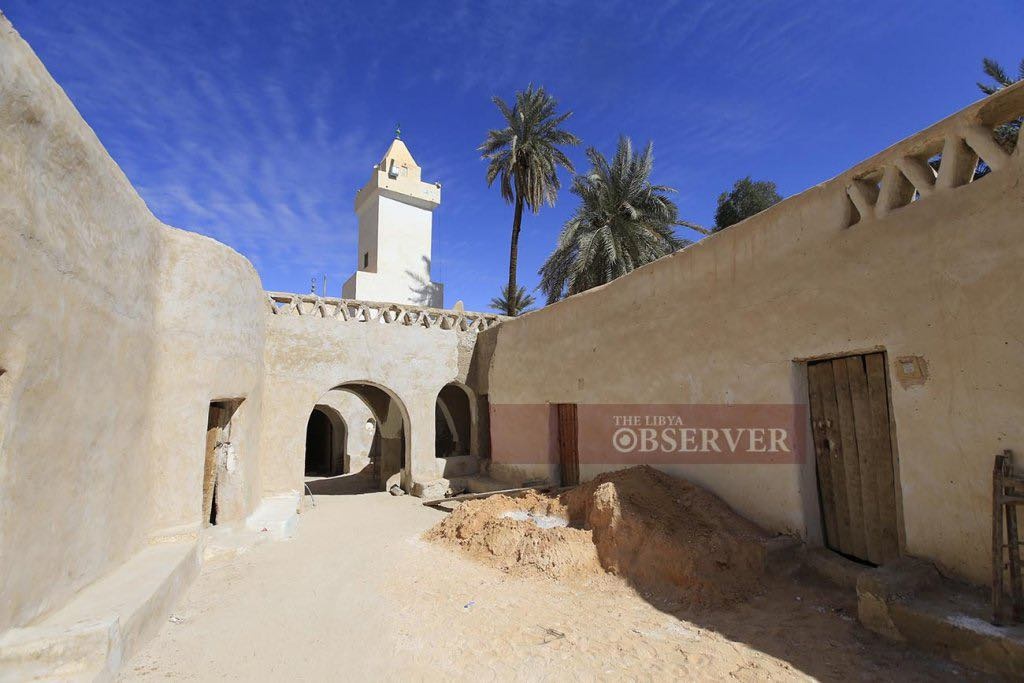
Beit Ali Qana is a historic house located in the village of Deir Mama in western Syria, believed to date back to the 18th or 19th century. It is a notable example of traditional Syrian domestic architecture, featuring characteristic elements like an *iwan* (vaulted hall) and ornate interior decorations. The house served as a family residence and stands as a cultural landmark representing the region’s architectural heritage.
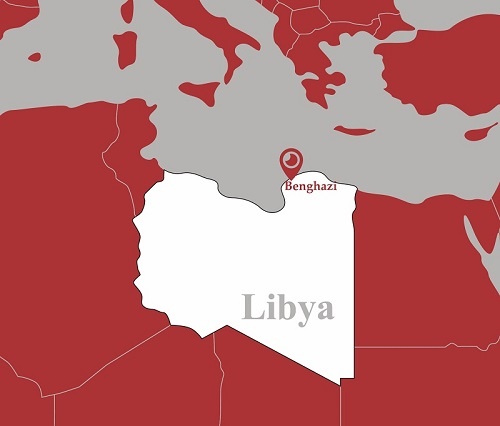
Libya
Libya is a North African country with a rich history rooted in ancient civilizations such as the Phoenicians and Romans, notably seen in the ruins of Leptis Magna. It gained independence from Italy in 1951 and was ruled by Muammar Gaddafi from 1969 until the 2011 revolution. The nation possesses significant archaeological sites and vast oil reserves but has faced prolonged instability and conflict in recent years.
Amazon Prime
Amazon Prime is a subscription service launched by Amazon in 2005, offering members benefits like free two-day shipping. It has since expanded to include a vast library of streaming video, music, e-books, and other digital content.
Marseille
Marseille is a major port city in southern France, founded around 600 BC by Greek settlers from Phocaea, making it the oldest city in the country. It has historically served as a crucial gateway between France and the Mediterranean, evolving into a vibrant, multicultural metropolis known for its diverse neighborhoods and historic sites like the Basilica of Notre-Dame de la Garde.
Milan
Milan is a major city in northern Italy, historically founded by the Celts and later becoming a powerful center of the Roman Empire. It is renowned globally as a fashion and design capital, while also housing significant cultural landmarks such as the Gothic Milan Cathedral (Duomo) and Leonardo da Vinci’s fresco “The Last Supper.”
Tunis
Tunis is the capital city of Tunisia, historically founded by the Berbers and later established as a major city under the Hafsid dynasty in the 13th century. Its medina, a UNESCO World Heritage site, contains the ancient Zaytuna Mosque and reflects its role as a center of Islamic learning and Mediterranean trade.
Berlin
Berlin is the capital of Germany, historically significant as the divided epicenter of the Cold War, symbolized by the Berlin Wall from 1961 to 1989. Its long history includes being the capital of the Kingdom of Prussia and later a major cultural and scientific hub before its destruction in WWII and subsequent reconstruction. Today, it is known for its museums, vibrant arts scene, and landmarks like the Brandenburg Gate and Reichstag building.
MEDIMED
MEDIMED is a cultural and artistic festival held annually in the Mediterranean region, focusing on documentary filmmaking and visual arts to foster intercultural dialogue. Its history traces back to the early 2000s, originating from a network of documentary professionals aiming to support independent media and promote social issues across Mediterranean countries.
DOK Leipzig
DOK Leipzig is an international festival for documentary and animated film, founded in 1955 as the first and oldest documentary film festival in the world. Originally established in East Germany, it has served as a significant platform for cinematic storytelling and cultural exchange, maintaining its prominence after German reunification.