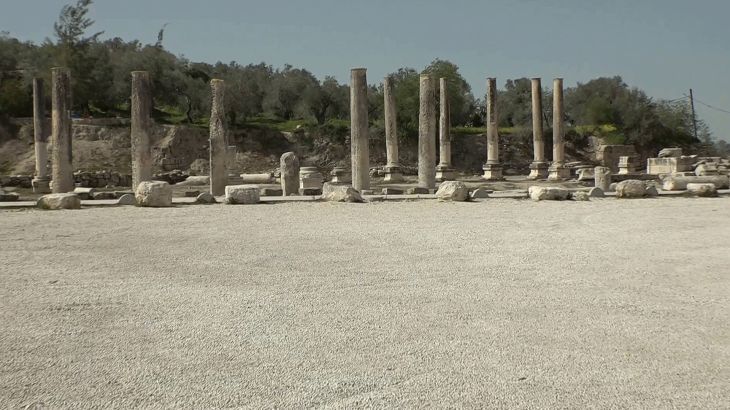
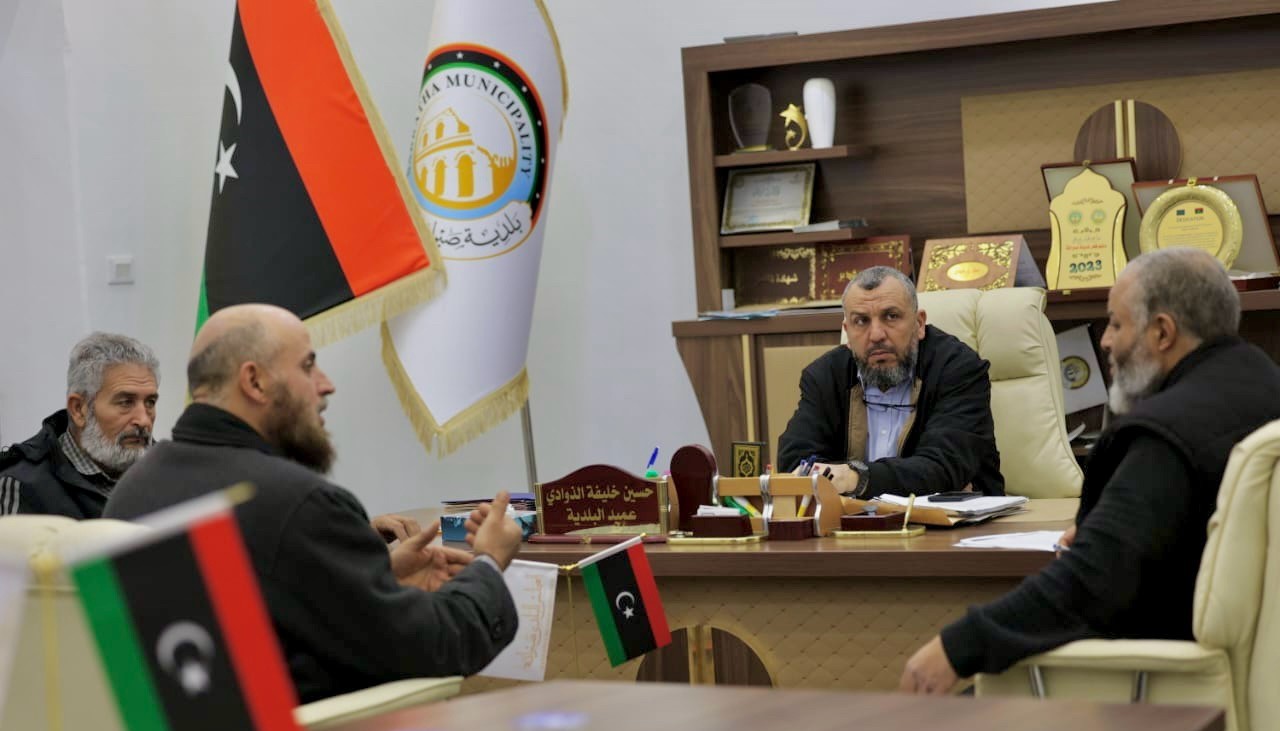
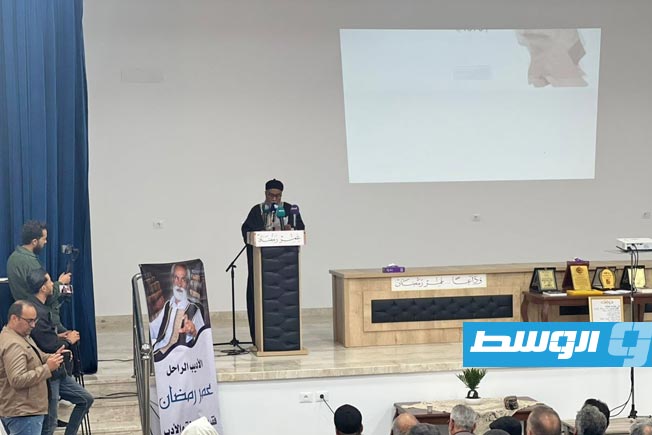
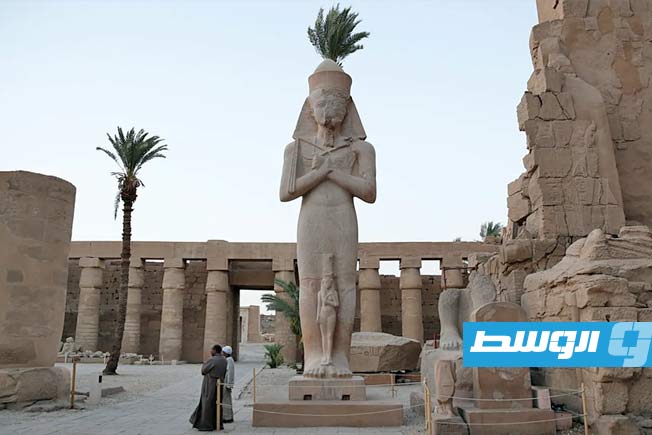
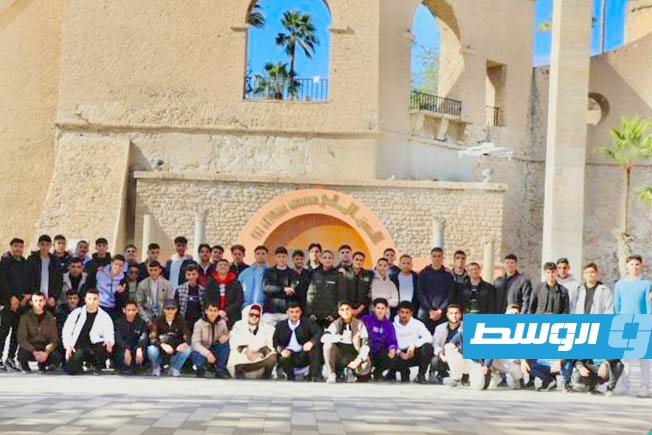
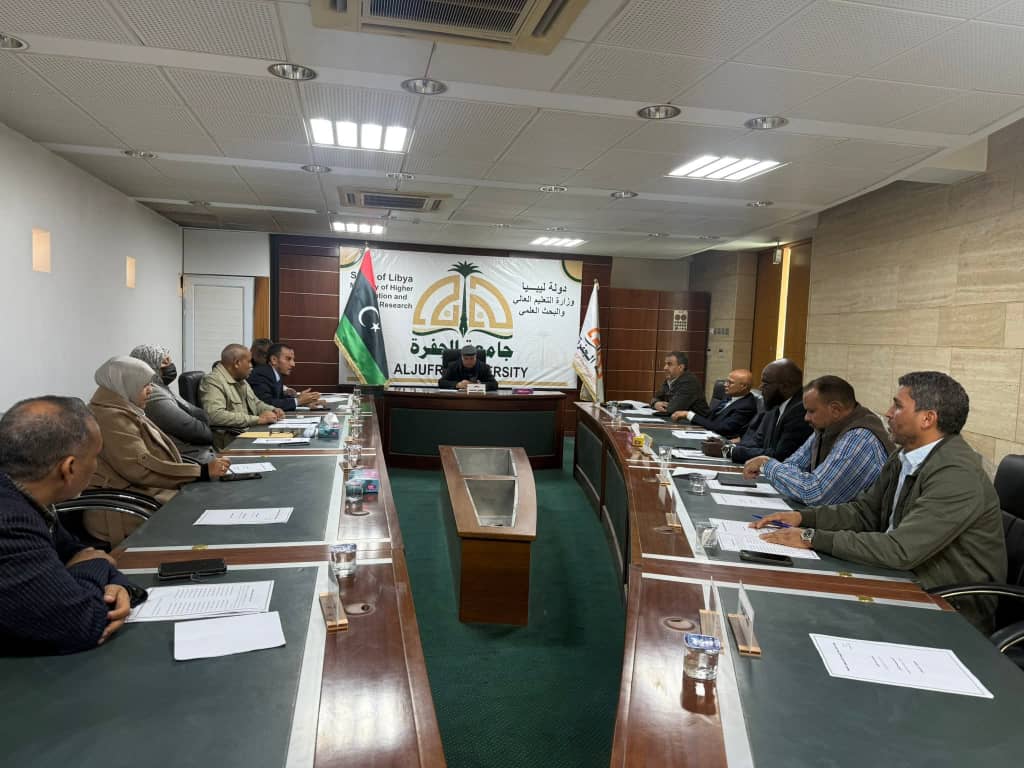
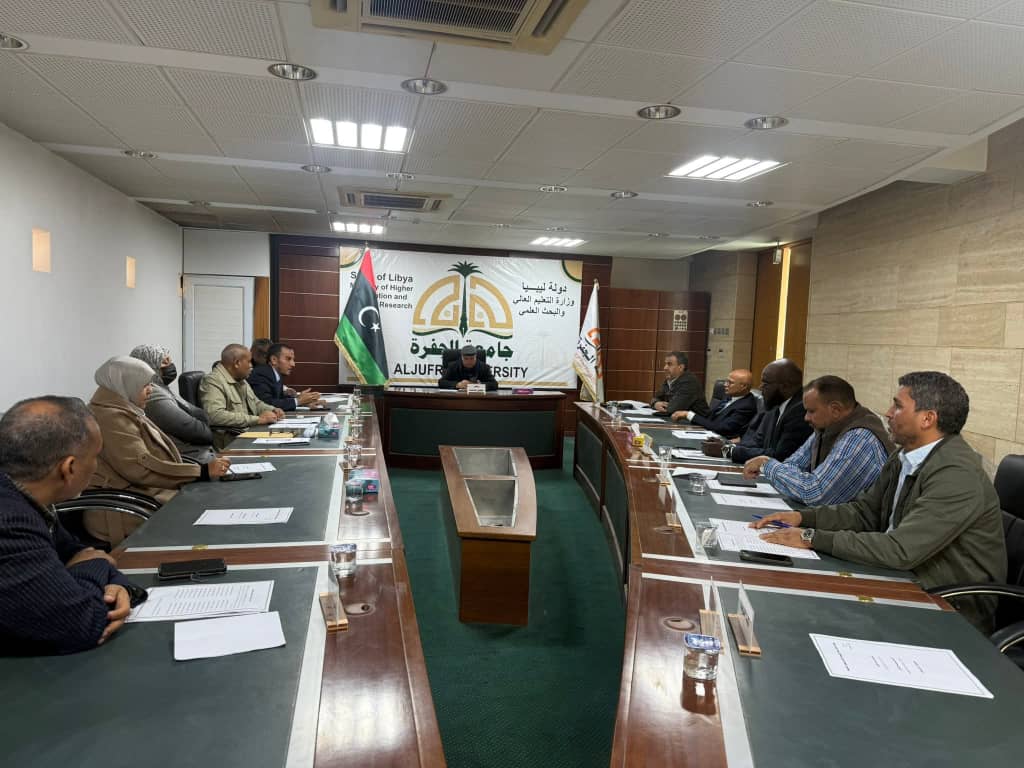
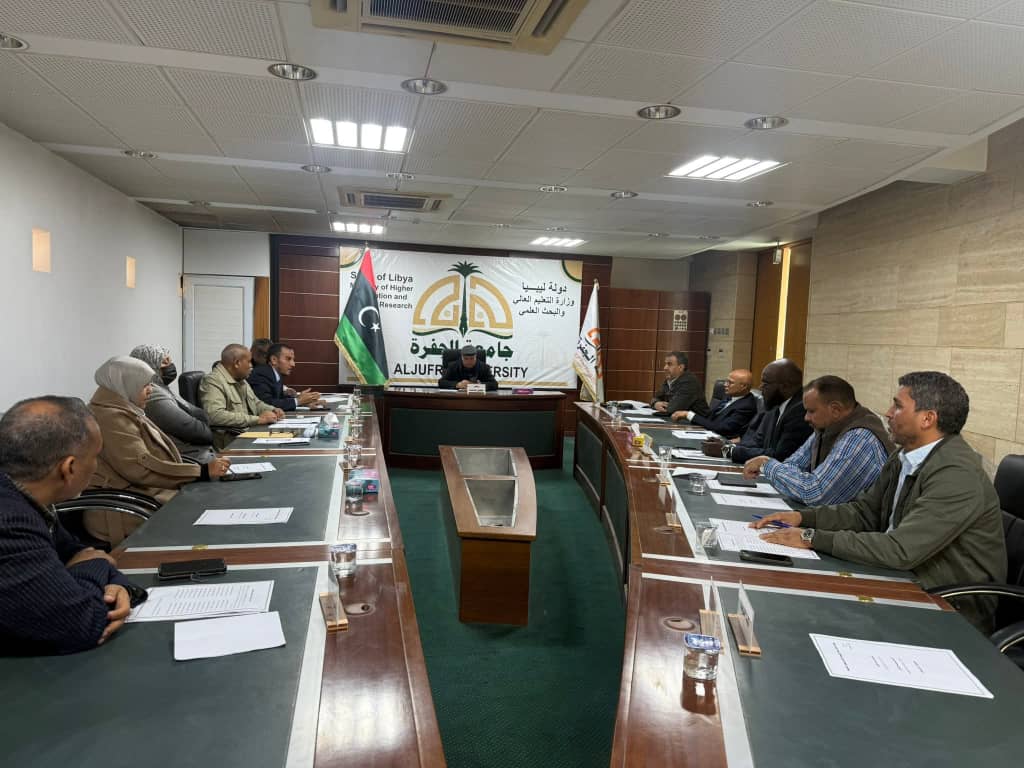
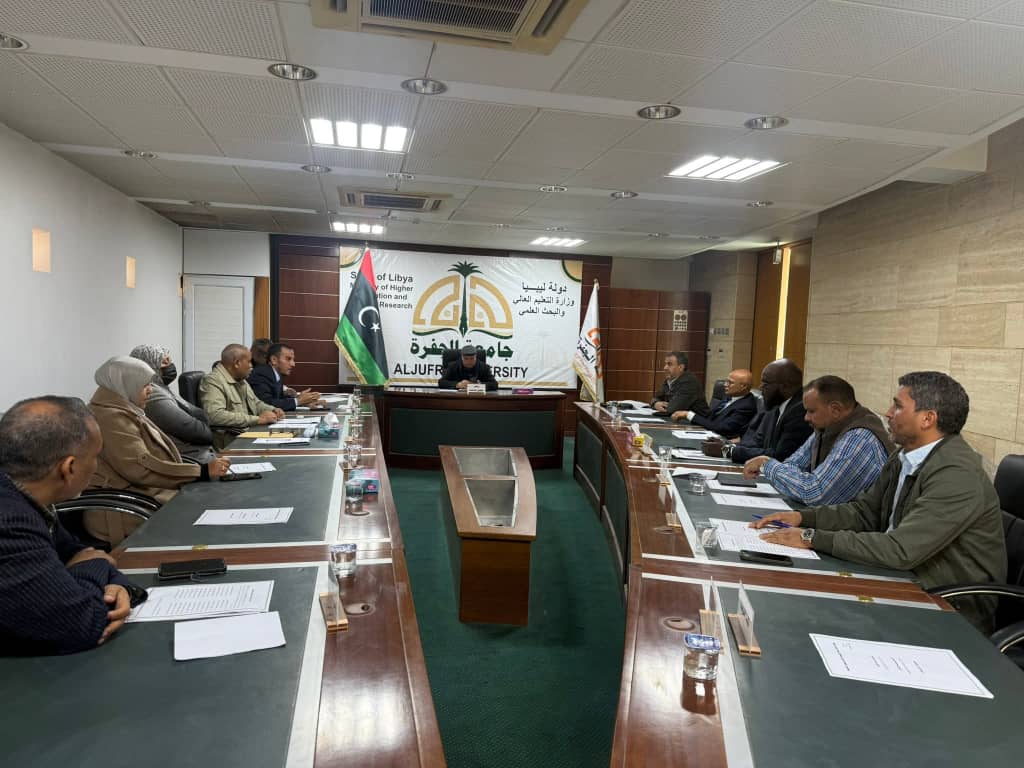
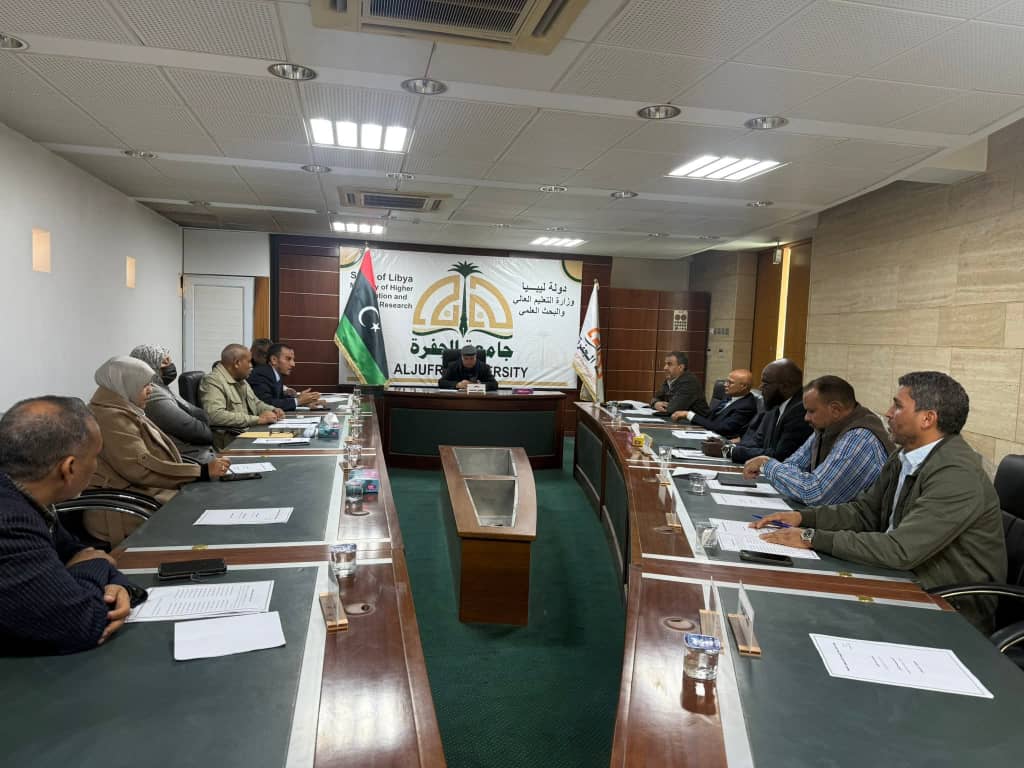
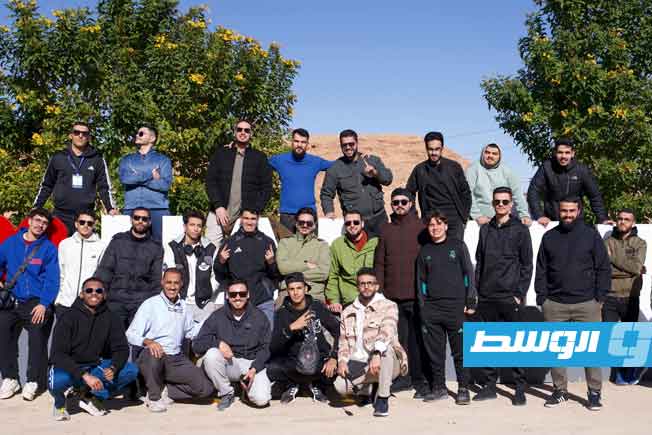
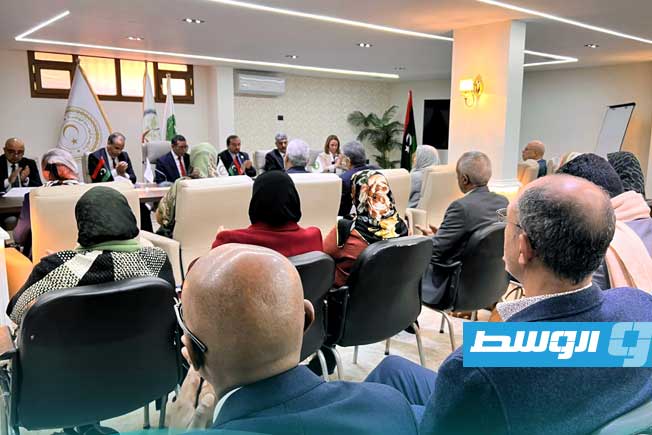
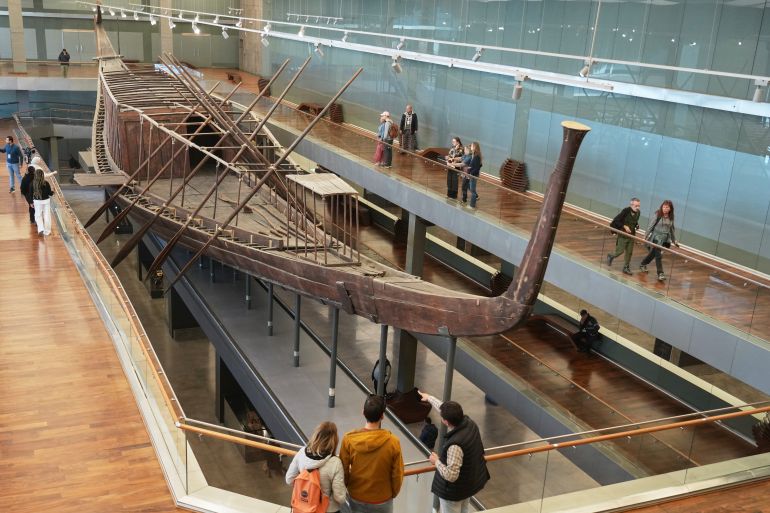
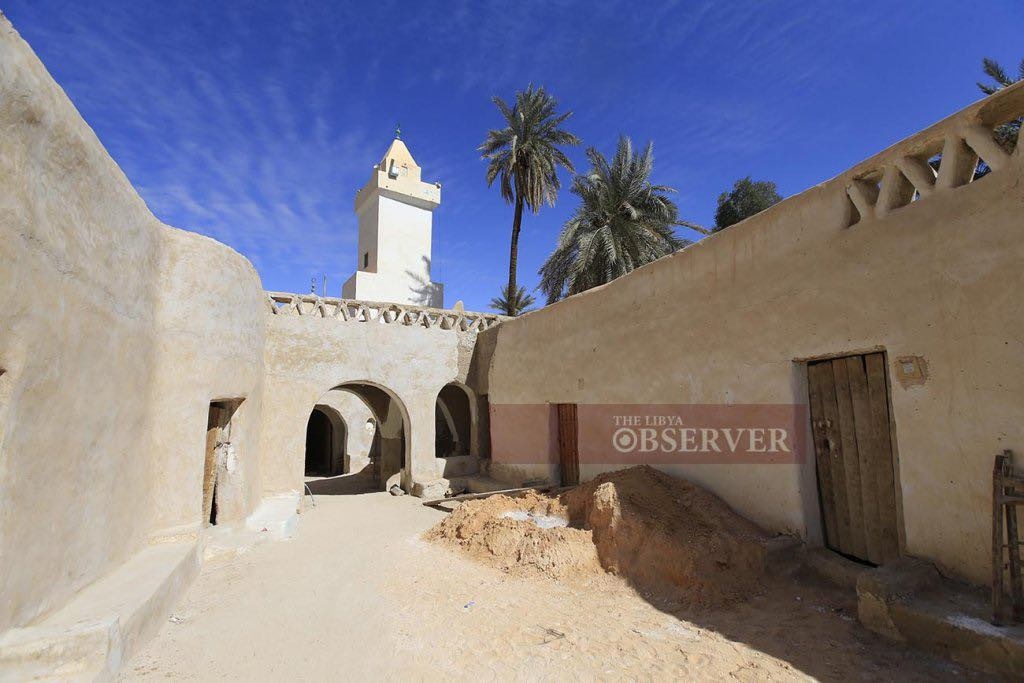
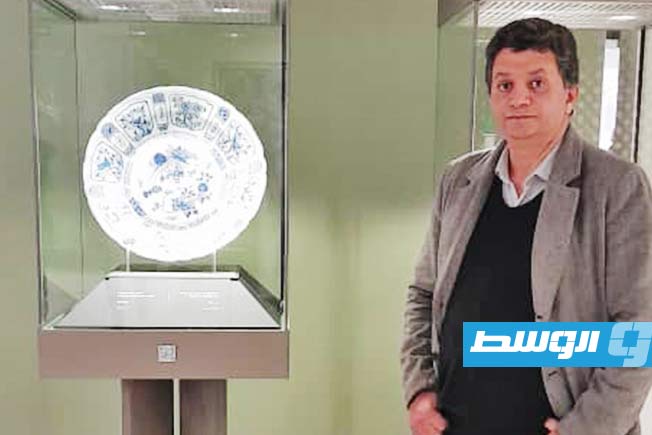
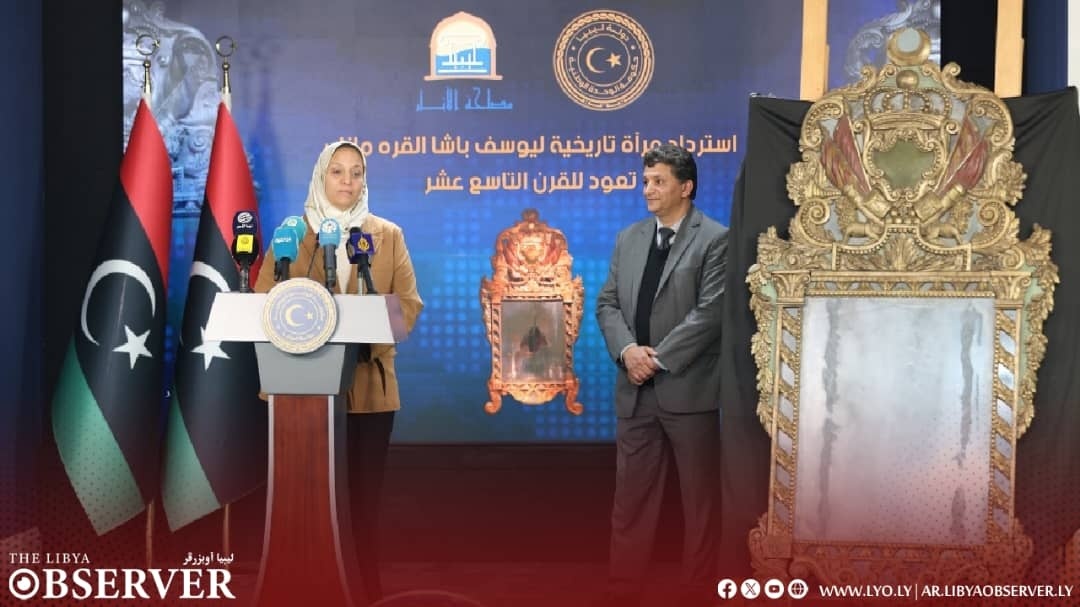
On Wednesday, February 11, 2026, a lecture titled “Did Some Western Archaeologists Contribute to the Falsification of Our History and Identity?” was delivered at the headquarters of the Libyan Center for Archives and Historical Studies. The lecture addressed the impact of the colonial era, during which some Western scholars monopolized archaeological and ancient historical studies in the Arab region. This led to a selective shaping of the region’s history and civilization to serve specific perspectives and interests.
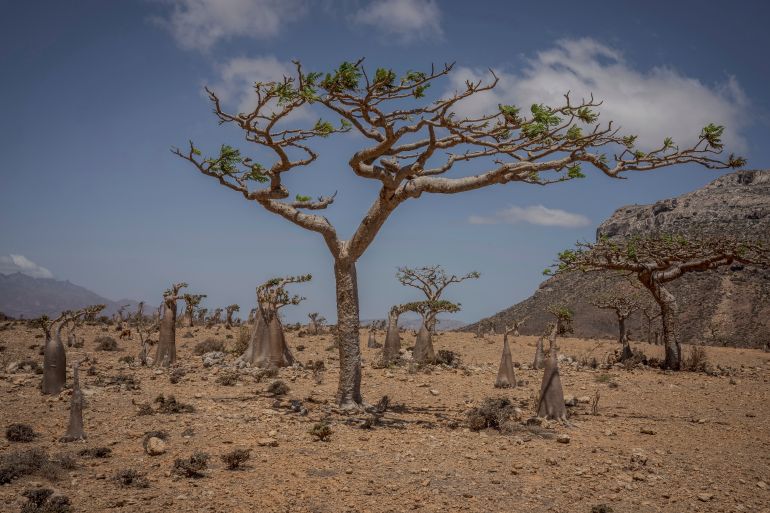
The speaker explained how the Arabian Peninsula was marginalized from its pivotal role in the emergence of ancient civilizations, despite being a starting point for human migrations and a bearer of foundational intellectual and linguistic achievements that influenced multiple civilizations such as the Akkadian, Babylonian, Assyrian, and Canaanite, extending to the civilizations of the Nile Valley and North Africa.
Methodological Issues
The lecture also reviewed a number of methodological issues, including: “The dominance of inaccurate historical theories leading to the absence of a comprehensive vision of the region’s history,” “The misunderstanding of some ancient inscriptions and writings and attributing them to isolated local origins,” as well as “Misinterpretations that diminished the contributions of the region’s inhabitants to ancient geographical and civilizational discoveries,” and finally, “The use of some excavation results and media reports to prove an ancient European presence in the region.”
–
–
At the conclusion of the lecture, which saw interaction from academic elites, the speaker emphasized the importance of cooperation between researchers and specialists in the fields of archaeology and ancient history to re-study and correct these issues, in order to preserve history and identity from falsification and alienation.
Libyan Center for Archives and Historical Studies
The Libyan Center for Archives and Historical Studies is a national institution in Tripoli dedicated to preserving Libya’s documentary heritage. It was established to collect, archive, and study historical records, manuscripts, and official documents pertaining to the country’s history and cultural identity. Its work supports academic research and safeguards important historical materials for future generations.
Arabian Peninsula
The Arabian Peninsula is a vast region in Southwest Asia, historically significant as the birthplace of Islam and home to ancient trade routes and civilizations. It is characterized by its desert landscape and is the location of modern nations including Saudi Arabia, Yemen, and the United Arab Emirates.
Akkadian
The Akkadian Empire, founded by Sargon of Akkad around 2334 BCE, was the world’s first true empire, uniting the city-states of Mesopotamia under a single ruler. Its history is marked by significant advancements in administration, language, and culture, with Akkadian becoming the region’s lingua franca. The empire collapsed around 2154 BCE due to internal revolt and climatic changes, but it established a lasting imperial model in the ancient Near East.
Babylonian
Babylon was an ancient Mesopotamian city-state and empire, most famous as the capital of Hammurabi’s kingdom in the 18th century BCE and the Neo-Babylonian Empire under Nebuchadnezzar II in the 6th century BCE. Its history is marked by significant cultural achievements, including the Code of Hammurabi and the legendary Hanging Gardens, one of the Seven Wonders of the Ancient World.
Assyrian
The Assyrian Empire was an ancient Mesopotamian civilization centered in what is now northern Iraq, known for its formidable military, advanced administration, and grand capital cities like Nineveh and Nimrud. It rose to prominence around 2500 BCE, reaching its peak between the 9th and 7th centuries BCE, before its collapse in 609 BCE. Assyrian culture left a lasting legacy through its detailed stone reliefs, cuneiform libraries, and significant influence on subsequent empires.
Canaanite
The term “Canaanite” refers to the ancient Semitic-speaking peoples who inhabited the Levant region (modern-day Lebanon, Syria, Jordan, and Israel) during the Bronze Age. Their civilization, known for city-states like Ugarit and Byblos, was a major cultural and economic force until its decline following invasions and the Late Bronze Age collapse around 1200 BCE.
Nile Valley
The Nile Valley is a historically rich region in northeastern Africa, centered around the Nile River, which was the cradle of ancient Egyptian civilization. Its fertile floodplains and predictable flooding allowed for the development of one of the world’s earliest and most influential societies, with a continuous history spanning thousands of years.
North Africa
North Africa is a region encompassing countries such as Egypt, Libya, Tunisia, Algeria, Morocco, and Sudan, historically defined by its Mediterranean coastline and the Sahara Desert. It is home to some of the world’s oldest civilizations, including Ancient Egypt and Carthage, and has been profoundly shaped by successive influences from the Phoenicians, Romans, Arabs, Ottomans, and European colonial powers.