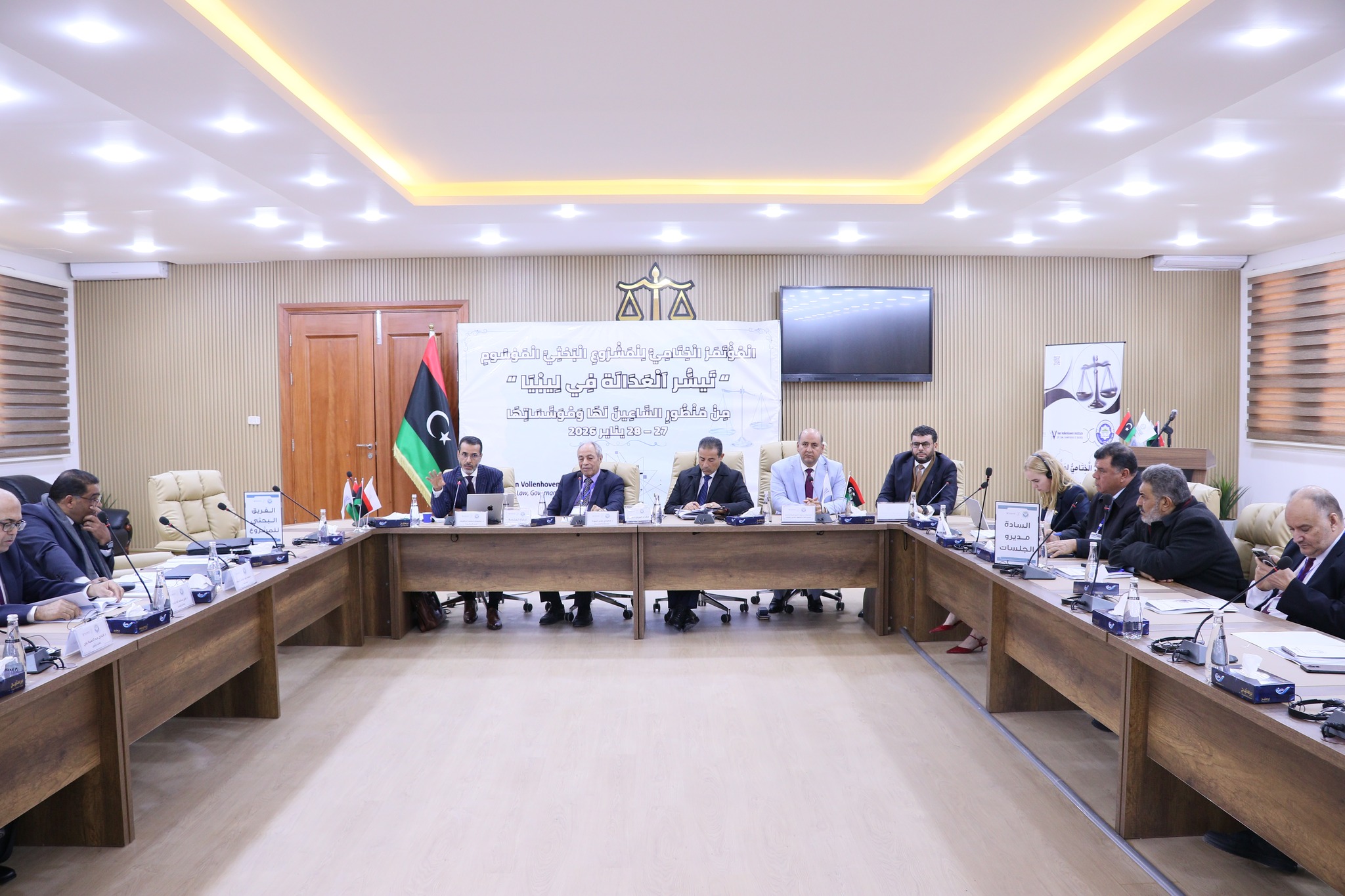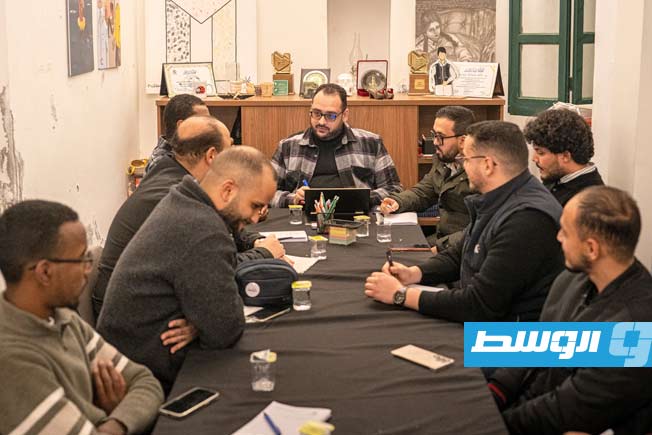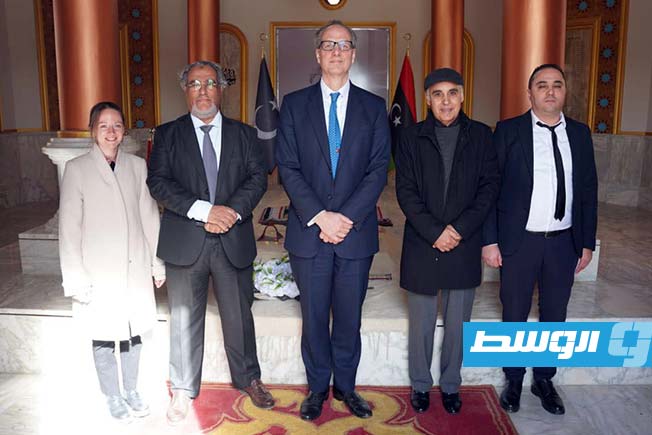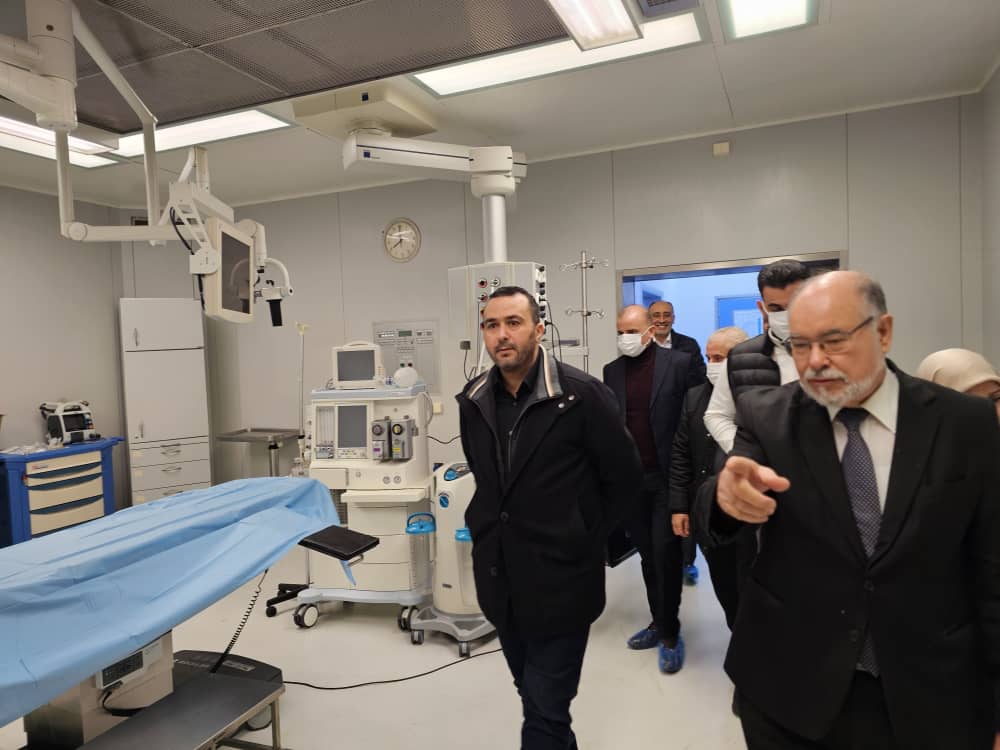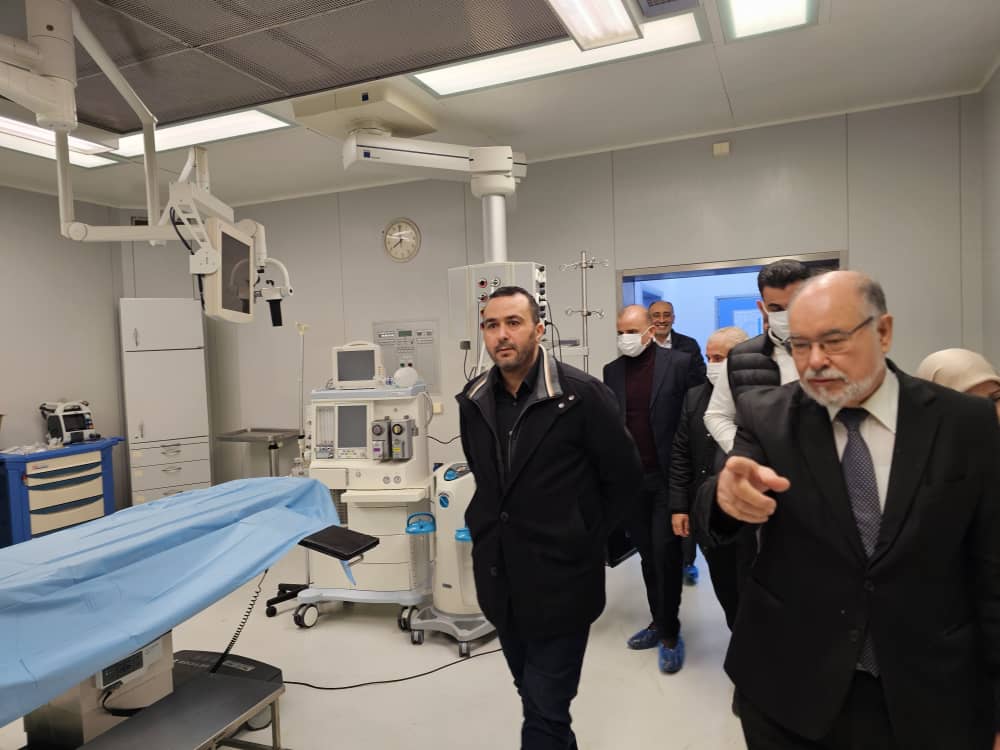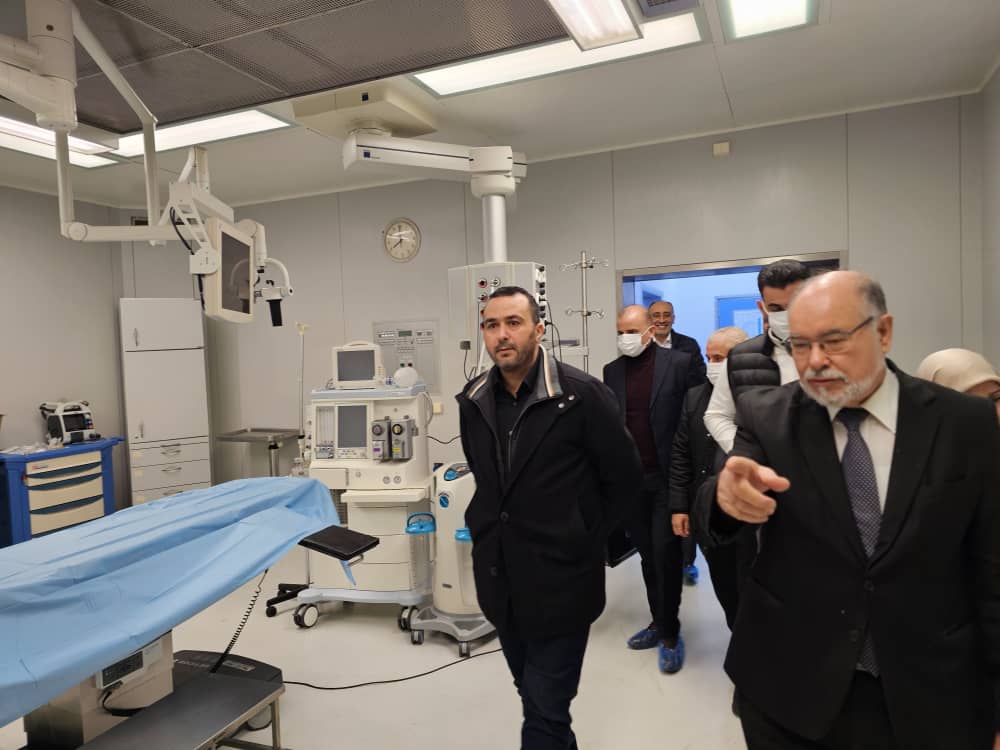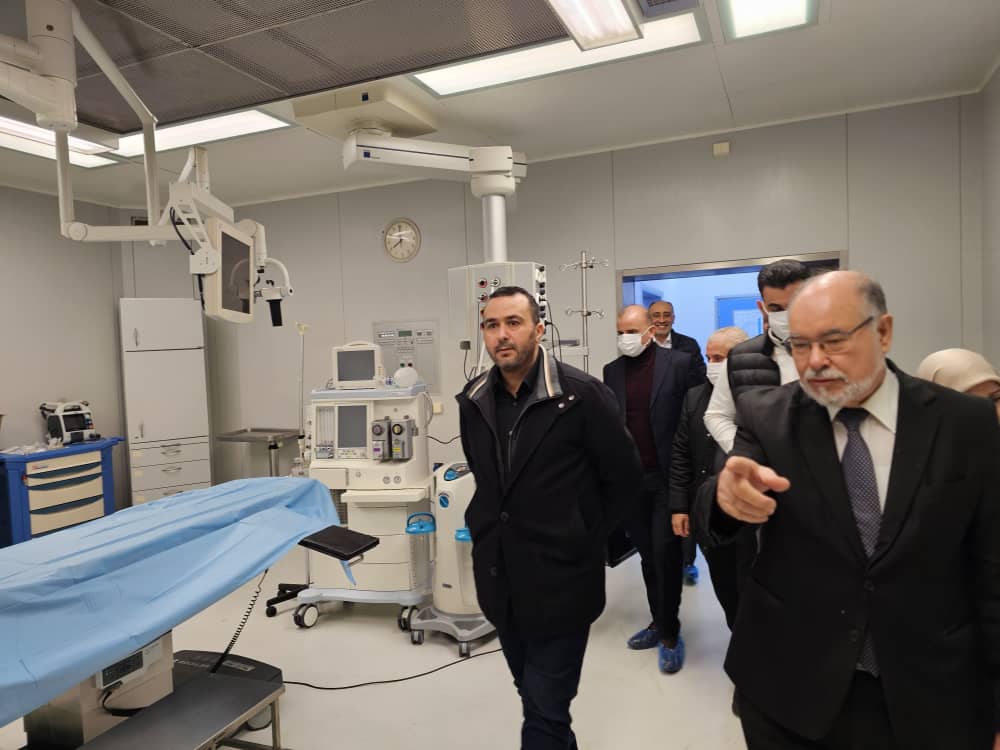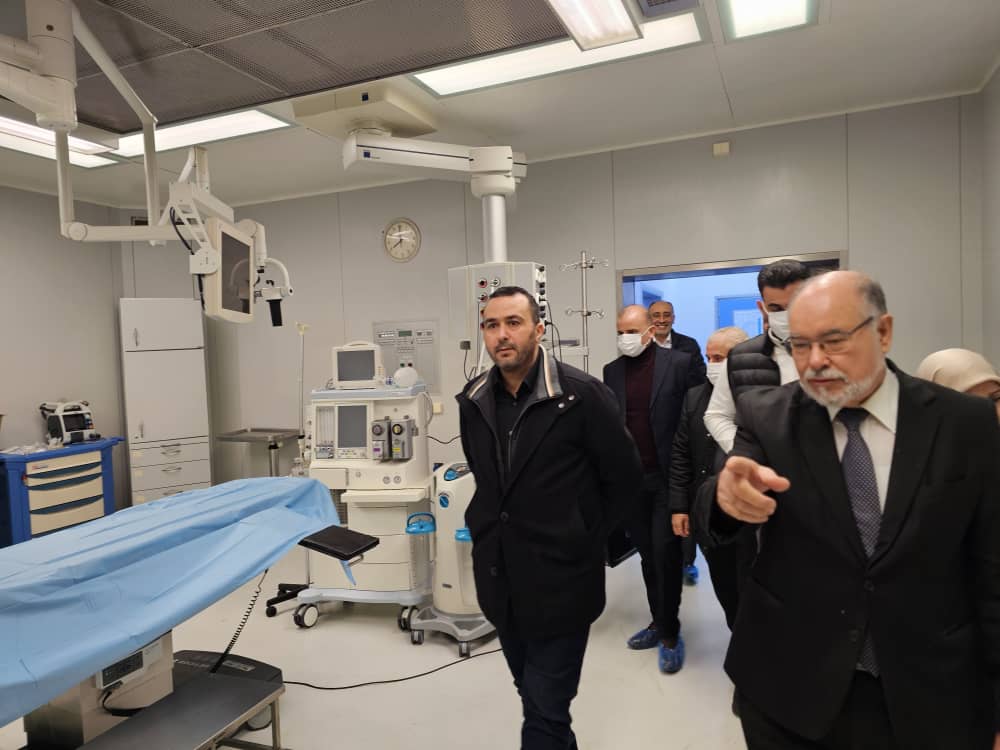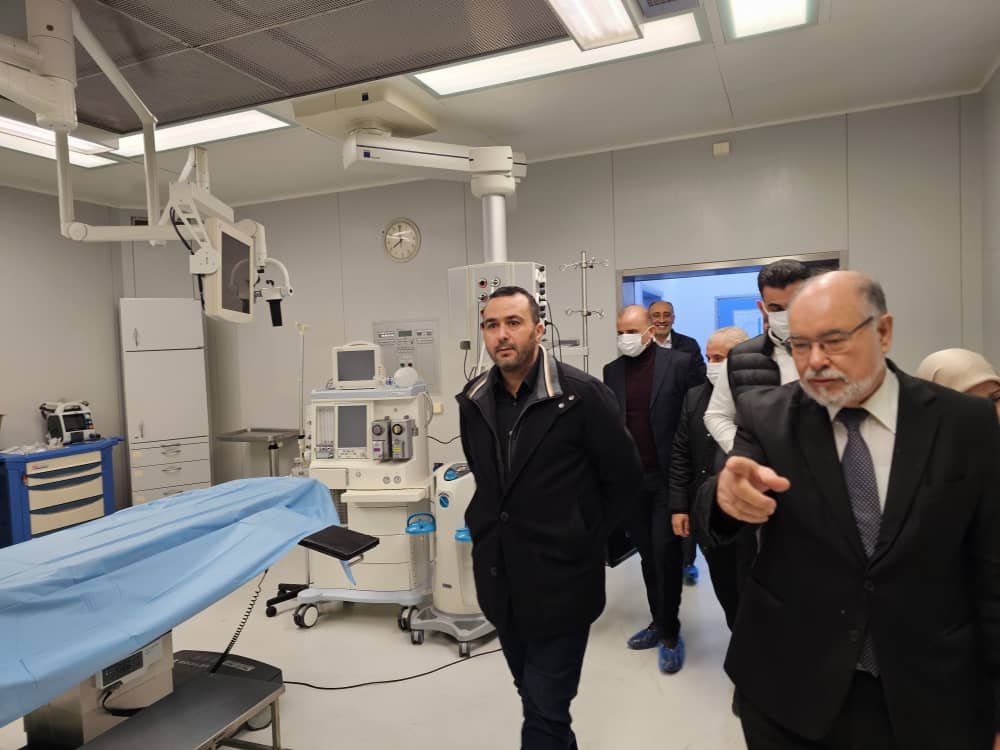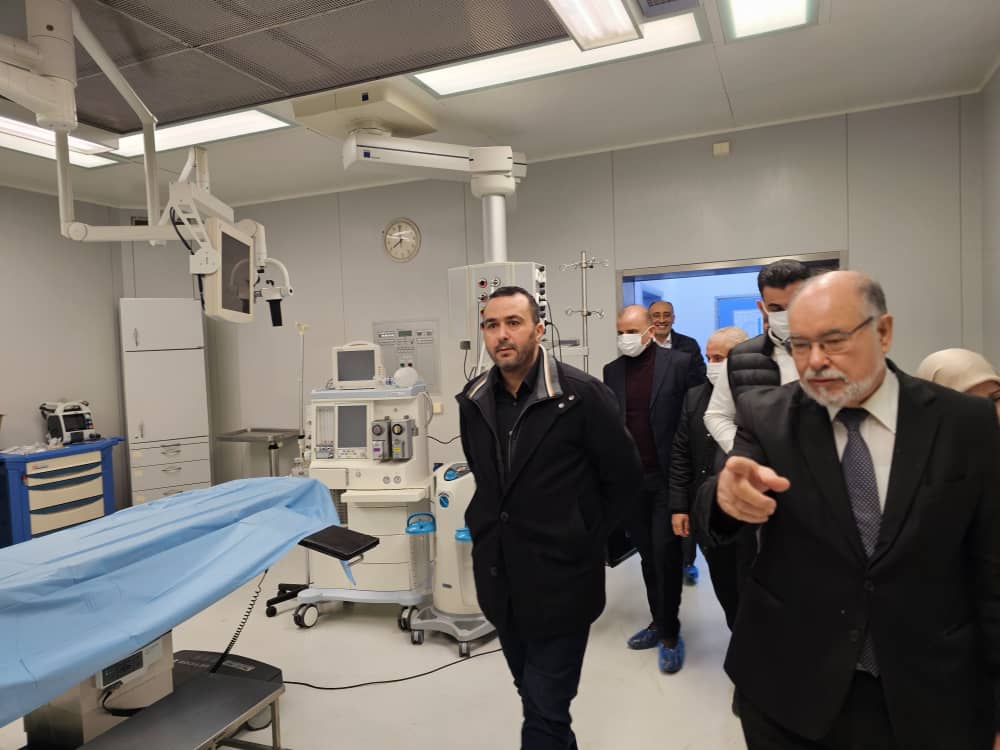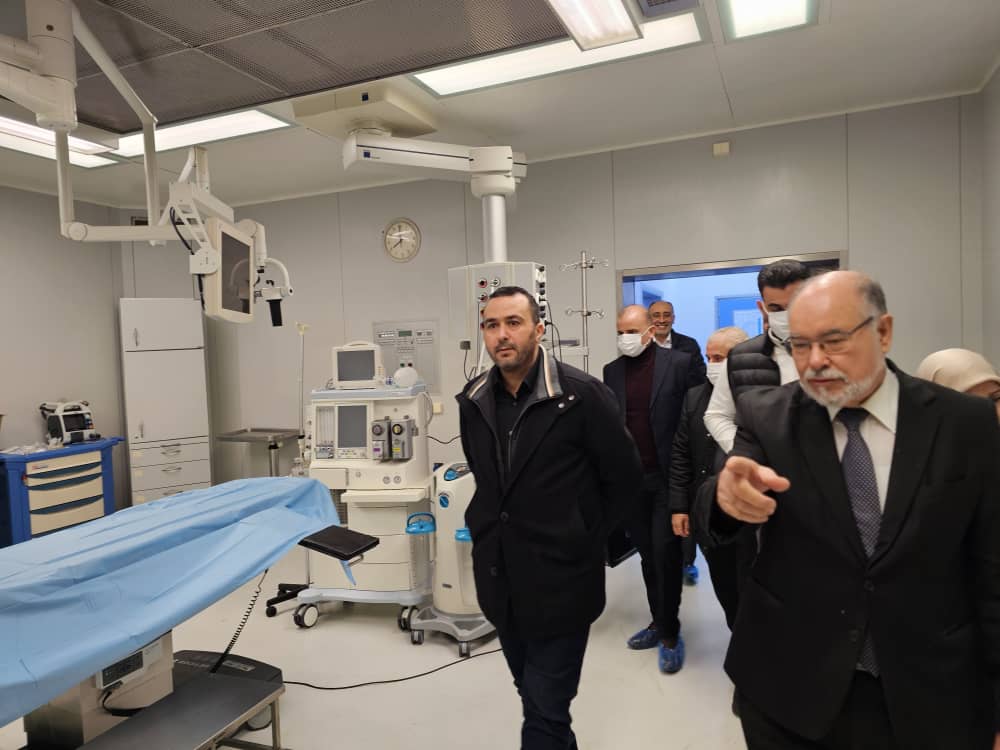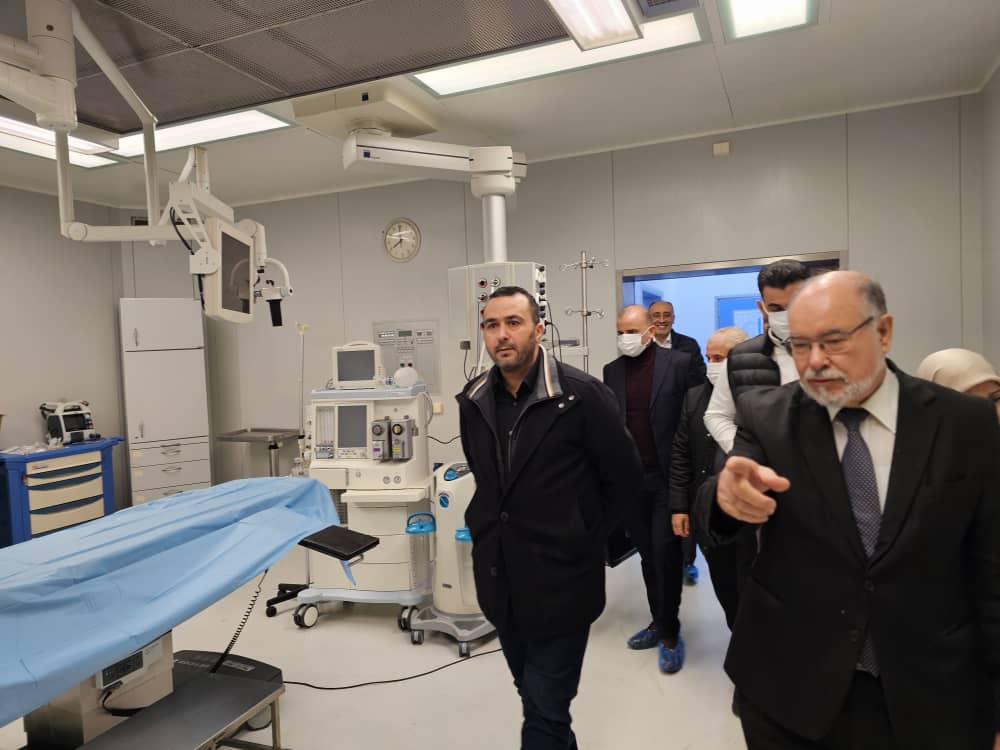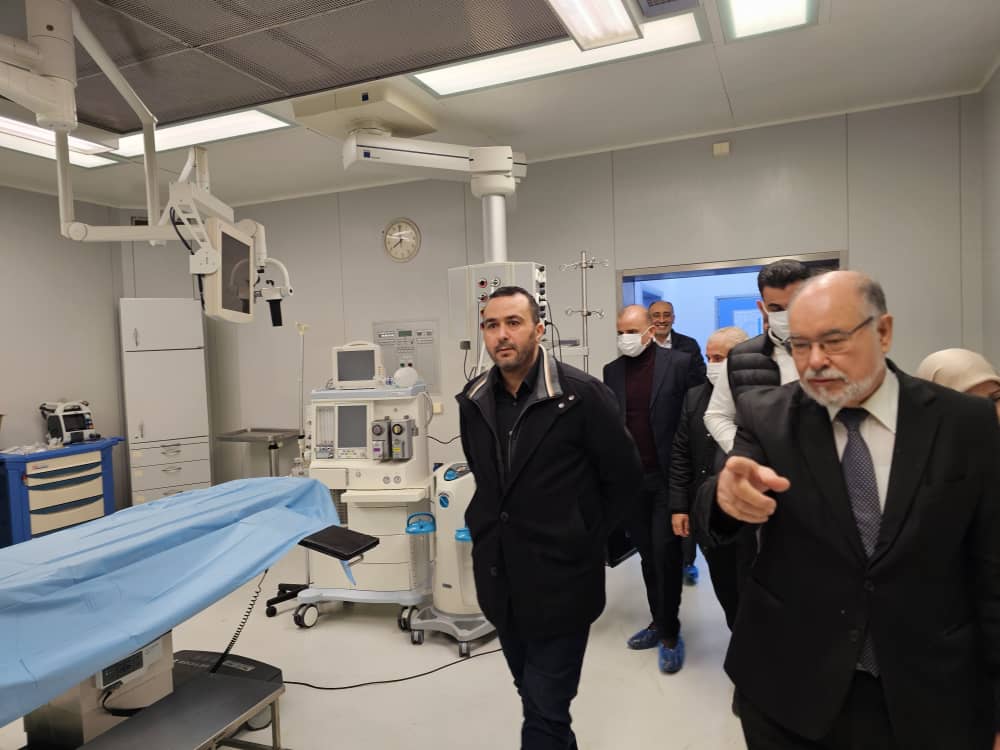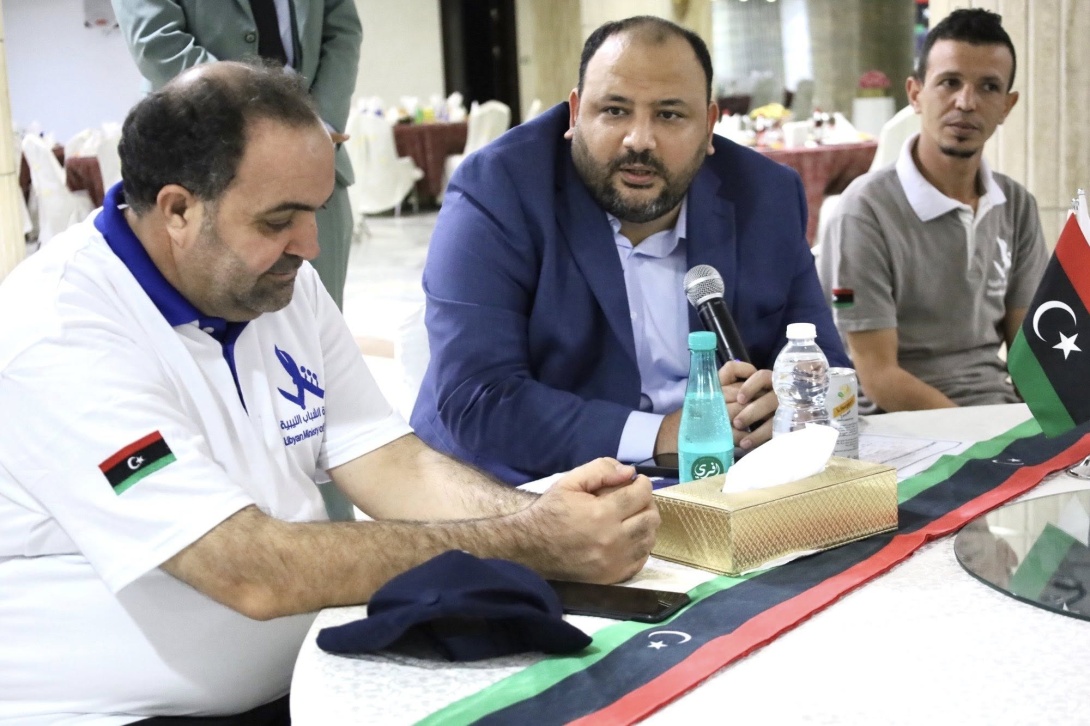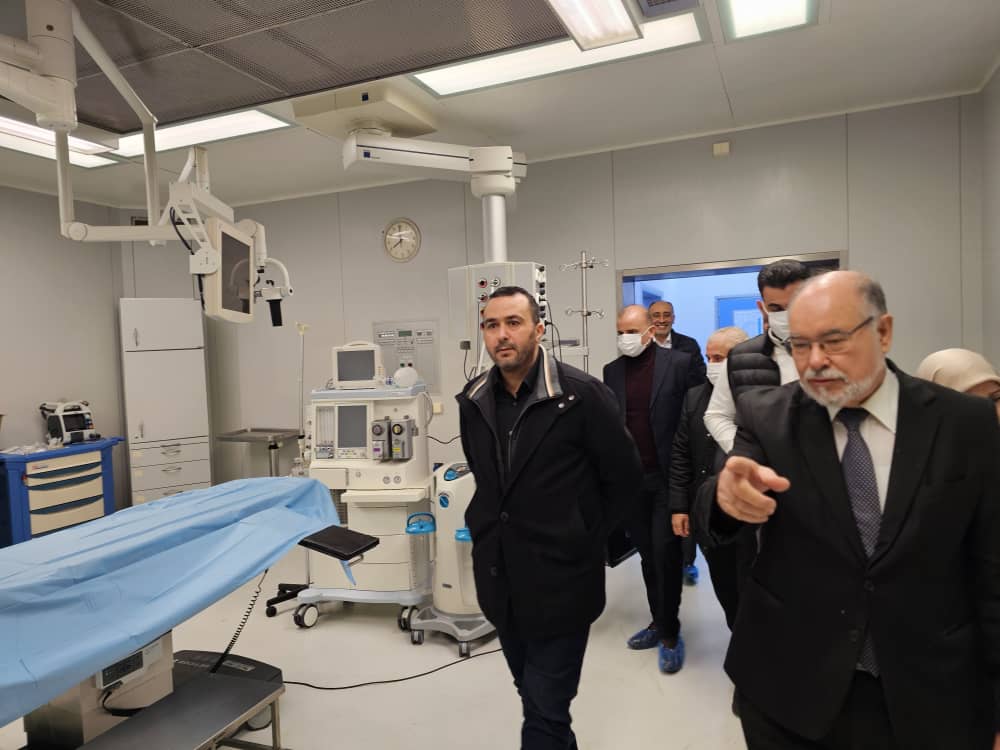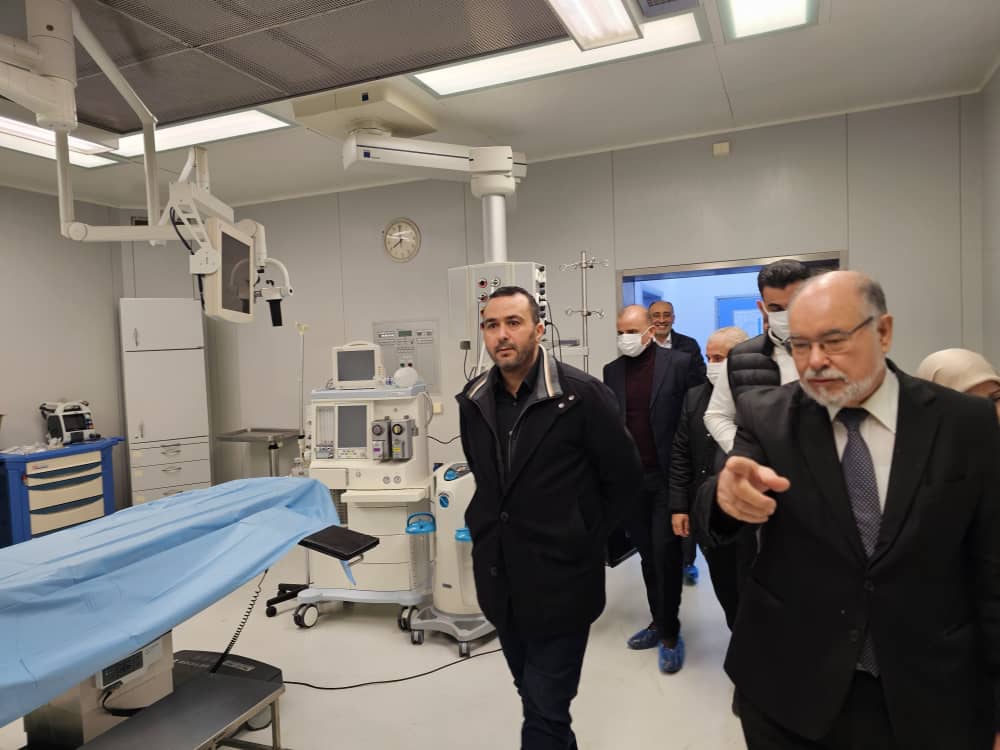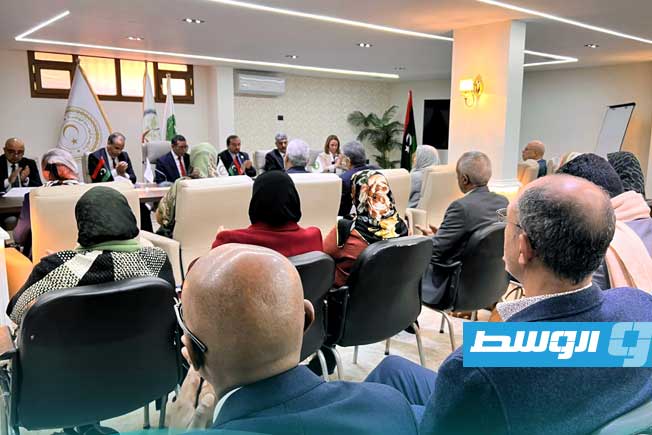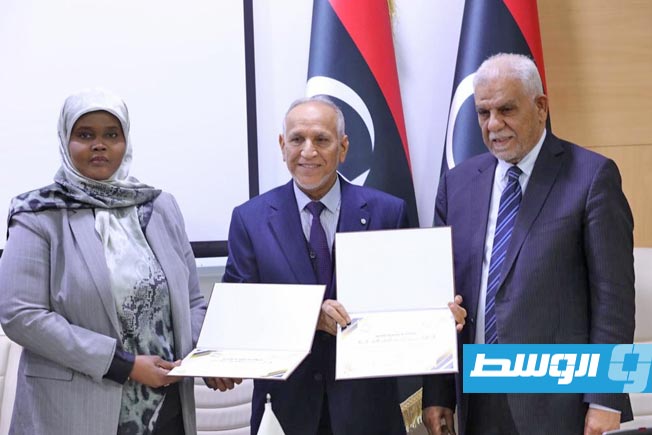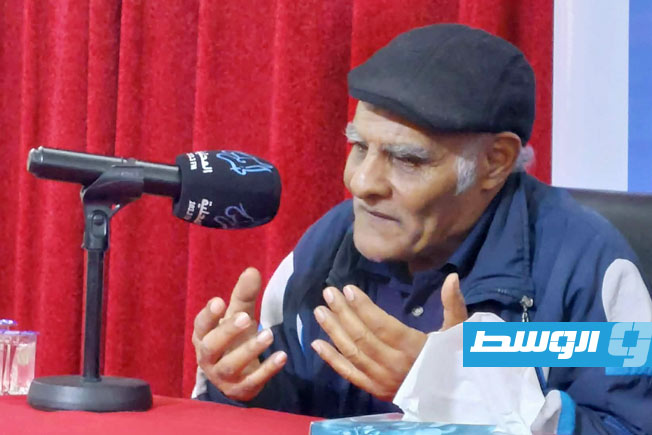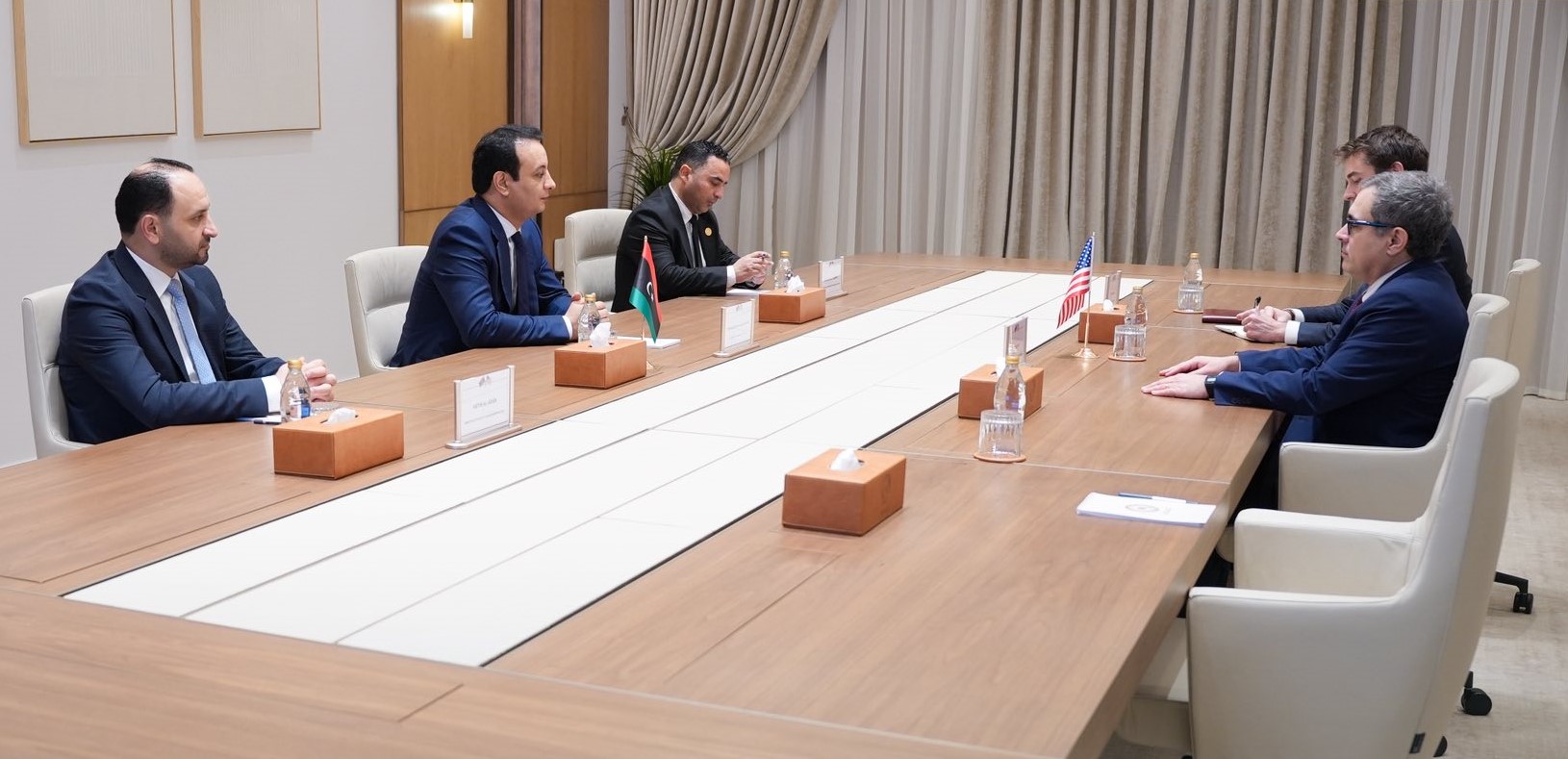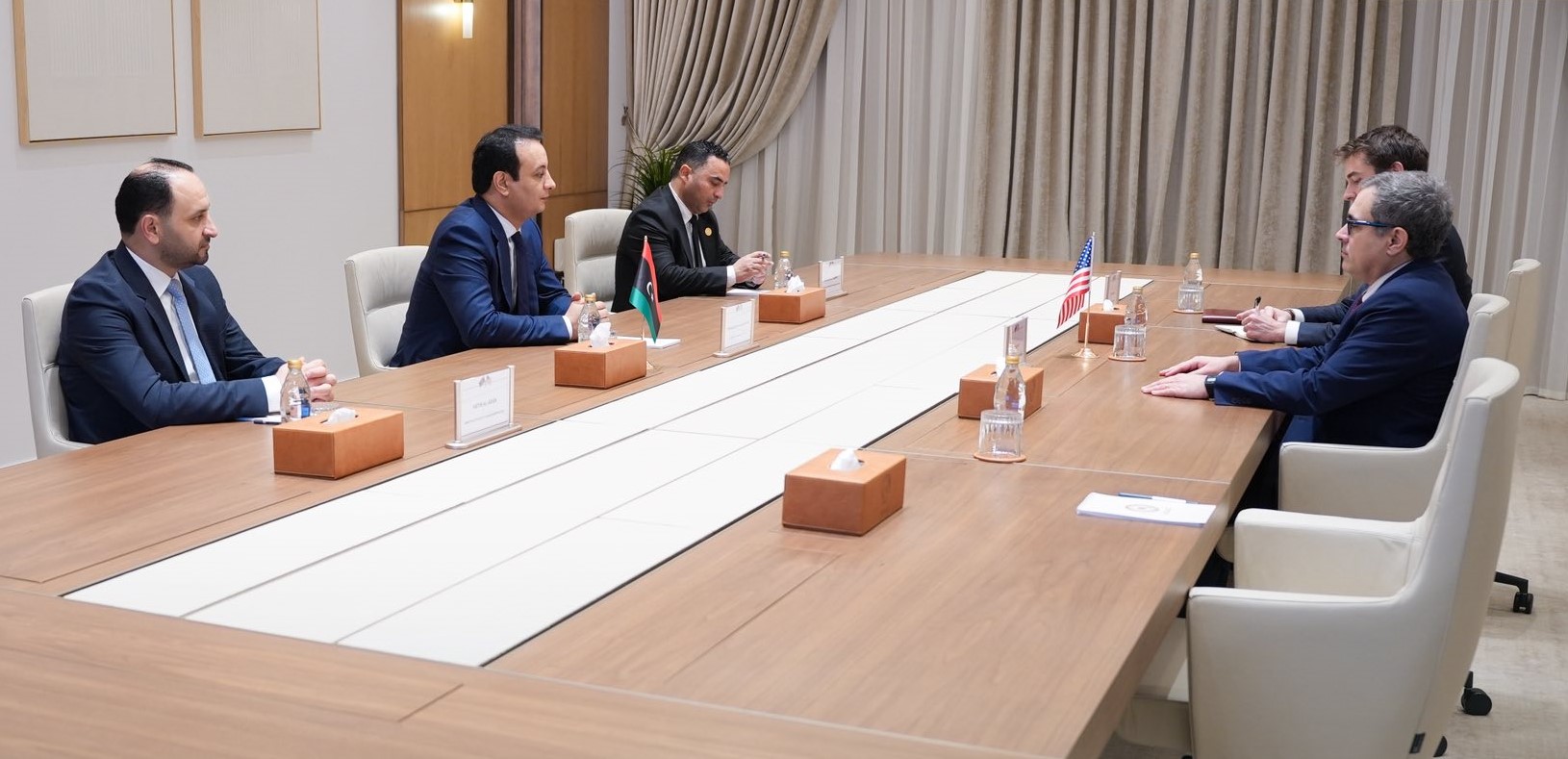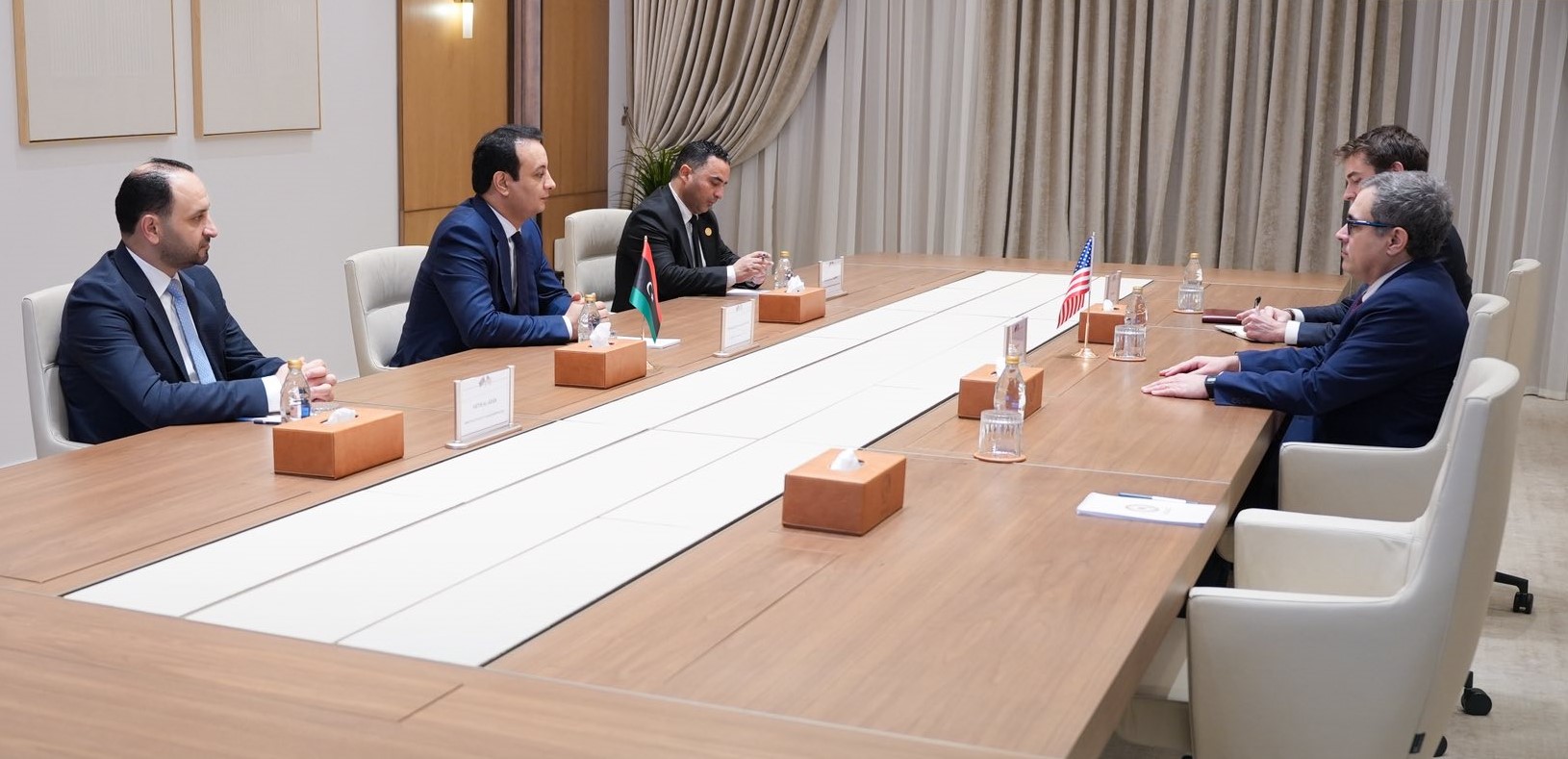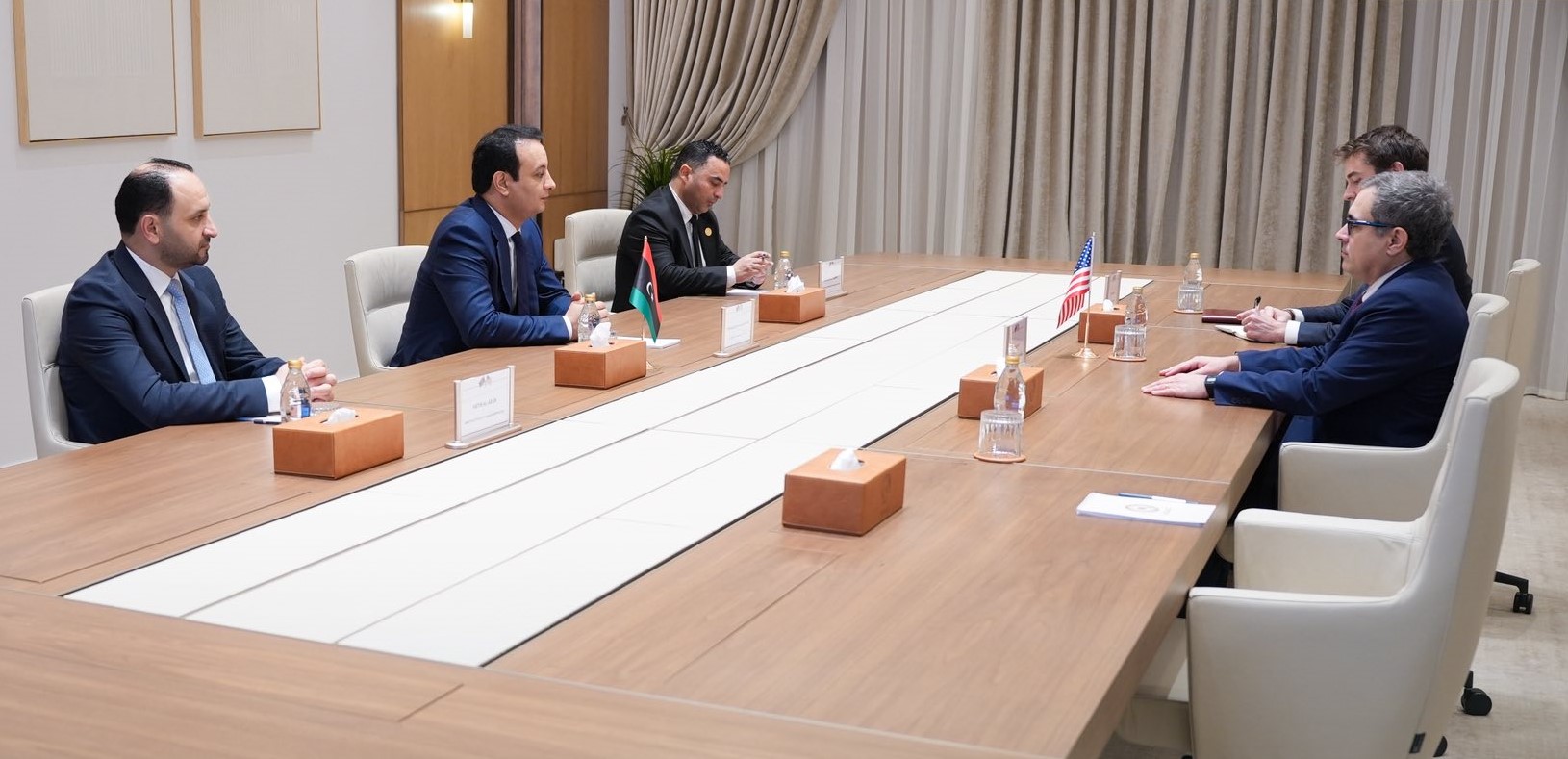
Tripoli, January 27, 2026 – The Higher Institute of the Judiciary in Tripoli hosted the closing conference events for the “Facilitating Justice in Libya” project (2021-2025) this morning.
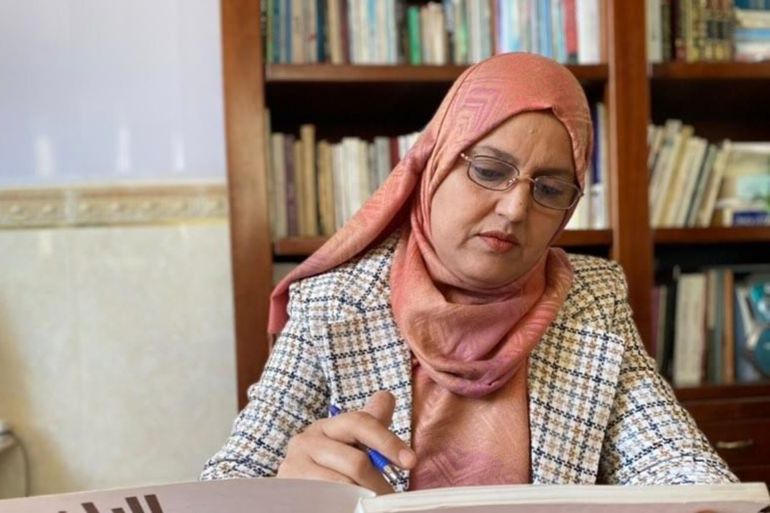
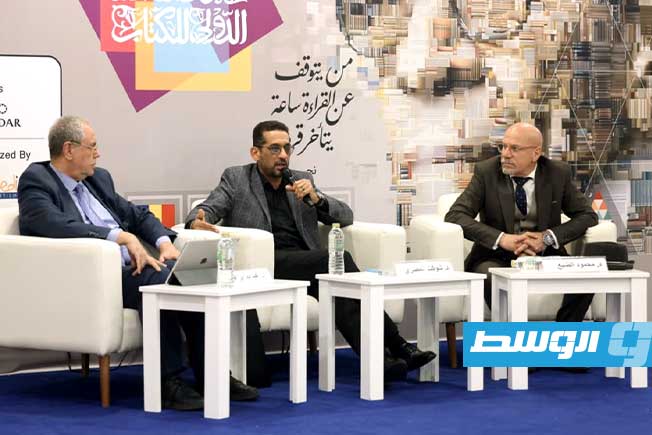
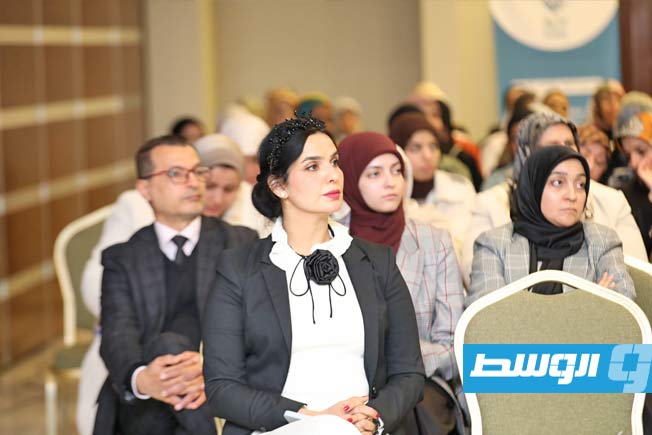
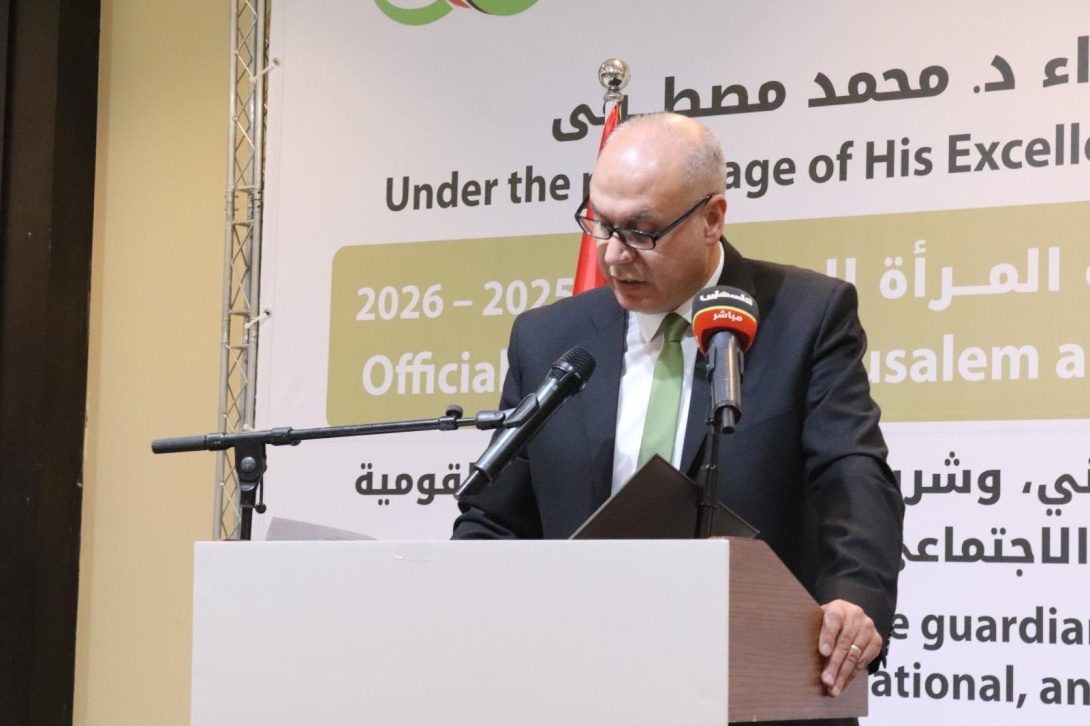
The opening session activities of the conference were attended by a number of representatives from judicial bodies, members of academic circles, in addition to a selection of researchers and those interested in legal and judicial affairs.
The conference, whose work continues over January 27 and 28, aims to provide a scientific space for dialogue and exchange of visions between academics, members of judicial bodies, and legal researchers on ways to enhance the topic of facilitating access to justice in Libya. It also aims to present the scientific and practical results reached by the project over five years, including its proposals for formulating a comprehensive national strategy in this field.
The first day of the conference’s work addressed a number of key themes, most notably perspectives on facilitating justice, the conceptual framework, and practical challenges associated with access to justice.
The first session of the conference also featured a presentation of case study summaries and the results of the national survey on facilitating justice, which included nearly (4000) opinion interviews. It also discussed a number of societal and legal issues, including oil pollution, missing persons cases, spousal violence, and applications of Law No. (4) of 1978.
The session highlighted the specific challenges women face in accessing the judicial system and ways to address them.
The conference sessions are scheduled to be completed on its second day by discussing the role of Libyan judicial institutions, including courts, the public prosecution, the case management administration, and public advocacy, while exploring mechanisms to enhance their institutional efficiency; leading to the formulation of final recommendations and proposals related to the national strategy for facilitating justice in Libya.