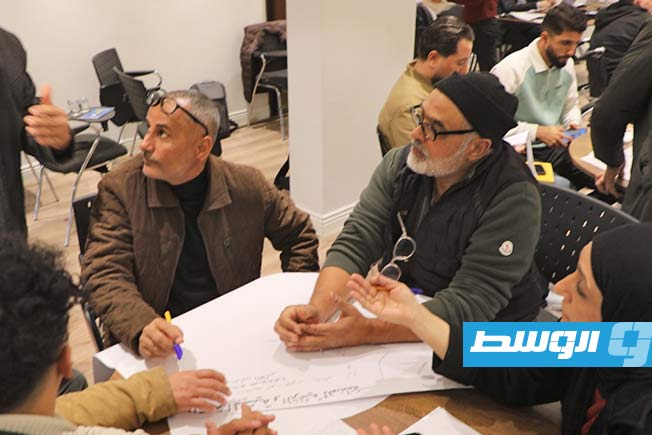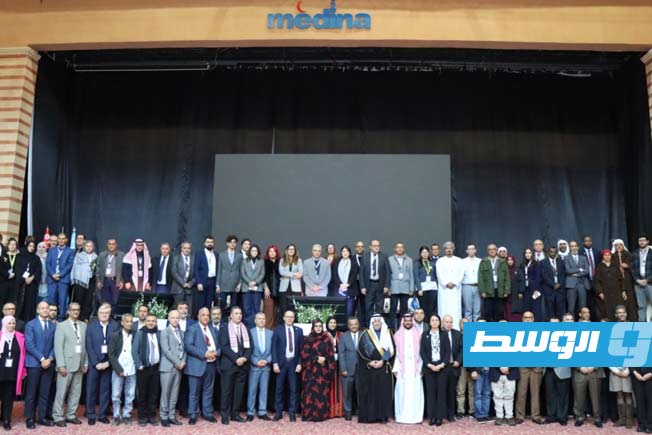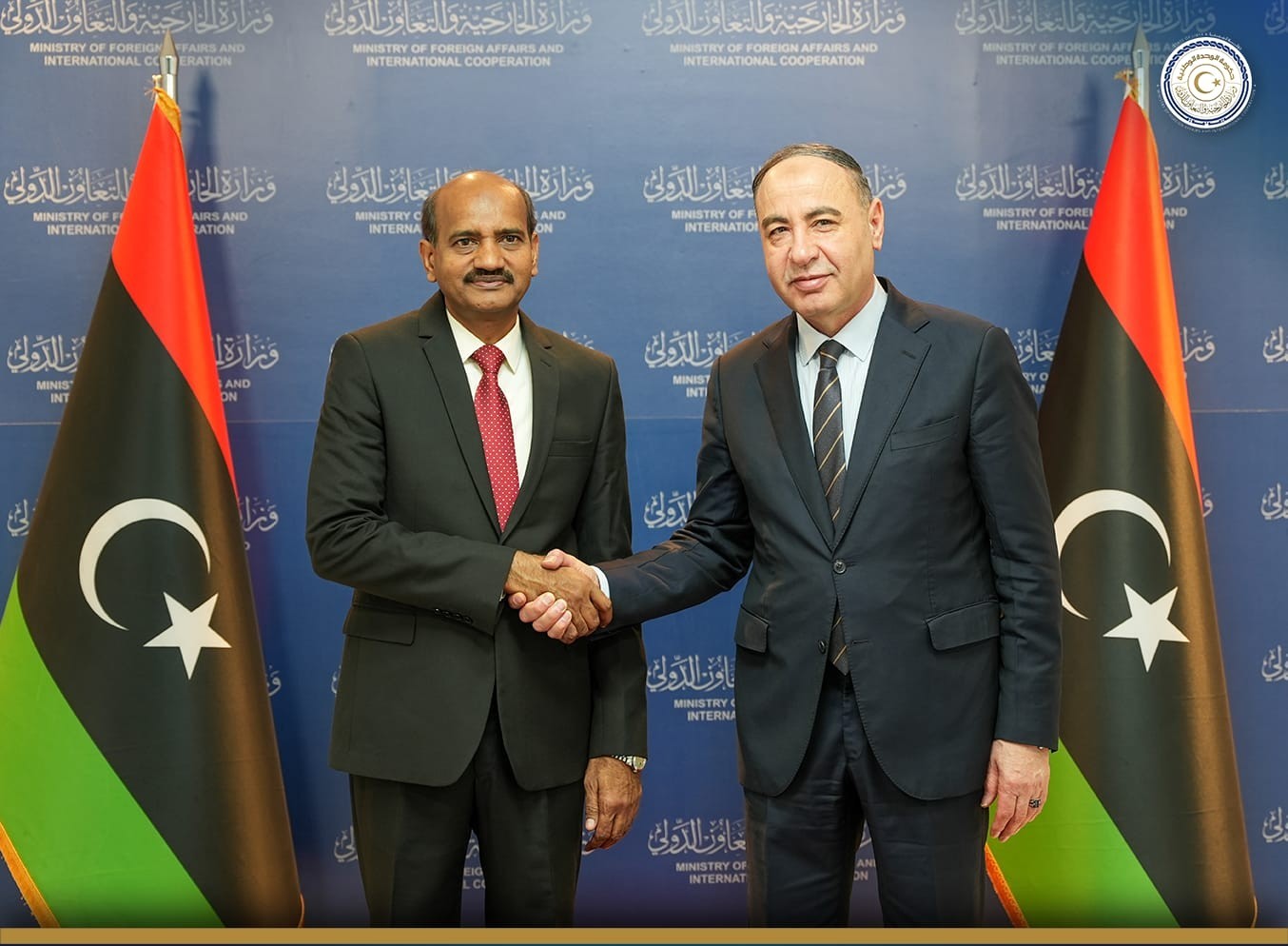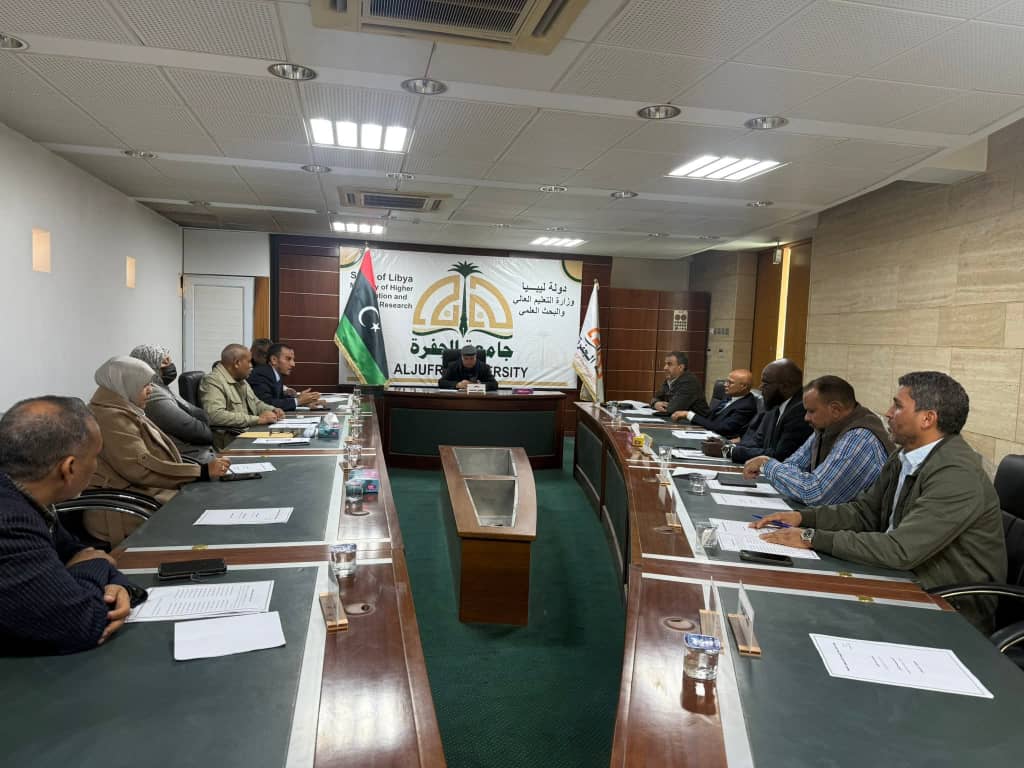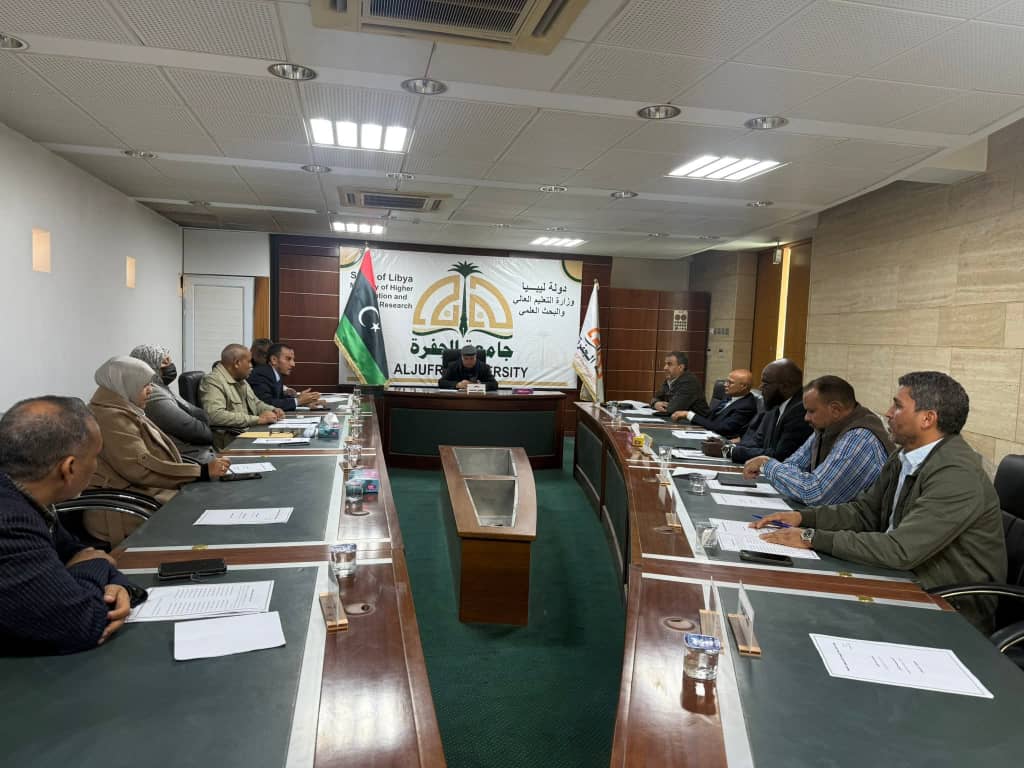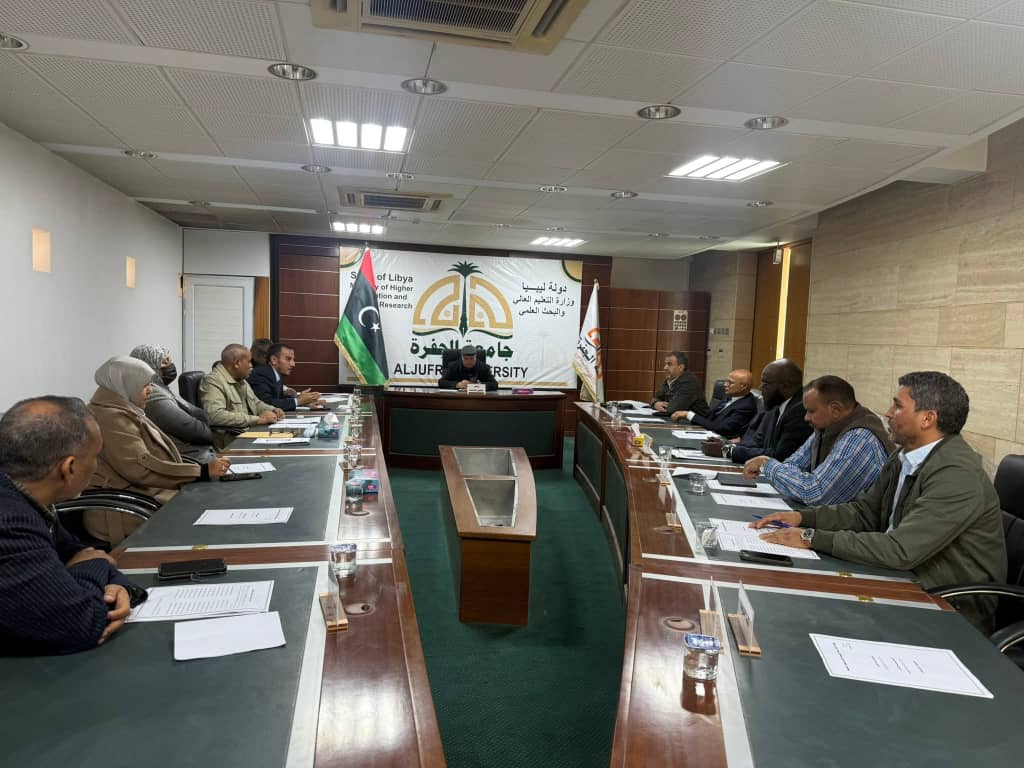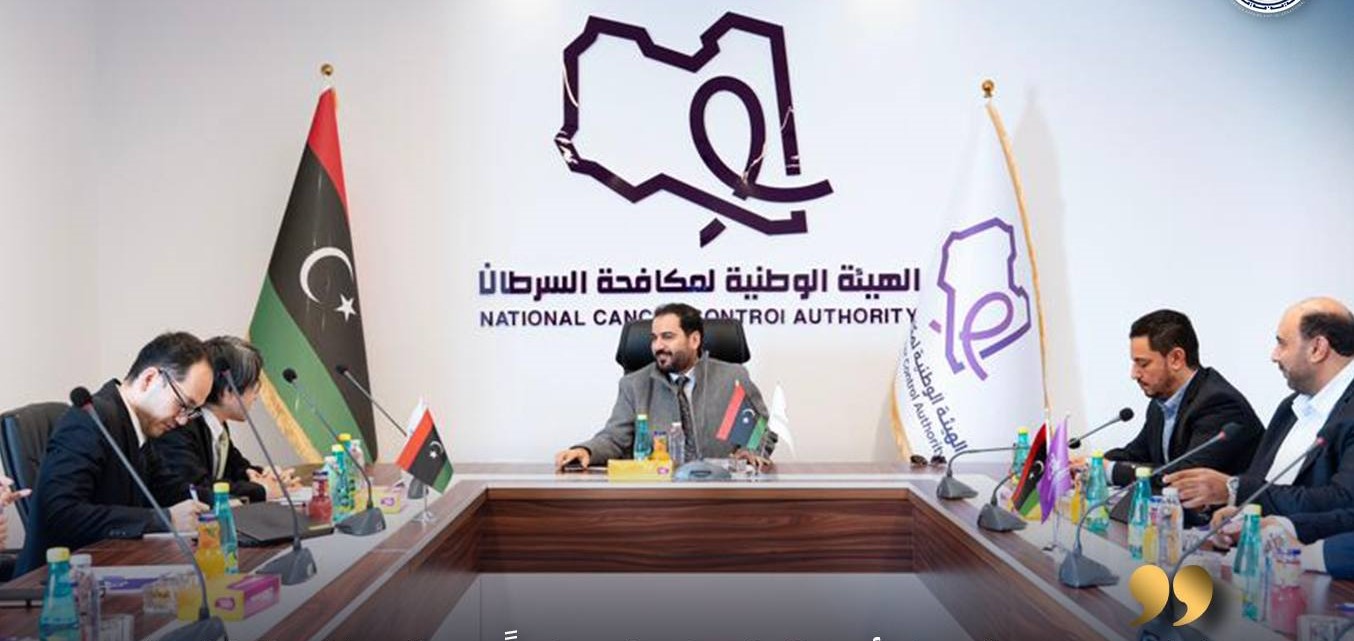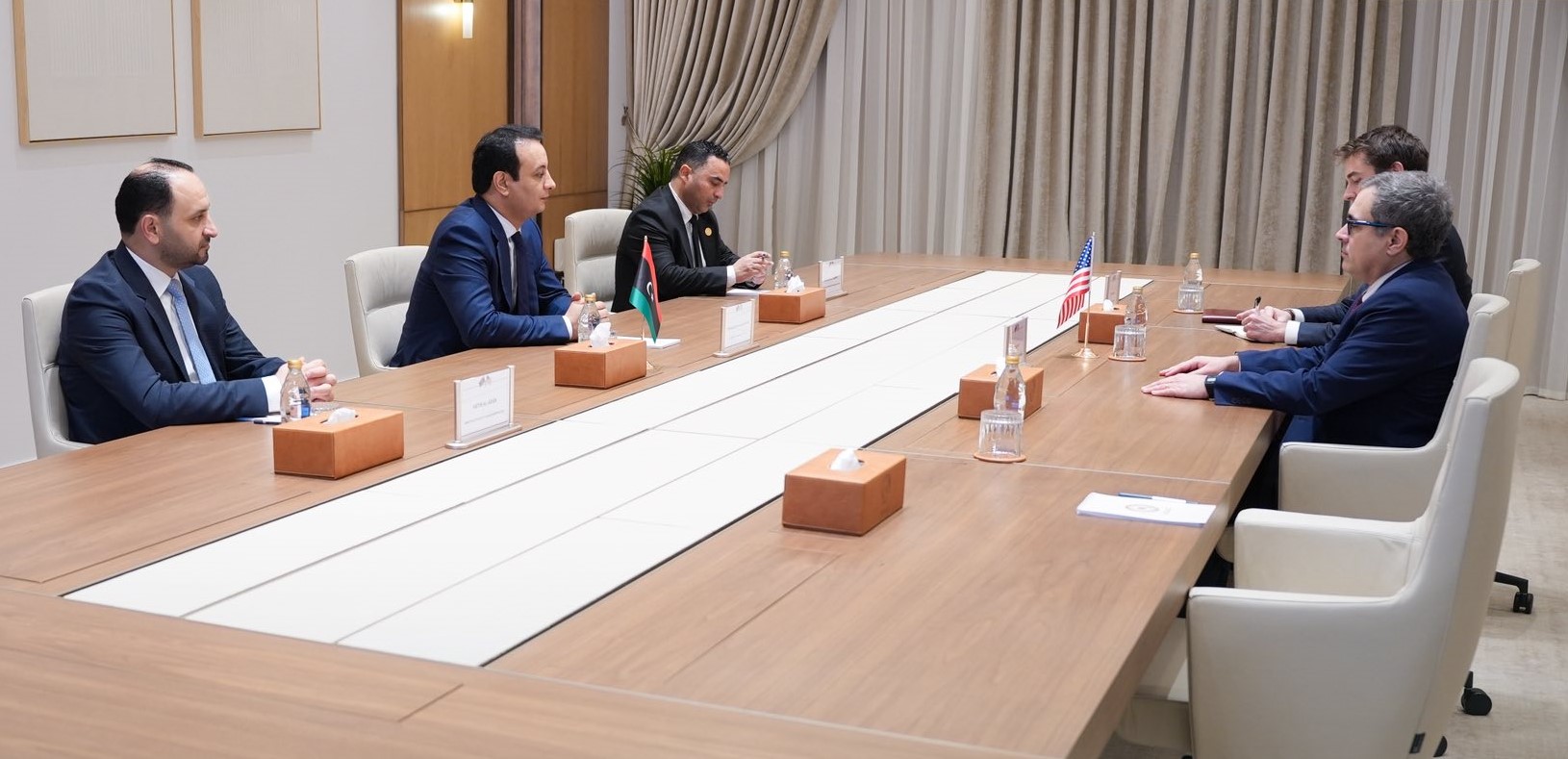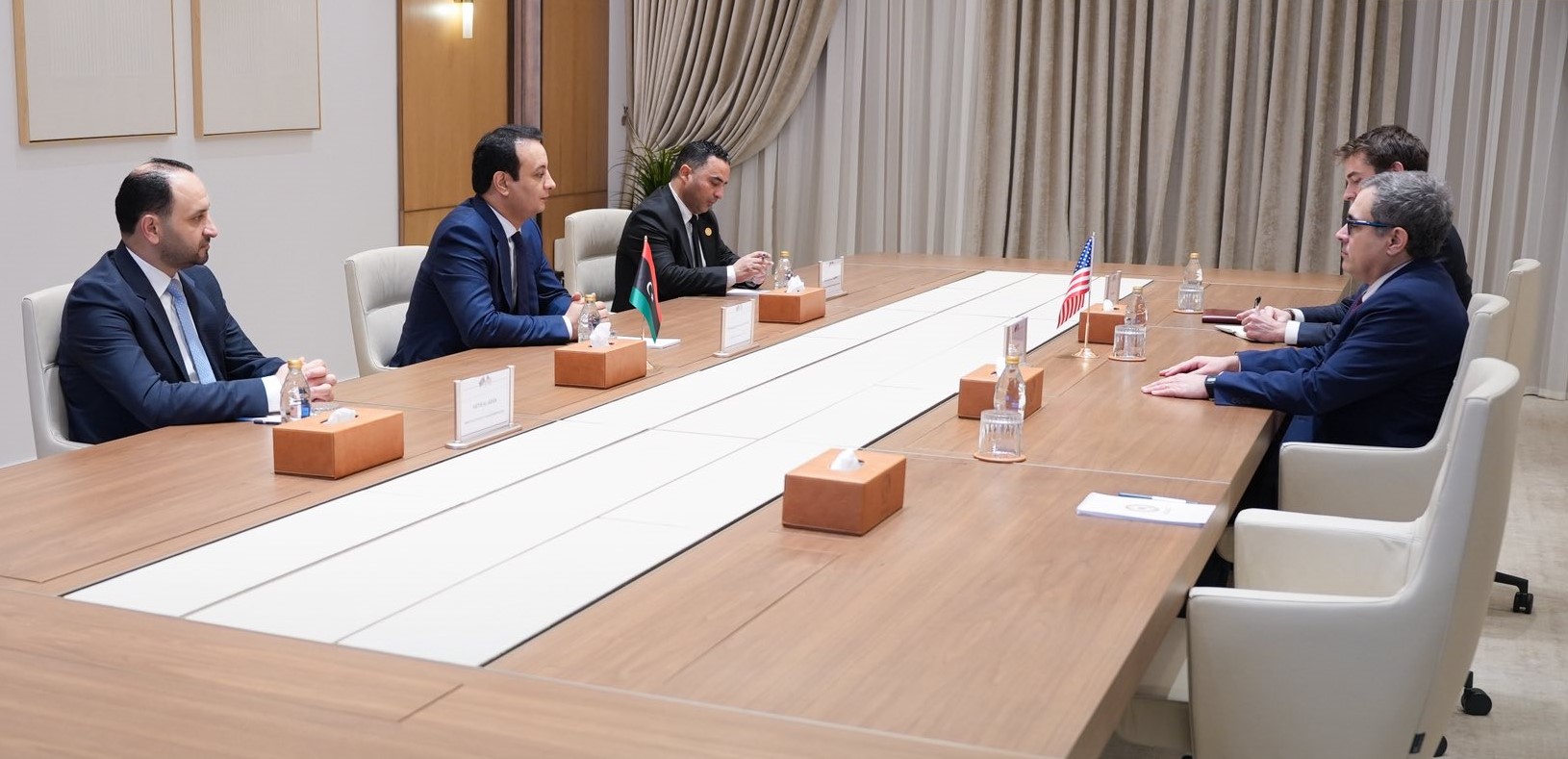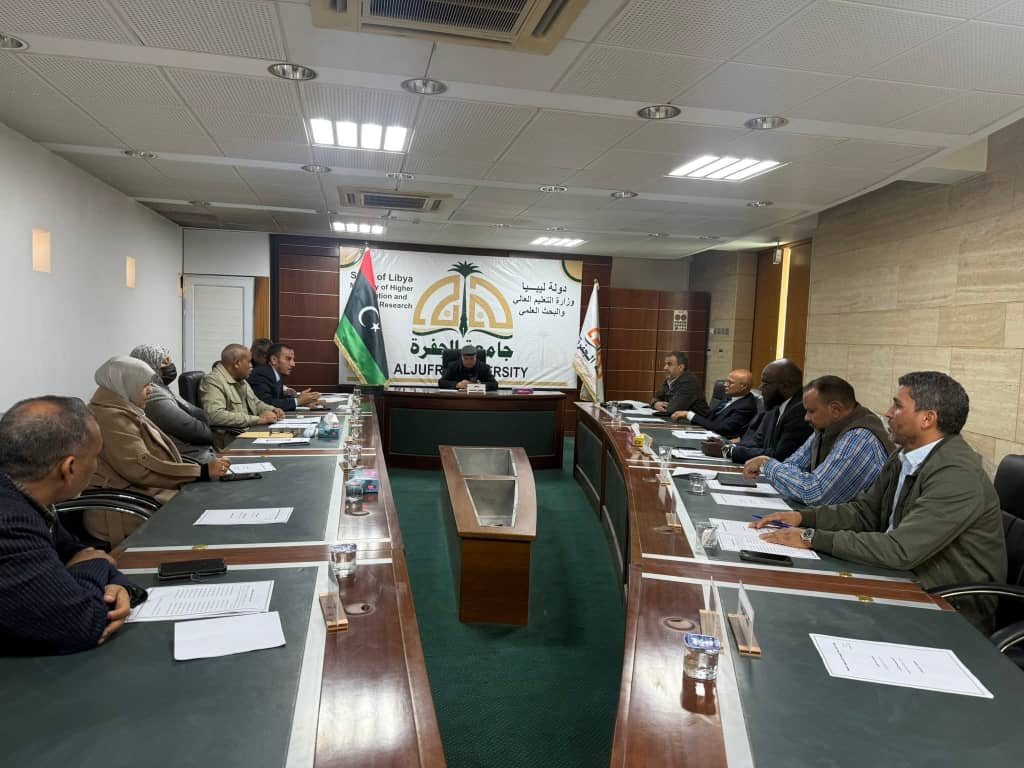
Tripoli, December 30, 2025 – A meeting held today, Tuesday, discussed mechanisms for implementing national goals to develop the telecommunications sector and improve the quality of digital services in Libya.
During the meeting, which was attended by a number of relevant department directors from both sides, the importance of maximizing the use of available infrastructure to provide high-quality internet services for citizens and institutions was emphasized. The strategic role of the national infrastructure operator in supporting priorities to achieve a sustainable digital transformation, in line with the national strategic plan for communications, was also highlighted.
Participants reviewed the contributions of technical departments on topics related to fiber optic network services. This included reviewing and setting prices for leasing fiber pairs on the main network and access networks to ensure service competitiveness and stability. The two sides also discussed ways to enable the private sector to invest in deploying Fiber-to-the-X (FTTX) networks on access networks, which would contribute to expanding coverage and increasing internet capacities.
It was stressed that ensuring the continuity of services provided to internet service providers without interruption is essential. Mandatory prior coordination before any technical action that could lead to service interruption was directed, to maintain the stability of digital services for users and public and private institutions.
The meeting concluded by affirming that these regulatory measures aim to strengthen the partnership in accordance with the requirements of the national strategic plan, to provide a reliable communications environment that supports the national economy and meets the needs and aspirations of citizens.