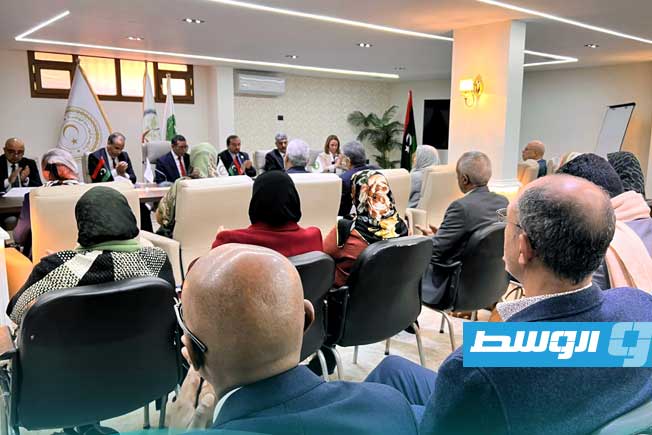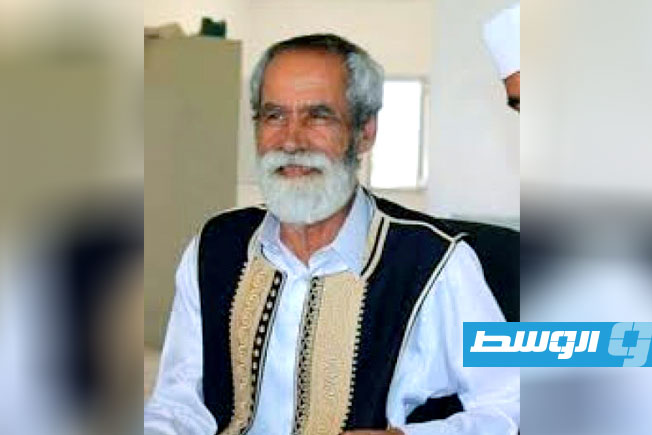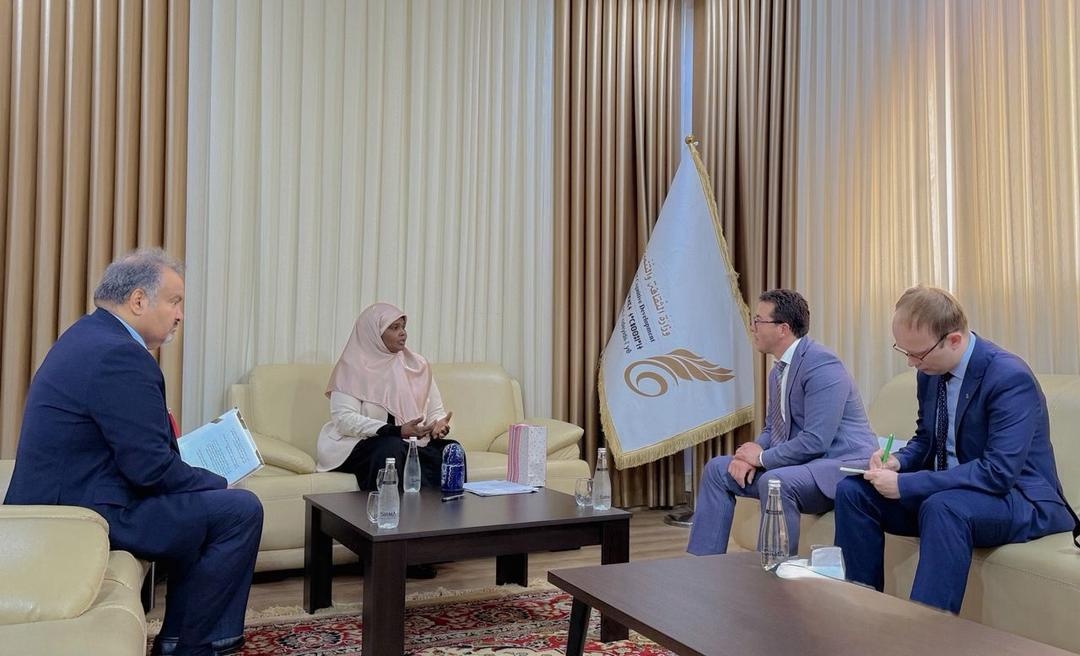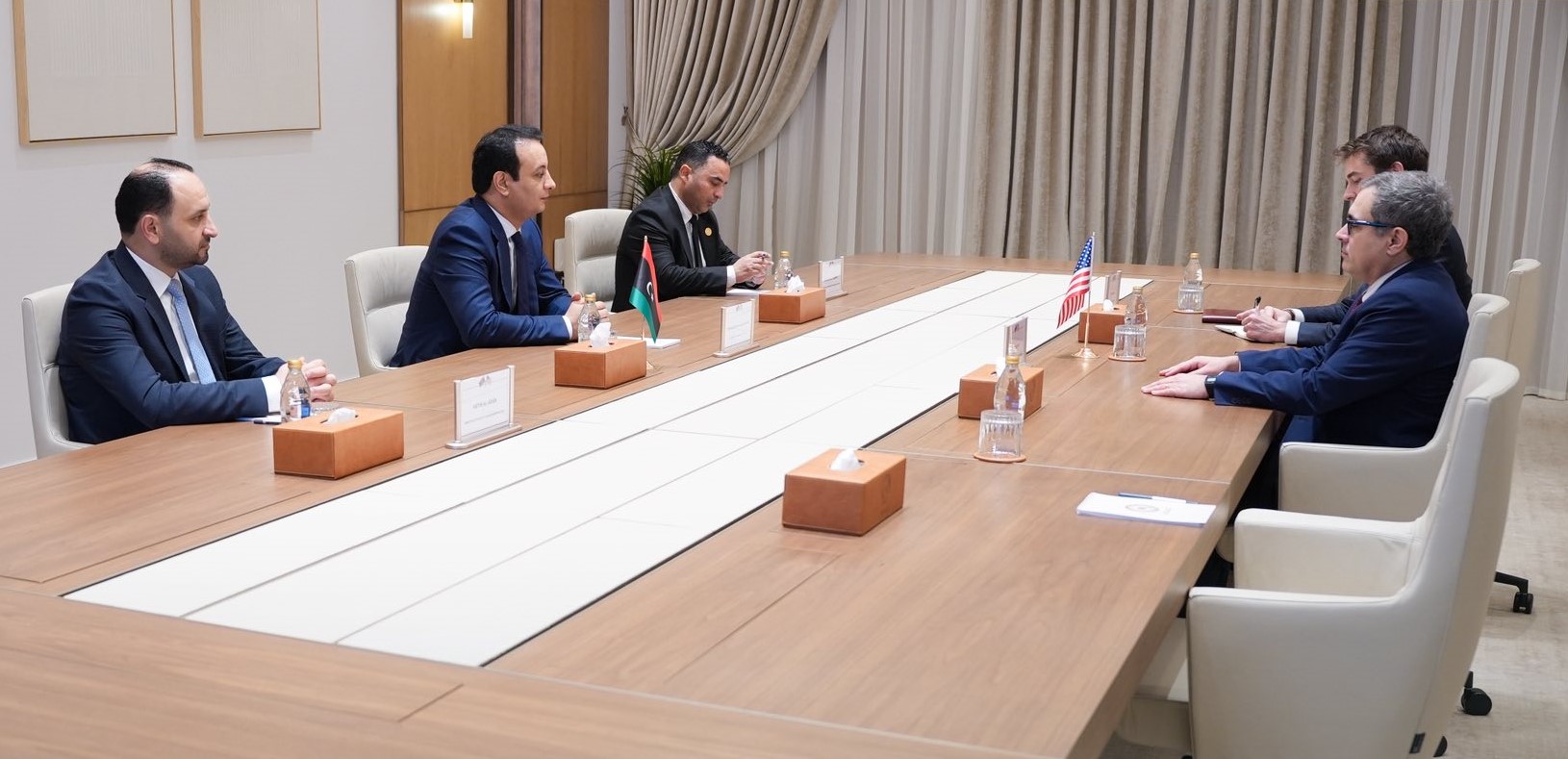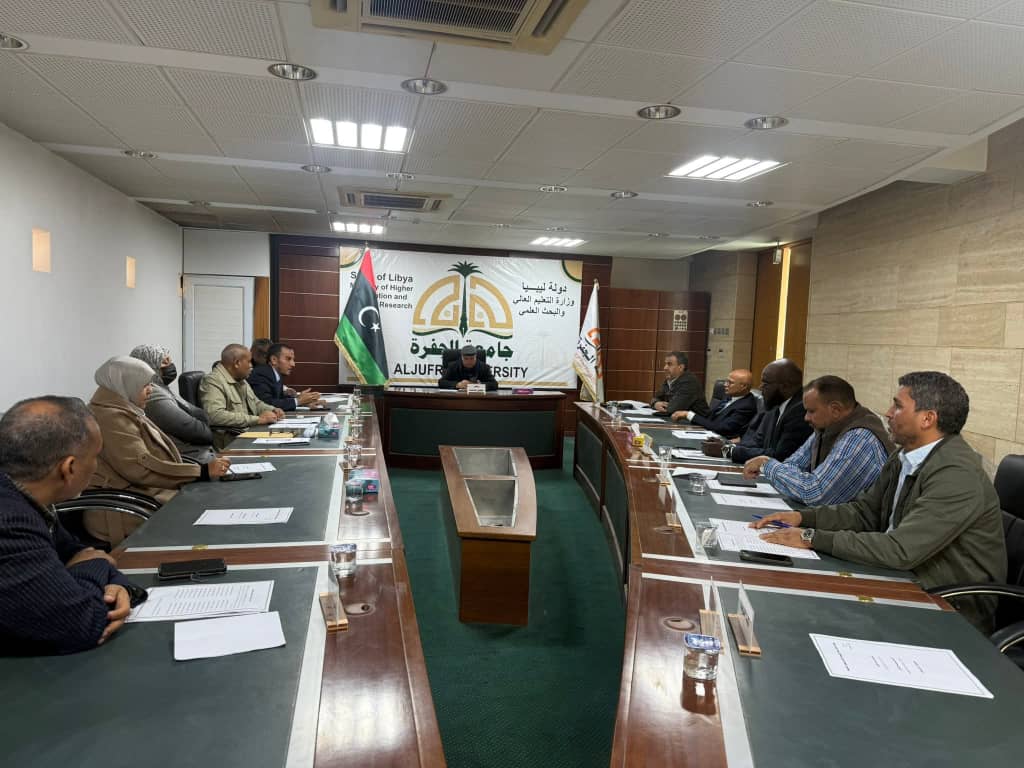

Tripoli, December 31, 2025 – The General Assembly of the Supreme Court expressed its deep regret and strong condemnation of the position taken by the President of the House of Representatives, Counselor Aguila Saleh, towards the judicial authority in the country, represented at its highest level. It denounced the unjust attack on the professional reputation of its President and the false accusations of bias and lack of integrity, describing this as a dangerous precedent, according to a statement issued by the Assembly following its extraordinary meeting on Wednesday.
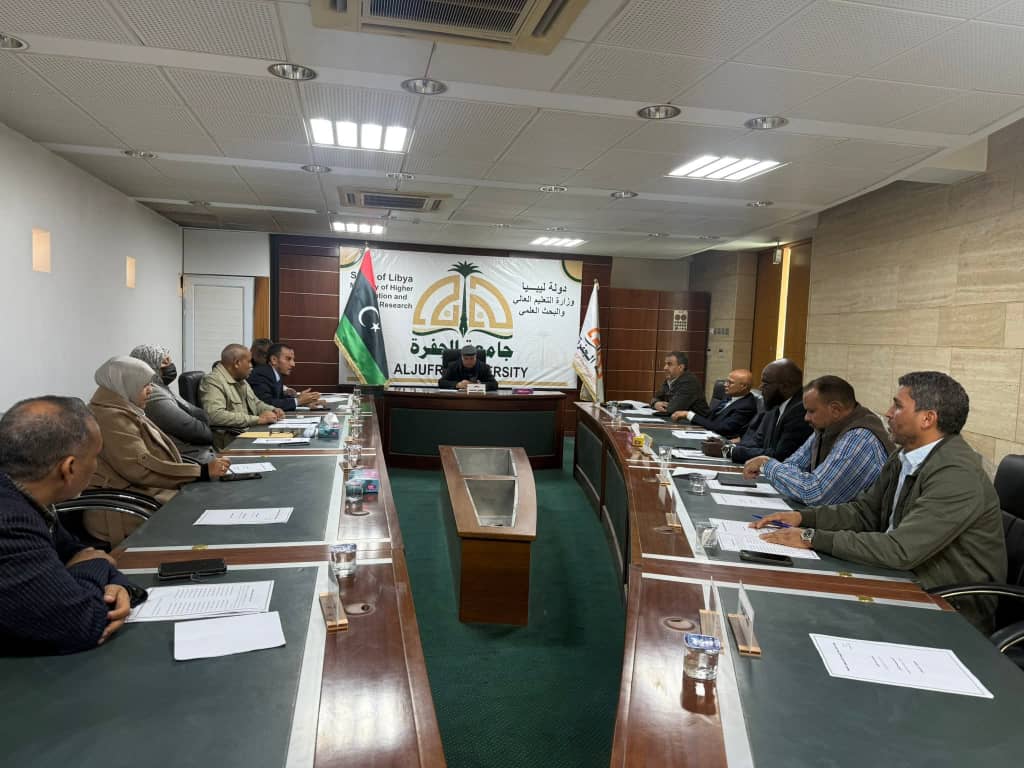
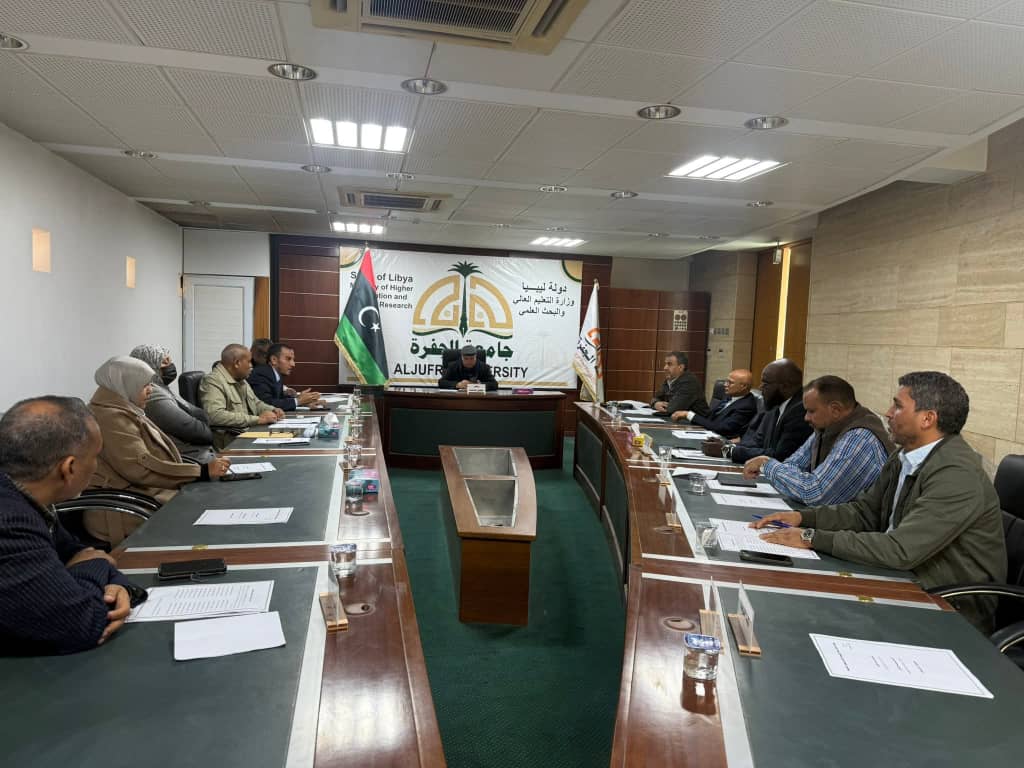
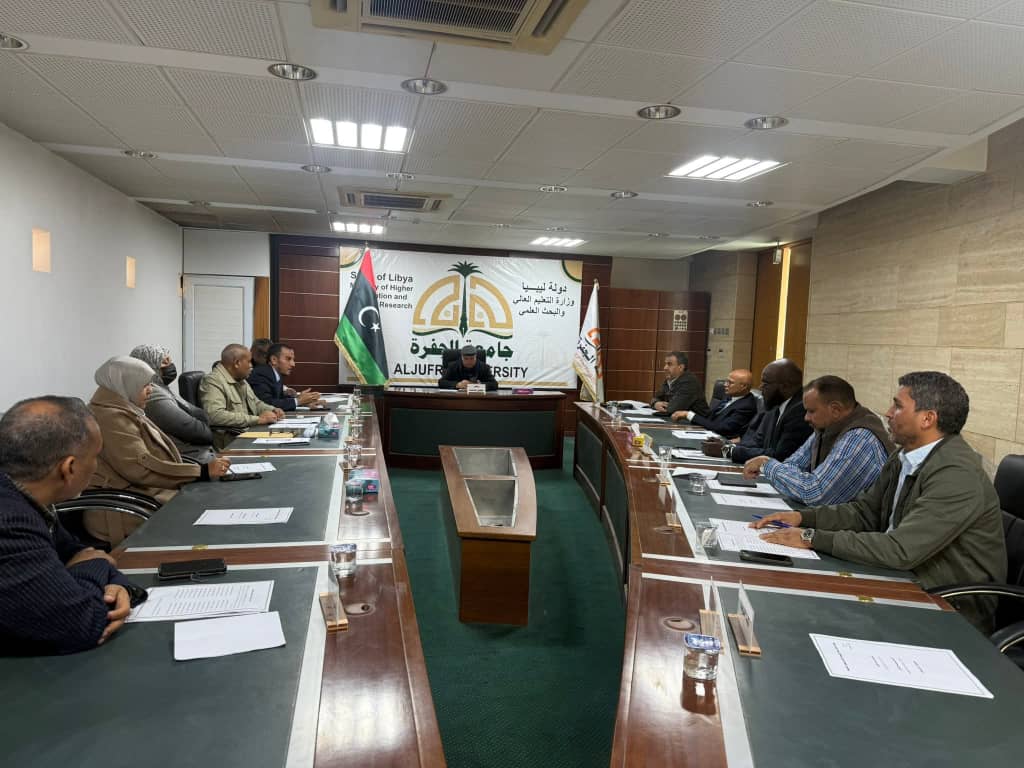
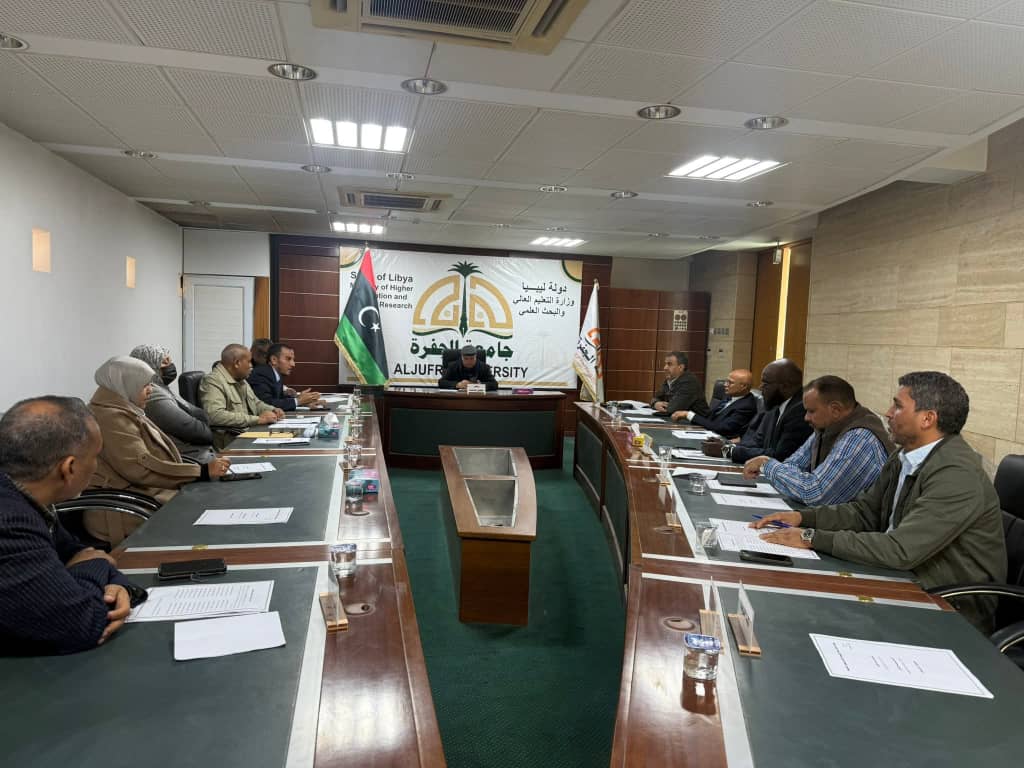
The statement indicated that after reviewing the speech delivered by the President of the House of Representatives during the Council’s meeting the day before yesterday, Monday, the Supreme Court, as the pinnacle of the judicial authority, represented by its General Assembly composed of all its counselors, convened today with all its members under the presidency of the Court’s head. This extraordinary meeting was necessitated by the assault from the President of the House of Representatives against it and his targeting of the entire judicial authority bodies, to enlighten citizens, as the sovereigns, about the true facts of the matter.
The General Assembly of the Supreme Court expressed its appreciation for the precise responsibility of the House of Representatives regarding its mandate to legislate for the transitional phase within the framework of controls set by the Constitutional Declaration and the Libyan Political Agreement (Skhirat). It noted this in light of the Supreme Court’s jurisdiction over the constitutional review of laws, to preserve the rule of law within the framework of respecting the principle of separation of powers and safeguarding judicial independence.
The statement said it is now well-established in the jurisprudence of the Supreme Court that the House of Representatives, under the Constitutional Declaration and during the transitional phase, is a temporary authority under the constitution. It has outlined its agenda, limiting its legislative mandate to the requirements of the phase to ensure accelerating the transition to the permanent phase, avoiding exhausting its energies elsewhere.
The statement added that the judicial authority in the country, headed by the Supreme Court, is an established authority untouched by the revolution or any prior change or alteration. In accordance with the principle of “the continuity of state institutions after the revolution,” the Constitutional Declaration placed the regulation of its affairs outside the jurisdiction of the temporary legislative authority. Therefore, the President of the House of Representatives, by targeting it today, is engaging in a prohibited act contrary to the provisions of the constitution.
The Assembly added in its statement that establishing a constitutional court is a constitutional matter to be decided by the country’s constitution, not by the legislative authority, especially since this authority is temporary with limited competencies within the framework required for the transition from revolution to stability.
The statement said that labeling the Supreme Court as a “Court of Cassation” by the President of the House of Representatives, his criticism of its judiciary, and the denial of its authority constitute an overstepping of the limits of power. It represents a disregard for judicial rulings and their sanctity, thereby undermining the pillar of justice, seriously violating the principle of separation of powers, threatening its legitimacy, and potentially aborting the goal of the phase, dragging the country into the dangers of legal chaos, authoritarianism, and illegitimacy.
The statement continued that the claim that the Supreme Court is solely dedicated to reviewing the constitutionality of laws, and the implication that it is involved in political work, is contrary to the truth. It pointed out that the Supreme Court, in compliance with its judicial function and commitment to its national duty and historical responsibility, allocates due time and effort to each of its functions. Its constitutional review is but one of its duties, just as its supervision over lower courts is another; the first safeguards constitutional legitimacy, and the second ensures the unification of legal interpretation and its correct application.
The Assembly affirmed that the allegation that the Supreme Court rules all laws issued by the temporary House of Representatives as unconstitutional is a false claim, contradicted by the reality known to all and refuted by statistics and judicial records available to everyone. These show that the Court’s rulings in constitutional appeals vary between lack of jurisdiction, inadmissibility, confirmation of dismissal, rejection, and unconstitutionality. The number of laws the Court has ruled unconstitutional does not reach ten out of the total legislation issued by the House of Representatives over 11 years, according to the statement.
The statement pointed out that the Supreme Court and its President are not adversaries to any party in the appeals they adjudicate. It said that to achieve the principle of publicity in the broadest sense, it does not stop at merely ruling on constitutionality or unconstitutionality. Instead, a published legal reasoning precedes the verdict, deliberately detailing and substantiating to enlighten