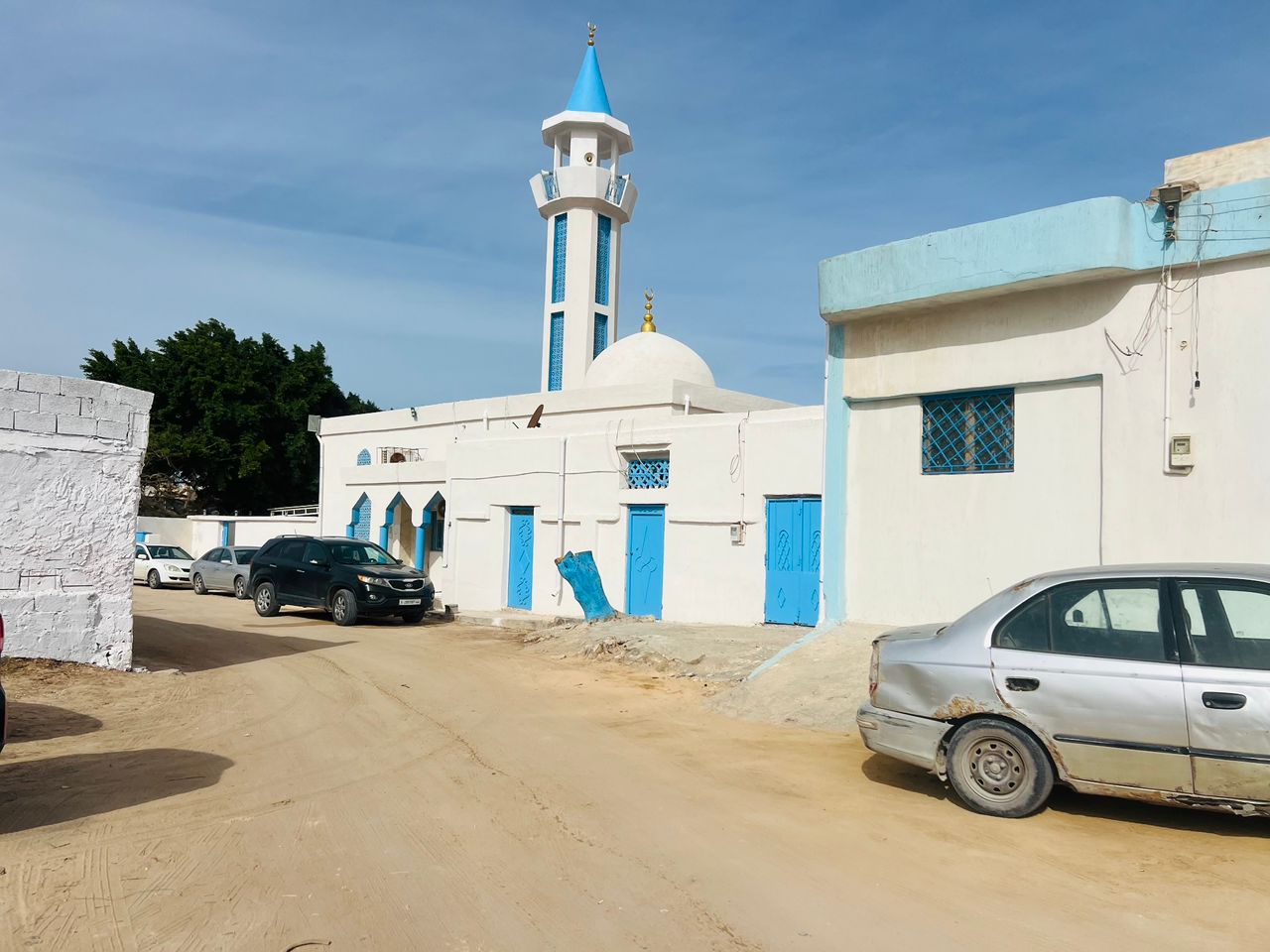
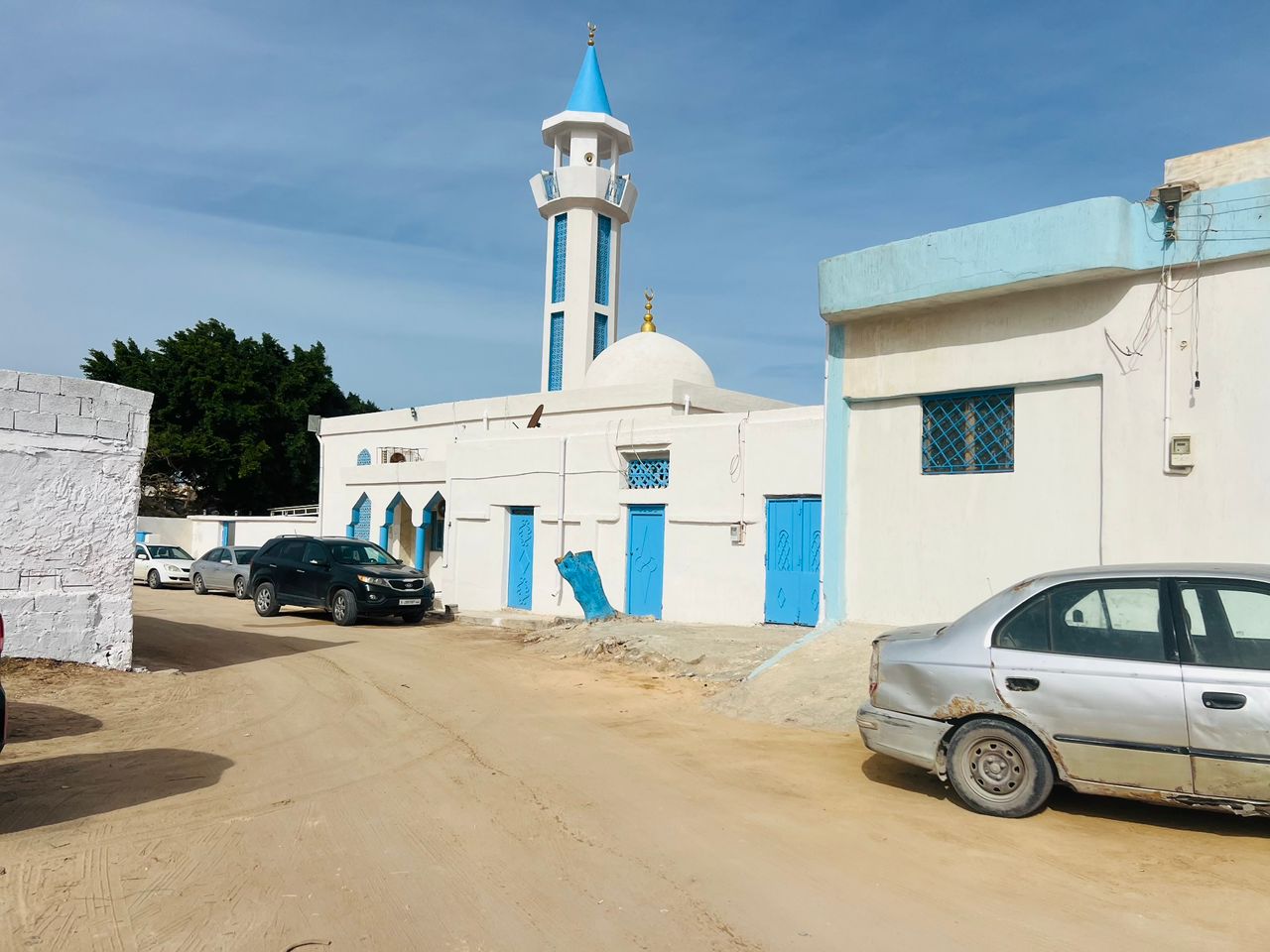
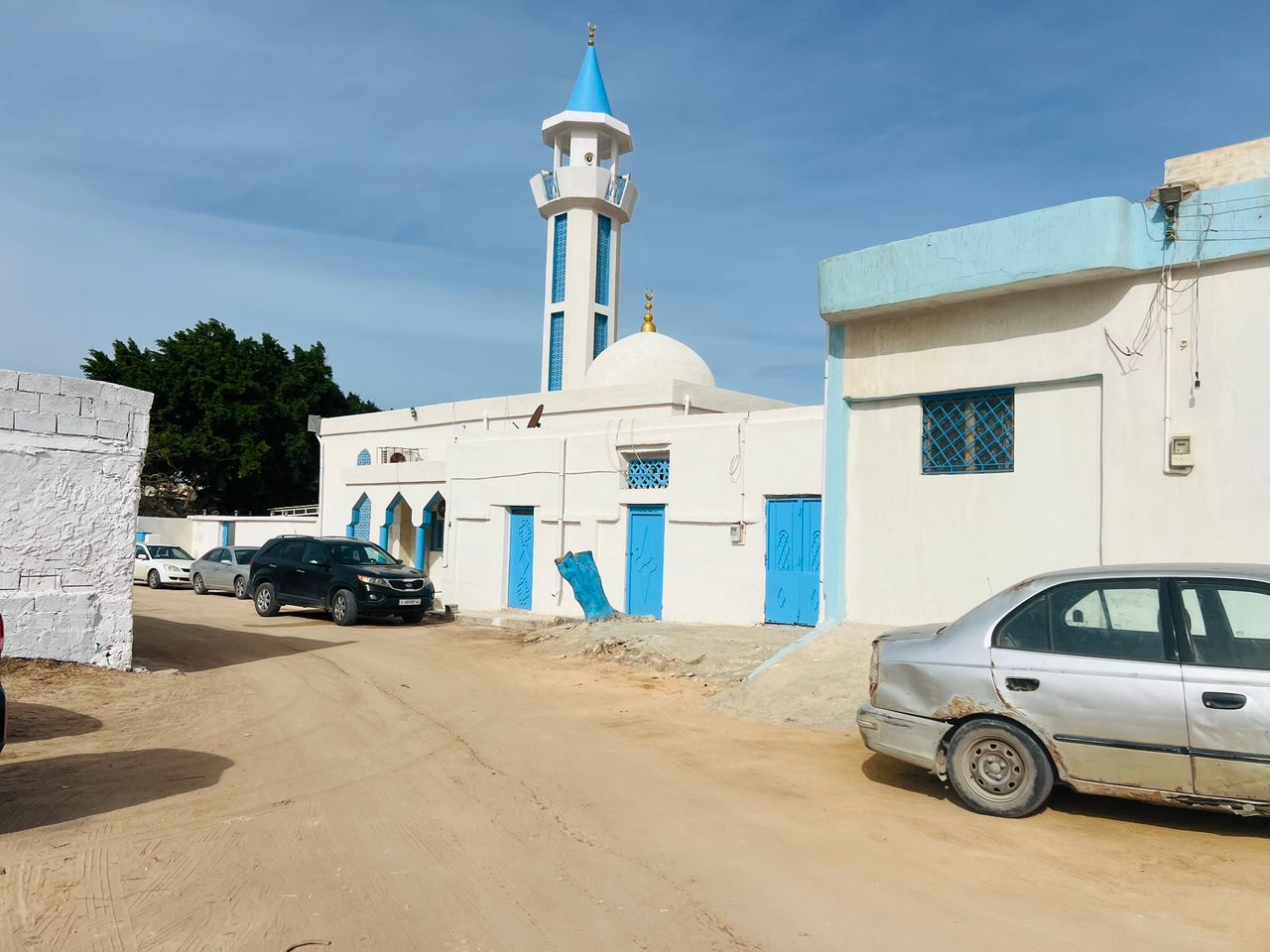
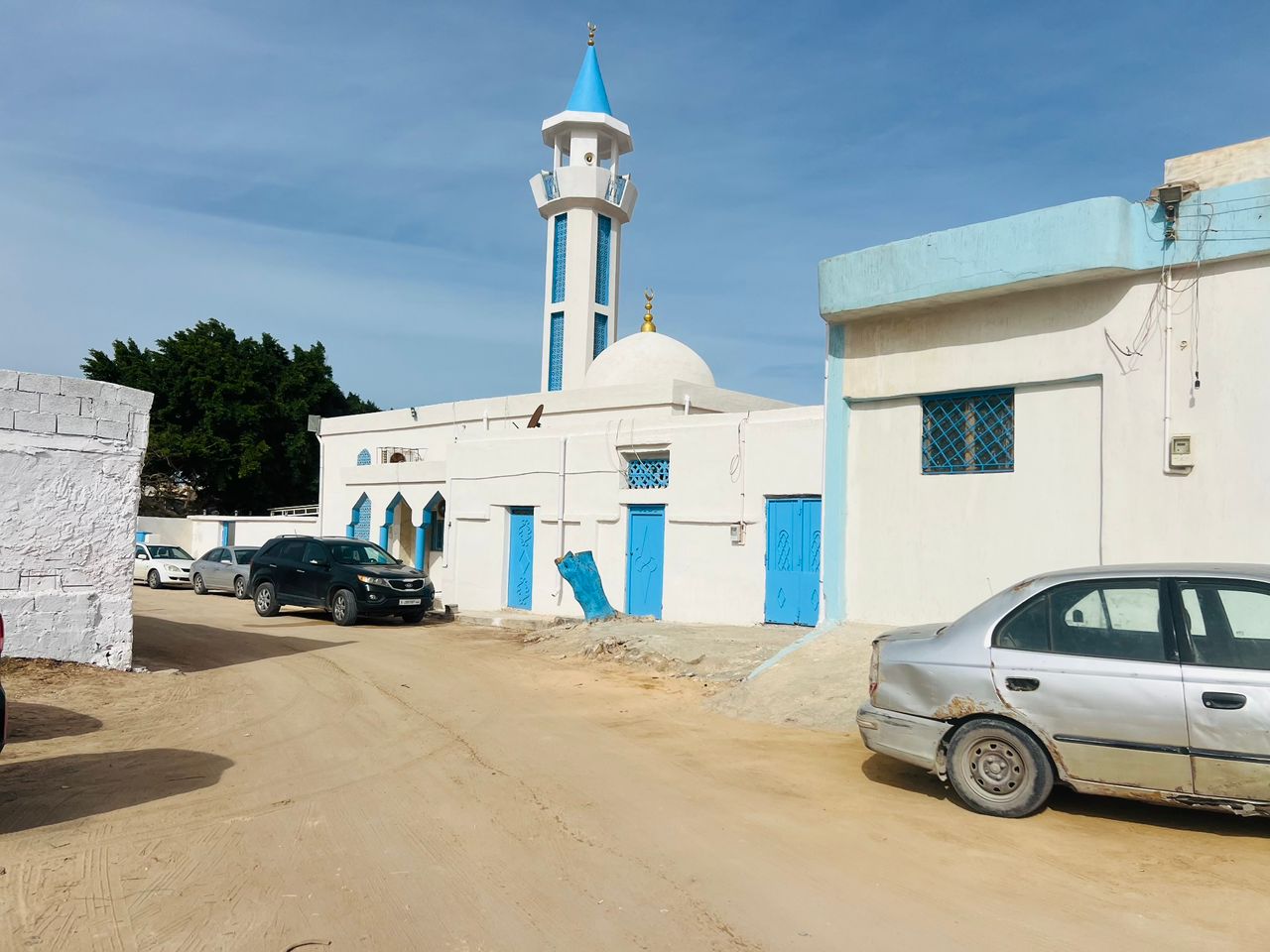
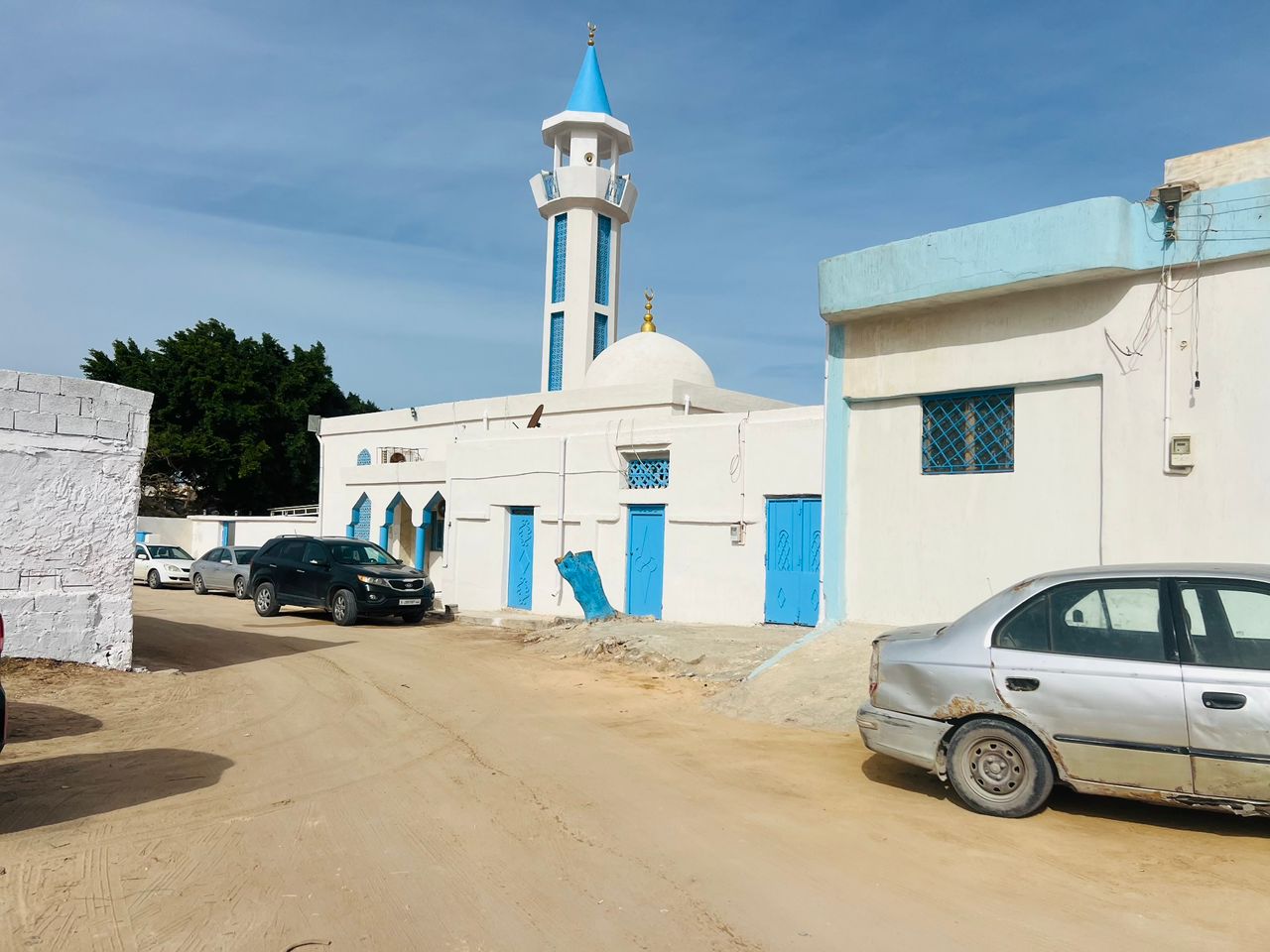
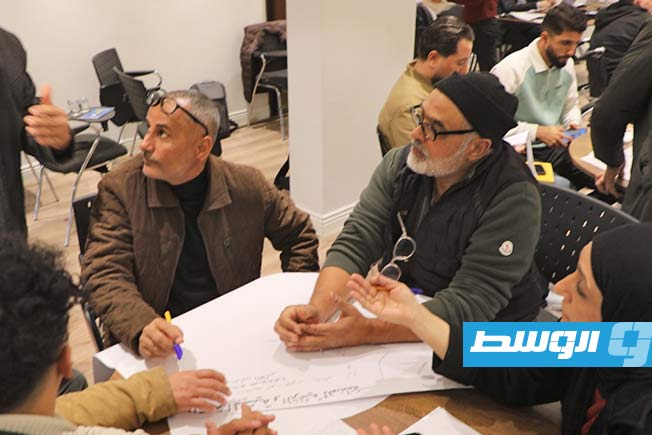
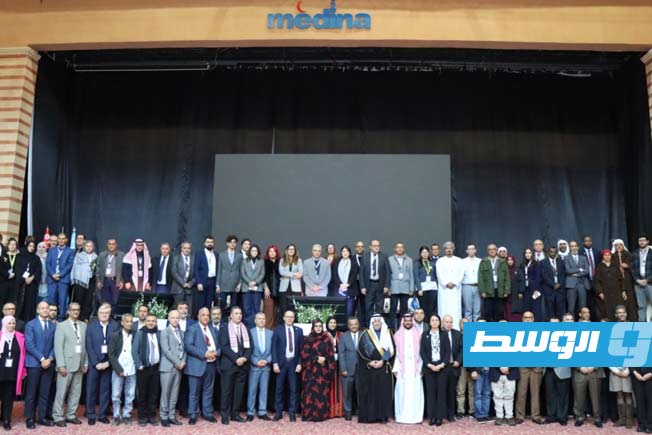
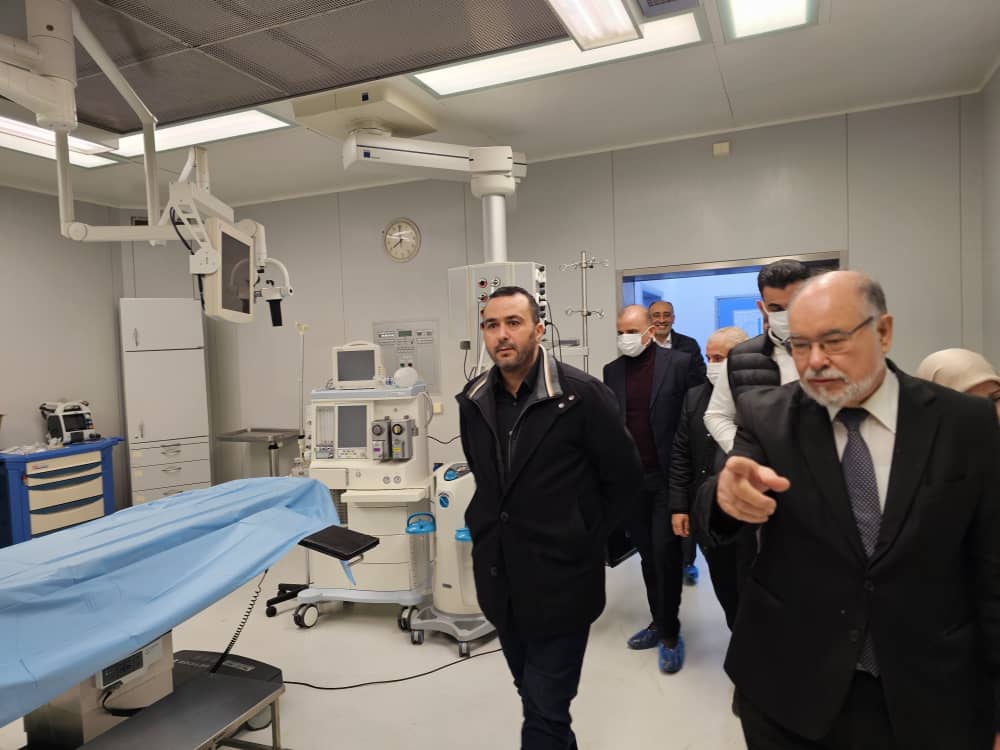
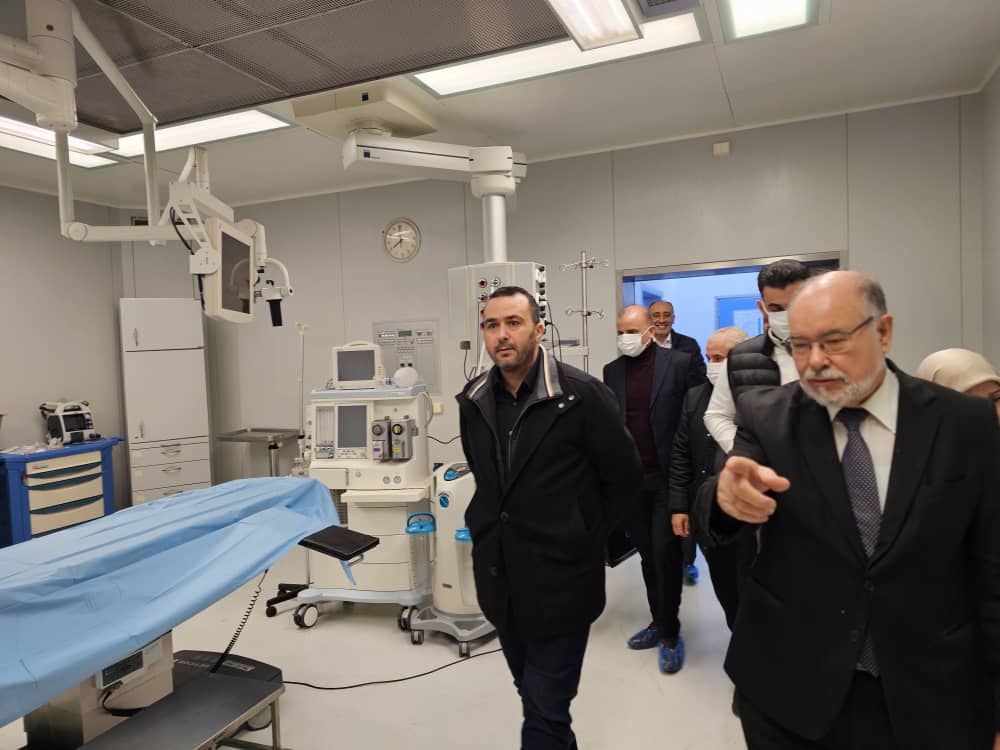
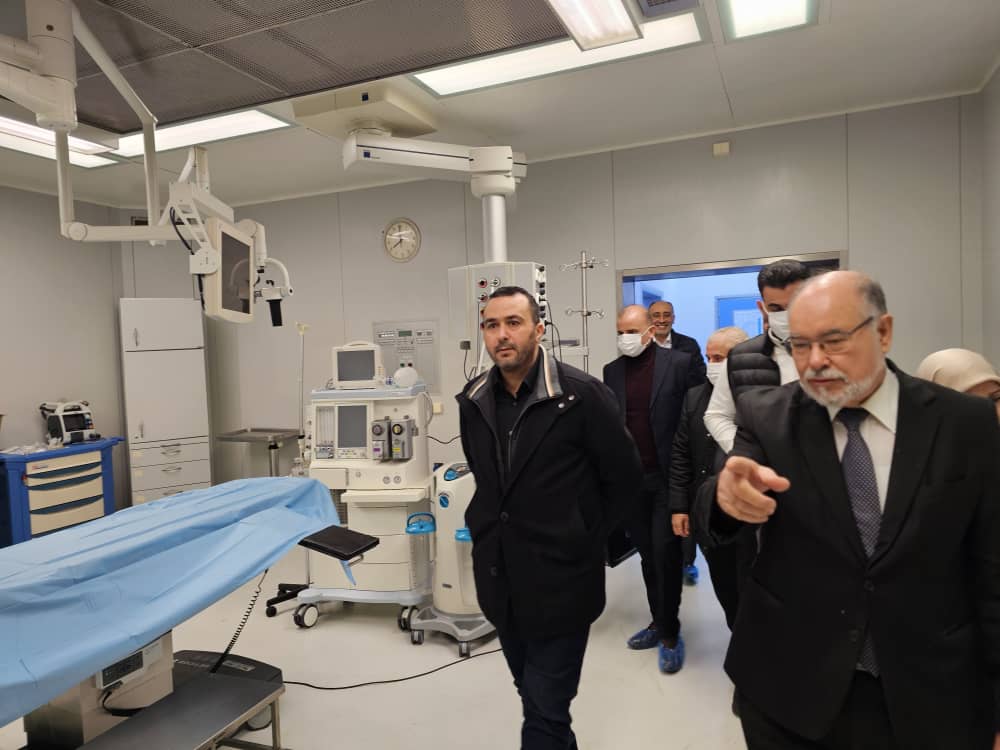
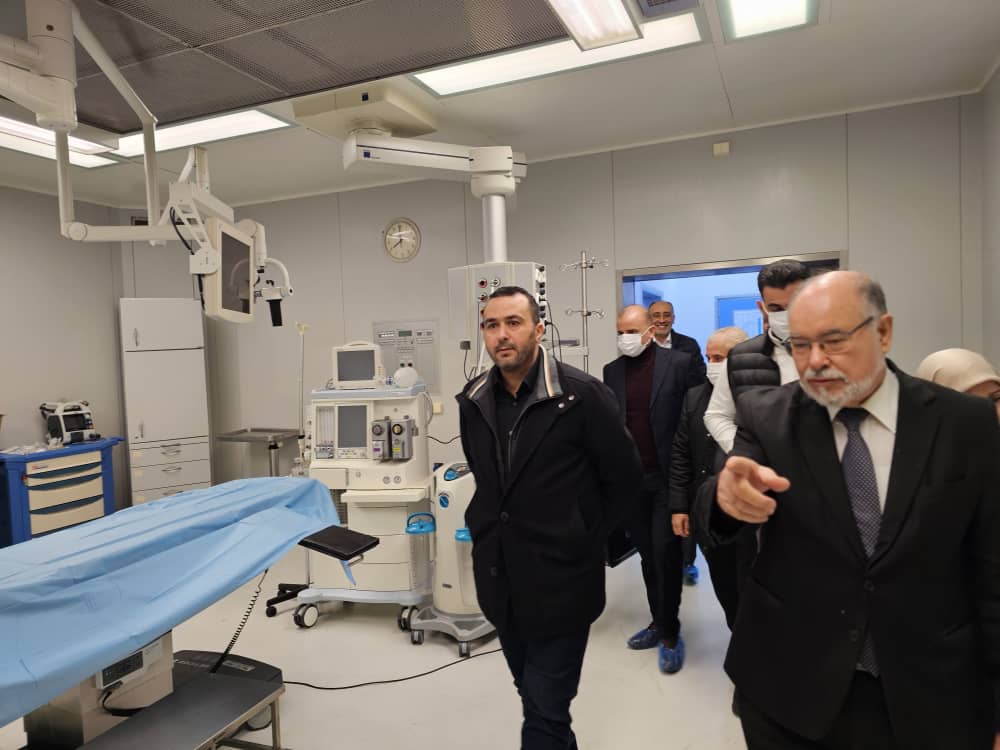
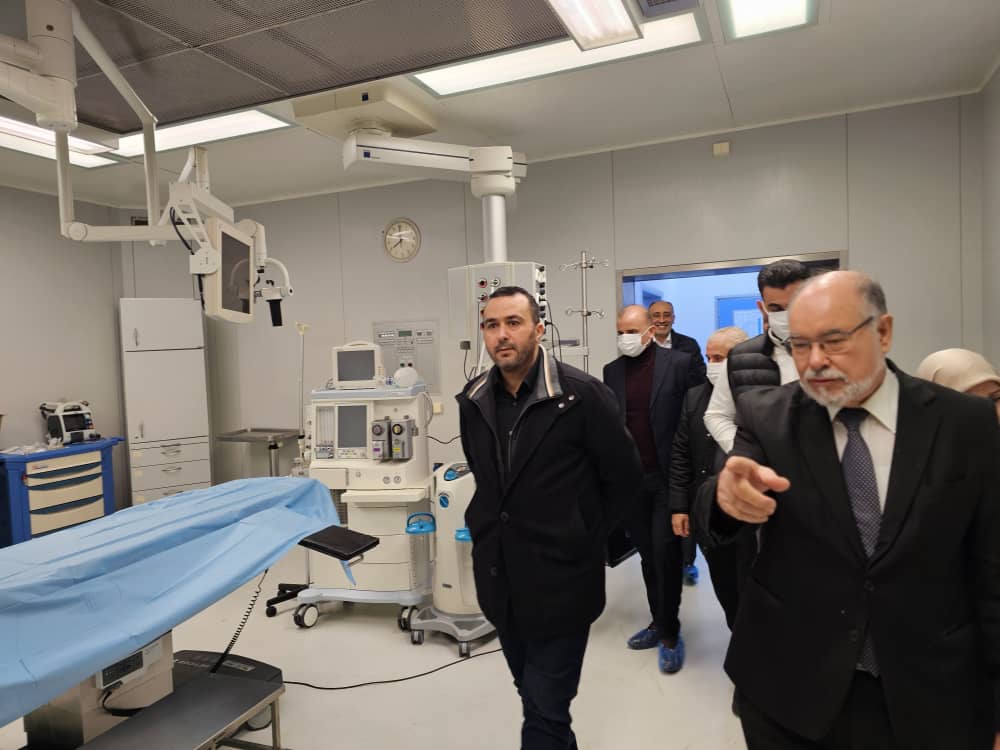
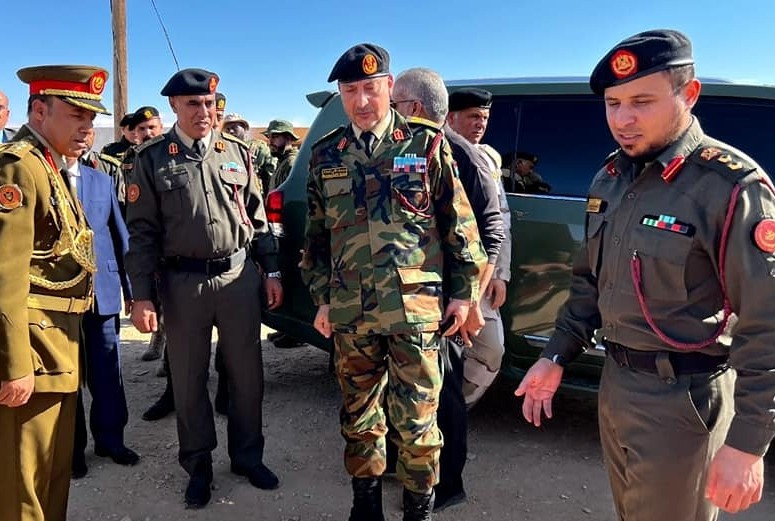
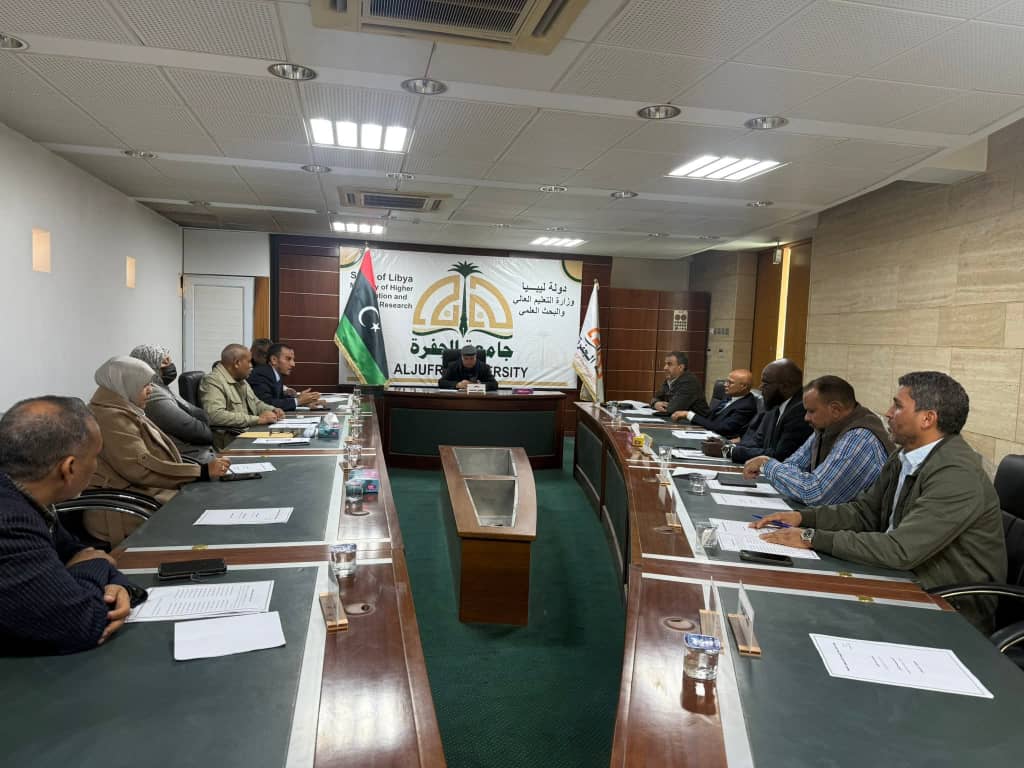
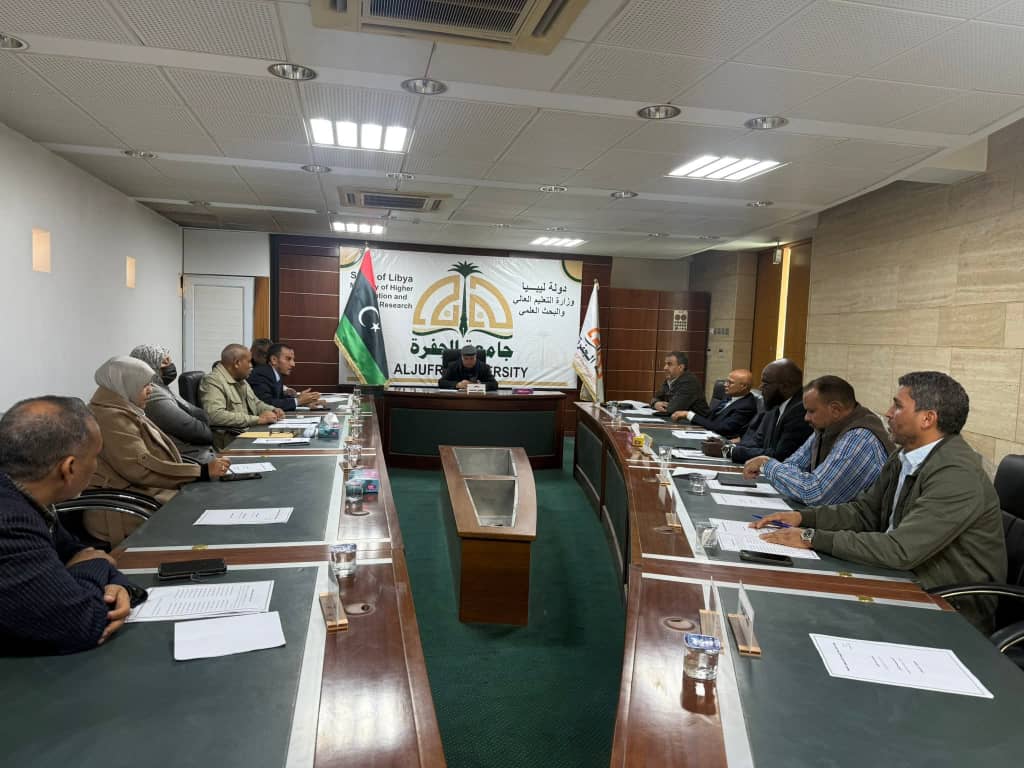
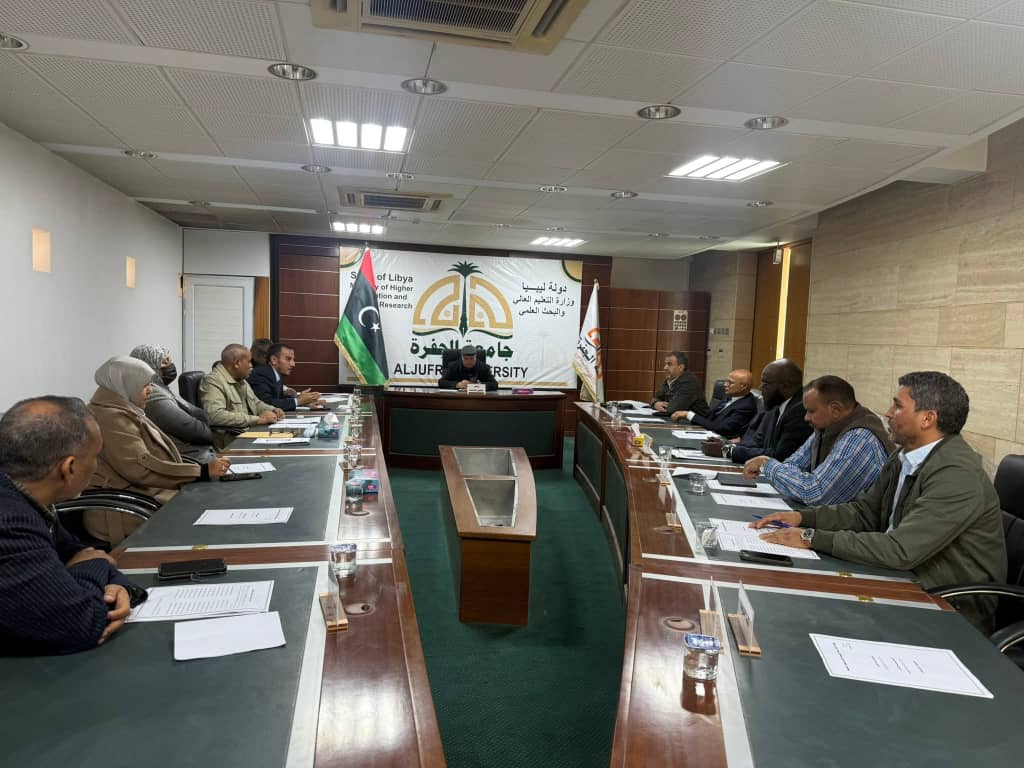
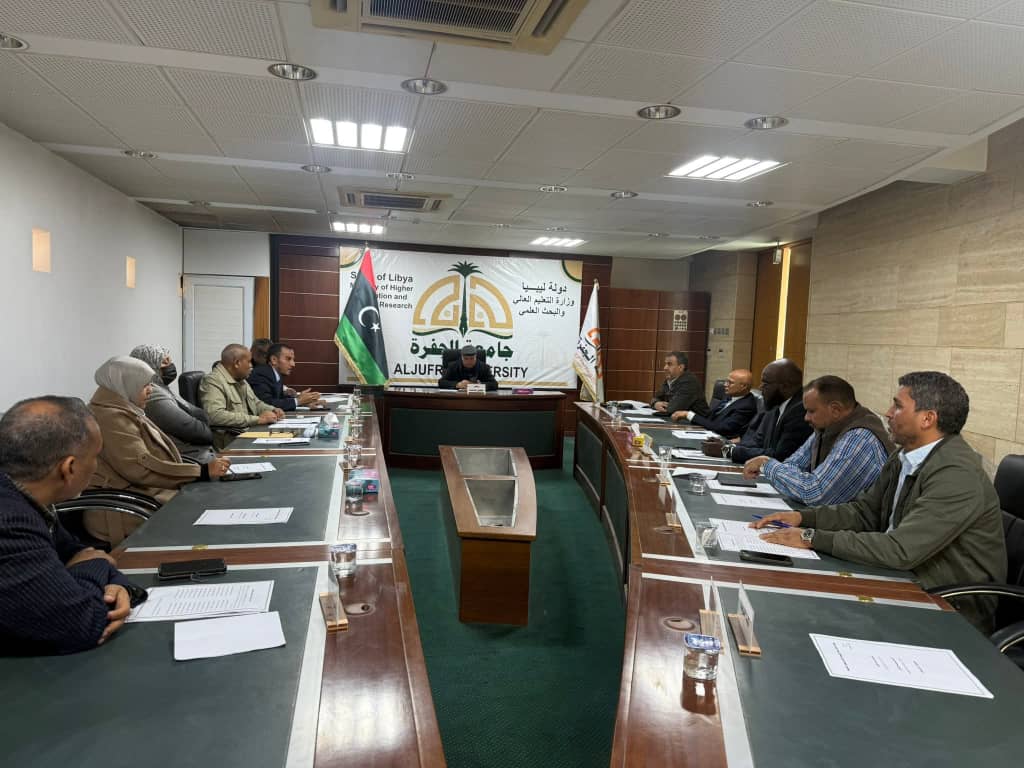
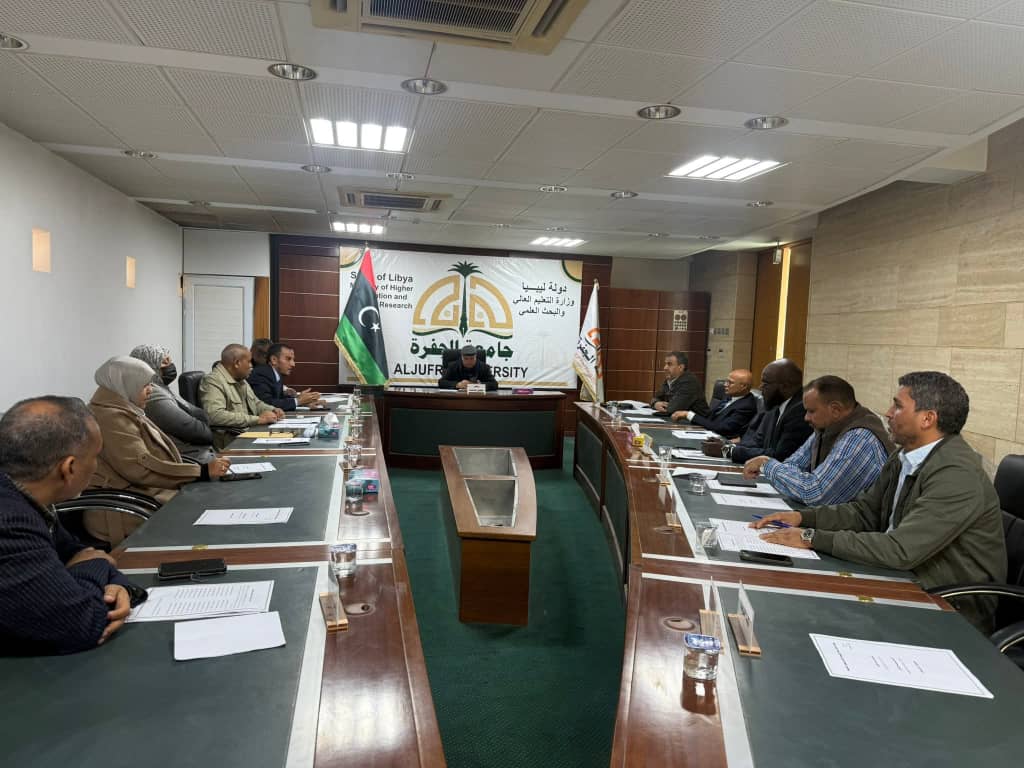
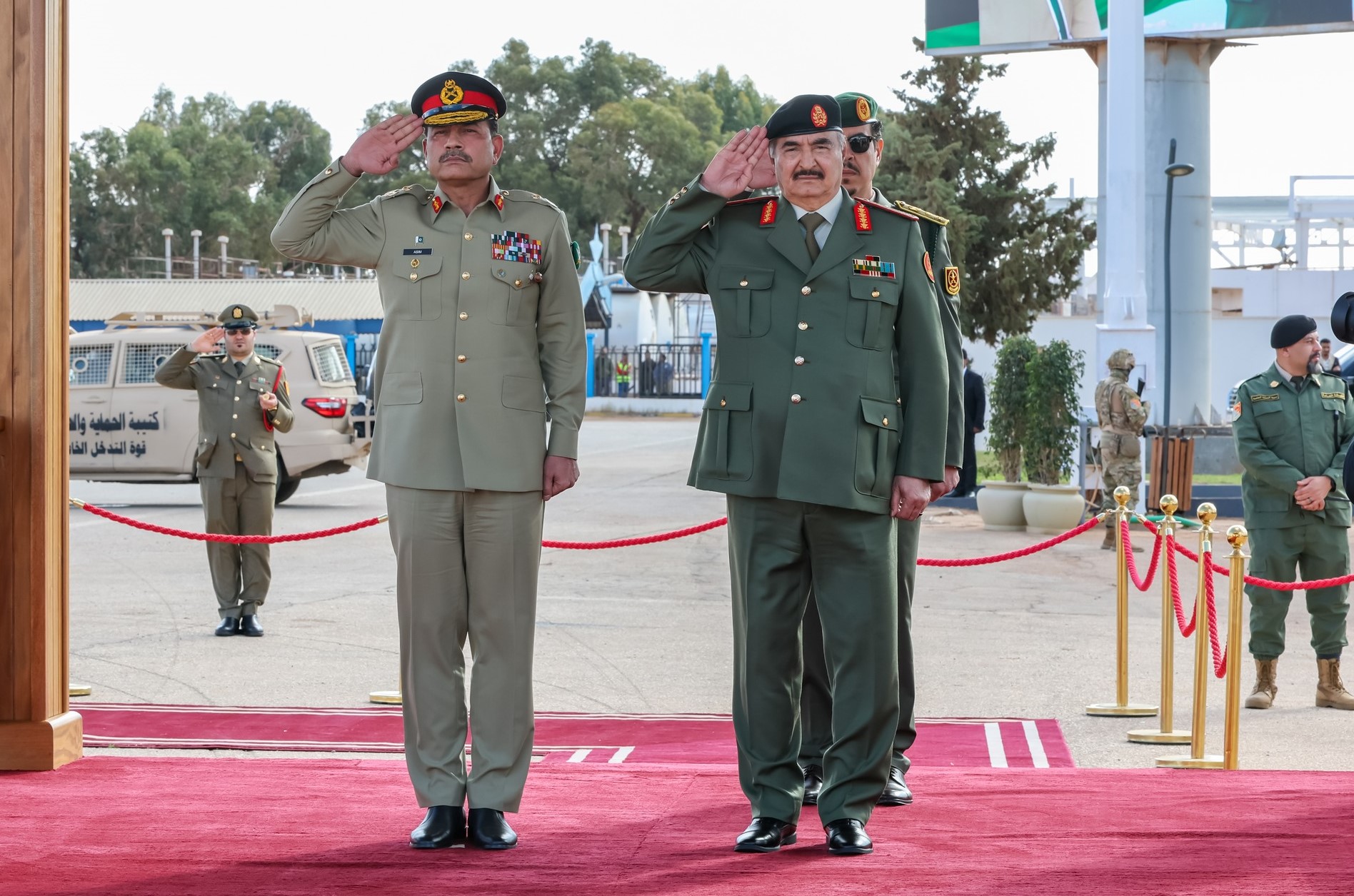
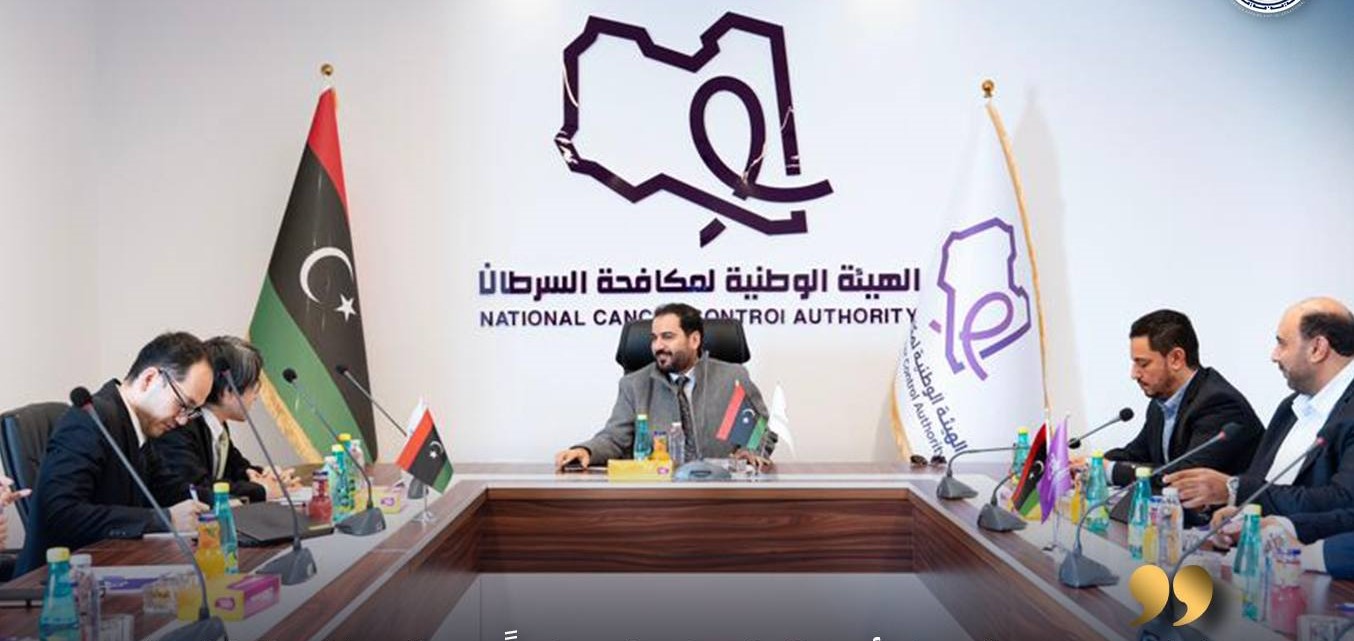
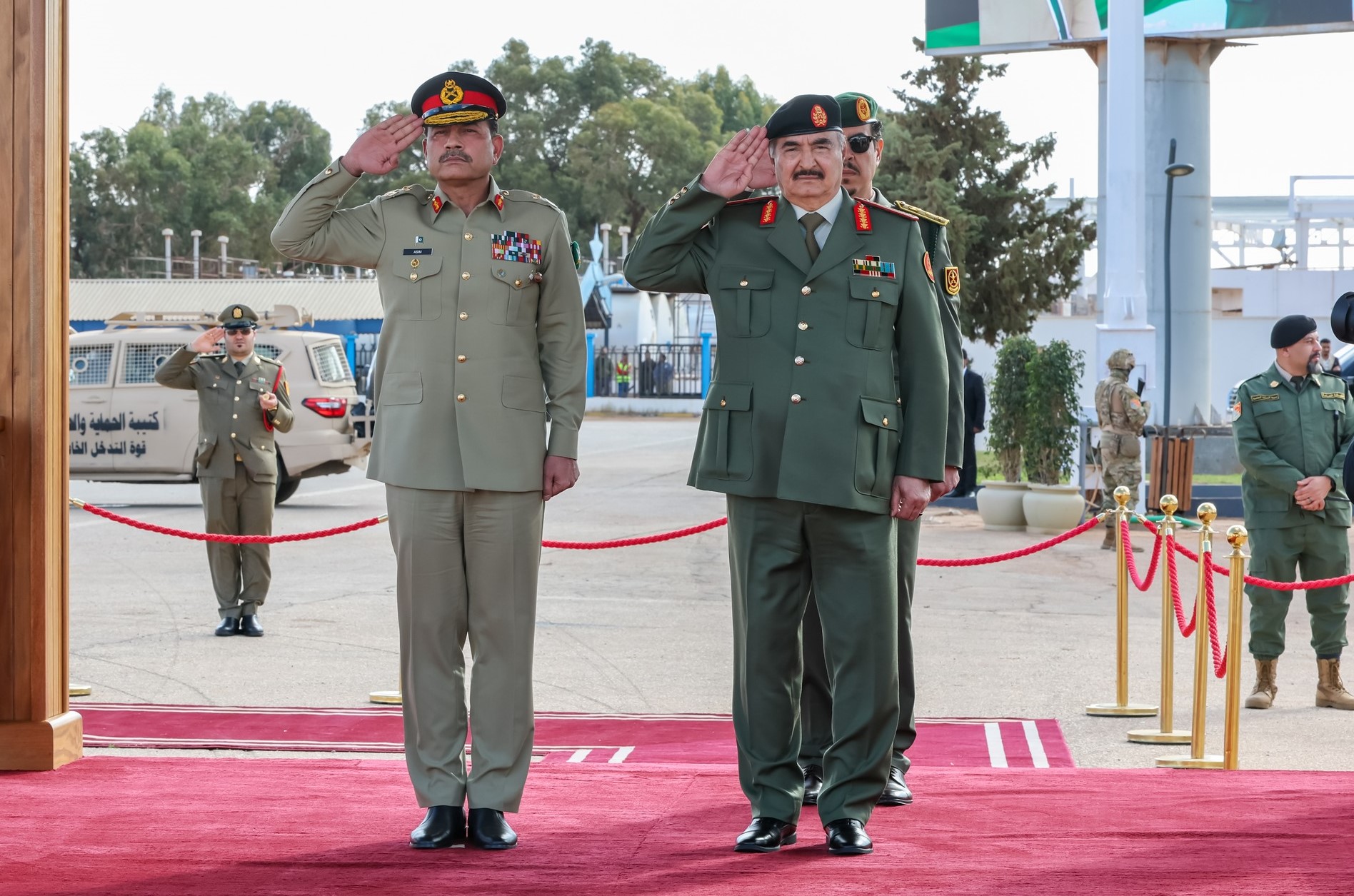
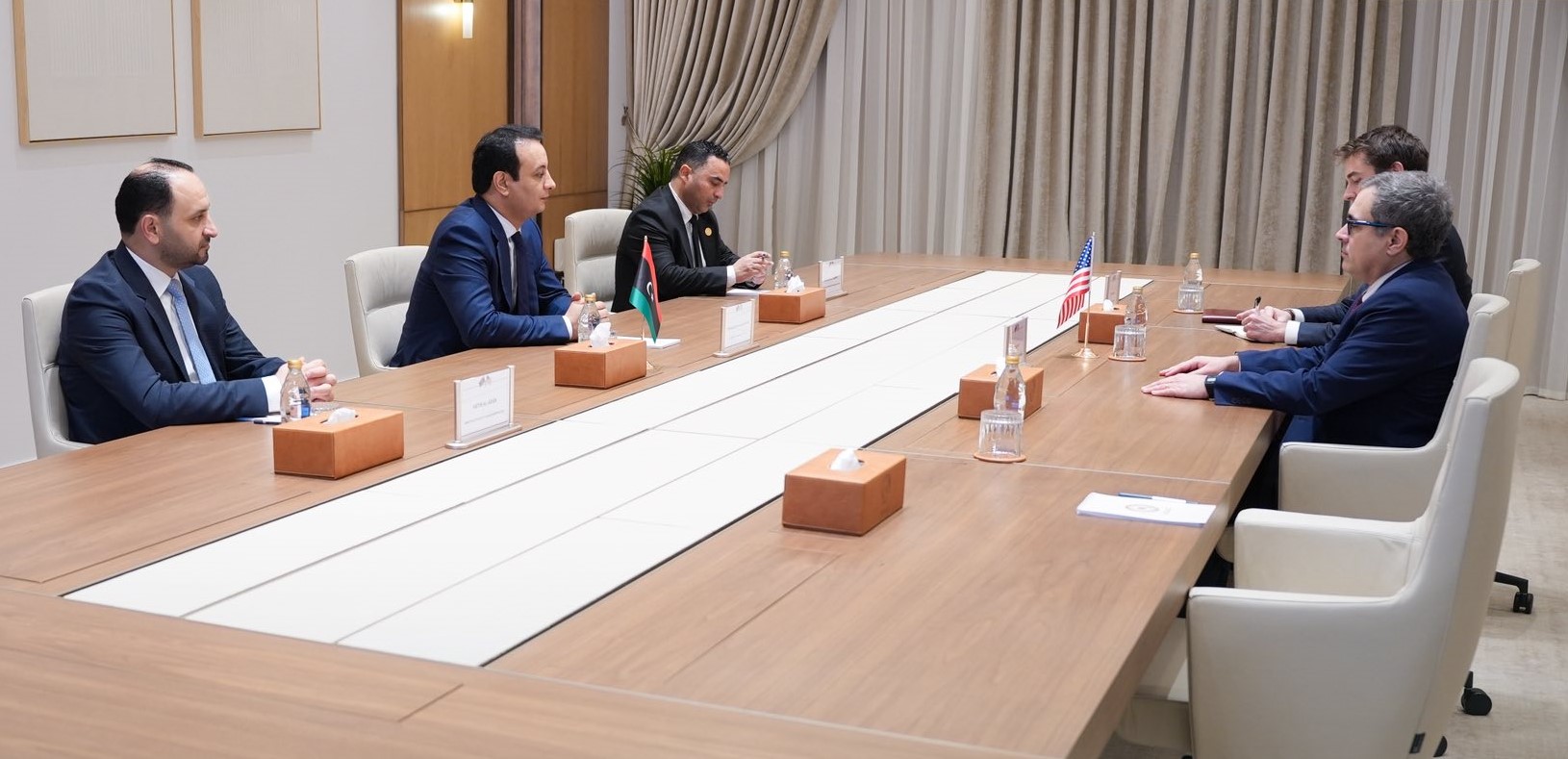
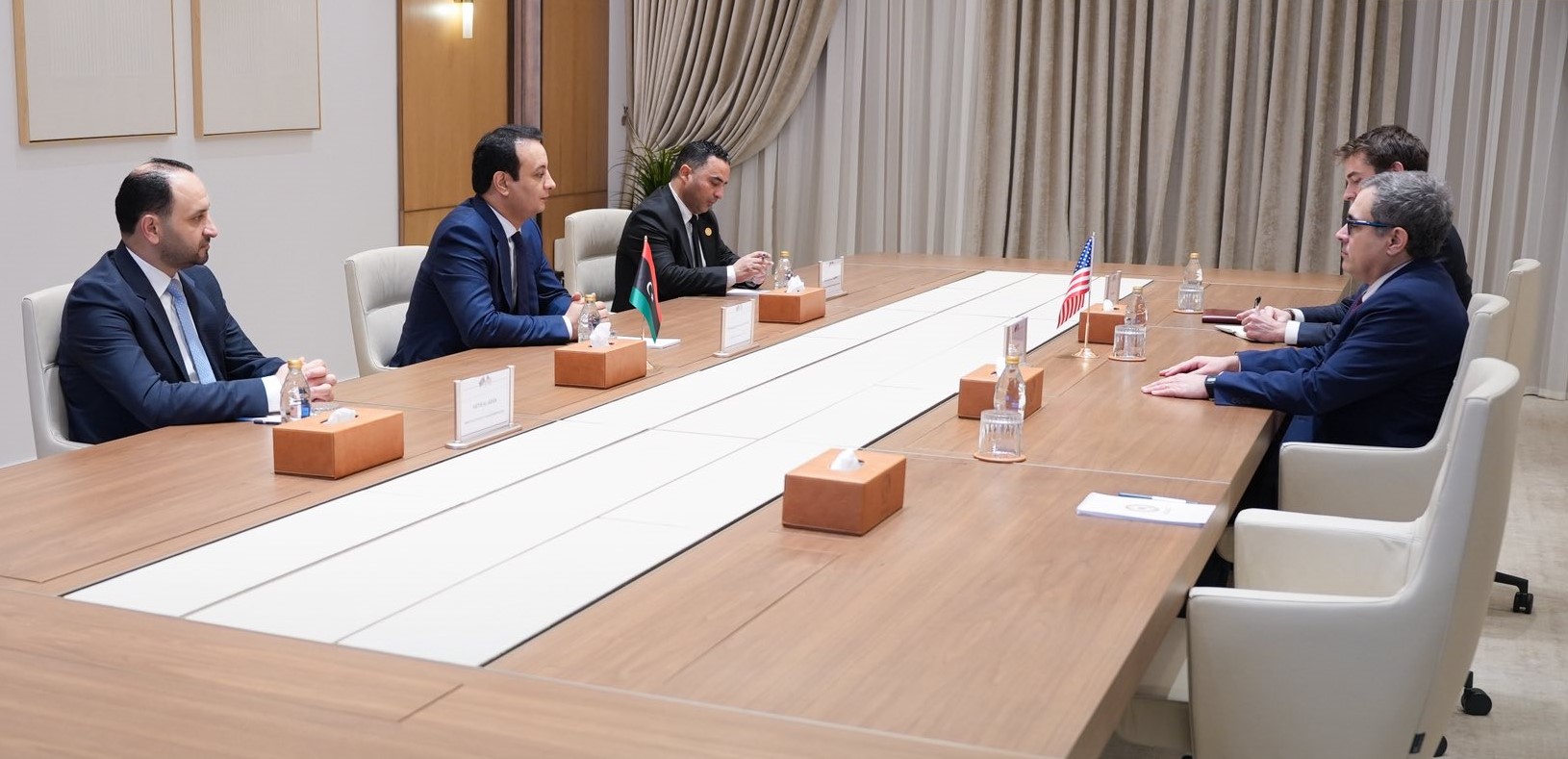
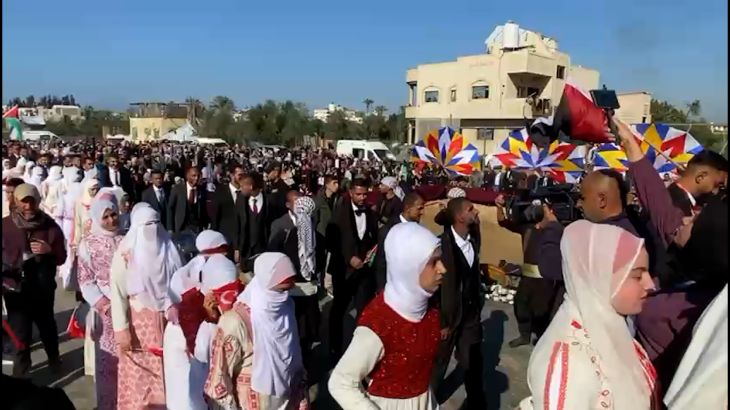
Zawiya, January 29, 2026 – The President of the Presidential Council met today, Thursday, in the city of Zawiya with a broad spectrum of figures and components from the regions and cities of the Coast and the Western Mountain.
The meeting was attended by municipal mayors, security directors, security and military leaders, dignitaries, wise men, and sheikhs, along with representatives of civil society institutions, university professors, national elites, and neighborhood leaders. The attendance reflected the comprehensiveness of representation and the diversity of the participating groups in this inclusive national gathering.
During the meeting, he emphasized the established national status of the city of Zawiya and the regions of the Coast and the Western Mountain, and their active role in supporting the path of comprehensive national reconciliation, which aims to mend the rift, reunite, and unify ranks.
The President of the Presidential Council stated that Libya, starting from this ancient city, still believes in dialogue as an approach, in meeting as a path, and in partnership as a foundation for shaping the future of coming generations. This is inspired by the sacrifices of fathers and grandfathers in confronting colonialism, achieving independence, and raising the flag of the homeland united.
Zawiya
A zawiya is a Sufi religious lodge or school commonly found across North and West Africa, historically serving as a center for Islamic education, spiritual retreat, and community gathering. These institutions played a crucial role in spreading Islam and often became hubs of local scholarship and culture, with many founded by revered Sufi saints.
Coast
The Coast is a general term for the area where land meets the sea or ocean, and its history is intrinsically linked to human exploration, trade, and settlement. Coastal regions have served as vital hubs for transportation, fishing communities, and cultural exchange for millennia. Specific coasts, such as the Amalfi Coast or the Wild Atlantic Way, have their own unique geological formations and historical narratives shaped by local civilizations and natural forces.
Western Mountain
The Western Mountain, or Xishan, is a scenic area in western Beijing known for its historic temples and pavilions set among forested hills. Its history dates back over a thousand years, with many structures from the Ming and Qing dynasties built as imperial retreats and religious sites. Today, it remains a popular destination for its natural beauty and cultural heritage.
Libya
Libya is a North African country with a rich history rooted in ancient civilizations like the Phoenicians and Romans, followed by centuries of Arab and Ottoman influence. In the modern era, it was an Italian colony before gaining independence in 1951, later becoming known for Muammar Gaddafi’s lengthy rule from 1969 until the 2011 revolution. Its cultural sites include the well-preserved Roman ruins of Leptis Magna, a UNESCO World Heritage site.