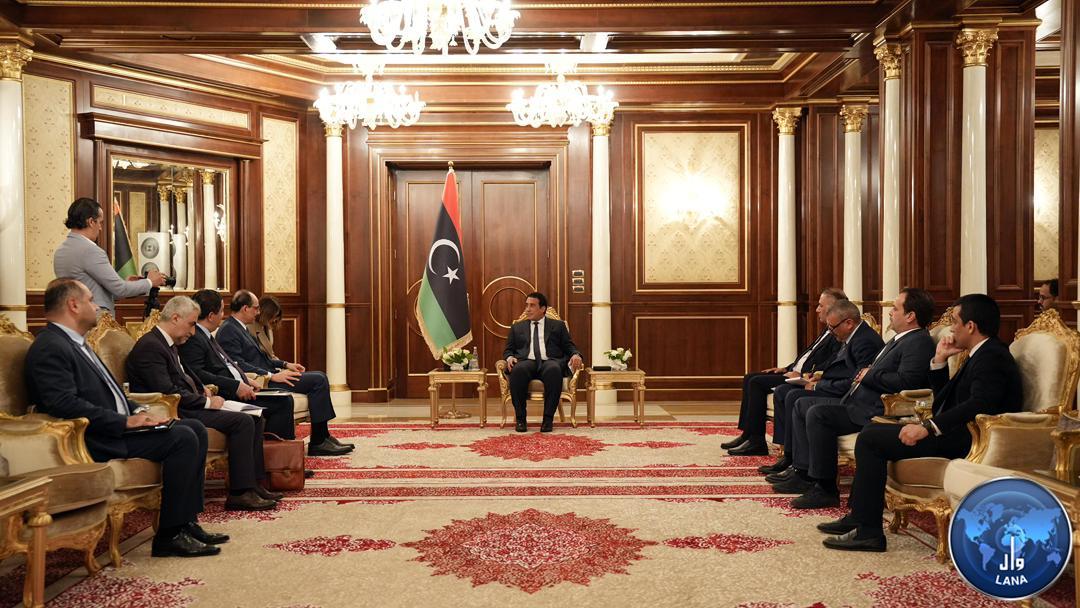
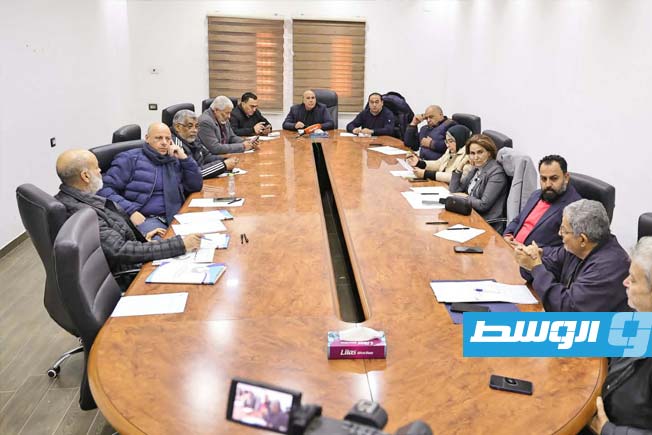
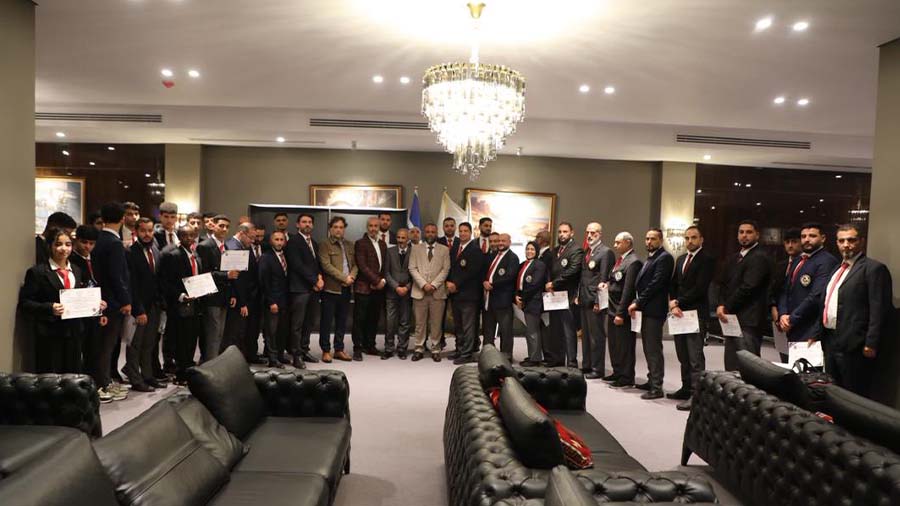
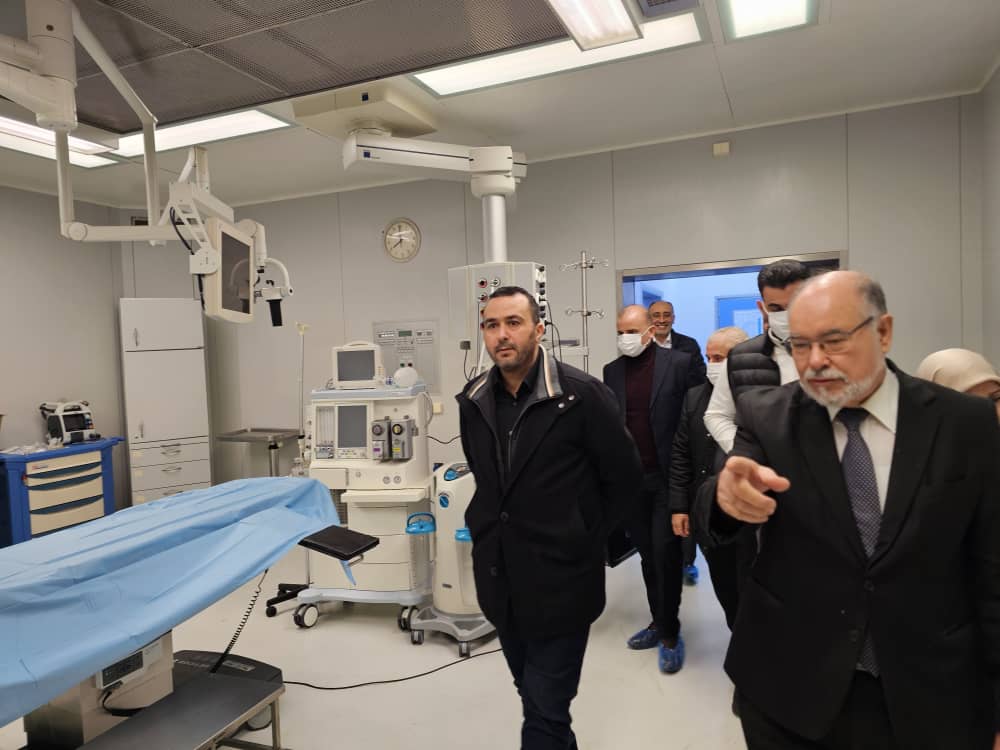
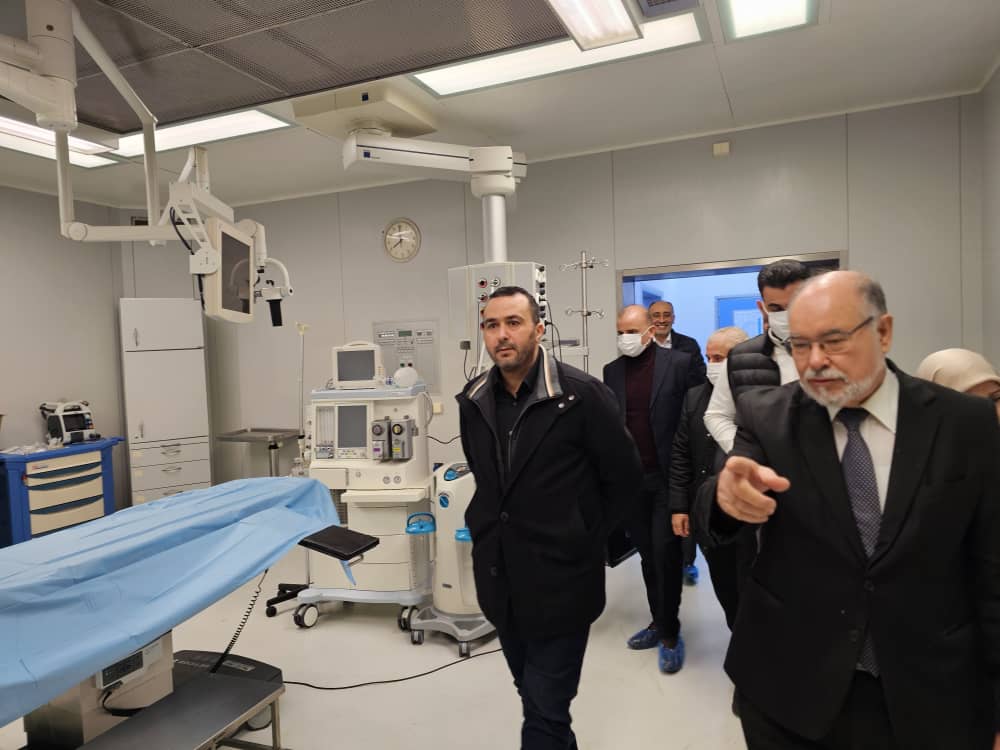
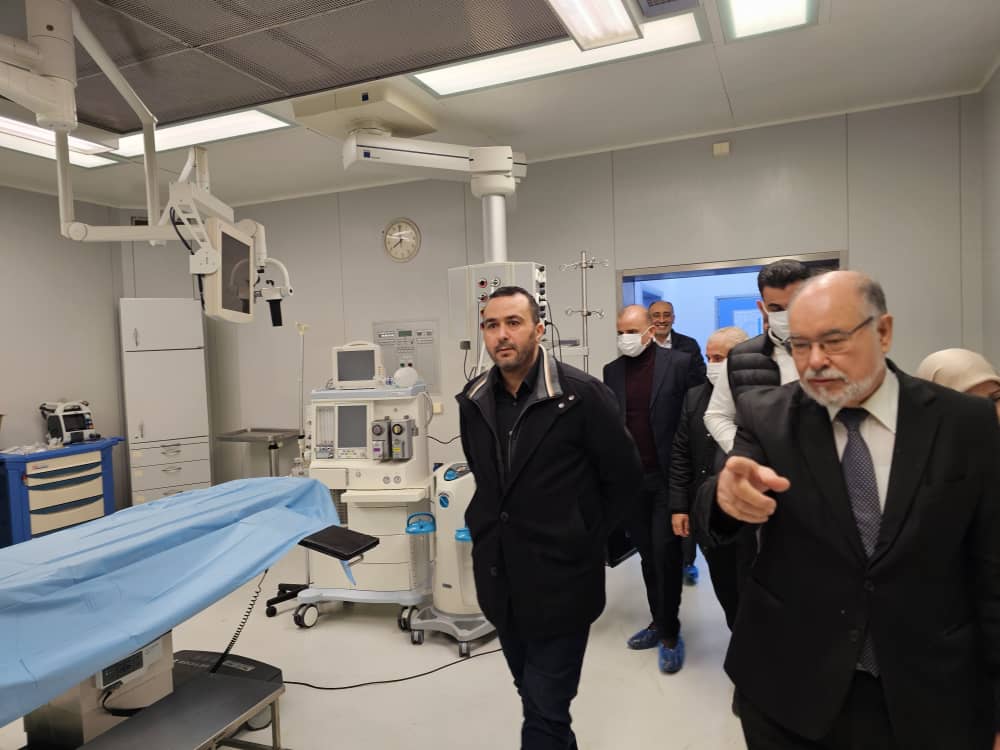
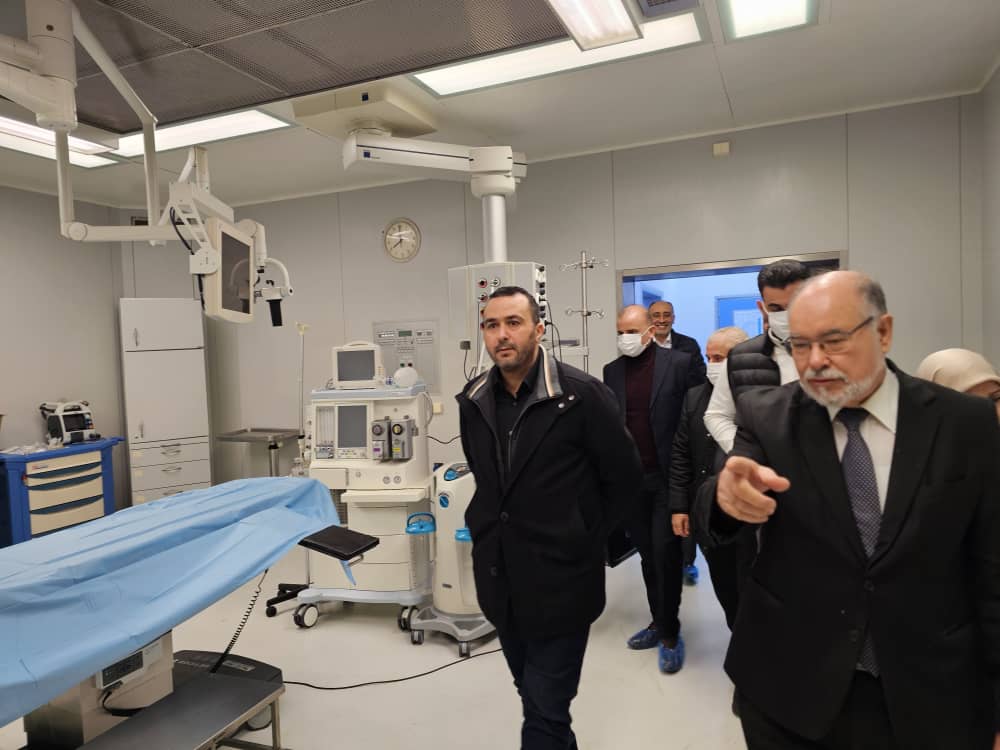
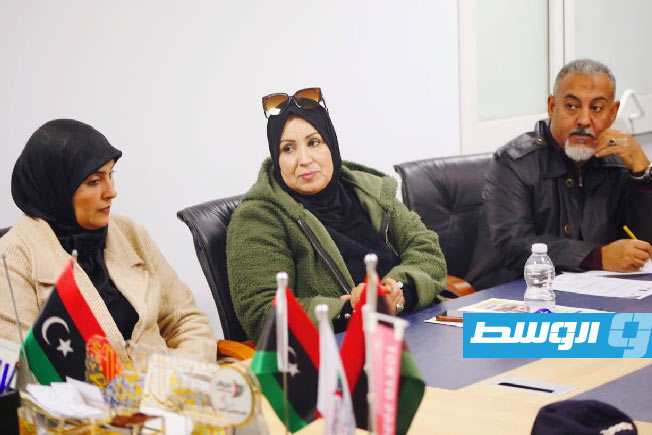
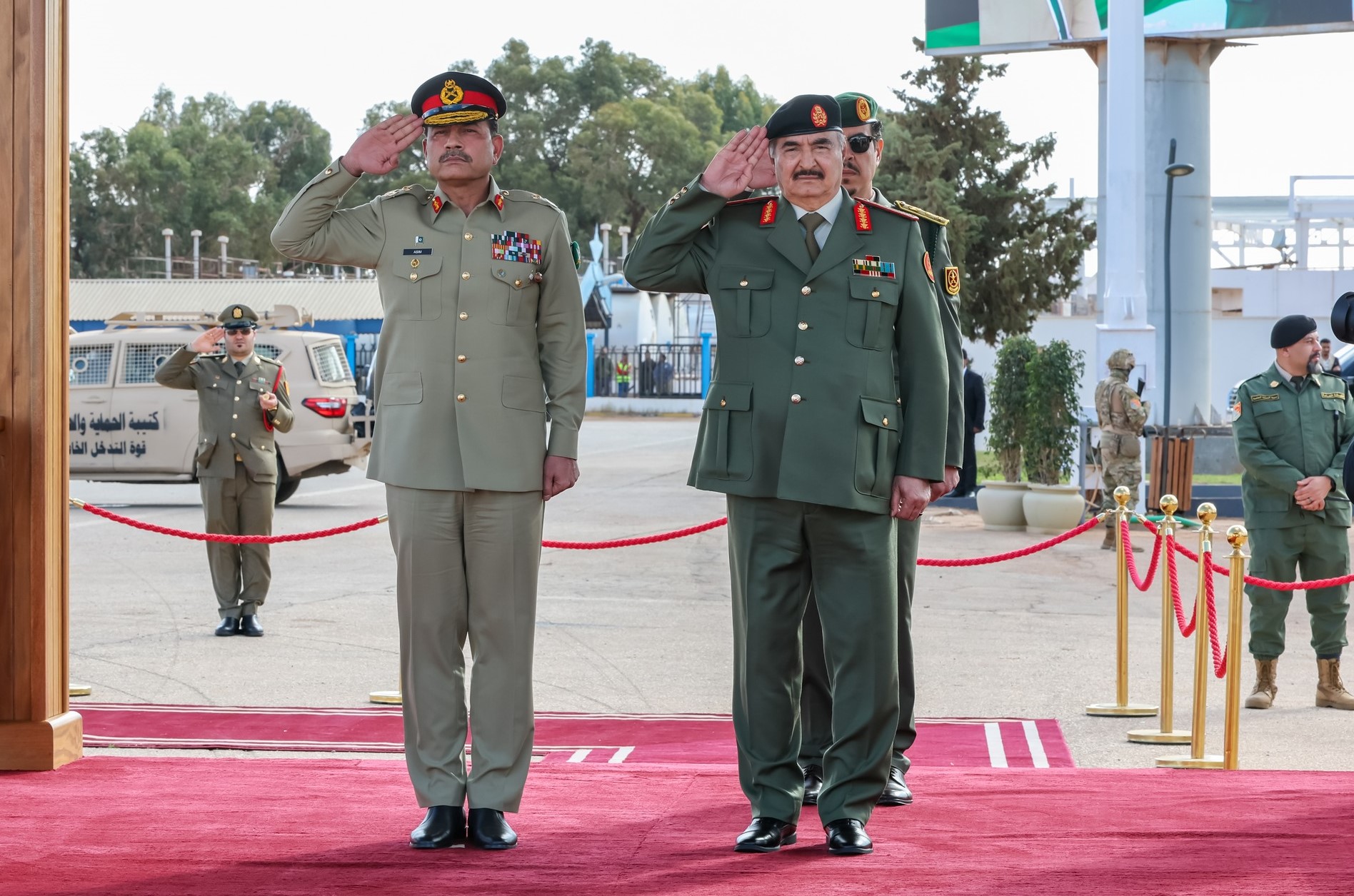
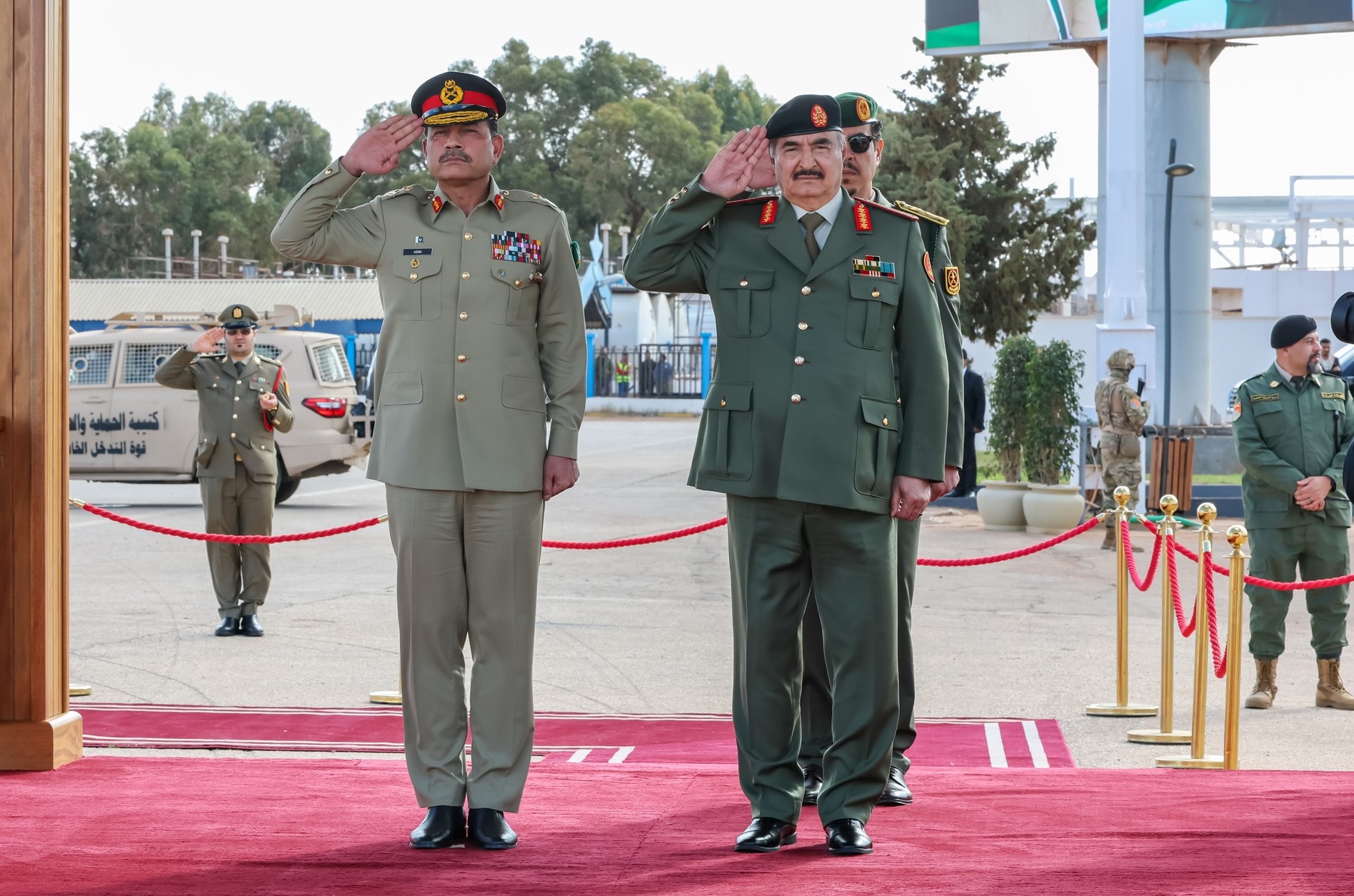
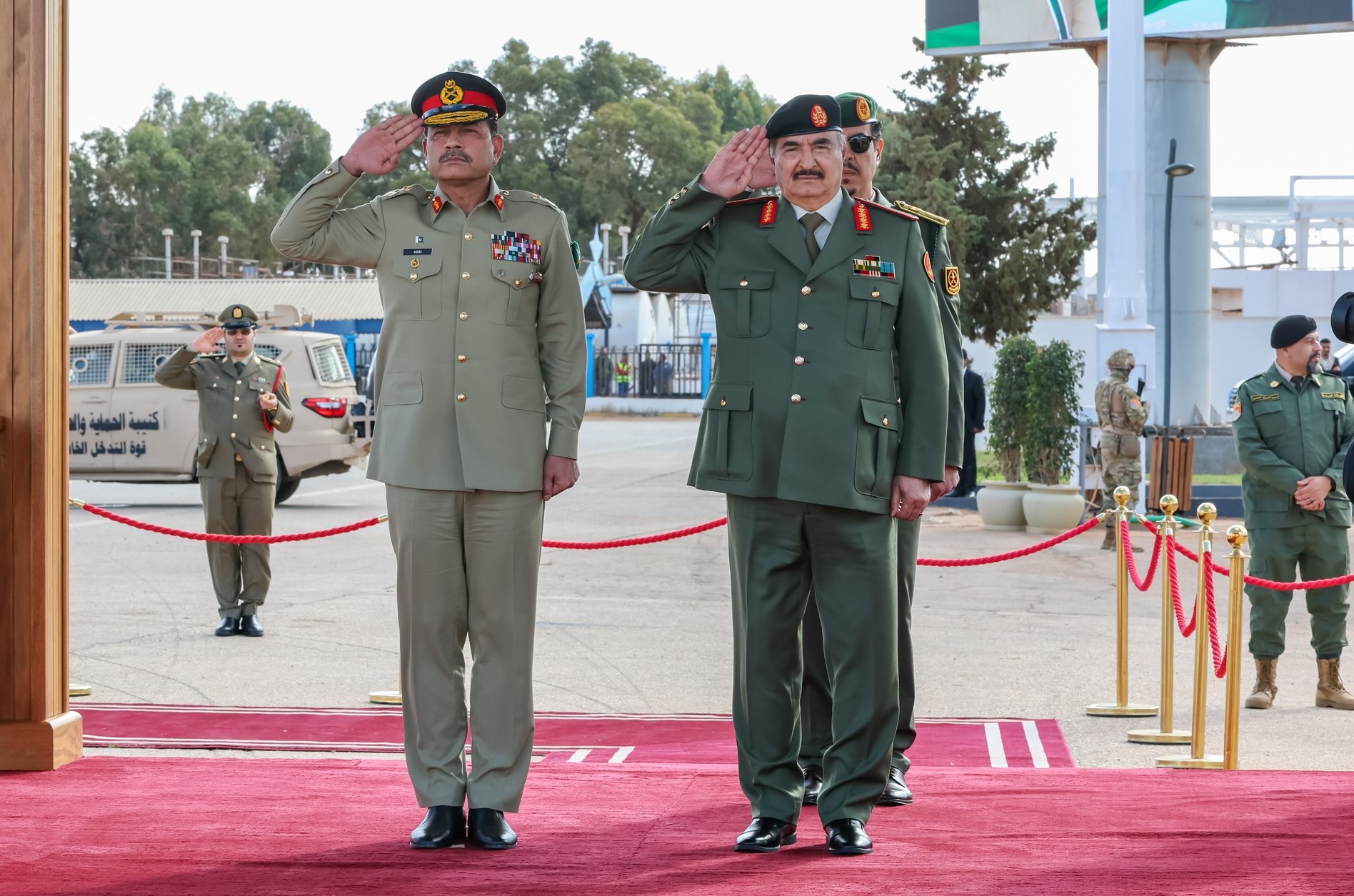
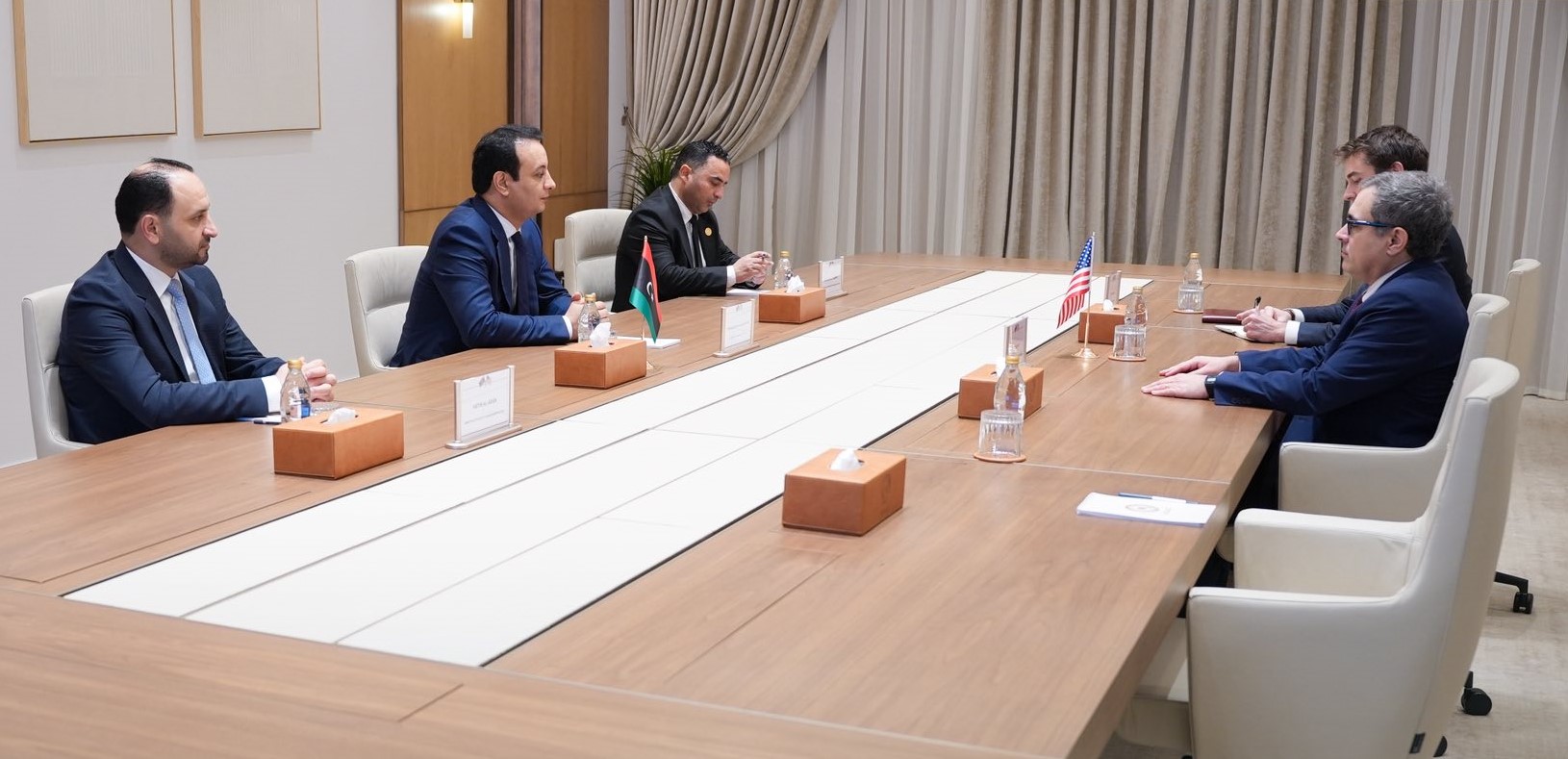
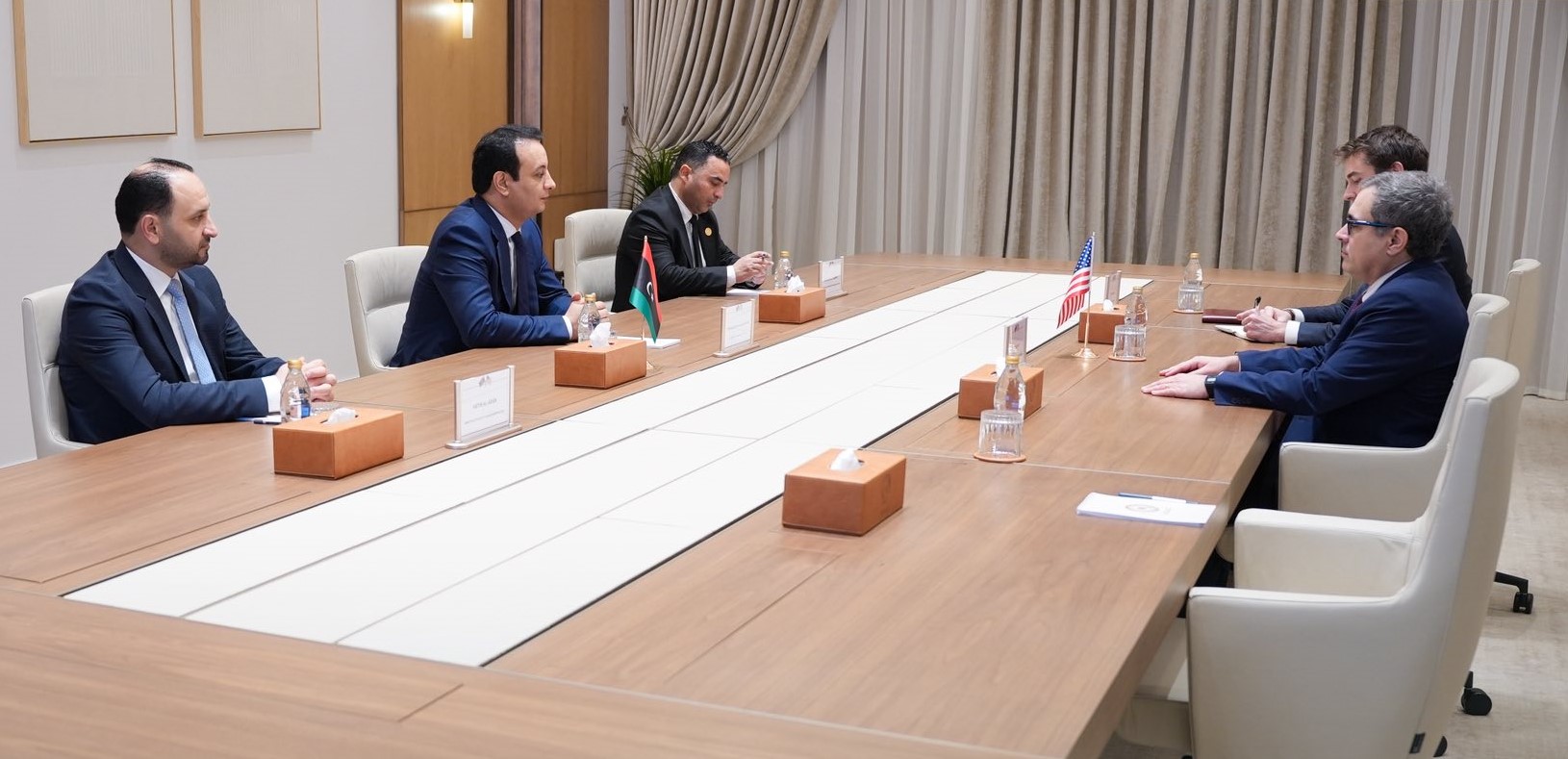
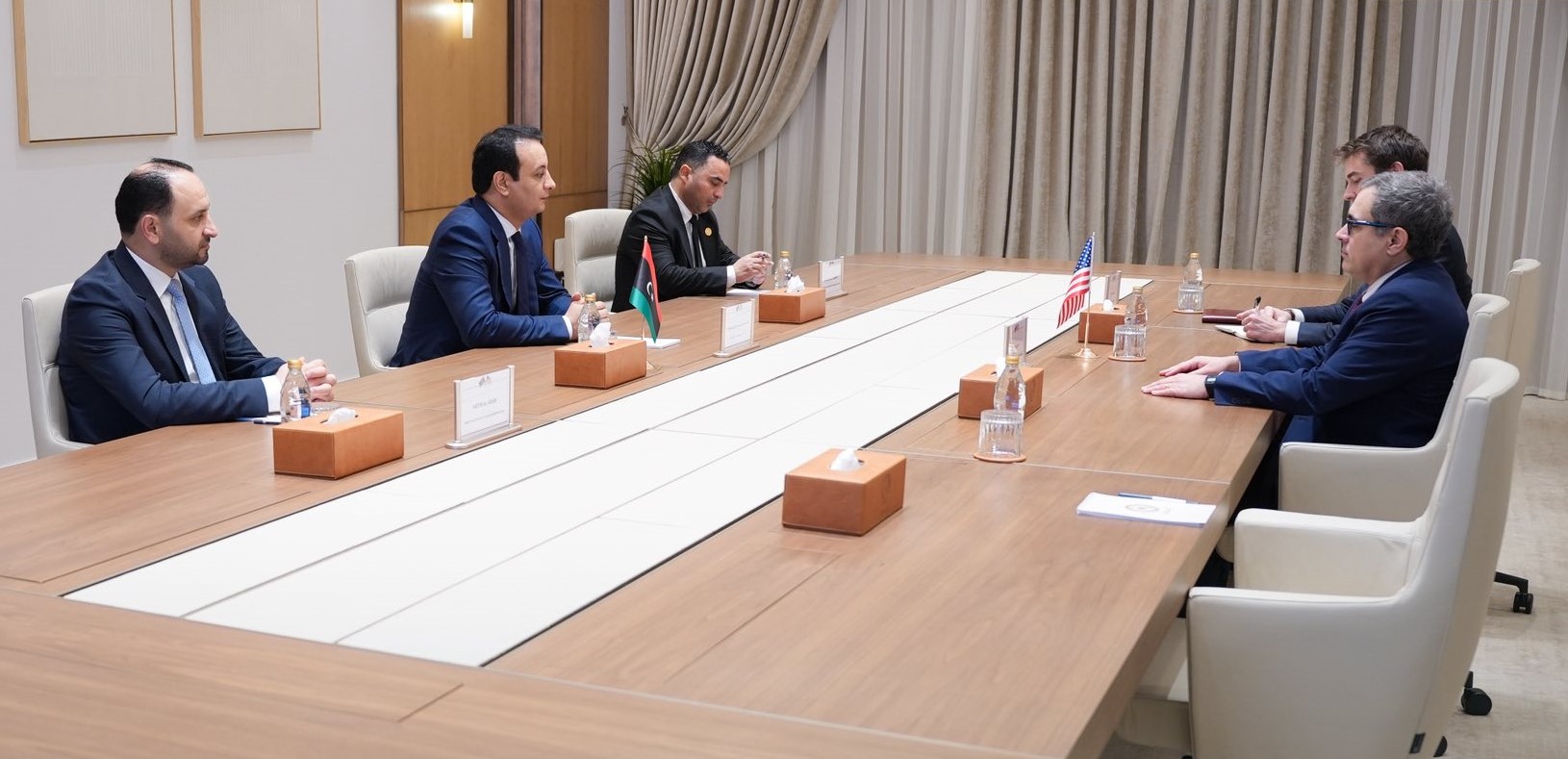
Tripoli, February 13, 2026 – The President of the Presidential Council reviewed, yesterday Thursday, with the head of the Turkish Intelligence Service, who is visiting Tripoli, the developments in the local and regional scenes, in addition to exchanging views on a number of files of mutual interest.
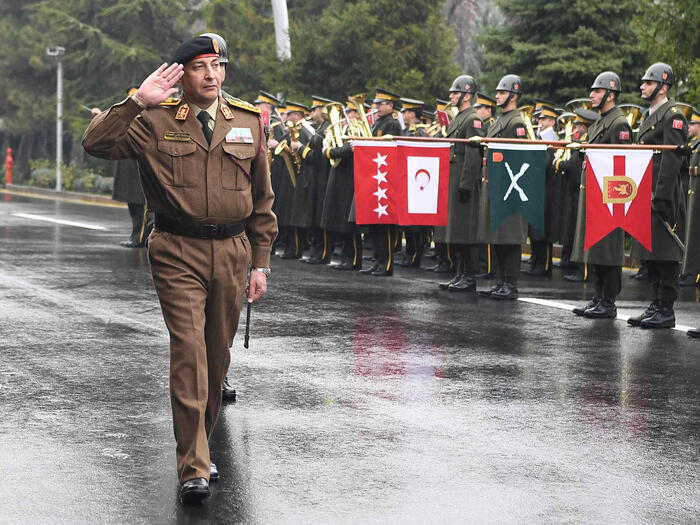
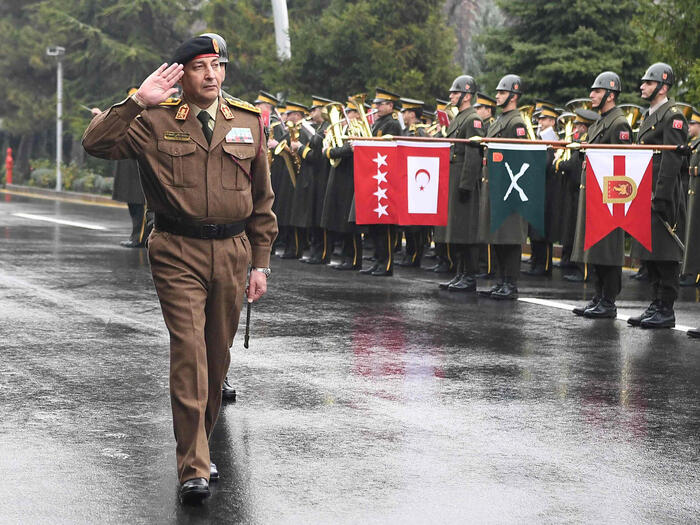
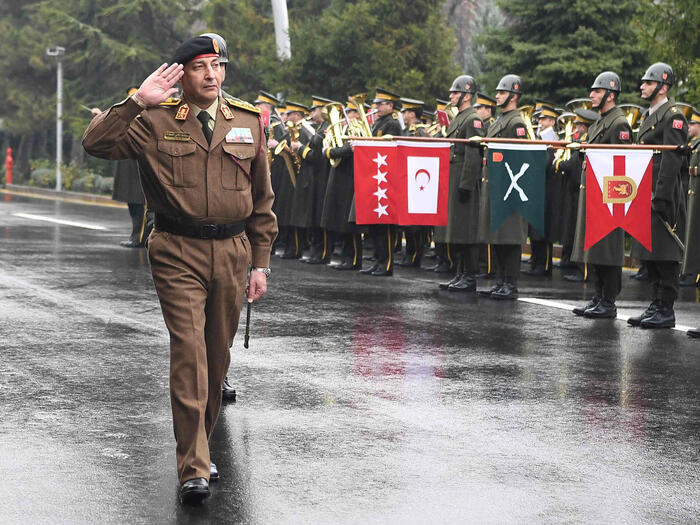
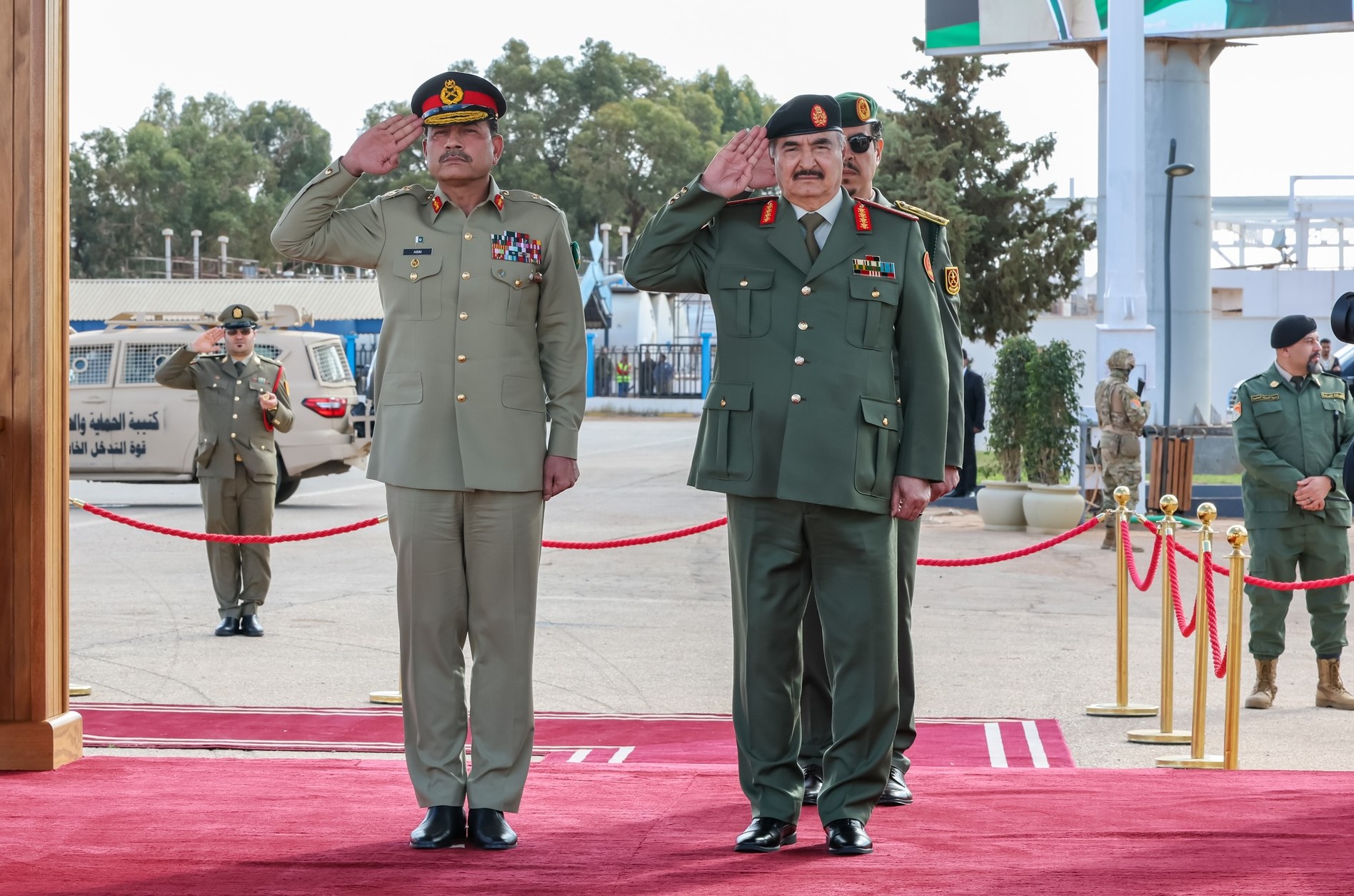
The media office stated that the head of the Turkish Intelligence Service briefed the President on the latest developments related to the plane crash incident that resulted in the death of the Chief of the General Staff of the Libyan Army and a number of his companions, within the framework of joint follow-up and coordination between the two sides.
The office explained that the meeting discussed ways to enhance bilateral cooperation and intensify coordination in a manner that supports the political track and enhances opportunities for national consensus, with an emphasis that Libya’s stability represents a fundamental pillar for the security of the region. Both sides stressed the importance of continuing Libyan-Turkish consultations to ensure support for security and stability, and to solidify state institutions on solid foundations, preventing any tensions that might hinder efforts for a comprehensive settlement.
Tripoli
Tripoli is the capital and largest city of Libya, with a history dating back to the 7th century BC when it was founded by the Phoenicians. It later became a significant part of the Roman Empire, the Ottoman Empire, and an Italian colony, which is reflected in its diverse architecture in the ancient medina. Today, it serves as the country’s major political, economic, and cultural center.
Libya
Libya is a North African country with a rich history rooted in ancient civilizations like the Phoenicians and Romans, followed by centuries of Arab and Ottoman influence. In the modern era, it was an Italian colony before gaining independence in 1951, later becoming known for Muammar Gaddafi’s lengthy rule from 1969 until the 2011 revolution. The country is home to UNESCO World Heritage sites, such as the ancient Greek city of Cyrene and the Roman ruins of Leptis Magna.
Turkish Intelligence Service
The Turkish Intelligence Service, known as the Millî İstihbarat Teşkilatı (MİT), is Turkey’s primary national intelligence agency, founded in 1965 to replace its predecessor. It is responsible for external and domestic intelligence, counter-terrorism, and safeguarding national security, operating under the direct authority of the Presidency.
Libyan Army
The Libyan Army is the official military force of Libya, originally established after the country gained independence in 1951. Its history has been marked by periods of centralization under the monarchy and later under Muammar Gaddafi, followed by fragmentation and conflict among various factions after the 2011 civil war.
Presidential Council
The Presidential Council is a governing body typically established to lead a nation during transitional periods, such as after a conflict or the fall of a government. Its history is often tied to political agreements aimed at providing collective leadership and stability until more permanent institutions can be formed.