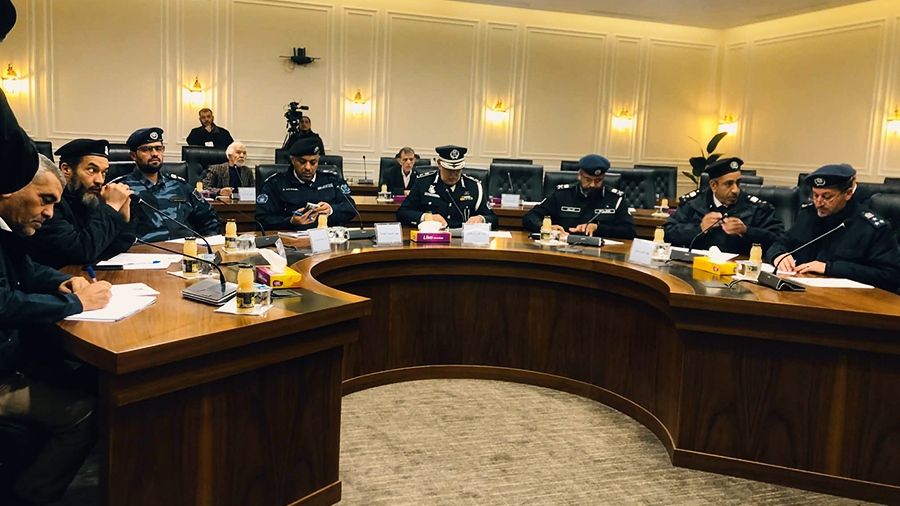
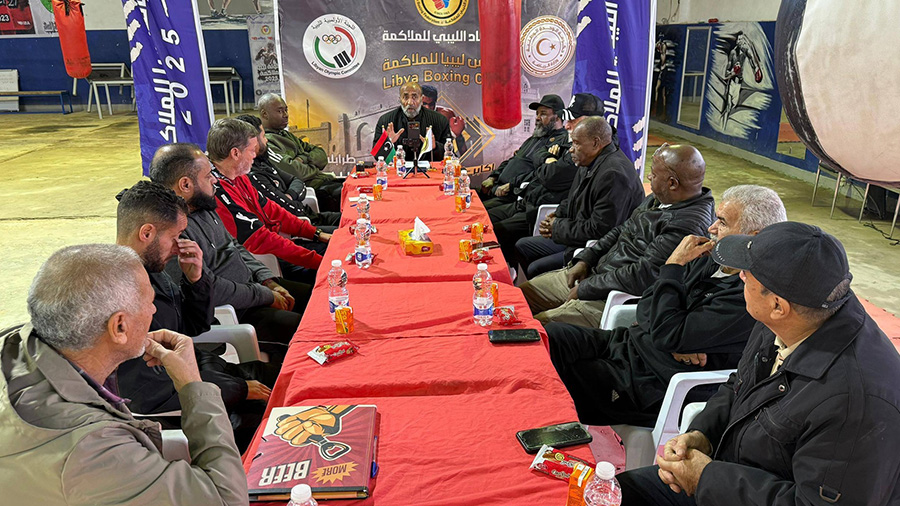
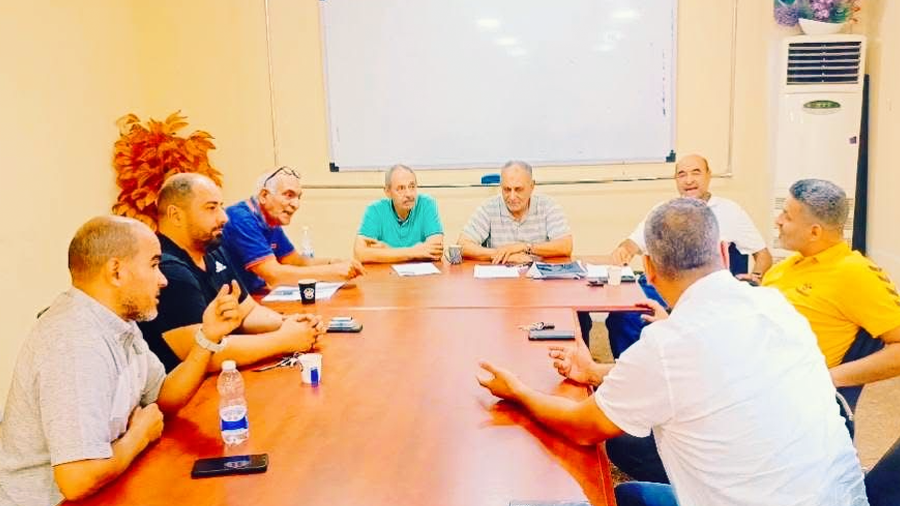
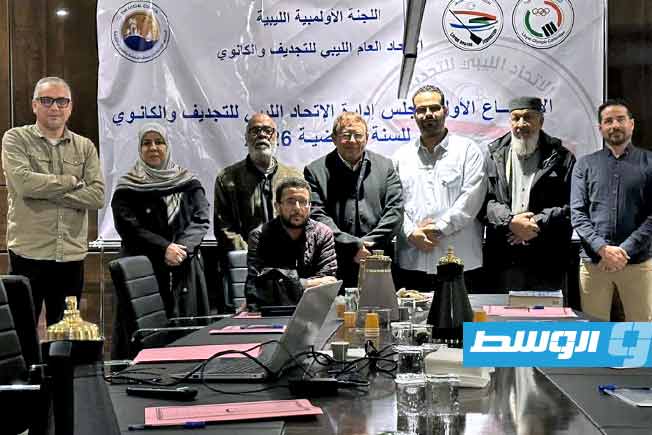
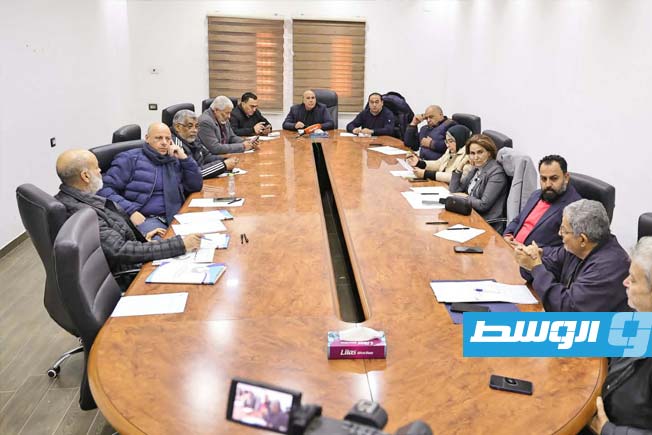
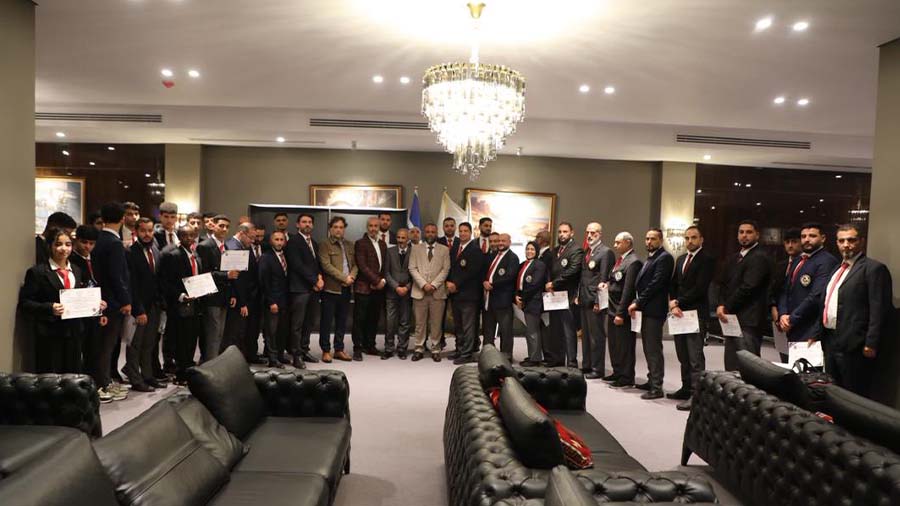
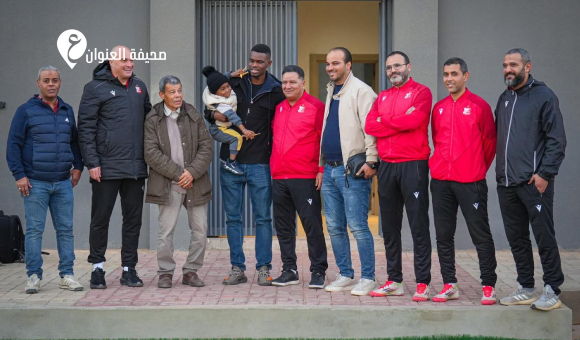
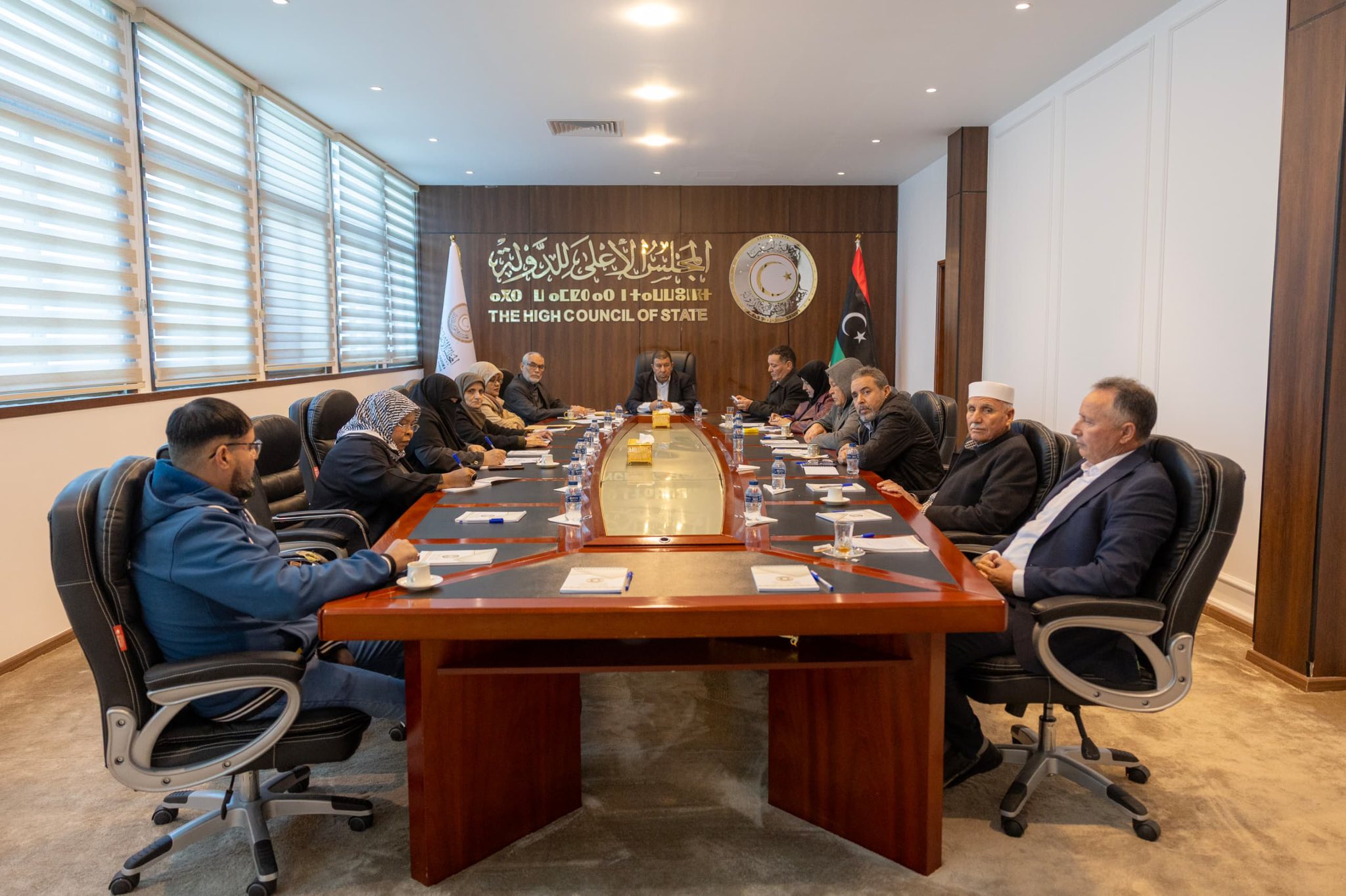
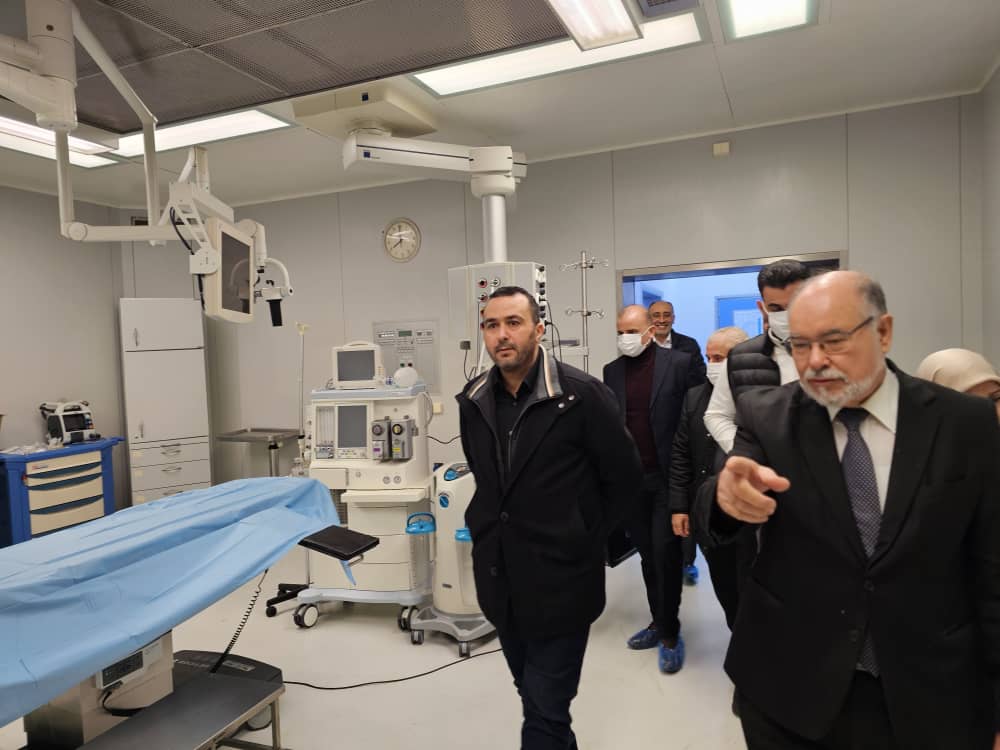
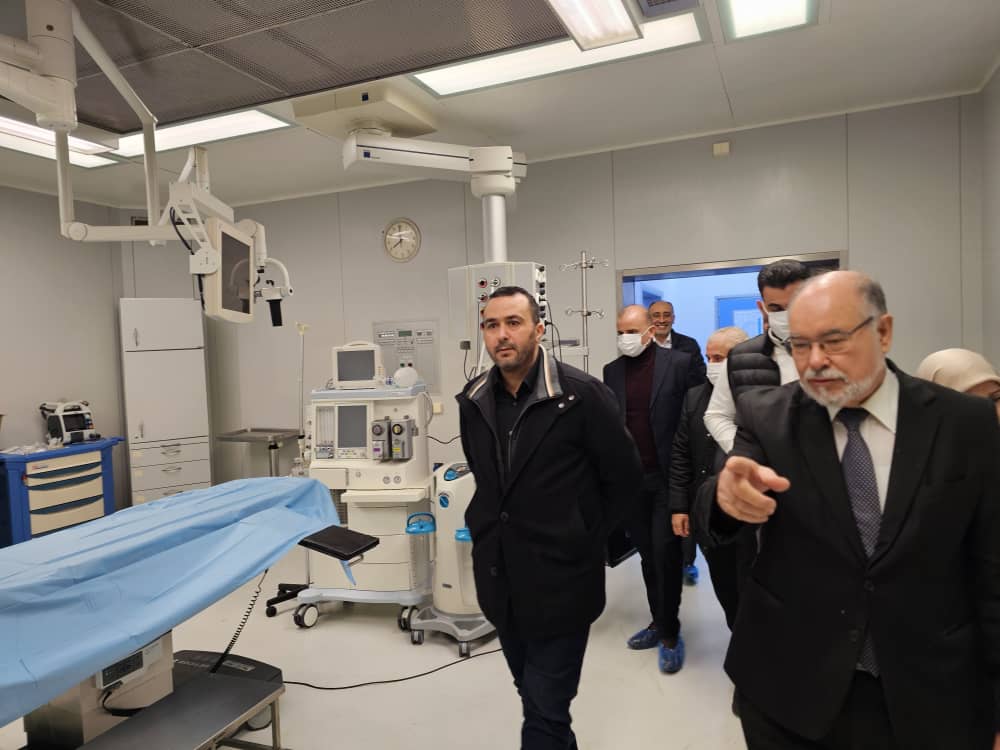
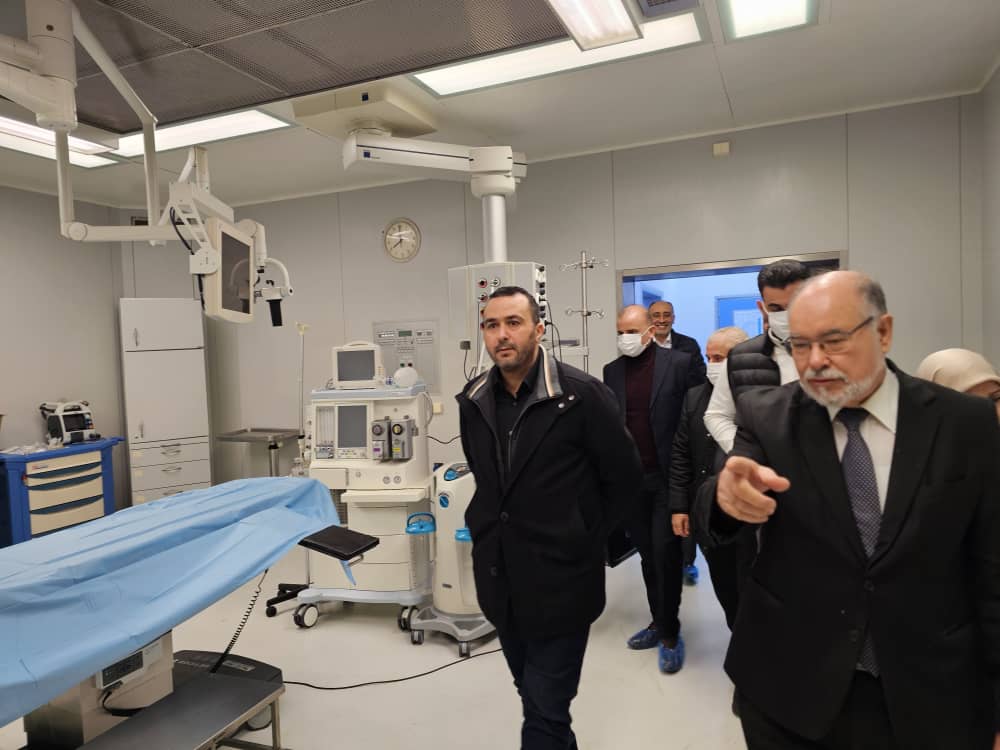
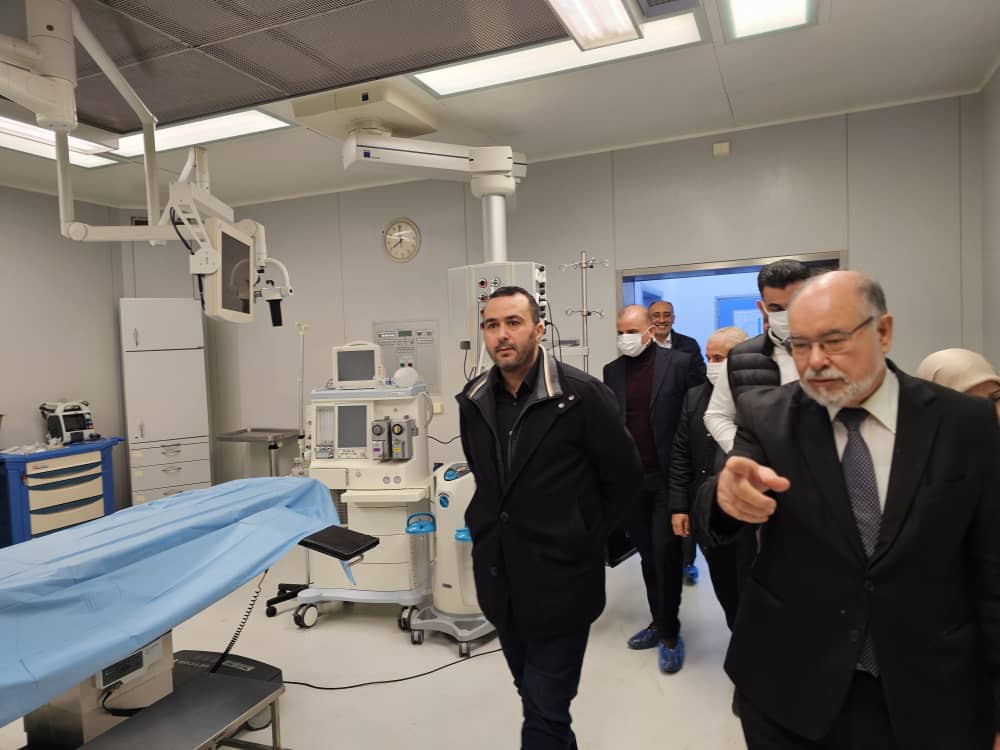
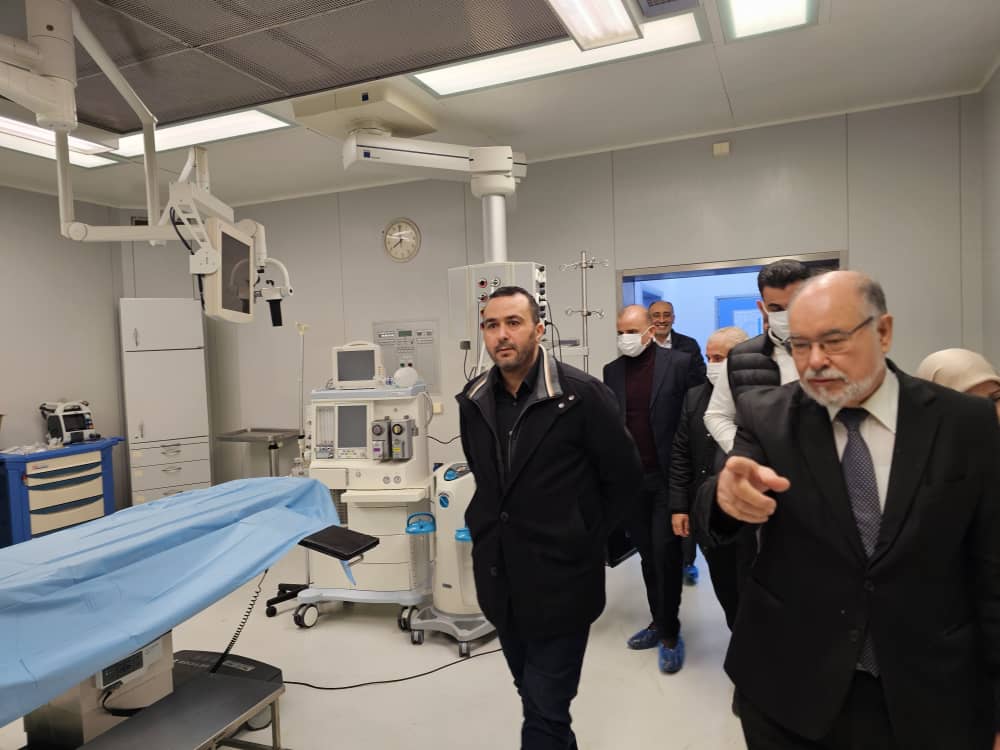
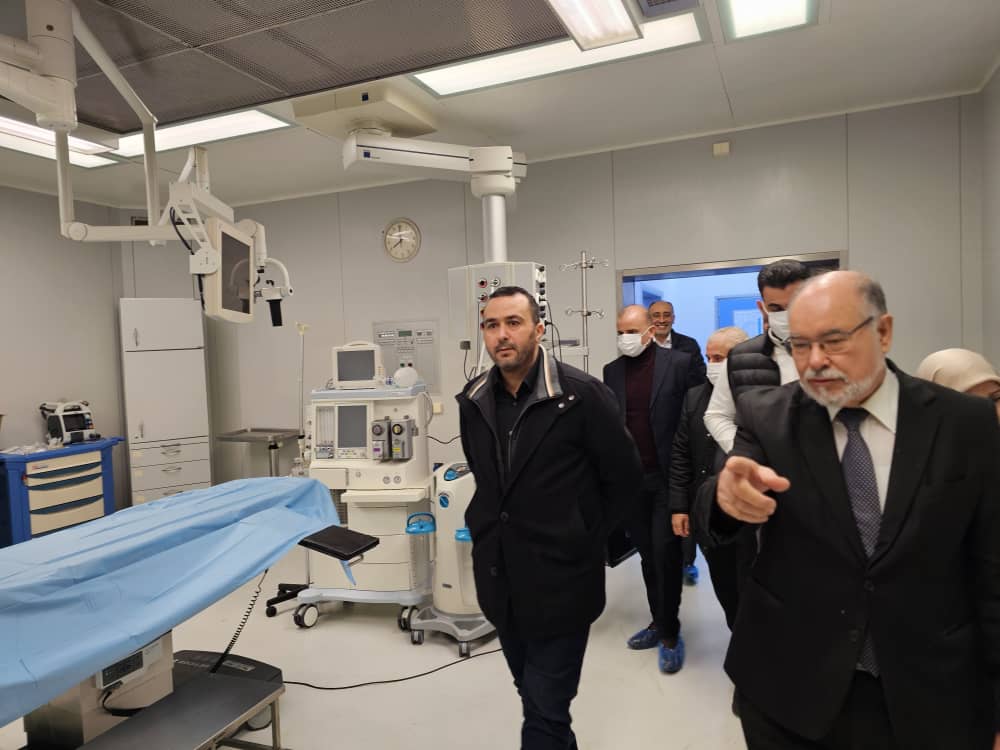
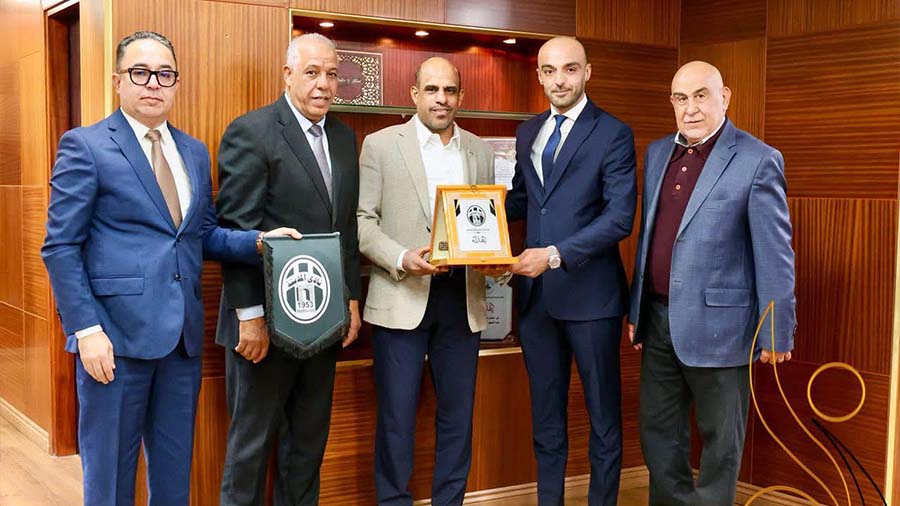
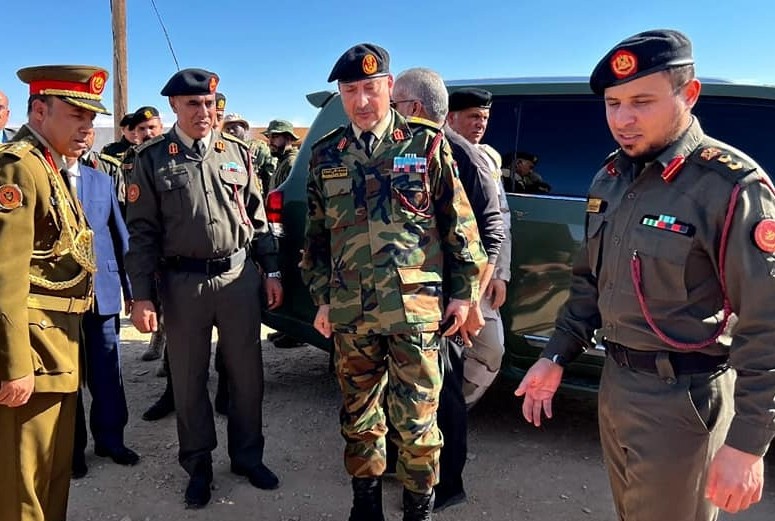
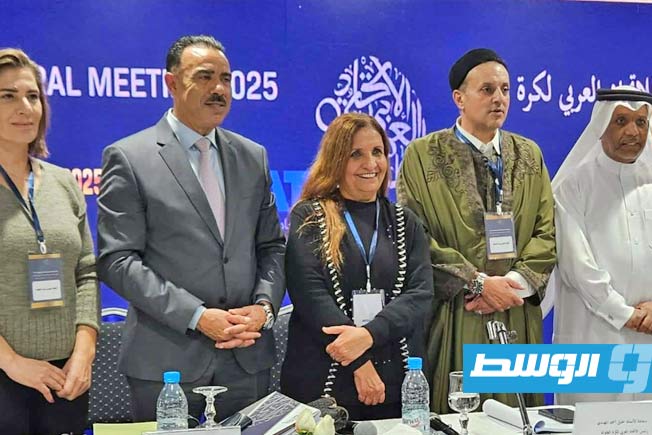
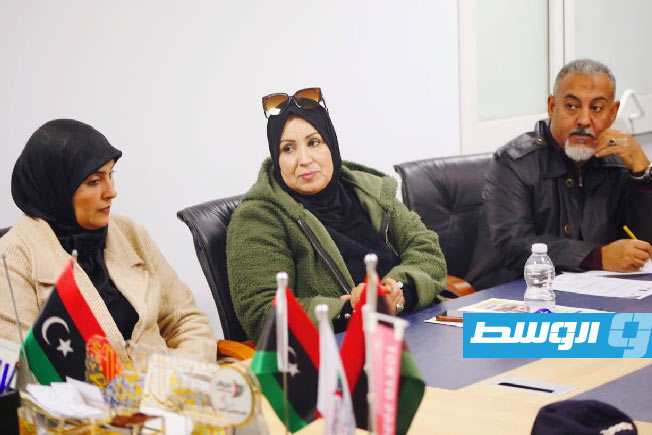
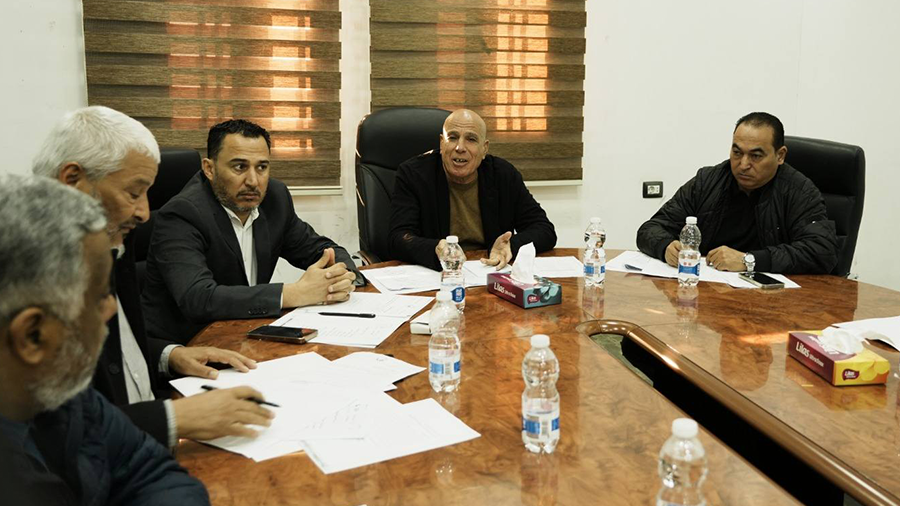
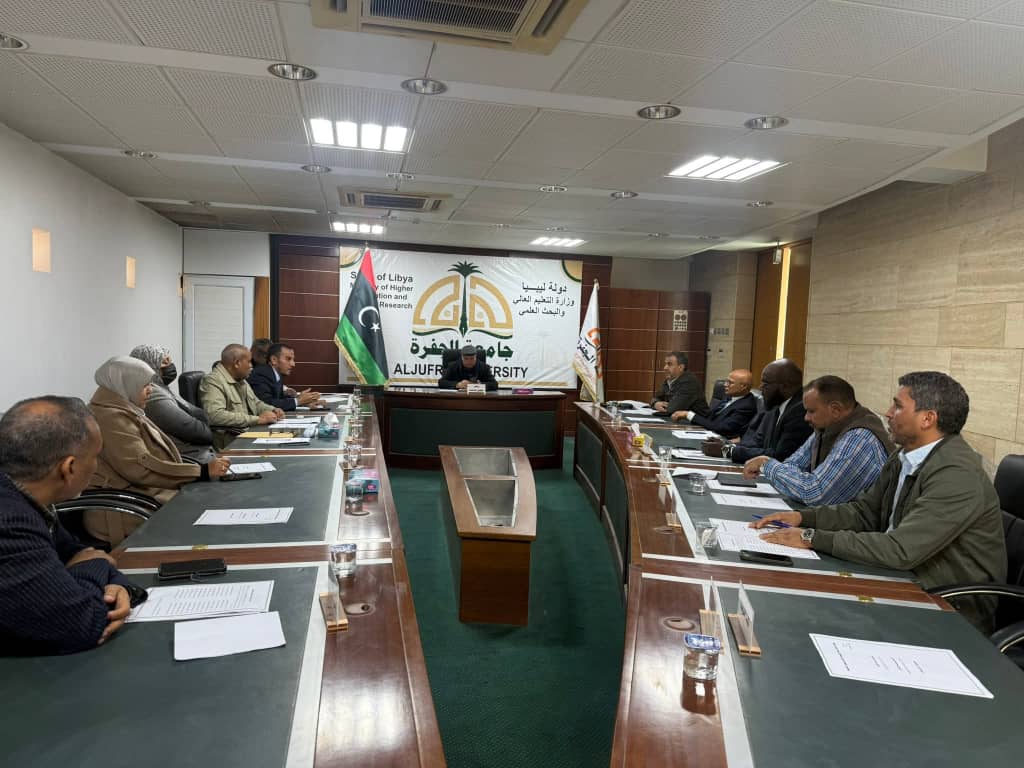
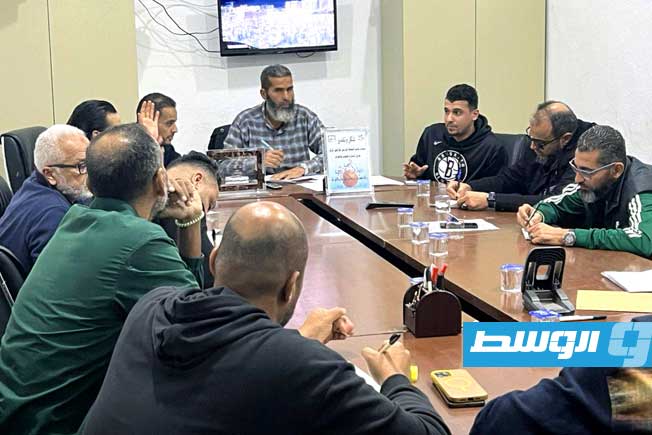
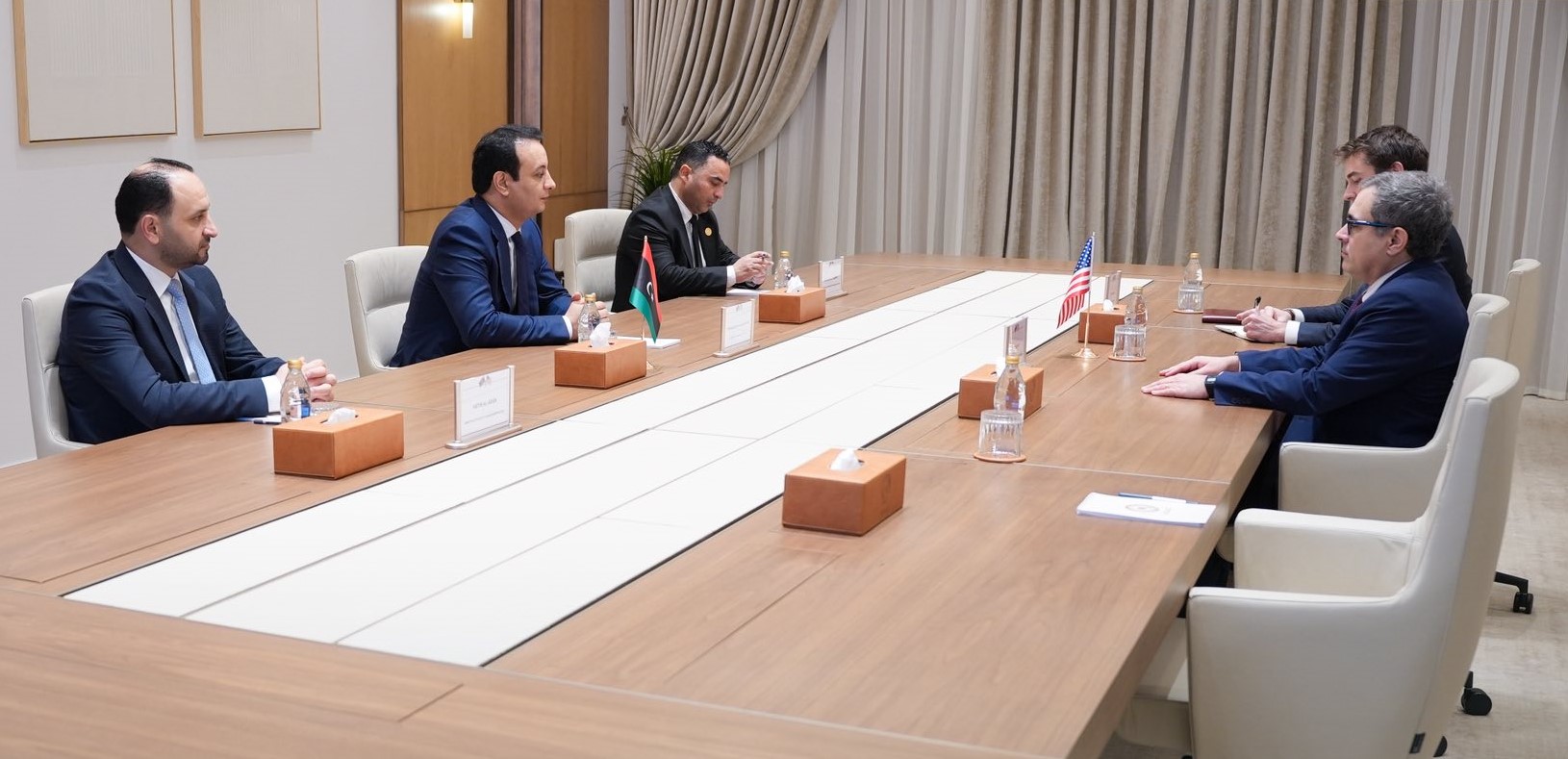
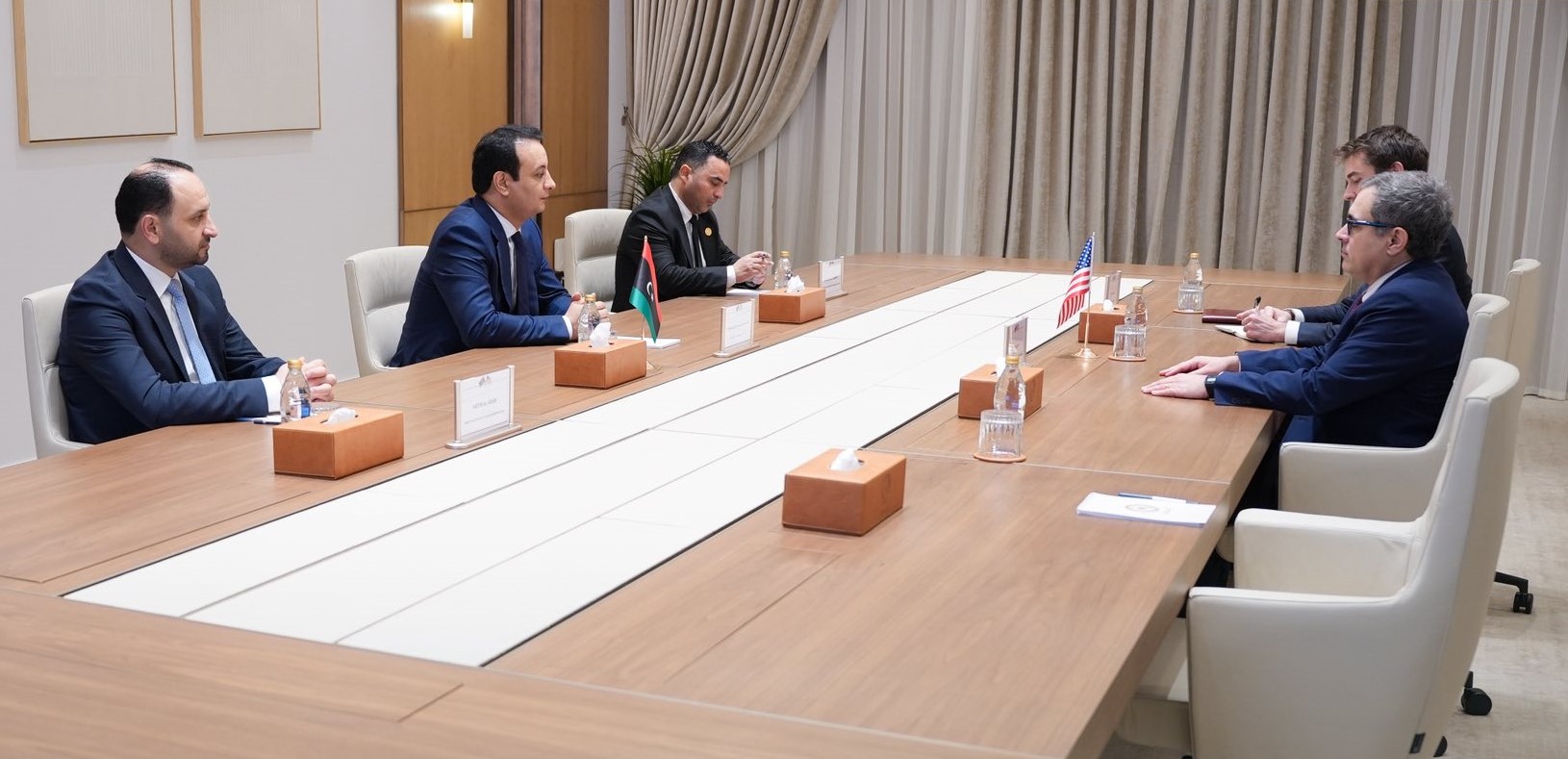
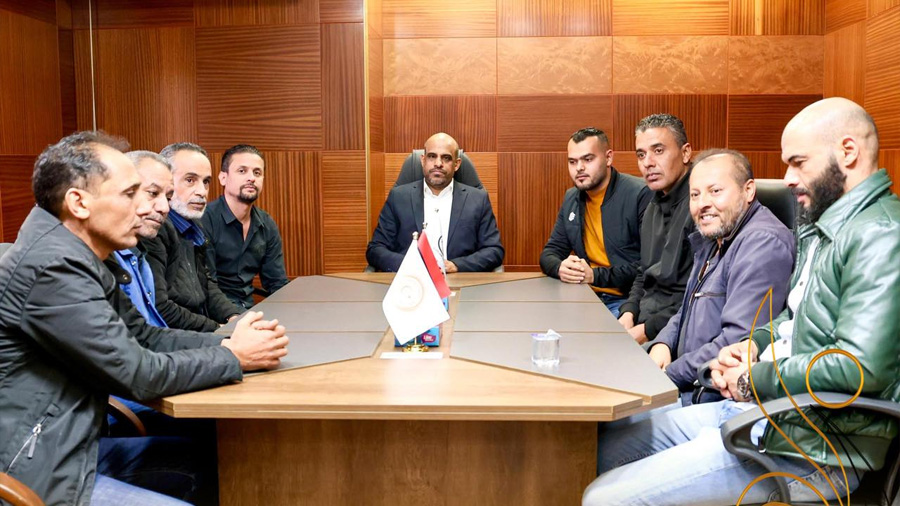
Tripoli, February 08, 2026 – The President of the Presidential Council met today, Sunday, at the Council’s headquarters in Tripoli with a delegation from the Ghadames Municipality. The delegation included the Mayor and members of the Municipal Council, alongside representatives from civil society, dignitaries, and elders.
The meeting addressed the most prominent challenges, needs, and general conditions of the municipality. The delegation expressed its support for the path of national reconciliation led by the President of the Presidential Council, emphasizing the necessity of continuing this work as a fundamental pillar for enhancing social peace and strengthening national unity.
The President reaffirmed the importance of the role played by municipalities and social components in supporting stability, stressing the Presidential Council’s commitment to continuing its efforts in cementing national reconciliation and supporting initiatives that serve citizens and achieve balanced development in various cities and regions.
The delegation from Ghadames Municipality conveyed the greetings and appreciation of the municipality’s residents to the President of the Presidential Council, commending his efforts and endeavors in bridging divides, enhancing national consensus, and diligently working to bring together the viewpoints of various political parties. This contributes to creating a suitable climate for realizing the aspirations of the Libyan people to hold elections and establish stability.
…
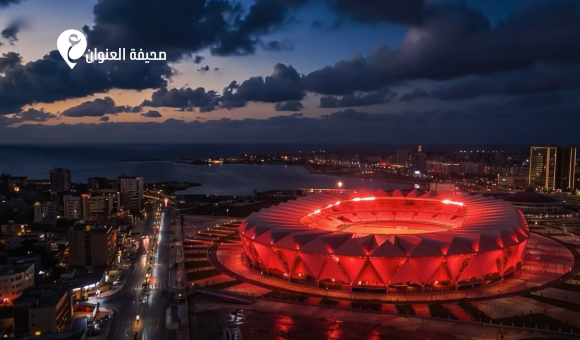
Tripoli
Tripoli is the capital and largest city of Libya, with a history dating back to the 7th century BC when it was founded by the Phoenicians. It later became a significant part of the Roman Empire and the Ottoman Empire, which is reflected in its historic medina and Red Castle (Assaraya al-Hamra). Today, it serves as the country’s major political, economic, and cultural center.
Presidential Council
The Presidential Council is a governing body typically established to provide collective leadership in a nation, often during transitional periods or in systems where executive power is shared. Its history and specific structure vary significantly by country, with examples ranging from Libya’s post-Gaddafi council to Switzerland’s long-standing Federal Council serving as the collective head of state.
Ghadames Municipality
Ghadames Municipality is a historic oasis town in western Libya, renowned for its distinctive pre-Saharan architecture and urban layout. It is often called the “Pearl of the Desert” and its Old Town, a UNESCO World Heritage site, features multi-story mudbrick houses designed to provide protection from the extreme heat. The settlement’s history dates back over two millennia, serving as a crucial caravan hub for trans-Saharan trade.
Mayor
The Mayor is not a specific place or cultural site but a title for the elected or appointed leader of a municipality. The role has historical roots in medieval times, evolving from local administrators or magistrates into the modern executive or ceremonial heads of cities and towns.
Municipal Council
The Municipal Council is a local governing body responsible for administrative and legislative functions within a city or town. Its history is tied to the development of local self-government, often evolving from medieval town councils to modern, elected institutions that manage public services, urban planning, and local ordinances.
Libyan
Libya is a country in North Africa with a rich history that includes ancient Phoenician and Greek settlements, later Roman rule, and a significant period as part of the Ottoman Empire. In the modern era, it was an Italian colony before gaining independence in 1951, followed by the long rule of Muammar Gaddafi from 1969 until the 2011 revolution. Its cultural sites, such as the Roman ruins of Leptis Magna and the ancient rock art of the Sahara, reflect its diverse historical layers.