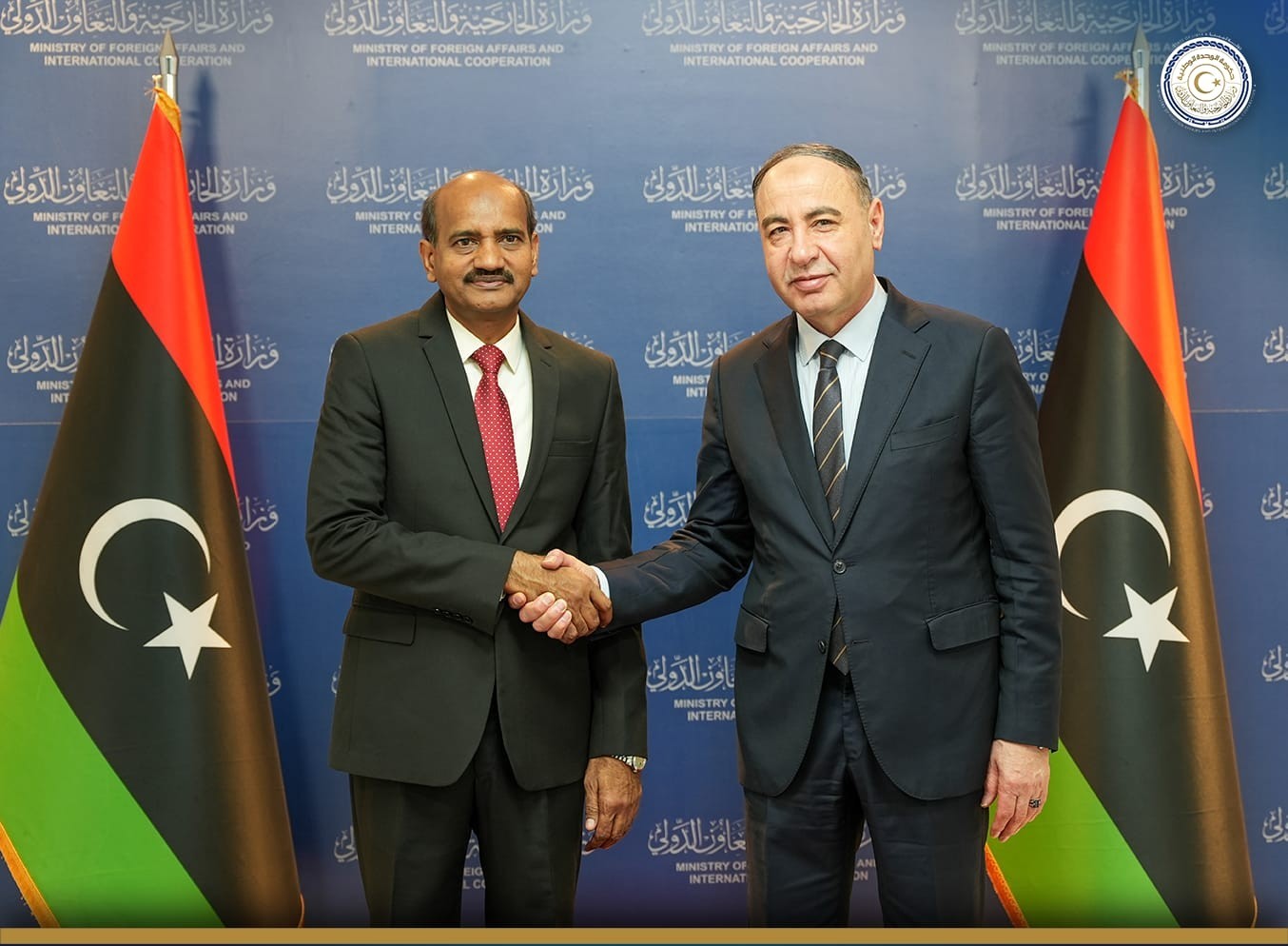
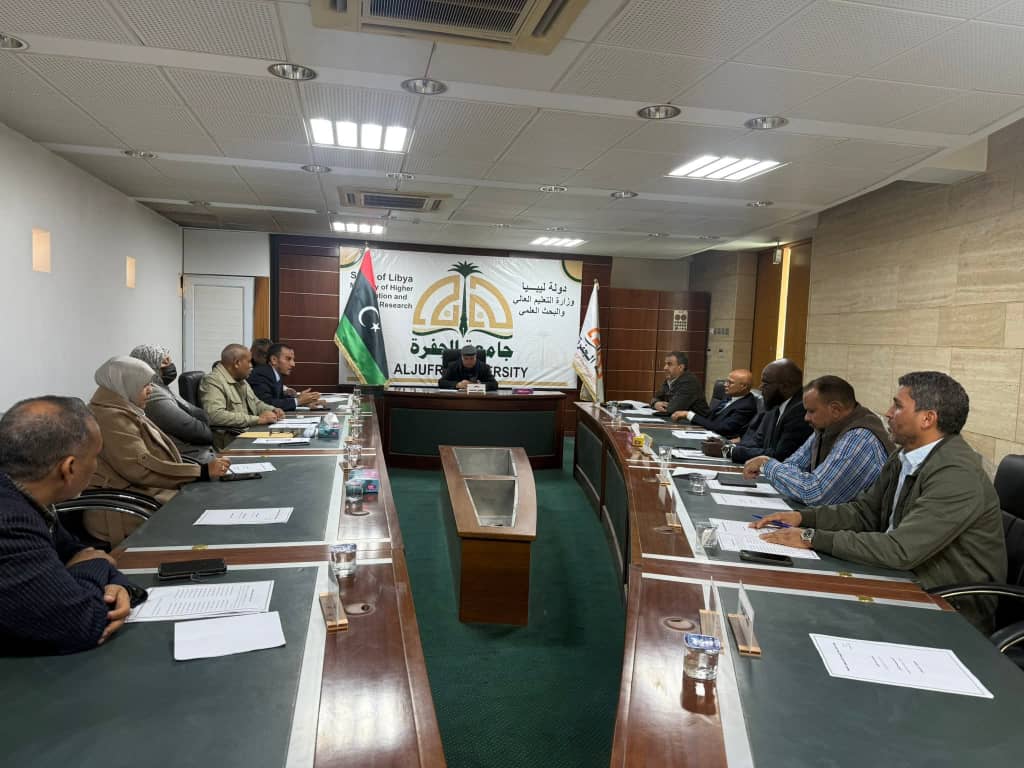
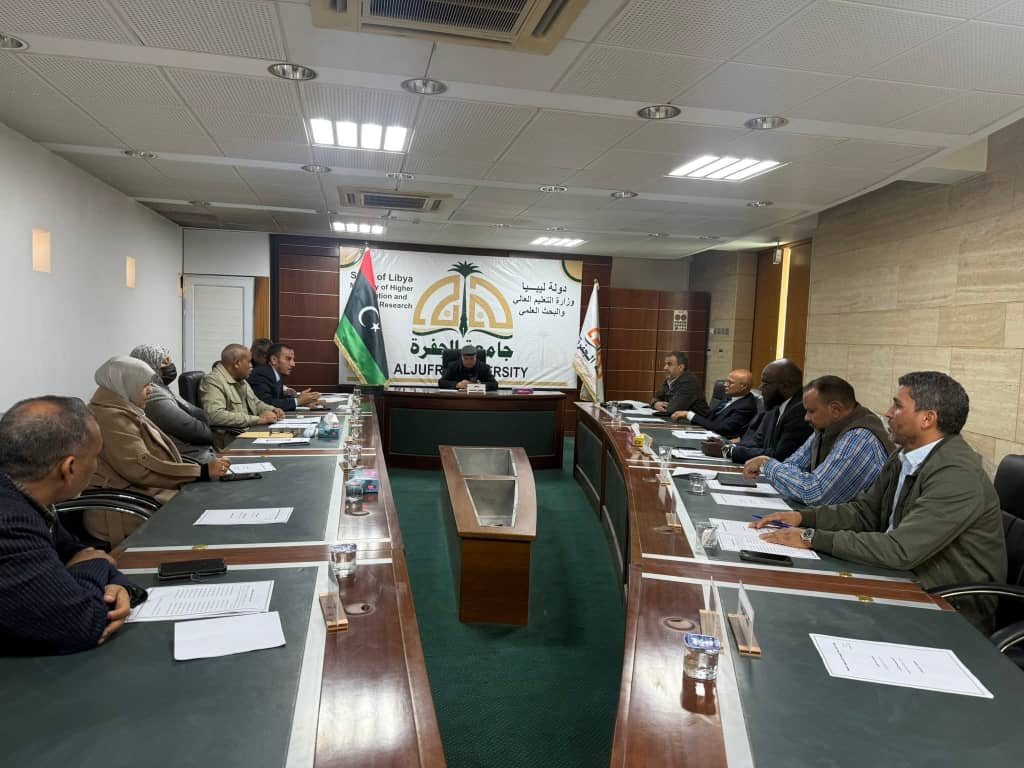
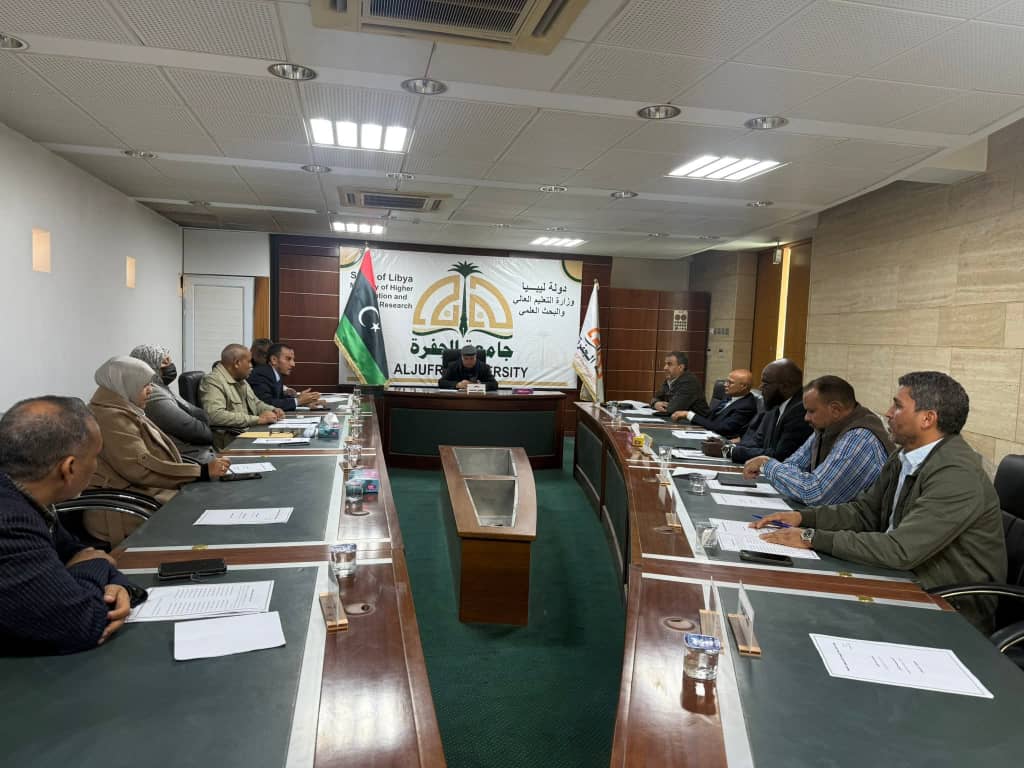
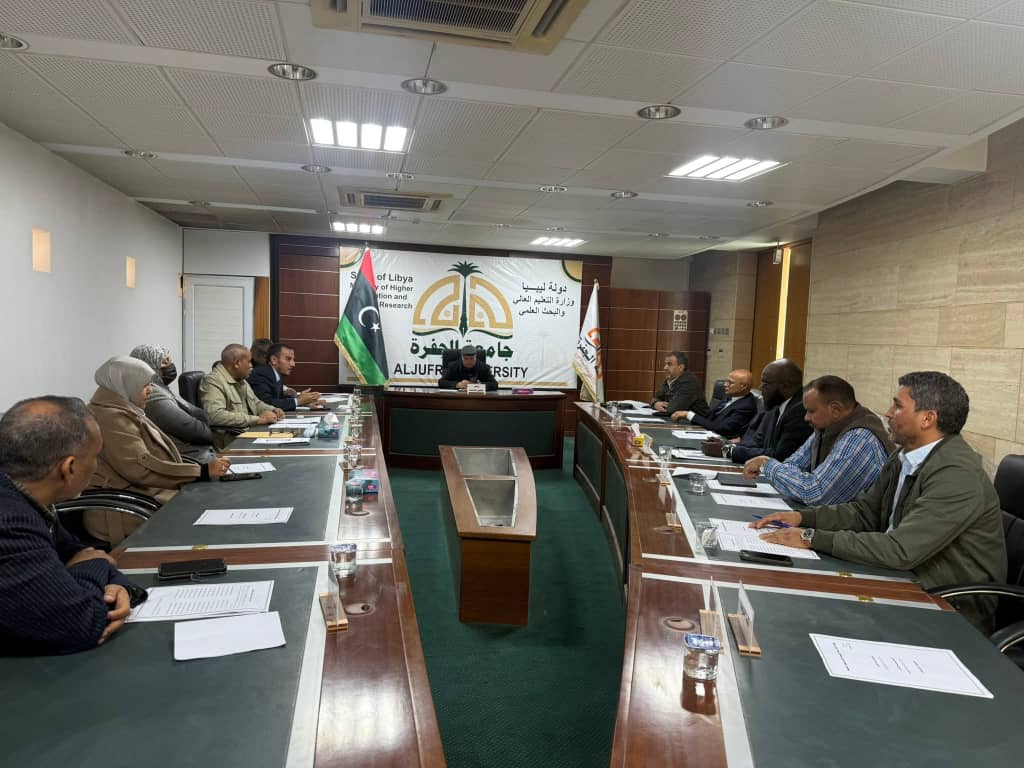
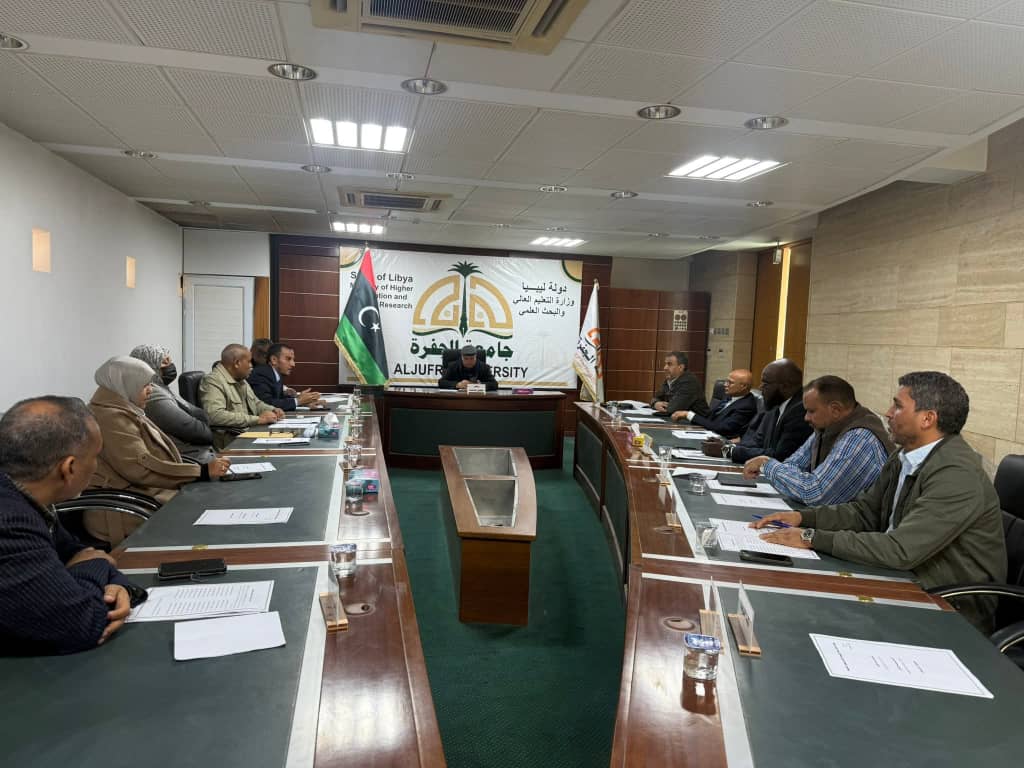
Tripoli, February 10, 2026 – The President of the Presidential Council participated virtually on Tuesday in the 43rd session of the Committee of Heads of State and Government of the African Union Development Agency (AUDA-NEPAD). The session was held at the invitation of the President of Egypt, in his capacity as Chair of the Committee, and with the participation of a number of African leaders and the Chief Executive Officer of the Agency.
In his address at the 43rd session, he emphasized that development is the other side of security, and that continental interconnection projects, transcontinental roads, and sovereignty over resources are the first lines of defense against instability and chaos.
He stated that countries undergoing transitional phases, like his own, see AUDA-NEPAD as a strategic partner to consolidate peace through development and create real opportunities that fortify societies against extremism and irregular migration, noting the commencement of practical steps with the Agency.
The President of the Presidential Council reiterated Libya’s readiness to work with the Agency and partners to ensure that tangible results are achieved for the African citizen during this decade, and to move forward united in purpose, confident in our capabilities, and believing that Africa’s future must be shaped, funded, and implemented by African hands.
The meeting featured a presentation on the transformation journey over the past four years in the work of the African Union Development Agency and the New Partnership for Africa’s Development 2022-2026, as well as an interim report on the Presidential Infrastructure Championship Initiative of the New Partnership for Africa’s Development.
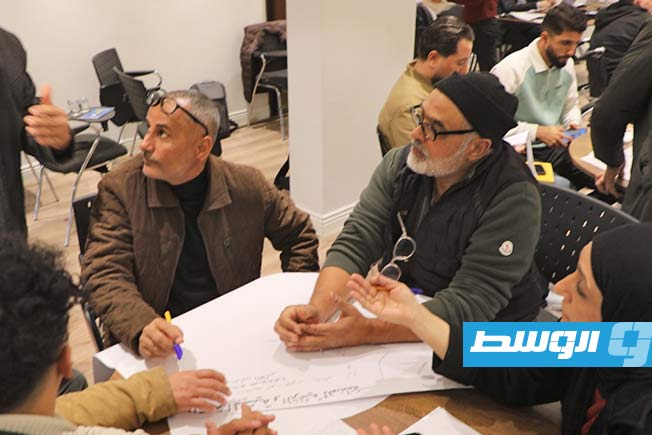
It is noted that over the past two years, technical teams from AUDA-NEPAD have been received, and the Agency organized a workshop in the city of Tripoli. The Agency intends to enhance its presence in Libya as one of the African Union’s institutions in the coming months.
Tripoli
Tripoli is the capital and largest city of Libya, located on the country’s Mediterranean coast. Historically, it was founded by the Phoenicians in the 7th century BC and has since been ruled by the Romans, Arabs, Ottomans, and Italians, serving as a major port and cultural crossroads. Its historic center, the medina, features ancient architecture like the Arch of Marcus Aurelius and the Red Castle (Assai al-Hamra).
African Union Development Agency
The African Union Development Agency (AUDA-NEPAD) is the African Union’s technical body for coordinating and implementing regional development projects, established in 2001 as the New Partnership for Africa’s Development (NEPAD). Its history is rooted in a continent-wide strategy to promote sustainable development, economic growth, and regional integration through infrastructure, agriculture, and capacity-building initiatives.
AUDA-NEPAD
AUDA-NEPAD, or the African Union Development Agency-New Partnership for Africa’s Development, is a strategic framework and technical body of the African Union established in 2001. Its primary mission is to promote sustainable development, economic growth, and regional integration across the African continent, focusing on key sectors like infrastructure, agriculture, and governance.
Egypt
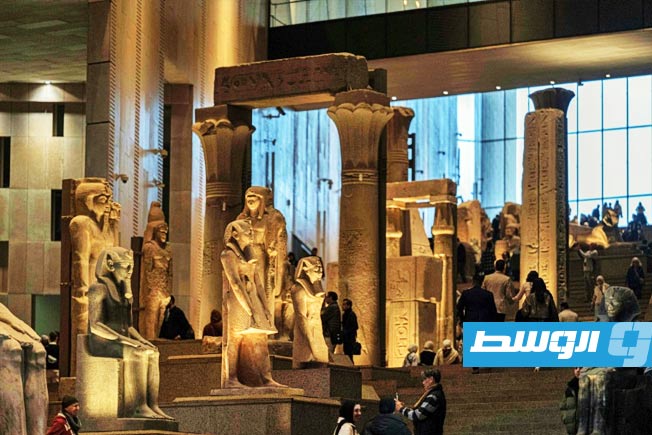
Egypt is home to one of the world’s oldest civilizations, with a history spanning over 5,000 years that includes the era of the pharaohs and iconic monuments like the Pyramids of Giza and the Sphinx. Its rich cultural heritage also encompasses later influences from Greek, Roman, Coptic Christian, and Islamic periods, making it a central historical and archaeological crossroads.
Libya
Libya is a North African country with a rich history rooted in ancient civilizations like the Phoenicians and Romans, followed by centuries of Arab and Ottoman influence. In the modern era, it was an Italian colony before gaining independence in 1951, later becoming known for Muammar Gaddafi’s lengthy rule from 1969 until the 2011 revolution. The country is home to UNESCO World Heritage sites, such as the ruins of Leptis Magna, which attest to its historical significance.
New Partnership for Africa’s Development
The New Partnership for Africa’s Development (NEPAD) is a strategic framework adopted by African Union leaders in 2001 to promote sustainable development, eradicate poverty, and enhance Africa’s integration into the global economy. It was established to address challenges like underdevelopment and marginalization through principles of good governance and regional cooperation.