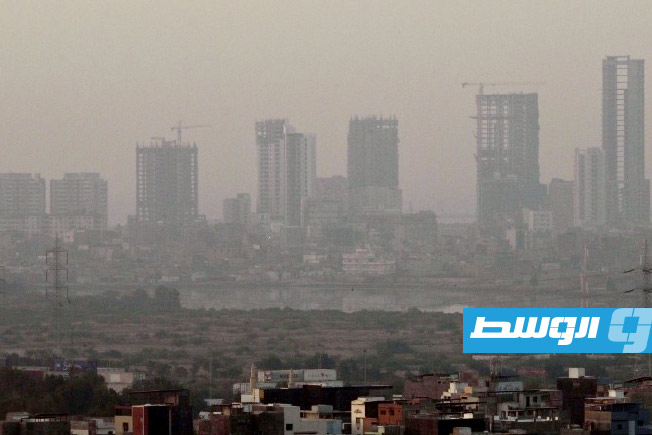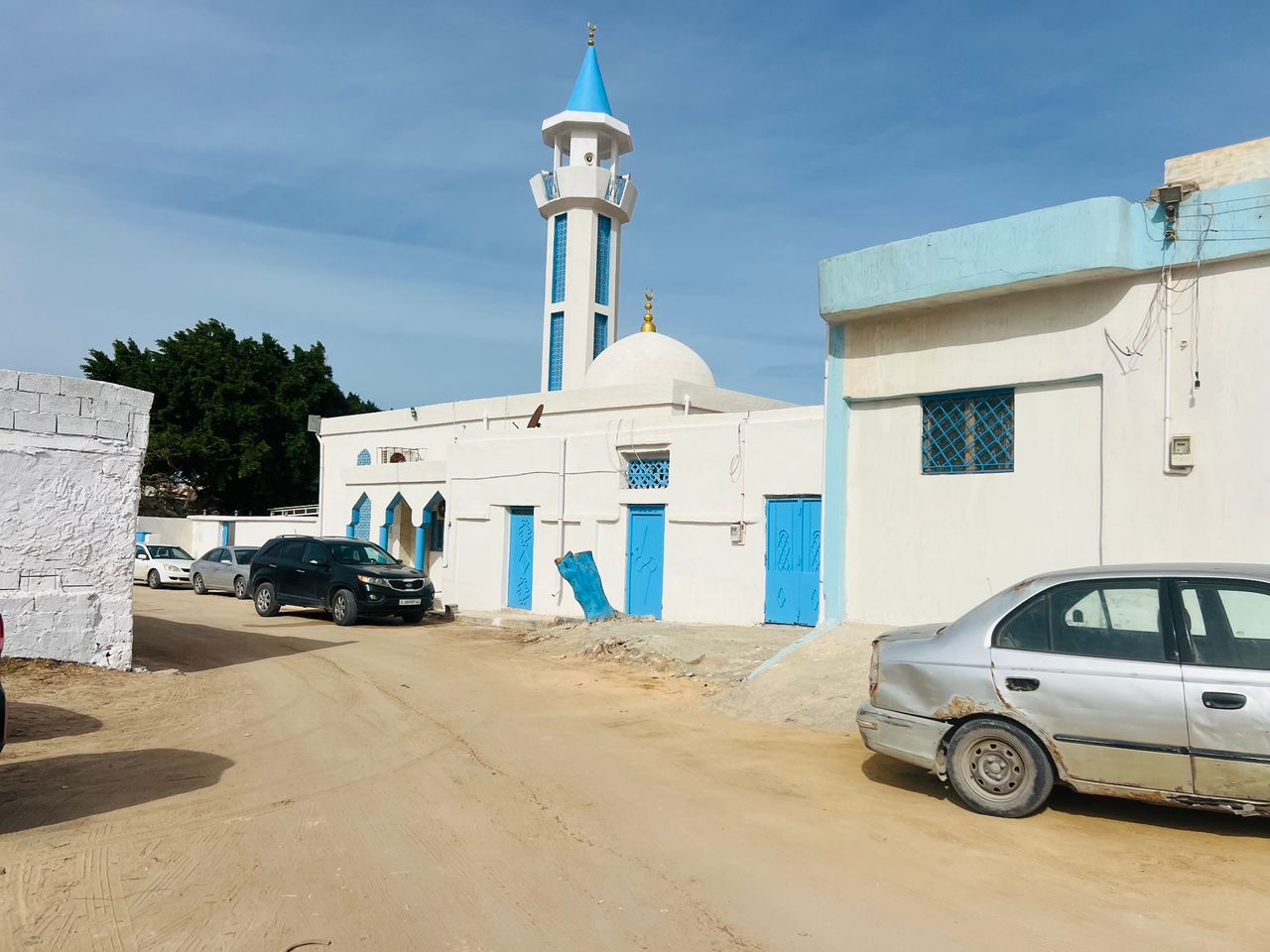
Benghazi, January 22, 2026 – The severe dust storm that struck the city of Benghazi from January 19 to 21 has revealed profound disruptions in the environmental and service sectors.
The storm caused power outages in a number of neighborhoods, halted water supplies, and partially disrupted transportation and services, exacerbating the suffering of residents and bringing back to the forefront the fragility of the infrastructure system in the face of harsh climatic phenomena.
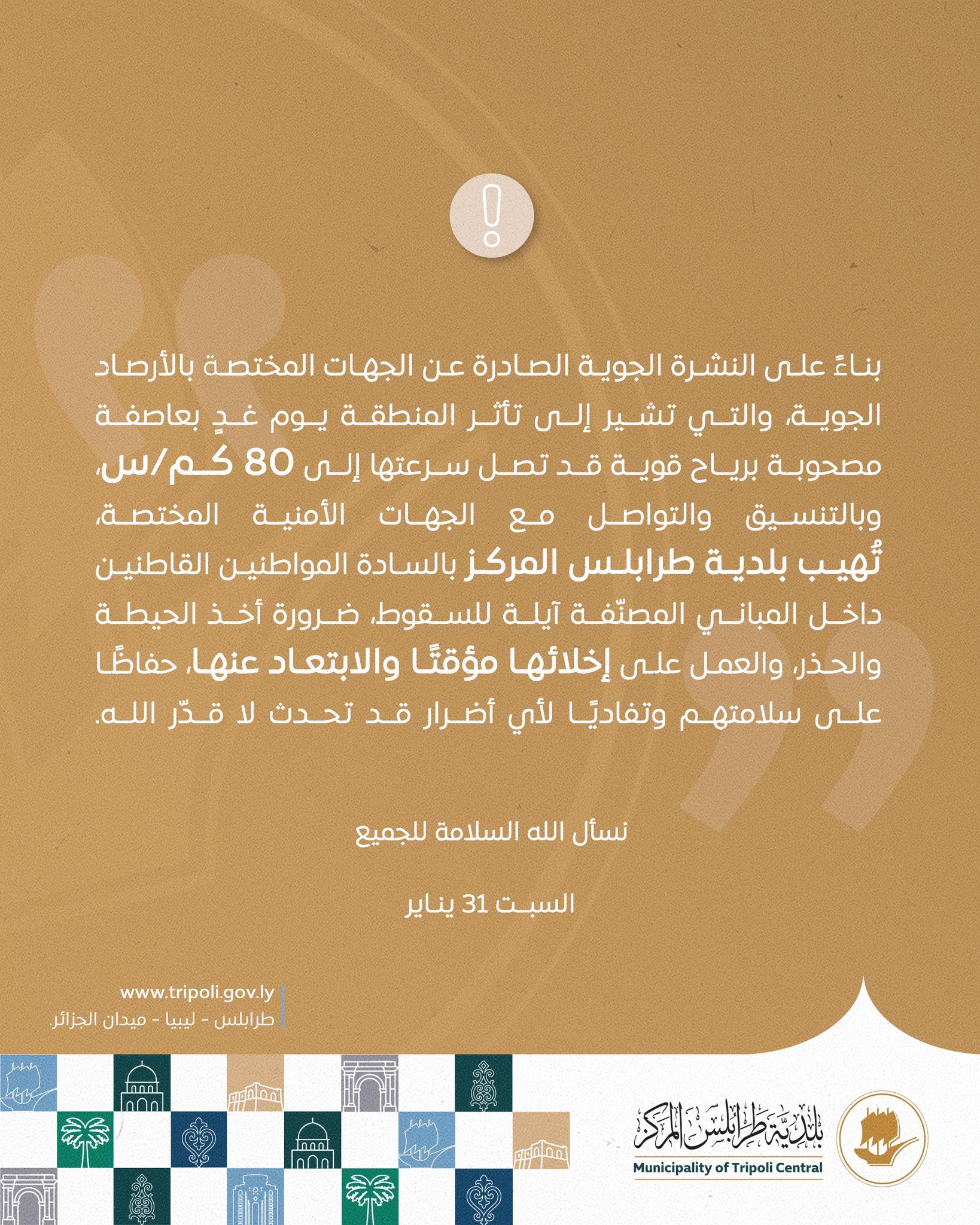
This storm is considered one of the strongest to hit the city in many years. The intensity of the winds and the density of the carried dust disrupted public utilities and exposed the limited technical and administrative readiness to deal with environmental crises, in the absence of emergency plans capable of mitigating their negative effects.
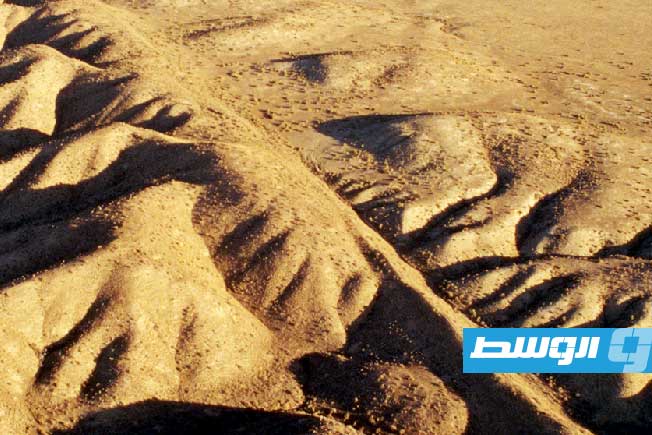
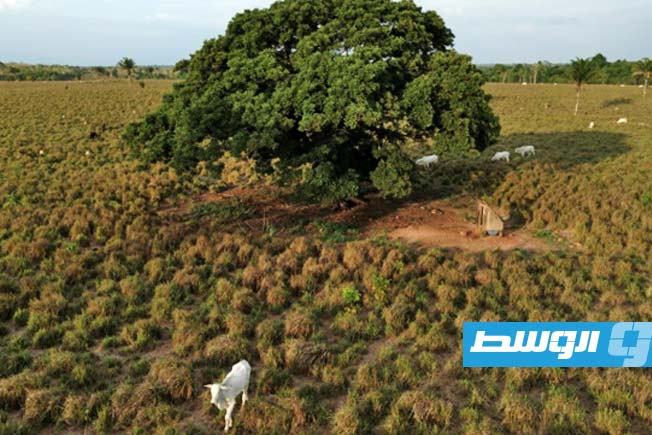
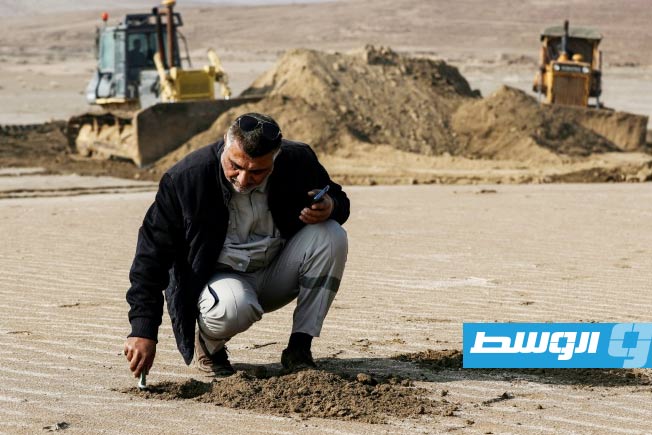
In this context, it was explained that the storm was not a sudden or exceptional phenomenon as much as it was a natural result of extended environmental accumulations, primarily the significant decline in vegetation cover within the city and its surroundings, and the expansion of desertification. This has caused the soil to lose its cohesion and become susceptible to erosion with even the slightest strong wind activity.
It was indicated that the storm left direct health impacts, represented by a rise in respiratory disease cases, especially among children and the elderly, due to inhaling dense dust. It was clarified that the pressure on health facilities coincided with the disruption of some essential services, which further complicated the service and humanitarian situation.
It was noted that the continued power outages and water pumping stoppages after the storm subsided confirm the weakness of the crisis response system. The issue is not limited to technical aspects but extends to the absence of integrated environmental planning and poor risk management.
It was added that the repercussions included the economic aspect, where transportation and trade were disrupted, and construction projects stopped due to sand accumulation and equipment failure, causing direct and indirect losses to the city.
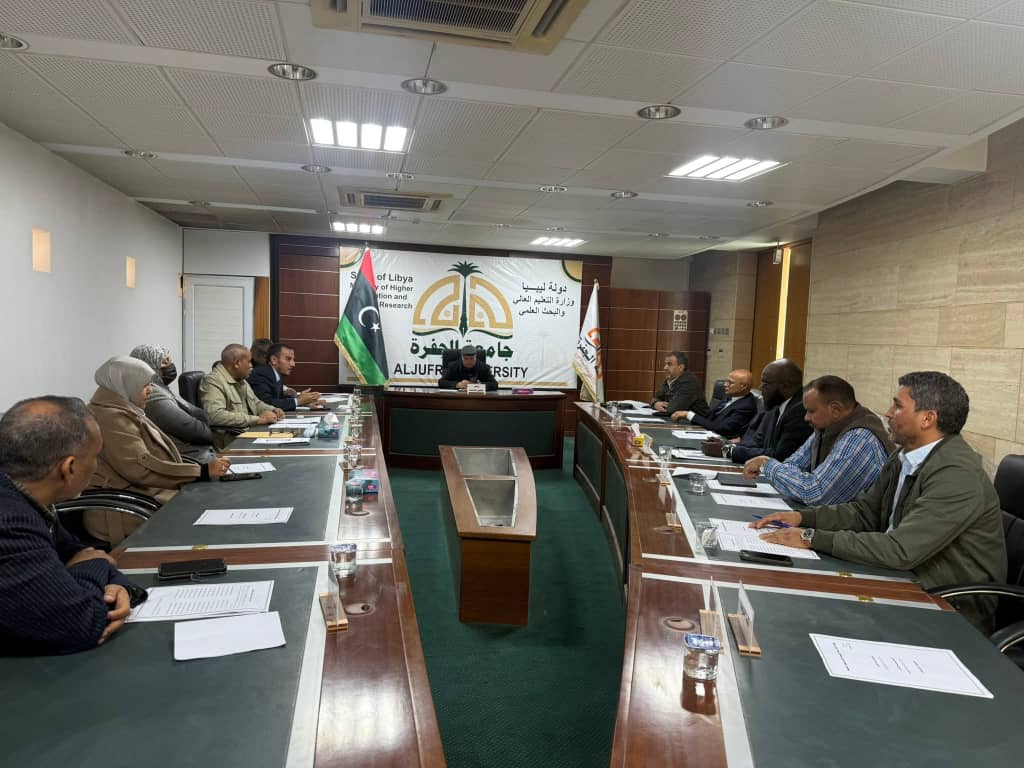
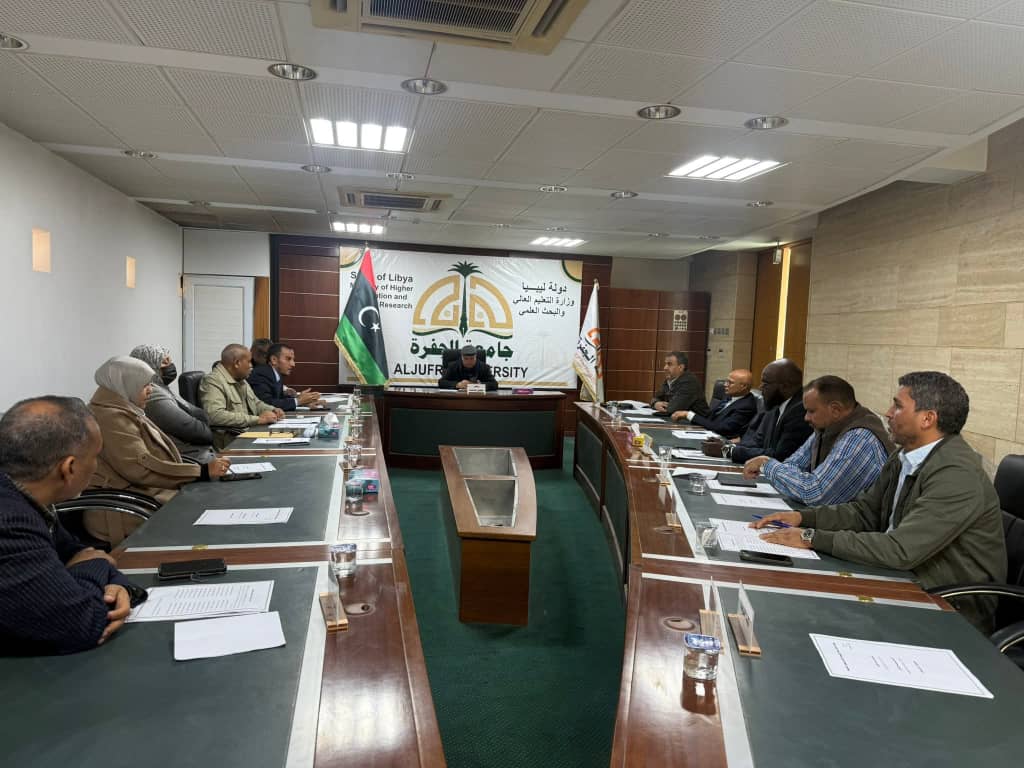
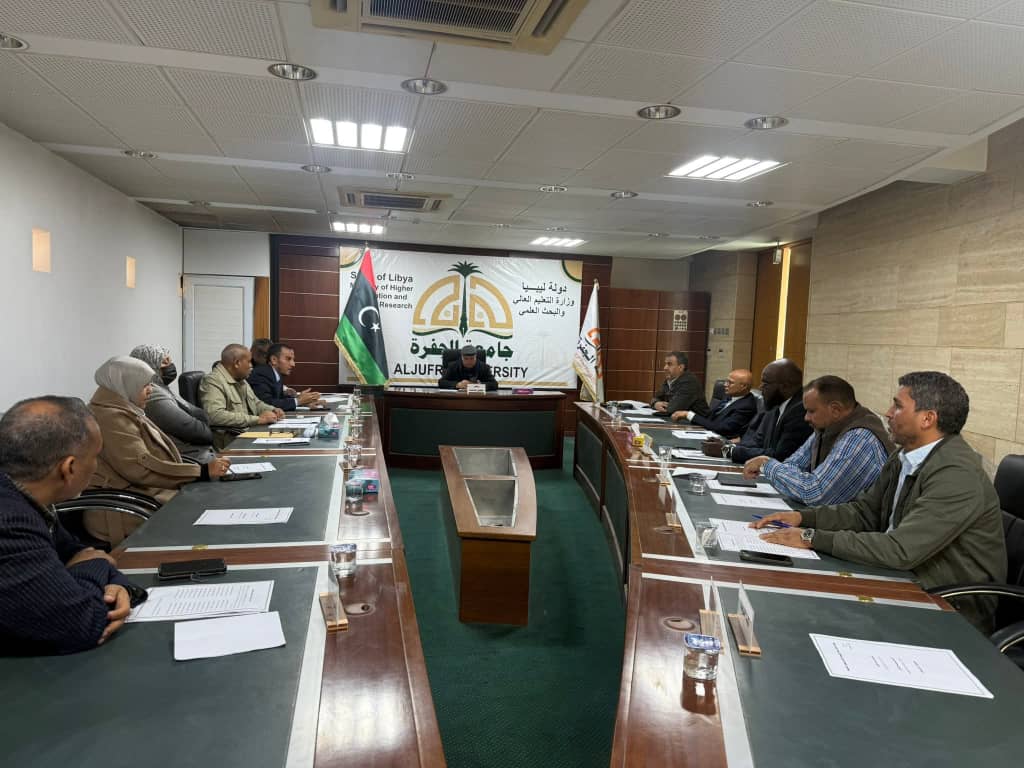
It was emphasized that what happened represents a real alarm bell that requires urgent action, calling for the adoption of sustainable environmental policies. These should include reforestation, regulating urban expansion, and enhancing coordination between official bodies and research institutions to ensure Benghazi is protected from the repetition of such crises in the future.