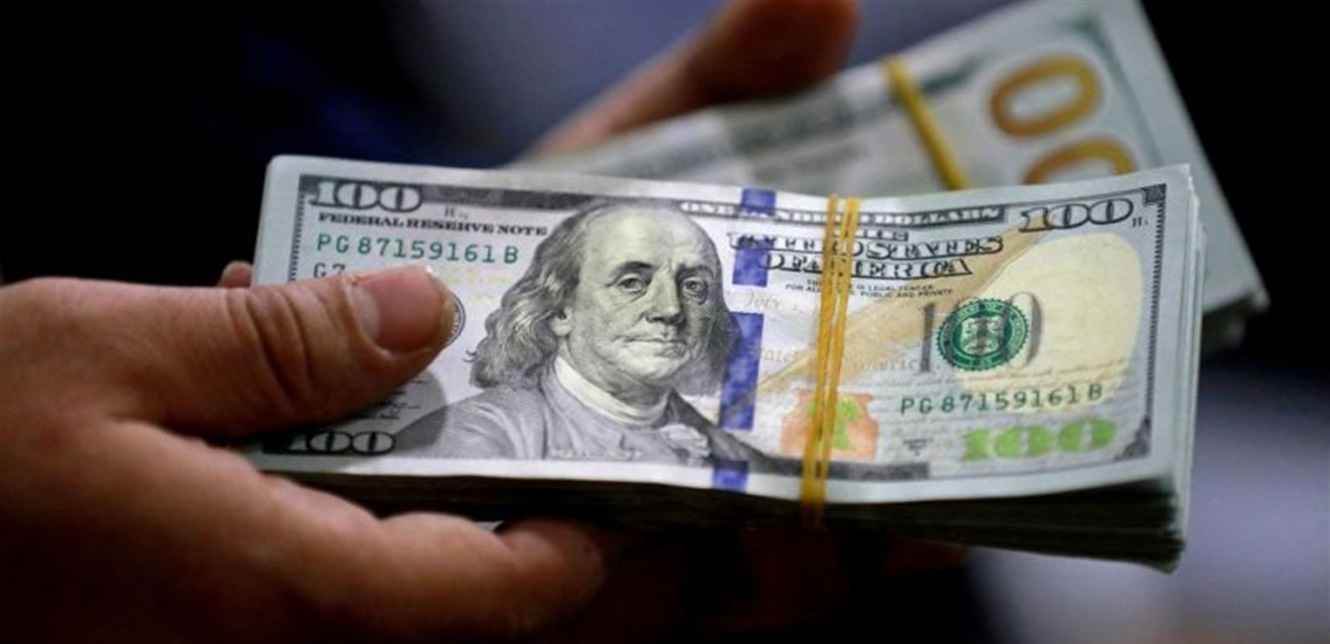
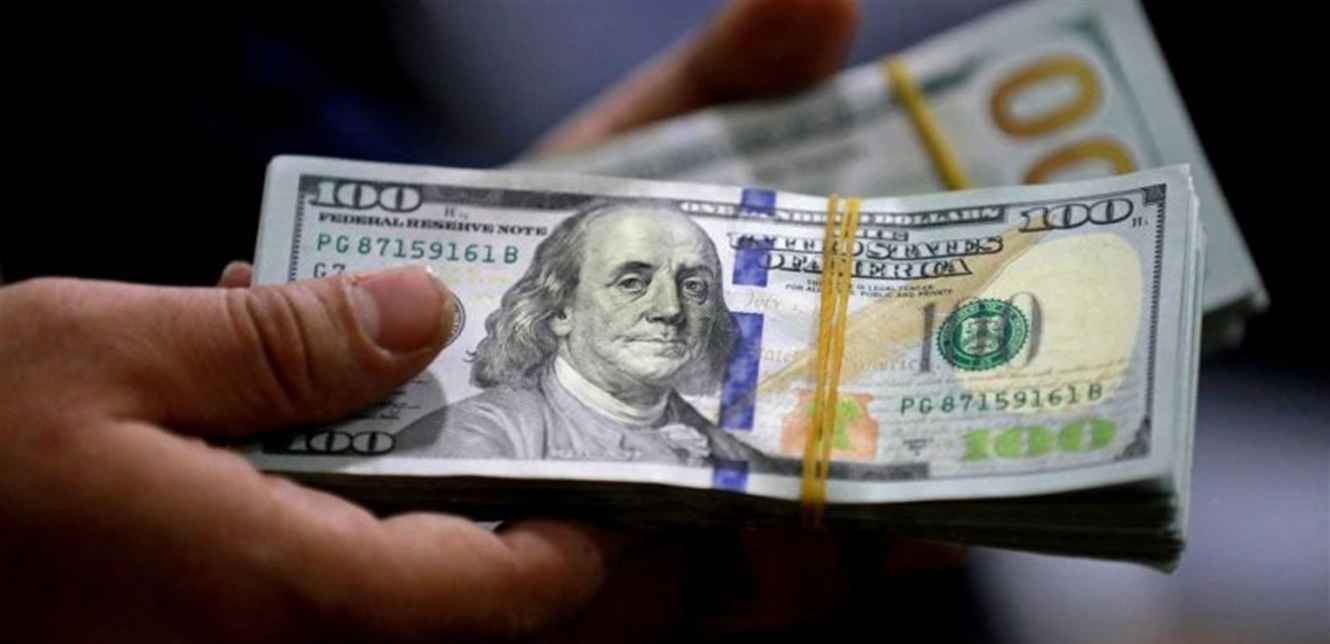
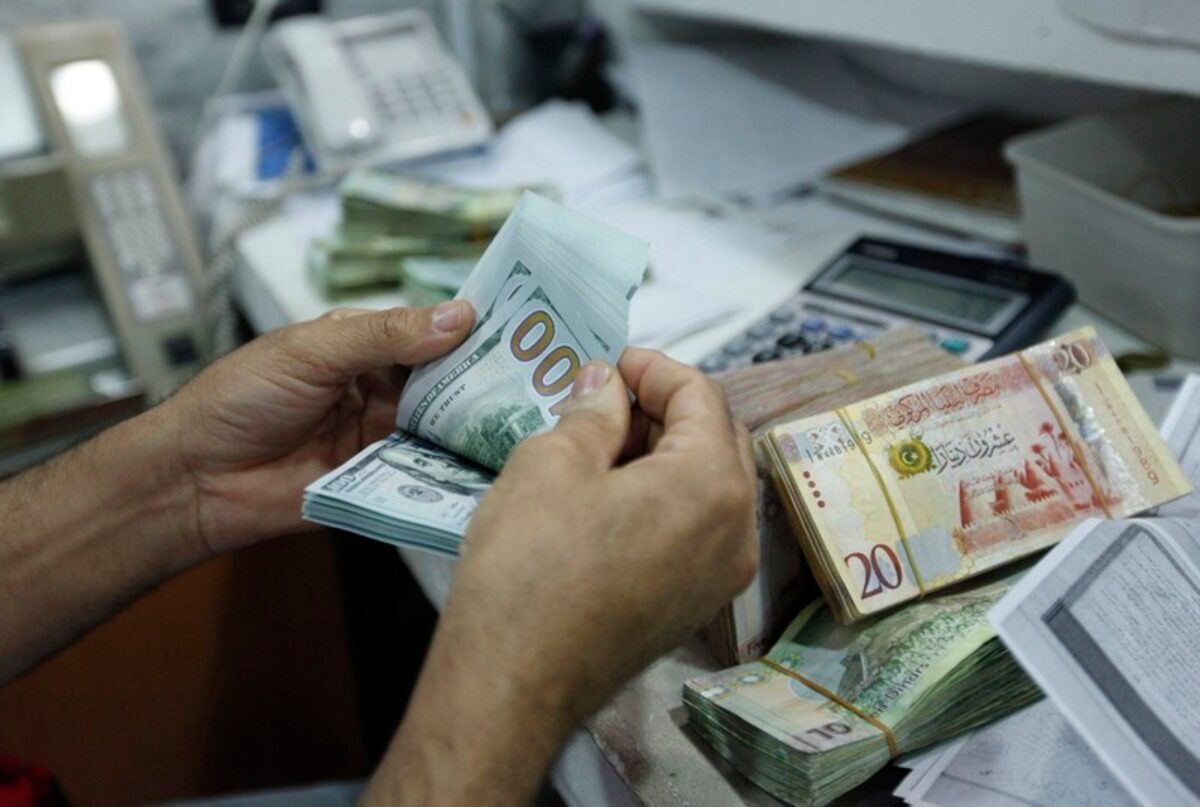
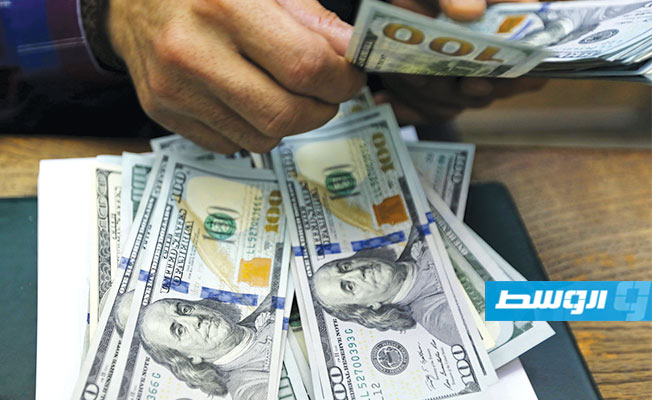
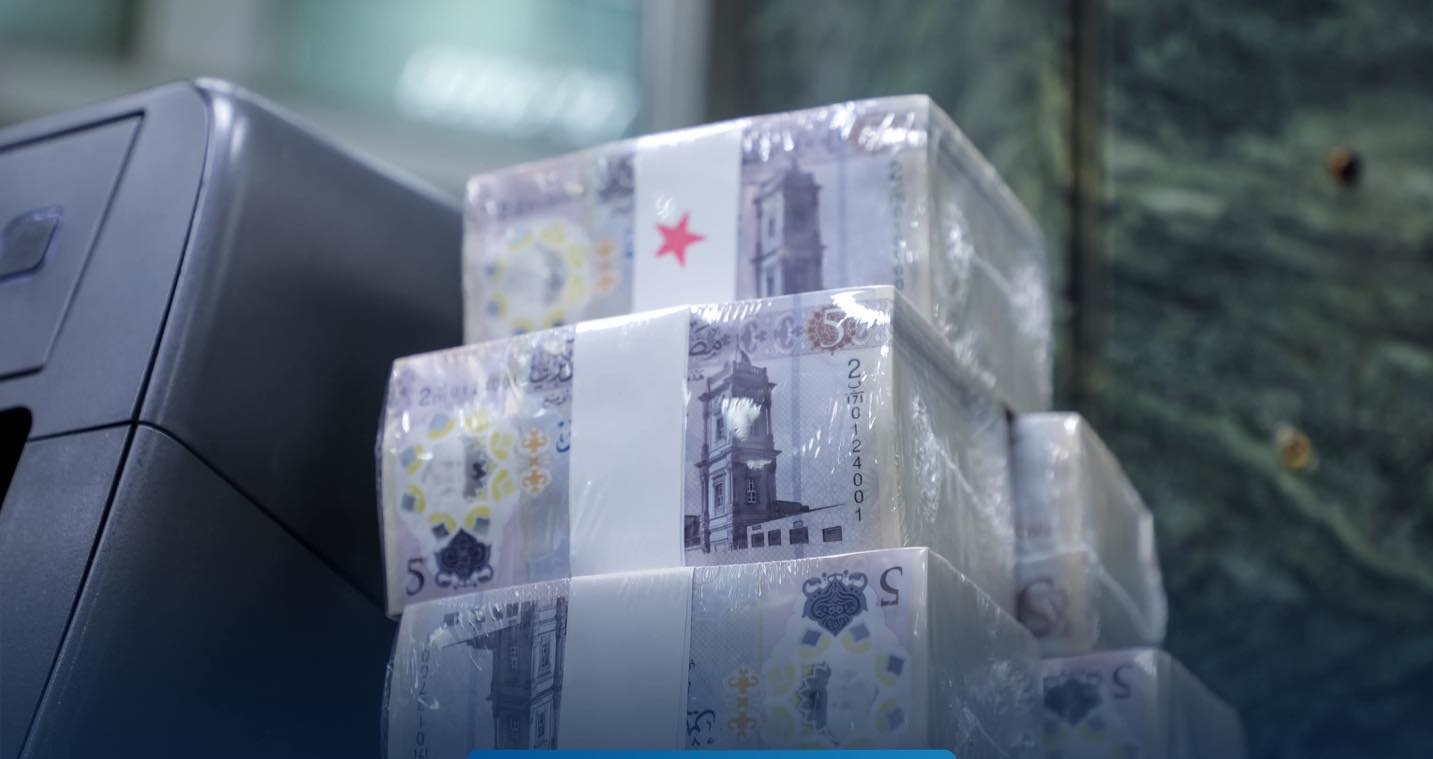
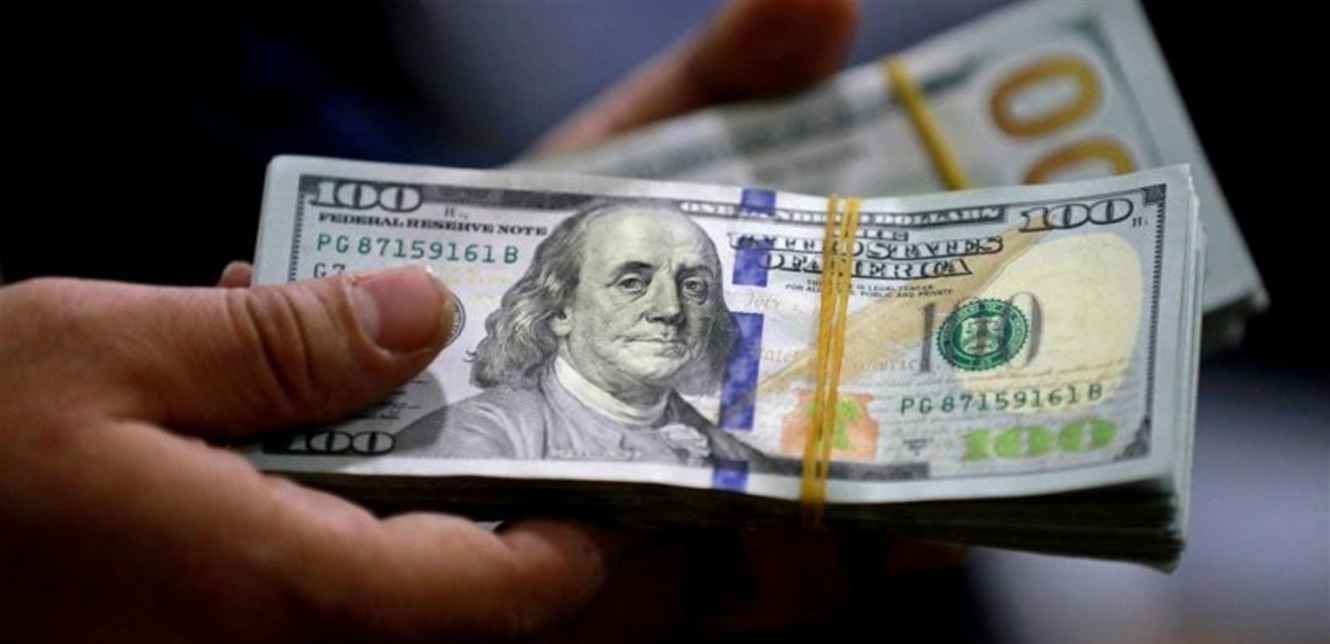
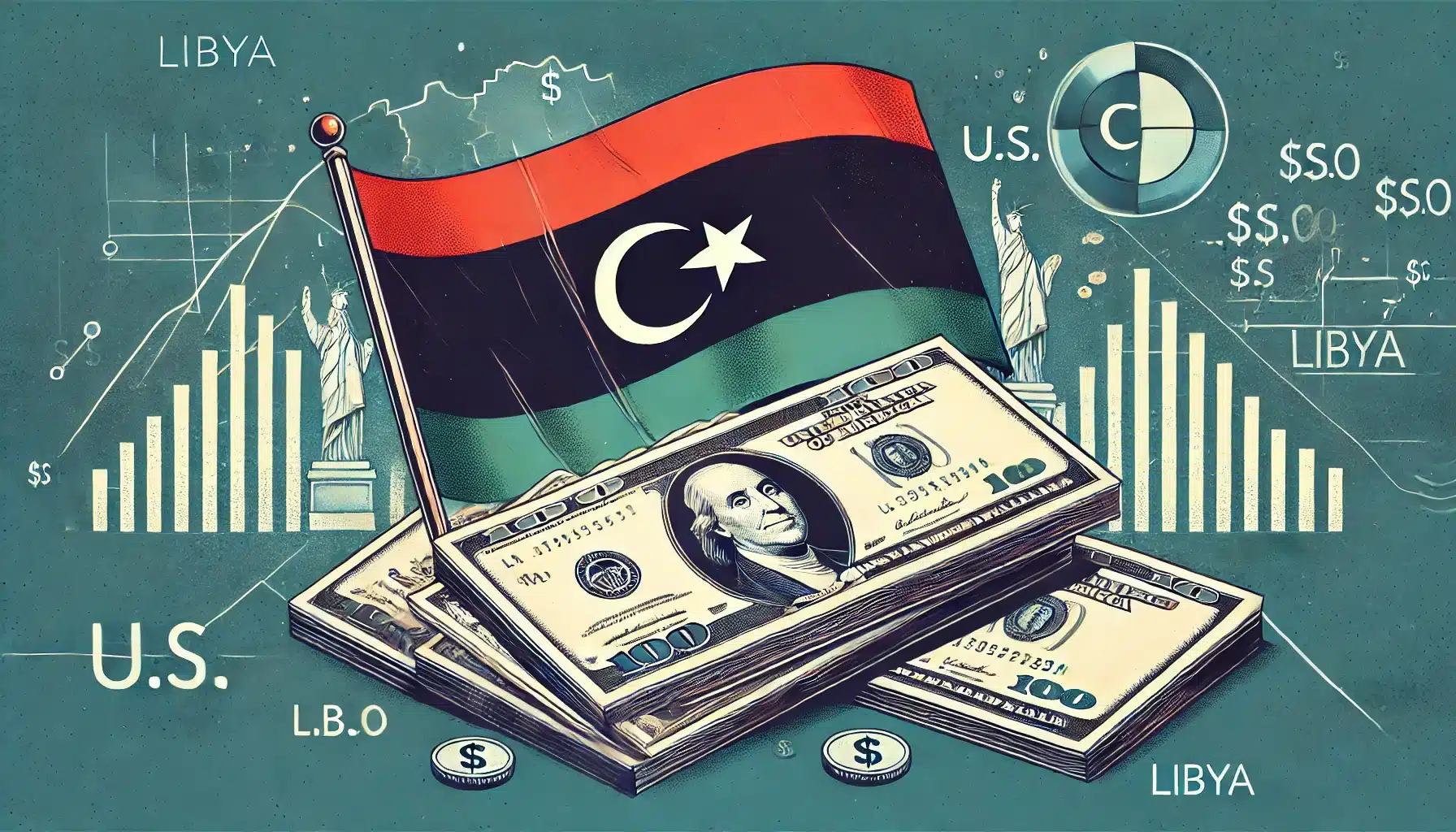
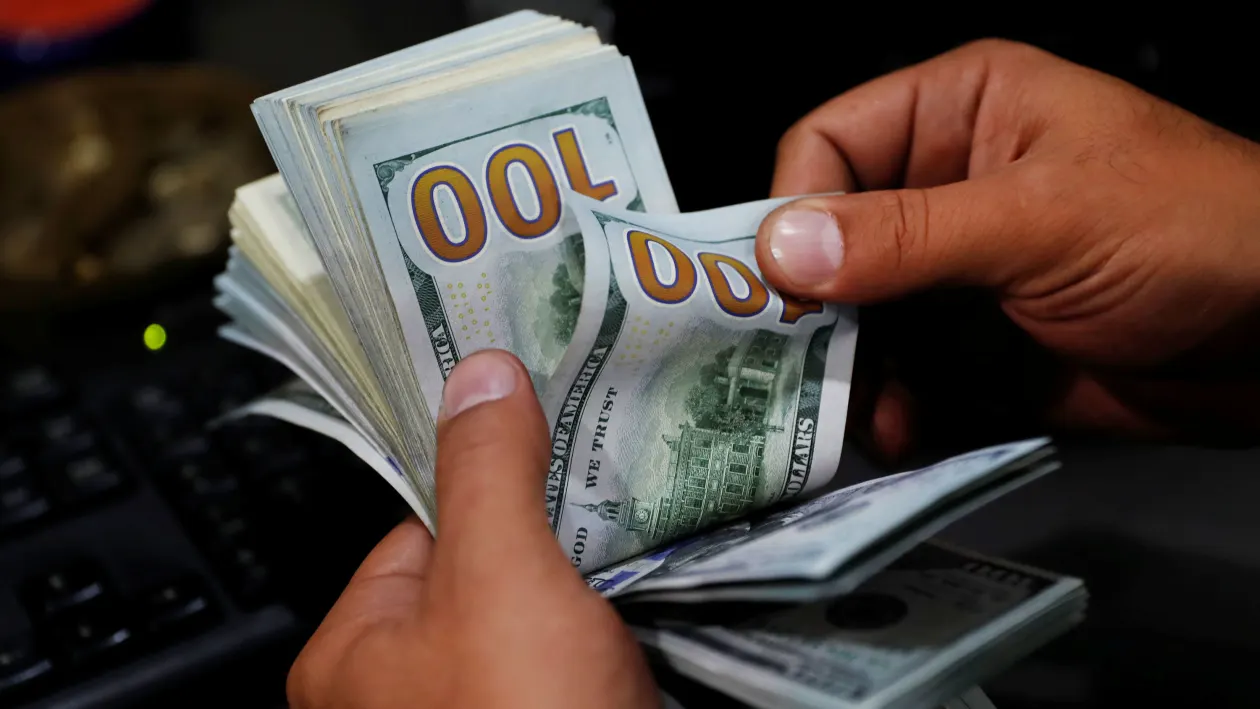
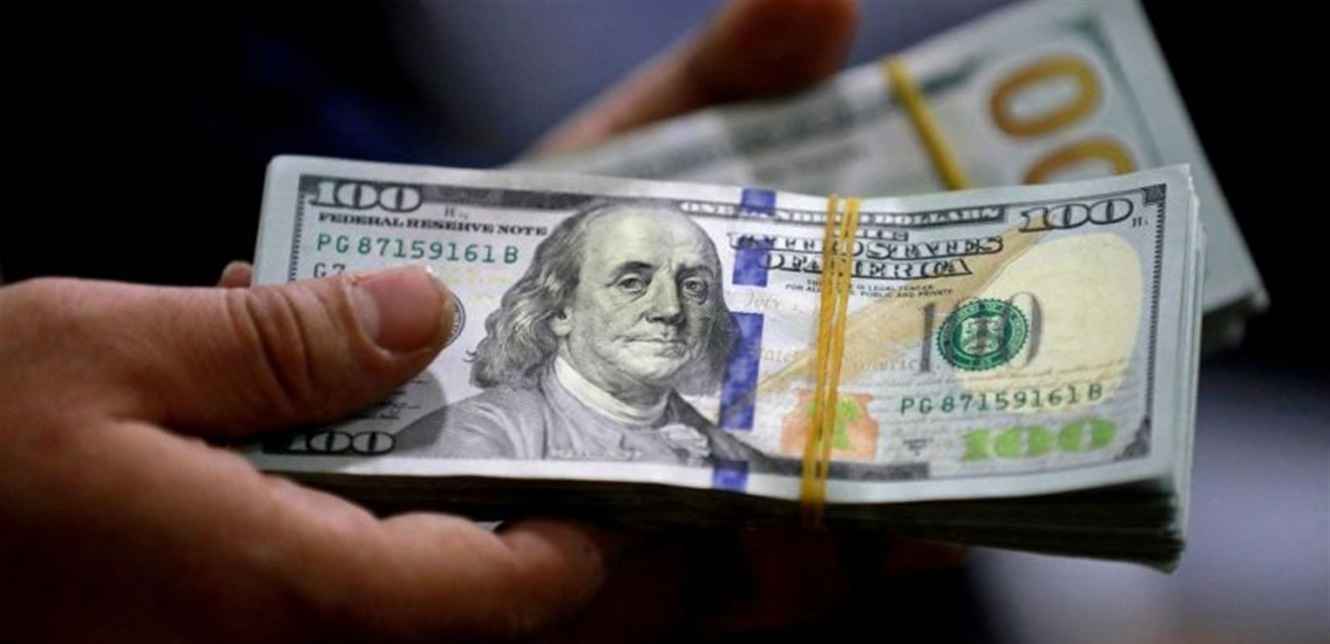
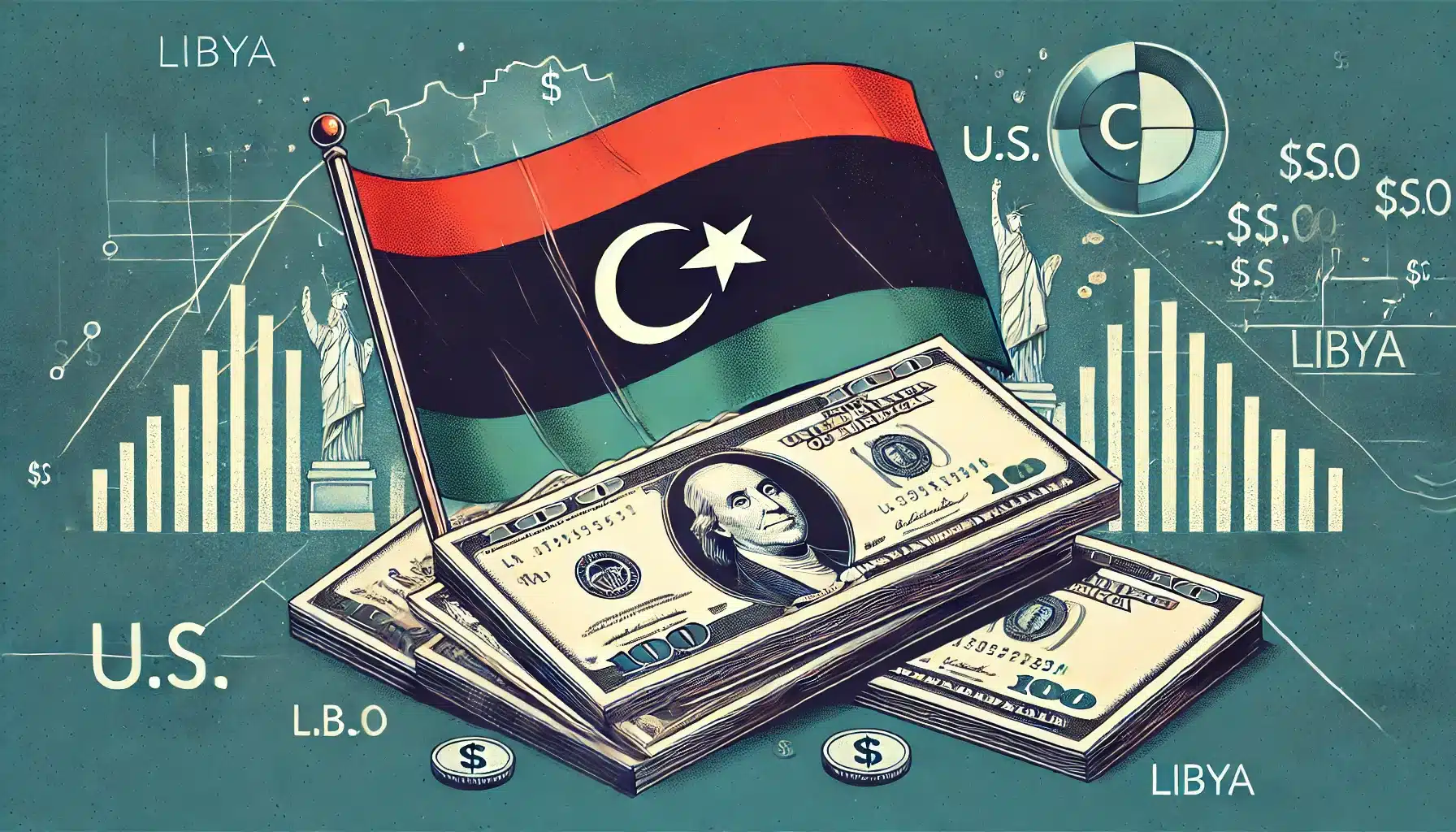
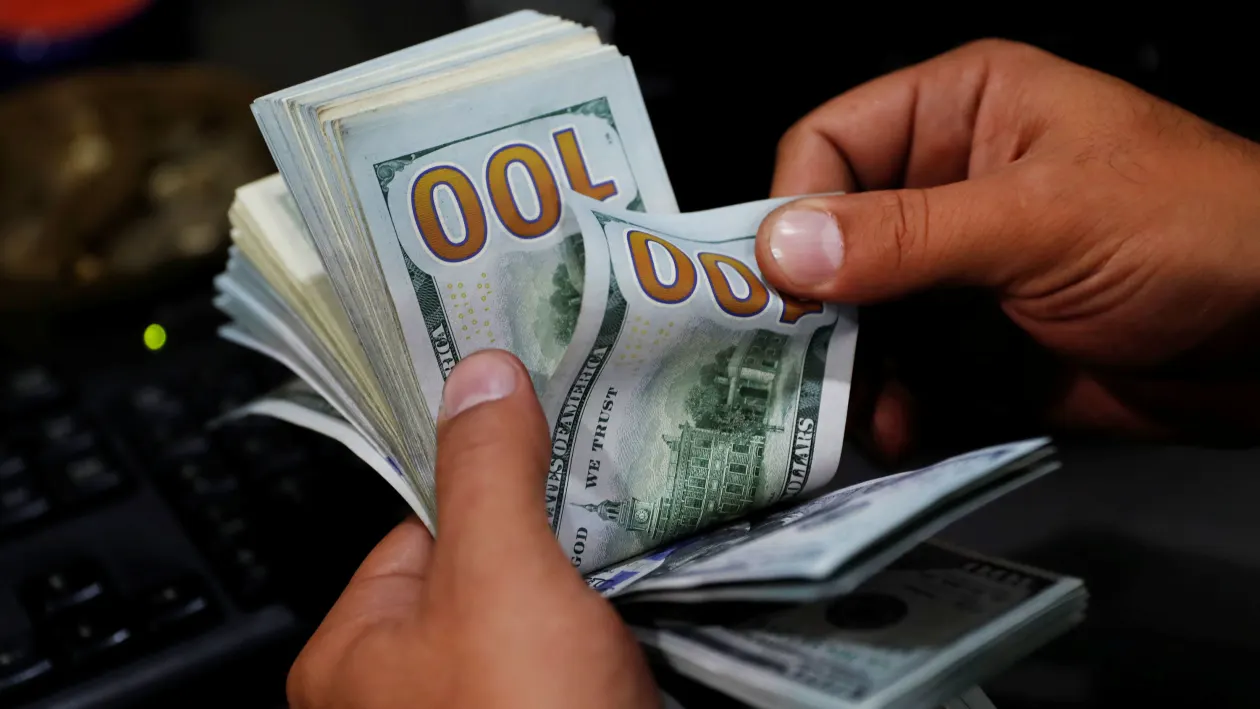
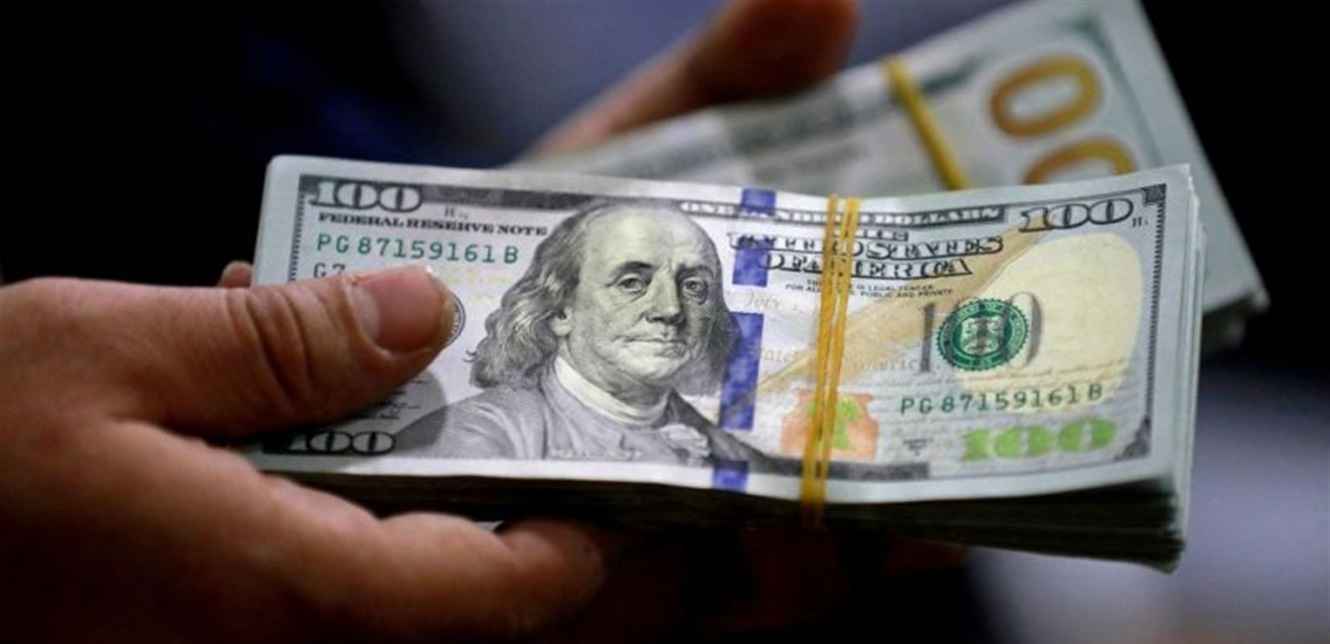
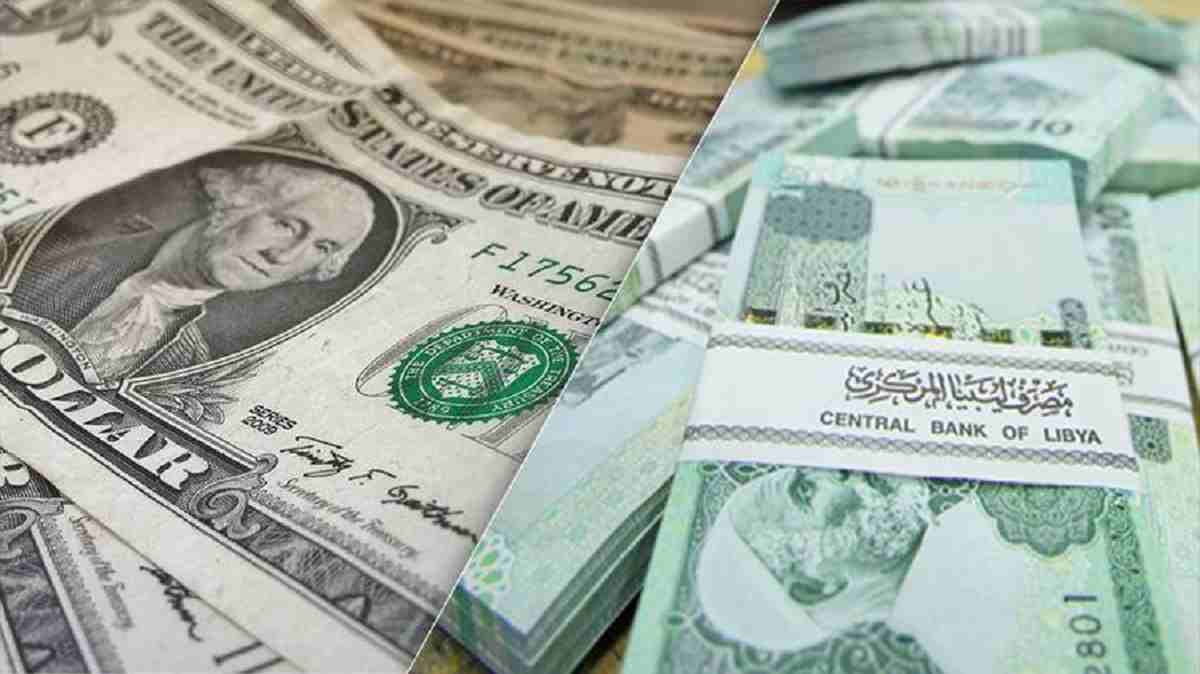
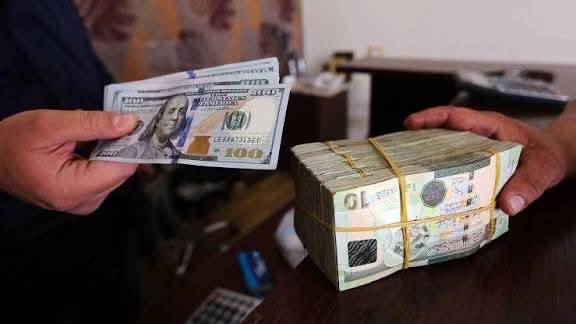
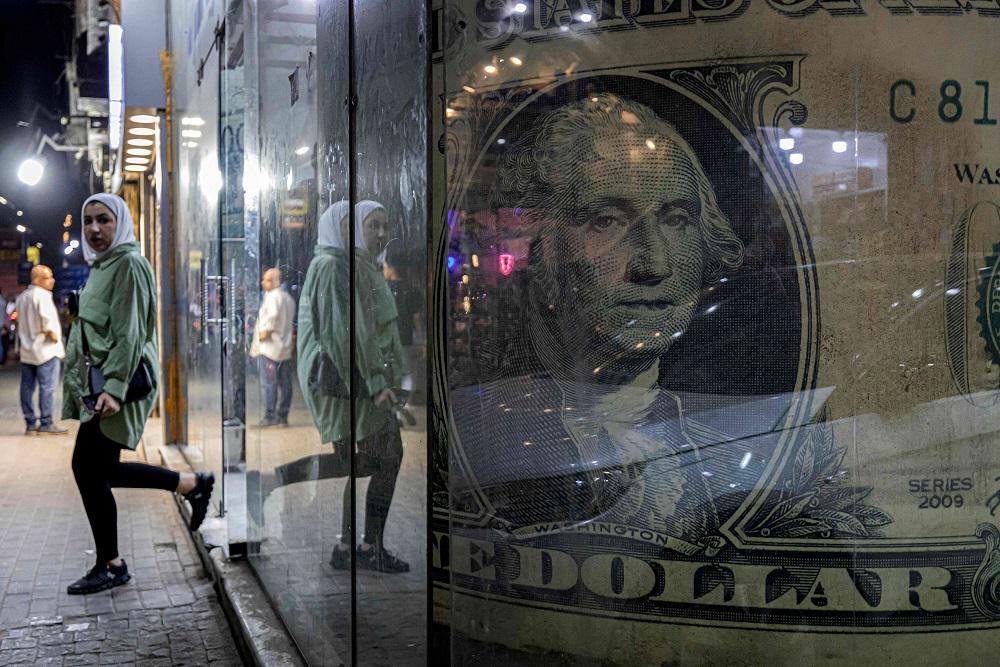
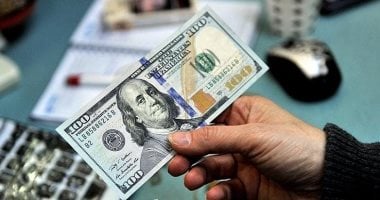
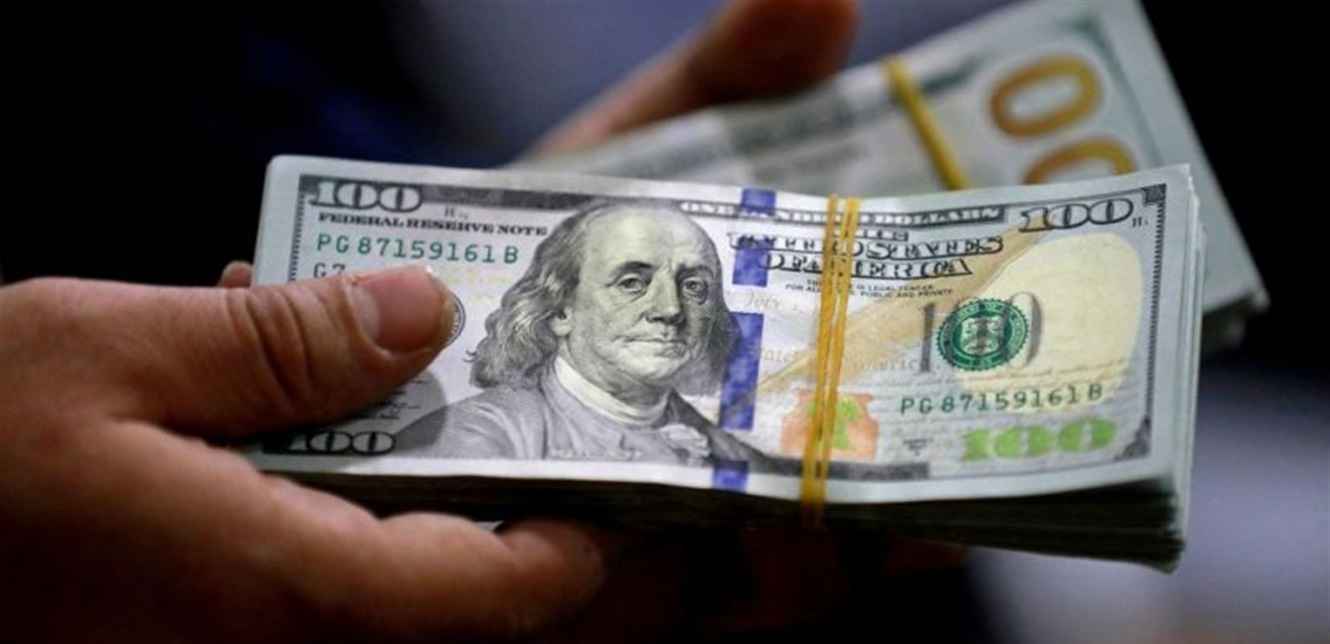
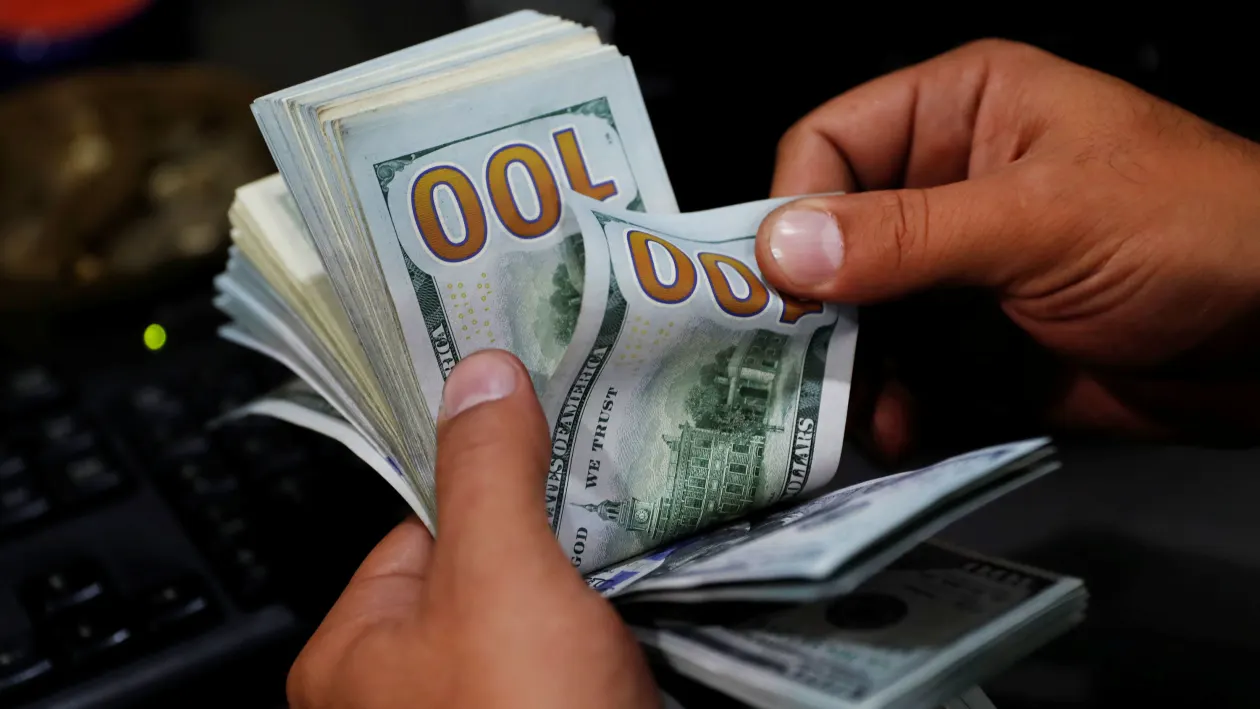
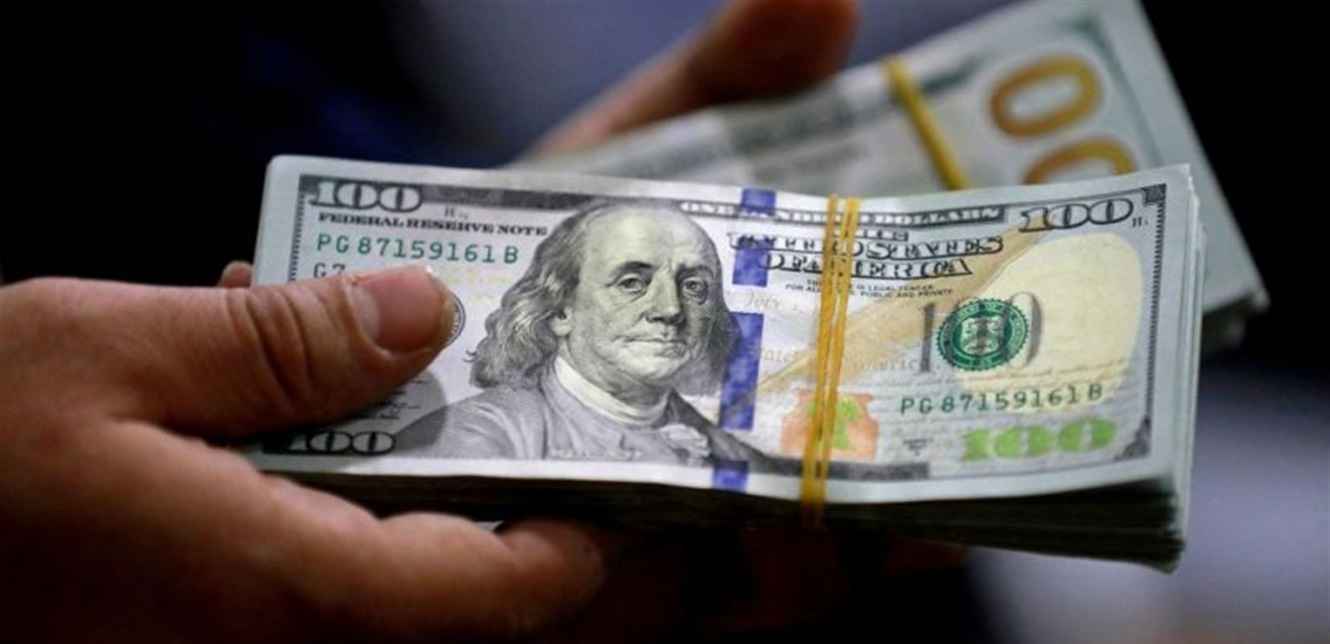
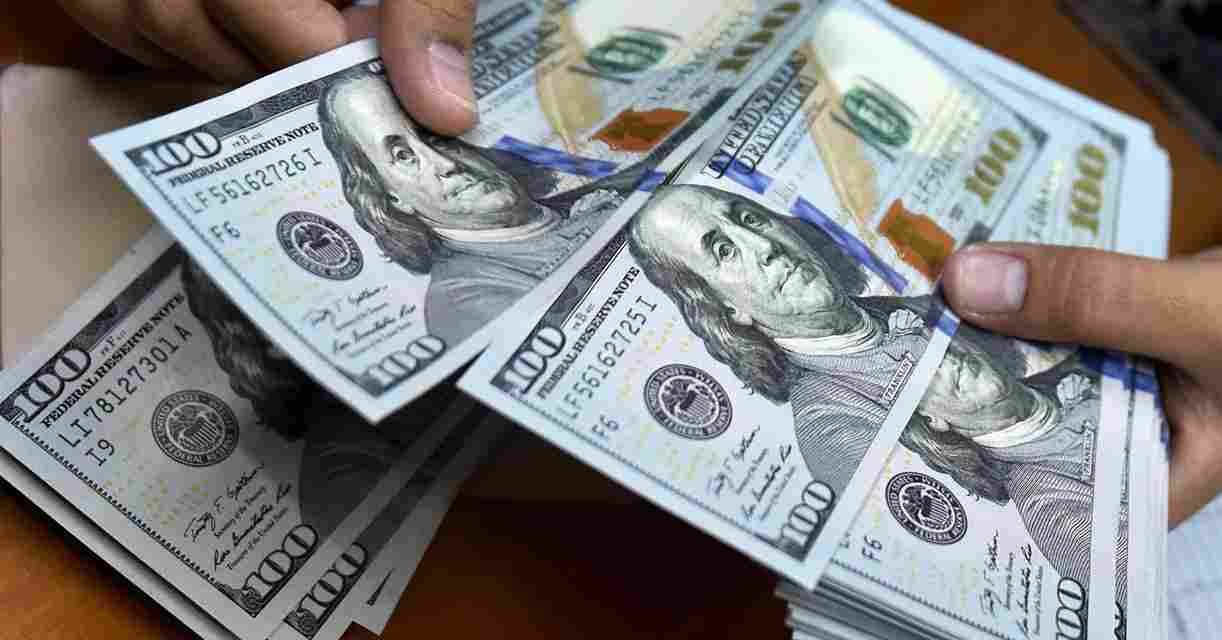
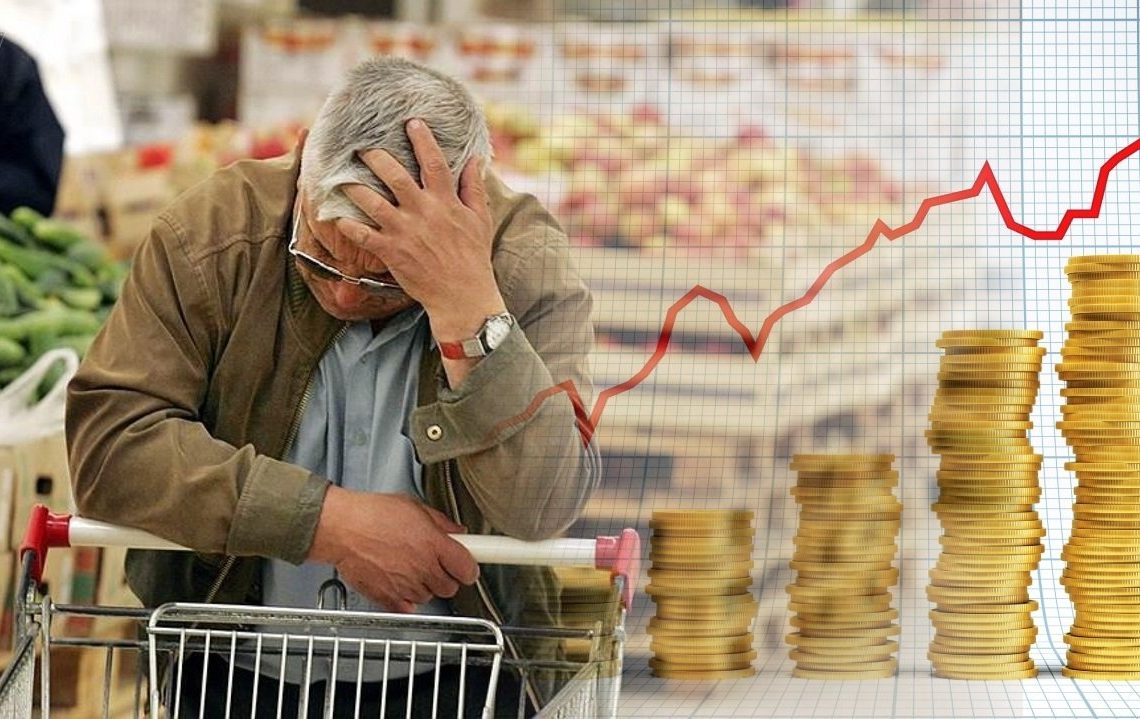
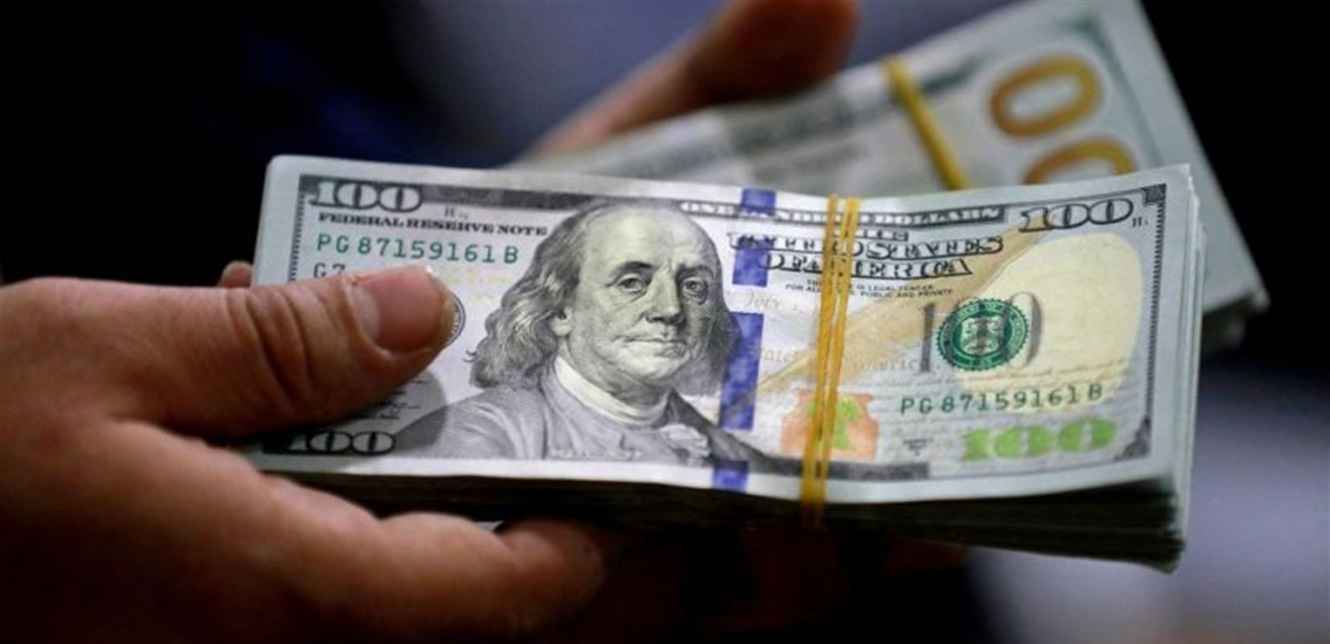
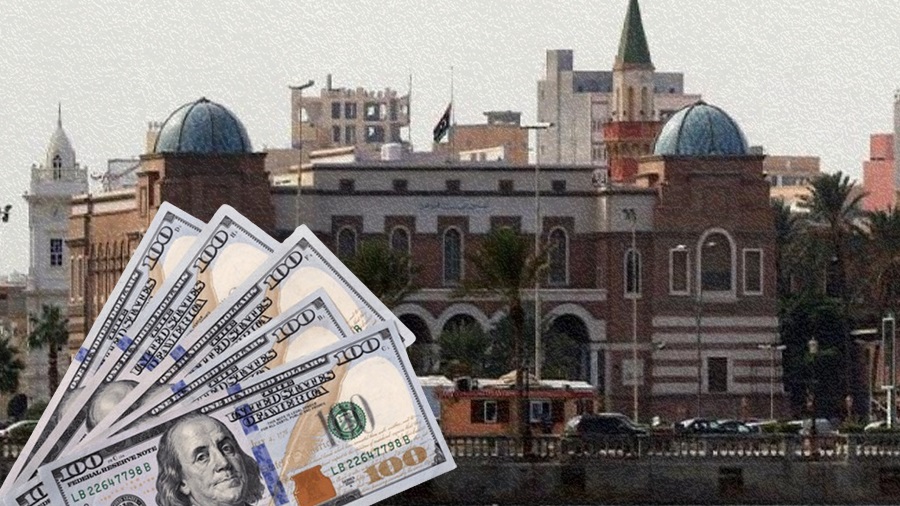
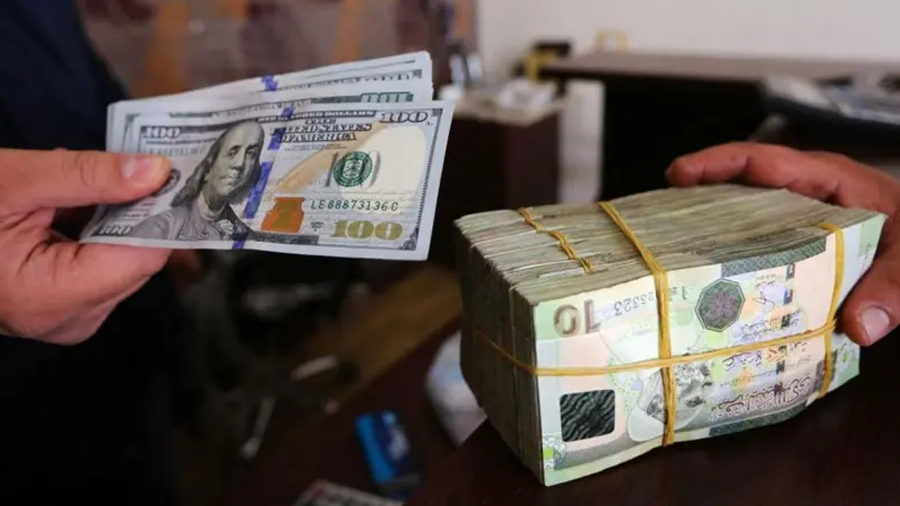
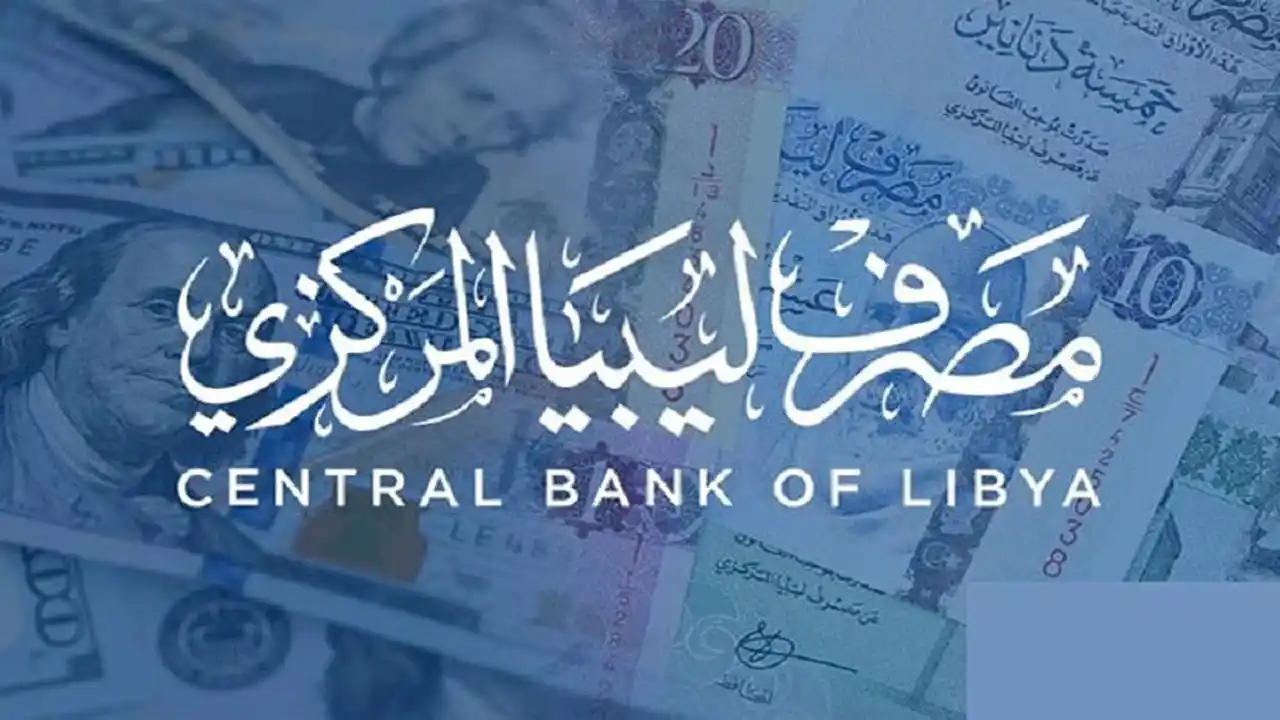
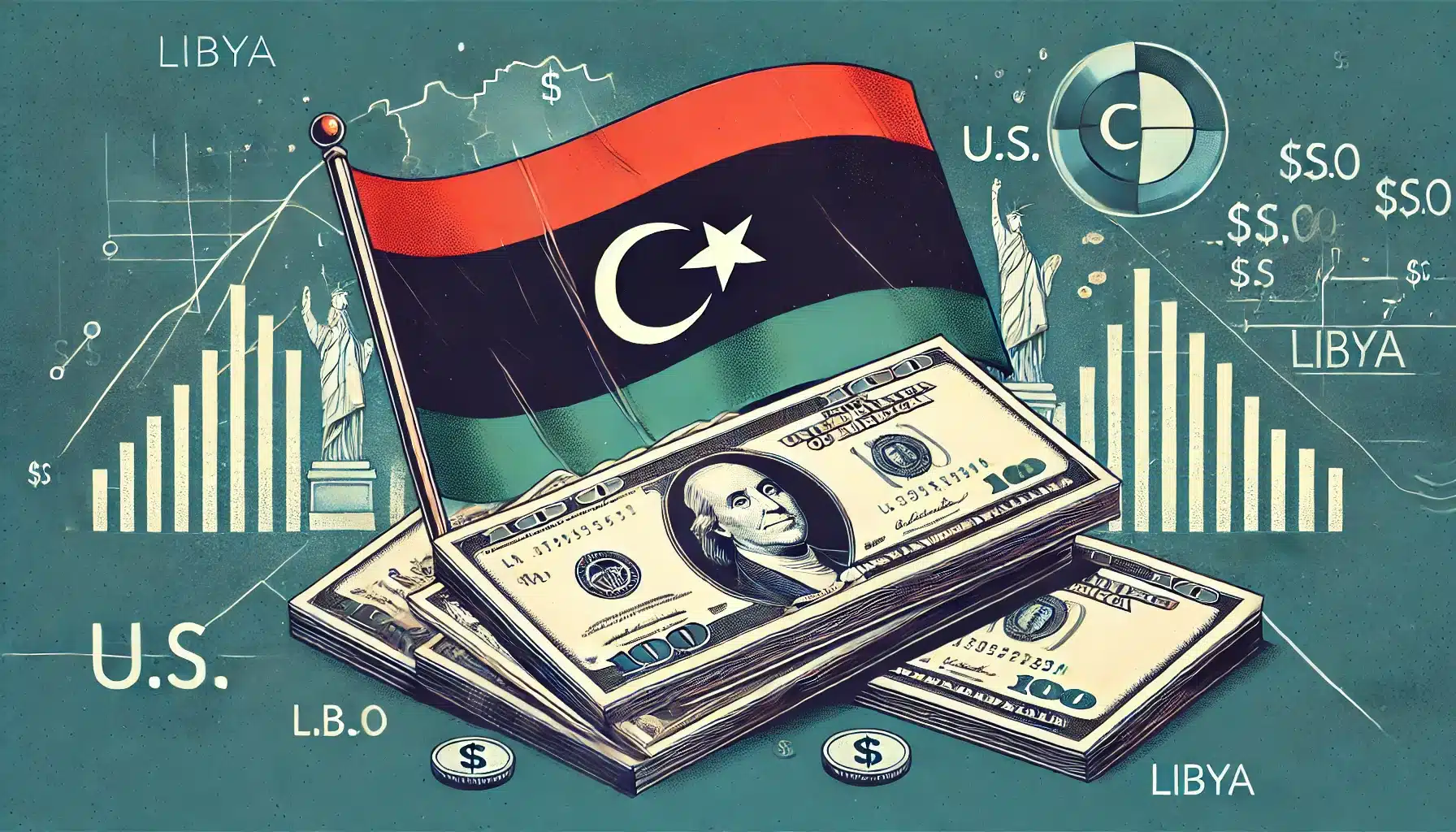
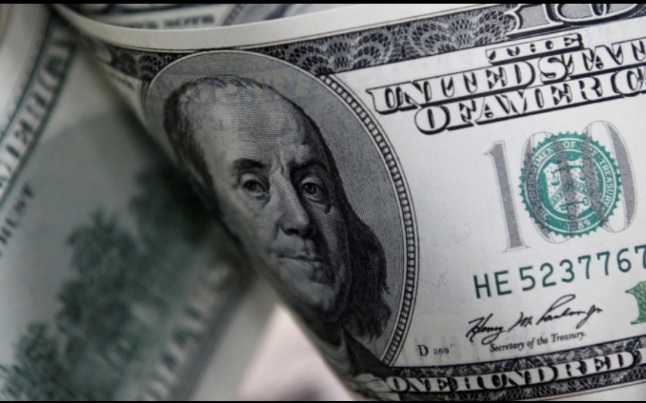
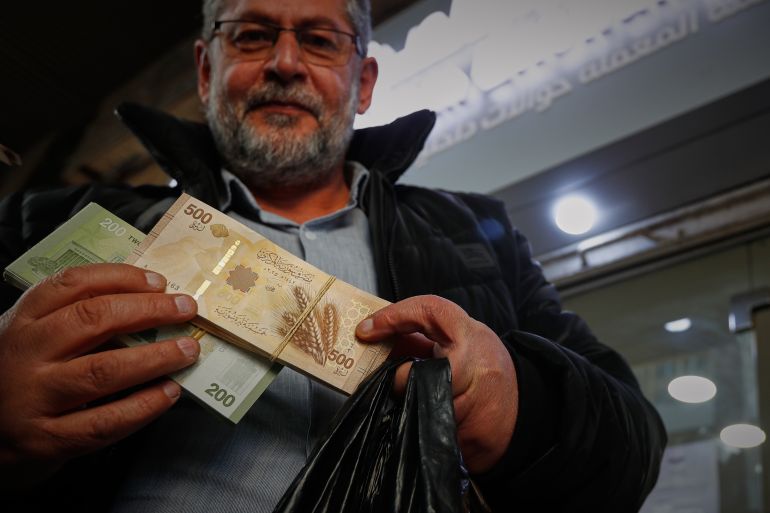
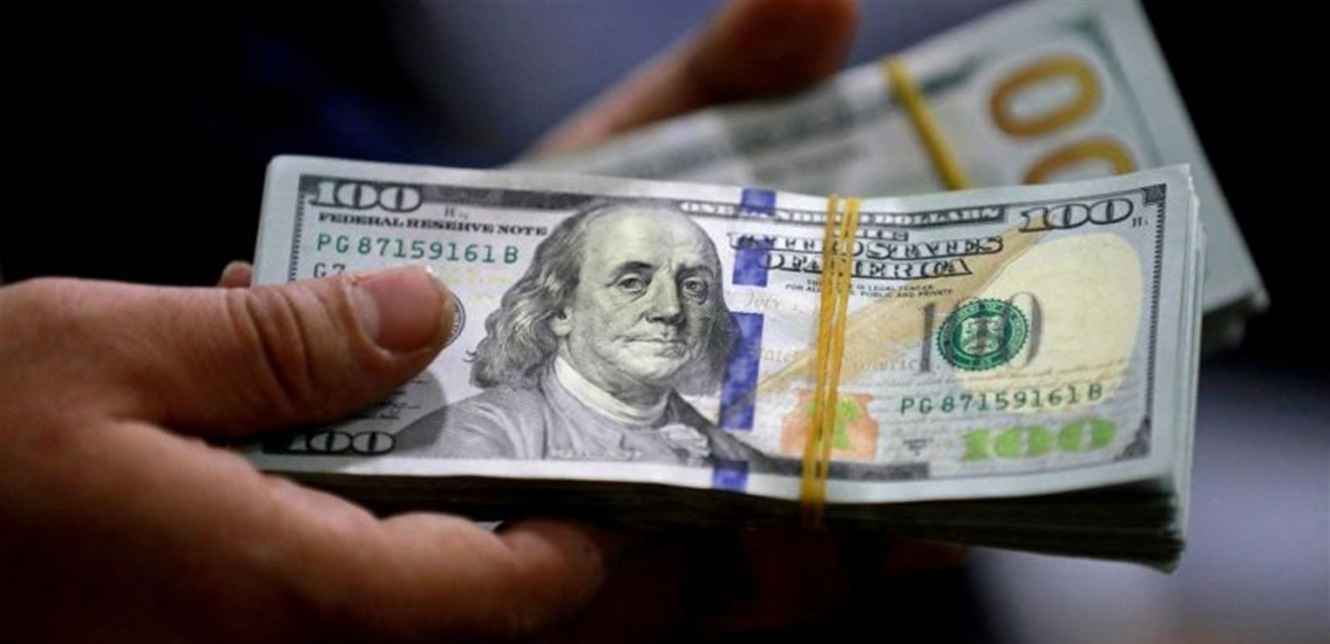
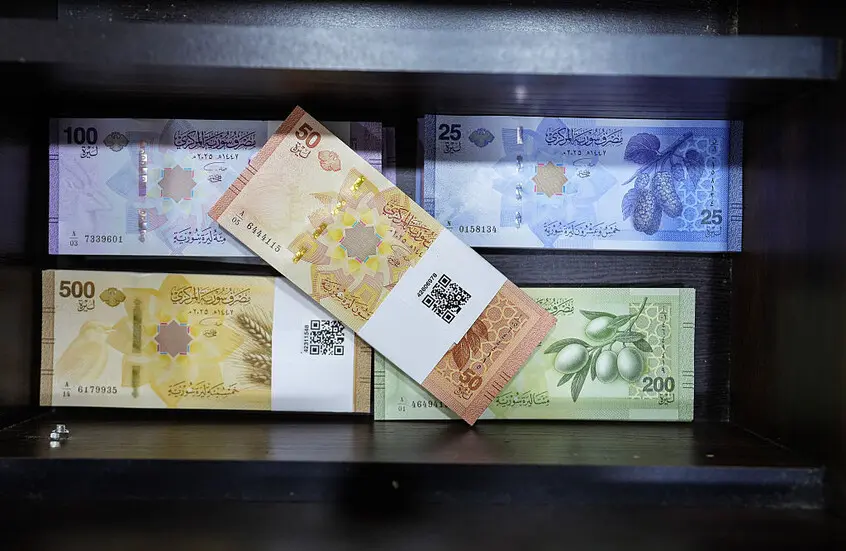
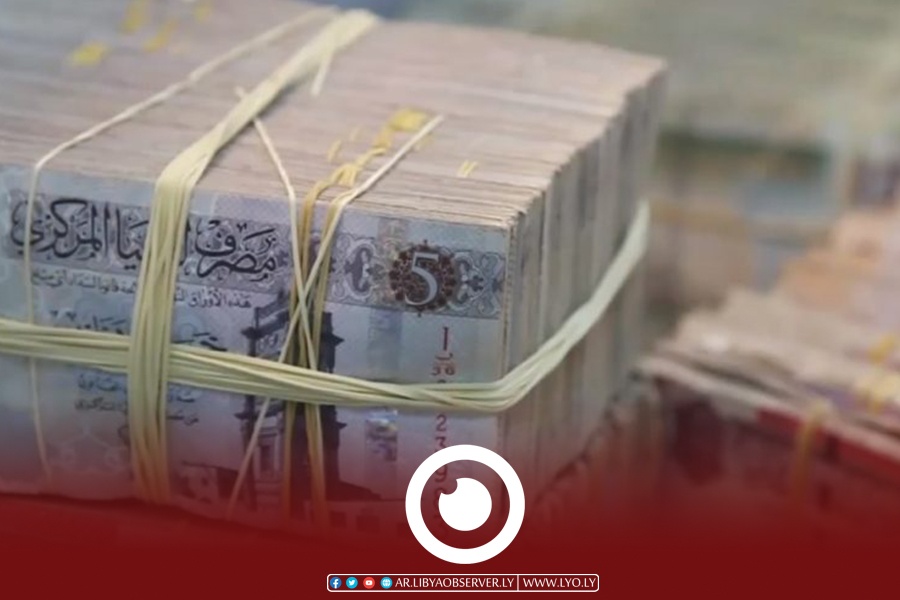
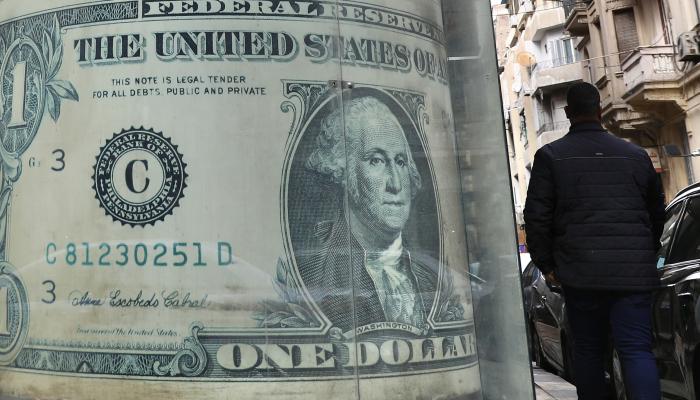
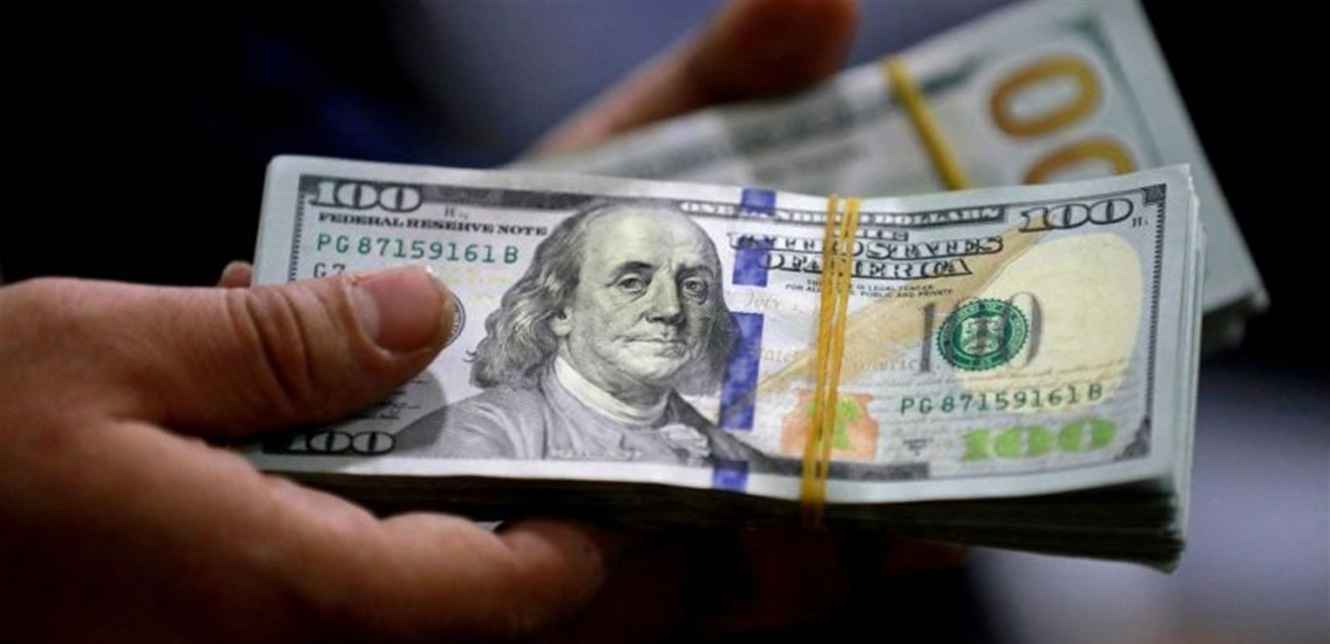
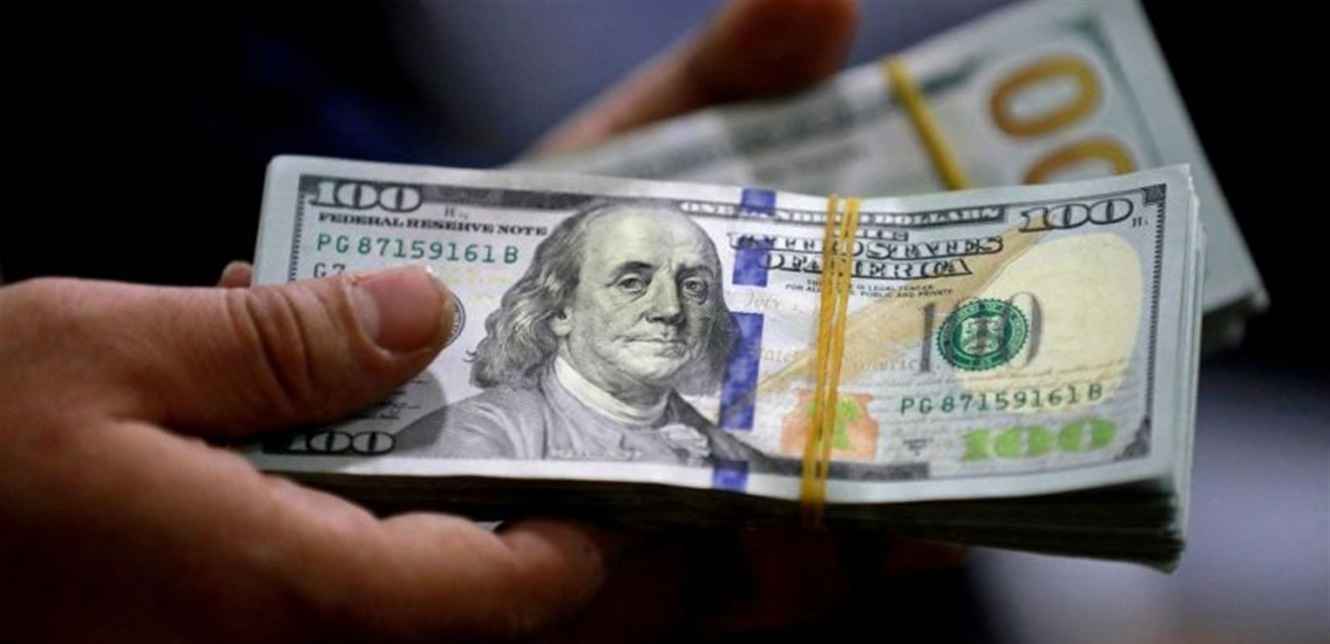
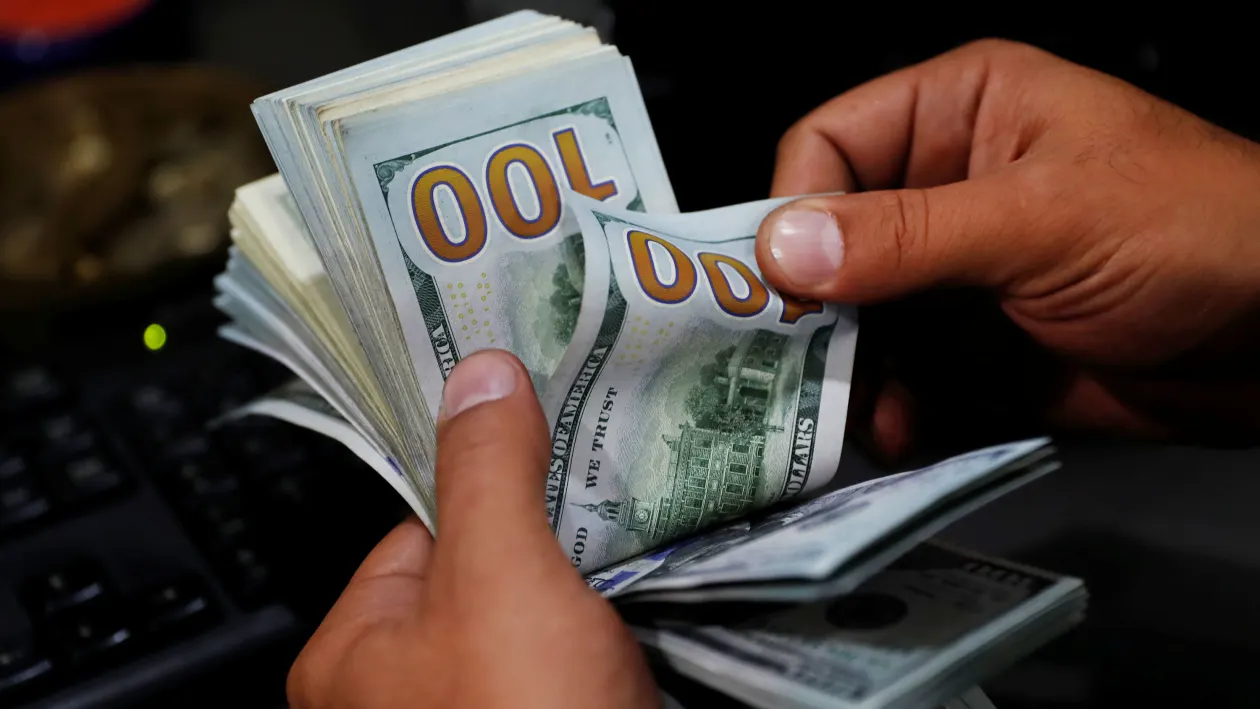
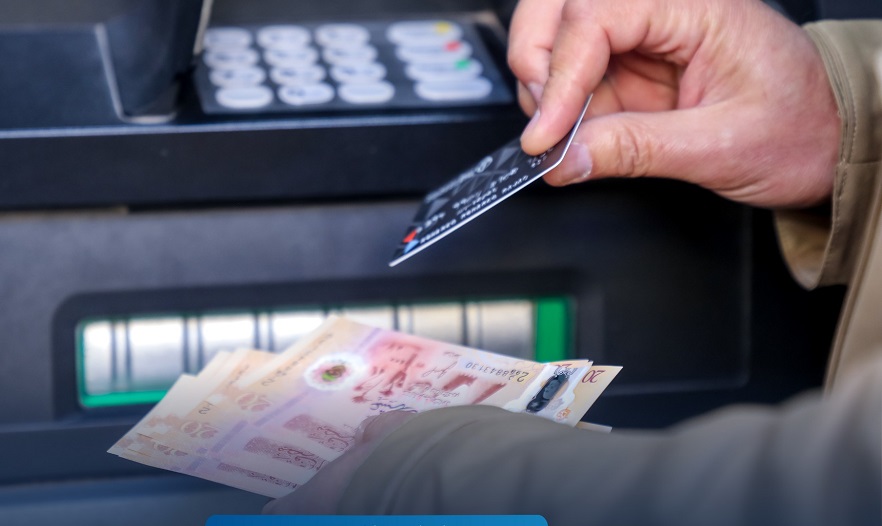
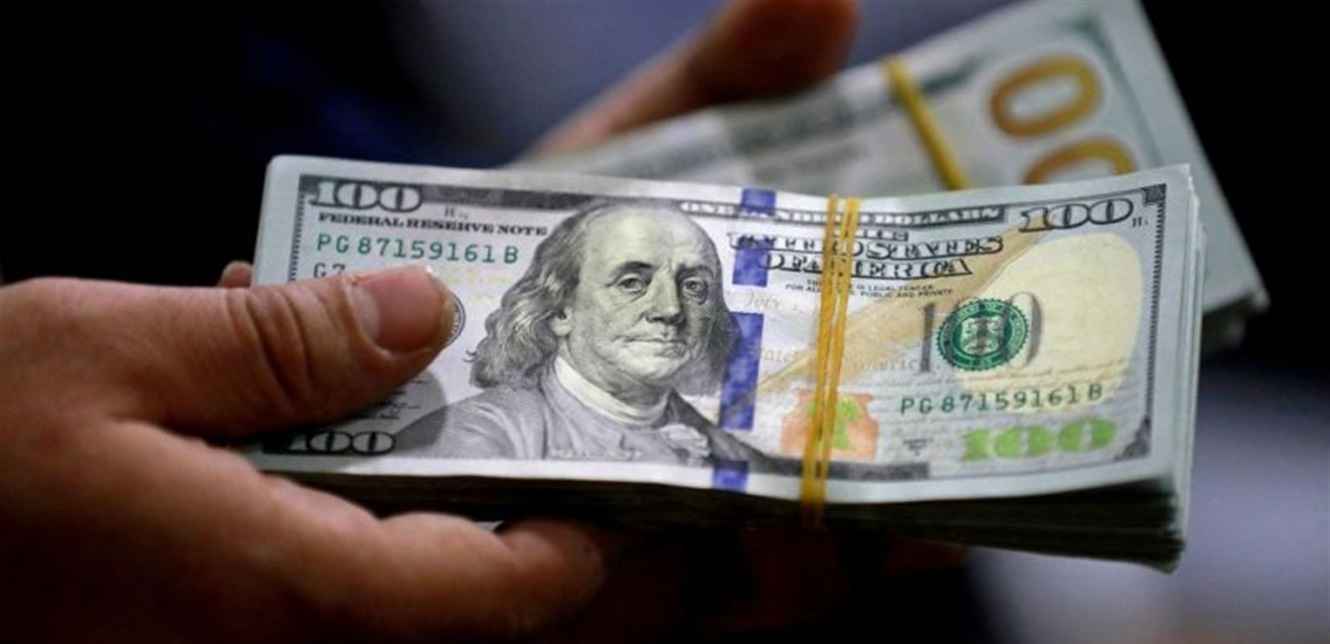
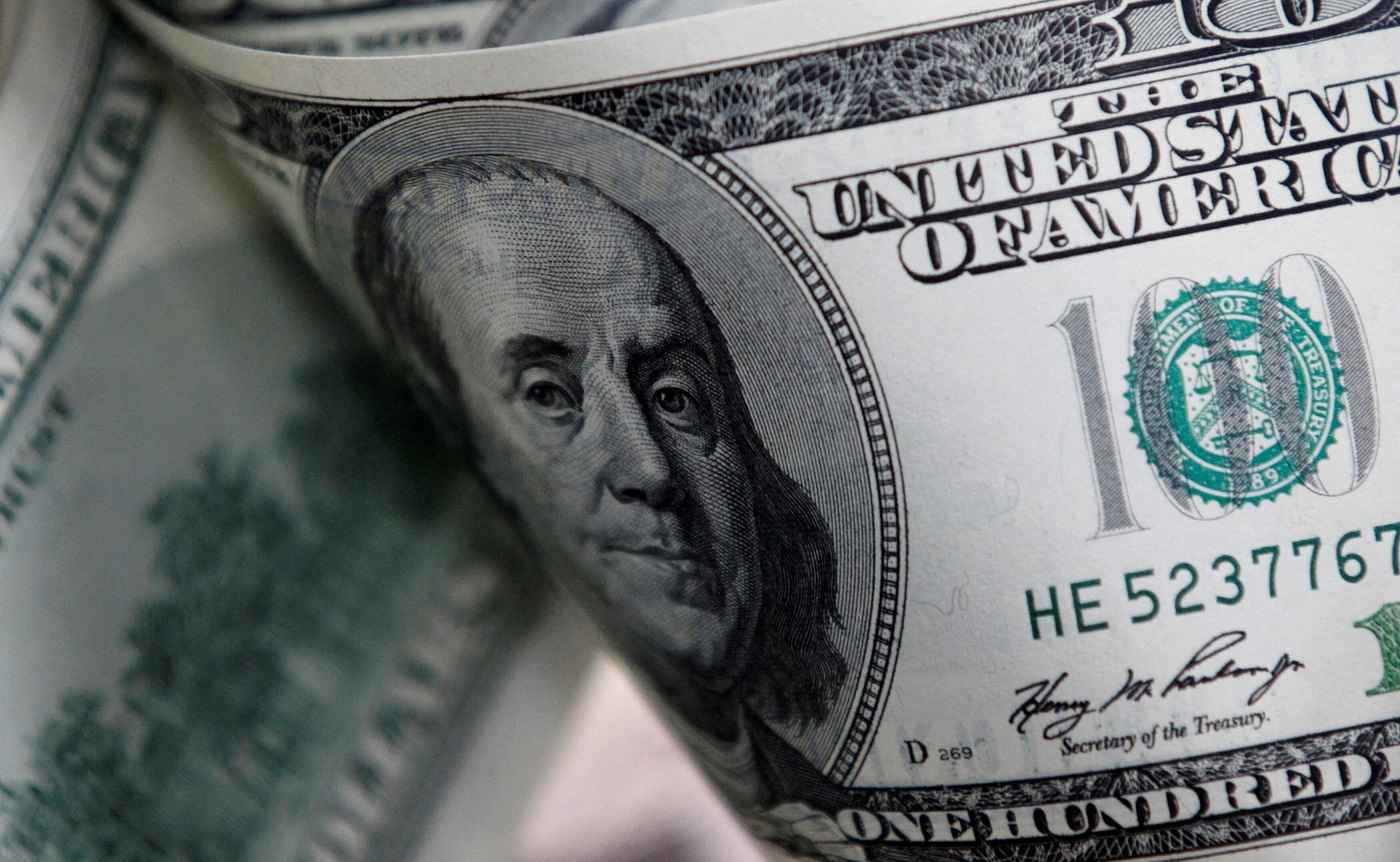
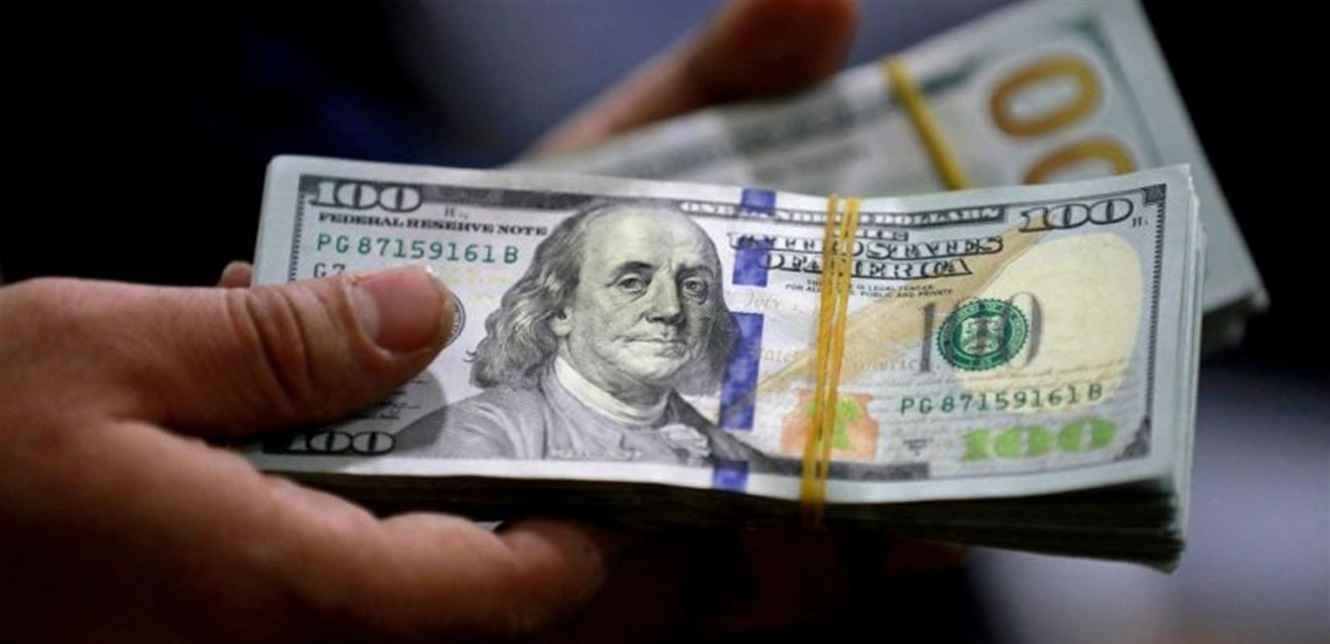
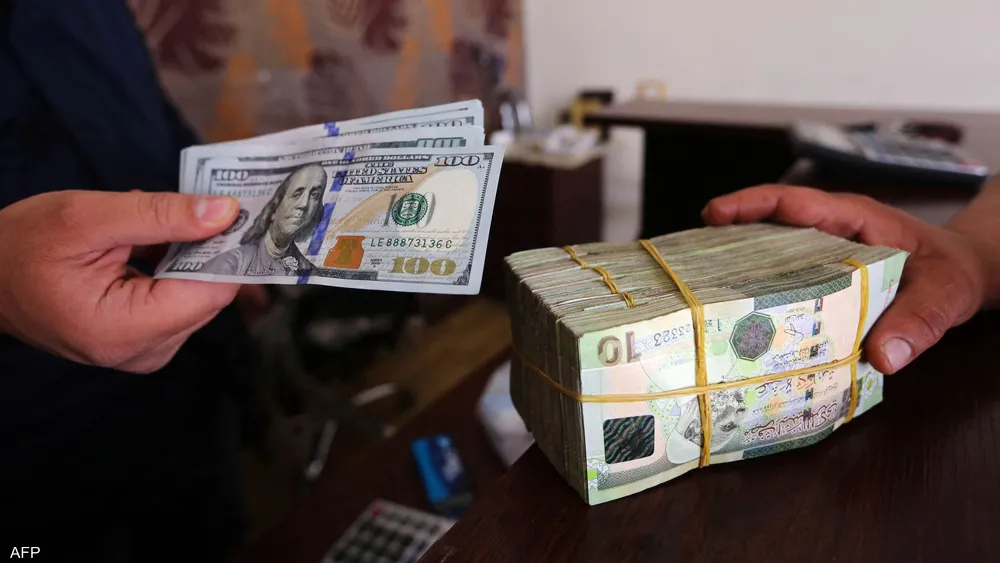
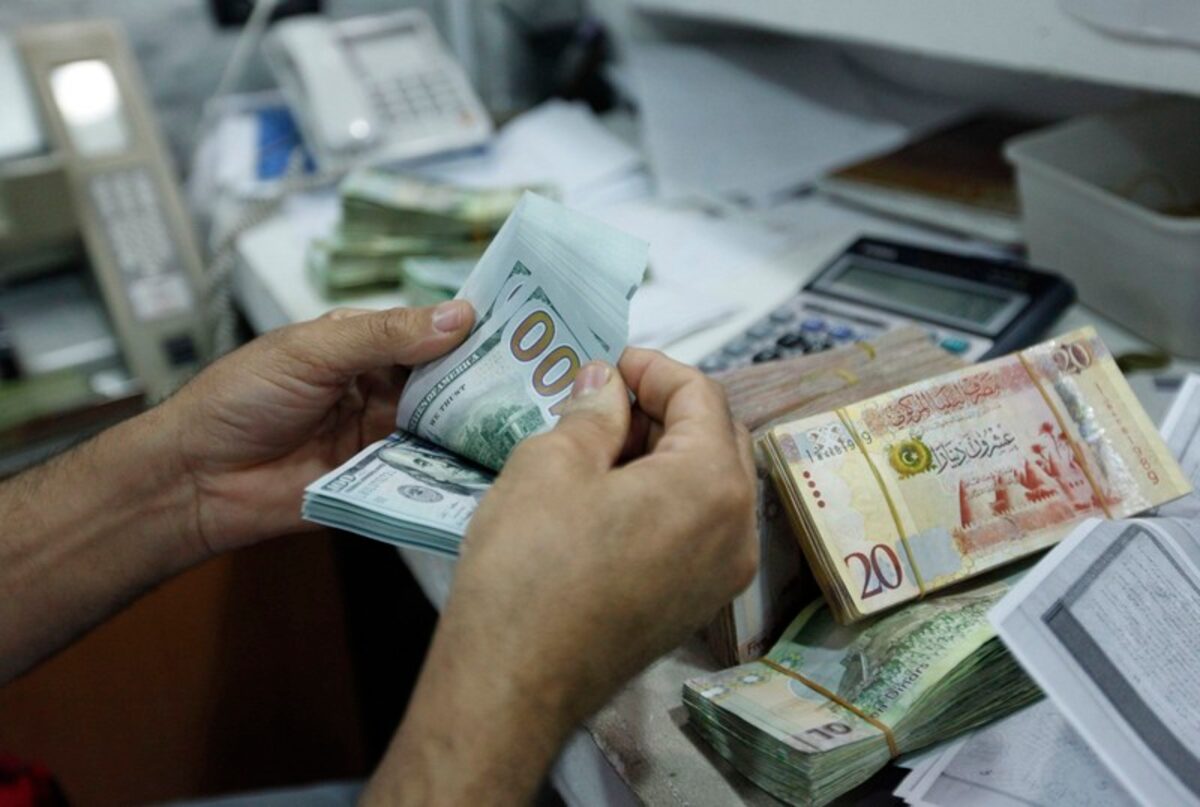
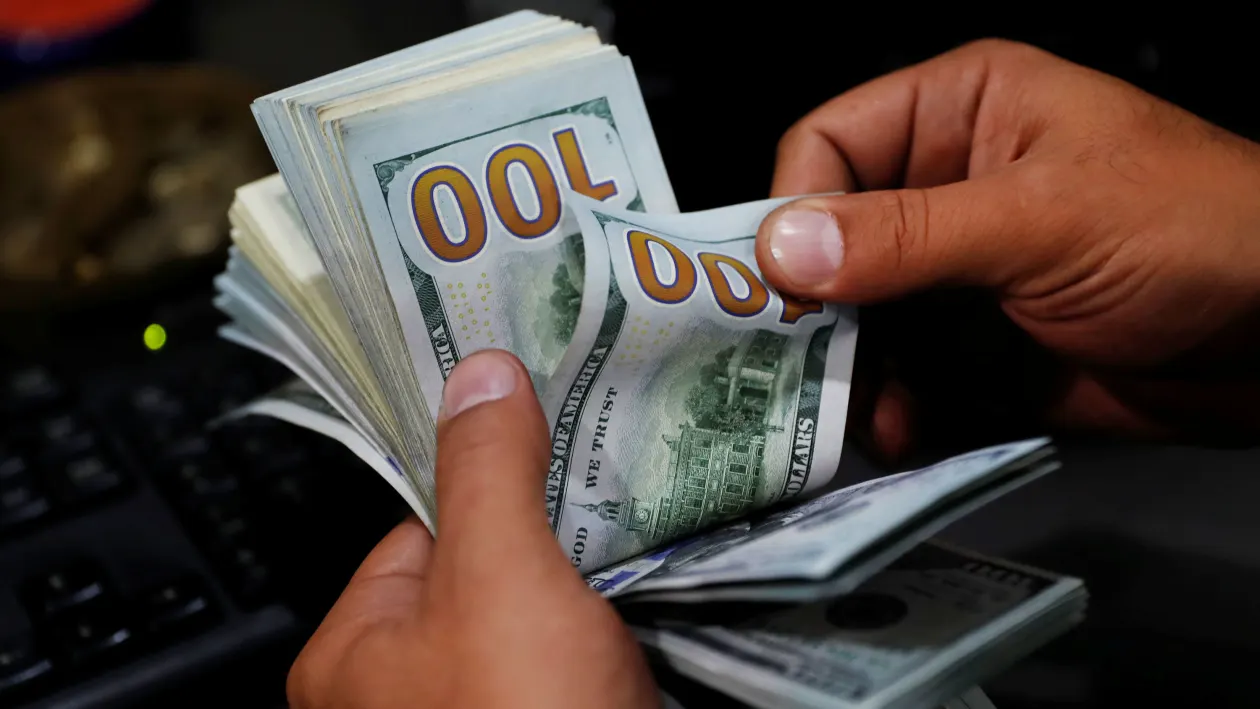
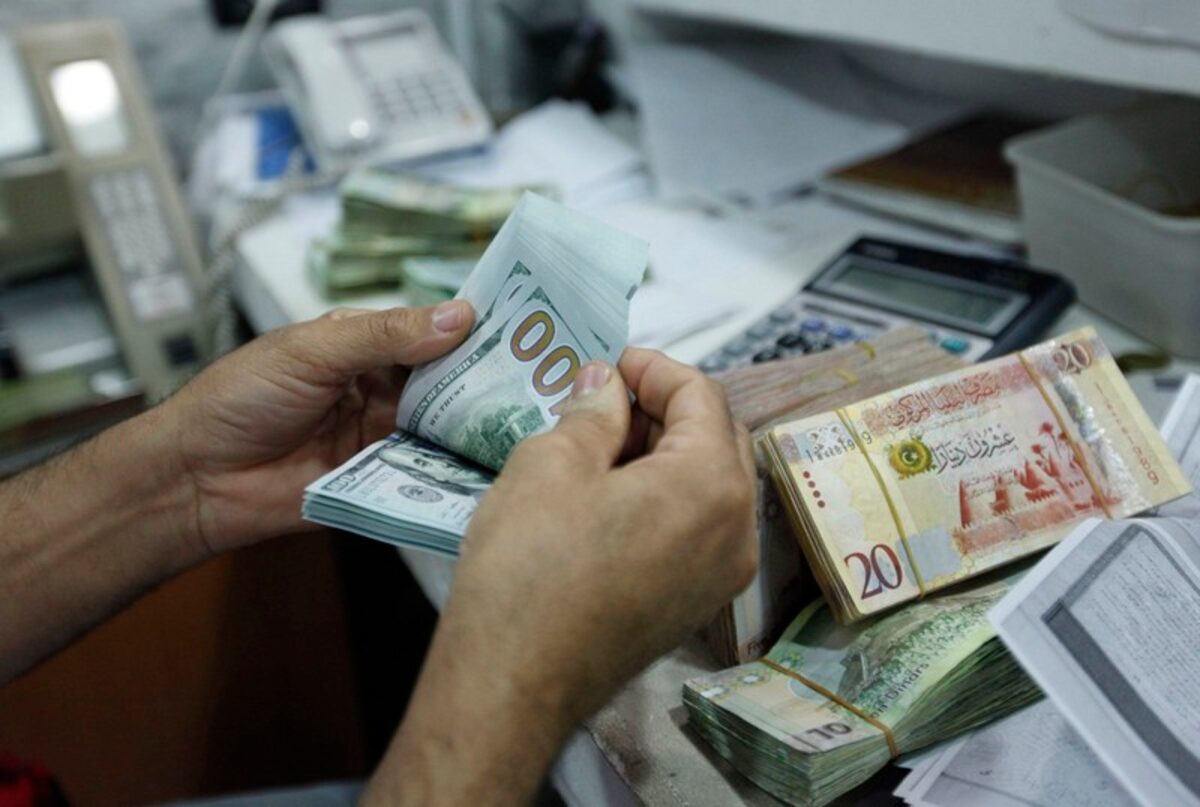
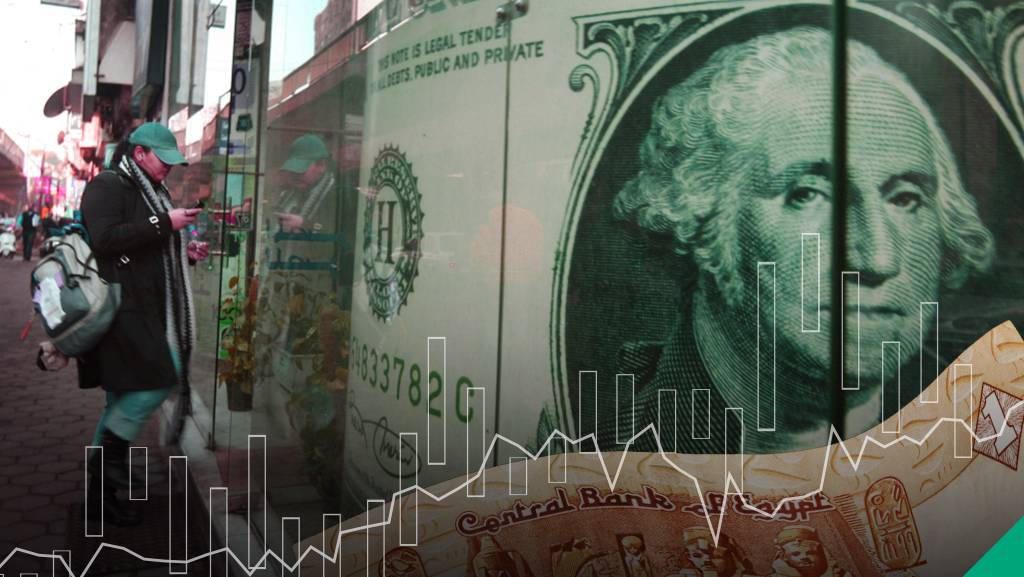
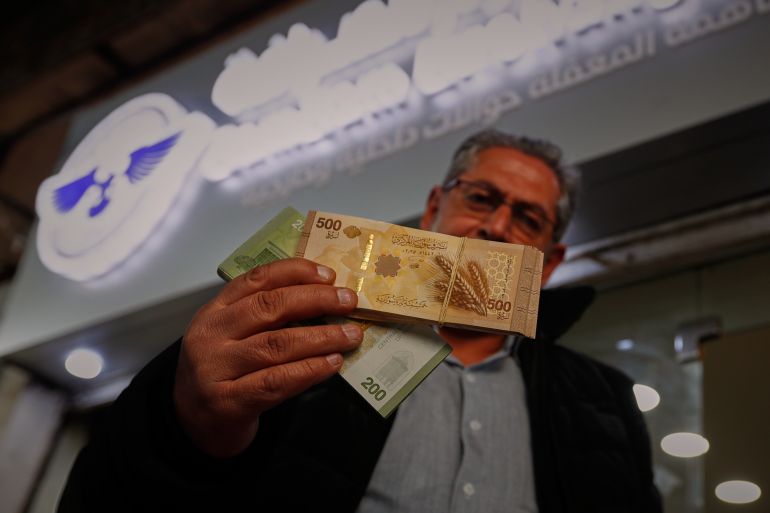
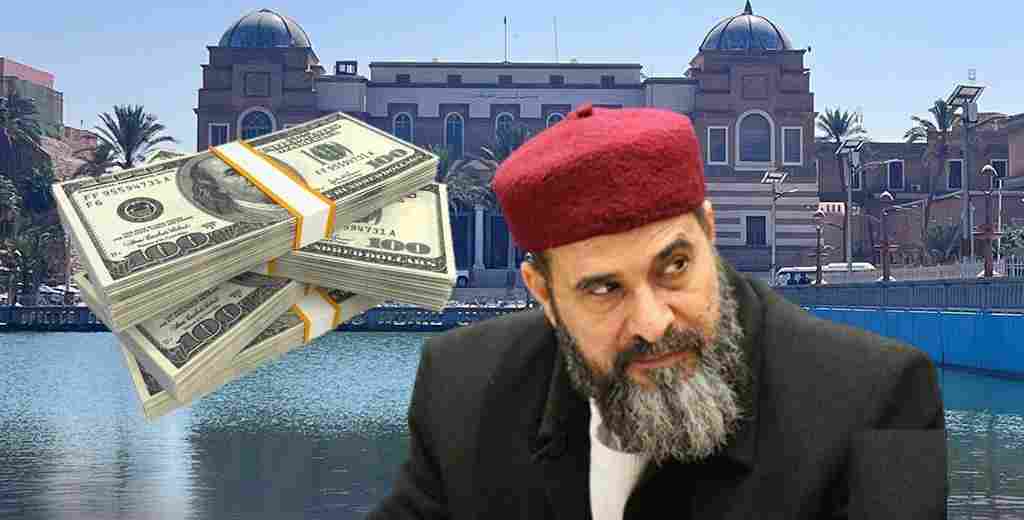
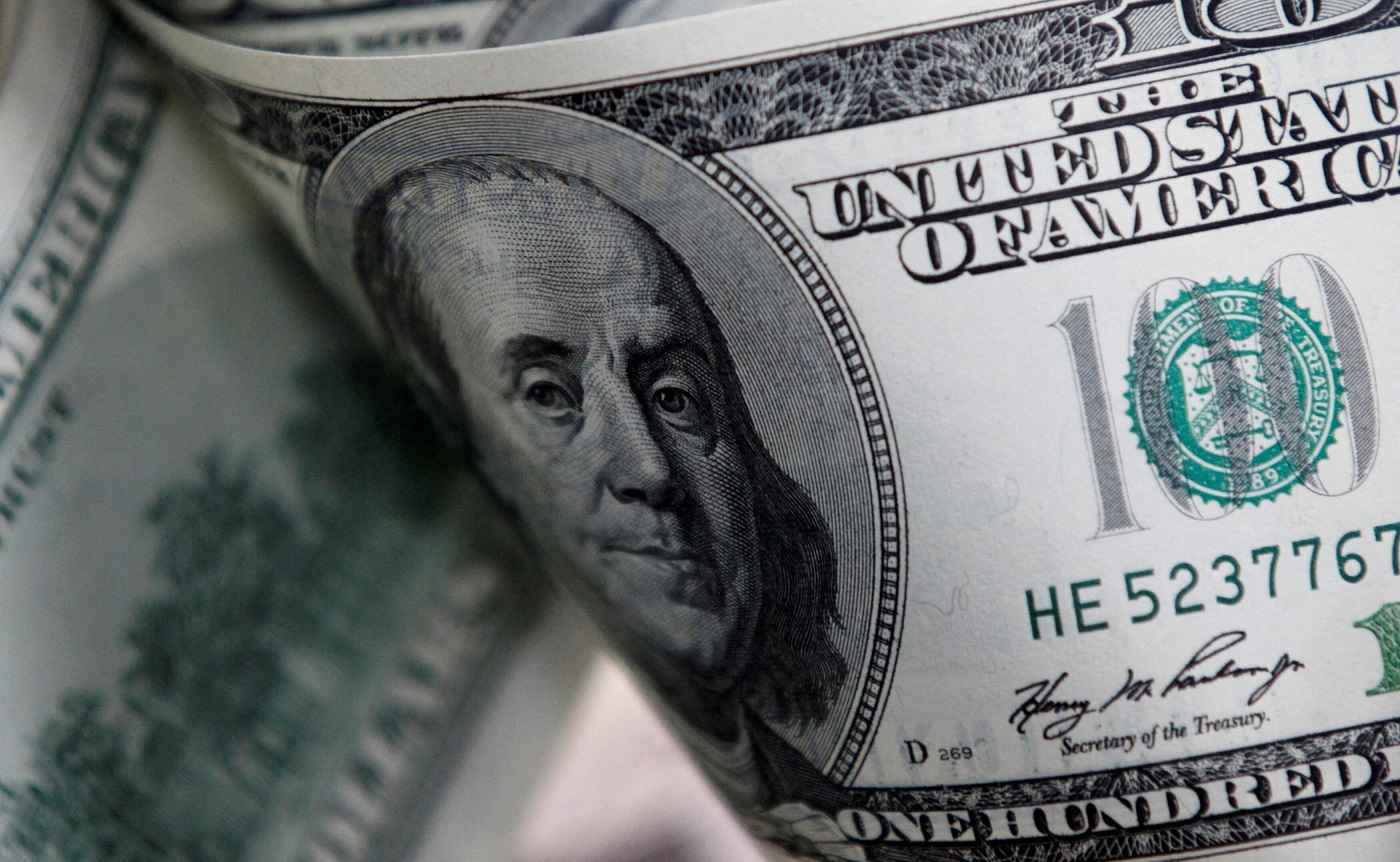
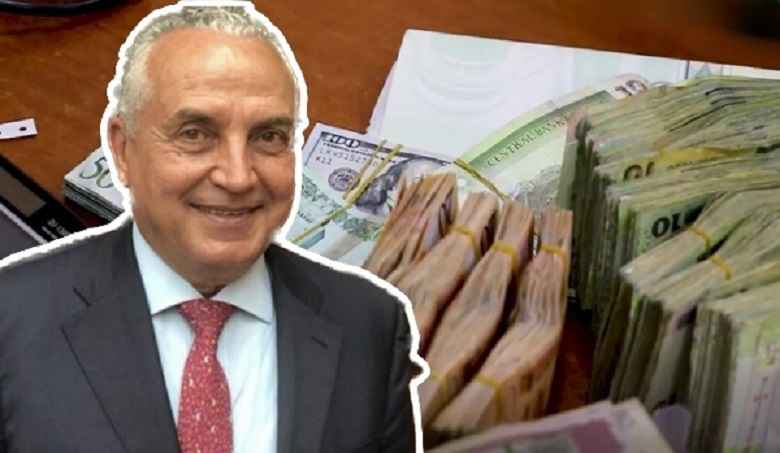
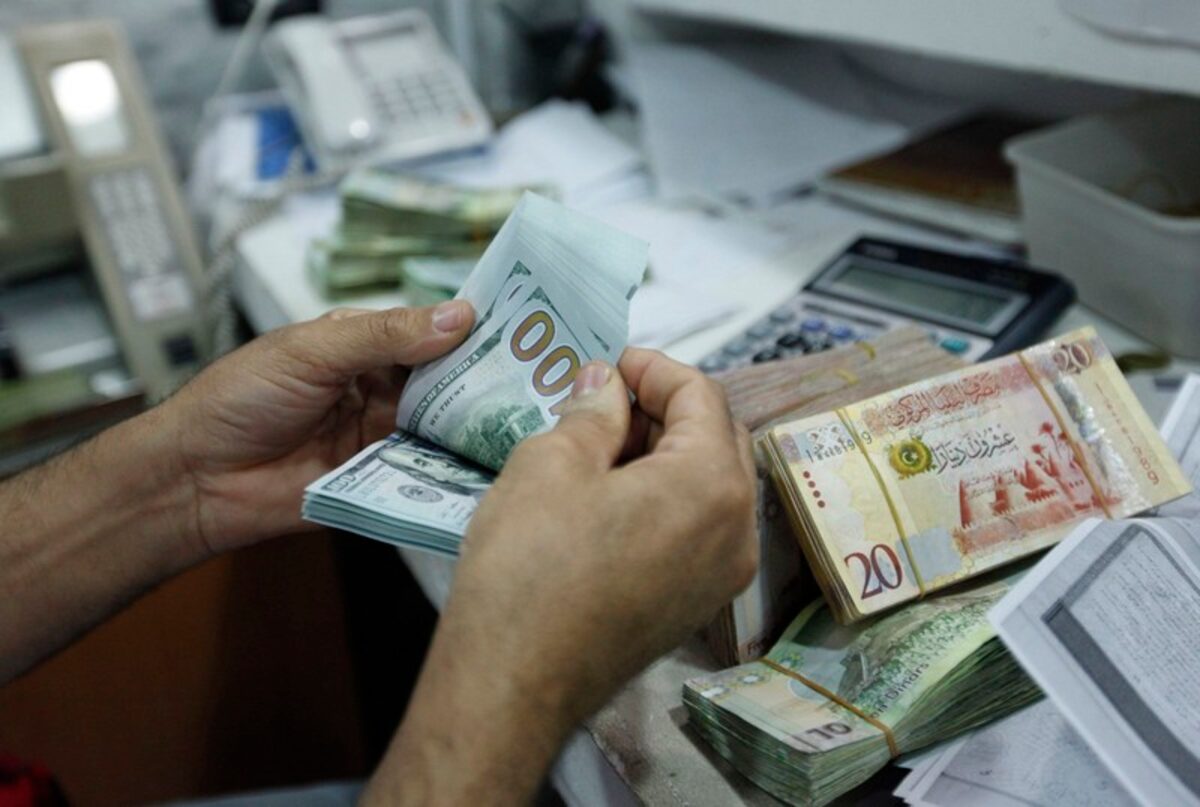
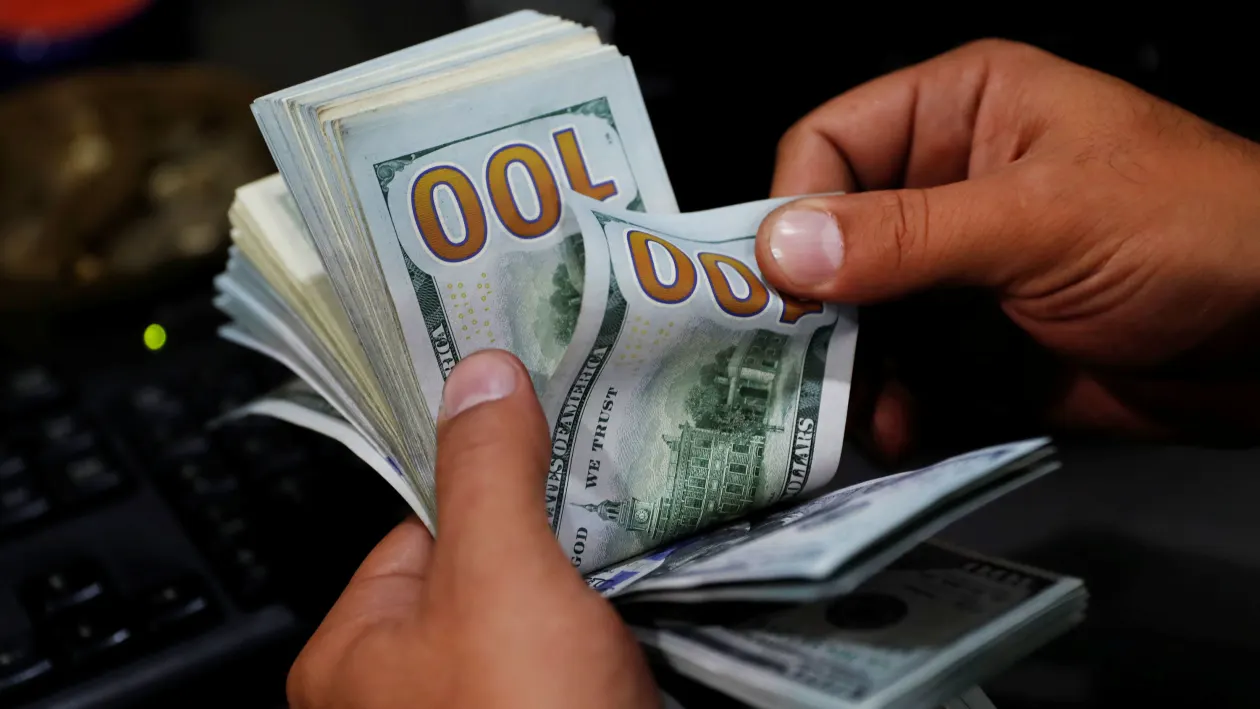
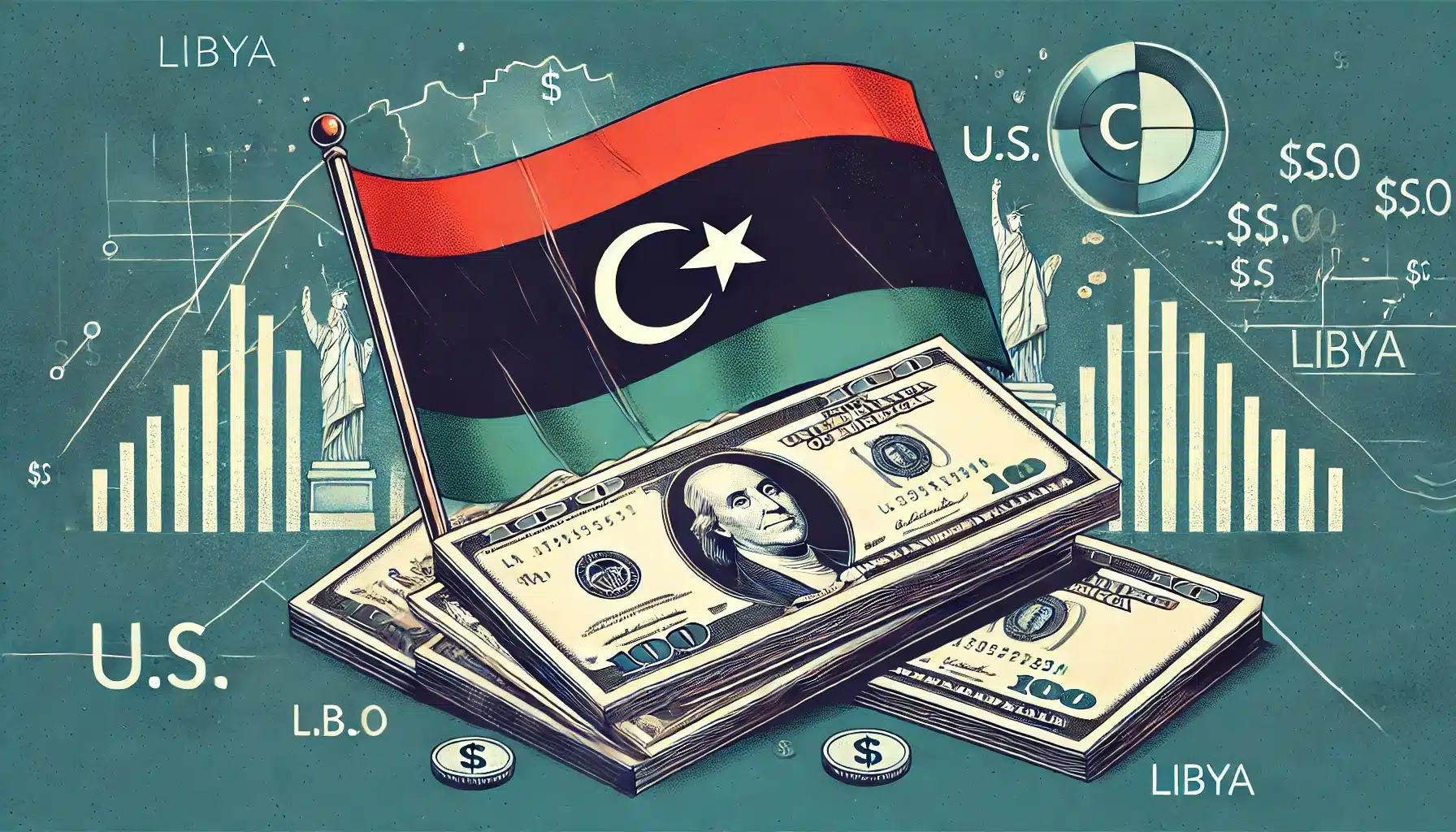
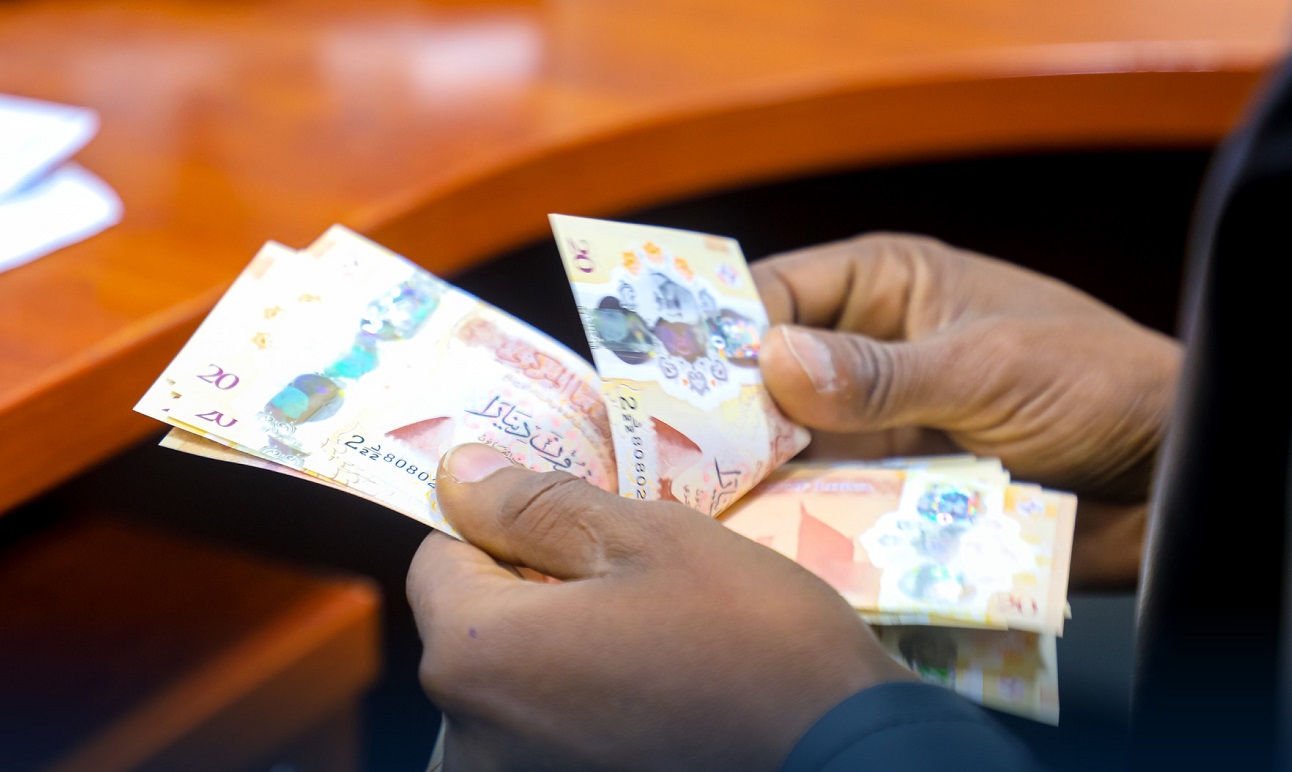
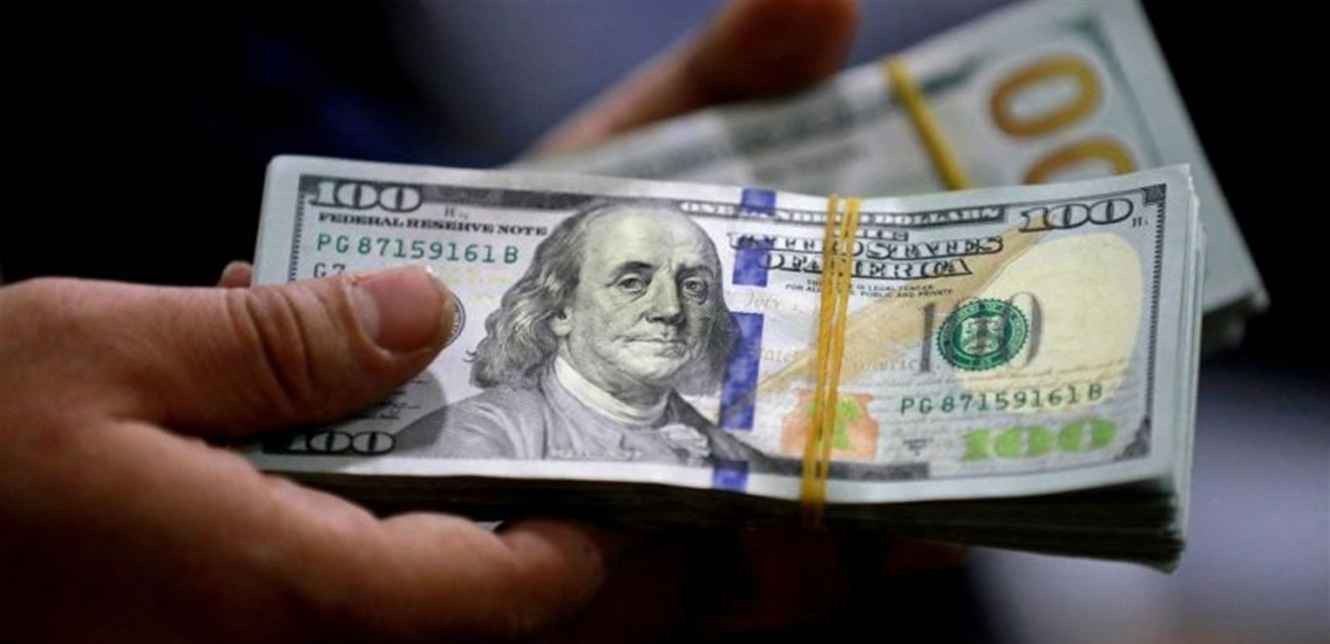
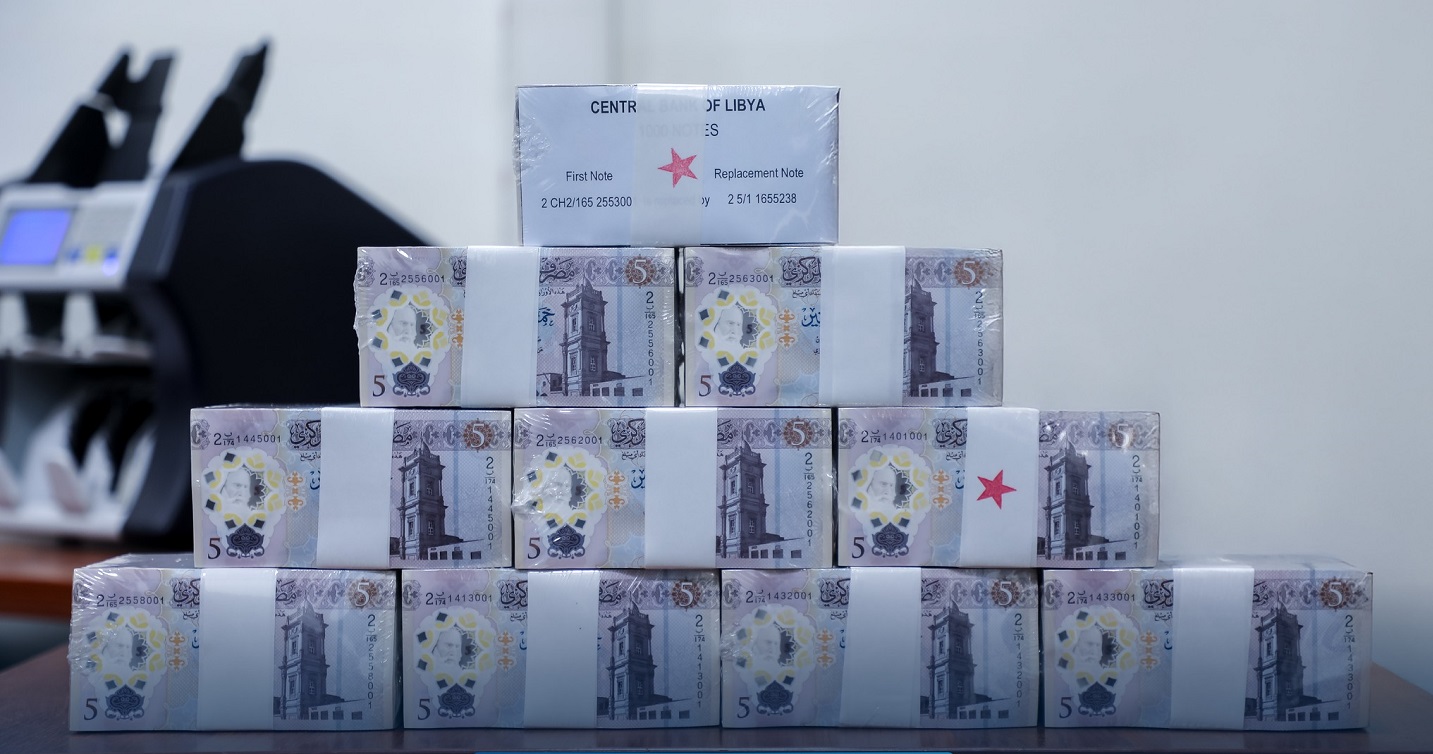
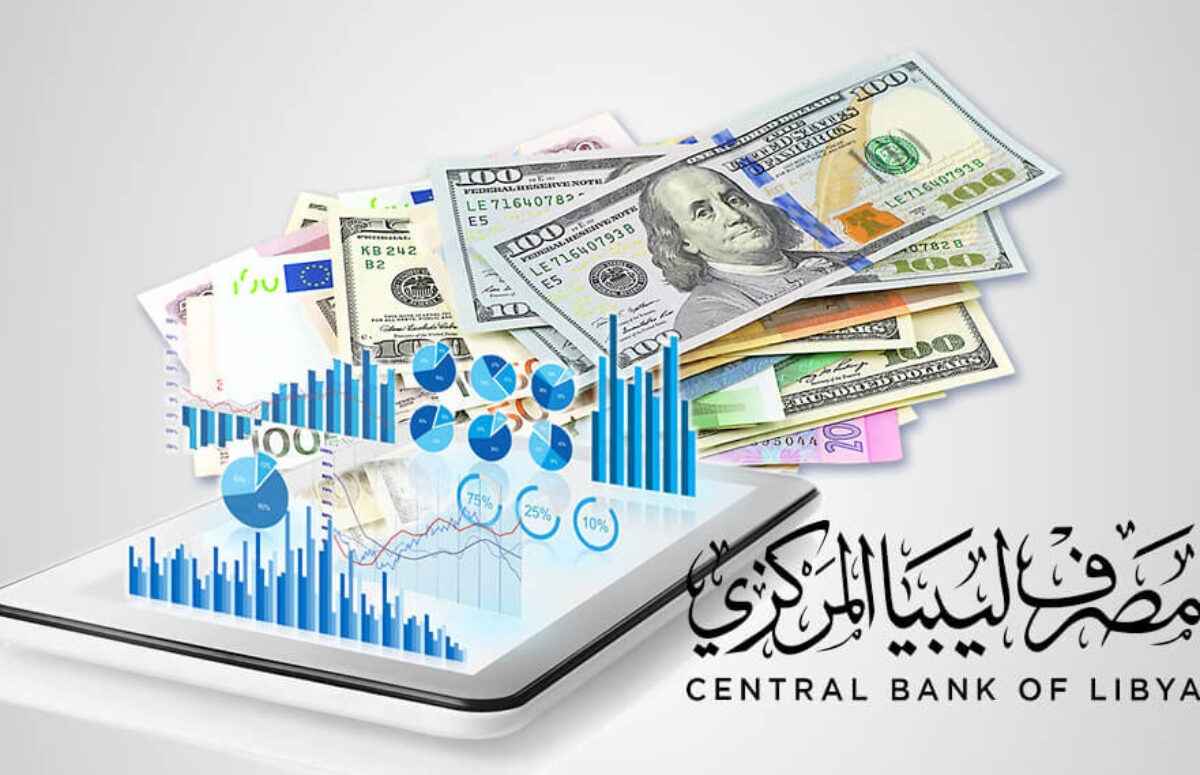
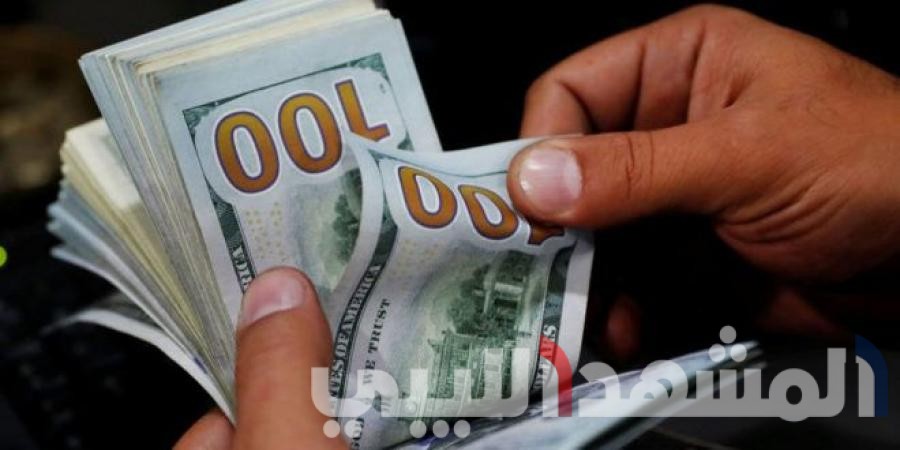
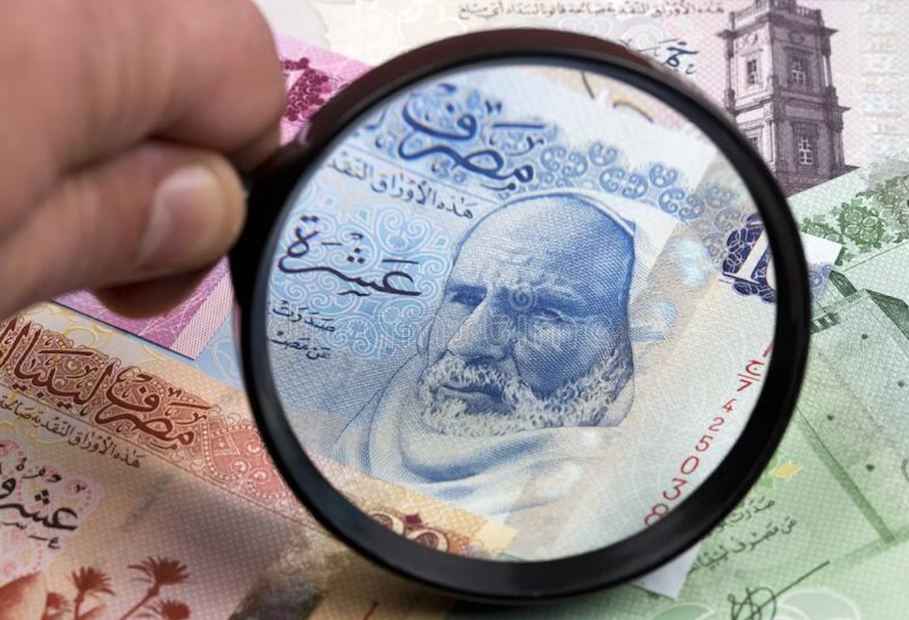
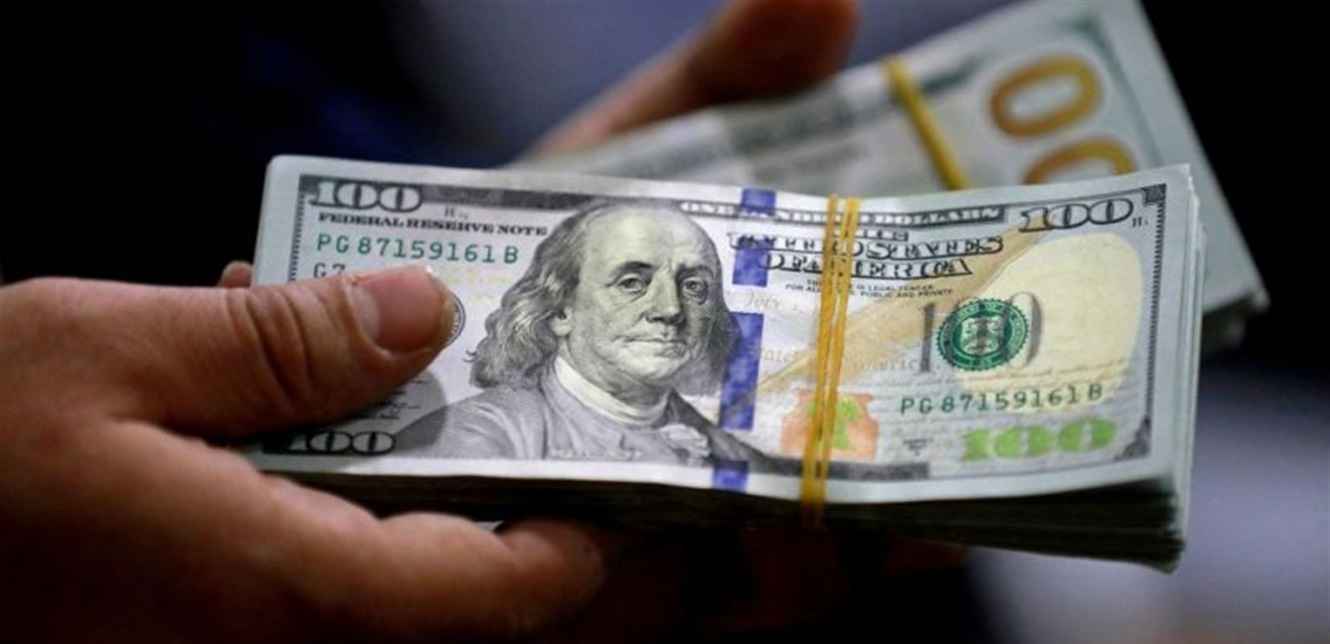
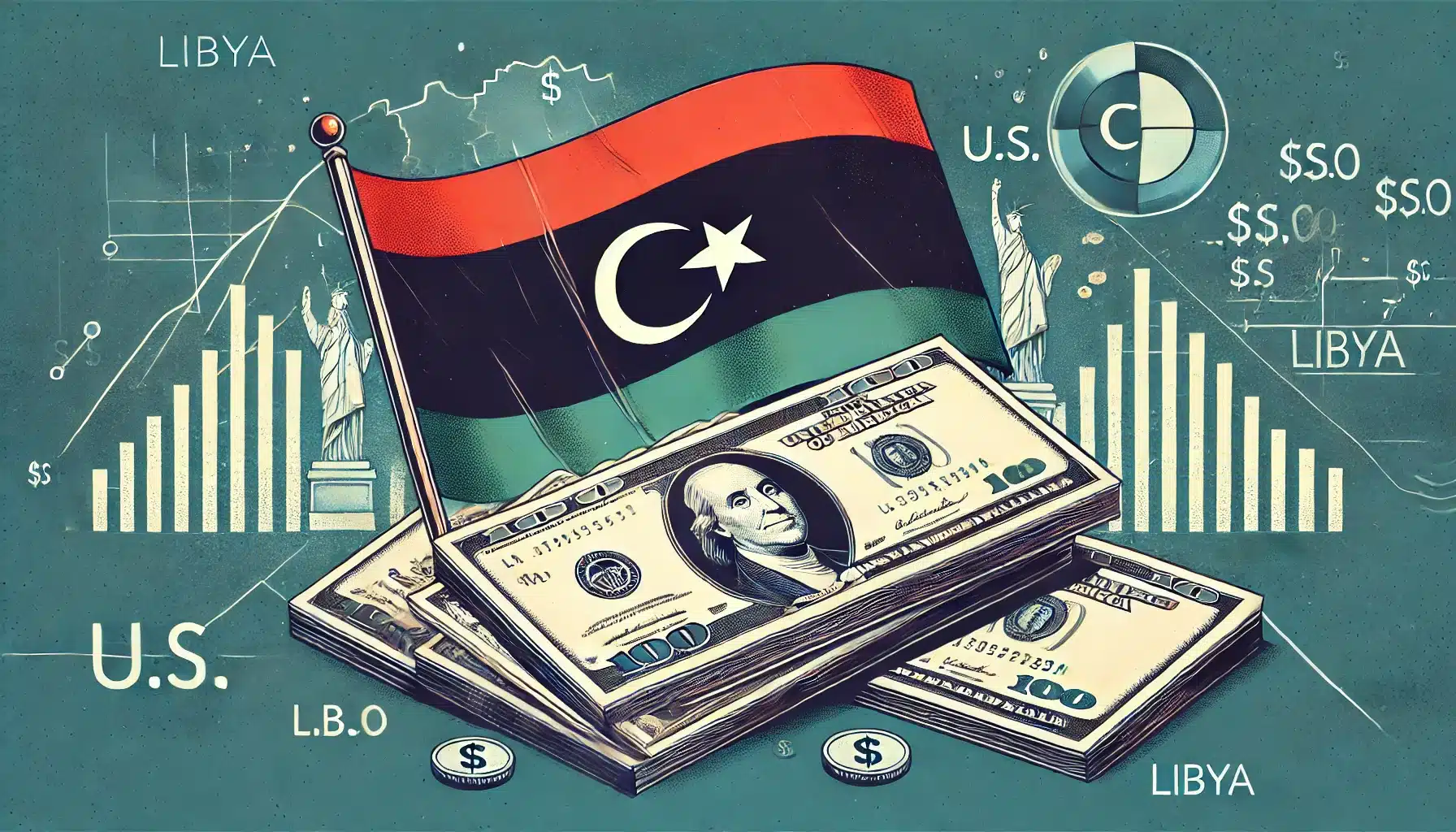
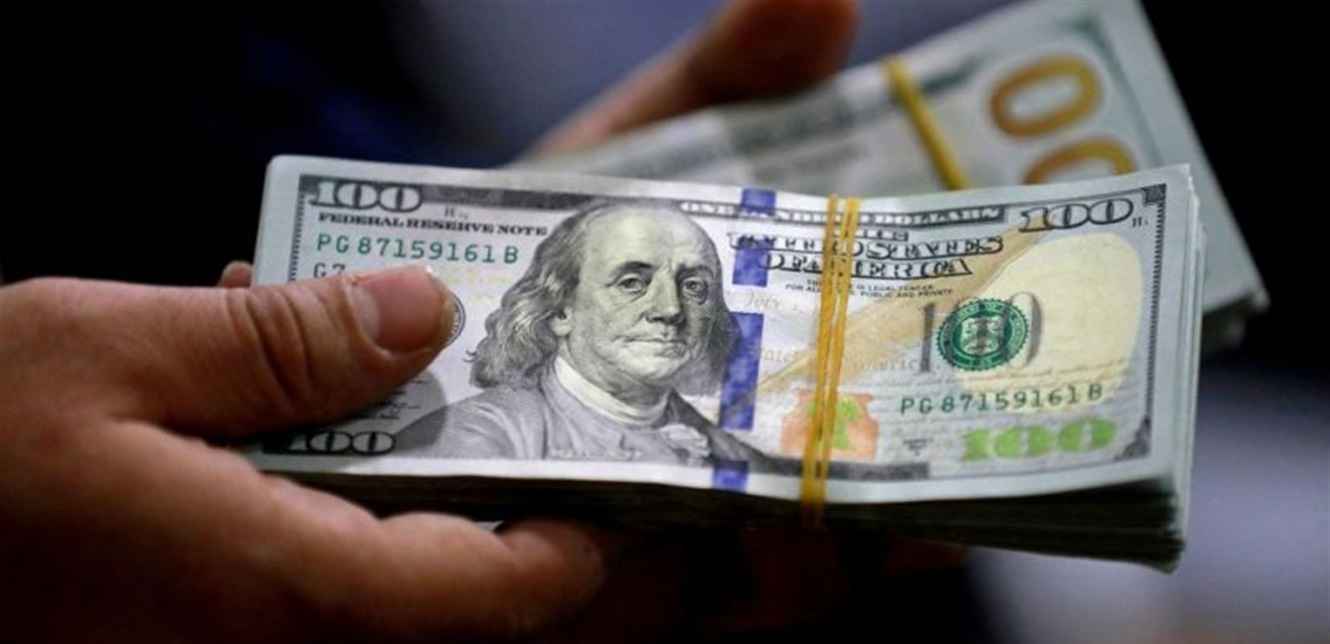
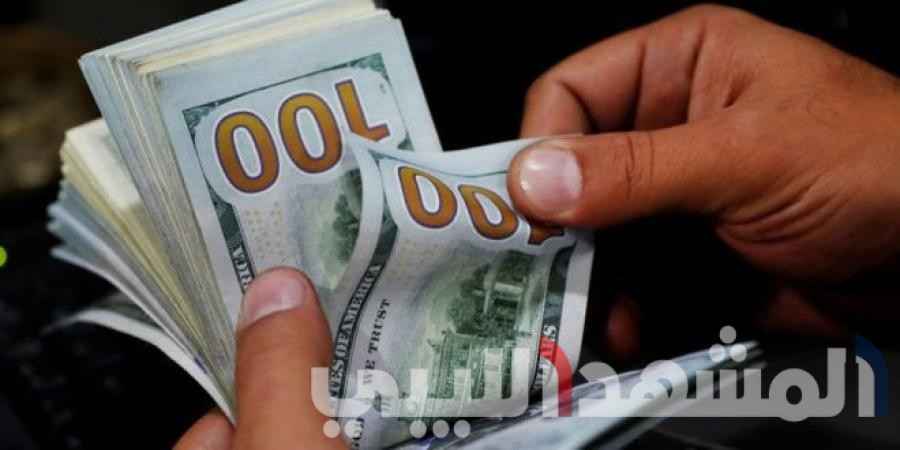
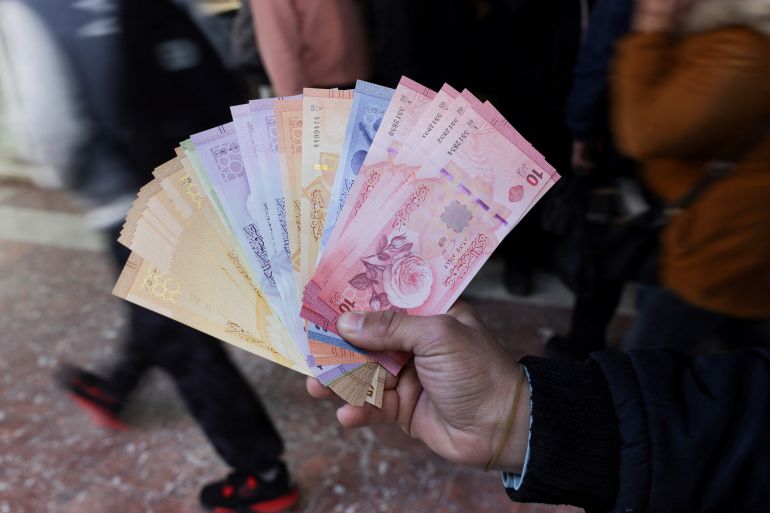
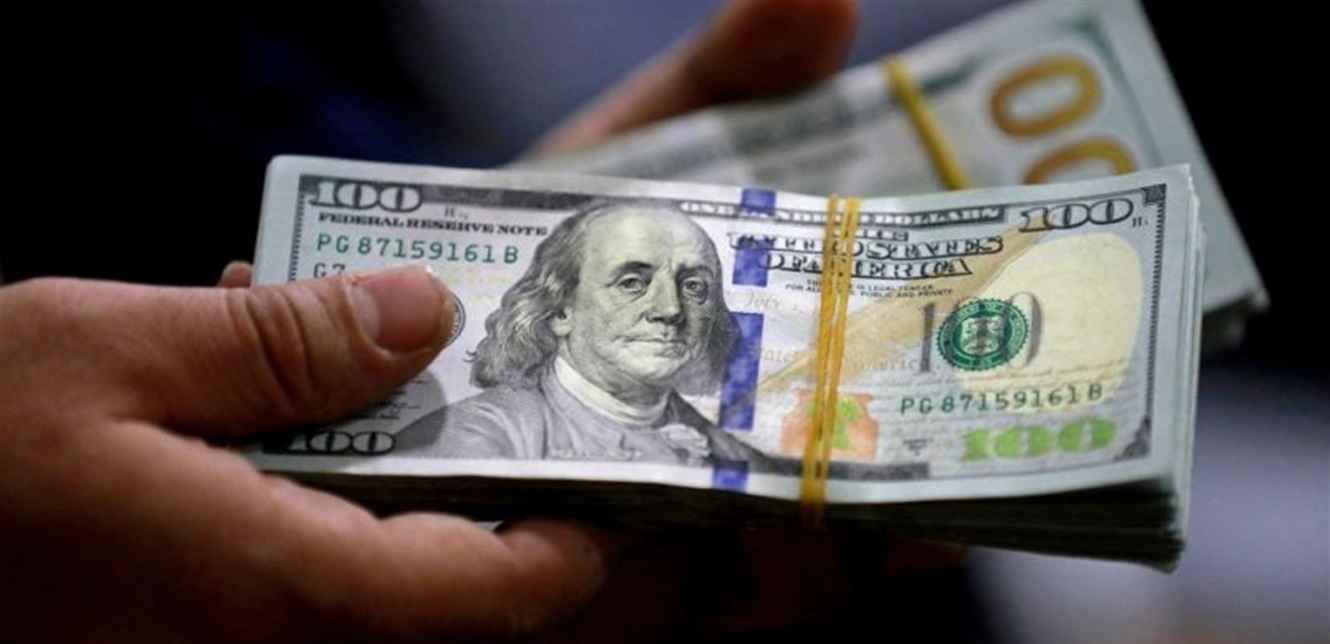
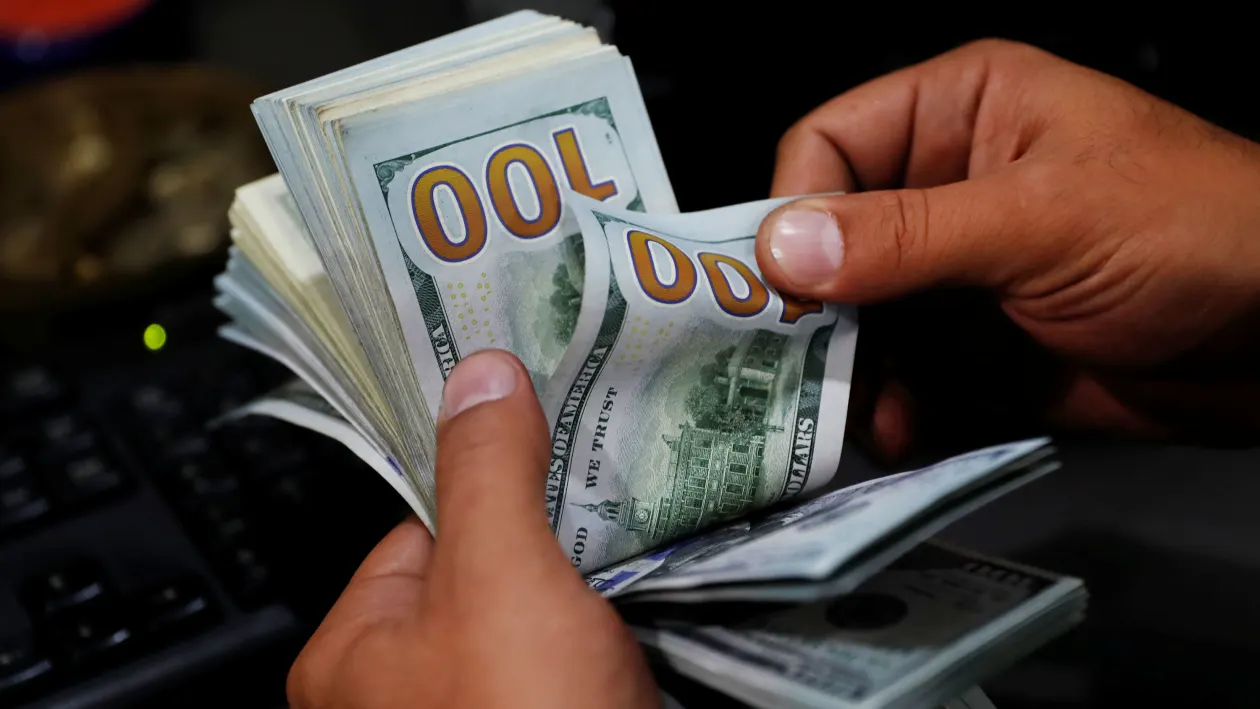
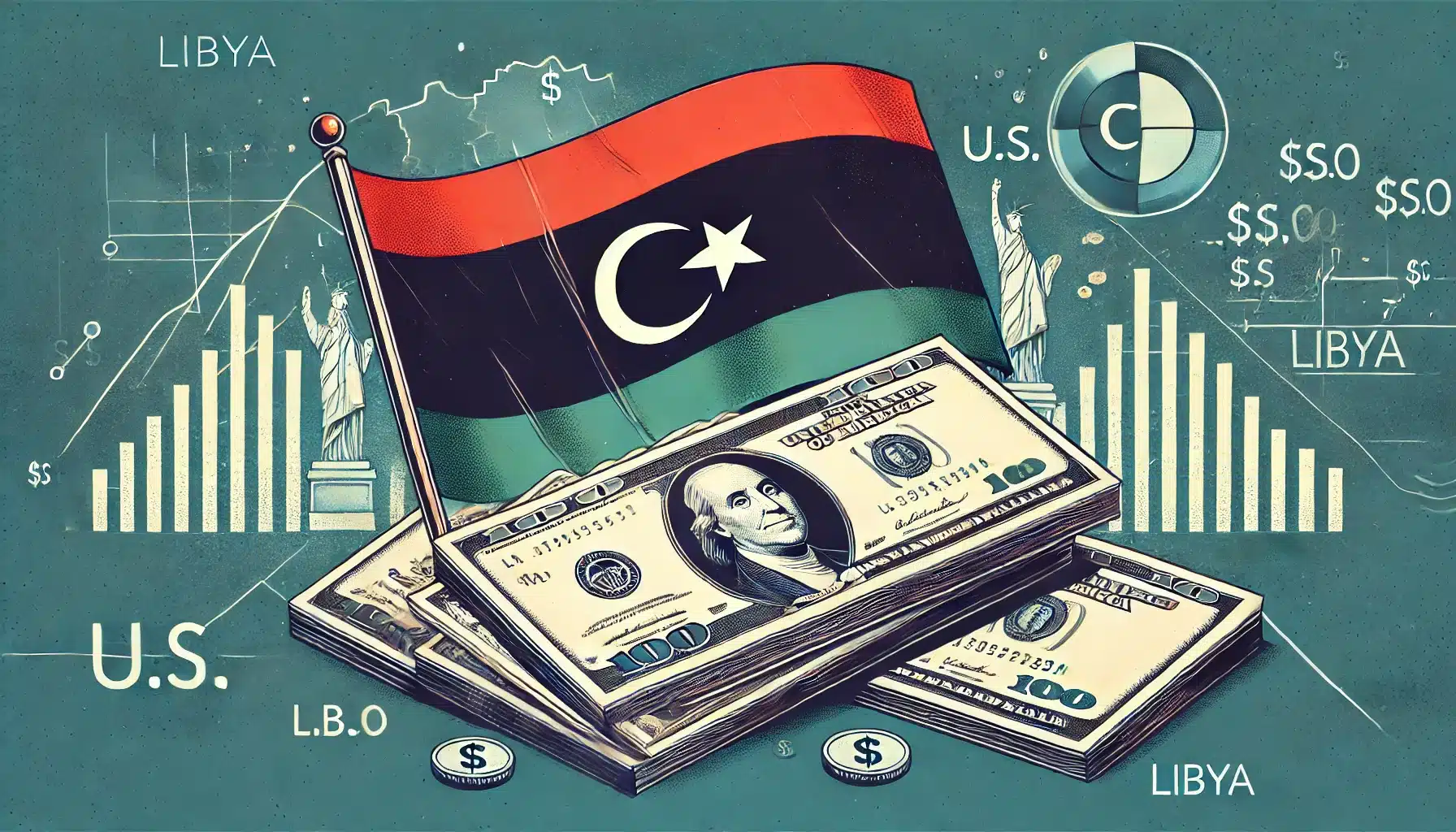
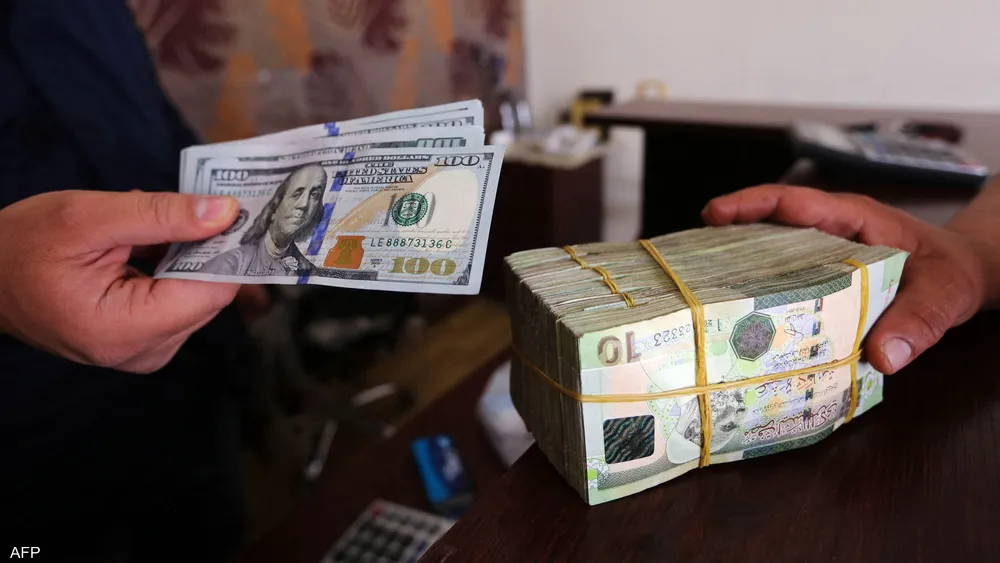
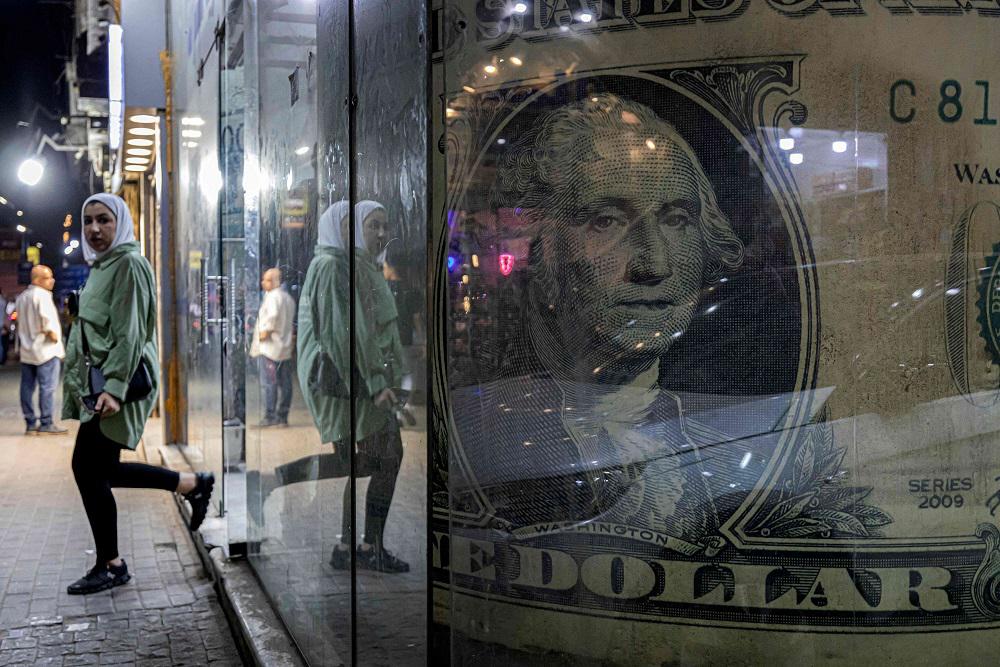
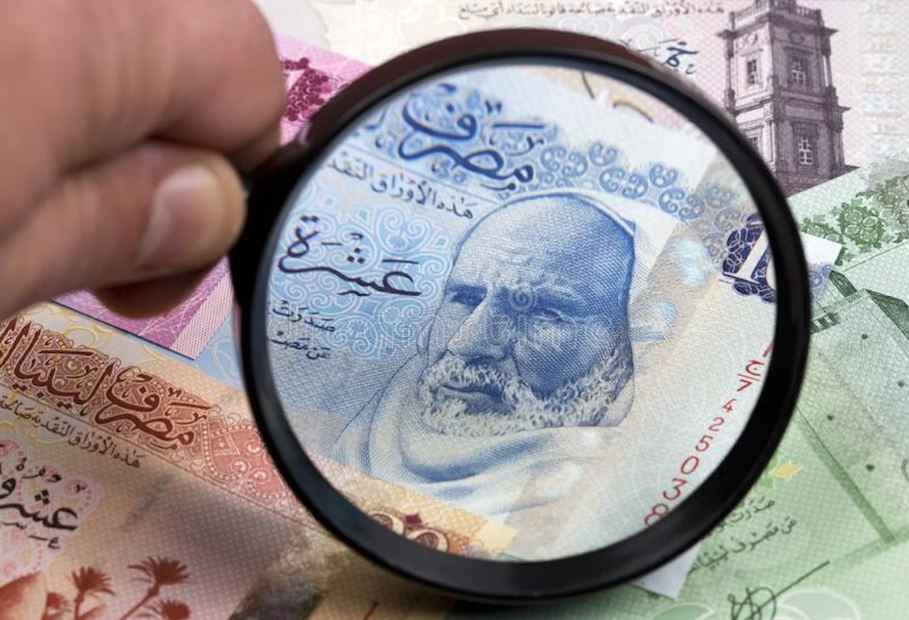
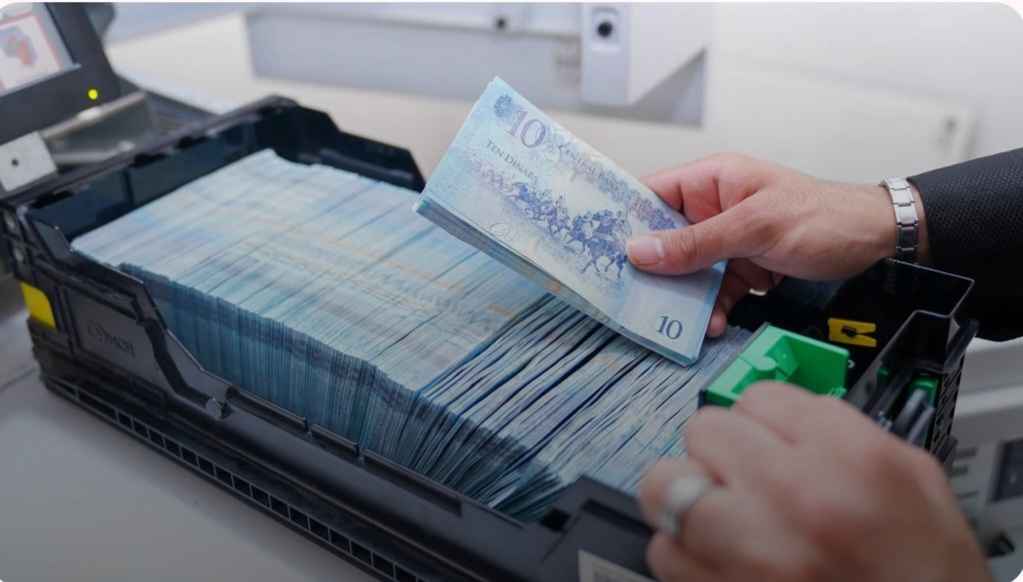
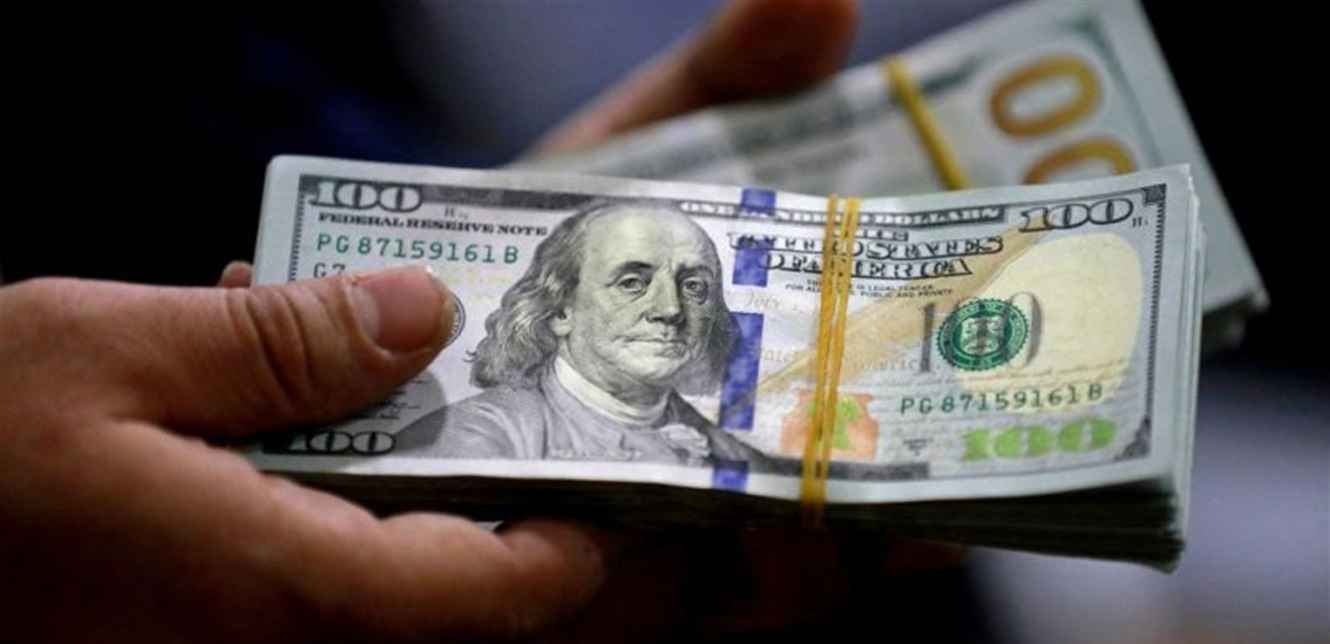
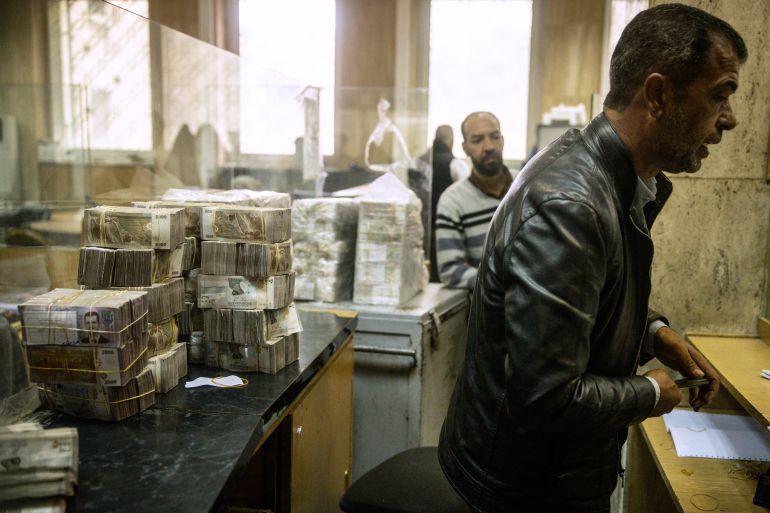
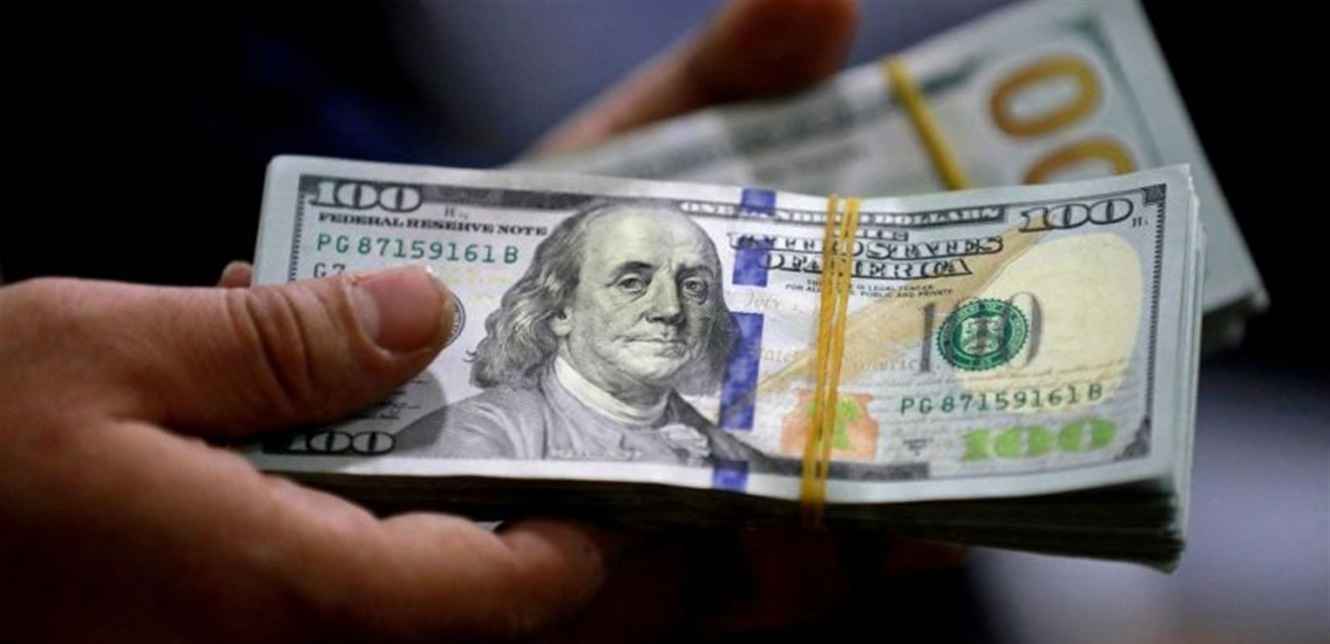
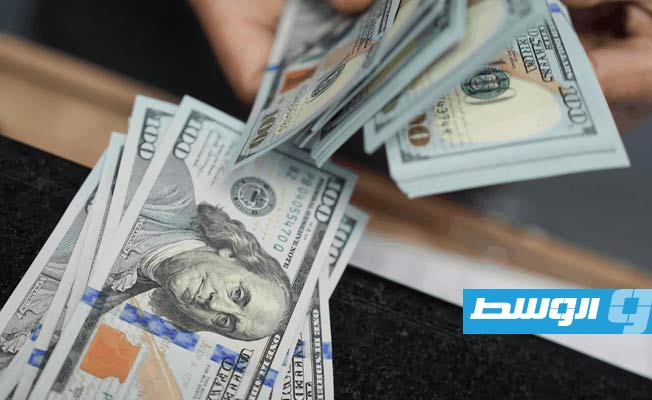
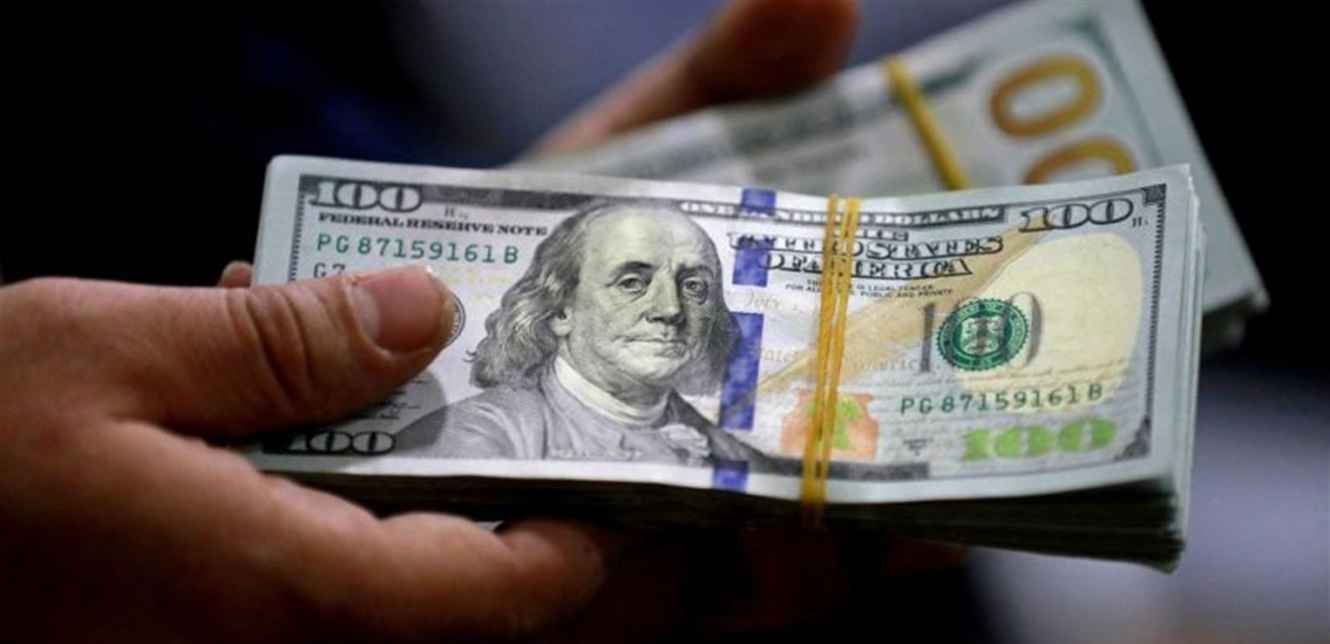
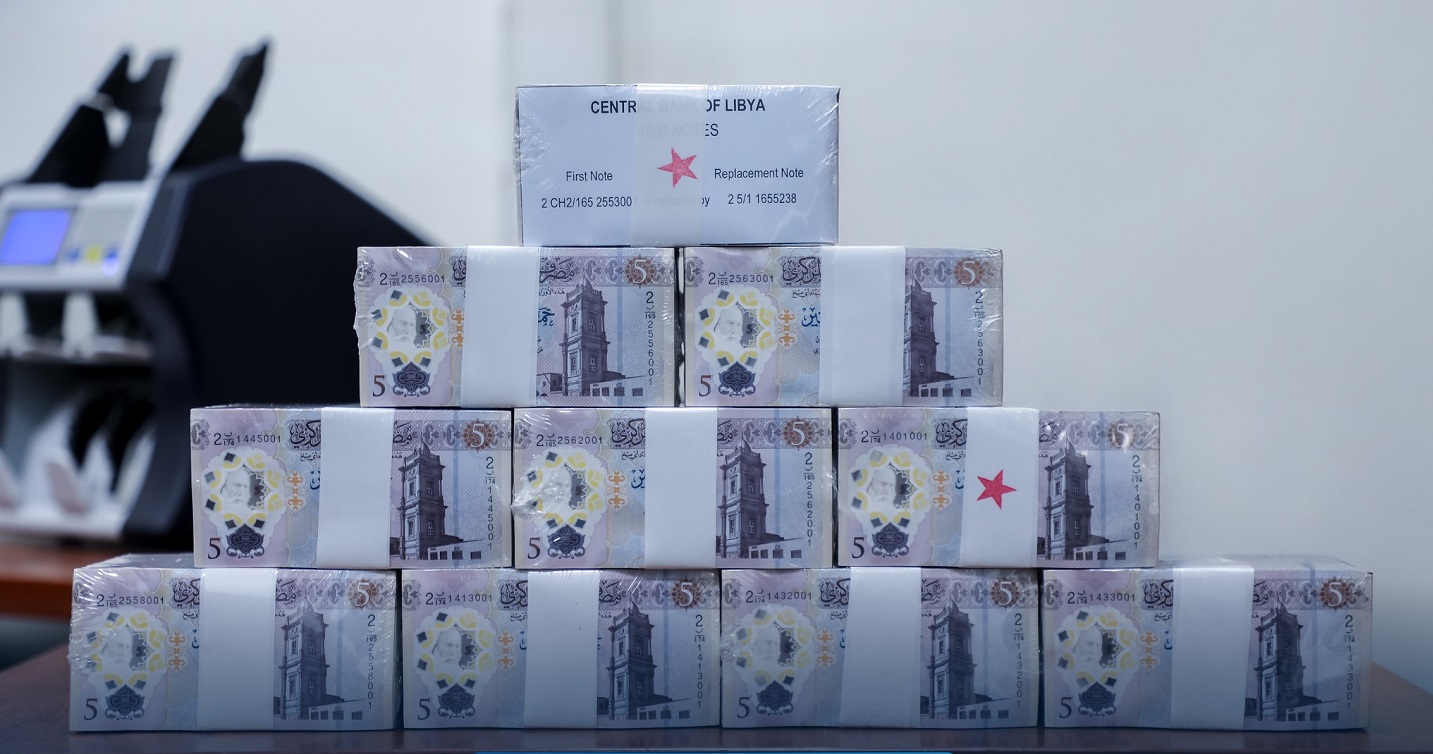
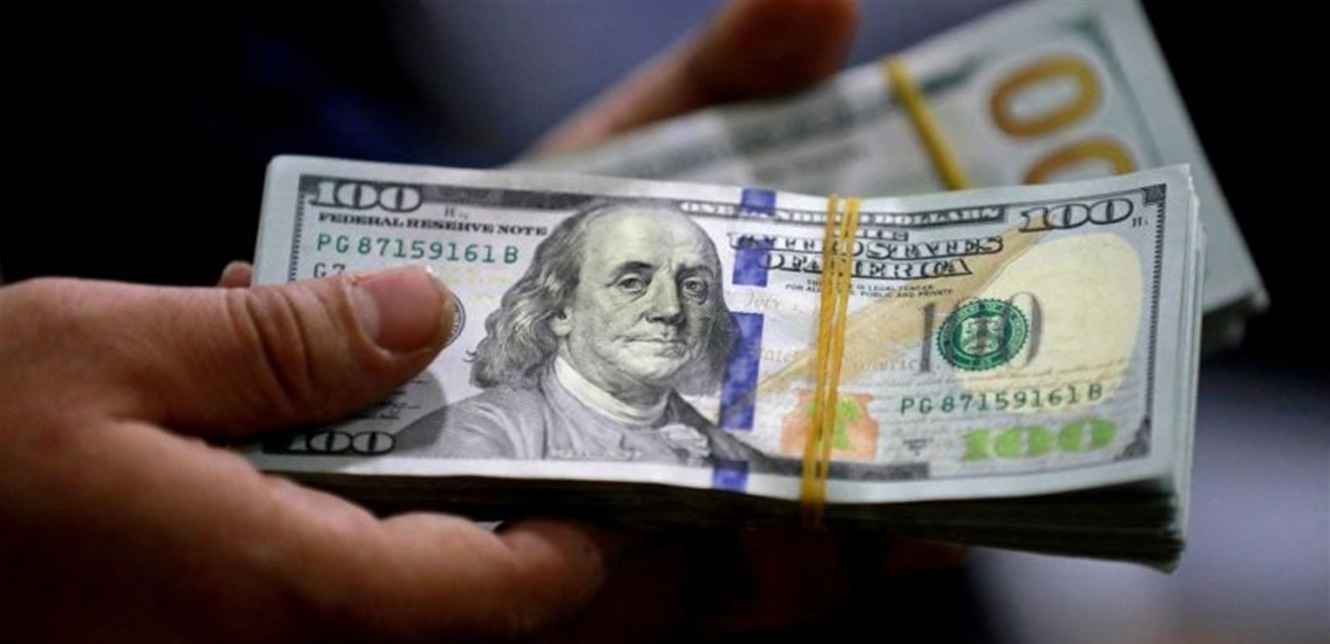
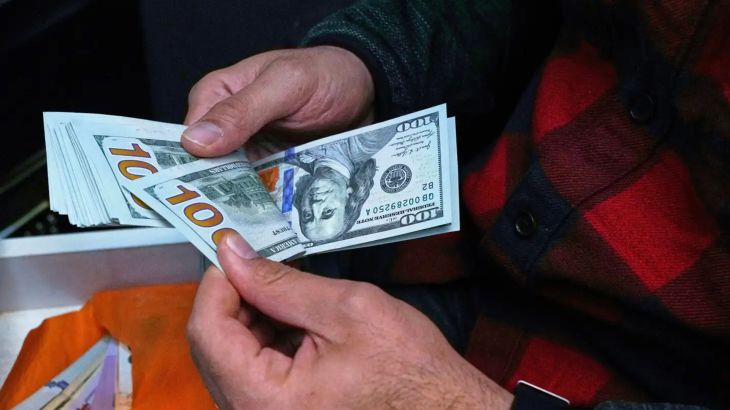
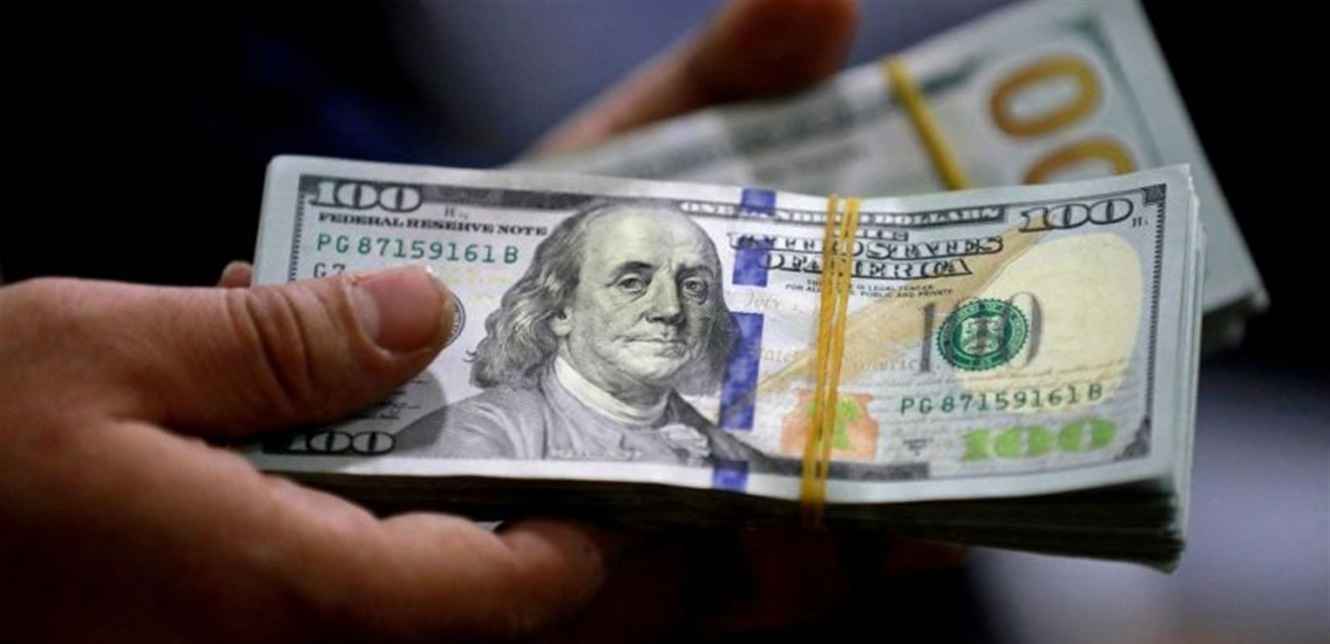
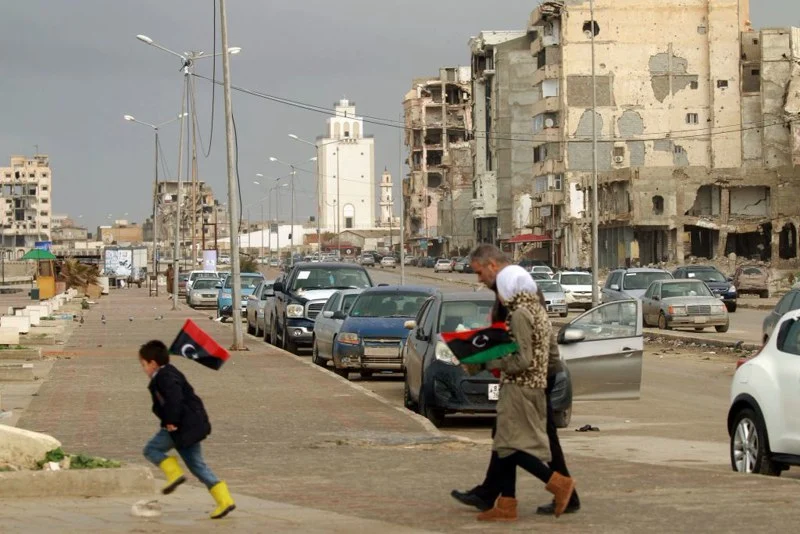
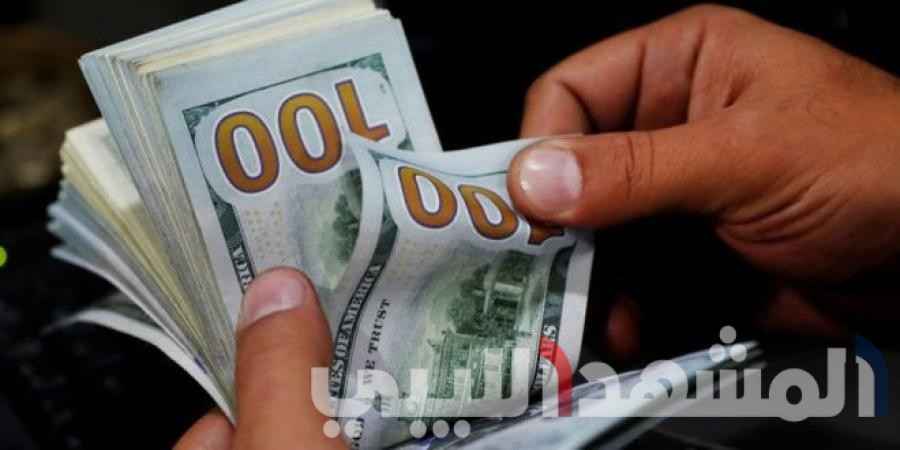
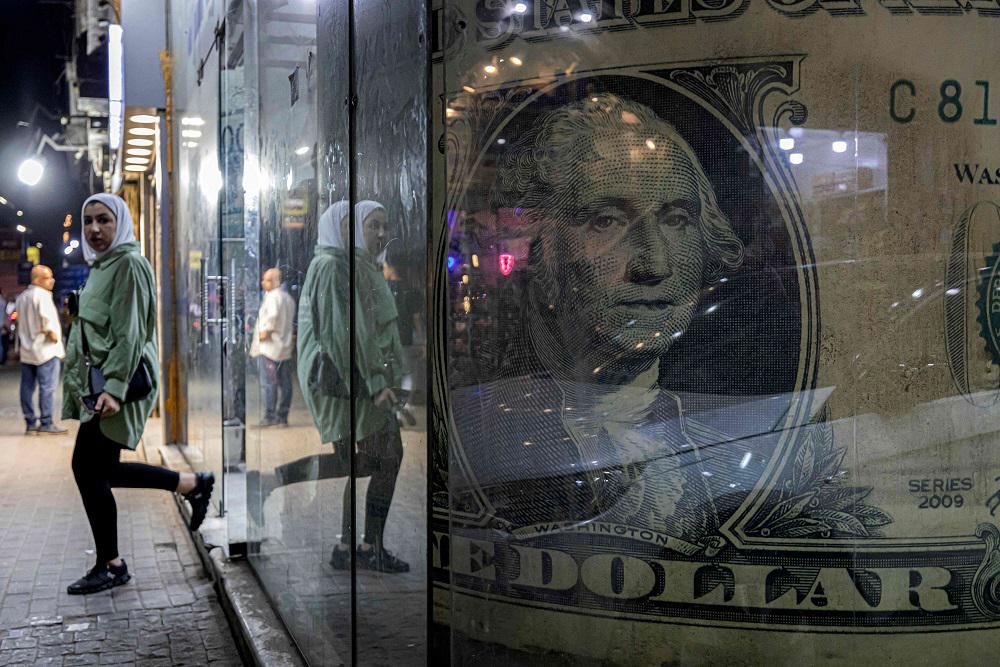
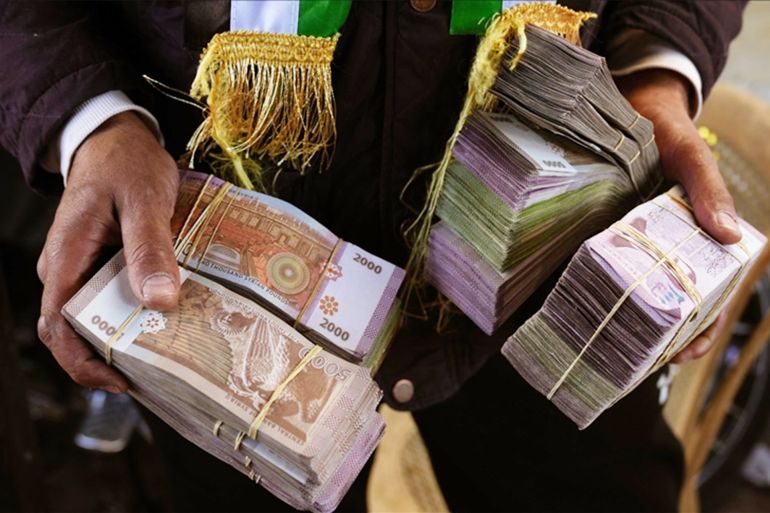
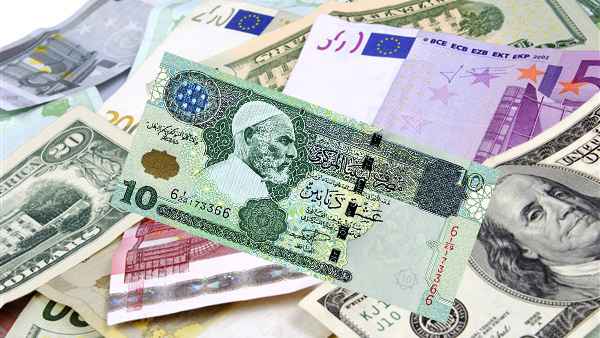
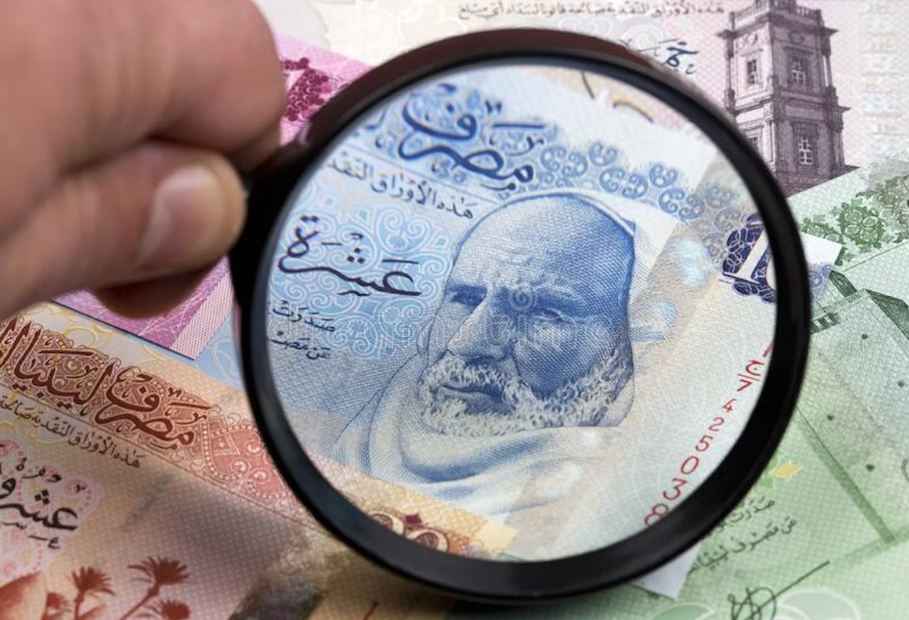
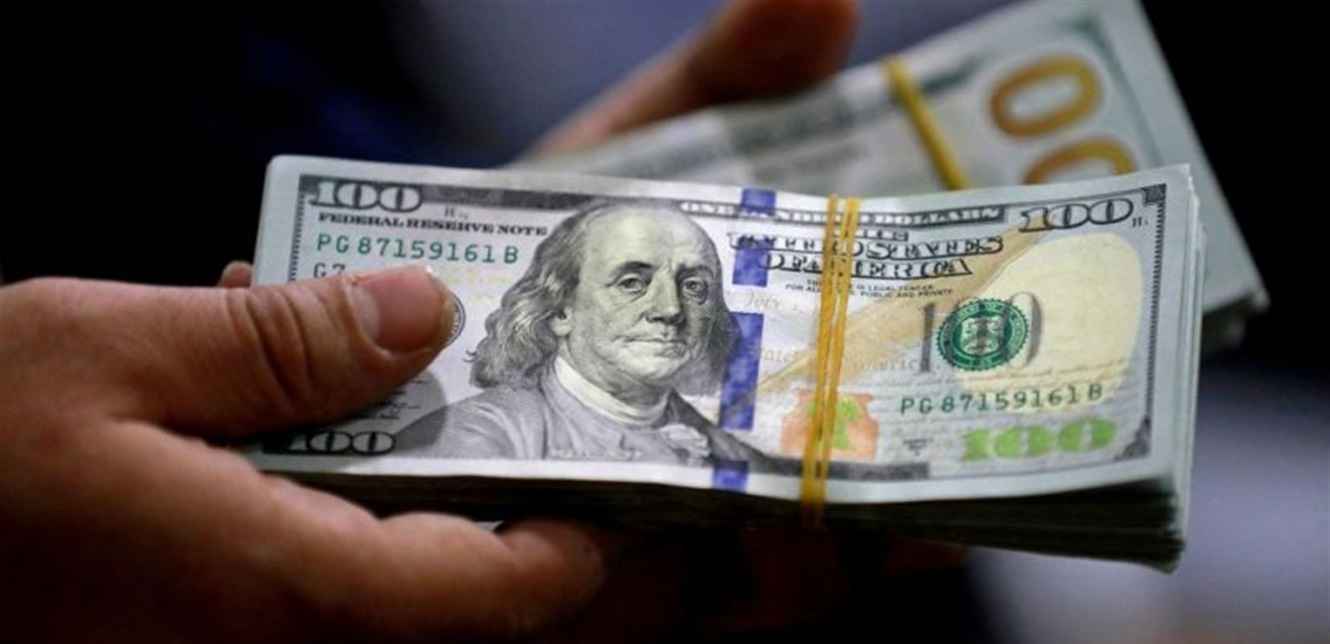
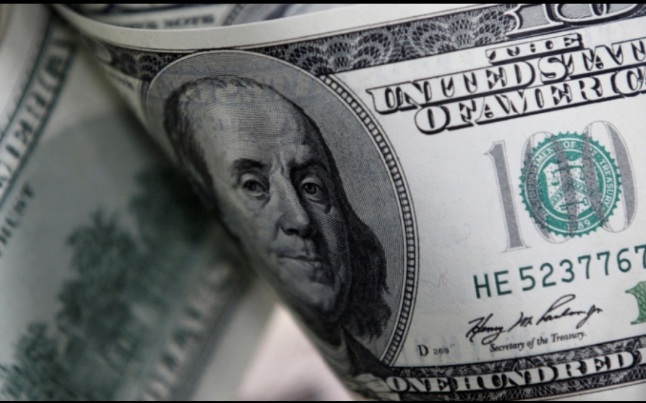
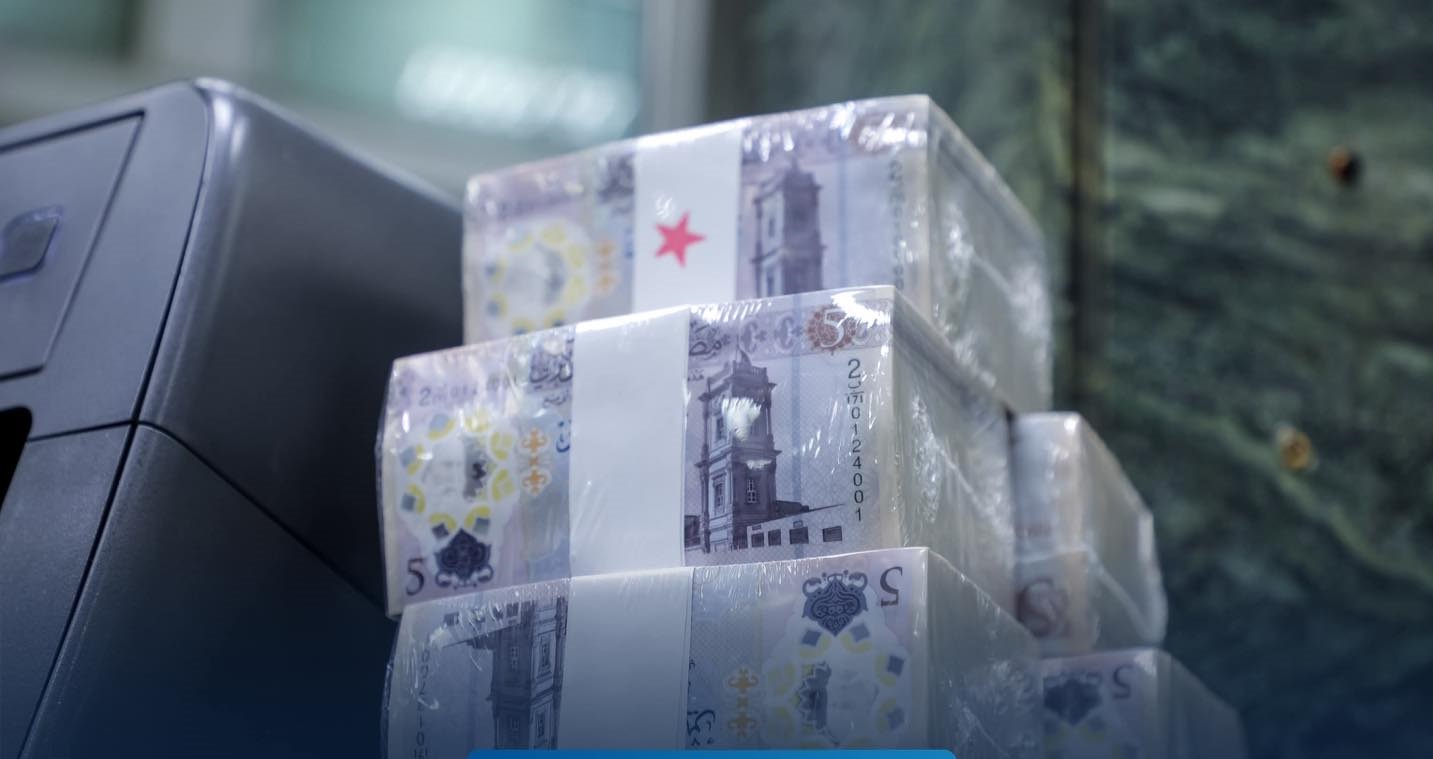
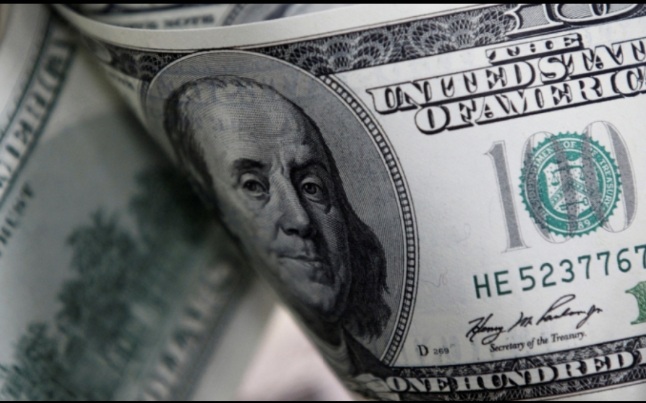
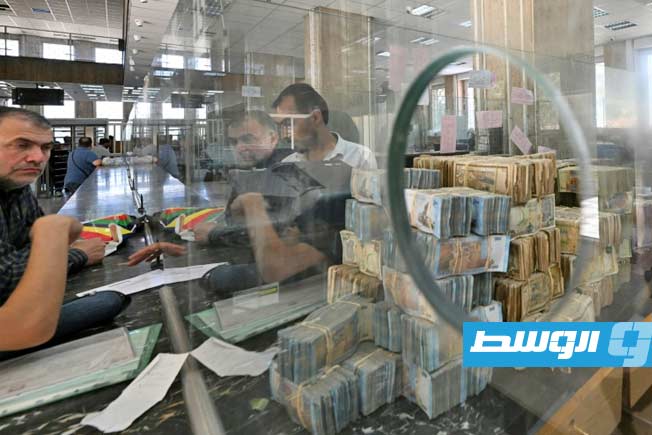
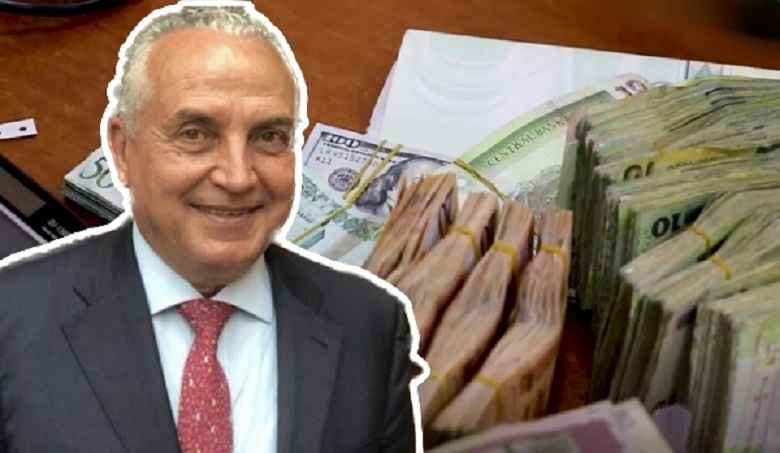
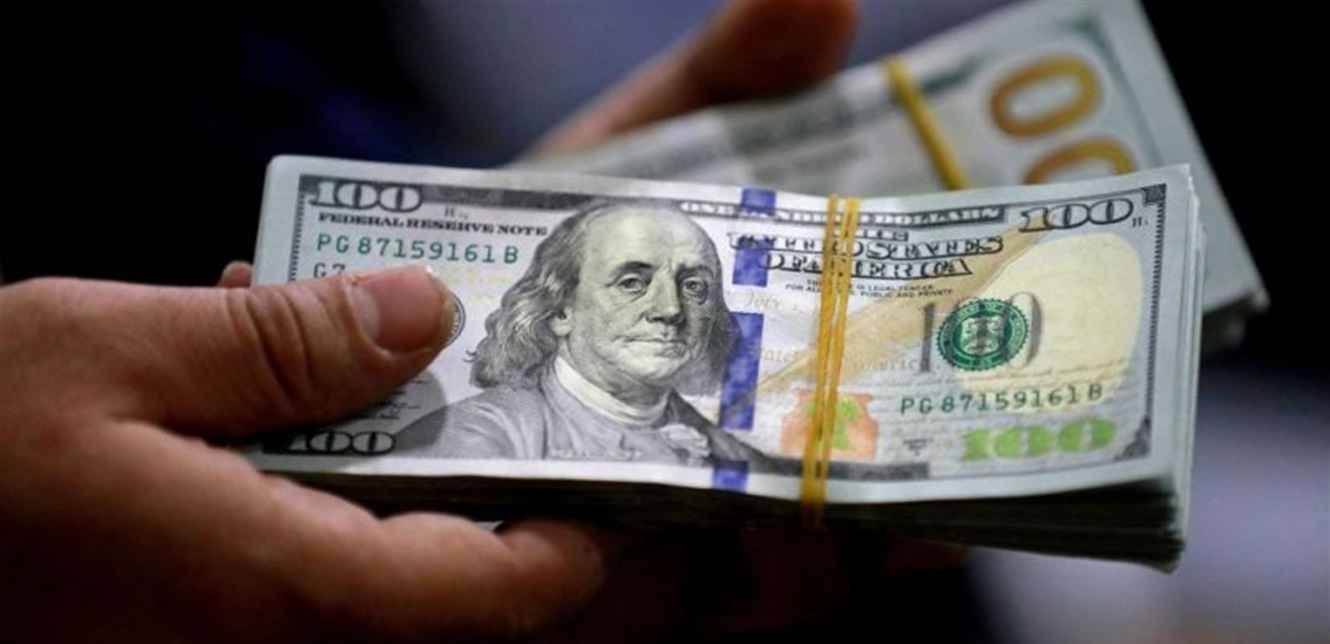
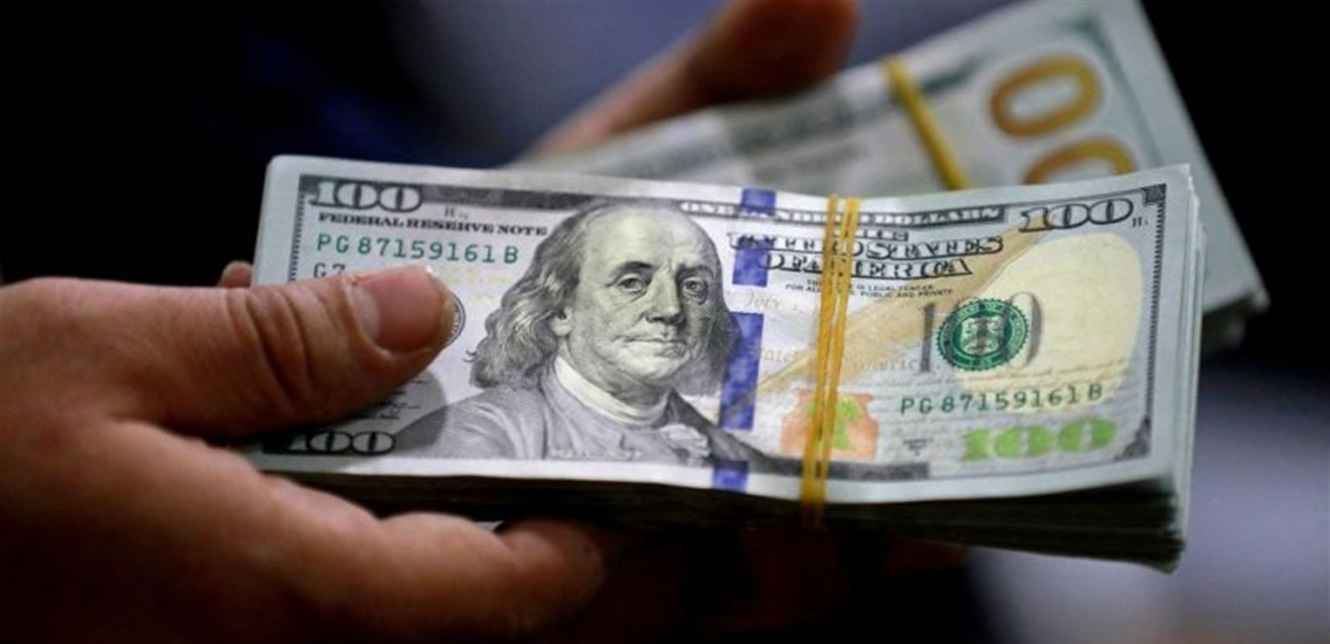
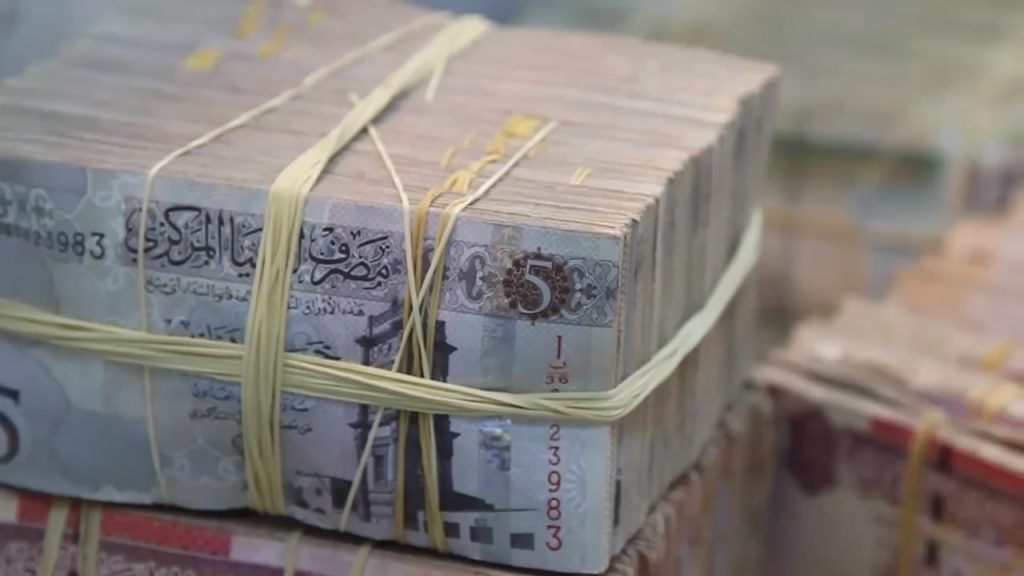
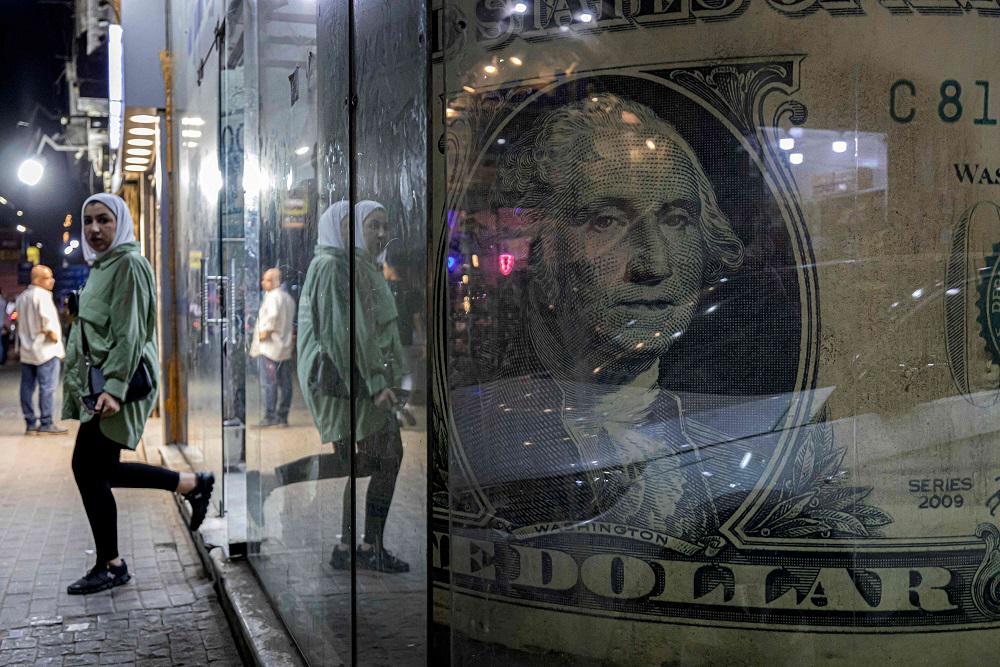
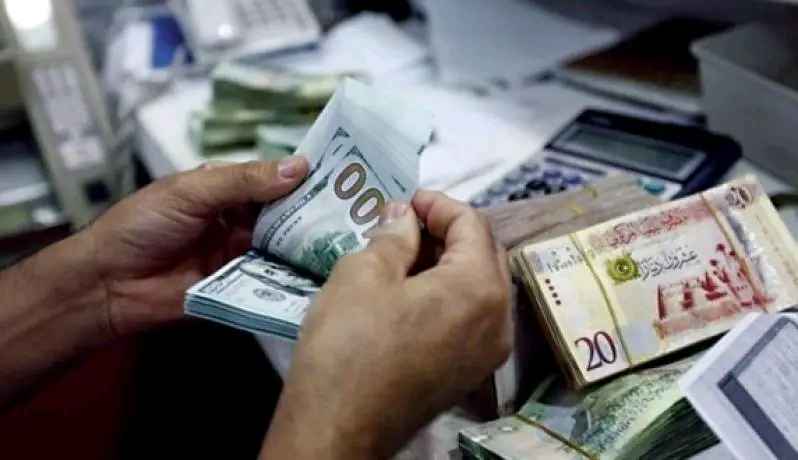
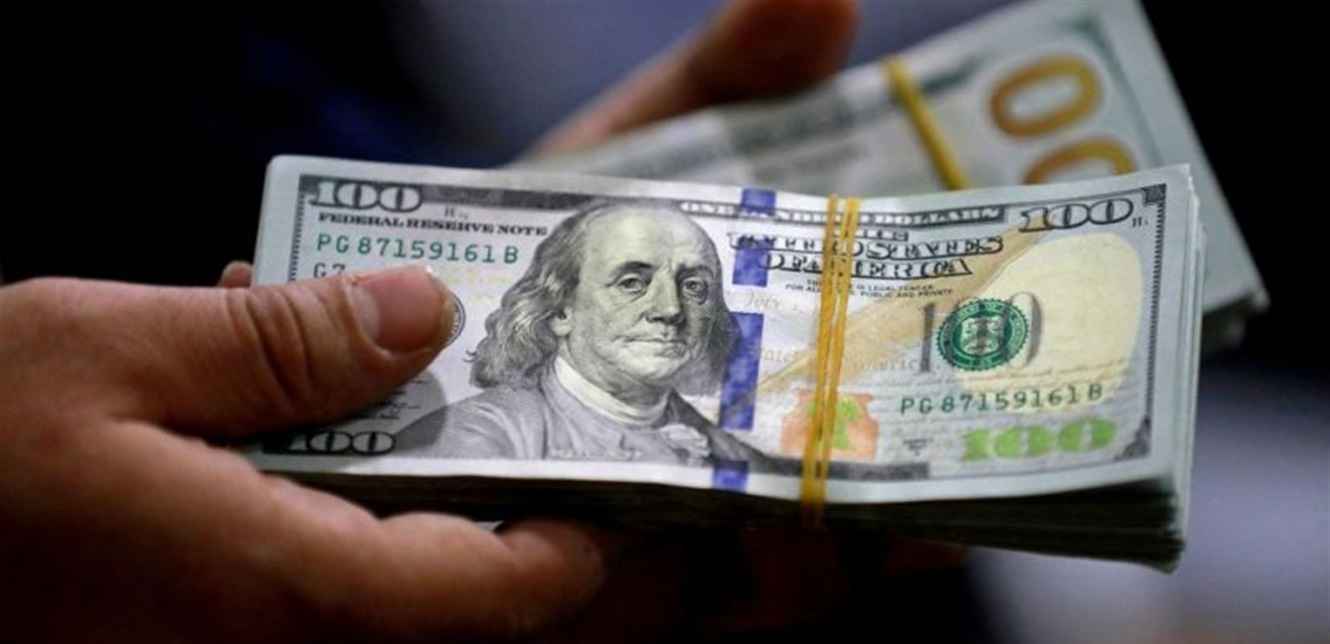
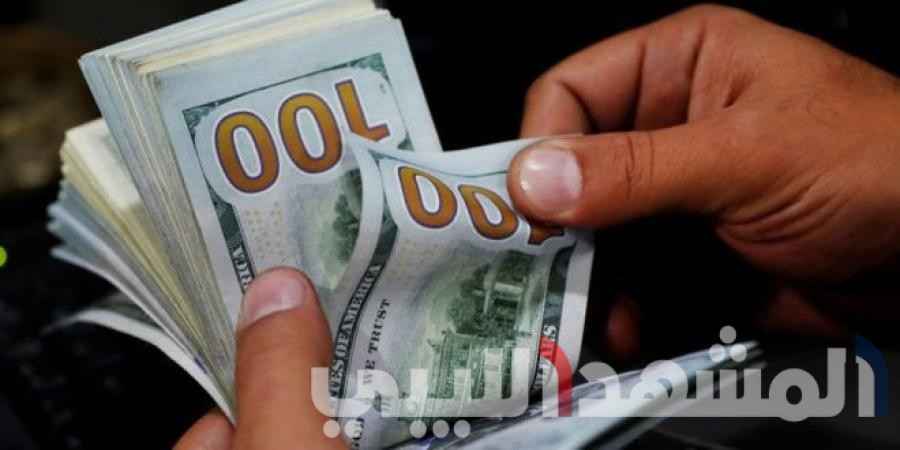
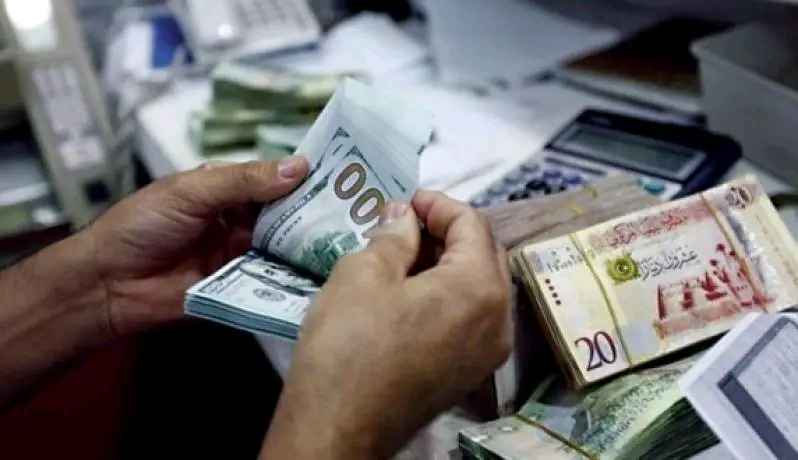
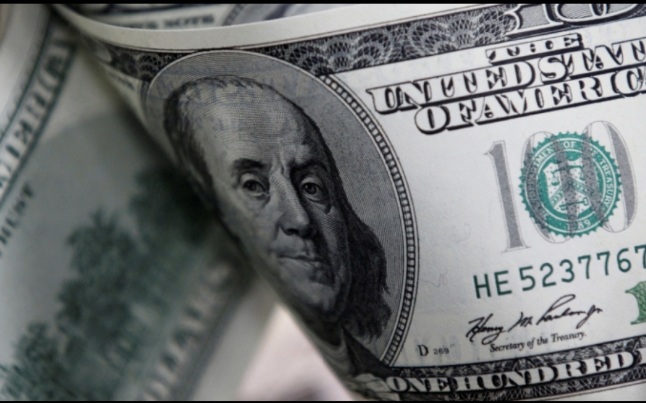
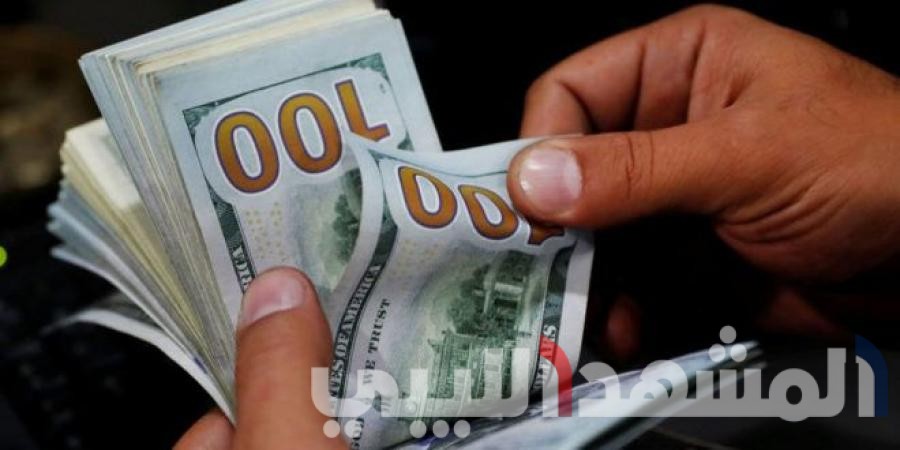
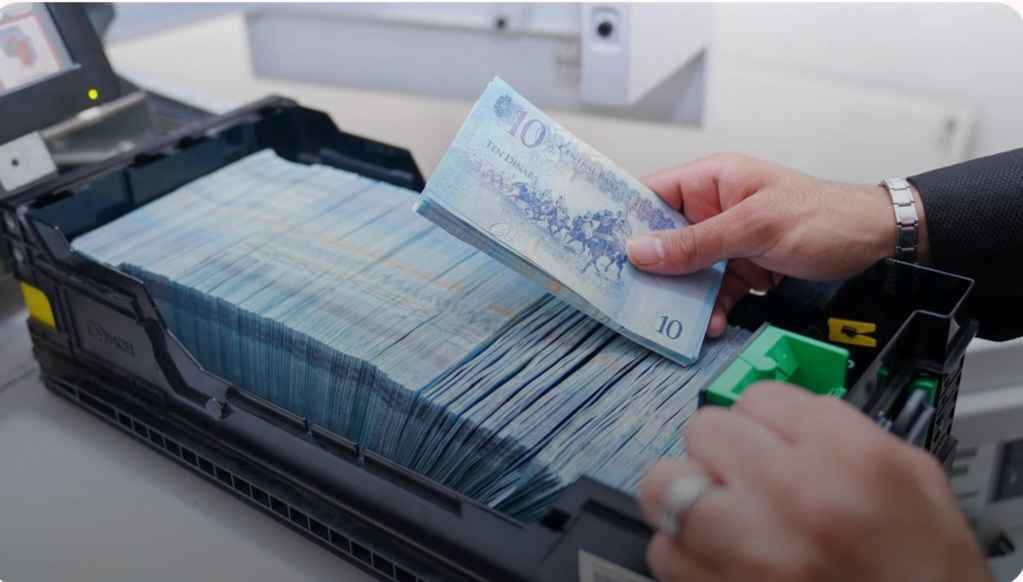
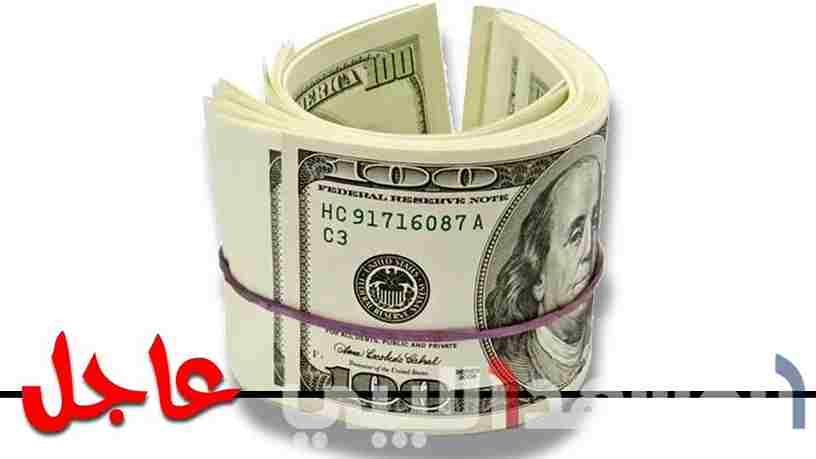
Trading in the parallel market on Thursday, February 19, 2026, saw a limited decline in the exchange rate of the US dollar against the Libyan dinar, following a record-breaking surge that had pushed it to its highest level in ten years.
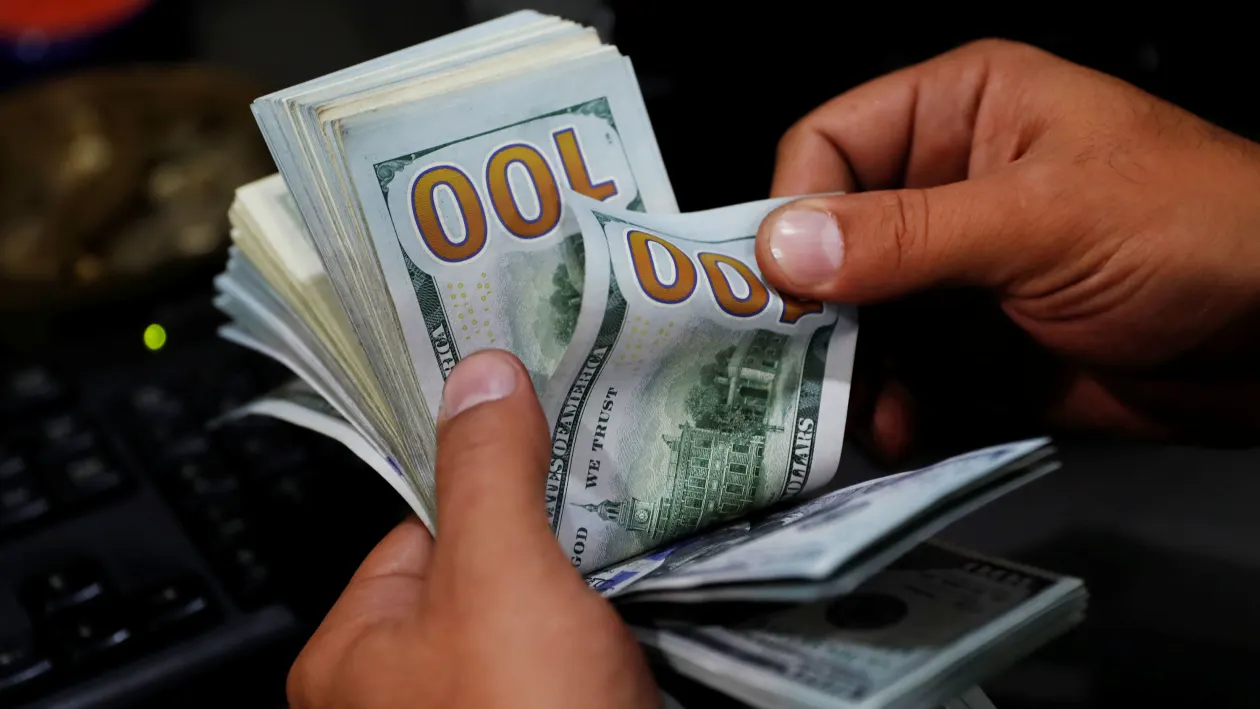
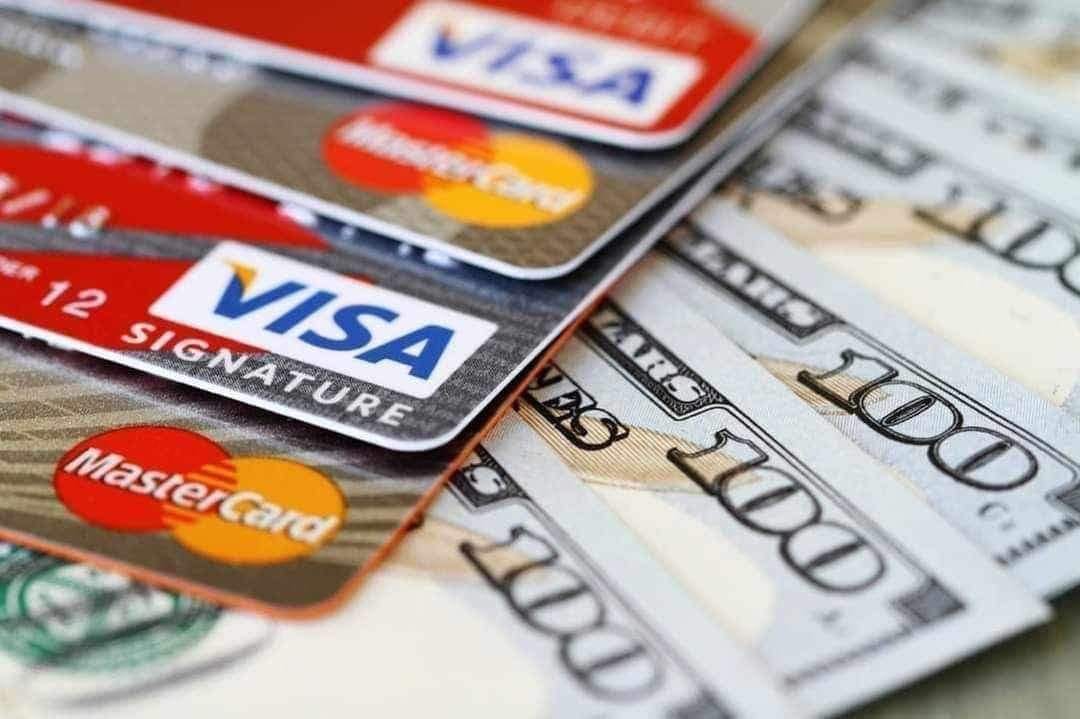
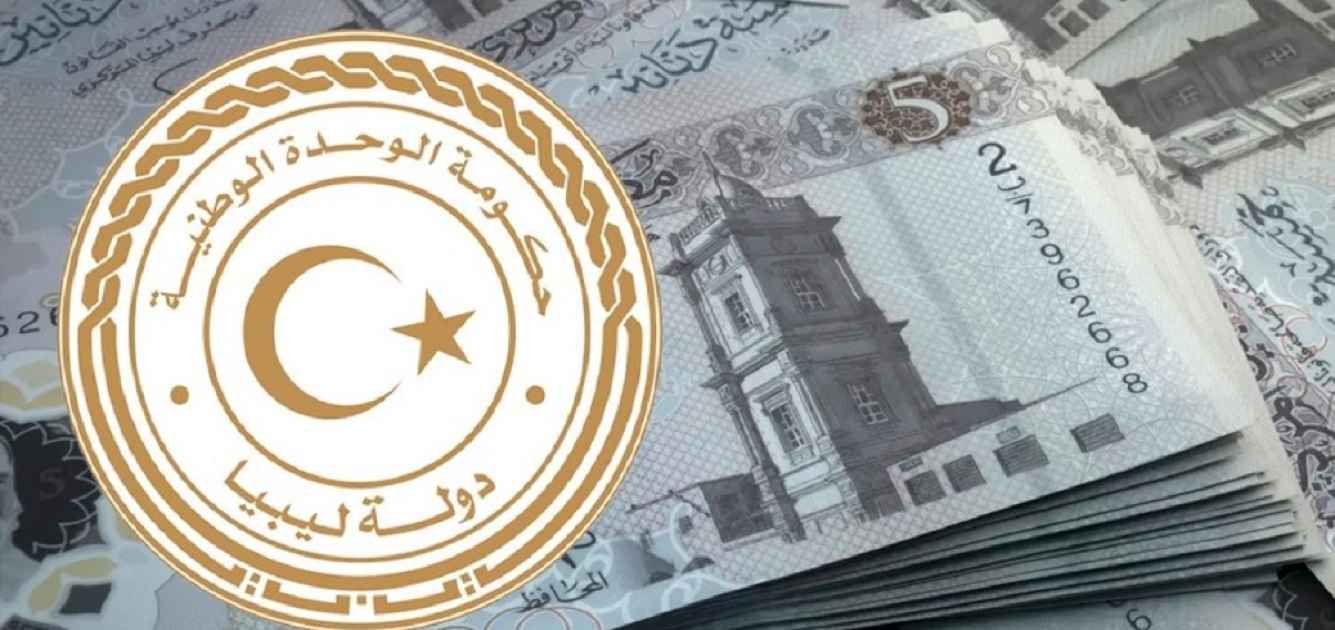
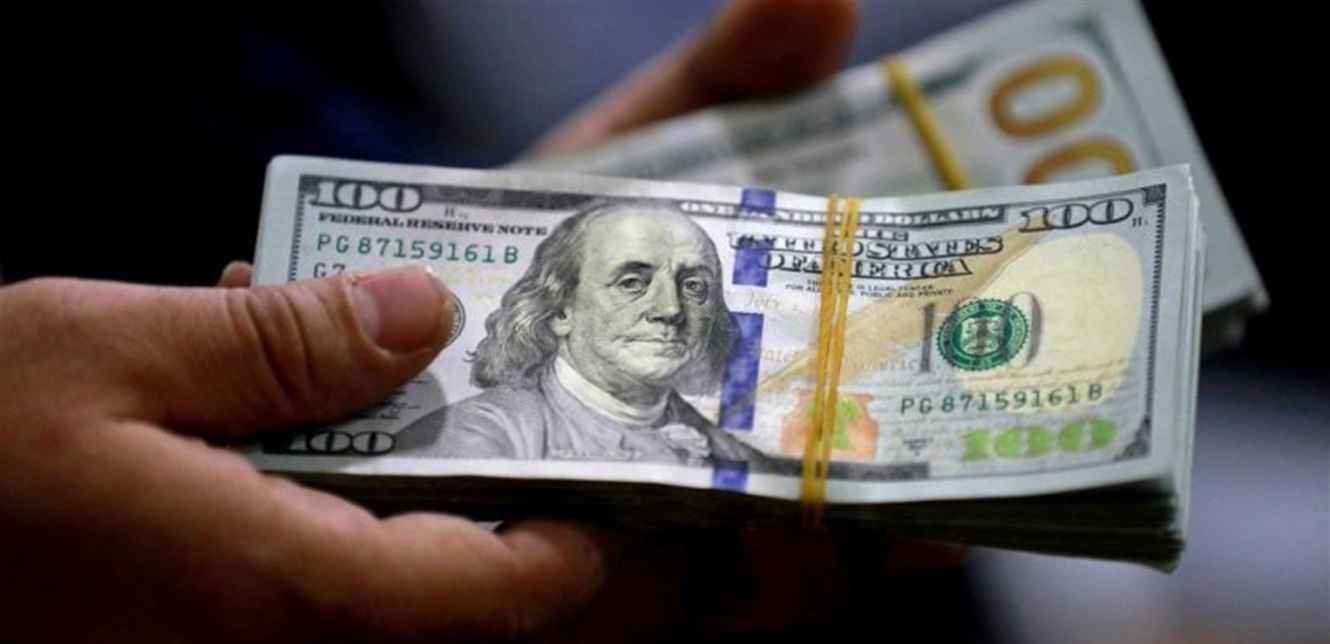
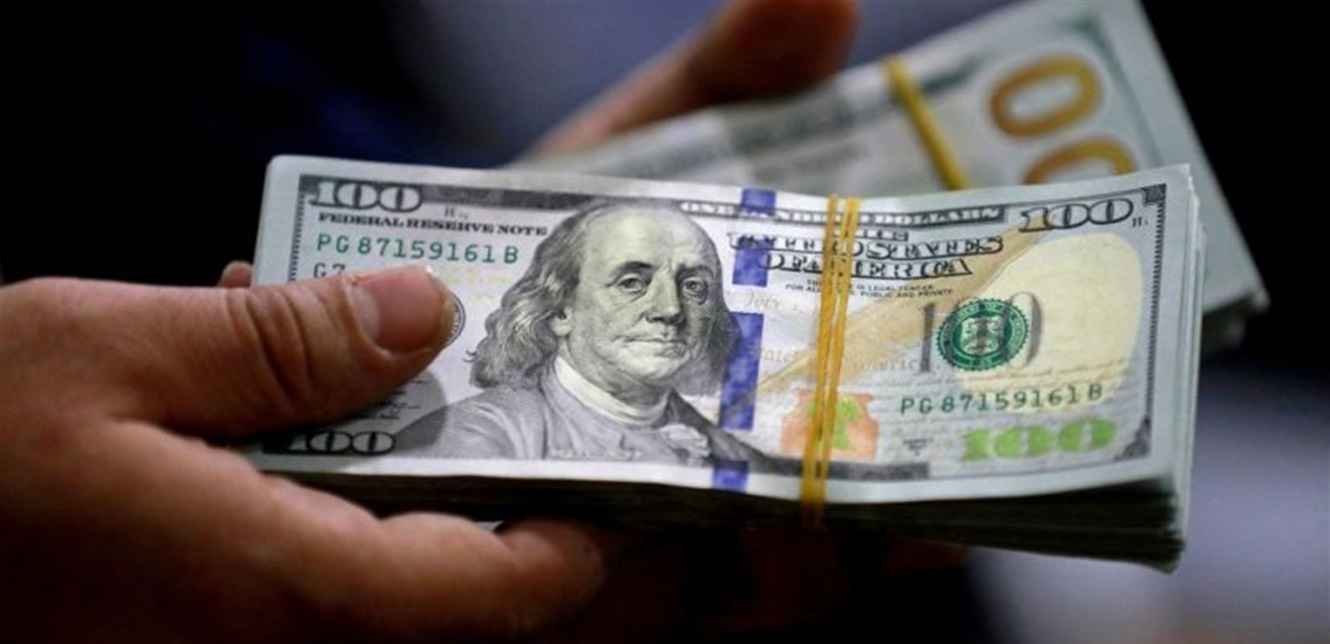
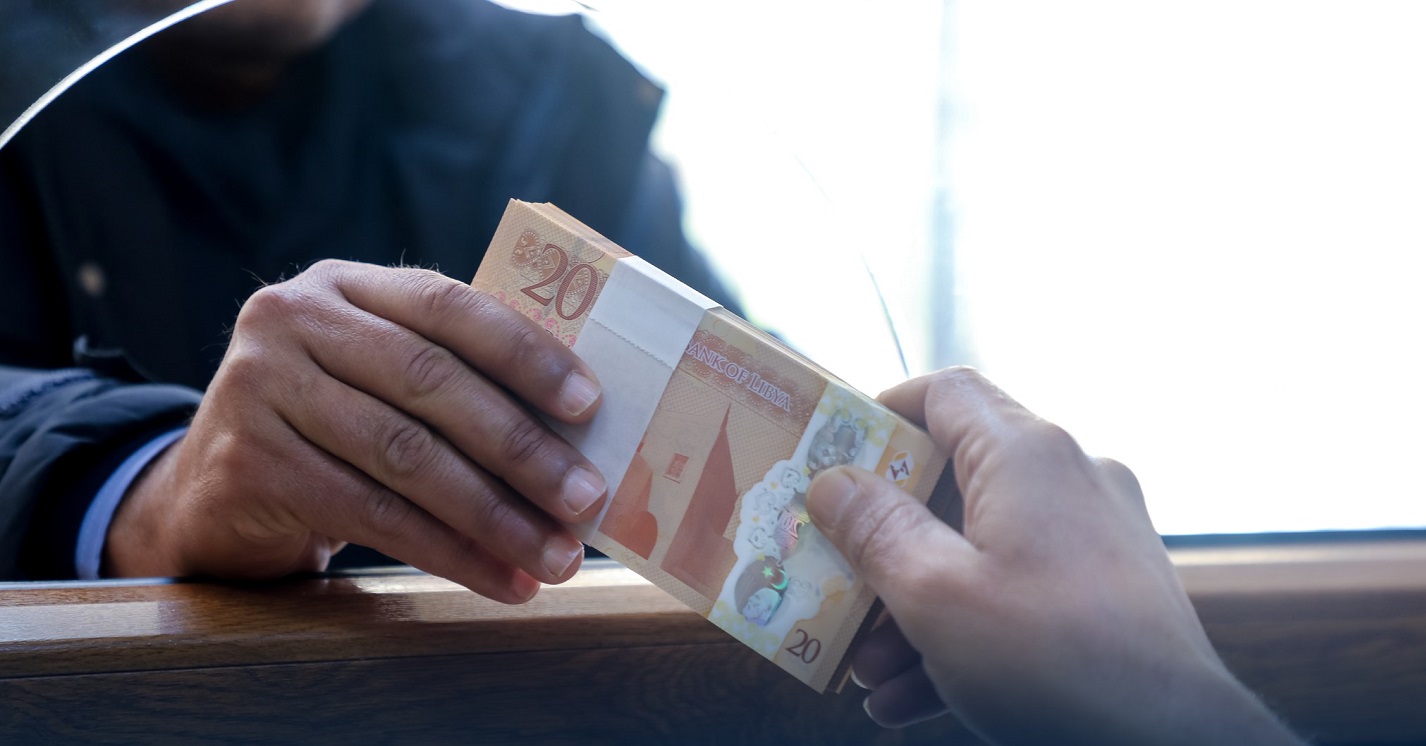
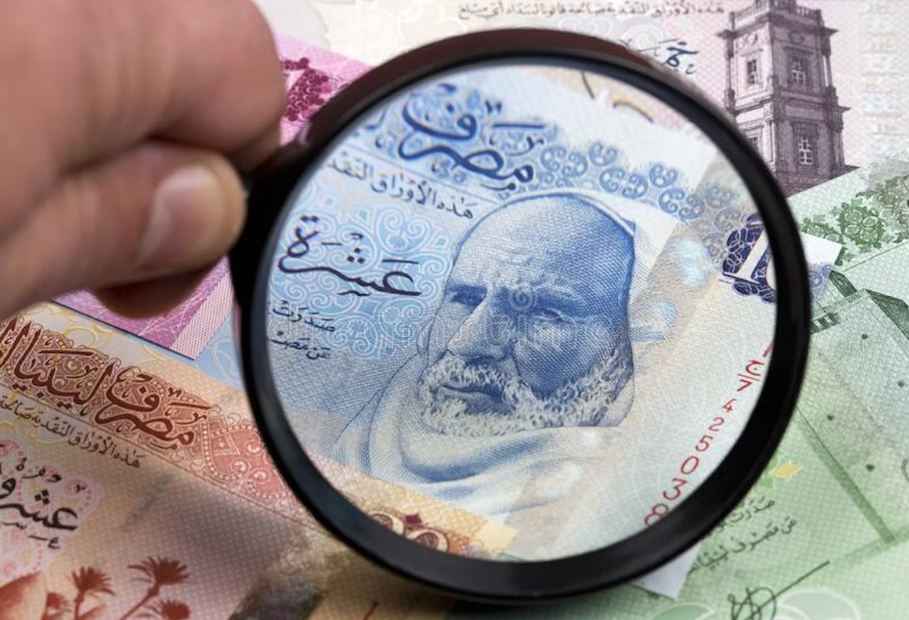
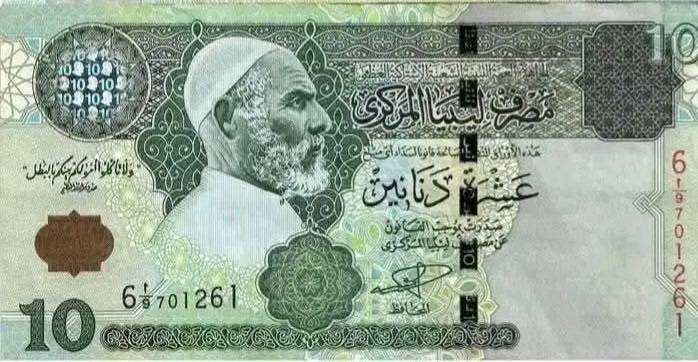
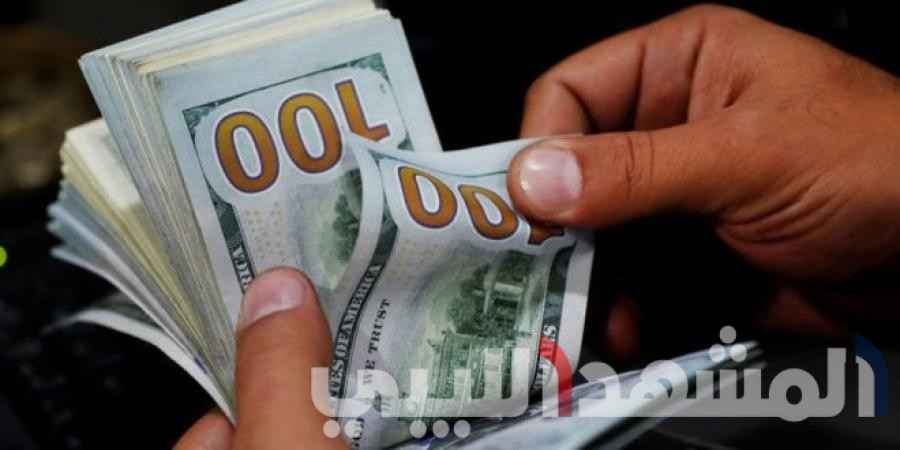
The dollar closed at 9.800 dinars, which was both the opening and closing price, while it recorded a high of 9.820 dinars and a low of 9.785 dinars during the session.
Relative Decline After a Surge
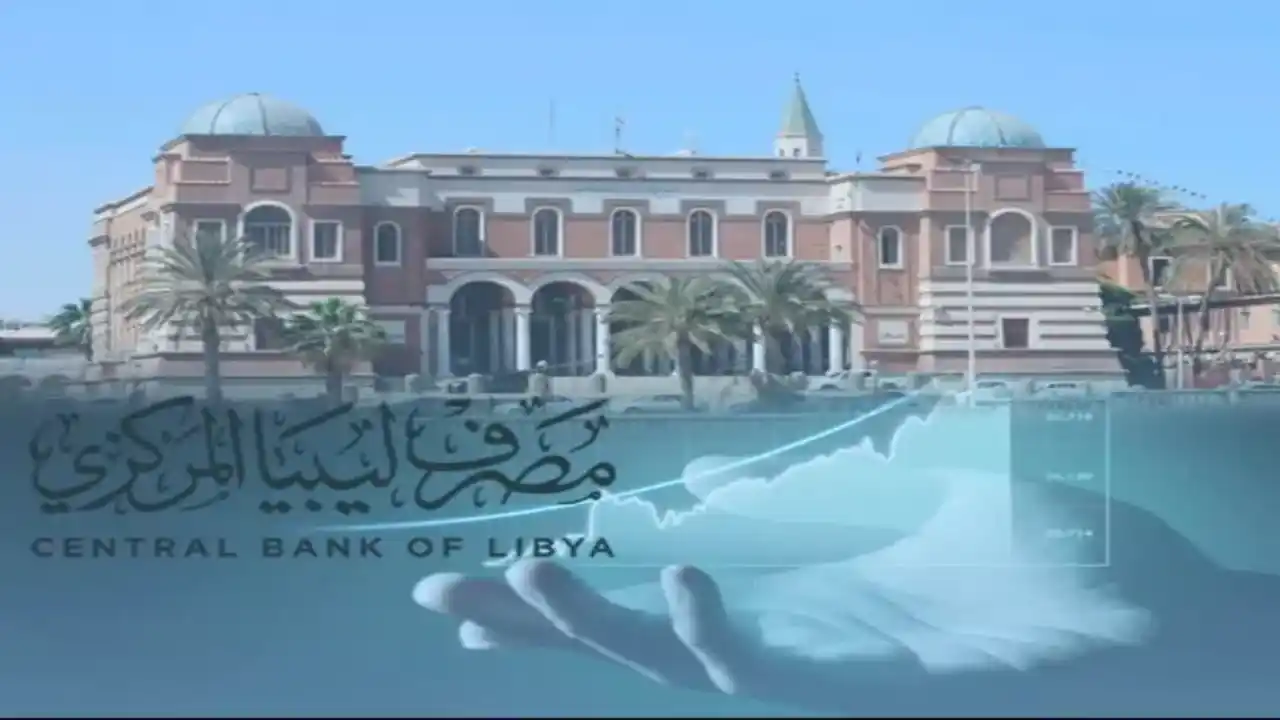
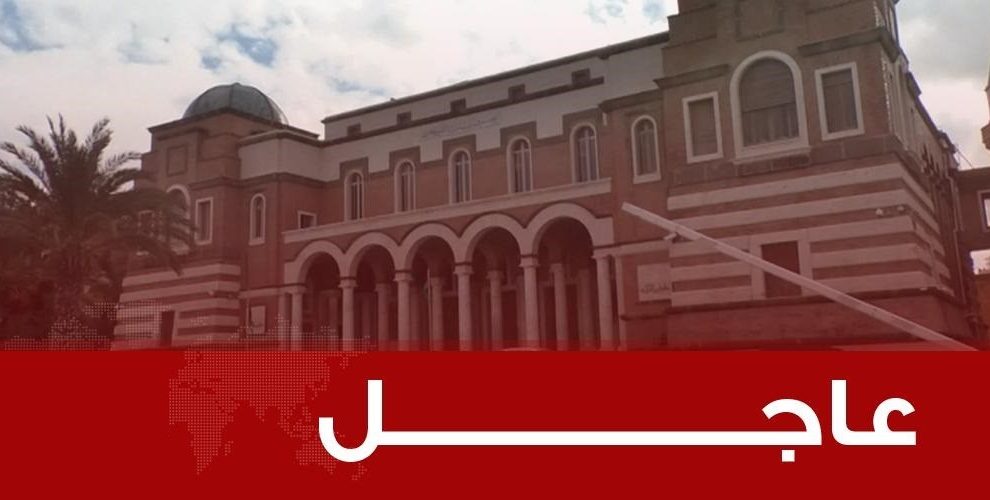
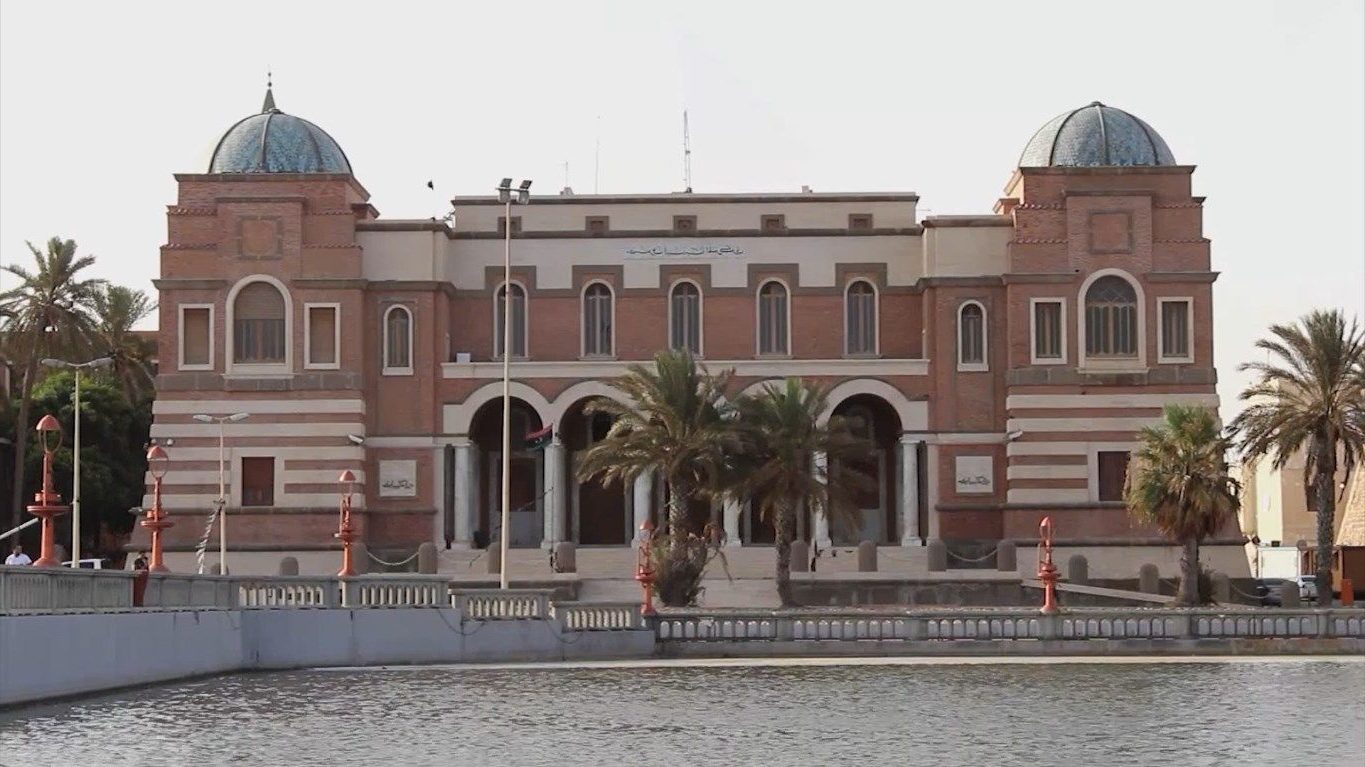
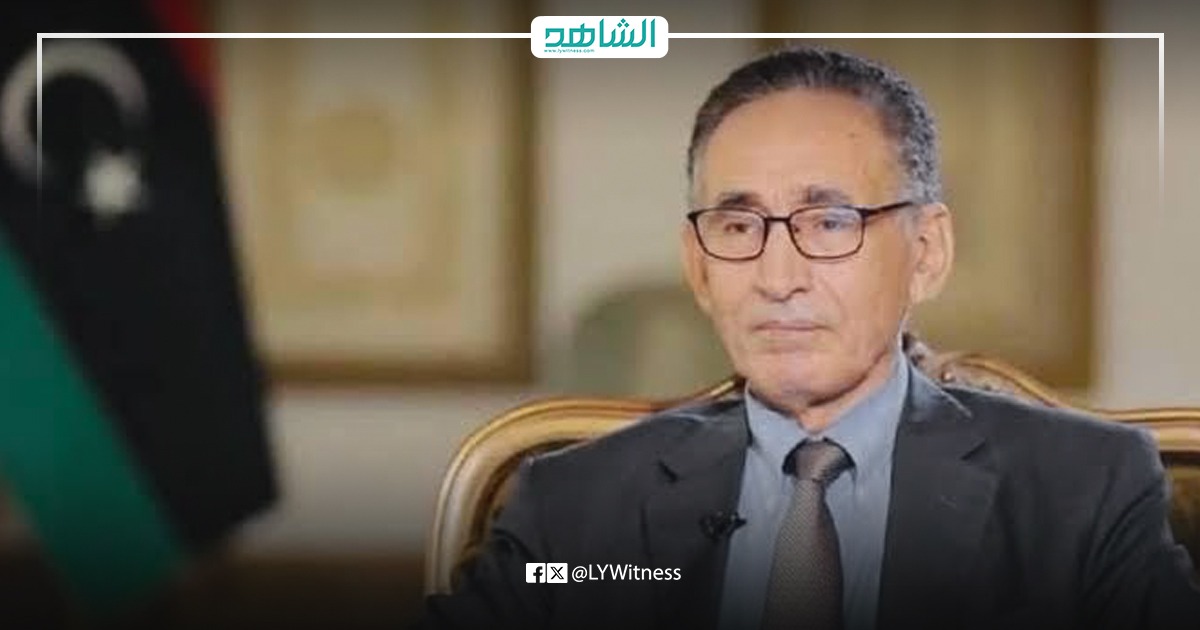
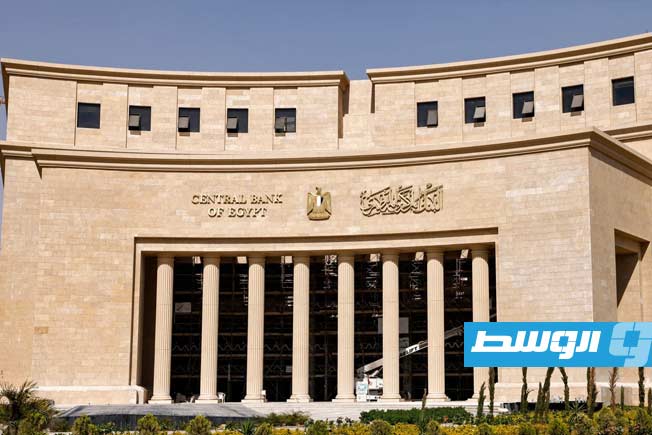
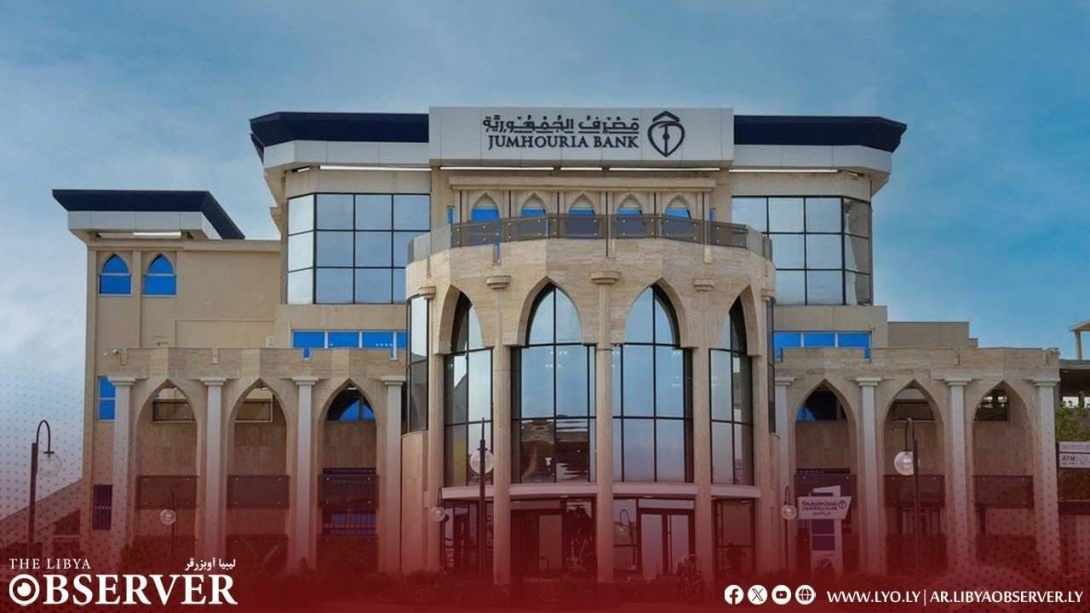
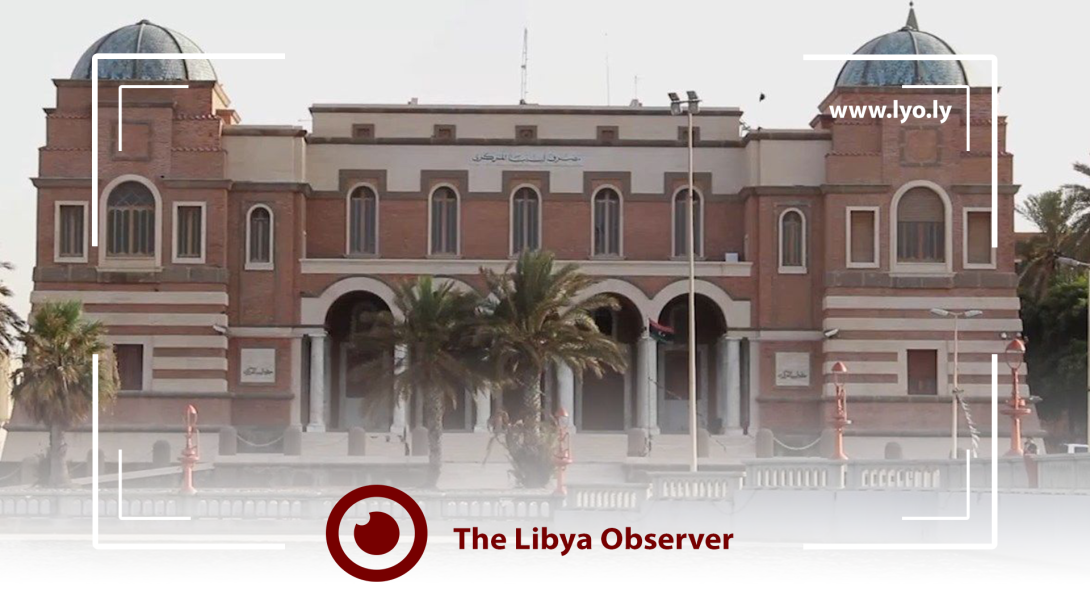
Despite this decline, the dollar maintained its upward trajectory, fueled by recent decisions from the Central Bank of Libya, particularly after the devaluation of the dinar by 14.7% against the Special Drawing Rights (SDR) unit, setting the official rate at around 6.40 dinars per dollar.
This decision was a key factor driving prices in the parallel market to record high levels in recent days.
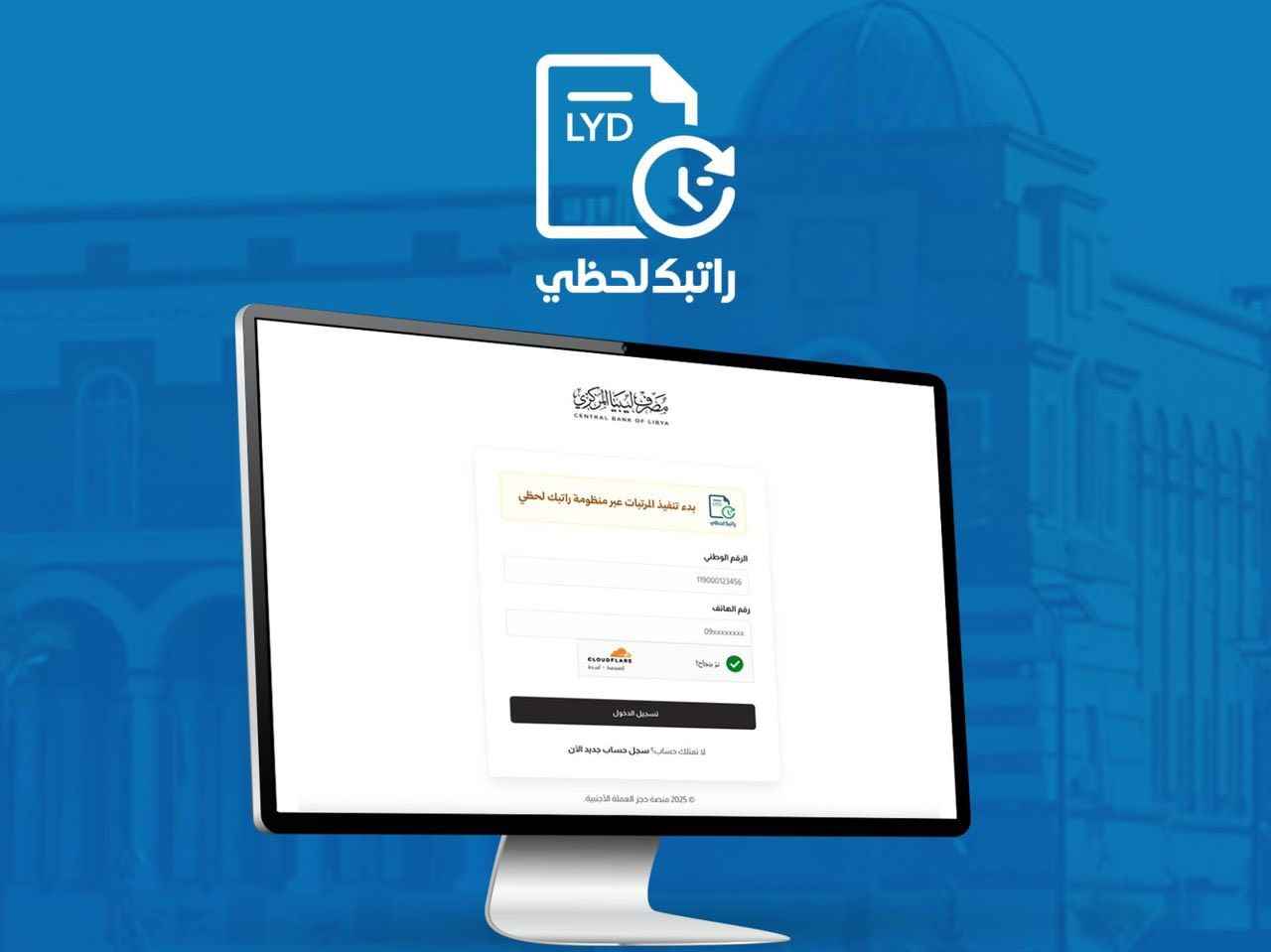
Observers note that anticipated changes to the personal purposes system and the expansion of exchange companies’ authorities have contributed to a relative calming of prices, but have not halted the overall upward trend.
Foreign Currencies and Gold
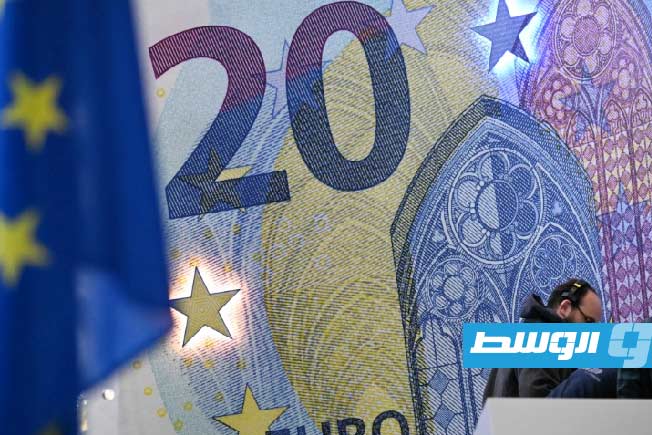
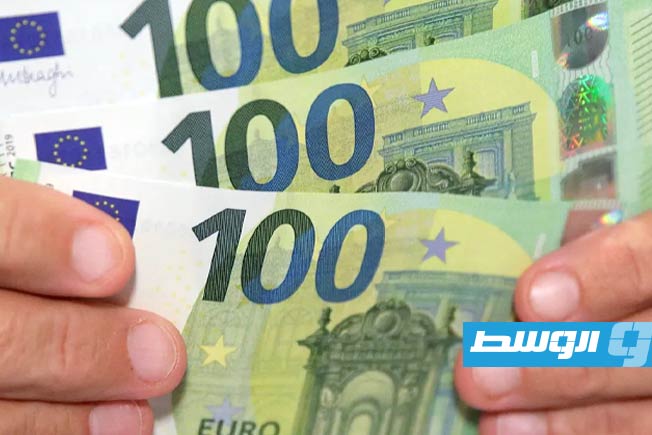
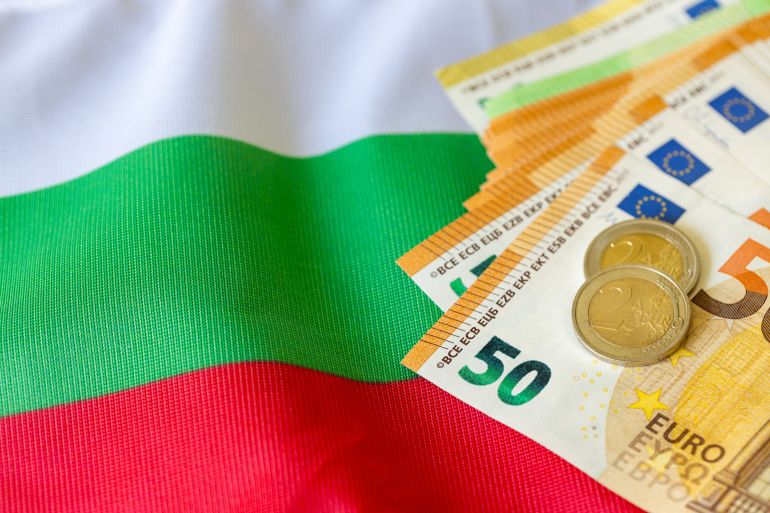
- Euro: Declined to 11.39 dinars.
- British Pound: Stabilized at 12.90 dinars.
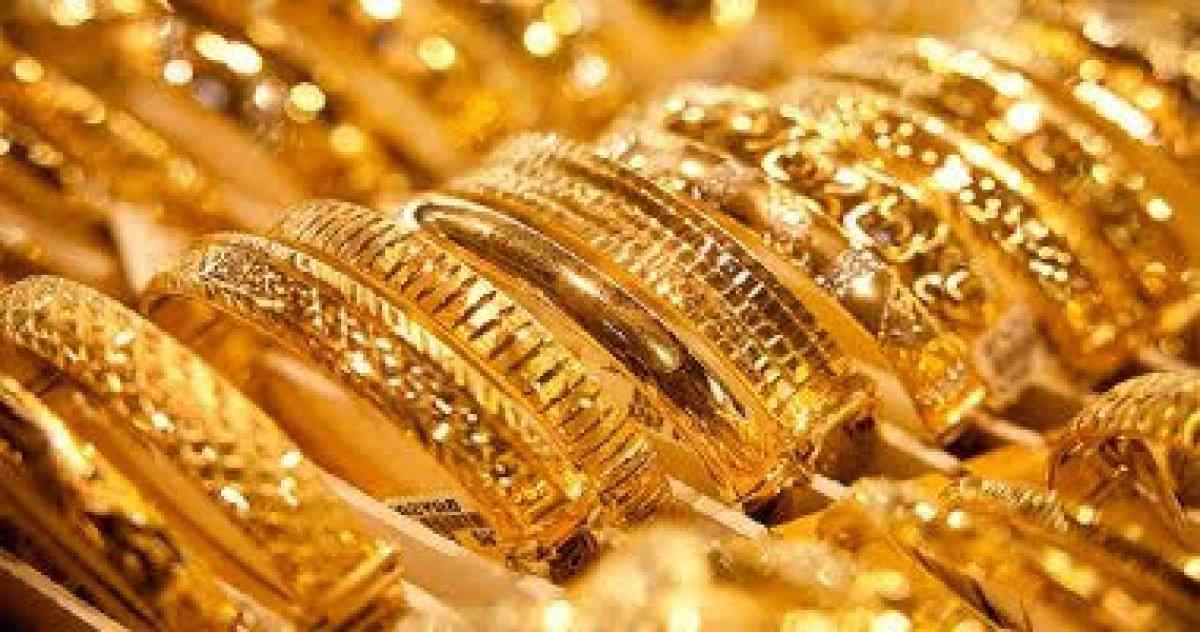
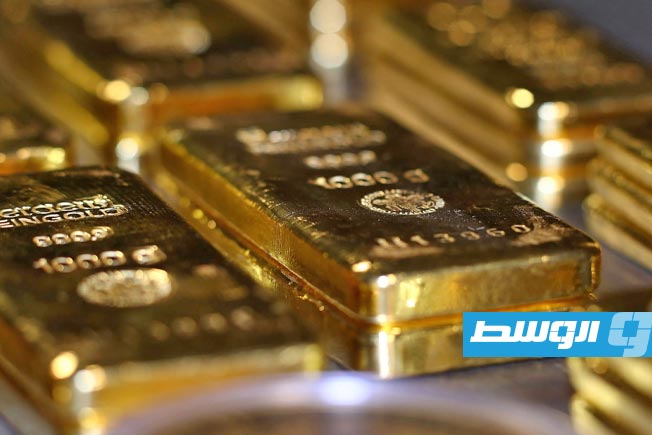
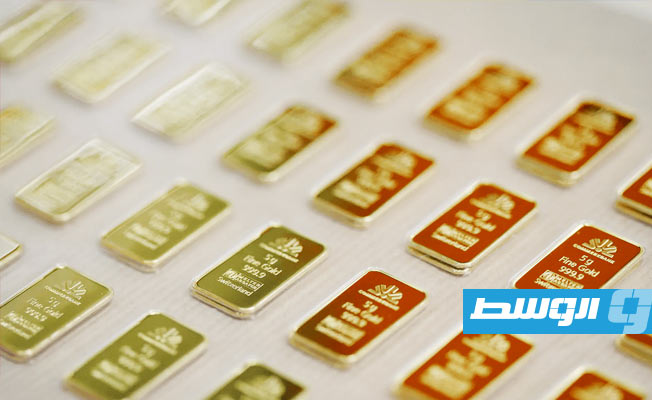
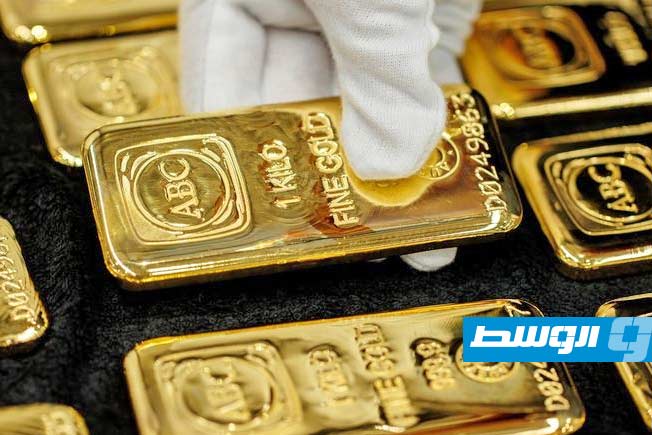
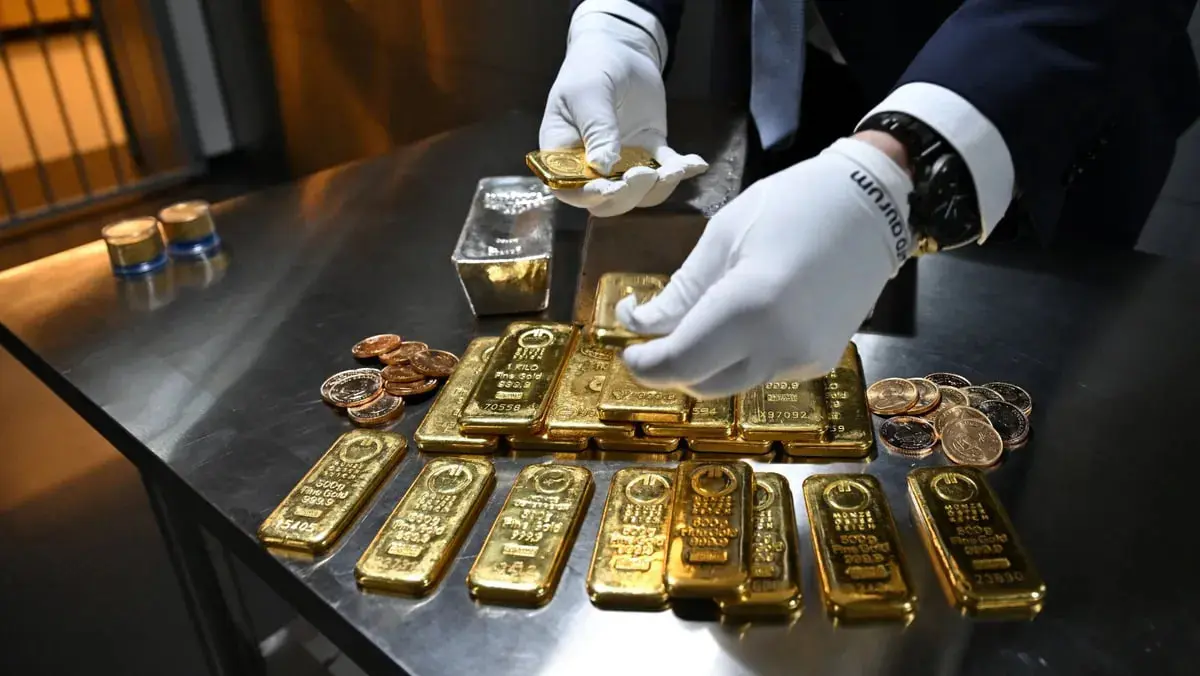
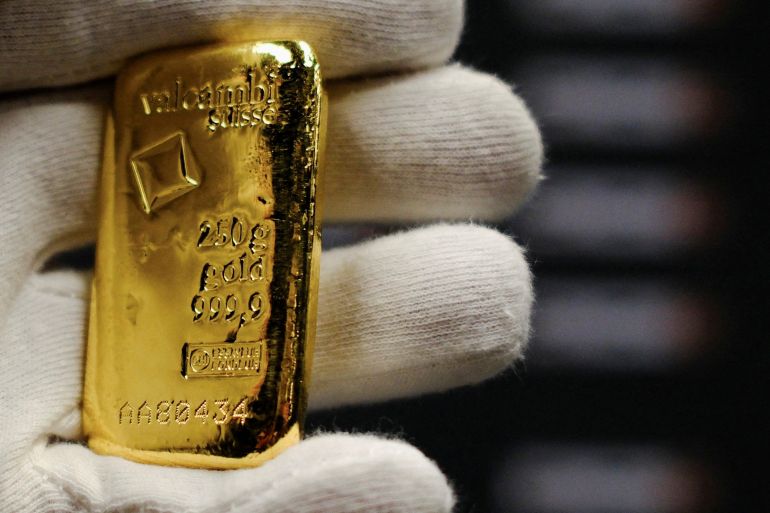
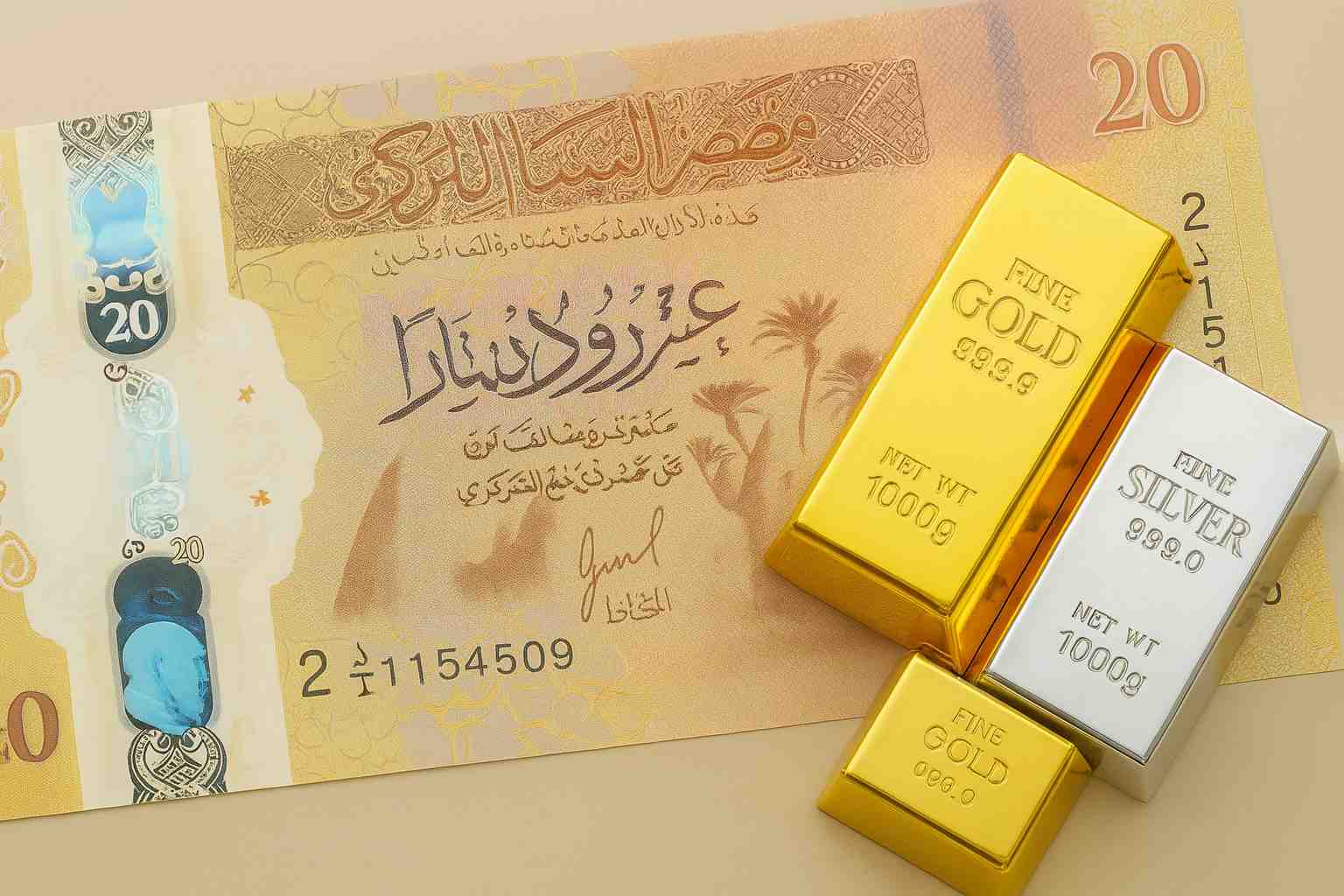
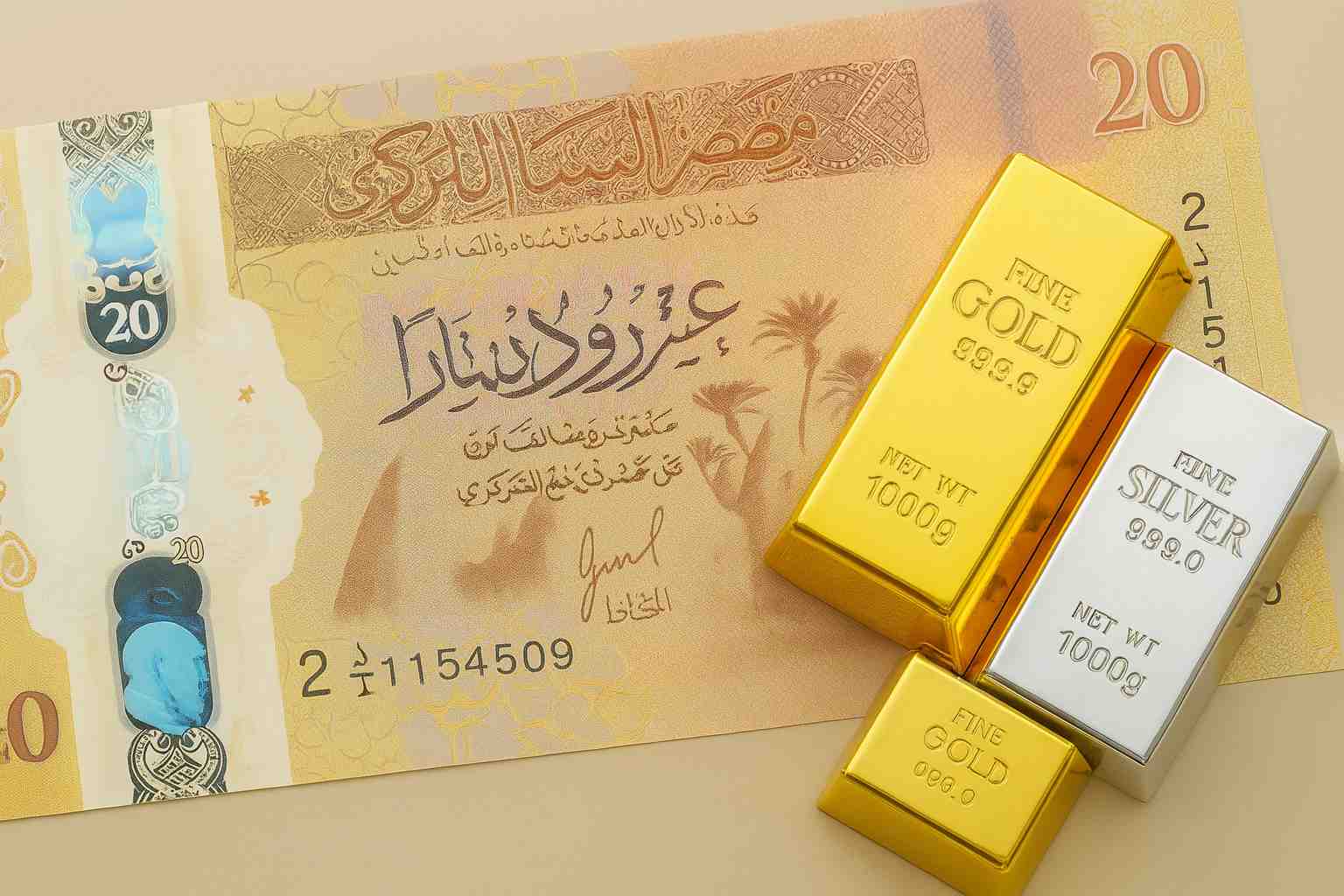
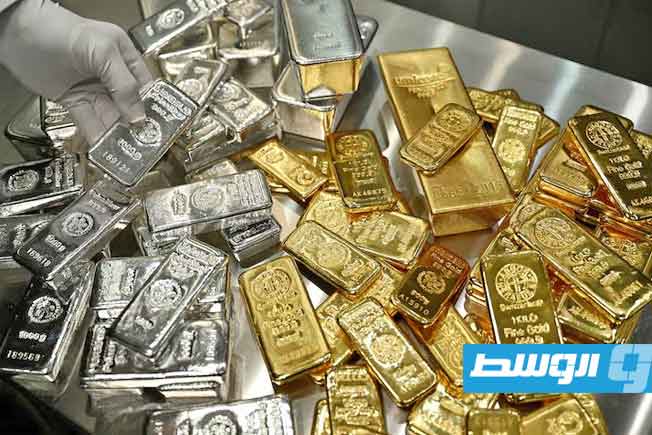
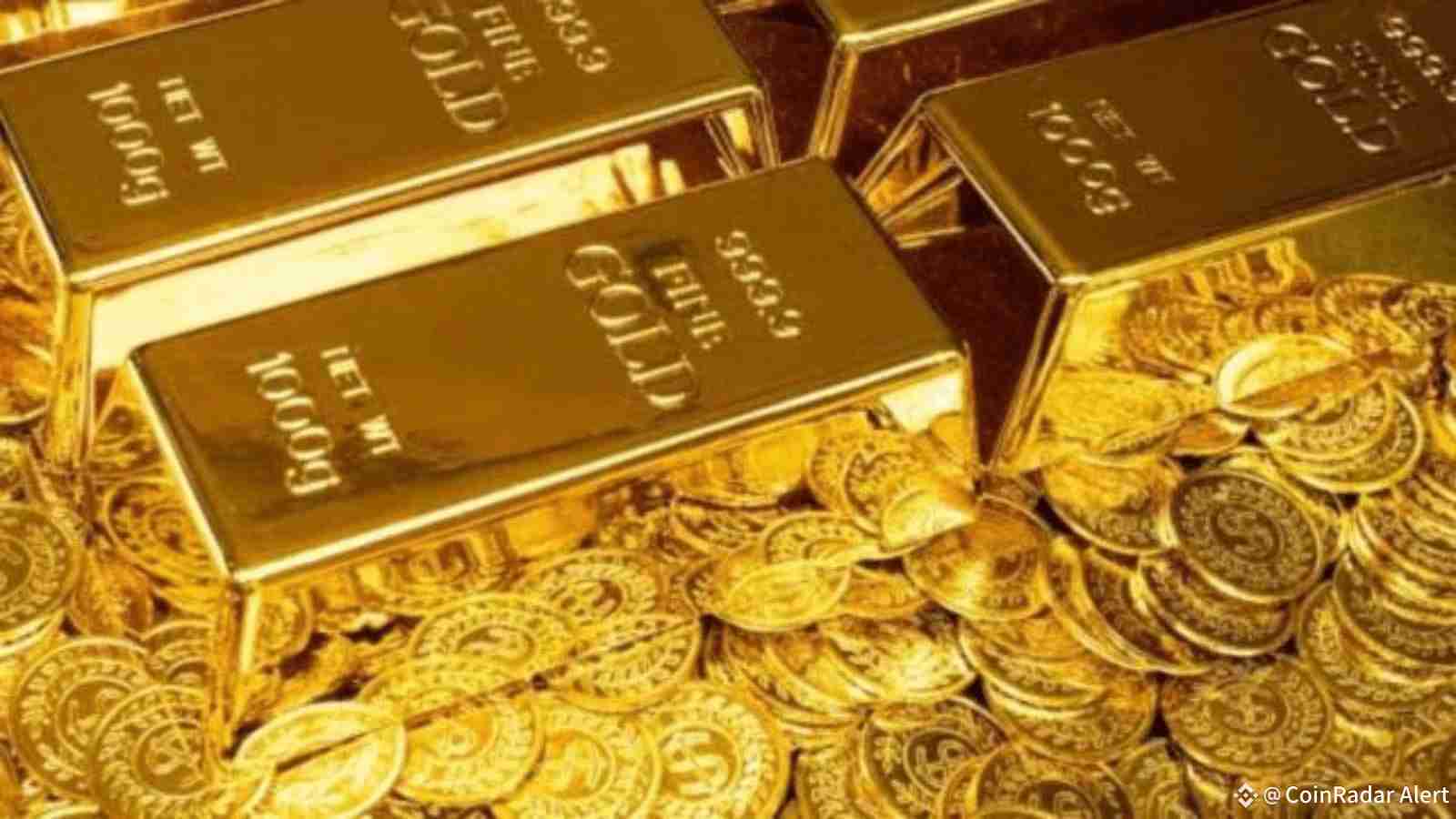
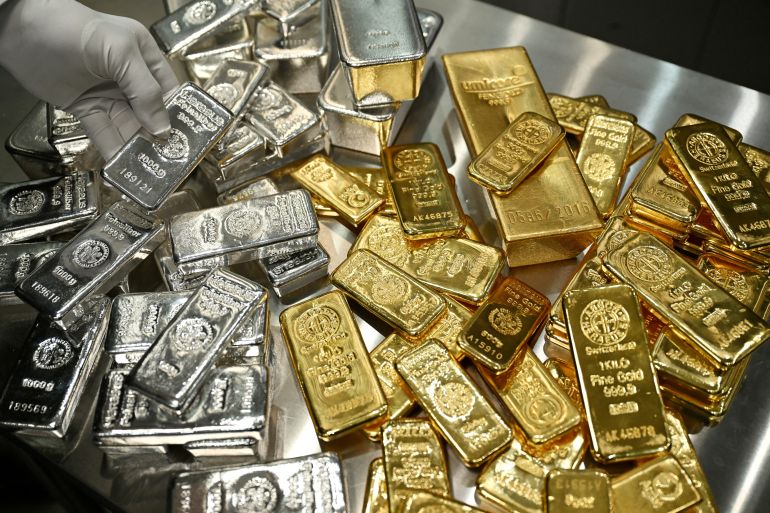
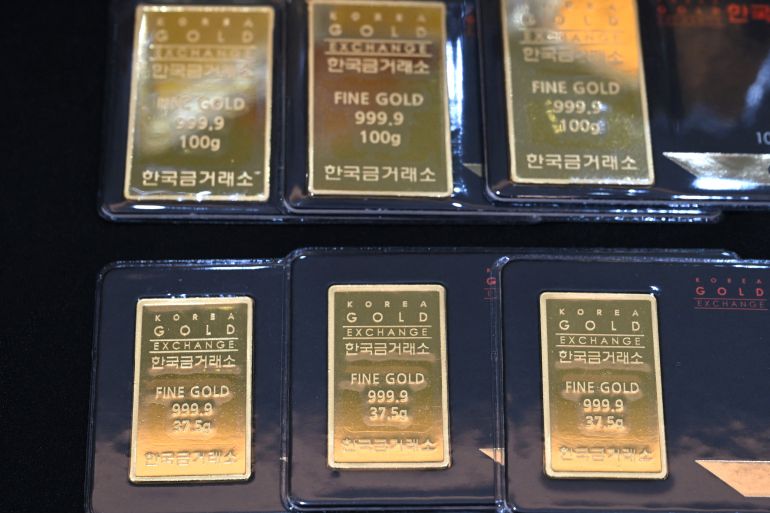
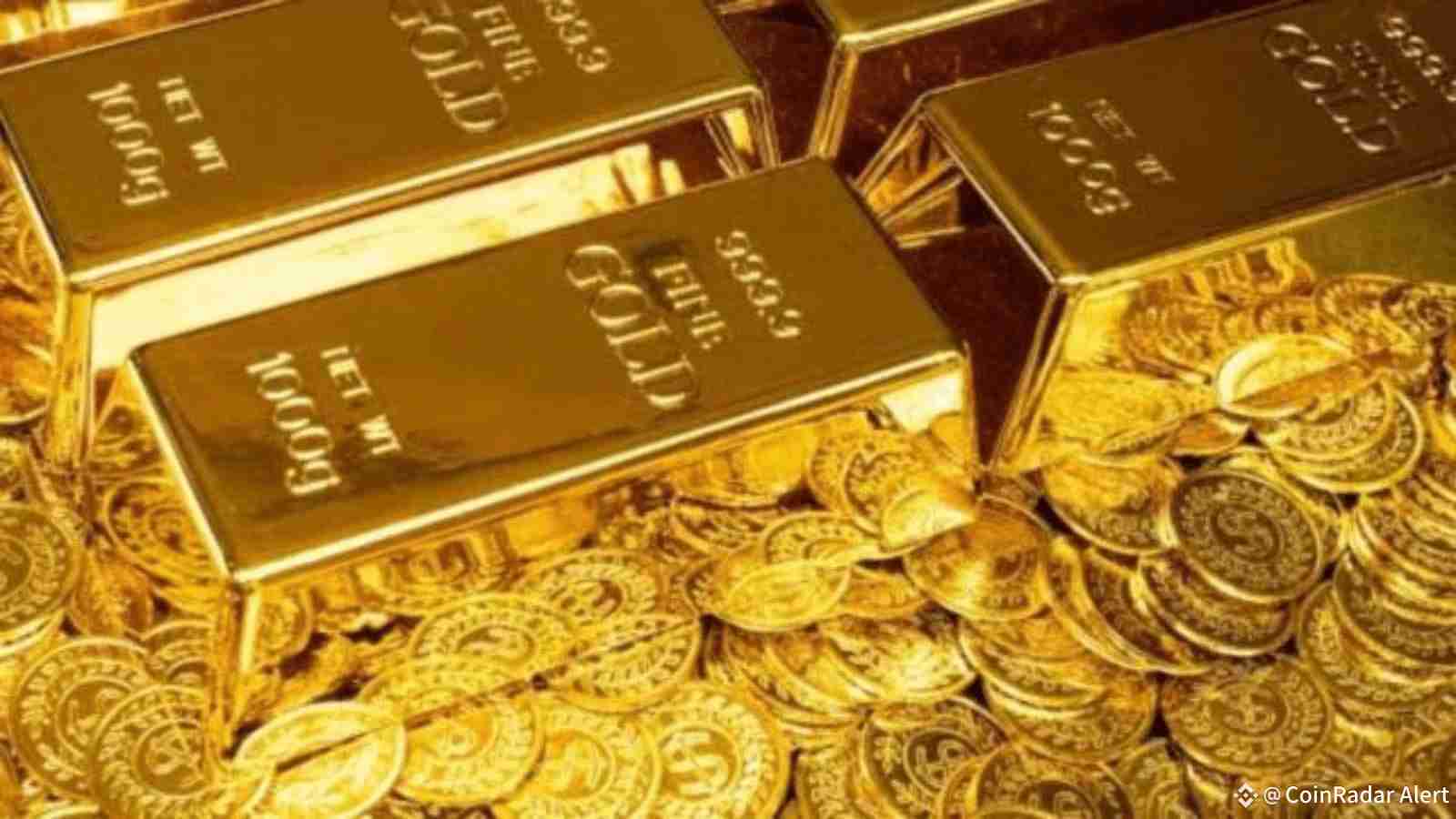
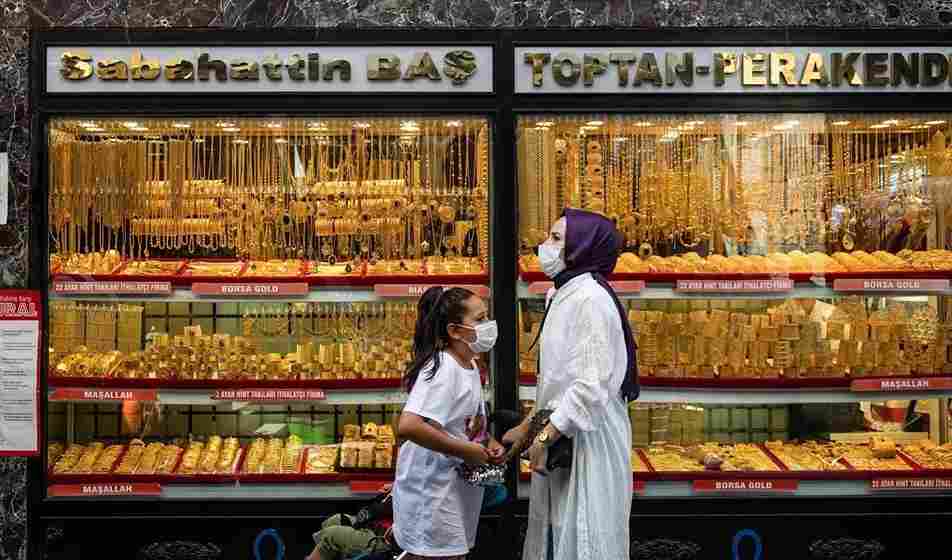
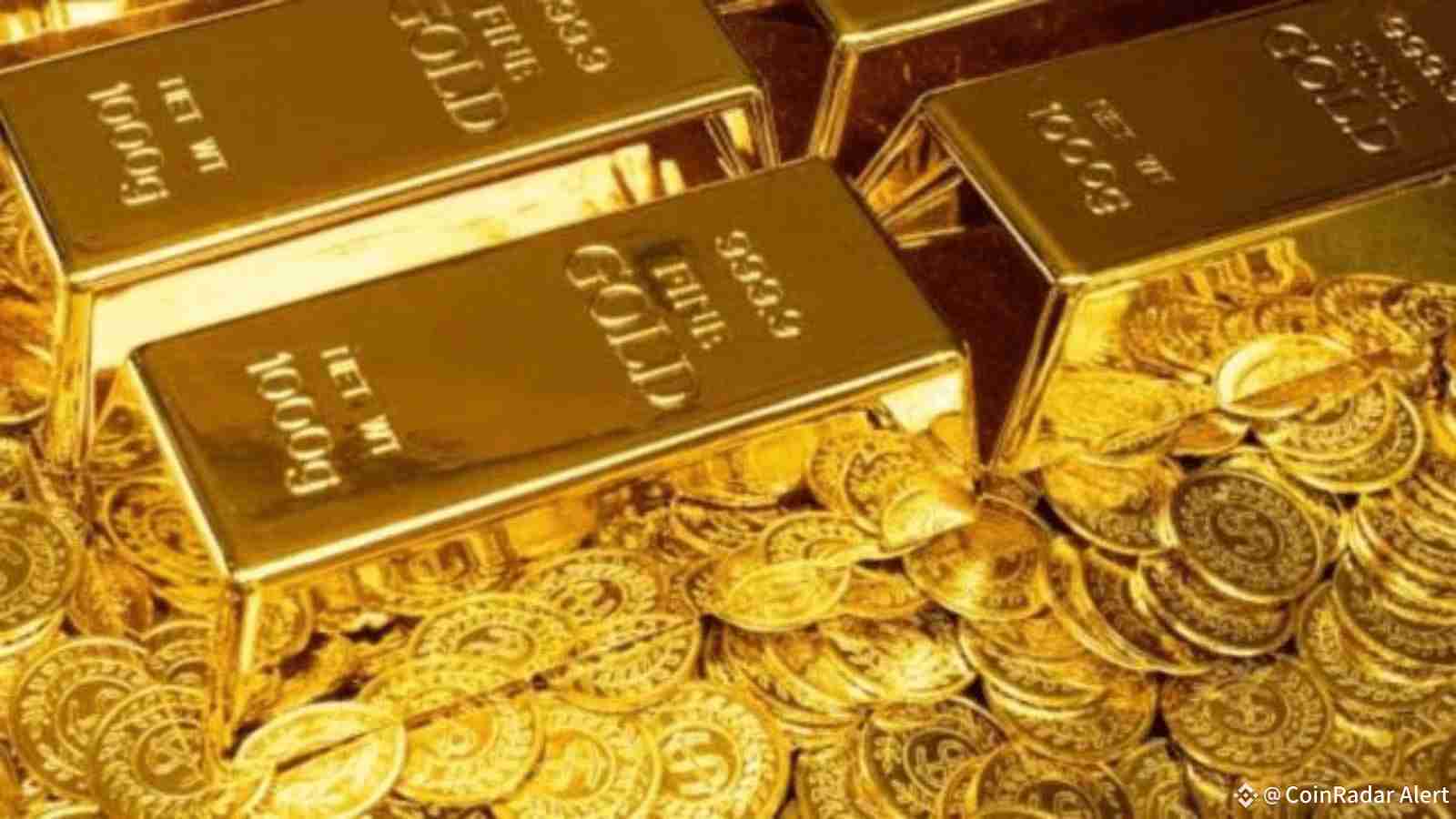
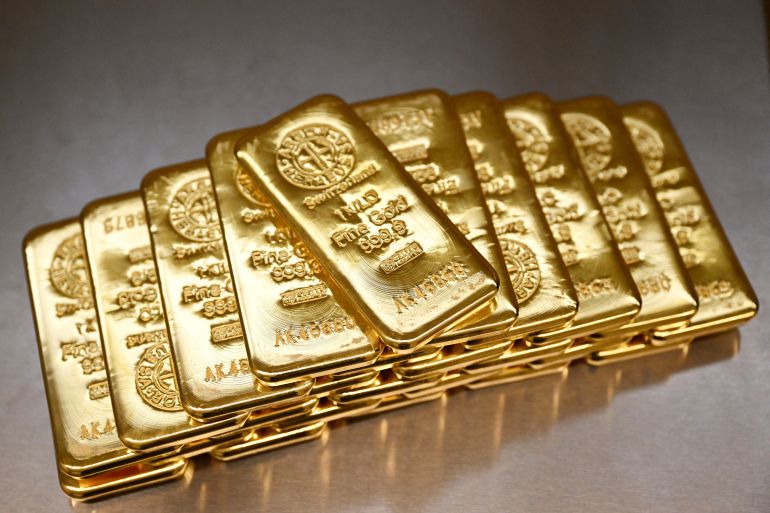
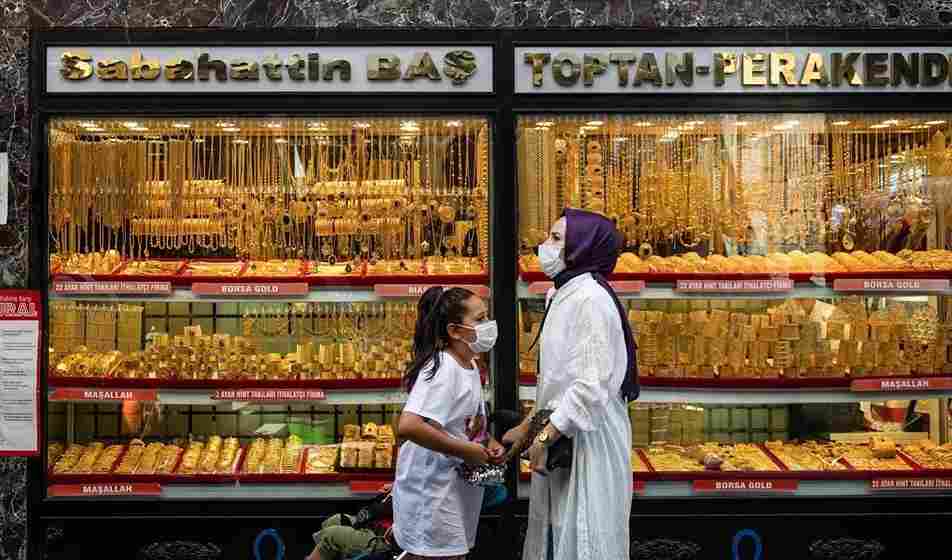
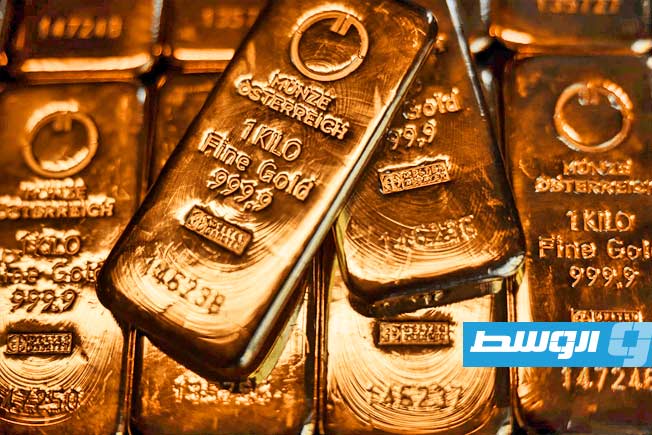
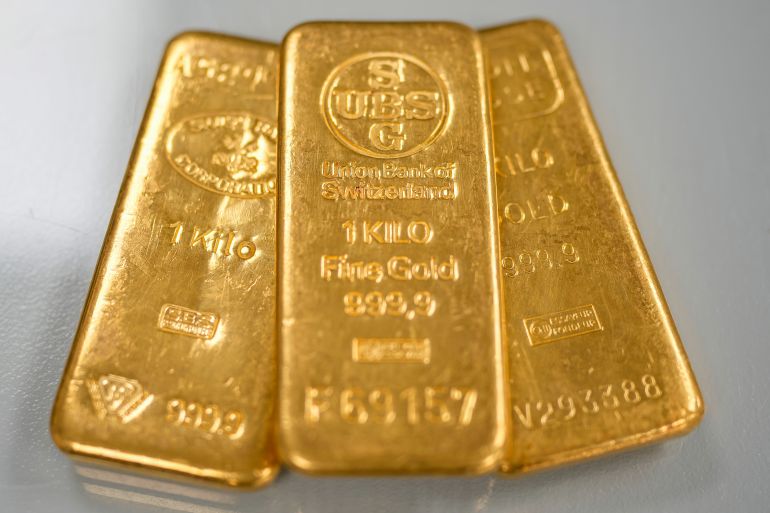
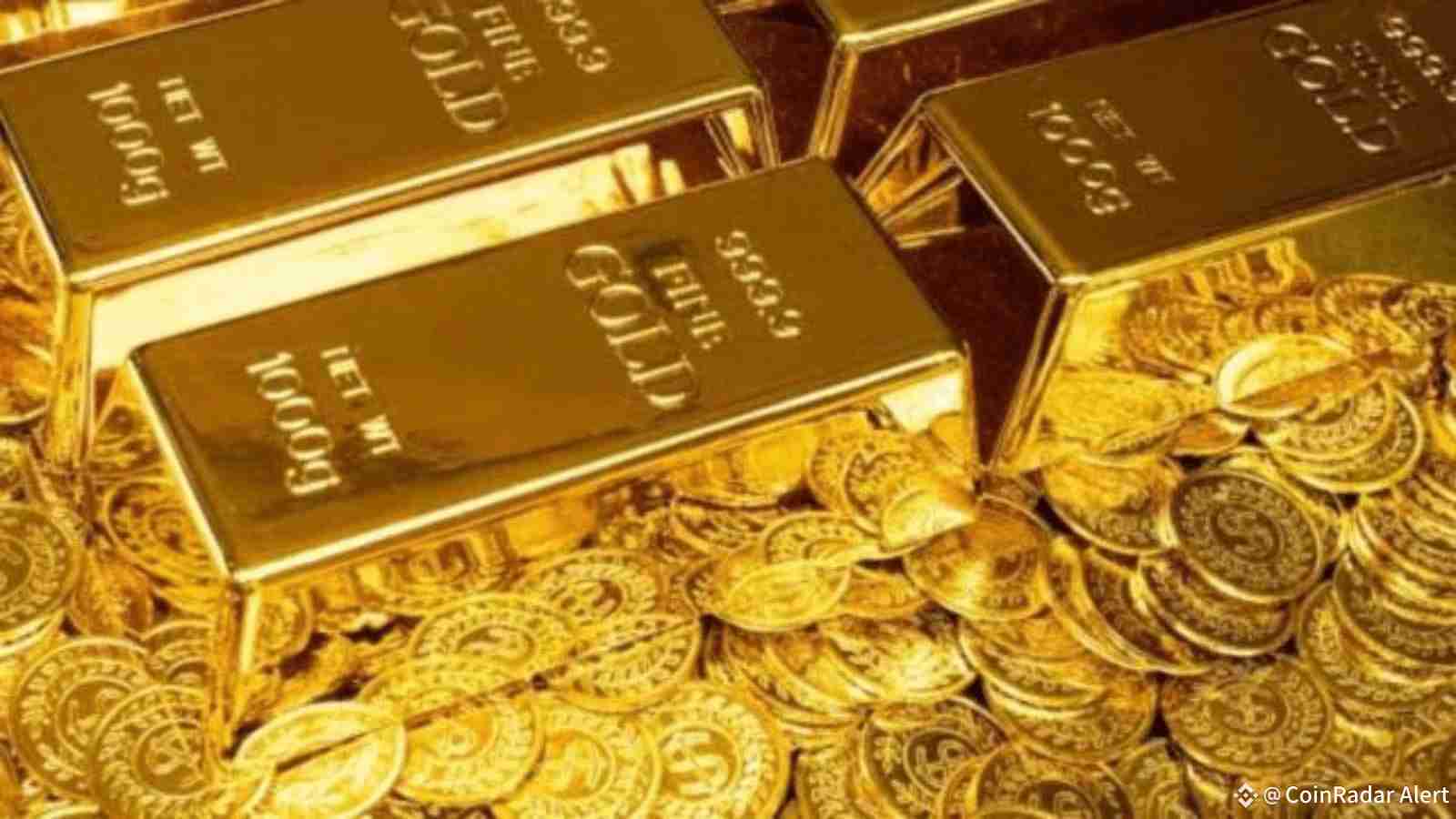
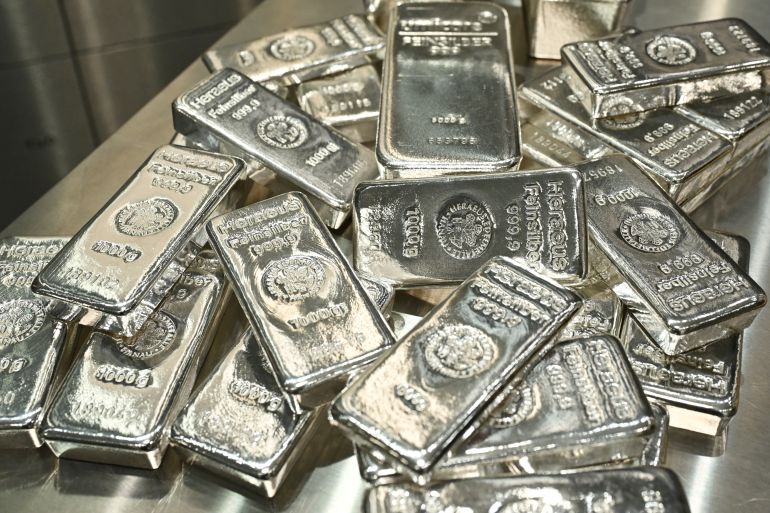
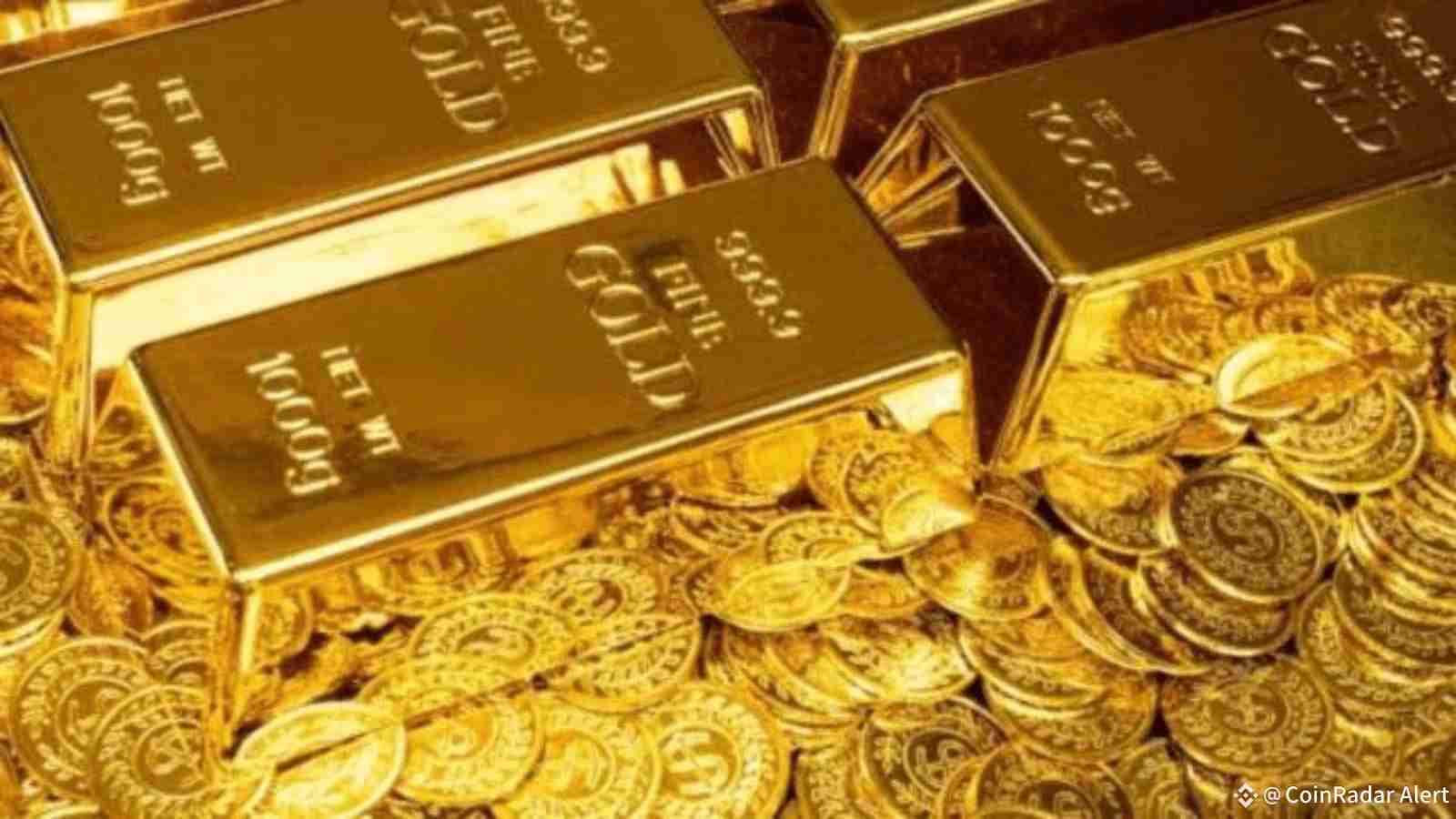
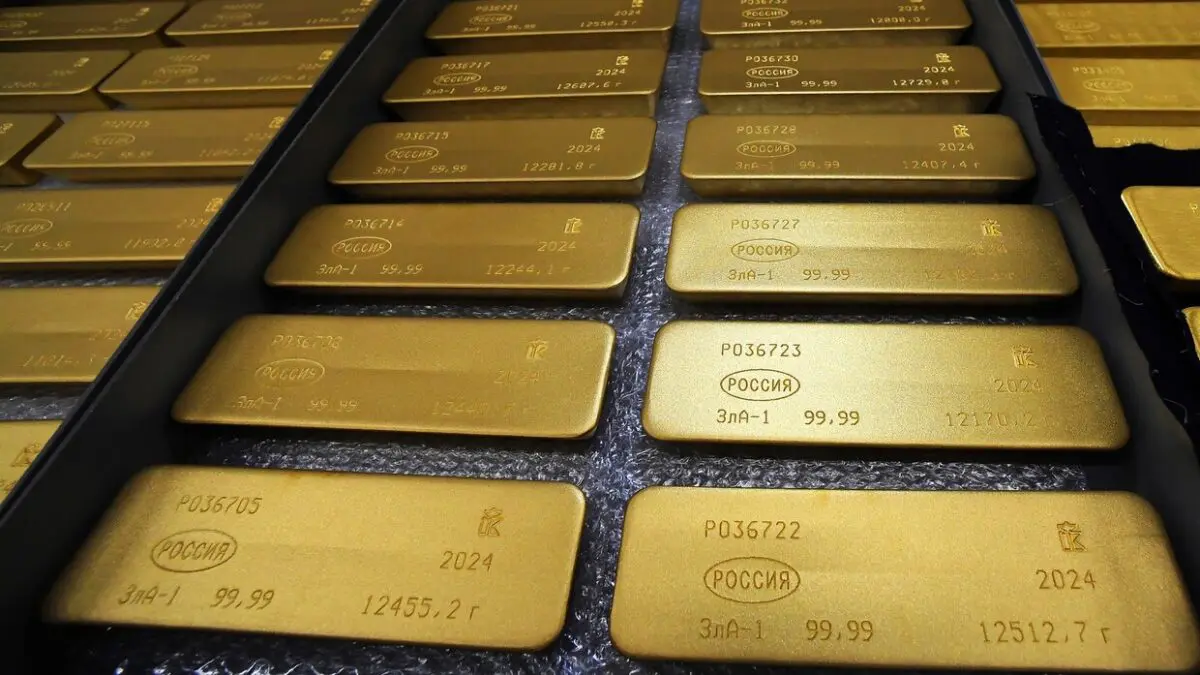
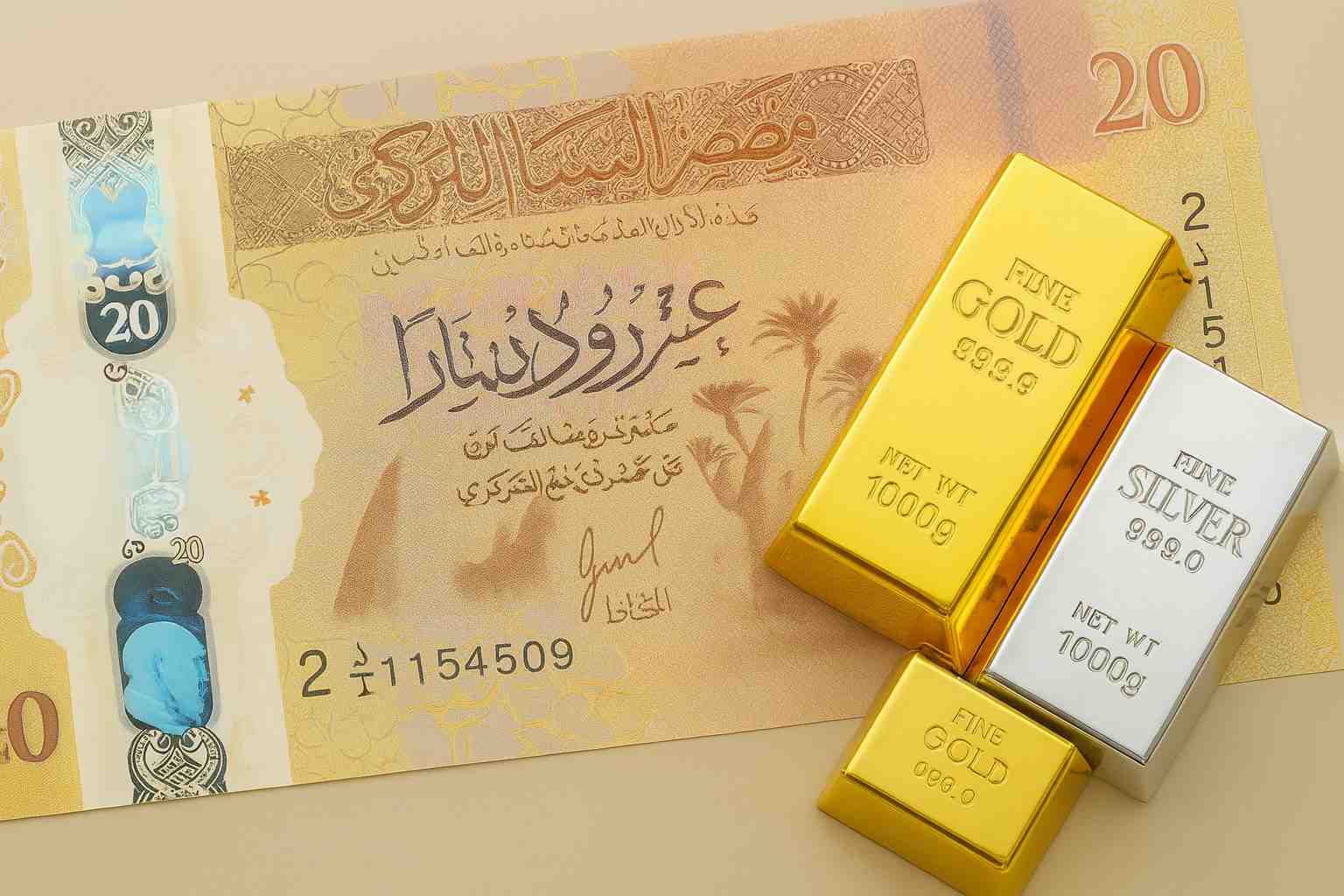
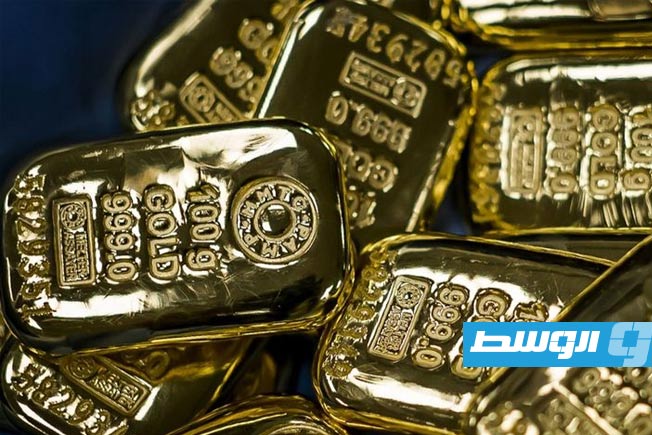
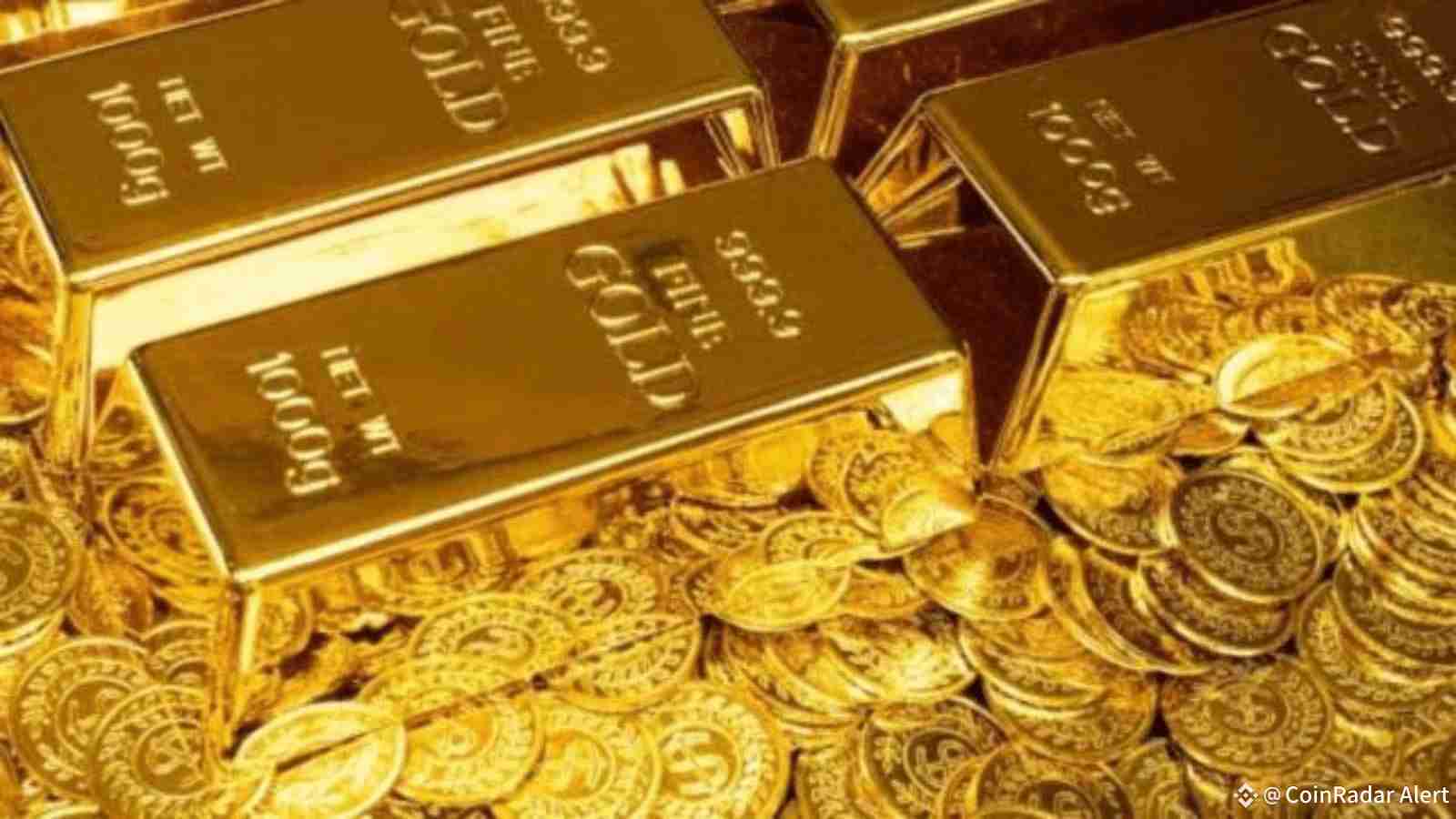
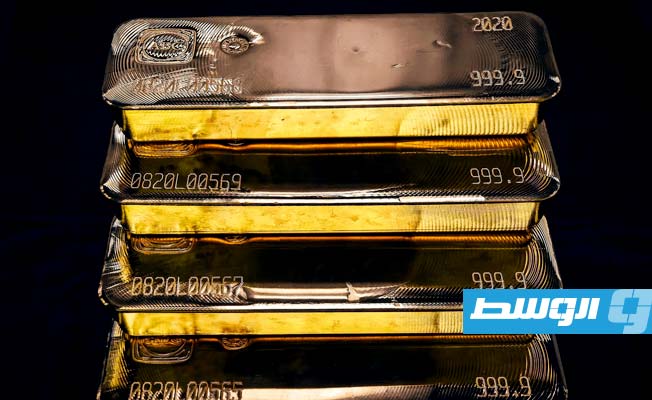
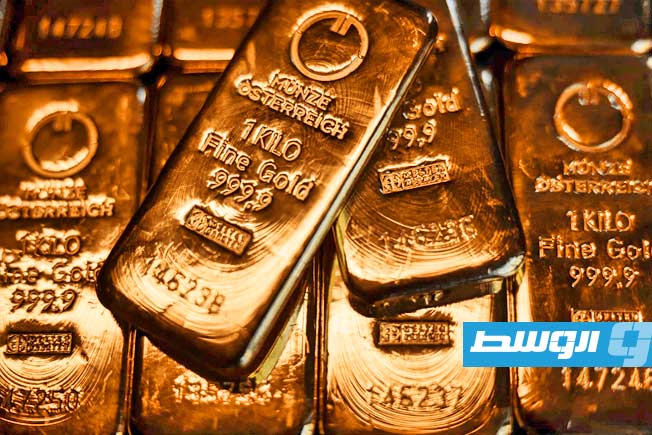
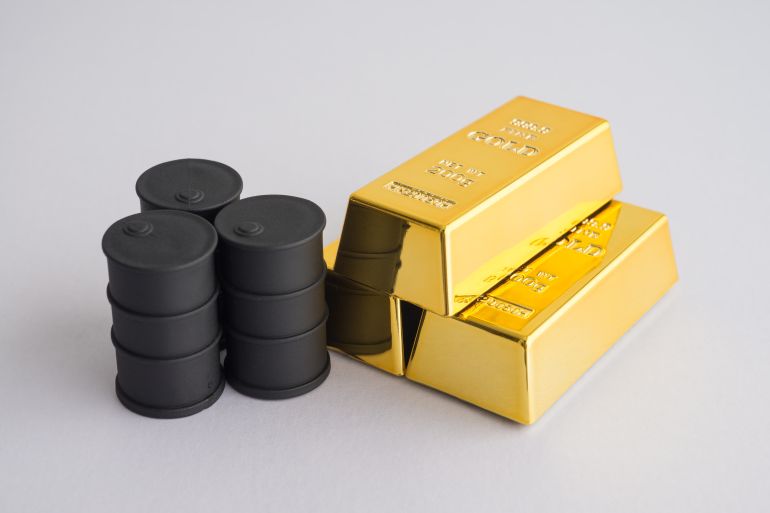
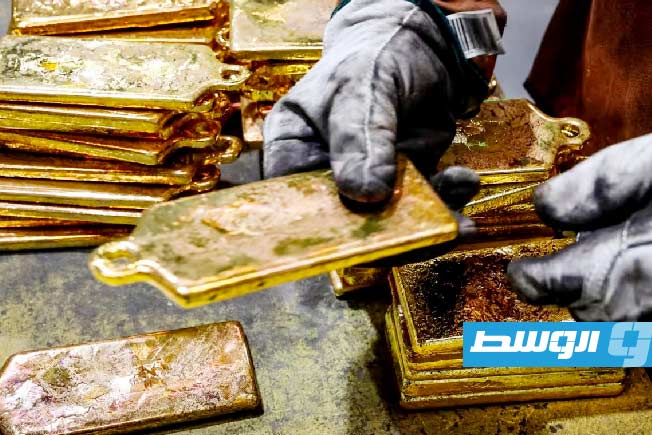
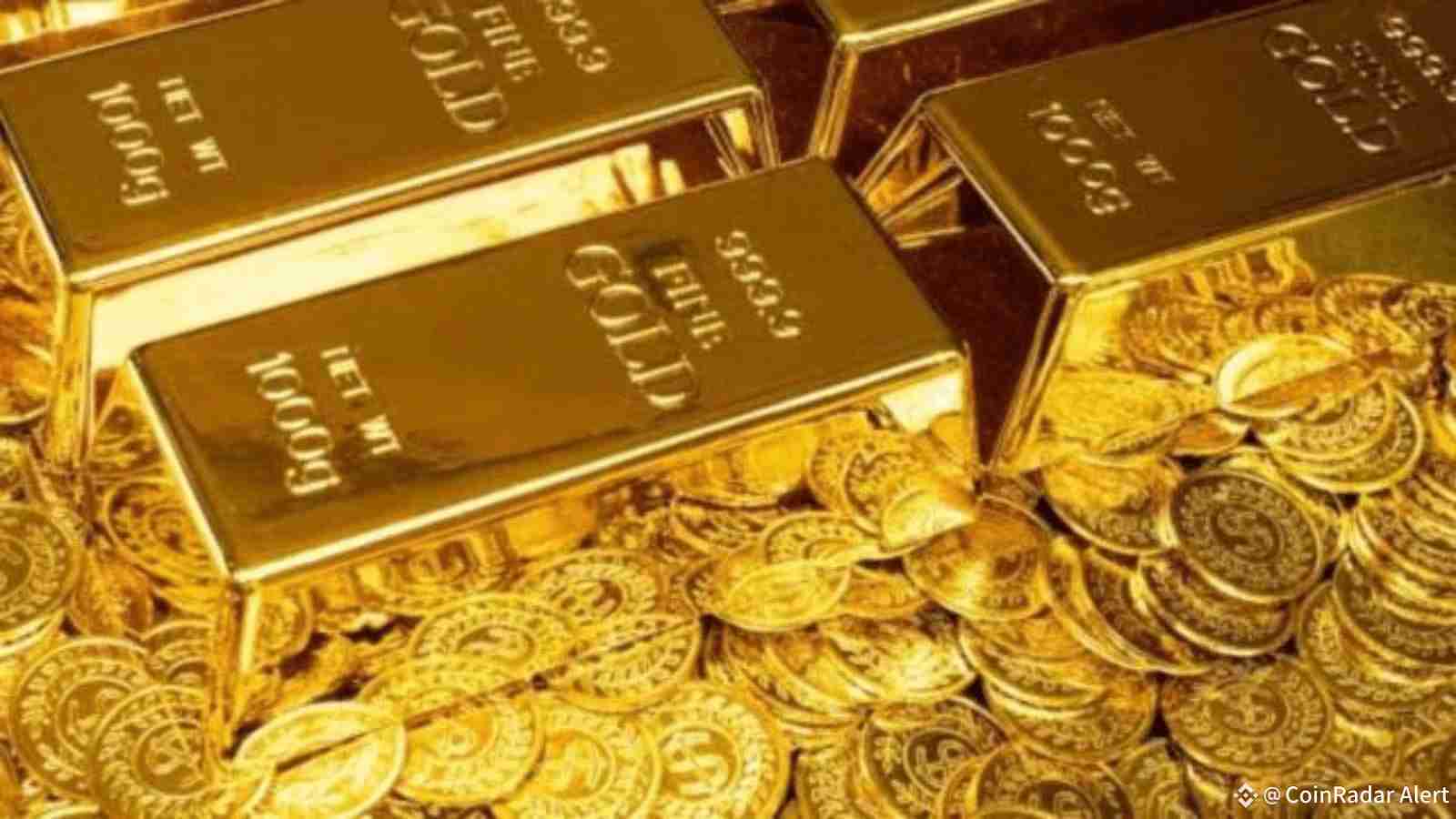
In the precious metals market, the price of an 18-karat scrap gold gram fell to 1160 dinars, influenced by a decline in the global ounce price.
External Transfers
Prices for external transfers remained higher than cash rates, with the dollar transfer rate reaching:
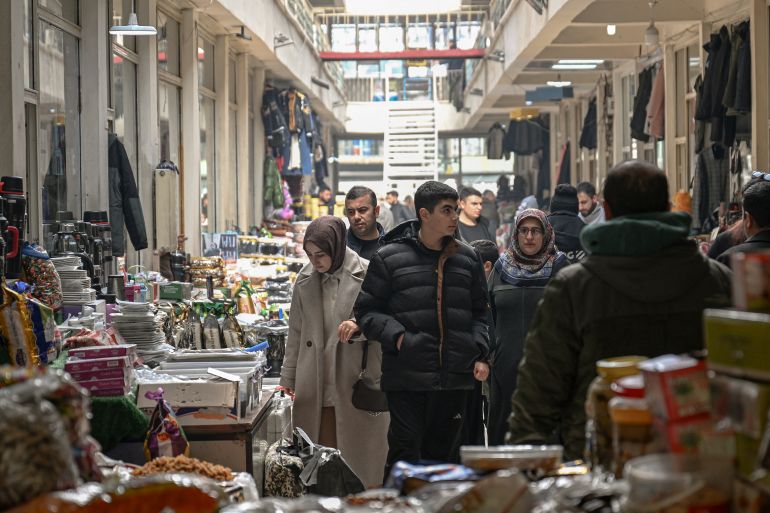
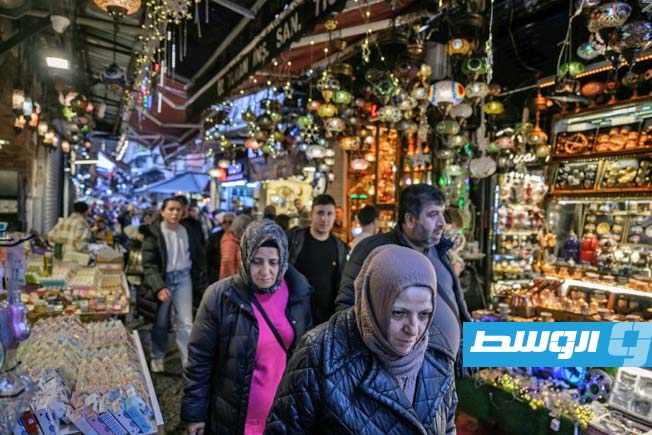
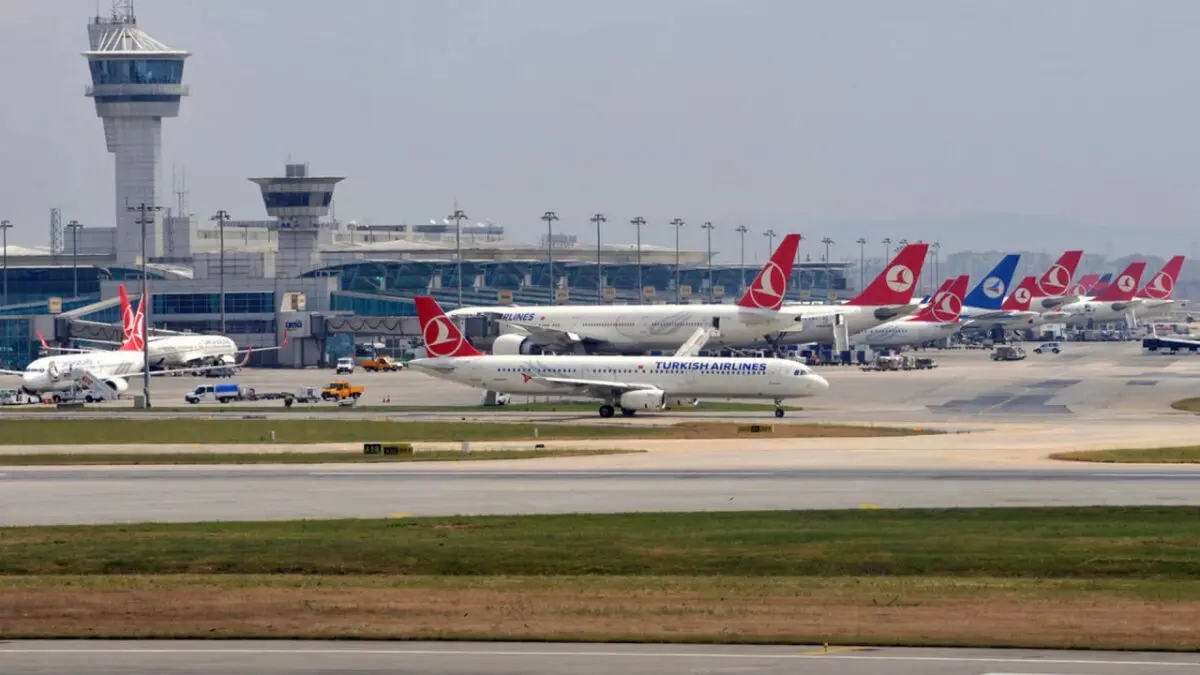
- Turkey: 9.80 dinars
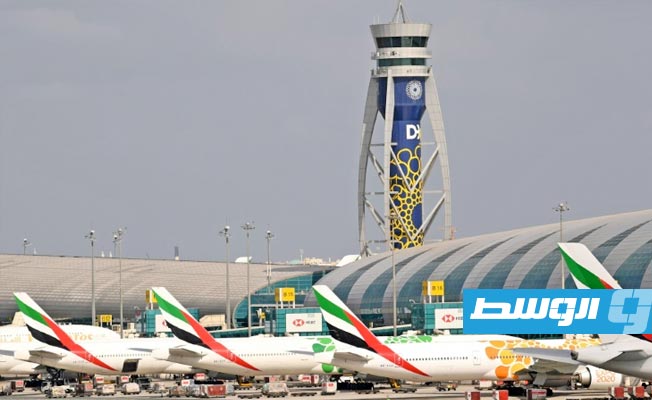
- Dubai: 9.85 dinars
Future Outlook
Observers believe the parallel market will continue to be influenced by anticipated decisions from the Central Bank of Libya, particularly regarding the regulation of the personal purposes system and the expansion of exchange companies’ authorities. These steps are expected to curb speculation and restore some balance to the market, but their actual impact will become clearer in the coming weeks.
US dollar
The US dollar is the official currency of the United States, established by the Coinage Act of 1792. It evolved from a system based on Spanish milled dollars and became the world’s primary reserve currency following the Bretton Woods Agreement in 1944.
Libyan dinar
The Libyan dinar is the official currency of Libya, introduced in 1971 to replace the Libyan pound. It was established following the 1969 revolution that brought Muammar Gaddafi to power, symbolizing a move toward economic independence.
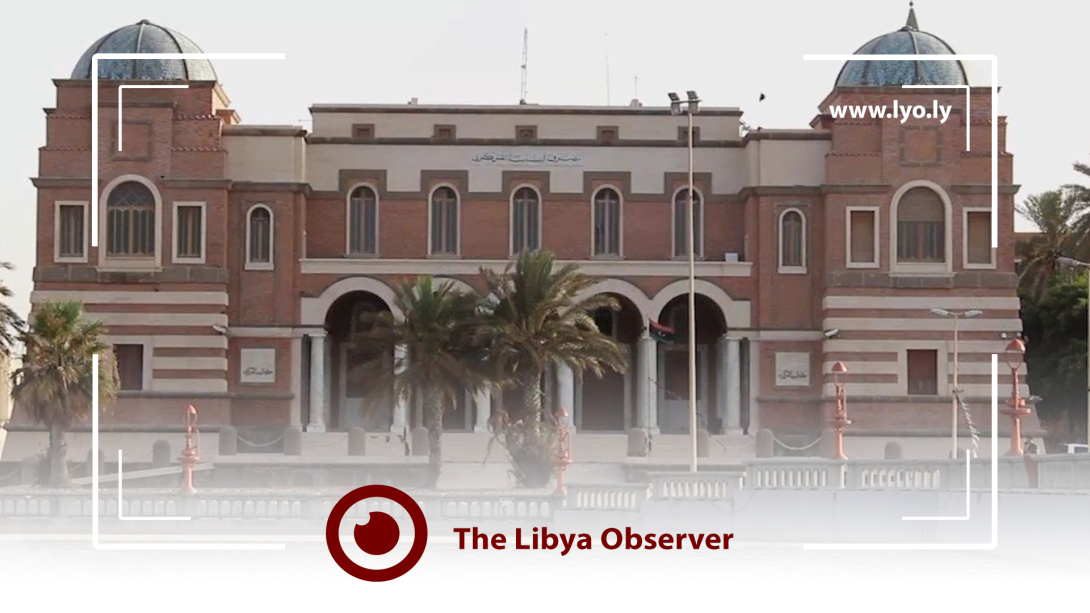
Central Bank of Libya
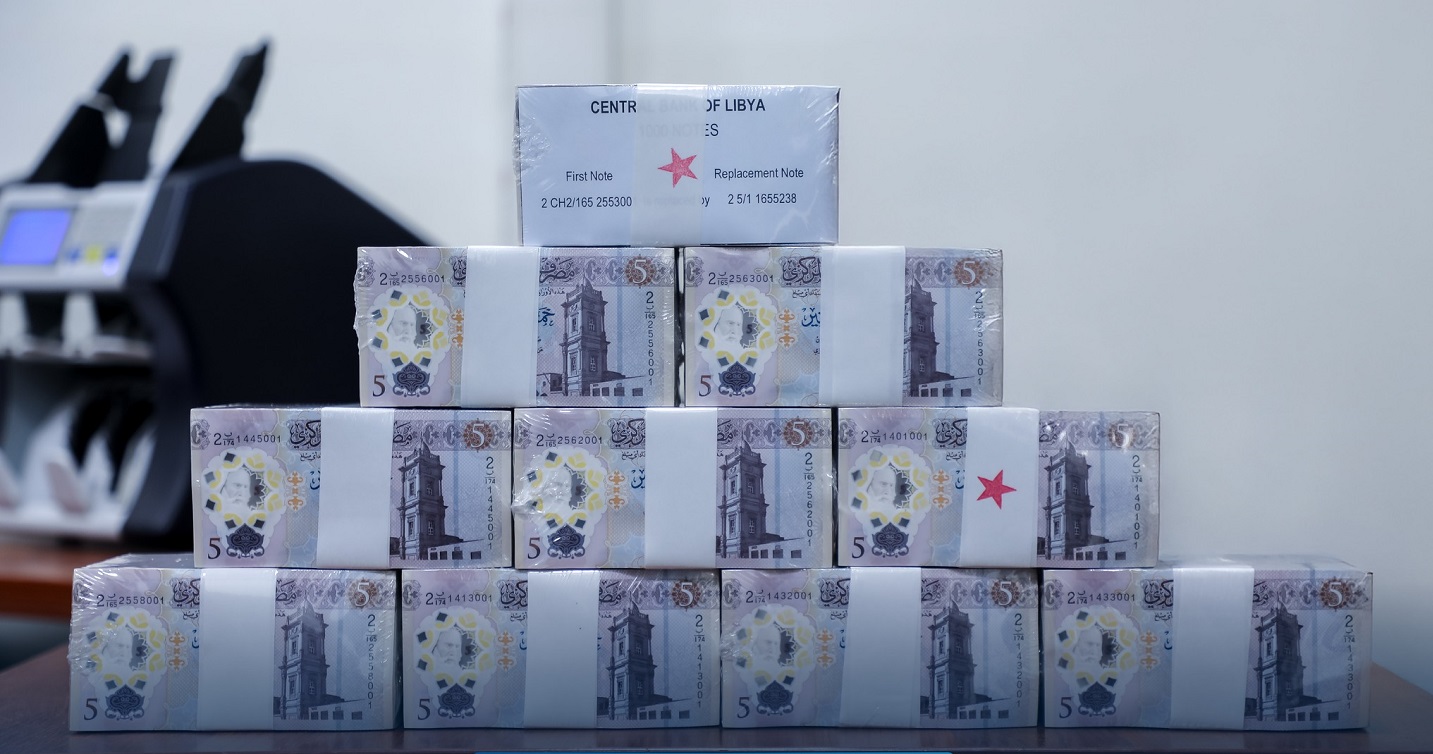
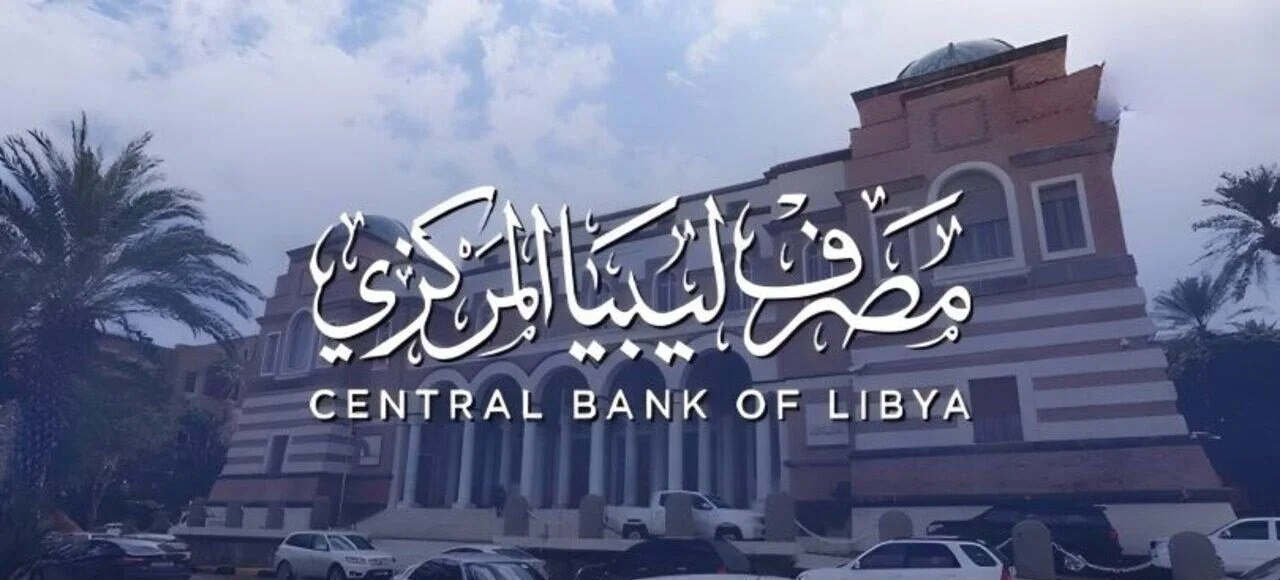
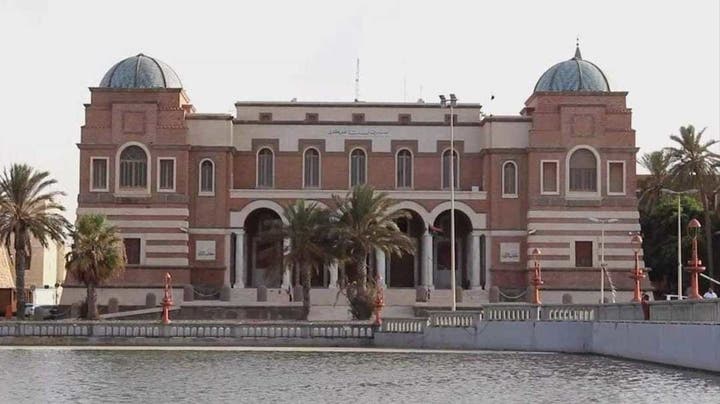
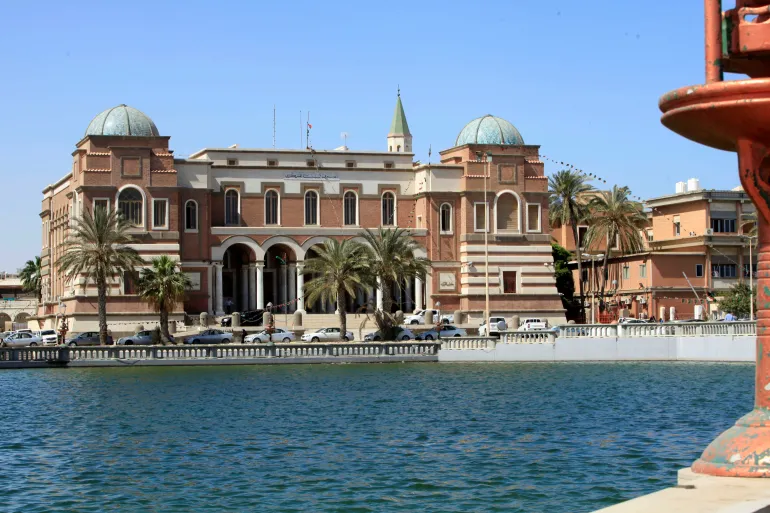
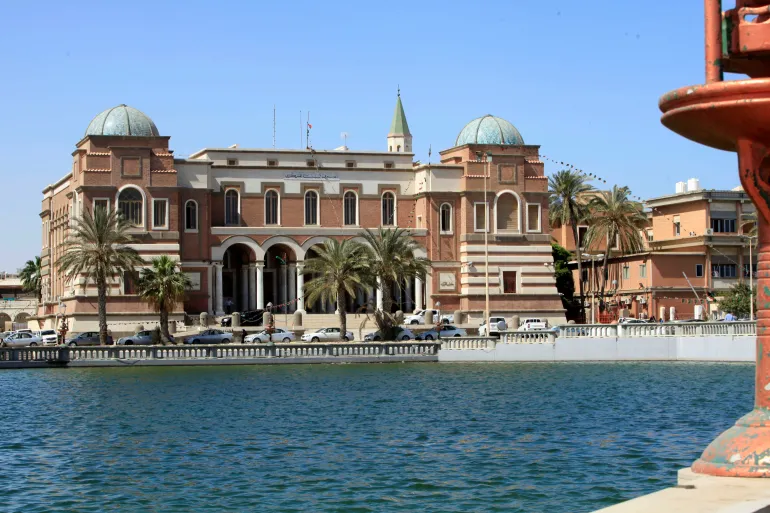
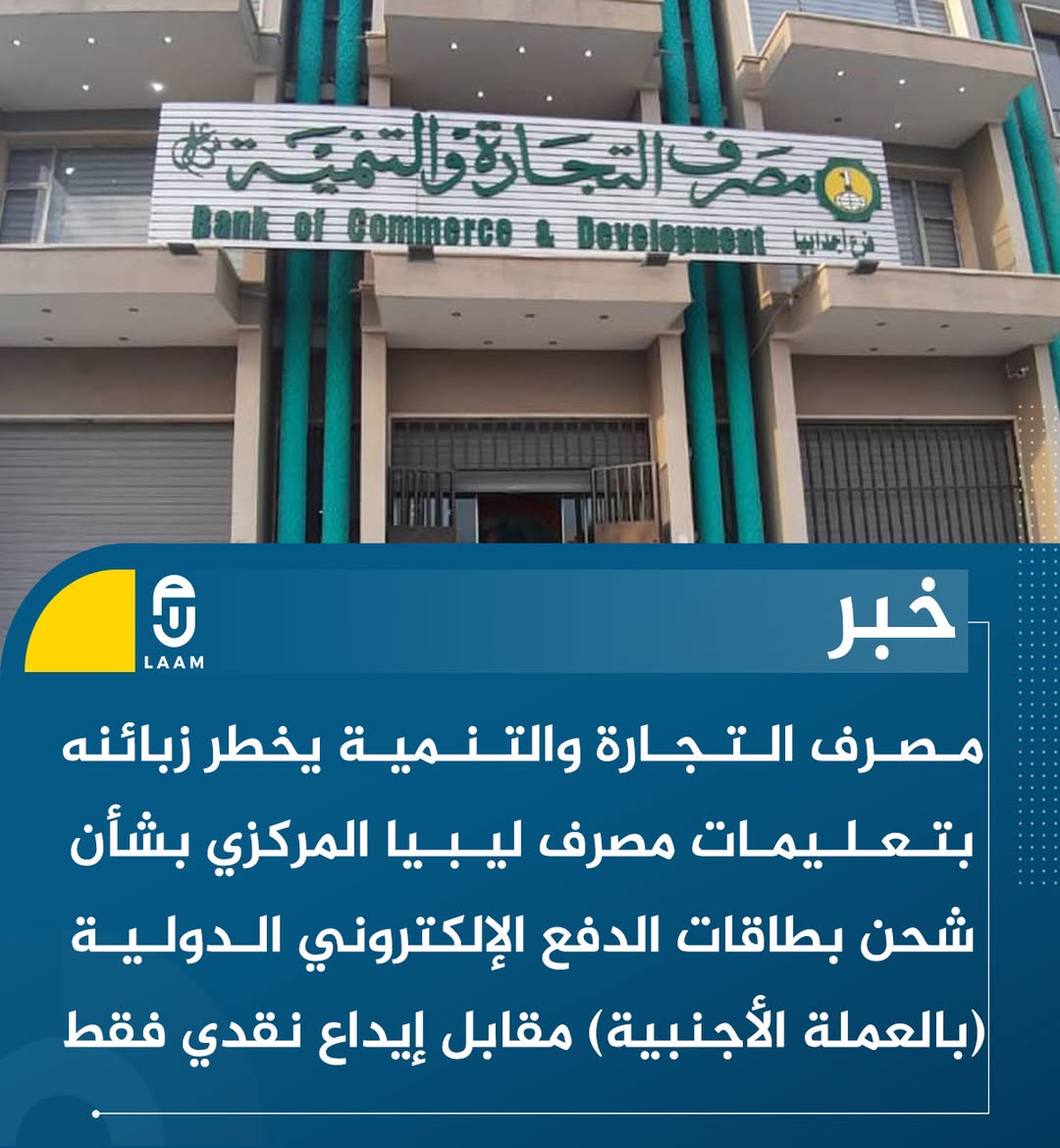
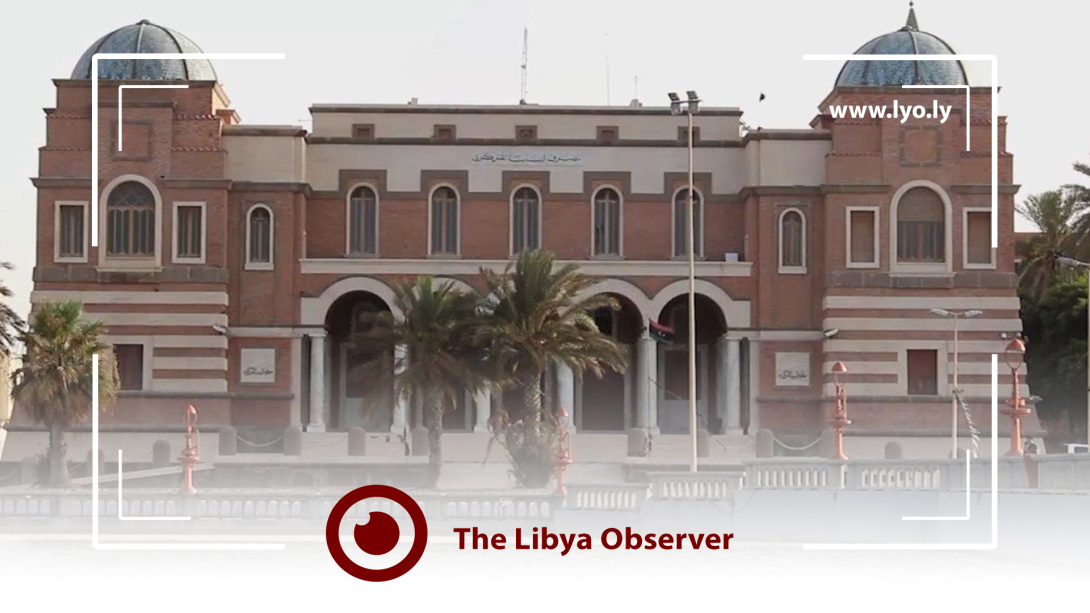
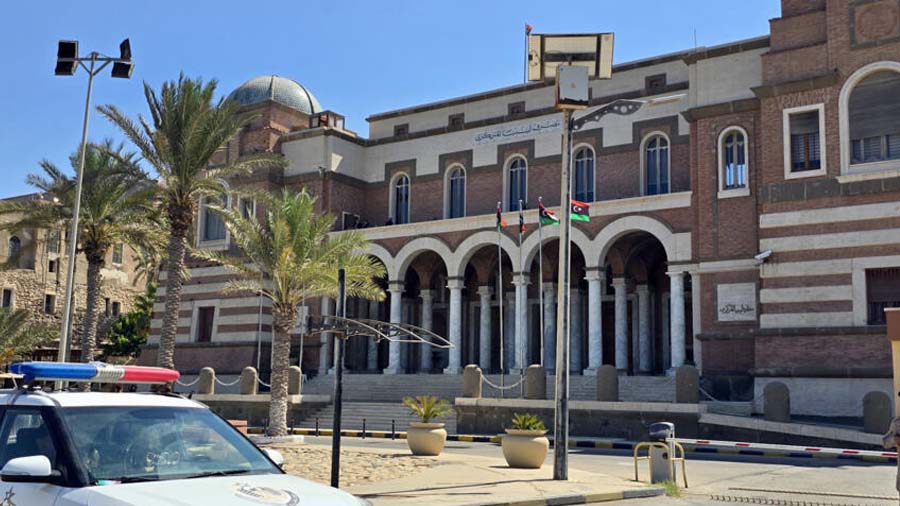
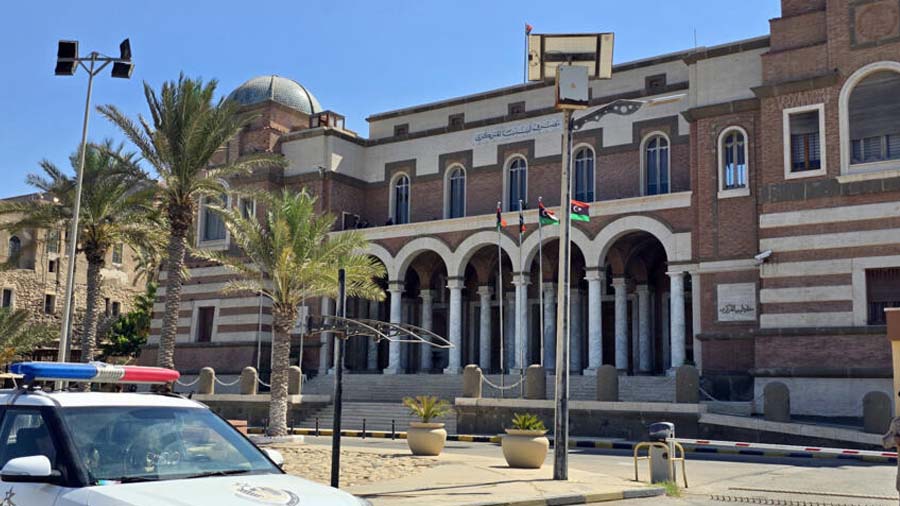
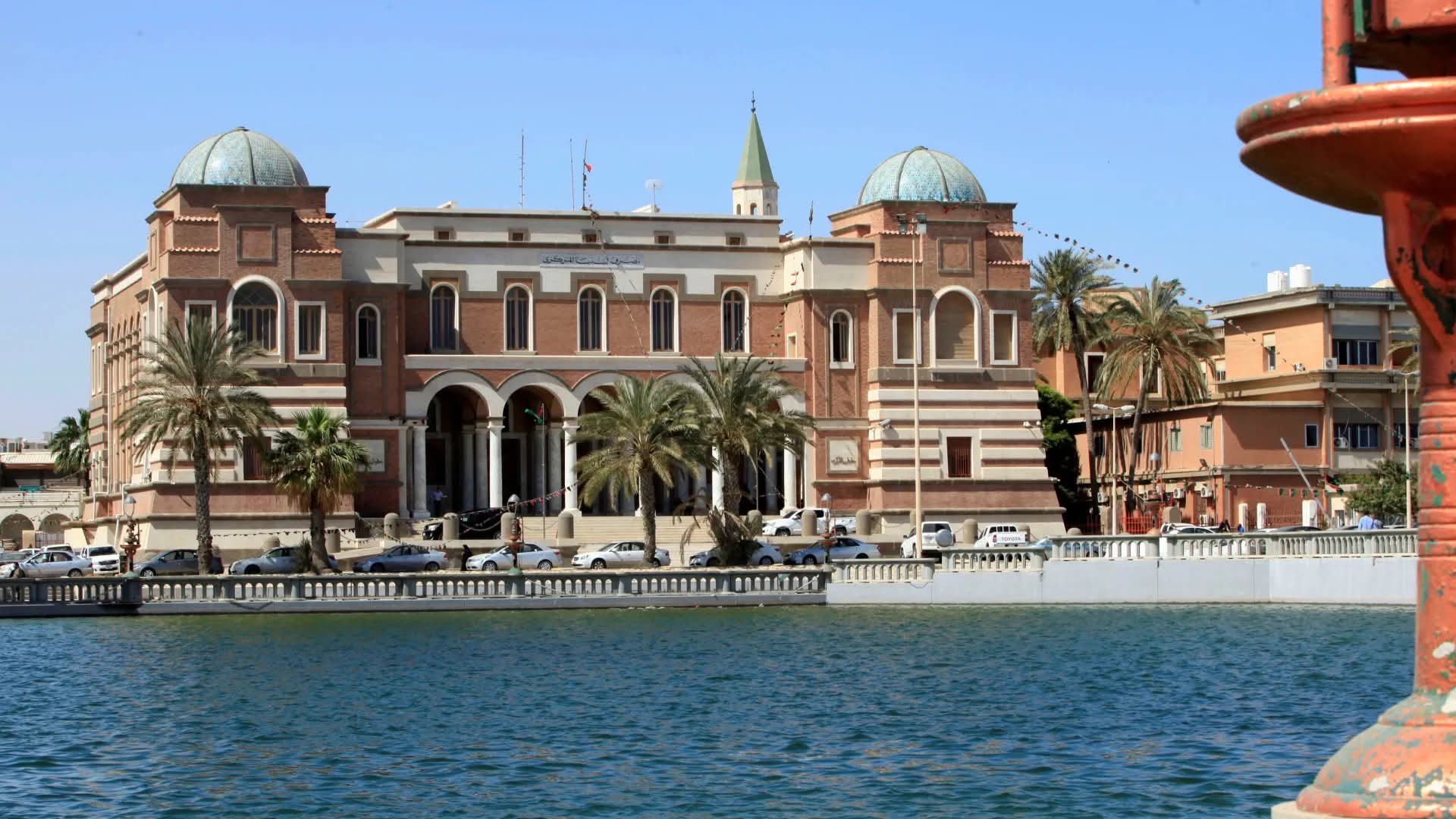
The Central Bank of Libya is the country’s primary monetary authority, established in 1956 to issue currency and manage monetary policy. It has played a critical and often divisive role in Libya’s recent history, notably functioning as a unified financial institution during the post-2011 civil war period despite the country’s political fragmentation.
Special Drawing Rights
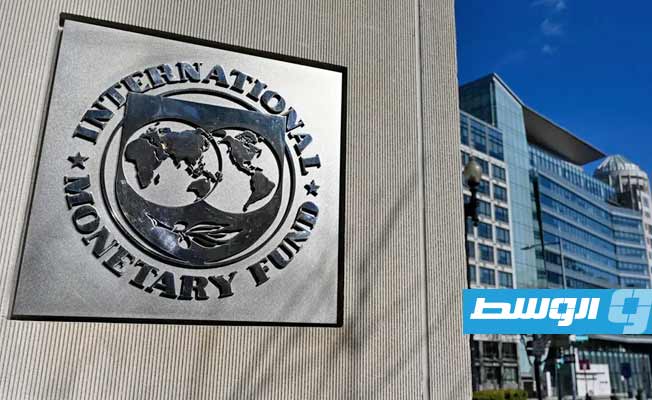
Special Drawing Rights (SDR) is an international reserve asset created by the International Monetary Fund (IMF) in 1969 to supplement its member countries’ official reserves. Its value is based on a basket of five major currencies: the U.S. dollar, euro, Chinese renminbi, Japanese yen, and British pound sterling.
Euro
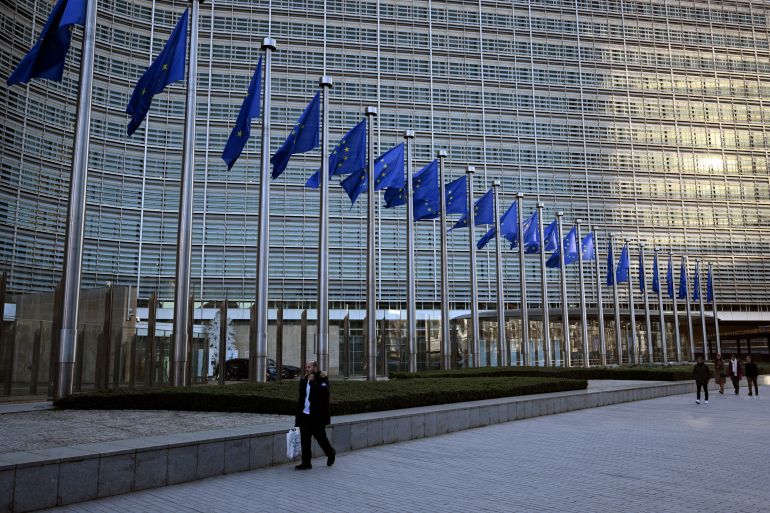
The Euro is the official currency of the Eurozone, which consists of 20 of the 27 member states of the European Union. It was introduced in non-physical form in 1999 and as physical banknotes and coins in 2002, marking a major step in European economic integration following the Maastricht Treaty.
British Pound
The British Pound, officially known as the pound sterling, is the world’s oldest currency still in use, with origins tracing back to Anglo-Saxon times. It became a major global reserve currency during the height of the British Empire and remains the official currency of the United Kingdom.
Turkey
Turkey is a transcontinental nation bridging Europe and Asia, historically known as Anatolia and the heartland of the Byzantine and Ottoman Empires. Its modern identity was forged in 1923 as the Republic of Turkey under Mustafa Kemal Atatürk. The country is renowned for its vast cultural heritage, from the ancient ruins of Ephesus to the iconic Hagia Sophia in Istanbul.
Dubai
Dubai is a major global city and emirate in the United Arab Emirates, historically known as a small fishing and pearling village. Its modern transformation began with the discovery of oil in the 1960s, but it has since strategically diversified into a hub for tourism, finance, and trade, famous for landmarks like the Burj Khalifa and artificial Palm Islands.