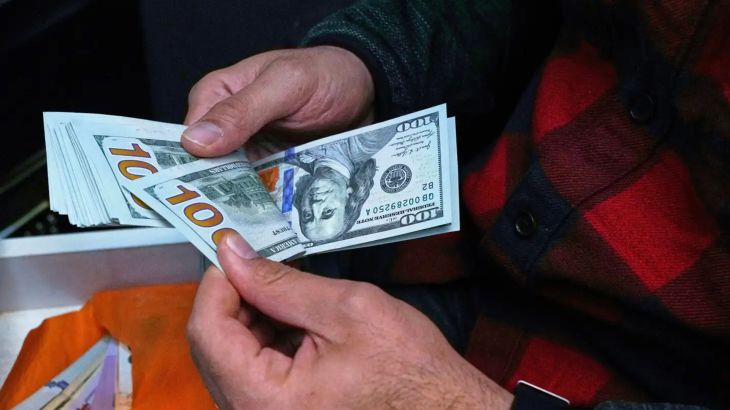
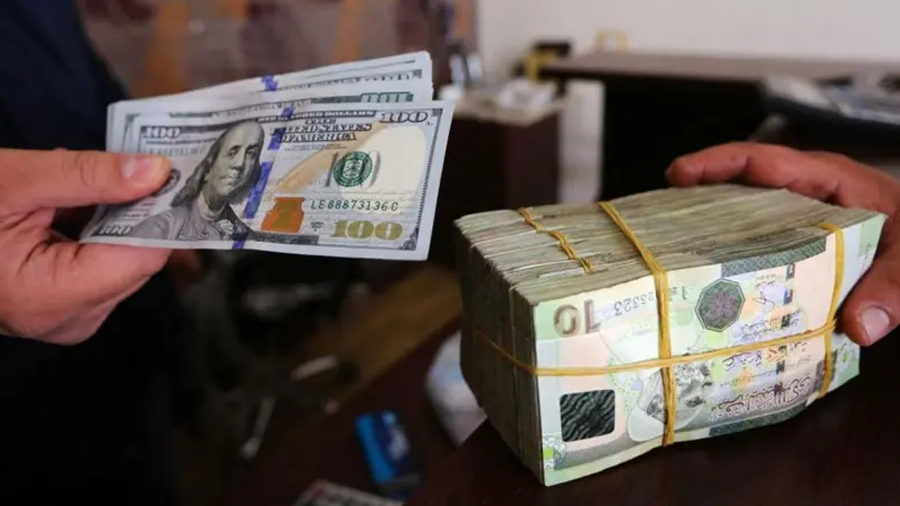
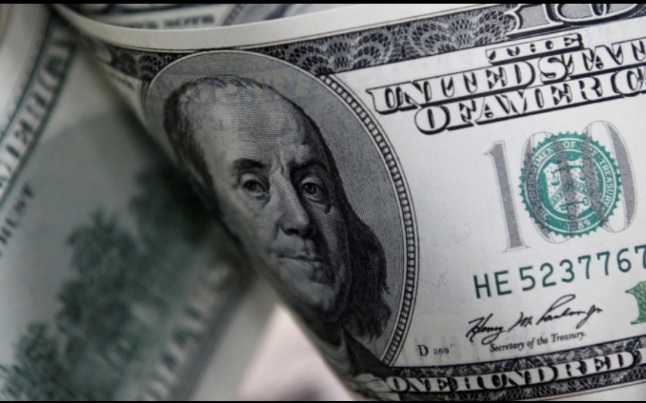
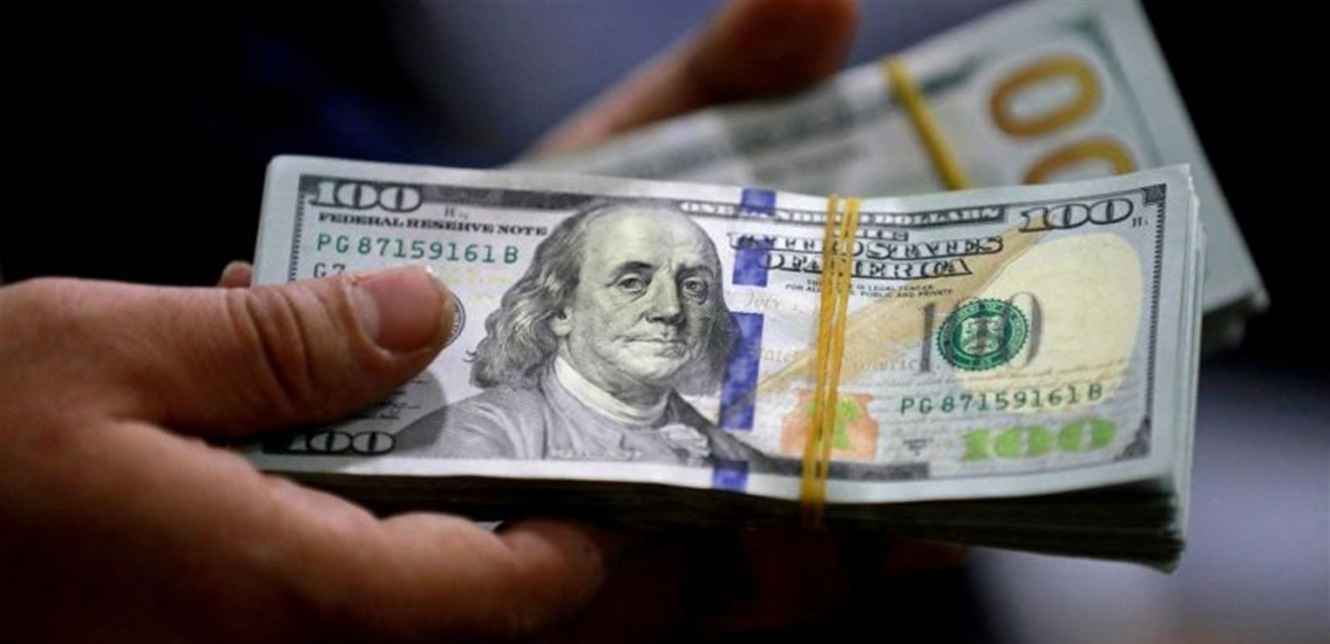
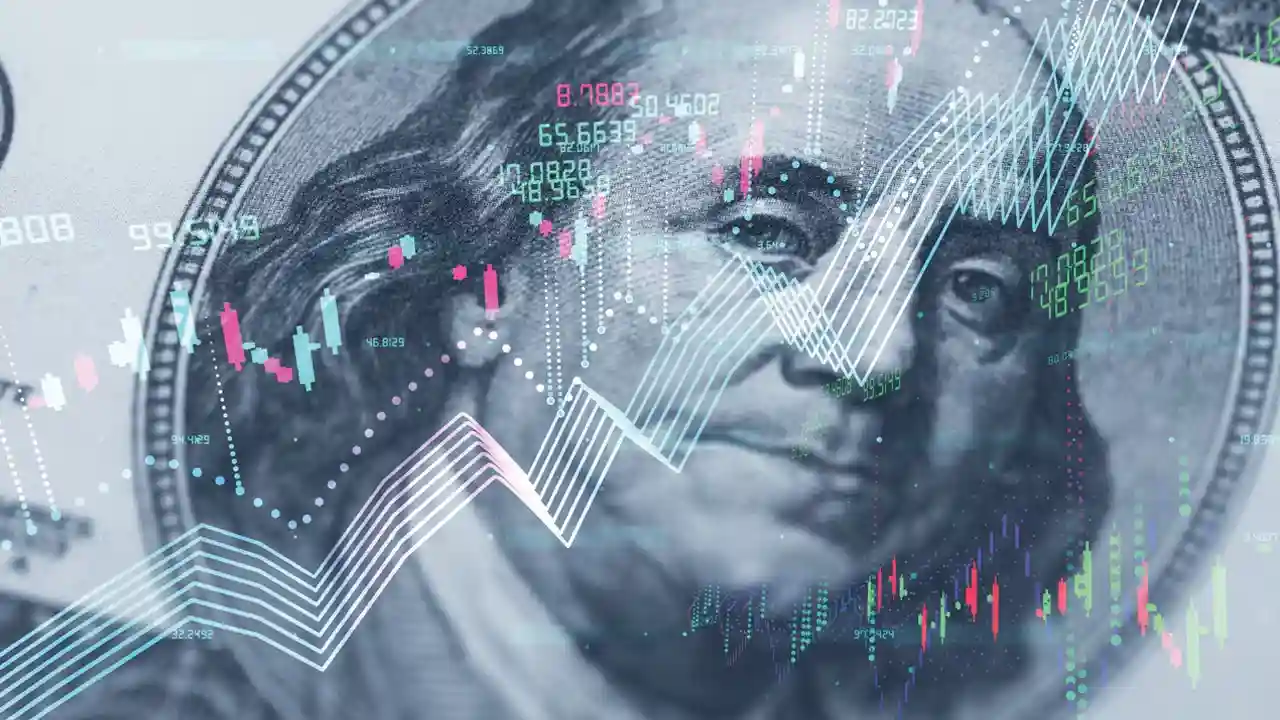
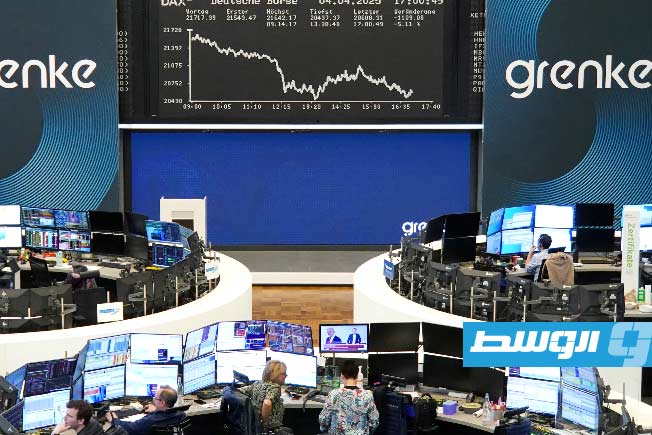
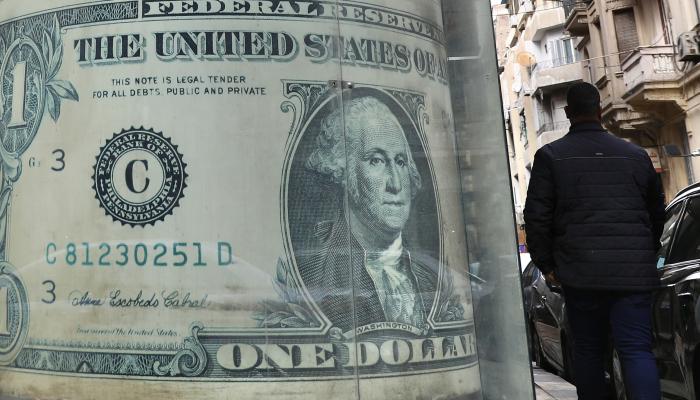
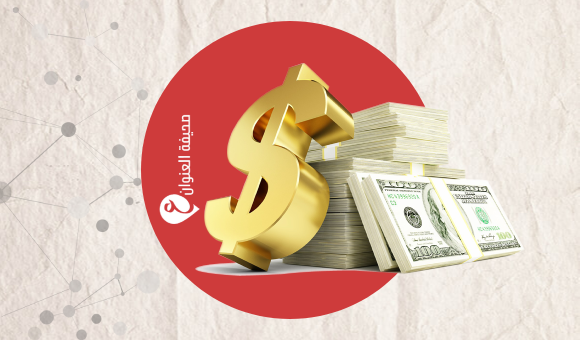
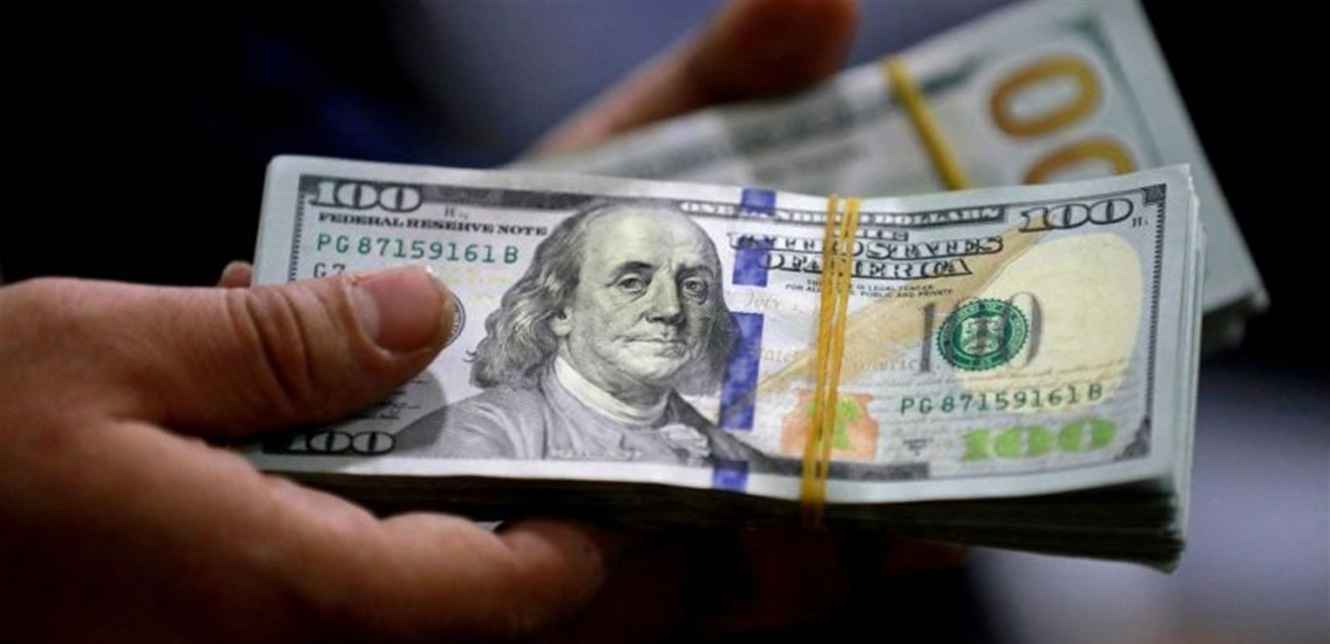
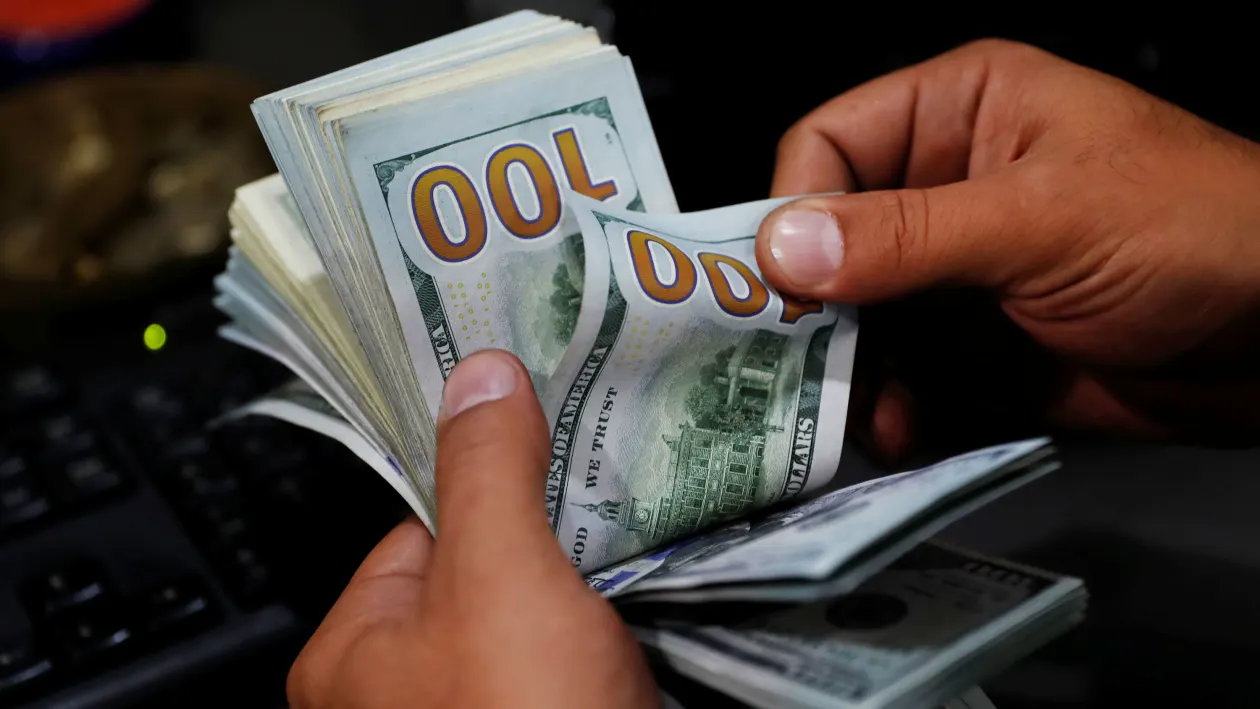
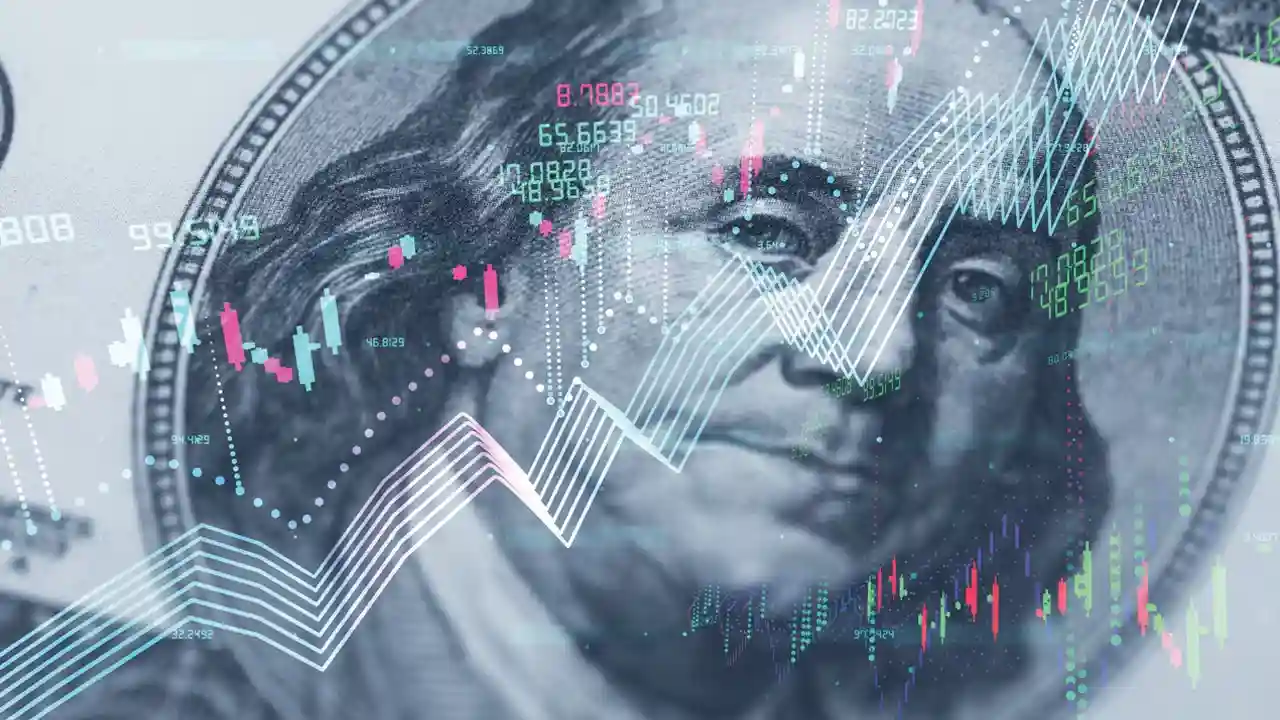
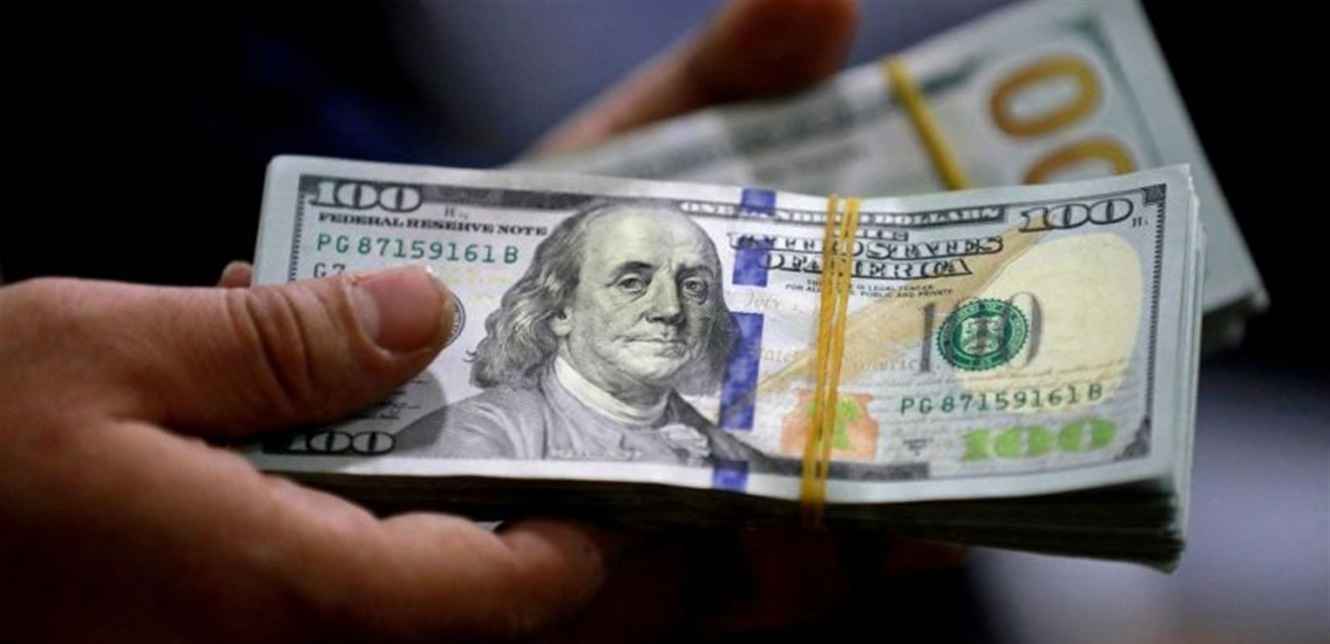
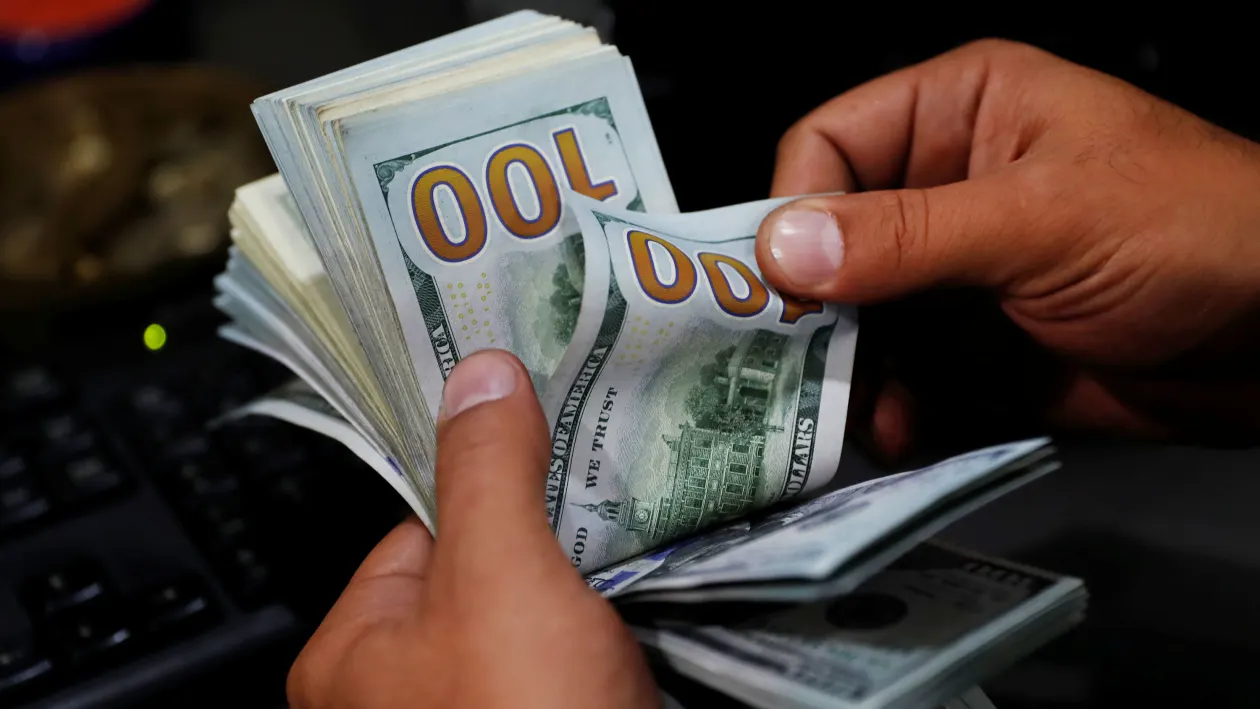
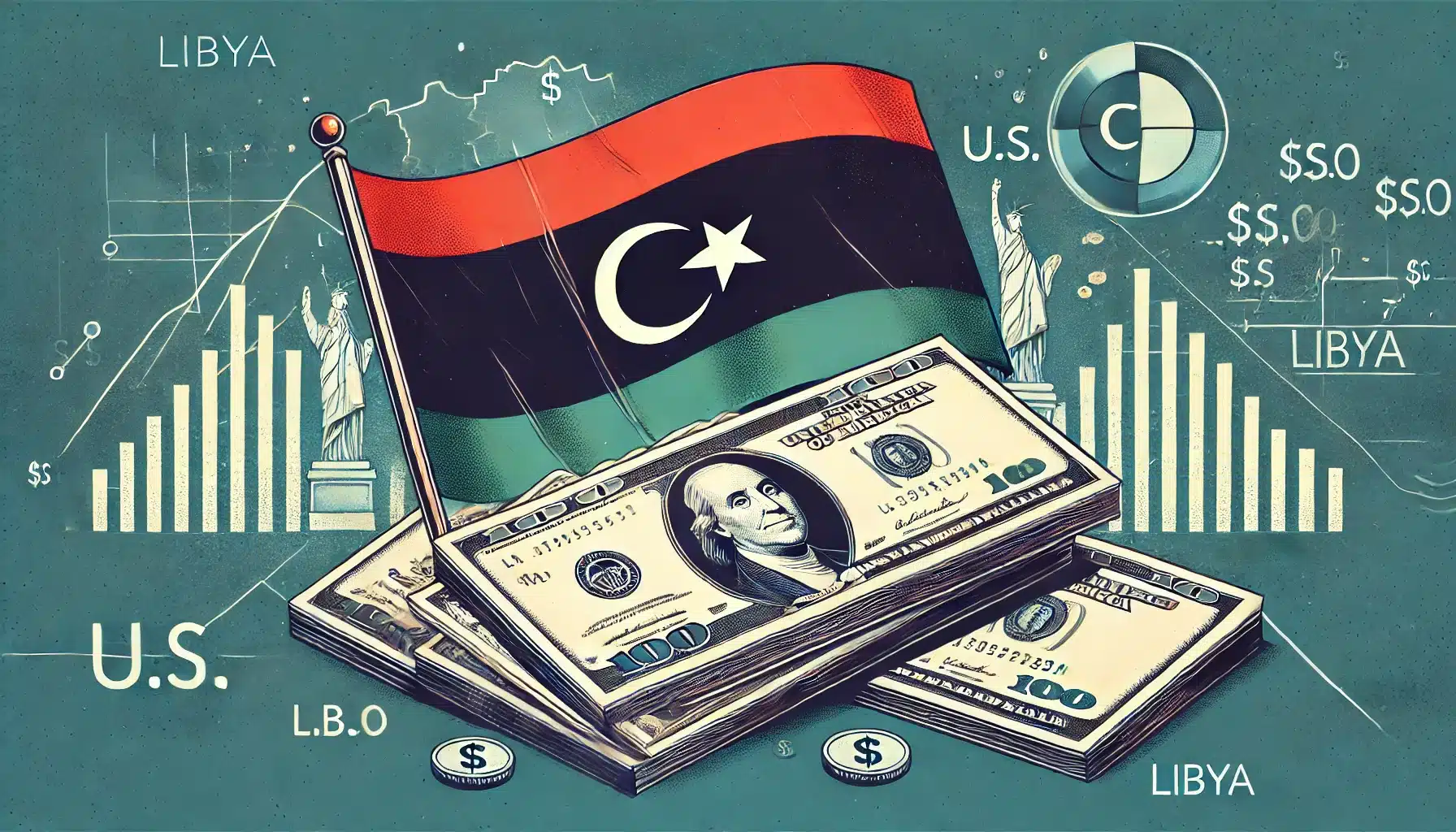
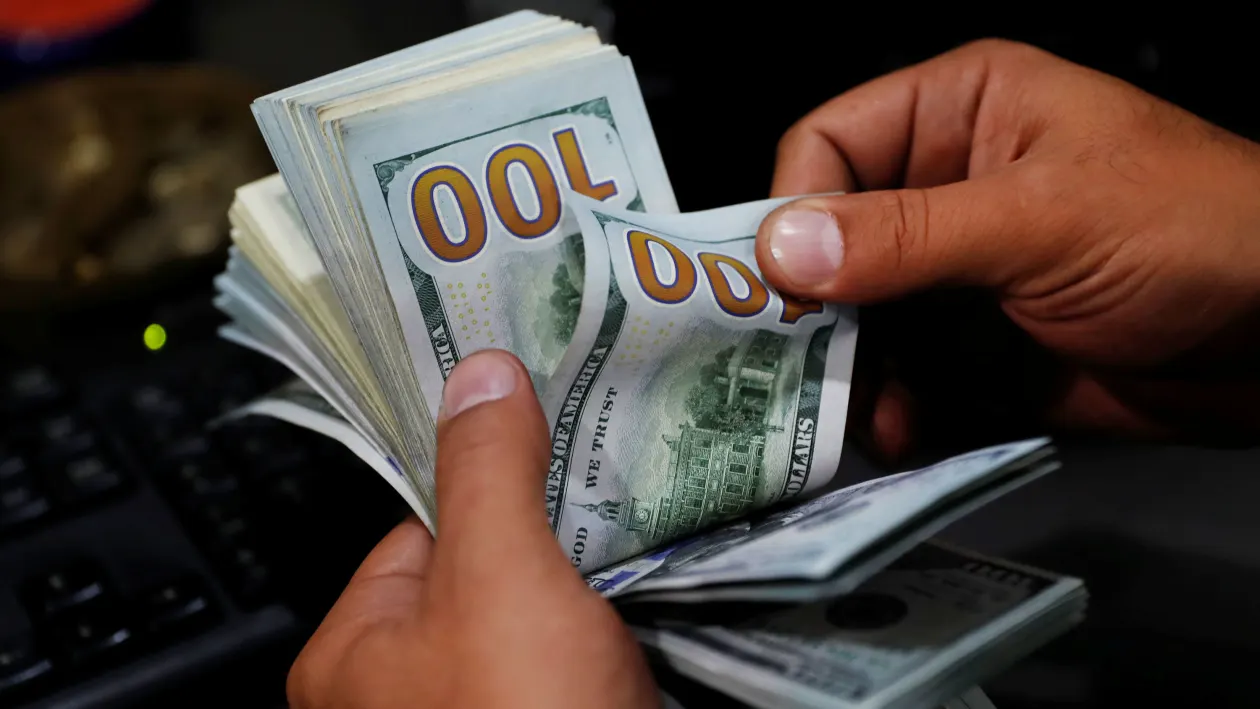
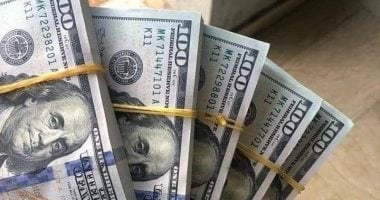
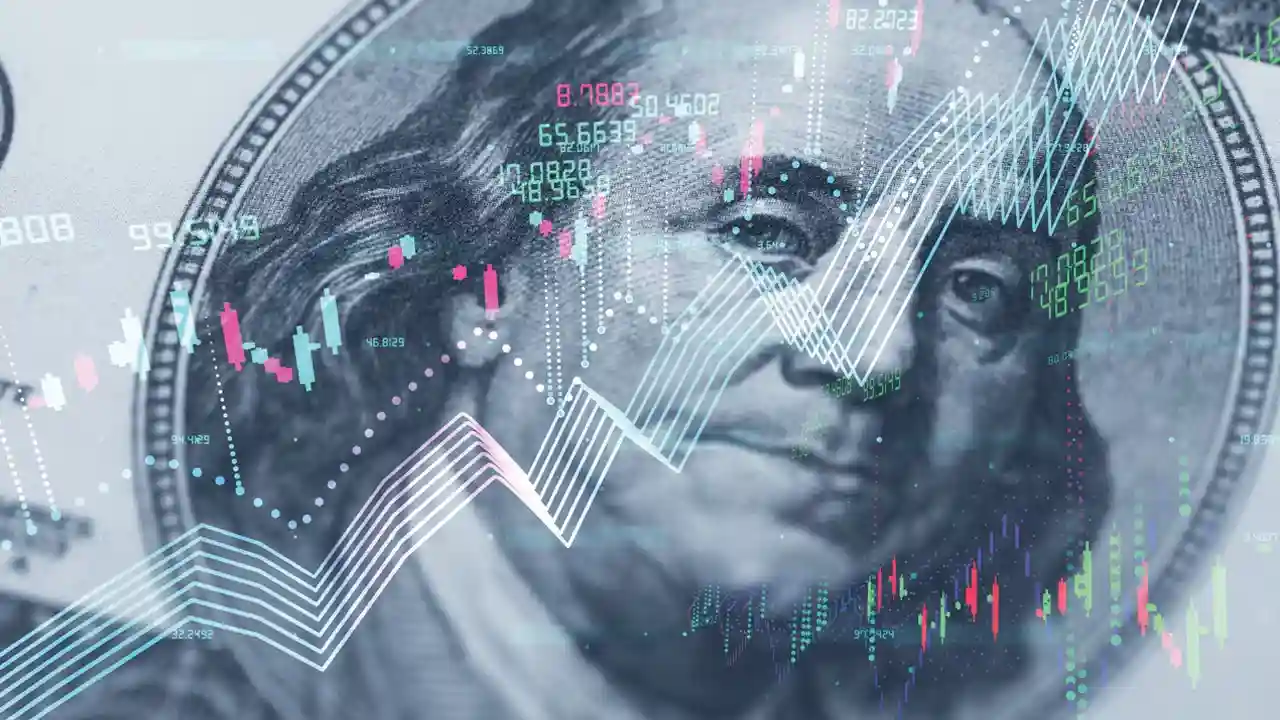
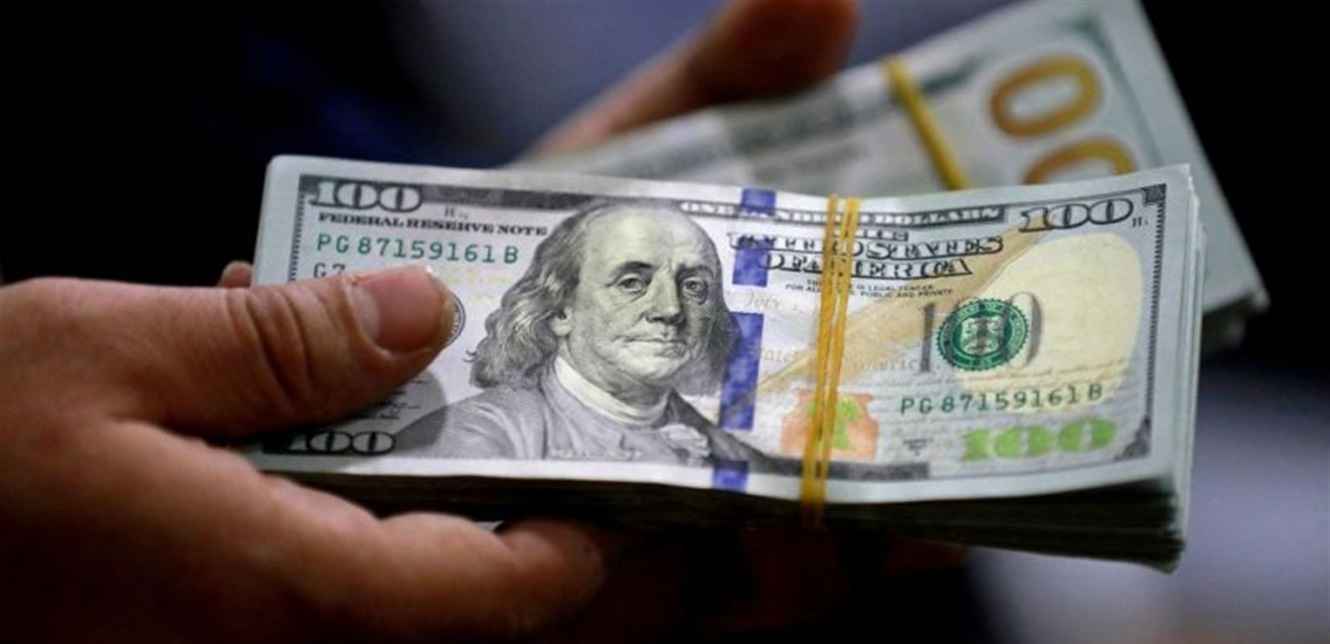
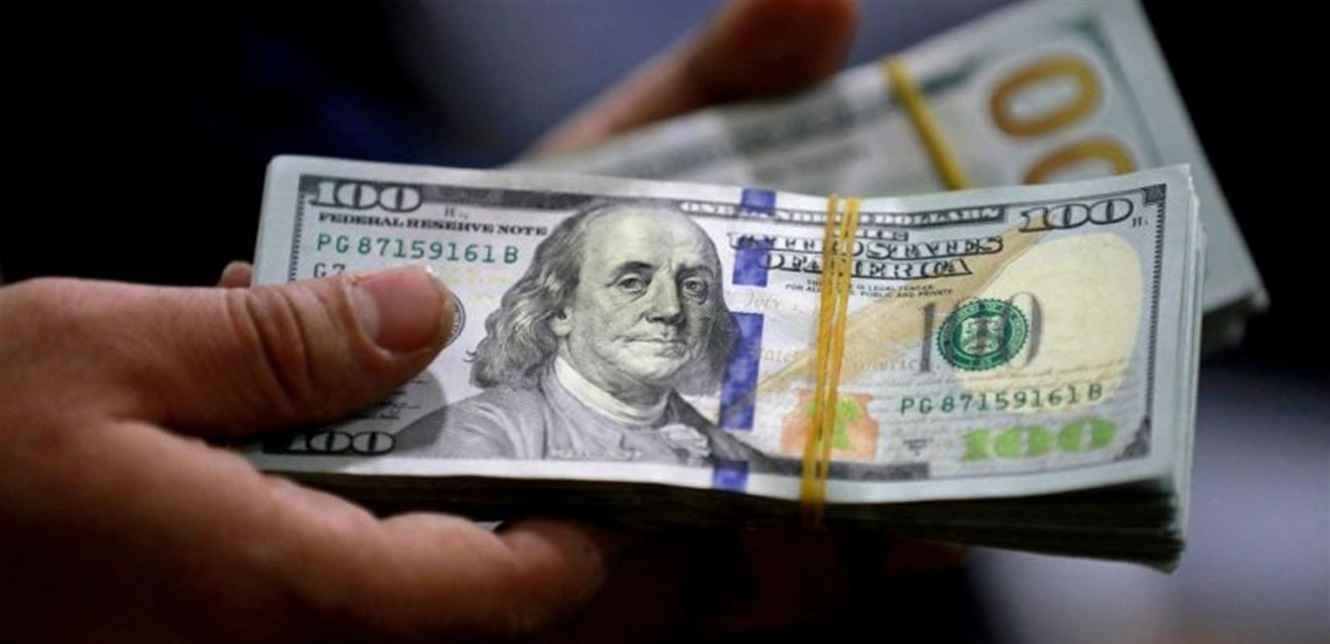
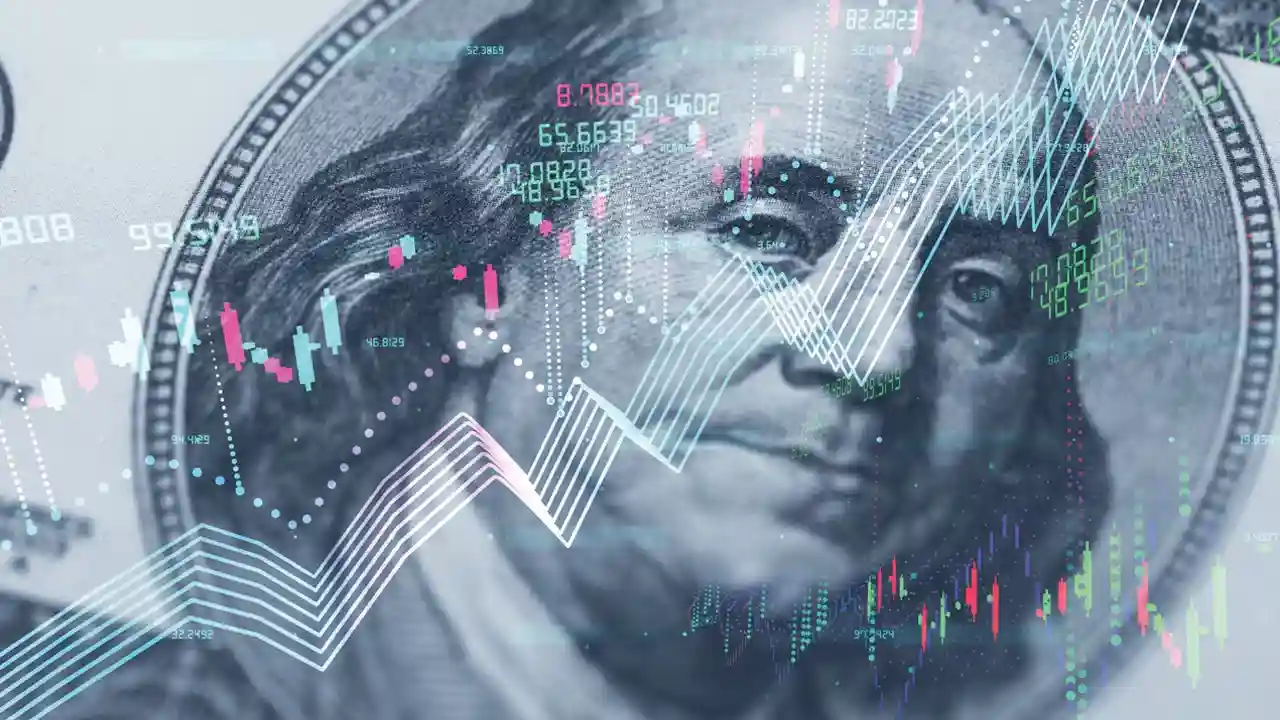
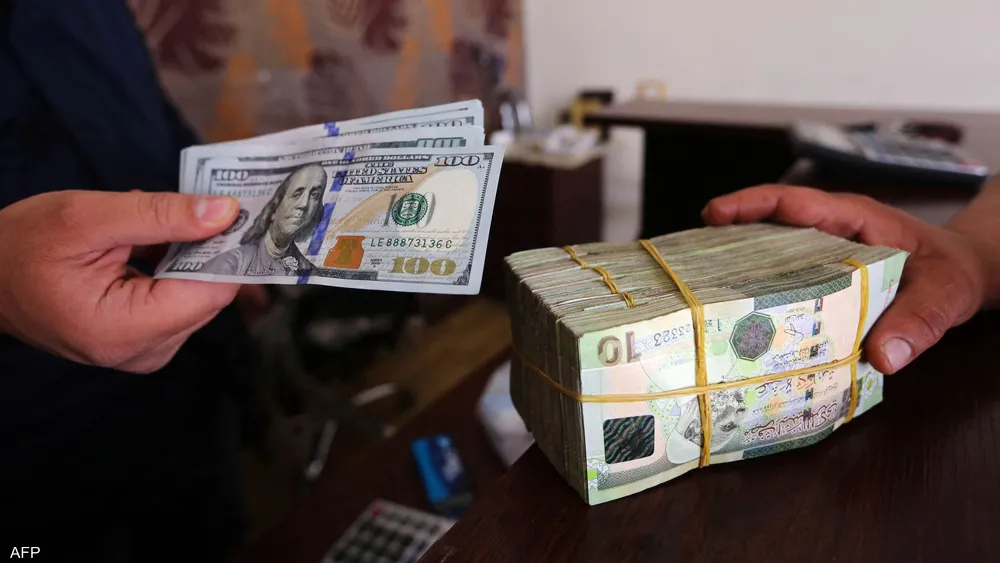
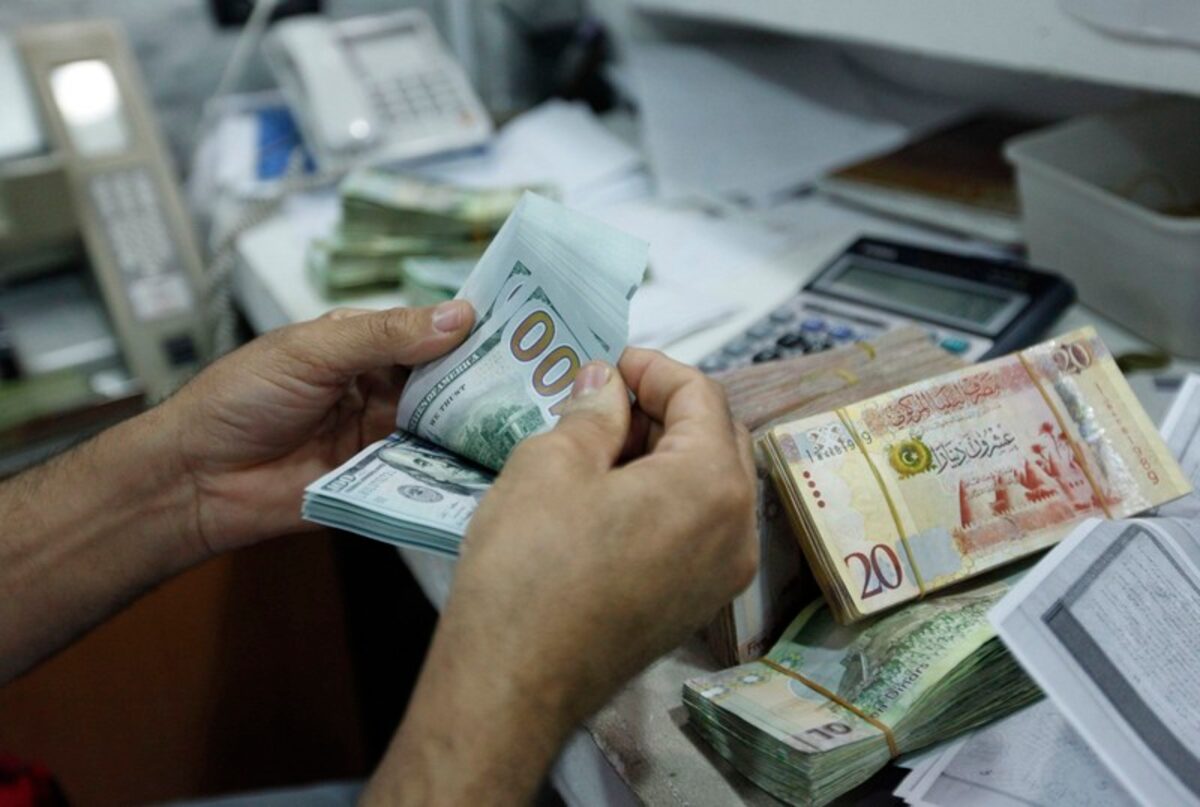
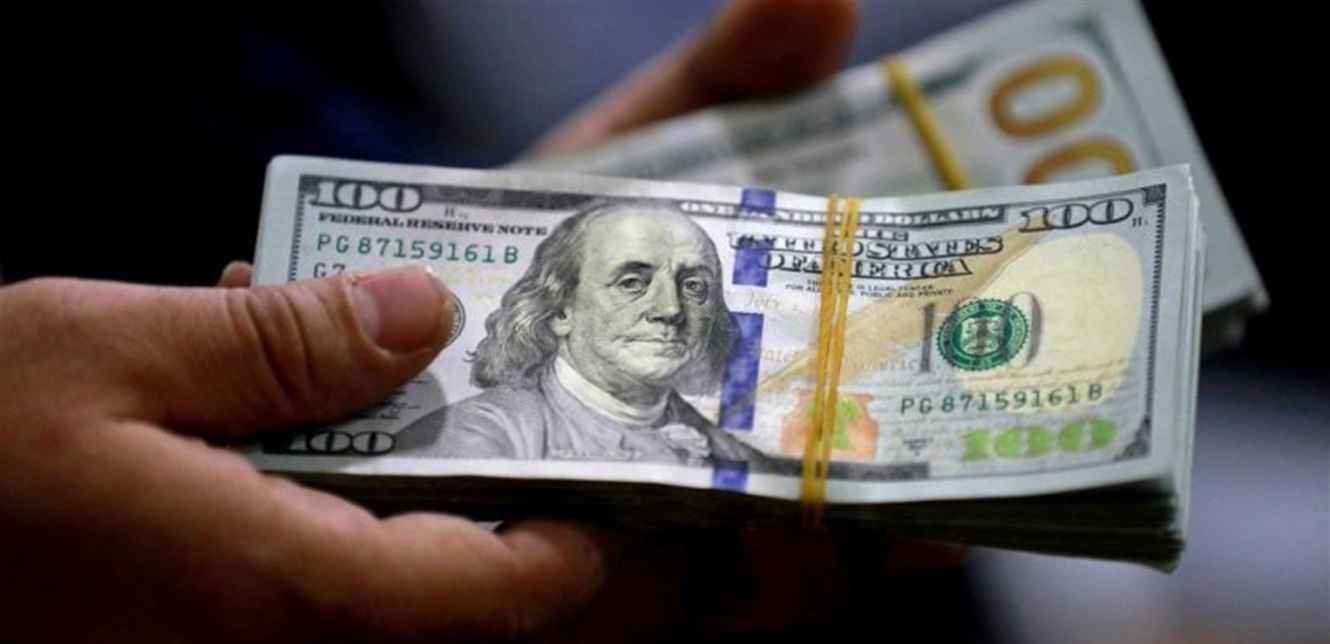
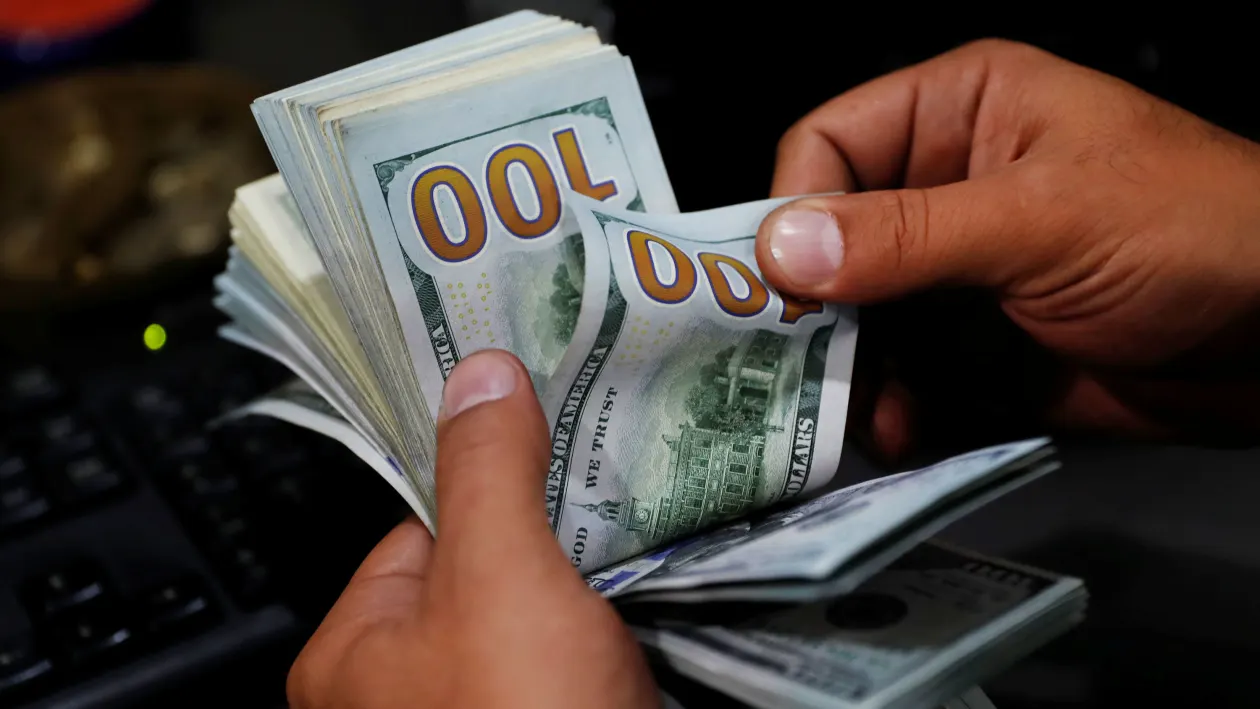
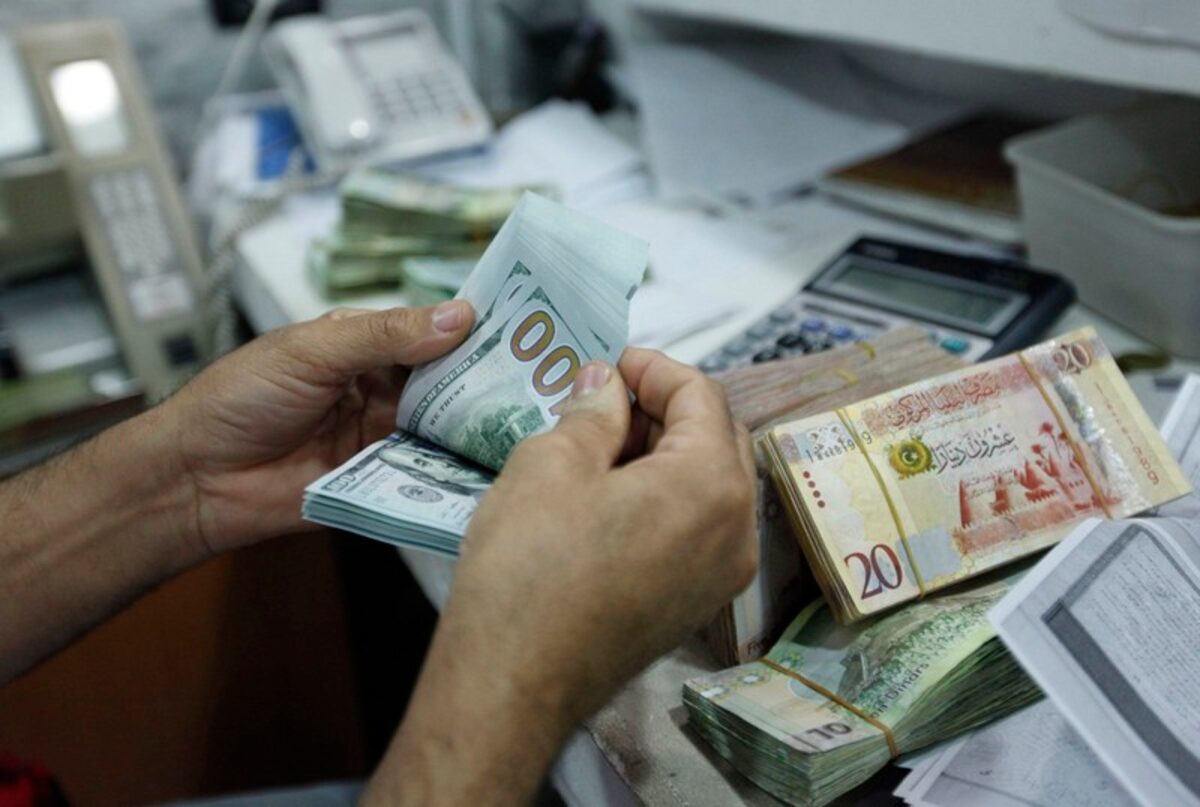
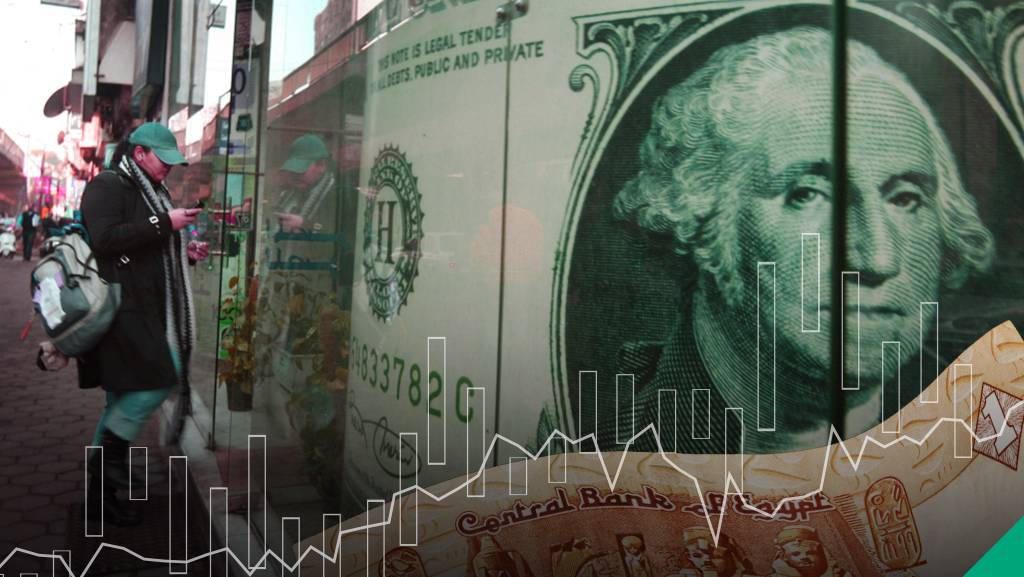
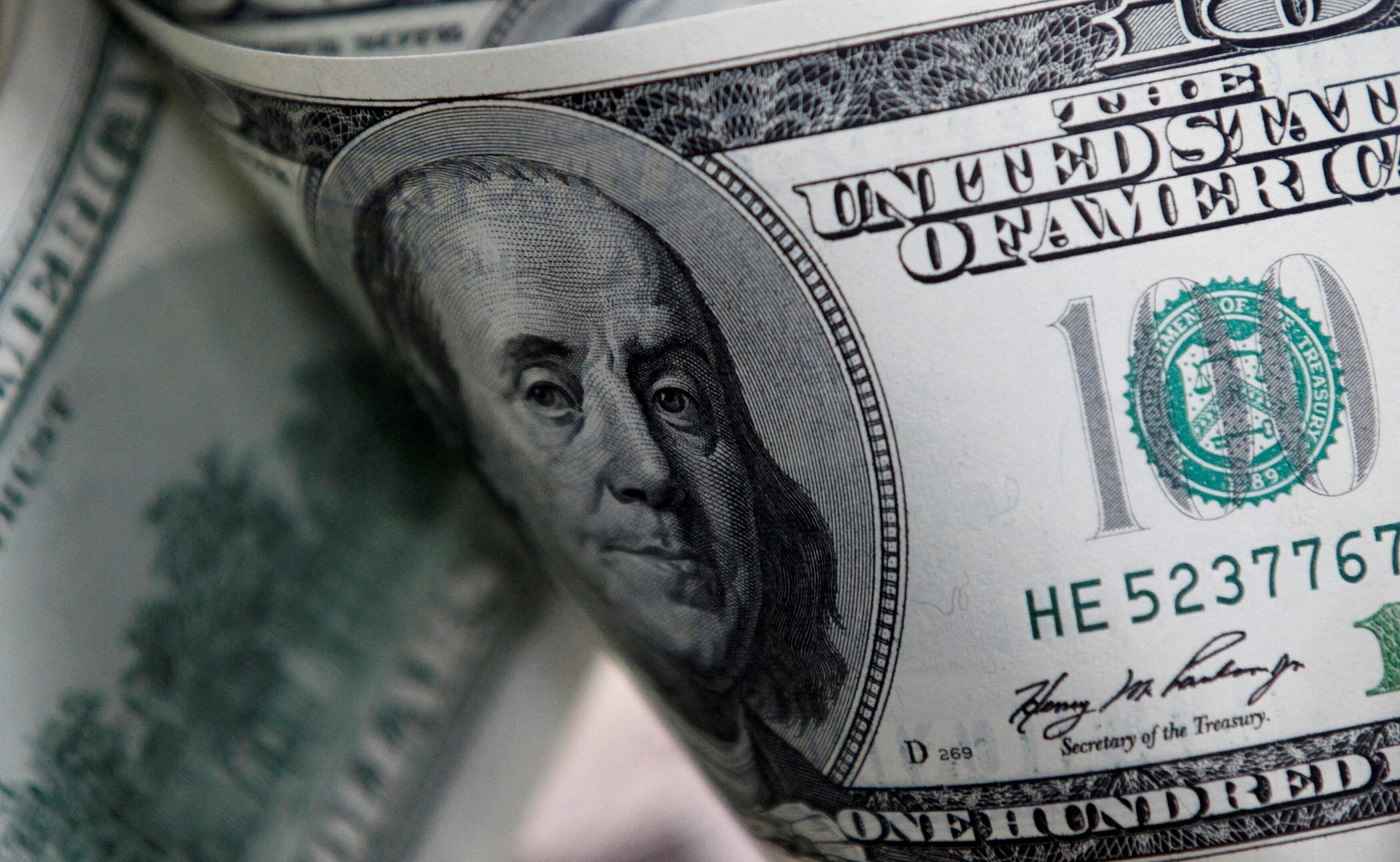
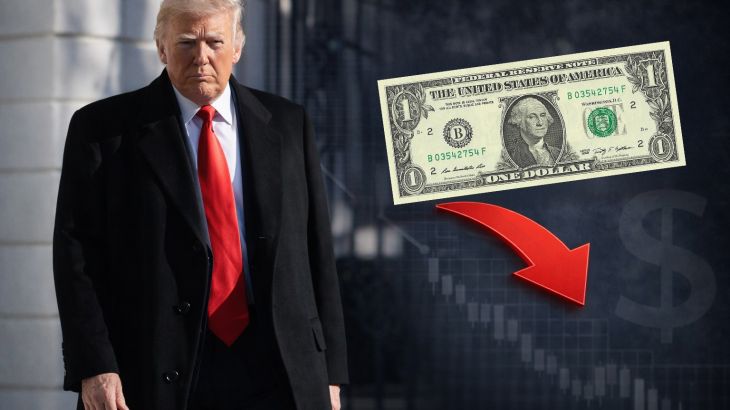
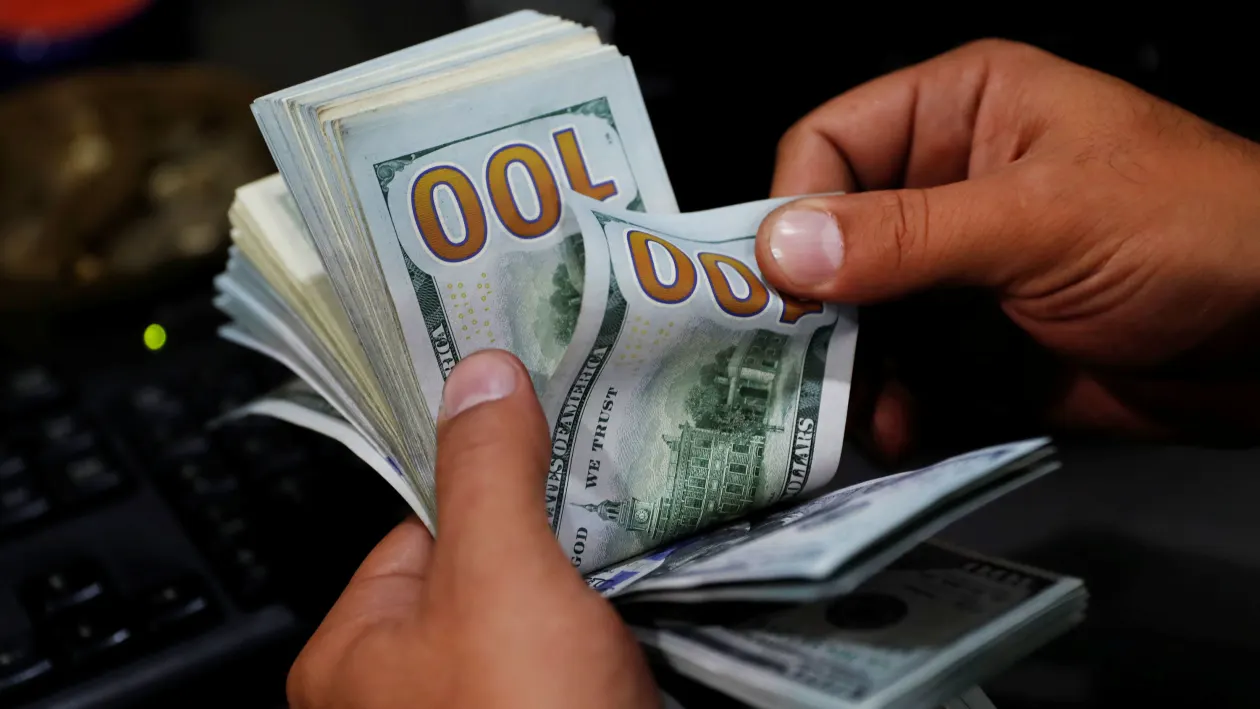
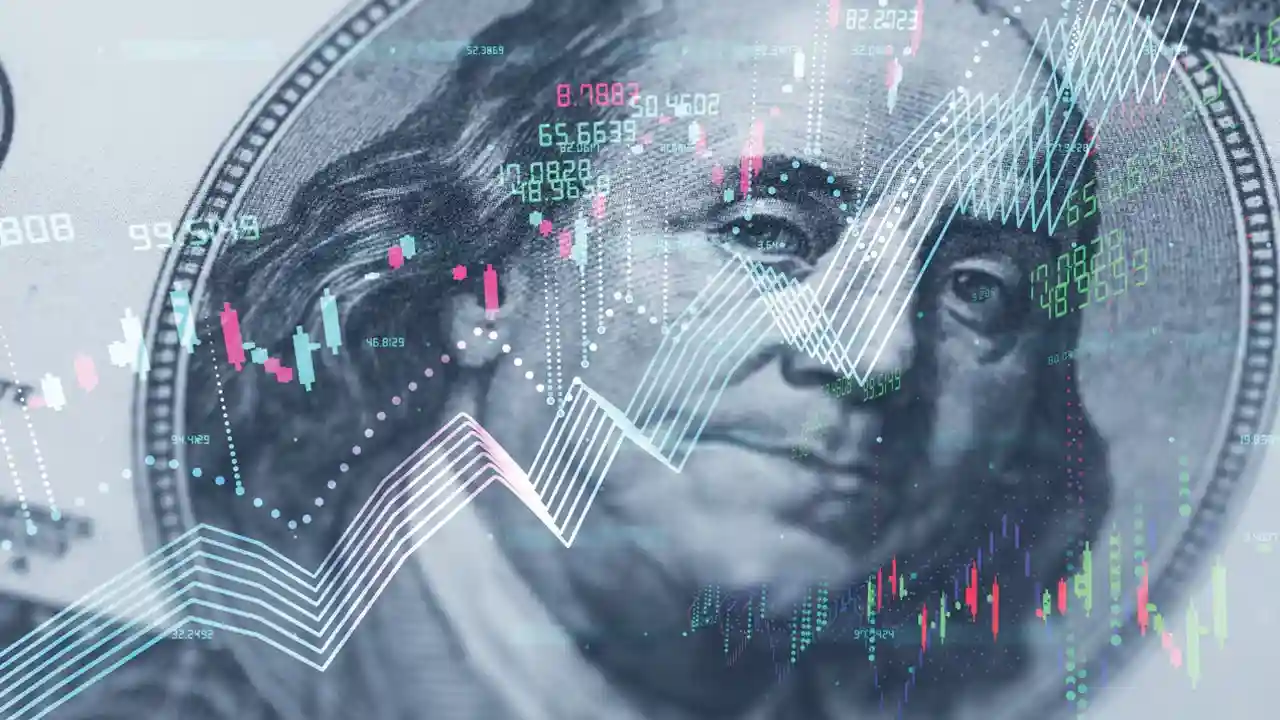
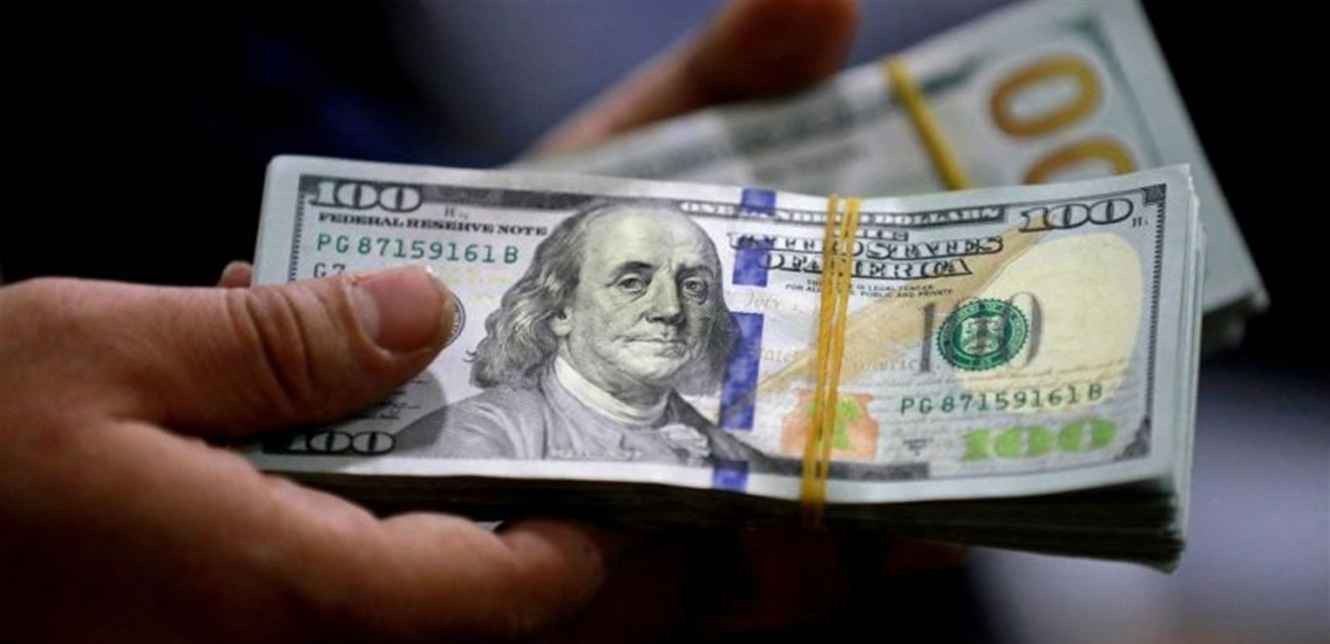
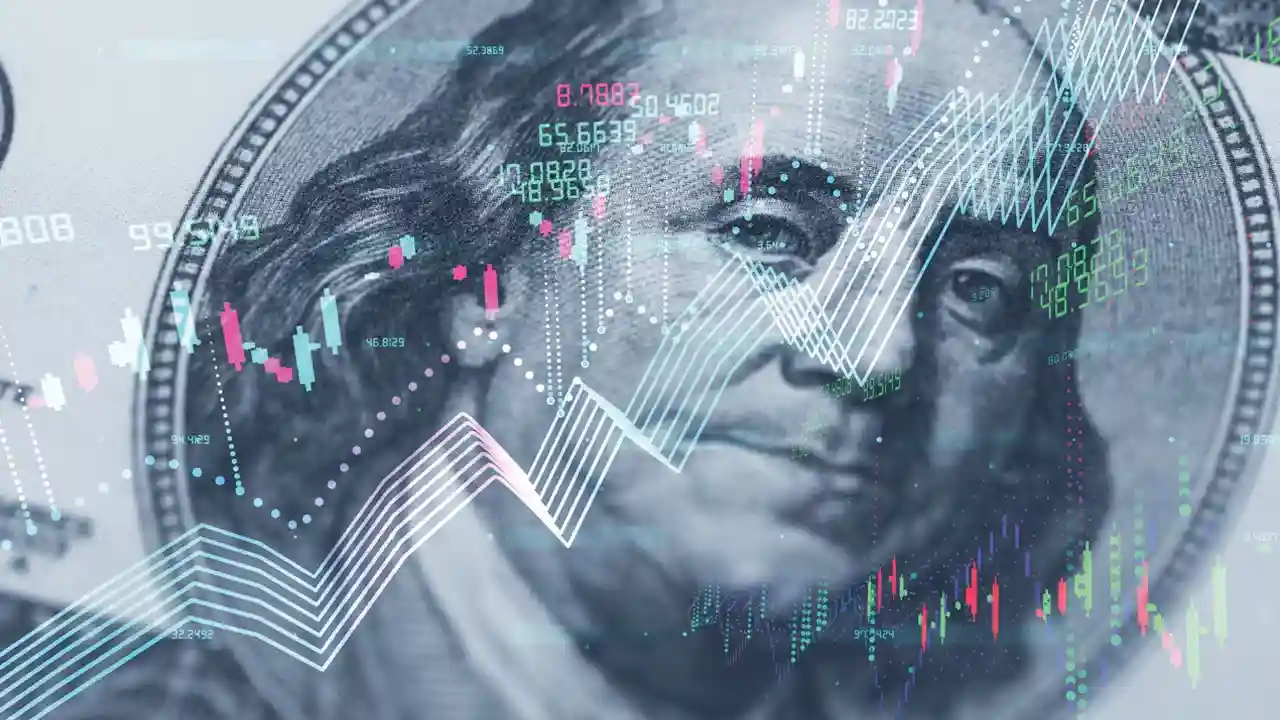
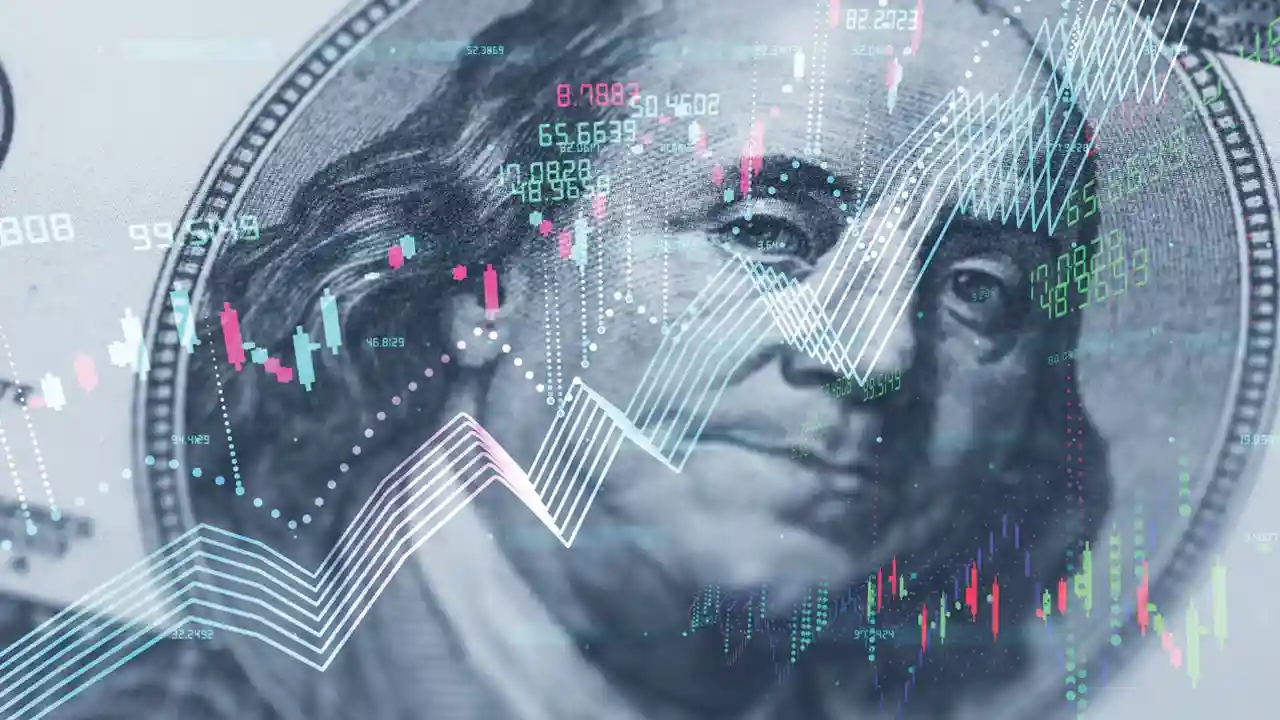
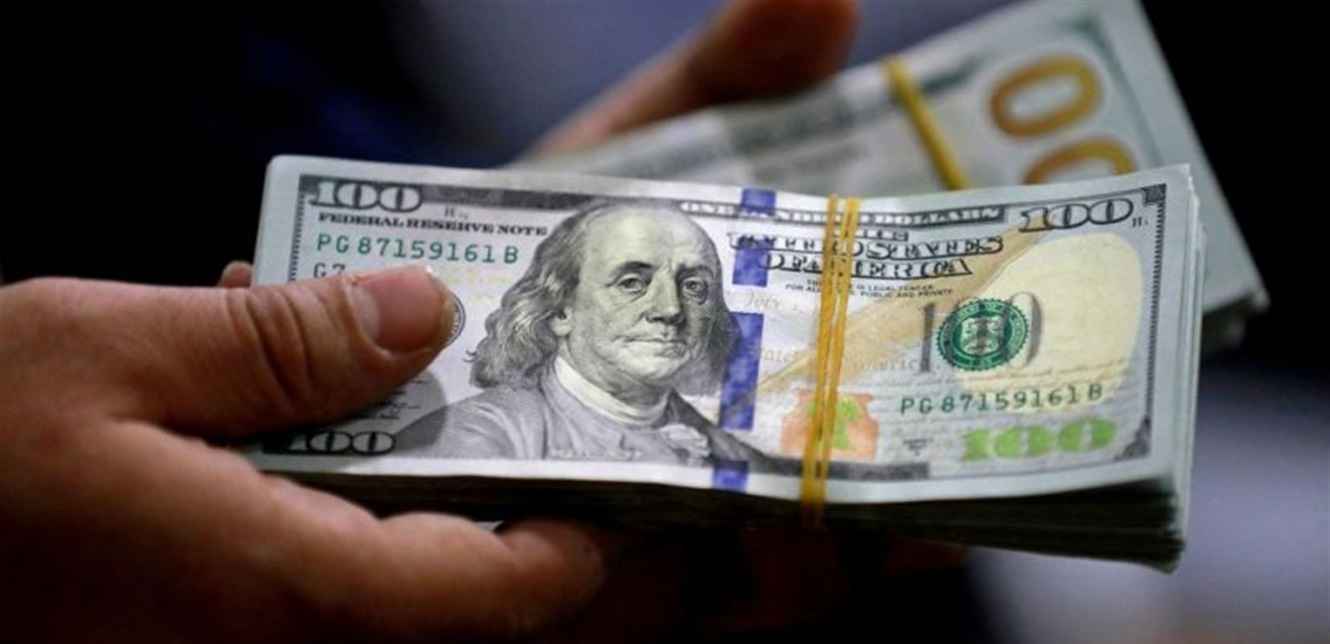
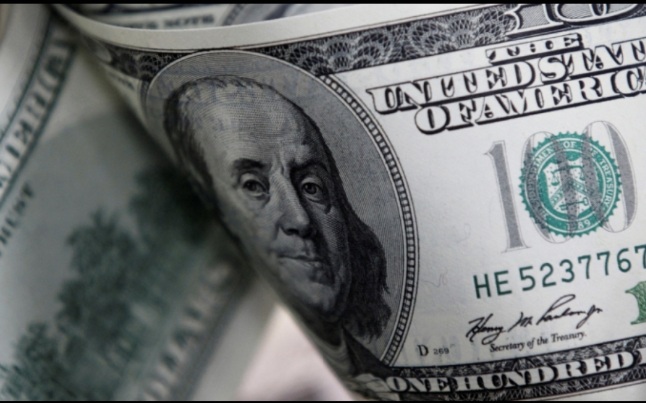
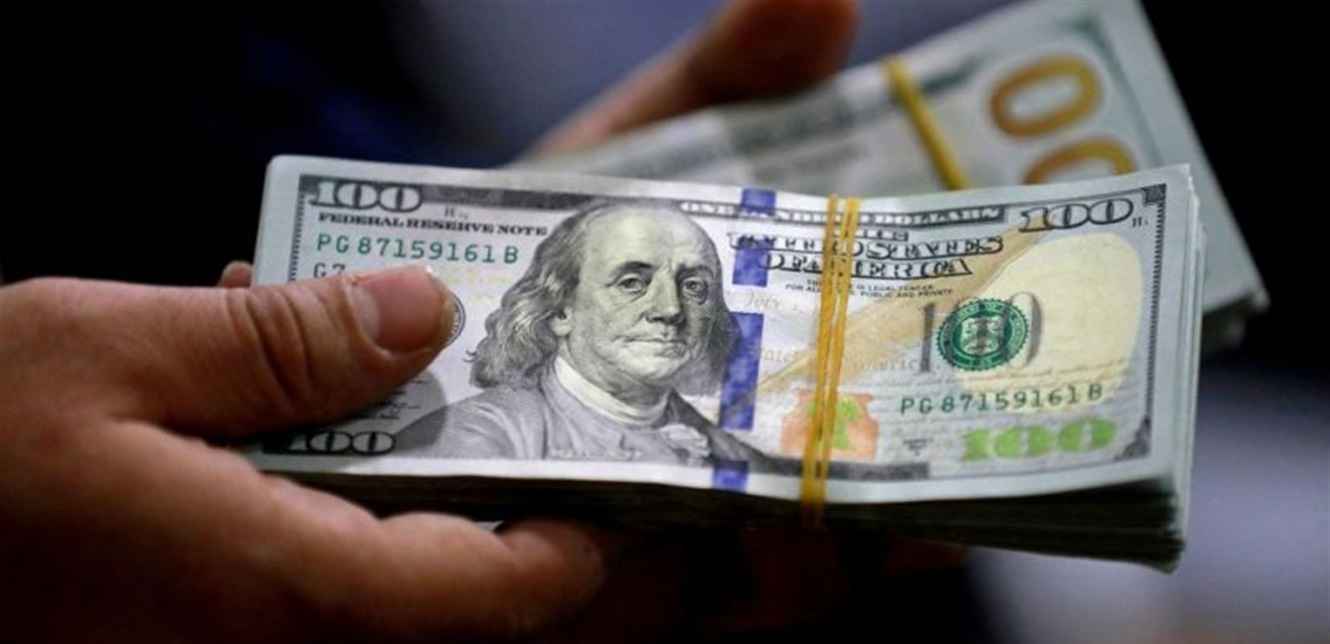
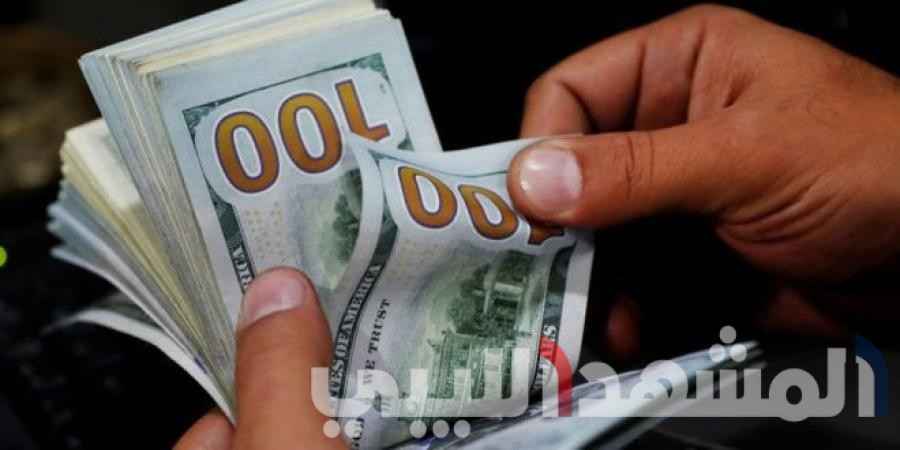
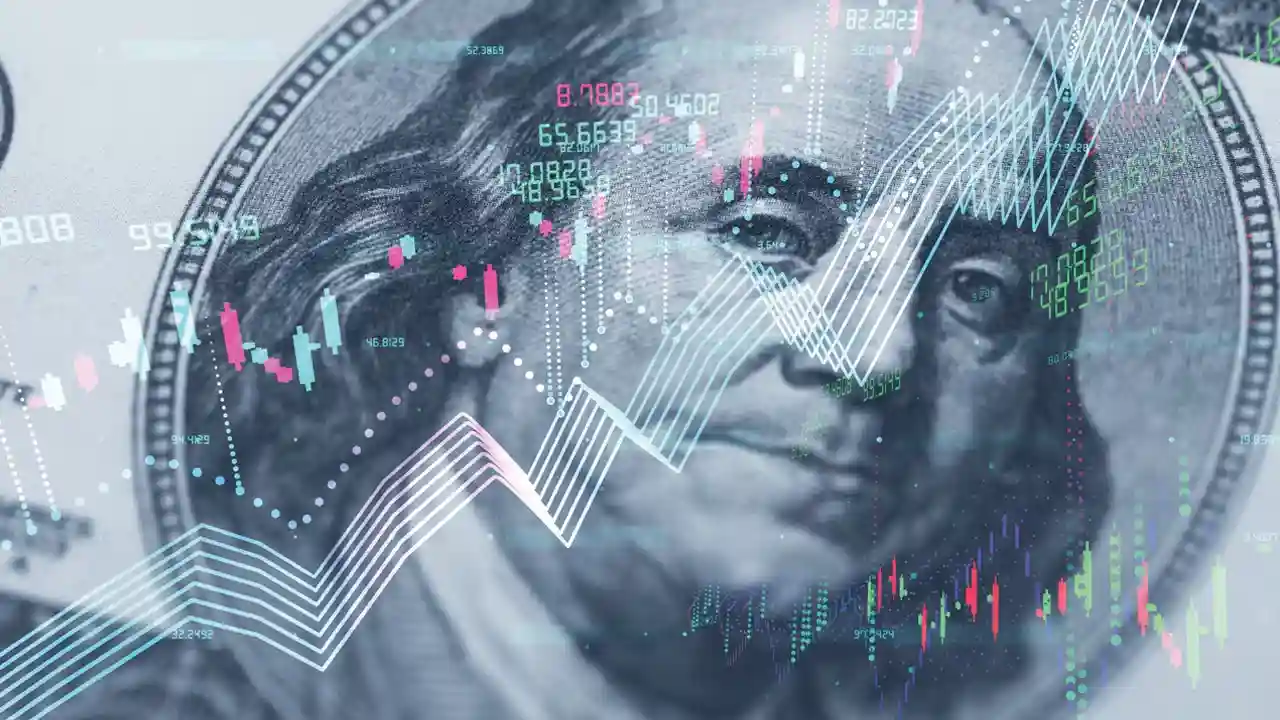
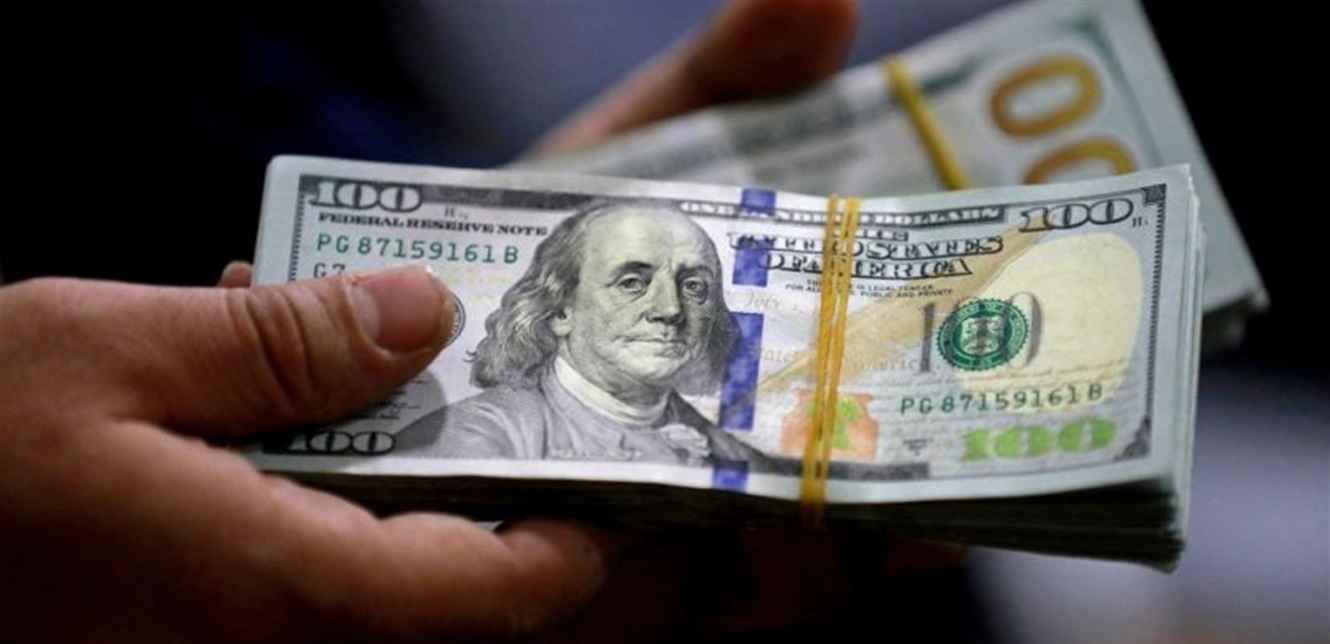
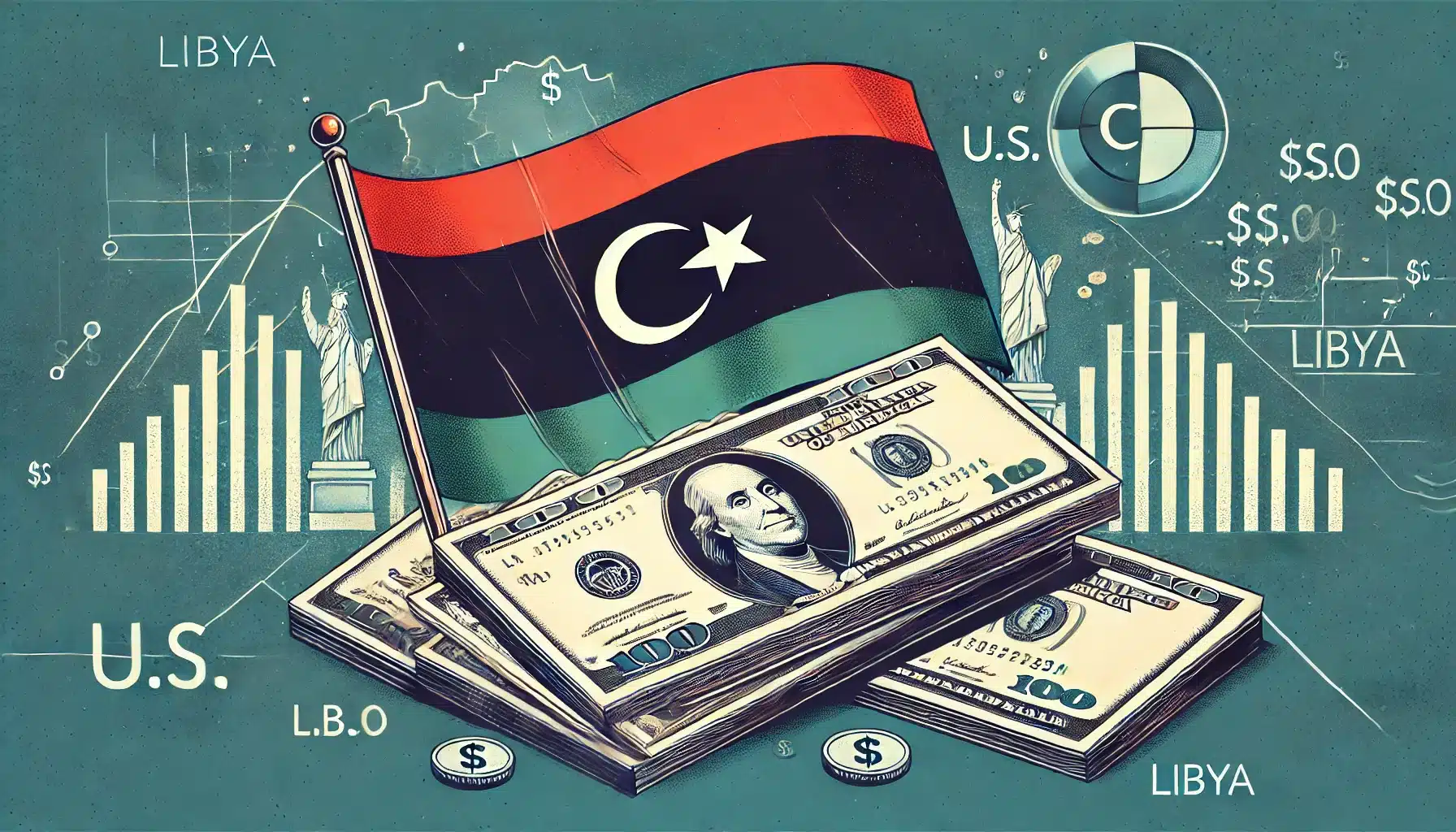
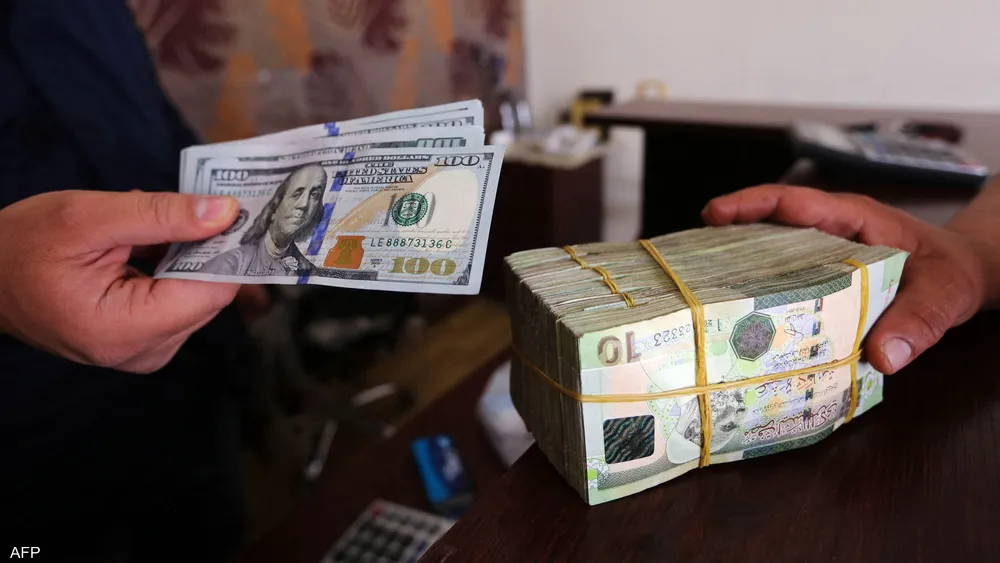
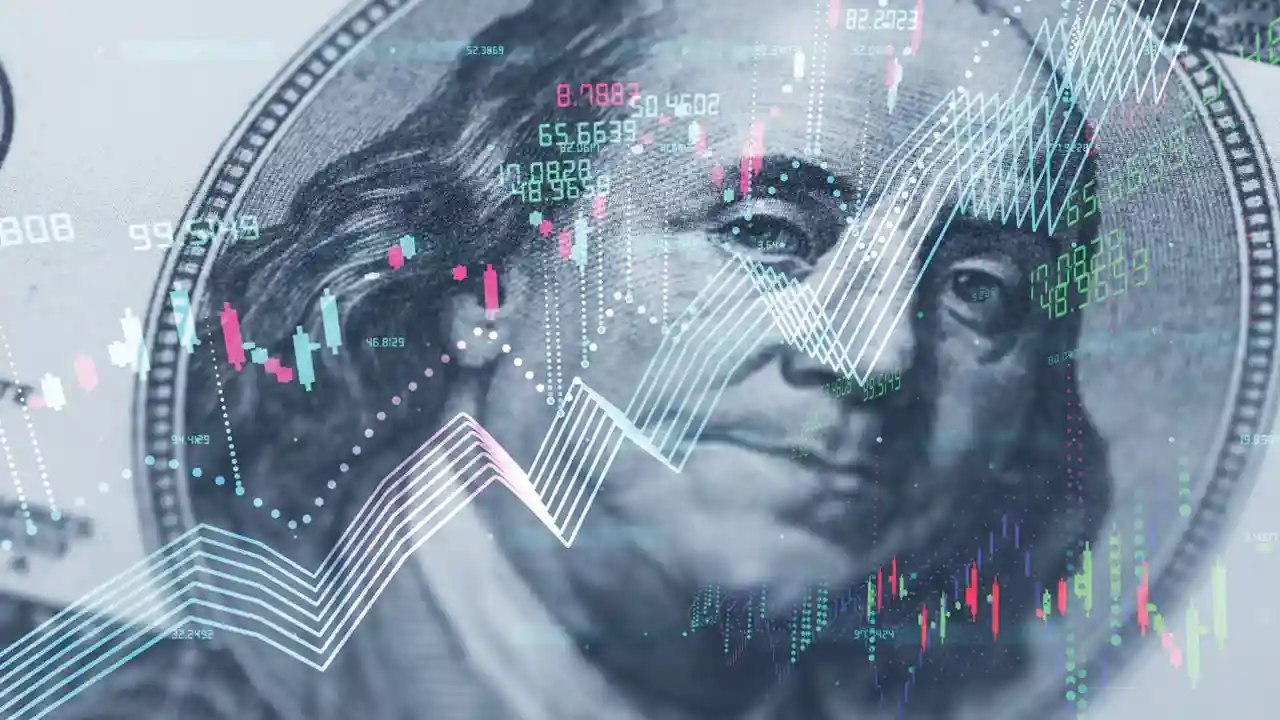
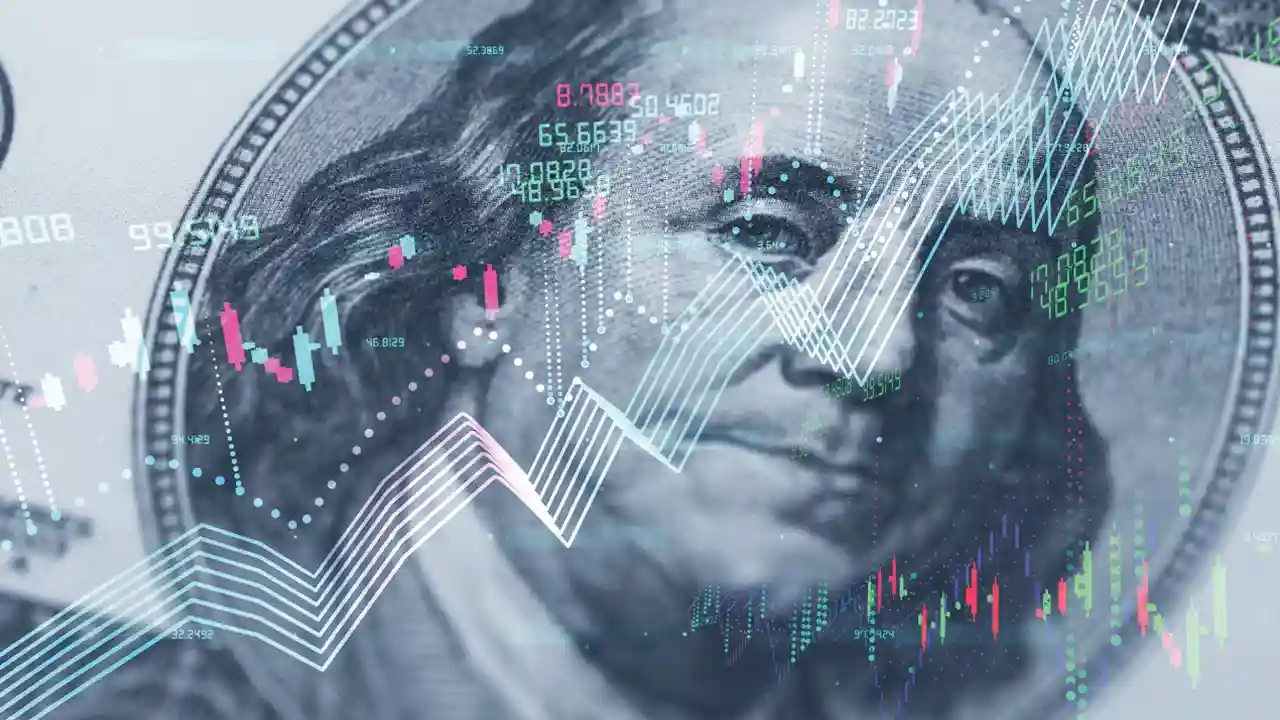
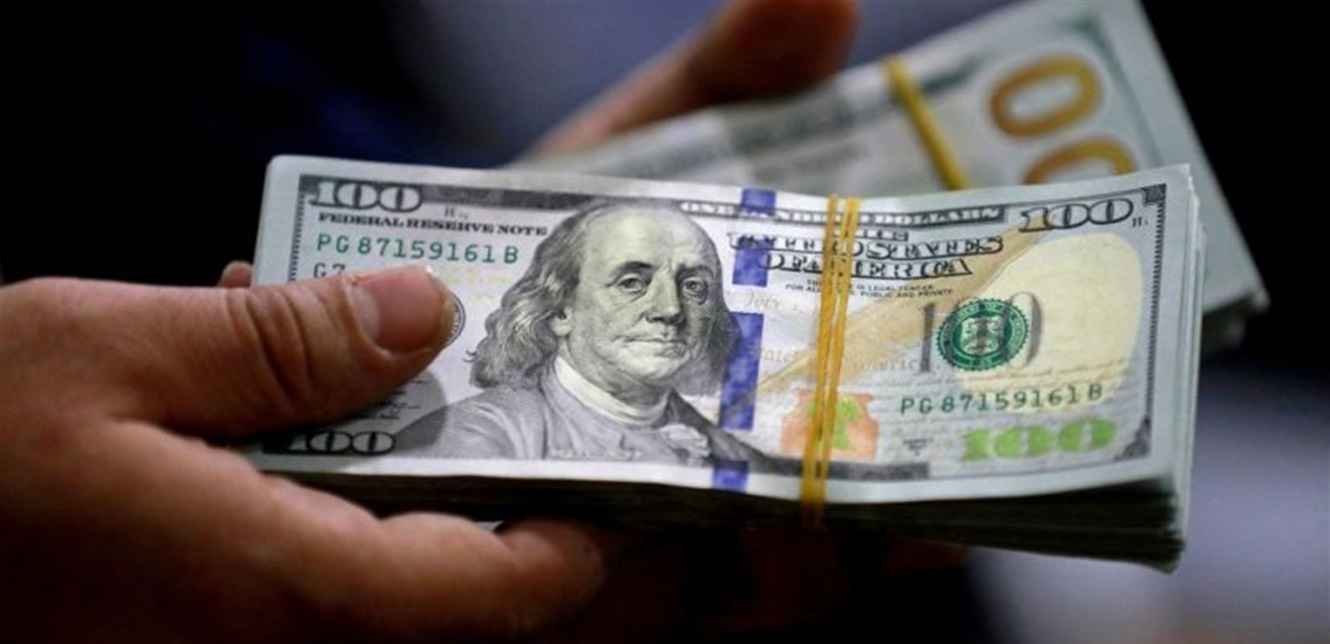
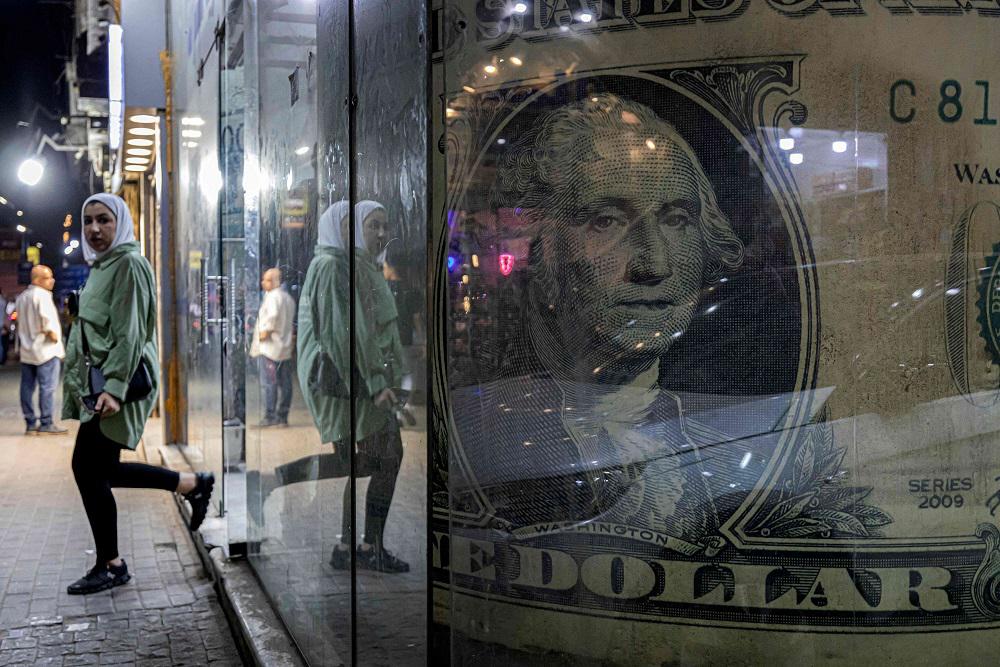
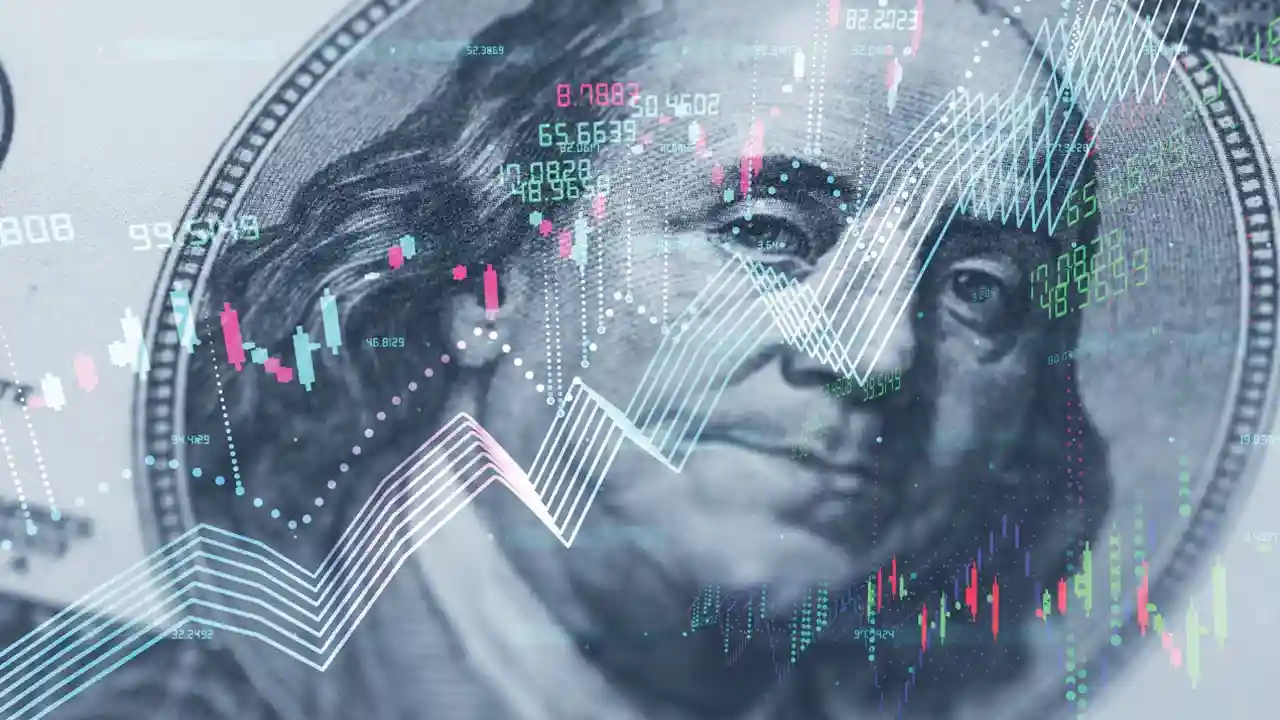
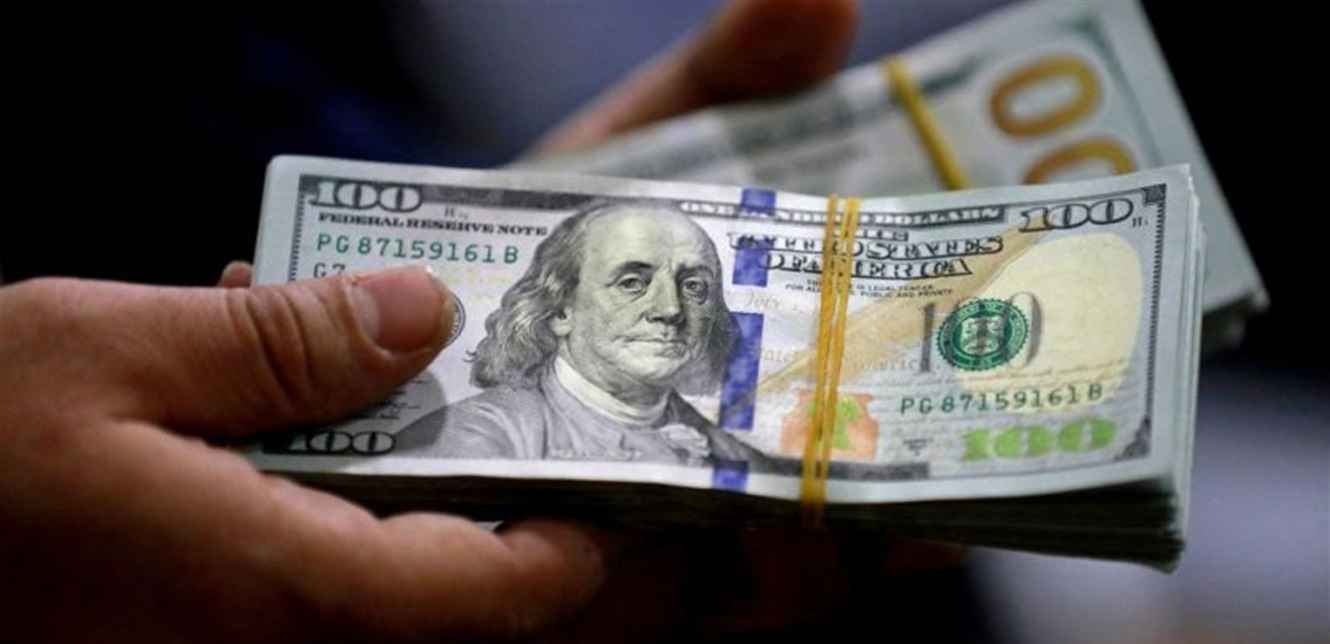
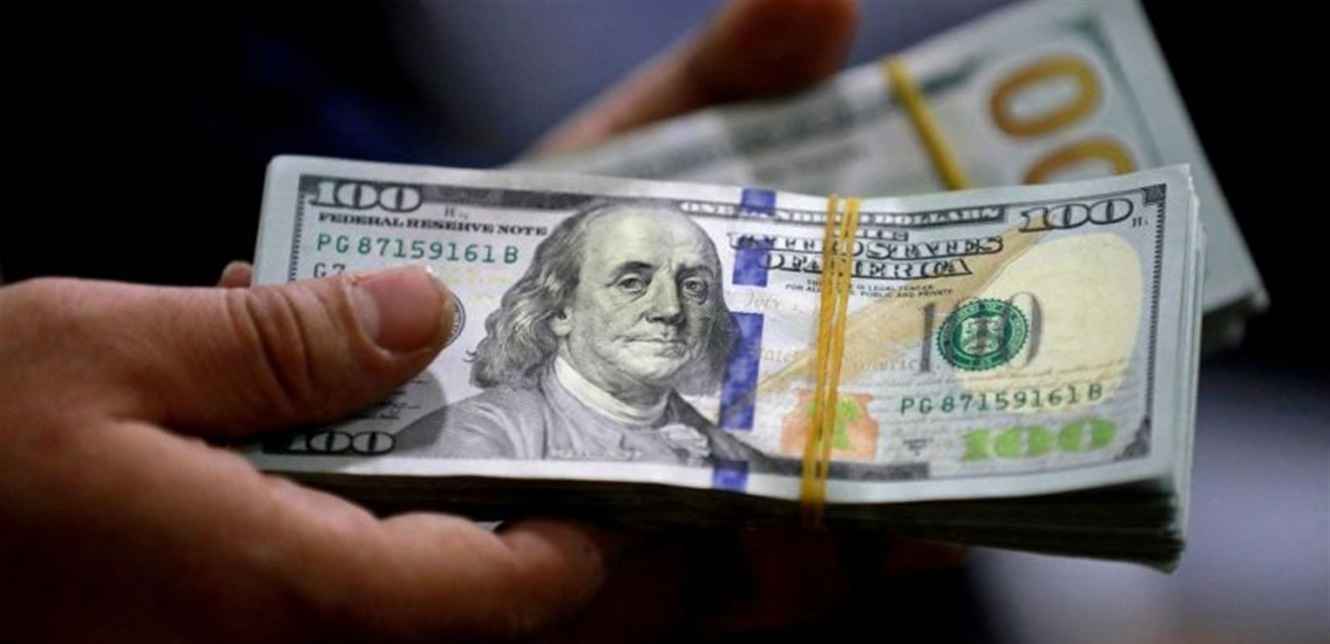
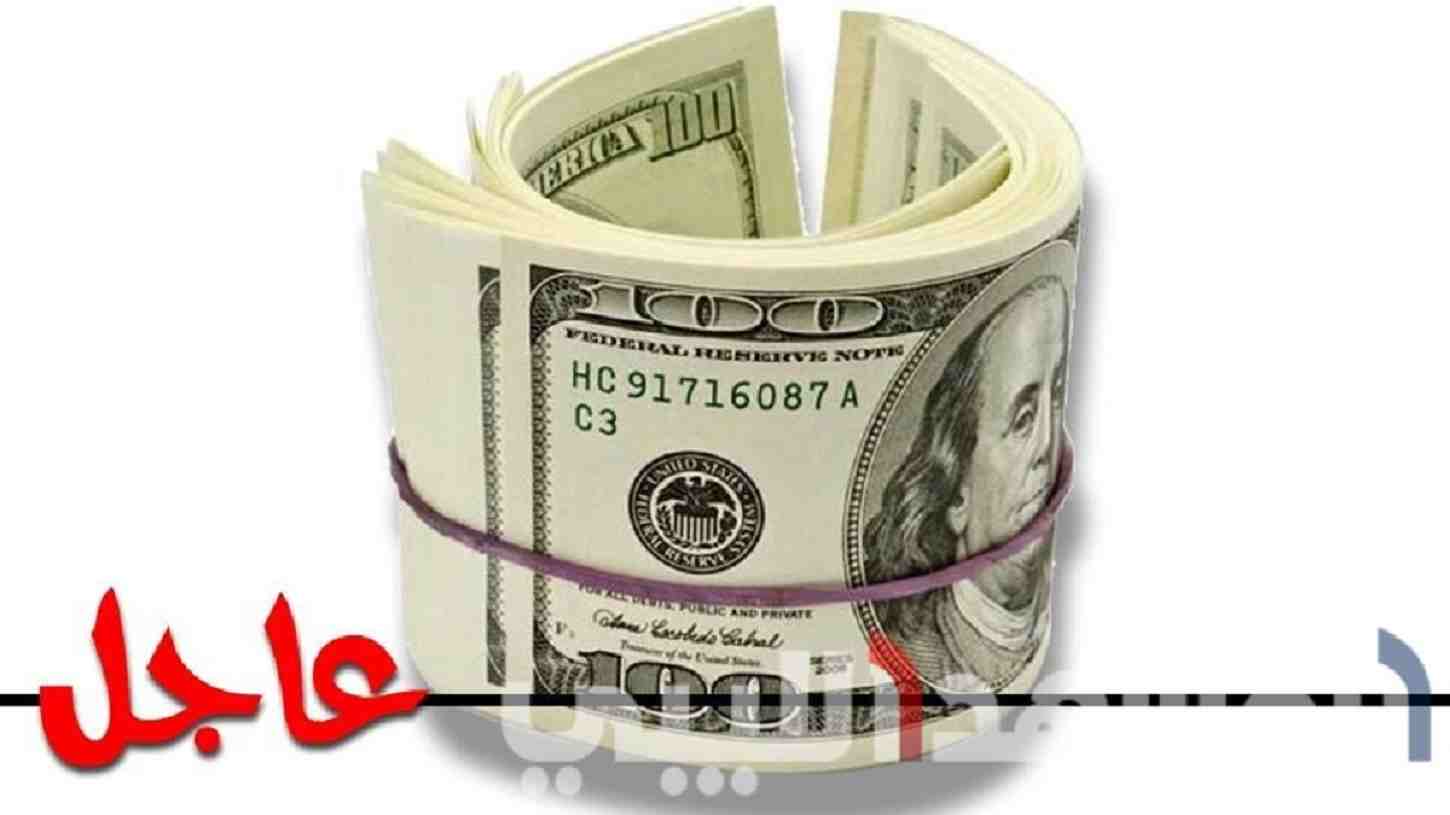
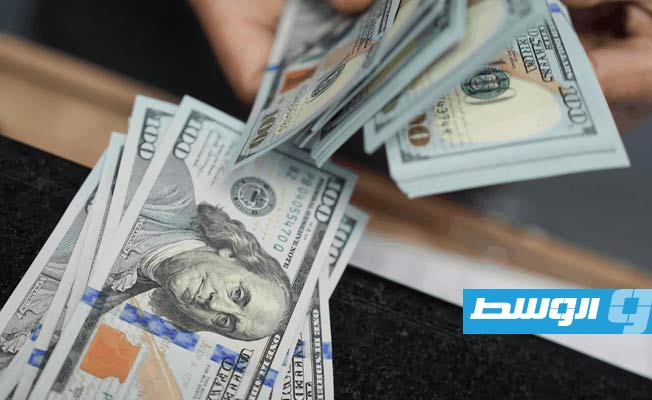
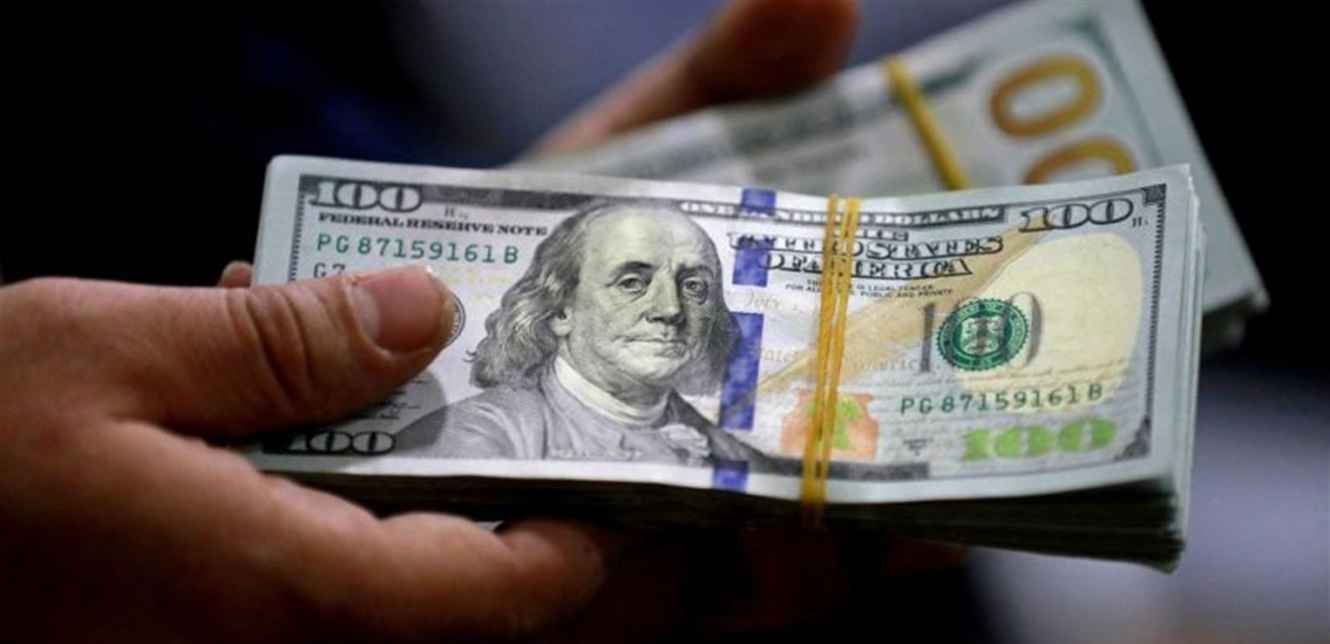
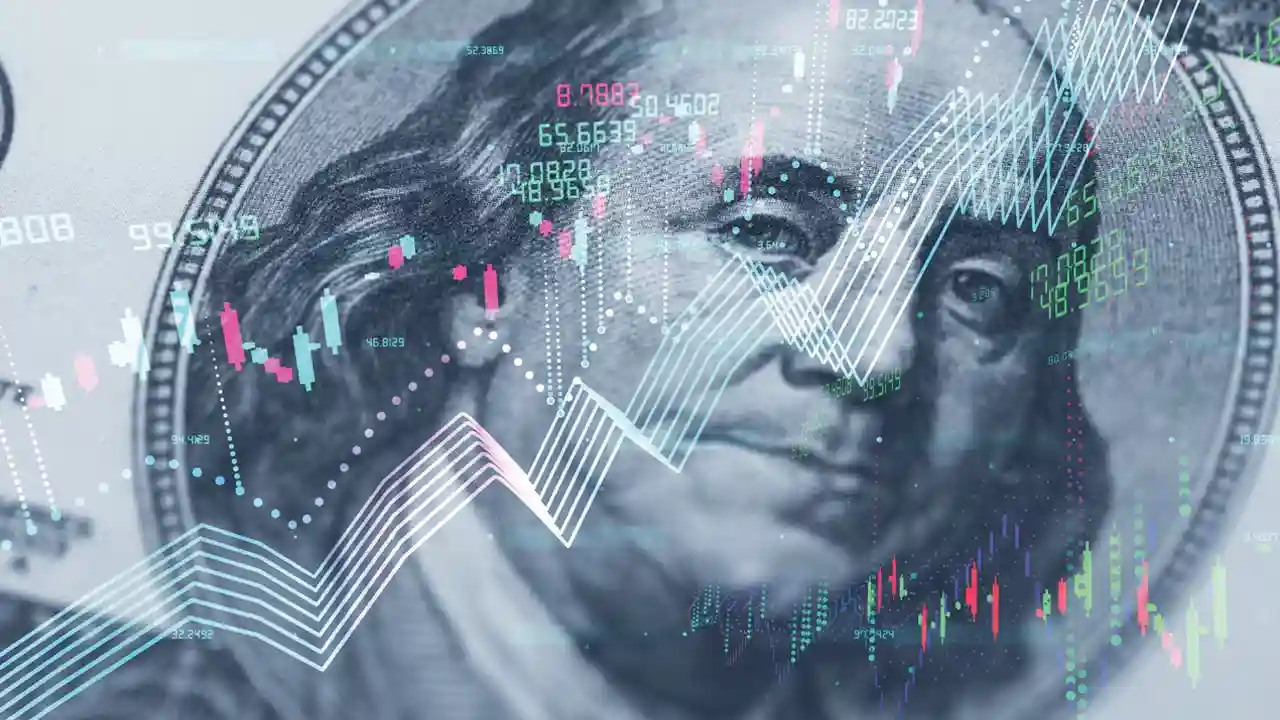
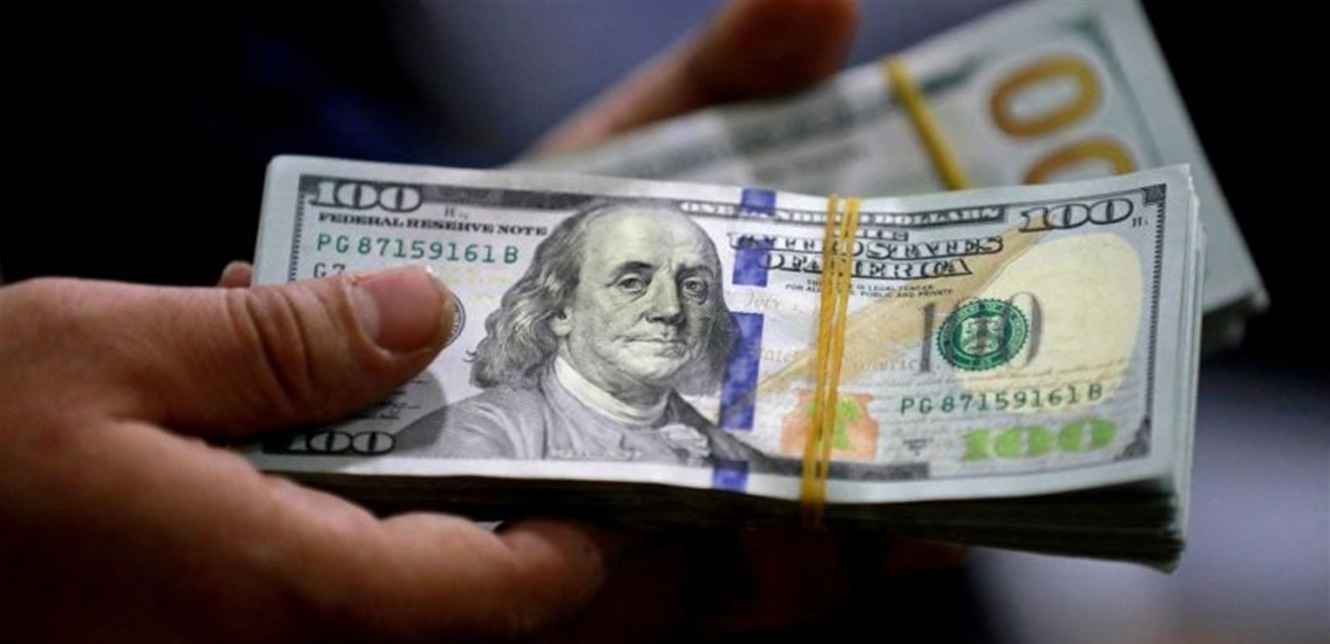
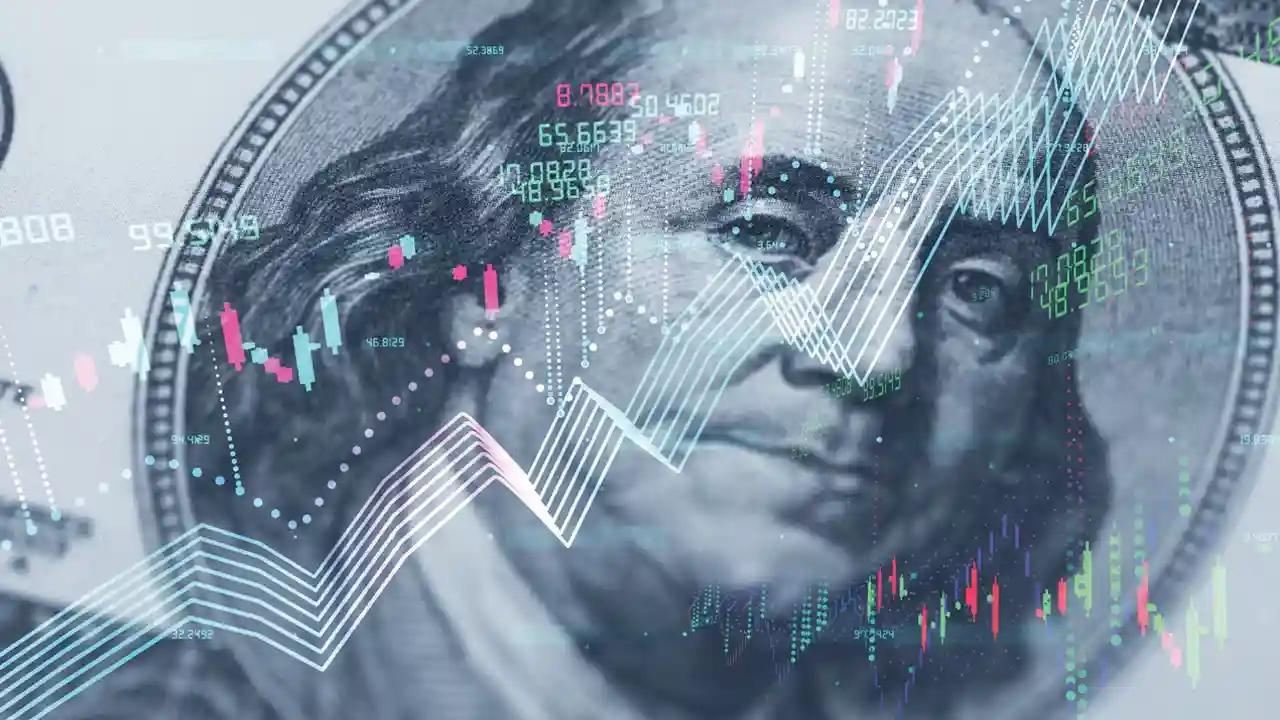
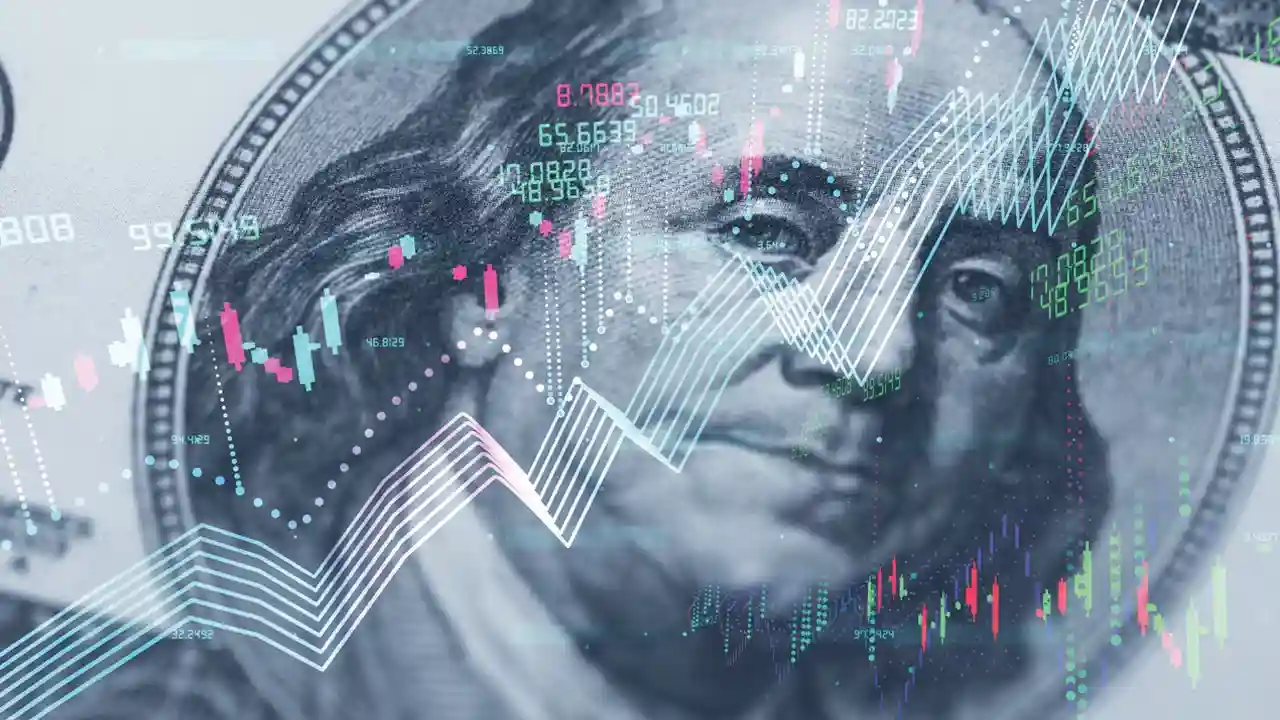
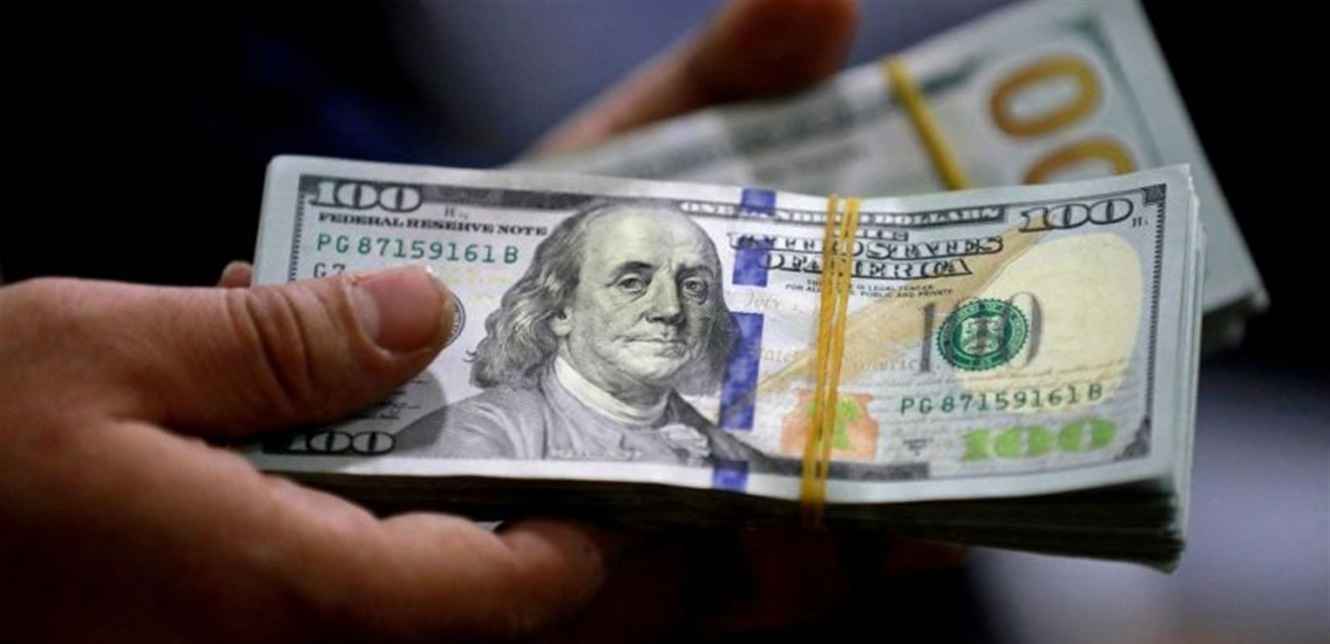
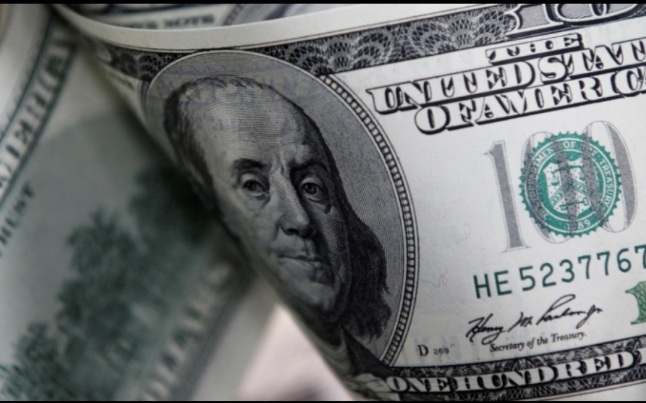
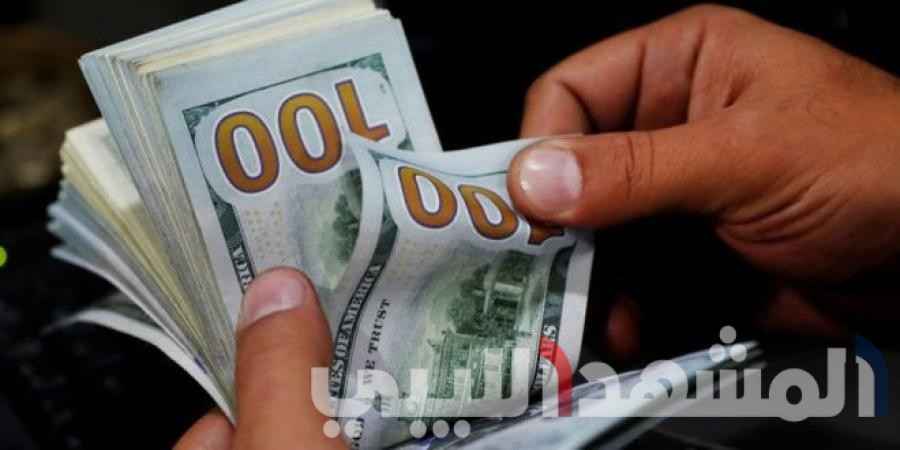
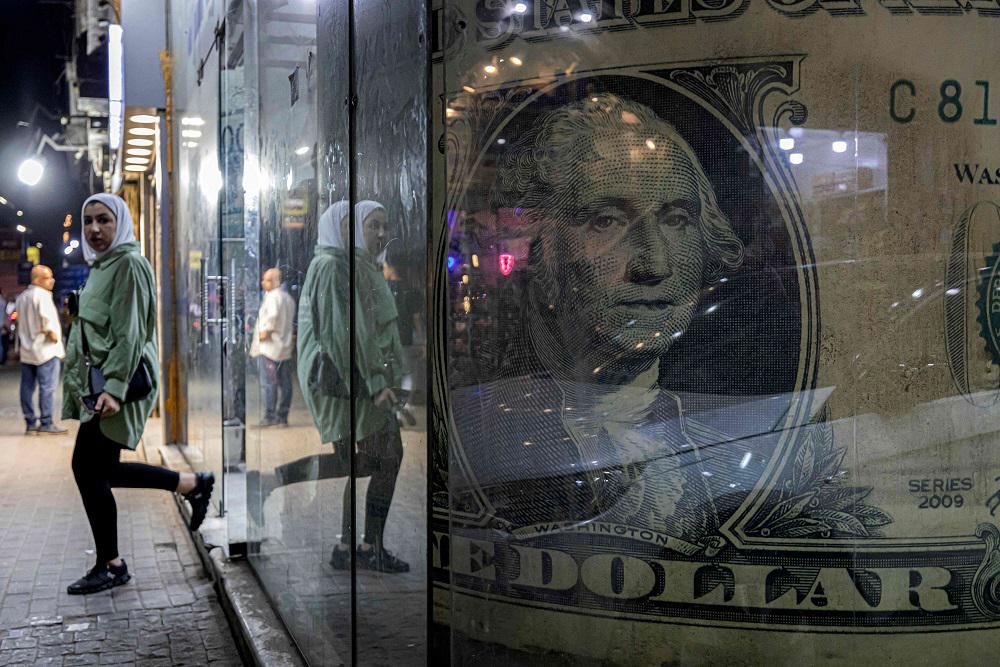
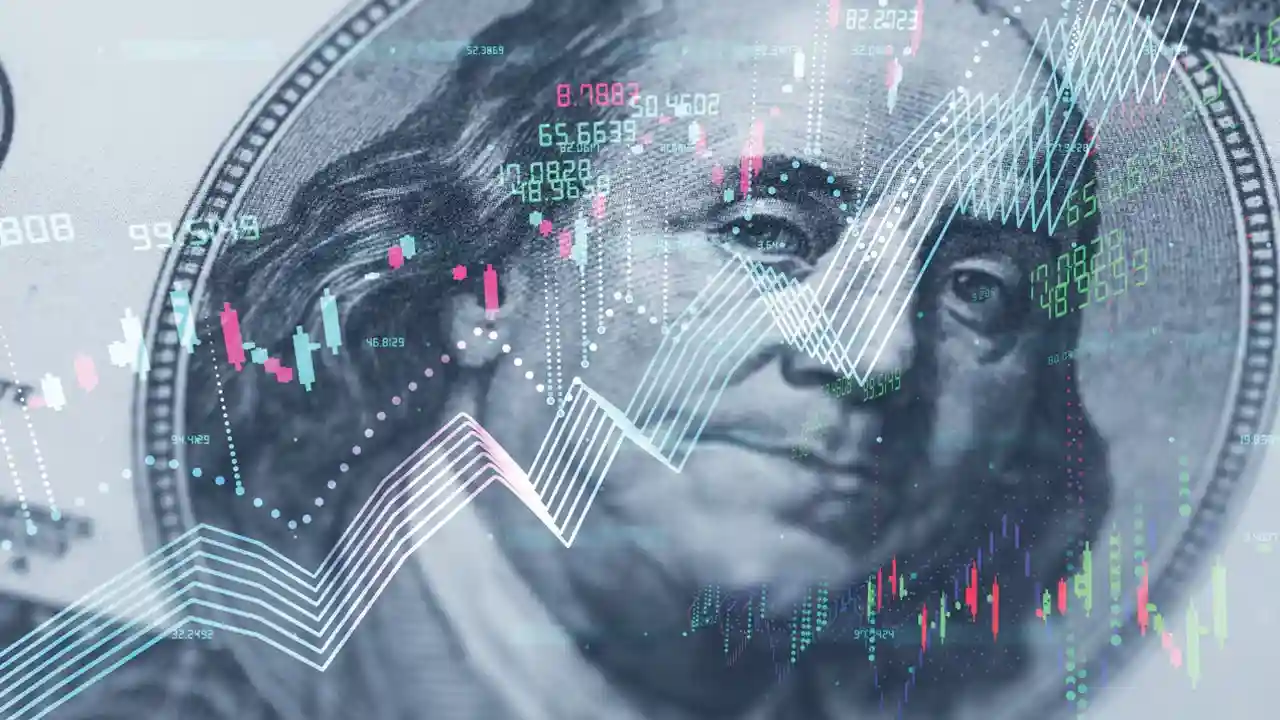
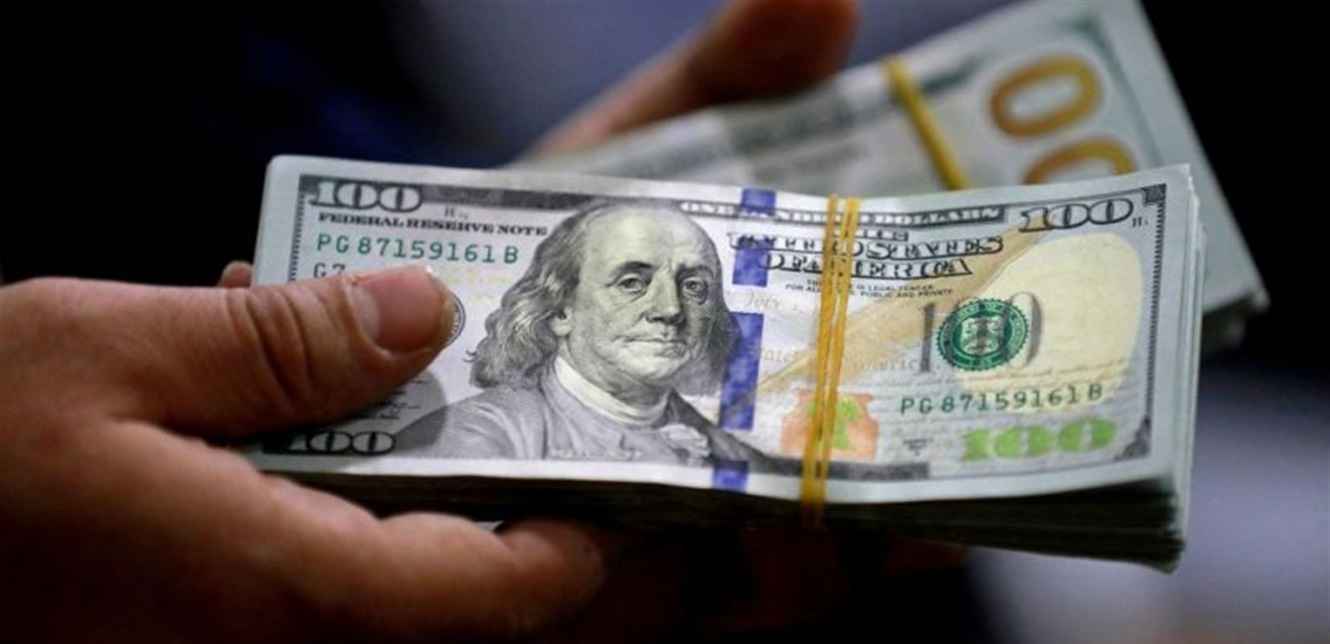
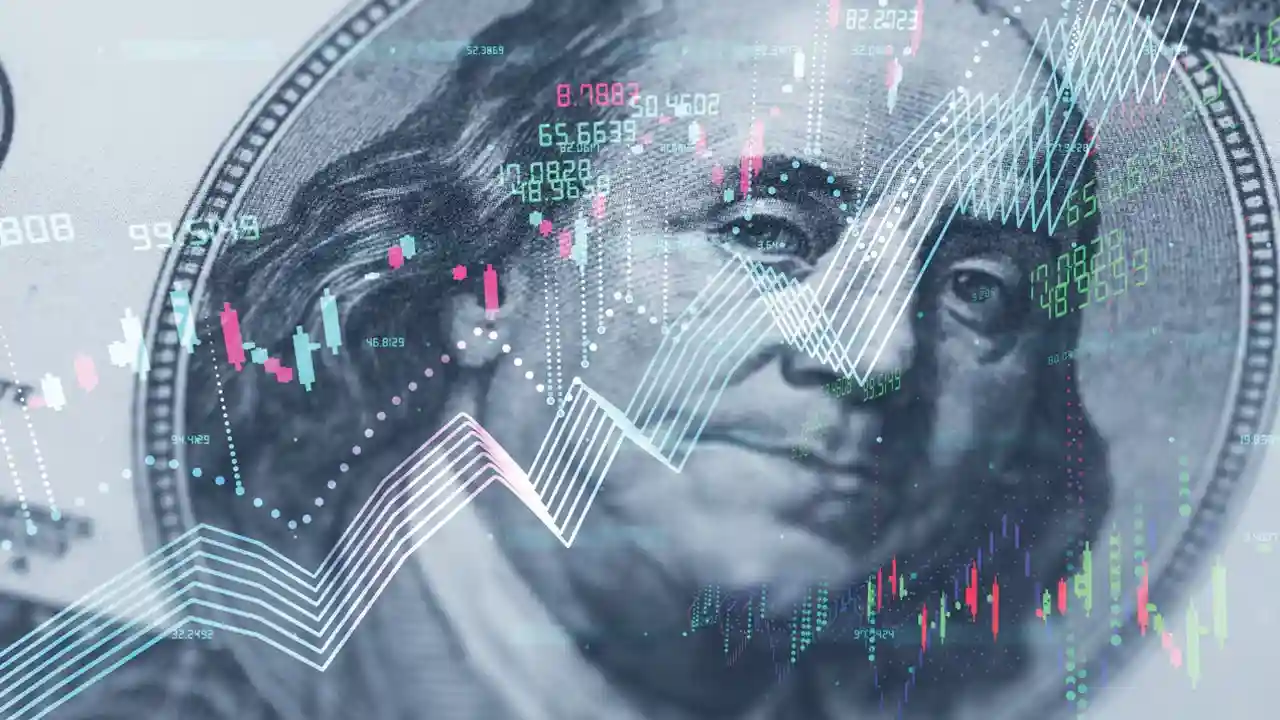
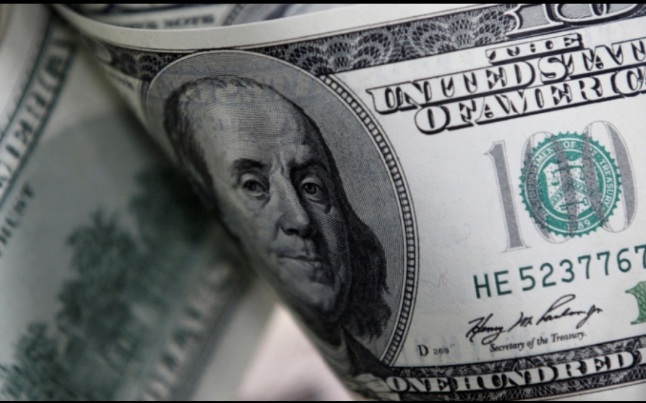
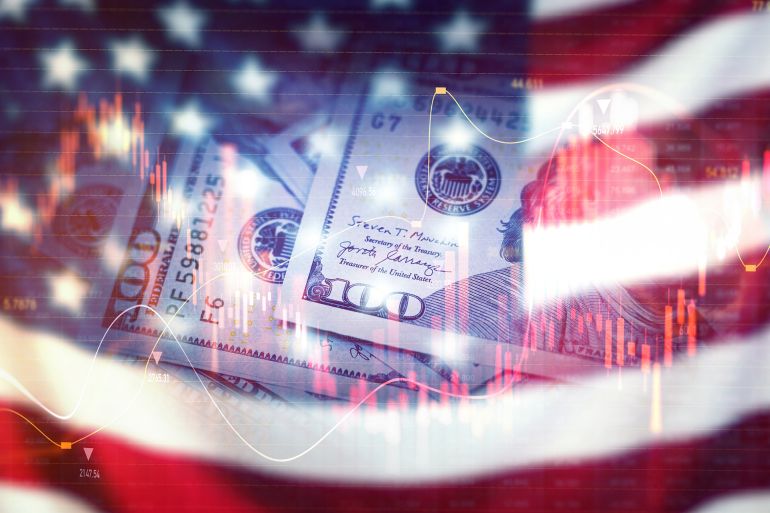
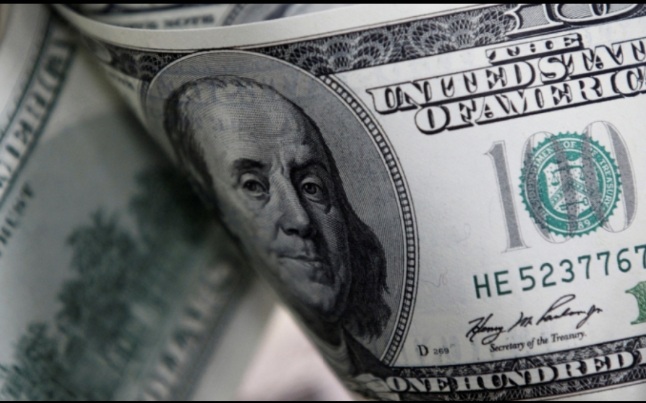
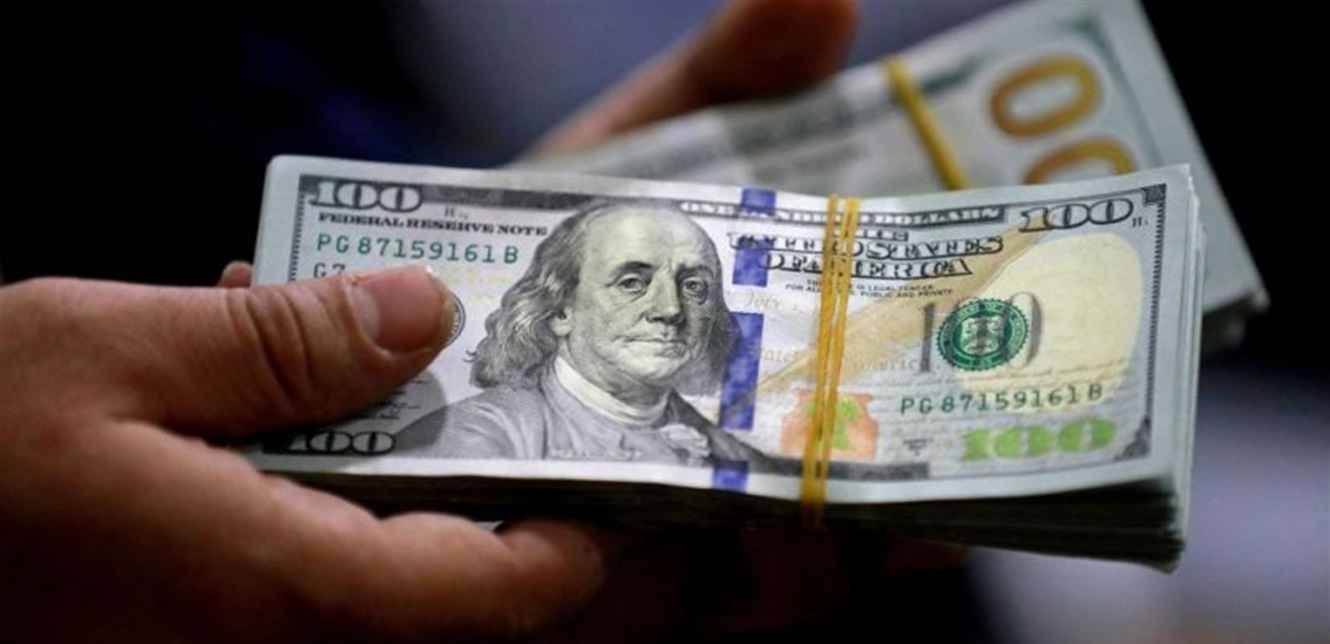
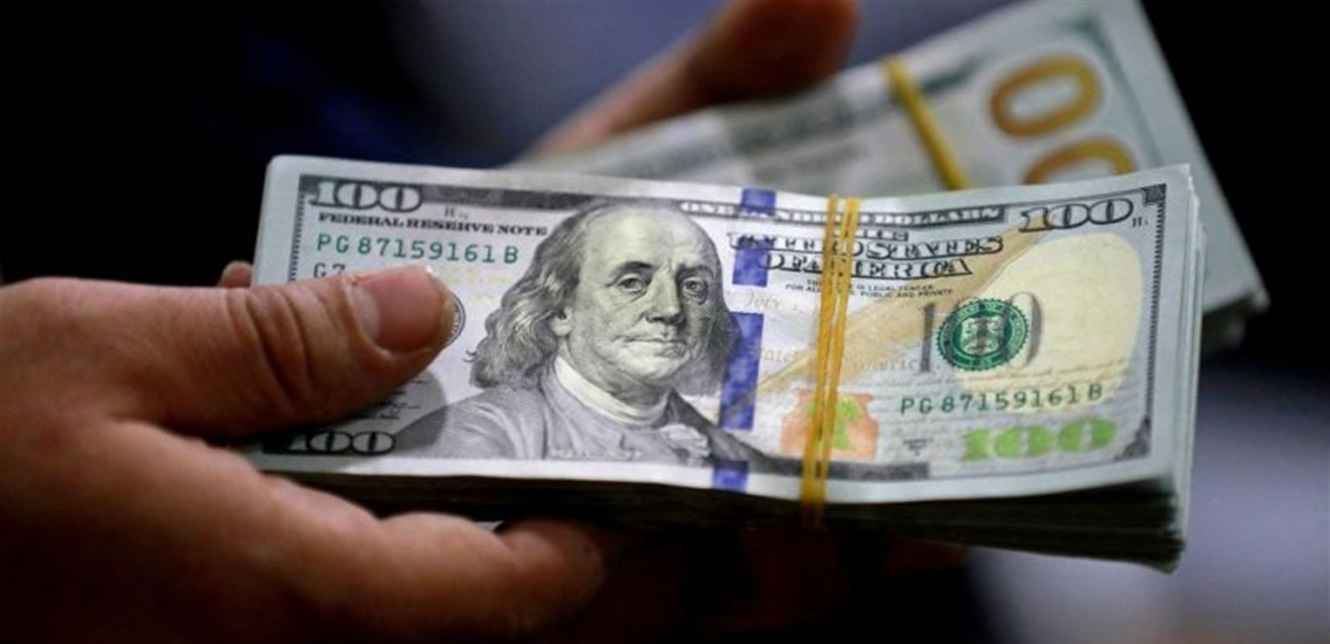
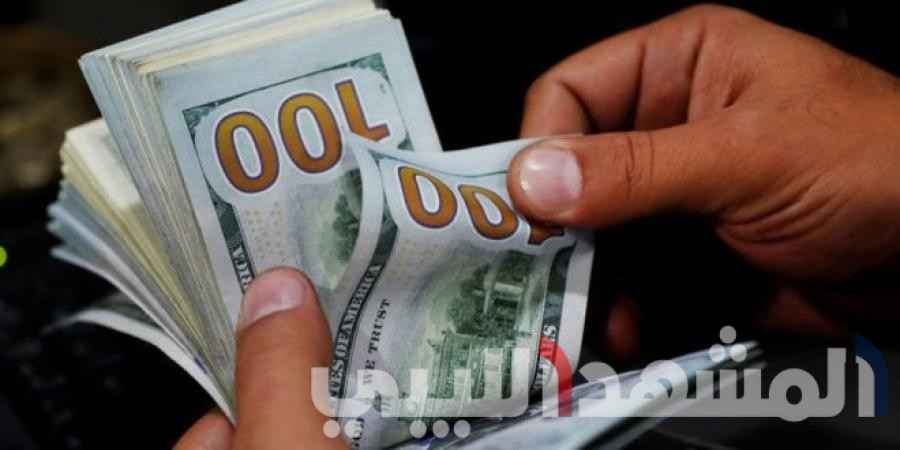
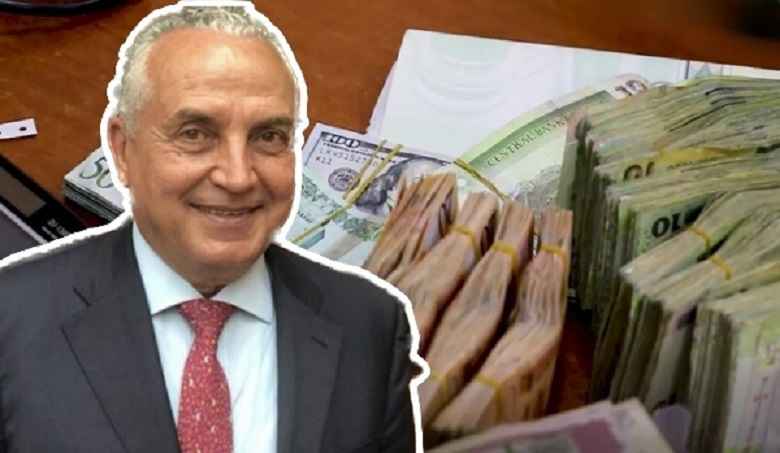
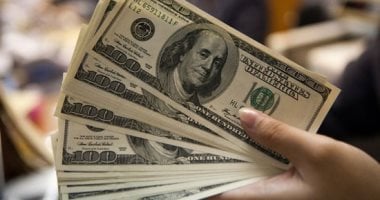
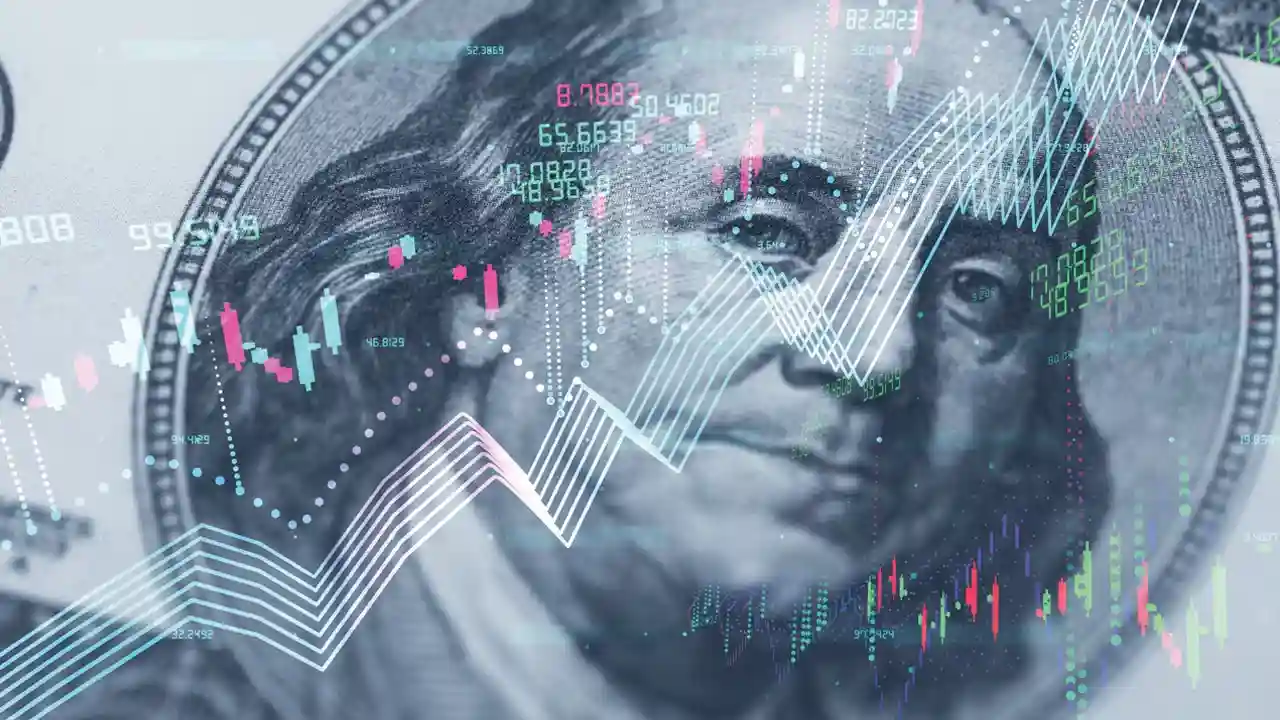
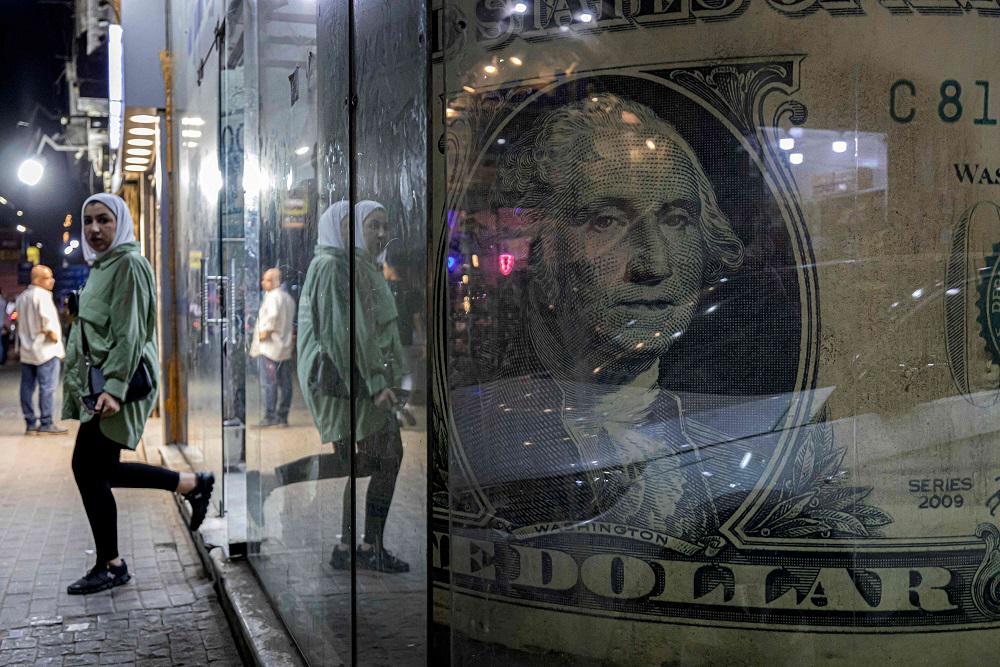
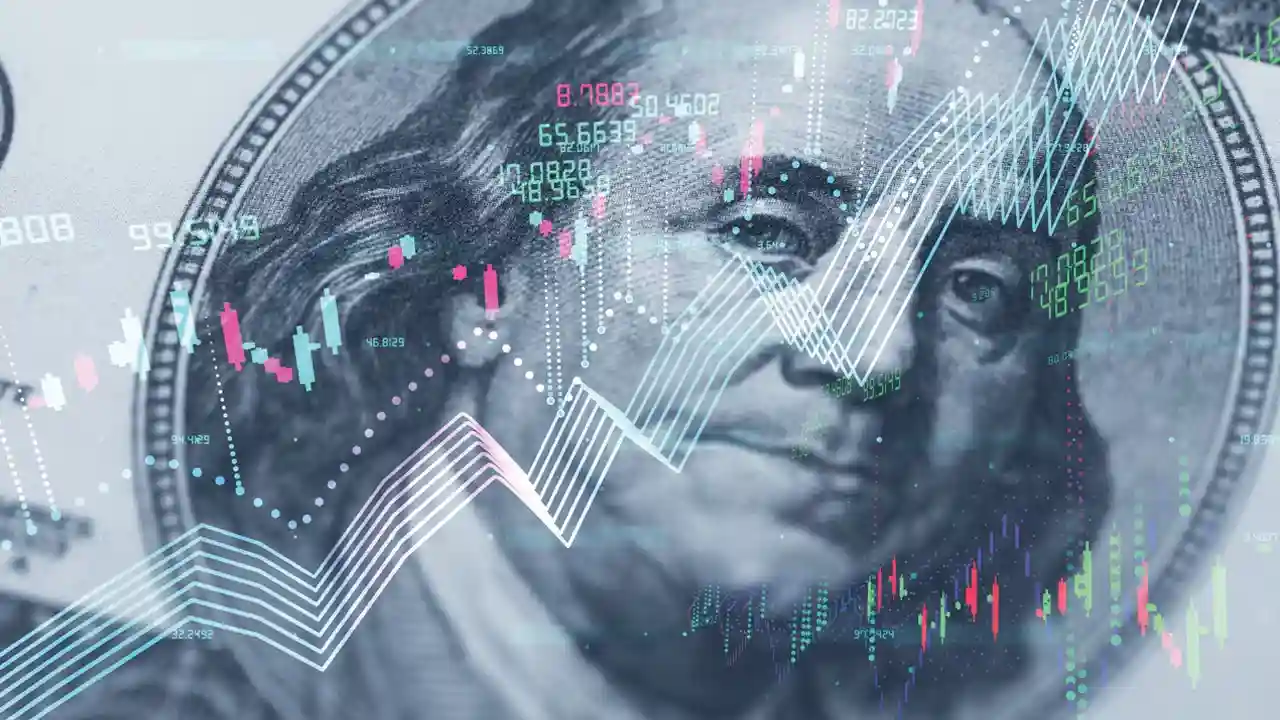
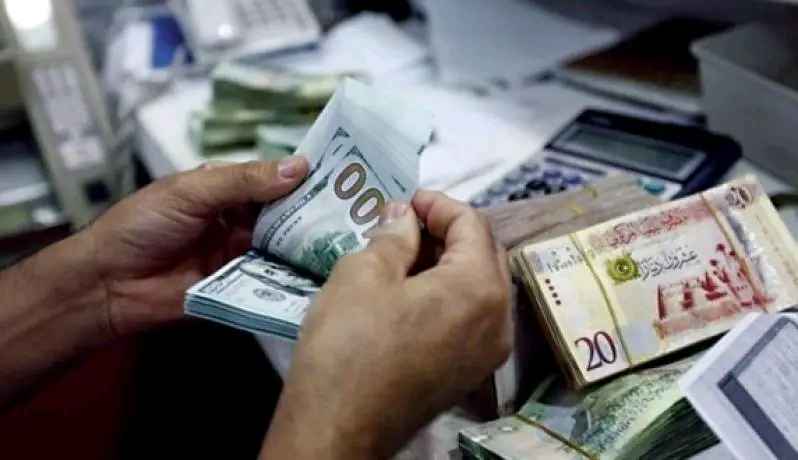
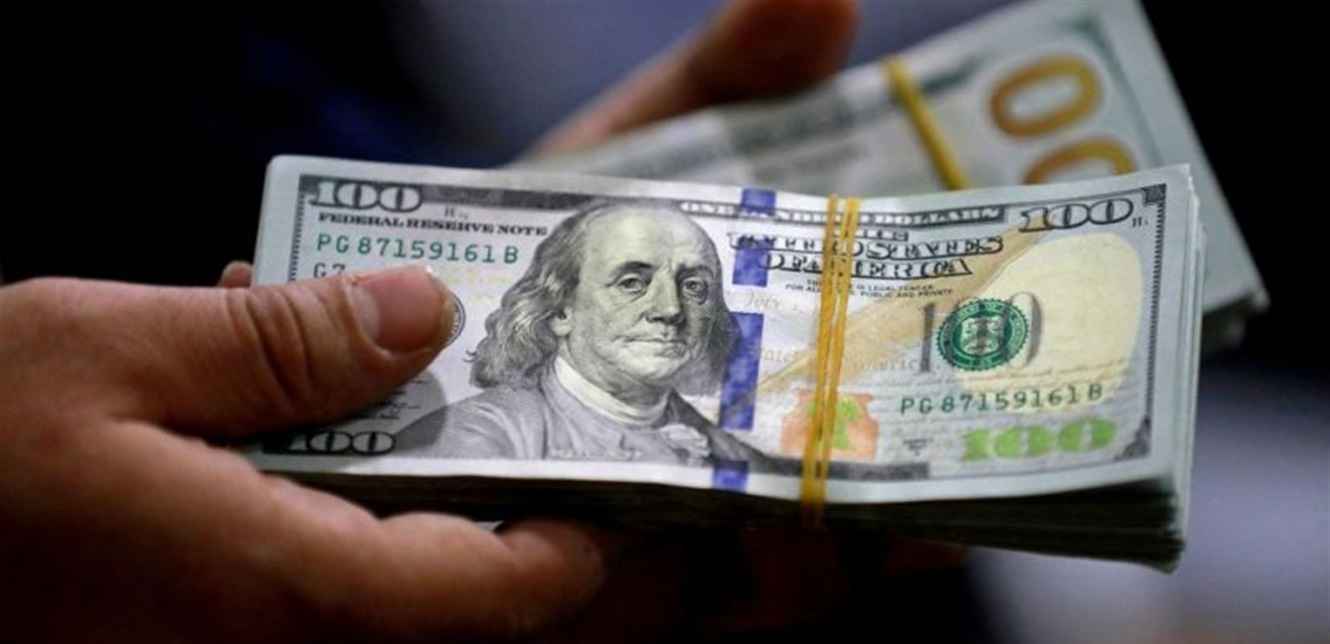
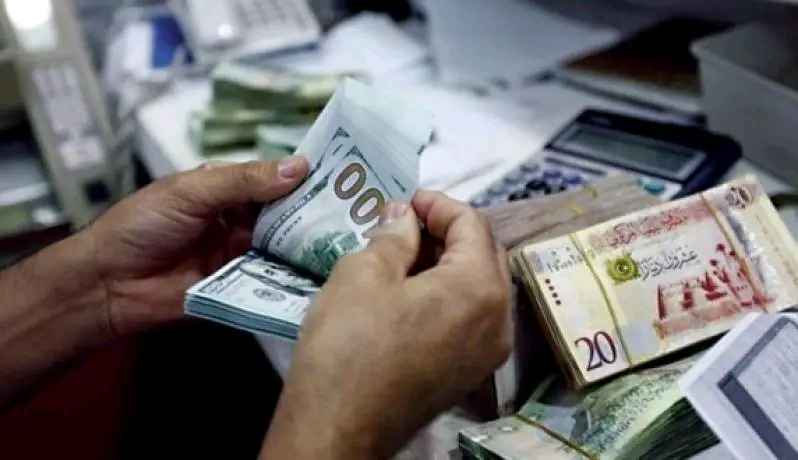
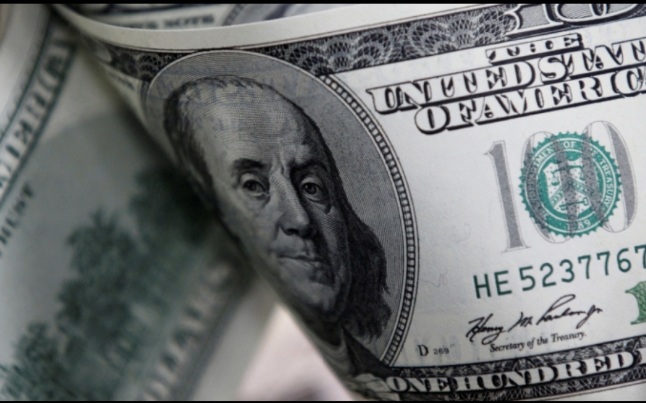
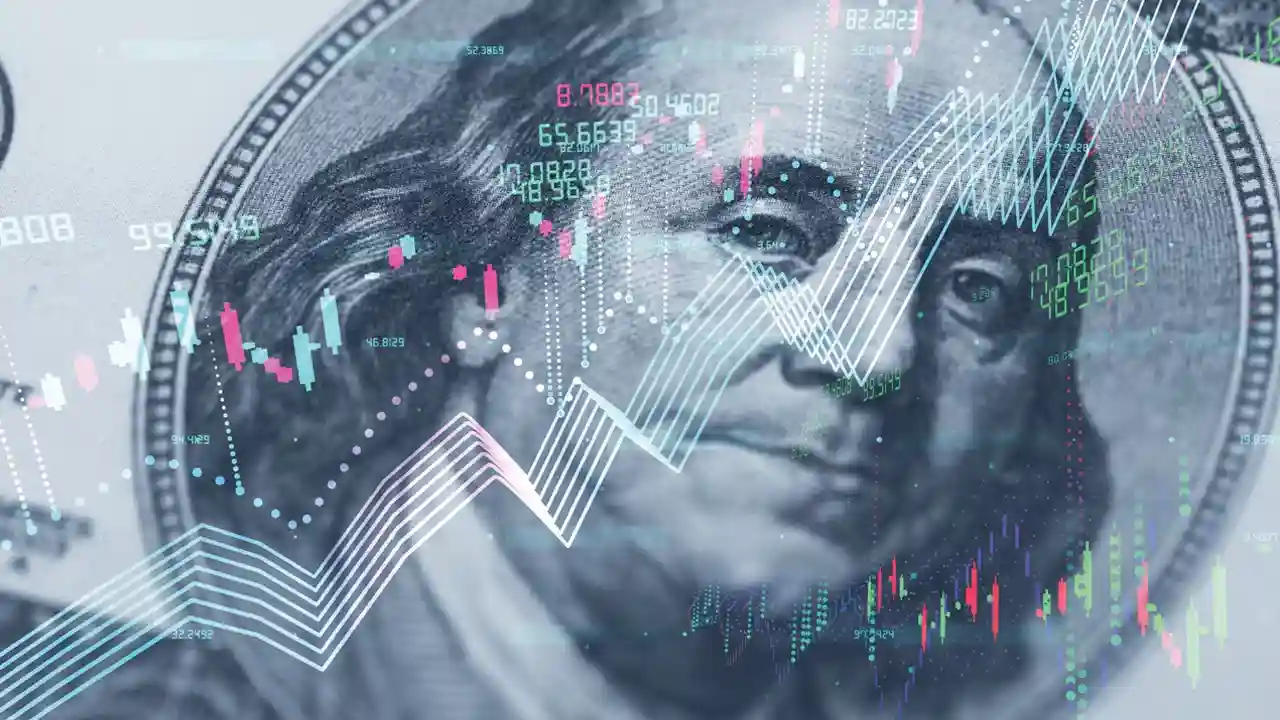
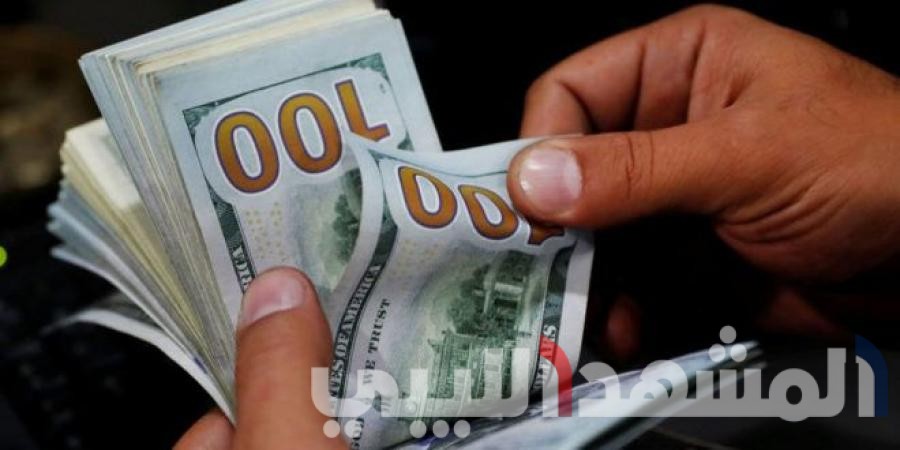
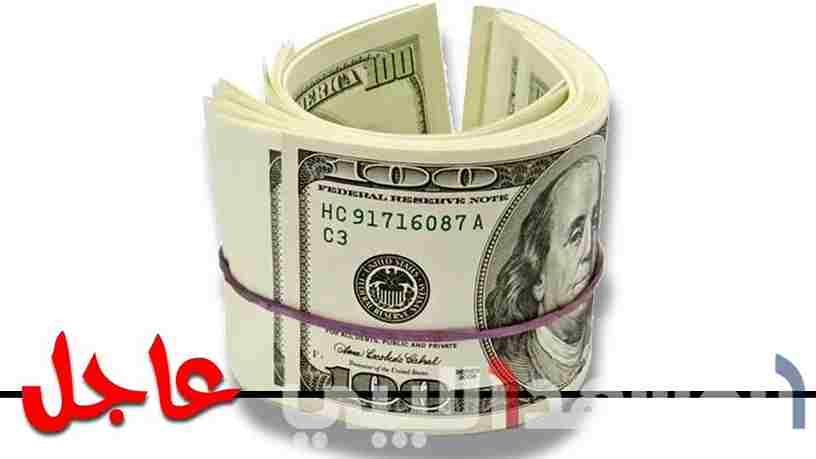
The US dollar is heading towards its worst annual performance since 2003, amid investor expectations of an interest rate cut next year.
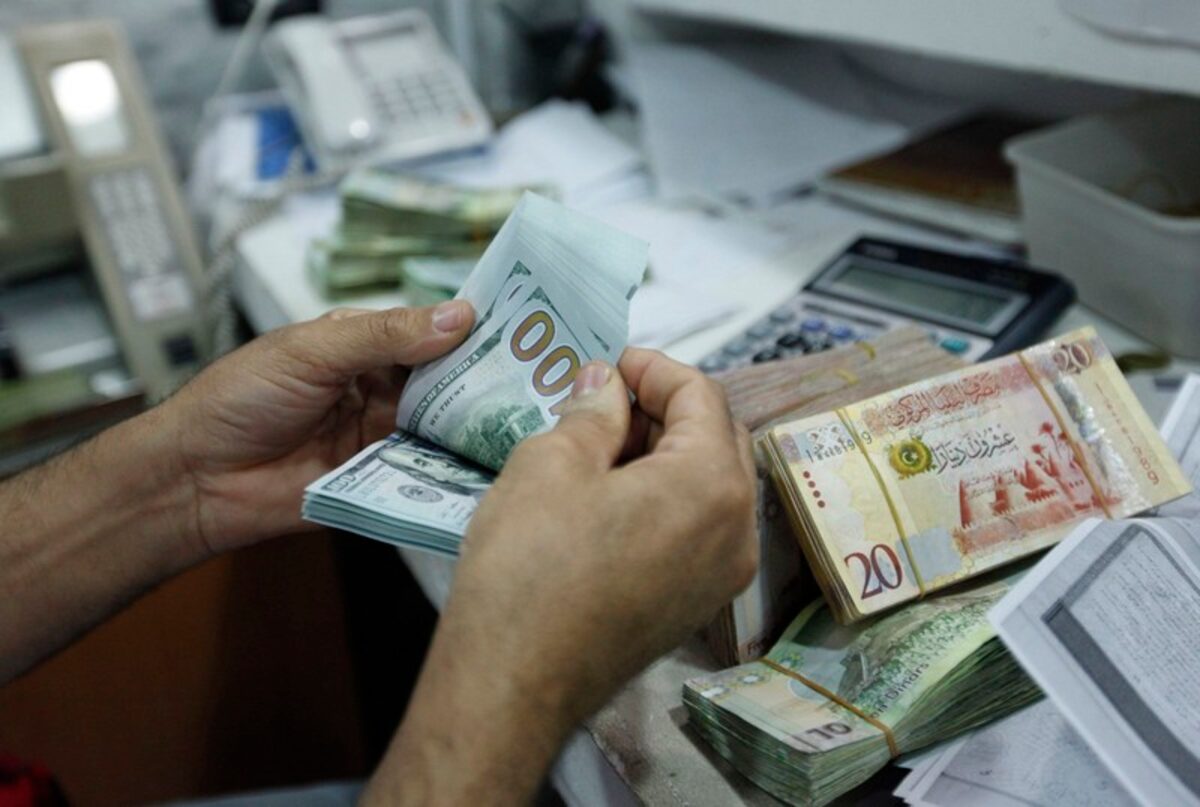
Trading data reveals that the dollar has lost about 11% of its value against major currencies since the beginning of this year. Economic and trade policies, along with sanctions, have contributed to the sharp decline in demand for the “greenback” and have accelerated its sell-off.
The dollar index fell to 97.94 points against a basket of major global currencies at yesterday’s close, down from 108.48 points at the end of last year. This represents a decline of 10.76%, the largest since 2003.
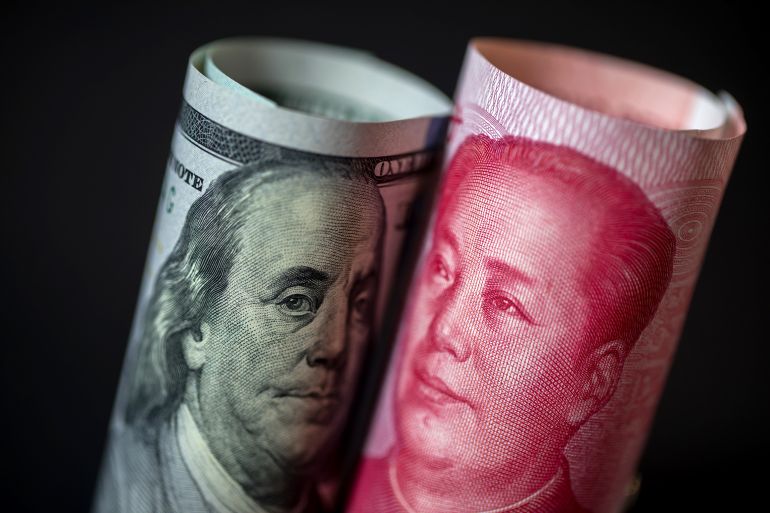
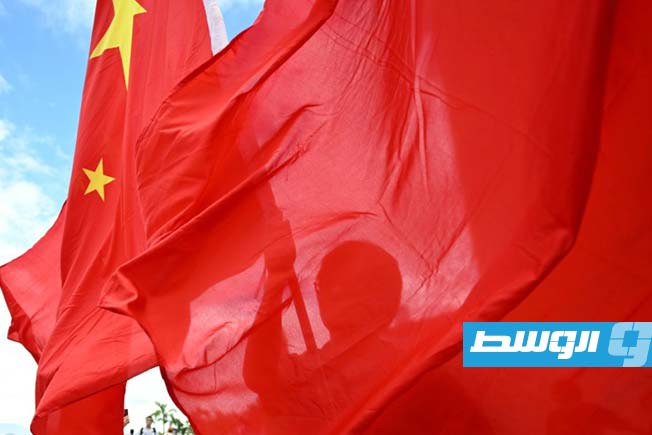
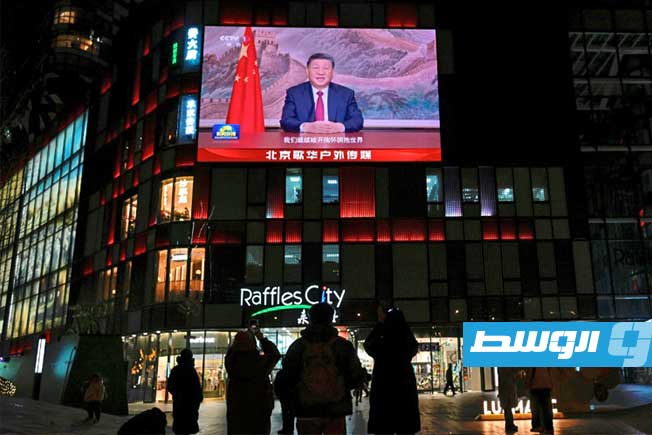
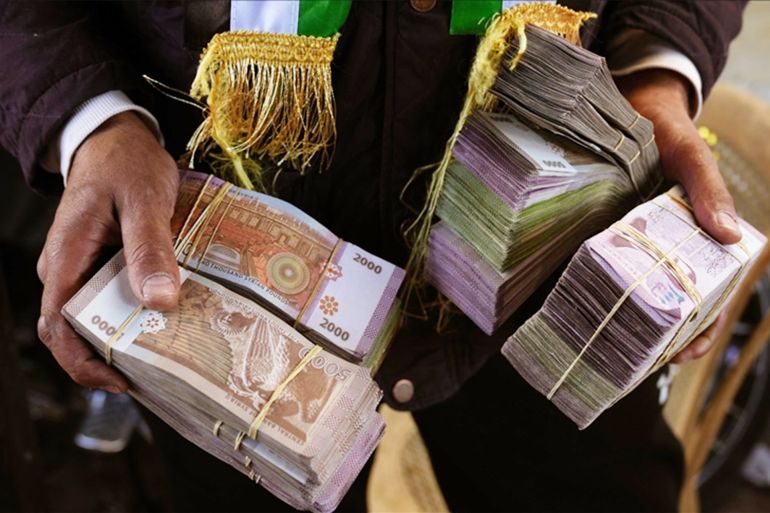
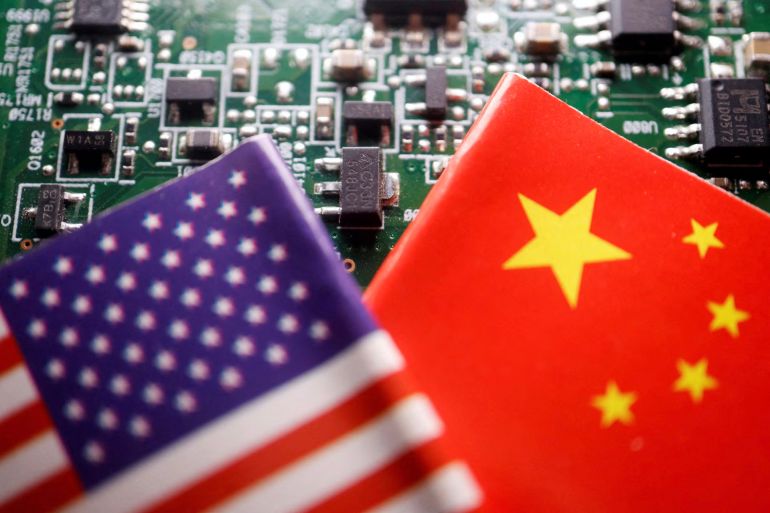
Use of the Chinese yuan is increasing at the expense of the US dollar.
Although the dollar was the dominant currency in foreign exchange reserves last year by a significant margin, it has recorded a substantial decline compared to its levels before 2000.
According to data, the dollar reigned supreme over central bank reserves with a share of nearly 70% at the start of the millennium. However, this share has fallen to just 56.92% in the third quarter of this year, its lowest level in about 30 years.
This continuous decline since the beginning of the third millennium is attributed to several factors, including:
Increasing signs of a shift in economic power balances from West to East.
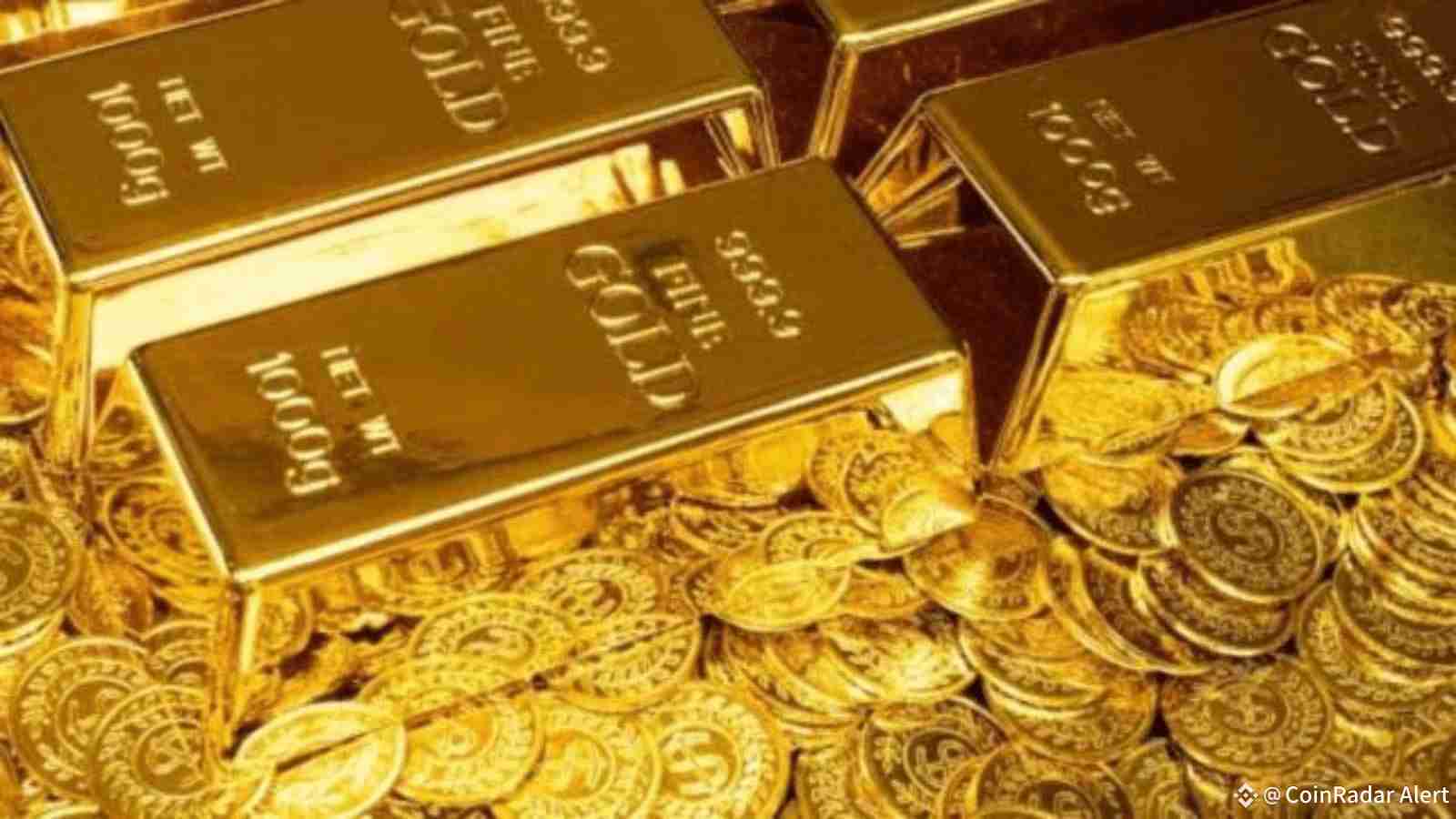
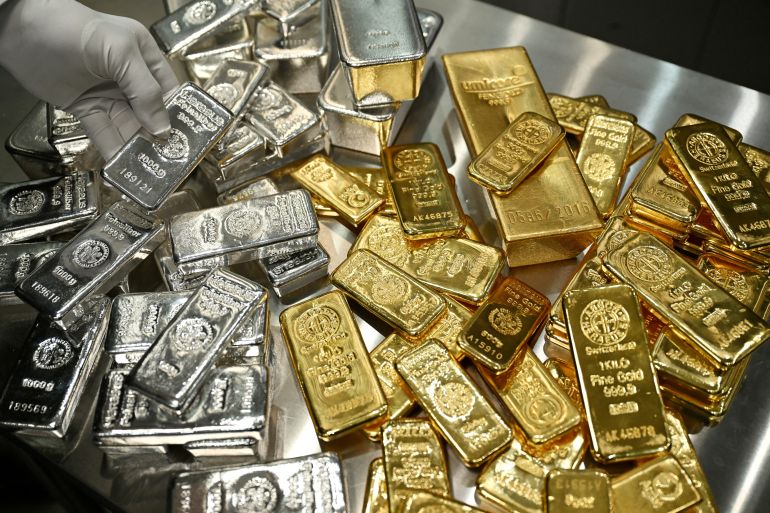
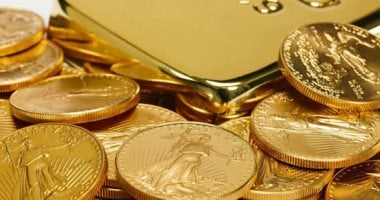
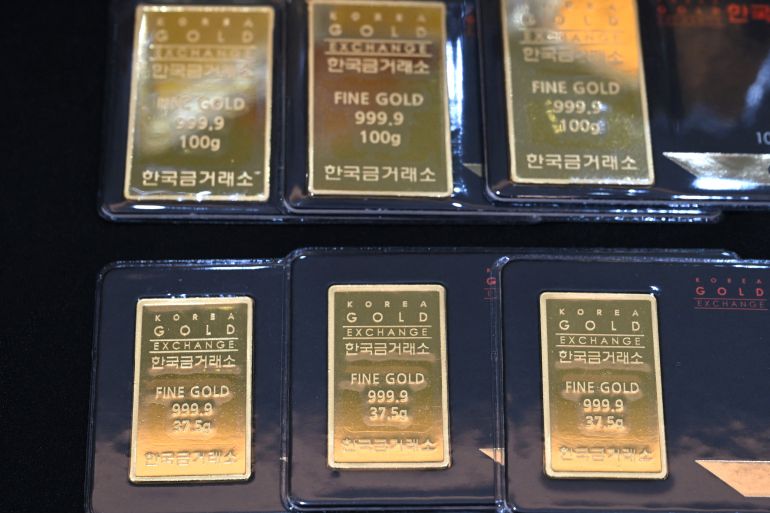
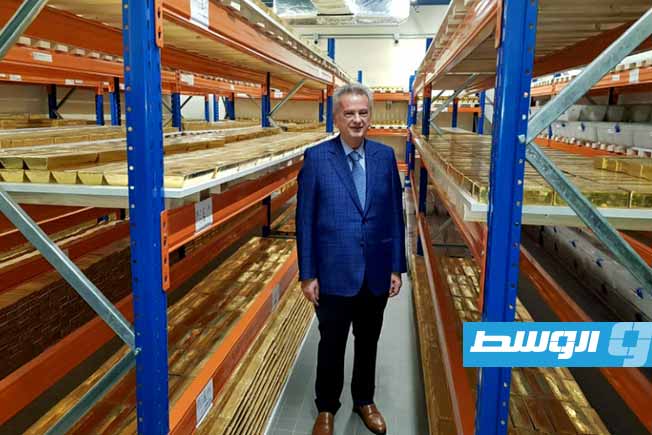
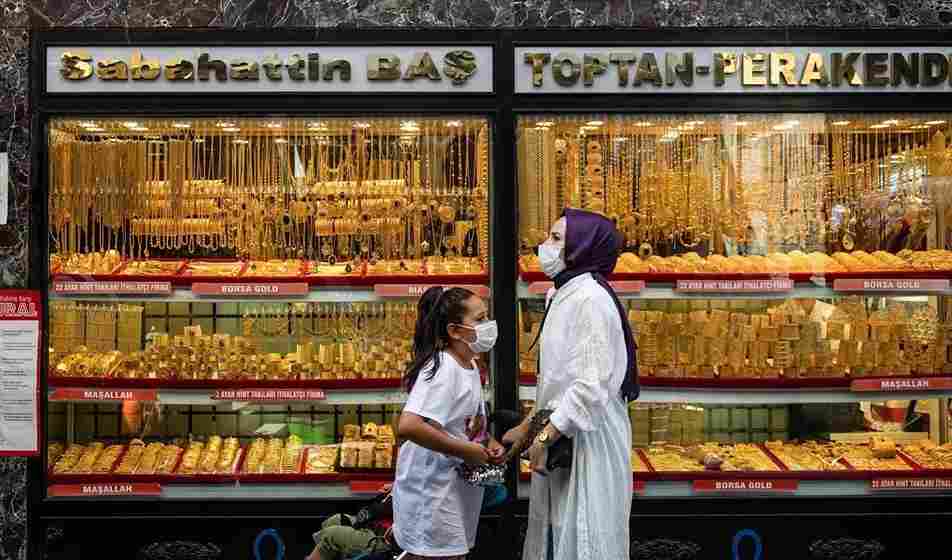
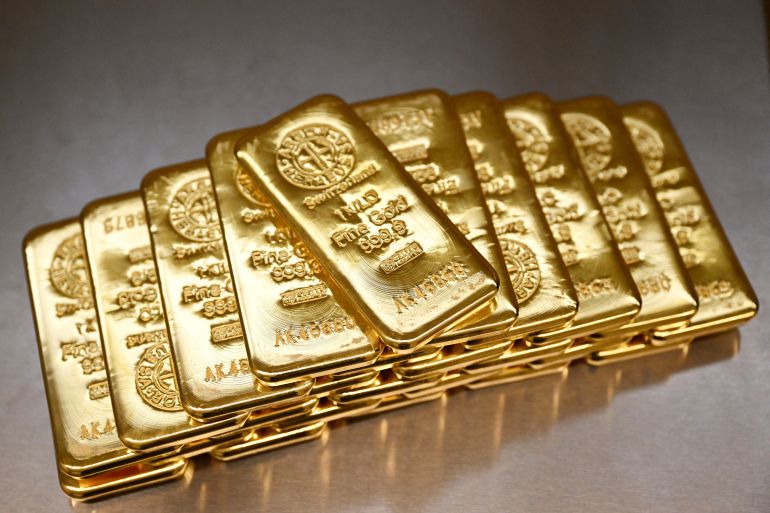
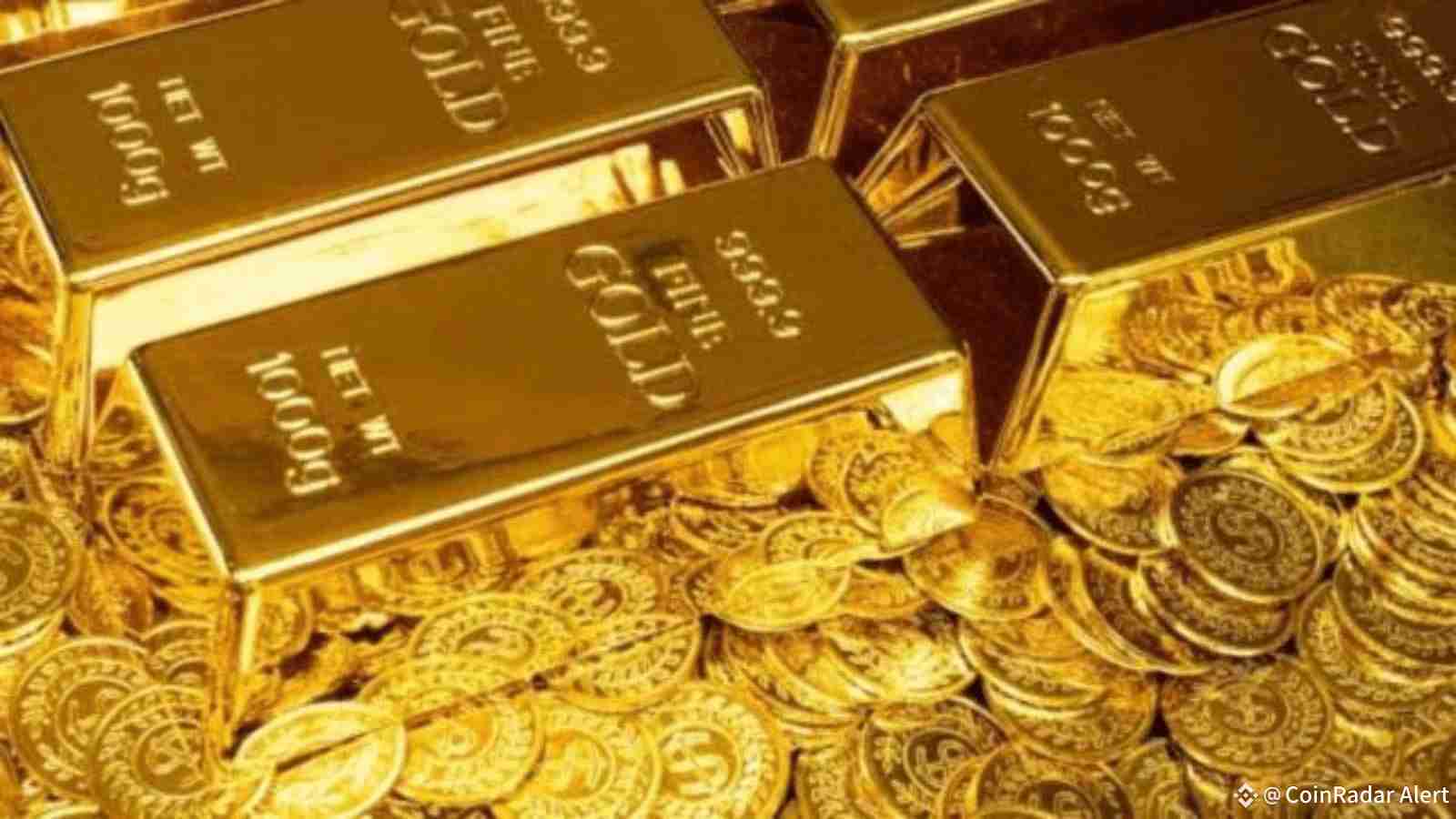
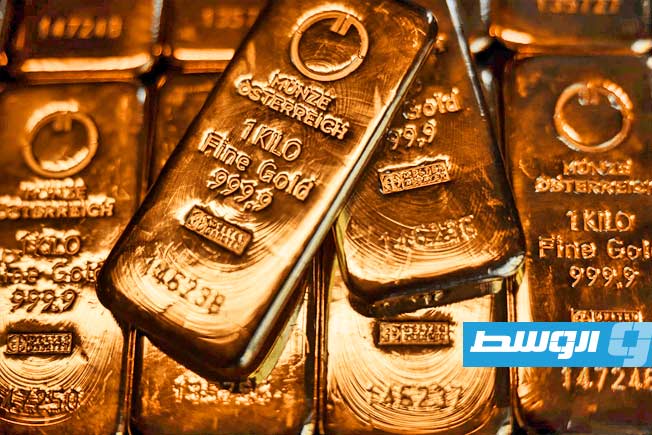
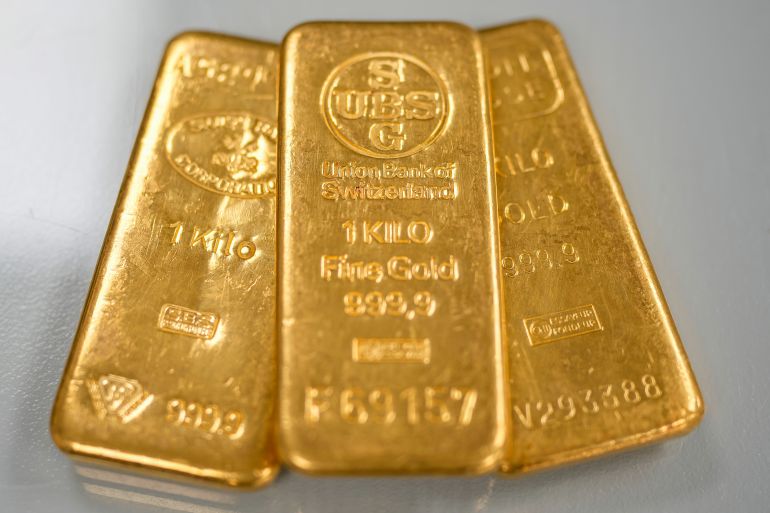
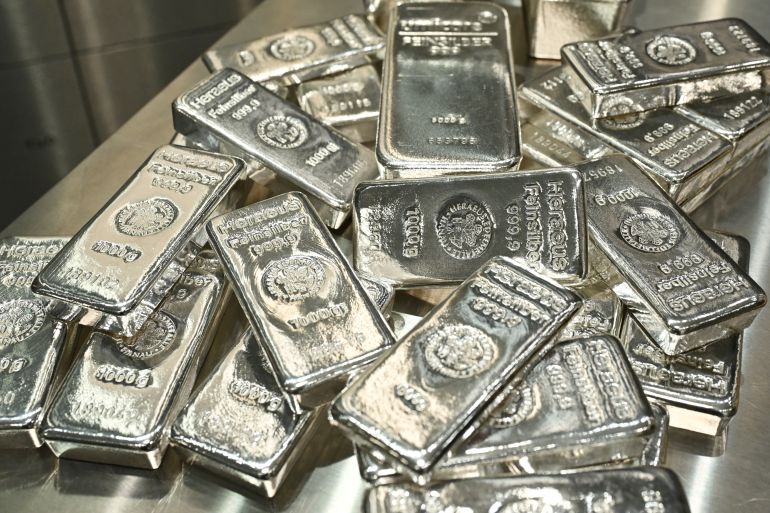
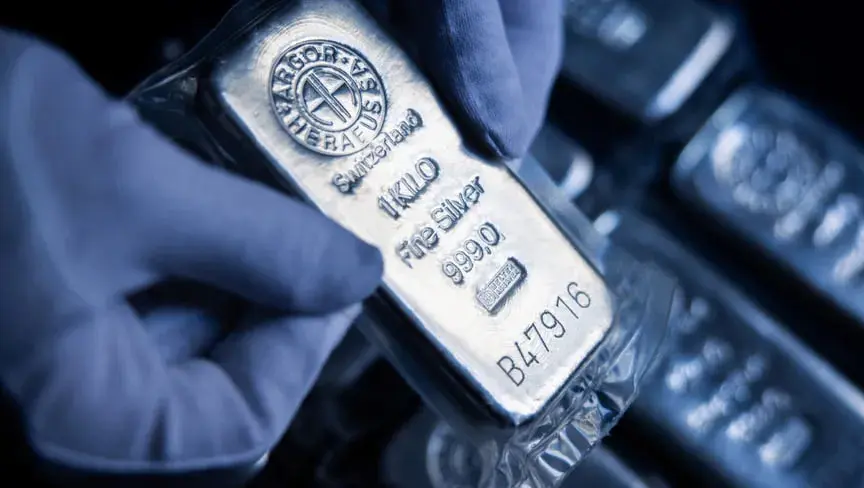
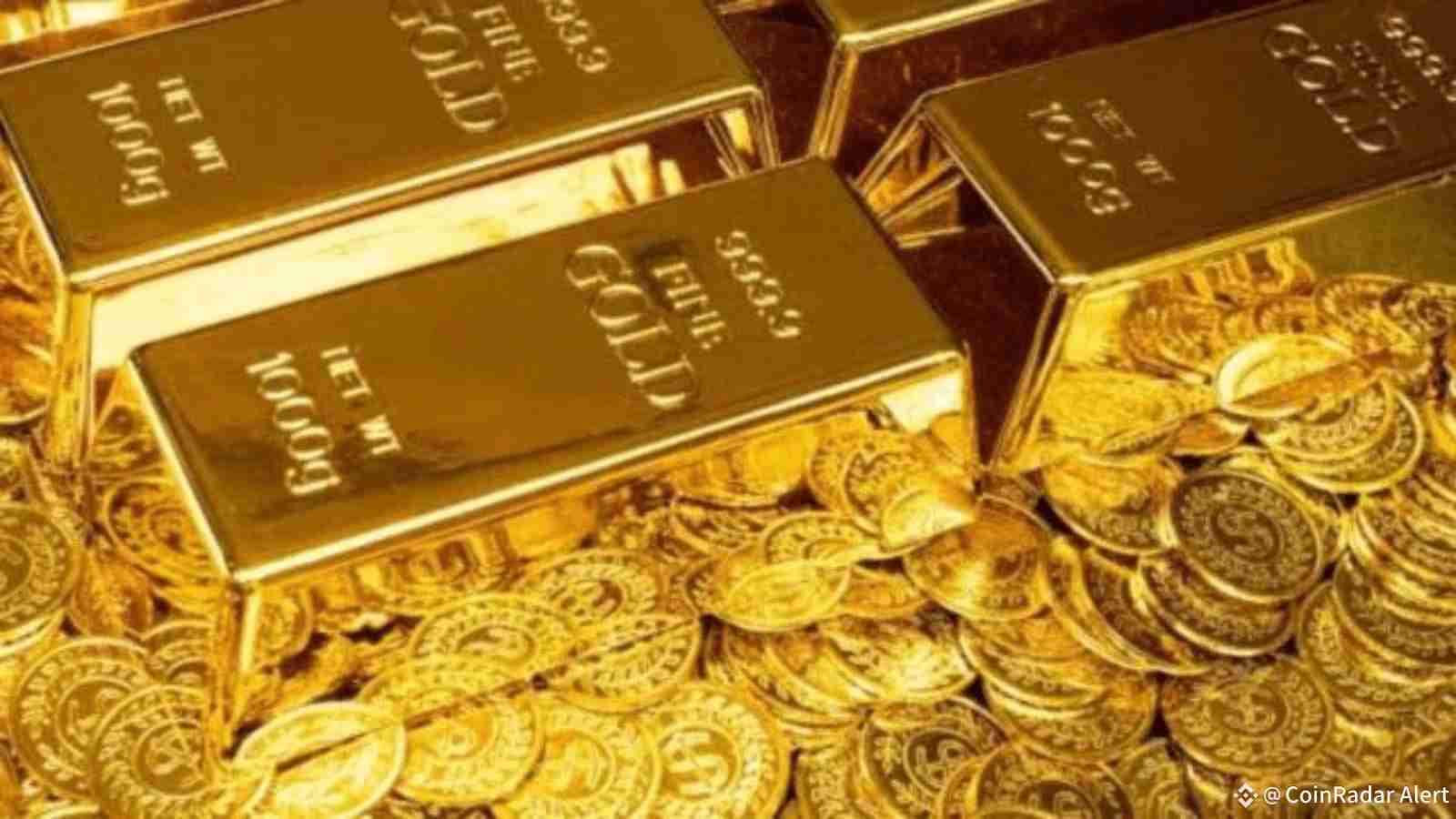
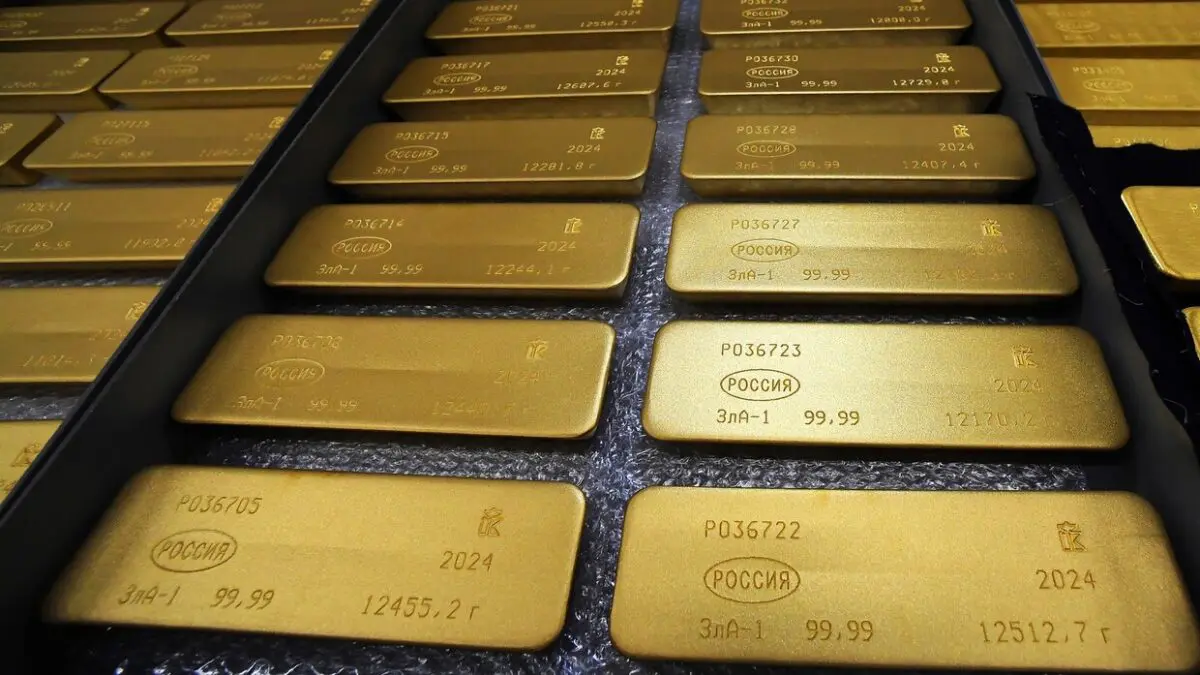
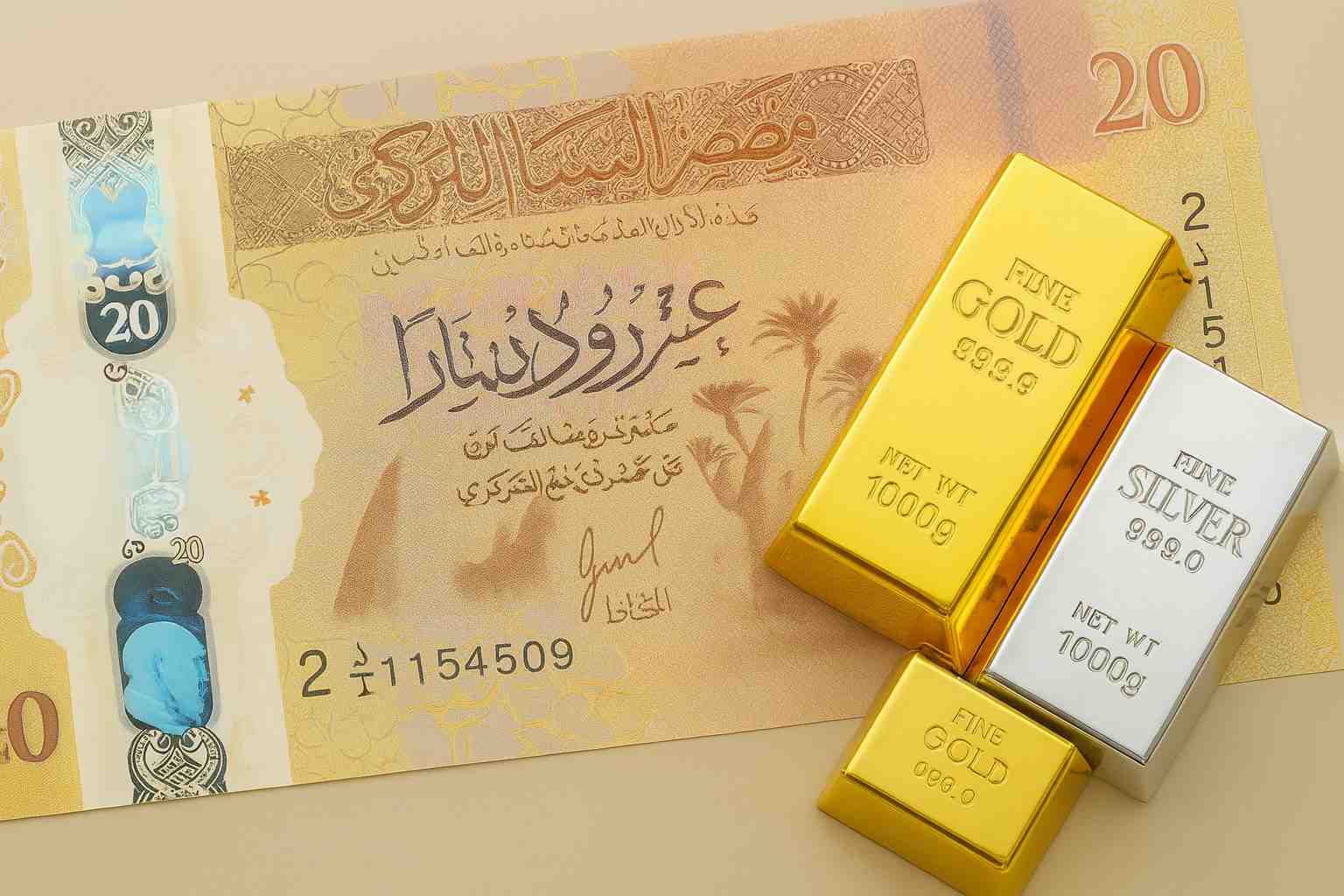
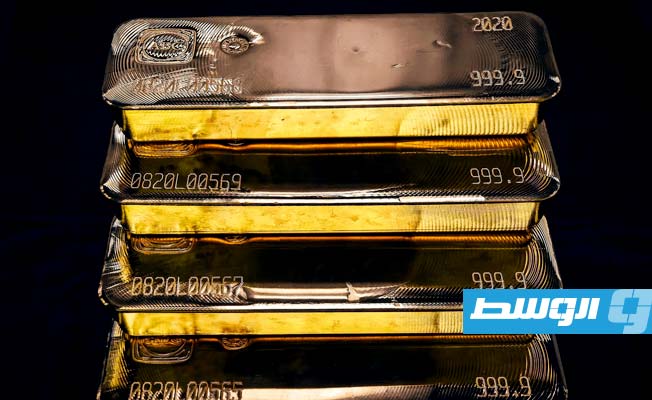
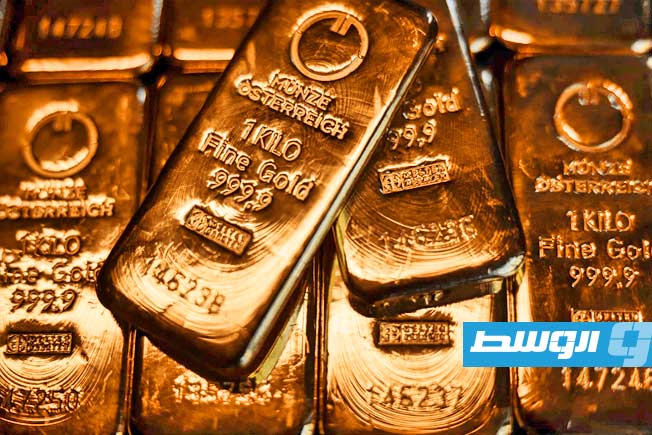
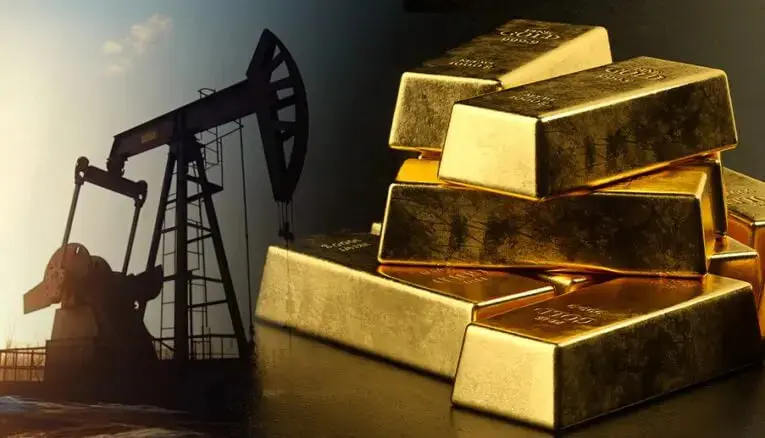
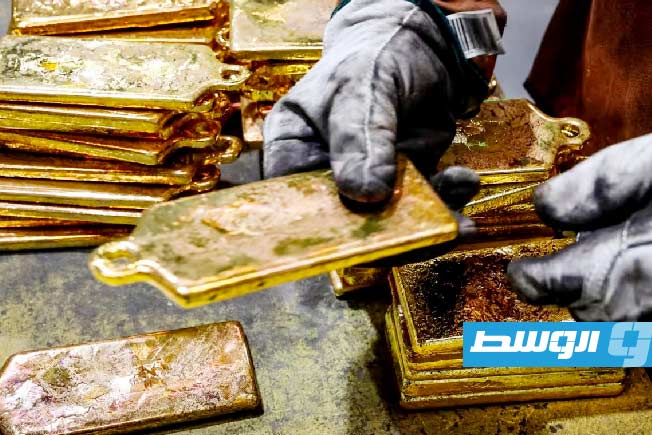
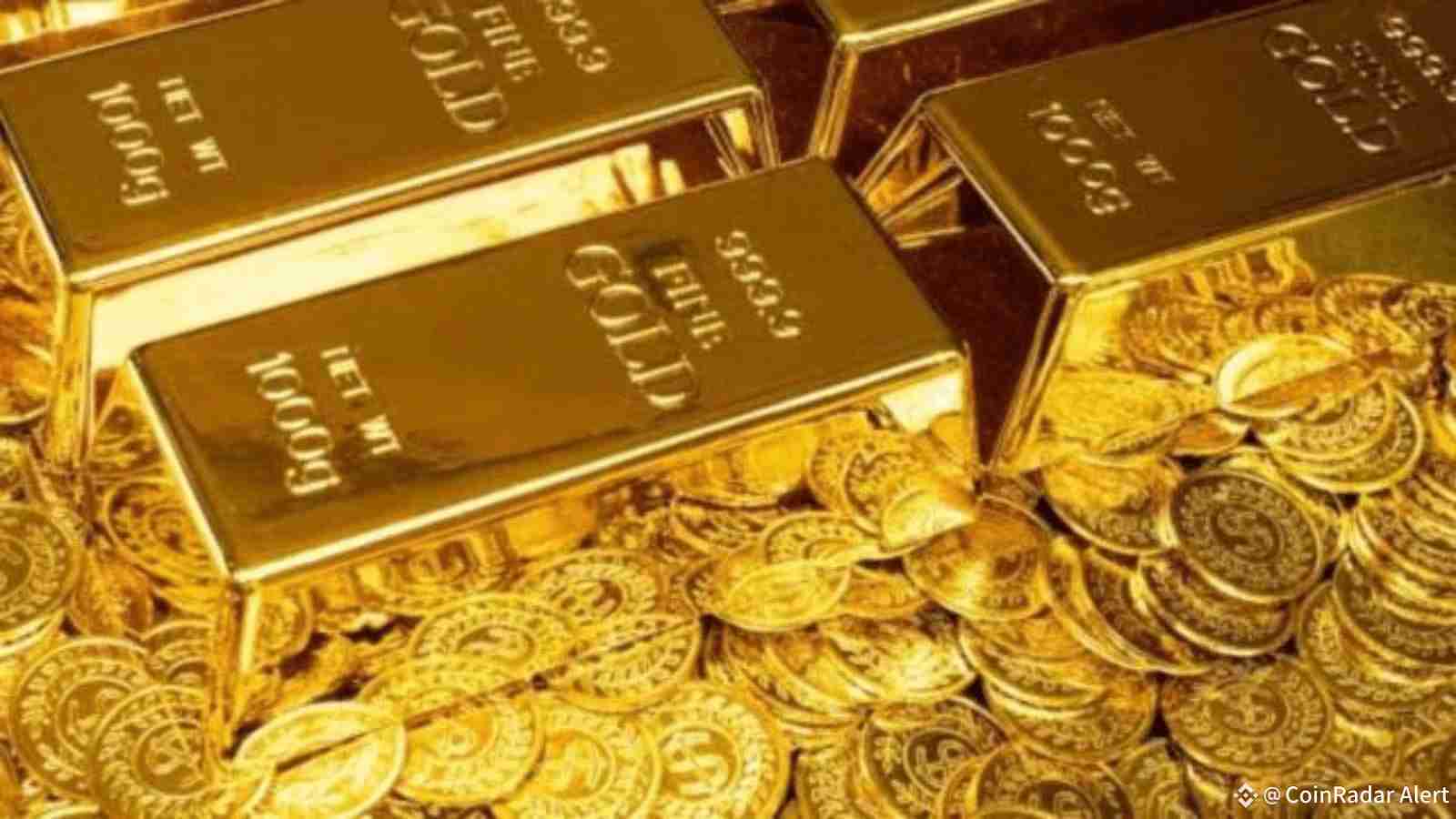
Some countries moving to bolster their gold holdings and use other currencies within their reserves.
According to the report, the dollar finds itself in a “near-vicious circle”: its declining value contributes to reducing its share of global reserves, and the decline of this share, in turn, contributes to a further drop in its value against other alternatives.
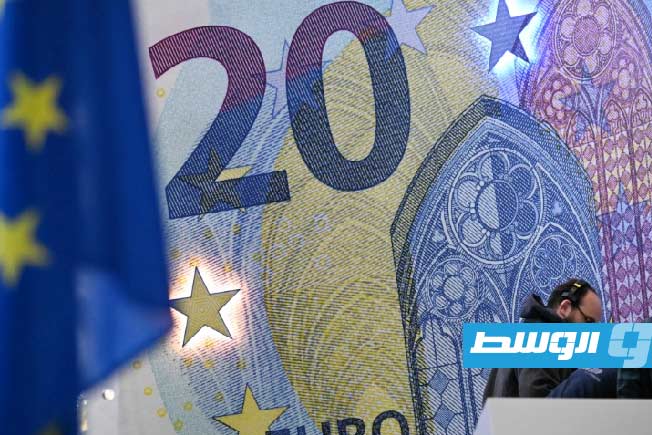
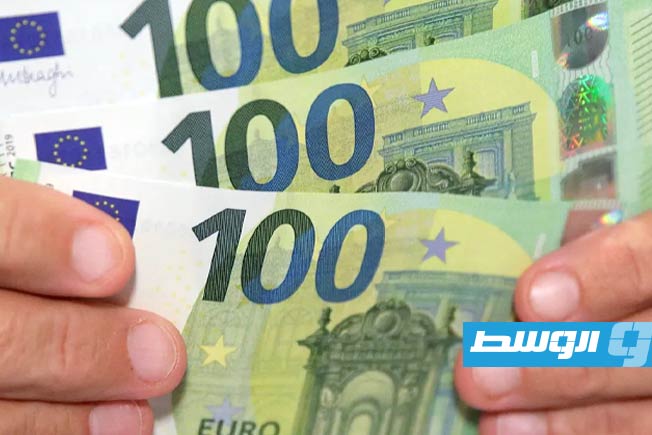
In contrast to the dollar’s declining share, countries’ holdings of the euro rose to 20.33% of their reserves in the third quarter, up from 20.24% in the second quarter.
The share of reserves held in Japanese yen increased to 5.82% in the third quarter, from 5.65% in the second quarter, according to International Monetary Fund data.
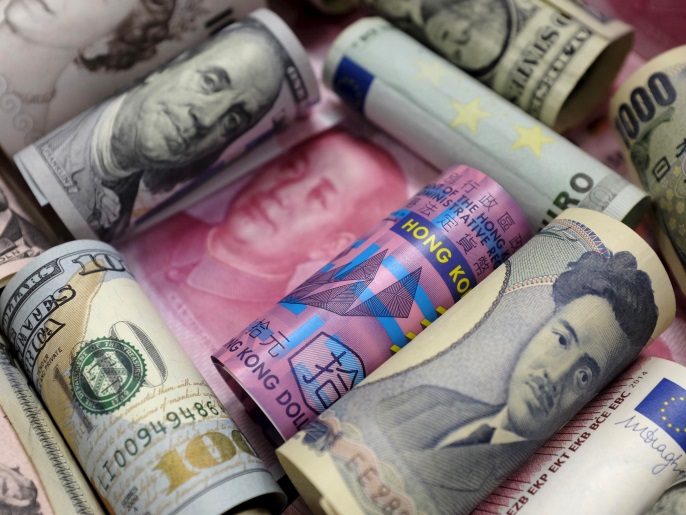
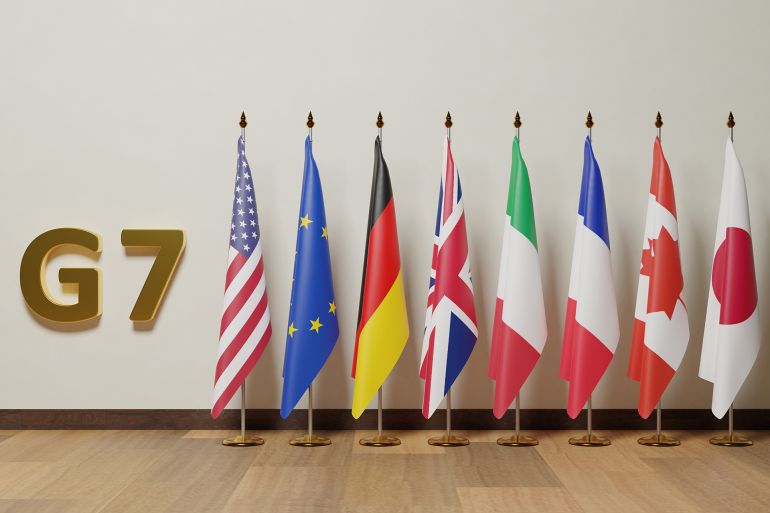
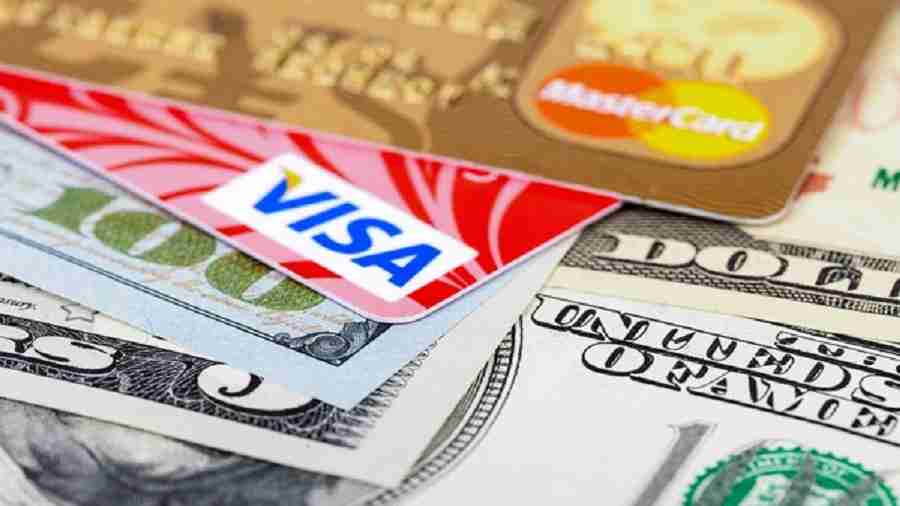
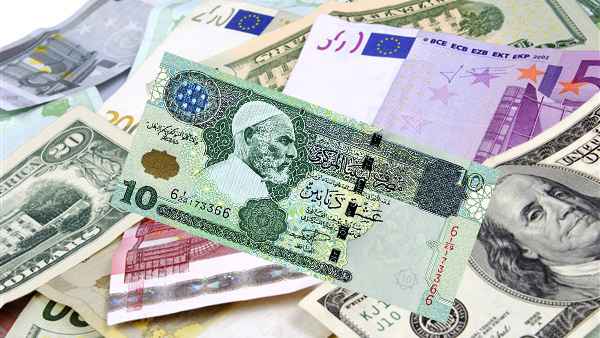
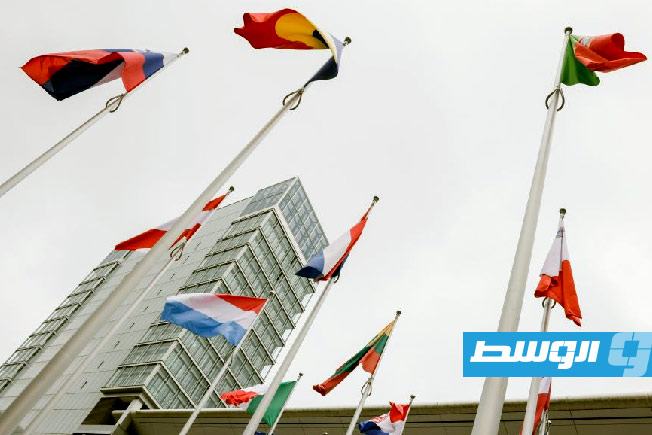
The dollar alongside other major global currencies.
According to the report, the dollar now faces two main challenges:
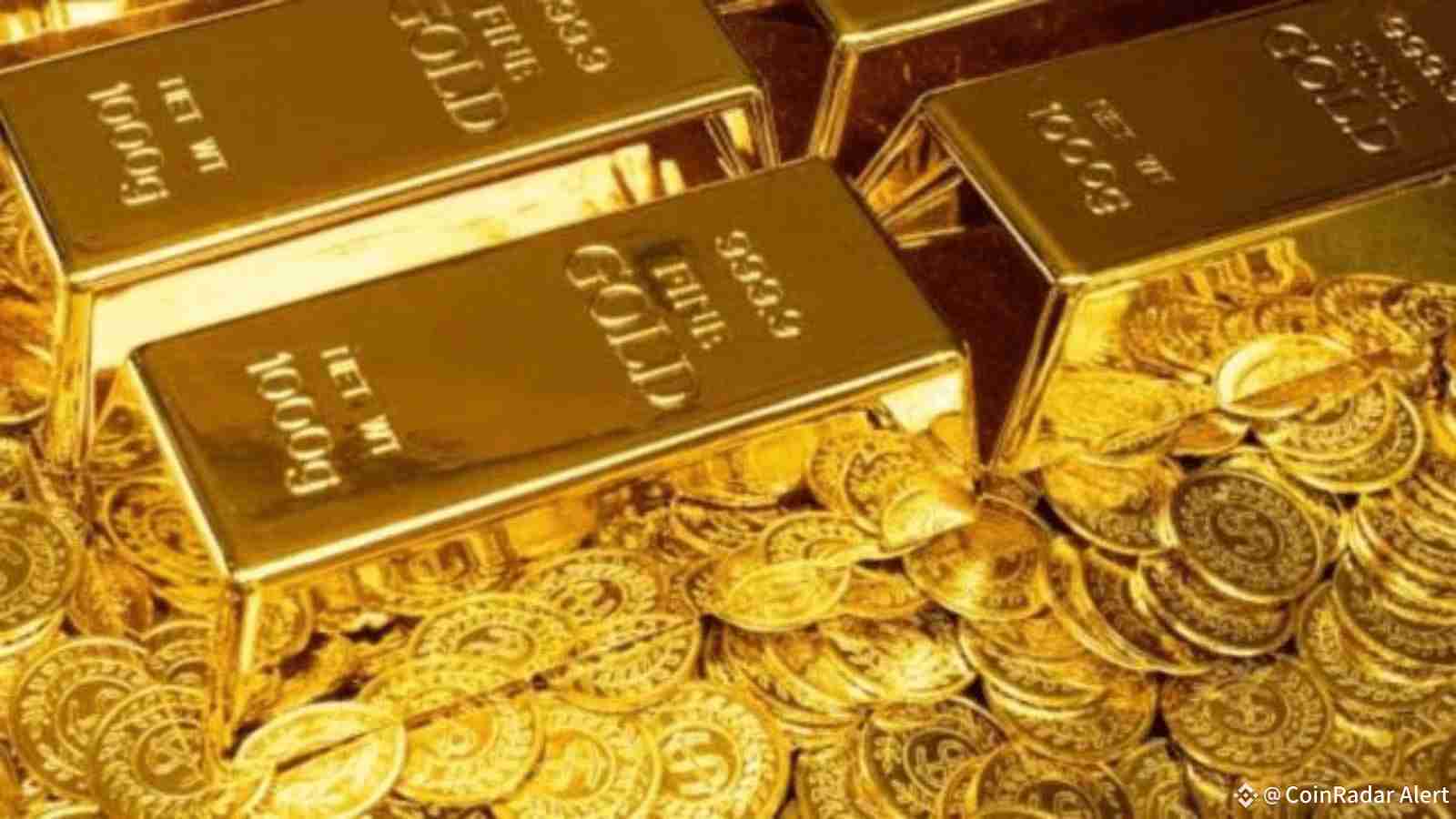
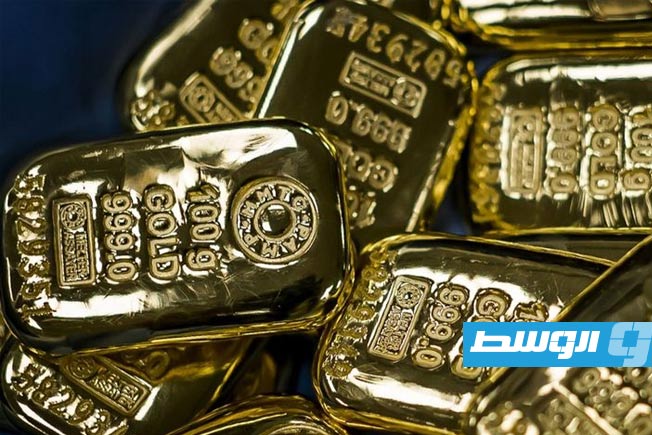
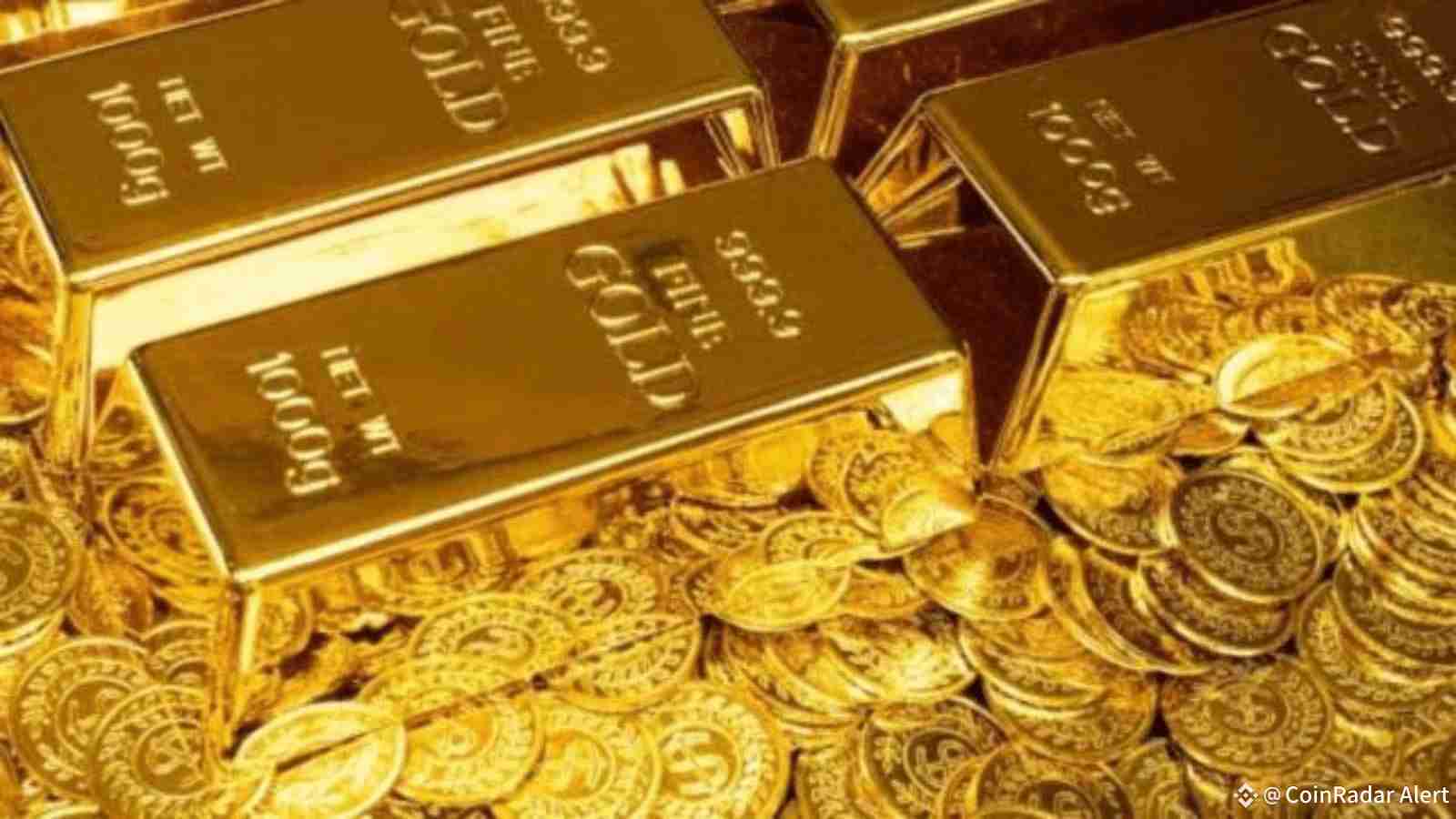
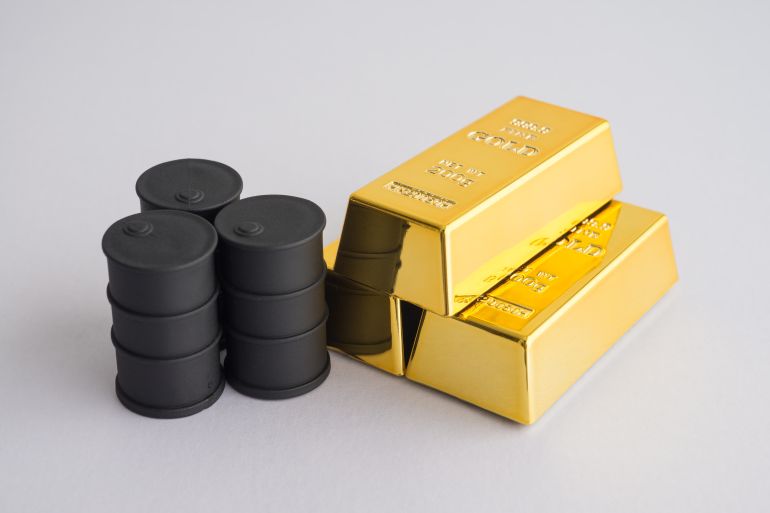
Its decline in value against foreign currencies and safer assets like precious metals (gold).
The weakening and shrinking of the space it once occupied in central bank vaults globally.
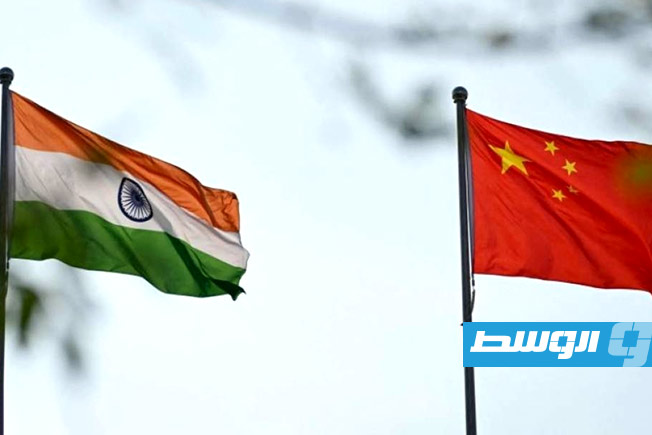
This situation creates room for other currencies to expand, chief among them the Chinese yuan, which is gradually taking up more space, although the gap between it and the dollar in the international monetary balance remains vast.
US dollar
The US dollar is the official currency of the United States, established by the Coinage Act of 1792. It evolved from a system based on Spanish milled dollars and has become the world’s primary reserve currency since the 1944 Bretton Woods Agreement.
Mecca
Mecca is the holiest city in Islam, located in Saudi Arabia, and is the birthplace of the Prophet Muhammad. It is the site of the Kaaba, the most sacred shrine in Islam, which Muslims believe was built by Abraham and his son Ishmael. Every year, millions of Muslims perform the Hajj pilgrimage to Mecca, a mandatory religious duty that has been practiced for over fourteen centuries.
Chinese yuan
The Chinese yuan is the official currency of the People’s Republic of China, with its modern incarnation managed by the People’s Bank of China. Its history dates back to ancient times, with the term “yuan” meaning “round object” and originally referring to the silver coins used during the Qing Dynasty.
Euro
The Euro is the official currency of the Eurozone, which consists of 20 of the 27 member states of the European Union. It was introduced in non-physical form in 1999 and as physical banknotes and coins in 2002, marking a major step in European economic integration following the Maastricht Treaty.
Japanese yen
The Japanese yen is the official currency of Japan, introduced by the Meiji government in 1871 as part of the modernization of the country’s monetary system. It replaced the complex feudal system of currency and helped stabilize Japan’s economy during its rapid industrialization.
Hong Kong dollar
The Hong Kong dollar is the official currency of the Hong Kong Special Administrative Region, first issued in 1863 under British colonial rule. It is currently issued by three commercial banks under the authority of the Hong Kong Monetary Authority and has been pegged to the US dollar since 1983 to ensure stability.
British pound
The British pound sterling is the official currency of the United Kingdom and is the world’s oldest currency still in use, with origins tracing back over 1,200 years. Its name derives from the Latin “poundus,” meaning weight, and it was historically equivalent to one pound of silver.
Beijing
Beijing is the capital of China, with a history spanning over three millennia as a significant political and cultural center. It served as the seat of power for several dynasties, most notably the Ming and Qing, and is home to UNESCO World Heritage Sites like the Forbidden City and the Great Wall. Today, it stands as a vast modern metropolis that continues to be the heart of the nation’s government and culture.
China
China is one of the world’s oldest continuous civilizations, with a recorded history spanning over four millennia. It is home to numerous UNESCO World Heritage Sites, such as the Great Wall and the Forbidden City, which reflect its long imperial past and profound cultural achievements.
International Monetary Fund
The International Monetary Fund (IMF) is an international financial institution established in 1944 at the Bretton Woods Conference to promote global monetary cooperation and financial stability. Its primary functions include providing policy advice and financial assistance to member countries facing balance of payments problems, thereby aiming to facilitate international trade and sustainable economic growth.