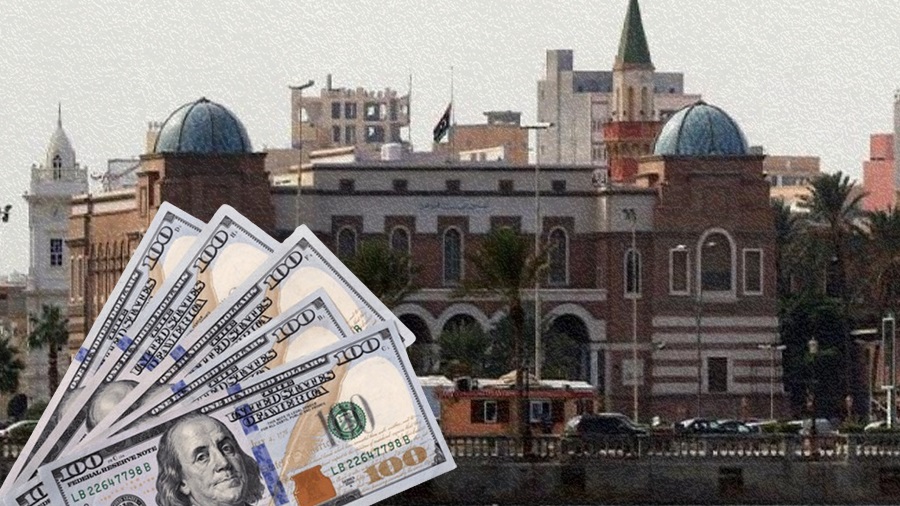
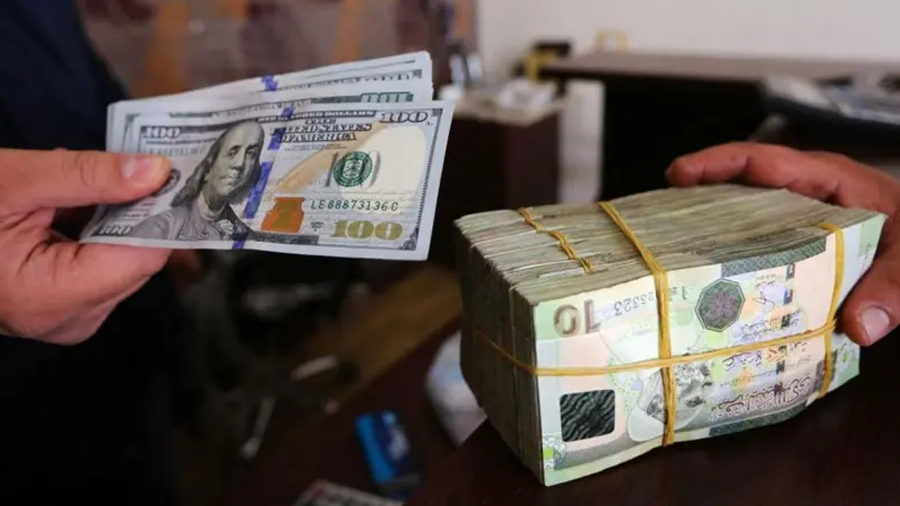
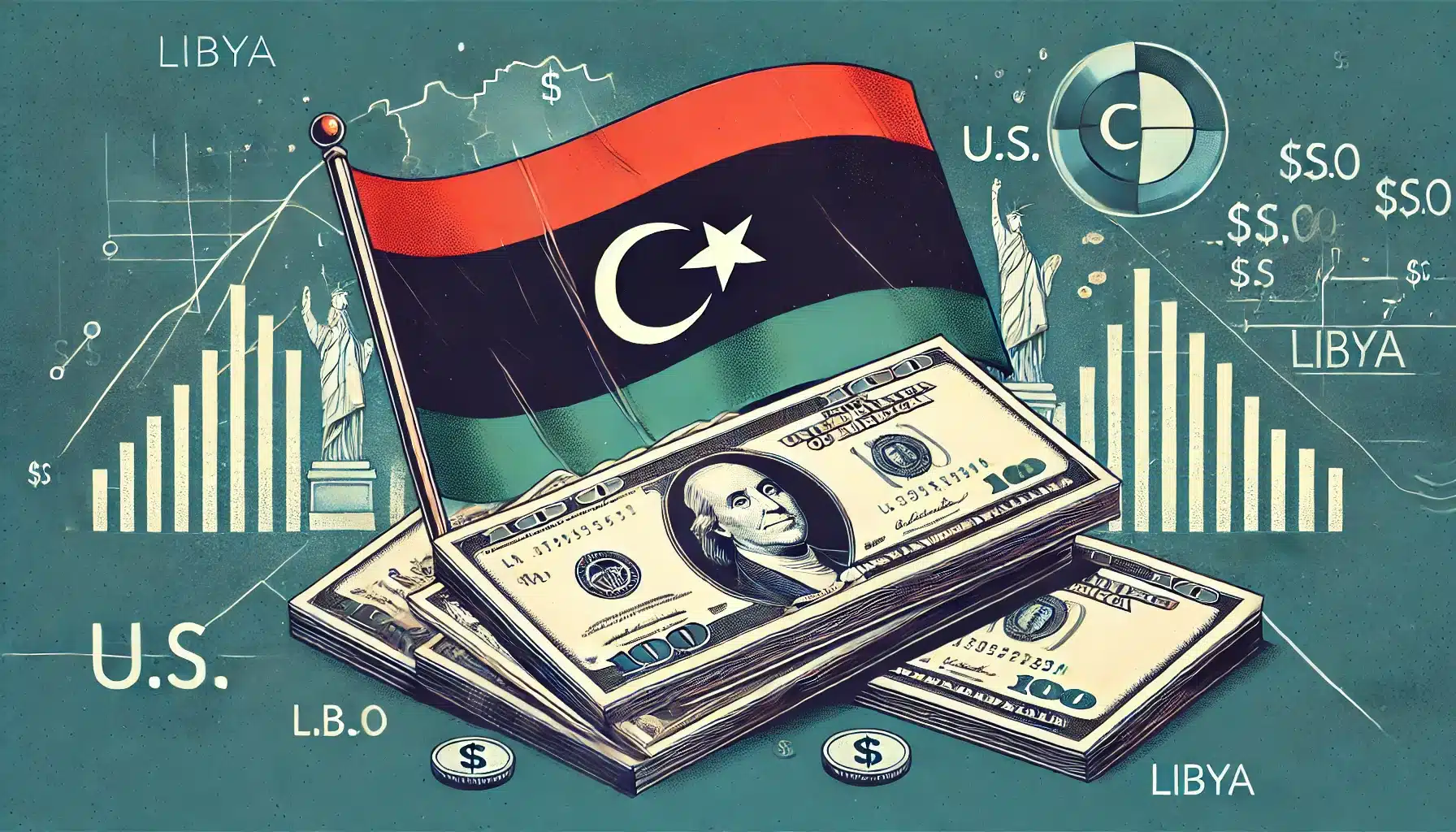
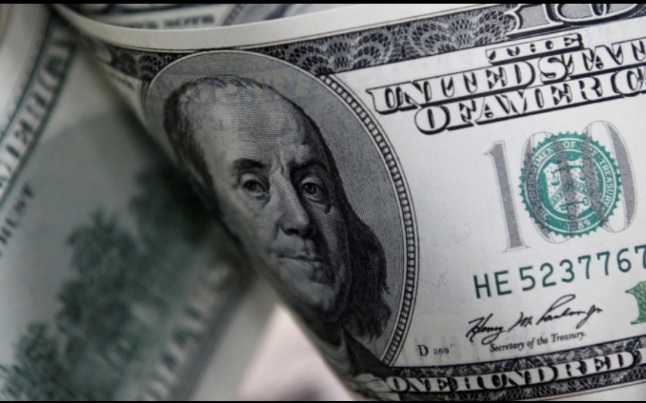
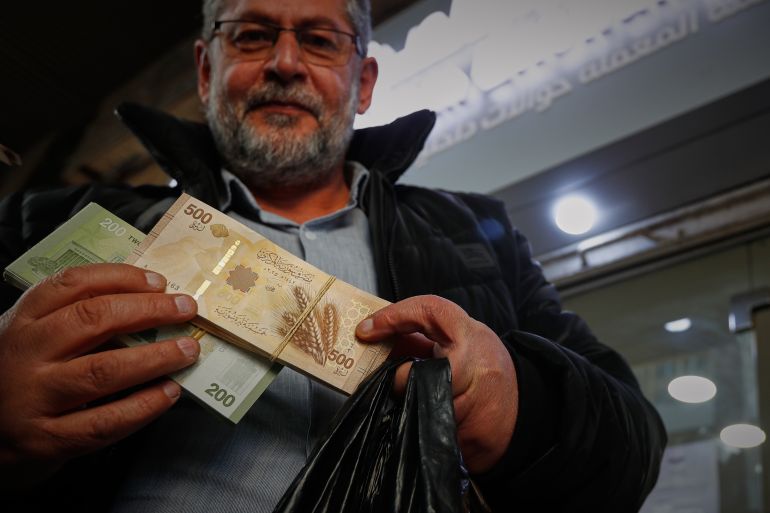
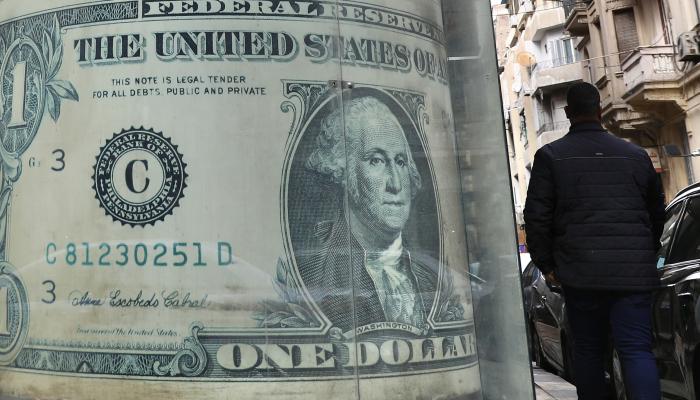
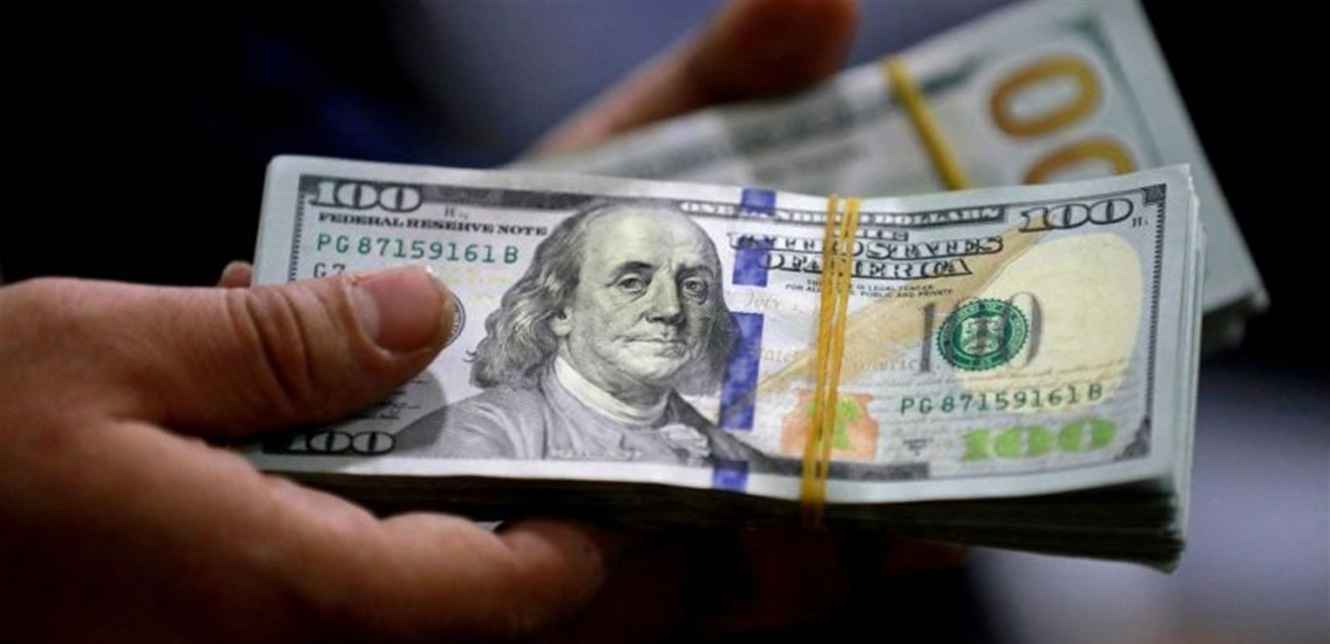
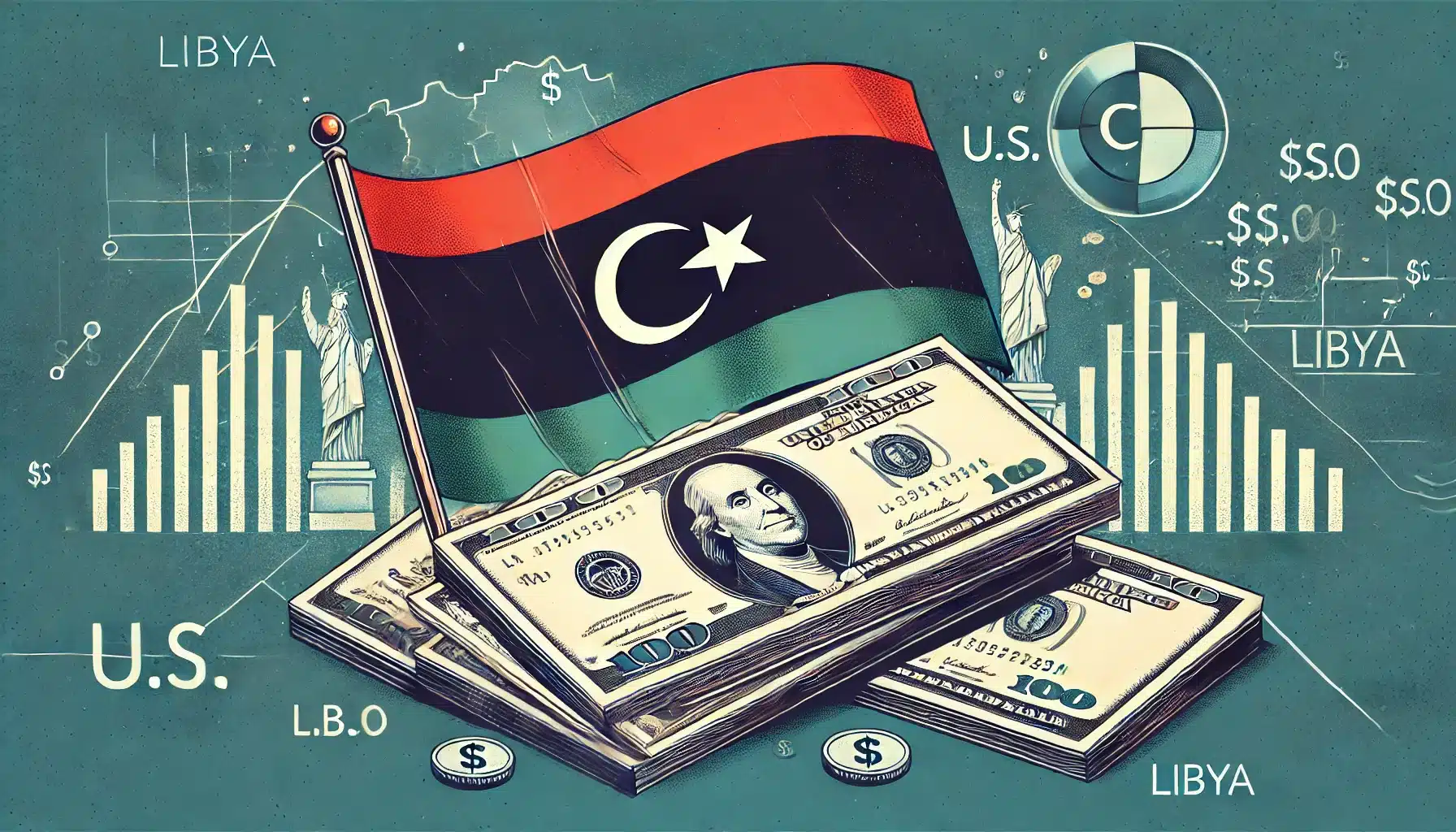
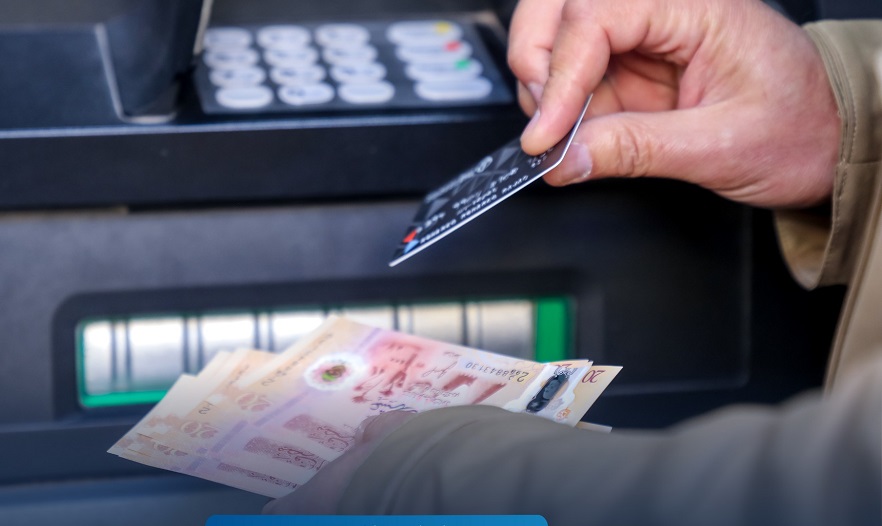
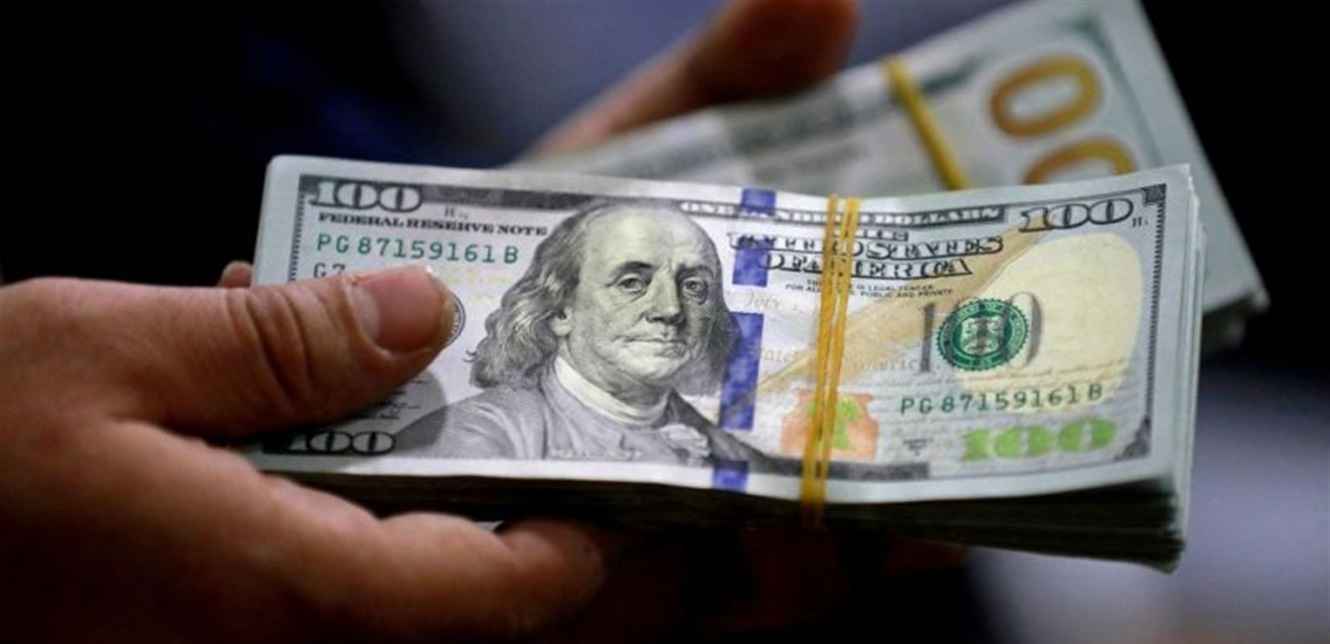
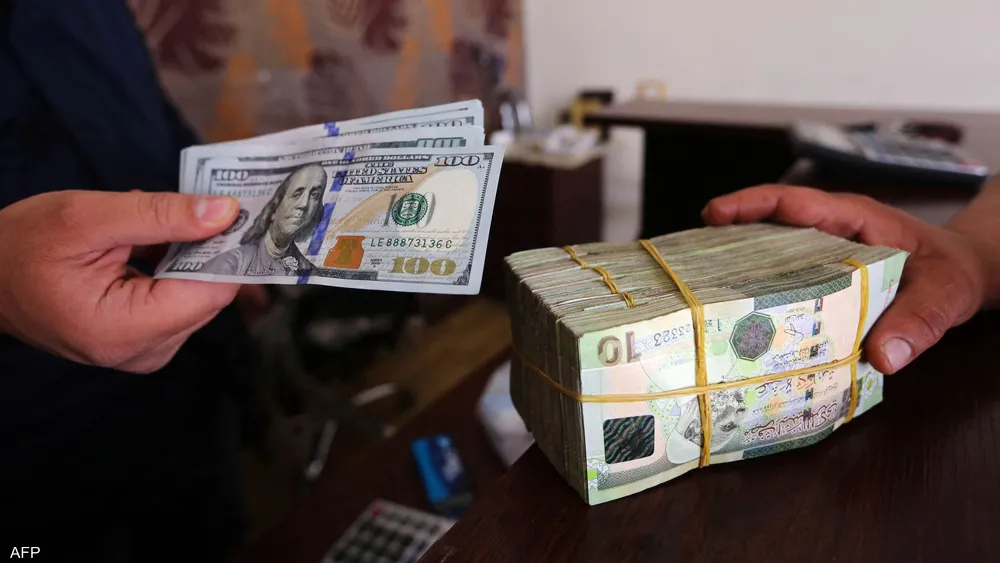
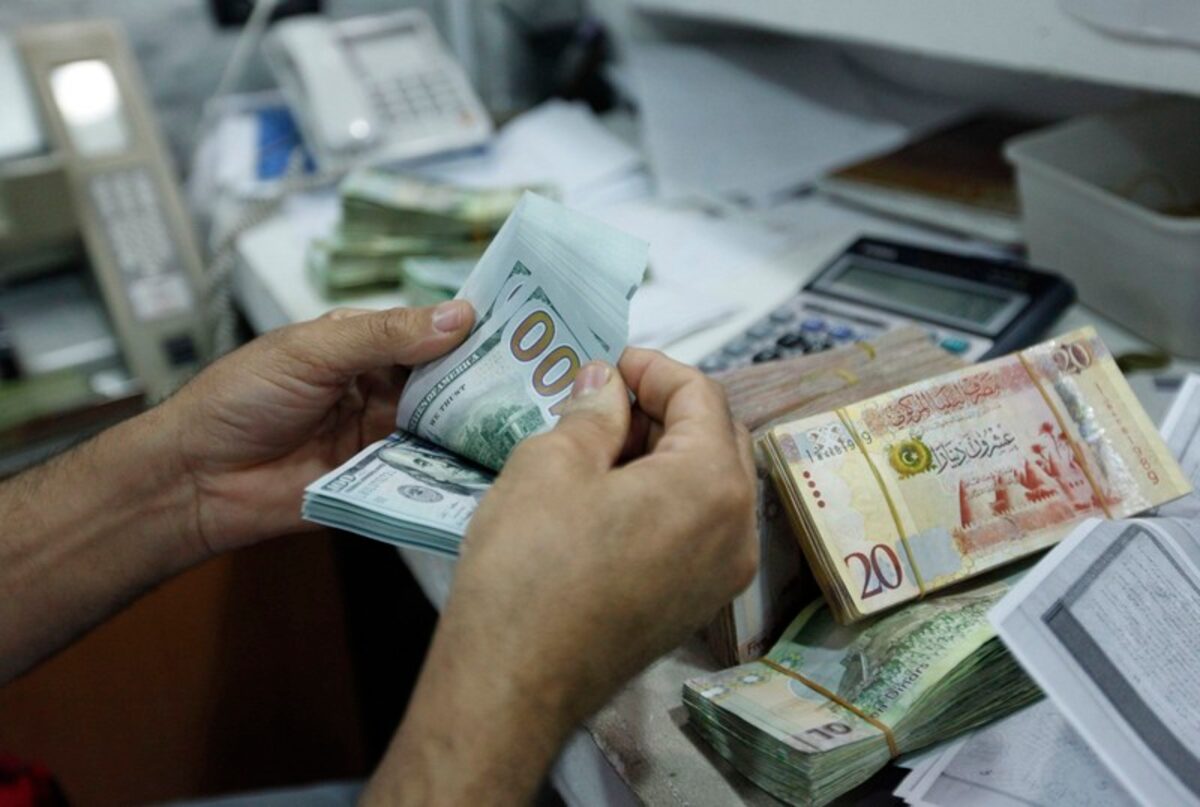
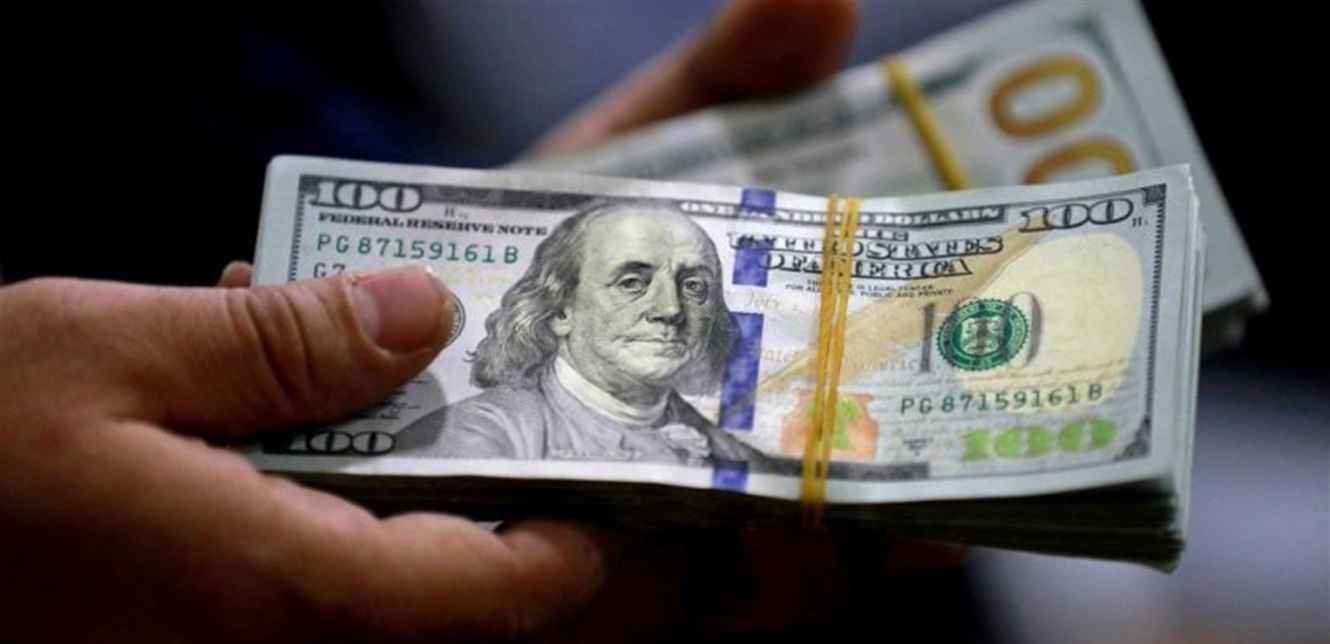
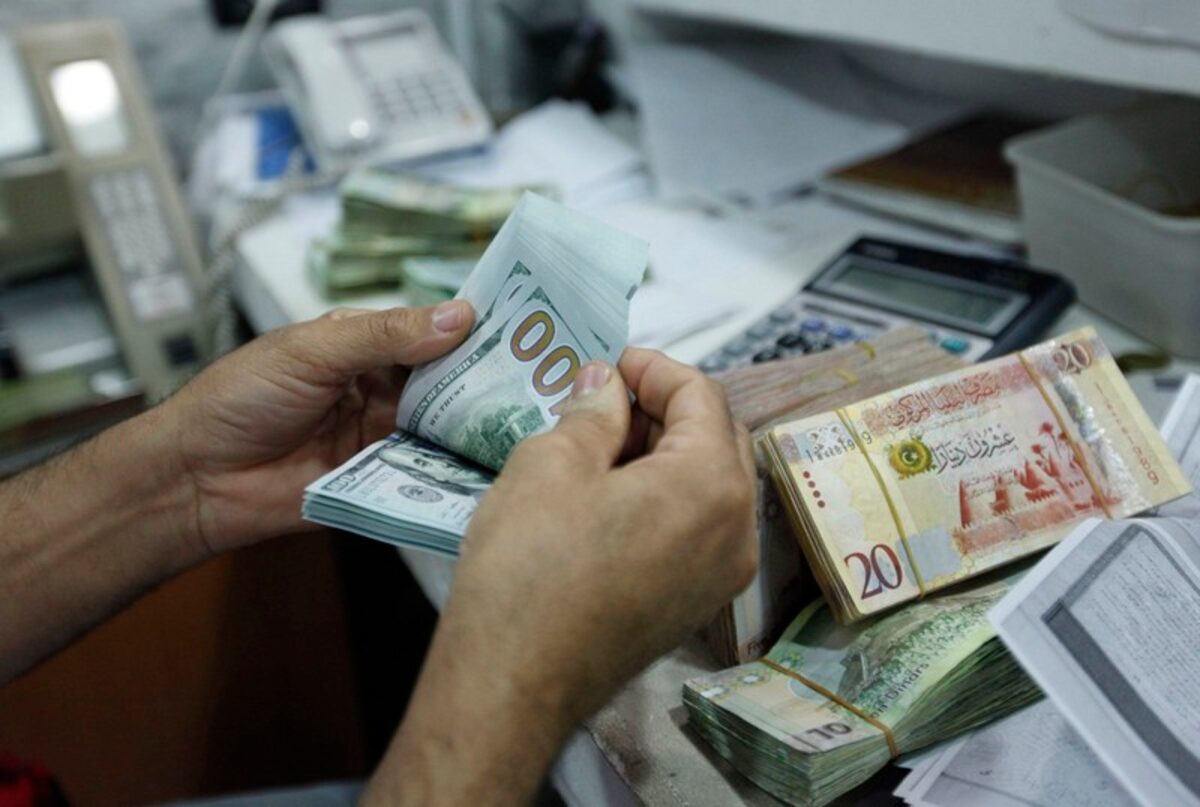
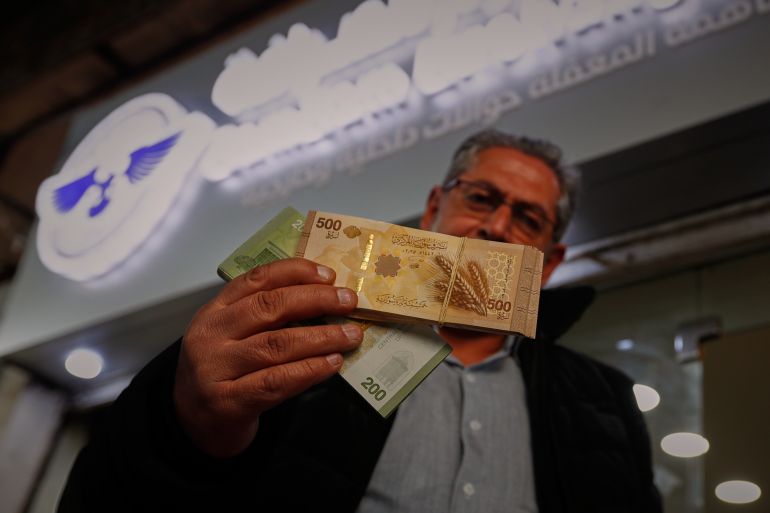
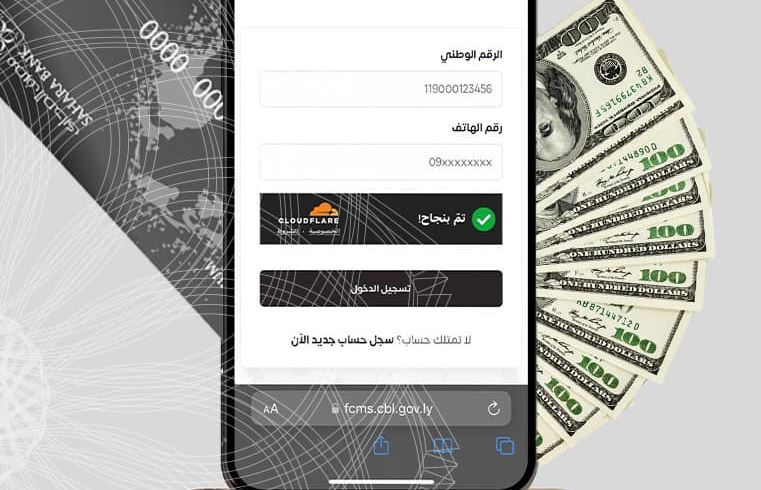
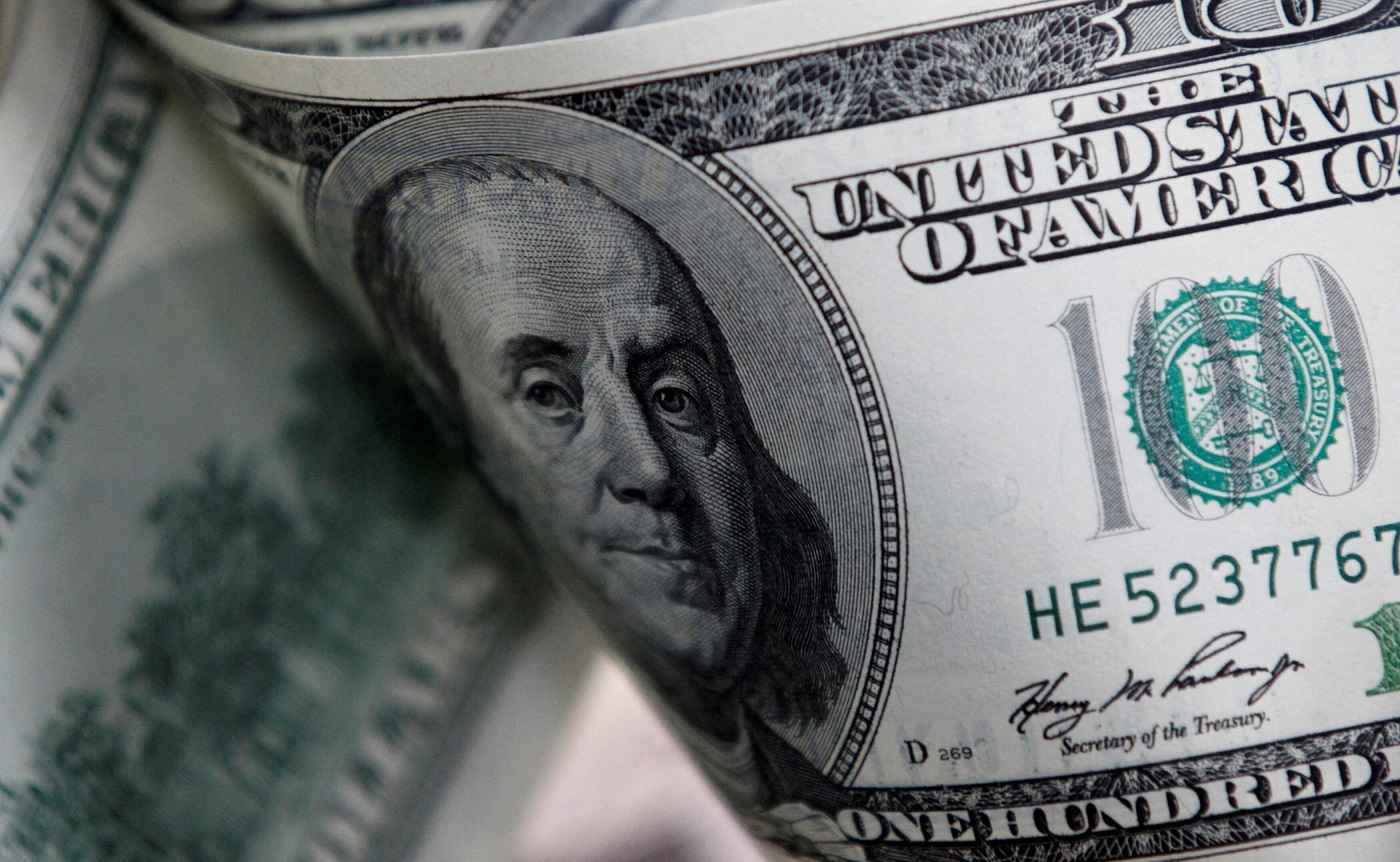
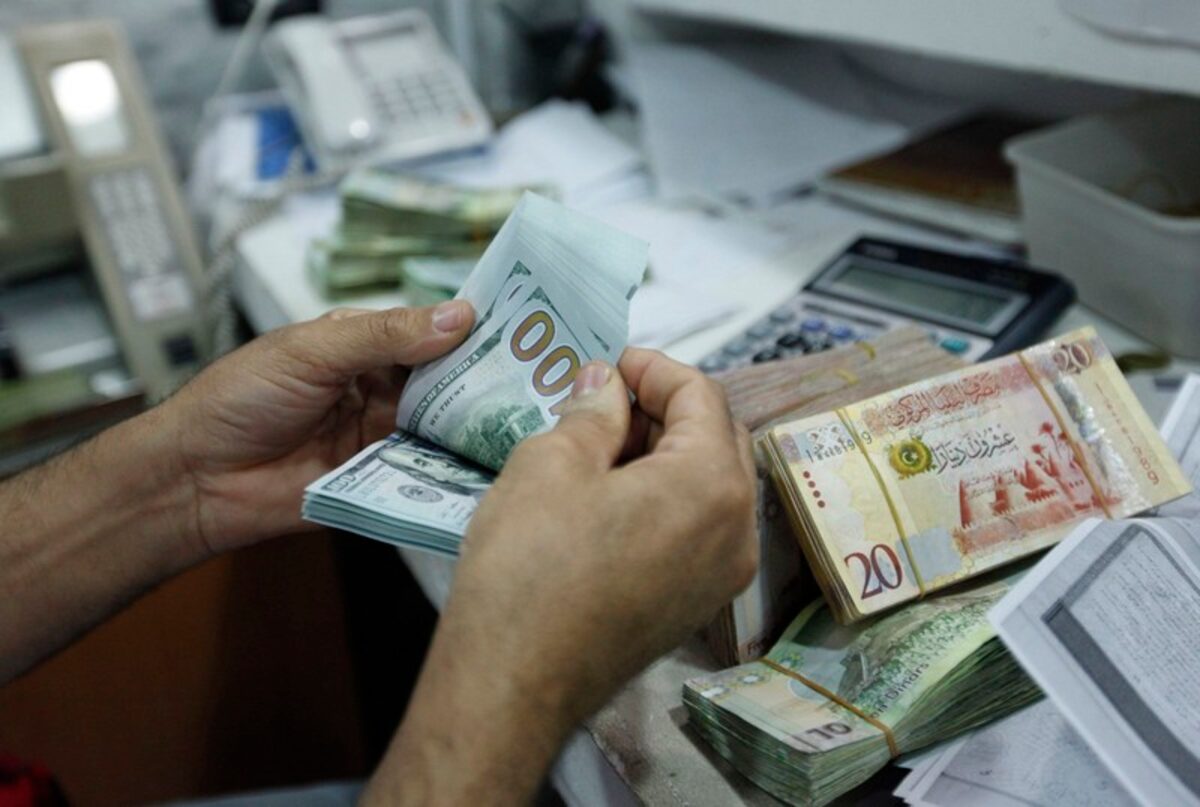
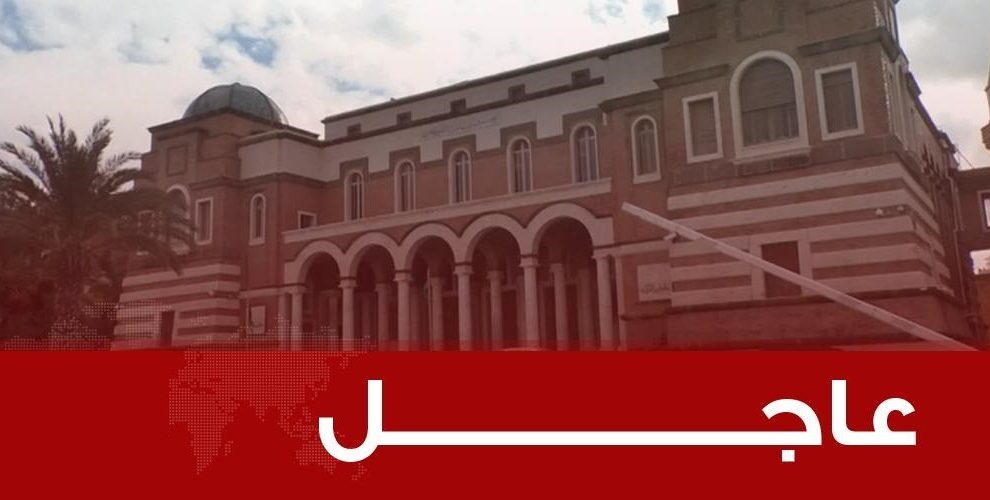
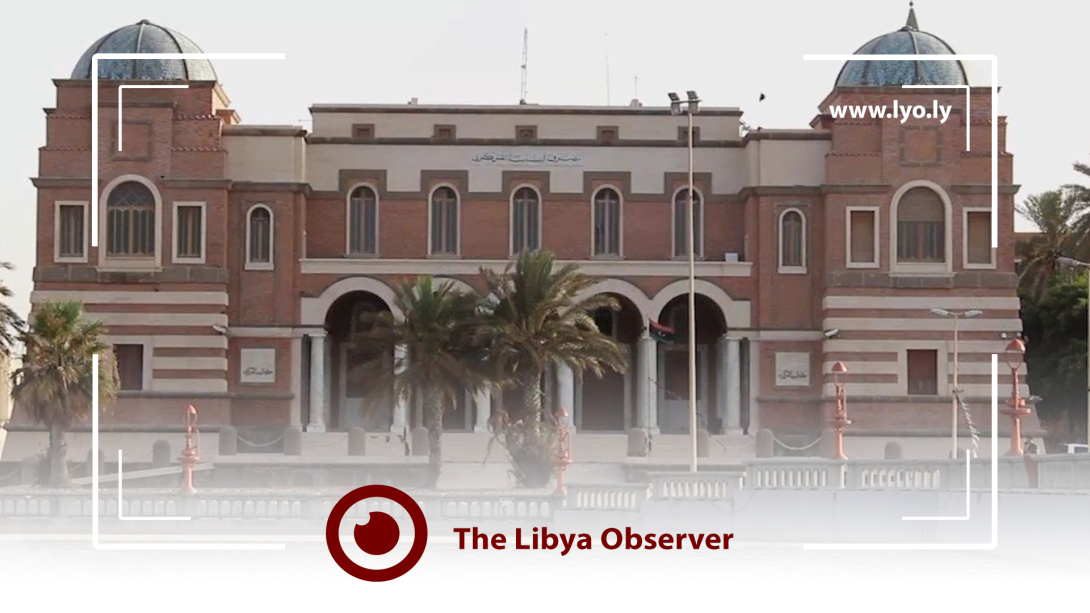
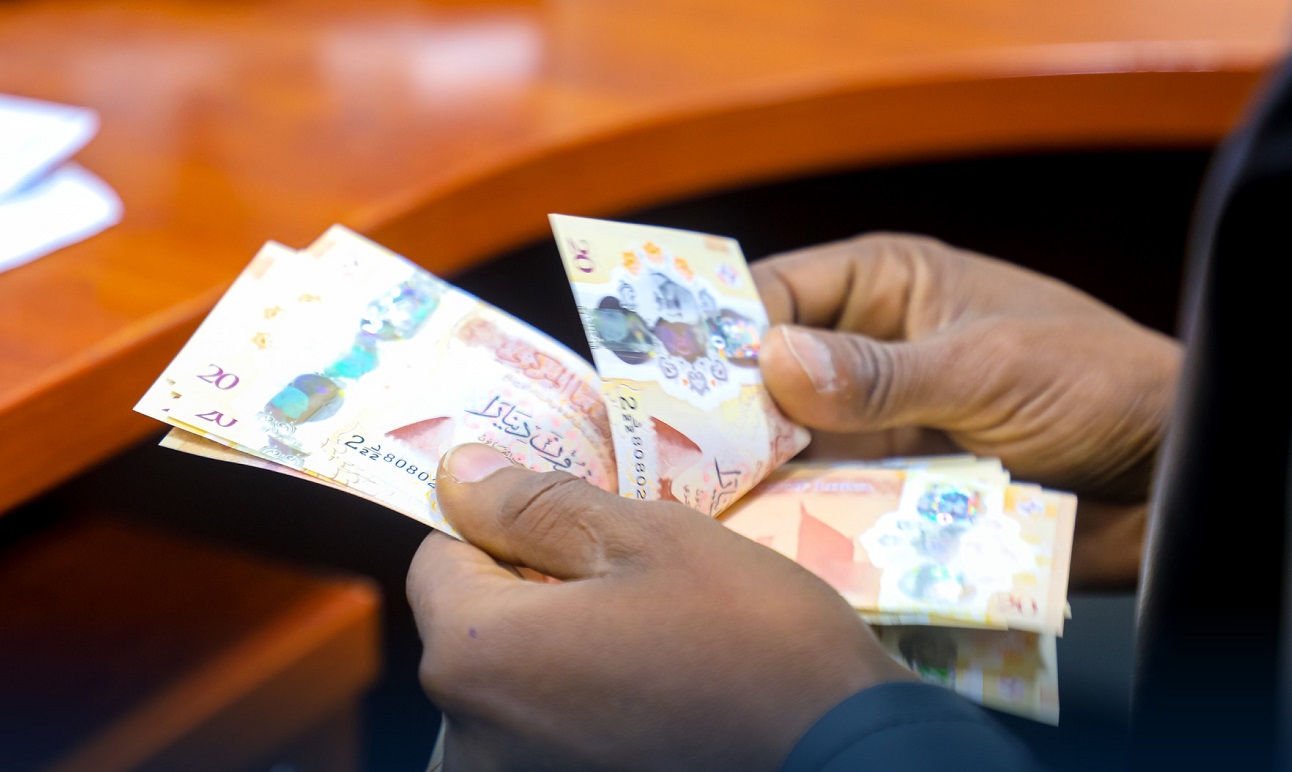
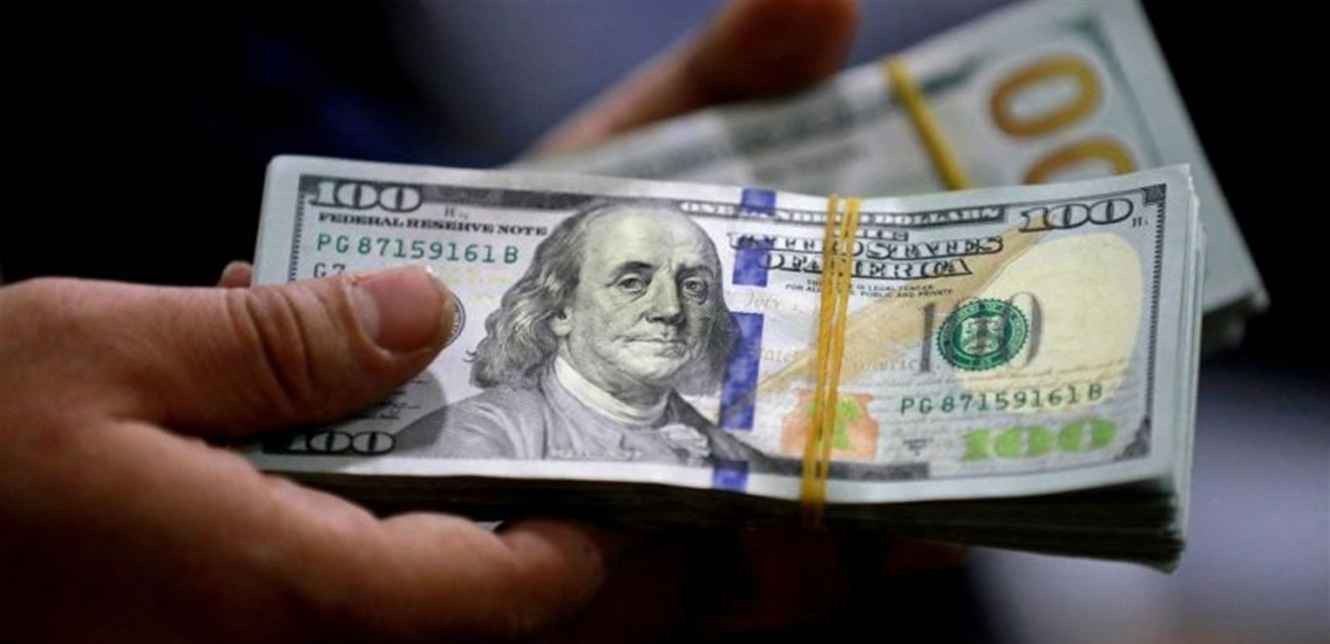
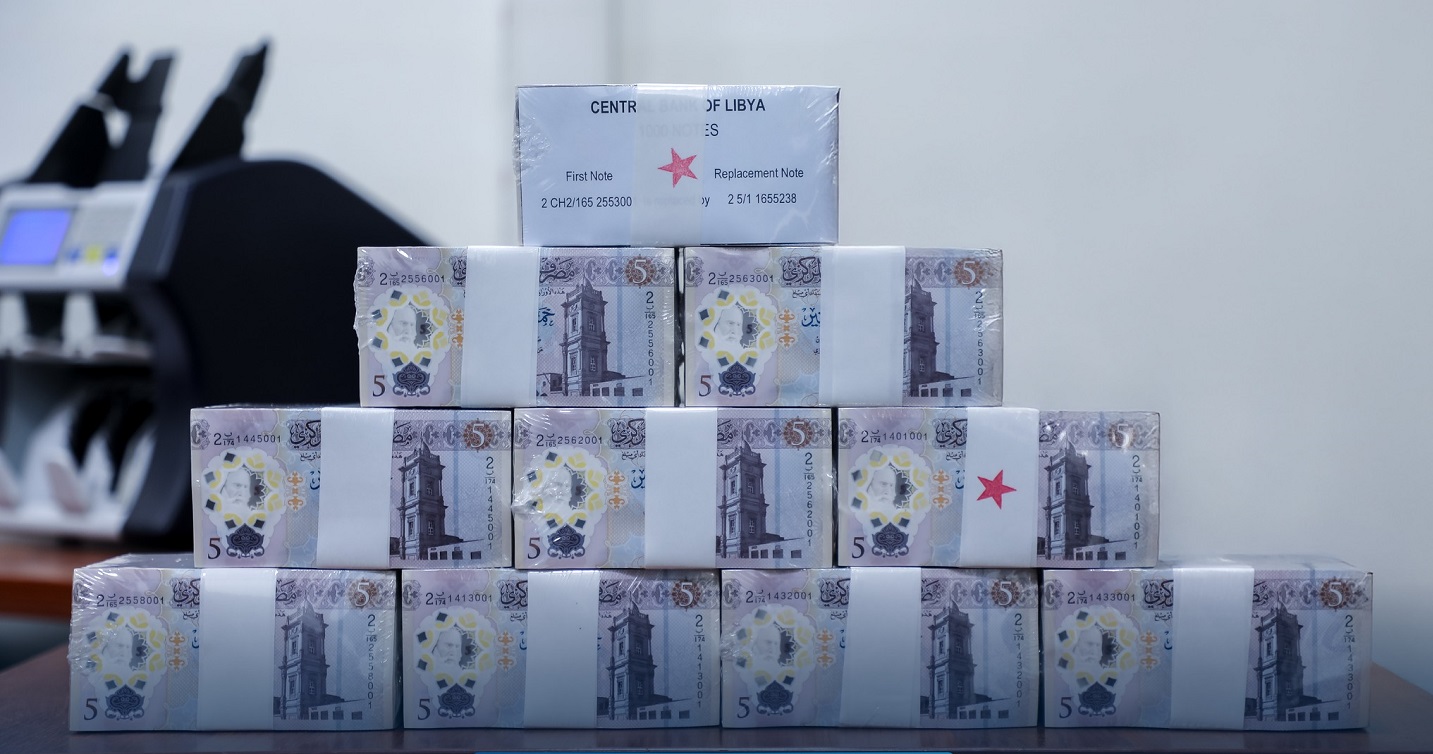
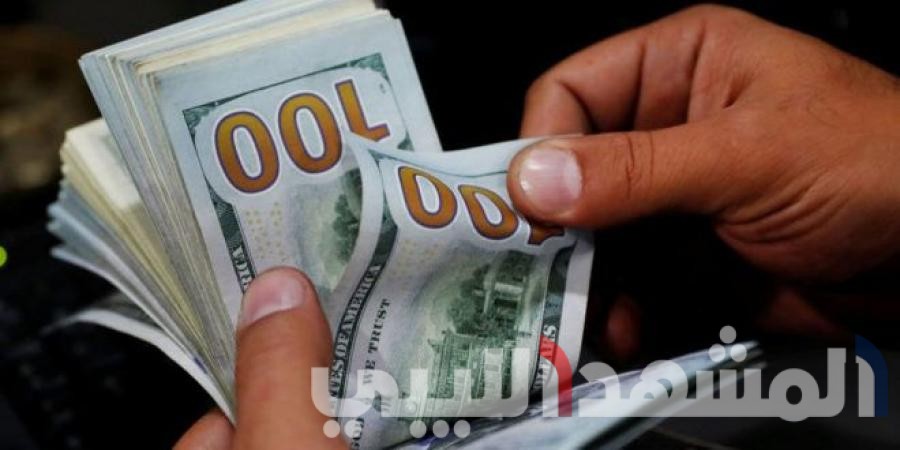
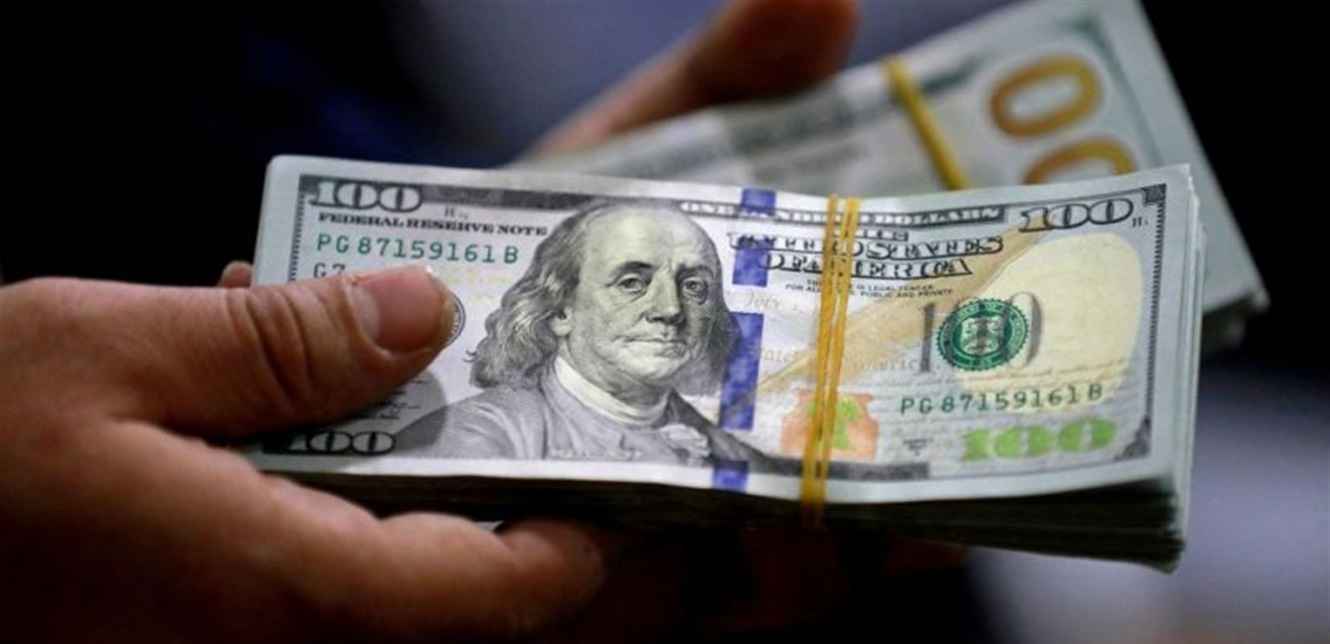
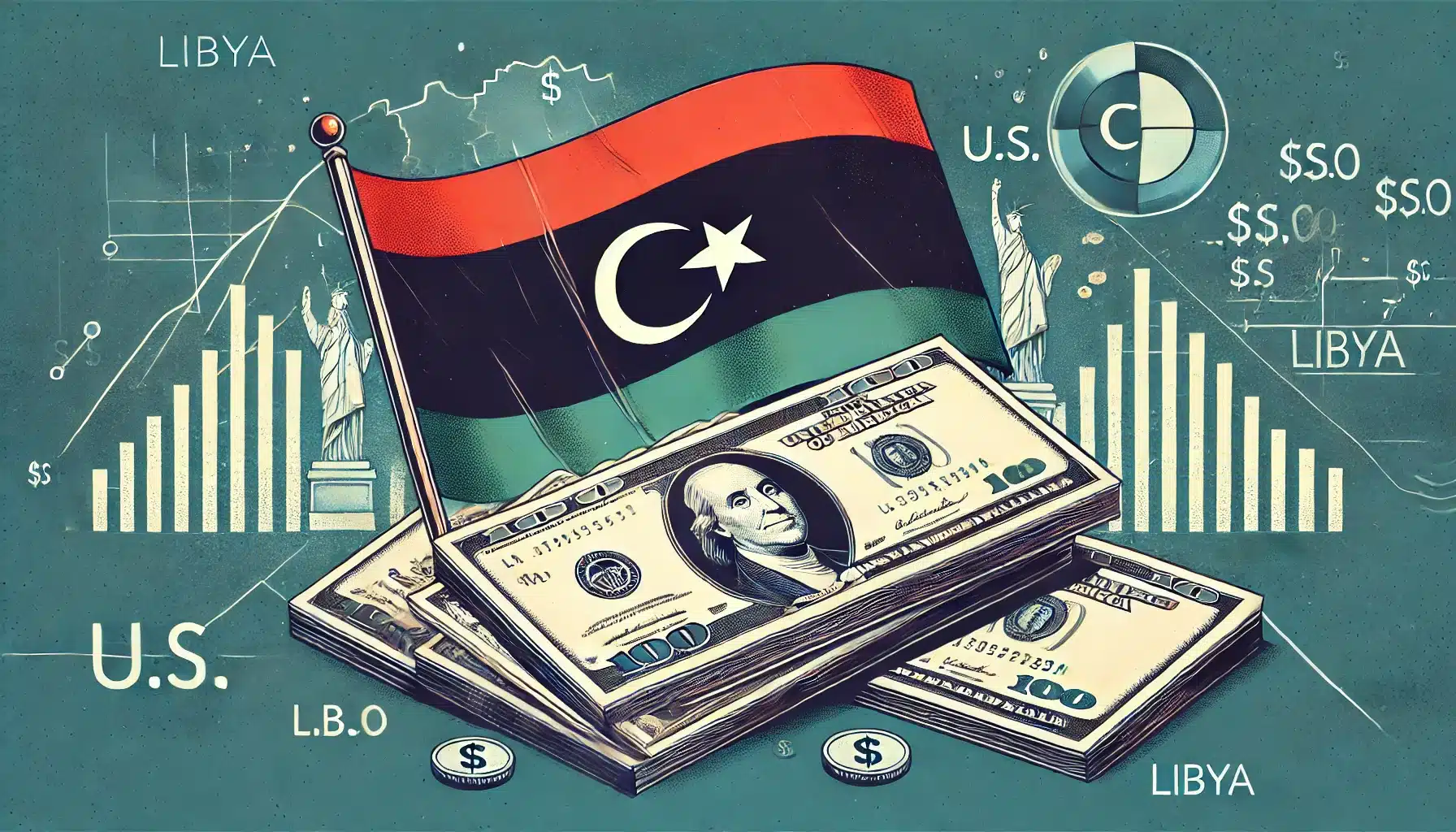
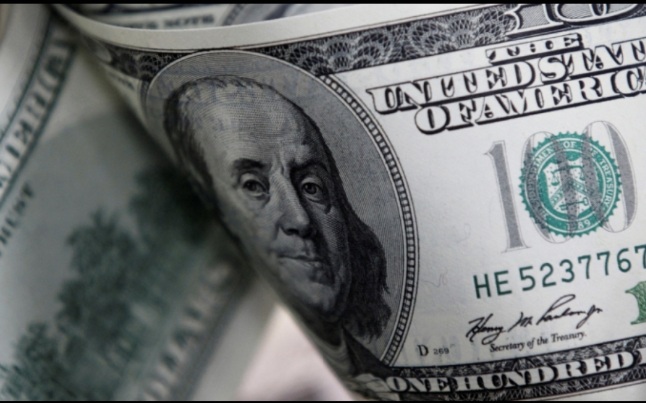
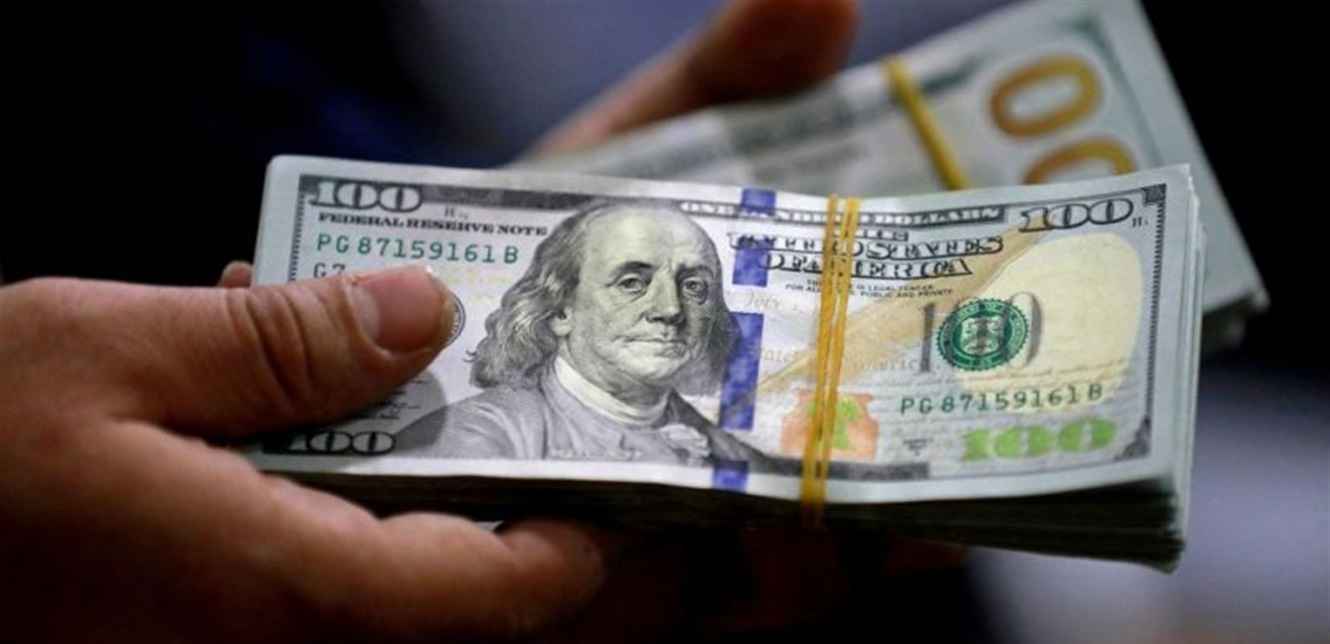
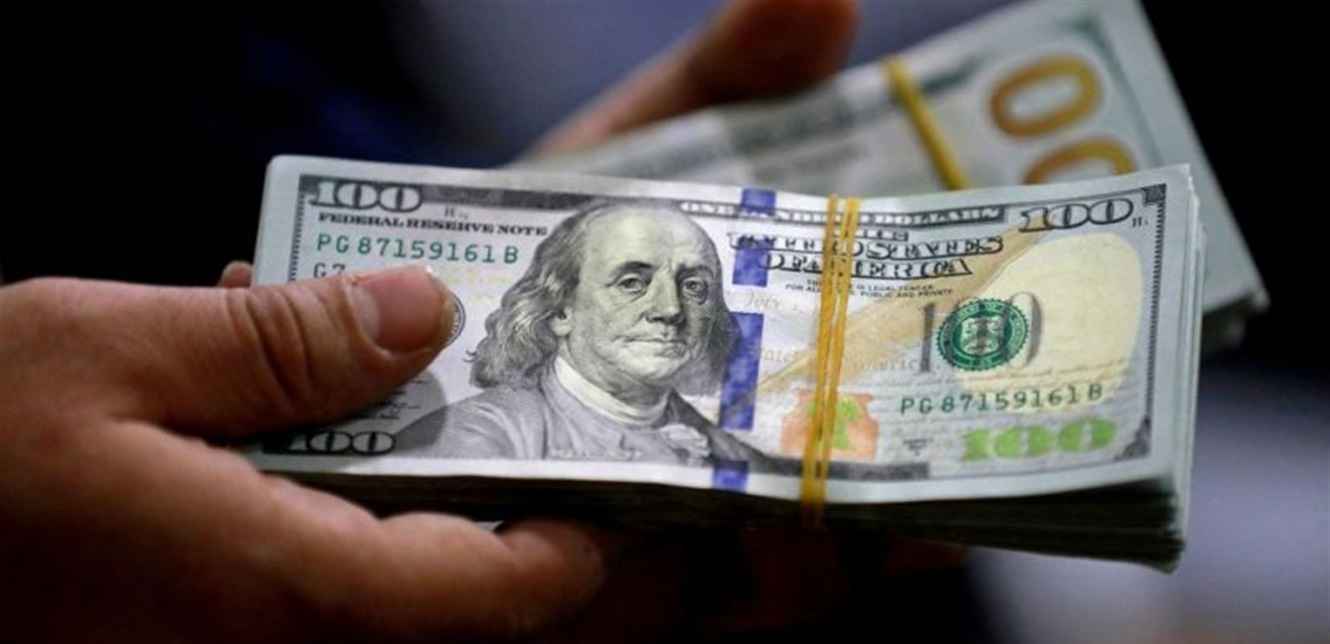
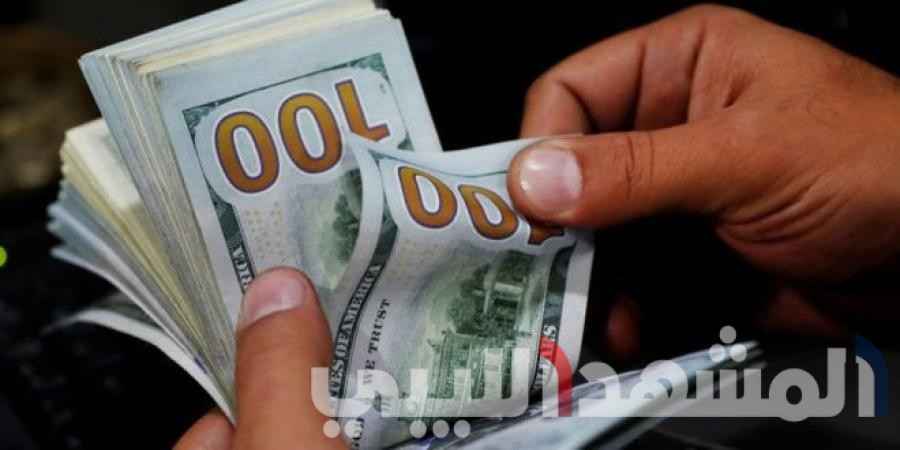
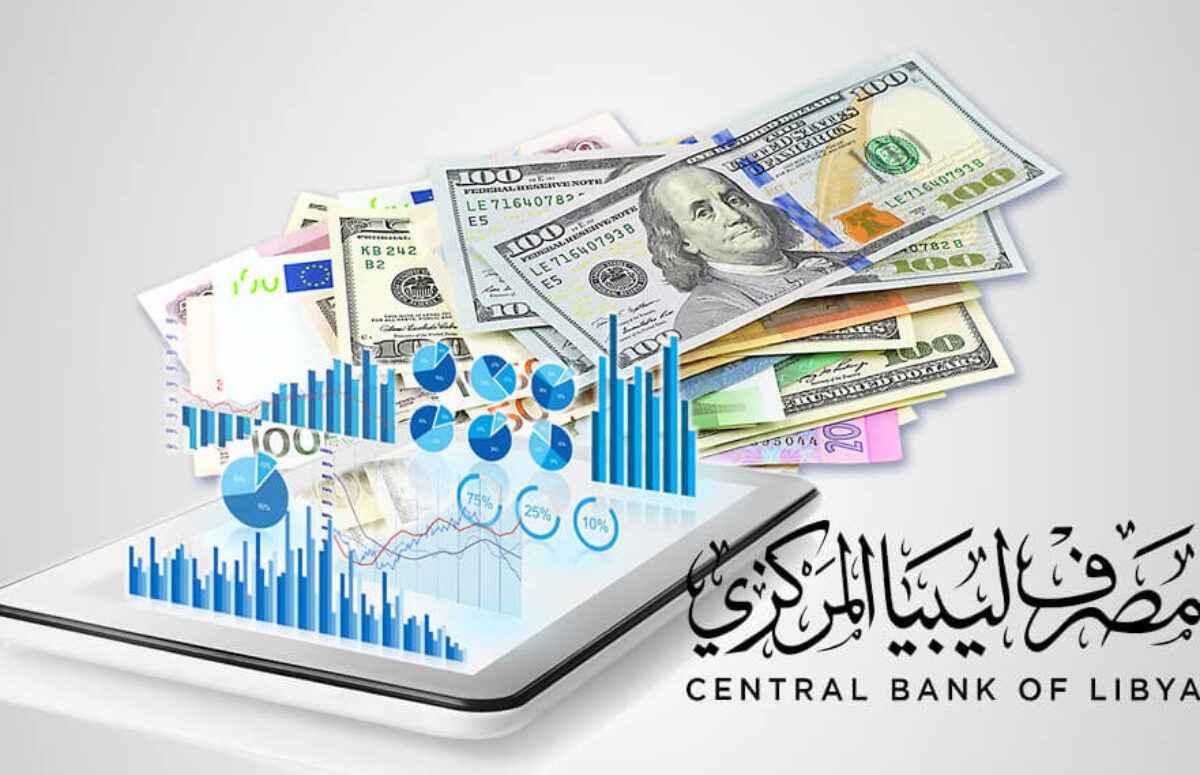
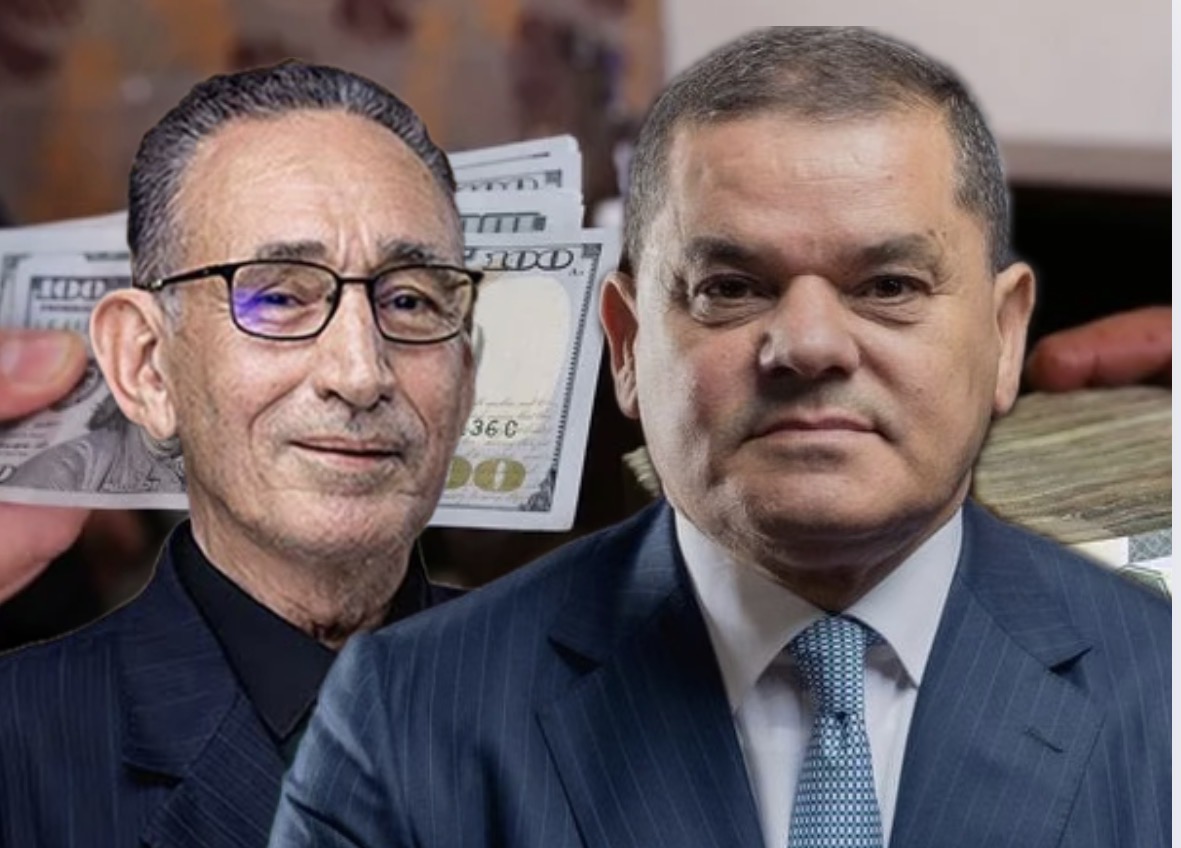
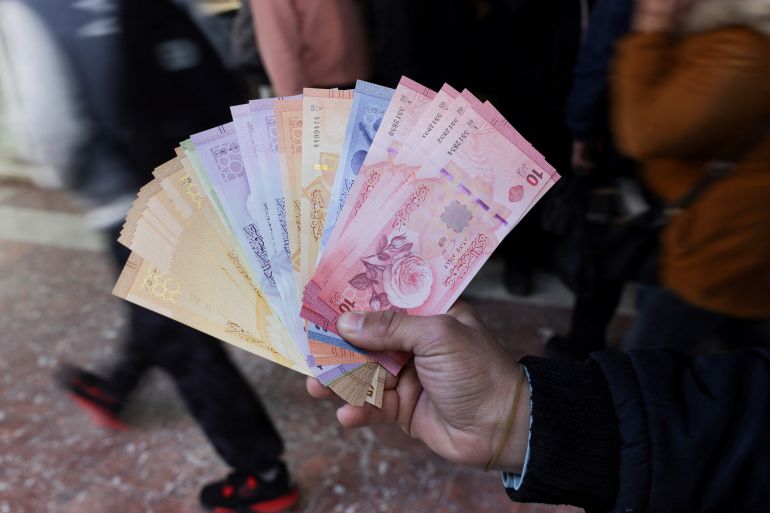
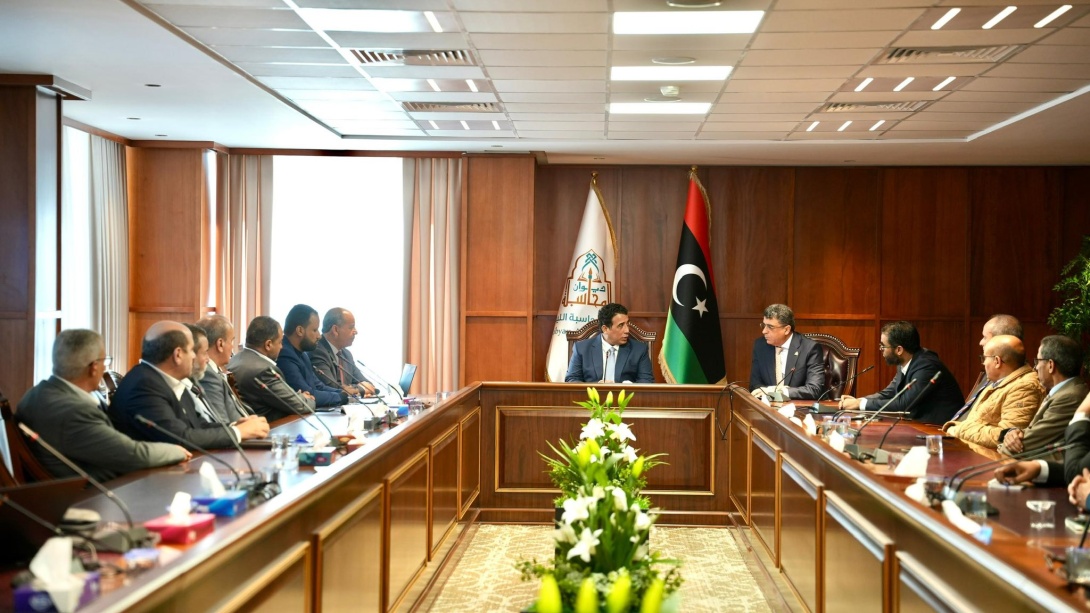
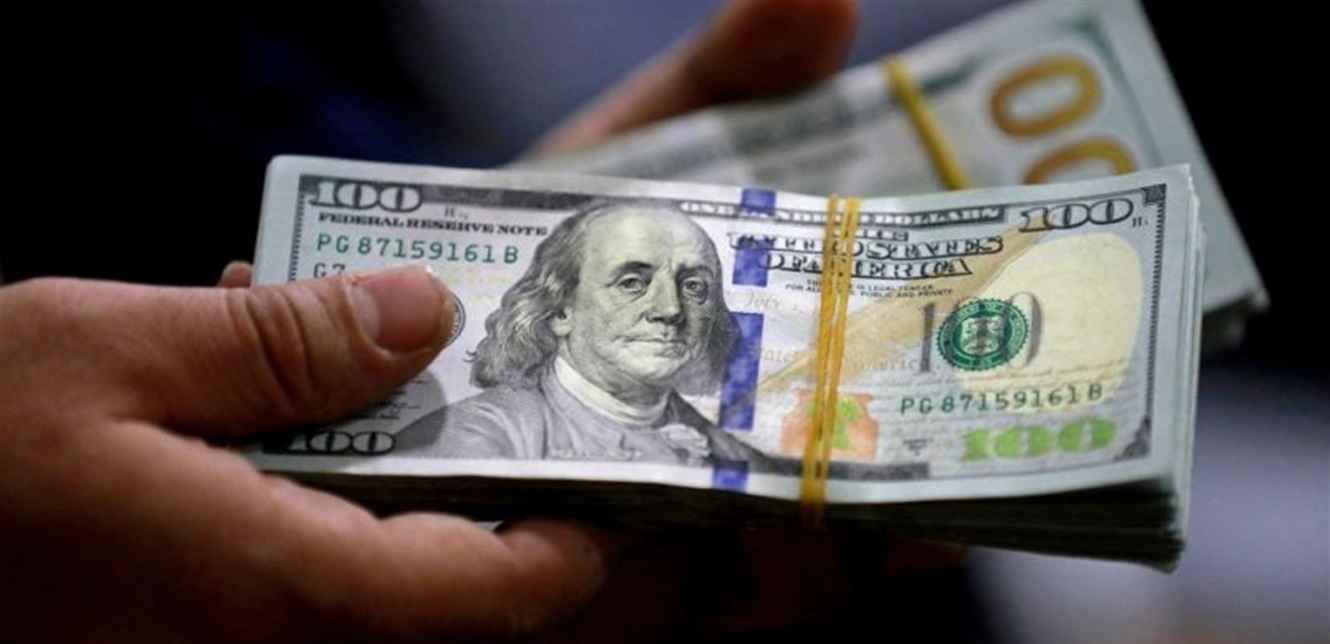
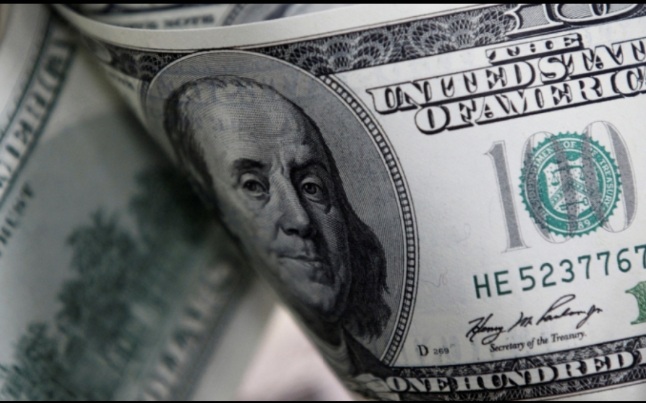
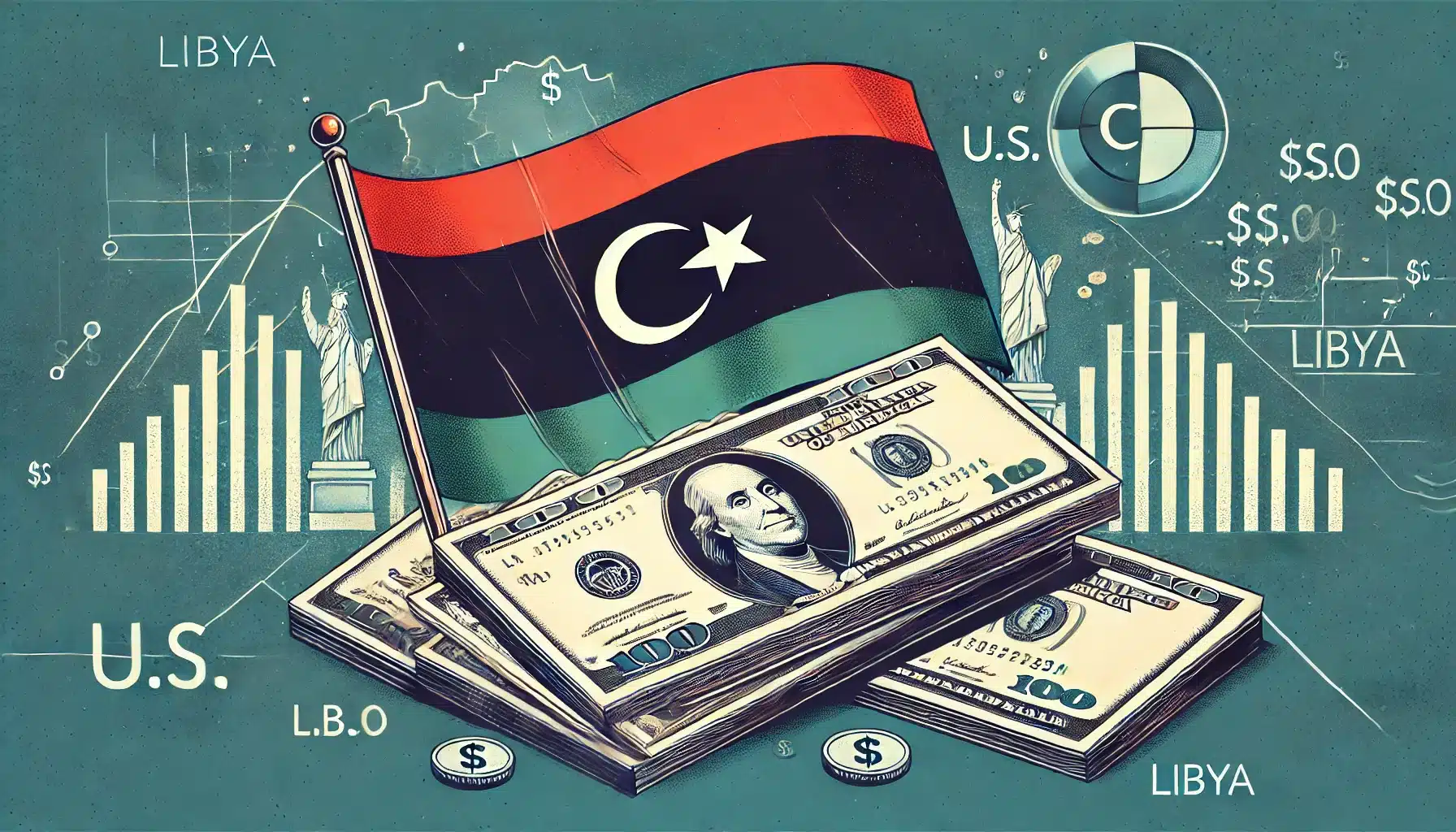
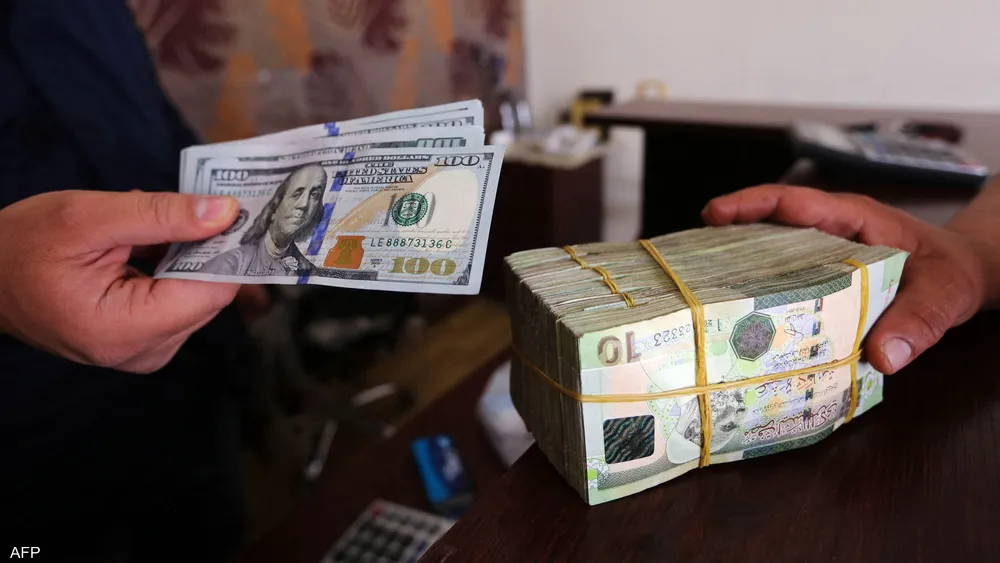
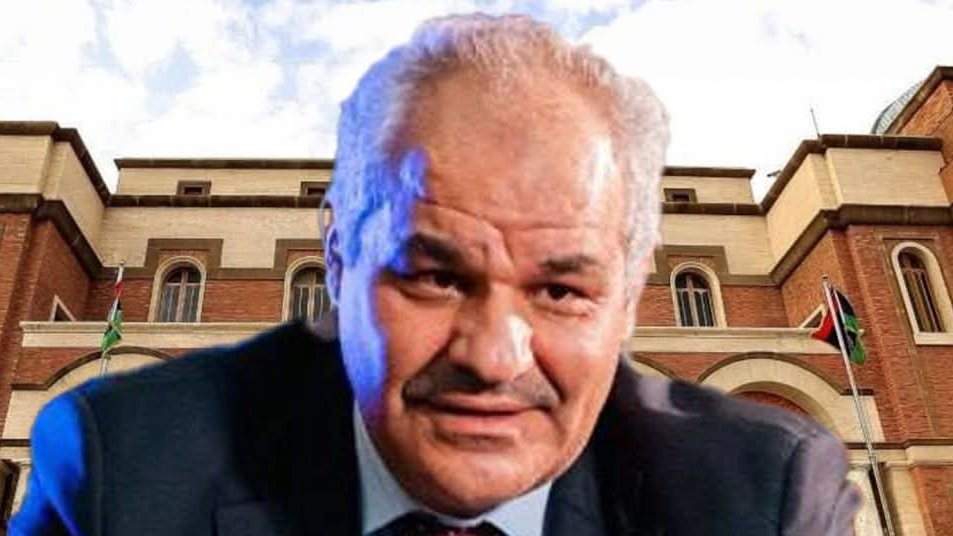
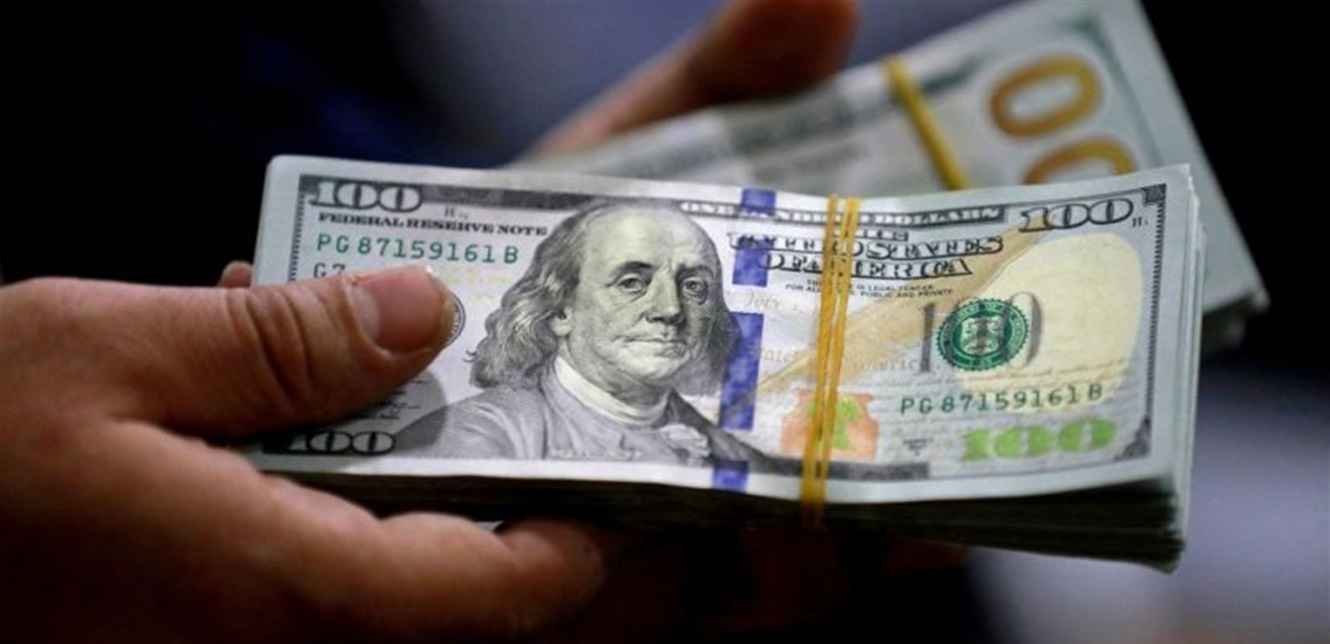
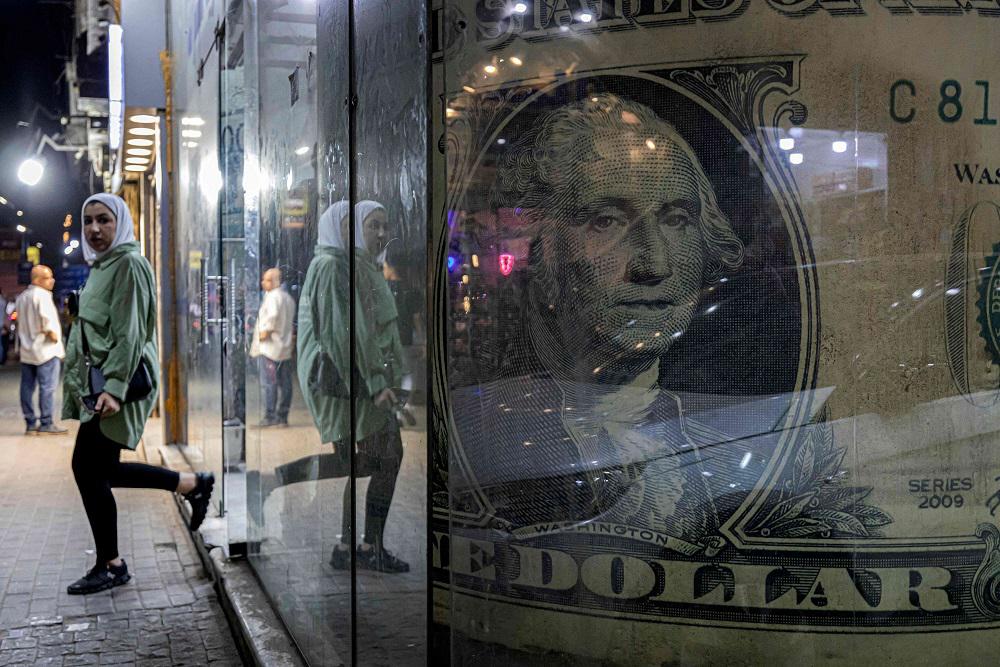
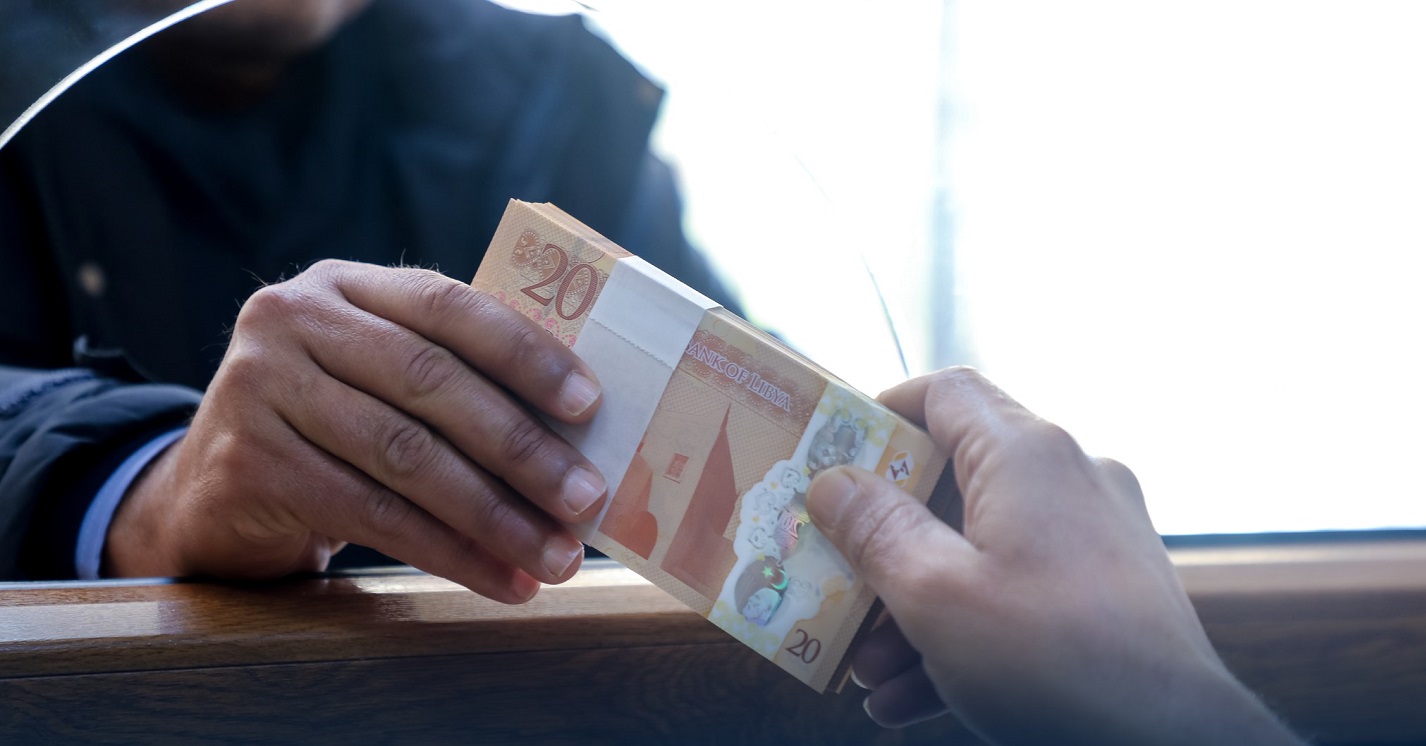
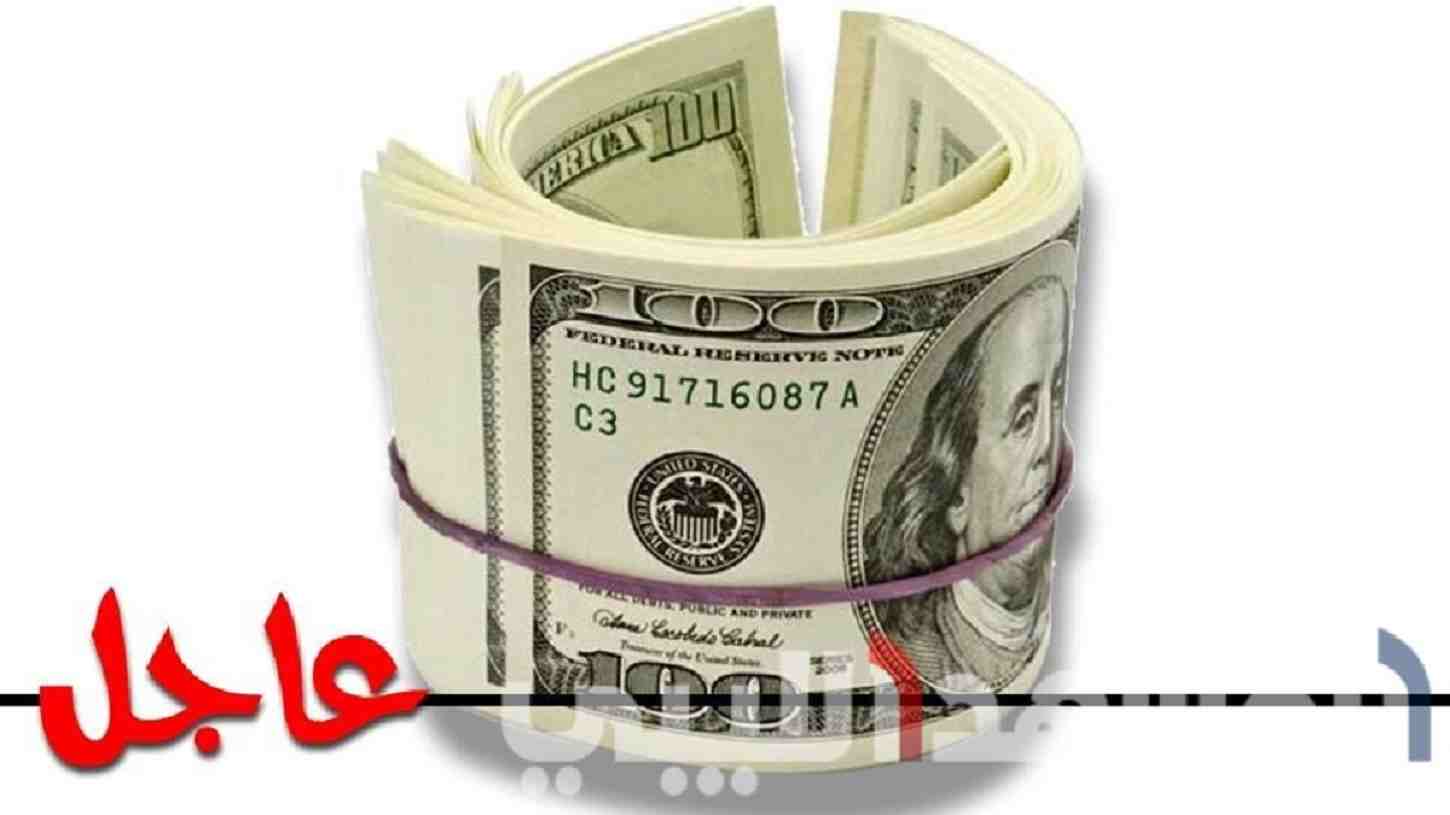
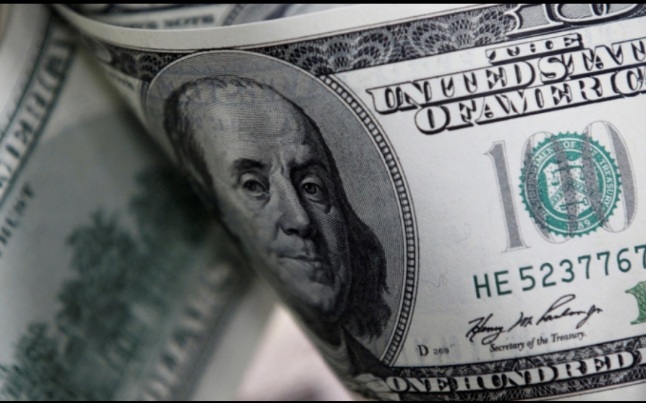
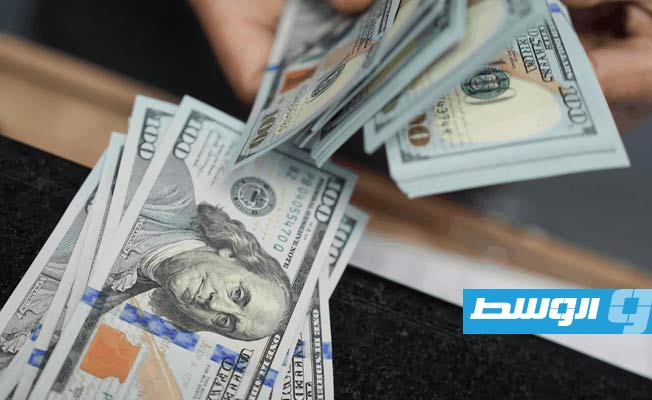
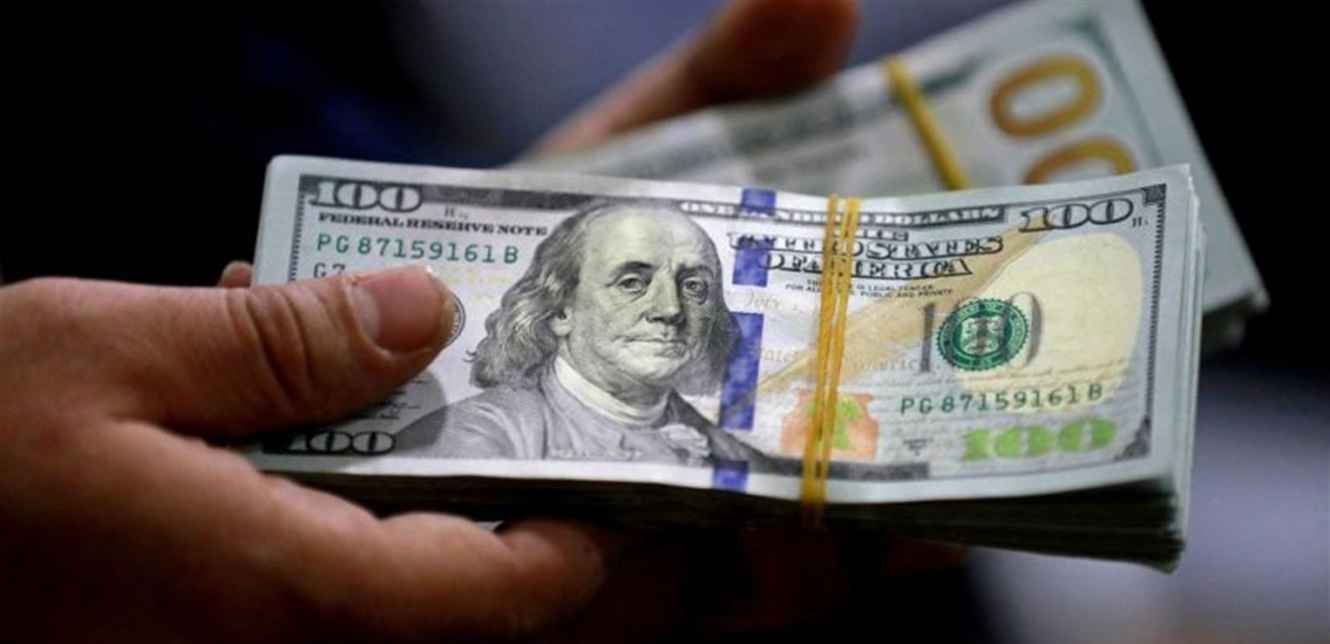
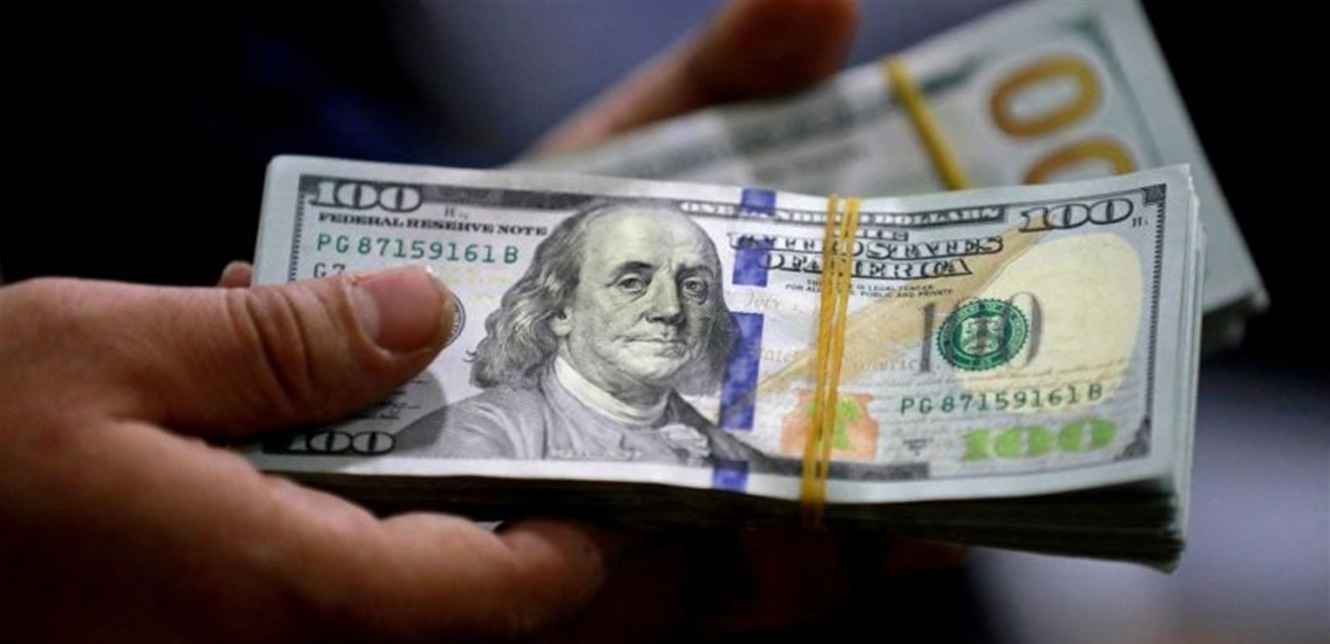
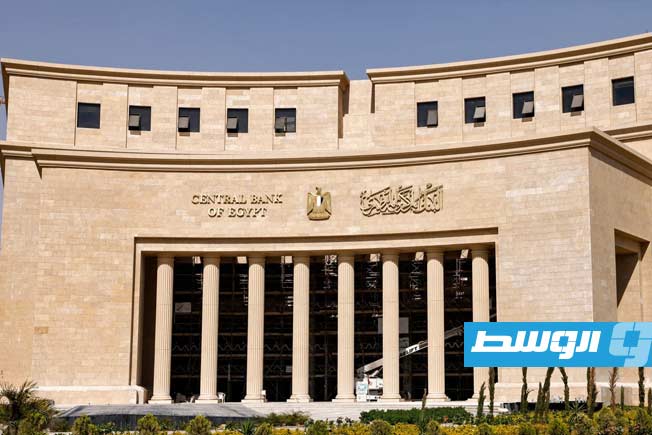
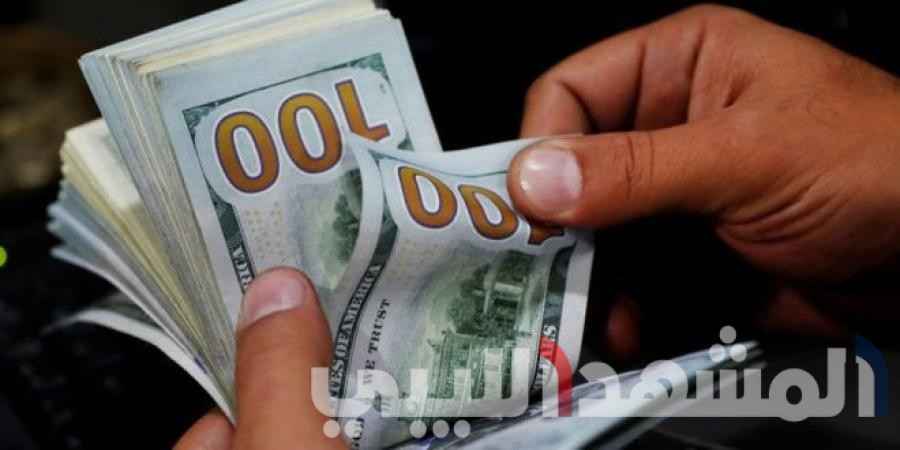
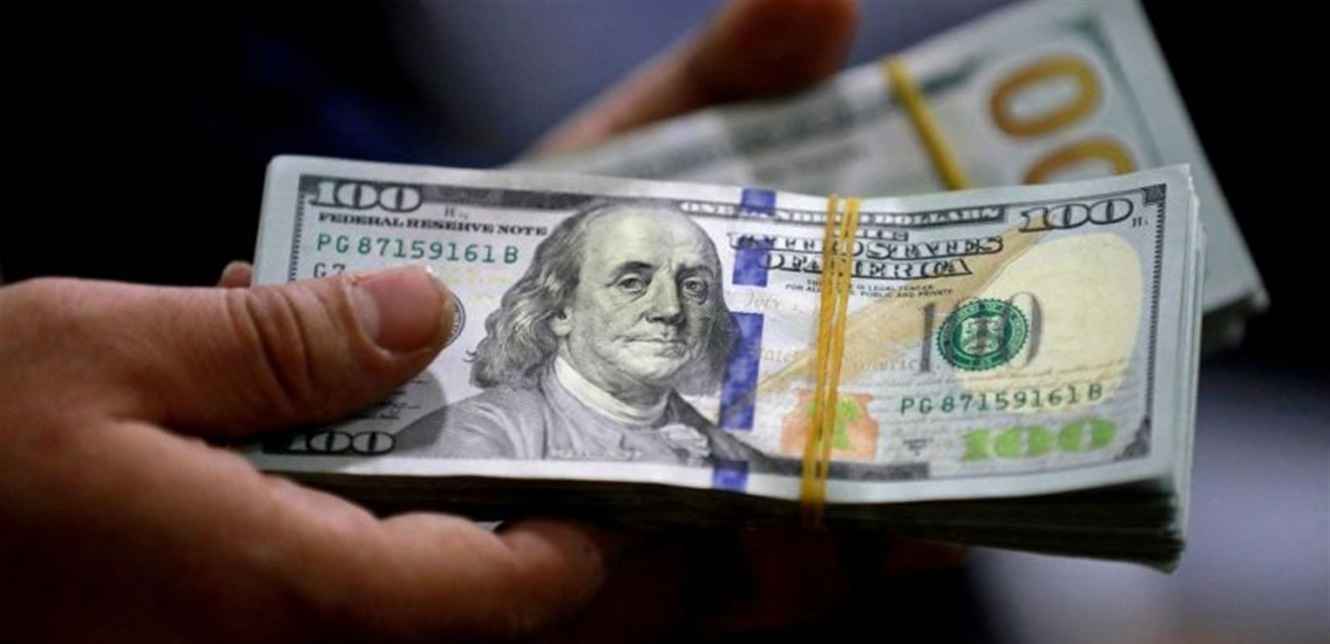
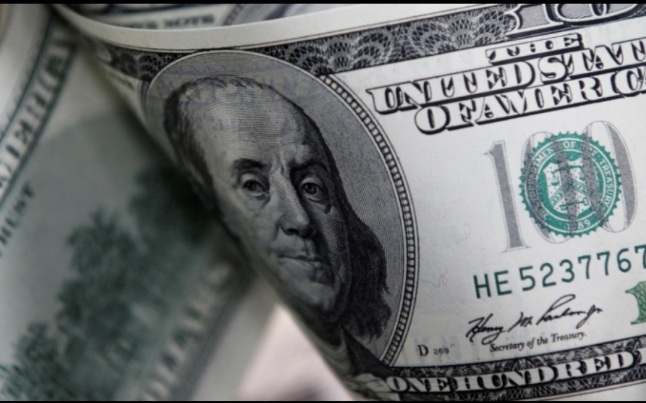
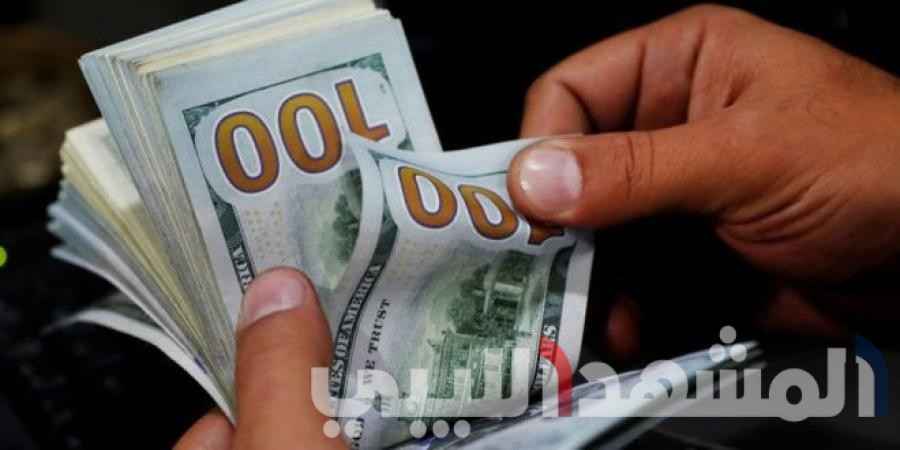
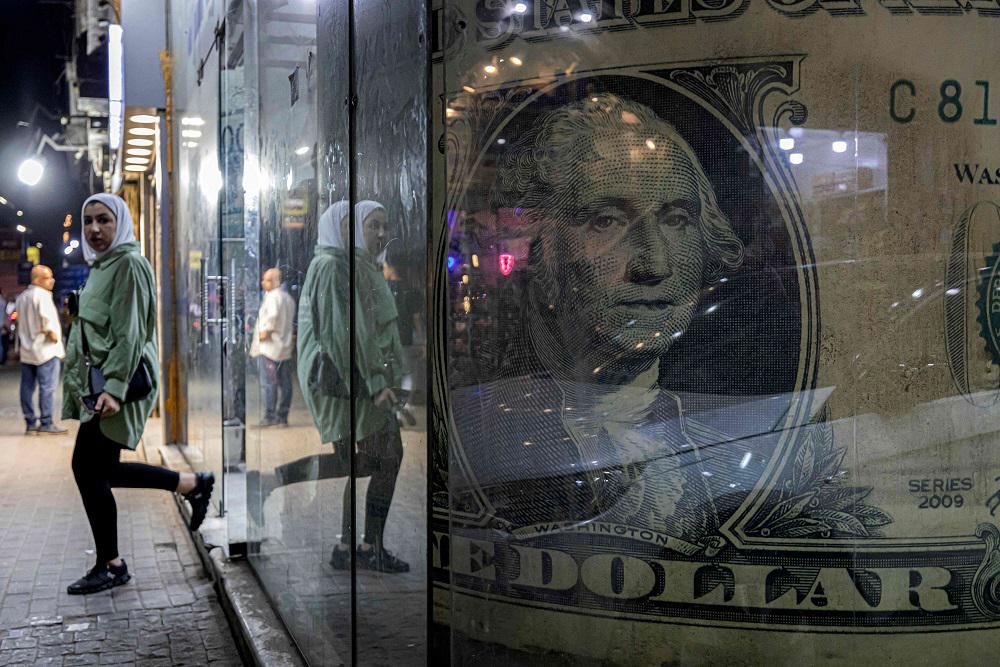
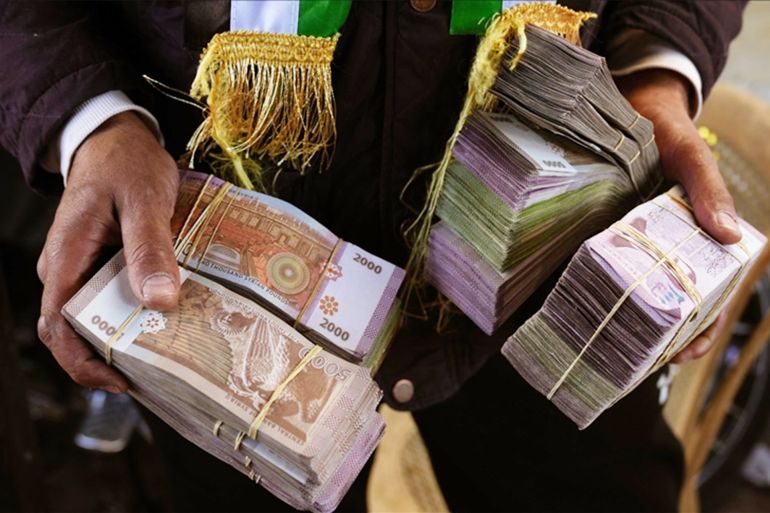
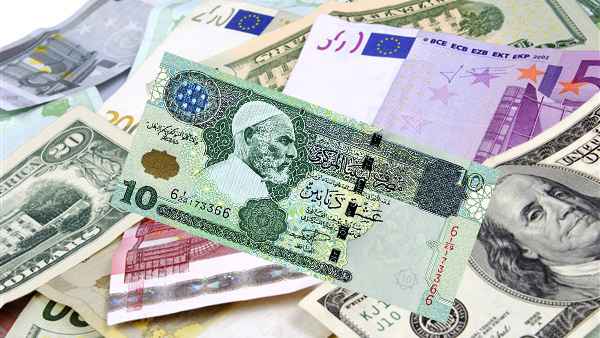
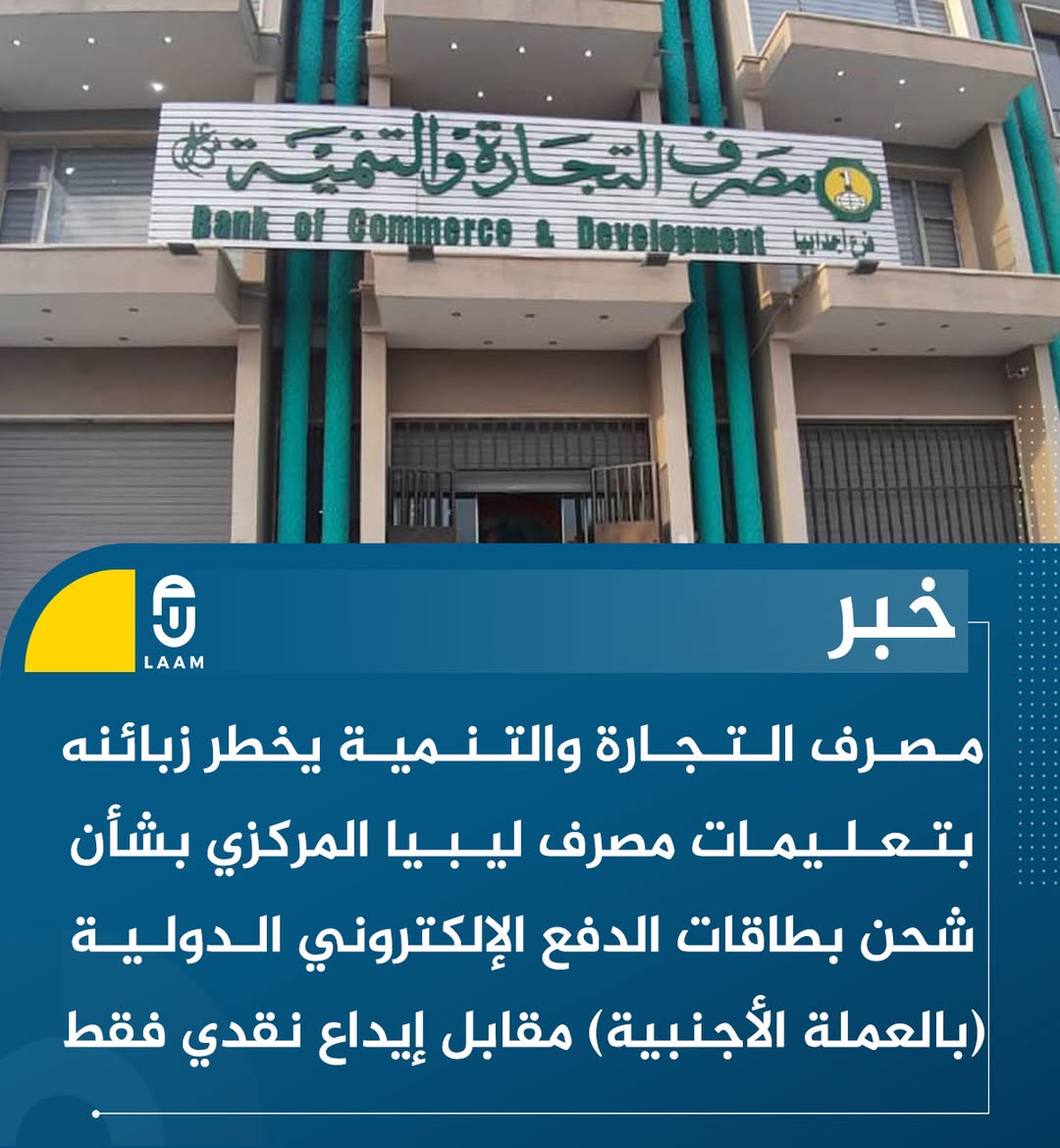
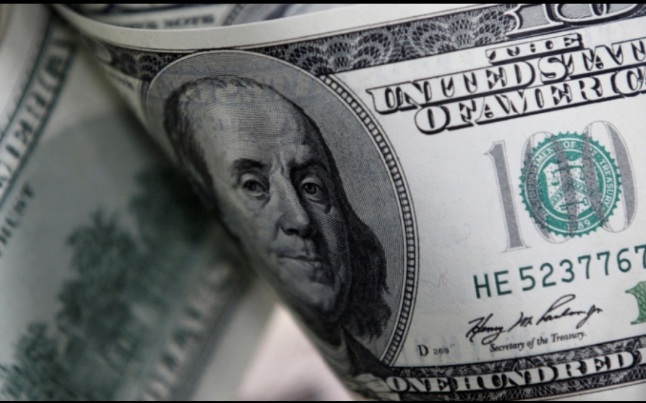
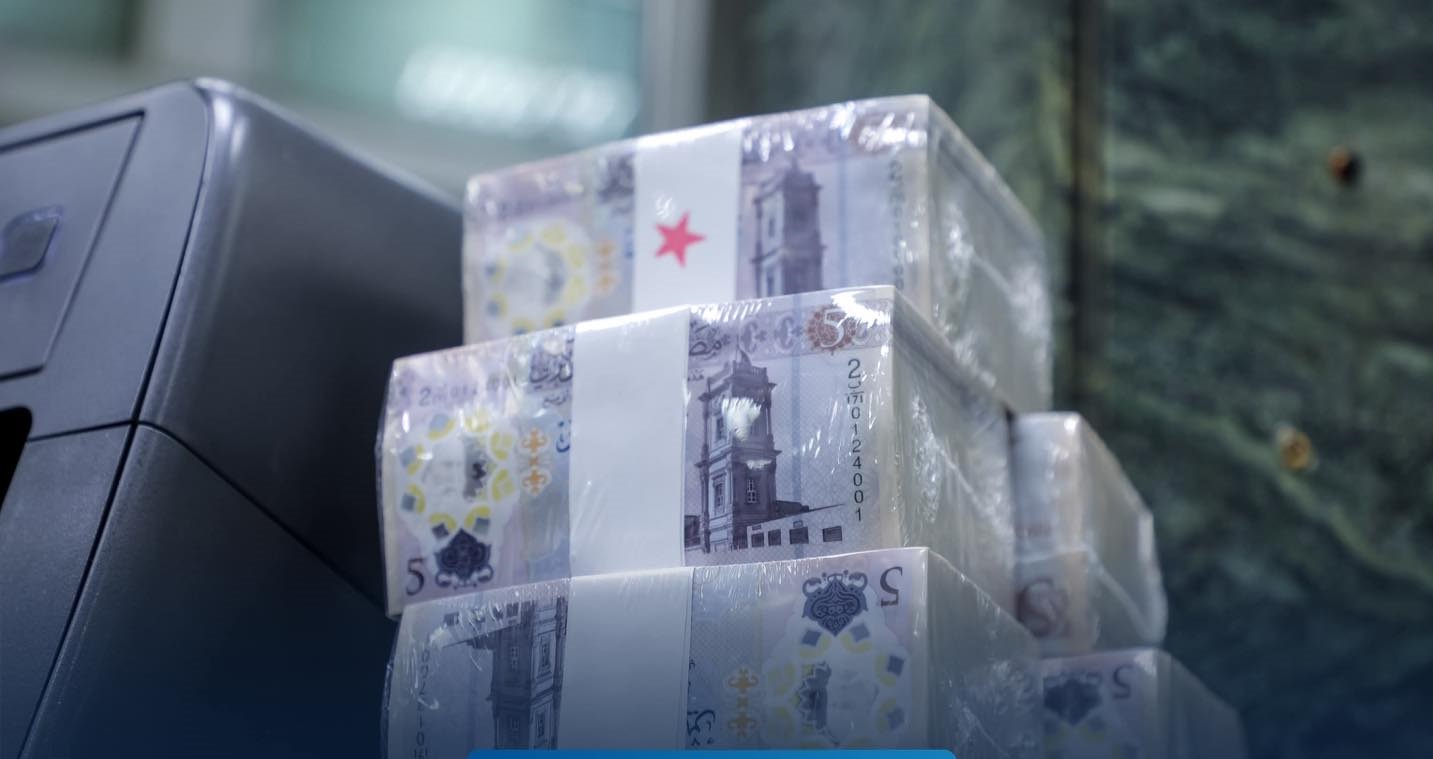
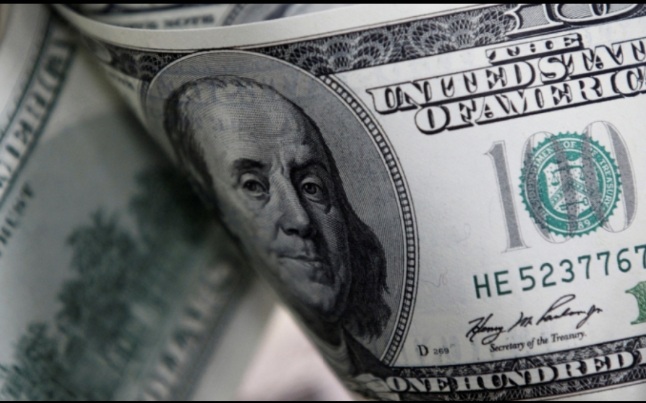
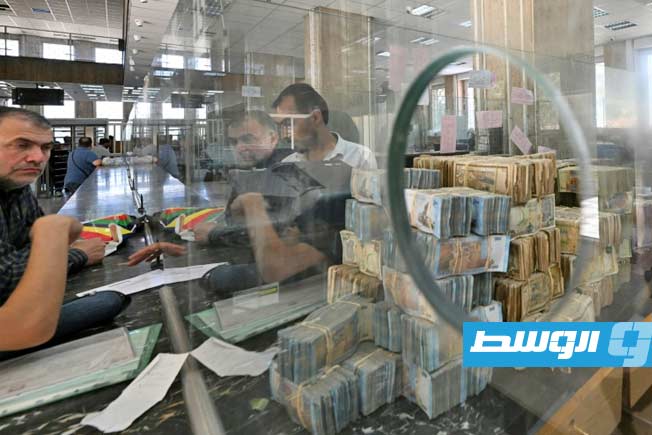
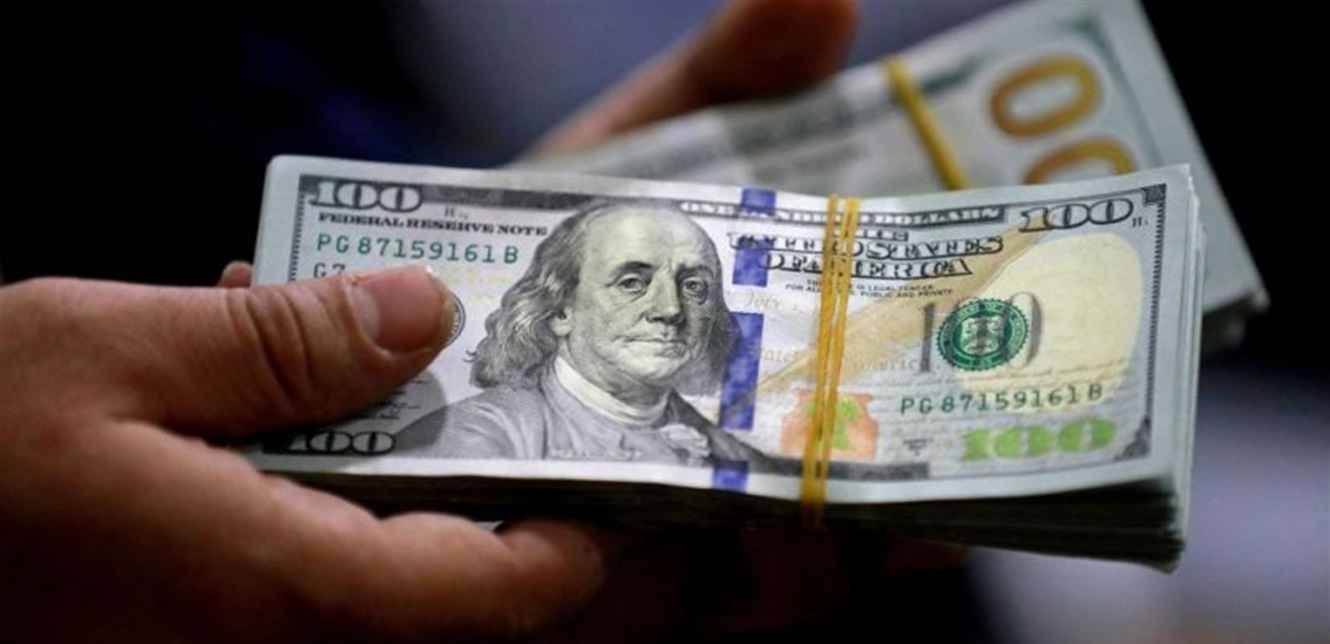
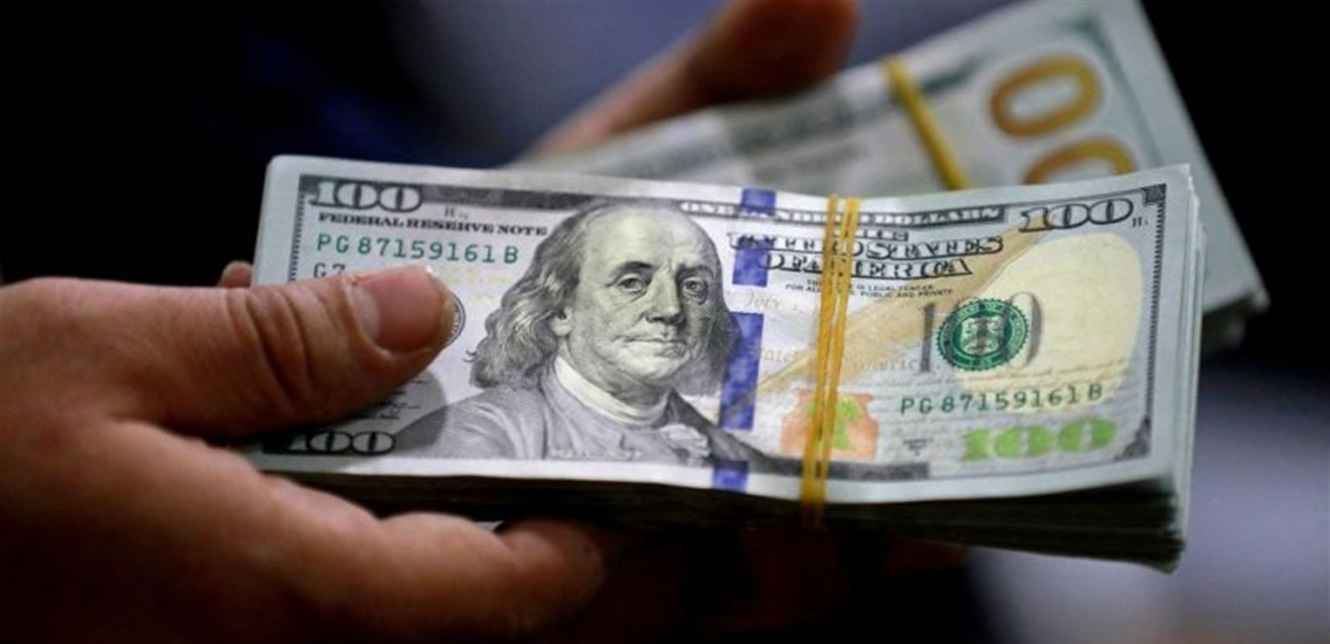
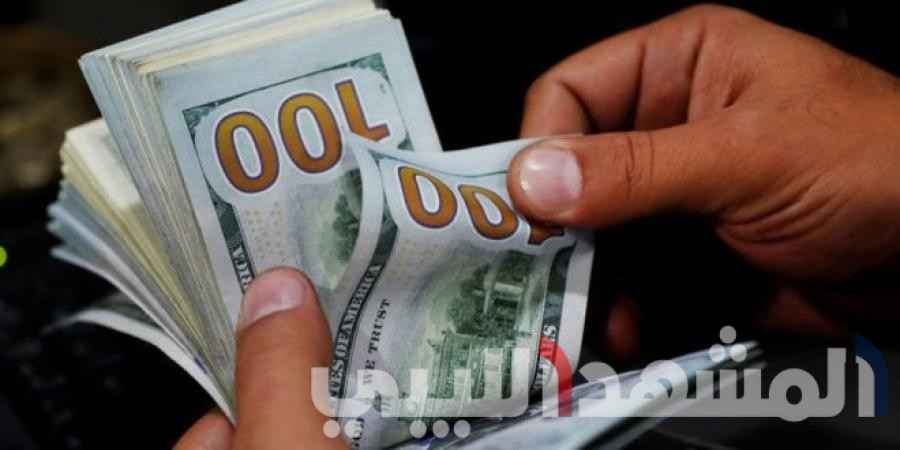
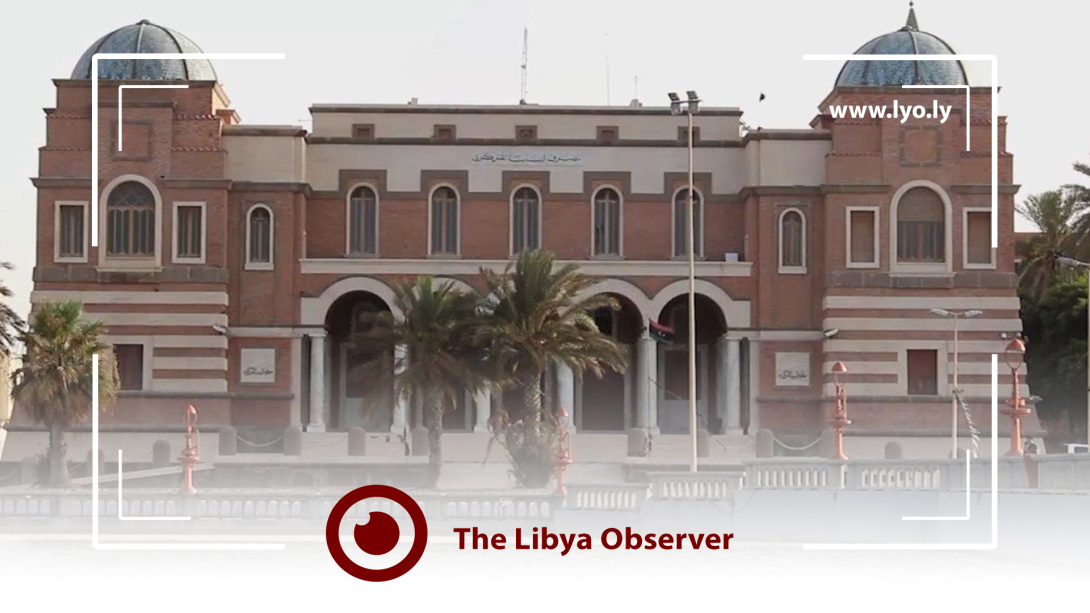
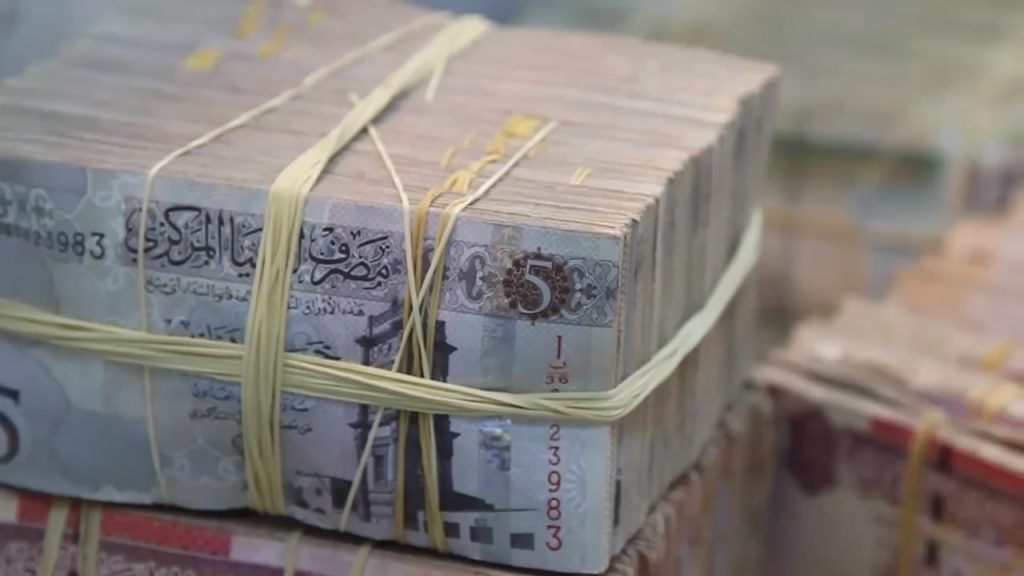
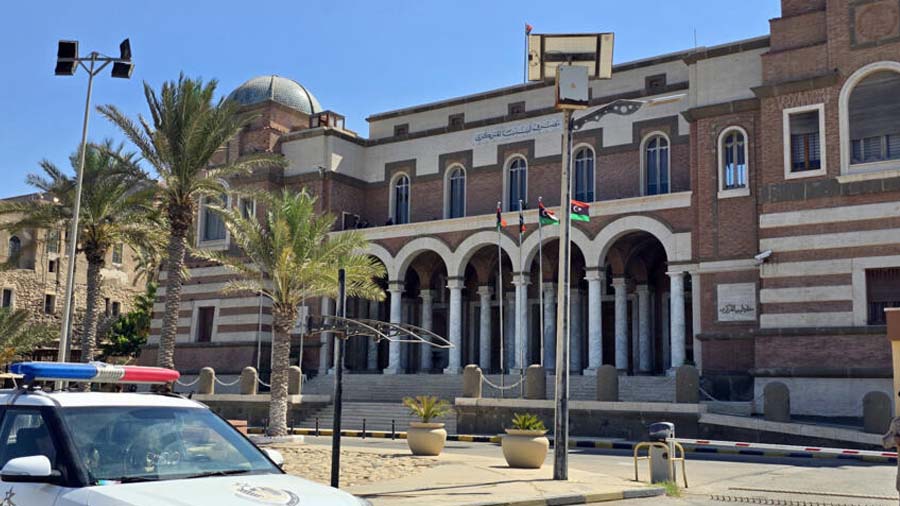
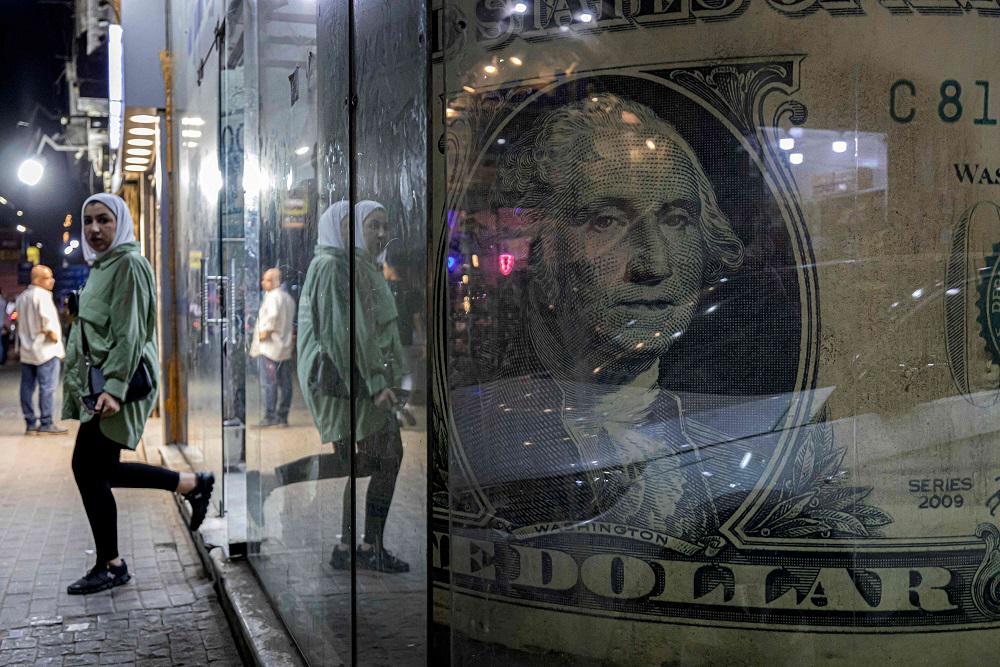
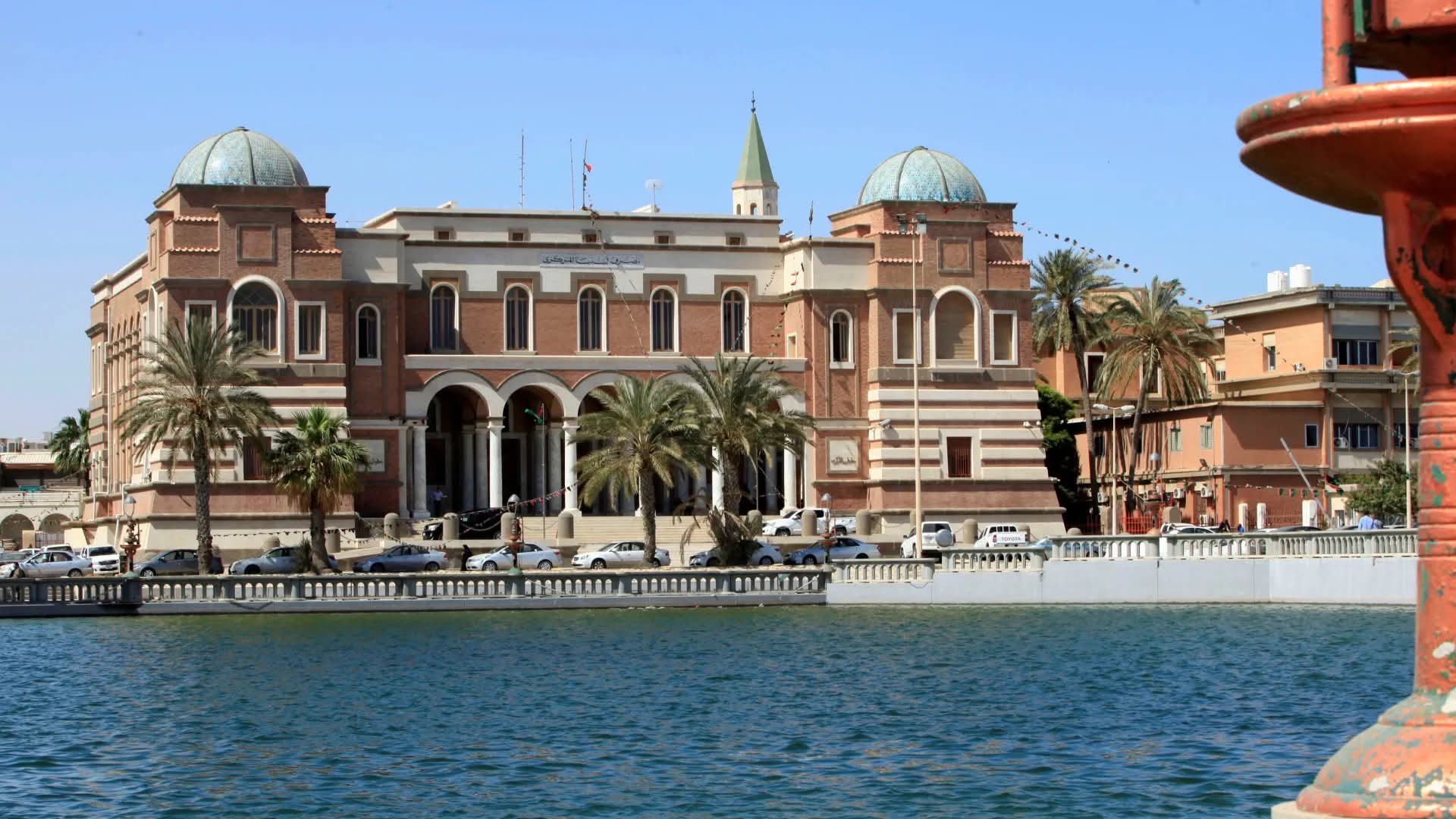
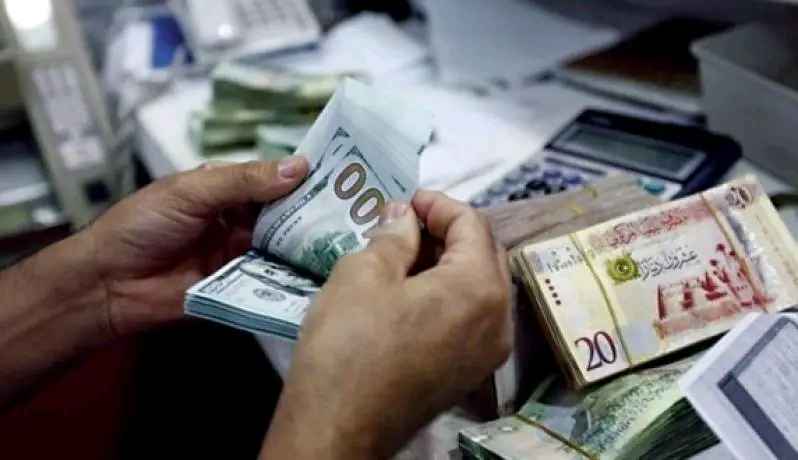
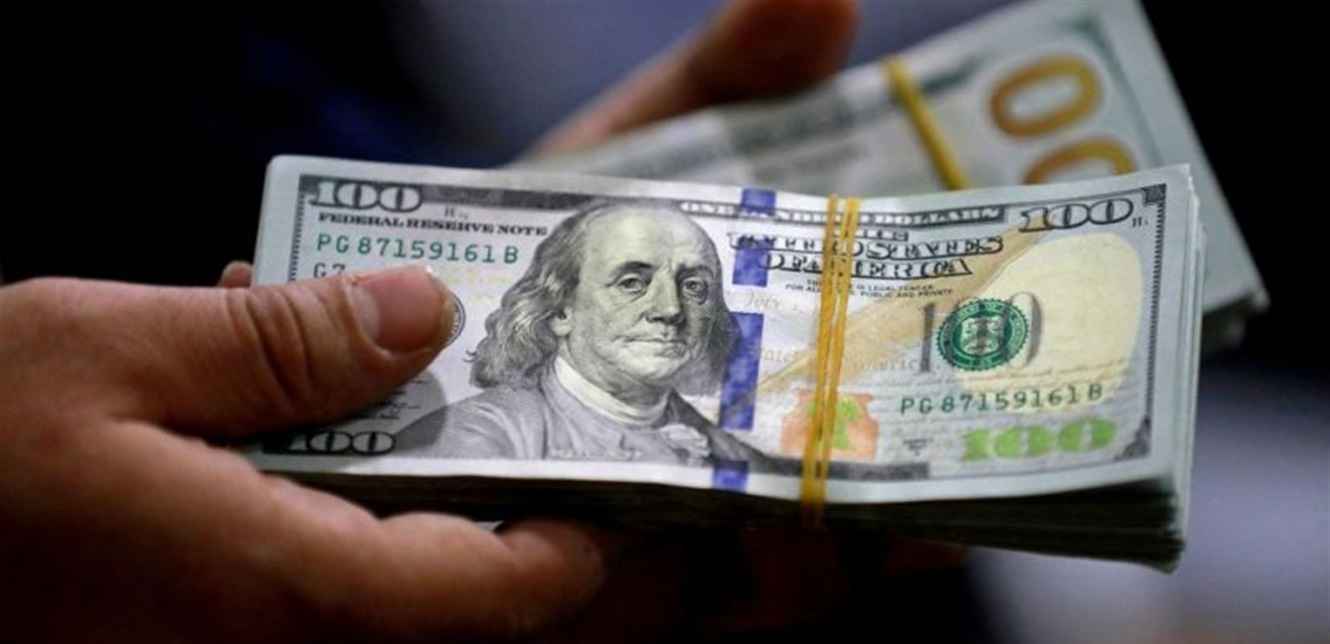
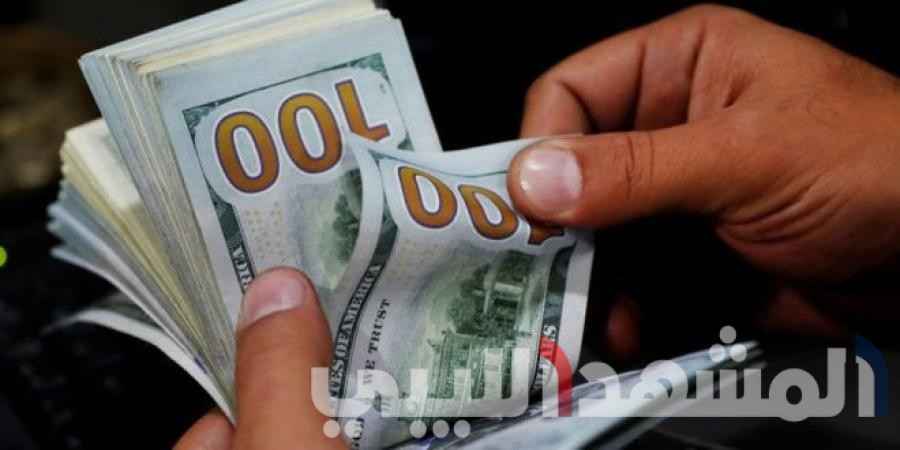
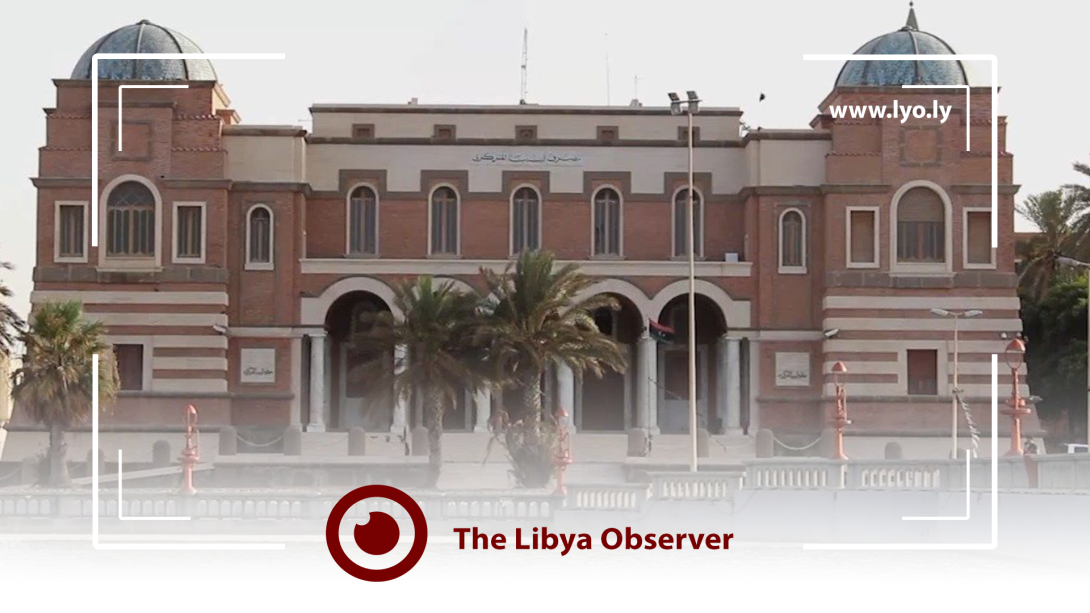
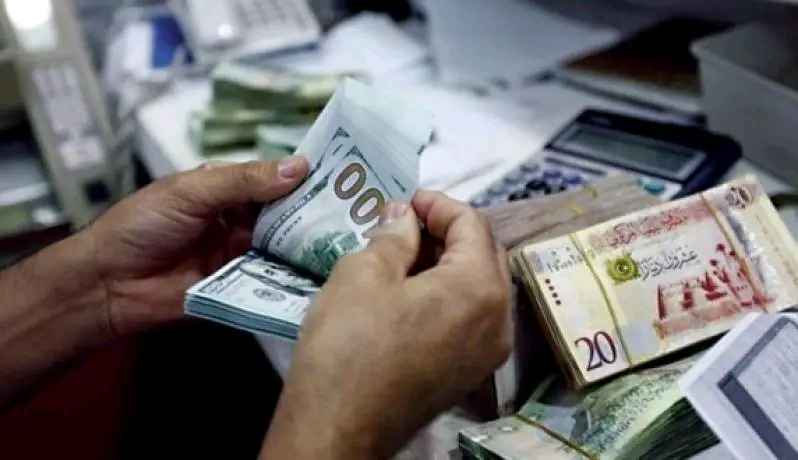
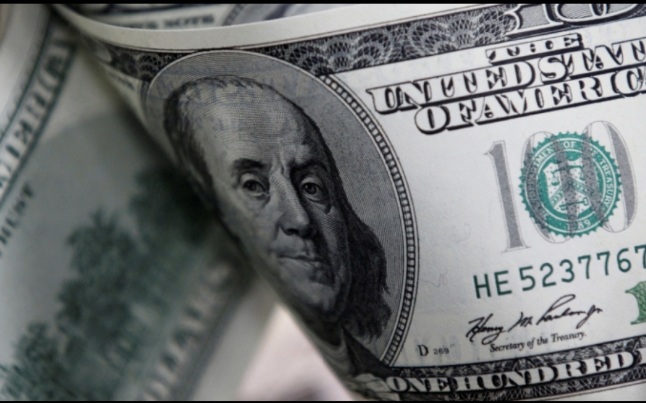
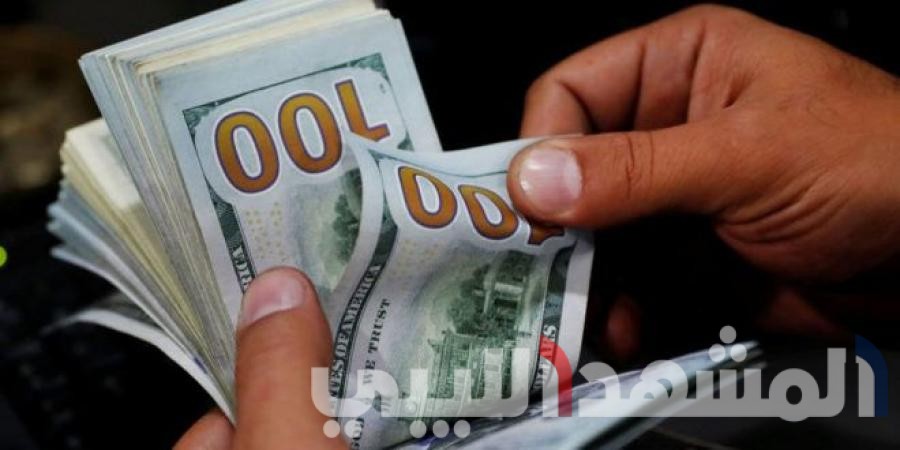
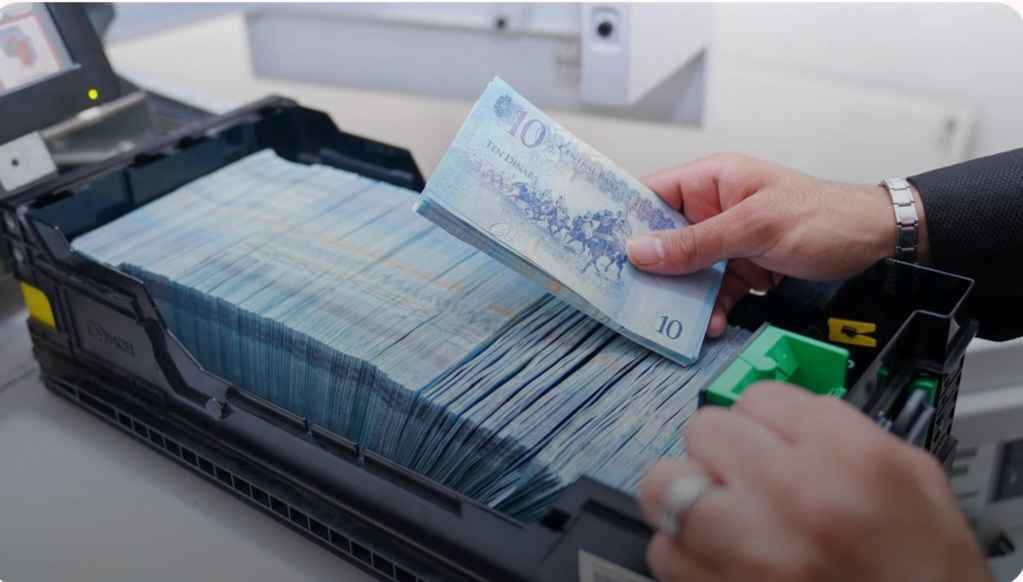
The US dollar saw a noticeable decline against the Libyan dinar in parallel market trading this Wednesday. This followed the circulation of leaks indicating the Central Bank’s readiness to inject approximately $600 million monthly in foreign currency starting next February, which quickly impacted market movements.
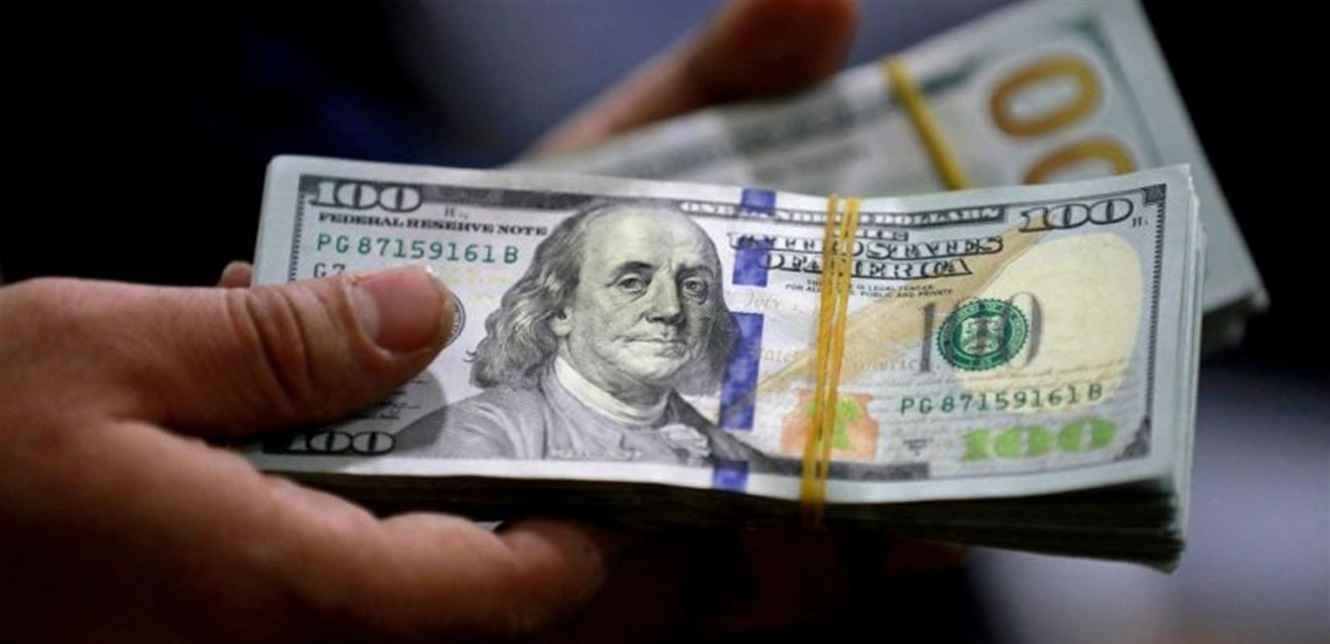
According to traders, the dollar traded at 9.03 dinars in the Al-Mashir market in Tripoli and 9.04 dinars in the Venice market in Benghazi, compared to 9.20 dinars yesterday, Tuesday. This indicates a clear drop in prices within just 24 hours.
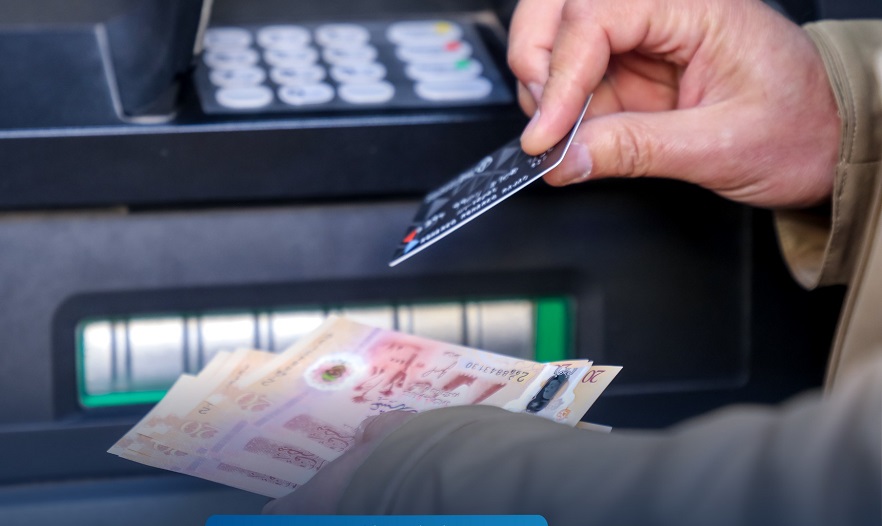
As for bank transfers and checks, the dollar was recorded at 10.60 dinars, with the gap between the cash price and banking transaction prices persisting.
Traders are anticipating the impact of the Central Bank’s expected move on market stability in the coming weeks, with expectations of further declines if the plan for regular foreign currency supply is implemented.
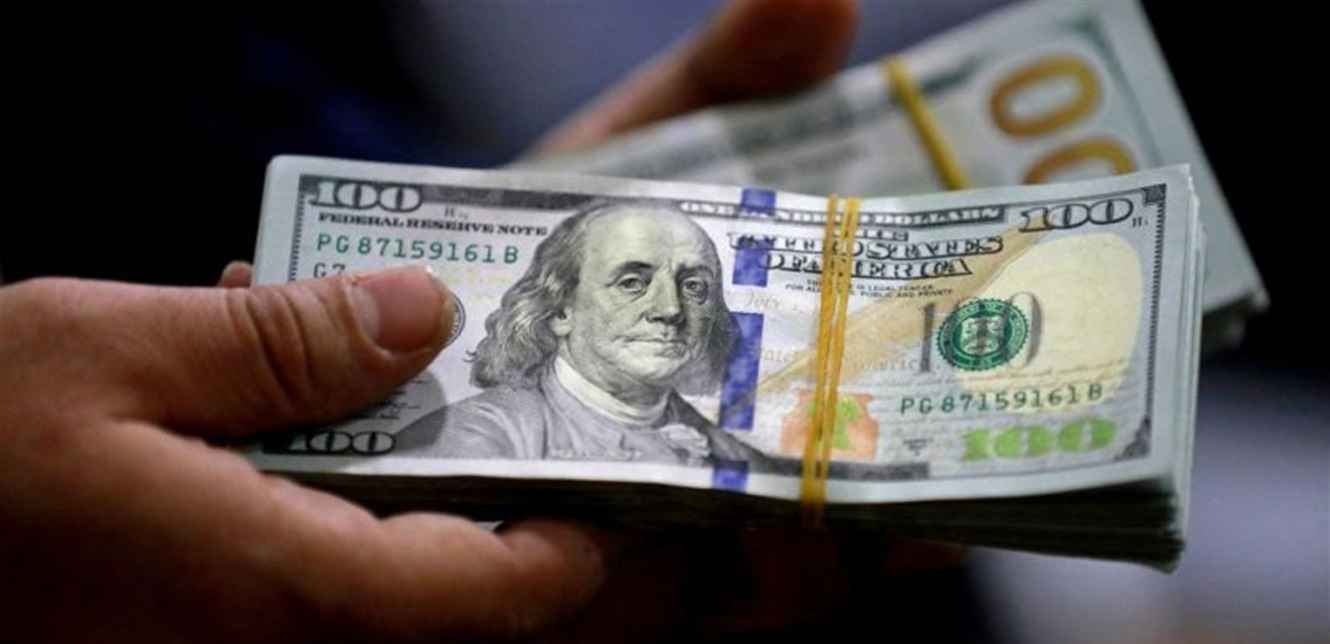
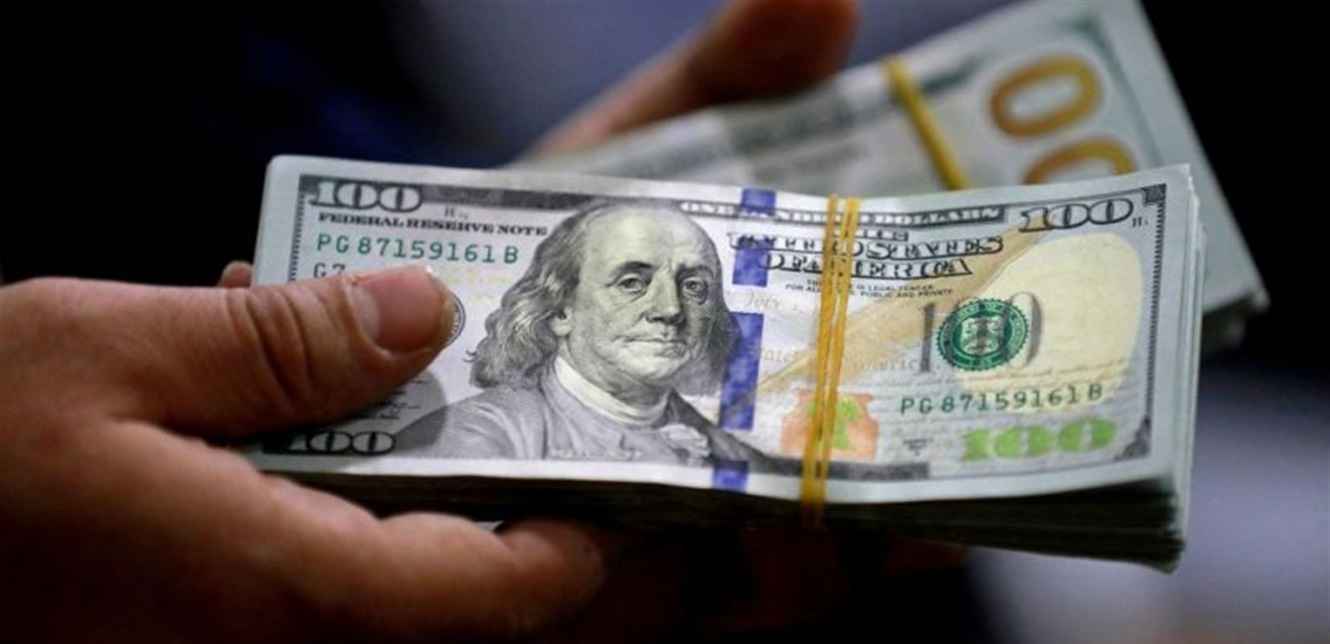
US dollar
The US dollar is the official currency of the United States, established by the Coinage Act of 1792. It evolved from a system based on Spanish milled dollars and became the world’s primary reserve currency following the Bretton Woods Agreement in 1944.
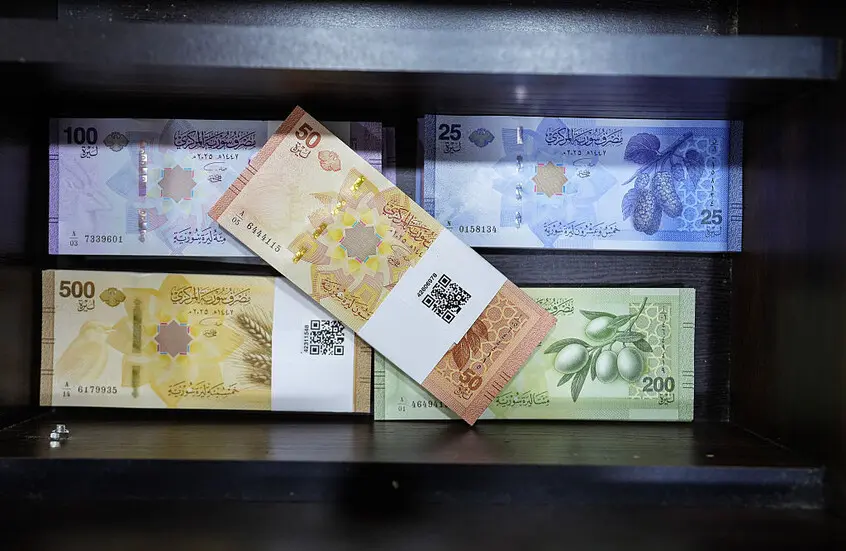
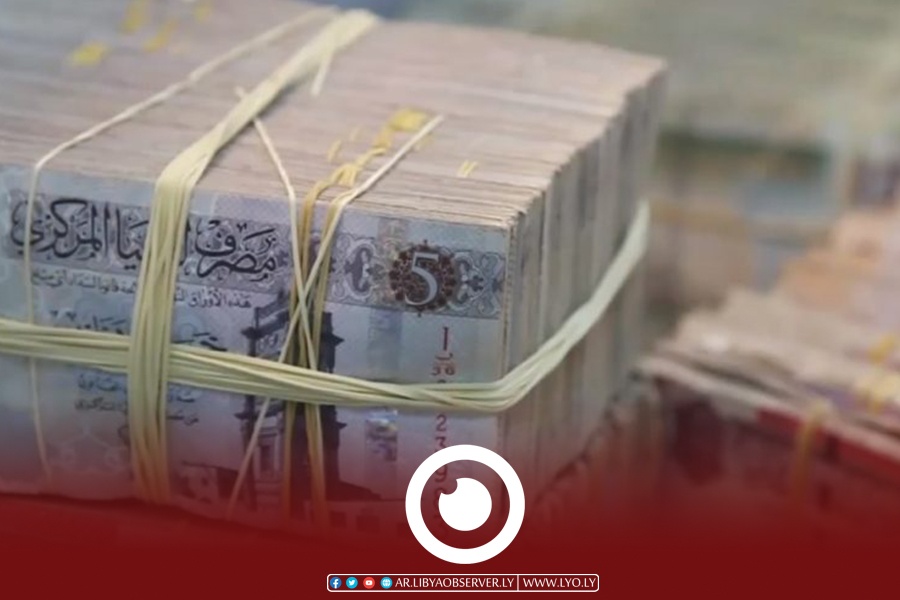
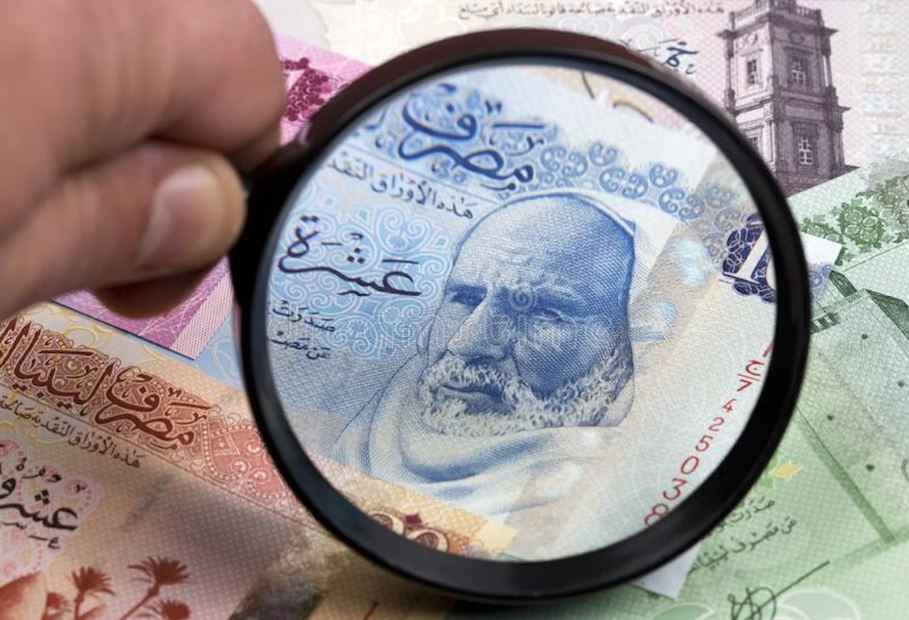
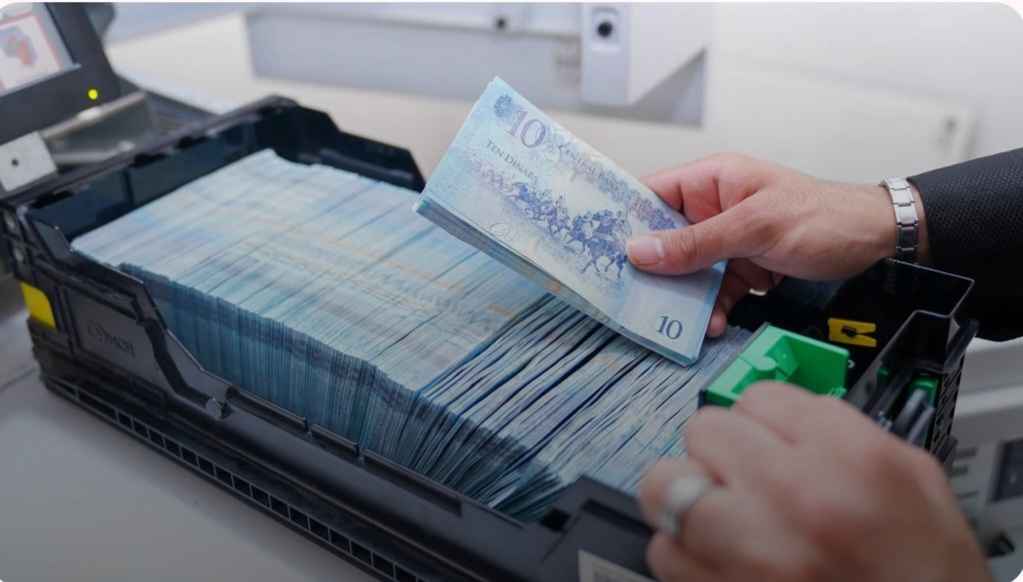
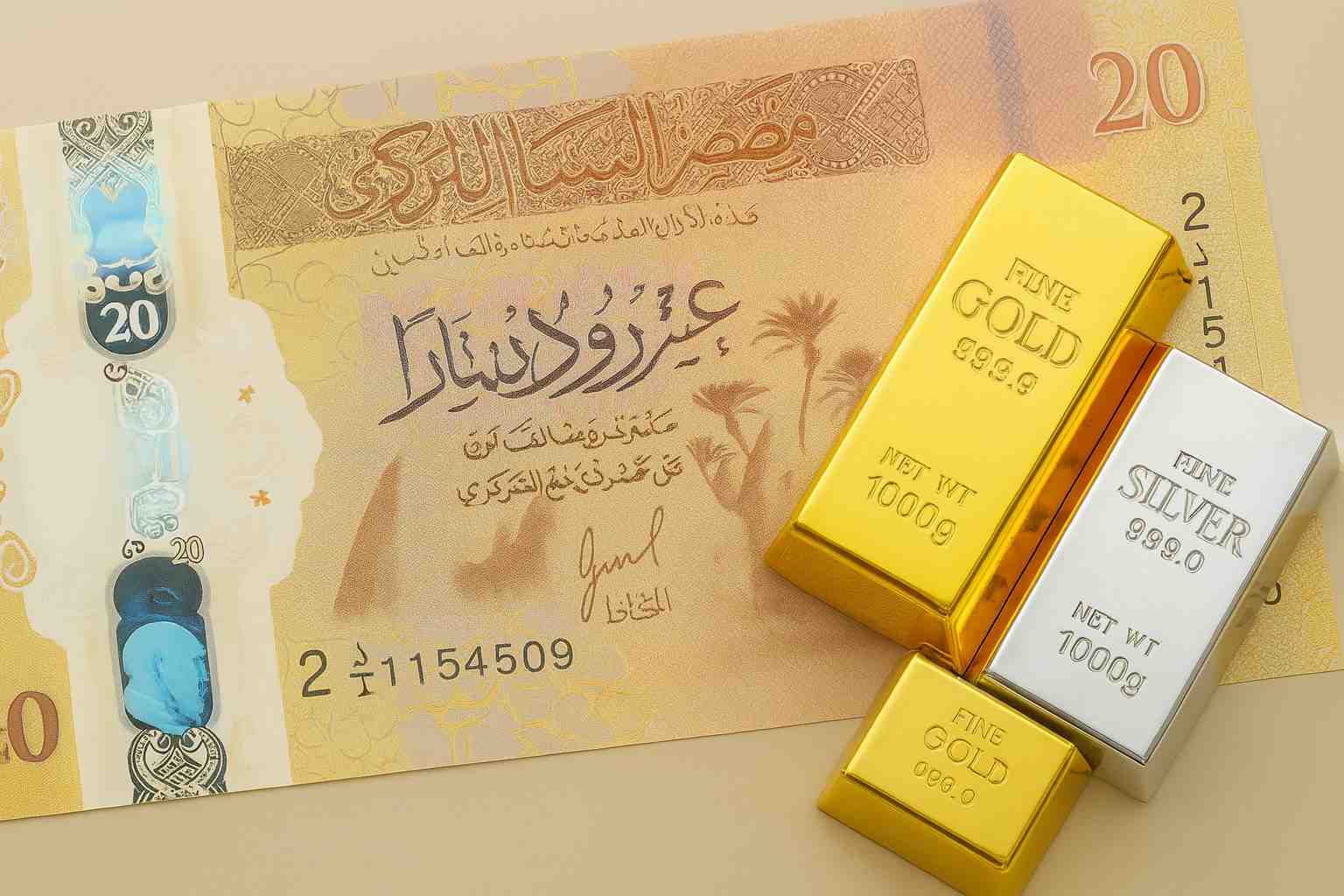
Libyan dinar
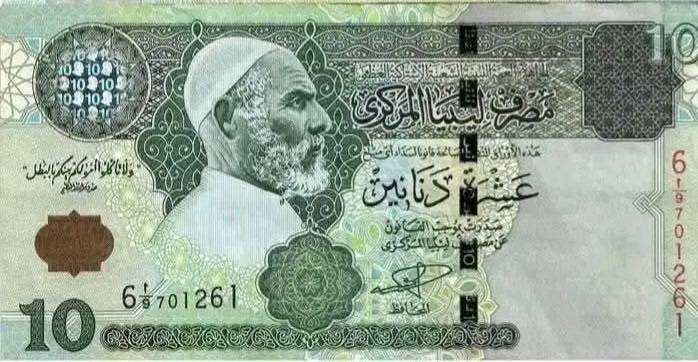
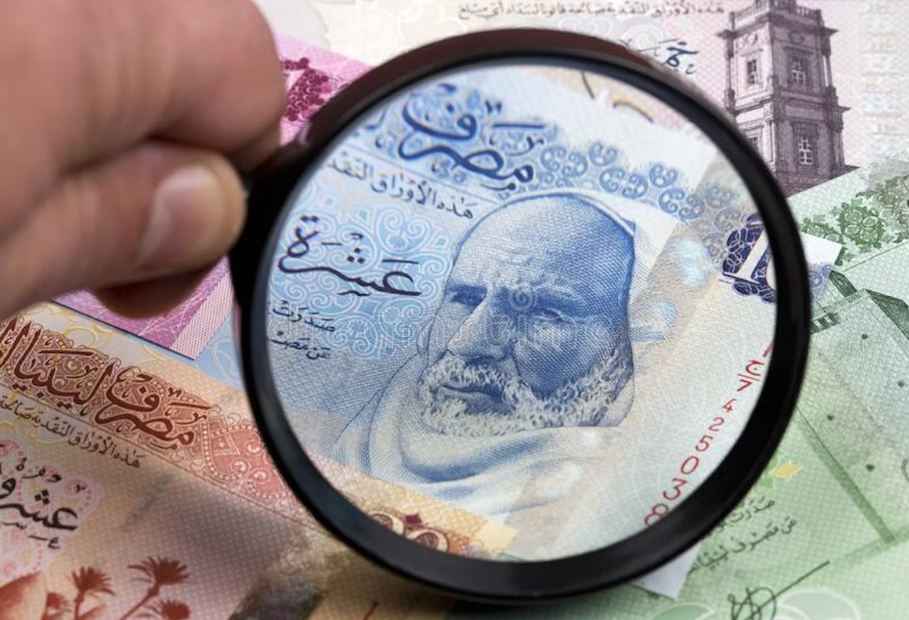
The Libyan dinar is the official currency of Libya, introduced in 1971 to replace the Libyan pound. Its issuance and value have been heavily influenced by the country’s political history, including the Gaddafi era and the instability following the 2011 revolution.
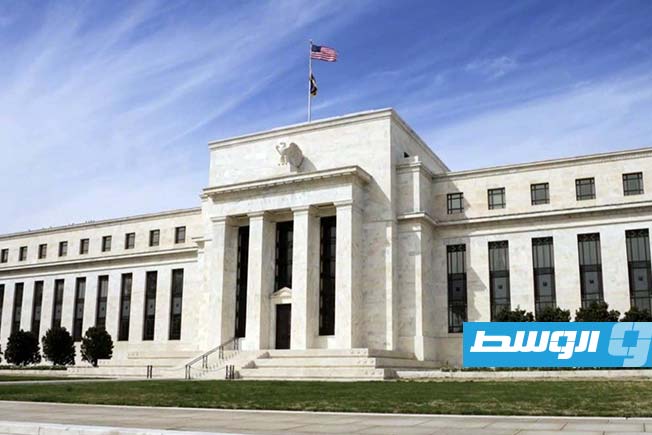
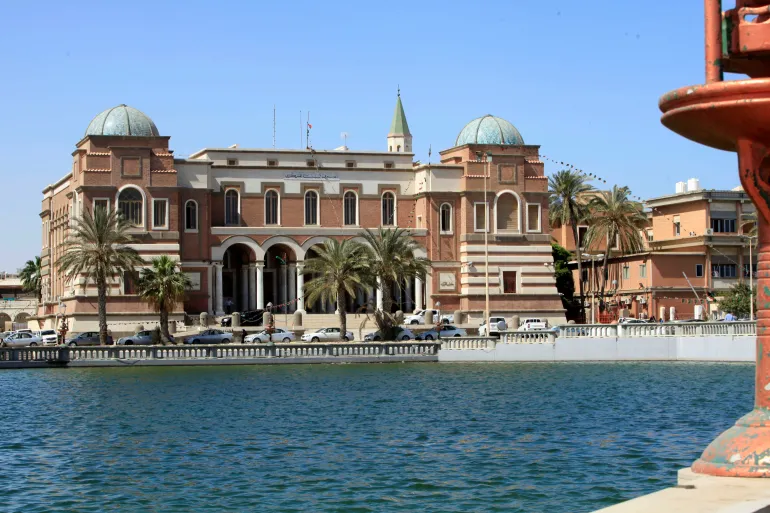
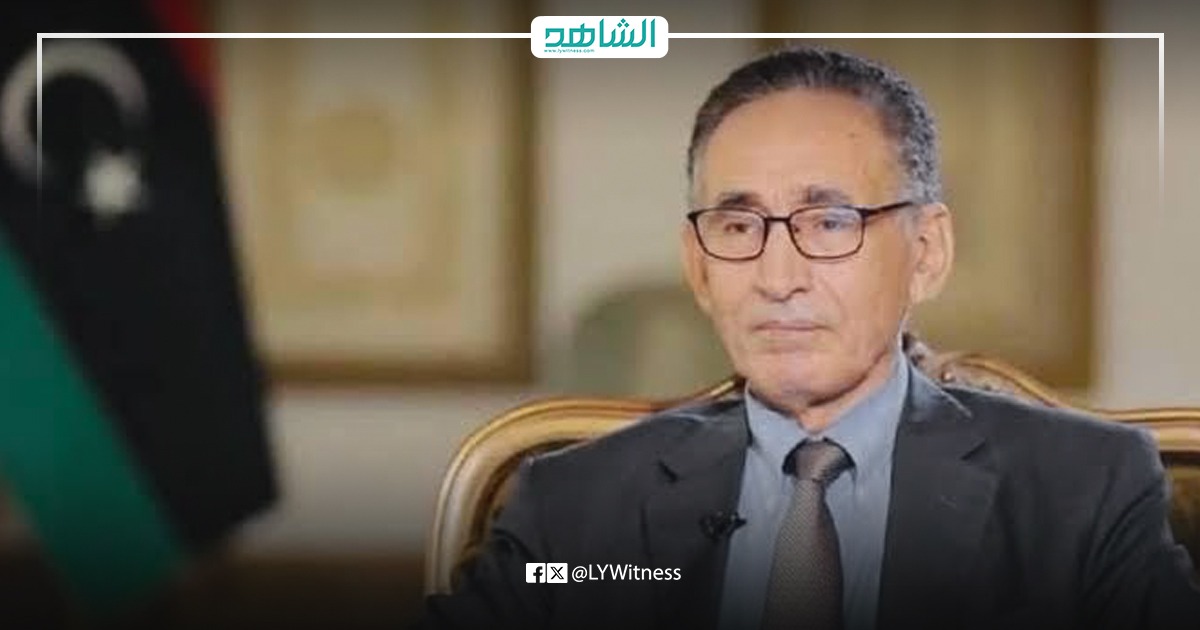
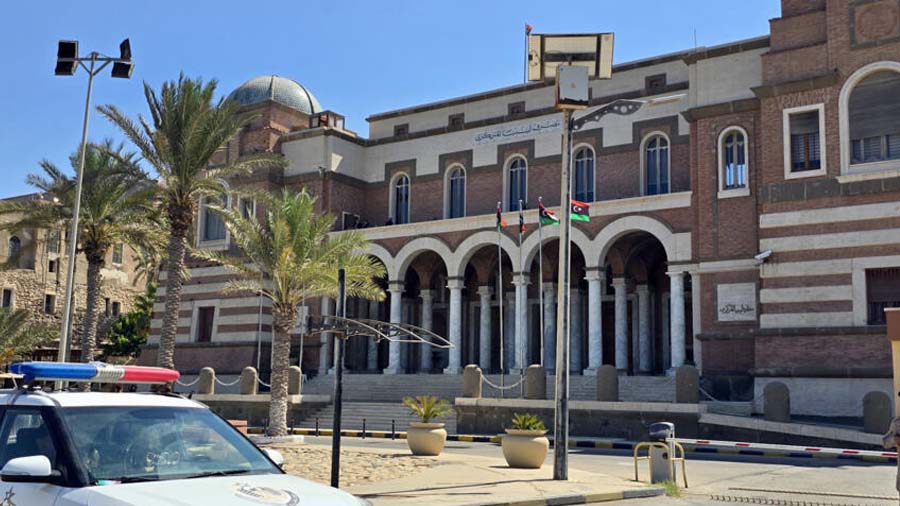
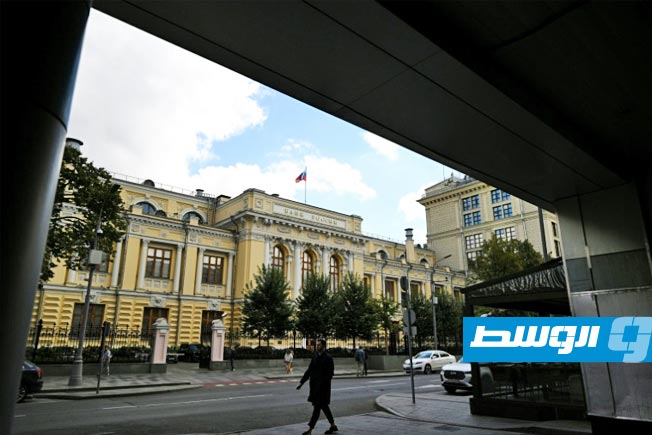
Central Bank
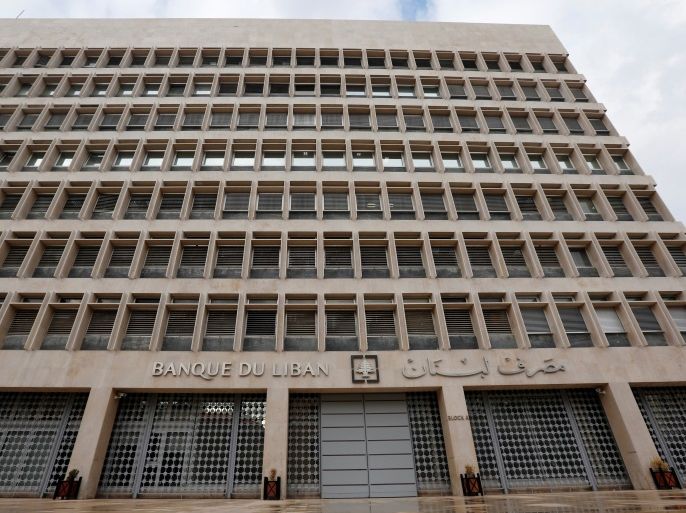
The Central Bank is a nation’s primary monetary authority, responsible for issuing currency and managing monetary policy to ensure economic stability. Historically, such institutions evolved from early banking houses, with Sweden’s Riksbank, founded in 1668, often cited as the world’s oldest central bank. Its modern functions typically include controlling inflation, supervising commercial banks, and acting as the government’s bank.
Al-Mashir market
Al-Mashir Market is a historic and bustling traditional market located in the old city of Sana’a, Yemen. It is renowned for its centuries-old role as a center for commerce, particularly for trading spices, textiles, and silver jewelry. The market’s labyrinthine alleyways and distinctive architecture reflect Yemen’s rich cultural and mercantile history.
Tripoli
Tripoli is the capital and largest city of Libya, with a history dating back to the 7th century BC when it was founded by the Phoenicians. It later became a significant part of the Roman Empire, the Ottoman Empire, and an Italian colony, which is reflected in its diverse architecture, such as the historic Medina and the Red Castle (Assai al-Hamra).
Venice market
The Venice market, historically centered around the Rialto area, has been the city’s primary food and goods marketplace since the 11th century. It remains a vibrant hub where locals shop for fresh produce, fish from the lagoon, and other goods, continuing a mercantile tradition that was foundational to the Venetian Republic’s economic power.
Benghazi
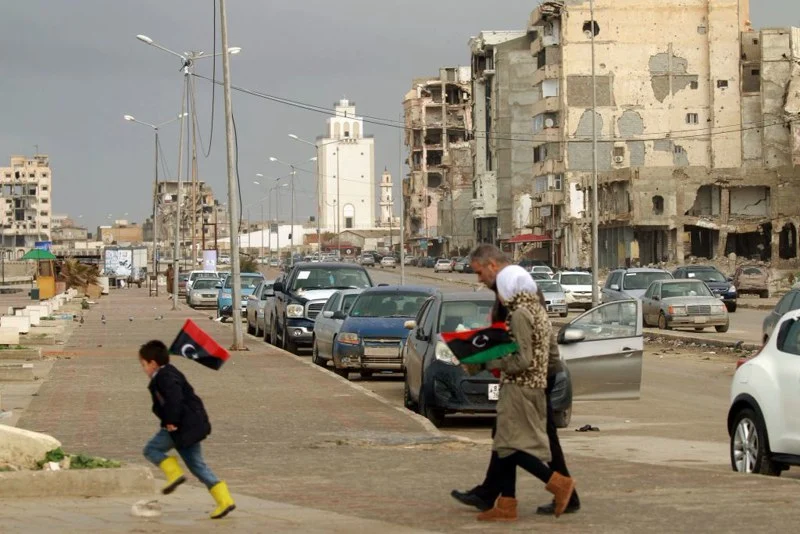
Benghazi is a major city in eastern Libya, historically significant as a key trade hub since ancient Greek times when it was founded as Euesperides. It later served as the capital of the Kingdom of Libya and was a focal point of the 2011 revolution that overthrew Muammar Gaddafi.