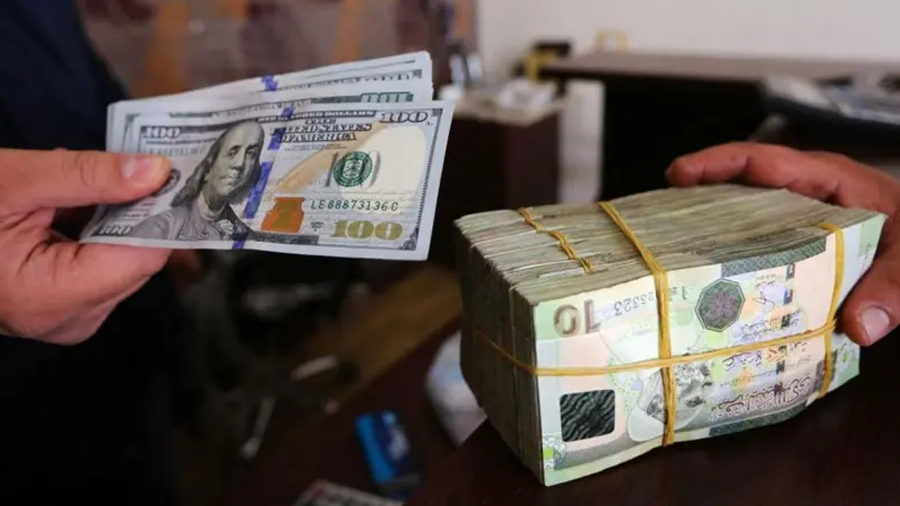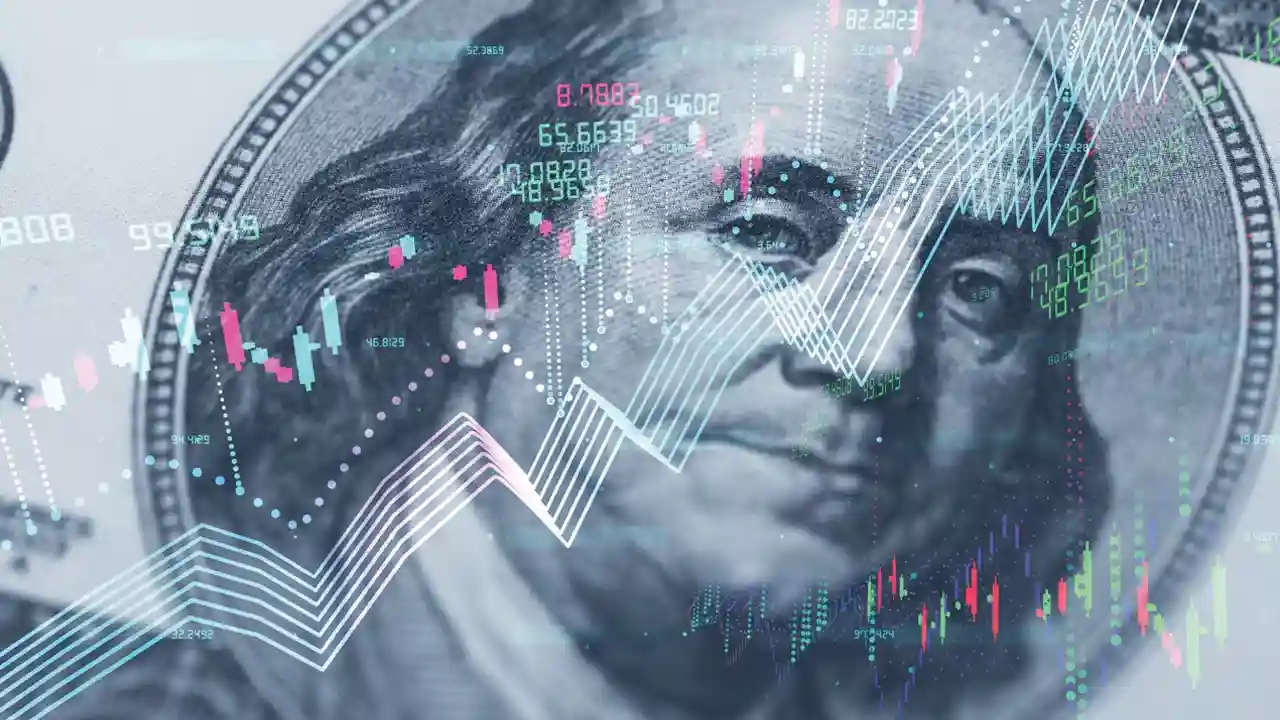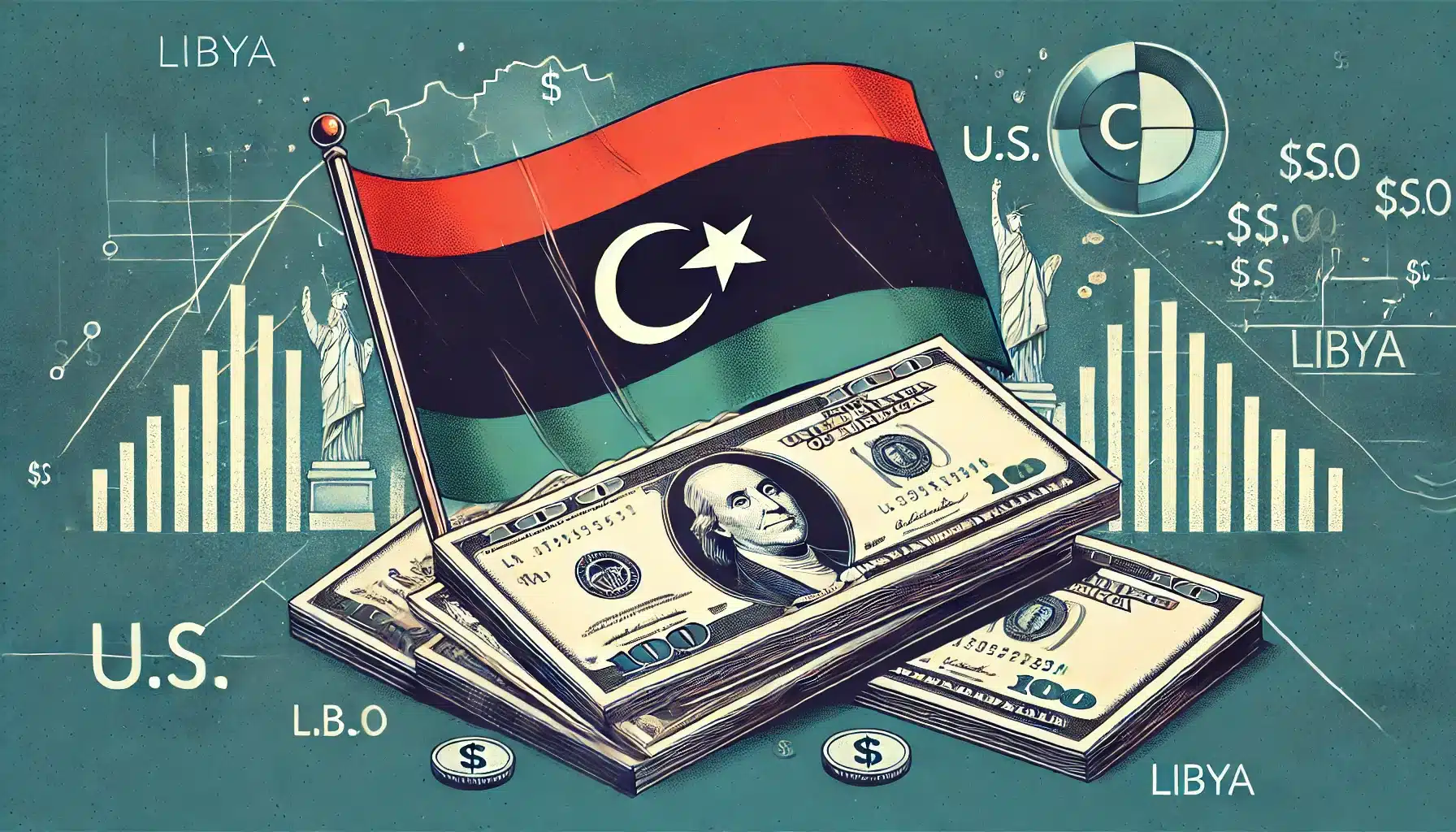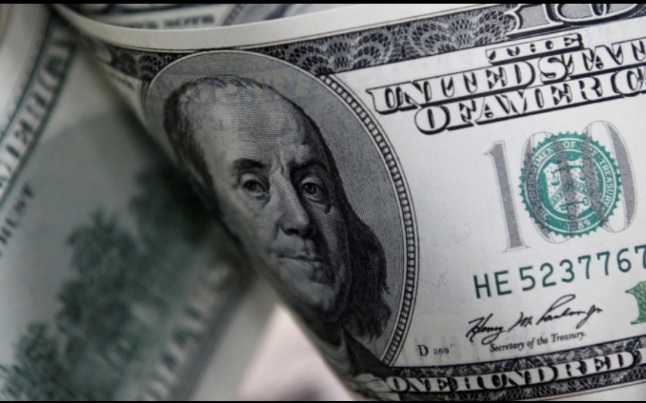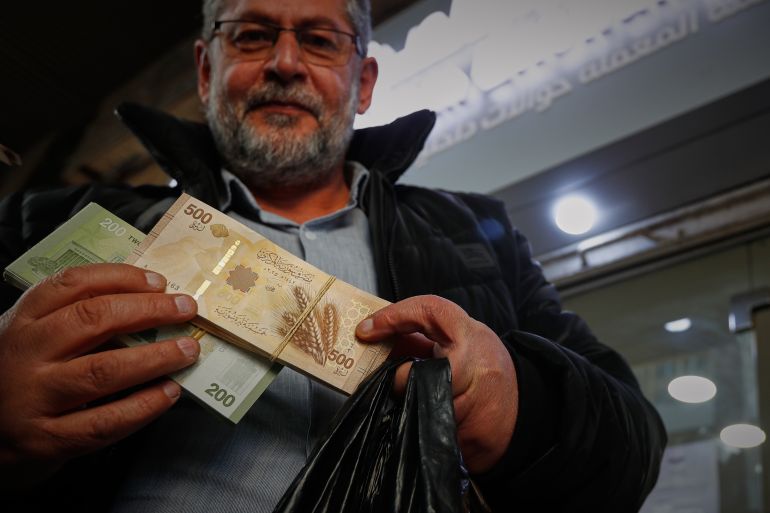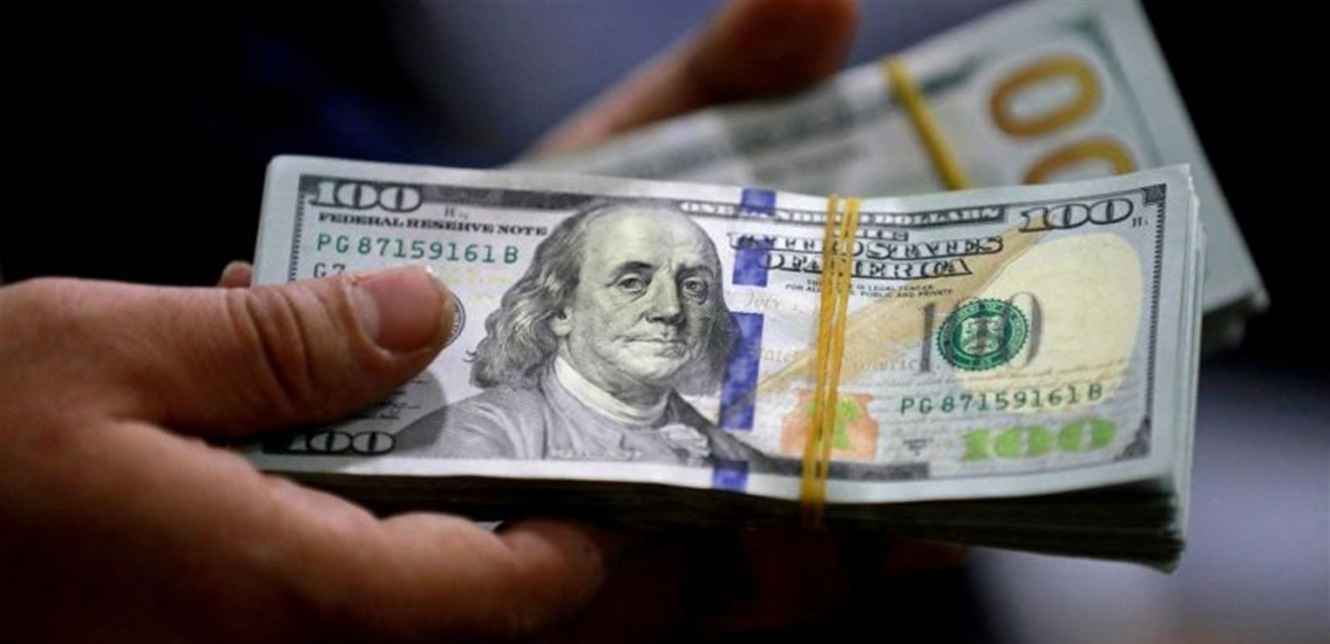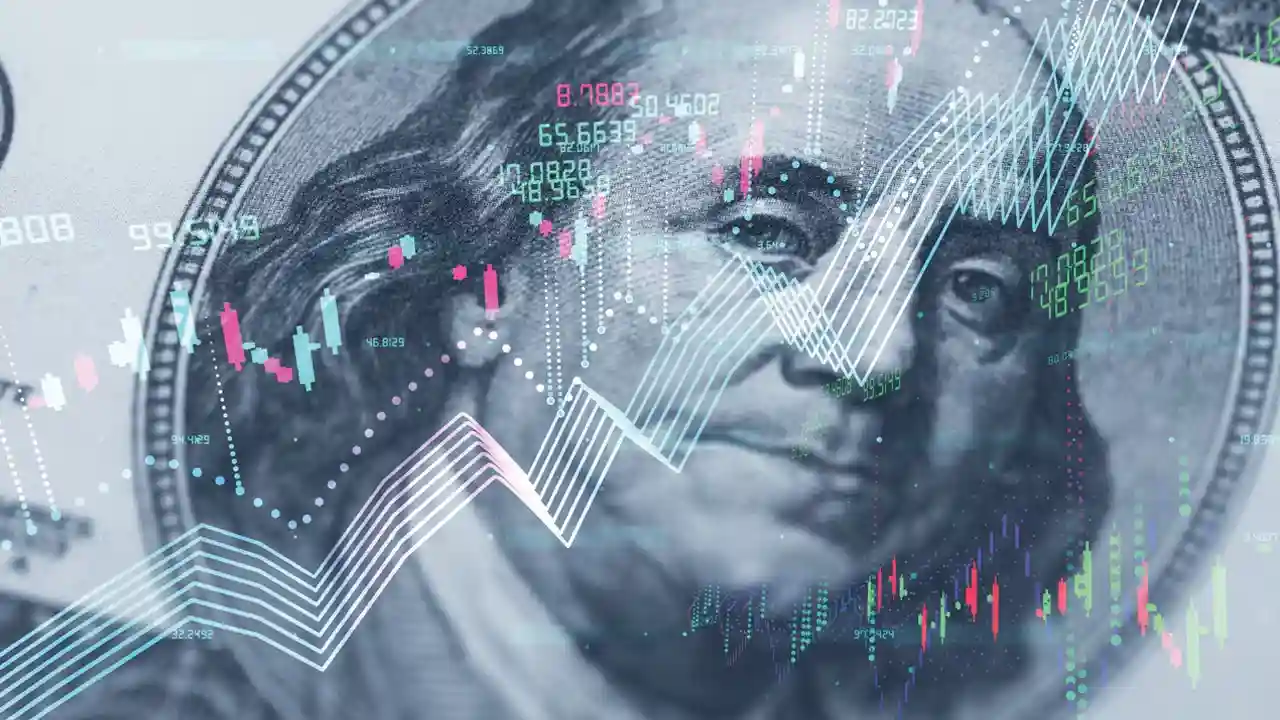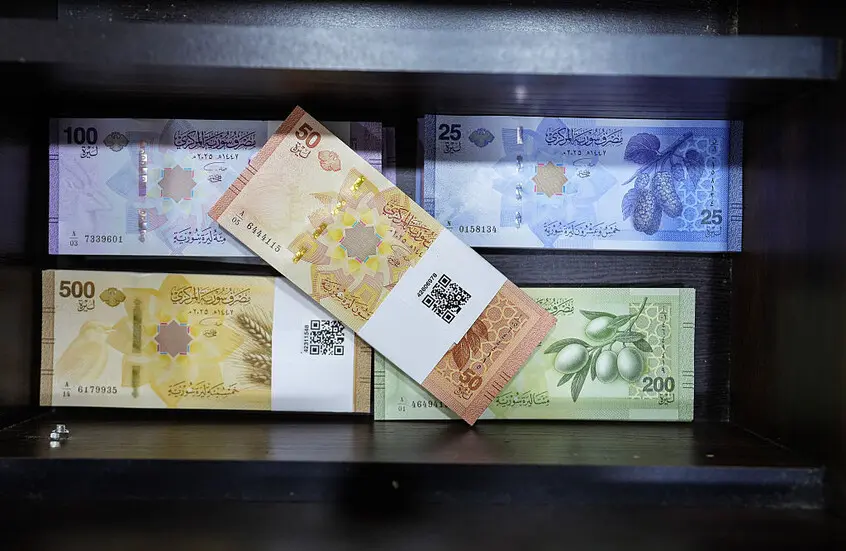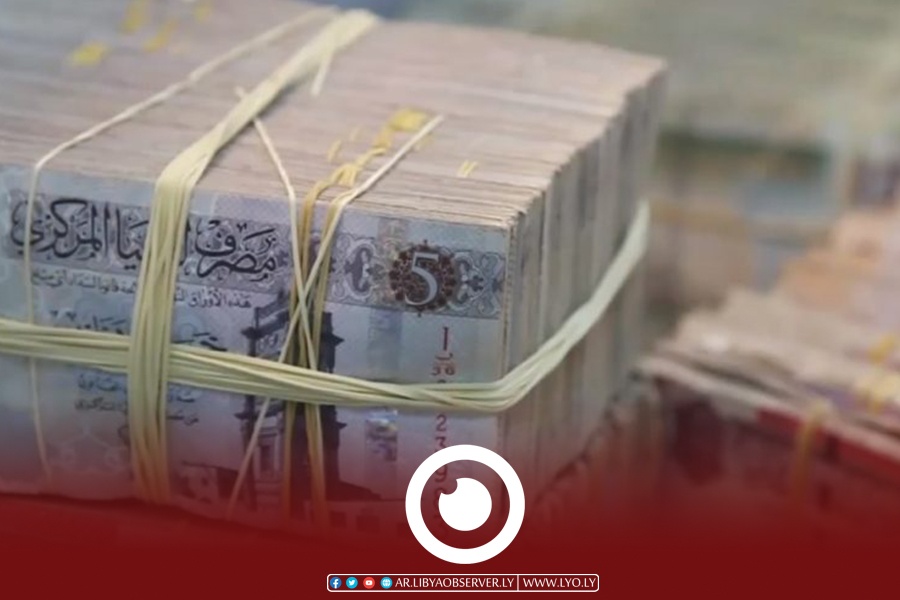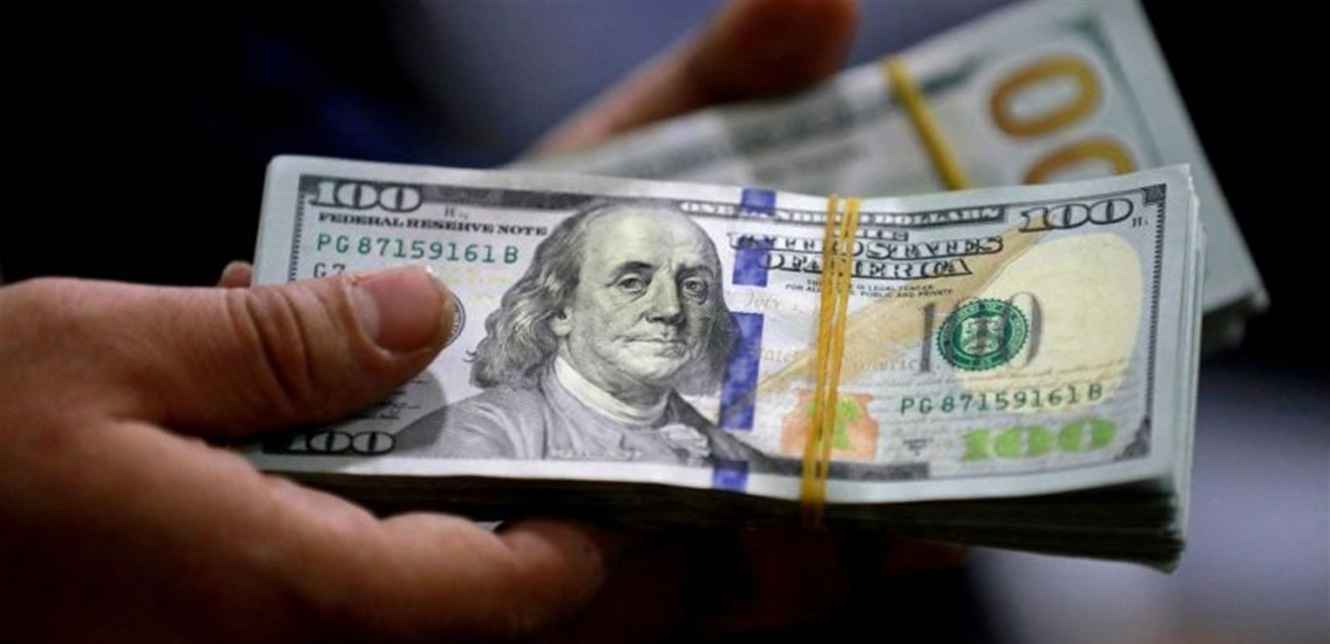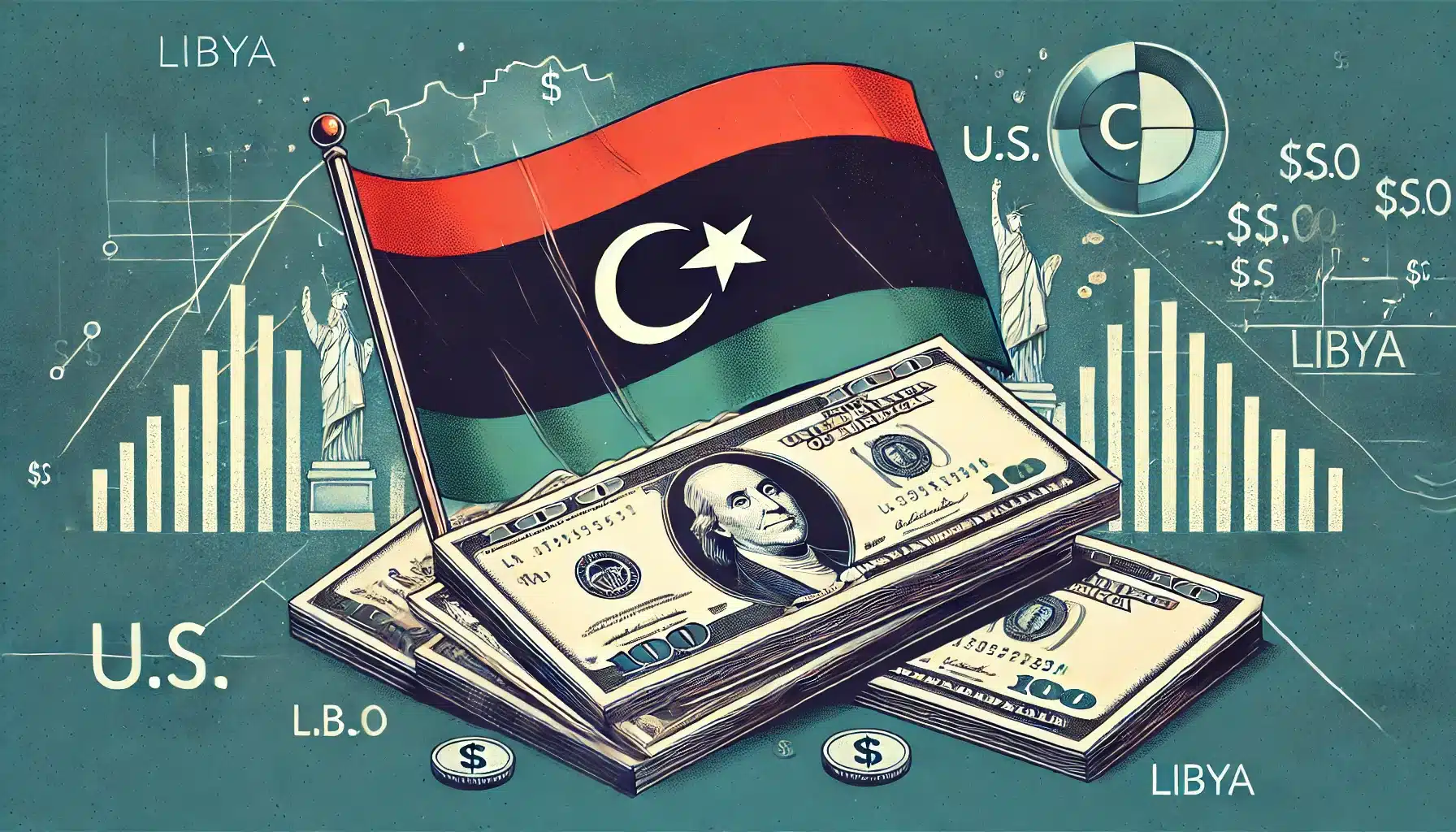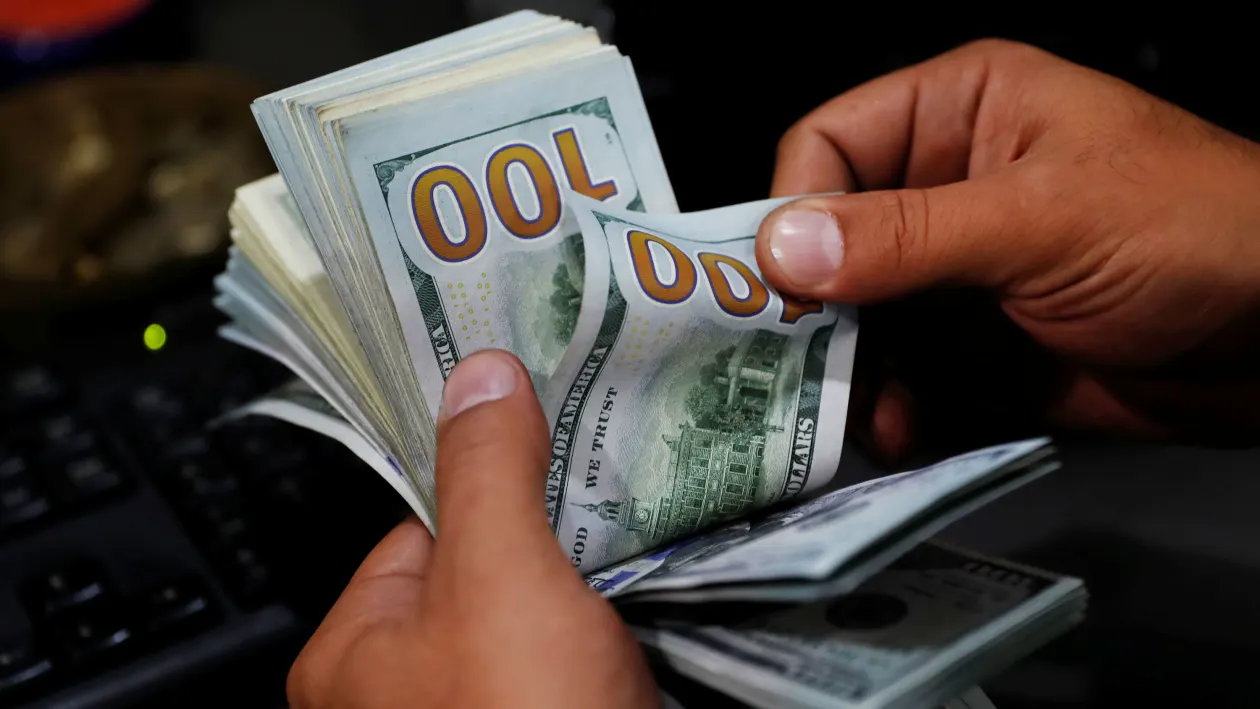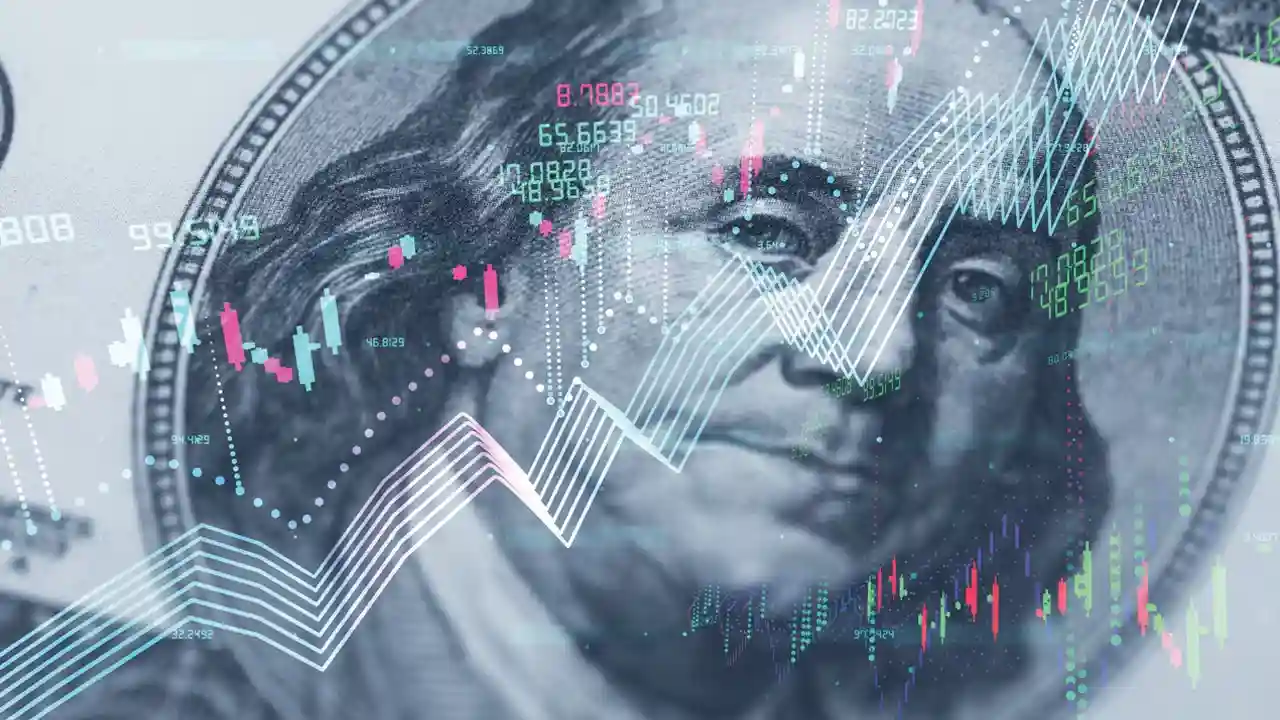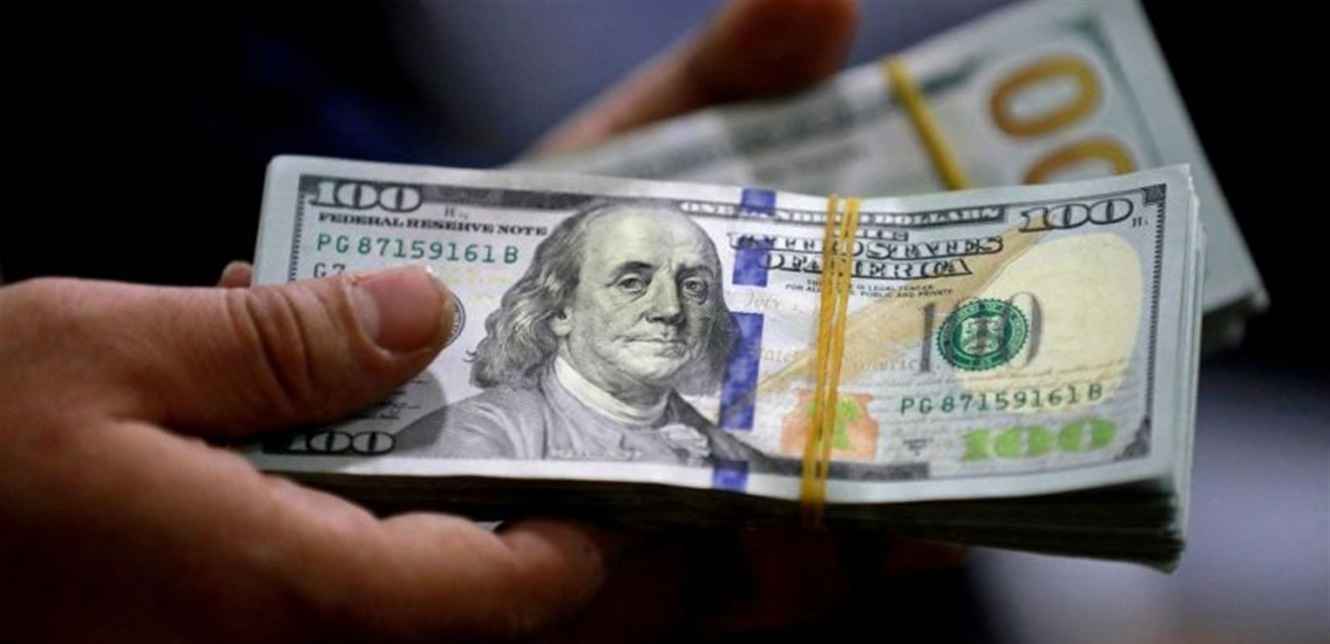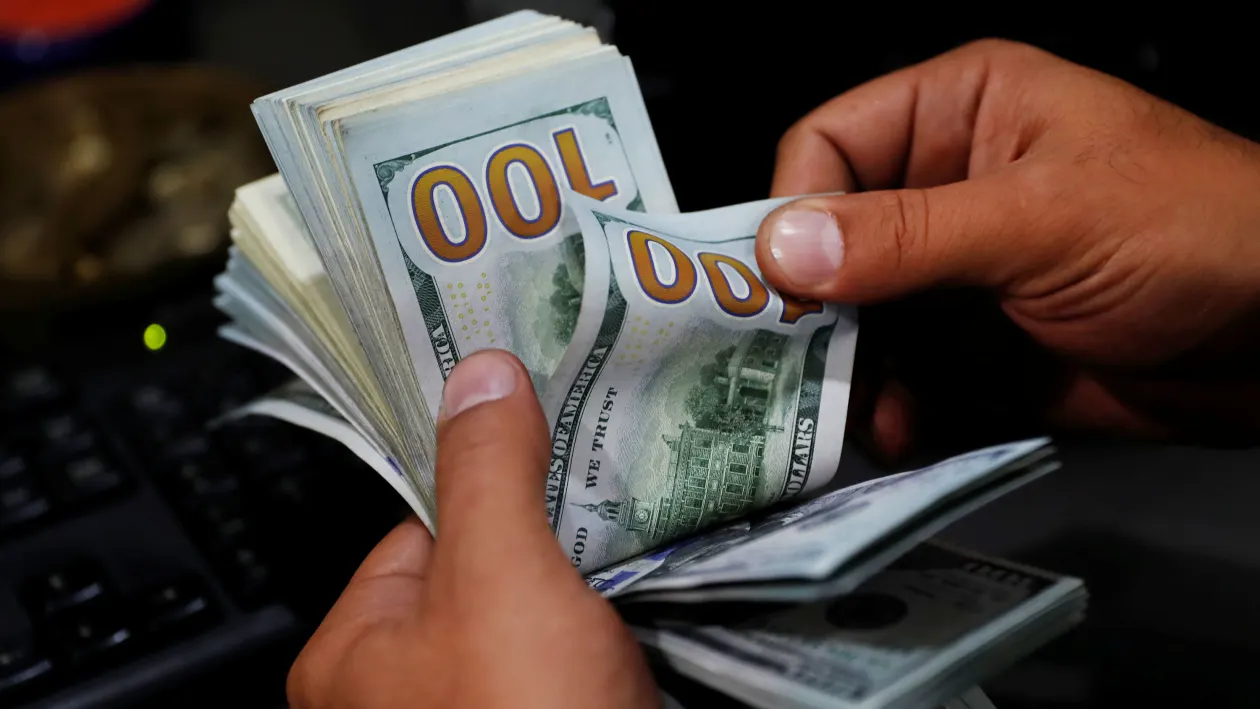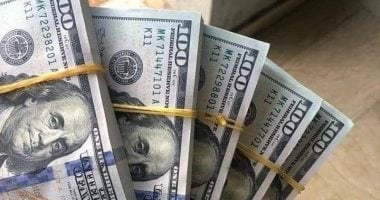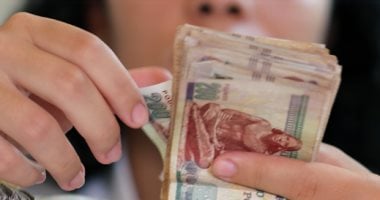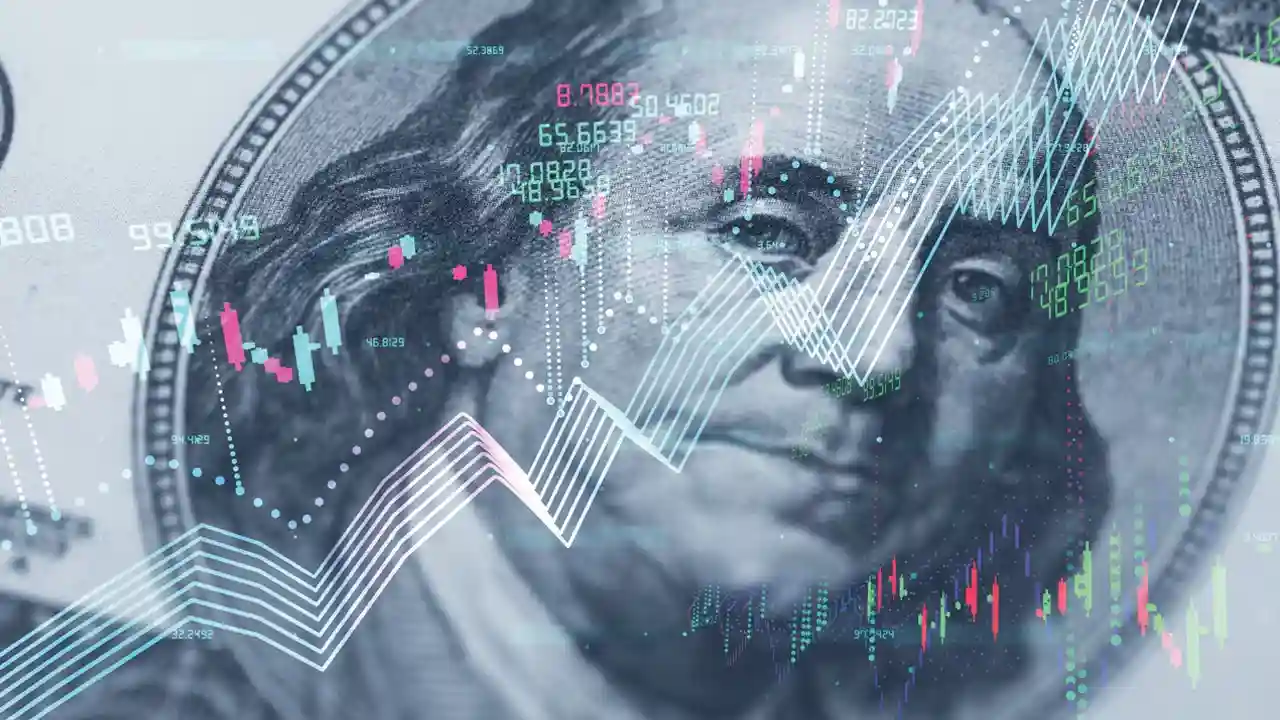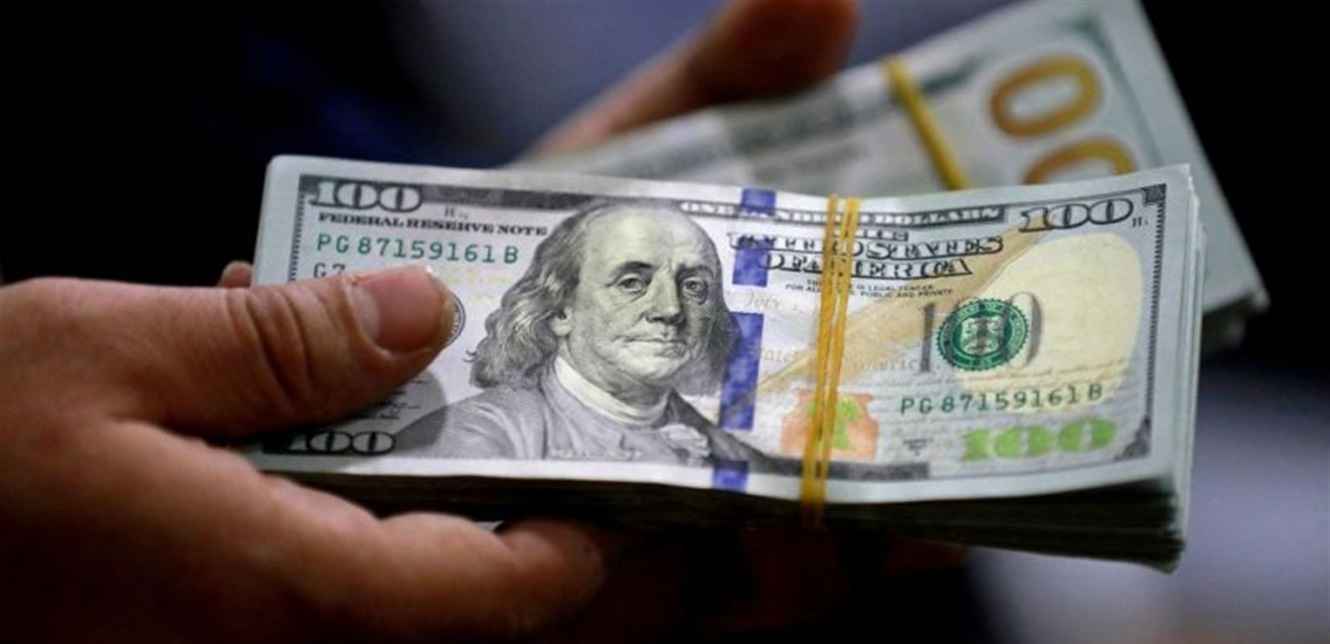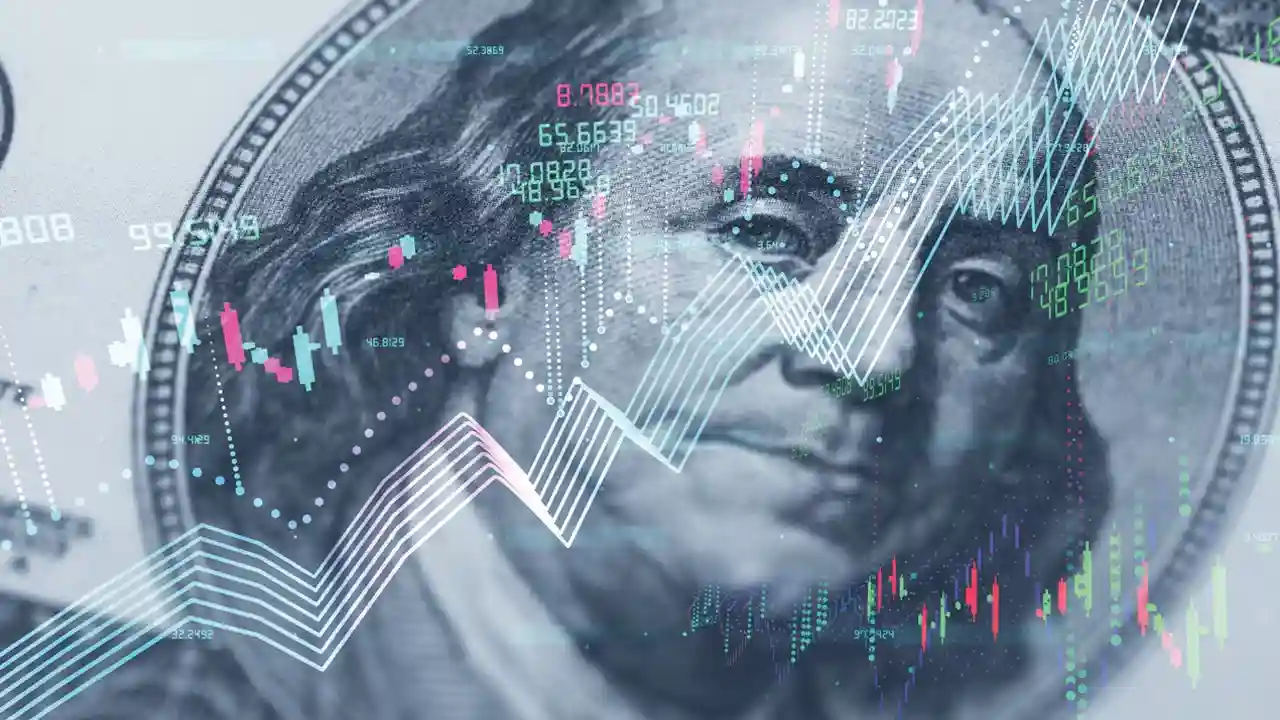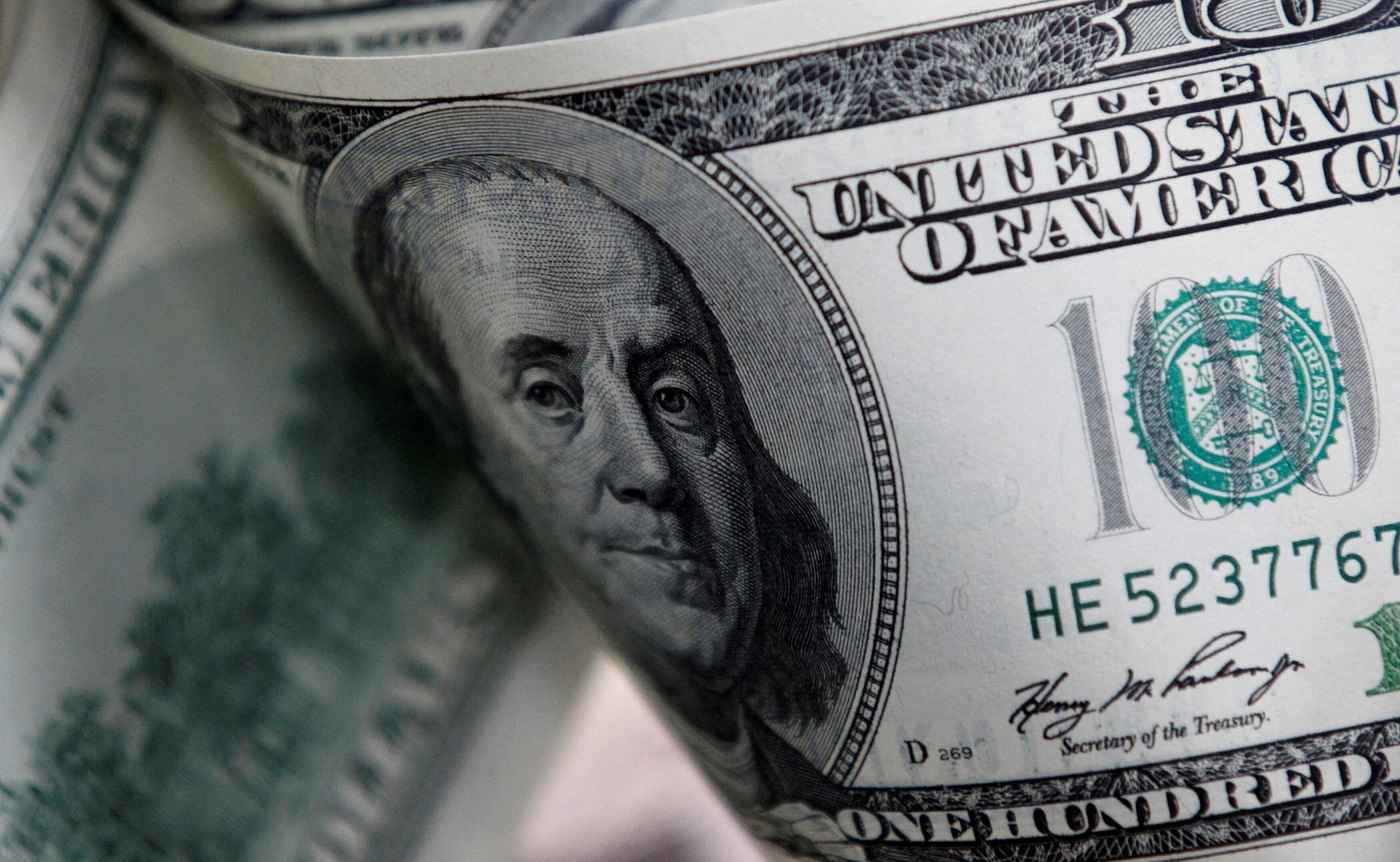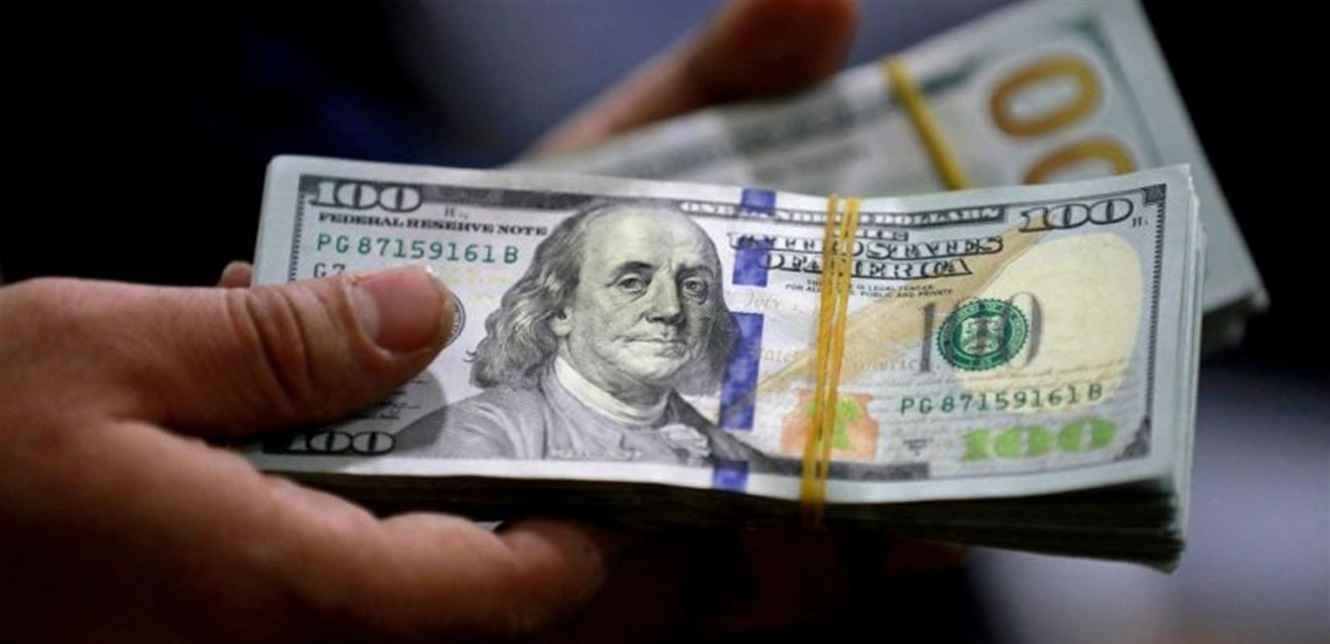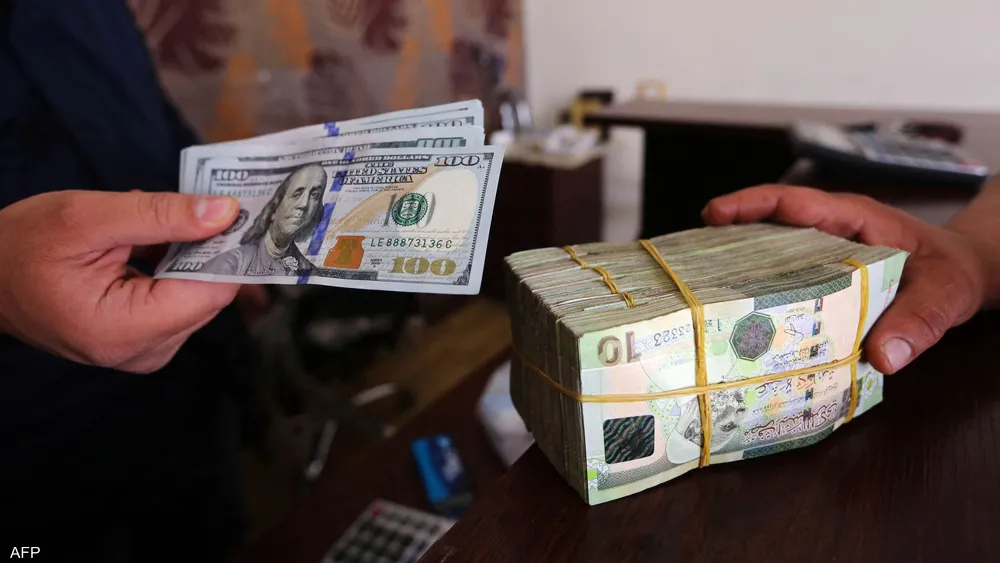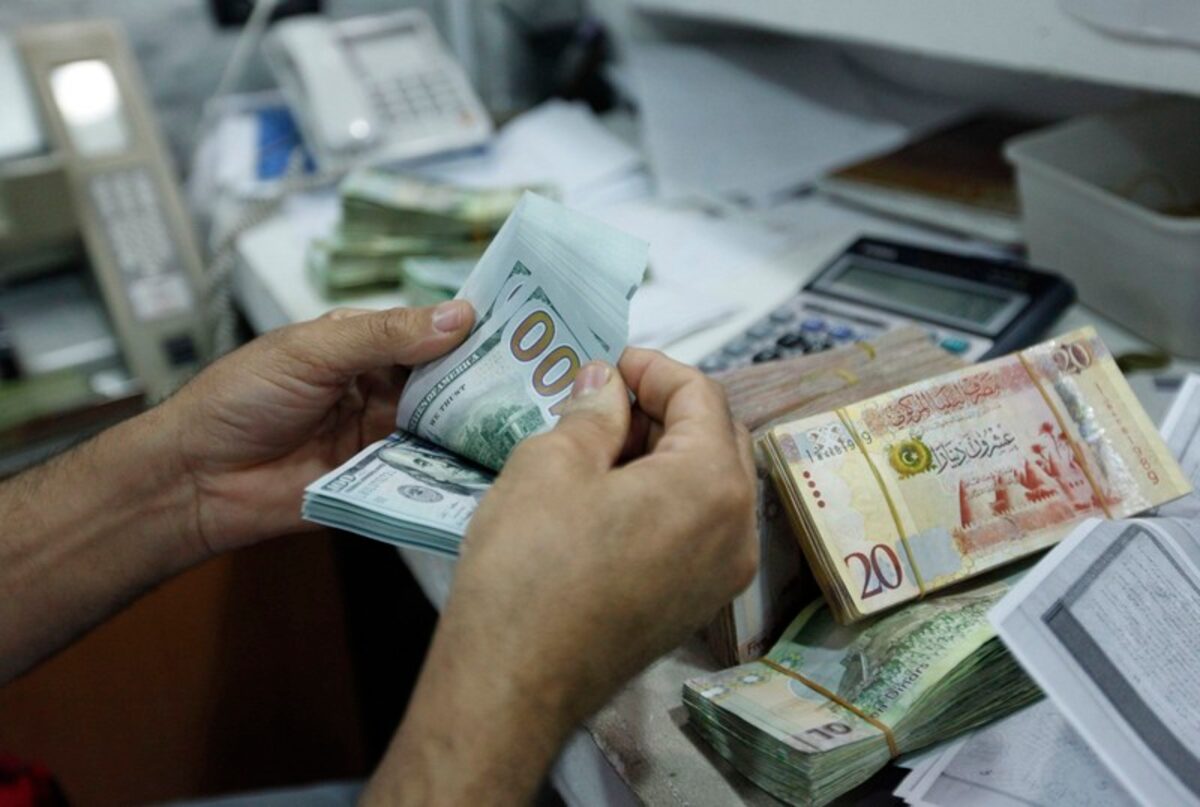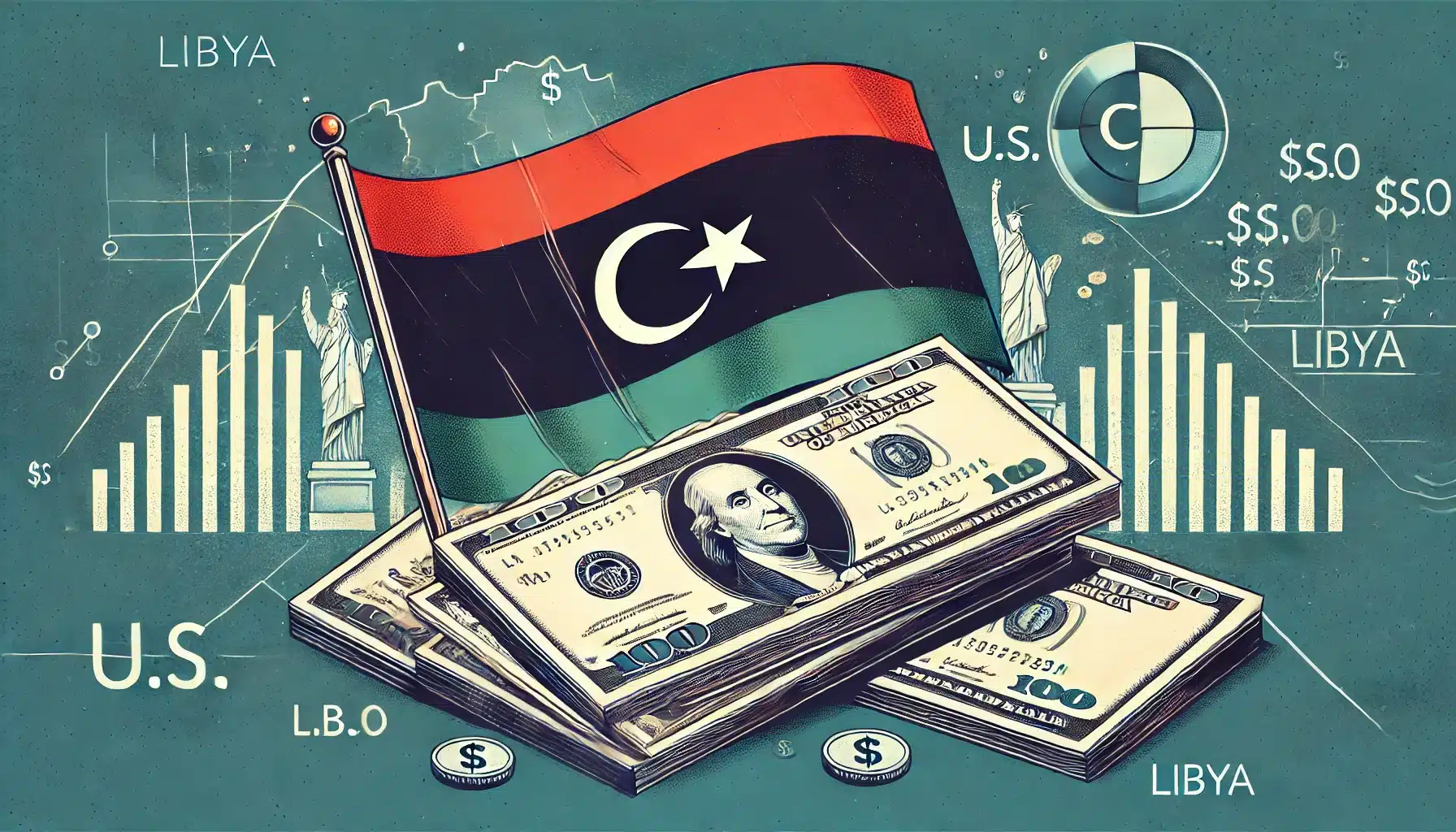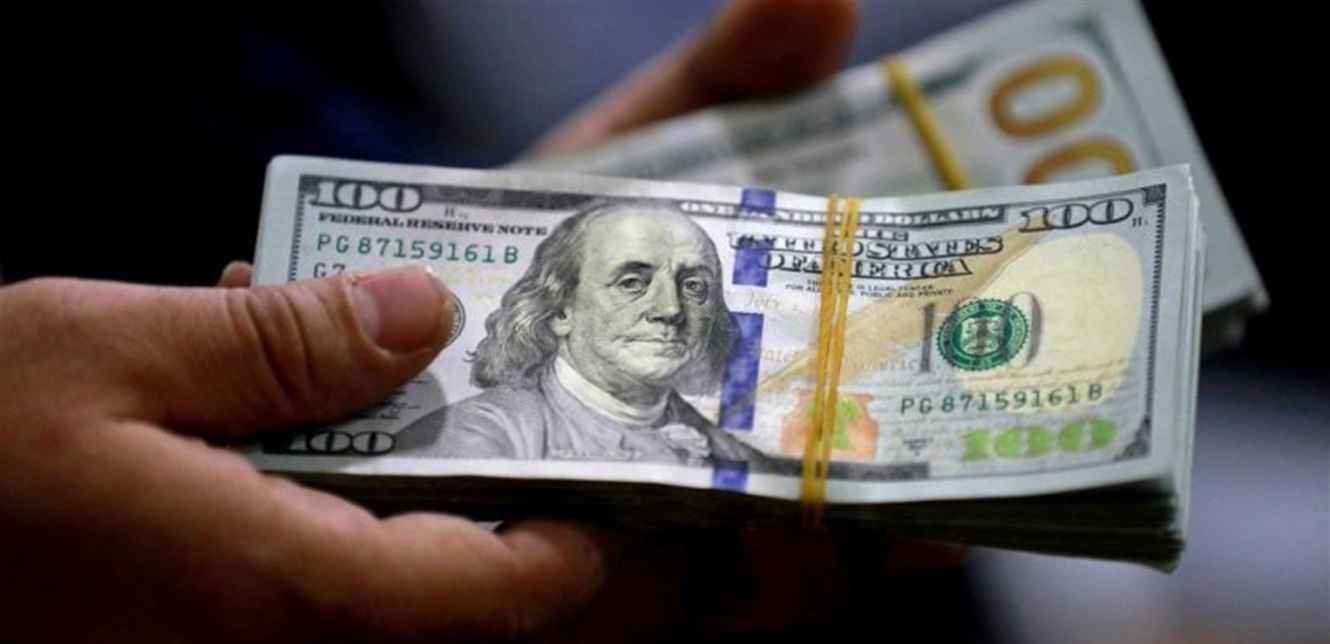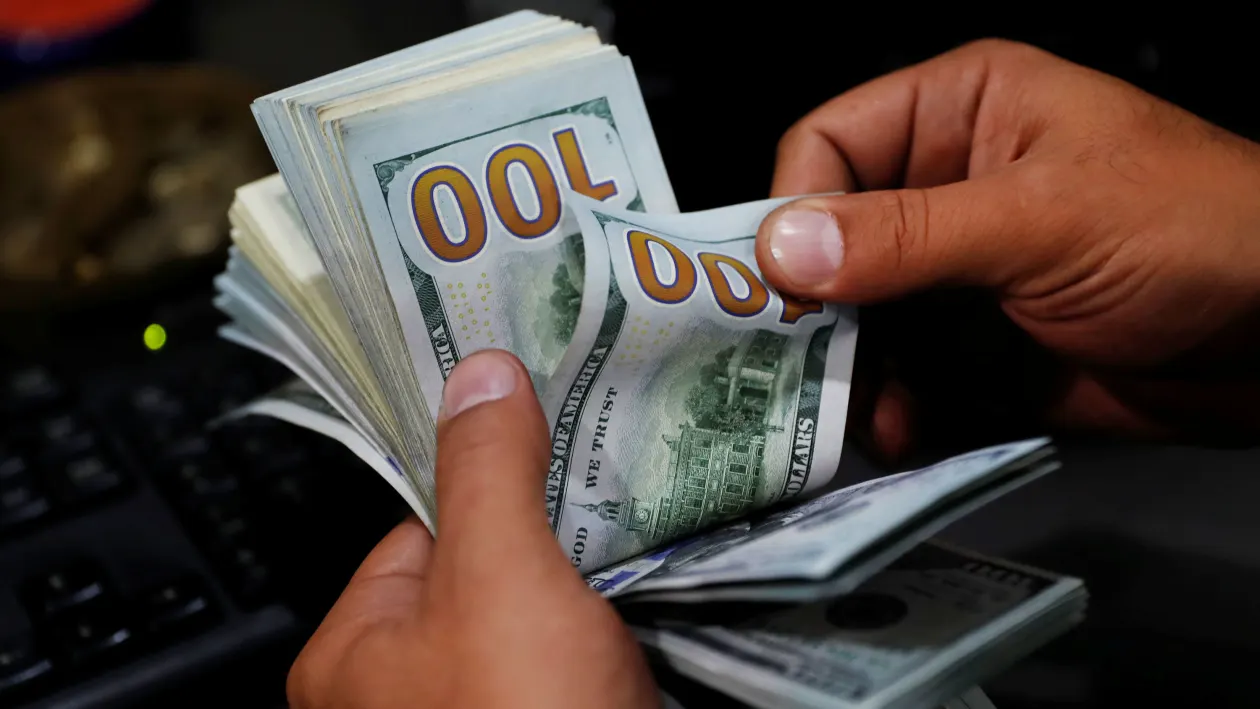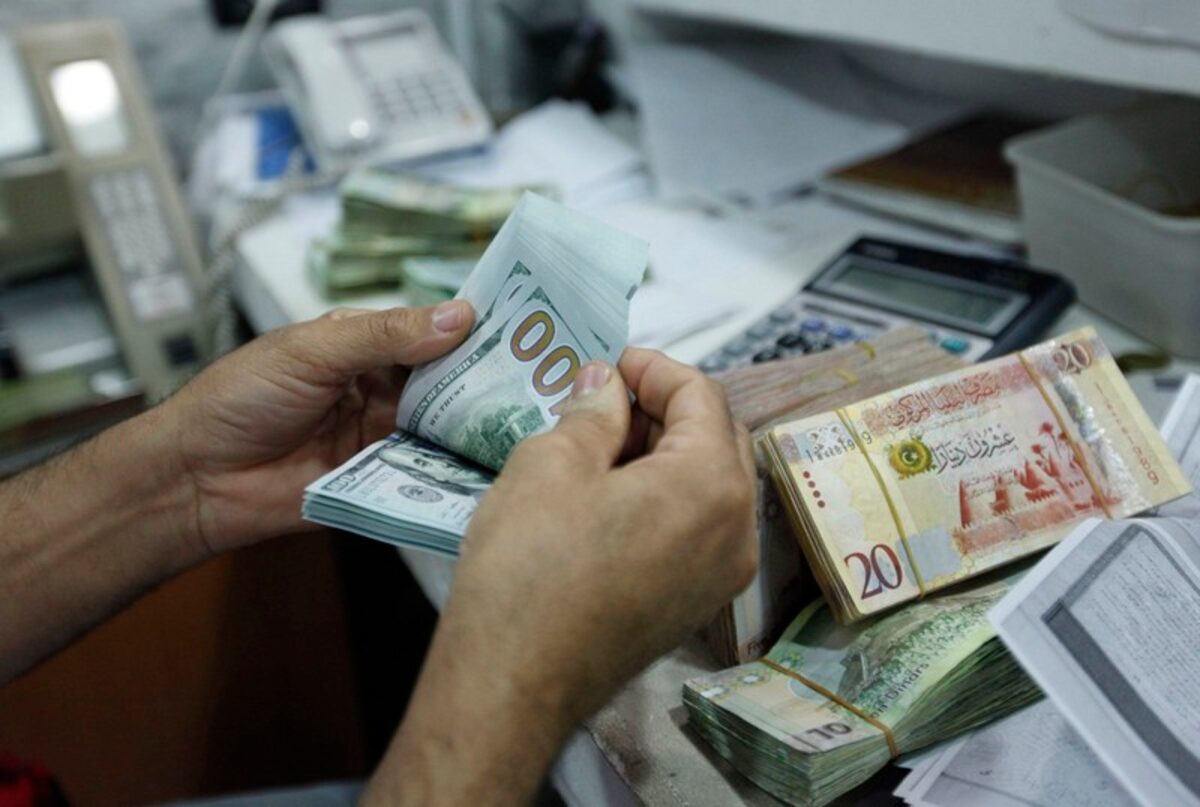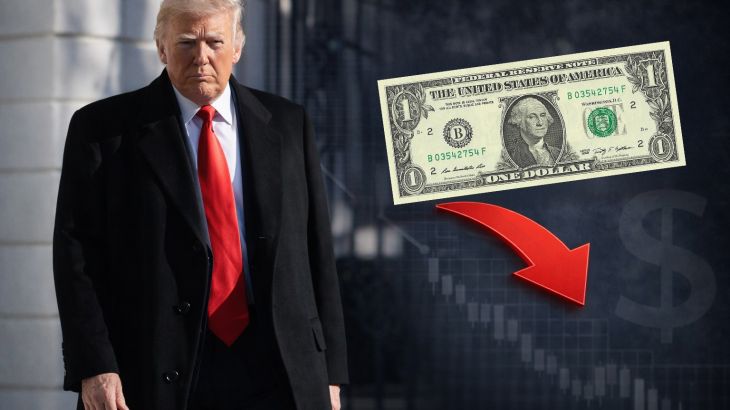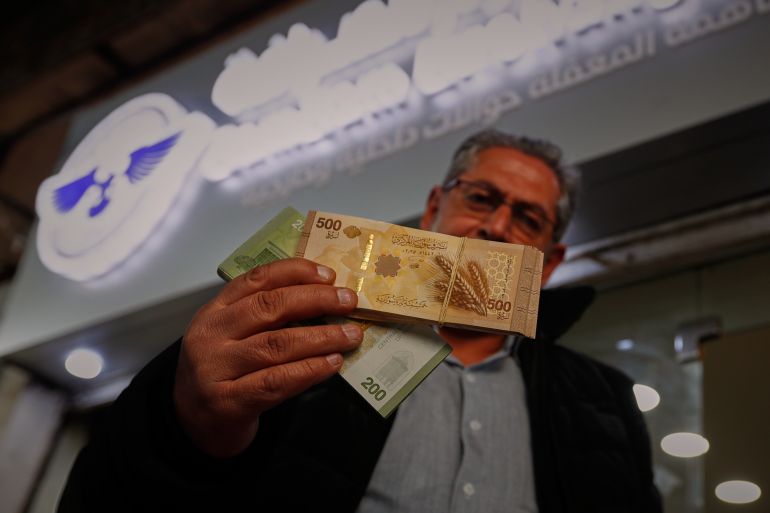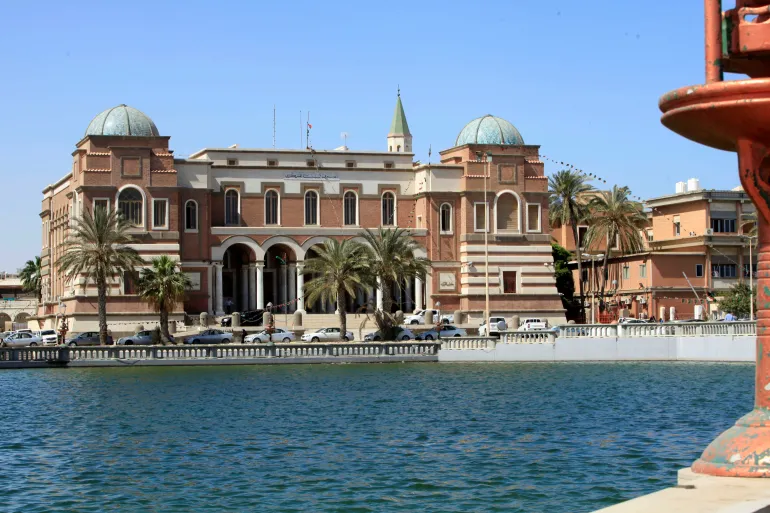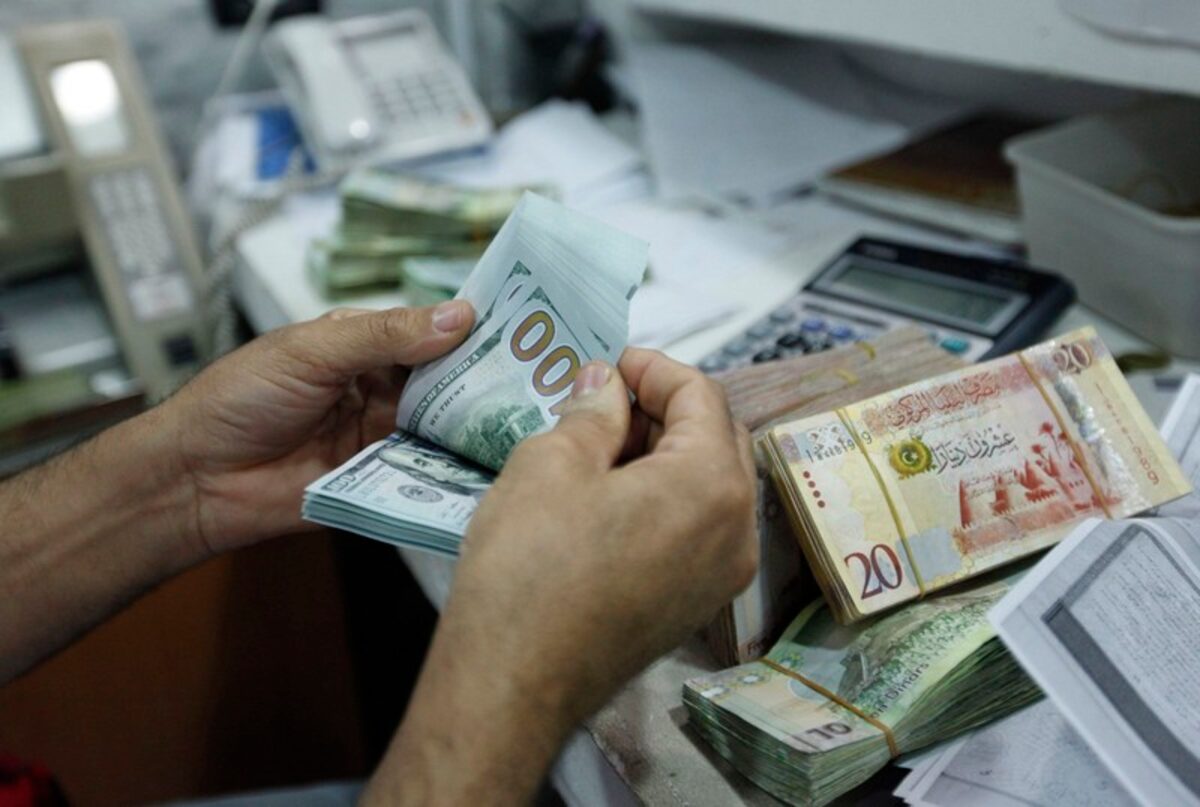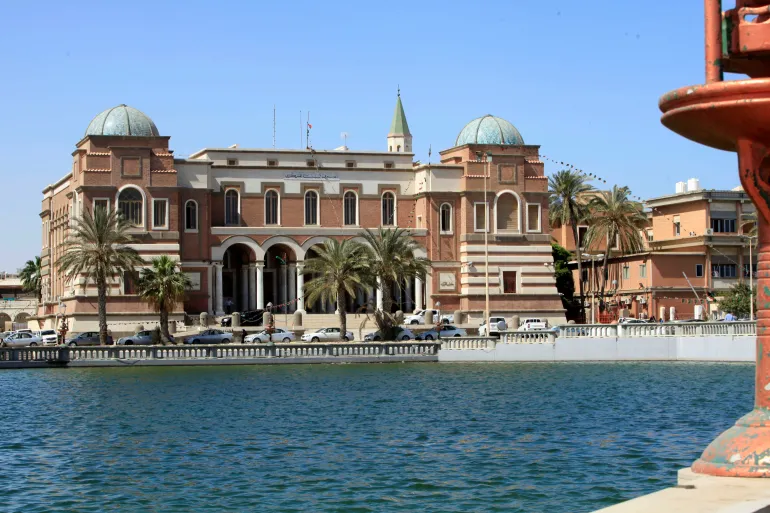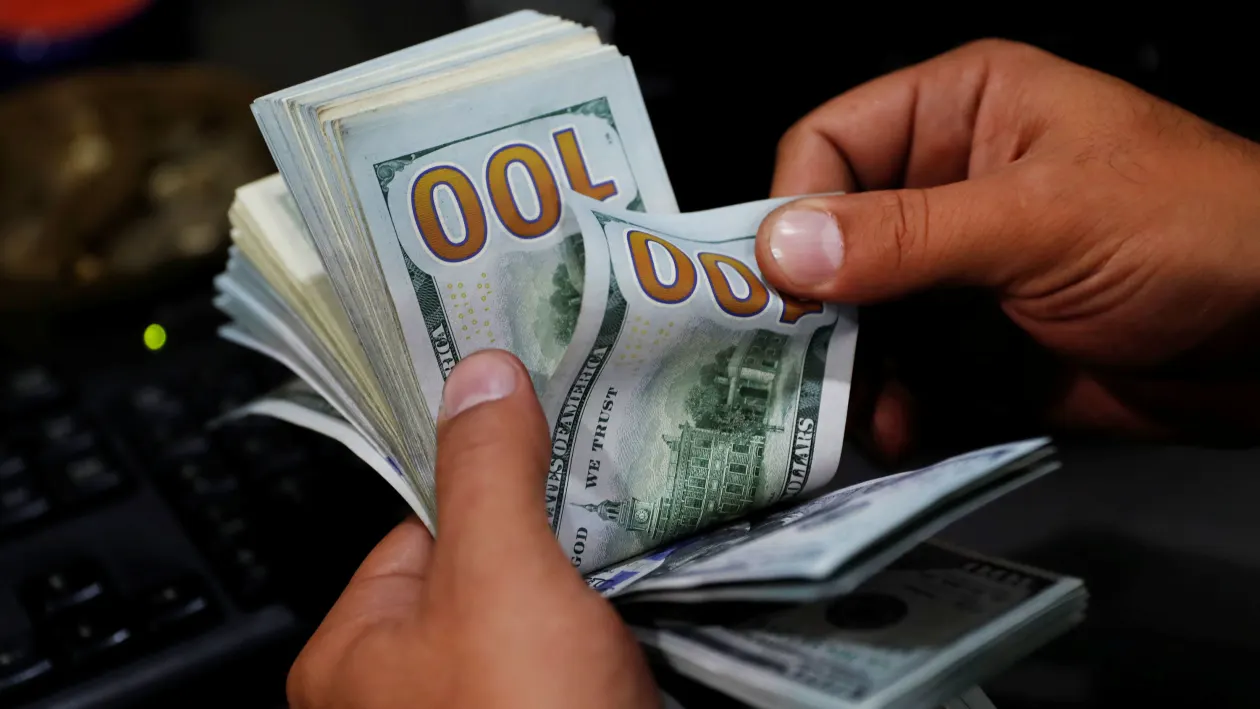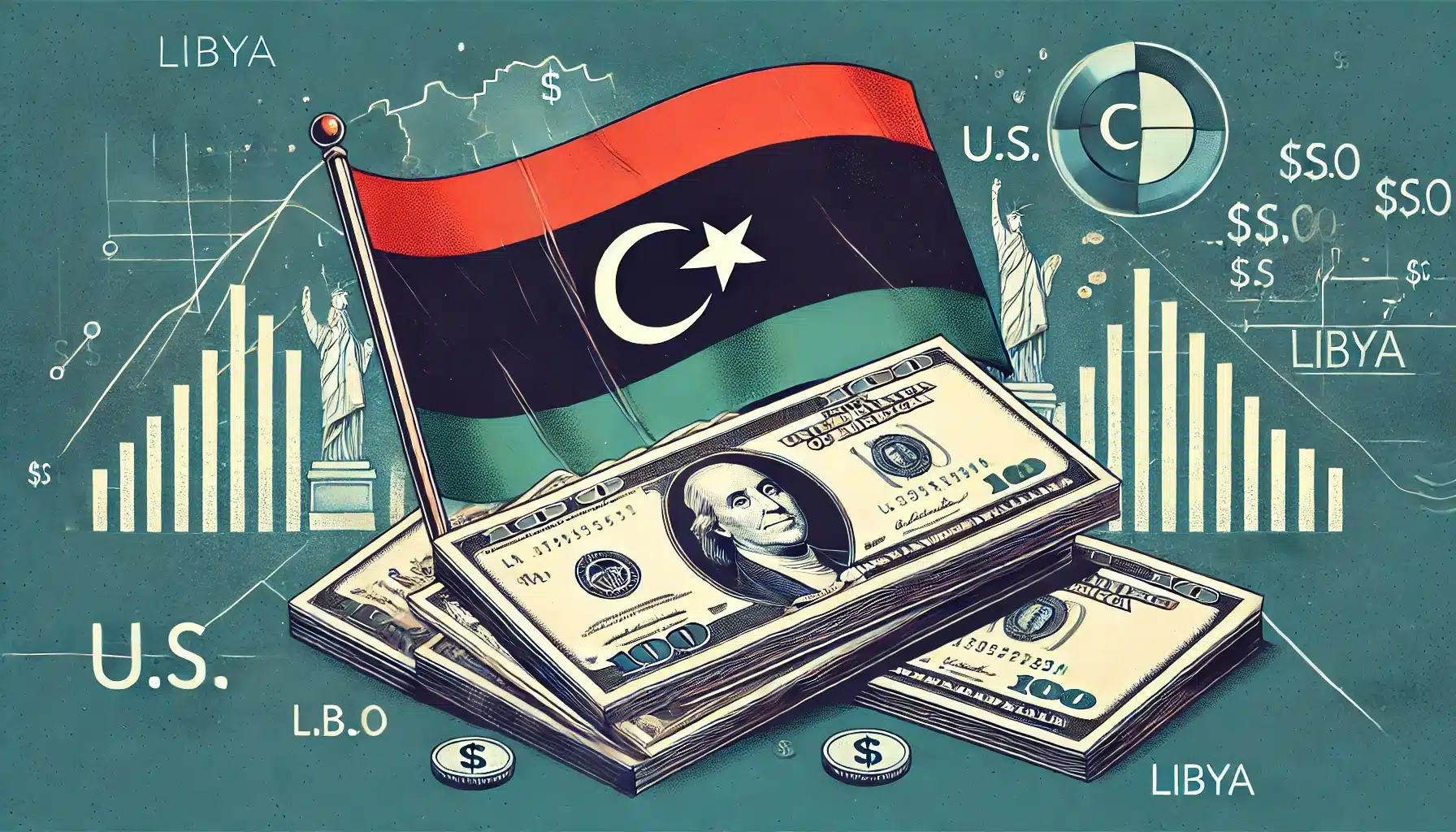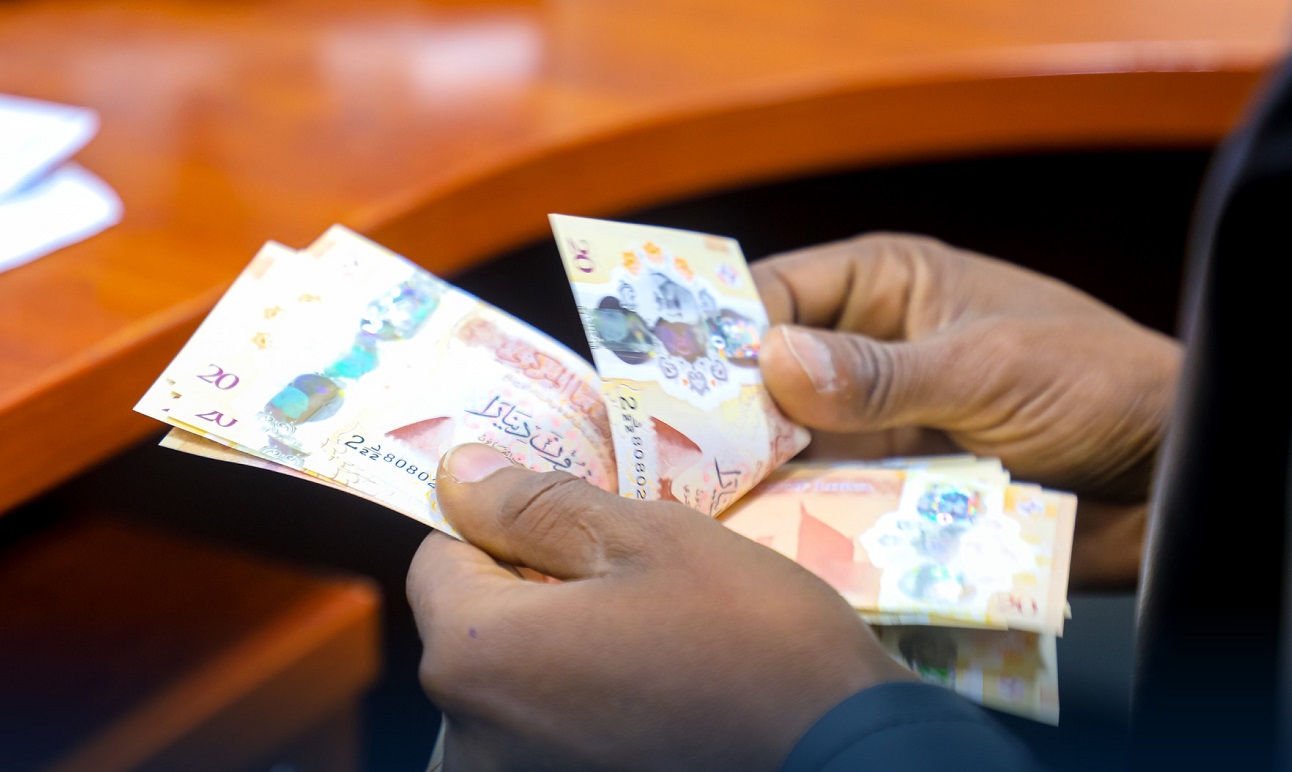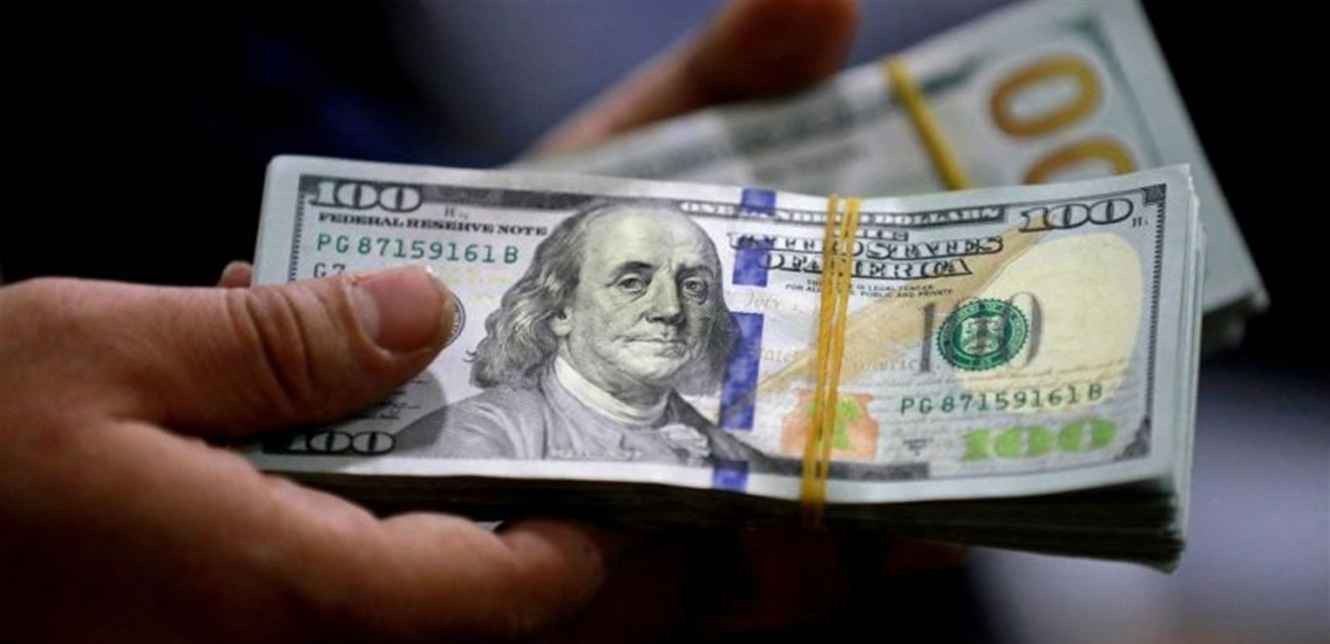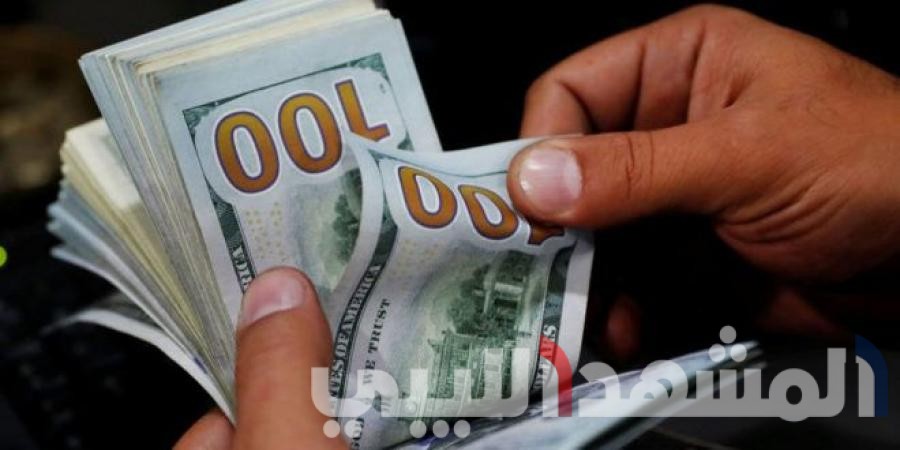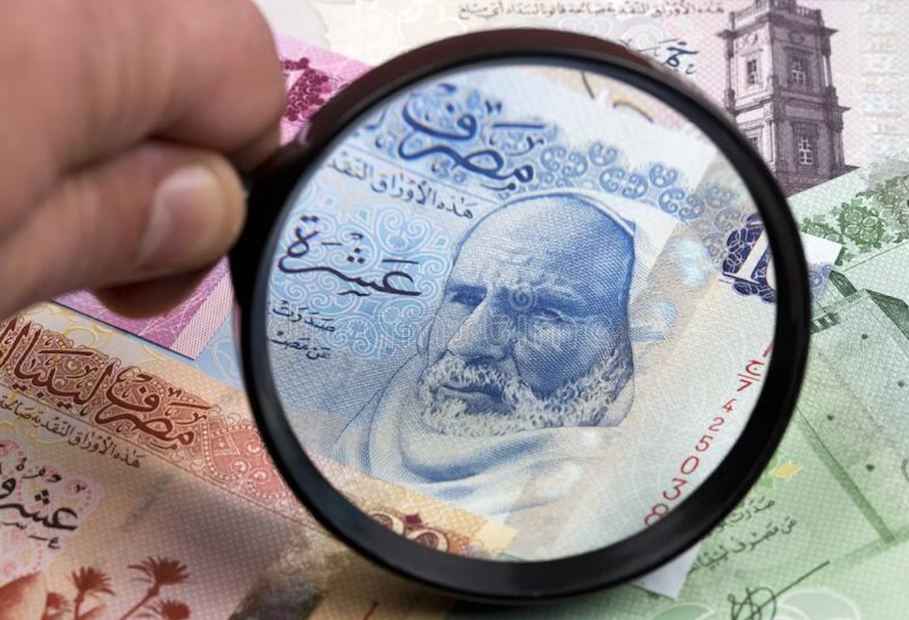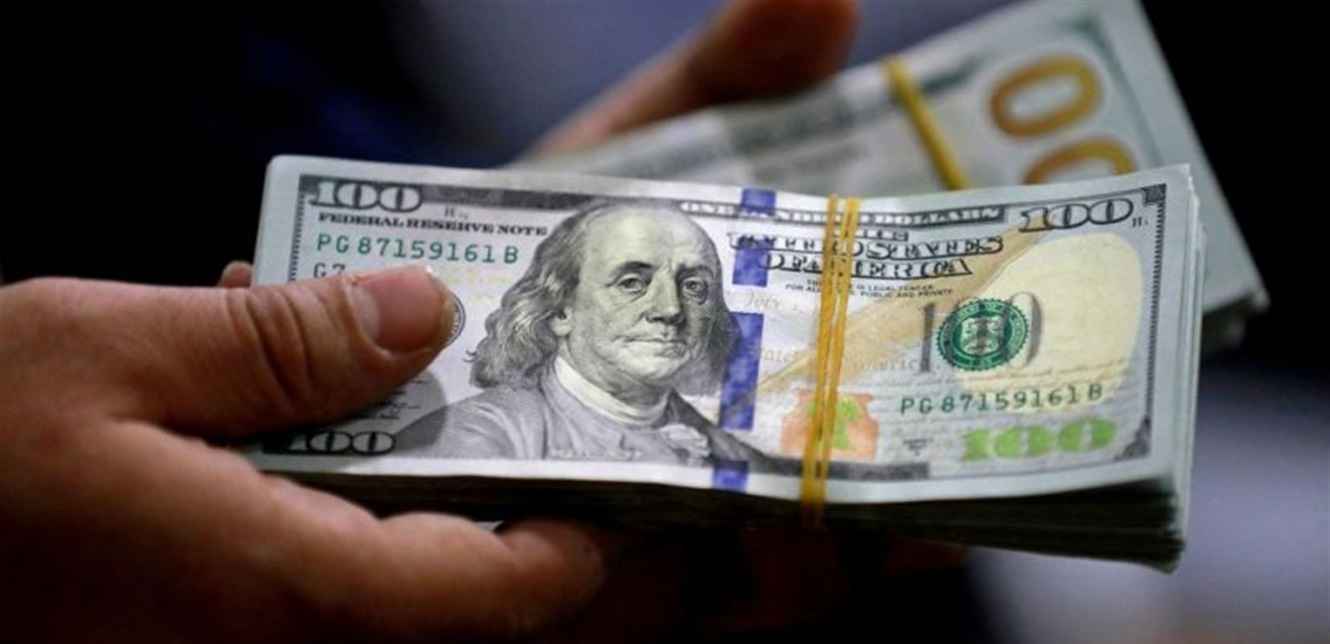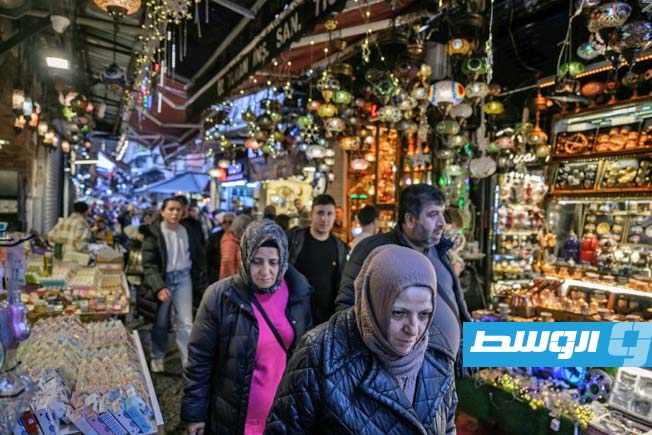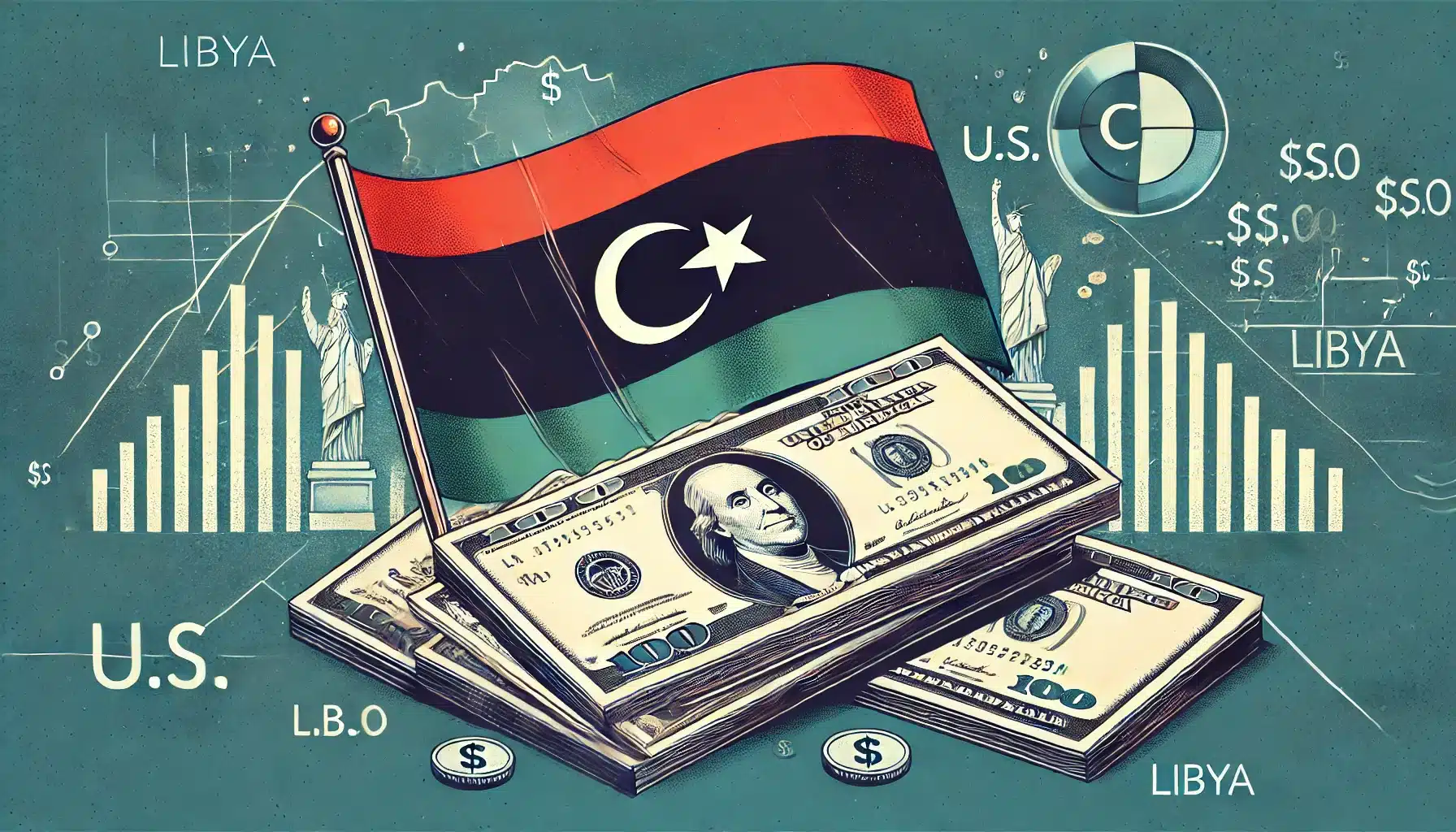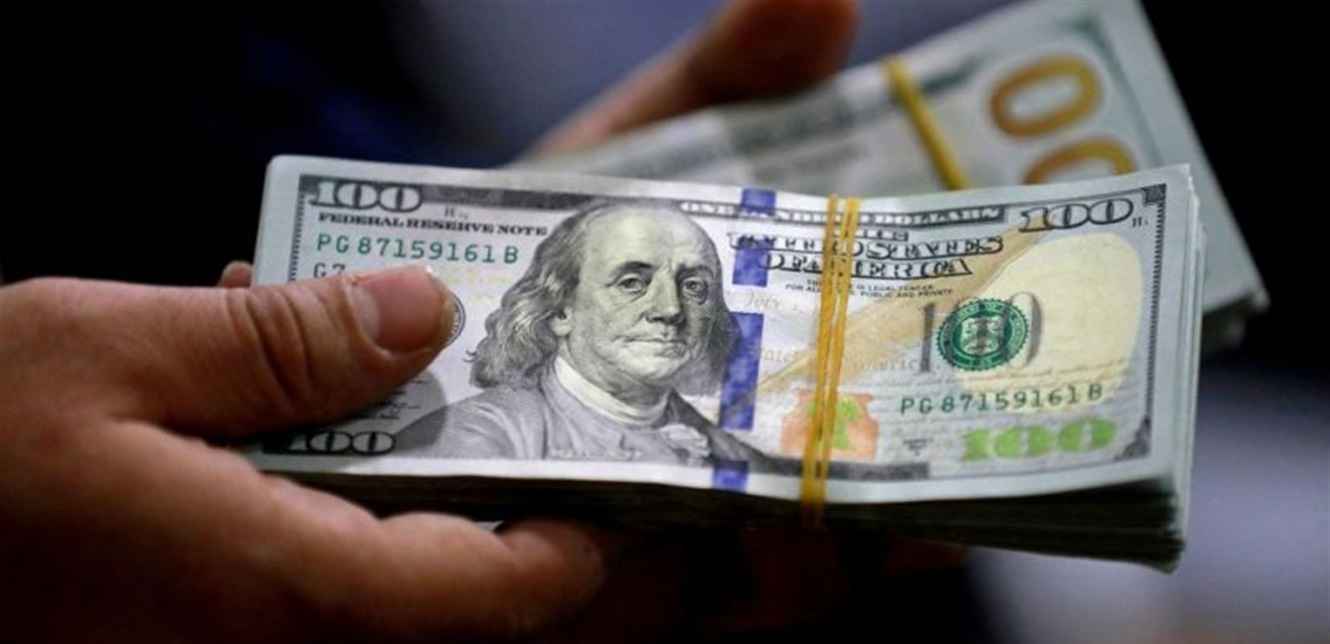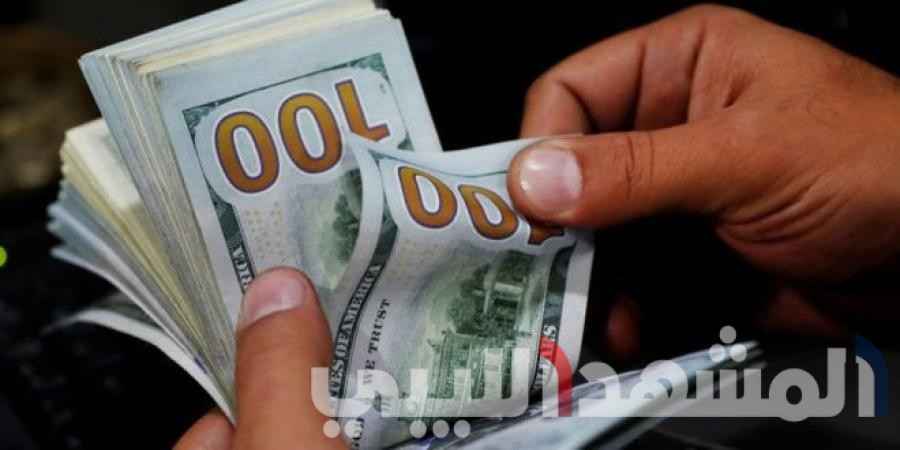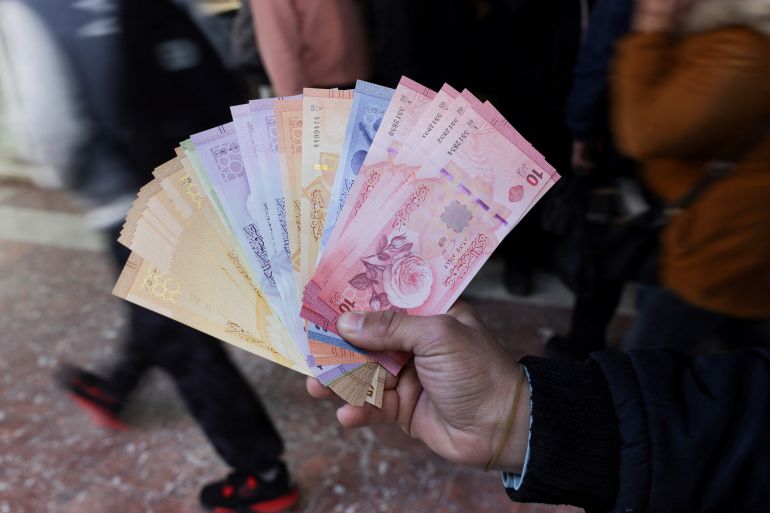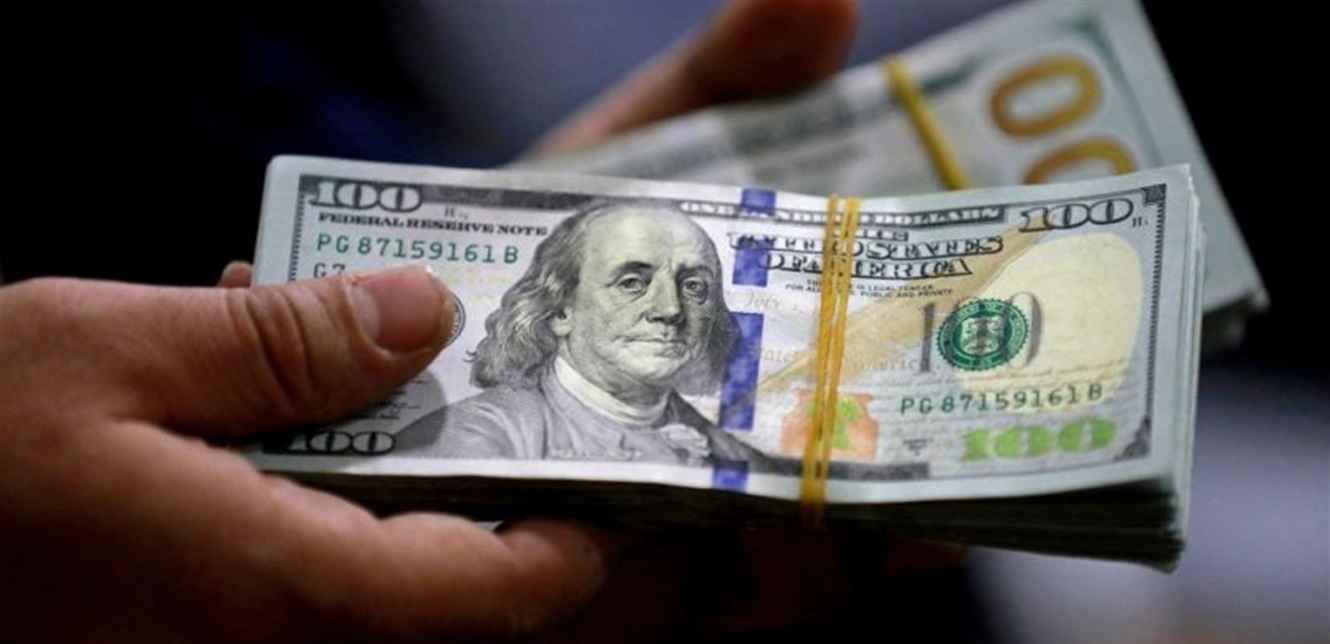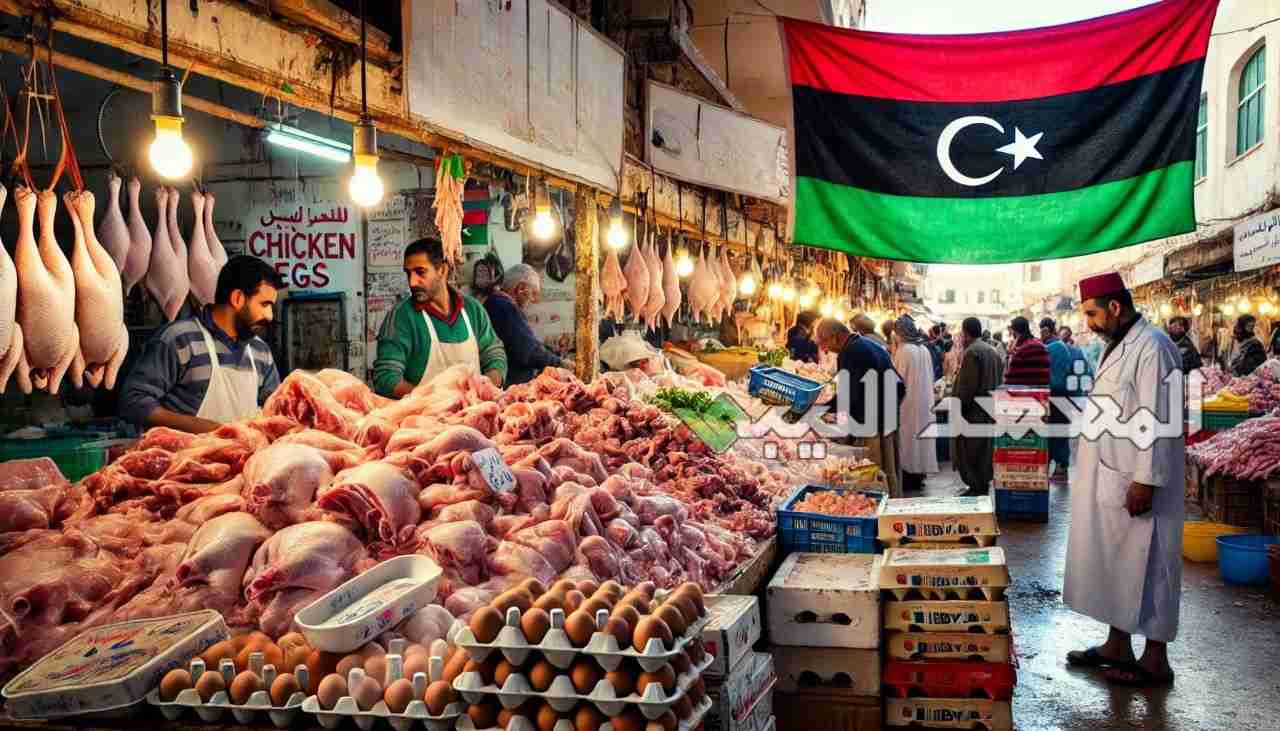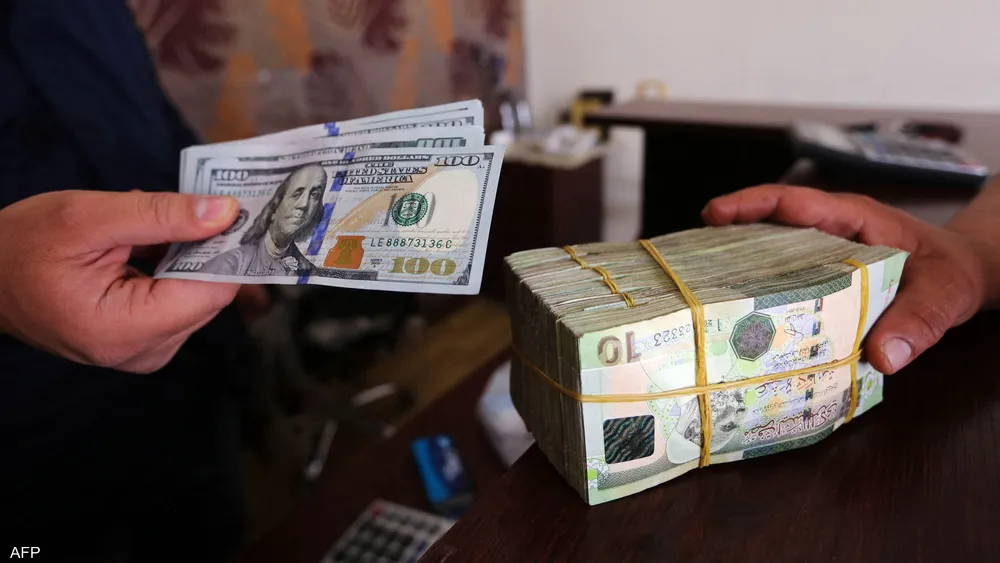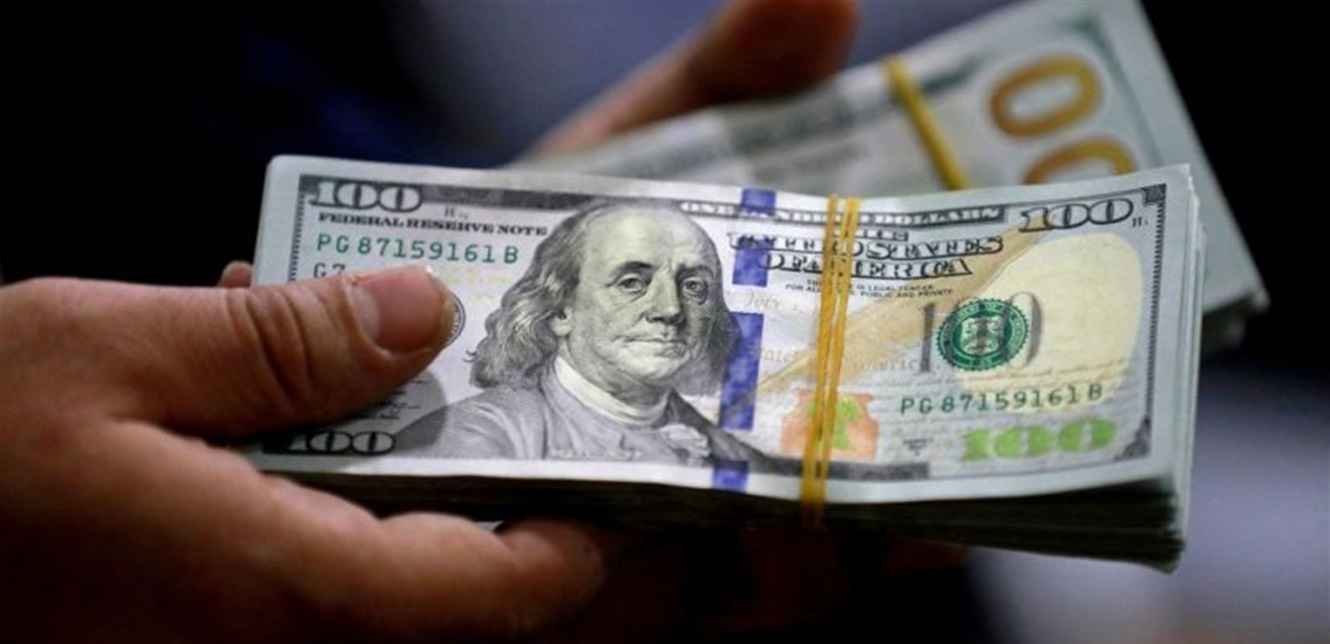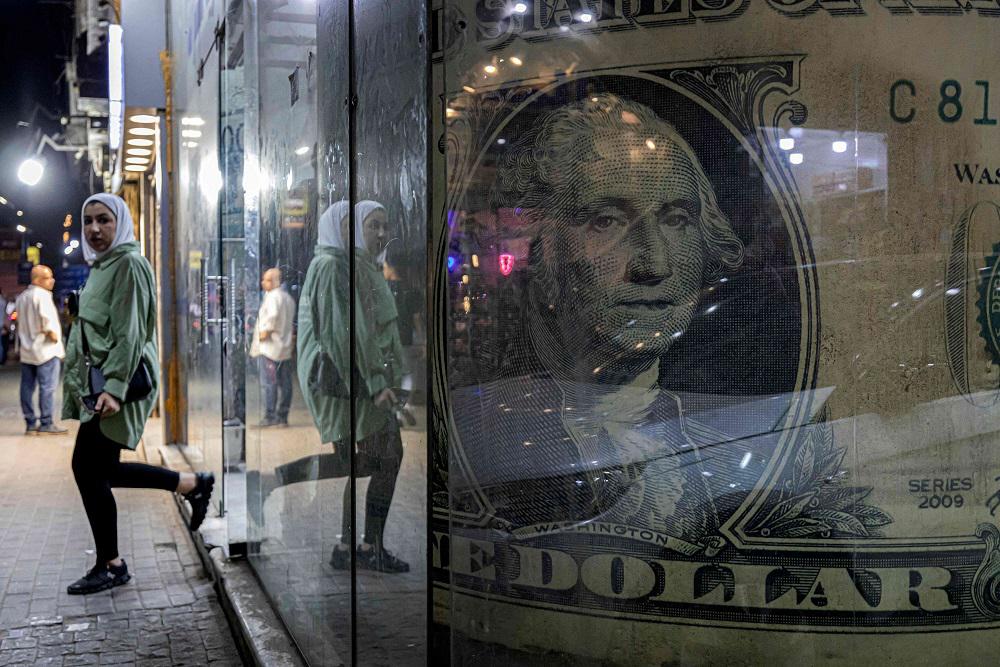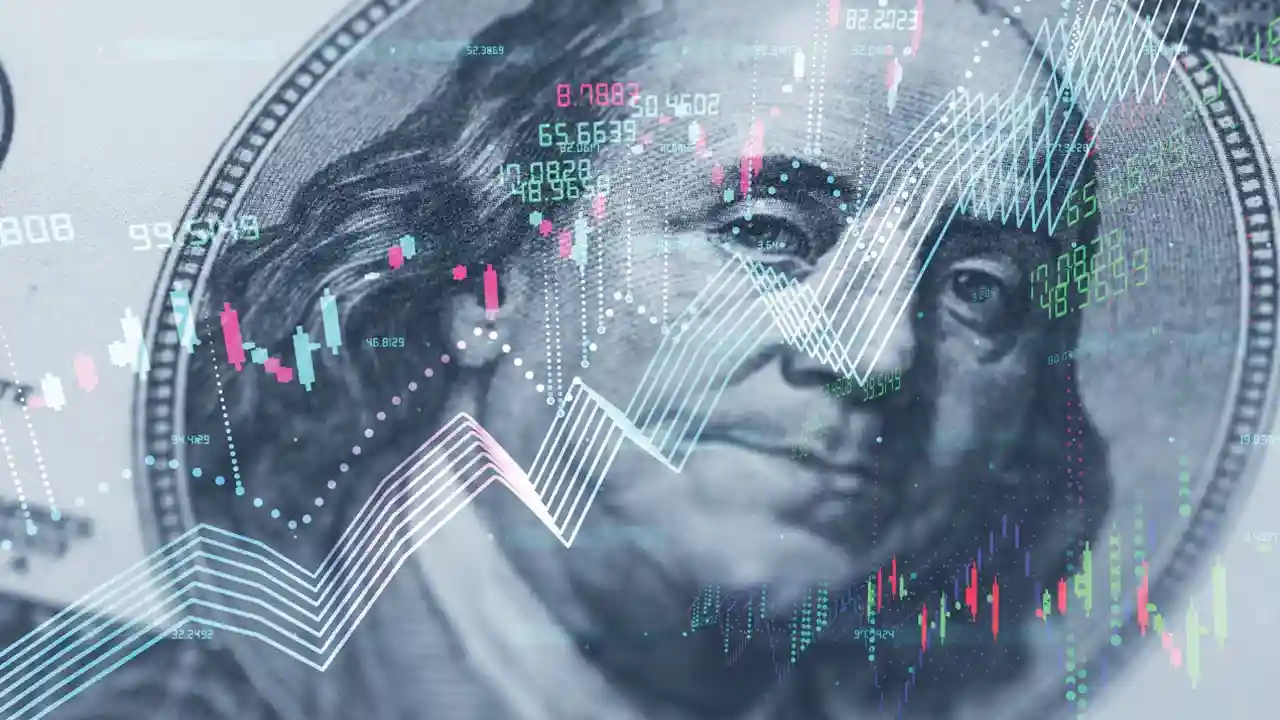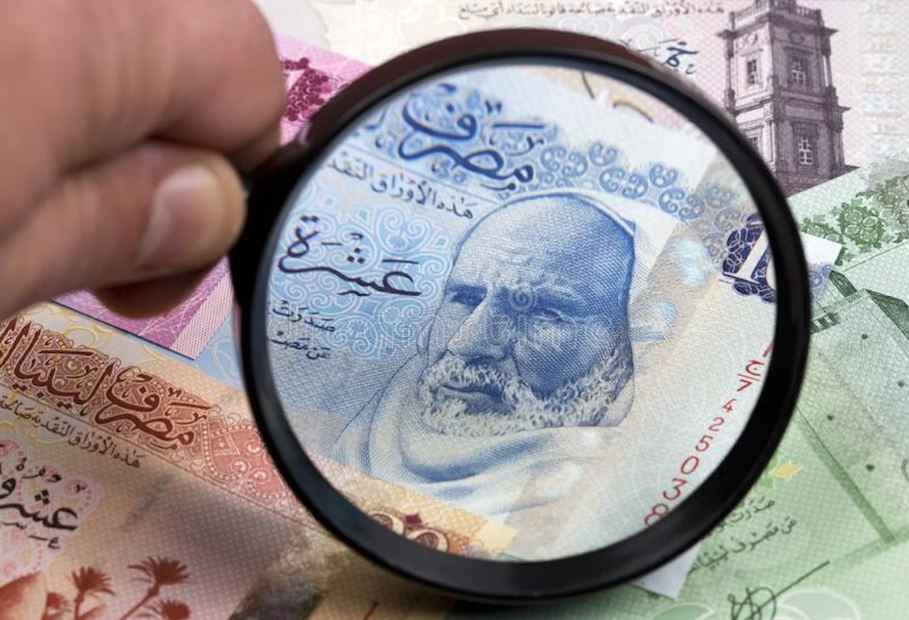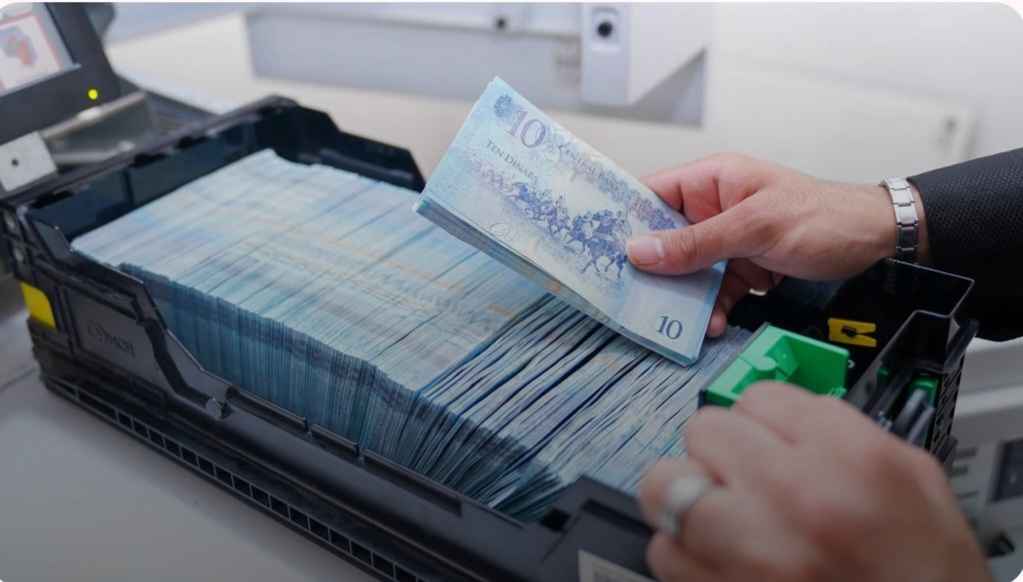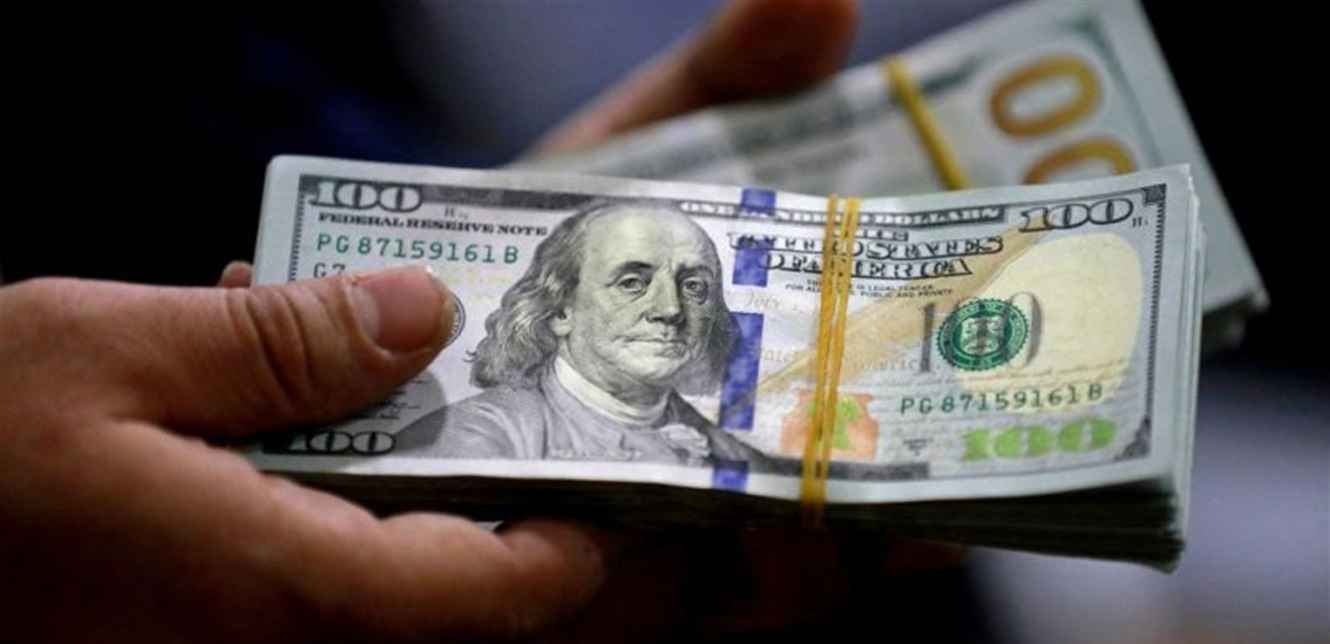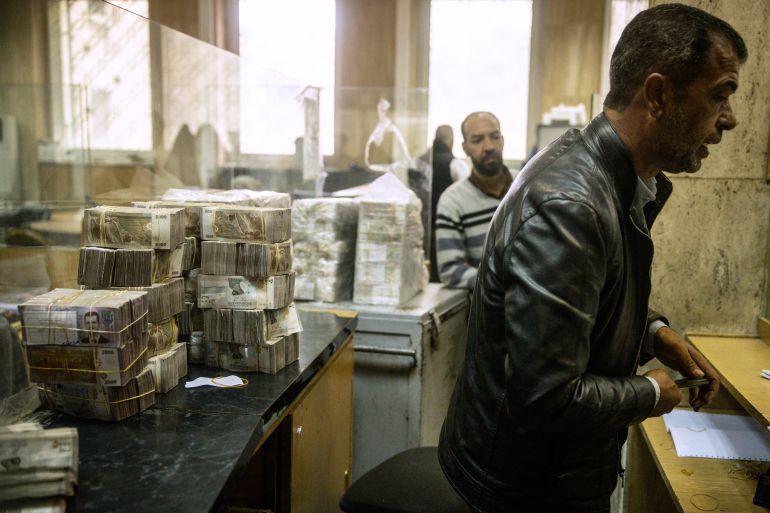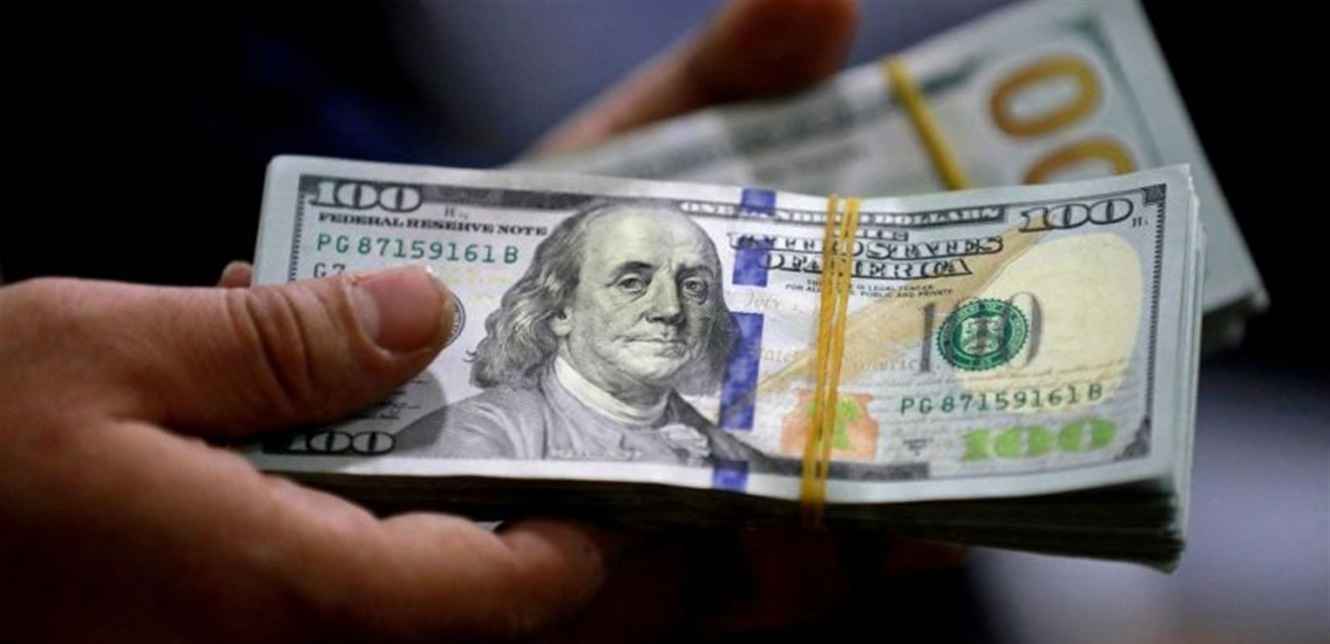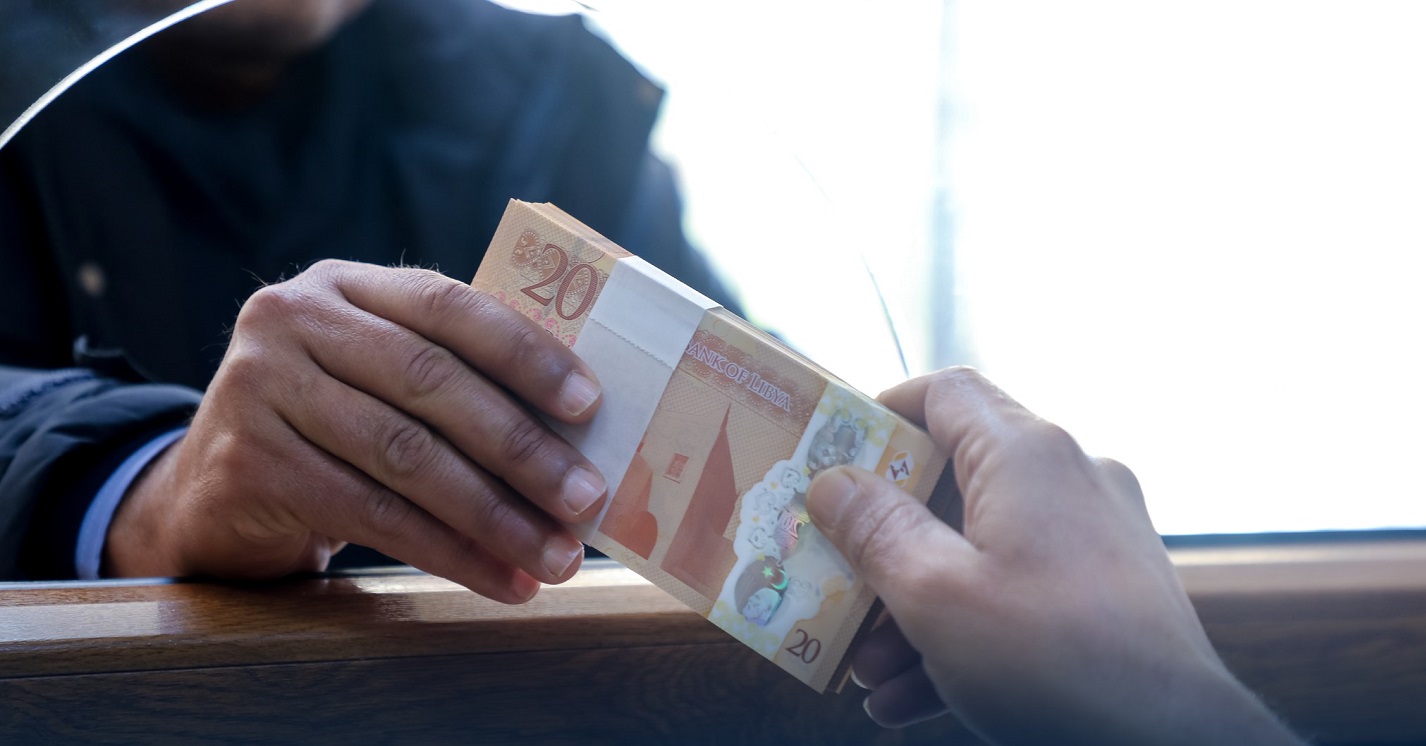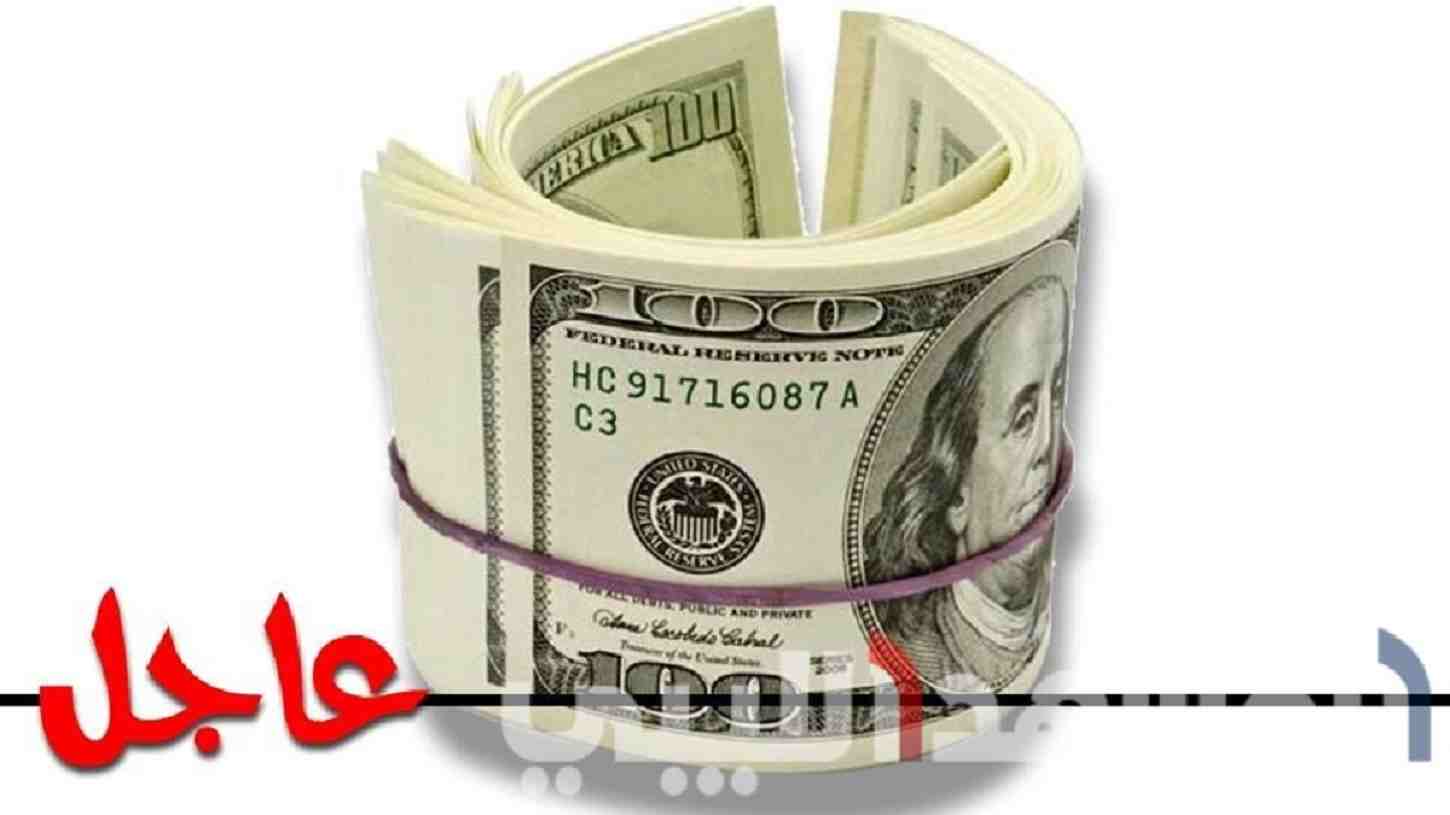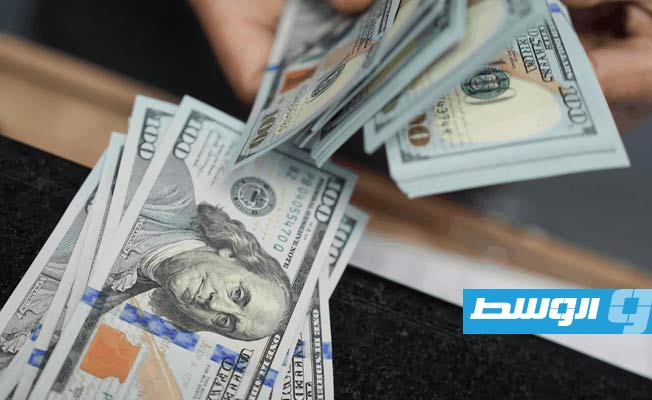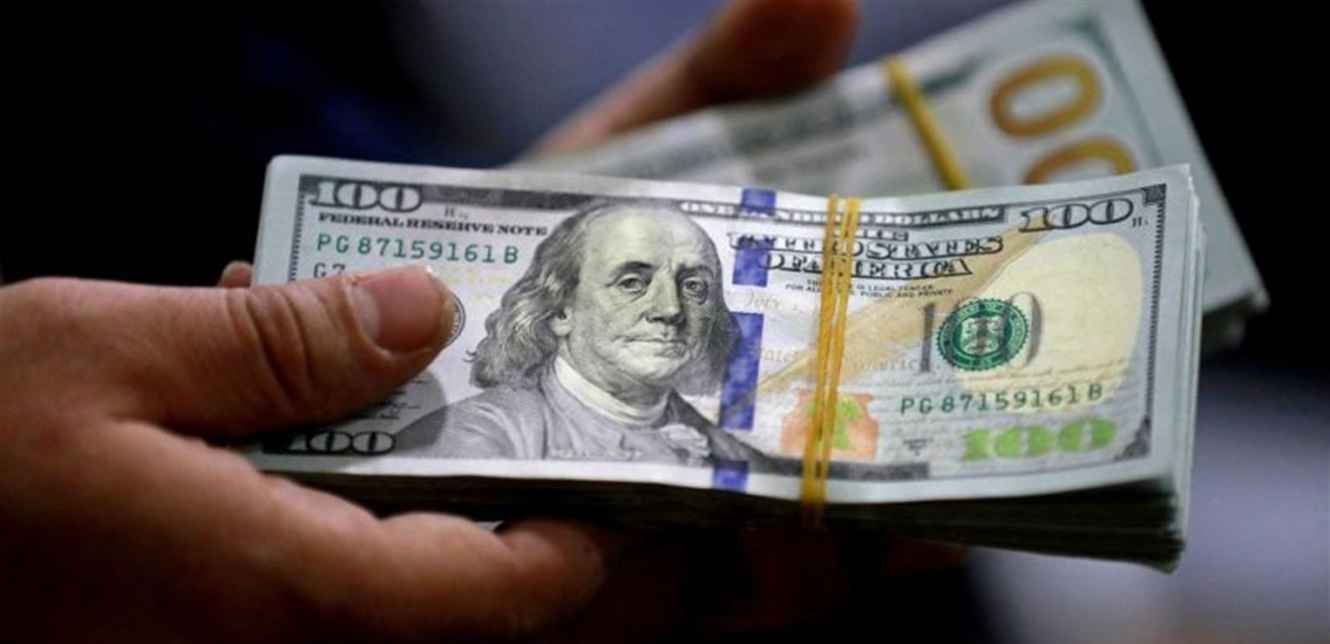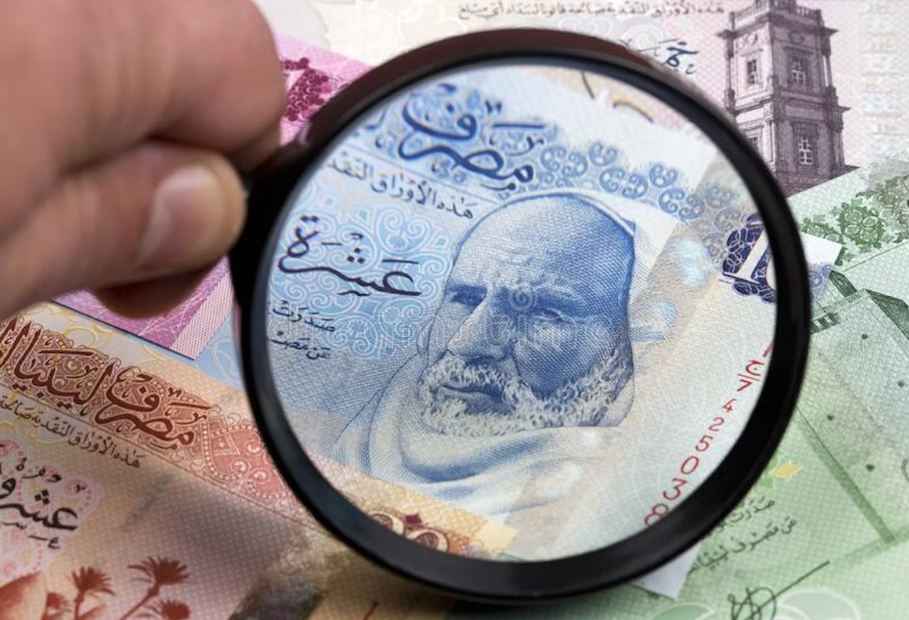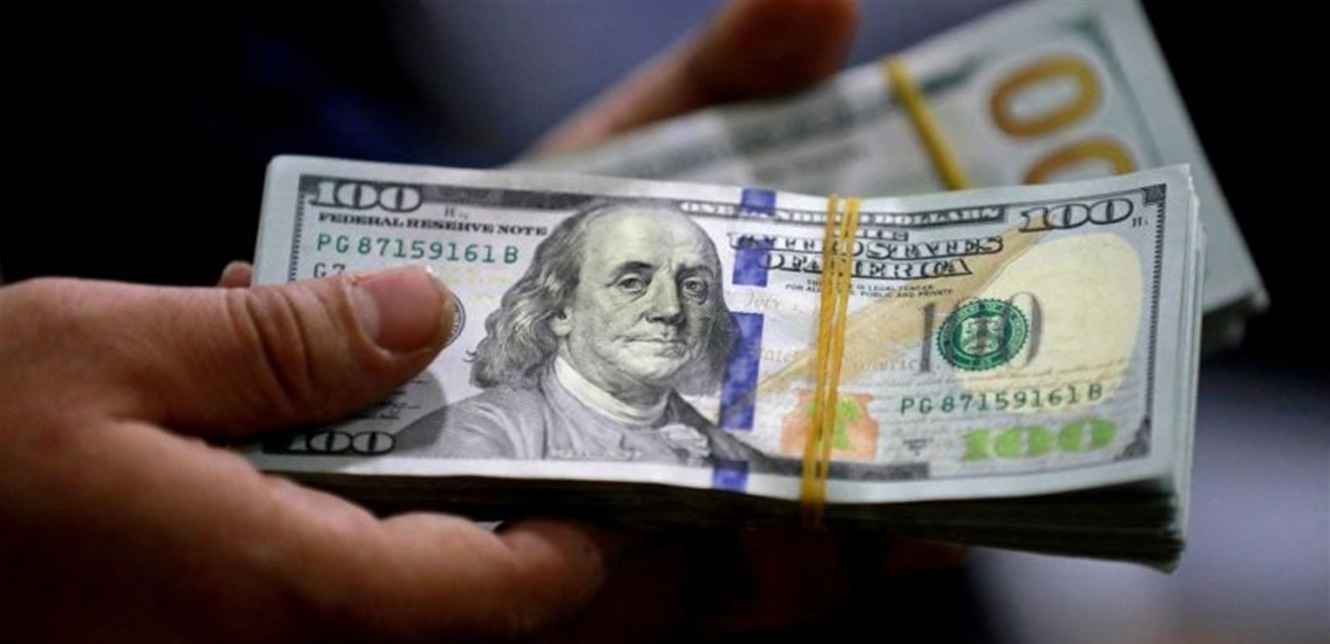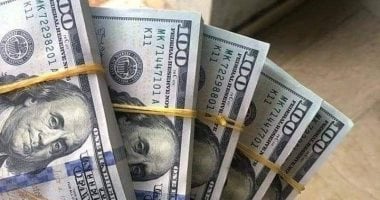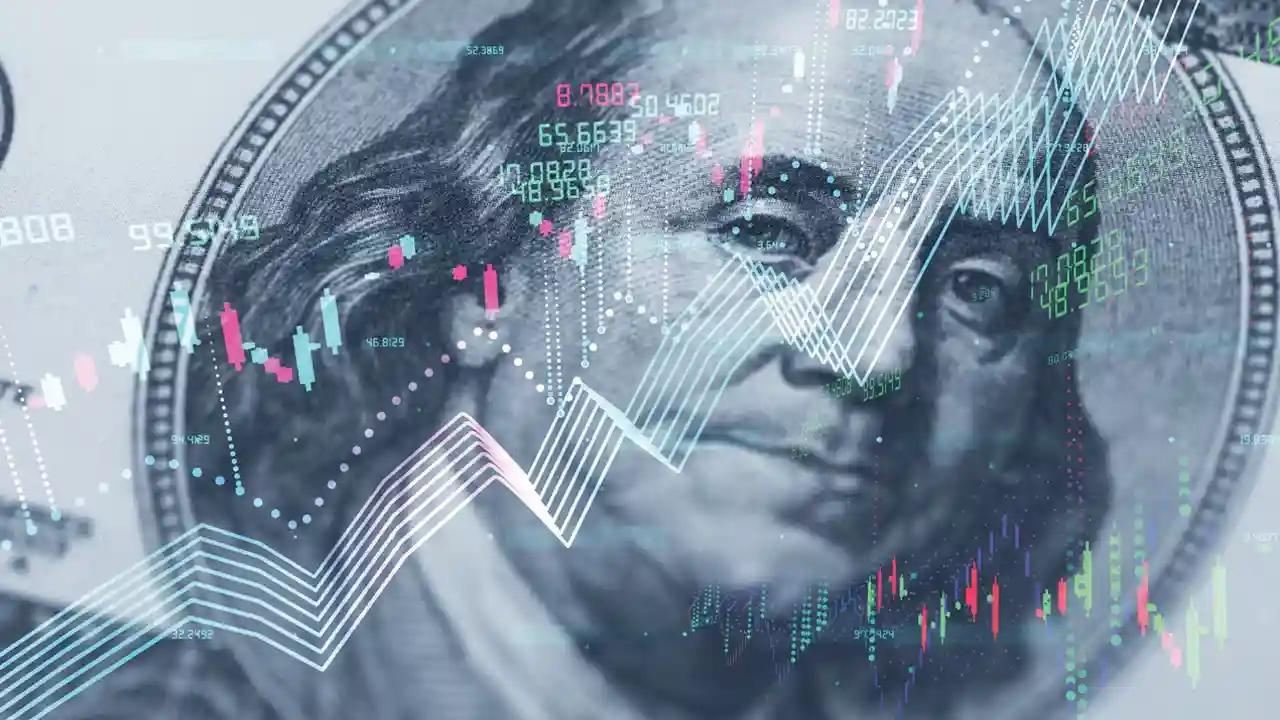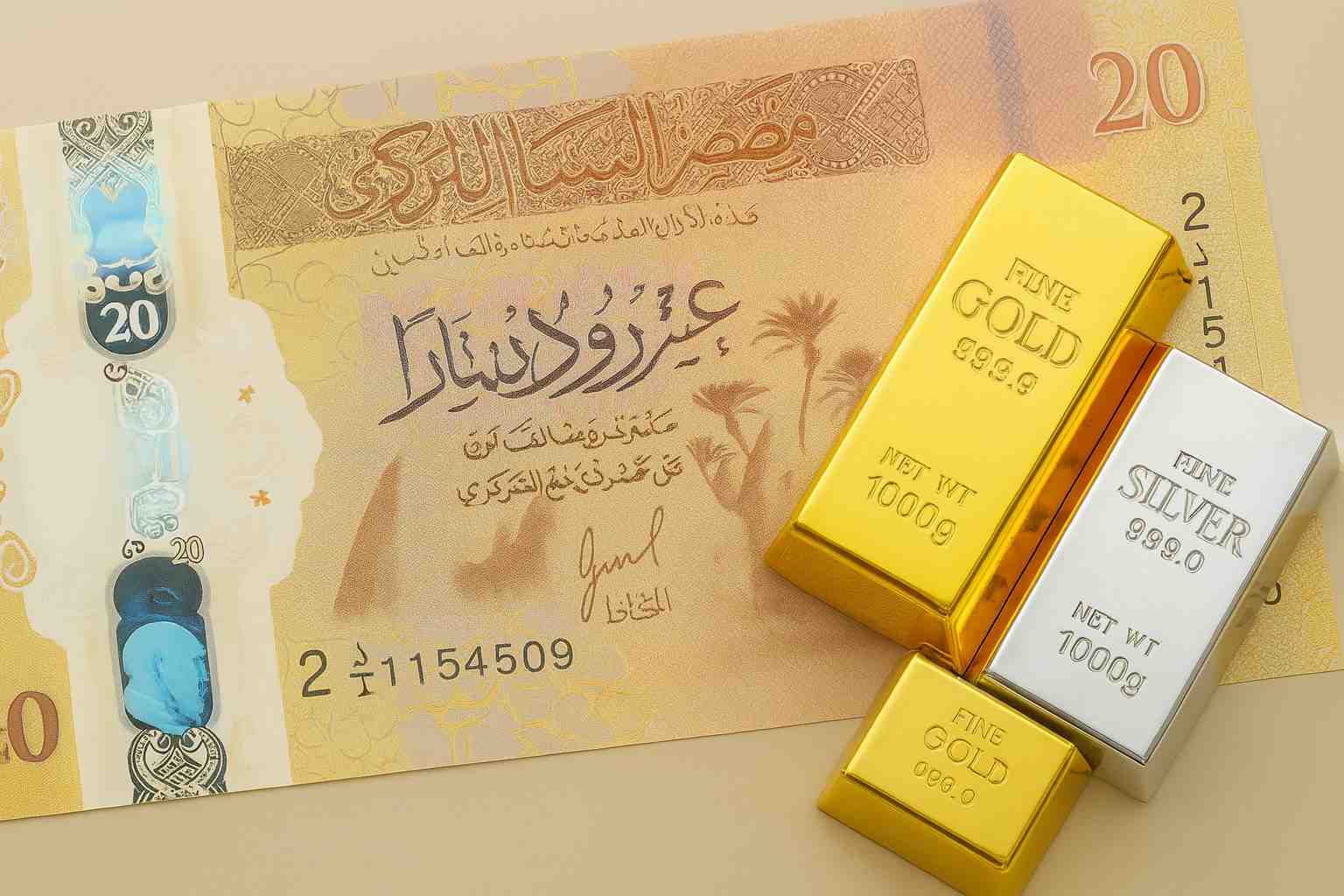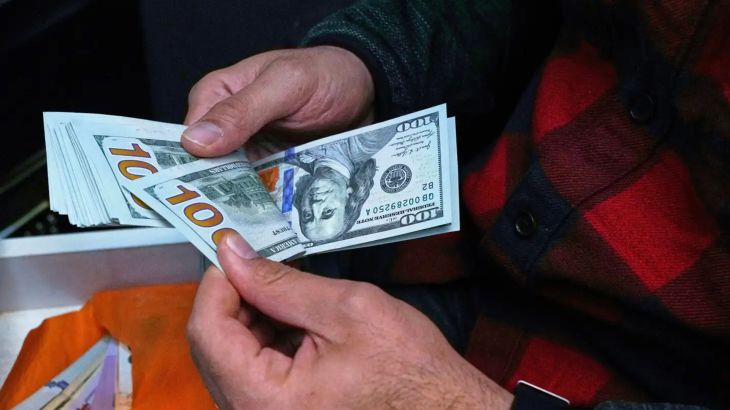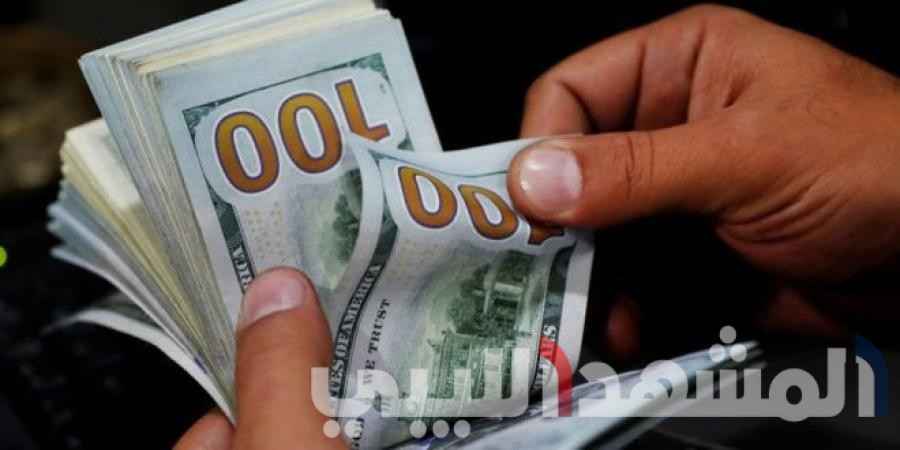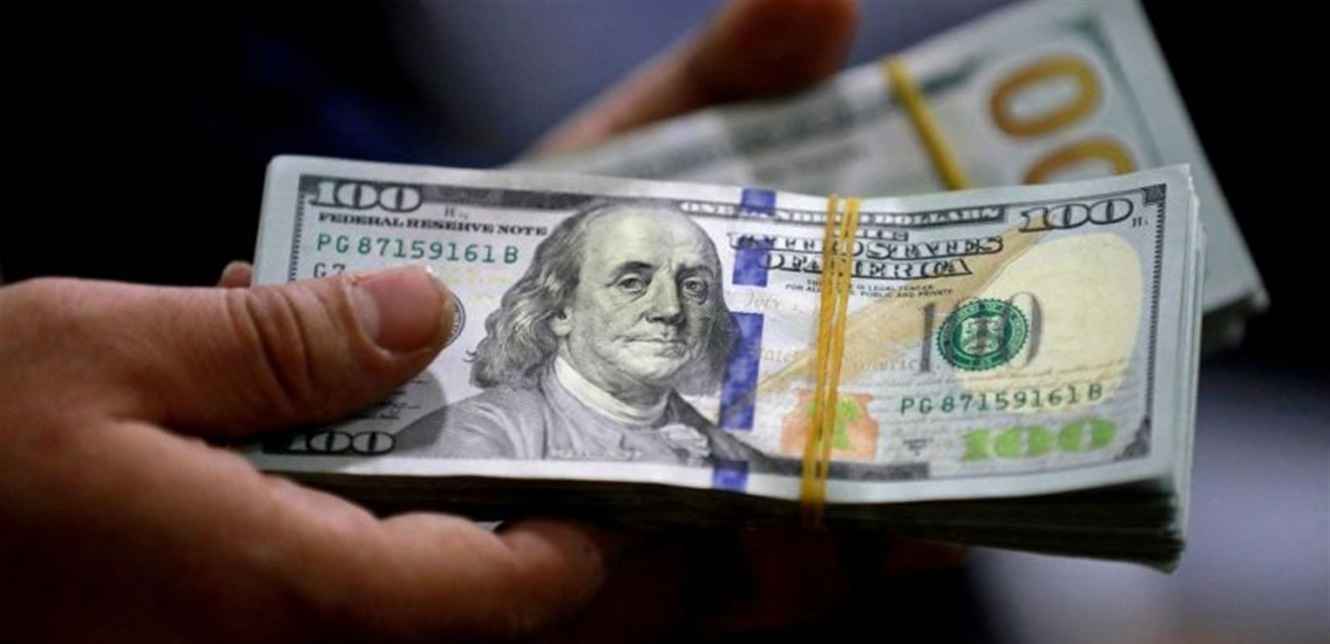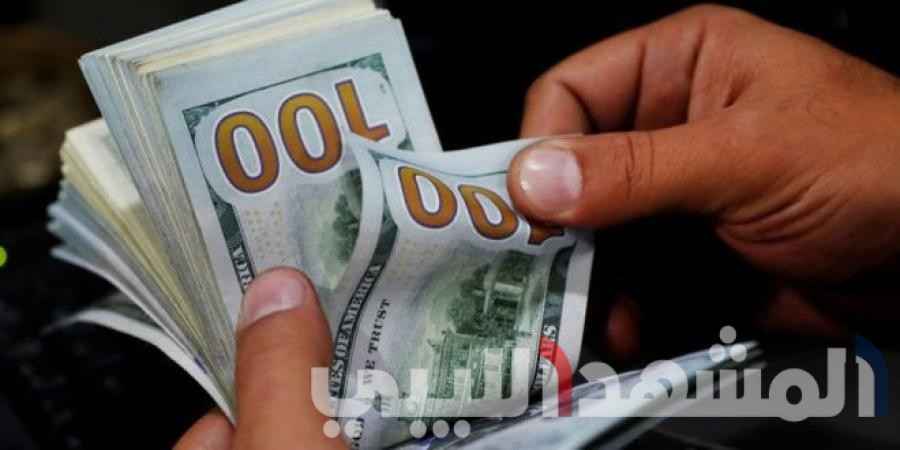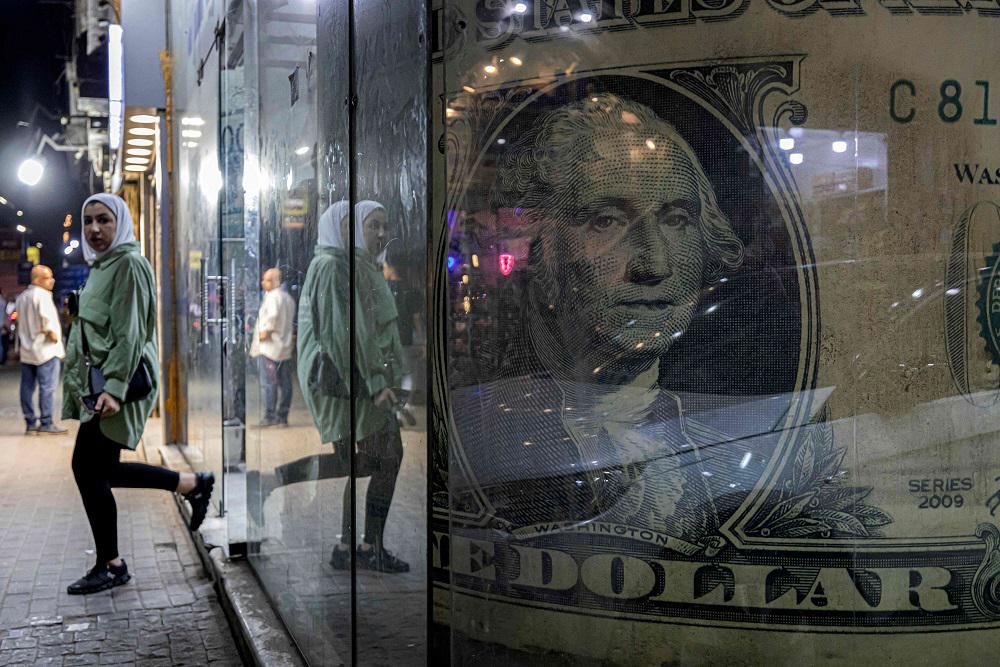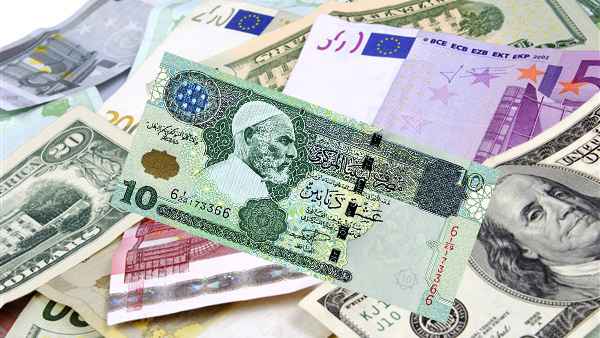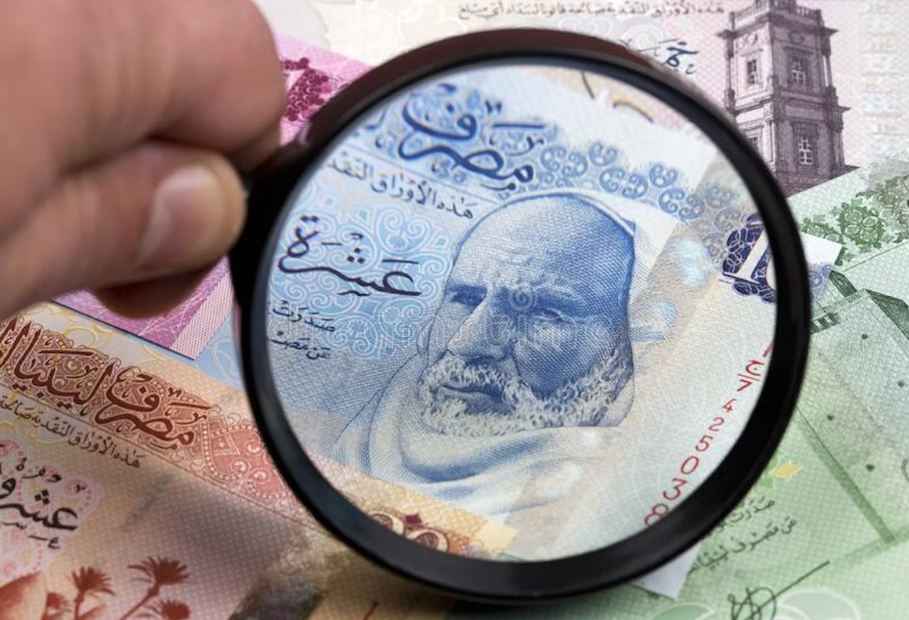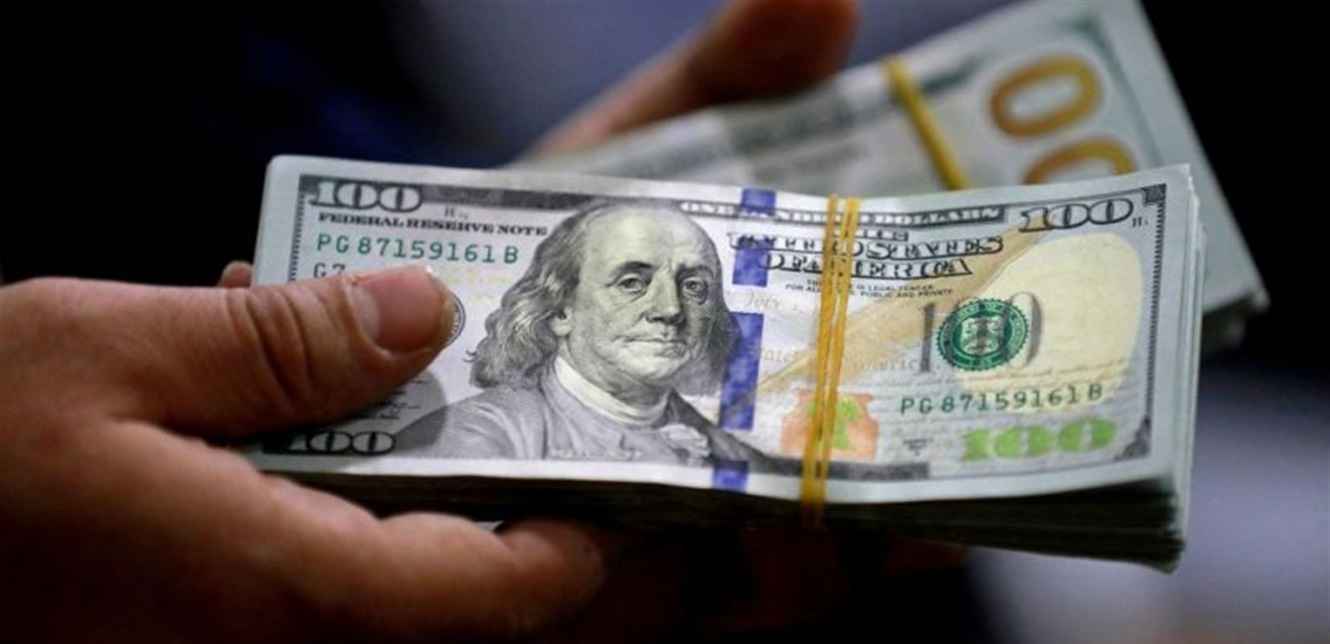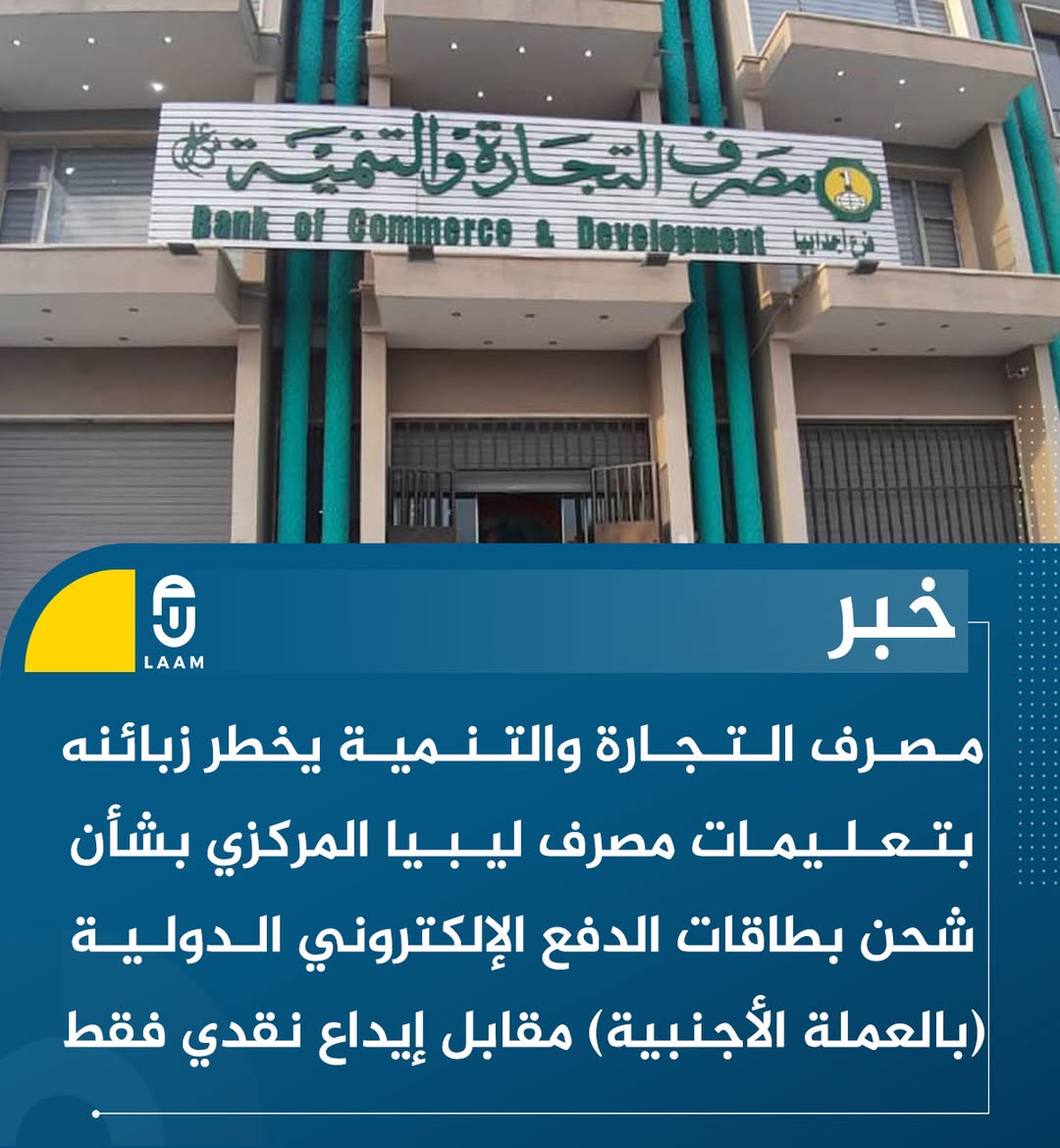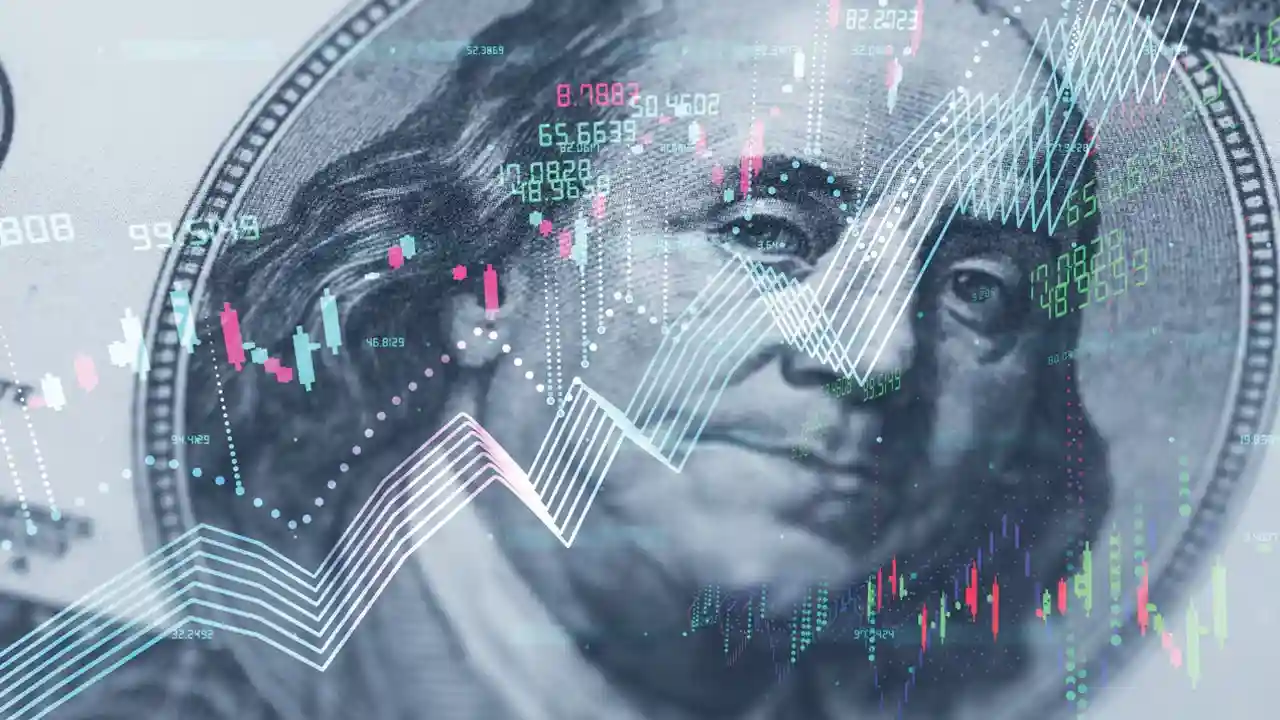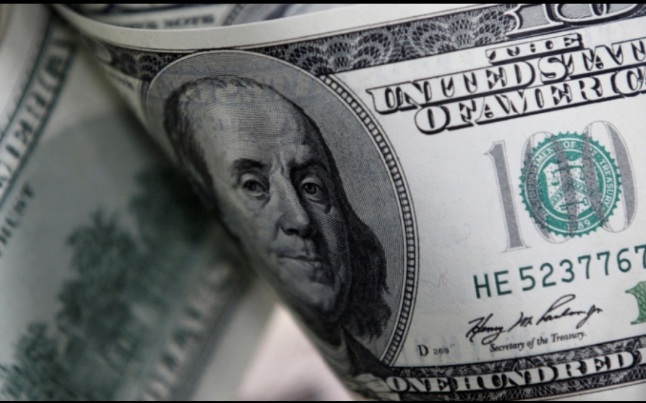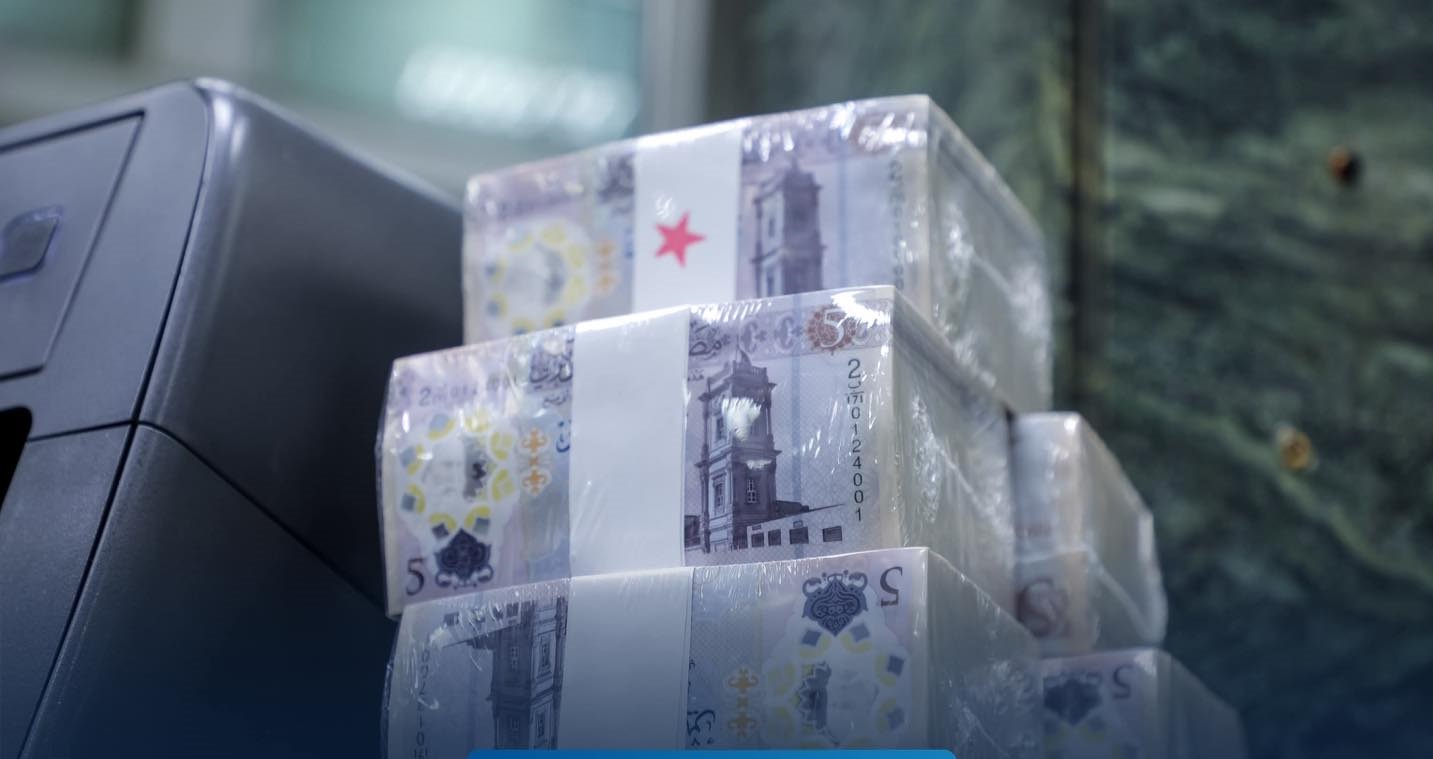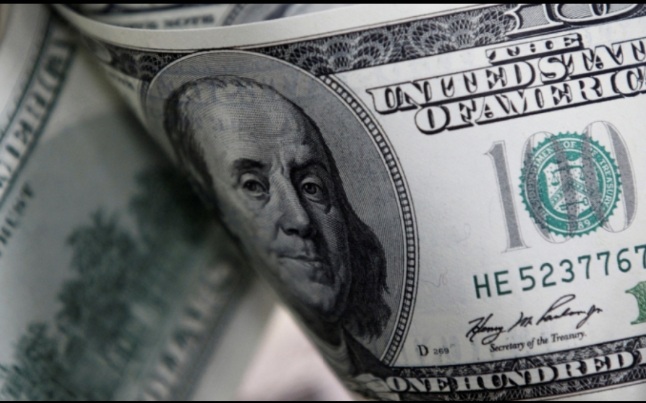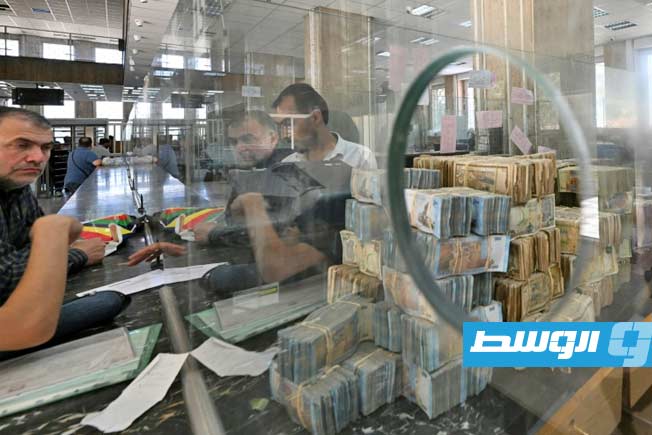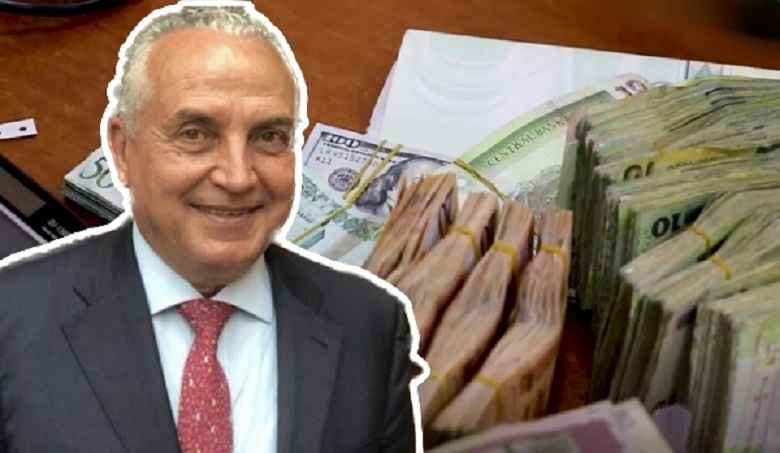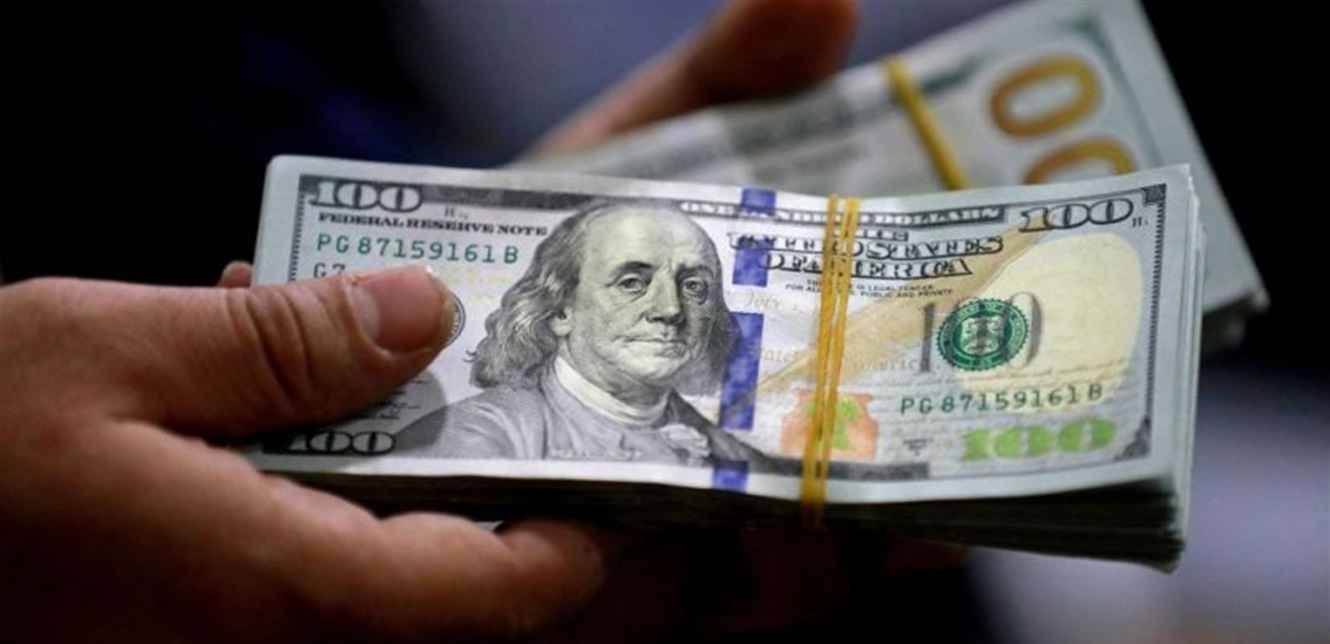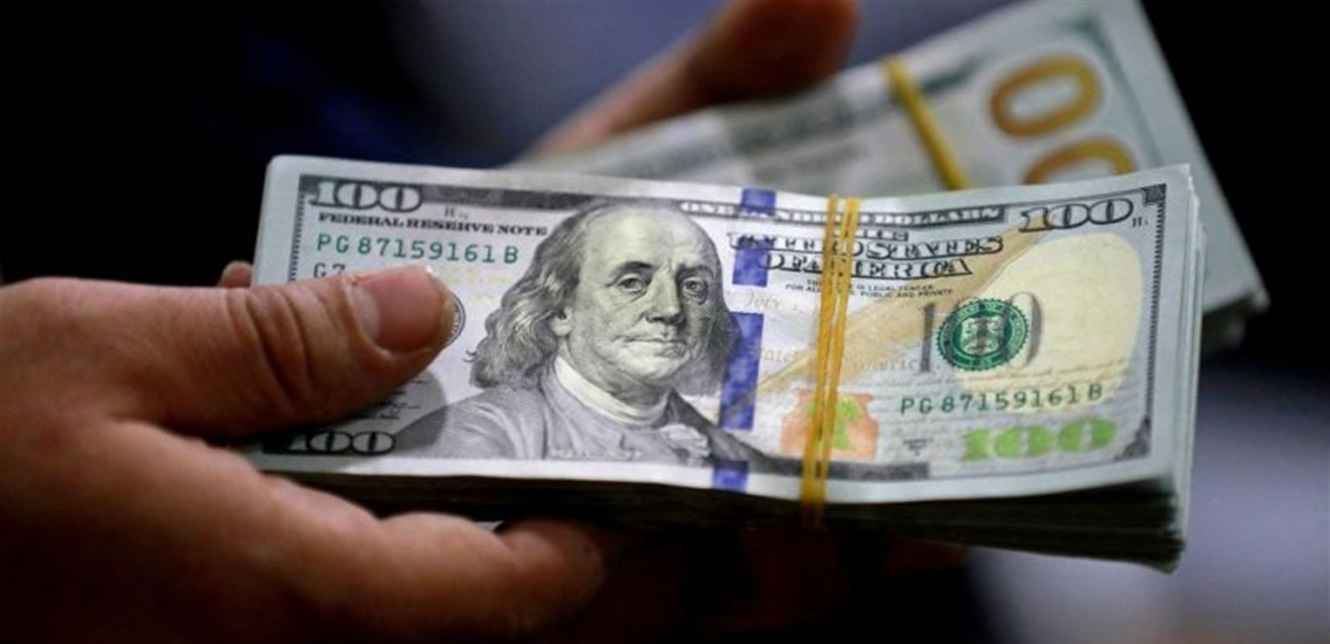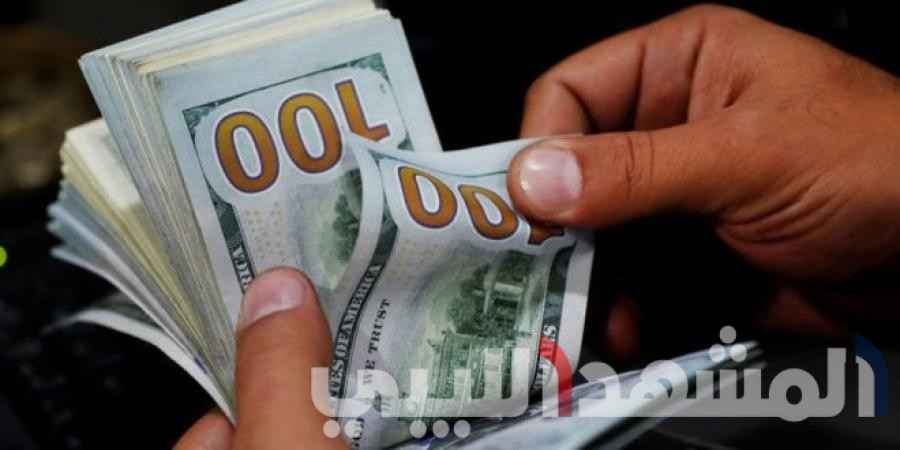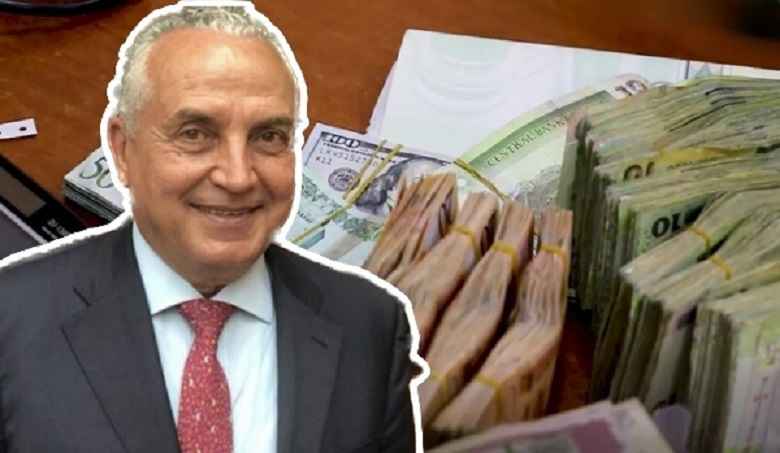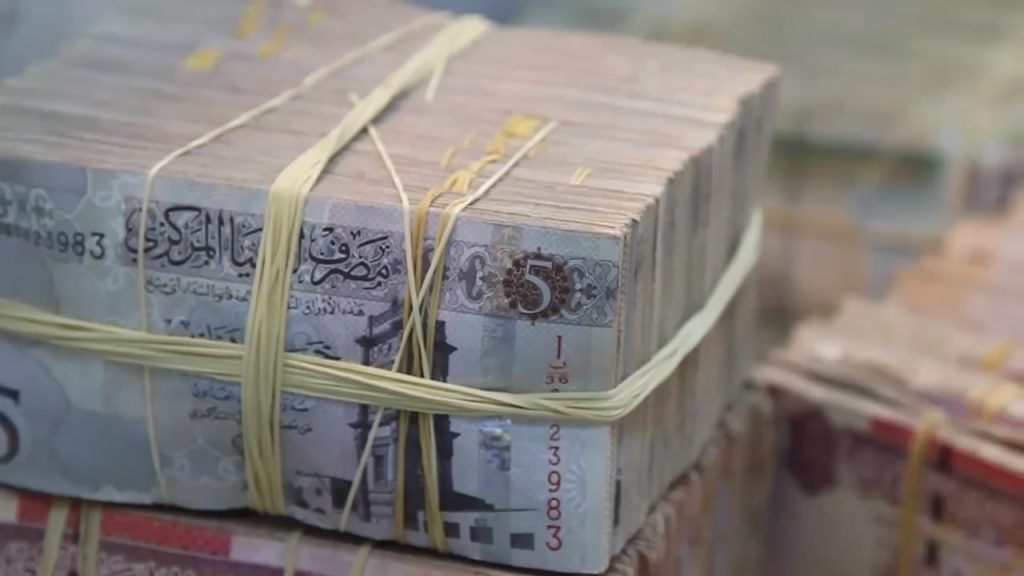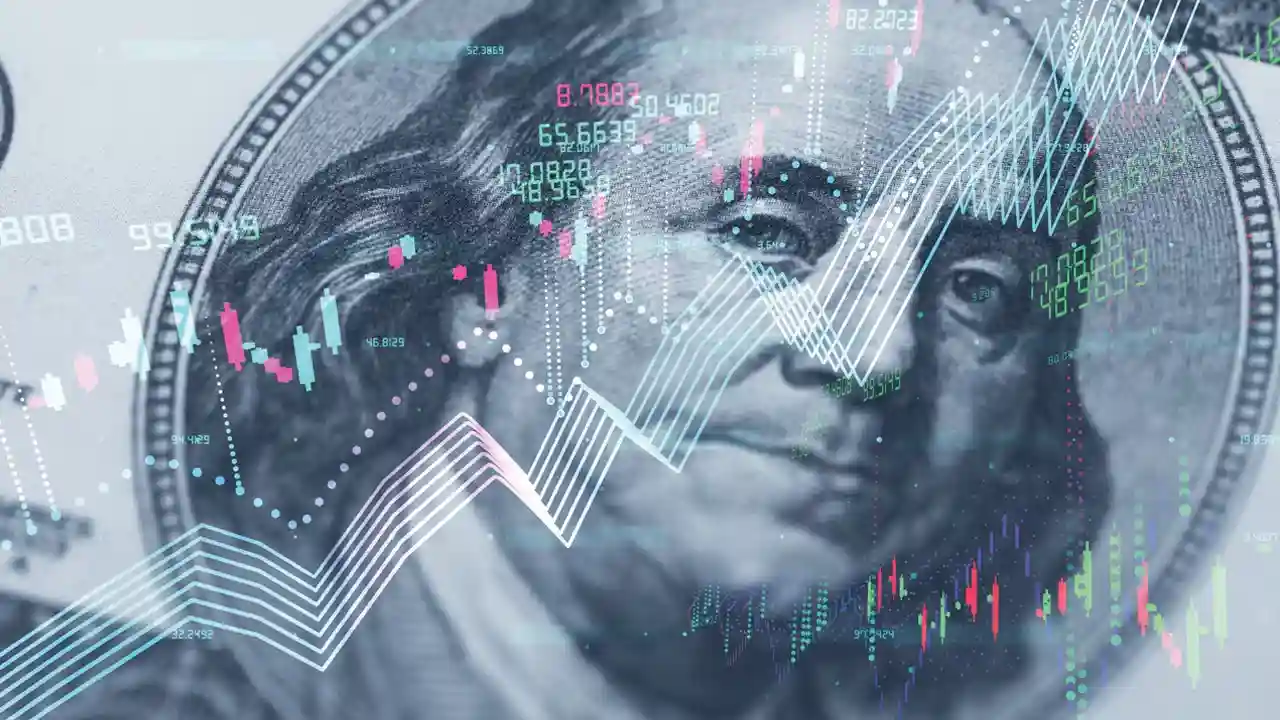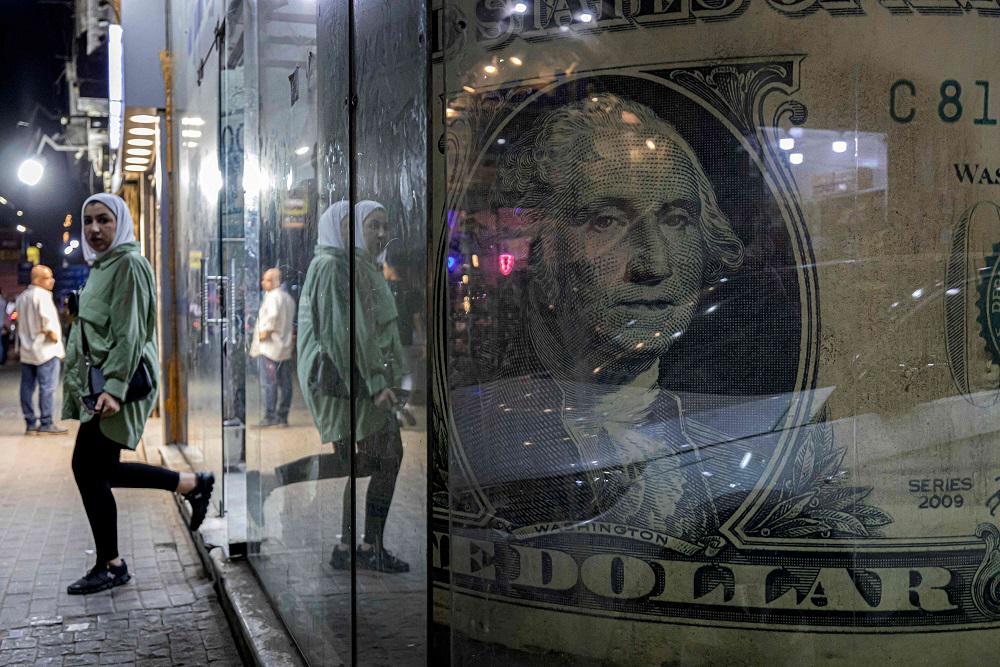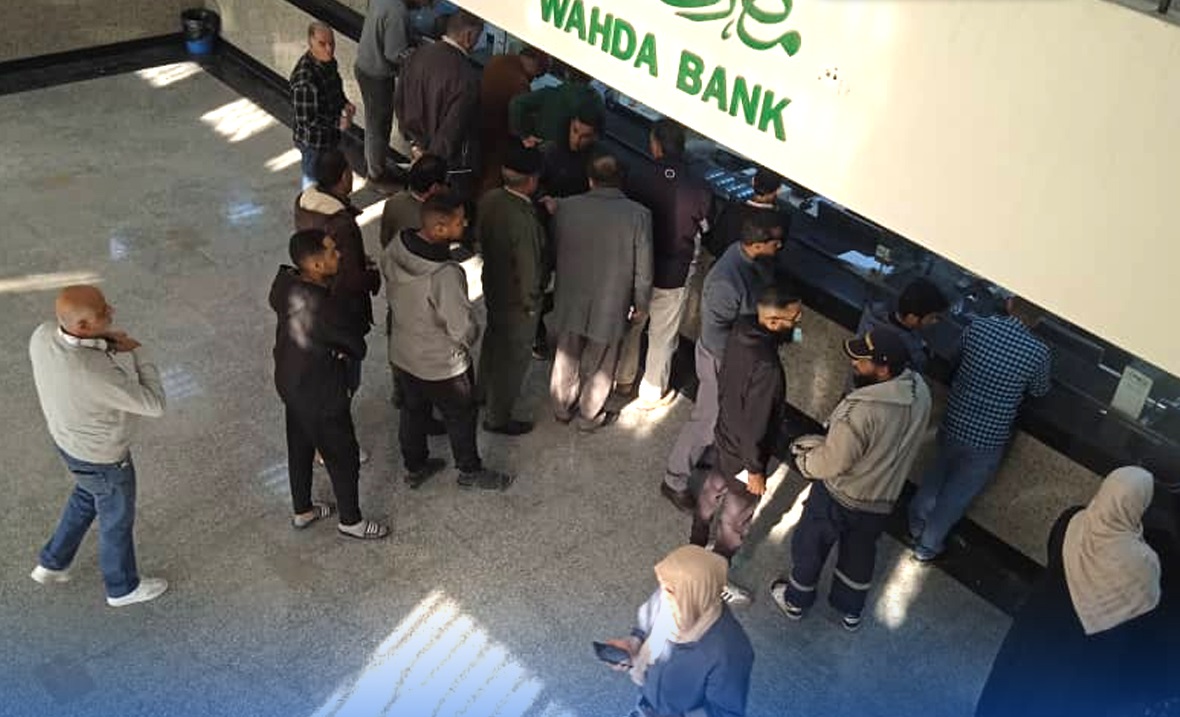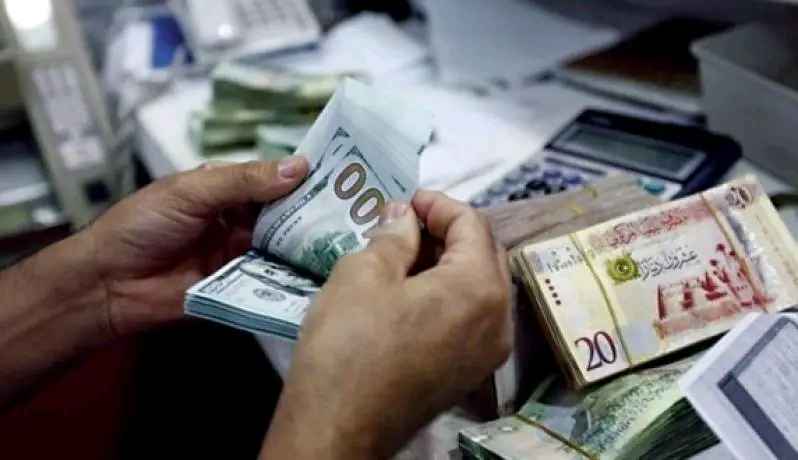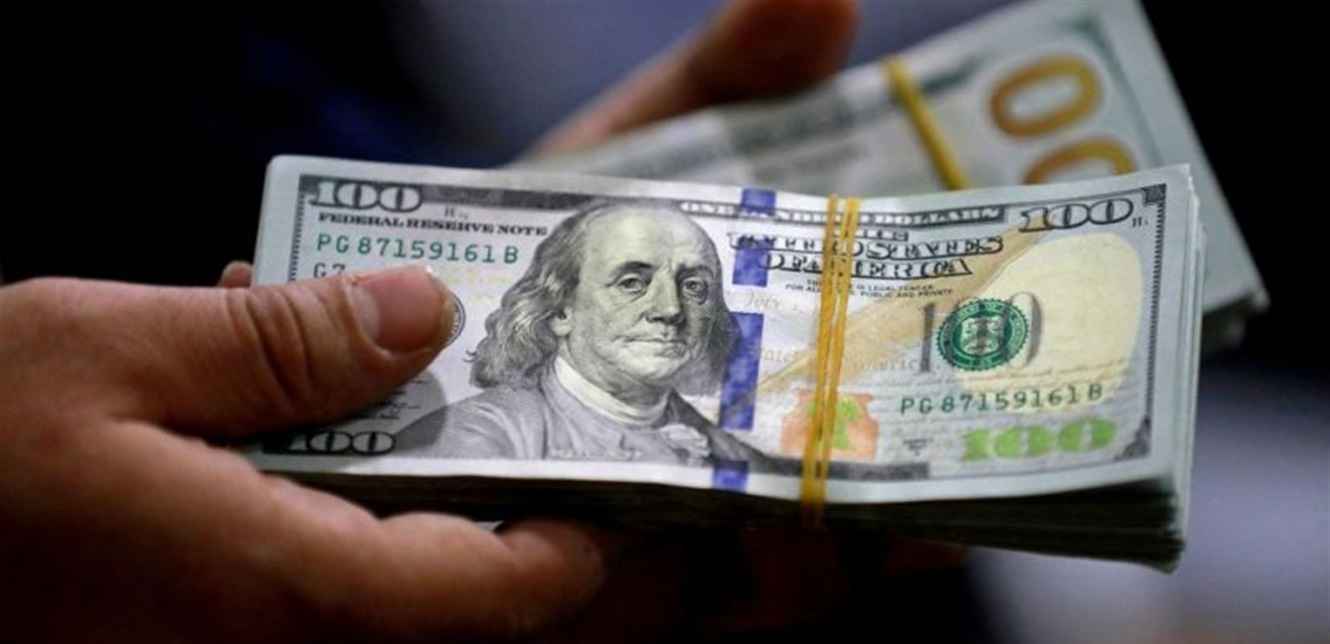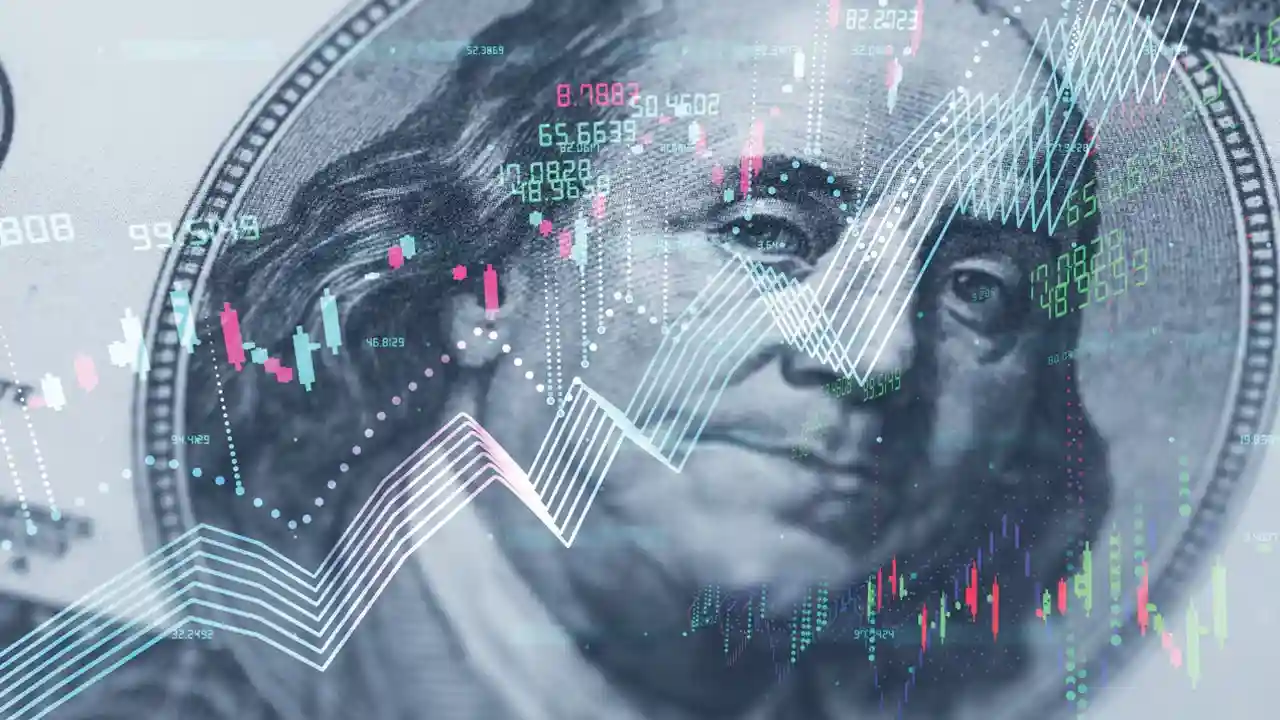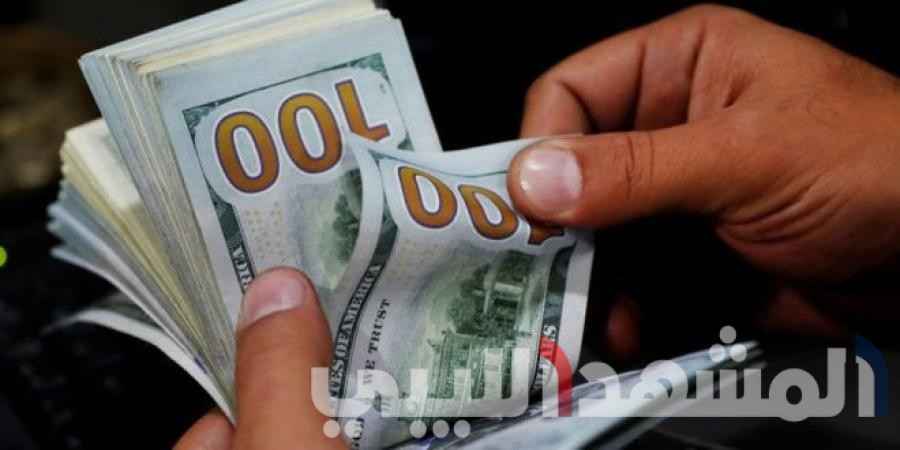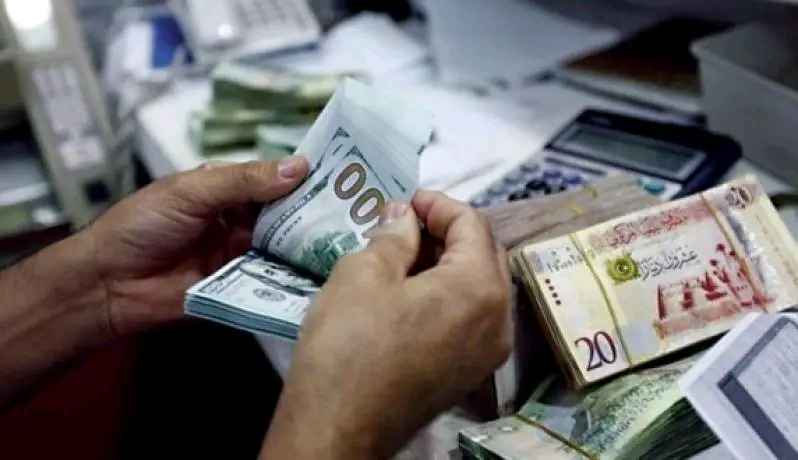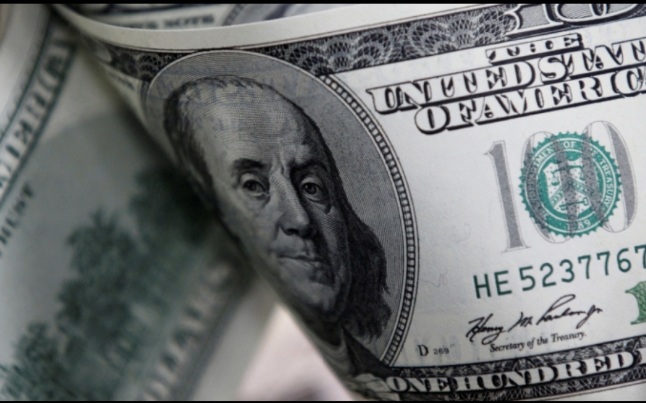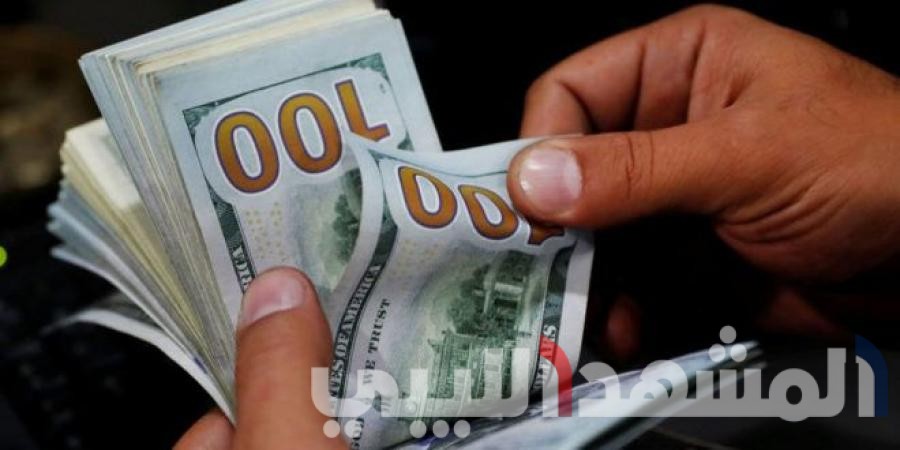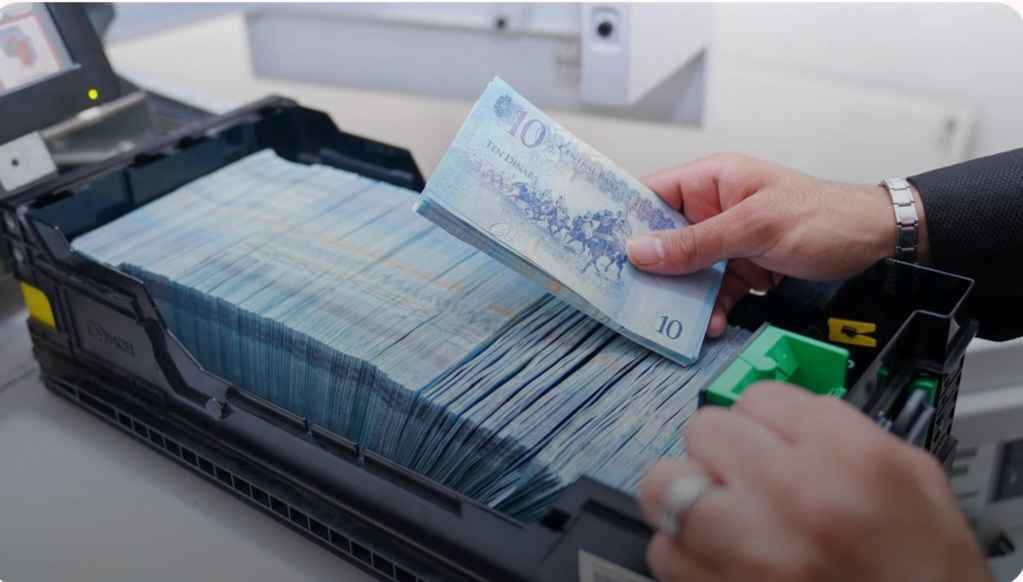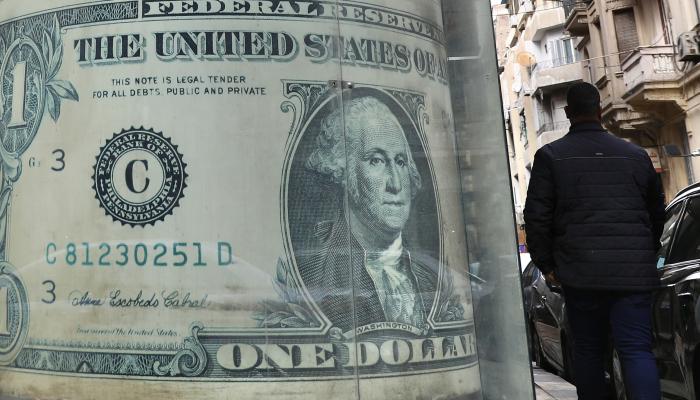
The US dollar recorded a new increase against the Libyan dinar in parallel market transactions this Wednesday, reaching a price of 9.09 dinars at 7:00 PM in the Al-Mashir currency market in Tripoli, and 9.10 dinars in the markets of Misrata and Zliten.
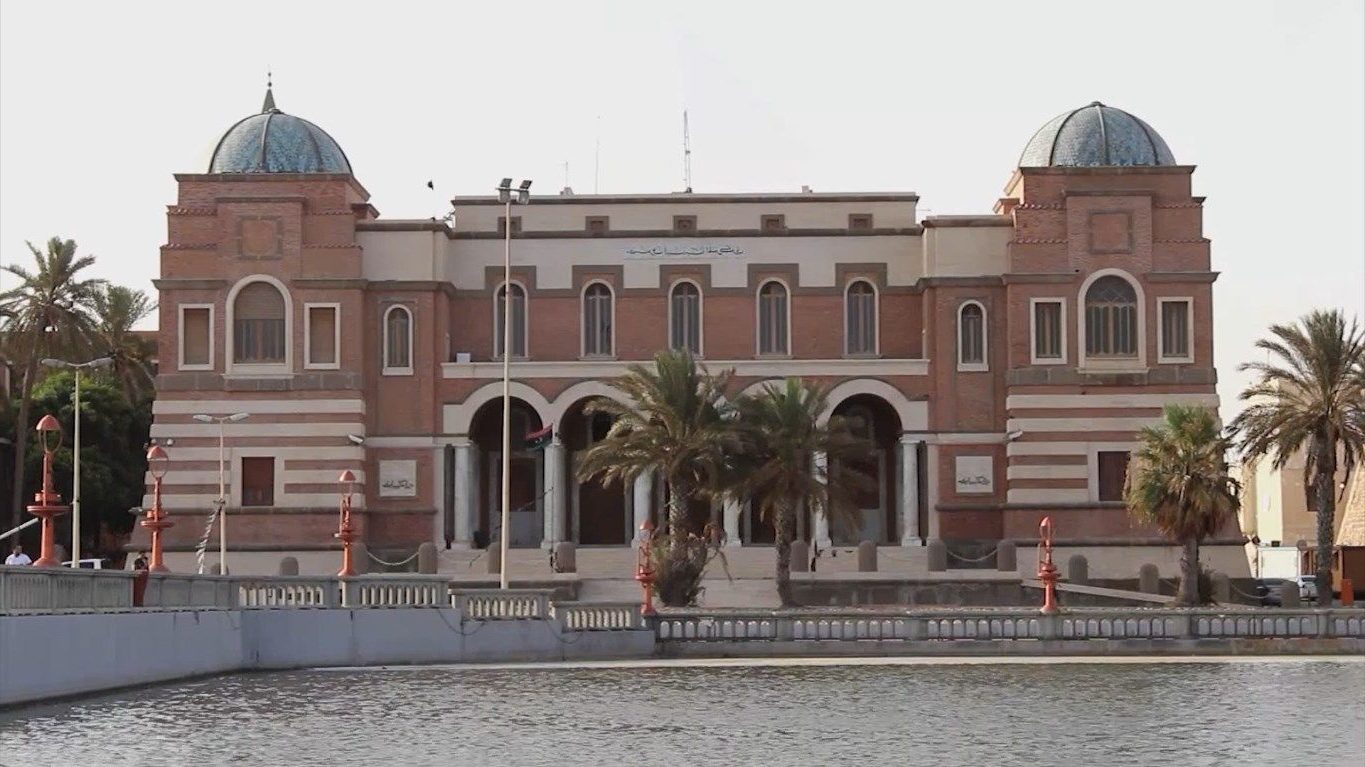
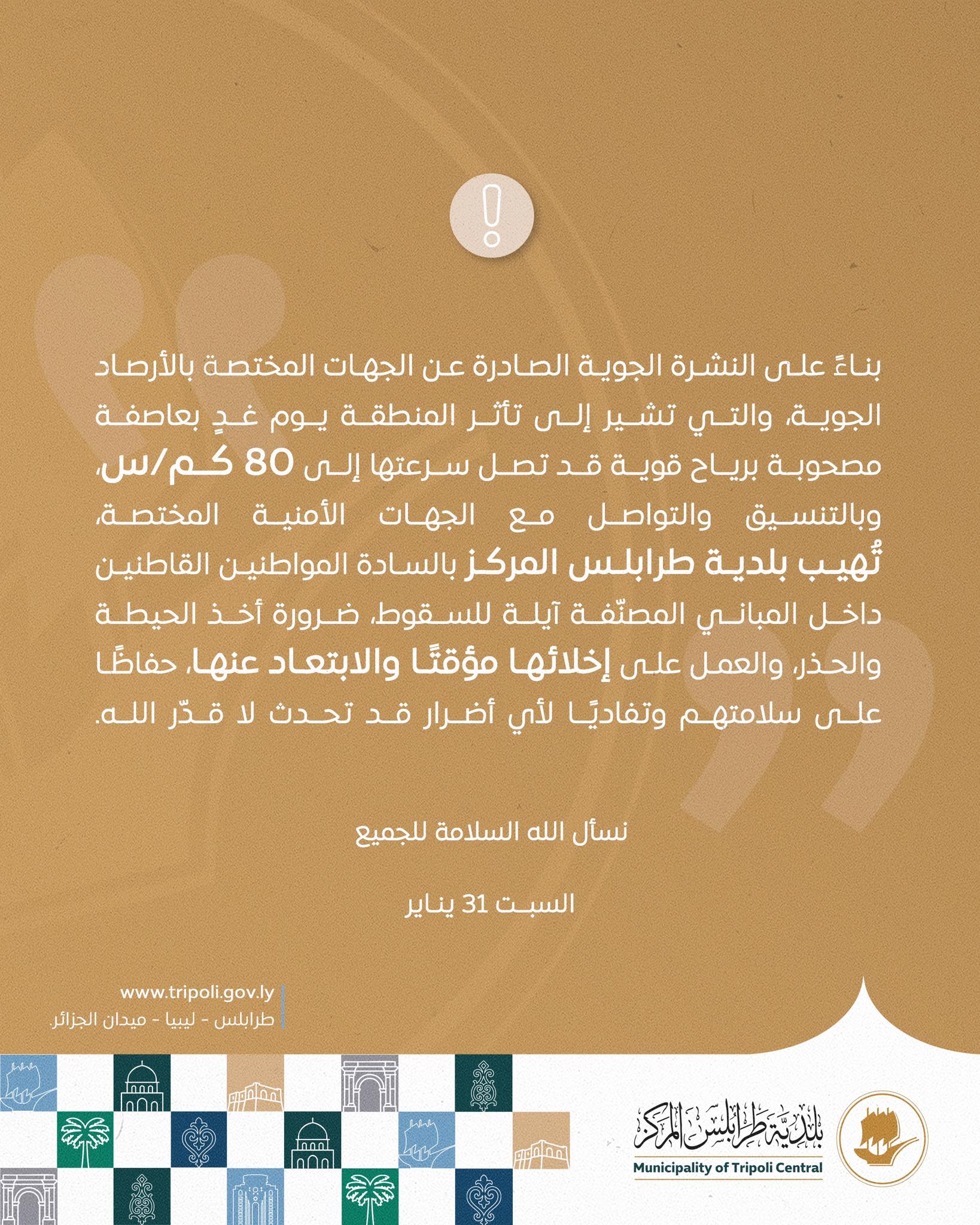
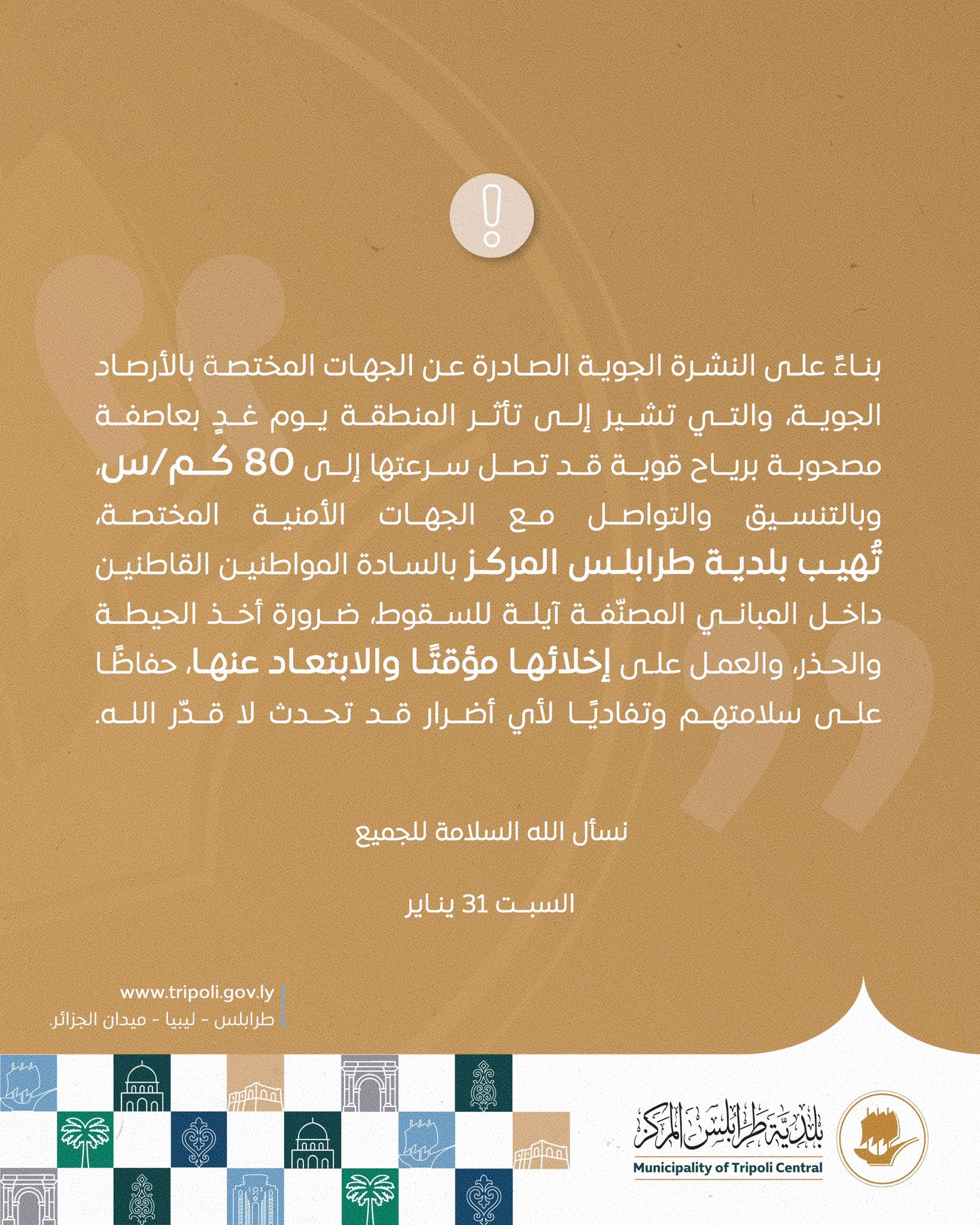
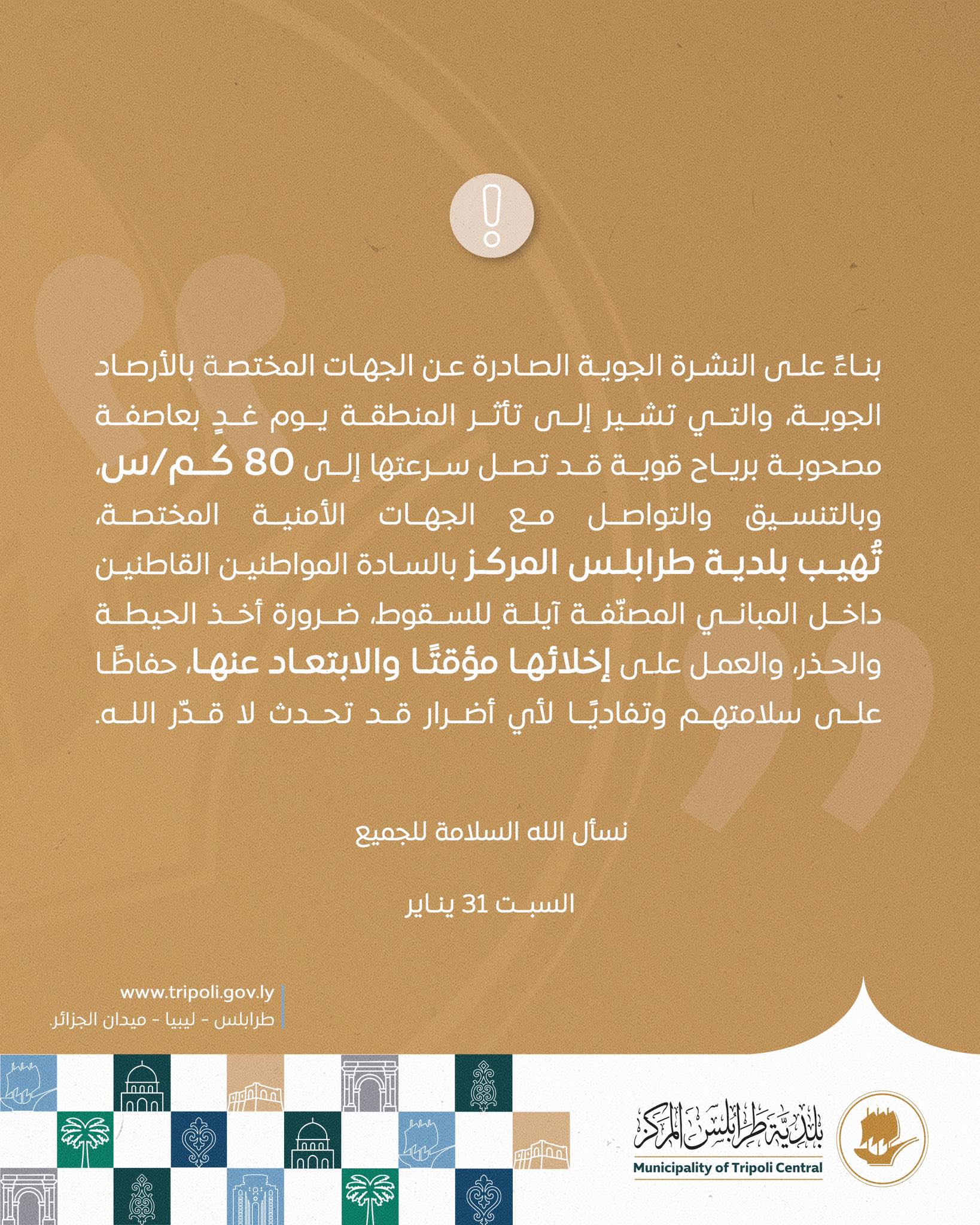
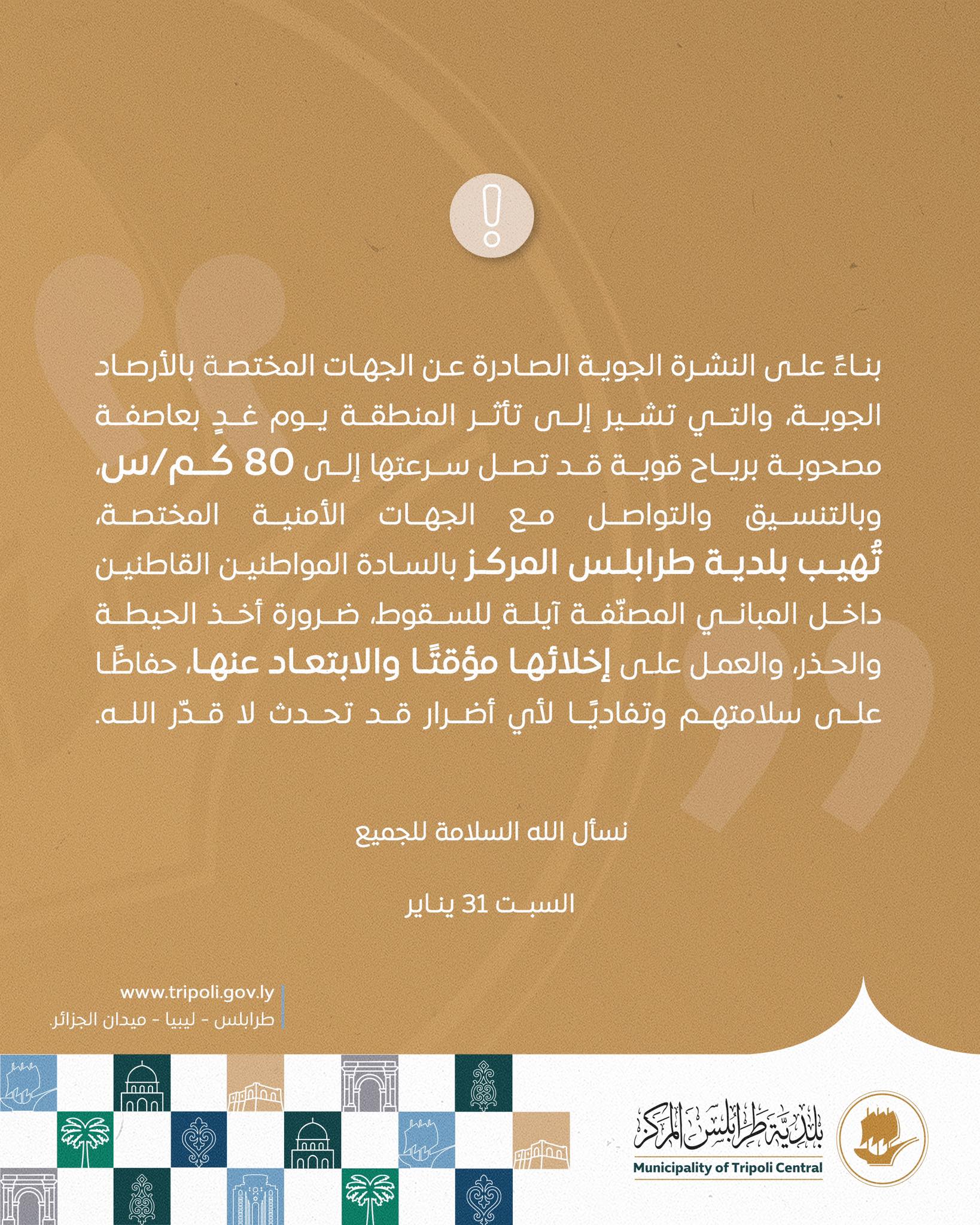
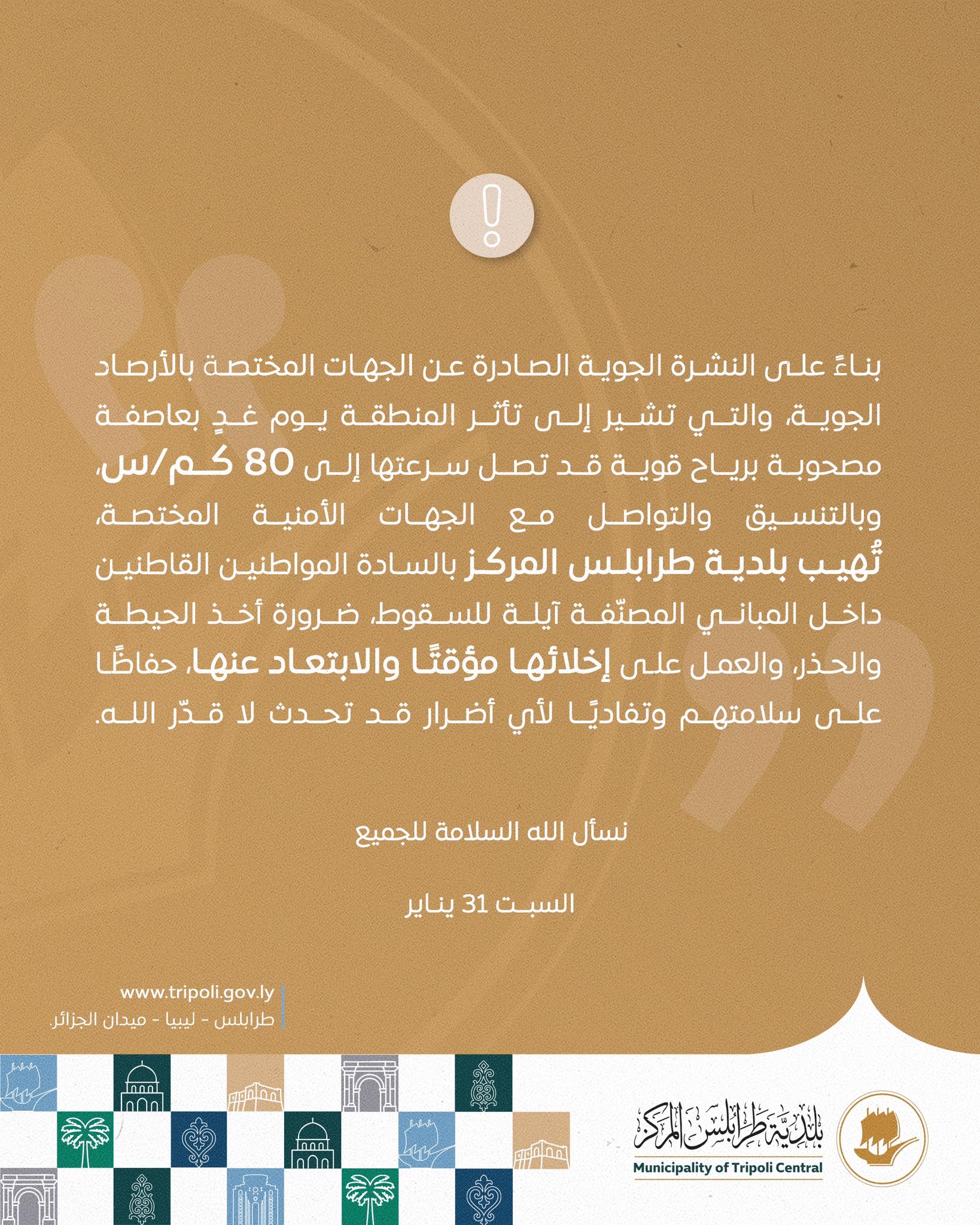
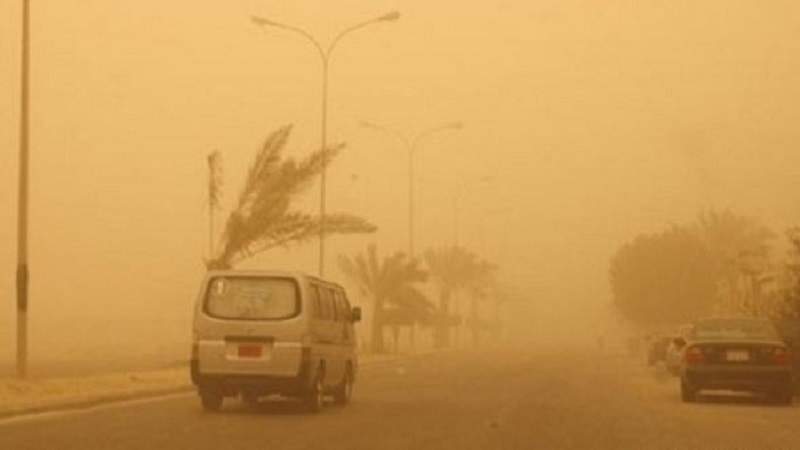
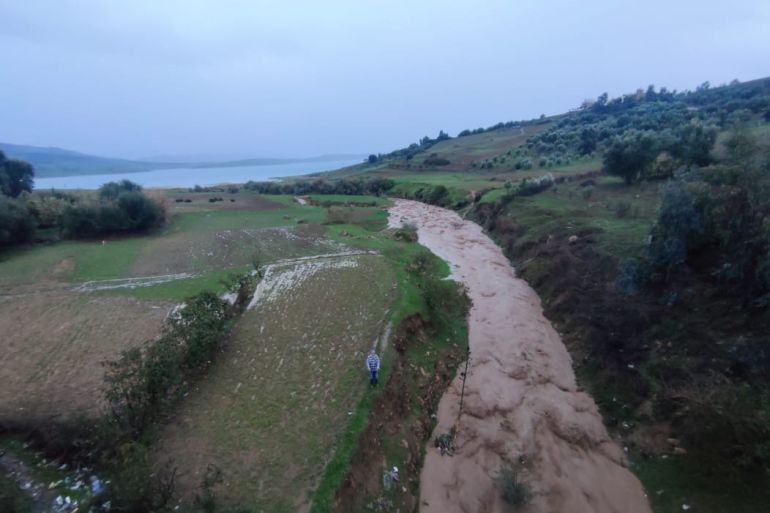
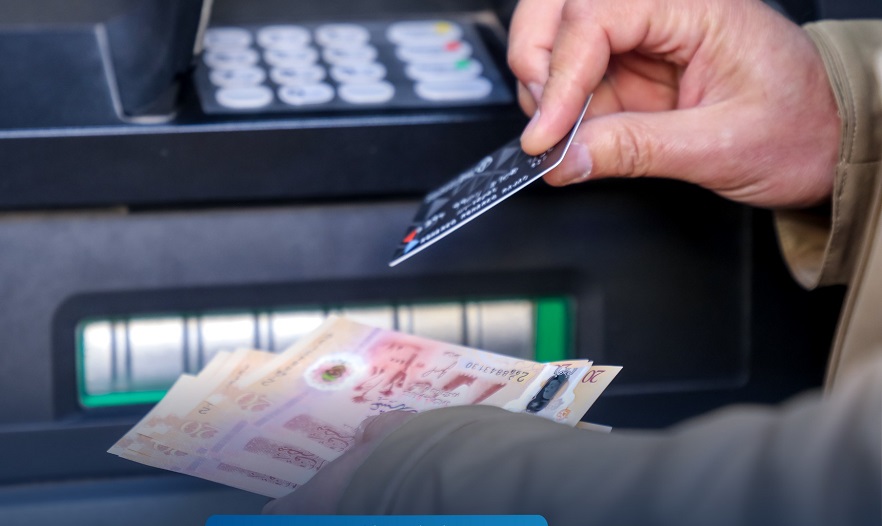
In contrast, the Venice currency market in Benghazi remained closed due to bad weather conditions, while the dollar was traded in bank transfers and checks at a price of 10.51 dinars.
This rise comes amid continuing economic pressures and market fluctuations, reflecting a state of concern among traders and citizens regarding exchange rate stability.
US dollar
The US dollar is the official currency of the United States, established by the Coinage Act of 1792. It evolved from a system based on Spanish milled dollars and became the world’s primary reserve currency following the Bretton Woods Agreement in 1944.
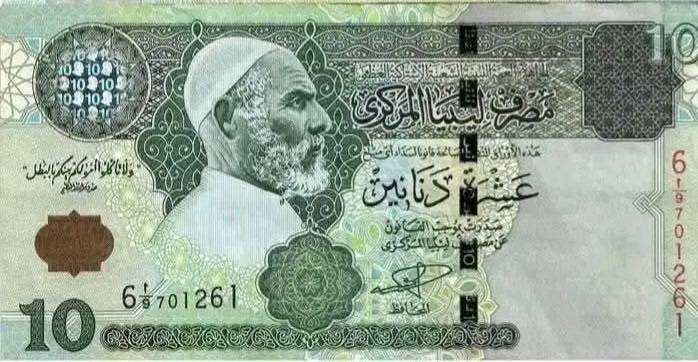
Libyan dinar
The Libyan dinar is the official currency of Libya, introduced in 1971 to replace the Libyan pound. It was established following the 1969 revolution that brought Muammar Gaddafi to power, centralizing the nation’s monetary system.
Al-Mashir currency market
The Al-Mashir currency market is a prominent informal foreign exchange market located in the city of Homs, Syria. It historically emerged as a key hub for currency trading, especially during periods of national economic instability and fluctuating official exchange rates. Its operations have been significantly shaped by the broader Syrian economic context, including the impact of international sanctions and the Syrian civil war.
Tripoli
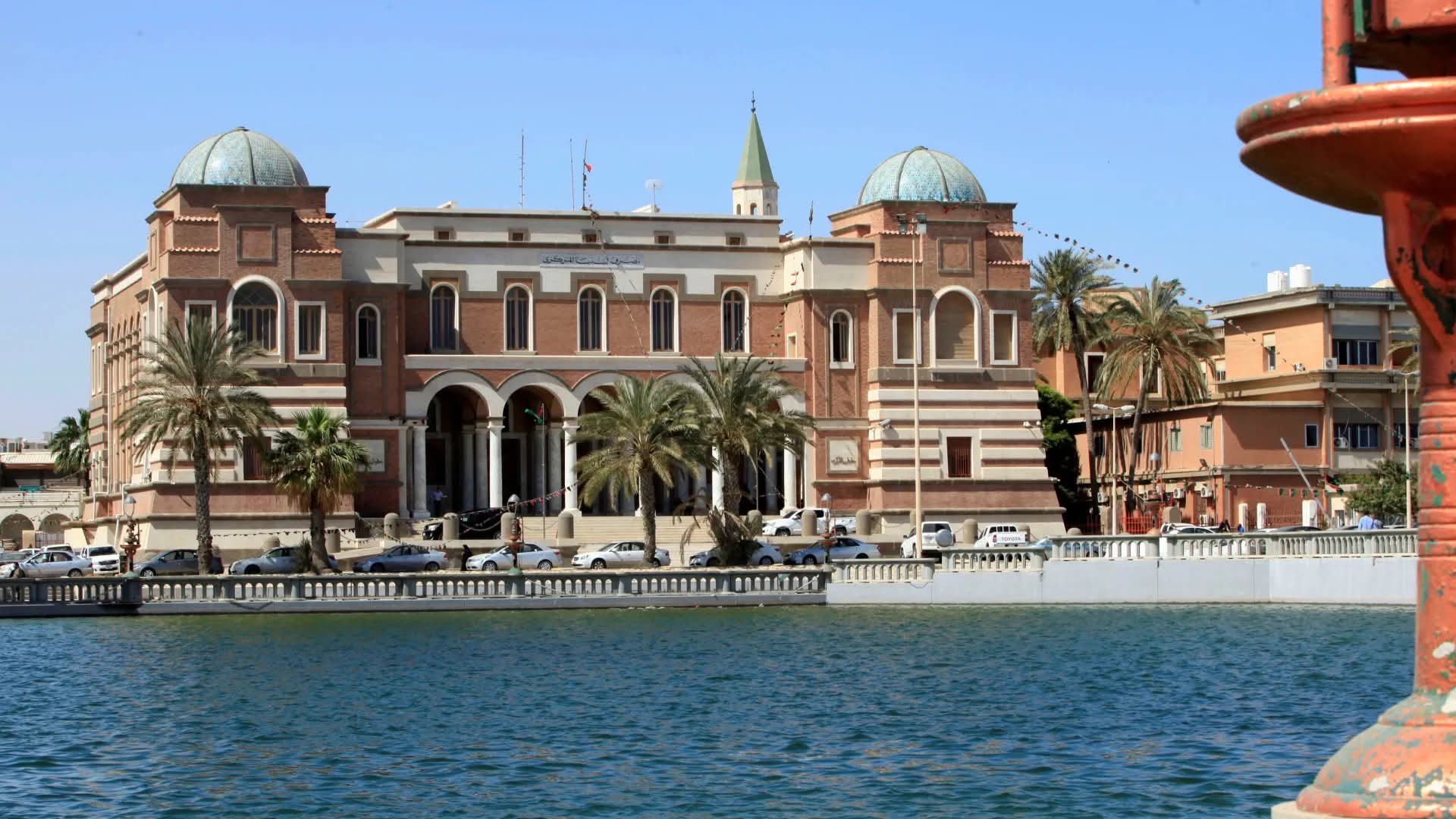
Tripoli is the capital and largest city of Libya, with a history dating back to the 7th century BC when it was founded by the Phoenicians. It later became a significant part of the Roman Empire, the Ottoman Empire, and an Italian colony, which is reflected in its diverse architecture, such as the historic Medina and Red Castle.
Misrata
Misrata is a major port city on the Mediterranean coast of northwestern Libya, historically known as a key trading hub since ancient times. It played a pivotal and fiercely defended role during the 2011 Libyan Civil War, serving as a stronghold for anti-Gaddafi forces. Today, it remains a vital economic and industrial center for the country.
Zliten
Zliten is a coastal city in northwestern Libya, historically significant as the site of the Zliten Mosaic, a well-preserved Roman floor mosaic from the 2nd century AD. The mosaic, discovered in a Roman villa, depicts scenes from daily life and mythology and is considered one of the most important archaeological finds in the region. The city itself has a long history tied to Mediterranean trade and was later an important center during the Ottoman period.
Venice currency market
The Venice currency market, historically known as the “Fondaco dei Tedeschi,” was a major commercial and financial hub in medieval and Renaissance Venice where foreign merchants, particularly Germans, traded goods and exchanged currencies. Established near the Rialto Bridge, it facilitated Venice’s role as a dominant trading power by regulating currency exchange and international commerce. Its operations were central to the city’s economic prosperity from the 13th to the 16th centuries.
Benghazi
Benghazi is a major city in eastern Libya, historically significant as a center of trade and culture since its founding as the Greek colony of Euesperides. It played a pivotal role in the 2011 Libyan Civil War as a key base for the uprising against Muammar Gaddafi.