Title – Tripoli
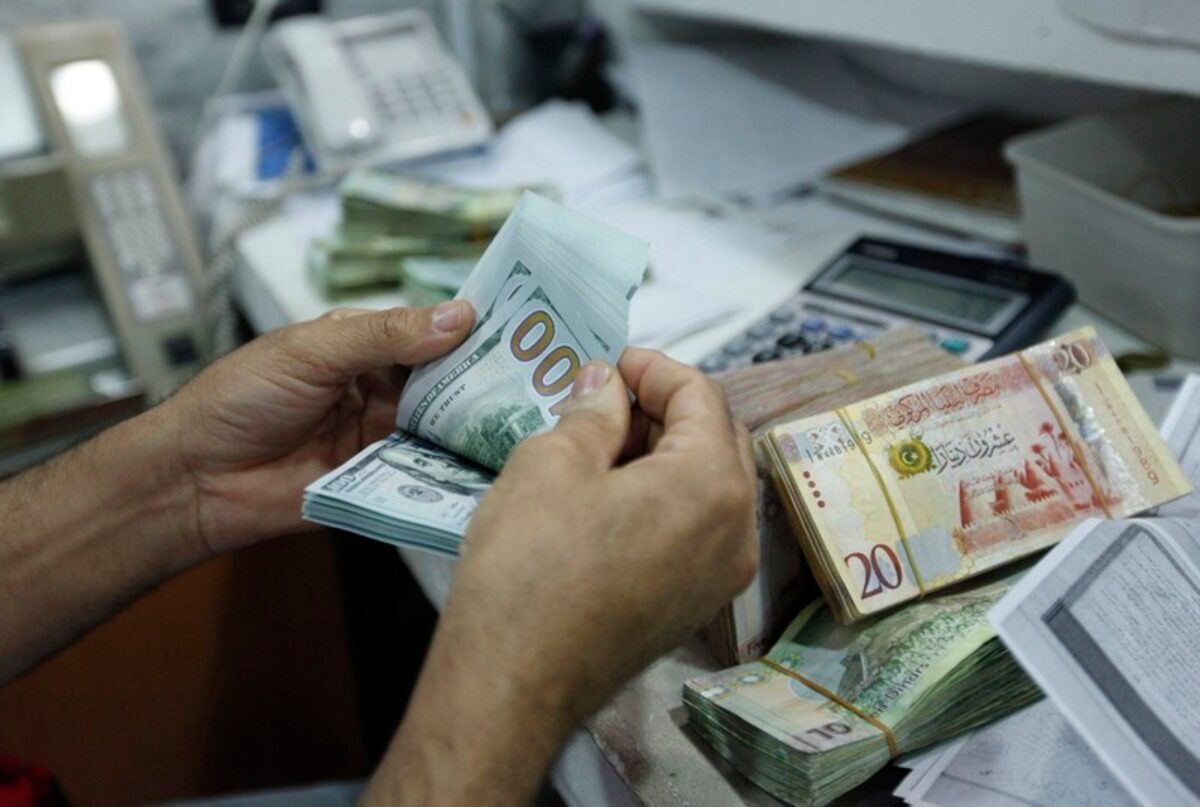
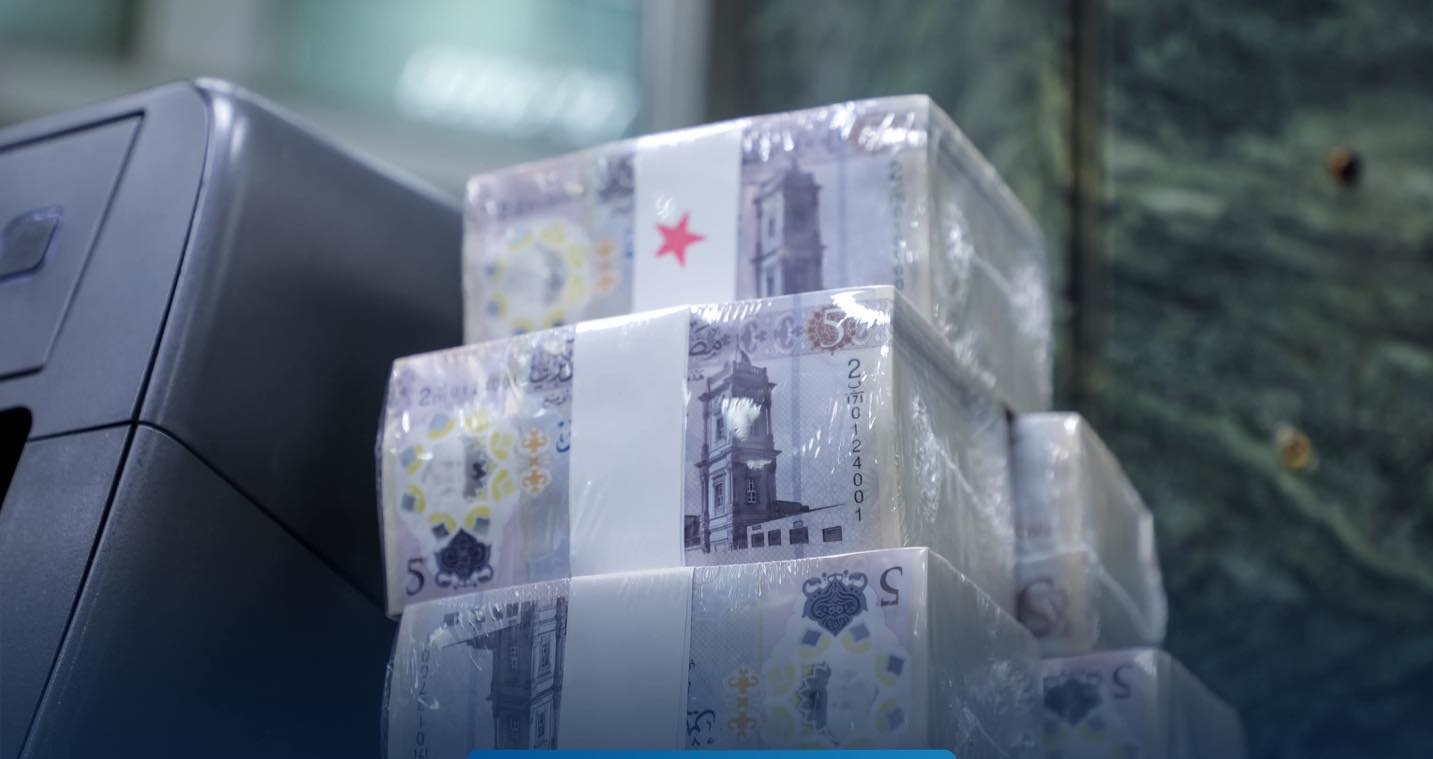
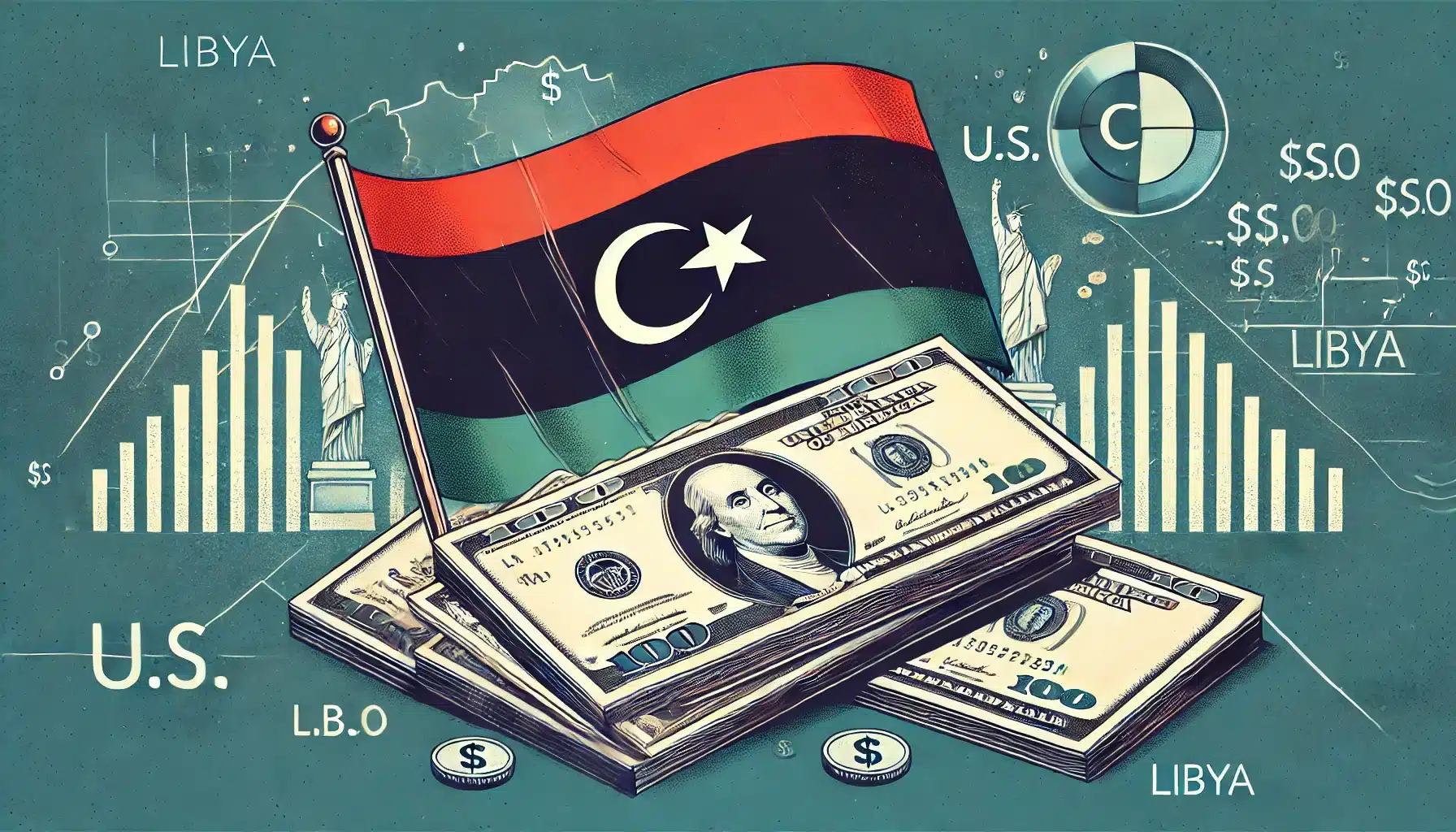
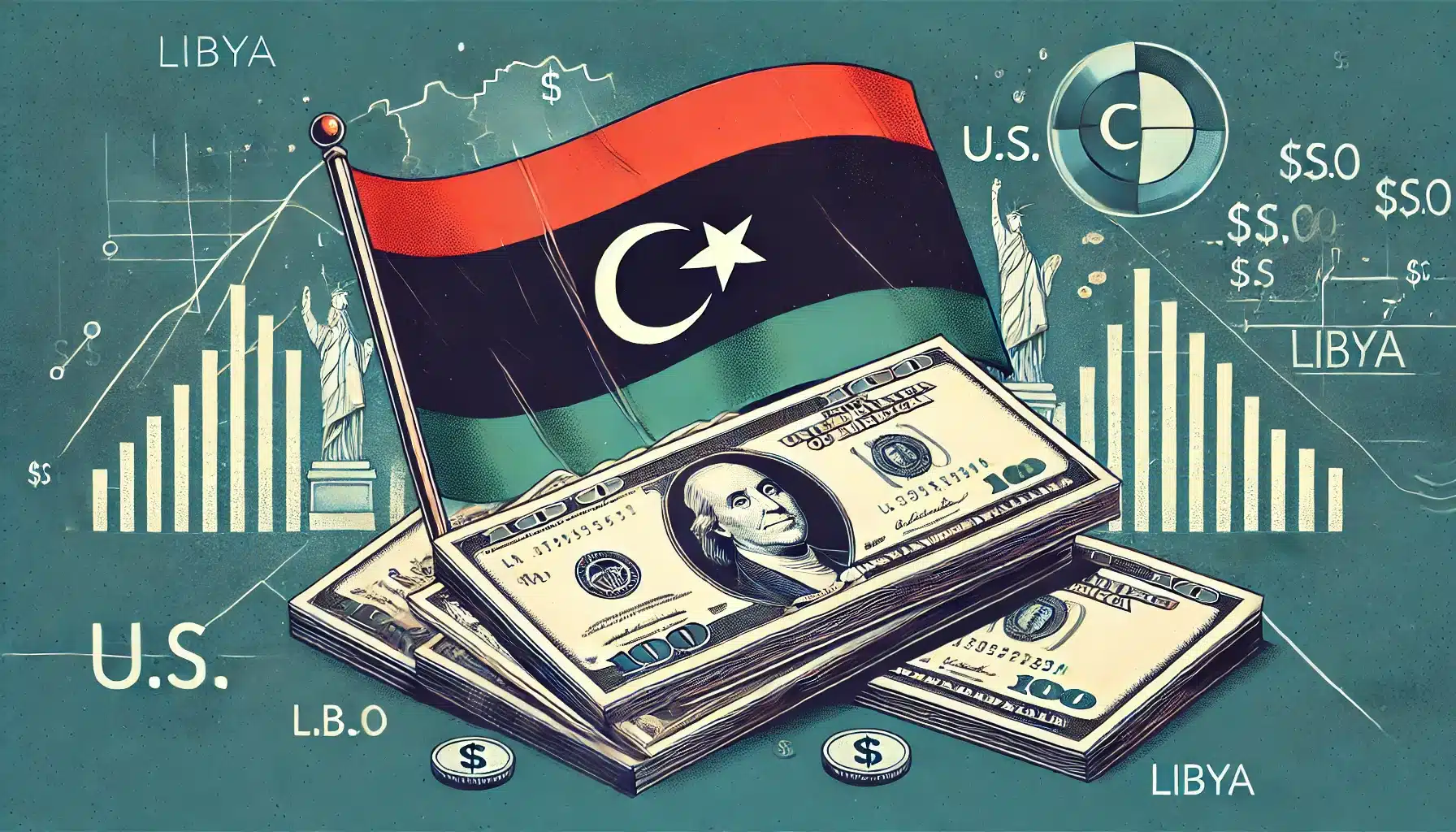
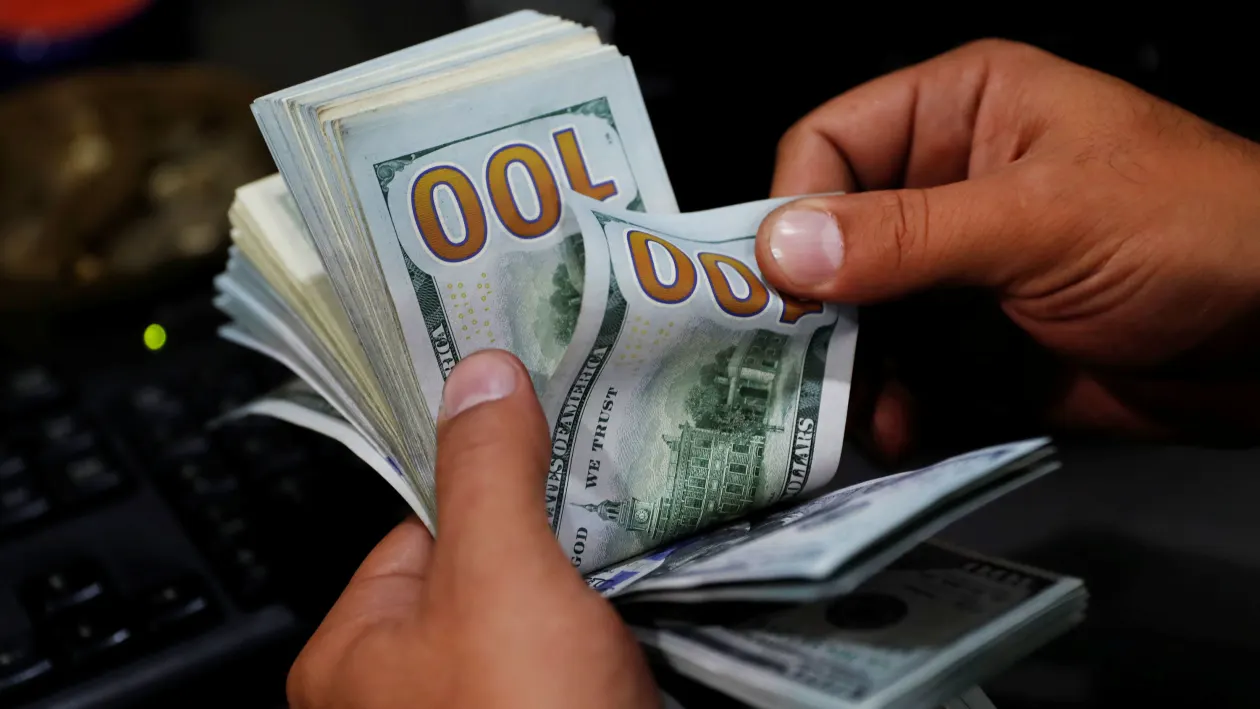
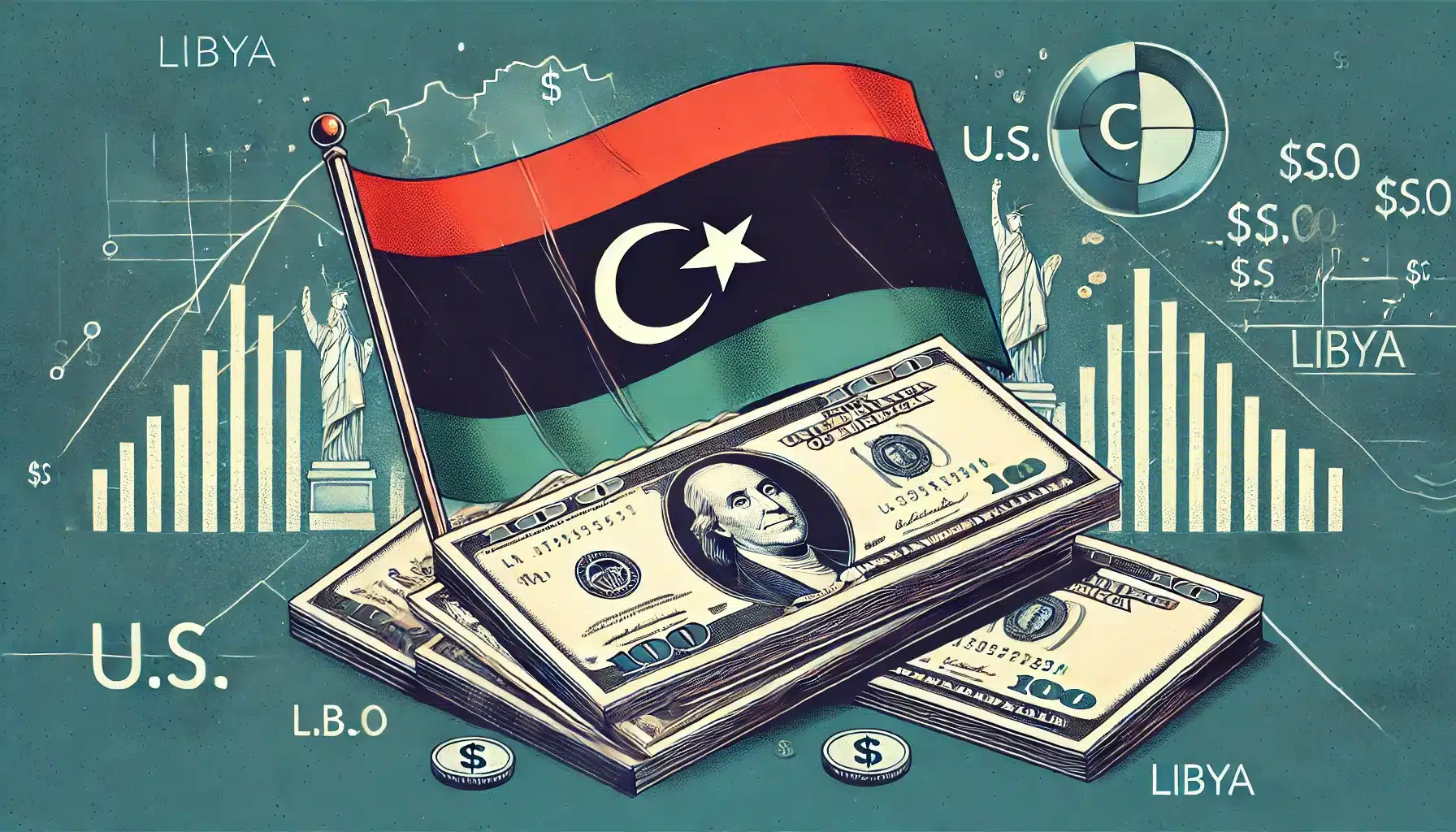
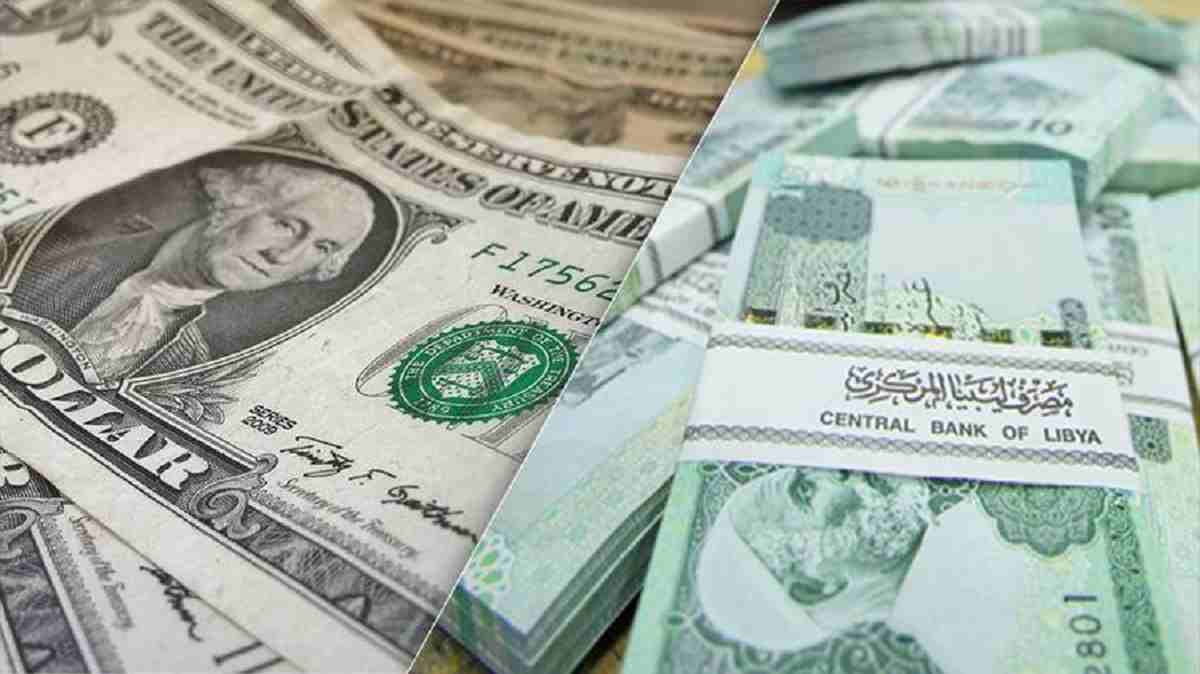
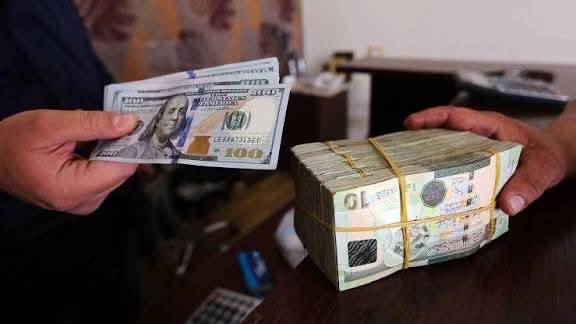
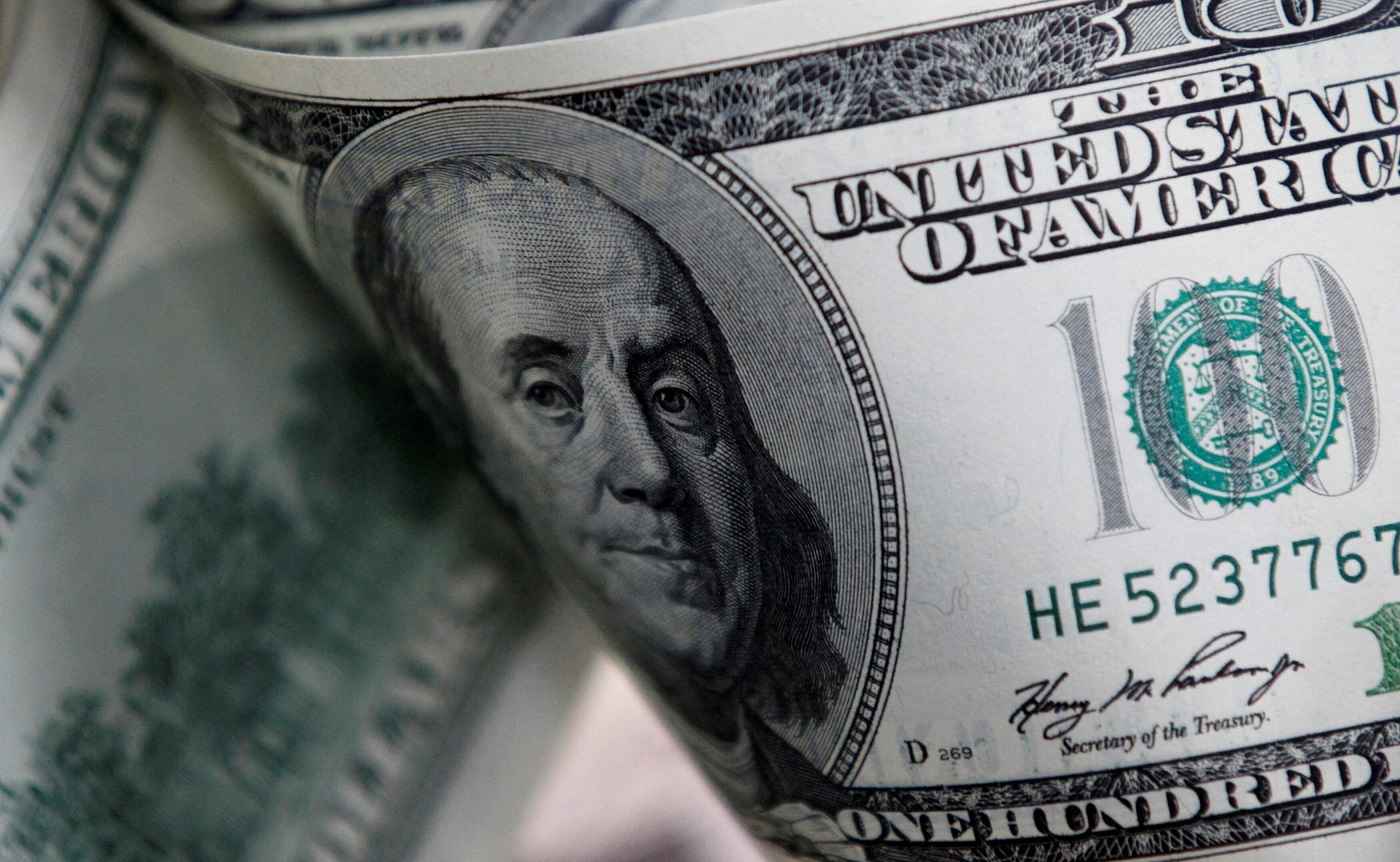
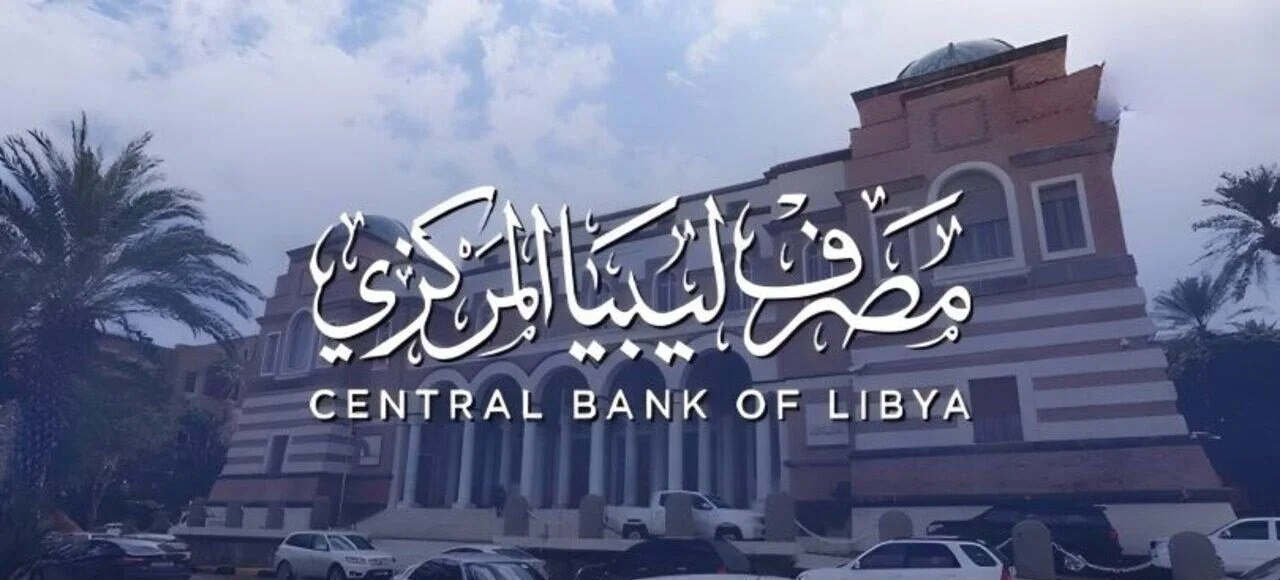
Foreign exchange rates against the Libyan dinar saw a slight decline in the official market on Wednesday, according to data from the Central Bank of Libya.
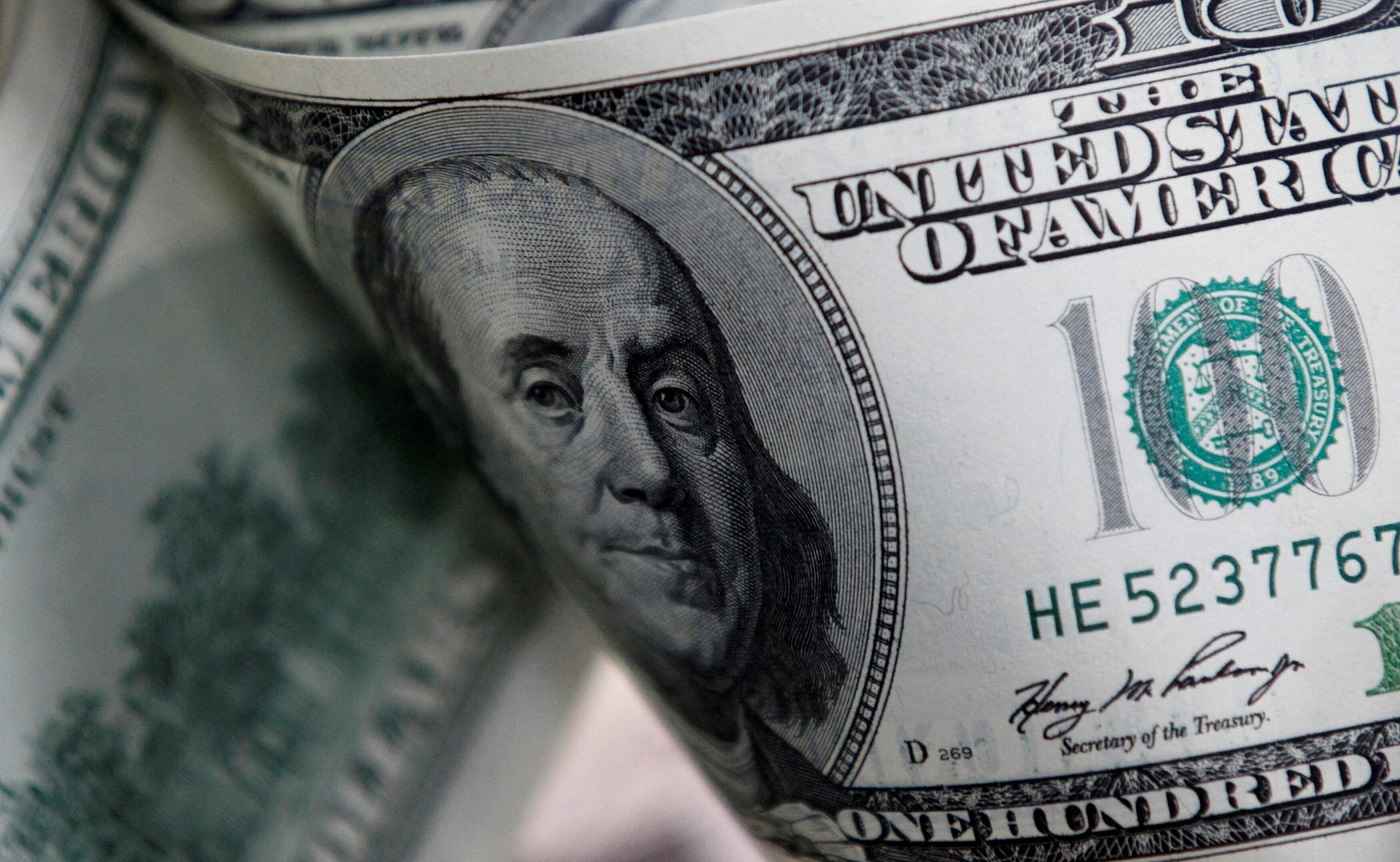
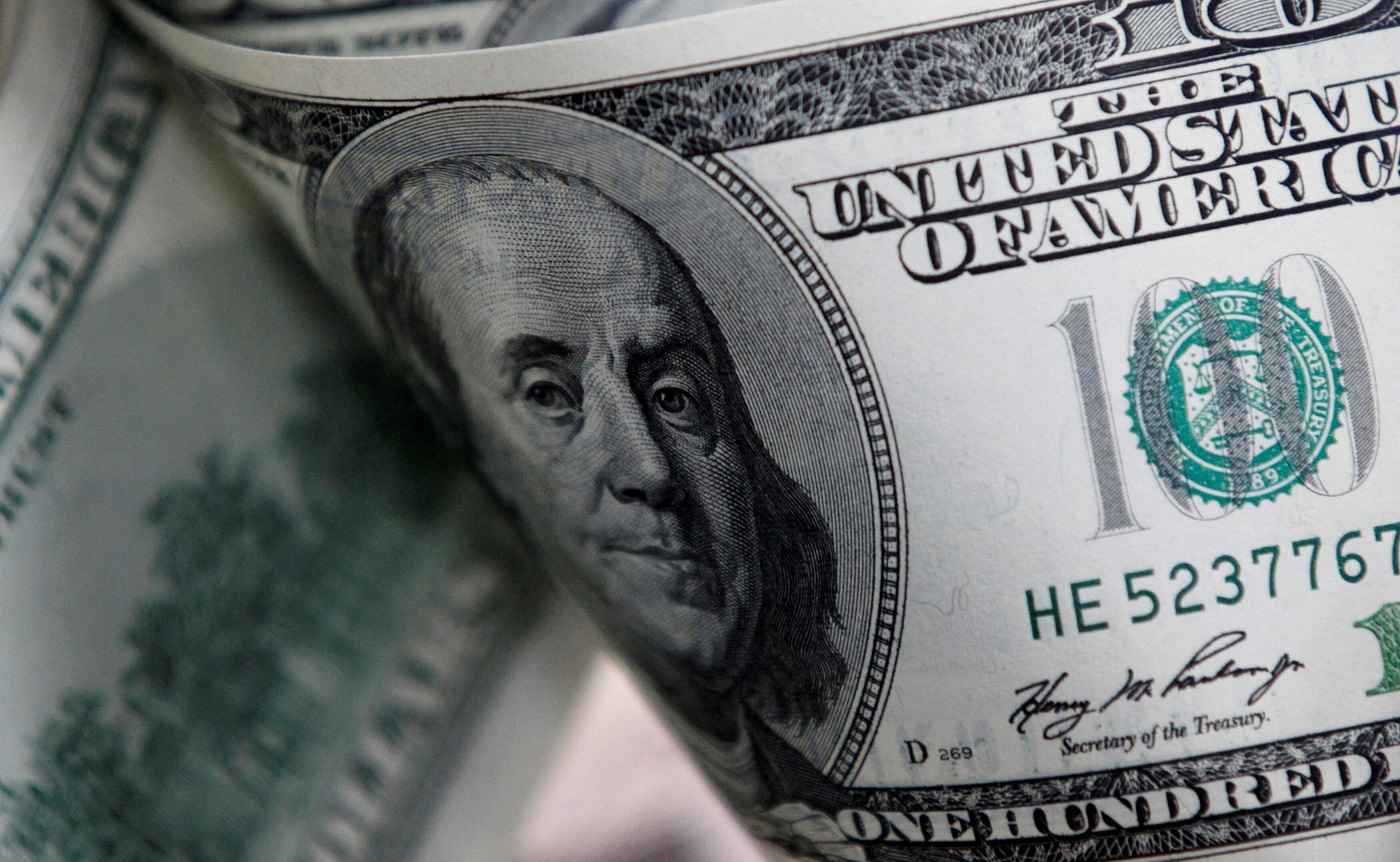
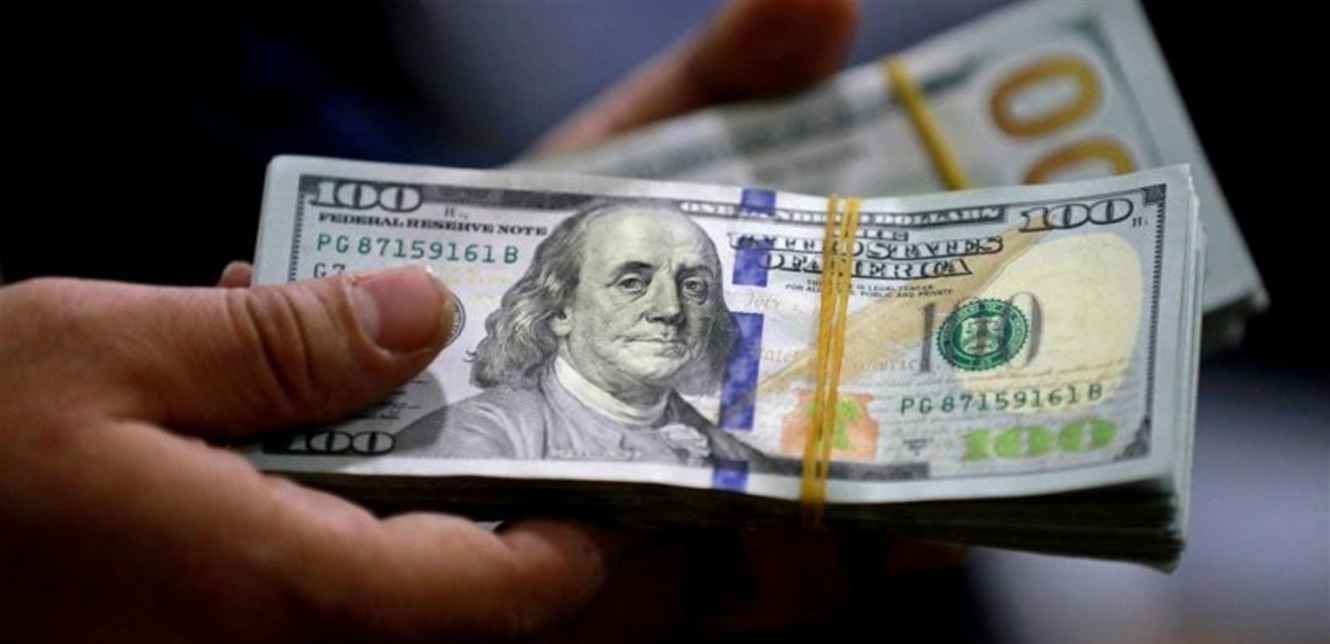
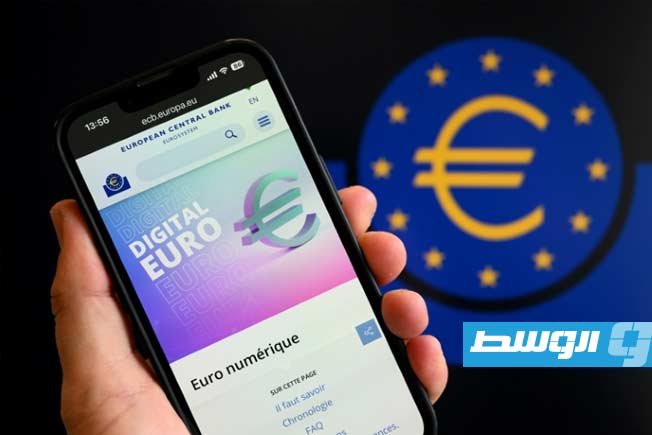
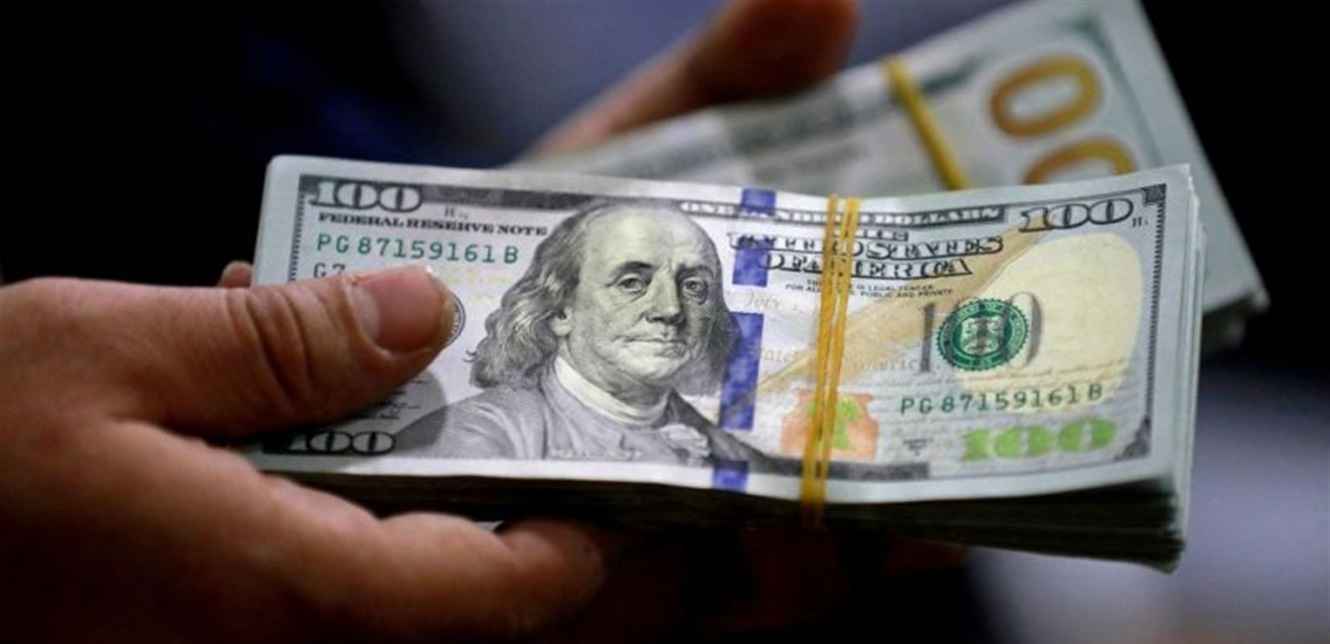
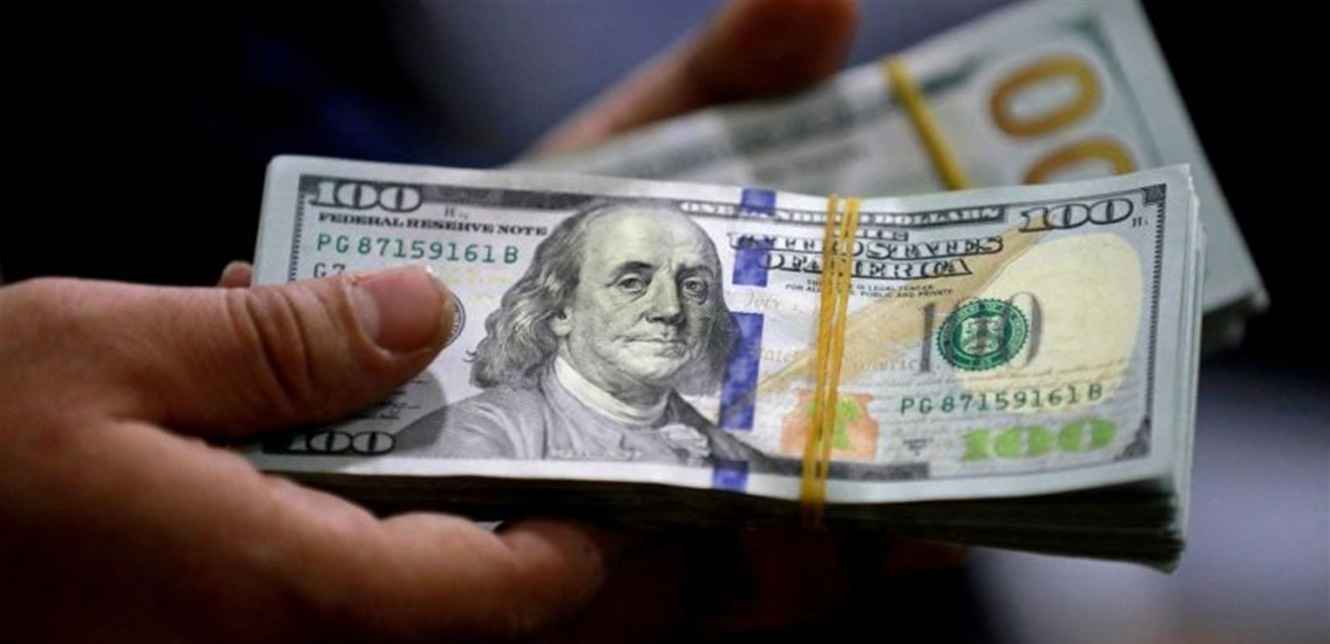
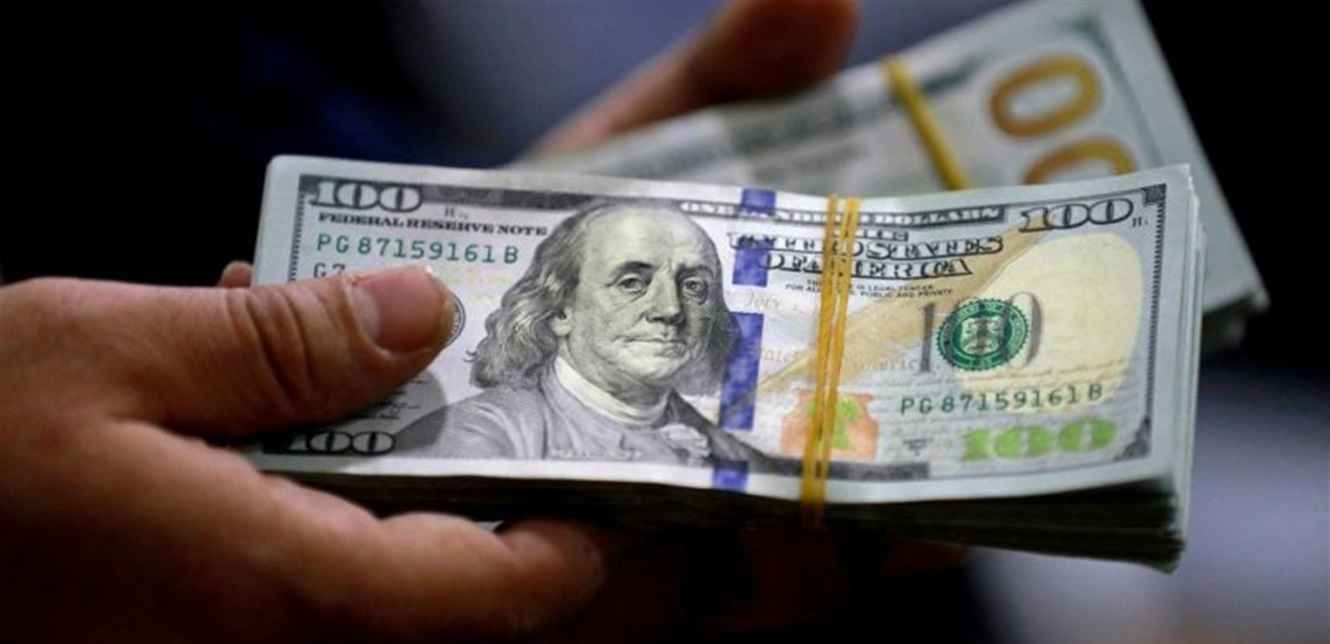
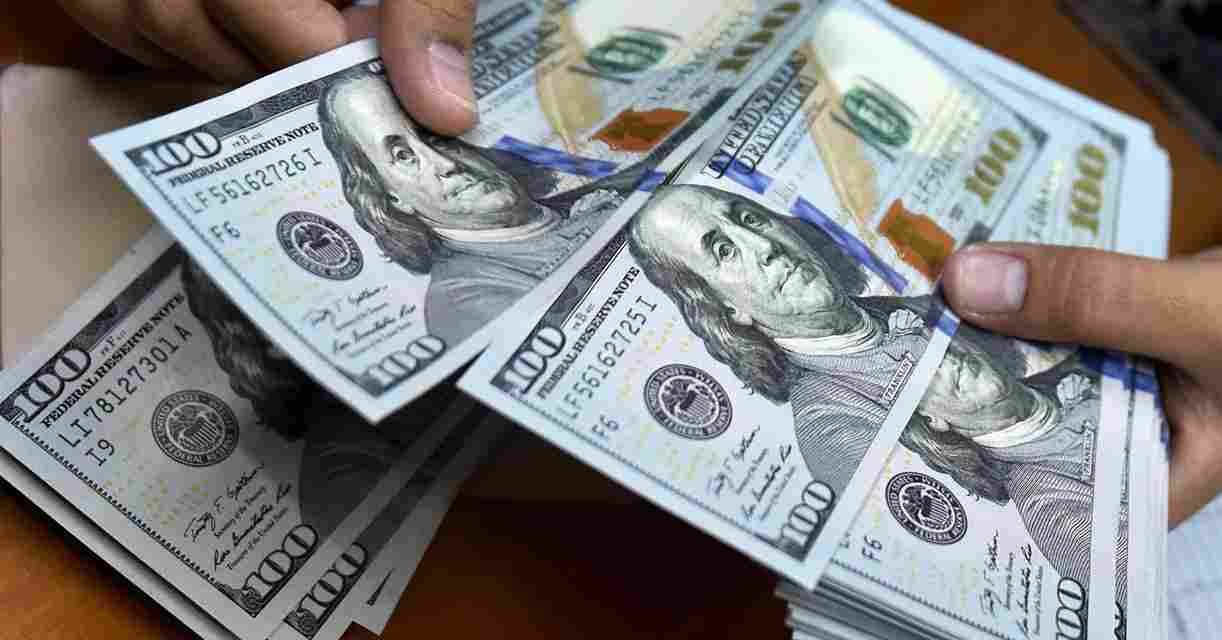
The US dollar rate fell to 6.29 dinars, compared to 6.30 dinars recorded on Tuesday. The British pound sterling declined to 8.60 dinars, compared to 8.61 dinars yesterday. The euro remained stable at 7.50 dinars, unchanged from the previous day.
Regarding Arab currencies, the Saudi riyal recorded a slight decrease to 1.67 dinars compared to 1.68 dinars yesterday. Meanwhile, both the UAE dirham and the Tunisian dinar remained stable at 1.71 dinars and 2.21 dinars, respectively.
The Turkish lira and the Chinese yuan saw no changes, remaining recorded at 0.14 dinars and 0.91 dinars, respectively.
This slight decline comes within the daily currency movements in the official market, under continuous monitoring by the Central Bank of Libya.
Tripoli
Tripoli is the capital and largest city of Libya, located on the country’s Mediterranean coast. Historically, it was founded by the Phoenicians in the 7th century BC and has since been ruled by the Romans, Arabs, Ottomans, and Italians, serving as a major port and cultural crossroads. Its historic core, the medina of Old Tripoli, contains well-preserved examples of its diverse architectural heritage.
Libyan dinar
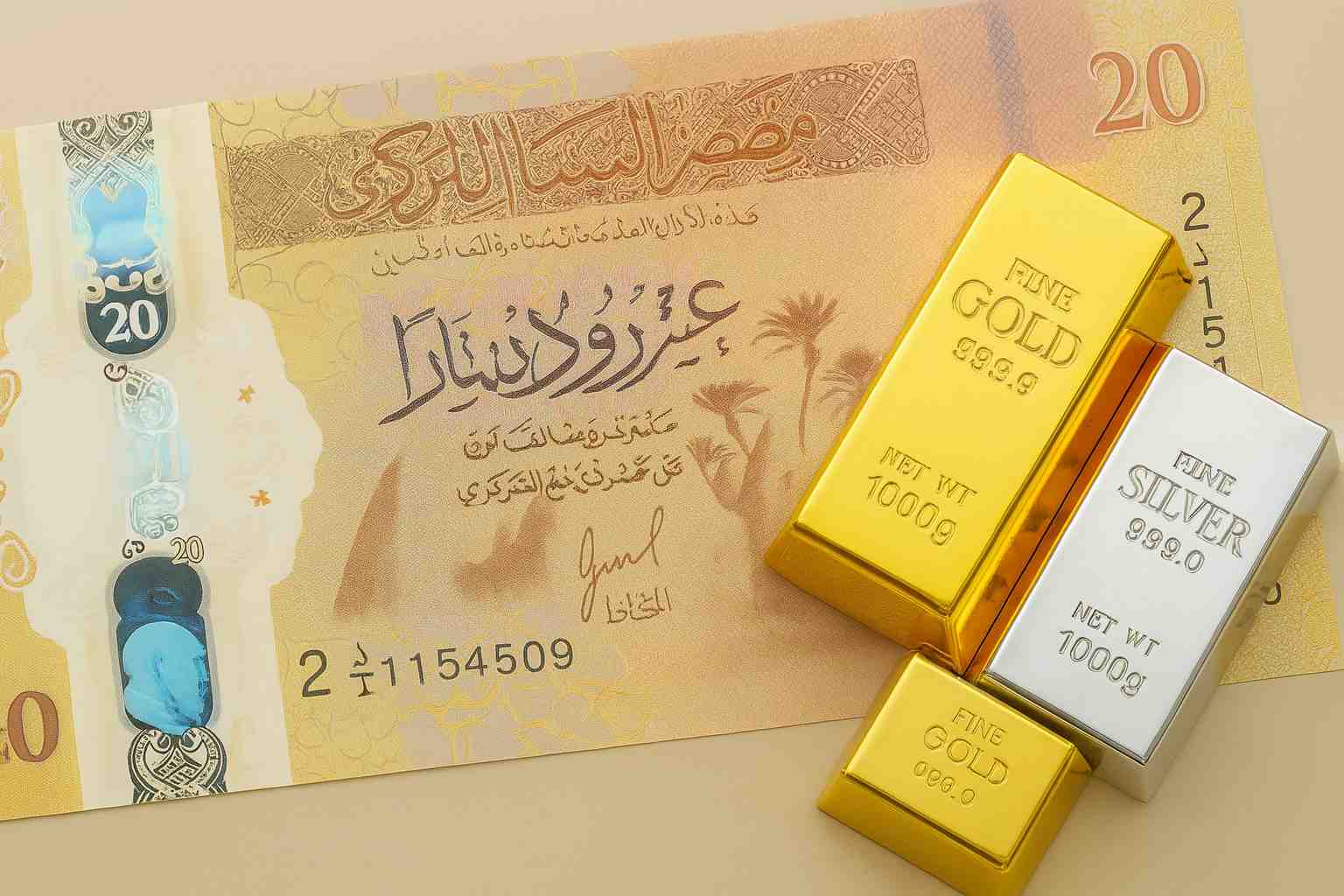
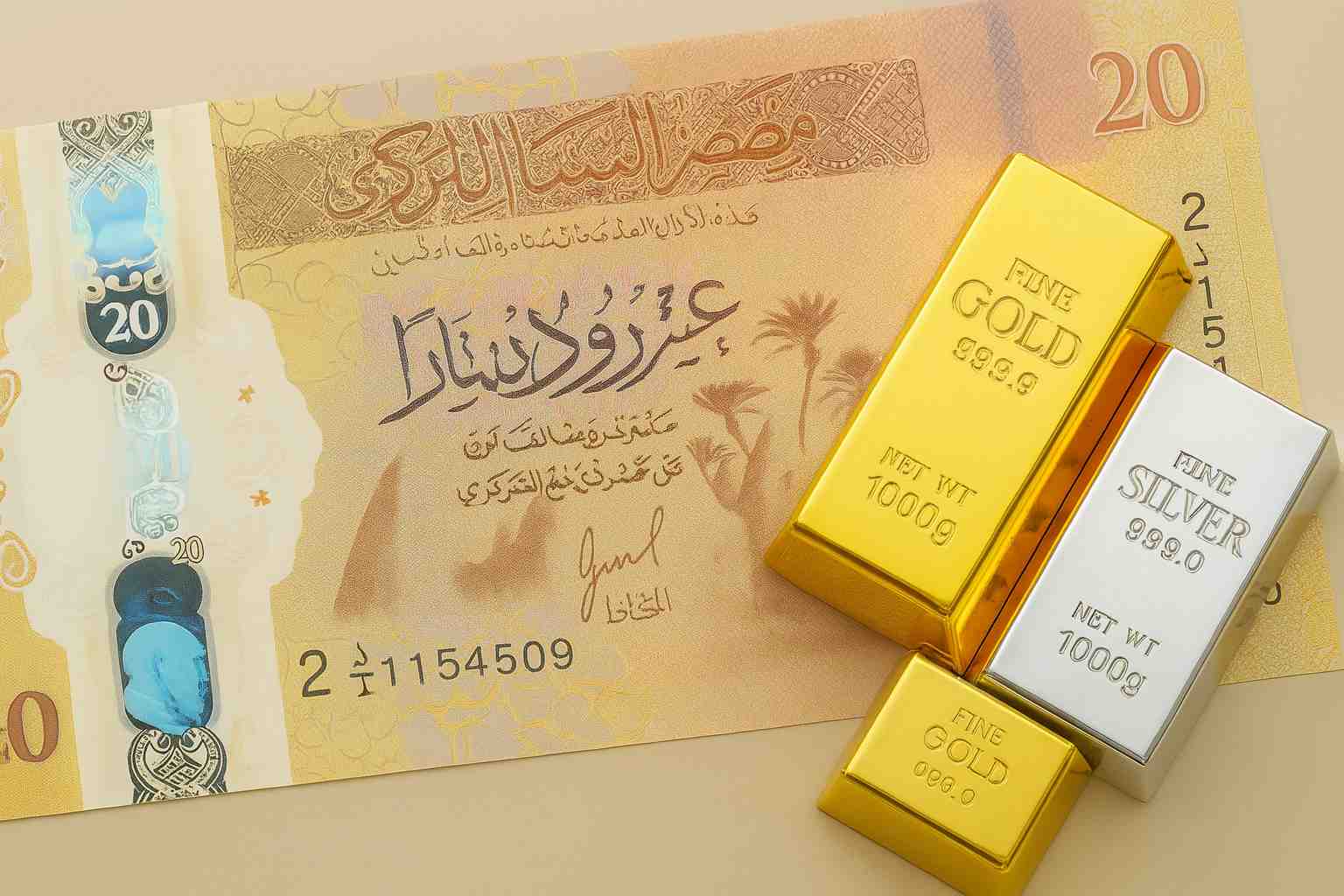
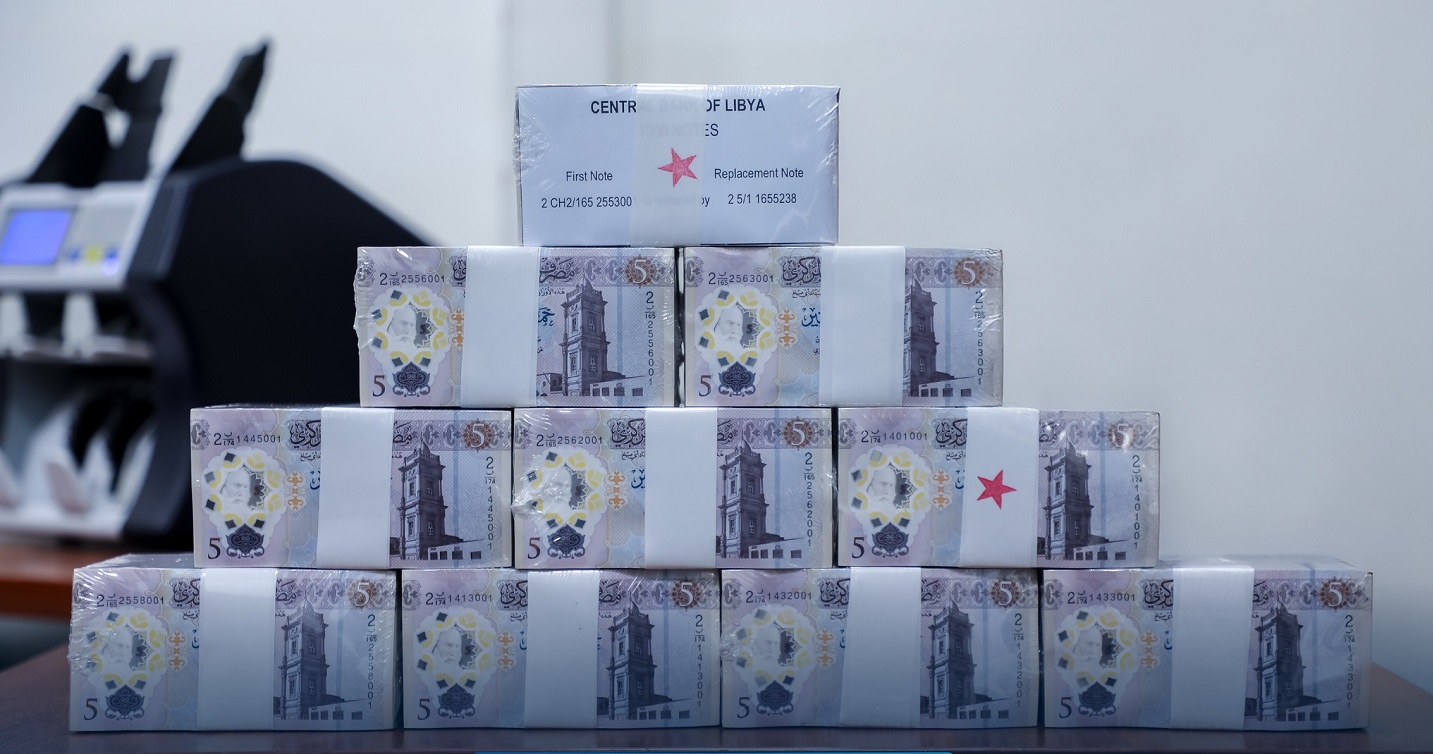
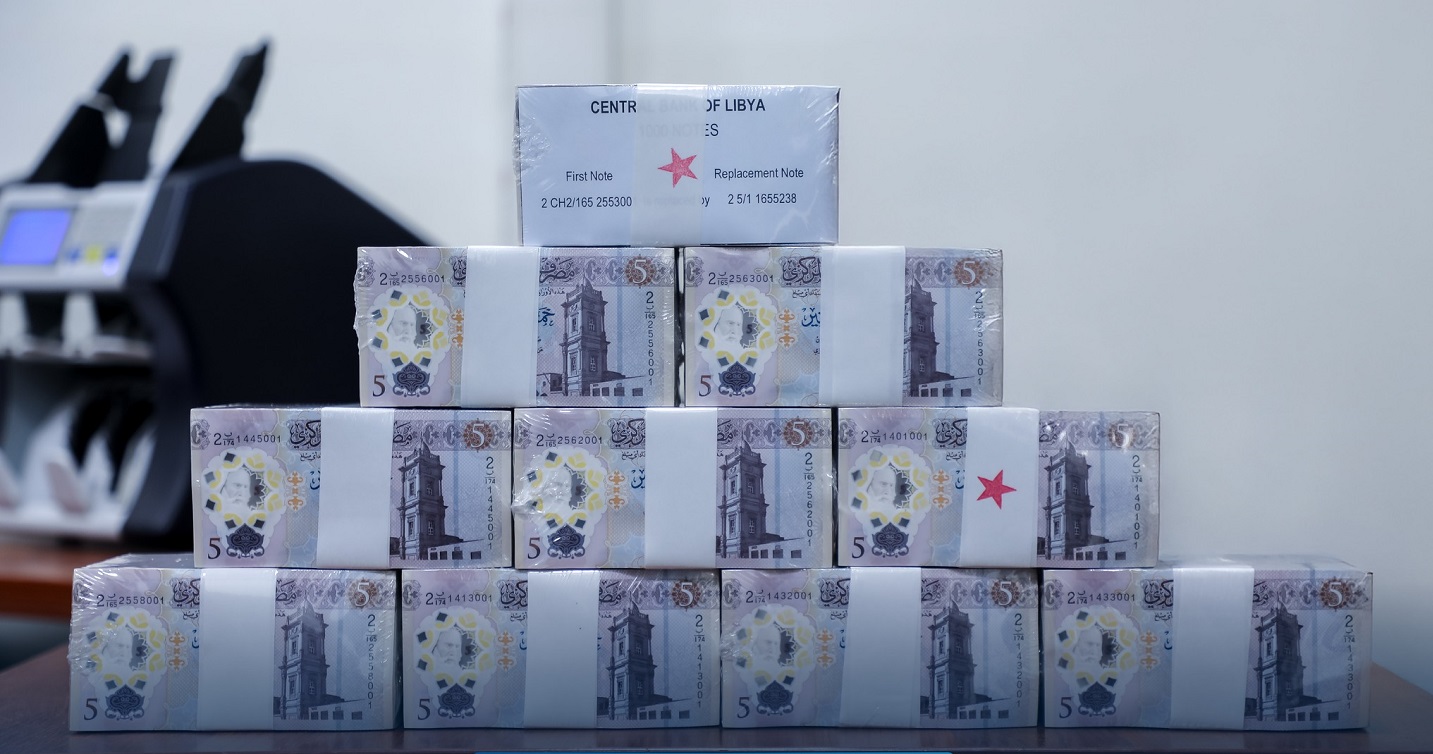
The Libyan dinar is the official currency of Libya, introduced in 1971 to replace the Libyan pound. Its issuance is managed by the Central Bank of Libya, and its history is closely tied to the country’s political and economic changes following the discovery of oil.
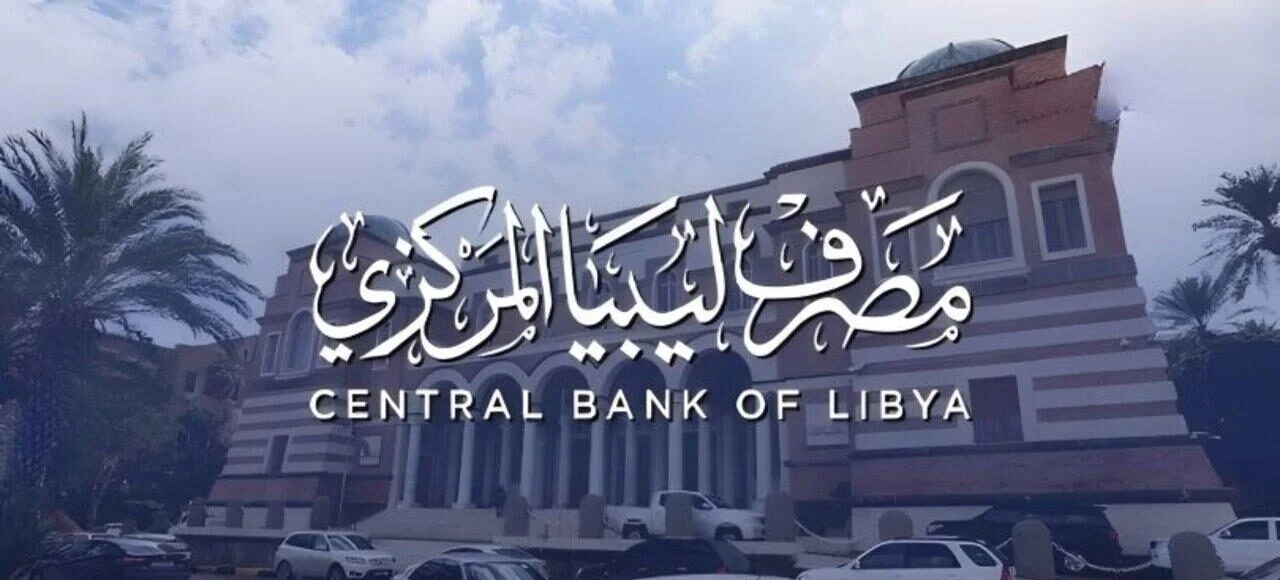
Central Bank of Libya
The Central Bank of Libya is the primary monetary authority of Libya, established in 1956 following the country’s independence. It has played a critical role in managing the nation’s financial system and currency, though its operations have been significantly impacted and divided by the political conflicts since the 2011 civil war.
US dollar
The US dollar is the official currency of the United States, established by the Coinage Act of 1792. It evolved from a system based on Spanish milled dollars and has become the world’s primary reserve currency since the Bretton Woods agreement in the mid-20th century.
British pound sterling
The British pound sterling, often symbolized as £, is the official currency of the United Kingdom and is the world’s oldest currency still in use. Its origins trace back to Anglo-Saxon times, with the pound historically representing a pound weight of sterling silver.
euro
The Euro is the official currency of the Eurozone, which consists of 20 of the 27 member states of the European Union. It was introduced in non-physical form in 1999 and as physical banknotes and coins in 2002, with the goal of fostering economic integration and stability across Europe.
Saudi riyal
The Saudi riyal is the official currency of Saudi Arabia, introduced in 1925 following the unification of the regions of Hejaz and Nejd. It replaced the Hejaz riyal and was initially pegged to the British pound before being formally pegged to the U.S. dollar in 1986.
UAE dirham
The UAE dirham is the official currency of the United Arab Emirates, introduced in 1973 to replace the Qatar and Dubai riyal. It was established following the country’s formation in 1971, symbolizing the economic union of the seven emirates.
Tunisian dinar
The Tunisian dinar is the official currency of Tunisia, introduced in 1960 to replace the Tunisian franc. Its establishment was a key part of the country’s post-independence economic policy, symbolizing national sovereignty after gaining independence from France in 1956.
Turkish lira
The Turkish lira is the official currency of Turkey and the Turkish Republic of Northern Cyprus. It was introduced in 1844, replacing the Ottoman lira, and has undergone several redenominations, most notably in 2005 when the “new Turkish lira” removed six zeros from the old currency.
Chinese yuan
The Chinese yuan is the official currency of the People’s Republic of China, with its modern form managed by the People’s Bank of China. Its history dates back to ancient times, with the term “yuan” referring to the round silver coins used during the Qing Dynasty, and it was officially decimalized in the 20th century.