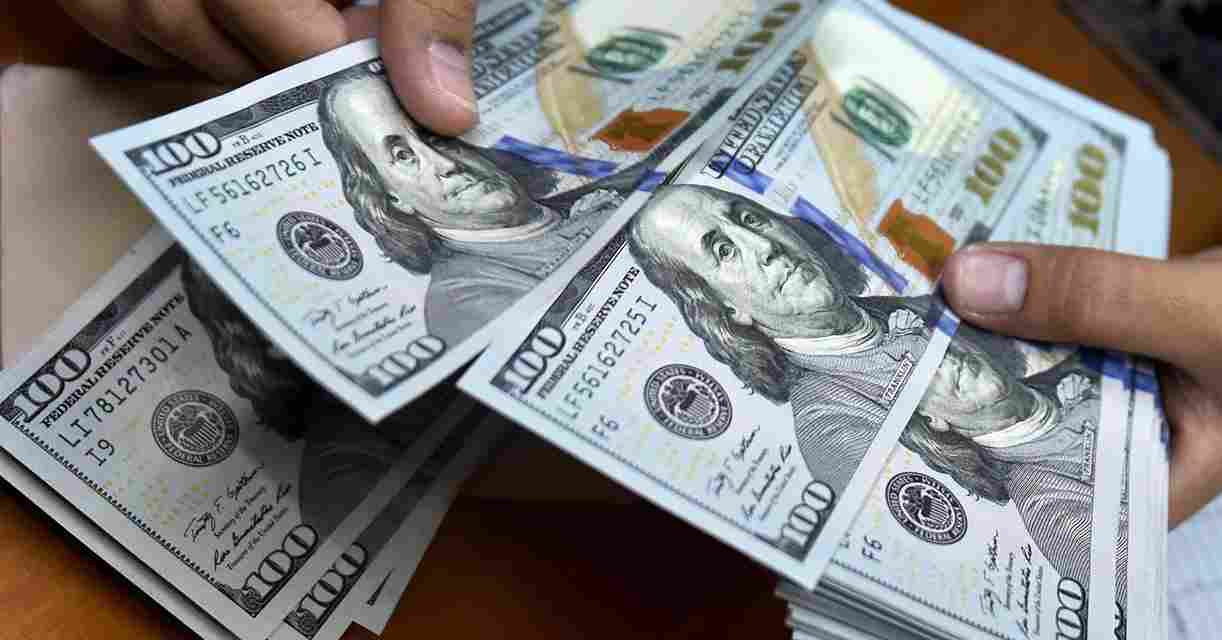
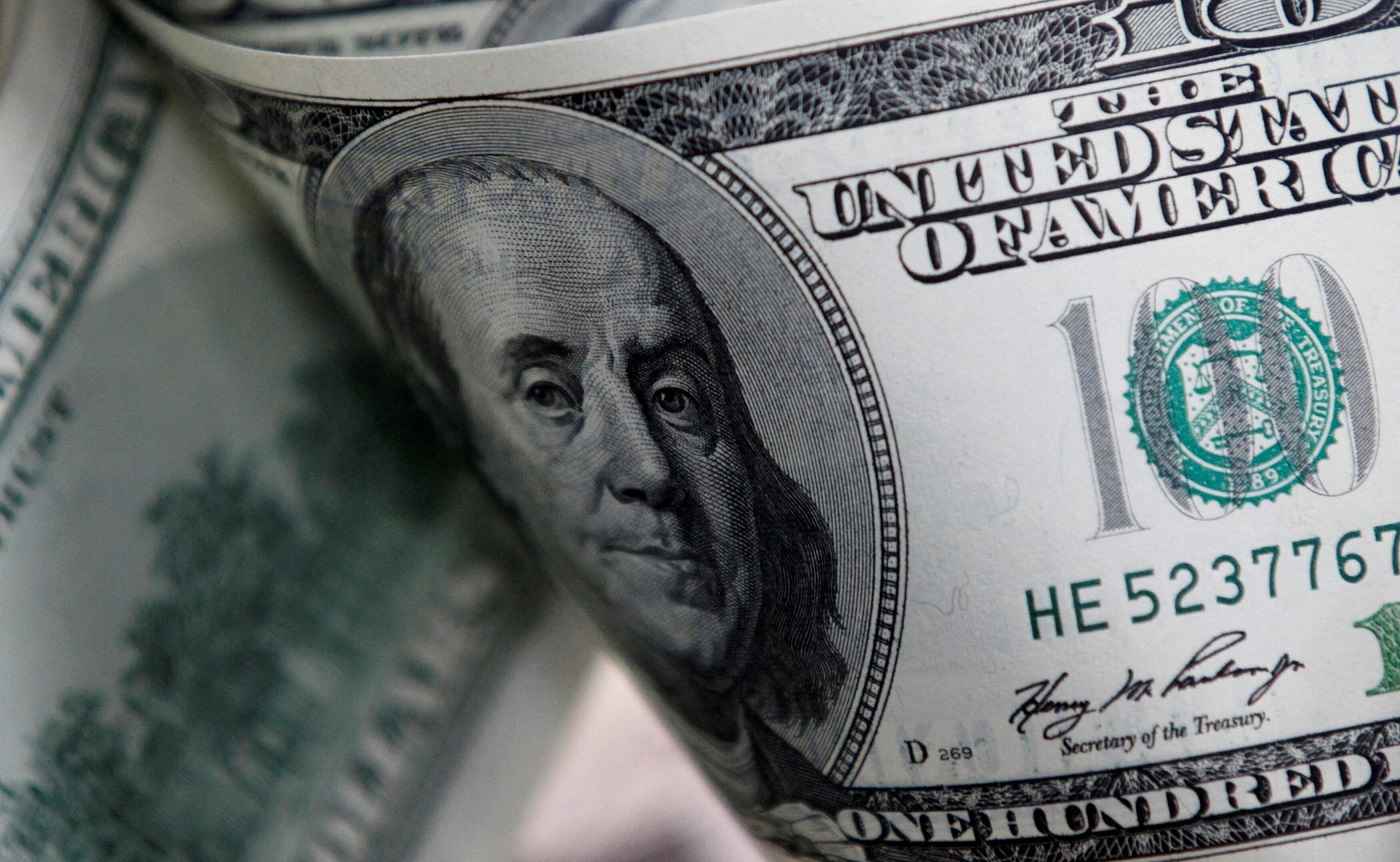
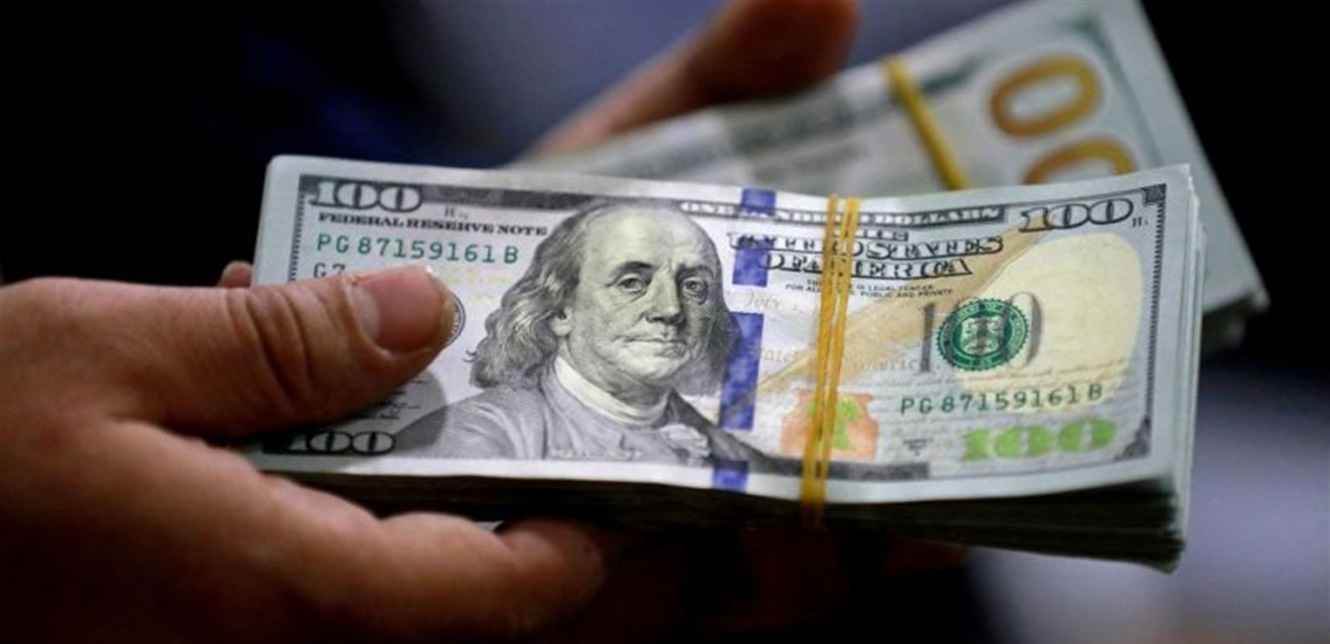
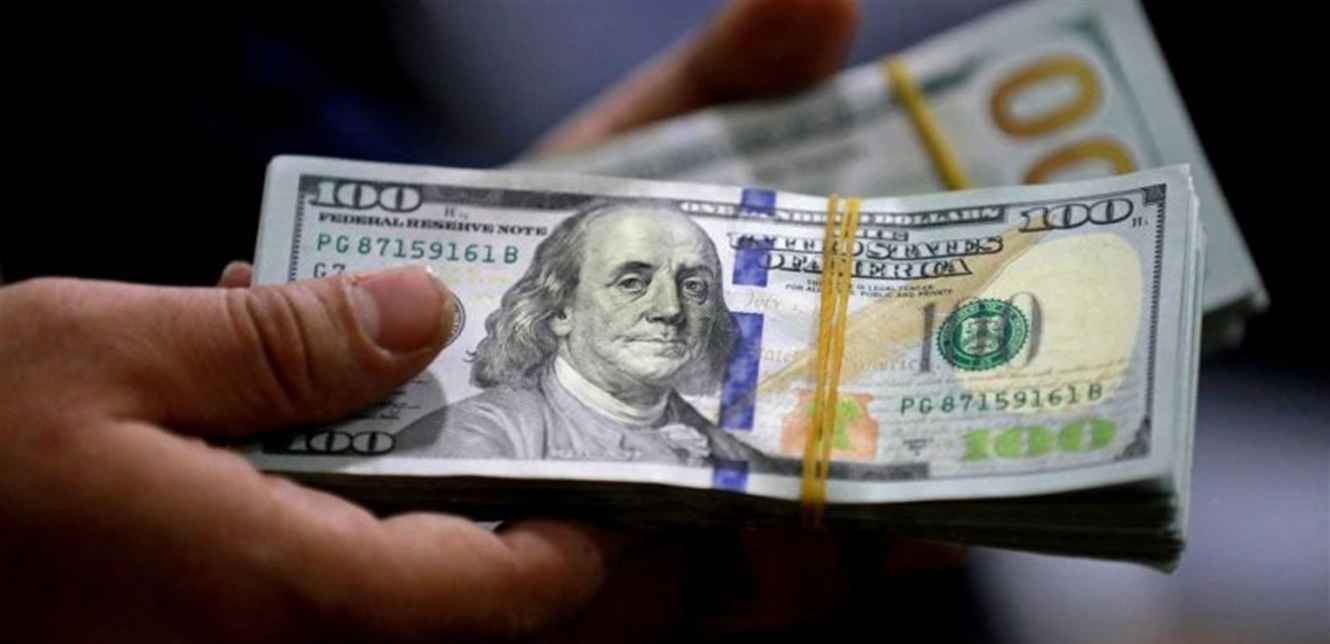
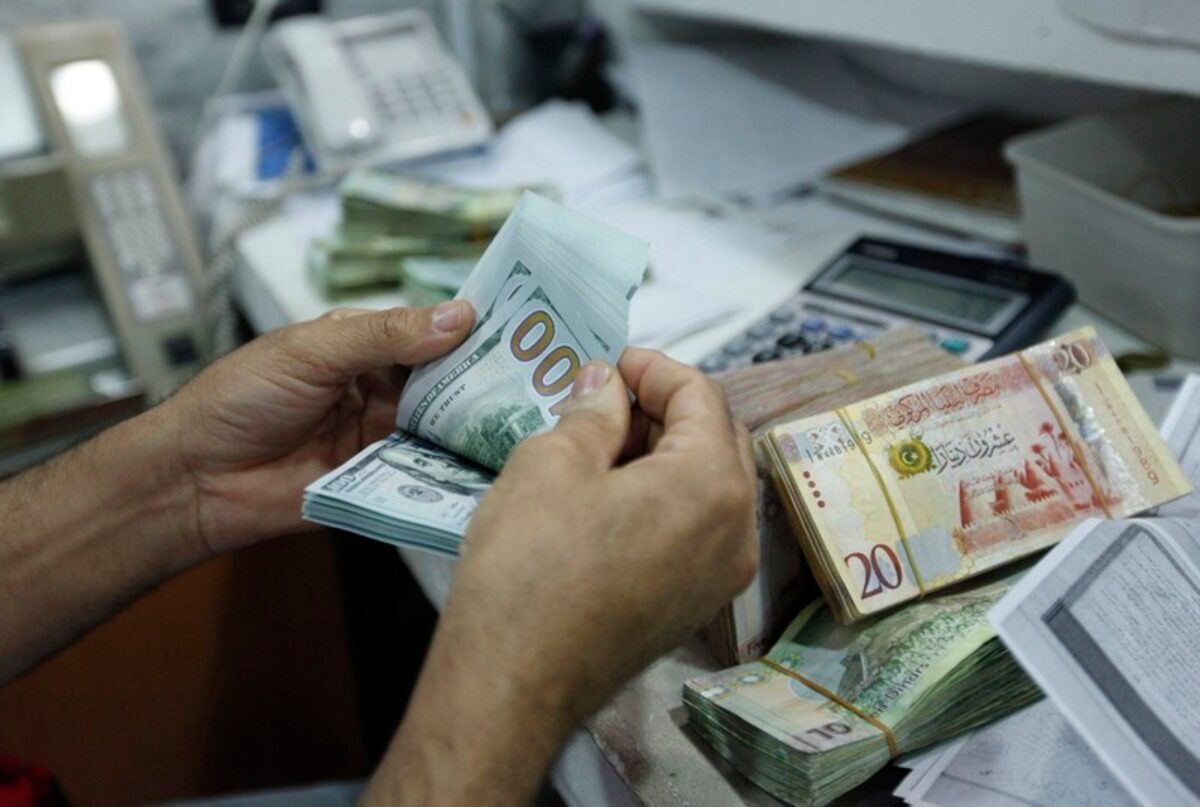
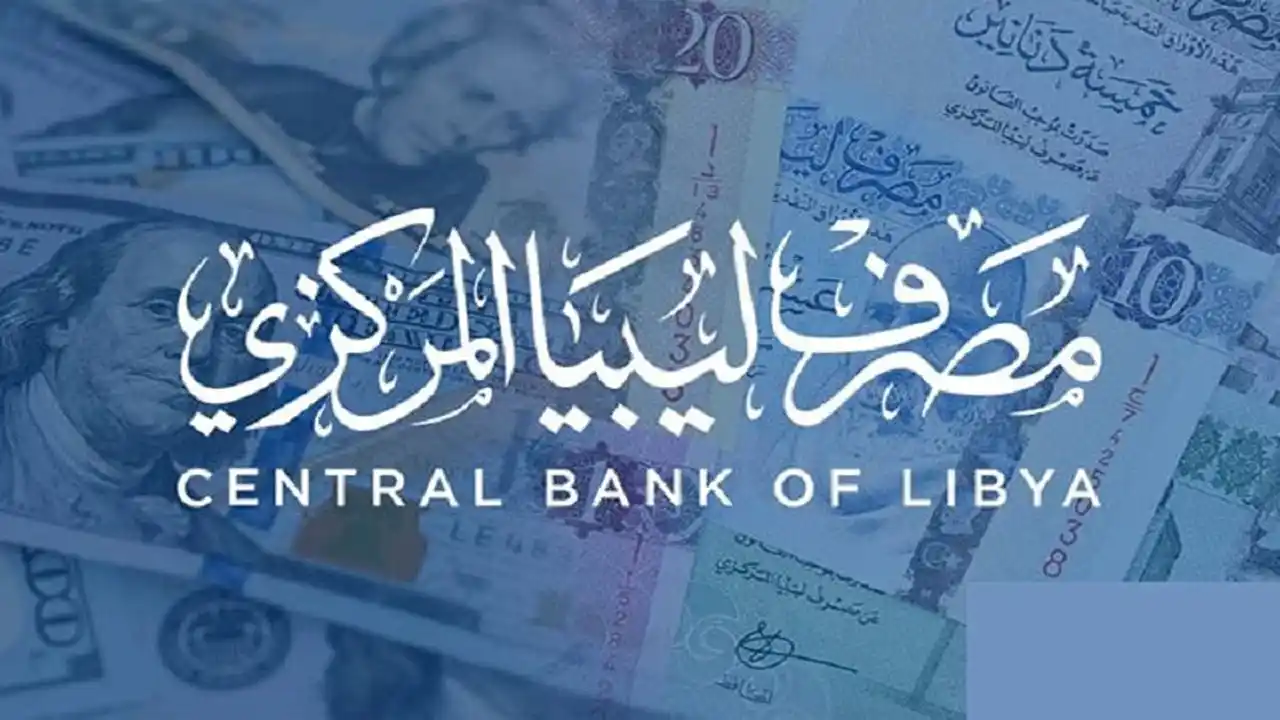
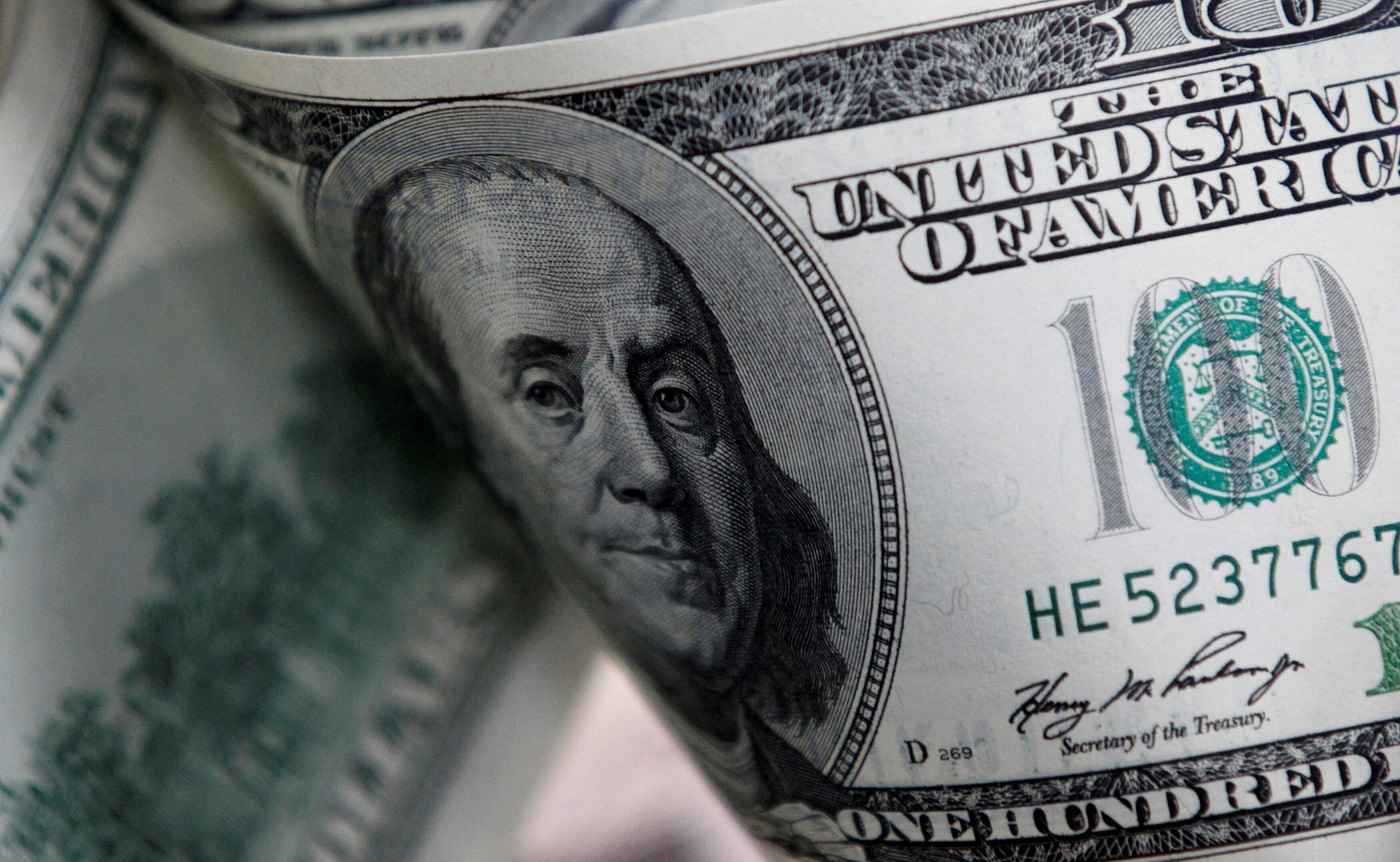
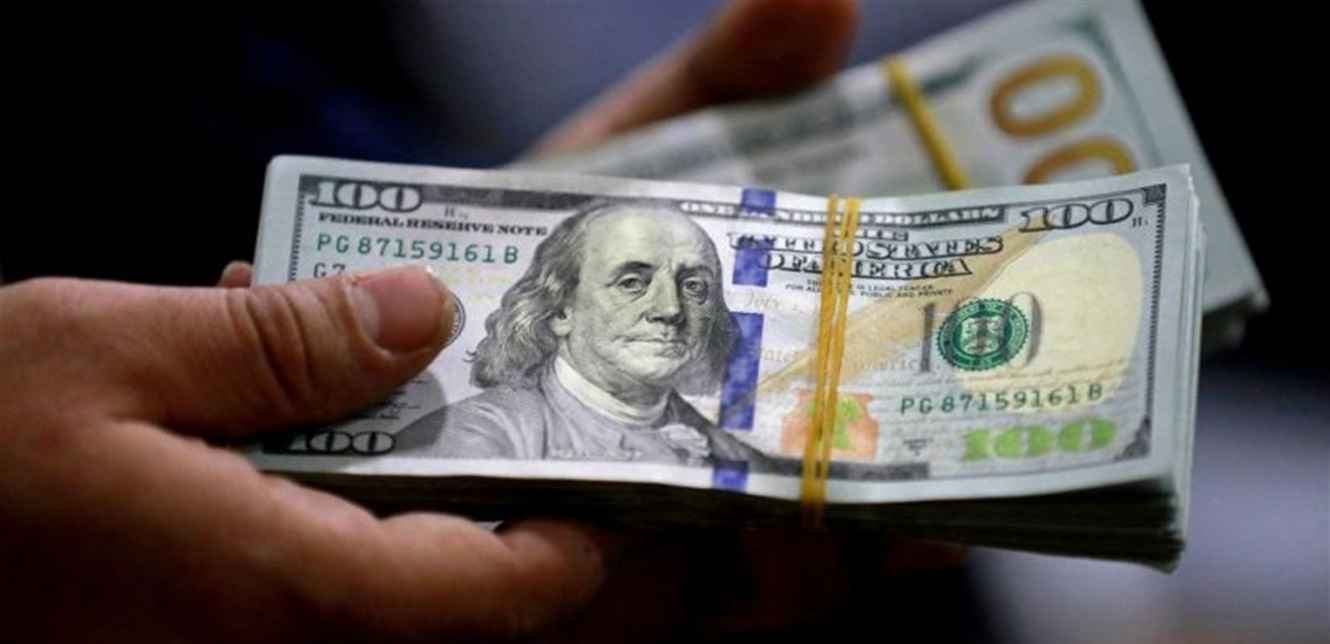
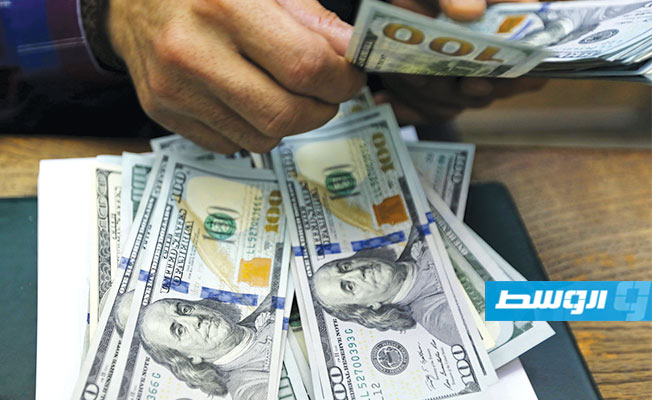
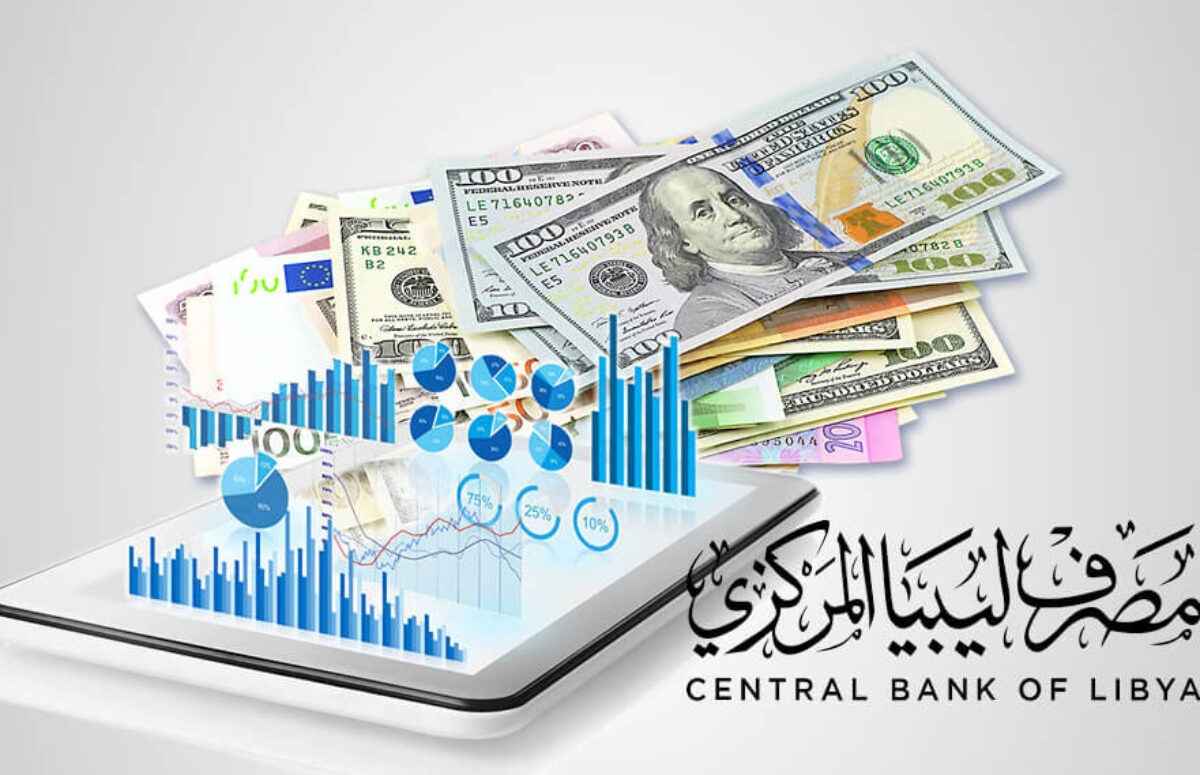
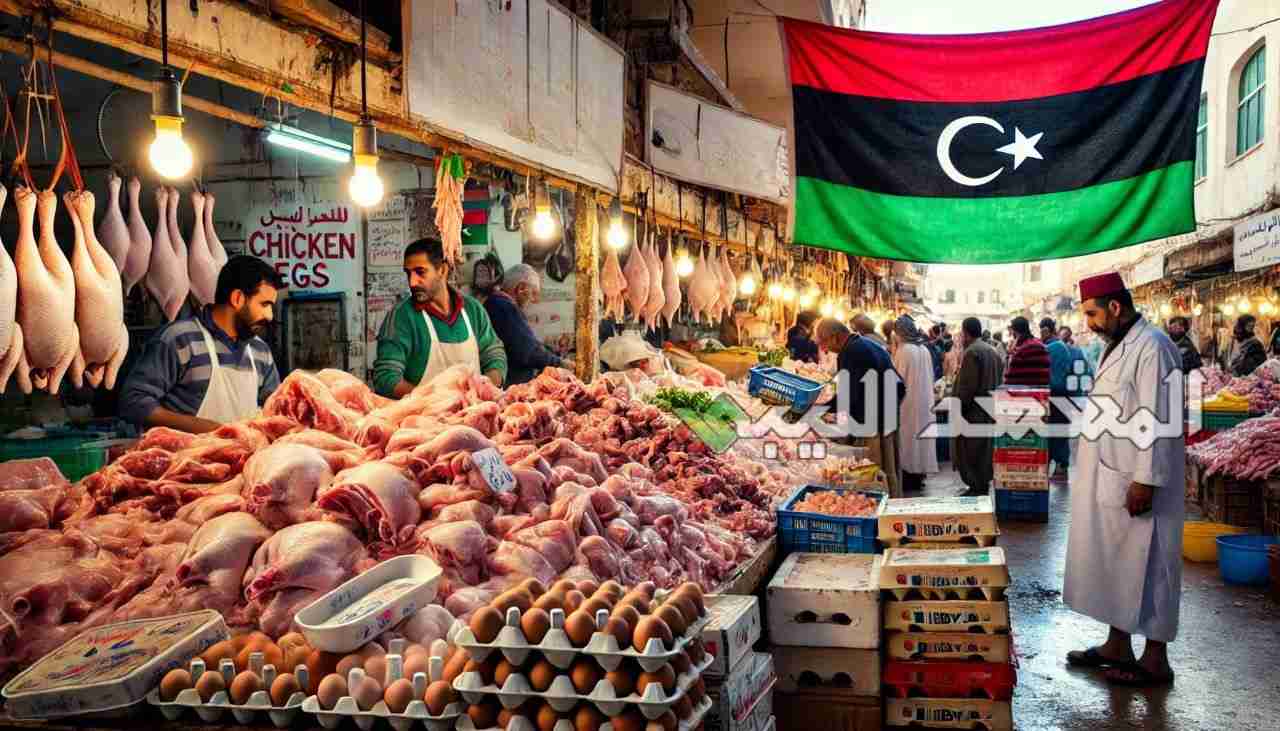
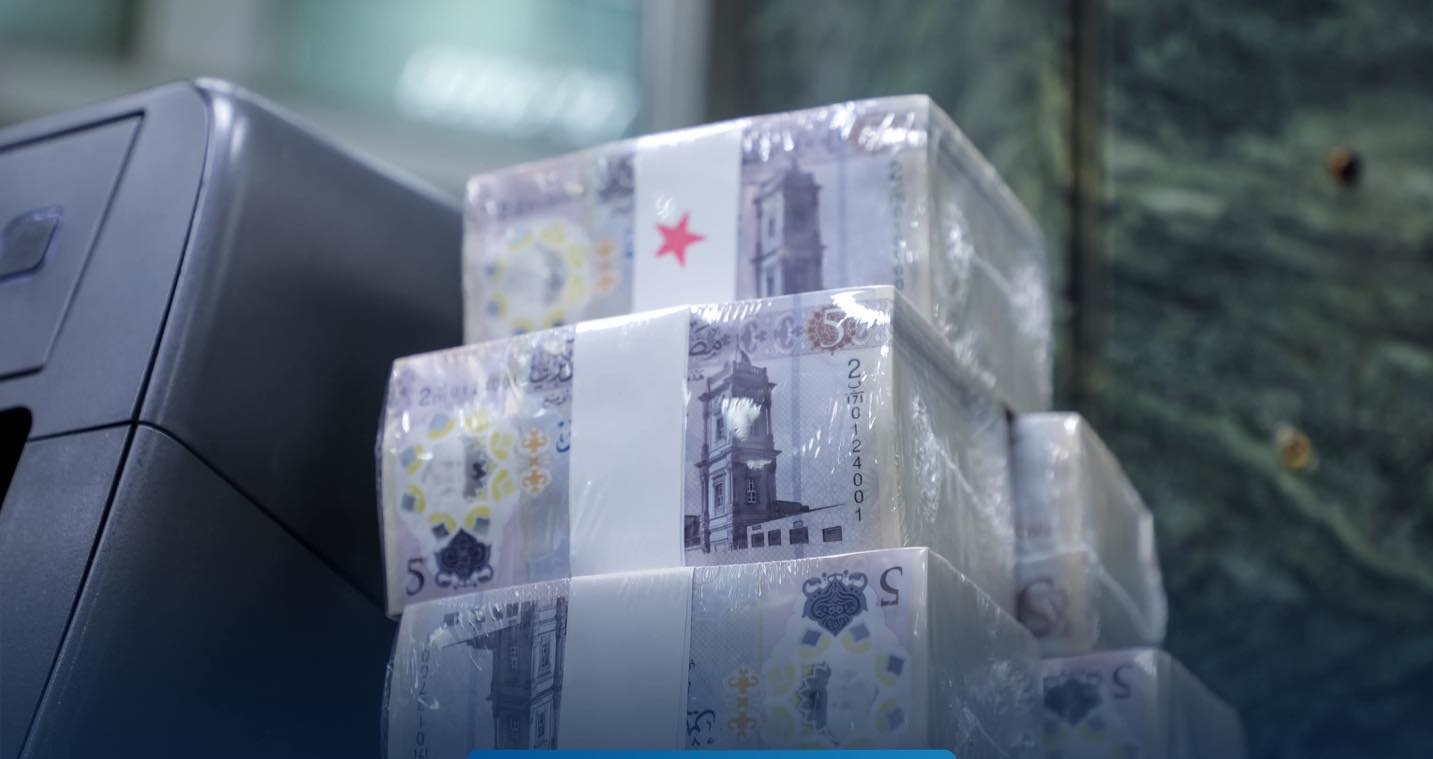
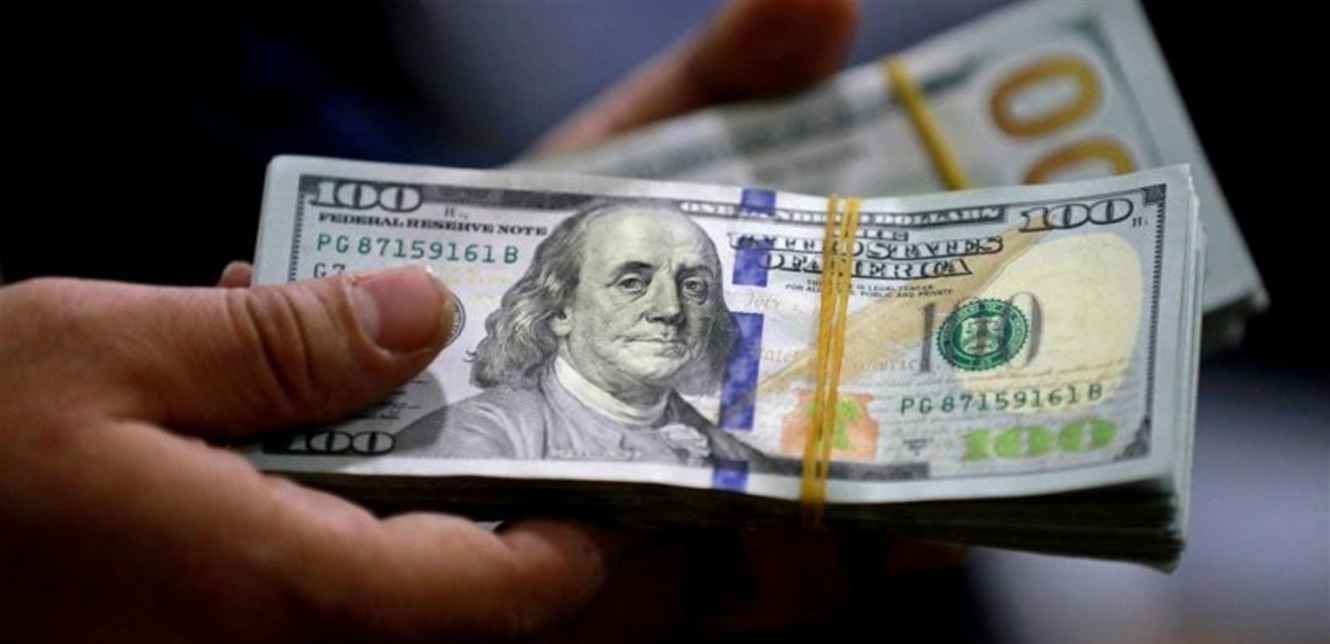
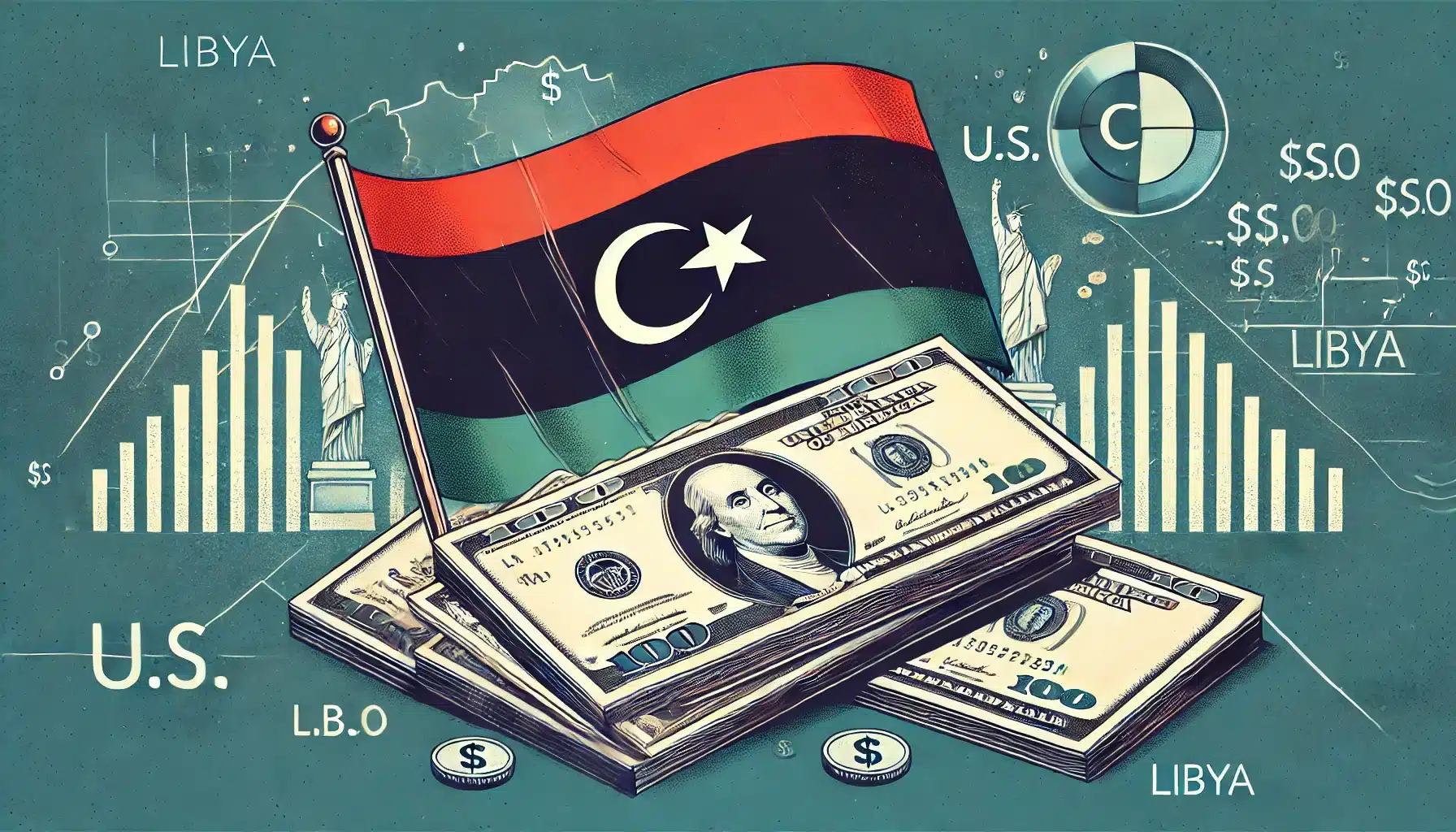
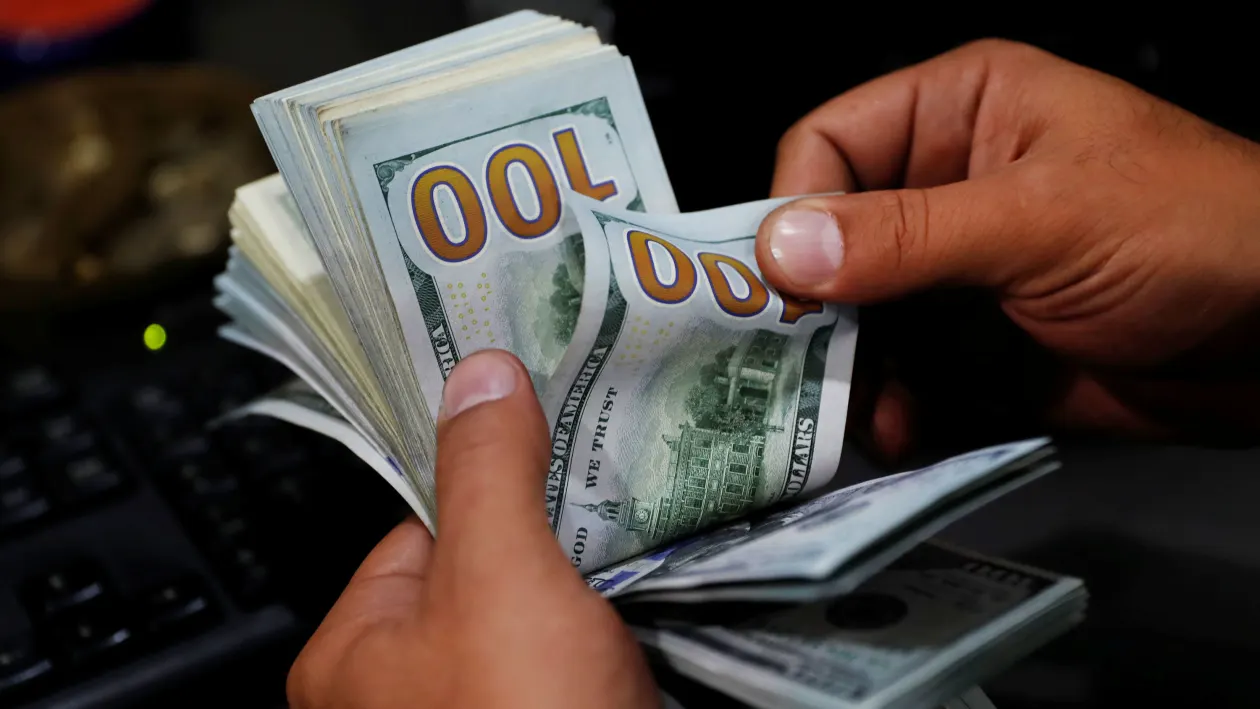
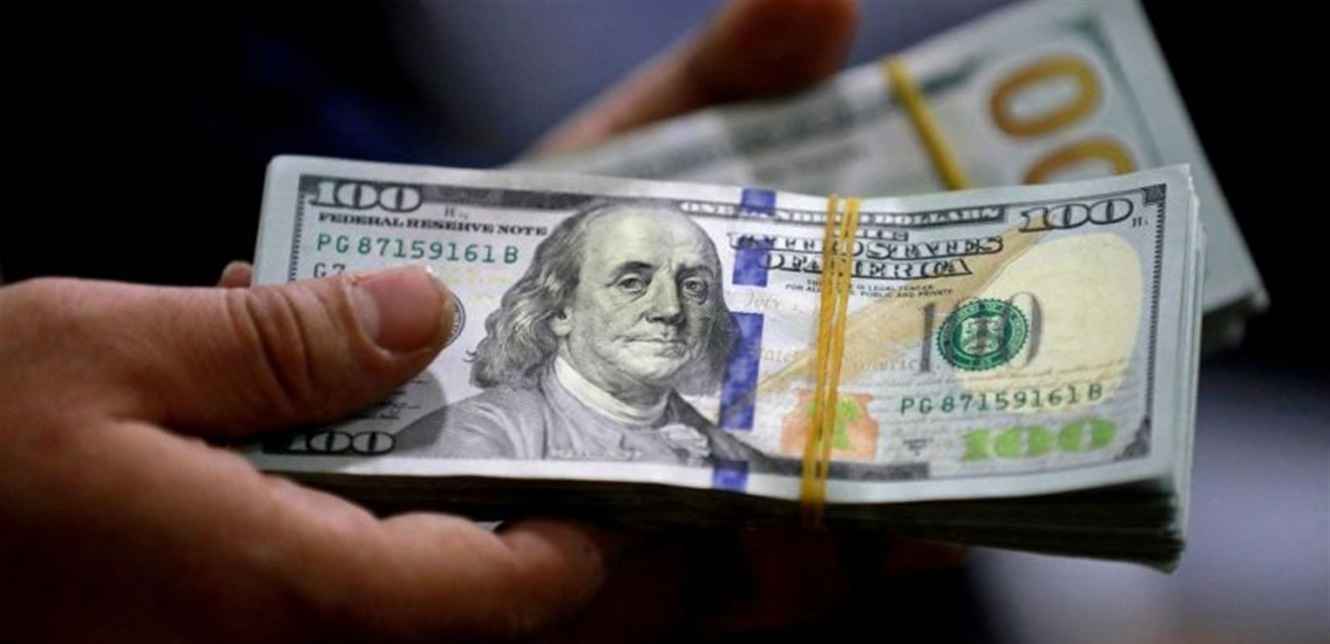
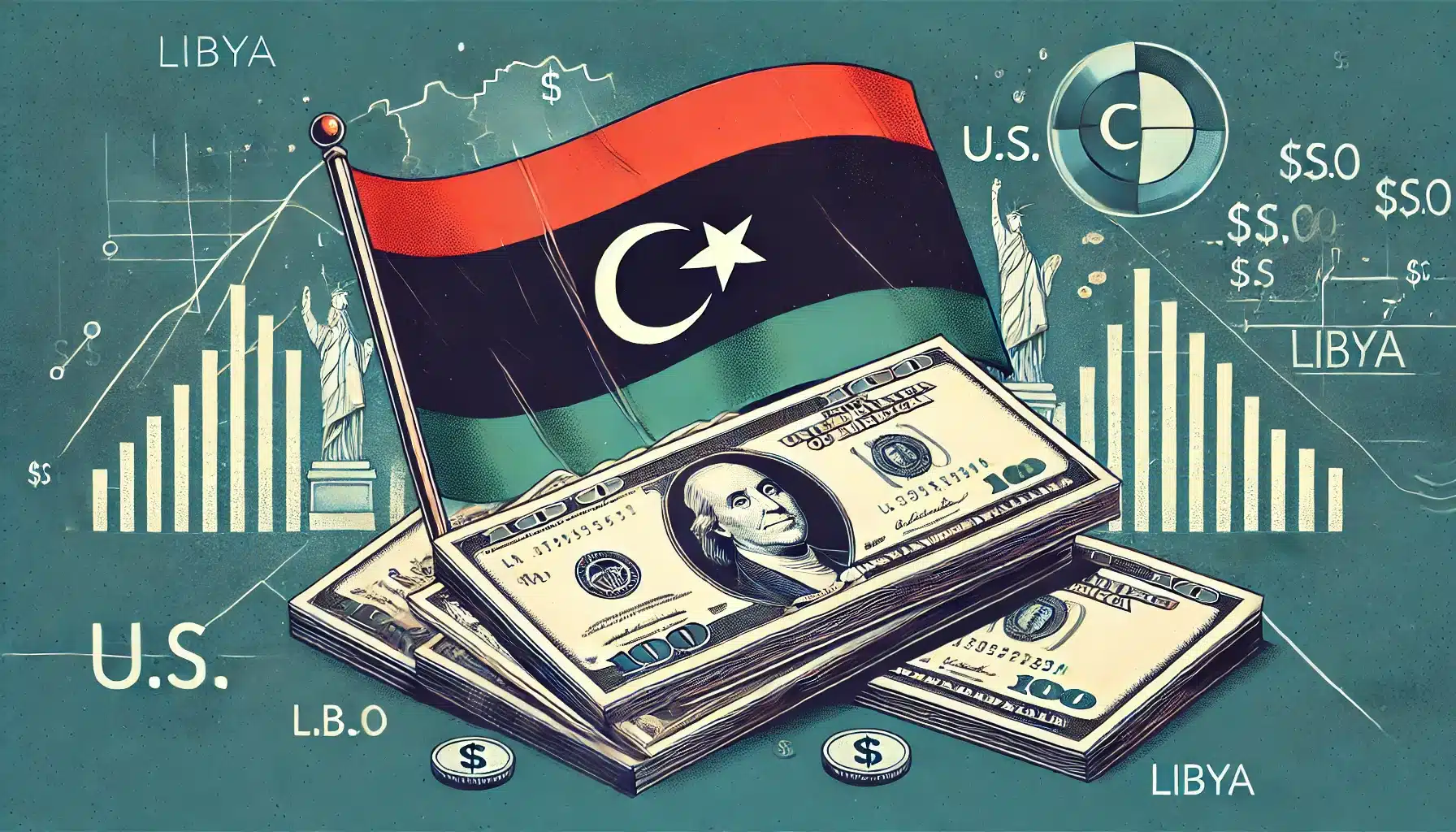
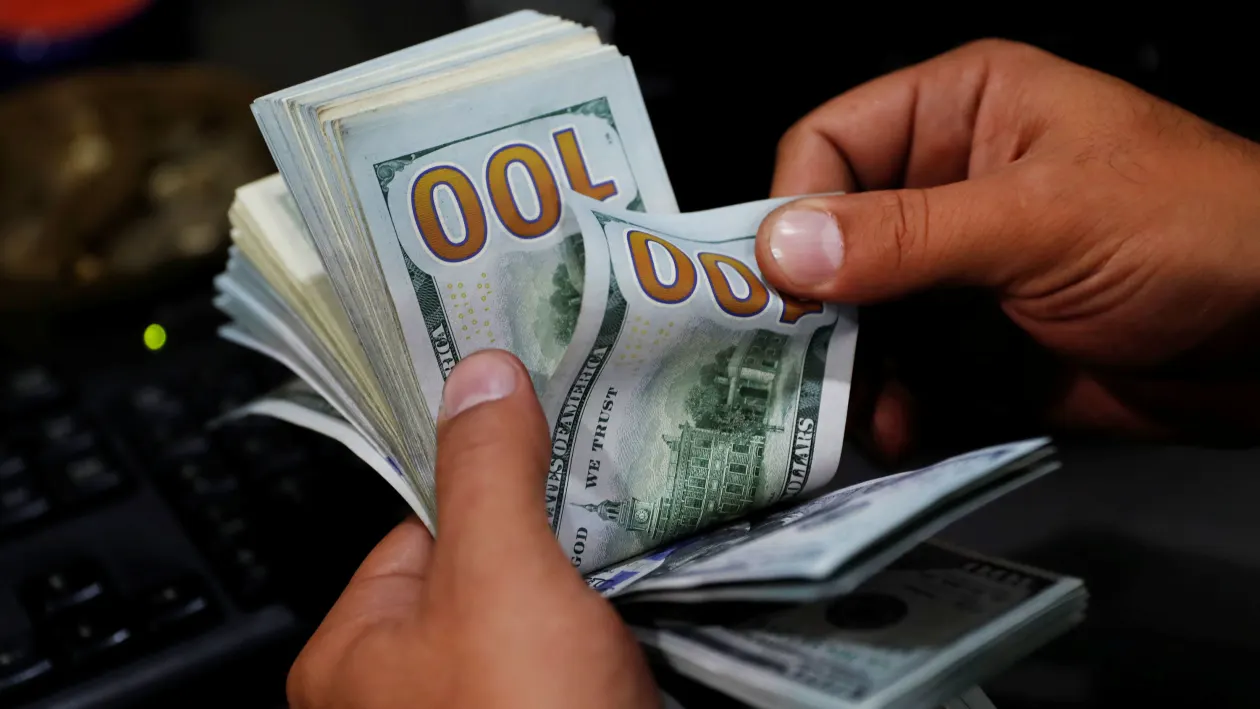
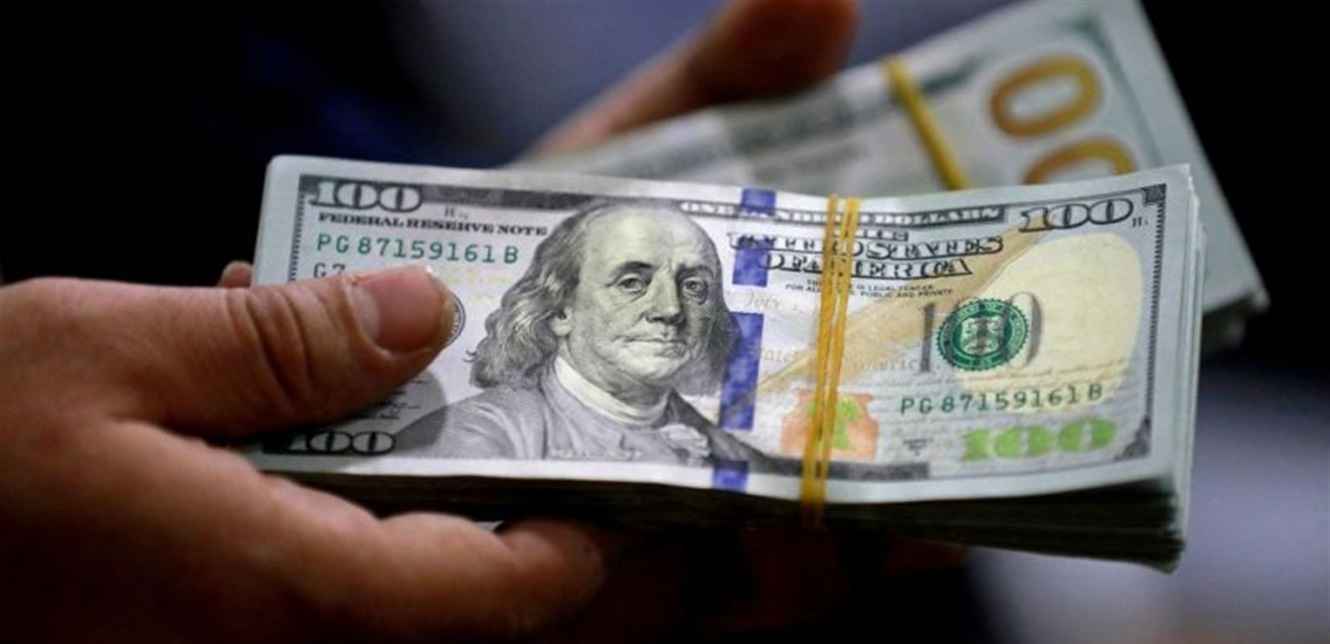
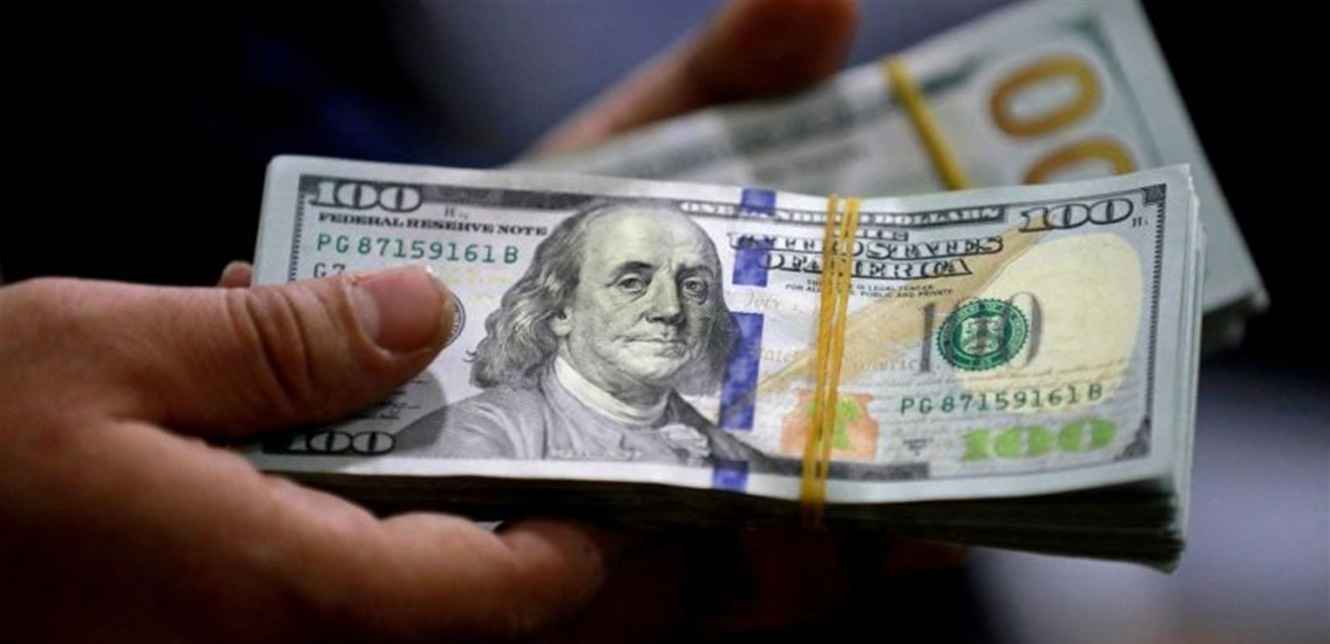
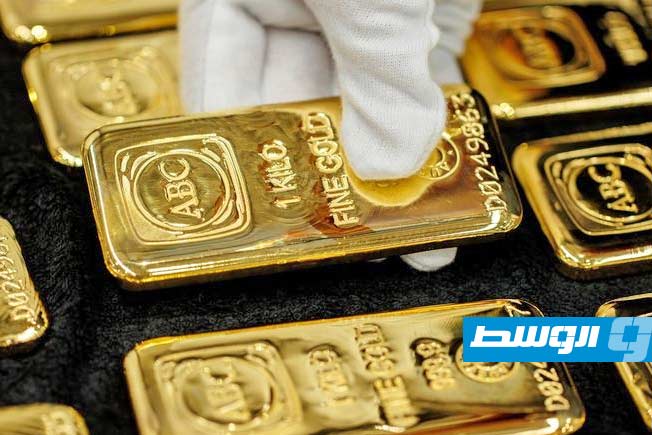
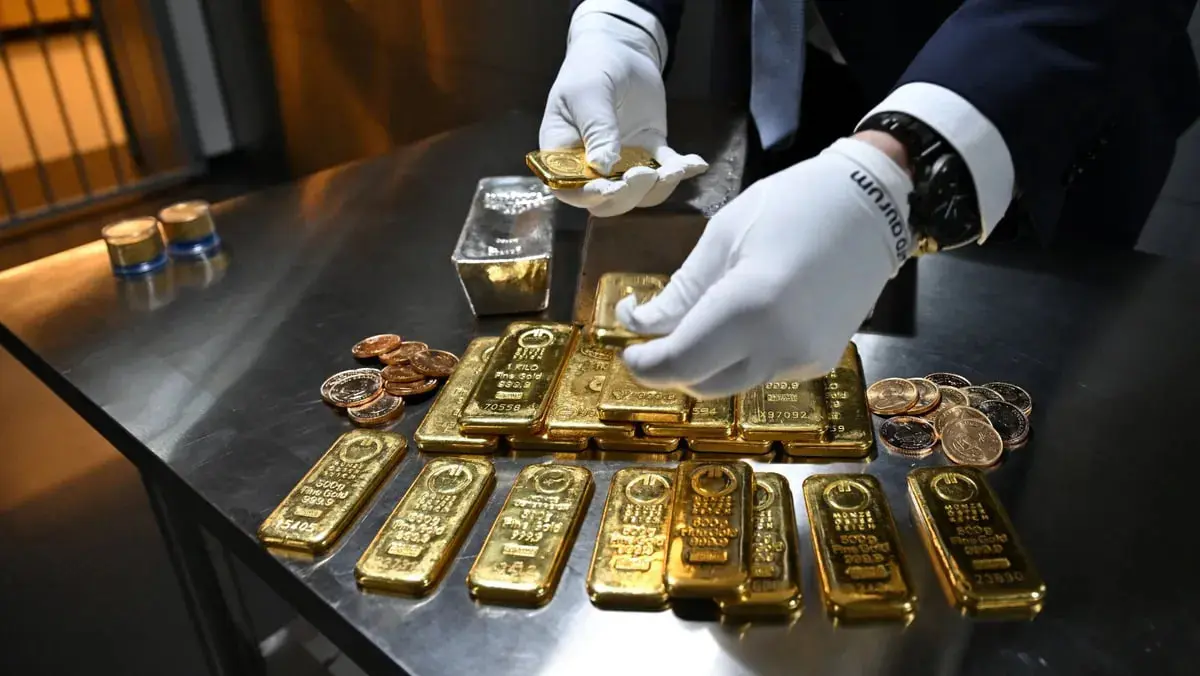
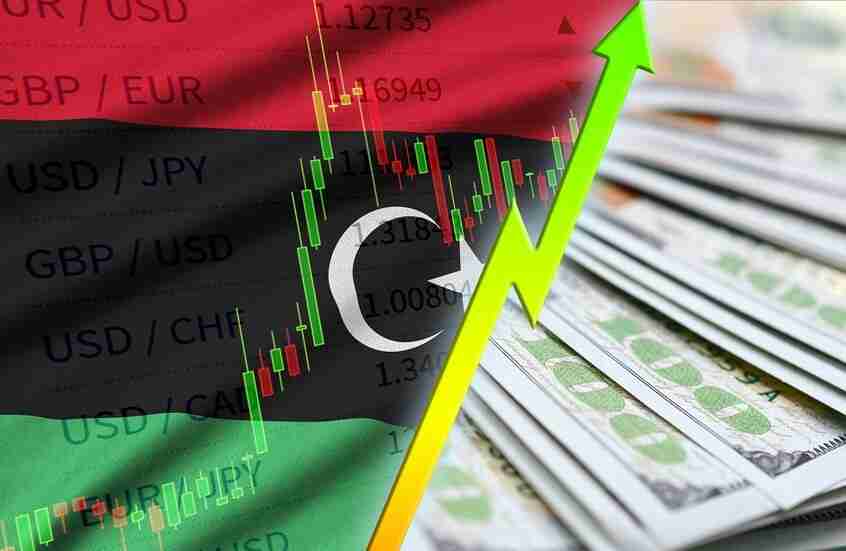
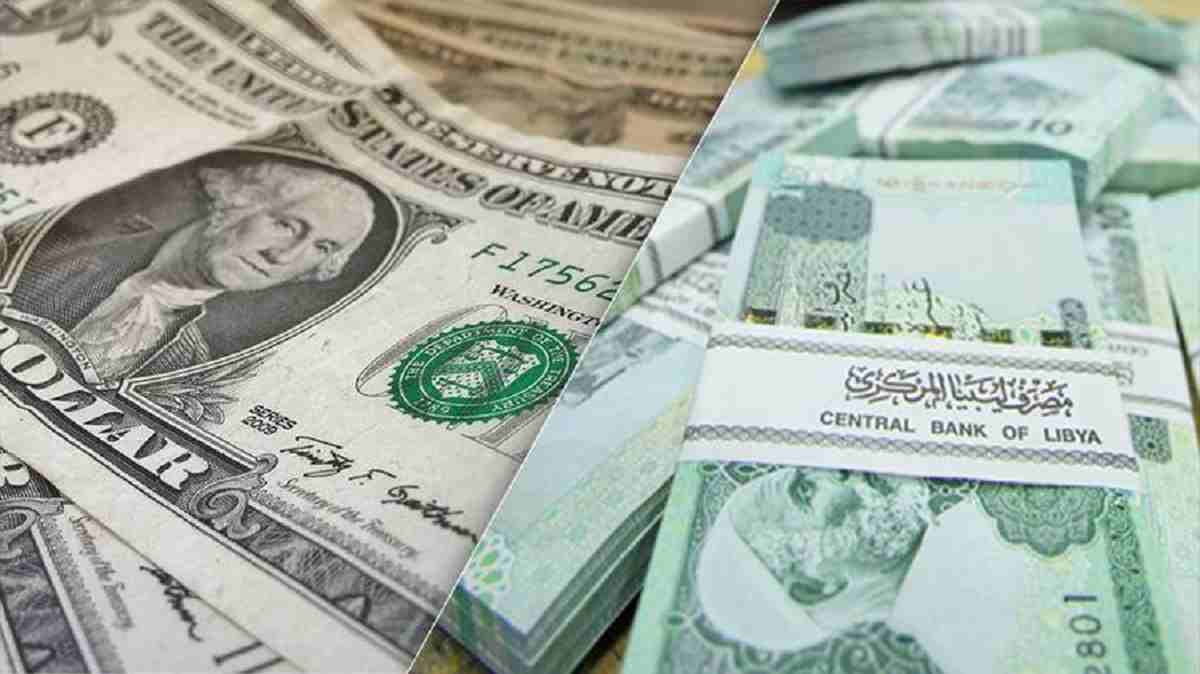
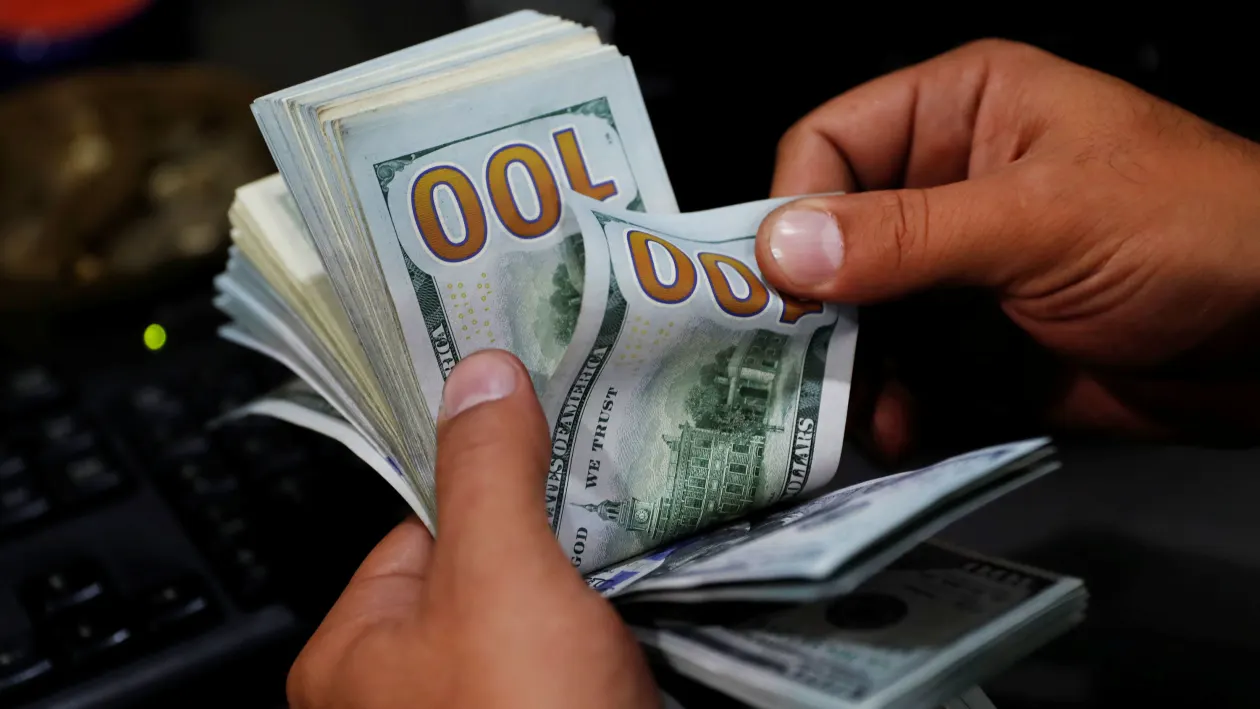
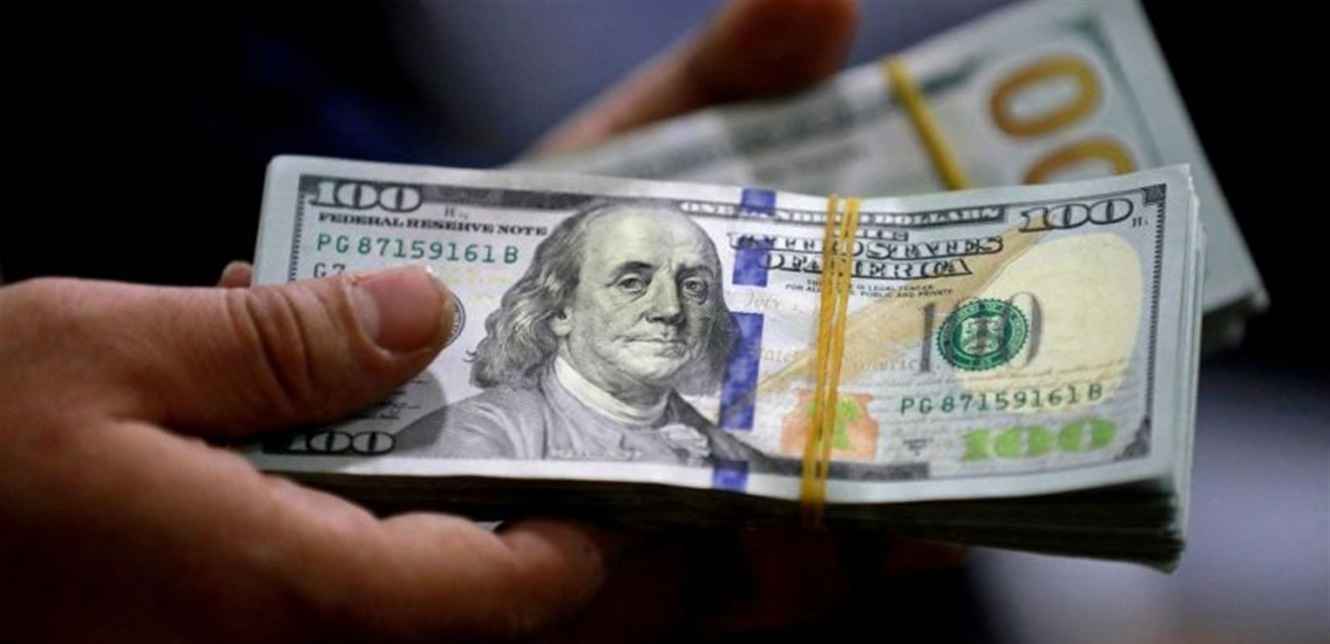
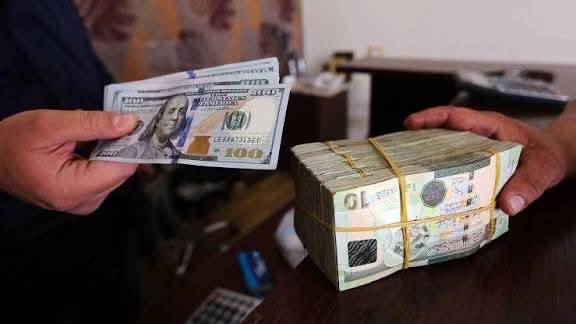
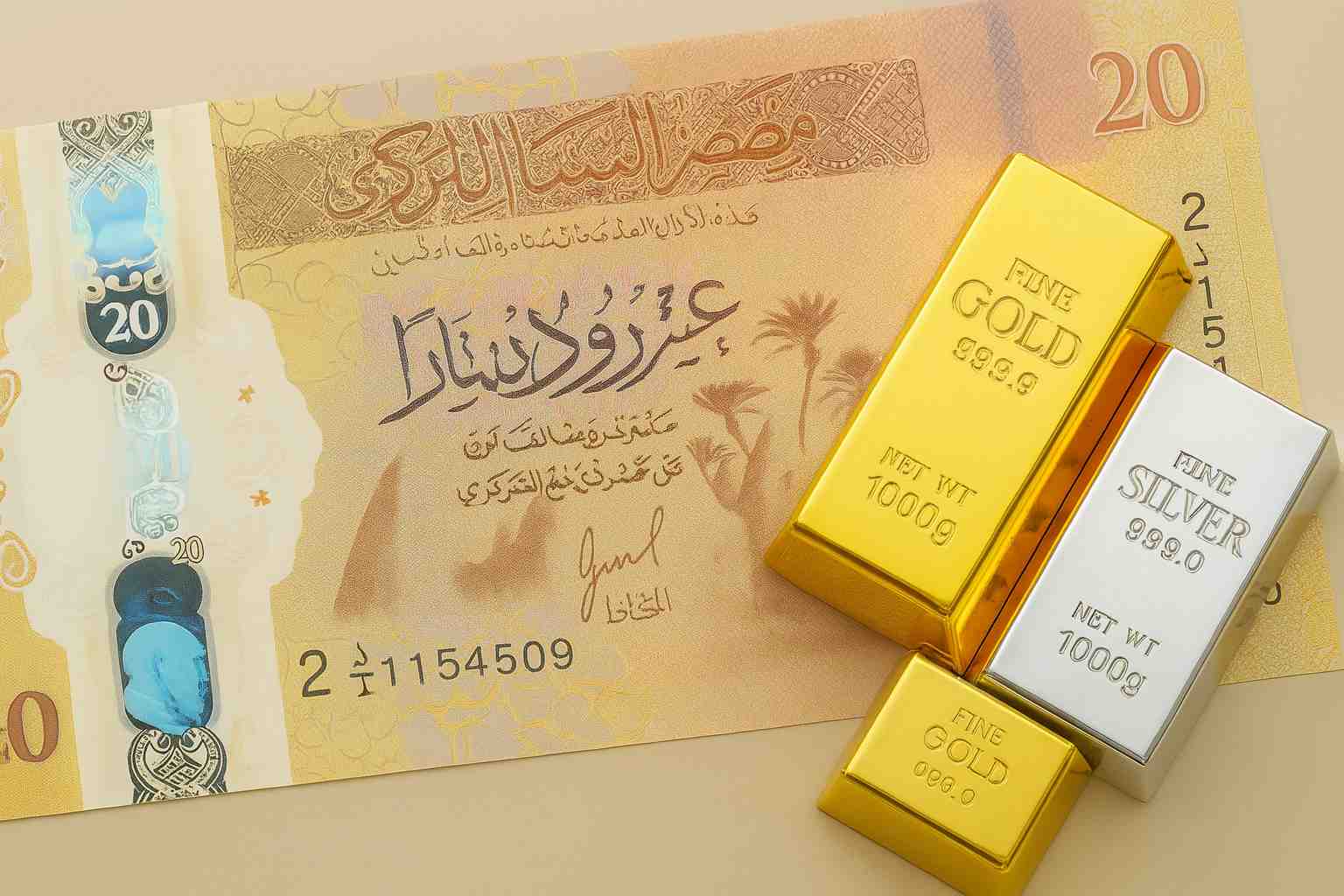
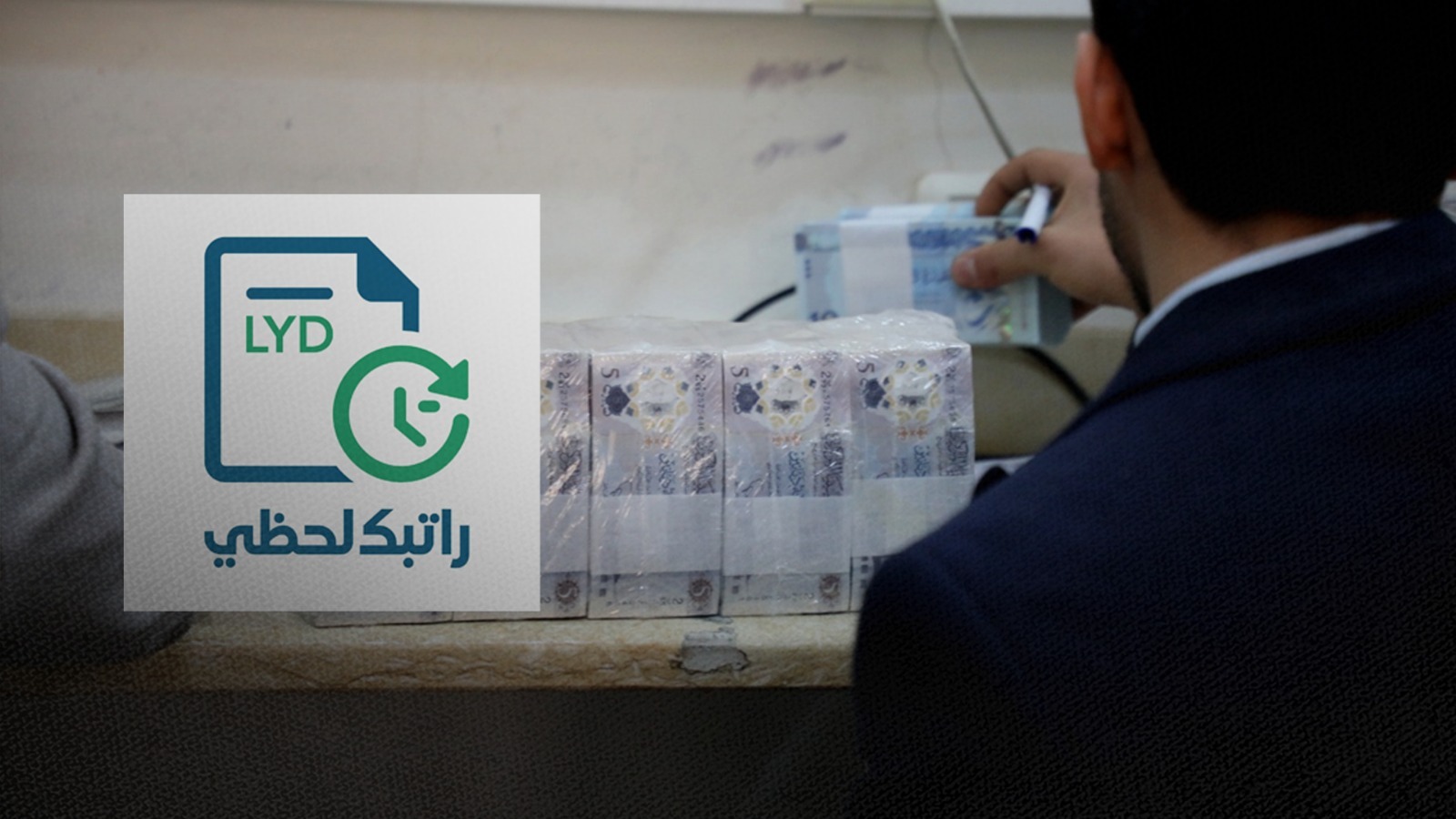
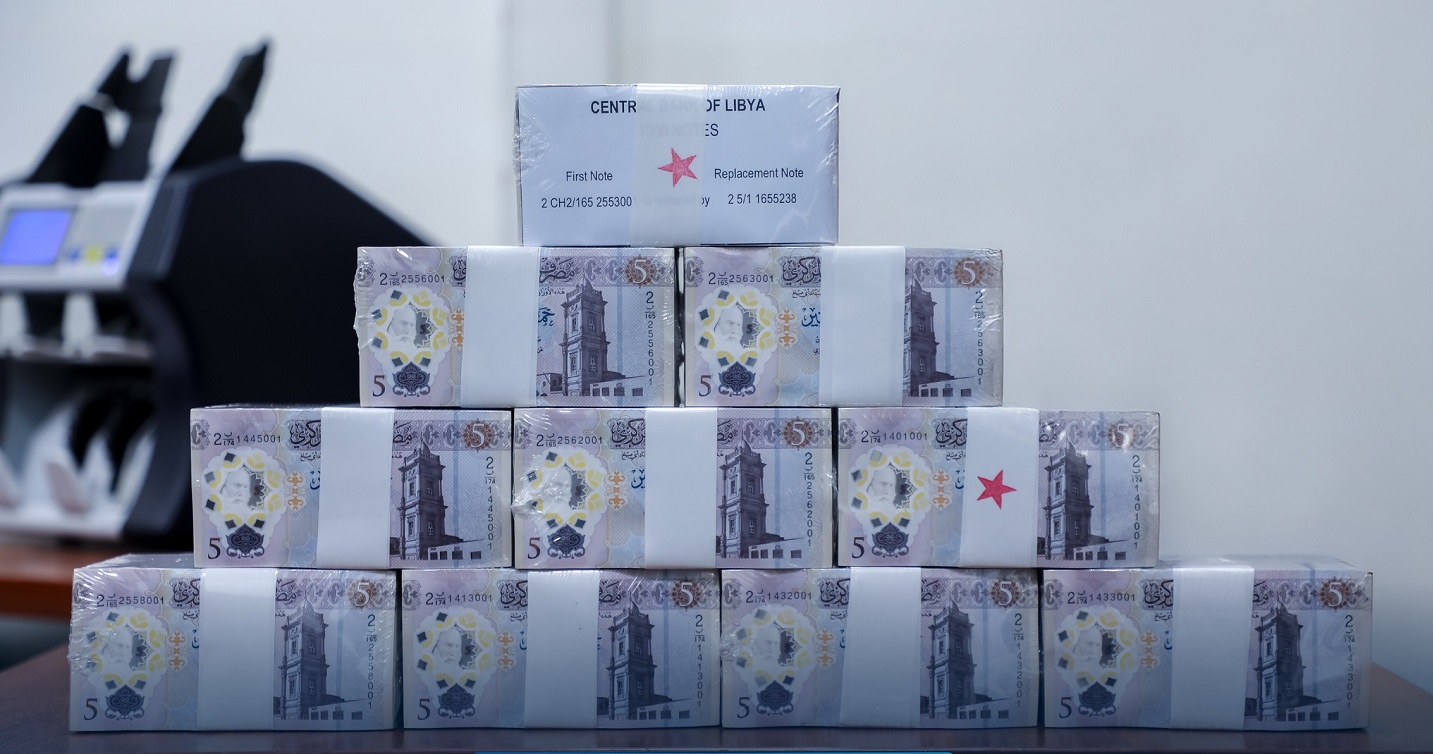
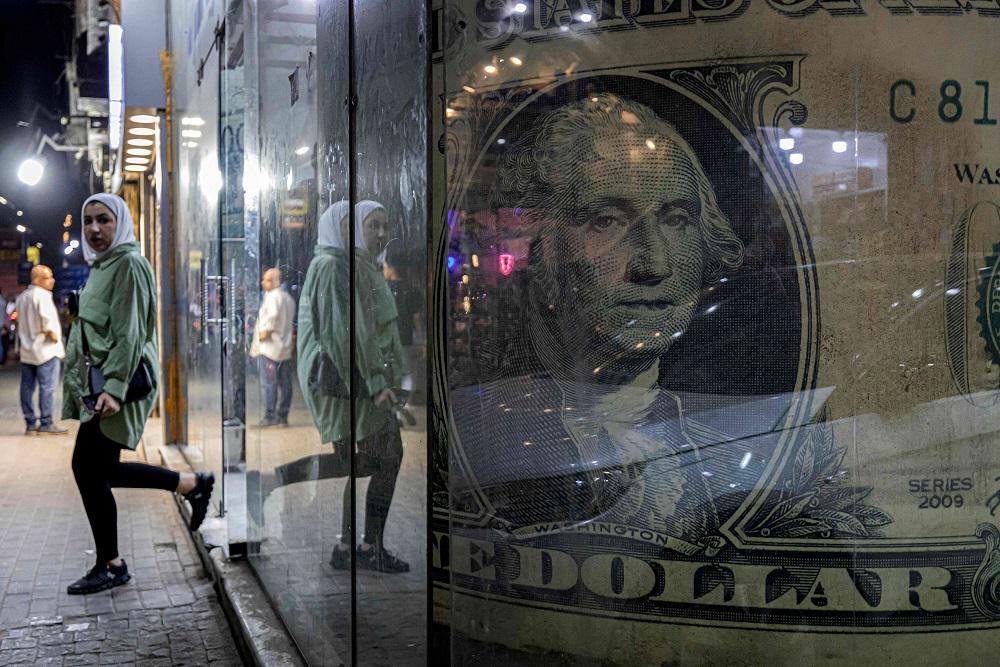
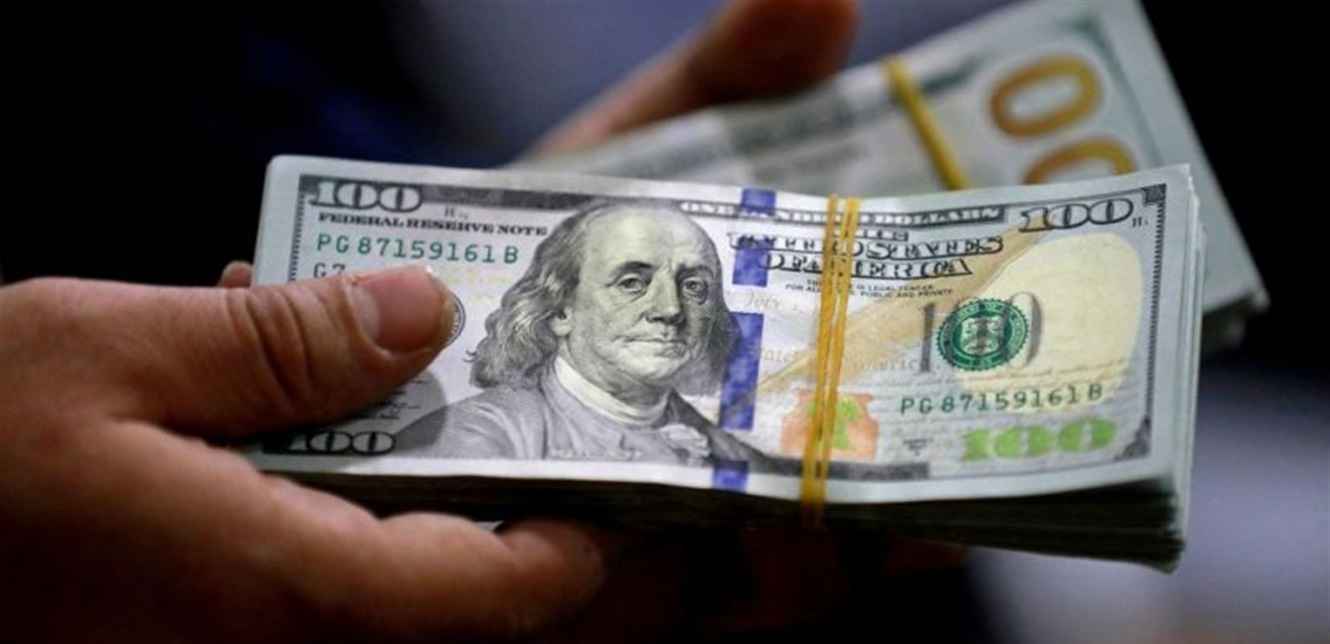
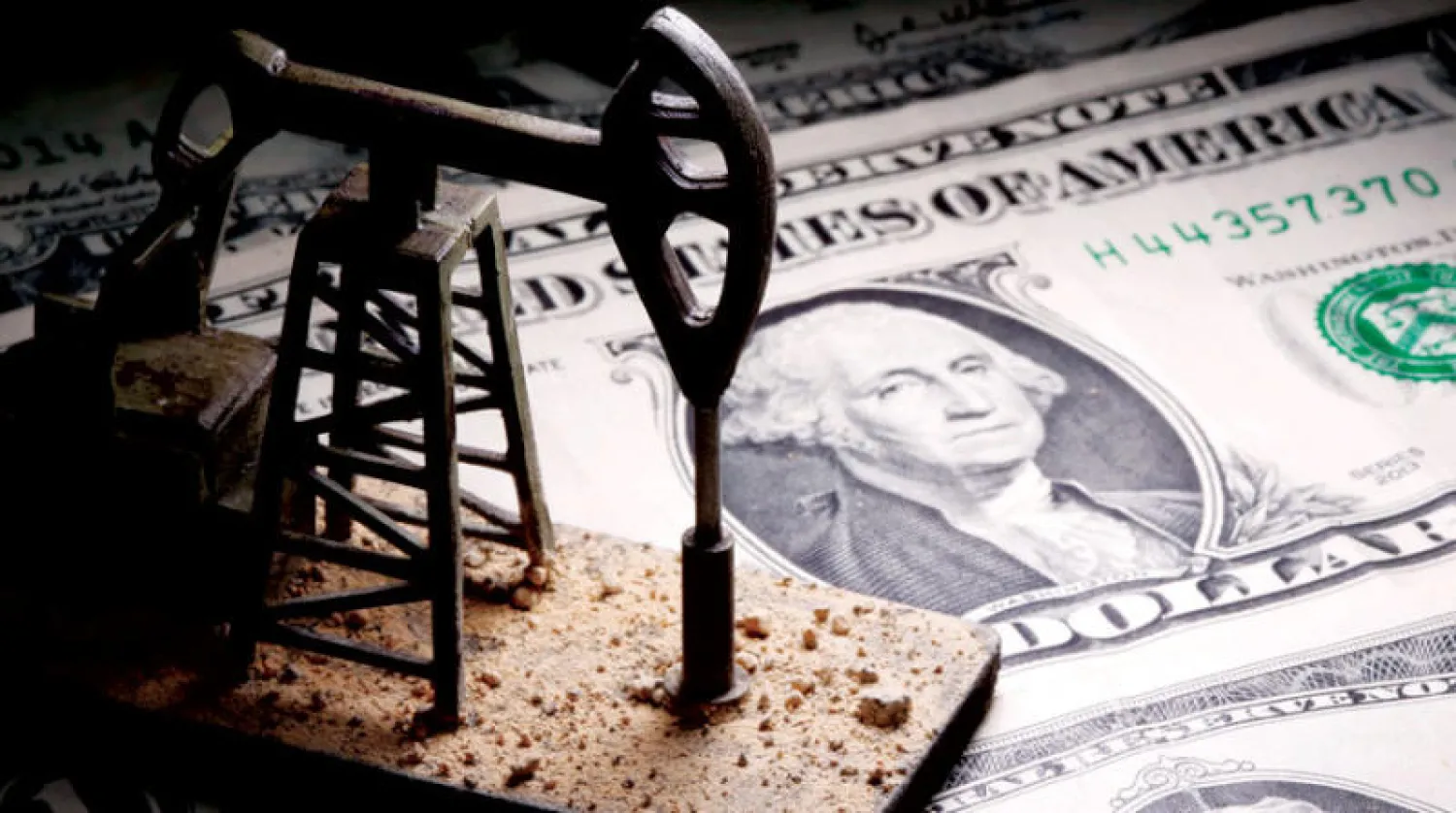
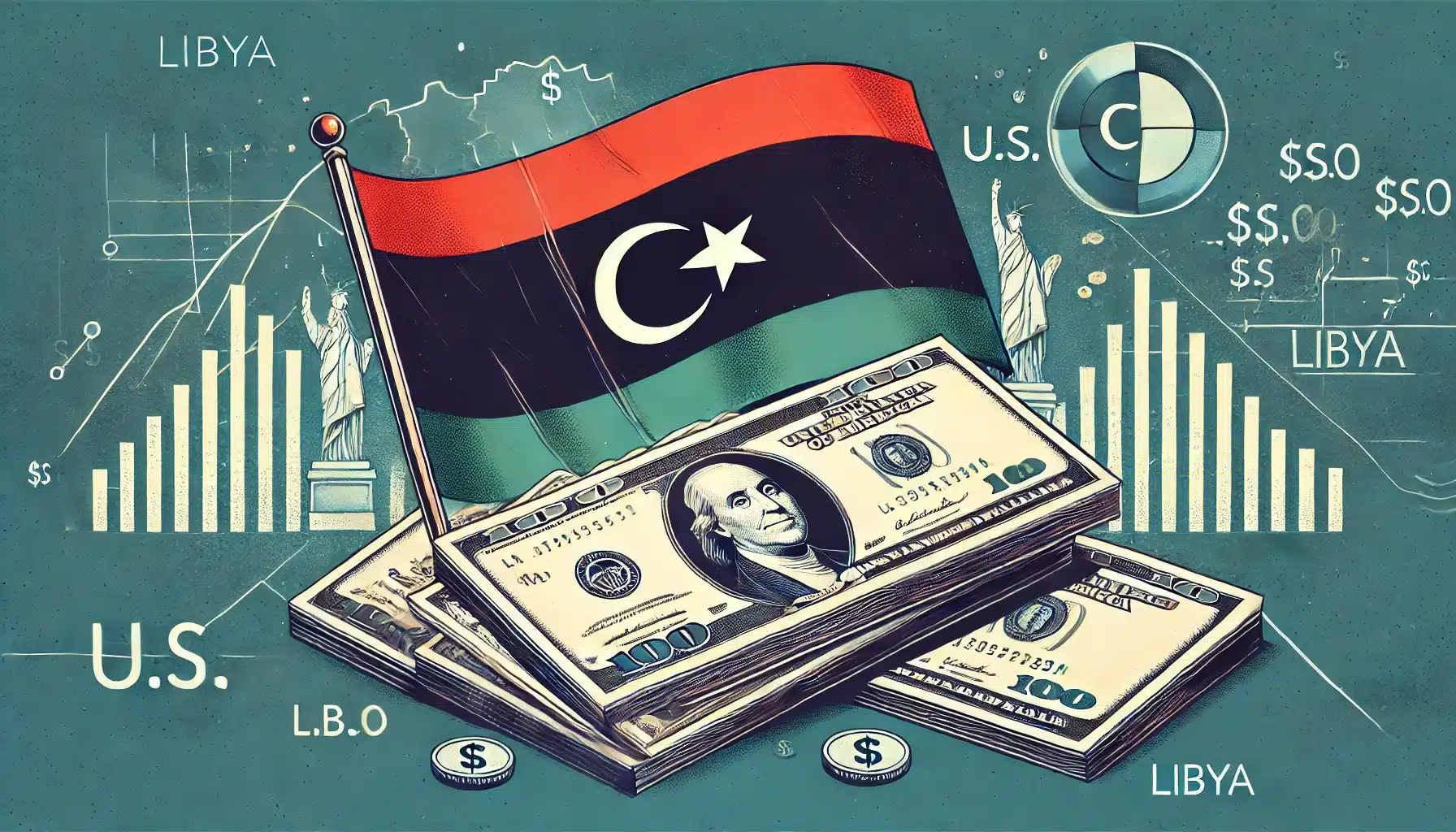
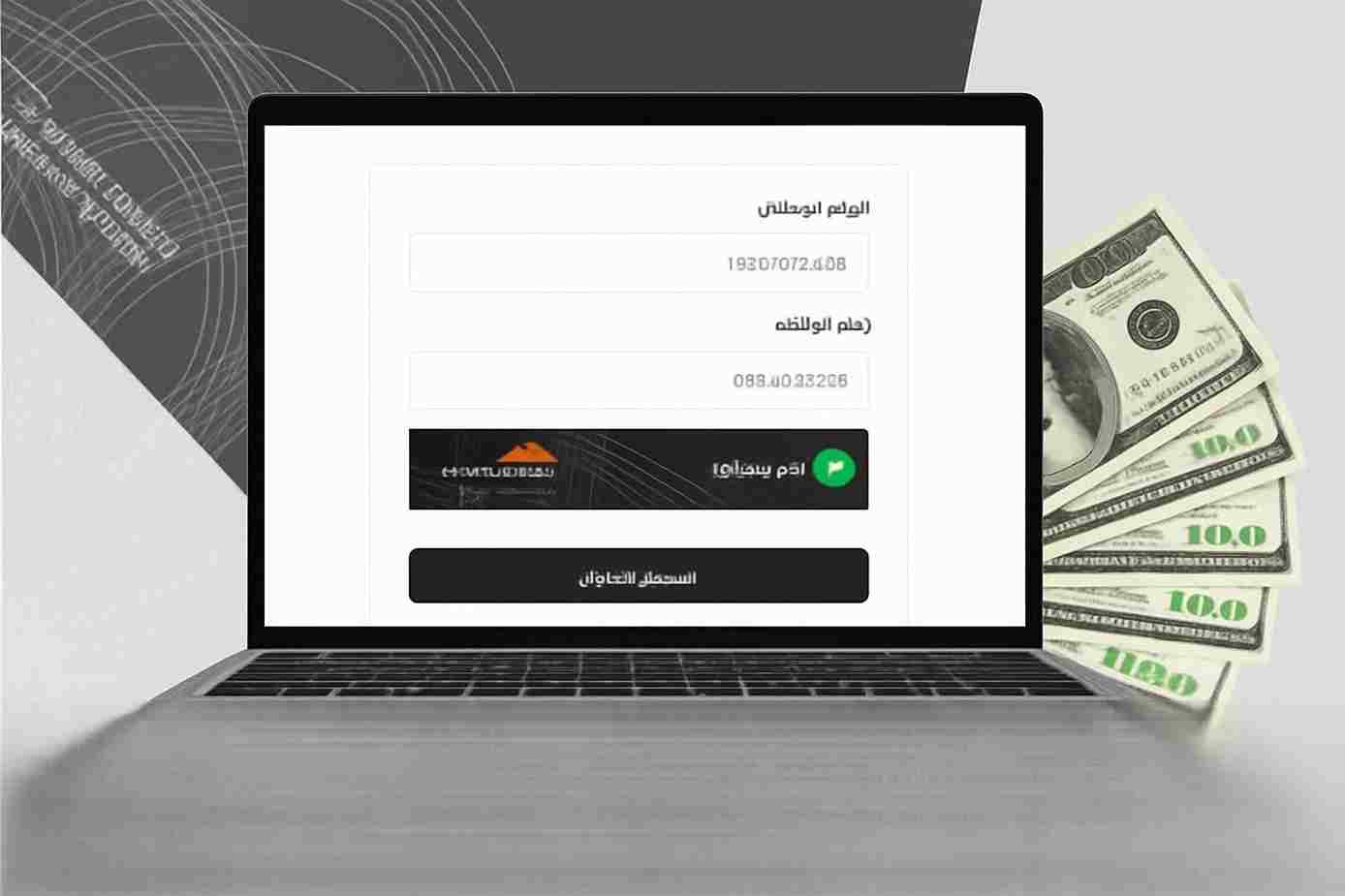
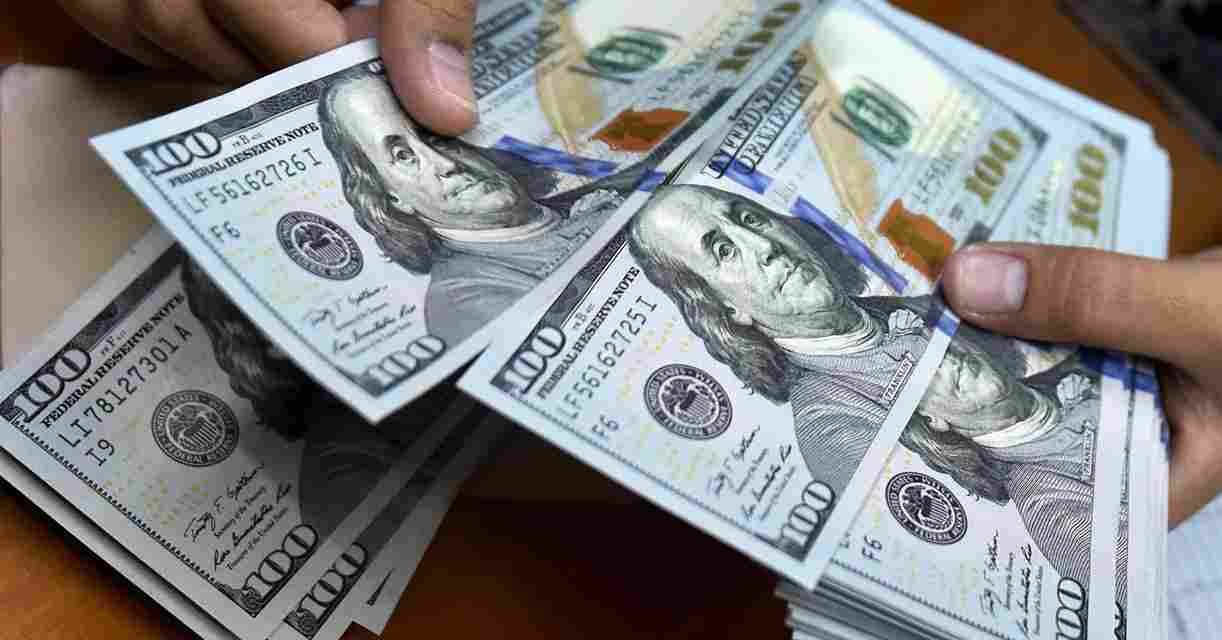
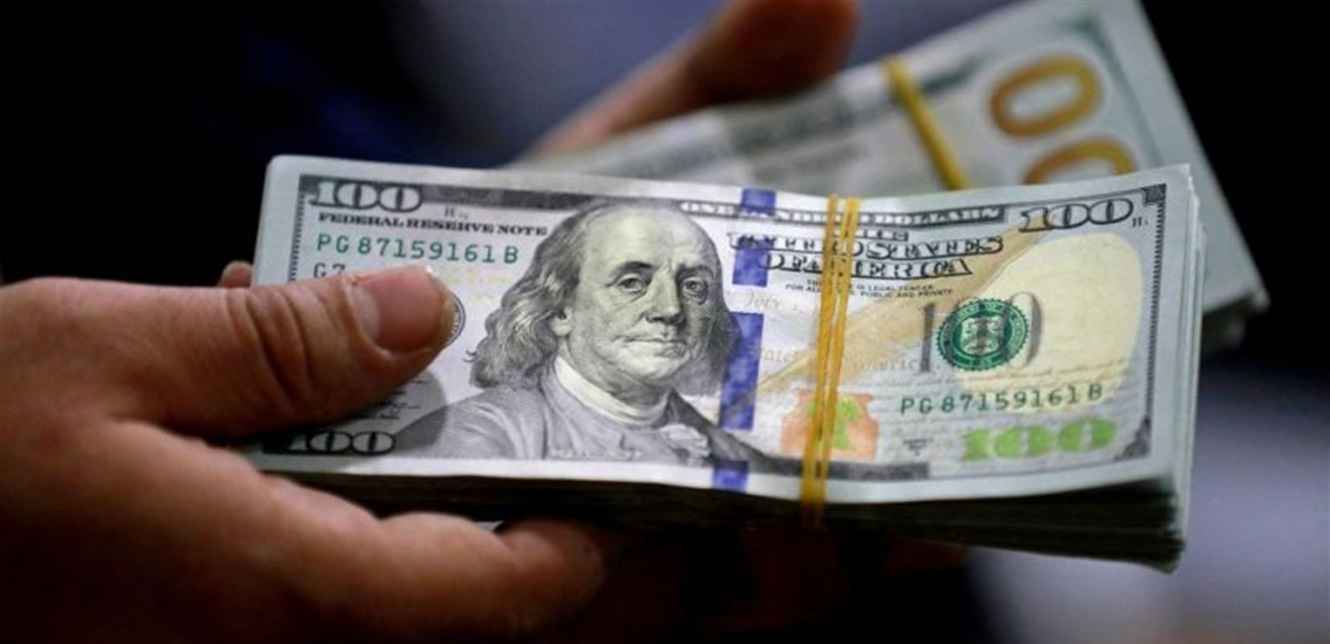
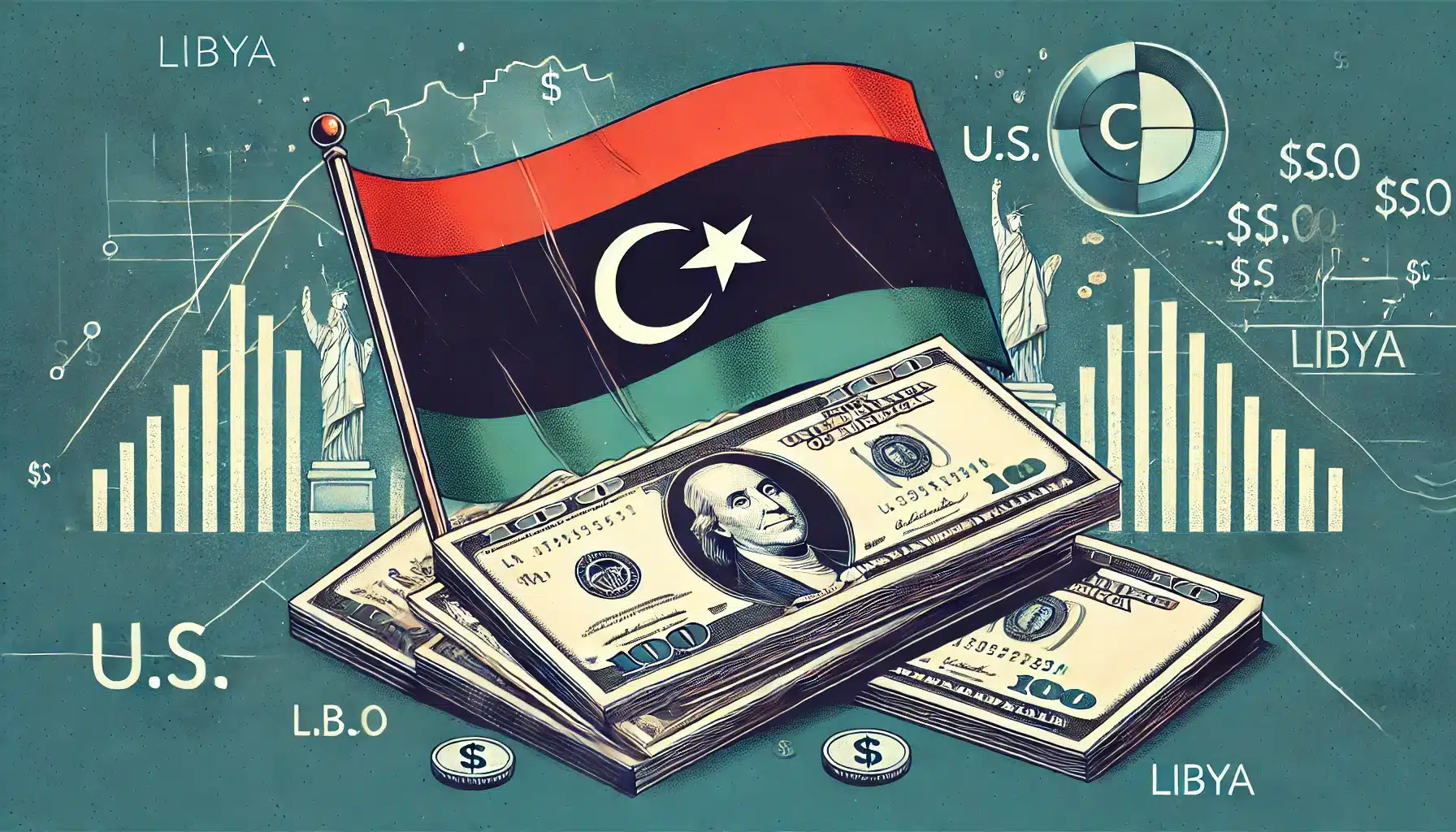
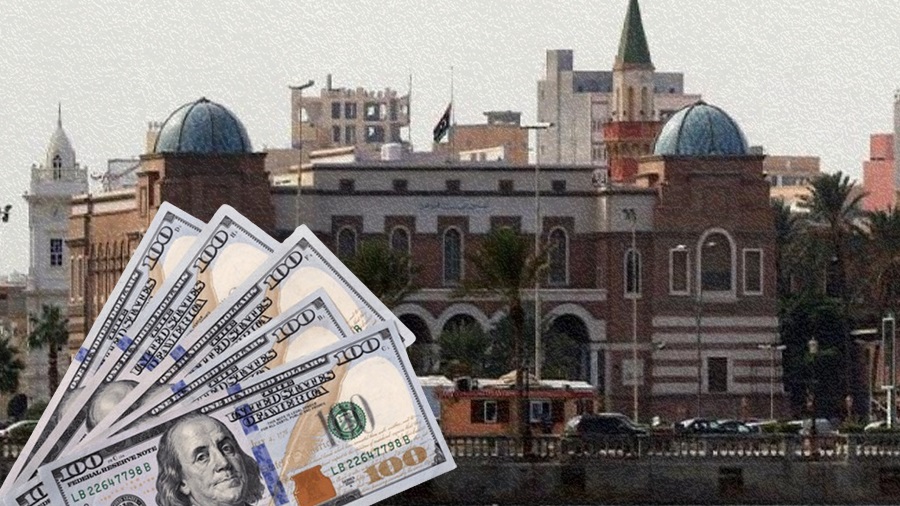
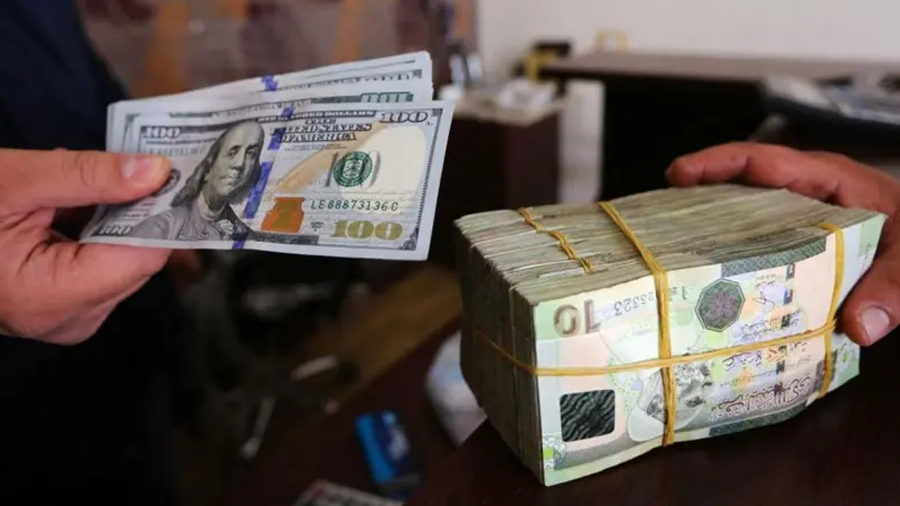
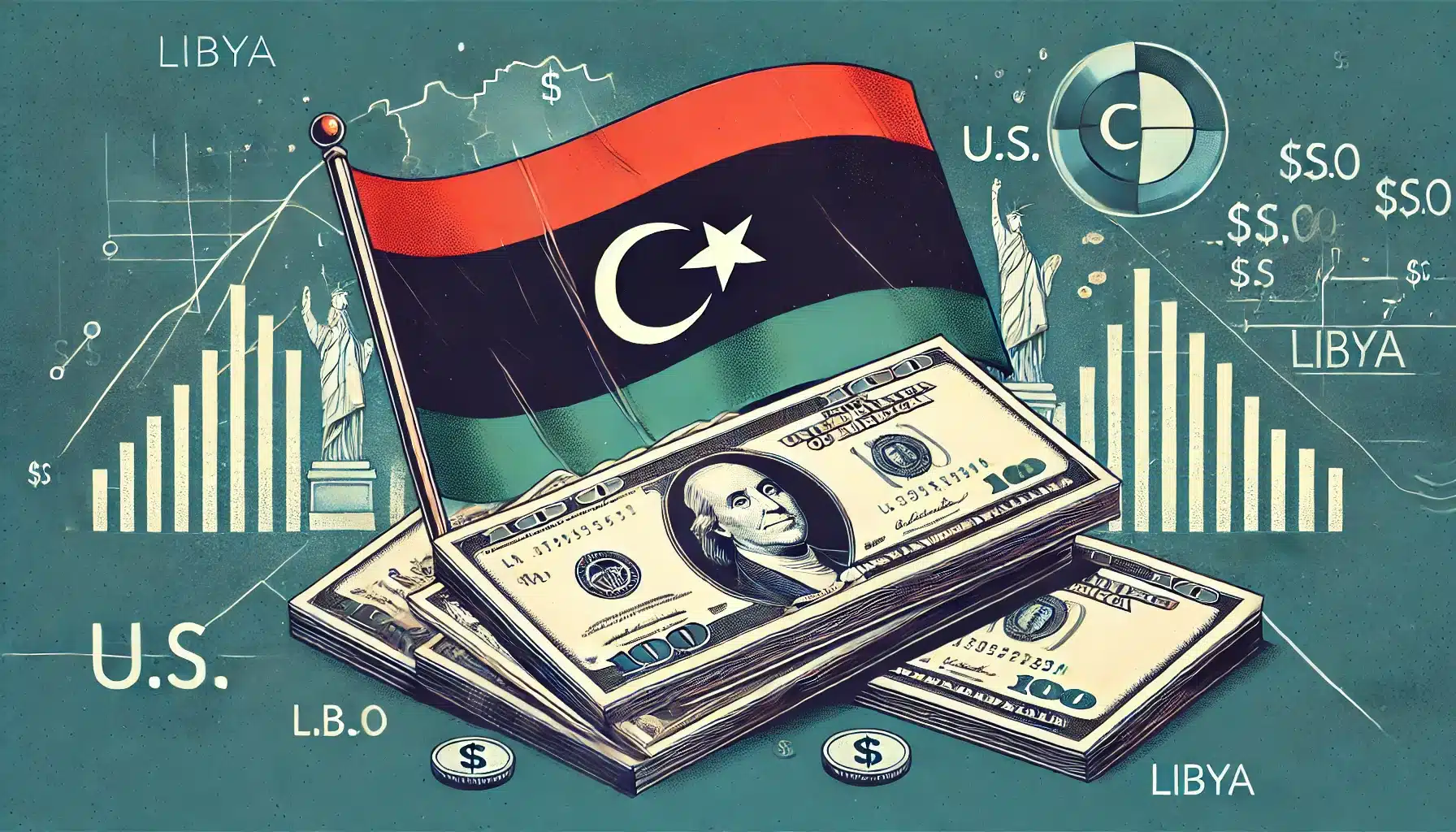
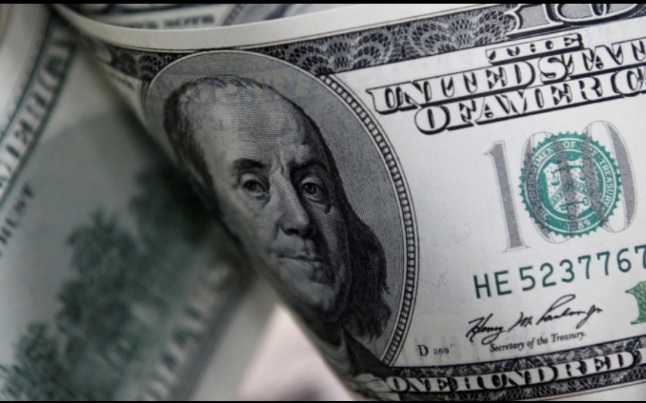
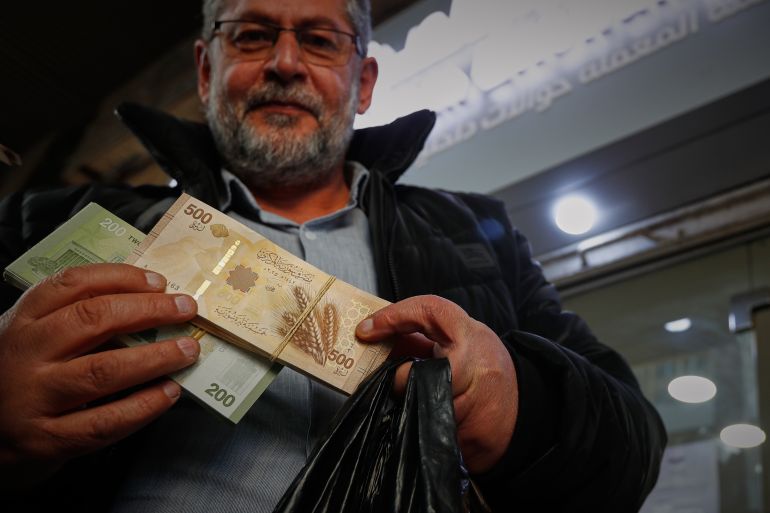
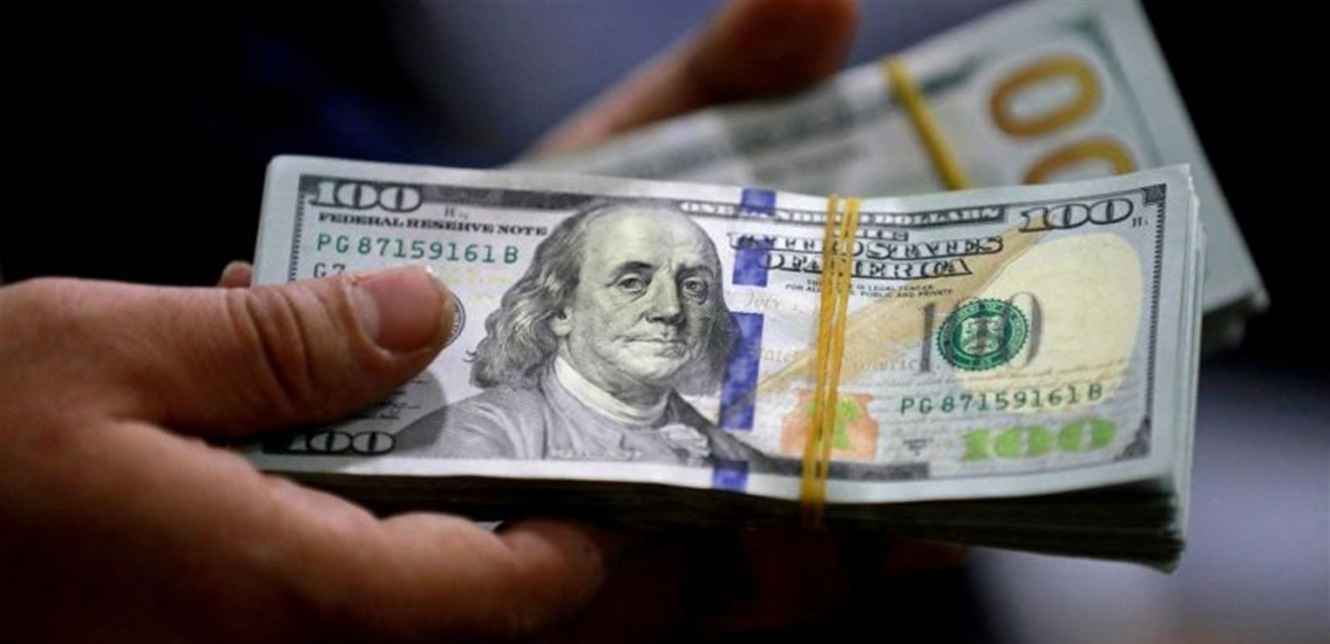
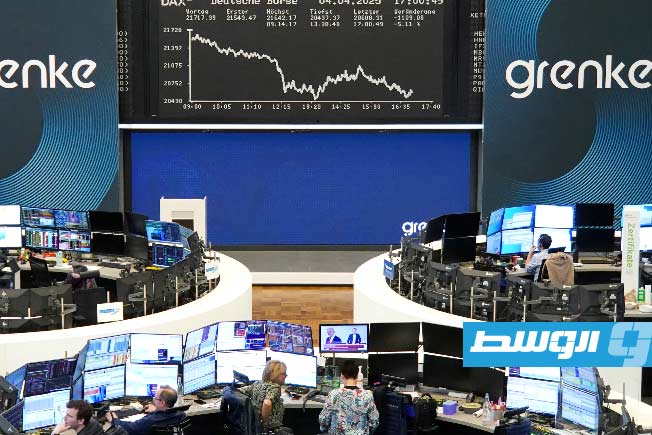
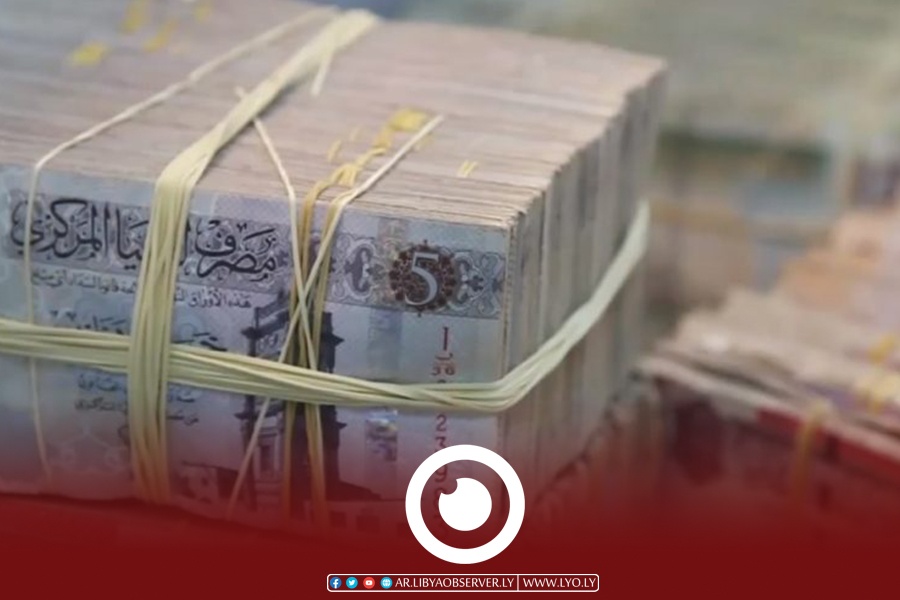
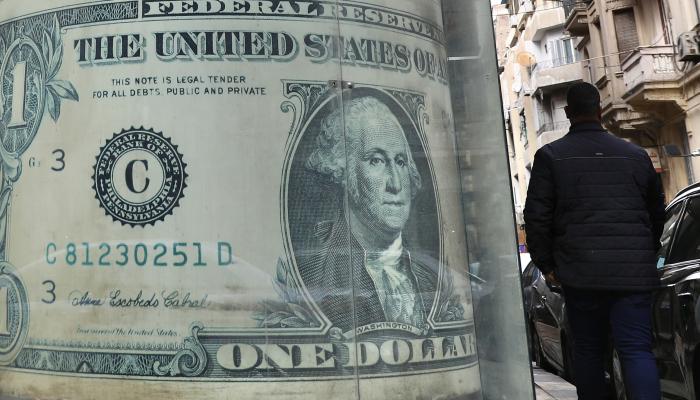
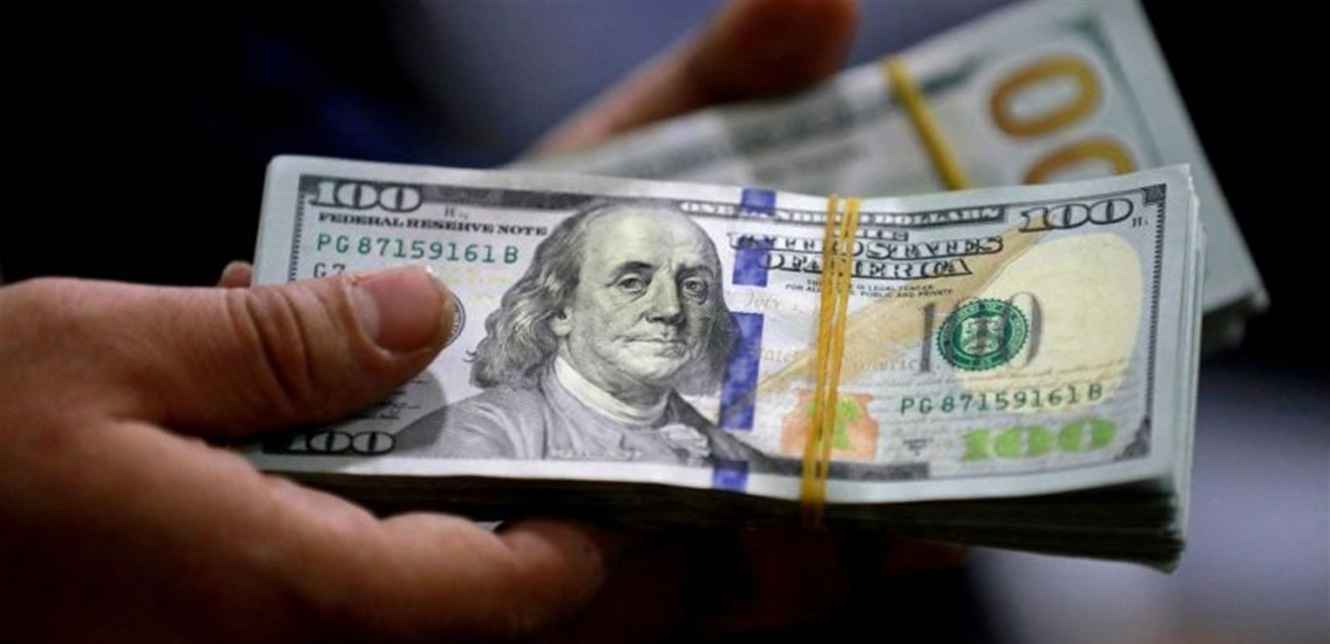
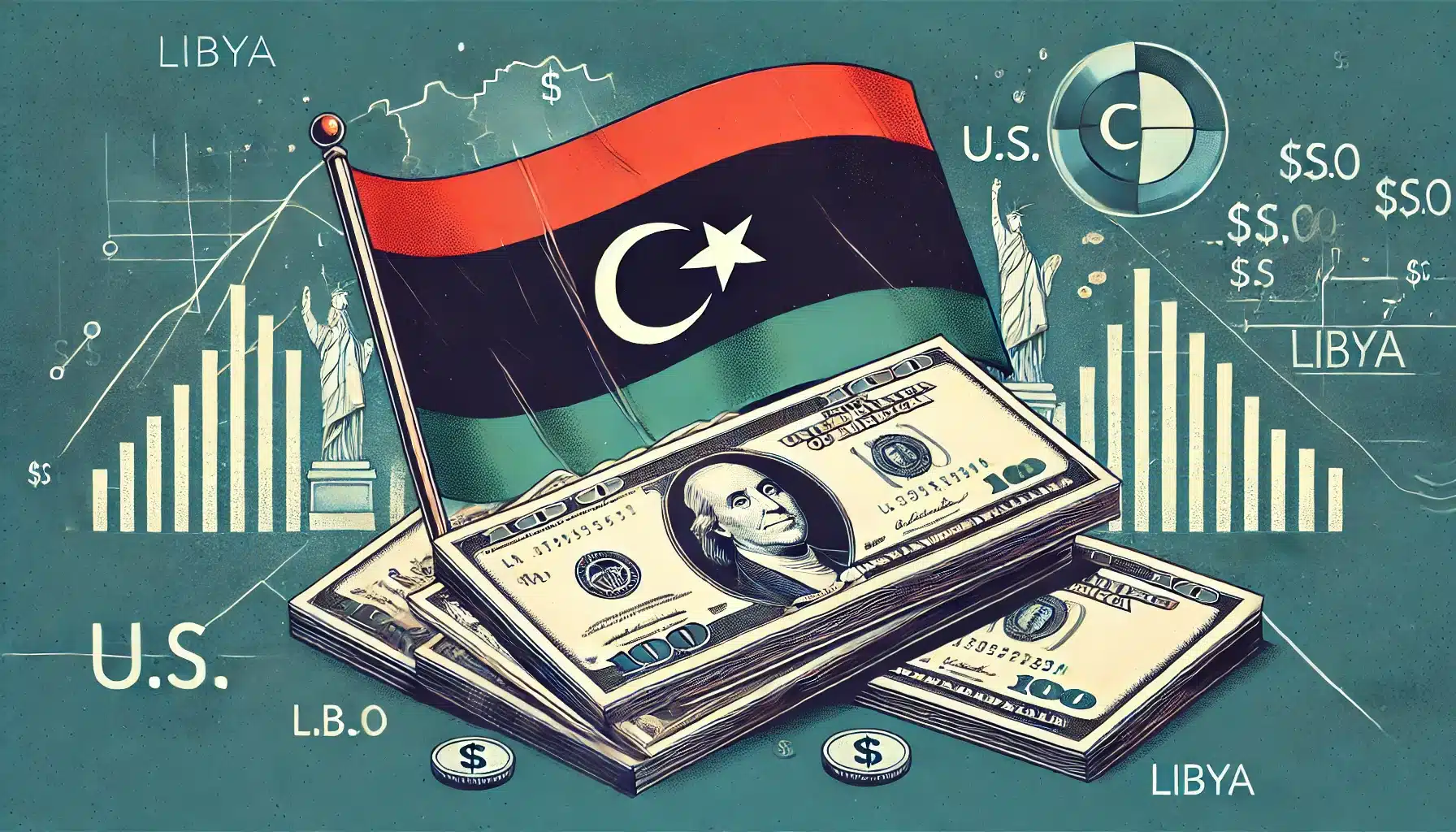
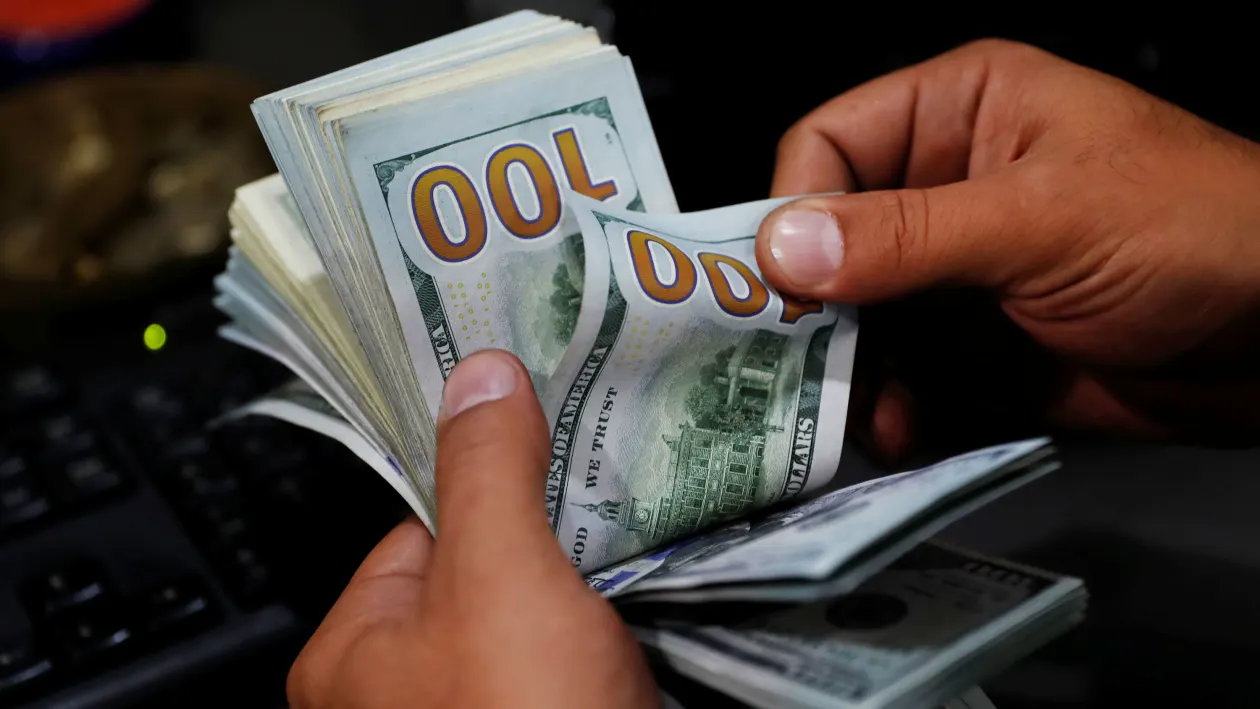
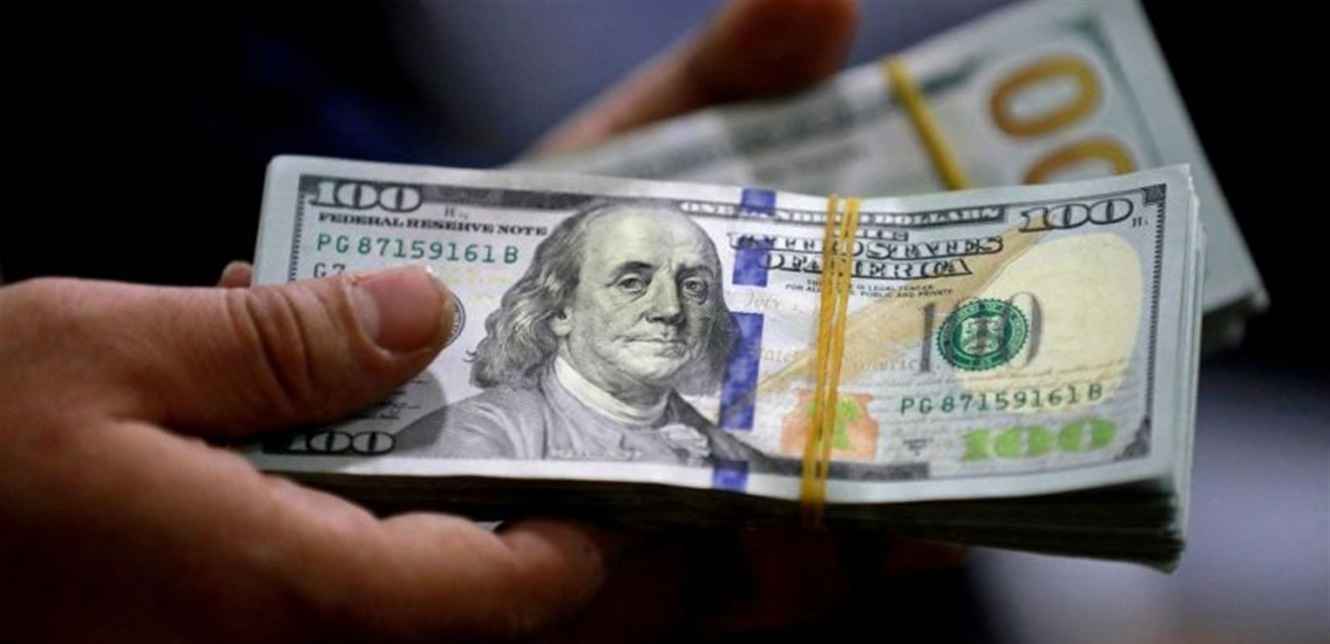
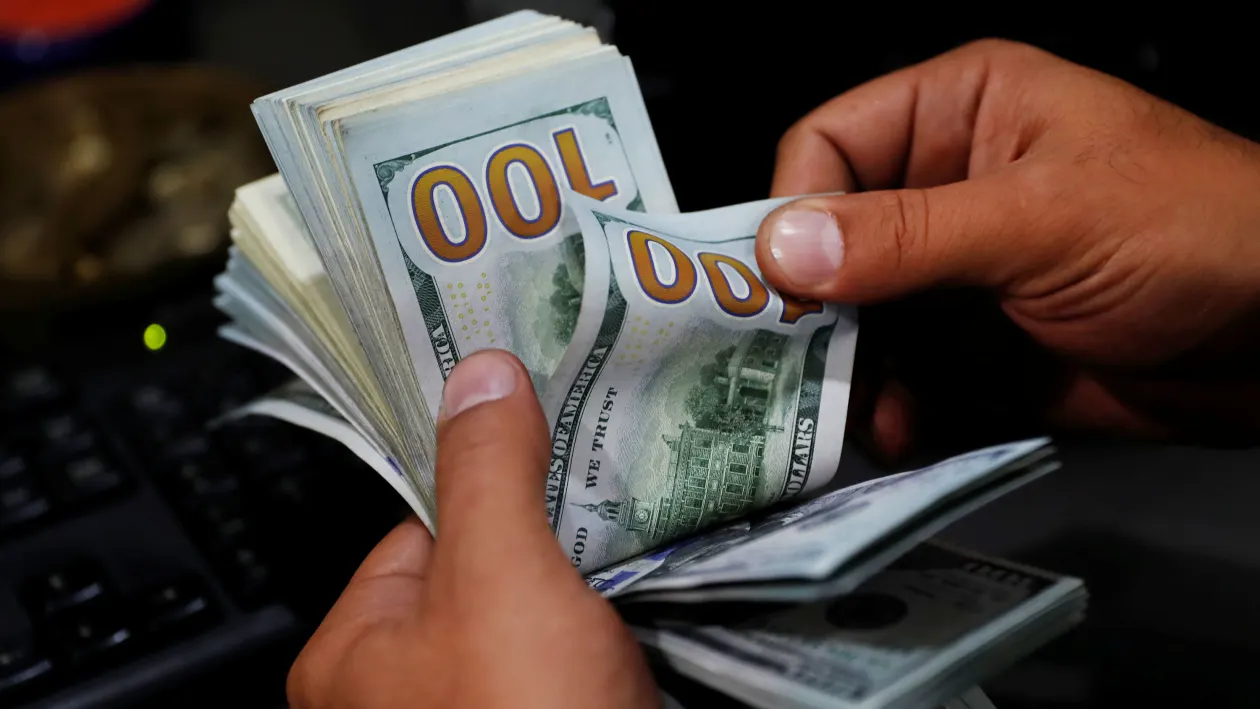
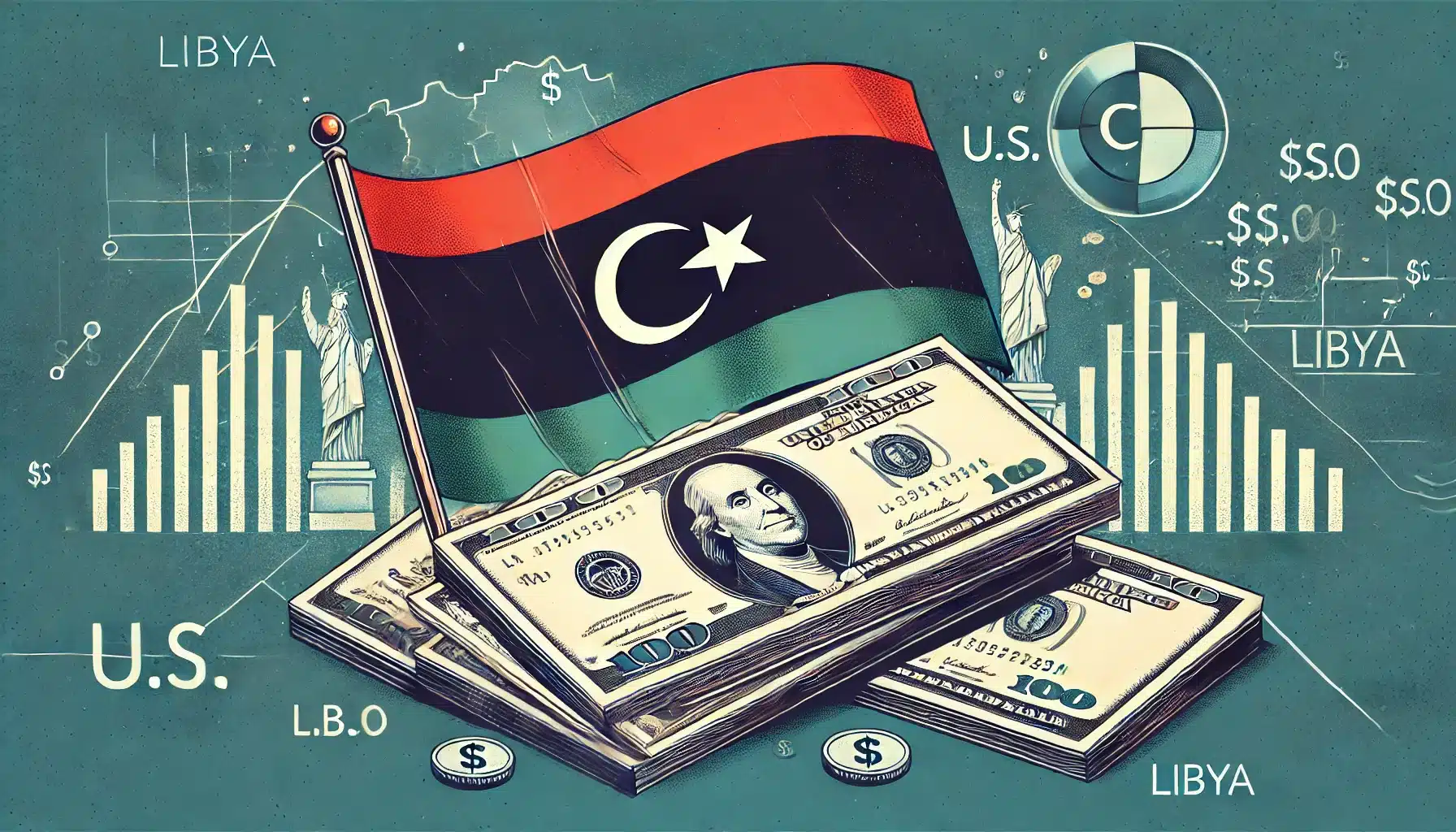
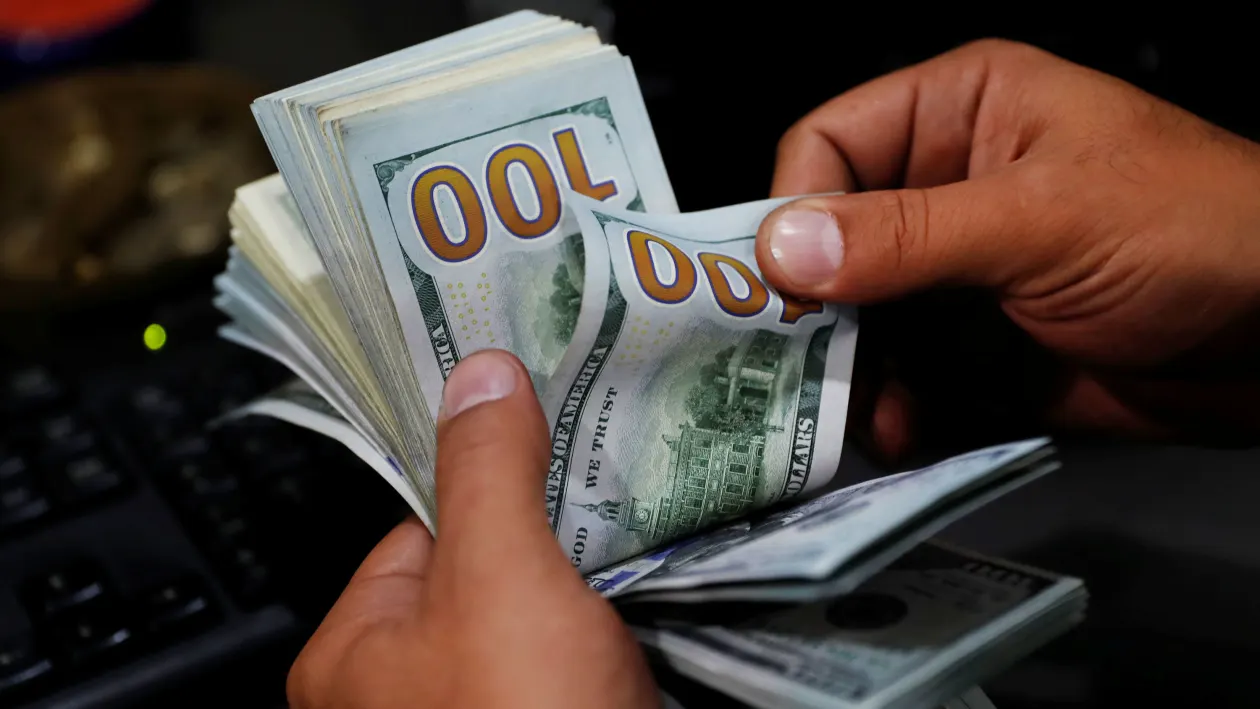
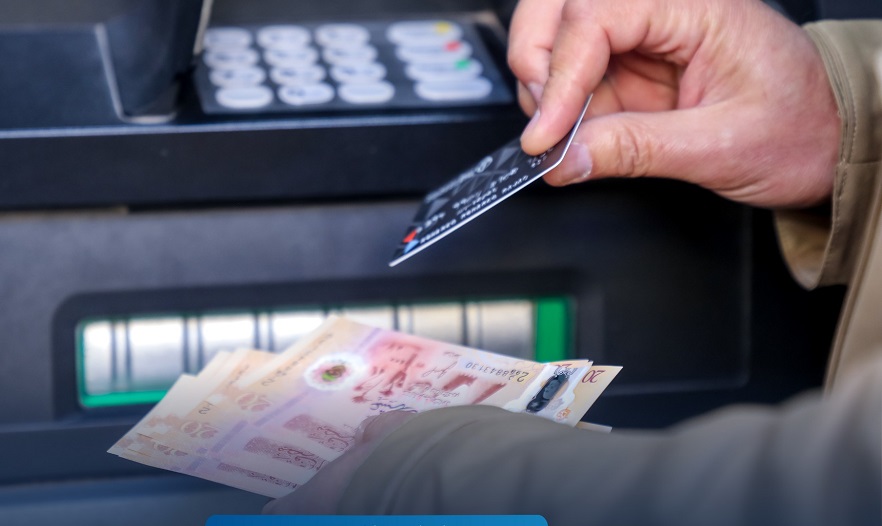
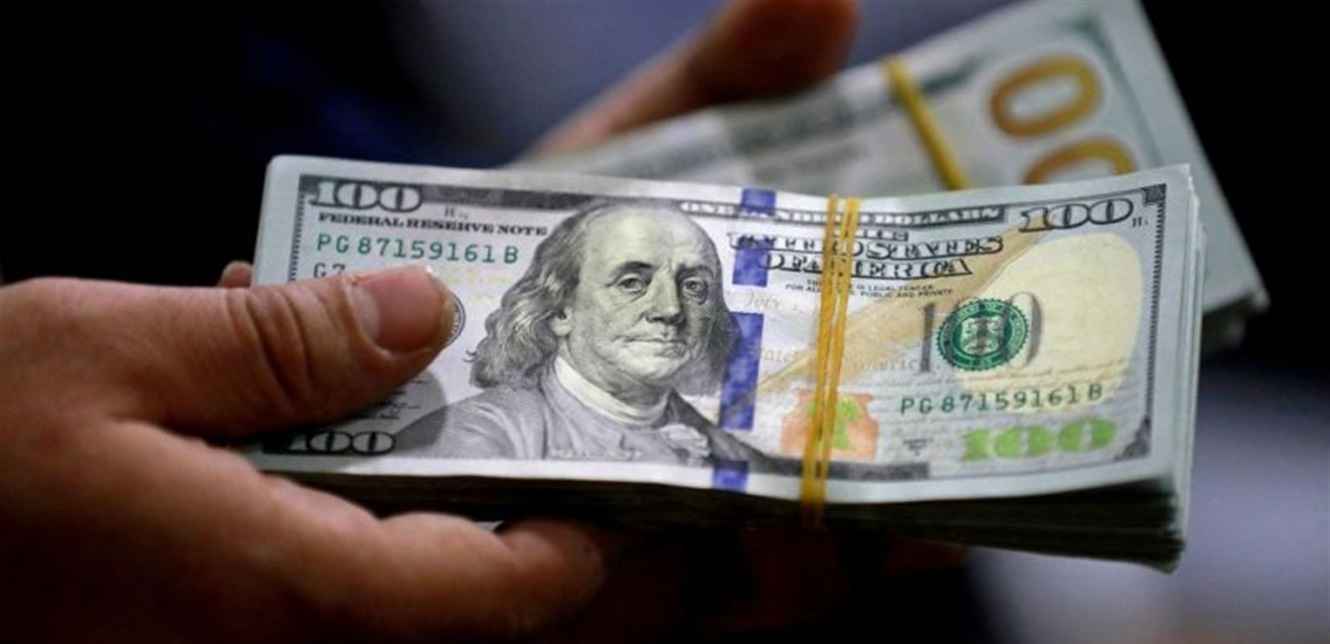
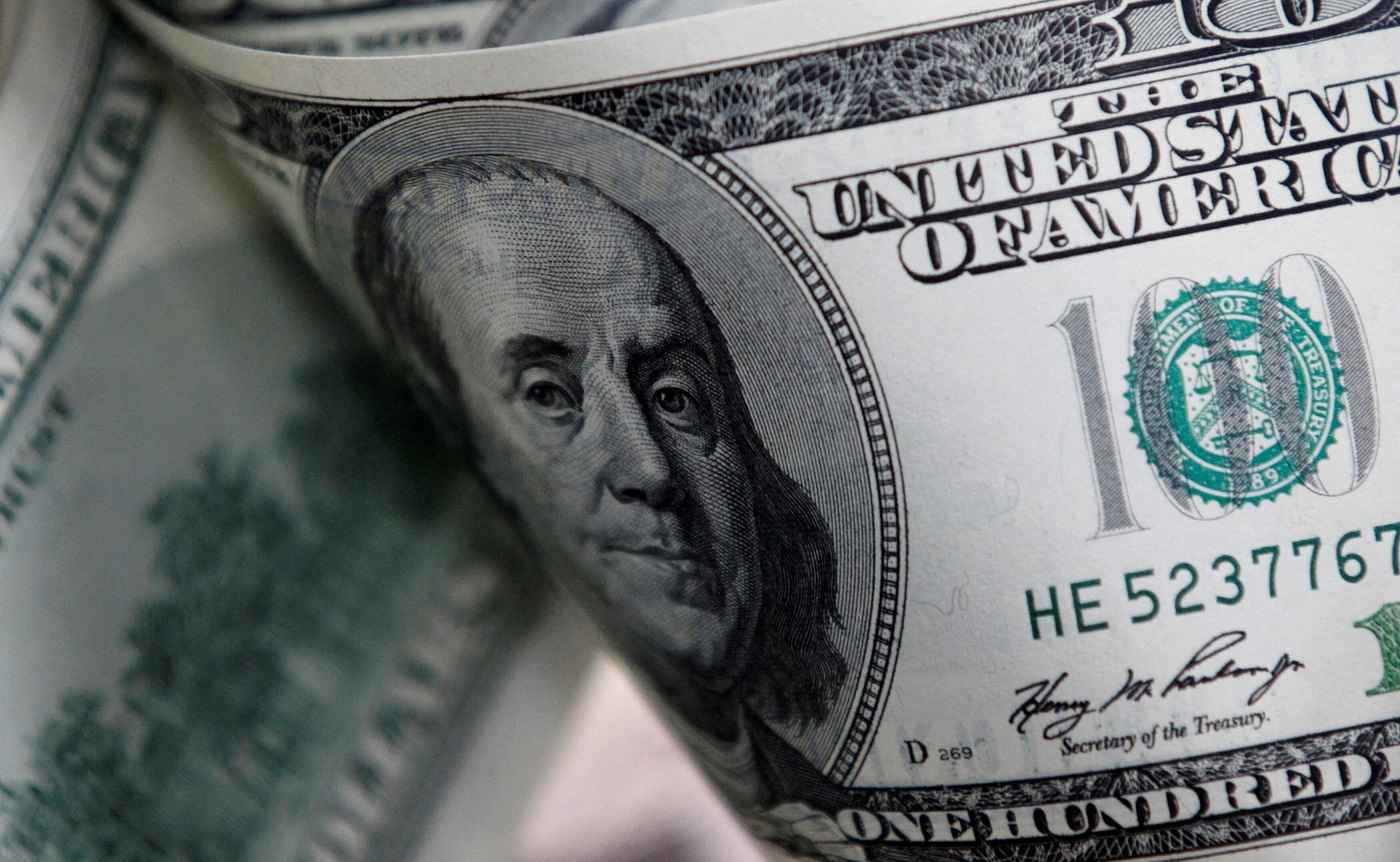
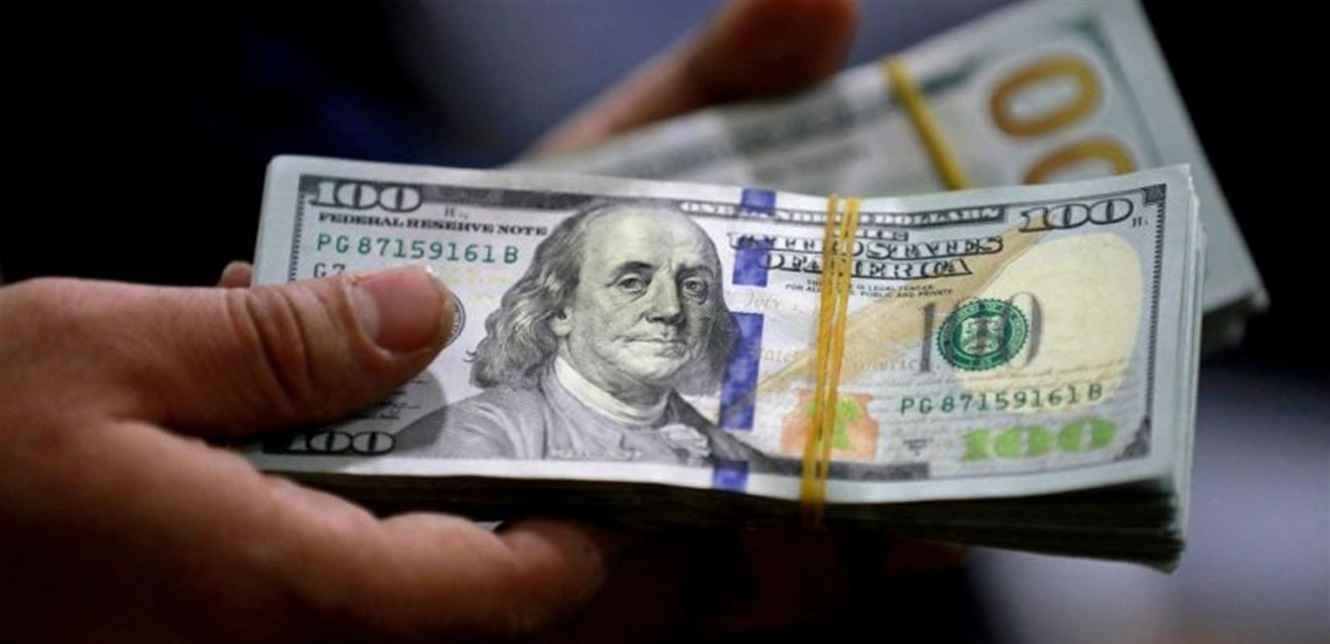
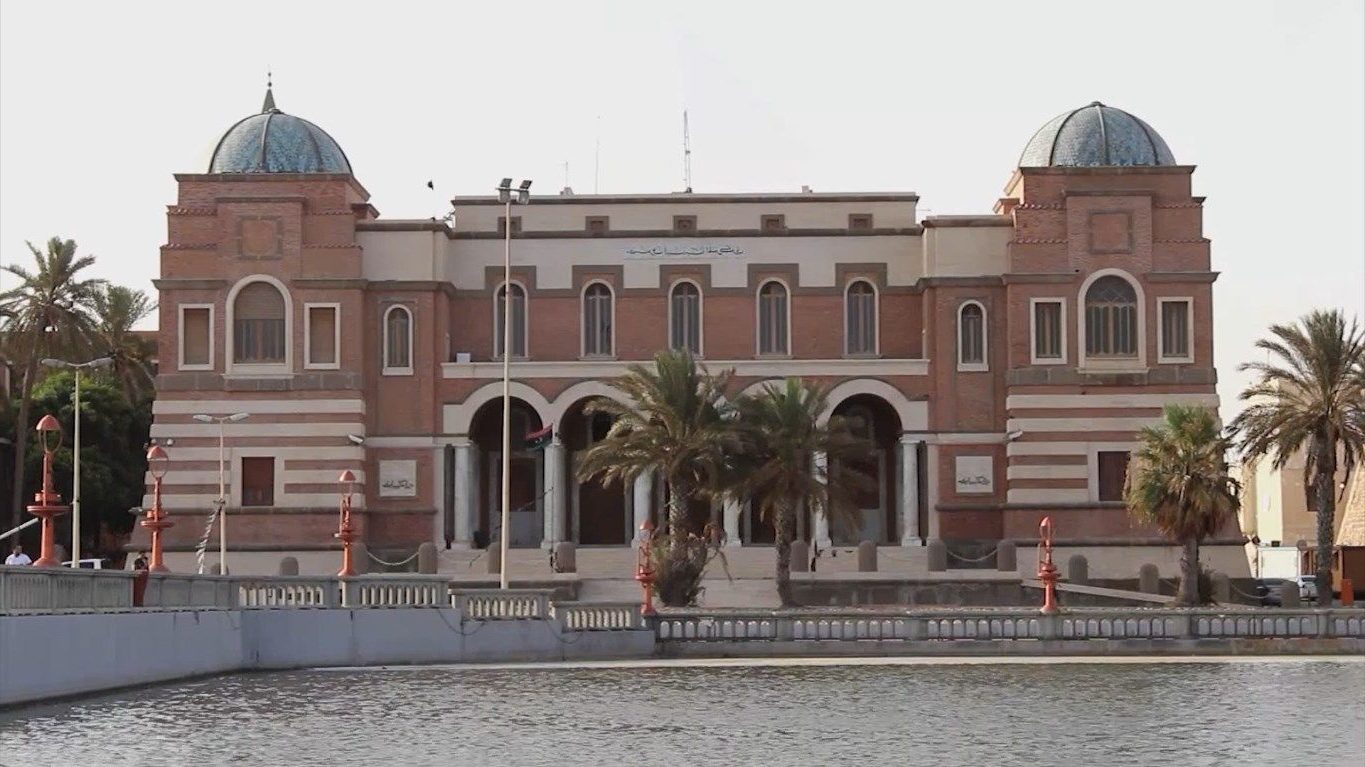
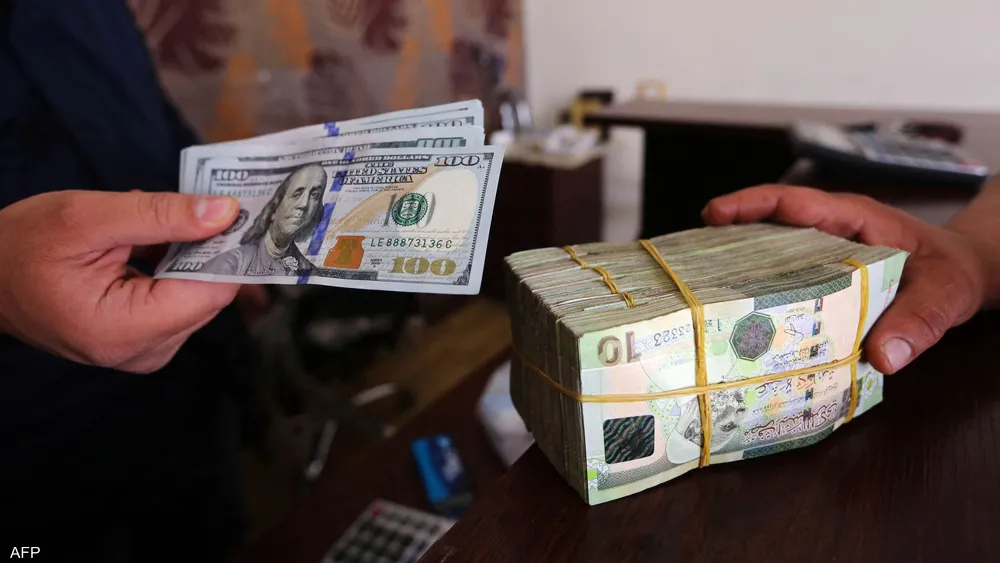
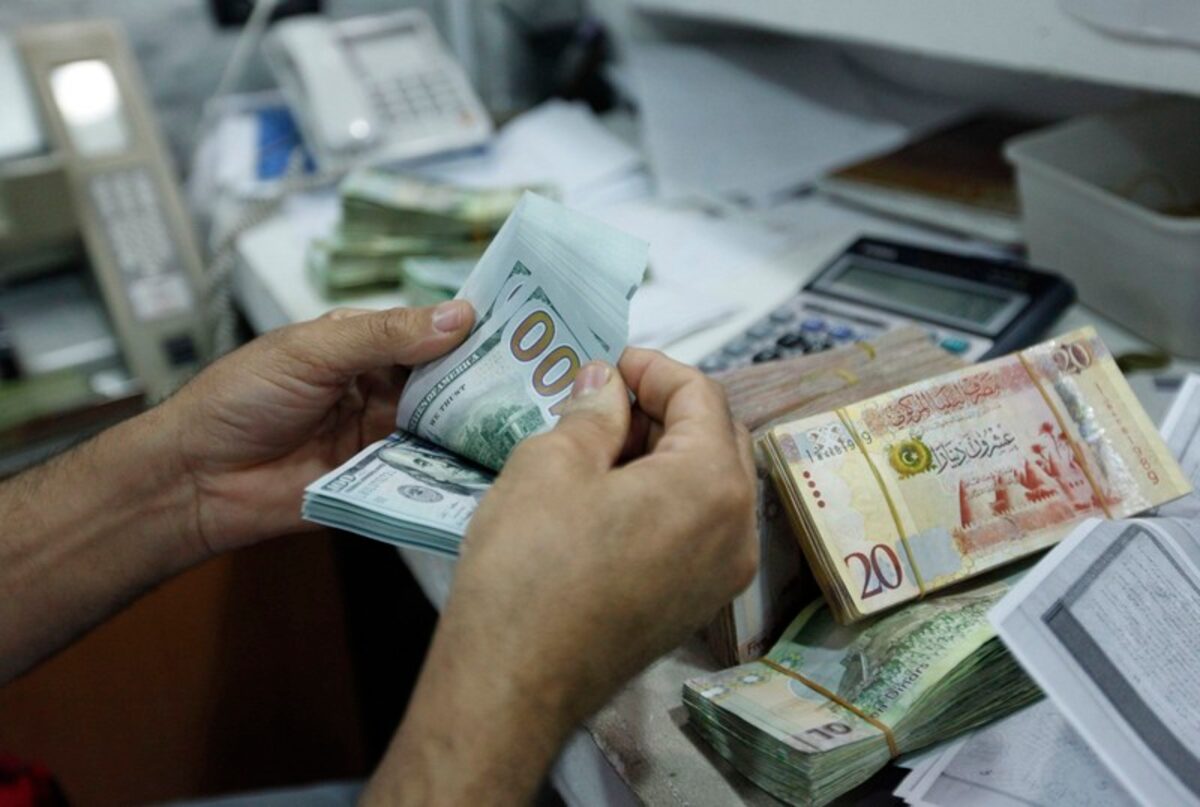
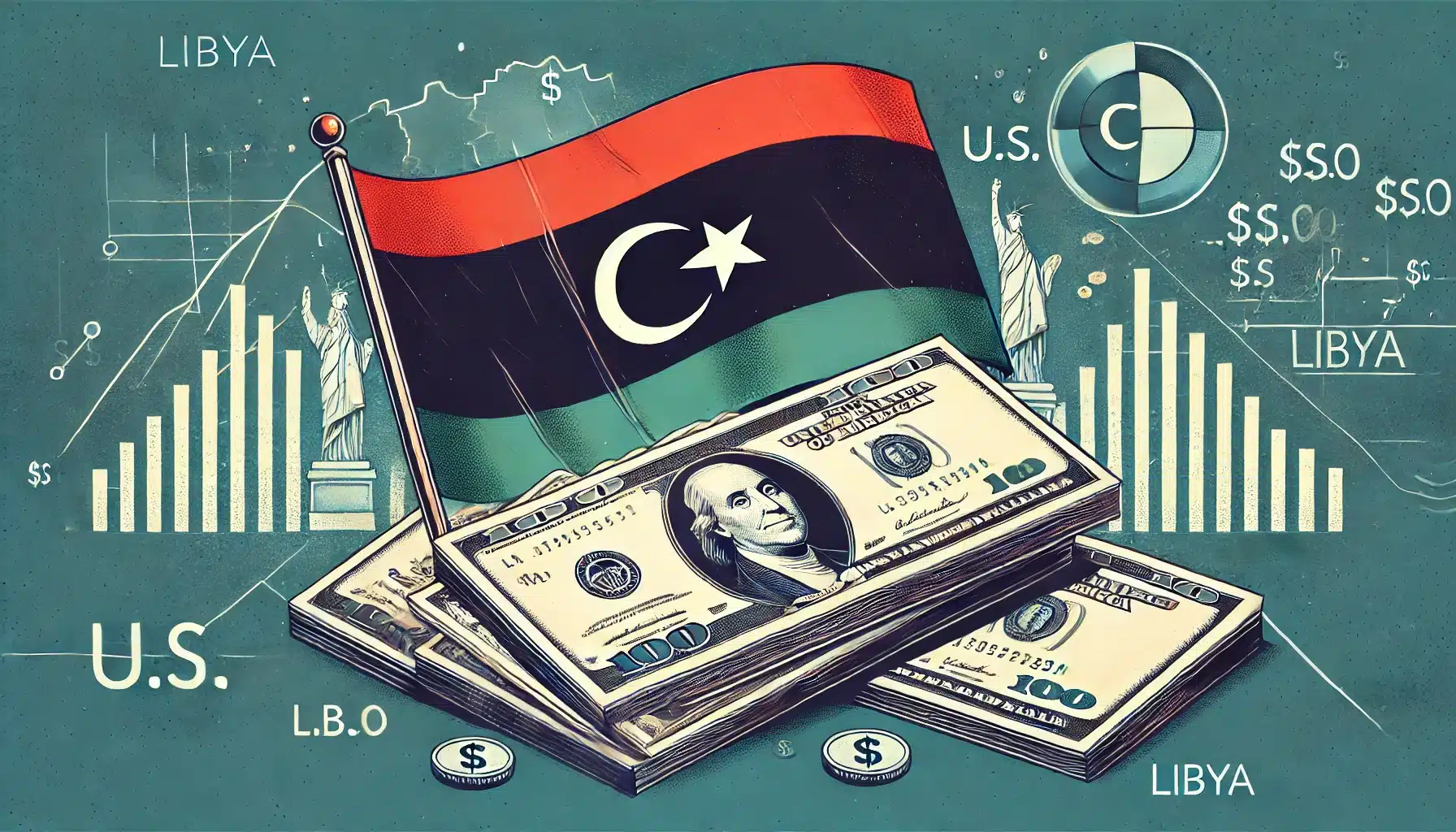
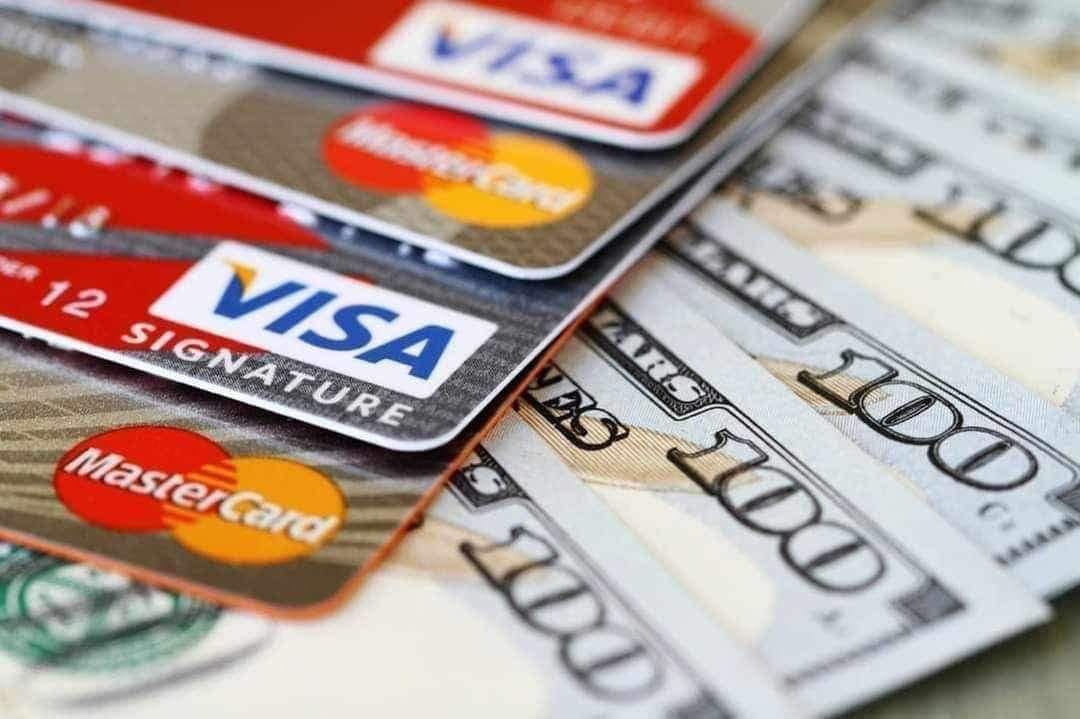
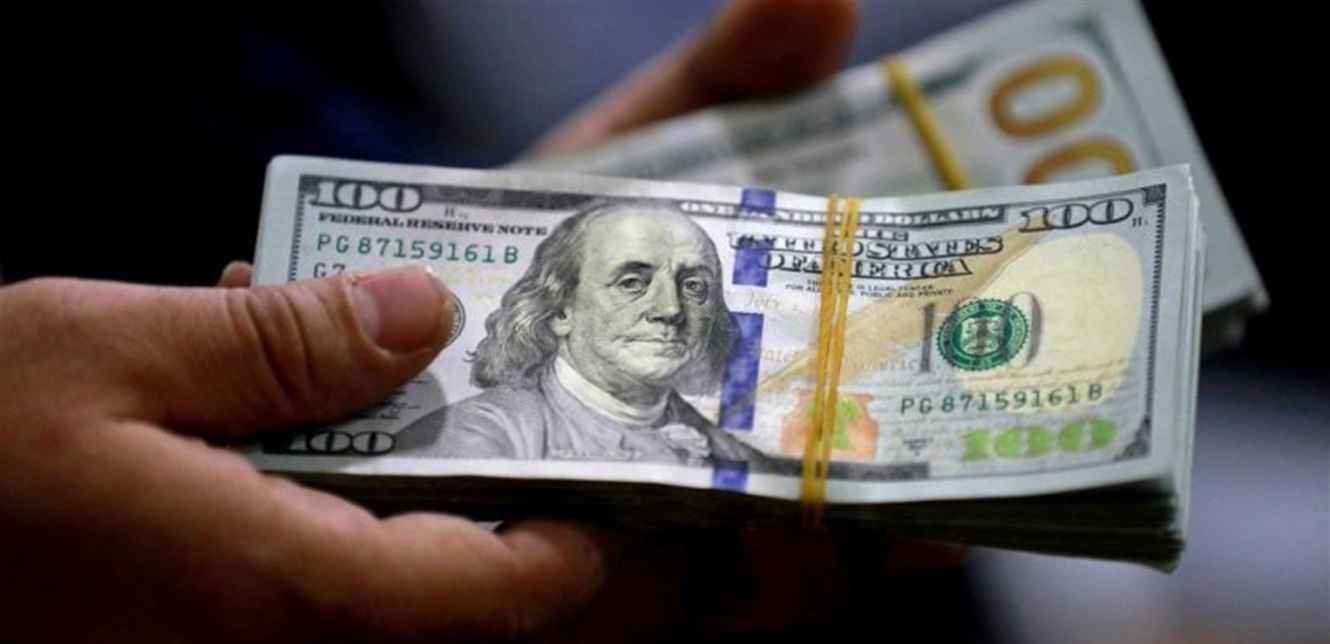
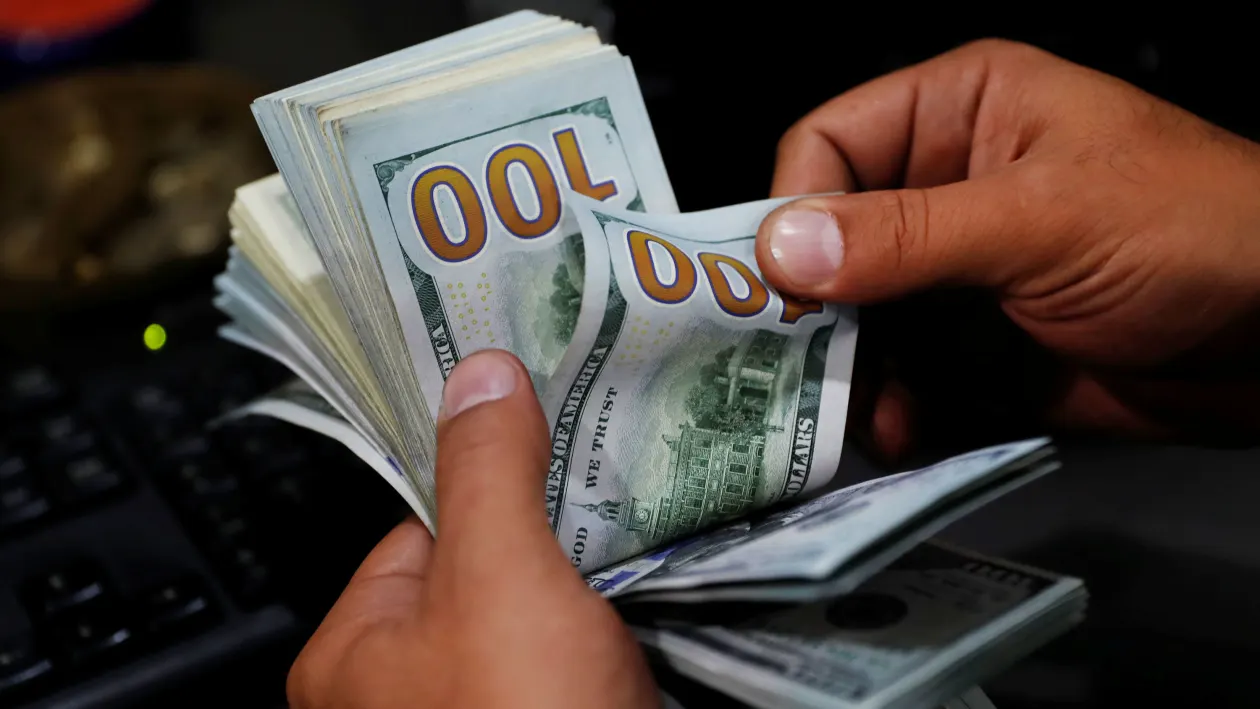
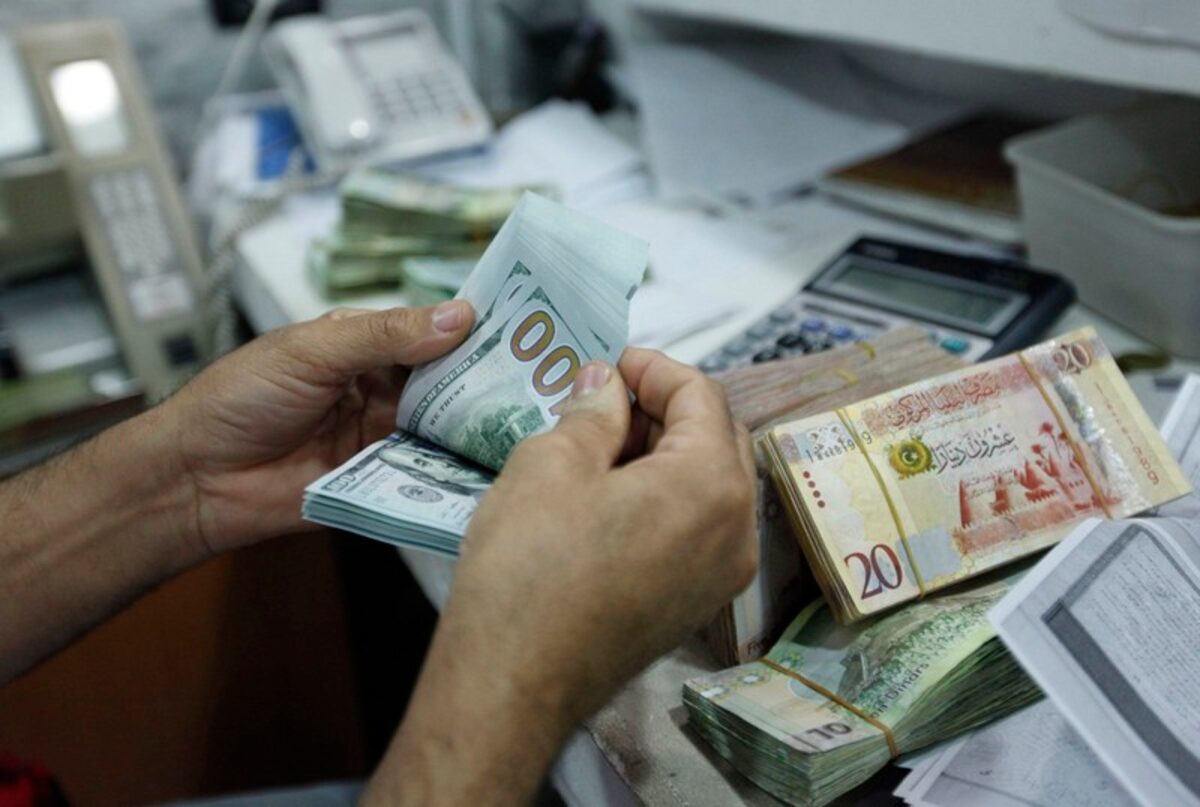
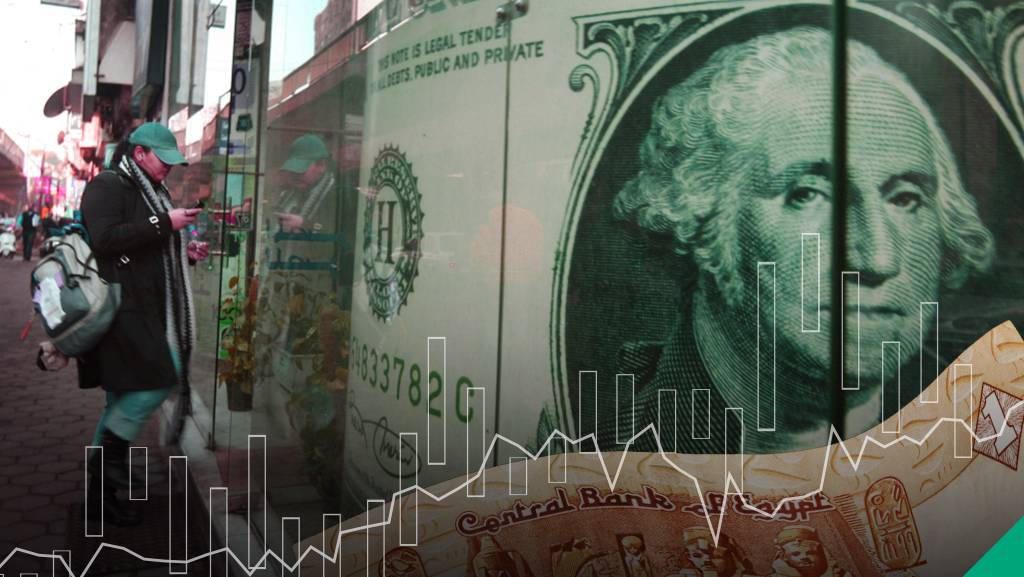
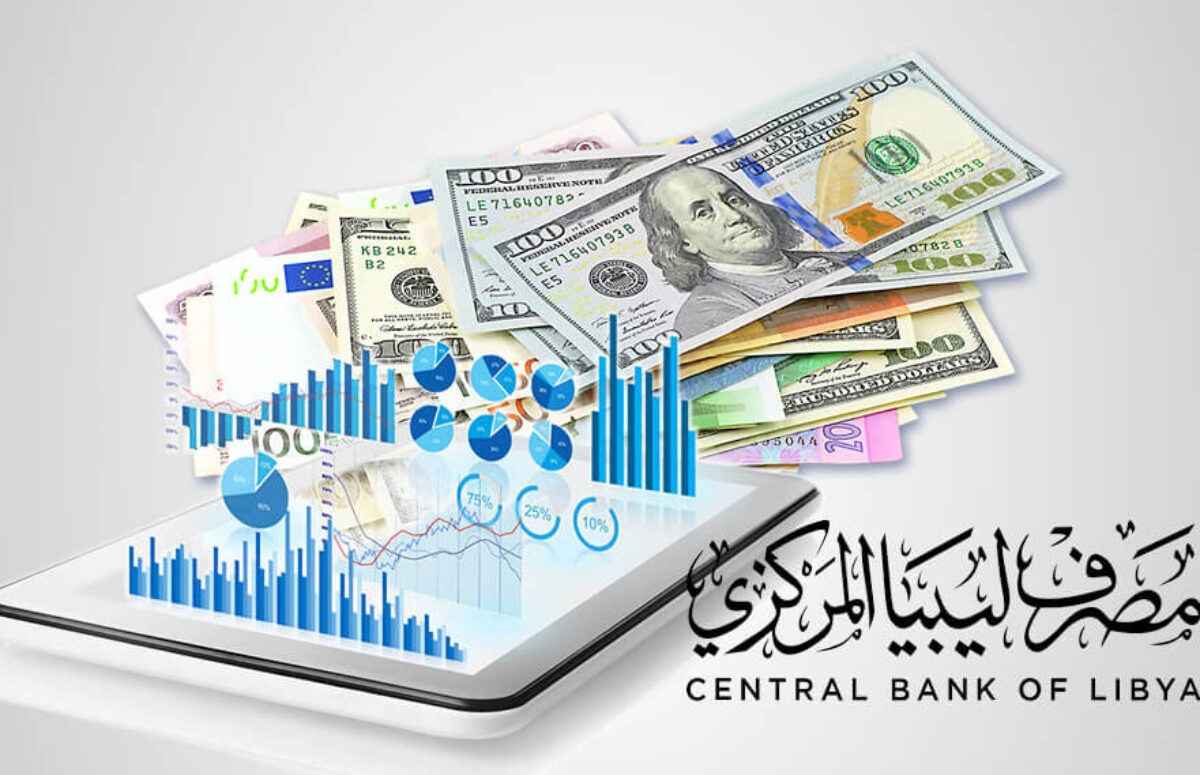
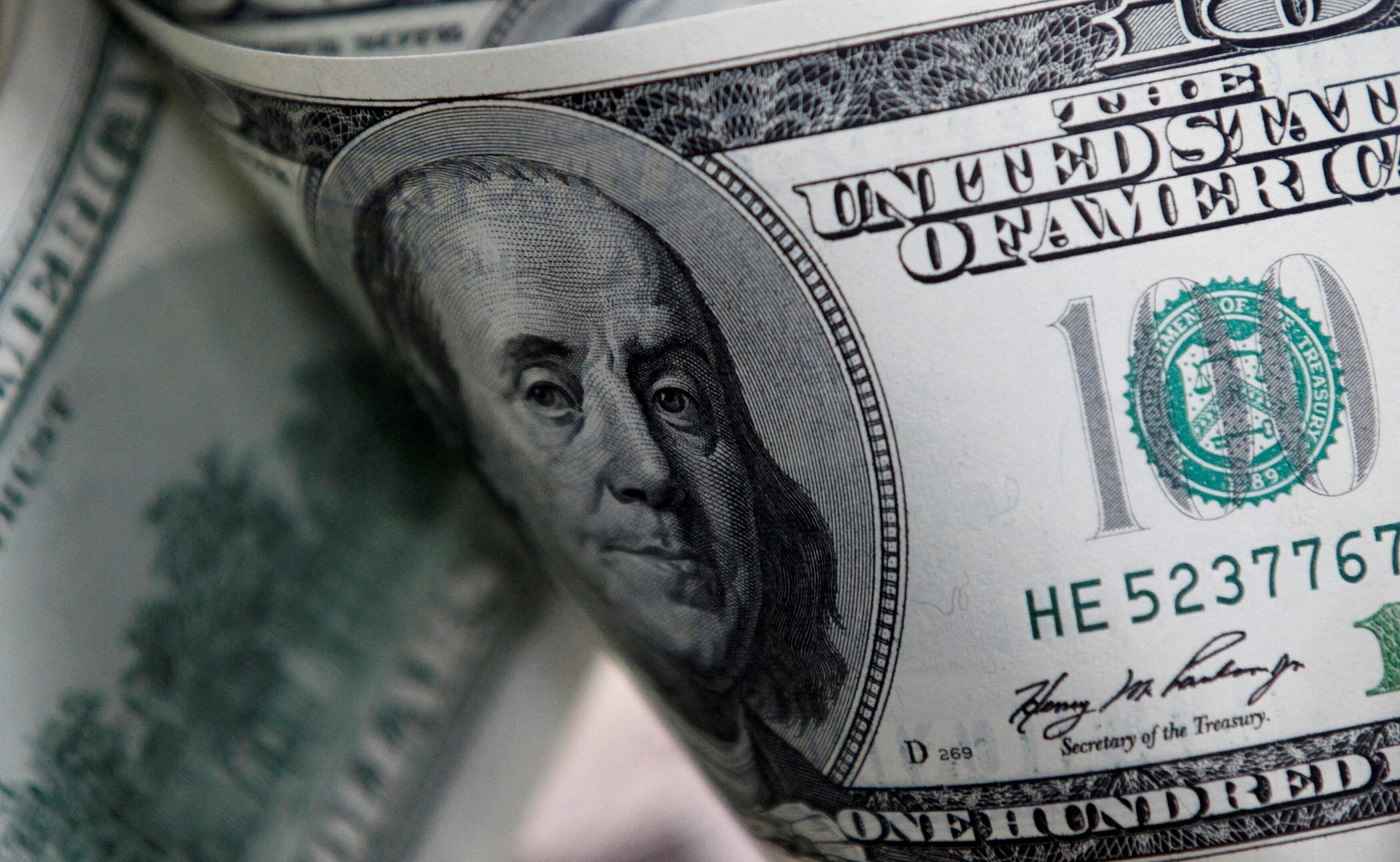
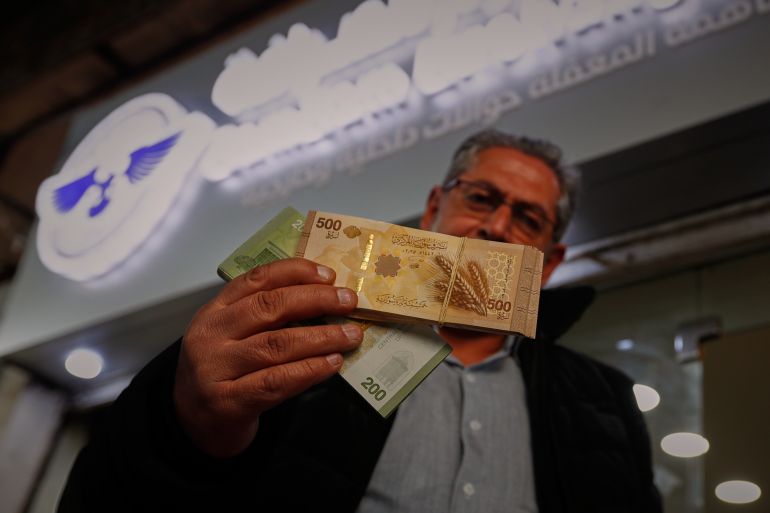
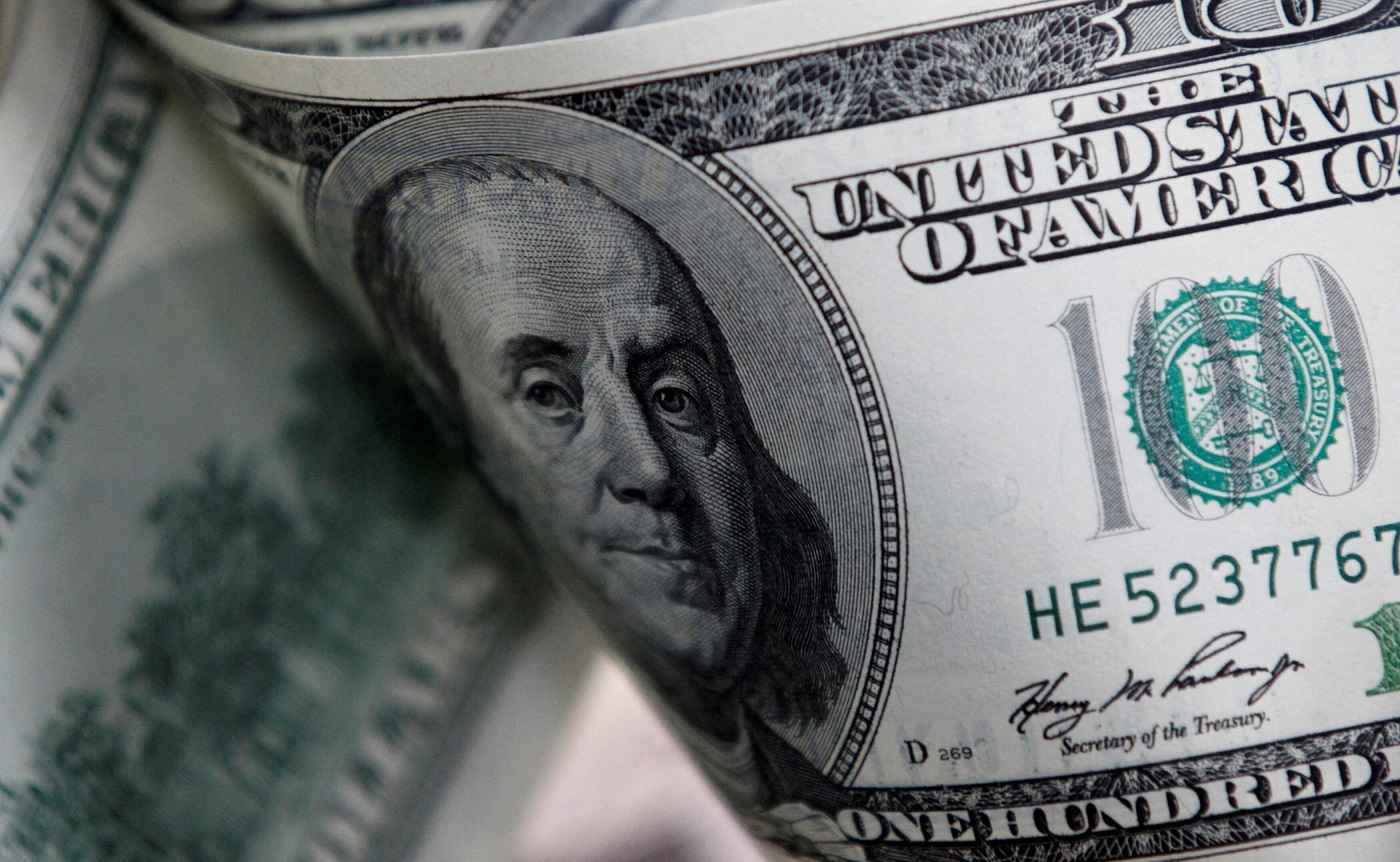
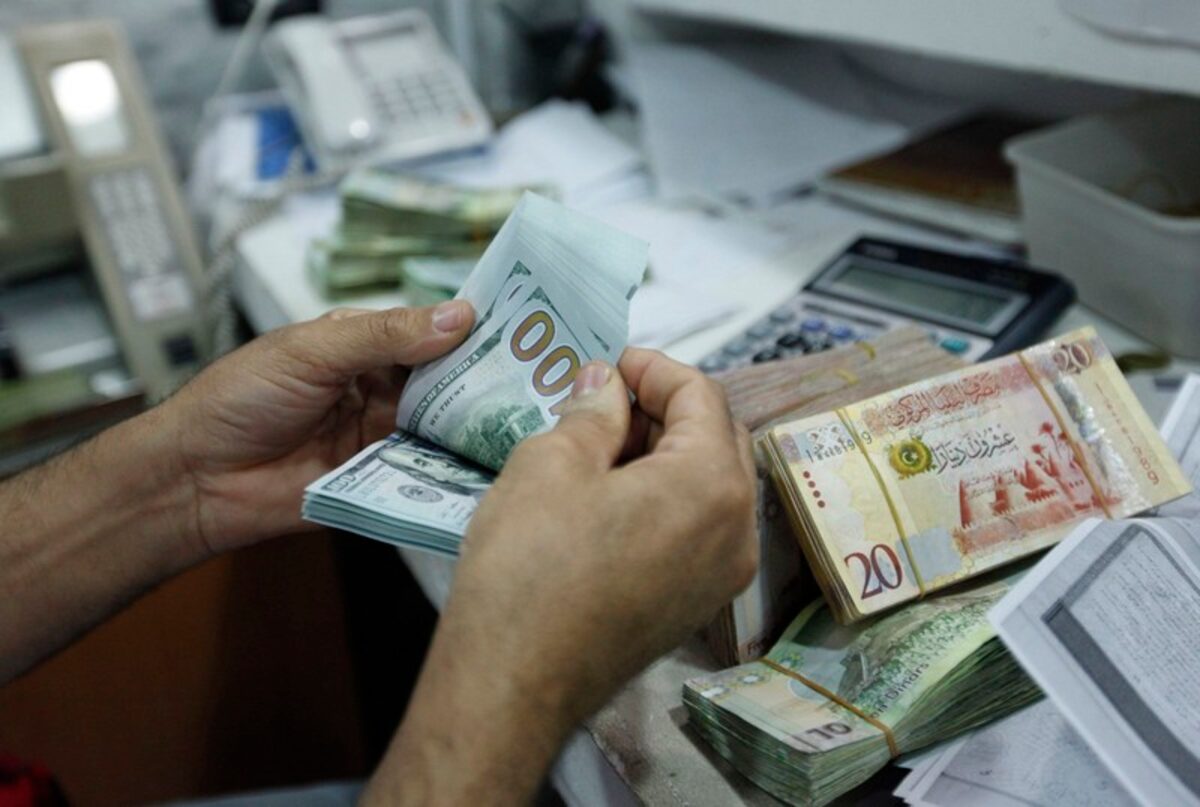
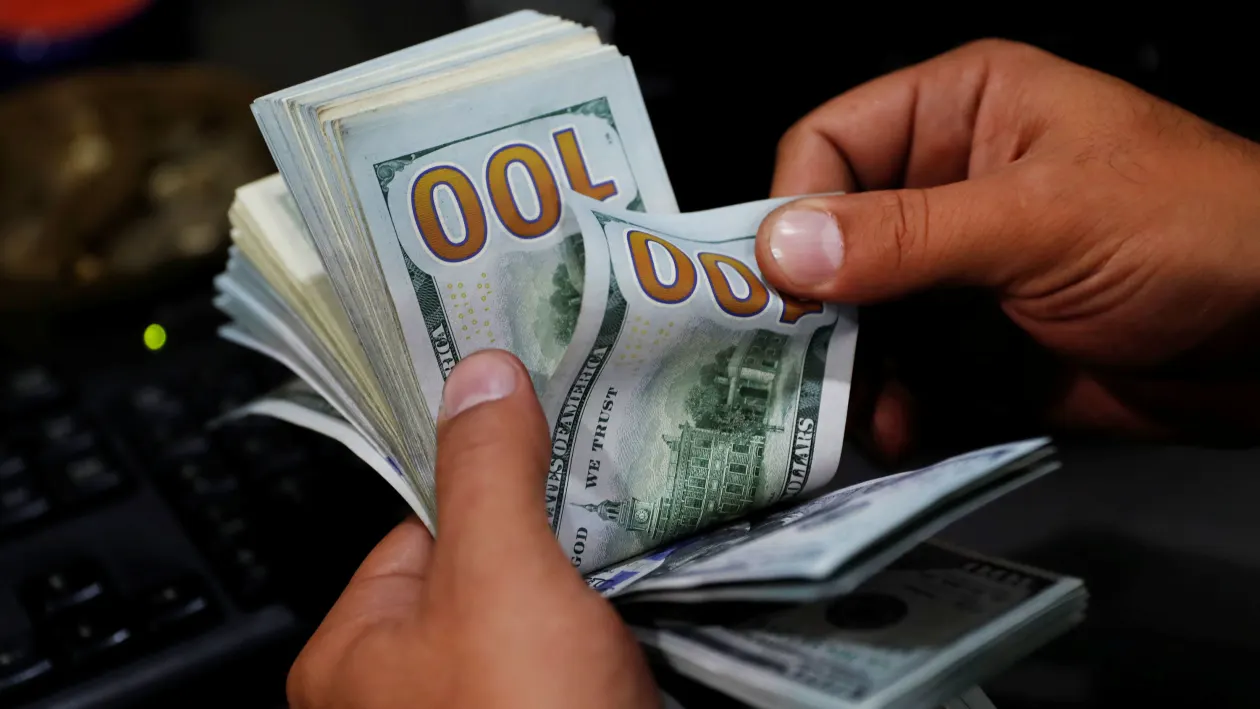
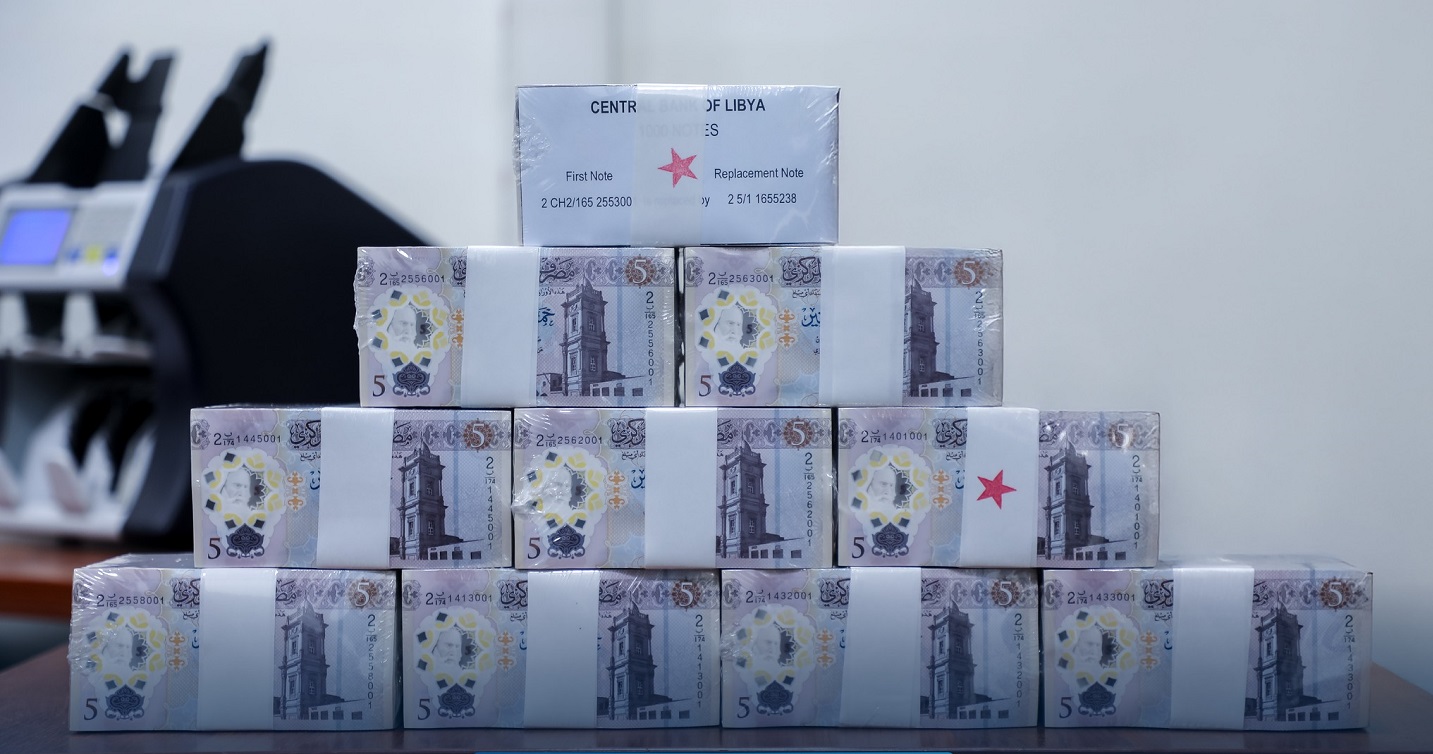
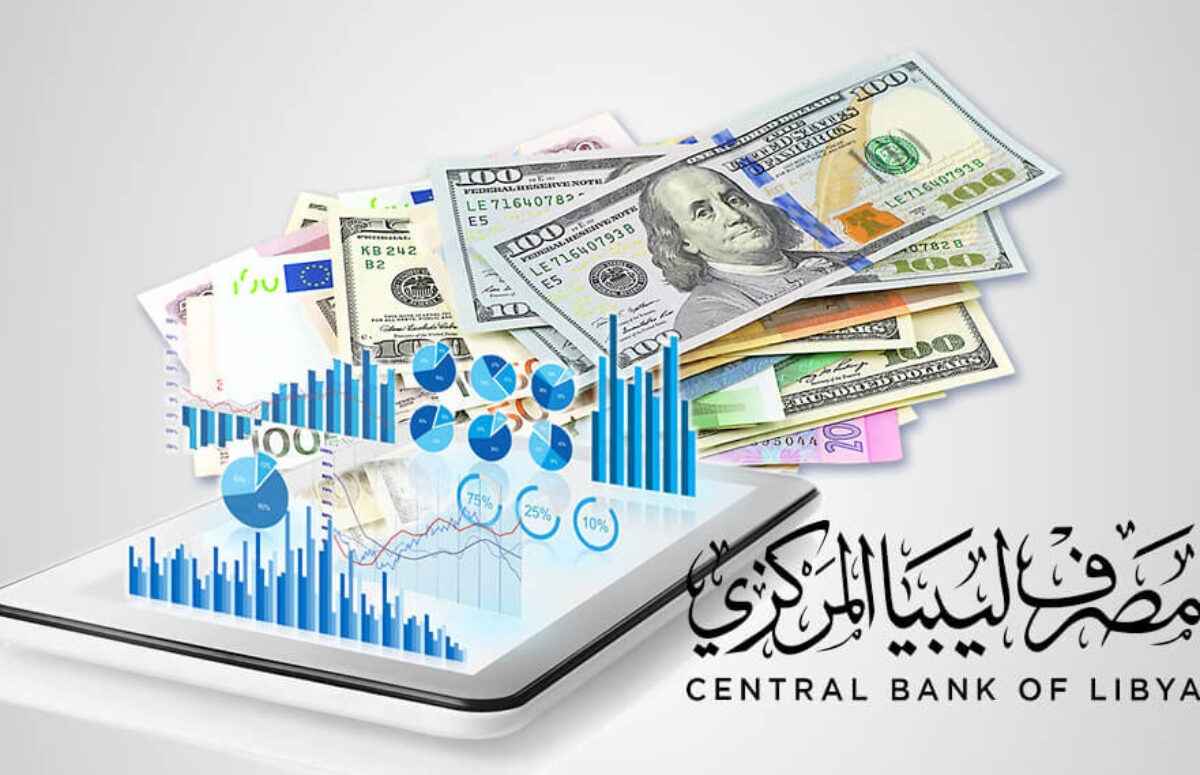
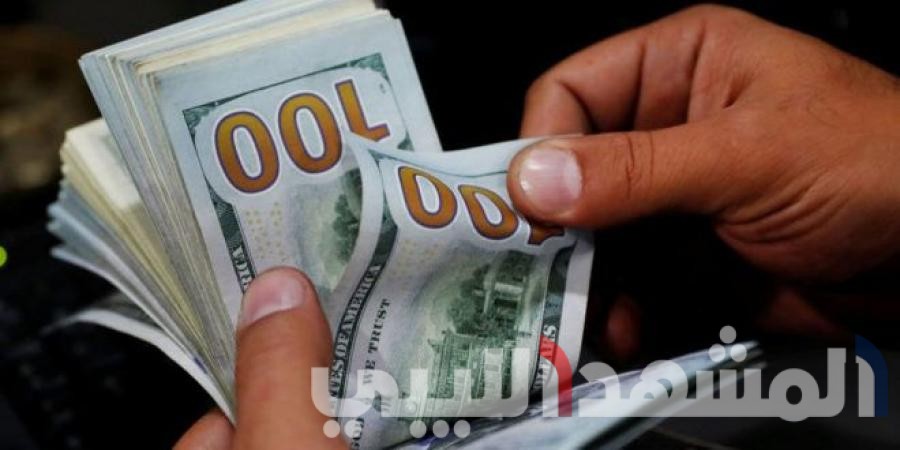
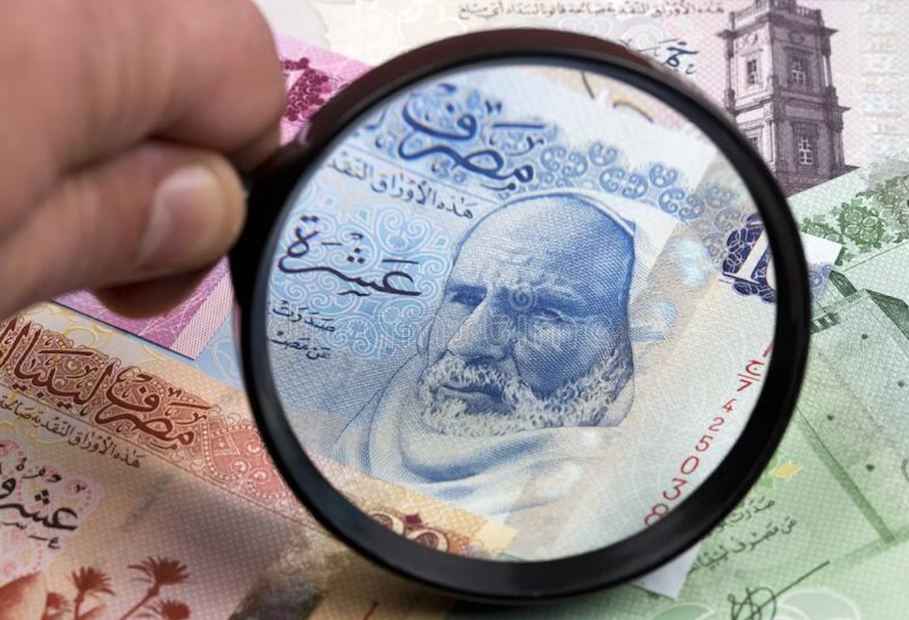
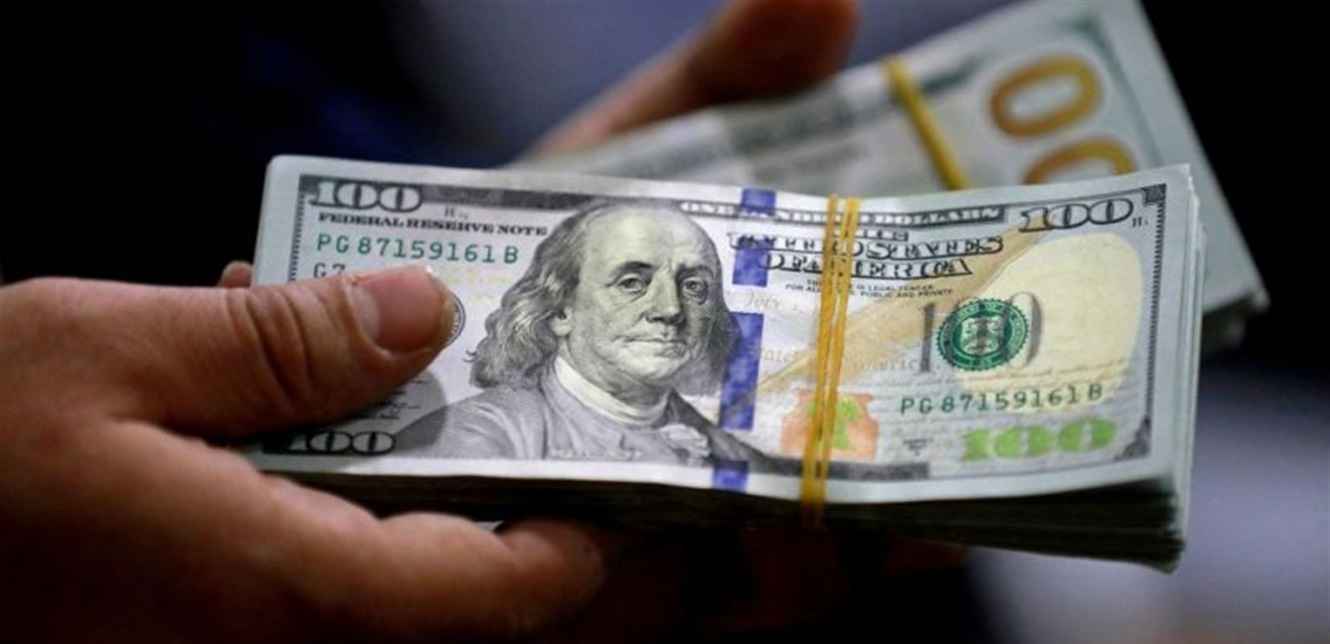
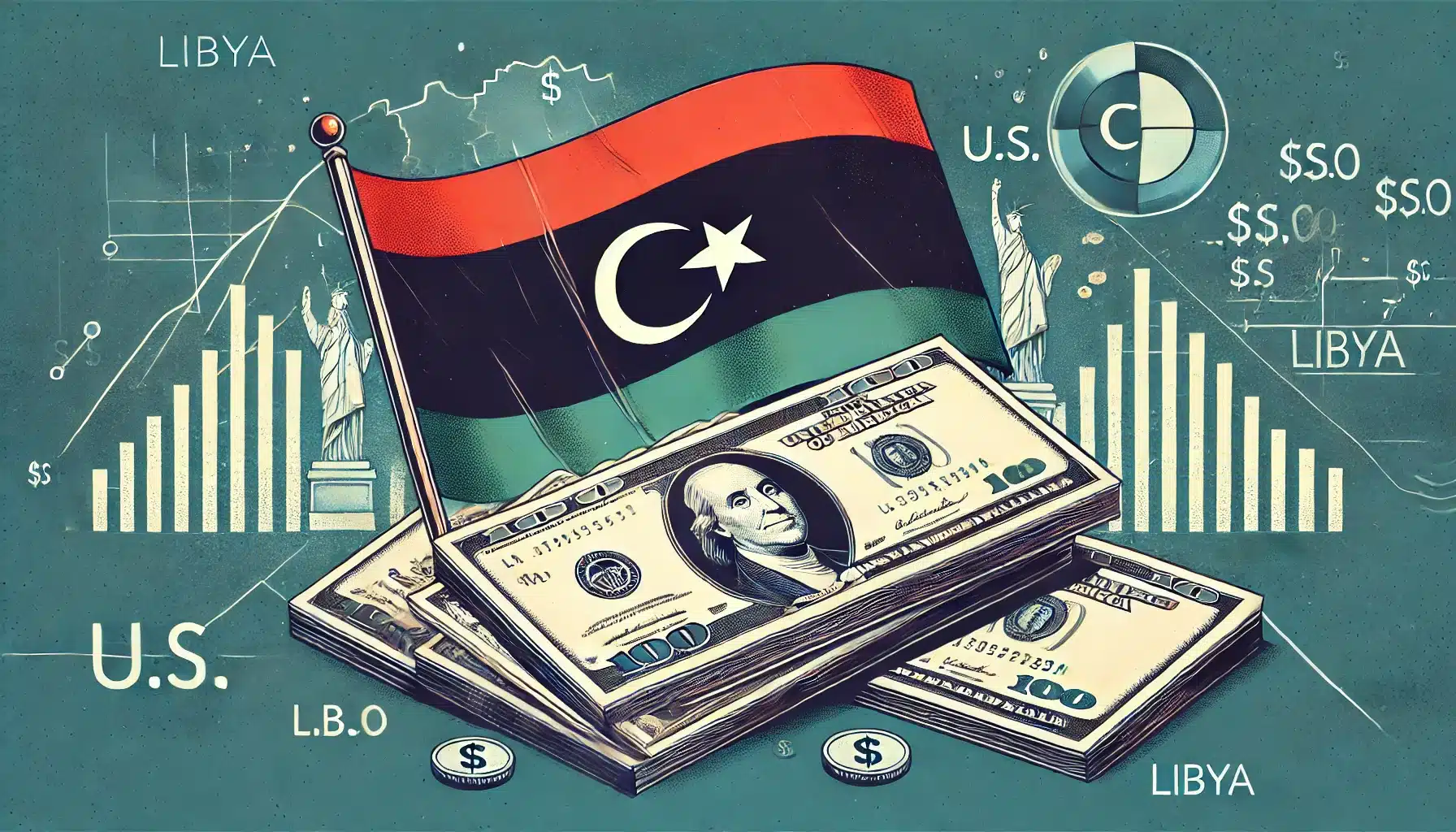
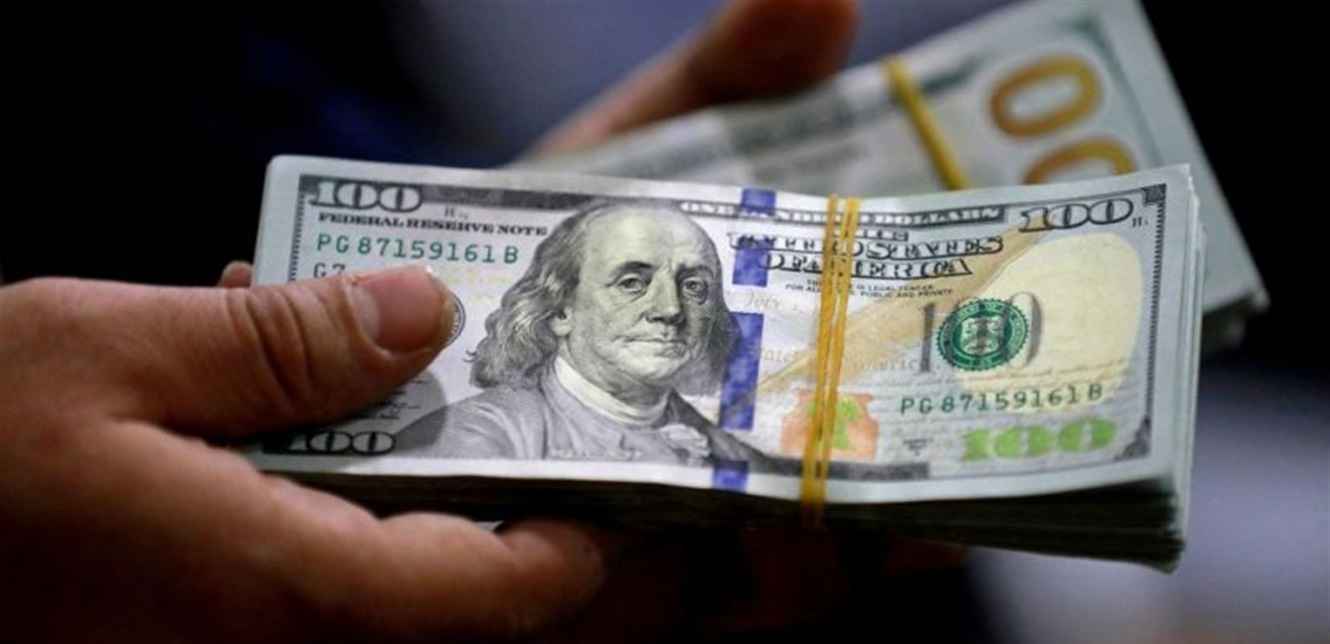
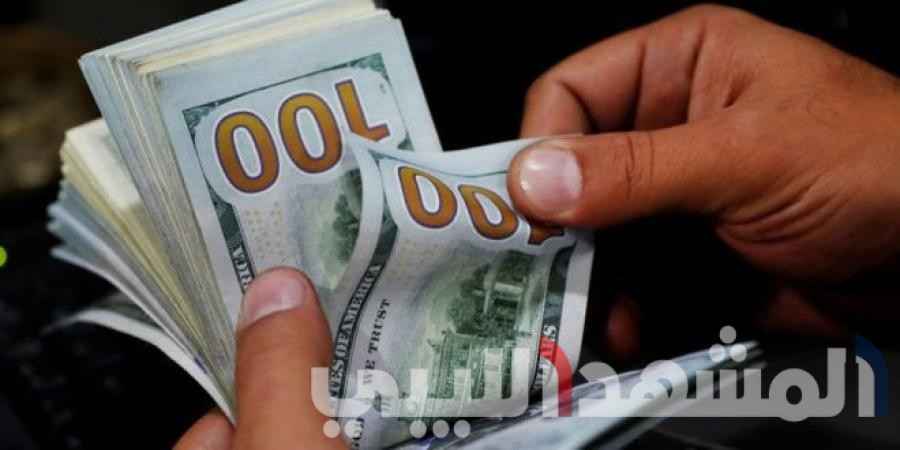
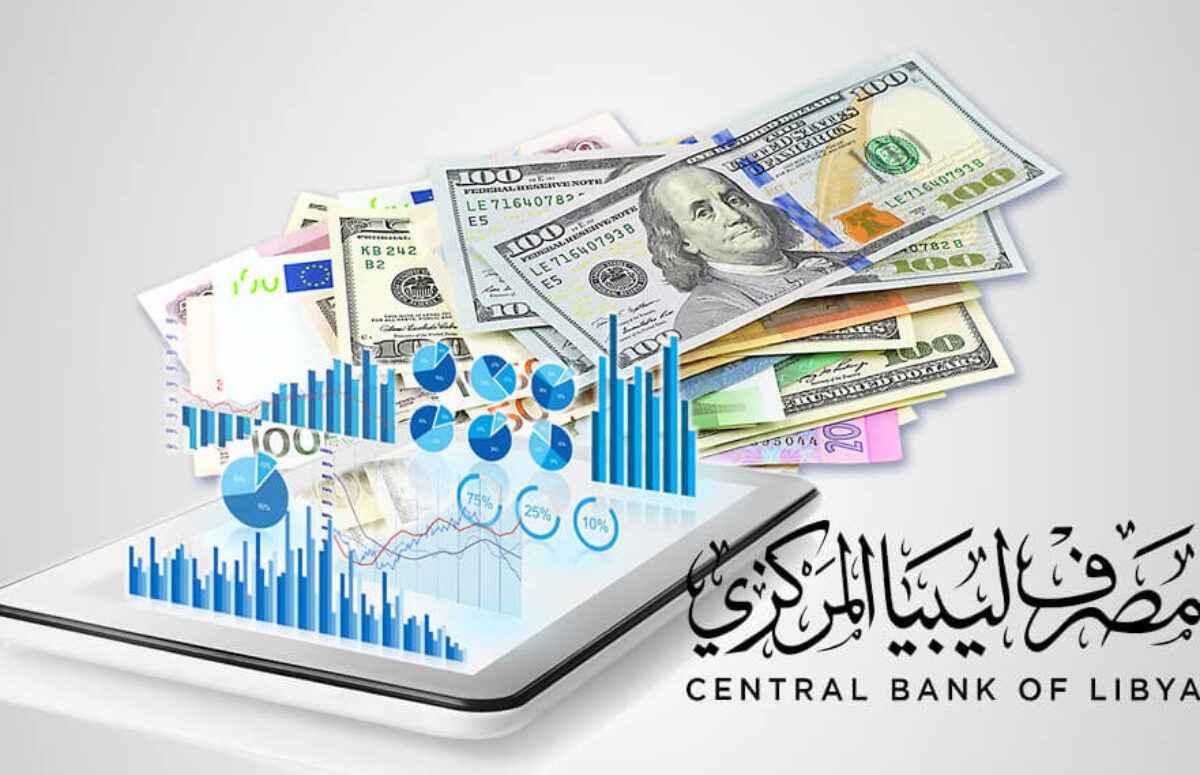
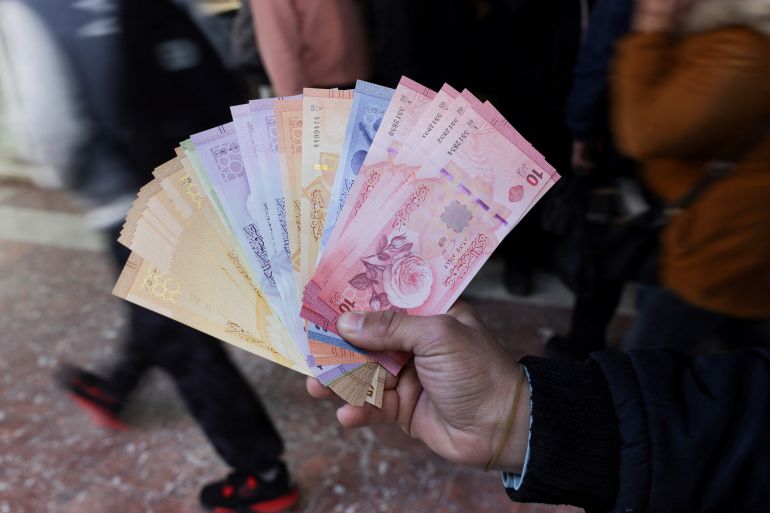
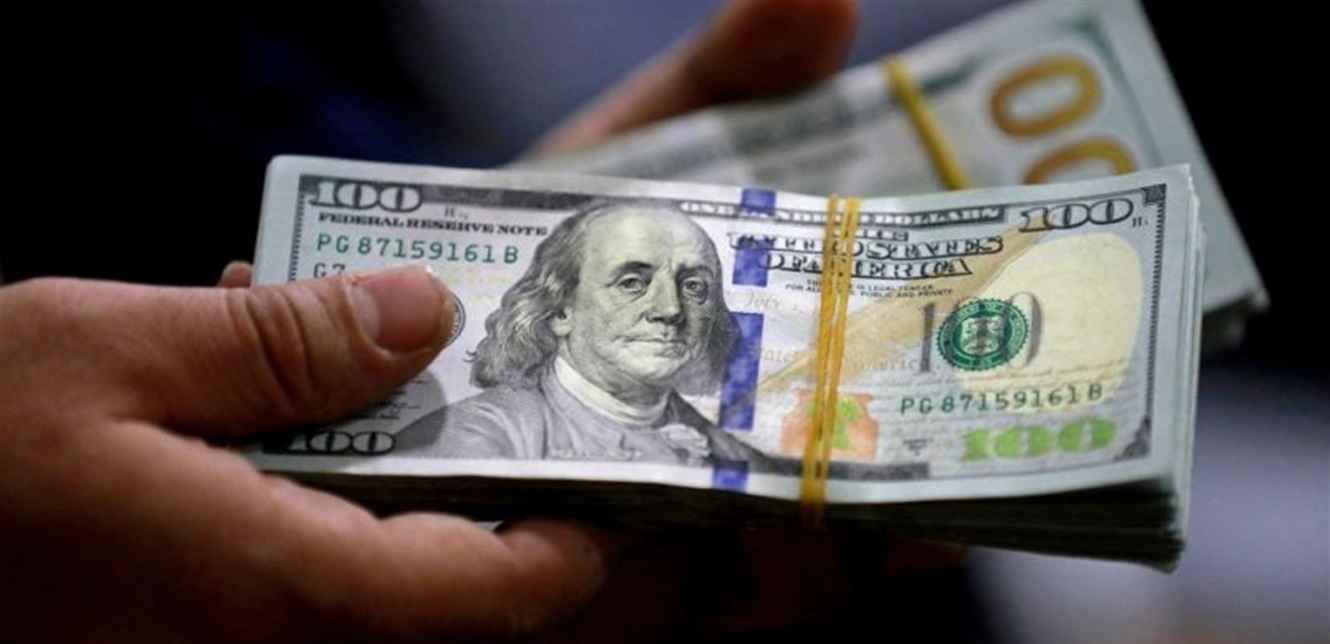
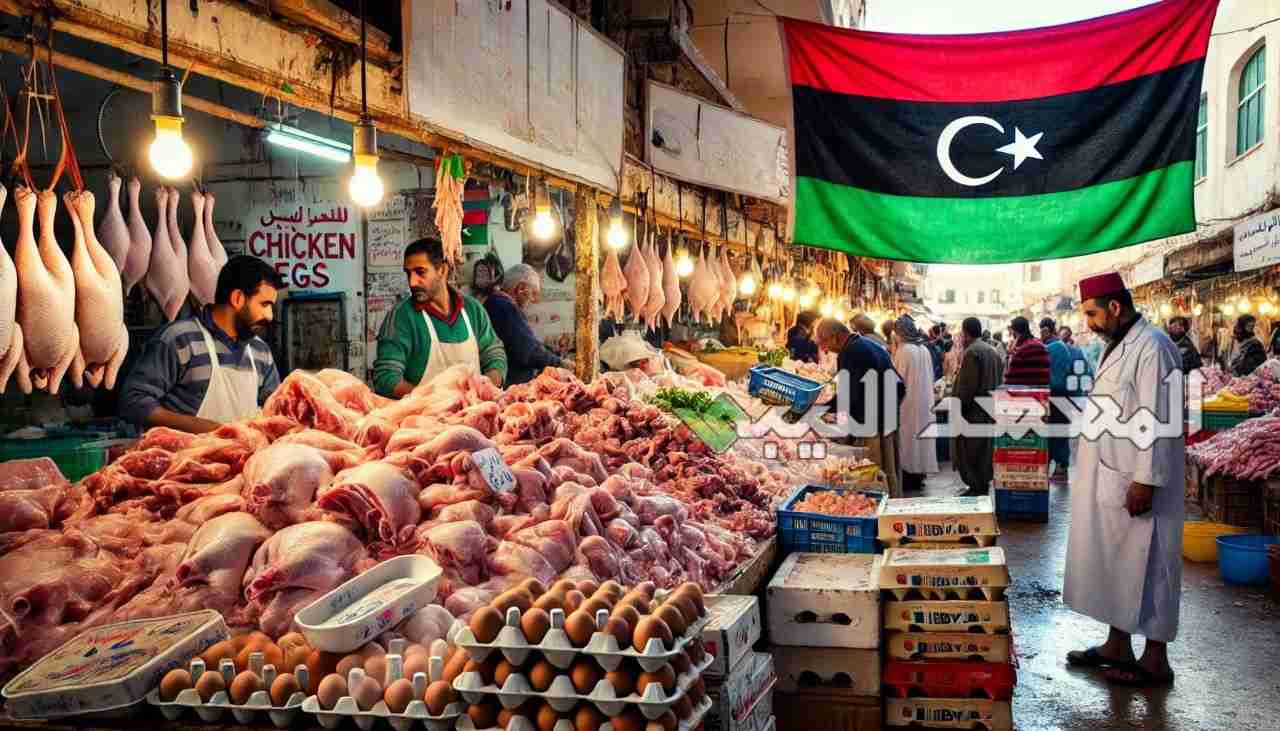
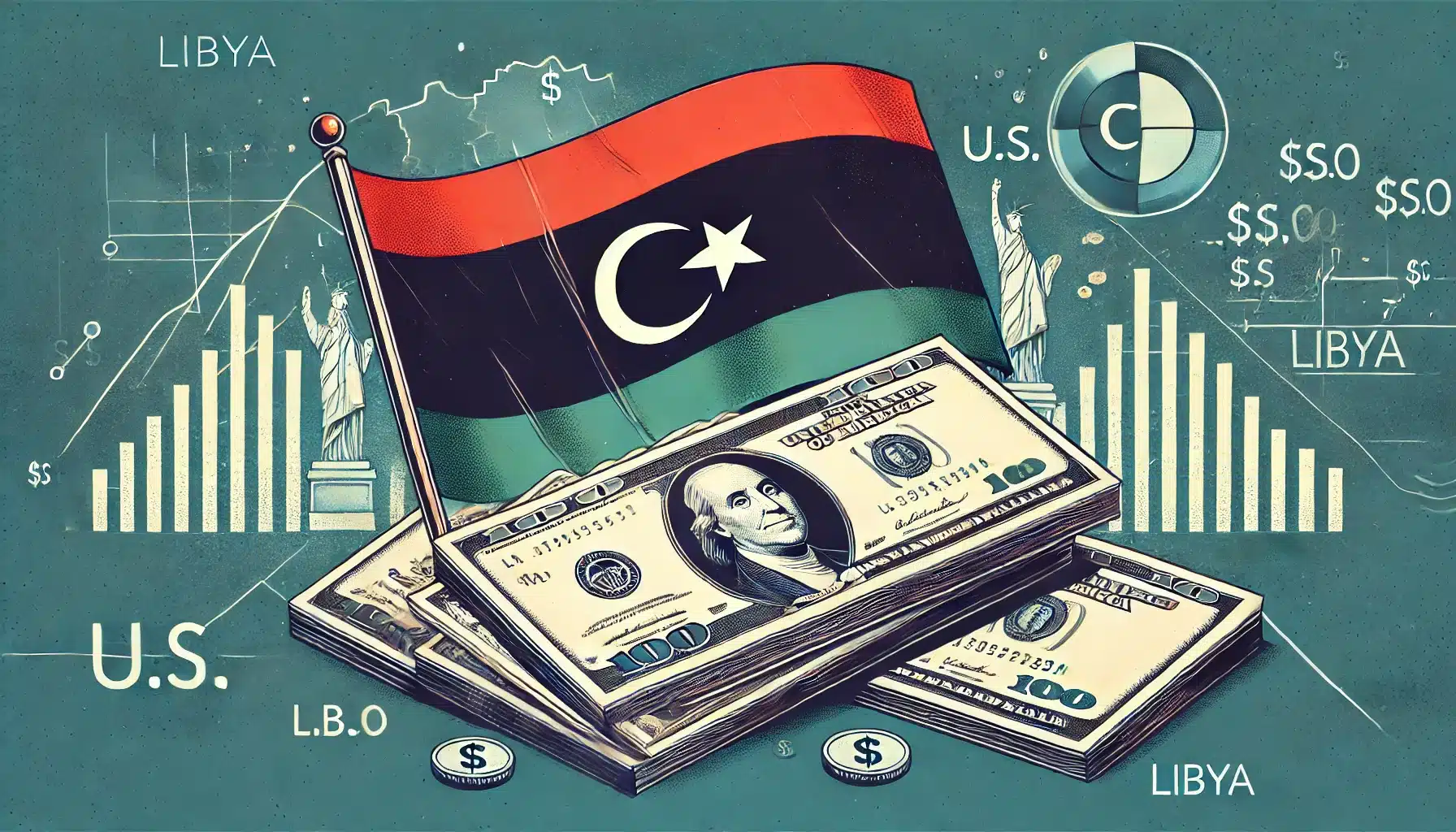
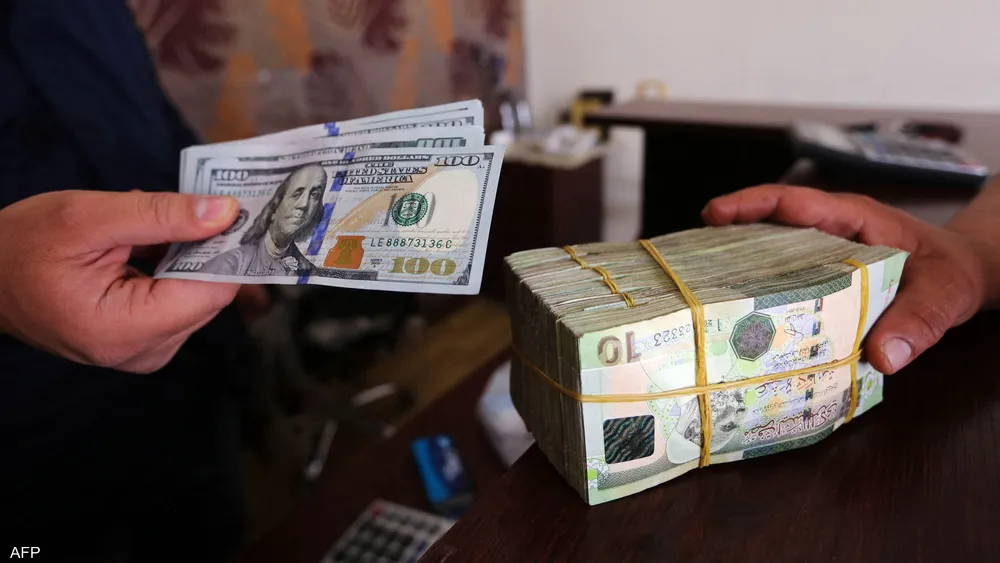
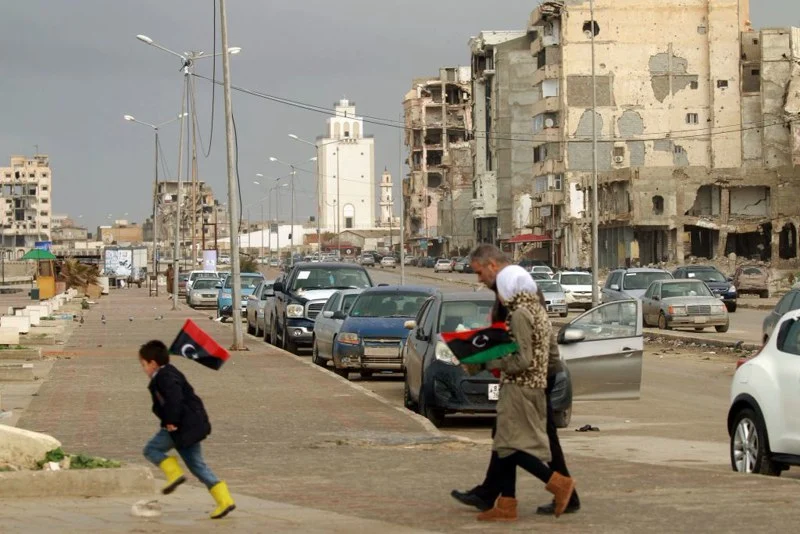
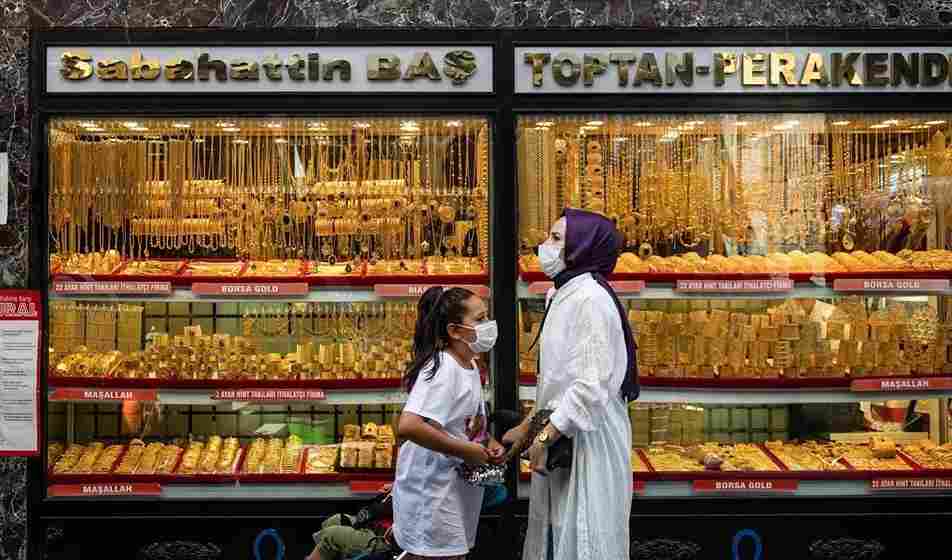
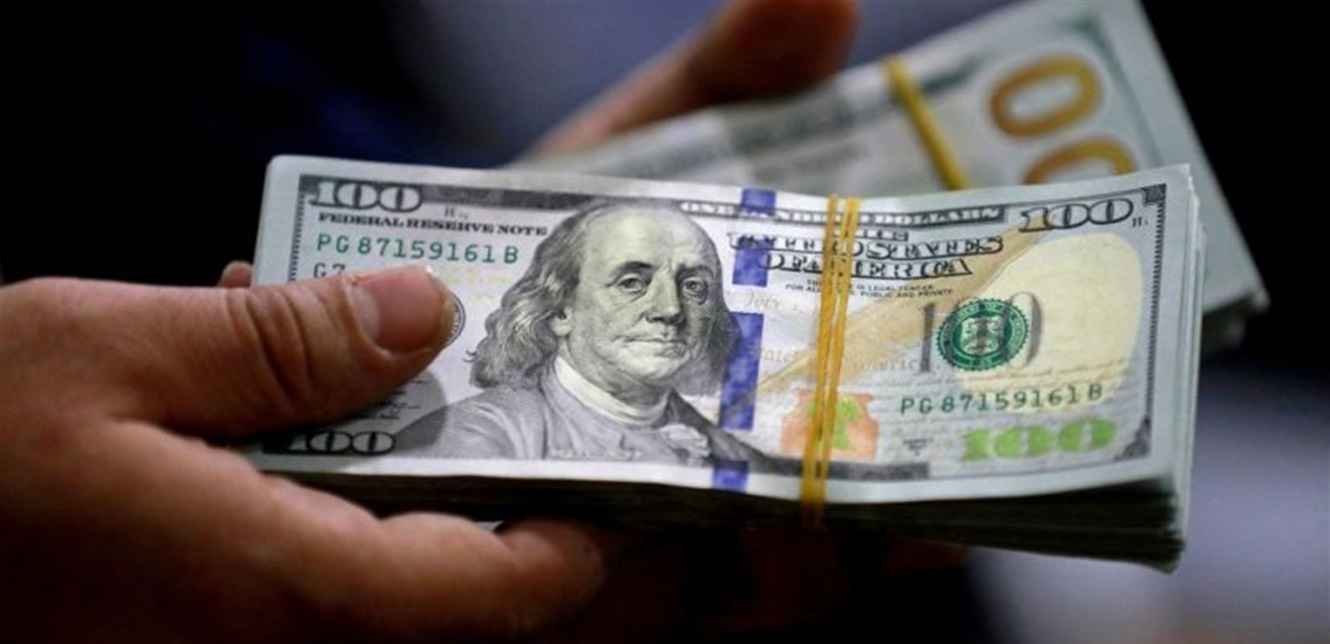
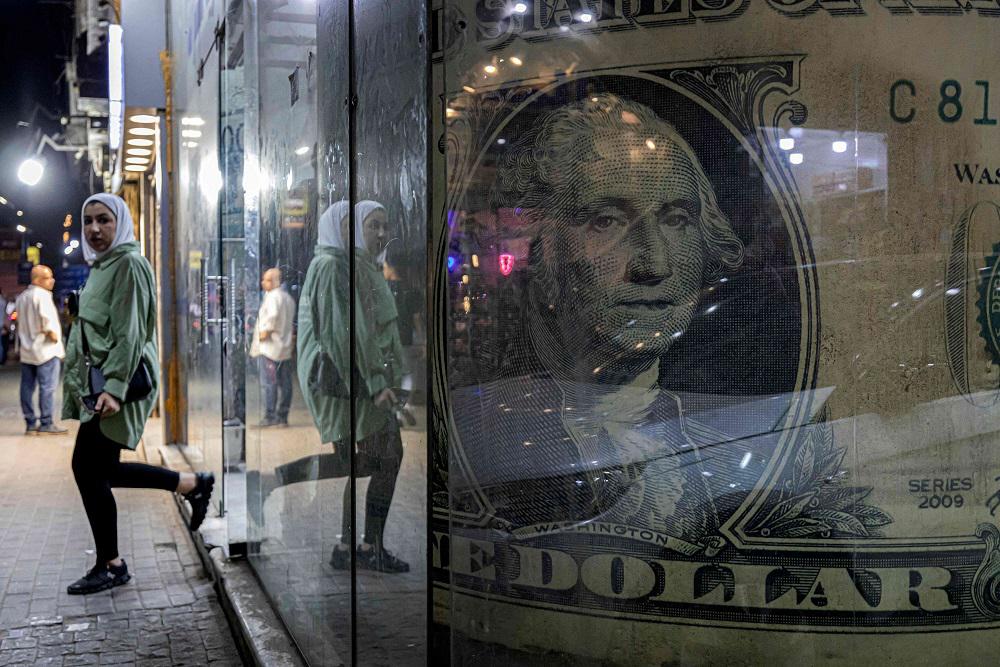
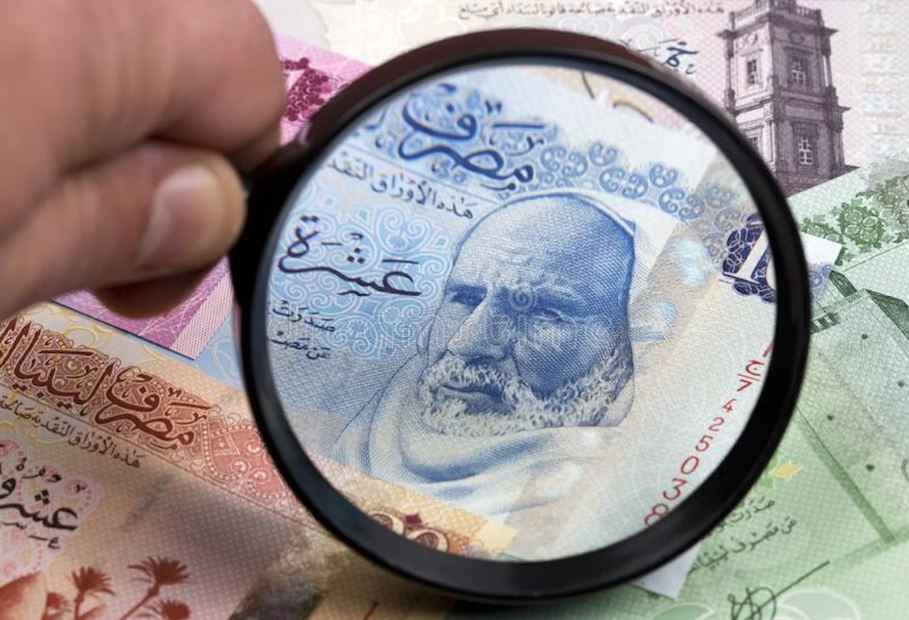
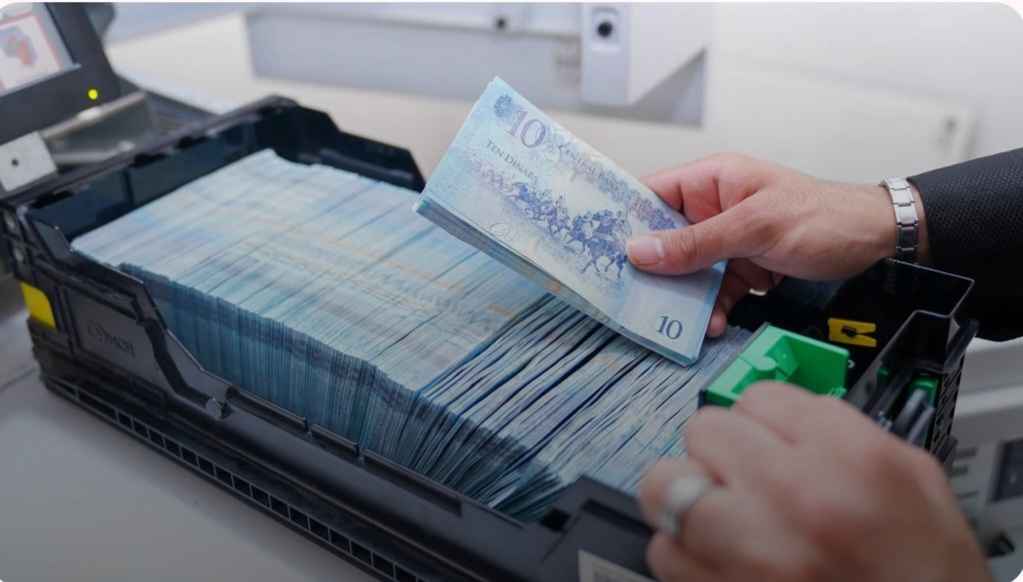
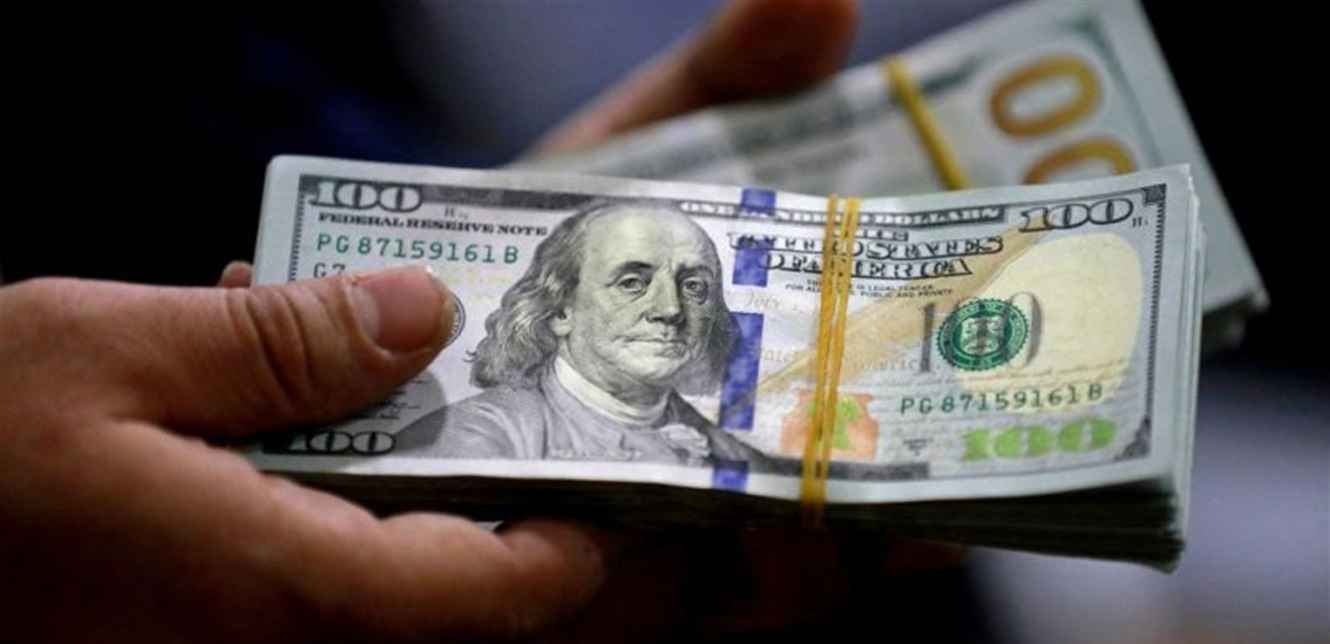
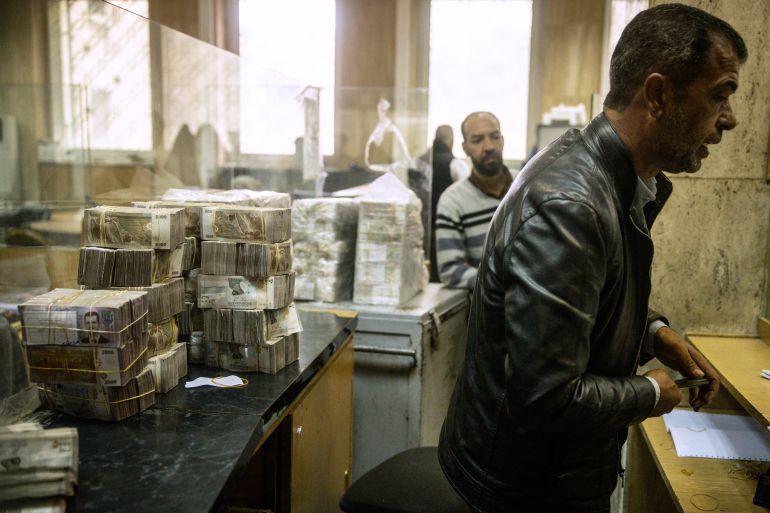
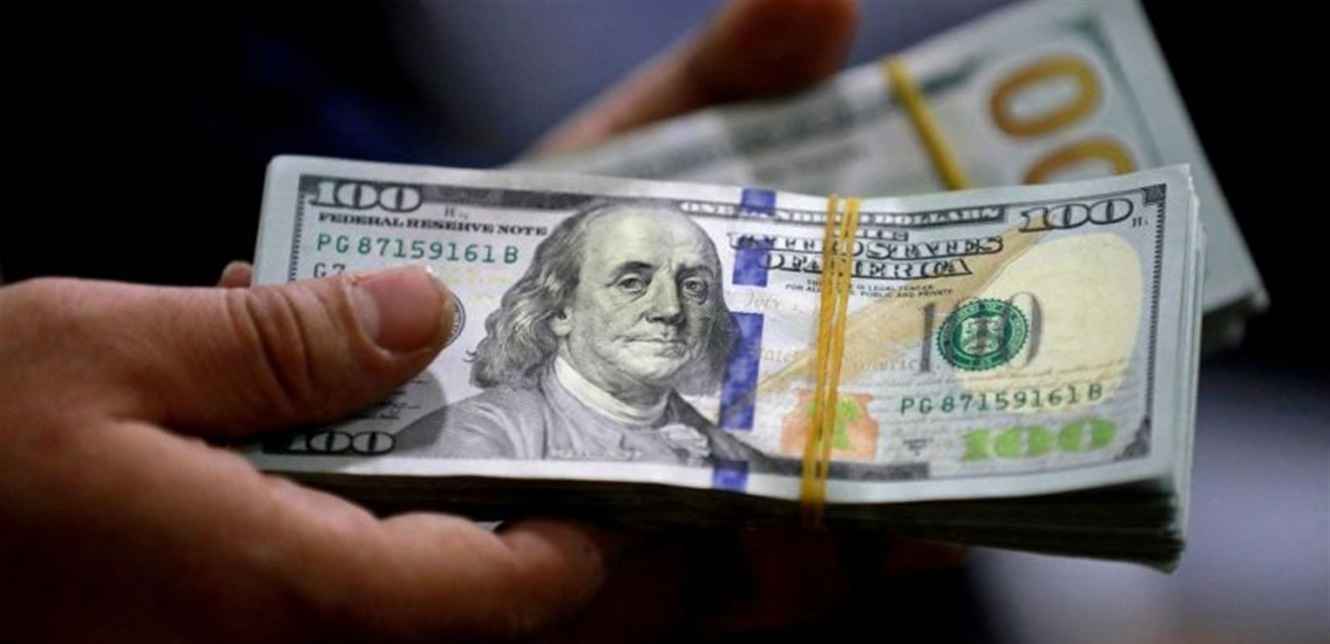
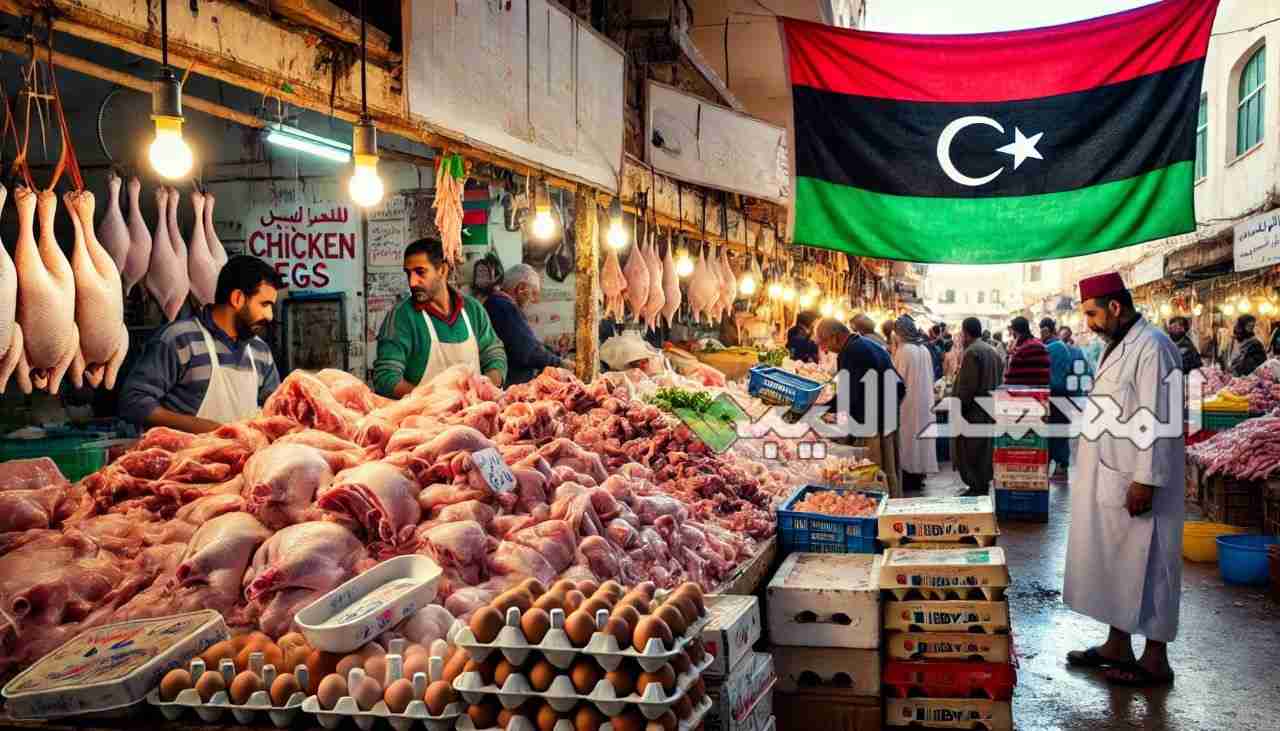
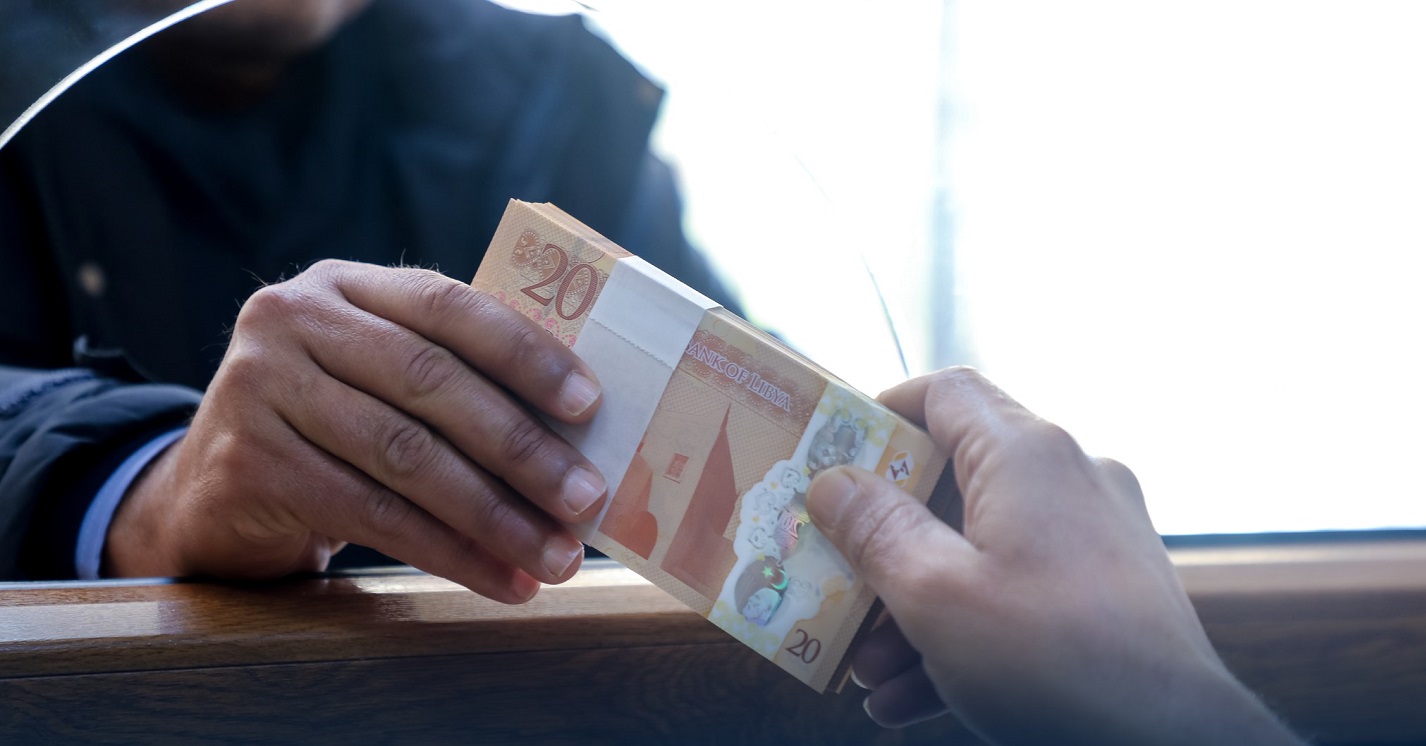
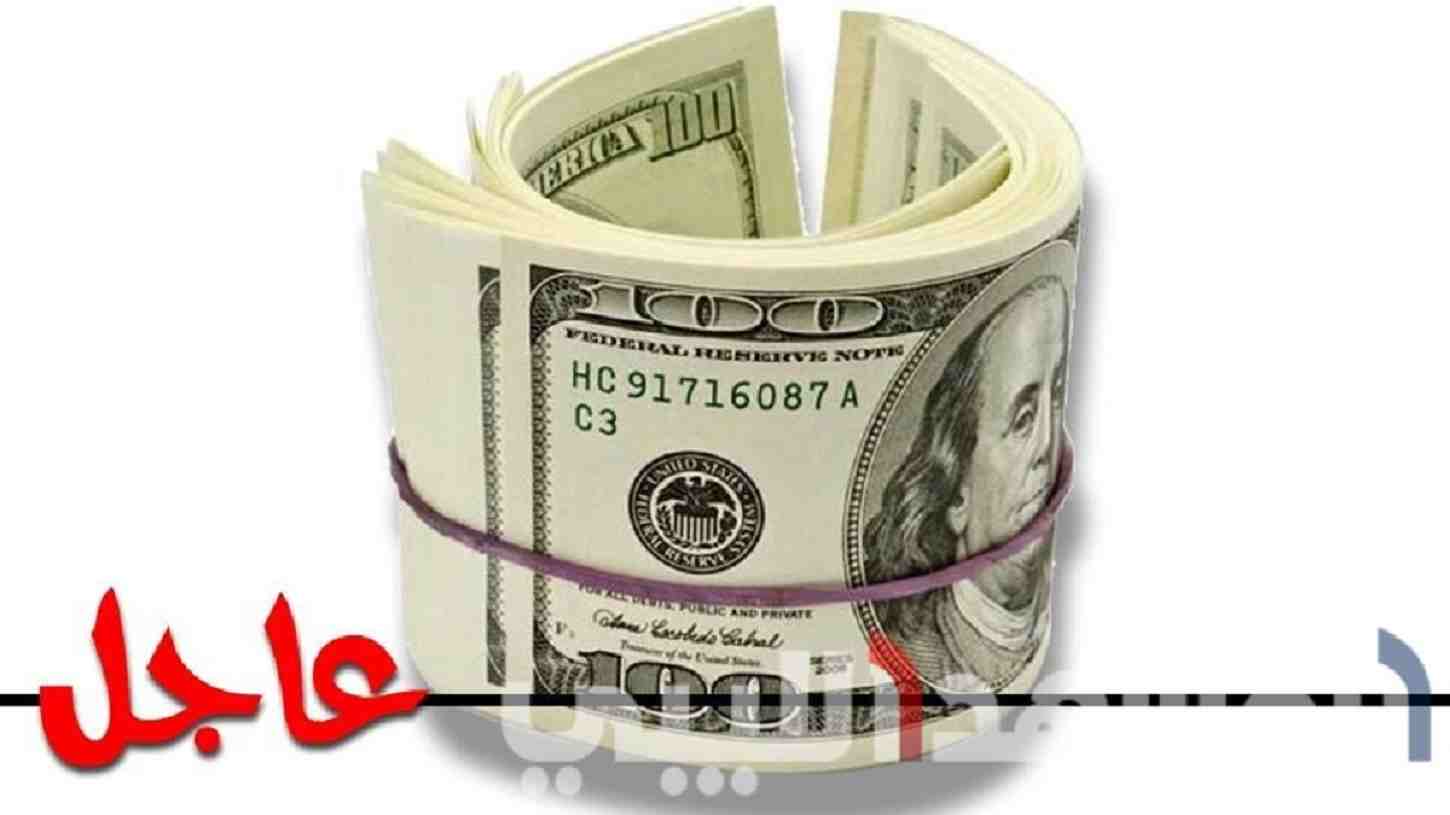
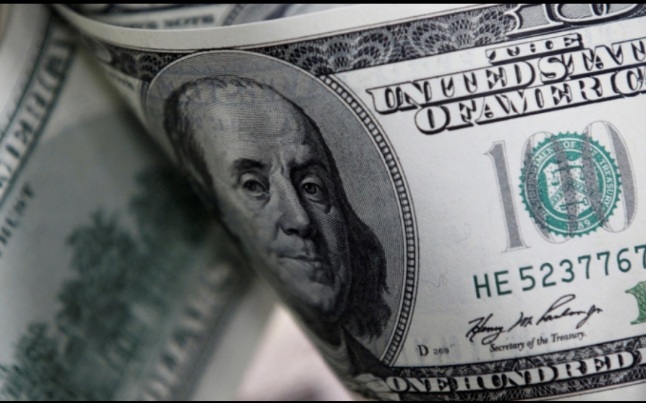
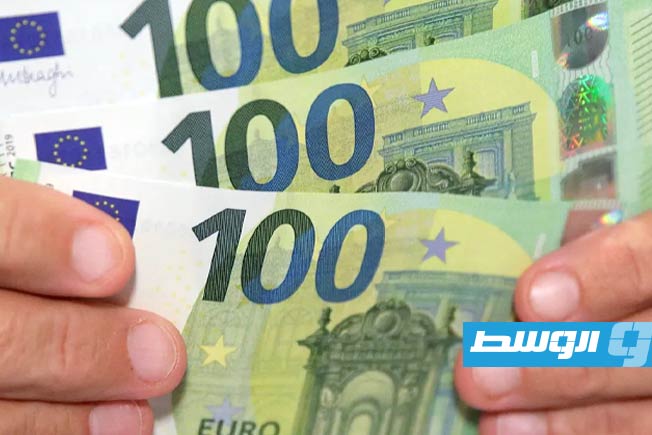
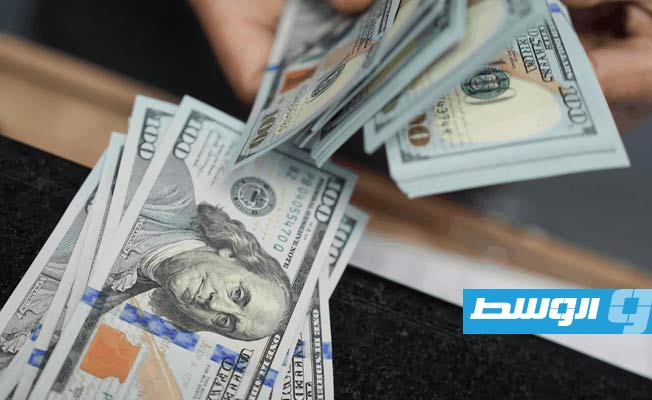
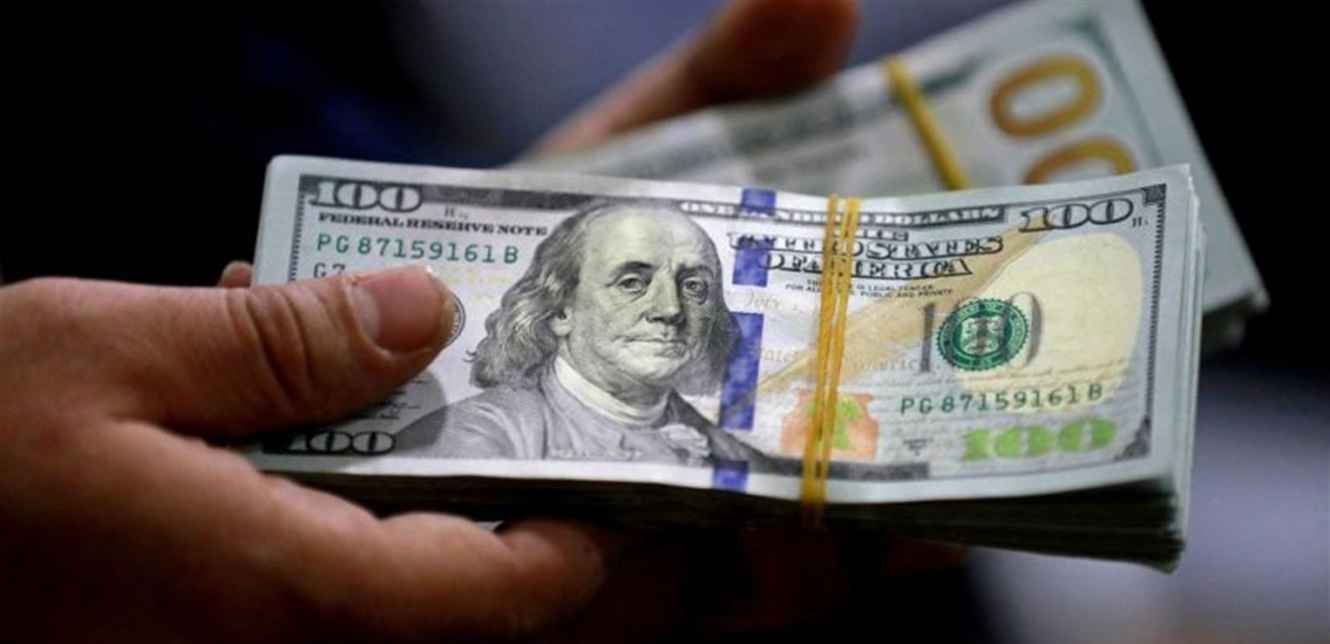
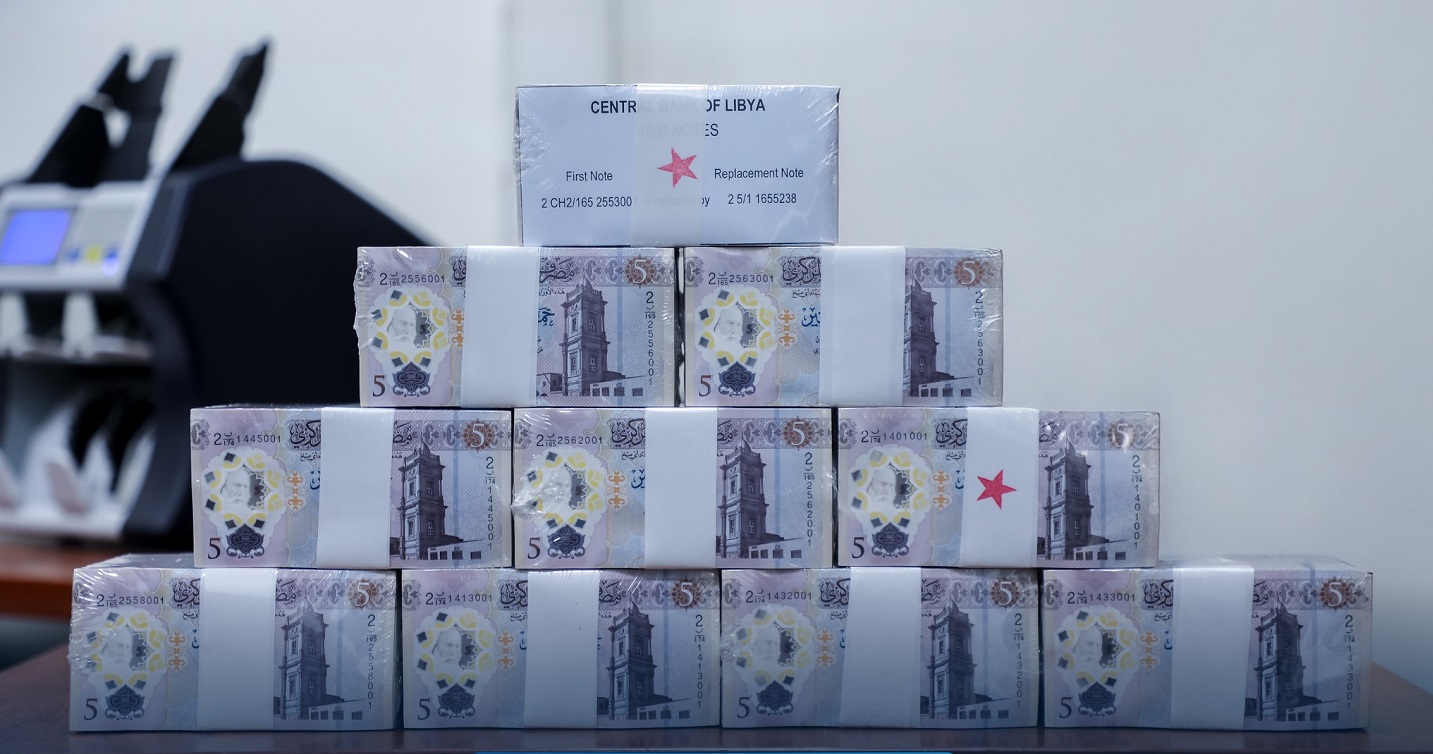
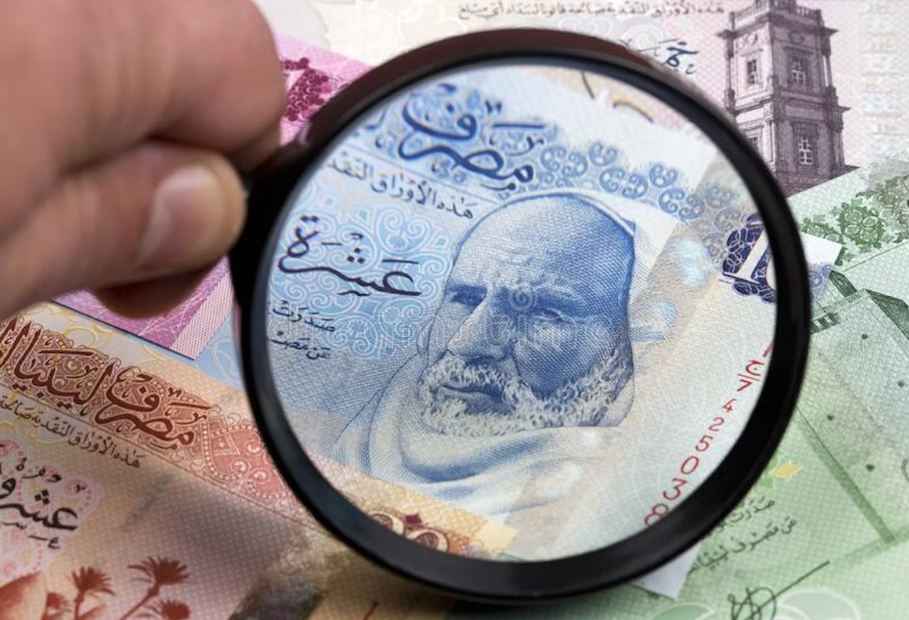
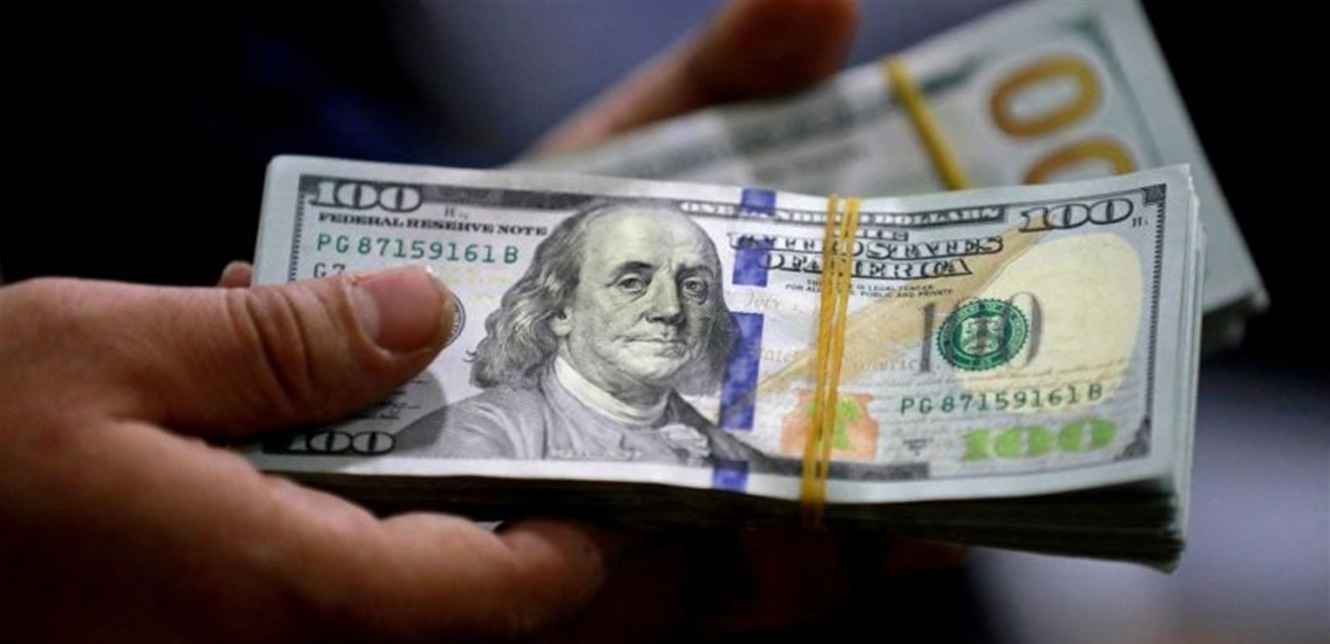
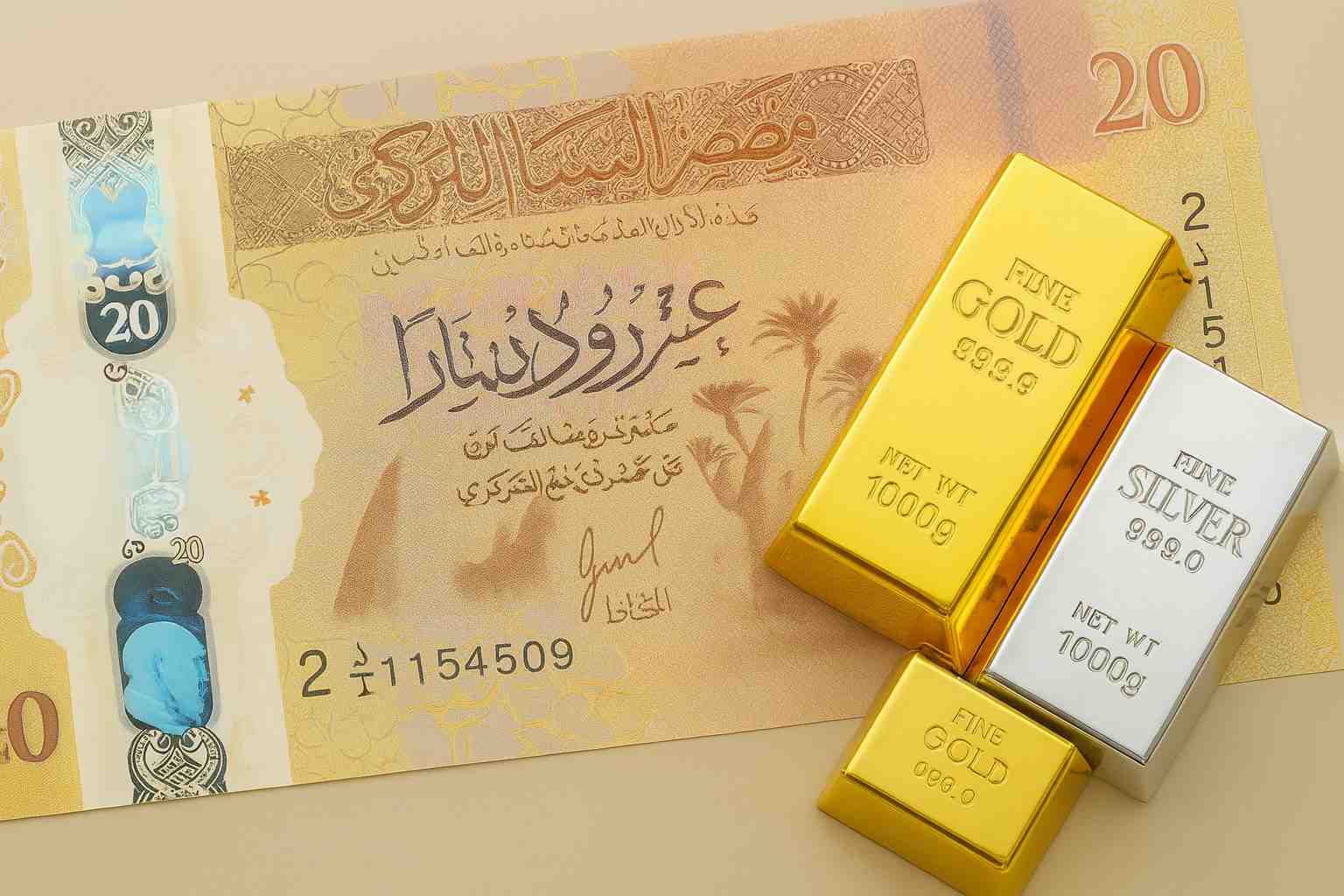
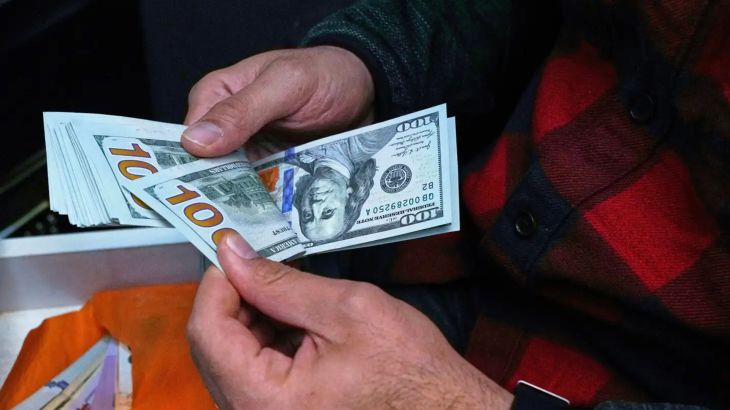
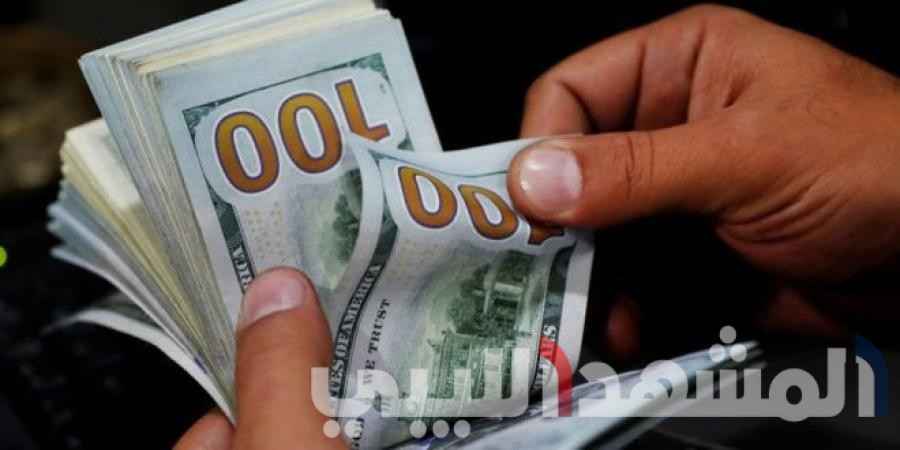
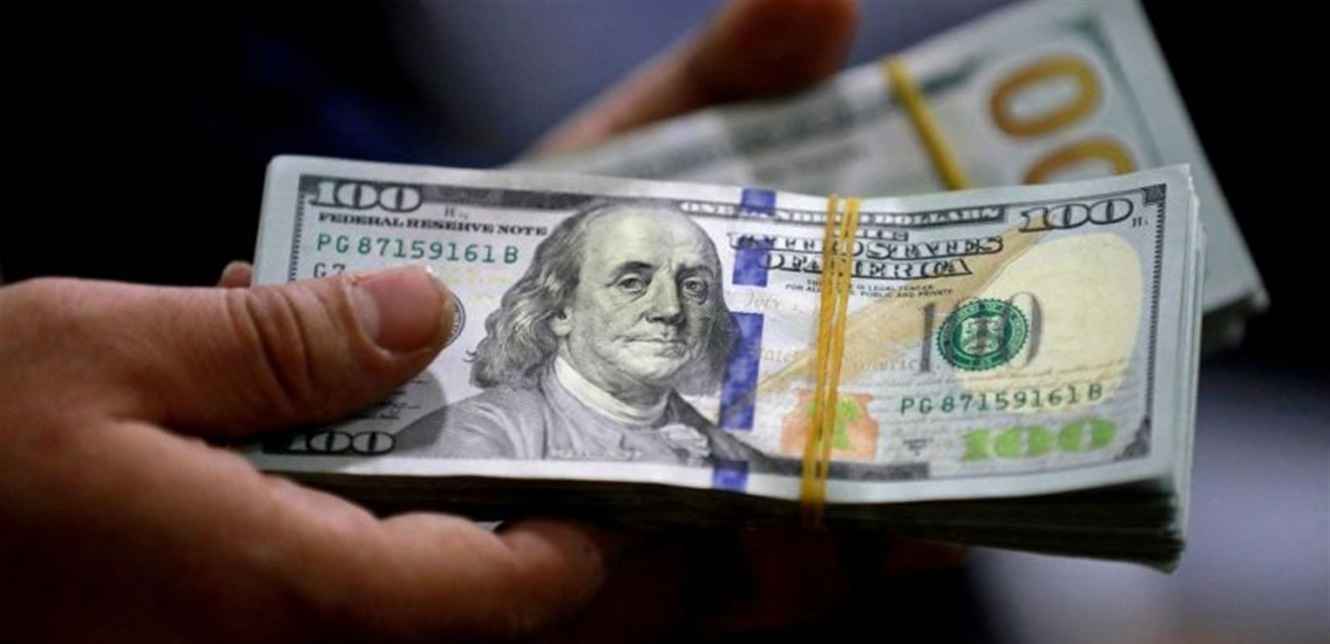
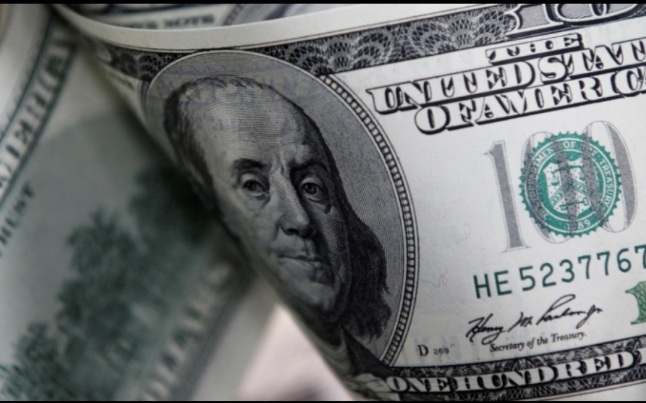
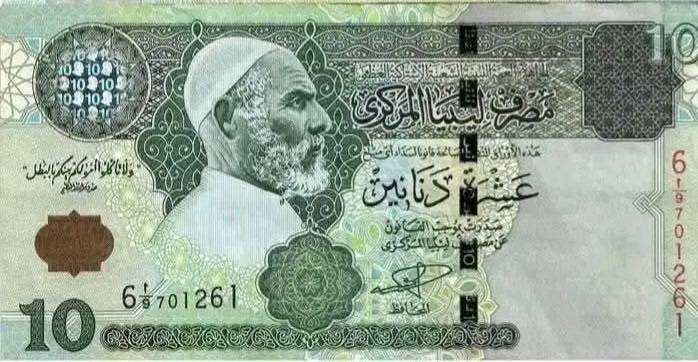
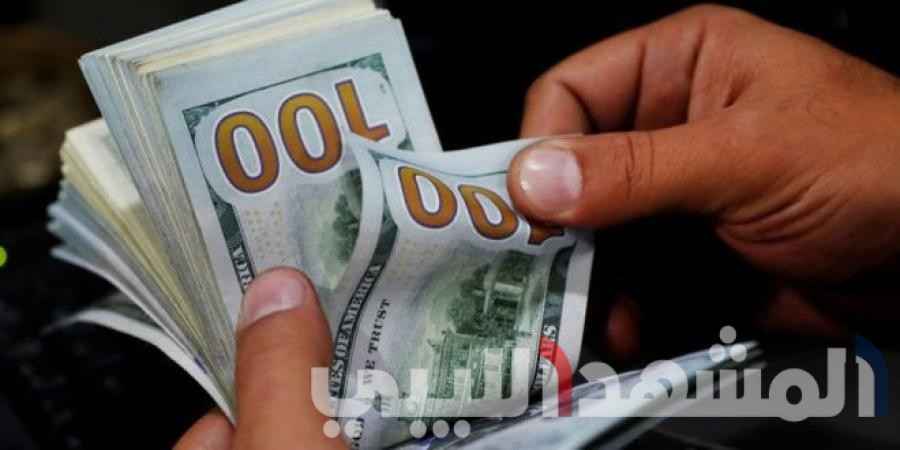
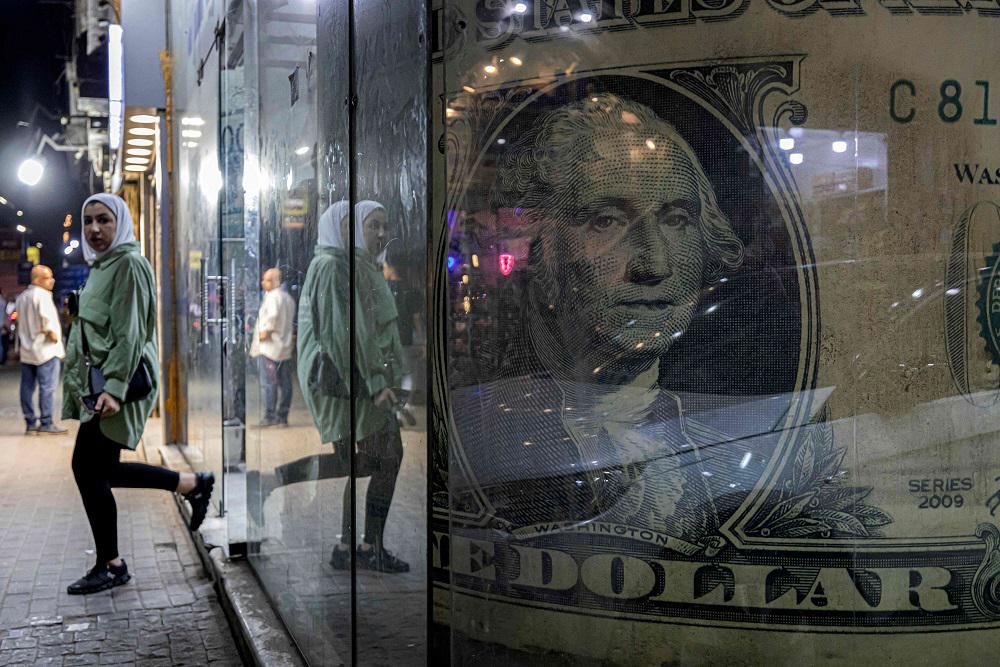
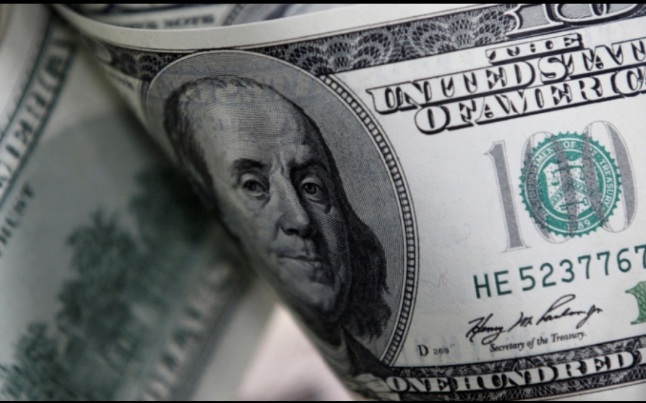
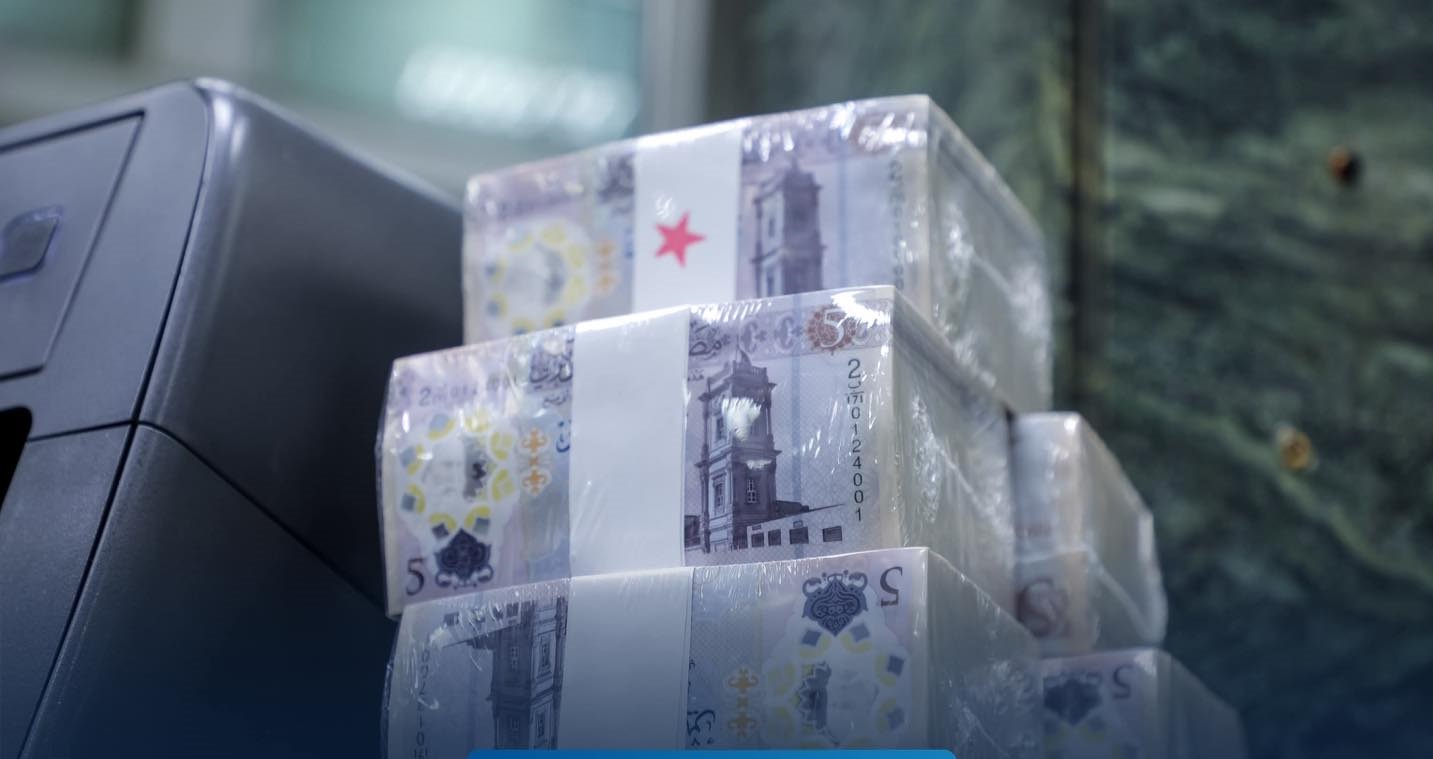
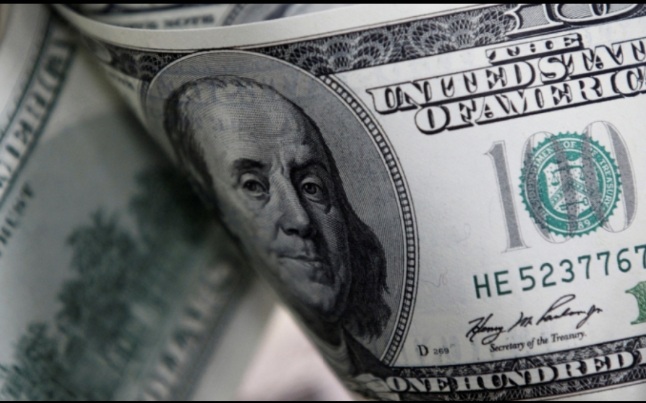
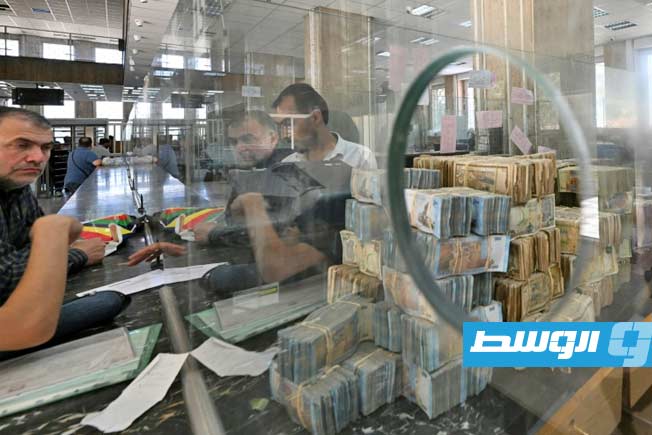
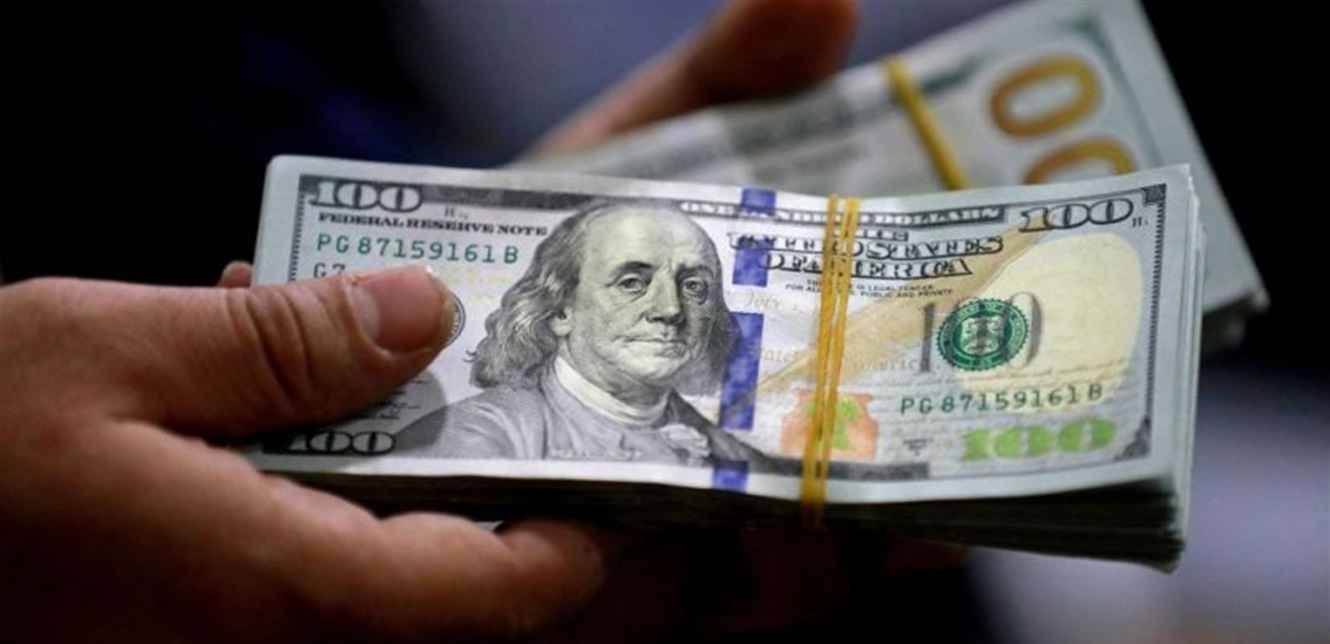
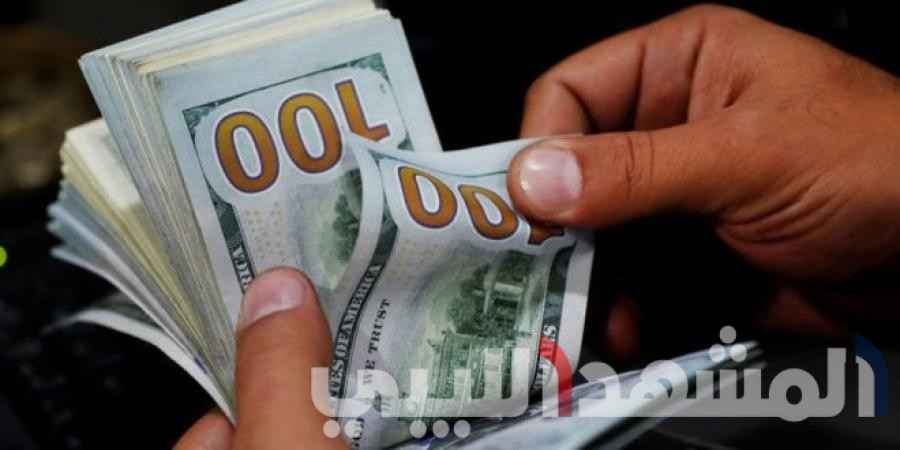
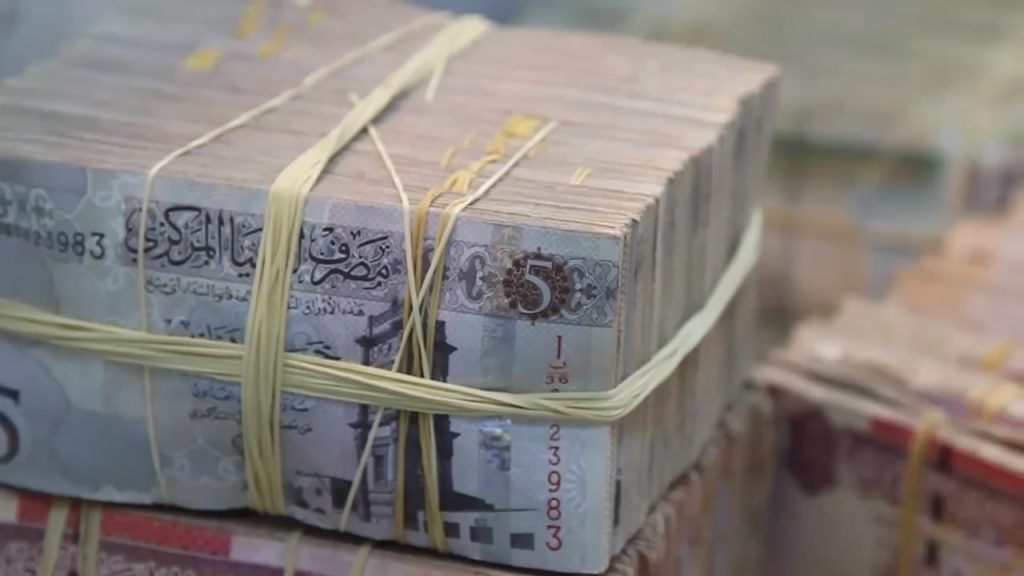
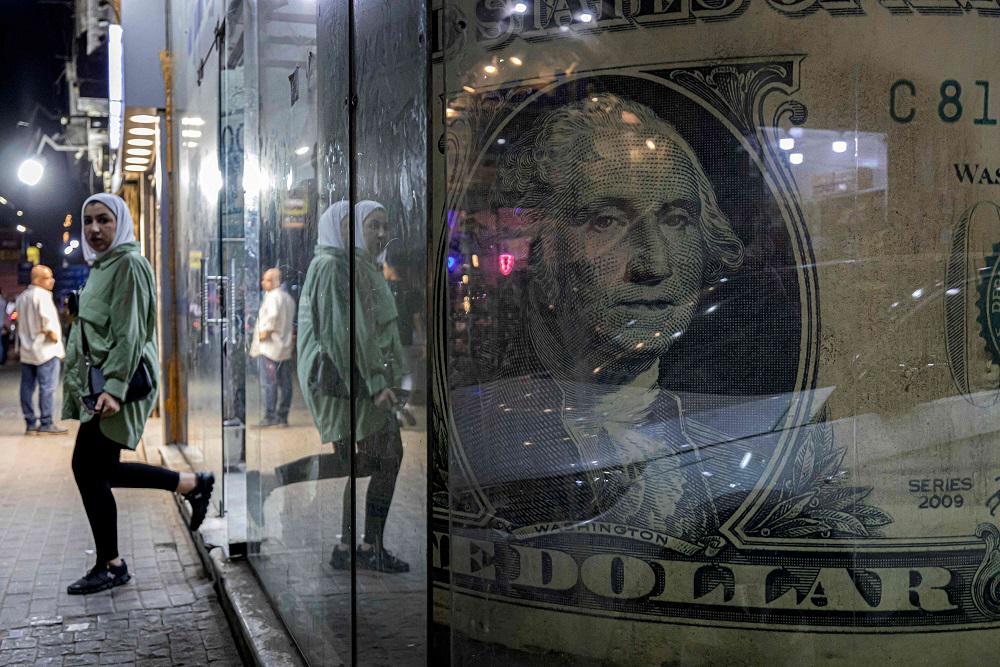
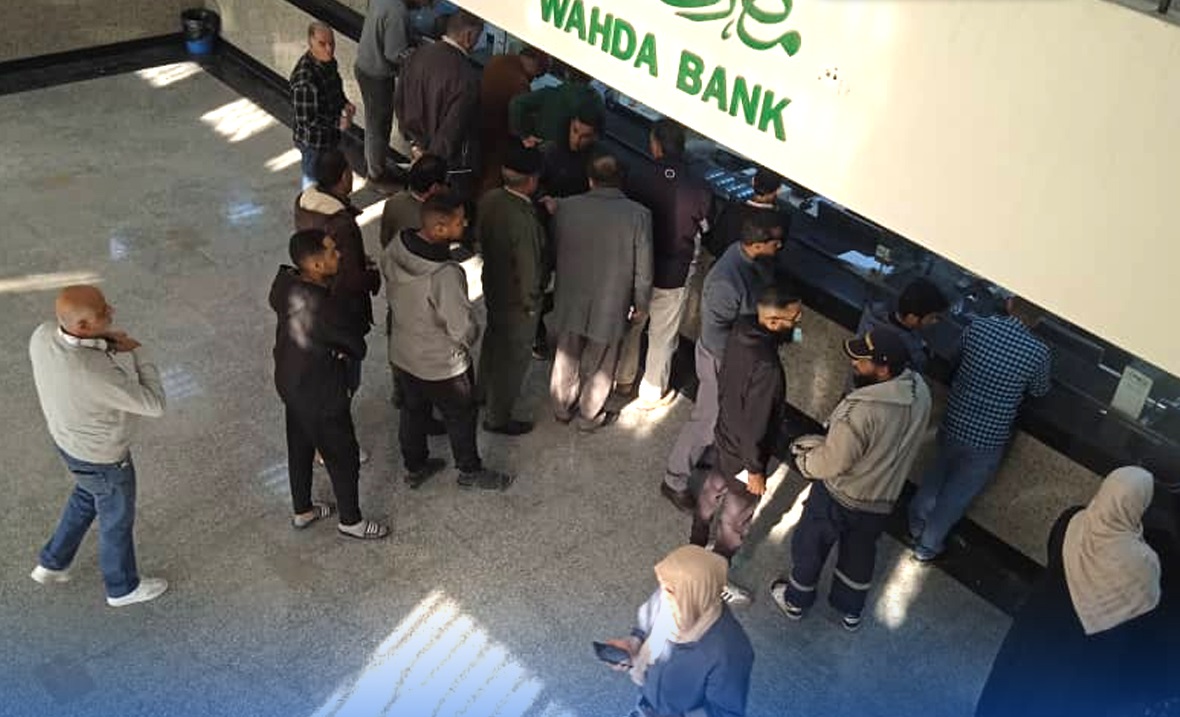
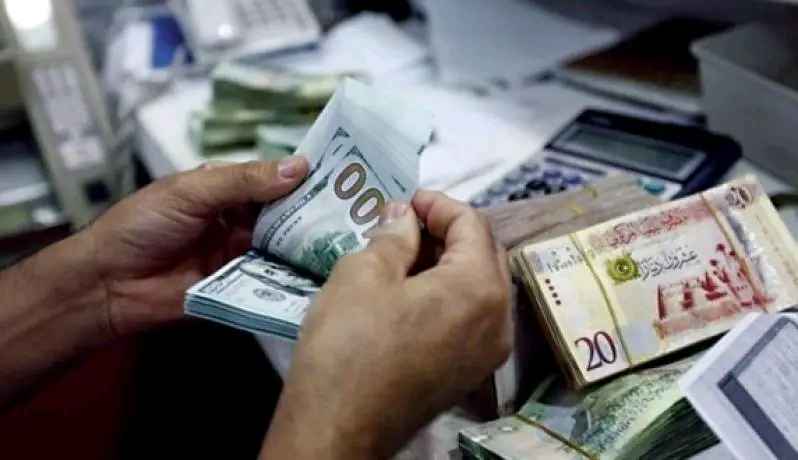
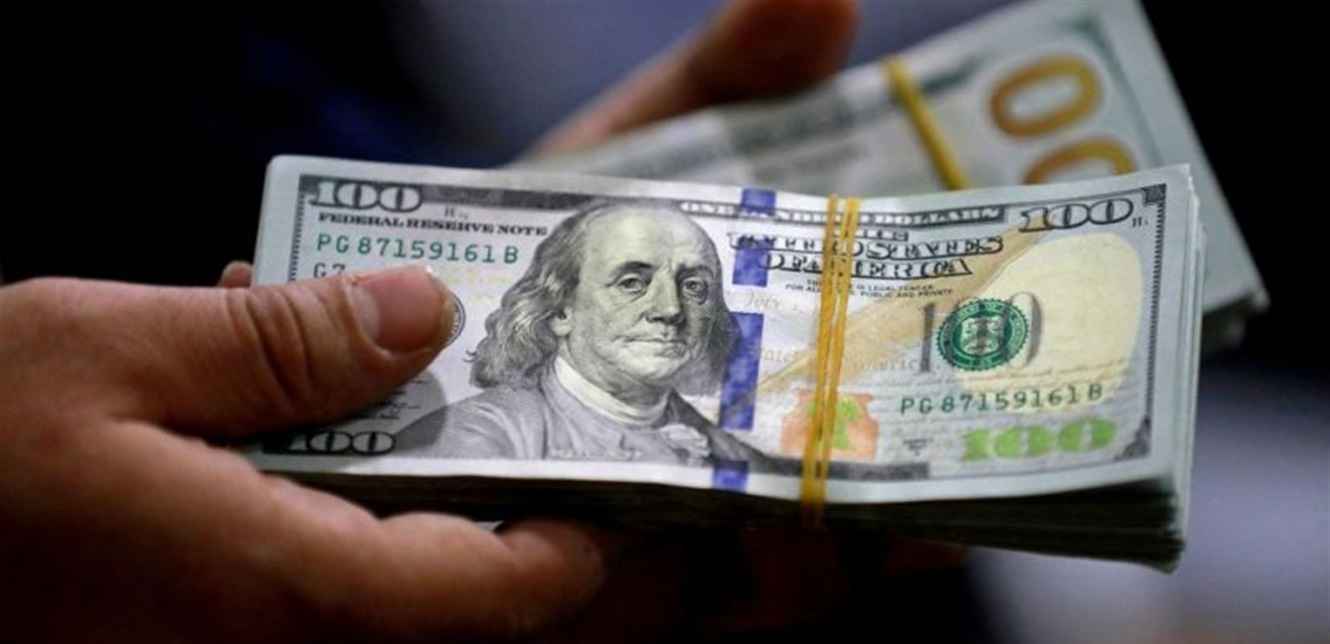
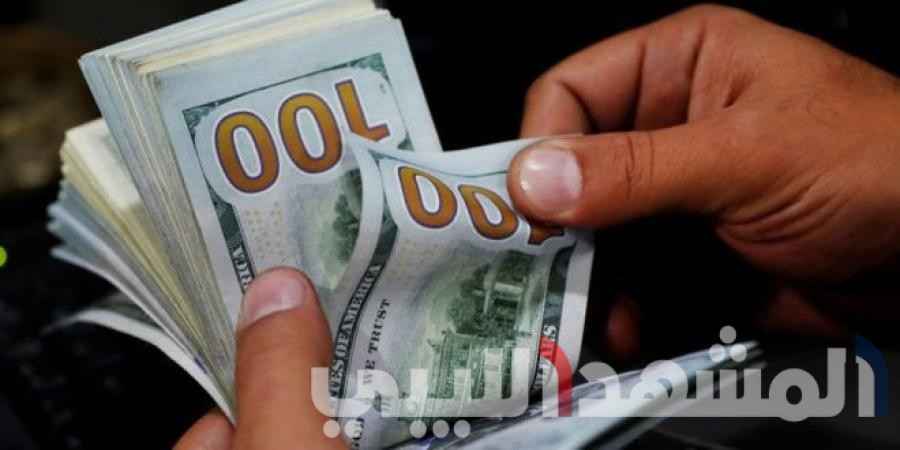
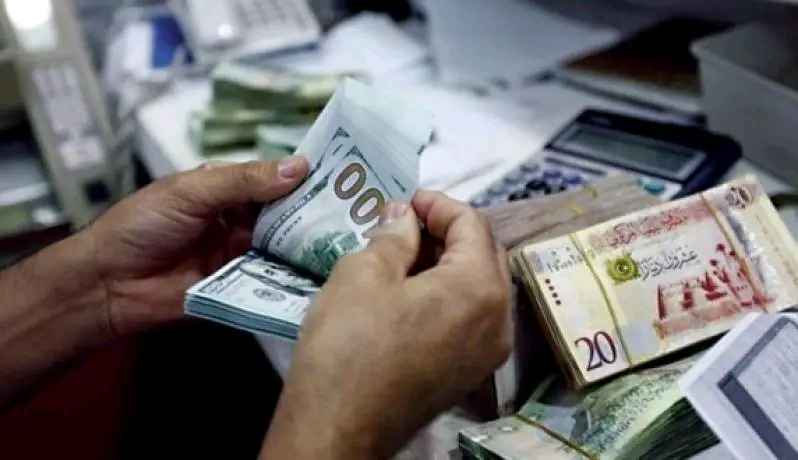
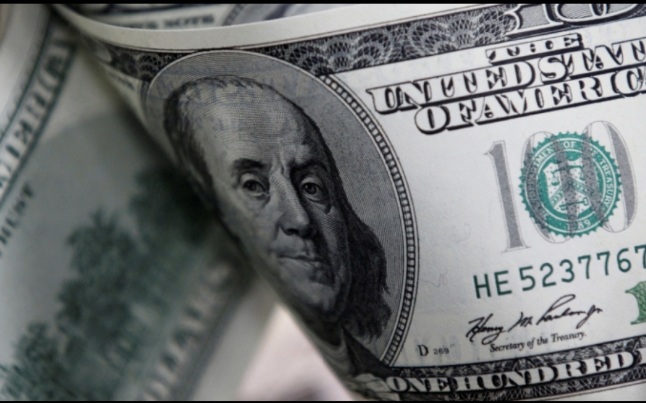
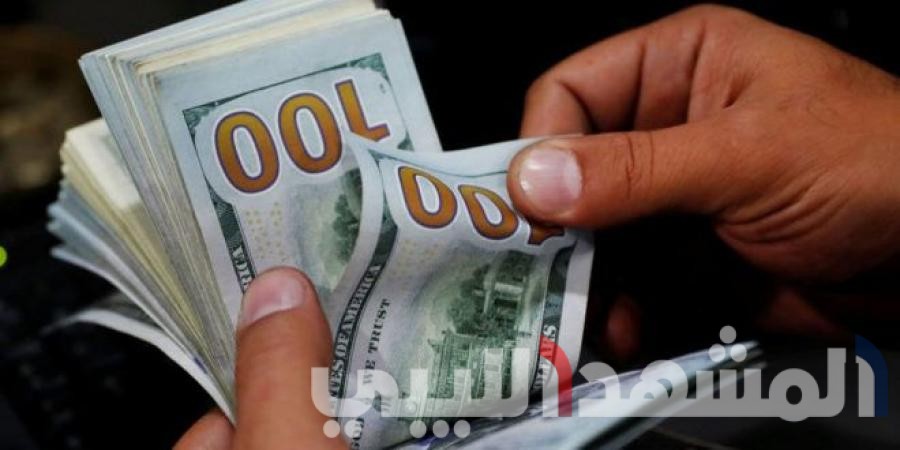
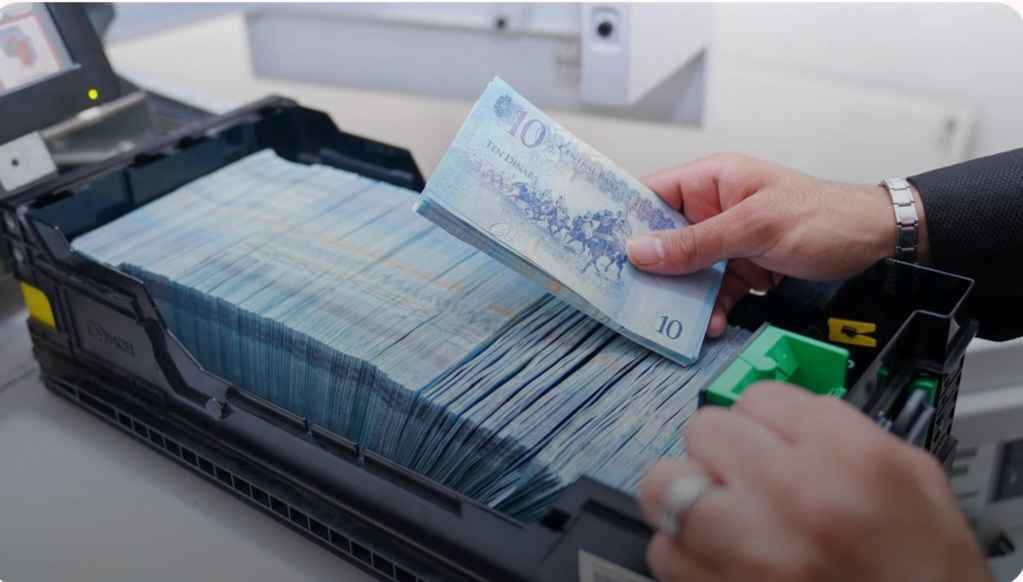
On Wednesday, transactions in the parallel currency market saw a decline in the exchange rate of the US dollar against the Libyan dinar, with a slight variation between the main markets in the country.
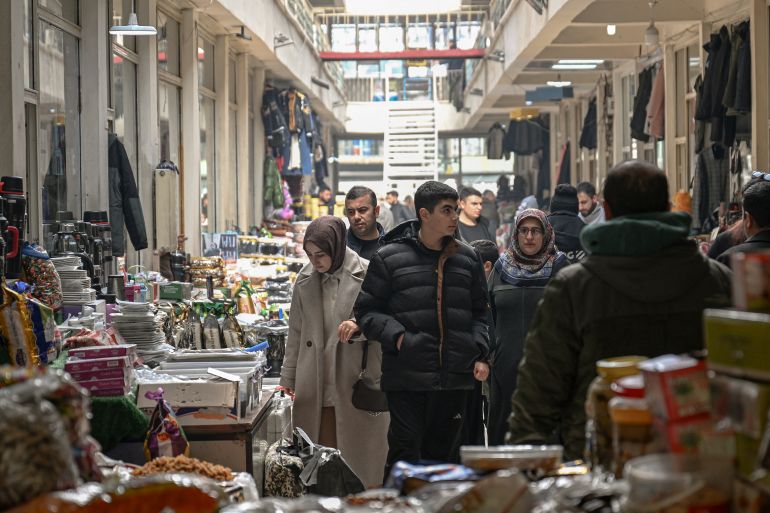
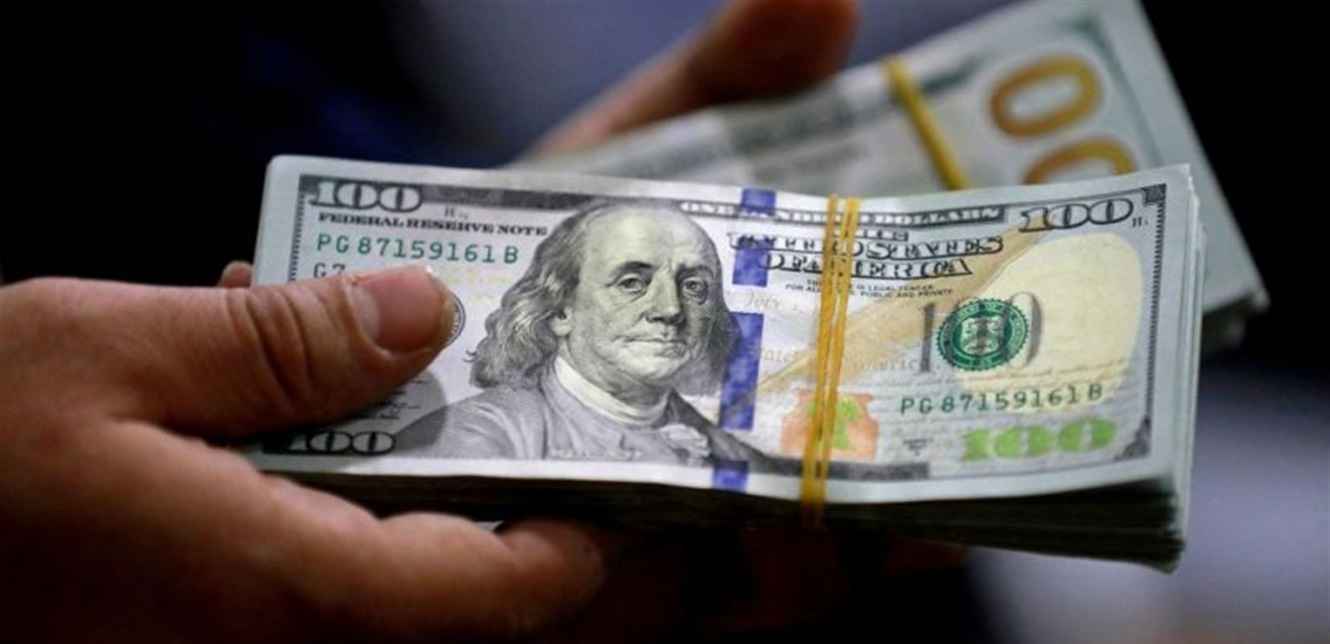
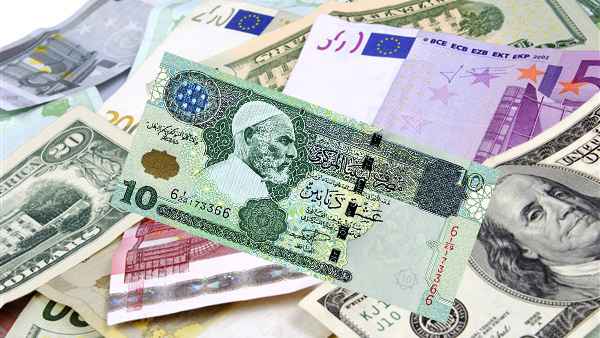
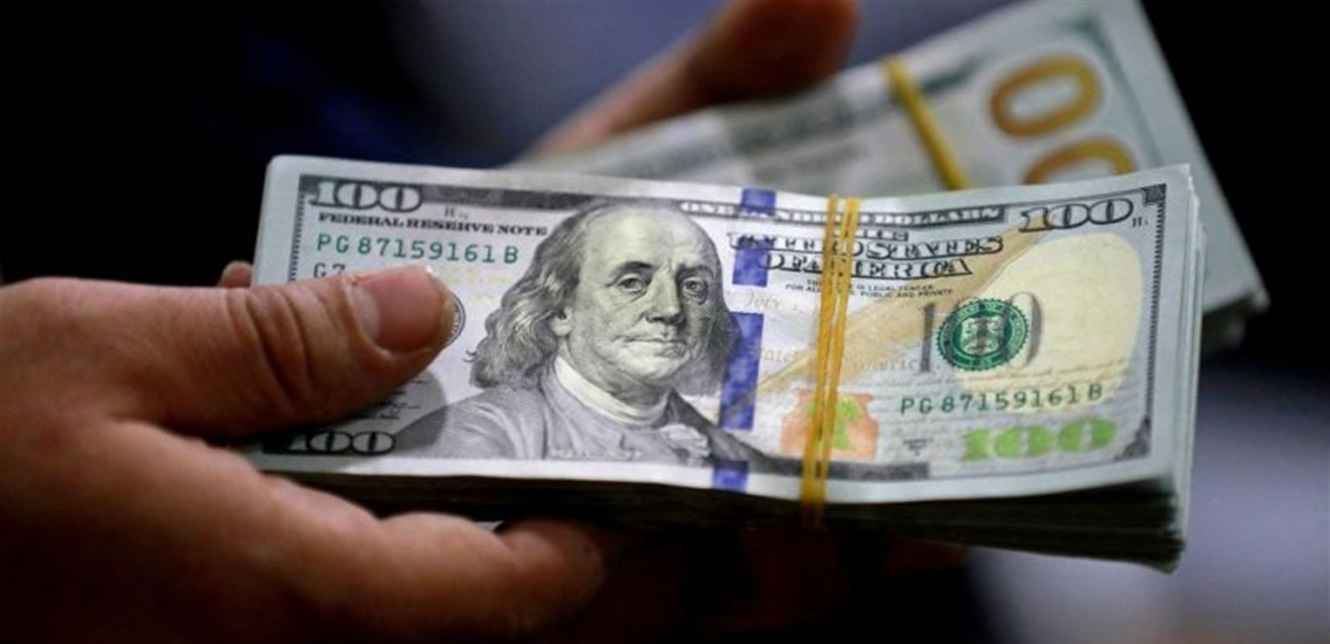
At exactly 16:45, the dollar was traded at 9.79 dinars in the Al-Mashir markets in Tripoli and Zliten, while it recorded a price of 9.78 dinars in the Venice market in the city of Benghazi.
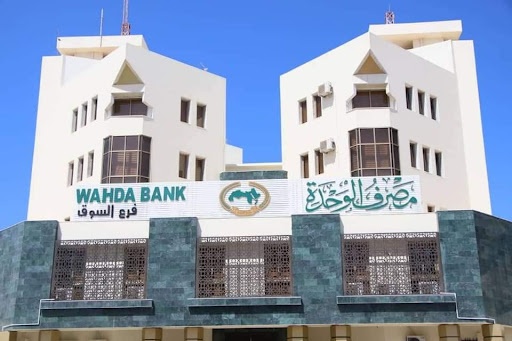
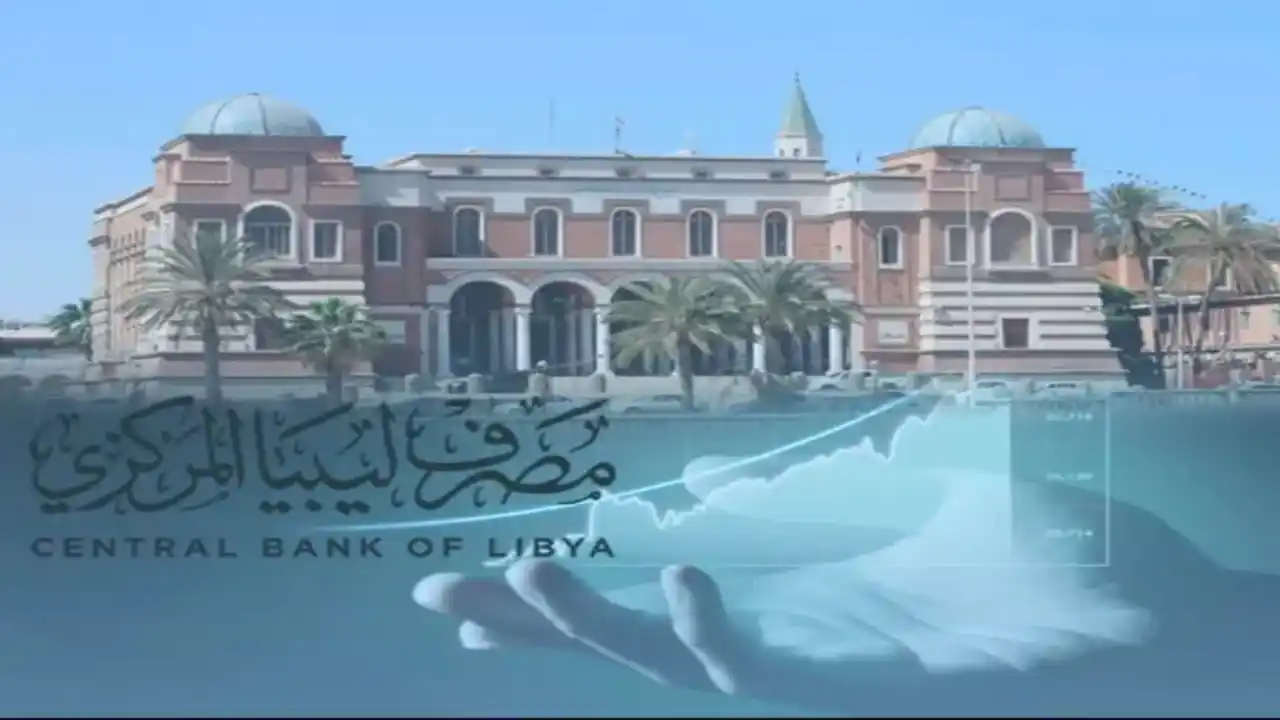
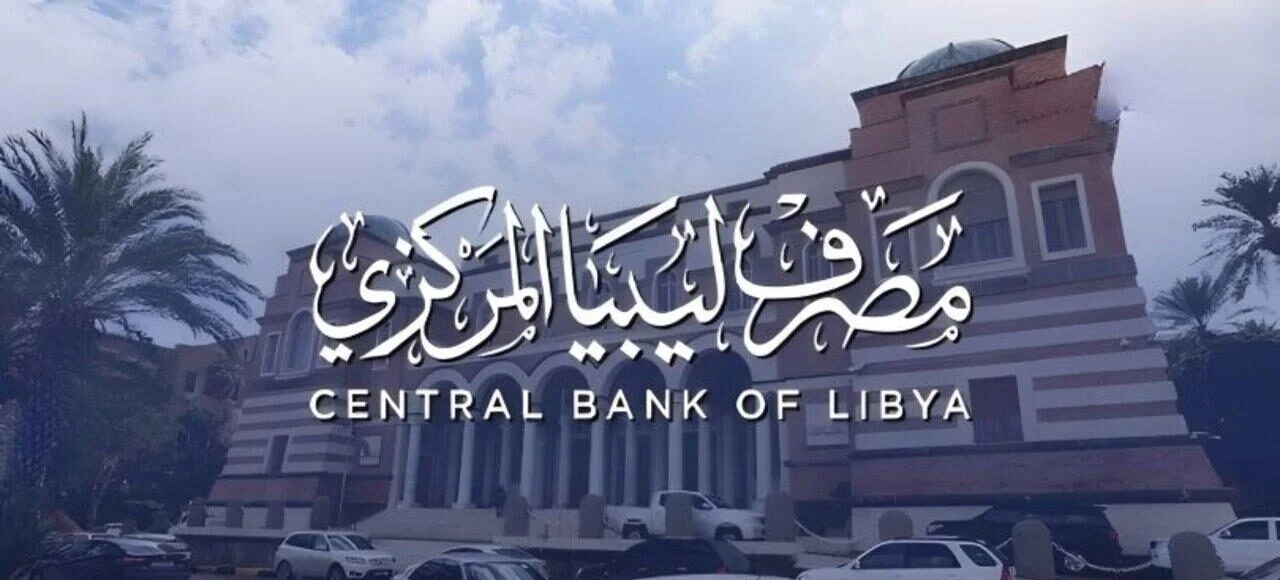
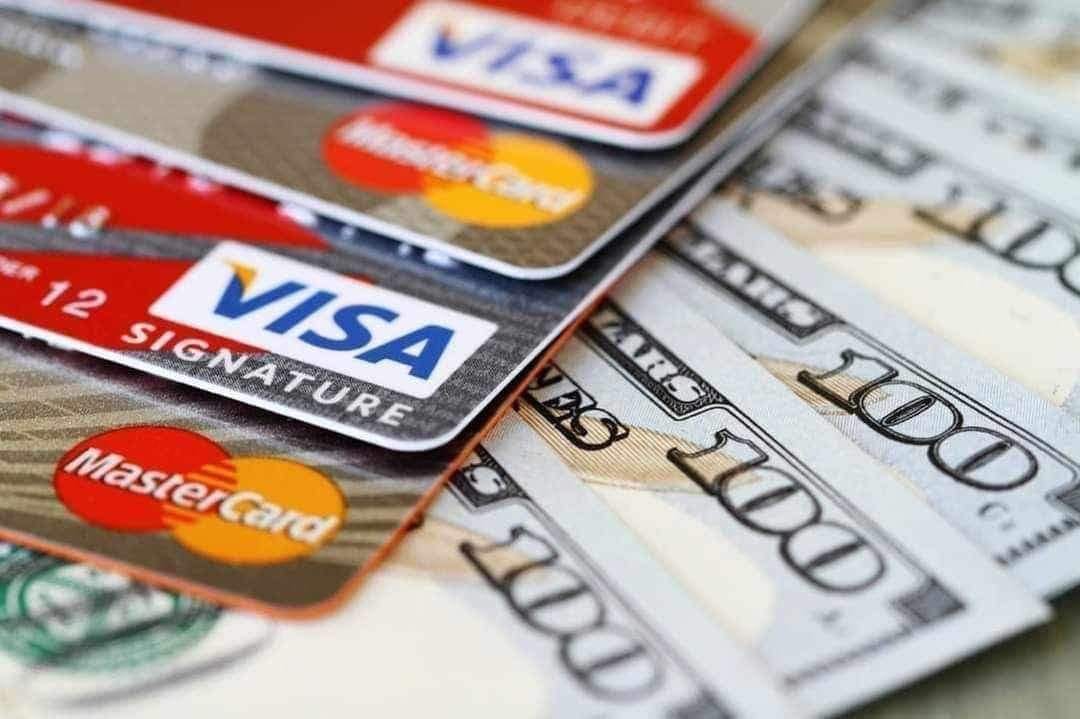
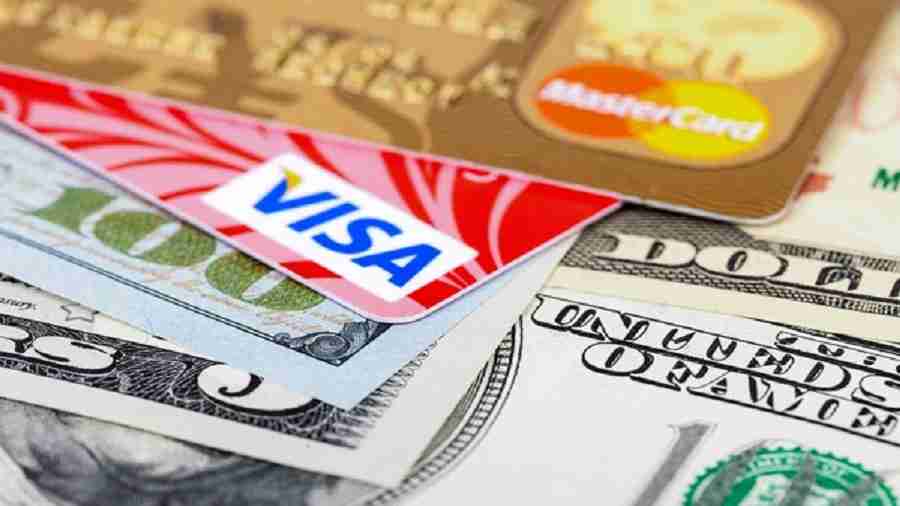
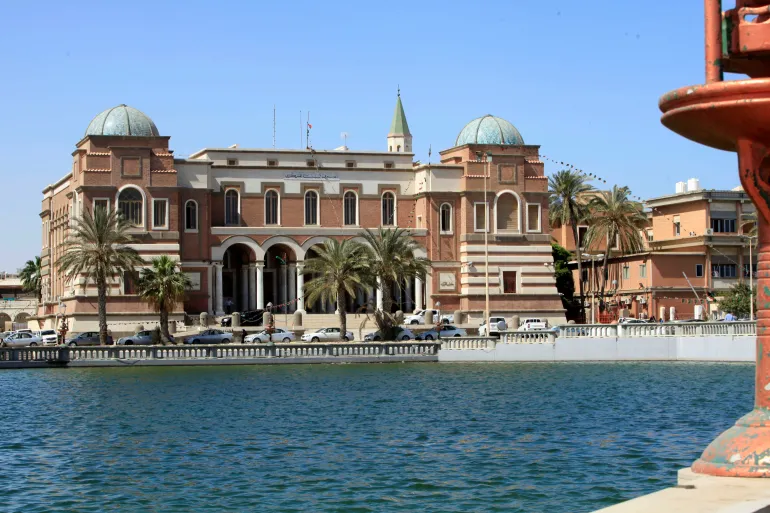
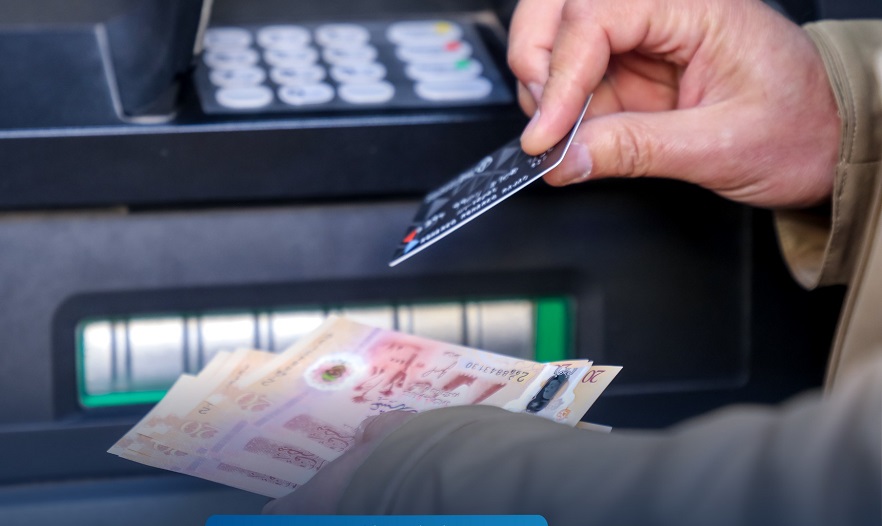
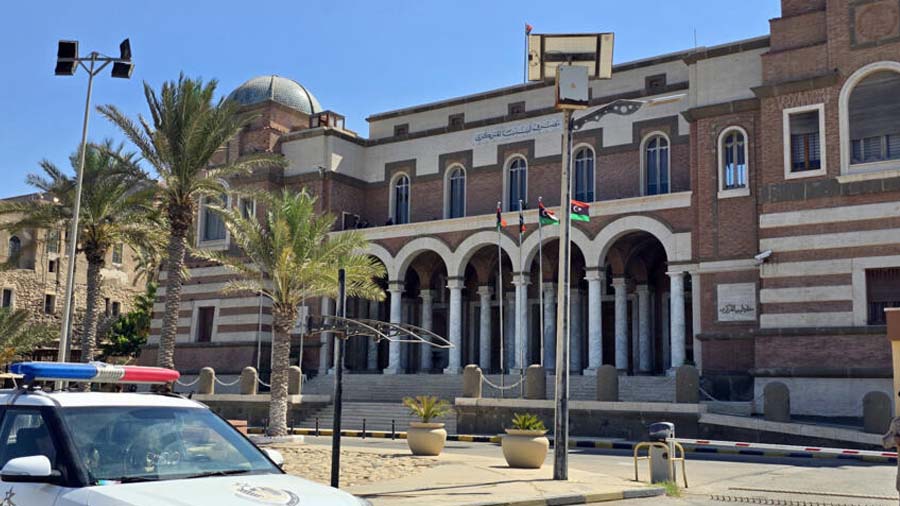
In banking transactions via checks and remittances, the dollar reached 10.95 dinars, reflecting the continued gap between the cash market and the official banking market.
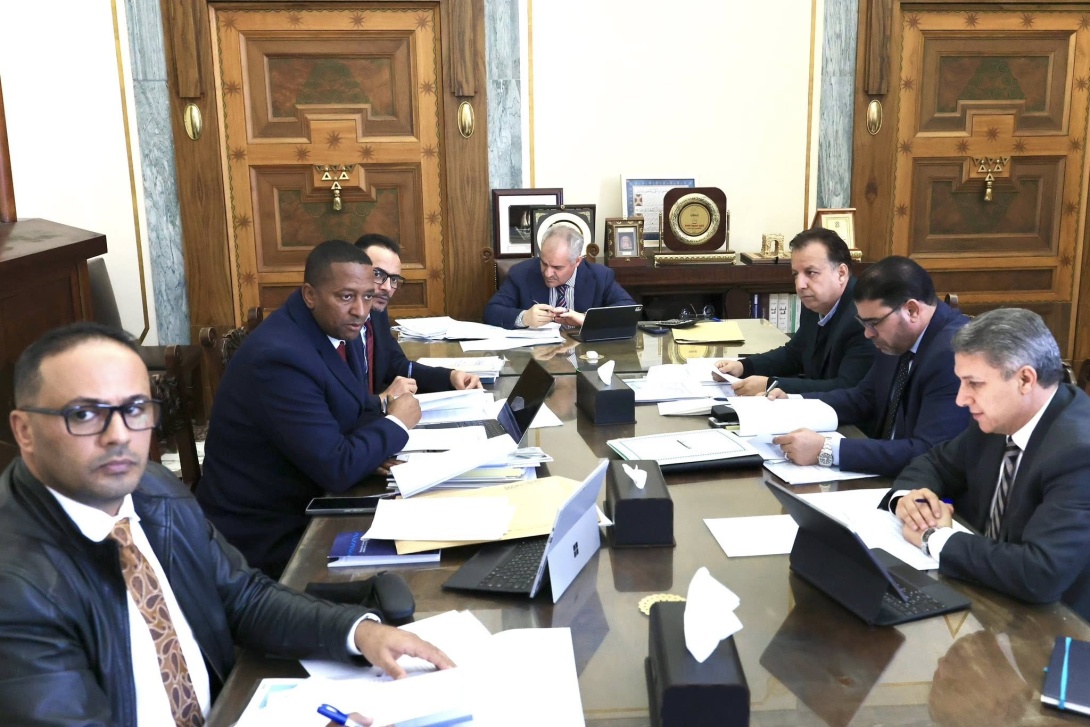
This decline comes as traders and citizens monitor the movement of foreign currency prices, which are experiencing continuous fluctuations linked to supply and demand, in addition to the effects of monetary and financial policies.
These levels are viewed as a daily reference price in the parallel market, which is the most active in foreign currency trading within Libya.
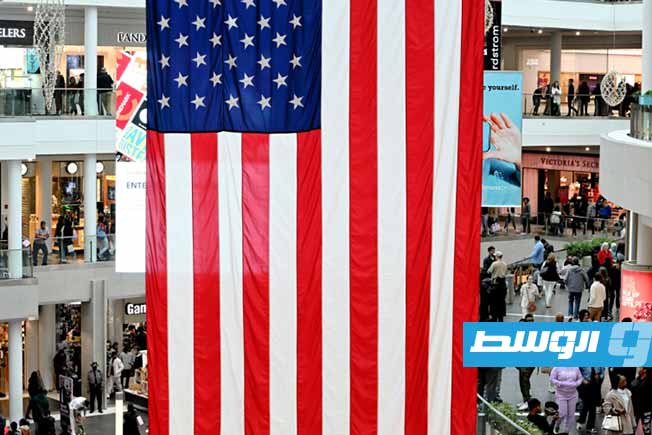
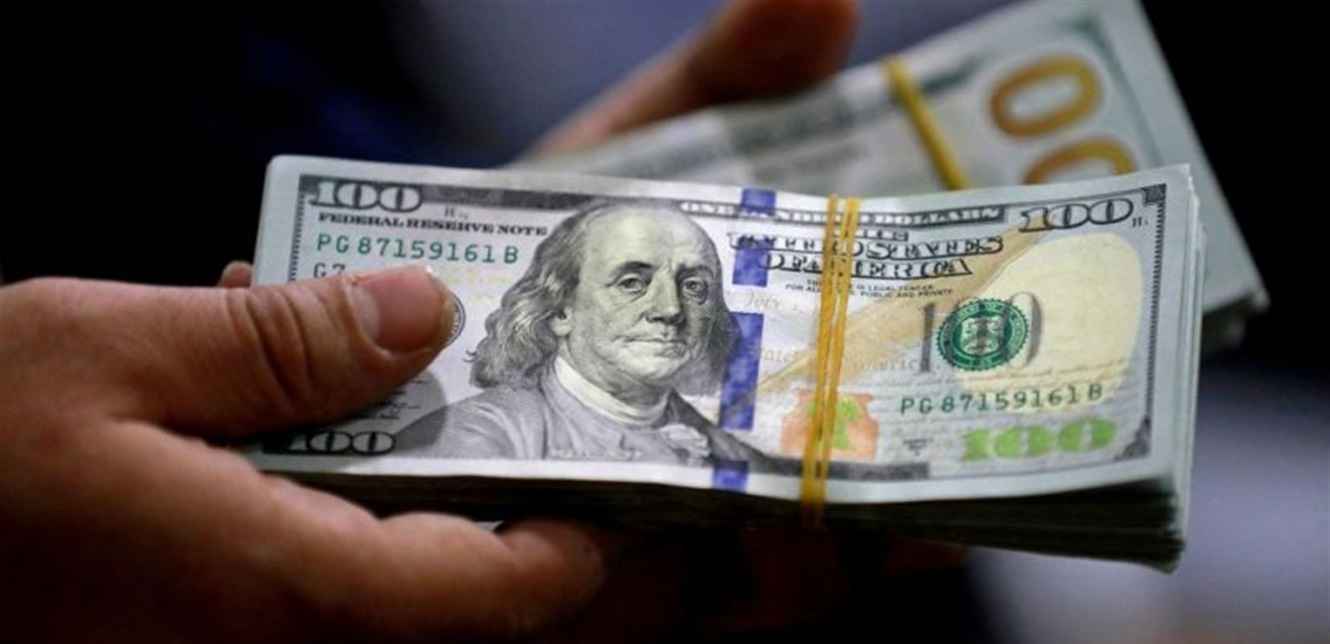
US dollar
The US dollar is the official currency of the United States, established by the Coinage Act of 1792. It evolved from a system based on Spanish milled dollars and became the world’s primary reserve currency following the Bretton Woods Agreement in 1944.
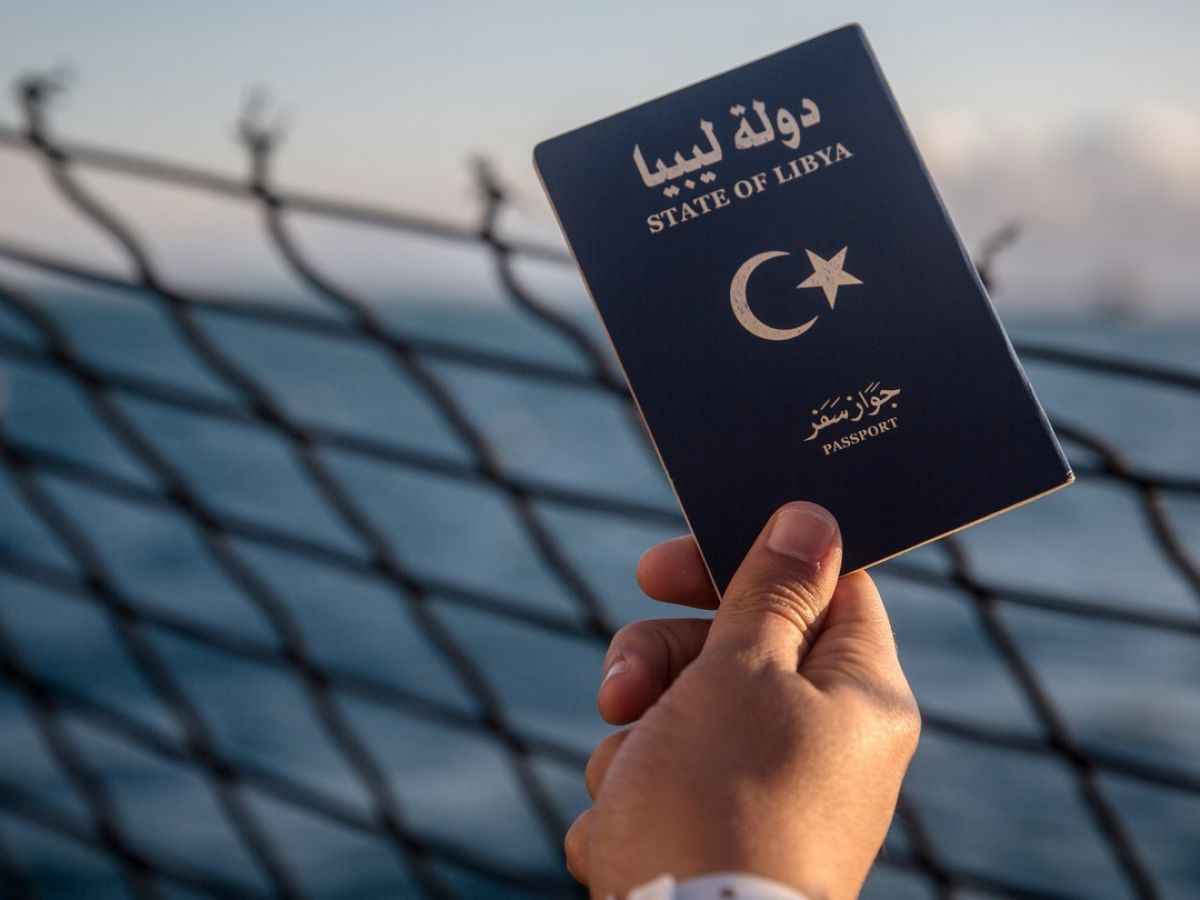
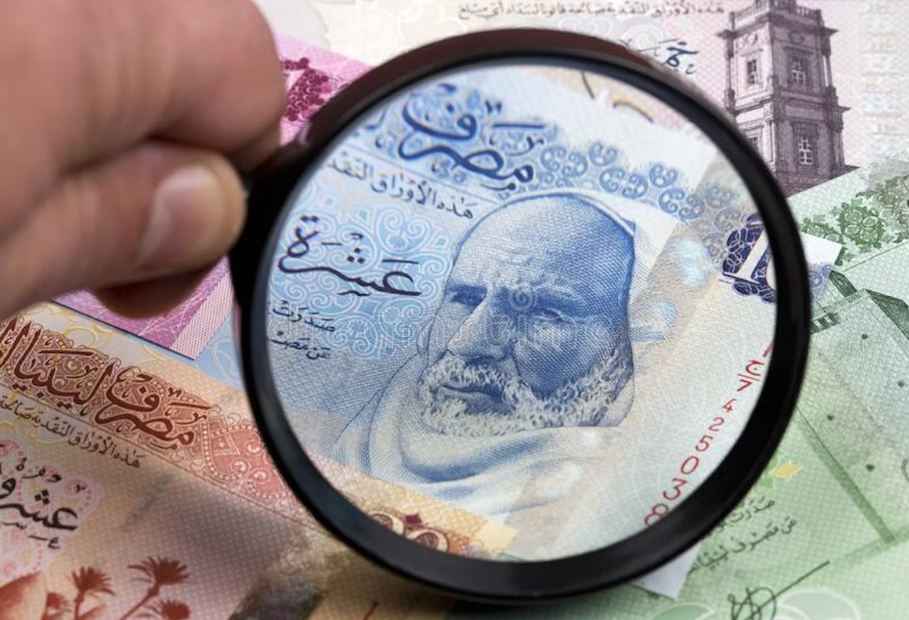
Libyan dinar
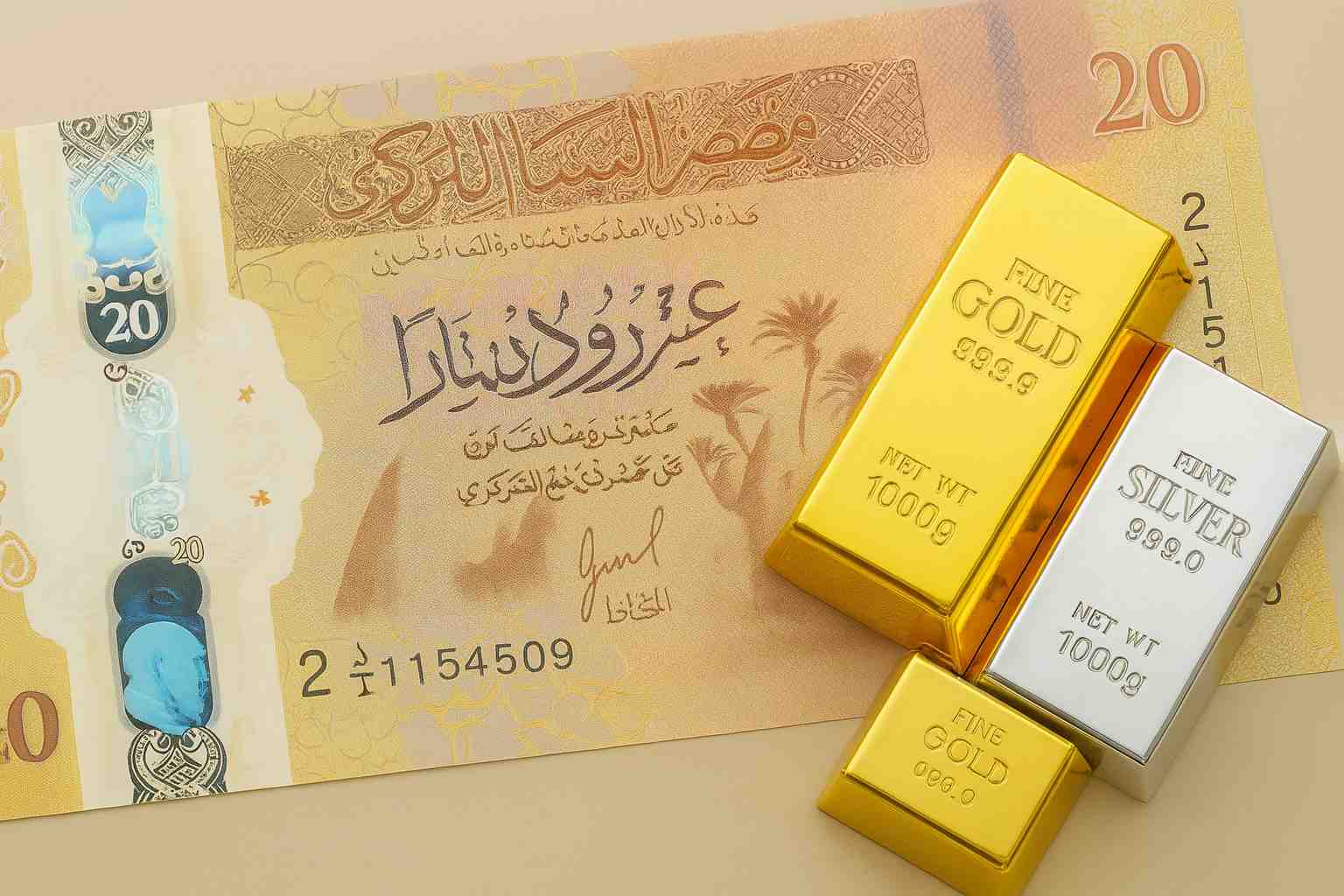
The Libyan dinar is the official currency of Libya, introduced in 1971 to replace the Libyan pound. It was established following the 1969 revolution that brought Muammar Gaddafi to power, symbolizing a move toward economic independence.
Al-Mashir markets
The Al-Mashir markets are a historic commercial district in Baghdad, Iraq, traditionally known for their vibrant trade in textiles and fabrics. Their history is deeply intertwined with the city’s mercantile heritage, serving as a central hub for merchants and shoppers for centuries.
Tripoli
Tripoli is the capital and largest city of Libya, located on the country’s Mediterranean coast. Historically, it was founded by the Phoenicians in the 7th century BC and later became a significant Roman city, with its old quarter, the medina, showcasing centuries of influence from various ruling powers, including the Romans, Arabs, Ottomans, and Italians.
Zliten
Zliten is a coastal city in northwestern Libya, historically known for the Roman-era city of Lpcis Minor located nearby. It is also notable for the Zliten Mosque, which dates back to the 14th century and features a distinctive Islamic architectural style.
Venice market
The Venice Market, often referring to the historic Rialto Market, has been the commercial heart of Venice since the 11th century. Located near the Rialto Bridge, its bustling fish and produce stalls have operated for centuries, serving as a vital hub for local trade and daily life in the city.
Benghazi
Benghazi is a major city in eastern Libya, historically significant as a center of trade and culture since its founding as the Greek colony of Euesperides. It played a pivotal role in the 2011 Libyan Civil War as a key base for the uprising against Muammar Gaddafi.
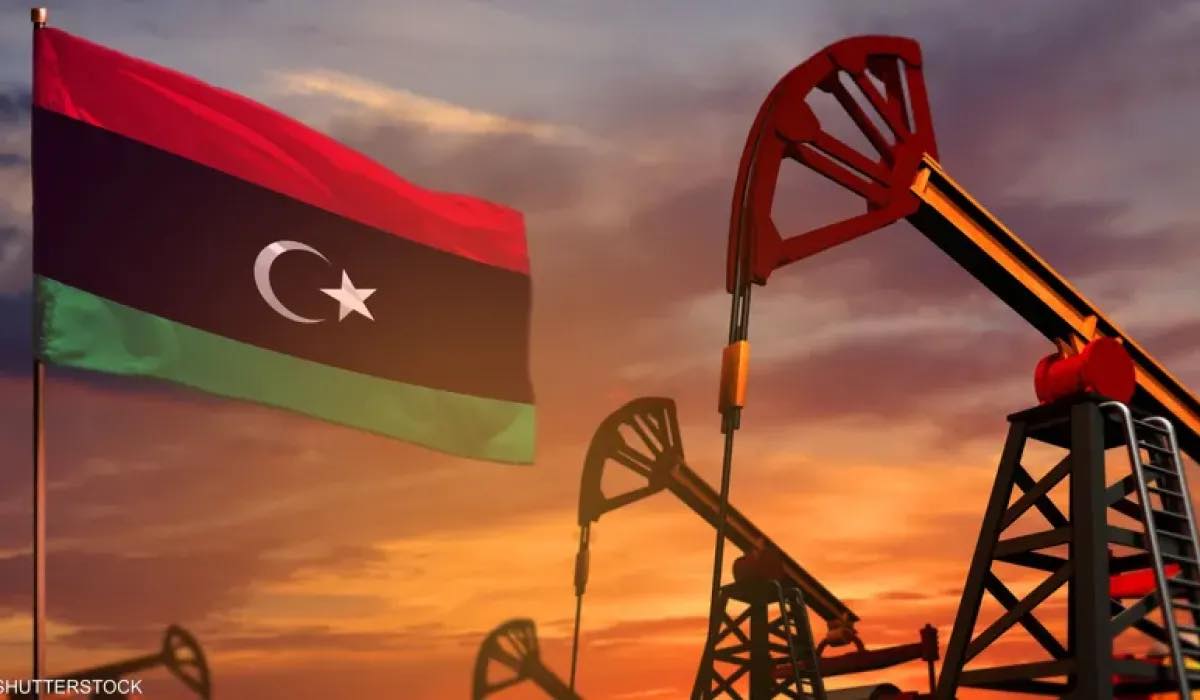
Libya
Libya is a North African country with a rich history rooted in ancient civilizations like the Phoenicians and Romans, followed by centuries of Arab and Ottoman influence. In the modern era, it was an Italian colony before gaining independence in 1951, later becoming known for Muammar Gaddafi’s lengthy rule from 1969 until the 2011 revolution. The country is home to UNESCO World Heritage sites, such as the ruins of Leptis Magna, which testify to its significant historical legacy.