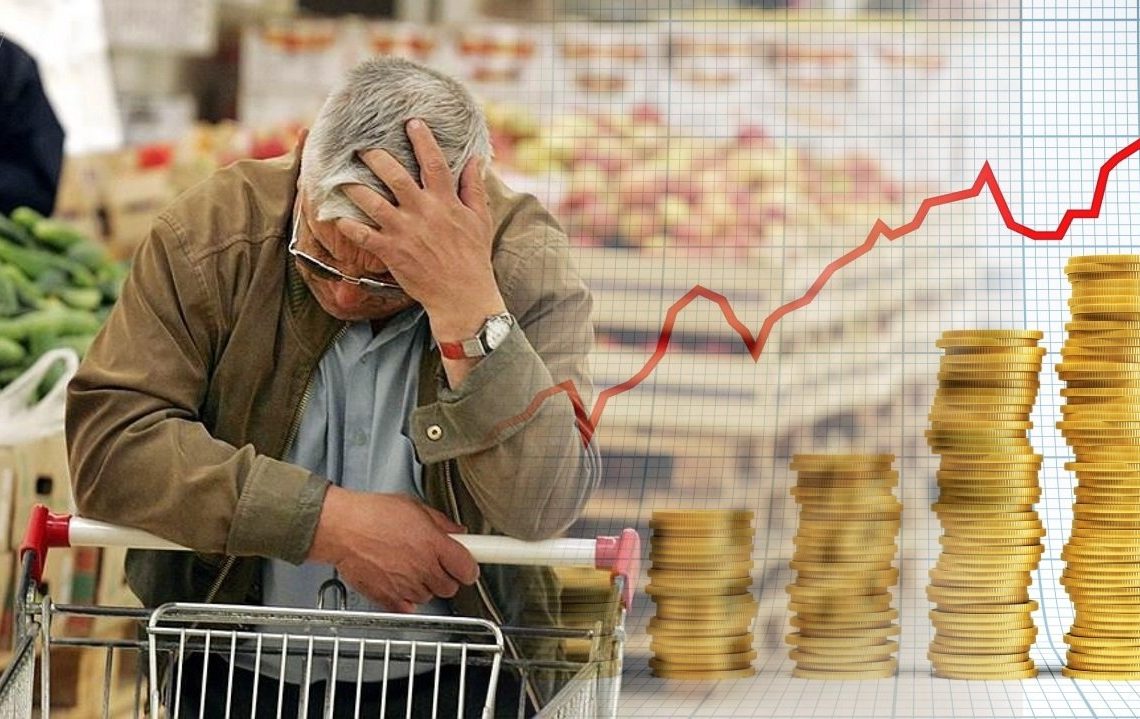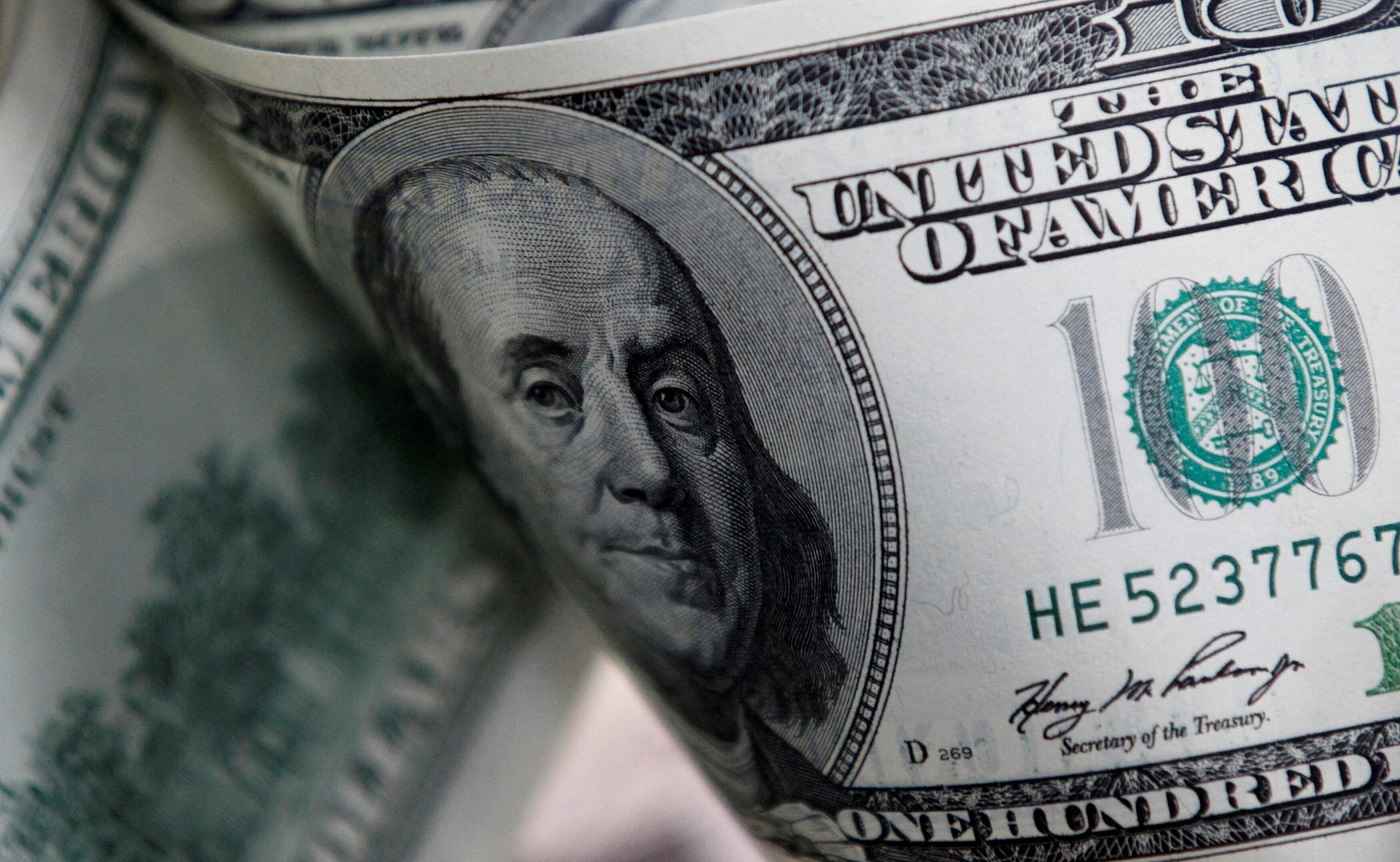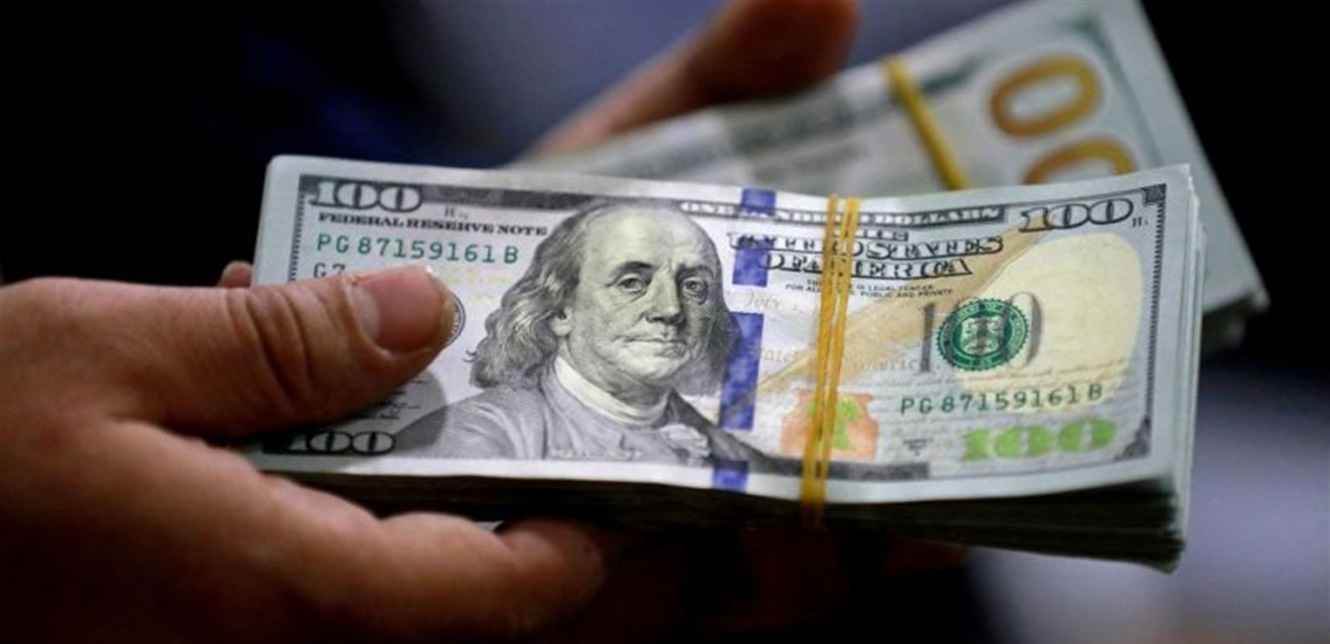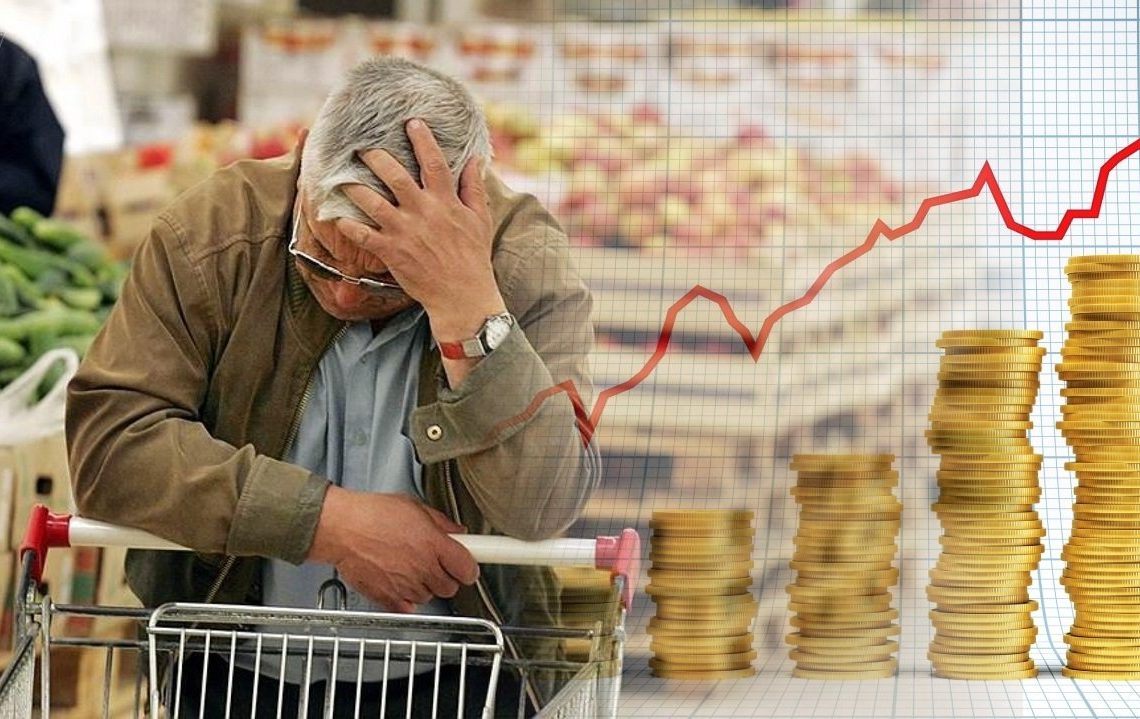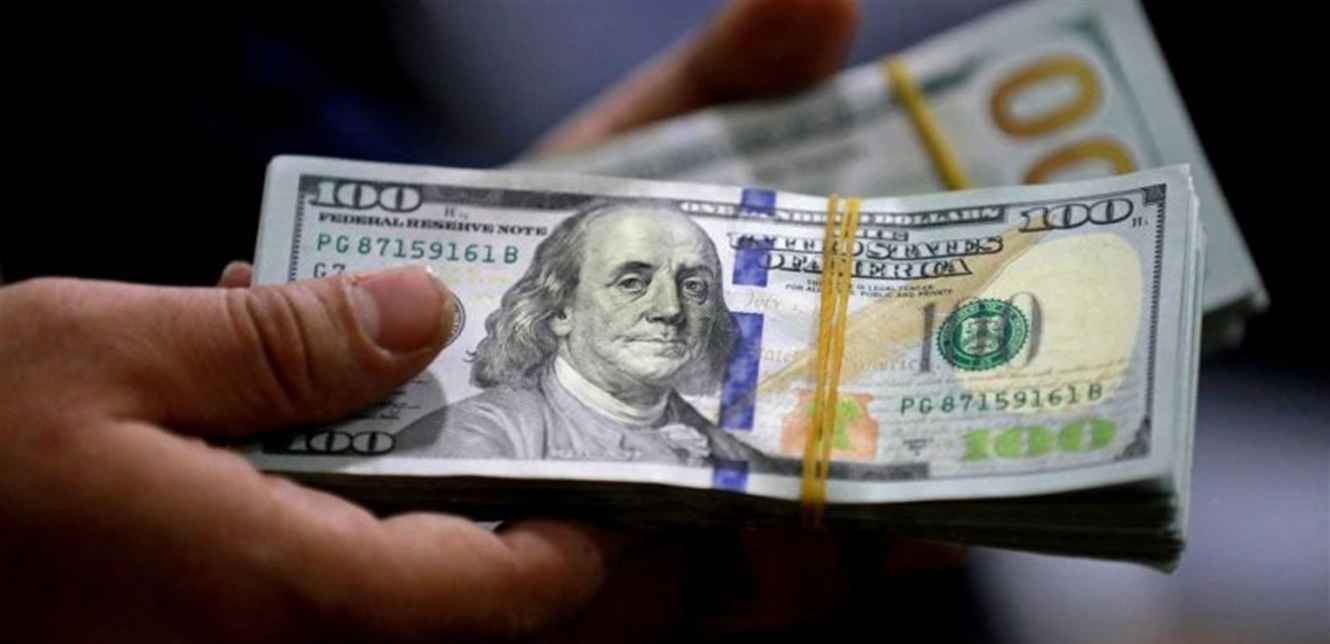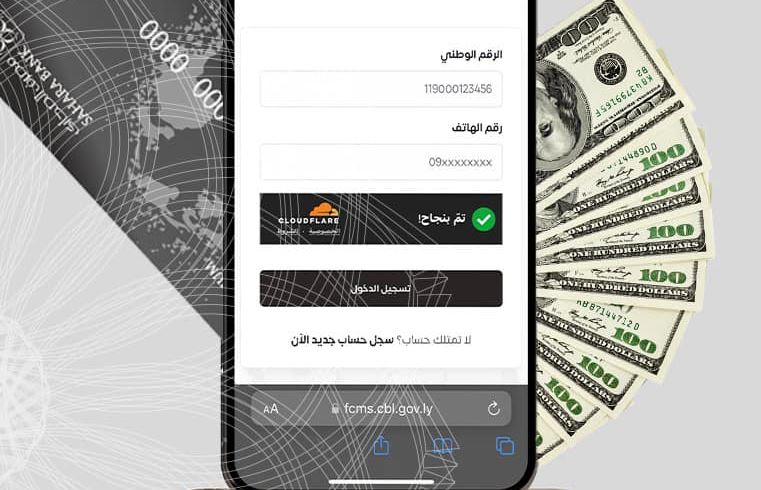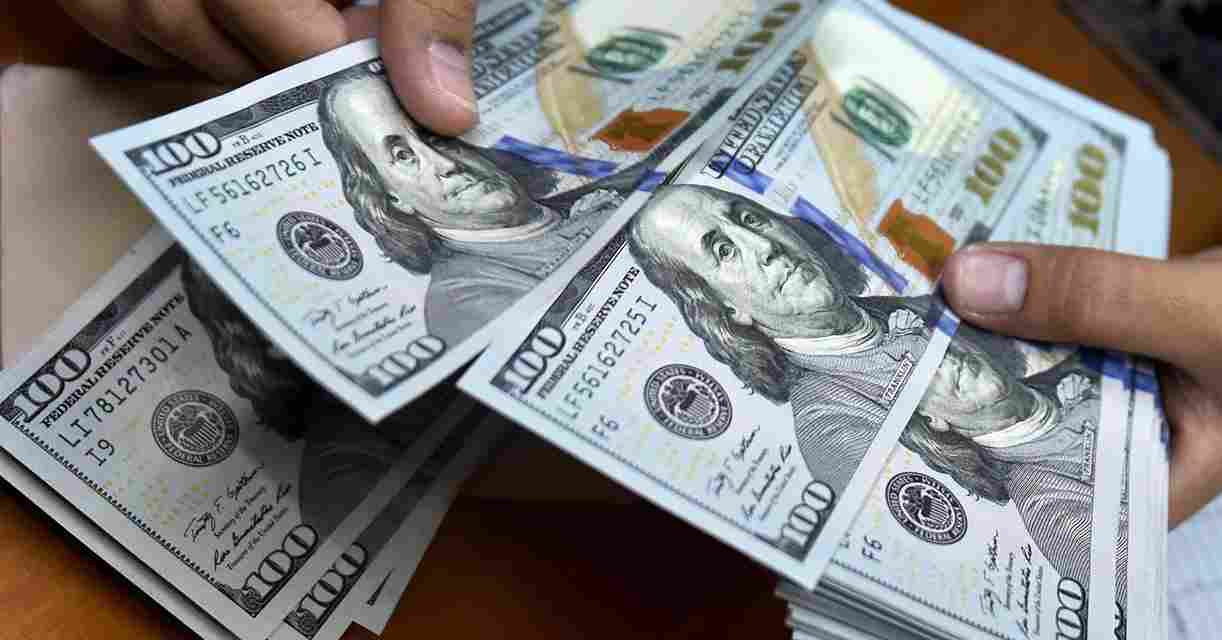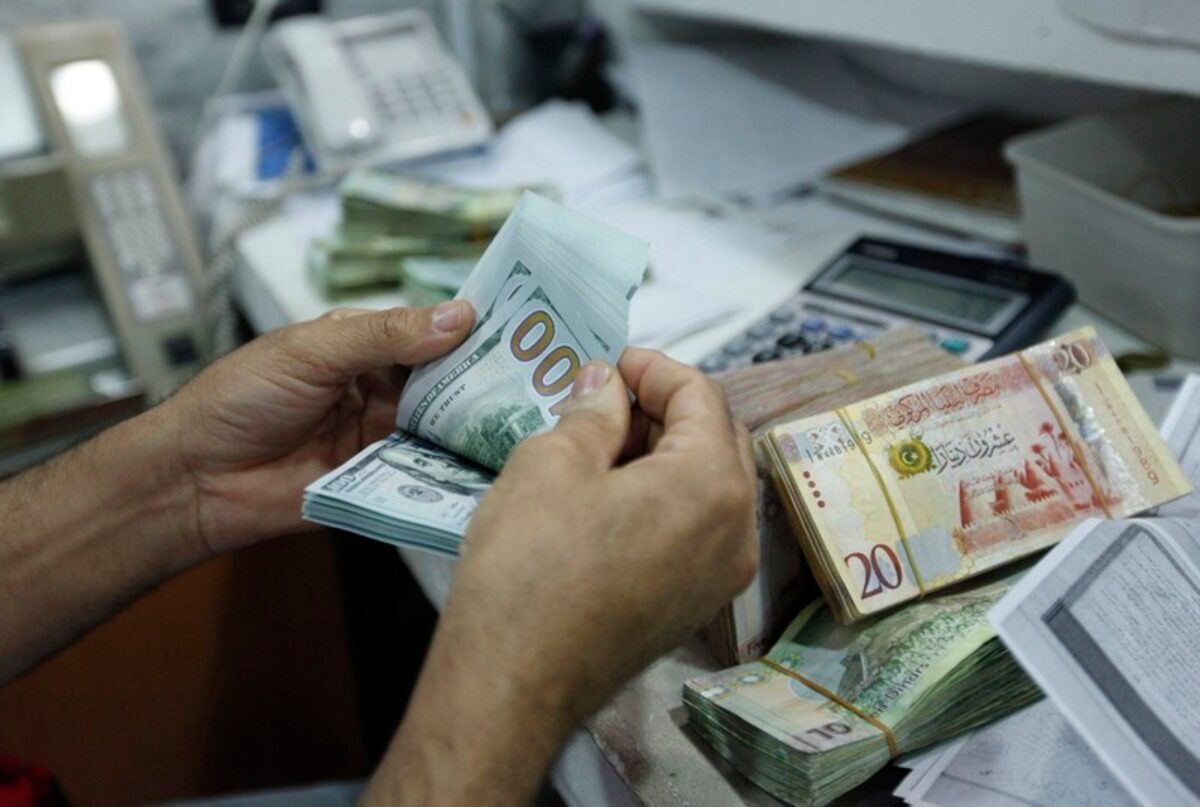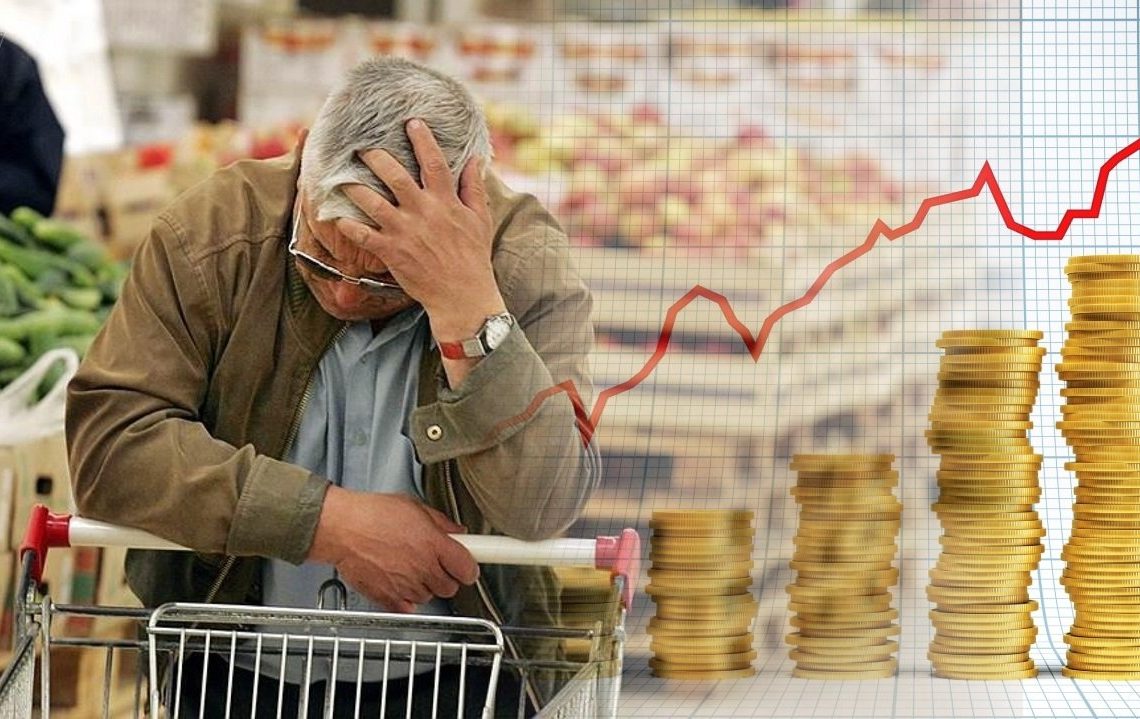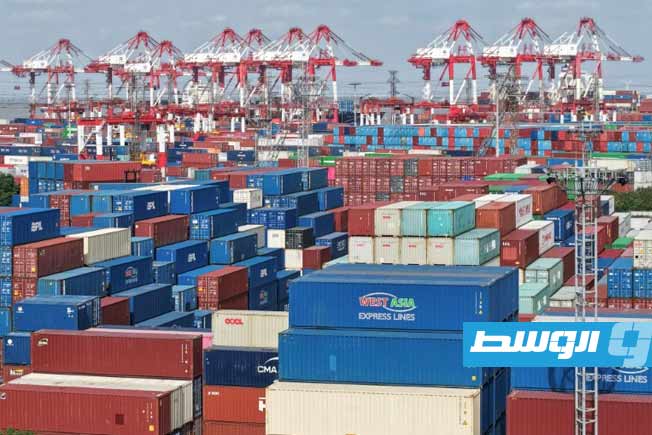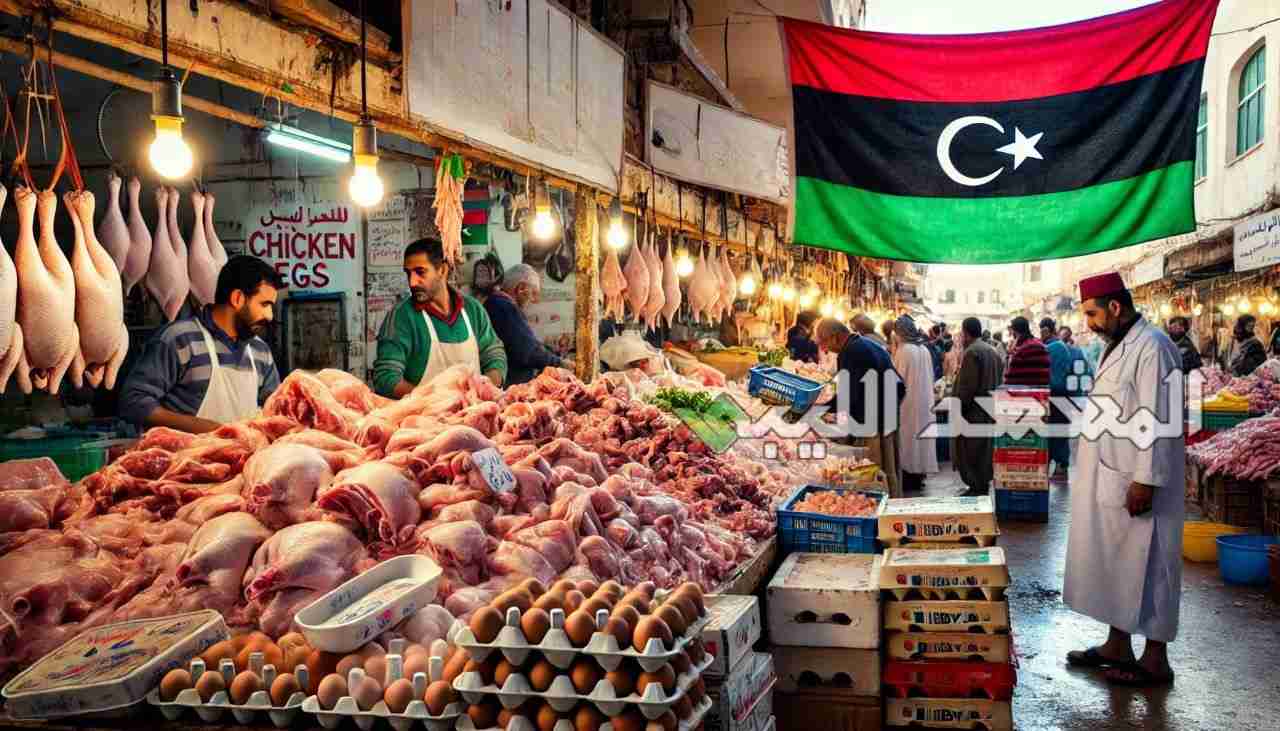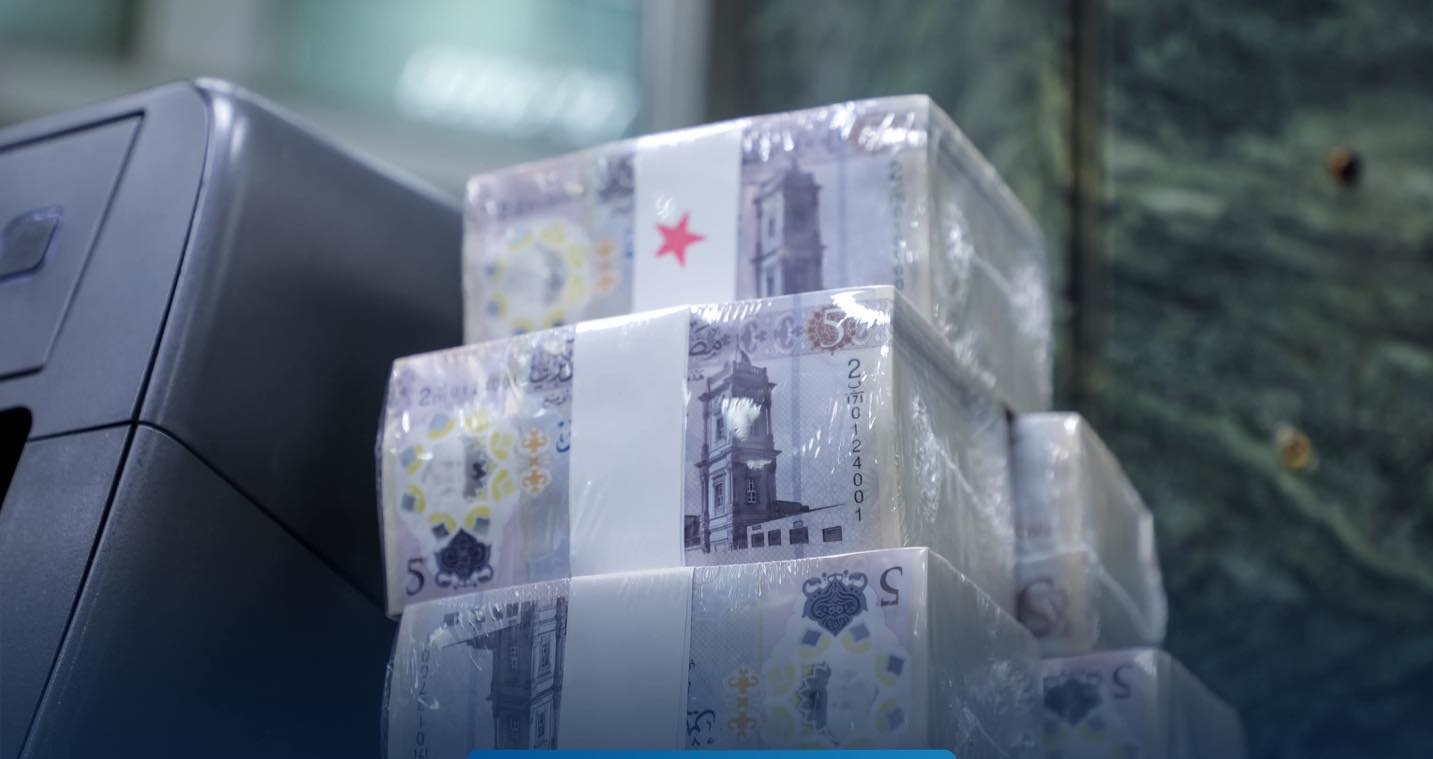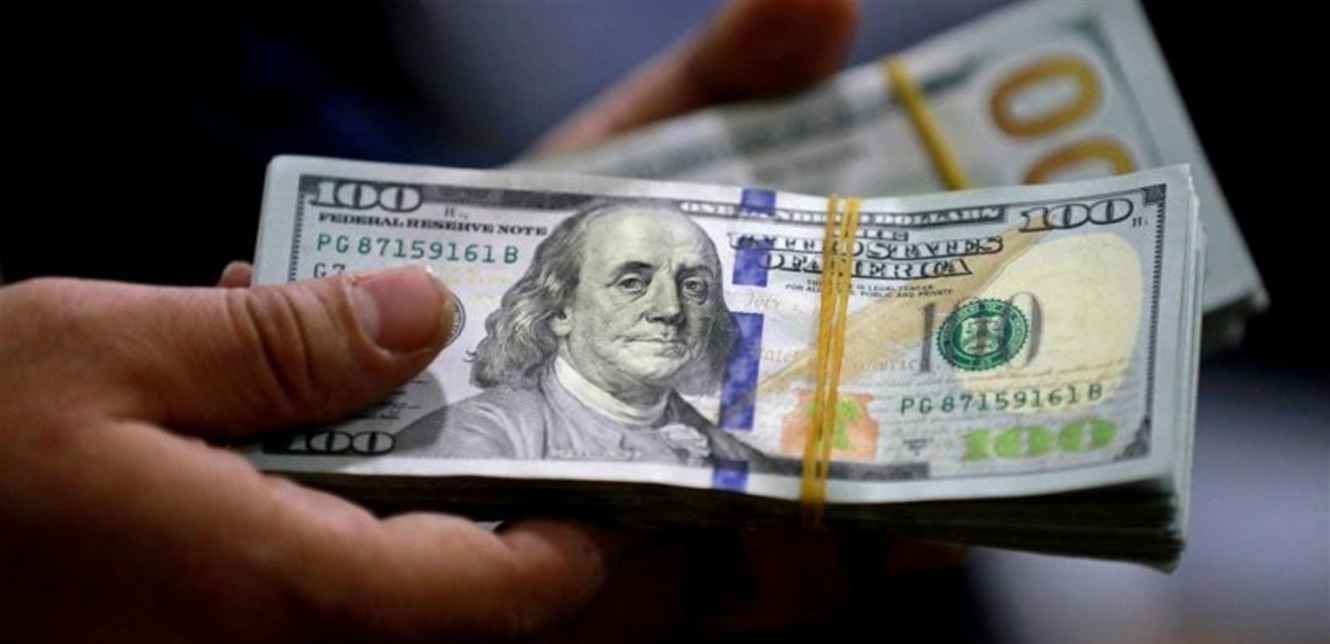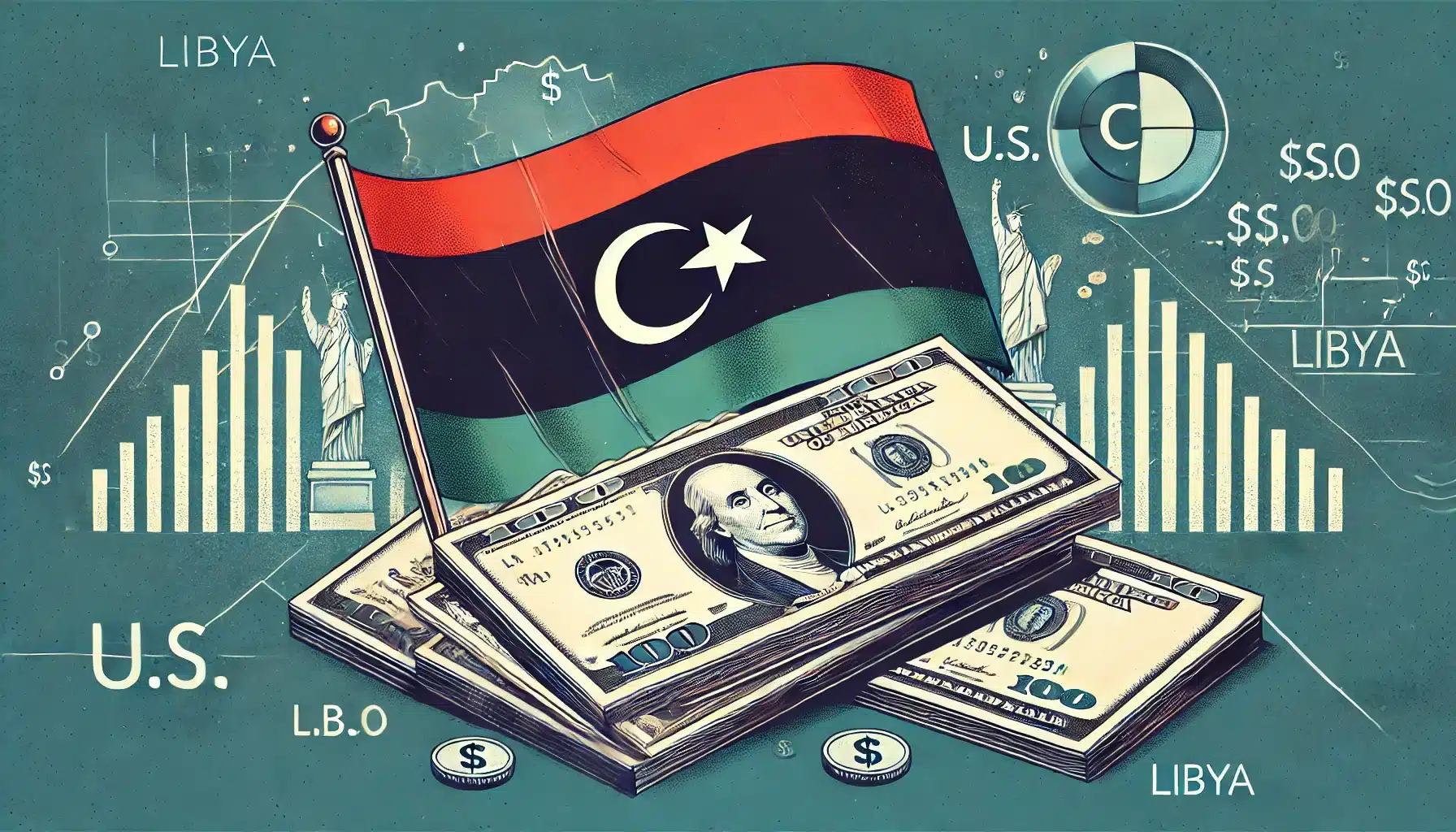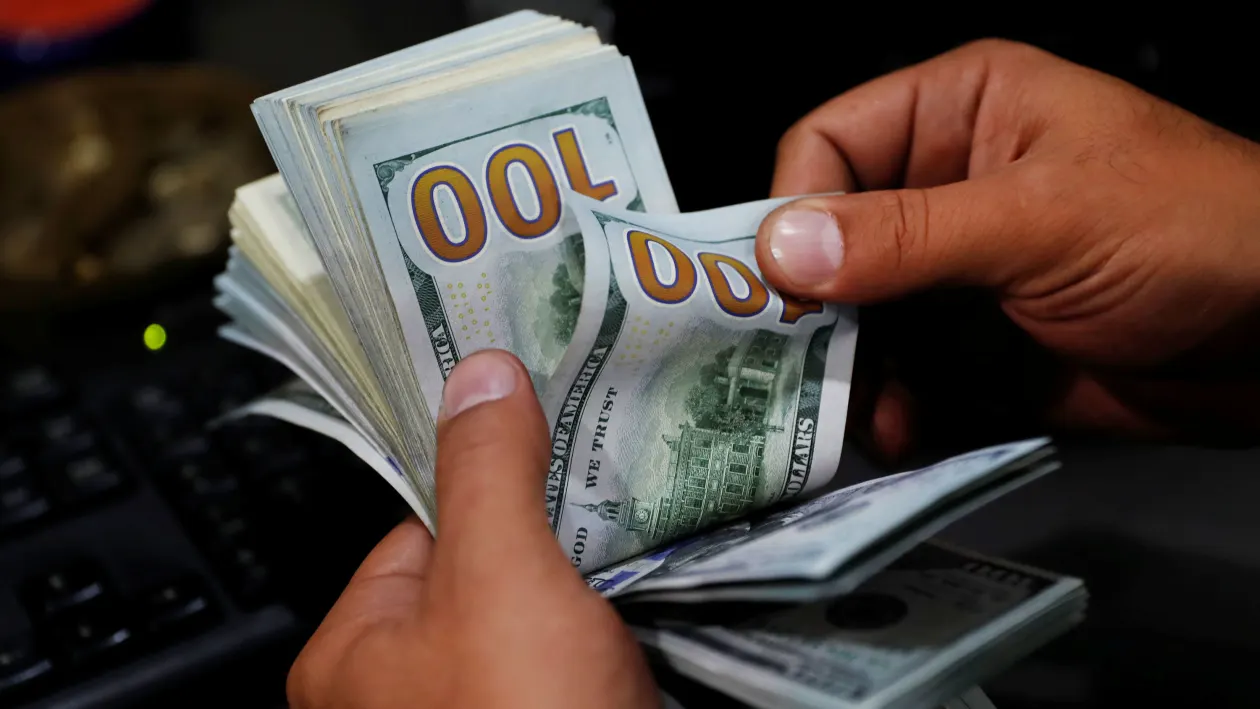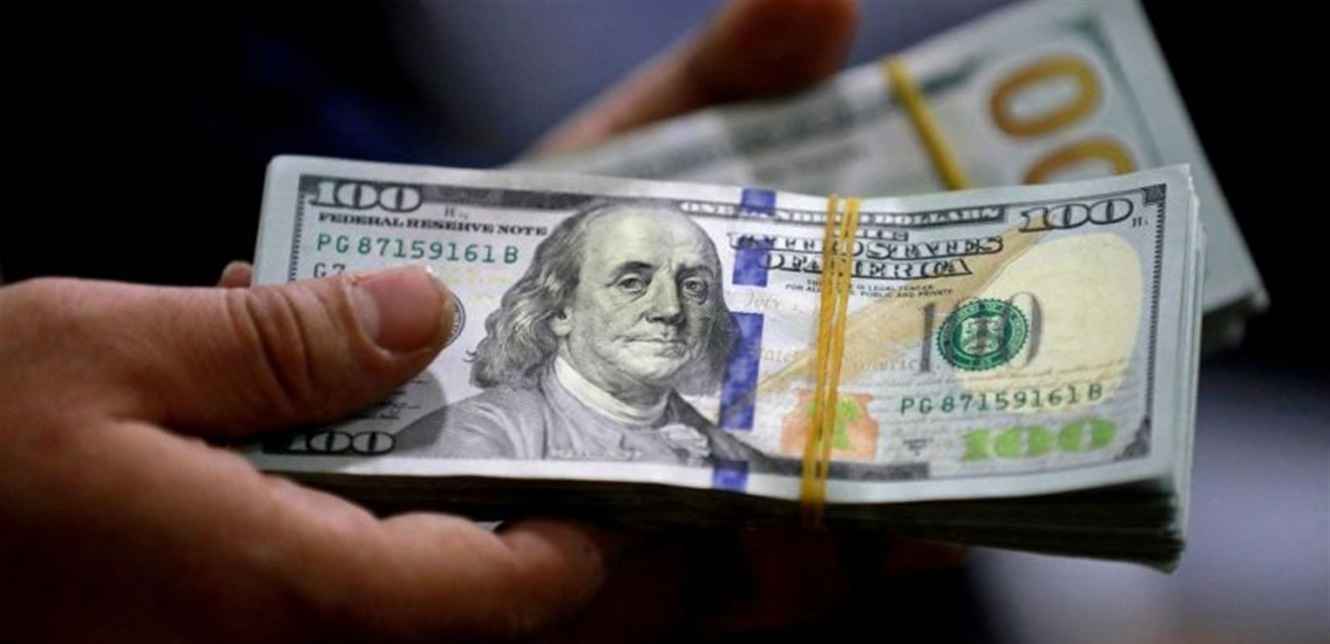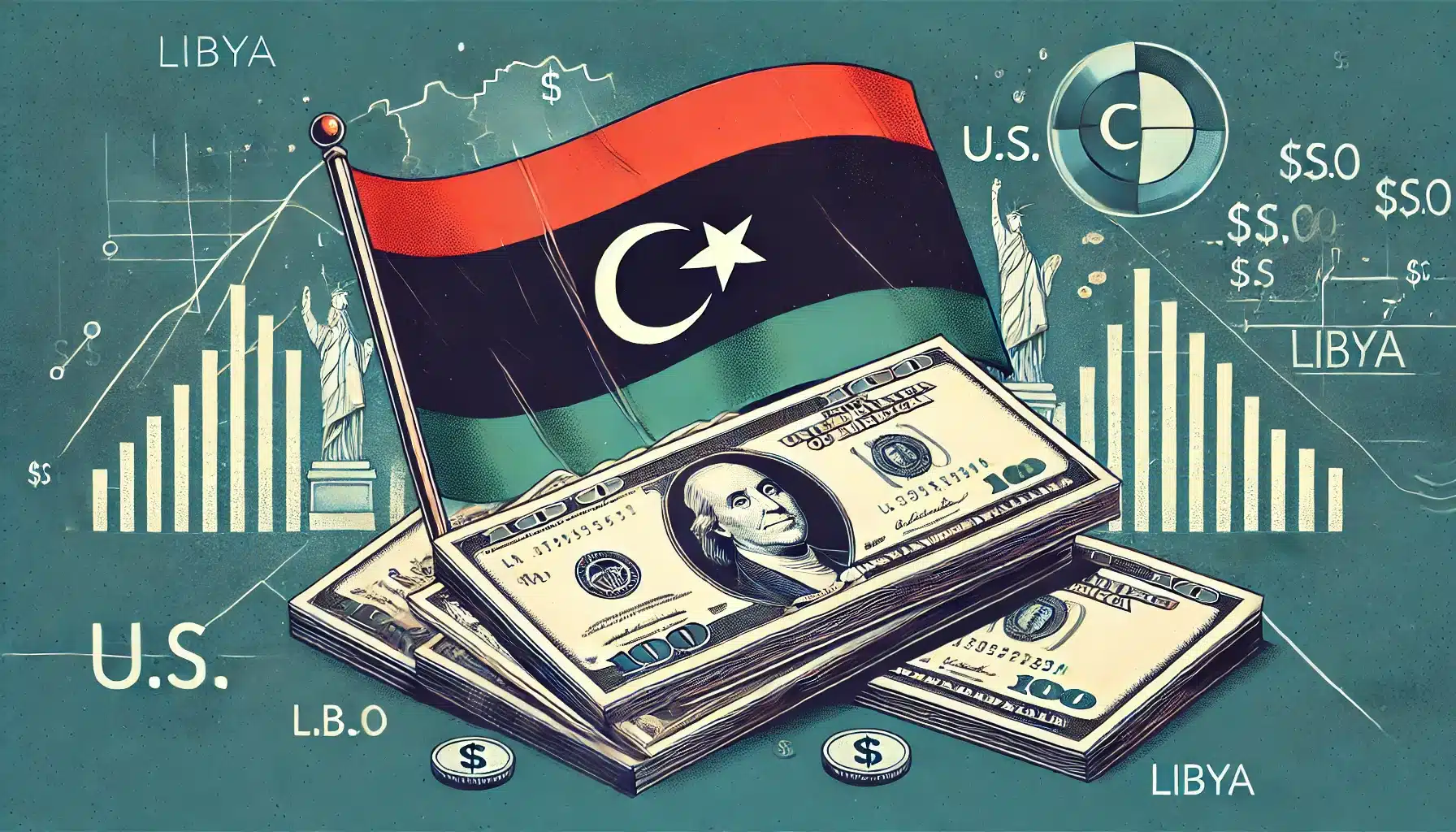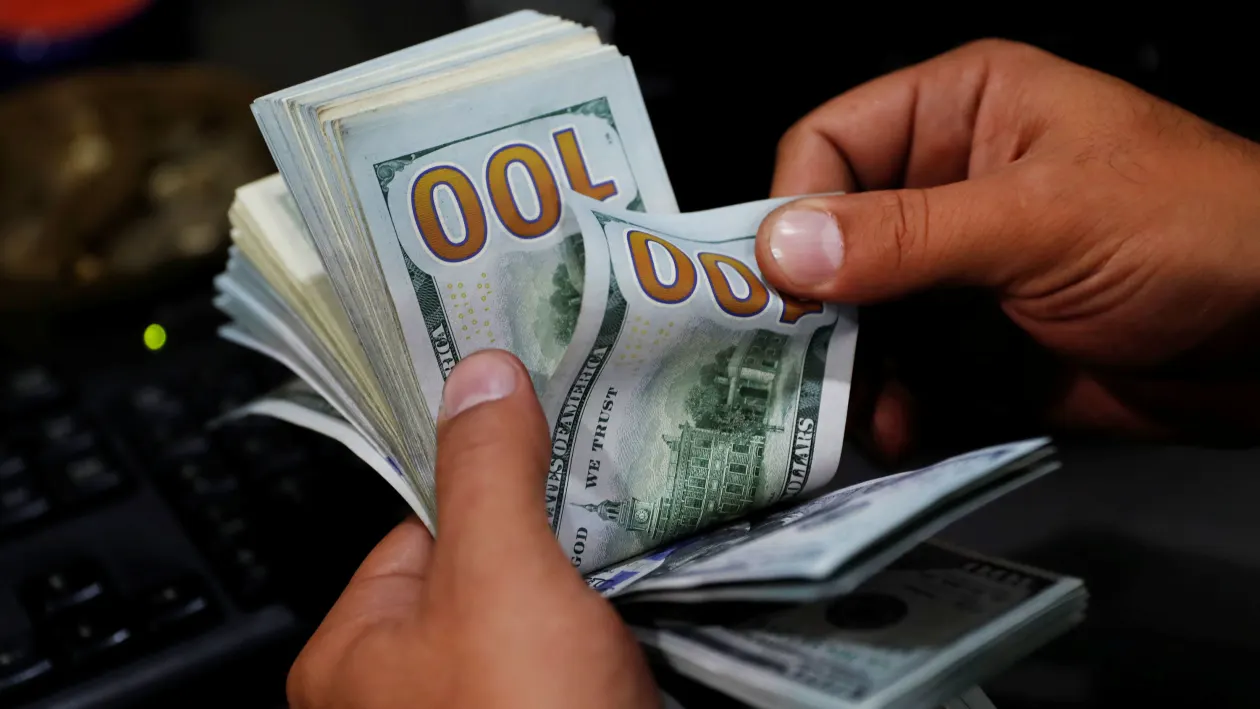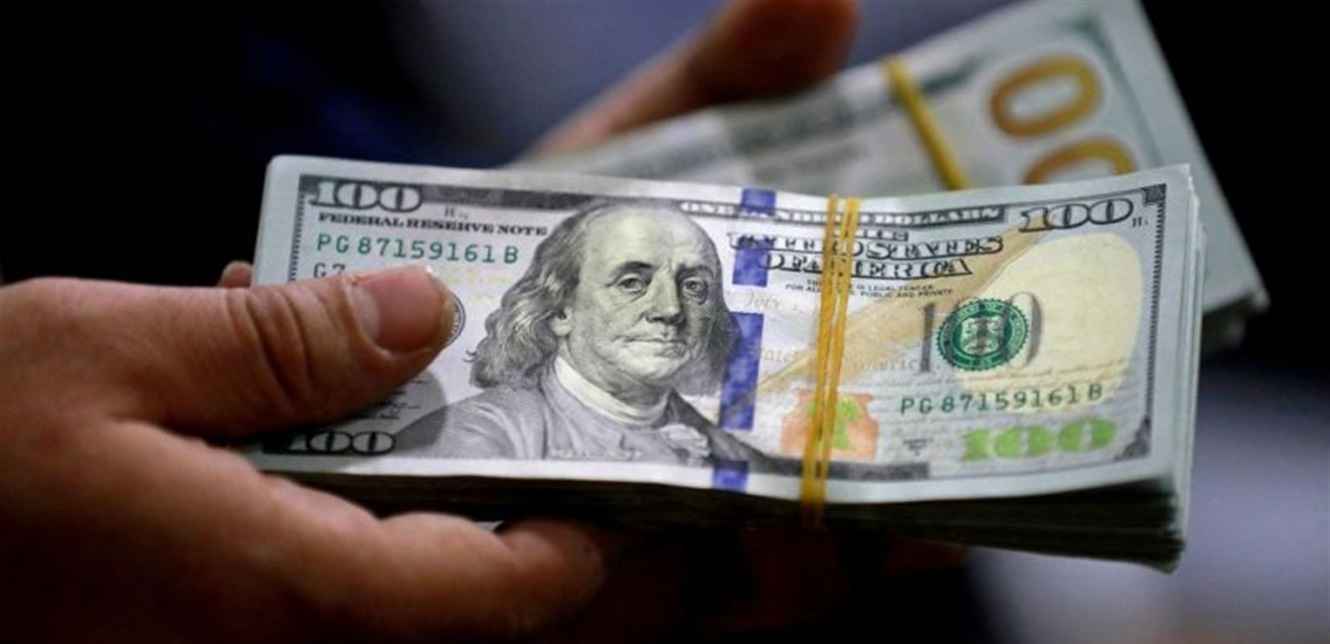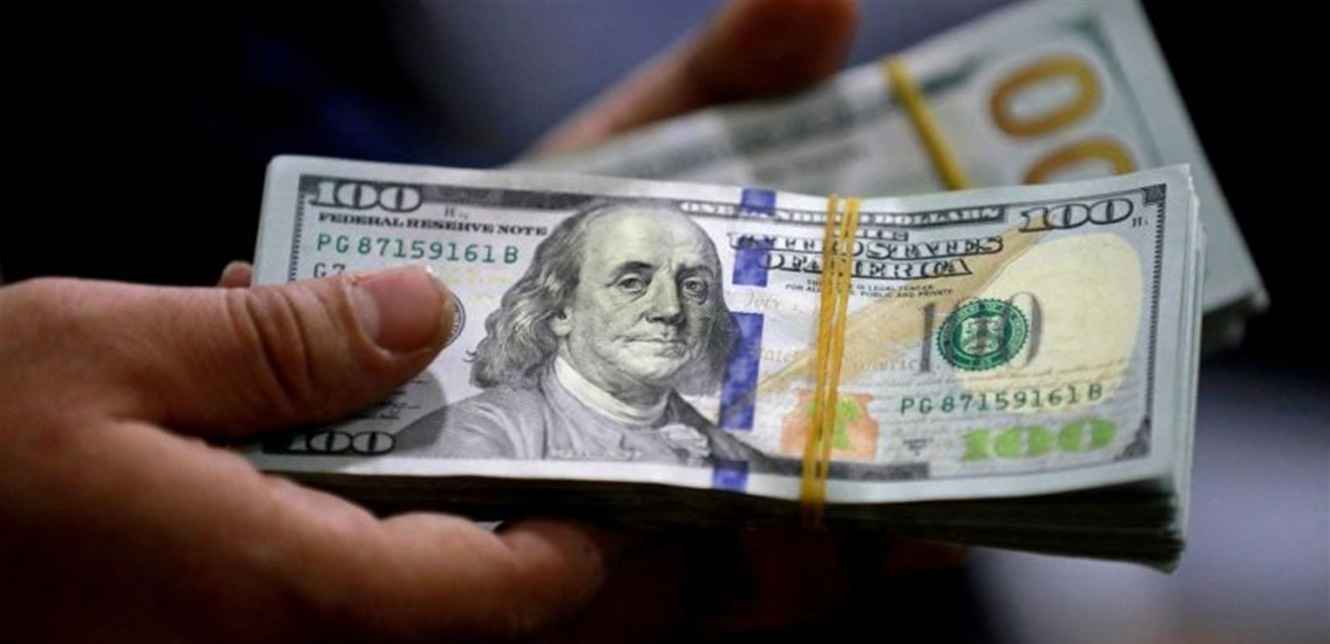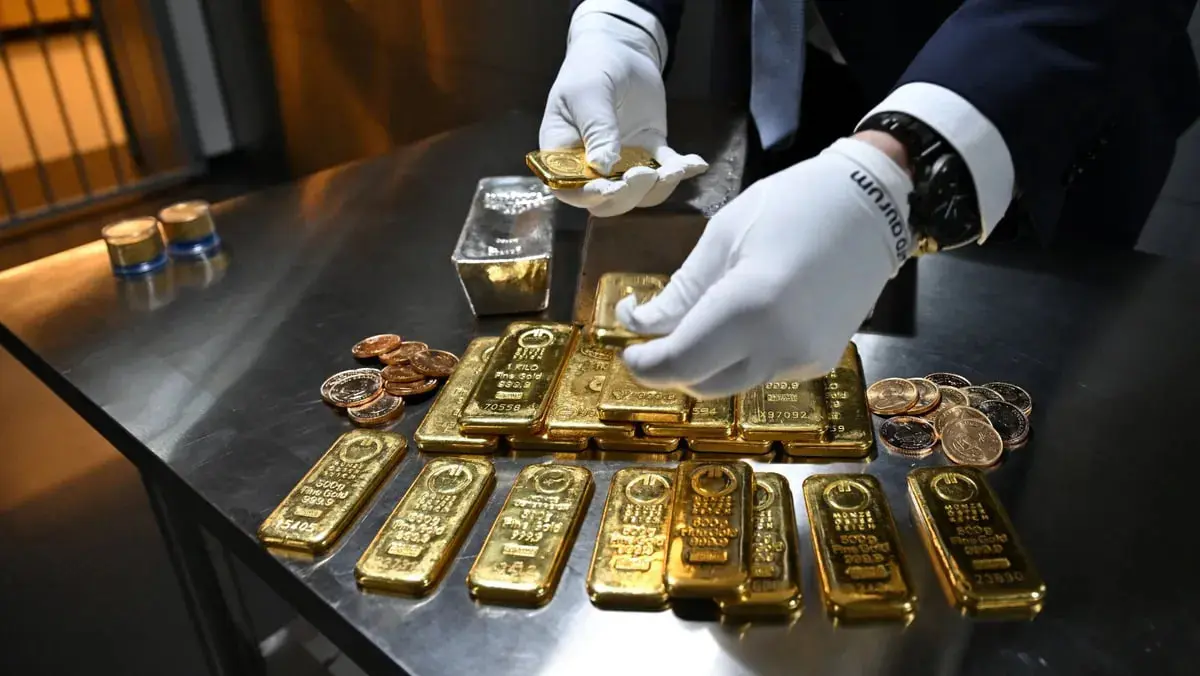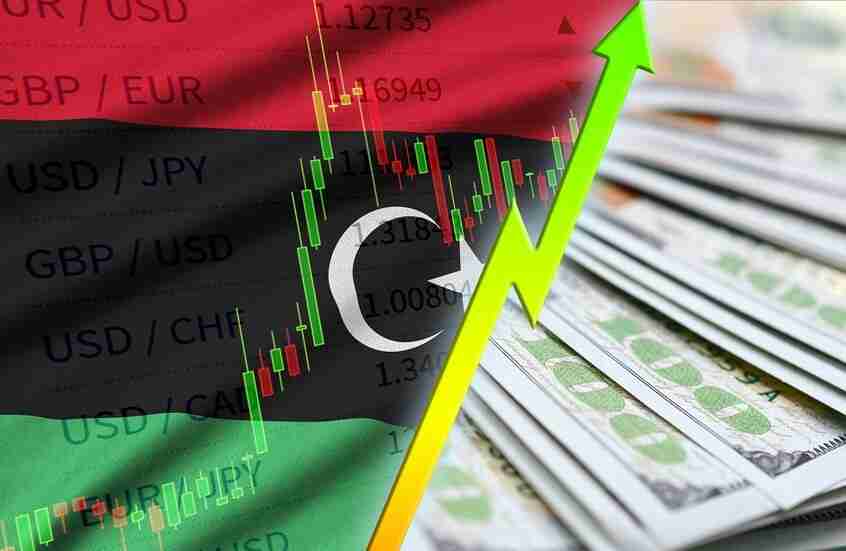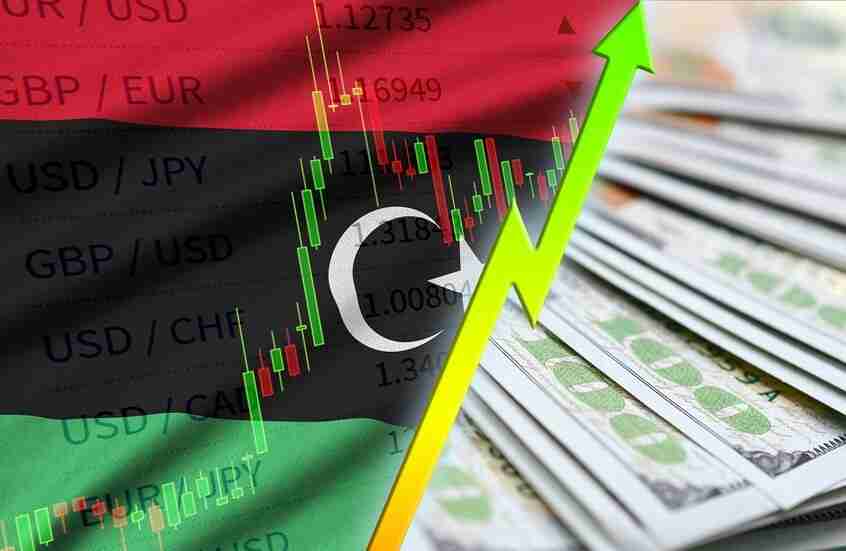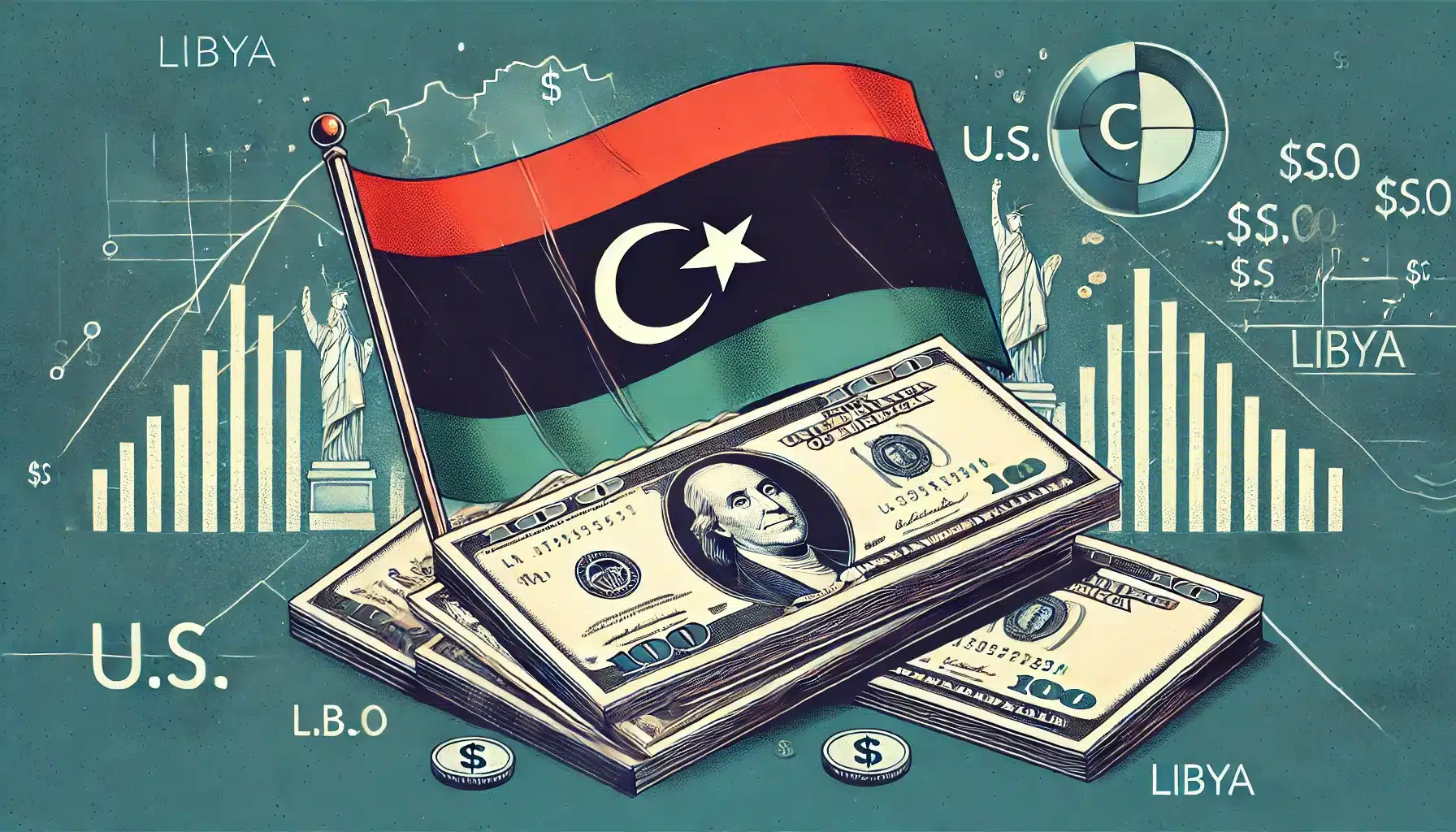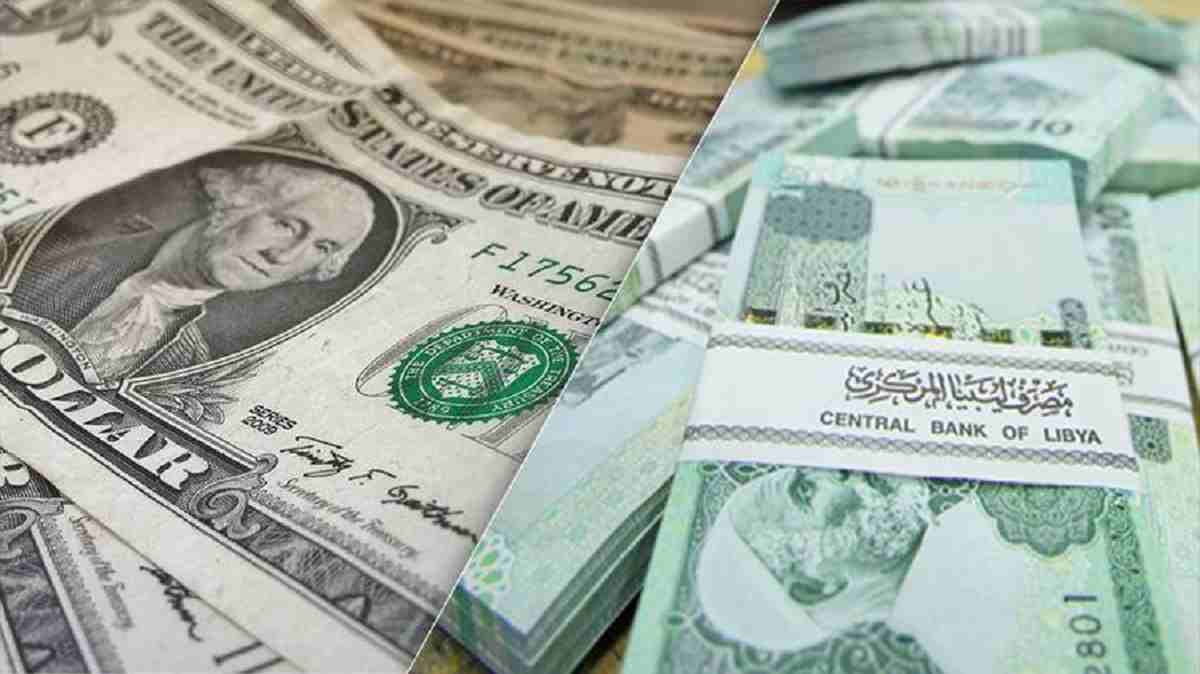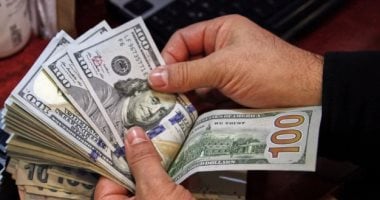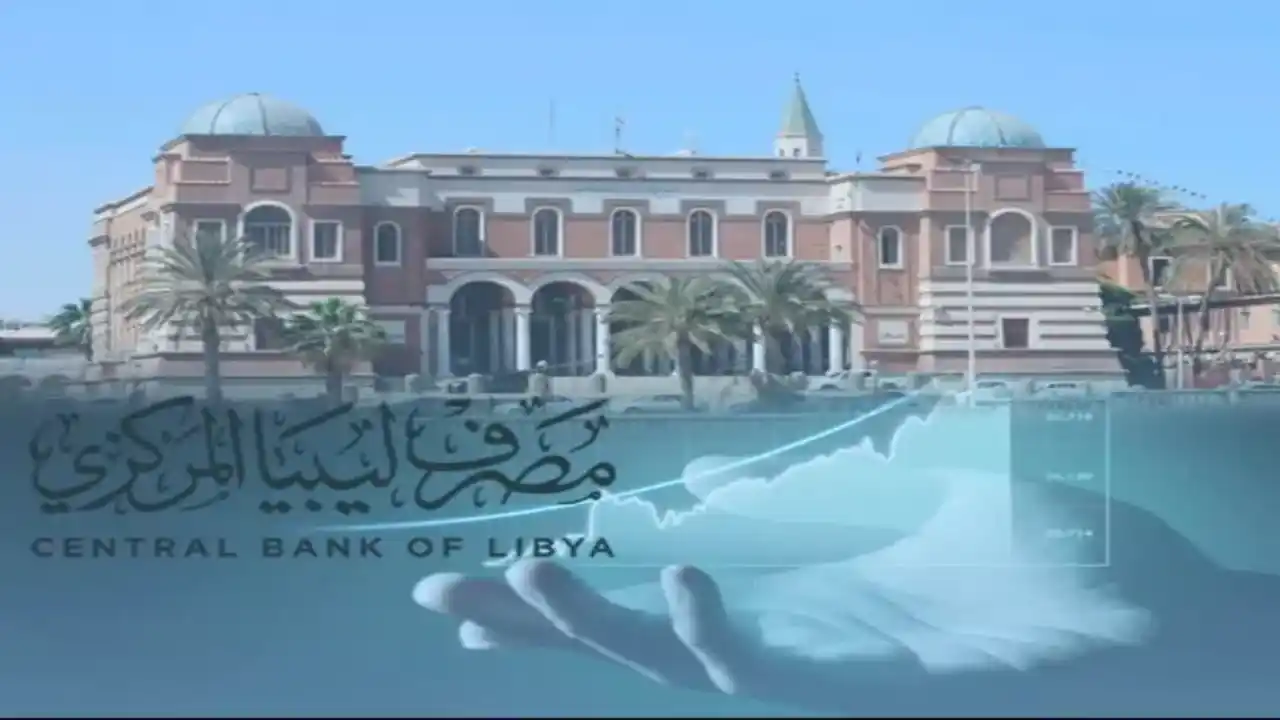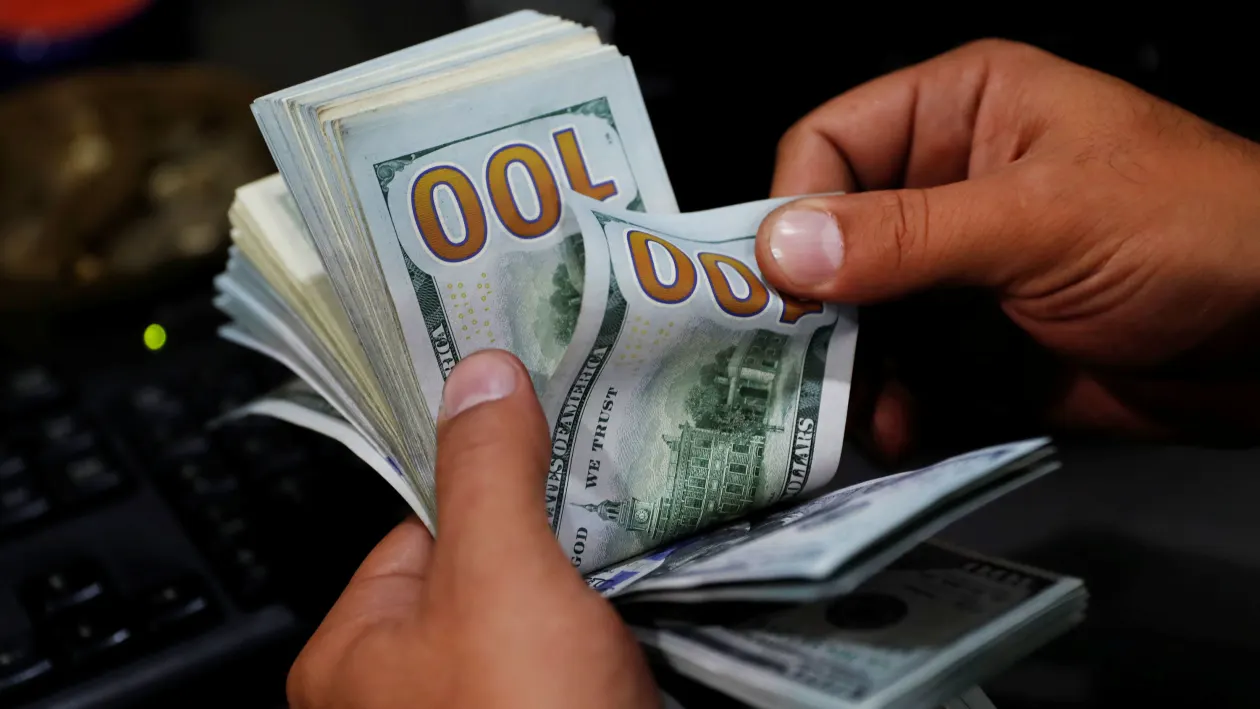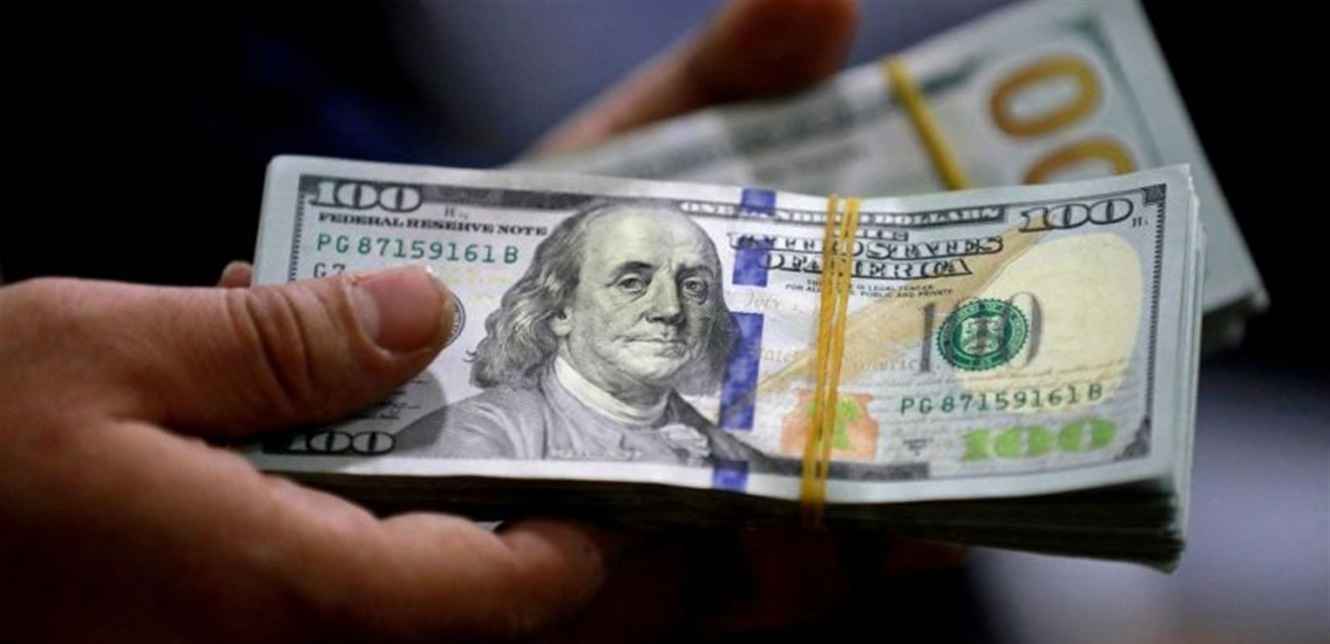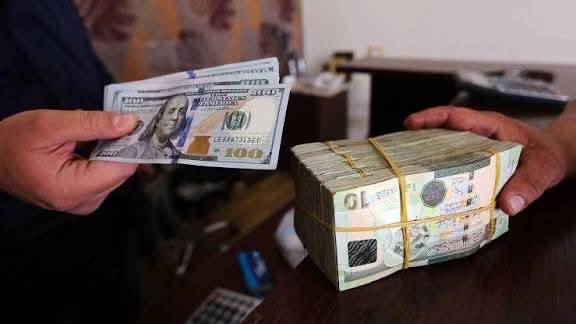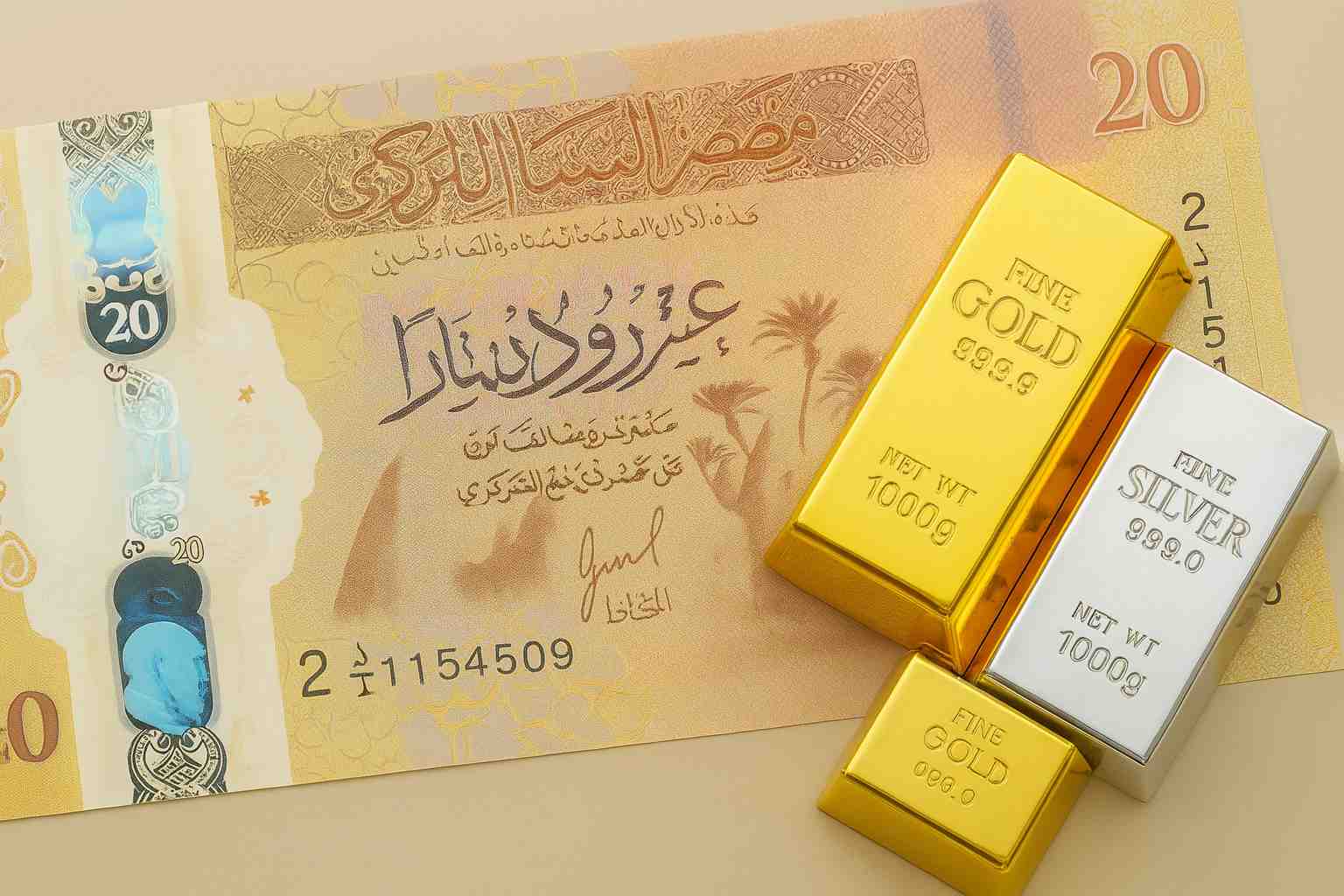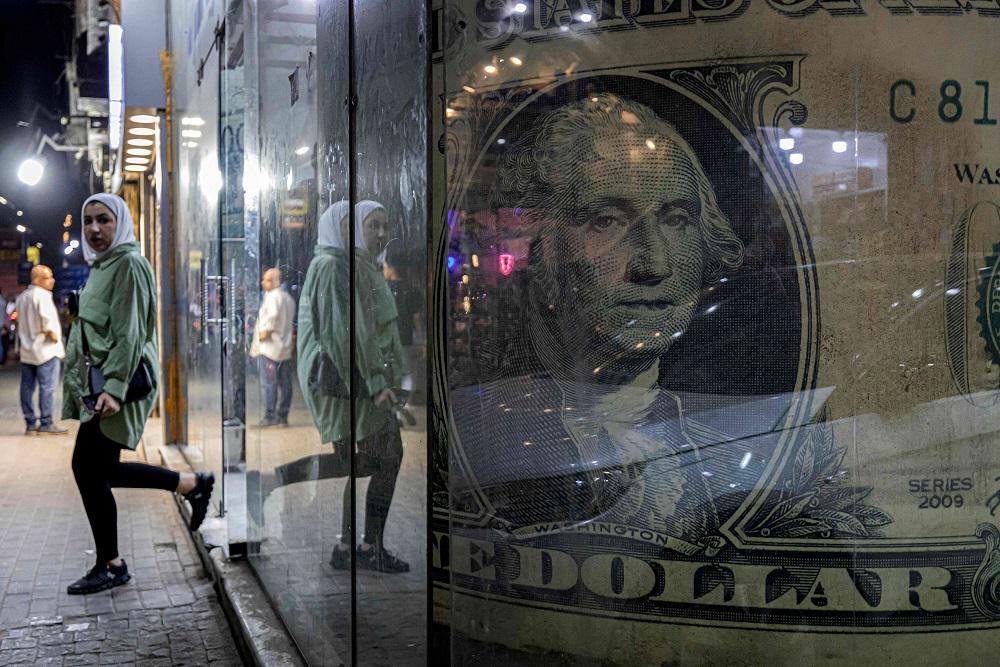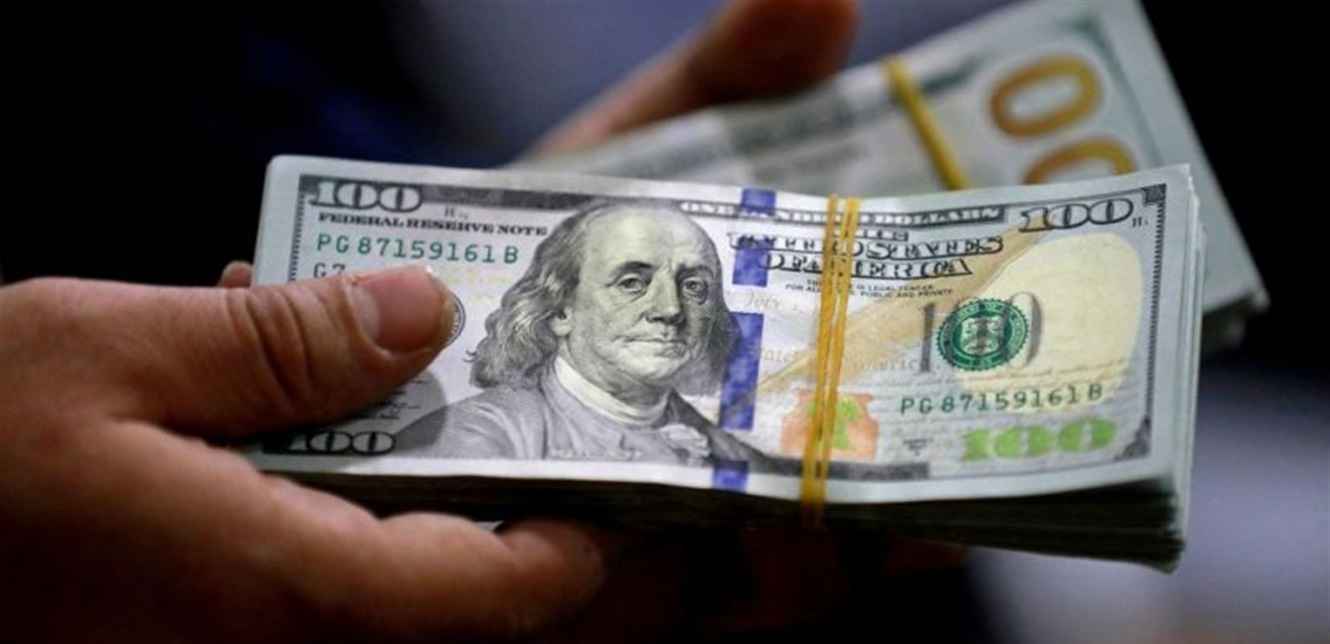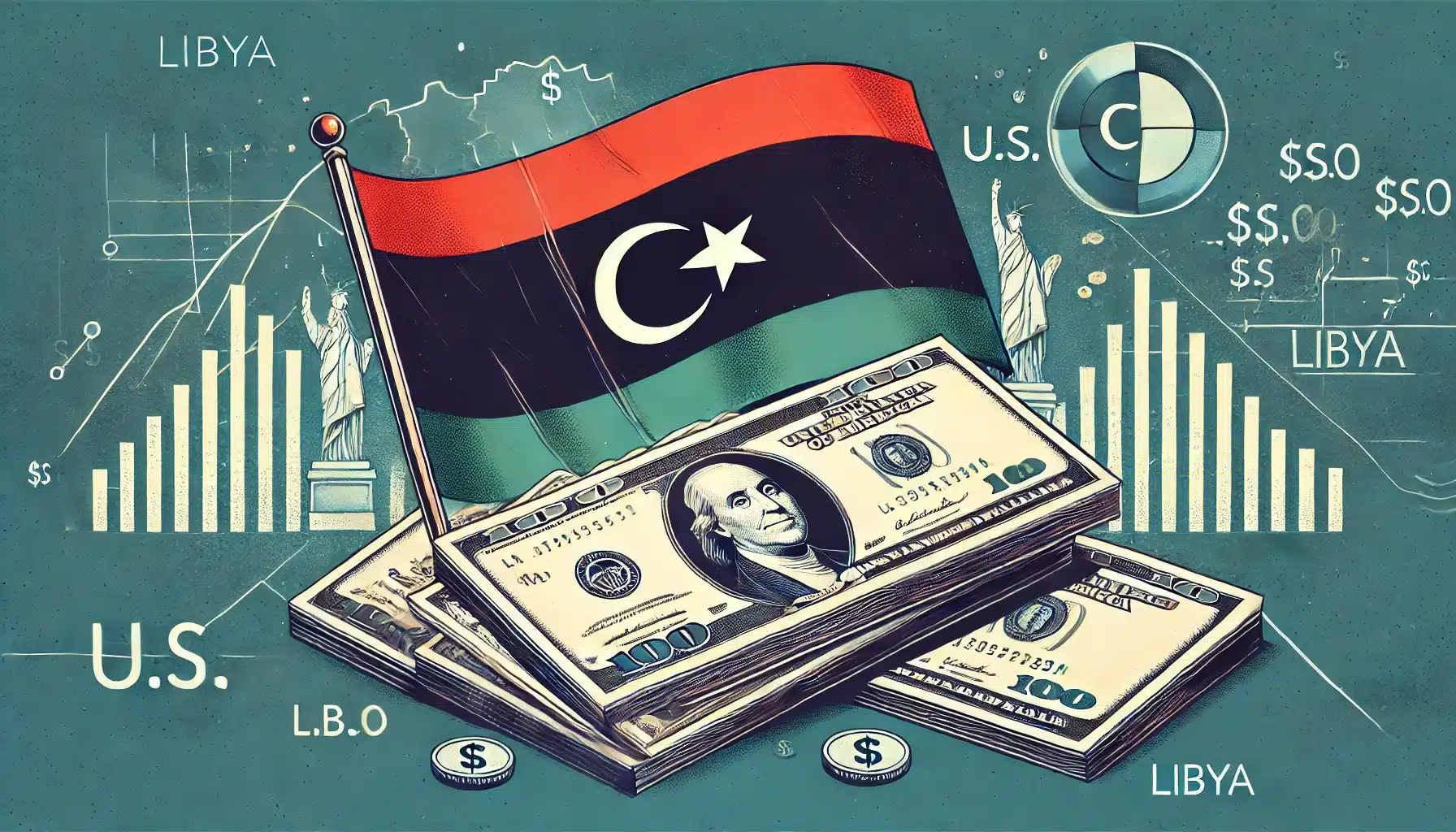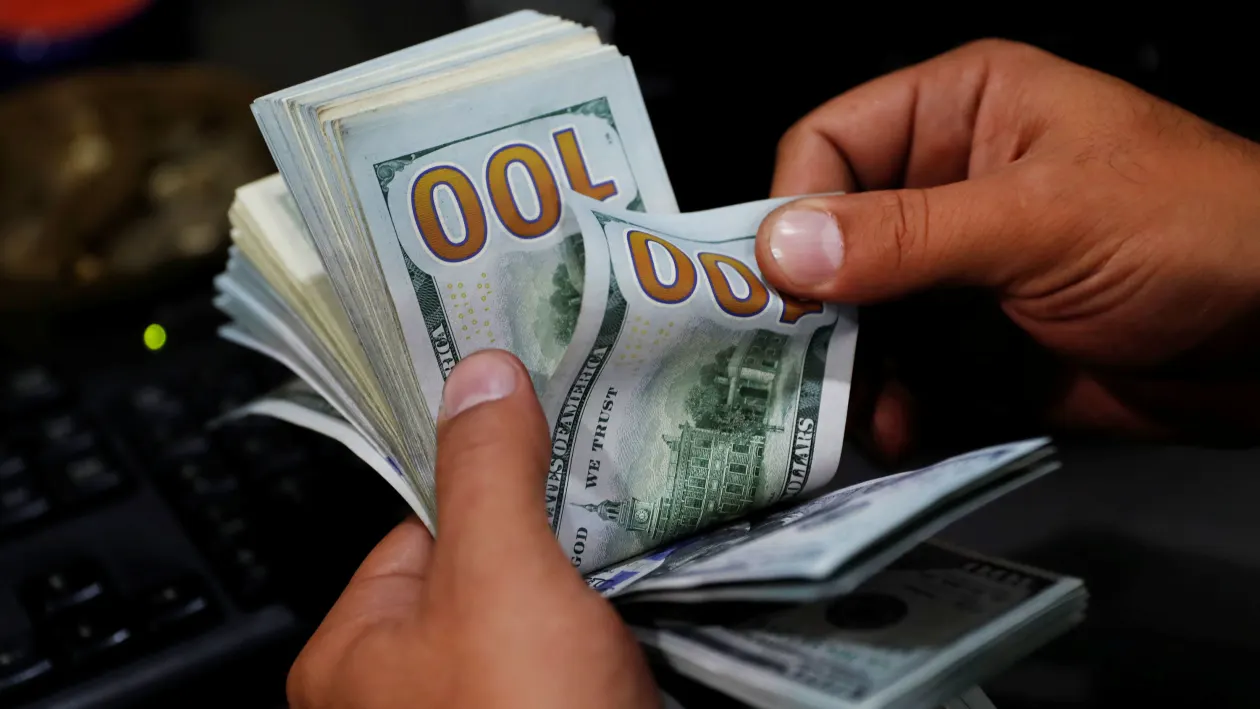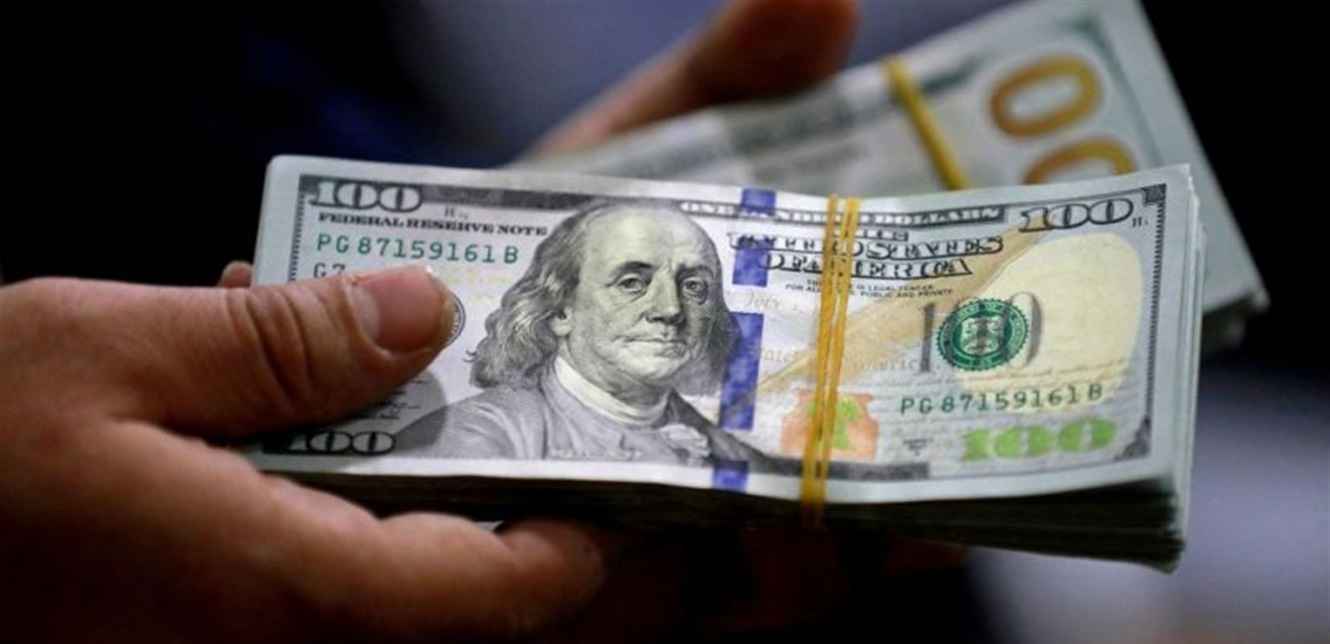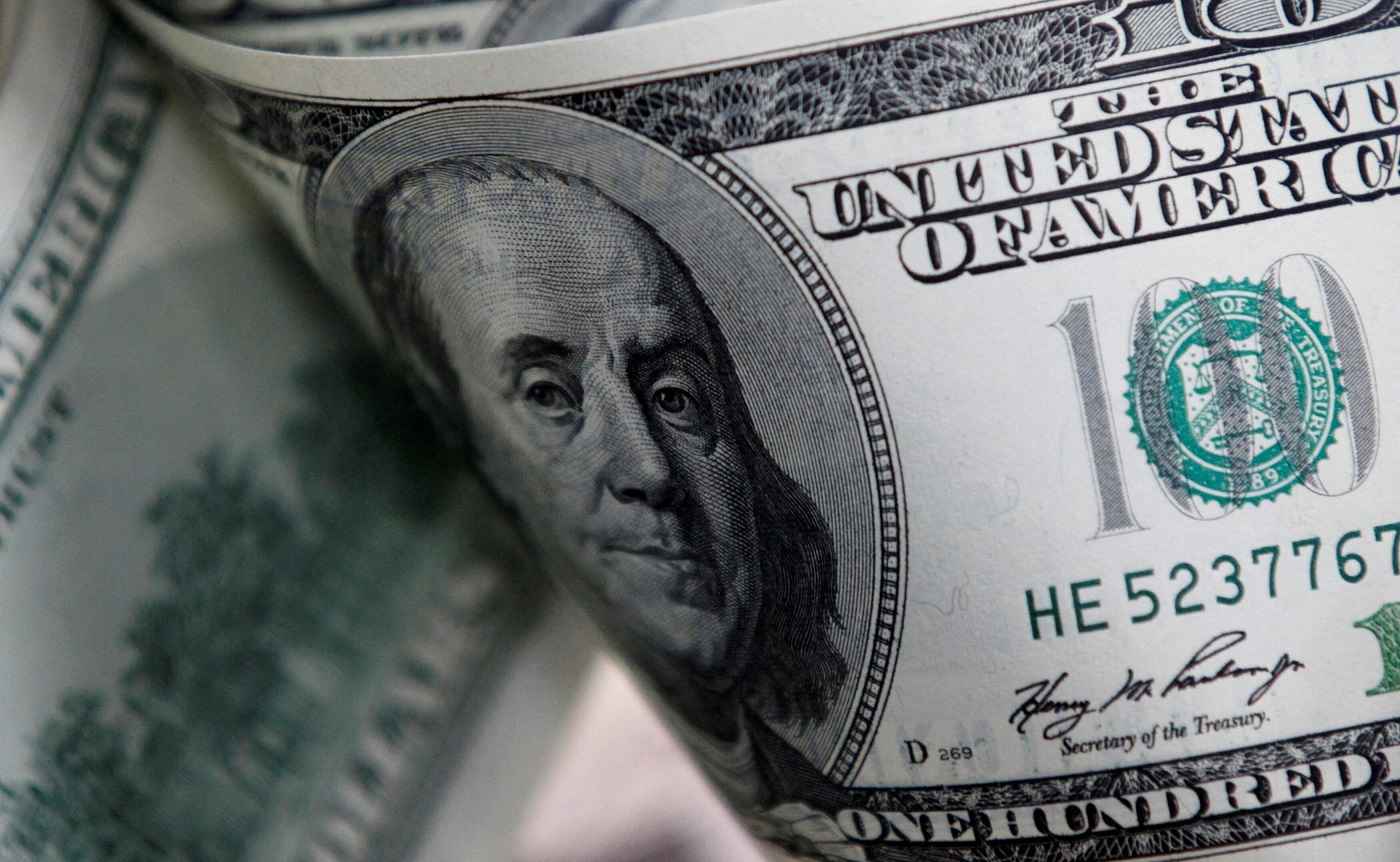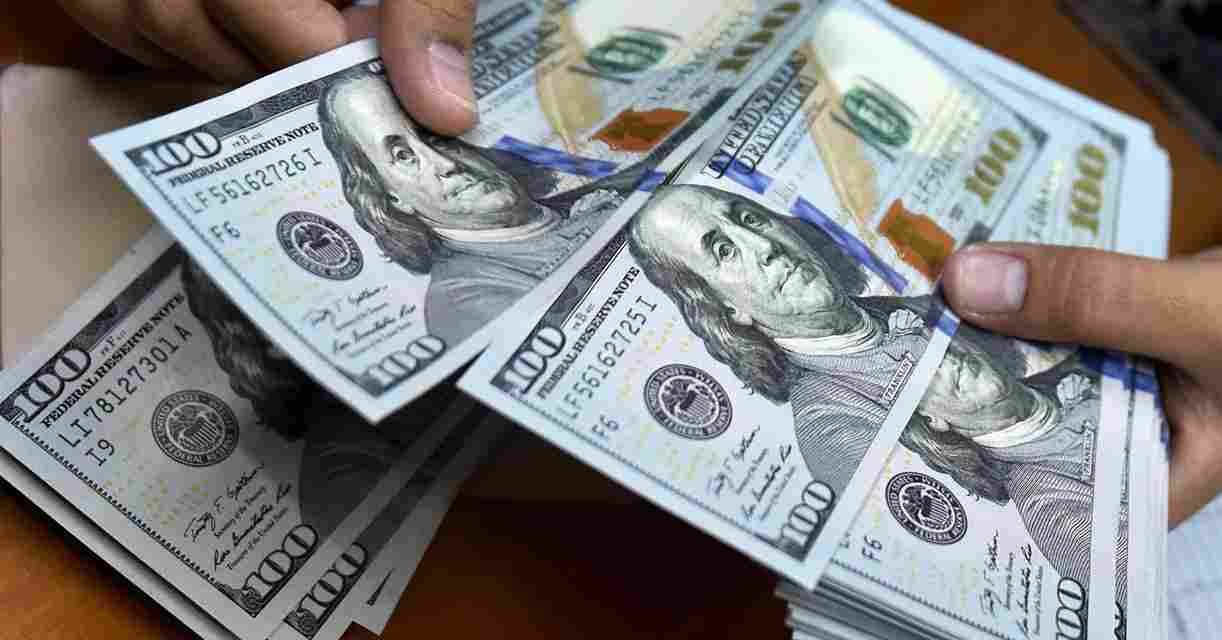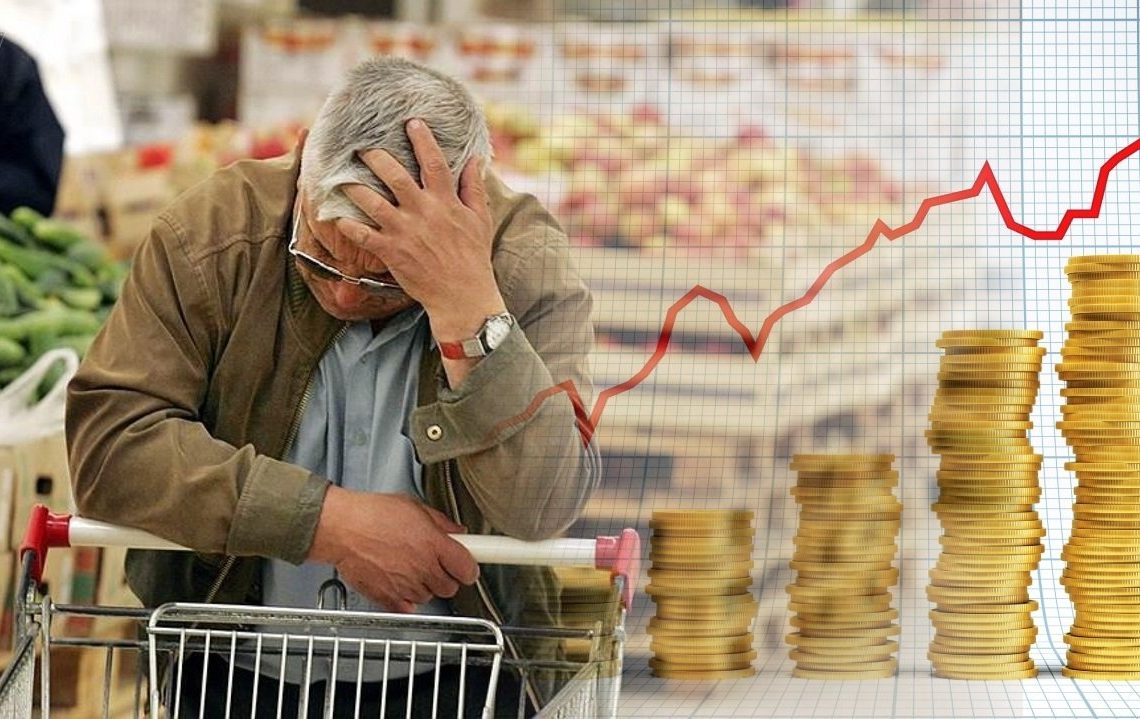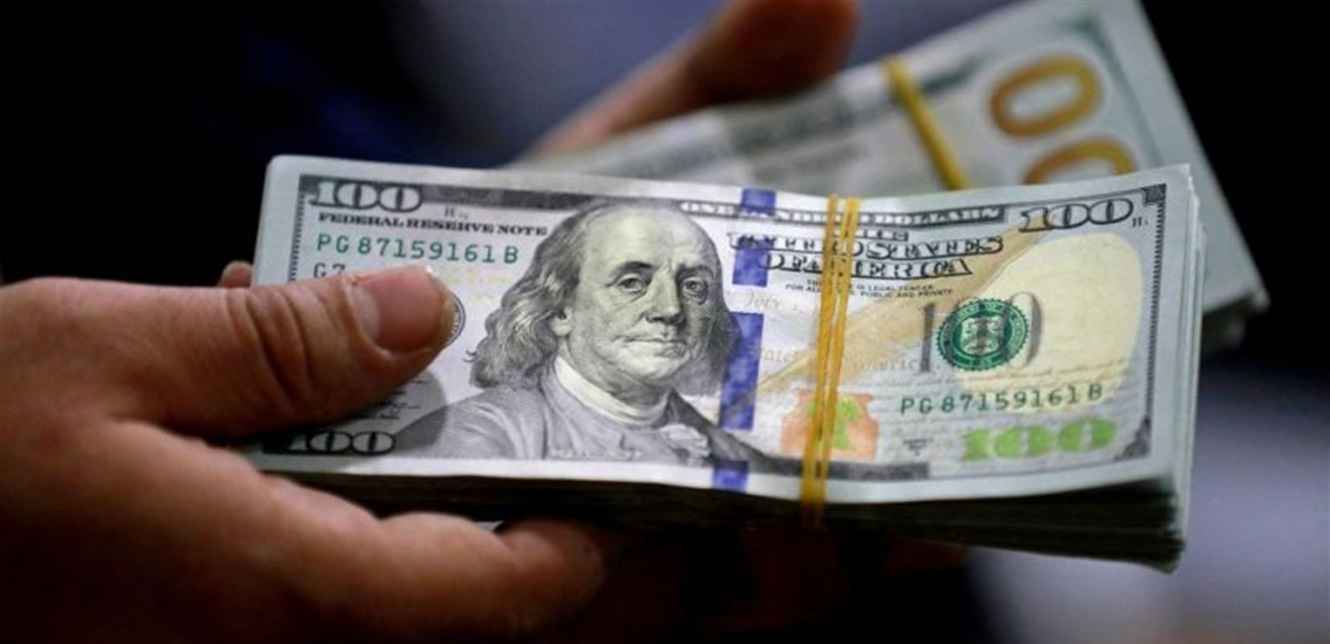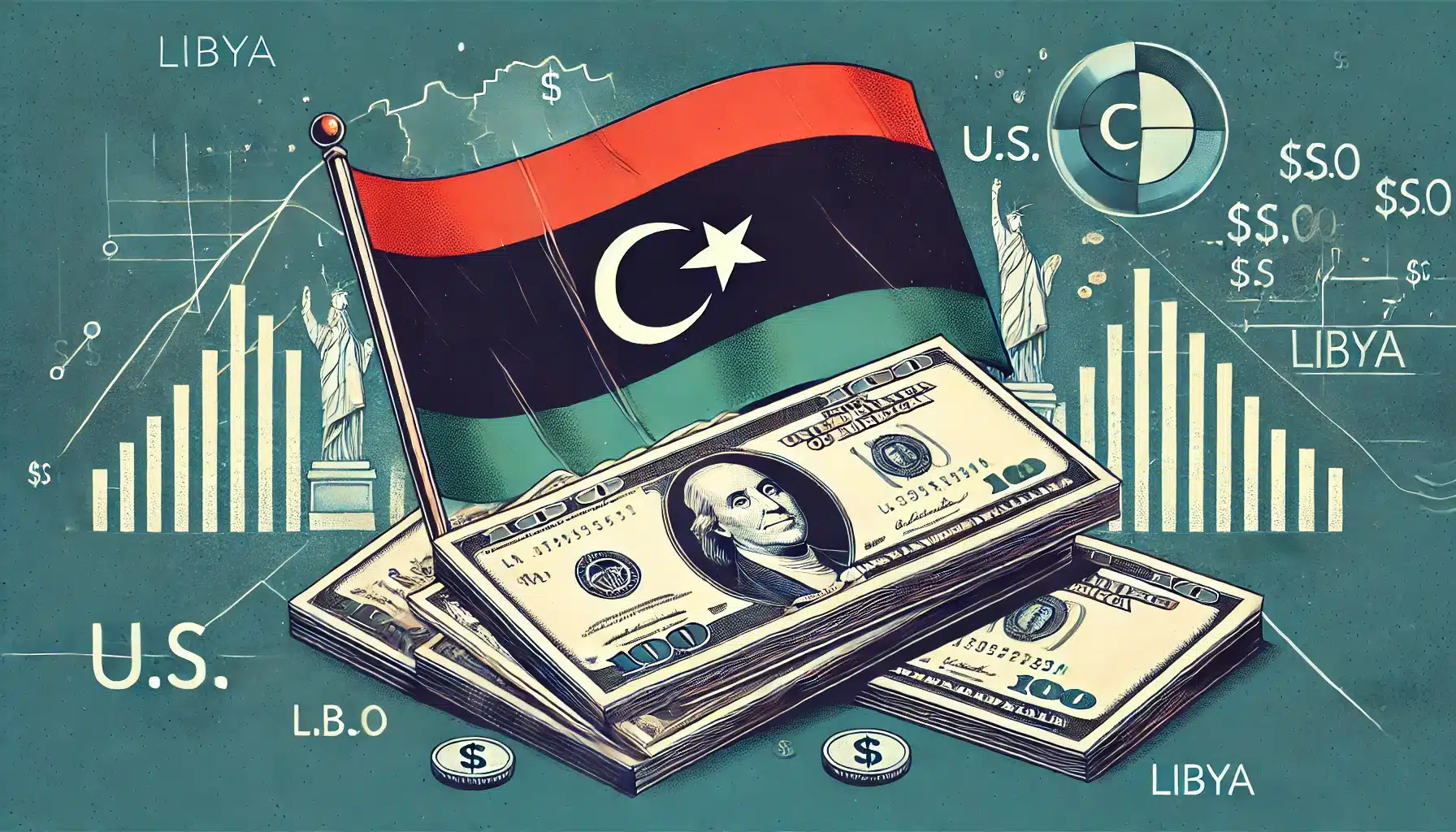
The exchange rate of the US dollar continued to rise against the Libyan dinar in parallel market transactions this Sunday, reaching levels not seen in 10 years.
Local Market Trading
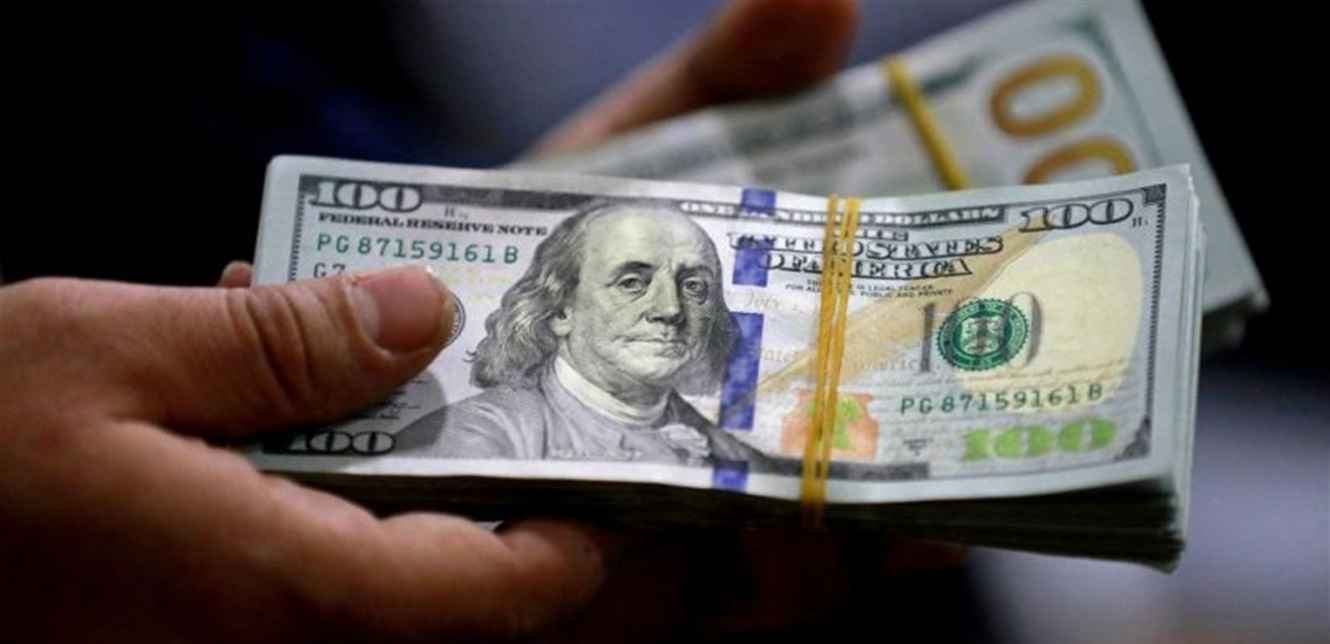
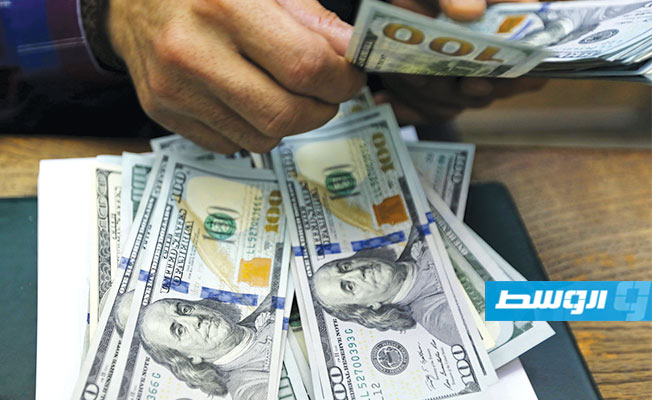
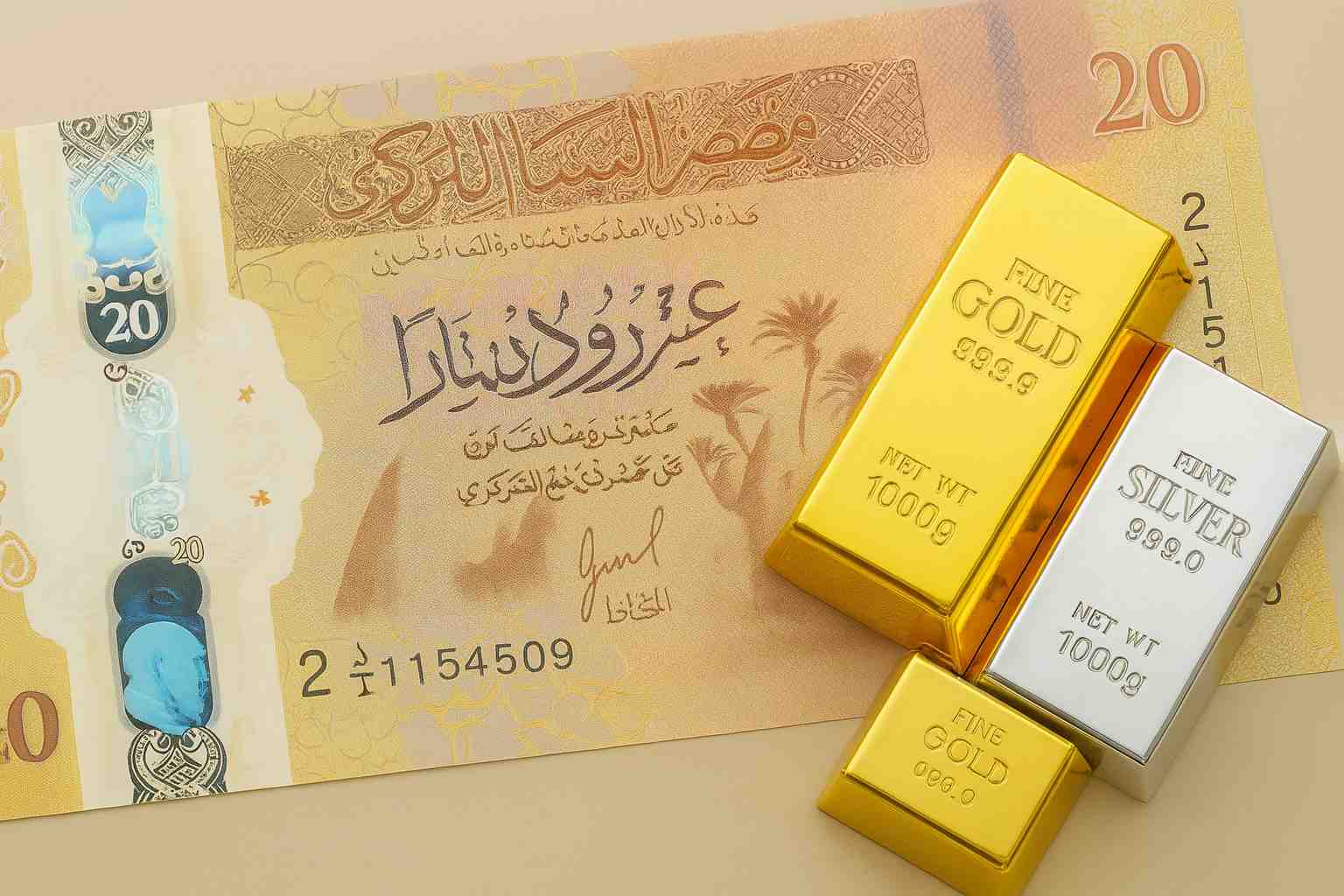
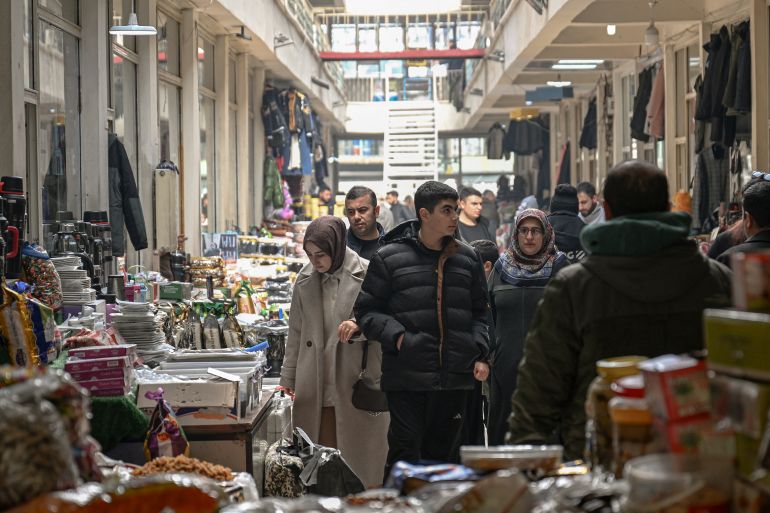
At 18:15, the US dollar was traded at a price of 9.91 dinars in the Al-Mashir currency market in Tripoli. In terms of remittances, the dollar’s price jumped to 10 dinars.
As for bank checks and remittance transactions, the dollar recorded a high level of 11.01 dinars, reflecting the widening gap between cash and bank rates.
Implications of Market Movement
- The continued rise reflects increased demand for the dollar amid limited supply.
- The difference between cash and checks confirms the existence of pressure on foreign currency liquidity within banks.
- The price disparity between cities highlights the state of instability in the parallel market.
US dollar
The US dollar is the official currency of the United States, established by the Coinage Act of 1792. It evolved from a system based on Spanish milled dollars and has become the world’s primary reserve currency since the Bretton Woods Agreement in 1944.
Libyan dinar
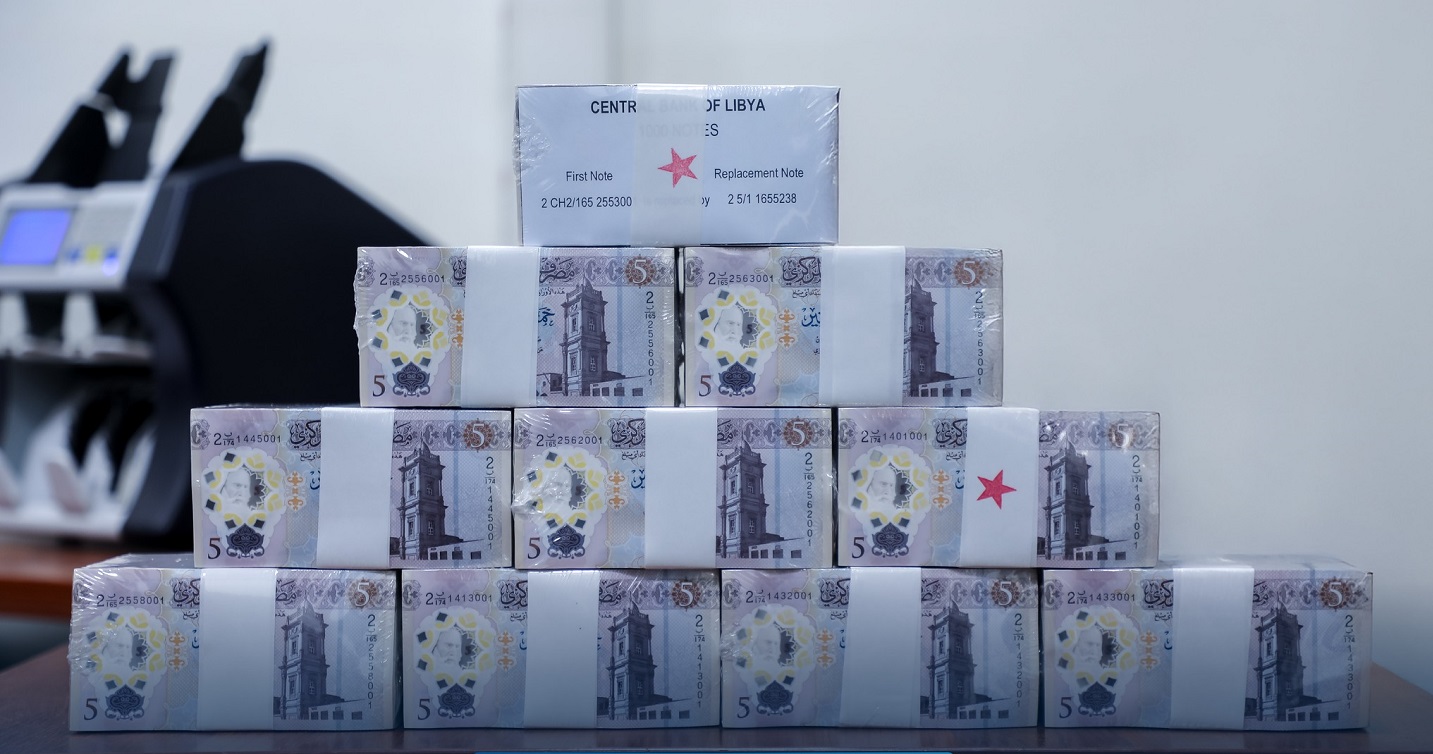
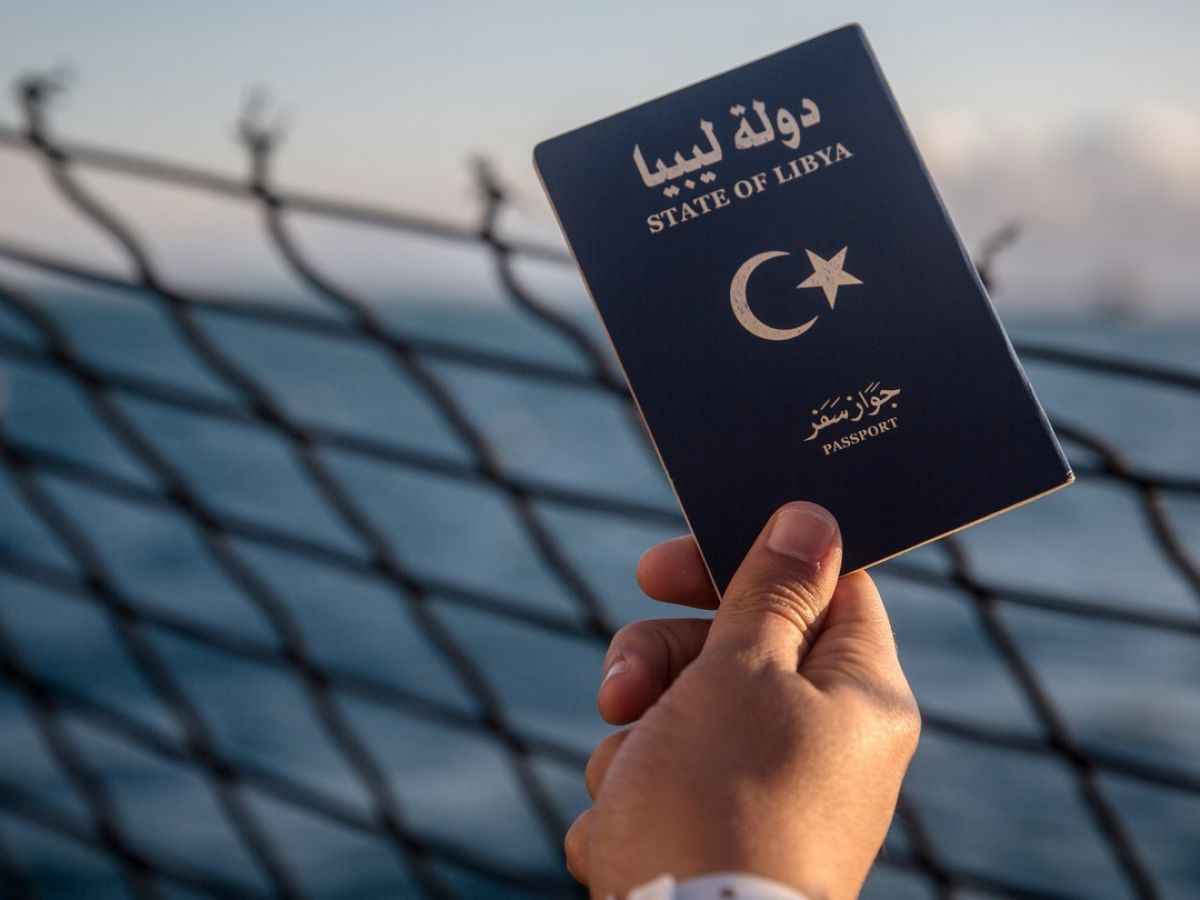
The Libyan dinar is the official currency of Libya, introduced in 1971 to replace the Libyan pound. Its issuance and value have been heavily influenced by the country’s political history, including the Gaddafi era and the instability following the 2011 civil war.
Al-Mashir currency market
The Al-Mashir currency market is a prominent informal foreign exchange market located in the Mansour district of Baghdad, Iraq. It emerged as a key financial hub following the 2003 invasion and the subsequent instability, operating outside the formal banking system to provide liquidity and set influential street rates for the Iraqi dinar. Its history is deeply tied to periods of economic crisis, currency devaluation, and the need for accessible hard currency in the country.
Tripoli
Tripoli is the capital and largest city of Libya, located on the country’s Mediterranean coast. Historically, it was founded by the Phoenicians in the 7th century BC and later became a significant Roman city, with its old medina showcasing centuries of influence from Arab, Ottoman, and Italian colonial rule.