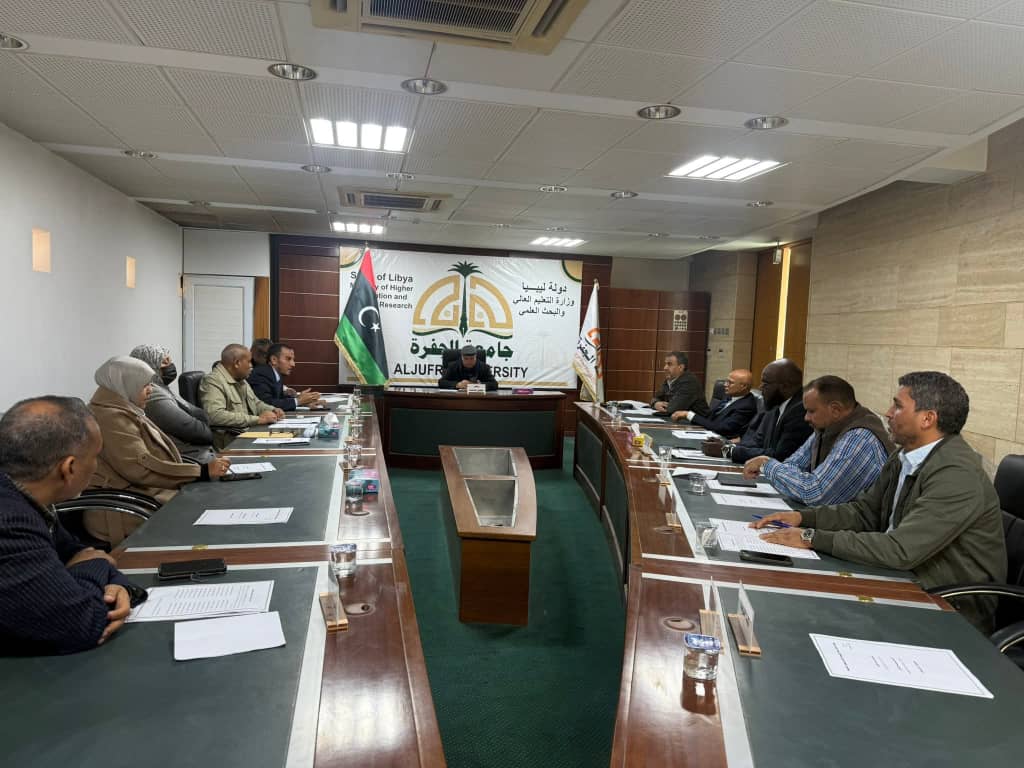
The delay in progress on restructuring the Electoral Commission Council is attributed to the ongoing lack of trust between the Council of Representatives and the State Council.
libyawire.org > News > Culture > The delay in progress on restructuring the Electoral Commission Council is attributed to the ongoing lack of trust between the Council of Representatives and the State Council.
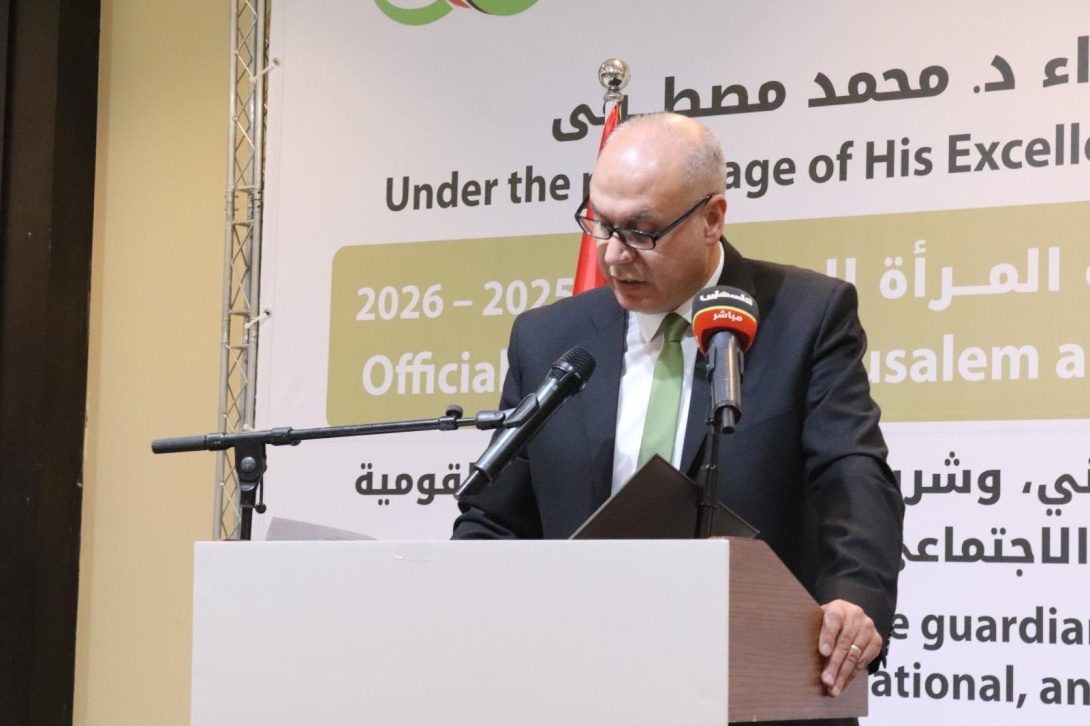
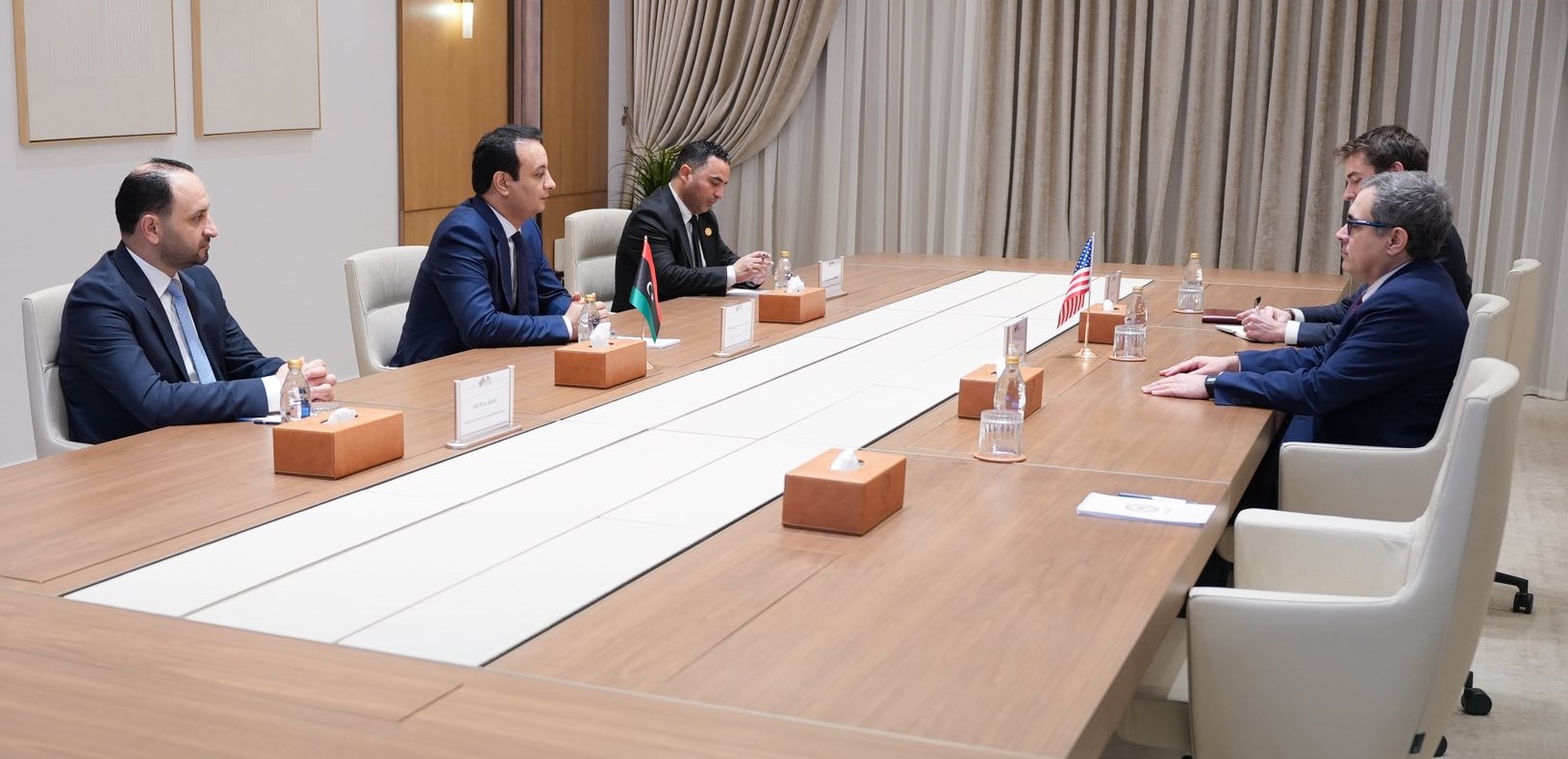
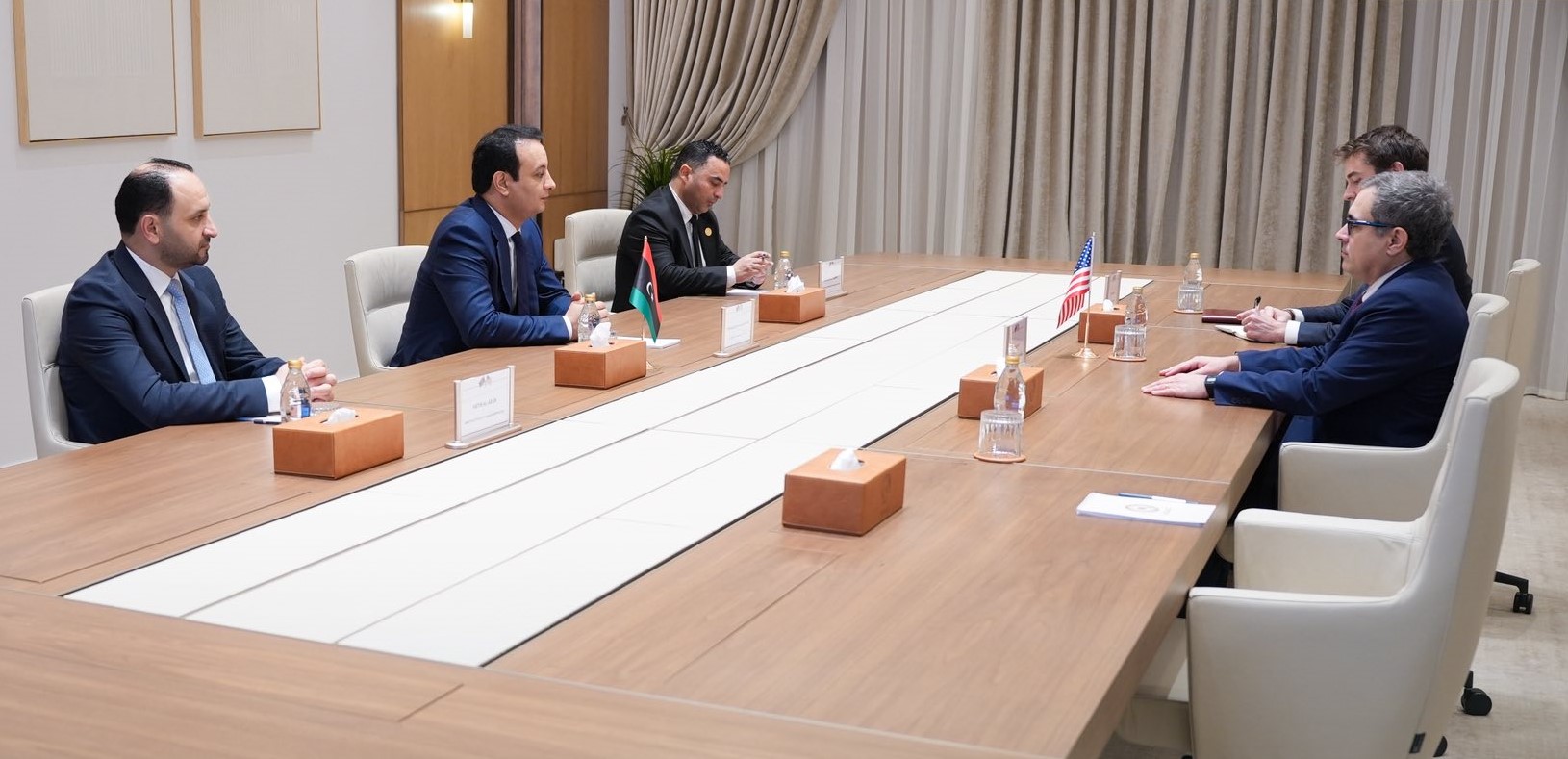
New York, December 19, 2025 – The UN envoy to Libya revealed that no progress has been made on the file of reconstituting the High National Elections Commission (HNEC) board, due to the persistent lack of trust between the House of Representatives and the High Council of State.
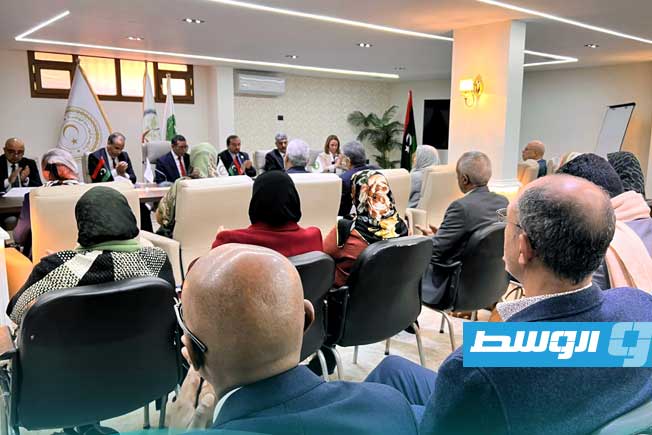
In her briefing to the UN Security Council on Friday evening regarding the latest developments in Libya, she stated that no progress has been made so far in reappointing the elections commission’s board of directors. She considered the delay in this file a manifestation of the lack of trust and the inability of the House of Representatives and the High Council of State to overcome their differences.
She pointed out that the mission will work with the High National Elections Commission to implement the presidential and legislative elections, referring to the mission’s statement regarding its readiness to implement this milestone next April. She clarified that the legal framework for the elections commission board requires representation from all regions of the country, and currently there is no representation for the east. She called on the main parties to reach an agreement on the legal framework for the elections so that the commission can continue its work in this regard.
She affirmed that the UN mission supports the House of Representatives’ position calling for elections to be held as soon as possible, noting that the structured dialogue will proceed in parallel with the other tracks of the roadmap, and is not a substitute for the specific milestones of the map.
She indicated that the UN mission has not been informed of the details of the anticipated ministerial reshuffle in the Government of National Unity, which was announced last week.
The Special Representative of the Secretary-General and Head of the United Nations Support Mission in Libya warned that the ongoing financial fragmentation in Libya is undermining economic stability and eroding trust in state institutions.
During her briefing, she considered the Unified Development Agreement signed by the House of Representatives and the State Council a step in the right direction, aimed at enhancing financial stability and implementing public spending controls. She expressed the UN mission’s readiness to support Libyan institutions to strengthen the oversight environment, enabling an agreement between the House of Representatives and the State Council on a unified budget for next year. She warned of the continued challenges that may prevent achieving this goal.
She noted that the UN mission is working to enhance its presence in eastern Libya next year and expand its presence in the city of Sabha at the beginning of 2027.
The UN envoy confirmed the stability of the security situation in the capital, Tripoli, and the continuation of the ceasefire reached last summer. However, she cautioned that the situation in the western regions remains fragile, stating, “The security environment in Tripoli is relatively stable, and the ceasefire is still holding, but the situation in Tripoli and the west of the country remains fragile.”
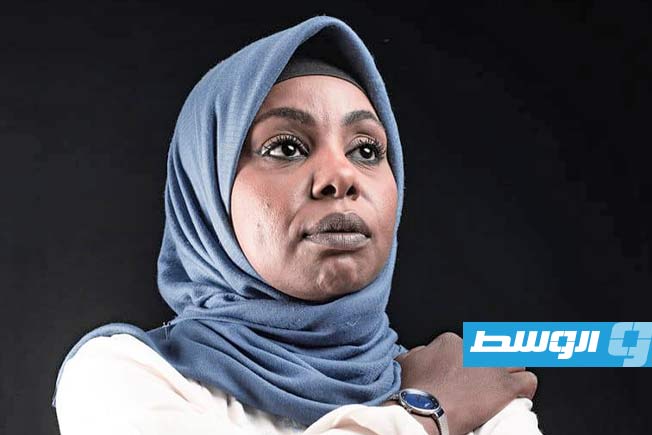
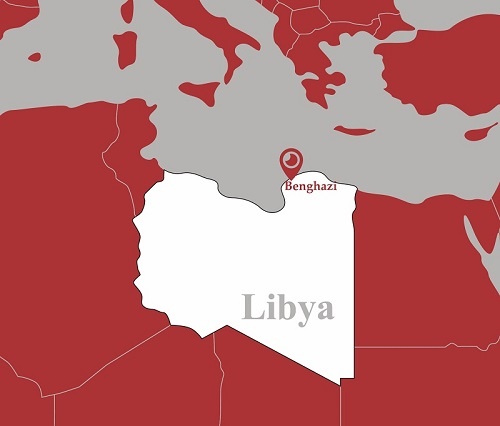
She addressed the killing of activist Khansa Al-Mujahid, saying, “The killing of Khansa Al-Mujahid sends a chilling message to women,” calling on the authorities to investigate her killing and hold the perpetrators accountable. She also referred to the death of a detainee in Benghazi after being tortured by a unit affiliated with the Minister of Interior in the government mandated by the House of Representatives, stressing the need to take more measures to enhance human rights in the country.
New York
New York City, originally settled by the Dutch as New Amsterdam in the early 17th century, was later taken by the English and renamed. It grew into a major global port and financial center, becoming a primary gateway for immigrants entering the United States through Ellis Island in the late 19th and early 20th centuries. Today, it is one of the world’s most influential cities, known for landmarks like the Statue of Liberty, Times Square, and its diverse cultural and economic impact.
UN Security Council
The United Nations Security Council is the principal organ of the United Nations charged with maintaining international peace and security. Established in 1945 following World War II, its five permanent members—China, France, Russia, the United Kingdom, and the United States—hold veto power over substantive resolutions.
Libya
Libya is a North African country with a rich history rooted in ancient civilizations like the Phoenicians and Romans, followed by centuries of Arab and Ottoman influence. In the modern era, it was an Italian colony before gaining independence in 1951, later becoming known for Muammar Gaddafi’s lengthy rule from 1969 until the 2011 revolution. The country is home to UNESCO World Heritage sites, such as the ruins of Leptis Magna, which attest to its significant historical legacy.
High National Elections Commission
The High National Elections Commission (HNEC) is Libya’s independent body responsible for organizing and supervising all electoral processes in the country. It was established in 2011 following the Libyan Civil War to manage the first post-Gaddafi national elections, aiming to build a foundation for democratic governance.
House of Representatives
The House of Representatives is the lower chamber of the United States Congress, established by the Constitution in 1789. It is composed of representatives elected from congressional districts, with representation based on state population.
High Council of State
The High Council of State is a governmental body in Libya, established as part of the 2015 Libyan Political Agreement. It was designed to serve as an advisory and consensus-building authority, representing a broad spectrum of Libyan society and political factions during the country’s transitional period following the 2011 civil war.
Government of National Unity
The Government of National Unity (GNU) is a term most notably associated with the post-apartheid transitional government in South Africa, formed in 1994 following the country’s first multiracial elections. It was a coalition government led by Nelson Mandela’s African National Congress, which included its former political rivals, the National Party and the Inkatha Freedom Party, to foster reconciliation and stability during the transition to majority rule.
United Nations Support Mission in Libya
The United Nations Support Mission in Libya (UNSMIL) is a political mission established in 2011 by the UN Security Council following the Libyan Civil War. Its mandate is to support Libyan national institutions, mediate political dialogue, and promote human rights and rule of law in the country’s ongoing stabilization process.
State Council
The State Council is the chief administrative authority of the People’s Republic of China, established by the 1954 Constitution. It is responsible for implementing laws and regulations and managing the day-to-day governance of the country under the leadership of the Communist Party of China.
Sabha
Sabha is a major city in southwestern Libya, historically serving as a key hub along the trans-Saharan trade routes. It is known for the Sabha Fortress, an ancient mudbrick structure that has been a central landmark for centuries.
Tripoli
Tripoli is the capital and largest city of Libya, located on the country’s Mediterranean coast. Historically, it was founded by the Phoenicians in the 7th century BC and has since been ruled by the Romans, Arabs, Ottomans, and Italians, serving as a major port and cultural crossroads. Its historic center, the medina, contains significant landmarks like the Arch of Marcus Aurelius and the Red Castle (Assaraya al-Hamra).
Benghazi
Benghazi is a major city in eastern Libya, historically significant as a center of trade and culture since its founding as the Greek colony of Euesperides. It played a pivotal role in the 2011 Libyan Civil War as a key base for the uprising against Muammar Gaddafi.