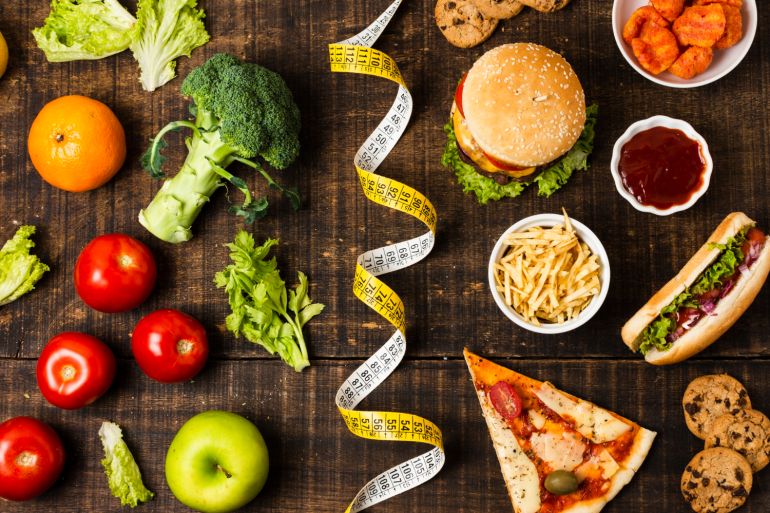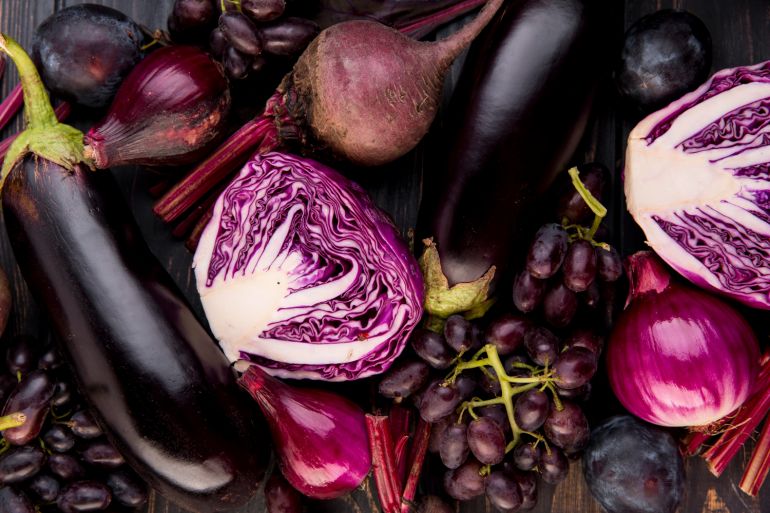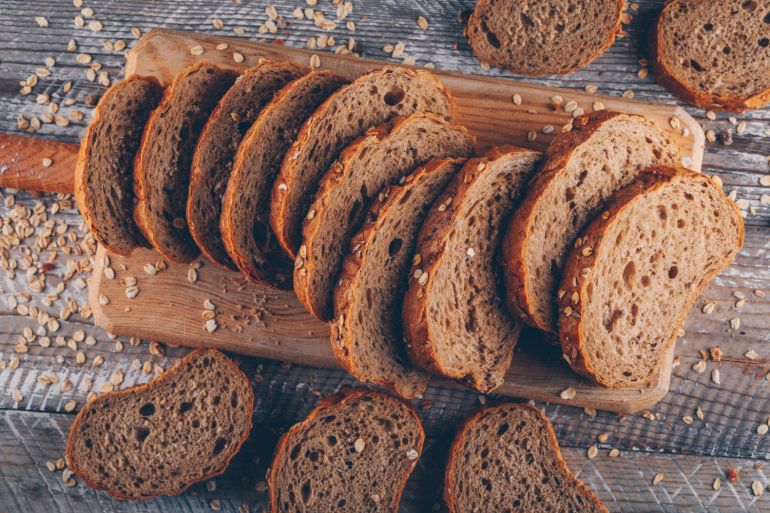
A plant-based diet is often viewed as a healthy dietary choice, associated with a lower risk of heart disease, type 2 diabetes, and some cancers. However, recent scientific research indicates that the label “plant-based” remains broad and does not necessarily mean a healthy diet. A plant-based diet can become nutritionally poor, even harmful to health, if it relies primarily on processed and ultra-processed plant foods, which nutrition experts call an “unhealthy plant-based diet” or (Junk Veggie Food).
What is an Unhealthy Plant-Based Diet?
Researchers typically classify plant-based diets into two main types:
-
Healthy Plant-Based Diet:
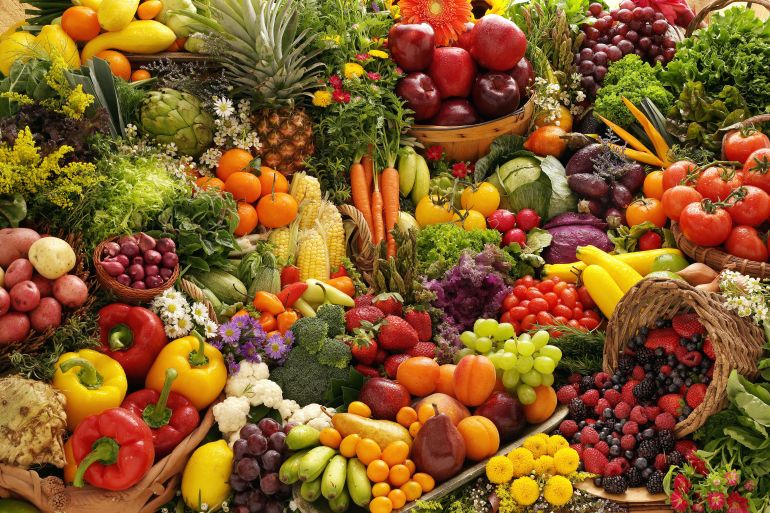
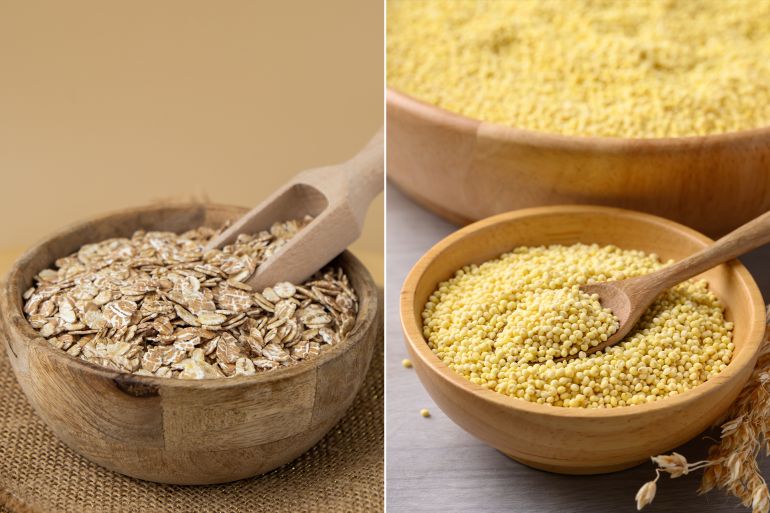
It is based on whole grains, vegetables, fruits, legumes, nuts, and seeds—meaning foods that are minimally processed and rich in nutrients.
-
Unhealthy or Poor-Quality Plant-Based Diet:
Although it formally relies on plant sources, it lacks balance and nutritional value due to a focus on ready-made and ultra-processed plant foods. These contain high amounts of added sugar, unhealthy fats, sodium, as well as preservatives and artificial flavors.
Preservatives and Artificial Flavors
These ingredients increase calorie intake without providing real nutritional value, leading to weight gain and metabolic problems linked to chronic diseases. They include many foods, such as potato chips, sweetened cereals, and sugary drinks.
Foods falling into this category are also characterized by a deficiency in essential nutrients, including:
- Vitamin B12
- Iron
- Omega-3 fatty acids
- Calcium and Zinc
A deficiency in these elements can lead to anemia, weakened immunity, osteoporosis, and neurological problems, especially if not compensated for with supplements or well-planned meals.

Harmful Effects of an Unhealthy Plant-Based Diet
1. Increased Risk of Cardiovascular Disease
Numerous studies indicate that poor-quality plant-based diets, which rely on ultra-processed plant foods, are associated with an increased risk of cardiovascular disease. A large-scale analysis involving over 118,000 people showed that high consumption of these foods raises the likelihood of heart disease compared to plant-based diets based on unprocessed foods. This confirms that food being plant-based does not necessarily mean it is healthy.
Some research has also found that people who follow an unhealthy plant-based dietary pattern were more susceptible to heart disease compared to those adhering to healthy plant-based diets, or even mixed diets. This is because industrial processing reduces the expected benefits of fiber, proteins, and antioxidant compounds found in whole plant foods.
2. Increased Likelihood of Strokes
Recent research clarifies that followers of an unhealthy plant-based diet have higher levels of heart proteins, such as troponin, which are indicators associated with heart muscle damage. The results indicate that those who rely on a low-quality plant-based diet may have these markers elevated by up to 65% compared to those following a healthy plant-based diet.
These findings mean that excessive consumption of unhealthy plant foods may increase the risk of heart attacks or long-term cardiac damage, which contradicts the common image that markets a plant-based diet as an automatically safe choice for heart health.
3. Obesity, Diabetes, and Metabolic Problems
Many people follow plant-based diets aiming to lose weight sometimes. However, studies indicate that low-quality plant-based diets can be linked to increased insulin resistance and a higher risk of type 2 diabetes. This is especially true for those containing added sugars and refined starches, and if they are high in calories and low in fiber.
<h