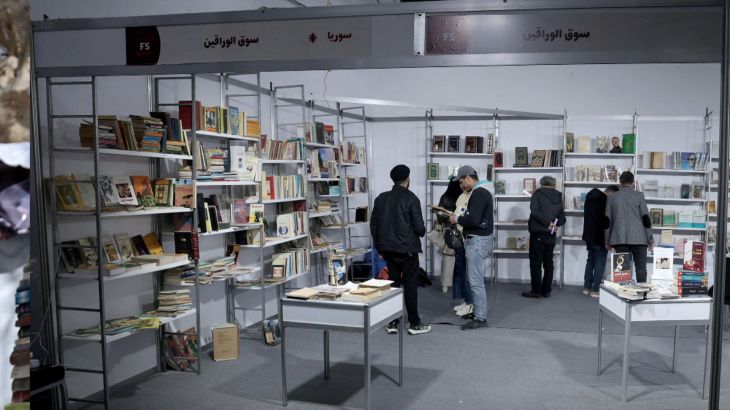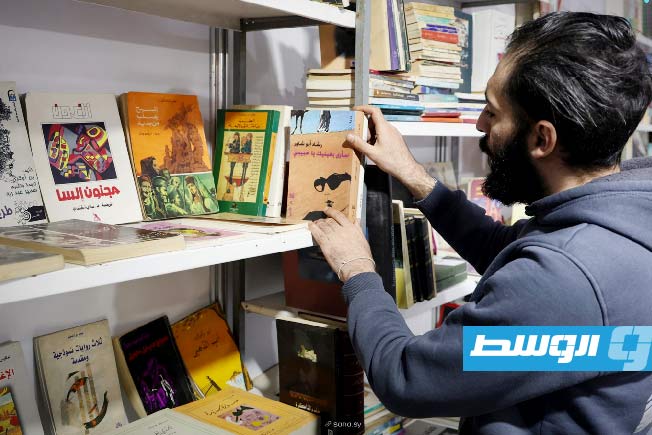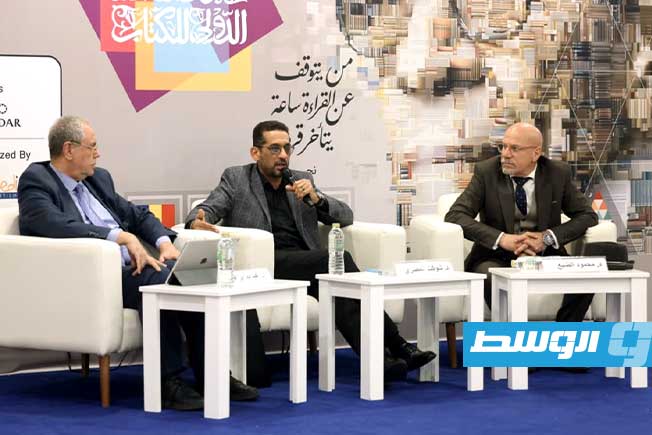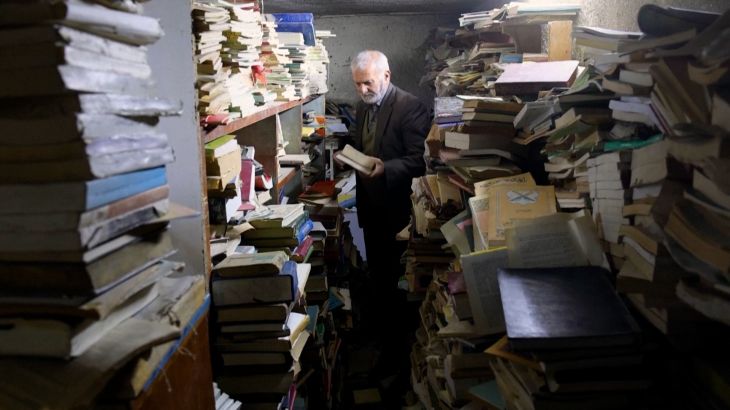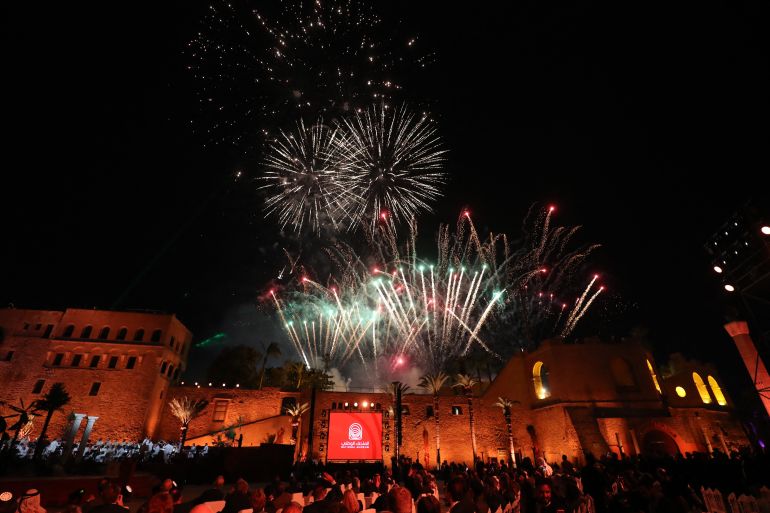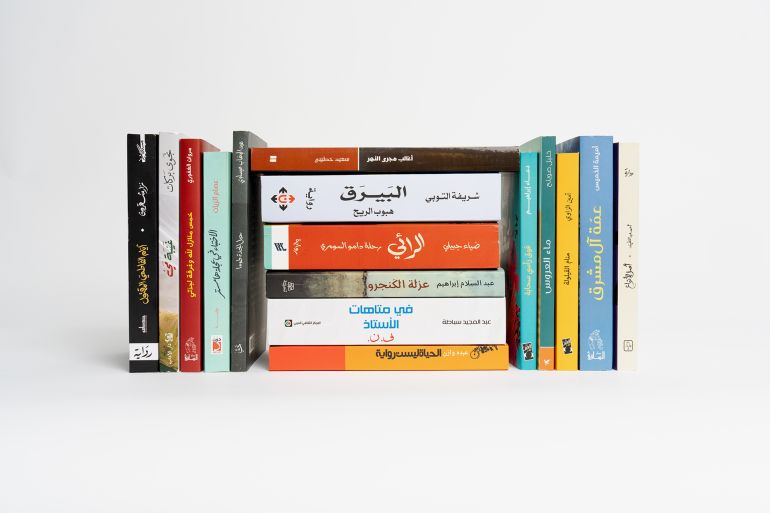
Damascus – The special session of the Damascus International Book Fair reflects a remarkable shift in the Syrian cultural scene, both in terms of the freedom to display books and the diversity of intellectual leanings and the orientations of participating publishing houses, in line with the transformations the country has witnessed.
This shift comes after long years of isolation, restriction, and prohibition, as the fair has returned to form a unifying space for diverse cultural currents, a gathering for publishing houses that were absent or marginalized, and others that were excluded due to their editorial policies or their stances.
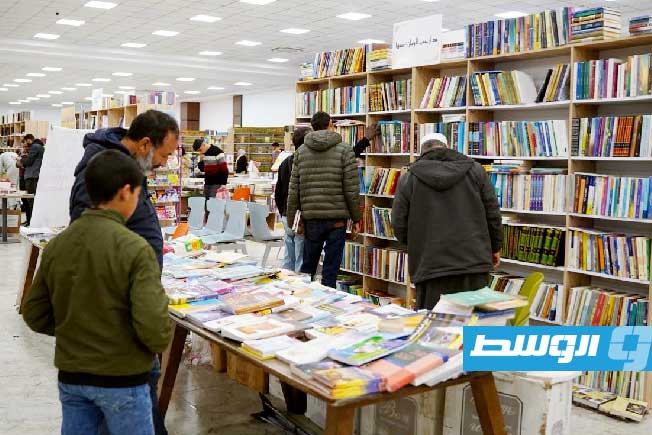
This session also features a distinguished Arab and international presence with the participation of 500 publishing houses from 35 countries, alongside the presence of a Kurdish pavilion, participating for the first time in the history of the Damascus International Book Fair. Additionally, hundreds of political, heritage, and religious titles that were previously banned are available, along with thousands of other titles that had not found their way to the fair before. This momentum has been met with intense turnout, reflecting the authentic thirst of Syrians for culture.
Restoration of Status
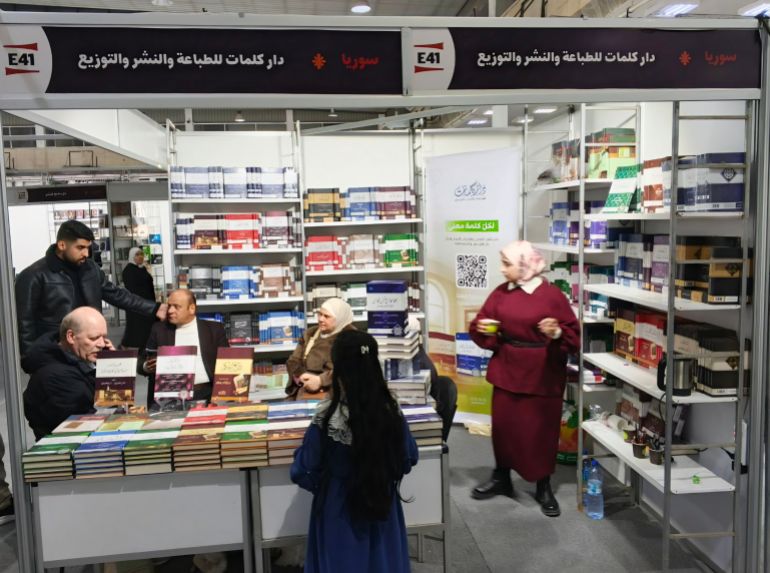
The participation of his publishing house in the fair is described as a symbolic restoration of status for Syrian books and publishers who were deprived of entering their country for many years.
It was added that many of these publishers were forced to work from abroad, with some establishing publishing houses, focusing clearly on issuing books that reflect the pains and concerns of Syrians. Their publications reached most Arab countries, while the Syrian reader remained distant from them.
It is considered that the return of the fair in this special session is like a “pulse of hope” on the path to restoring Syria’s civilizational role. It was noted that the publishing house did not face any censorship restrictions, despite the diversity of its intellectual and ideological publications from the far right to the far left, expressing pride in this experience.
For its part, it was stated that the current session of the fair represents a pivotal moment for the publishing house and the Syrian cultural scene as a whole after years of prohibition and exile. It was explained that the publishing house was founded in 2015 and was immediately banned from entering the country, at a time when some readers faced questioning merely for possessing books issued by it.
It was confirmed that the publishing house did not face censorship issues upon its participation in the fair, as no restrictions were imposed on titles. The Ministry of Culture provided logistical facilities and assisted in transporting the publishing house’s books from Beirut to Damascus.
Kurdish Participation
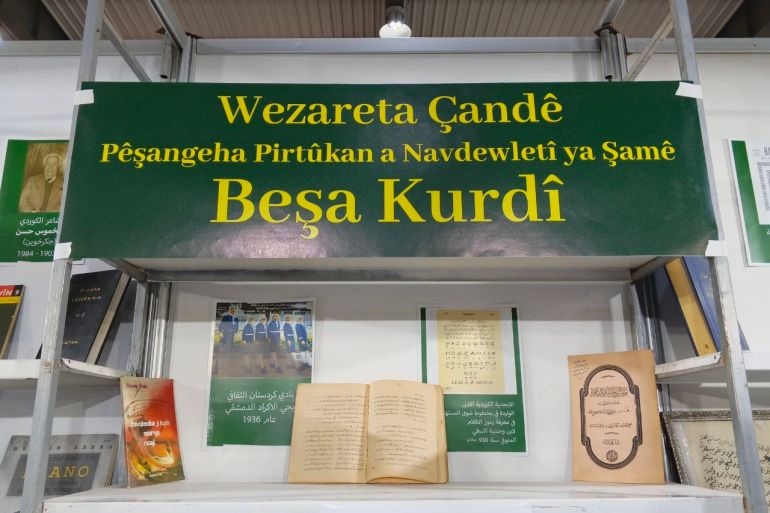
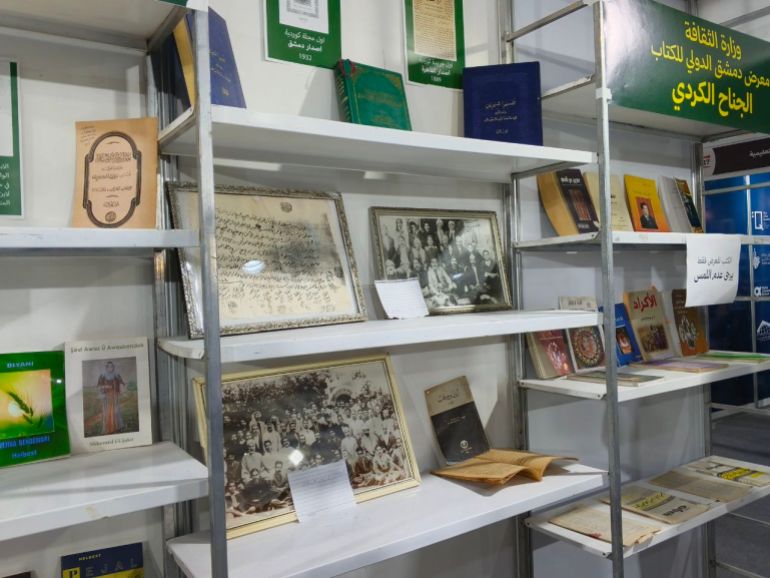
The Kurdish pavilion in the fair’s fifth hall attracted the interest of many visitors. This was explained by the visitors’ interest in learning about aspects of the rich Kurdish culture of knowledge and literature, and because it is the first participation of the Kurdish component in a book fair in contemporary Syrian history.
It was clarified that the pavilion contains historical documents and magazines, including the Kurdish magazine “Hawar,” which was published in Damascus in 1939 as the oldest publication in the Kurdish language in Syria. Hopes were expressed for the return of the features of that era after decades of exclusion and marginalization faced by Kurds throughout the years of Ba’ath Party rule.
Reference was also made to the historical role of the Kurdish component, which produced prominent national figures and participated in resisting the French occupation alongside Arabs decades ago.
The Kurdish pavilion’s participation in this session of the Damascus International Book Fair was described as “historic,” with visitors invited to come to the pavilion to learn about Kurdish culture up close.
Arab Presence
Arab publishing houses stood out at the fair through attractive titles unfamiliar to the Syrian reader, as most Arab participations were the first in 14 years.
It is stated that the publishing house is participating for the first time in the Damascus International Book Fair, considering that this special session constitutes an important cultural opportunity in a city considered the