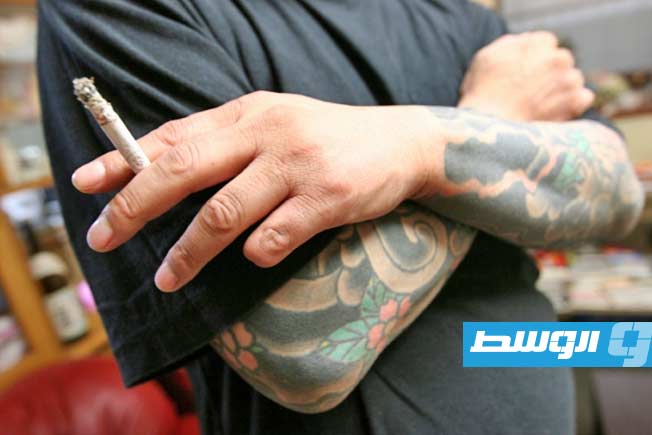
The world of organized crime in Japan has undergone a radical transformation. While the historic Yakuza gangs once dominated with their strict hierarchical structure, distinctive tattoos, and traditional codes of honor, new, more shadowy and tech-savvy criminal networks have emerged.
From his prison cell, a gangster formerly allied with the Yakuza revealed the inner workings of his involvement with the ‘Tokuryu’ organization. This modern network does not rely on traditional loyalty but instead recruits anonymous individuals via social media to carry out specific tasks ranging from fraud to armed robbery.
Yakuza leaders confirm that their organization “has lost its appeal to the youth,” explaining in phone interviews that “those who come to us, fascinated by the glitter and allure of our world, quickly discover that its reality is not what they imagined.”
Members of Generation Z and Millennials reject the strict rules and the requirement to start at the bottom of the gang’s hierarchy. Instead, they prefer to join ‘Tokuryu’ because it is a flexible, decentralized organization that does not follow traditional rules.
From Fake Posts to Violent Robbery
The gangster’s criminal activity relied on posting fake job advertisements with attractive salaries on social media platform ‘X’, which attracted a diverse range of people from society.
The organization operates on a “project team” system, where groups are formed to commit a single crime and then disband, preventing law enforcement from “reaching the masterminds during arrests.”
– <a>International operation launched to combat child recruitment in organized crime gangs
– <a>Hong Kong: Man arrested for publicly declaring affiliation with a gang
– <a>’Animal tattoos’ a danger threatening Ecuador’s youth
The primary activity focuses on telephone fraud, where criminals impersonate distressed grandchildren, government officials, or well-dressed police officers to swindle victims out of their money.
Japanese authorities recorded losses of 72.2 billion yen (470 million dollars) due to organized fraud between January and July 2025, an unprecedented record high.
The Shift from ‘Bakuto’ to ‘Hangure’
Historically, the Yakuza originated from ‘Bakuto’ (gambling organizers) and expanded their influence after World War II into real estate, entertainment, and extortion, enjoying a degree of social tolerance as a “necessary evil.”
However, their membership has declined by 80% since 1992, reaching a historic low (18,800 members).
This vacuum has been filled by ‘Hangure’ gangs, independent young criminals described by police as “semi-Yakuza.”
Their members are notable for their ability to “blend into society as ordinary citizens,” running legitimate businesses like beauty salons and fashion brands while secretly managing ‘Tokuryu’ operations. Despite their independence, investigators point to occasional cooperation, where Yakuza leaders receive a share of profits in exchange for assistance with recruitment.
A Late Awakening Behind Bars
The gangster is currently serving a nine-year prison sentence for robbery and child abduction charges. From behind bars, he expresses remorse, saying that a life of crime “distorted me” and made him “almost devoid of feelings.”
He adds in a moment of reflection: “I now realize how cruel, brutal, and inhumane our actions were. I will carry this guilt for the rest of my life.”
In response, the Tokyo police have raised their alert level and established a special unit in October comprising one hundred officers to pursue these sophisticated digital networks and cut off their resources.
<