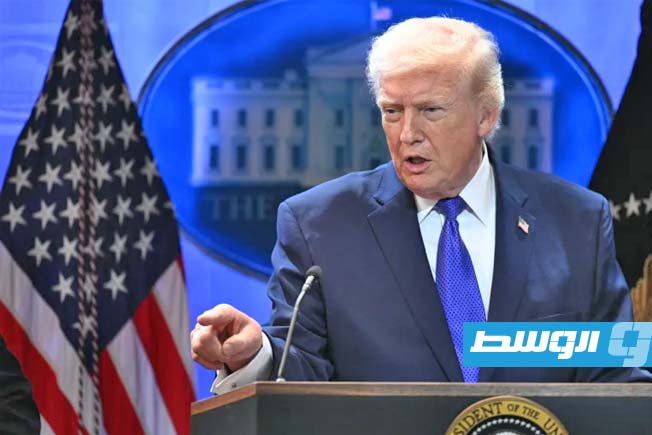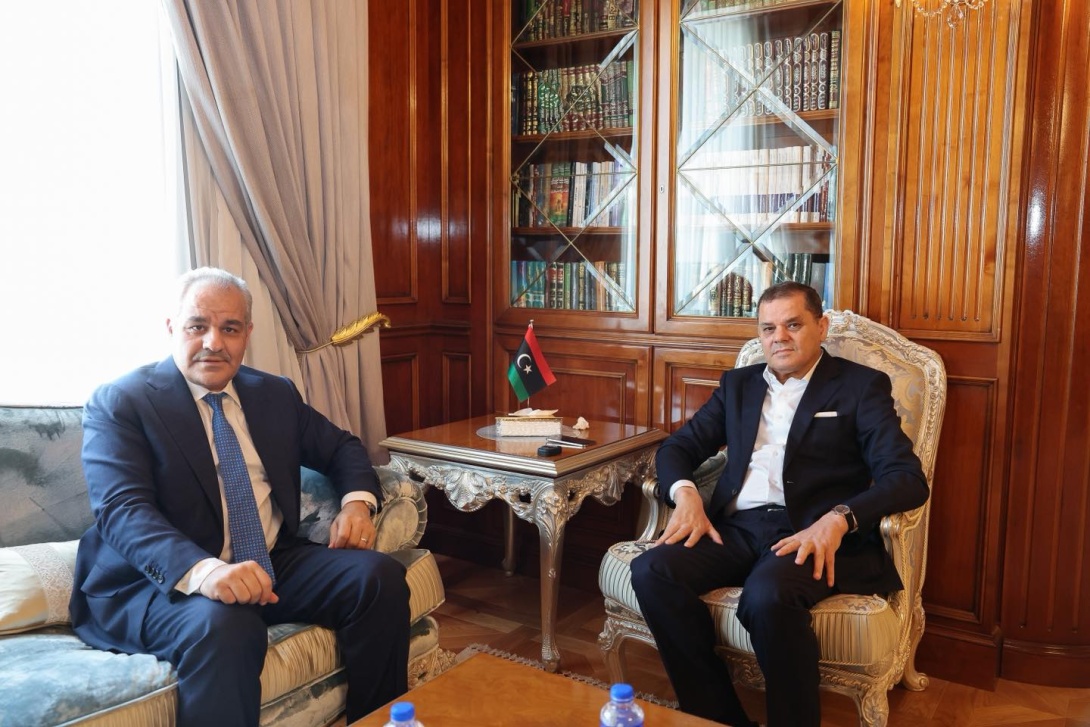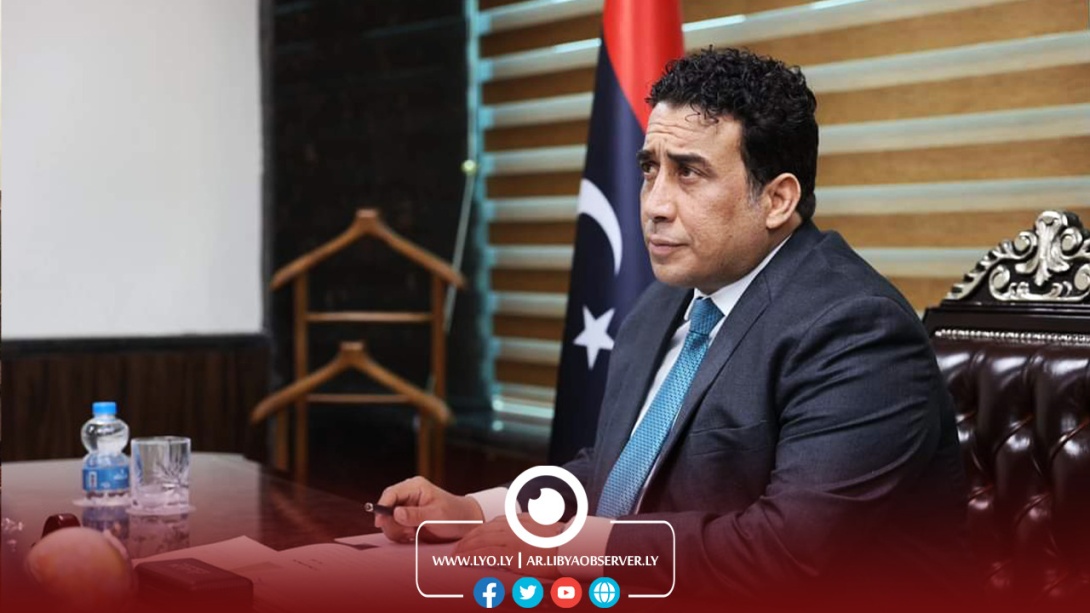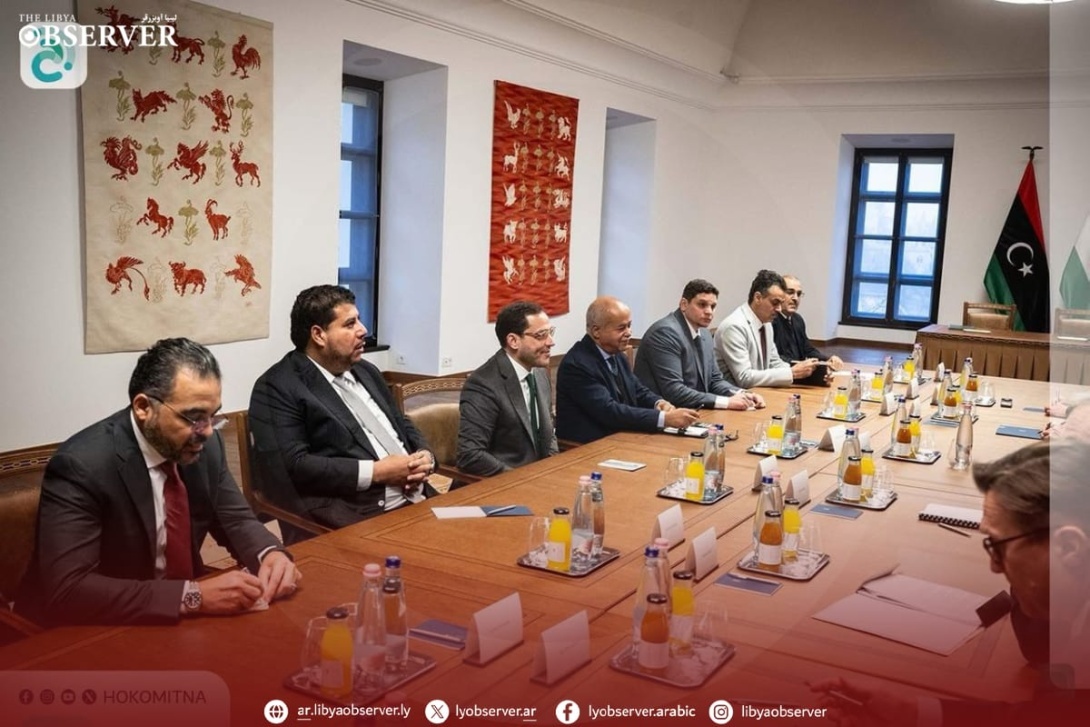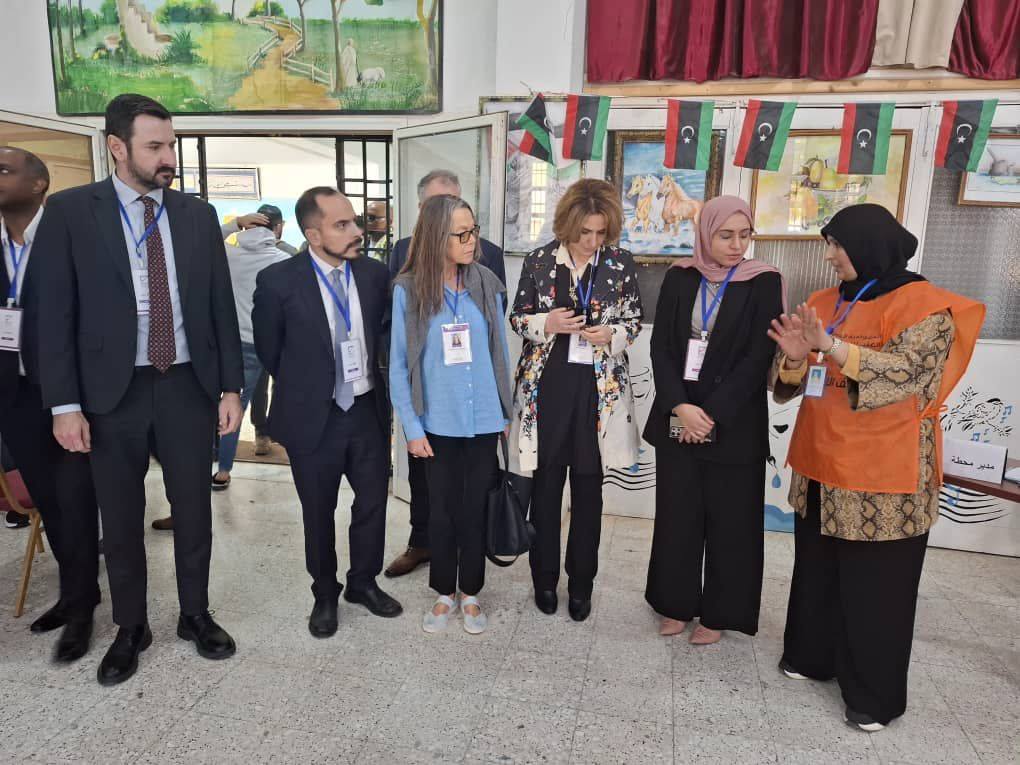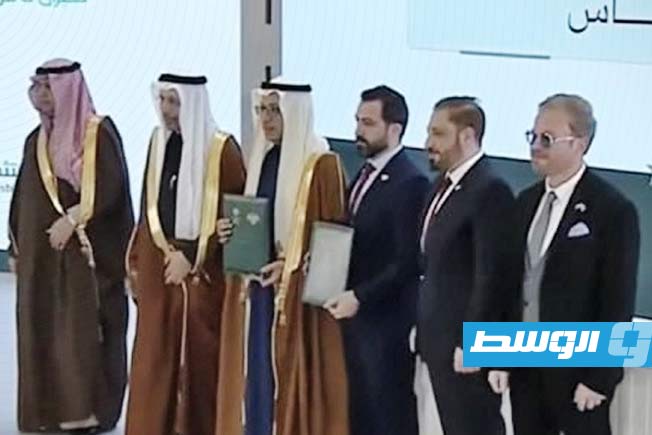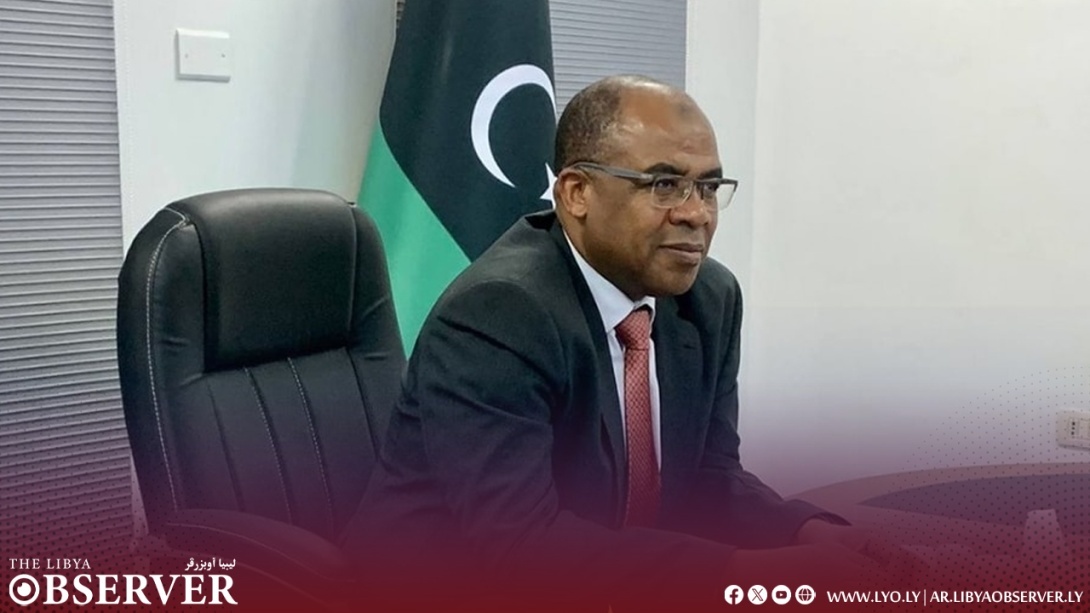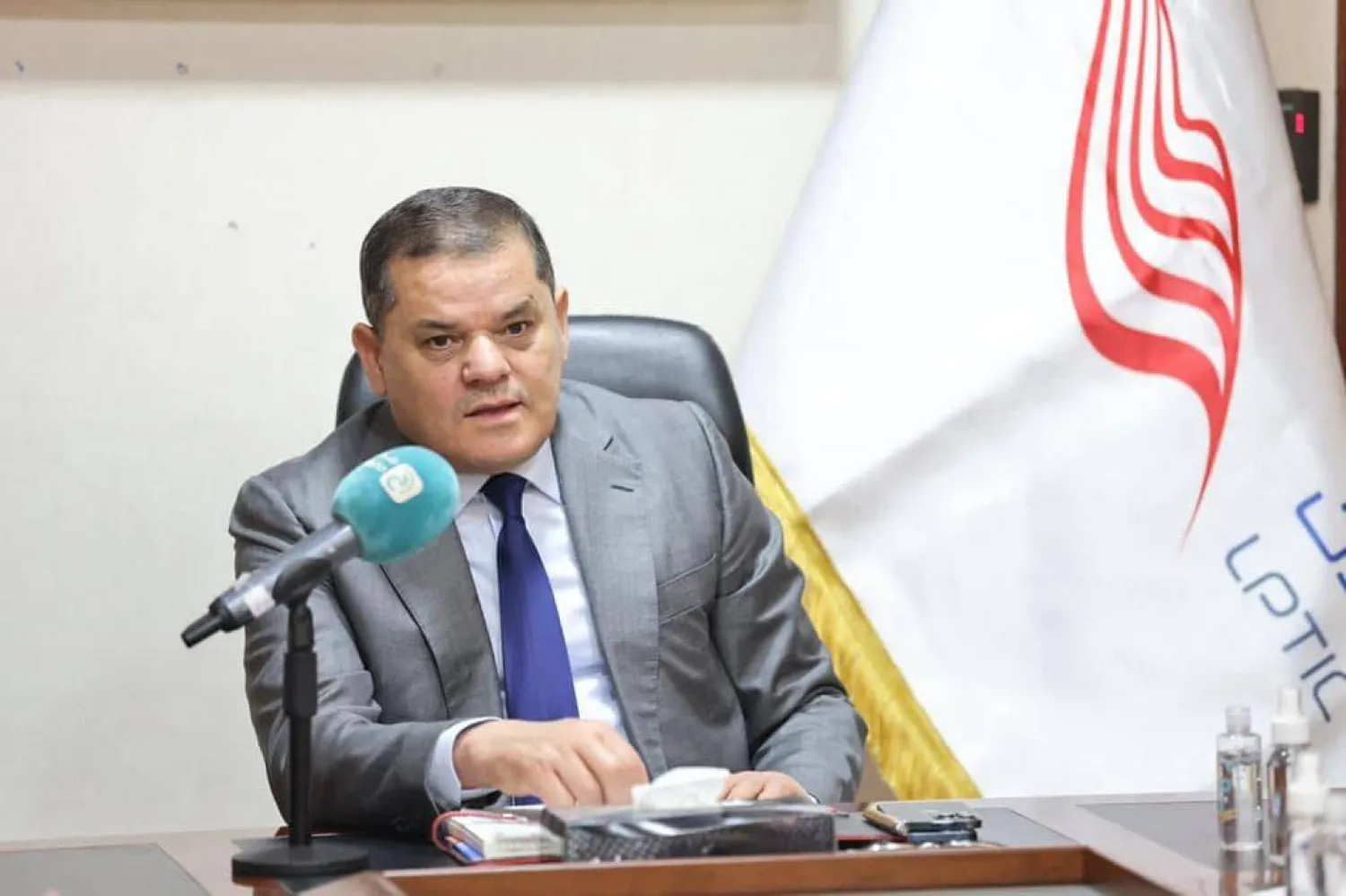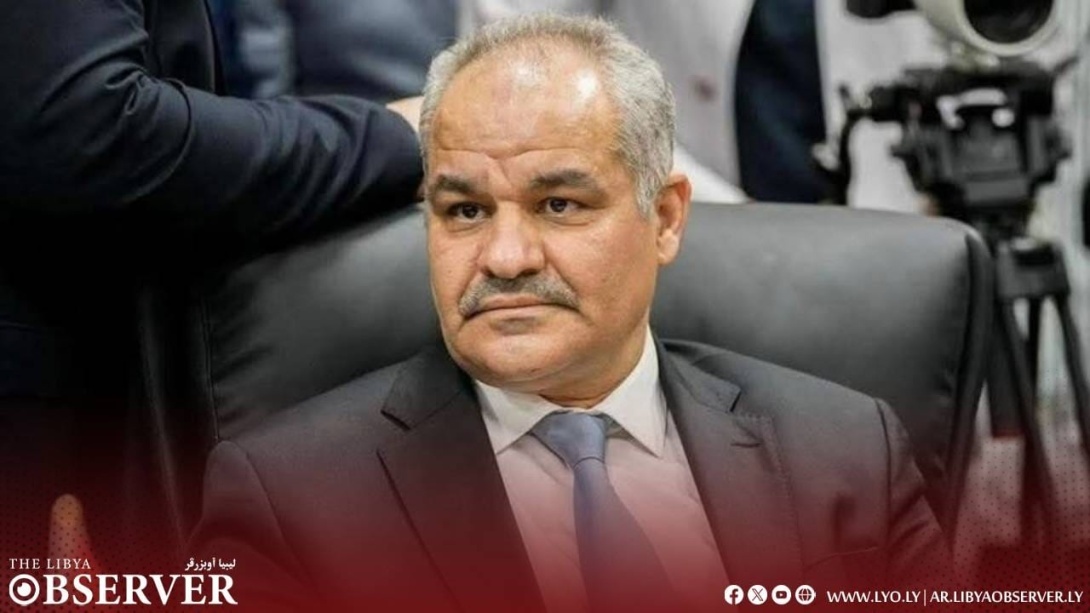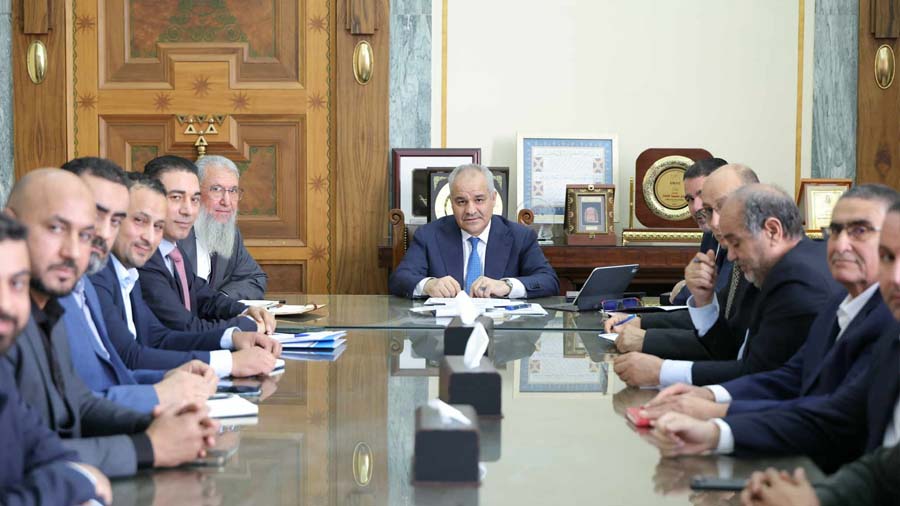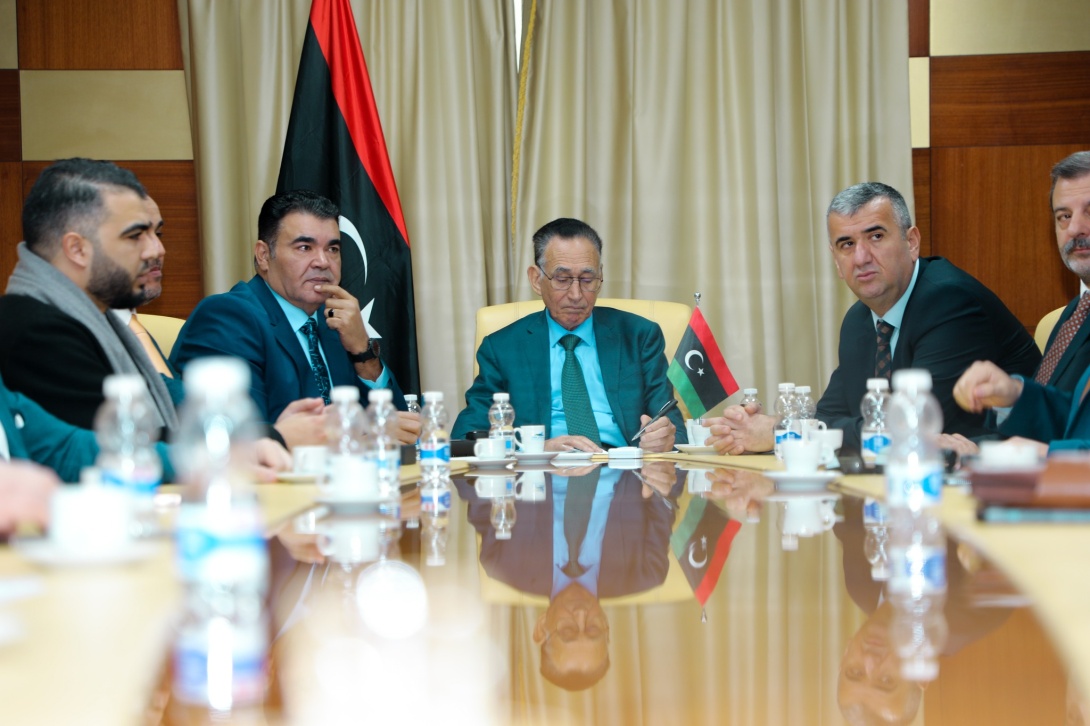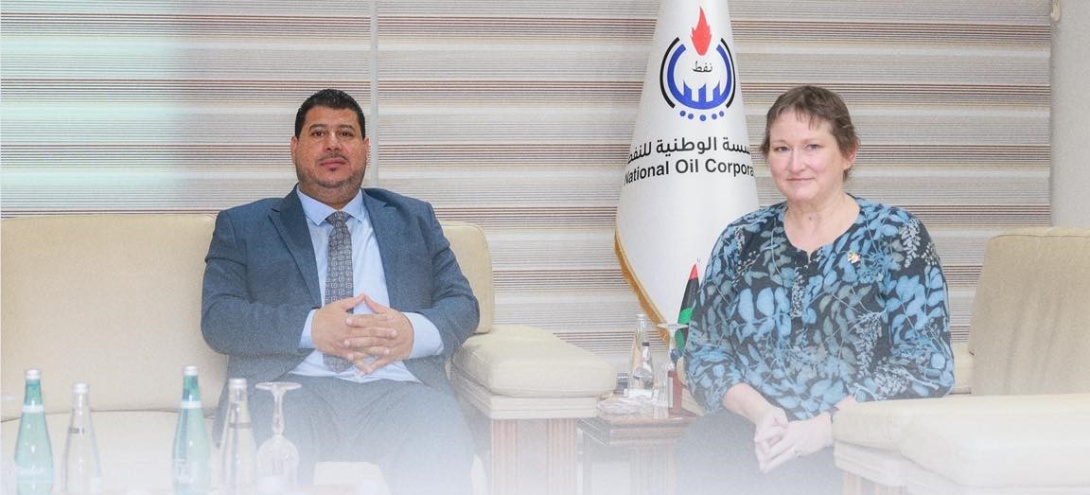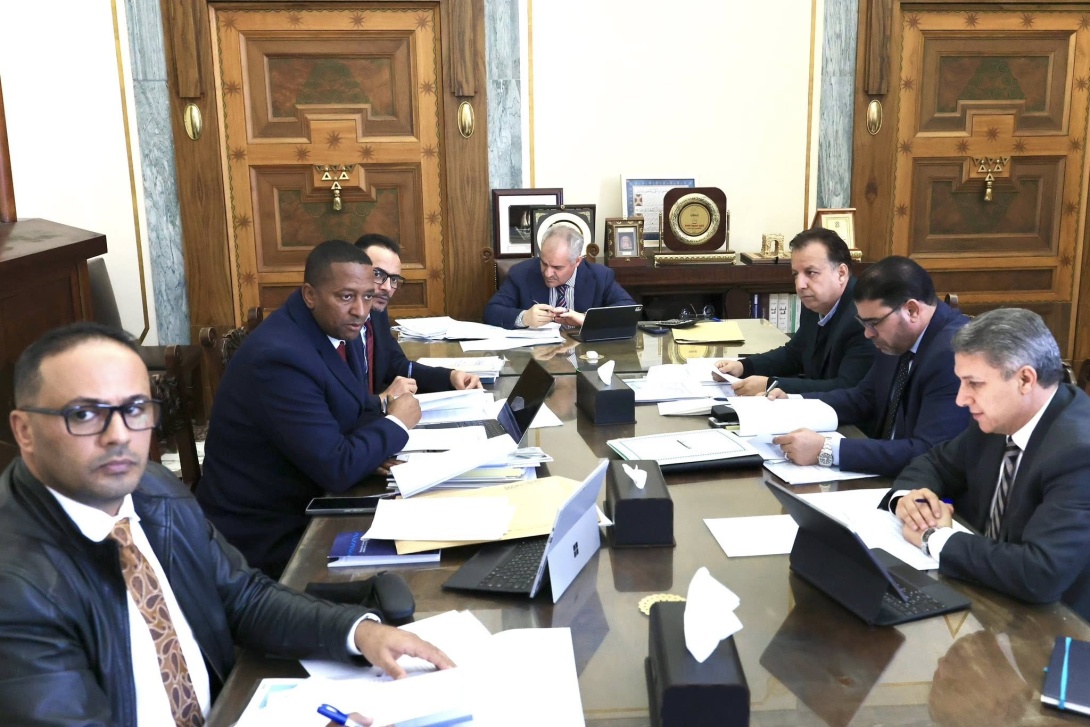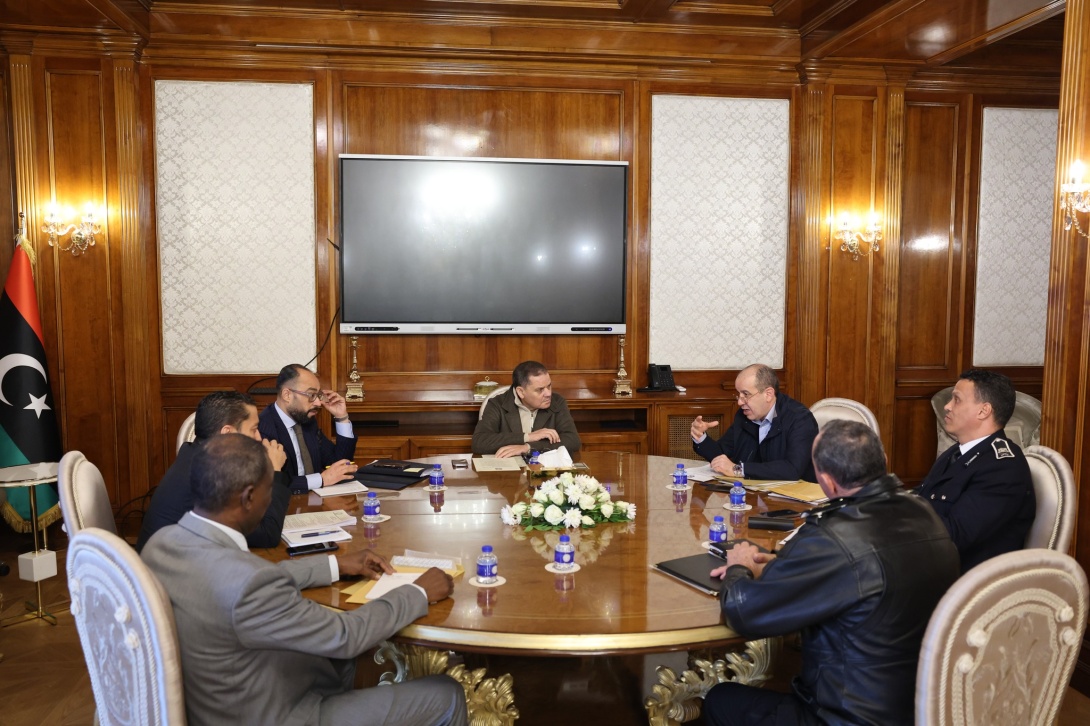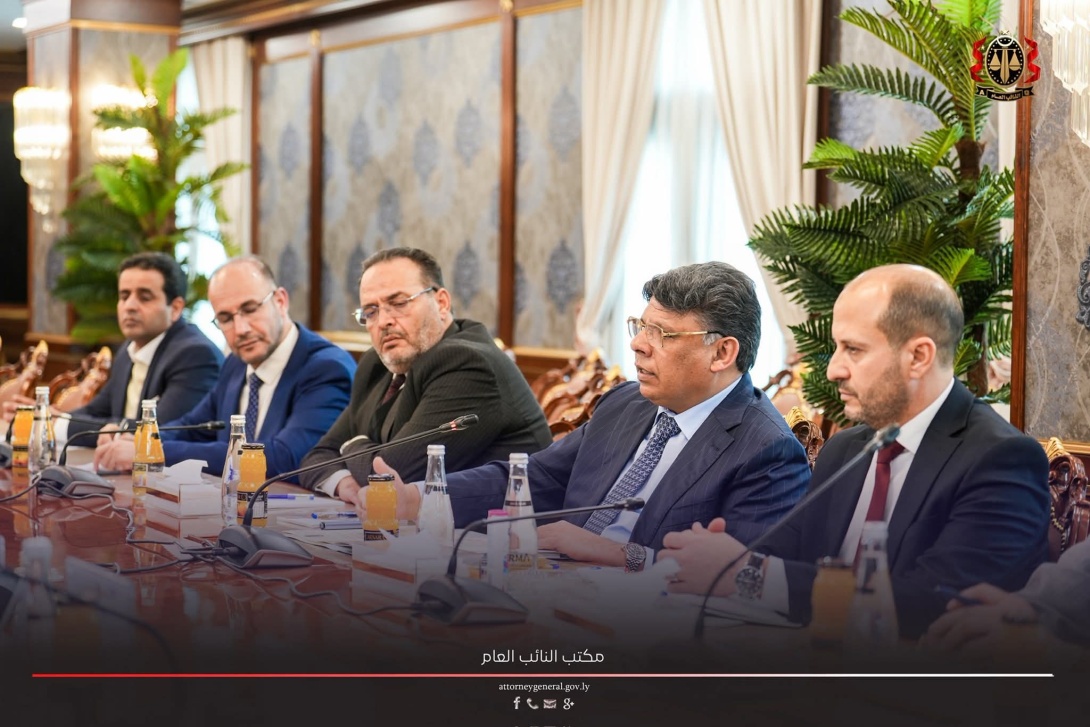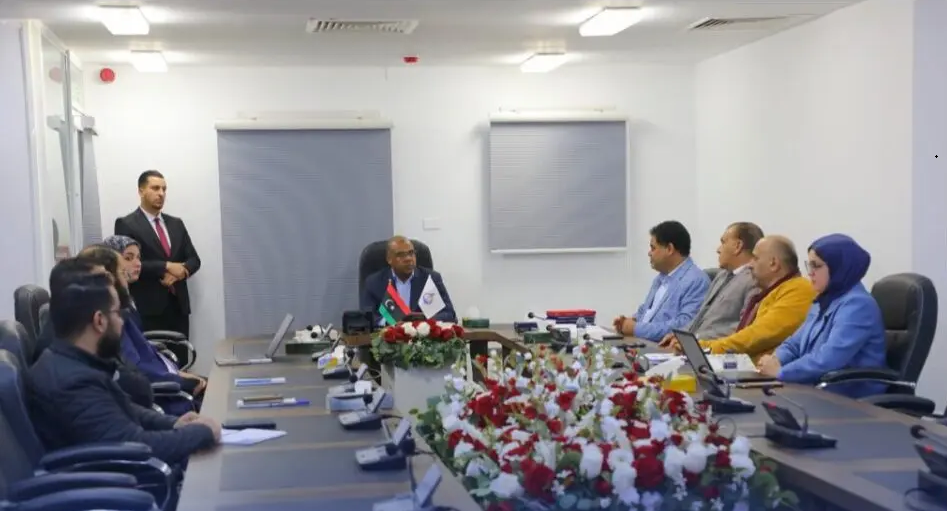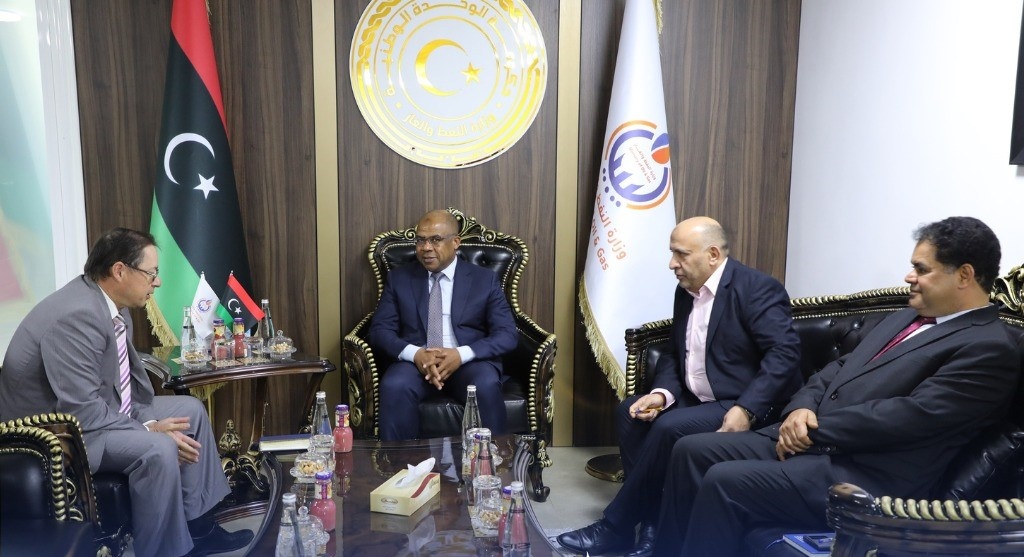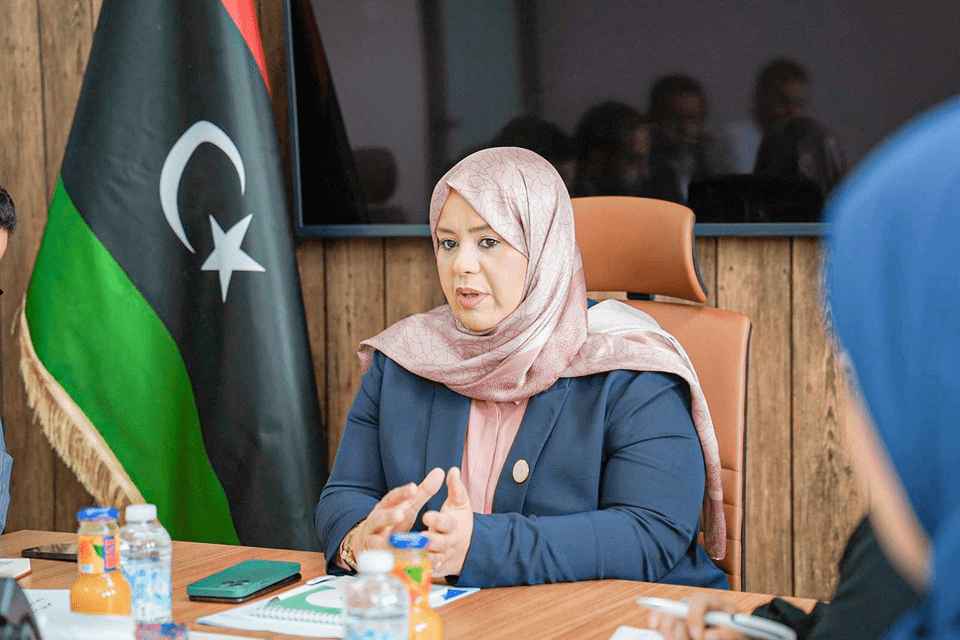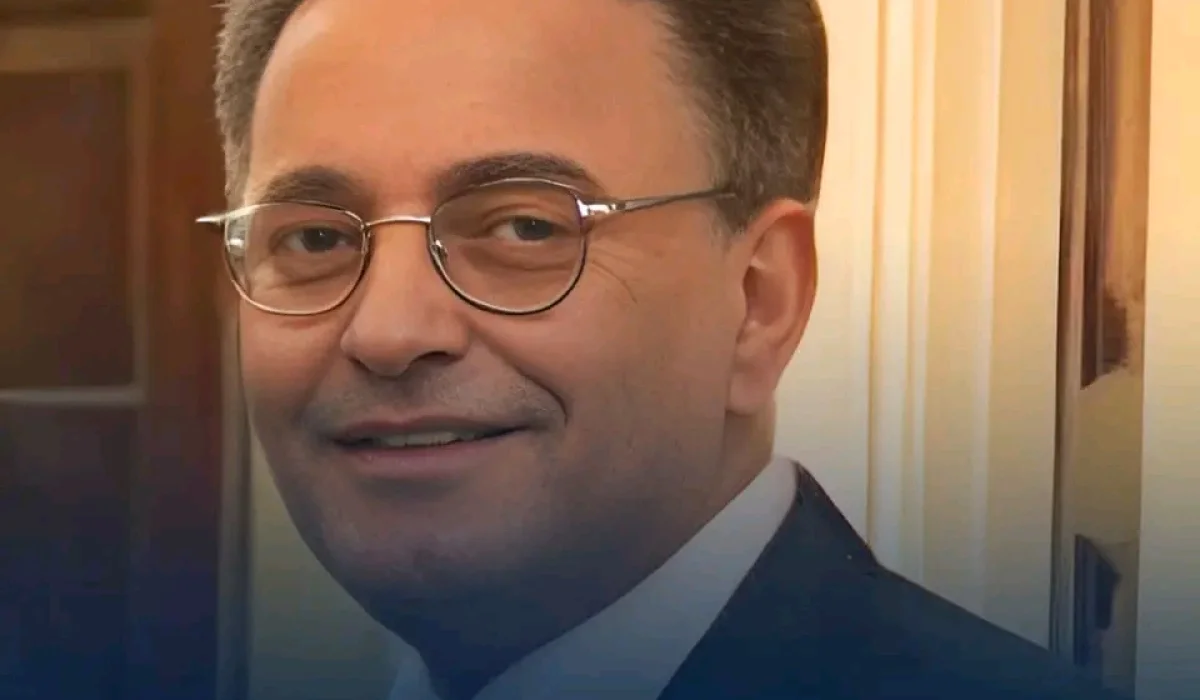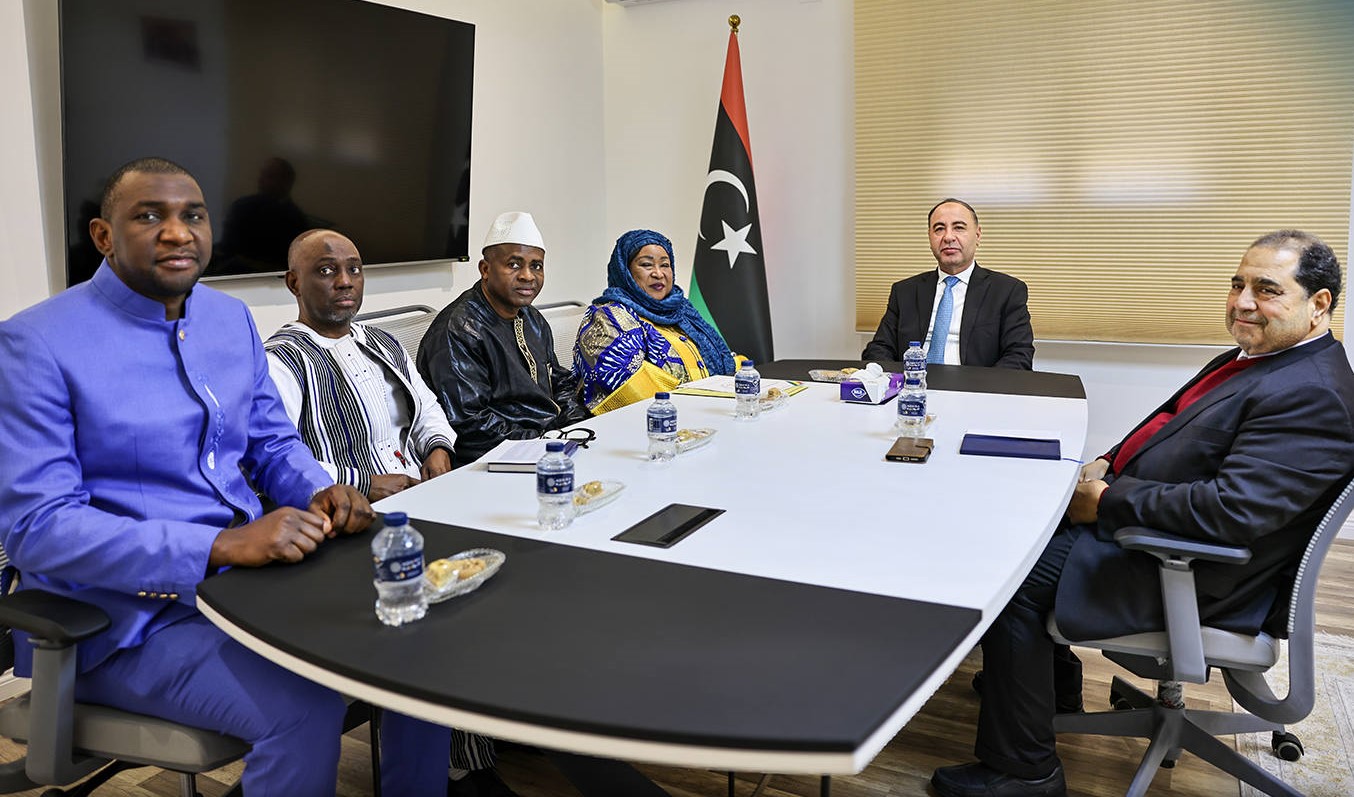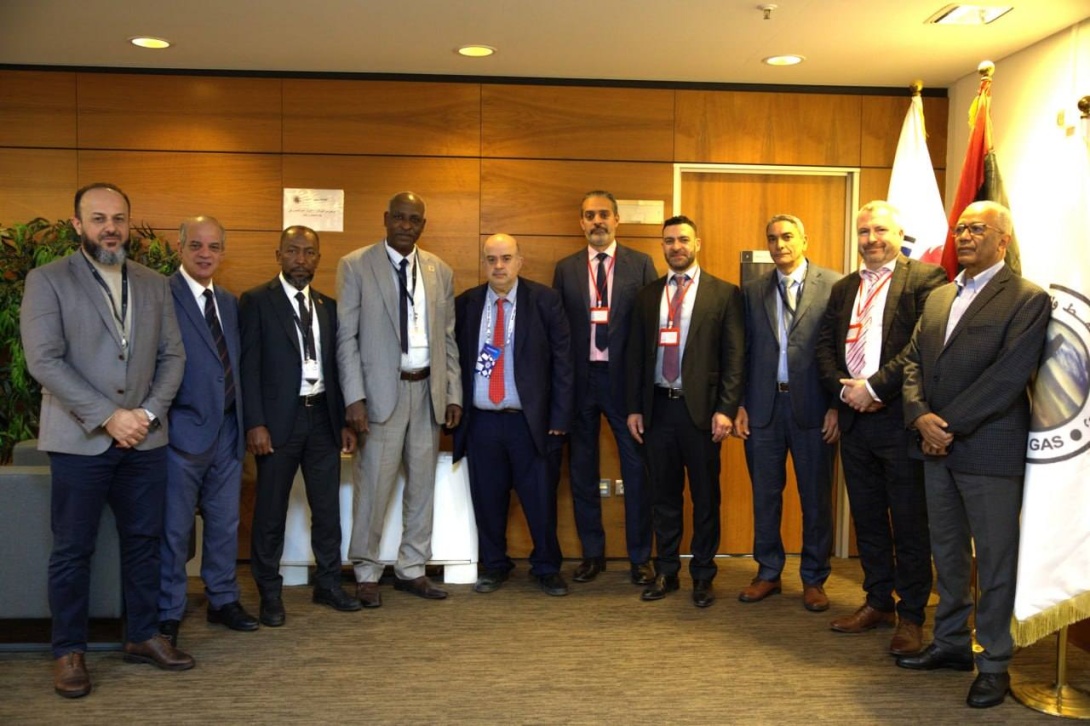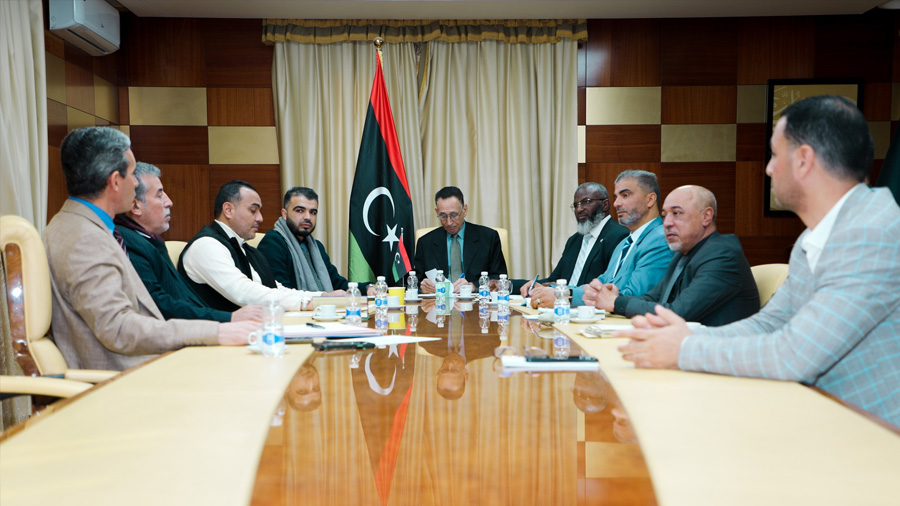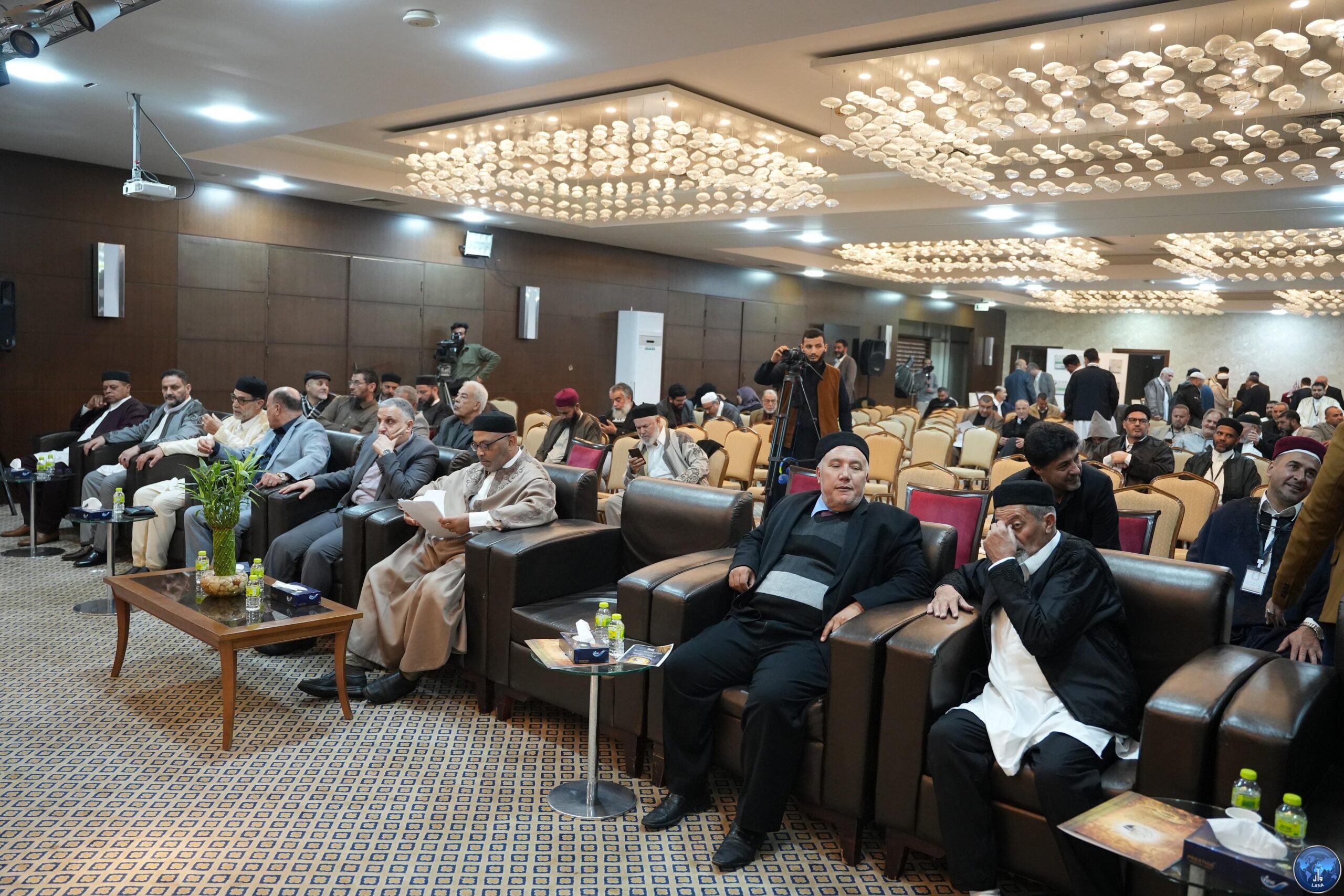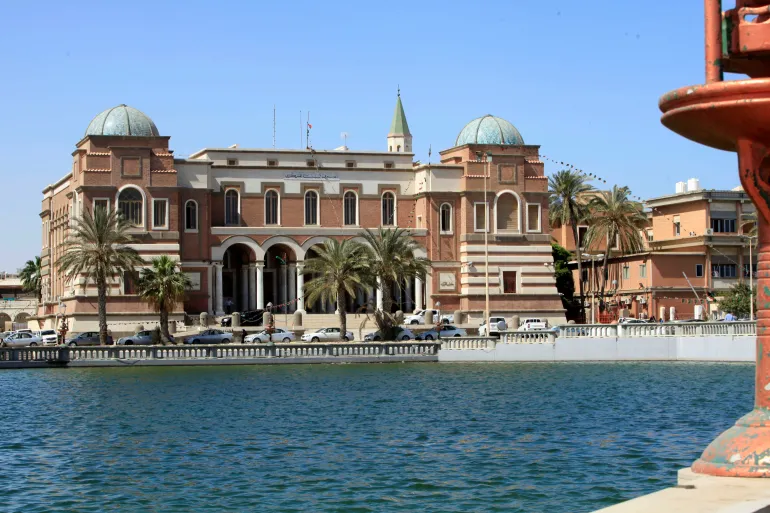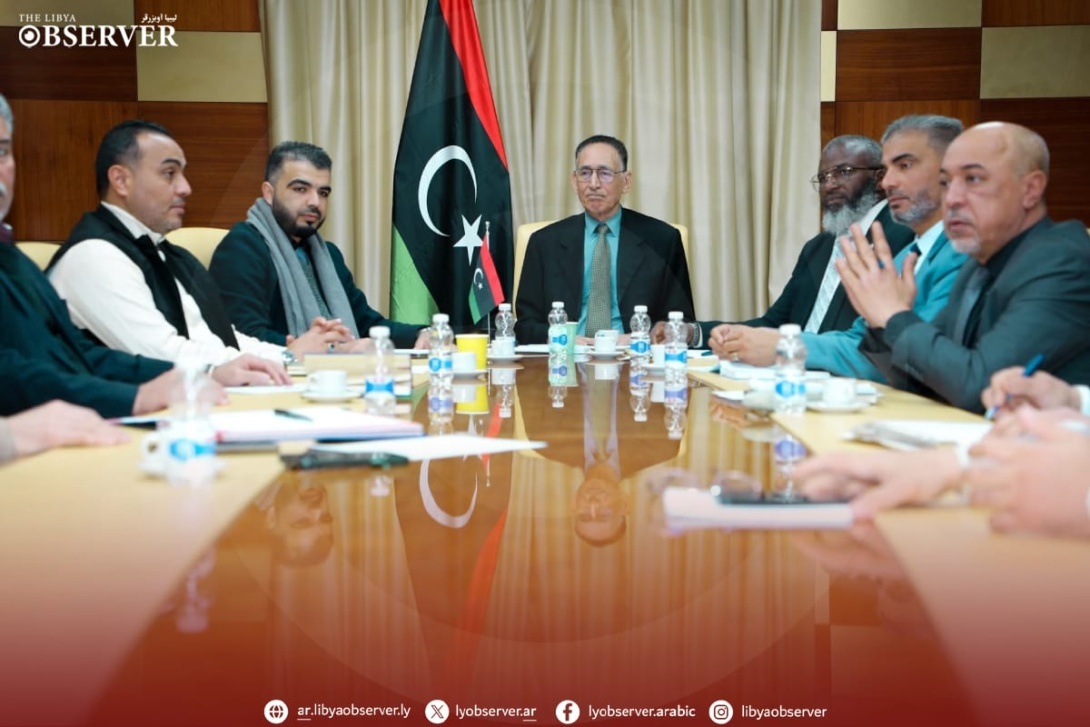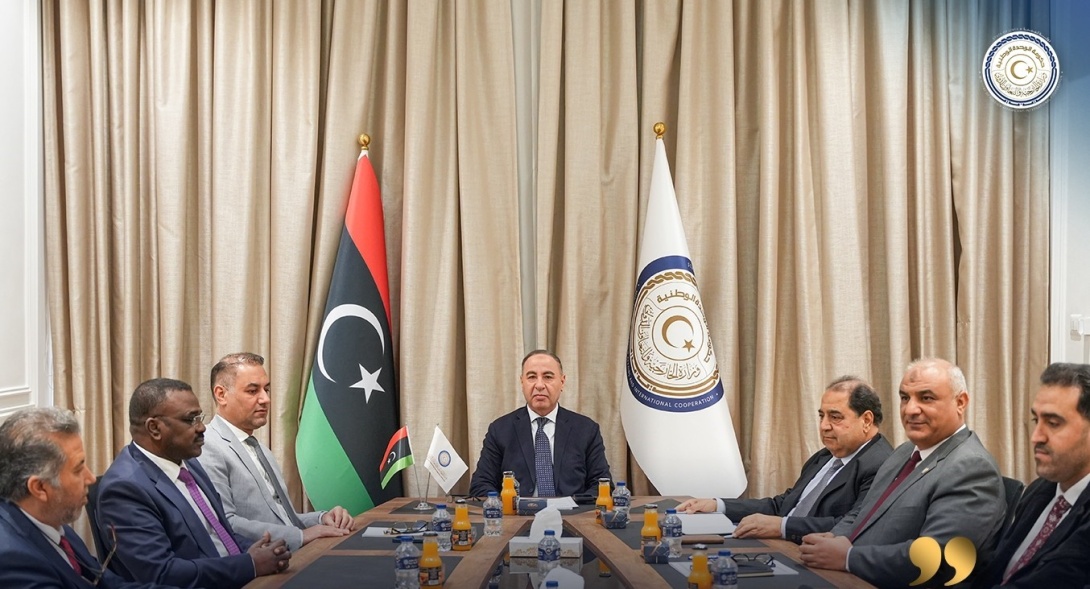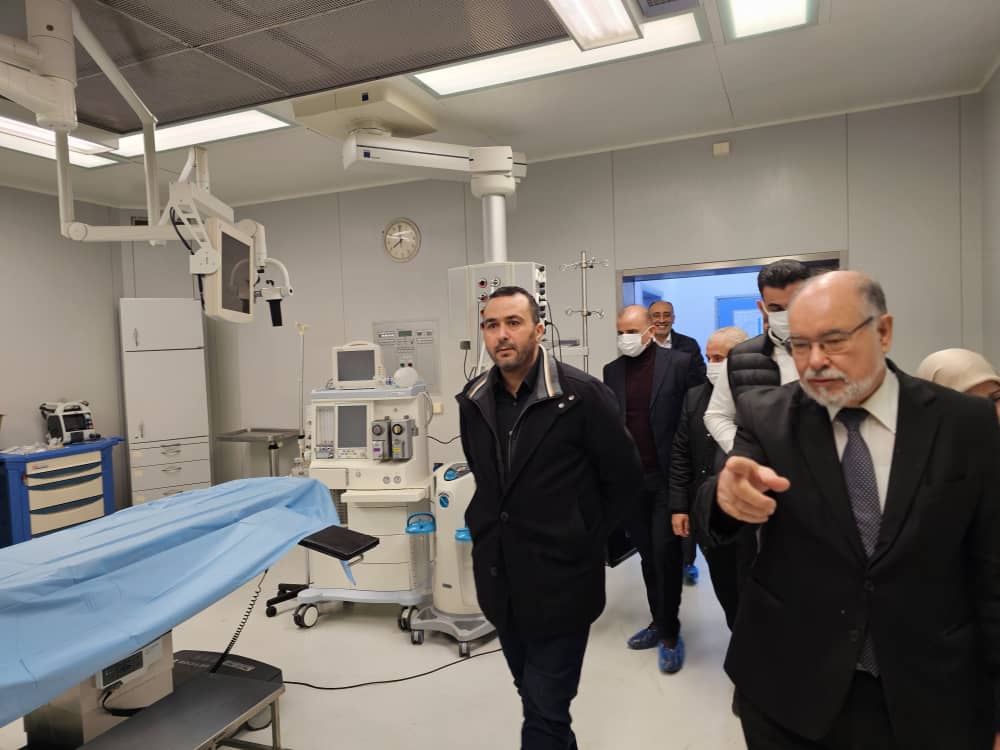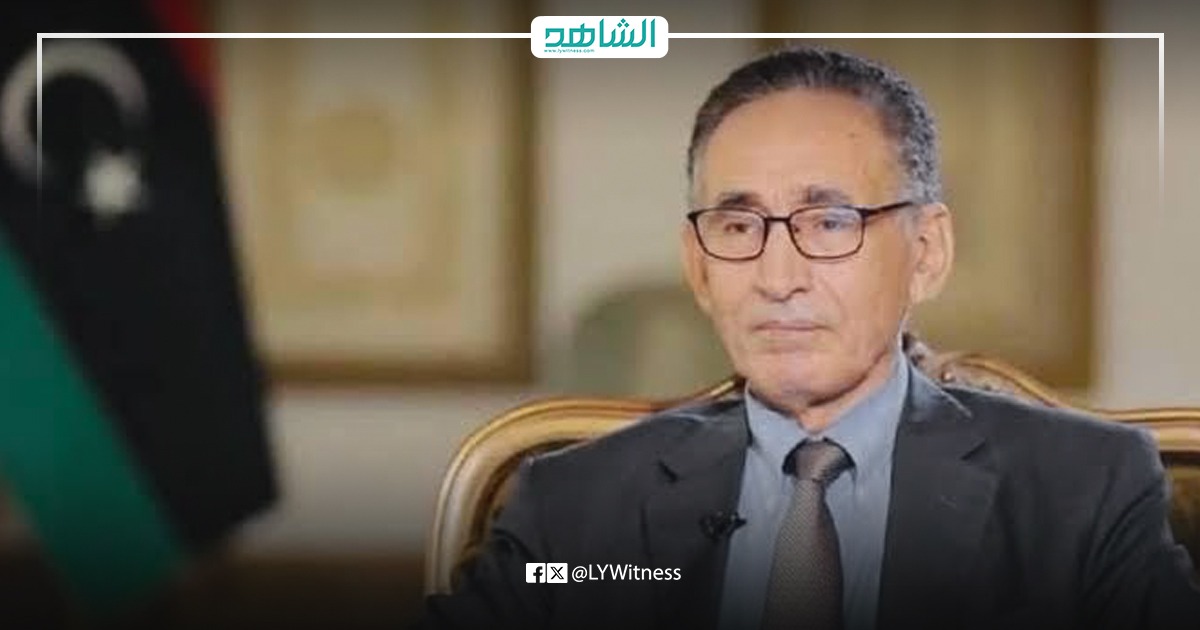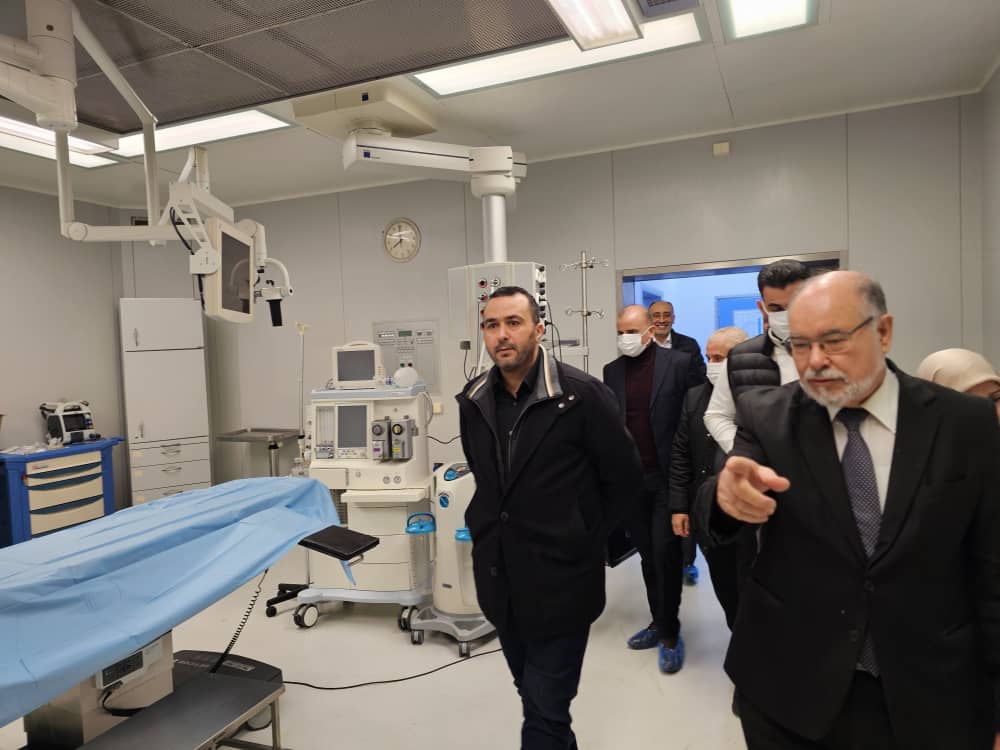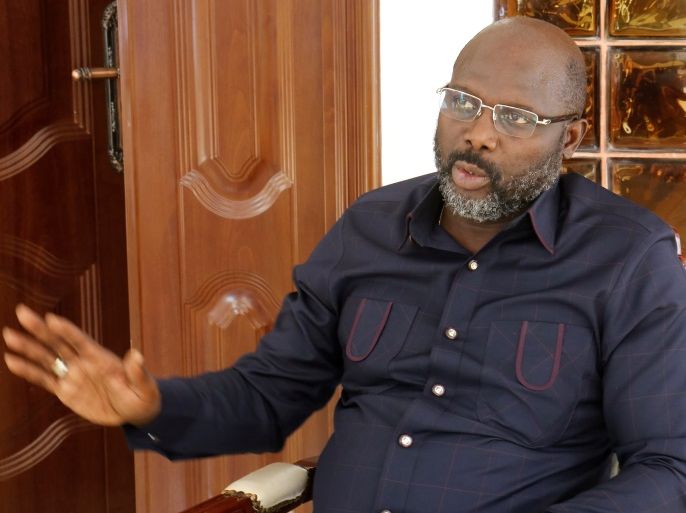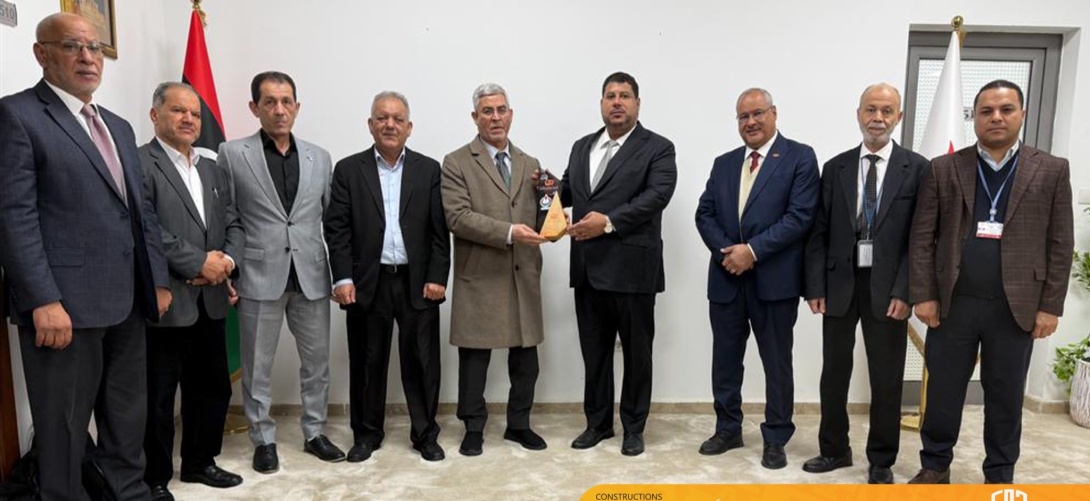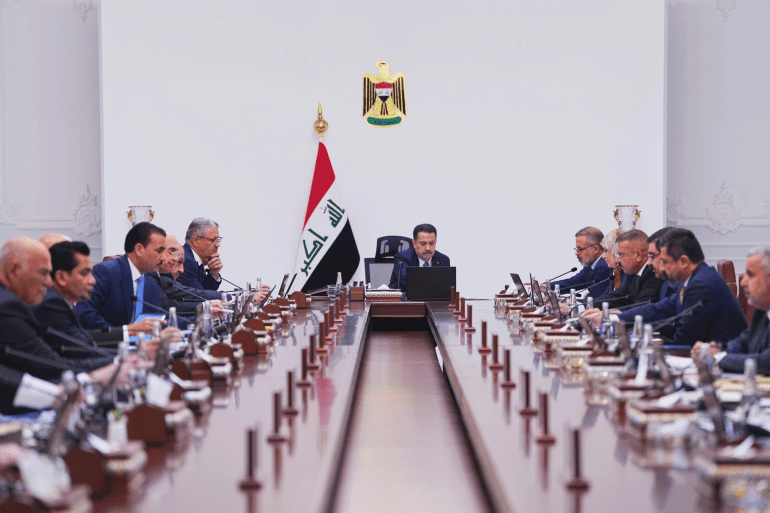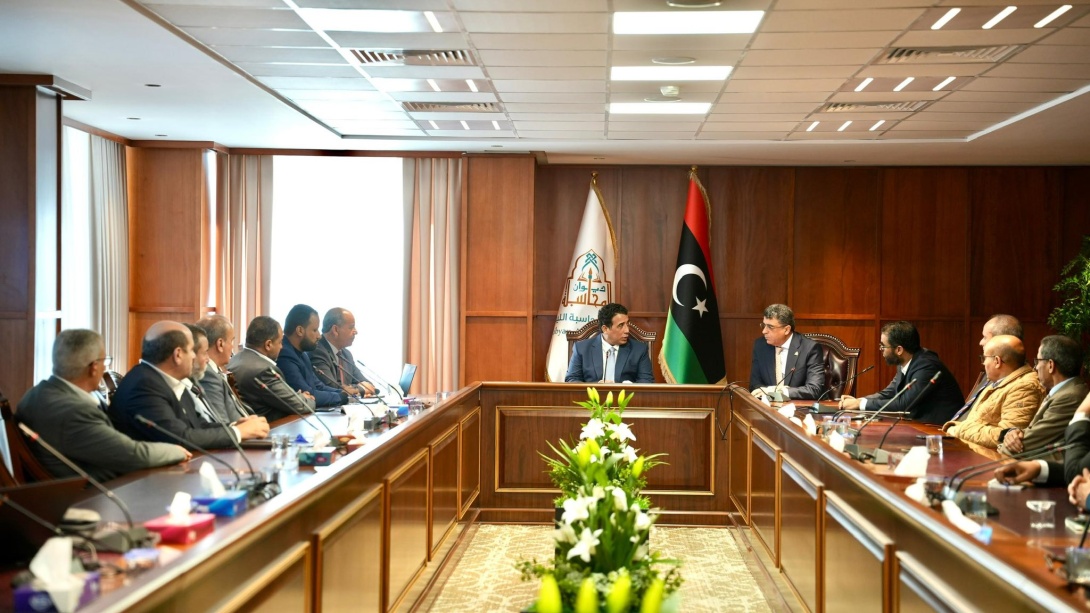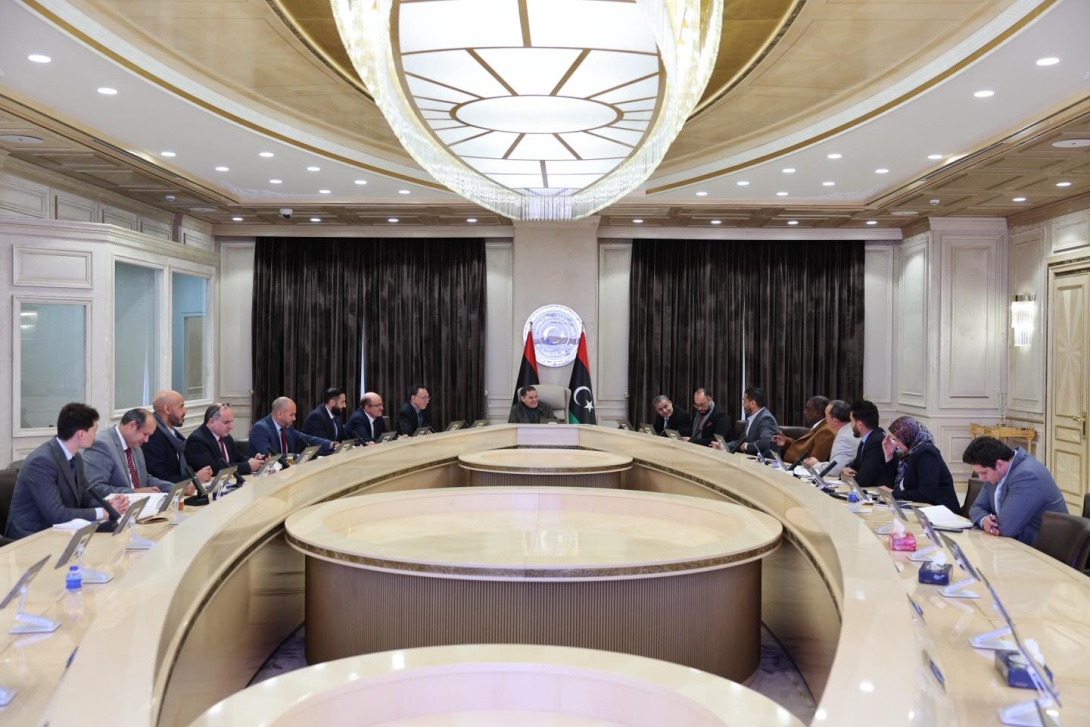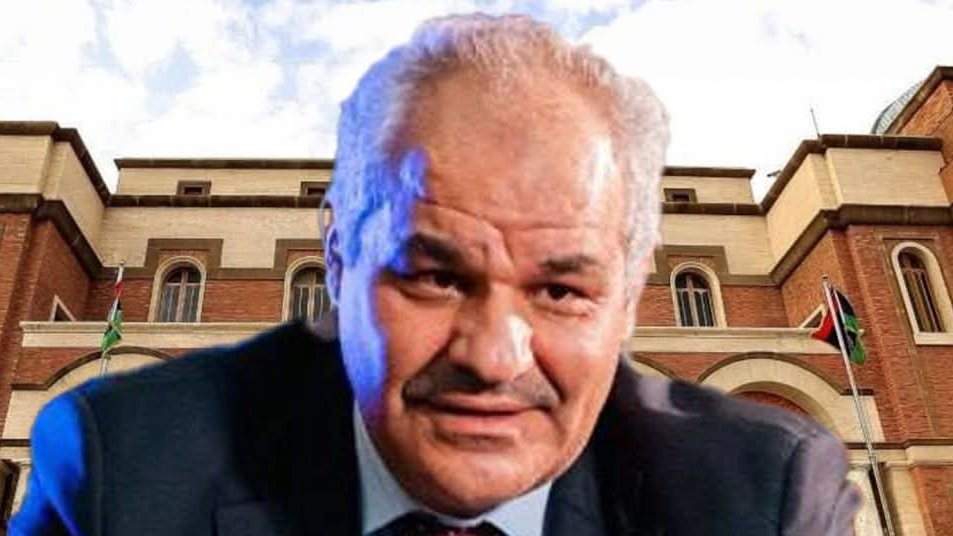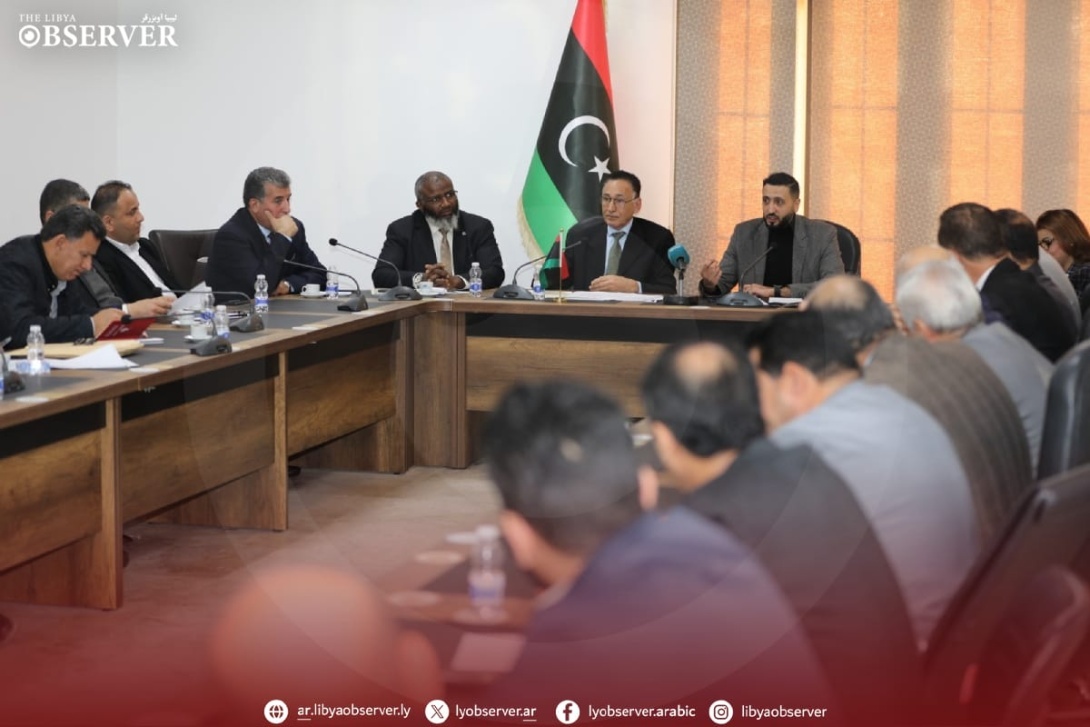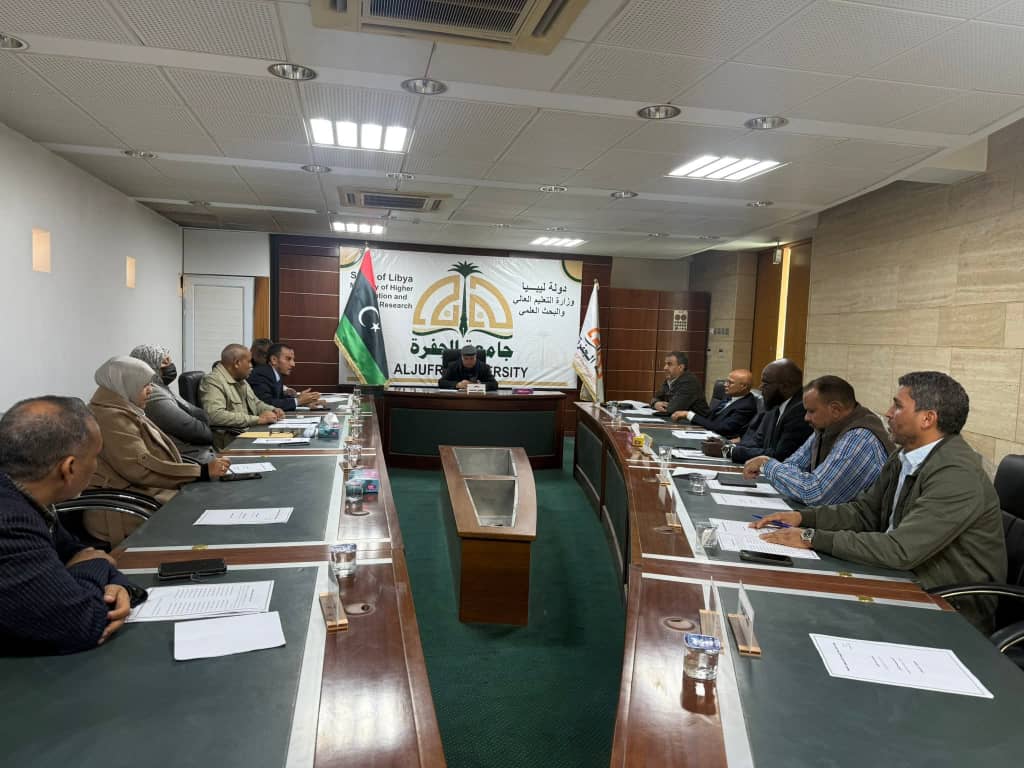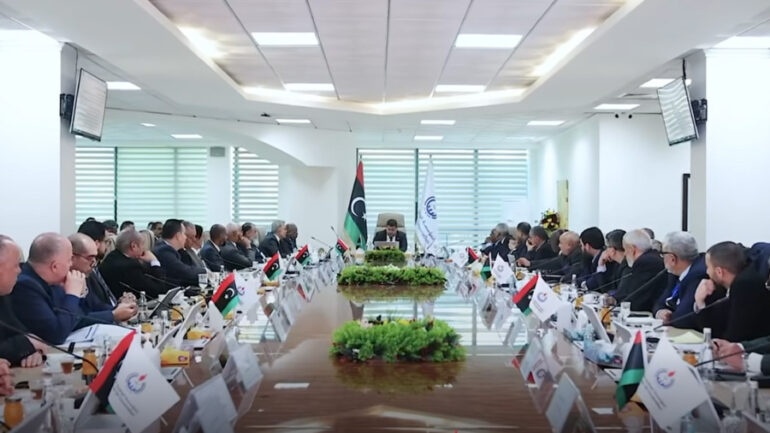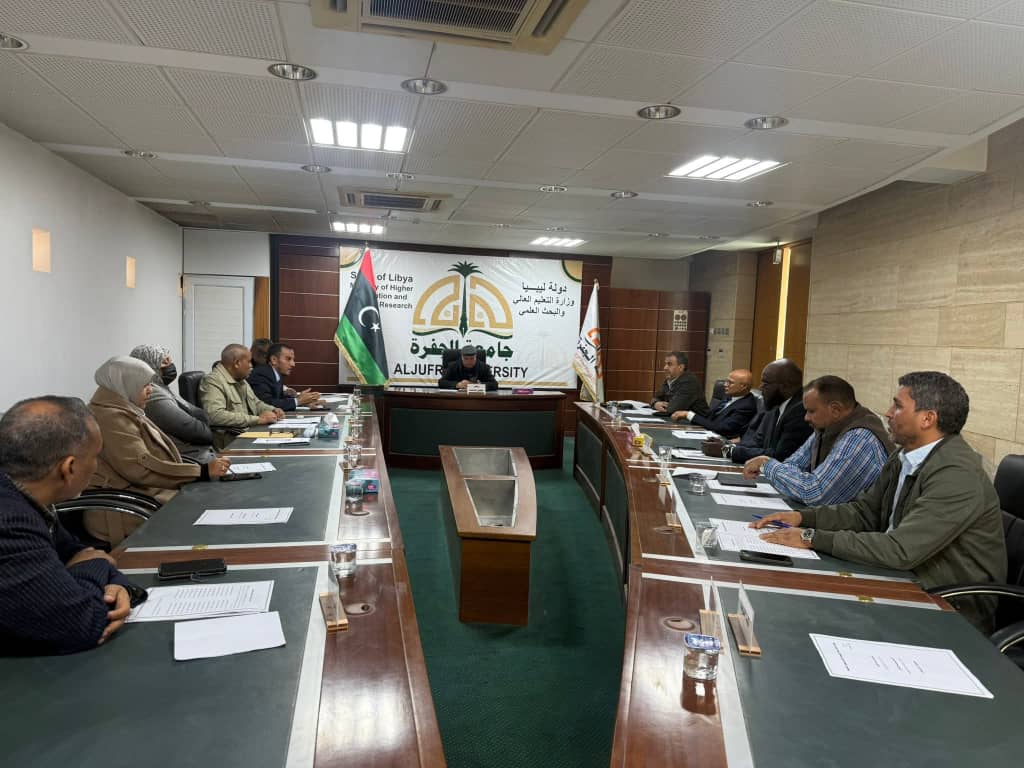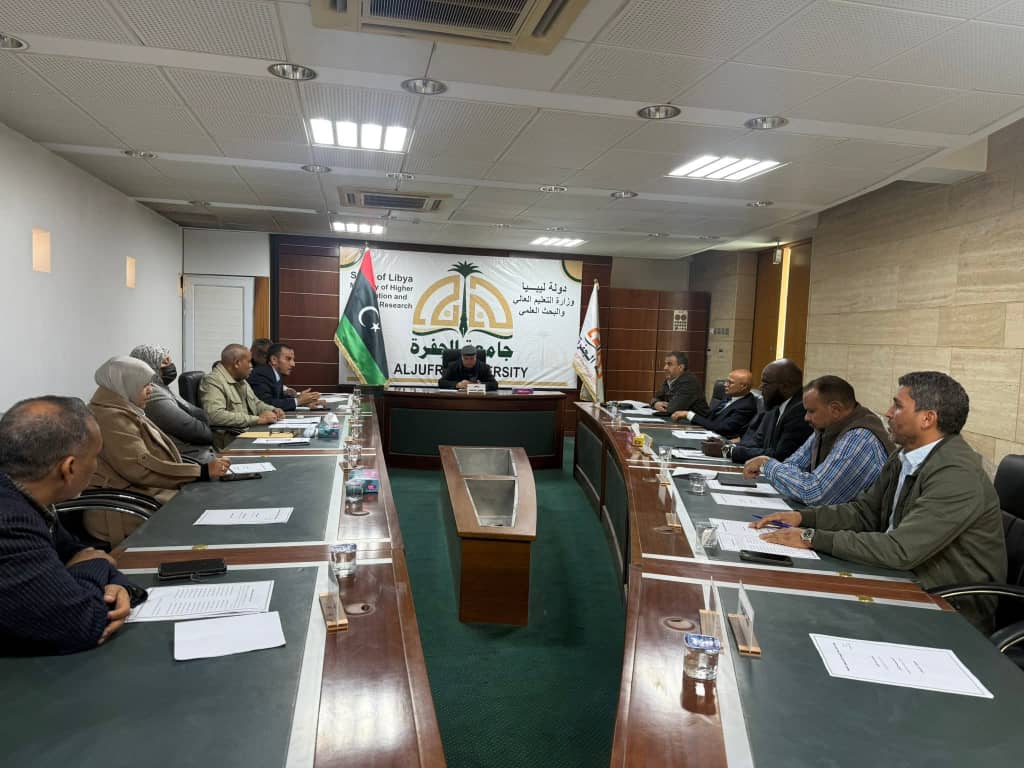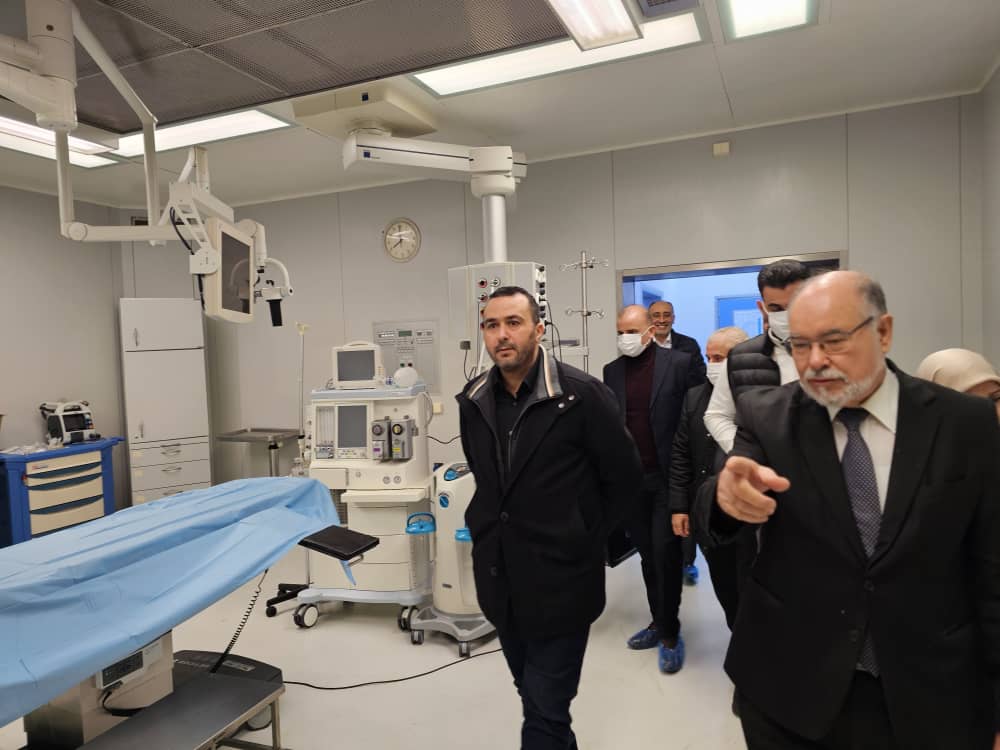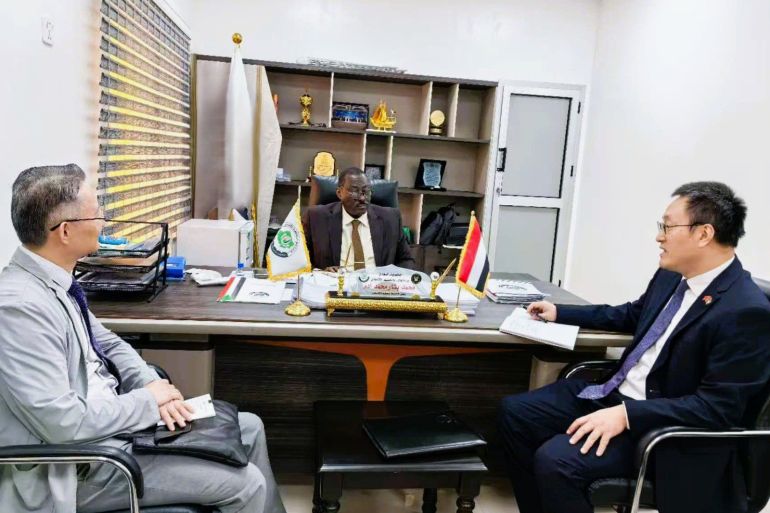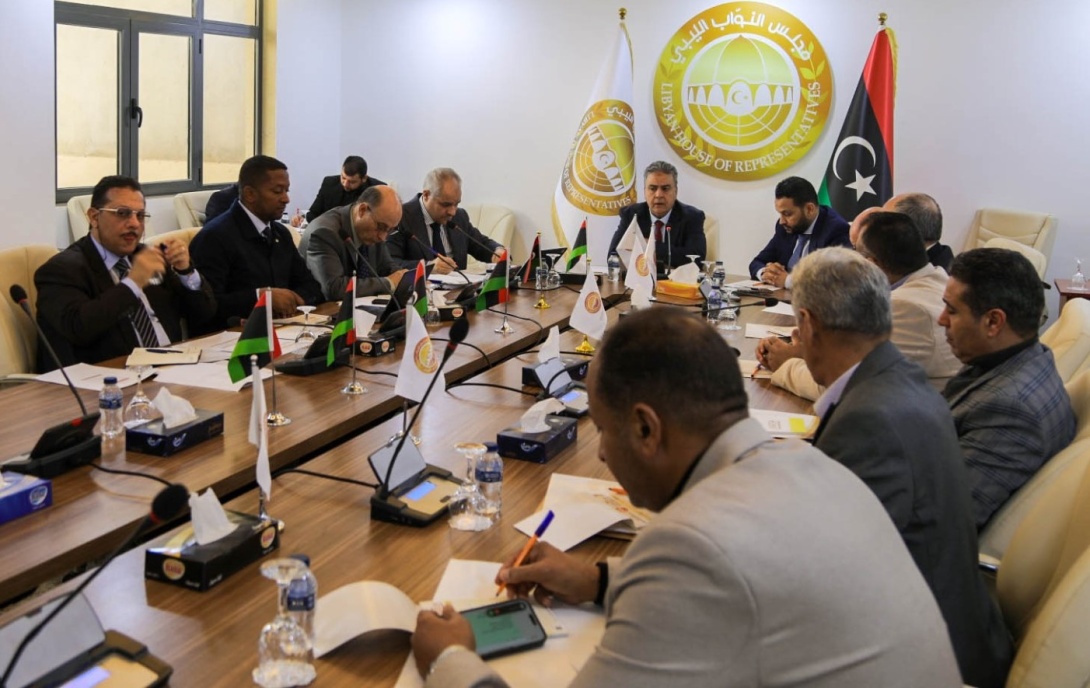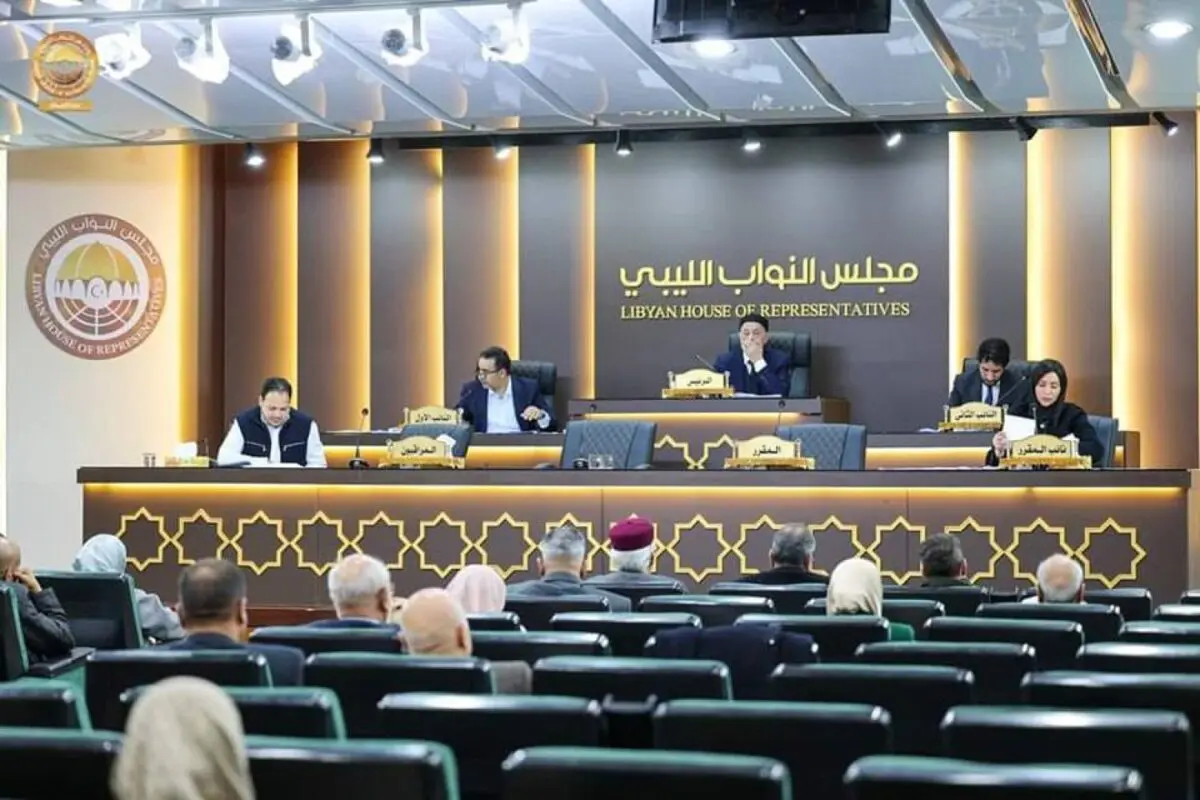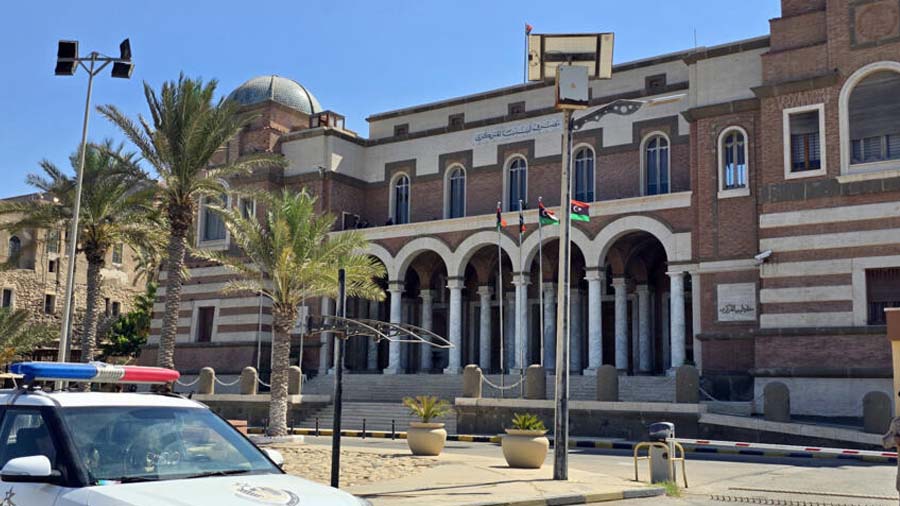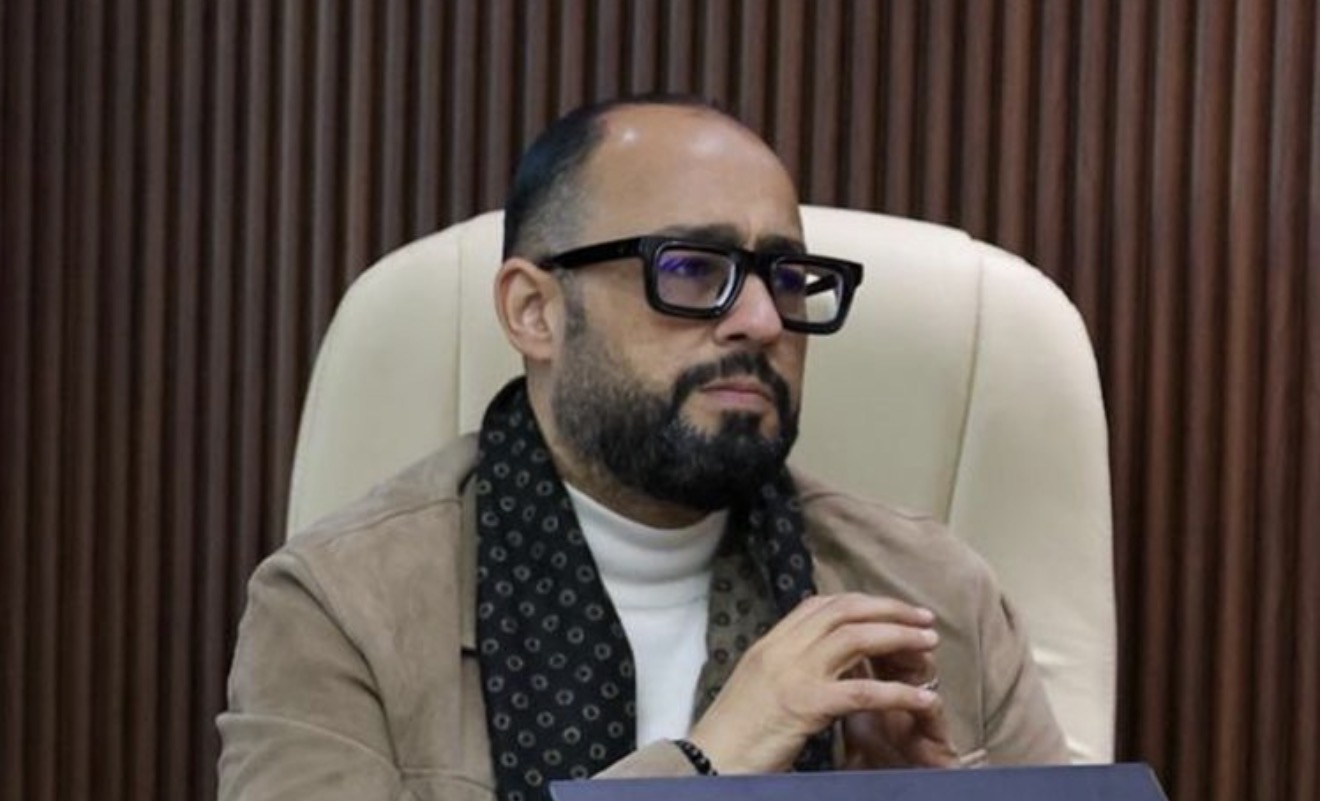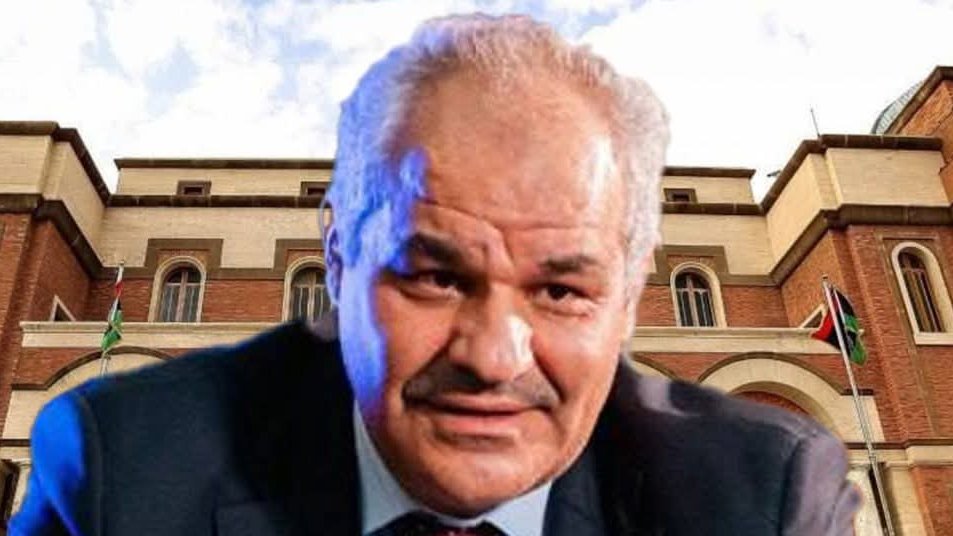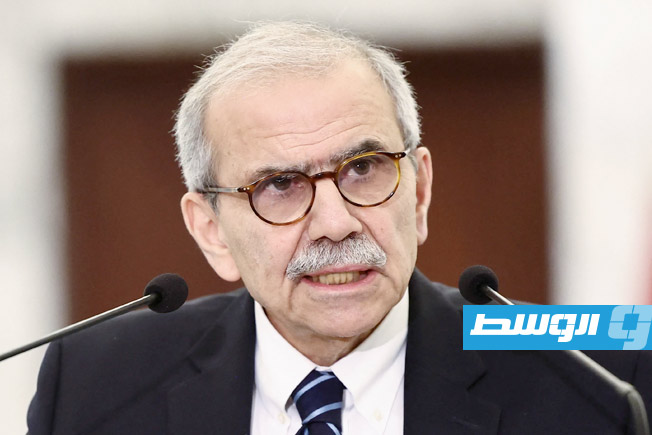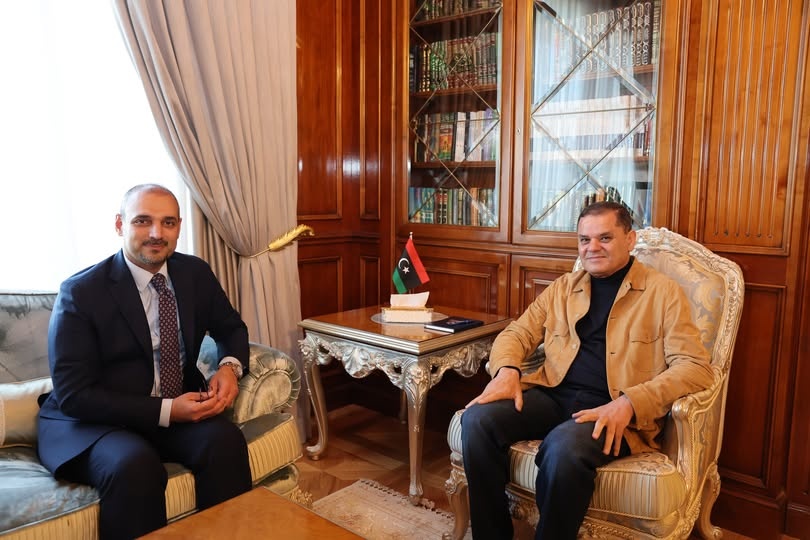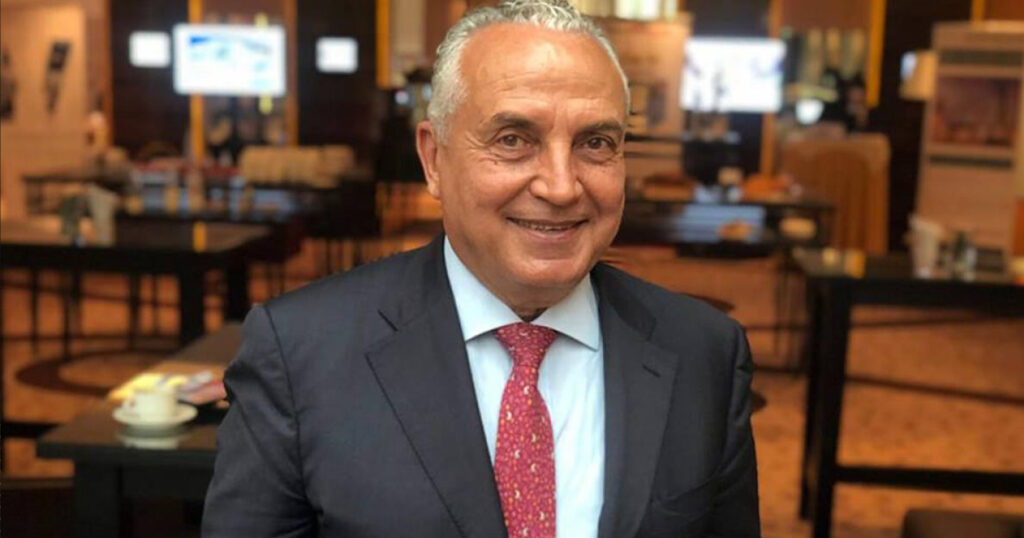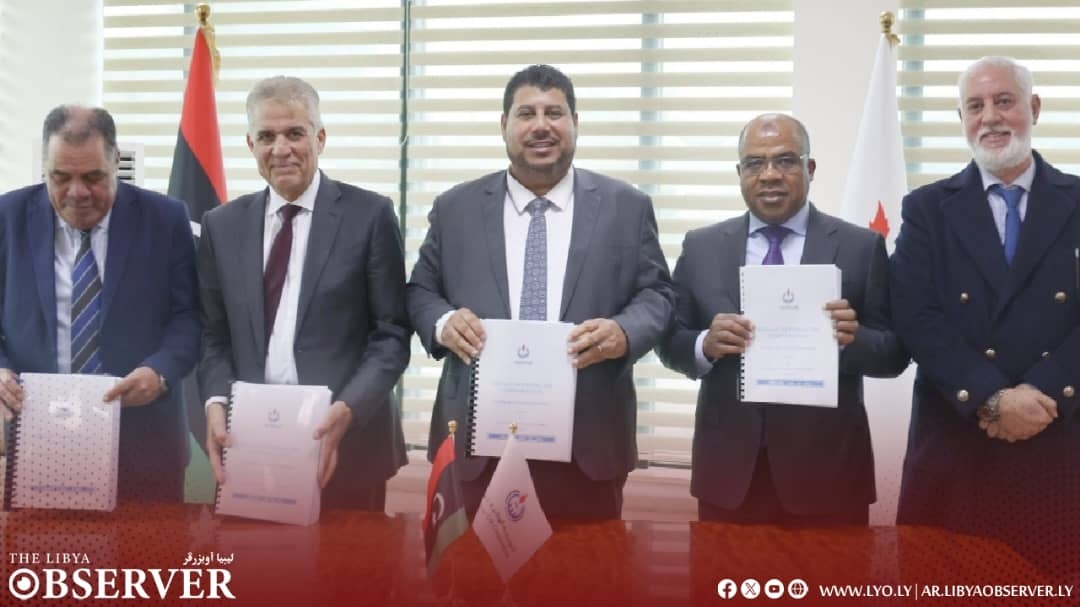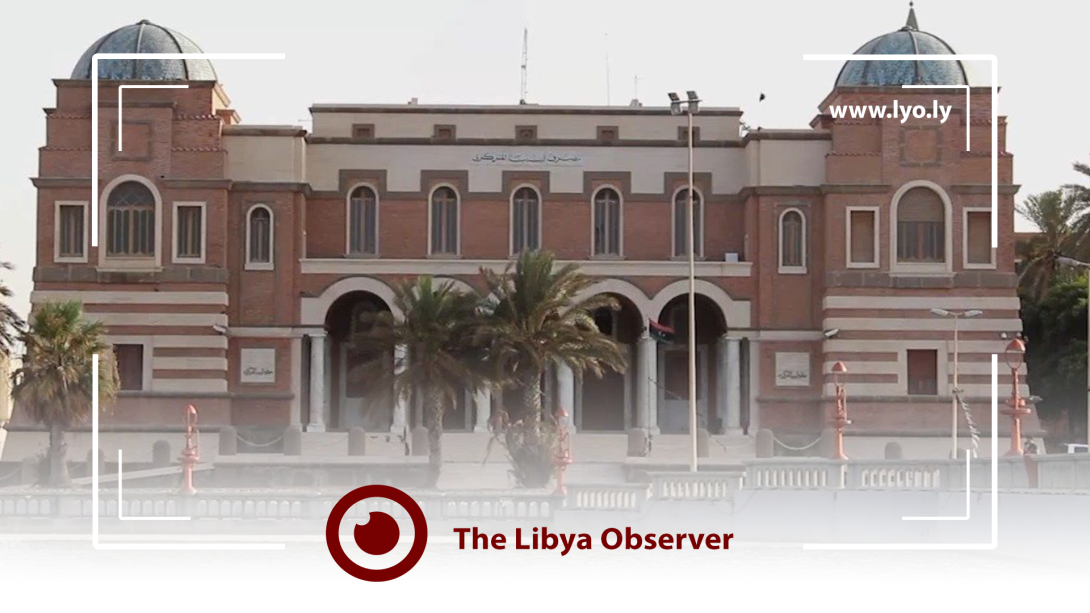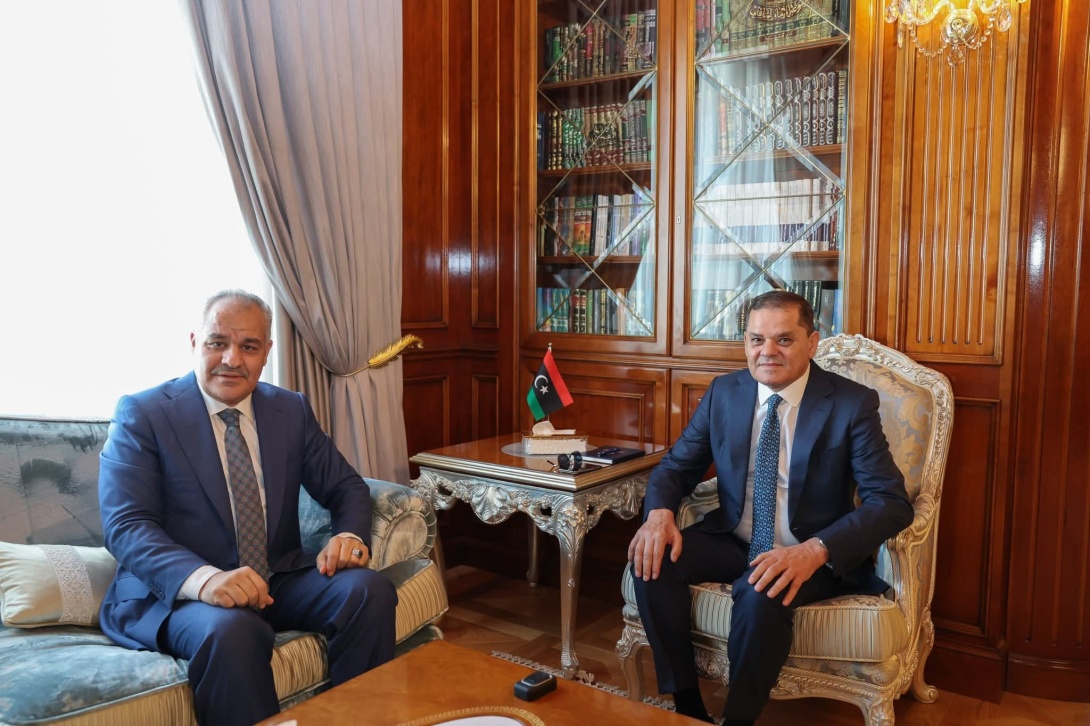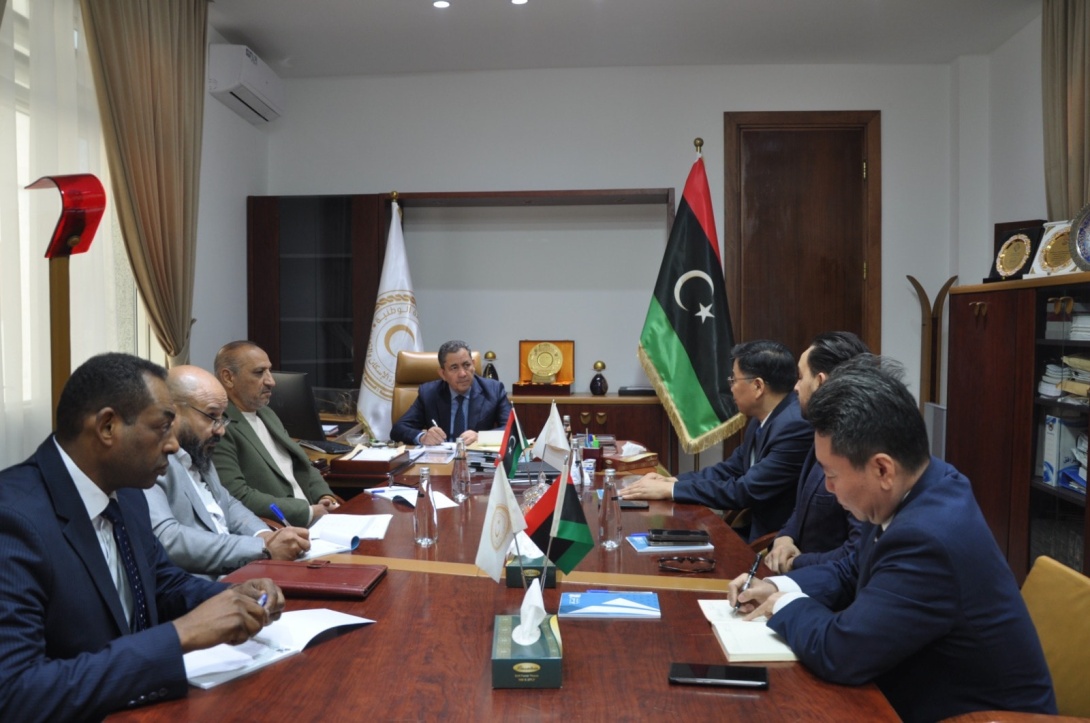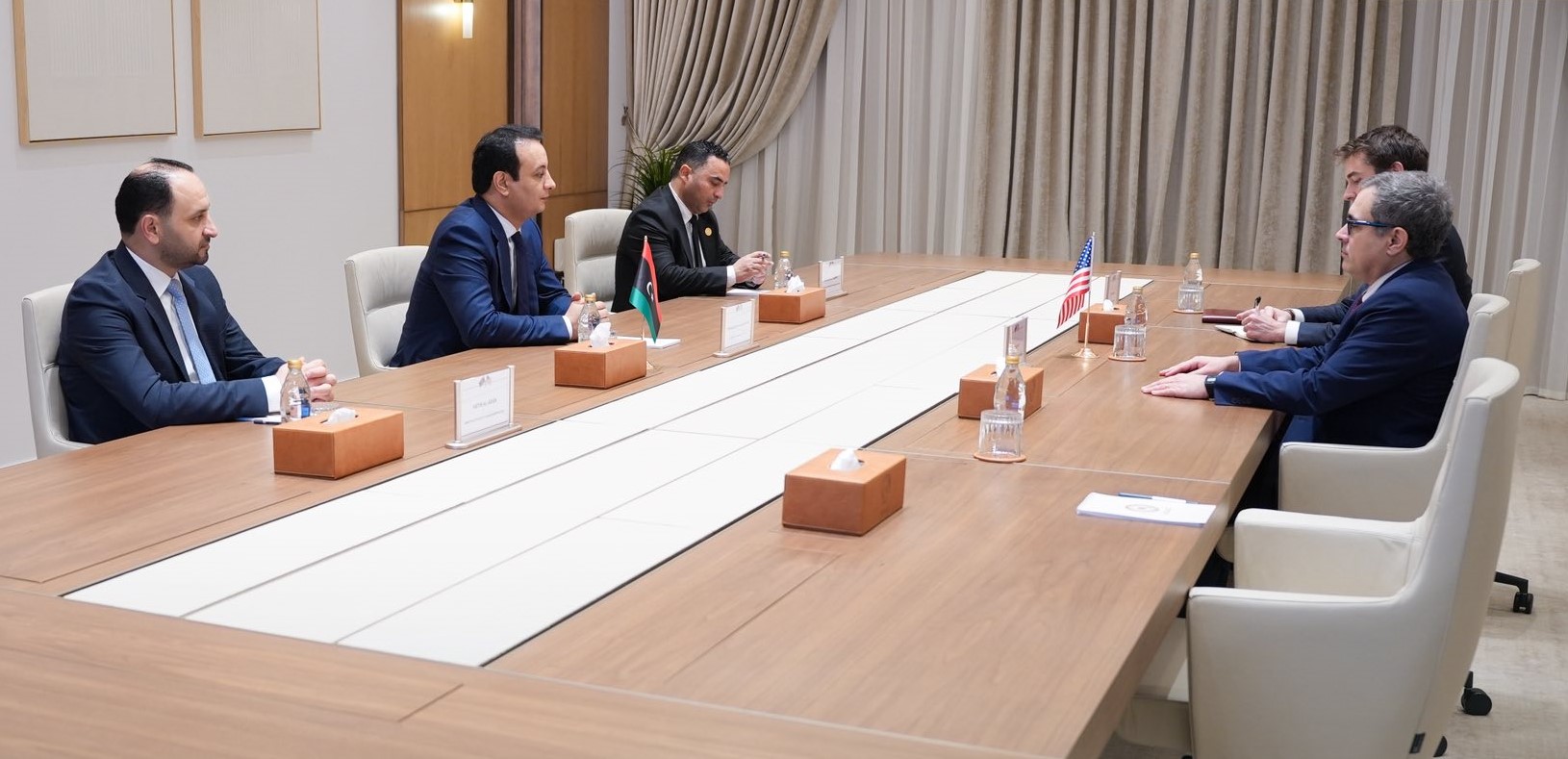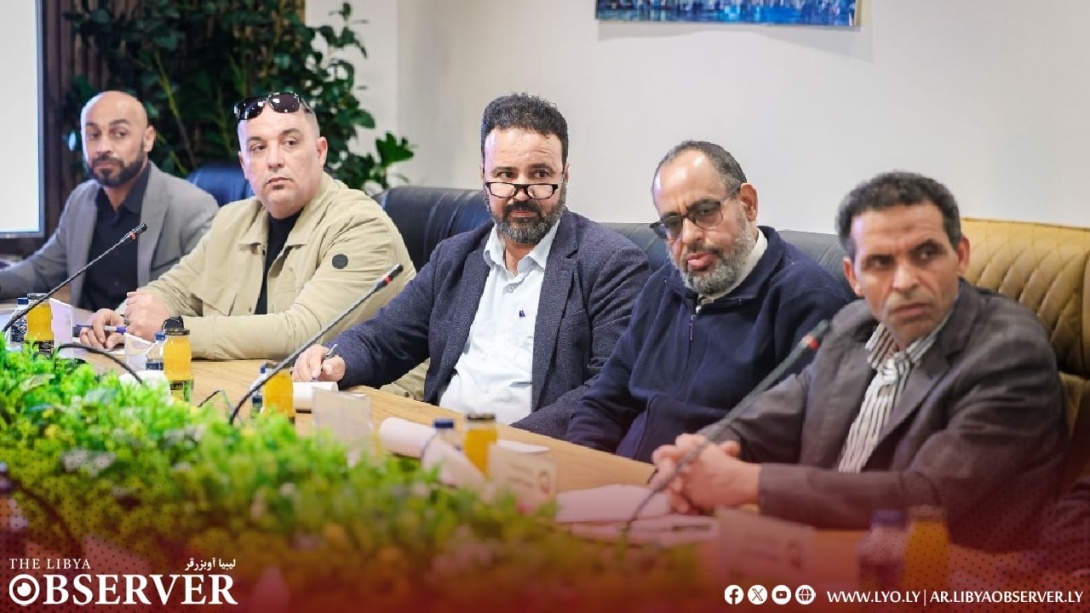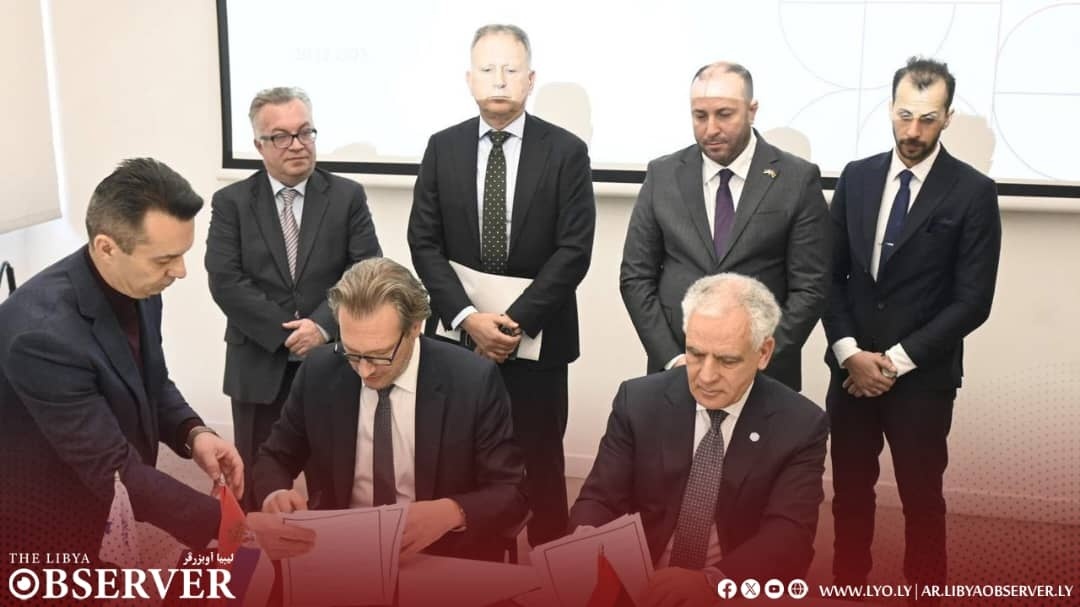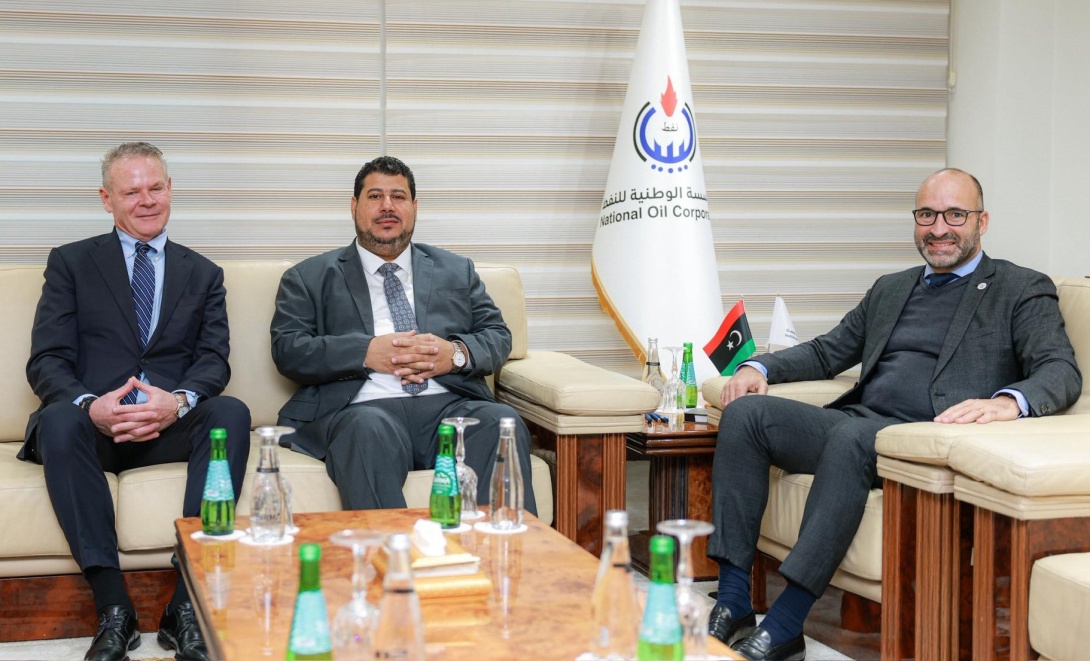
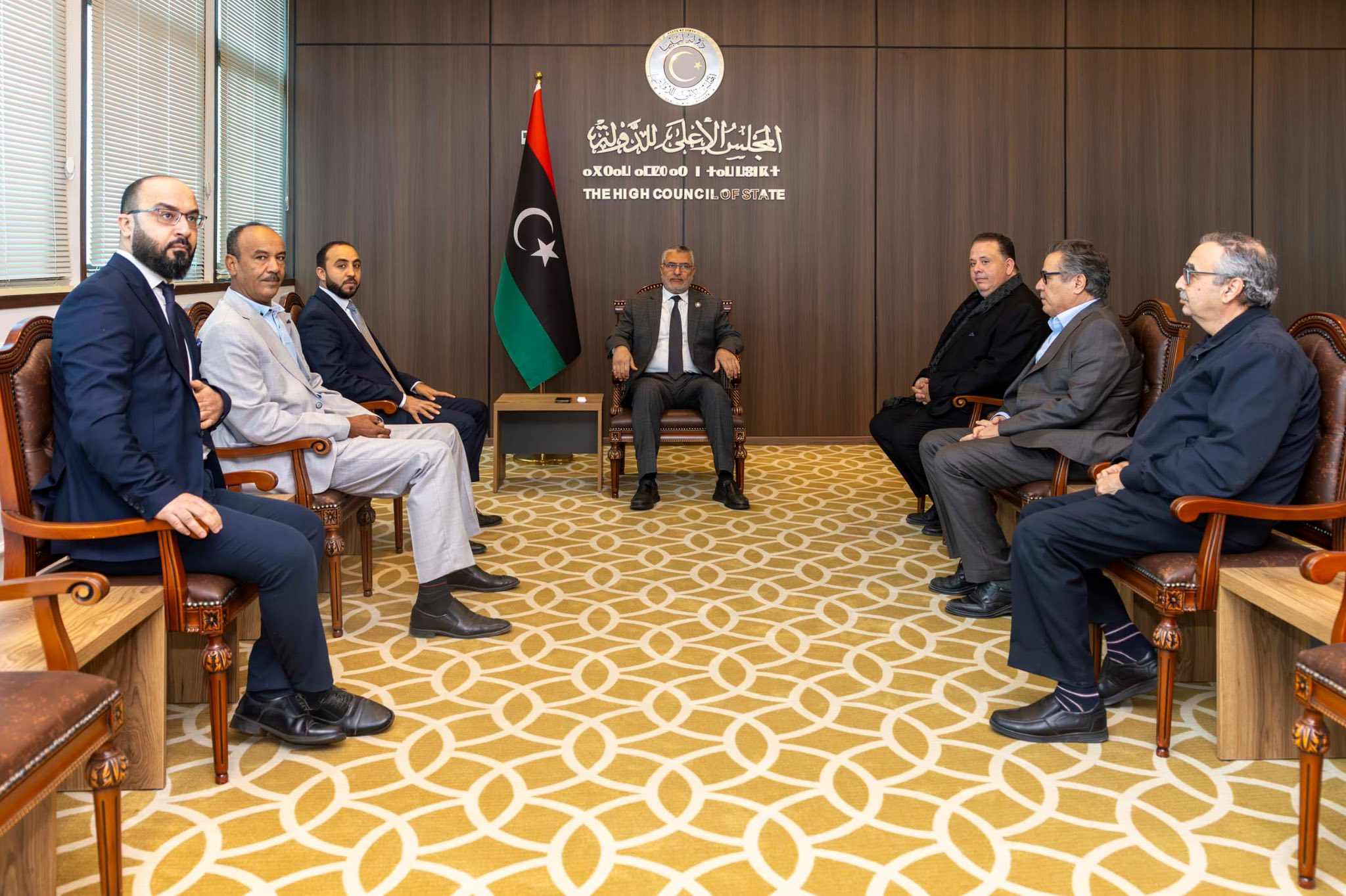
Tripoli, February 15, 2026 – The President of the High Council of State discussed today with the political mediation team the Council’s vision for a political solution in the country, based on institutional consensus and completing the electoral path within clear legal frameworks.
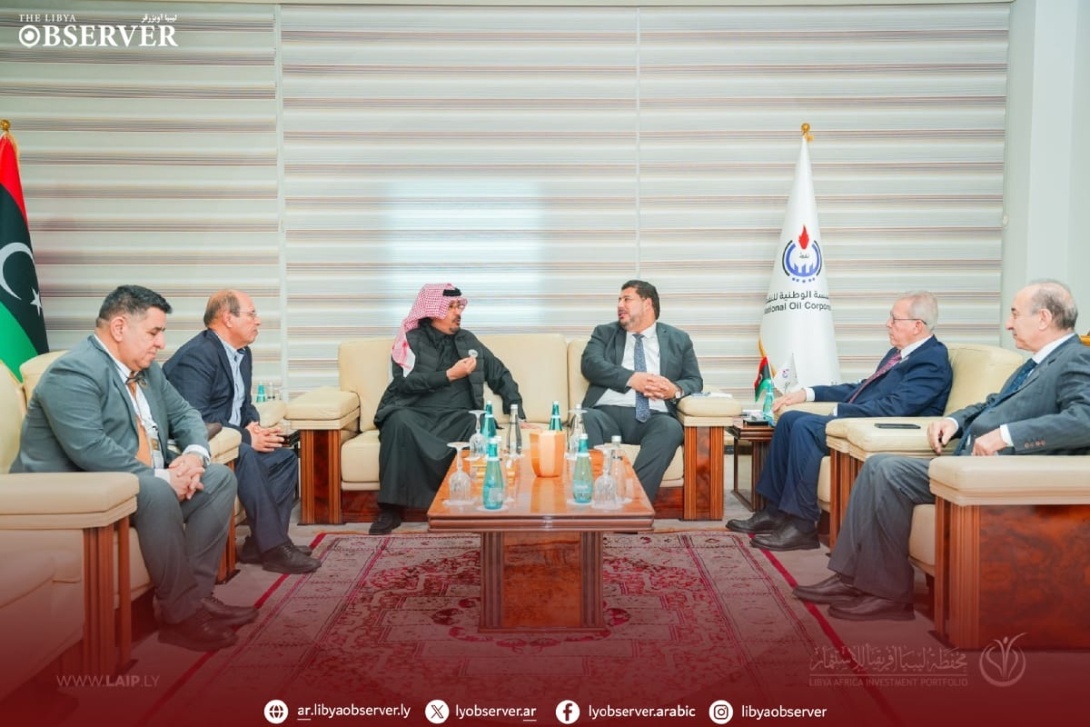
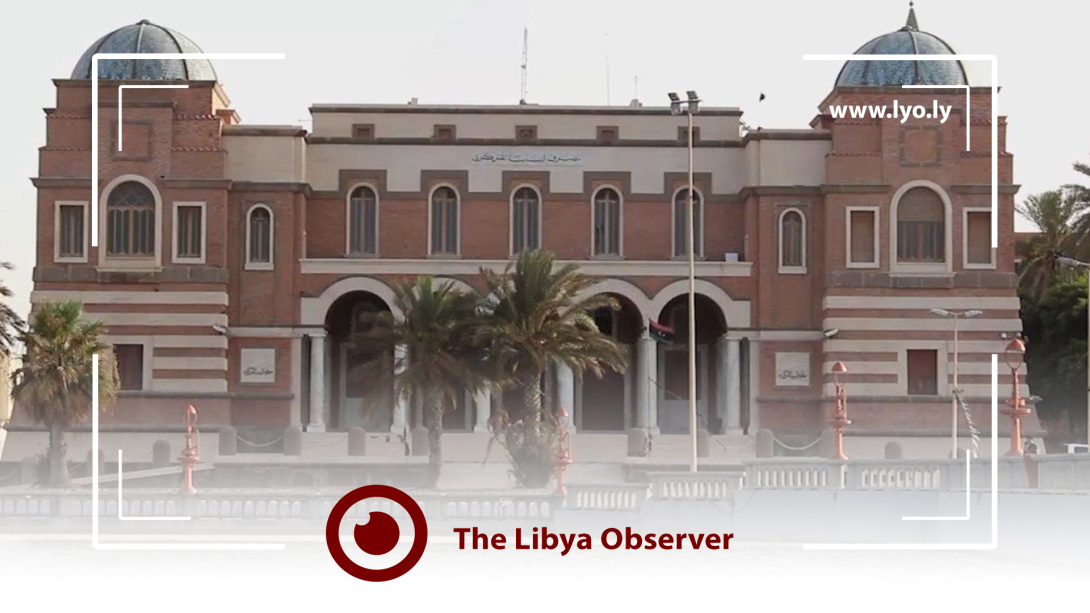
During the meeting held at the Council’s headquarters in Tripoli, the mediation team listened to a detailed explanation regarding perceptions related to the international roadmap, particularly concerning the formation of the Commission Council, electoral laws, and mechanisms for bridging viewpoints between the High Council of State and the House of Representatives, ensuring the completion of the roadmap stages leading to comprehensive elections.
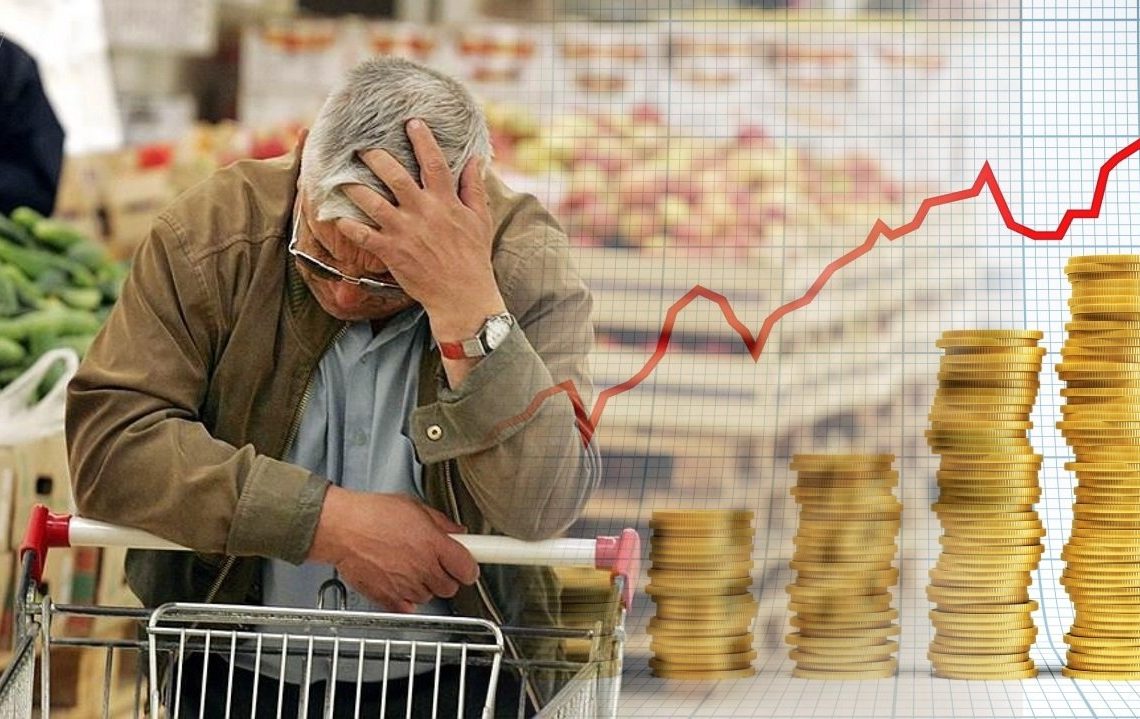
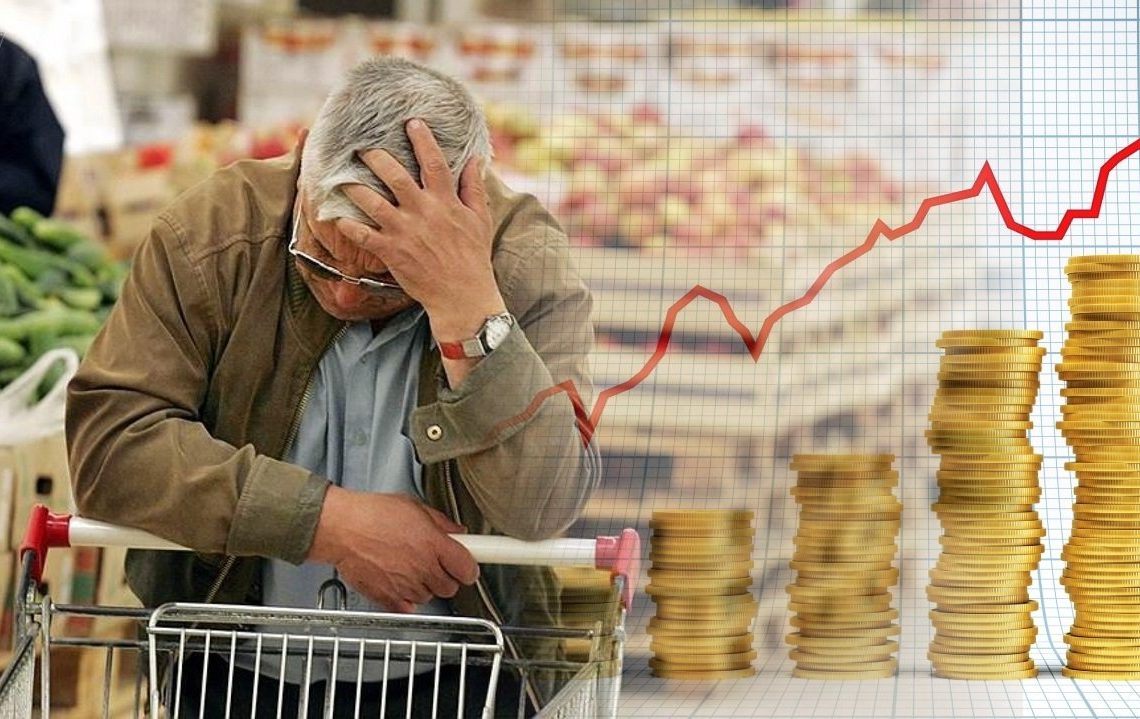
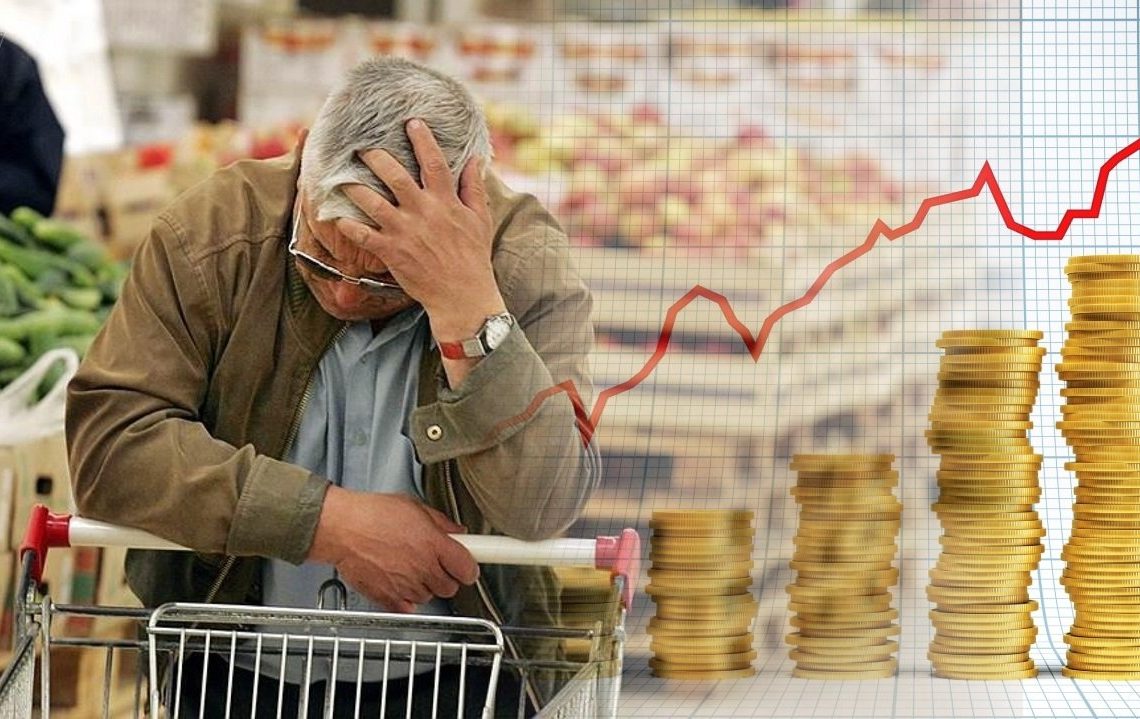
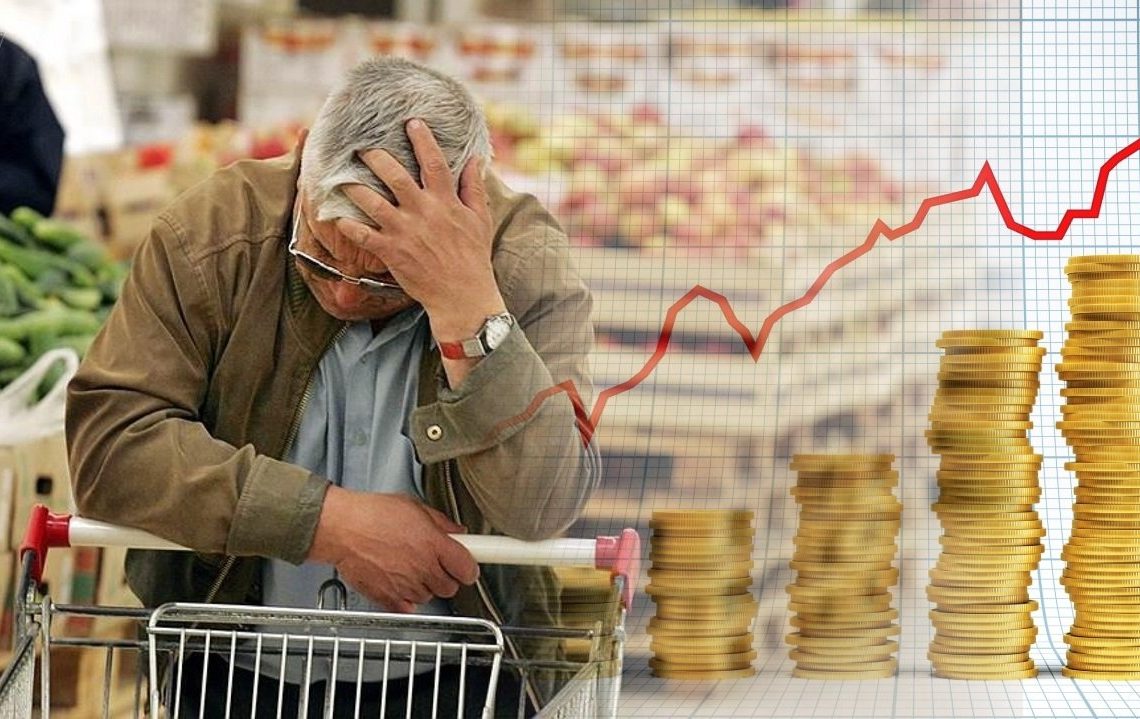
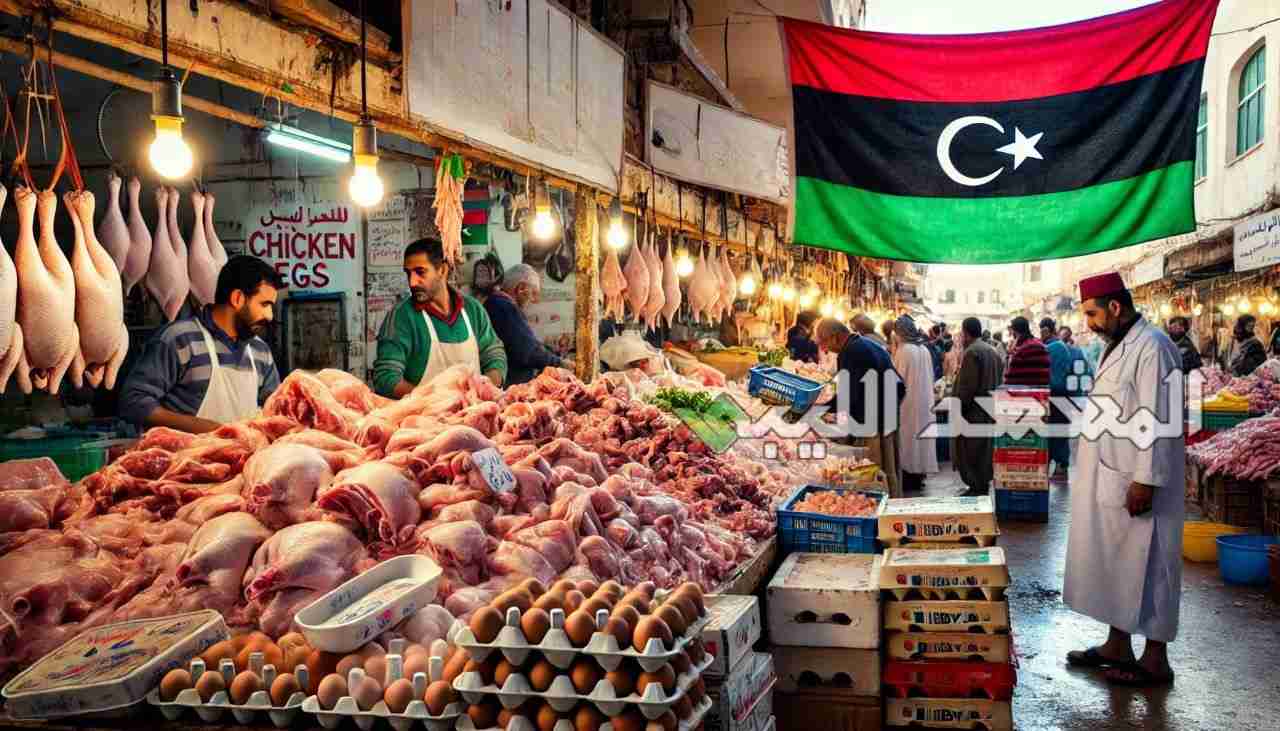
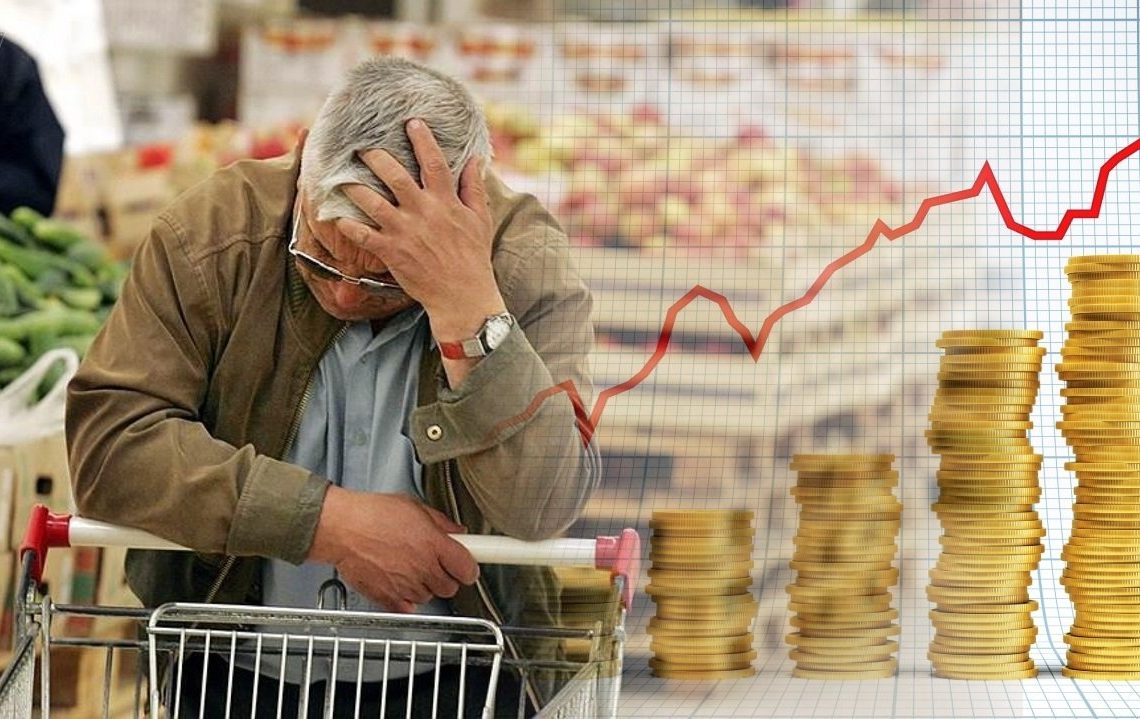
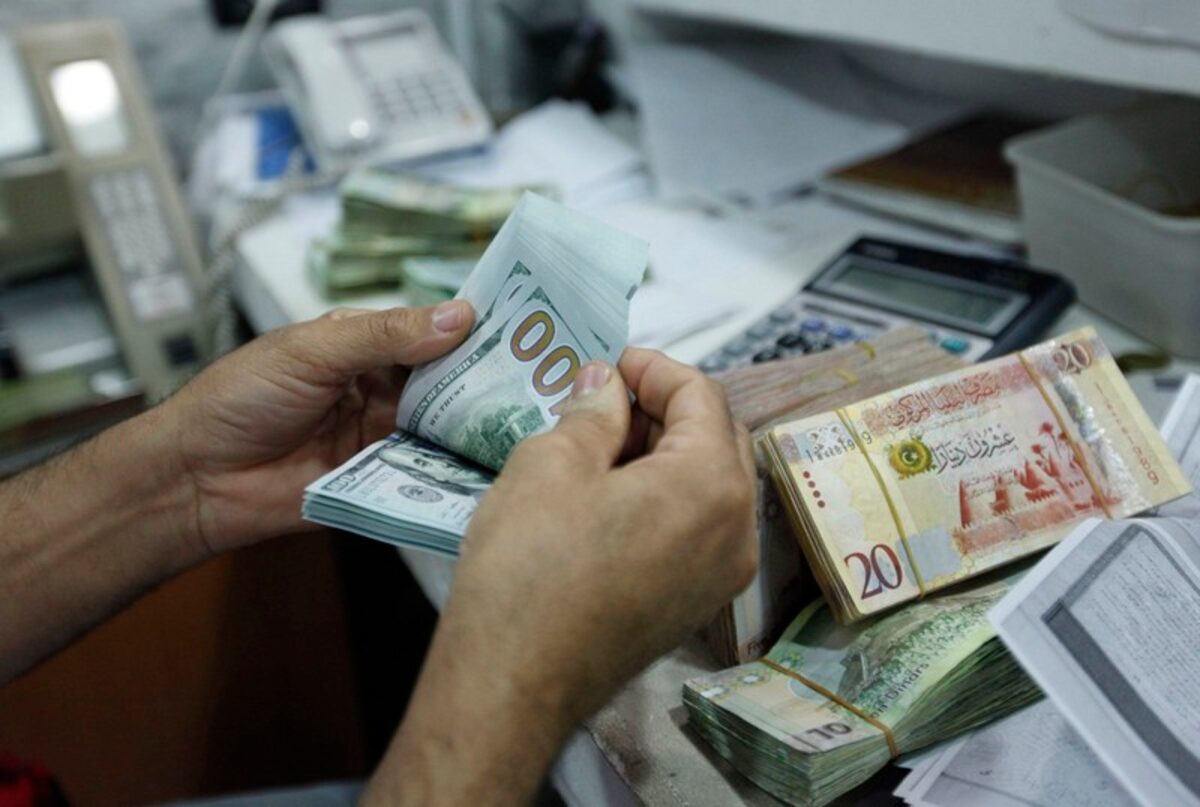
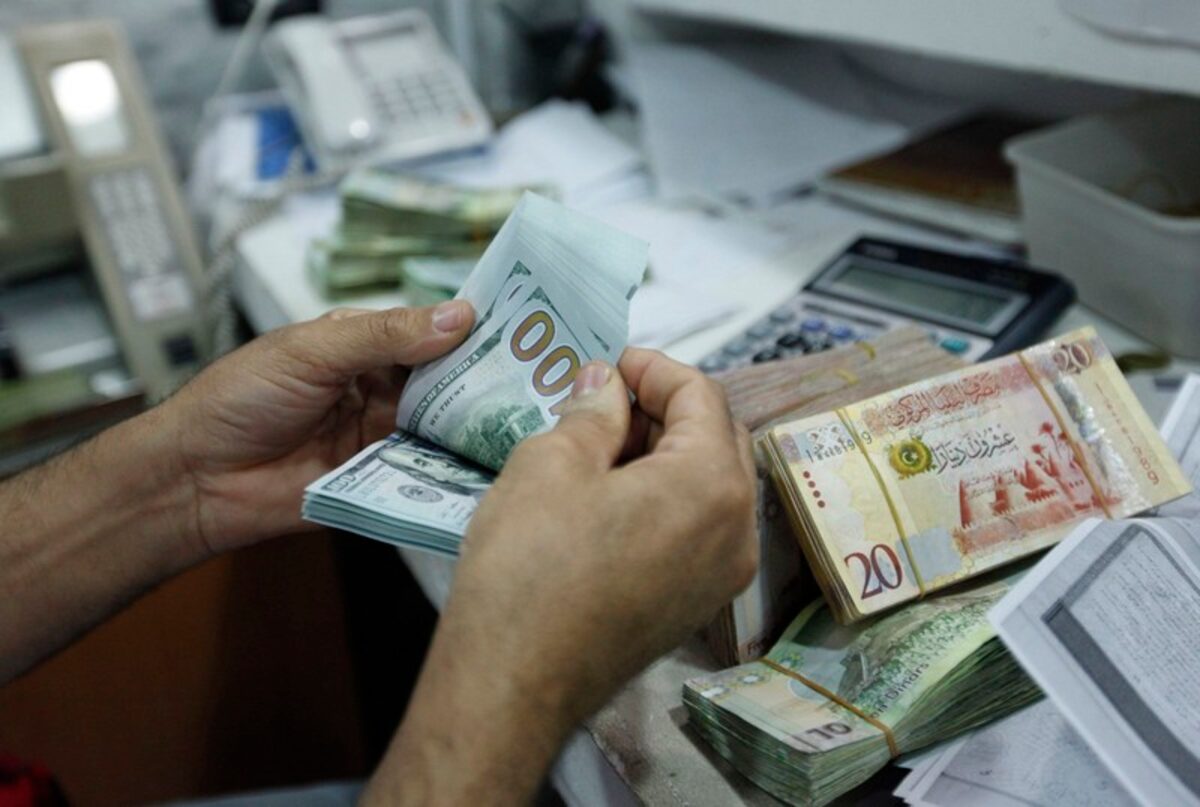
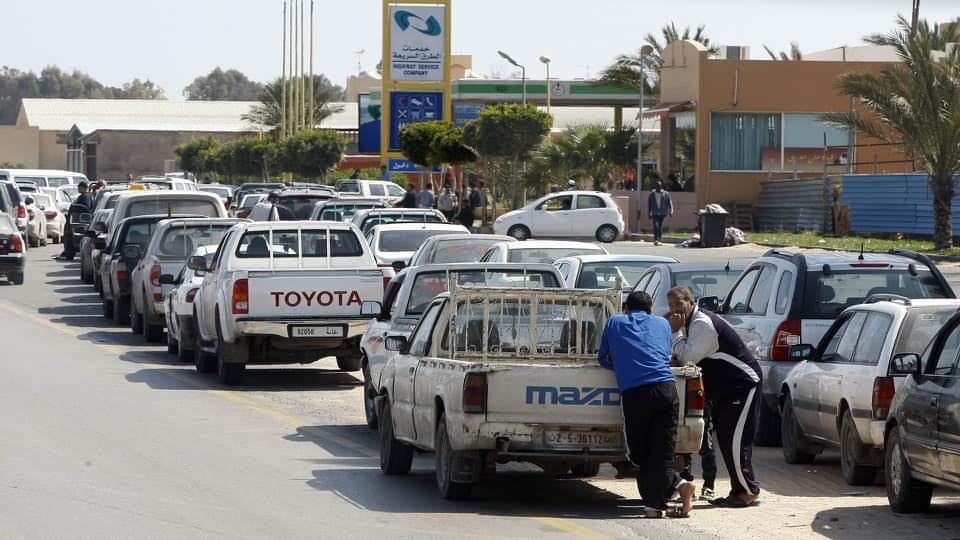
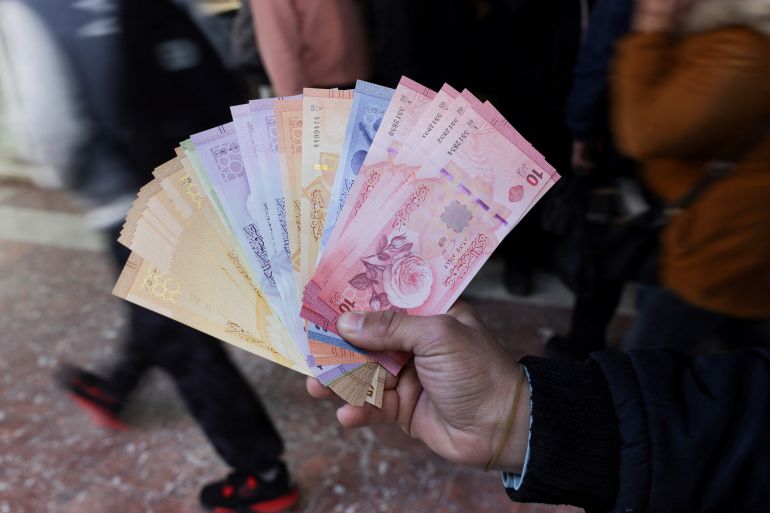
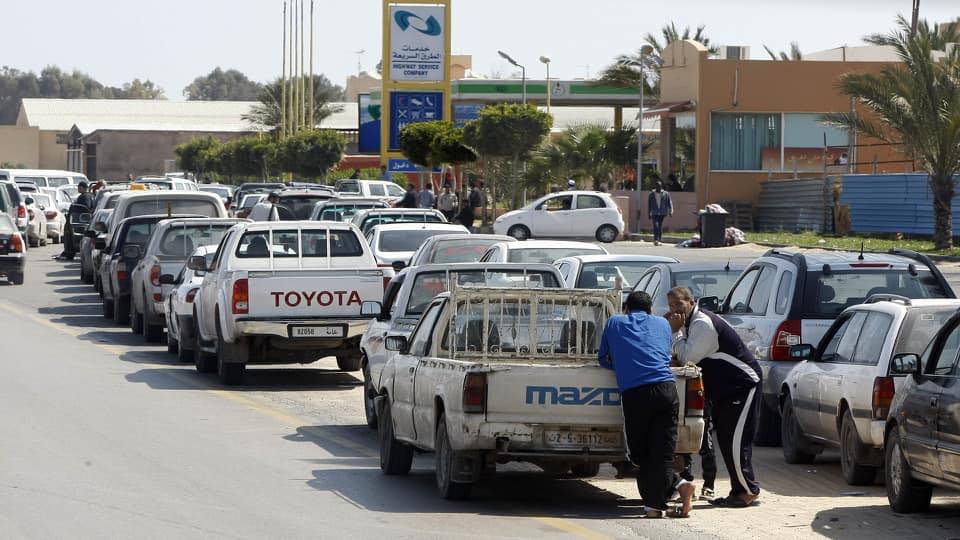
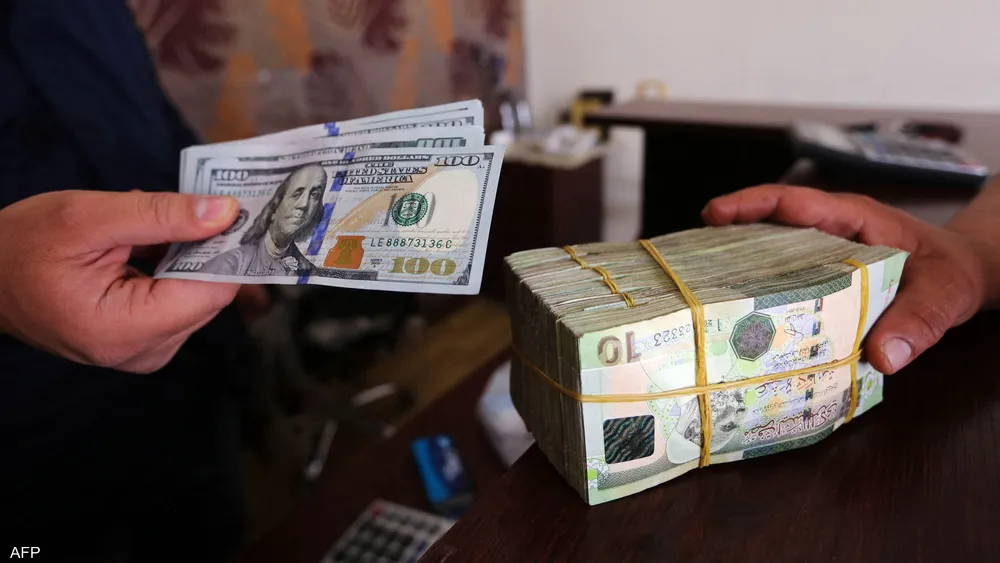
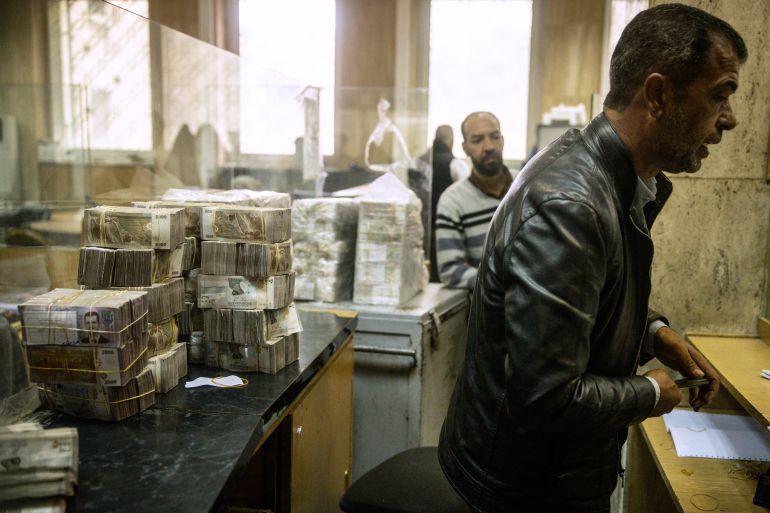
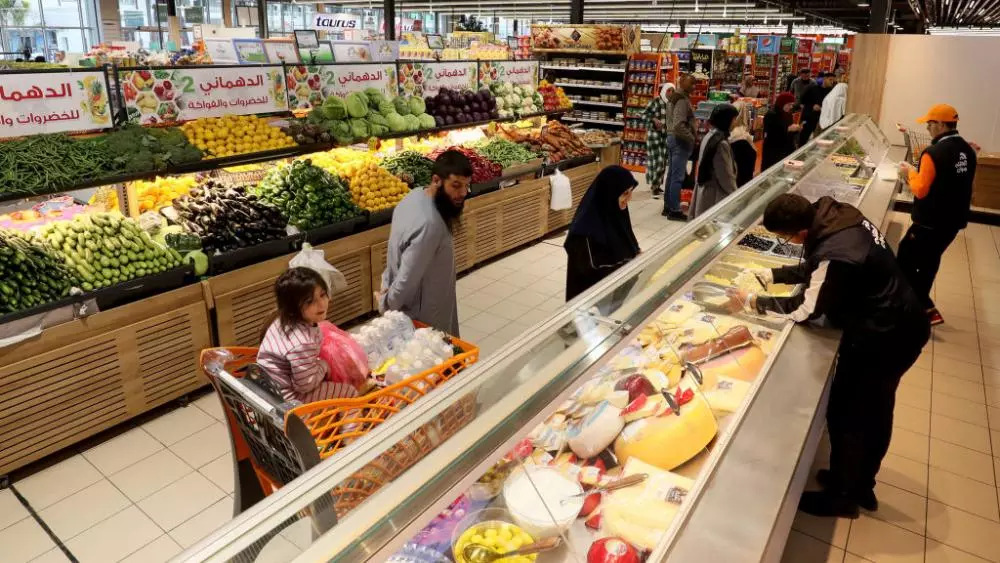
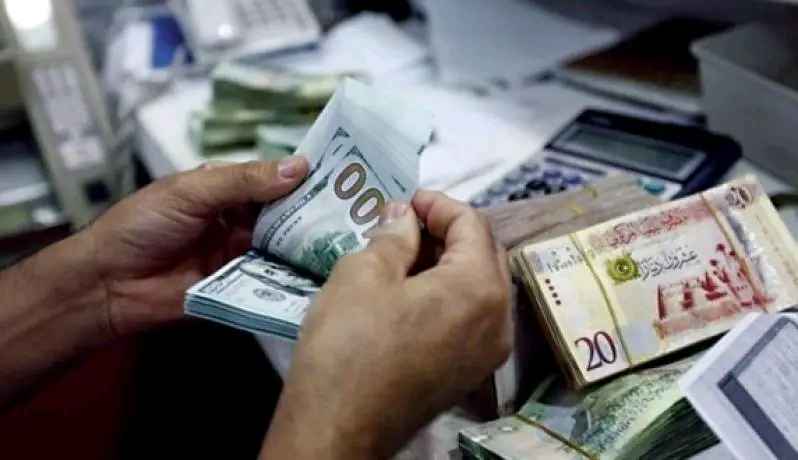
On the sidelines of the meeting, the living and economic conditions in the country were discussed, emphasizing the importance of the High Council of State’s oversight role in monitoring the work of the executive authority, working to alleviate the living burden, curb price hikes, and ensure the provision of citizens’ basic needs.