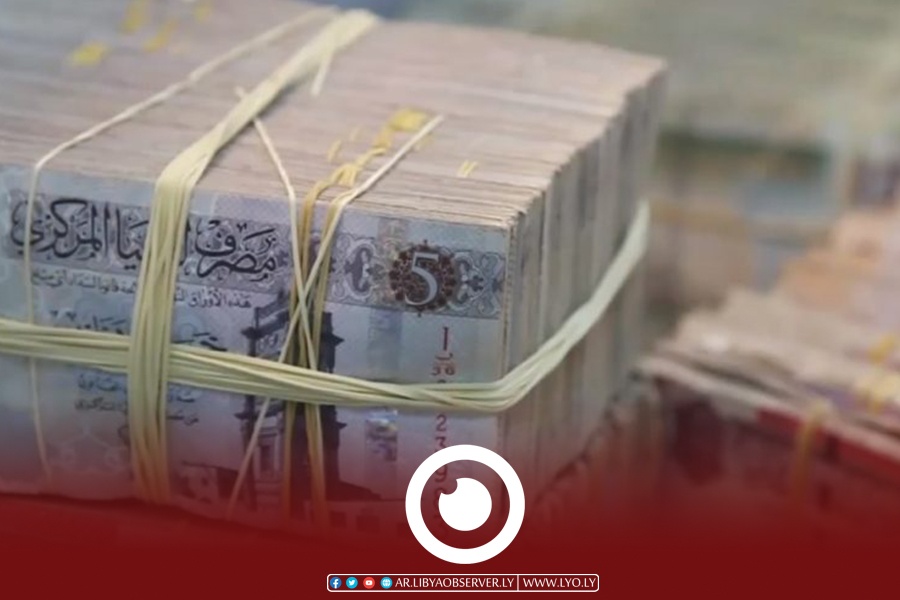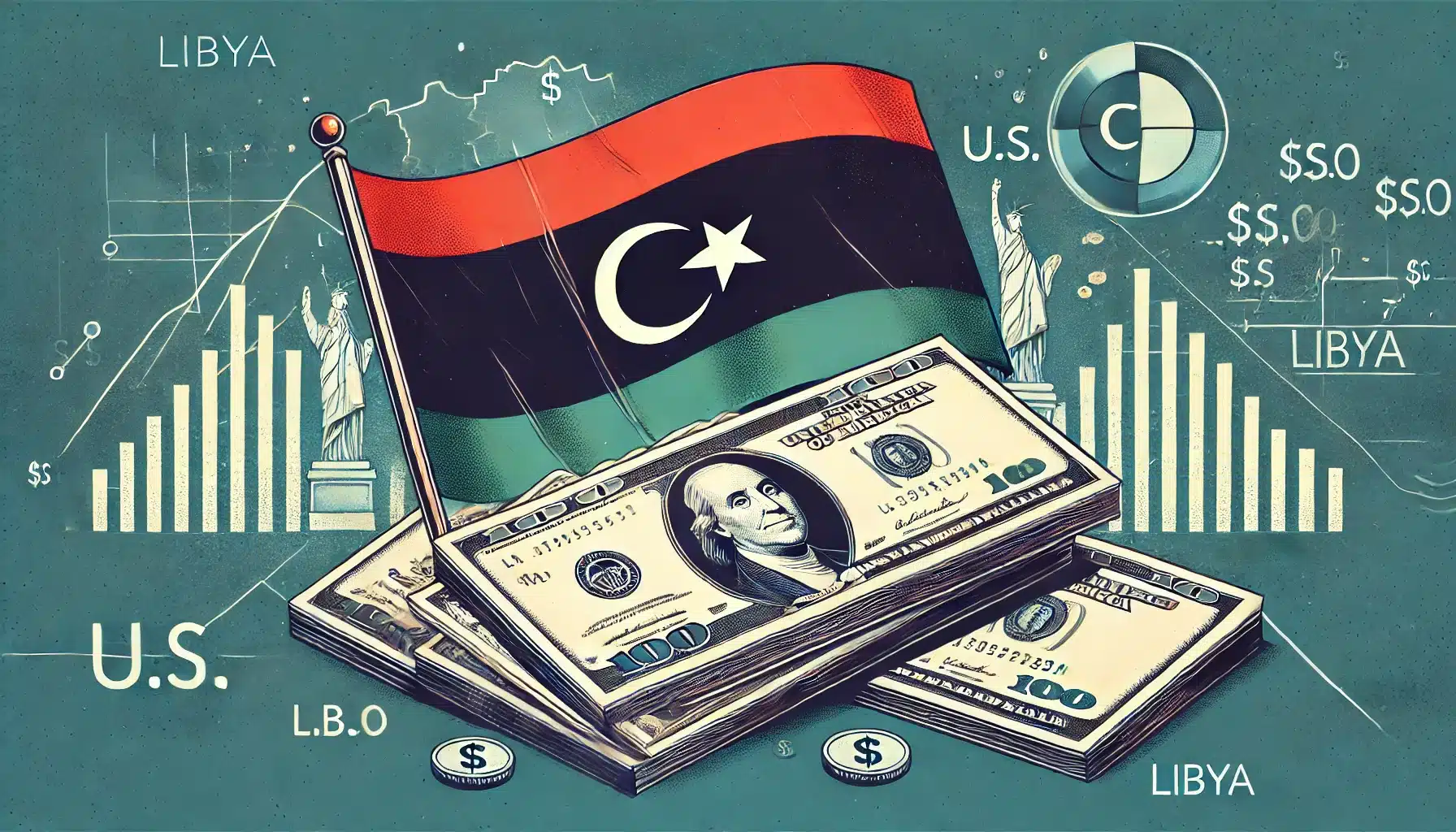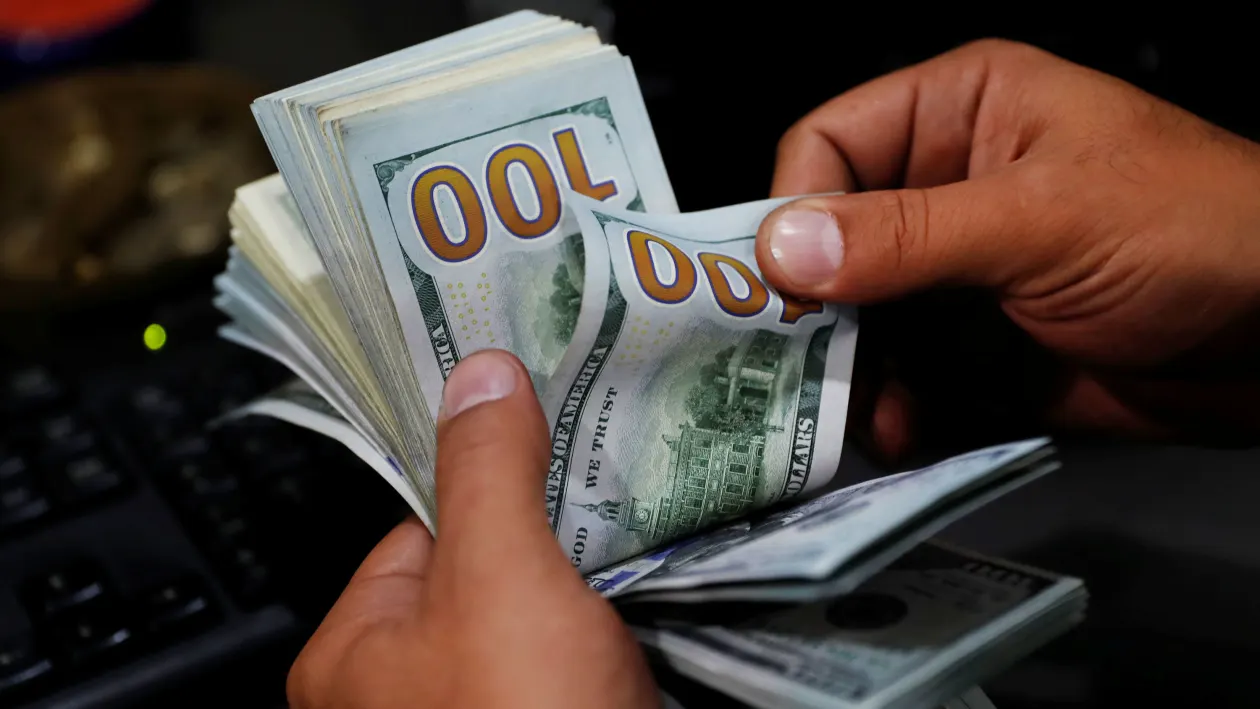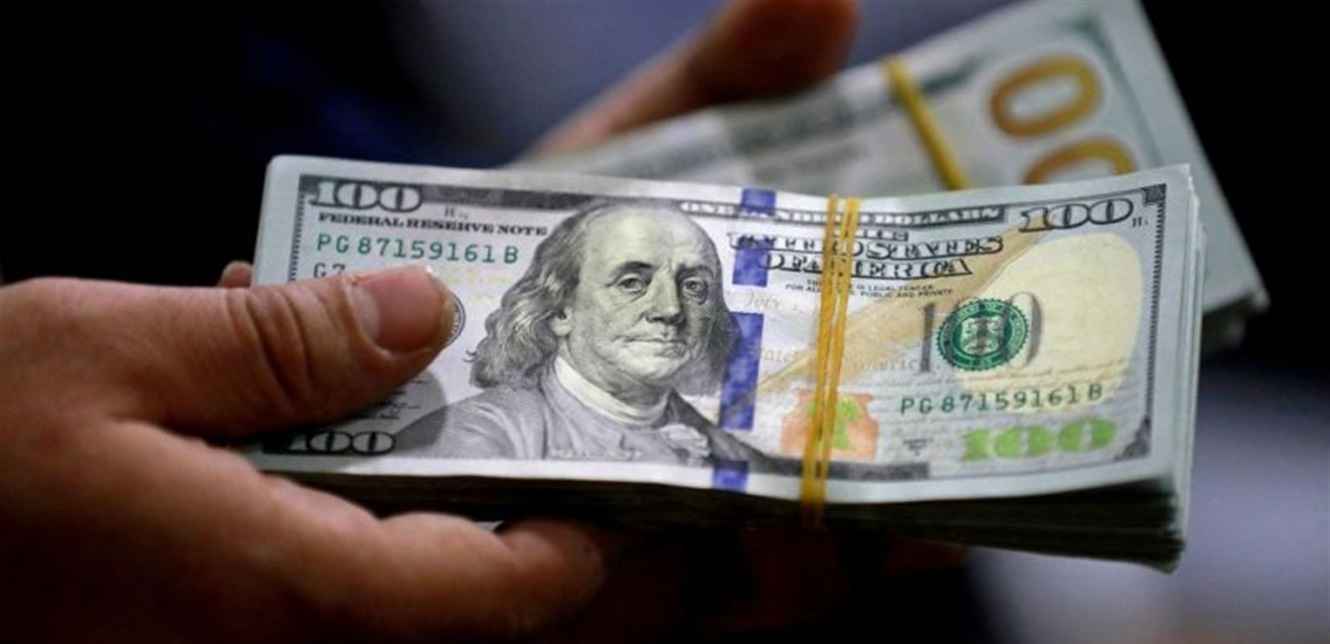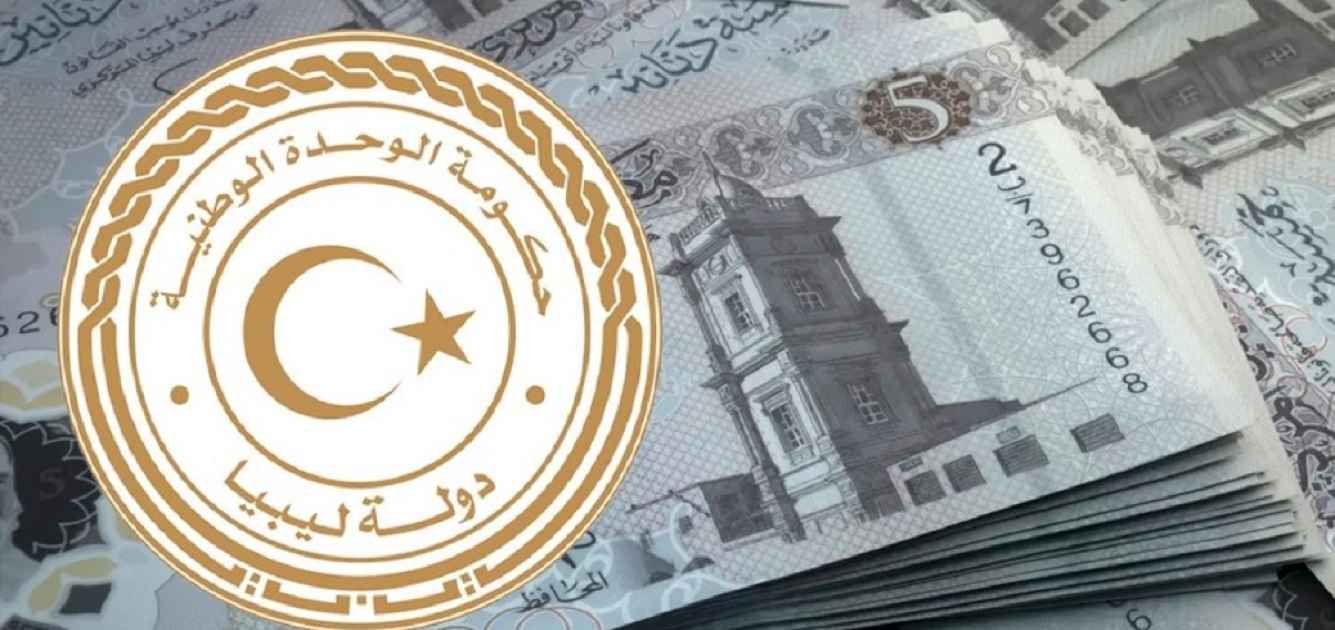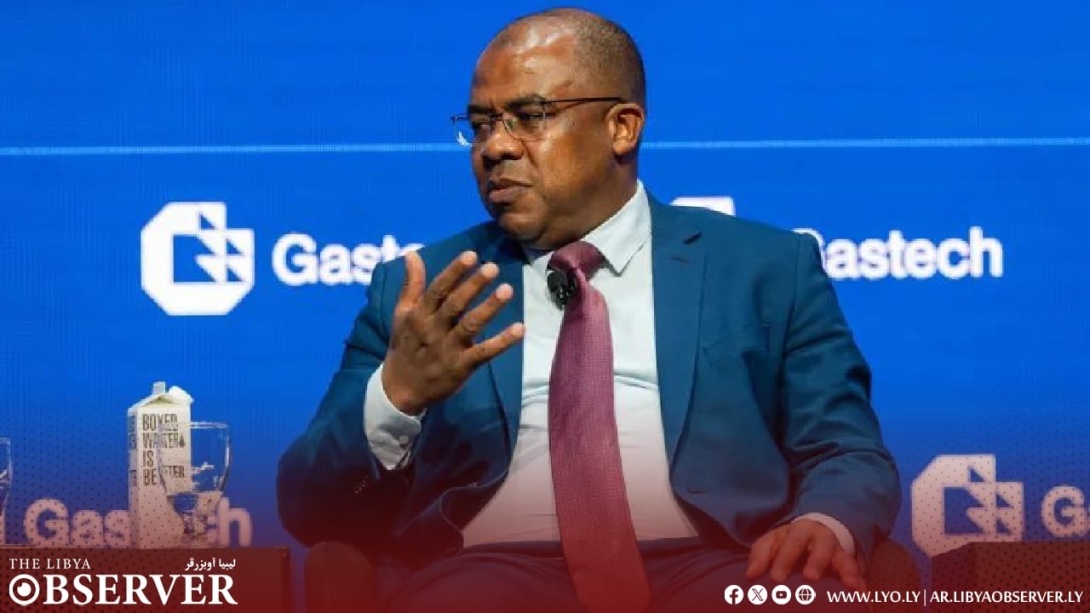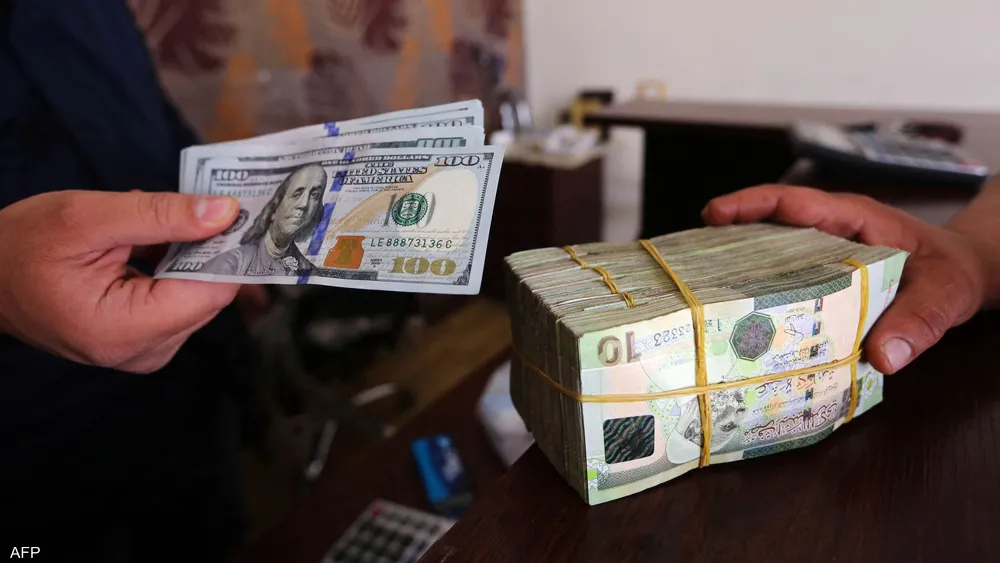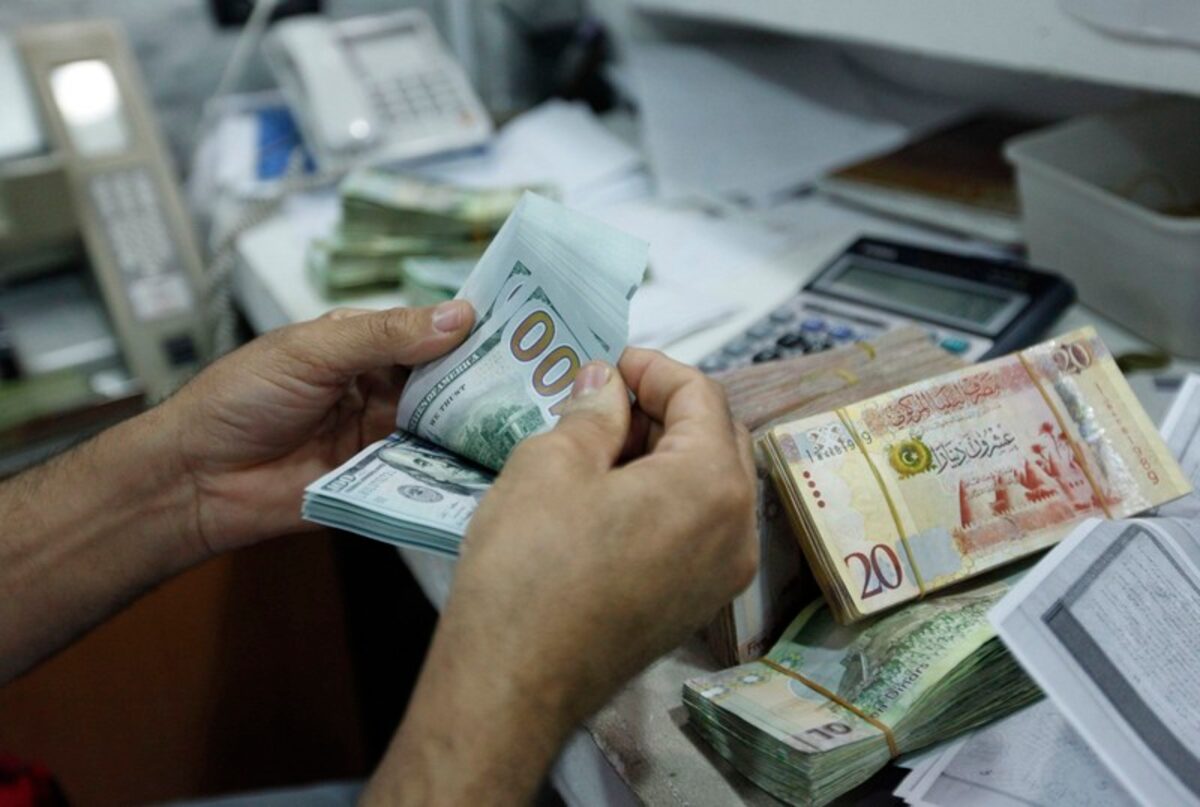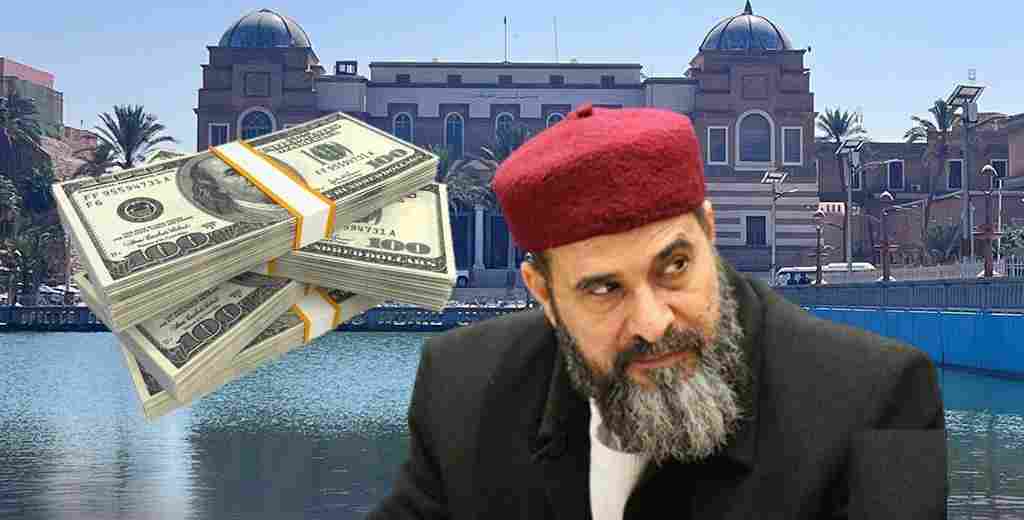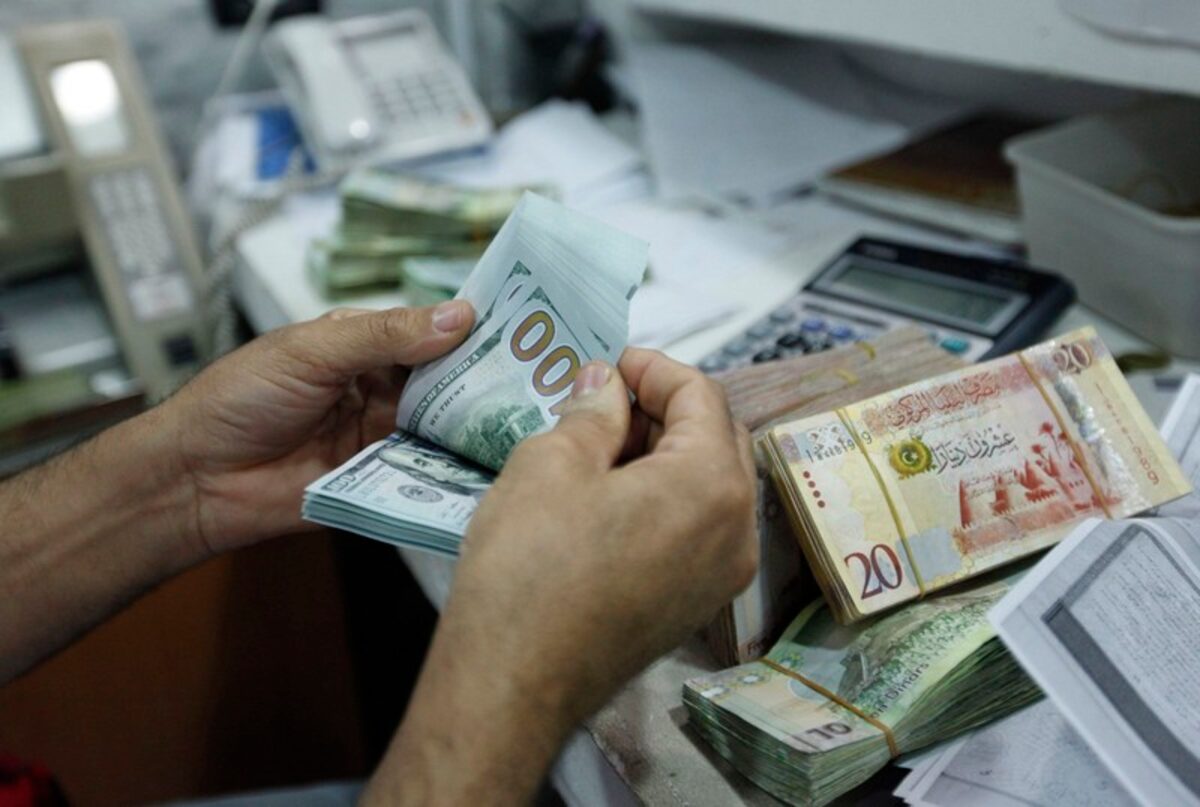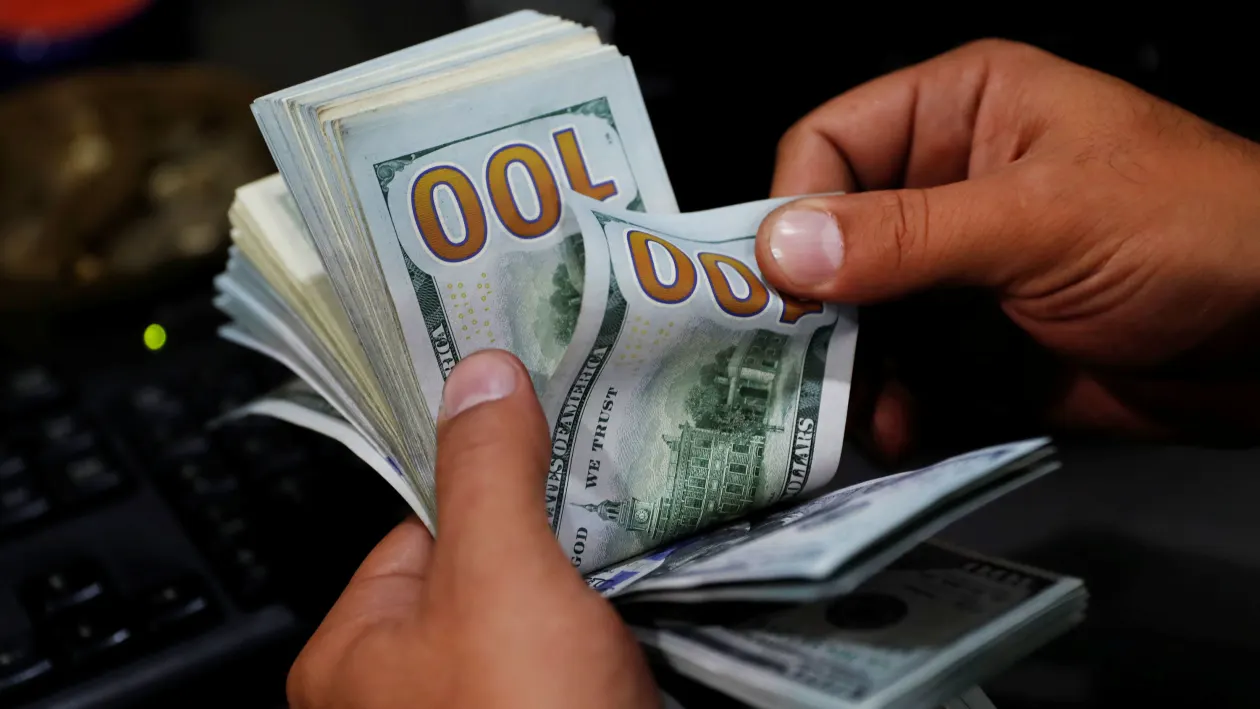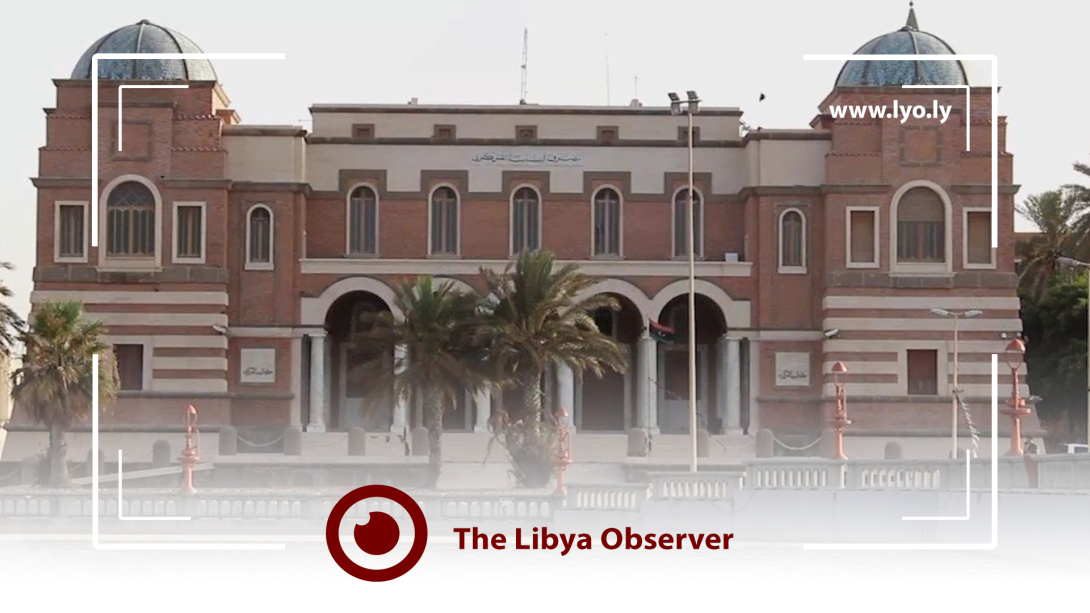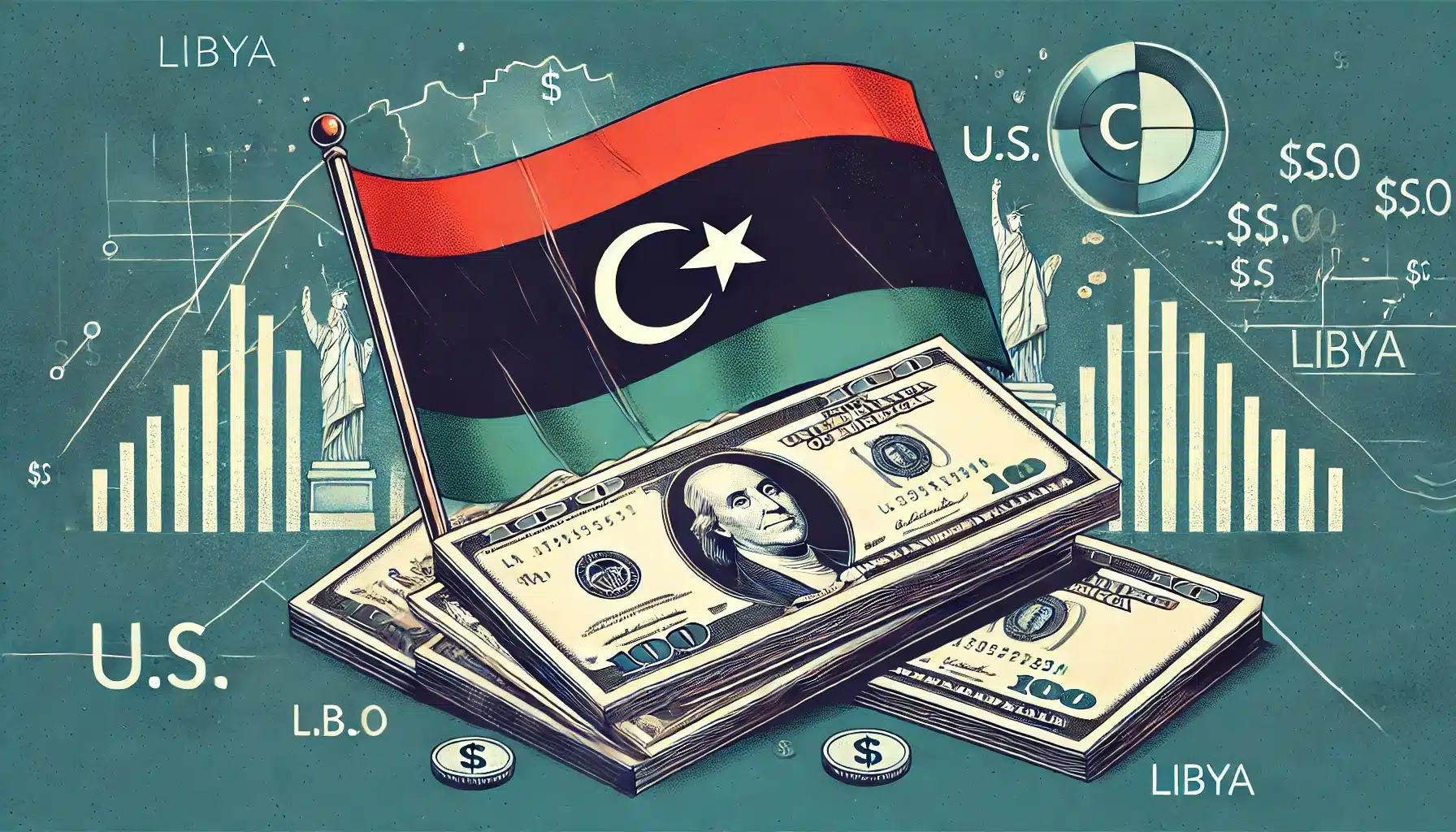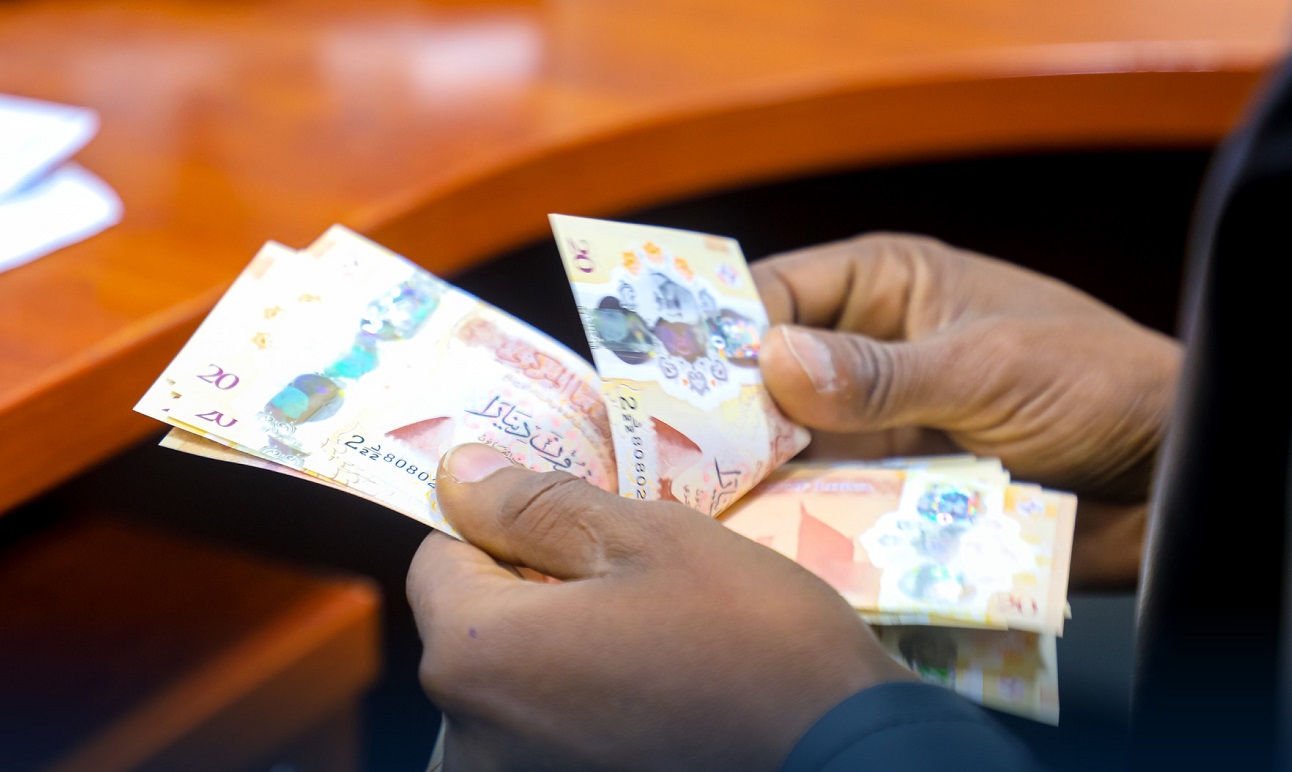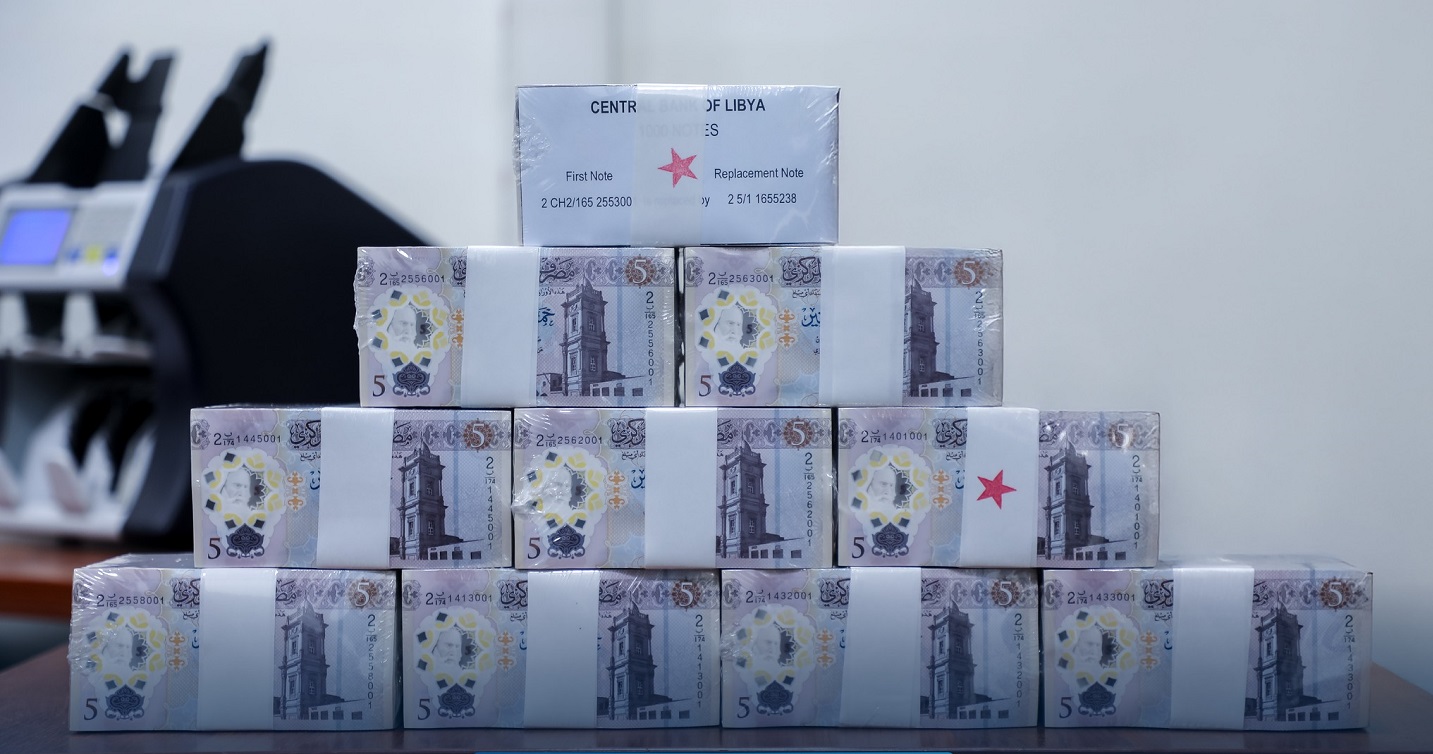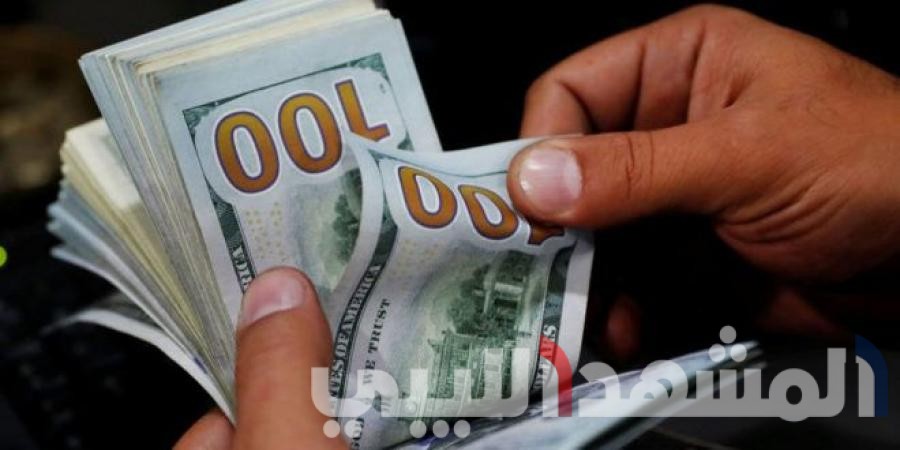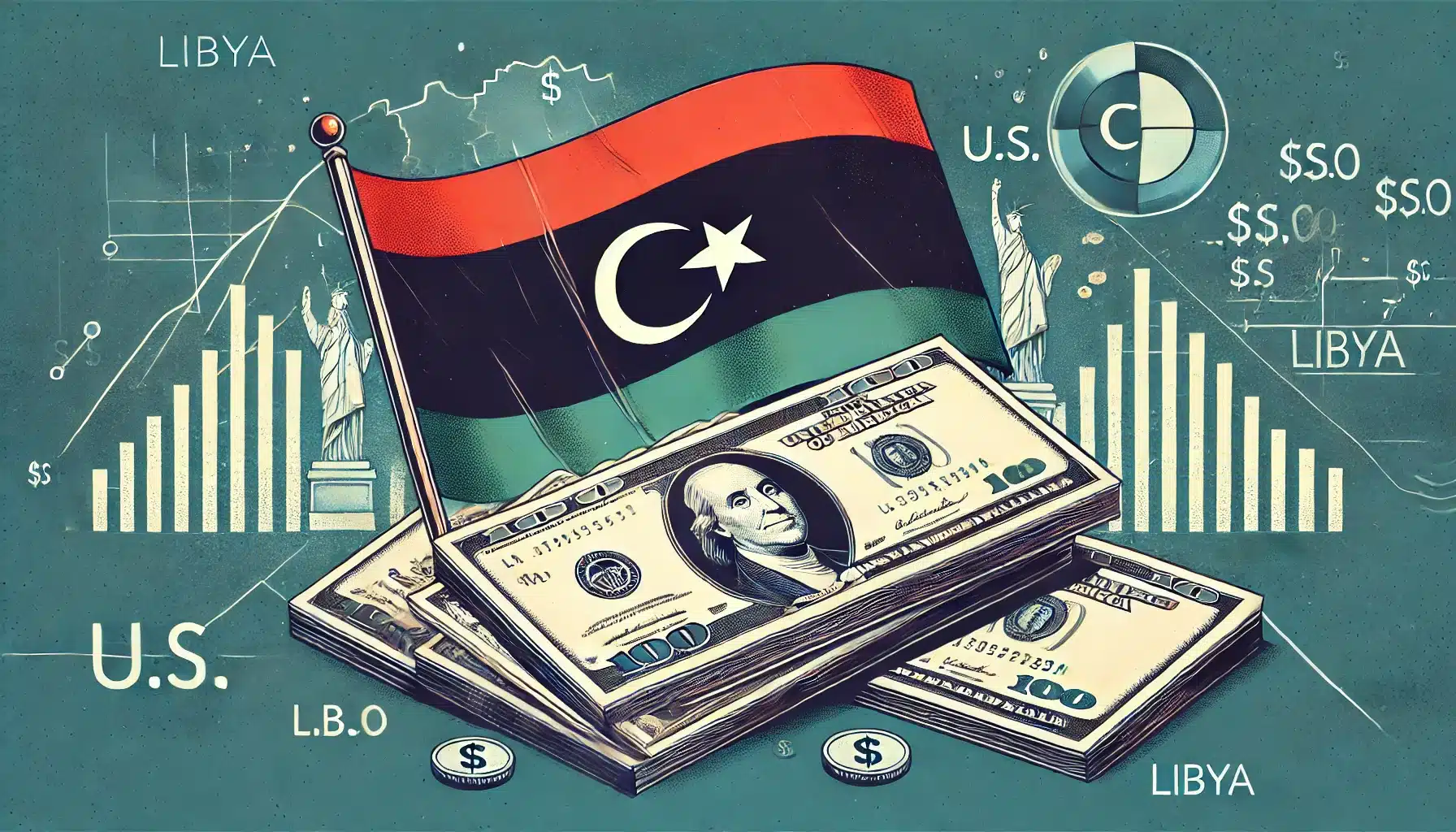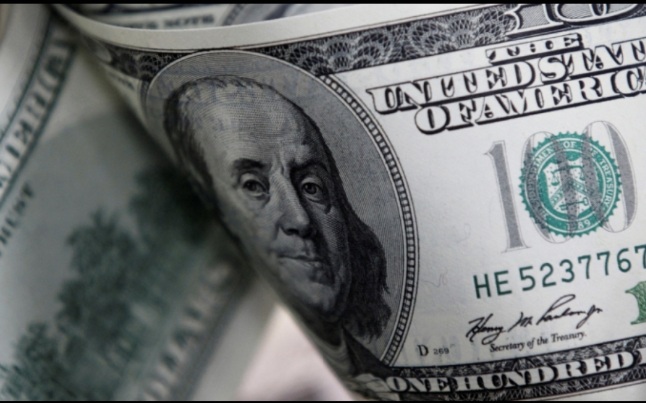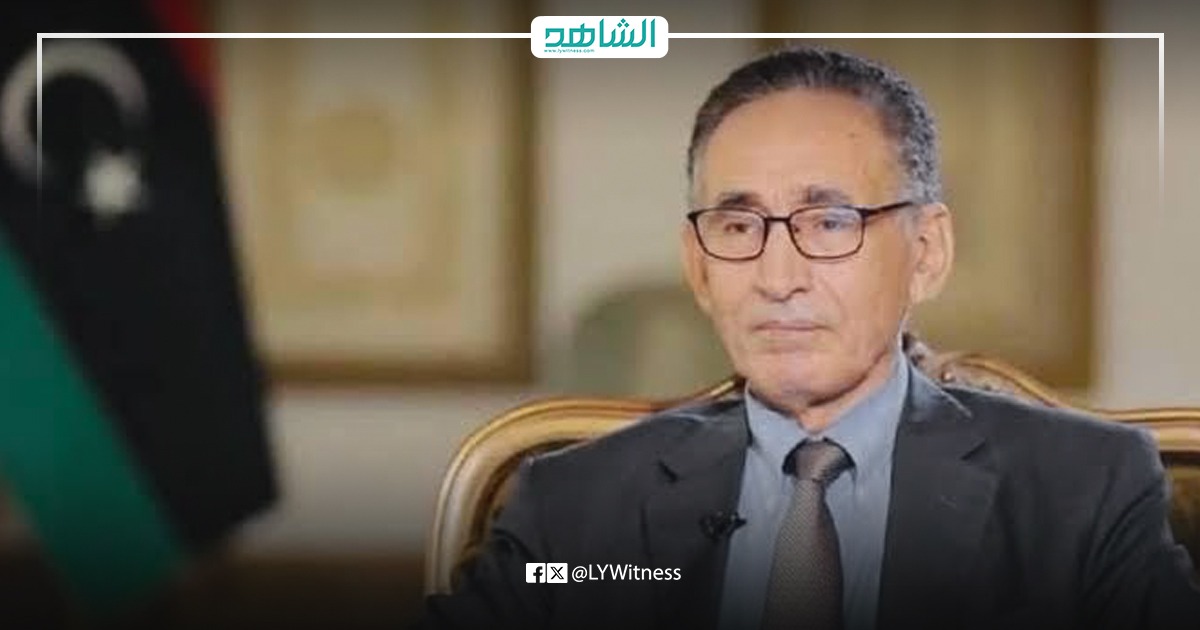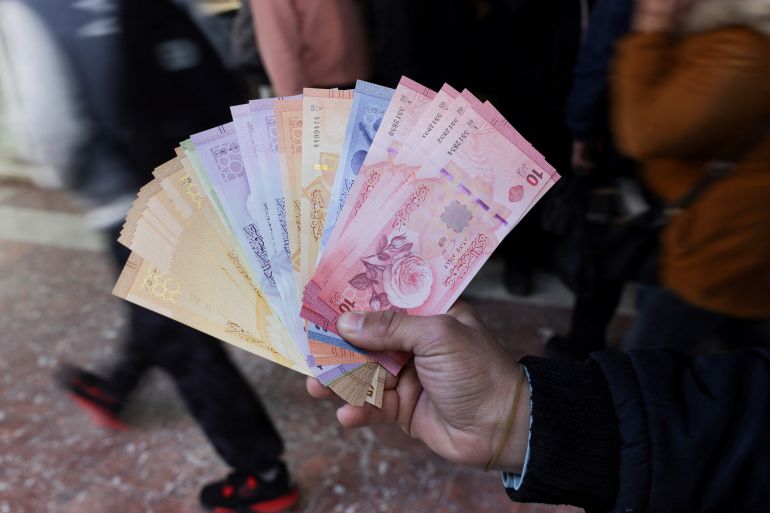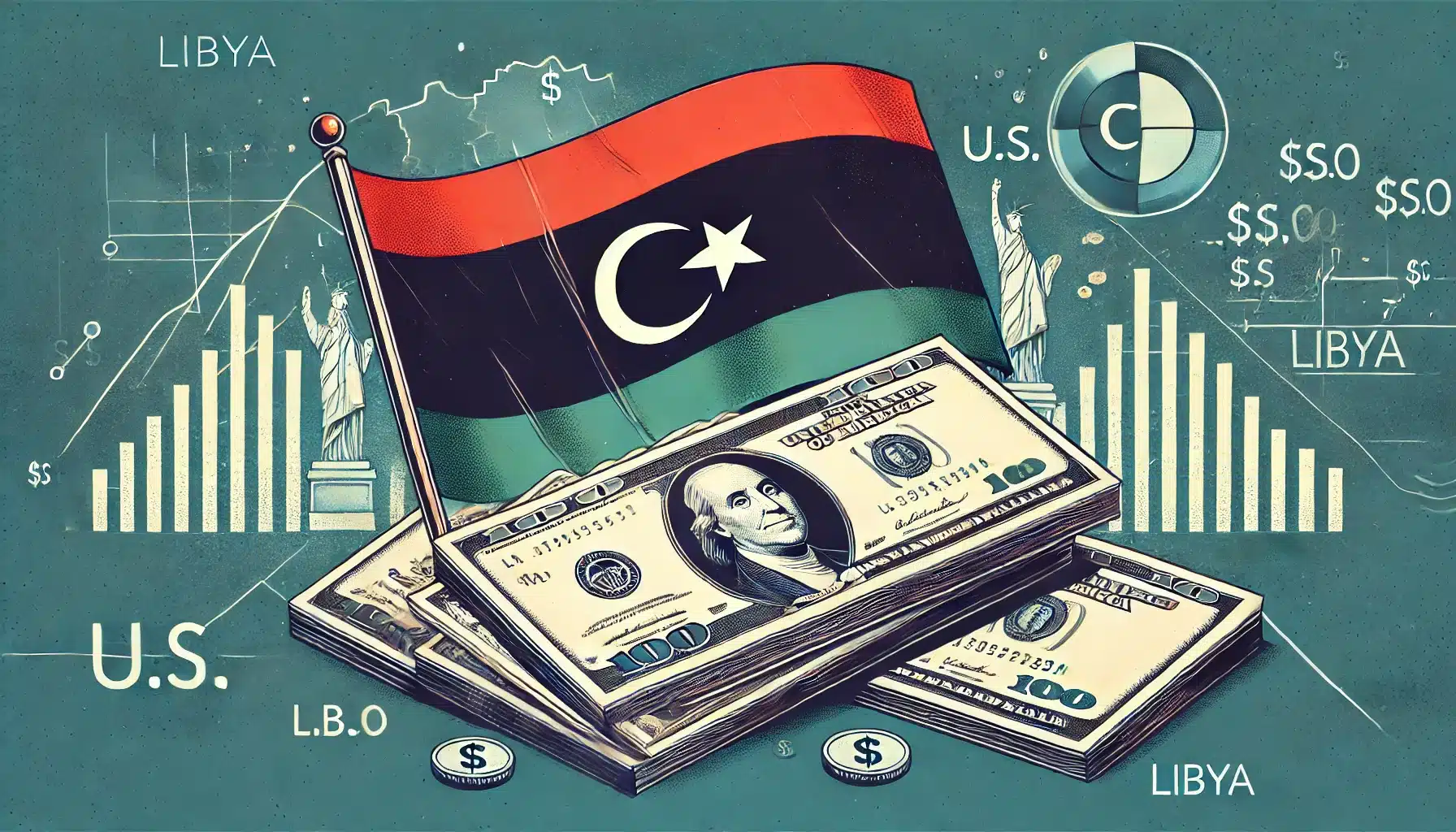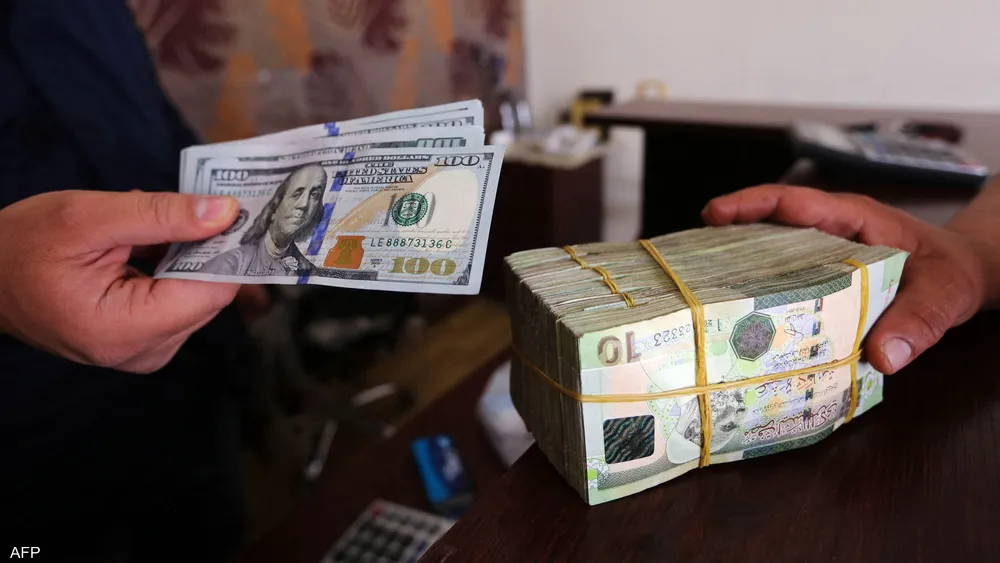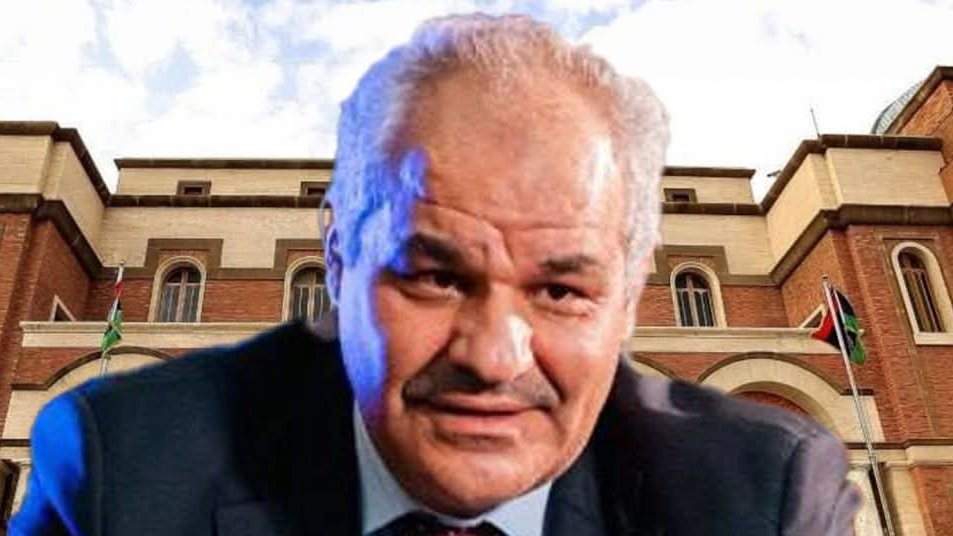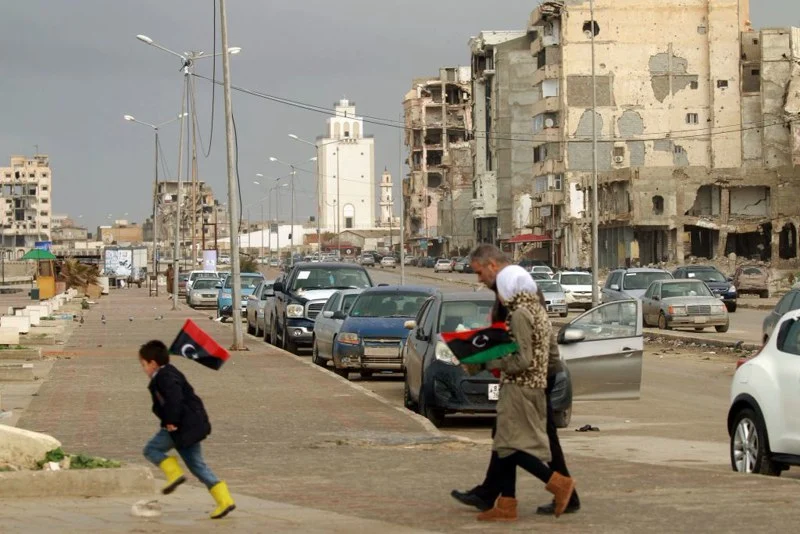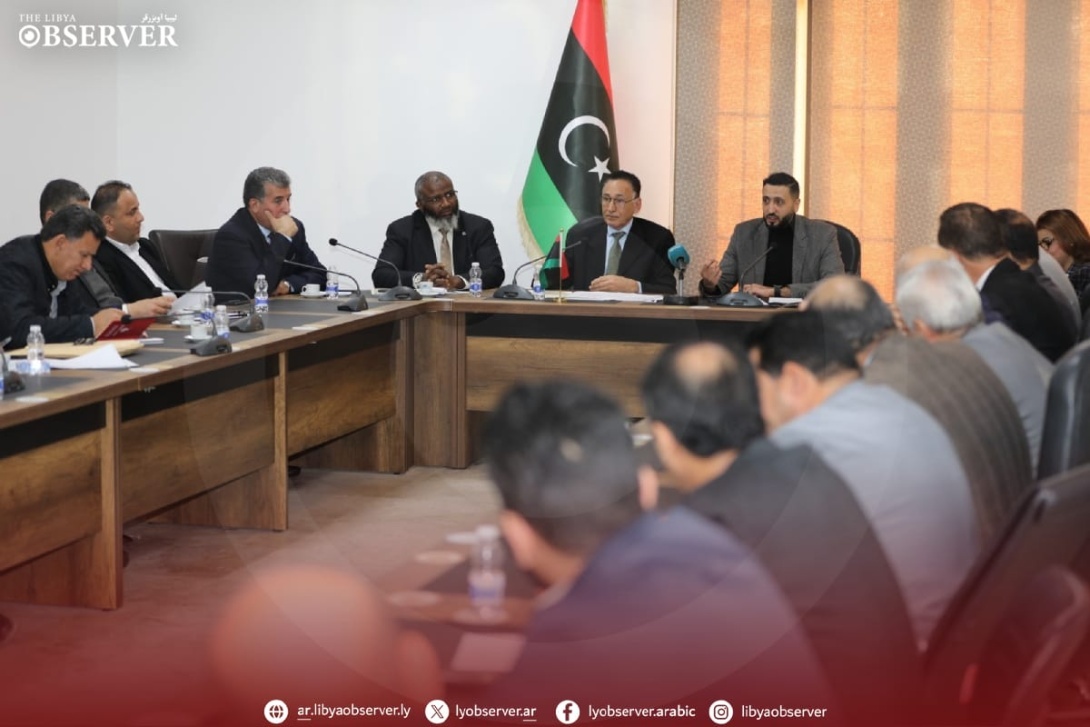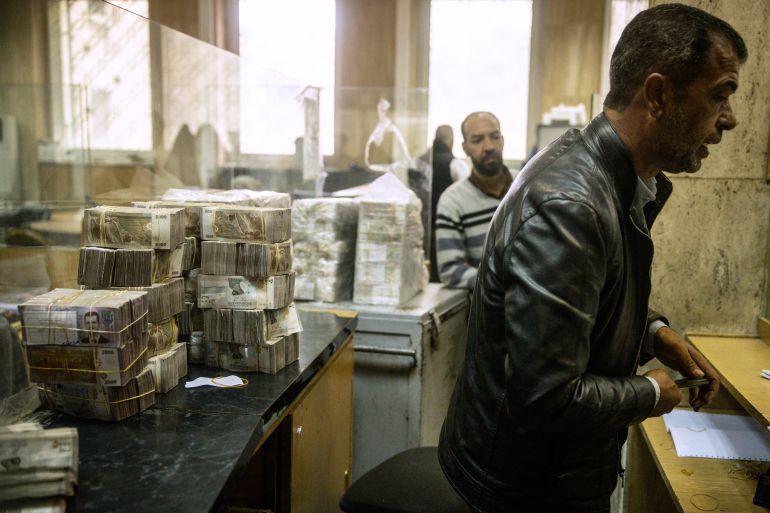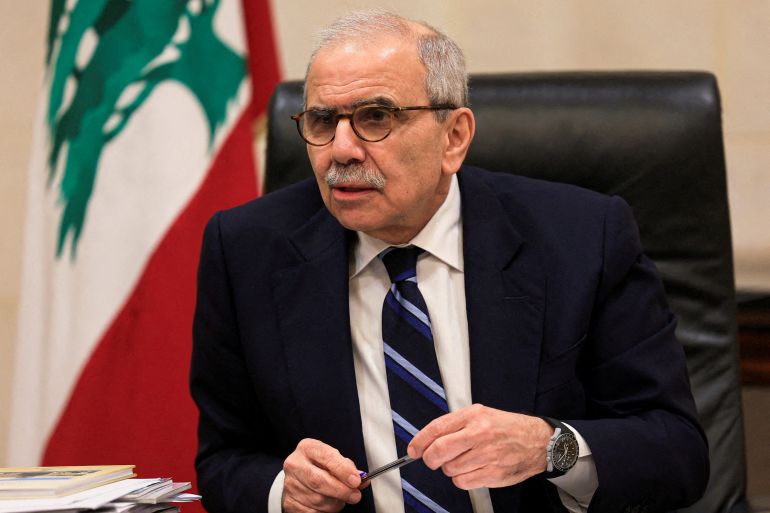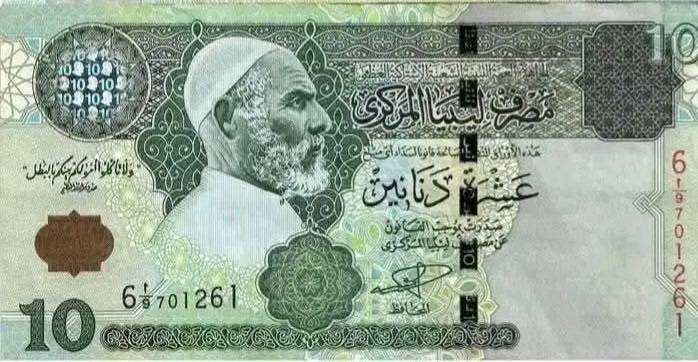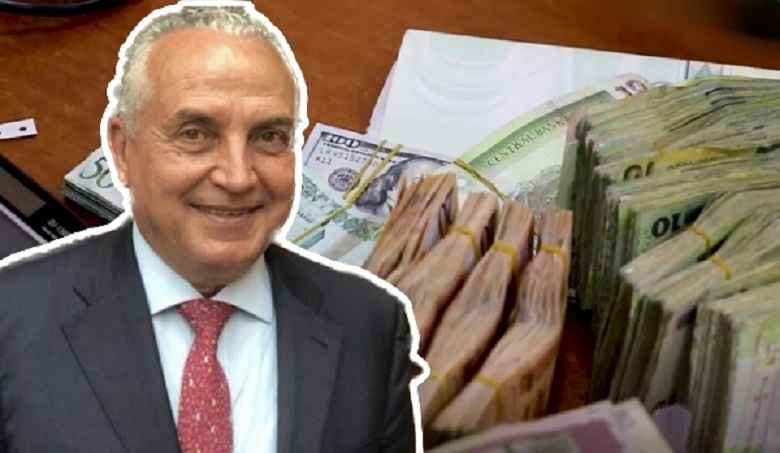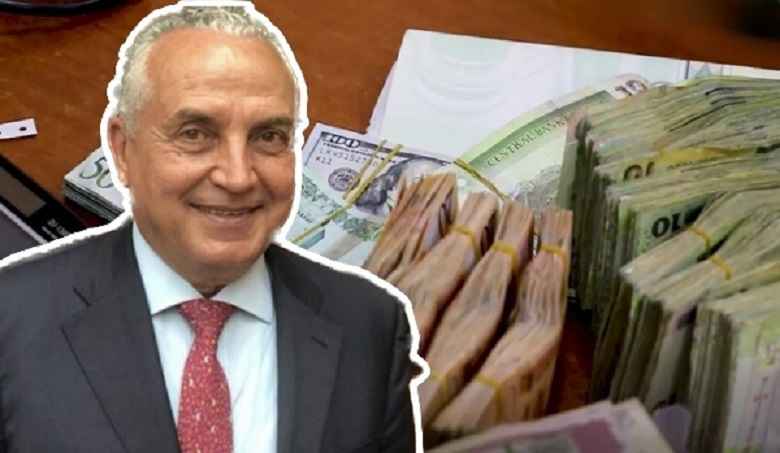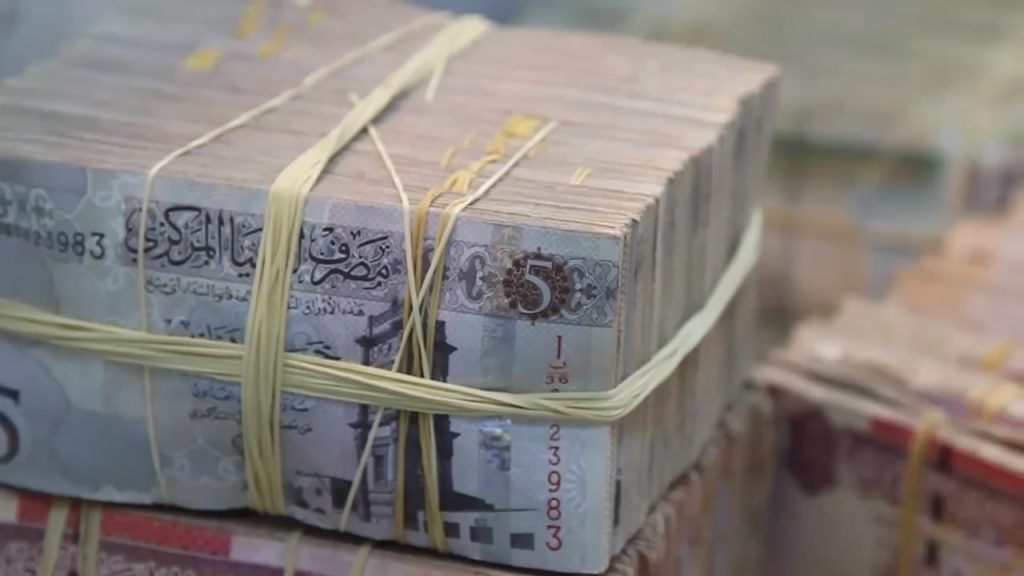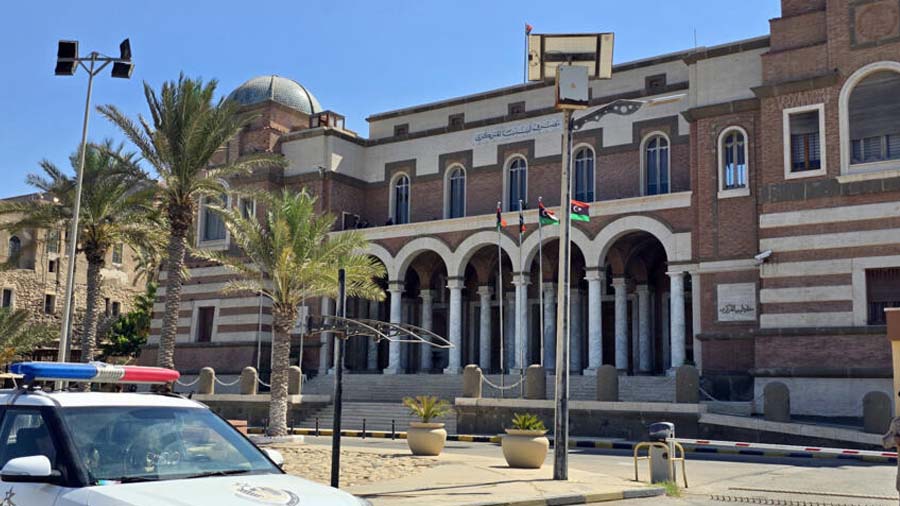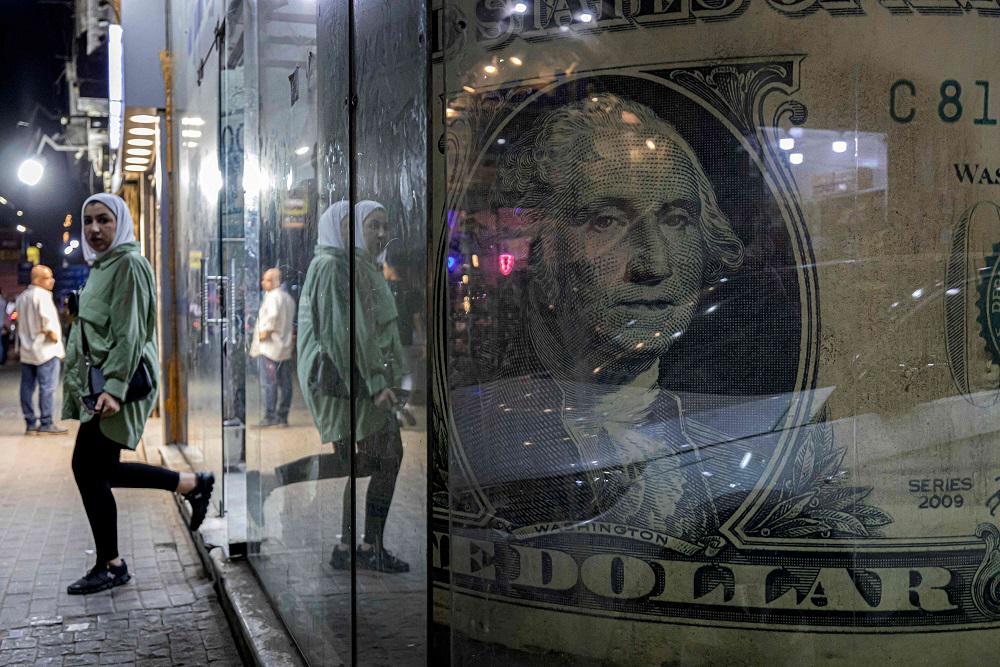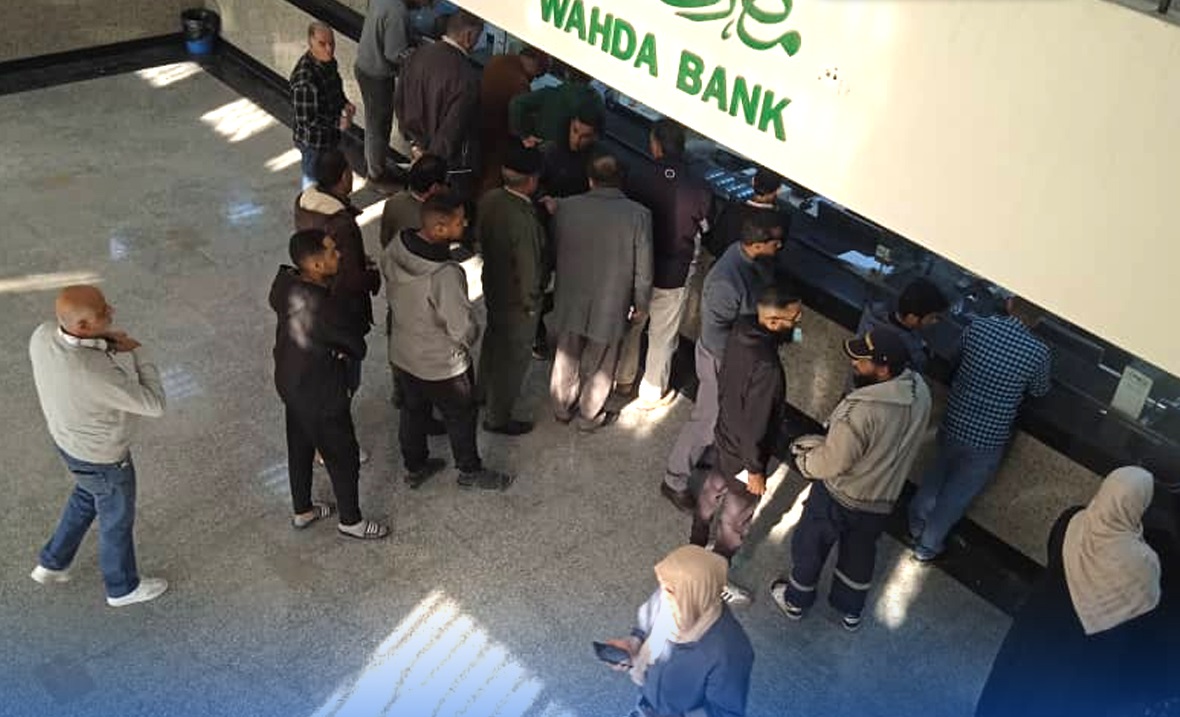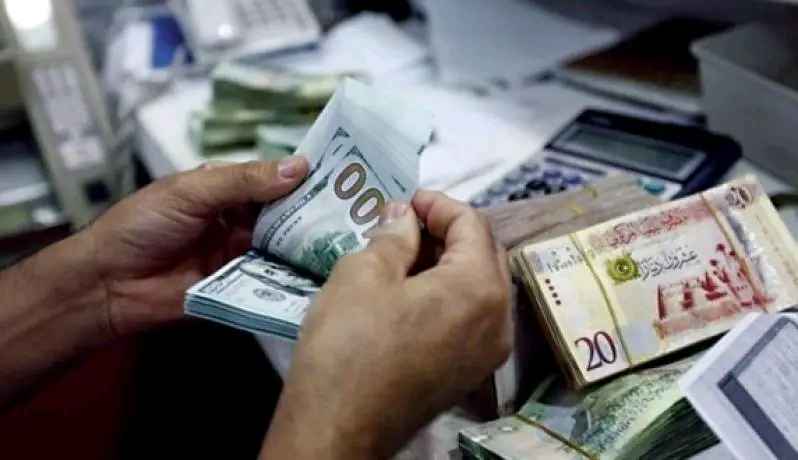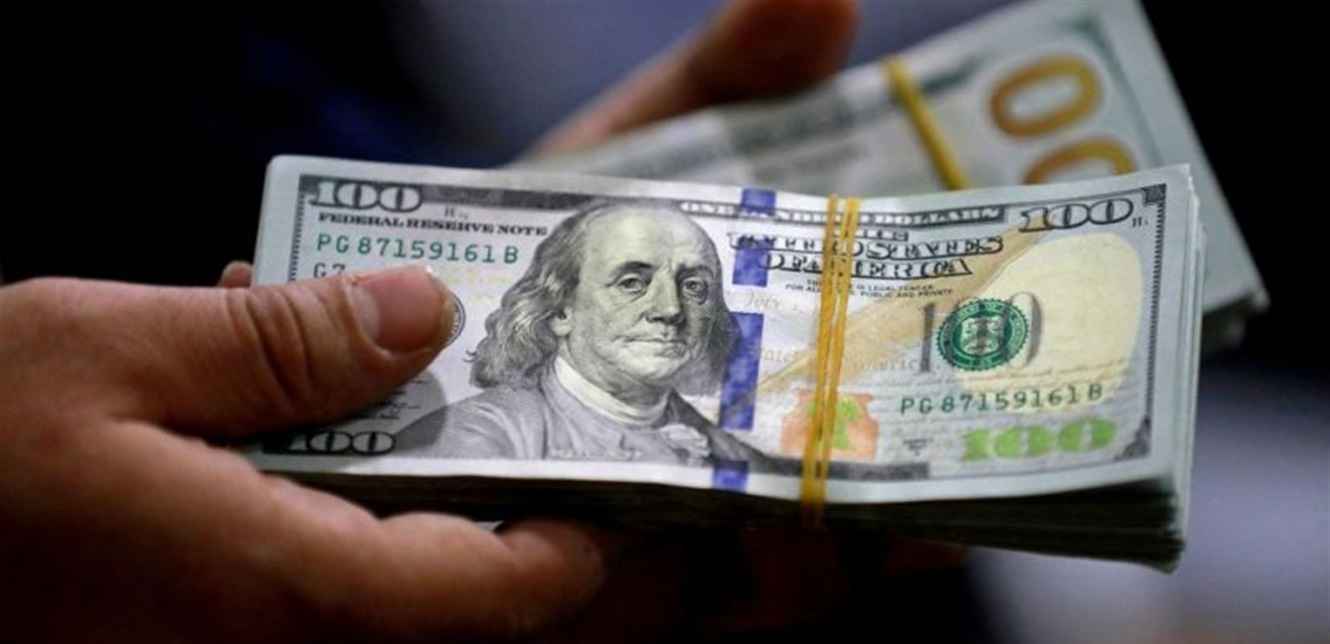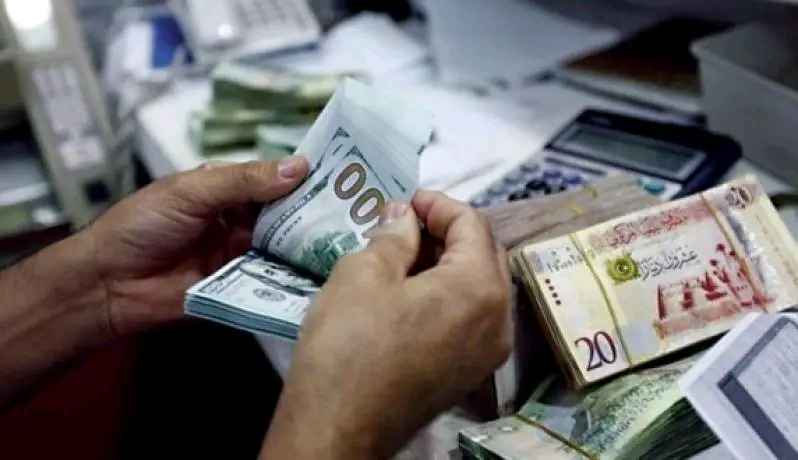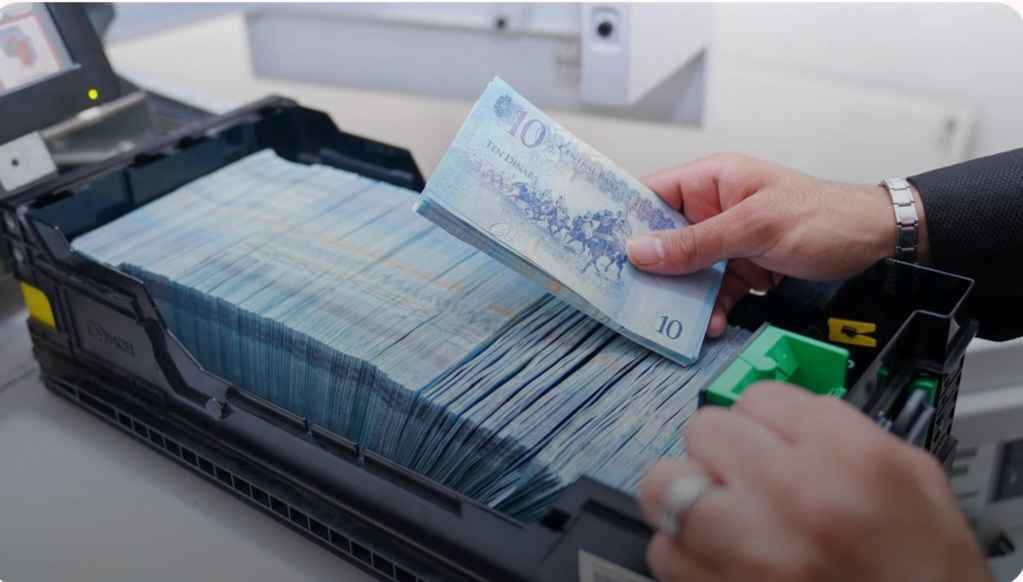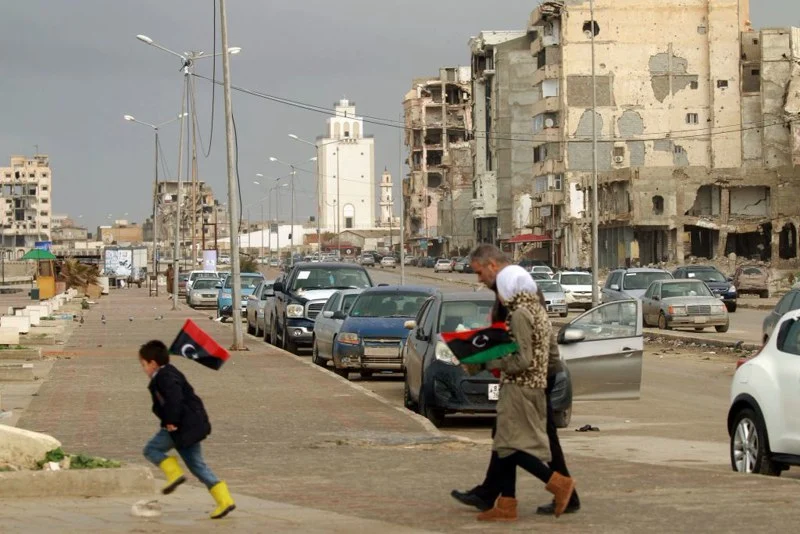
The economic analyst explained that the per capita share of public debt in Libya has exceeded its share of GDP, warning of the repercussions of the House of Representatives’ decision to adopt public debt worth 303 billion dinars.
He pointed to eleven negative effects resulting from this decision, the most prominent of which are insufficient revenues to repay increasing government spending, the depletion of reserves or their decline to low levels, in addition to rising inflation rates and the erosion of citizens’ purchasing power.
He also confirmed that public debt has exceeded the gross product, which weakens Libya’s creditworthiness and makes its bonds more expensive in international markets, at a time when the health and education sectors are witnessing further deterioration.
He predicted an increase in unemployment as a result of graduates relying on the state apparatus as the sole employer, along with an inability to repair infrastructure due to rising debts and rampant corruption, in addition to the erosion of foreign reserves, the devaluation of the dinar, and the worsening liquidity crisis.
He added that opening the door to external borrowing has become the last available option, warning that future generations will bear the burden of debts without reserves to secure their future.