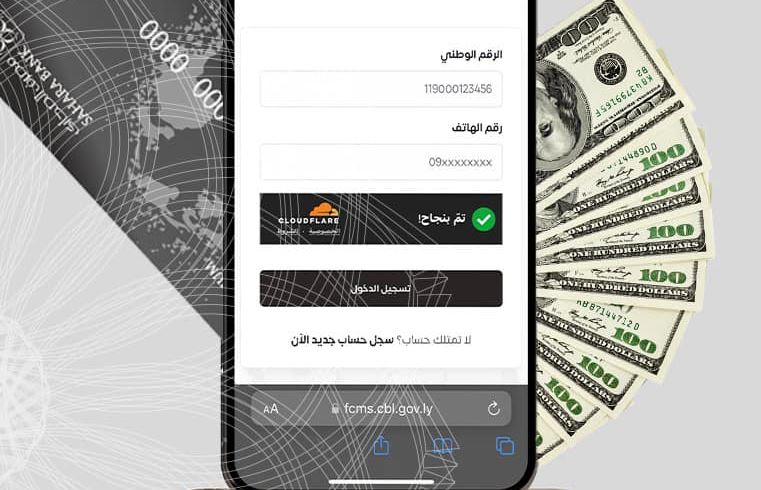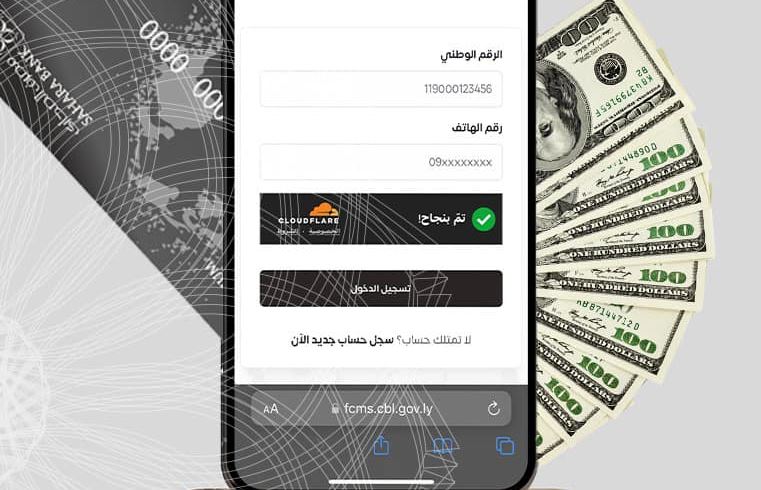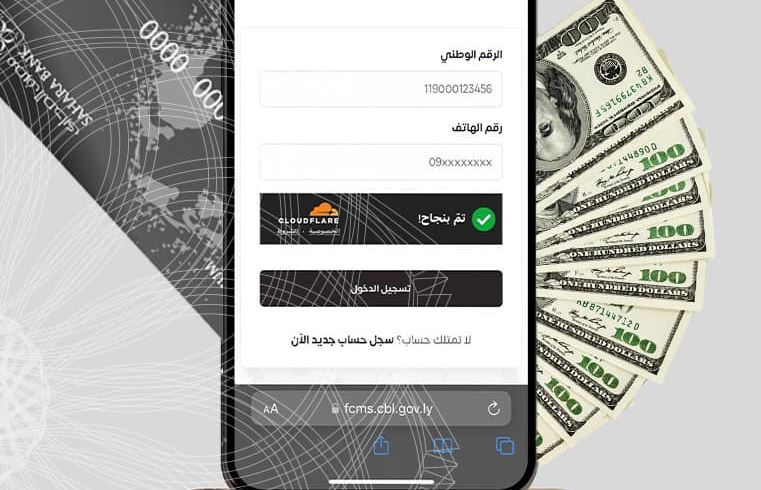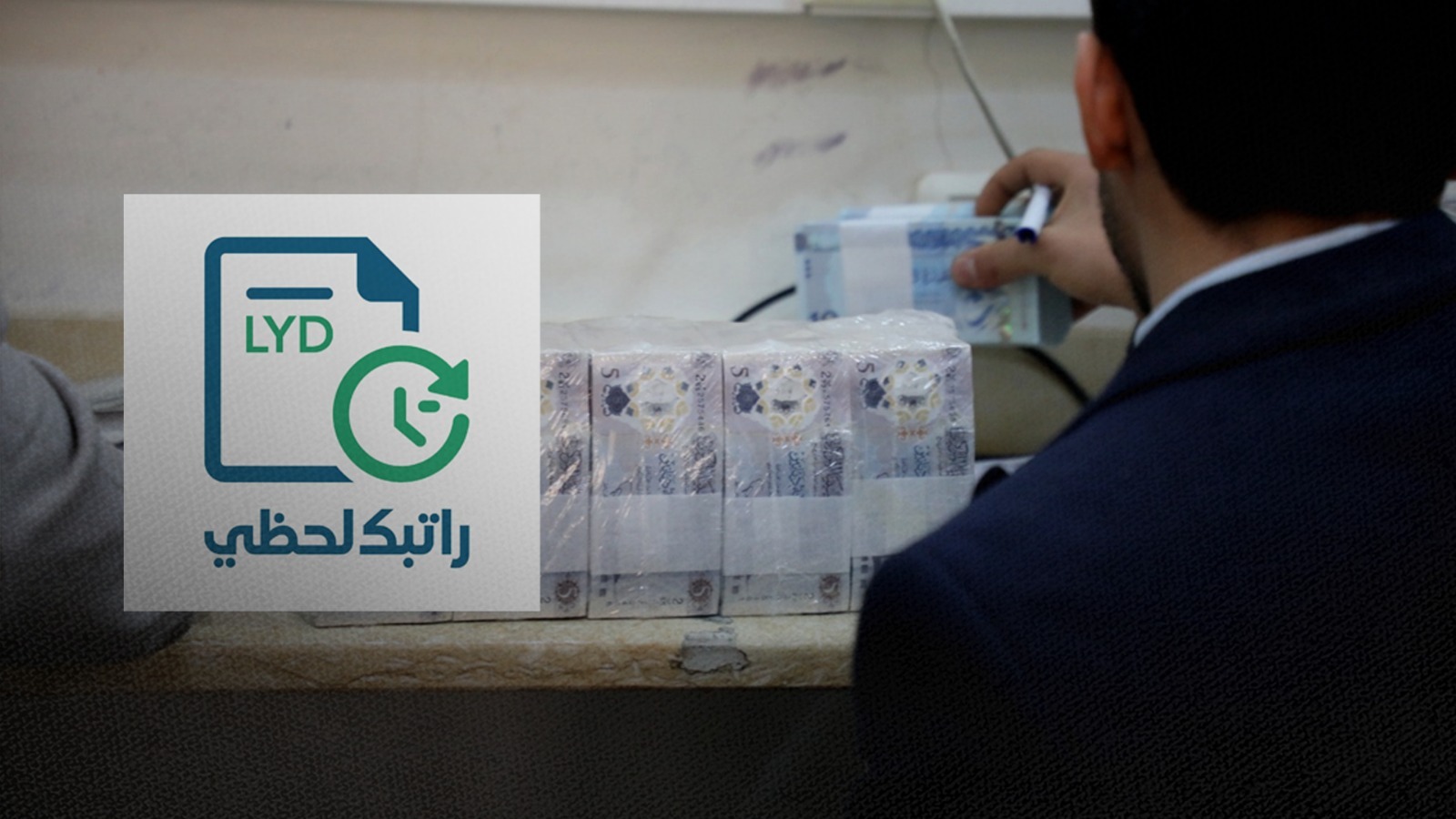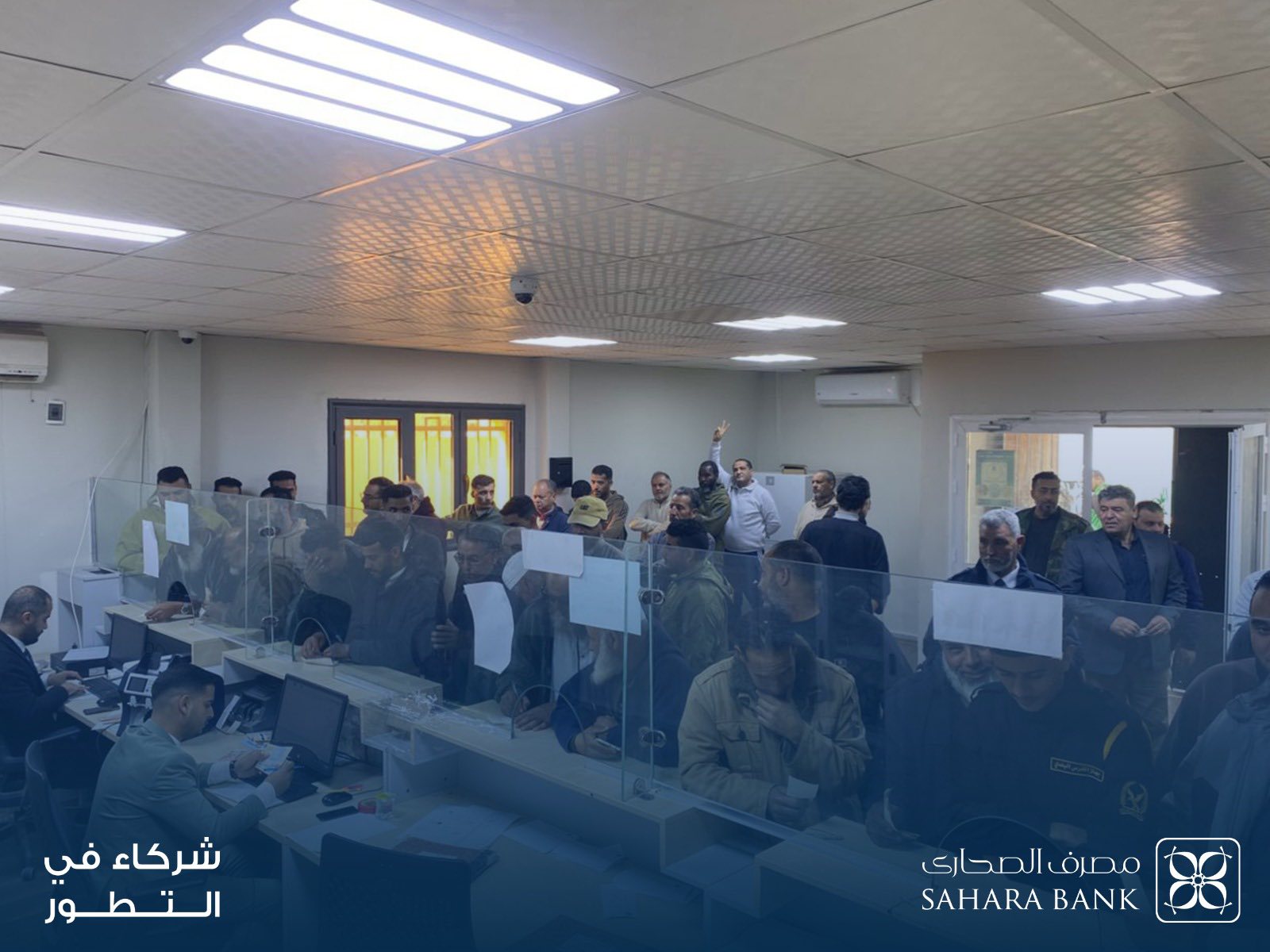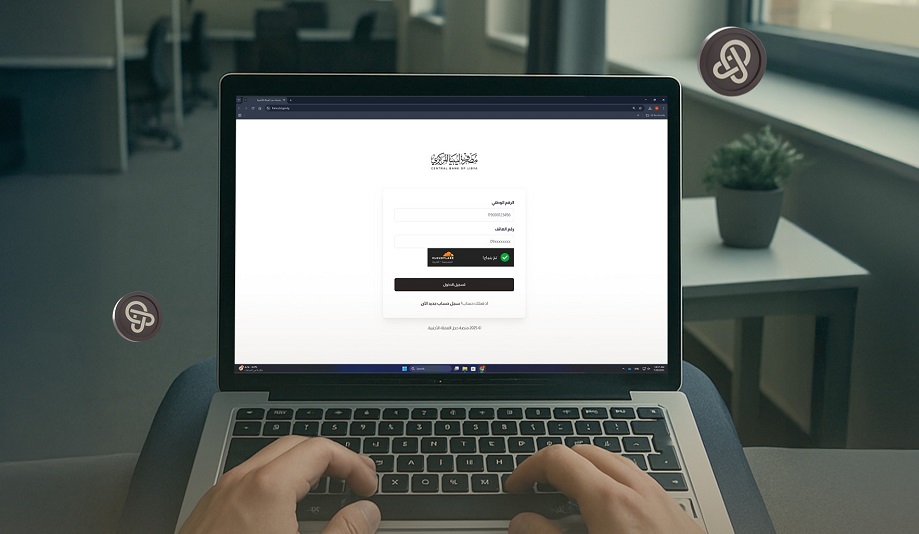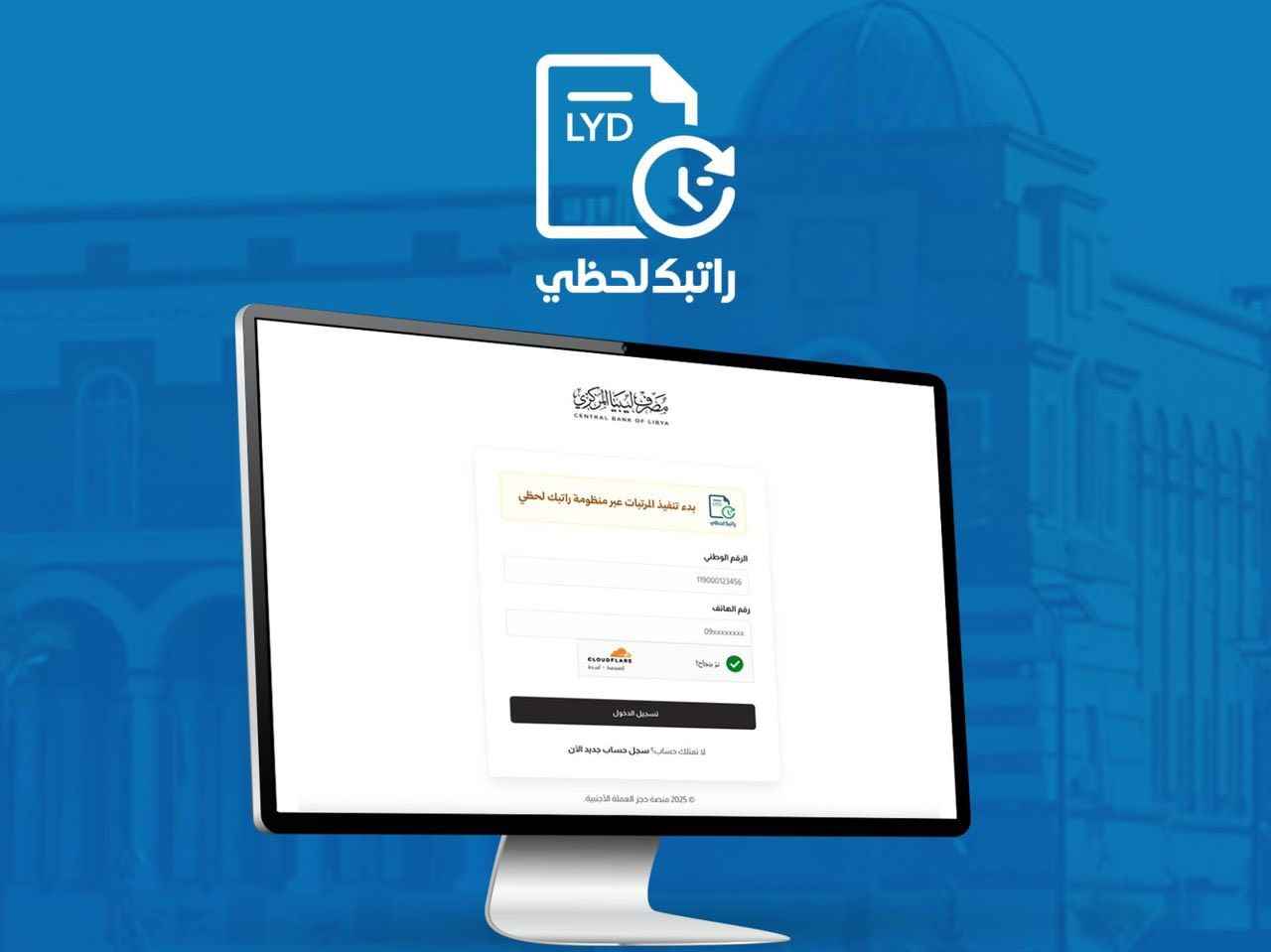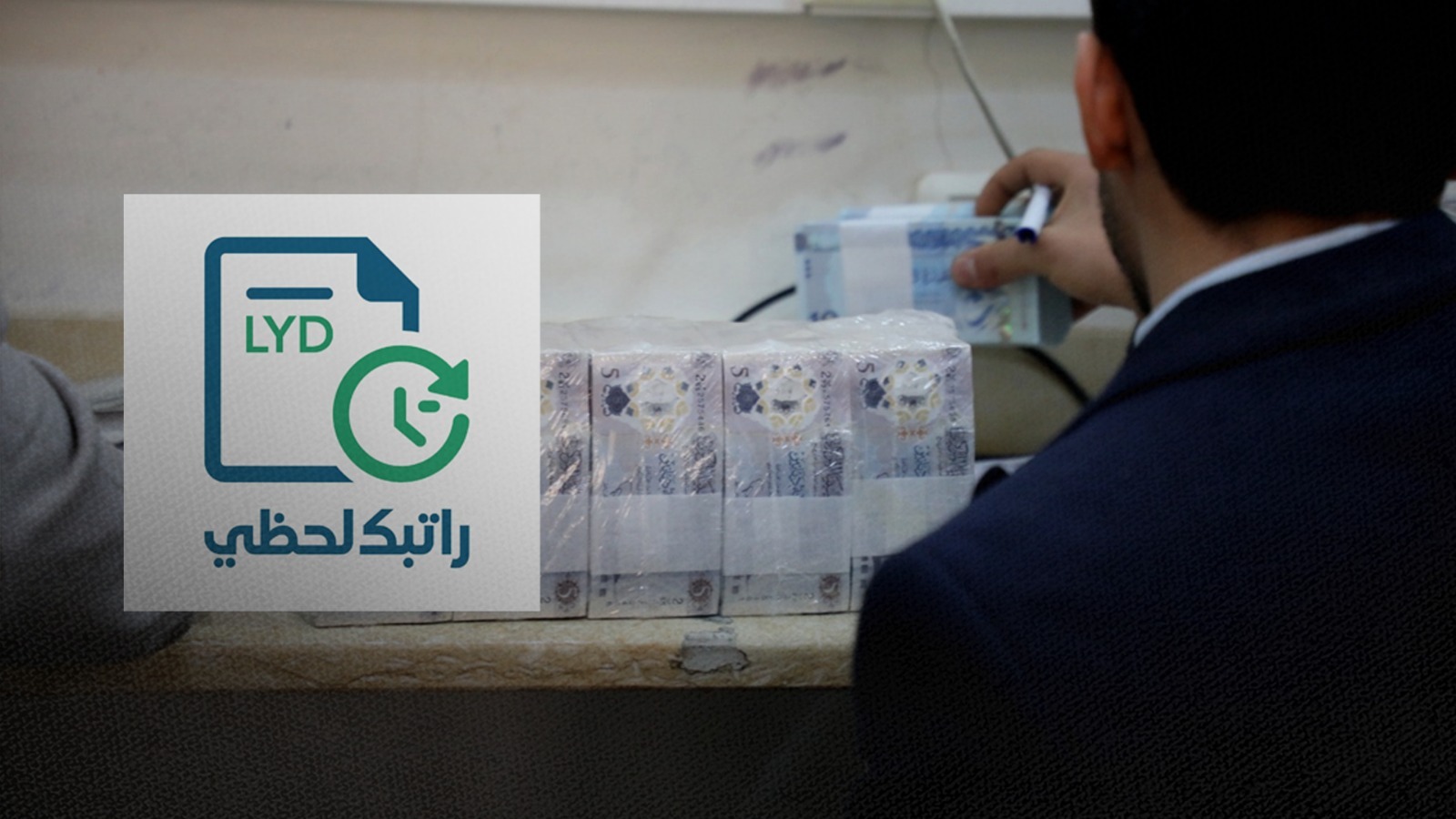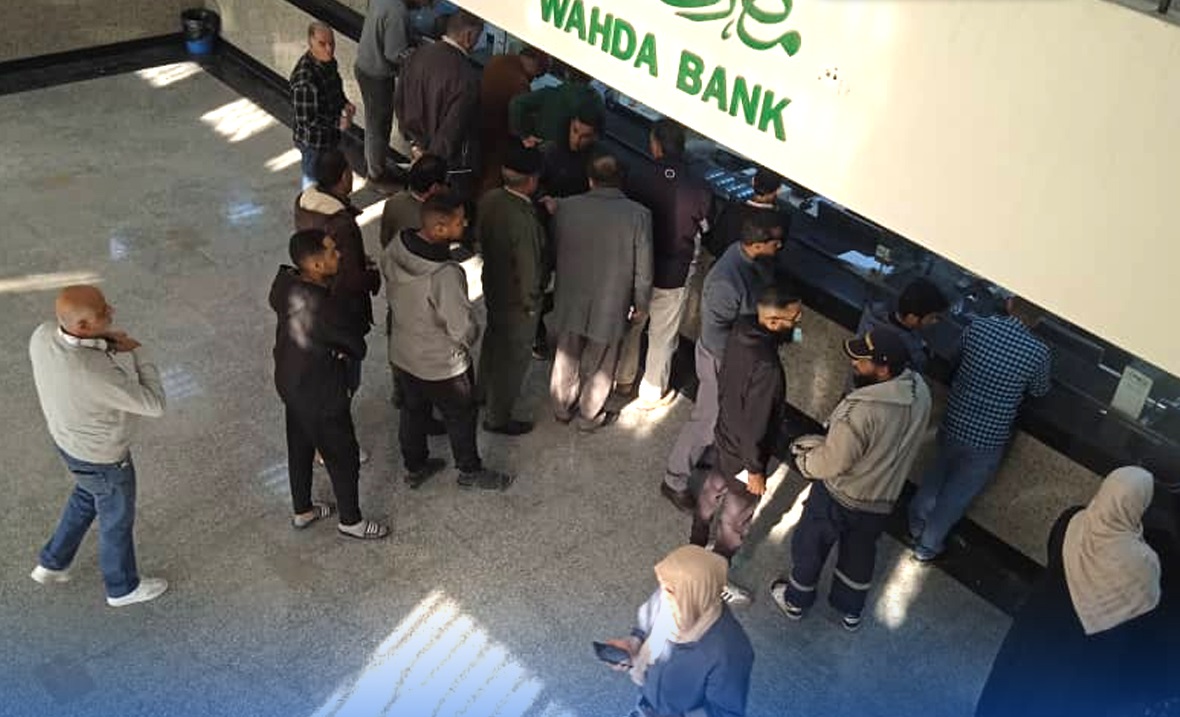
The Central Bank of Libya has sent an urgent letter to the Minister of Finance of the Government of National Unity, stressing the necessity of obligating all public entities to register their employees’ data through the “Your Salary Instantly” system. The bank confirmed that salary payments will be limited solely to data registered within the system.
The bank explained that an analysis of salary data for January 2026 showed the number of benefiting employees reached 1,246,000 employees, compared to 1,139,000 employees in December 2025. This represents an increase of 107,000 employees in just one month, an increase the bank described as unjustified given the absence of supporting data from the relevant entities.
The Central Bank pointed out that the salary item now constitutes approximately 60% of the state’s general budget. It warned that delays by some entities in submitting their employees’ verified data without clear justifications could lead to job duplication and exacerbate the volume of public spending.
The correspondence concluded by emphasizing the necessity of taking urgent measures to obligate the delayed entities to quickly submit their employees’ data. It was stressed that any additional delay would force the bank to limit salary payments exclusively through the “Your Salary Instantly” system, in order to preserve financial discipline and ensure transparency.