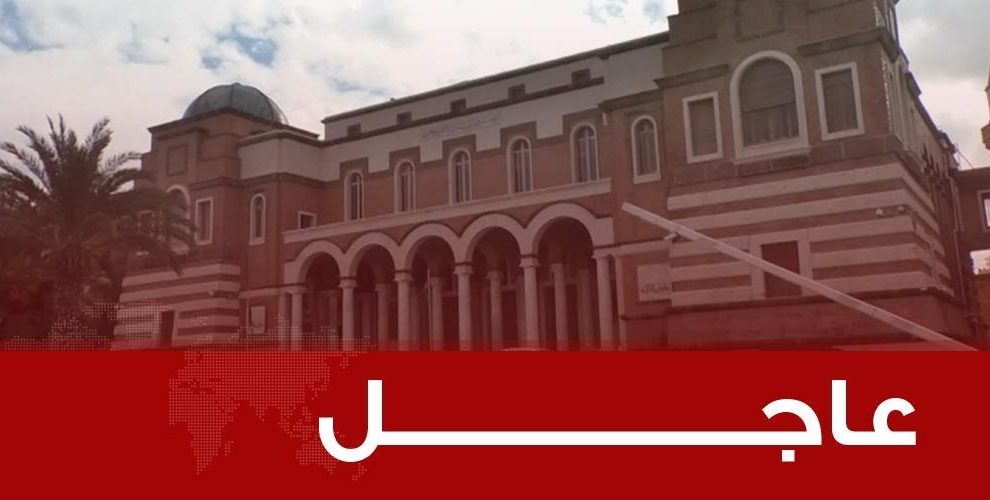
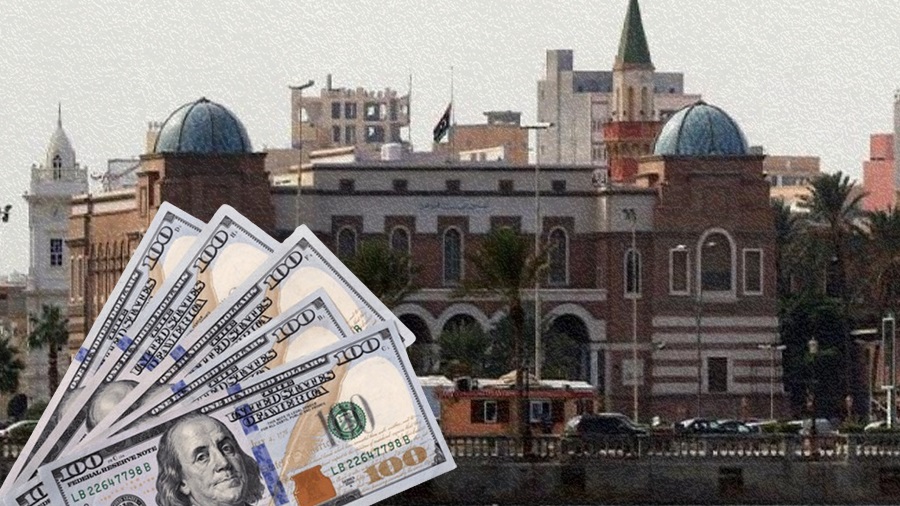
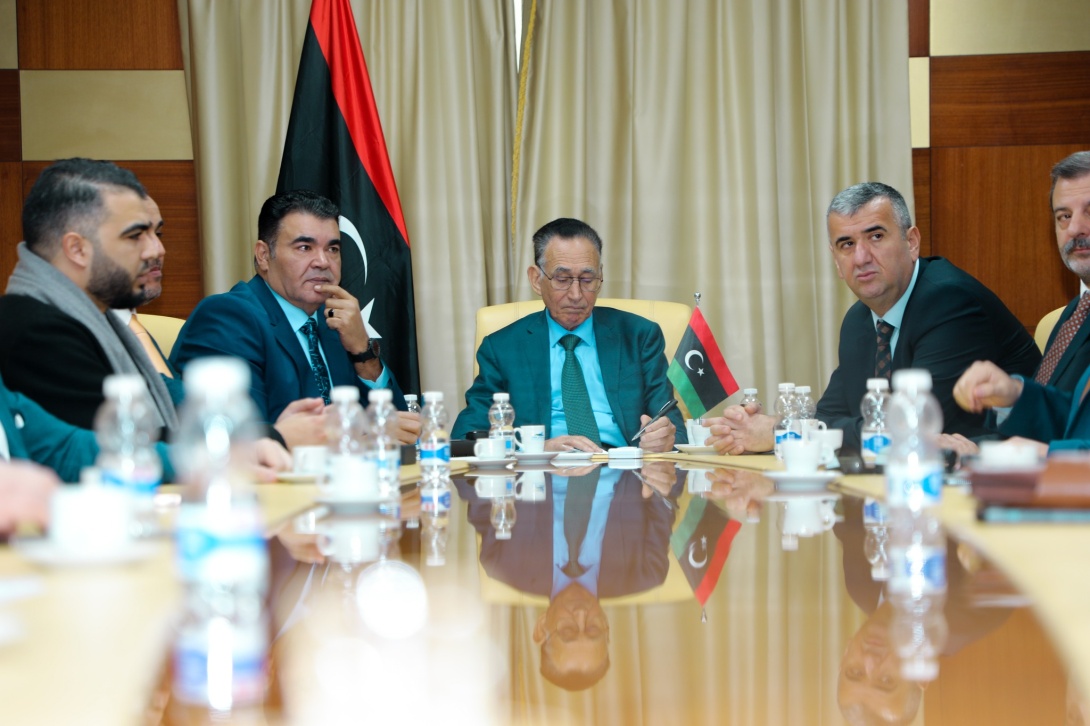
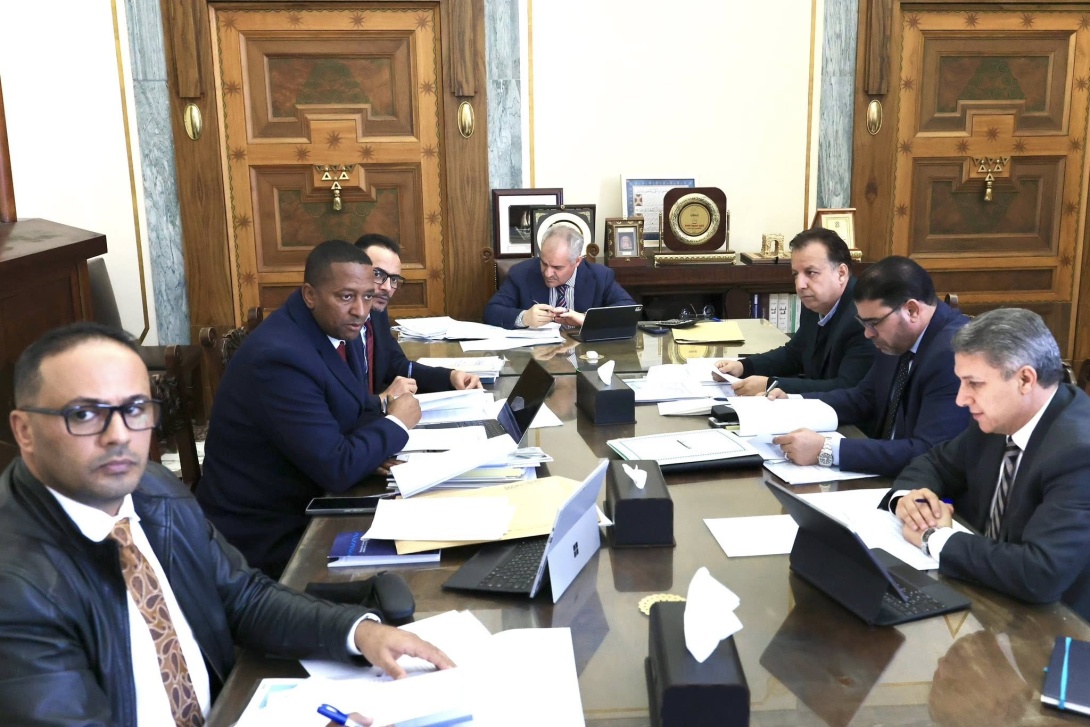
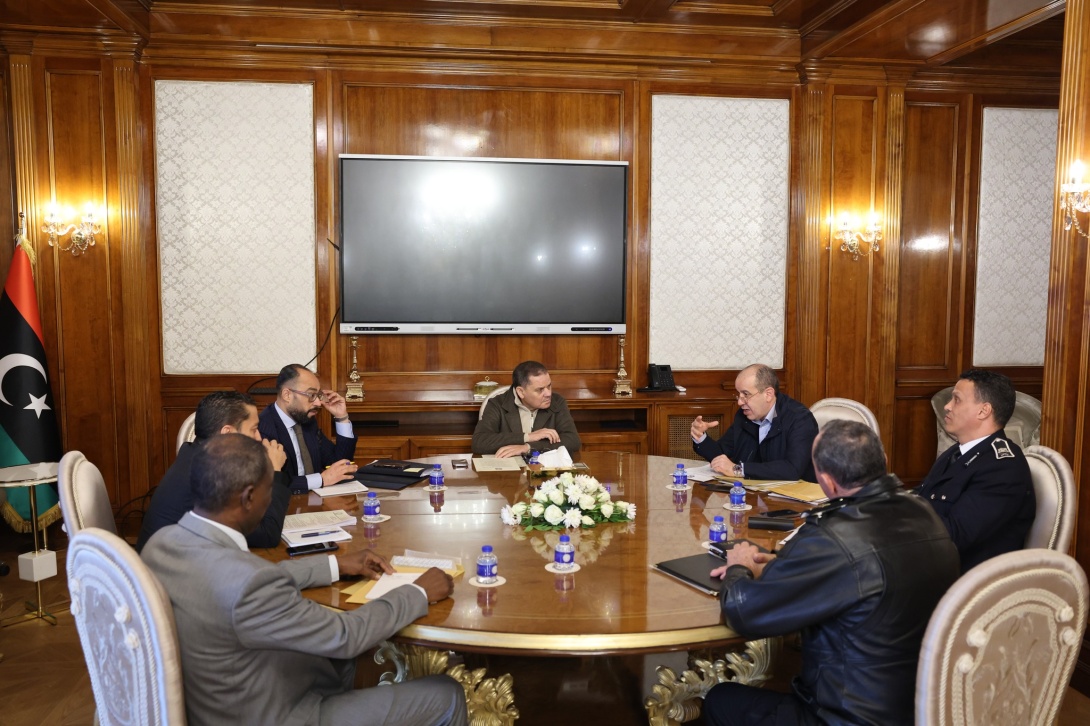
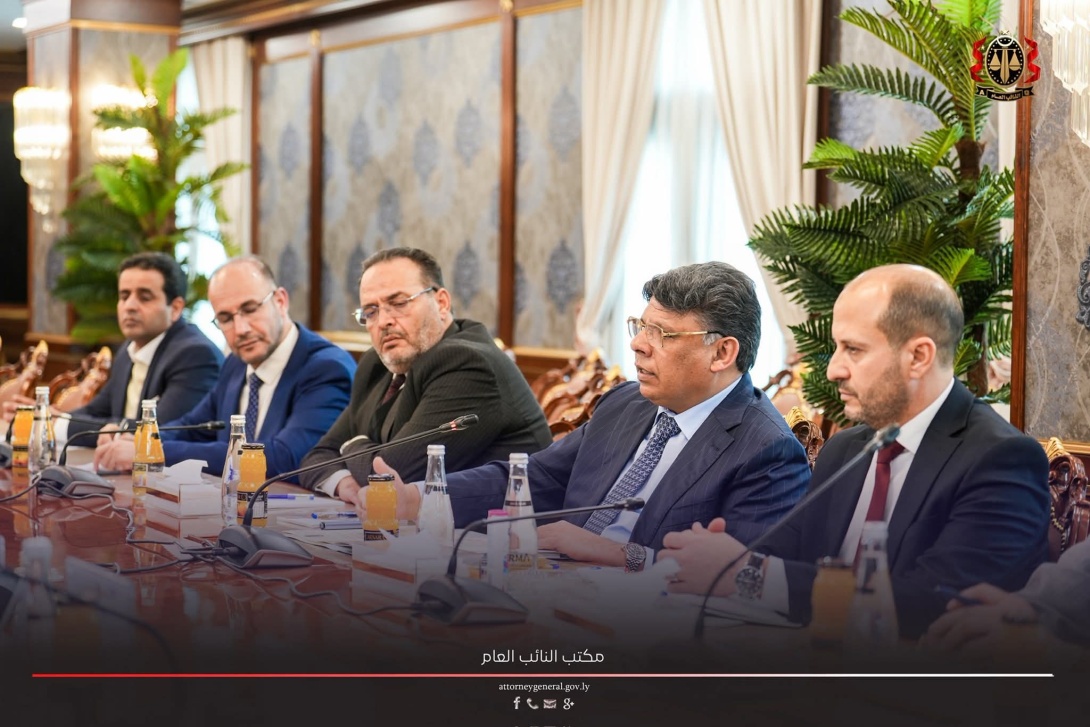
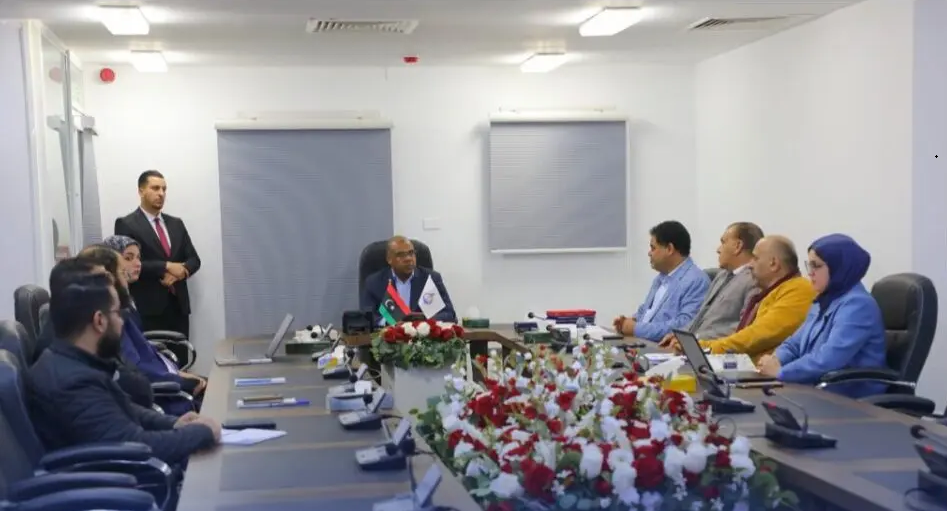
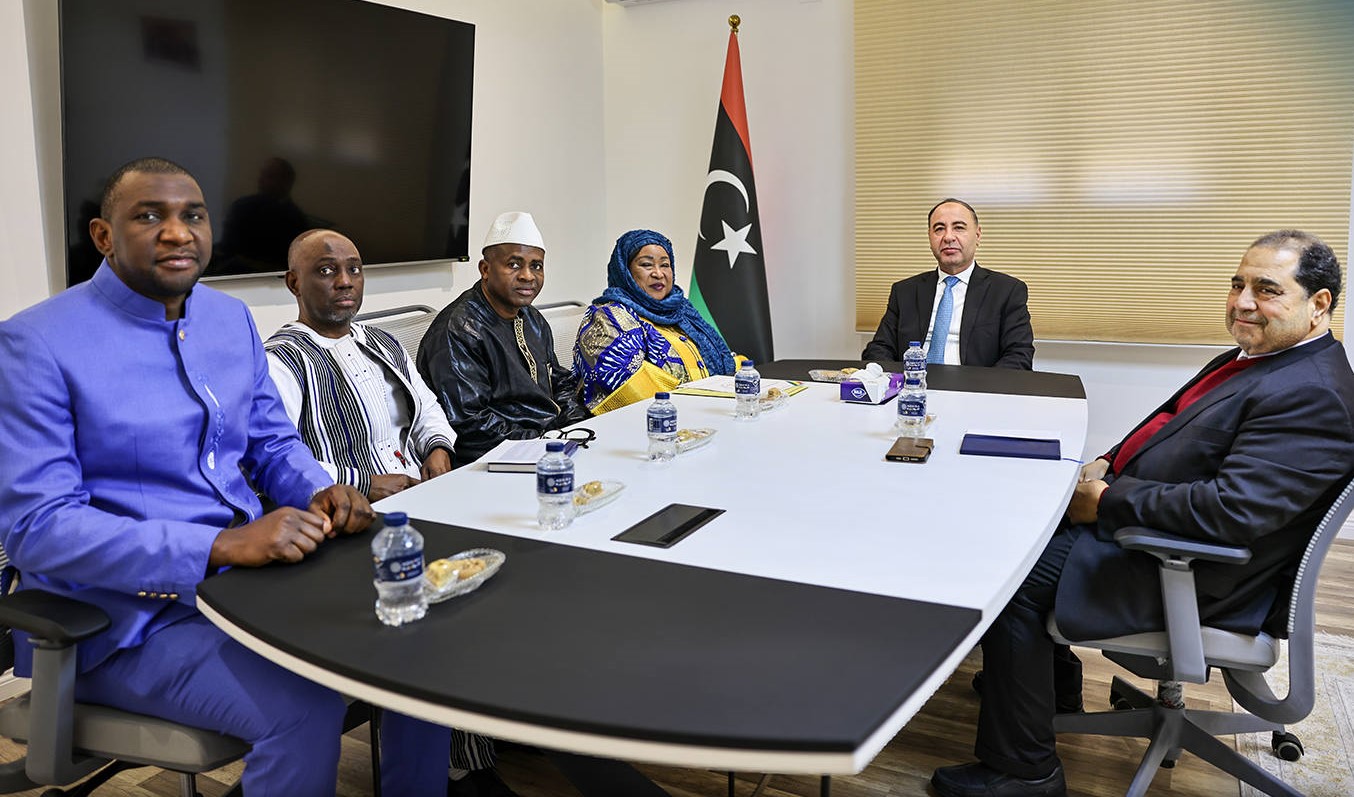
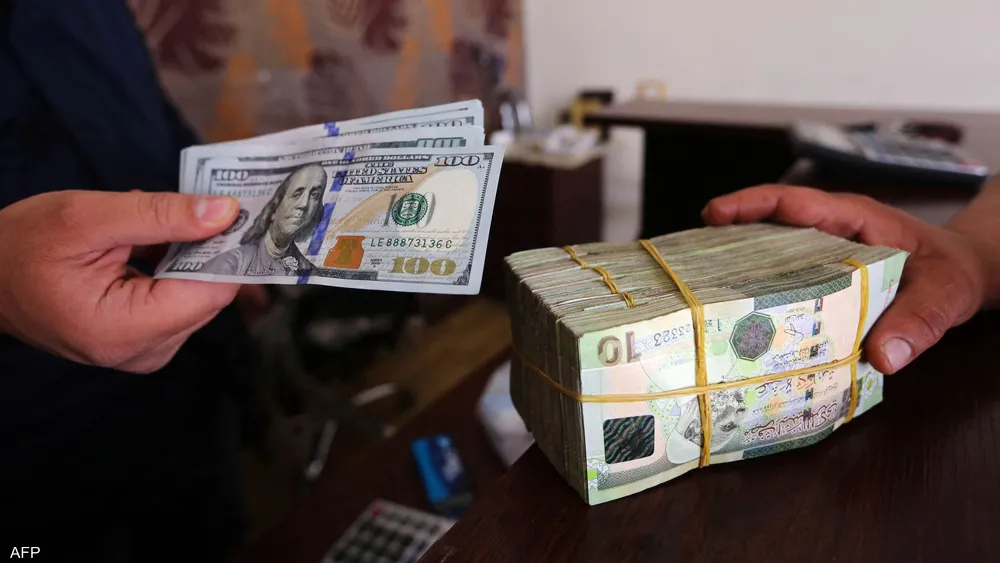
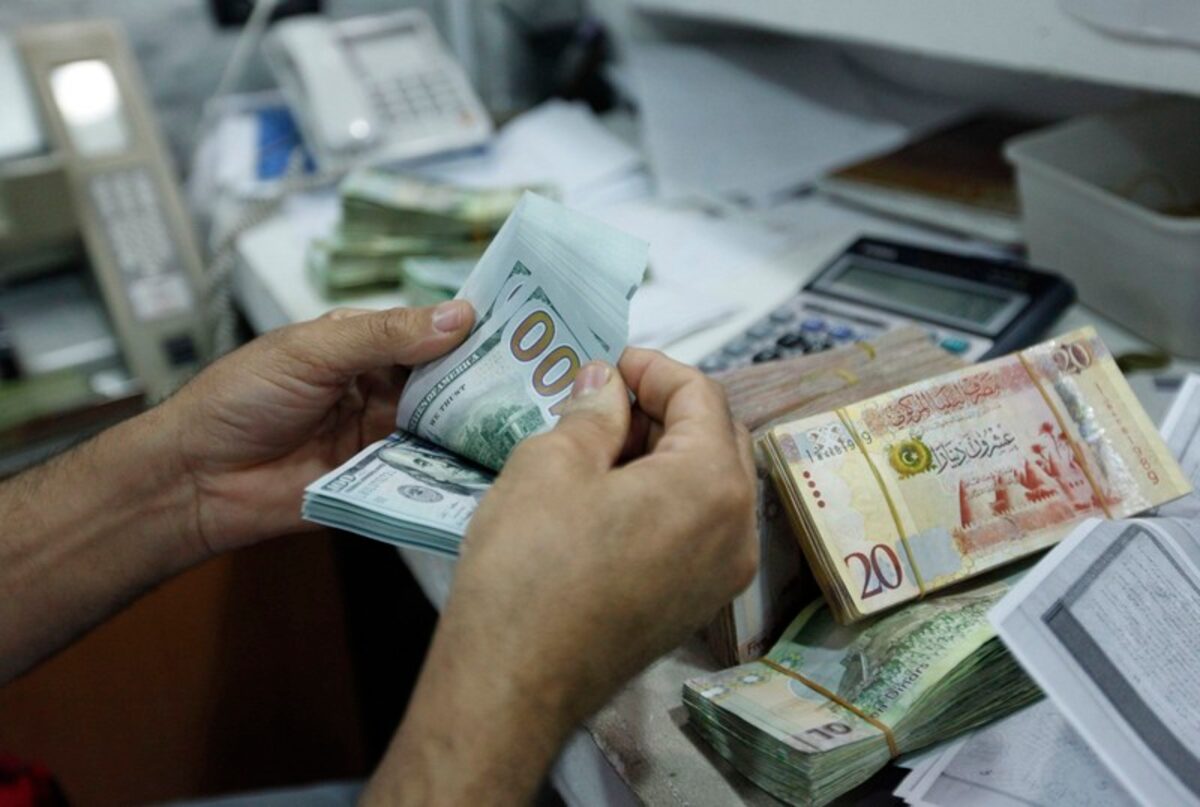
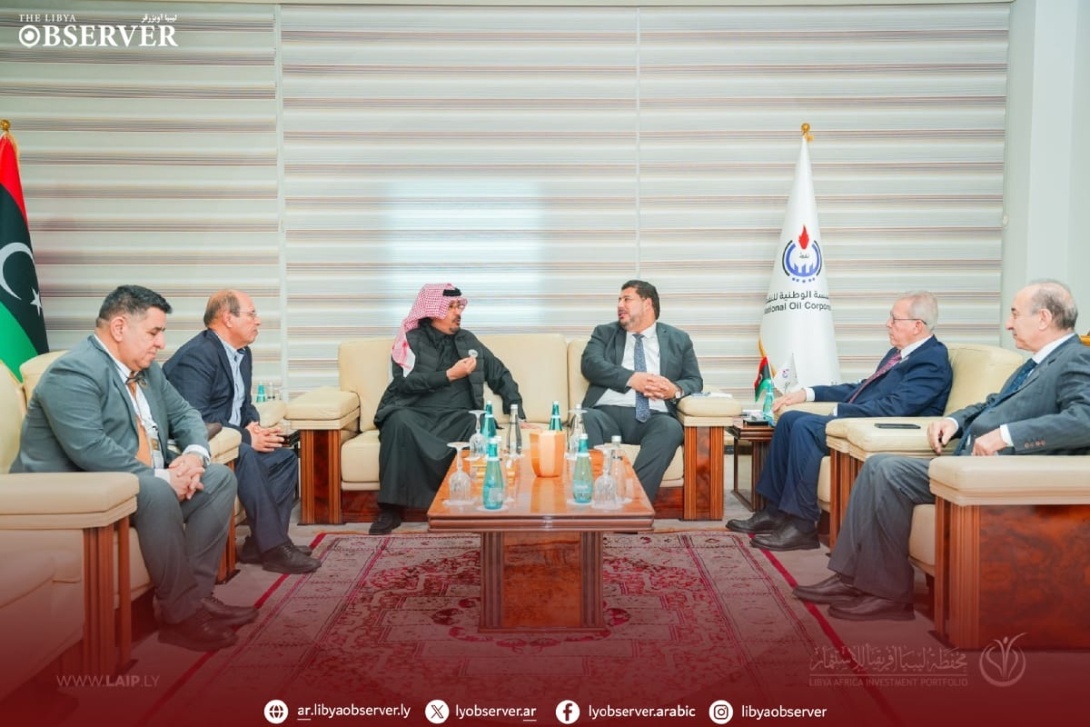
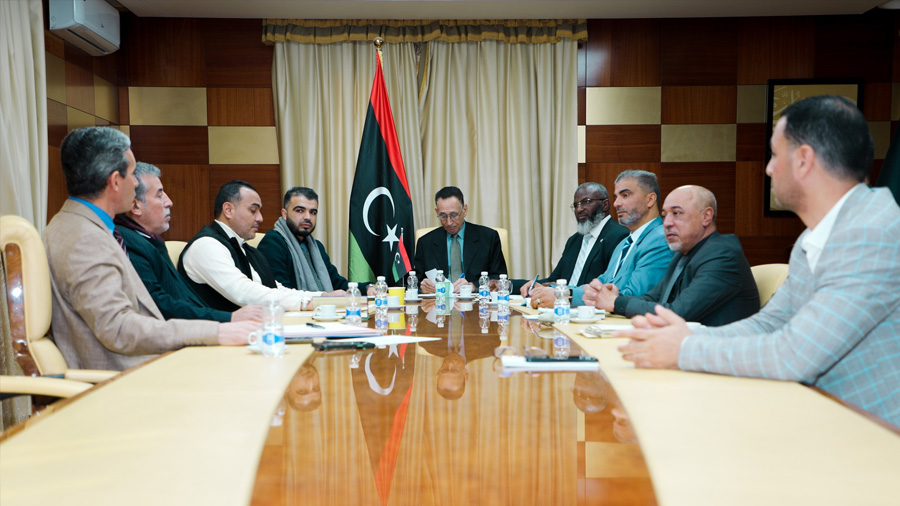
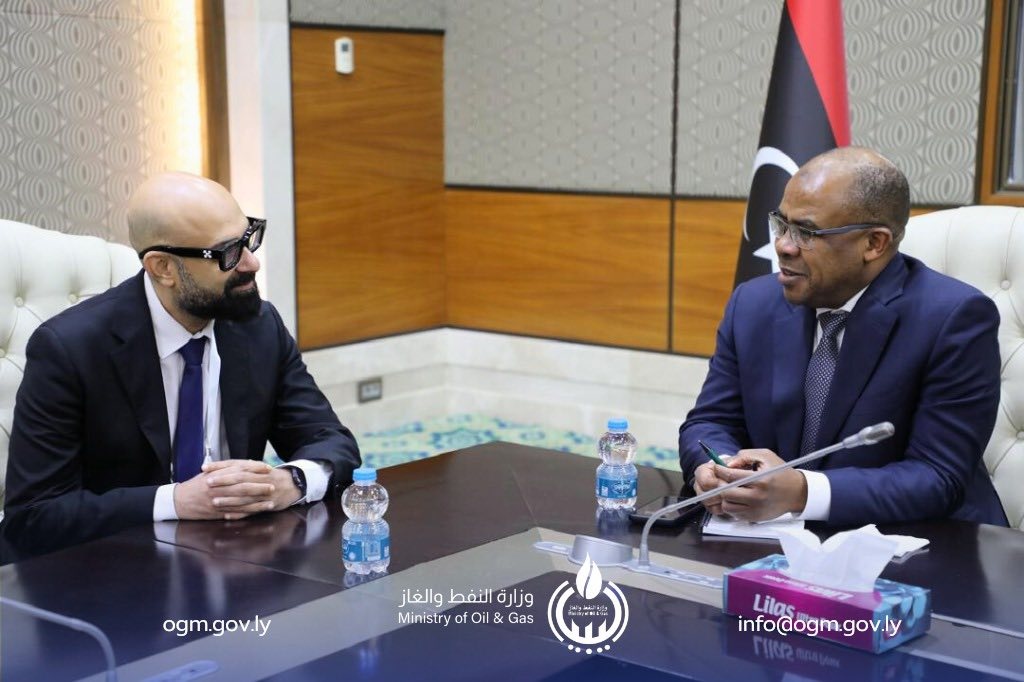
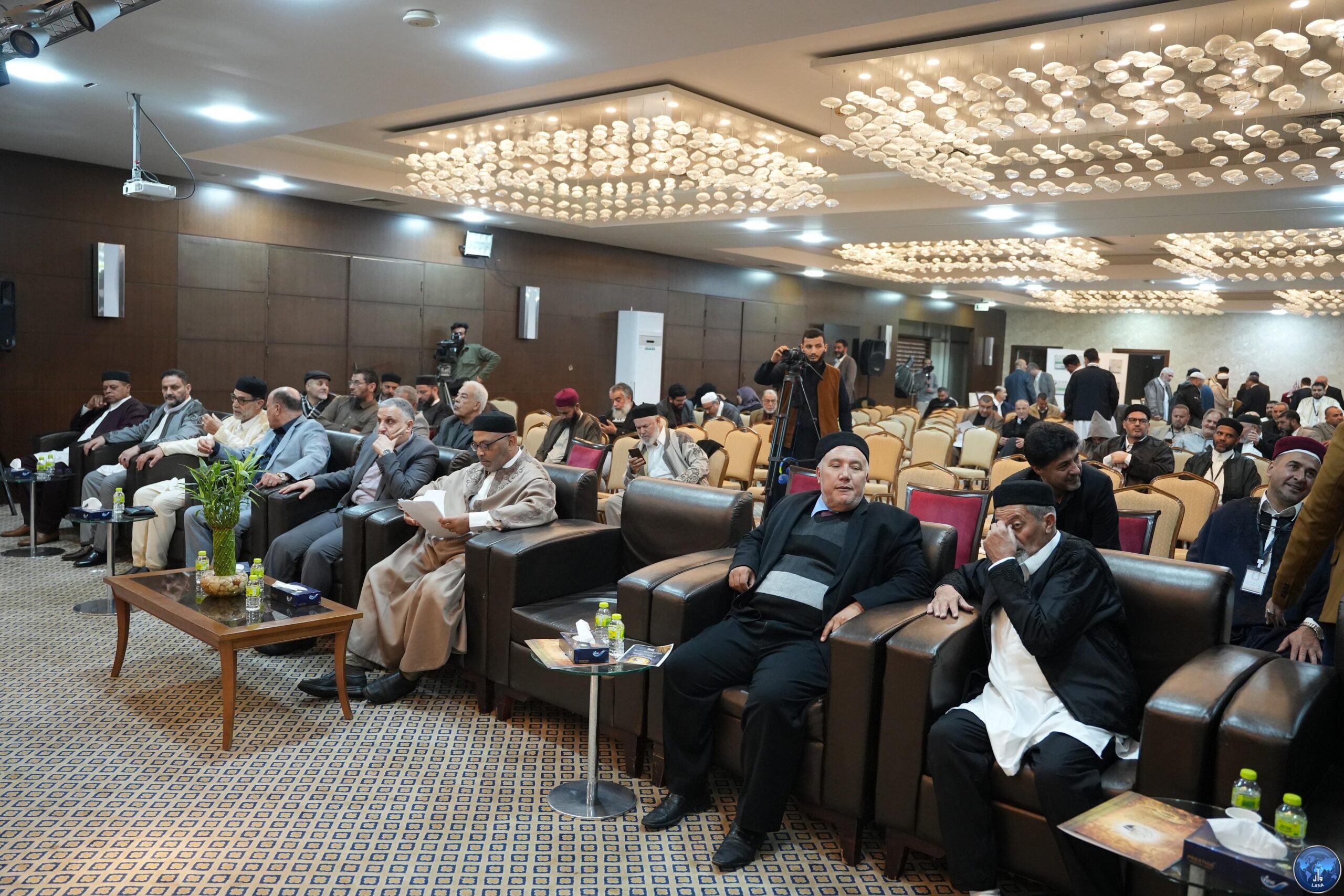
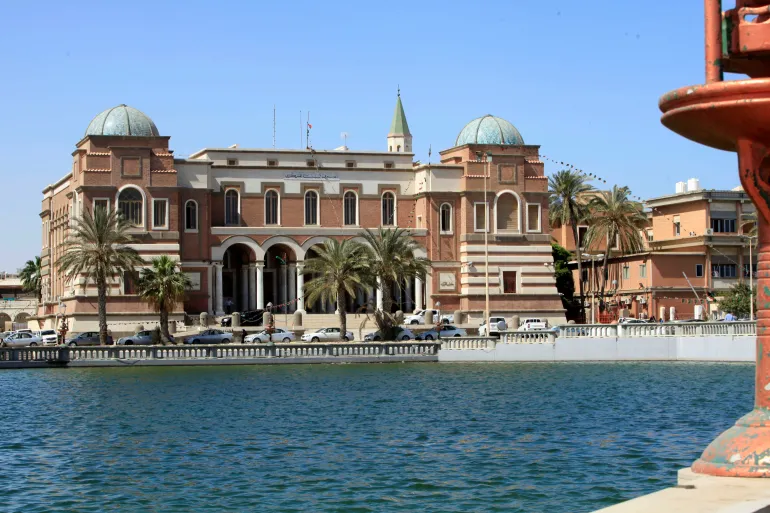
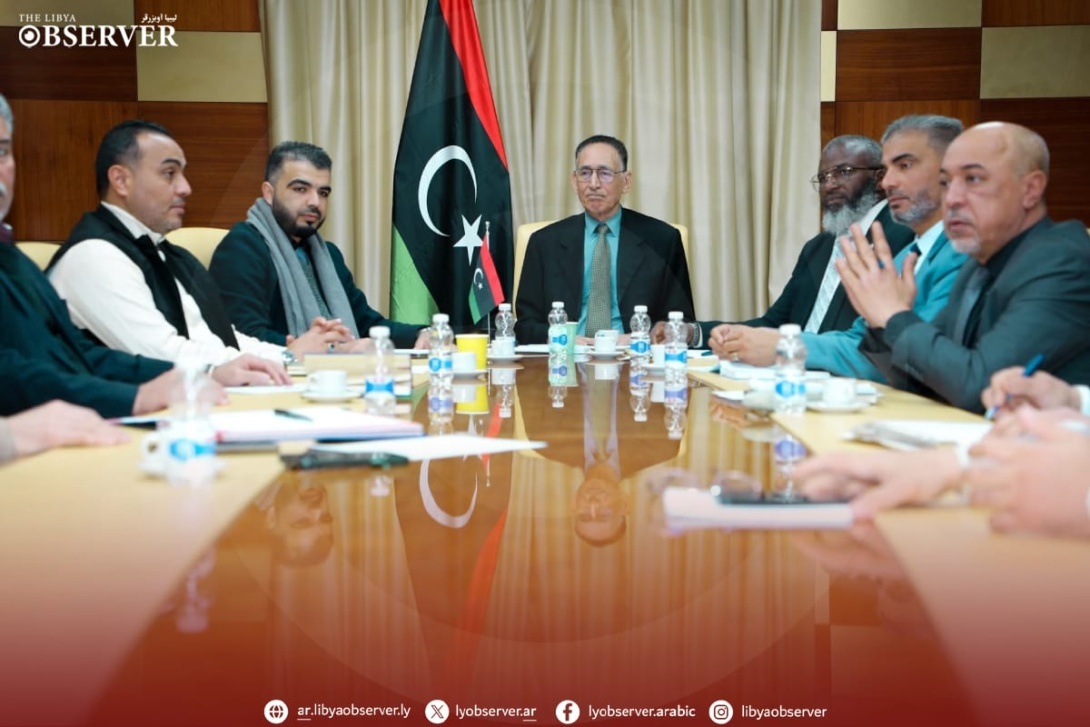
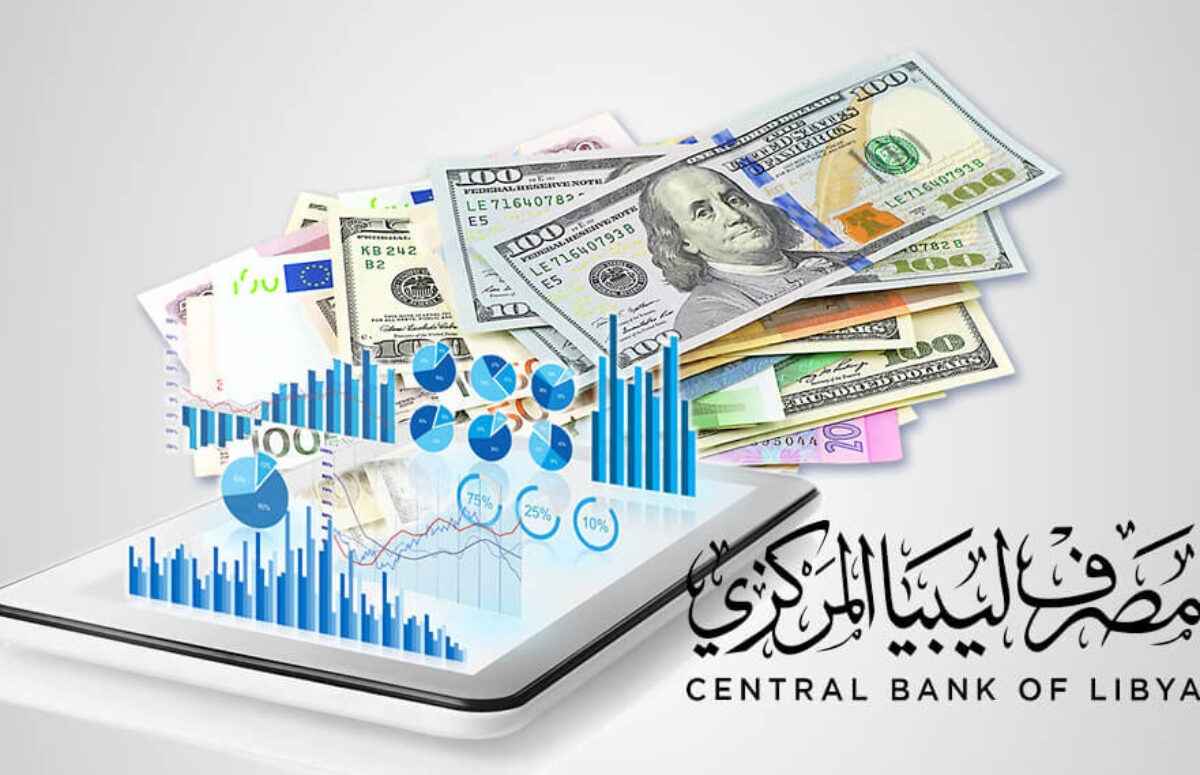
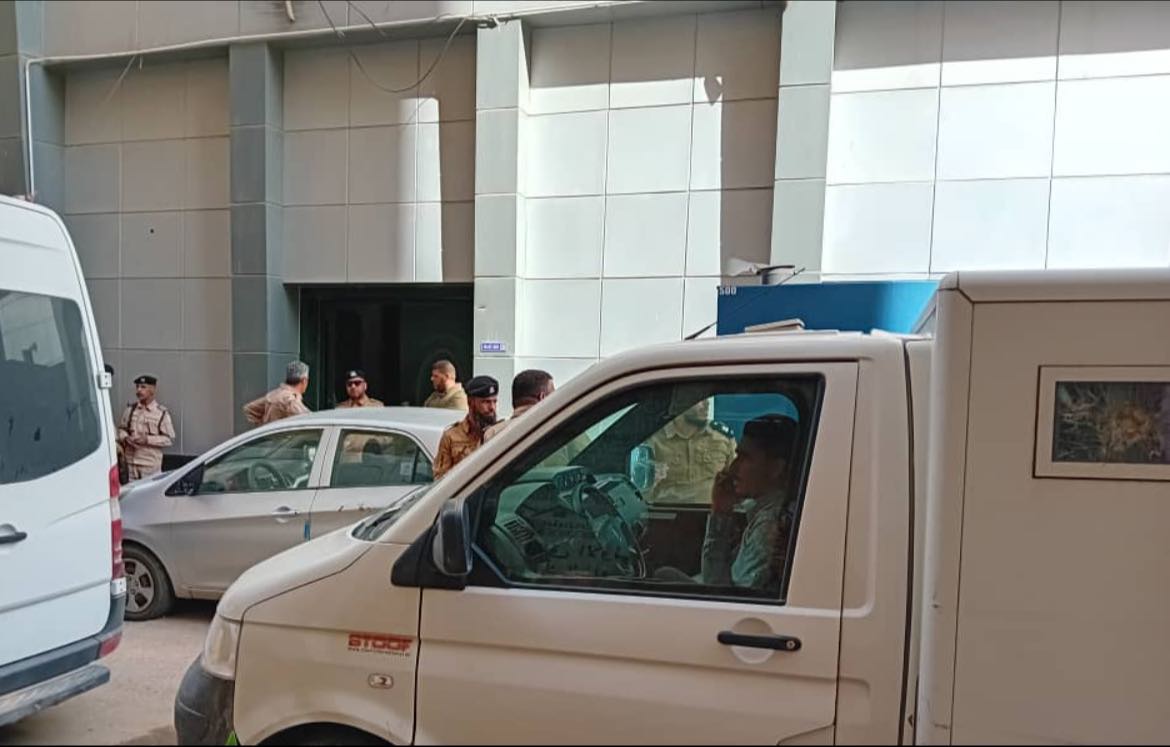
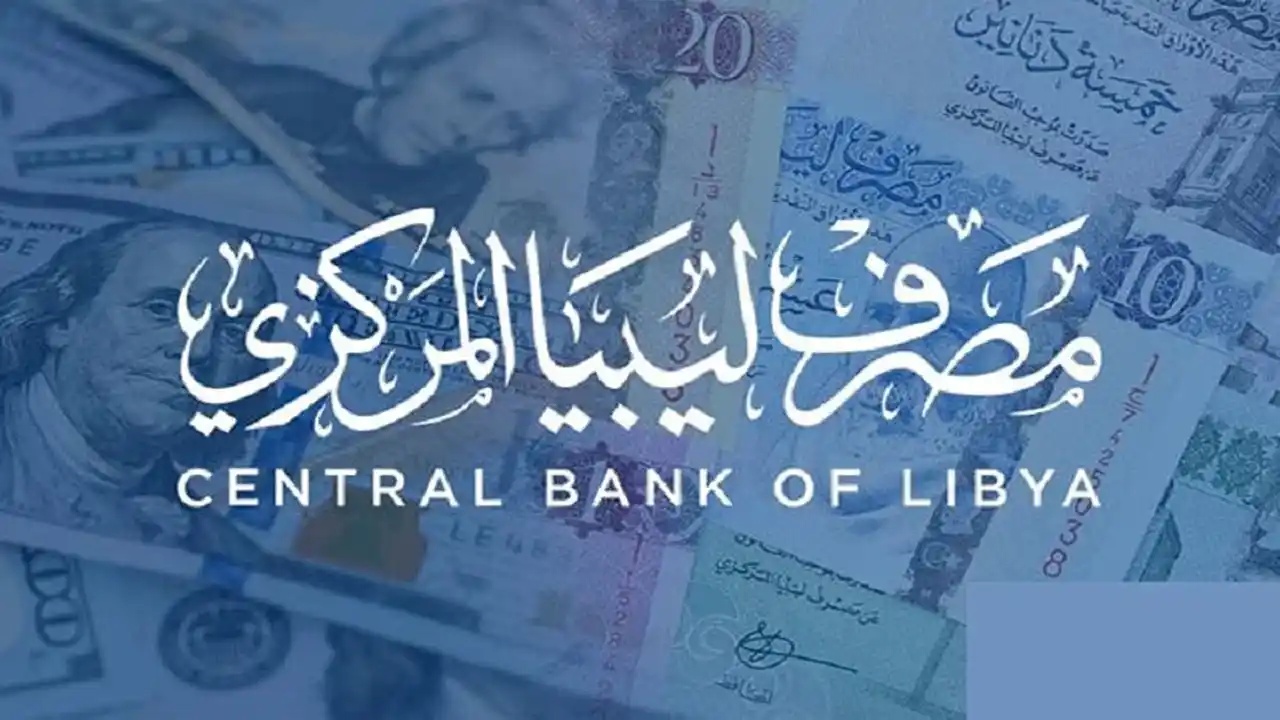
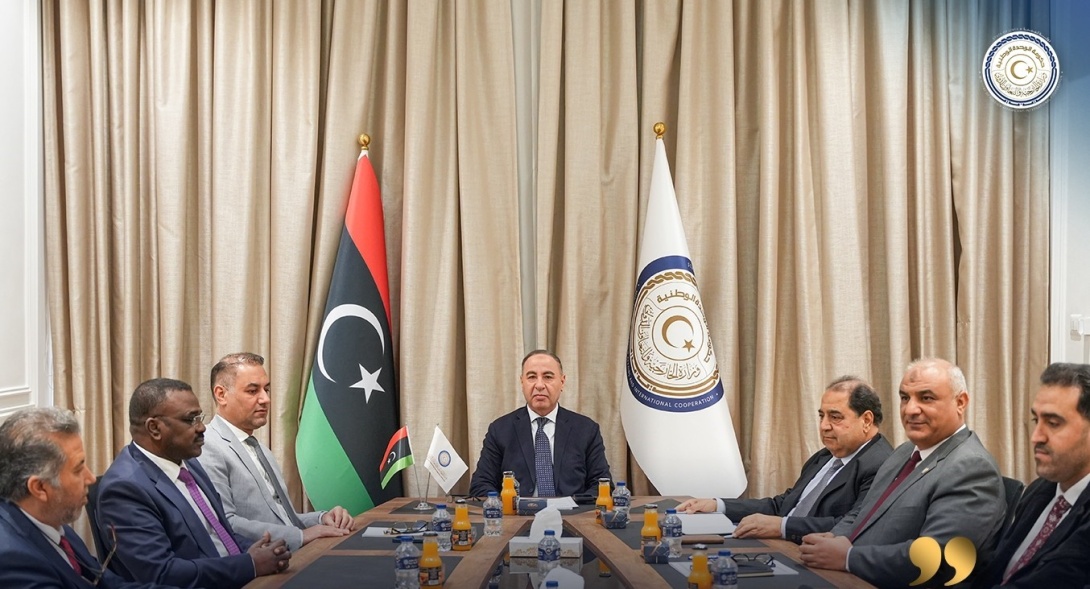
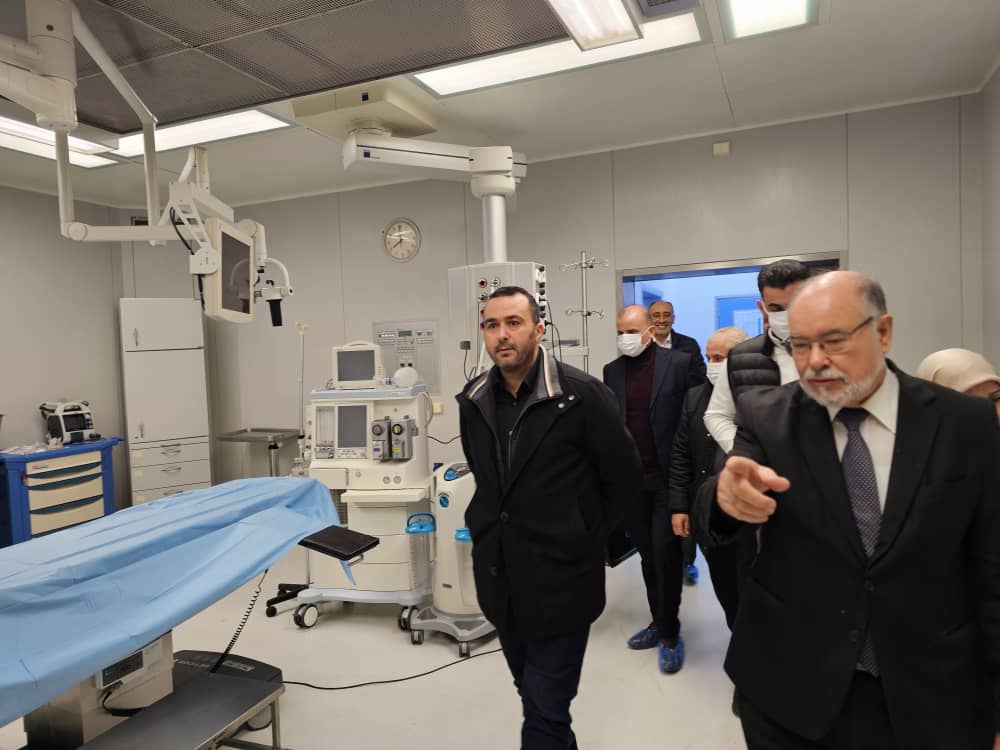
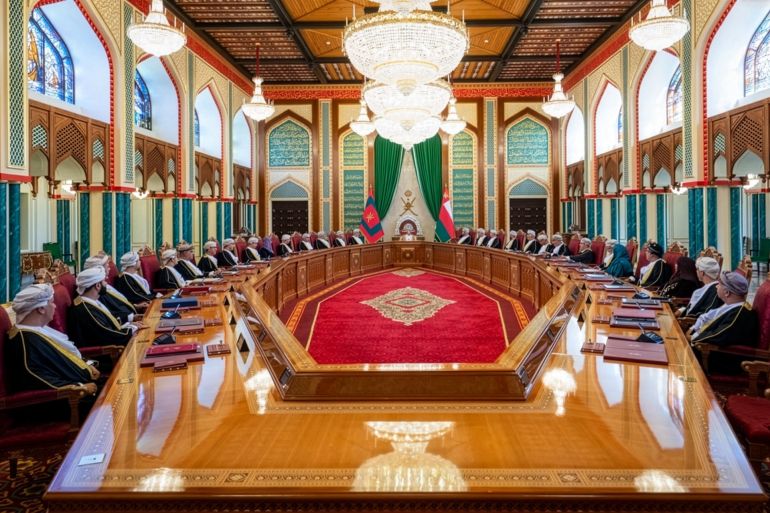
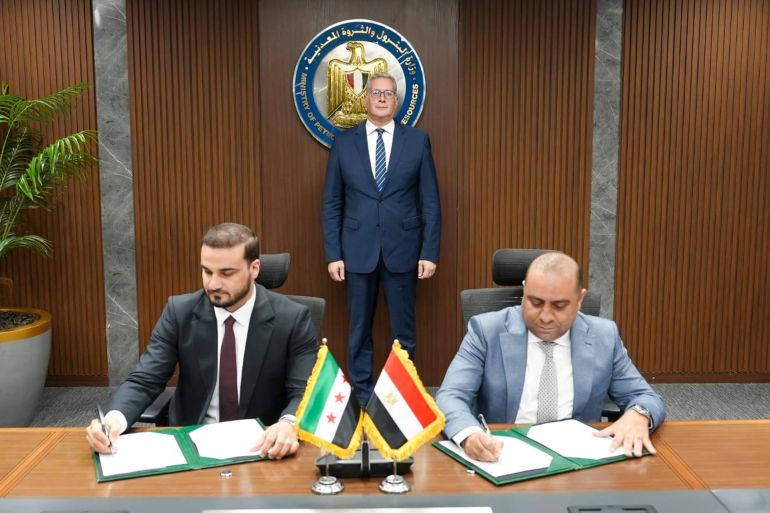
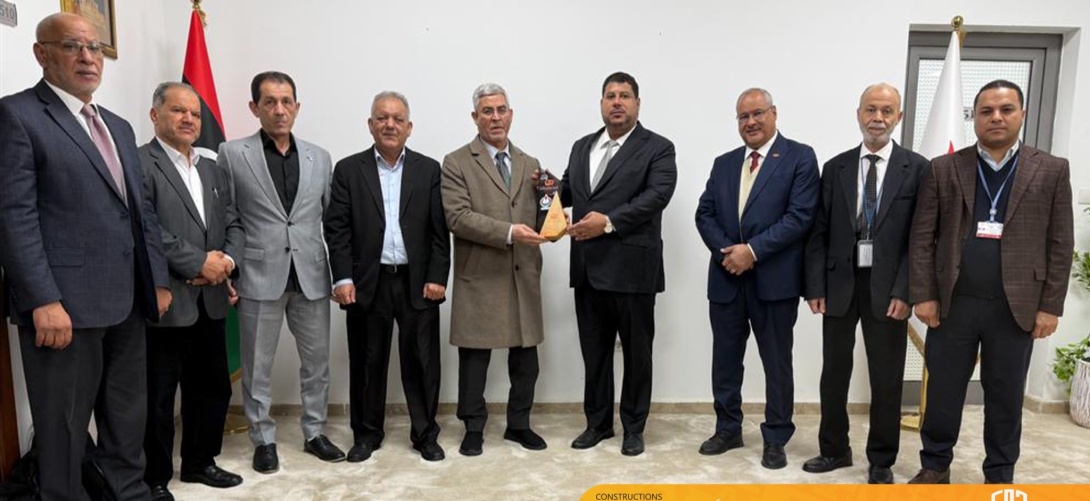
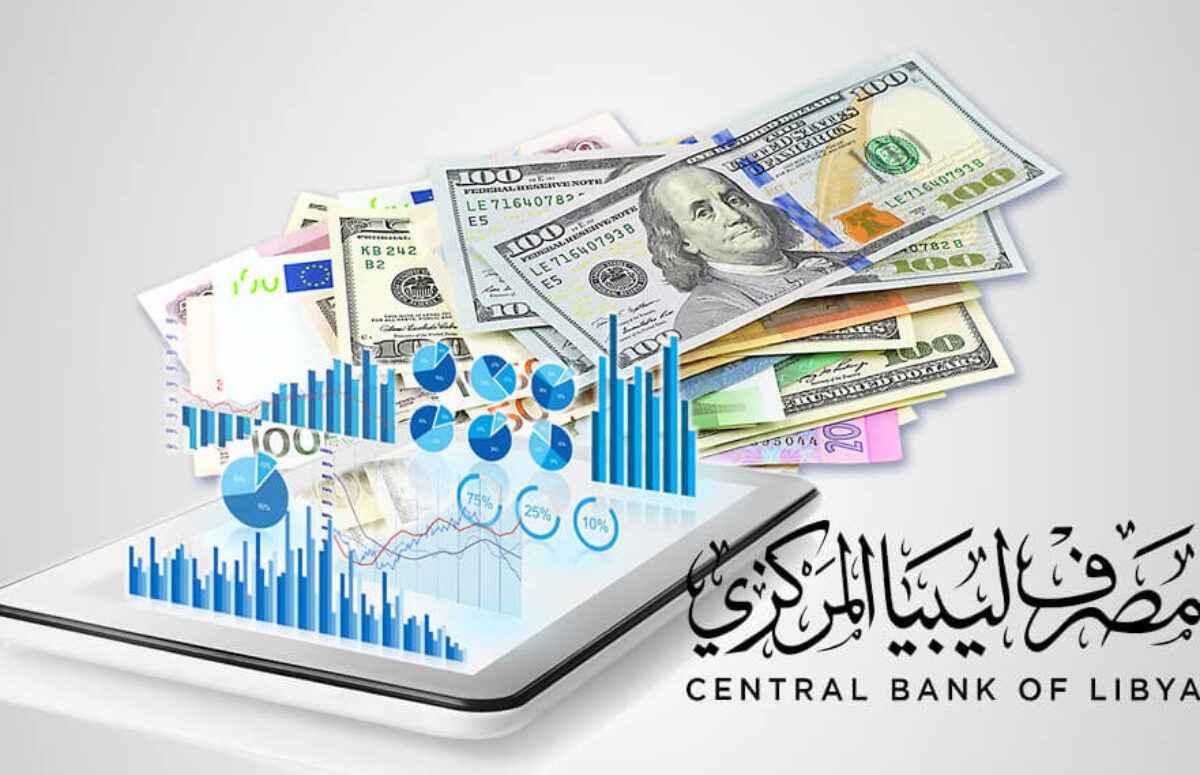
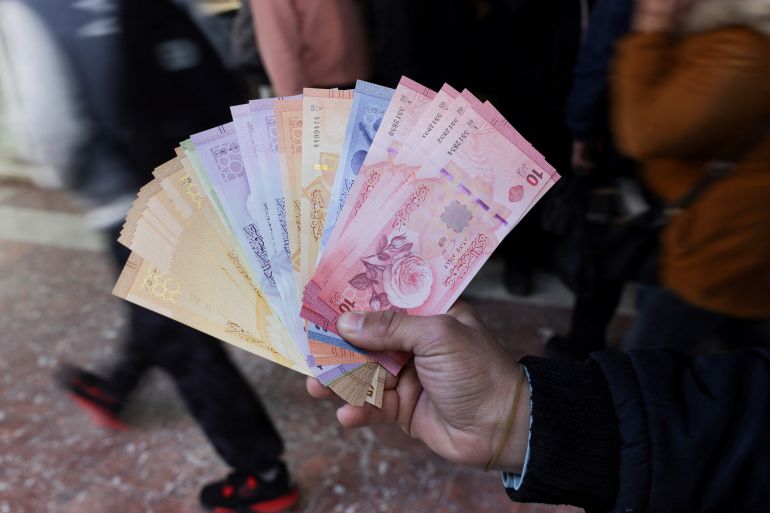
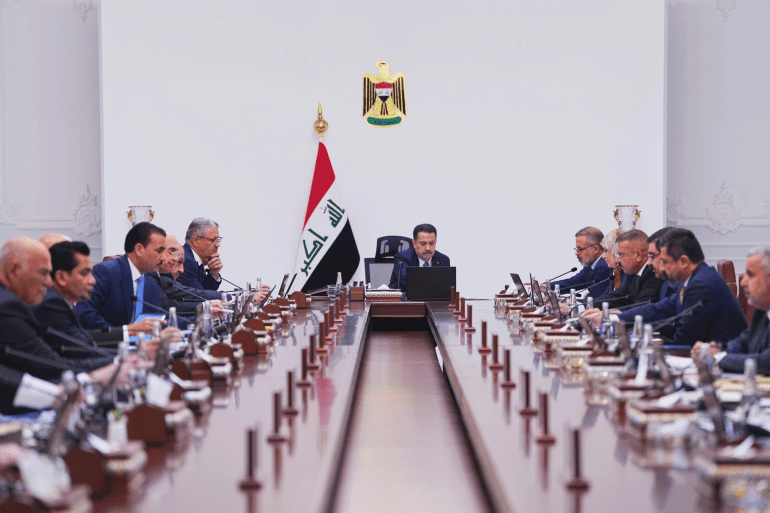
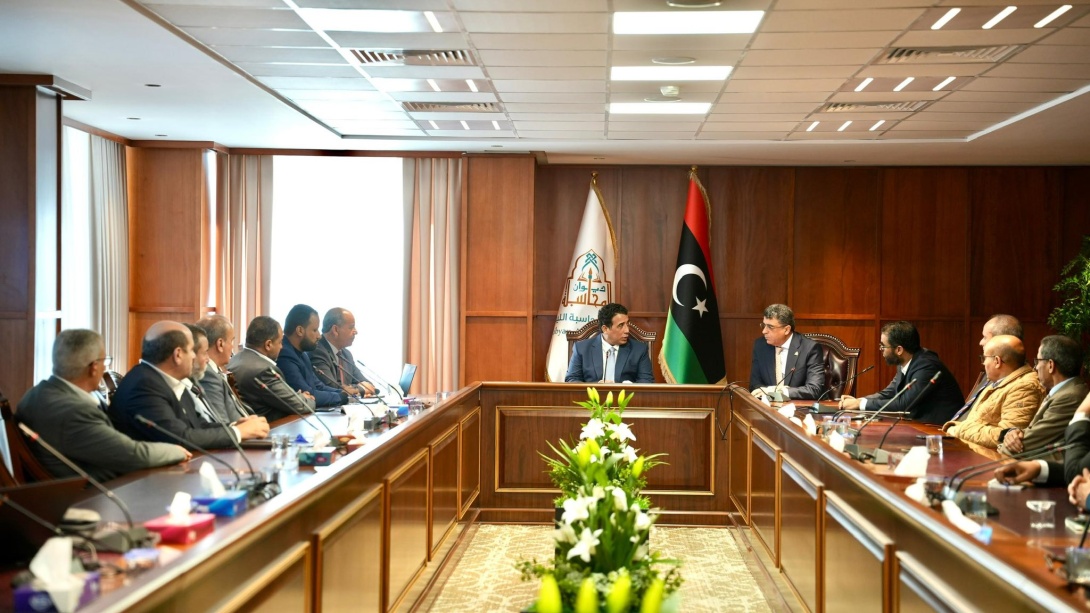
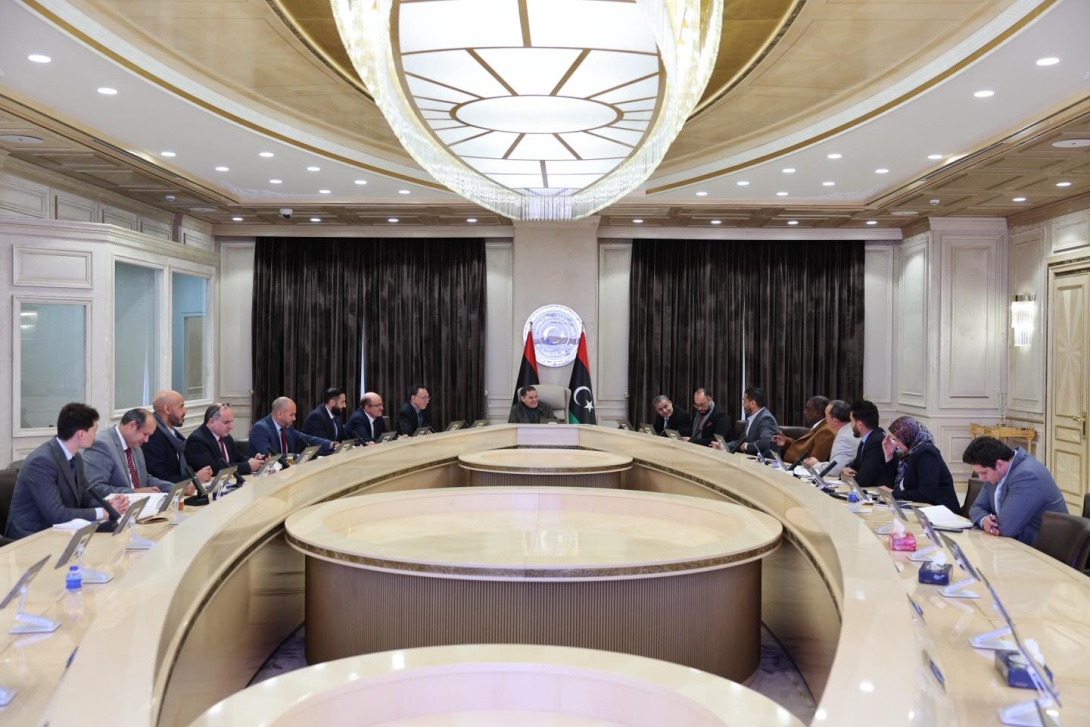
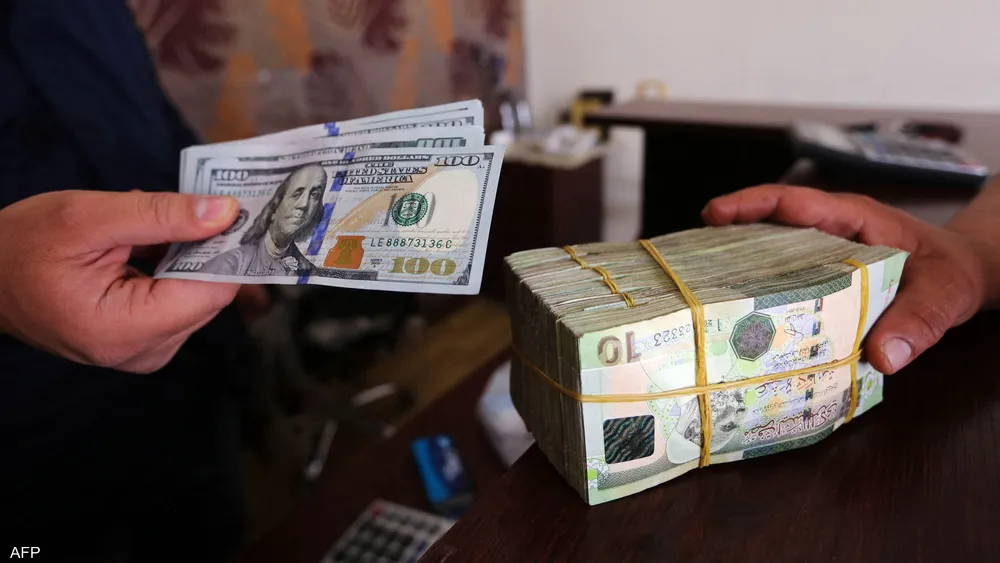
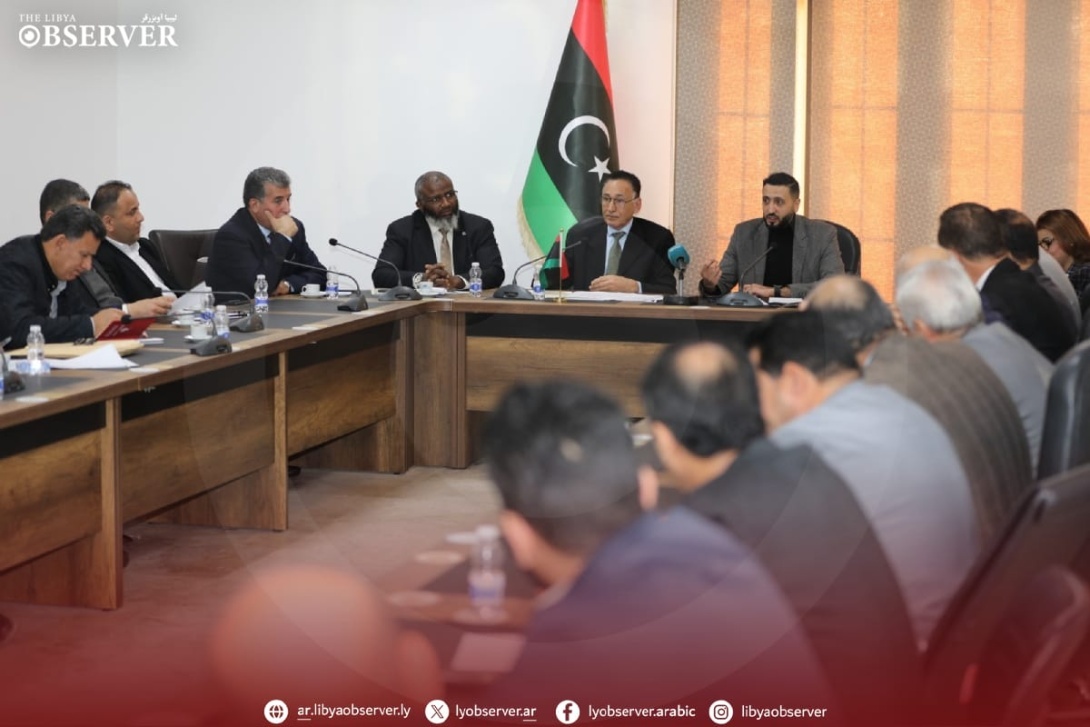
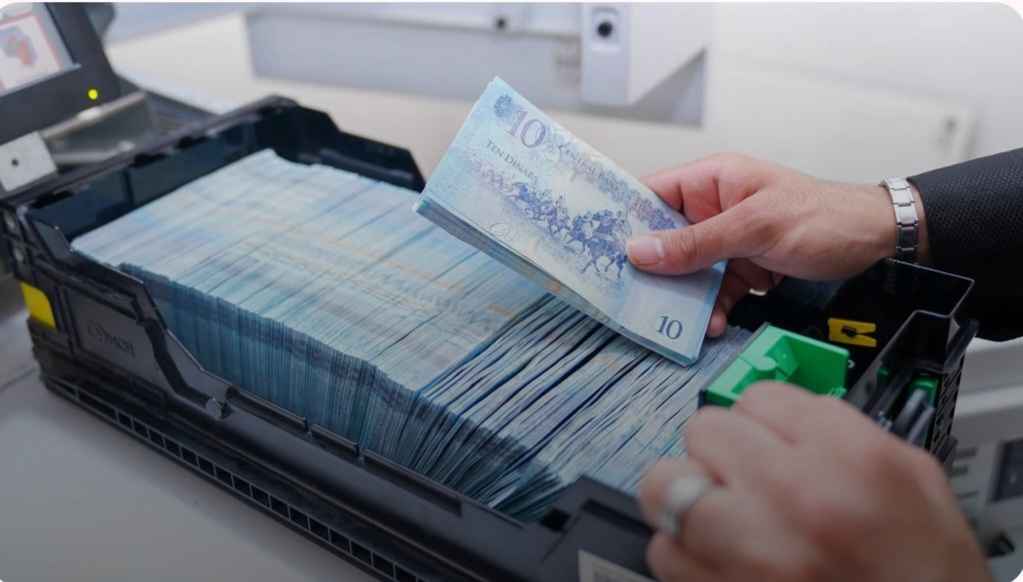
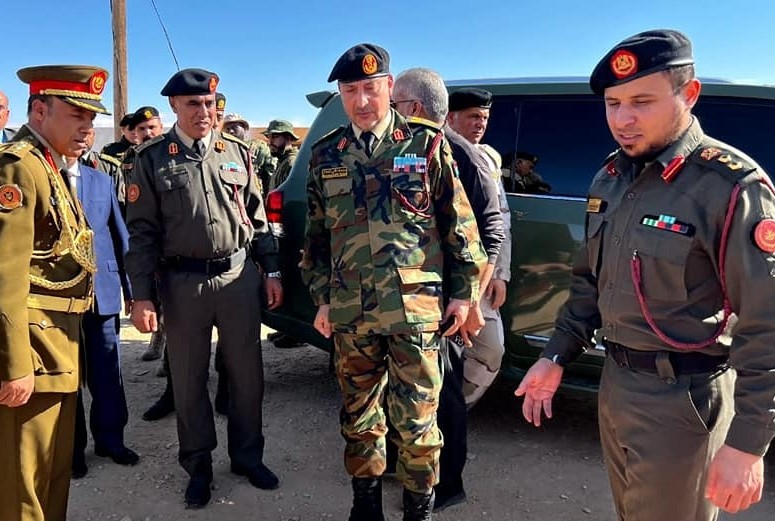
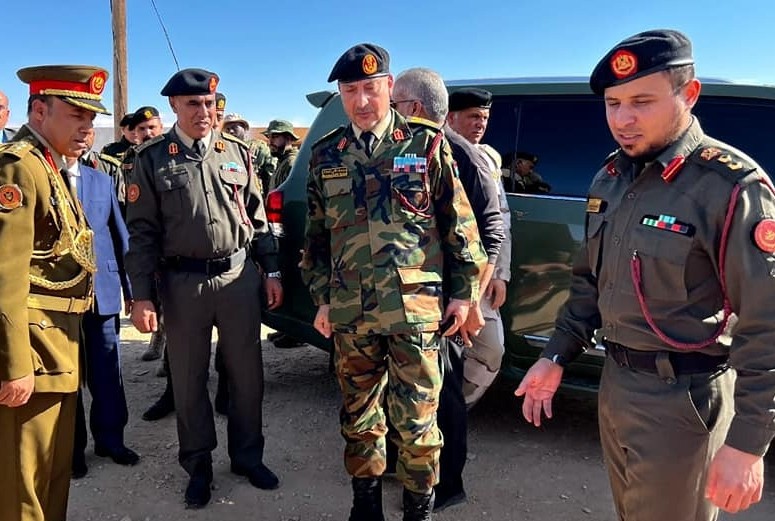
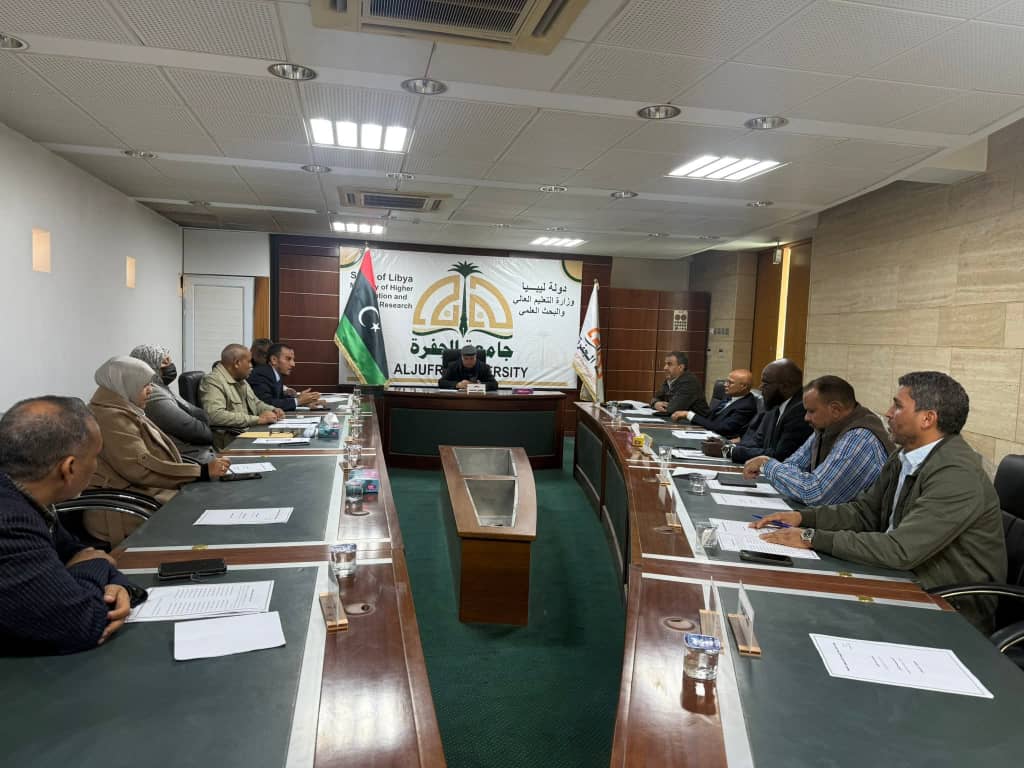
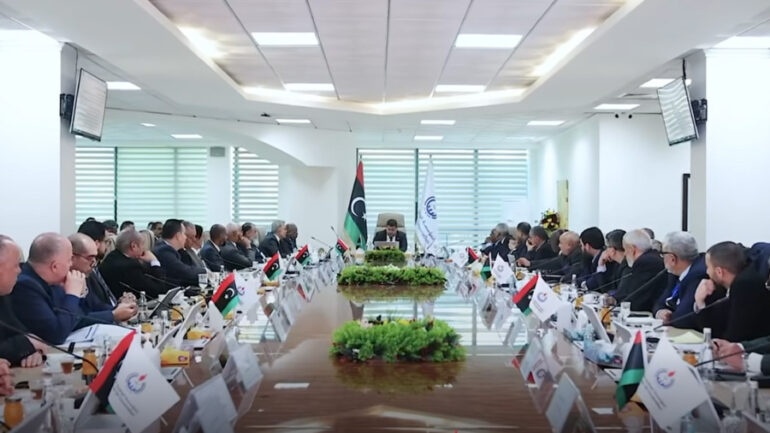
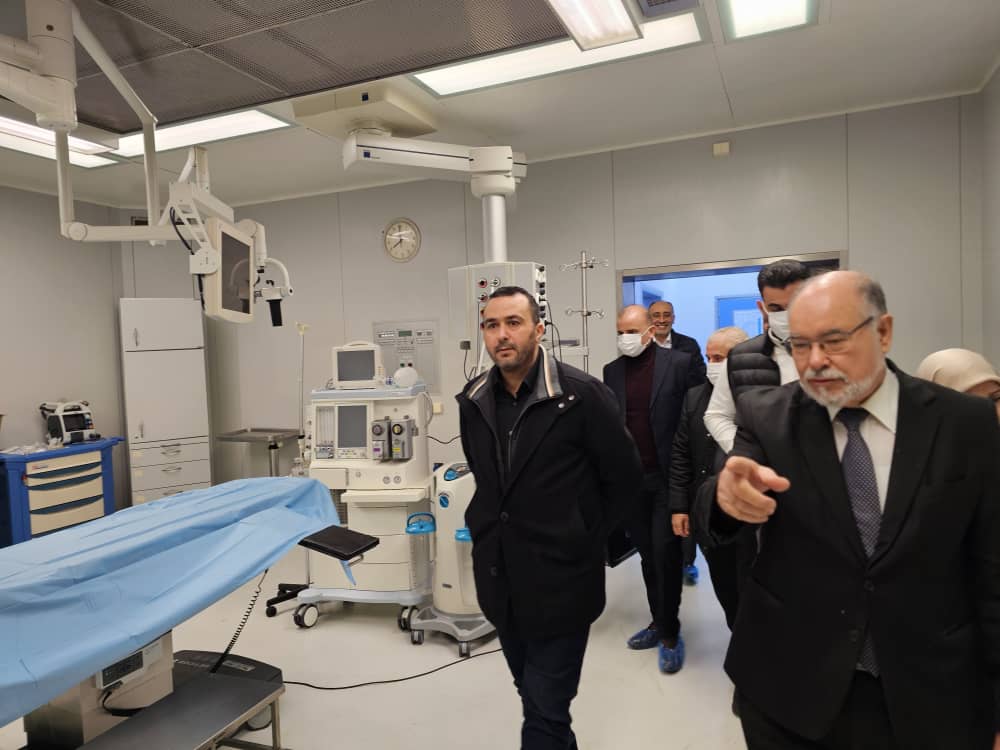
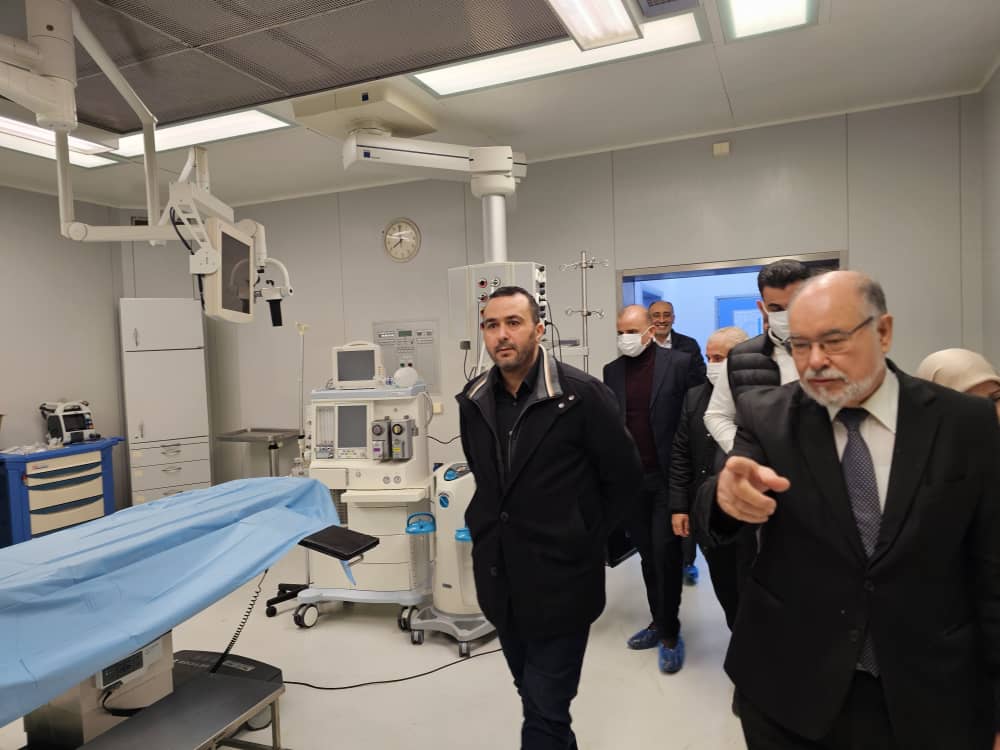
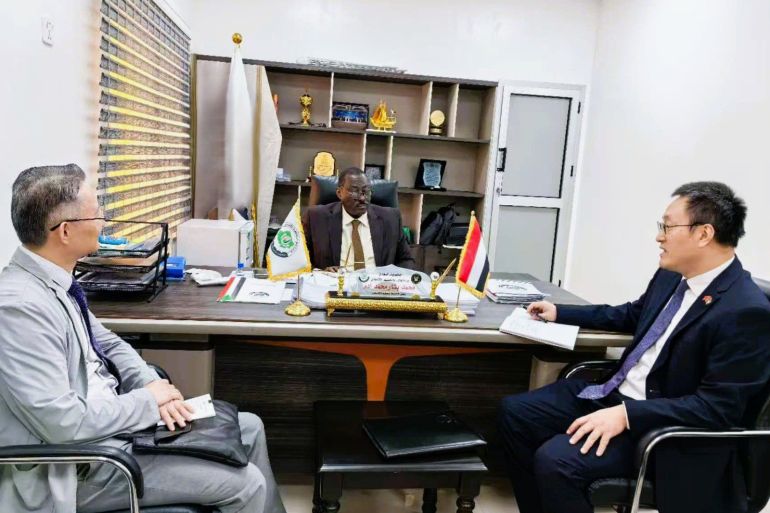
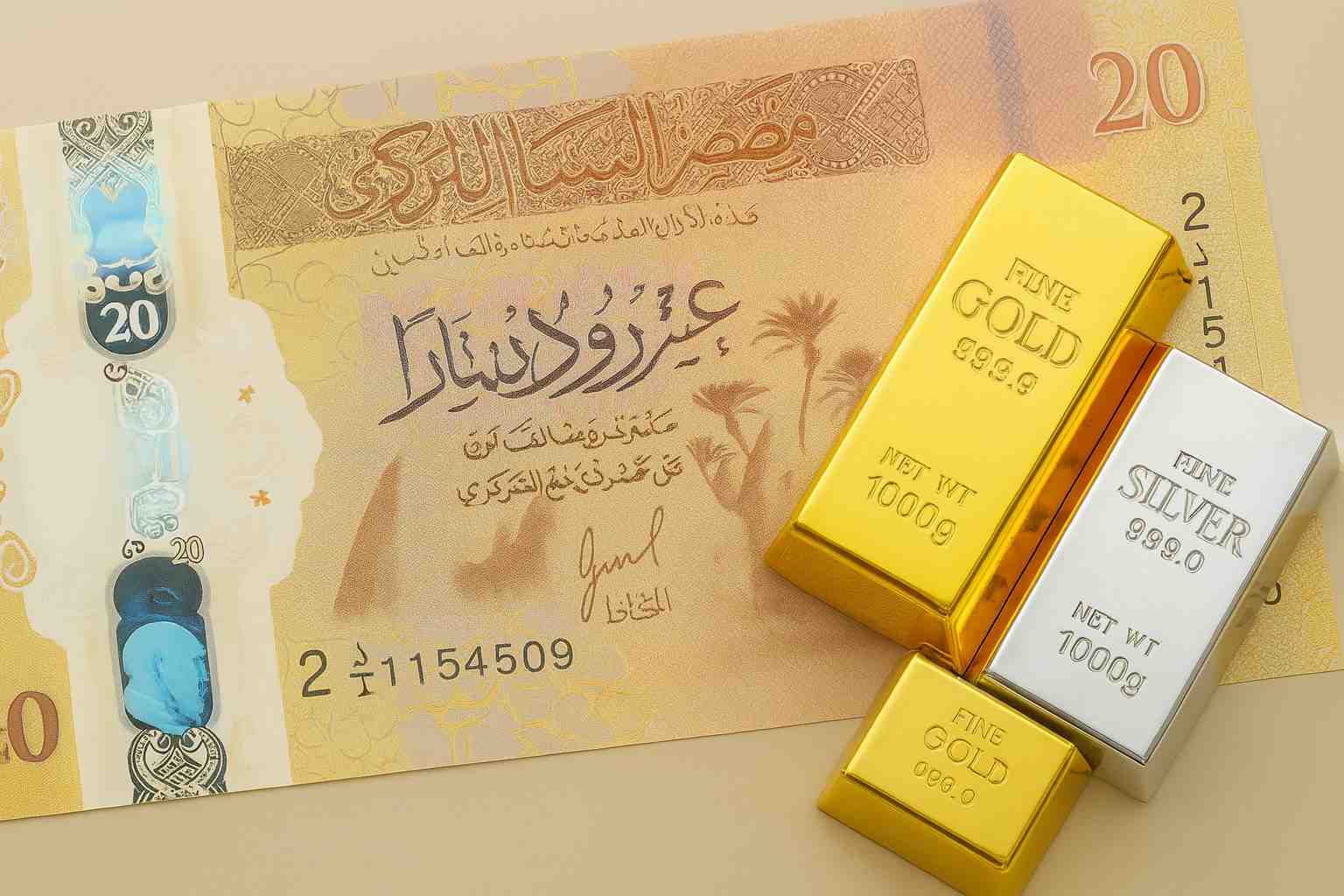
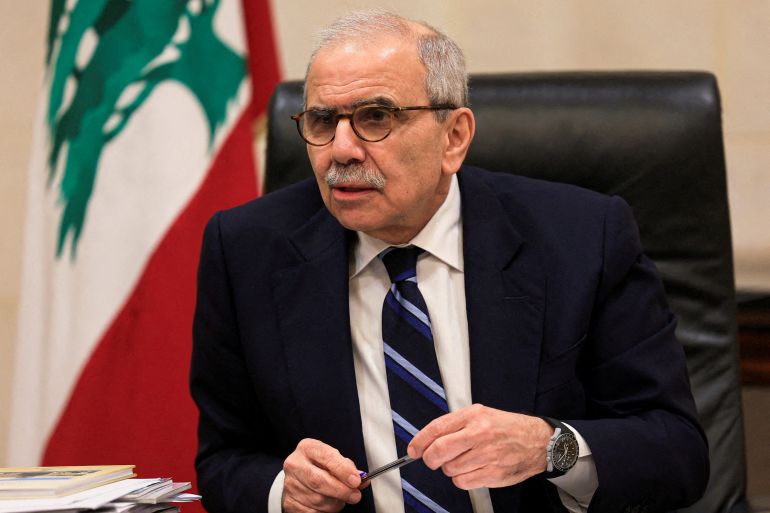
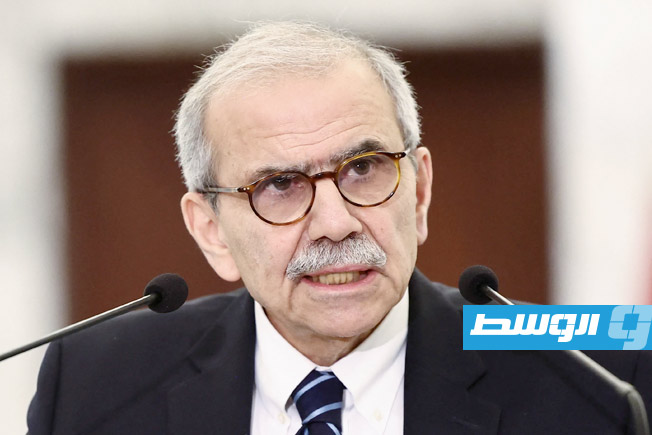
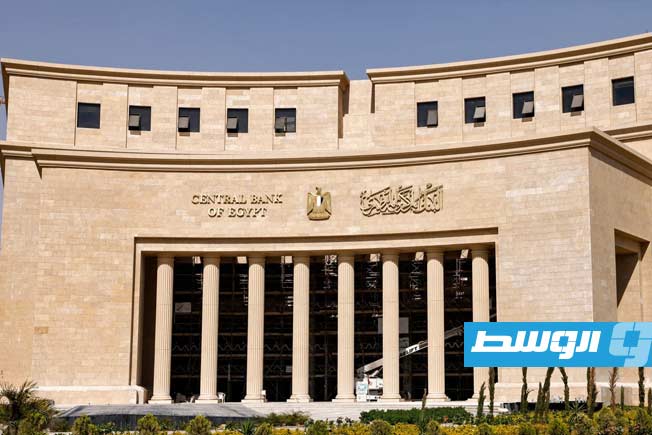
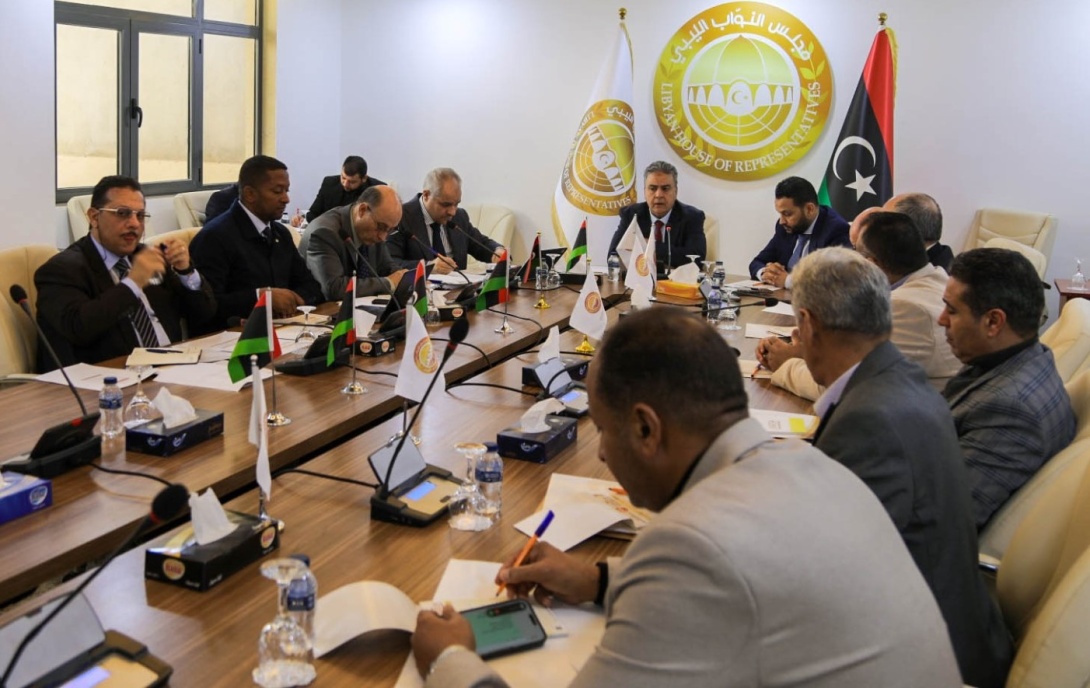
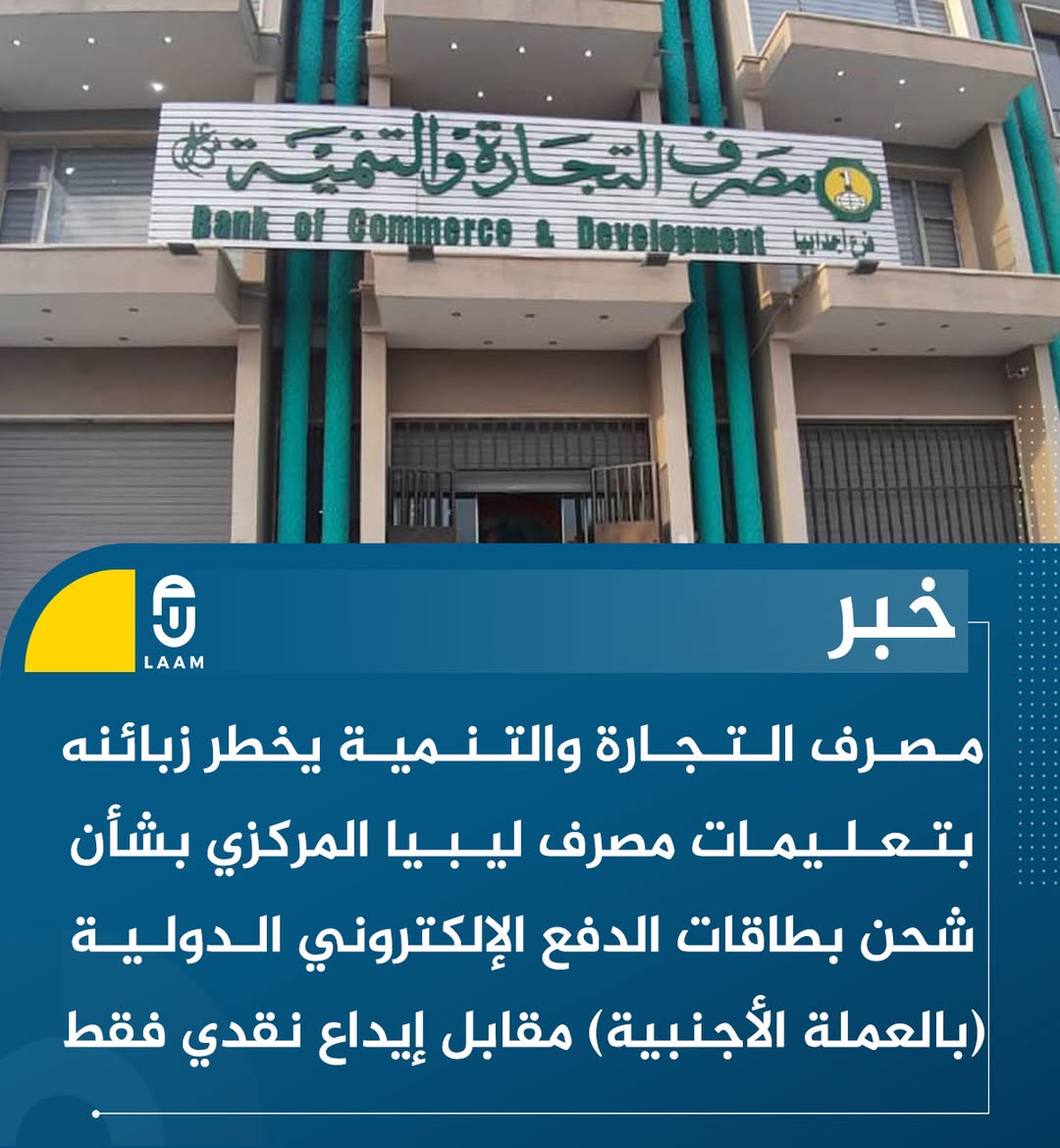
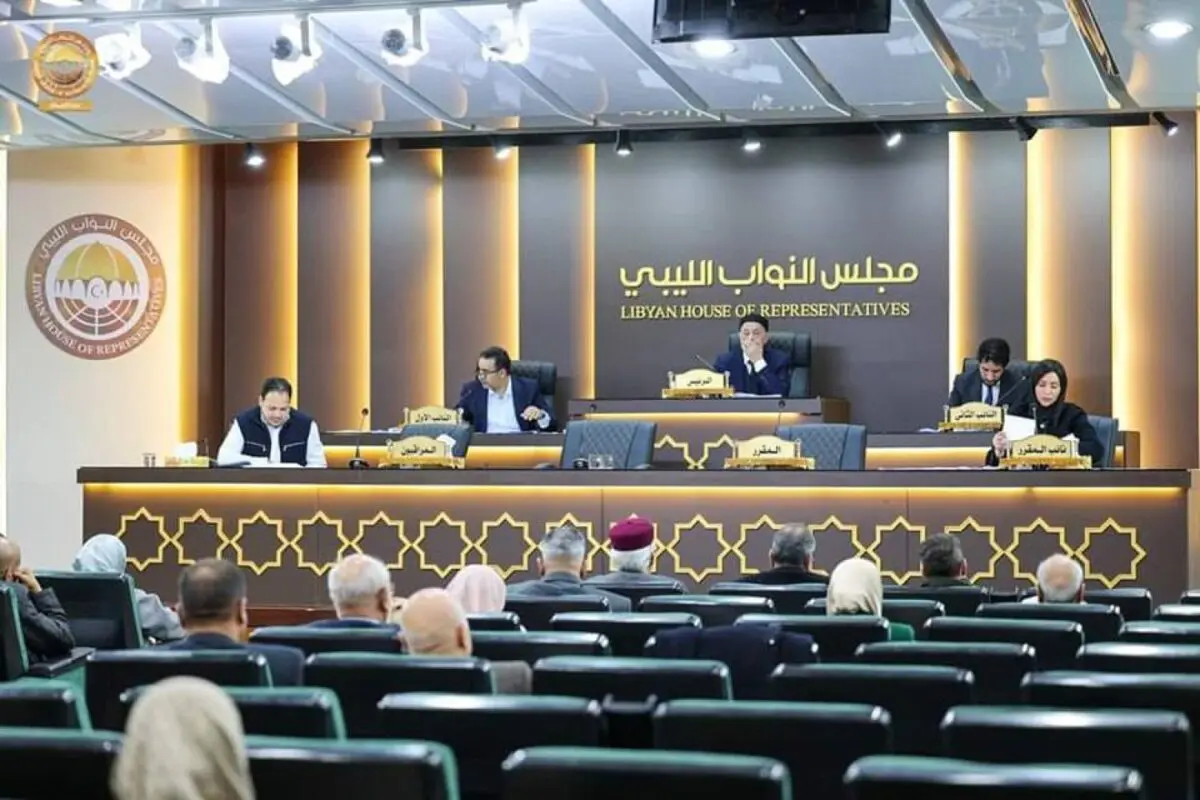
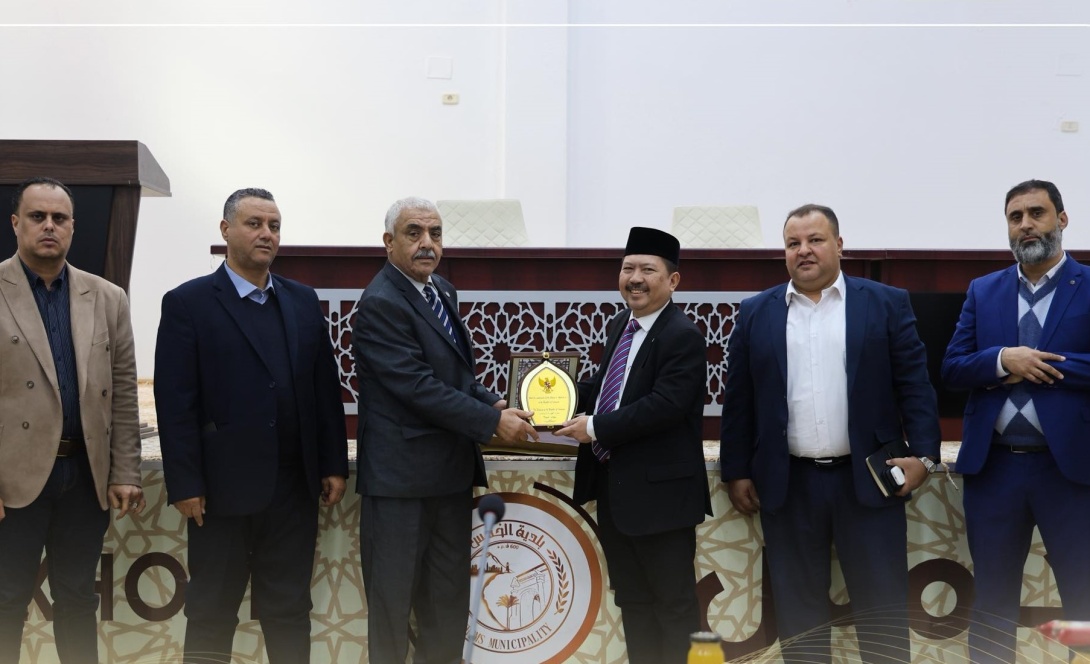
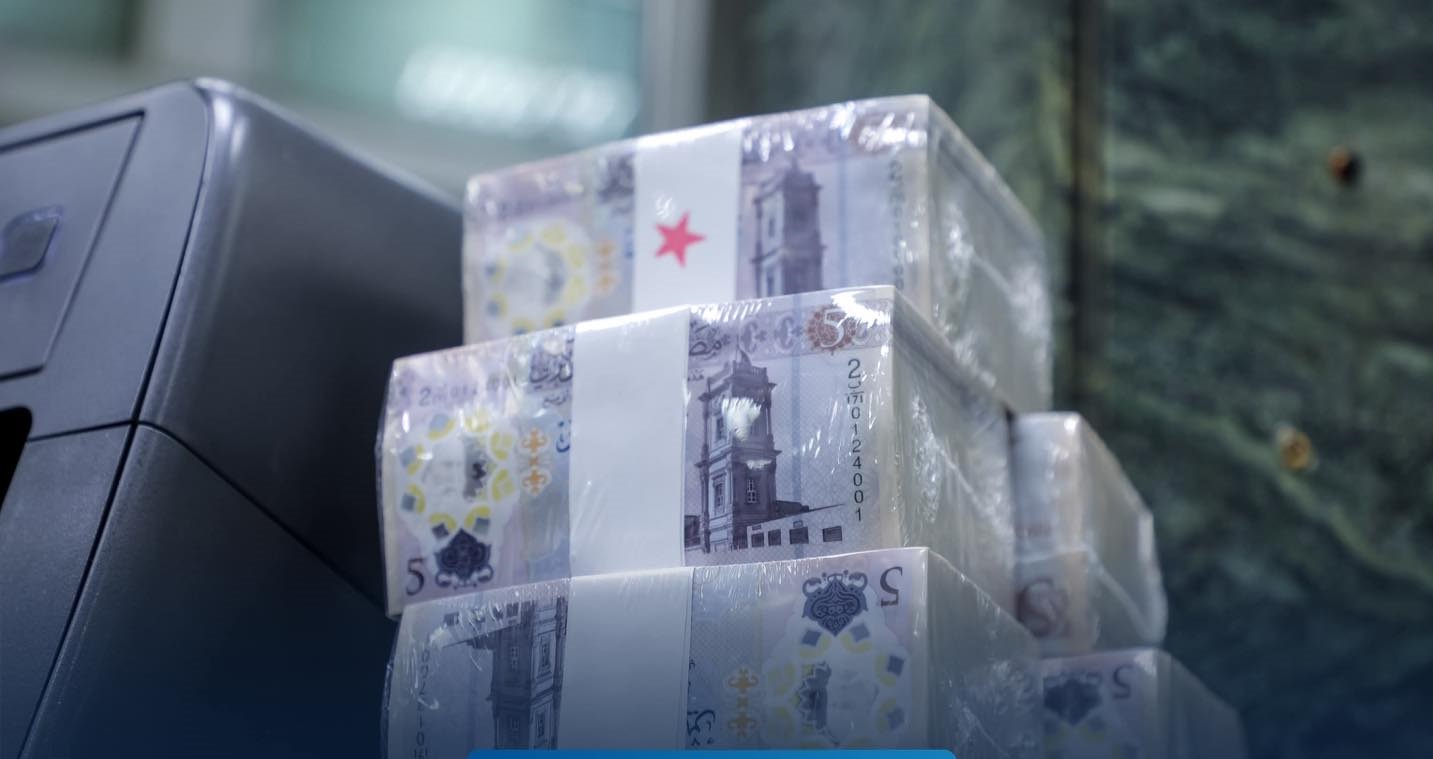
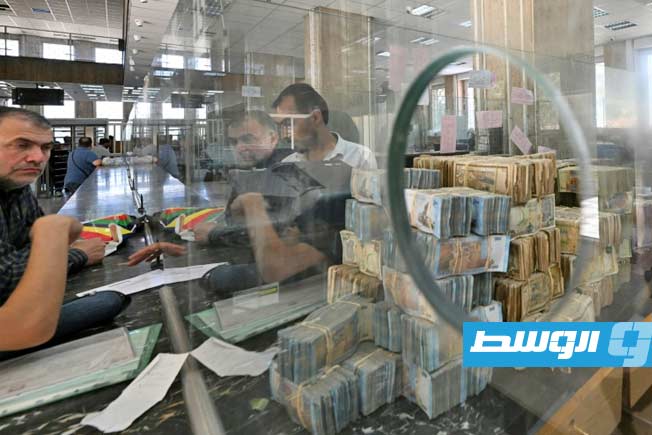
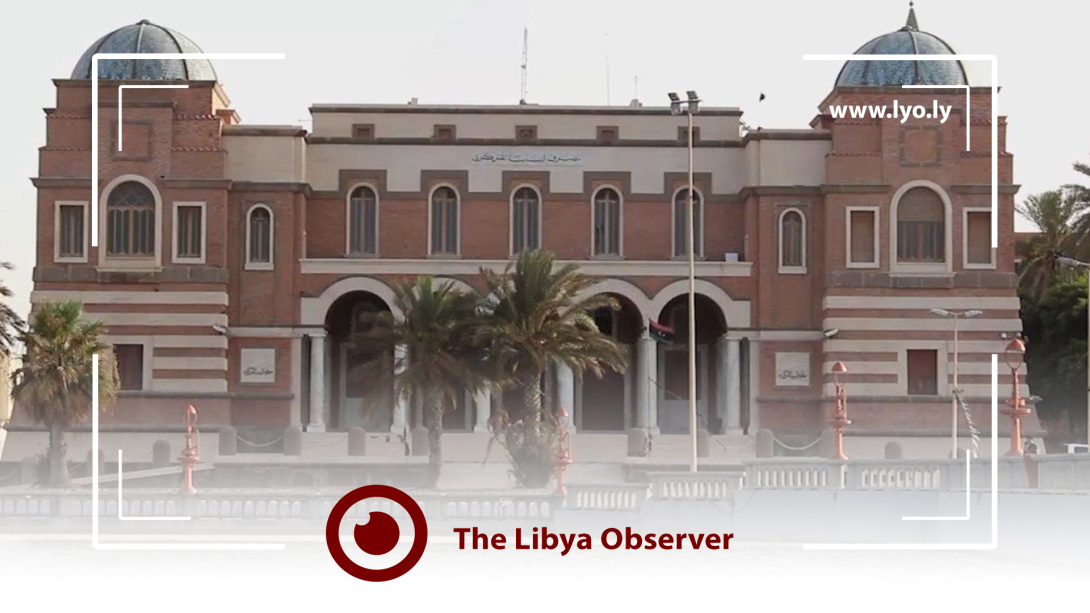
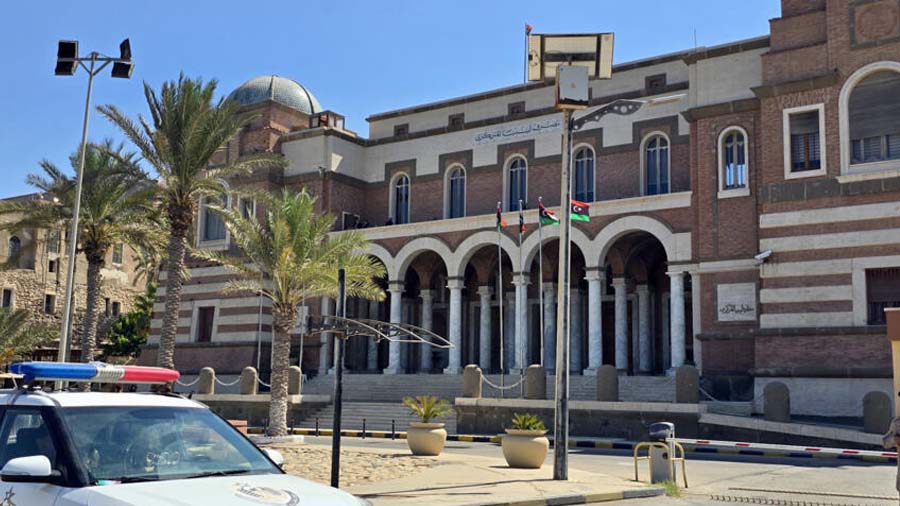
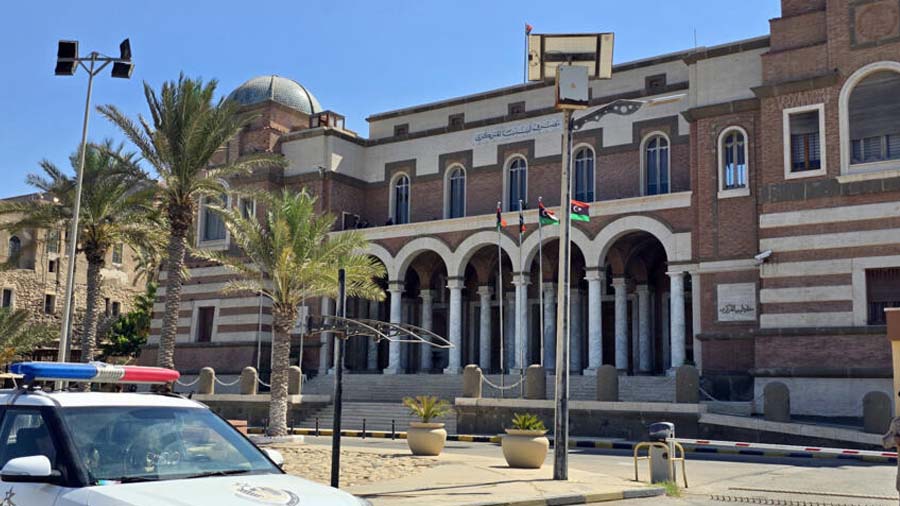
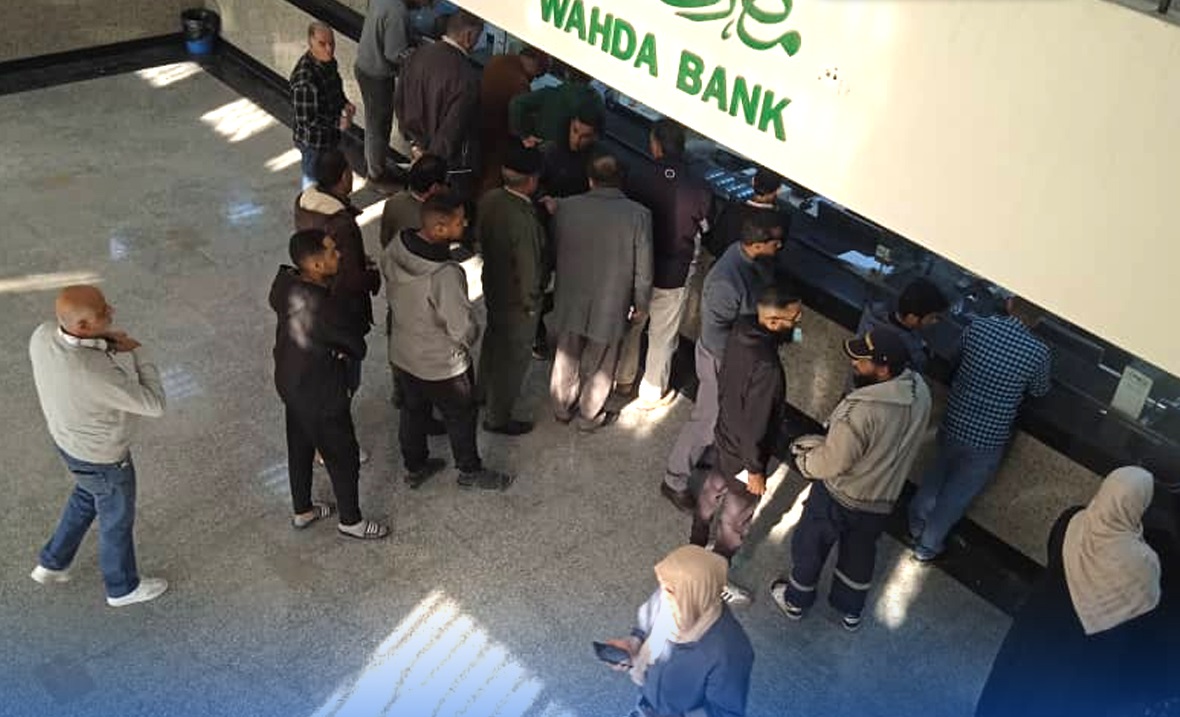
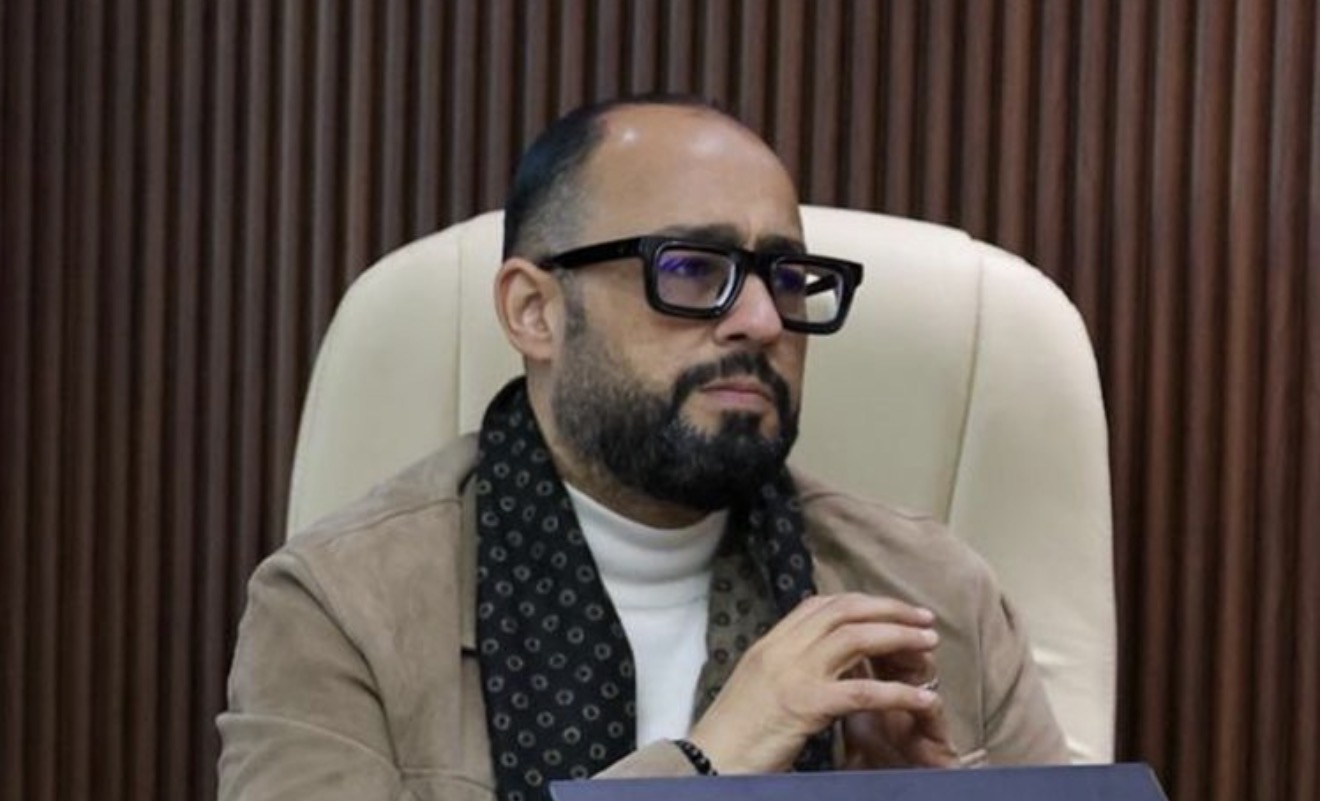
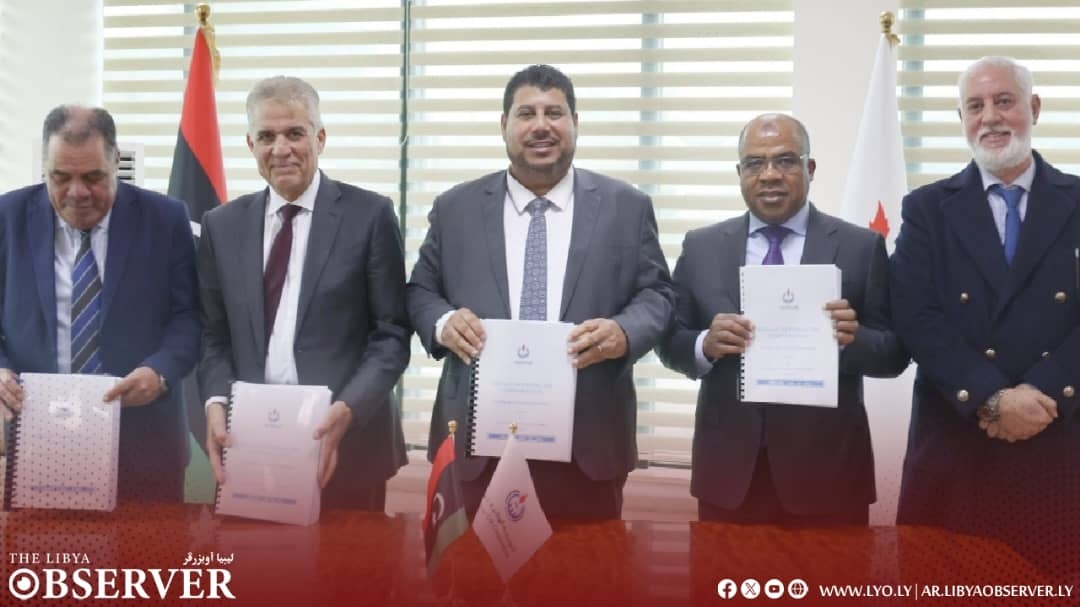
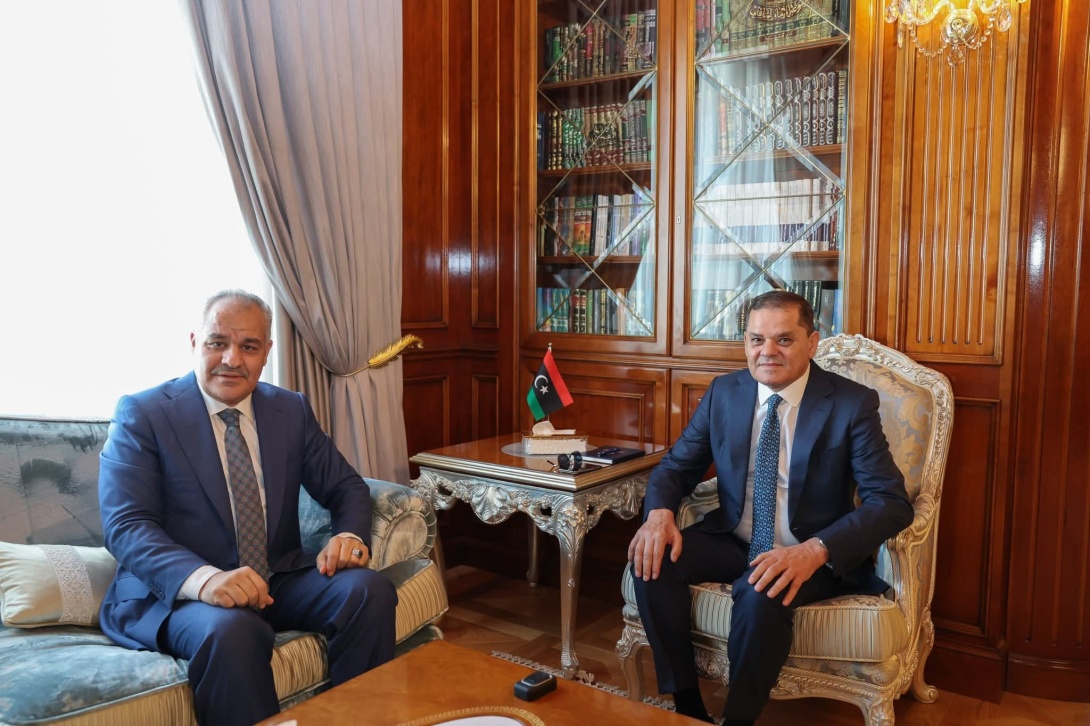
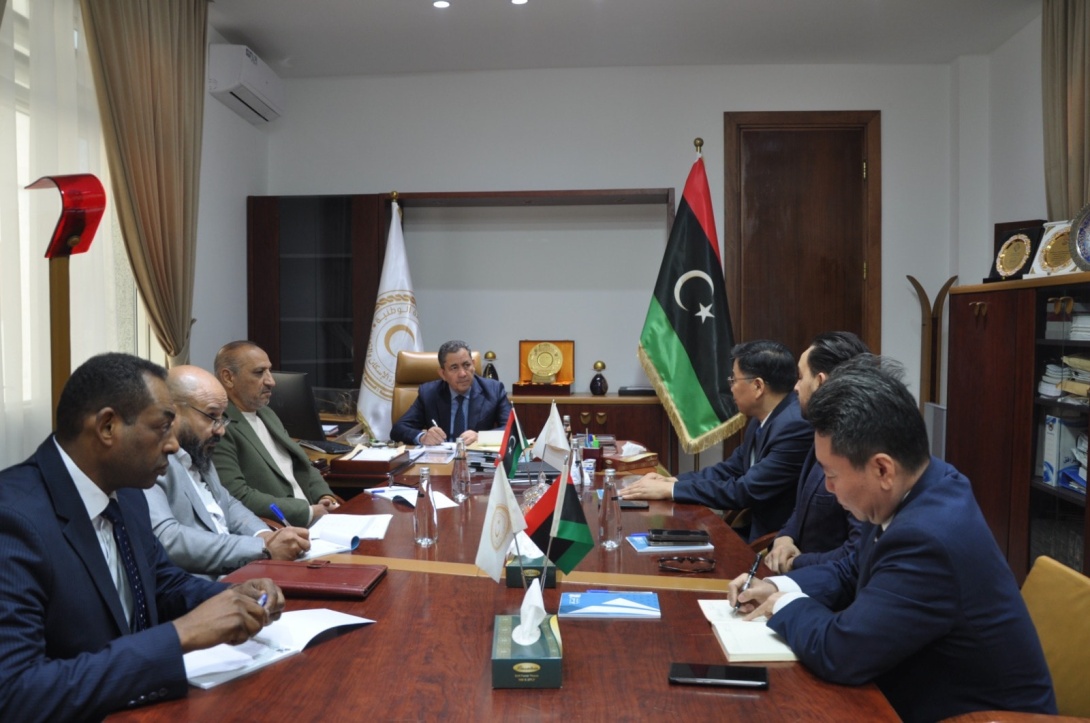
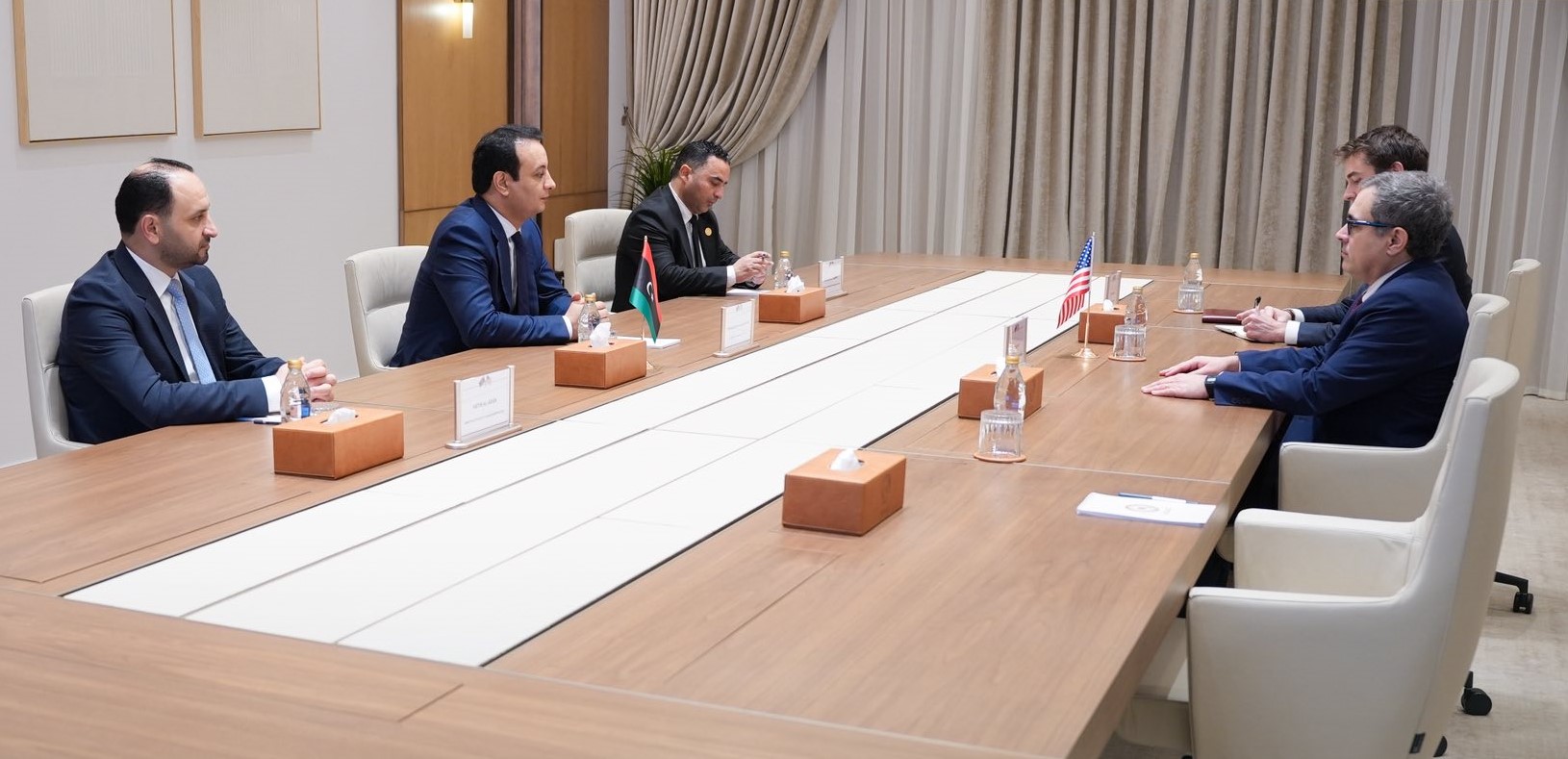
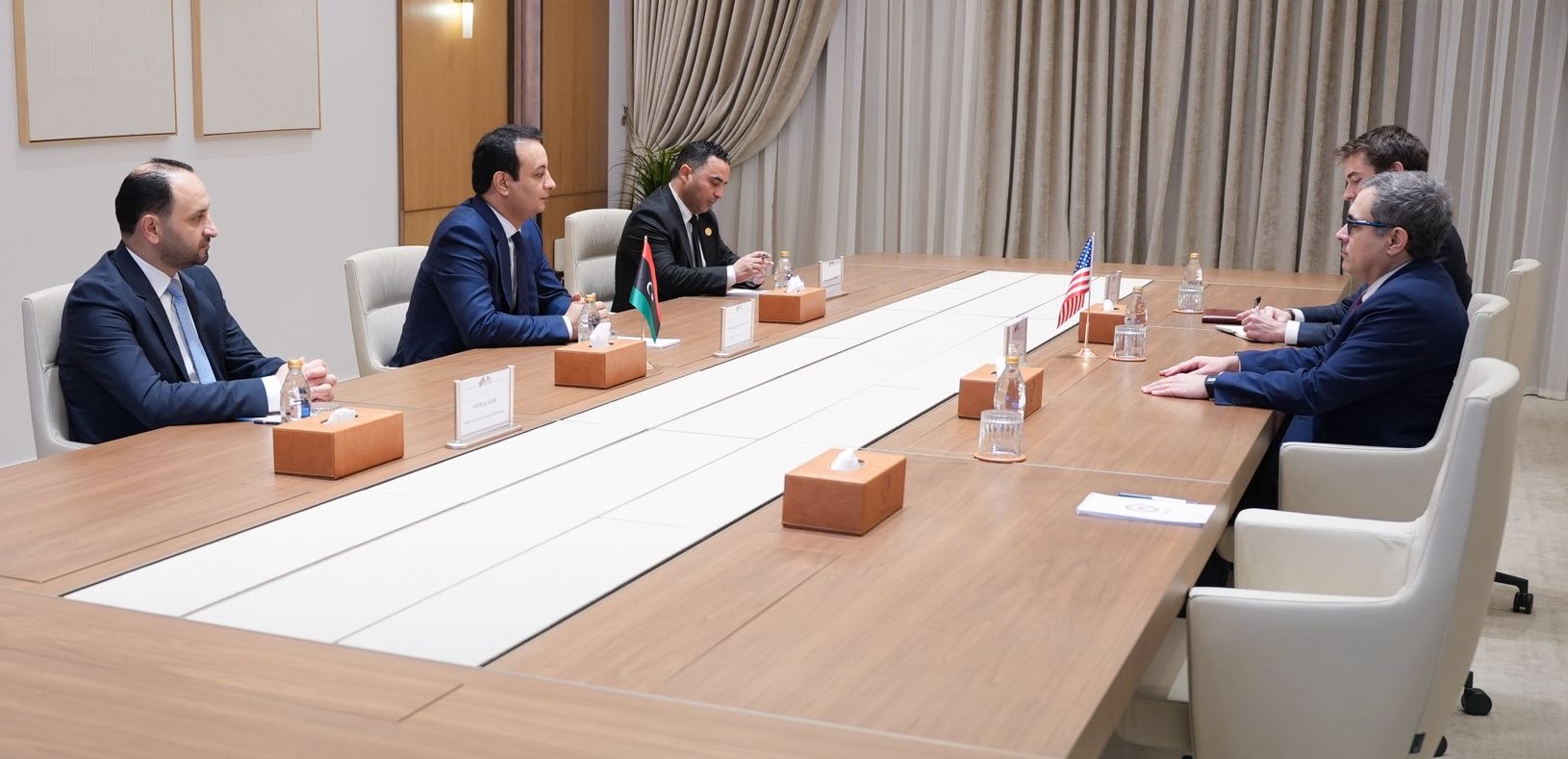
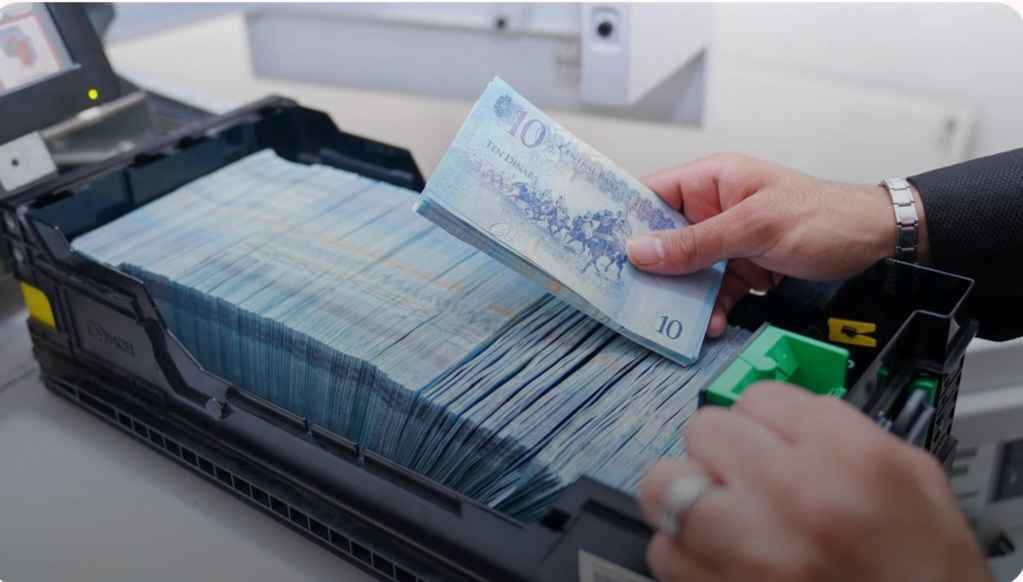
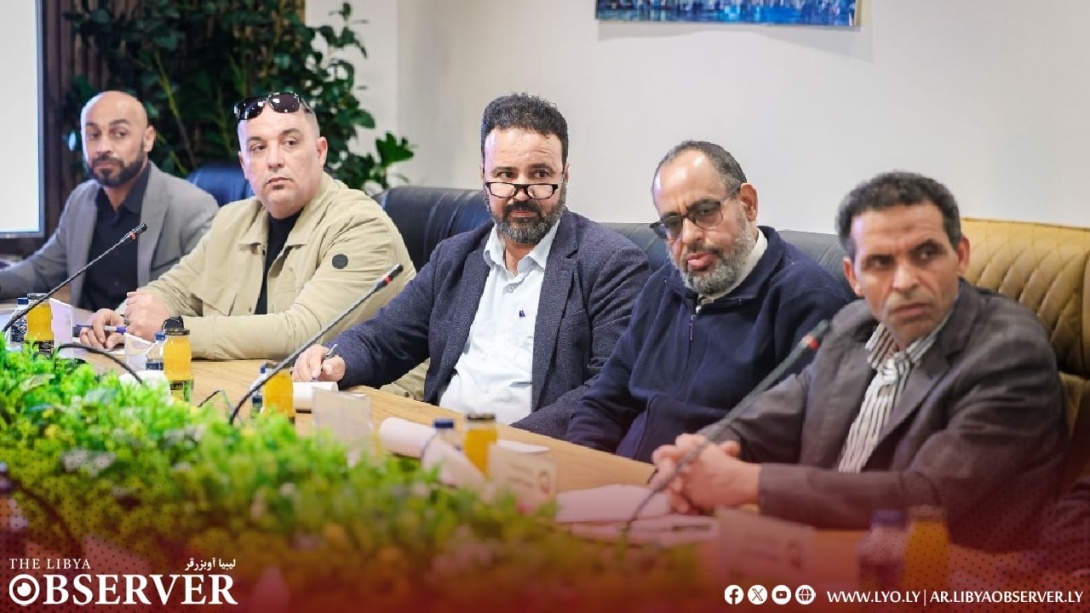
Tripoli – On Tuesday, December 23, 2025, the Banking and Monetary Control Administration held an expanded meeting that included a number of general managers of commercial banks and directors of relevant departments at the Central Bank of Libya. The meeting aimed to discuss regulating the work of licensed exchange companies and offices and enhancing coordination between them and the banking sector.
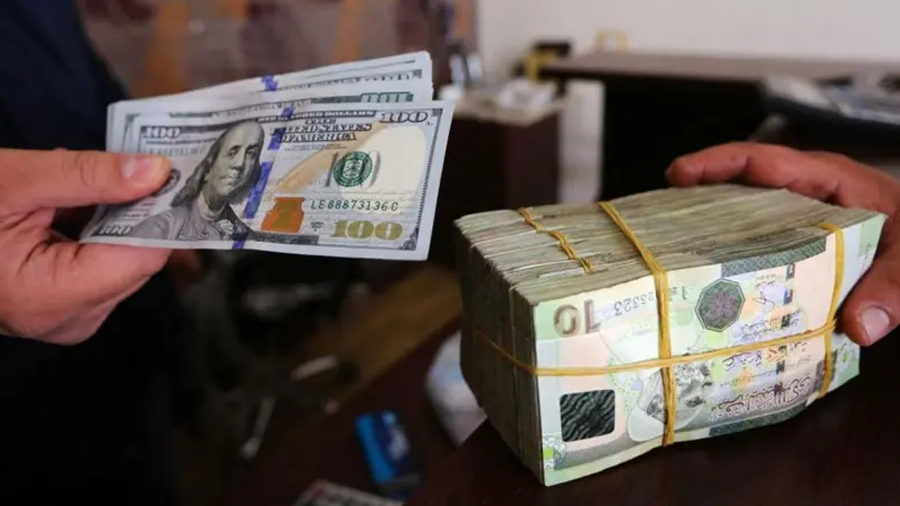
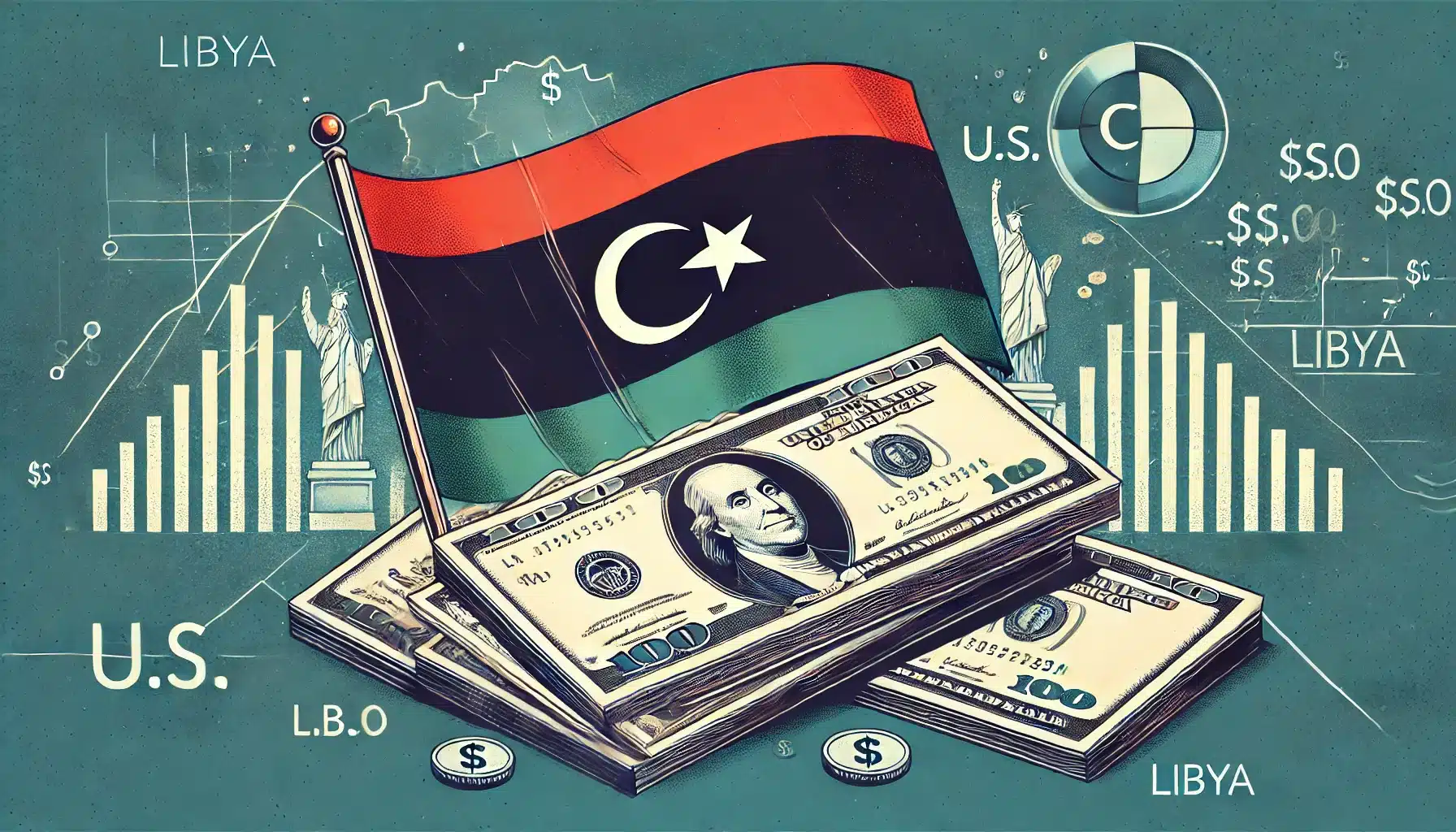
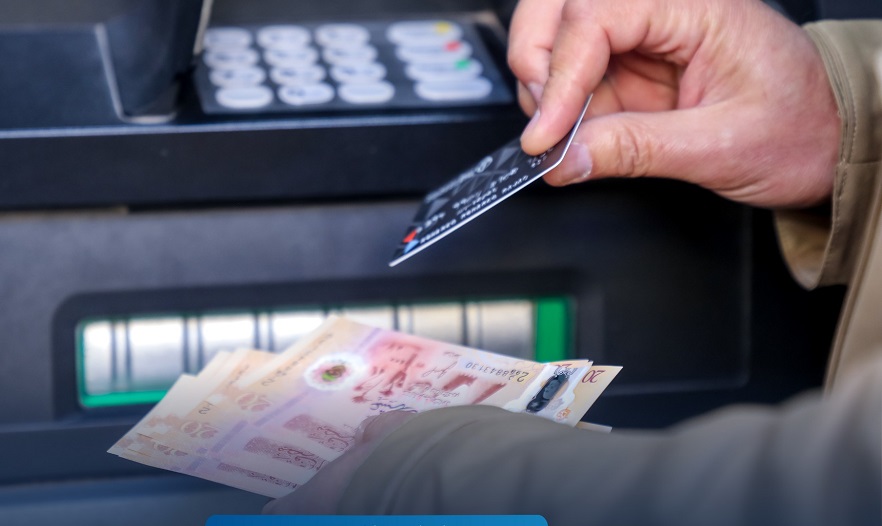
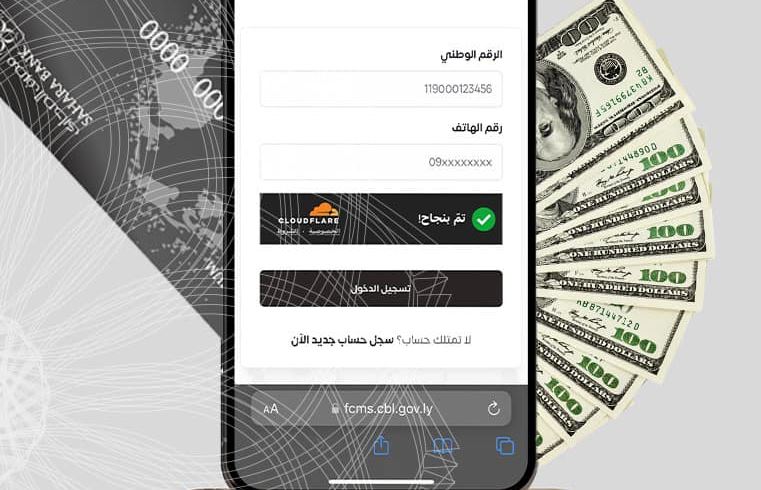
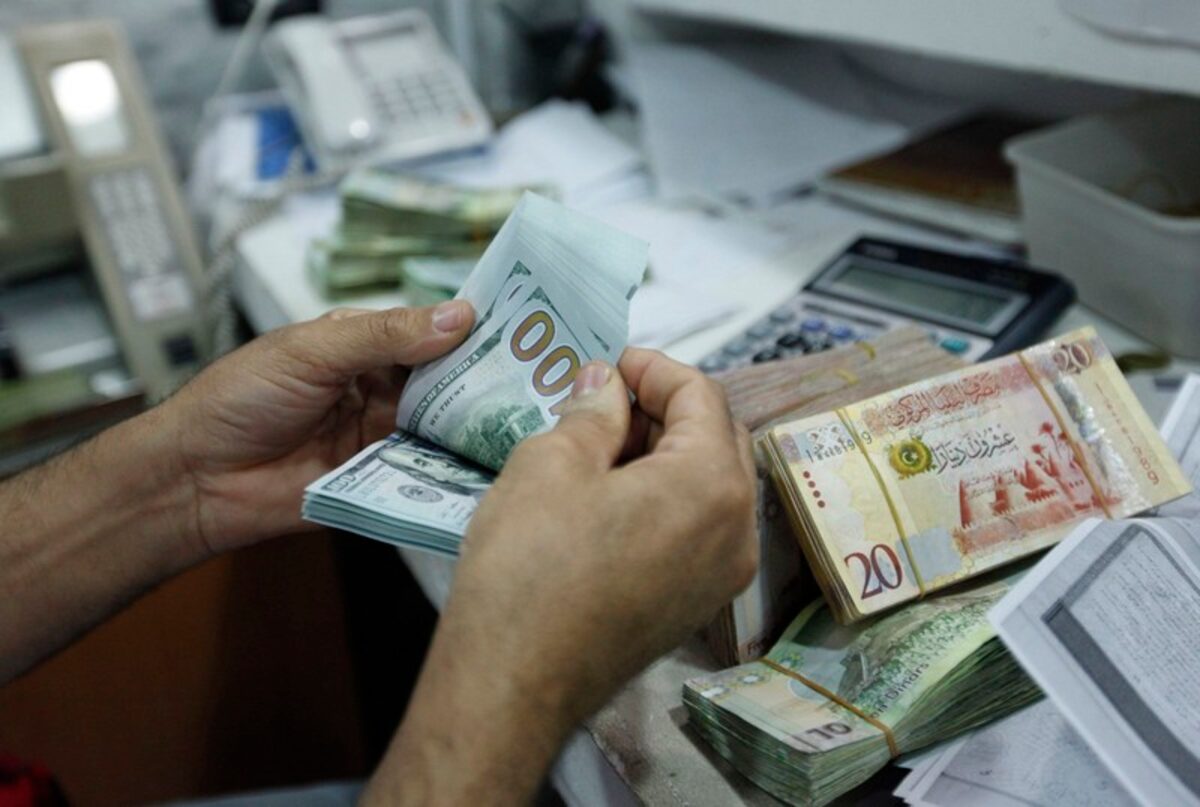
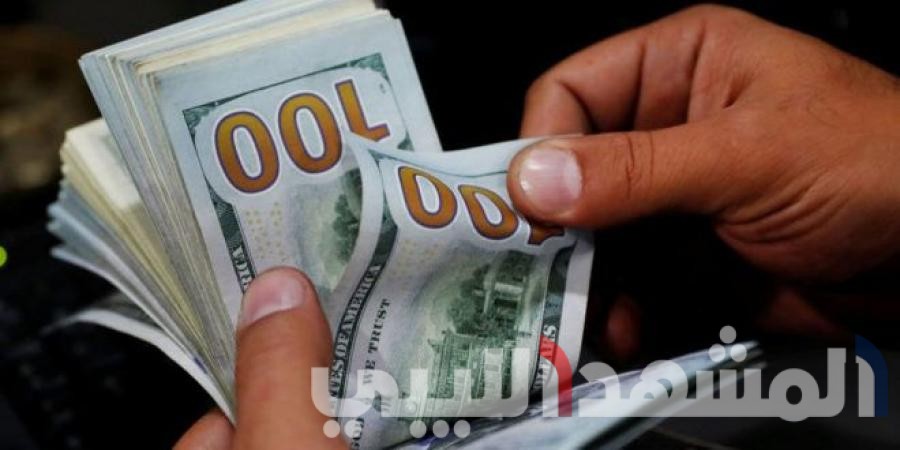
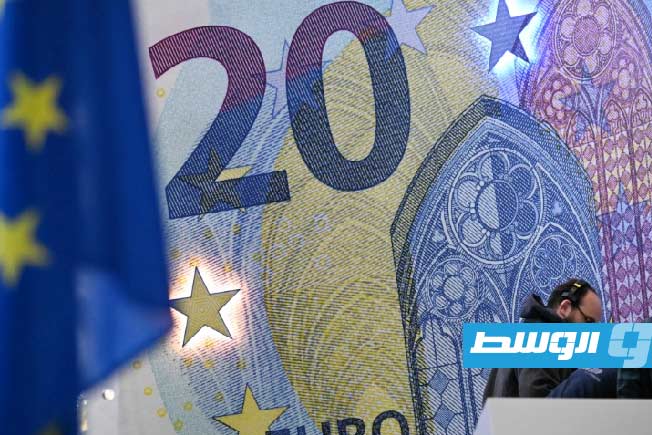
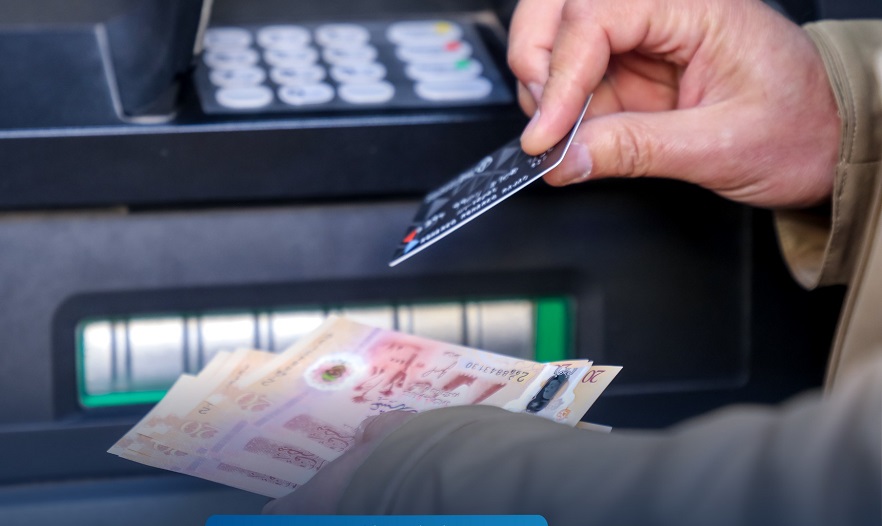
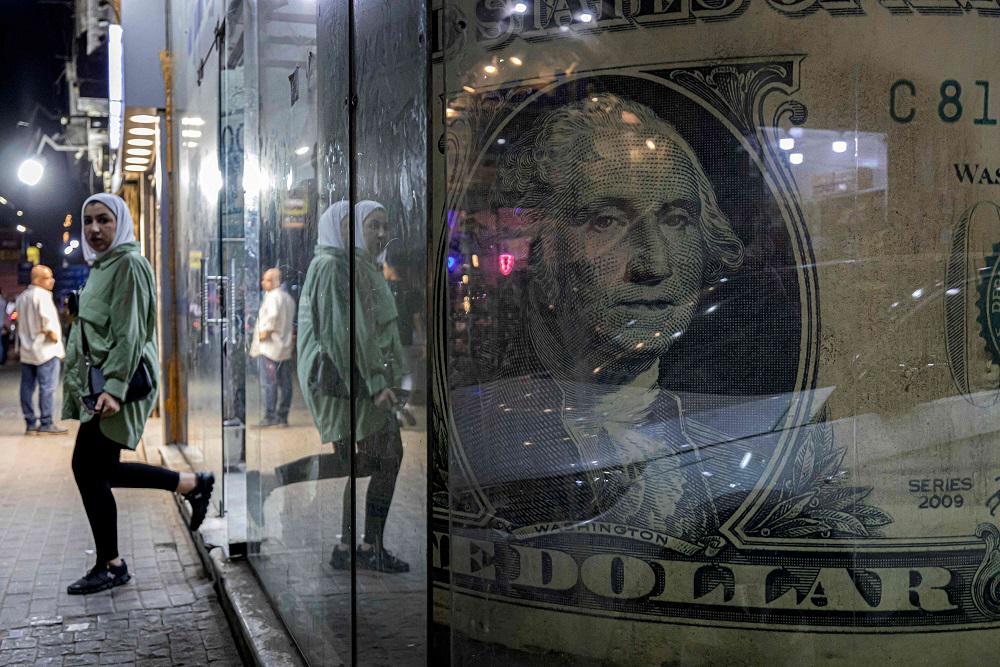
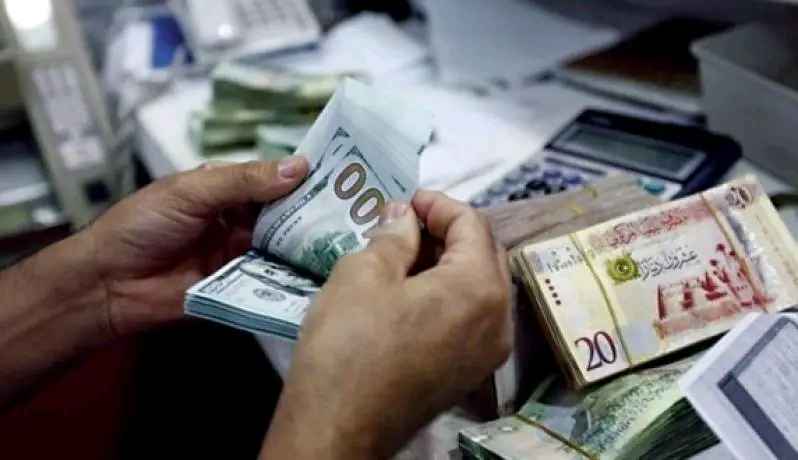
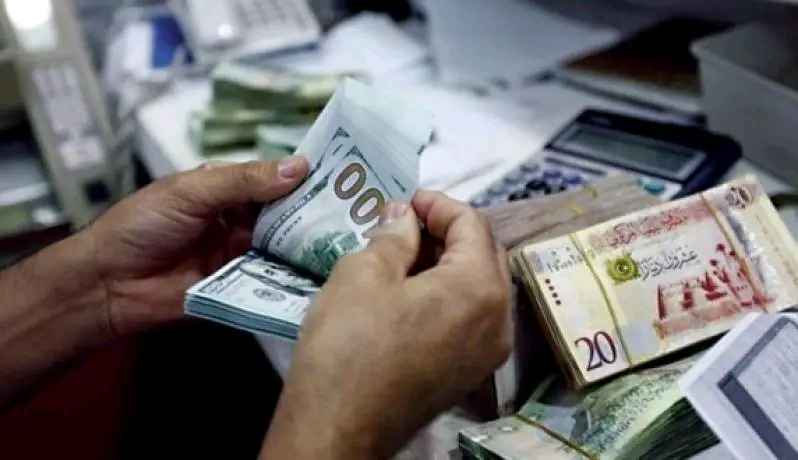
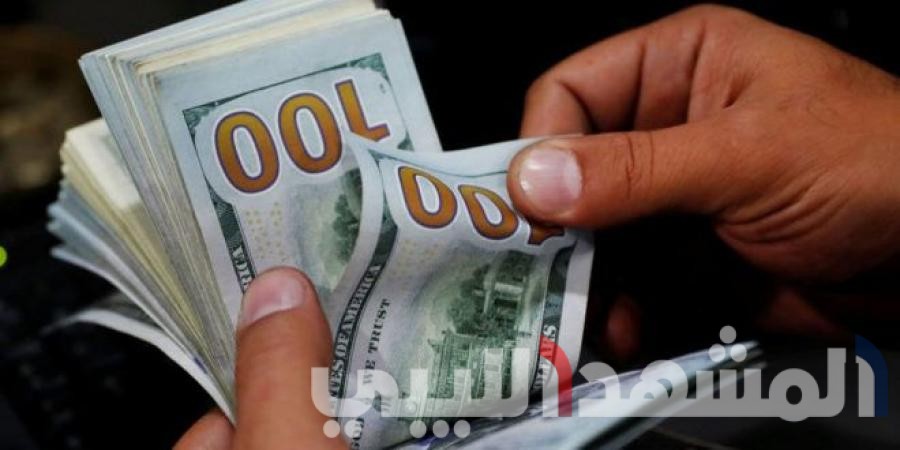
The meeting discussed the operational mechanisms of exchange companies and offices licensed by the Central Bank of Libya, and the procedures for interaction between them and commercial banks, particularly concerning the execution of rapid cash transfers through the Western Union and MoneyGram systems.
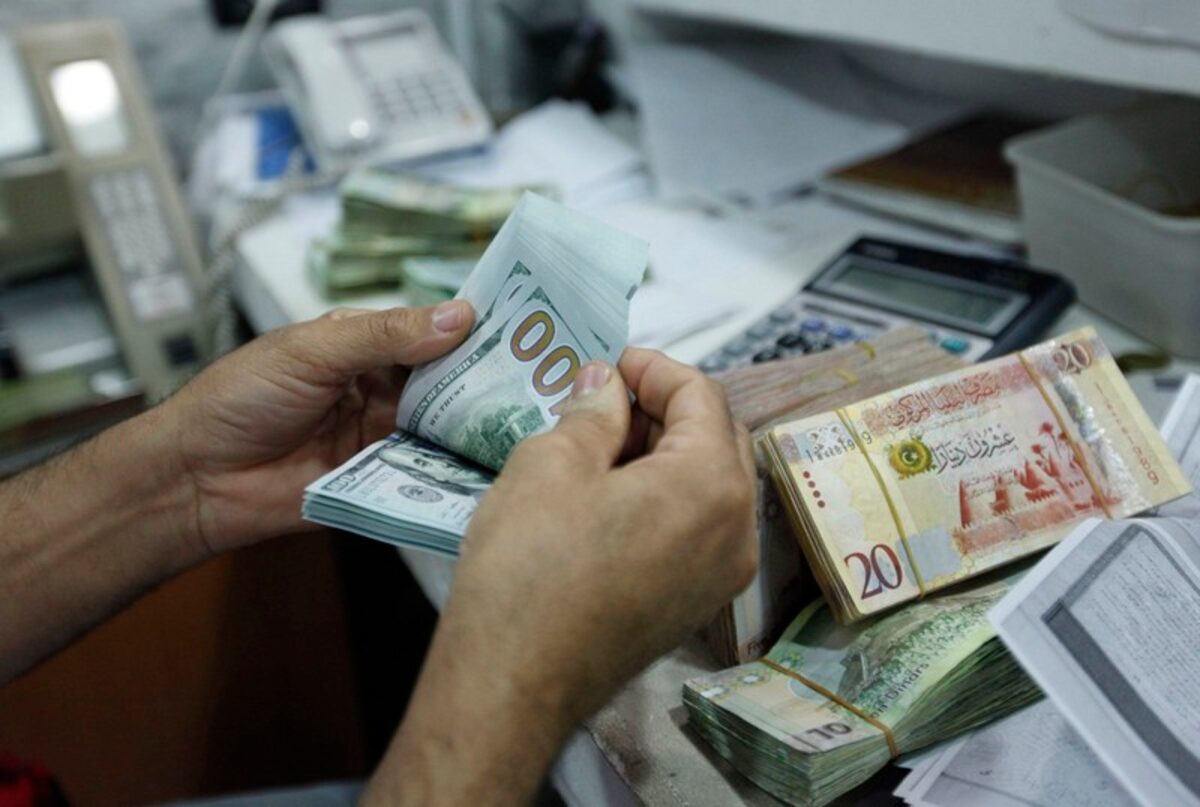
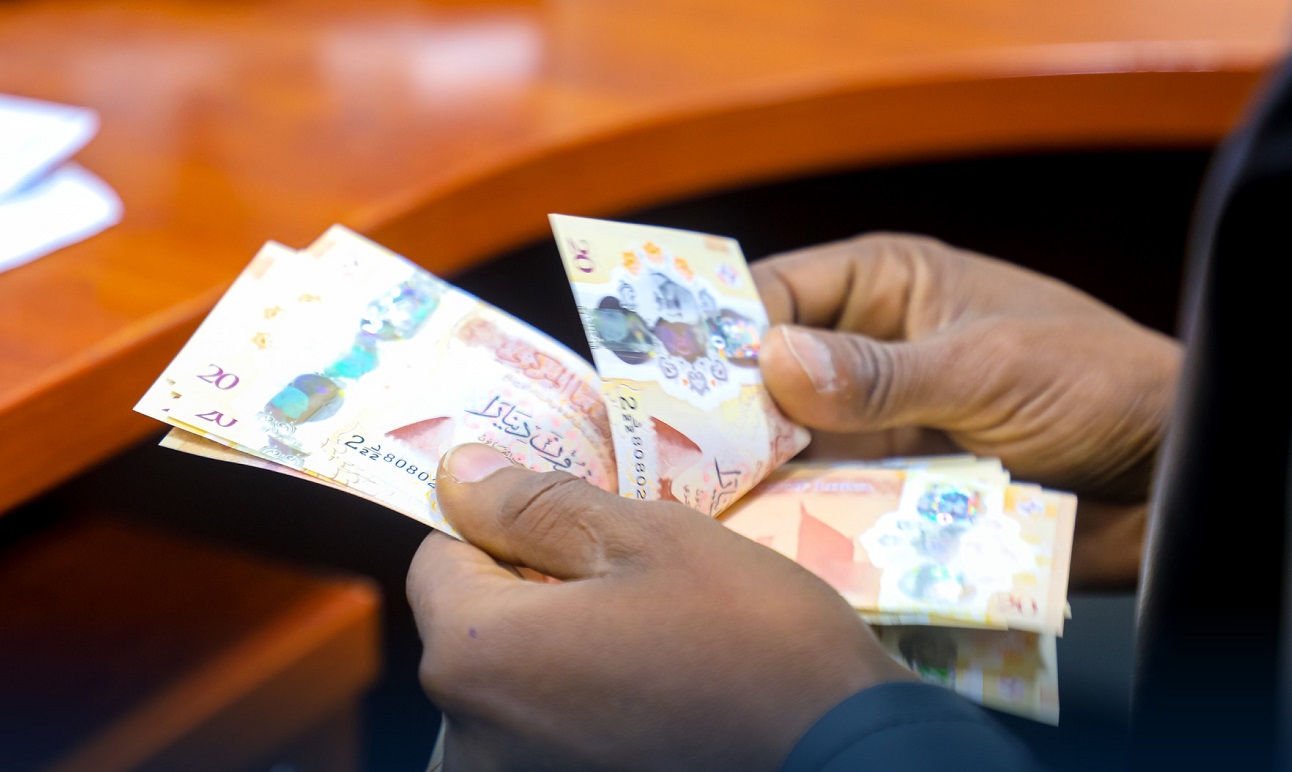
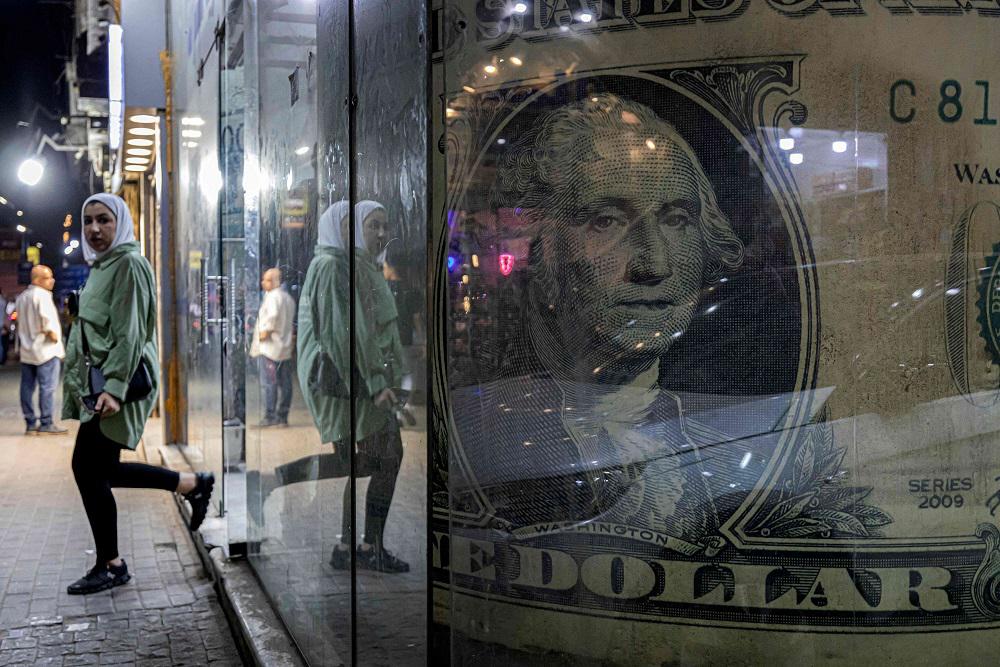
Attendees also addressed the sources for funding exchange companies’ accounts with foreign currency, and the required procedures to allow them to execute direct transfers through their bank accounts. This is to ensure compliance with regulatory controls and standards for combating money laundering and terrorist financing.
The meeting also included discussions on the technical aspects related to the systems that will be adopted by exchange companies, commercial banks, and the central bank to ensure procedural integration and operational safety. This meeting serves as a precursor to another meeting to be held next week with exchange companies and offices to complete the regulatory and technical aspects.
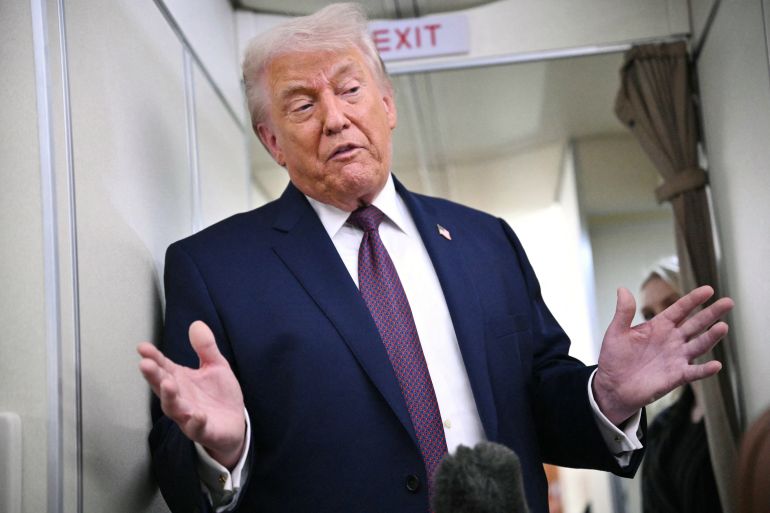
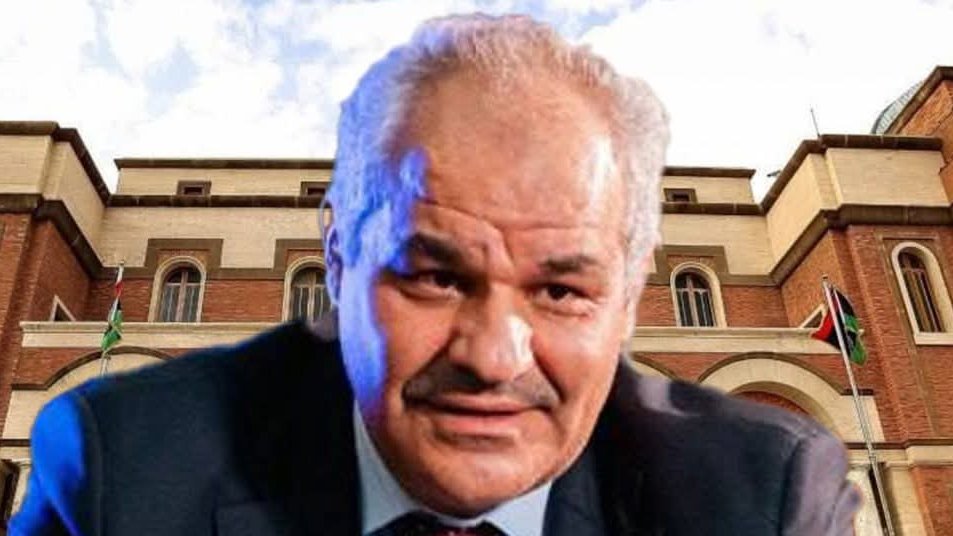
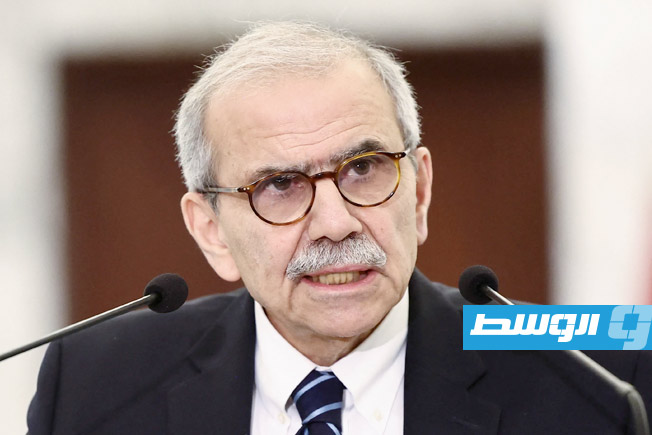
In this context, the Governor of the Central Bank of Libya granted permission to begin the necessary procedures to activate rapid transfers through the MoneyGram and Western Union systems in accordance with the approved instructions.
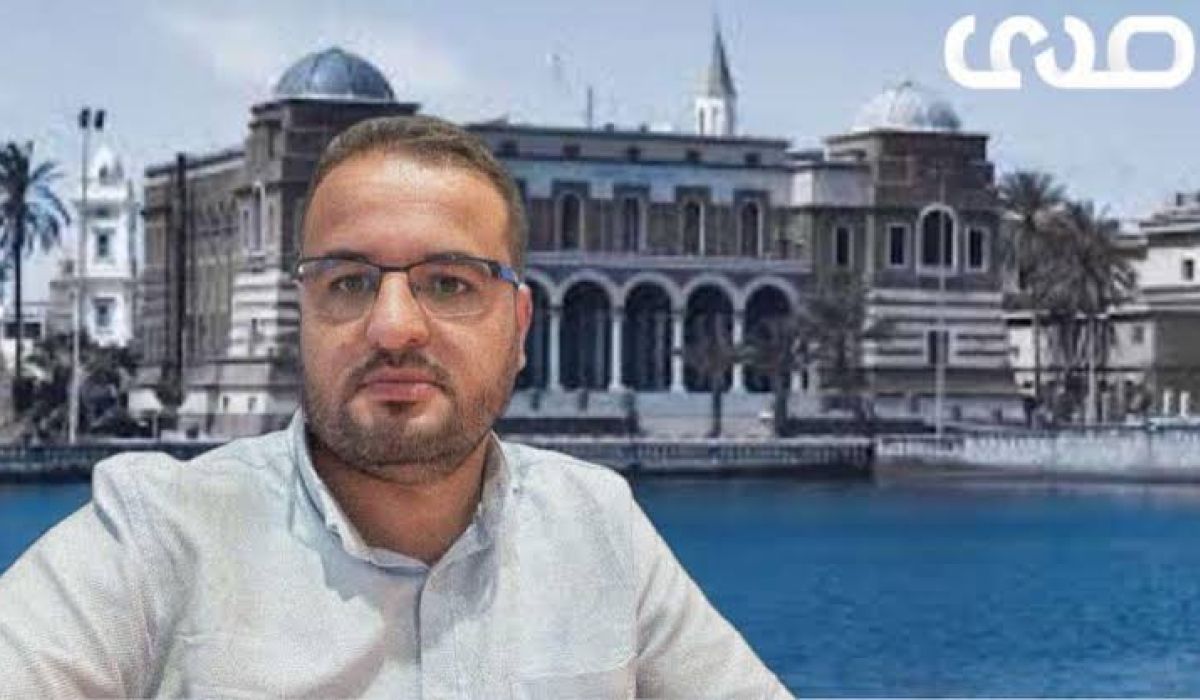
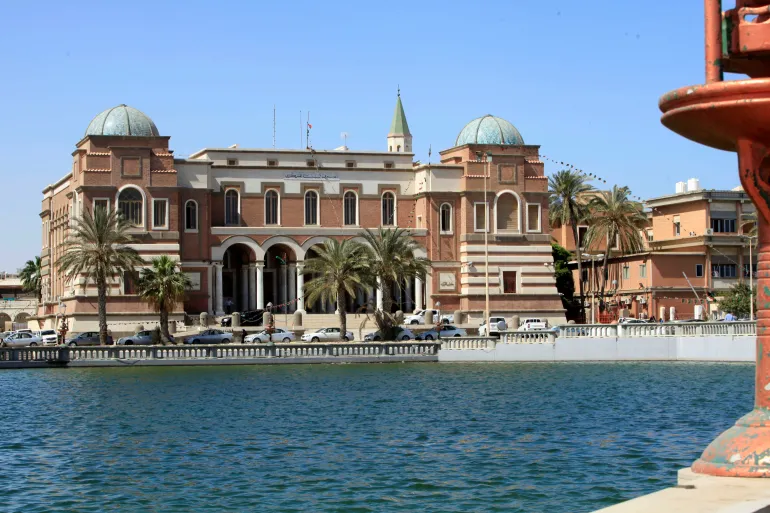
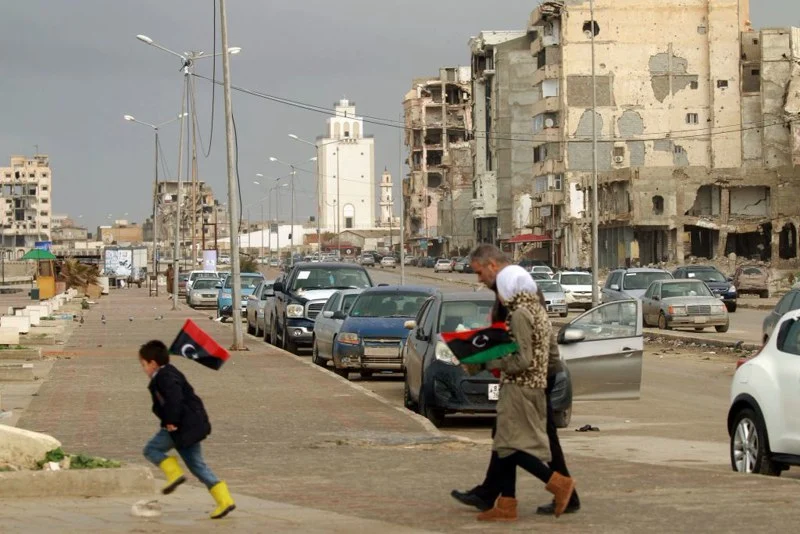
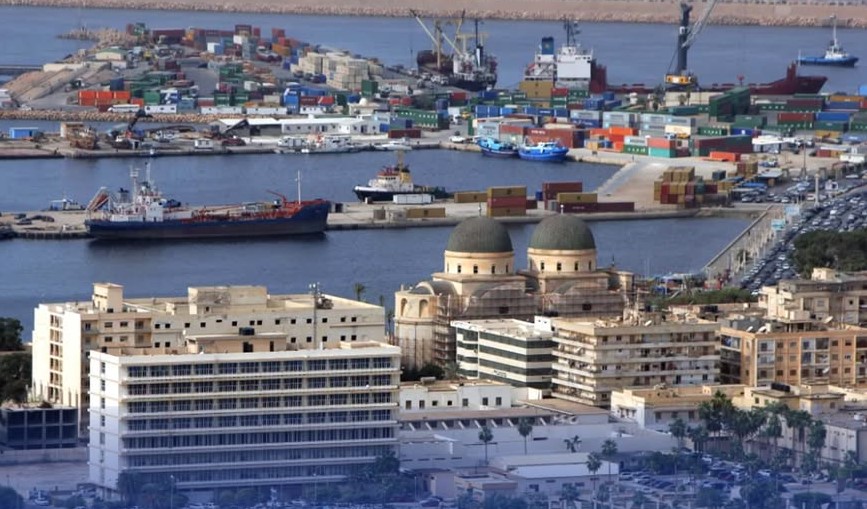
Tripoli
Tripoli is the capital and largest city of Libya, located on the country’s Mediterranean coast. Historically, it was founded by the Phoenicians in the 7th century BC and has since been ruled by the Romans, Arabs, Ottomans, and Italians, which is reflected in its diverse architecture, such as the ancient Red Castle (Assaraya al-Hamra).
Banking and Monetary Control Administration
The Banking and Monetary Control Administration is a fictional or generic term, not a specific real-world cultural site or institution. In a general sense, such an administration would refer to a government body responsible for overseeing the banking sector and regulating the money supply to ensure economic stability. Its conceptual history is tied to the development of modern central banking and financial regulatory frameworks established in many countries during the 20th century.
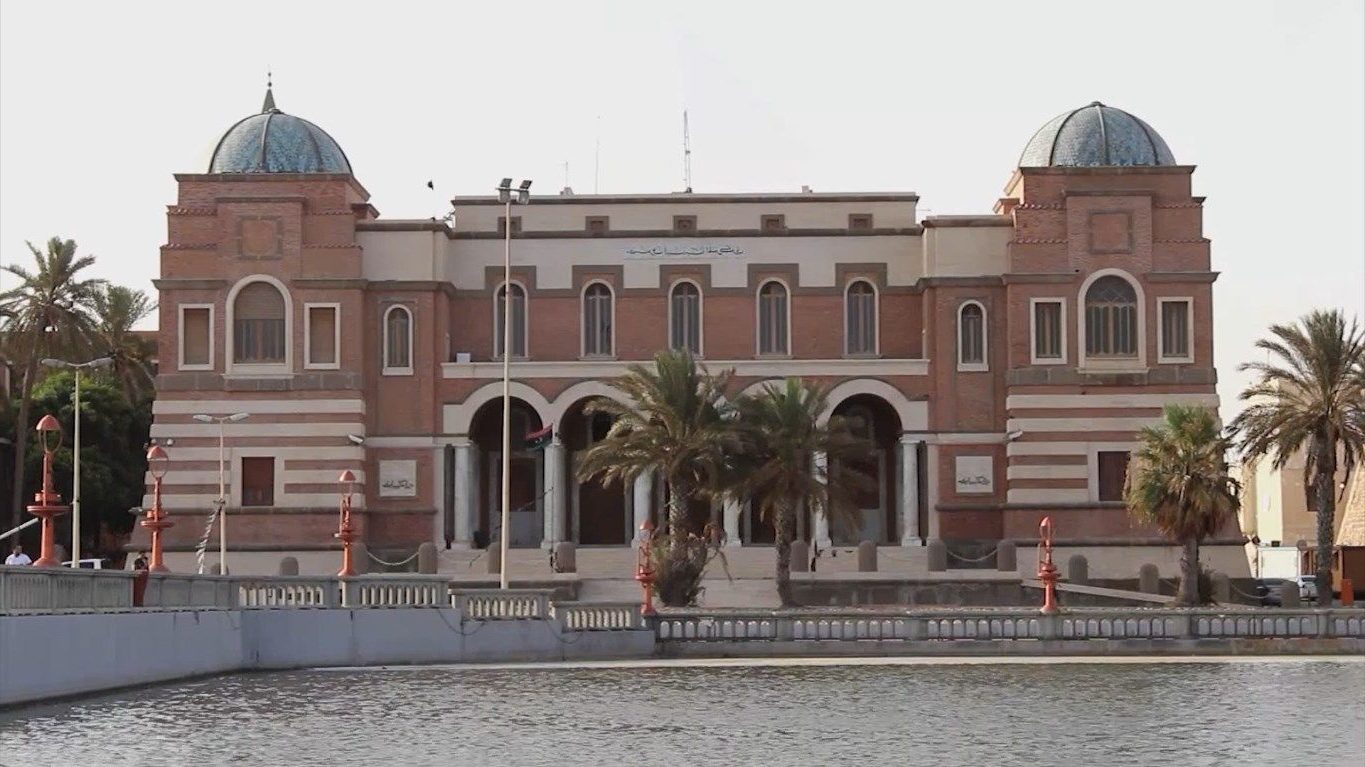
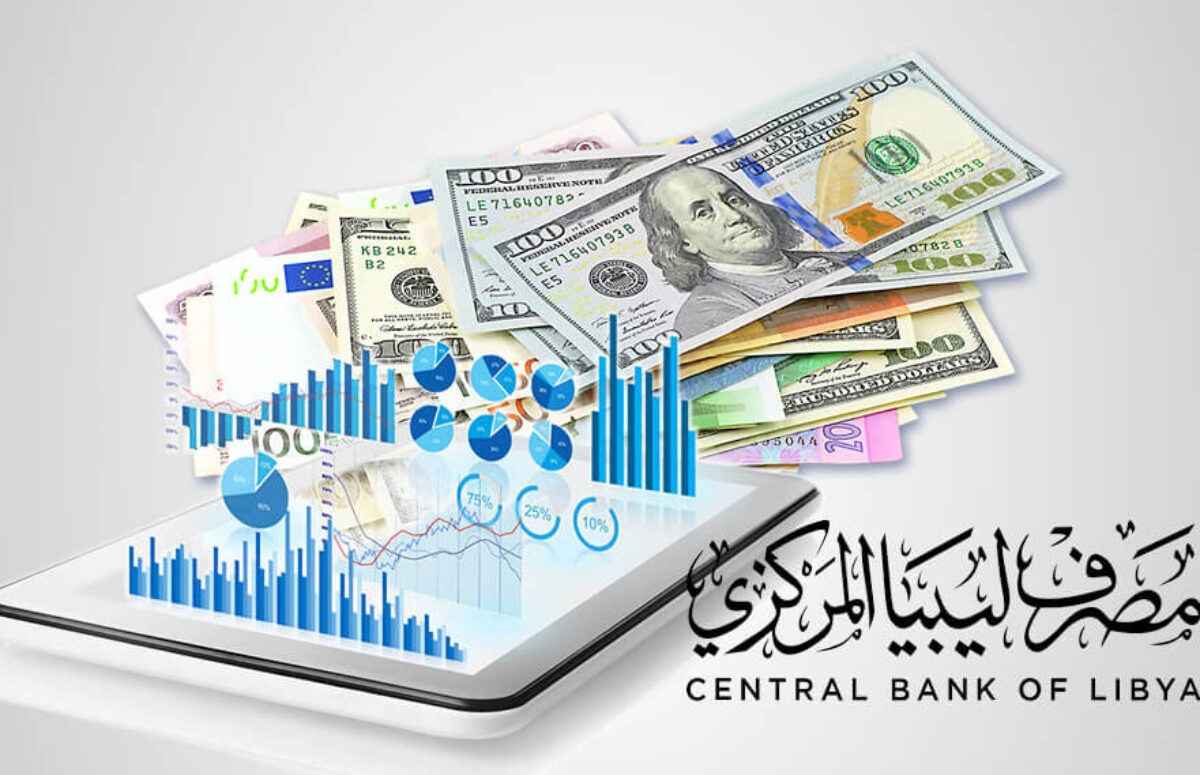
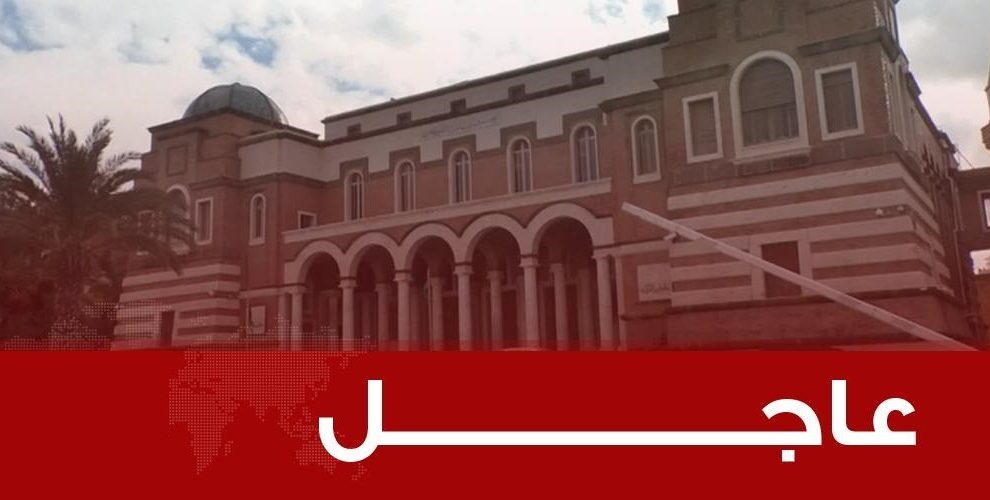
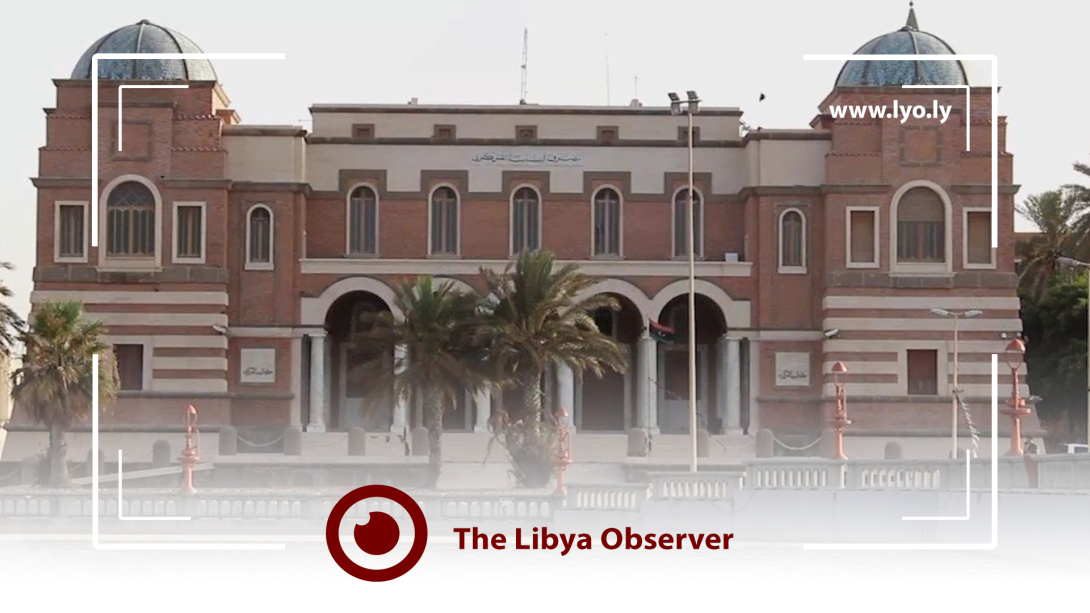
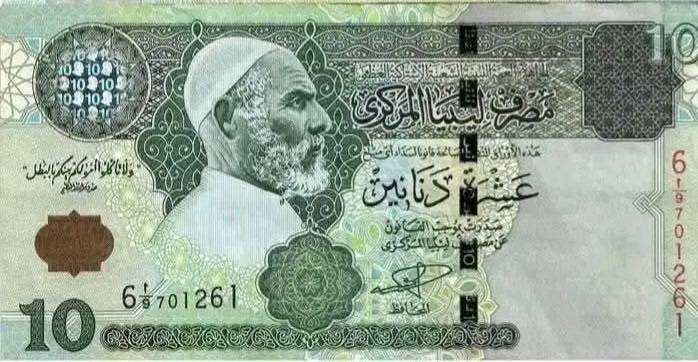
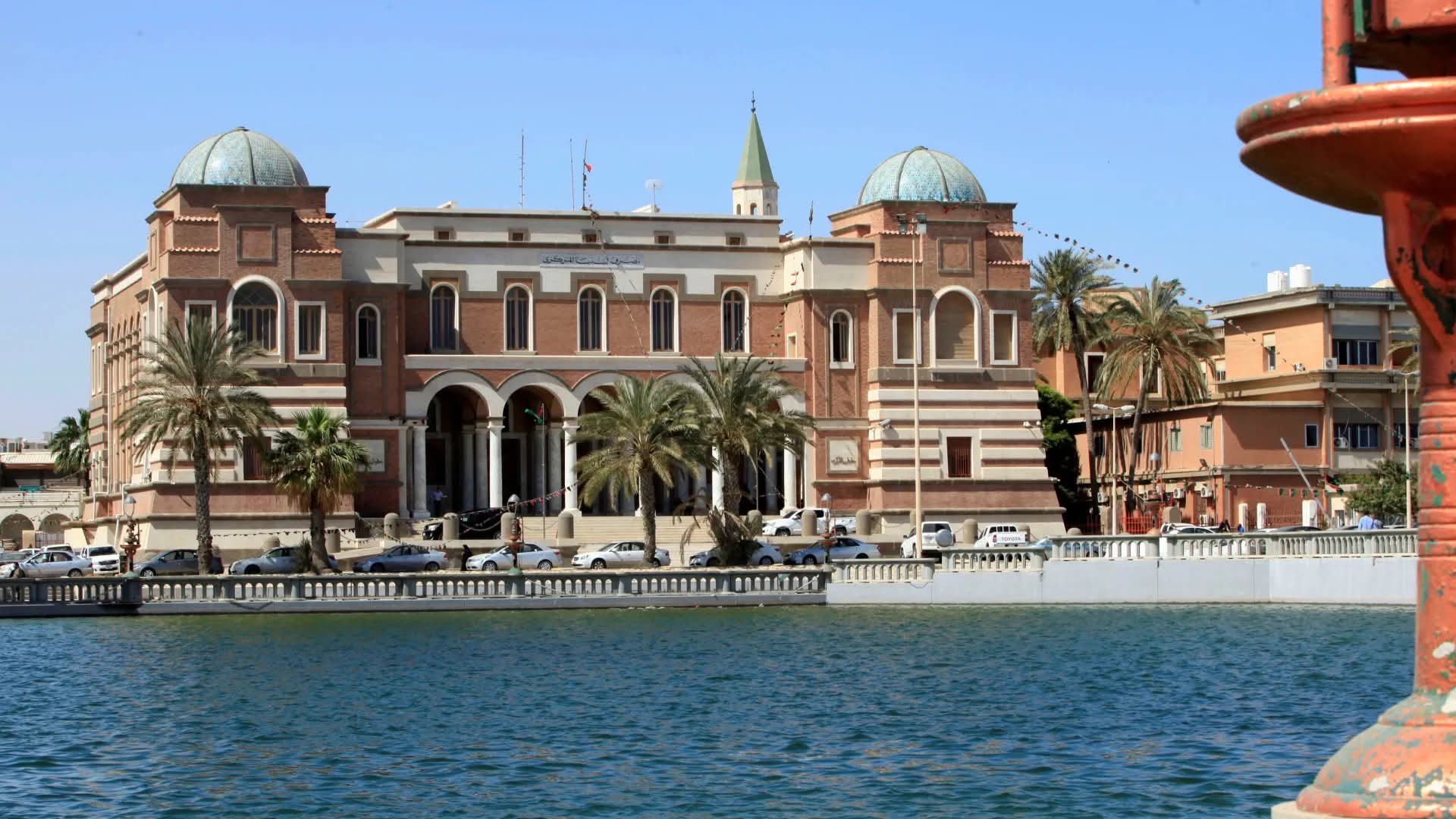
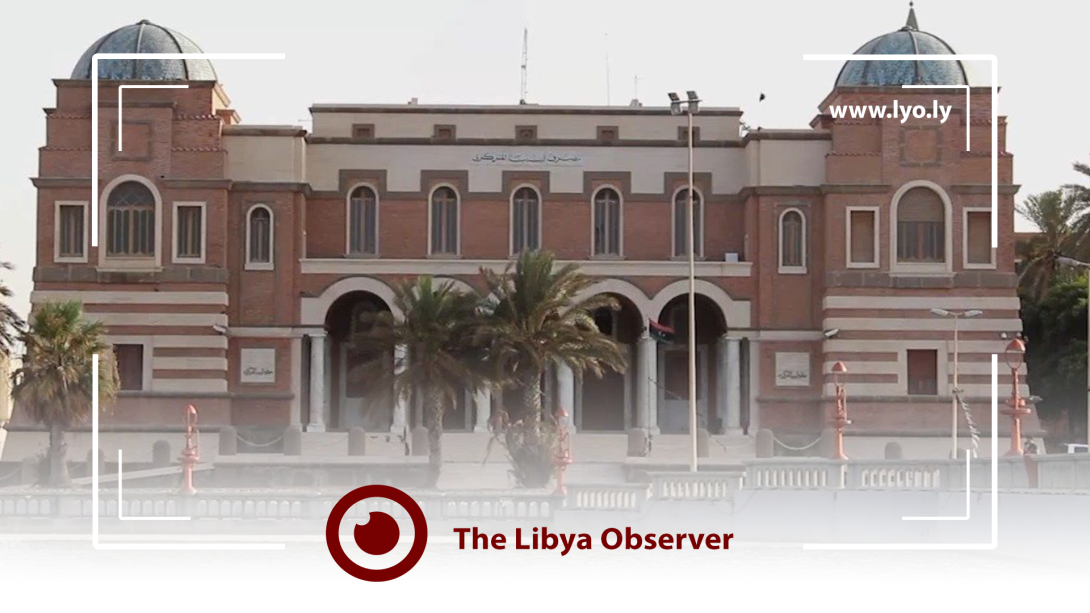
Central Bank of Libya
The Central Bank of Libya is the country’s primary monetary authority, established in 1956 to issue currency and manage monetary policy. It has played a critical and often divisive role in Libya’s recent history, notably functioning as a unified financial institution during the post-2011 civil war period despite the country’s political fragmentation.
Western Union
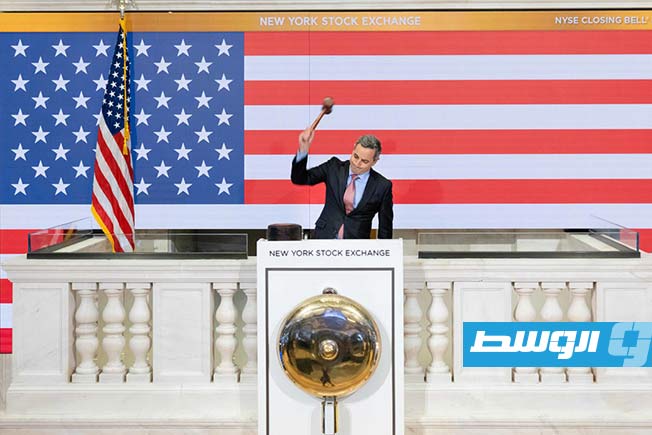
Western Union is a historic American financial services and communications company, founded in 1851 as the New York and Mississippi Valley Printing Telegraph Company. It became famous for operating a vast telegraph network in the 19th and 20th centuries, introducing services like money transfers in 1871, which later became its primary business after the decline of telegraphy.
MoneyGram
MoneyGram is a global financial services company specializing in money transfers and payment services, founded in 1940 as Travelers Express. It has grown from a provider of money orders to a major player in international remittances, facilitating cross-border transactions for individuals and businesses worldwide.