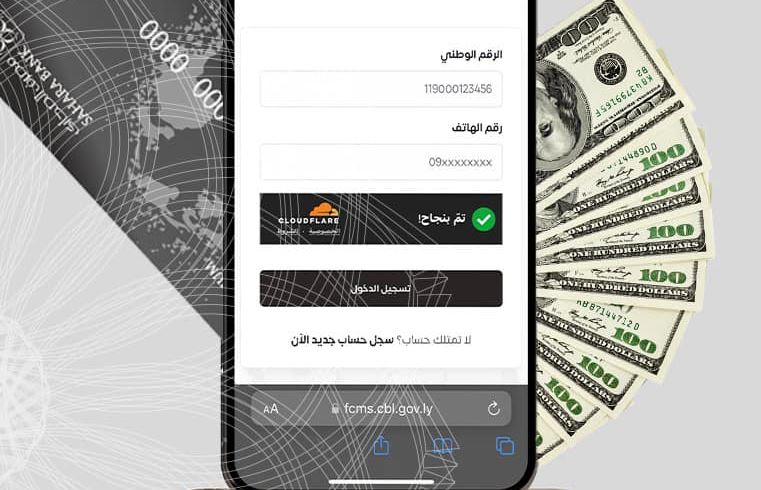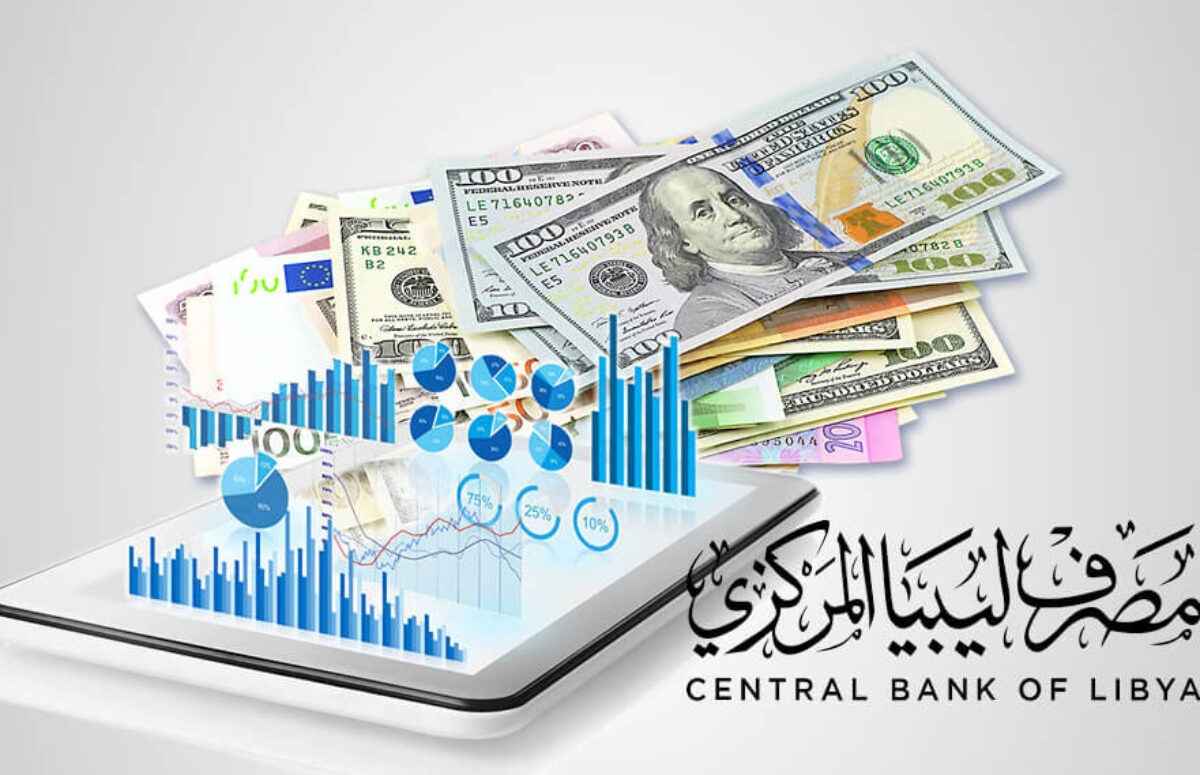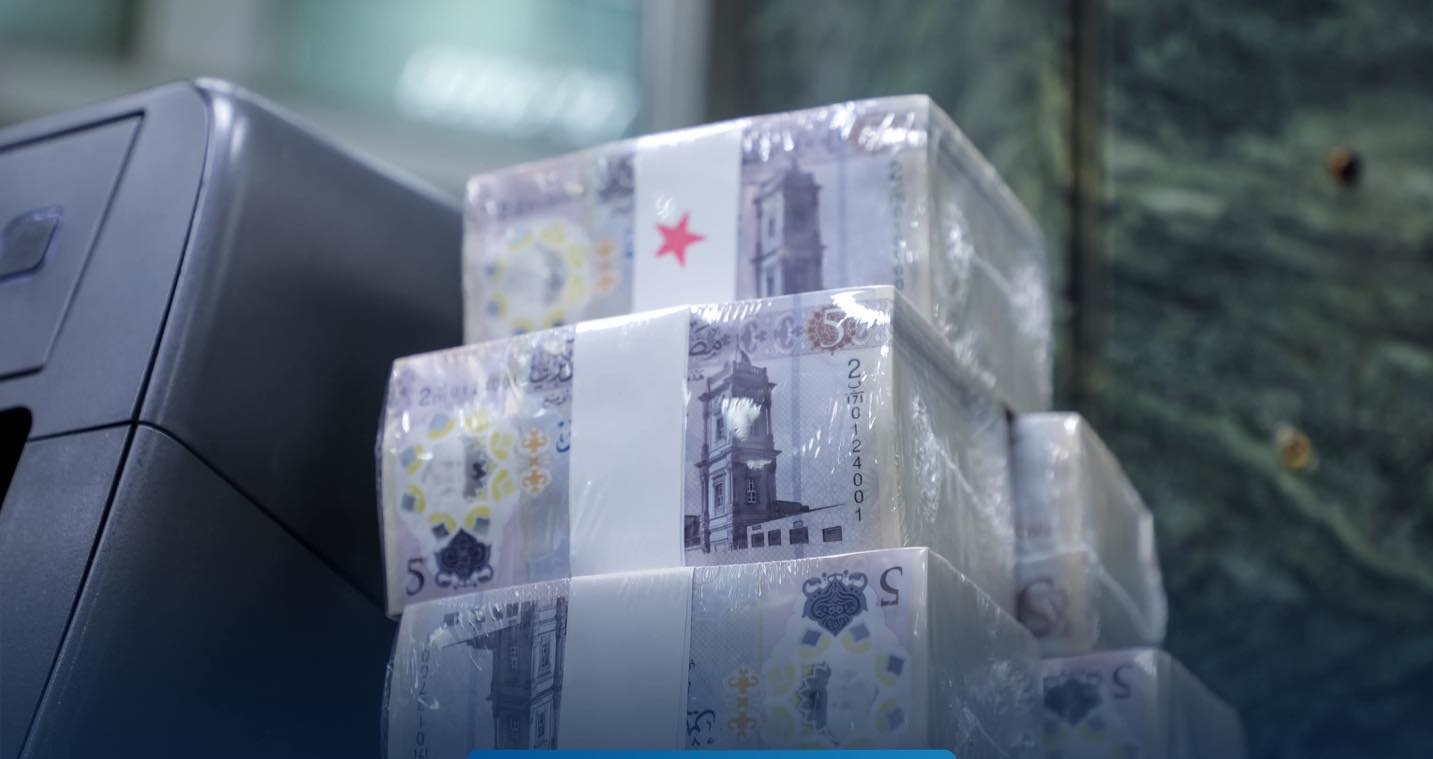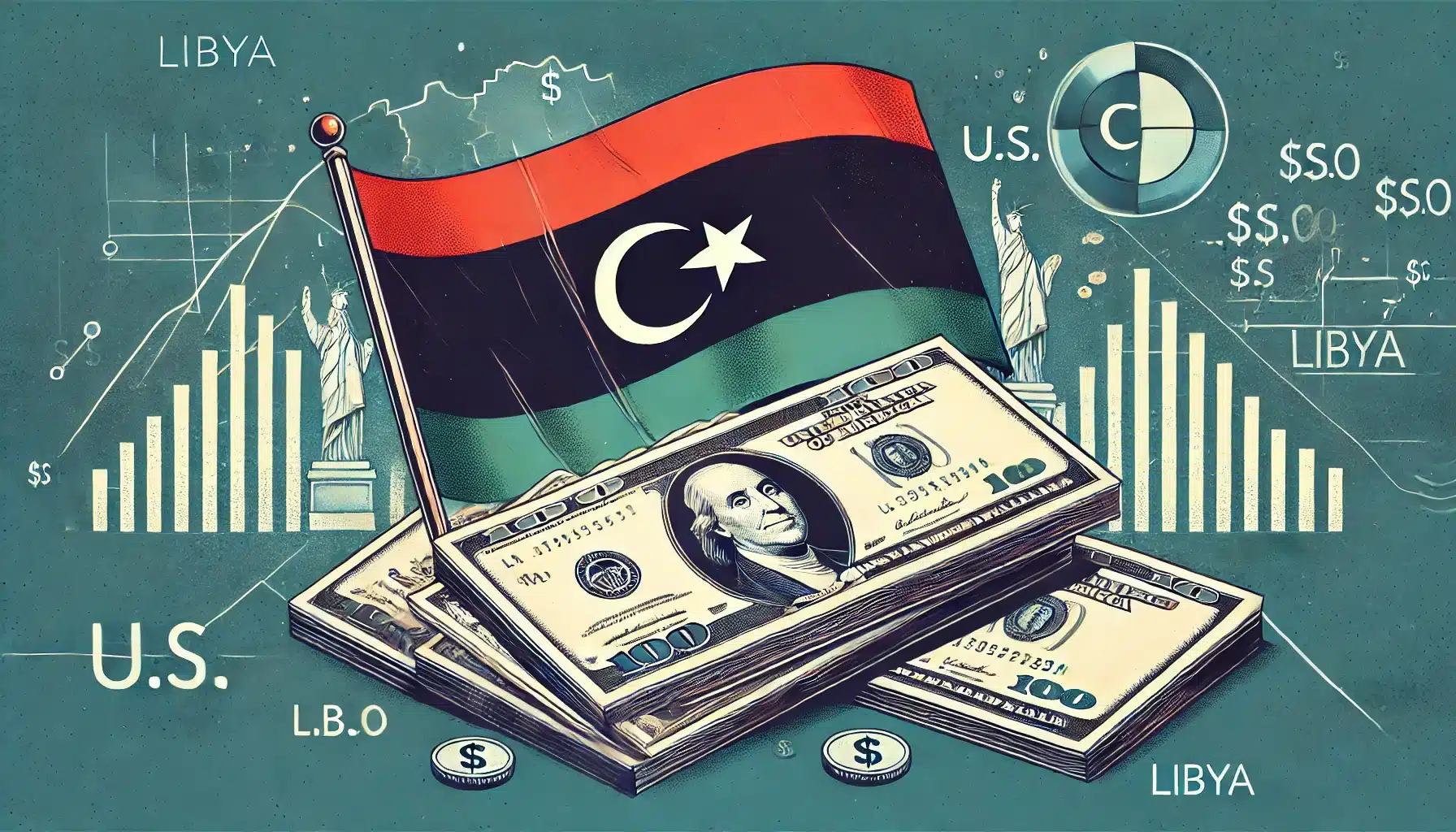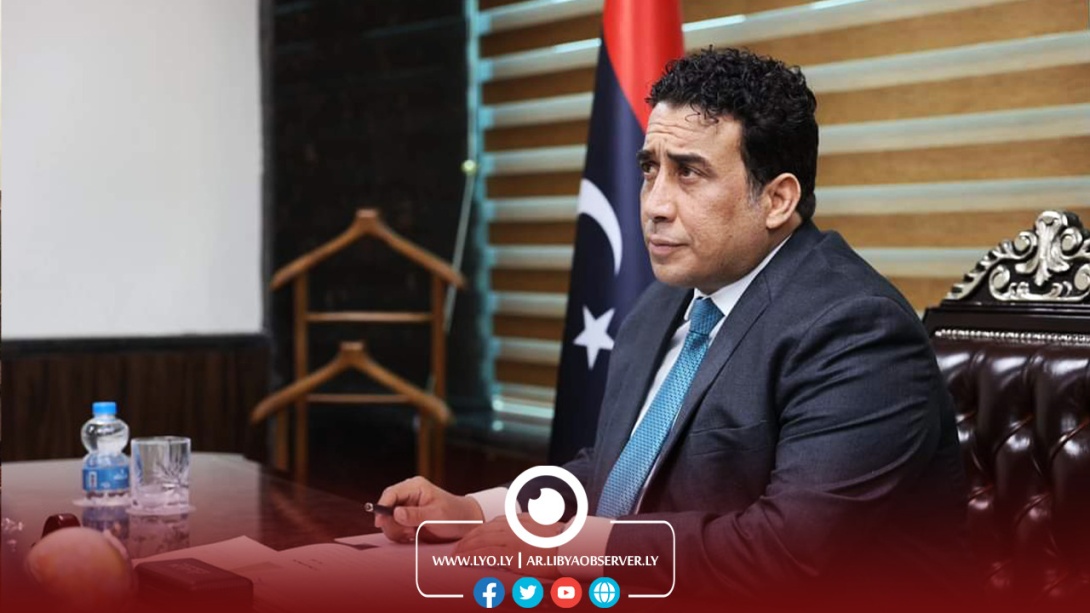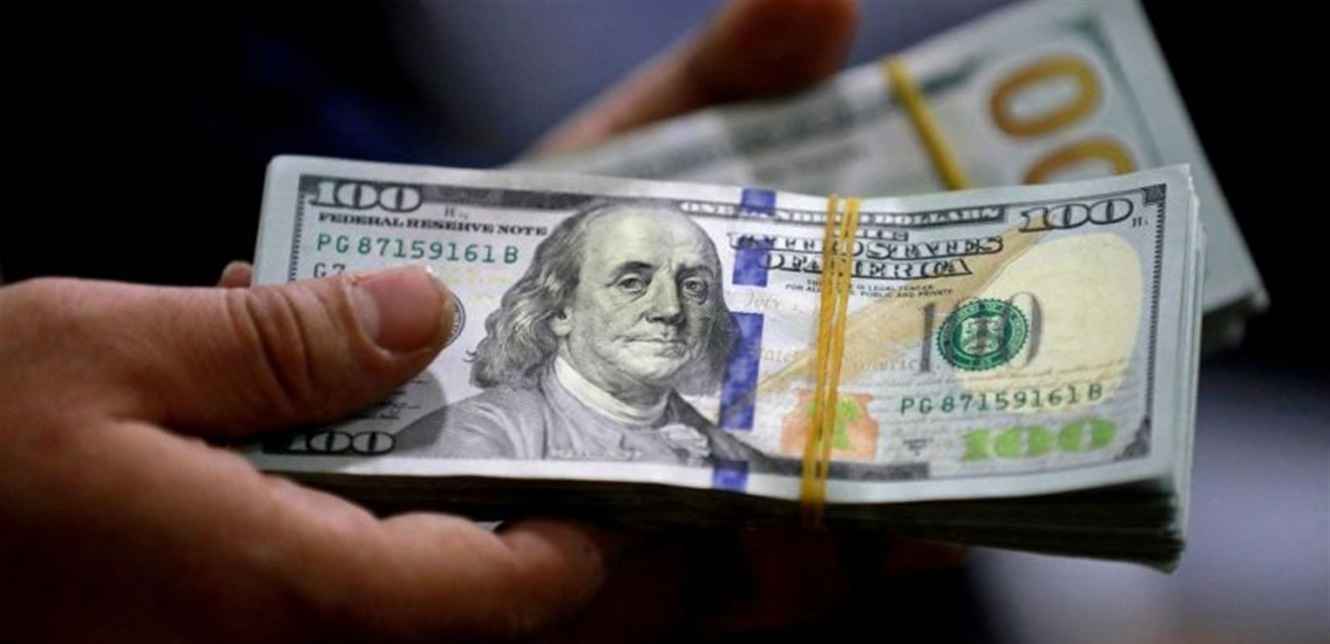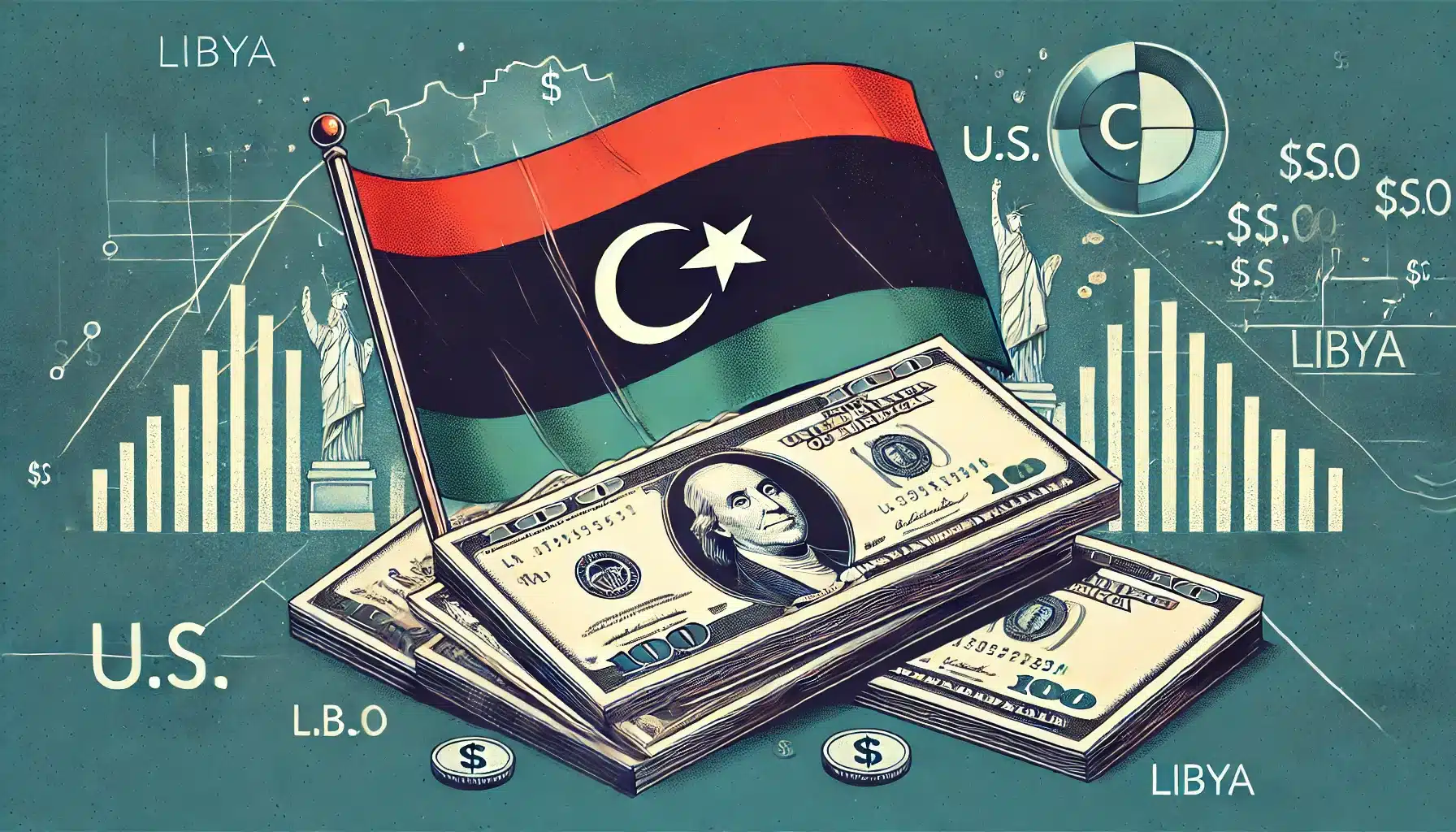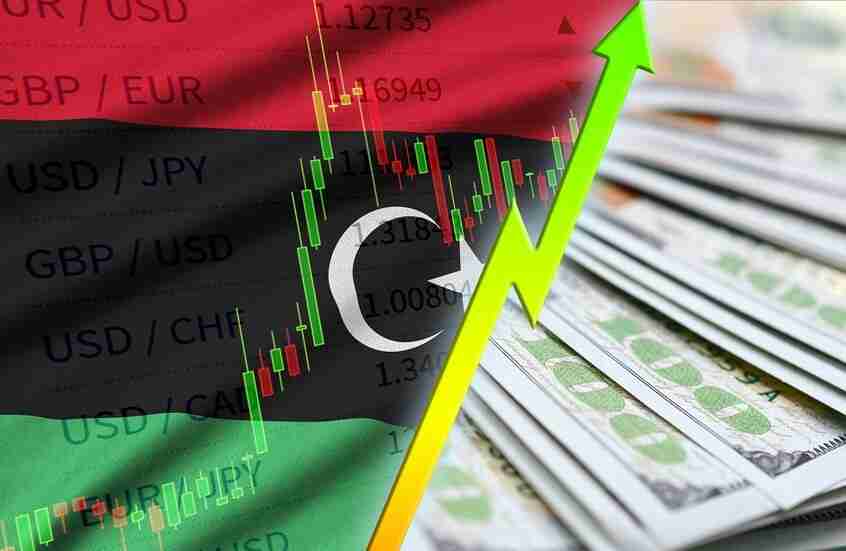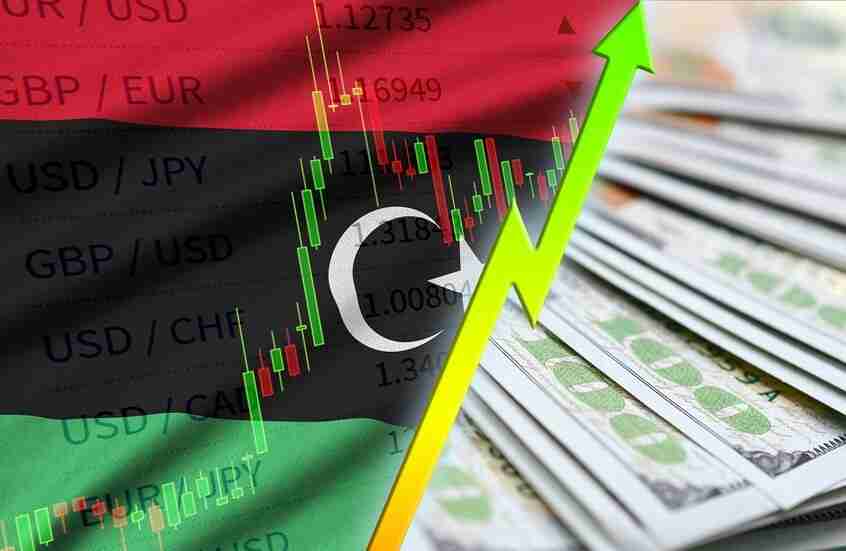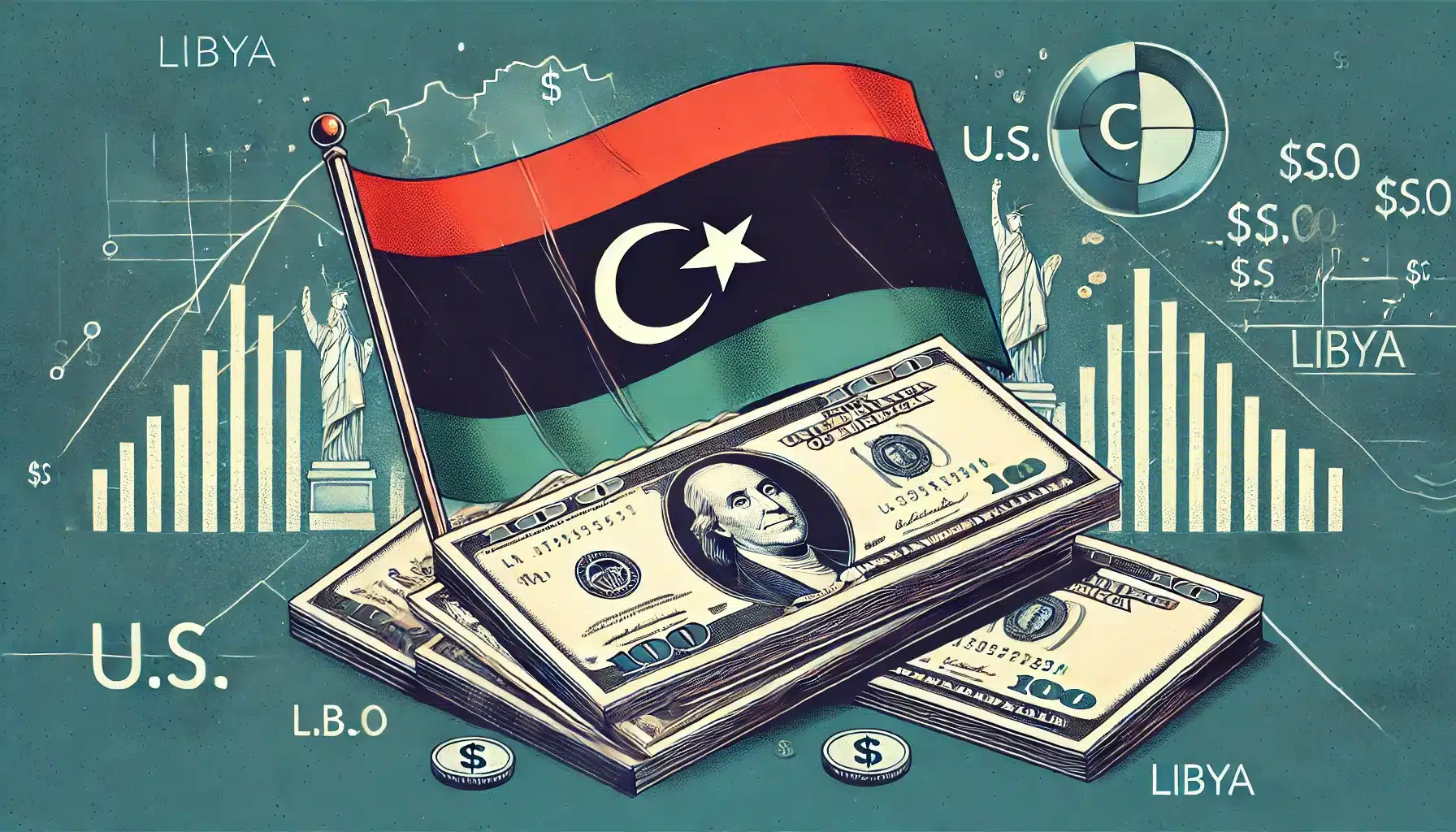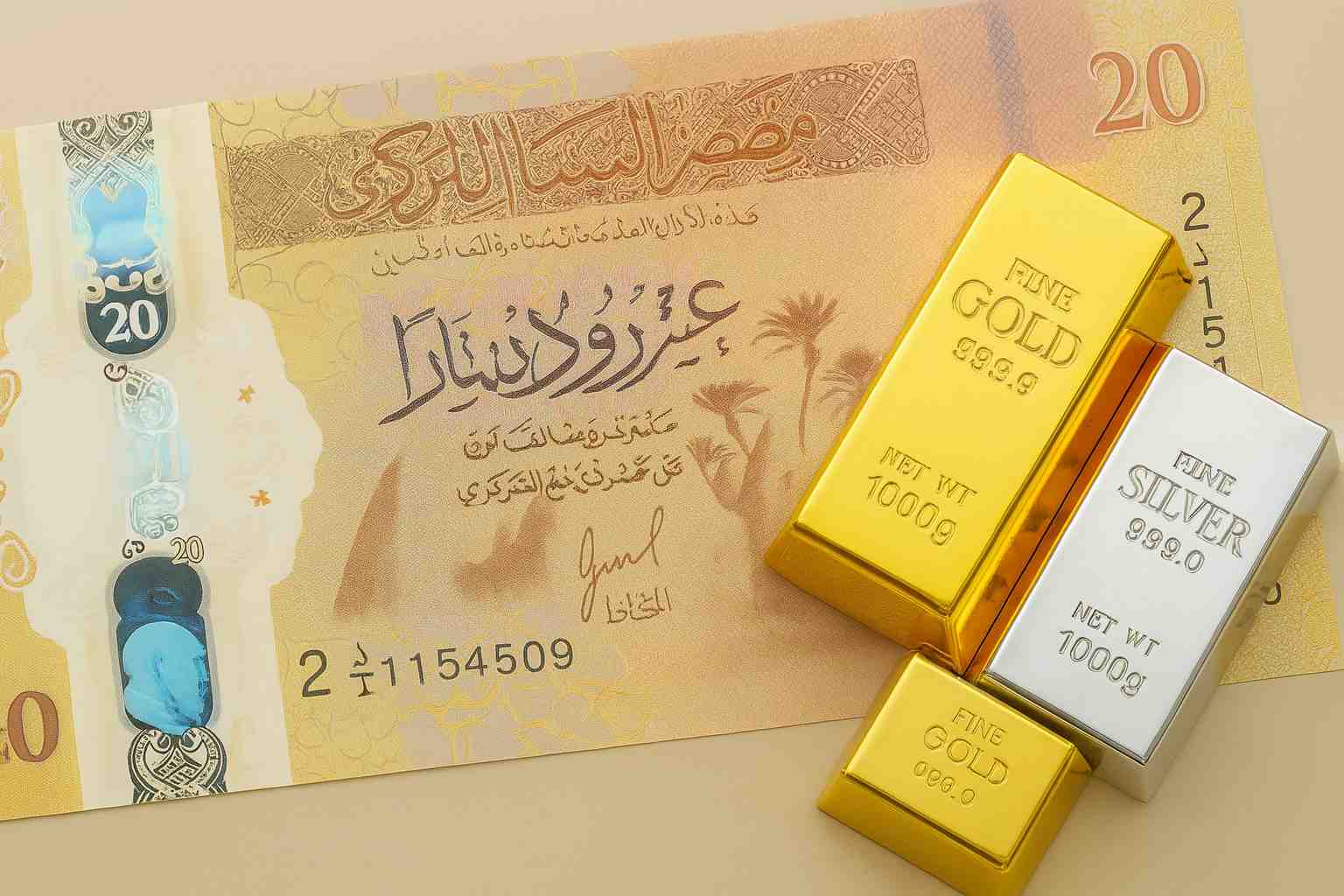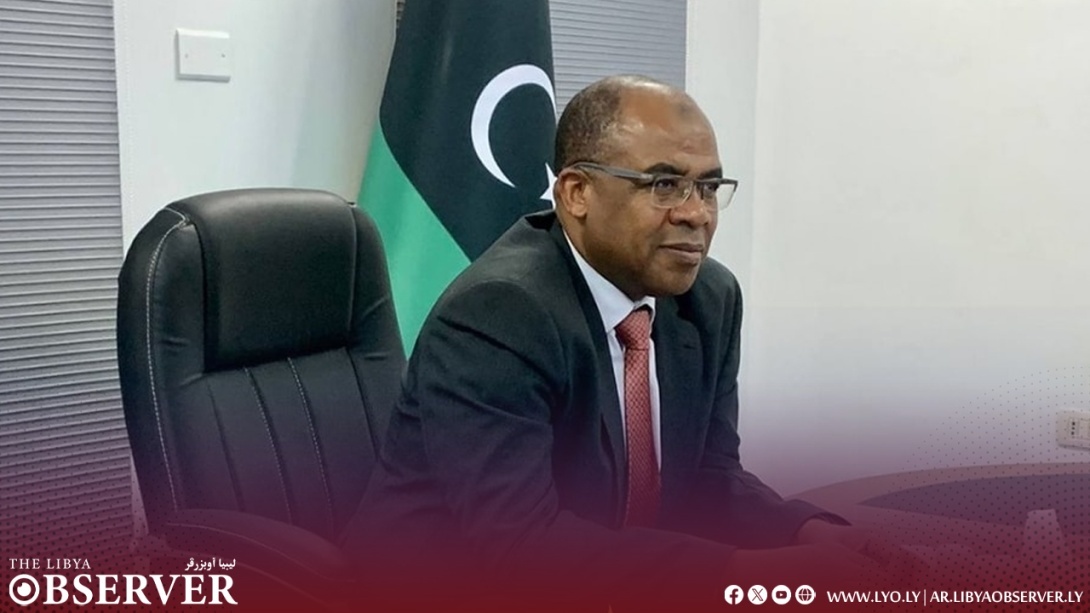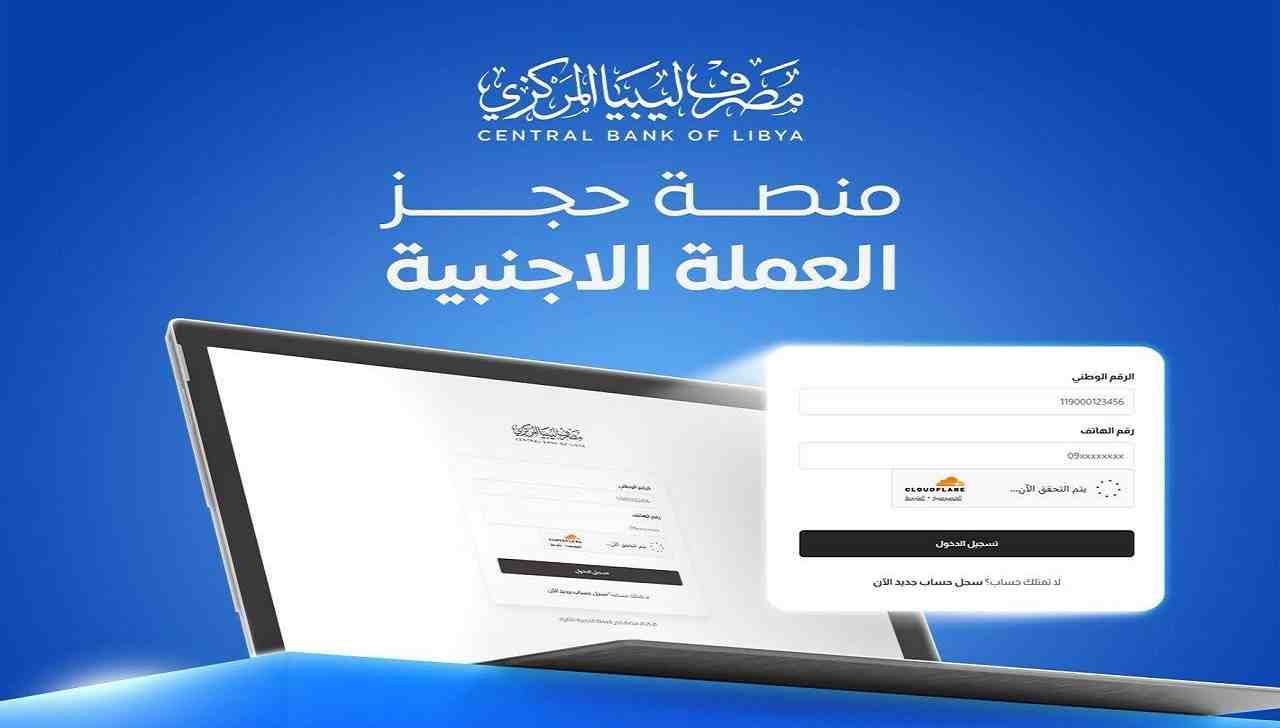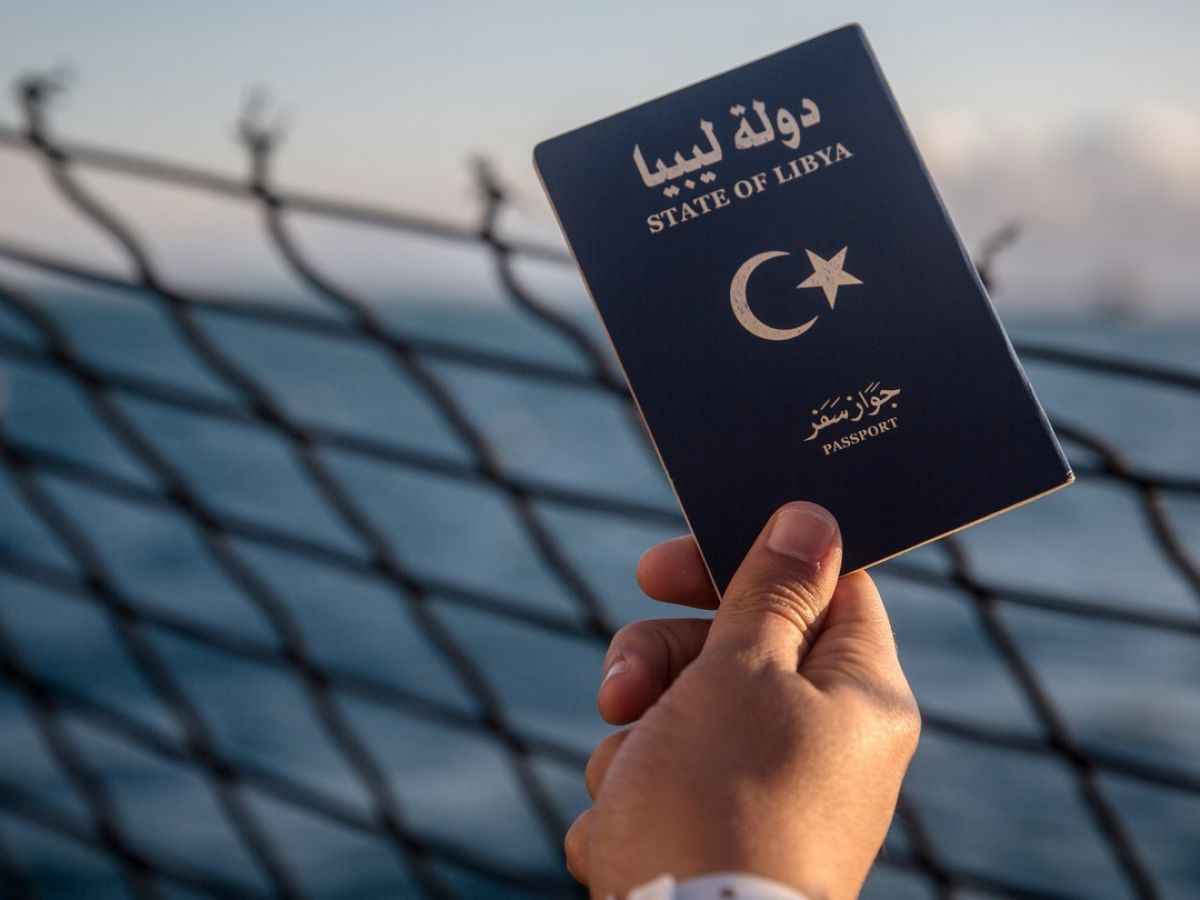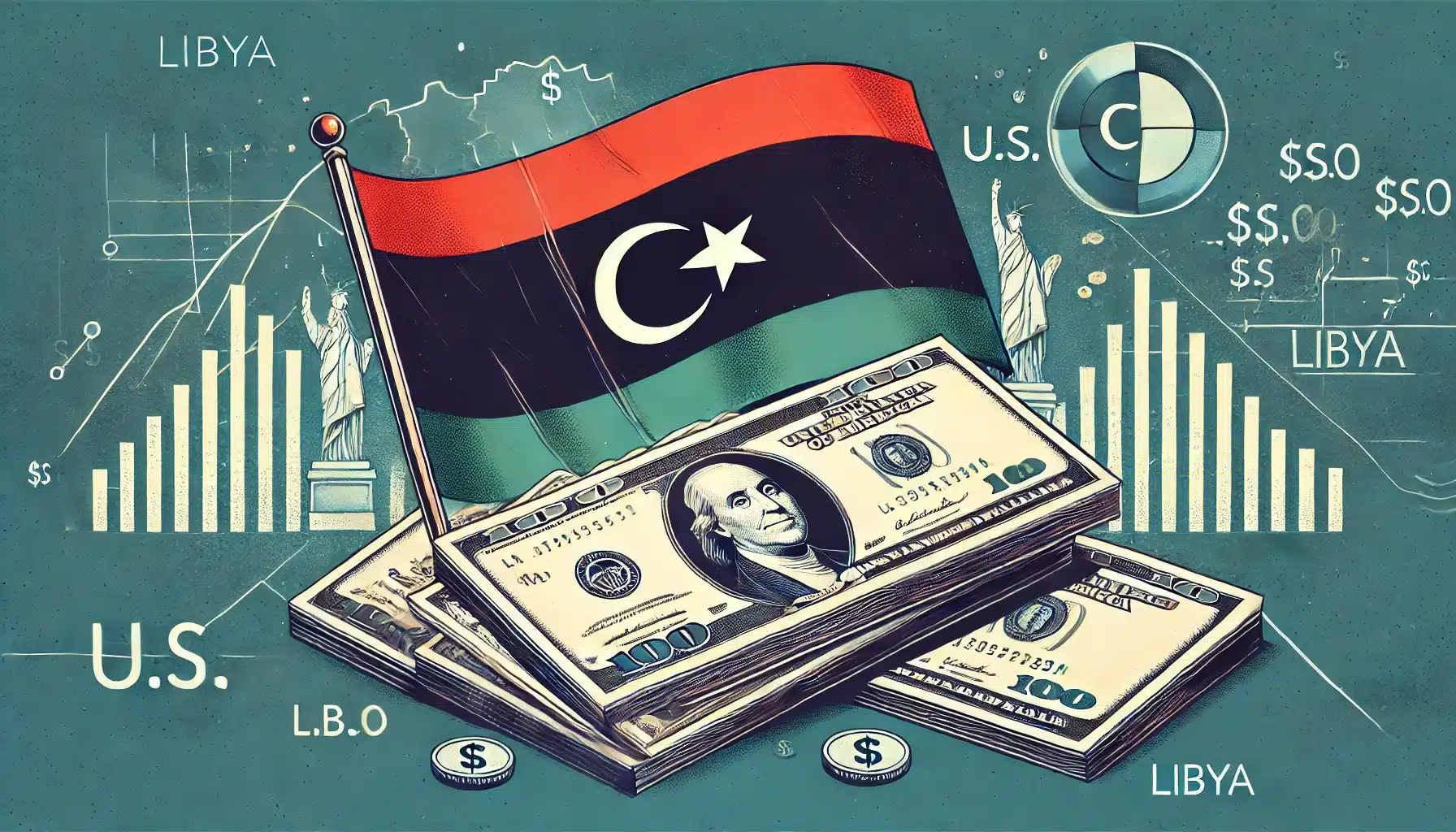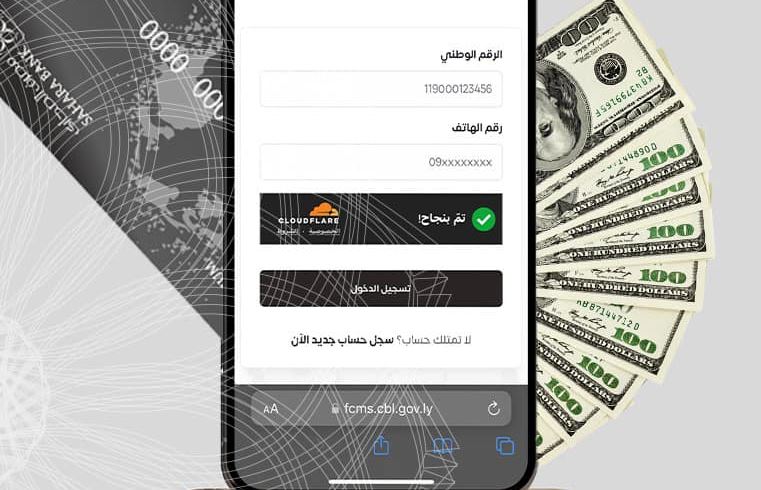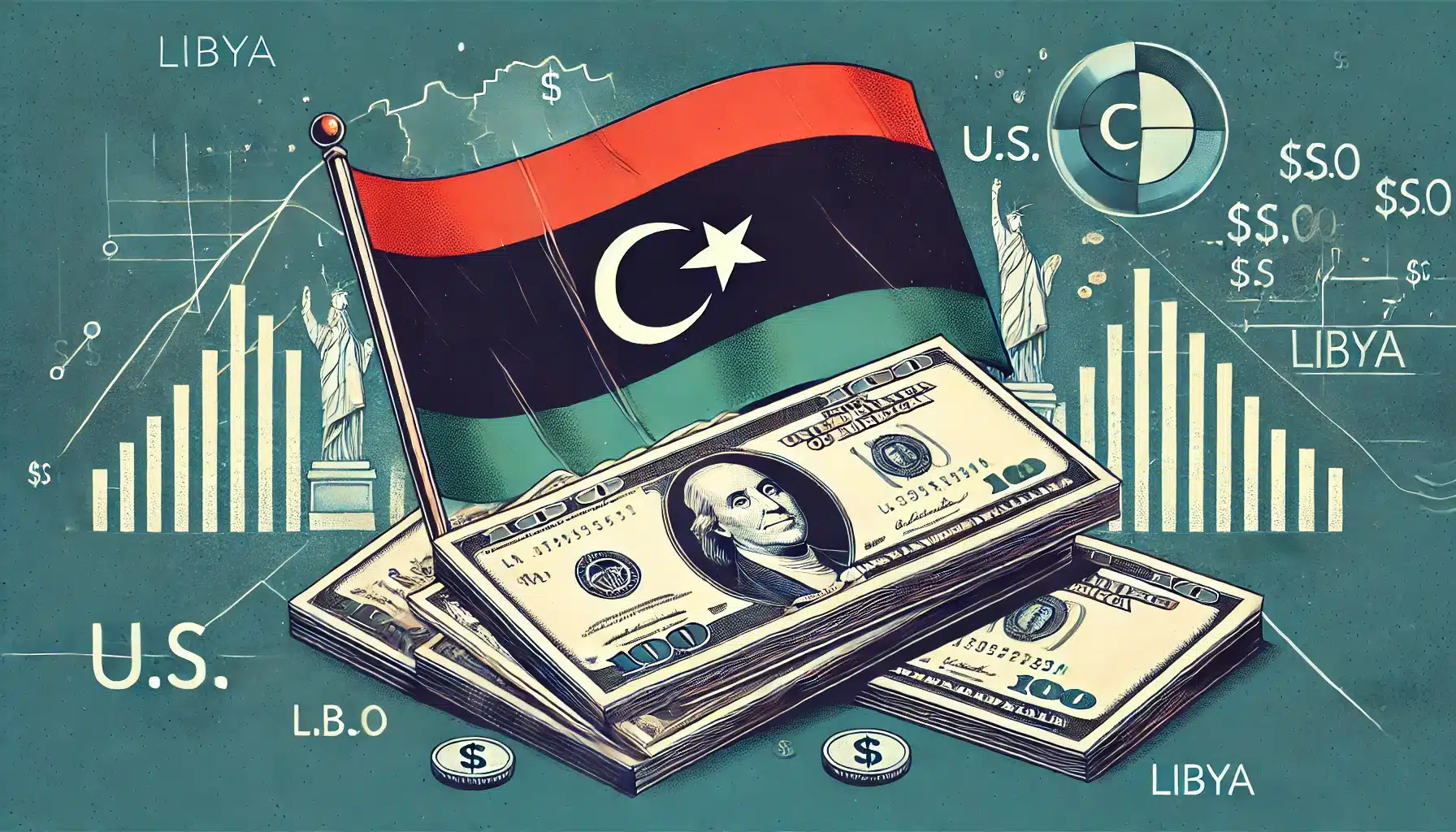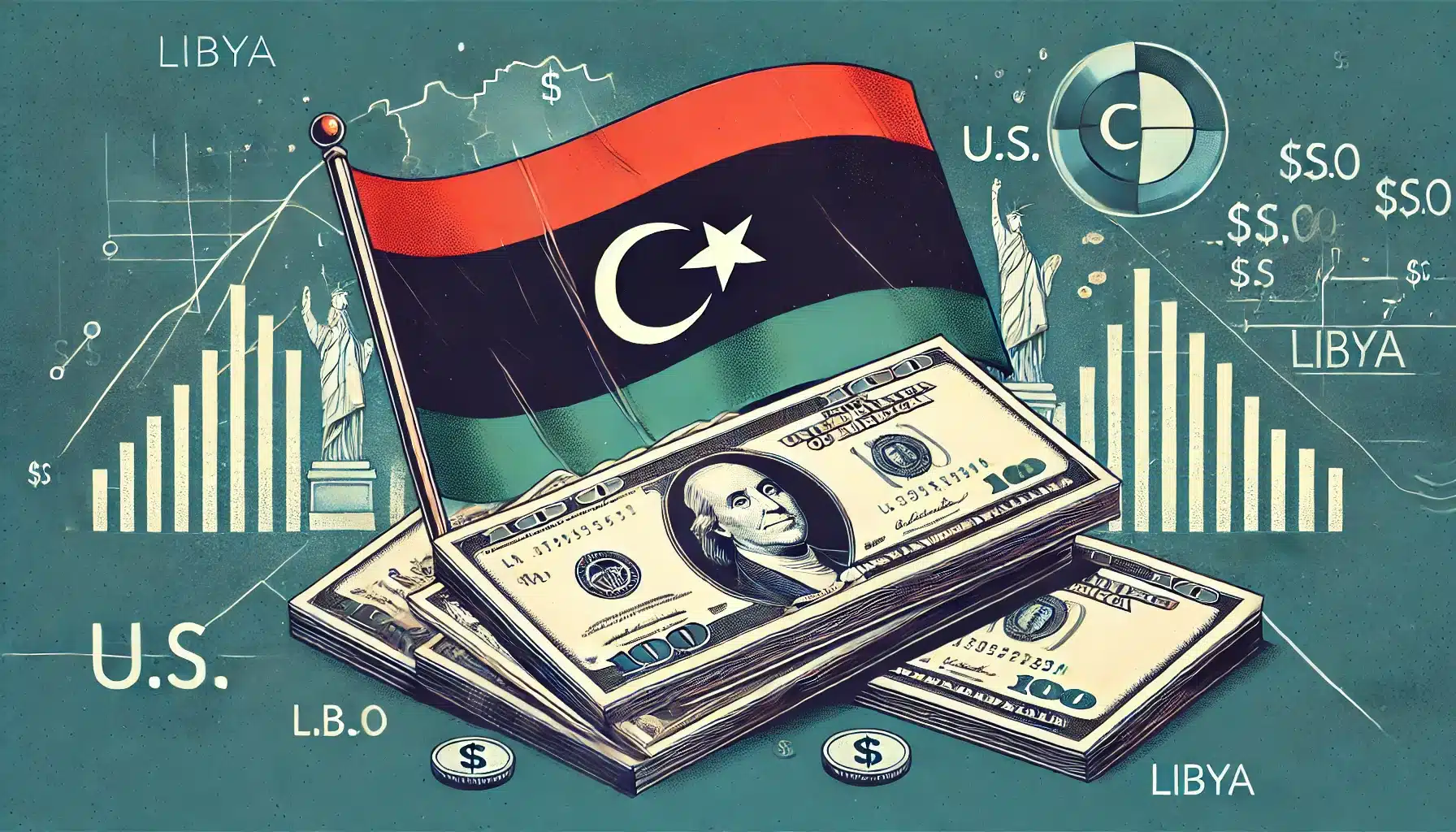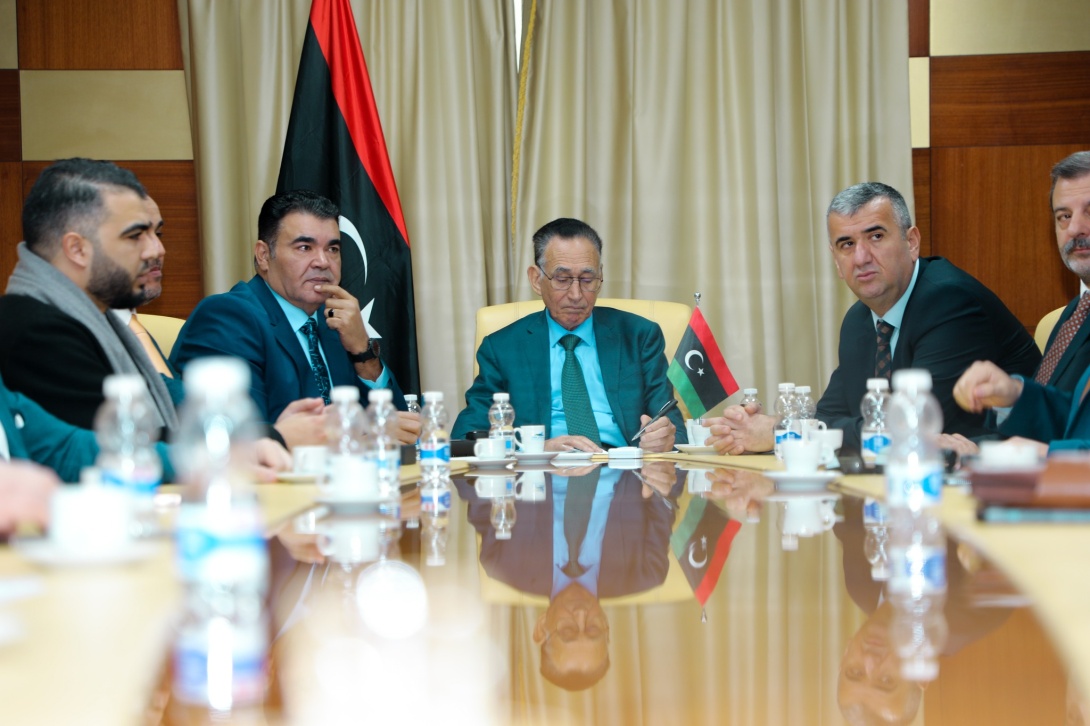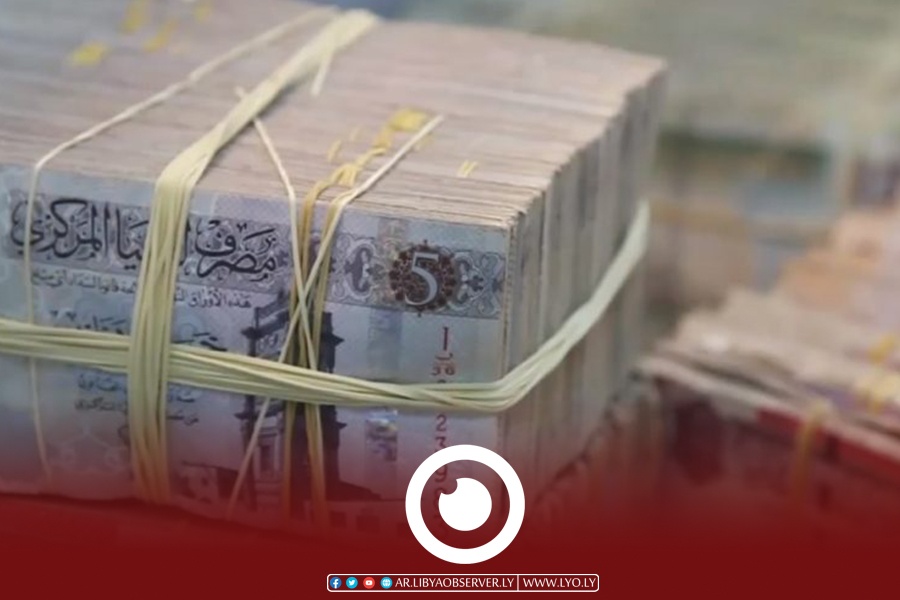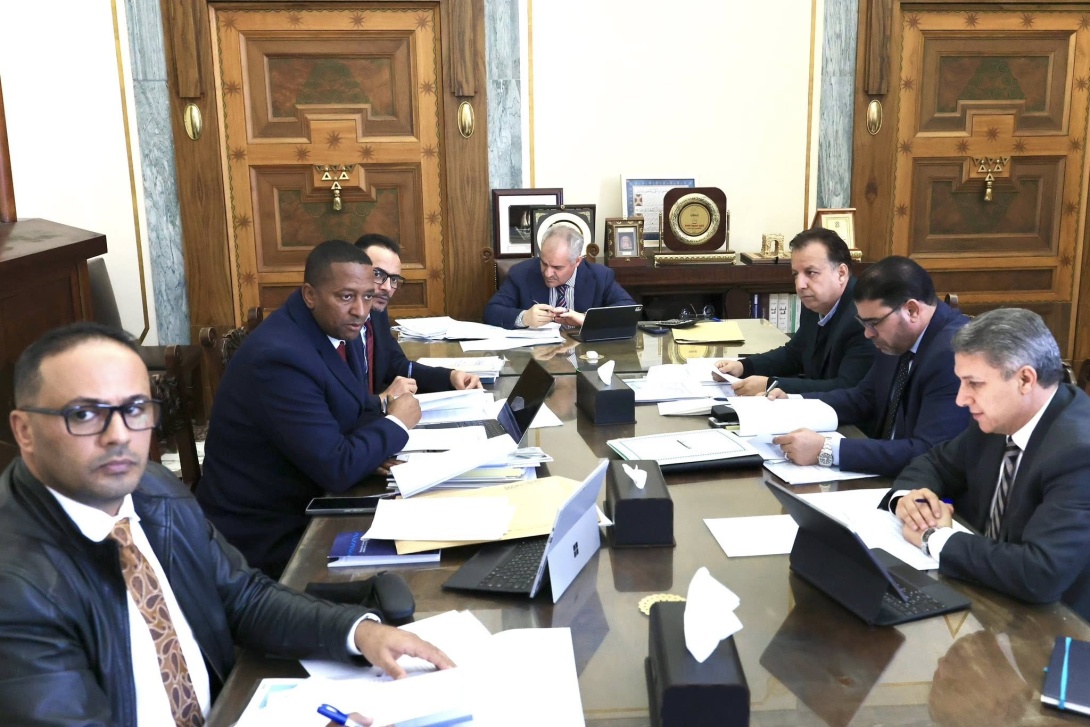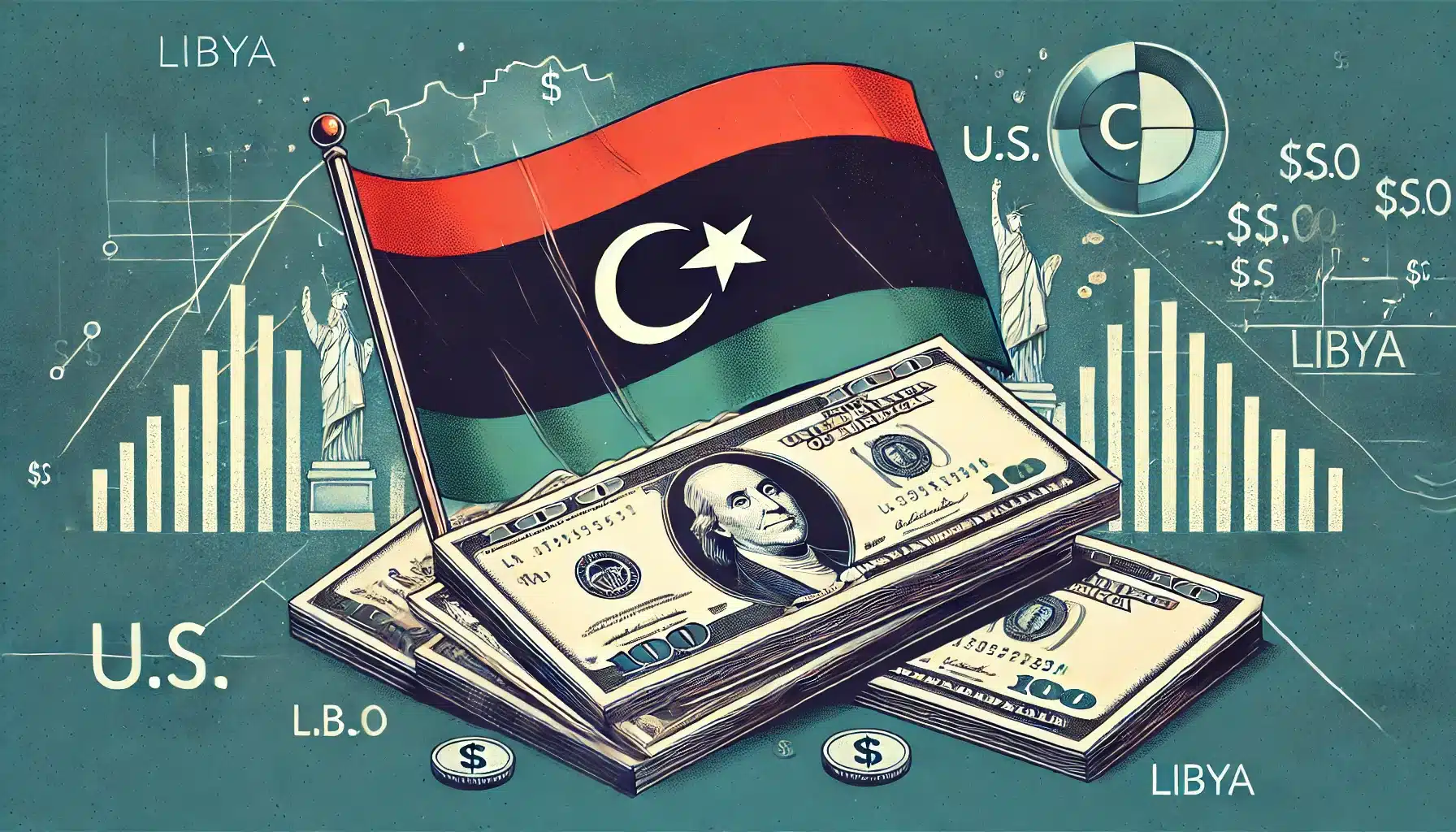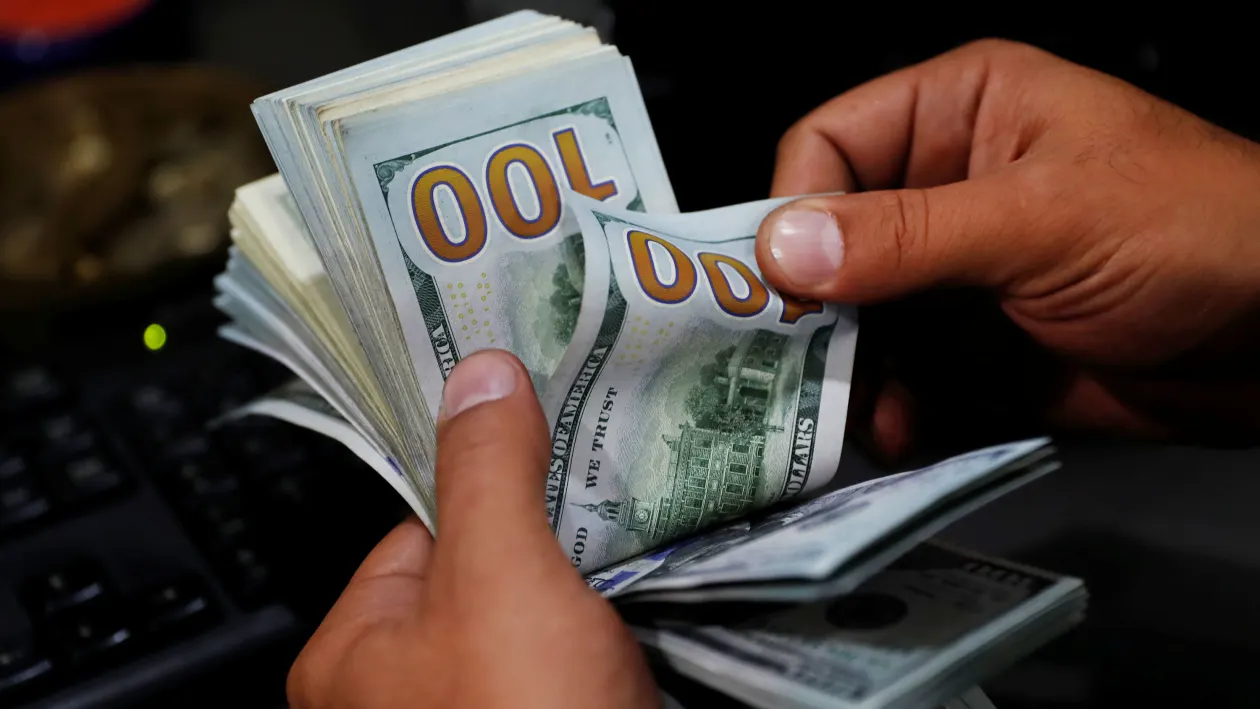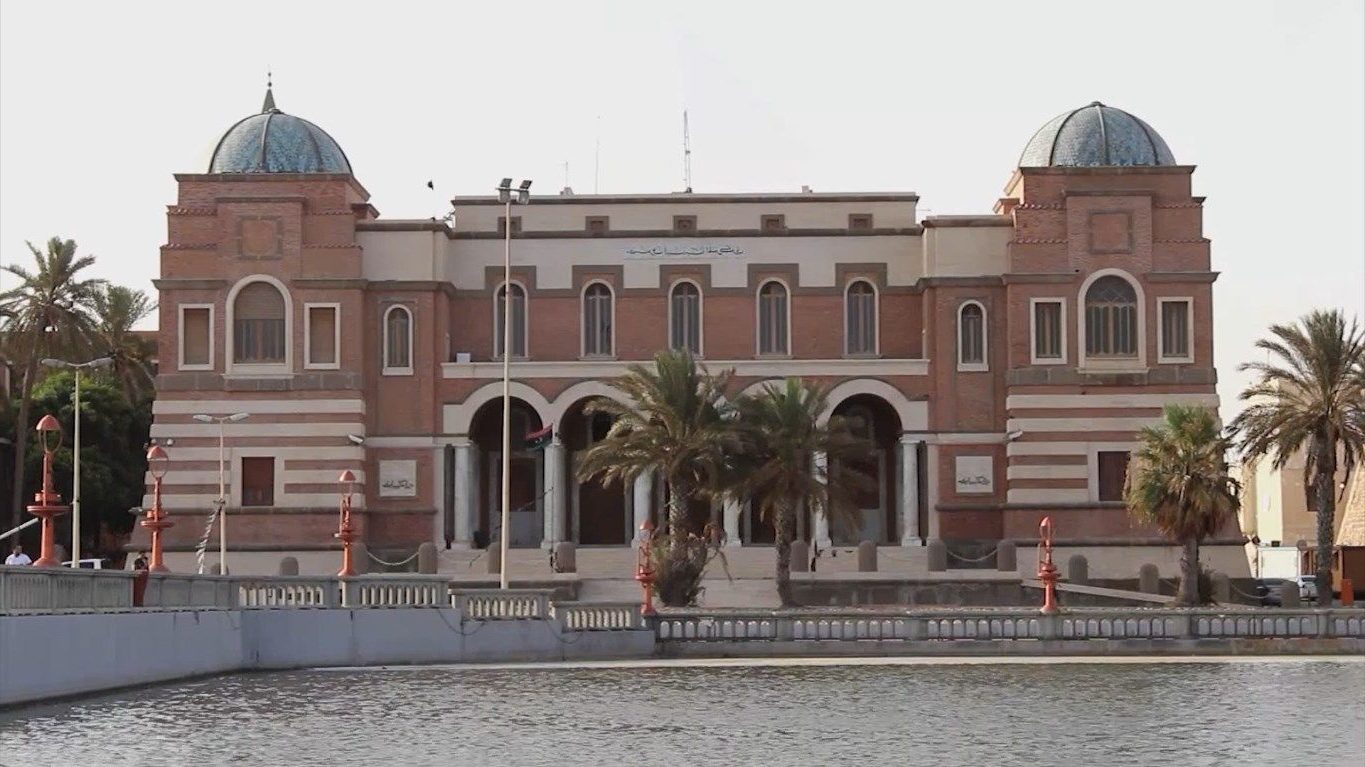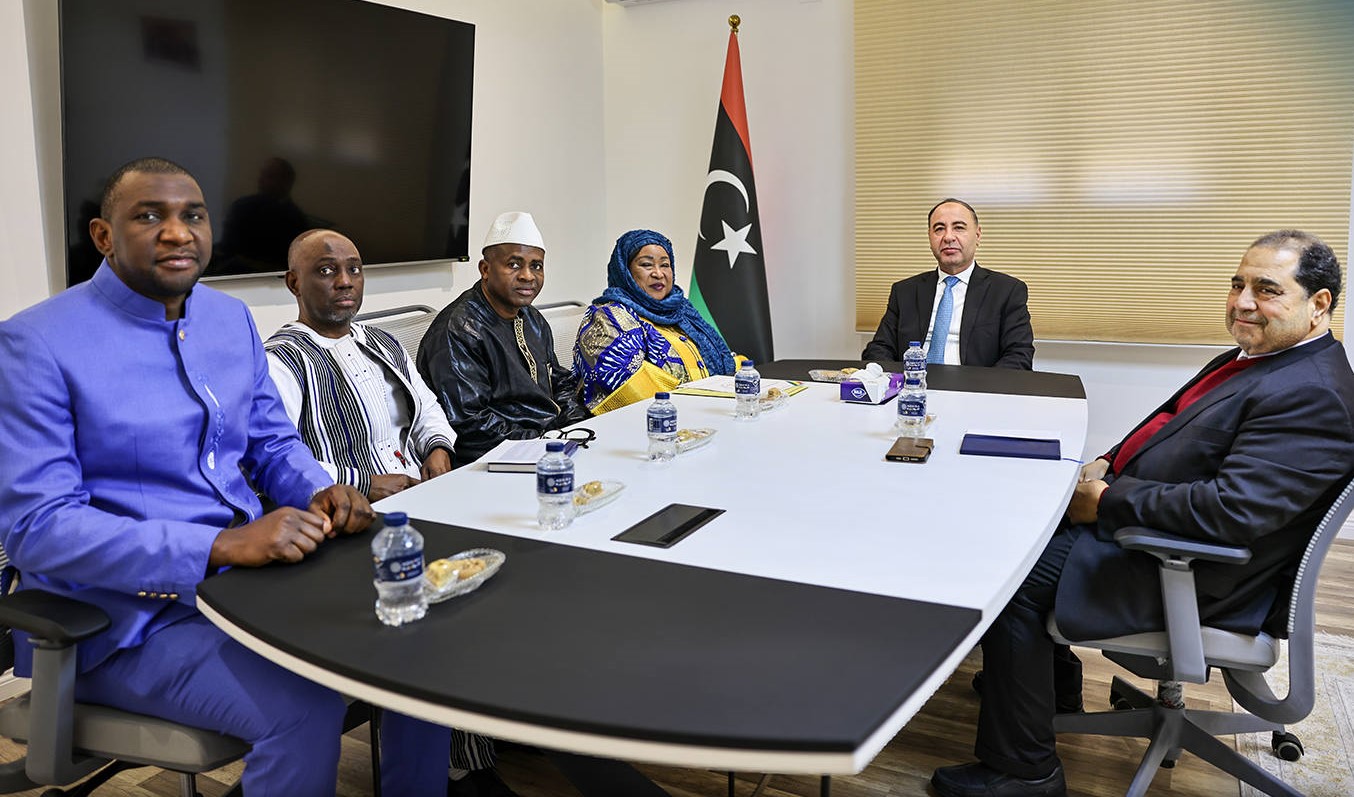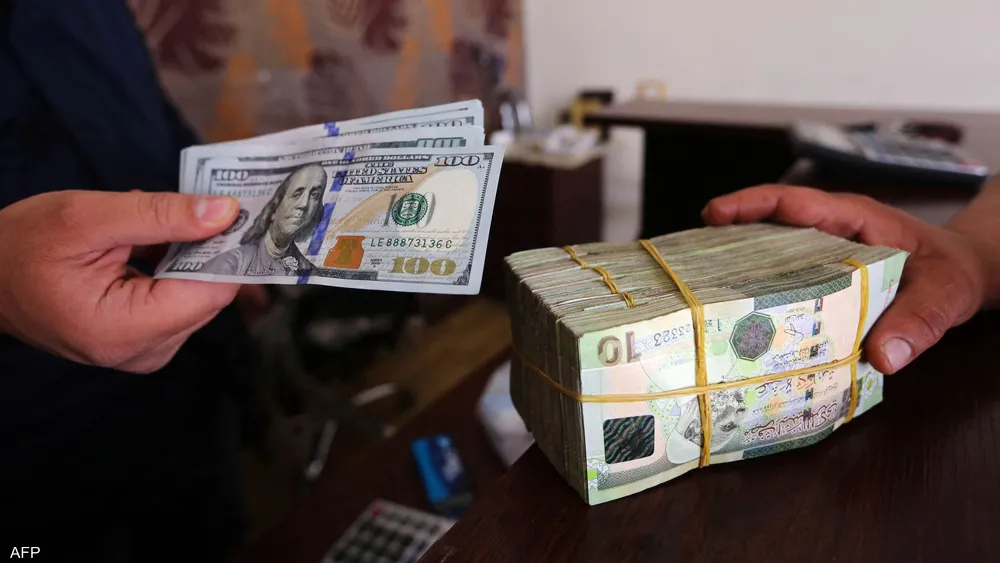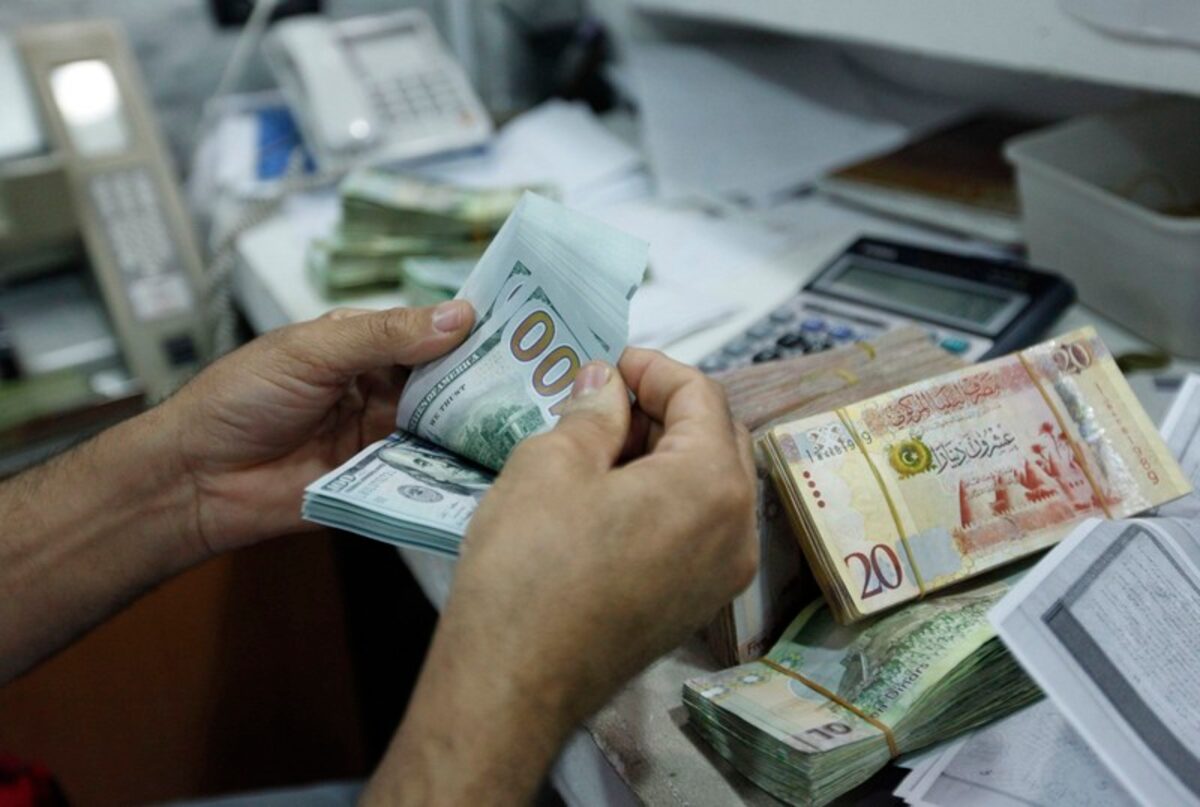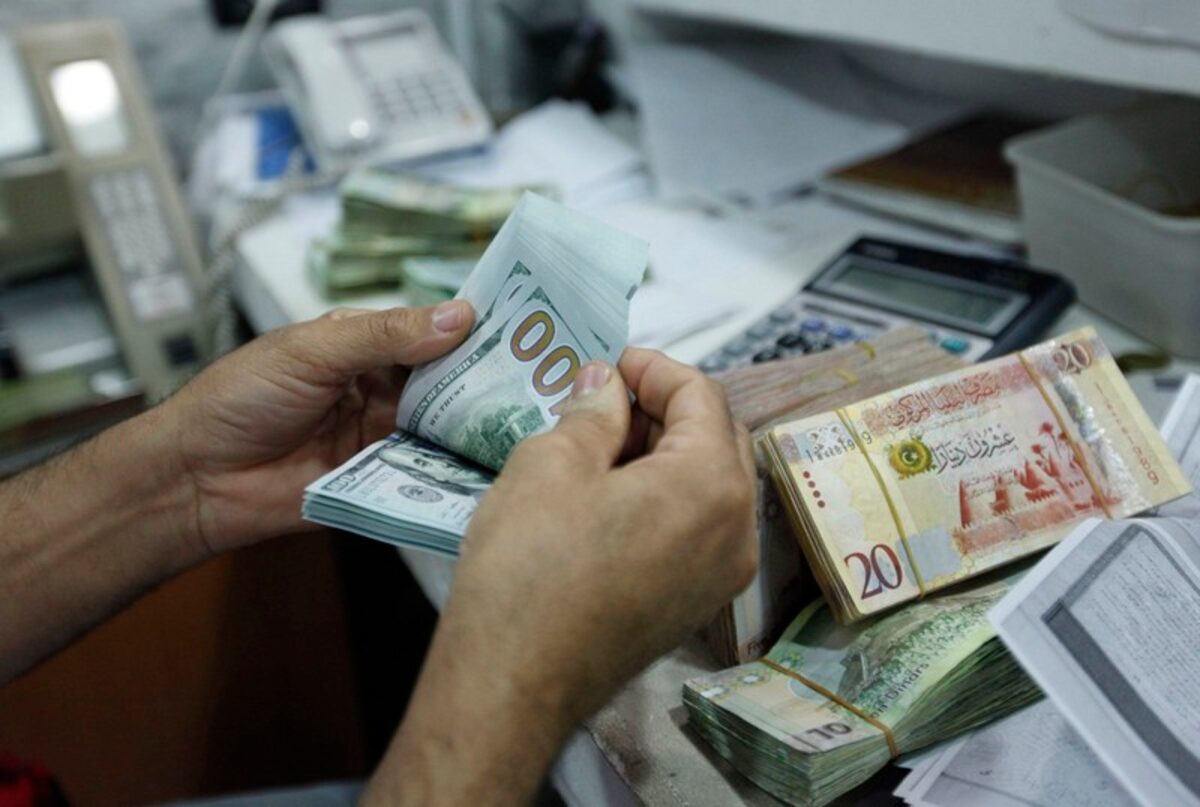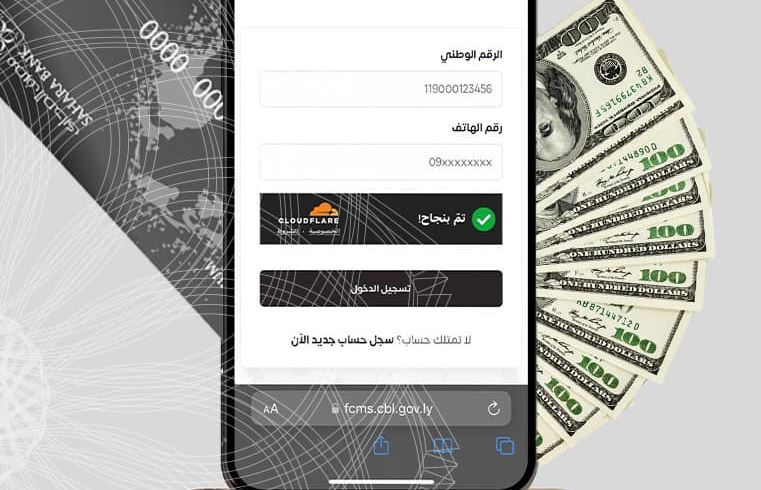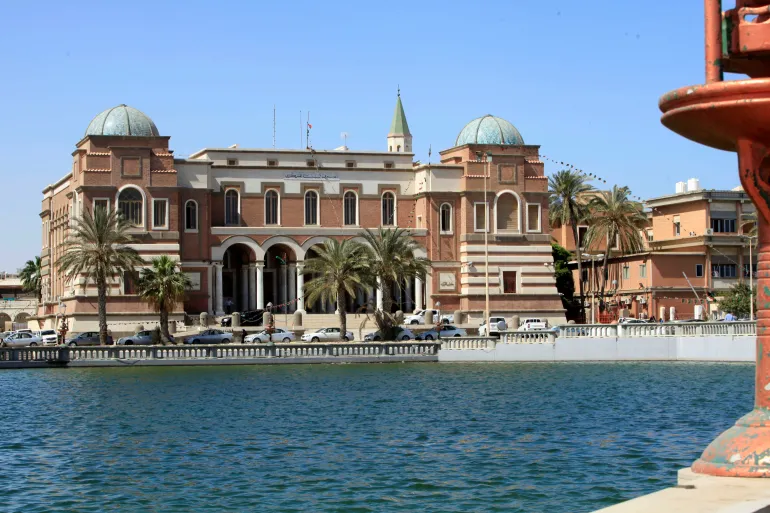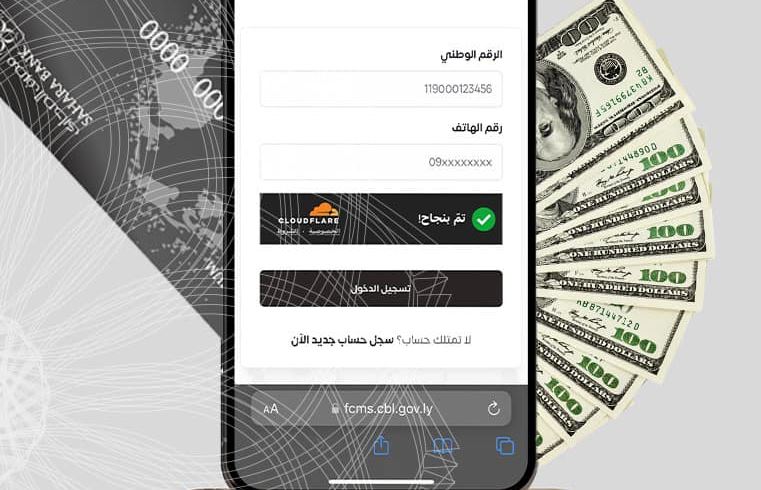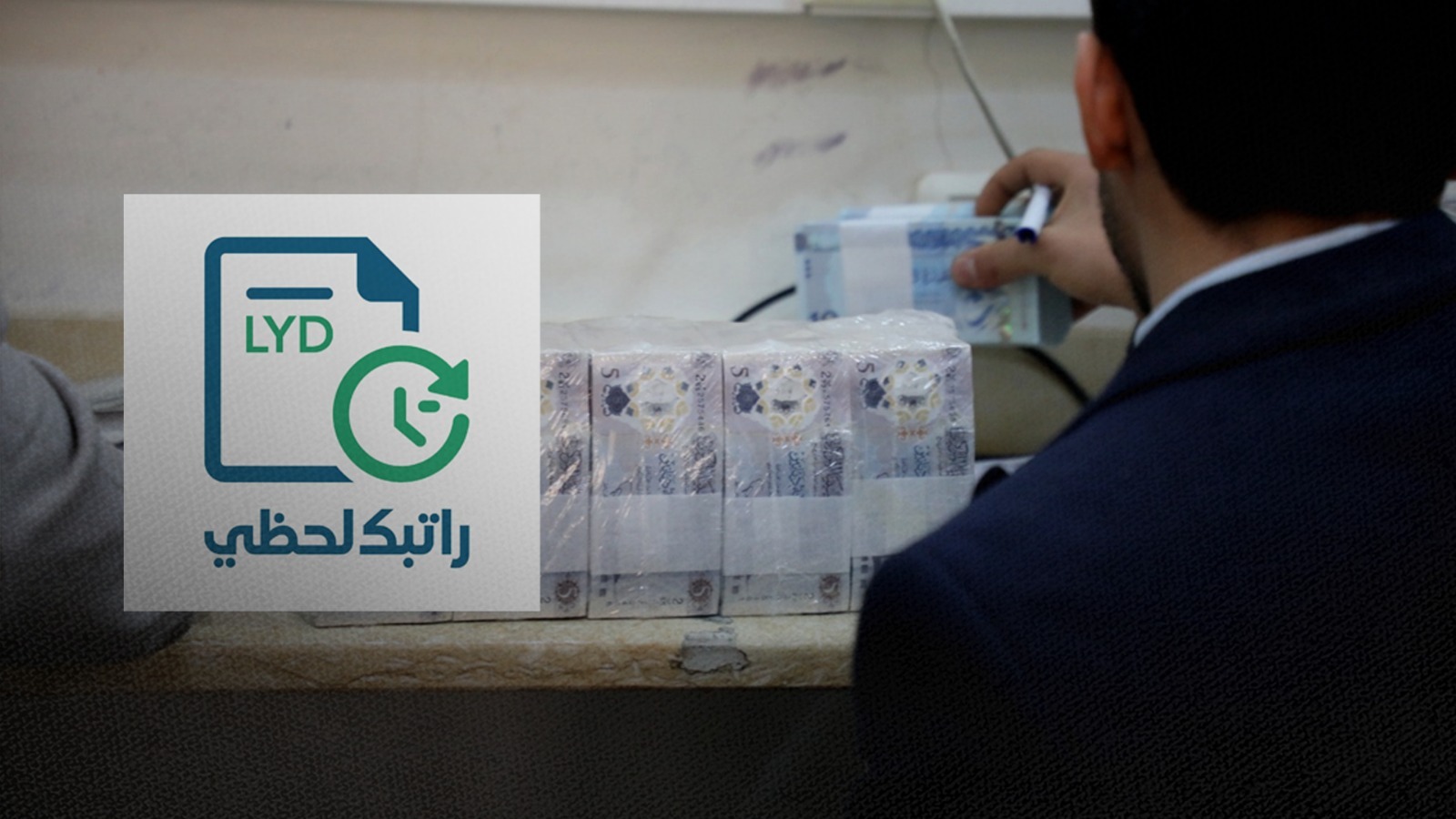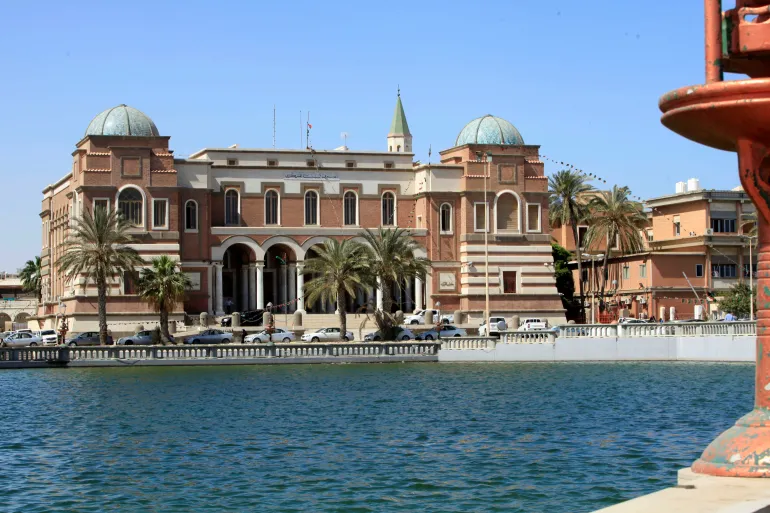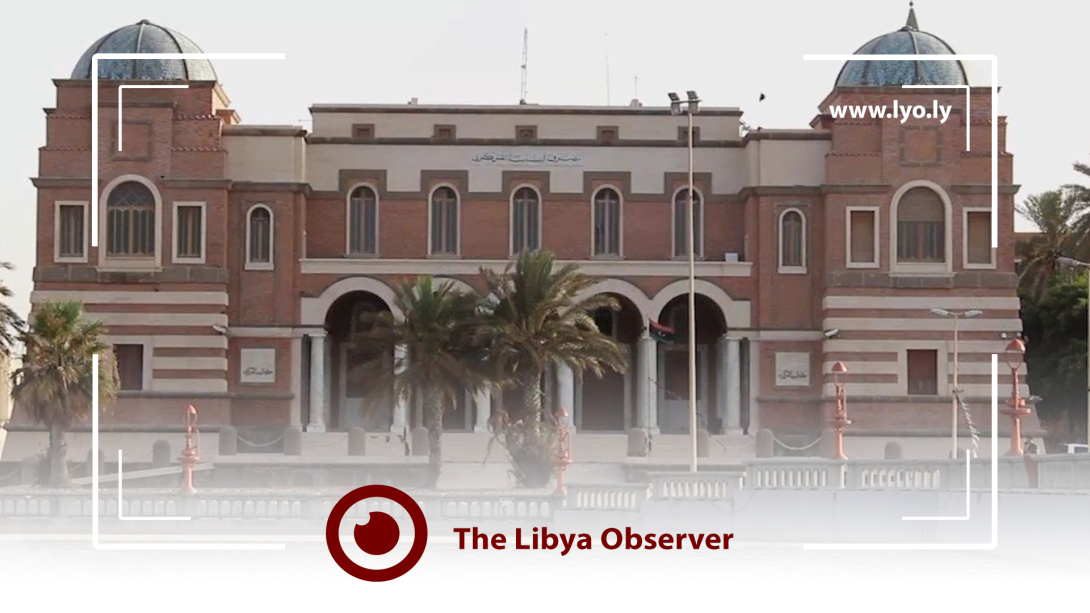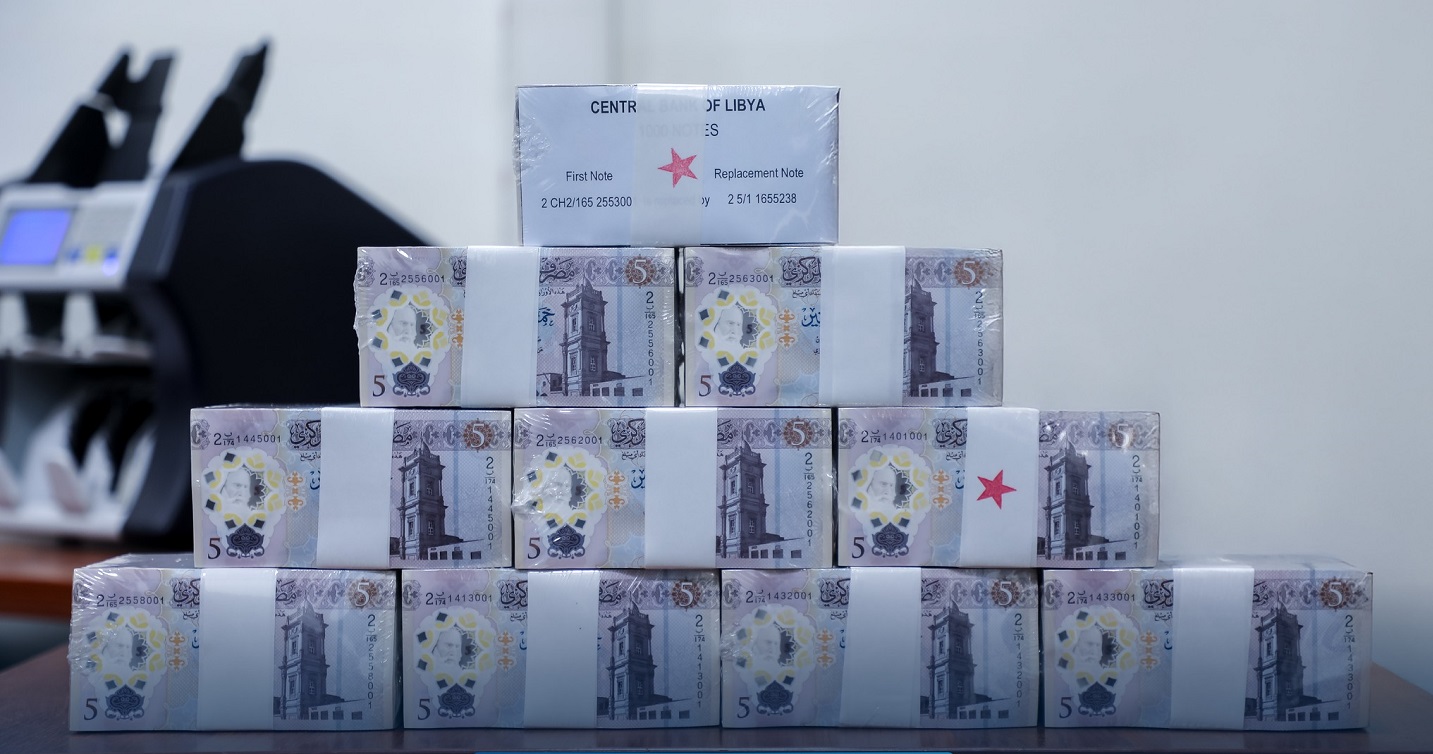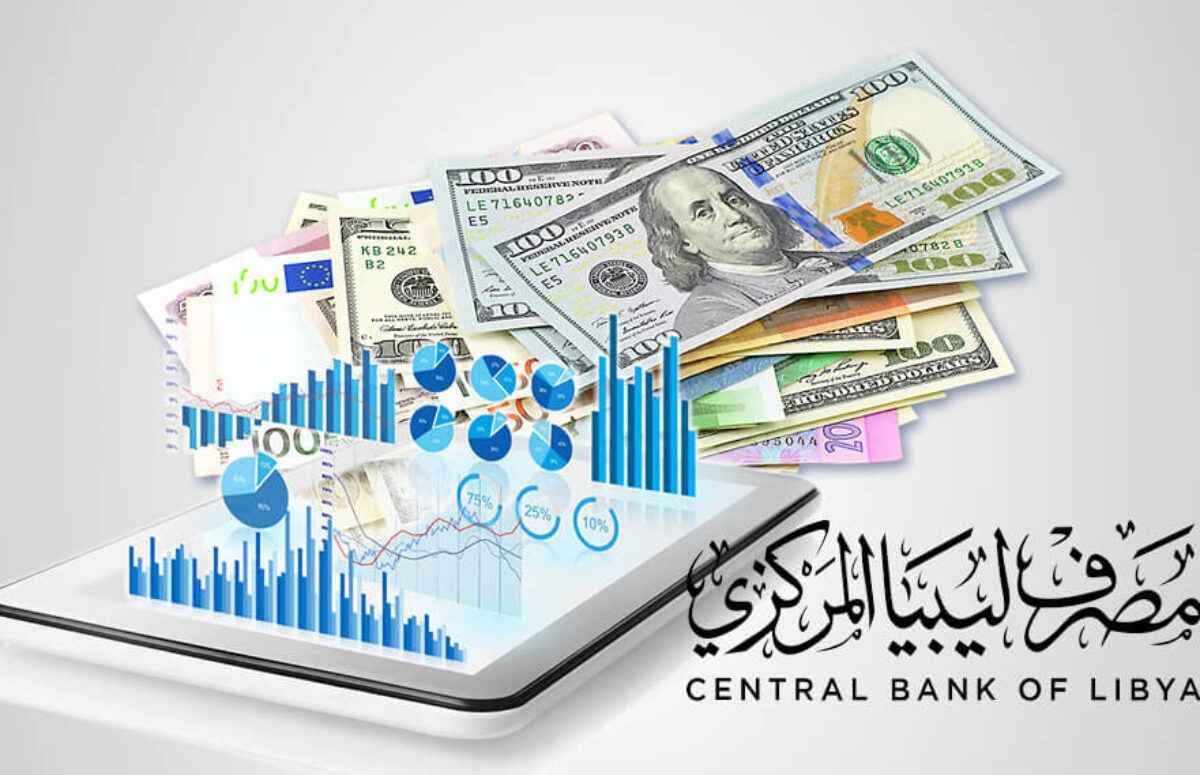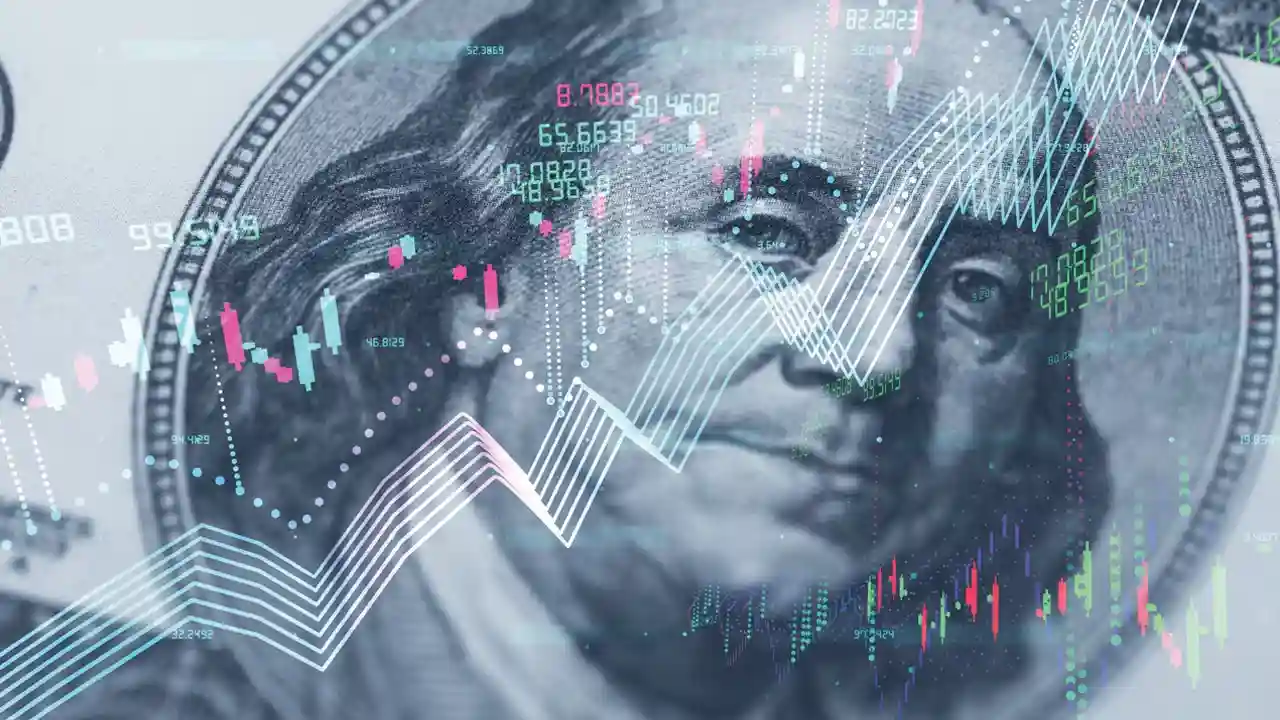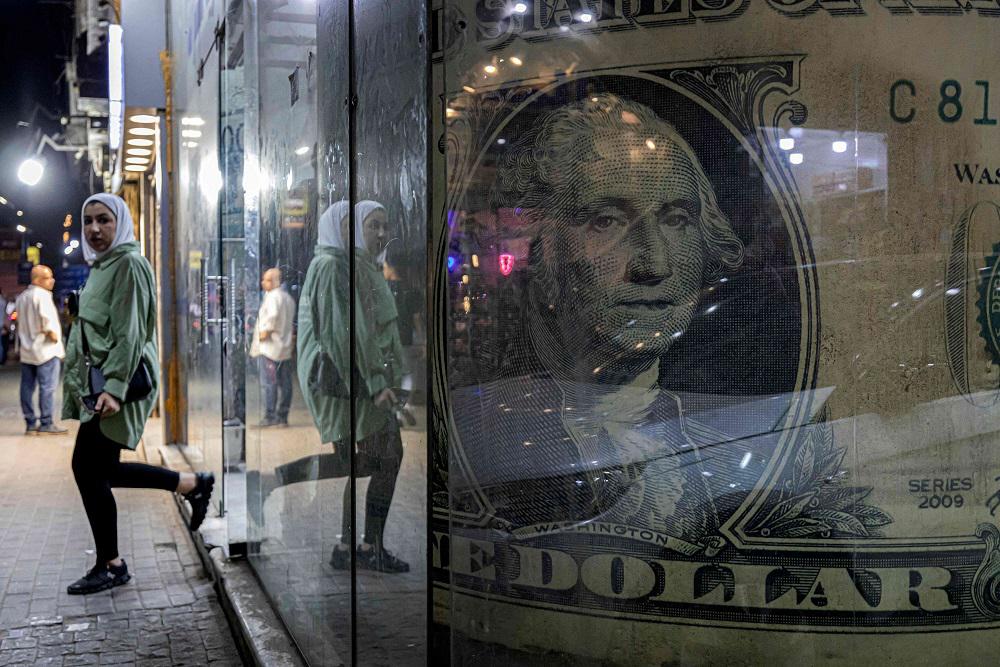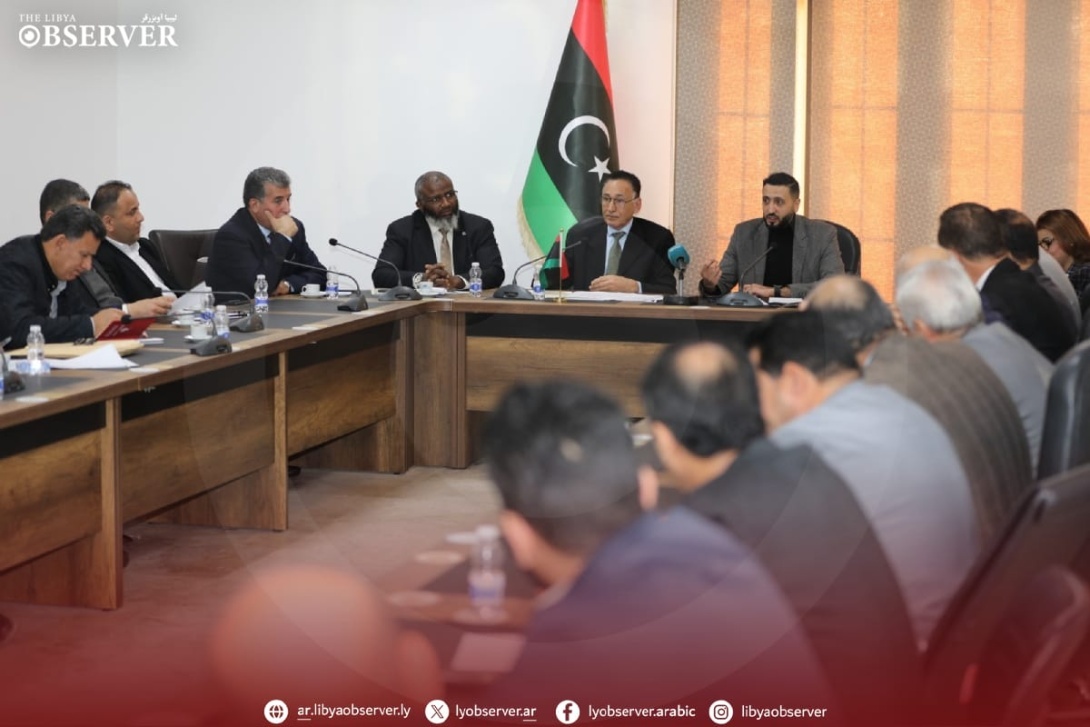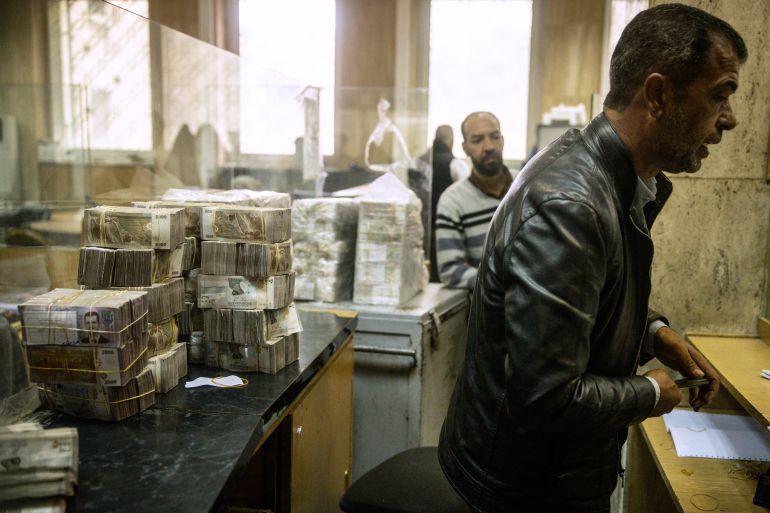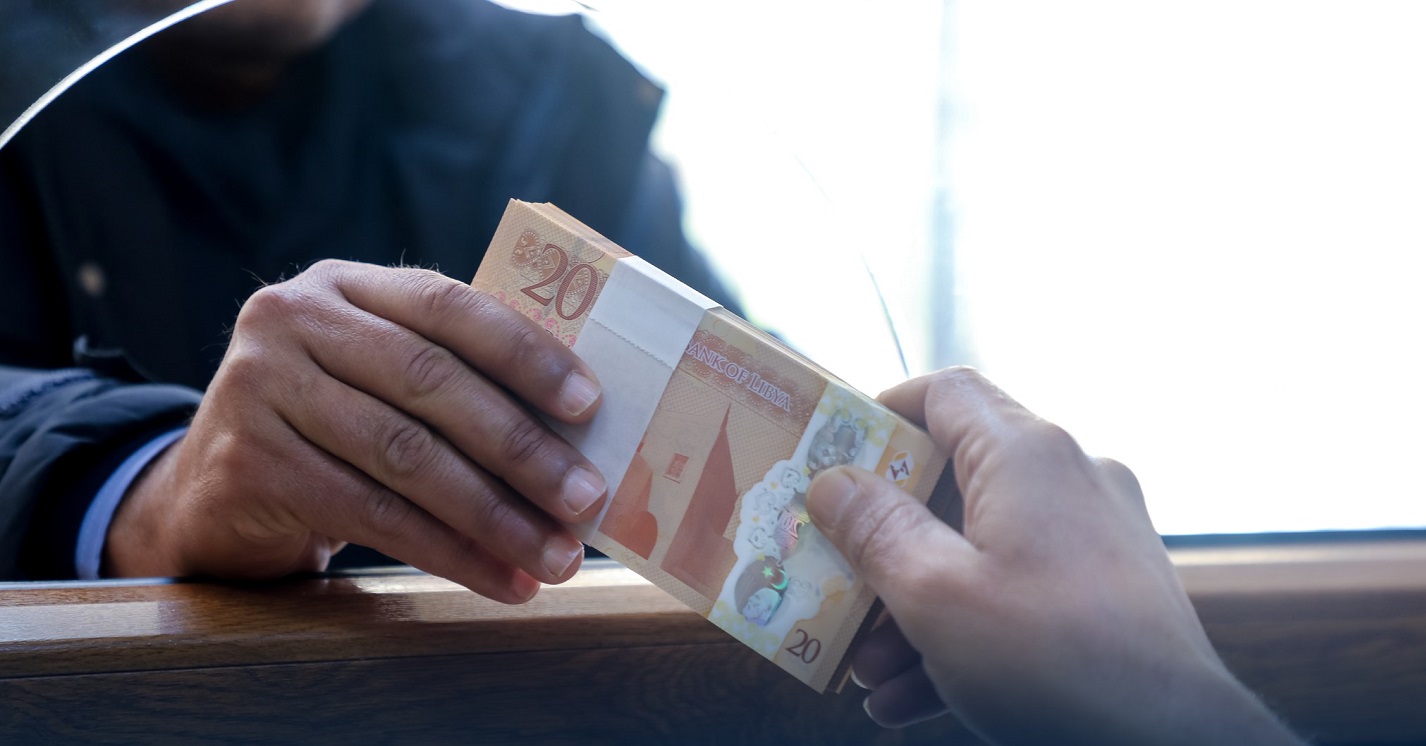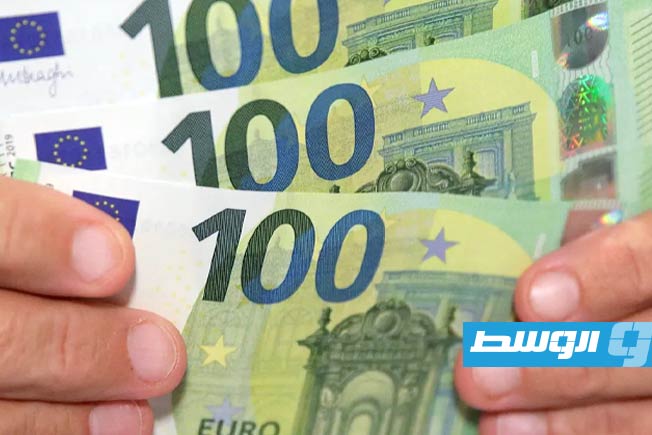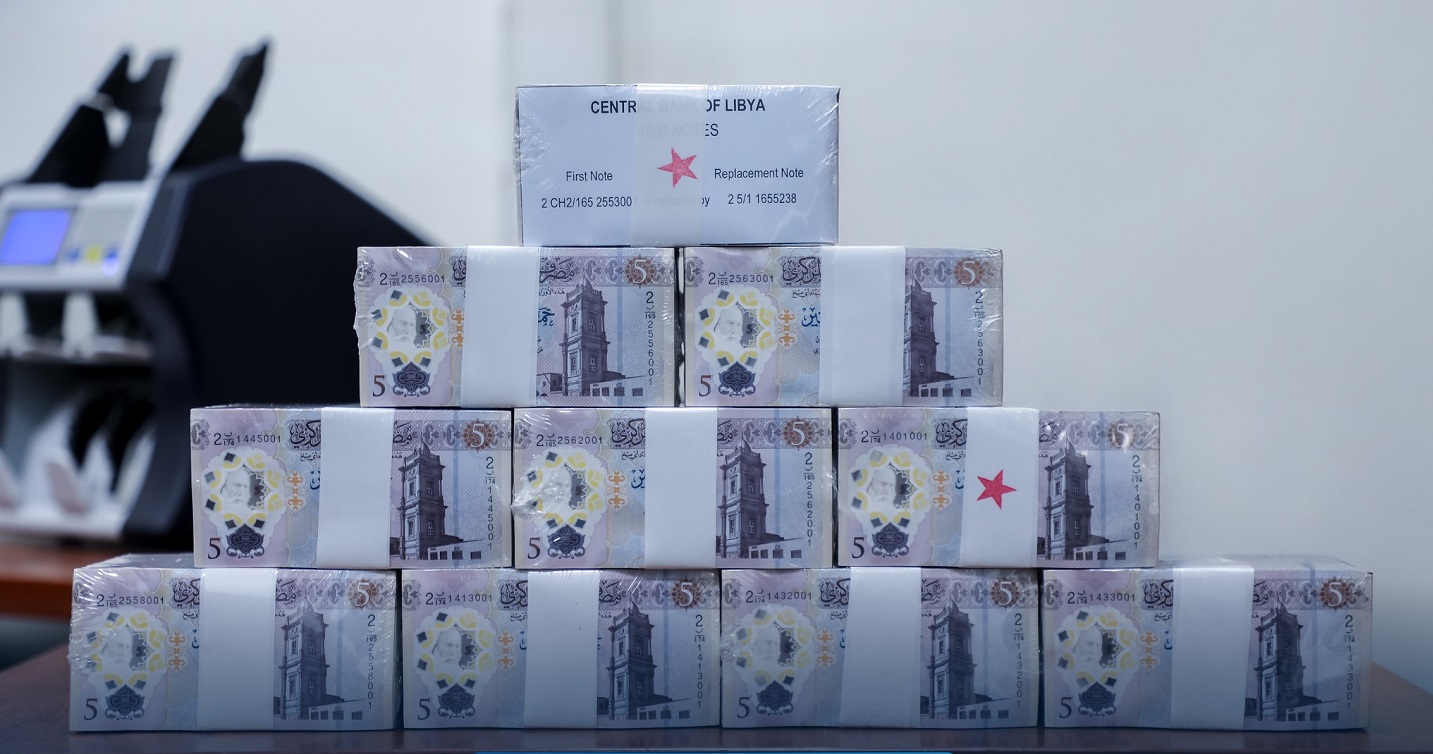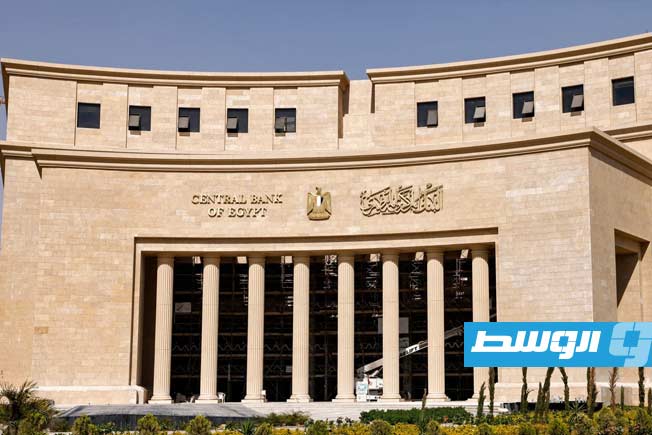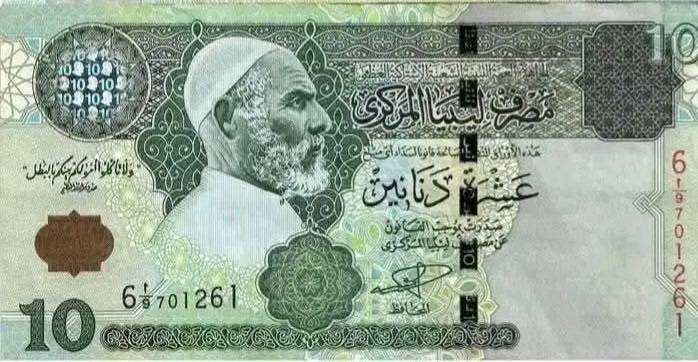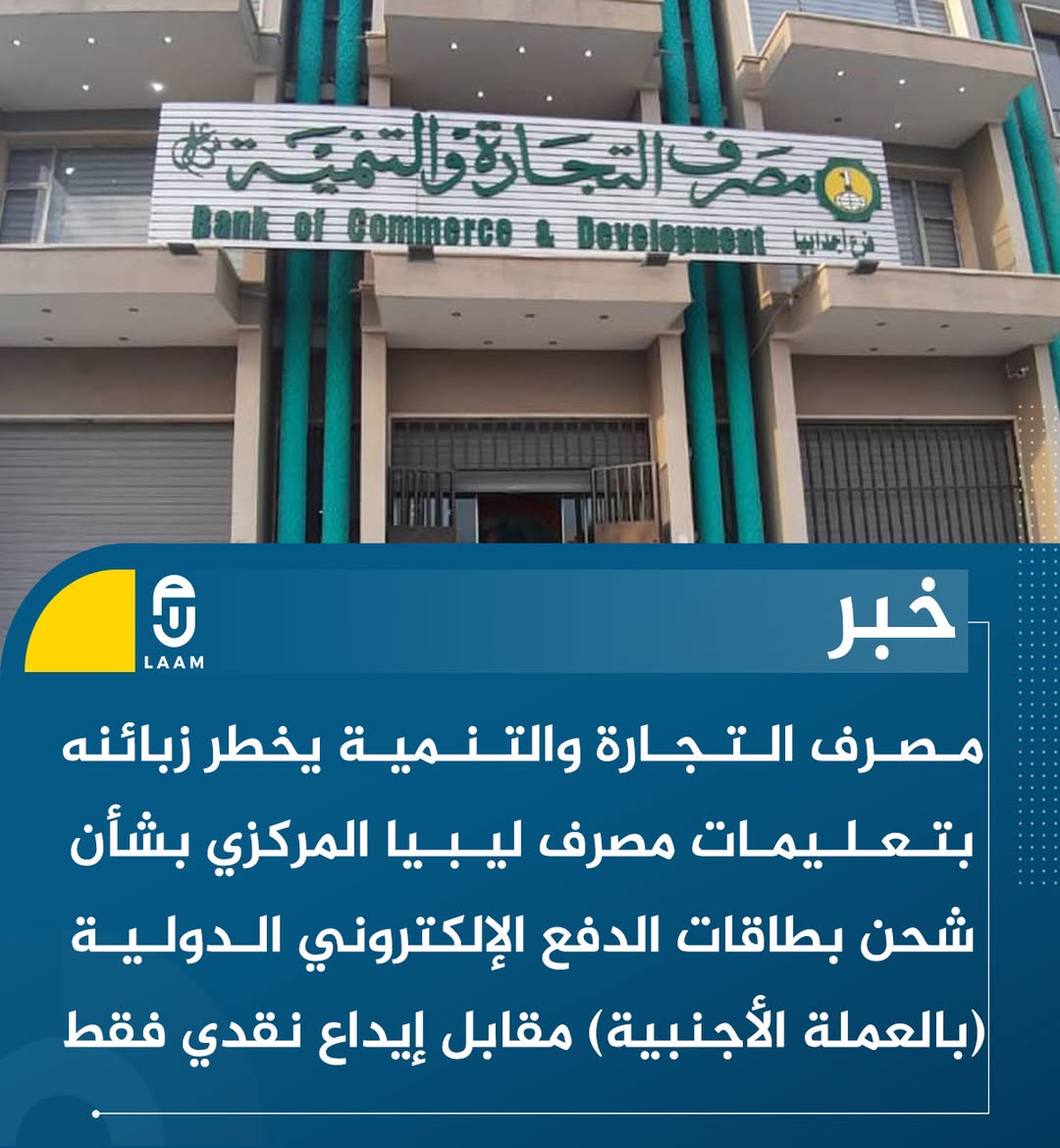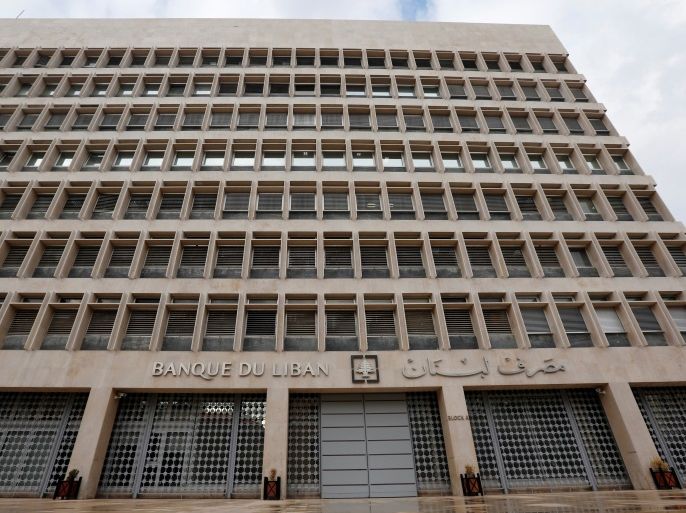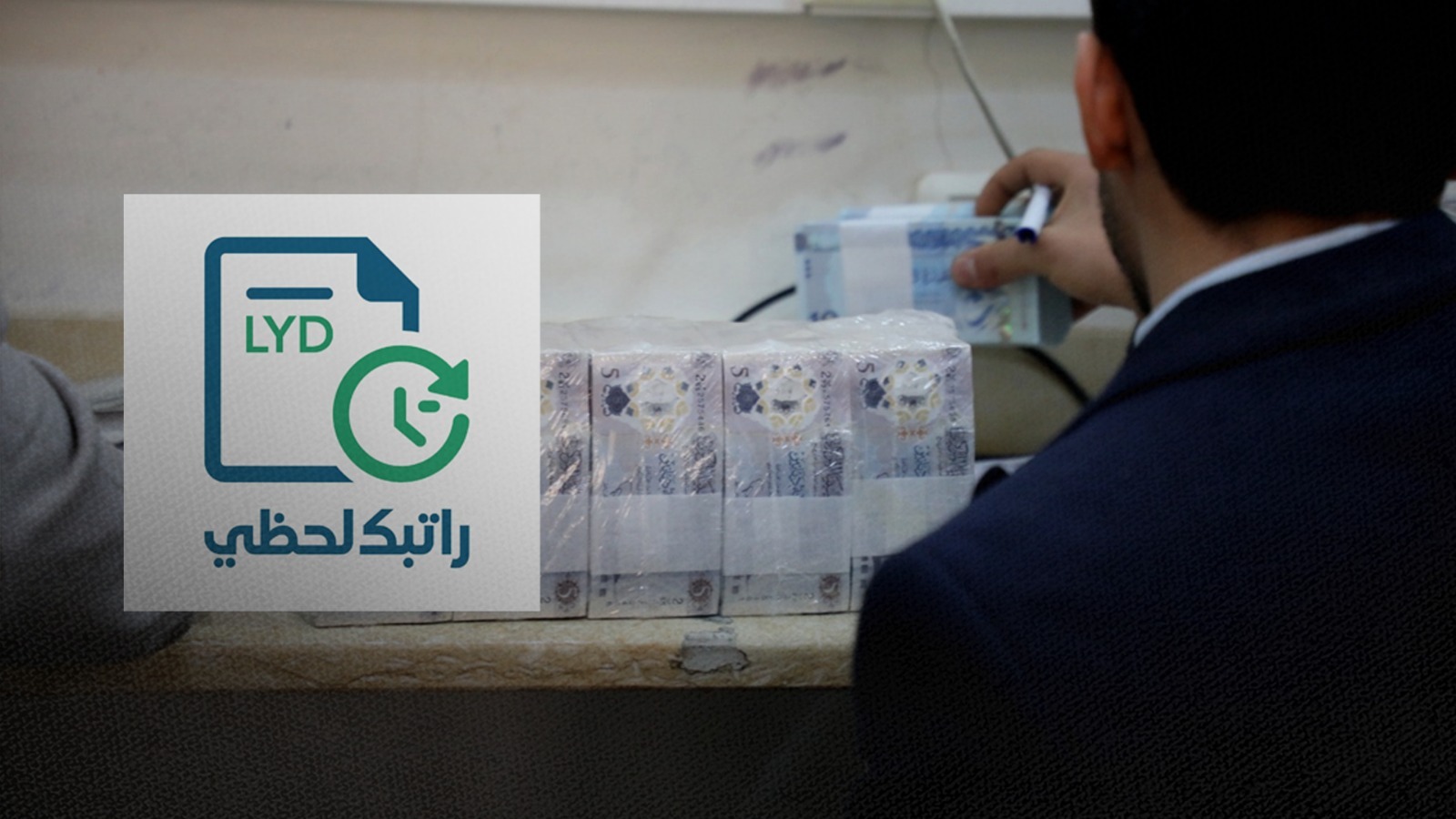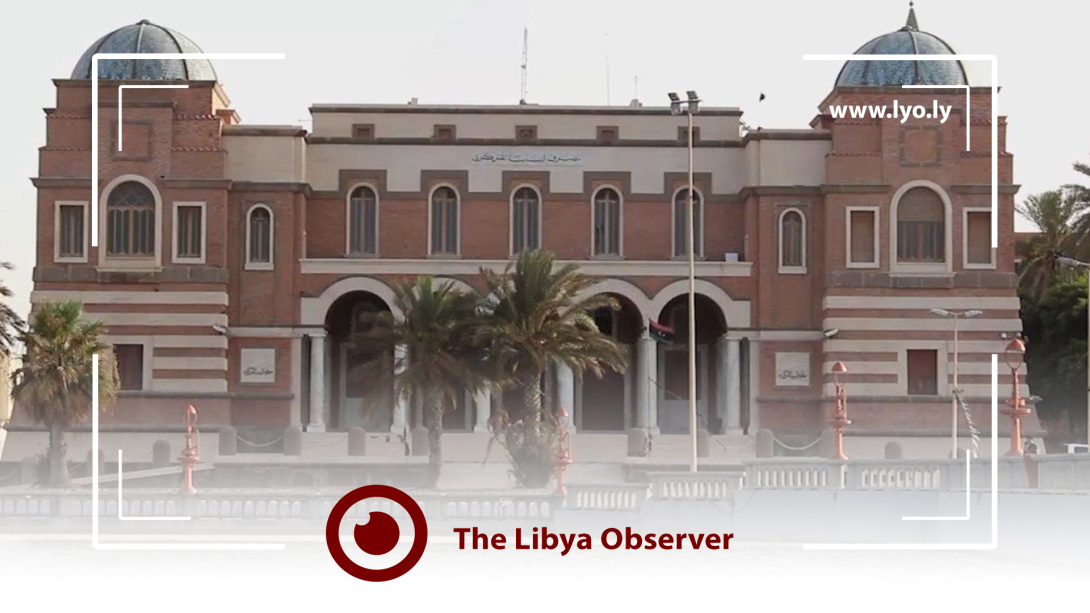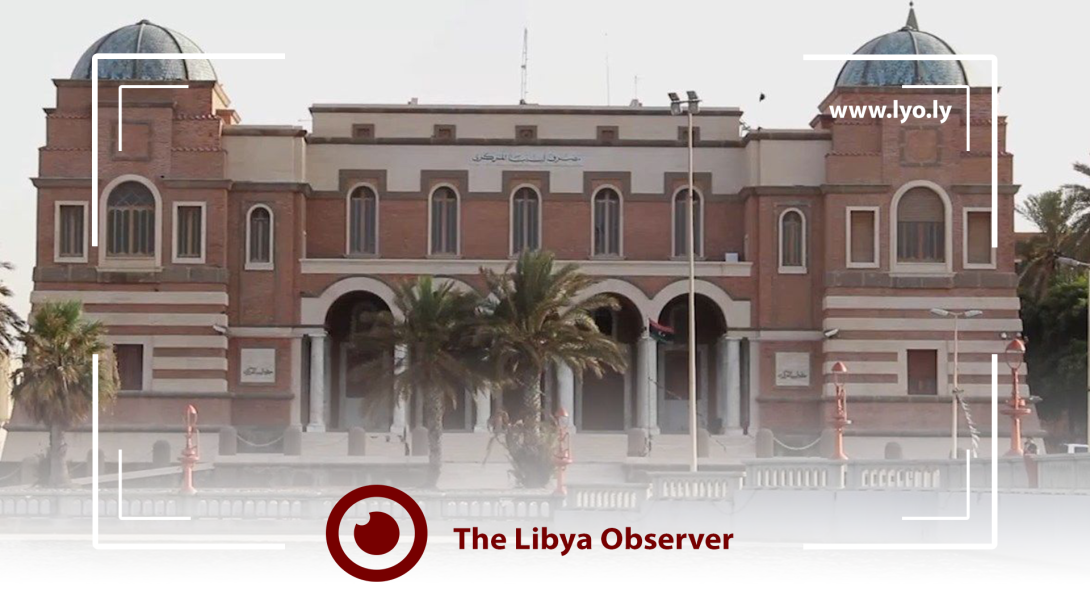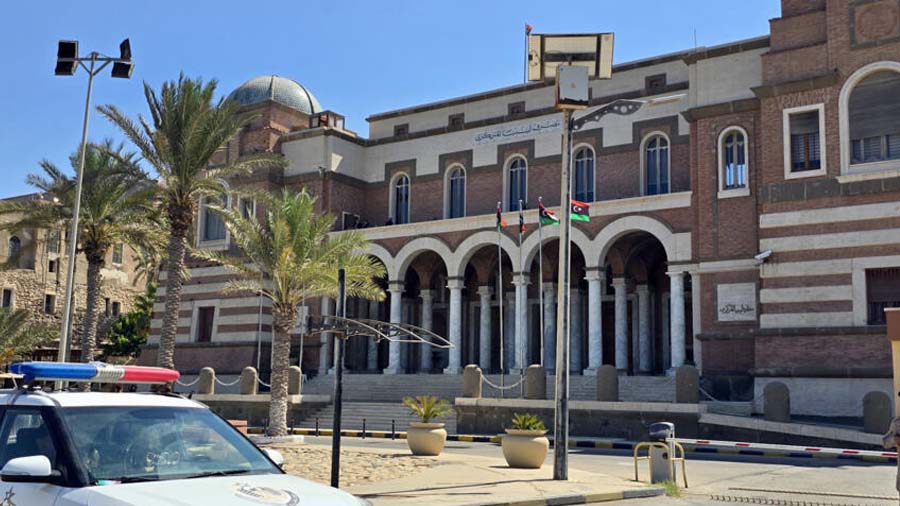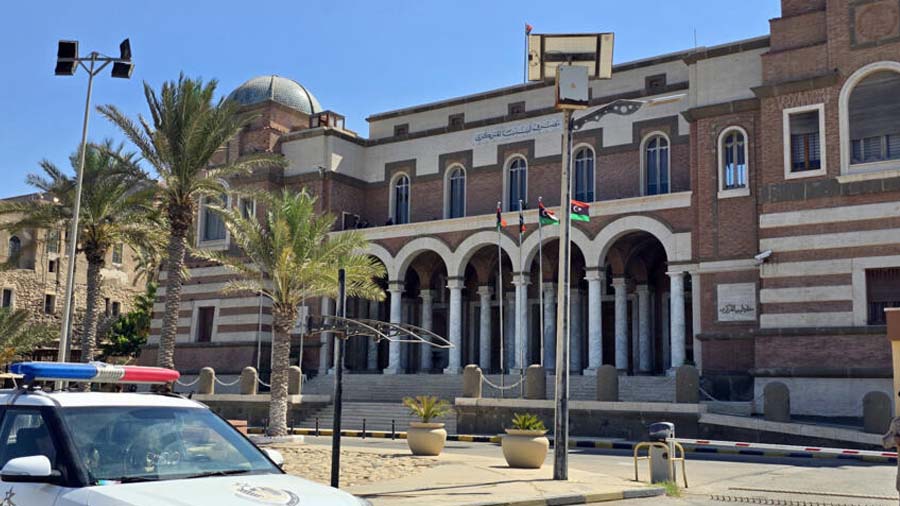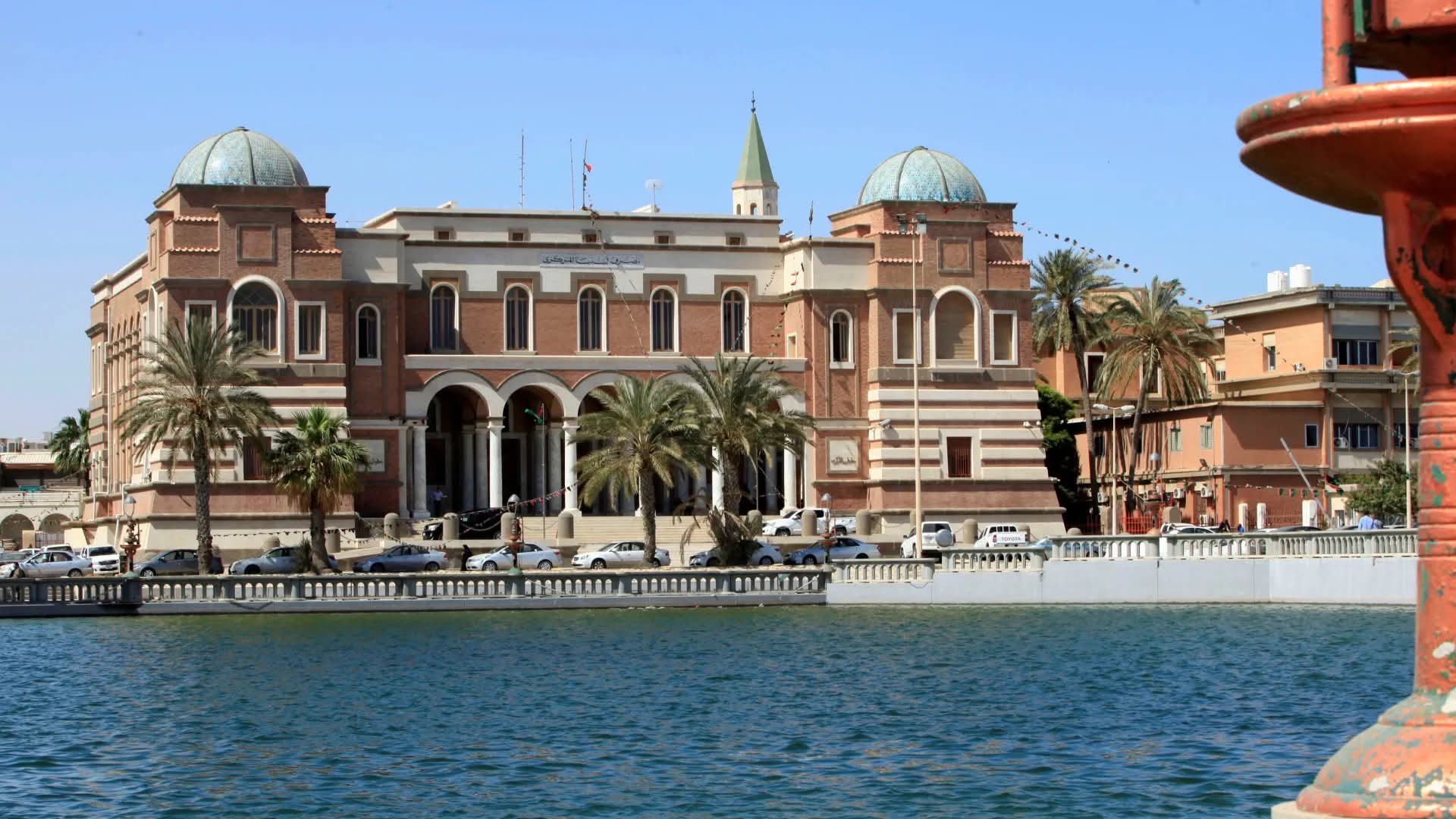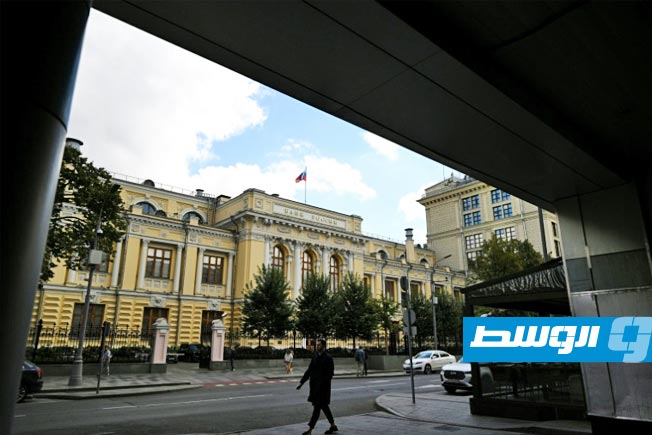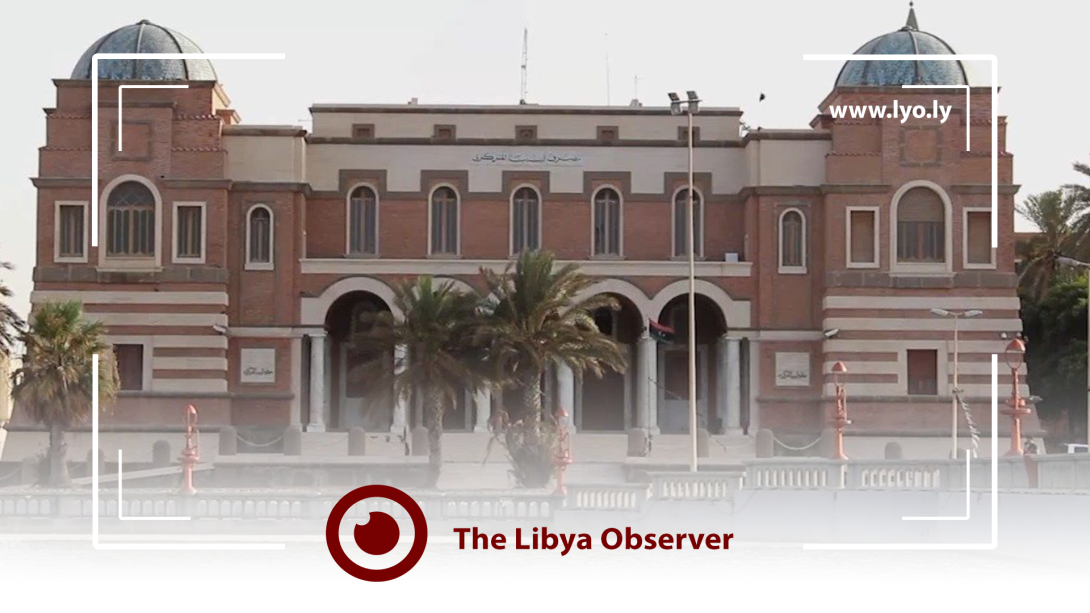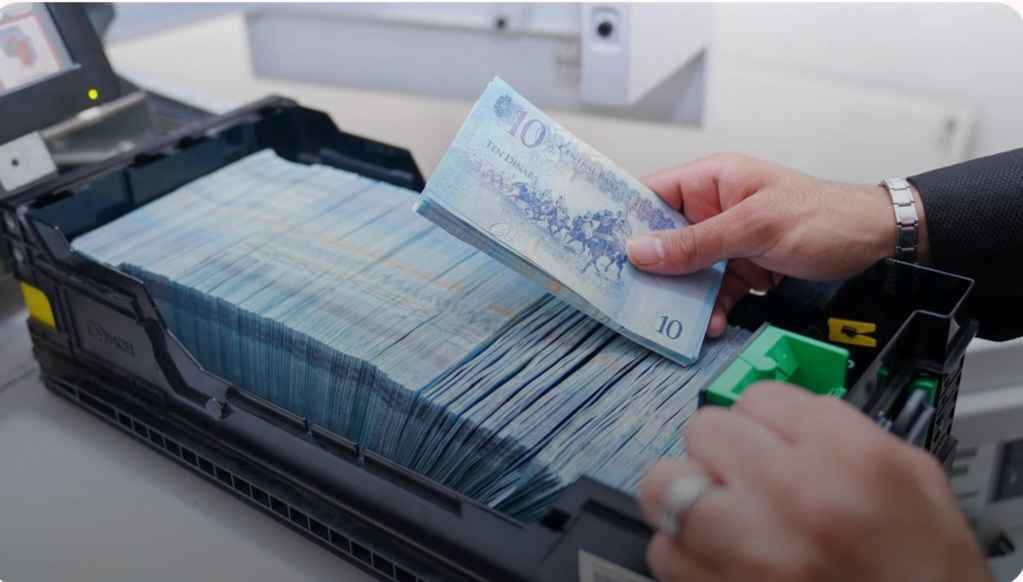
A source at the Central Bank of Libya revealed that the bank is preparing to make significant adjustments to the mechanism for selling personal use allowances, aiming to reduce costs for citizens and address the issues that appeared on the first day of the system’s activation.
What does the Central Bank’s decision mean?
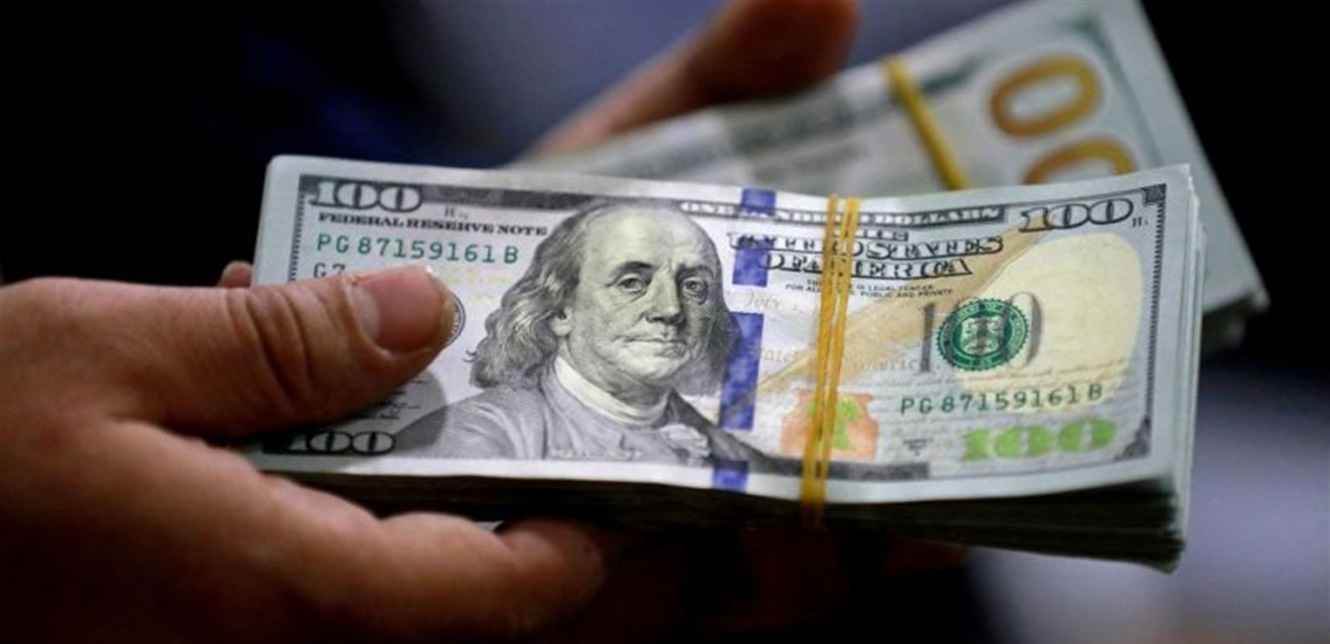
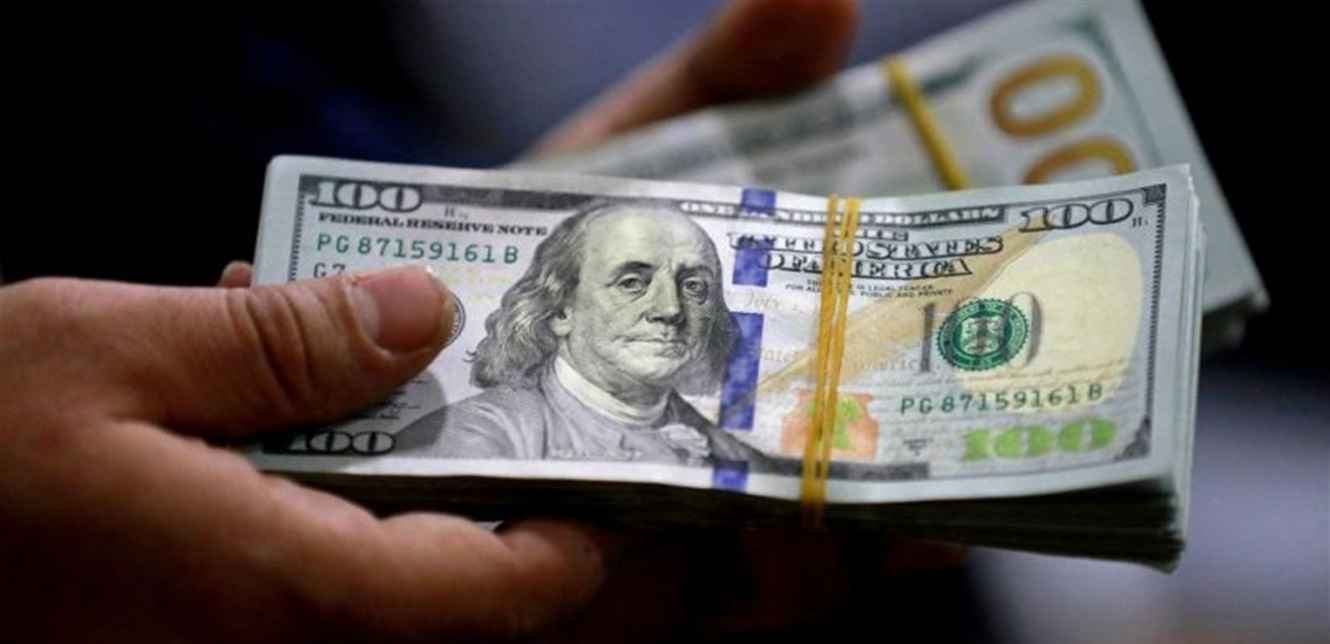
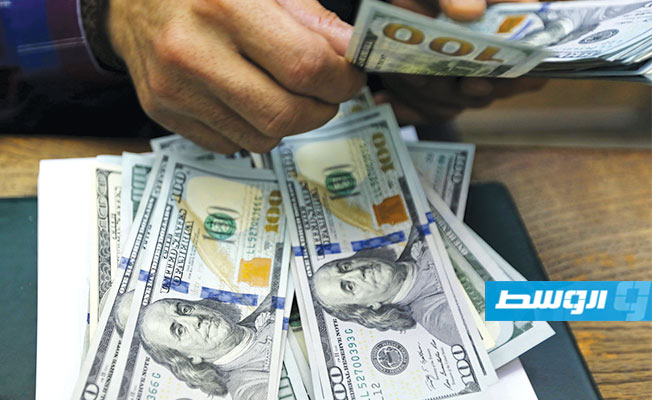
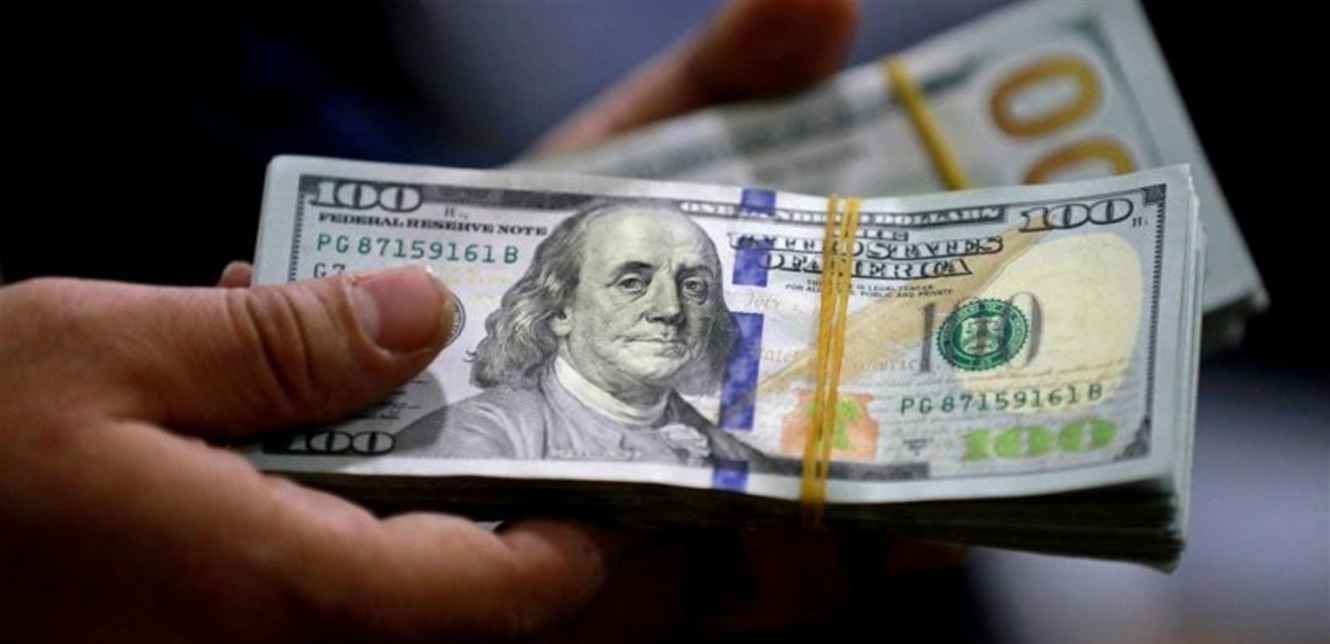
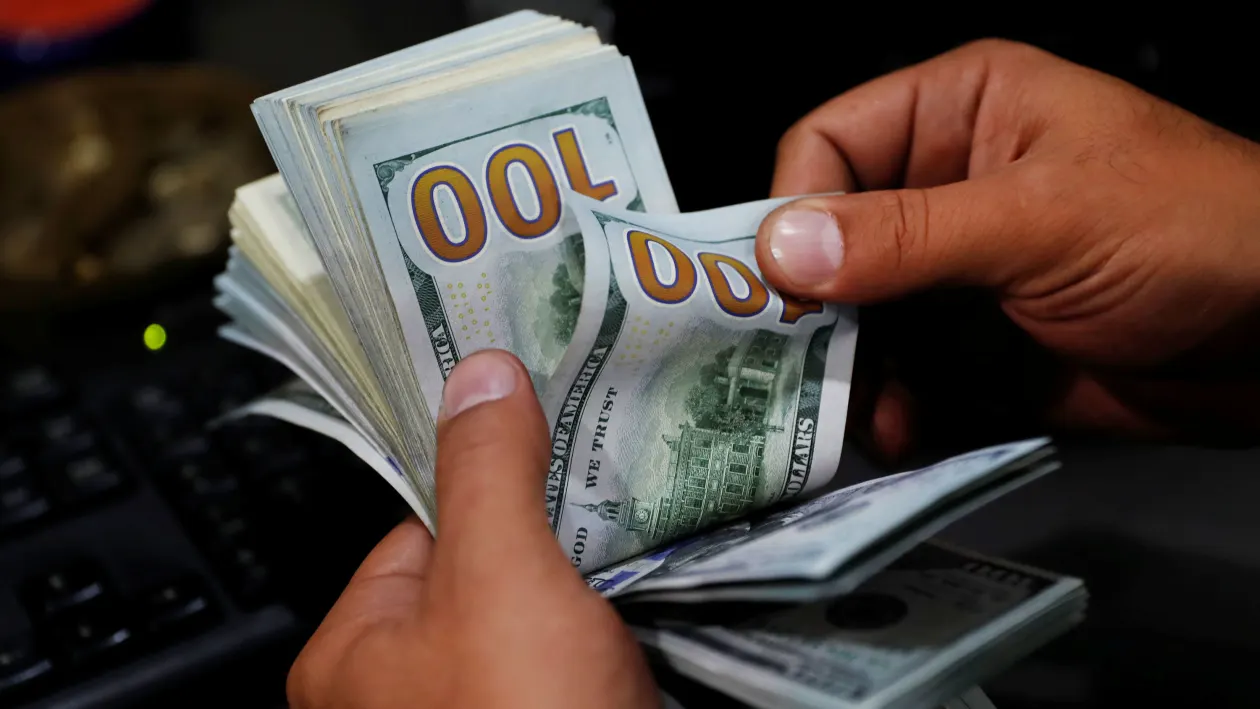
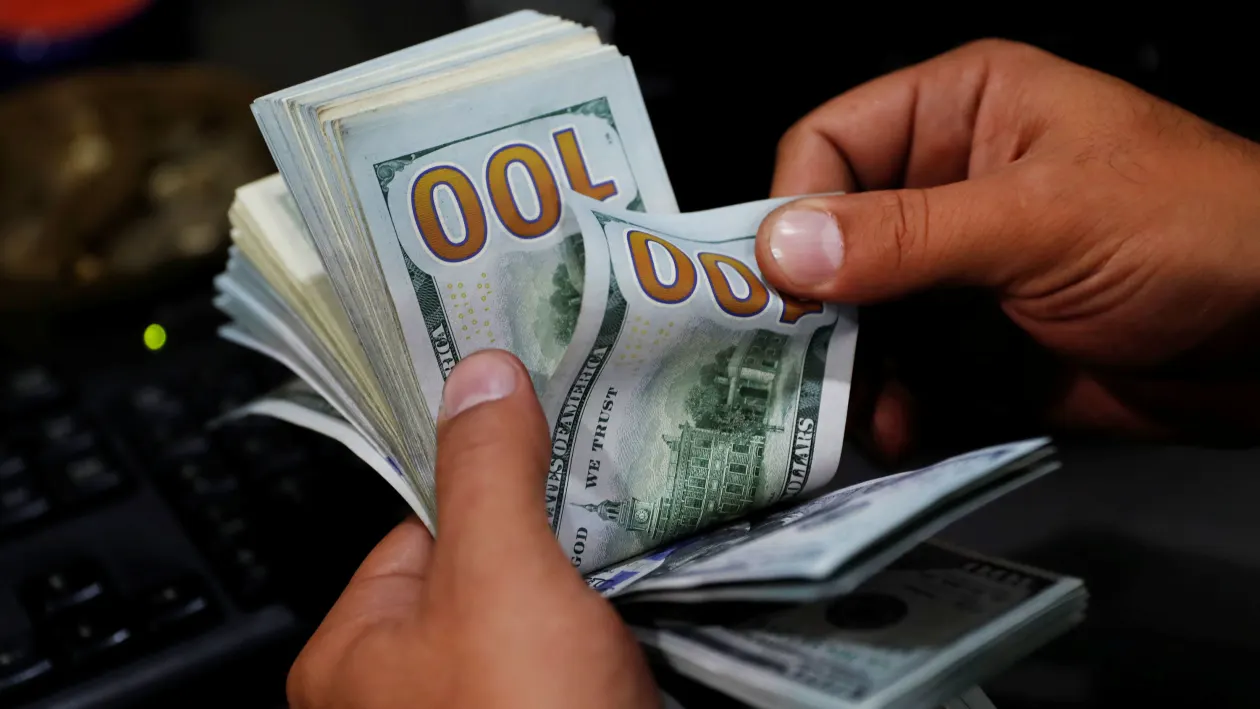
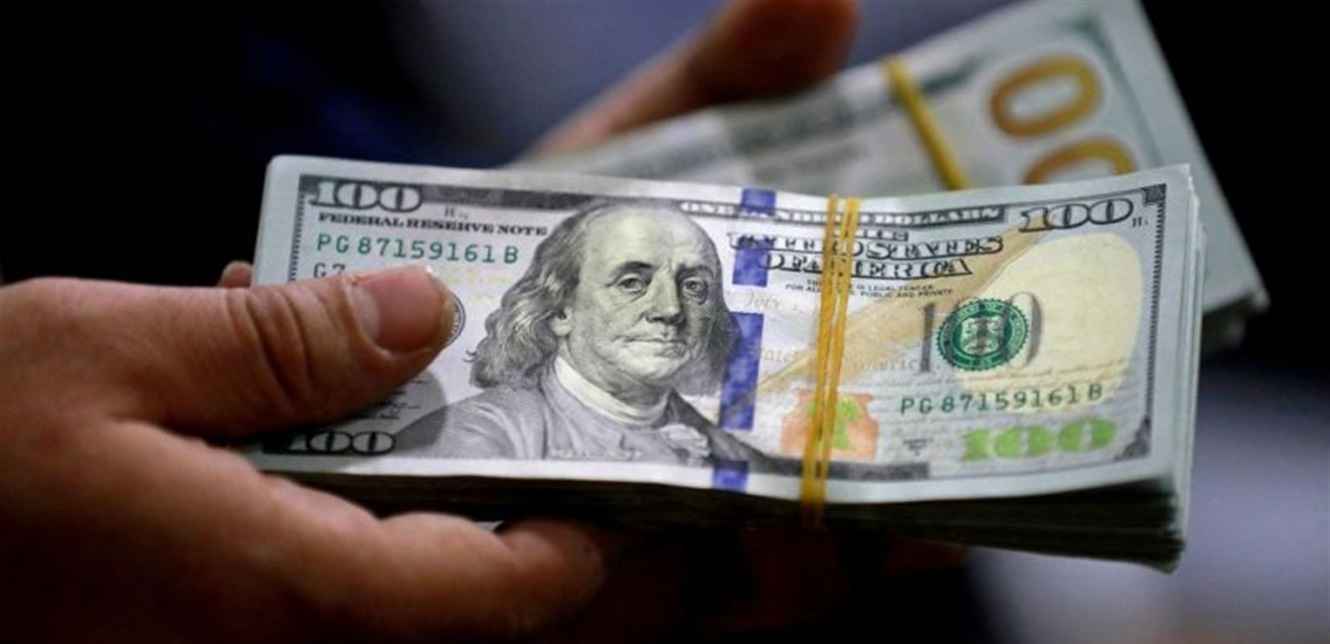
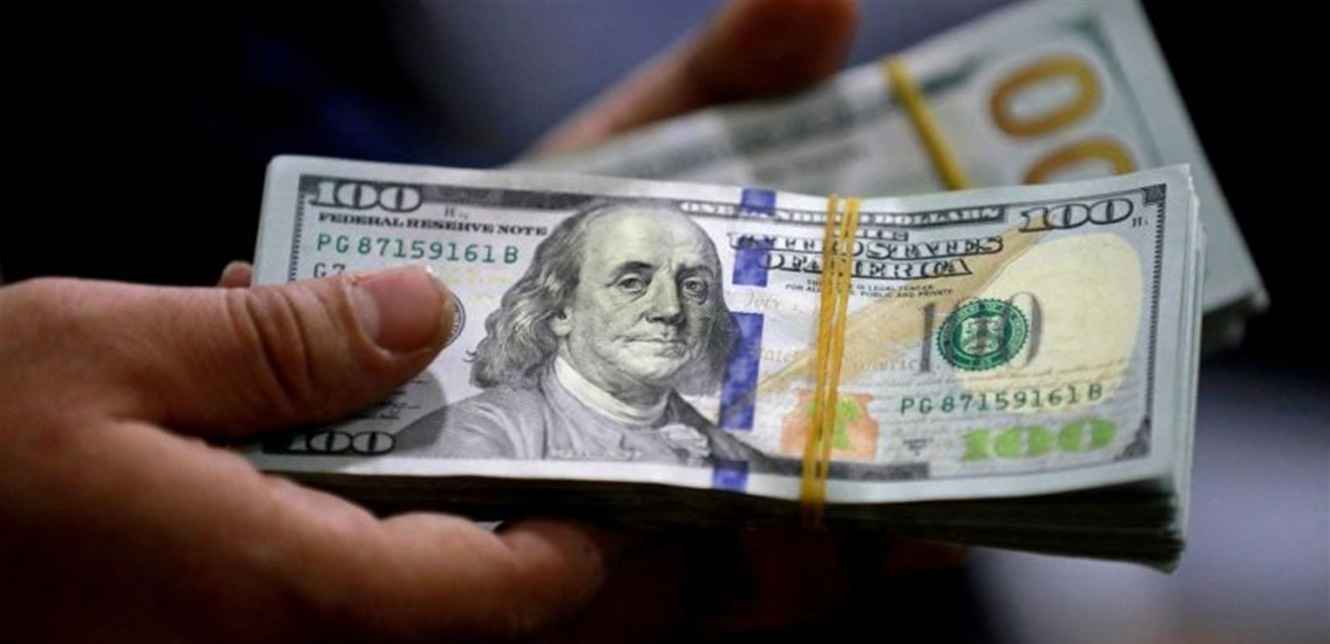
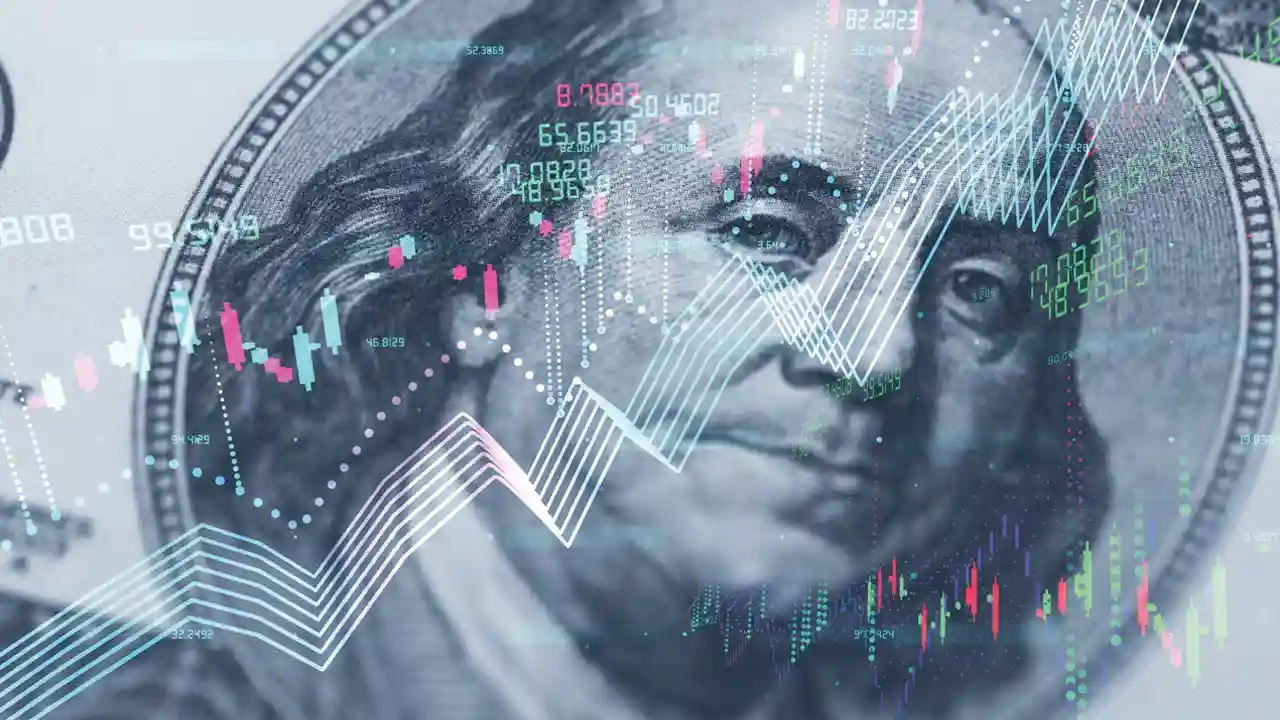
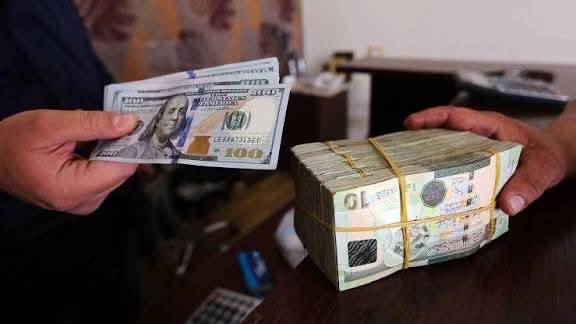
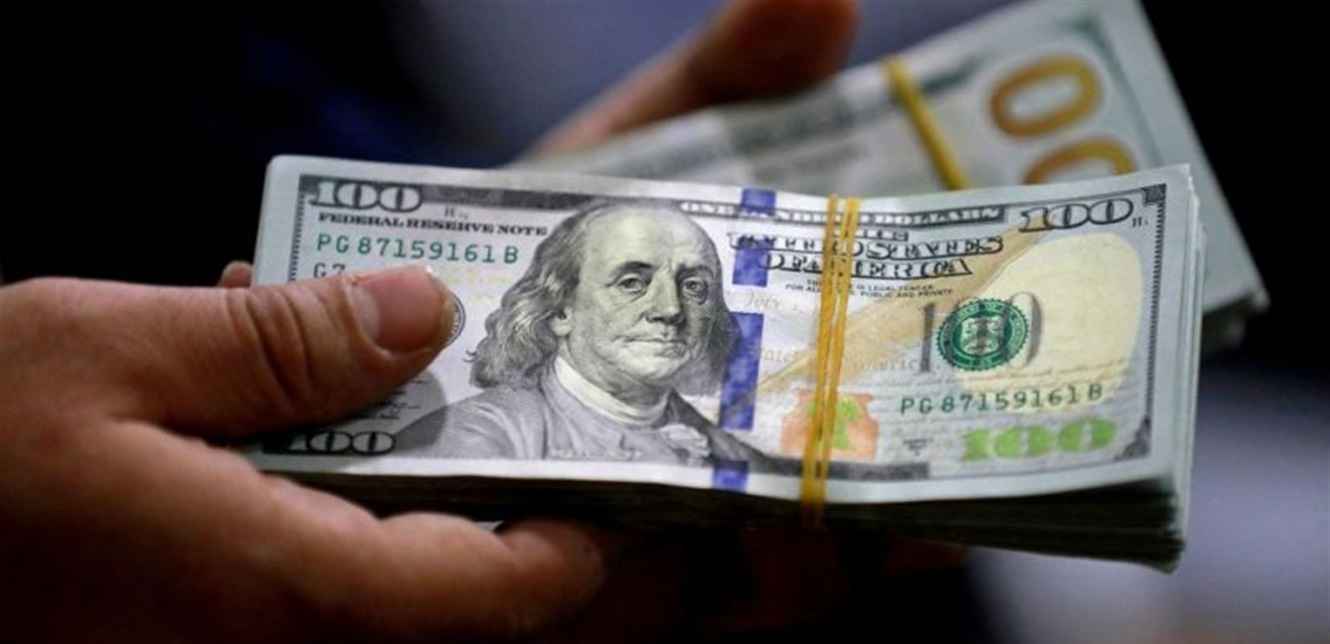
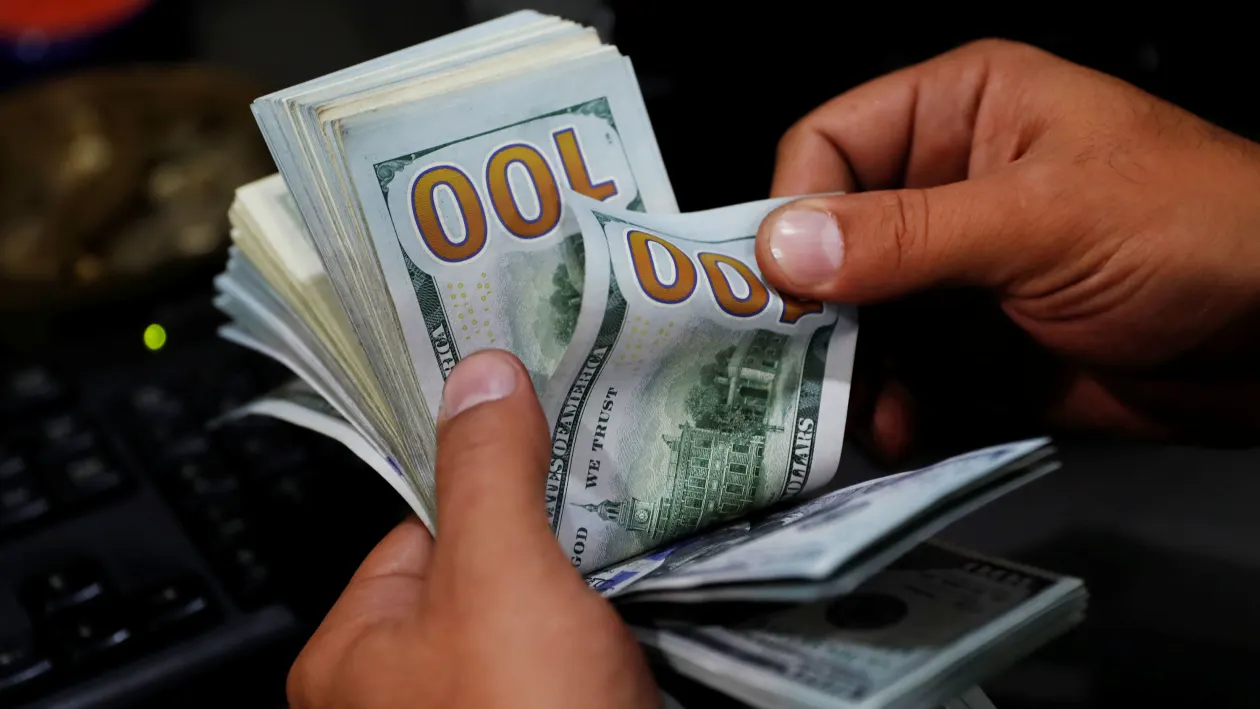
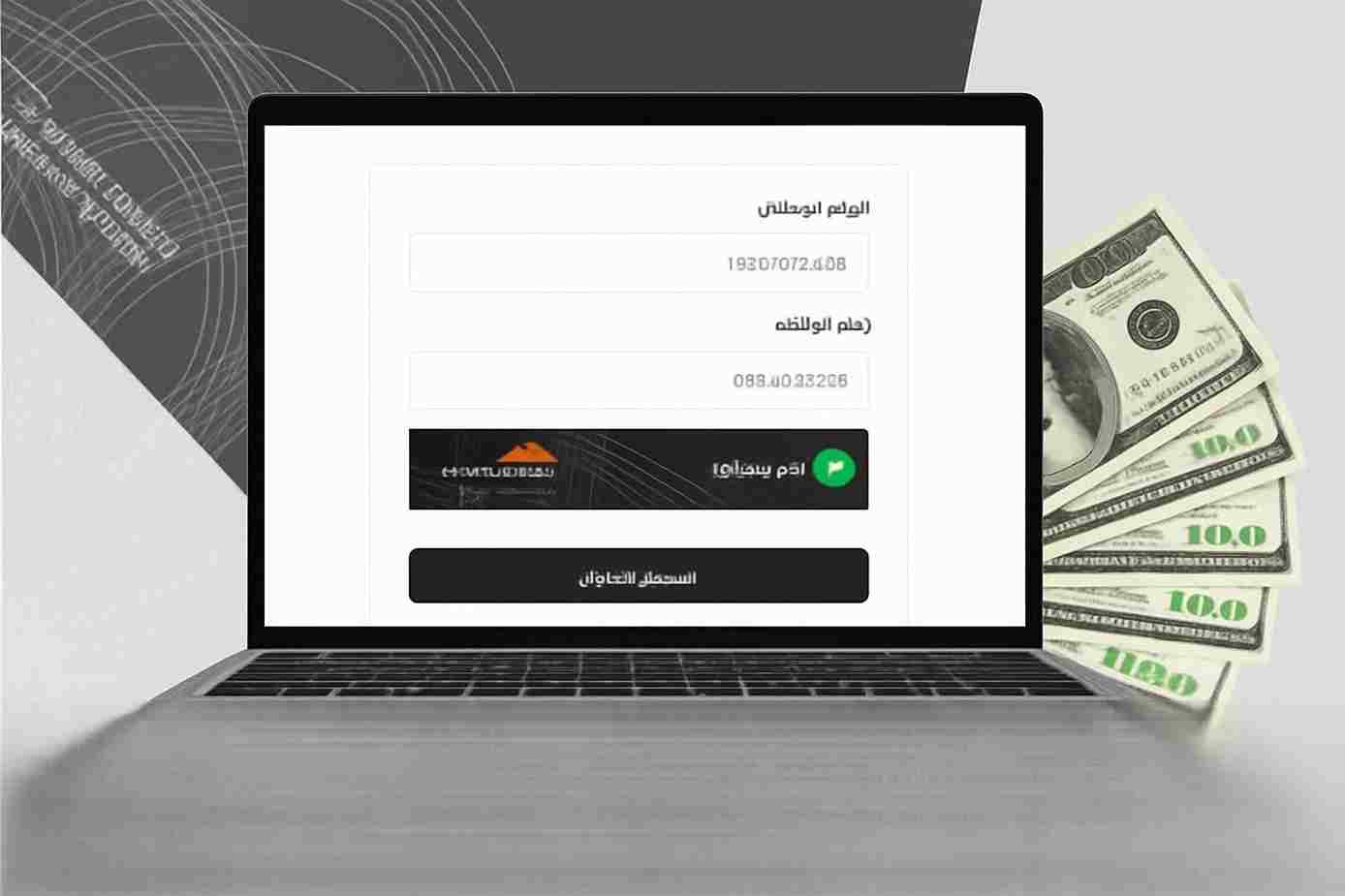
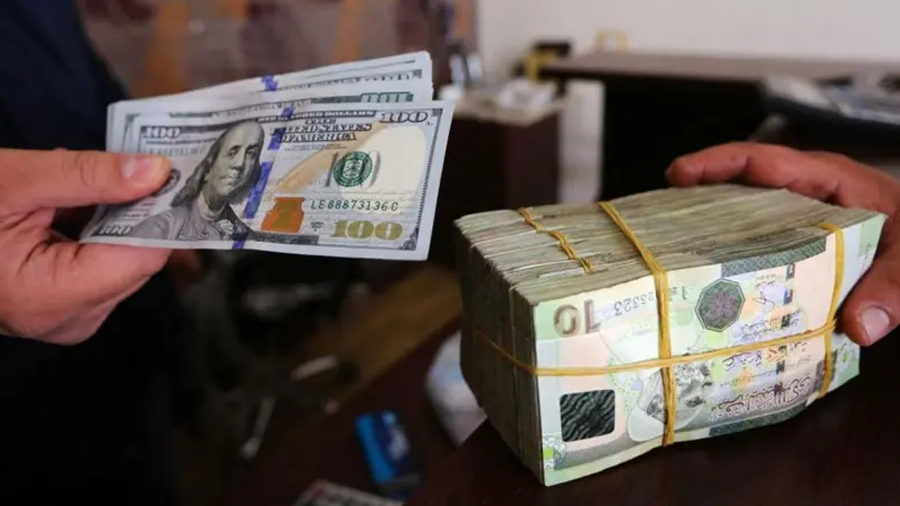
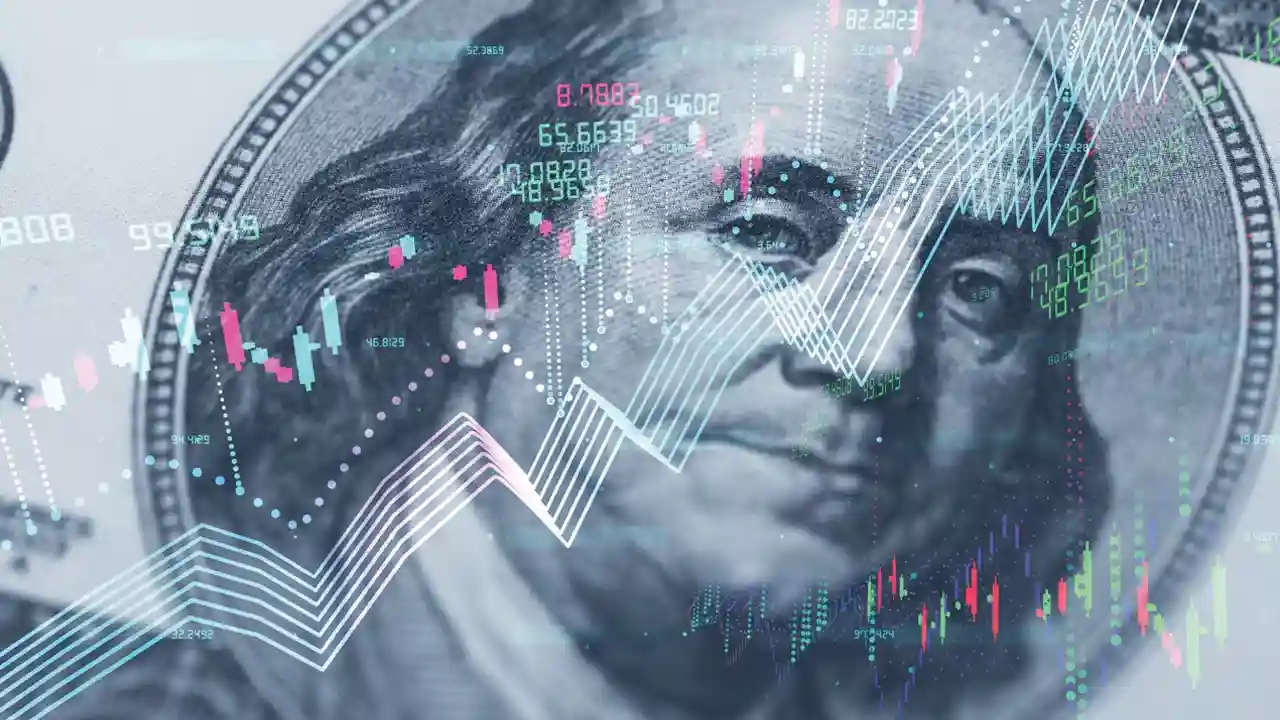
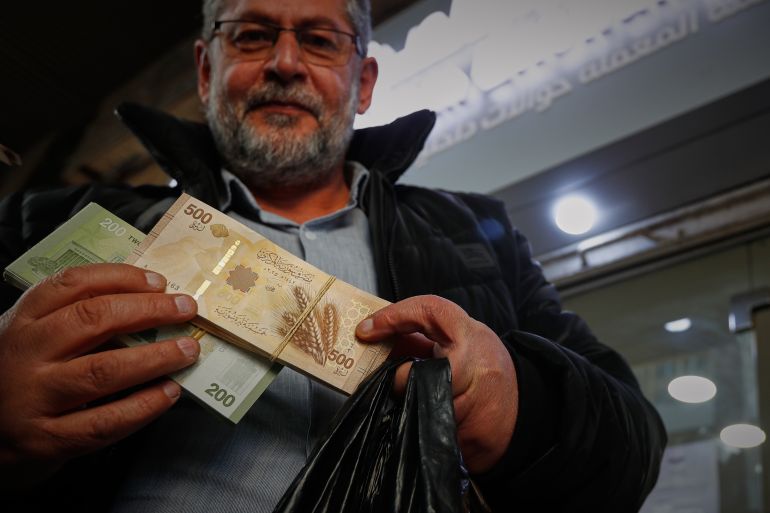
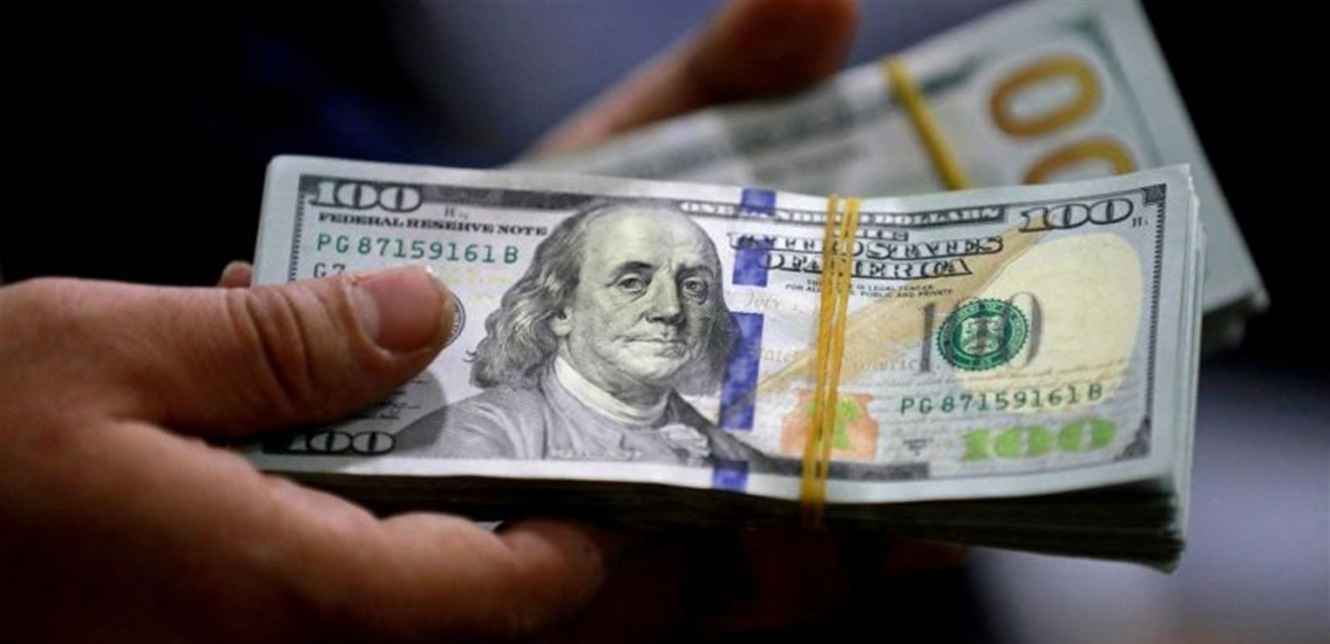
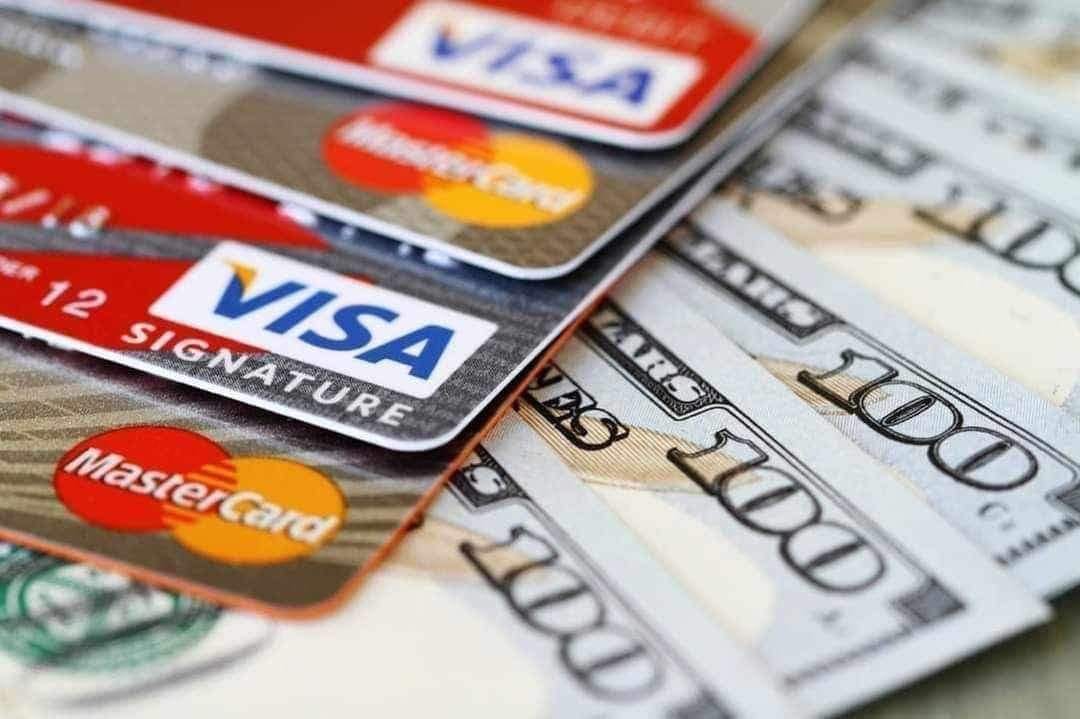
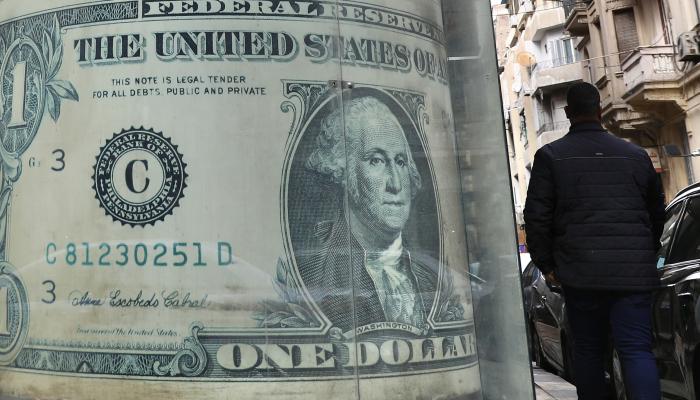
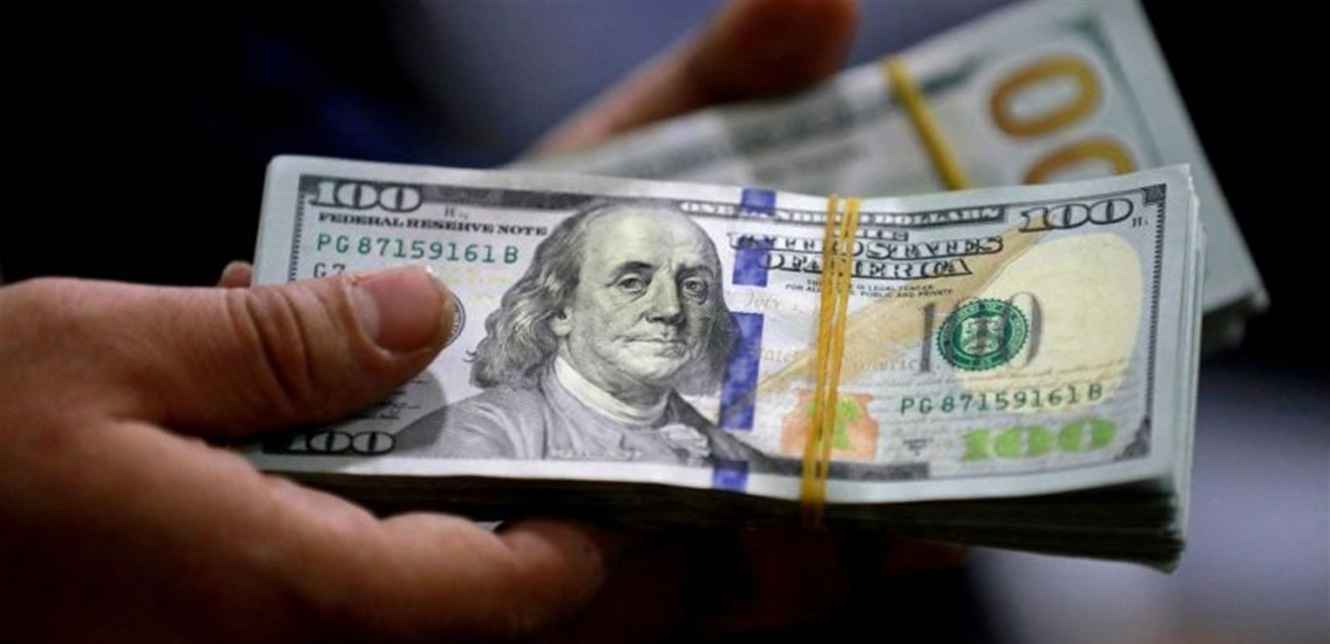
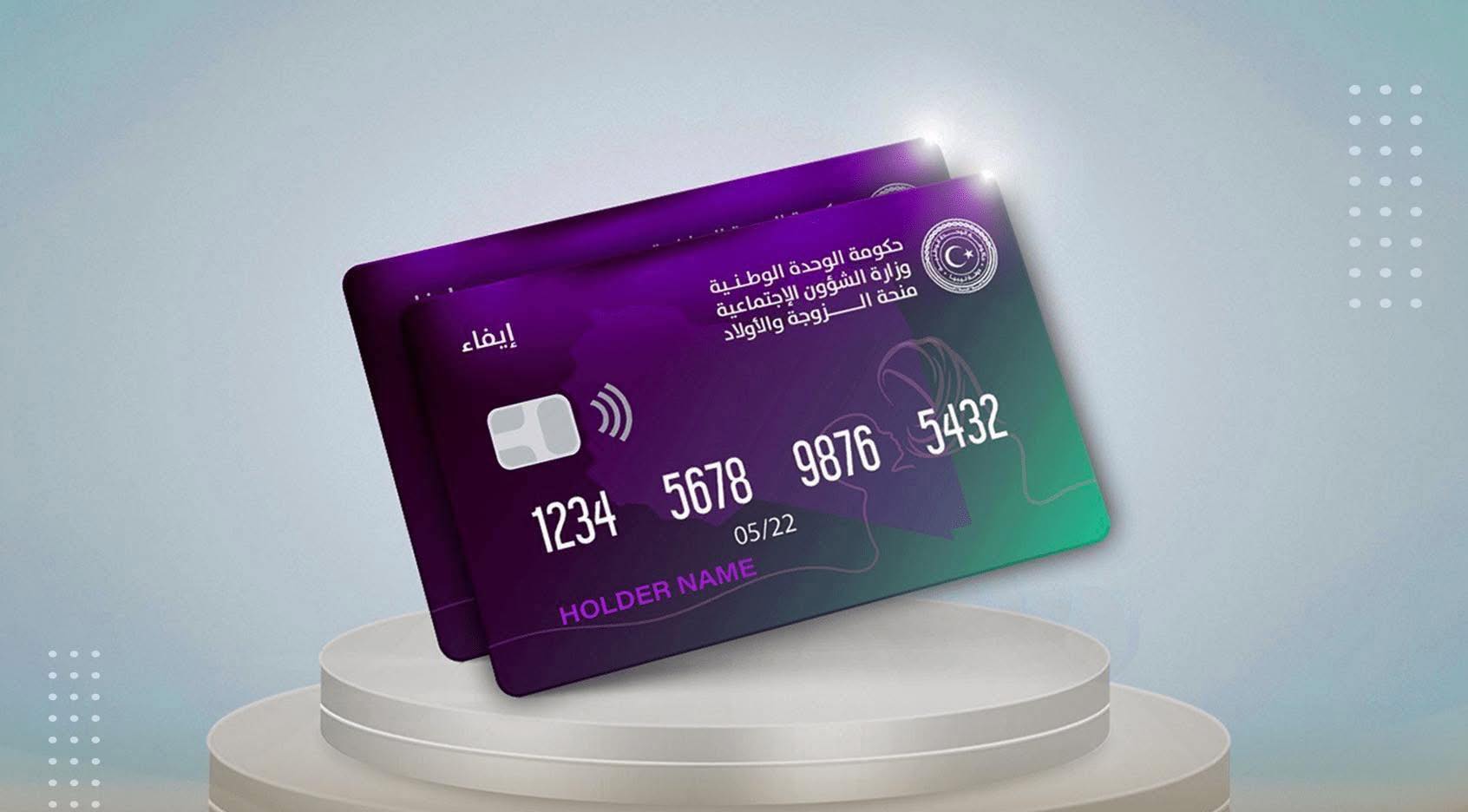
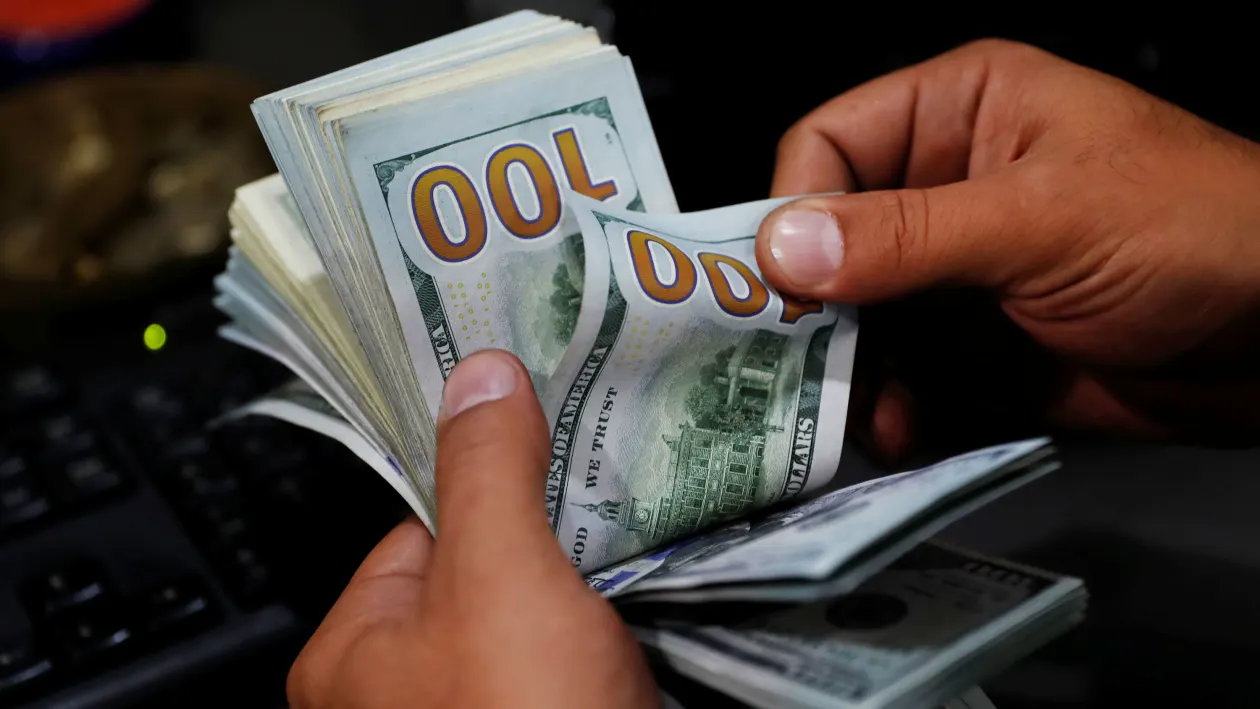
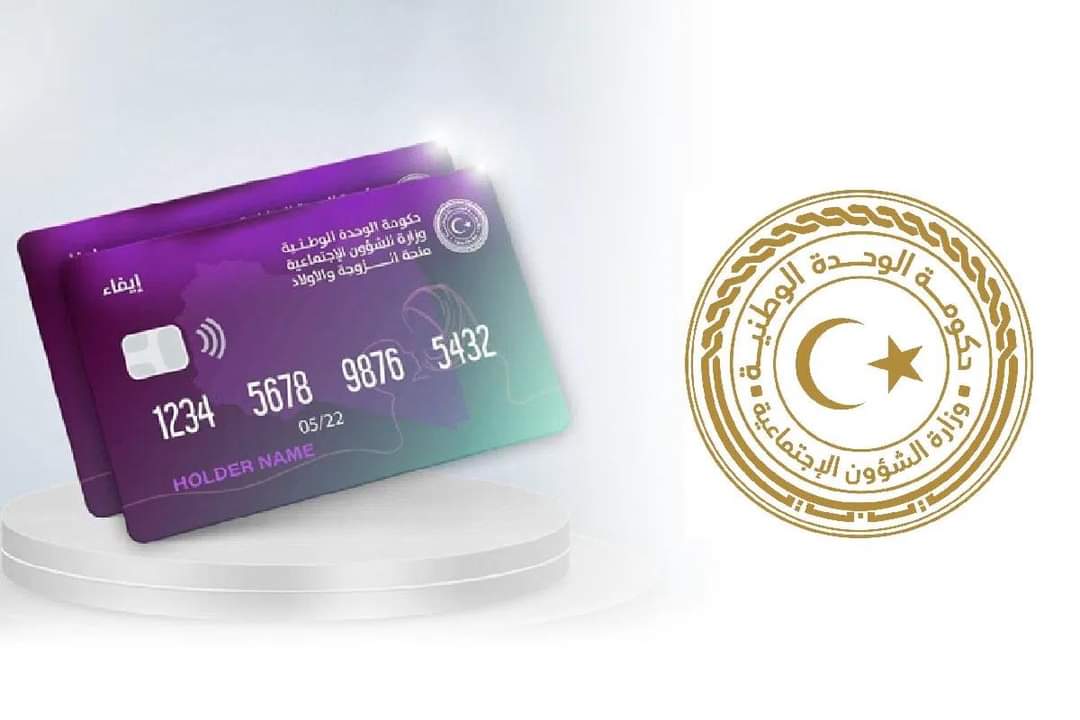
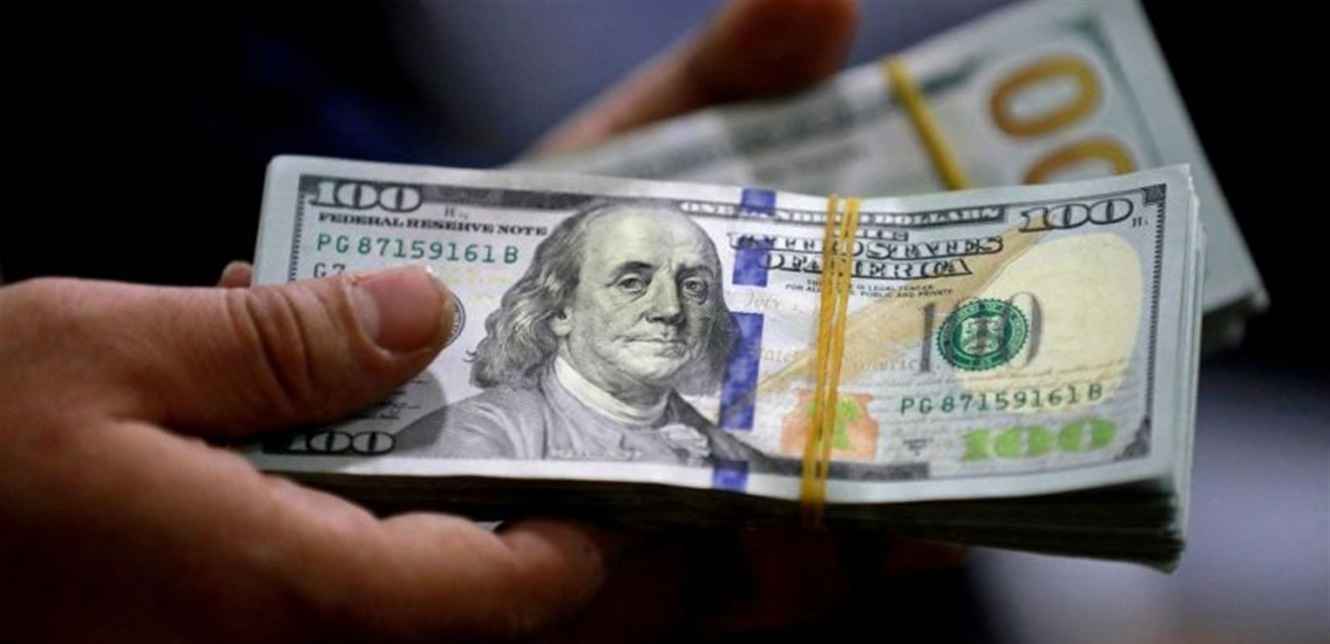
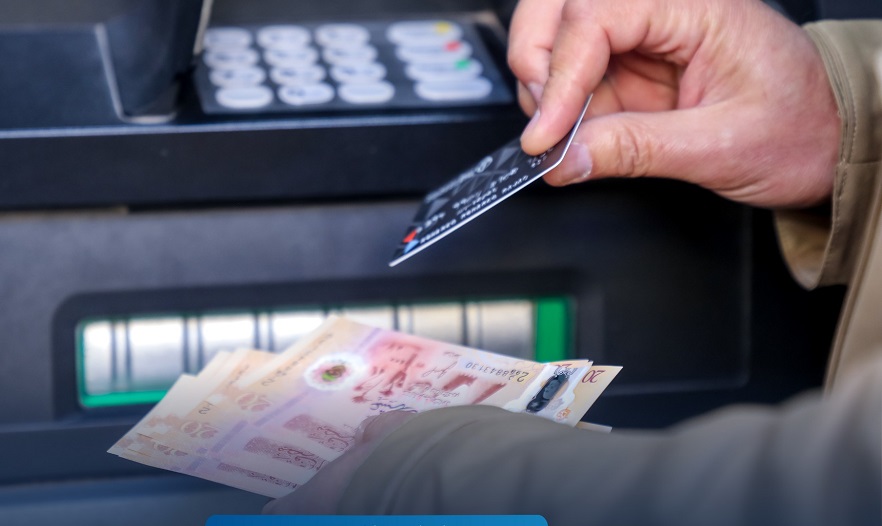
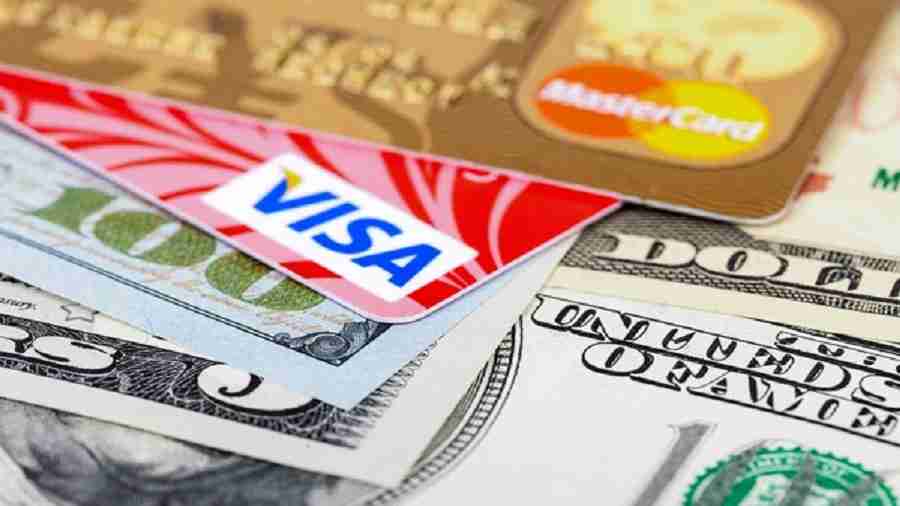
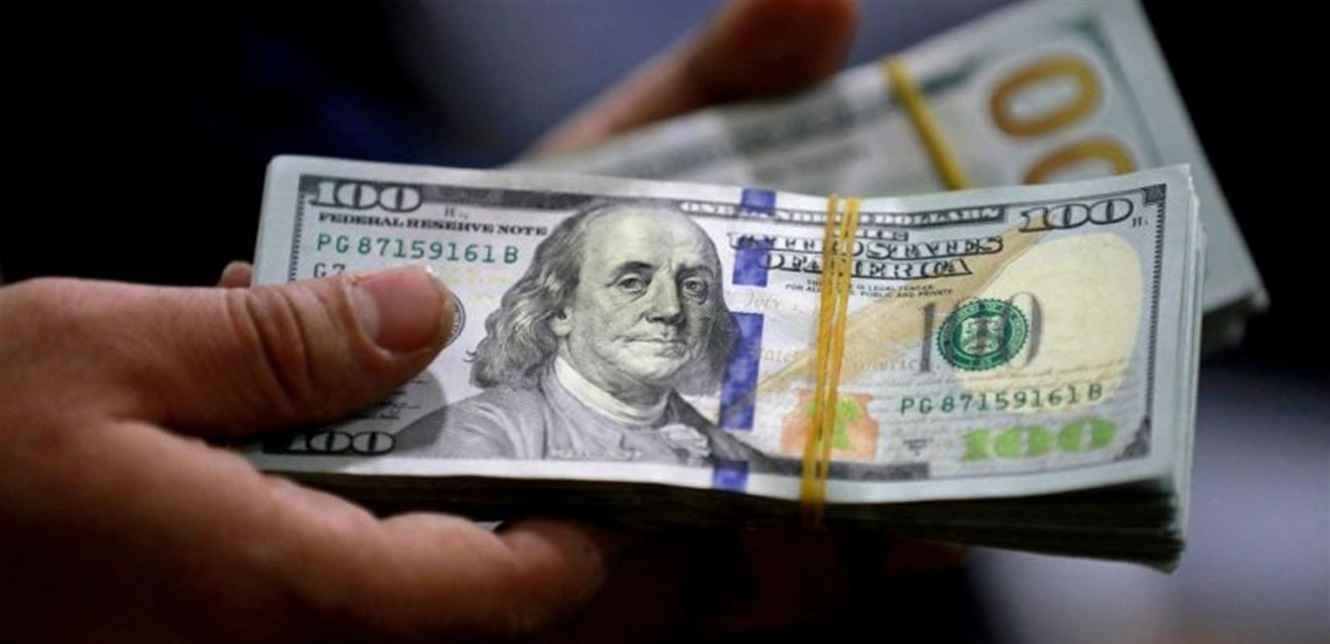
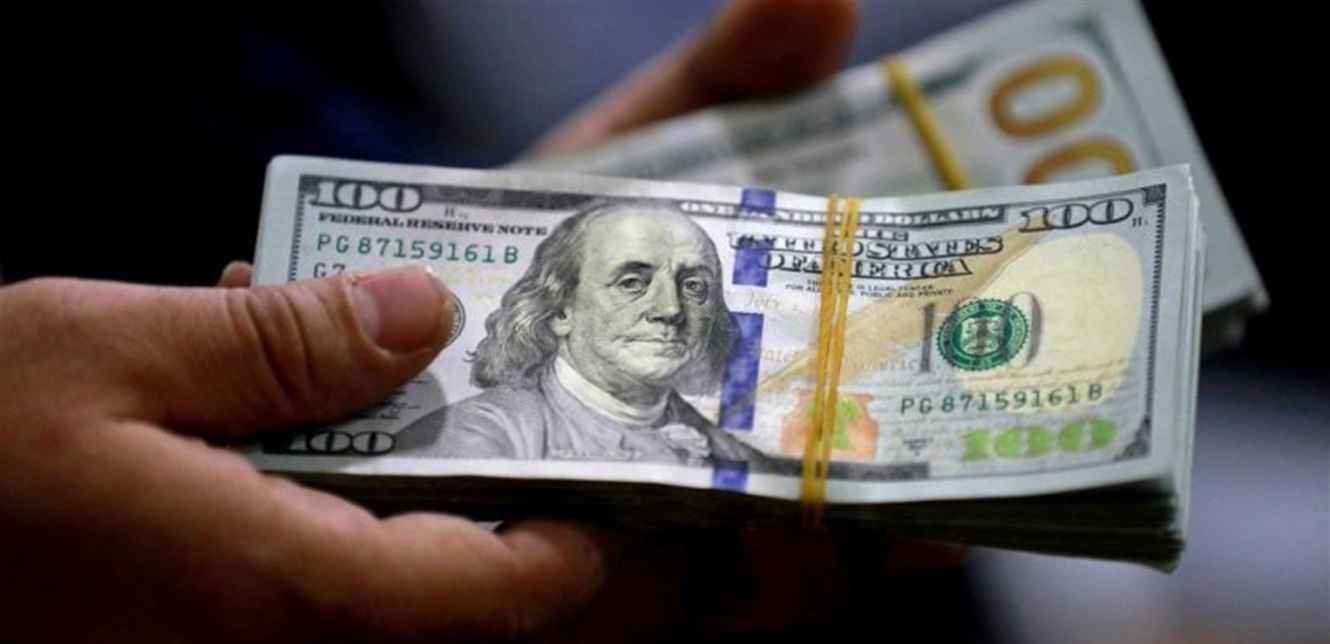
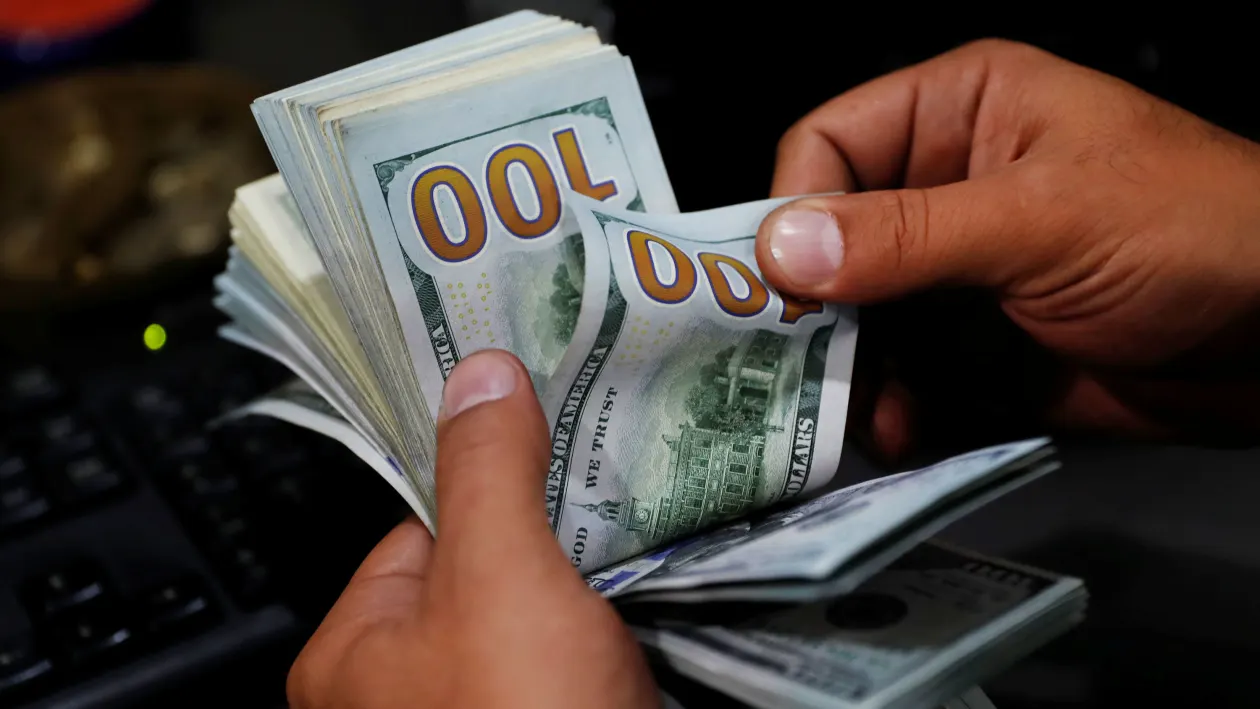
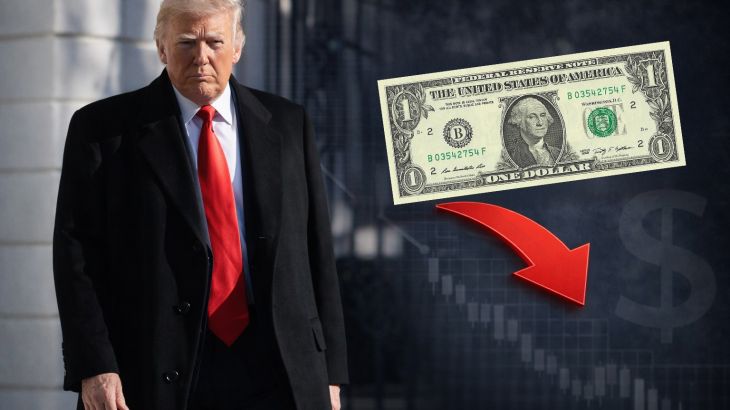
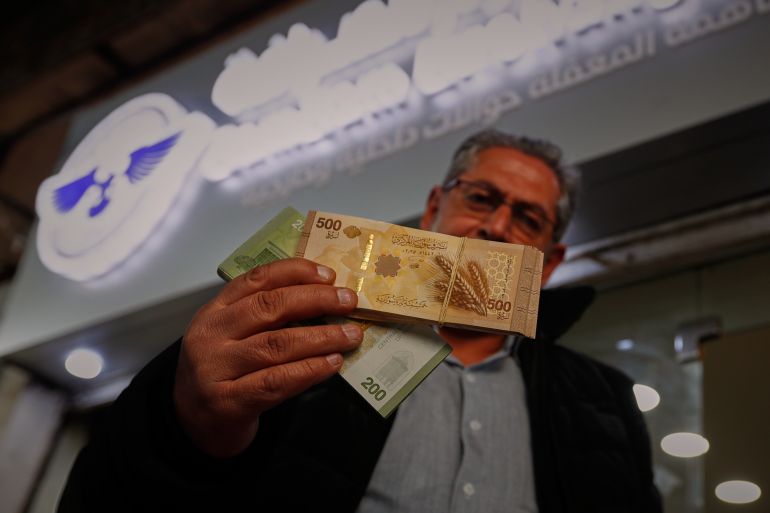
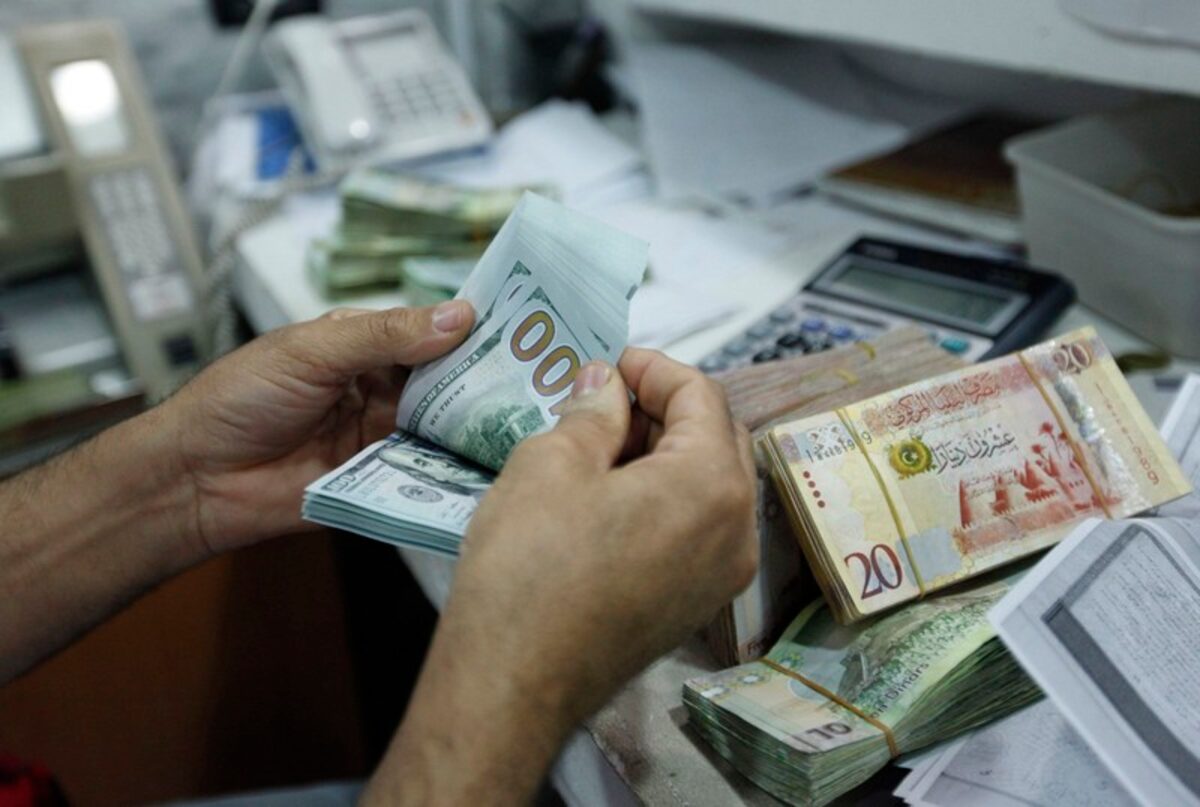
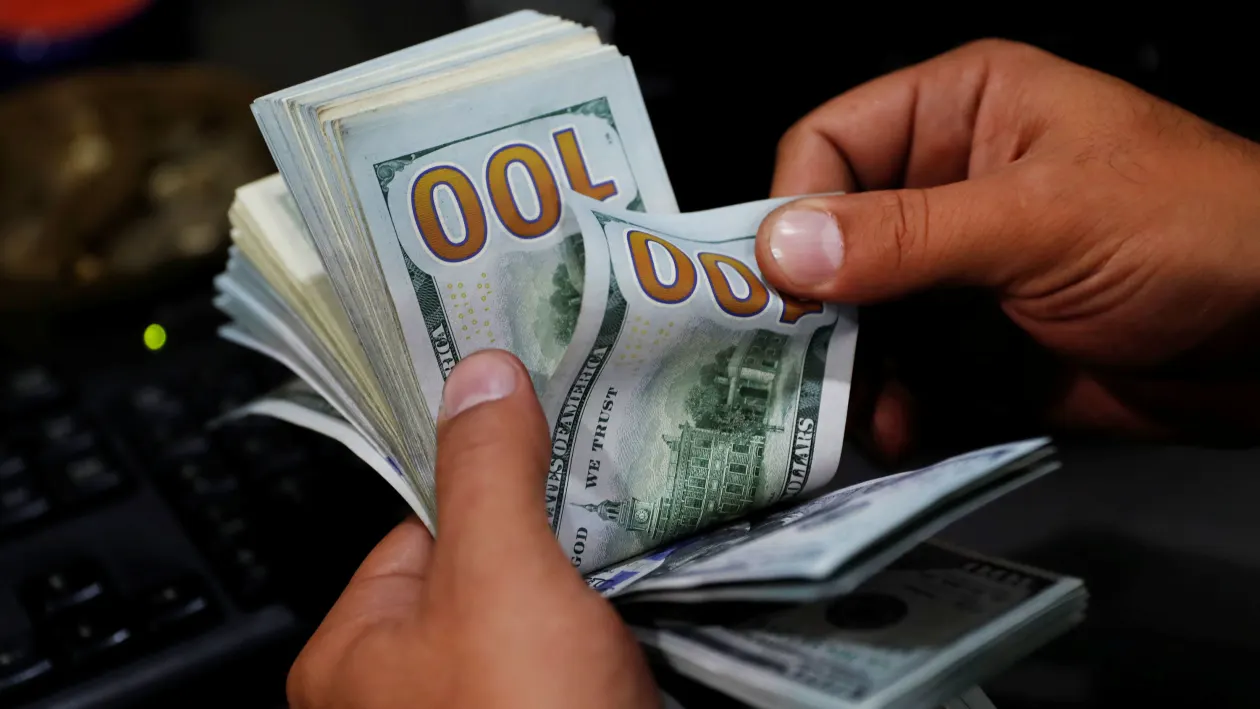
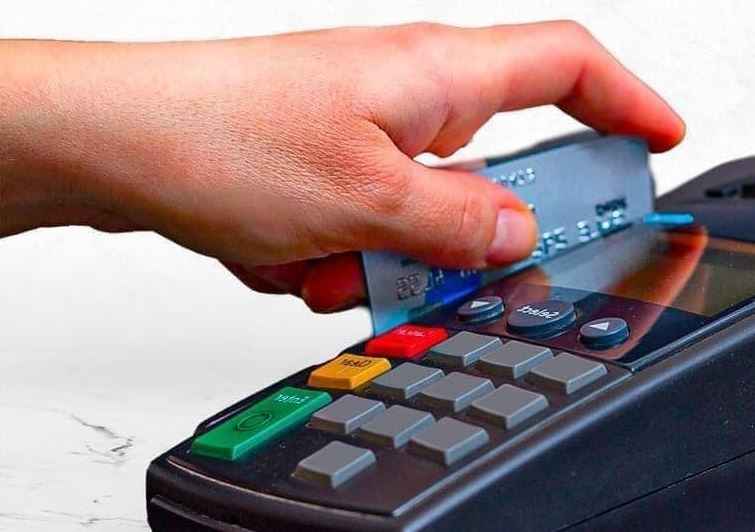
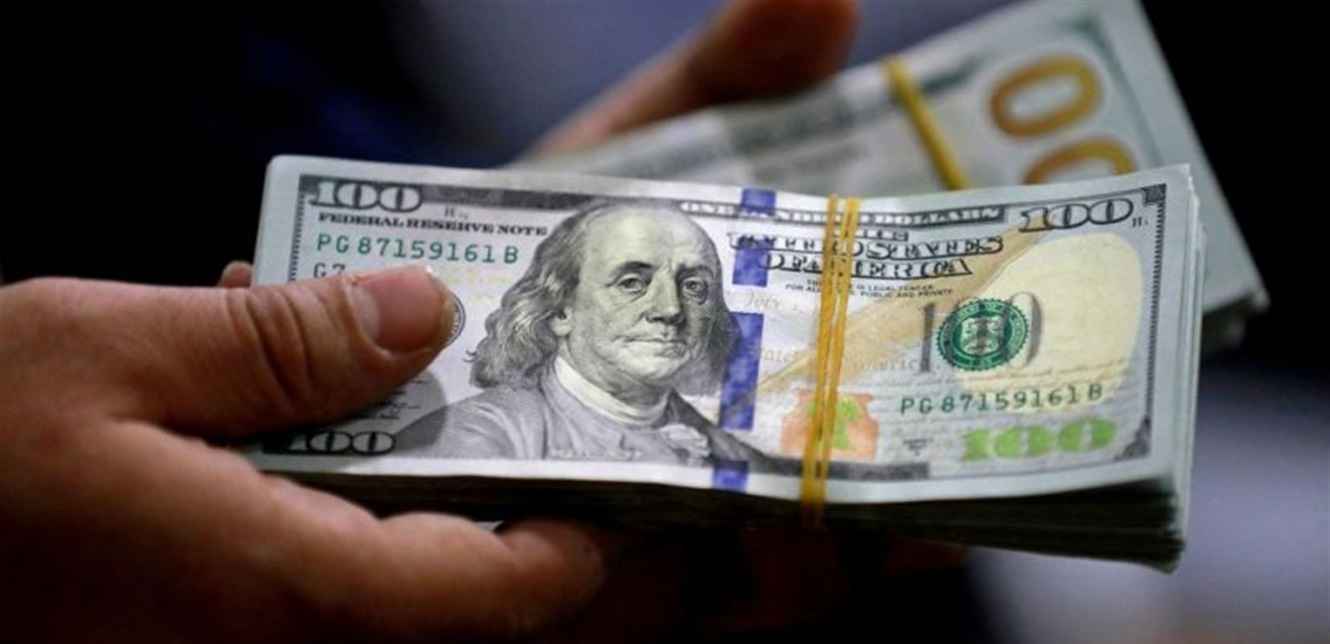
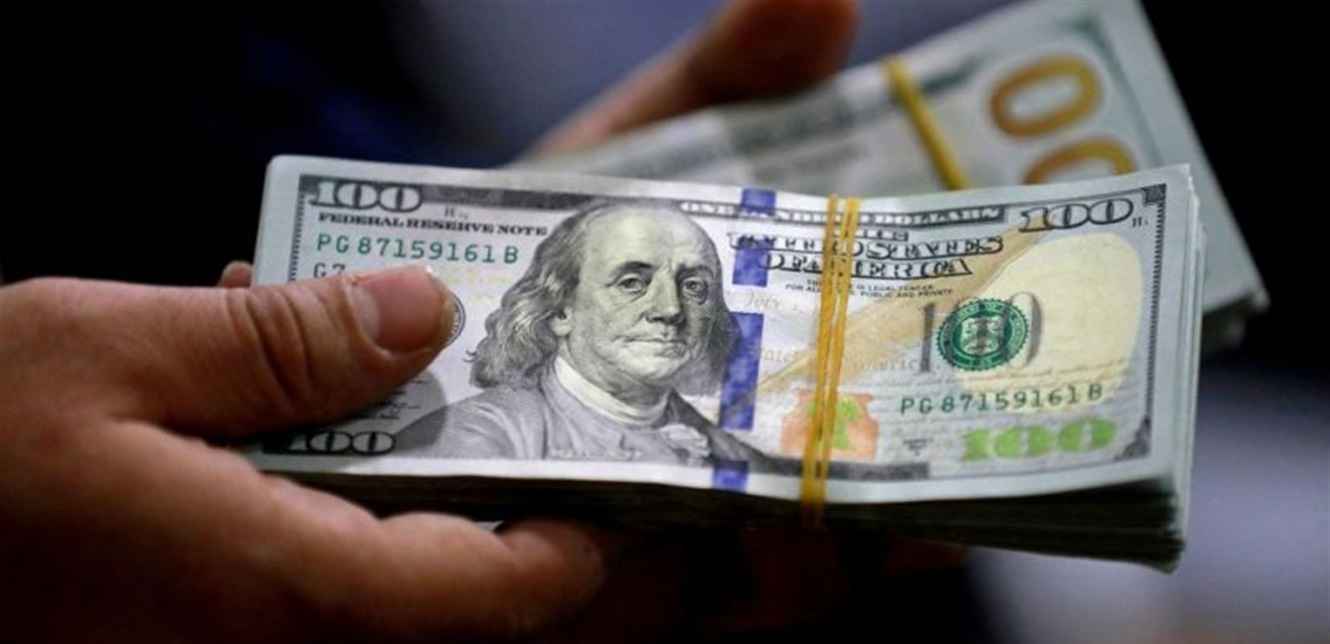
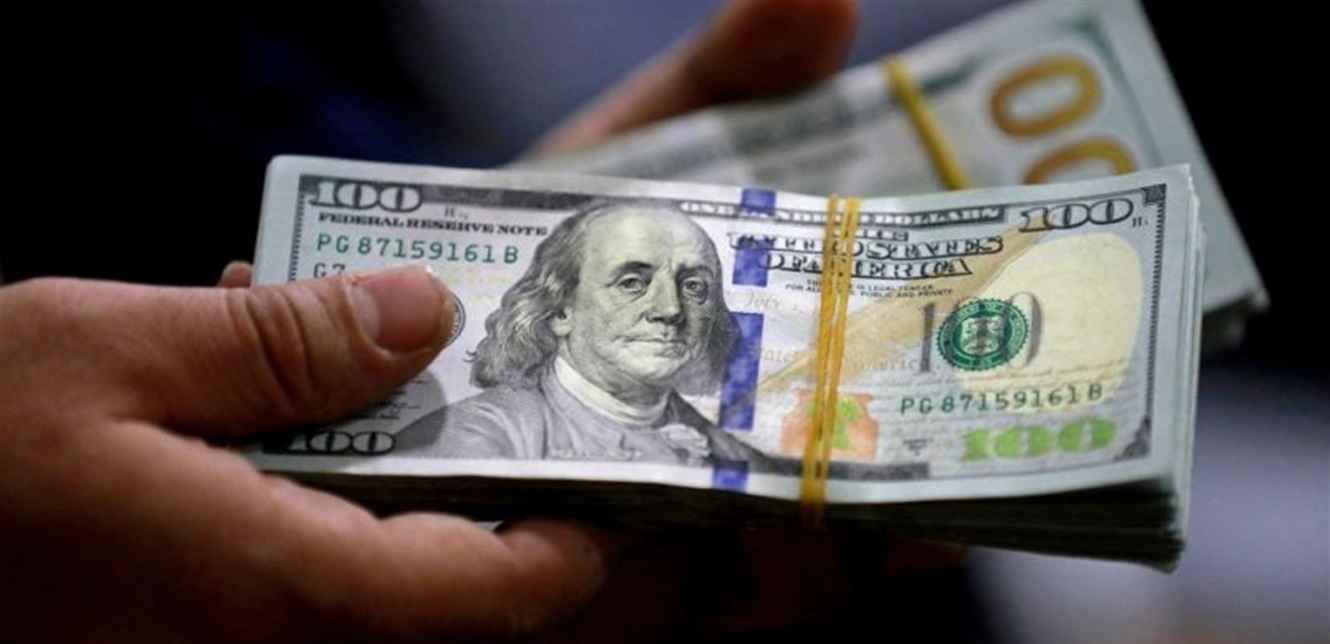
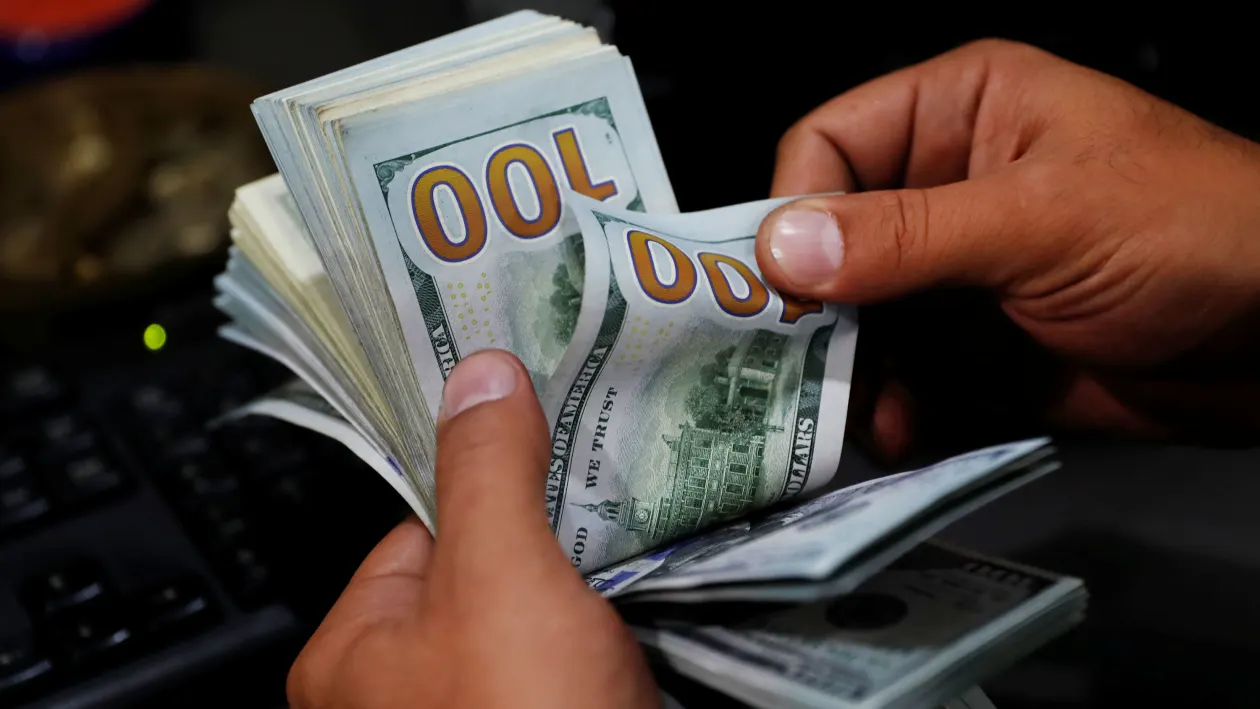
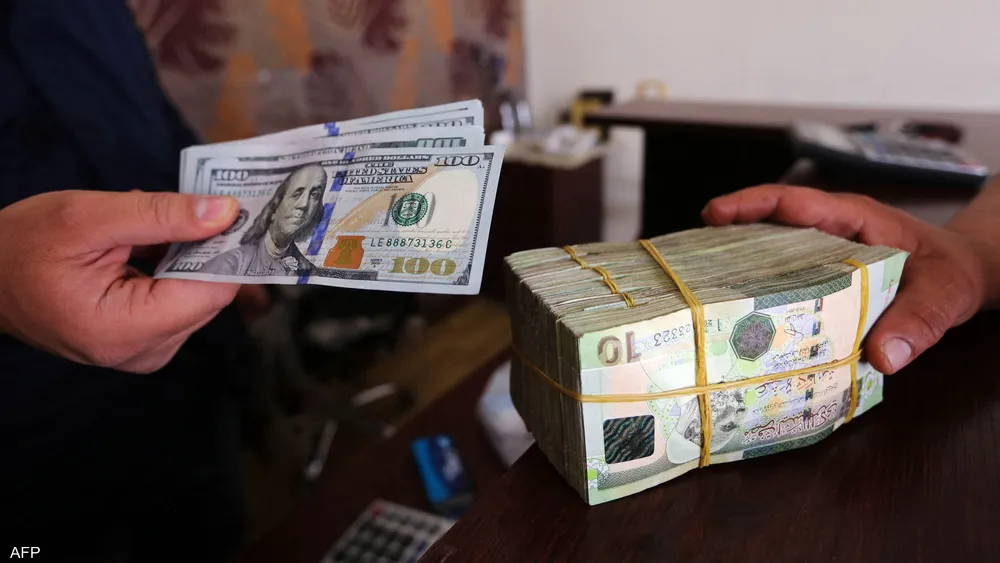
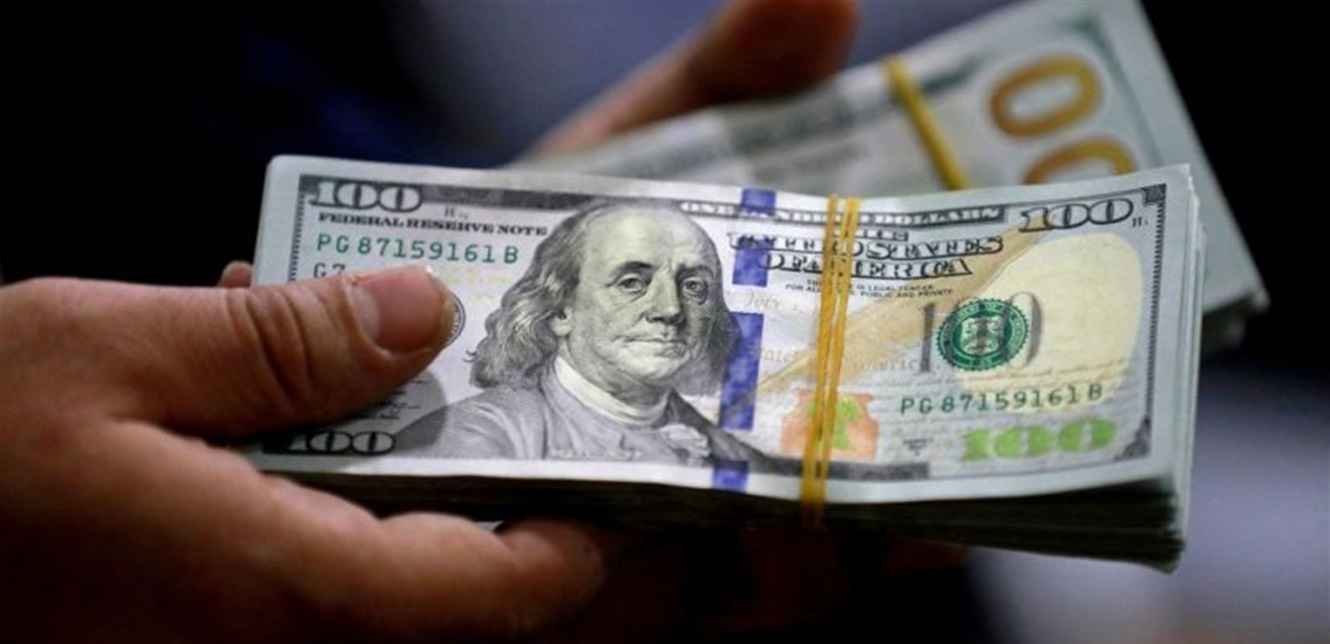
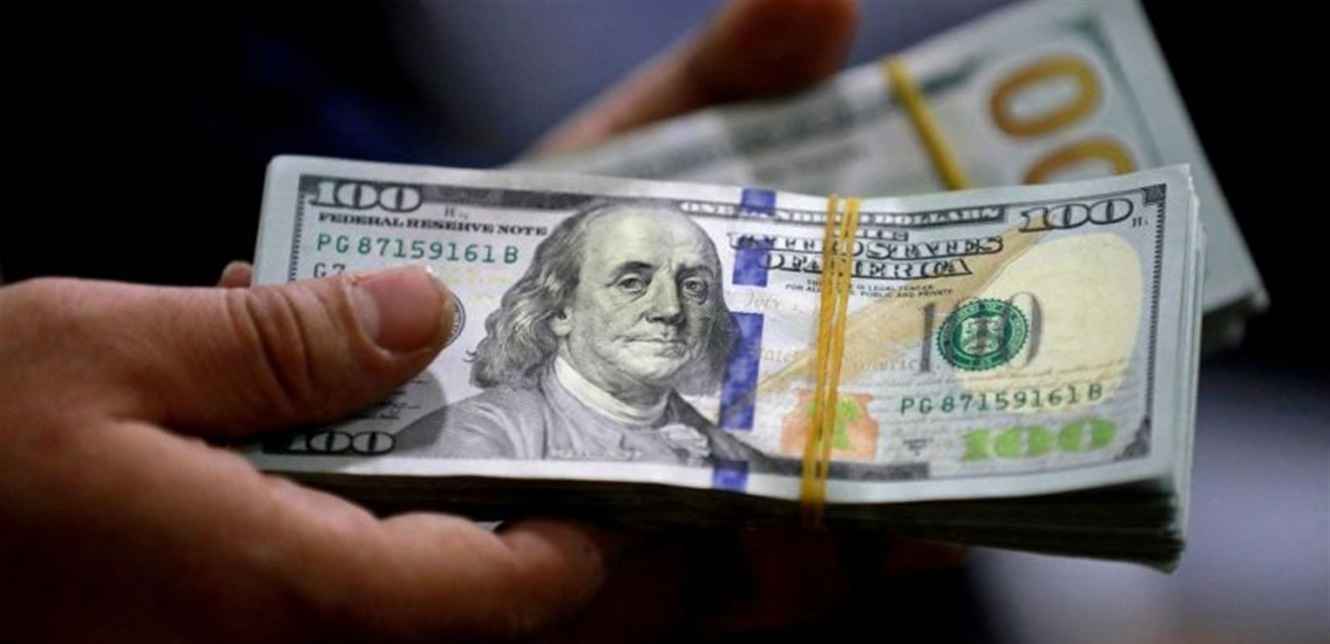
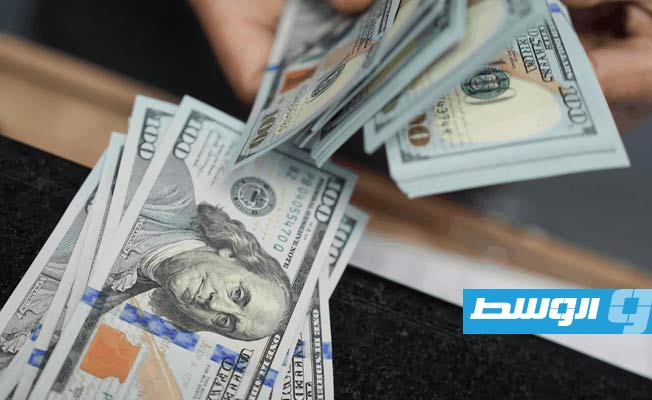
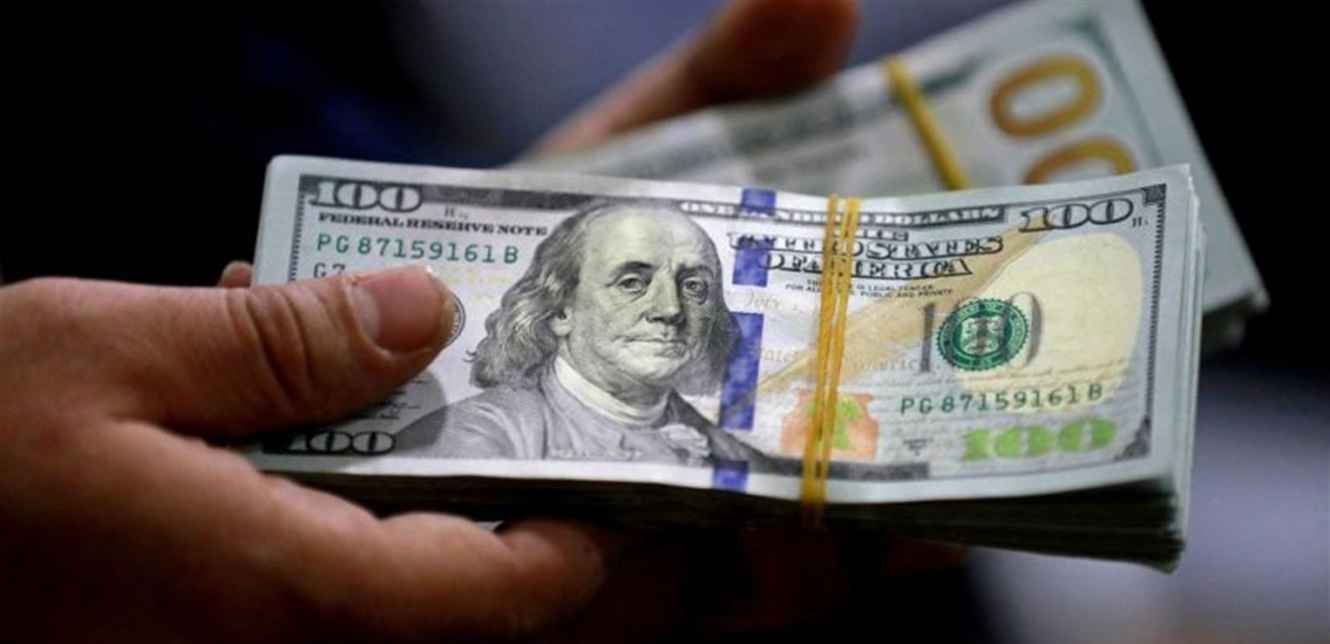
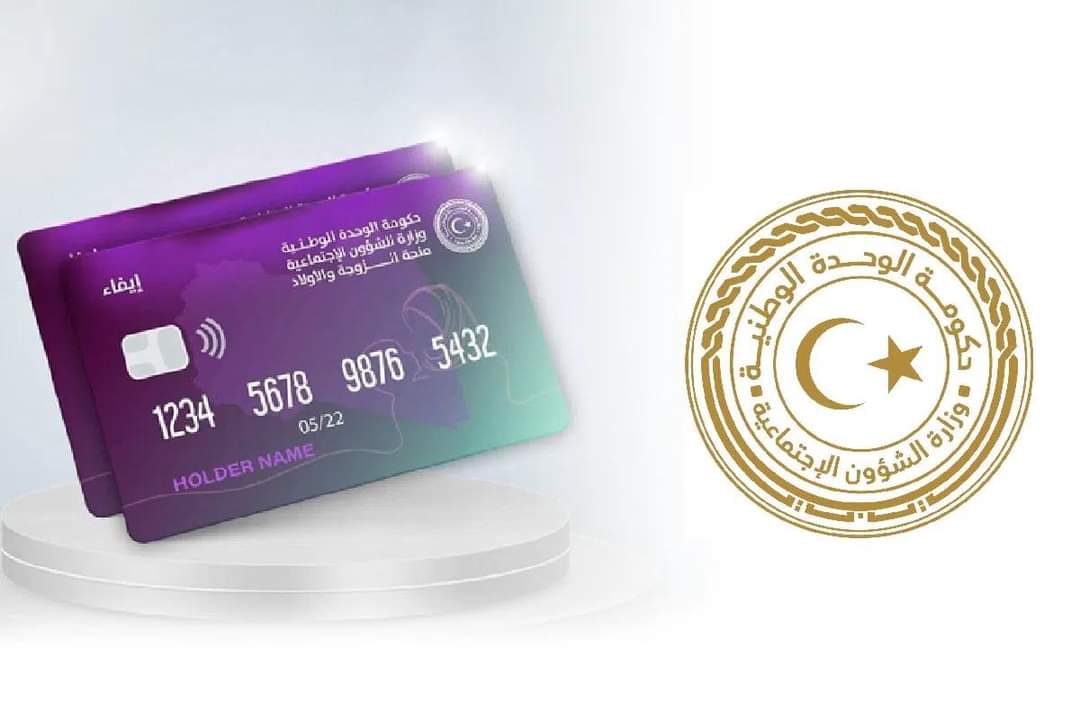
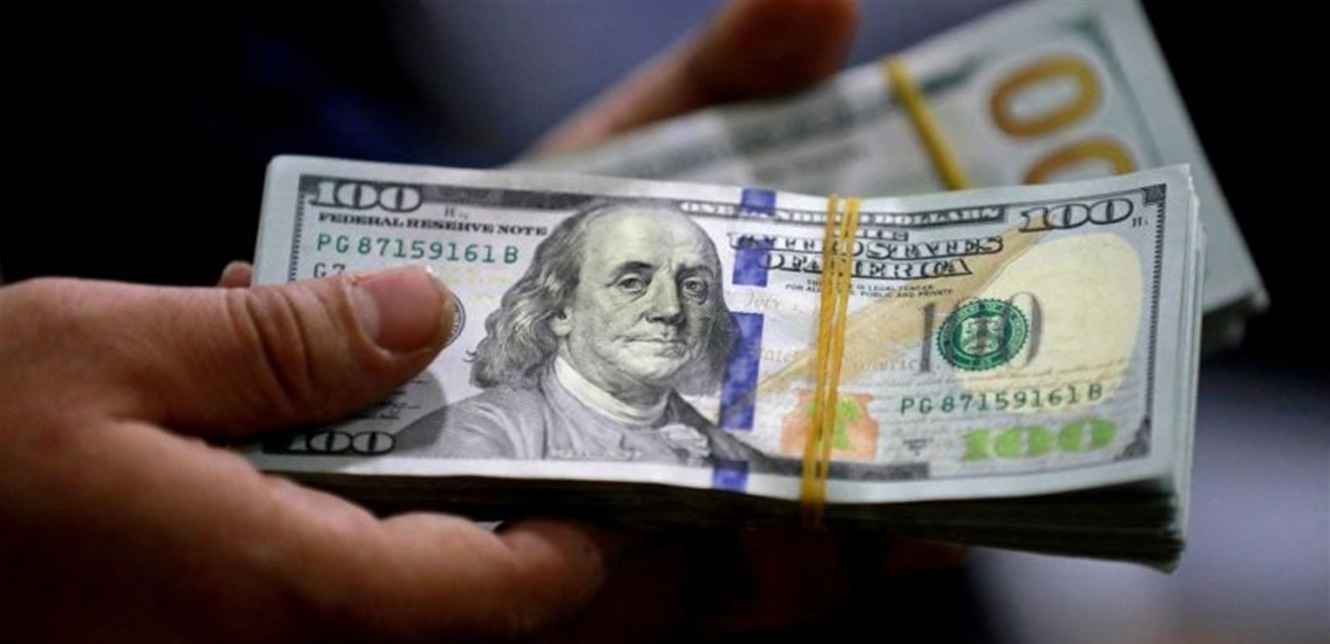
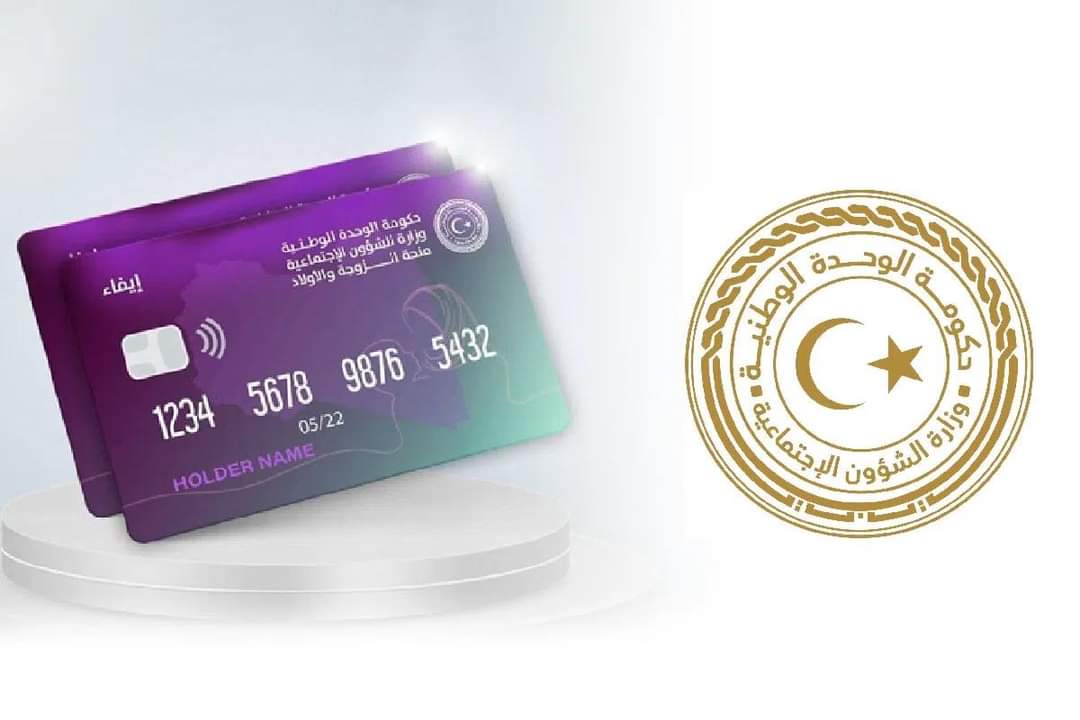
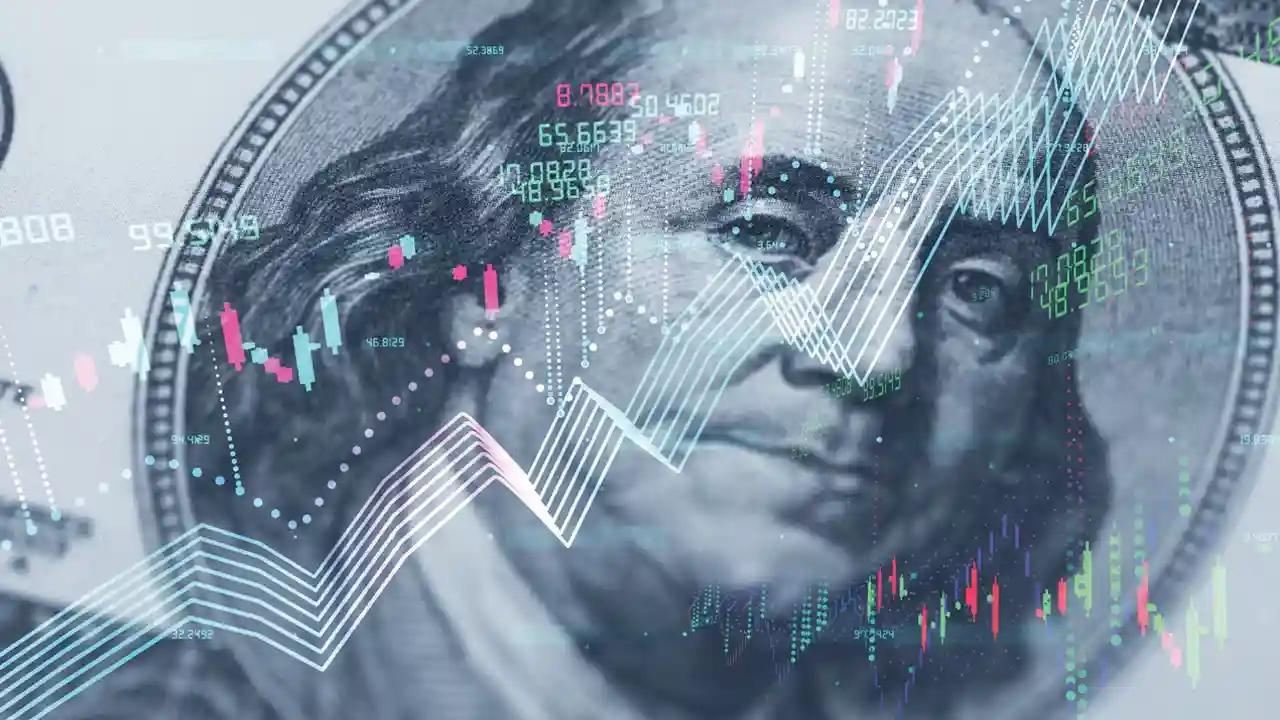
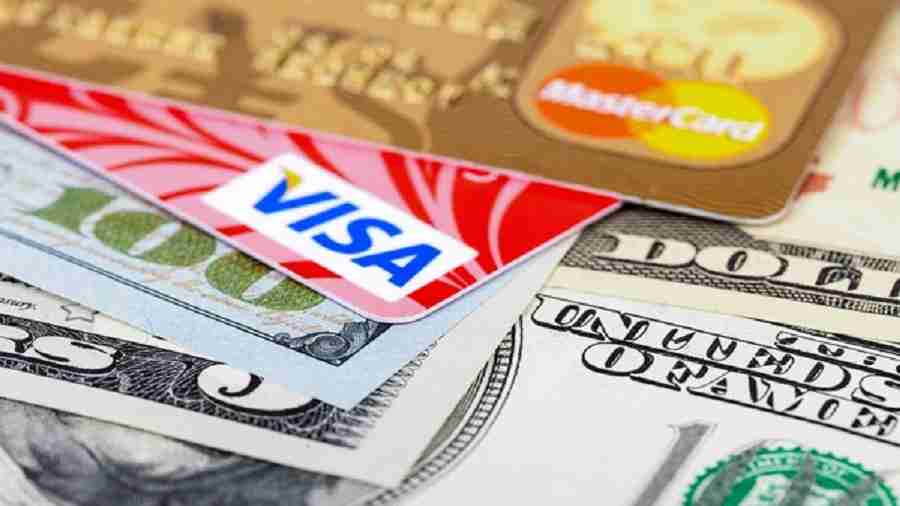
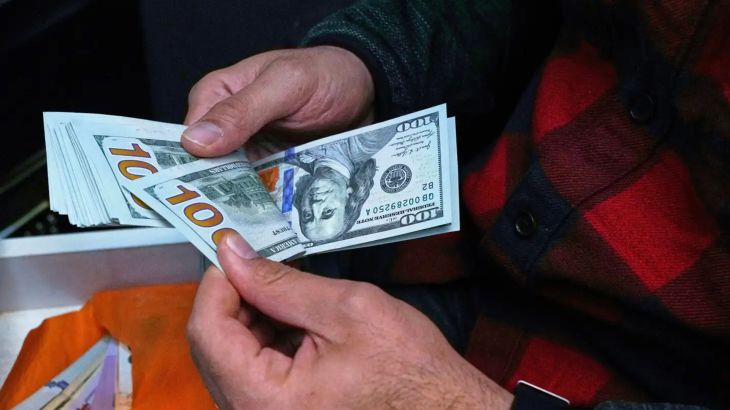
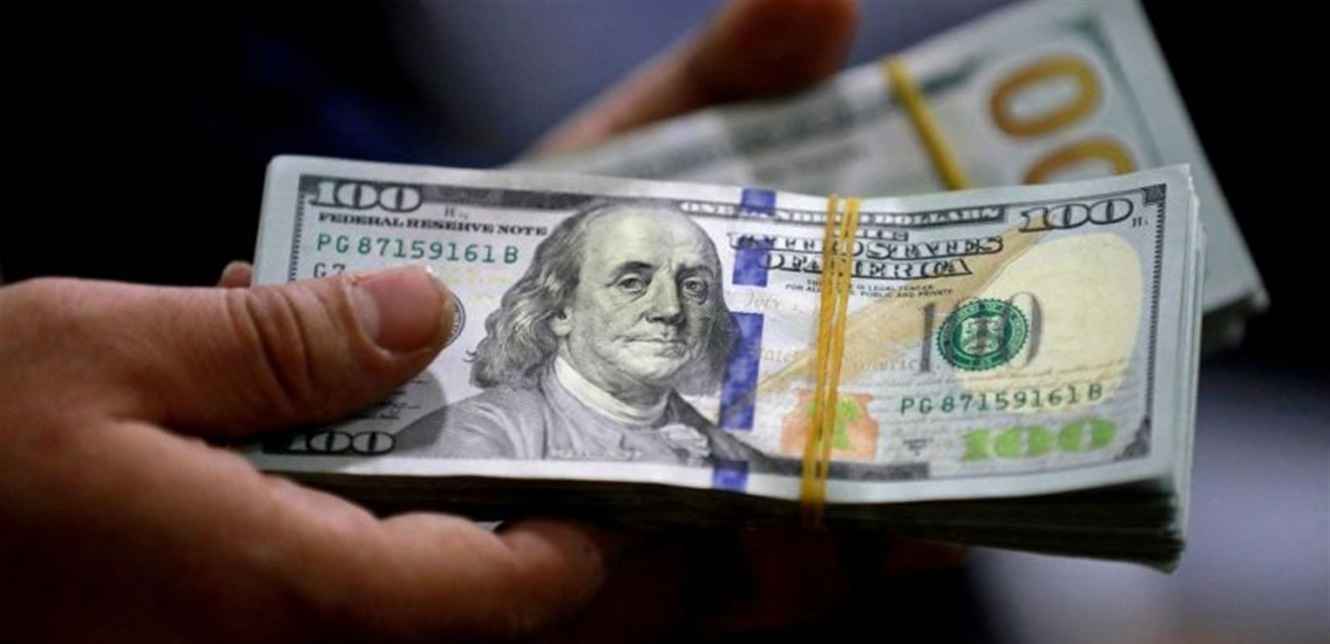
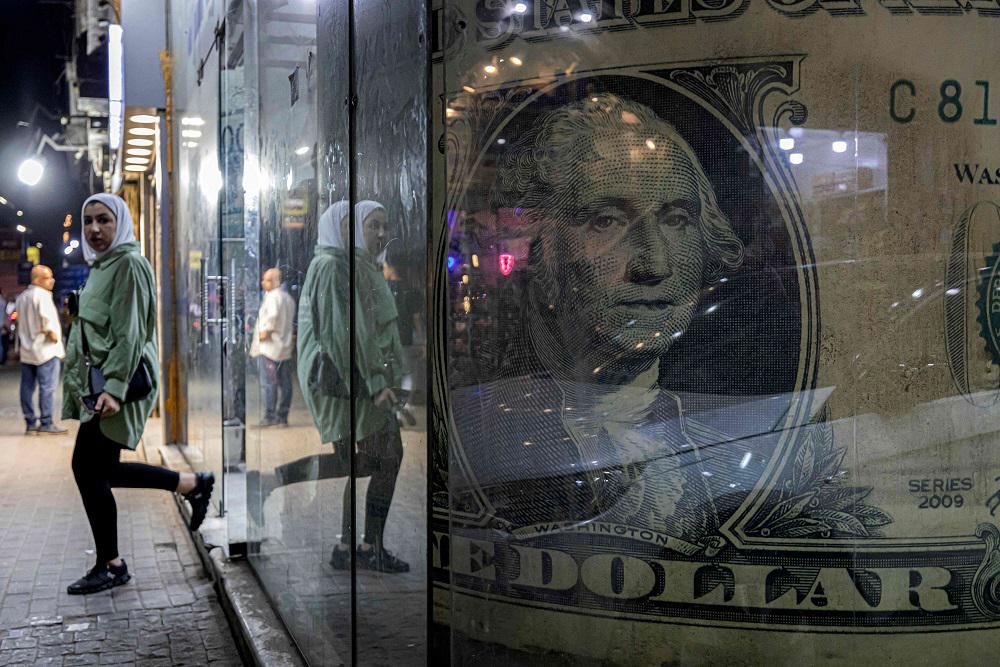
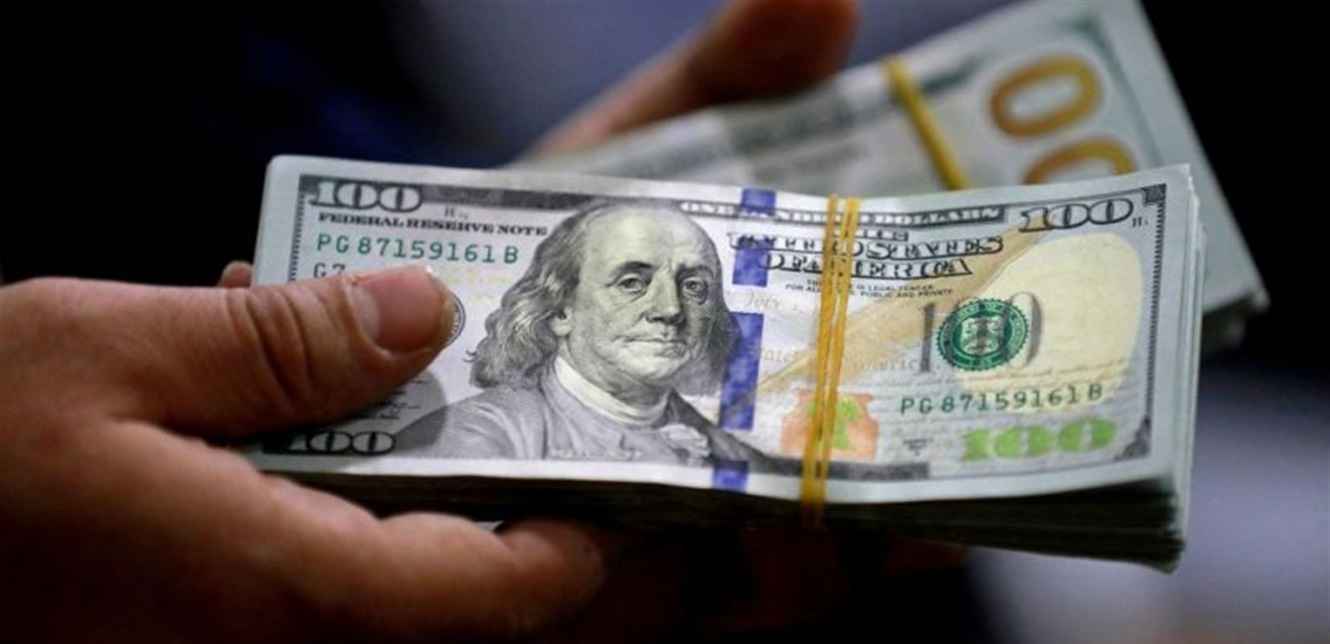
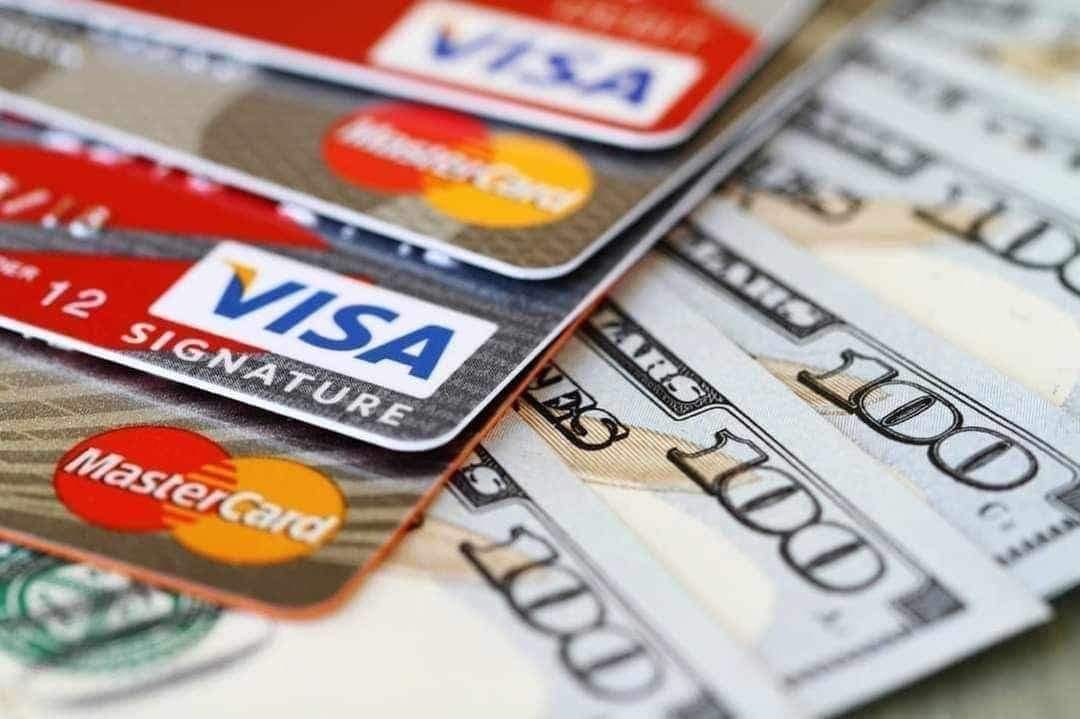
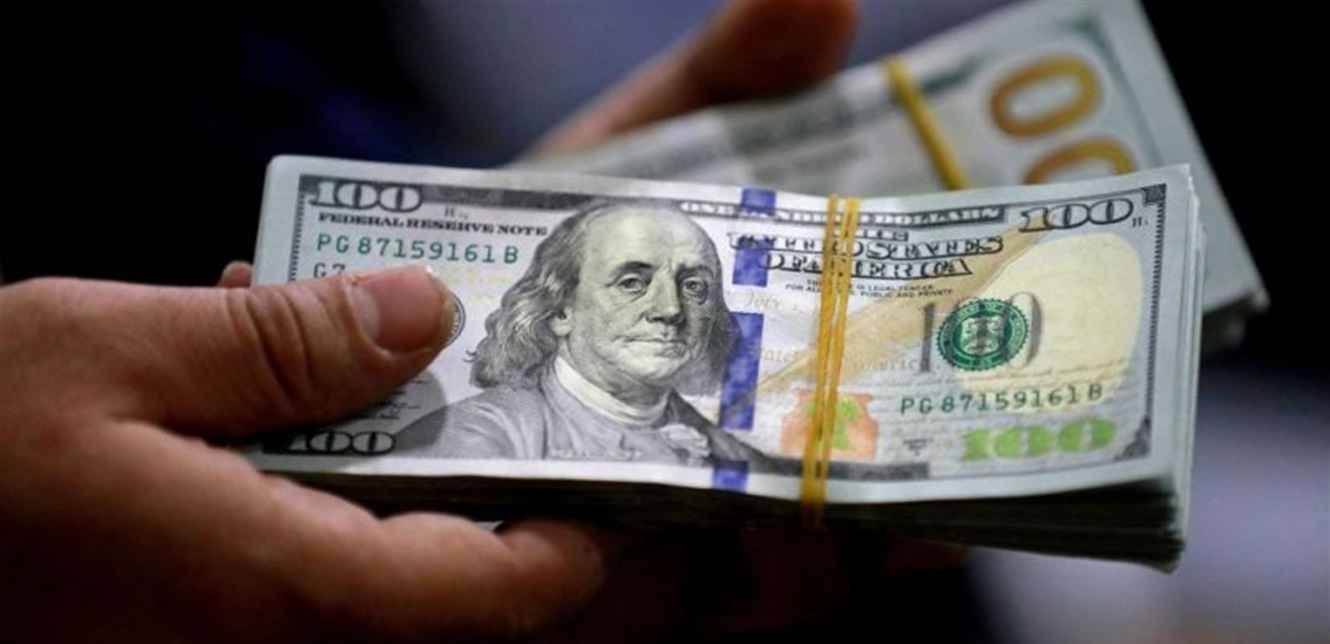
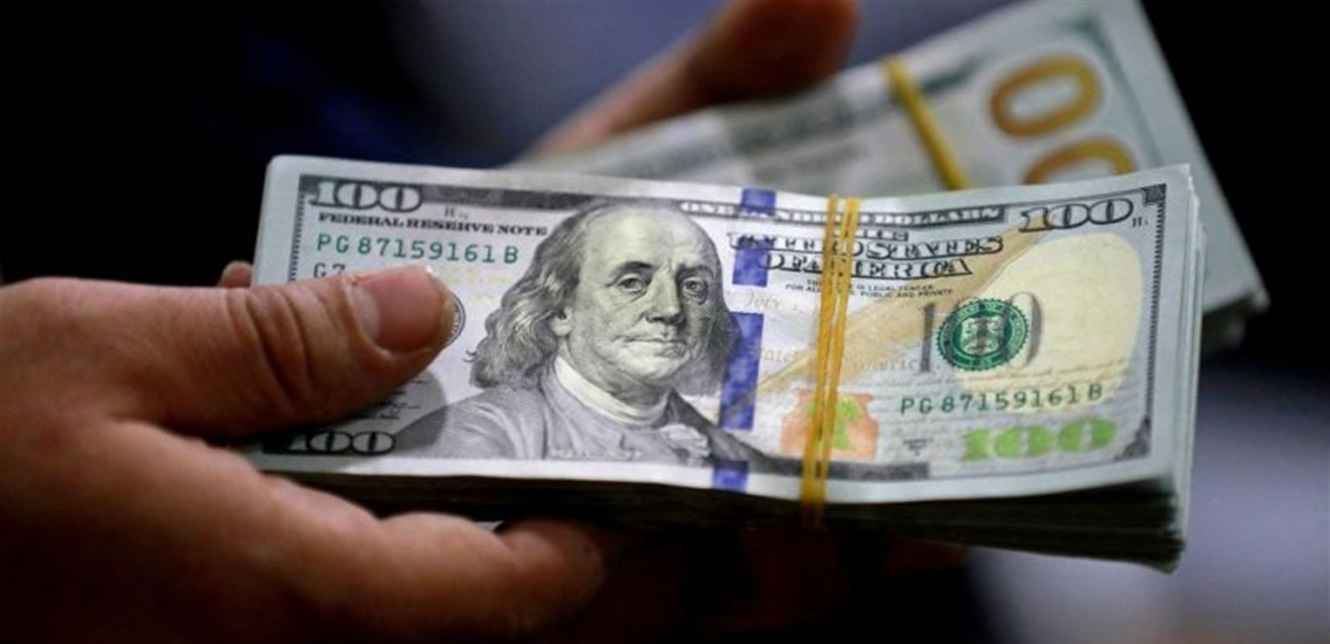
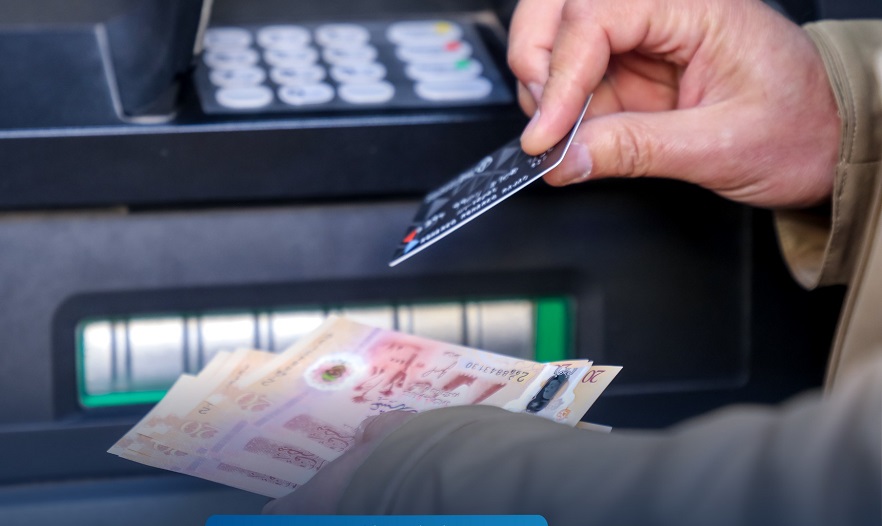
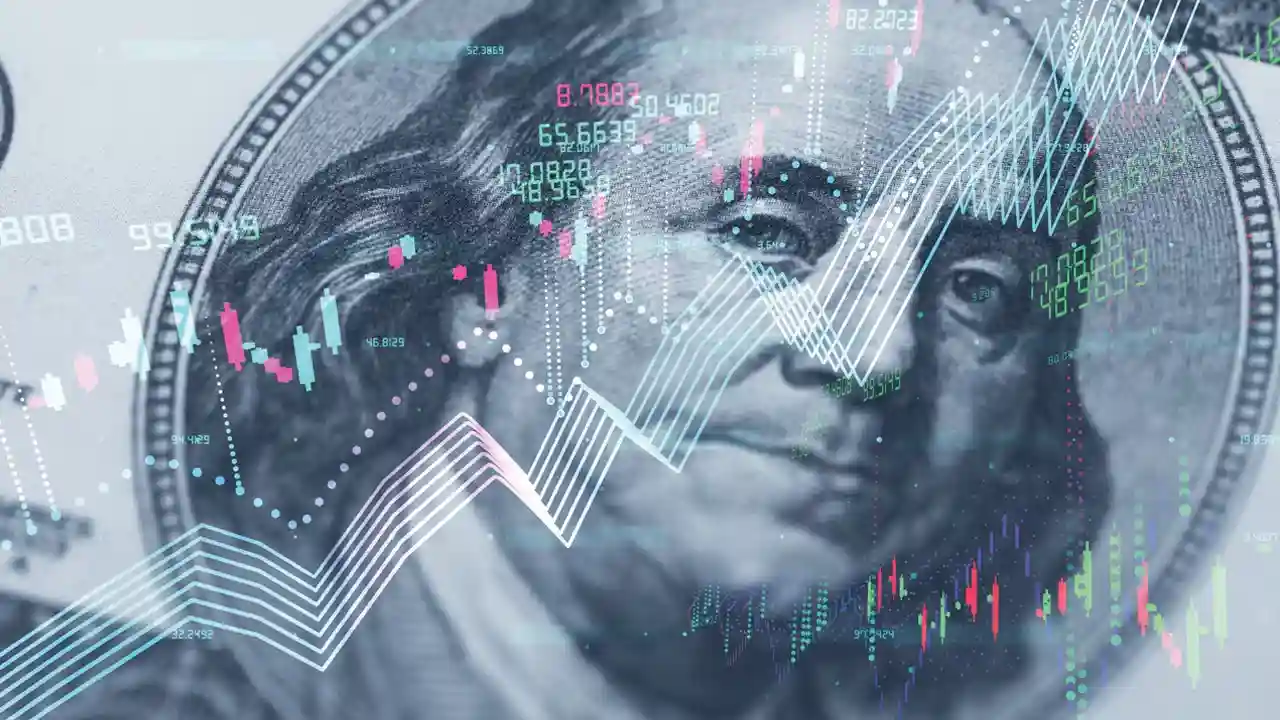
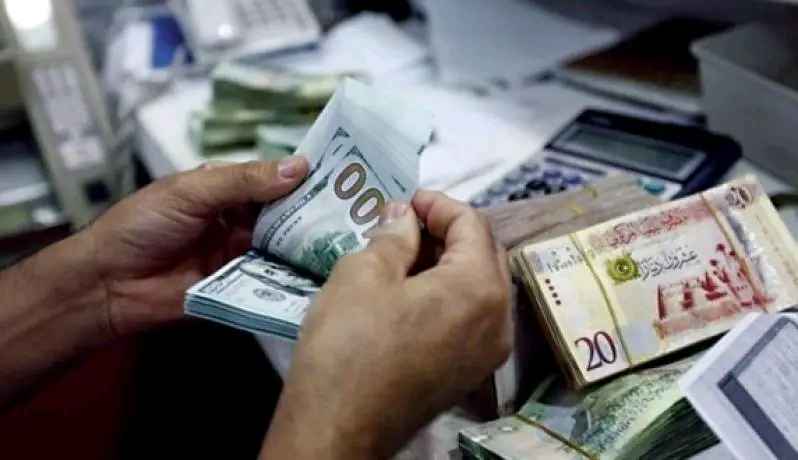
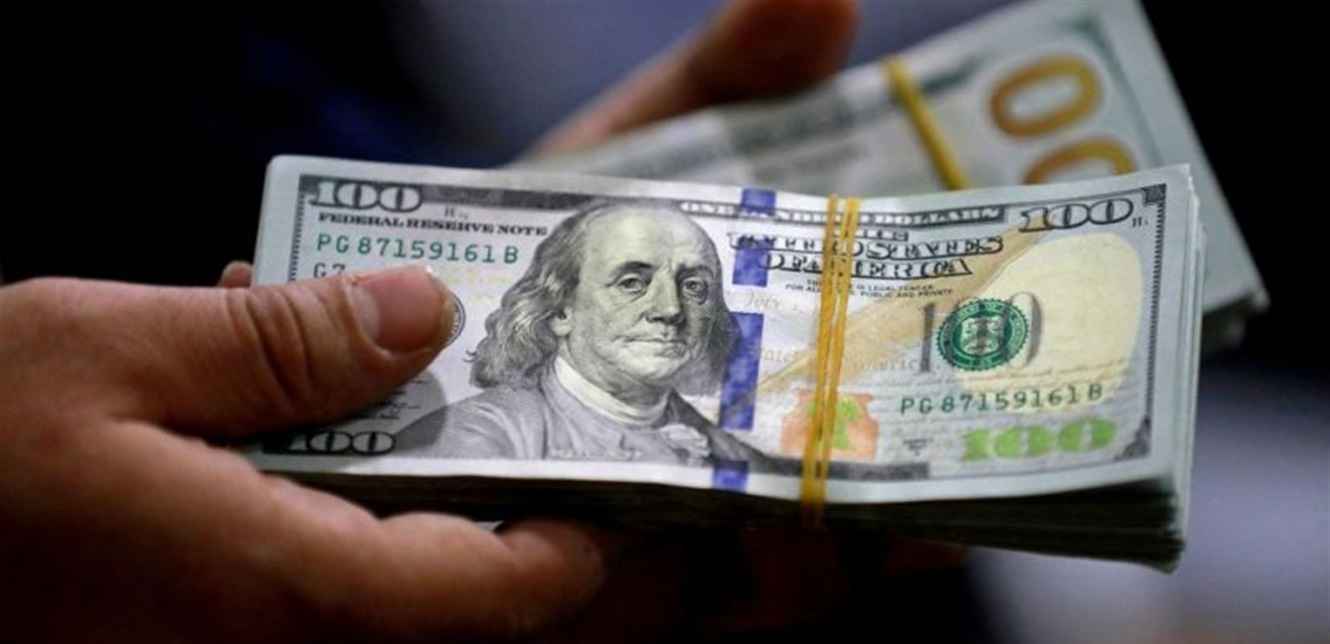
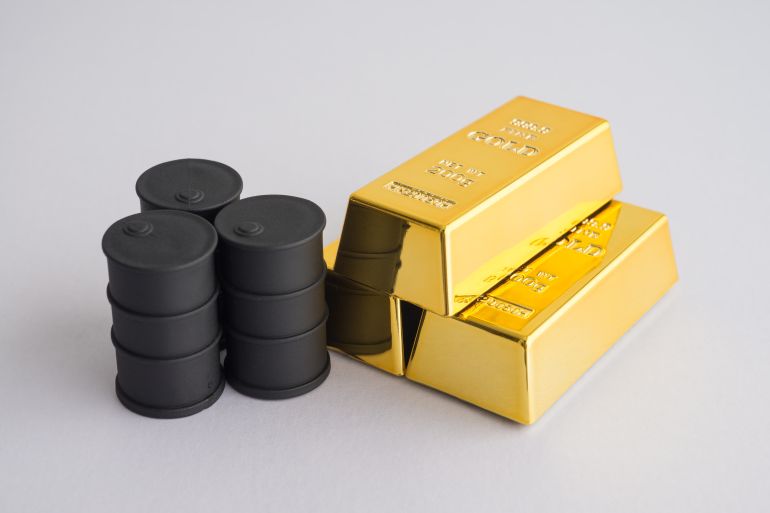
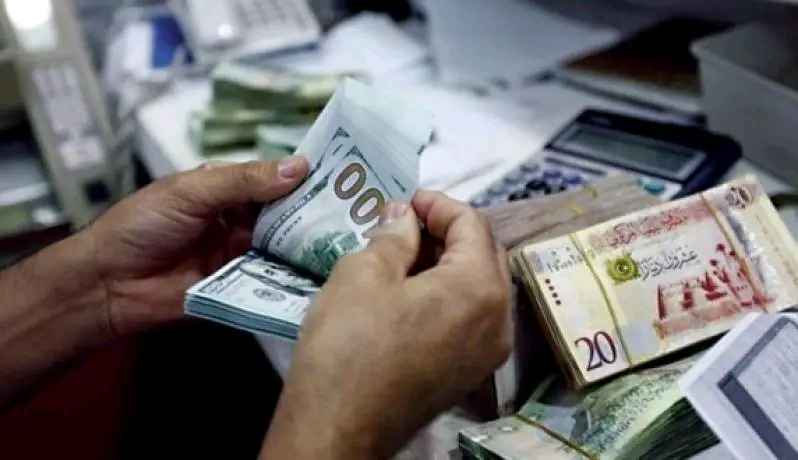
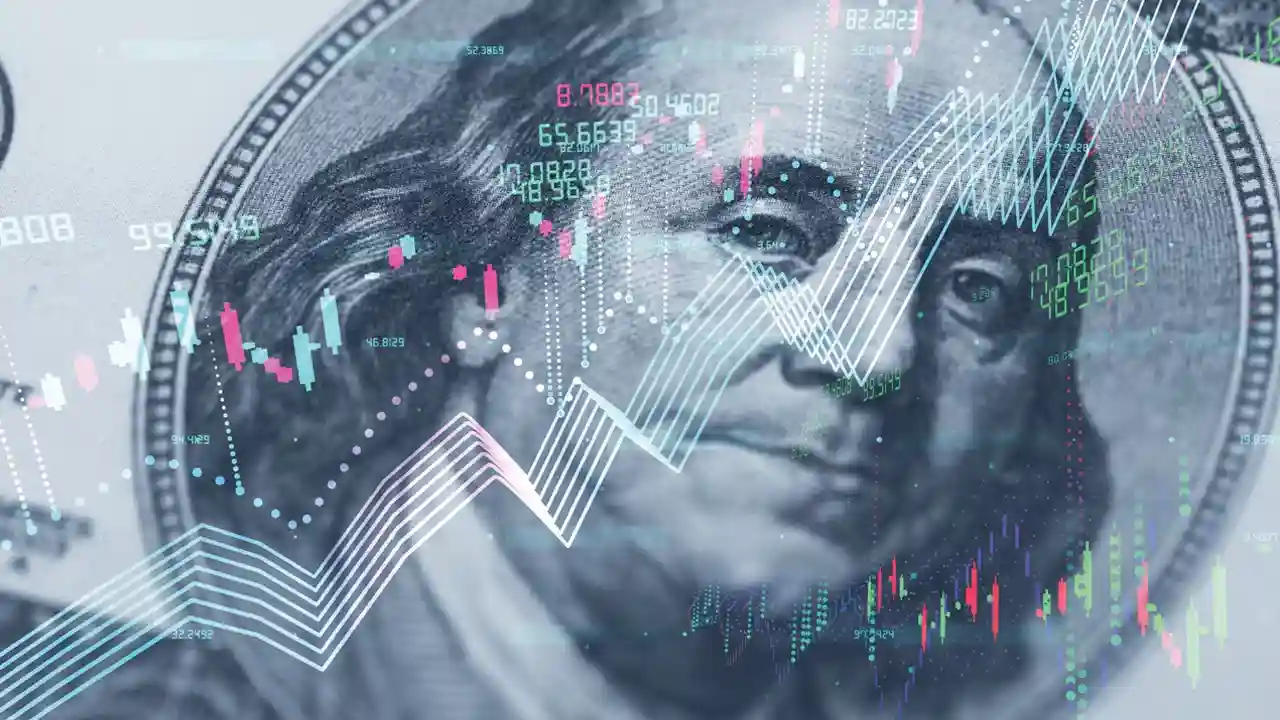
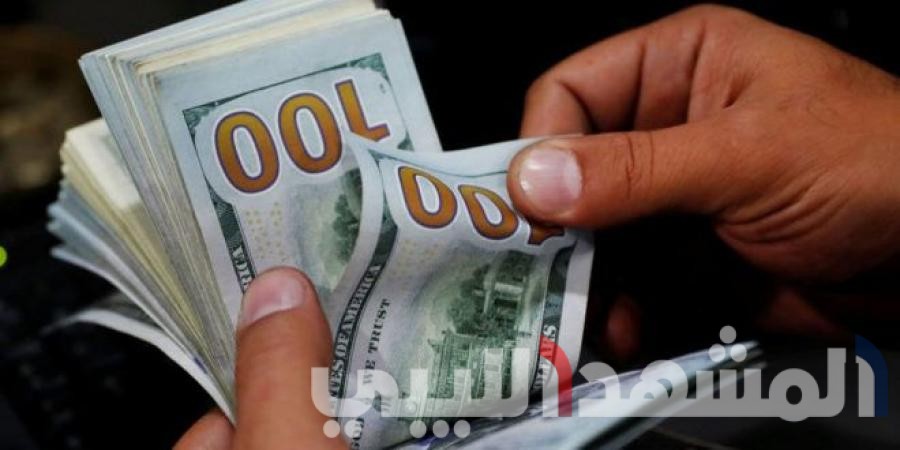
According to the statements, the Central Bank will allow a citizen who receives a $2000 allowance to sell it directly to an exchange company’s account instead of loading it onto a bank card.
This measure practically means:
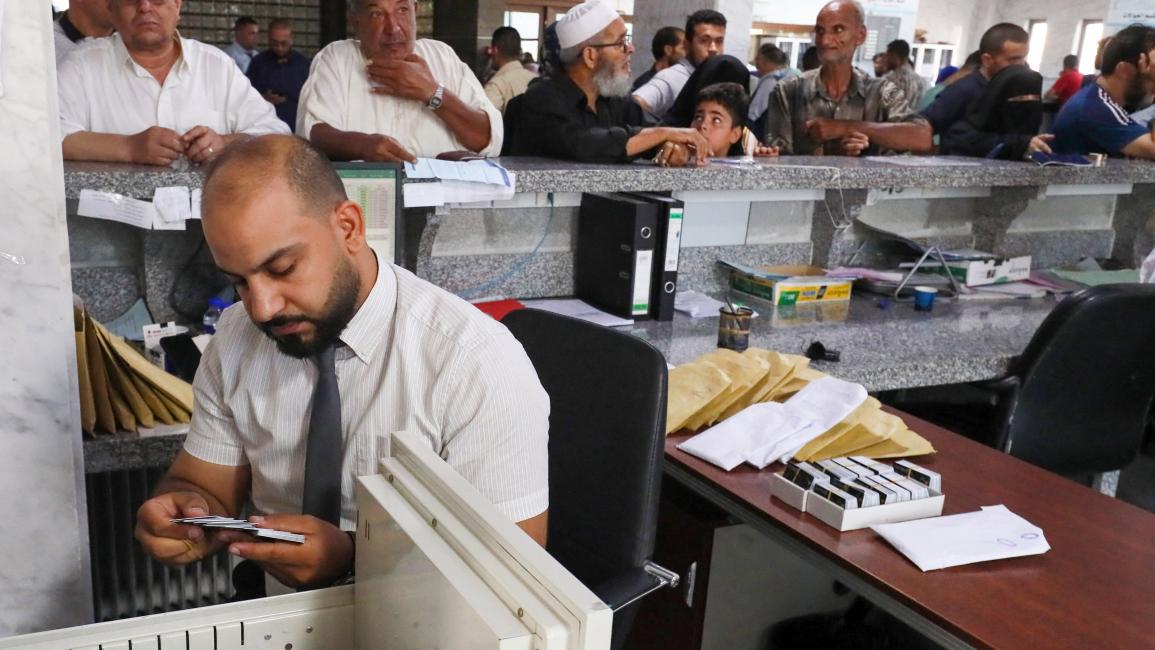
- Eliminating the need to load cards and the associated high withdrawal fees.
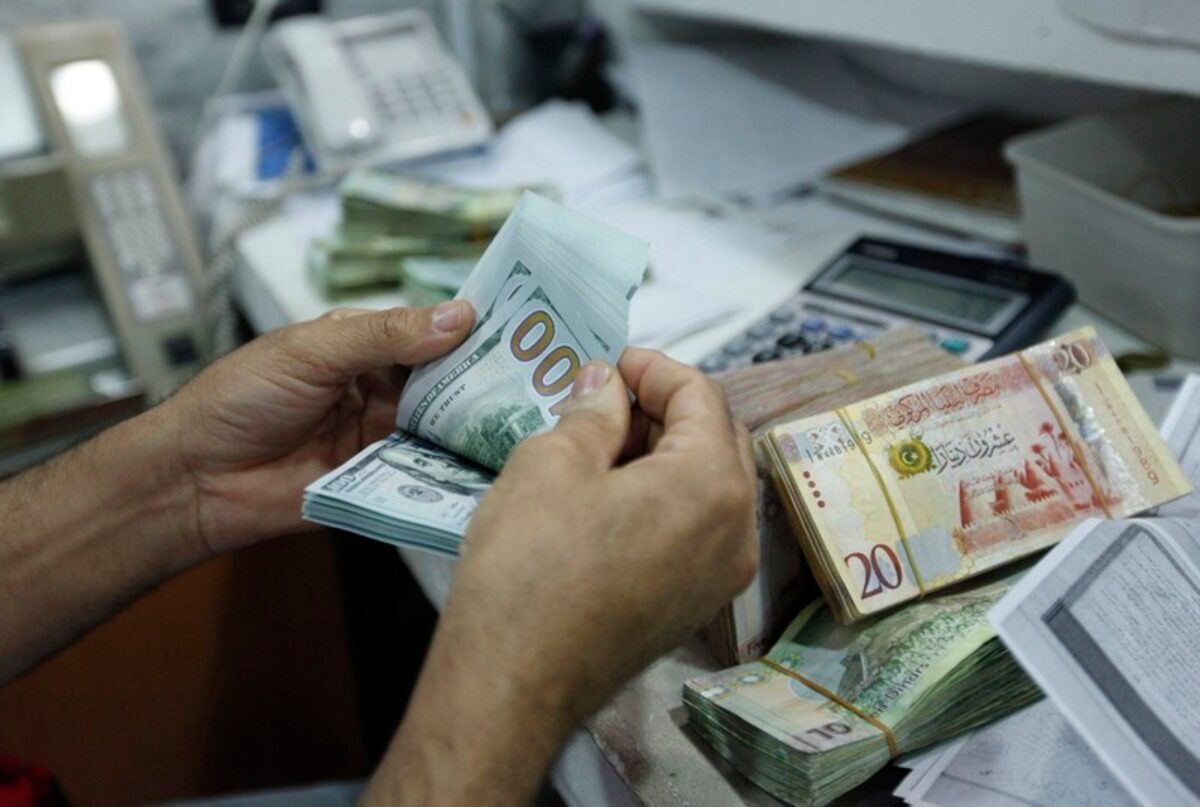
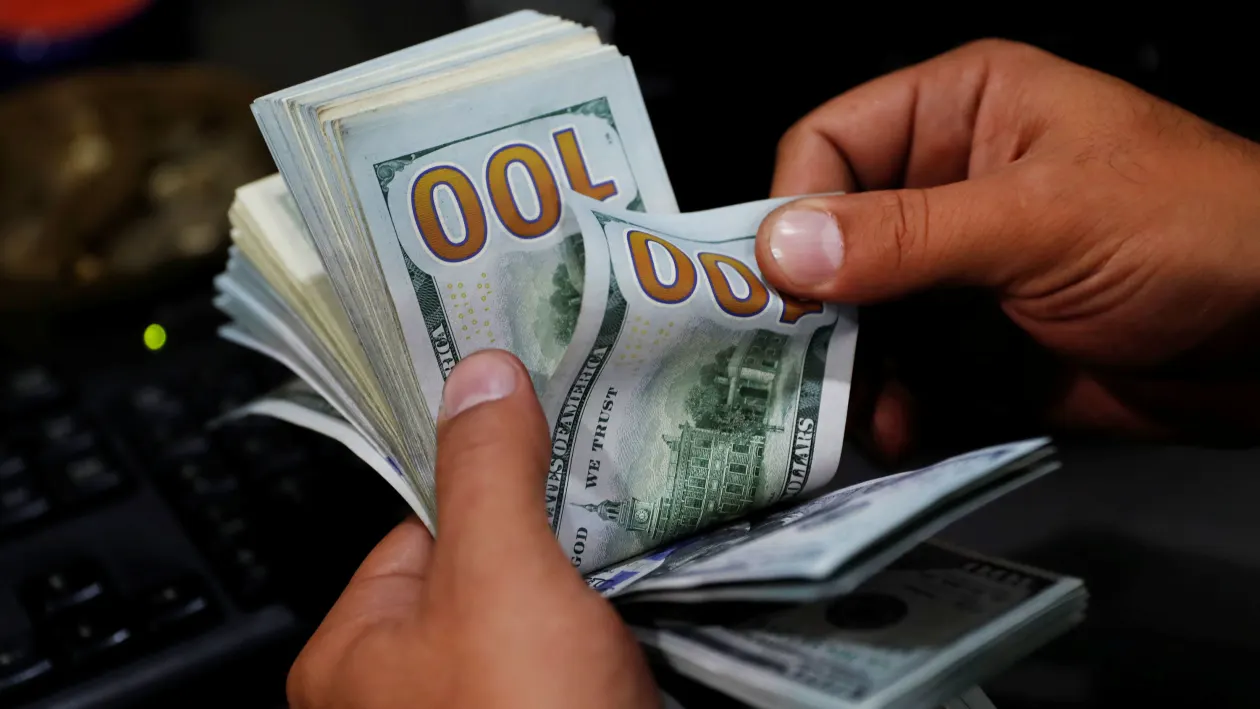
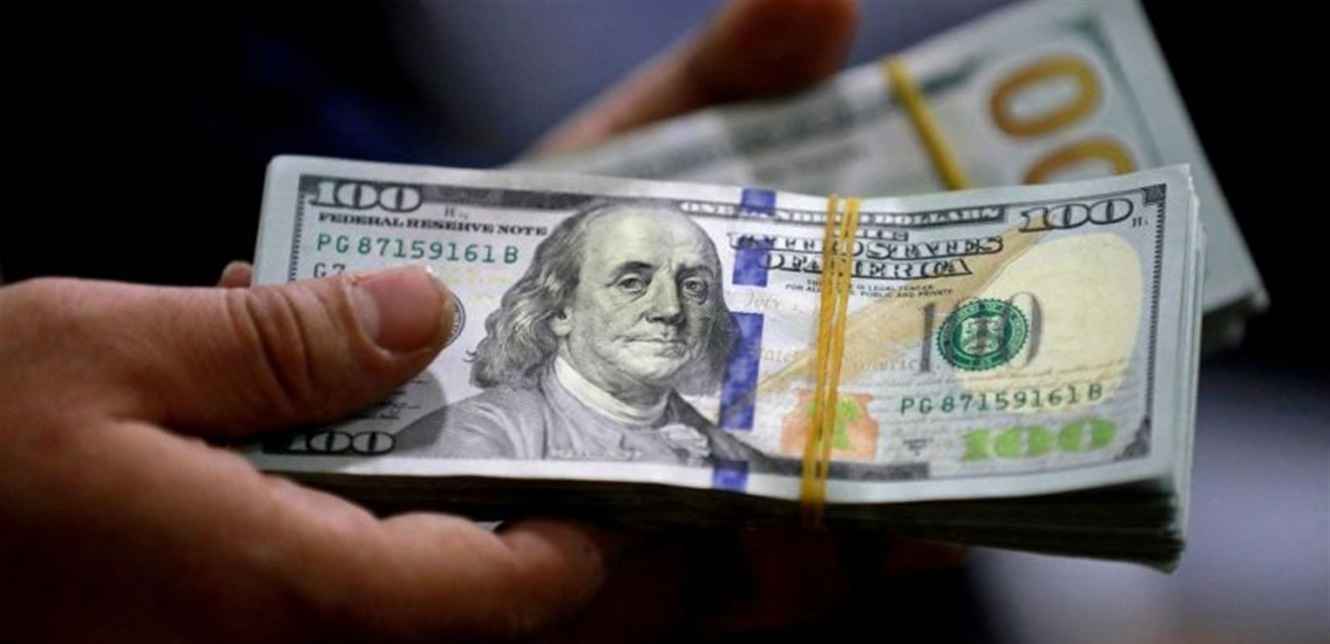
- Providing the dollar to the citizen in cash or via the exchange account without going through card procedures.
- Granting exchange companies the right to use the aggregated amounts in their accounts to execute direct SWIFT transfers for small traders and others.
- Enabling cash purchases from exchange companies in the coming weeks.
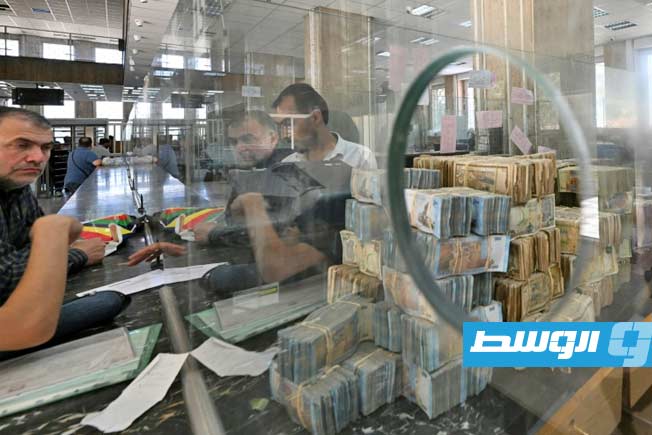
These changes represent a major shift in the role of exchange companies, as the Central Bank grants them broader powers in managing foreign cash and executing small commercial transfers, which may ease pressure on banks and increase the speed of operations.
These steps may reshape the foreign exchange market in the coming weeks and open the door to more flexible mechanisms for dealing with the increasing demand for dollars.
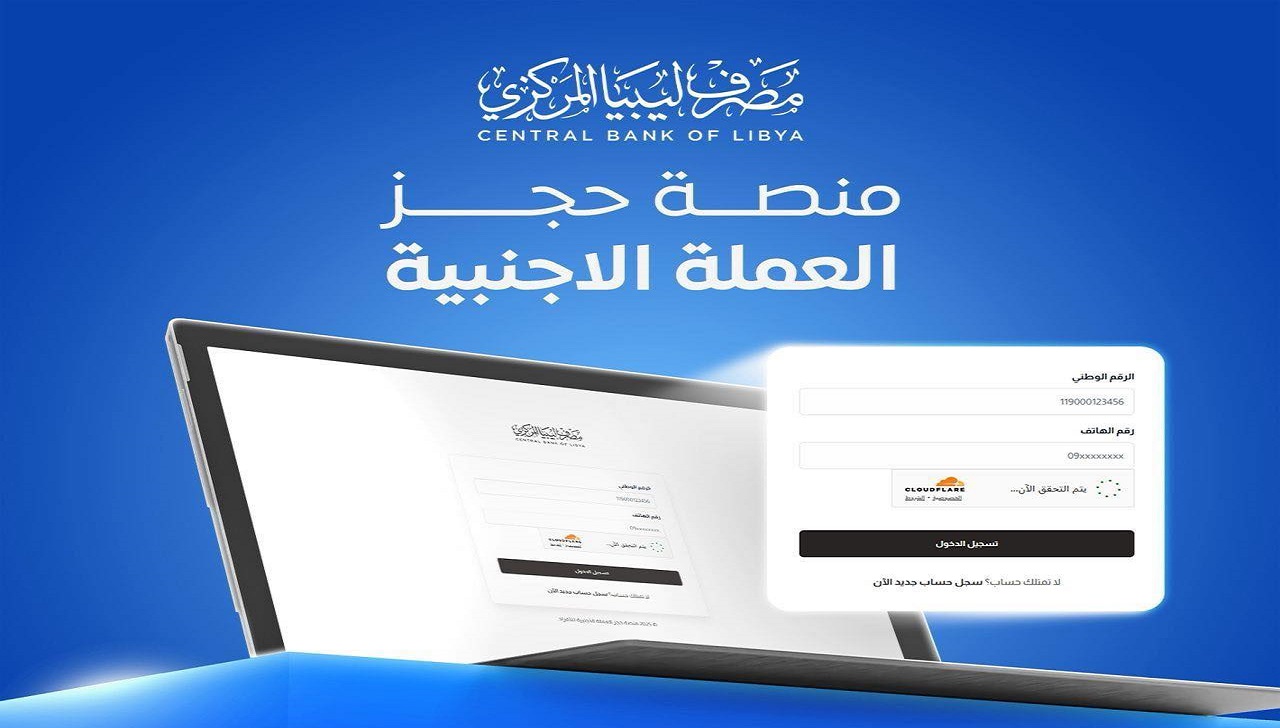
The first day of reactivating the personal use system for 2026 through exchange companies saw high activity, with the Central Bank of Libya confirming the registration of over $14 million in reservations within the first few hours.