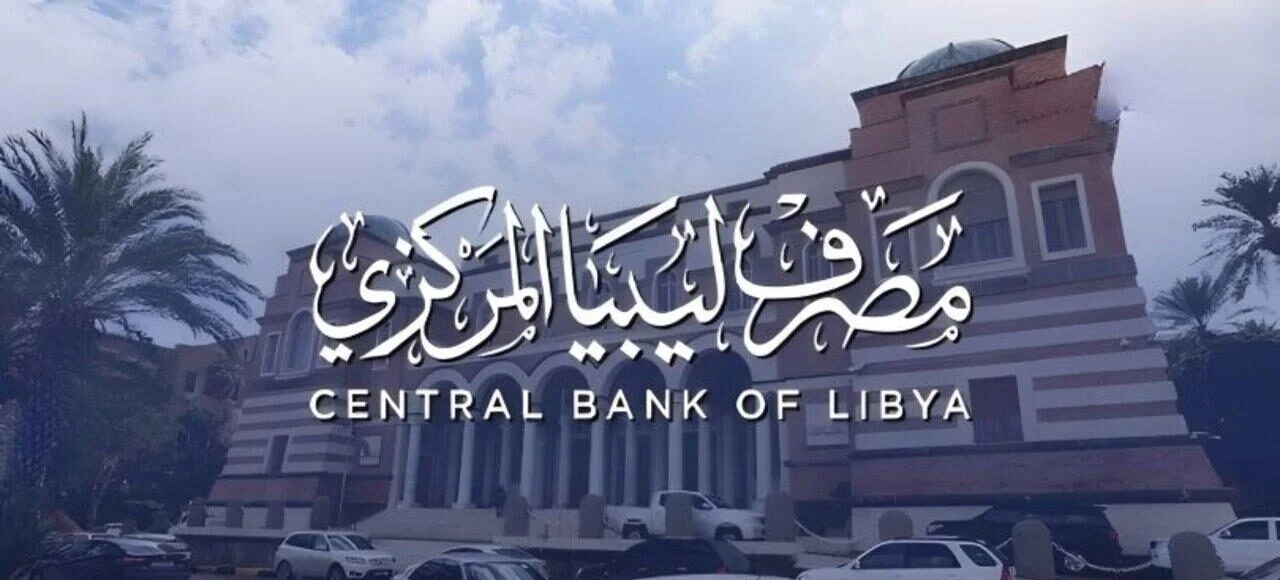
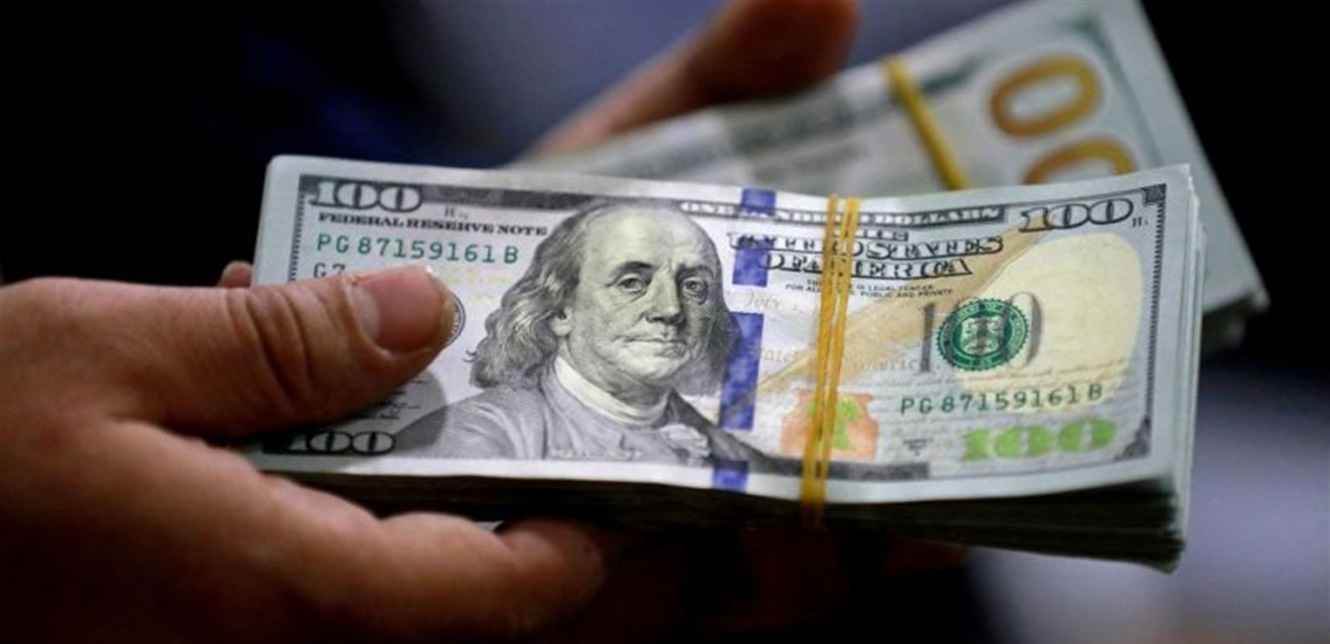
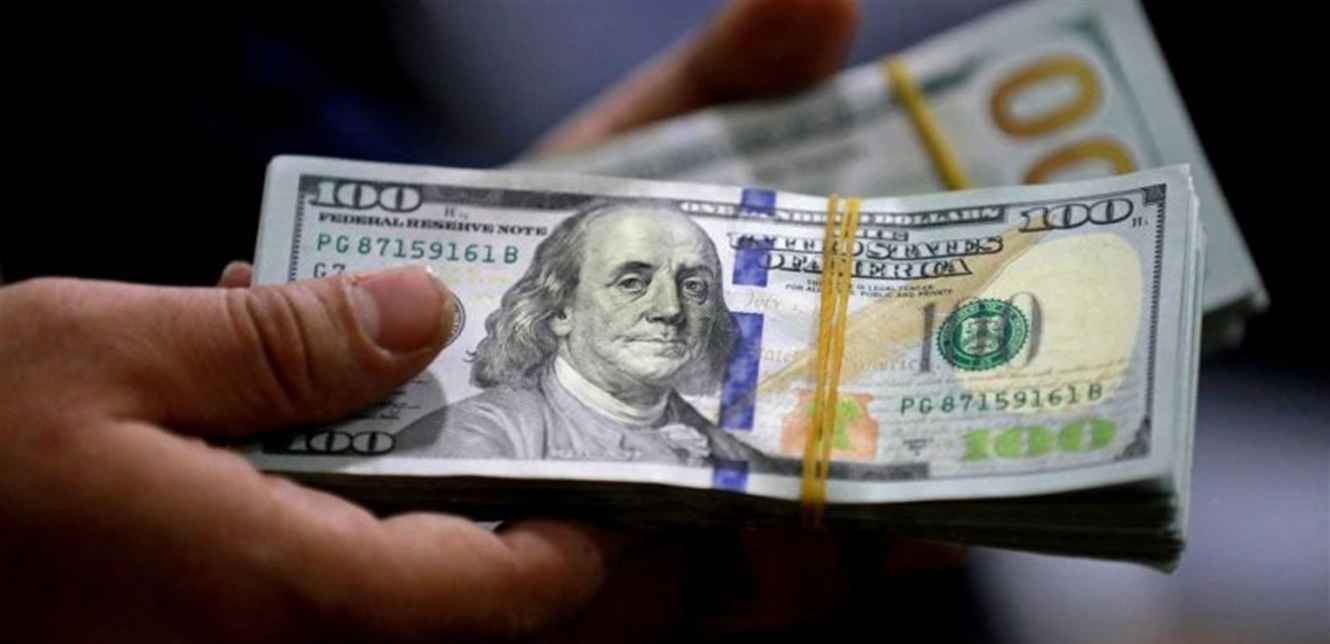
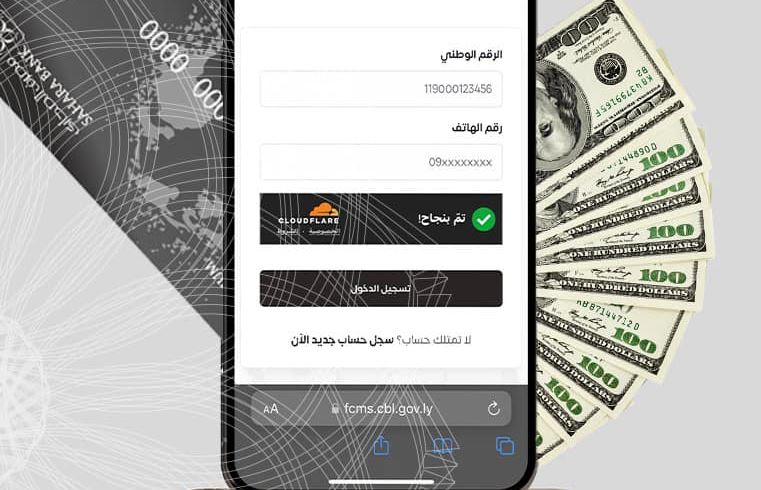
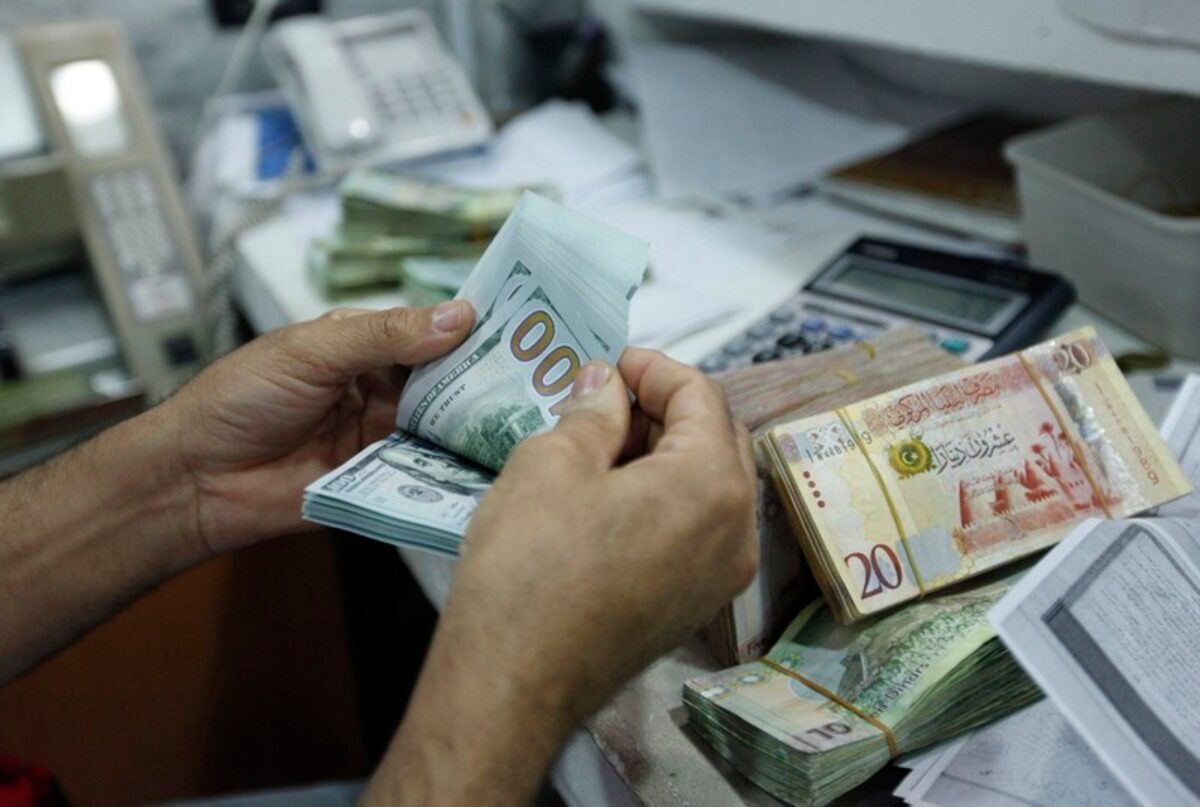
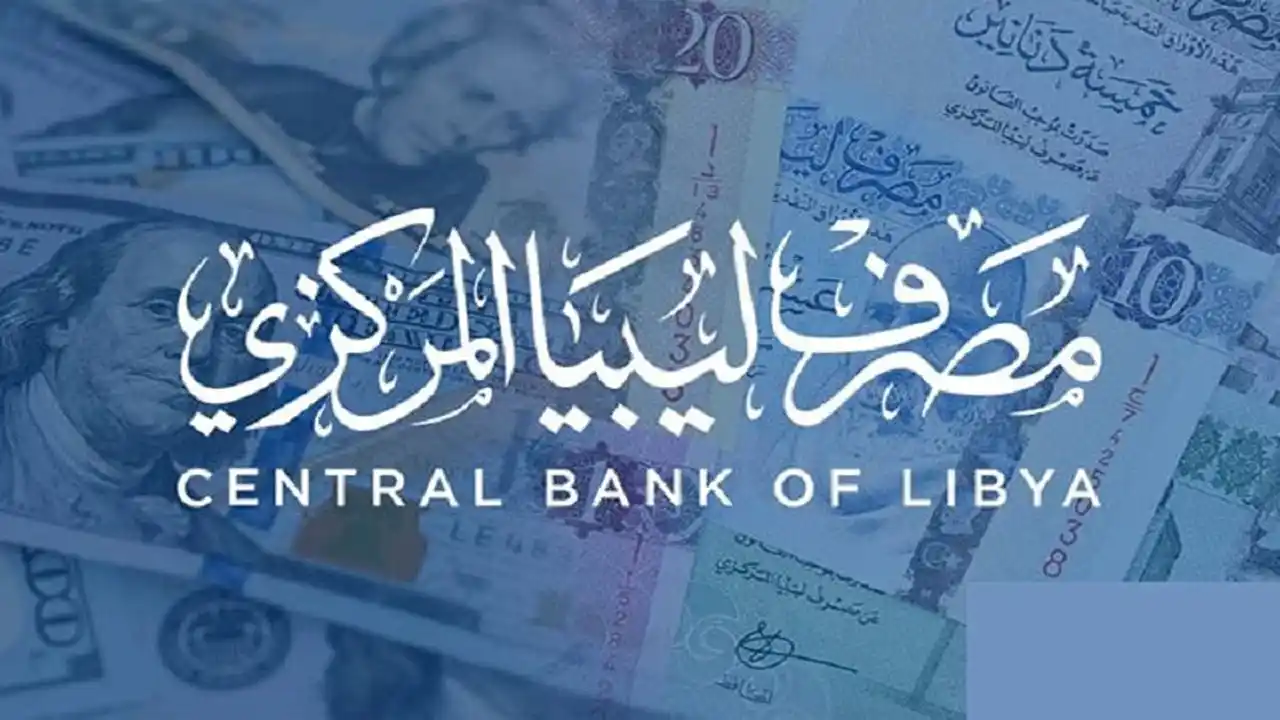
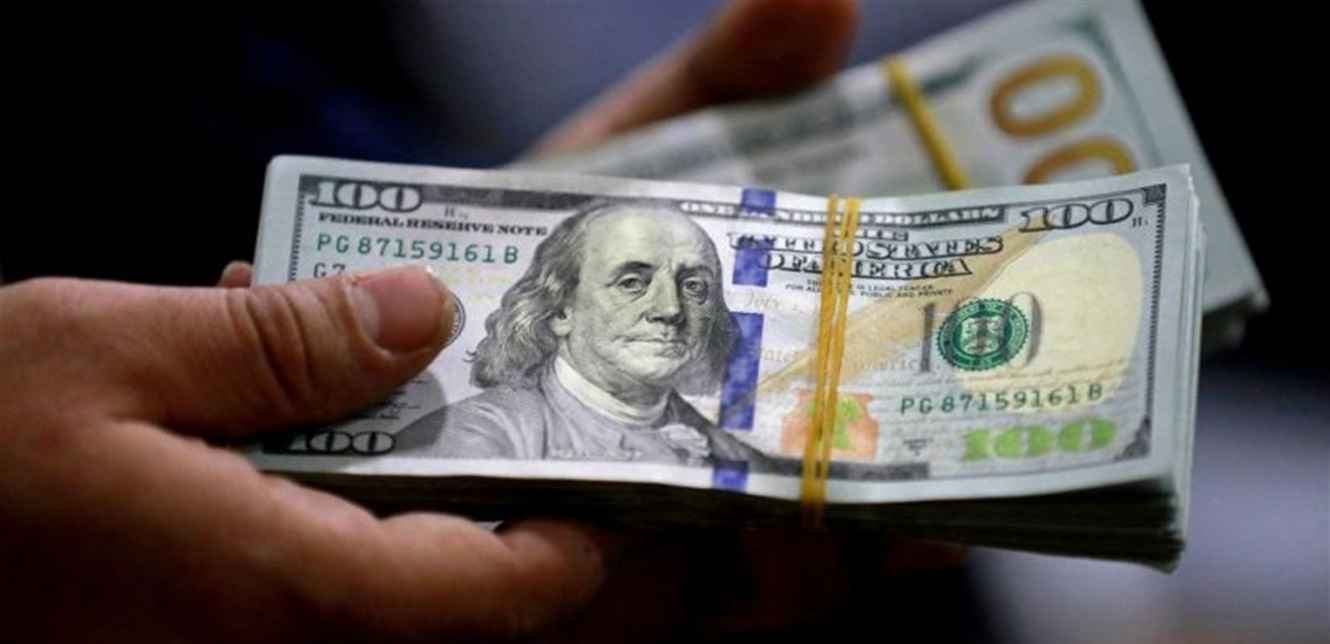
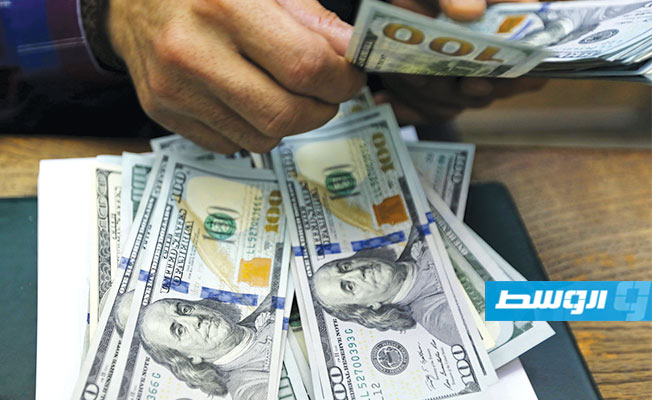
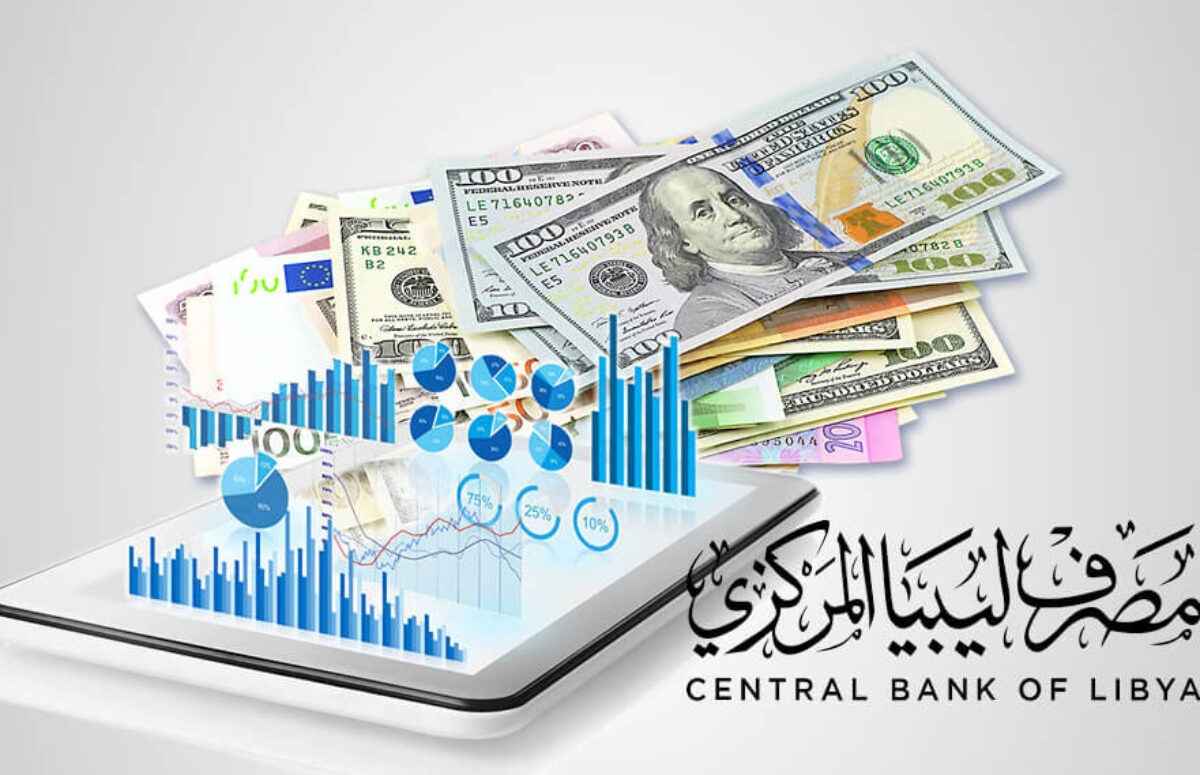
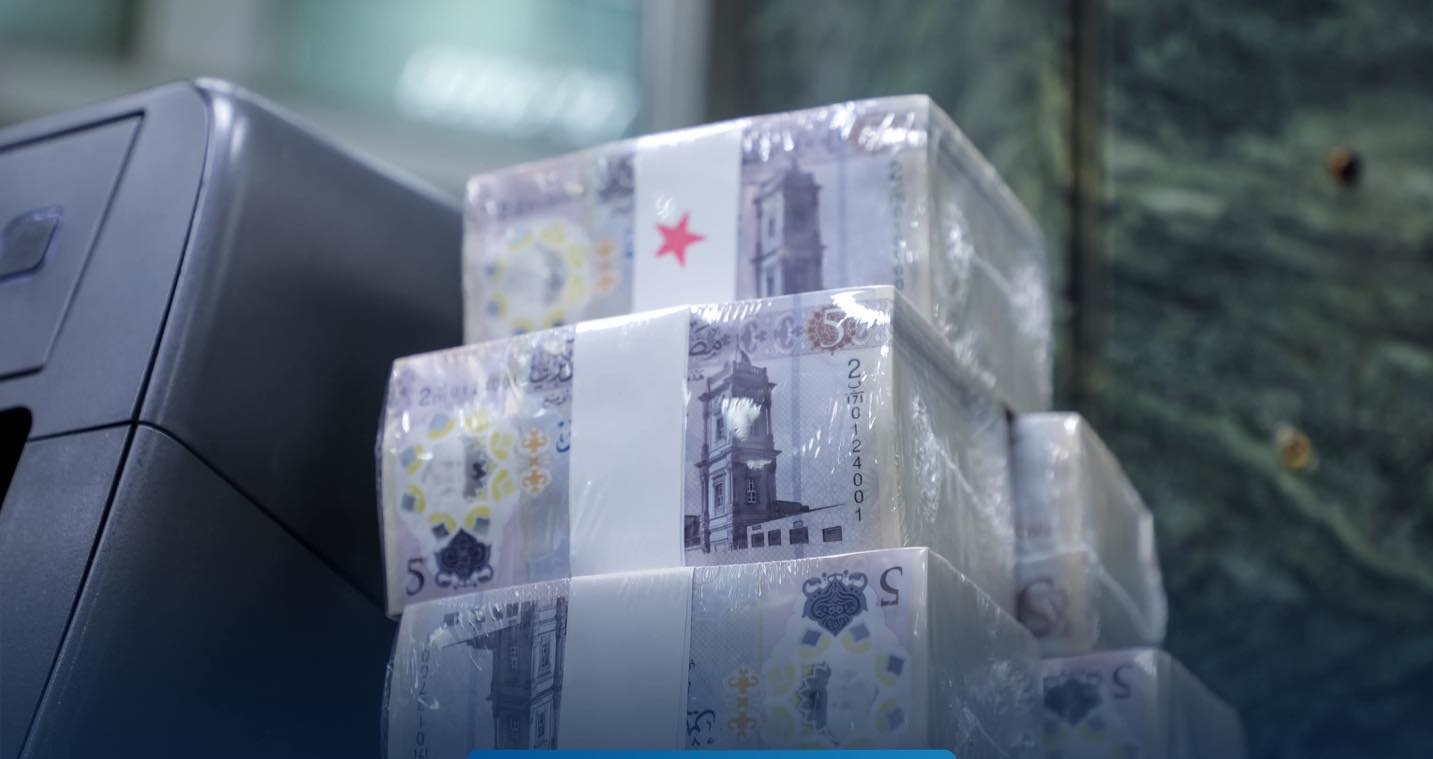
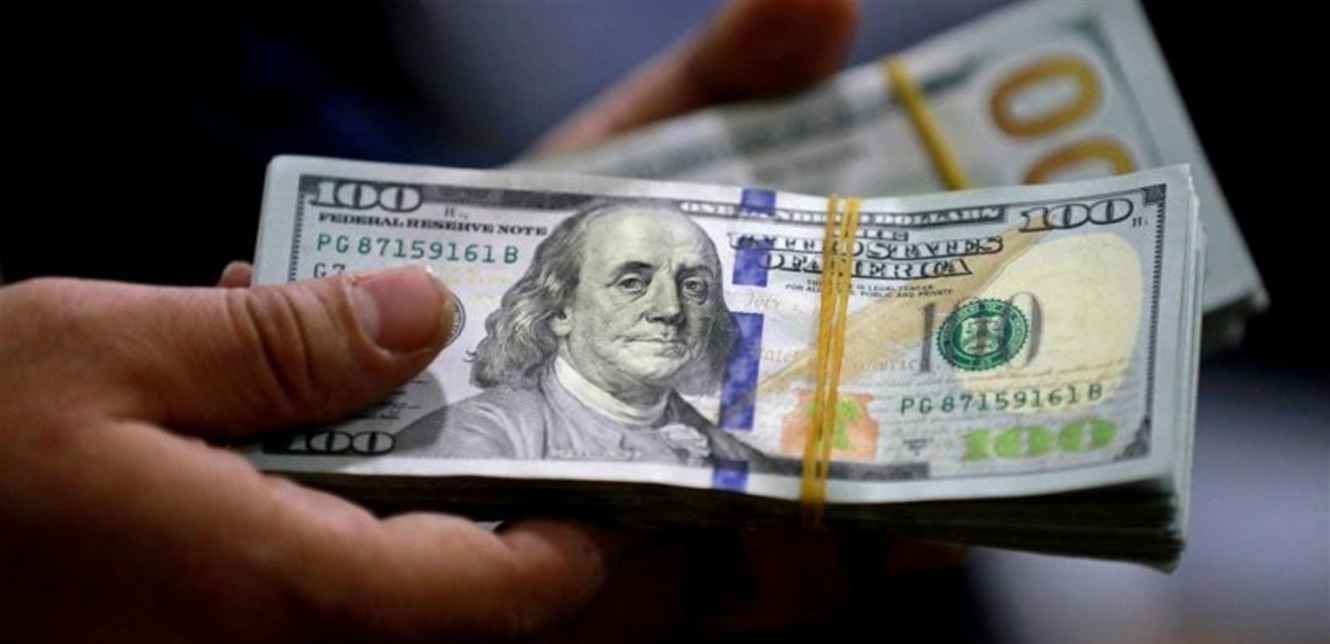
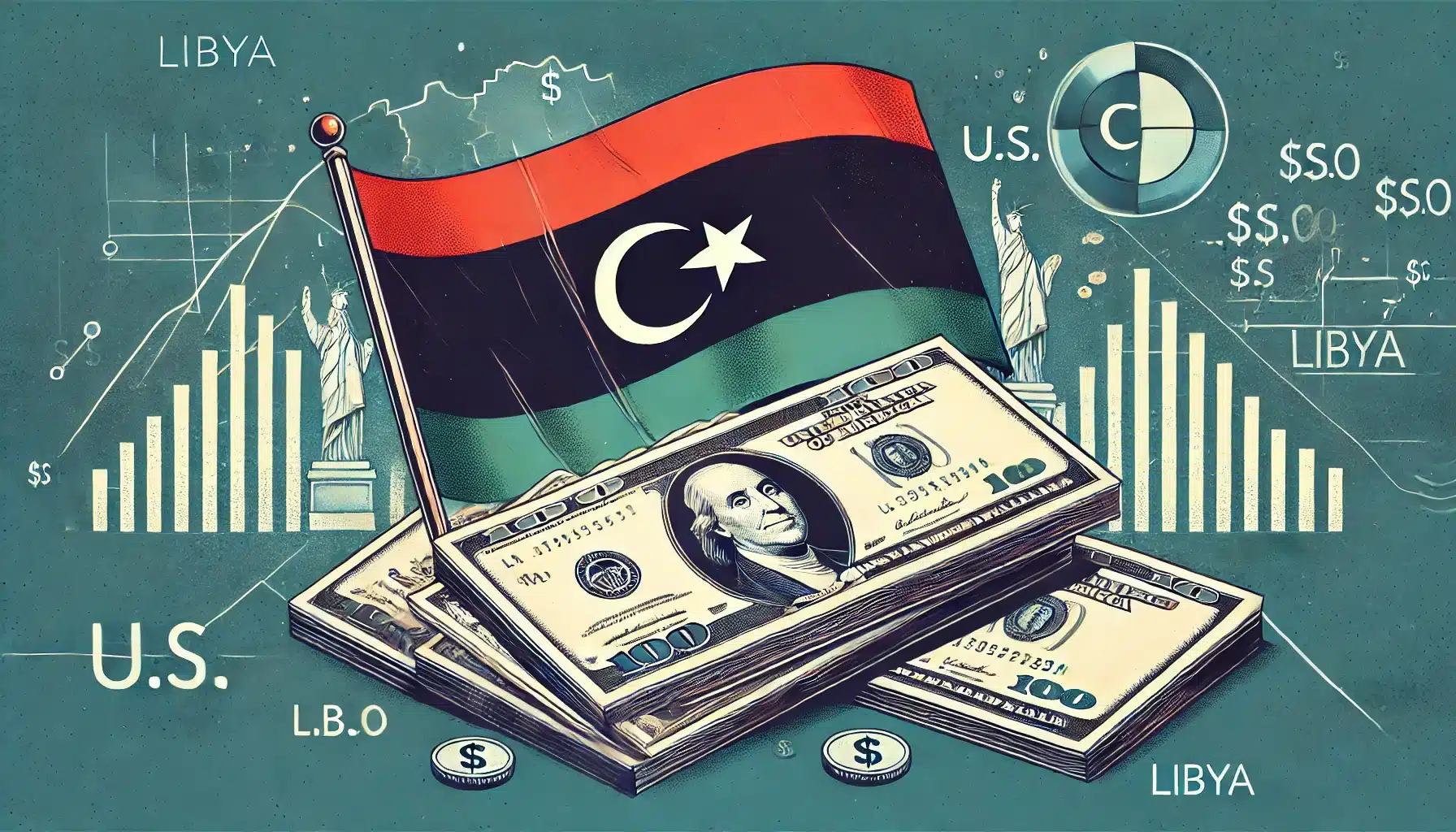
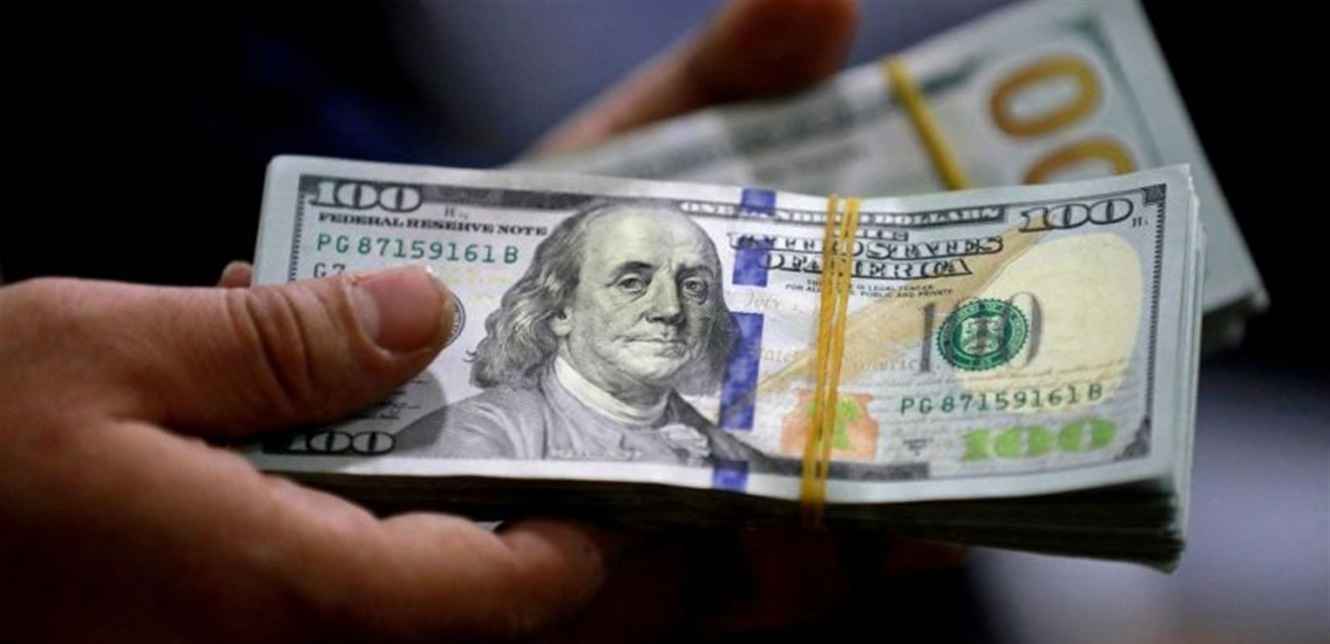
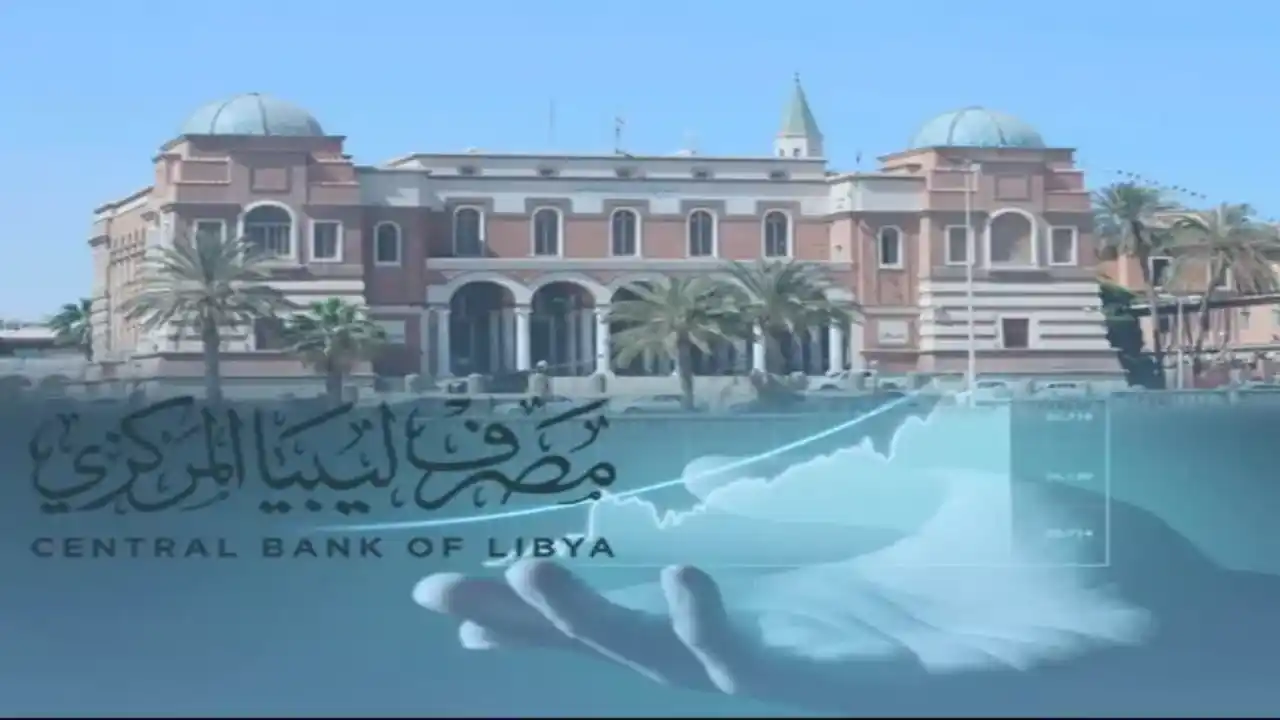
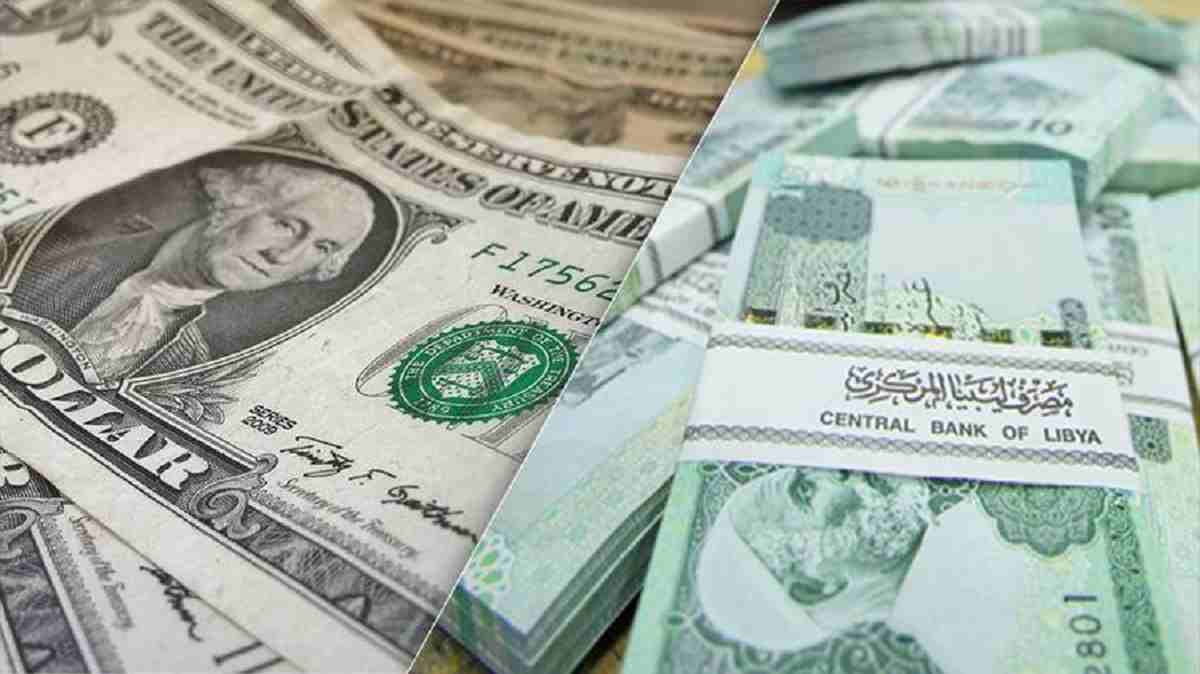
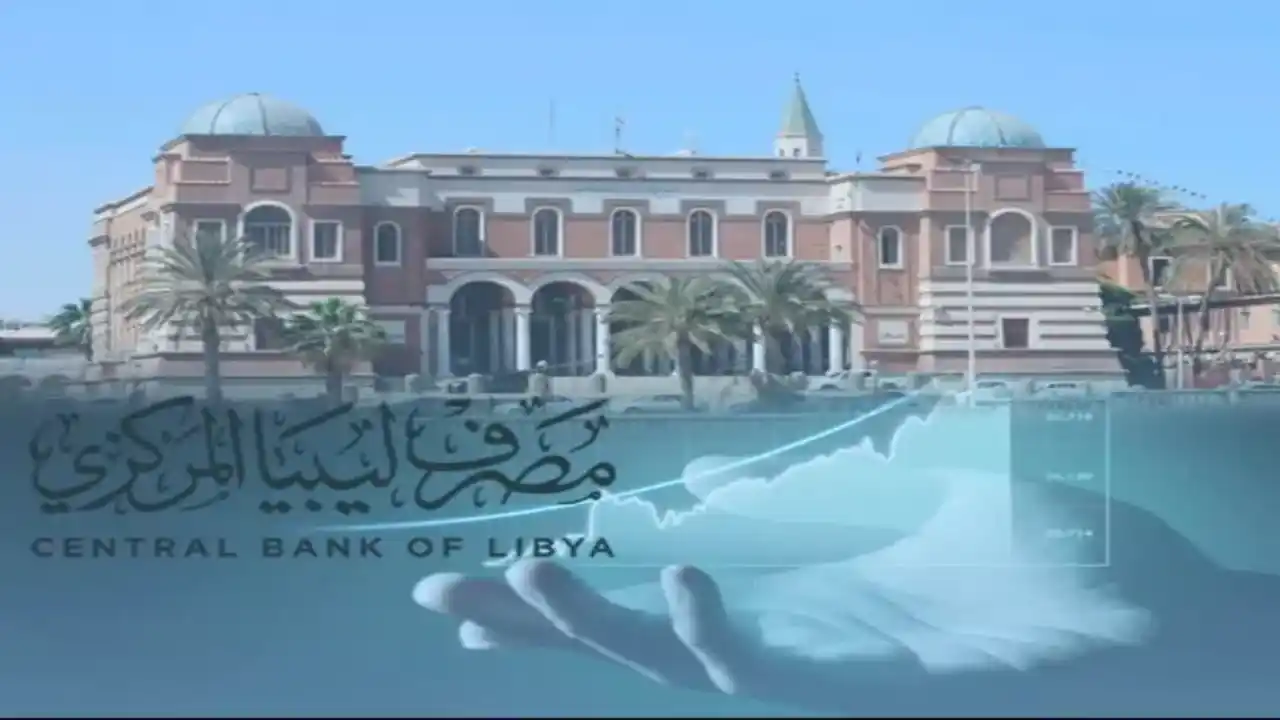
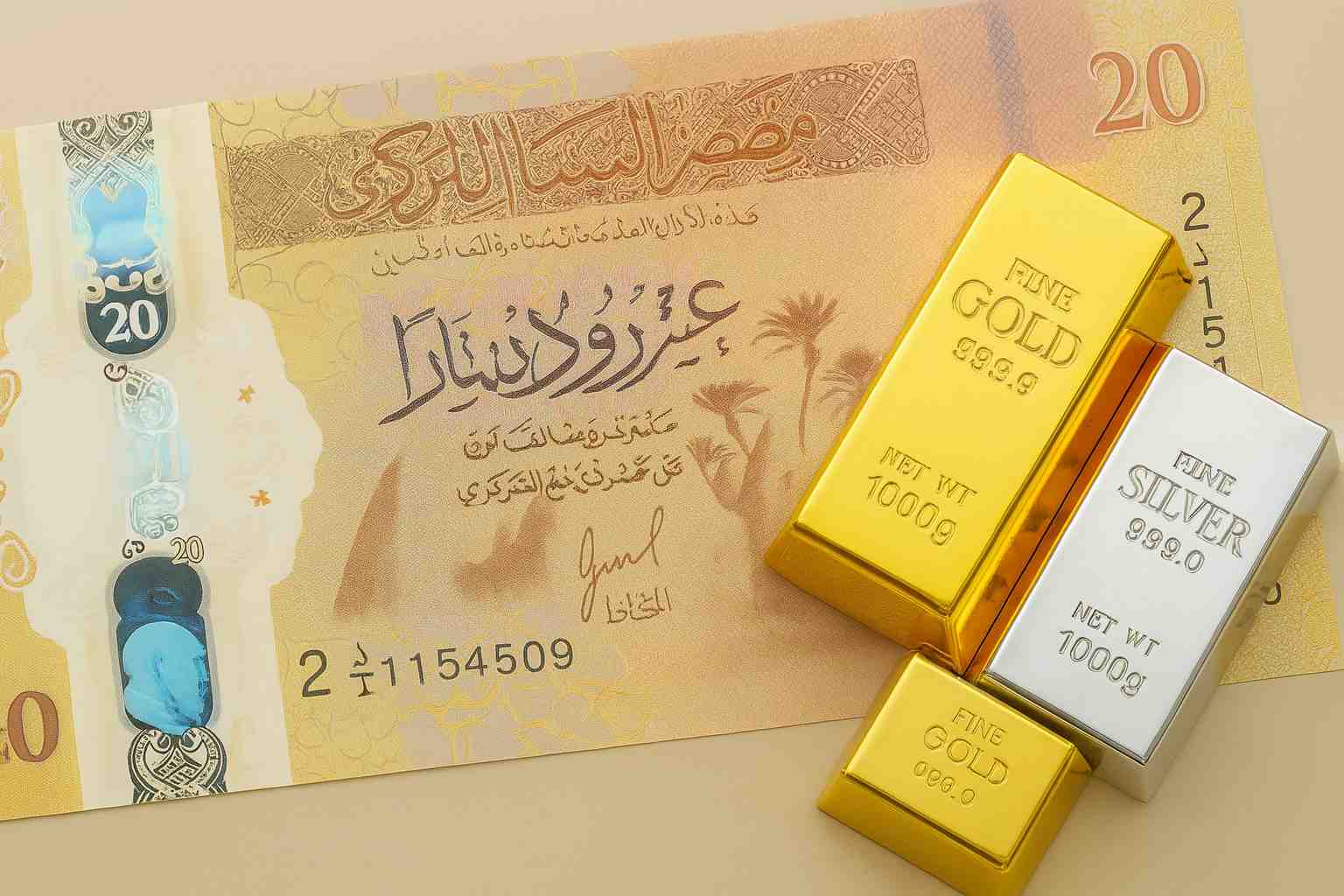
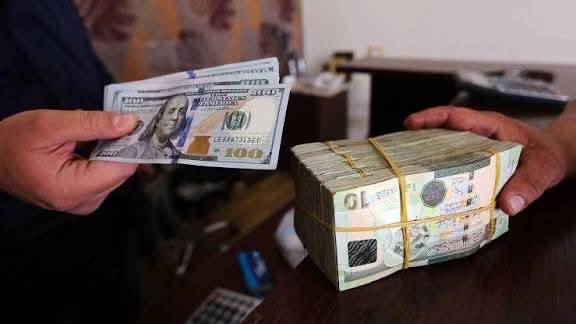
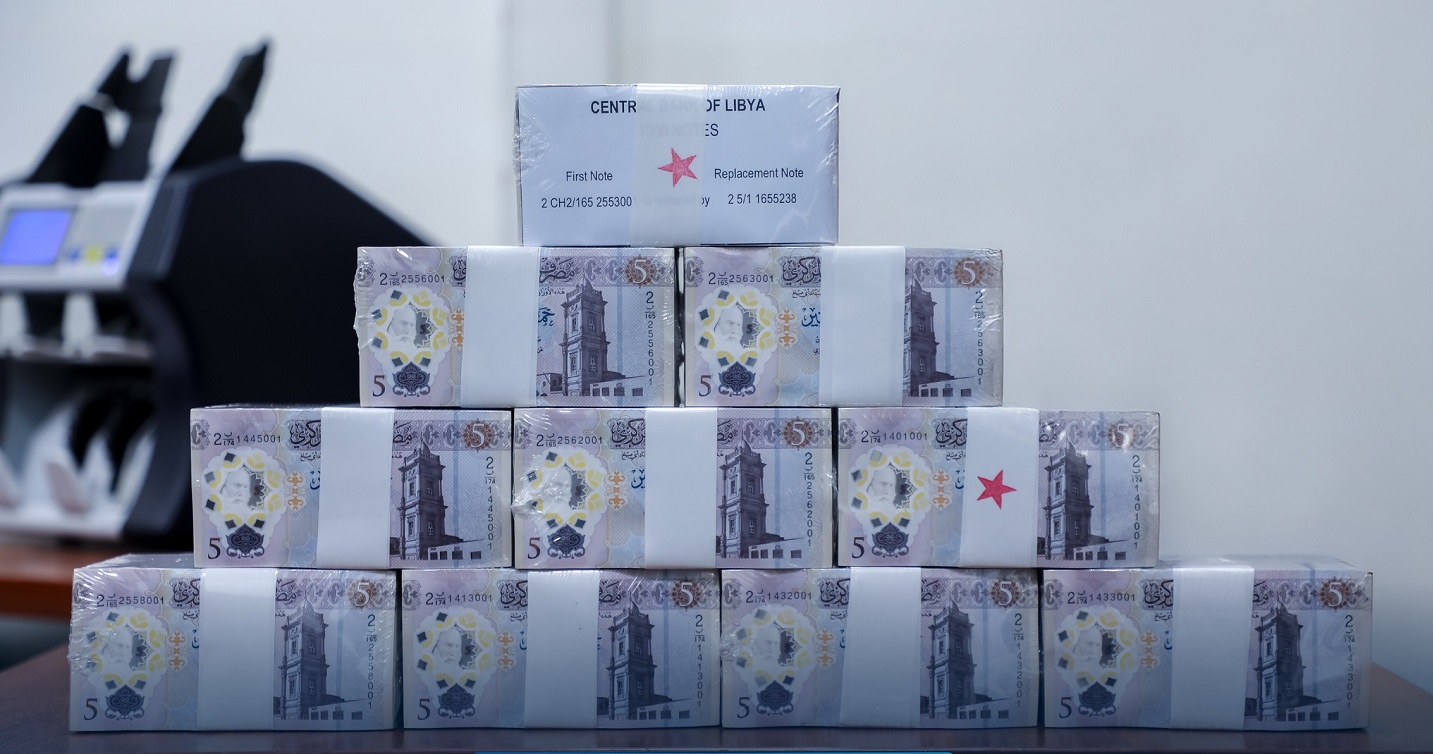
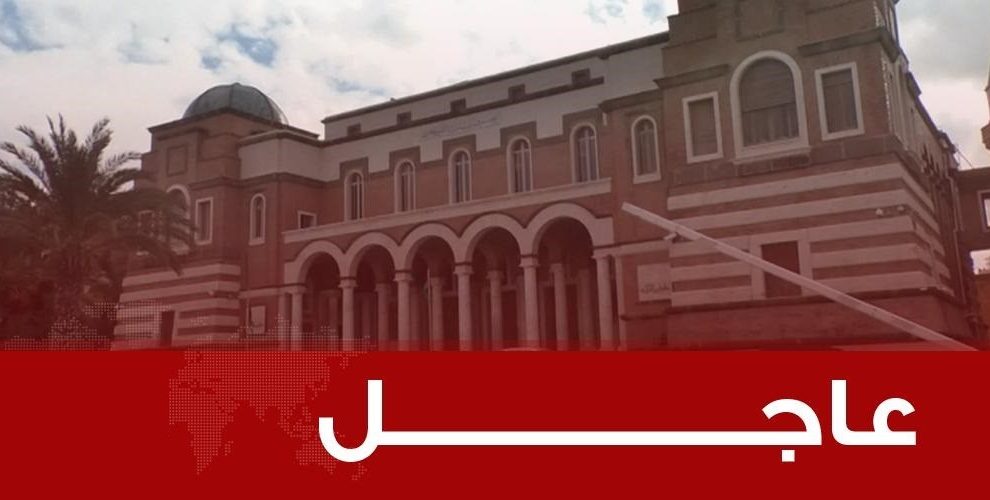
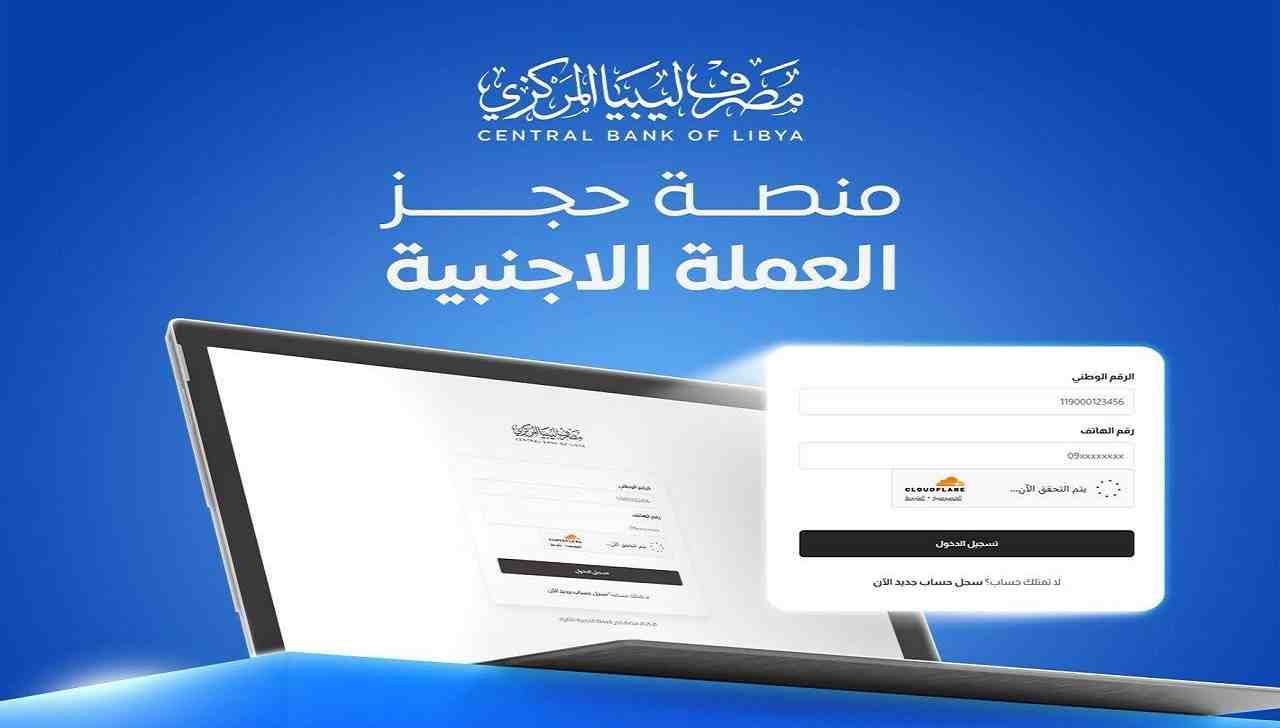
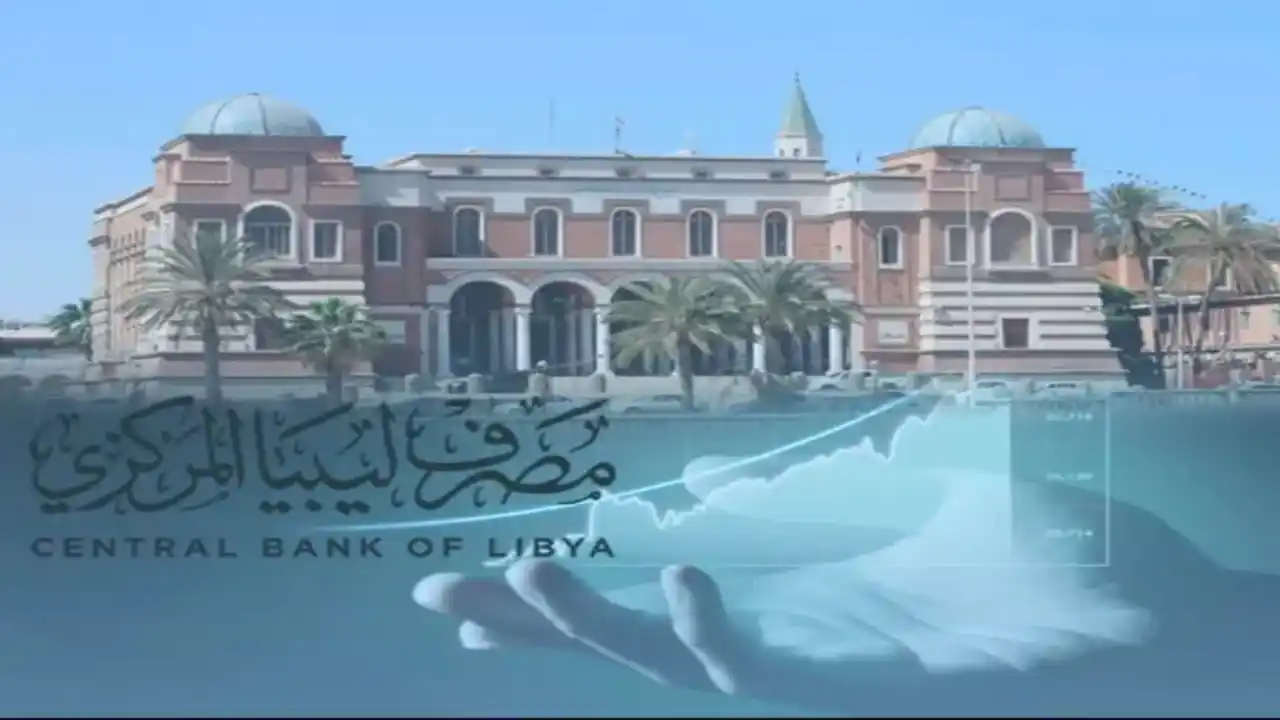
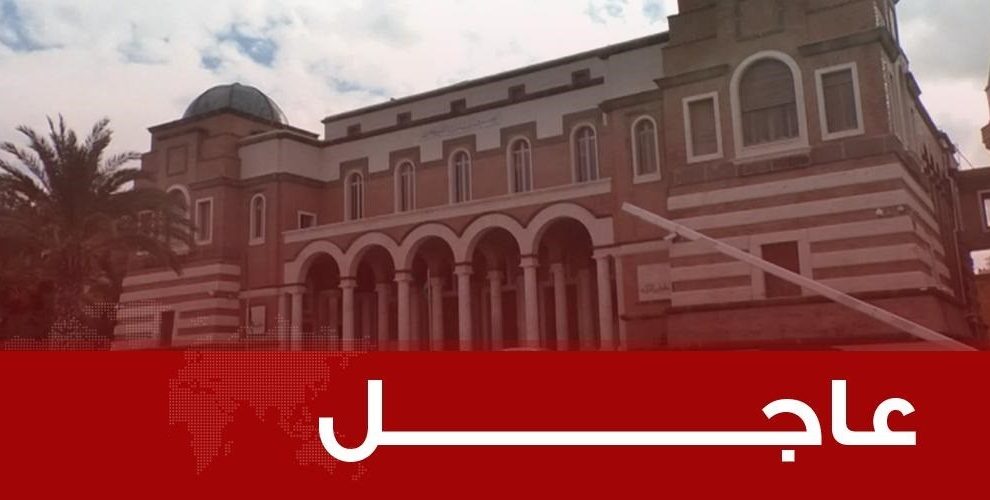
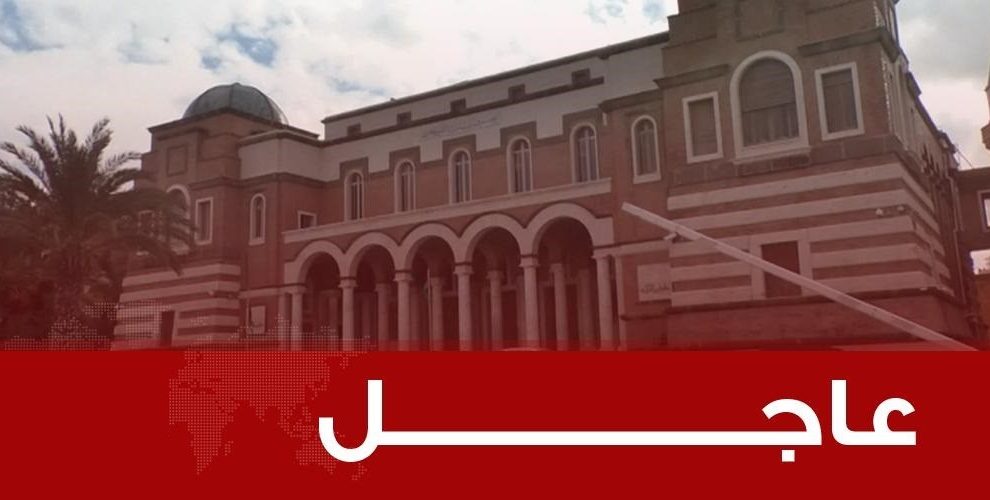
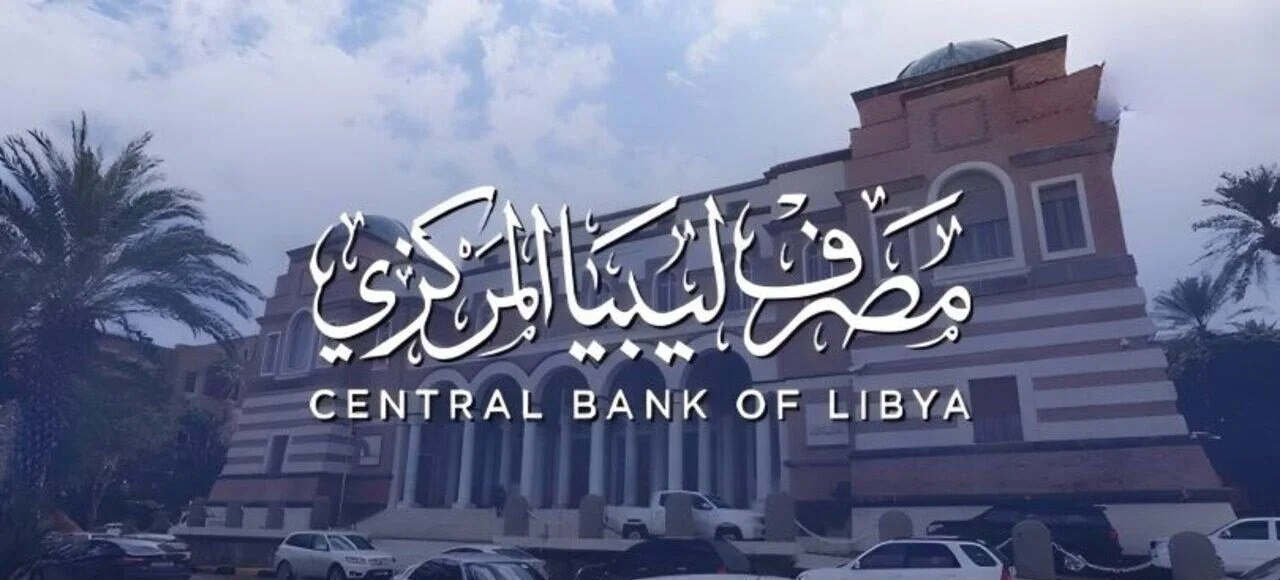
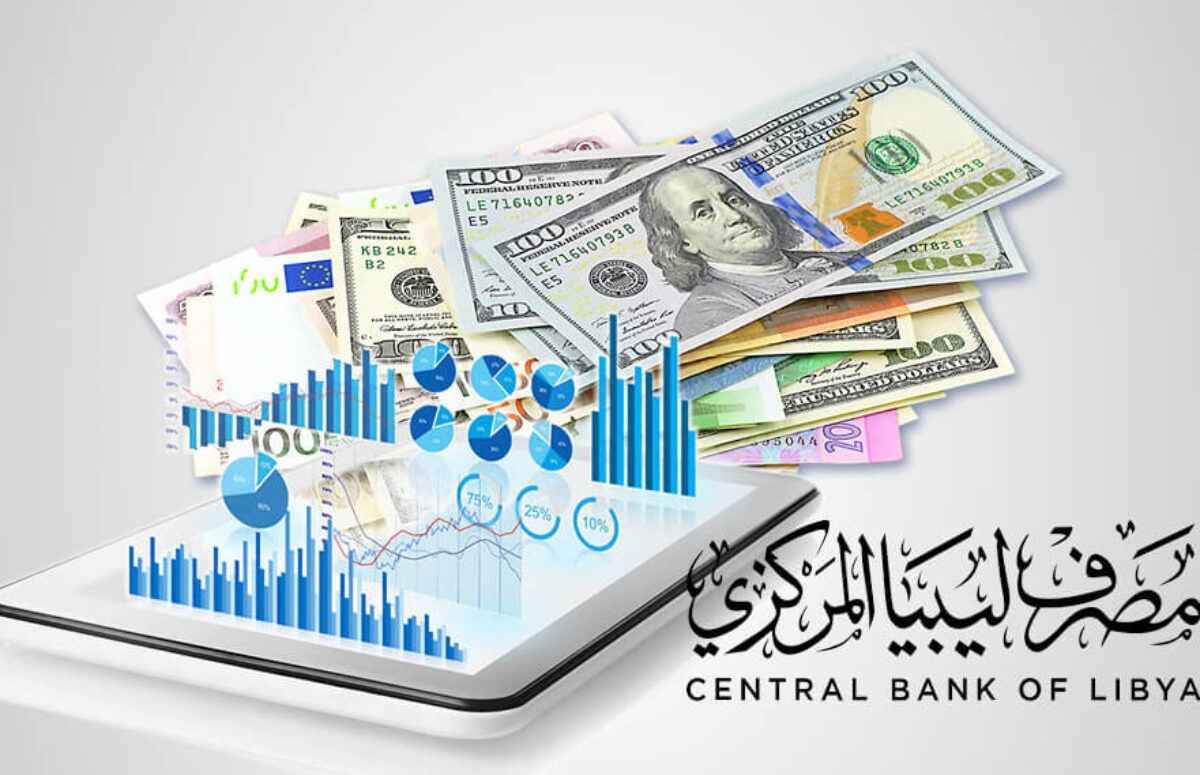
Benghazi – The Central Bank of Libya in Benghazi has issued new instructions stipulating that the withdrawal limit for individual accounts not receiving salary transfers is set at 20% of the withdrawal ceiling permitted for accounts that do receive salaries. This is part of efforts to regulate the distribution of cash liquidity within banks.
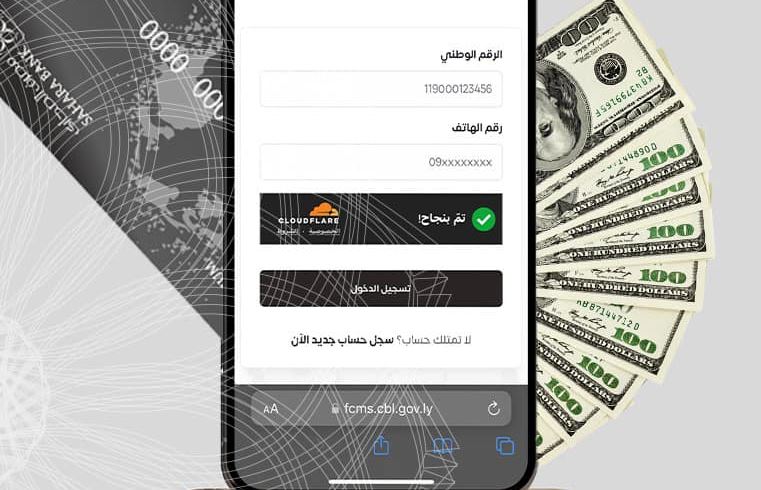
The bank clarified, in a publication dated February 3, 2026, that commercial banks must distribute incoming liquidity only to individuals’ current accounts. It is necessary to separate salary accounts from other accounts, while ensuring the disbursement of spousal and children’s allowances, and continuing to provide electronic banking services.
The bank confirmed it will conduct periodic follow-ups on branch compliance with the instructions through inspection teams from the Banking and Currency Supervision Department, warning that violating banks will face the maximum legal penalties.
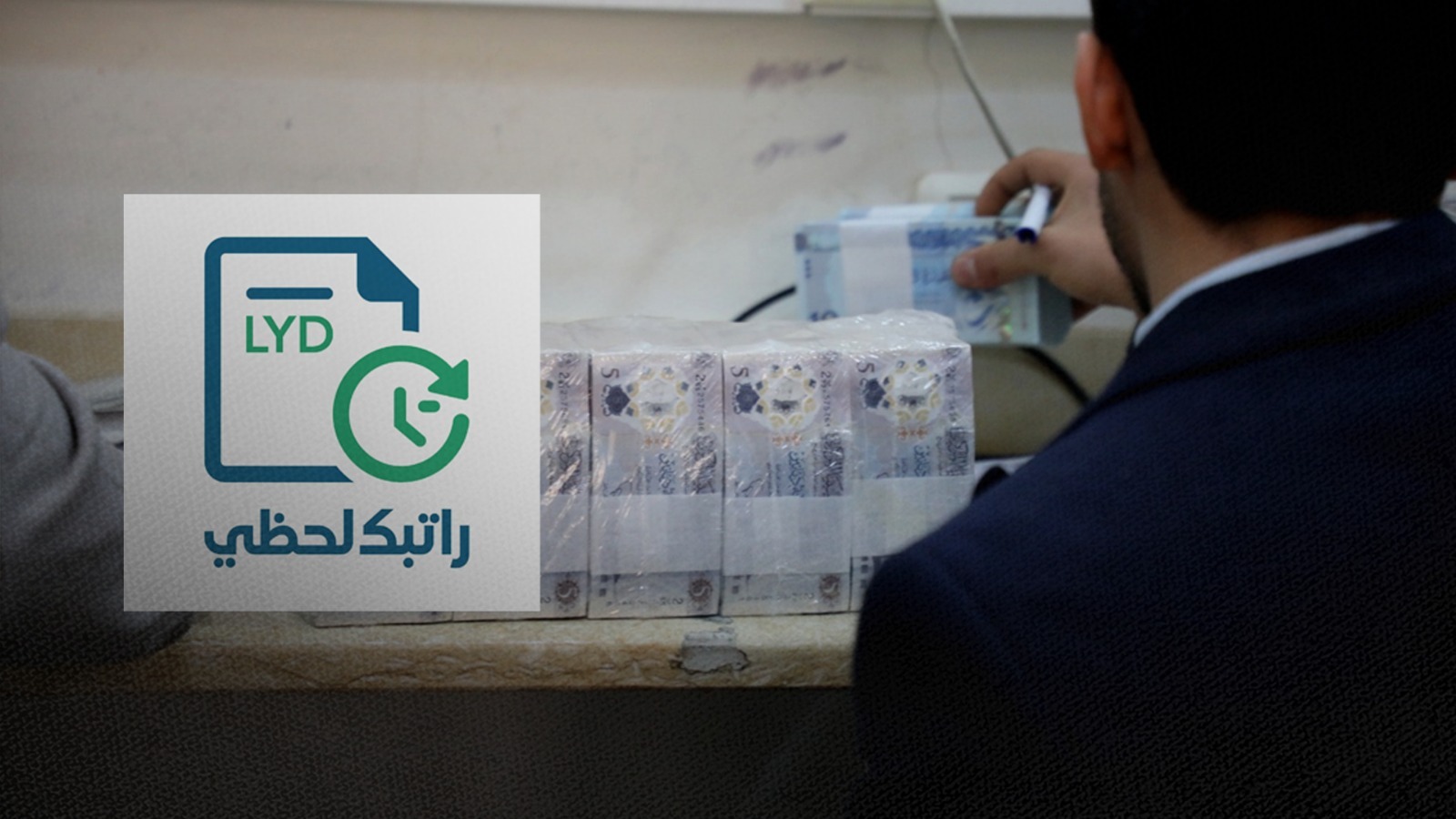
In the same context, several commercial banks announced their compliance with the central bank’s instructions. The Trade and Development Bank confirmed receipt of its share of liquidity and began disbursing it starting Wednesday, February 11, 2026, with extended working hours until 5:30 PM until February 16.
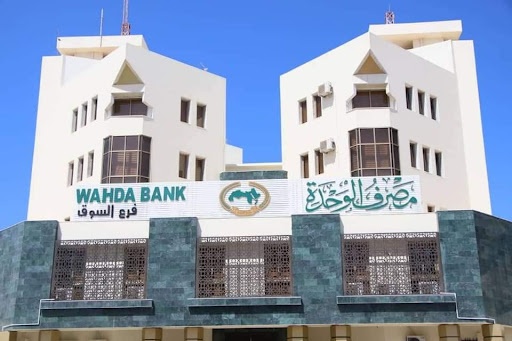
The Unity Bank and the Republic Bank also announced the extension of working hours in all their branches until 5:30 PM during the same period, to facilitate cash withdrawal operations ahead of the month of Ramadan.
Benghazi
Benghazi is a major city in eastern Libya, historically significant as a center of trade and culture since its founding as the ancient Greek colony of Euesperides. It played a pivotal role in Libya’s modern history, serving as the provisional capital after the 2011 revolution and being a key site during the 2012 attack on the U.S. diplomatic compound.
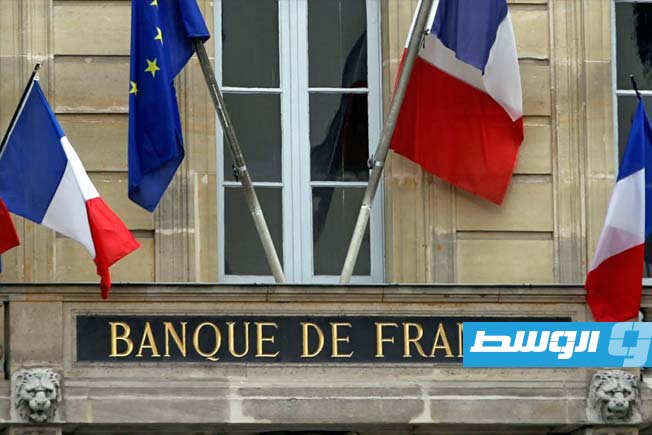
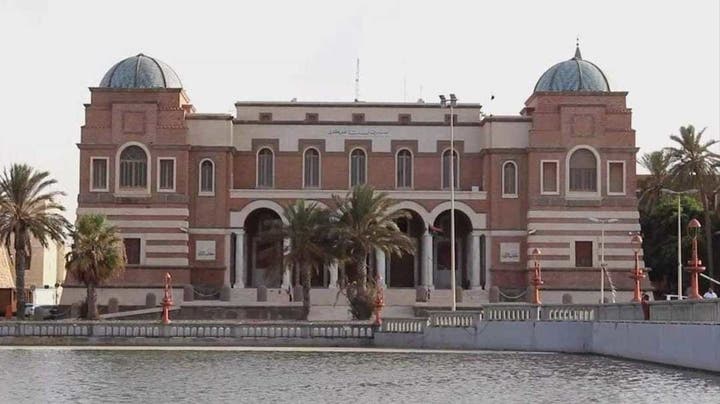
Central Bank of Libya
The Central Bank of Libya is the primary monetary authority of Libya, established in 1956 following the country’s independence. It has played a critical role in managing the nation’s financial system and currency, though its operations have been significantly impacted and divided by the political conflicts since the 2011 civil war.
Trade and Development Bank
The Trade and Development Bank (TDB) is a multilateral, treaty-based financial institution founded in 1985 to foster trade, regional economic integration, and sustainable development across its member states in Eastern and Southern Africa. It provides trade finance, project and infrastructure lending, and asset management services to both governments and private sector entities.
Unity Bank
Unity Bank is a financial institution founded in Nigeria in 2006, formed from the merger of nine regional banks. It was established to promote economic growth and financial inclusion, particularly in underserved communities, and has since grown to become one of the country’s major commercial banks.
Republic Bank
Republic Bank is a major financial institution in Trinidad and Tobago, originally established in 1837 as the Colonial Bank. It was later renamed Republic Bank after a merger in the early 1990s and has since grown to become one of the leading commercial banks in the Caribbean region.
Banking and Currency Supervision Department
The Banking and Currency Supervision Department is a regulatory body, typically within a central bank or finance ministry, responsible for overseeing the stability and integrity of a nation’s banking system and its currency. Its history is generally tied to the establishment of modern central banking and the need for formal financial oversight following periods of economic instability, such as the banking crises of the 19th and 20th centuries.