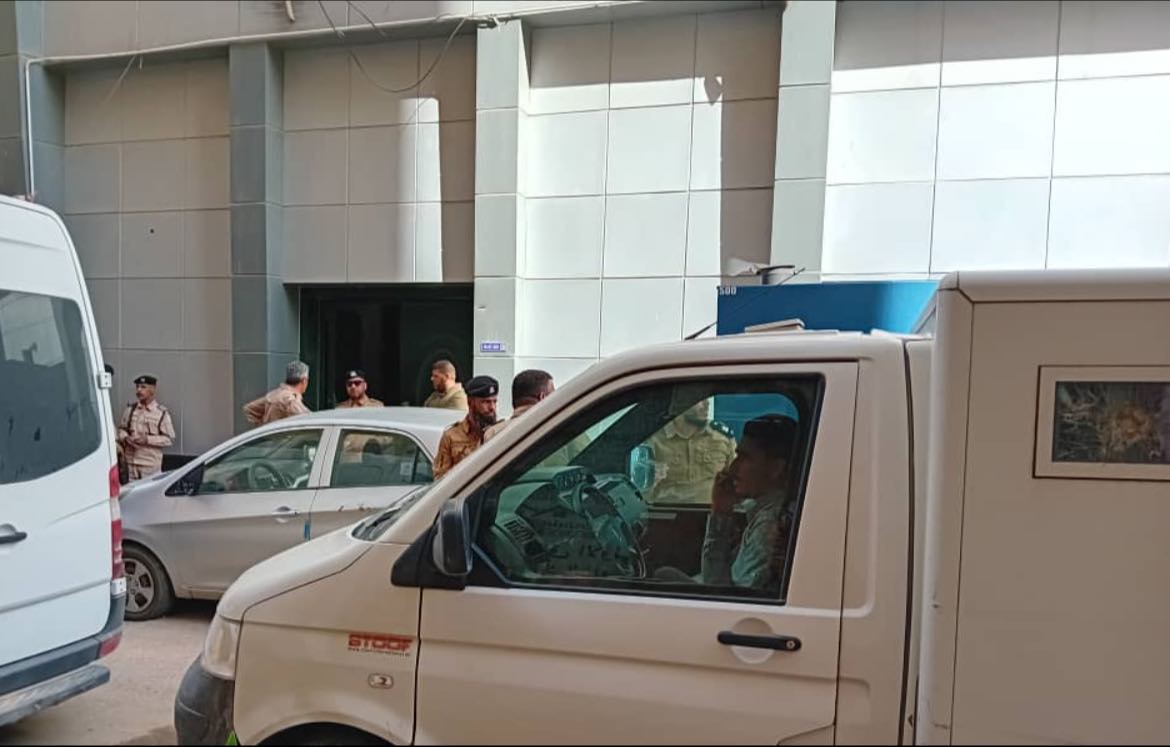
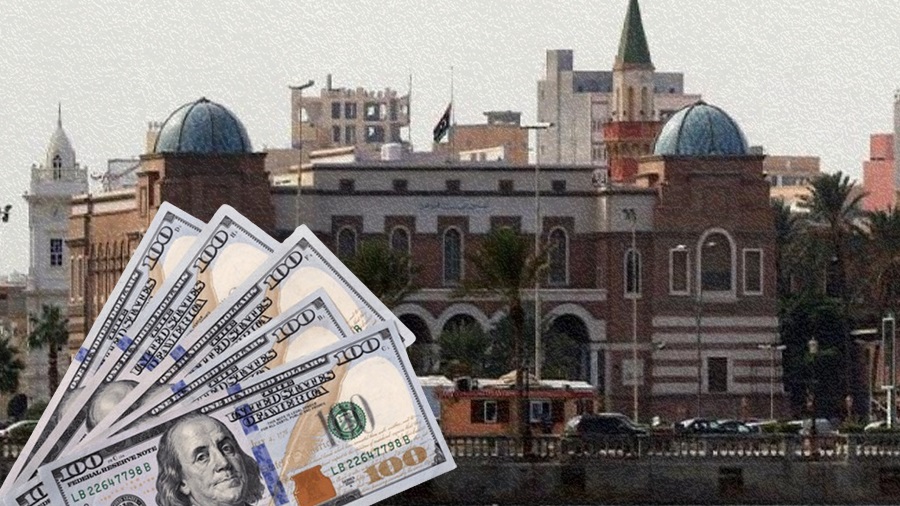
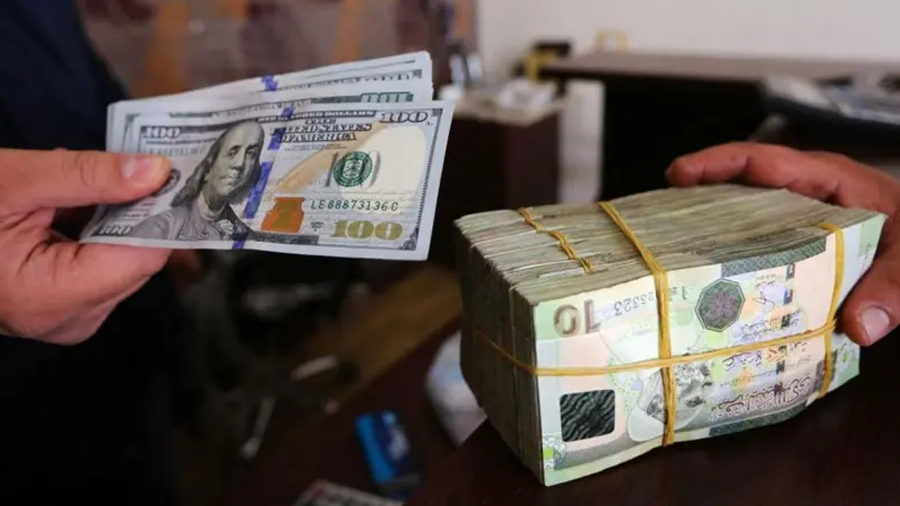
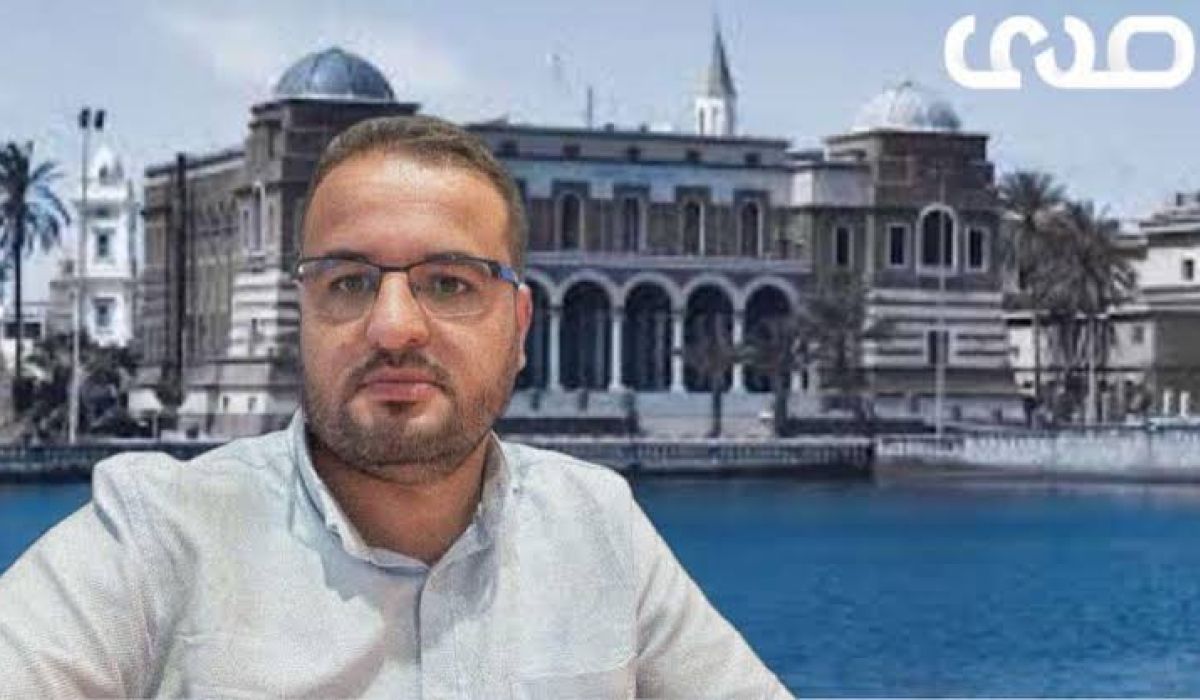
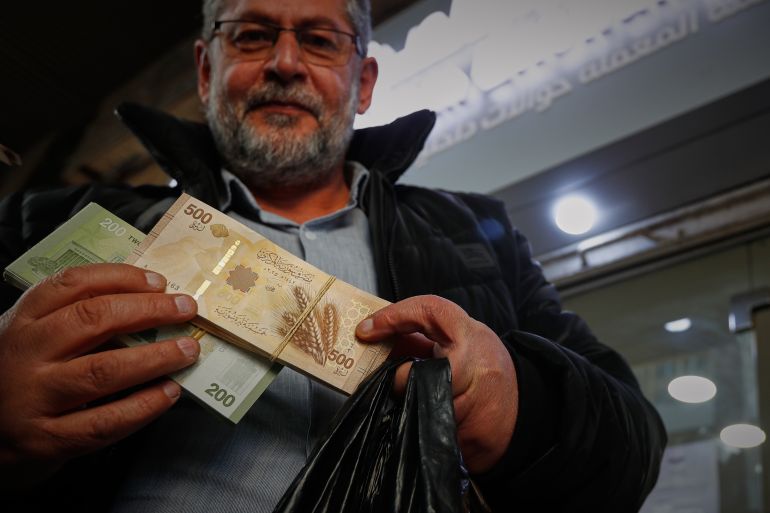
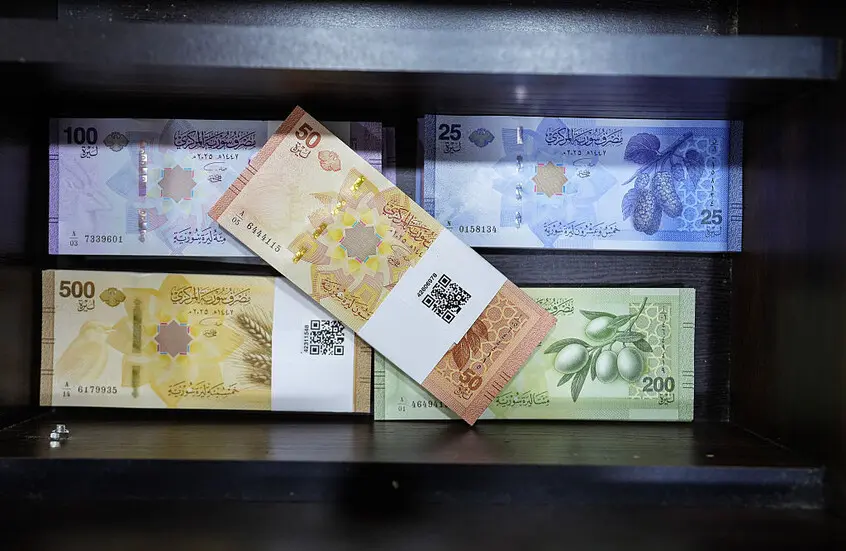
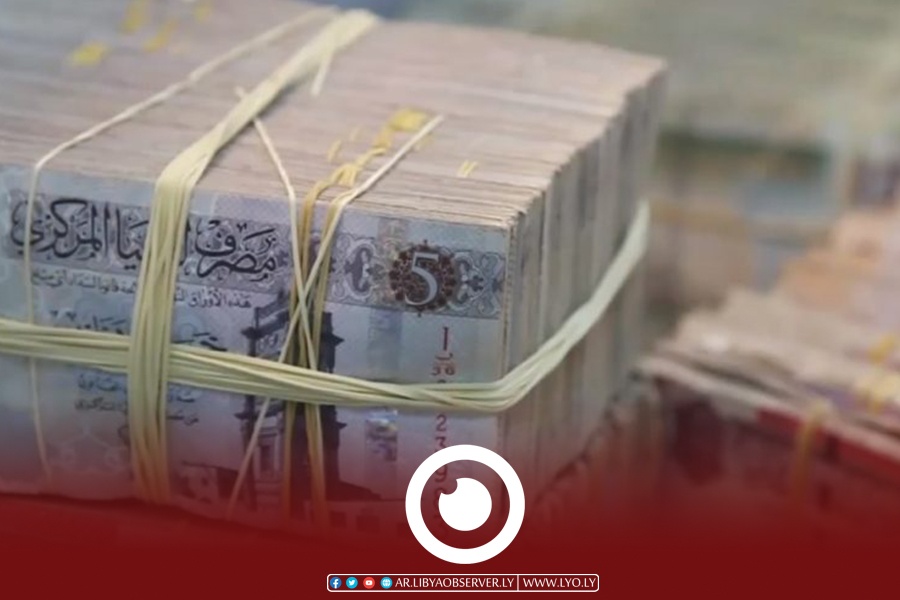
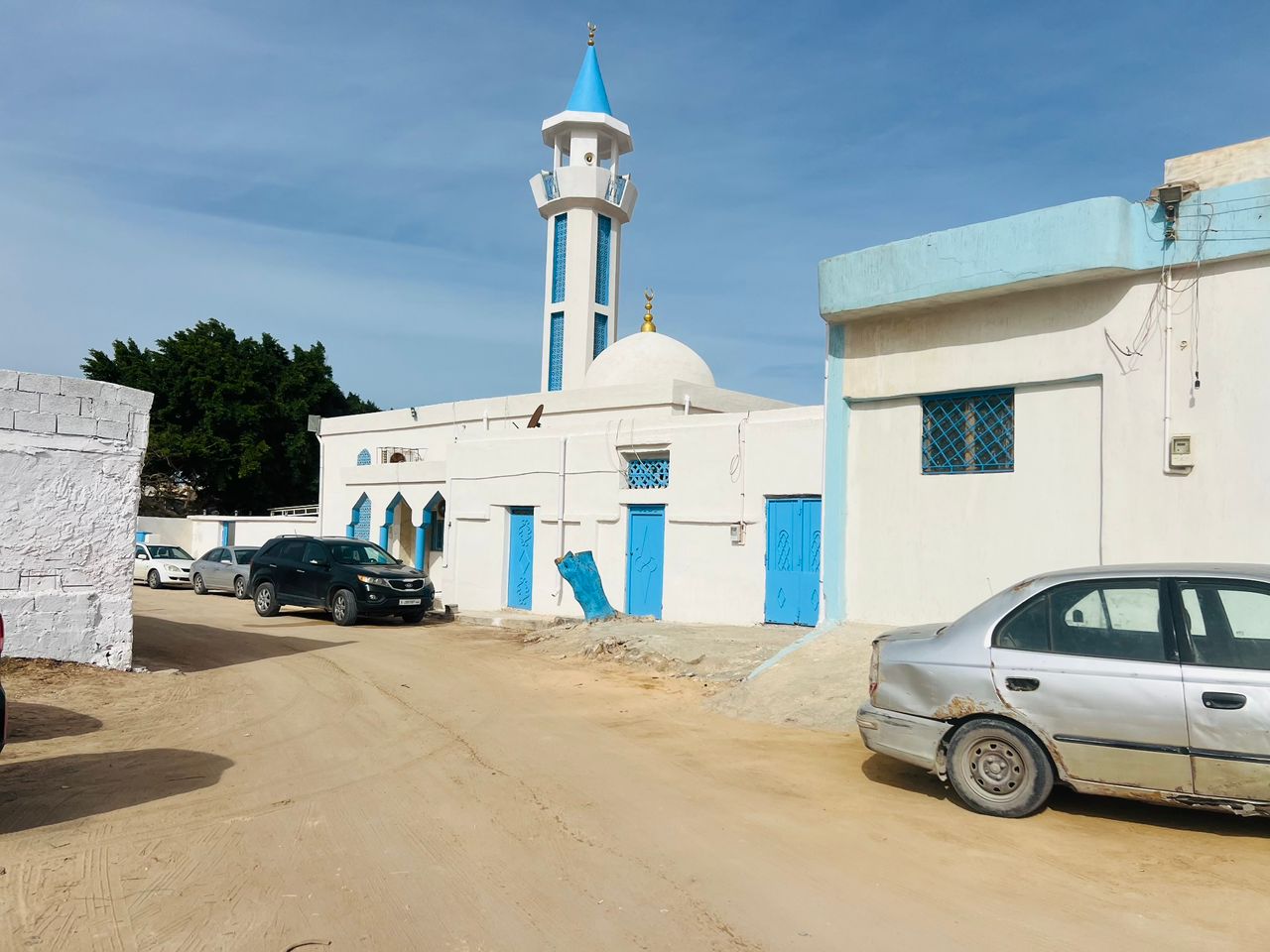
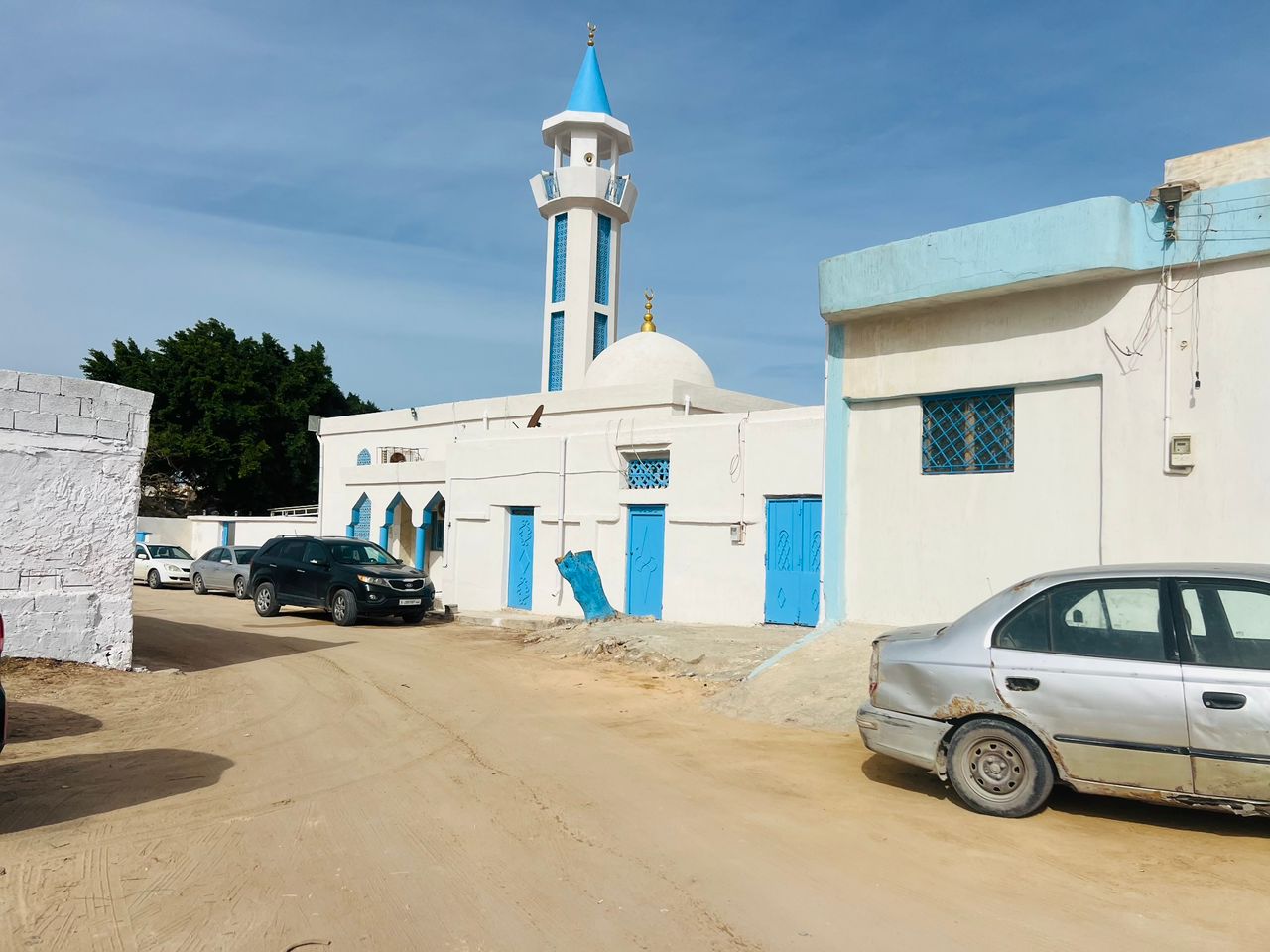
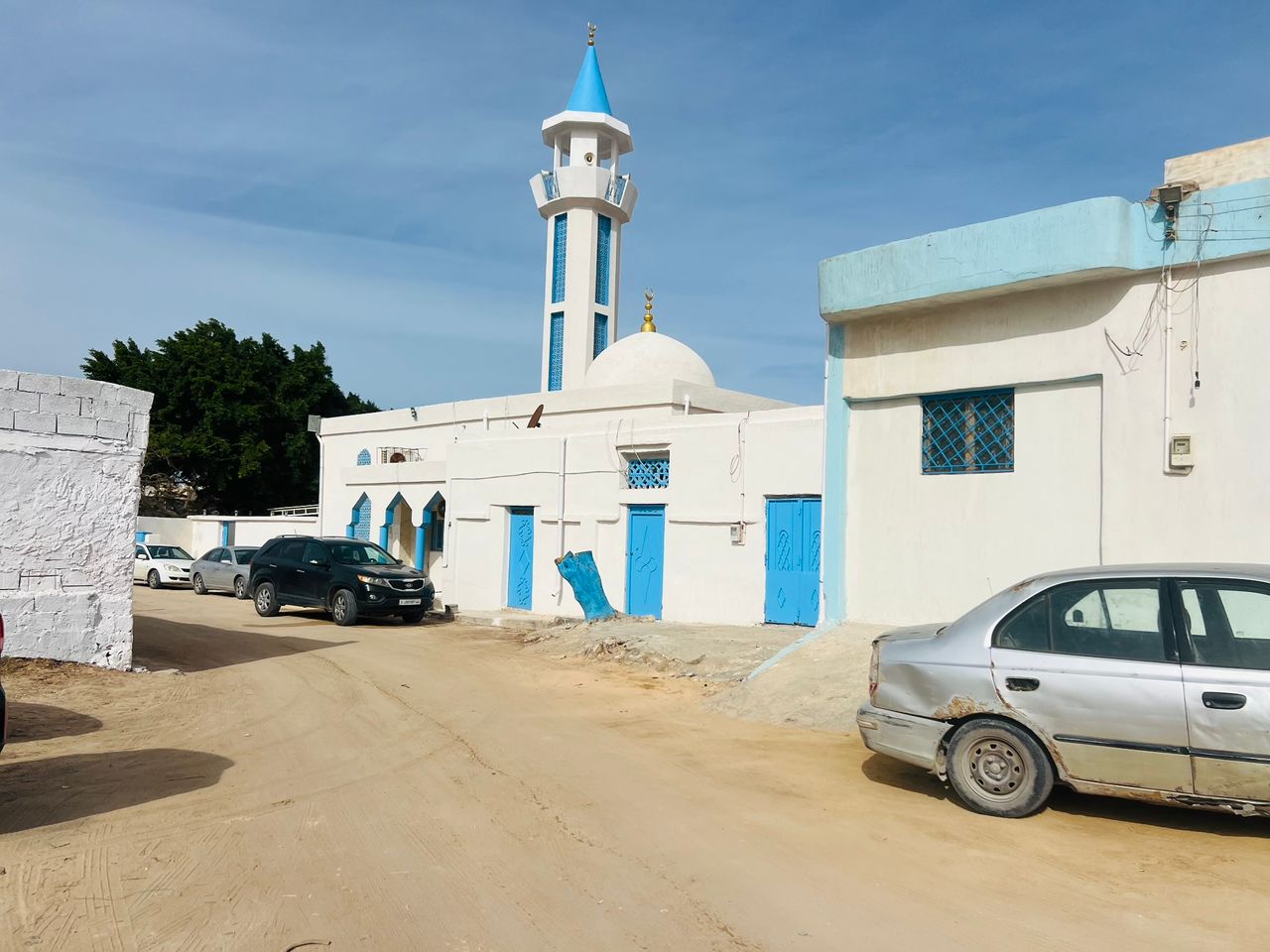
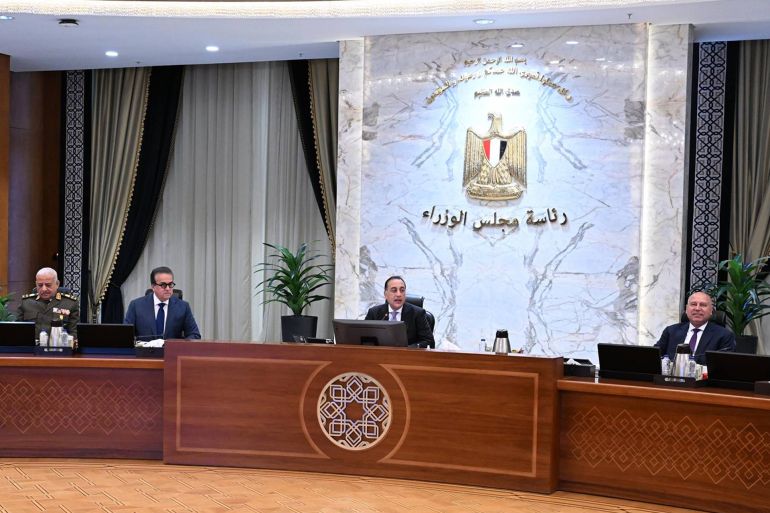
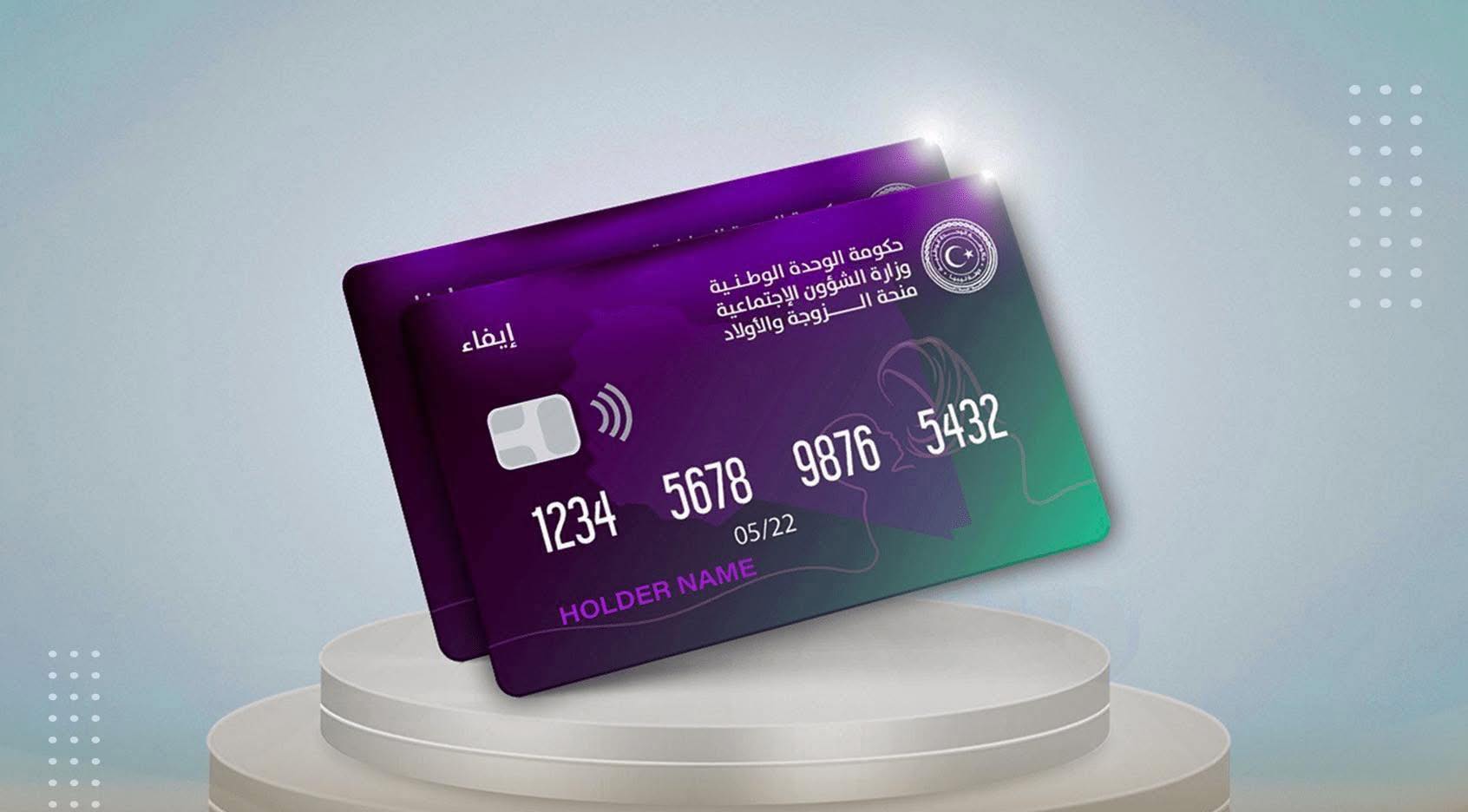
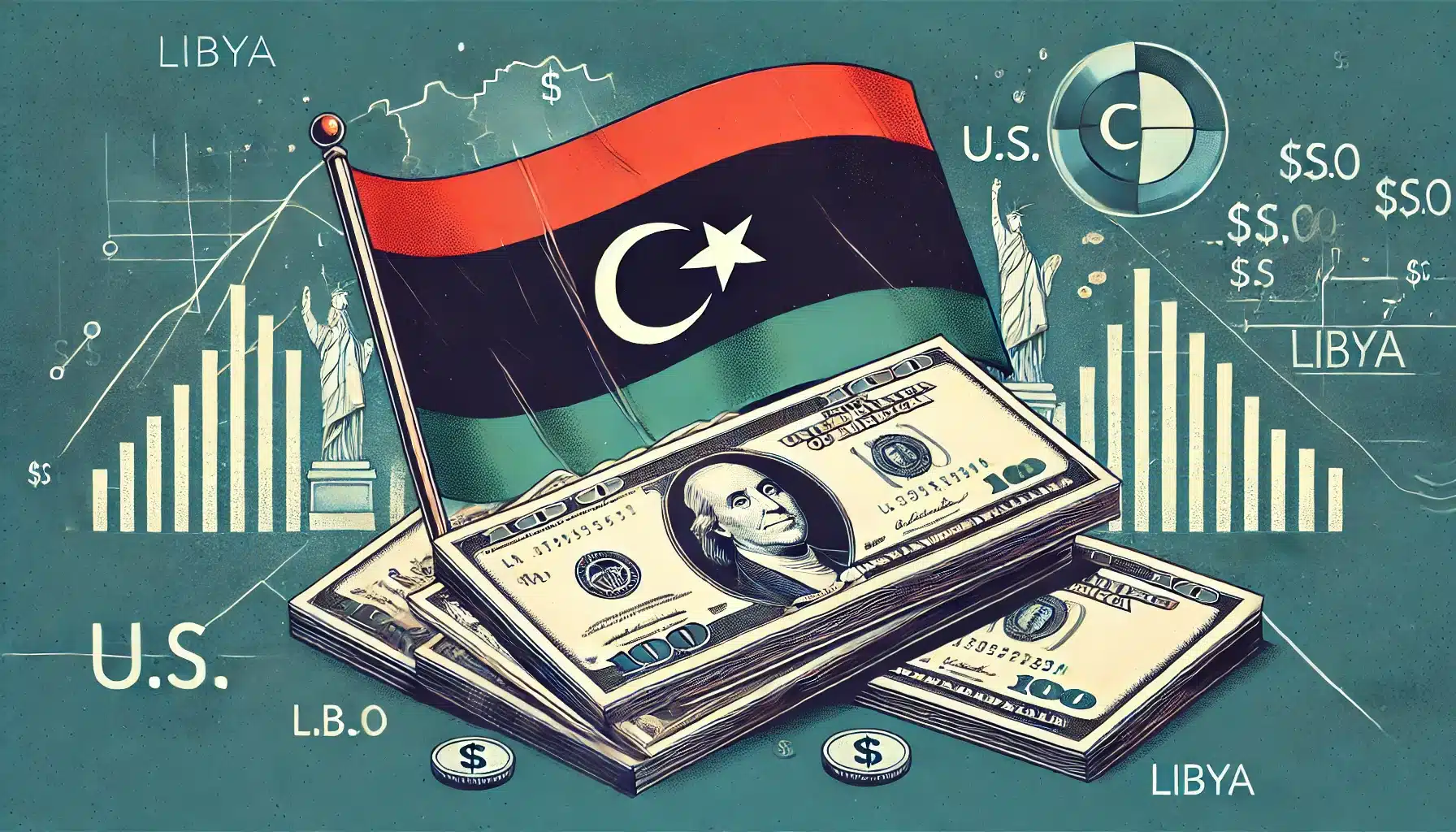
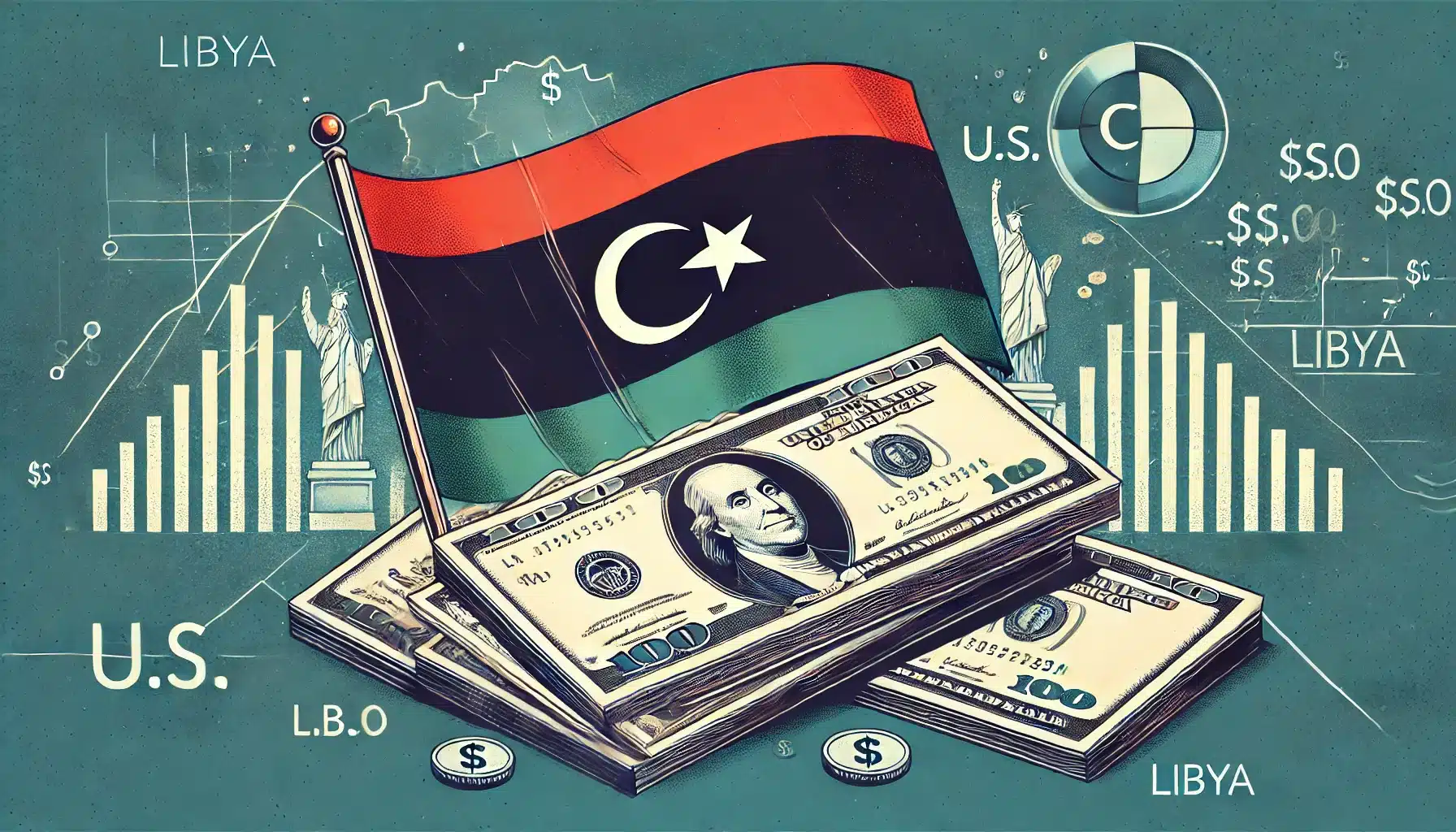
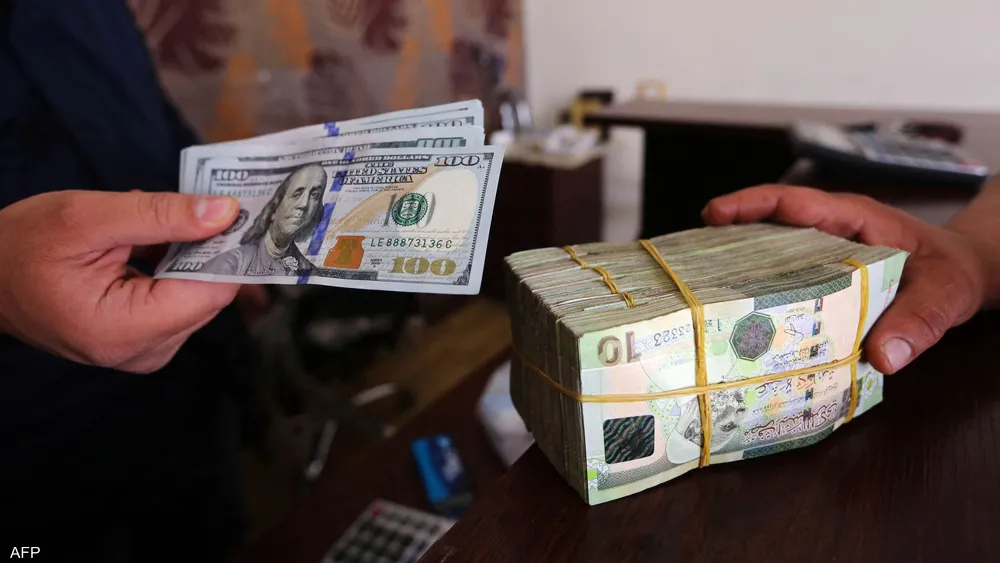
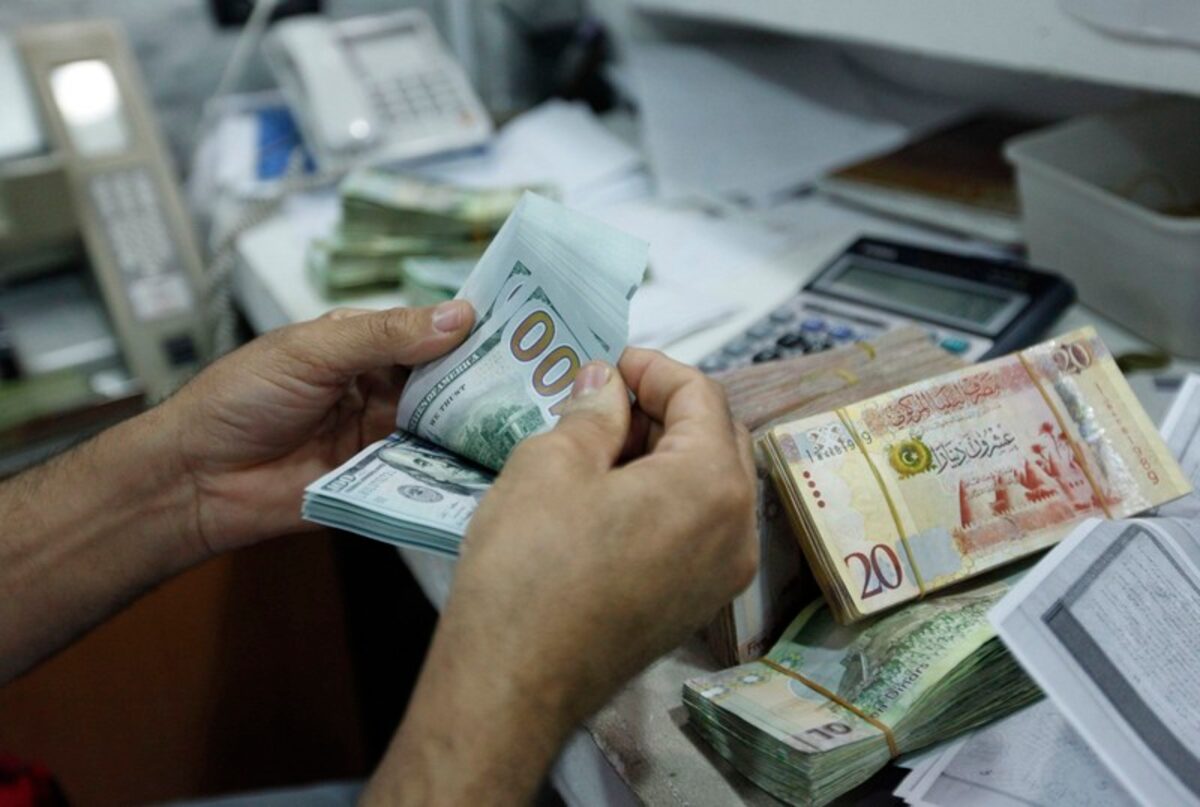
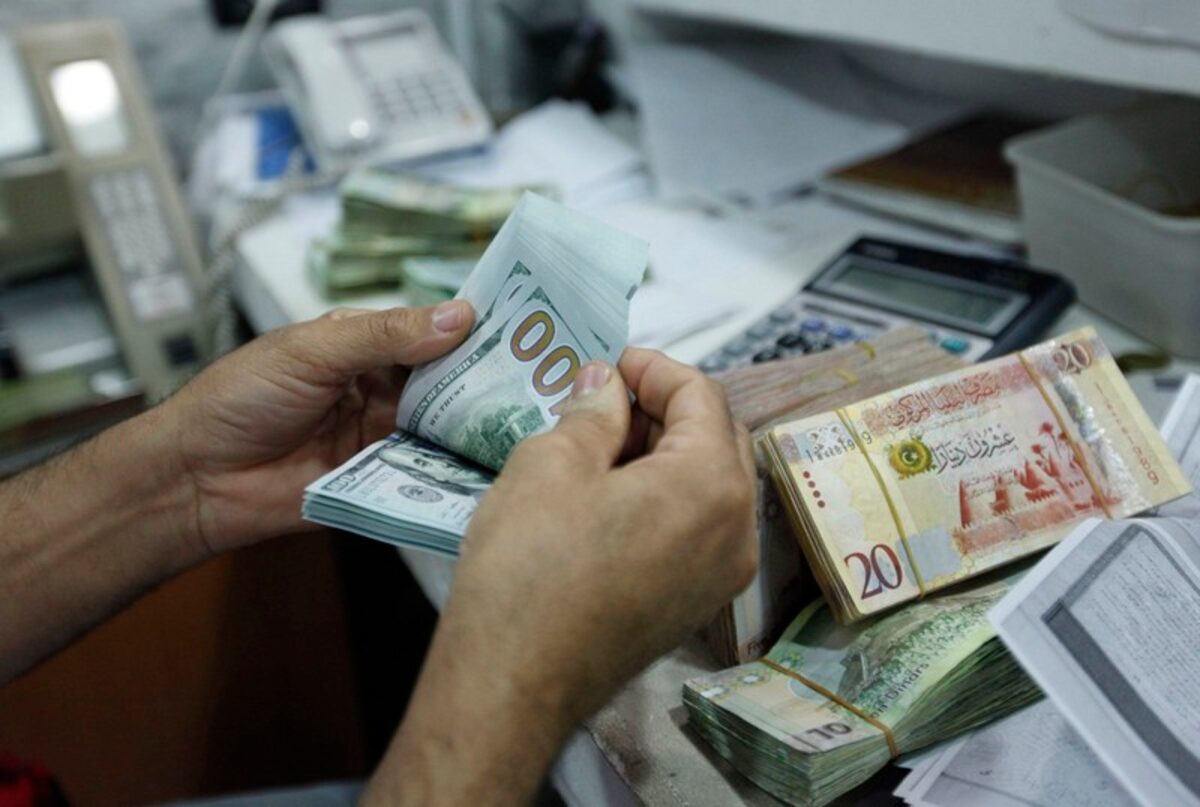
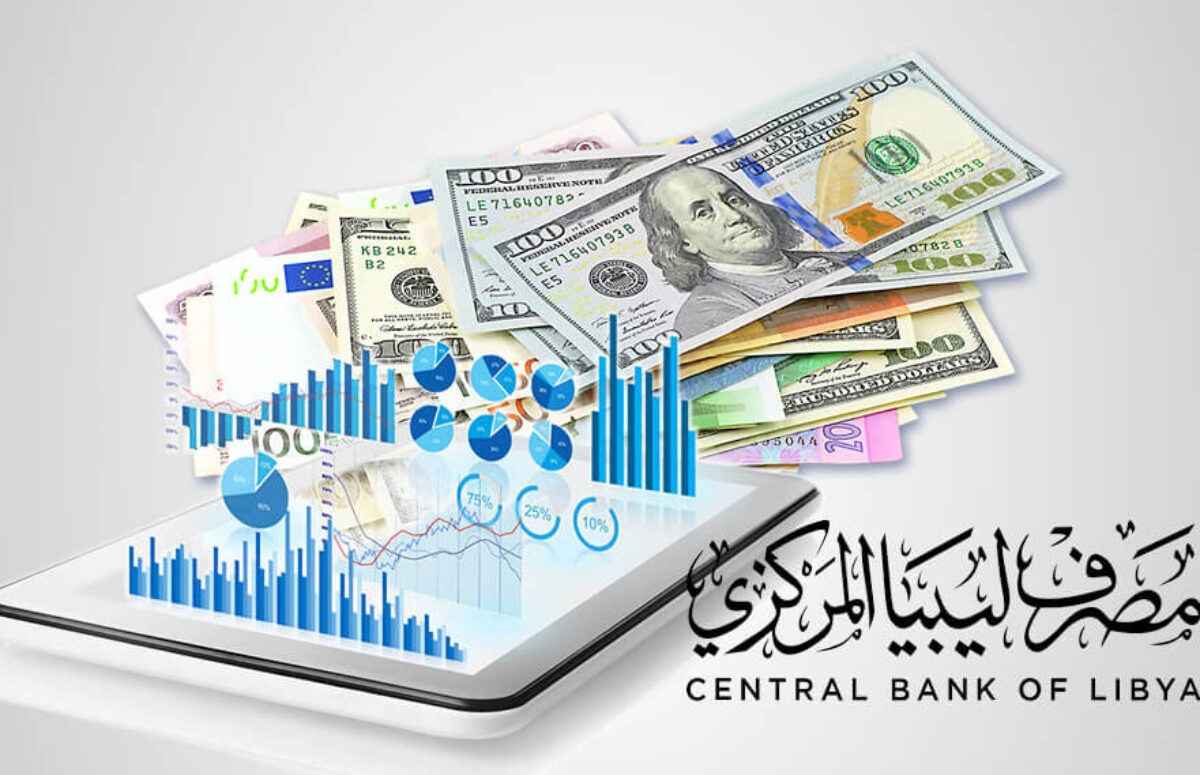
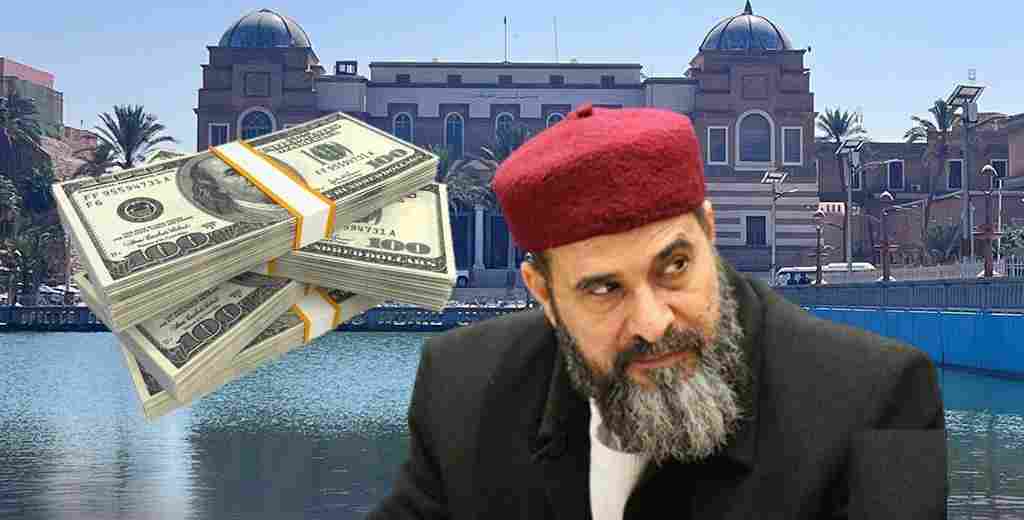
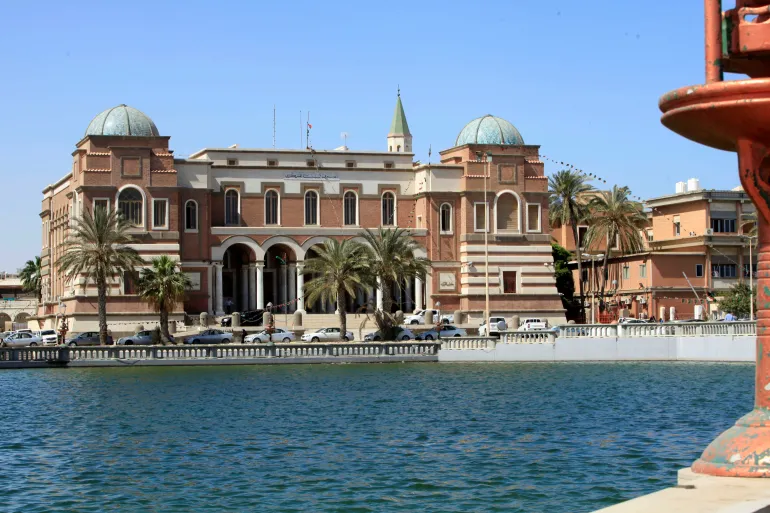
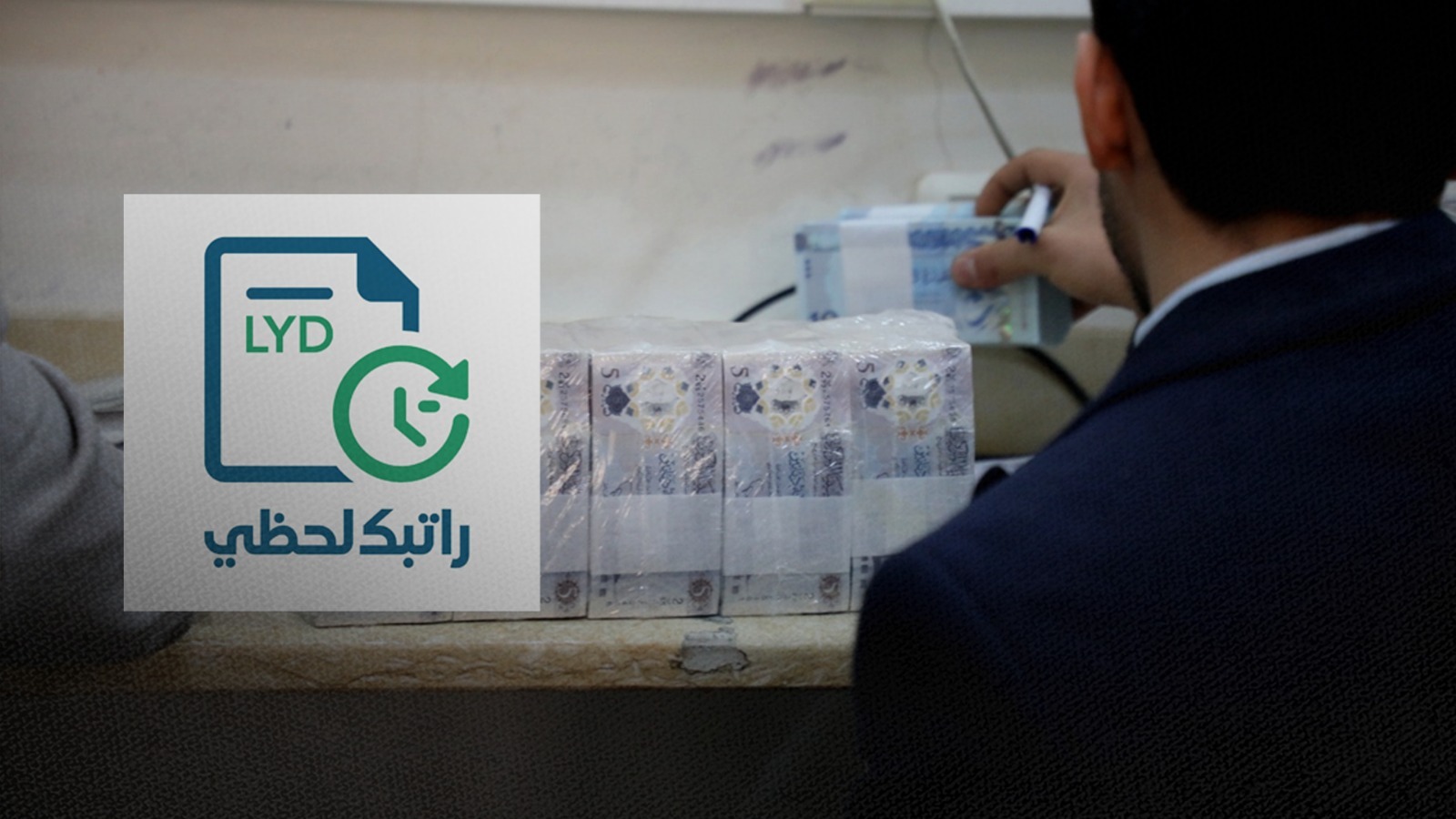
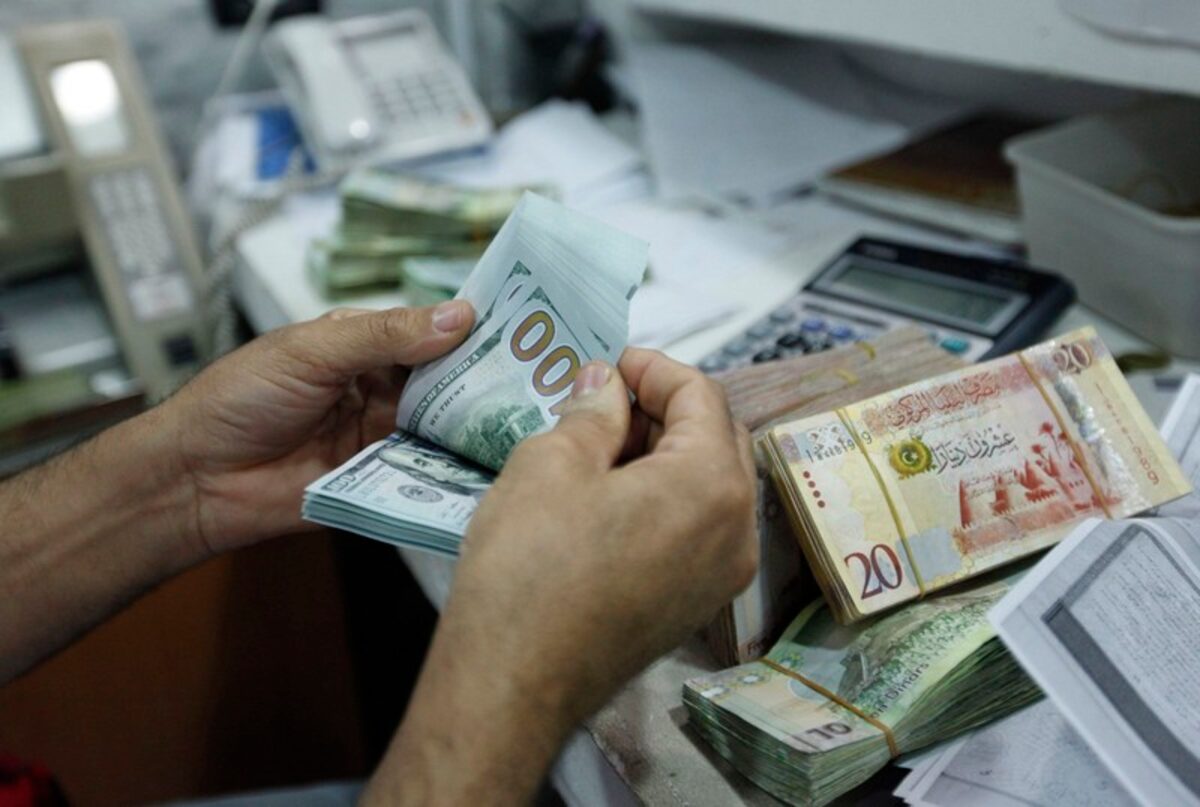
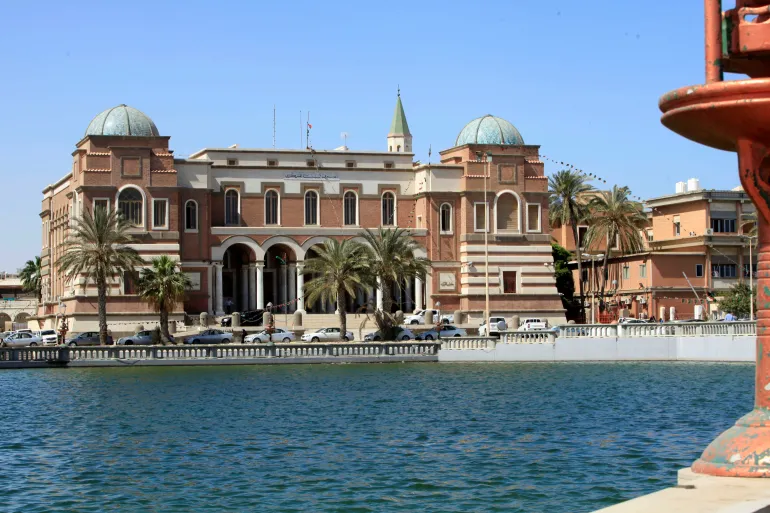
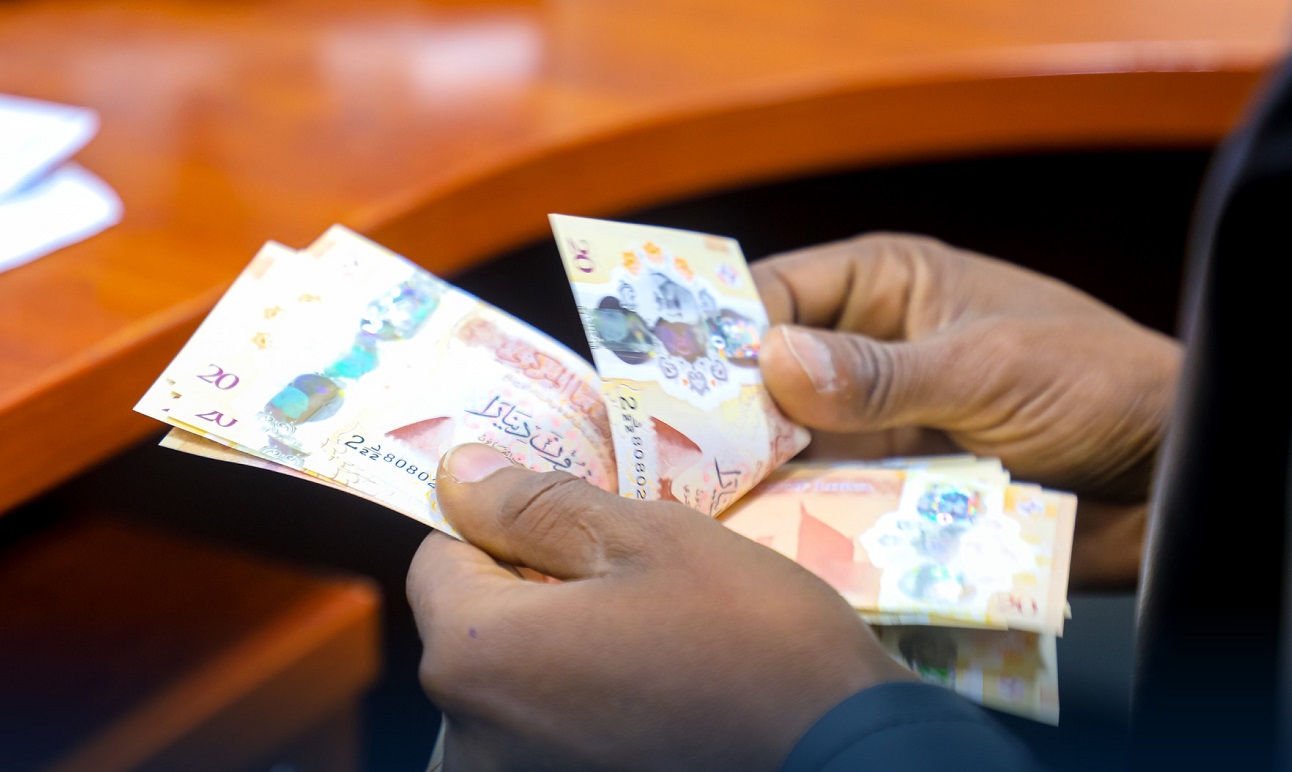
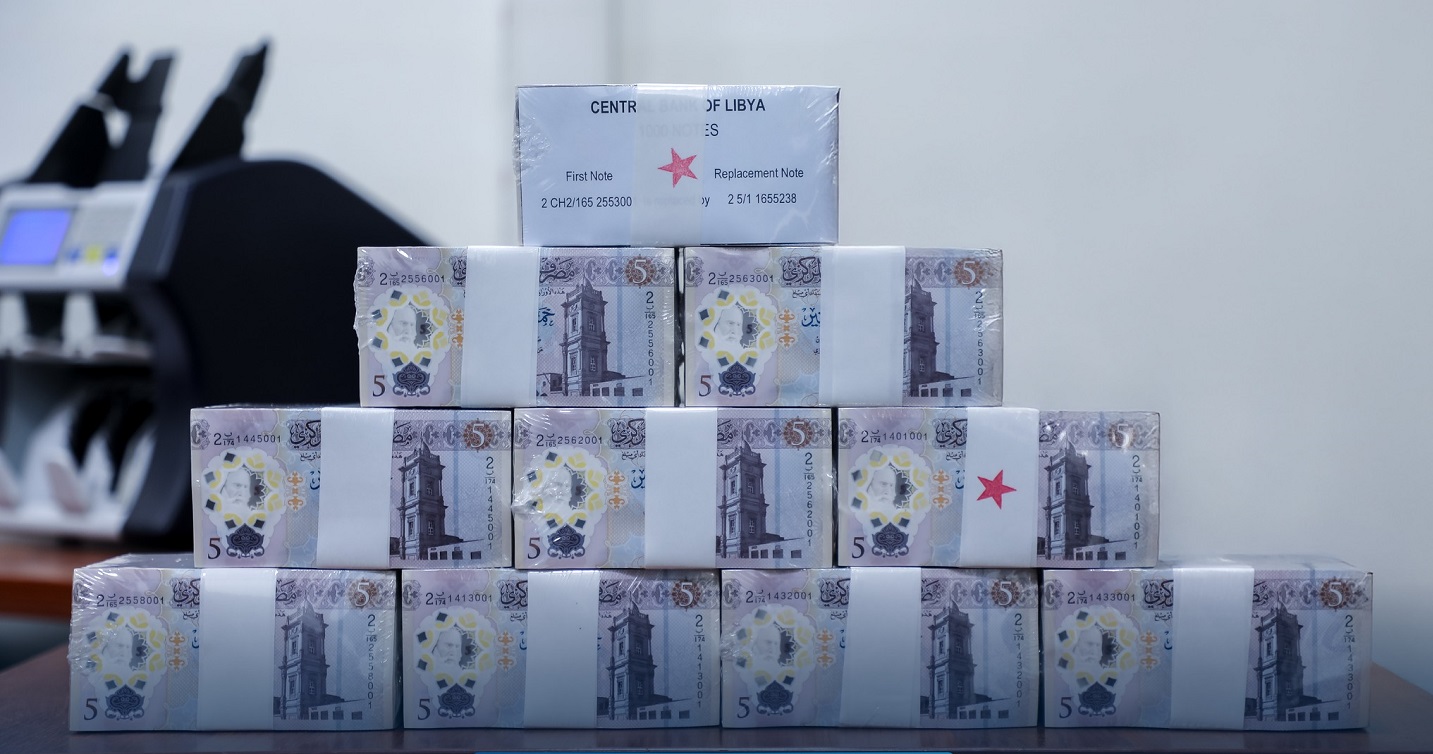
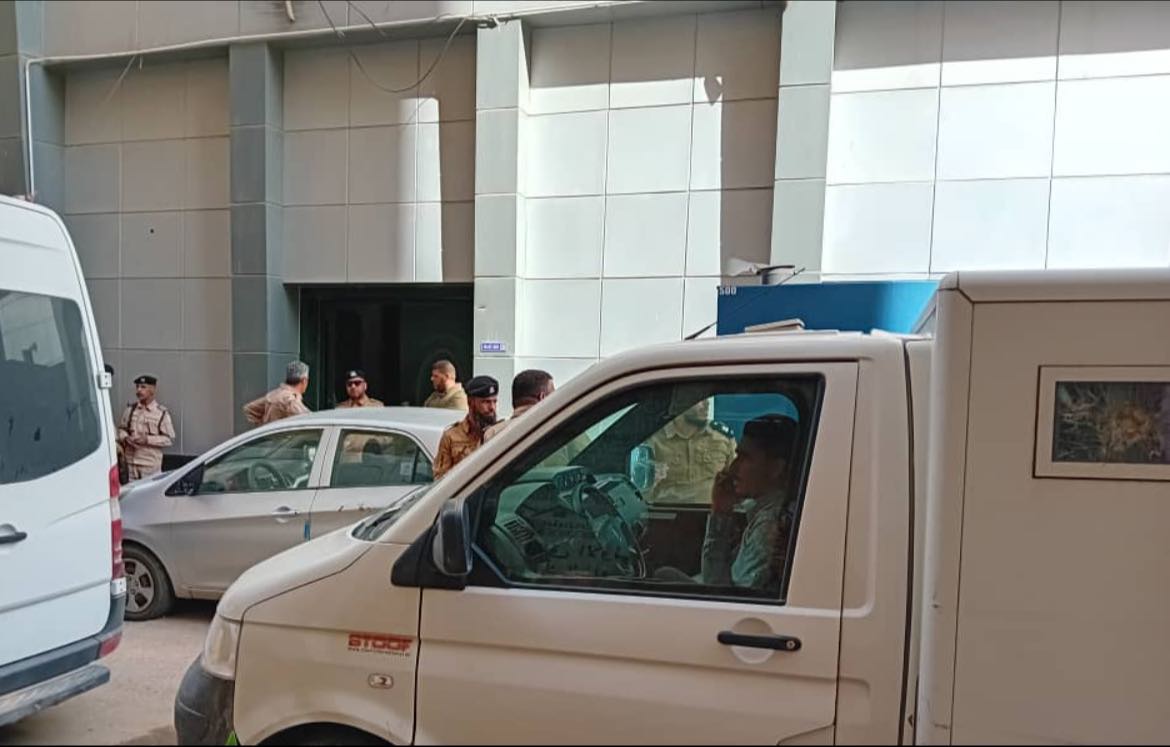
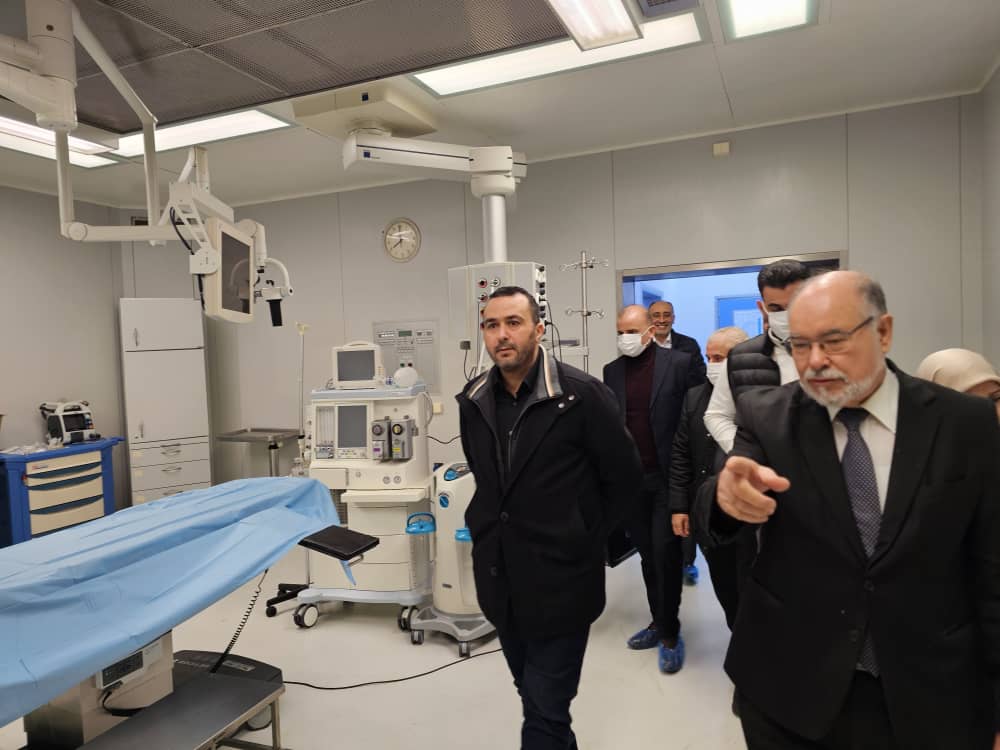
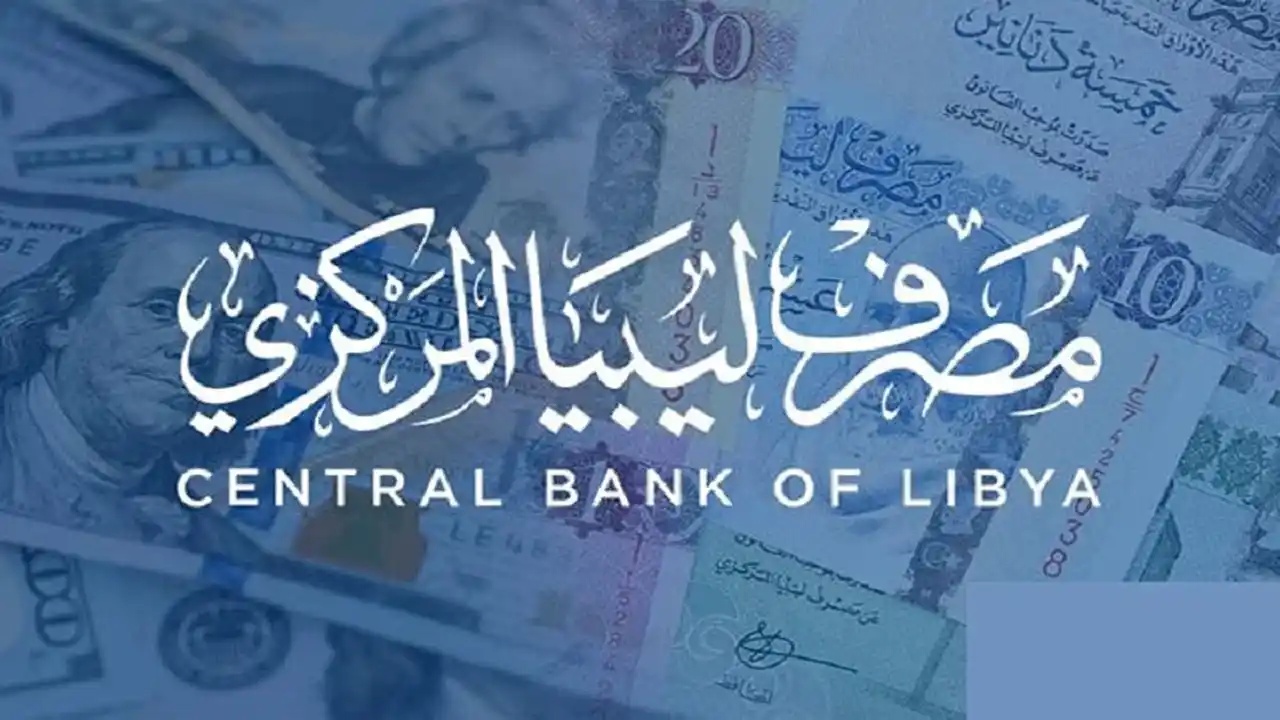
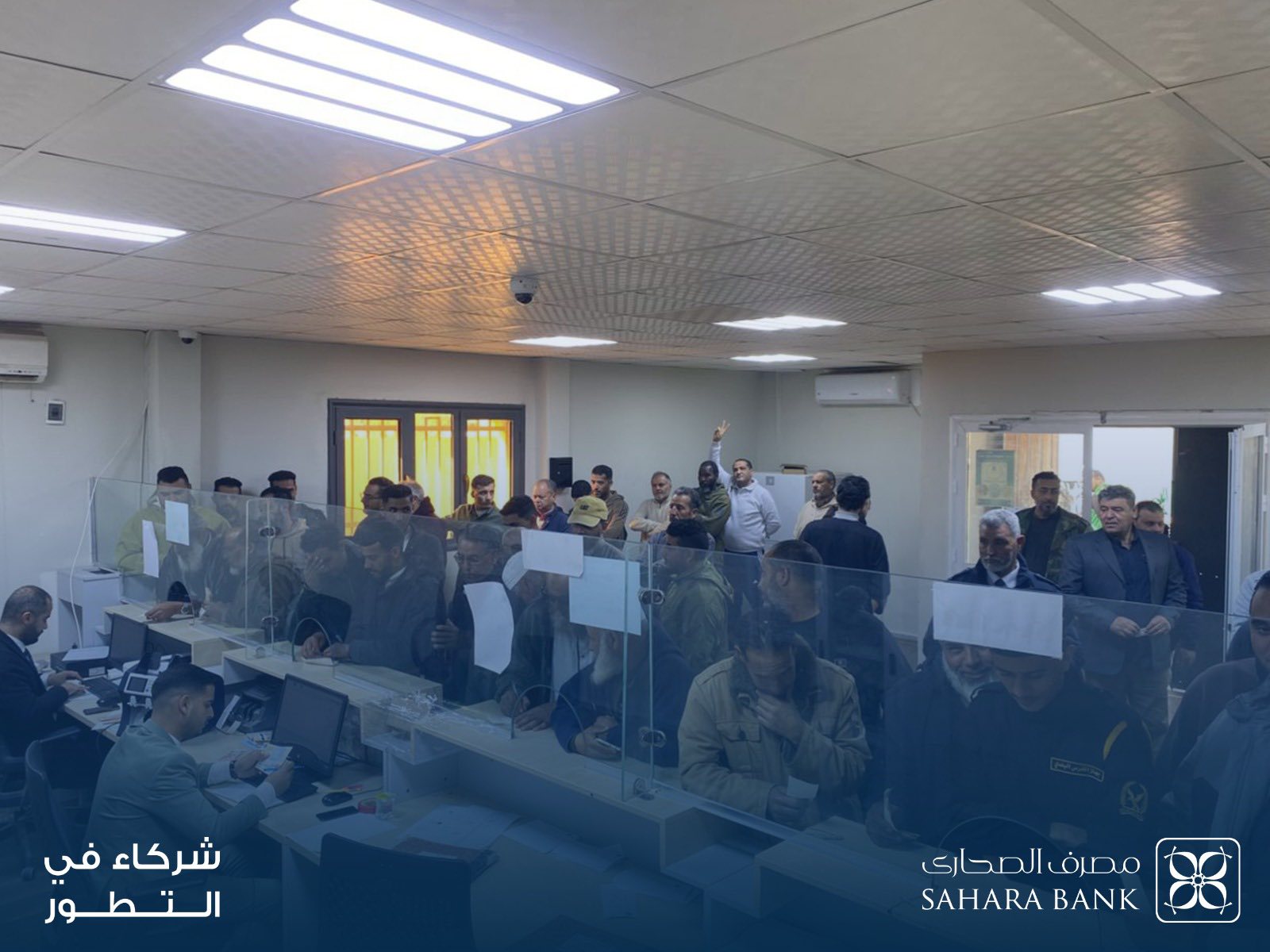
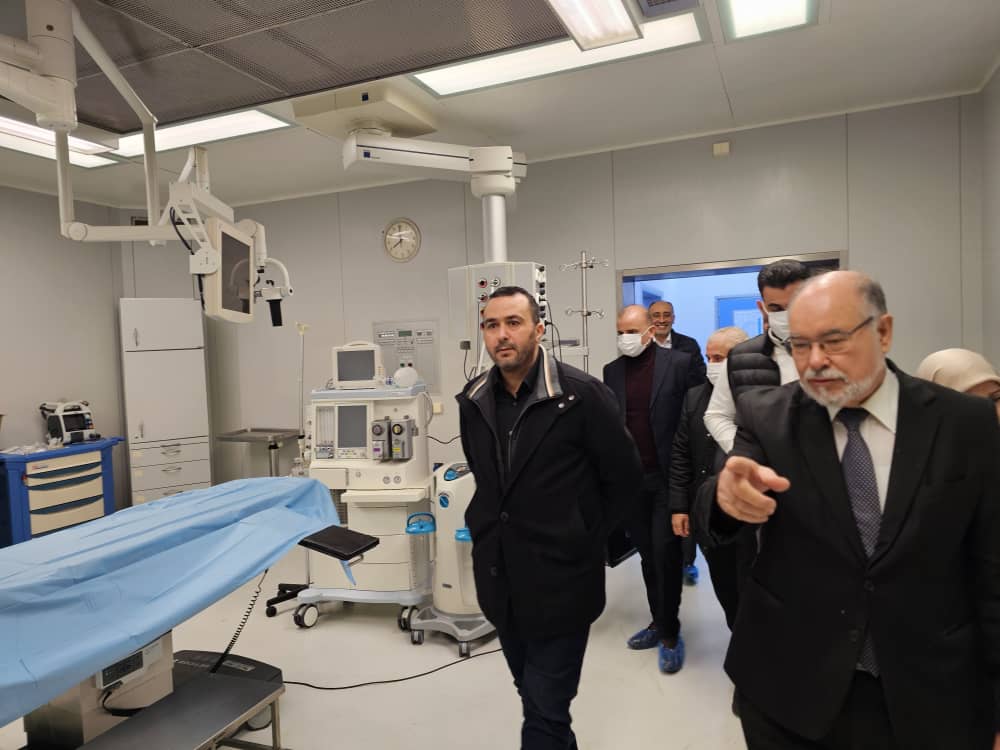
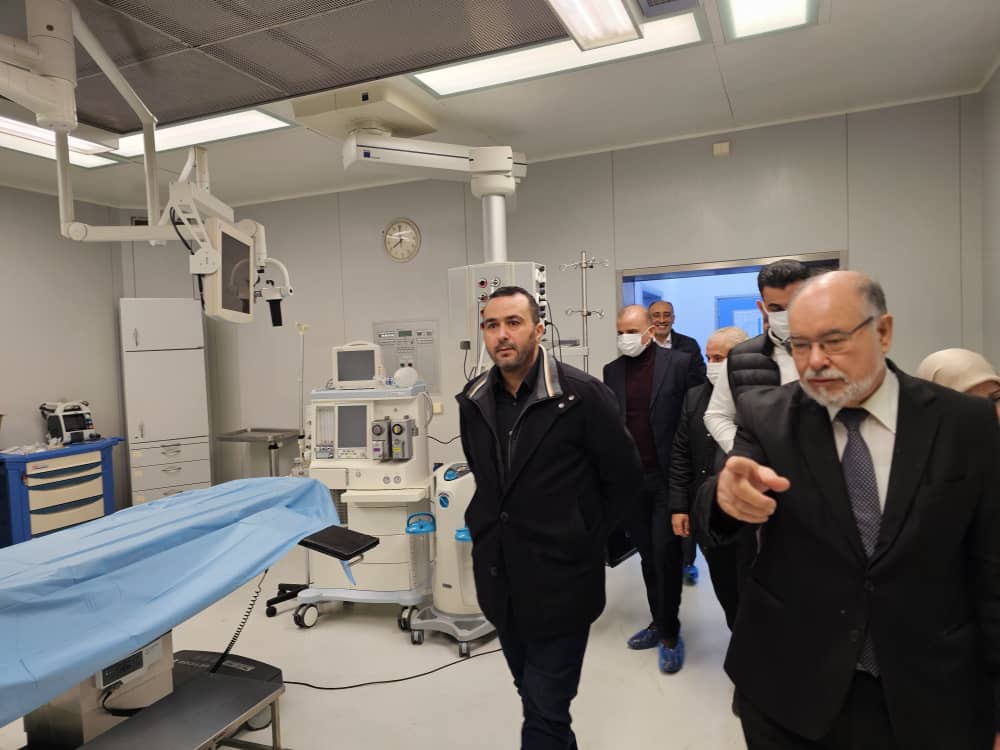
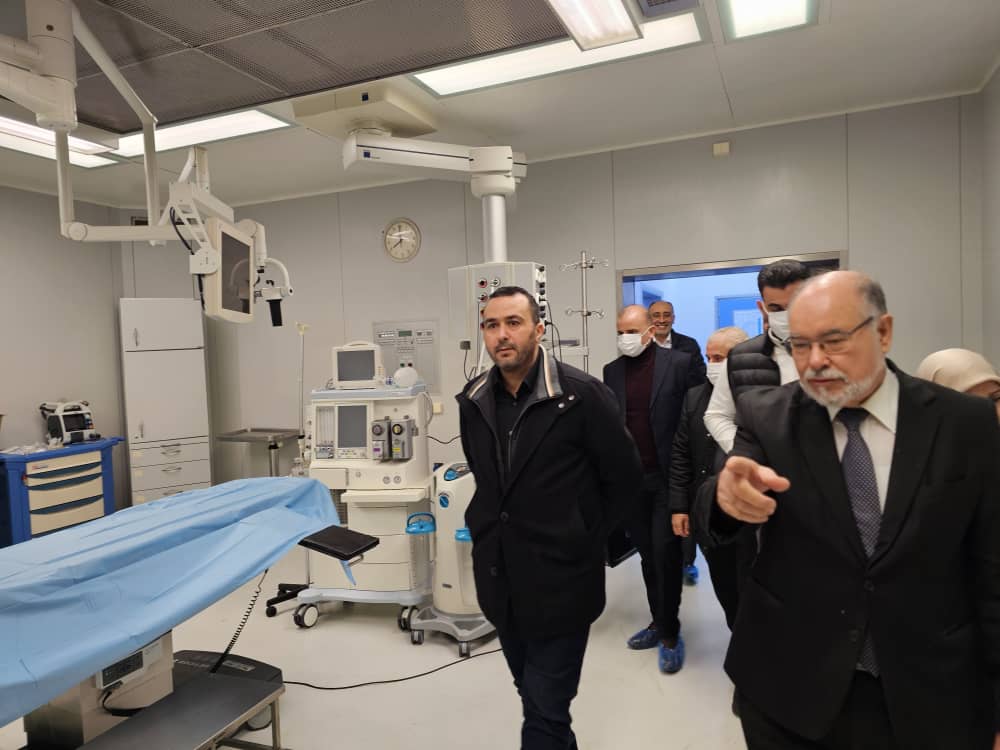
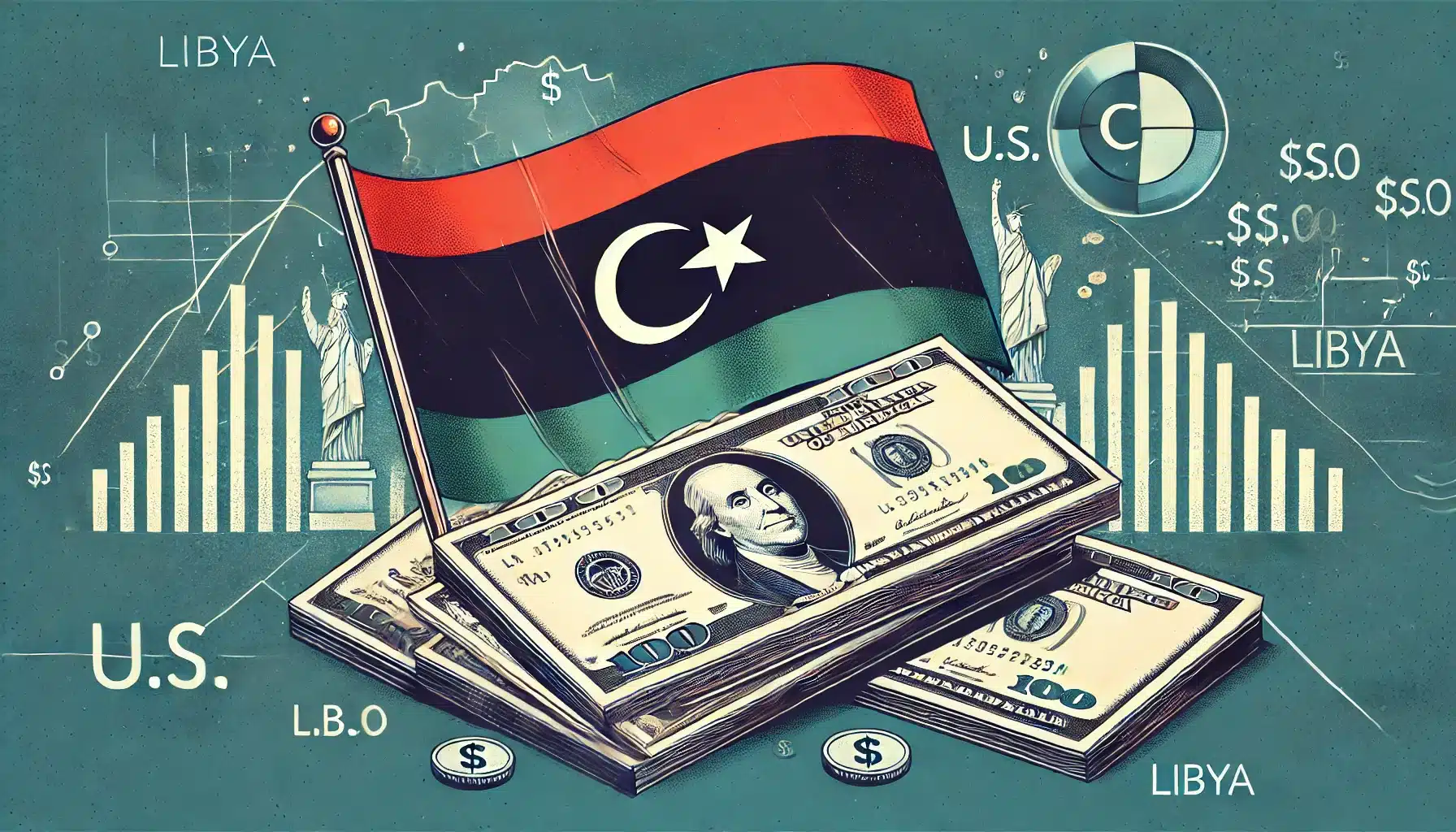
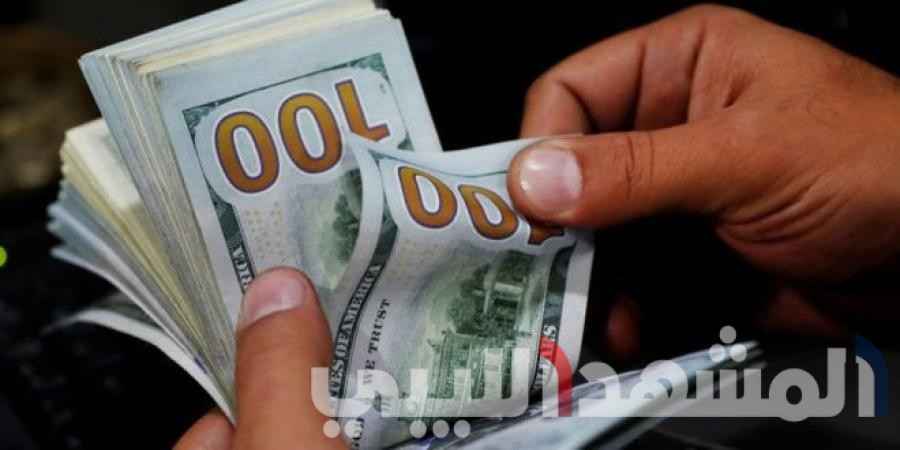
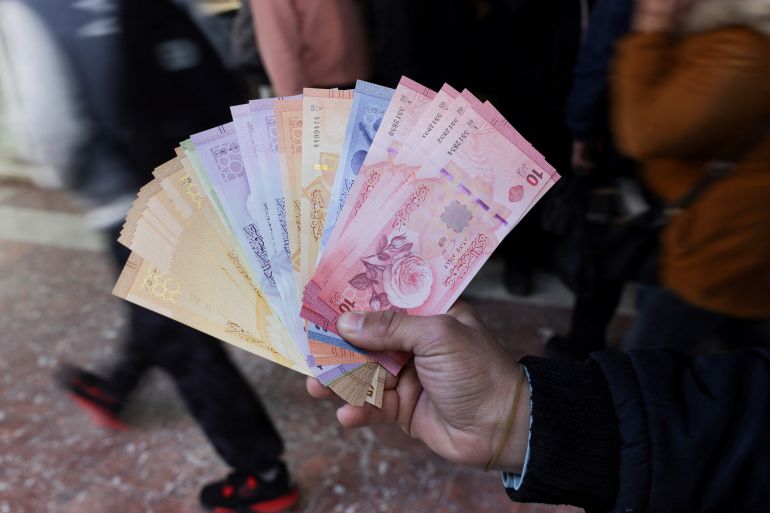
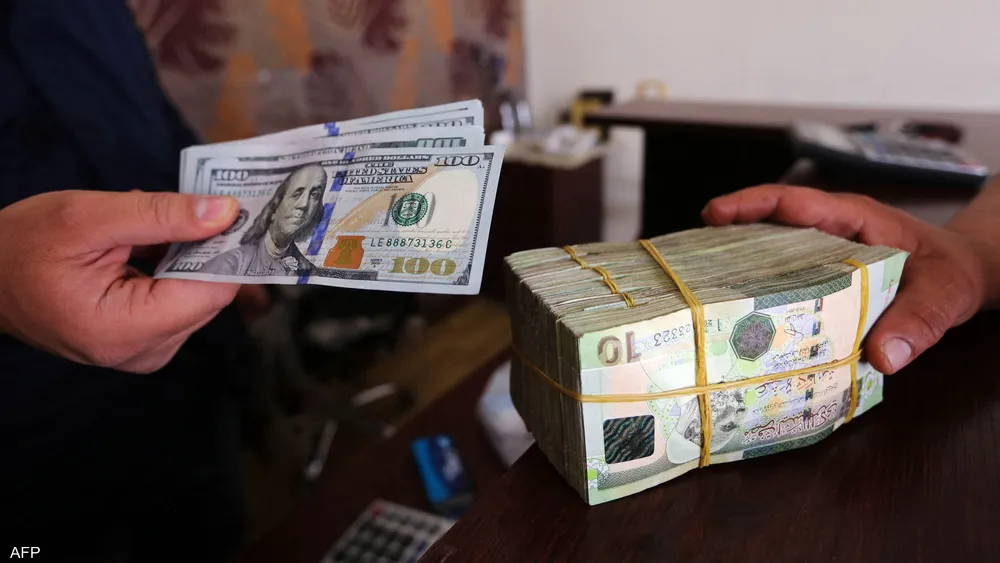
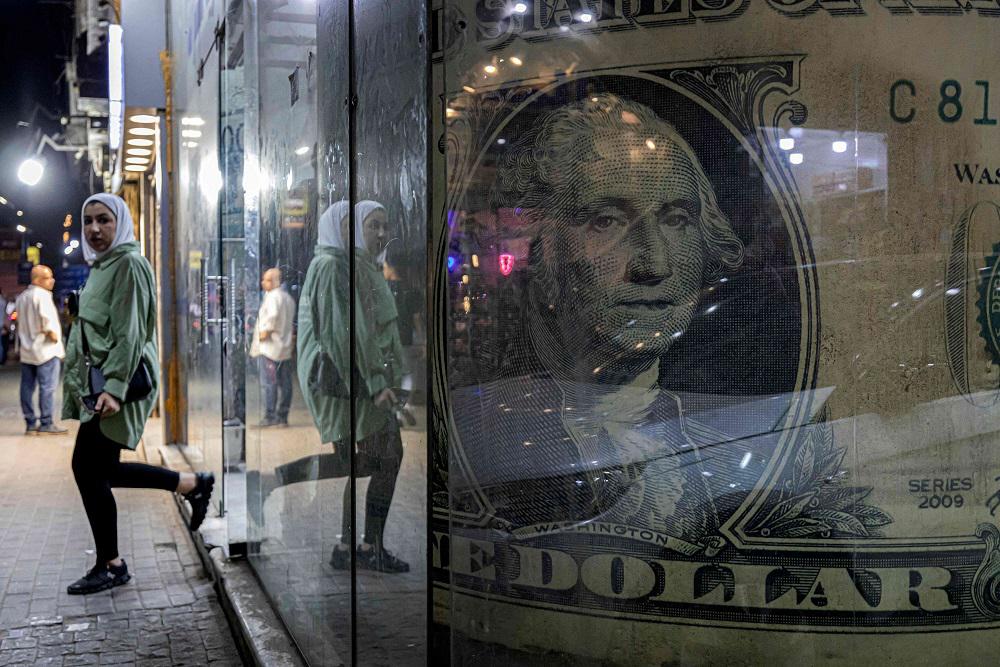
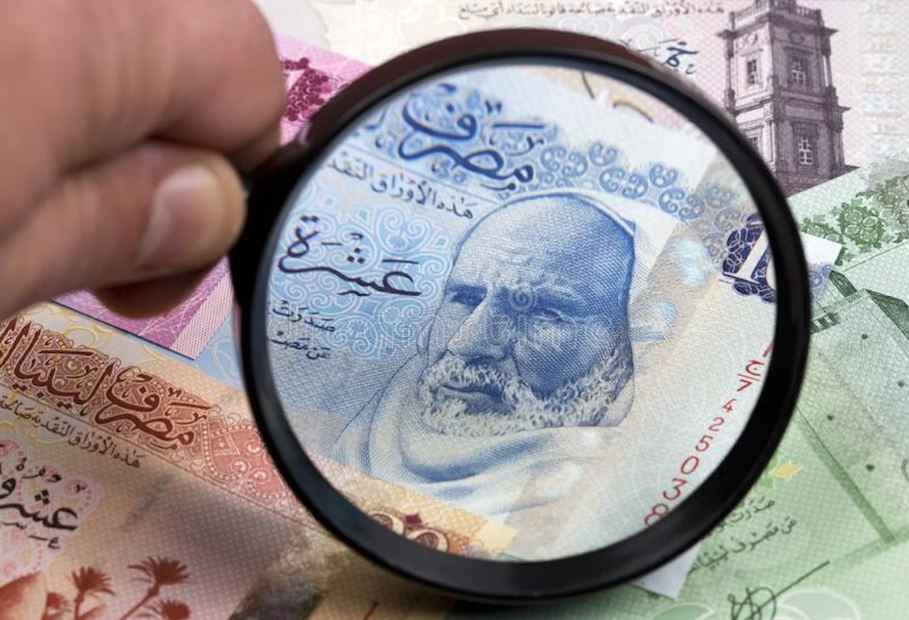
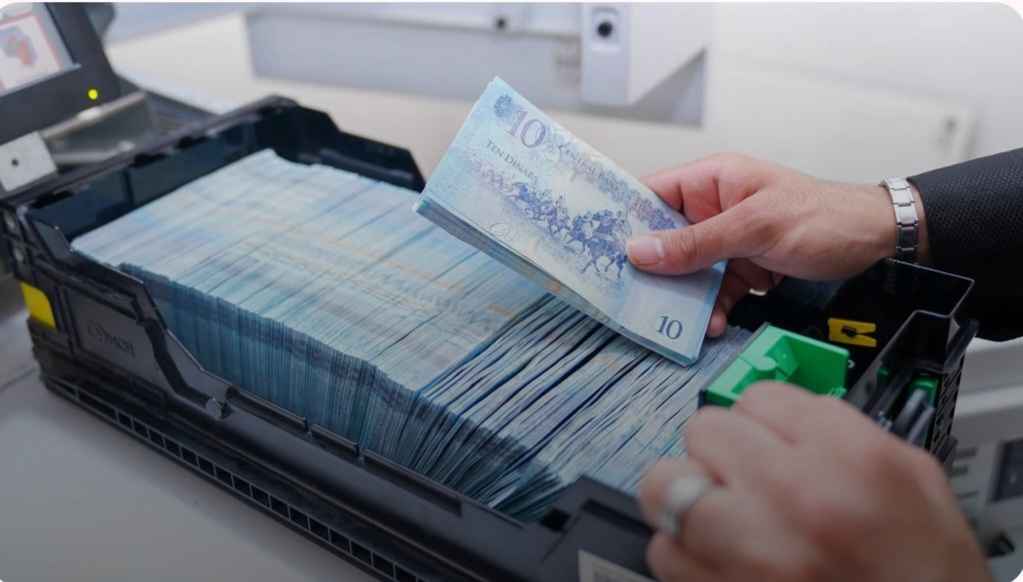
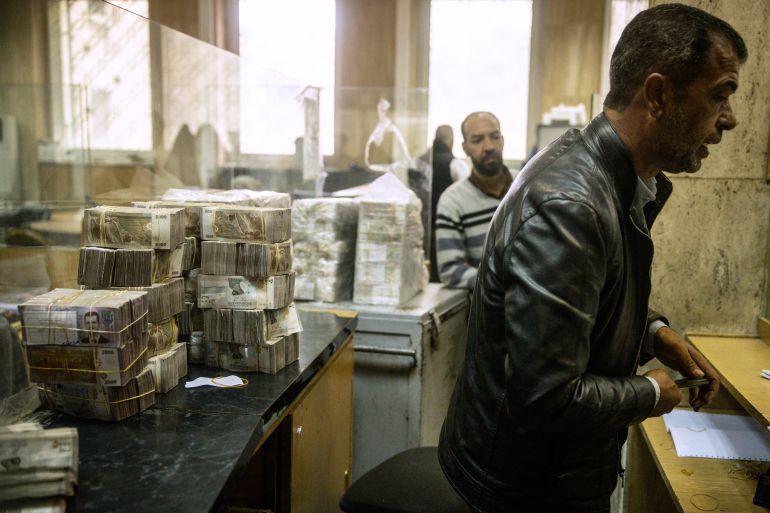
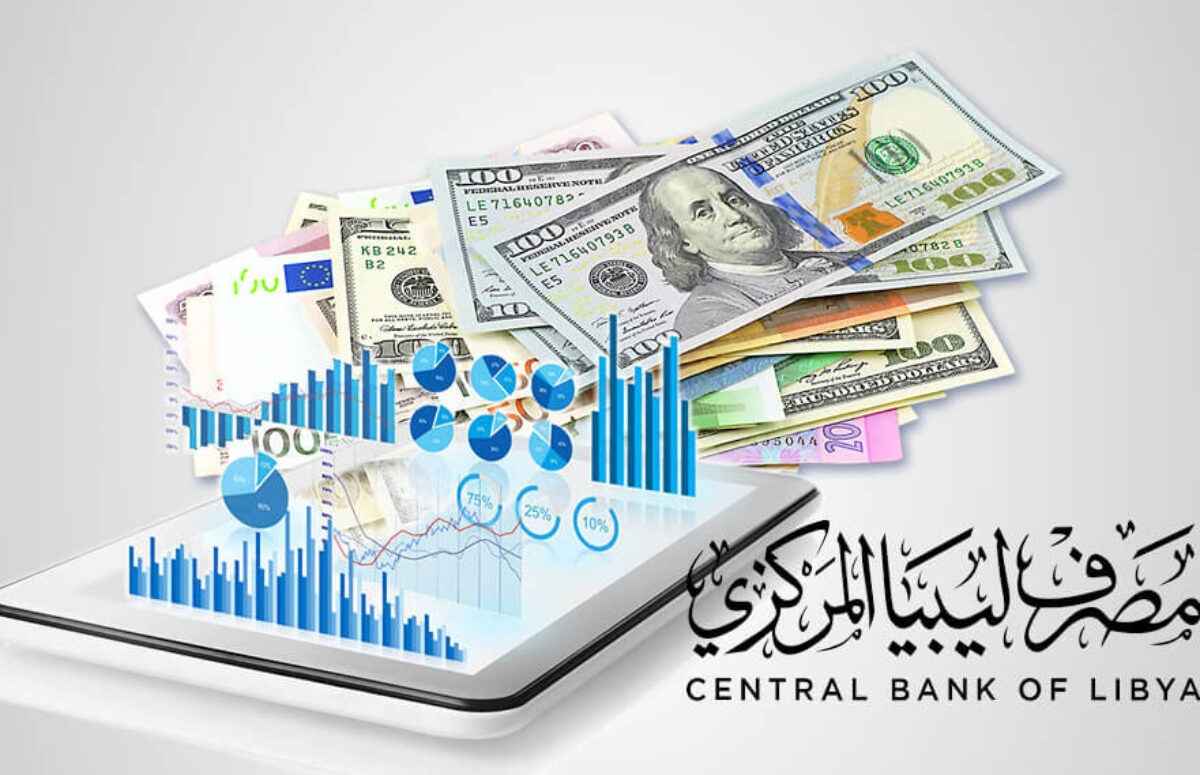
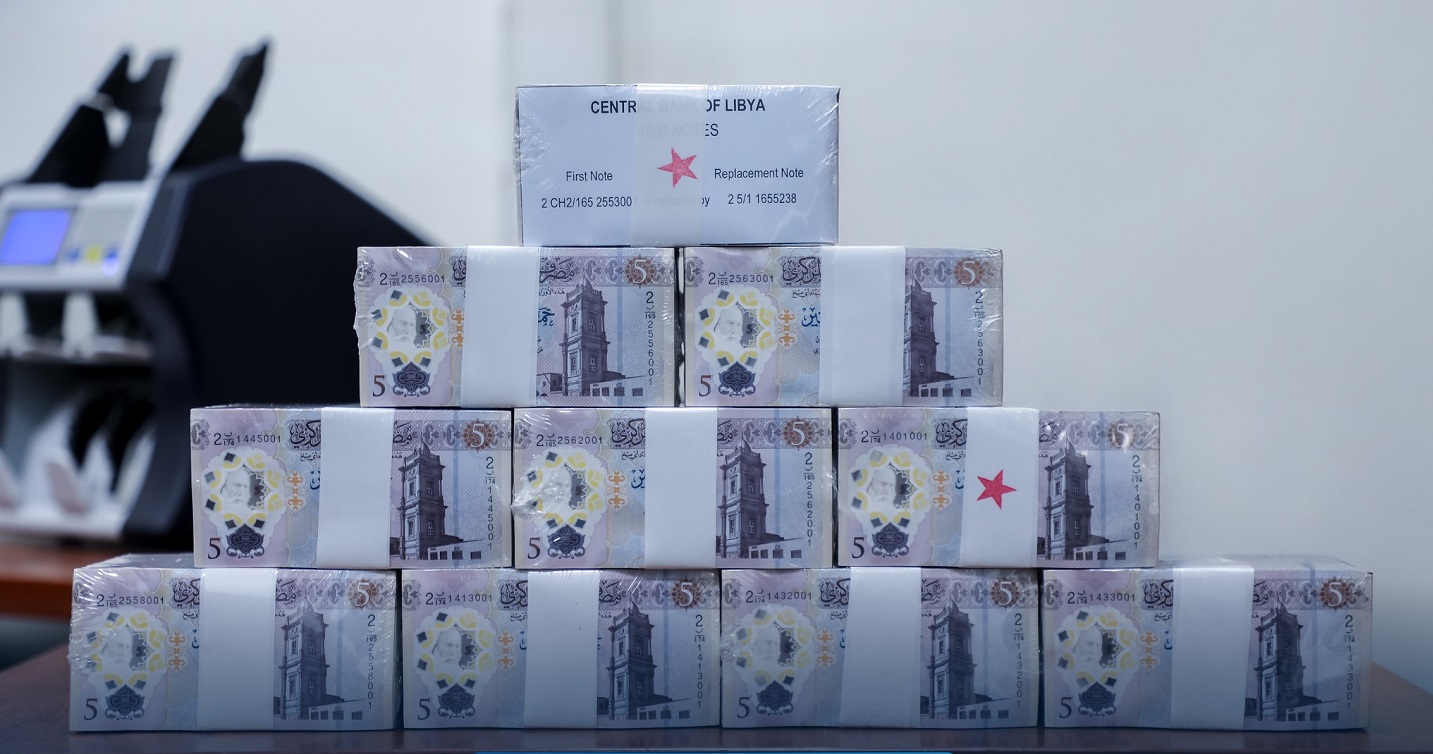
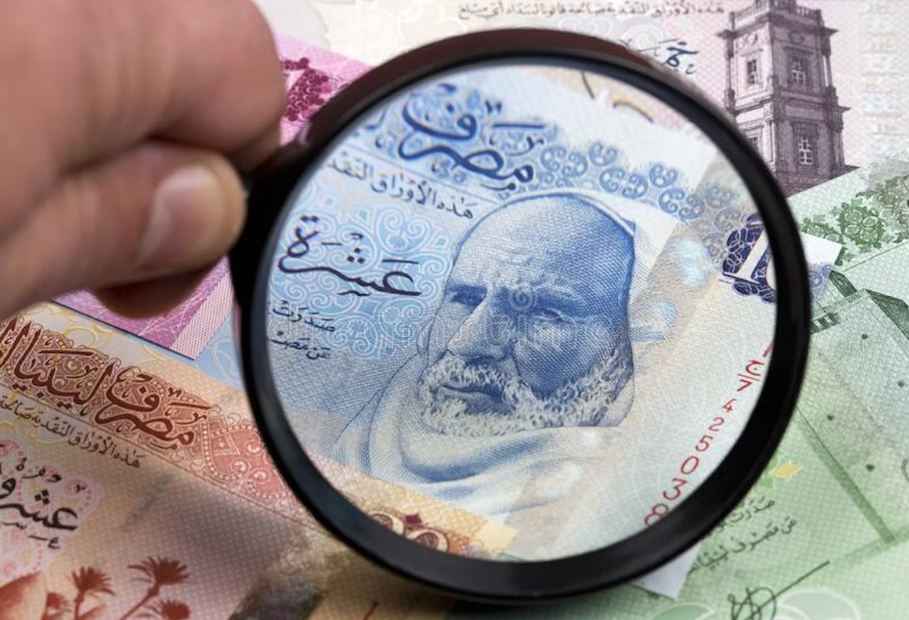
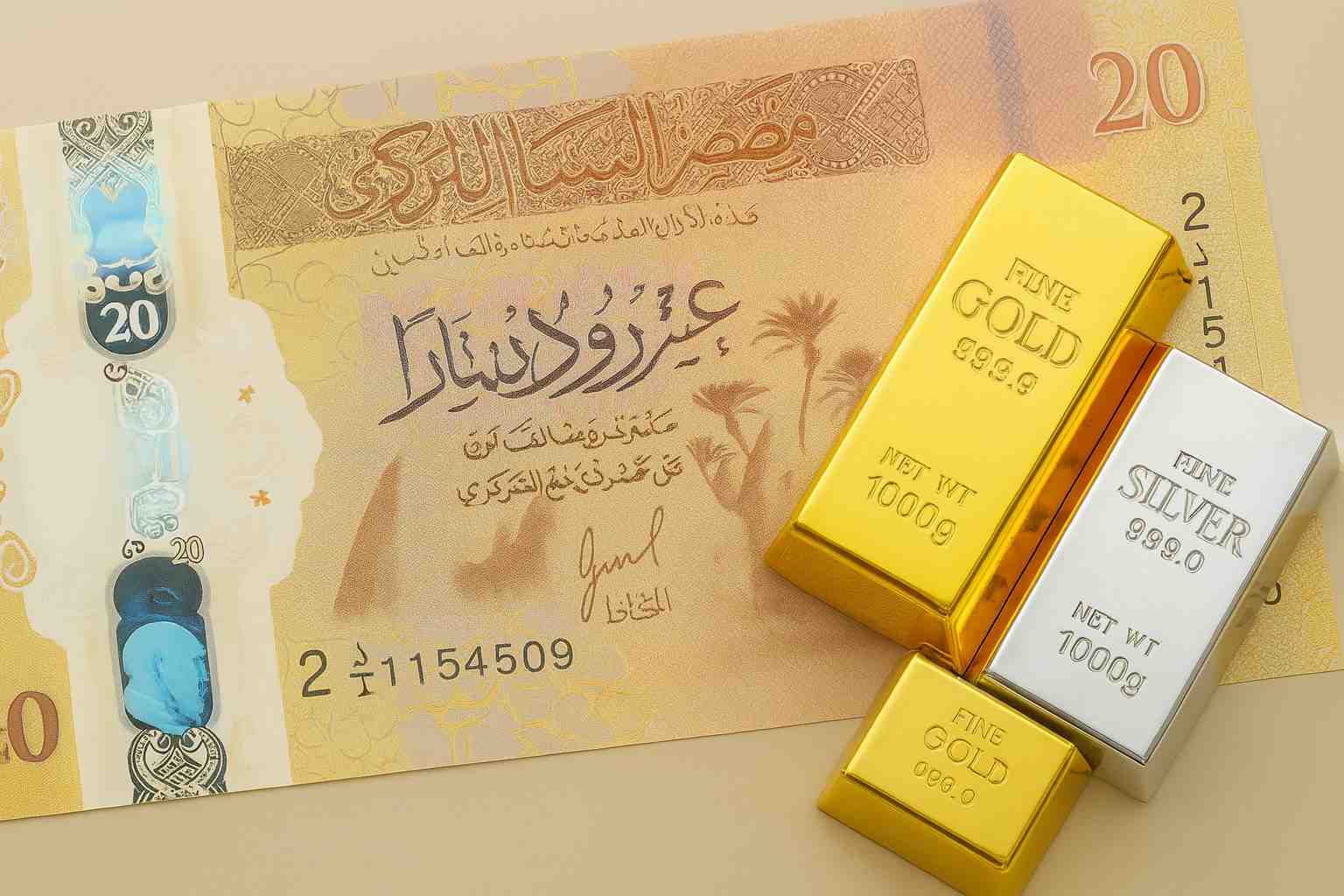
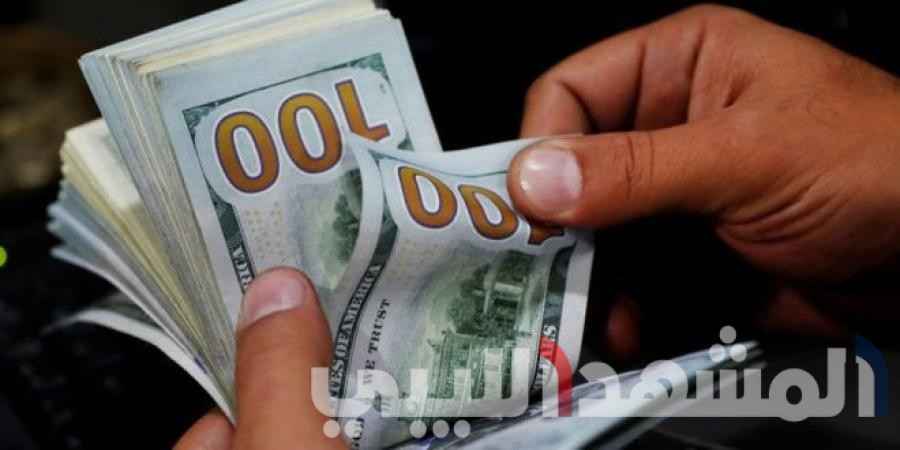
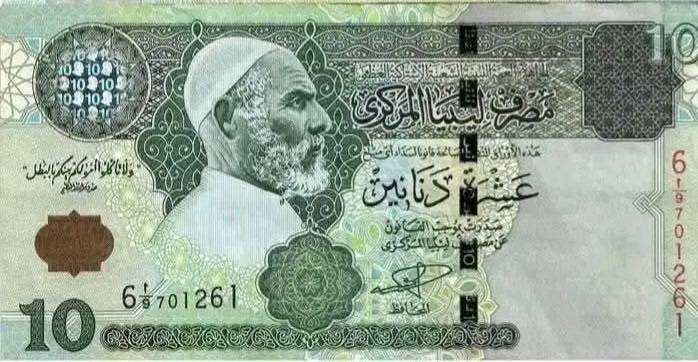
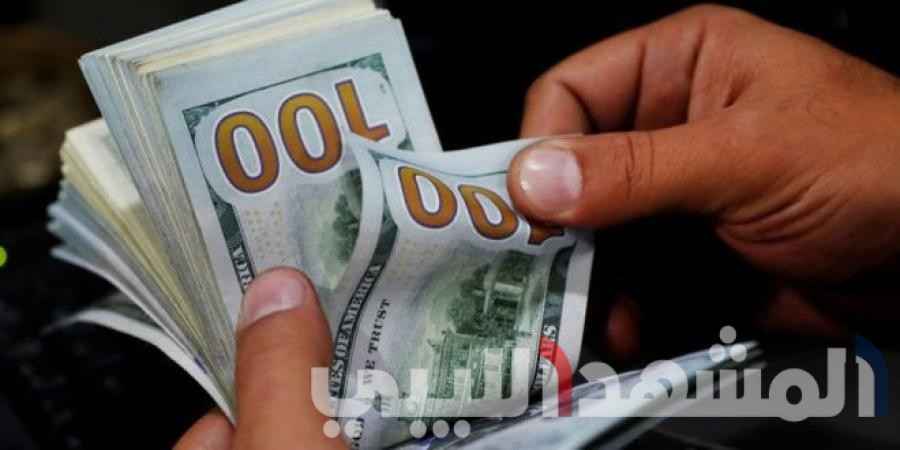
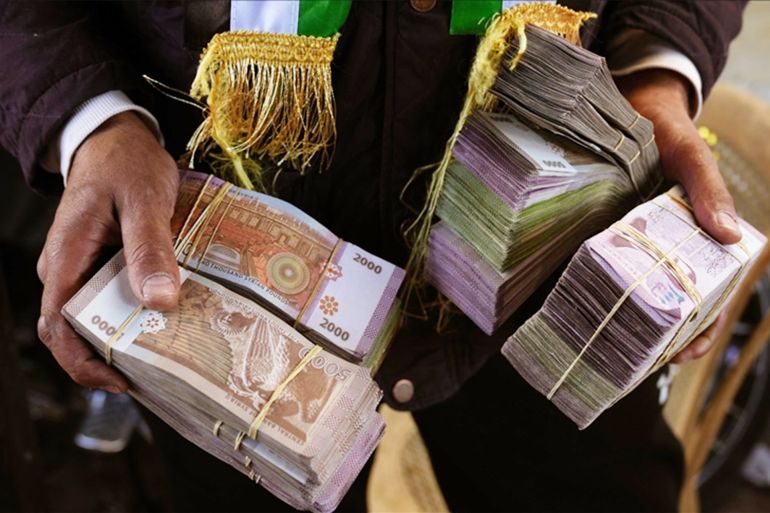
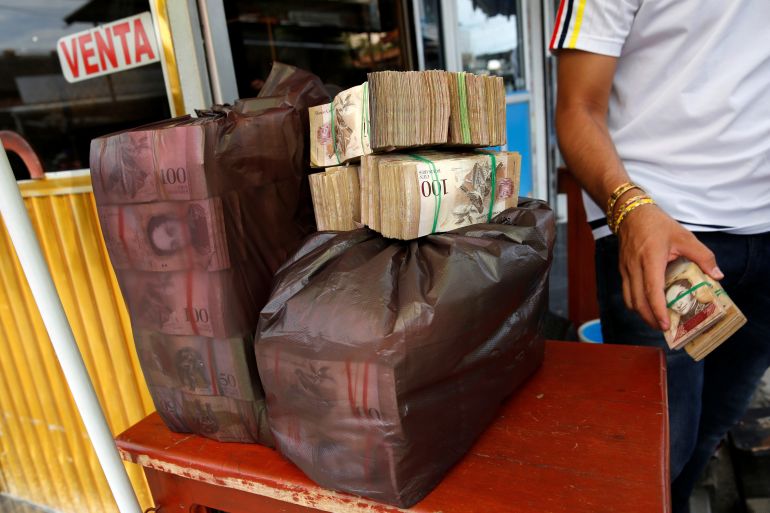
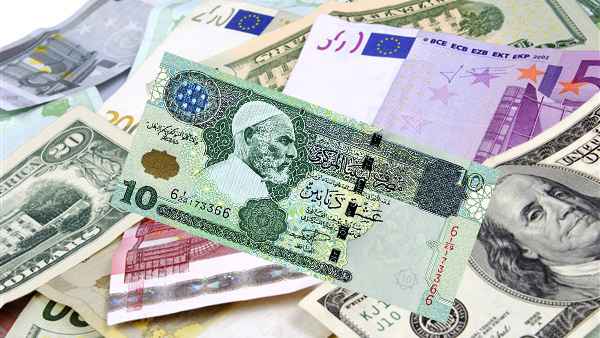
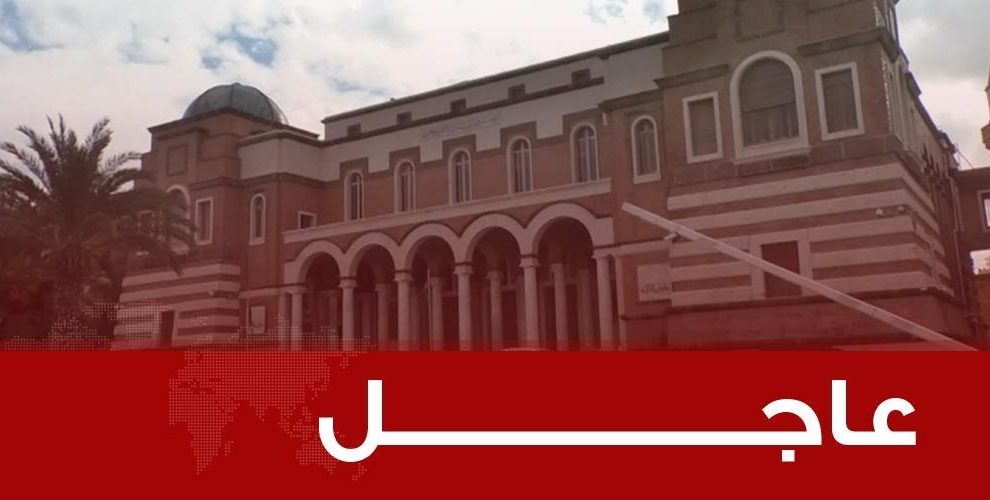
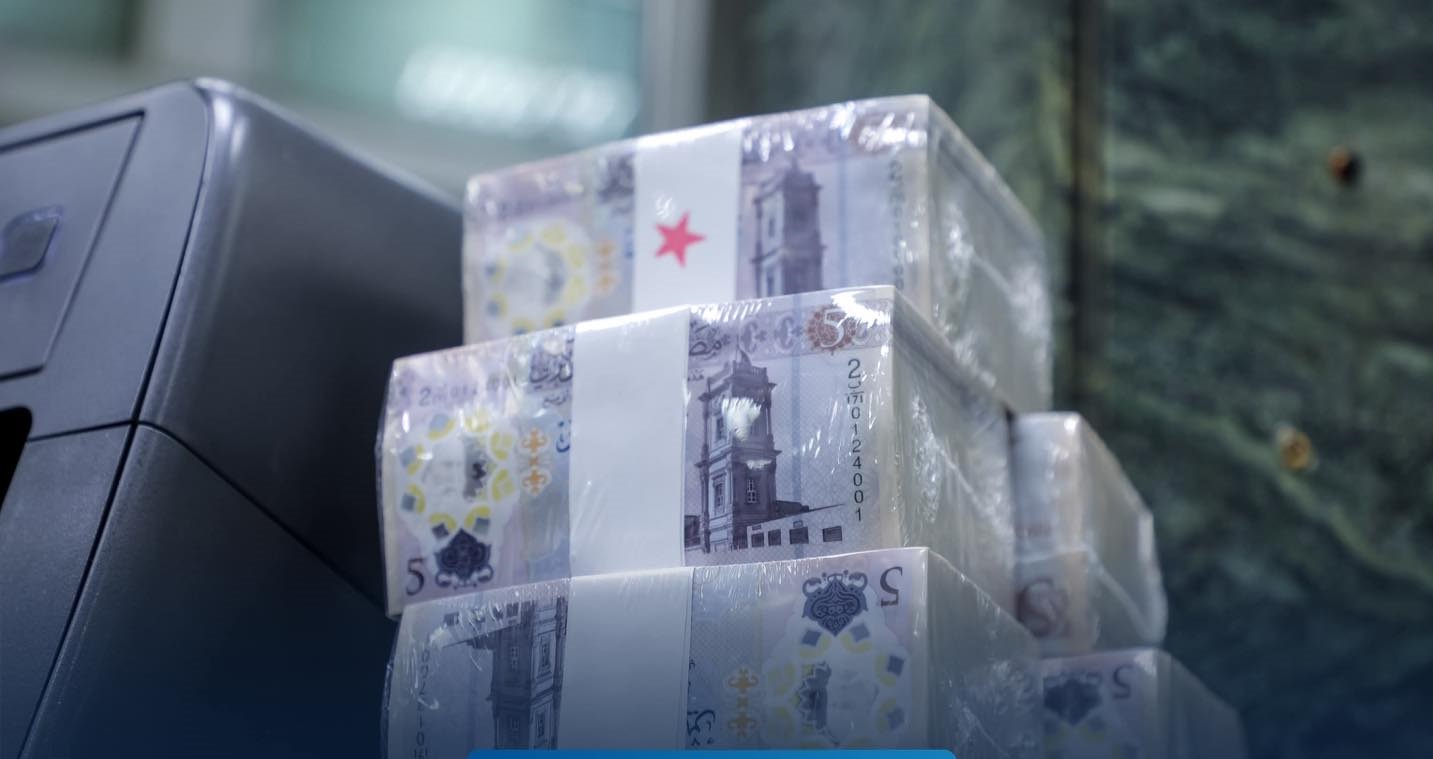
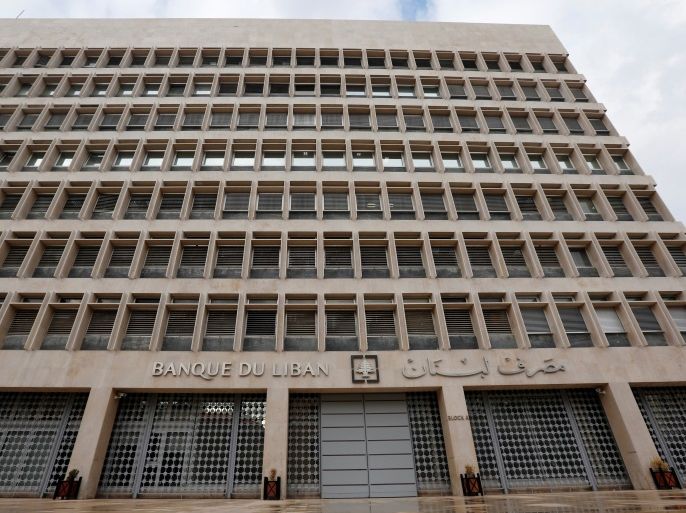
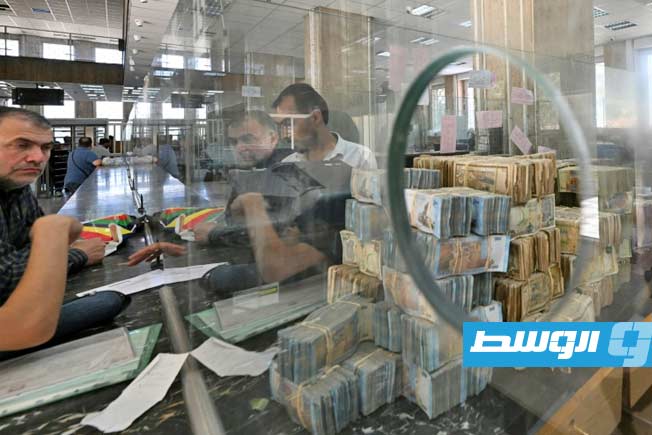
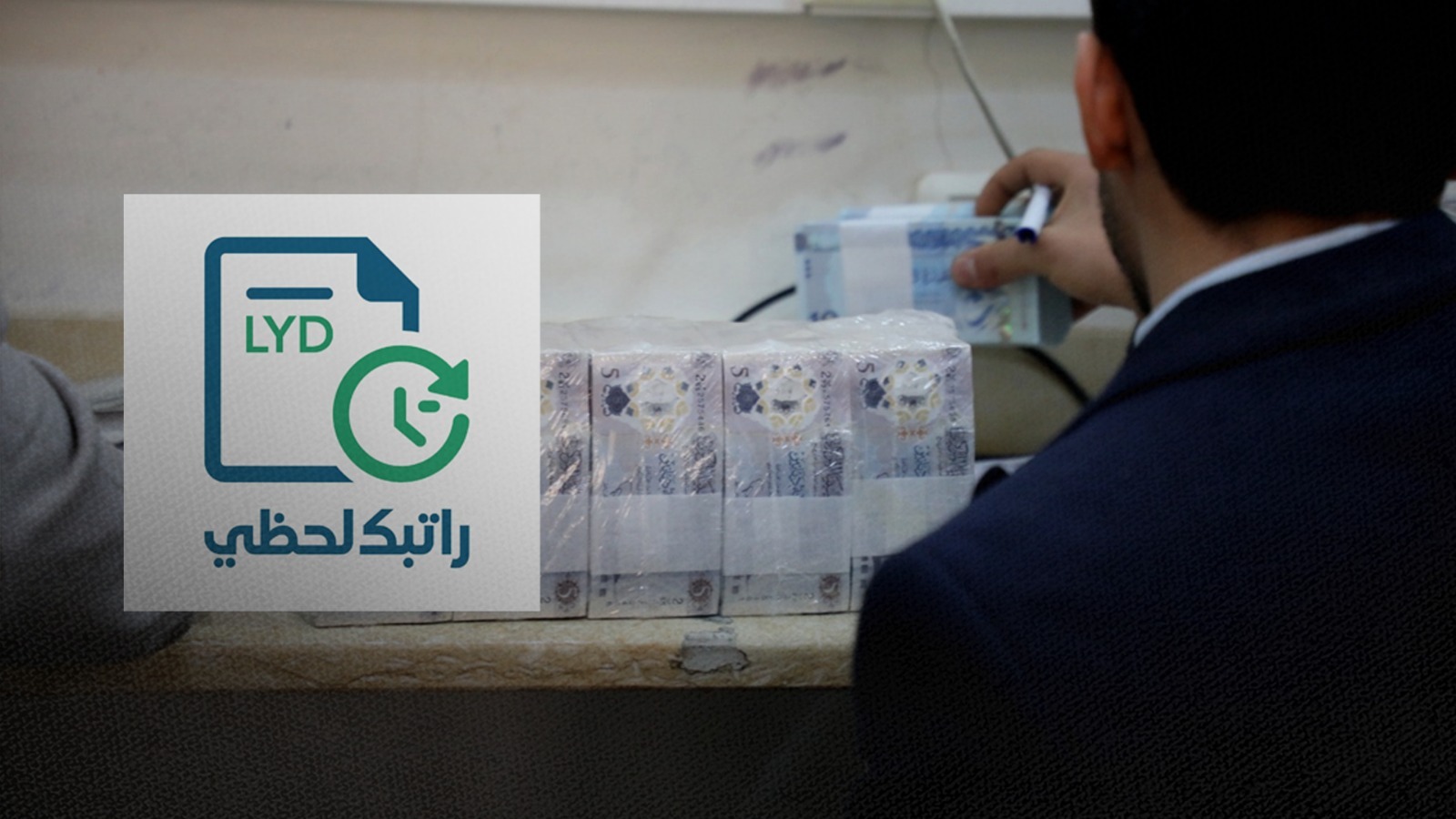
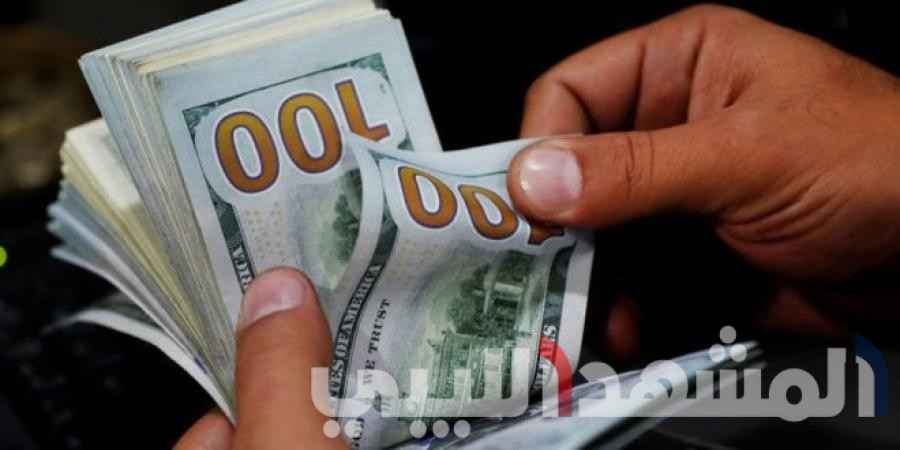
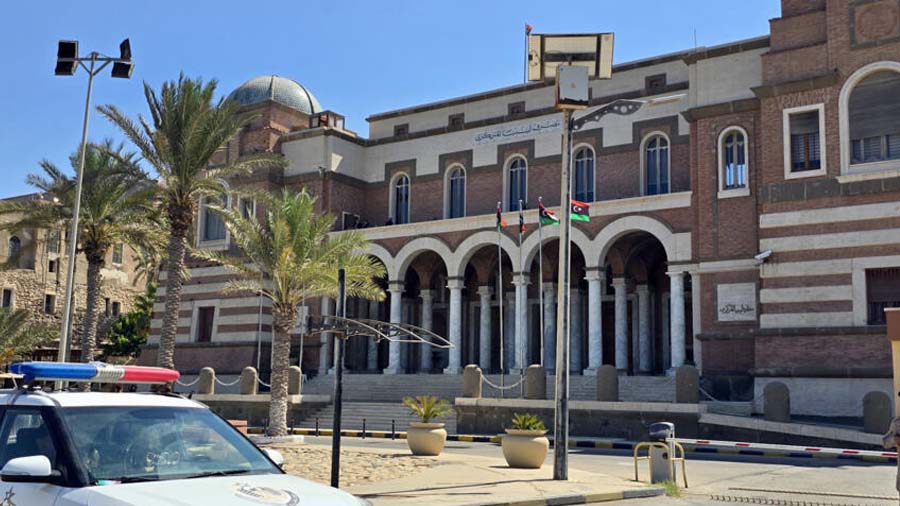
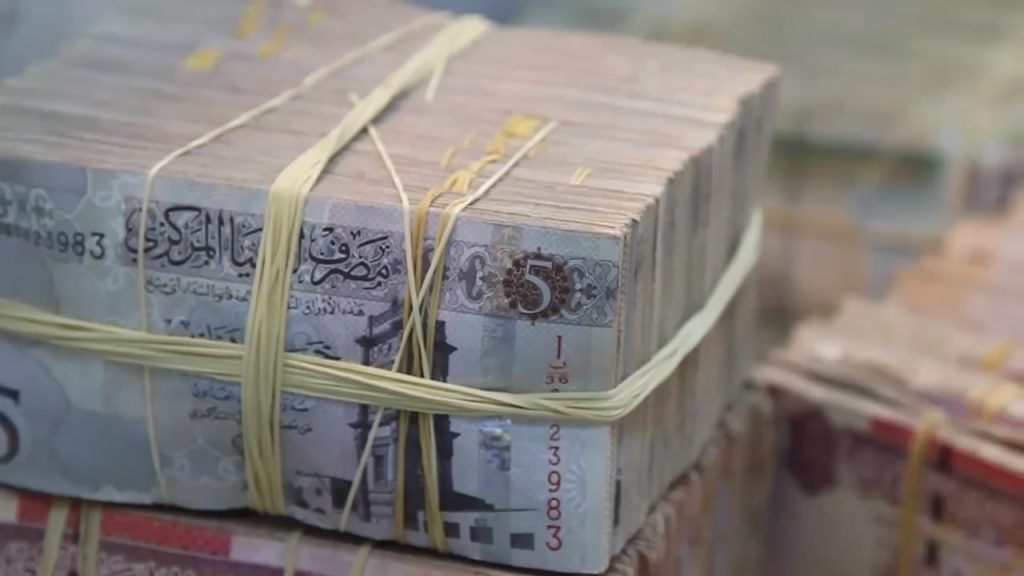
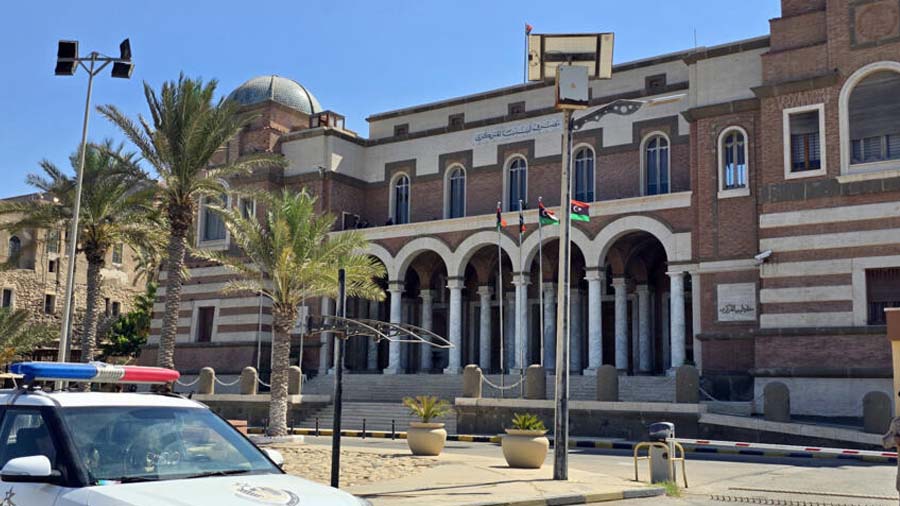
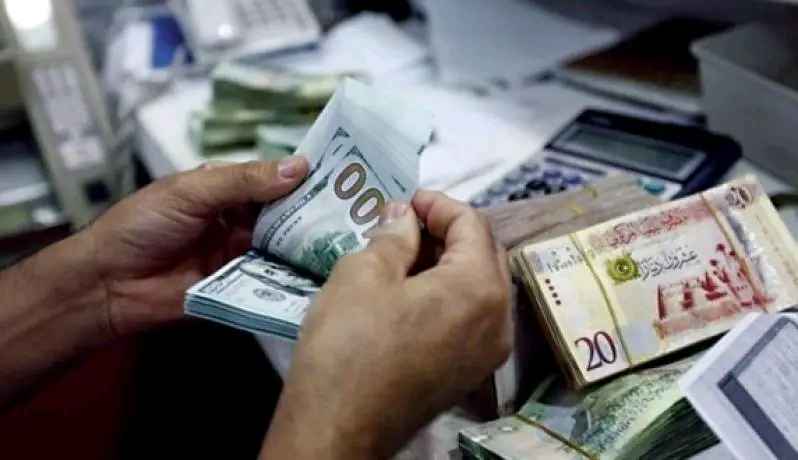
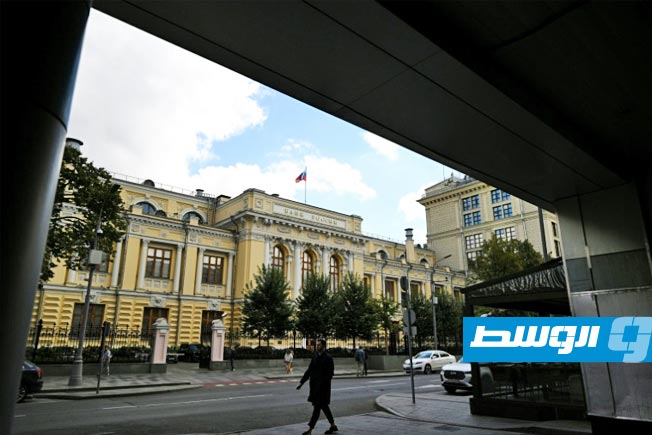
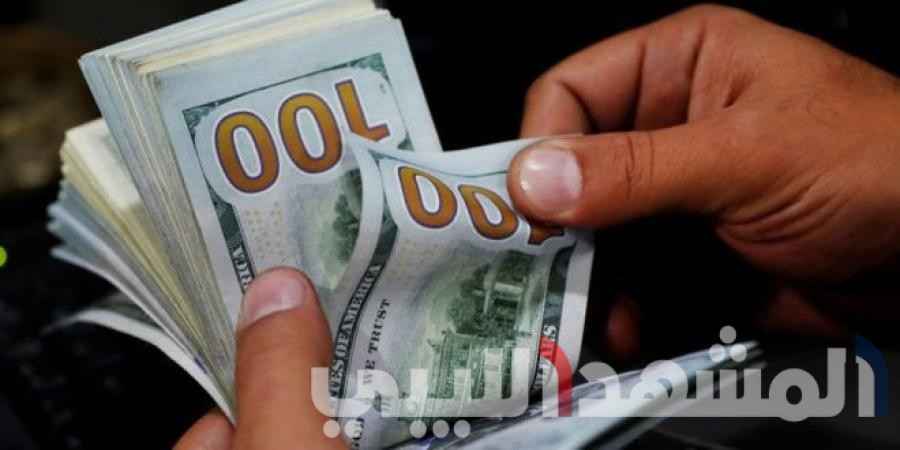
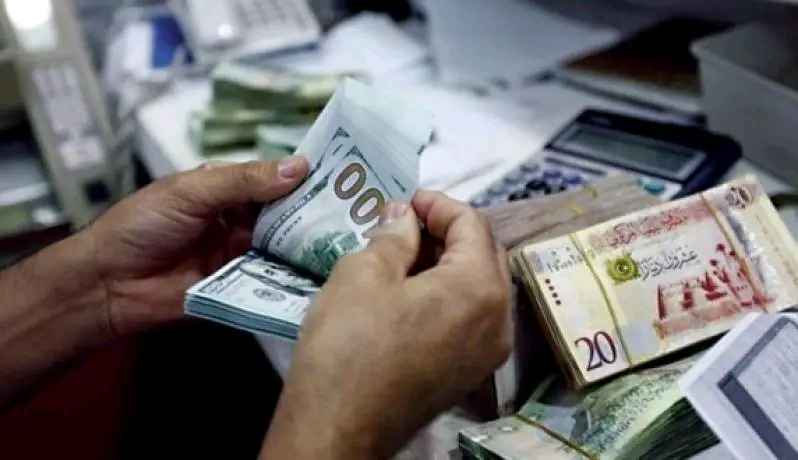
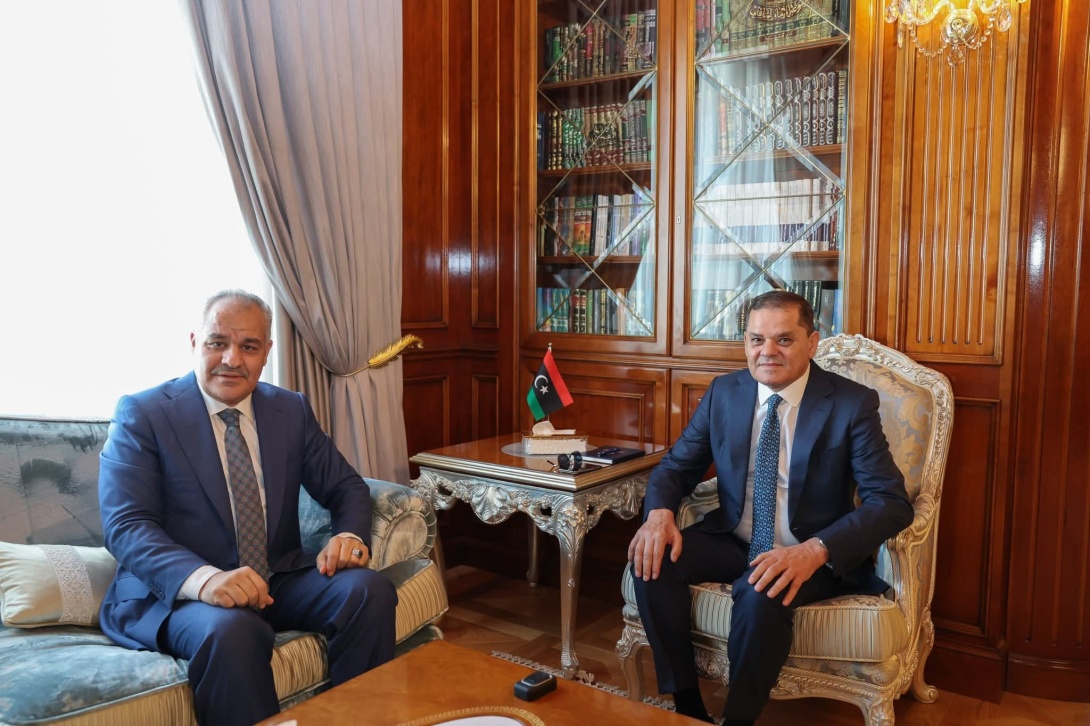
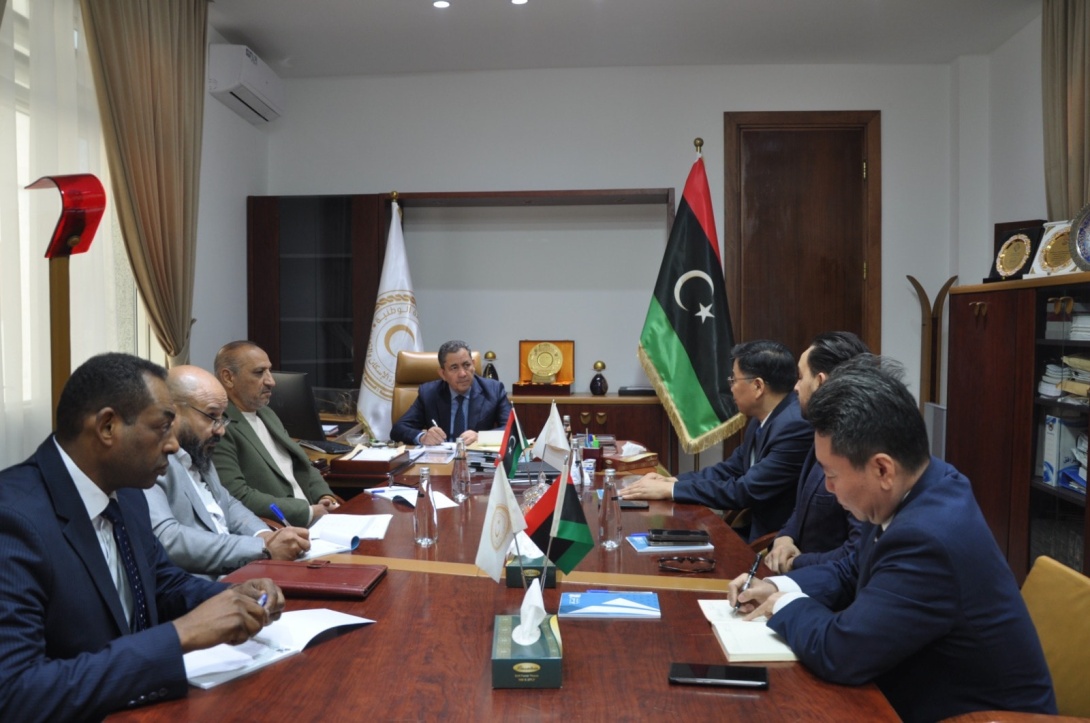
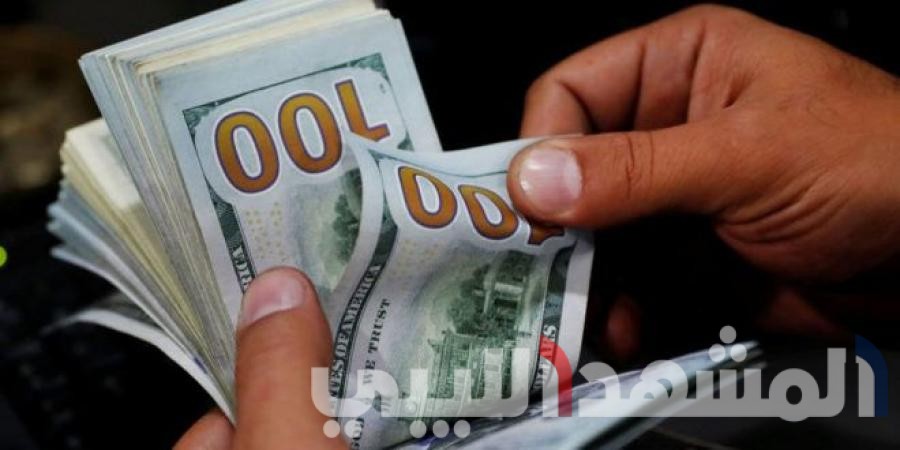
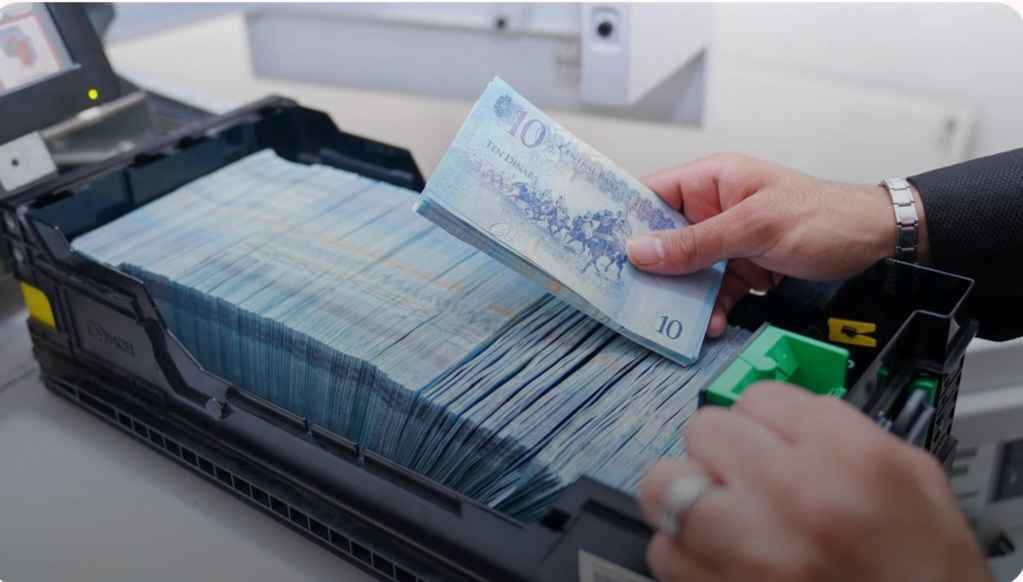
The Central Bank of Libya announced the dispatch of cash shipments with a total value of 228 million Libyan dinars to a number of cities, as part of its plan to boost the reserves of commercial banks and meet the increasing demand for currency. 100 million dinars arrived at the bank’s branch in Gharyan to supply cities in the Western Mountain region, while bank reserves in the city of Ghat were reinforced with an amount of 10 million dinars. Banks in Ubari also received a liquidity shipment worth 18 million dinars, and another 100 million dinars reached Sabha to cover its needs.
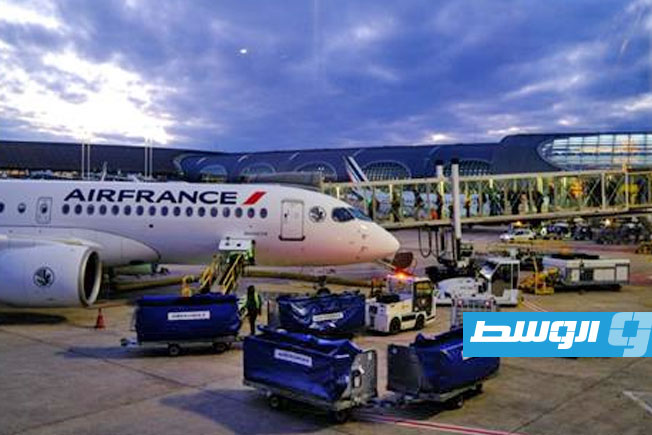
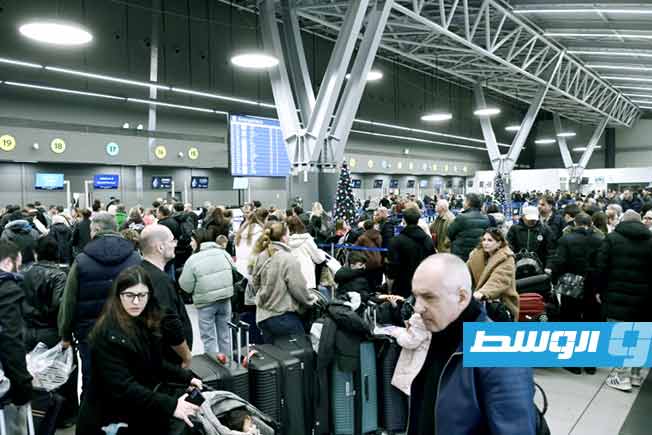
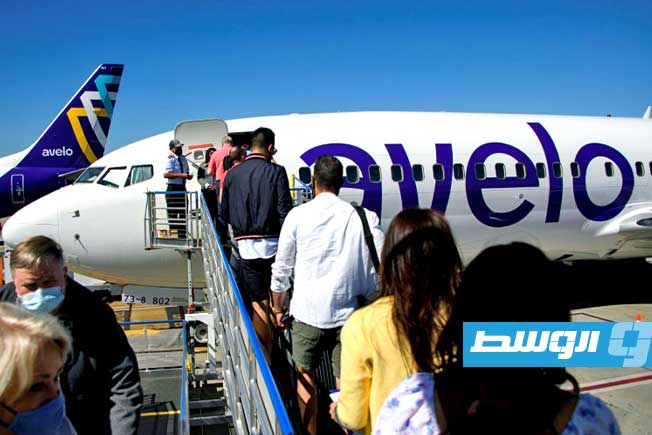
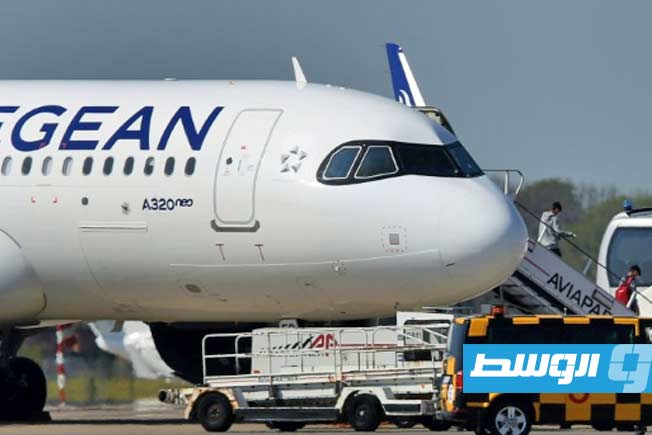
A government platform published details of incoming currency shipment flights from abroad and the schedule of domestic flights for the period from December 18 to 23, clarifying that the schedule includes eight shipments at a rate of one shipment per day, except for Monday which will see the arrival of three shipments. It indicated that domestic flights were allocated on Saturday for the cities of Ubari, Ghat, Sabha, and Gharyan, and on Sunday for Benghazi and Misrata.
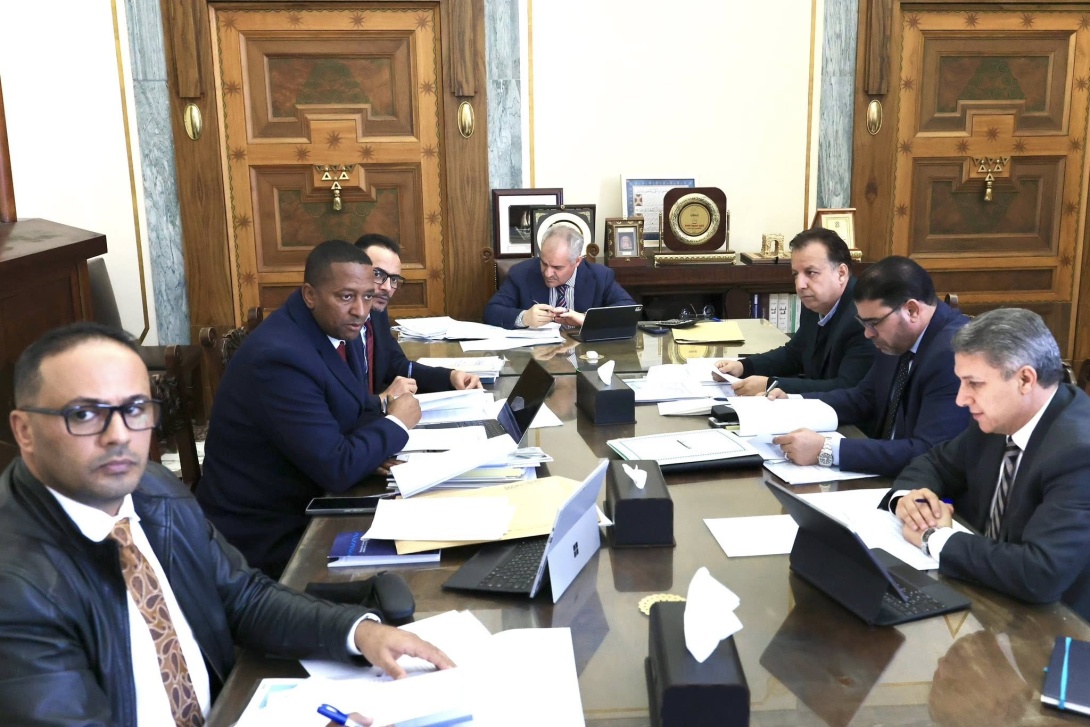
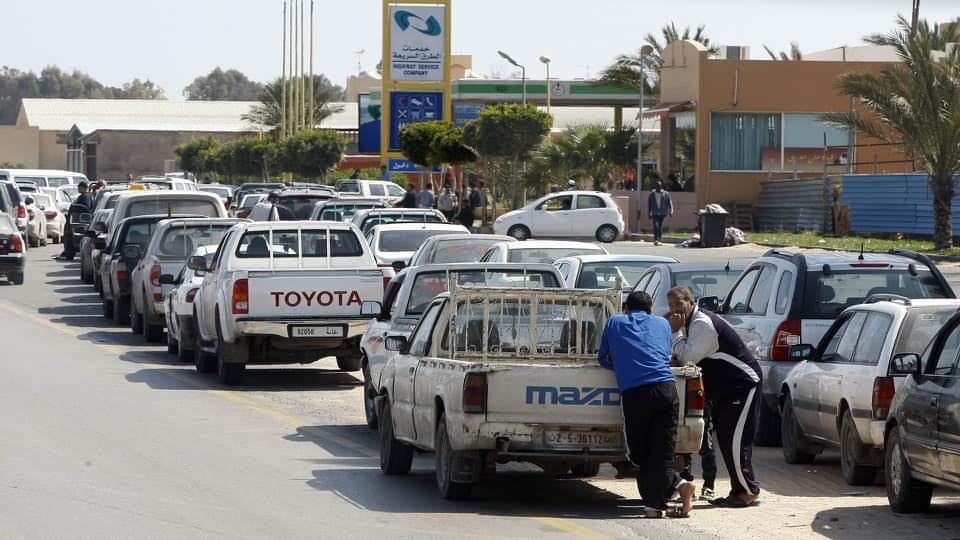
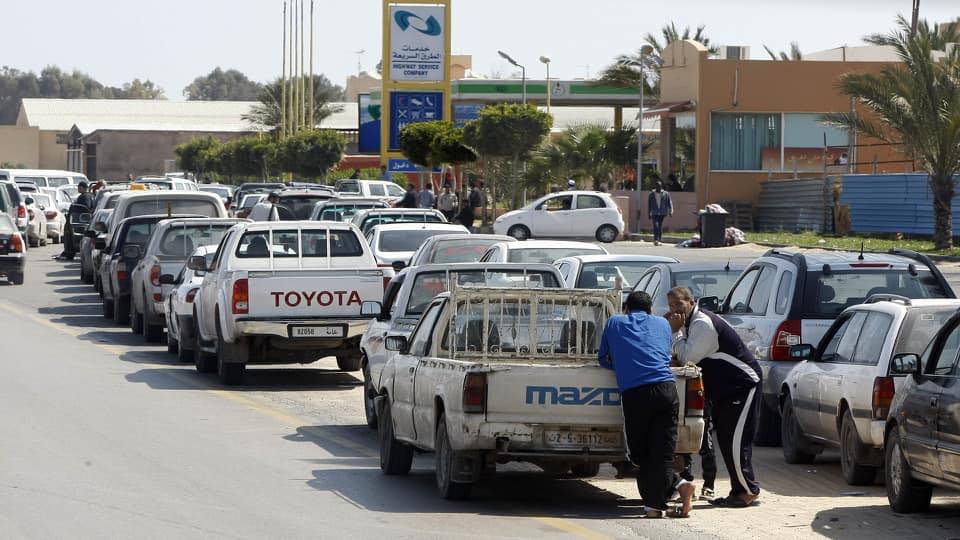
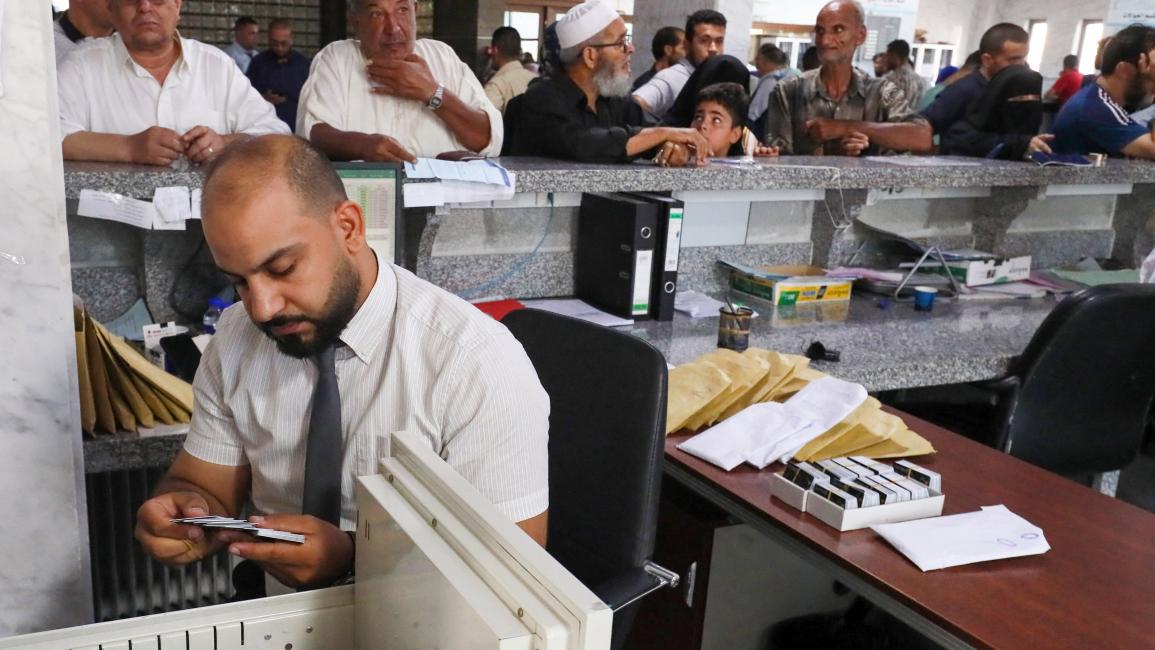
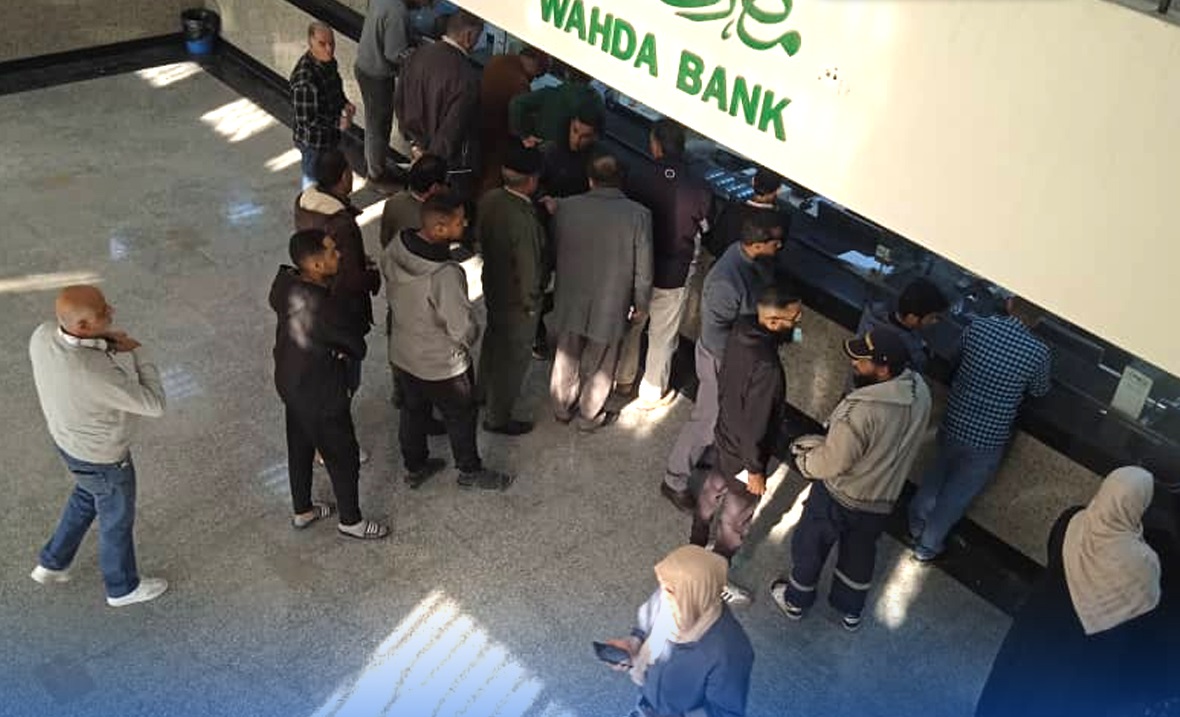
The Central Bank had begun distributing four billion dinars to commercial banks last week to cover the demand for currency, confirming the availability of sufficient liquidity quantities in various branches despite the continued suffering of some areas from cash shortages.
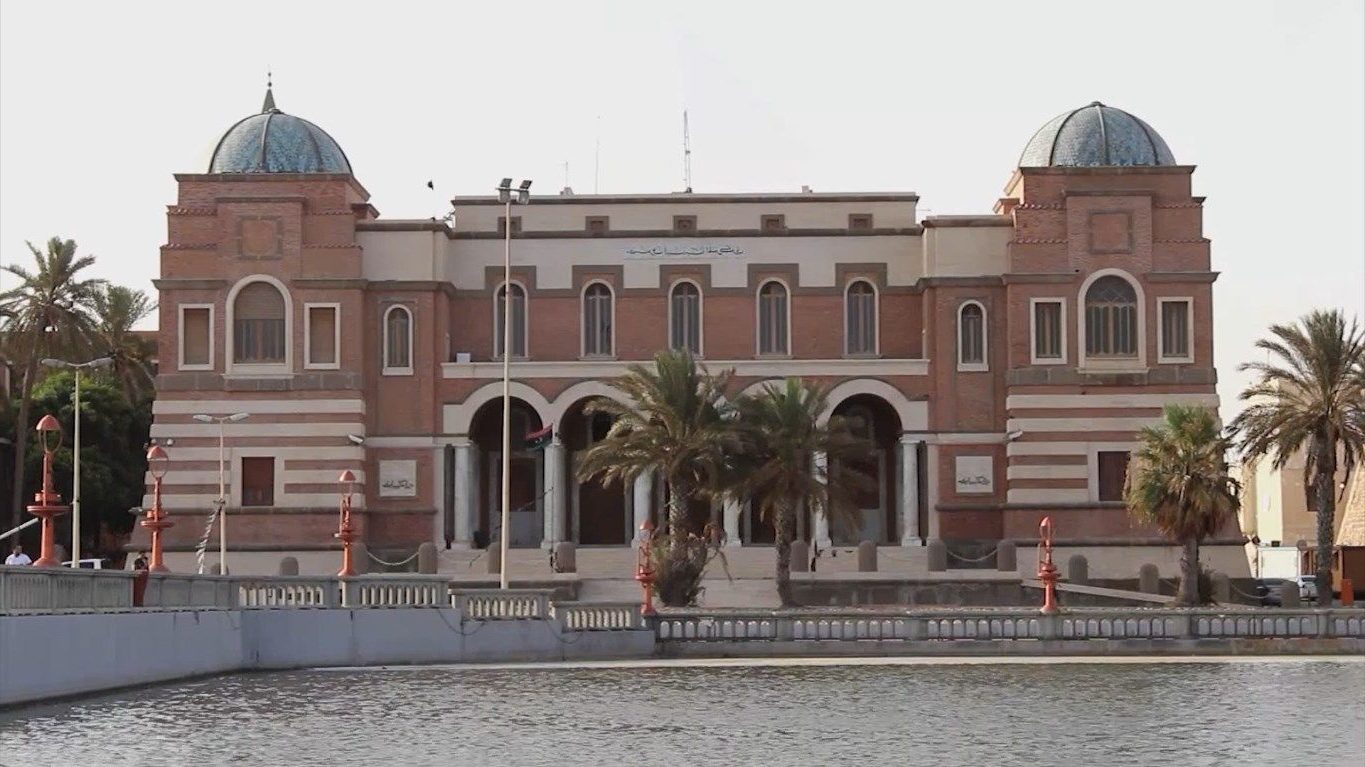
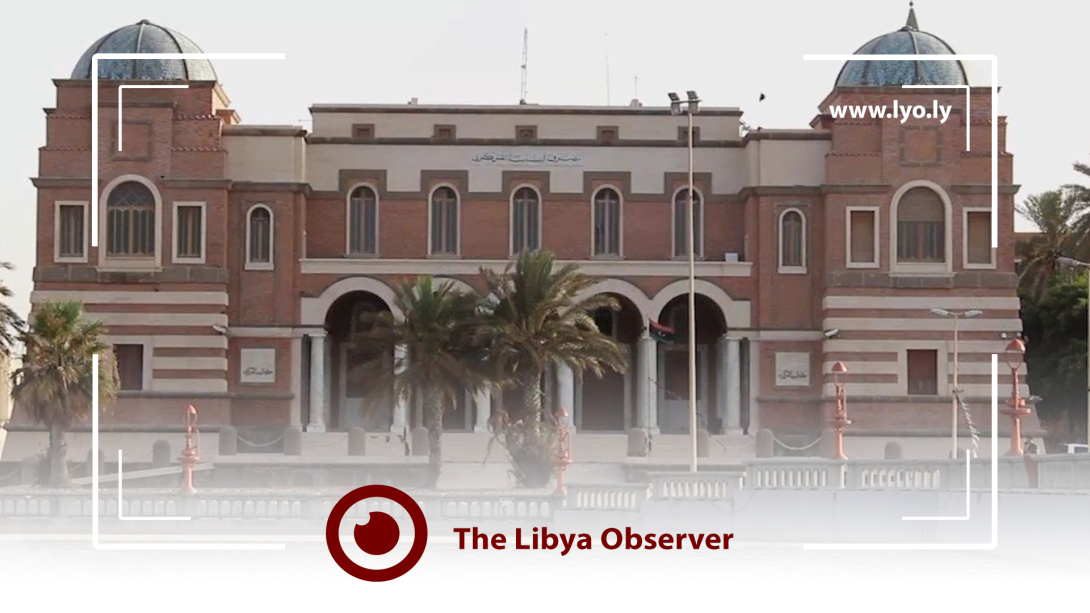
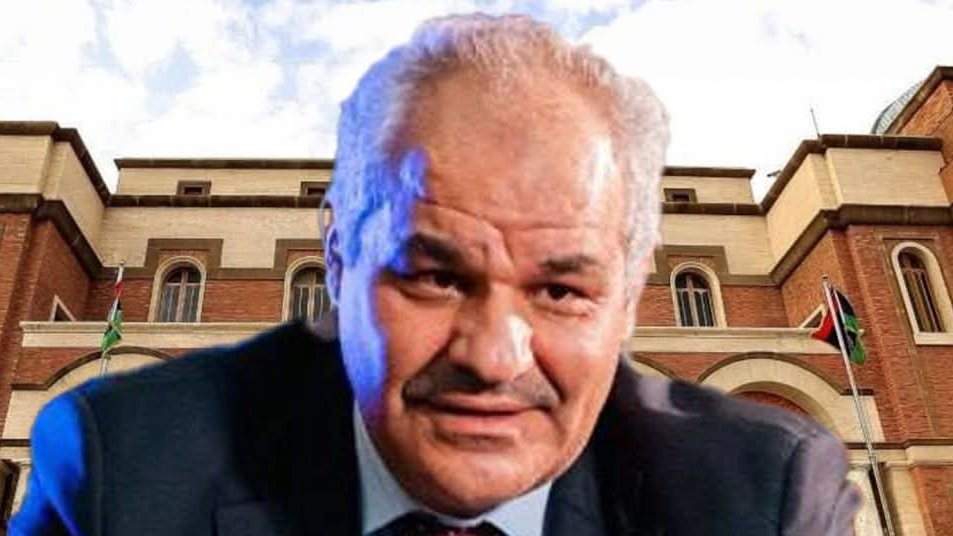
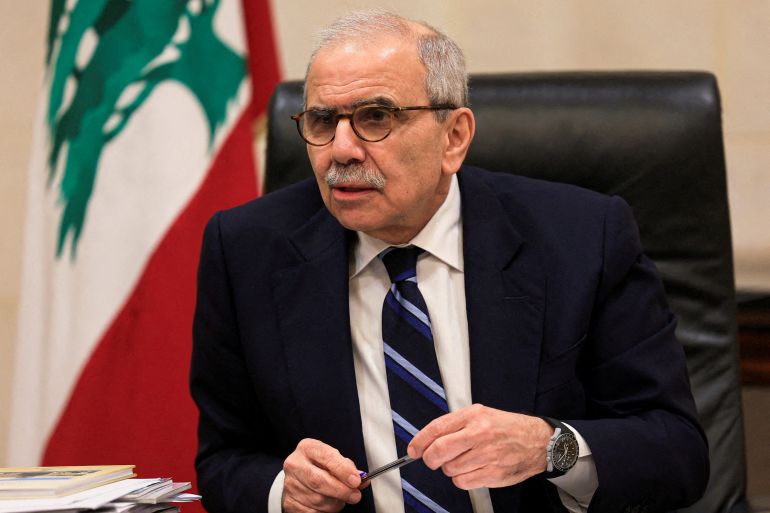
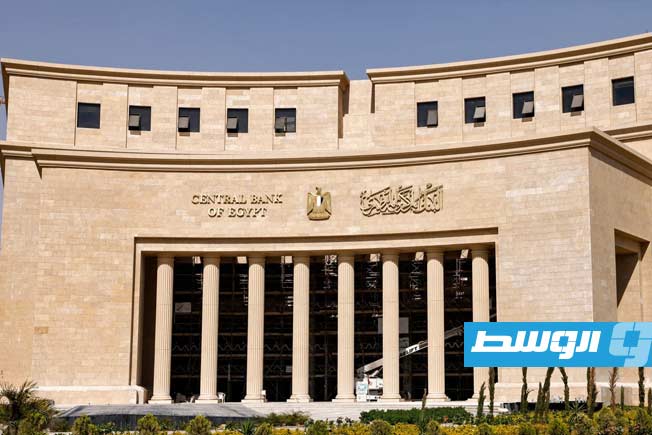
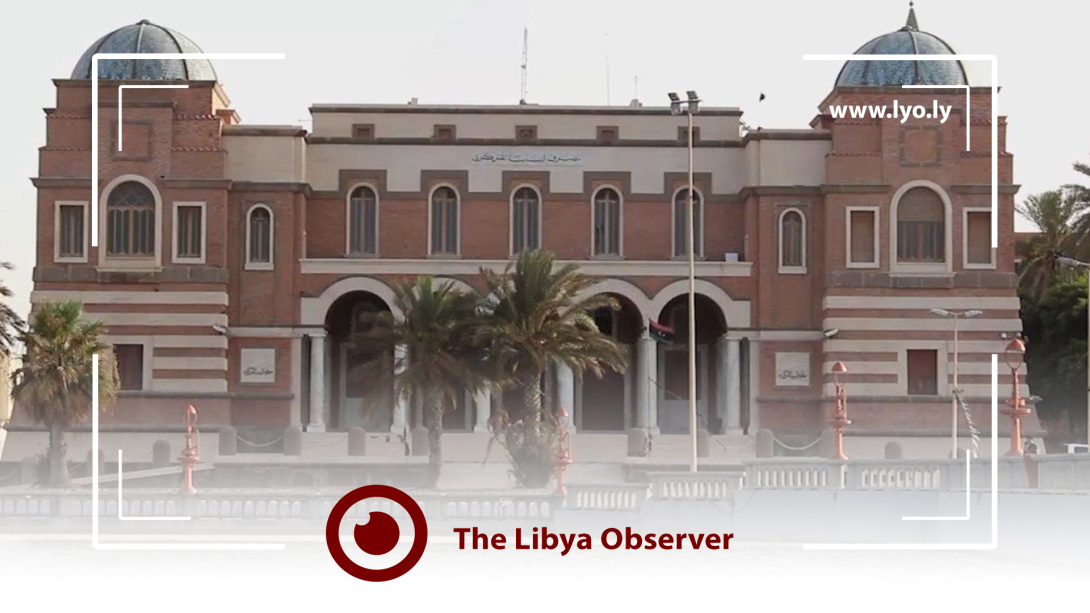
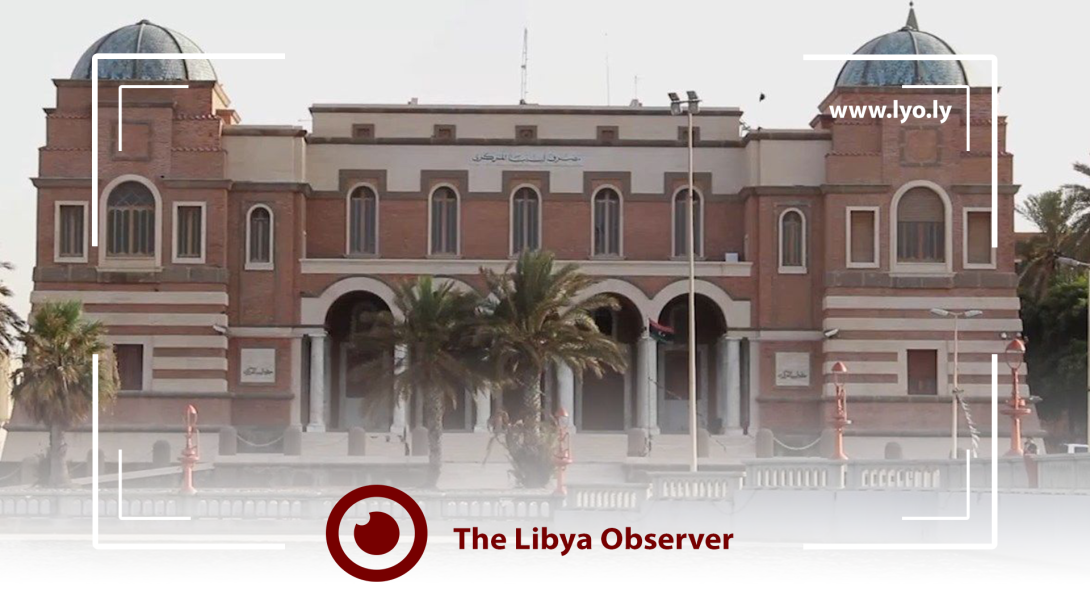
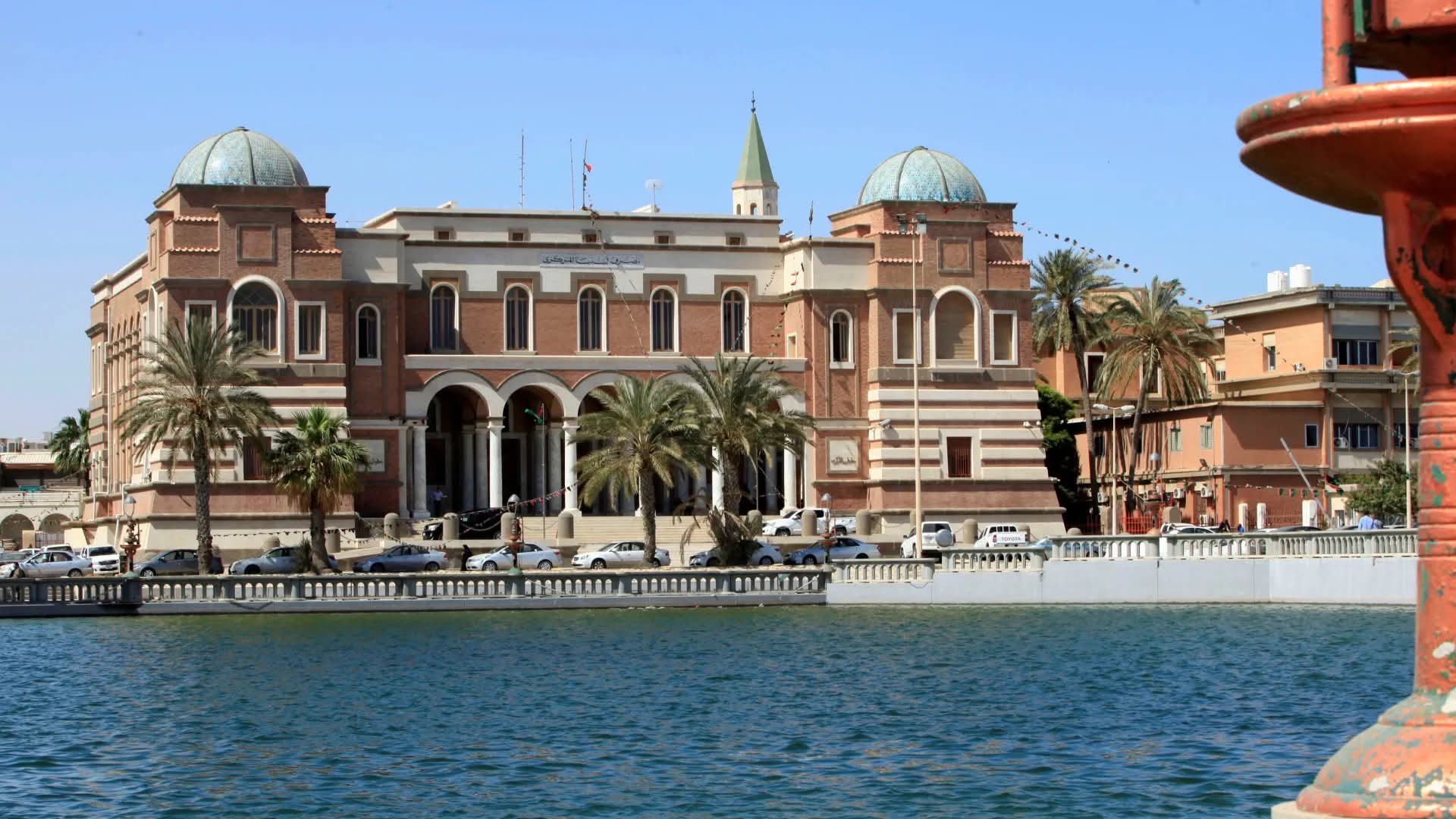
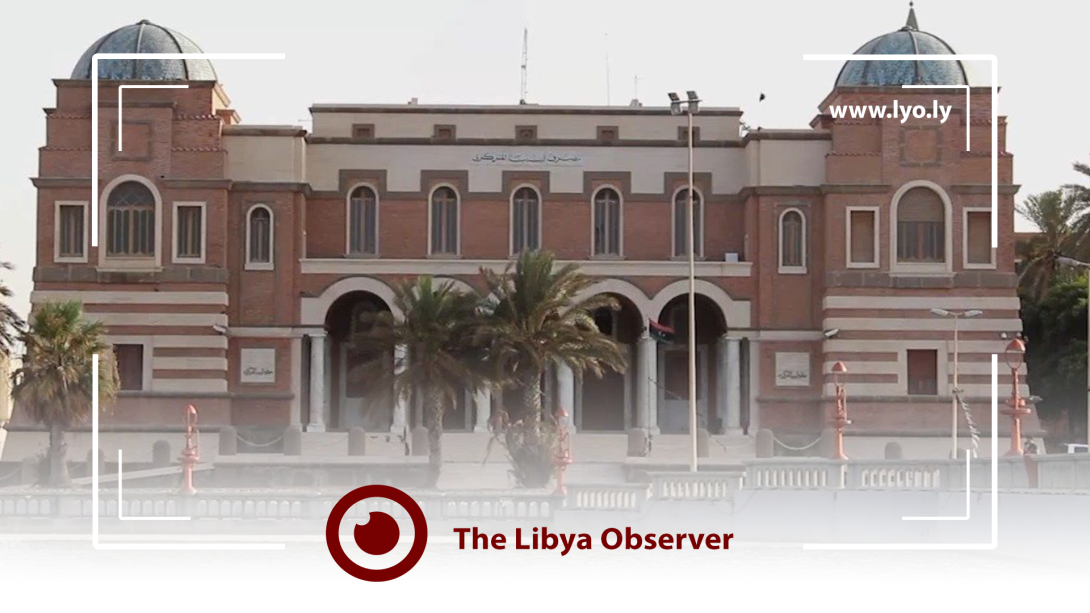
Central Bank of Libya
The Central Bank of Libya is the country’s primary monetary authority, established in 1956 to issue currency and manage monetary policy. It has played a critical and often divisive role in Libya’s recent history, notably functioning as a unified financial institution during the post-2011 civil war period despite the country’s political fragmentation.
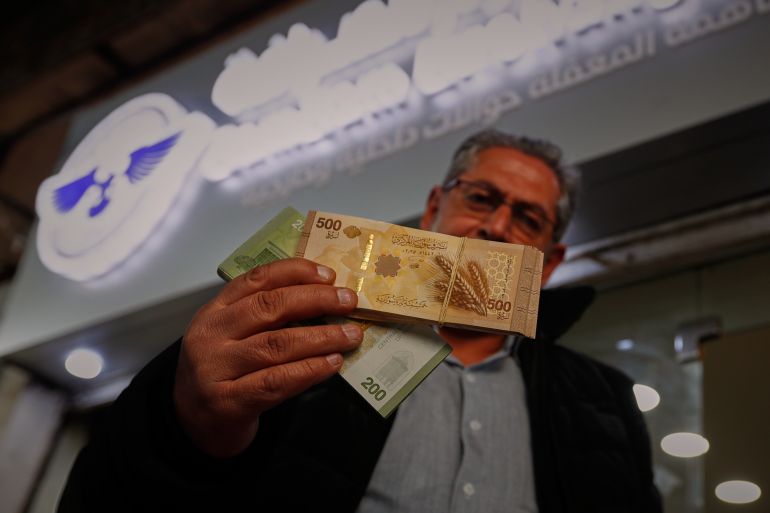
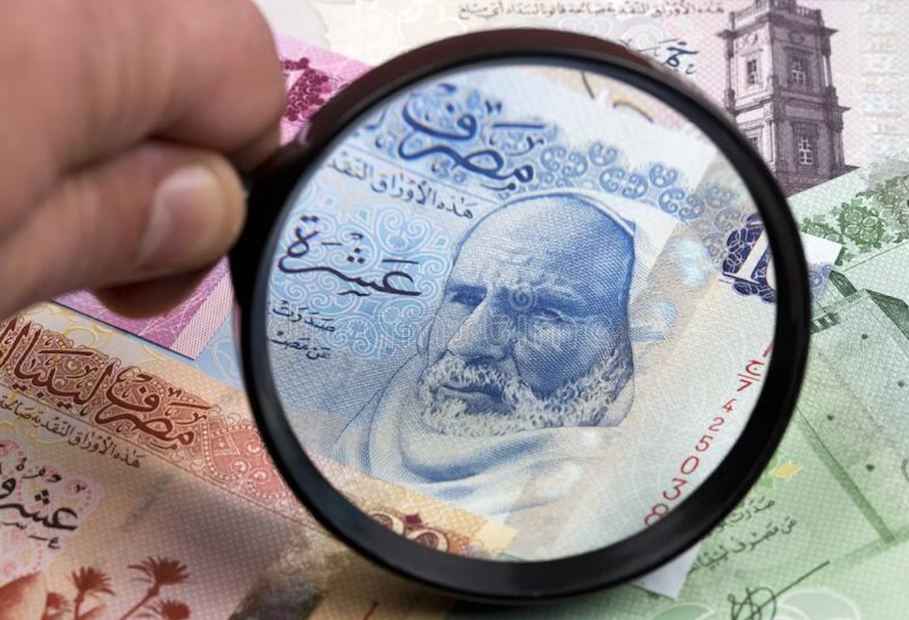
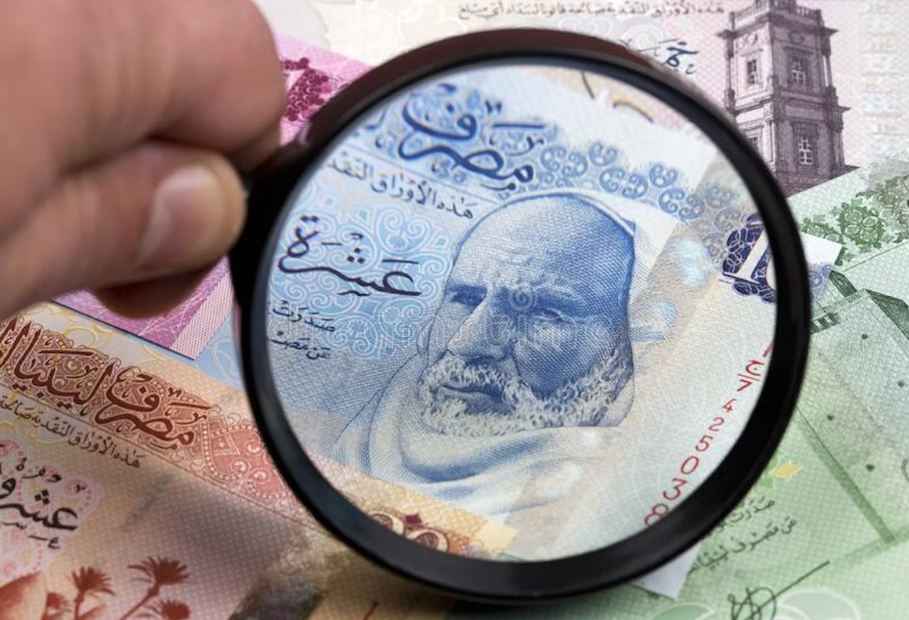
Libyan dinars
The Libyan dinar is the official currency of Libya, introduced in 1971 to replace the Libyan pound. Its issuance and value have been heavily influenced by the country’s political history, including the Gaddafi era and the instability following the 2011 revolution.
Gharyan
Gharyan is a historic city in northwestern Libya, renowned for its traditional underground and hillside cave dwellings that provided natural insulation. Historically, it served as a significant market and cultural center for the surrounding mountain communities. Its old town features distinctive Berber and Ottoman architectural influences.
Western Mountain region
The Western Mountain region, often associated with the sacred Mount Tai in China’s Shandong province, is a historically significant cultural landscape. It has been a major site for Taoist, Buddhist, and Confucian worship and pilgrimage for over 3,000 years, with emperors performing sacred Fengshan rituals there to legitimize their rule. The area is renowned for its ancient temples, inscriptions, and pathways that embody the traditional Chinese reverence for mountains.
Ghat
A ghat refers to a series of steps leading down to a river, particularly in the Indian subcontinent, and is most famously associated with the sacred city of Varanasi on the Ganges. These sites have served for centuries as places for bathing, religious rituals, and cremation, forming an integral part of Hindu spiritual life. Their history is deeply intertwined with the ancient traditions of pilgrimage and purification in Hinduism.
Ubari
Ubari is an oasis town located in southwestern Libya, within the Fezzan region. Historically, it was a significant stop on the trans-Saharan trade route and is part of a larger area containing numerous lakes, though many have significantly receded due to climate change and irrigation. The surrounding landscape features dramatic sand dunes and remnants of ancient Garamantian settlements.
Sabha
Sabha is a major city in southwestern Libya, historically serving as a key hub along the trans-Saharan trade routes. It is known for its traditional fortress architecture and its cultural significance to the Tuareg and other Saharan peoples.
Benghazi
Benghazi is a major city in eastern Libya, historically significant as a center of trade and culture since its founding as the ancient Greek colony of Euesperides. In modern times, it played a pivotal role as a hub of the 2011 Libyan revolution that overthrew Muammar Gaddafi. The city remains an important economic and political center, though it has faced significant instability and conflict in the subsequent years.
Misrata
Misrata is a major port city on the Mediterranean coast of northwestern Libya, historically known as a key trading and commercial center since at least the 7th century. It gained significant international attention during the 2011 Libyan Civil War, where it was the site of a prolonged and pivotal siege. Today, it remains one of Libya’s most important economic hubs, known for its industry and business community.