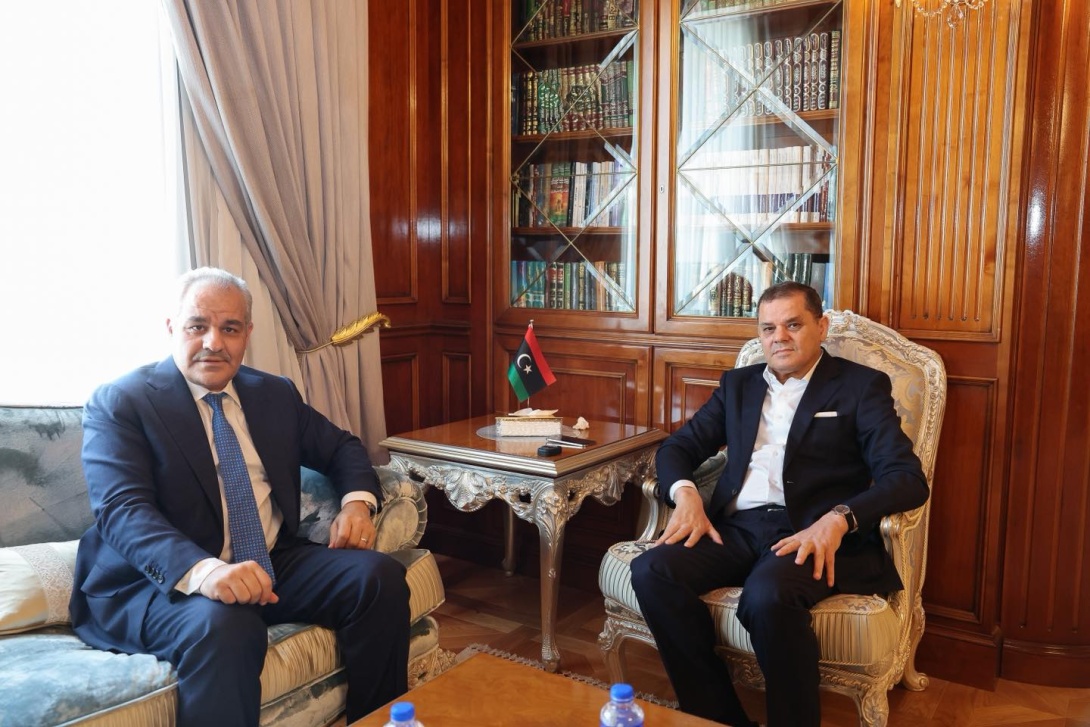
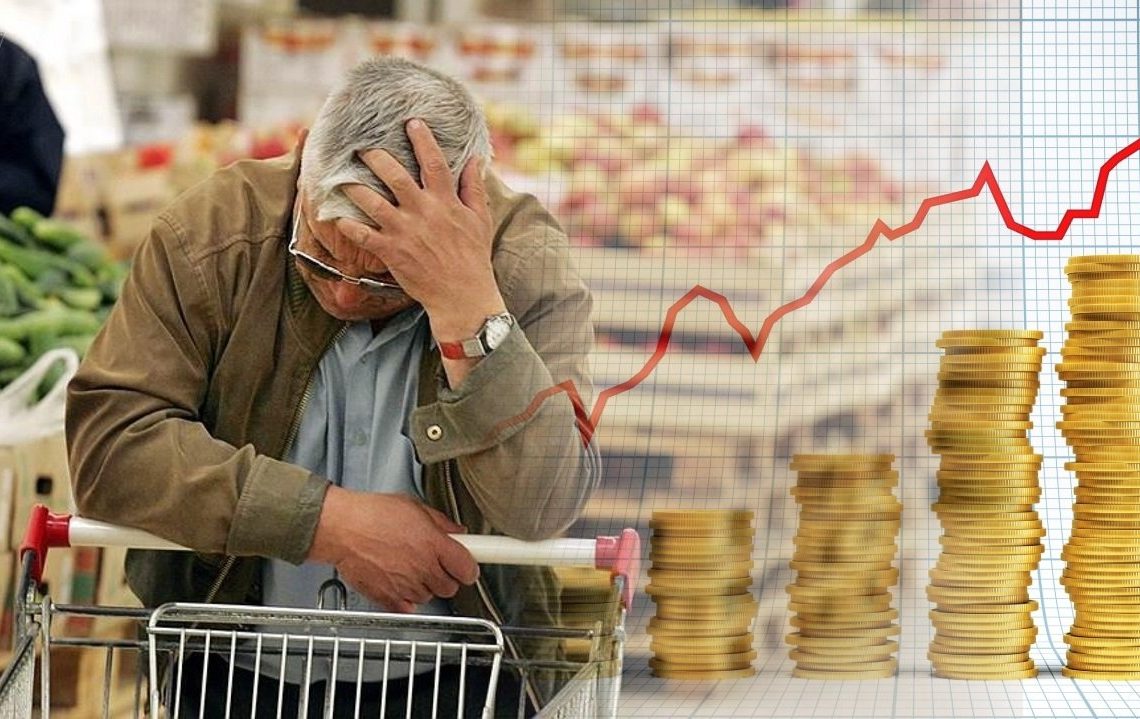
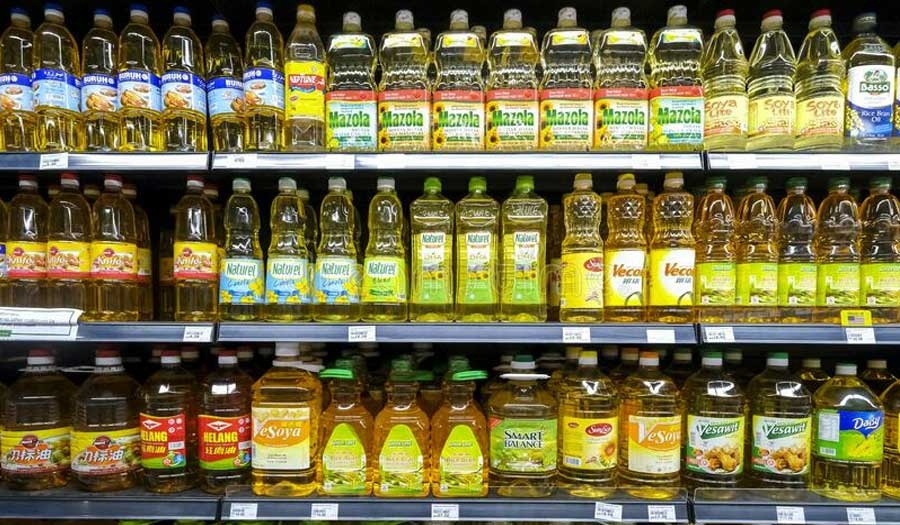
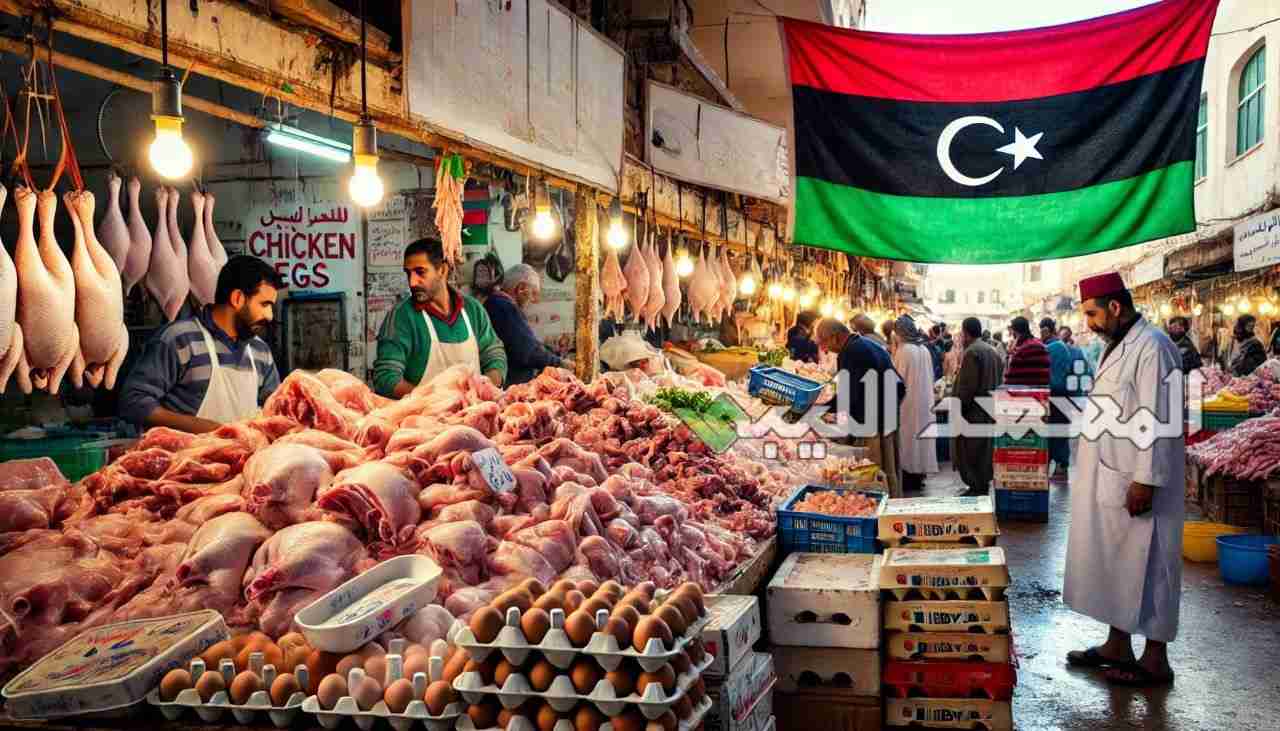
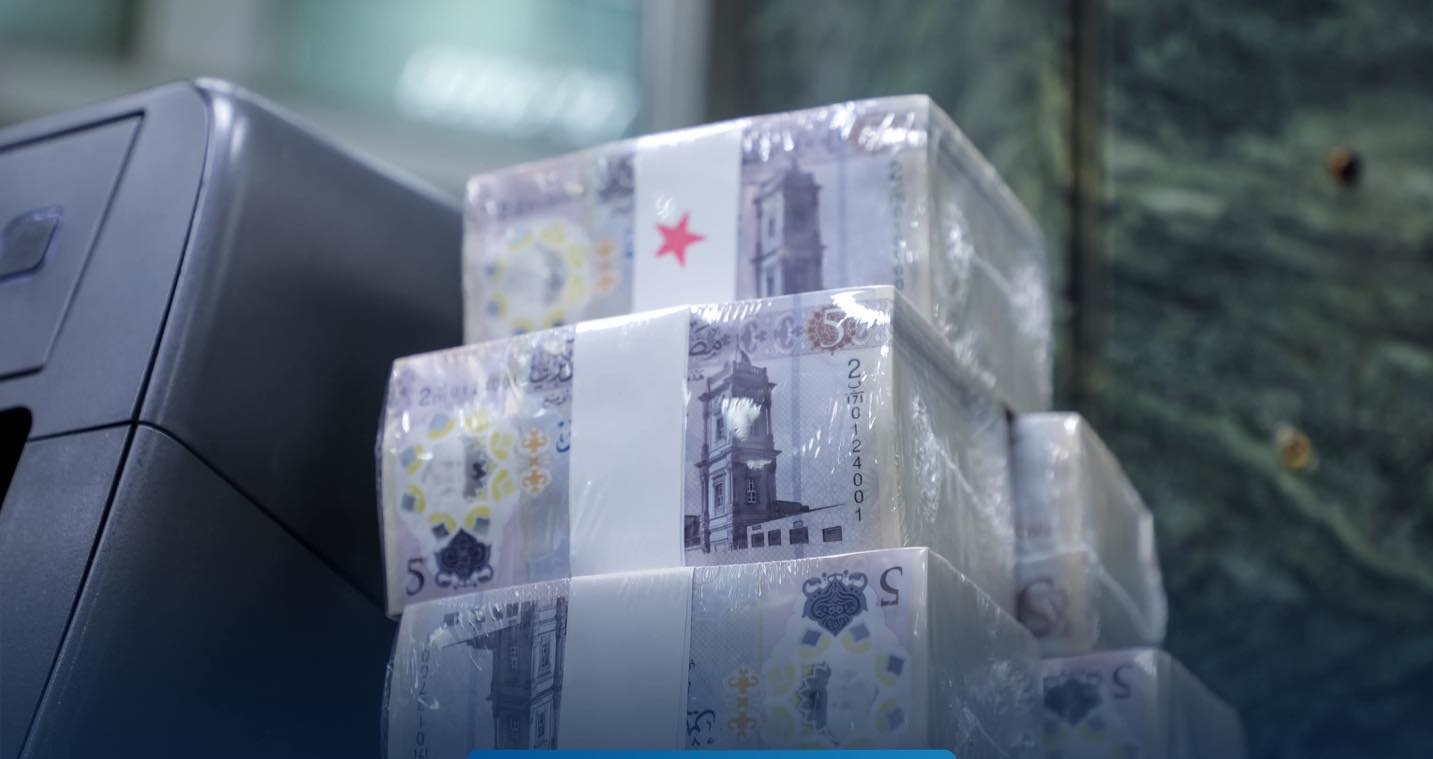
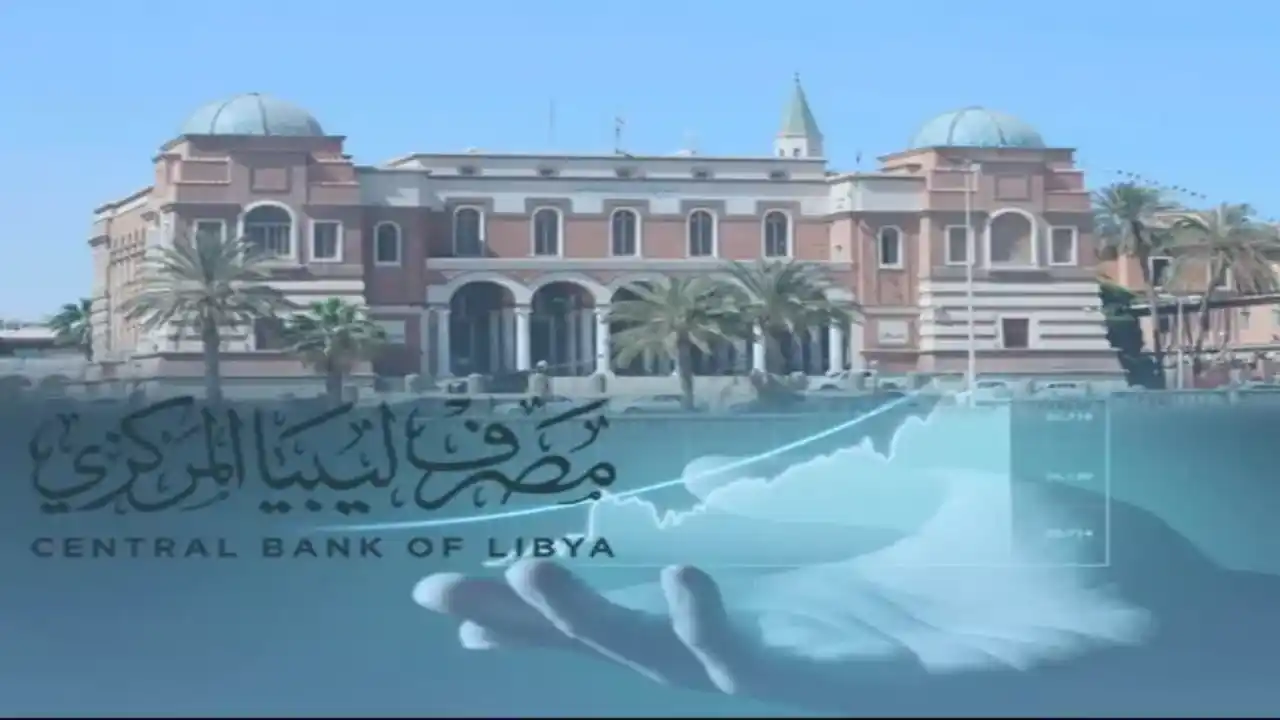
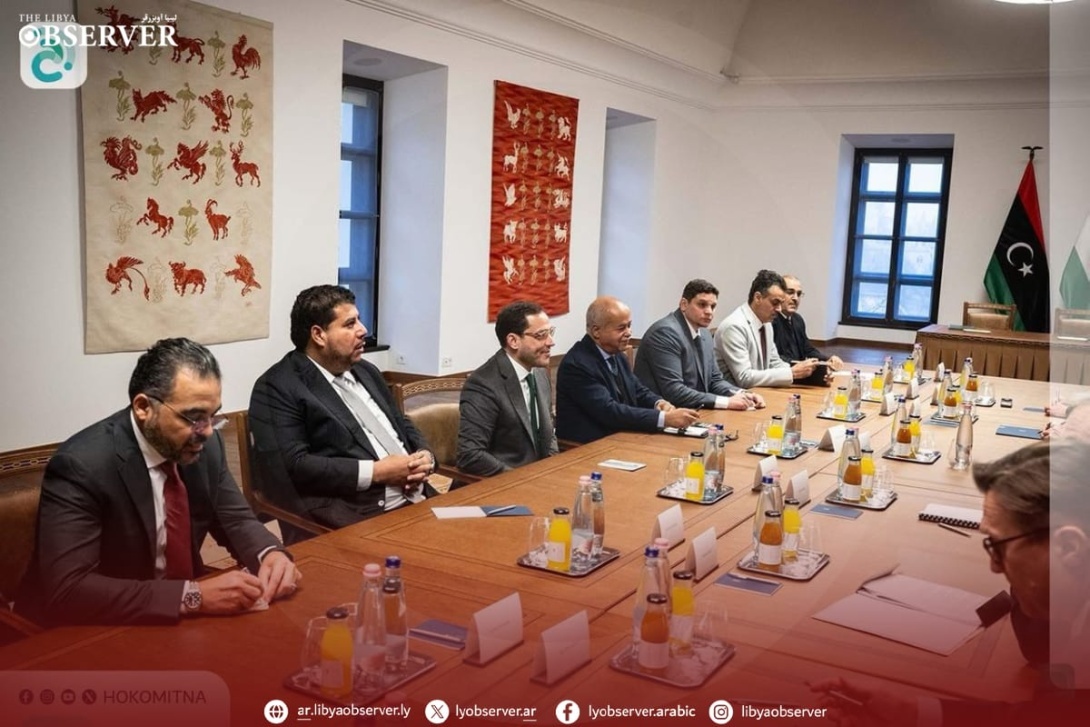
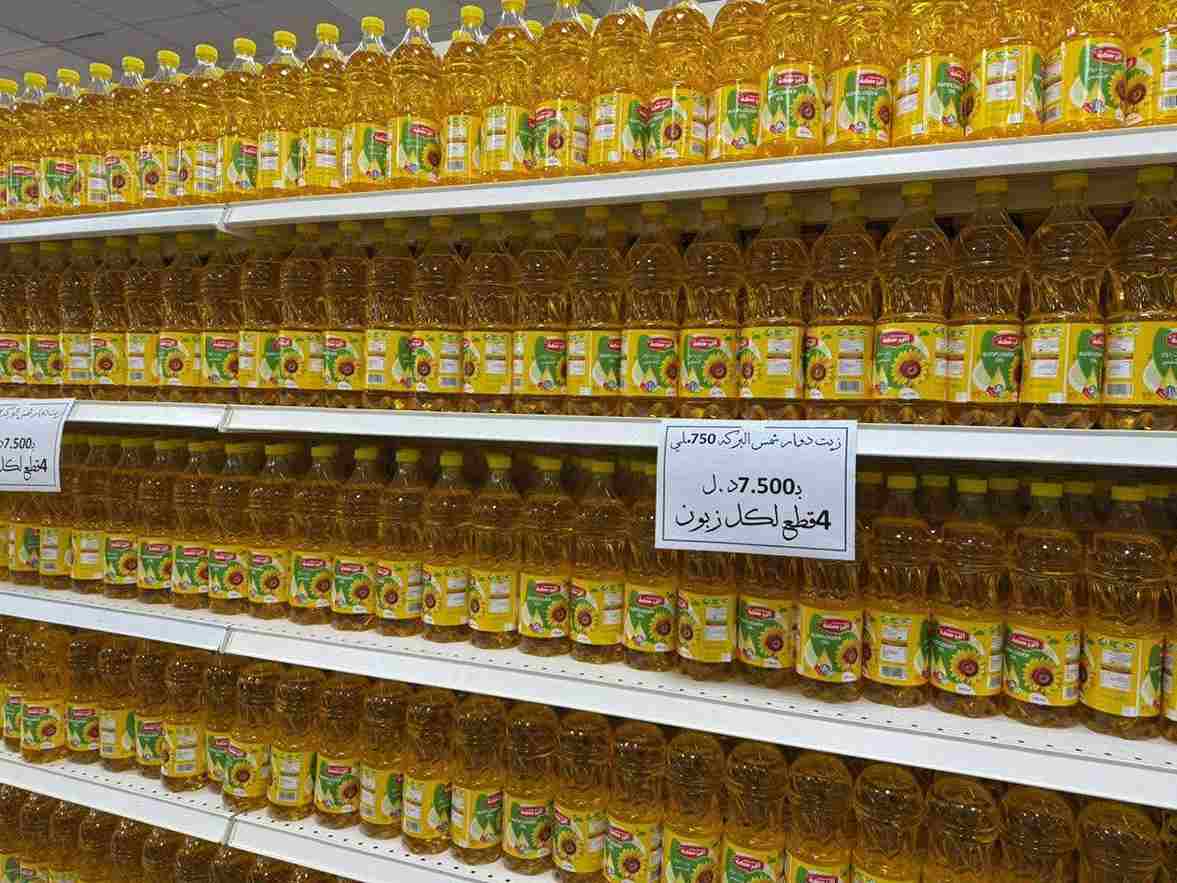
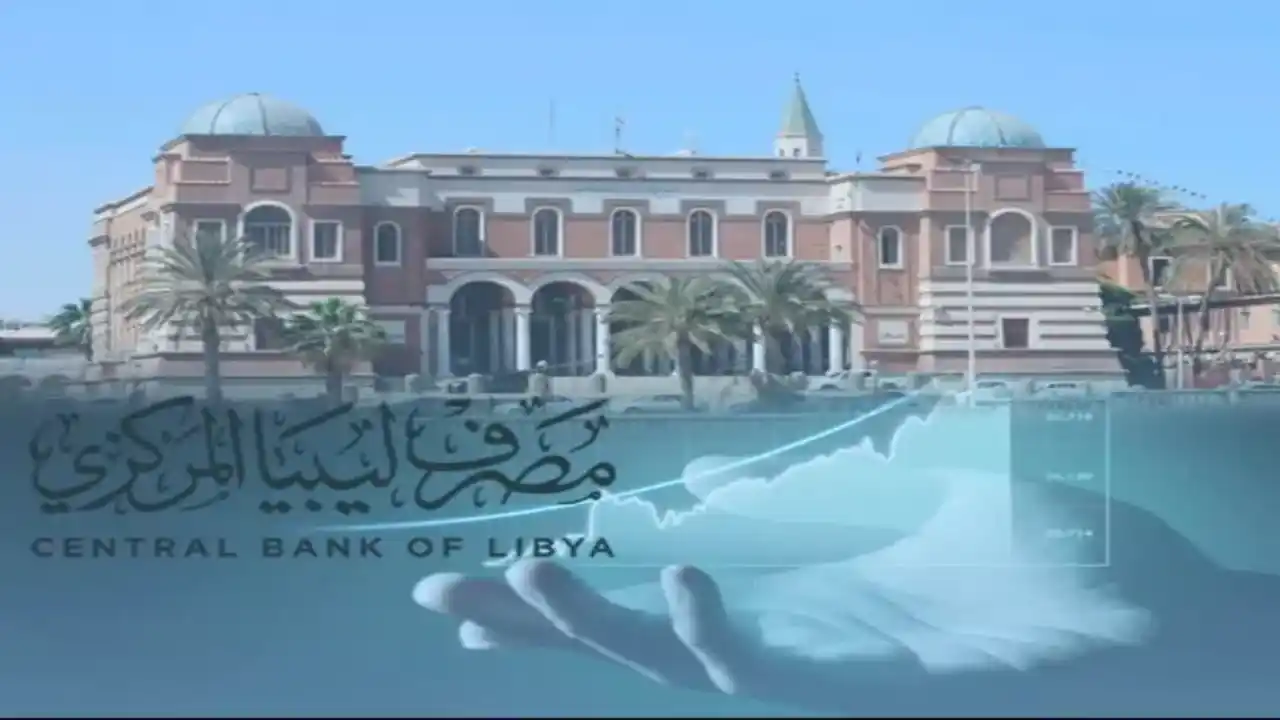
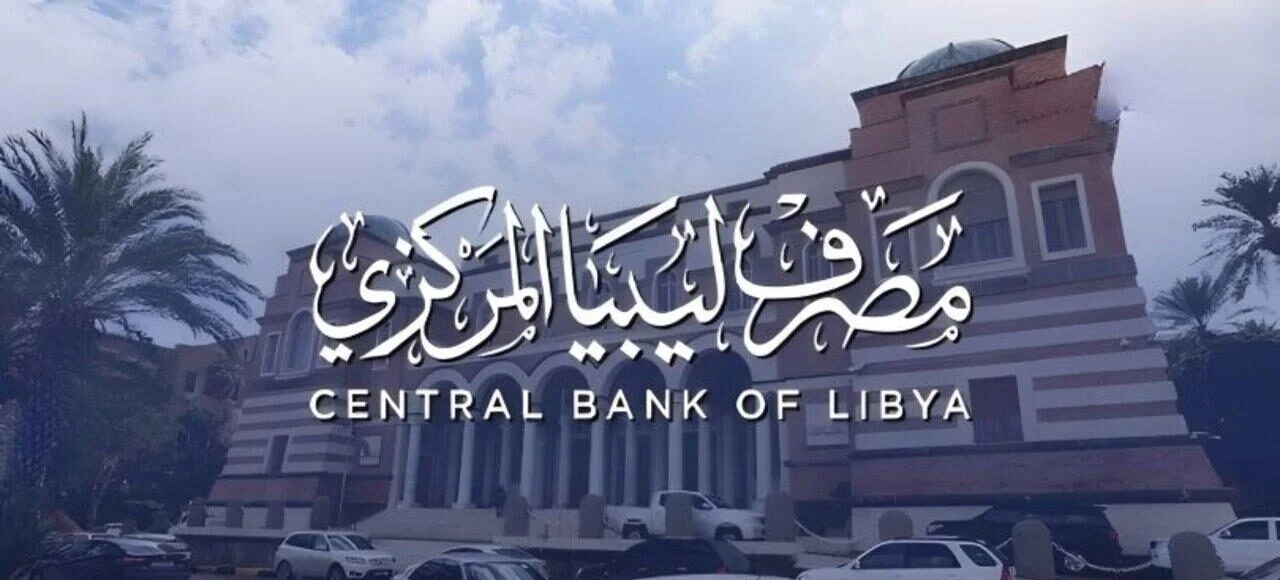
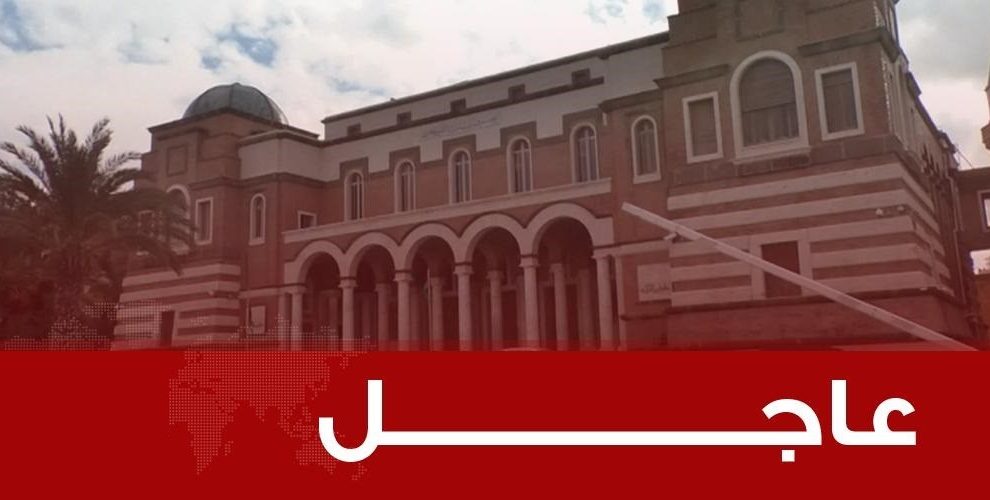
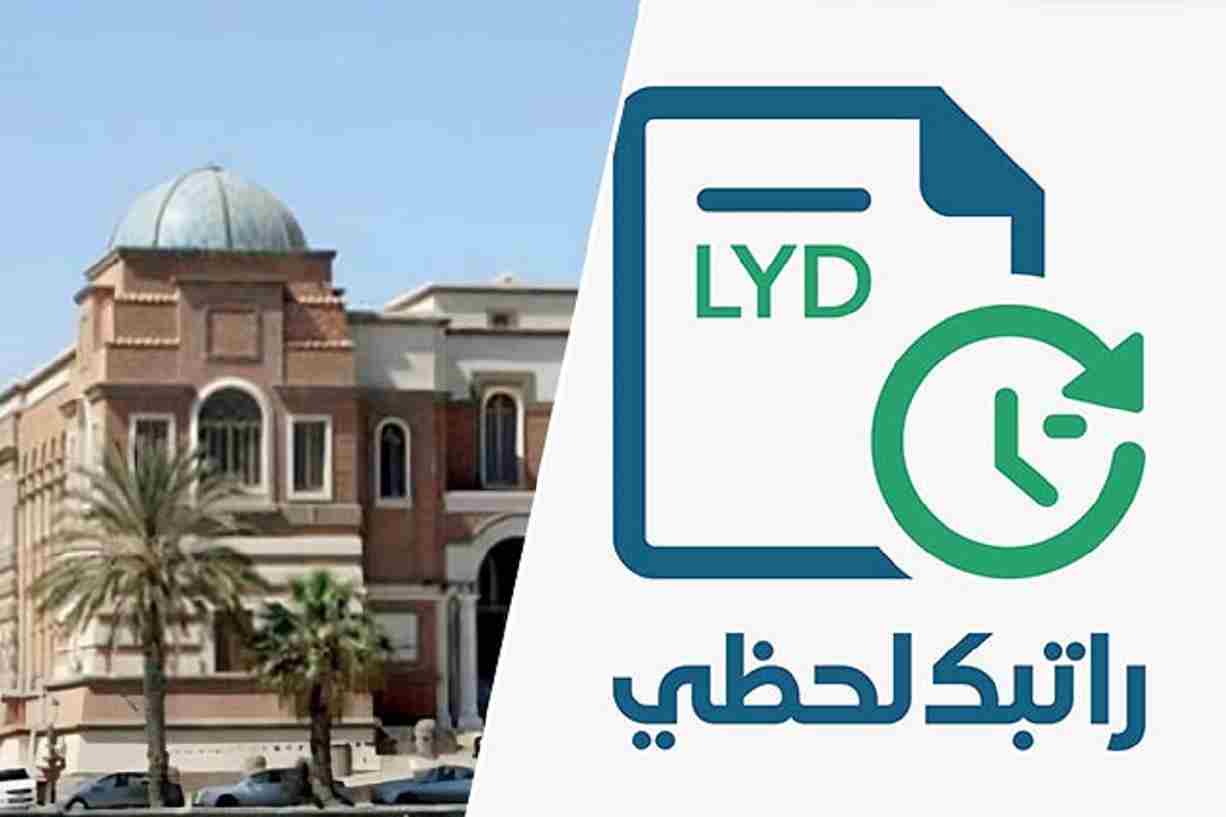
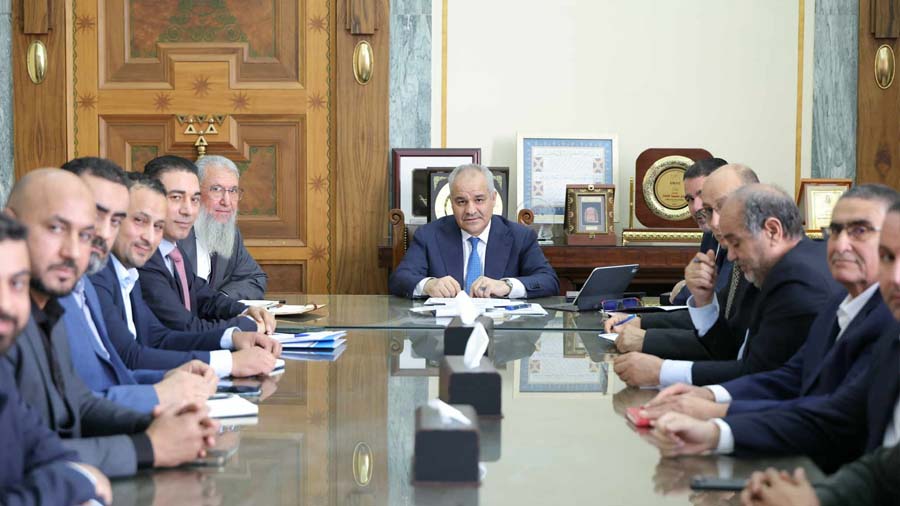
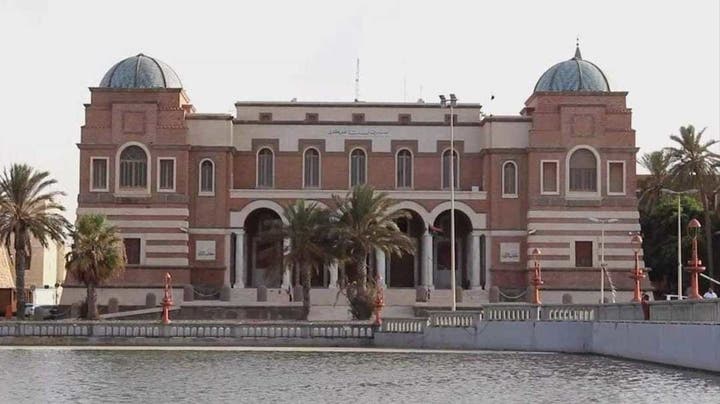
The Central Bank of Libya announced, following a meeting with a number of traders, the cancellation of the pricing set by the Ministry of Economy for cooking oil. It confirmed the continuation of market monitoring and ensuring the entry of large quantities of goods to support price stability.
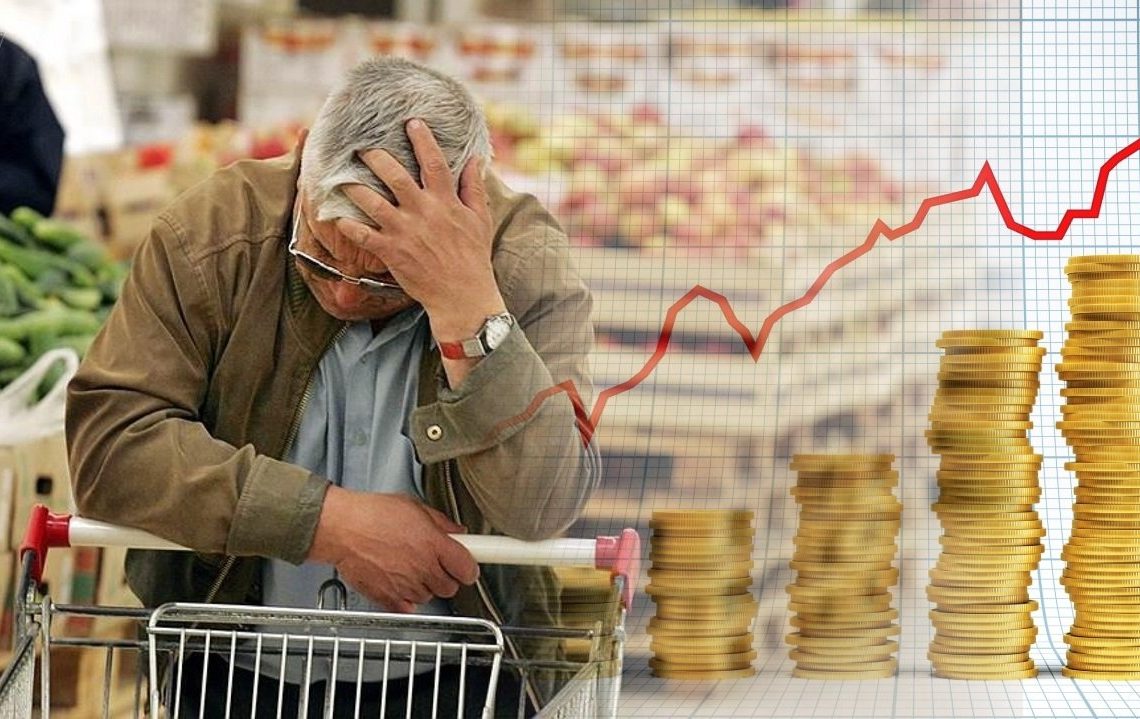
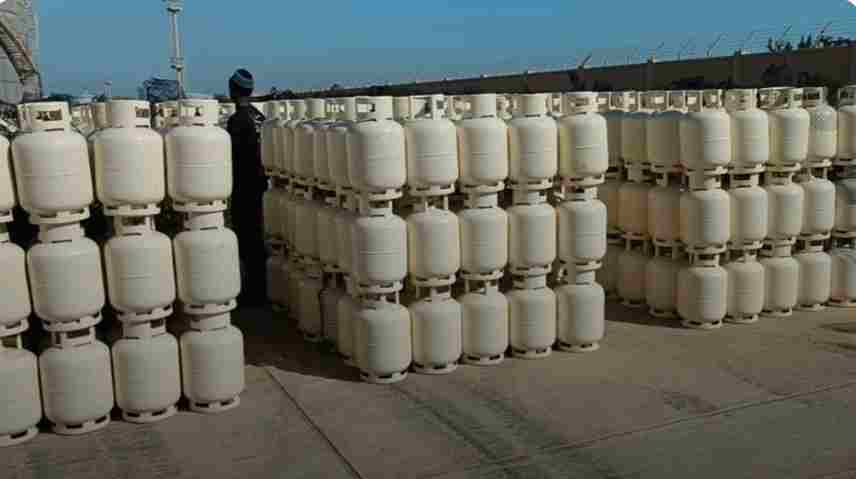
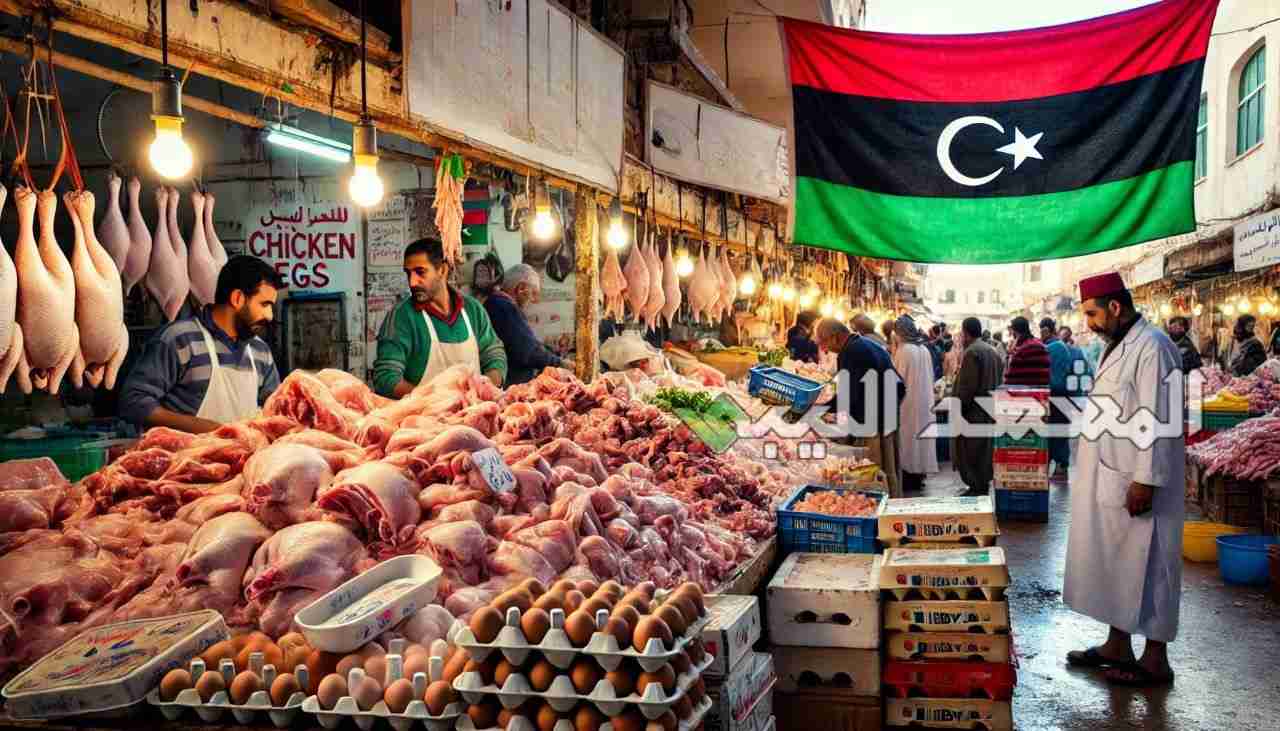
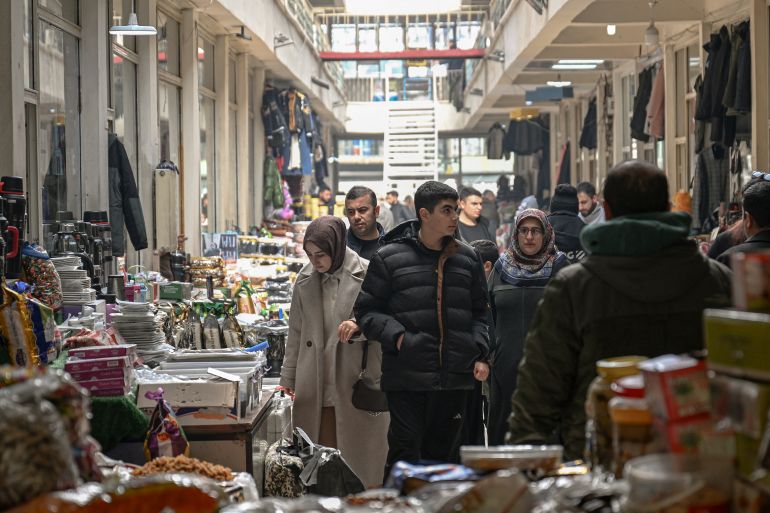
The bank clarified that the decision comes within a plan to alleviate pressure on local markets and enhance the abundance of essential goods, especially with the approach of the holy month of Ramadan. It emphasized that measures will continue to ensure a balance between supply and demand.
Earlier, the Central Bank of Libya announced that it had agreed with a number of suppliers to supply approximately 2.5 million boxes of cooking oil within two weeks, as part of efforts to compensate for the existing shortage in the local market with the approach of Ramadan.
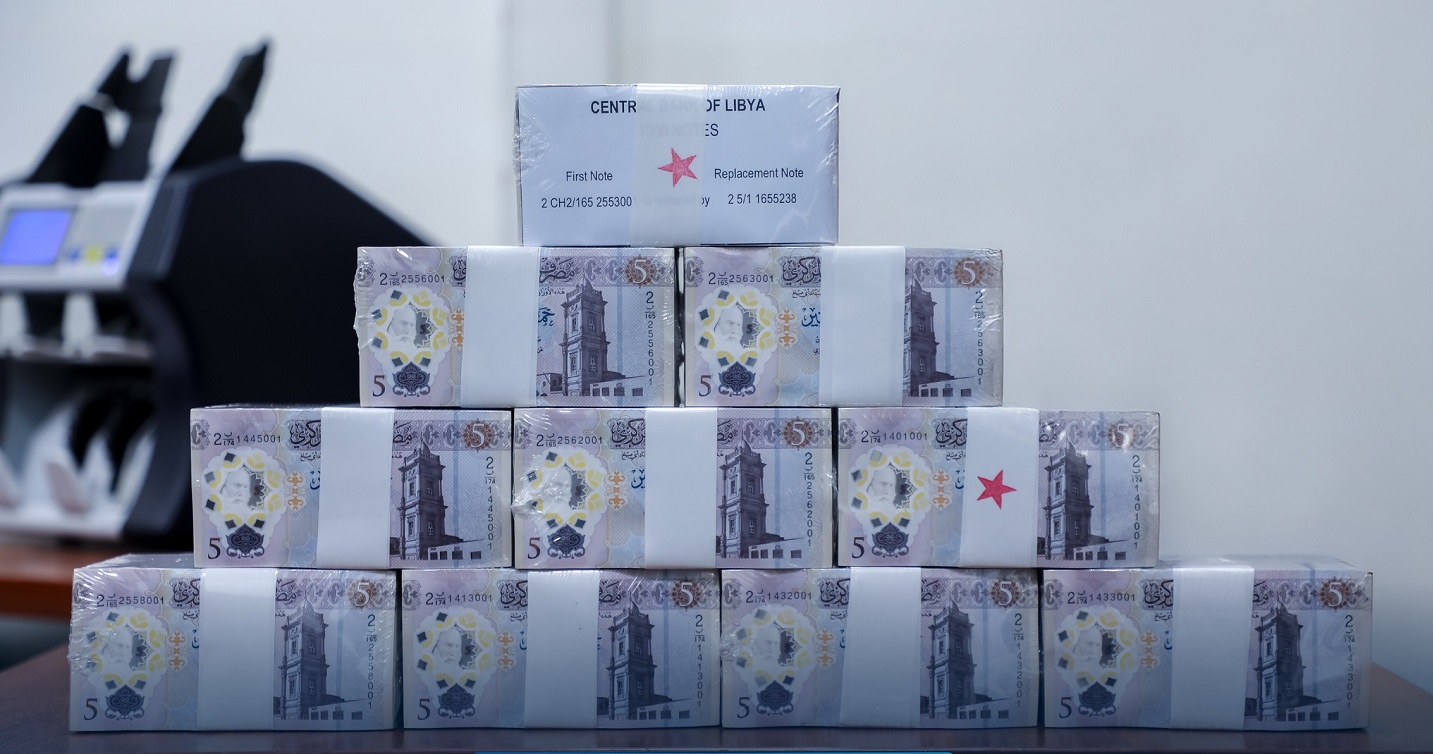
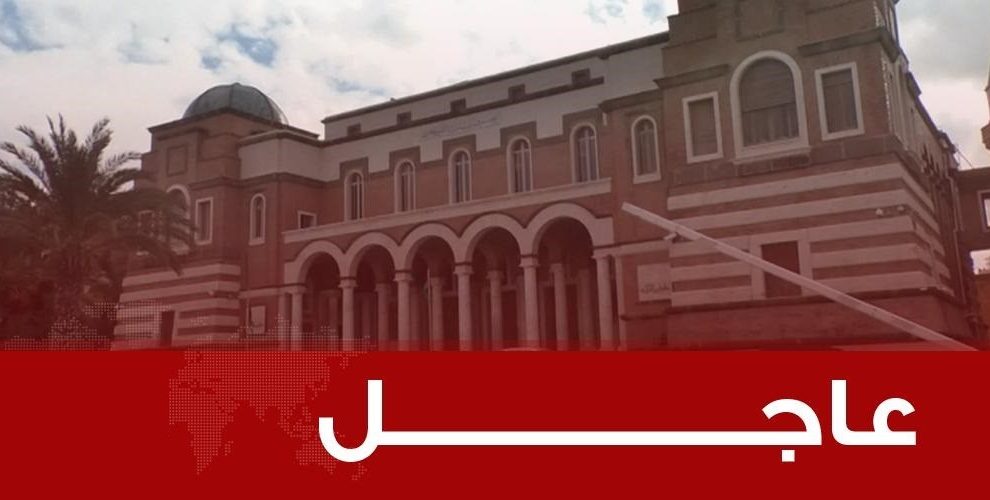
Central Bank of Libya
The Central Bank of Libya is the country’s primary monetary authority, established in 1956 to issue currency and manage monetary policy. It has played a critical and often divisive role in Libya’s recent history, with parallel institutions emerging in the east and west during the post-2011 civil conflict.
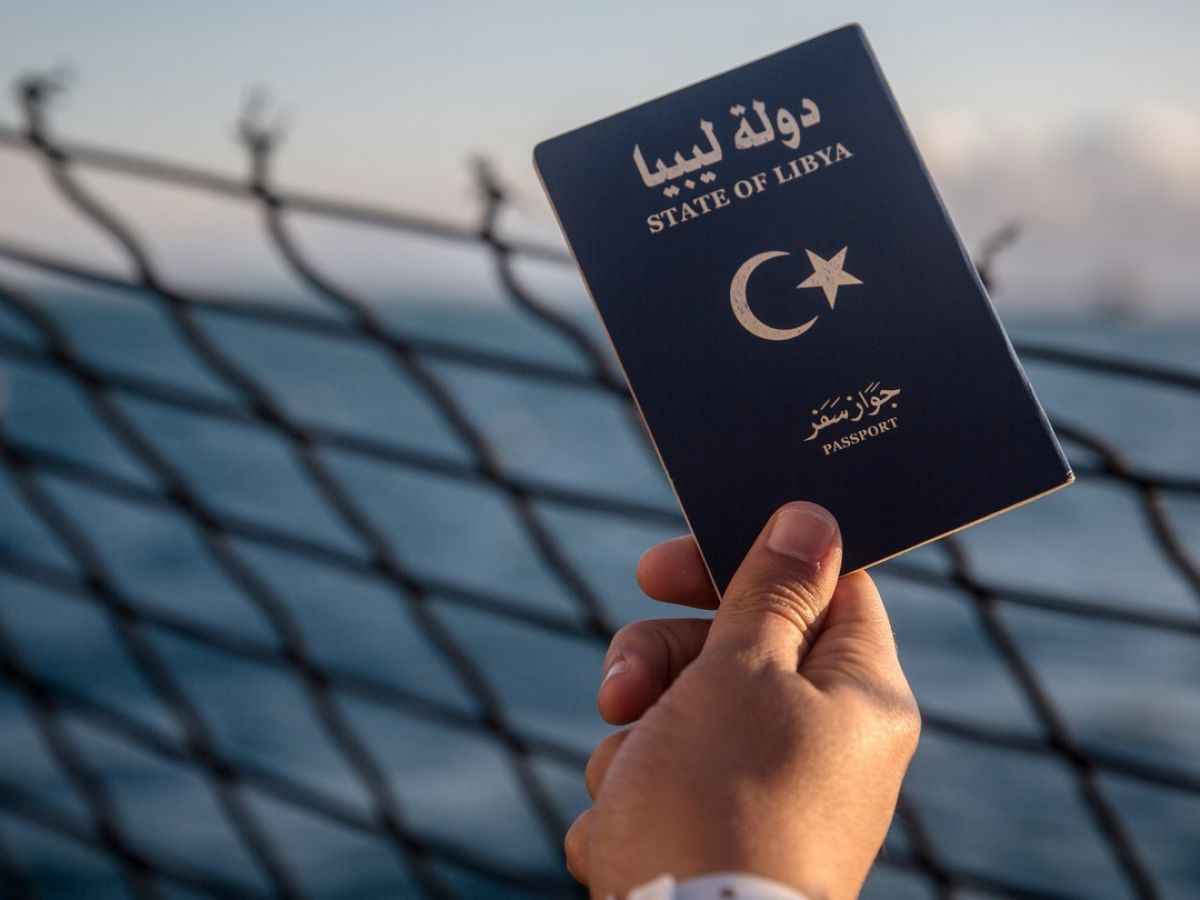
Libya
Libya is a North African country with a rich history rooted in ancient civilizations like the Phoenicians and Romans, followed by centuries of Arab and Ottoman influence. In the modern era, it was an Italian colony before gaining independence in 1951, later becoming known for Muammar Gaddafi’s lengthy rule from 1969 until the 2011 civil war. The country is home to UNESCO World Heritage sites, such as the ruins of Leptis Magna, which showcase its significant classical past.
Ministry of Economy
The Ministry of Economy is a government department responsible for formulating and implementing national economic policy. Its history is tied to the development of the modern state, with such ministries typically being established or significantly reformed during periods of industrialization or major economic restructuring to guide fiscal, trade, and industrial strategies.
Ramadan
Ramadan is the ninth month of the Islamic lunar calendar, observed by Muslims worldwide as a month of fasting, prayer, reflection, and community. Its history is rooted in the Islamic belief that during this month in 610 CE, the first verses of the Quran were revealed to the Prophet Muhammad.