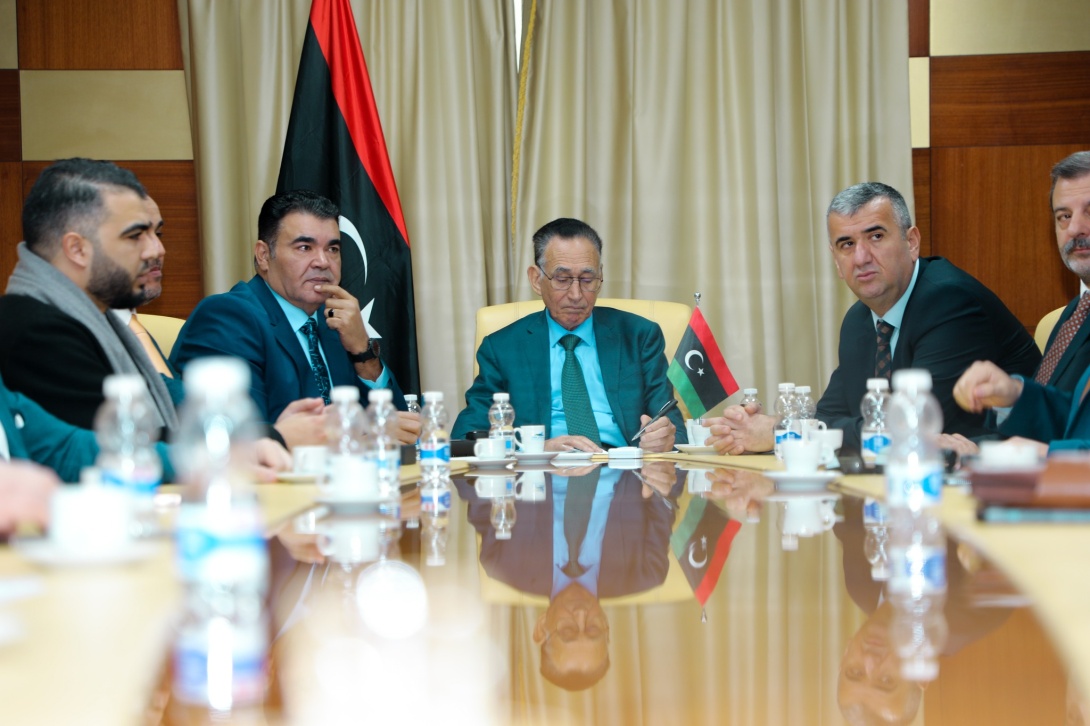
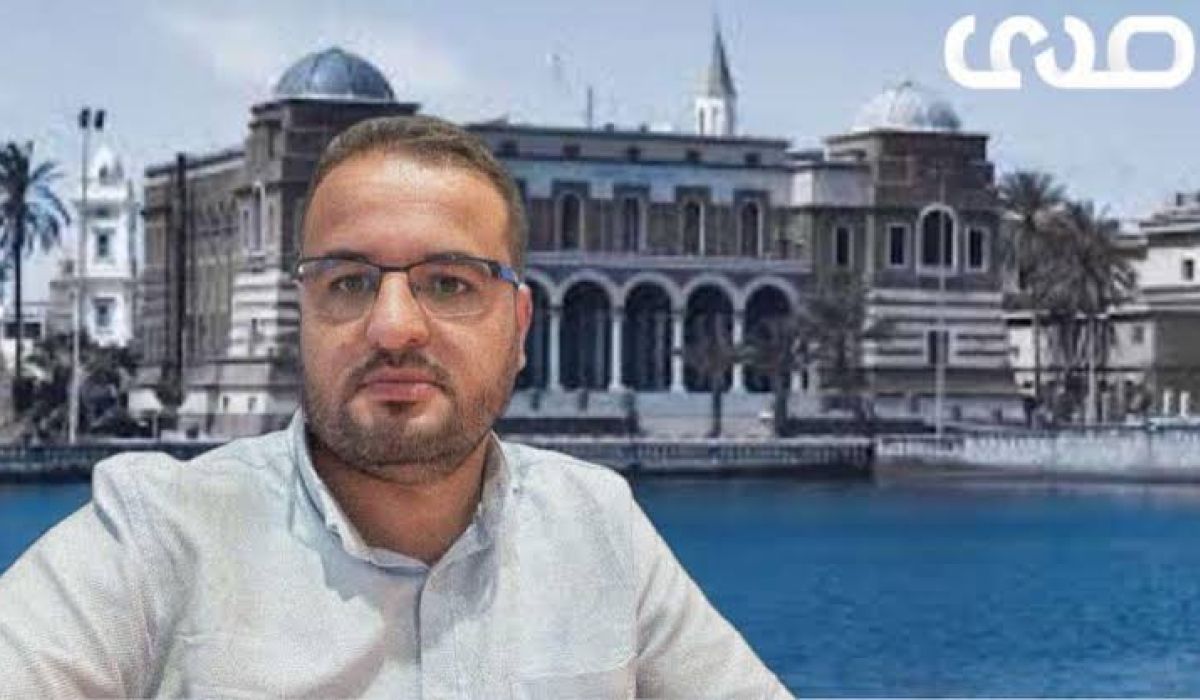
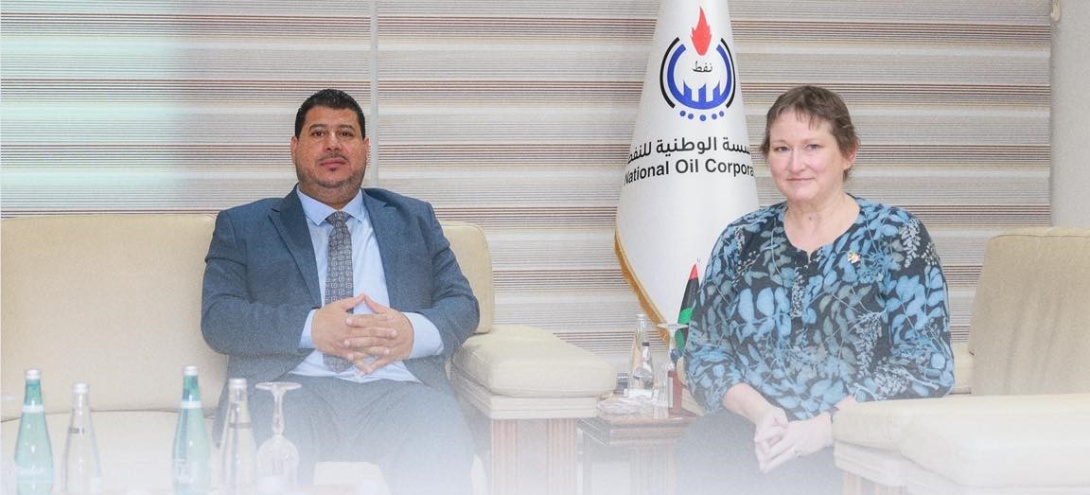
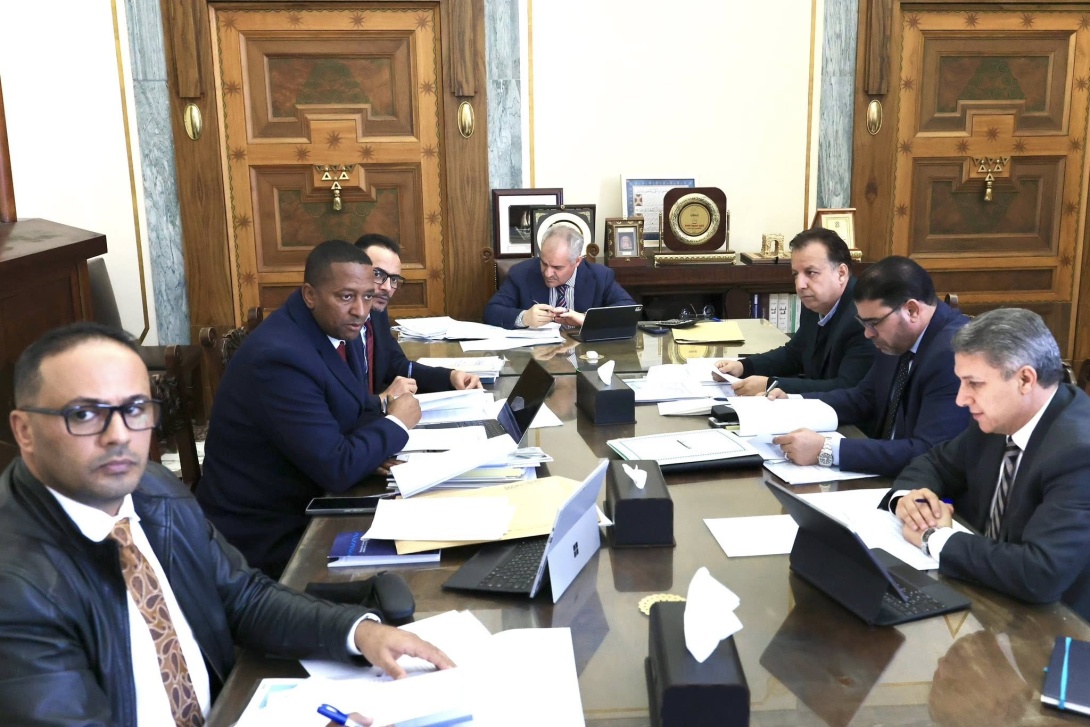
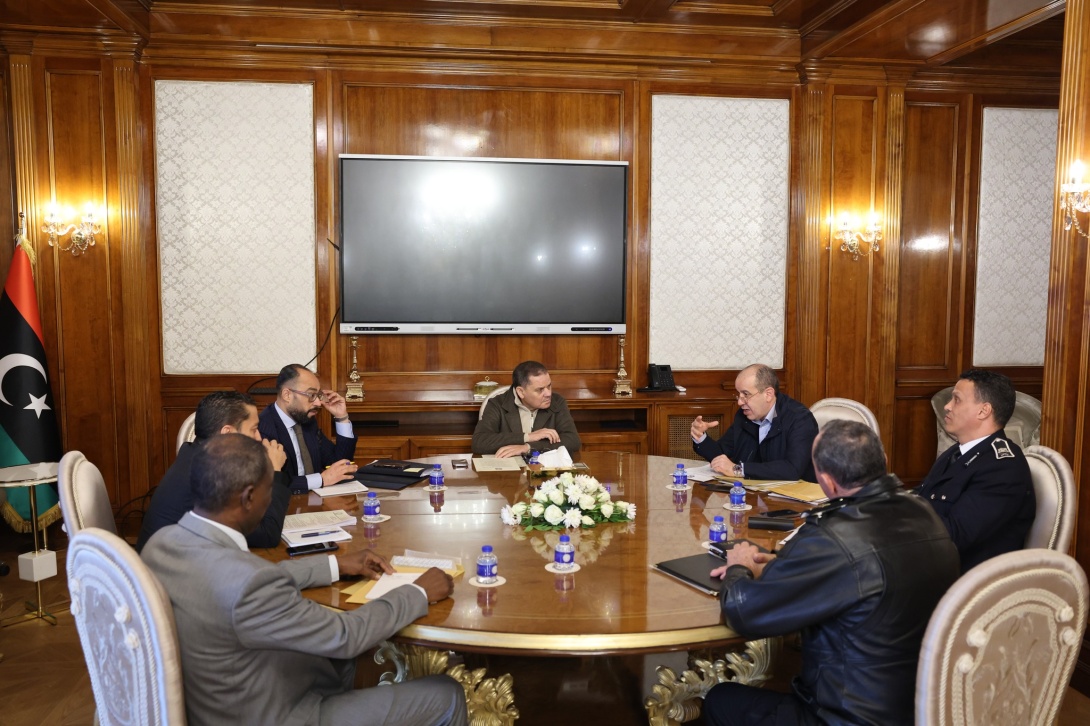
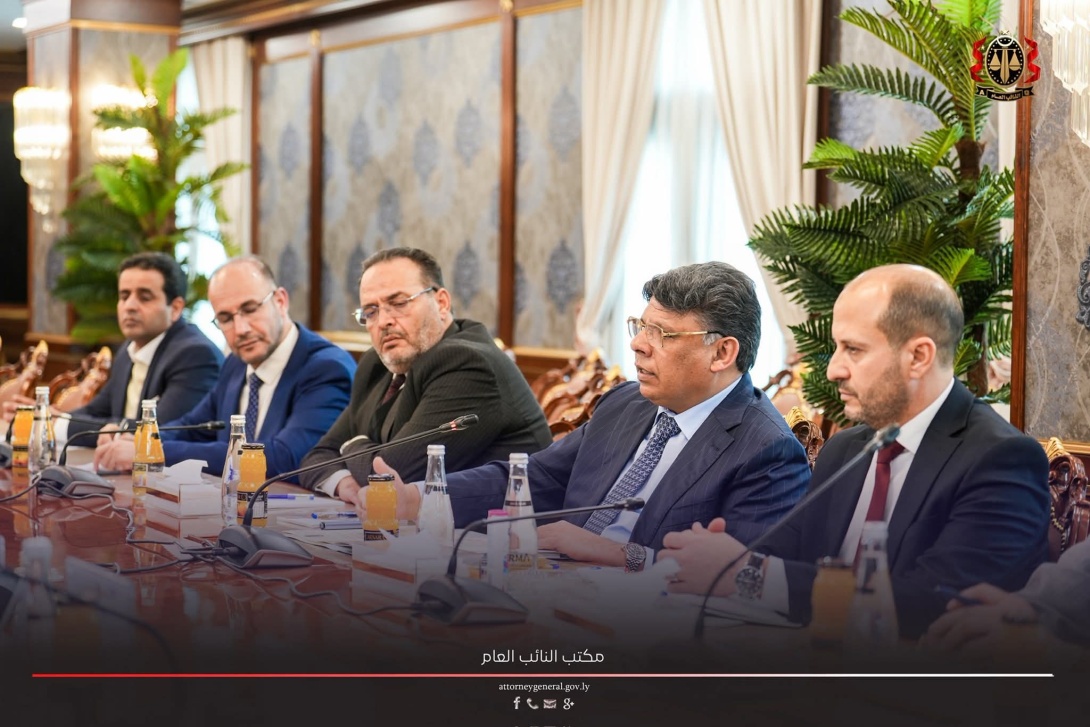
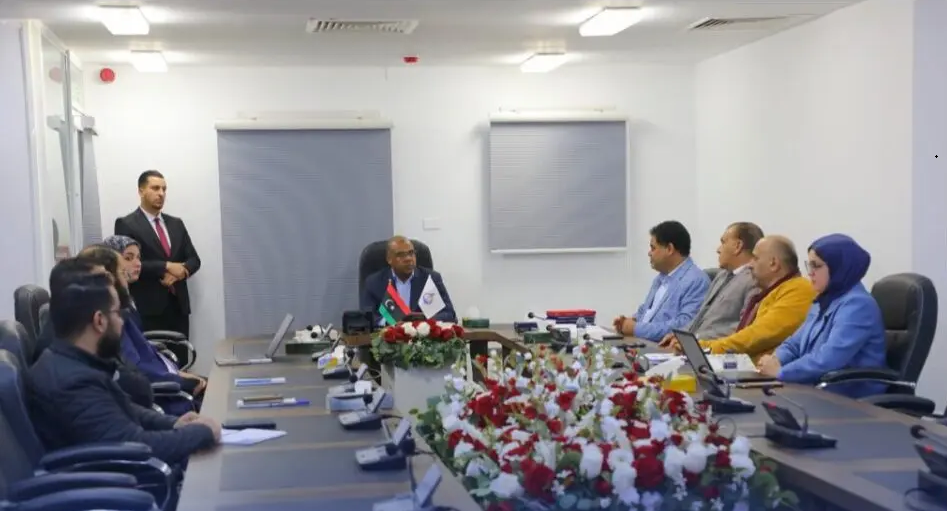
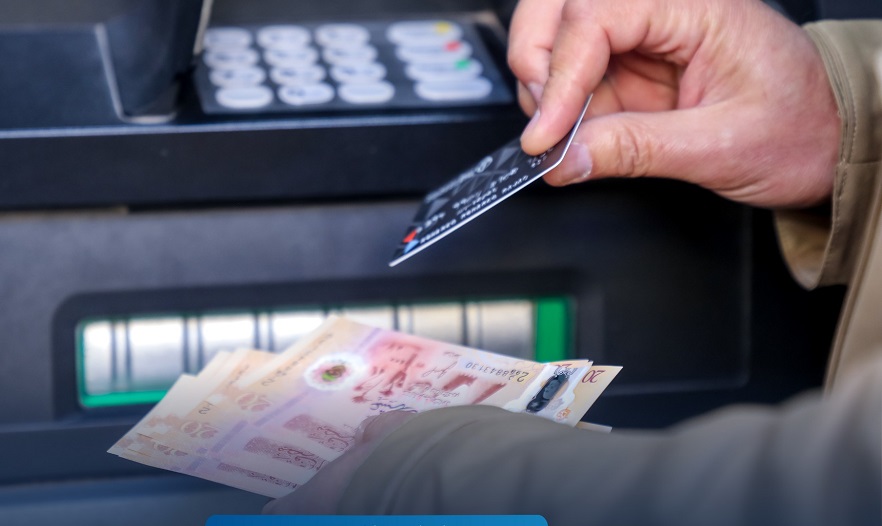
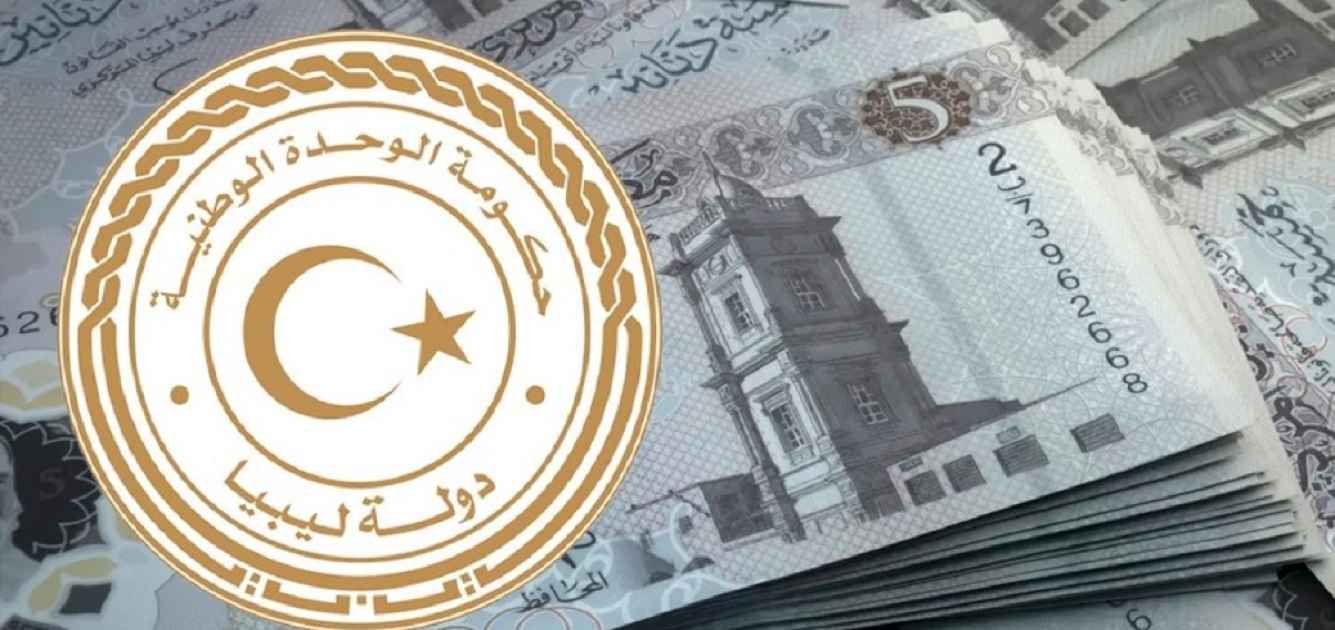
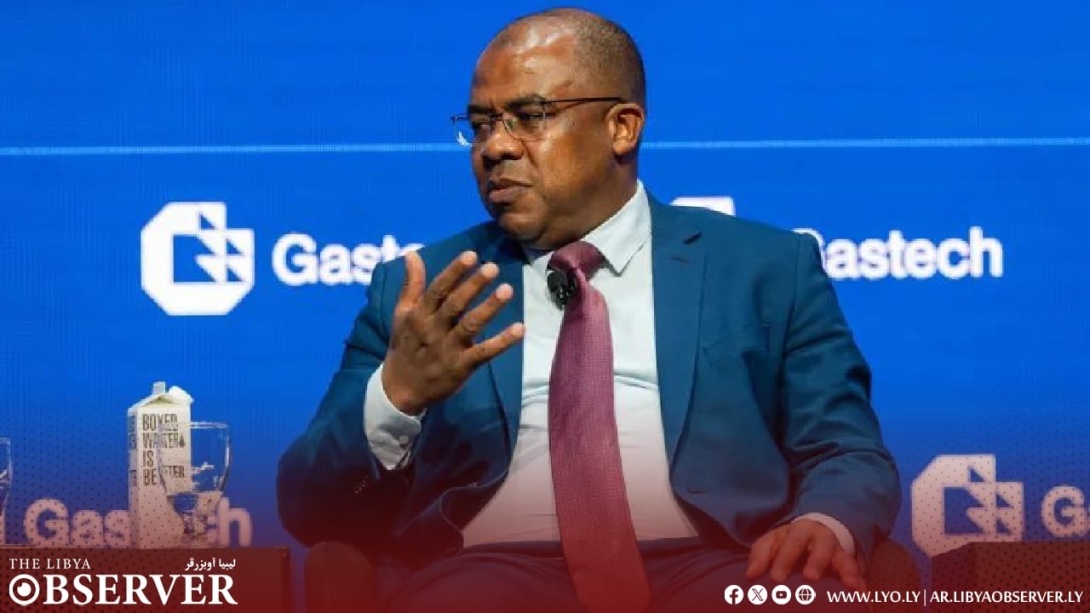
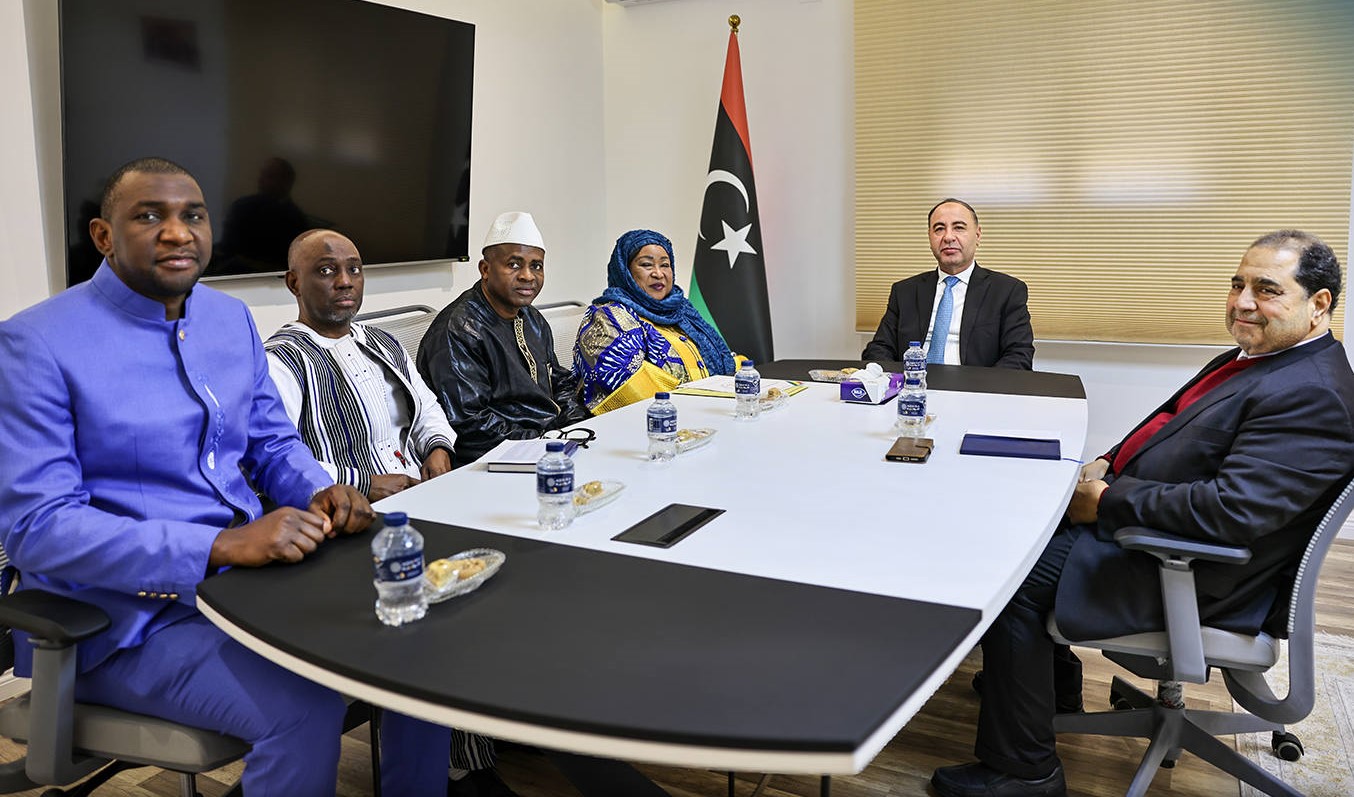
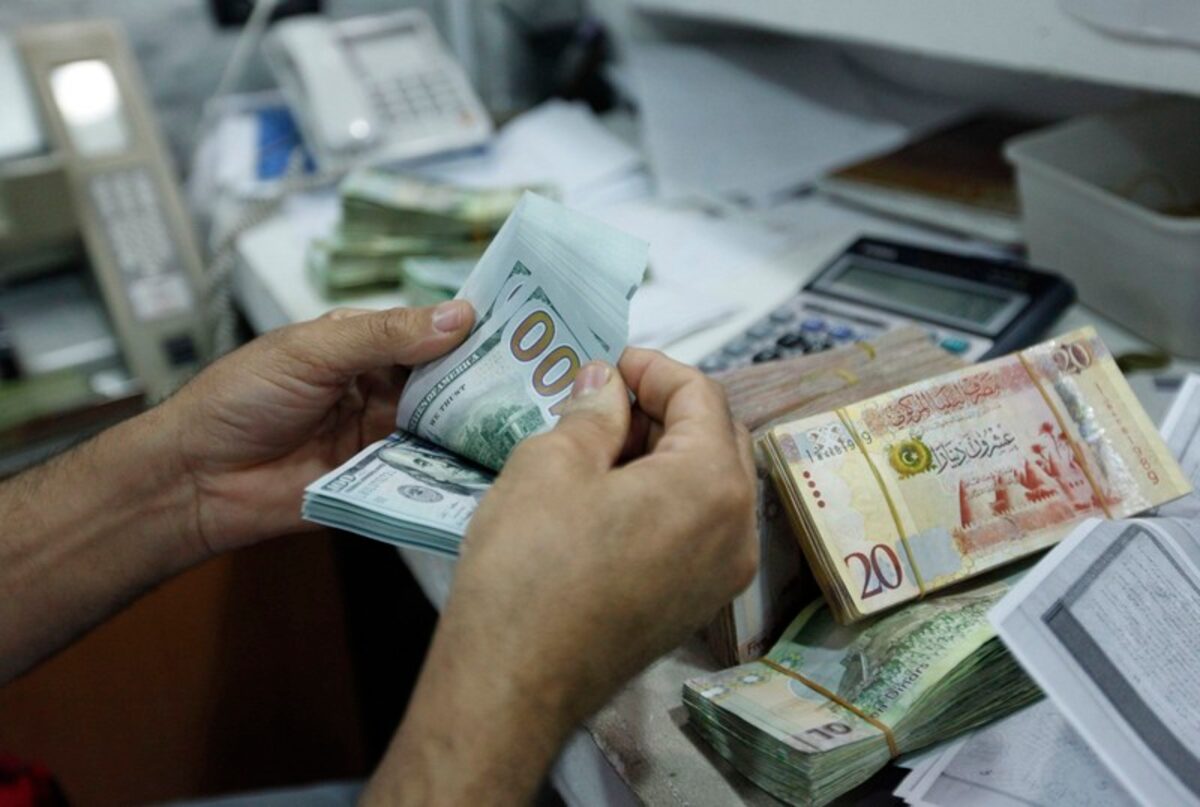
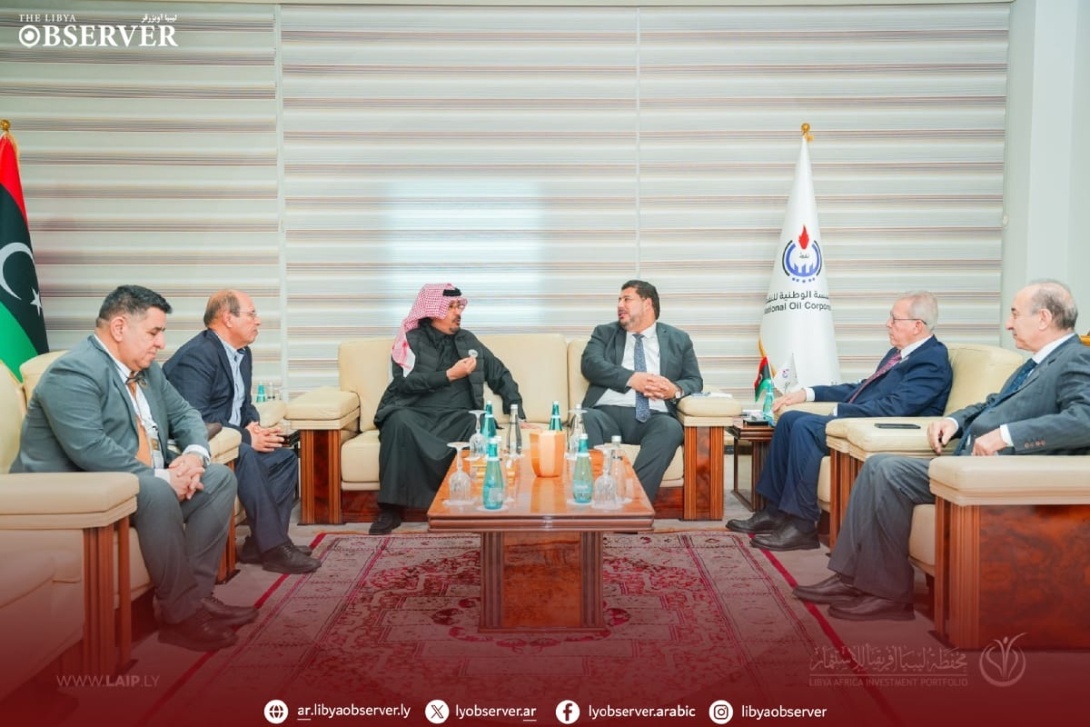
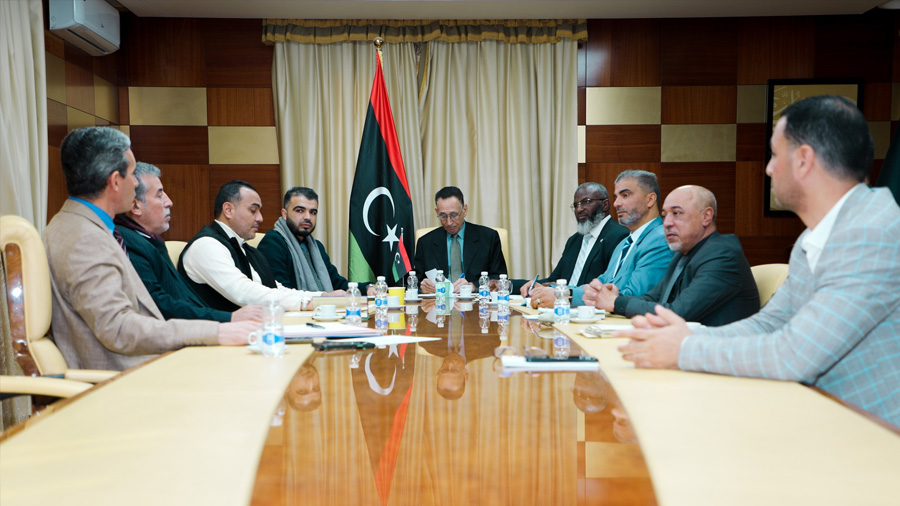
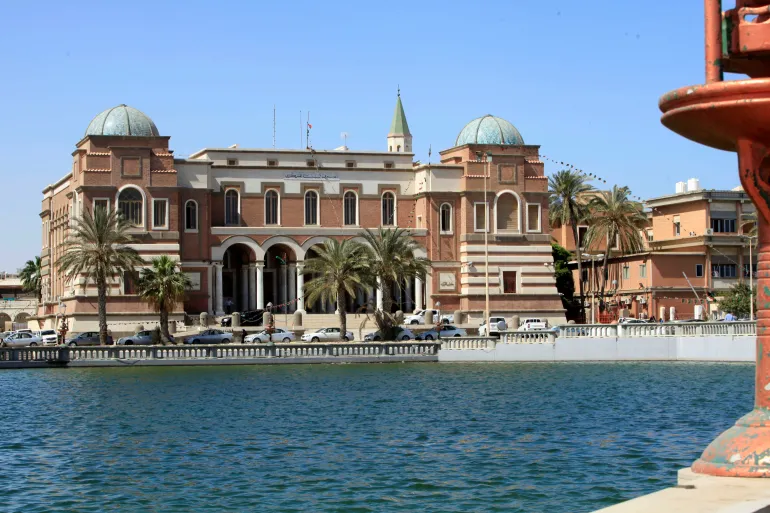
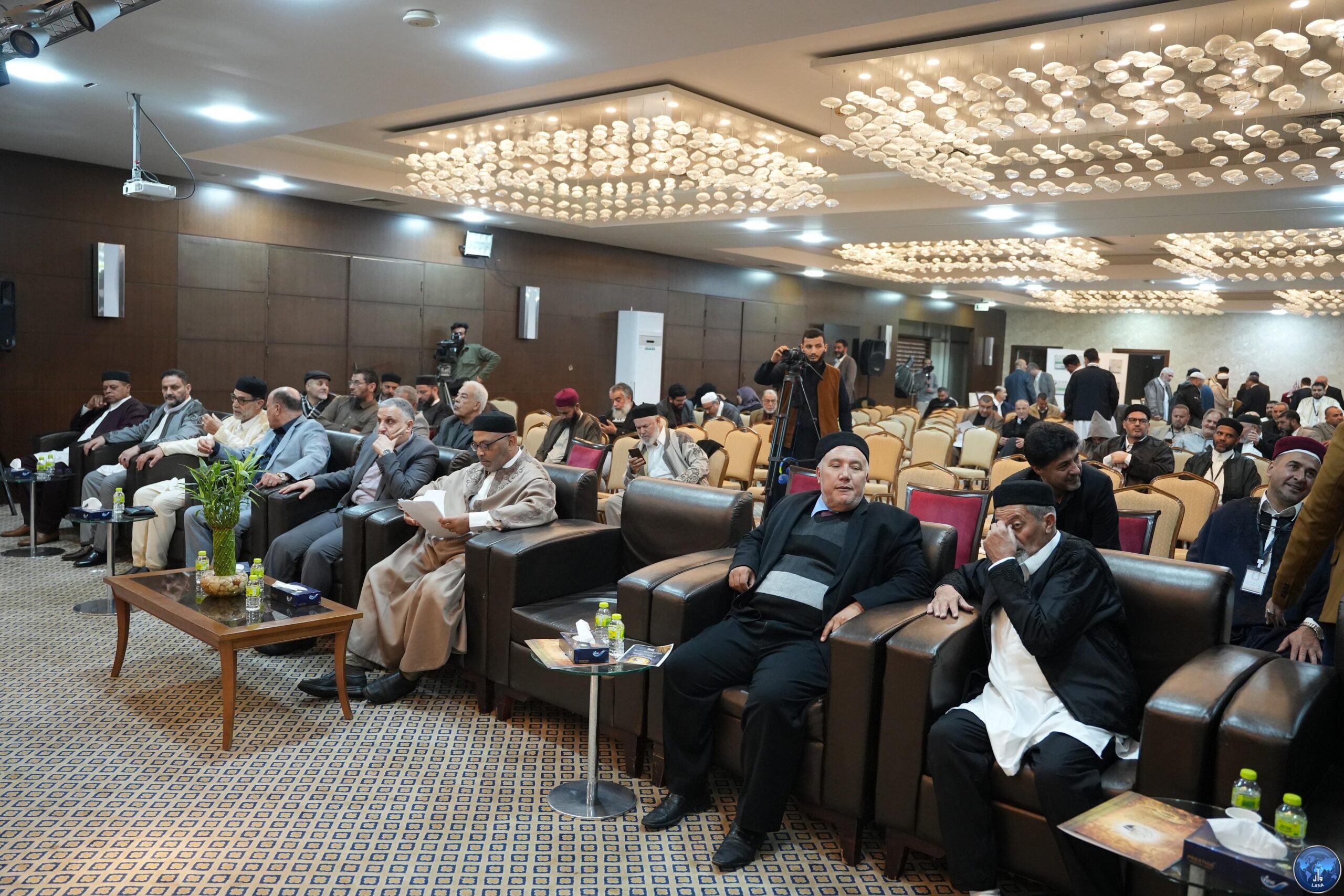
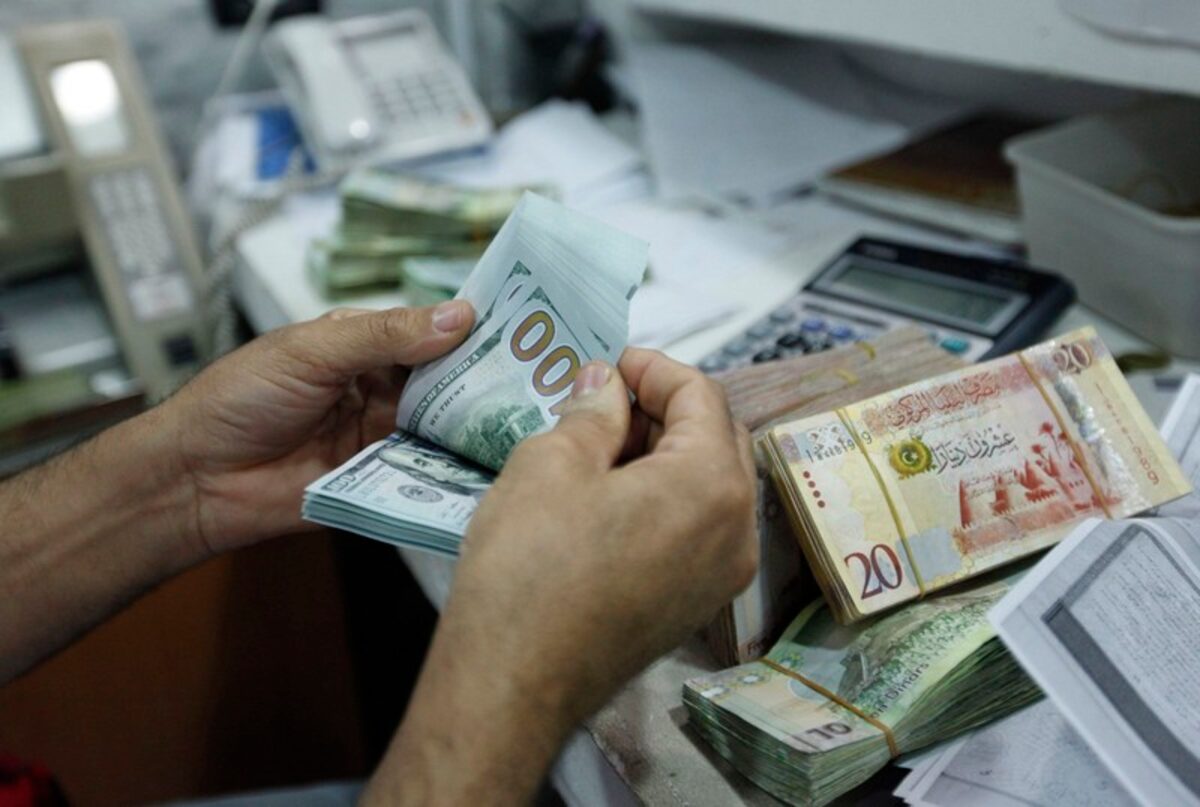
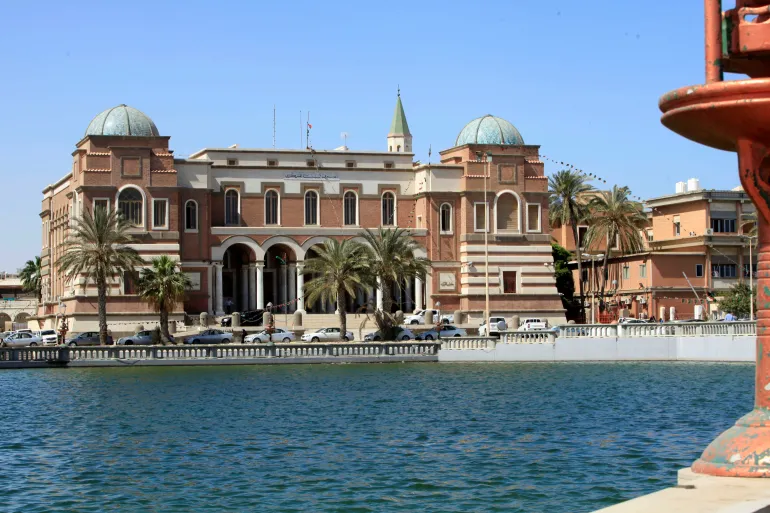
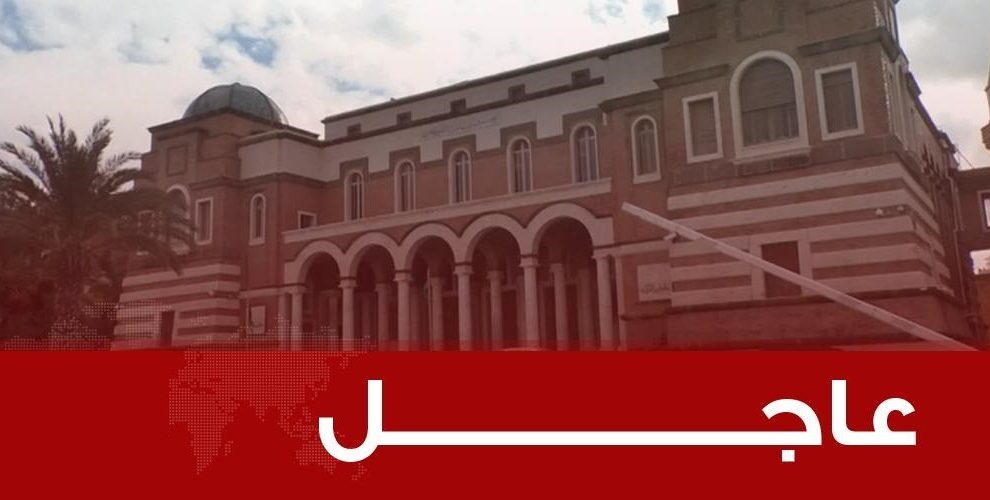
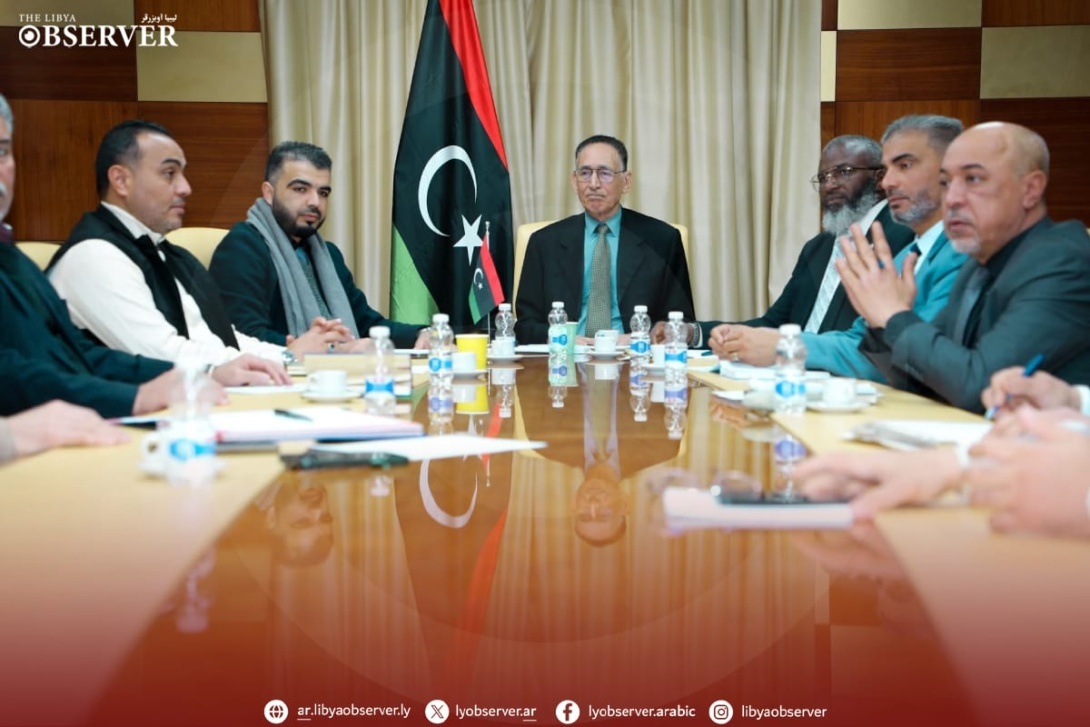
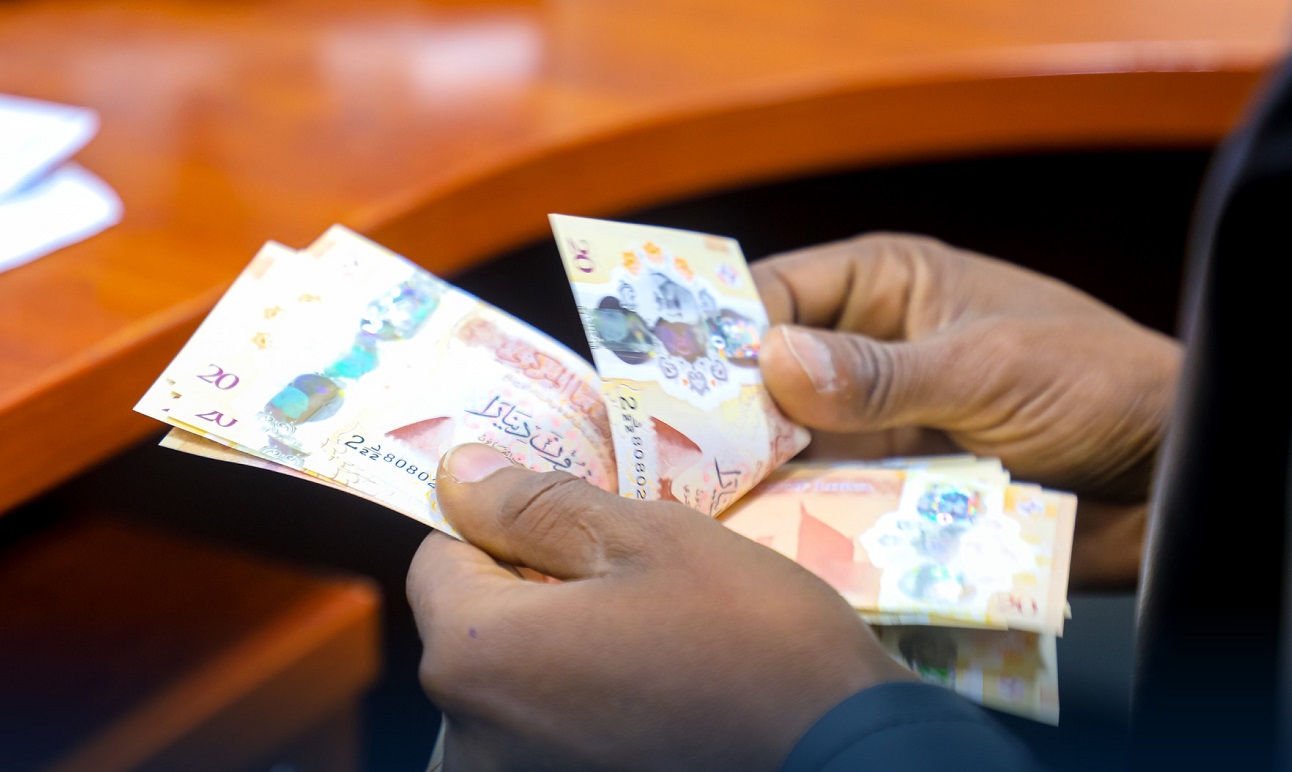
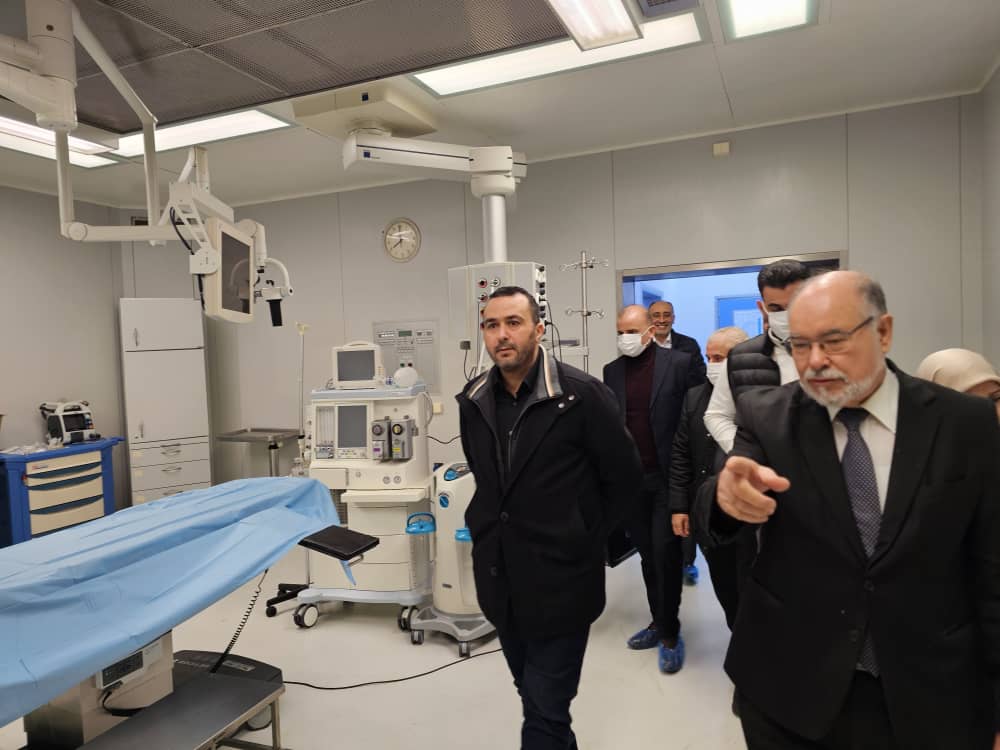
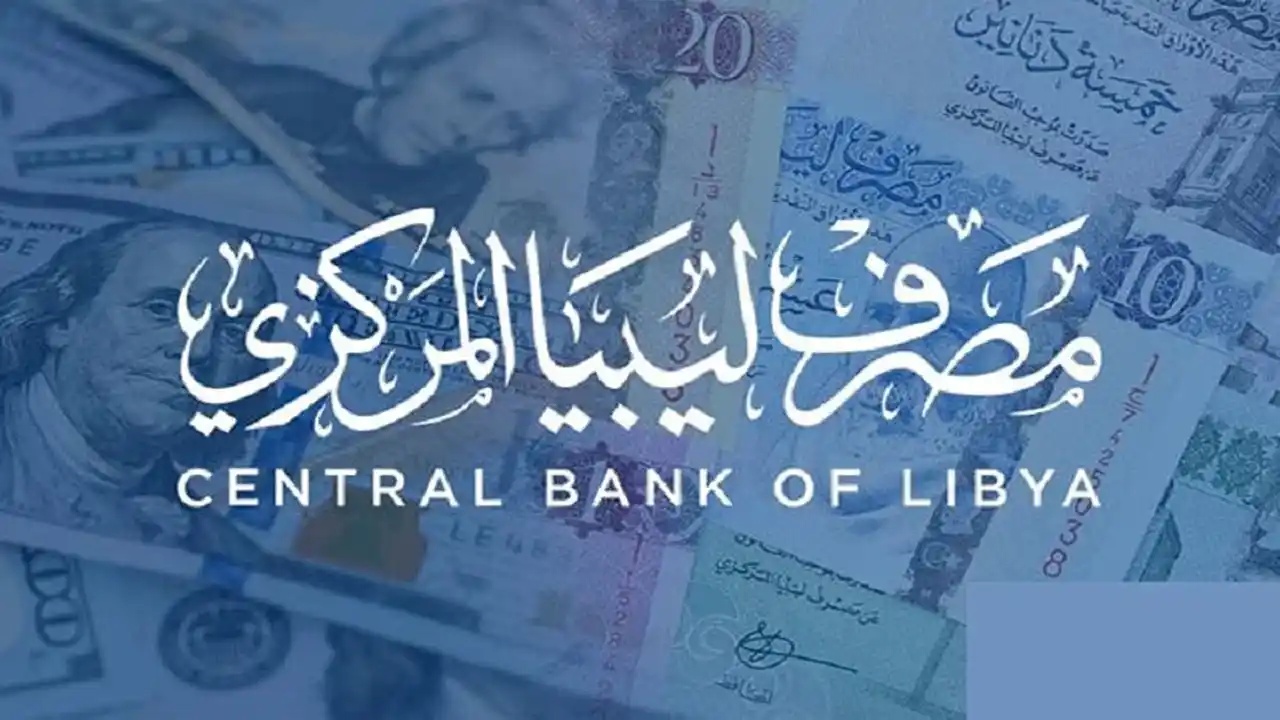
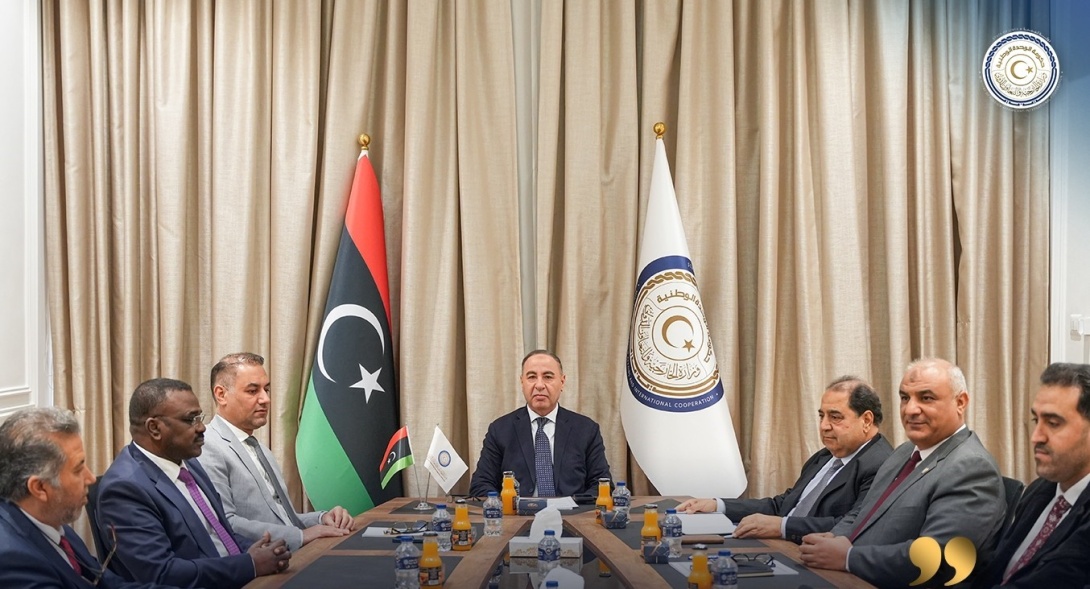
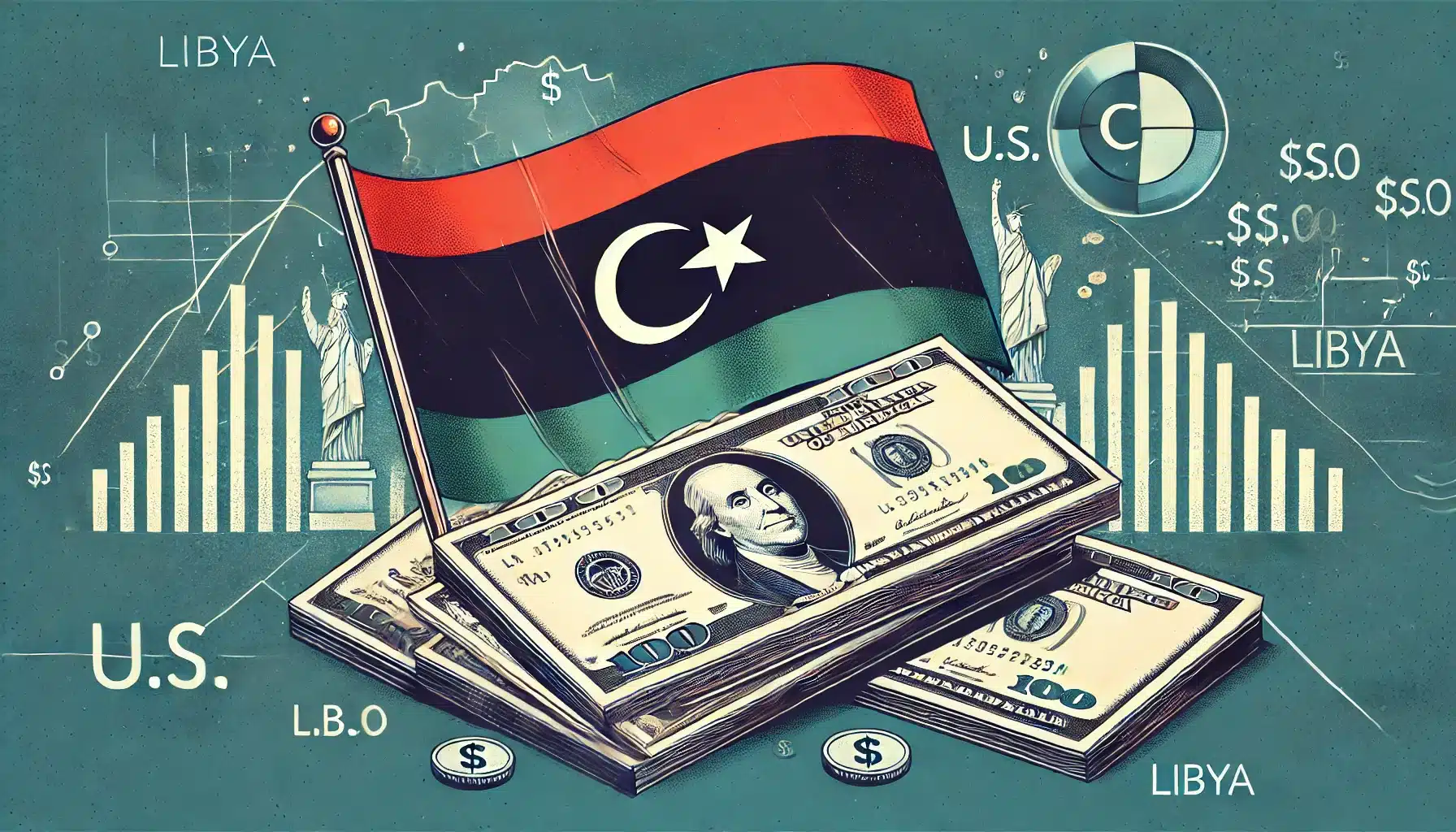
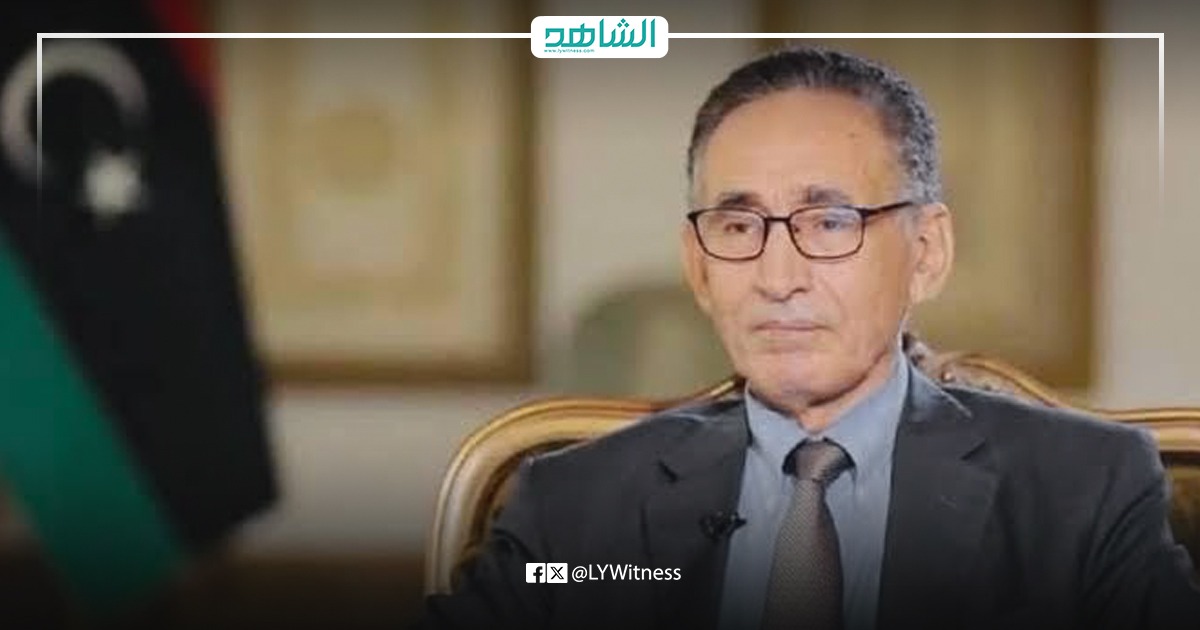
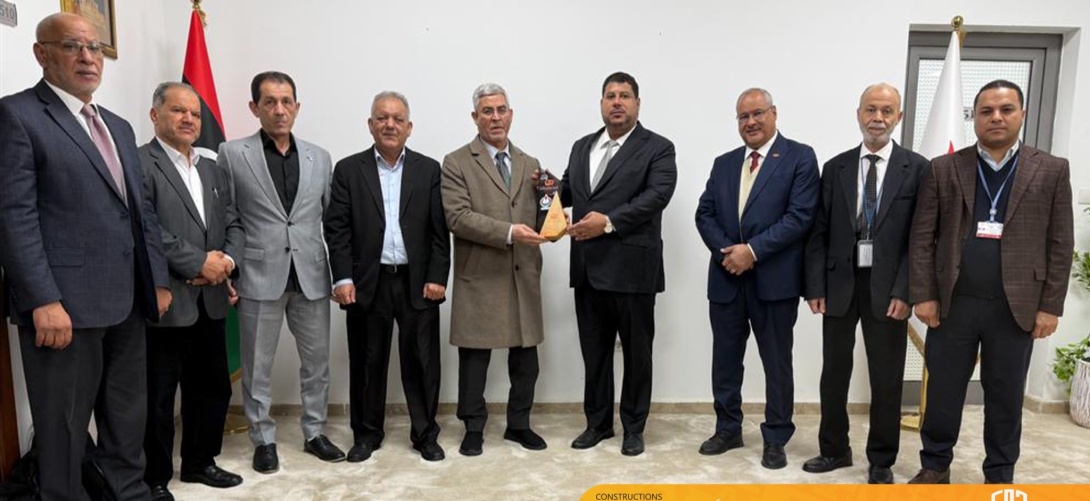
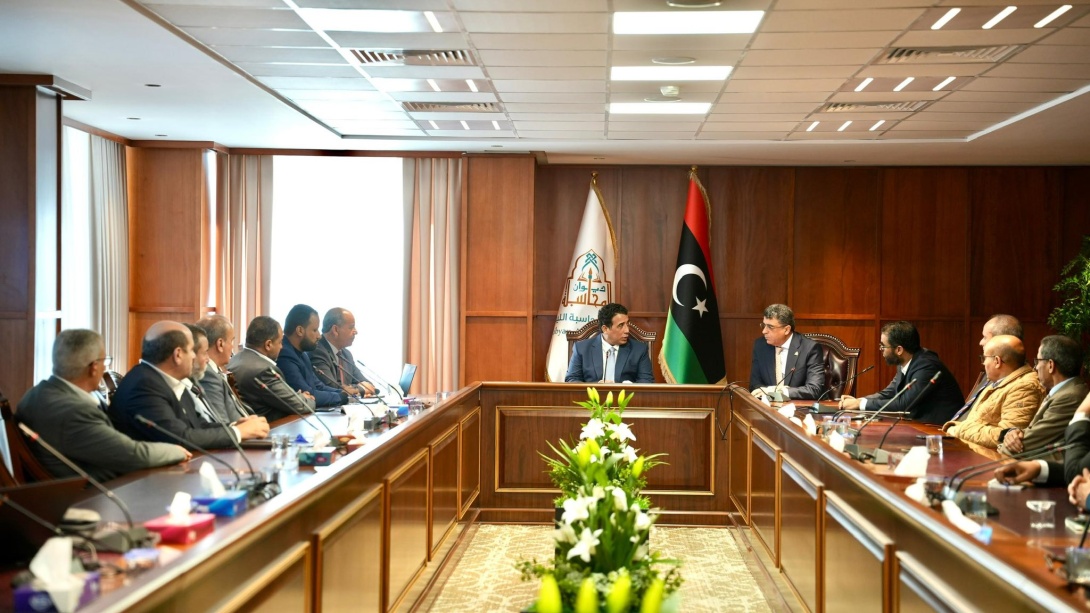
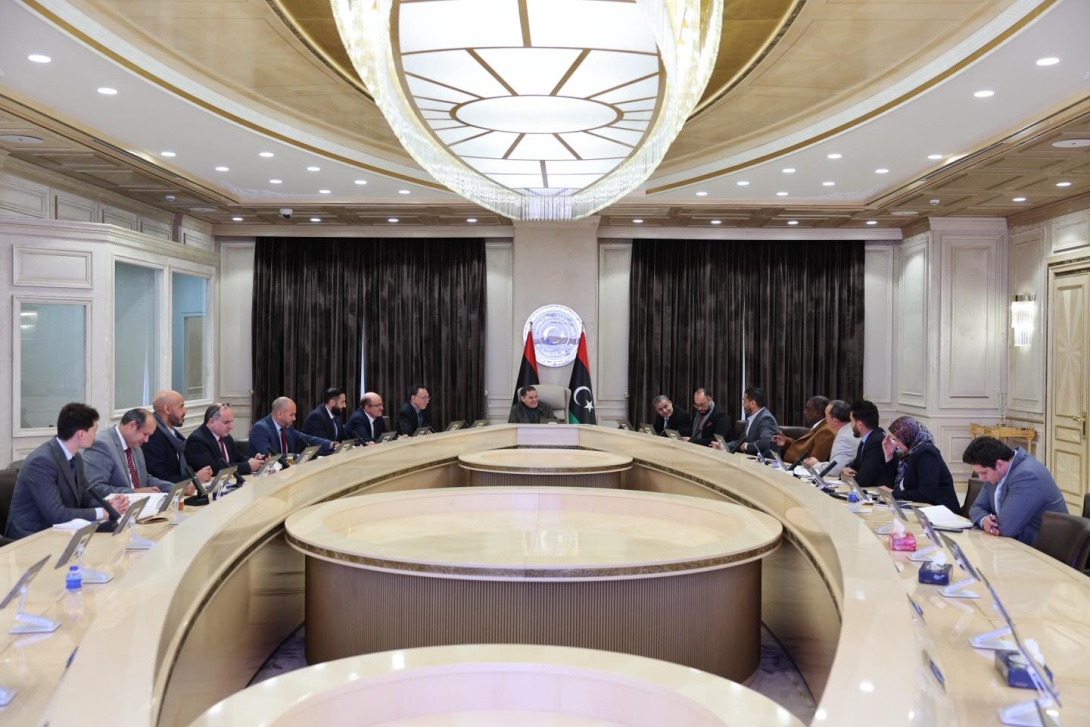
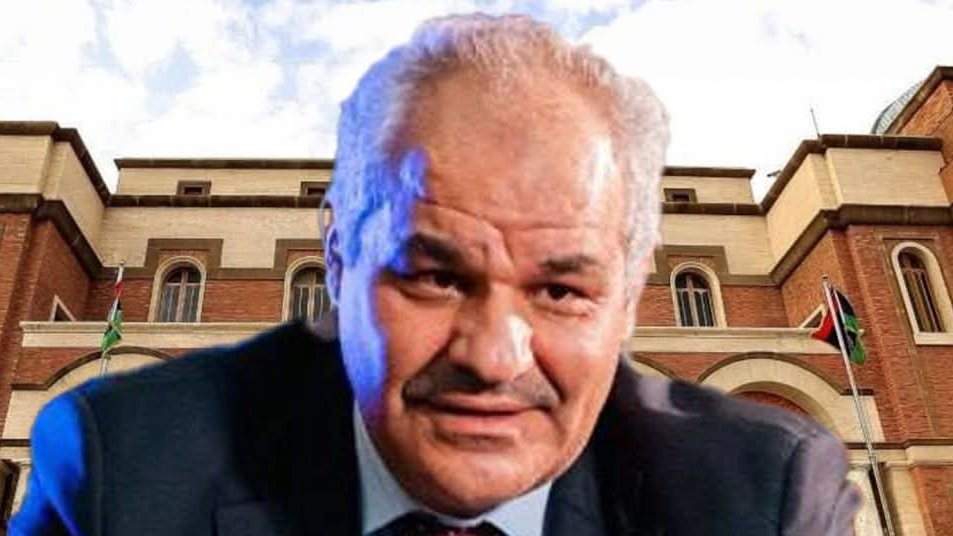
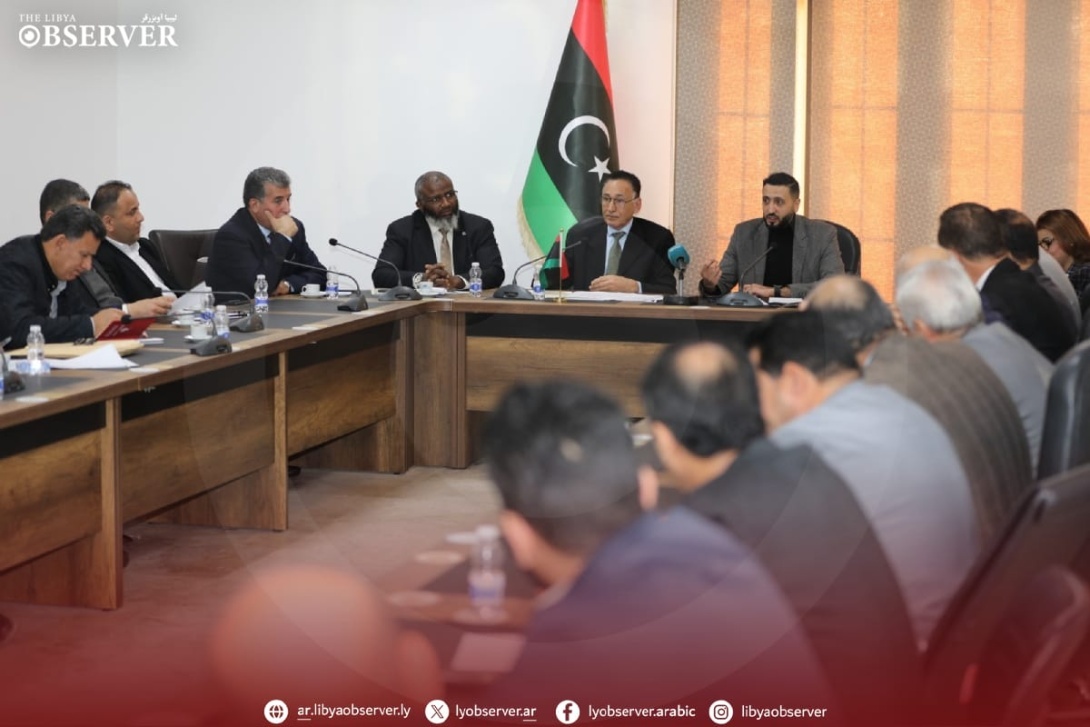
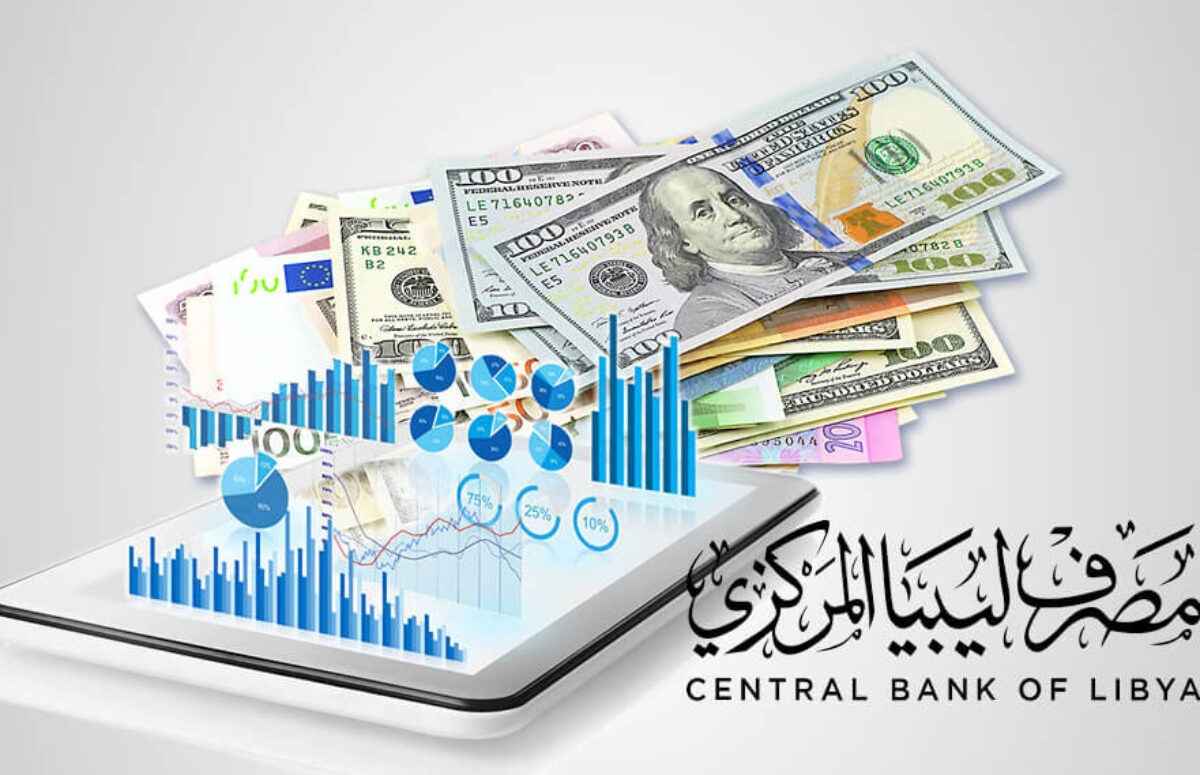
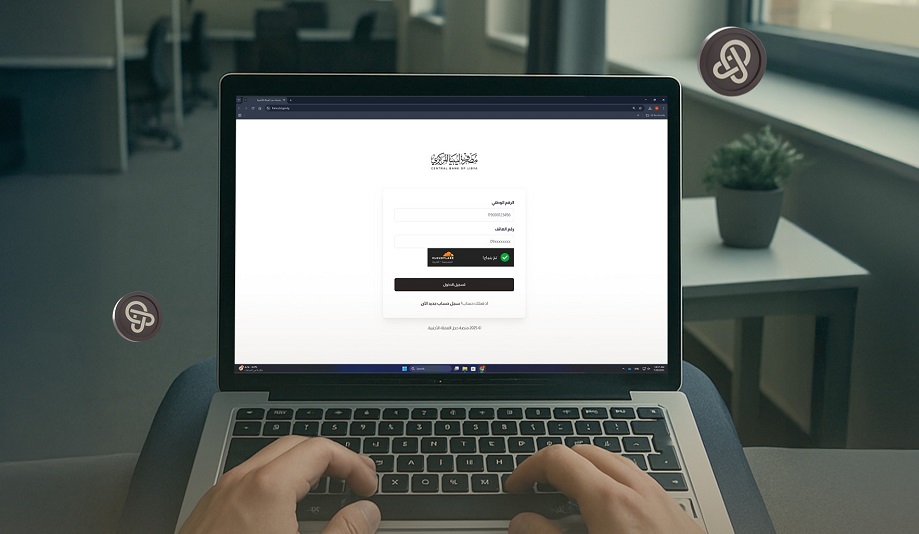
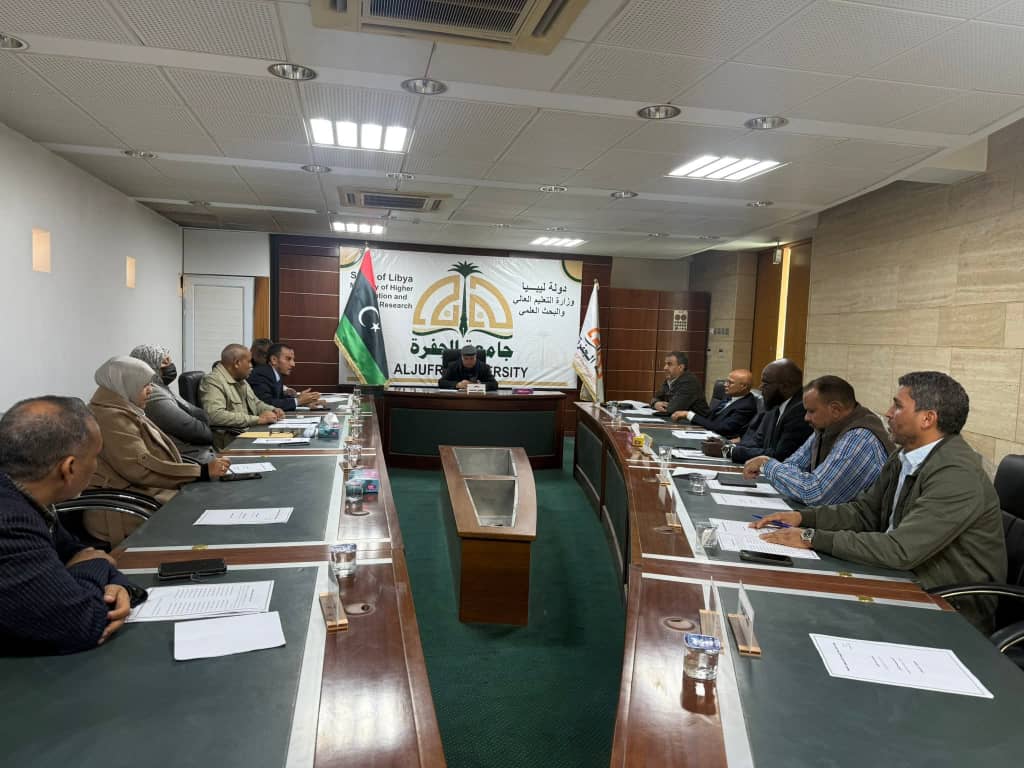
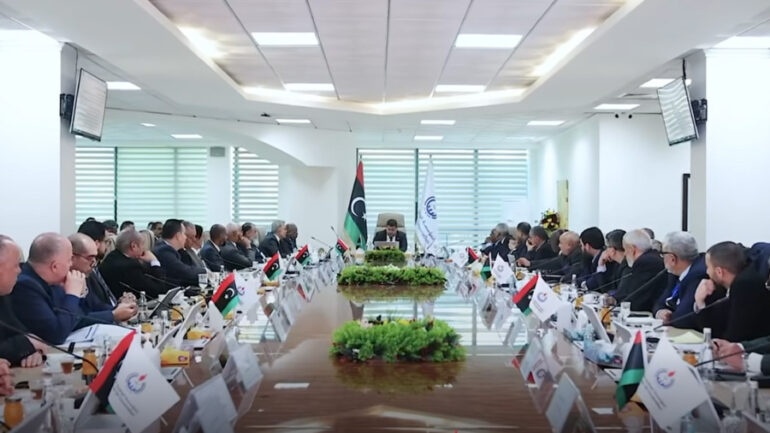
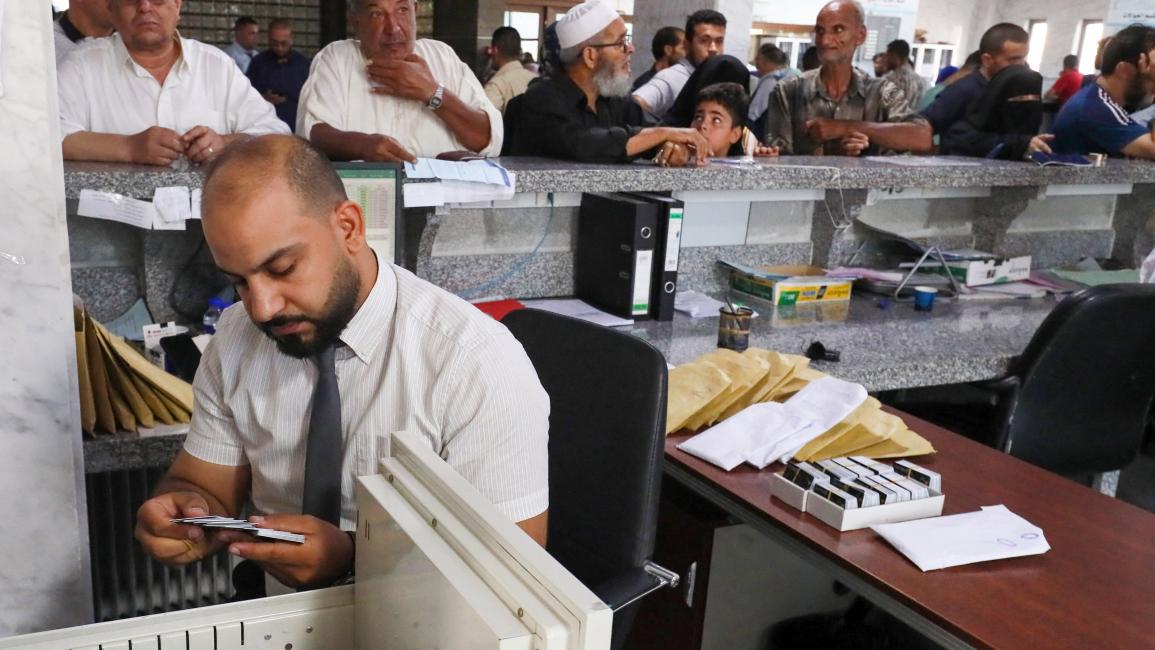
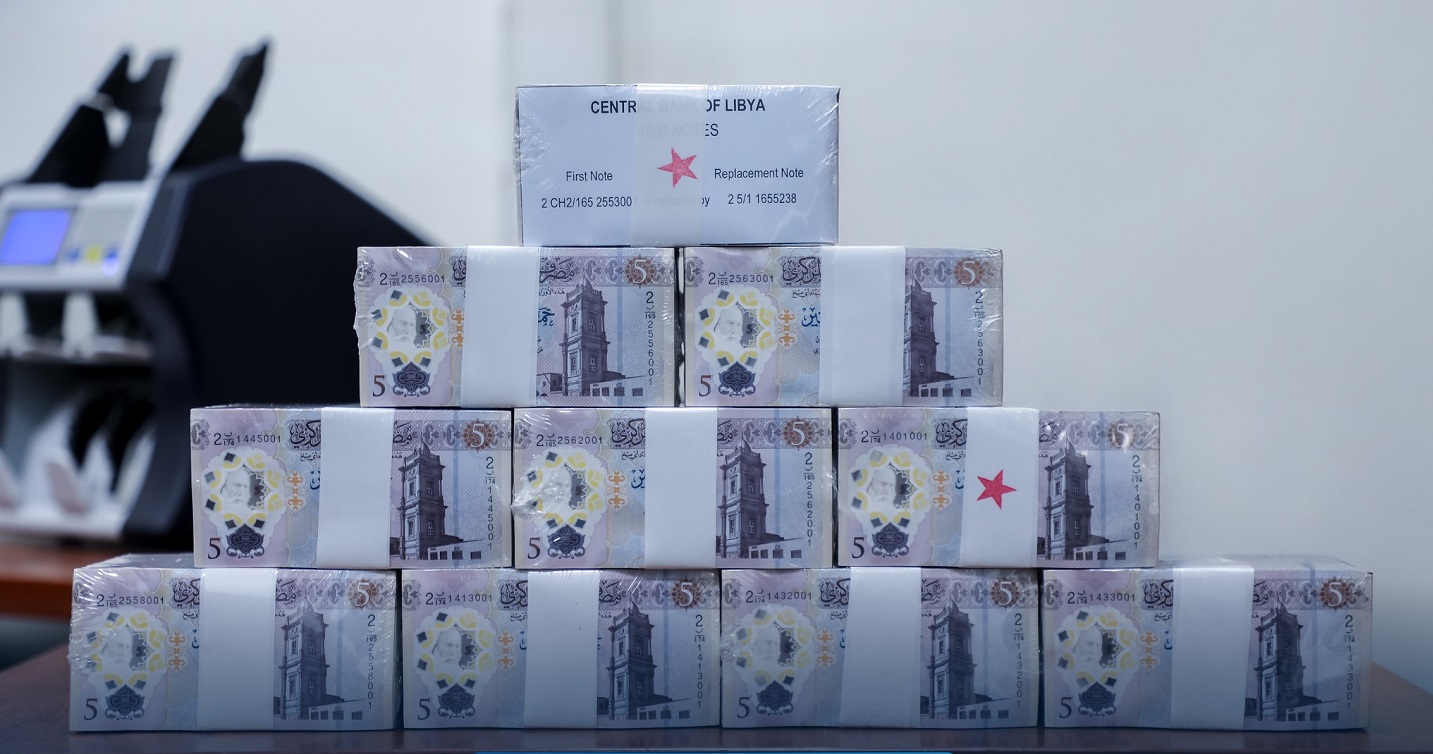
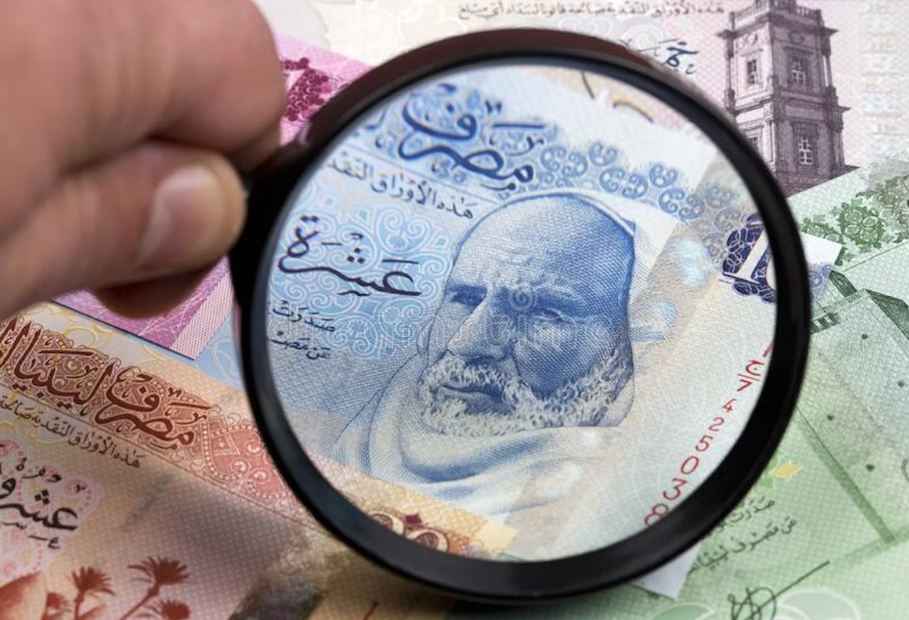
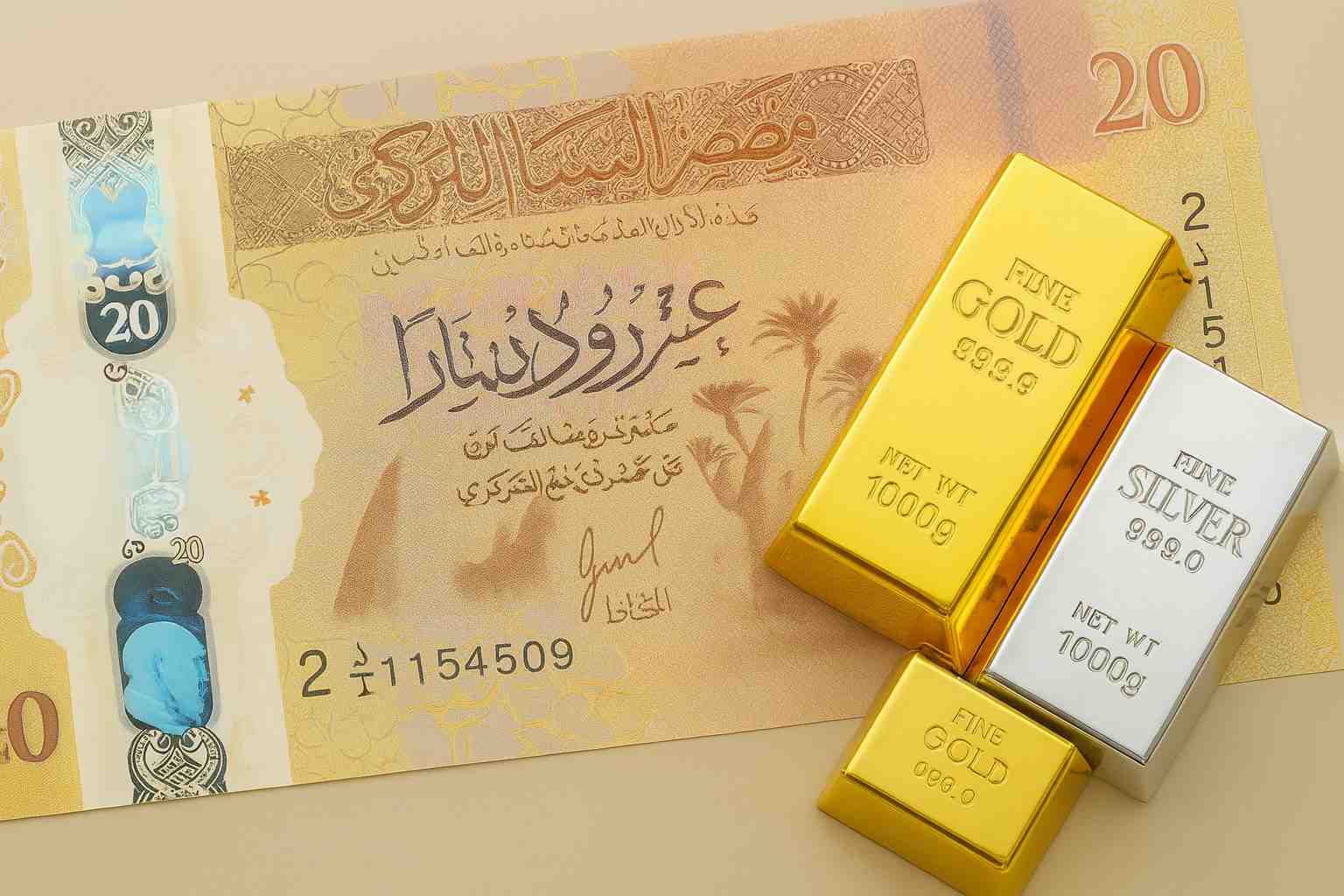
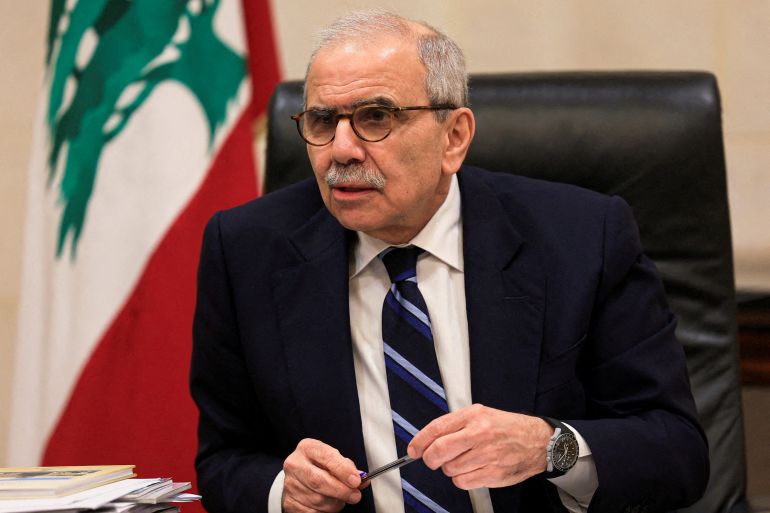
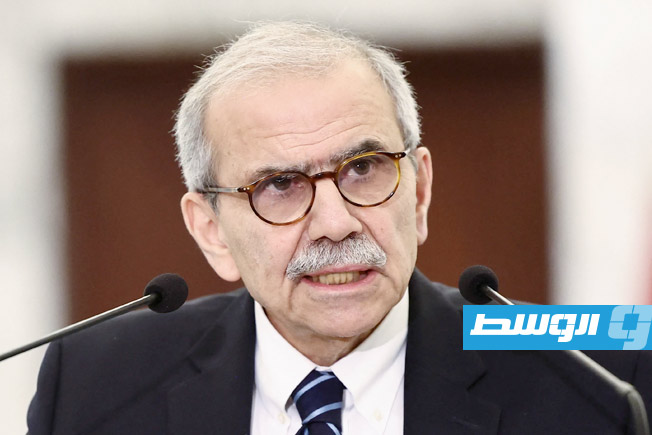
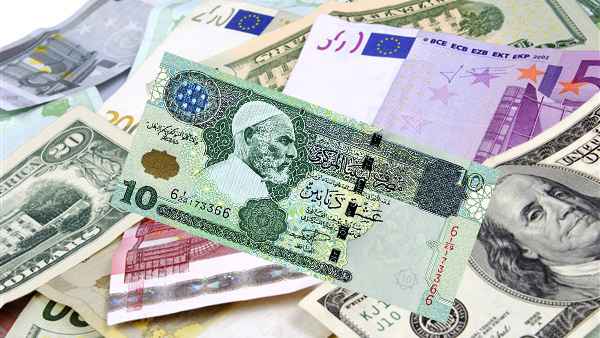
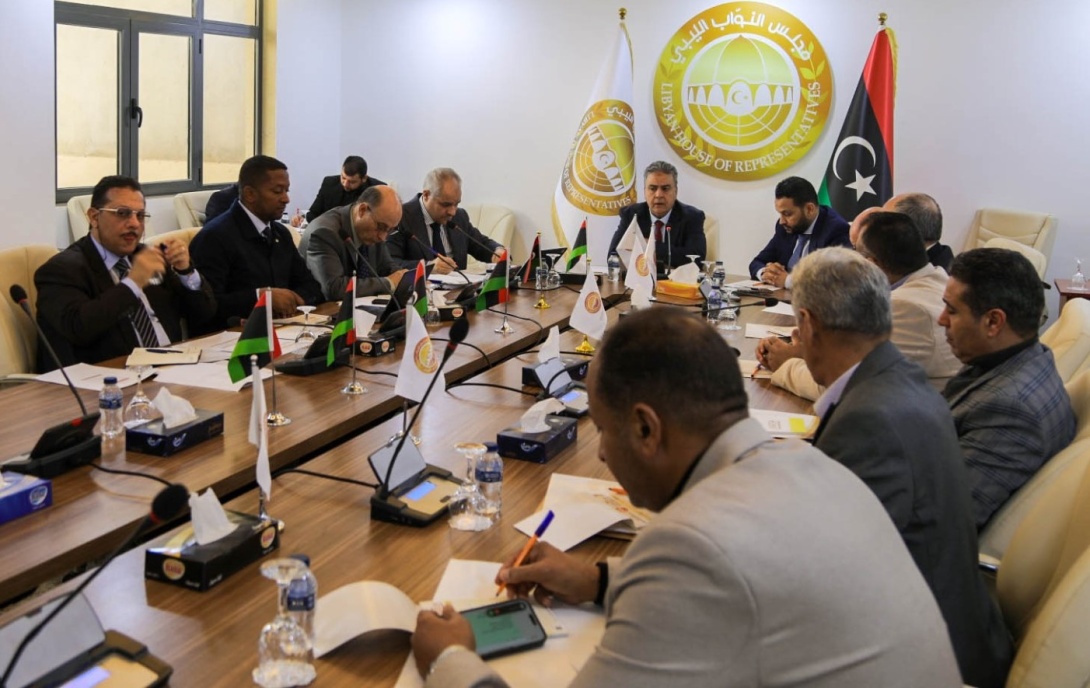
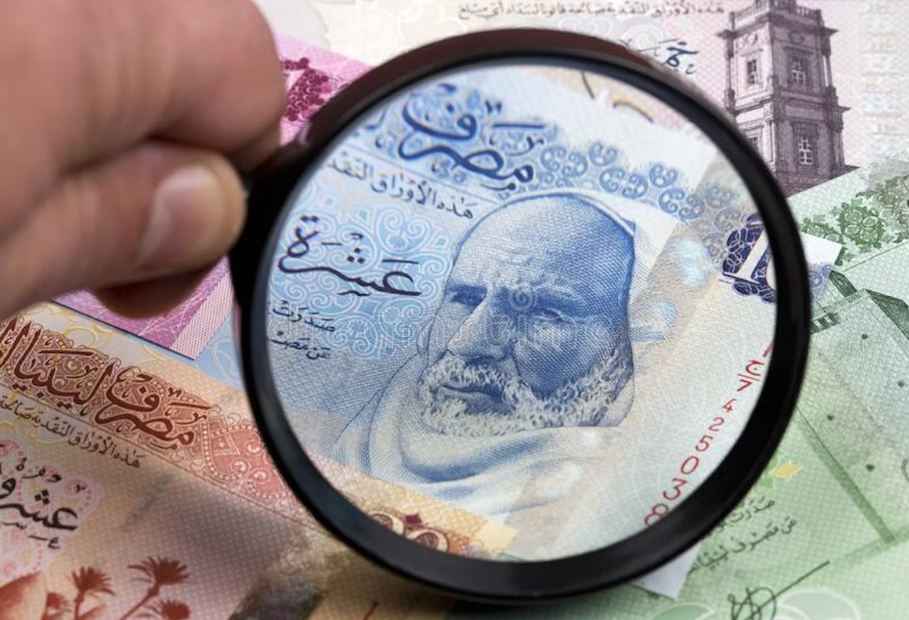
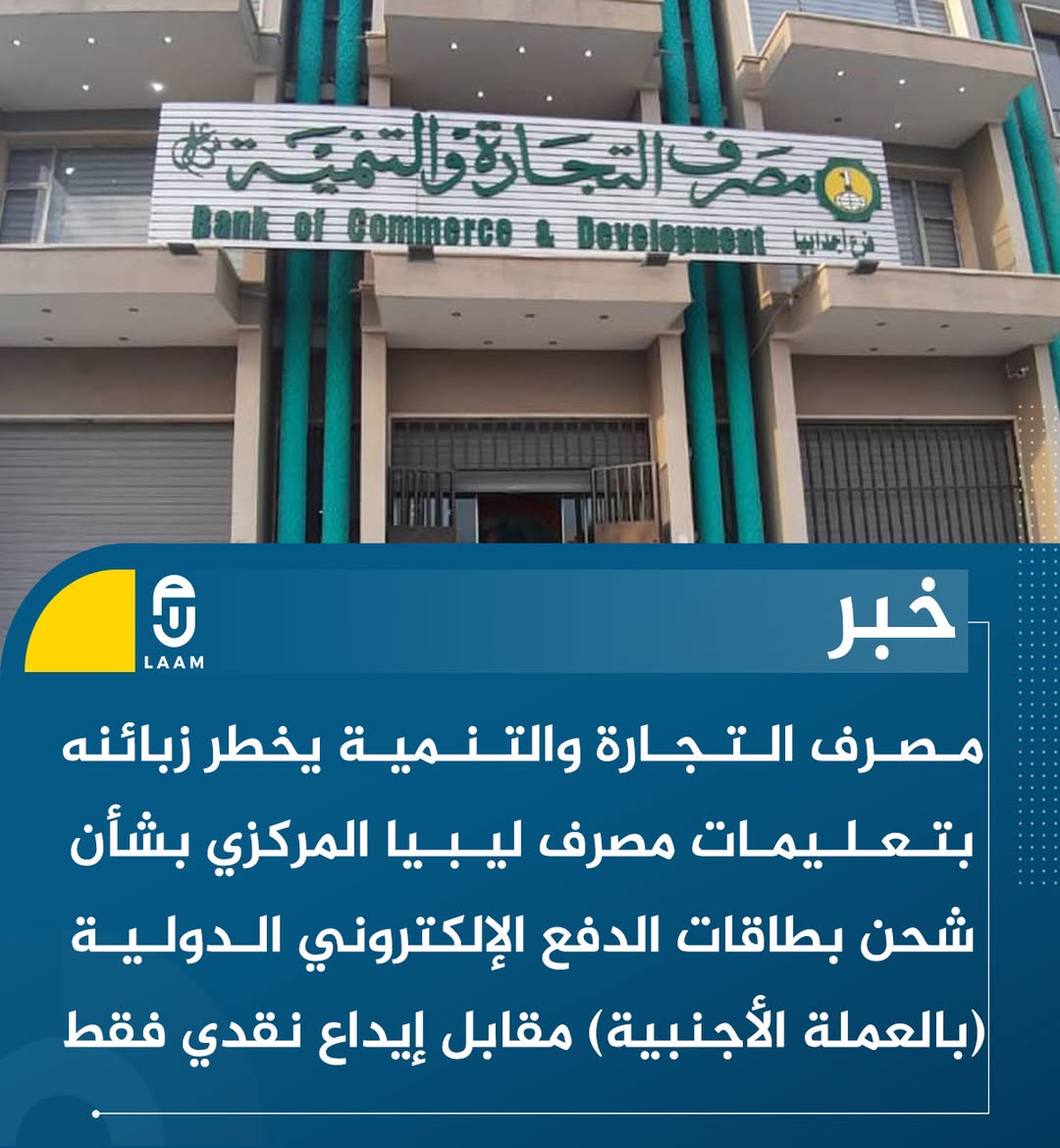
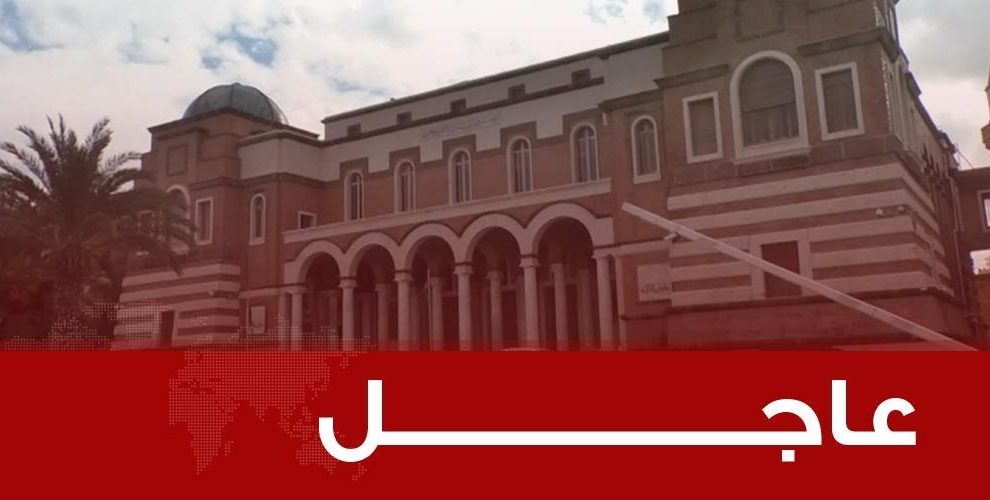
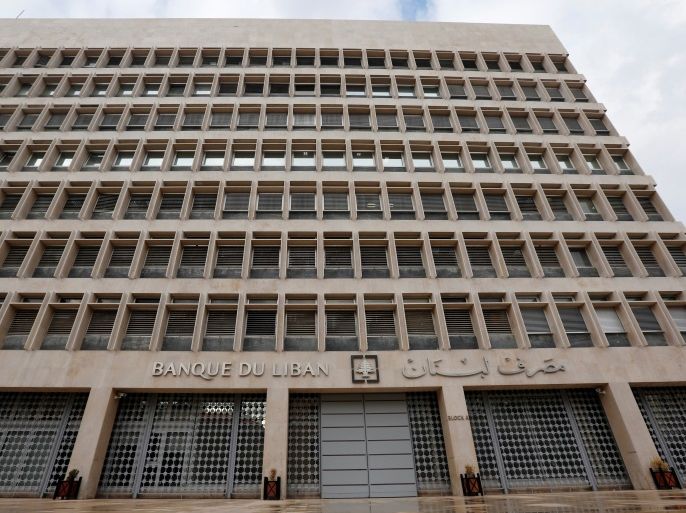
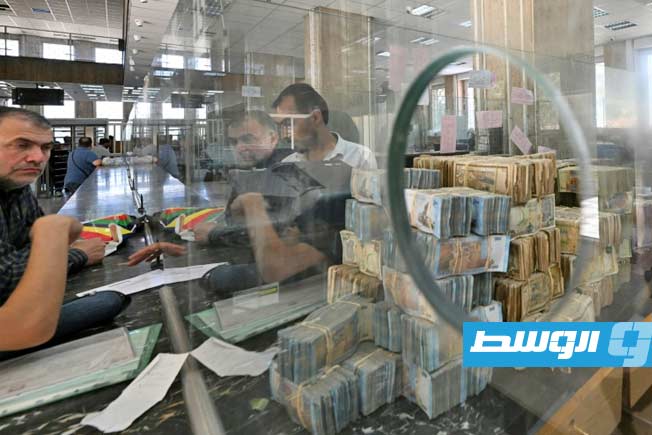
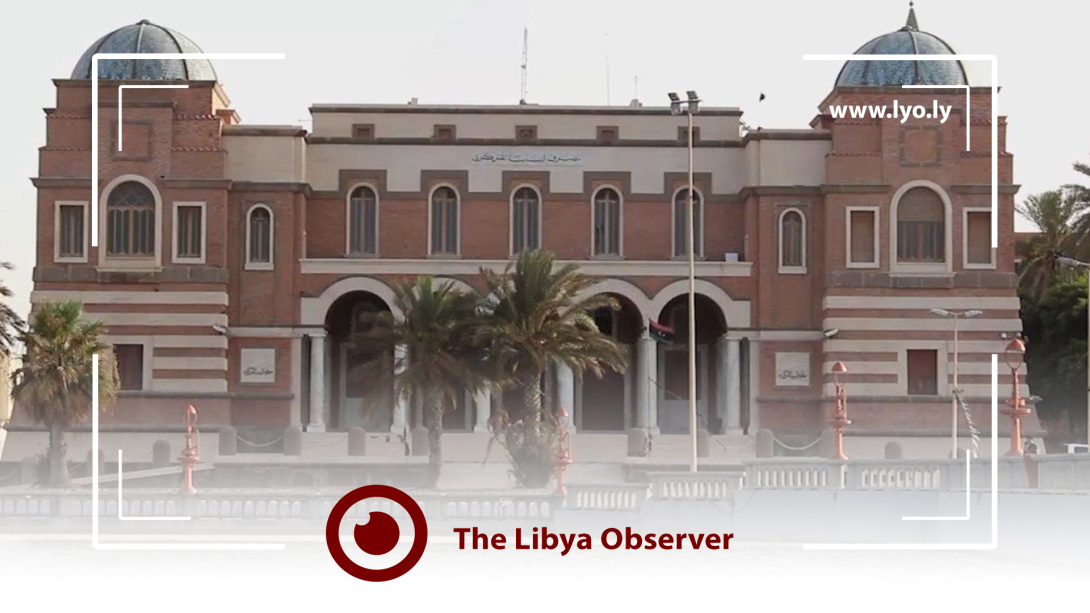
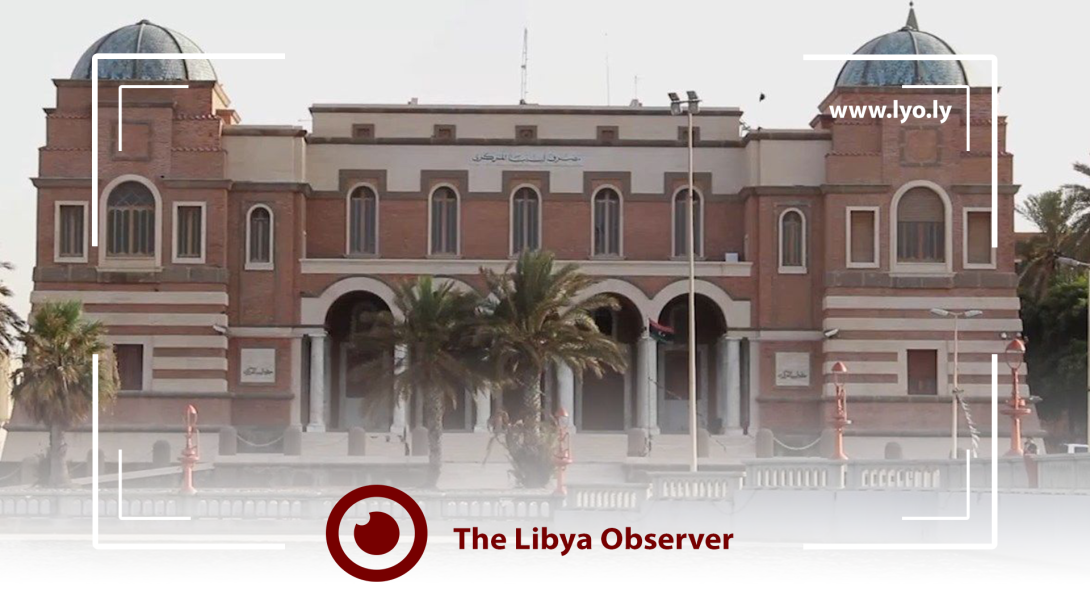
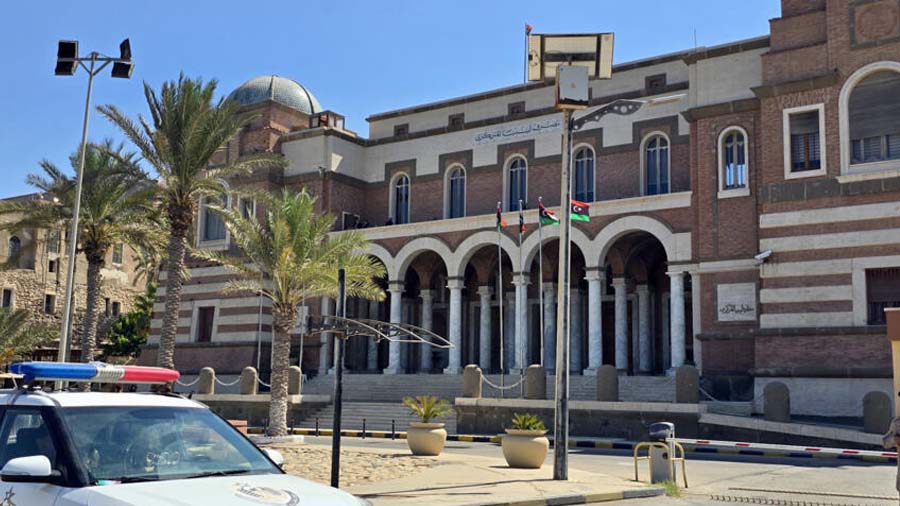
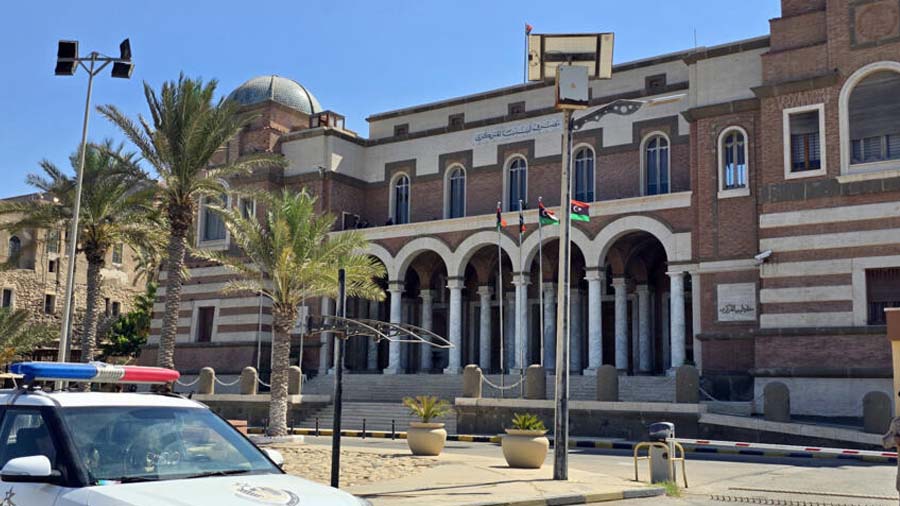
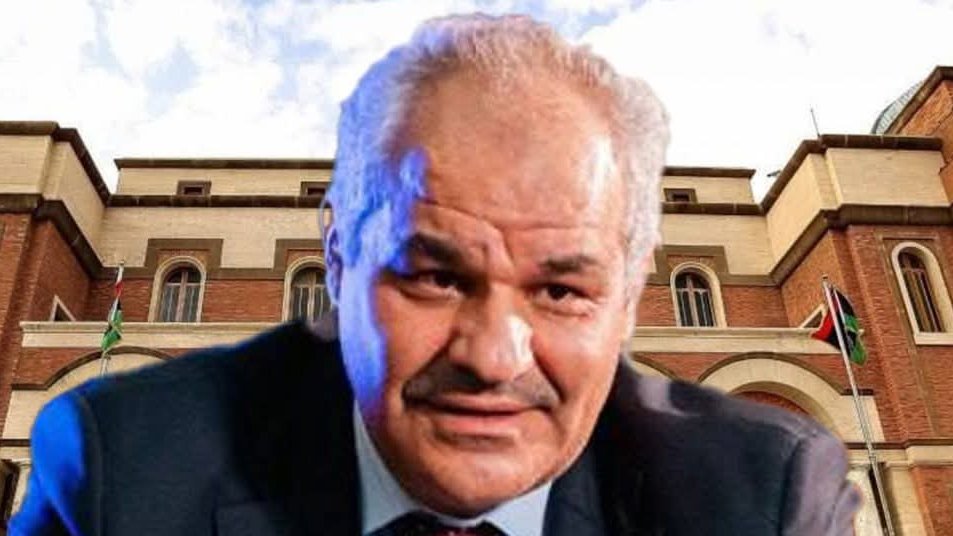
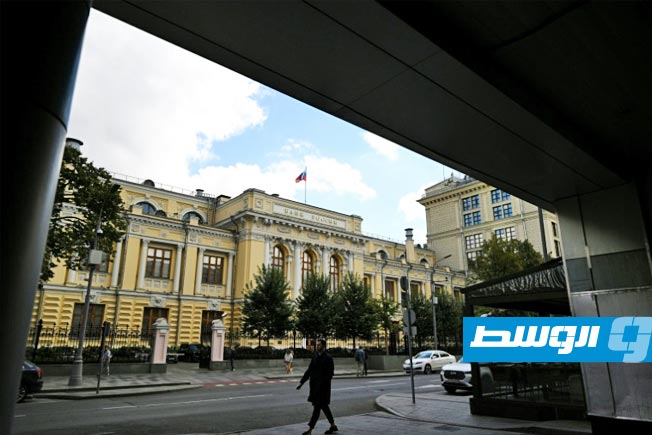
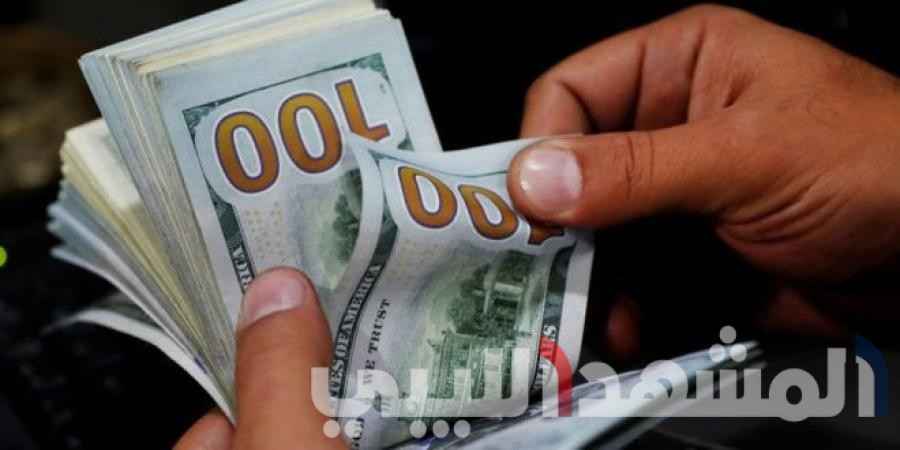
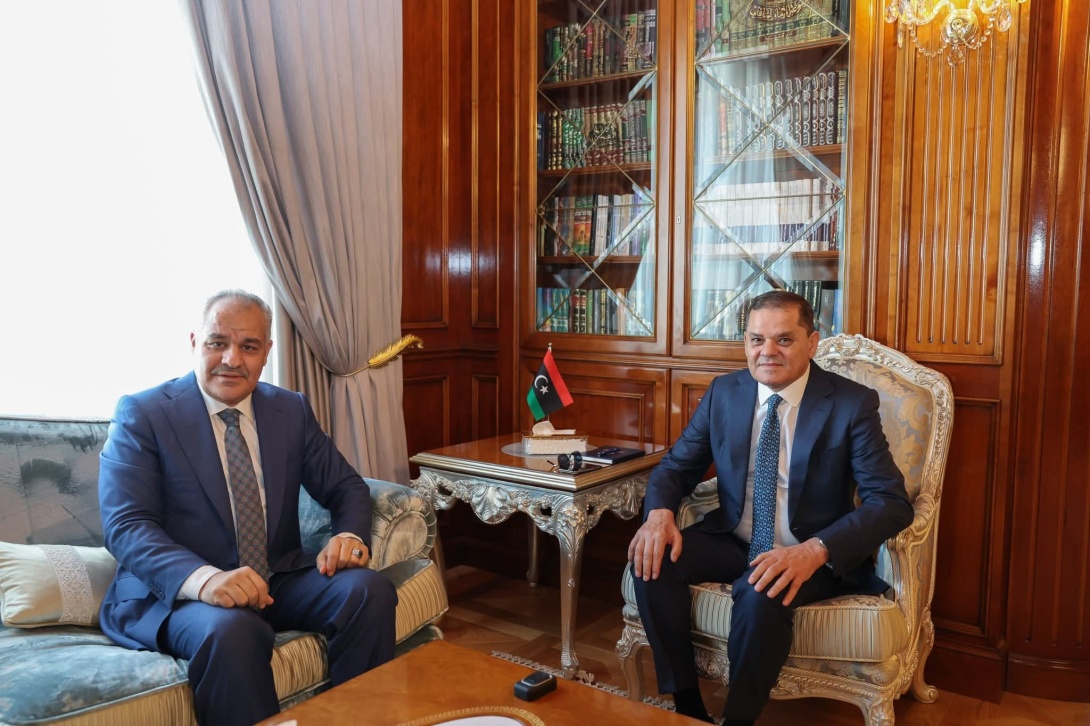
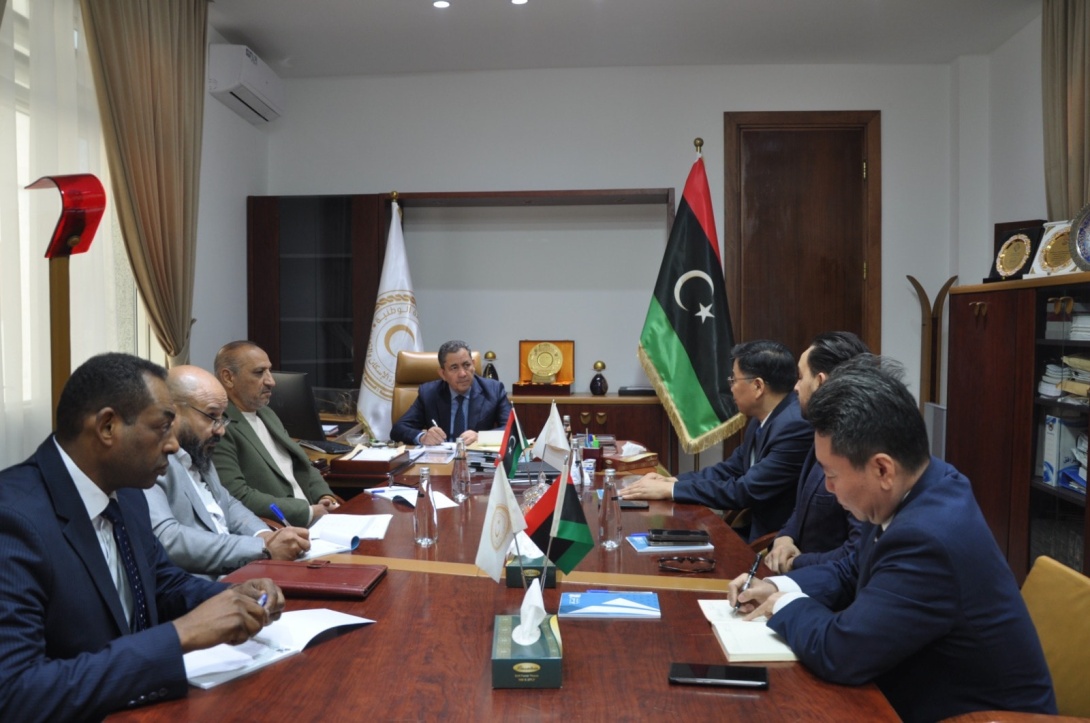
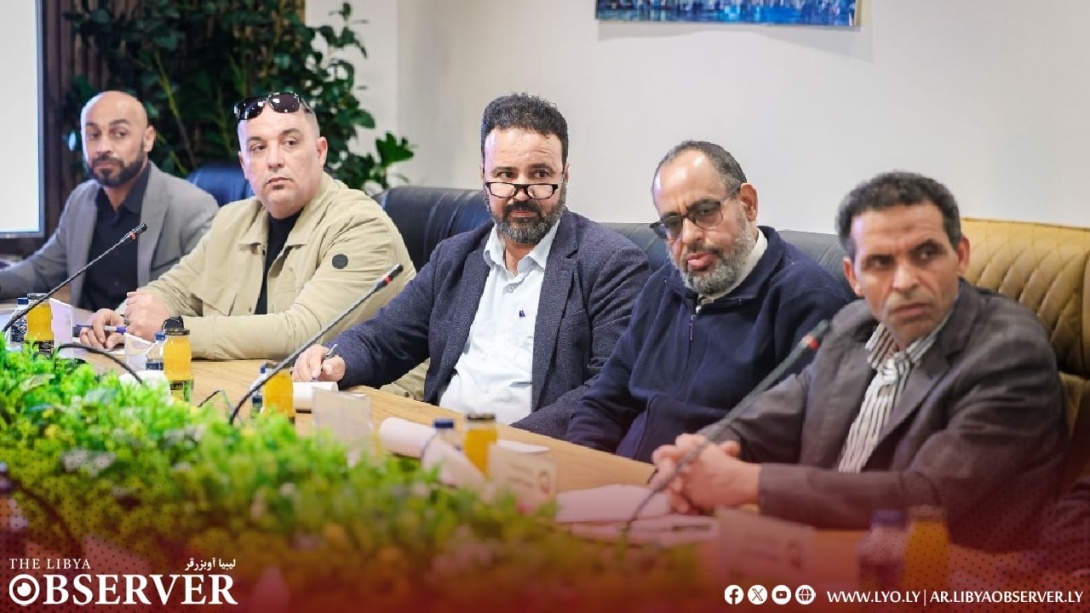
The Governor of the Central Bank of Libya held a meeting via video conference on Thursday with his deputy and a number of the bank’s department directors to discuss mechanisms for activating and operating exchange companies in the upcoming phase.
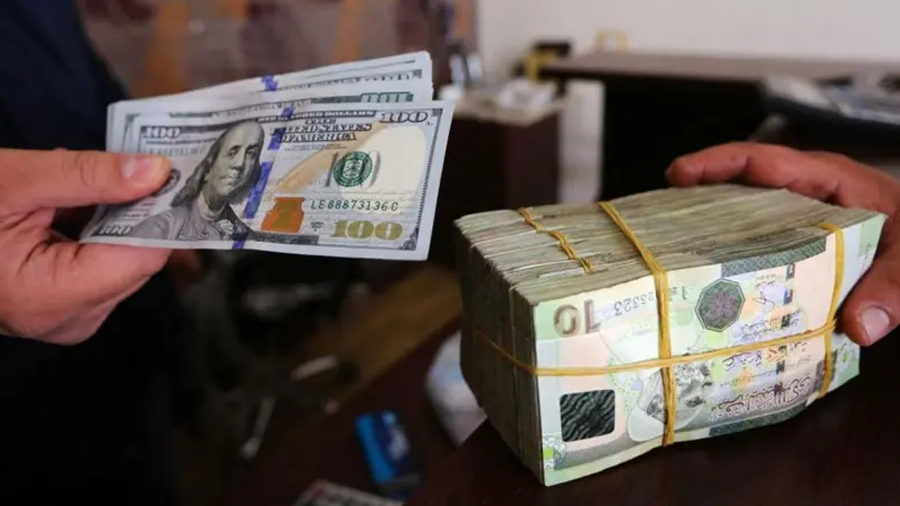
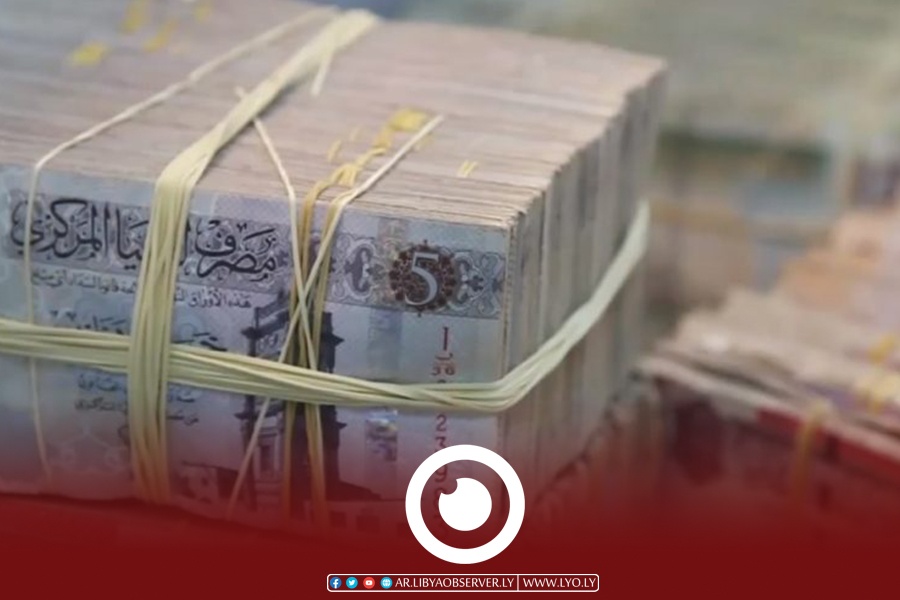
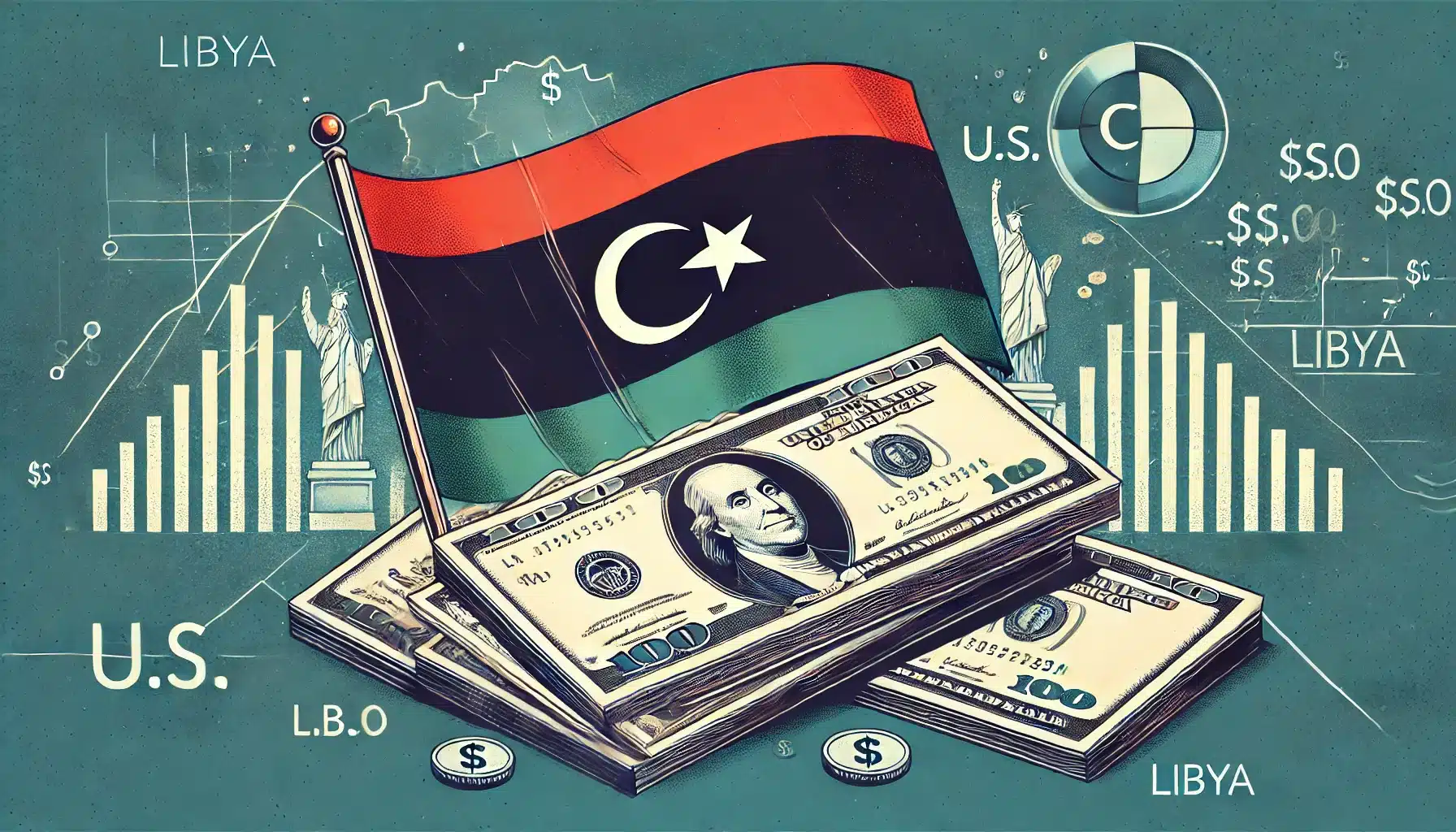
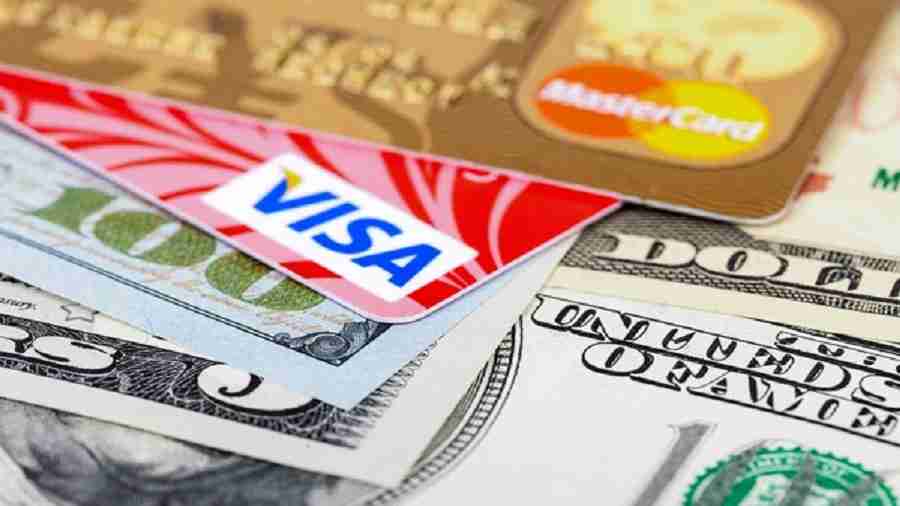
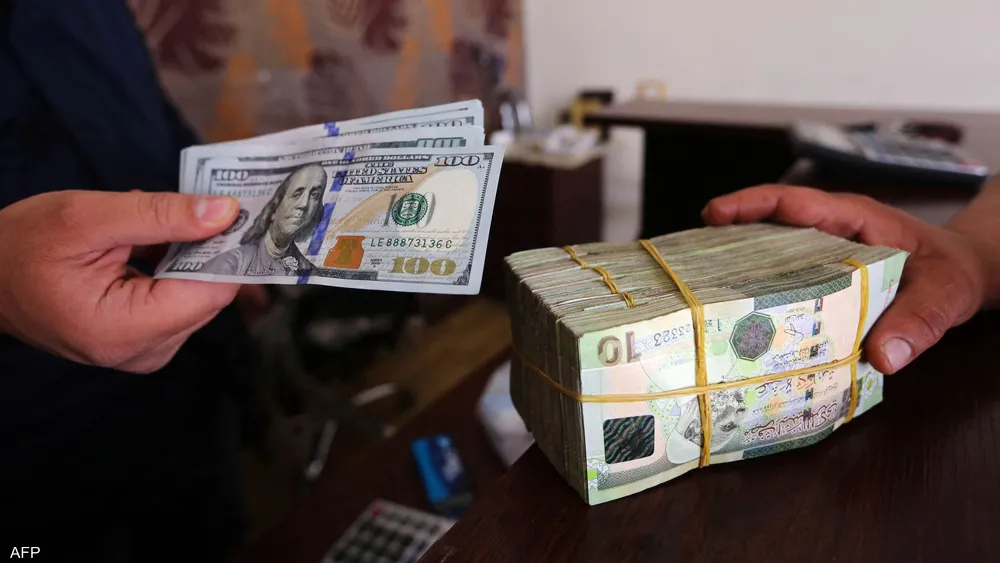
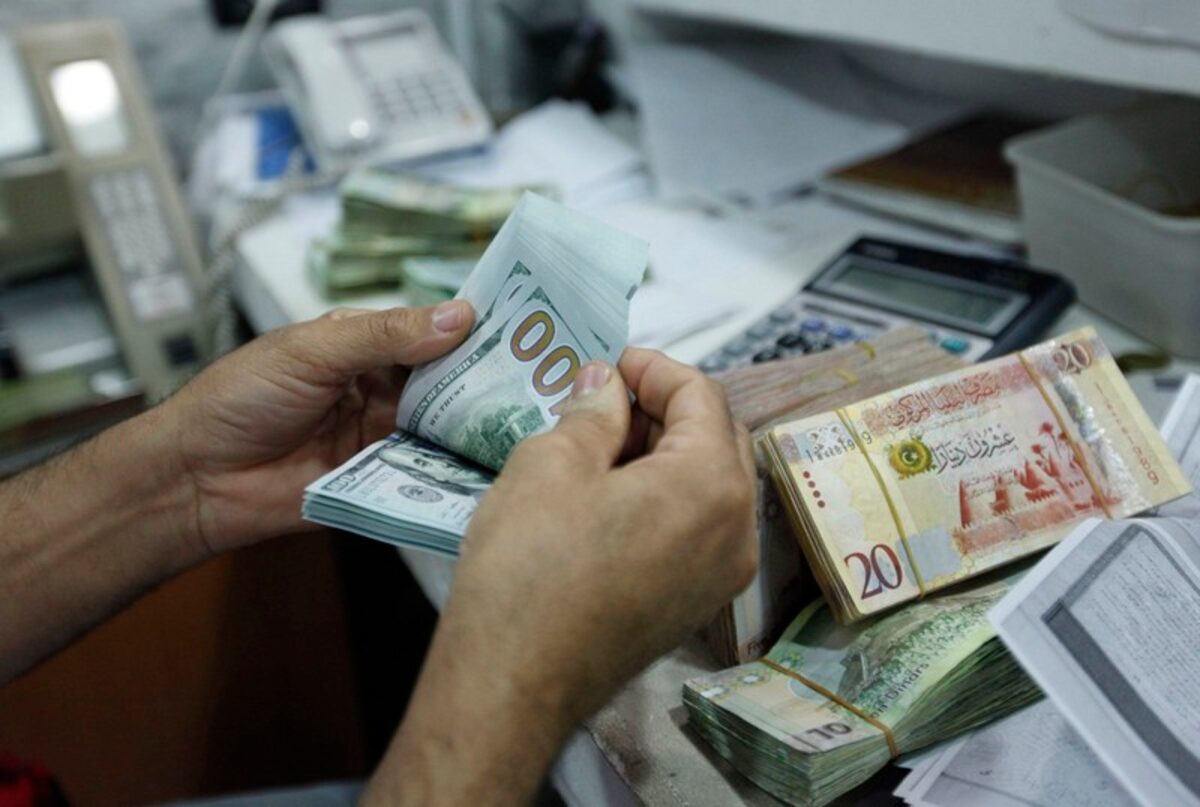
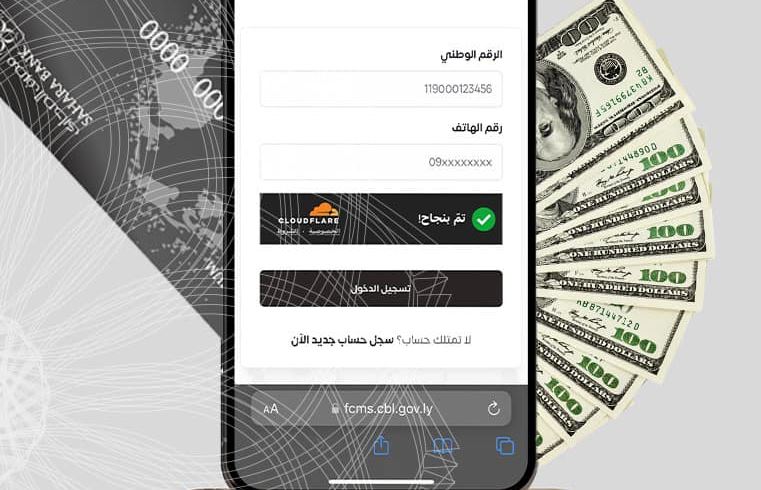
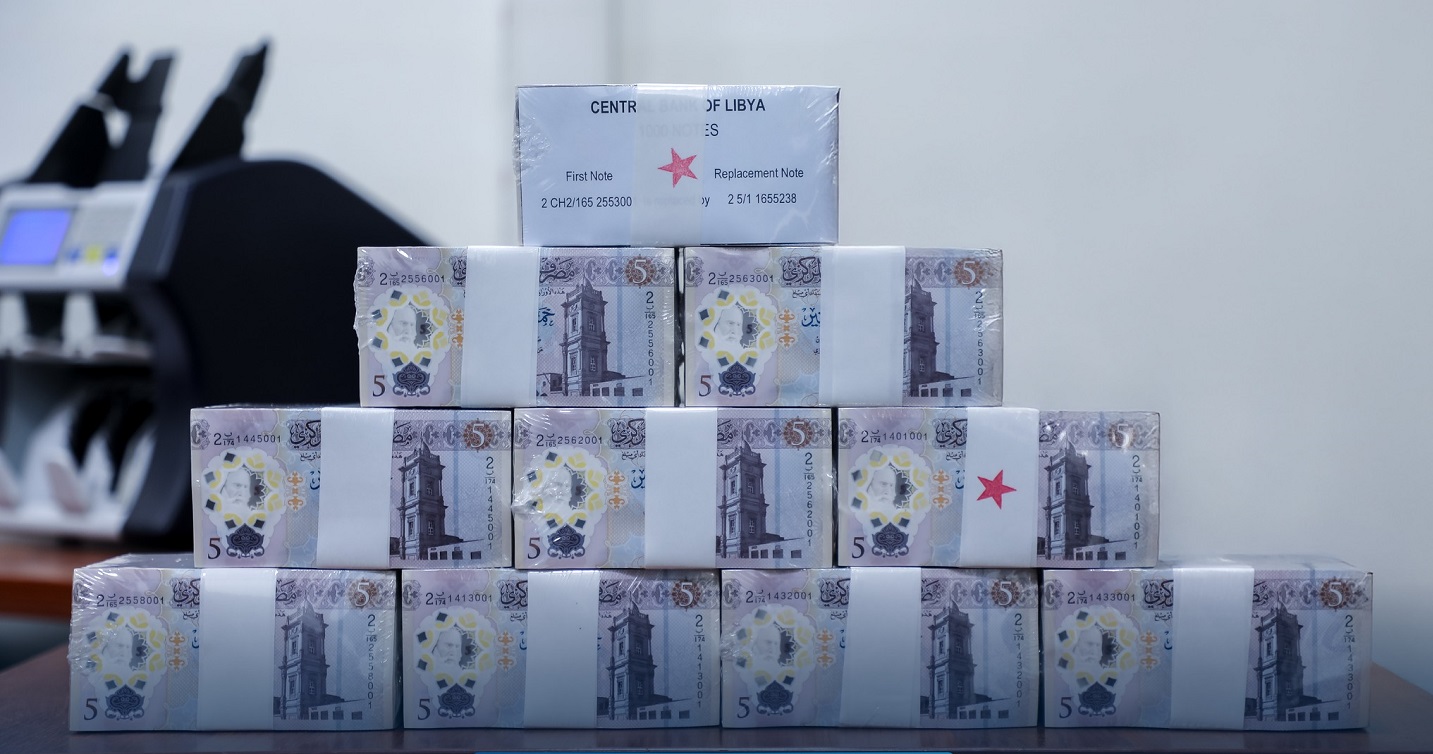
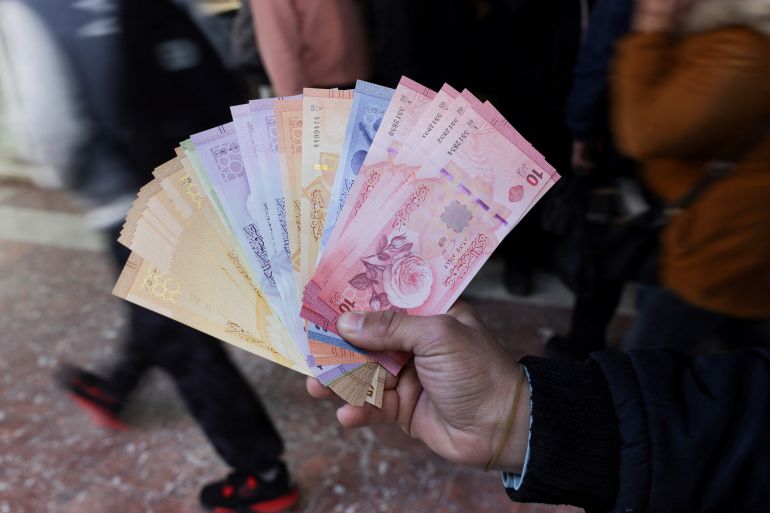
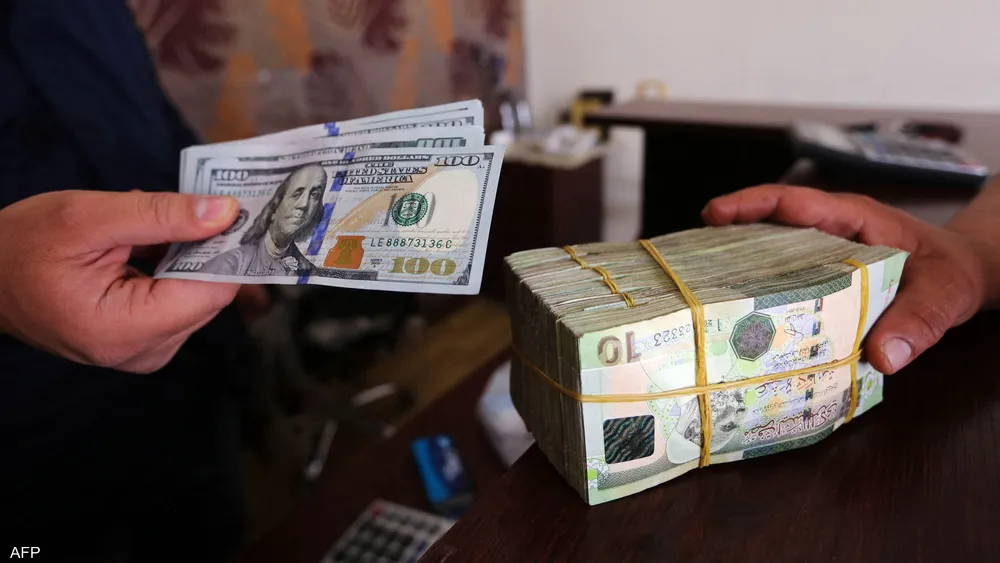
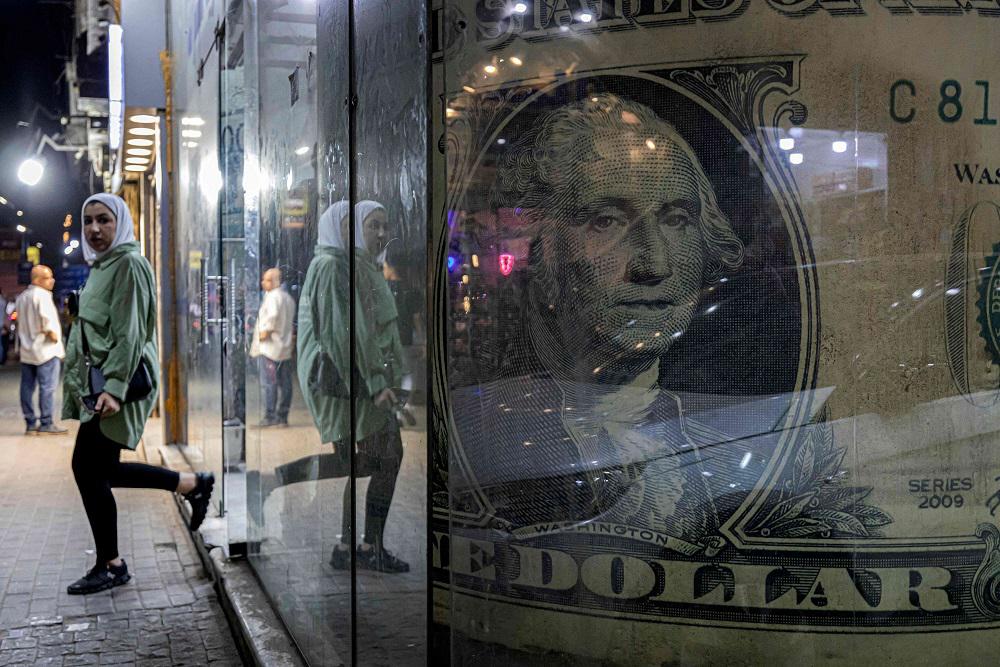
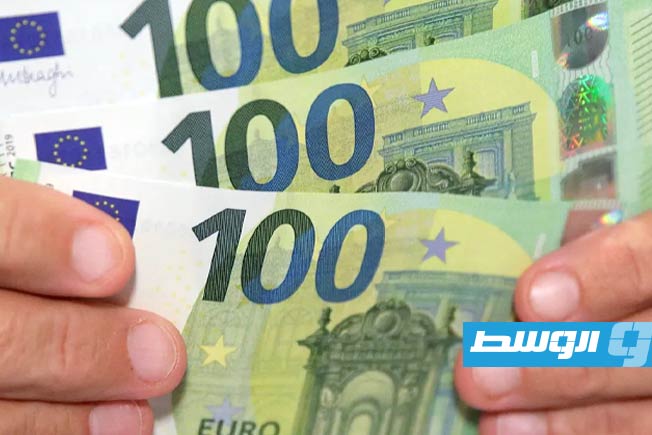
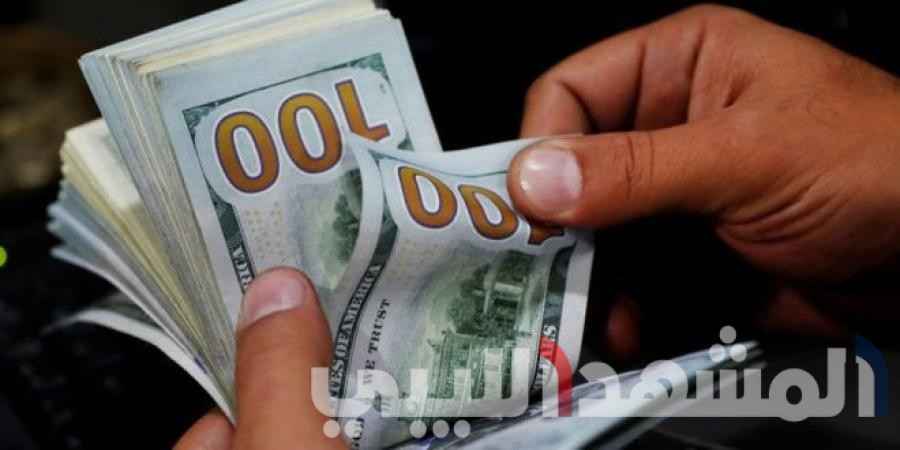
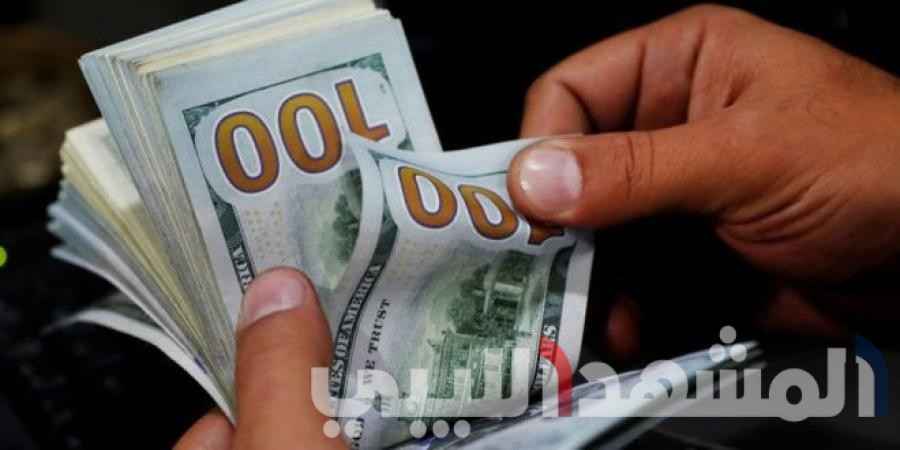
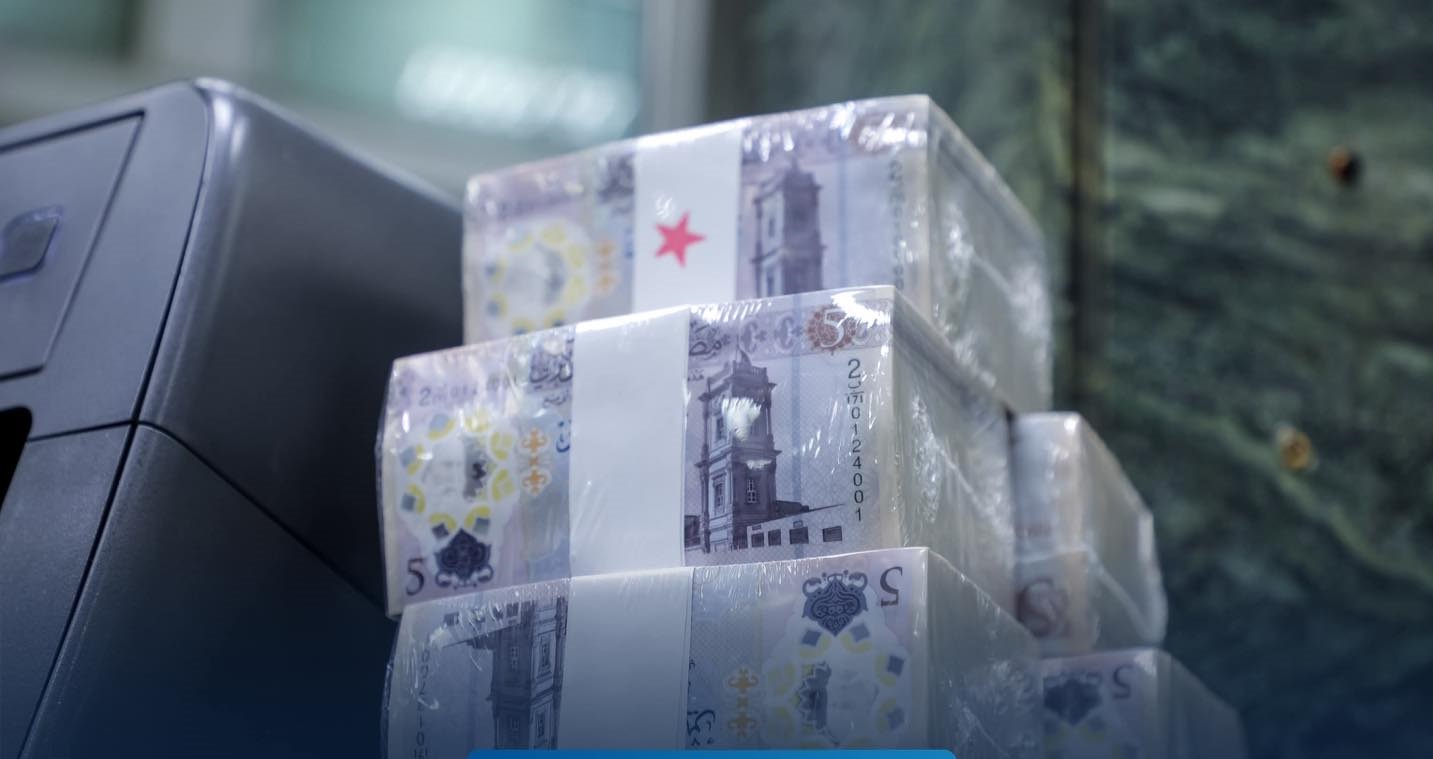
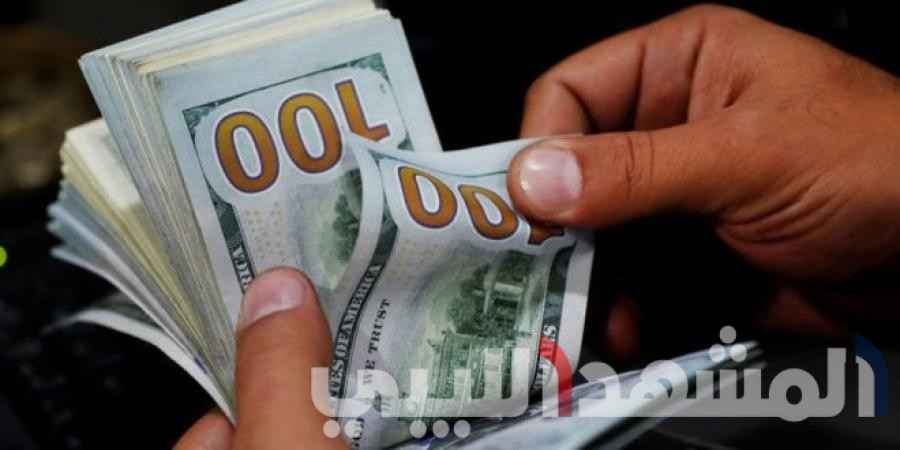
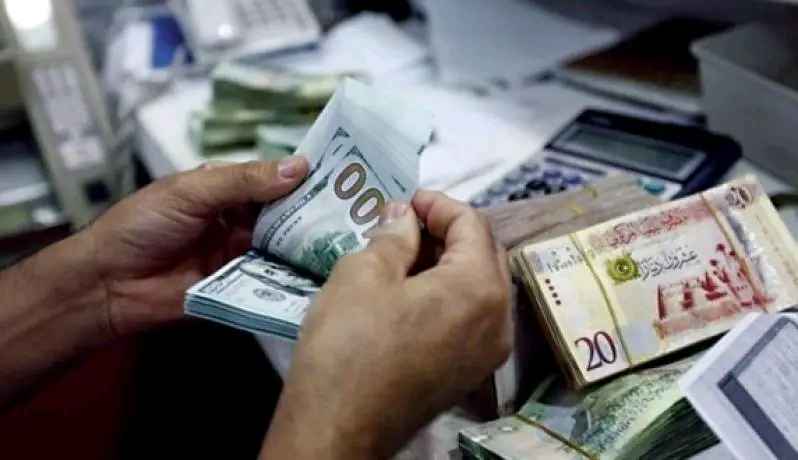
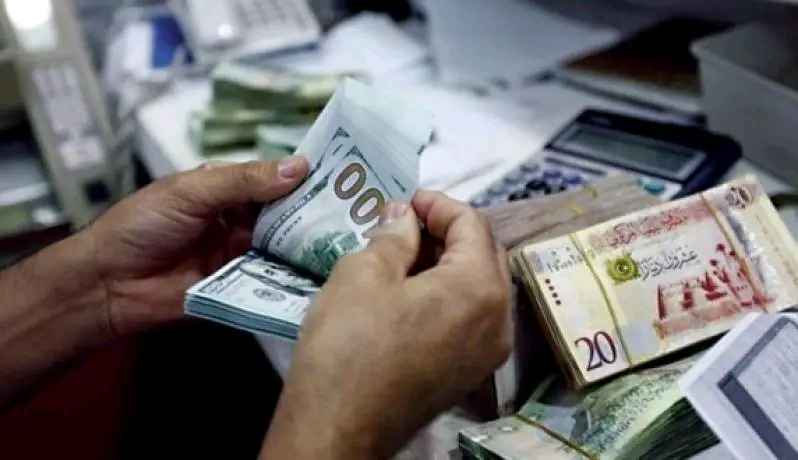
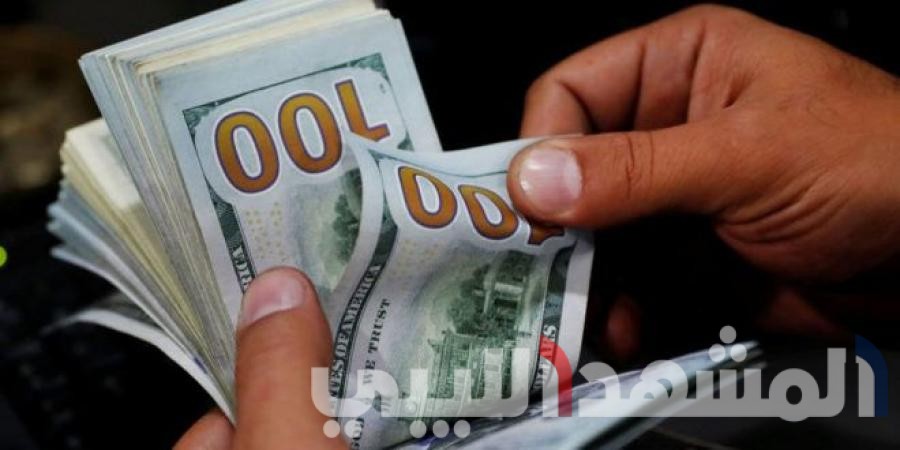
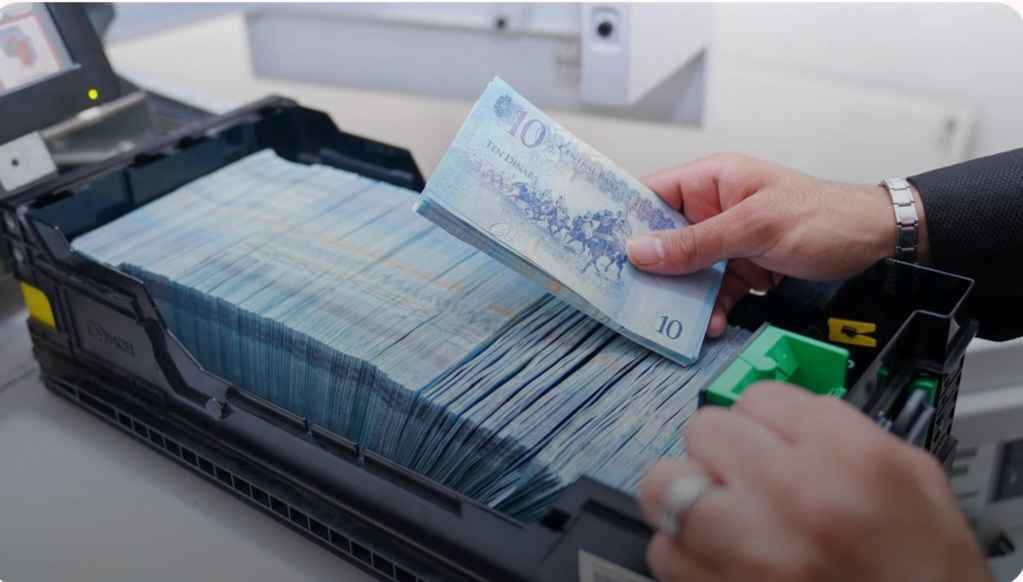
According to a statement from the central bank issued via its official platforms, the meeting addressed the mechanism for supplying exchange companies’ accounts with foreign cash, ways to finance them, in addition to setting a date for the actual launch of these companies’ operations in accordance with the controls approved by the bank.
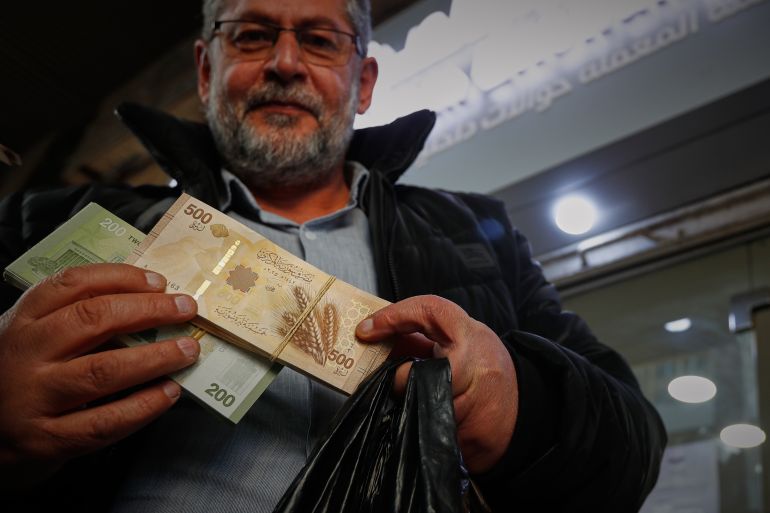
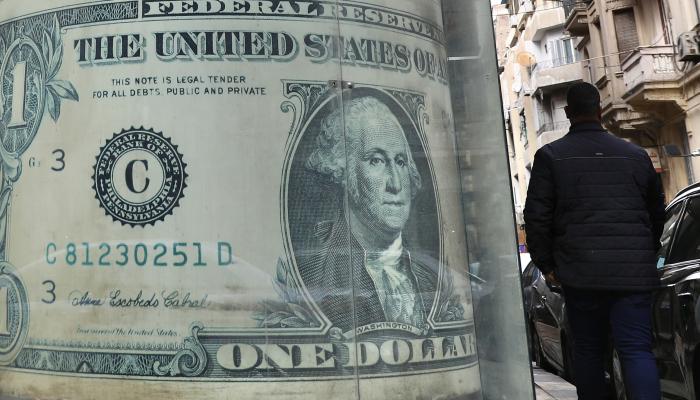
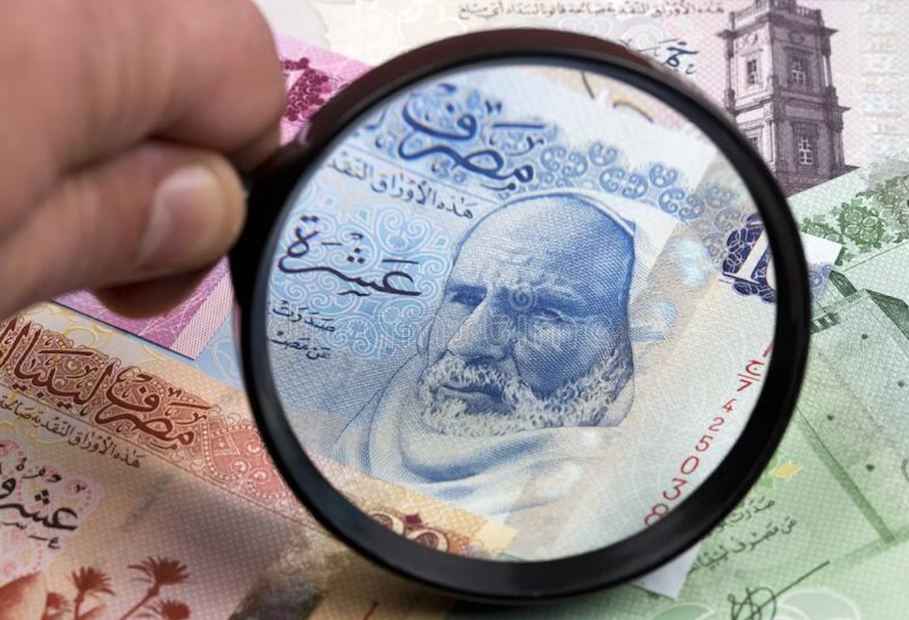
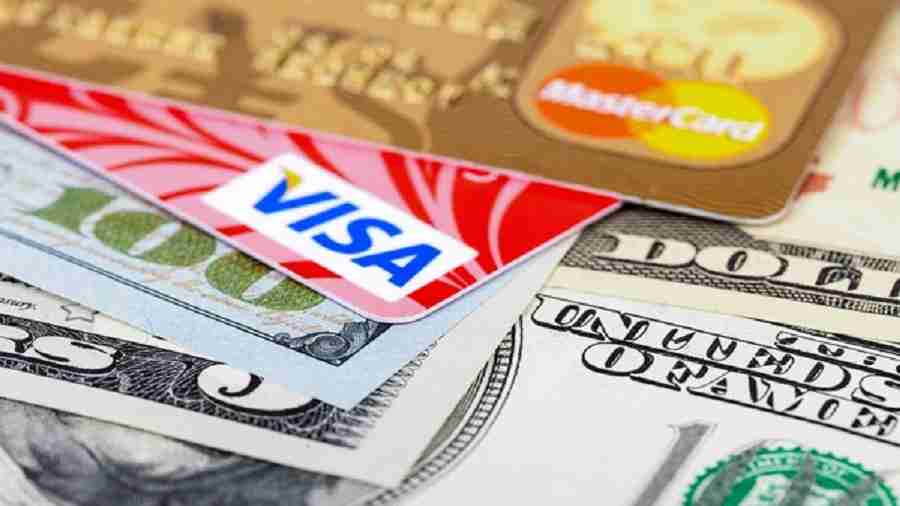
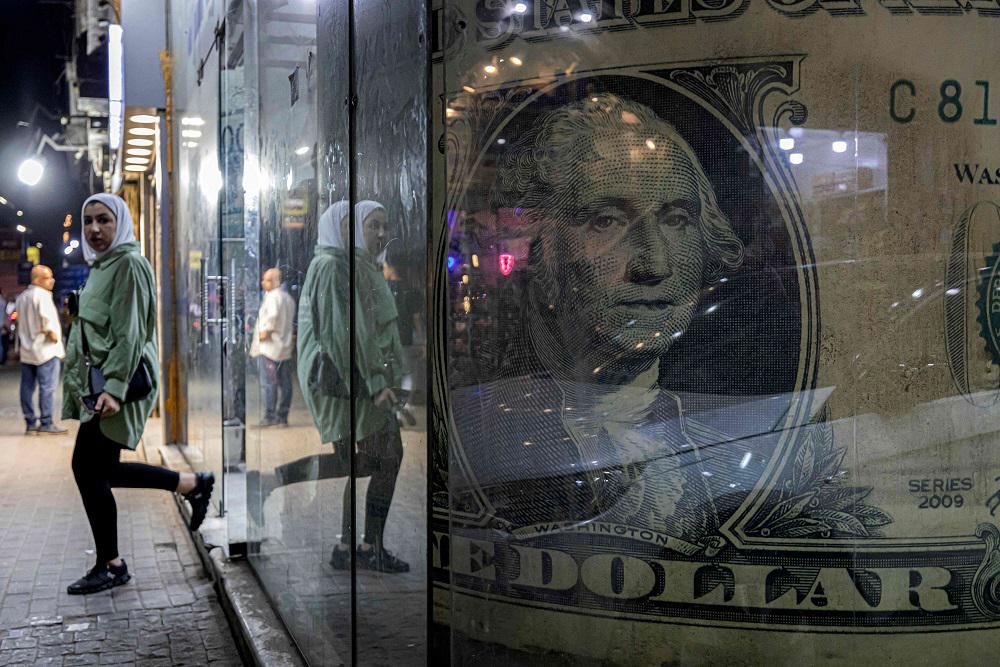
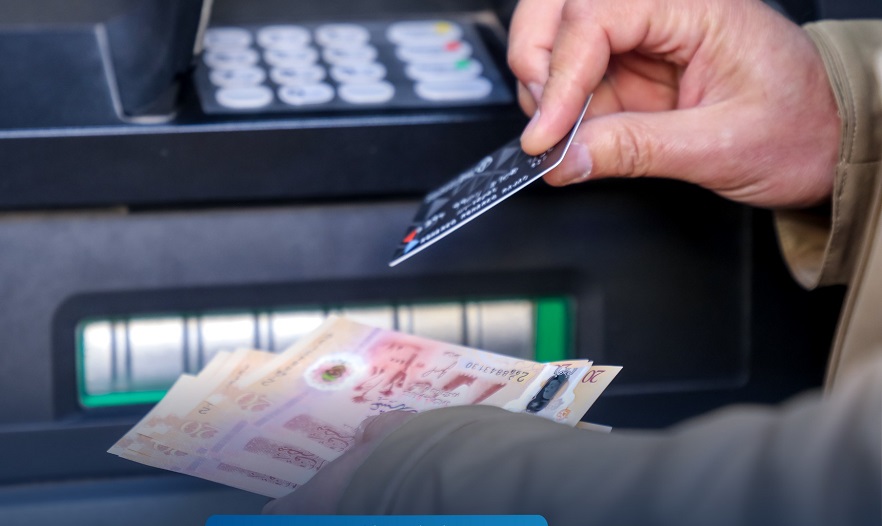
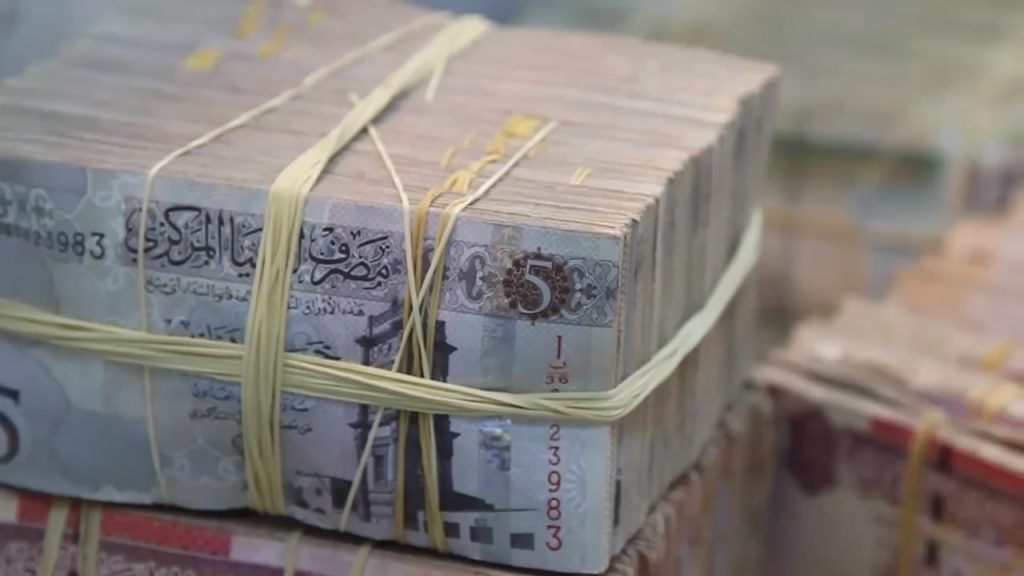
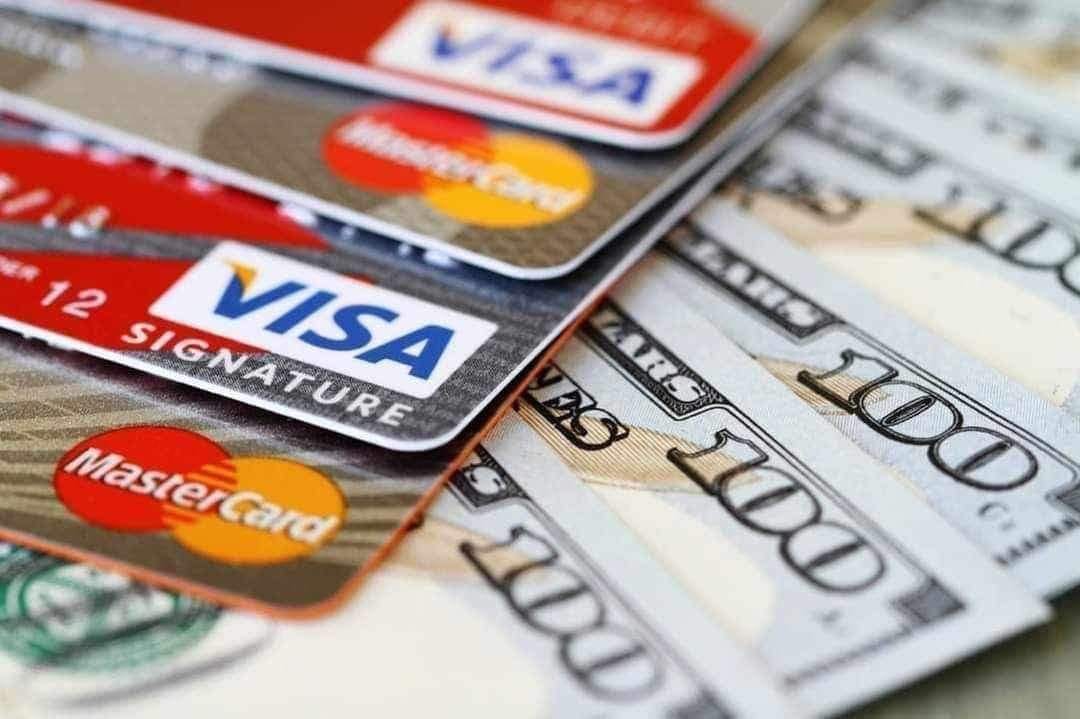
The meeting also reviewed the activities permitted for exchange companies to practice, which include cash sales, fast transfers, SWIFT transfers, alongside linking the exchange companies’ system to the central bank’s system to ensure oversight and transparency.
This move comes within the framework of the central bank’s efforts to regulate the exchange sector and enhance its role in providing official and secure financial services within the Libyan market.
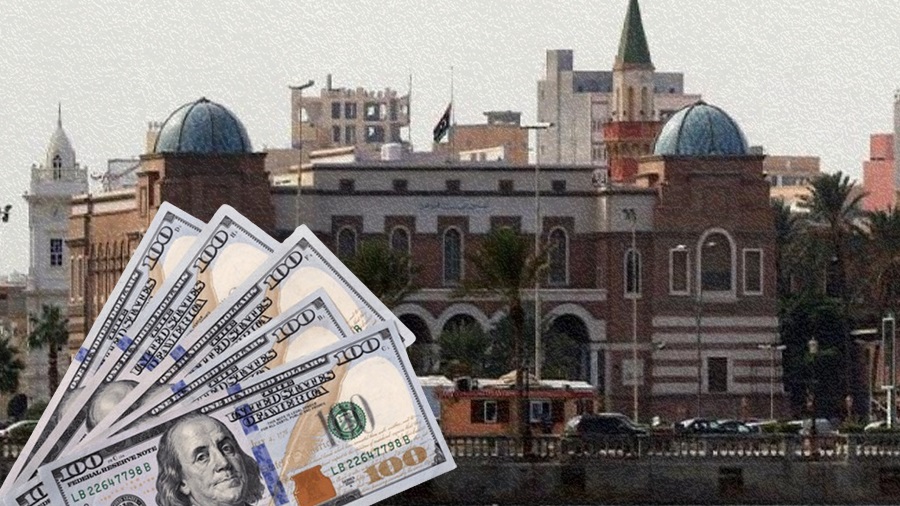
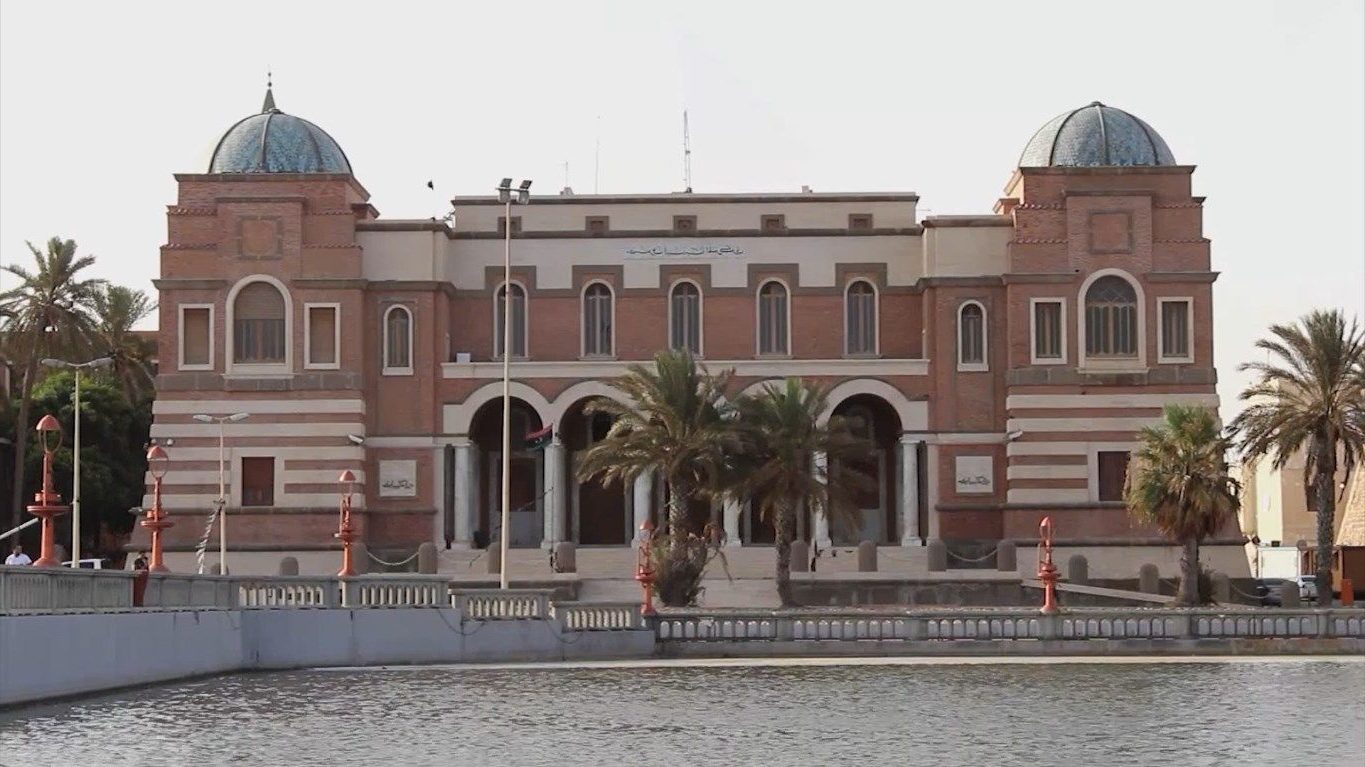
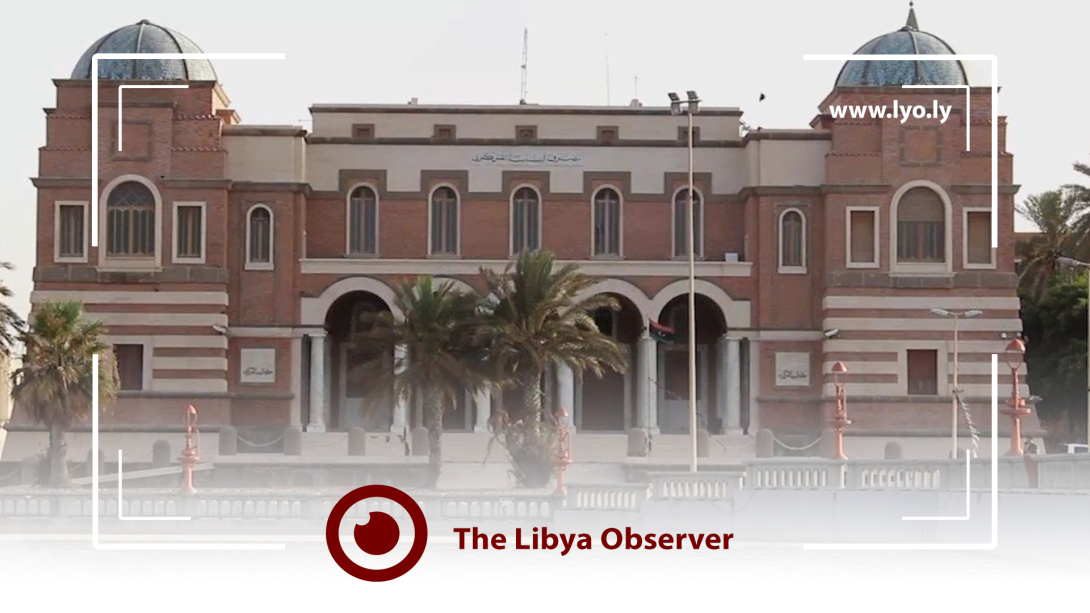
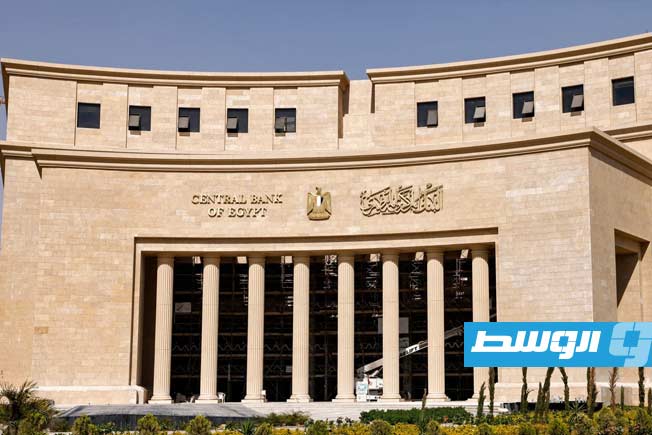
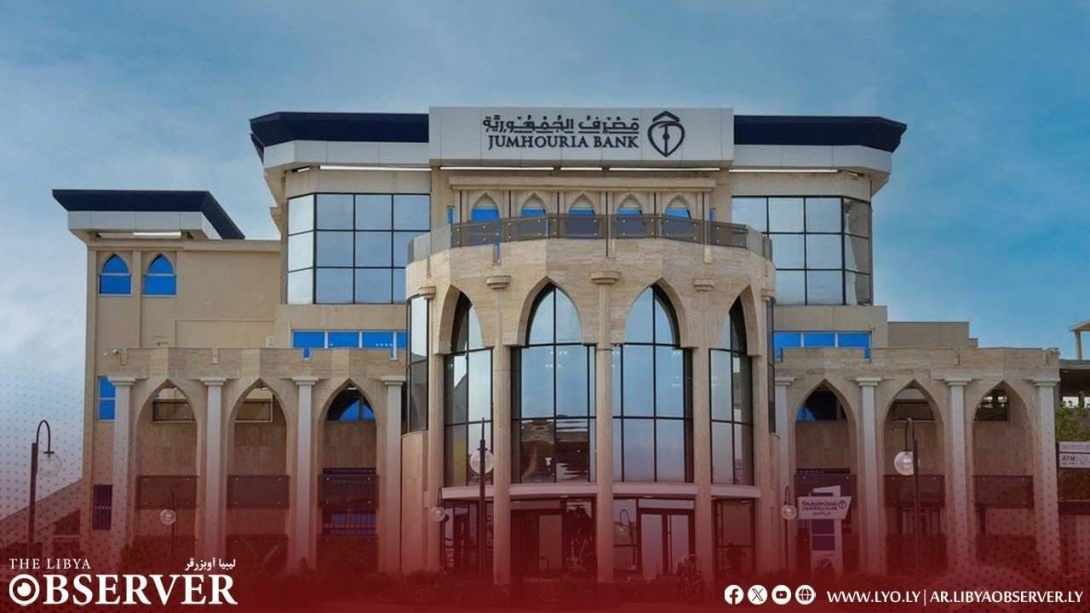
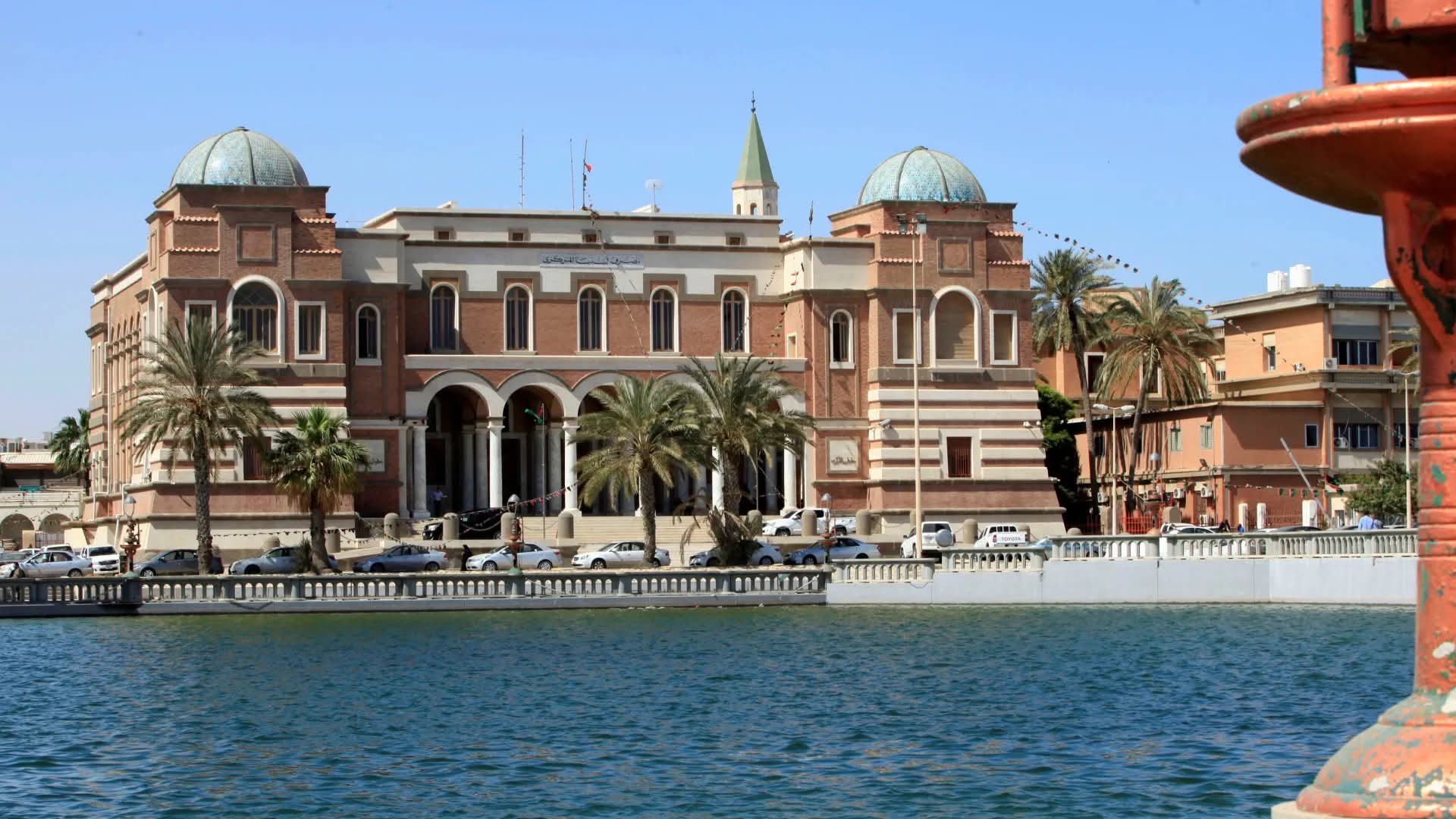
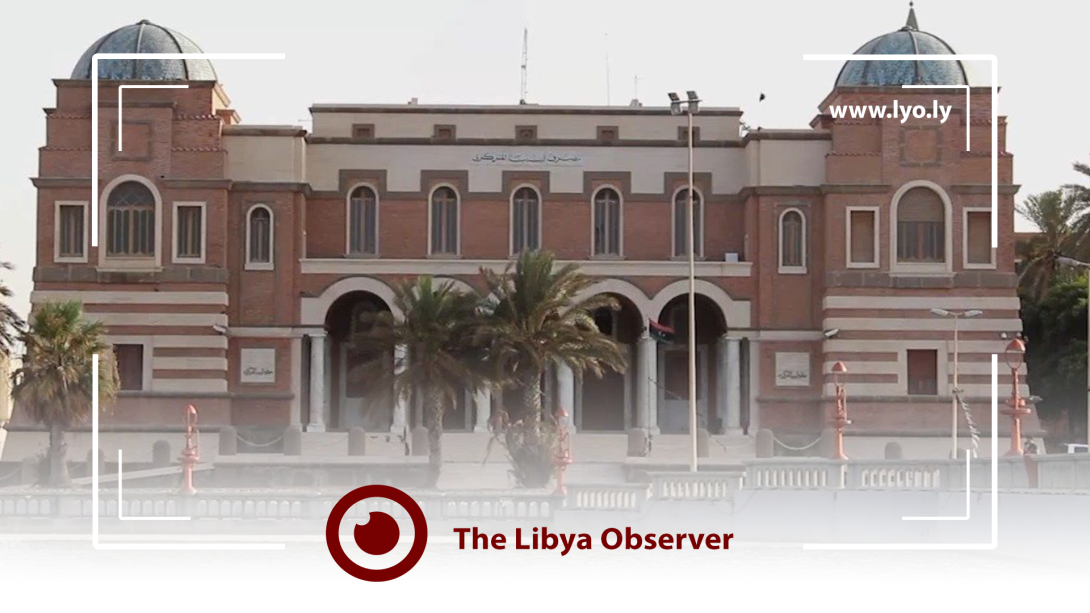
Central Bank of Libya
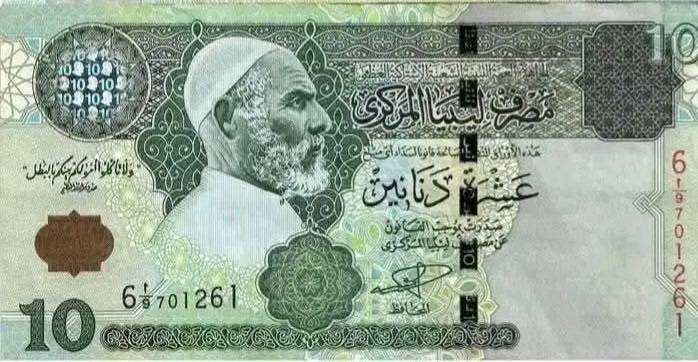
The Central Bank of Libya is the country’s primary monetary authority, established in 1956 to issue currency and manage monetary policy. It has played a critical and often divisive role in Libya’s recent history, notably functioning as a unified financial institution during the post-2011 civil war period despite the country’s political fragmentation.
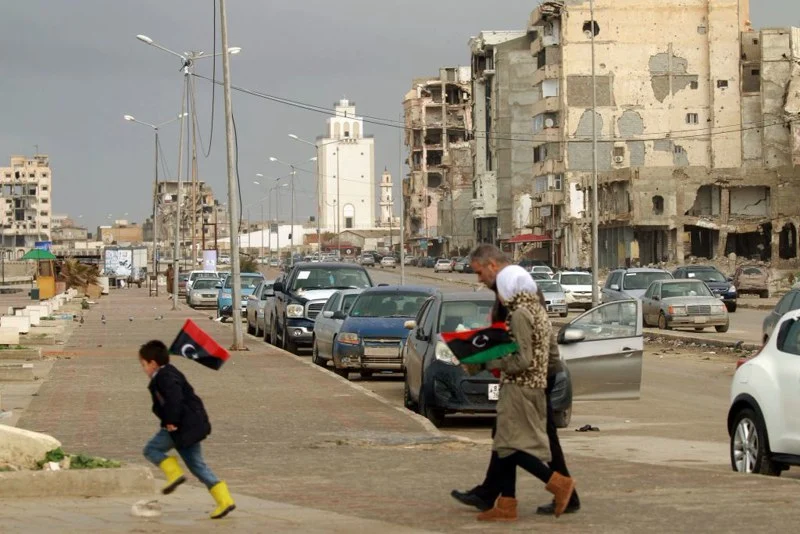
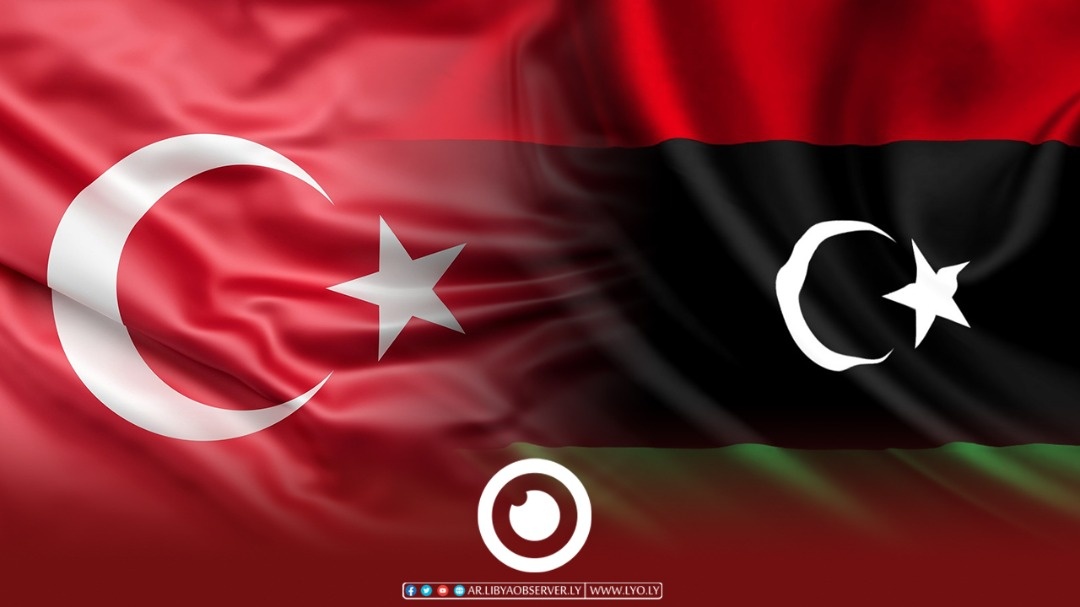
Libya
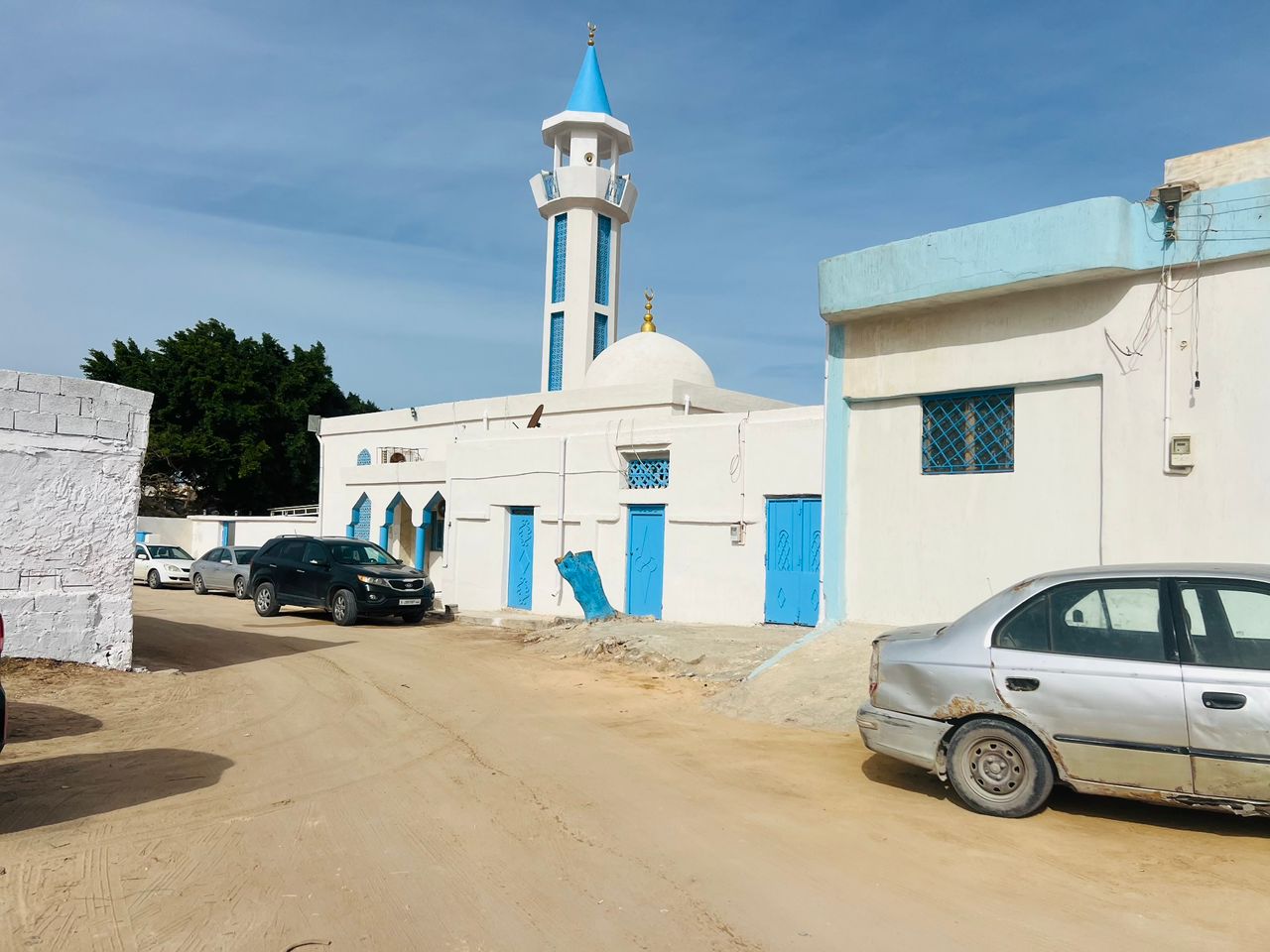
Libya is a North African country with a rich history rooted in ancient civilizations like the Phoenicians and Romans, followed by centuries of Arab and Ottoman influence. In the modern era, it was an Italian colony before gaining independence in 1951, later becoming known for Muammar Gaddafi’s lengthy rule from 1969 until the 2011 revolution. Its cultural heritage includes UNESCO World Heritage sites such as the ancient Greek city of Cyrene and the Roman ruins of Leptis Magna.
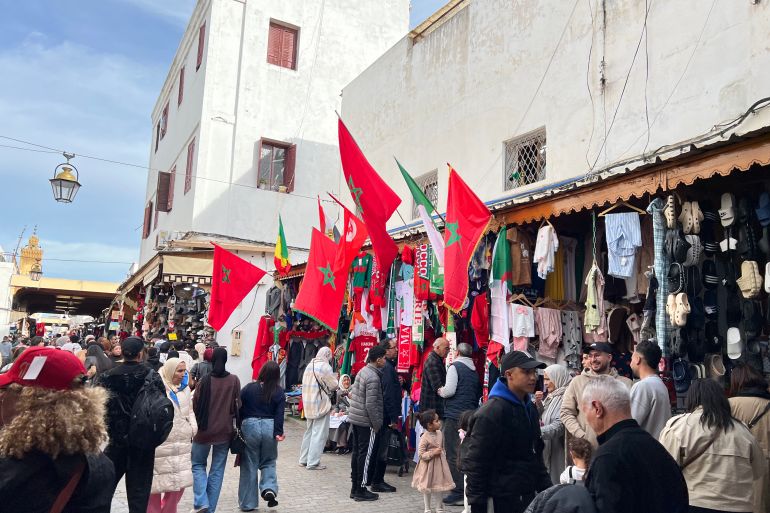
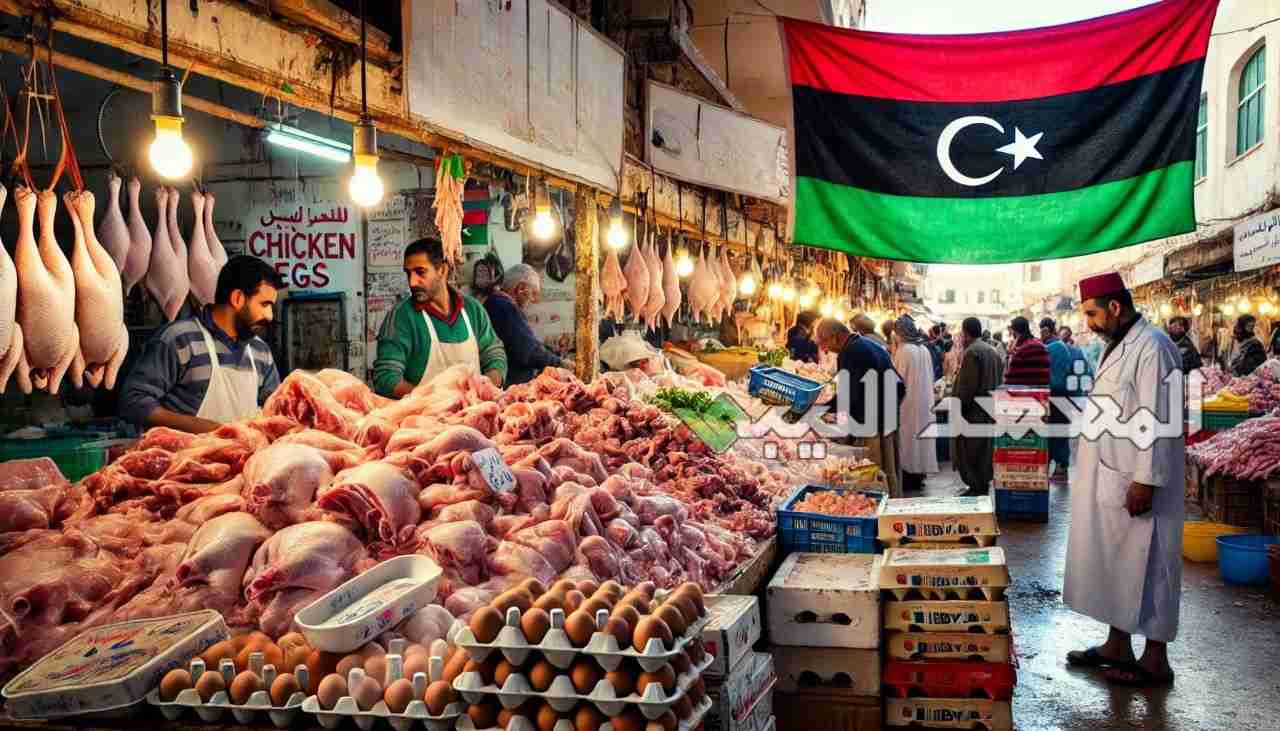
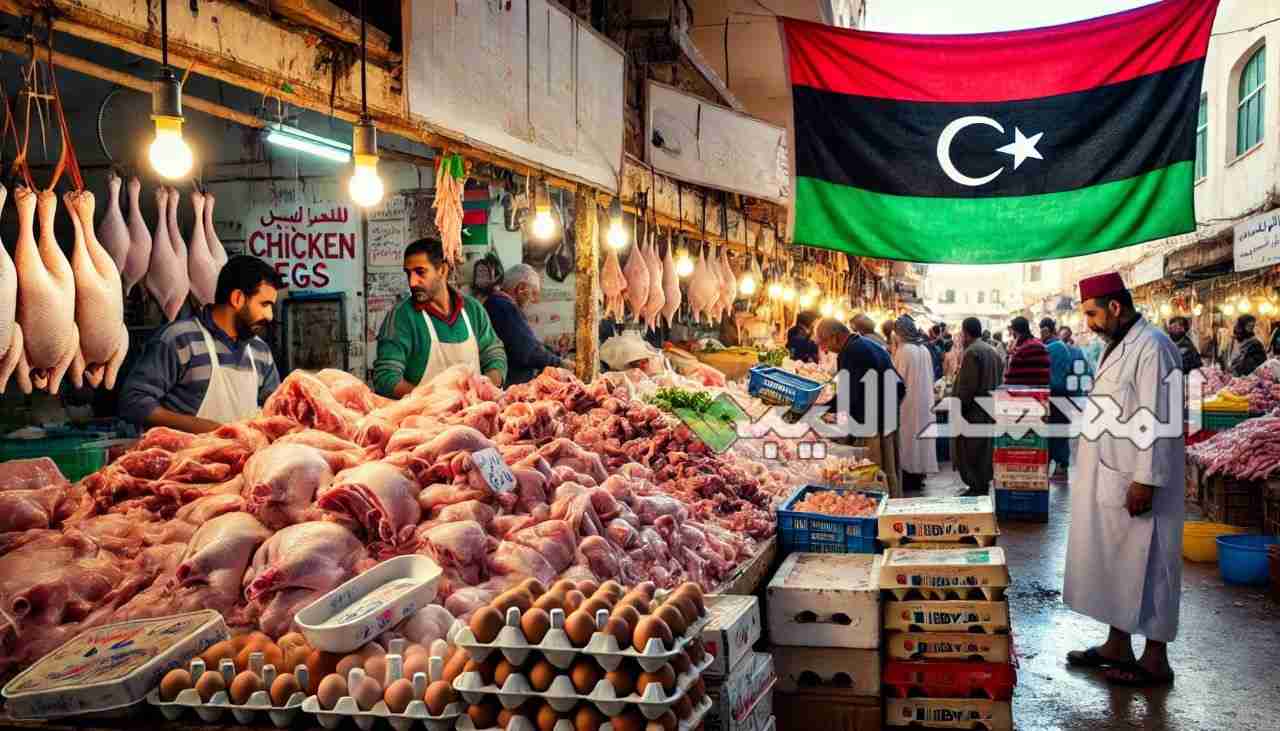
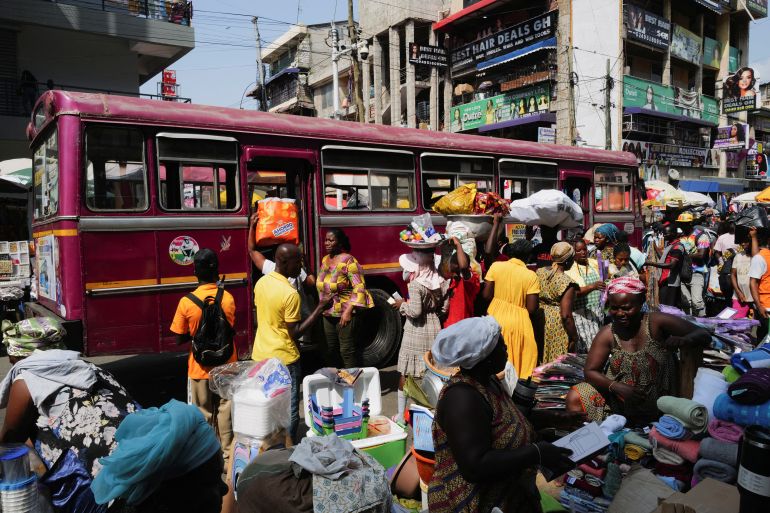
Libyan market
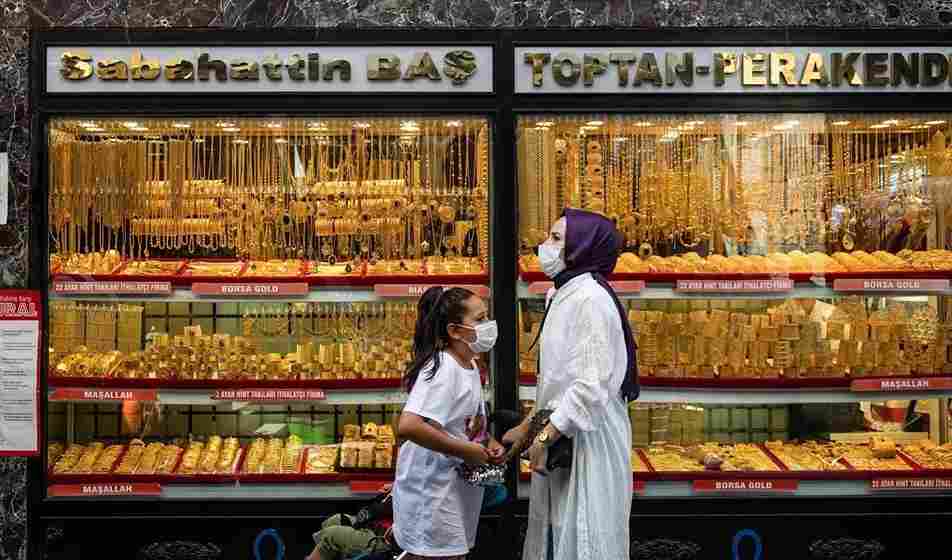
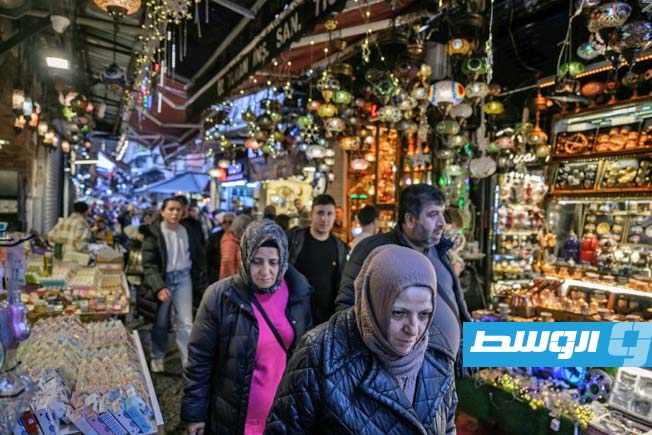
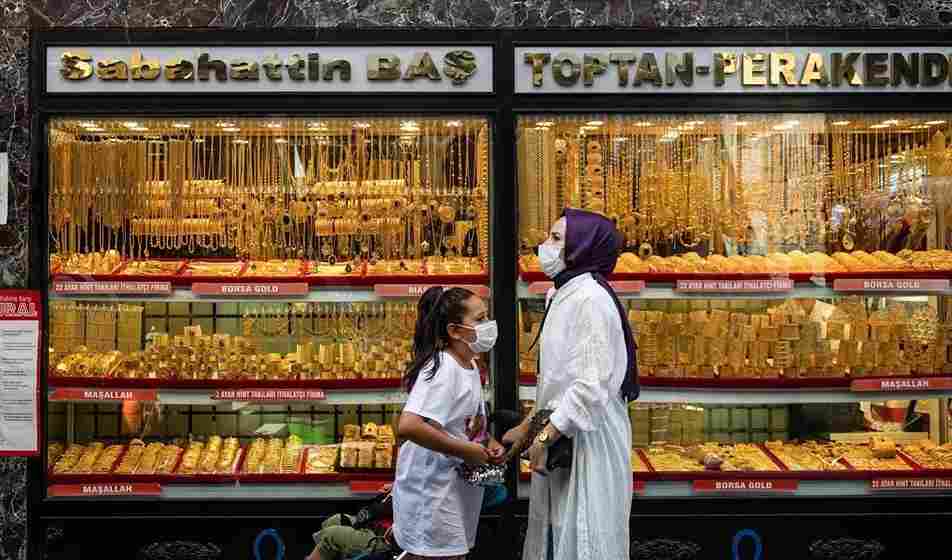
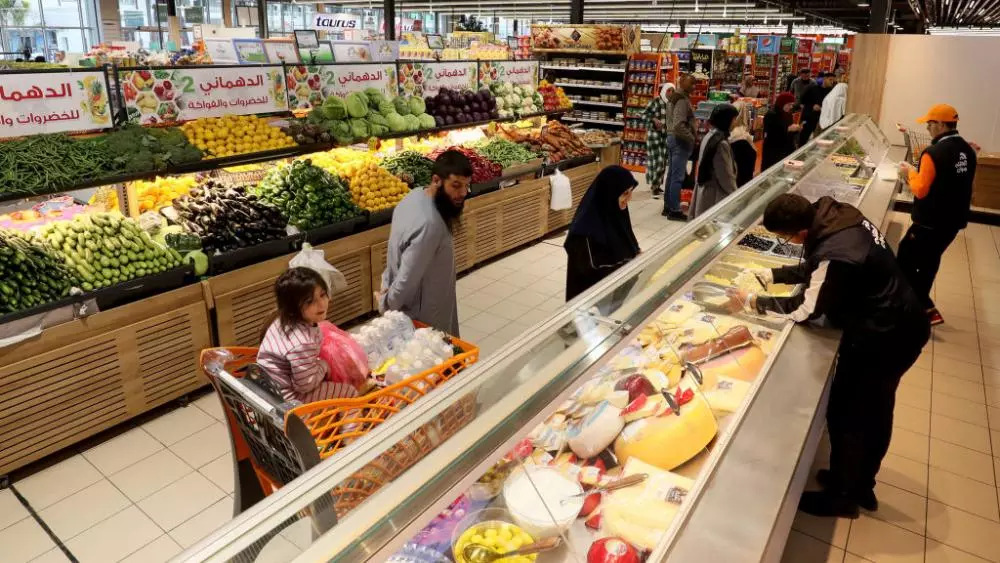
The Libyan market, often referring to traditional souks found in cities like Tripoli and Benghazi, is a historic center of commerce and social life. These markets have operated for centuries, tracing their origins to trans-Saharan trade routes and later periods of Ottoman and Italian influence. They are characterized by narrow alleys filled with vendors selling spices, textiles, crafts, and local goods, reflecting Libya’s diverse cultural heritage.