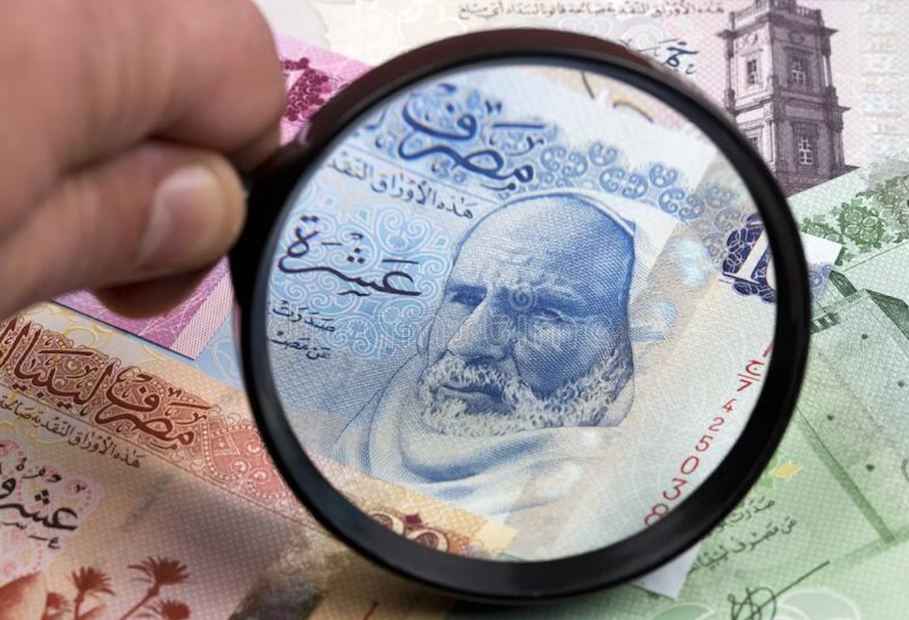
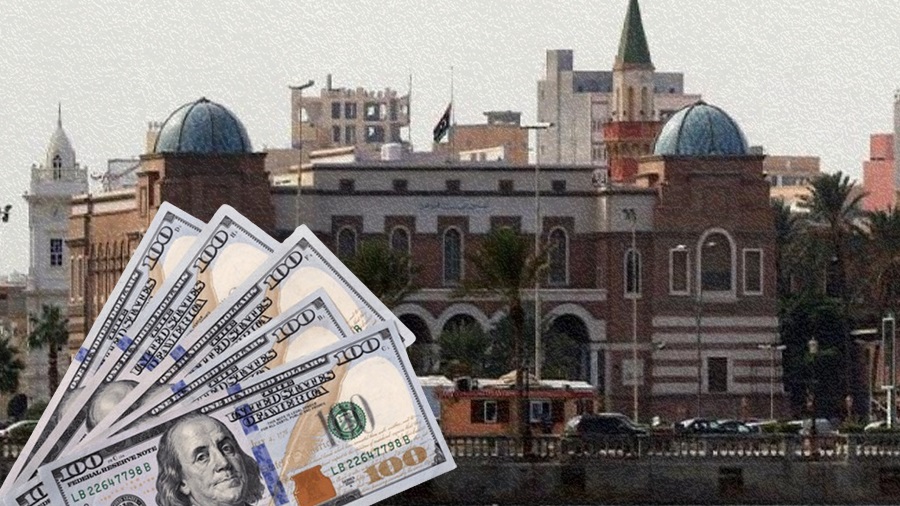
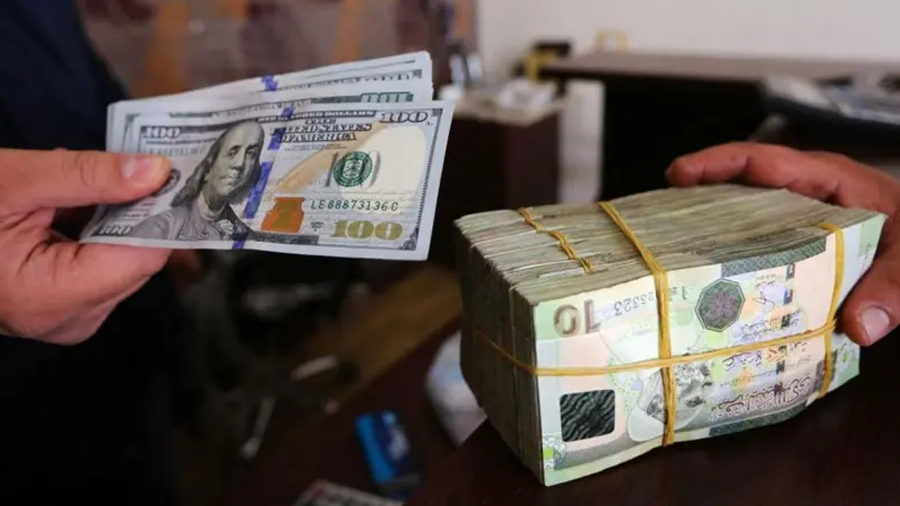
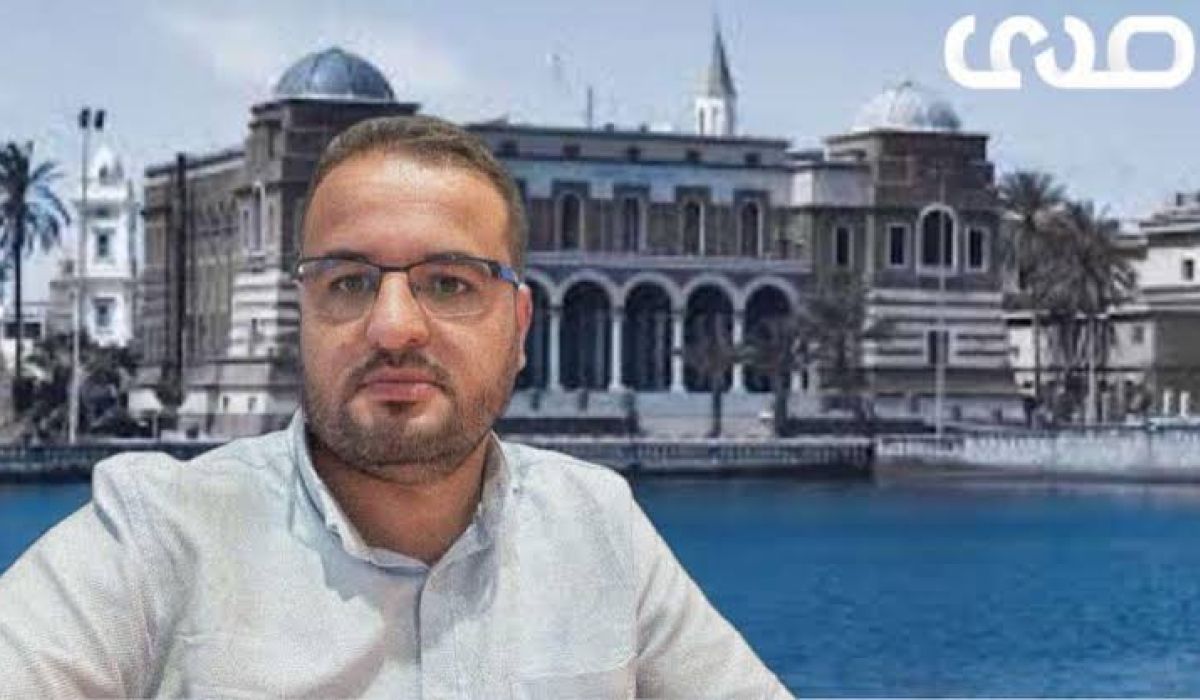
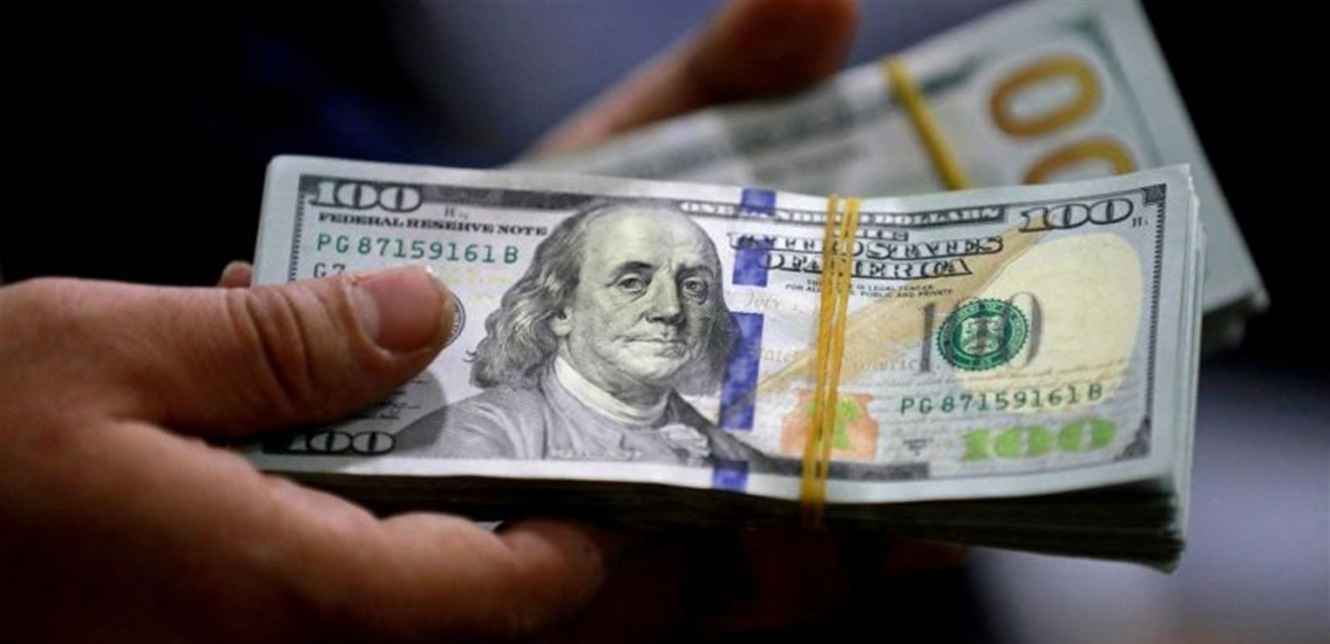
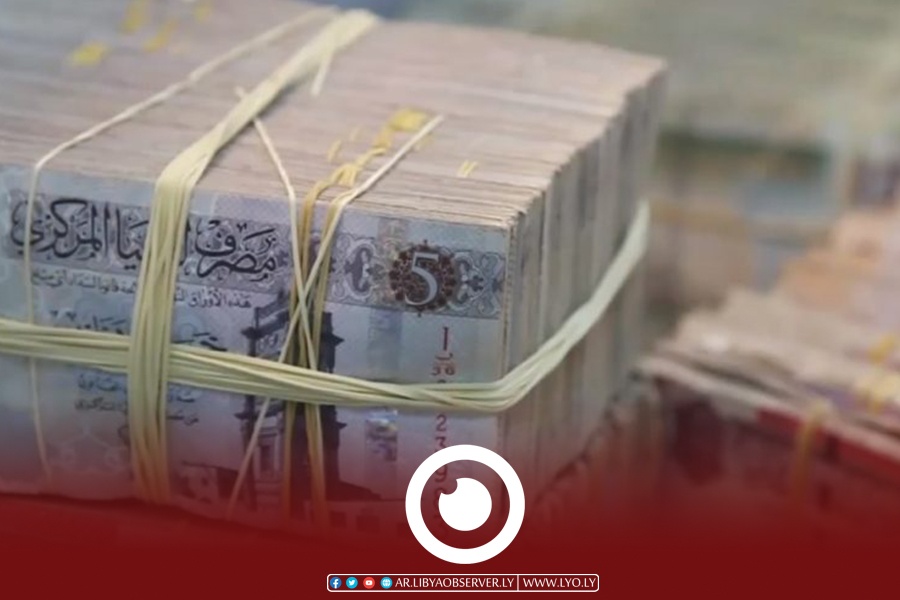
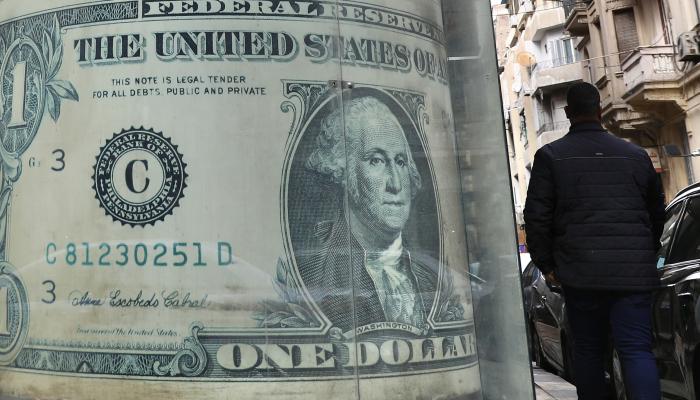
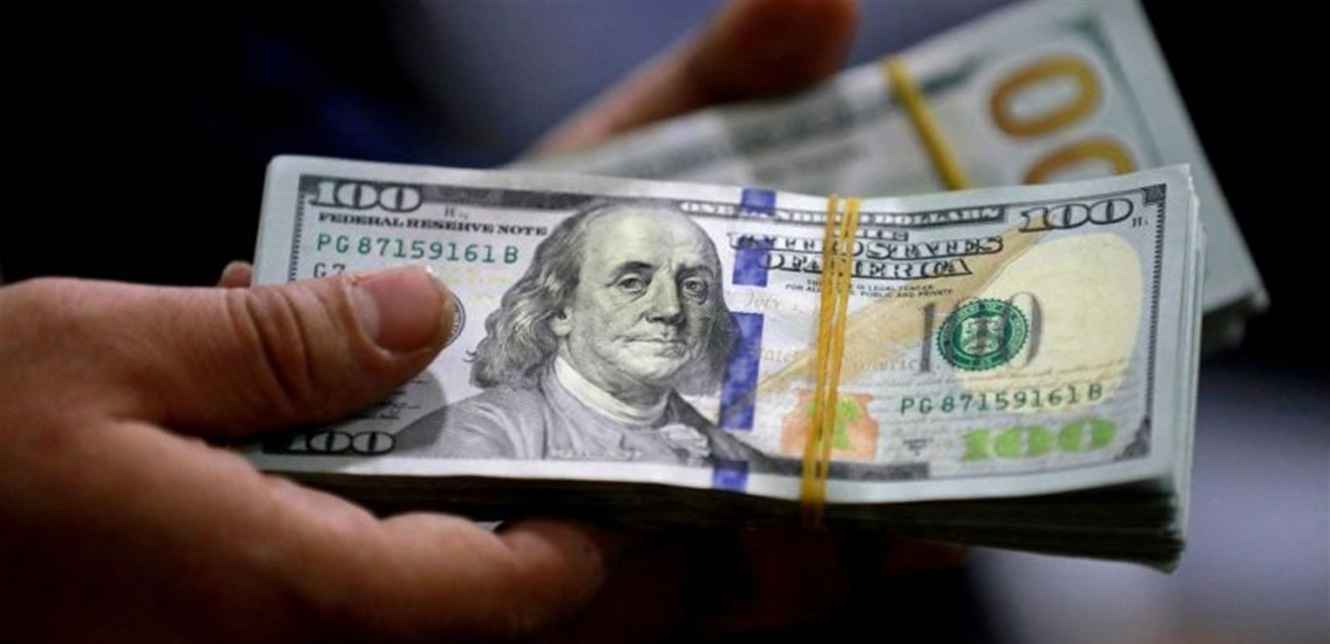
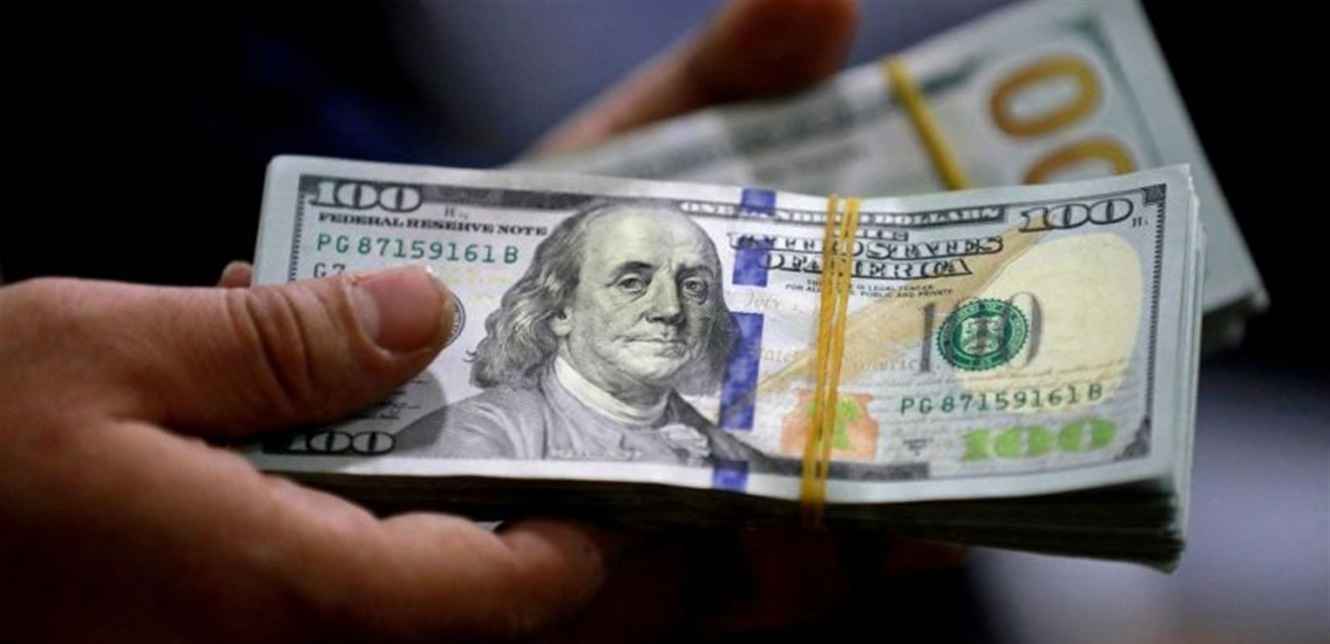
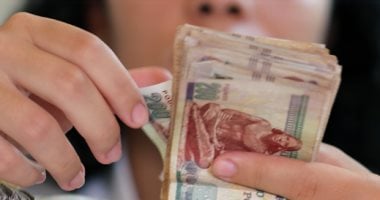
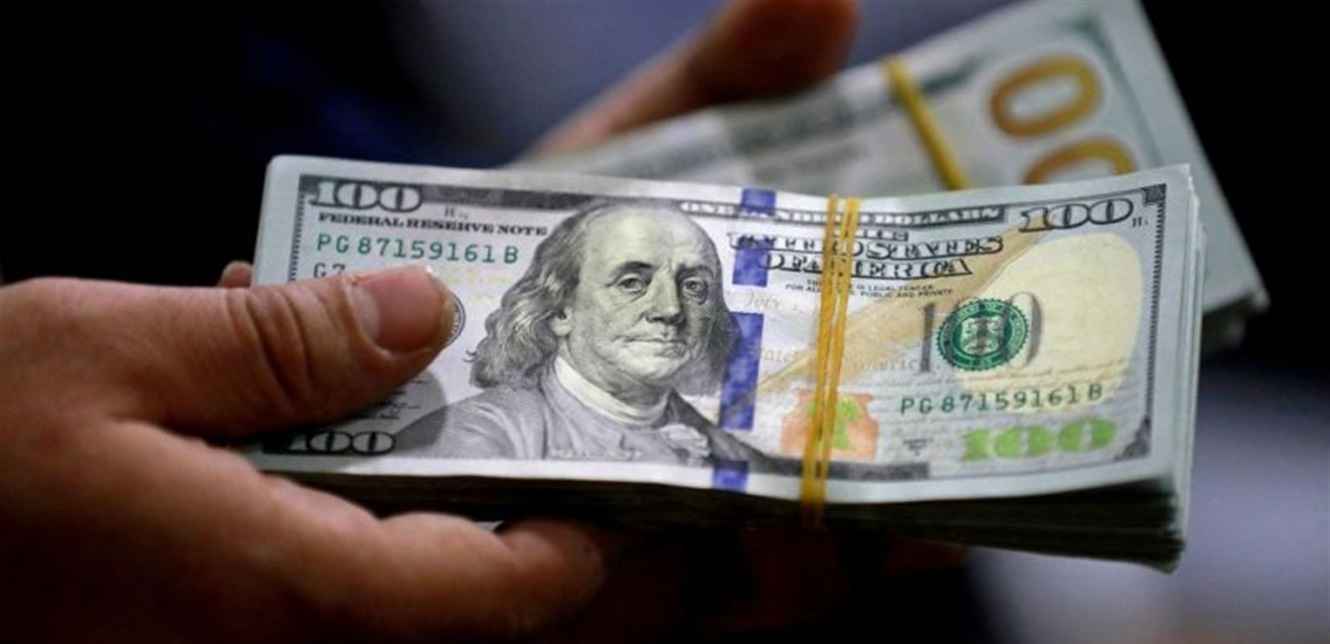
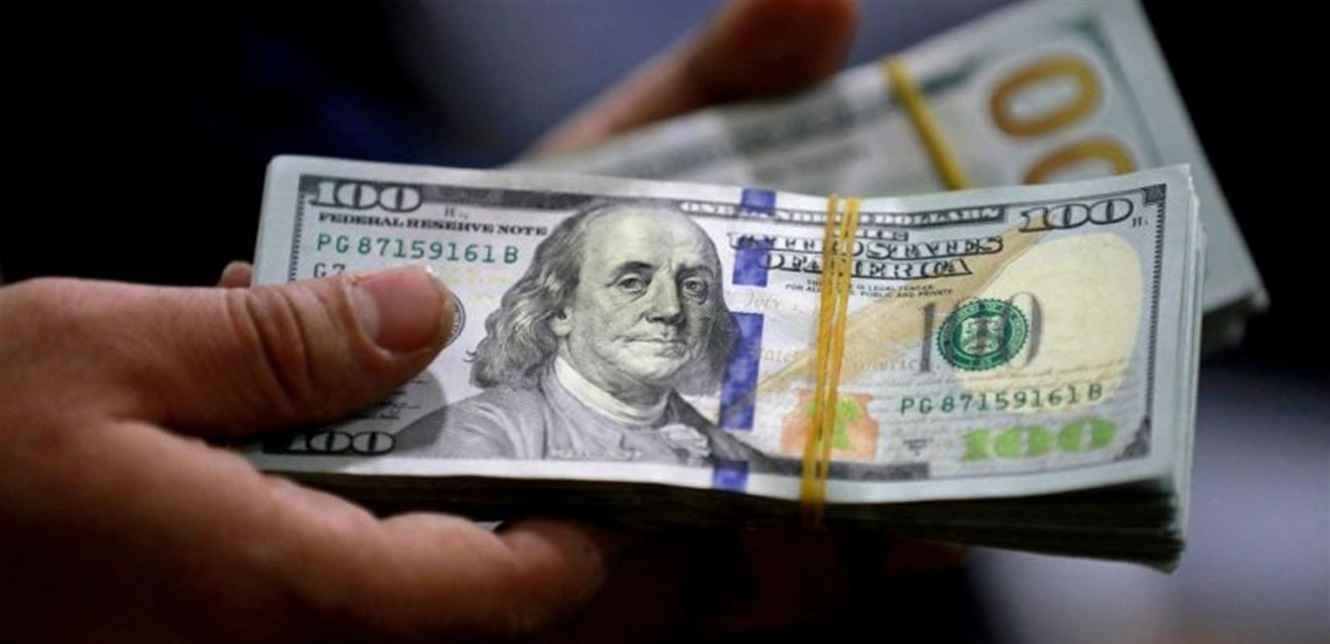
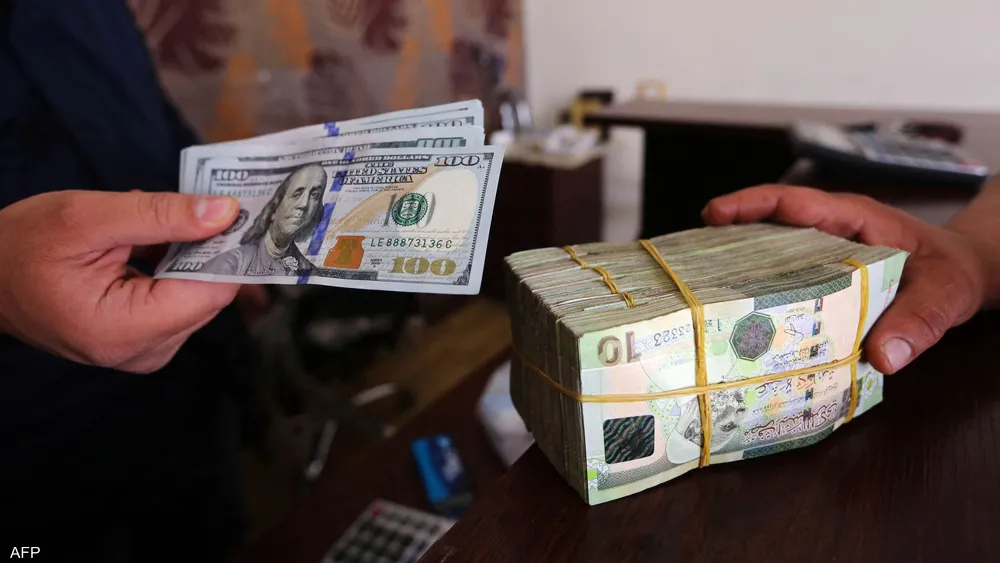
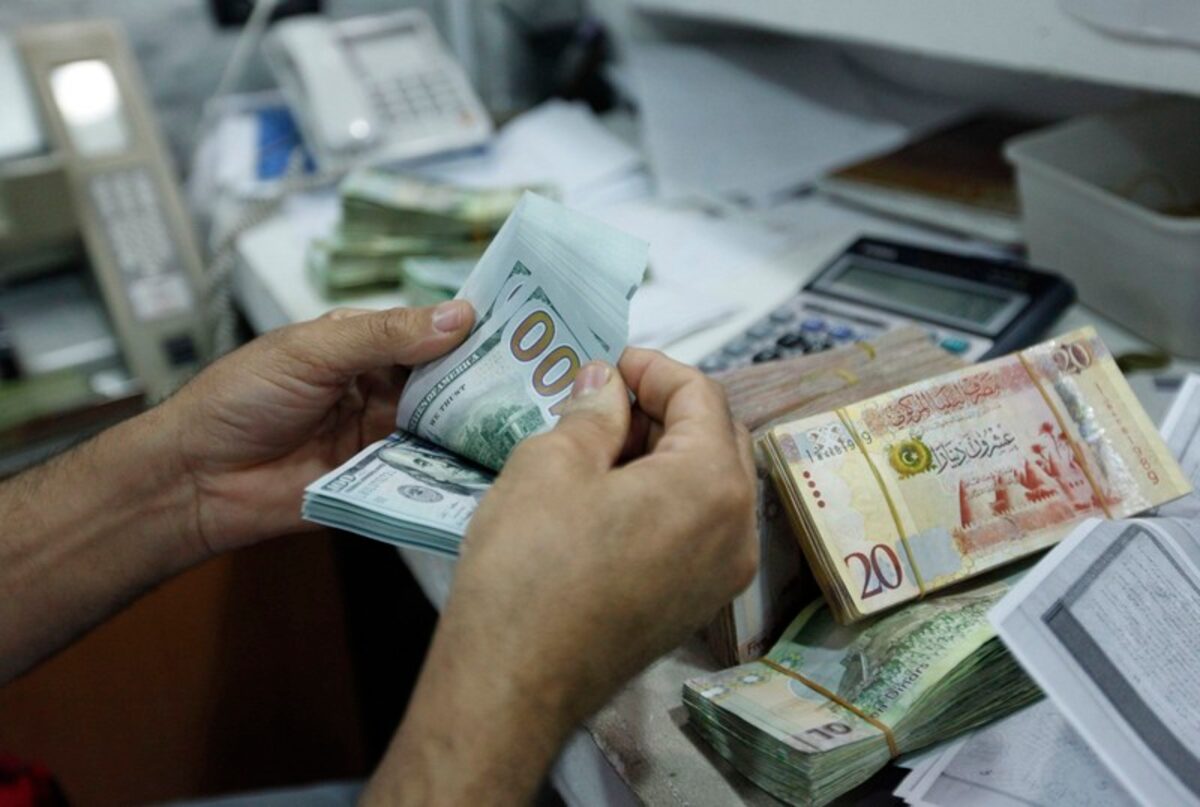
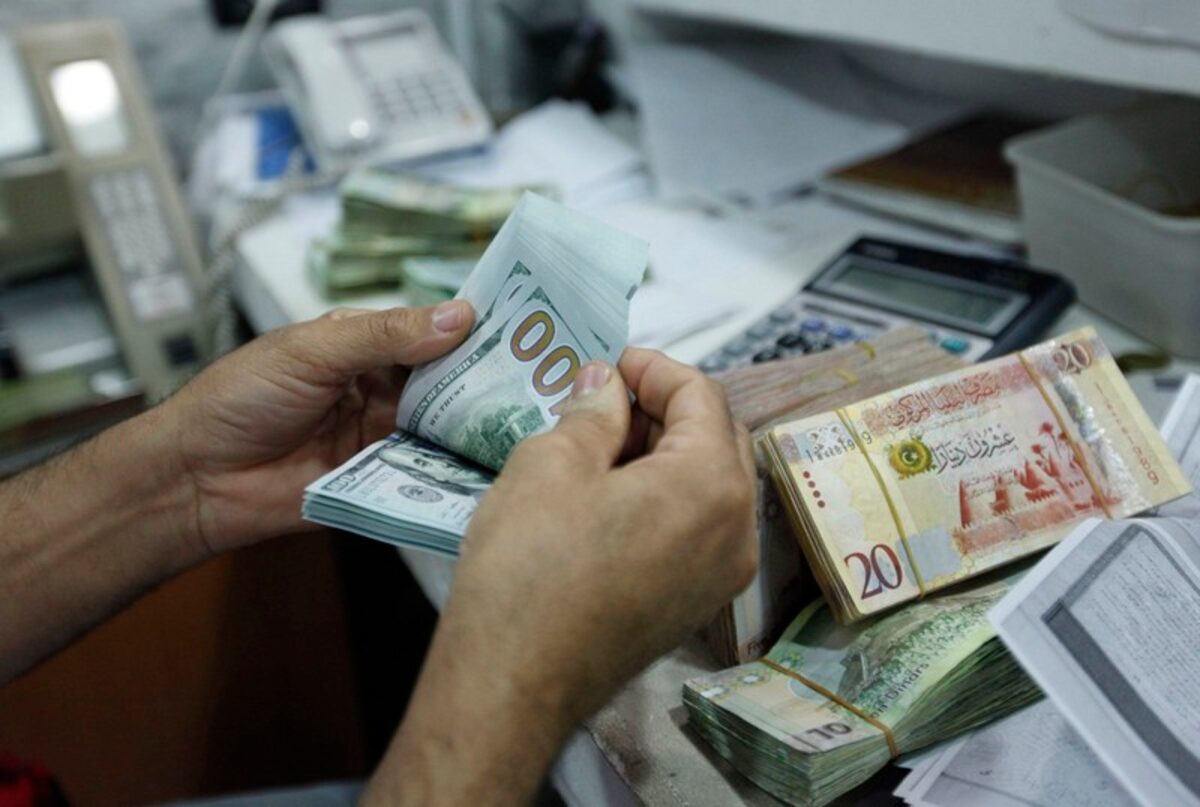
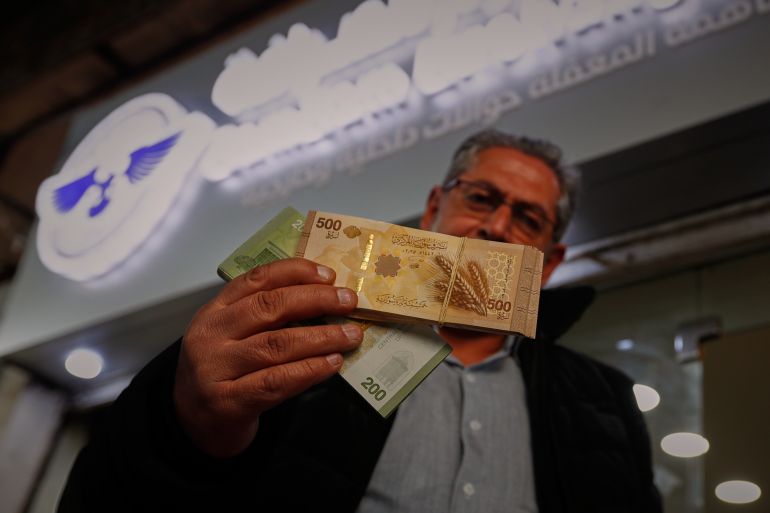
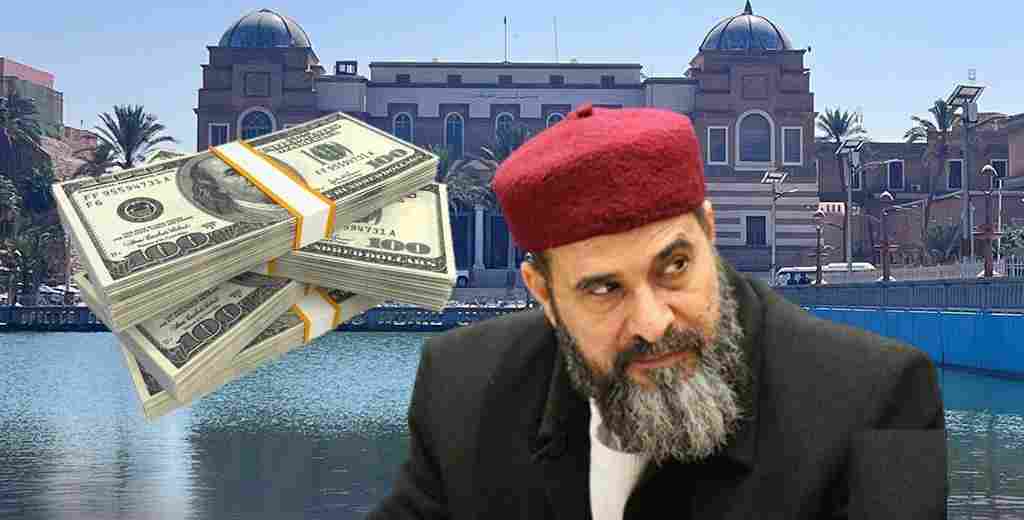
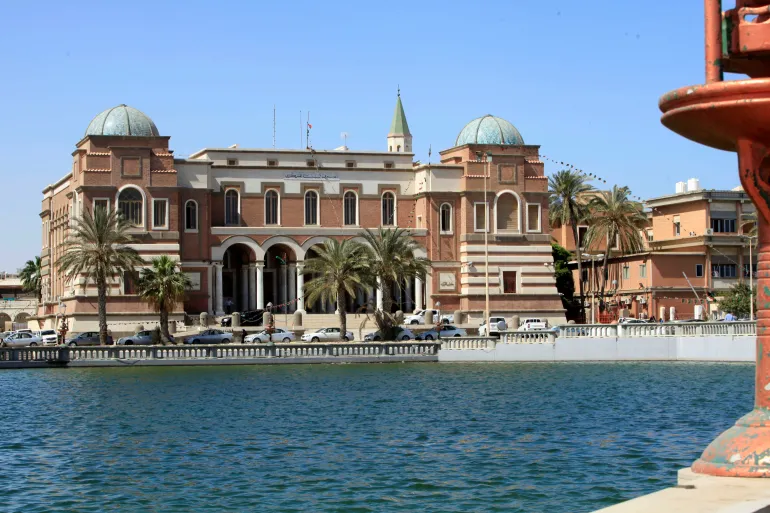
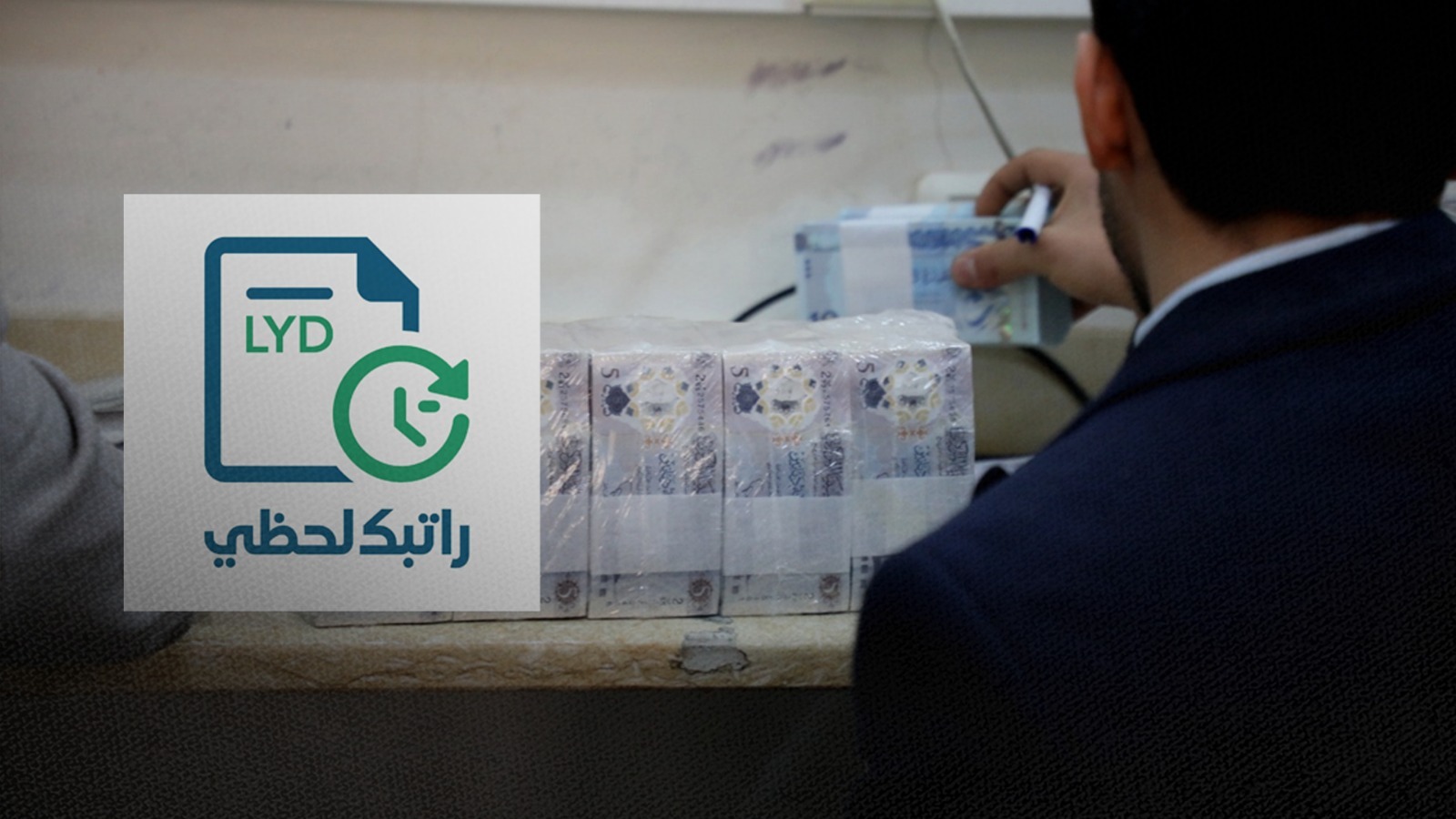
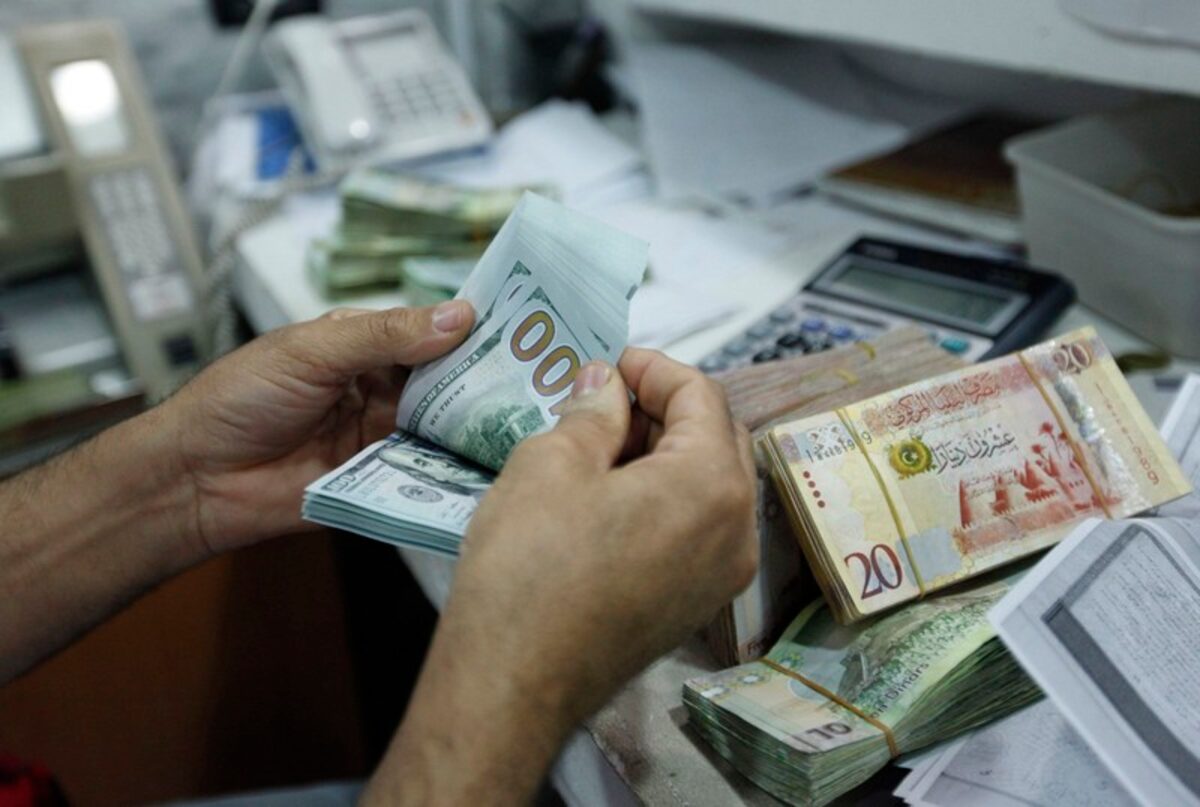
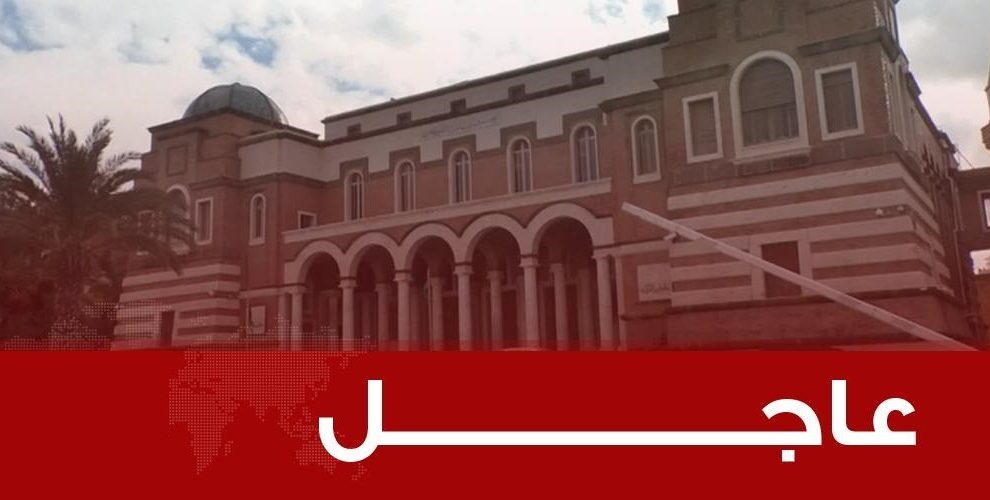
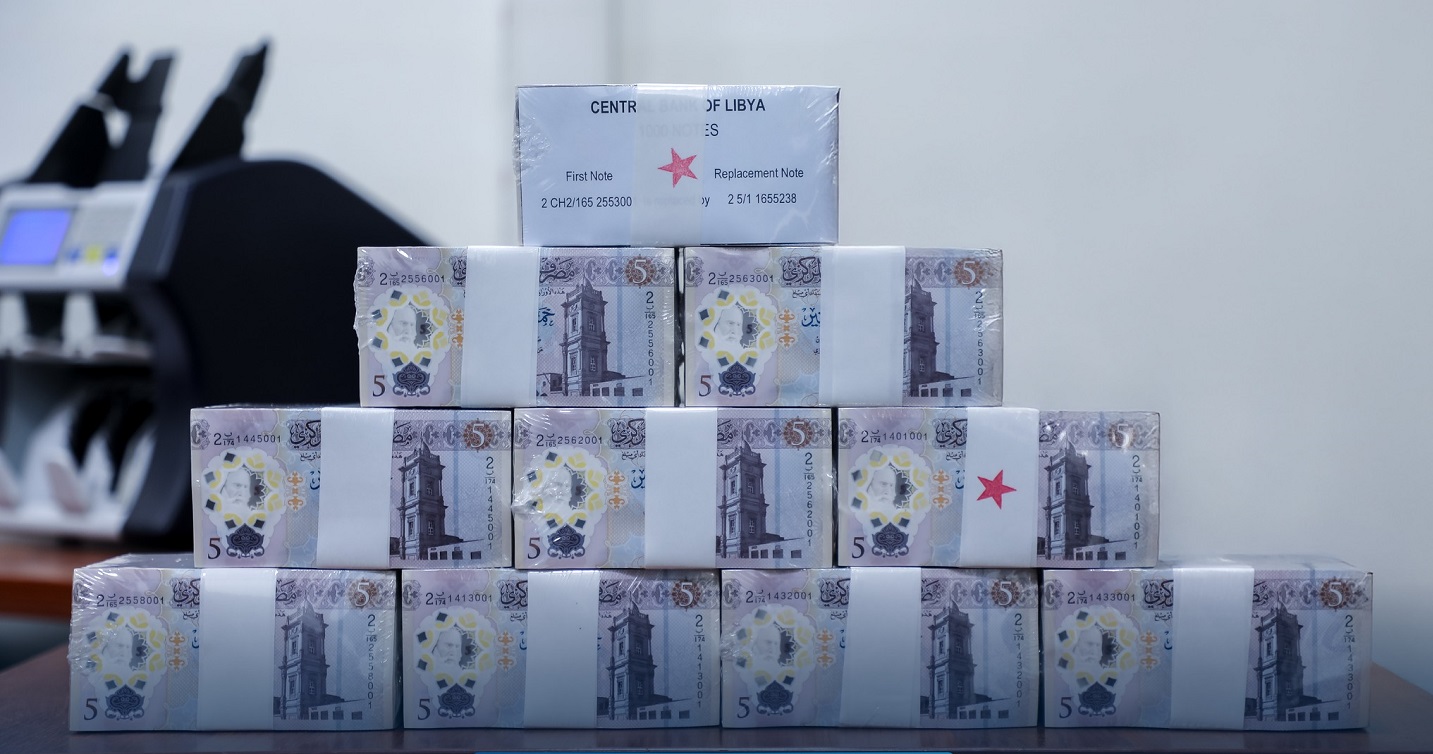
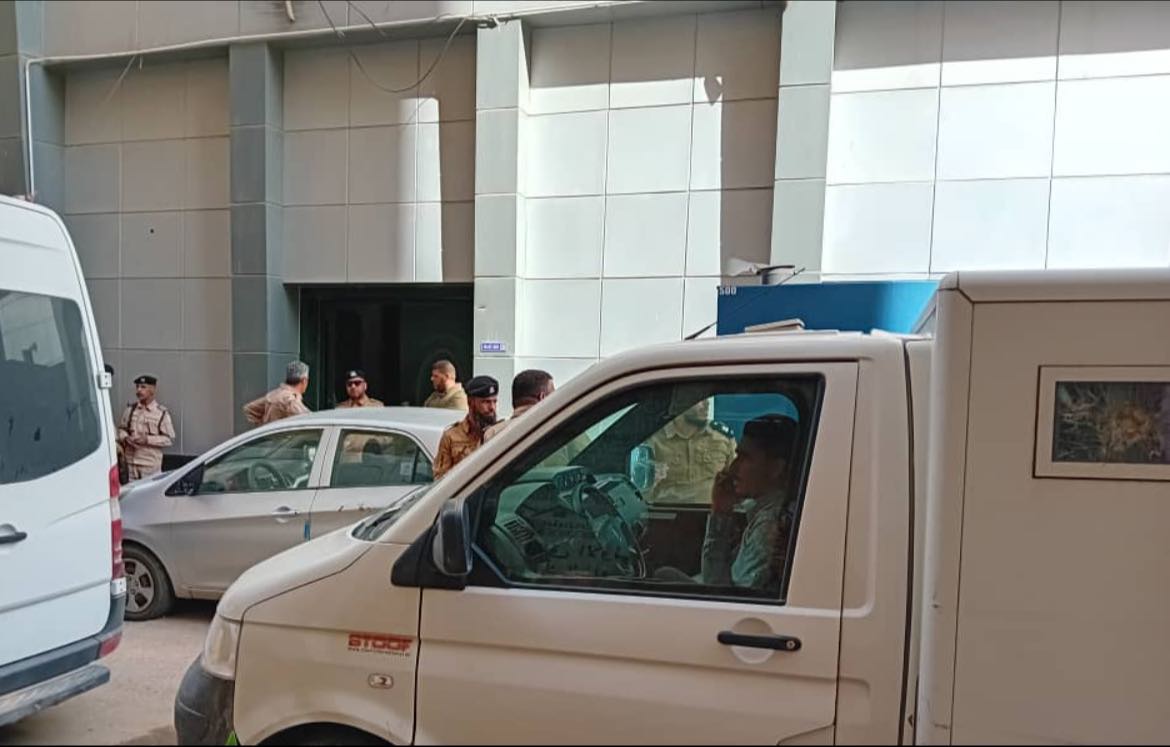
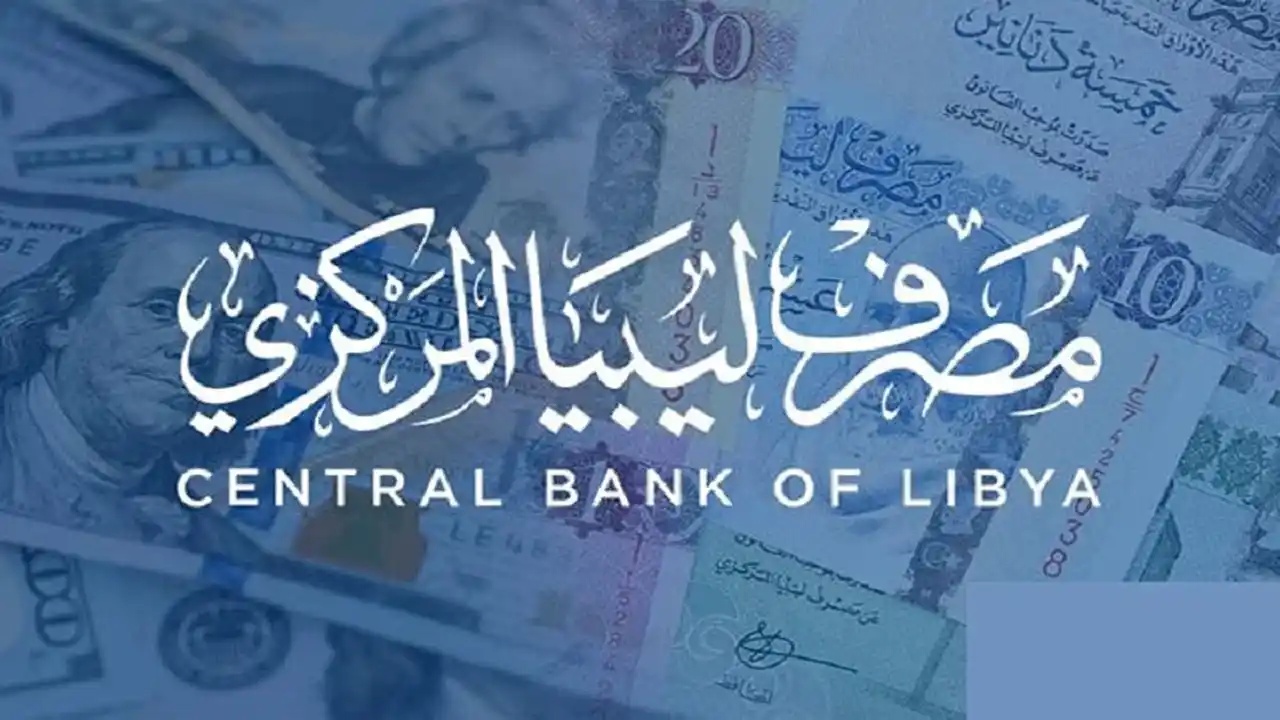
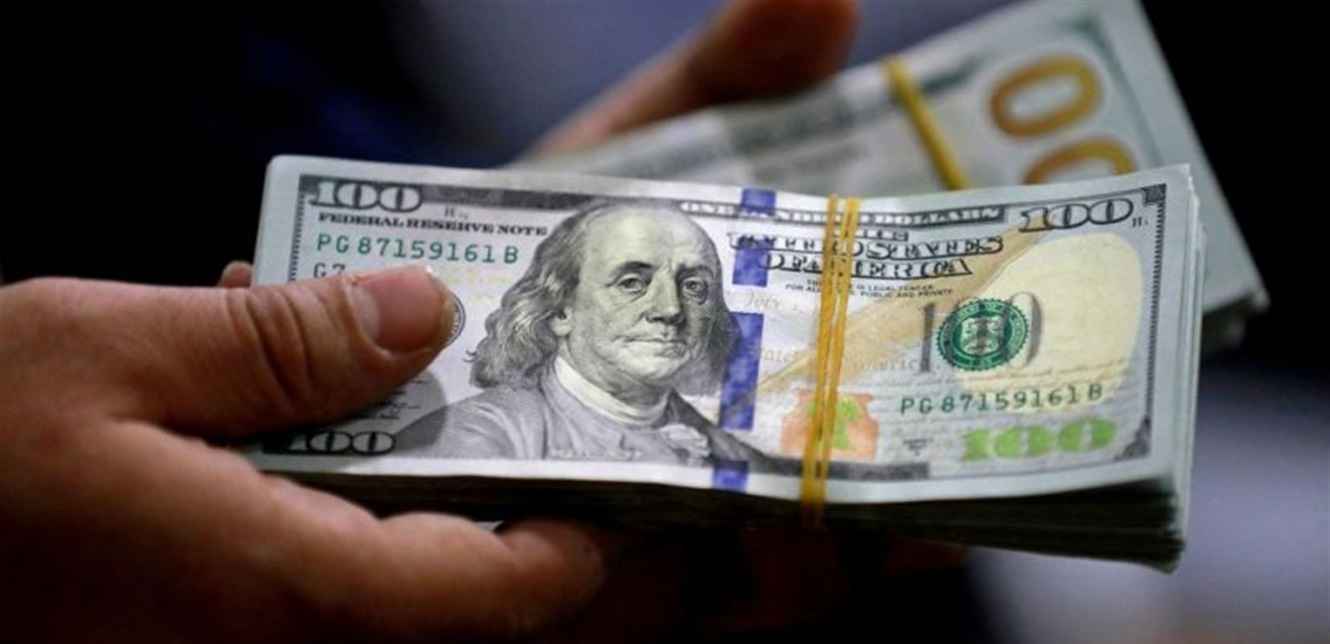
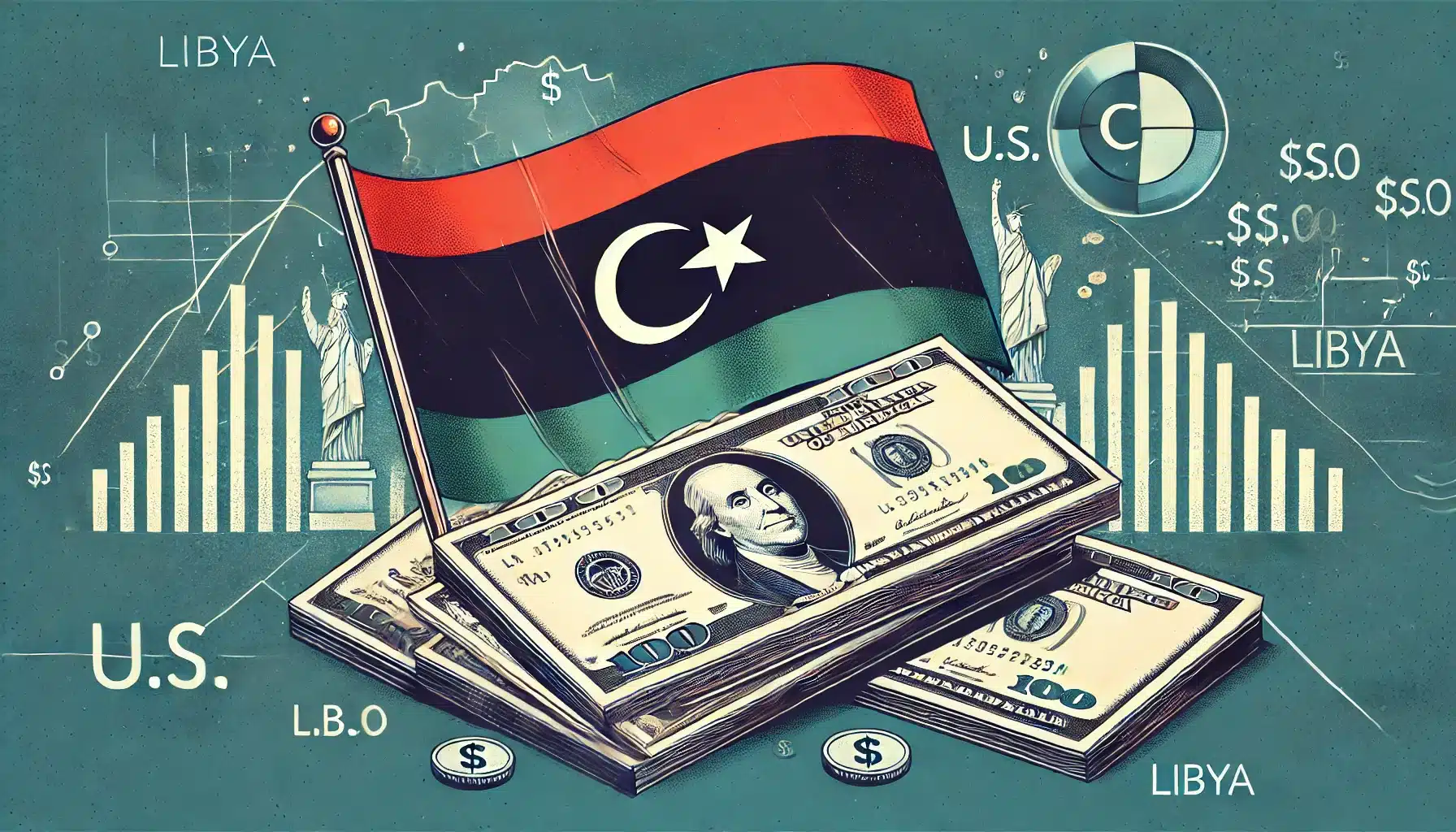
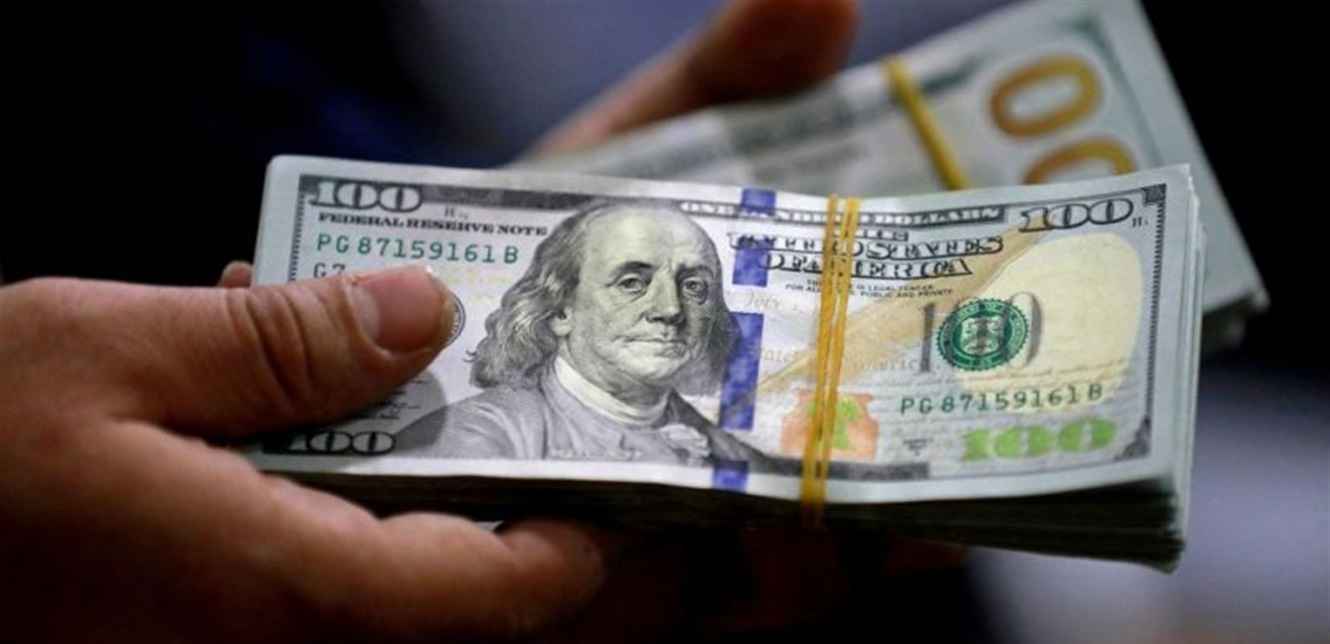
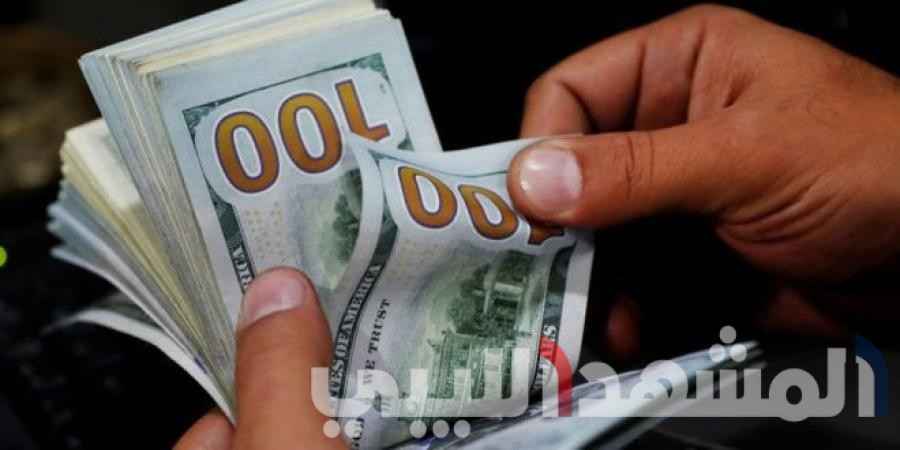
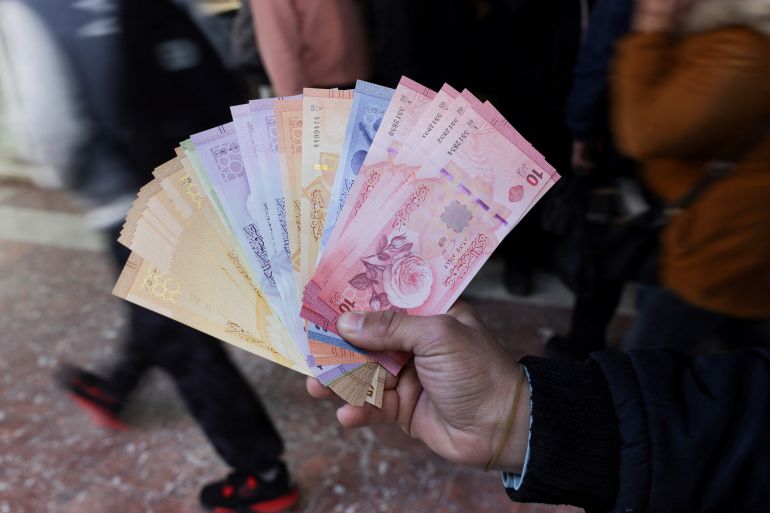
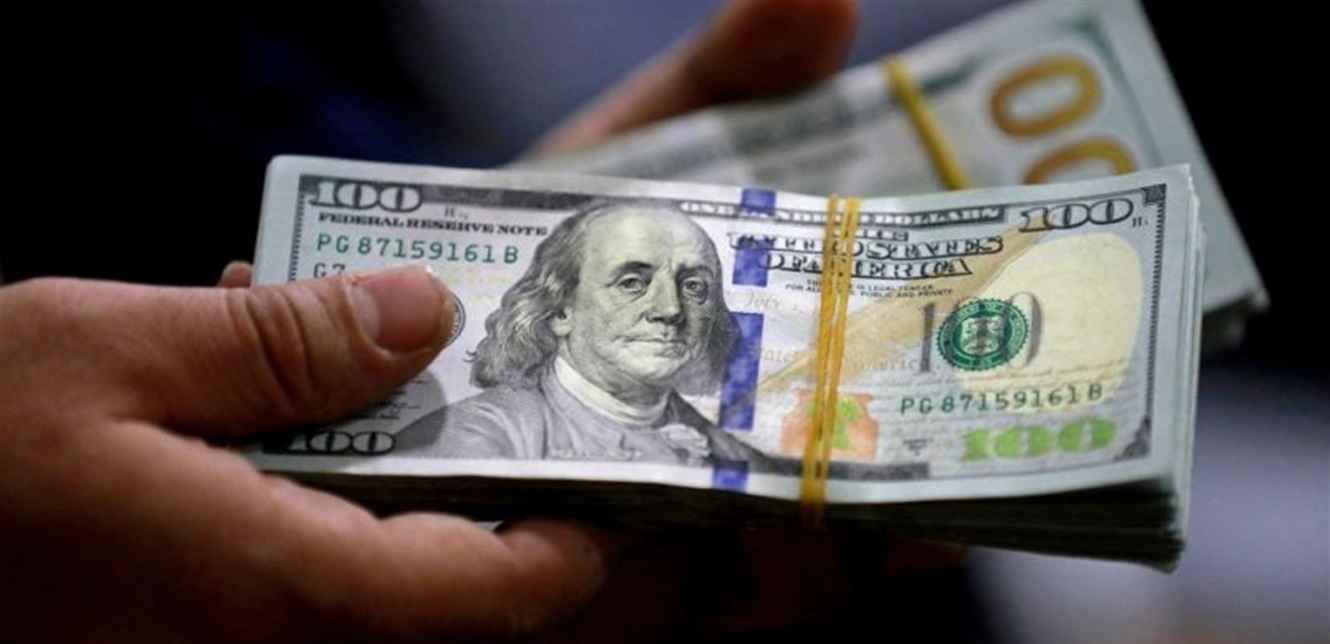
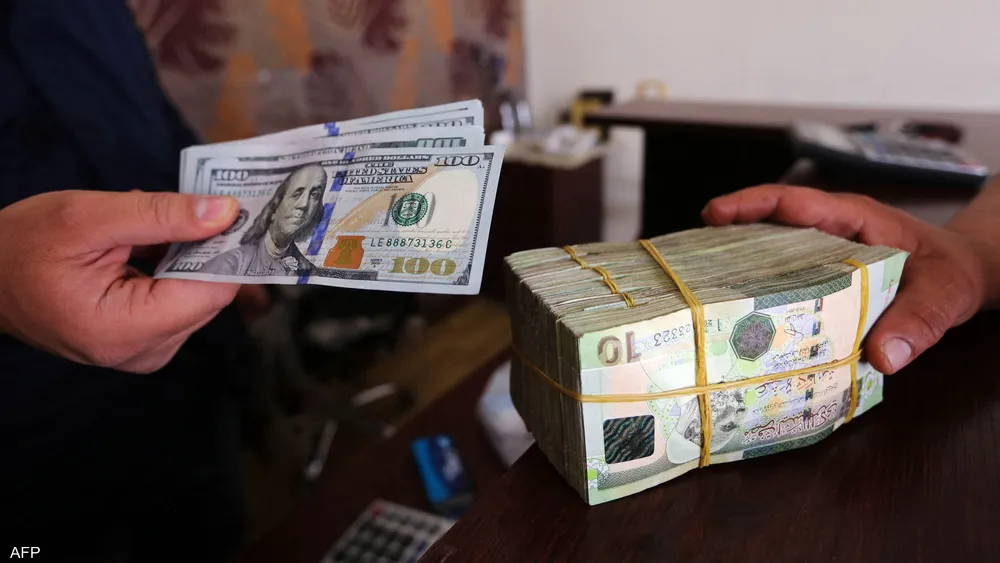
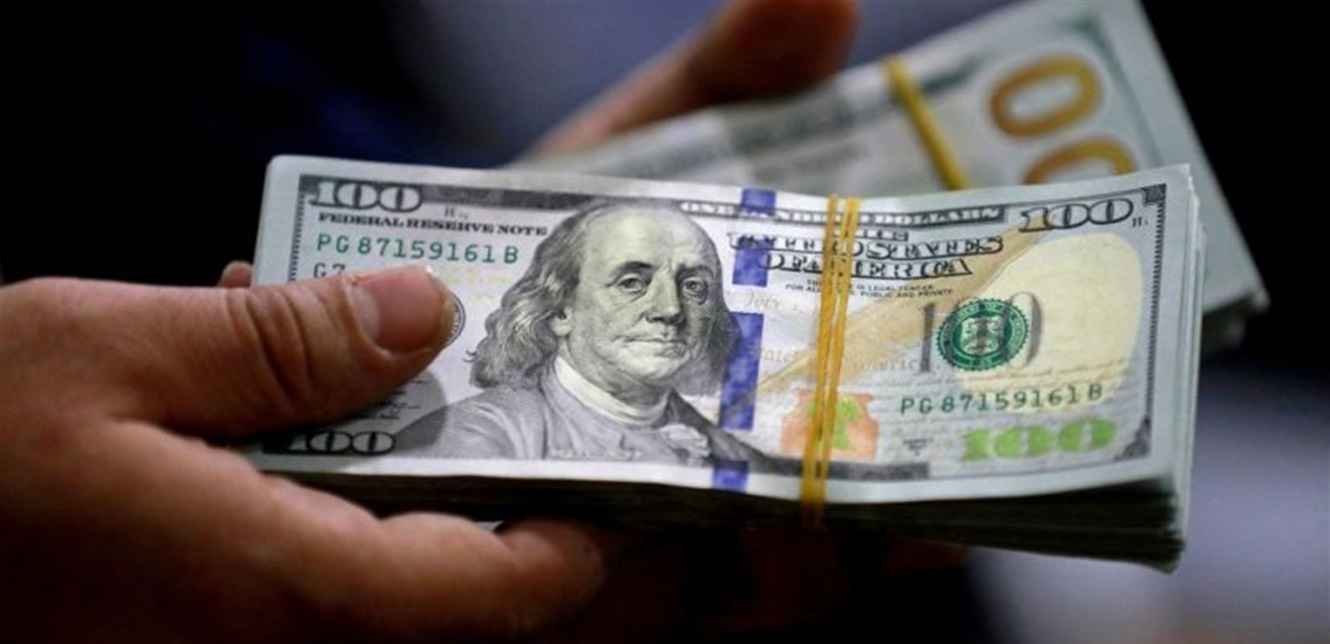
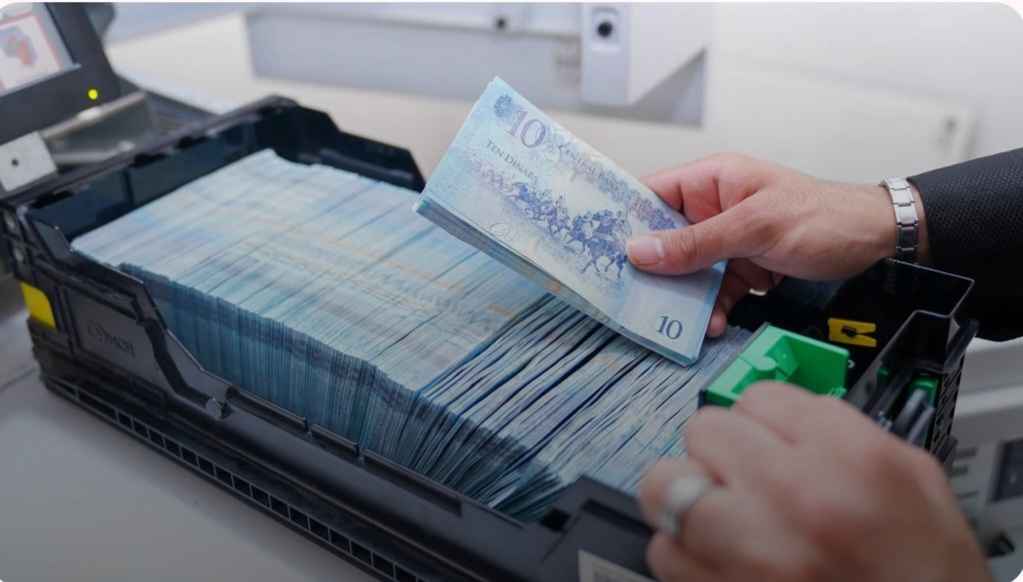
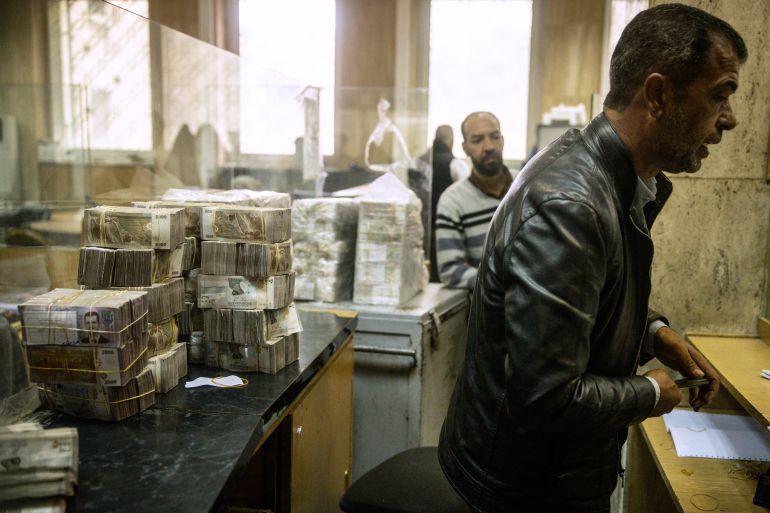
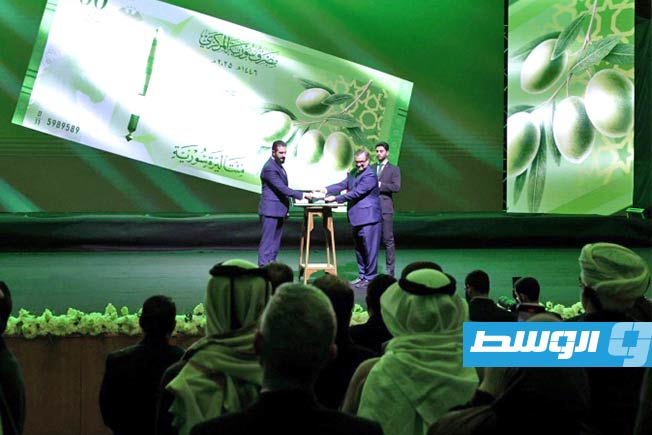
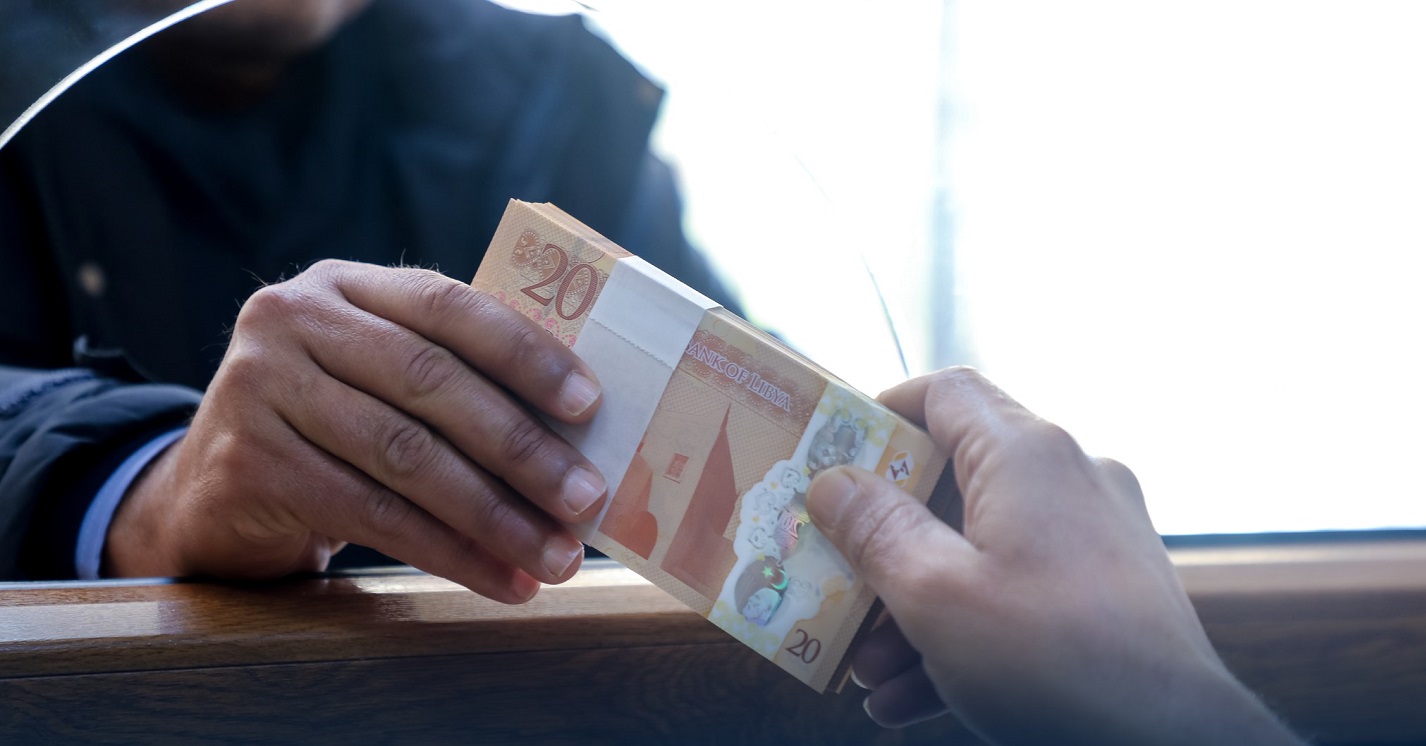
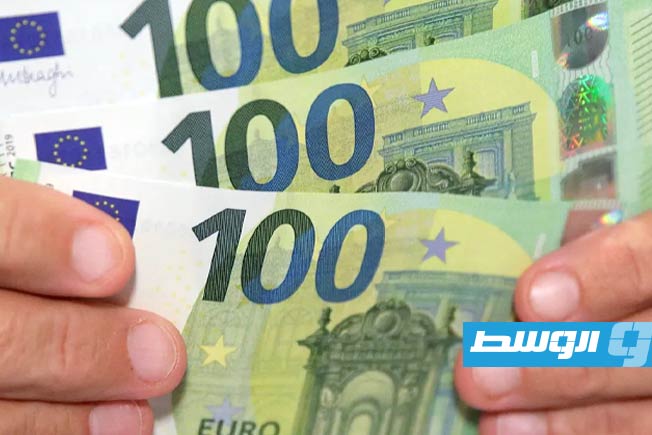
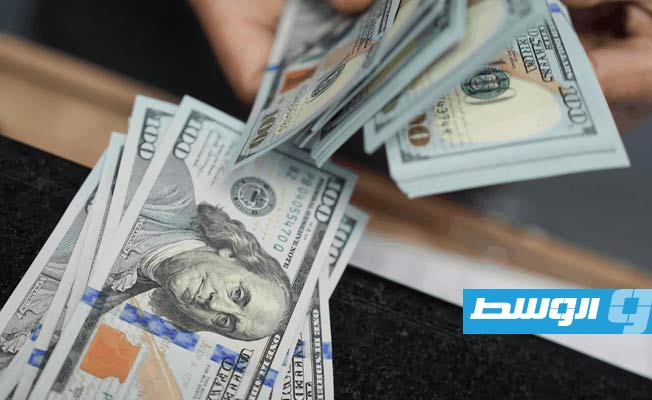
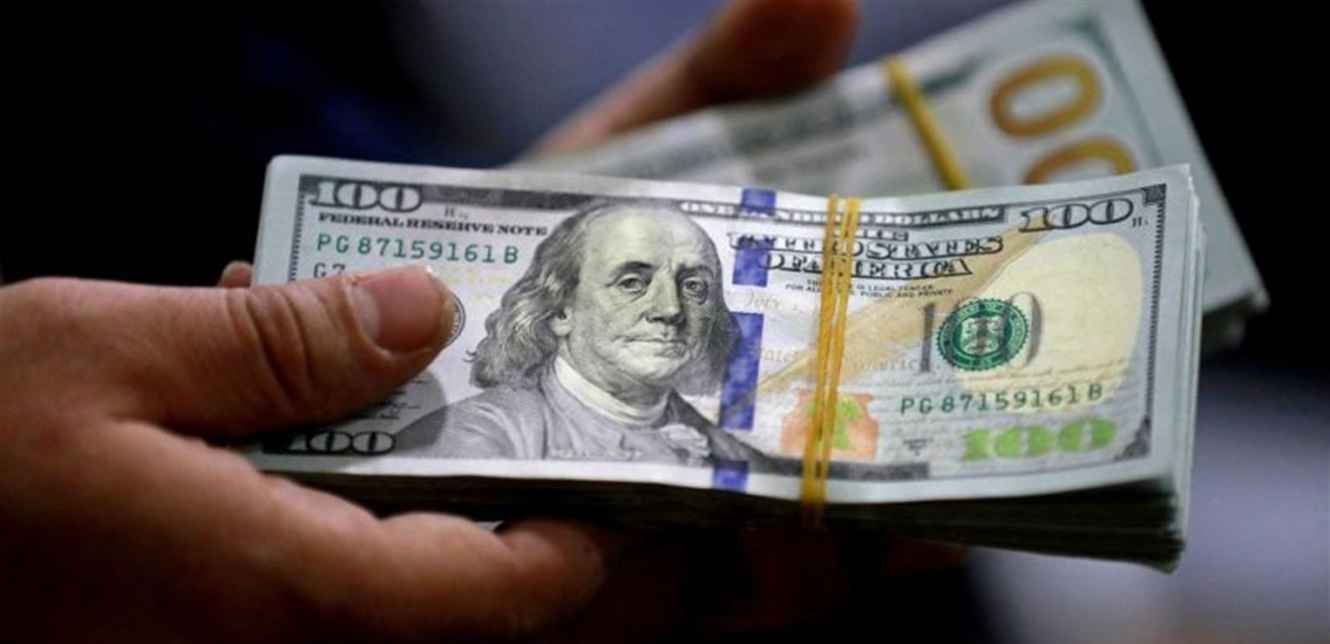
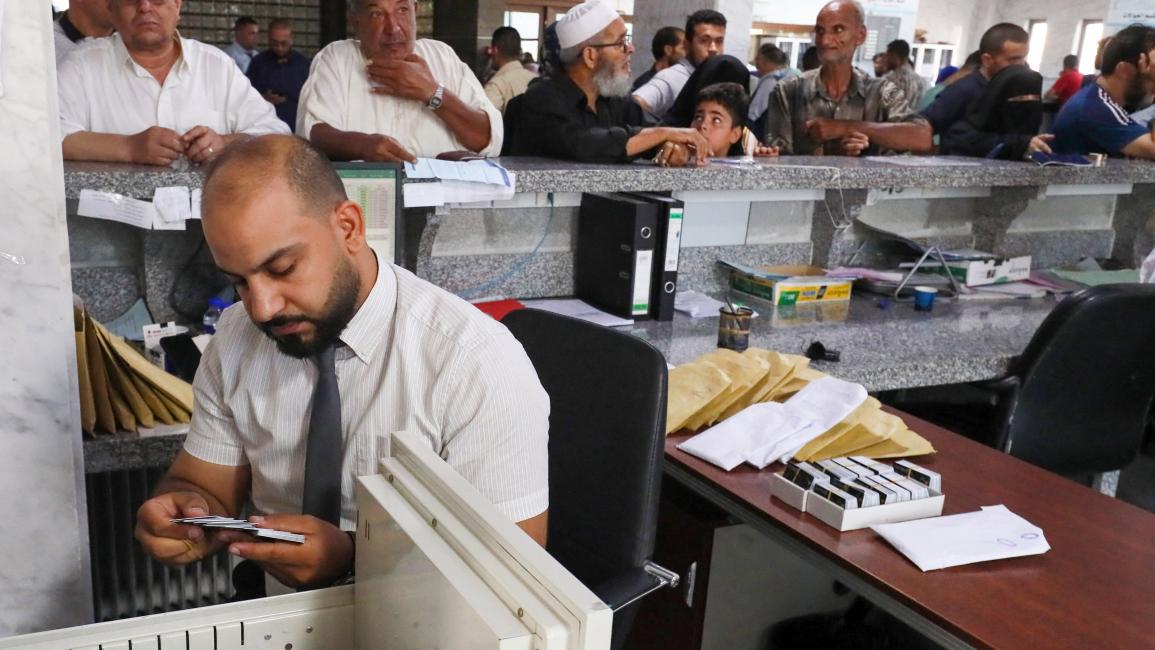
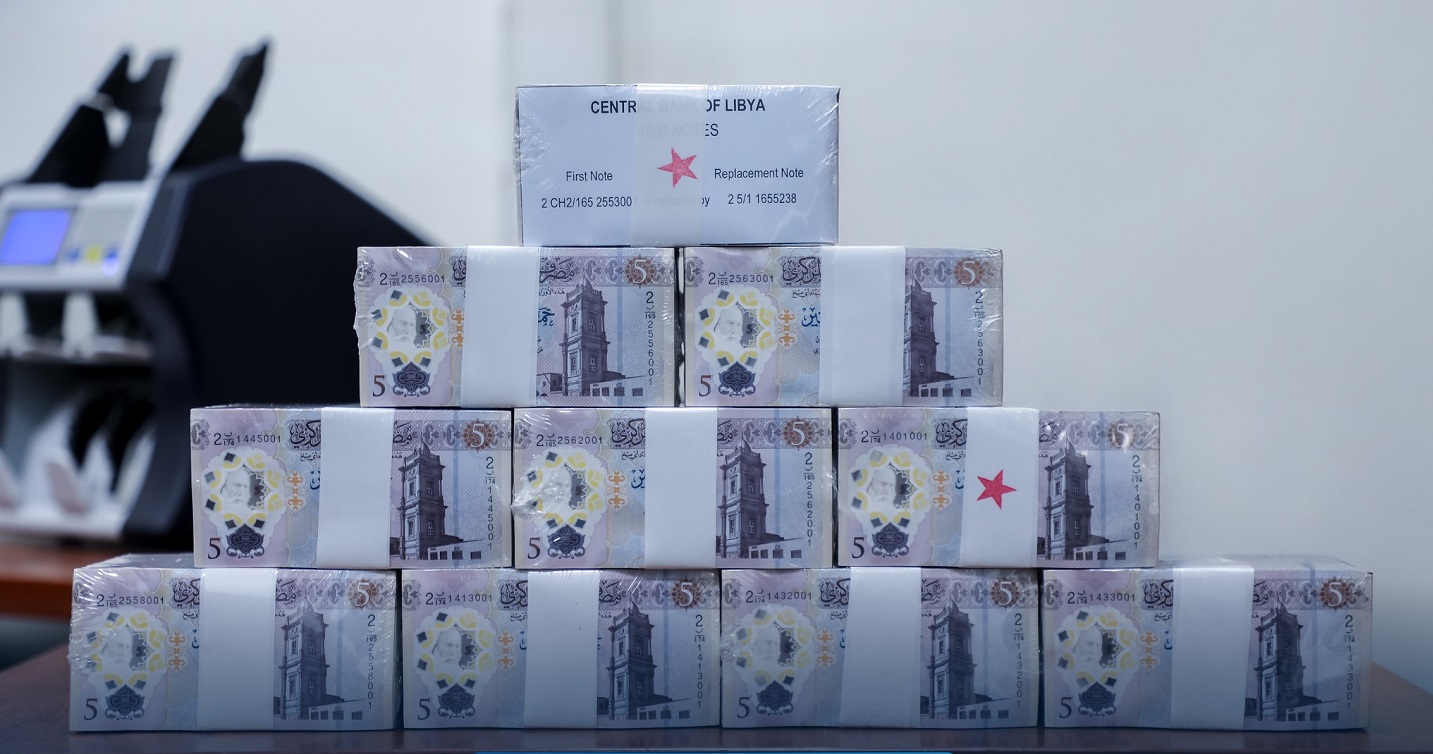
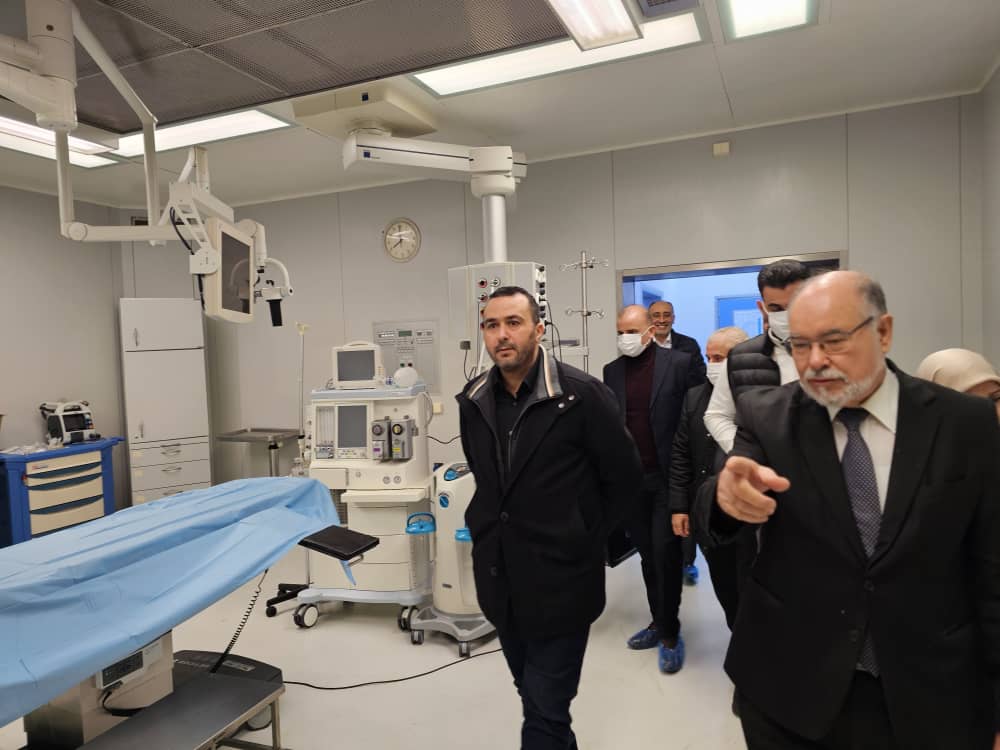
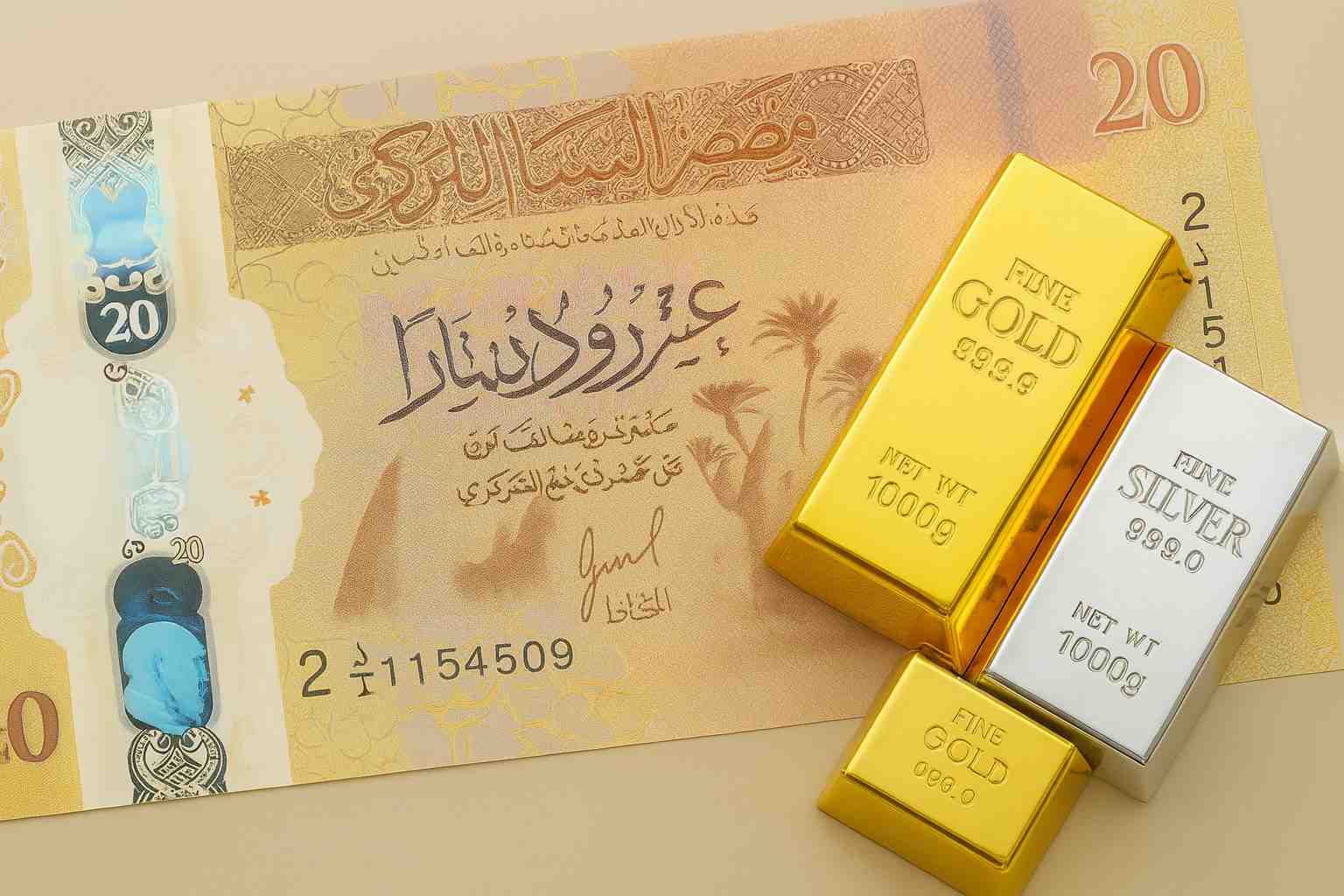
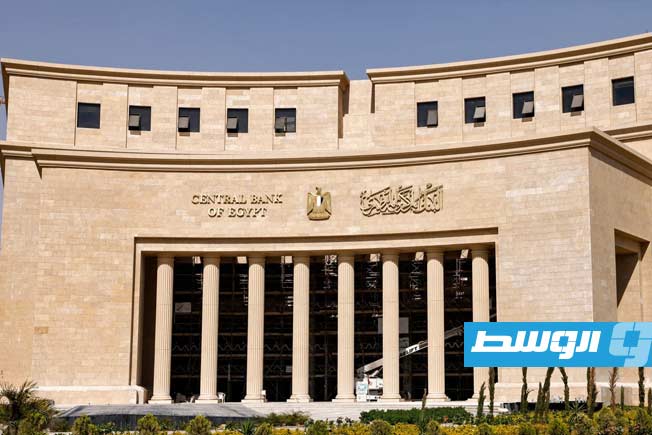
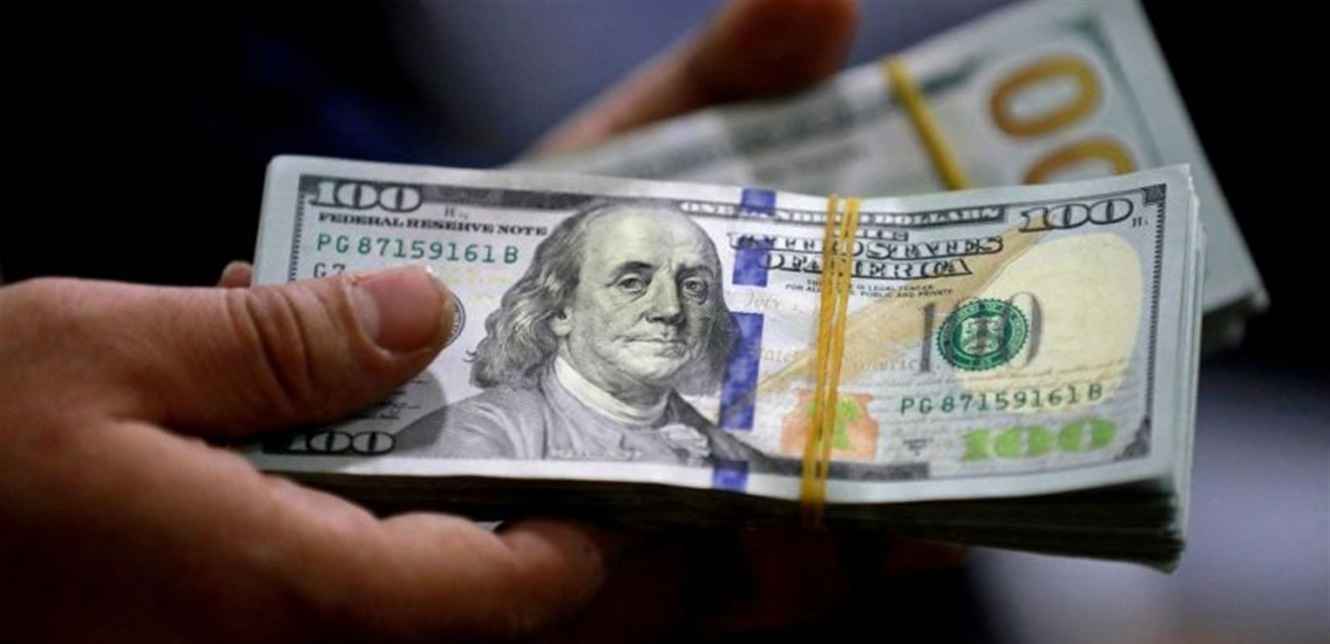
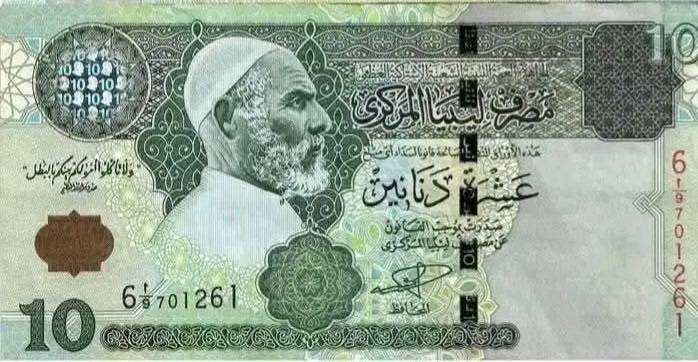
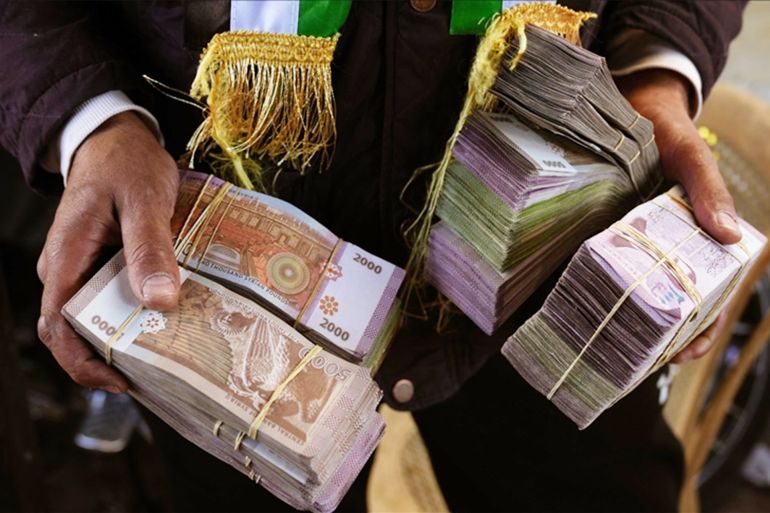
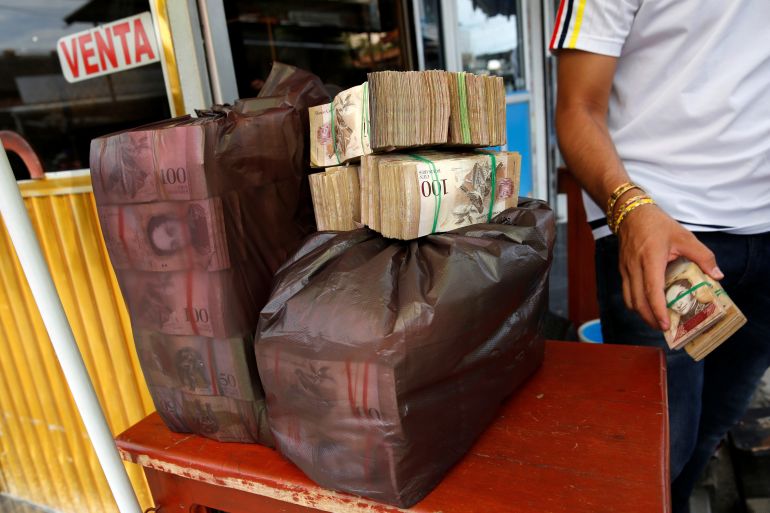
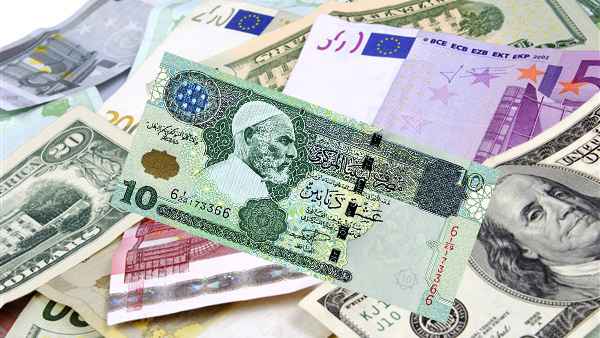
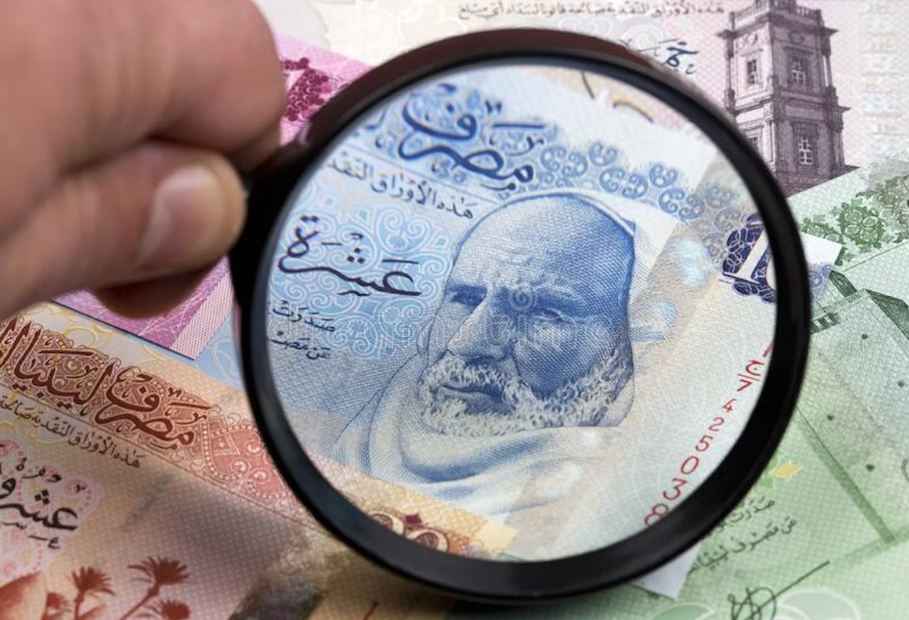
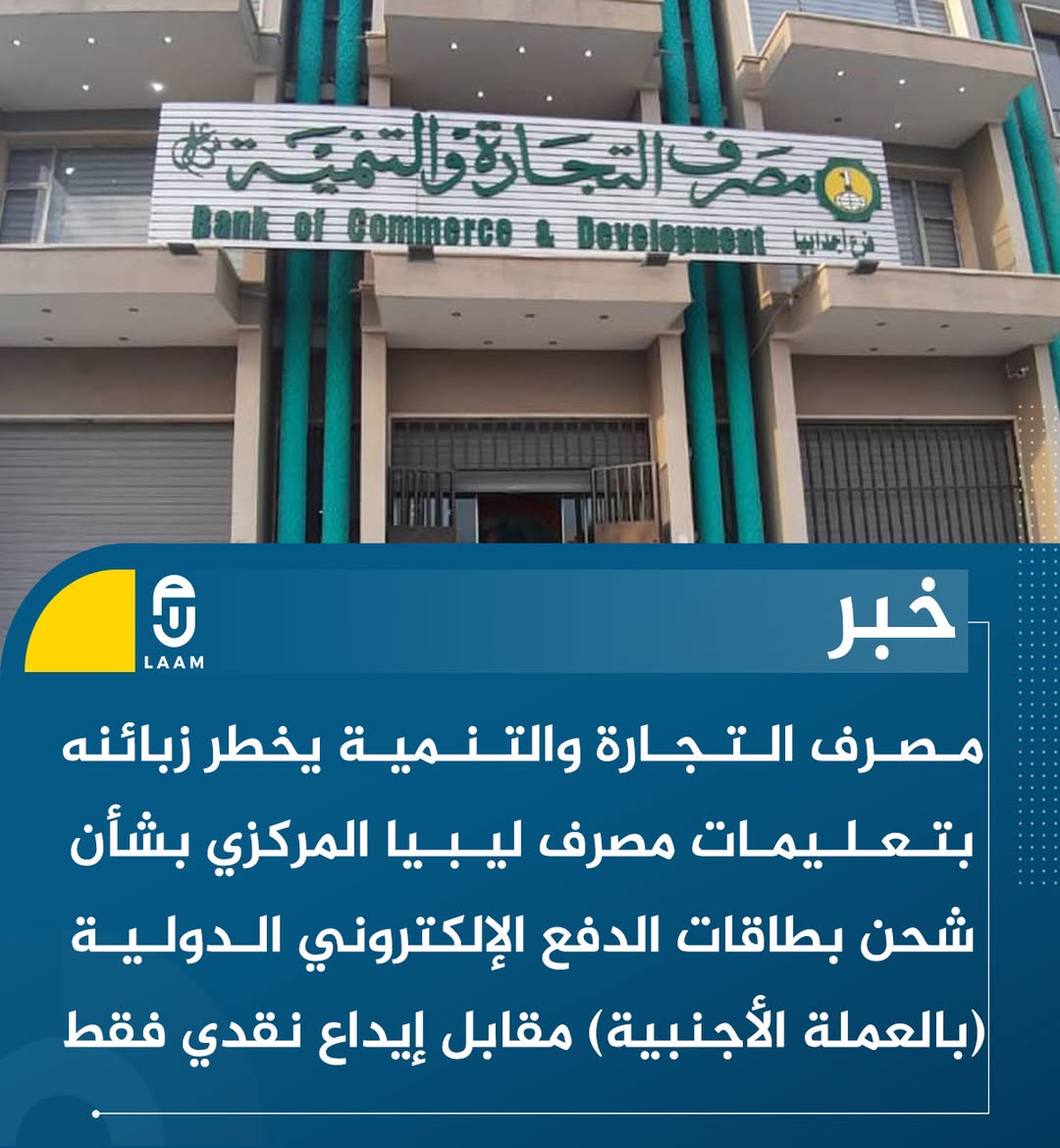
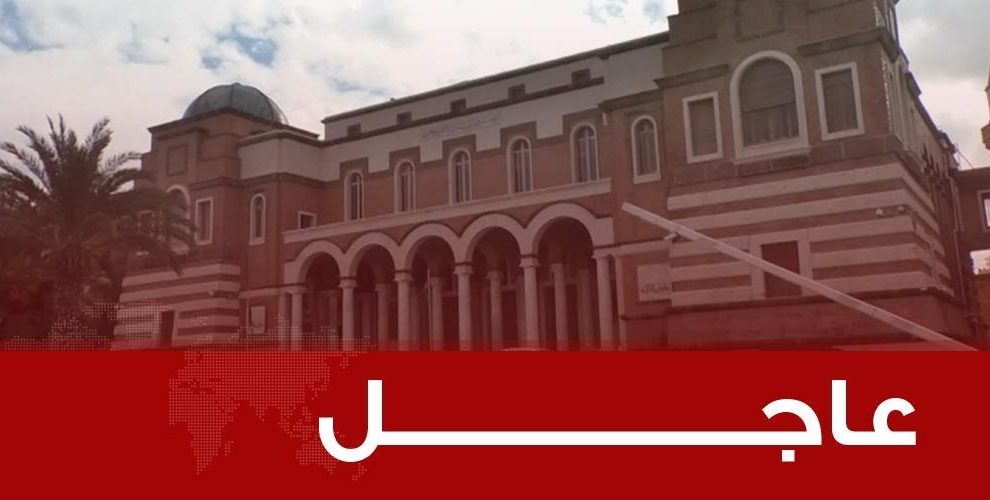
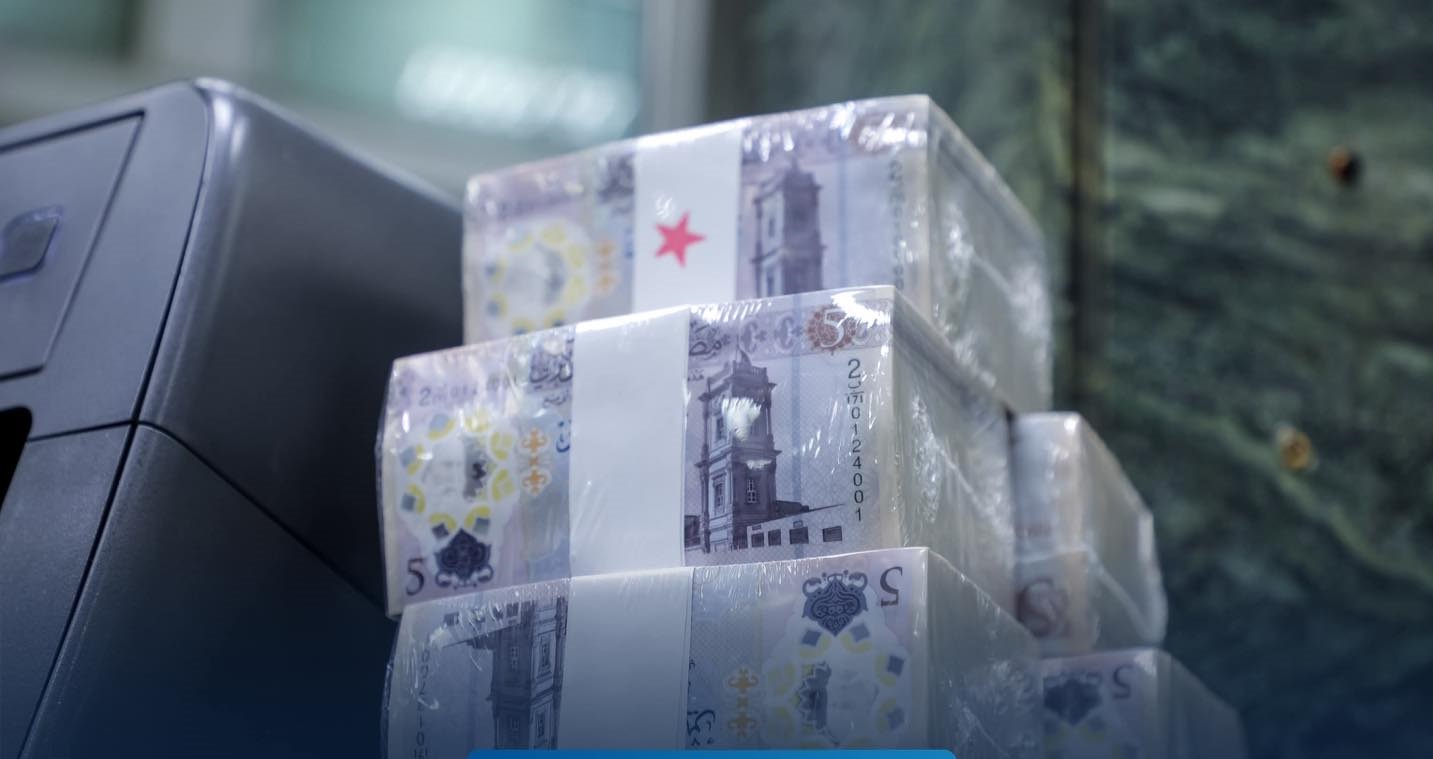
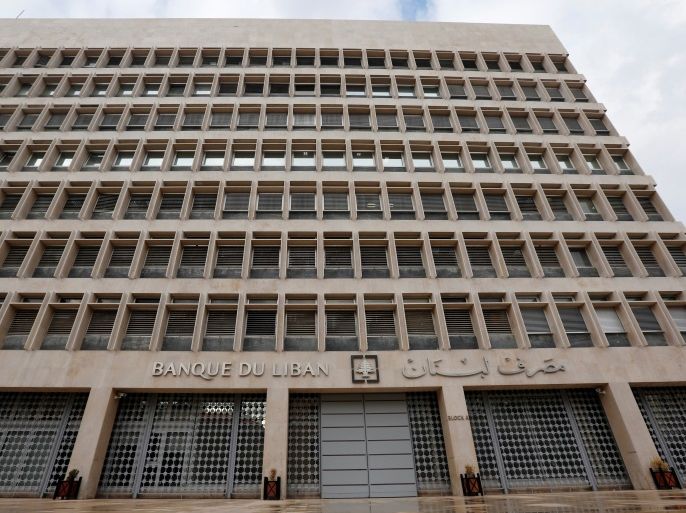
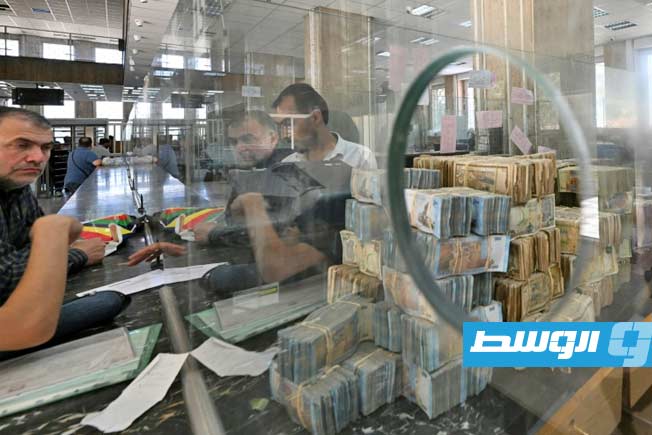
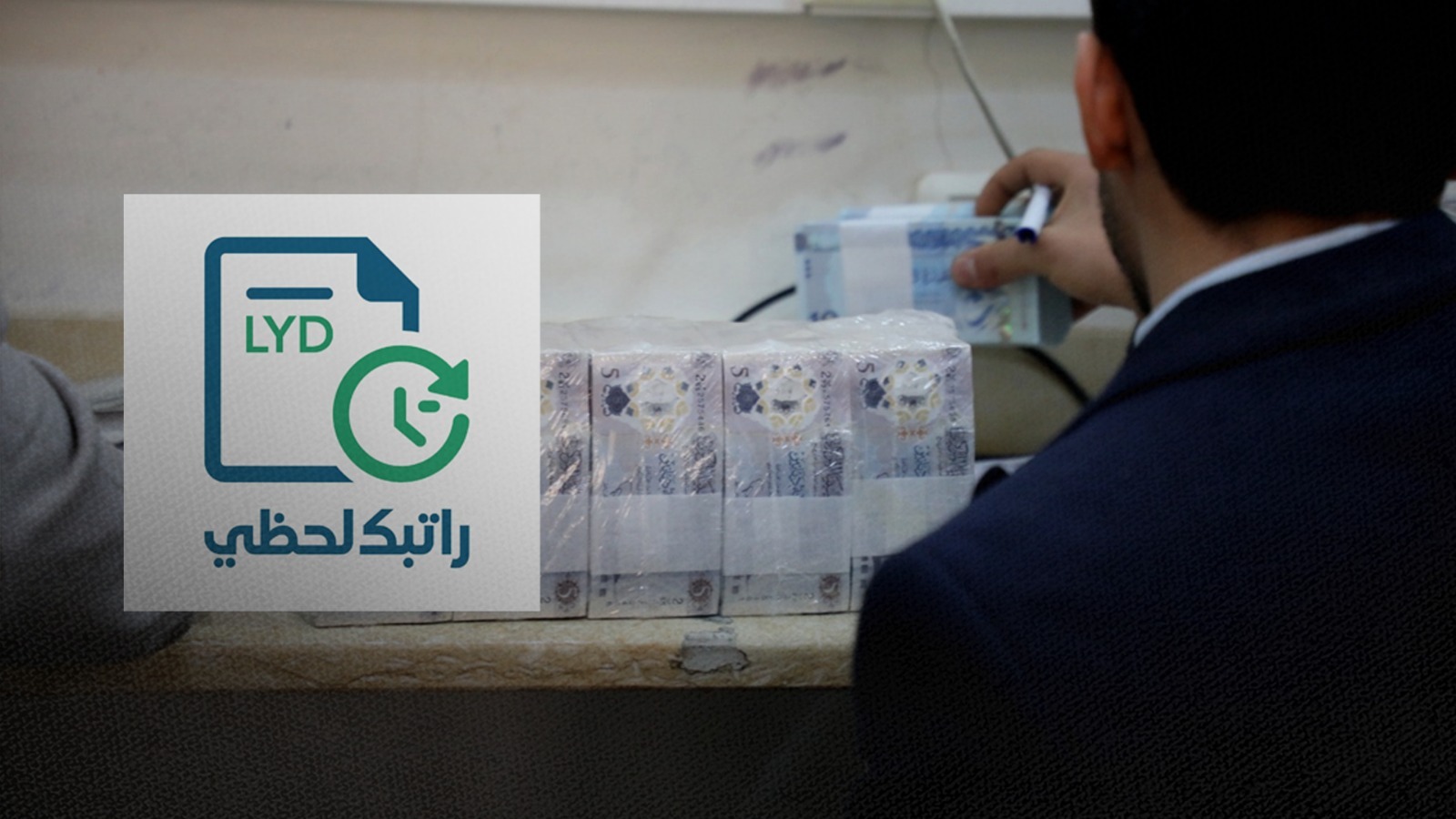
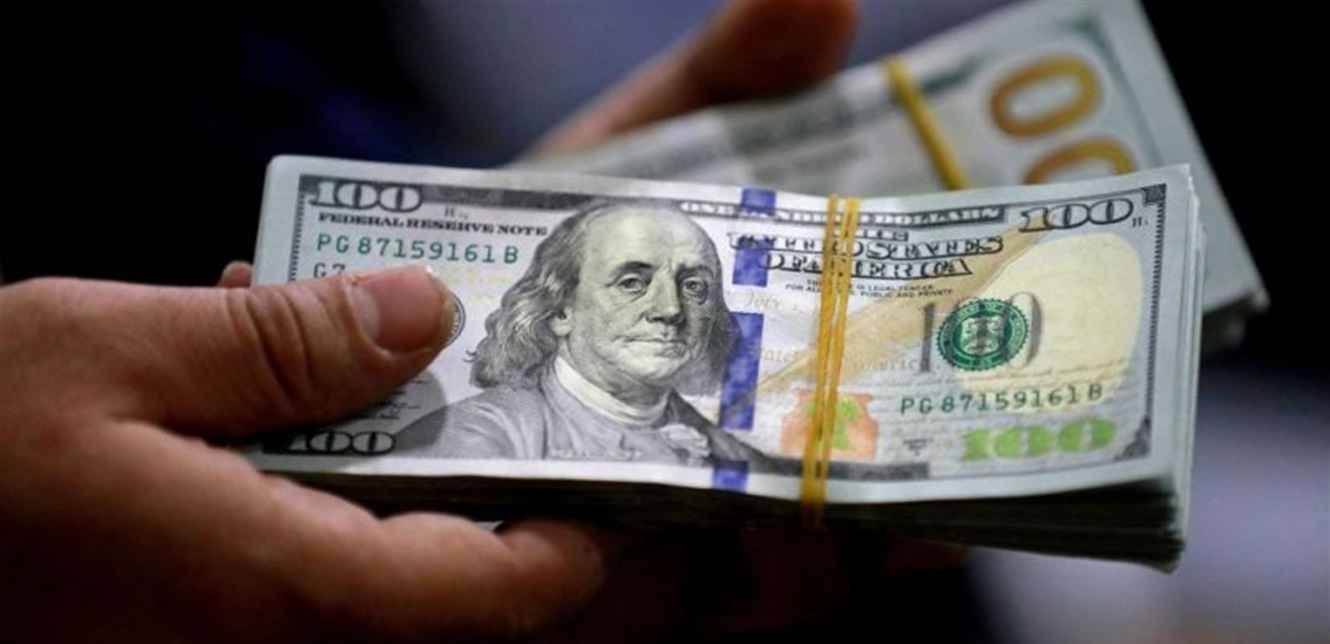
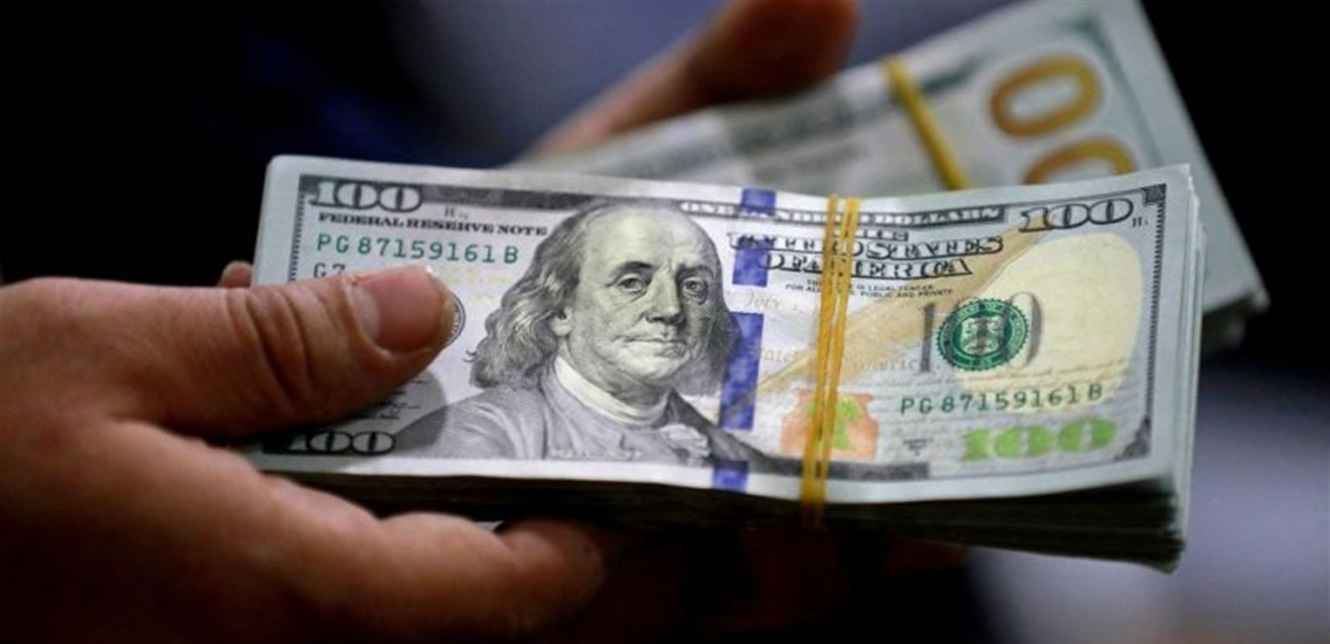
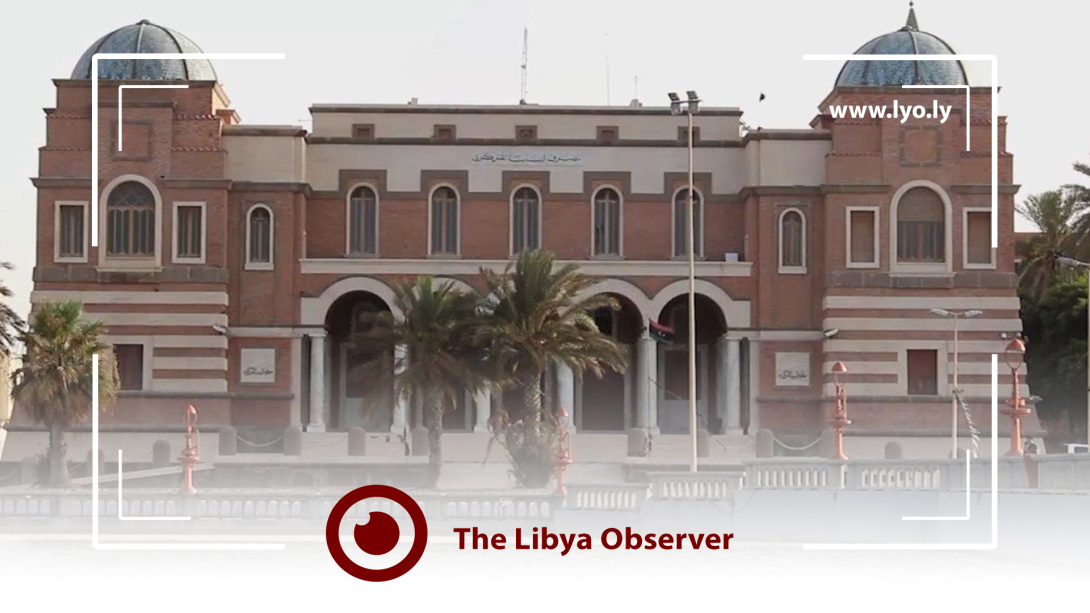
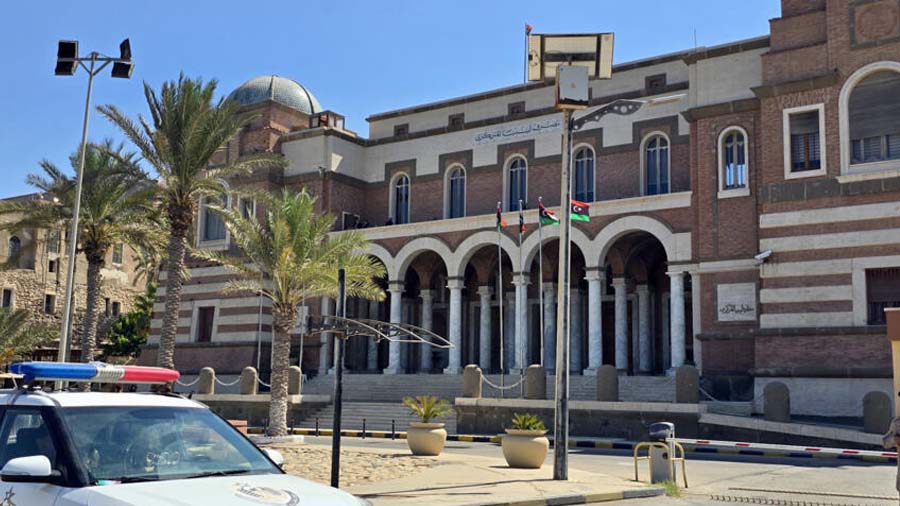
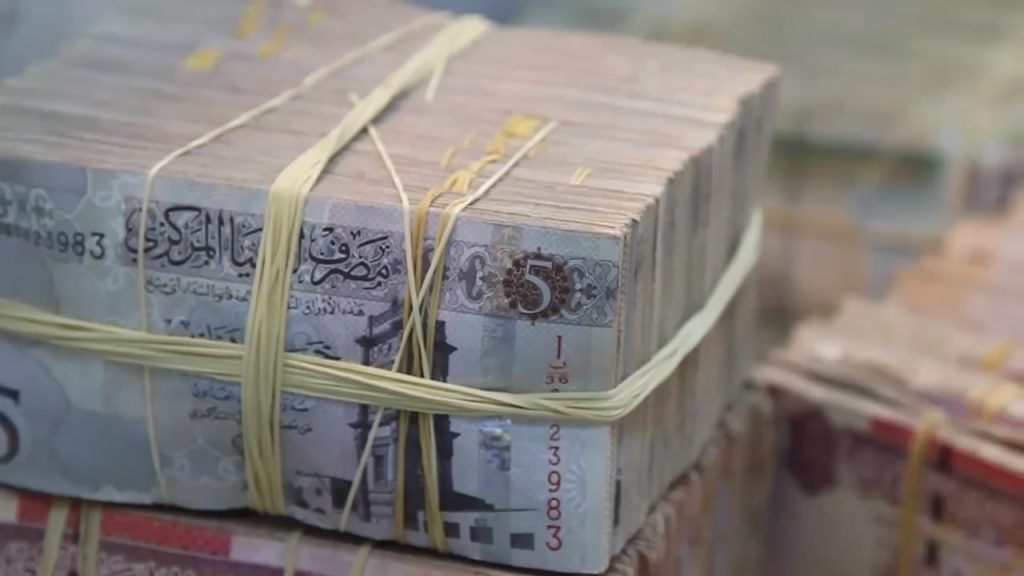
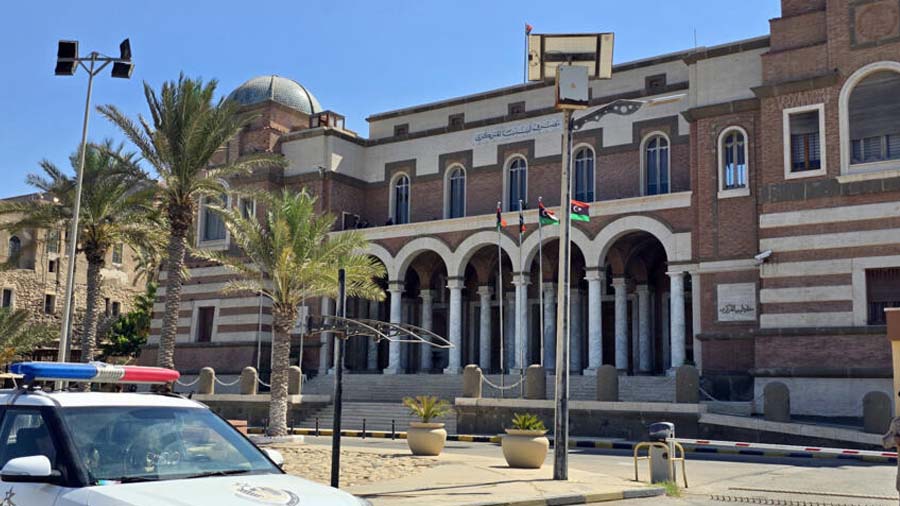
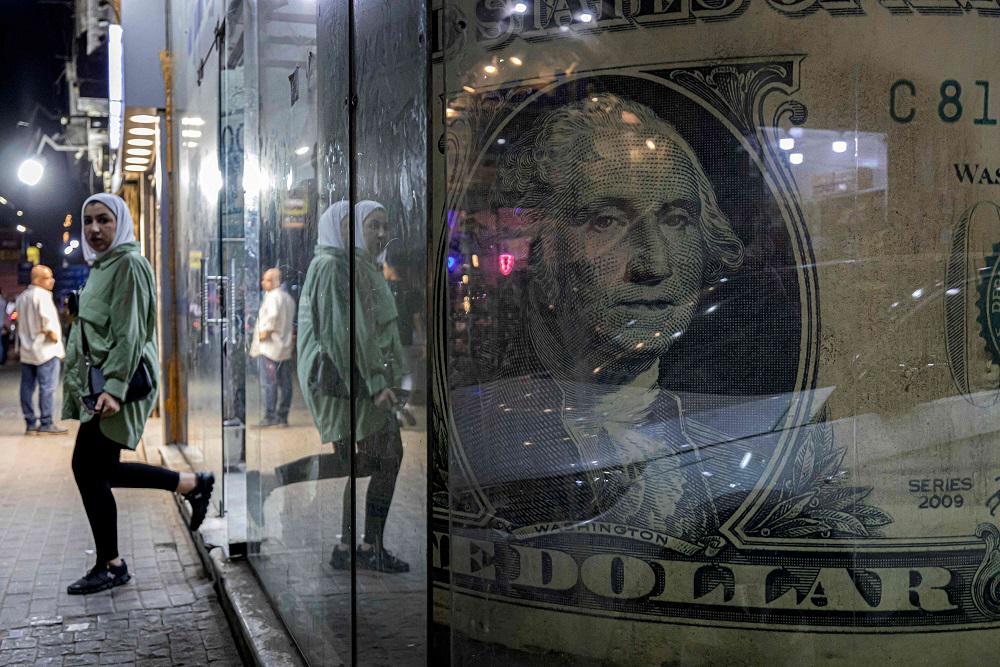
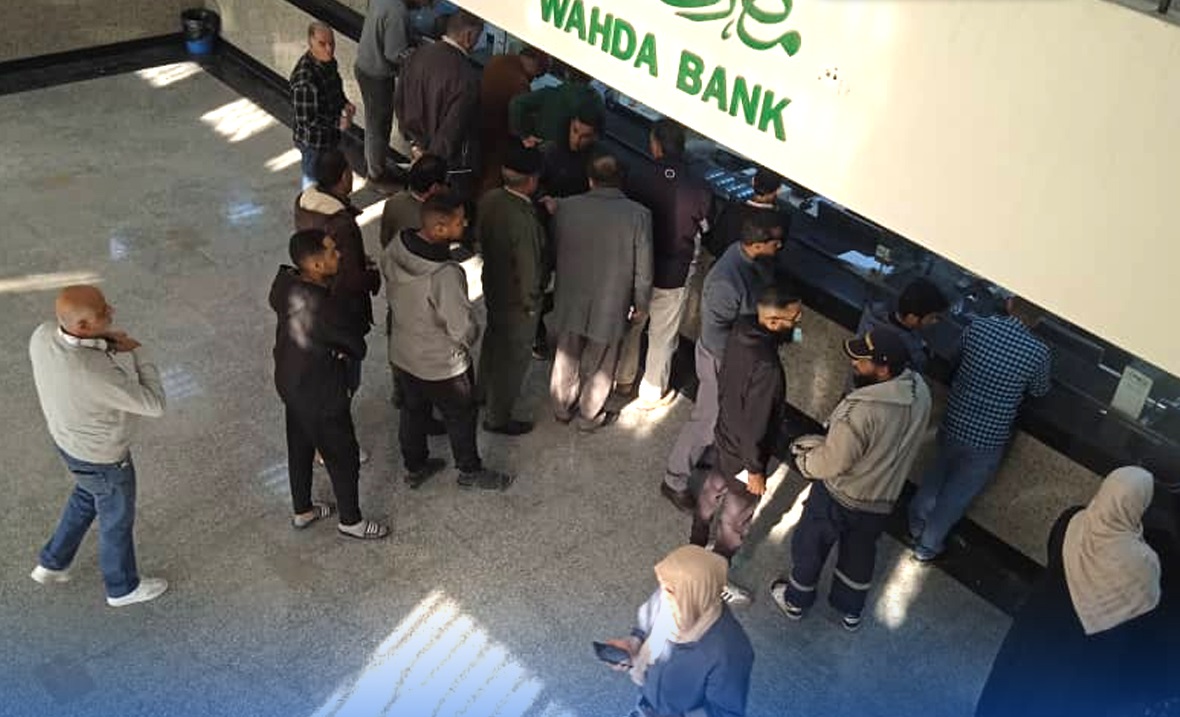
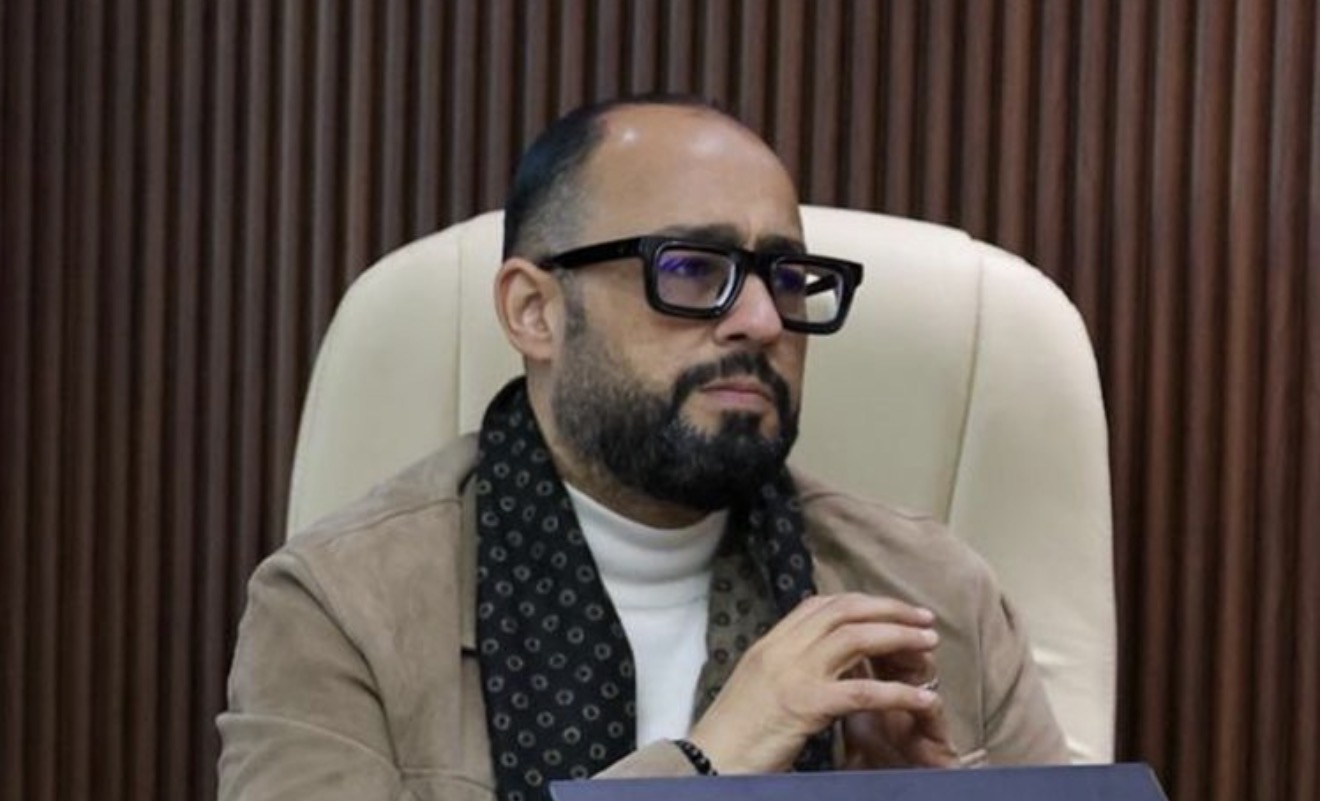
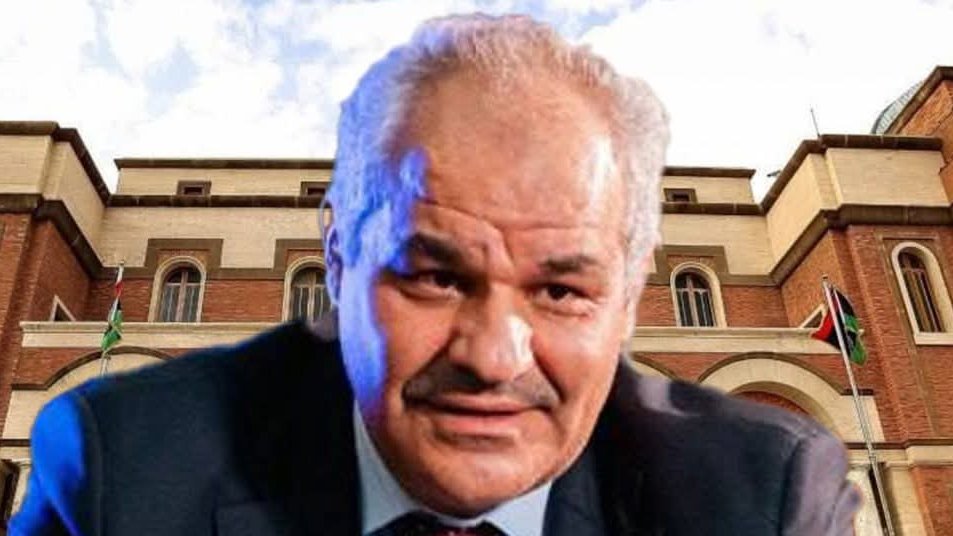
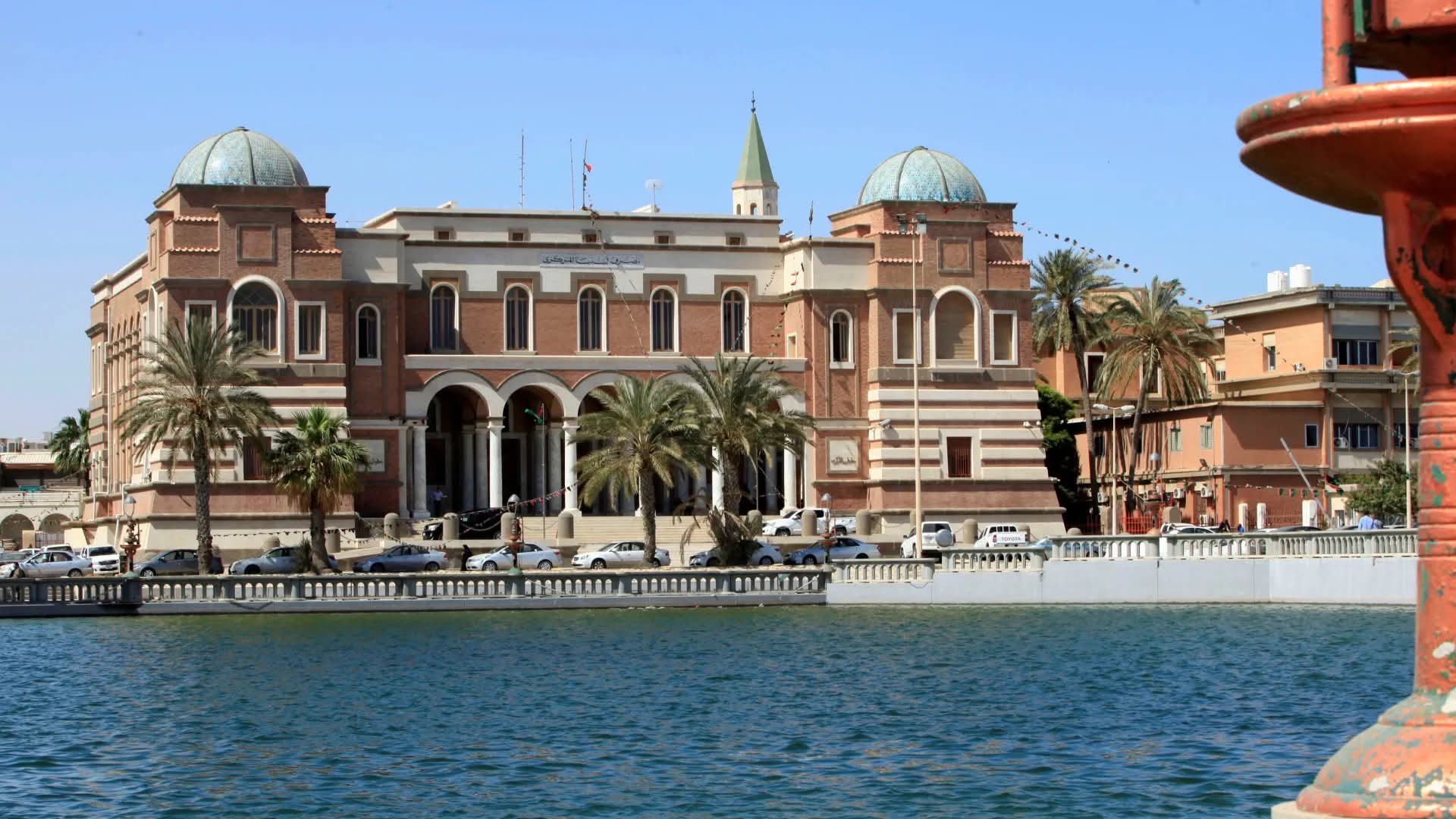
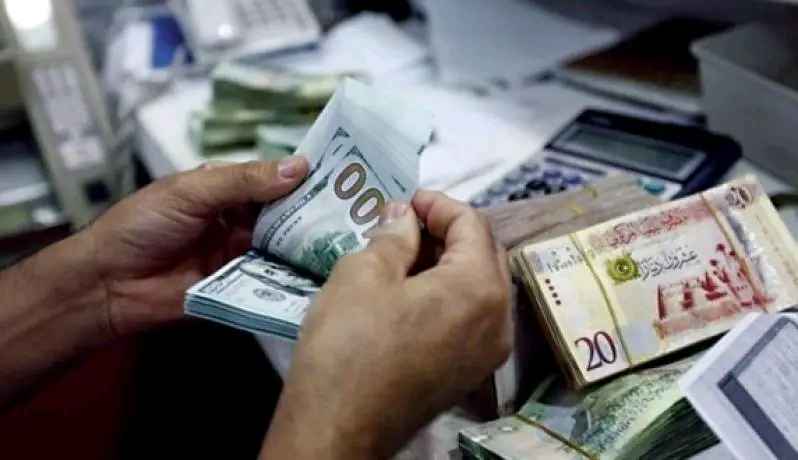
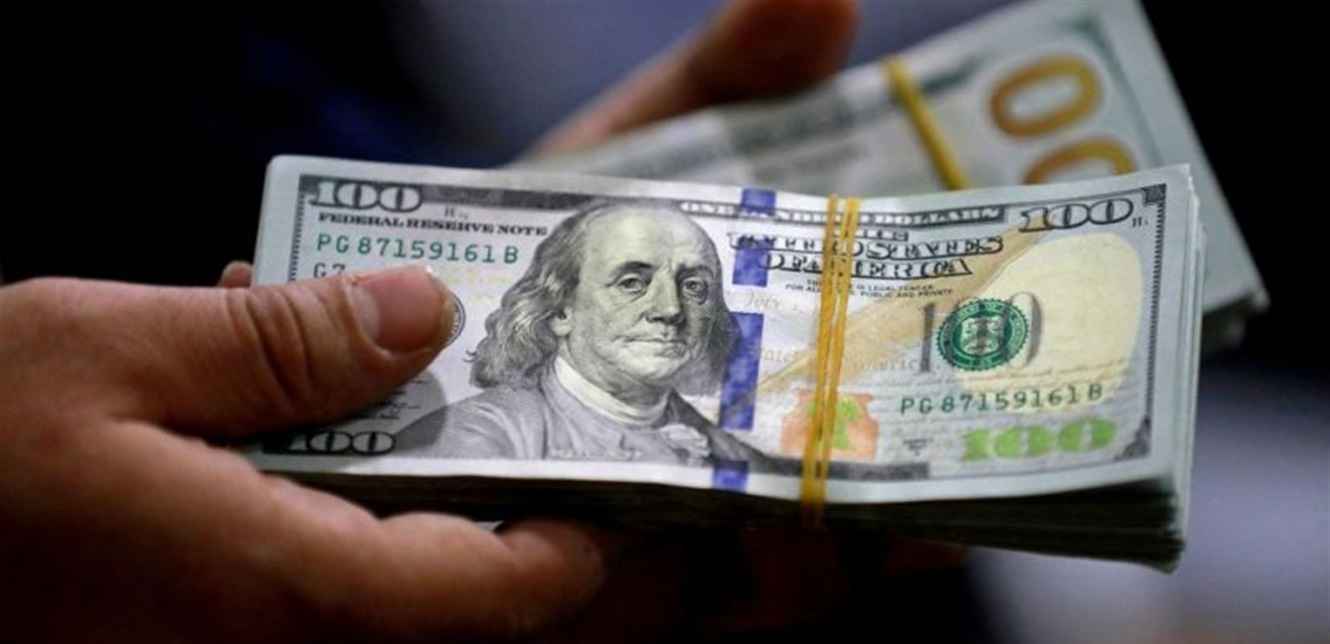
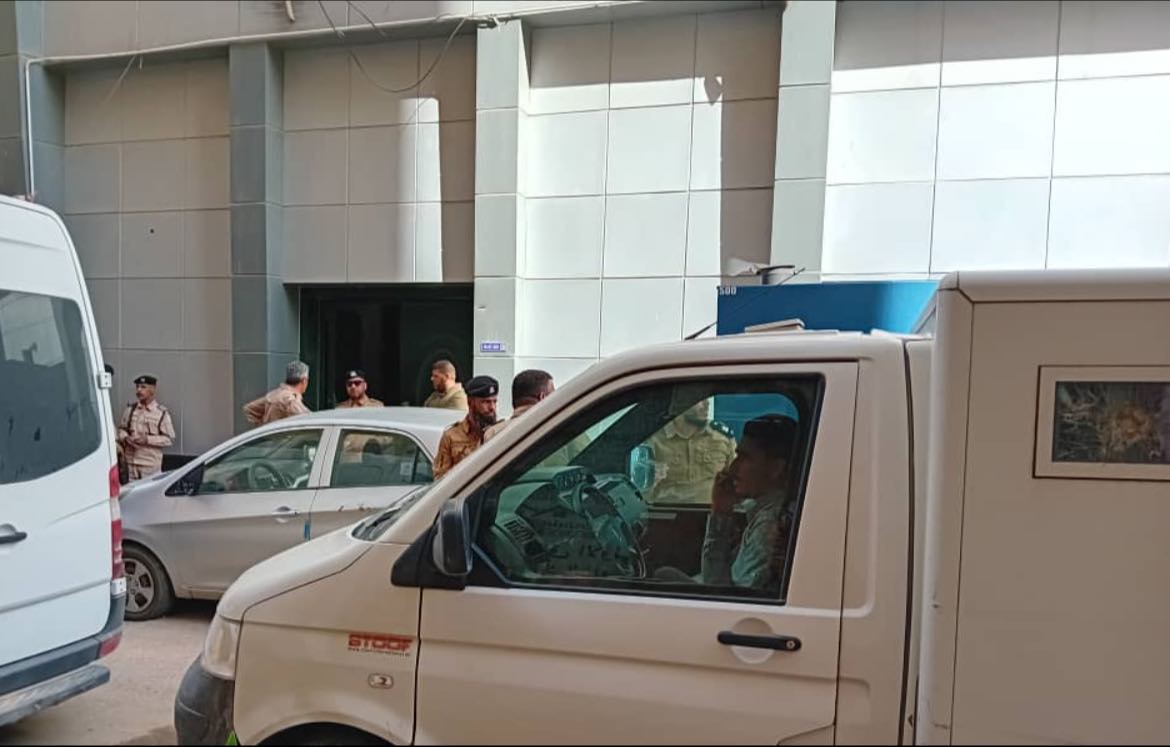
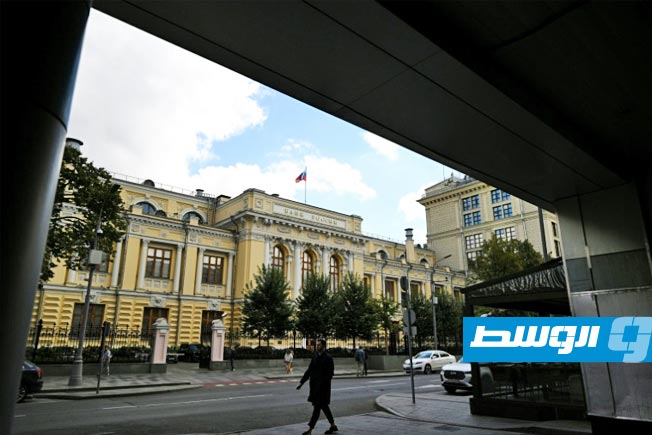
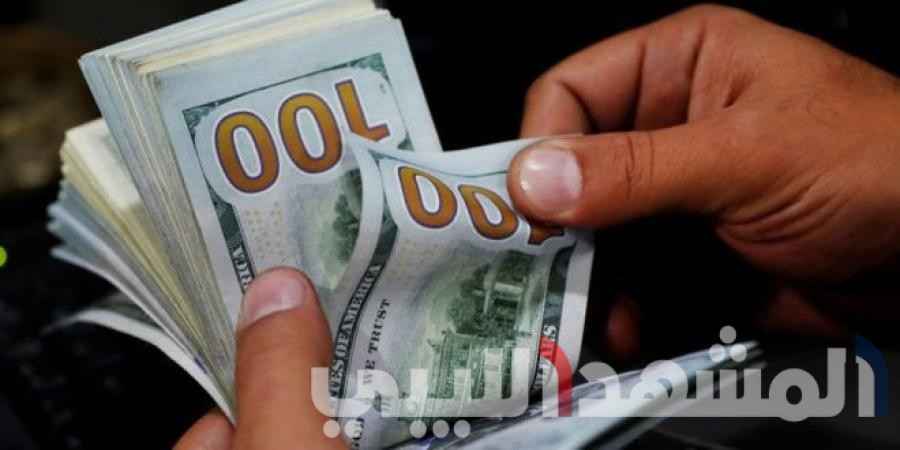
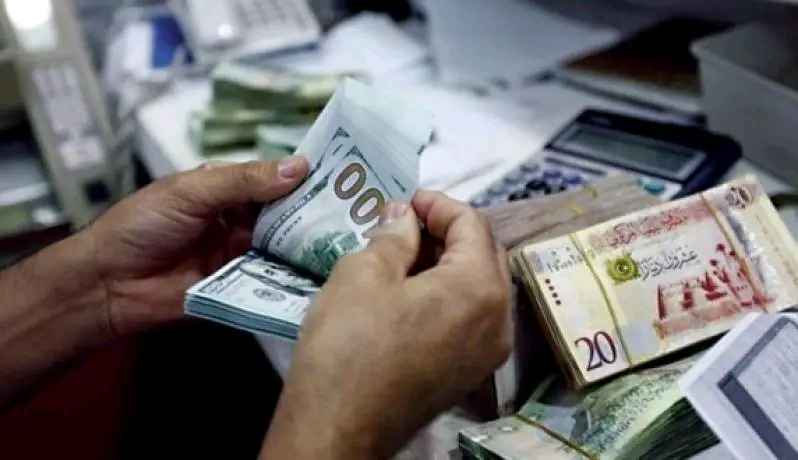
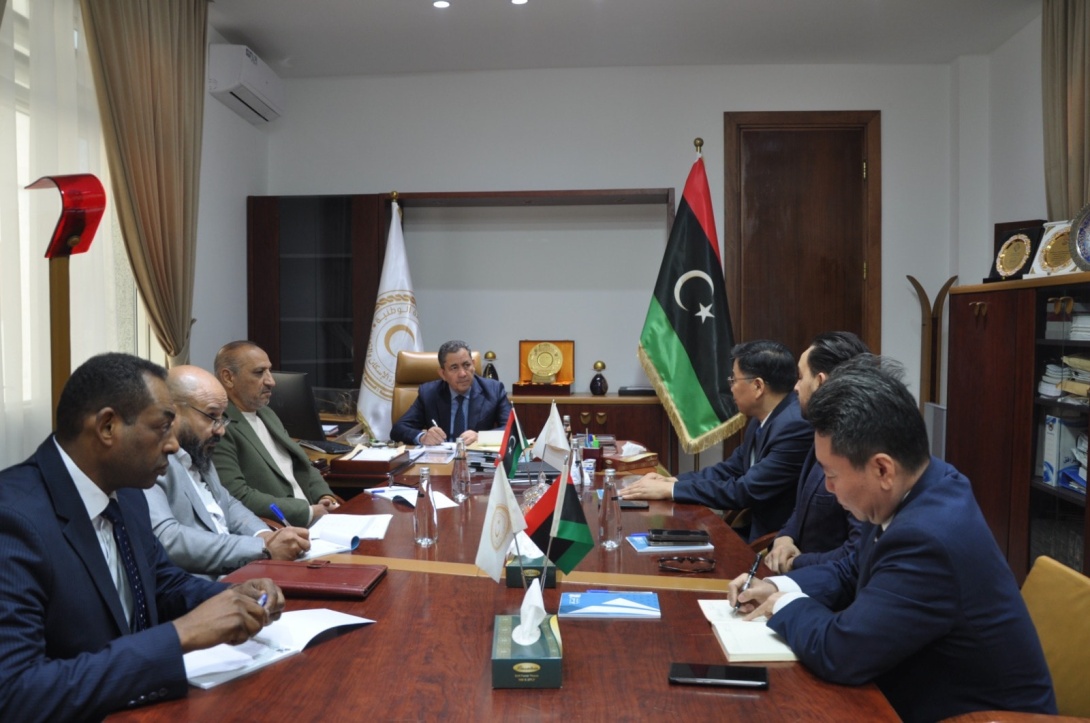
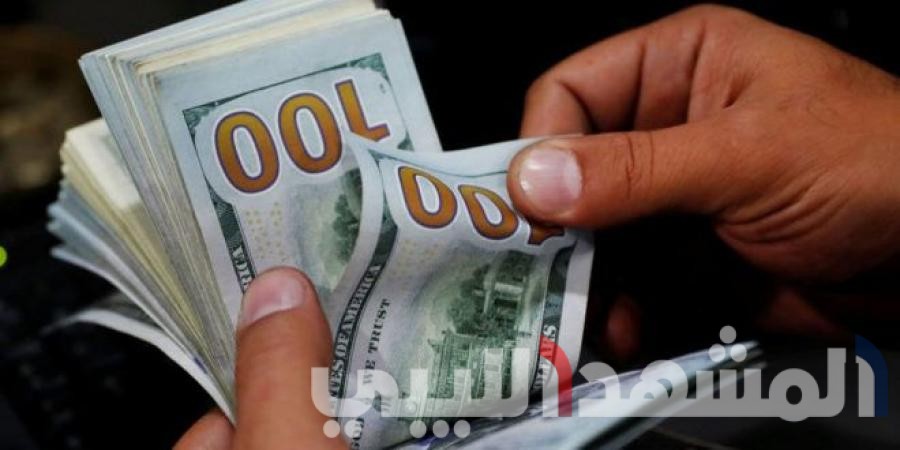
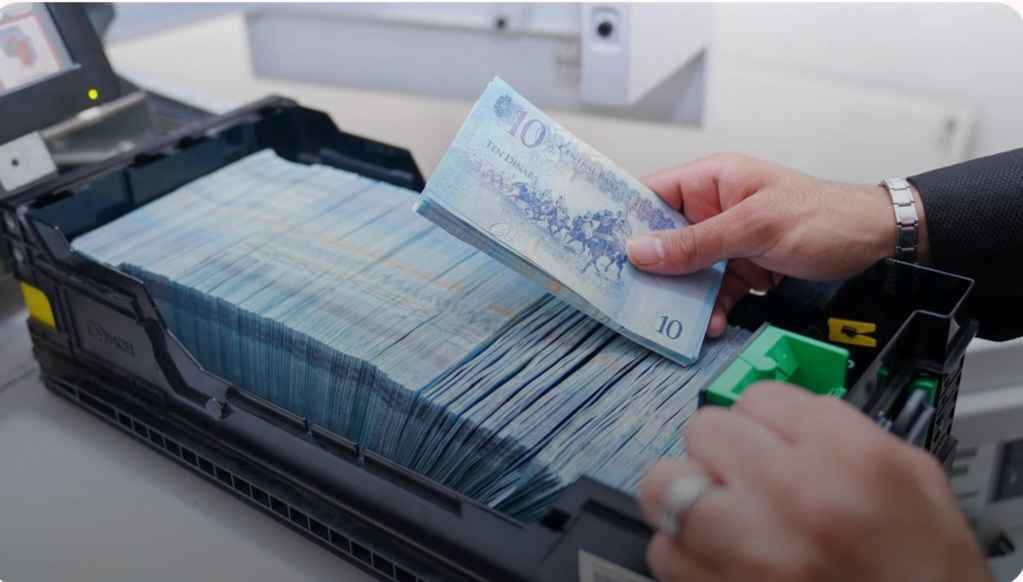
Tripoli – The Central Bank of Libya sent cash shipments to its branches in the cities of Gharyan and Ubari today, Monday, as part of its ongoing program to provide liquidity and support commercial banks in various regions.
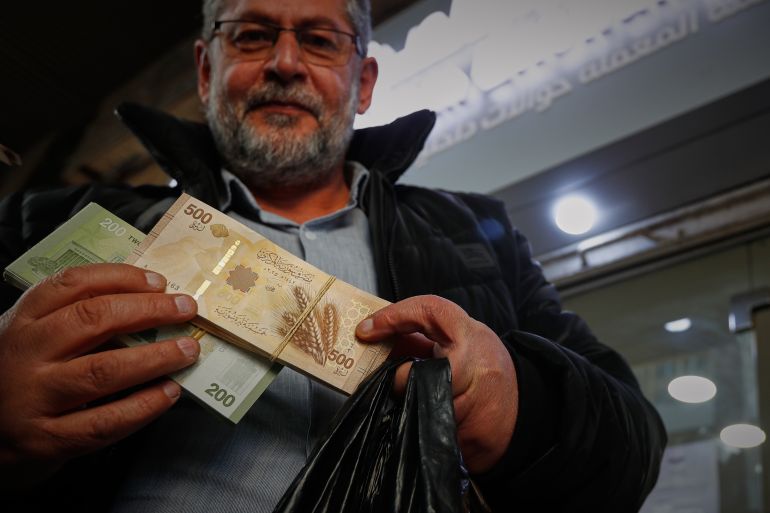
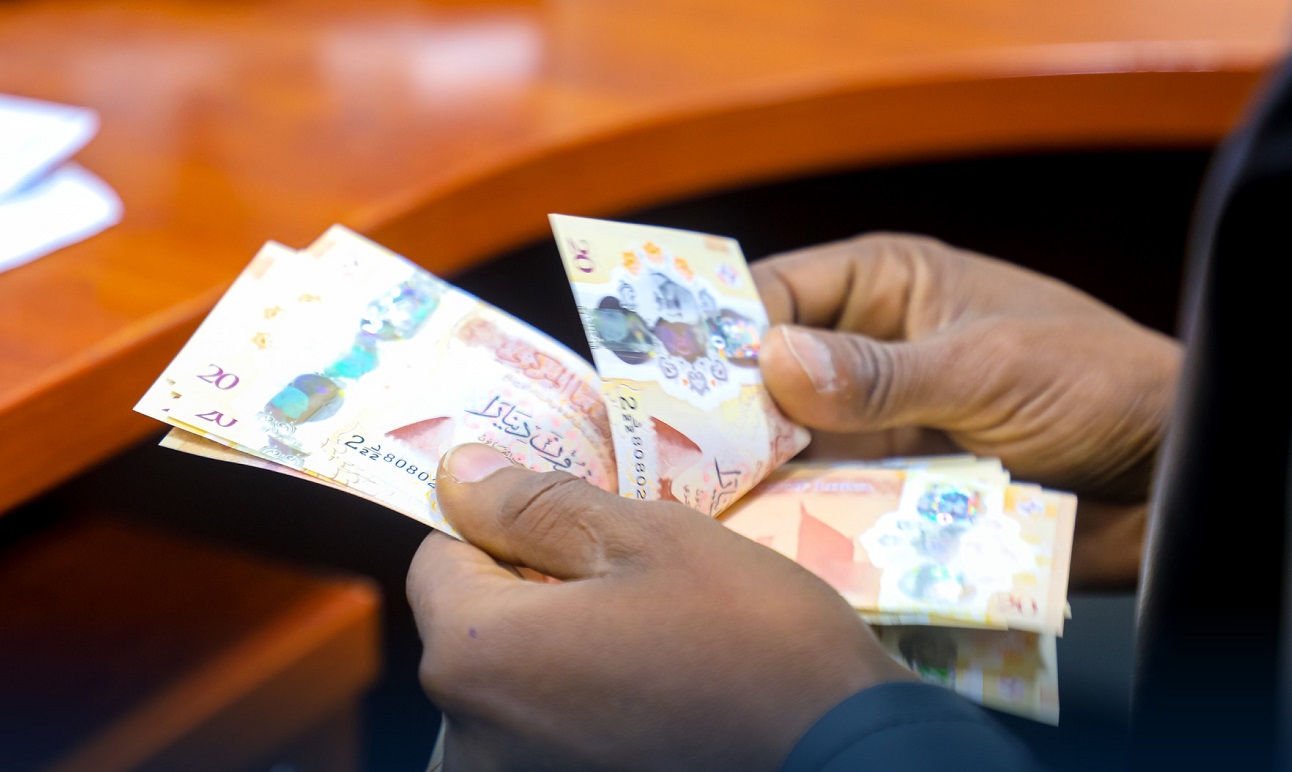
It was reported that the Gharyan branch received an amount of 100 million dinars to strengthen the balances of banks in the Western Mountain region, while another shipment worth 20 million dinars arrived at the Ubari branch to meet the needs of banks operating in the area.
Previous Liquidity Injection of 228 Million Dinars
It is worth noting that on December 20th of last year, the Central Bank sent cash shipments with a total value of 228 million dinars to the cities of Gharyan, Ghat, Ubari, and Sabha, as part of its plan to strengthen the financial positions of commercial banks and ensure the continuity of their services to customers.
Tripoli
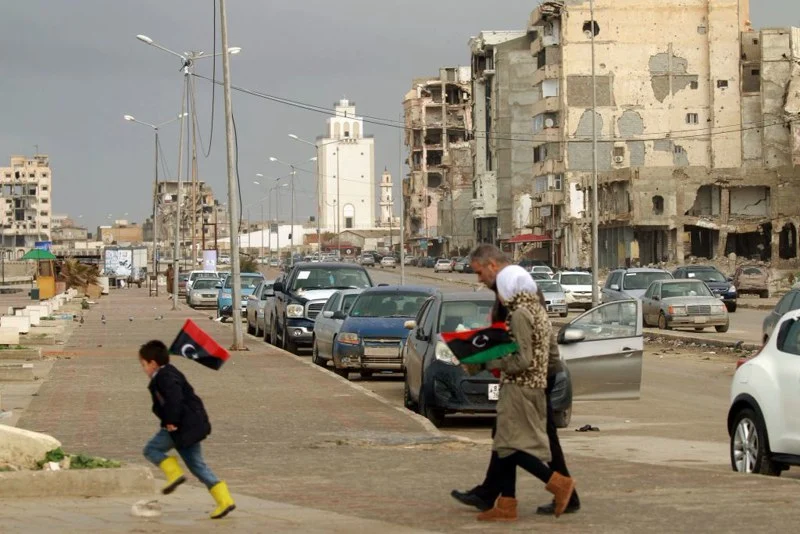
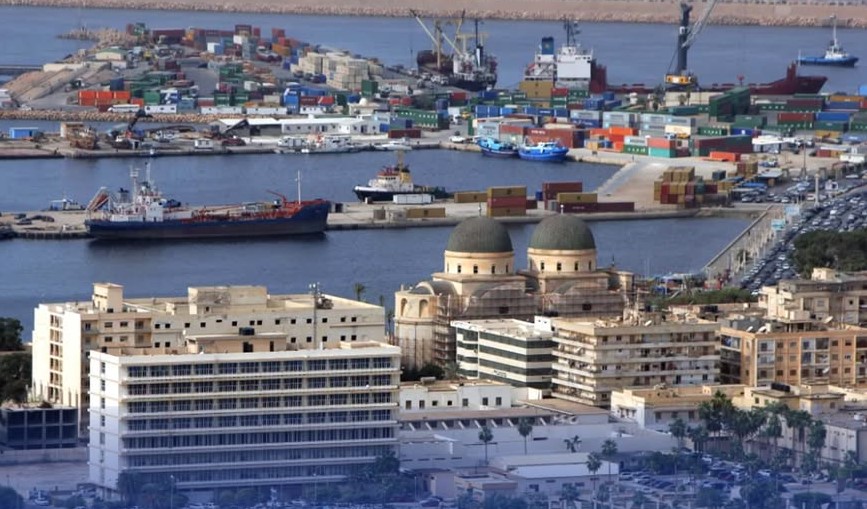
Tripoli is the capital and largest city of Libya, with a history dating back to the 7th century BC when it was founded by the Phoenicians. It later became a significant part of the Roman Empire, the Ottoman Empire, and an Italian colony, which is reflected in its diverse architecture, such as the historic Medina and Red Castle.
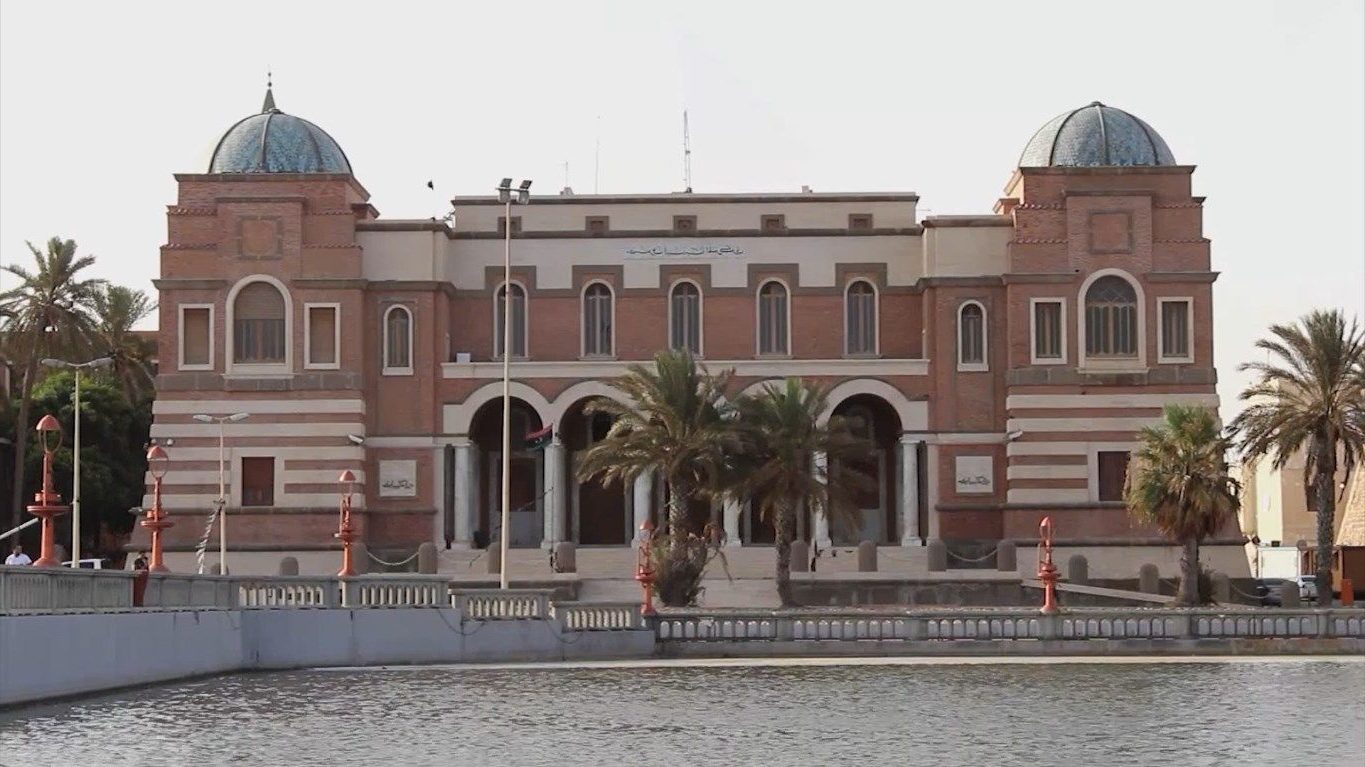
Central Bank of Libya
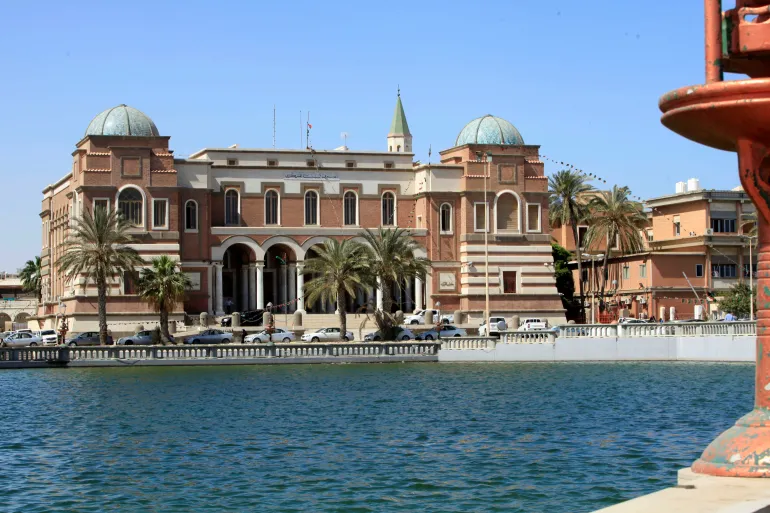
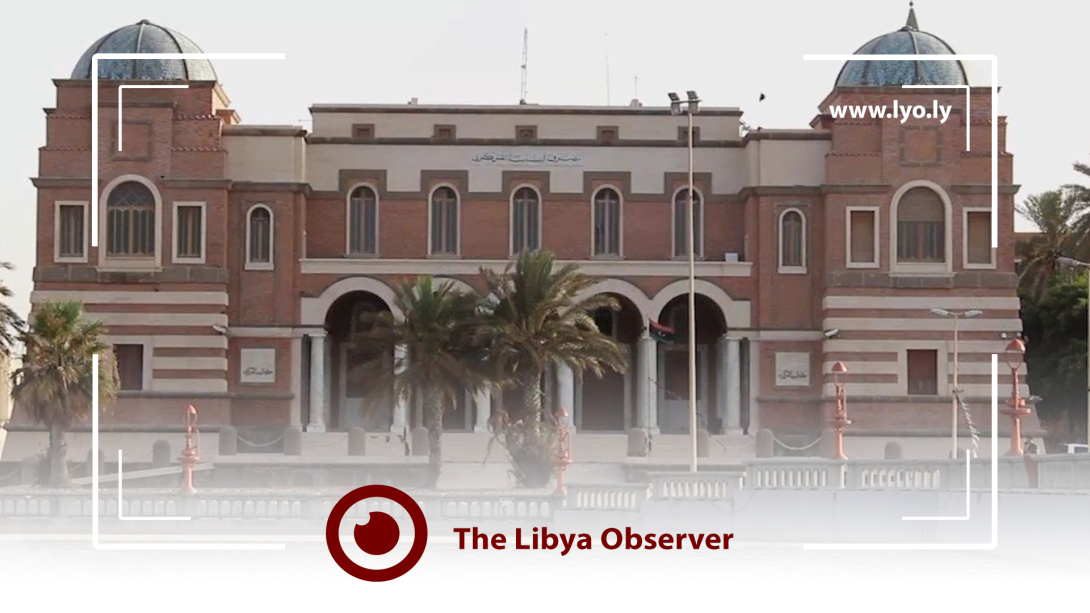
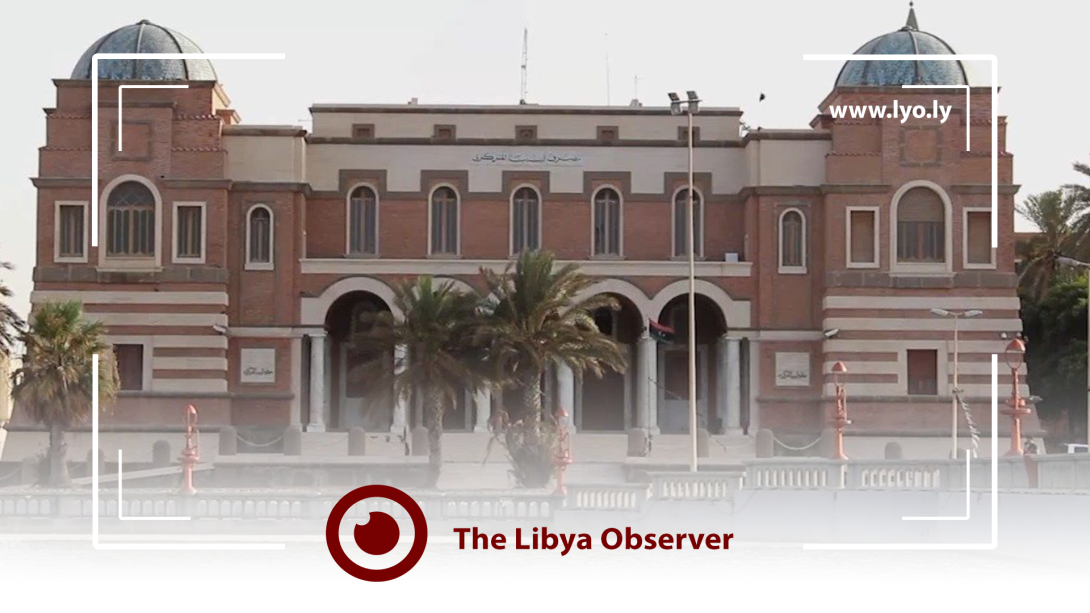
The Central Bank of Libya is the primary monetary authority of Libya, established in 1956 to issue currency and manage the country’s financial reserves. It has played a critical and often contentious role throughout Libya’s modern history, including during the Gaddafi era and the subsequent civil conflicts, where control of the bank and its assets became a major point of political and military contention.
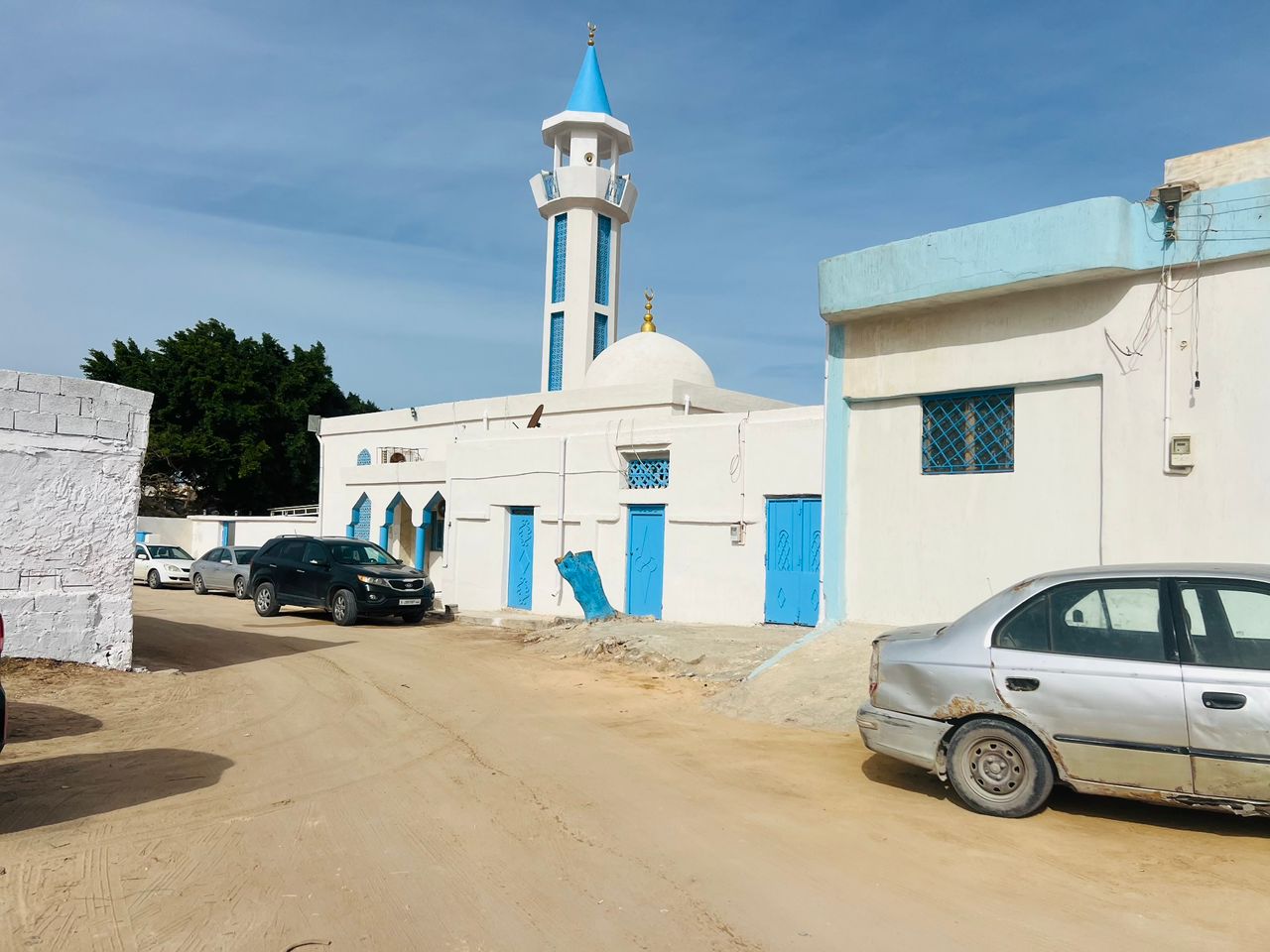
Gharyan
Gharyan is a historic town in northwestern Libya known for its distinctive underground and hillside cave dwellings, which provided natural insulation and protection. These traditional structures, some of which are centuries old, reflect a unique architectural adaptation to the region’s desert climate and have been a defining feature of the local Berber (Amazigh) culture.
Ubari
Ubari is an oasis town located in southwestern Libya, within the larger Fezzan region. Historically, it was a significant stop along the trans-Saharan trade routes and is part of the area containing the stunning Ubari Sand Sea and its salt lakes, like Lake Umm al-Maa. These lakes are remnants of a much larger prehistoric lake that existed when the Sahara had a wetter climate thousands of years ago.
Western Mountain region
The Western Mountain region, often associated with the sacred Mount Tai in China’s Shandong province, is a historically significant cultural landscape. It has been a major site for Taoist, Buddhist, and Confucian worship for over 3,000 years, with emperors performing sacred Fengshan rituals there to legitimize their rule. The area is renowned for its ancient temples, inscriptions, and pathways that embody the traditional Chinese reverence for mountains.
Ghat
A ghat refers to a series of steps leading down to a river, particularly in the Indian subcontinent, and is most famously associated with the sacred city of Varanasi on the Ganges. These embankments have been built over many centuries, serving as essential sites for daily rituals, religious ceremonies, and cremations. They hold profound spiritual significance in Hinduism, representing a place of purification and a portal between the physical and divine worlds.
Sabha
Sabha is a major city in southwestern Libya, historically serving as a key hub along the trans-Saharan trade routes. It is known for its traditional mud-brick architecture and its role as a center for the indigenous Tuareg and Toubou cultures.