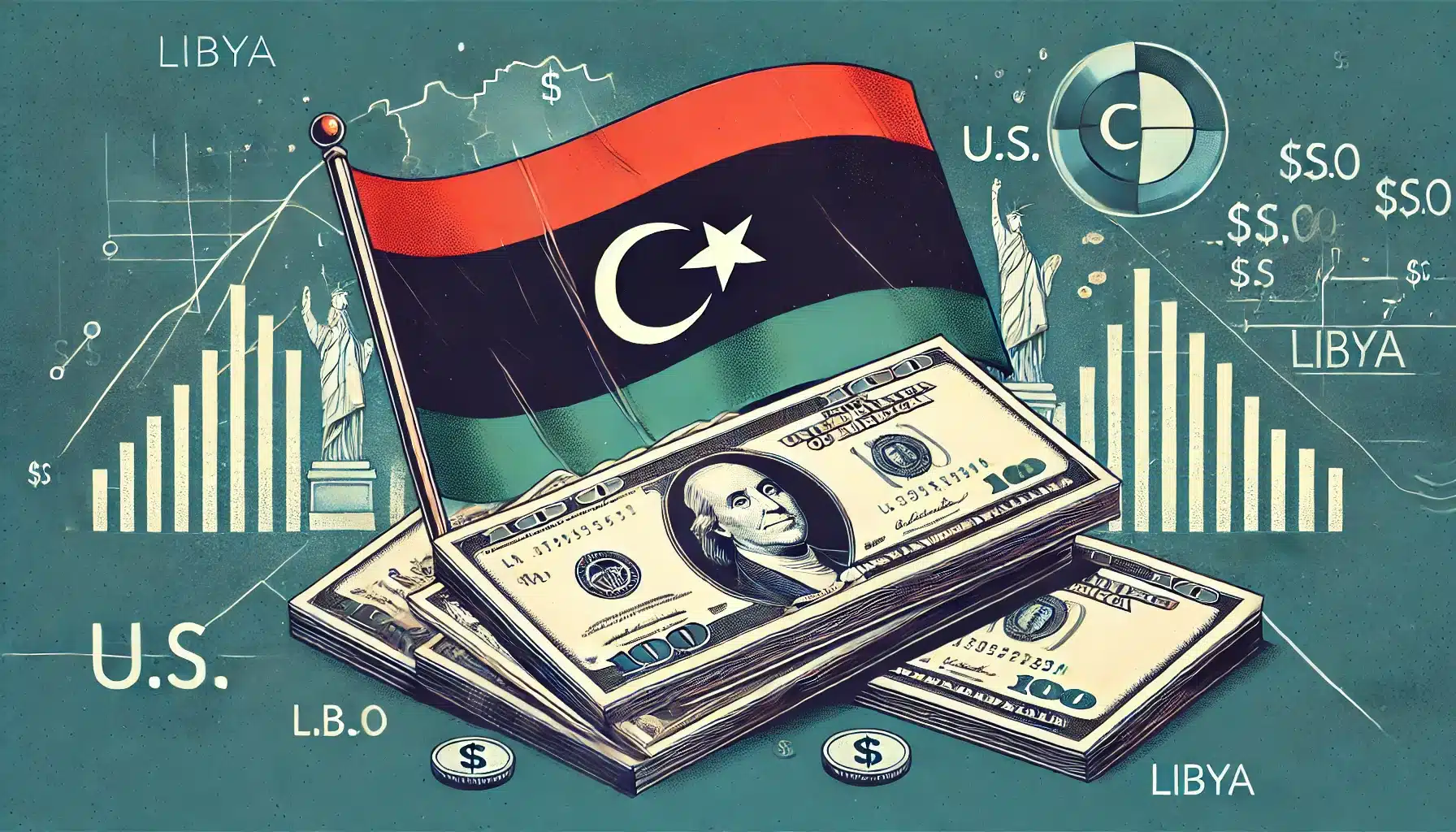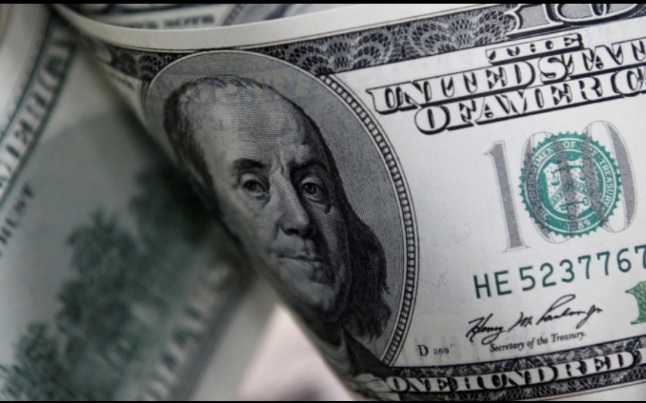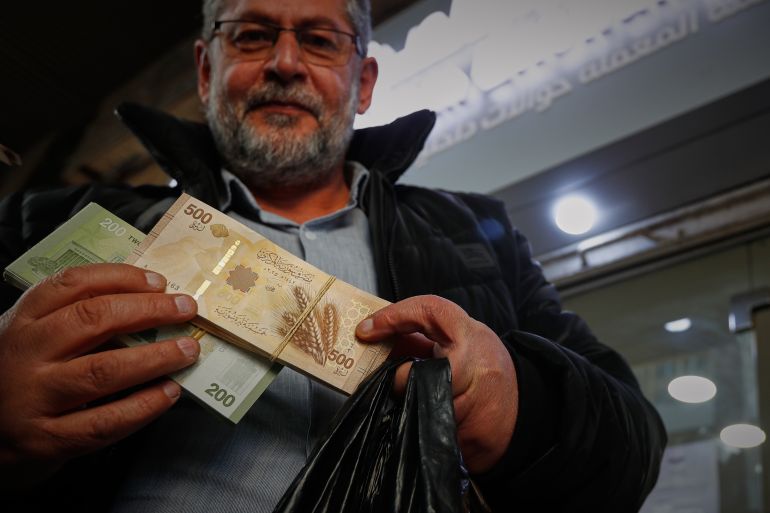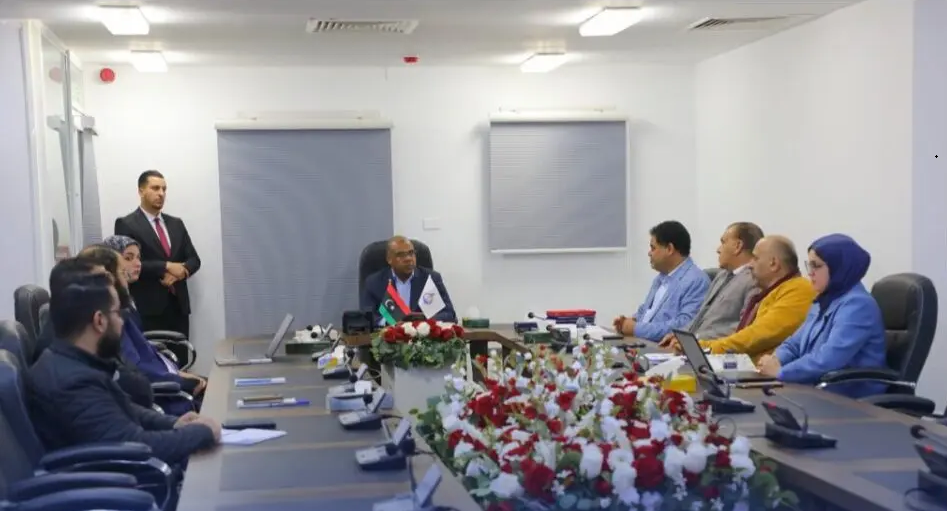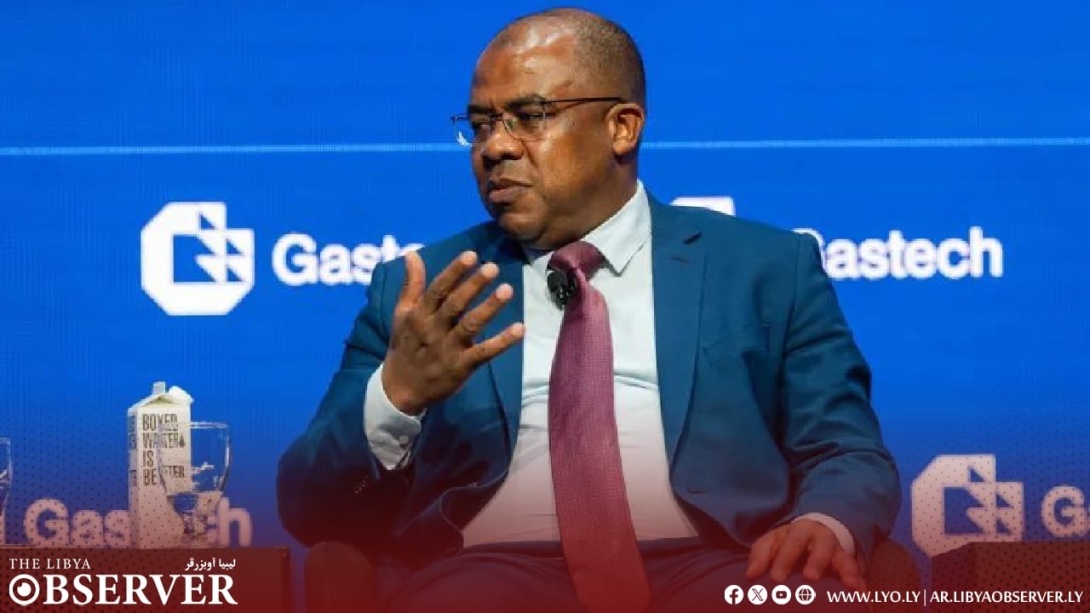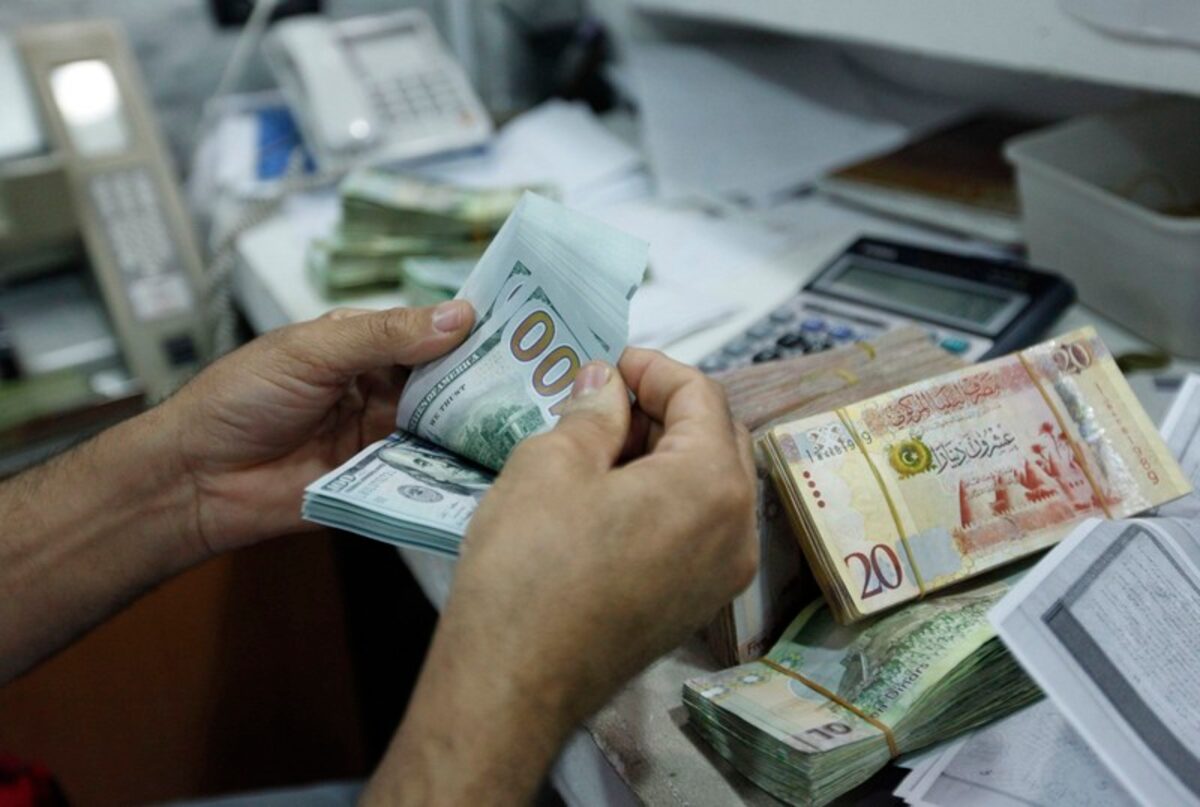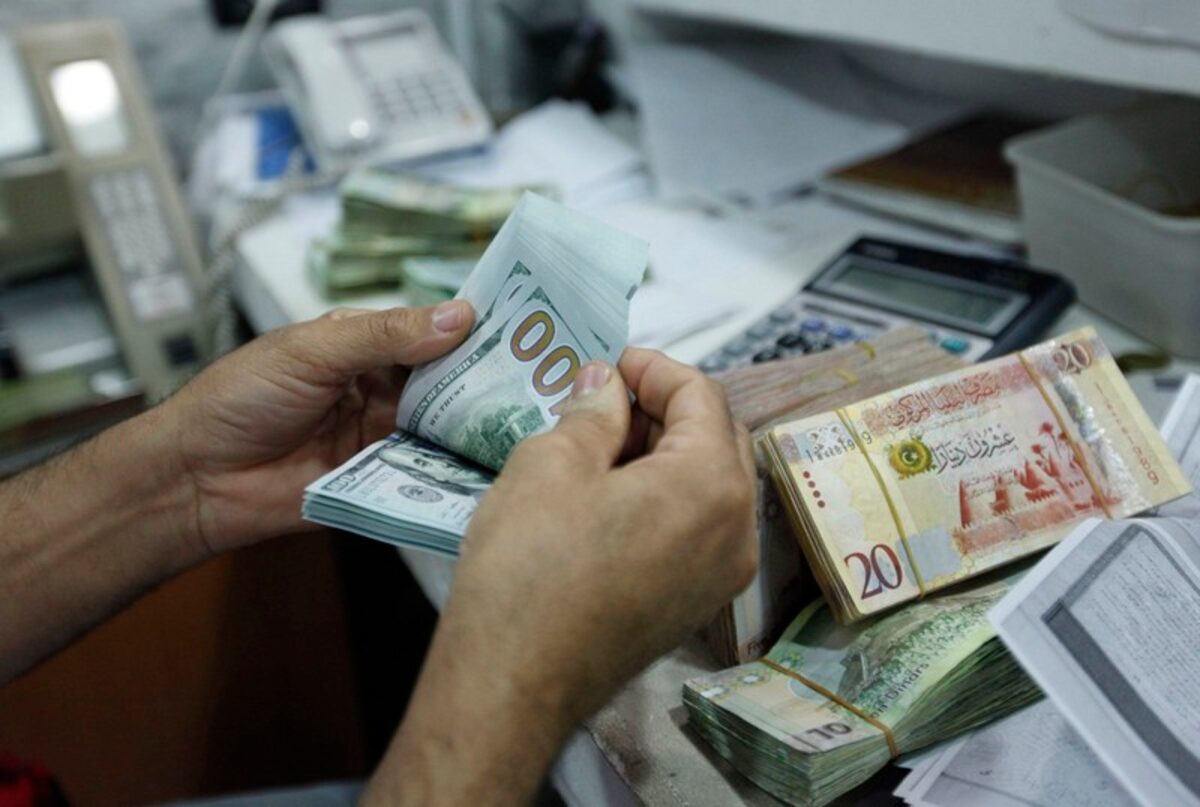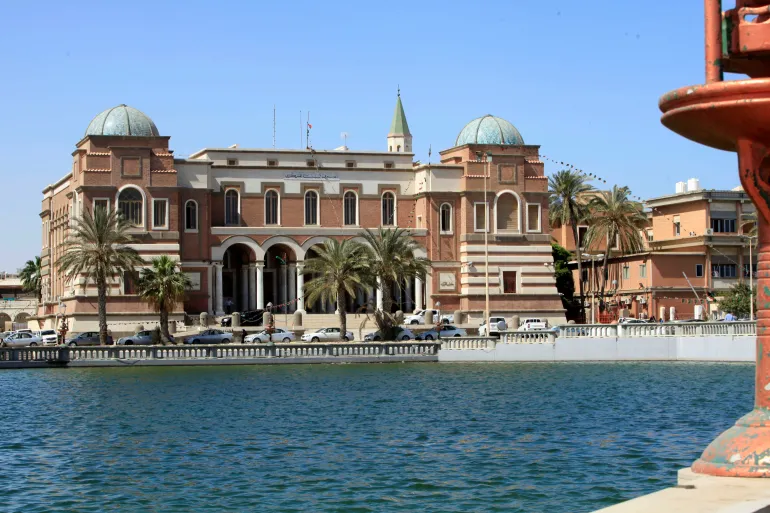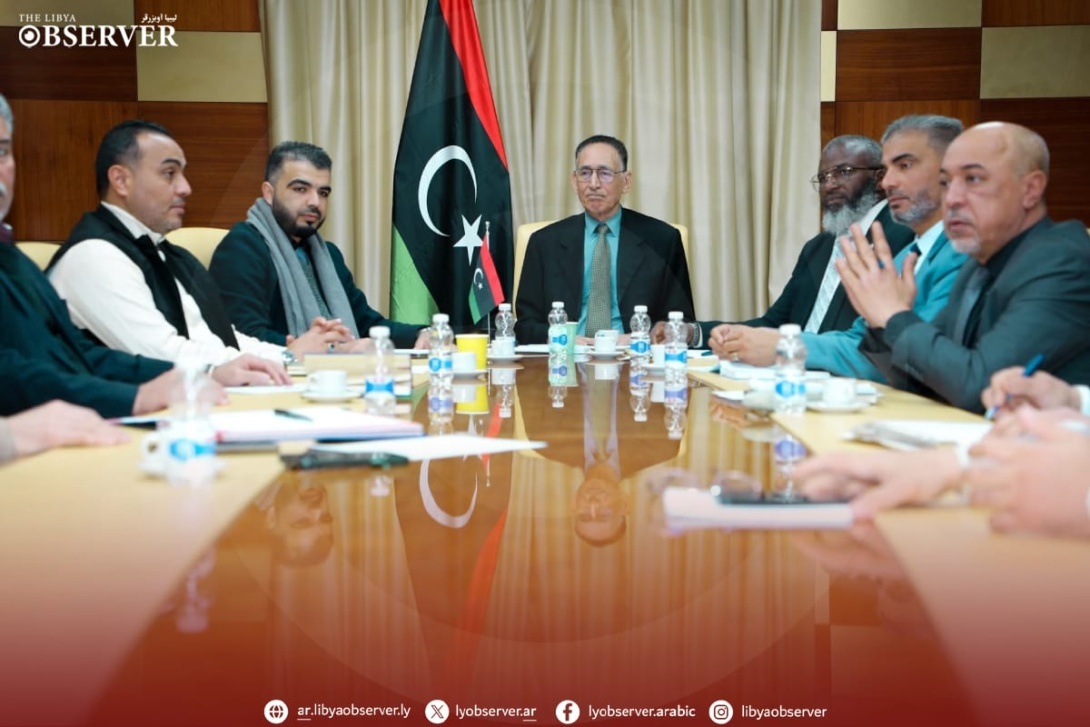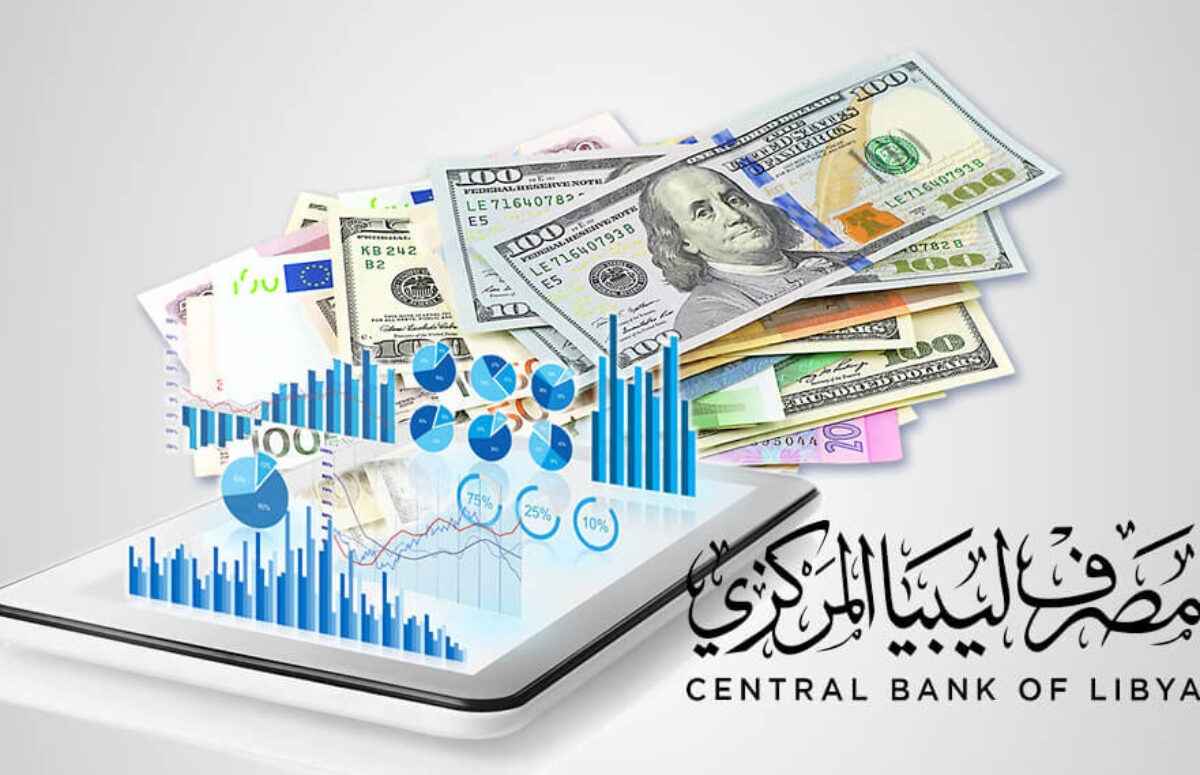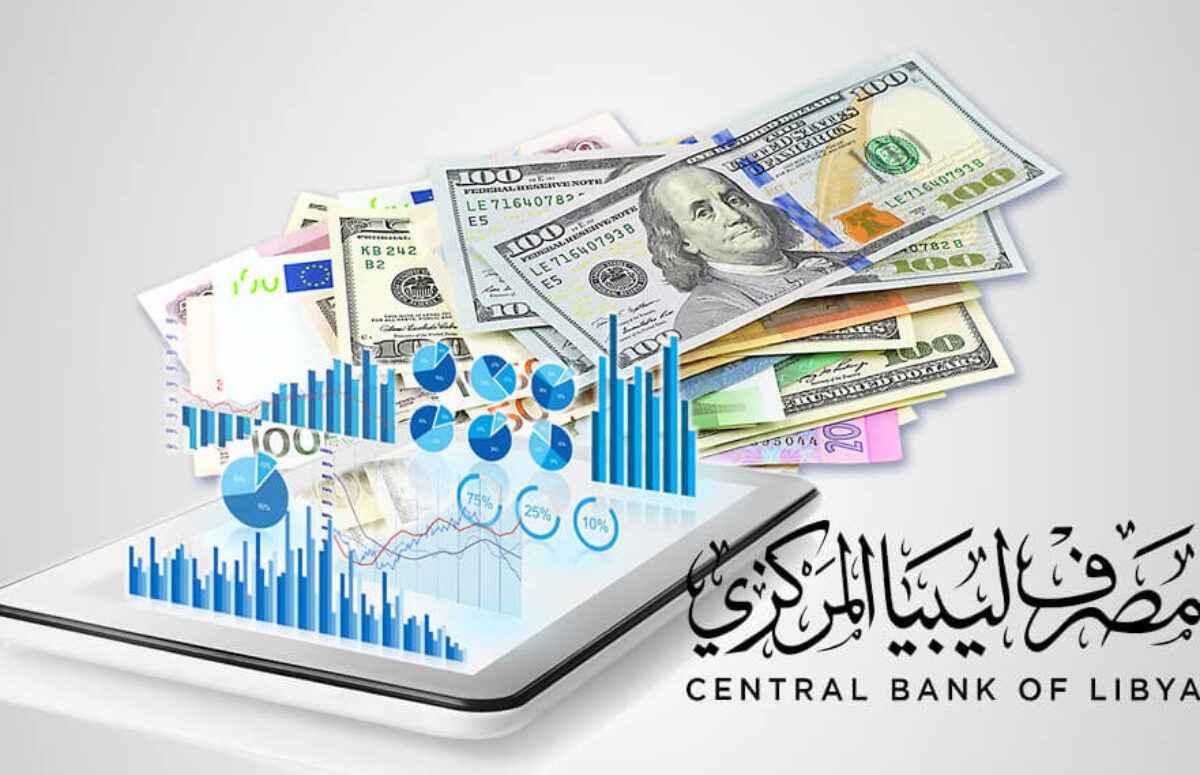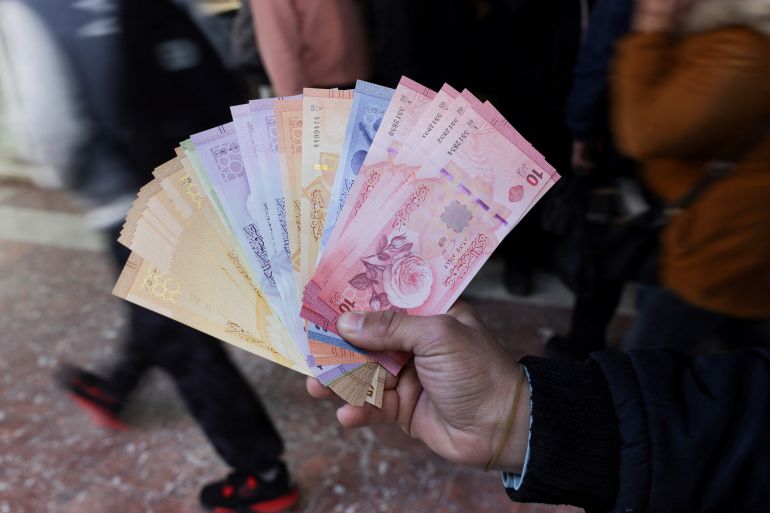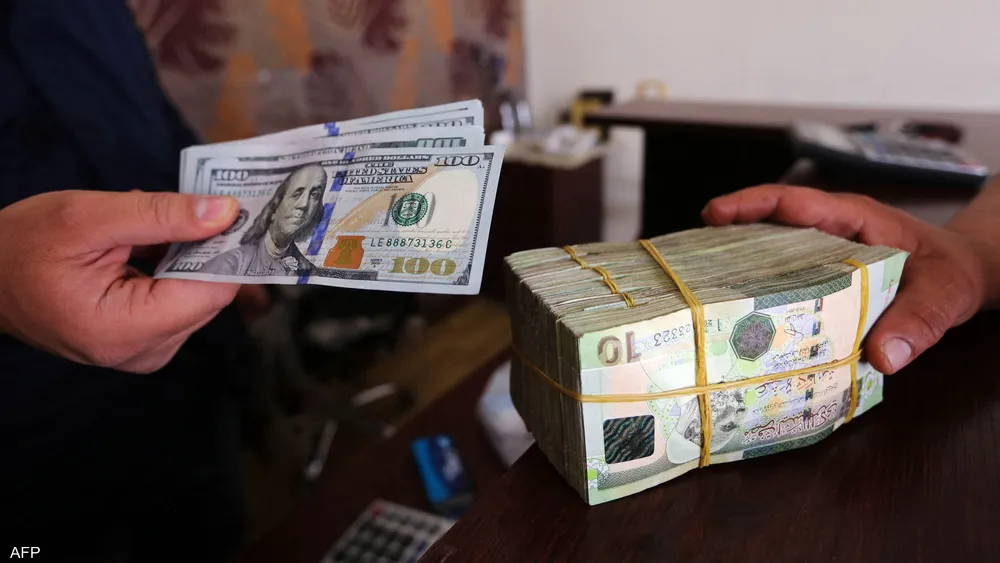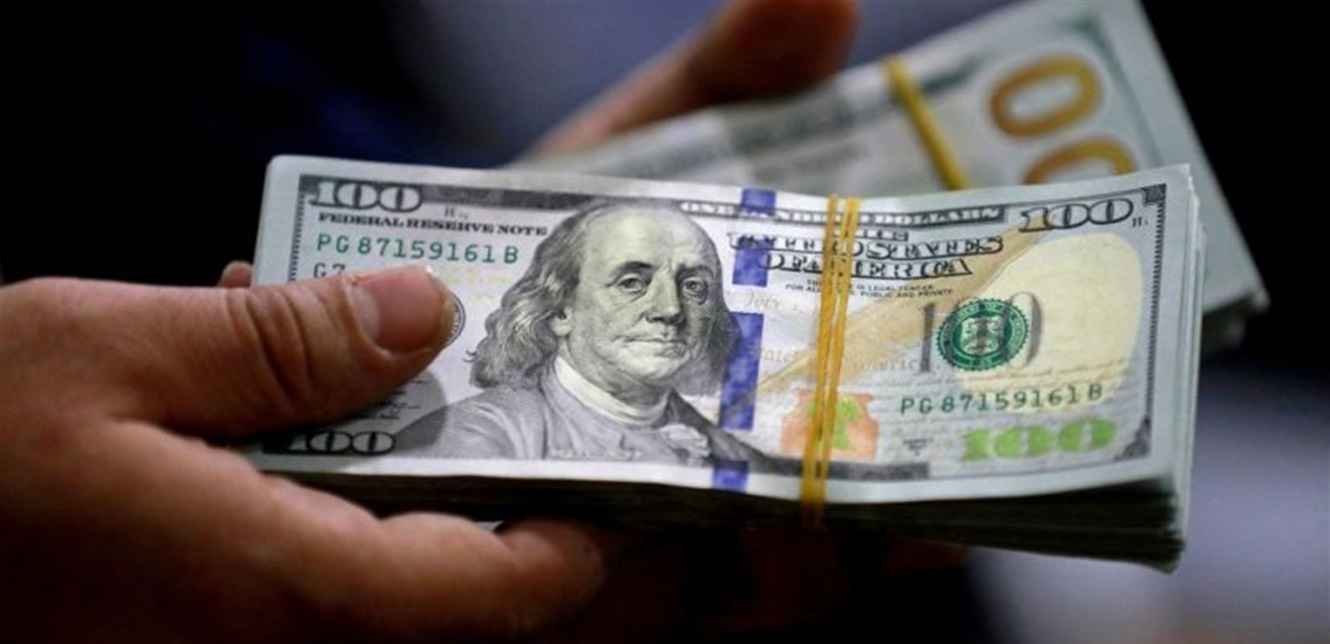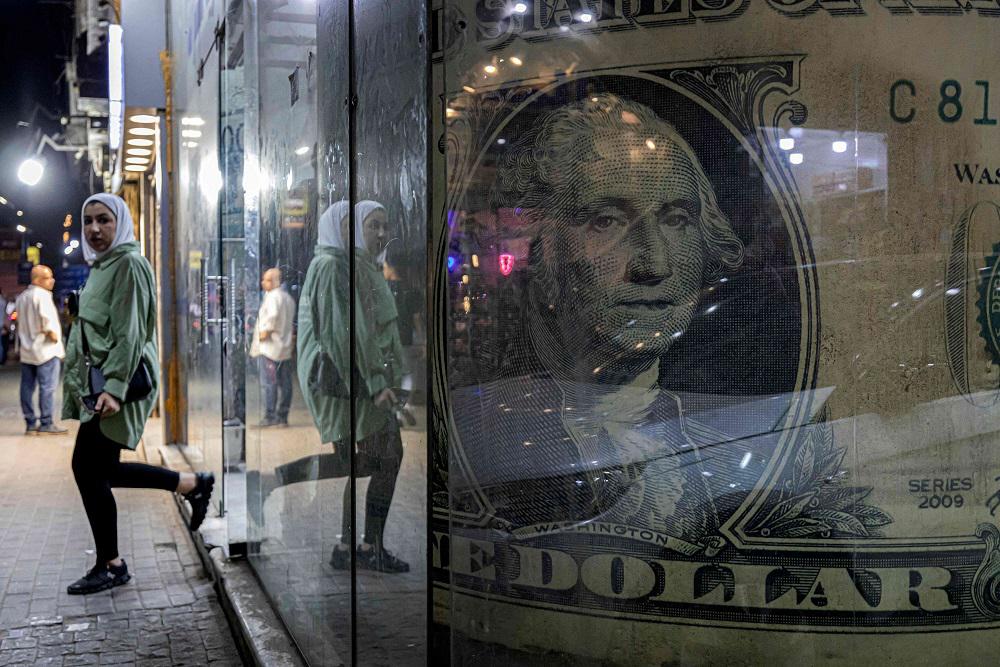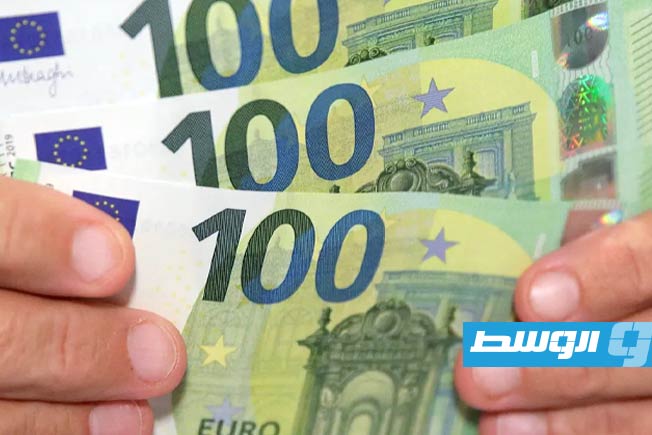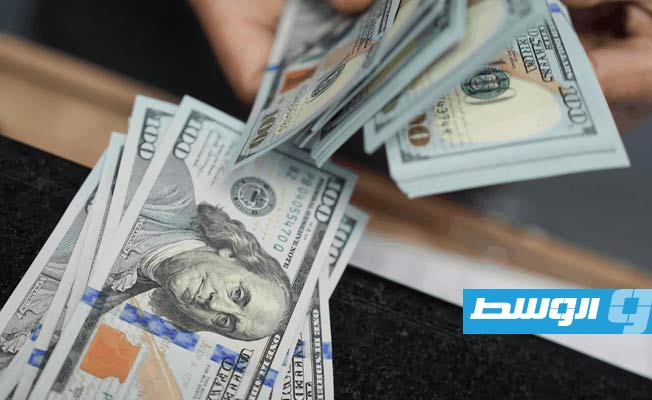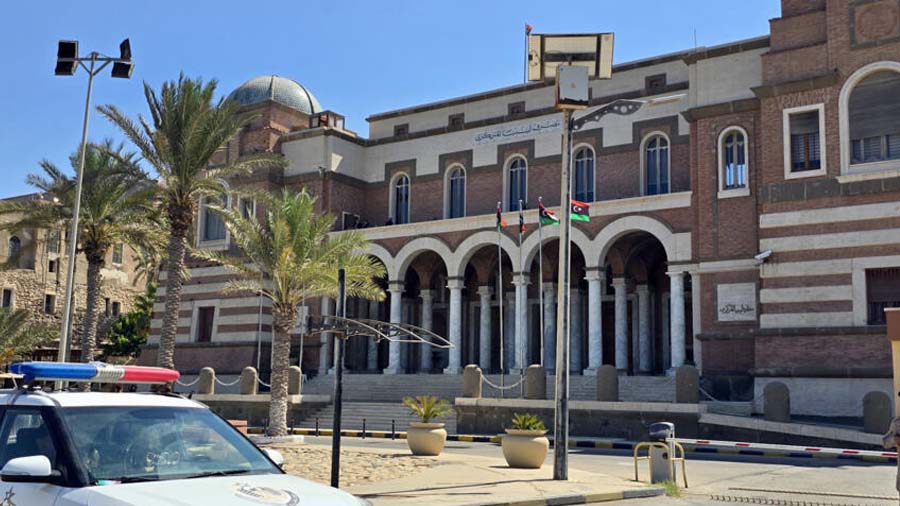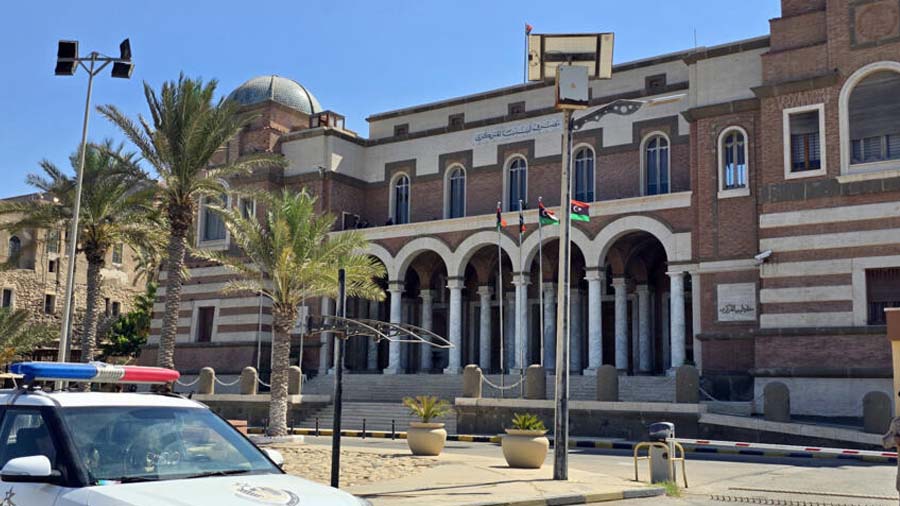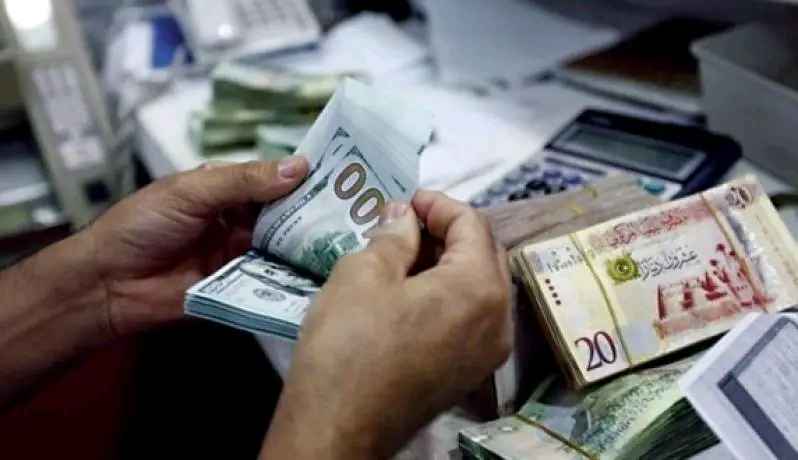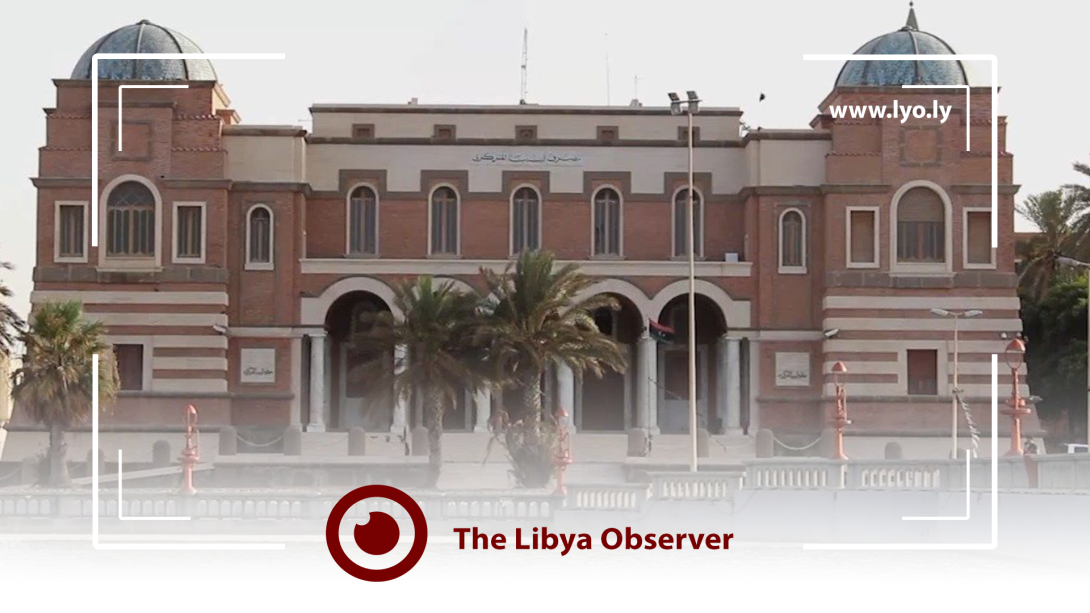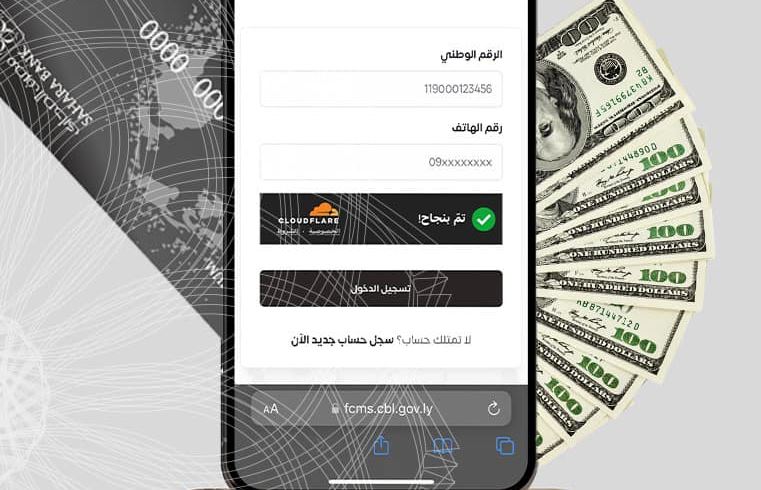
An official source at the Central Bank of Libya revealed exclusively a package of financial and regulatory measures set to begin implementation starting tomorrow, Sunday. The aim is to address the accumulations of the past months and regulate the exchange market and personal allowances for the year 2026.
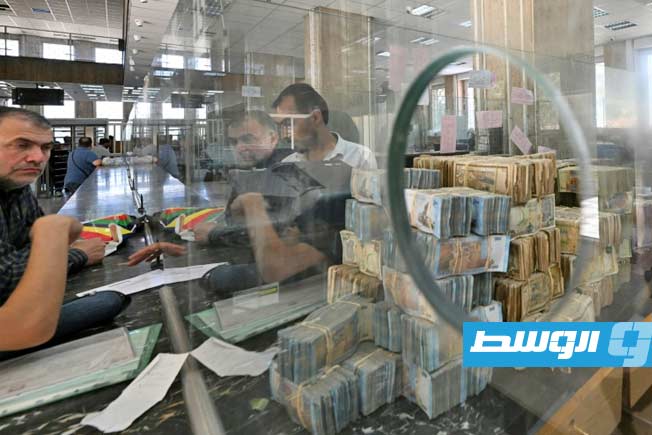
The source explained that the bank will begin circulating new operational controls to all exchange companies and offices, a step aimed at tightening oversight and improving the level of financial compliance.
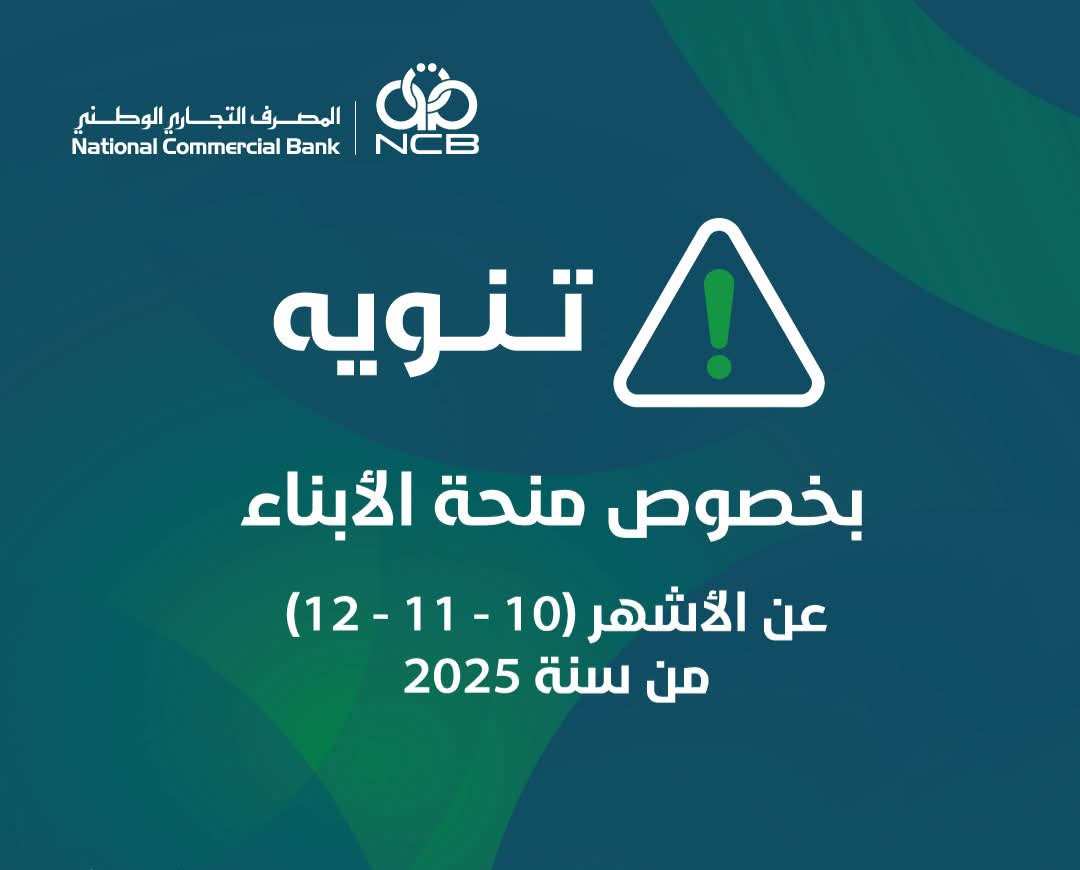
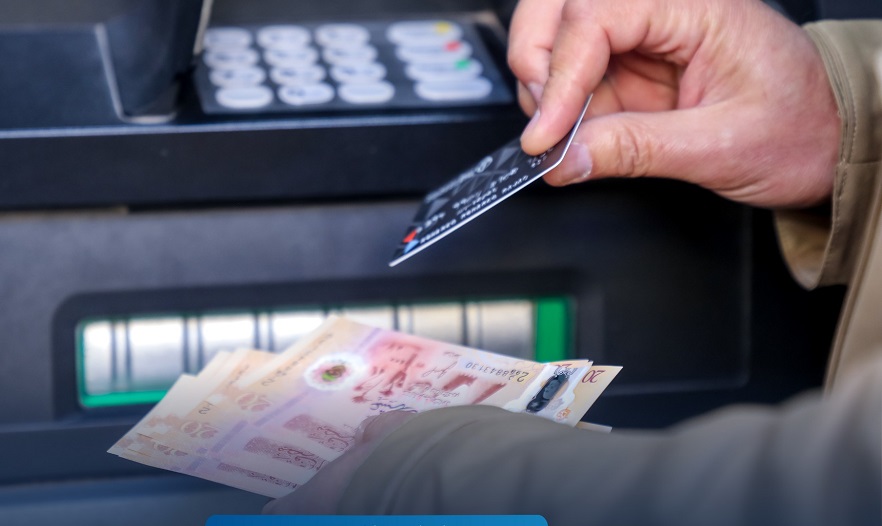
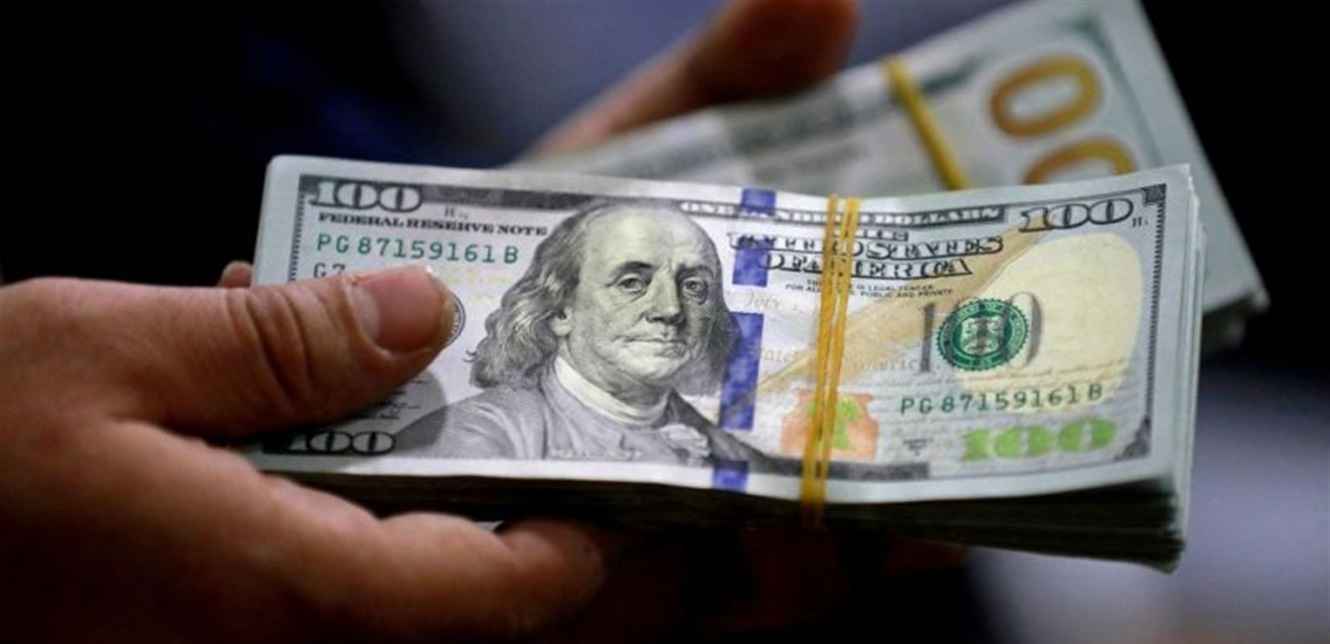
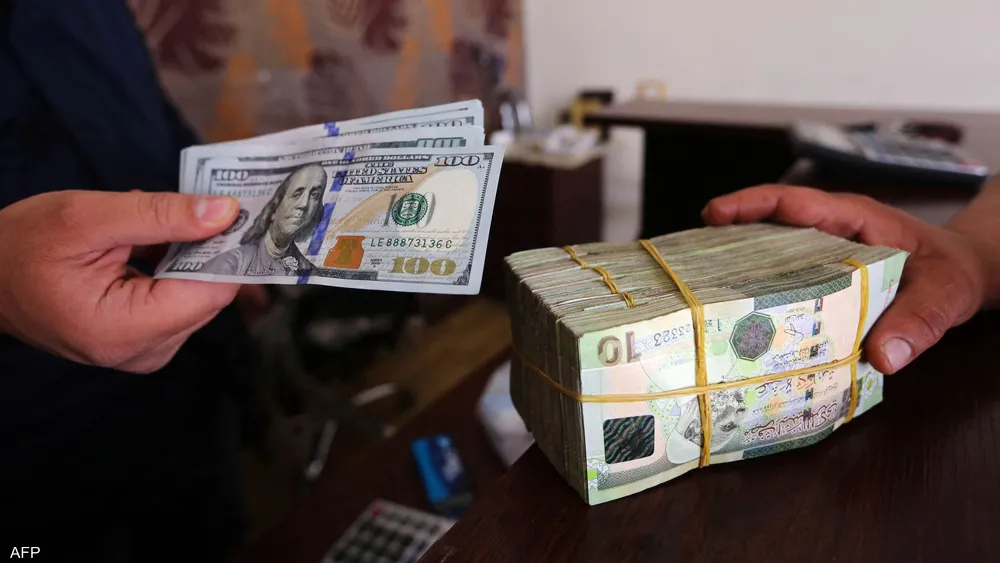
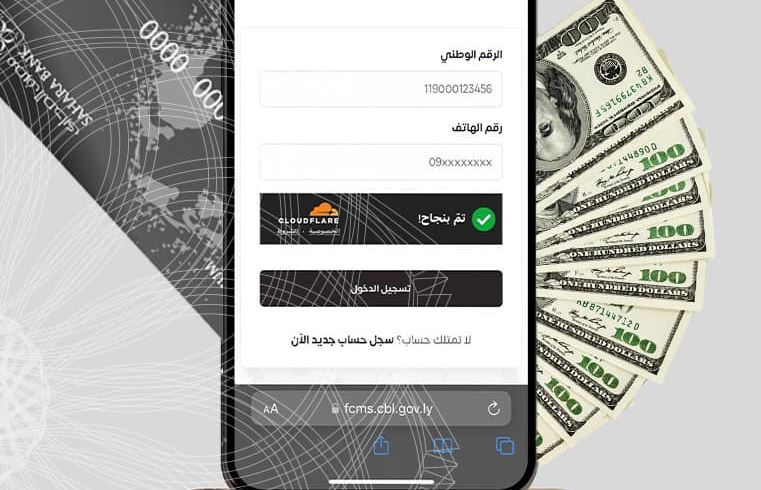
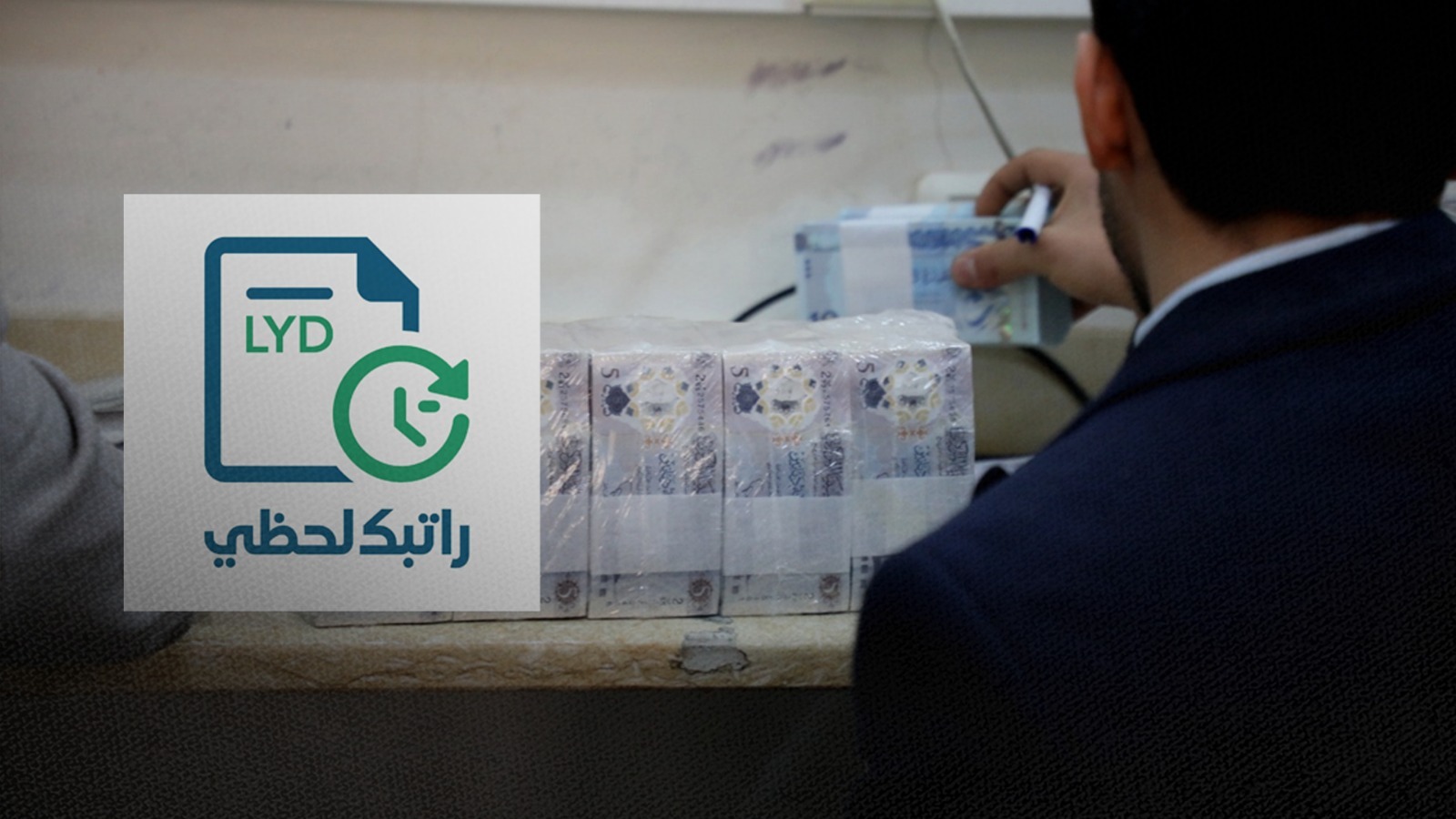
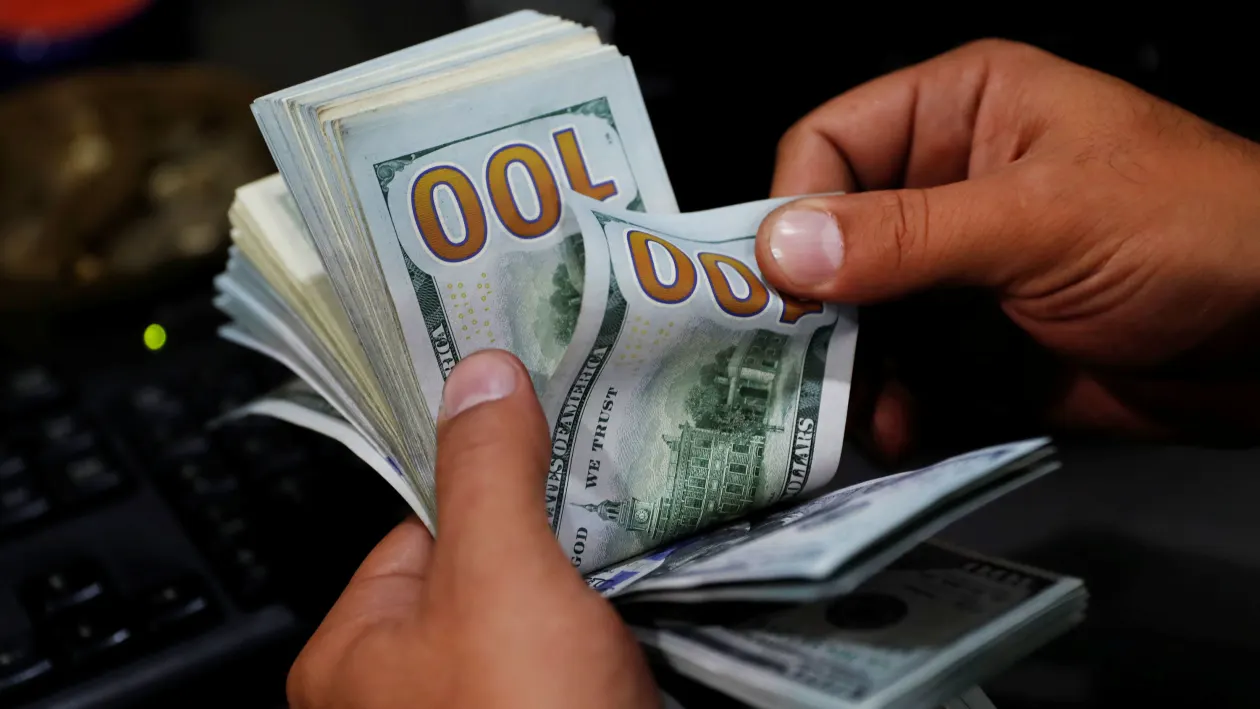
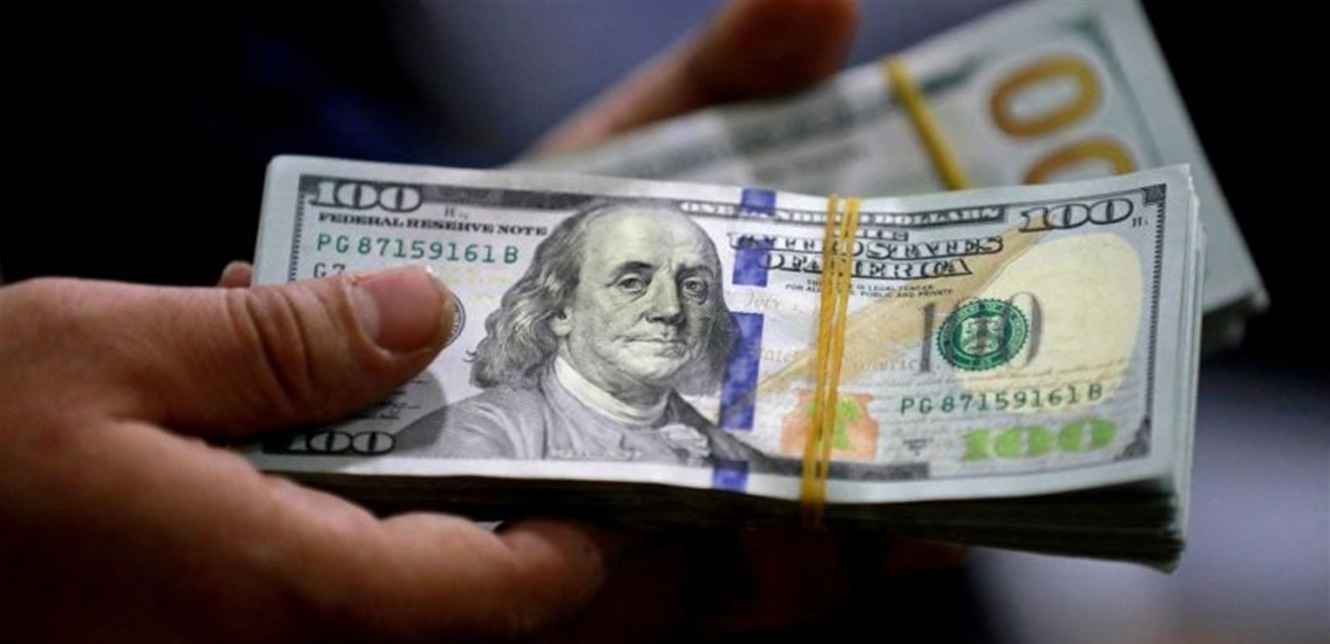
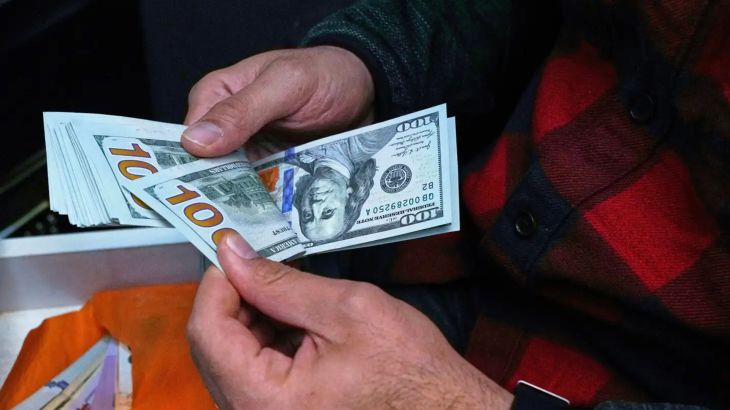
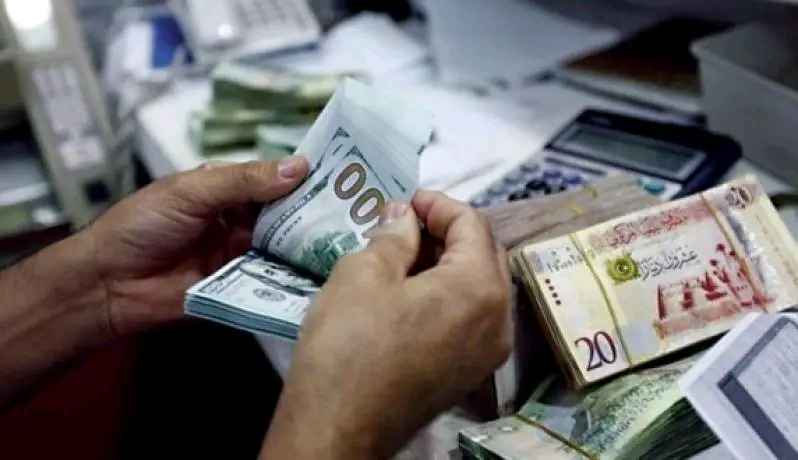
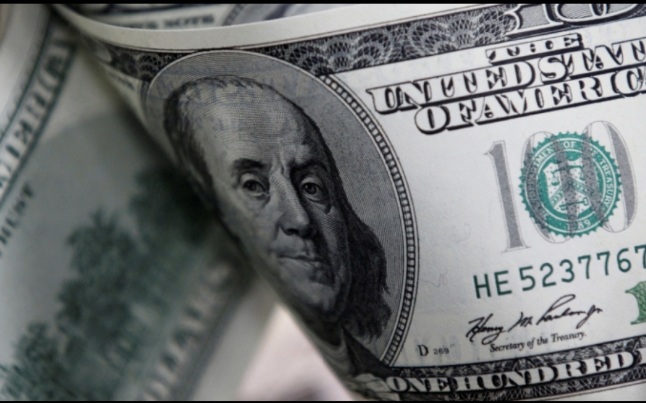
He added that the bank will resume processing the pending personal allowance requests since last December, valued at $600 million, confirming that this batch will reach the bank’s treasury during February, with subsequent monthly payments continuing at the same value.
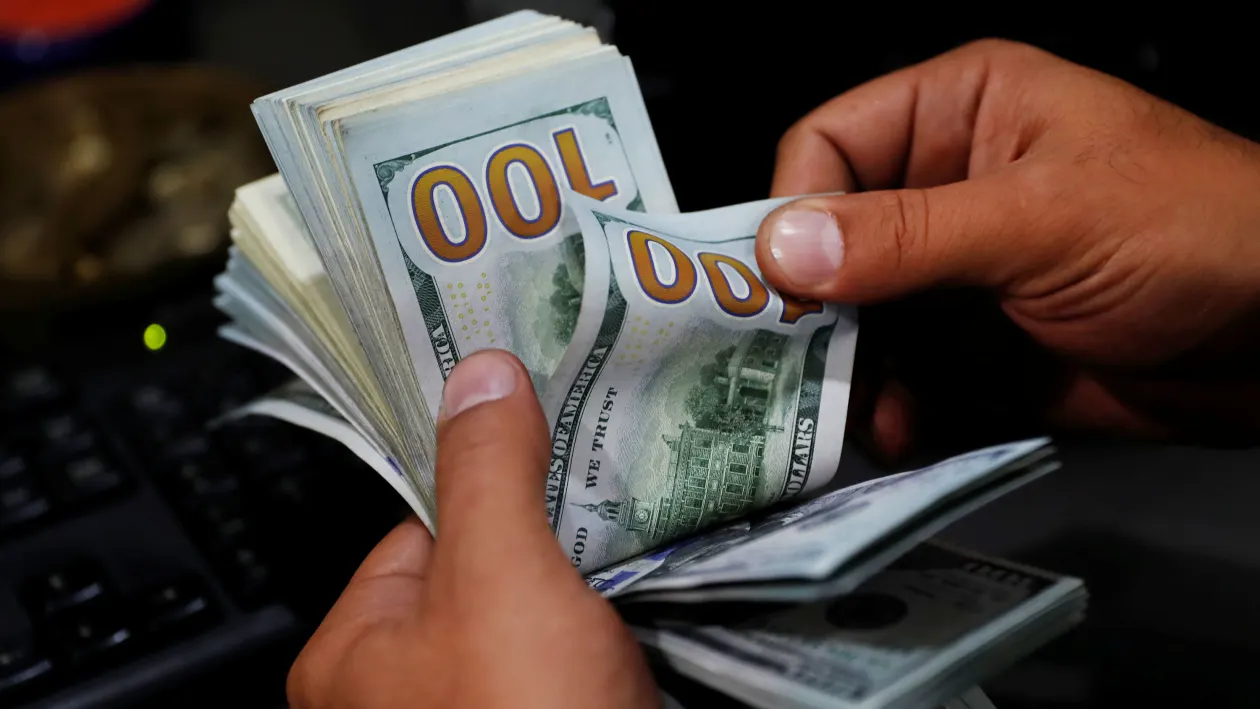
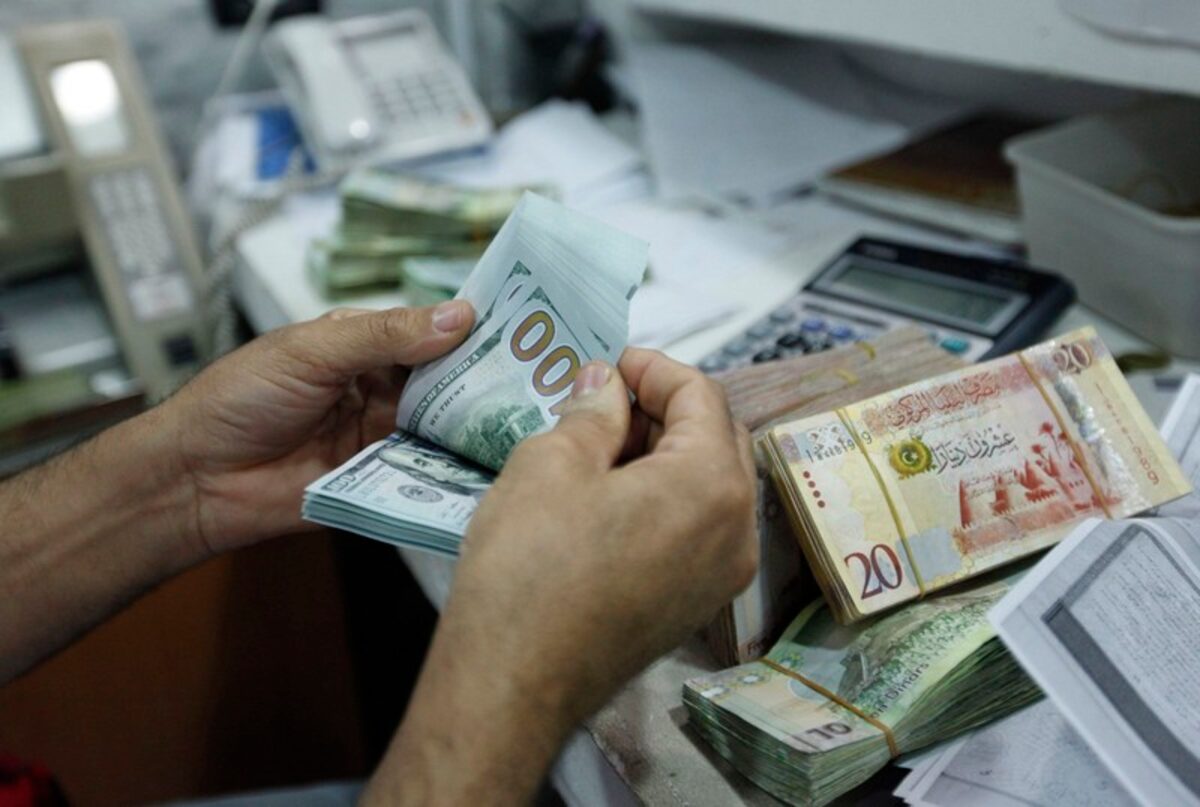
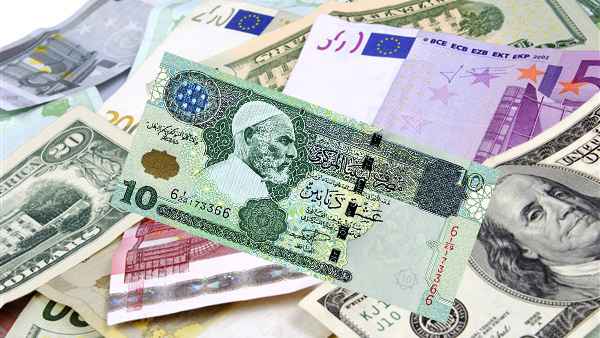
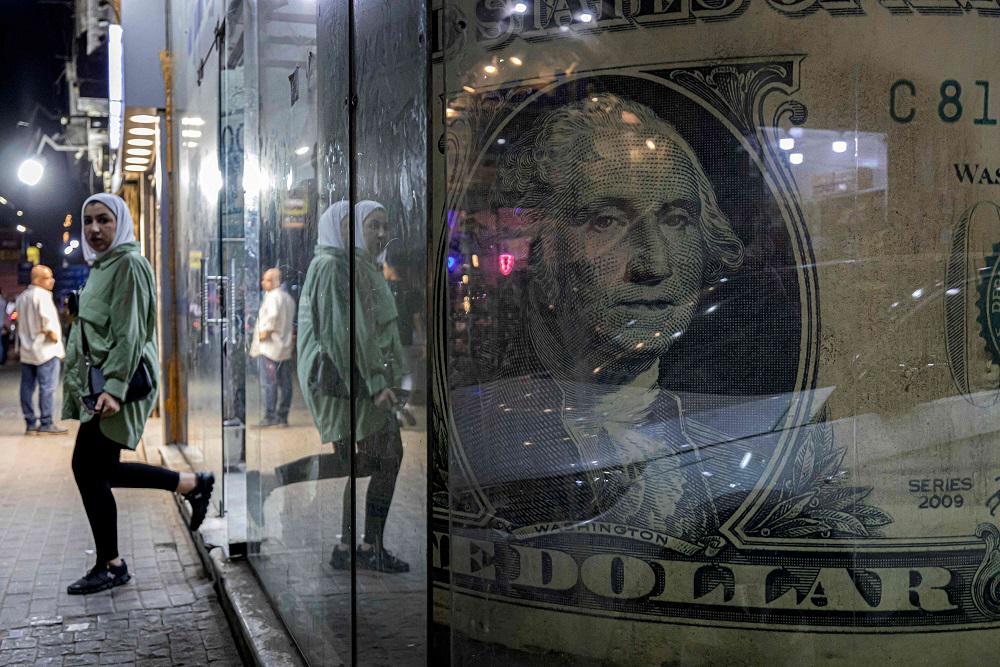
The source indicated that exchange companies will provide the personal allowance quotas for 2026 according to the approved ceilings, which include:
- $2,000 per individual as a basic quota.
- An additional $8,000 for those who wish.
- $7,500 for study purposes.
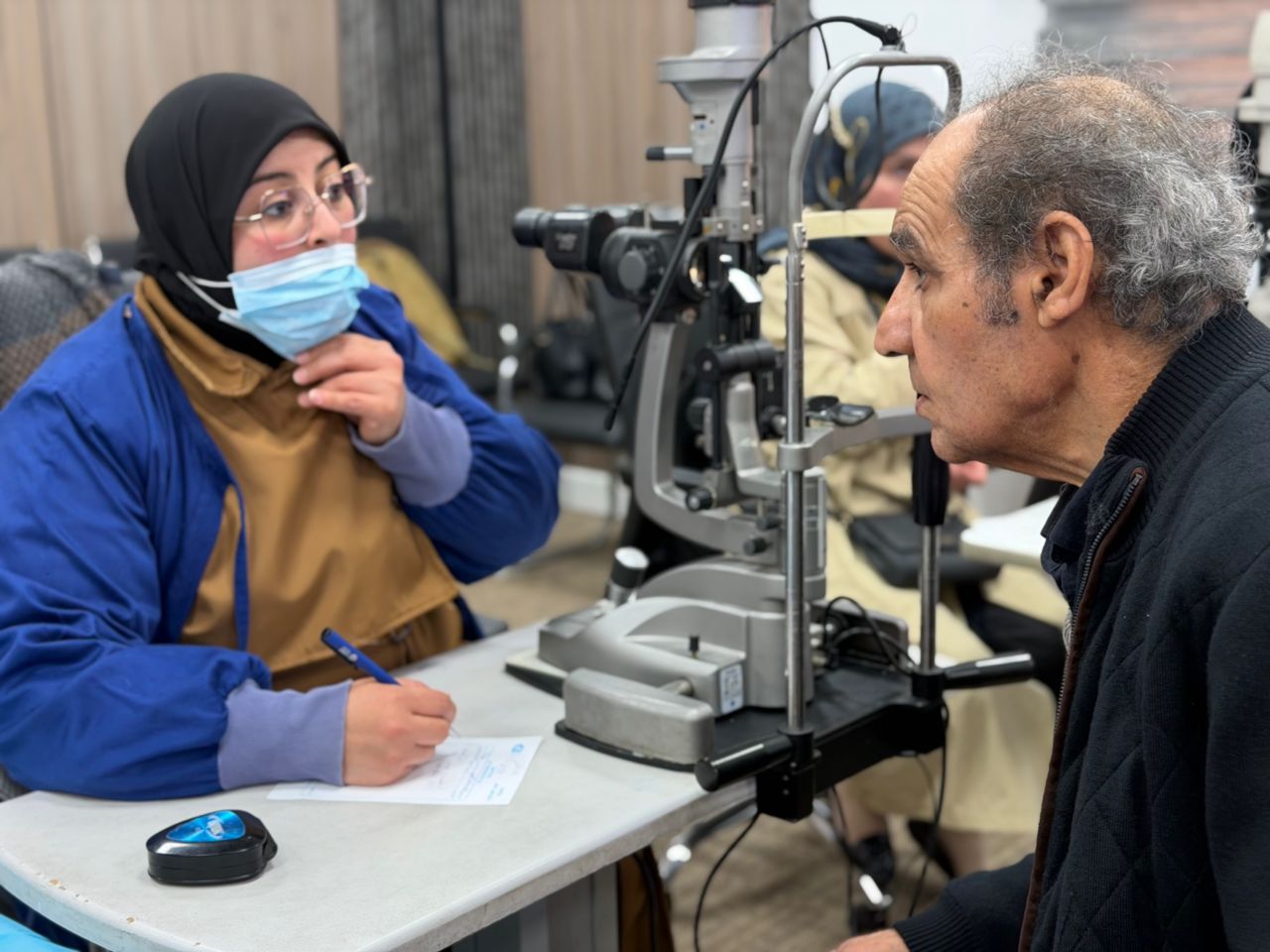
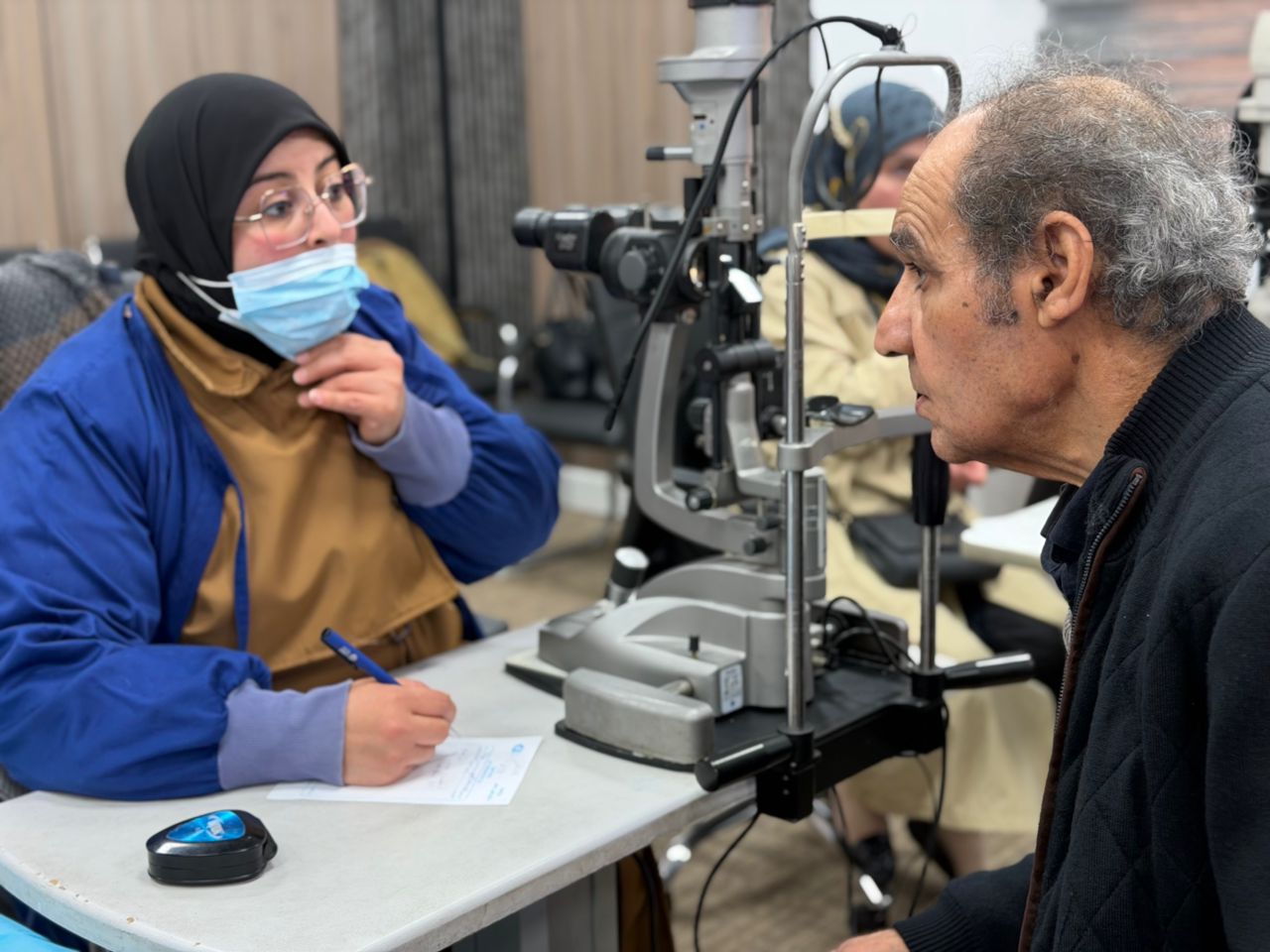
- $10,000 for medical treatment purposes.
He confirmed that these measures come as part of the bank’s plan to restore discipline to the exchange market and meet the accumulated requests of citizens.